
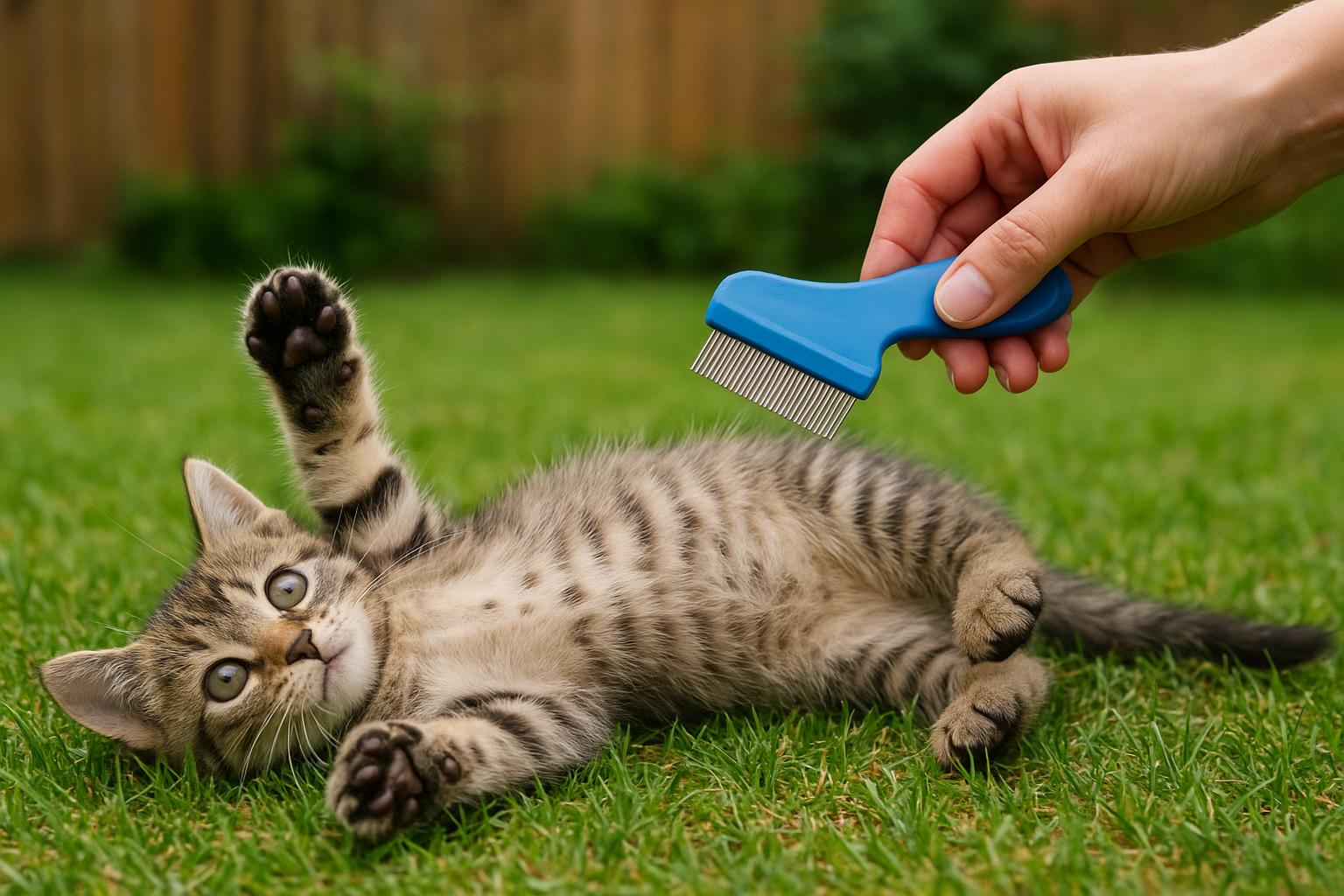
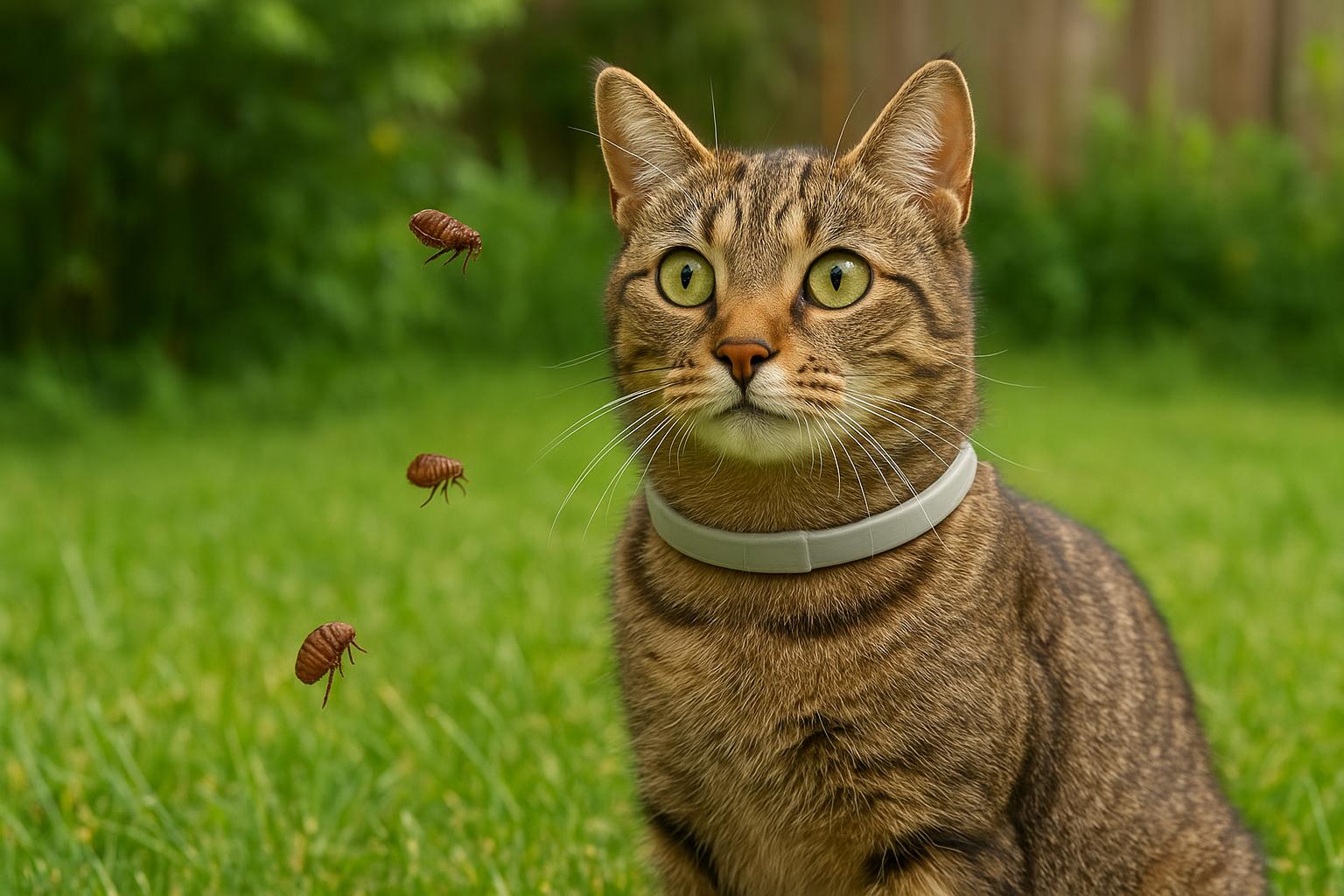
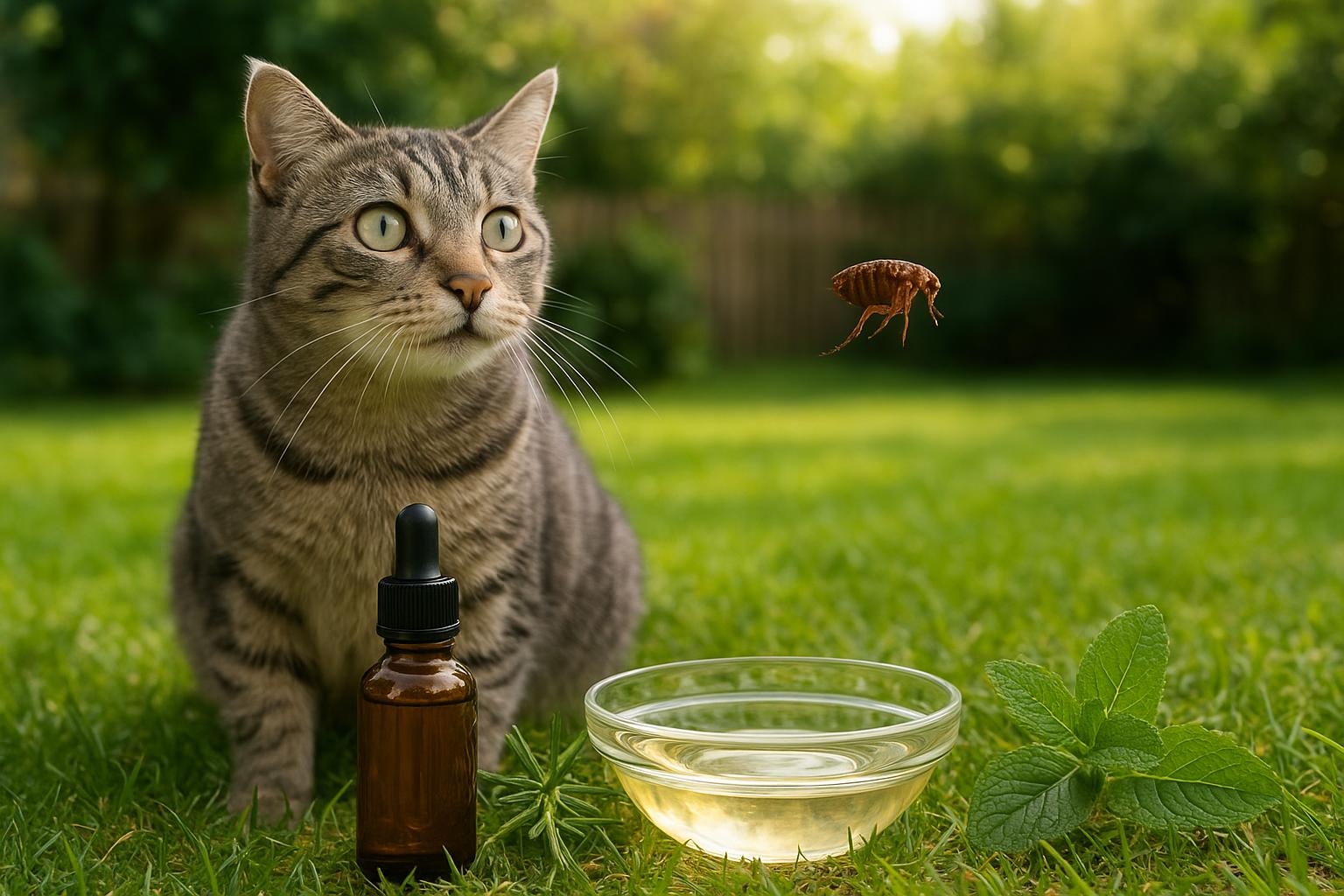
Kittens in the backyard are a little chaos wrapped in fur: playful, curious, and—if you’re unlucky—excellent hosts for fleas. Backyard life is wonderful for development and enrichment, but it comes with tiny hitchhikers. This guide focuses on practical, vet-responsible strategies so you can enjoy kitten cuddles without becoming part of a flea circus.
## Flea Prevention Kittens: Backyard Basics
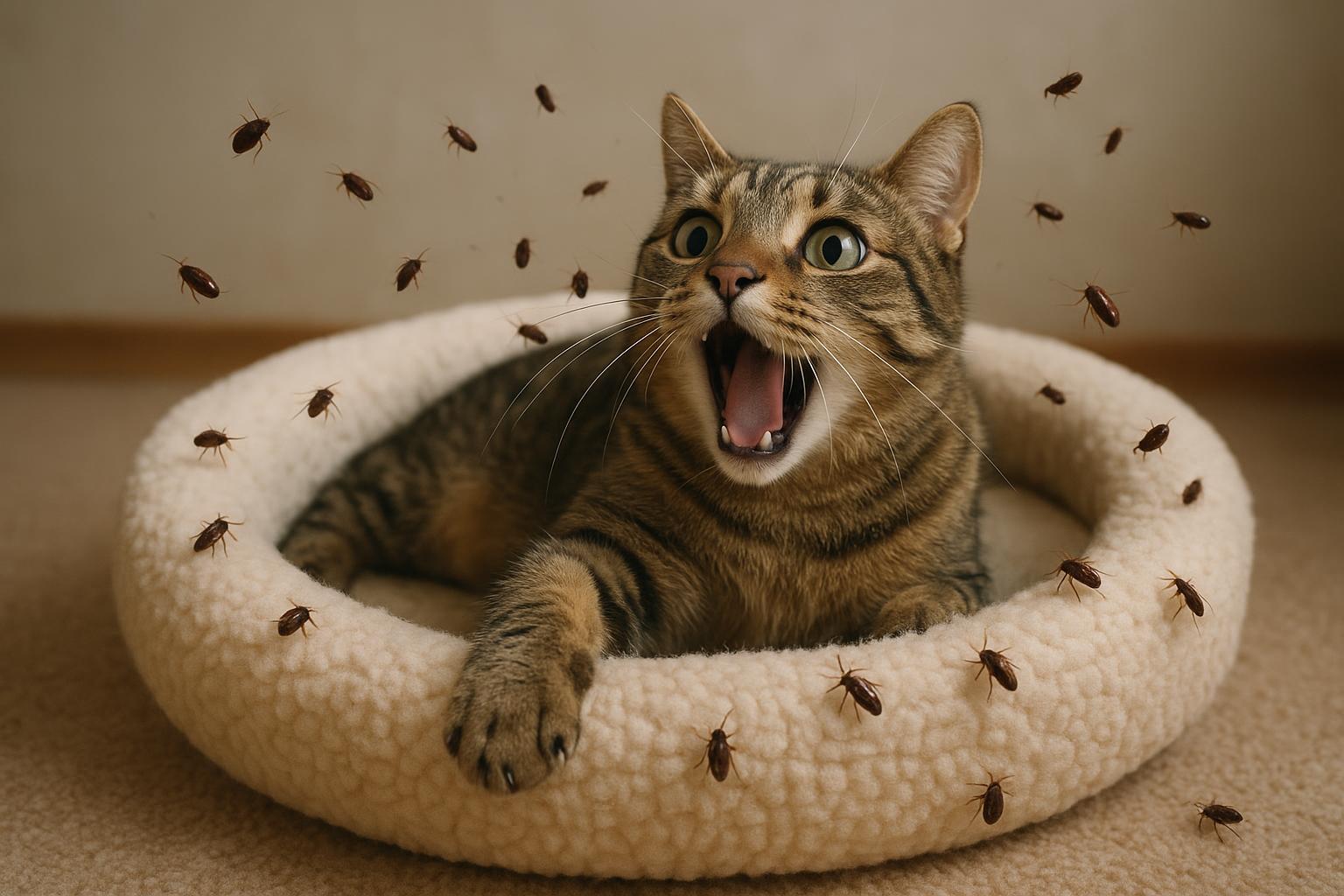
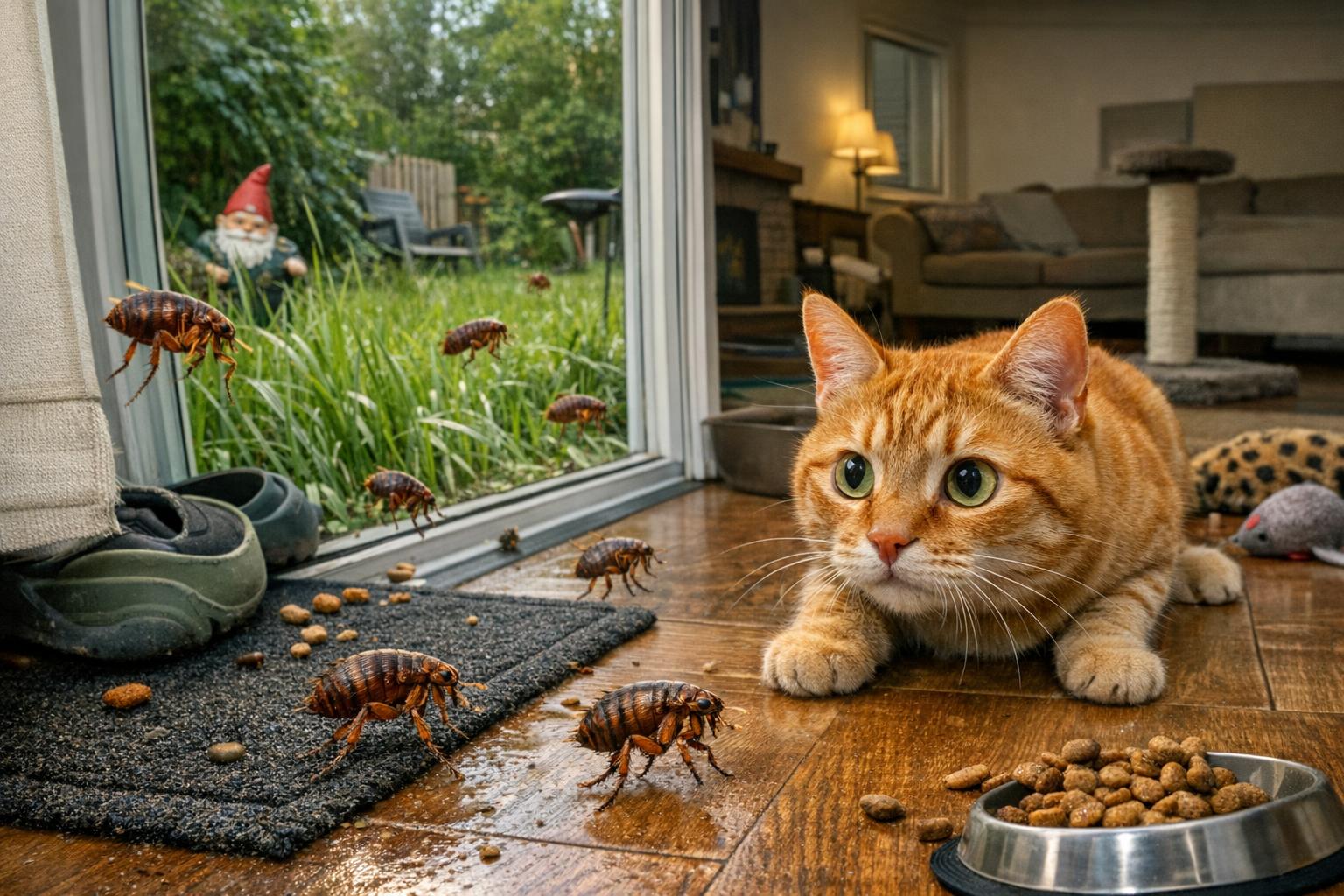
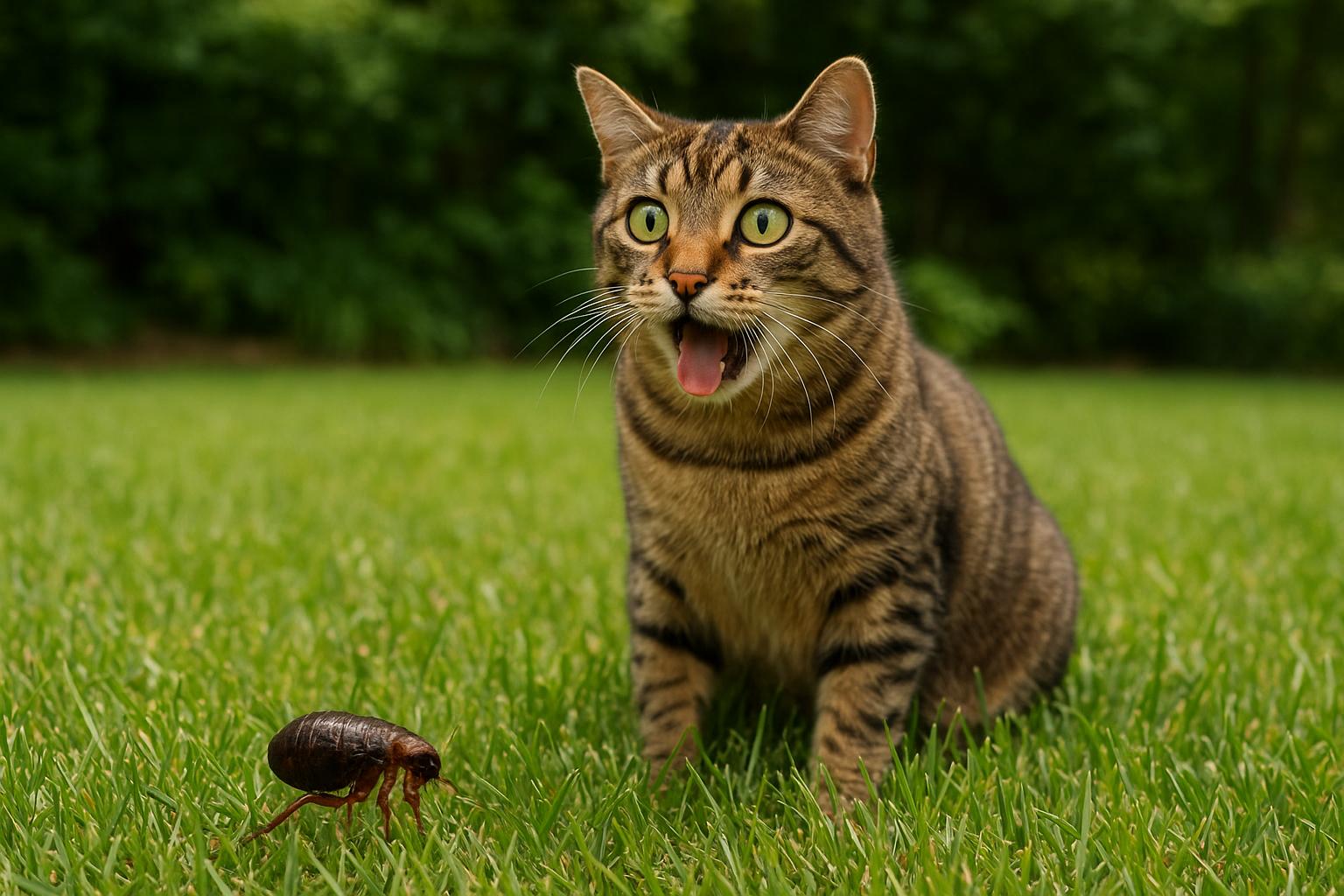
Fleas are fast breeders and backyard microclimates—shady spots, leaf litter, tall grass—make excellent incubators. Early and consistent flea prevention kittens strategies protect your kitten’s skin, prevent anemia in tiny bodies, and reduce the chance of tapeworms or allergic dermatitis. Think of it as proactive care: a little effort now saves a lot of scratching later.
### Why Flea Prevention For Kittens Matters
Young kittens tolerate infestations poorly. A few fleas can cause significant blood loss, leading to weakness or even anemia. Aside from the physical toll, fleas transmit tapeworms and trigger intense itching that interferes with rest and socialization. Establishing flea prevention kittens routines early helps them grow into confident, healthy adults and keeps your backyard a safe playground.
### Signs Your Kitten Has Fleas
Kittens can’t exactly call a pest control hotline, so watch for these signs:
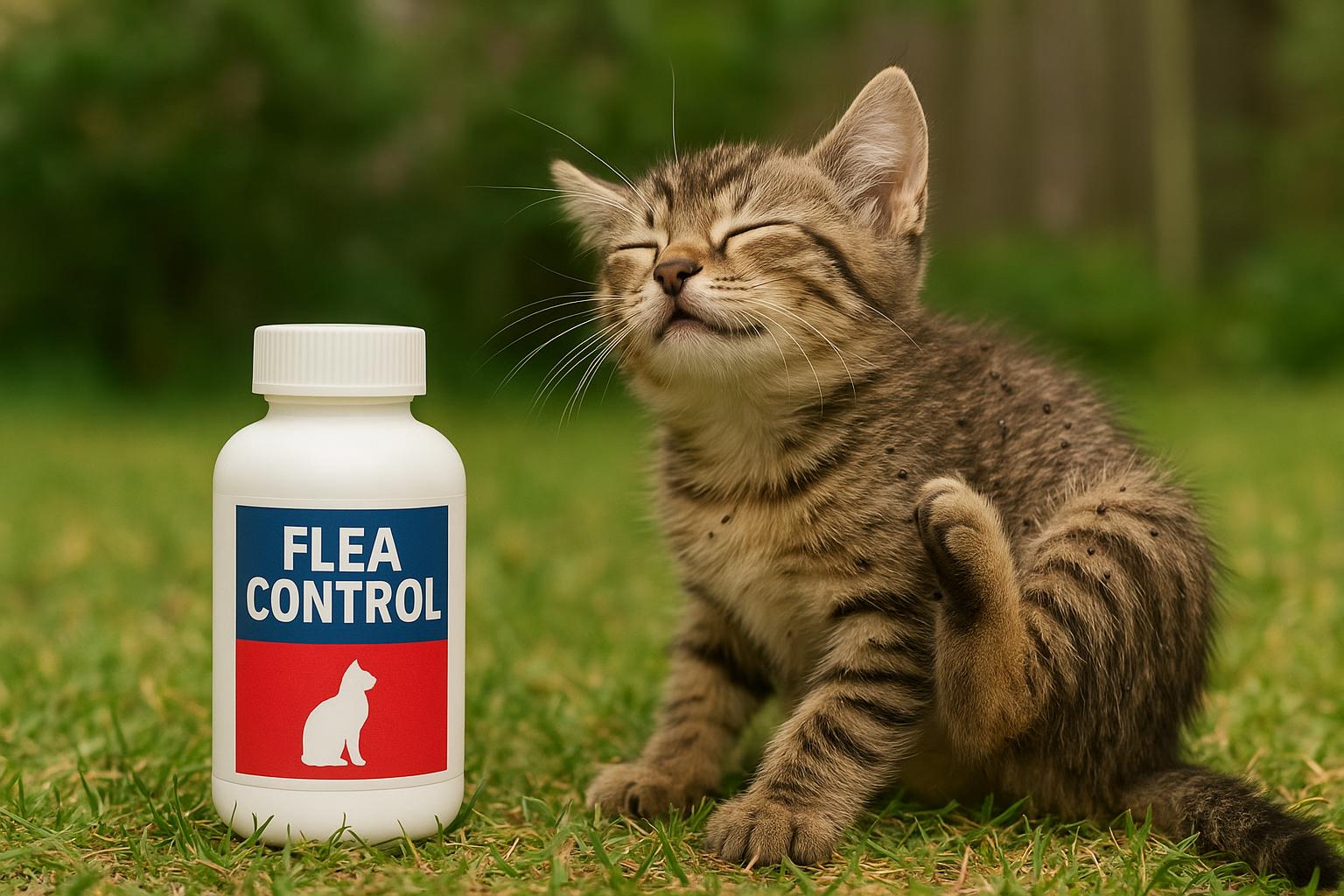
– Scratching or biting at the skin more frequently than normal.
– Red or irritated skin, especially along the neck, back, and base of the tail.
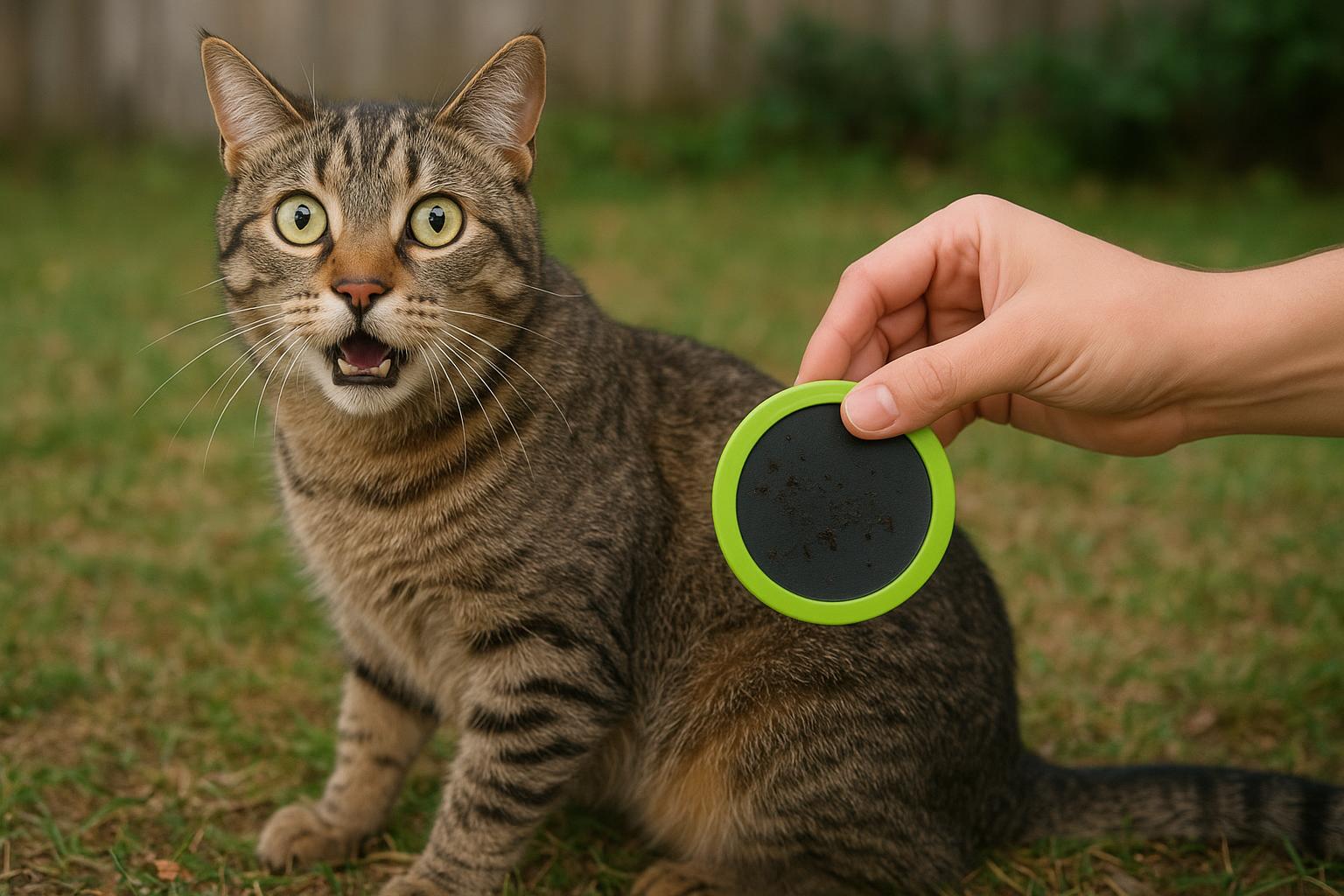
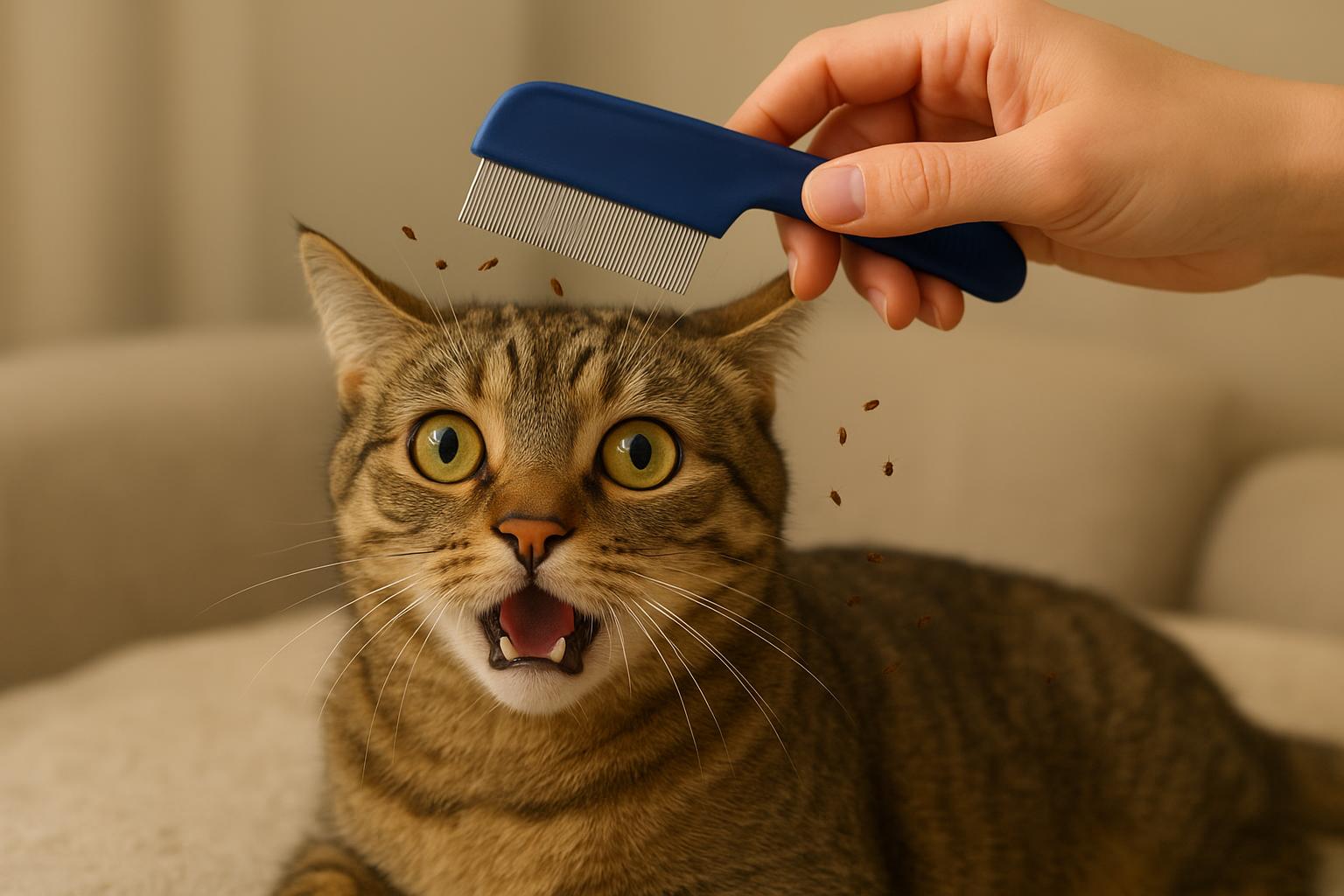
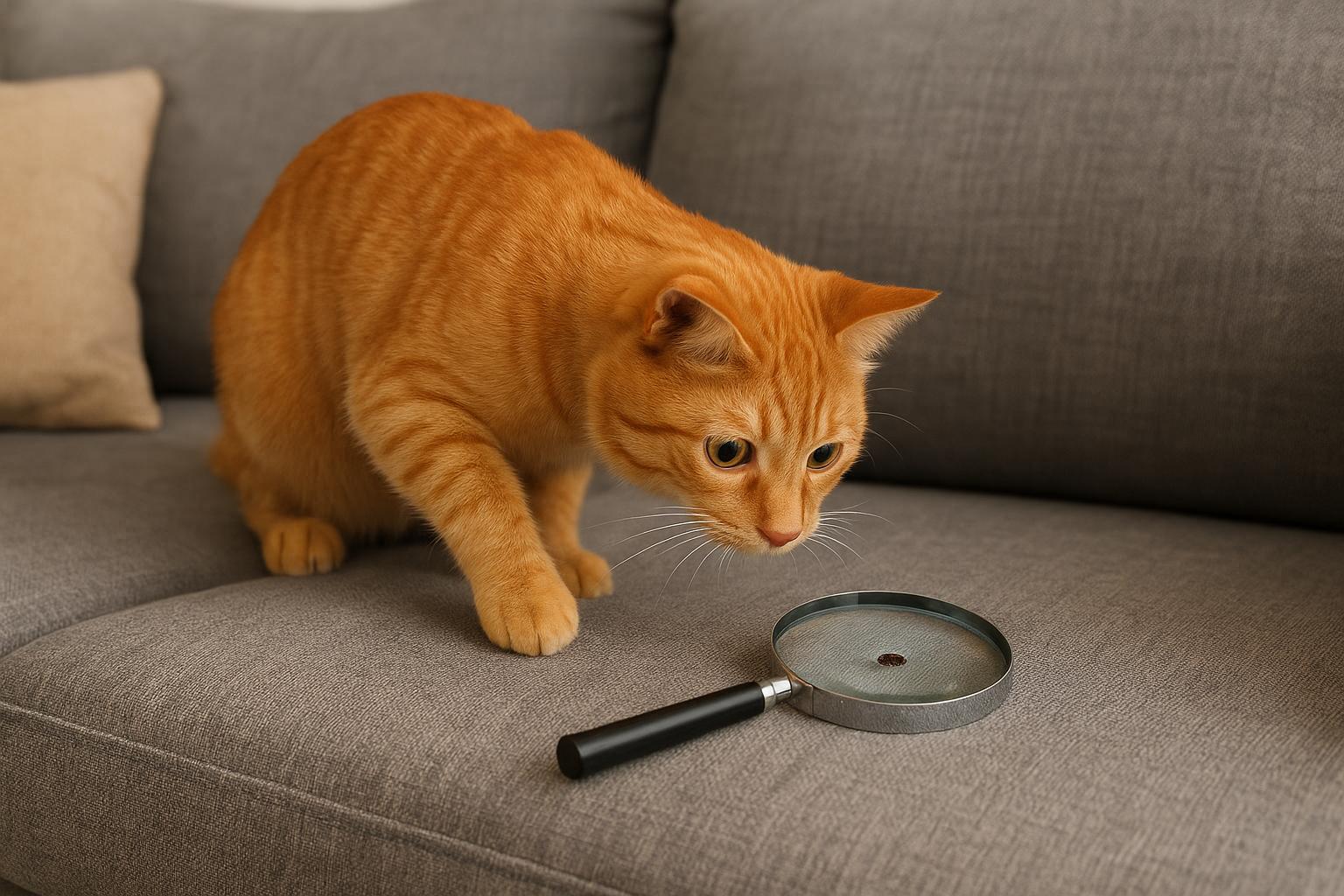
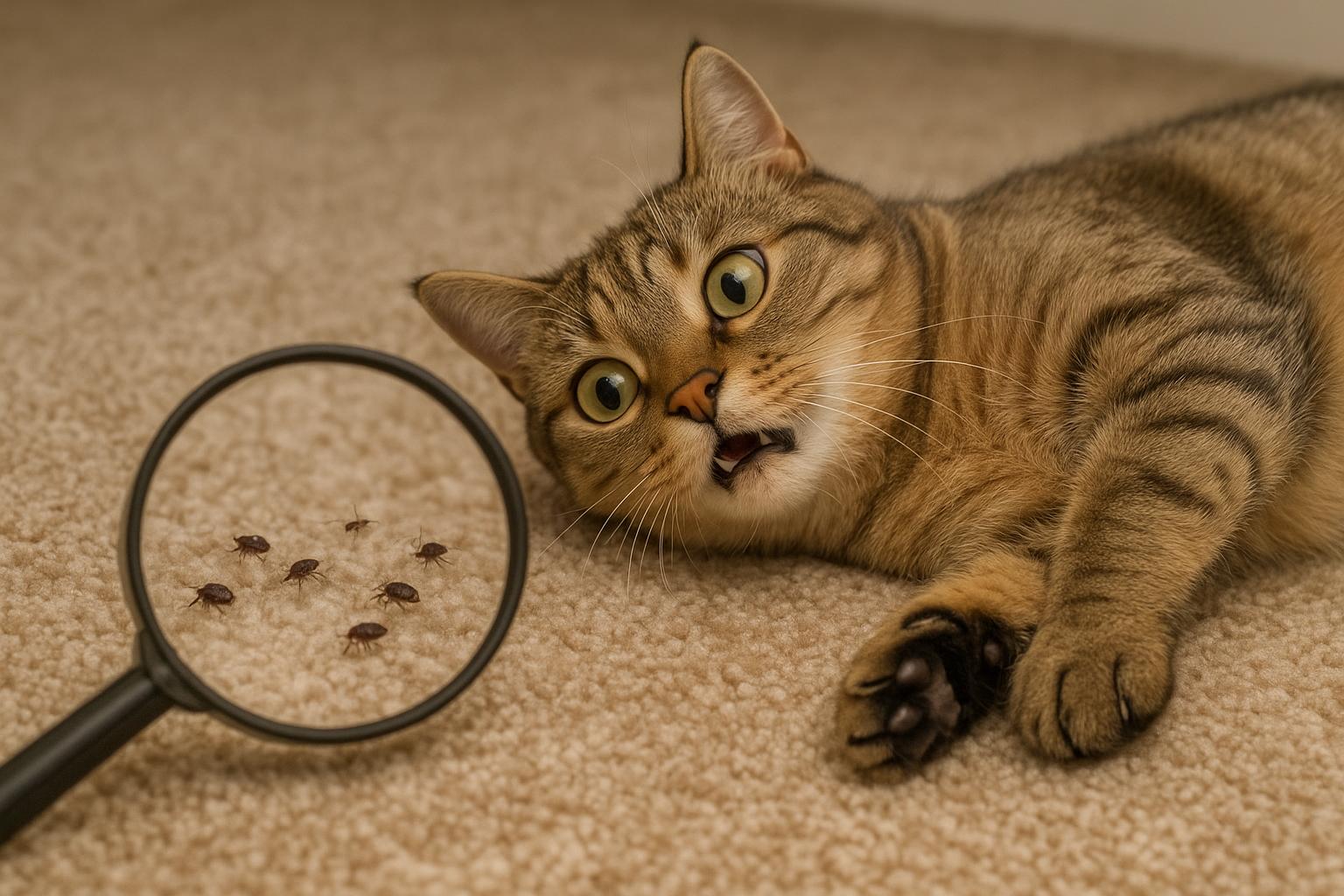
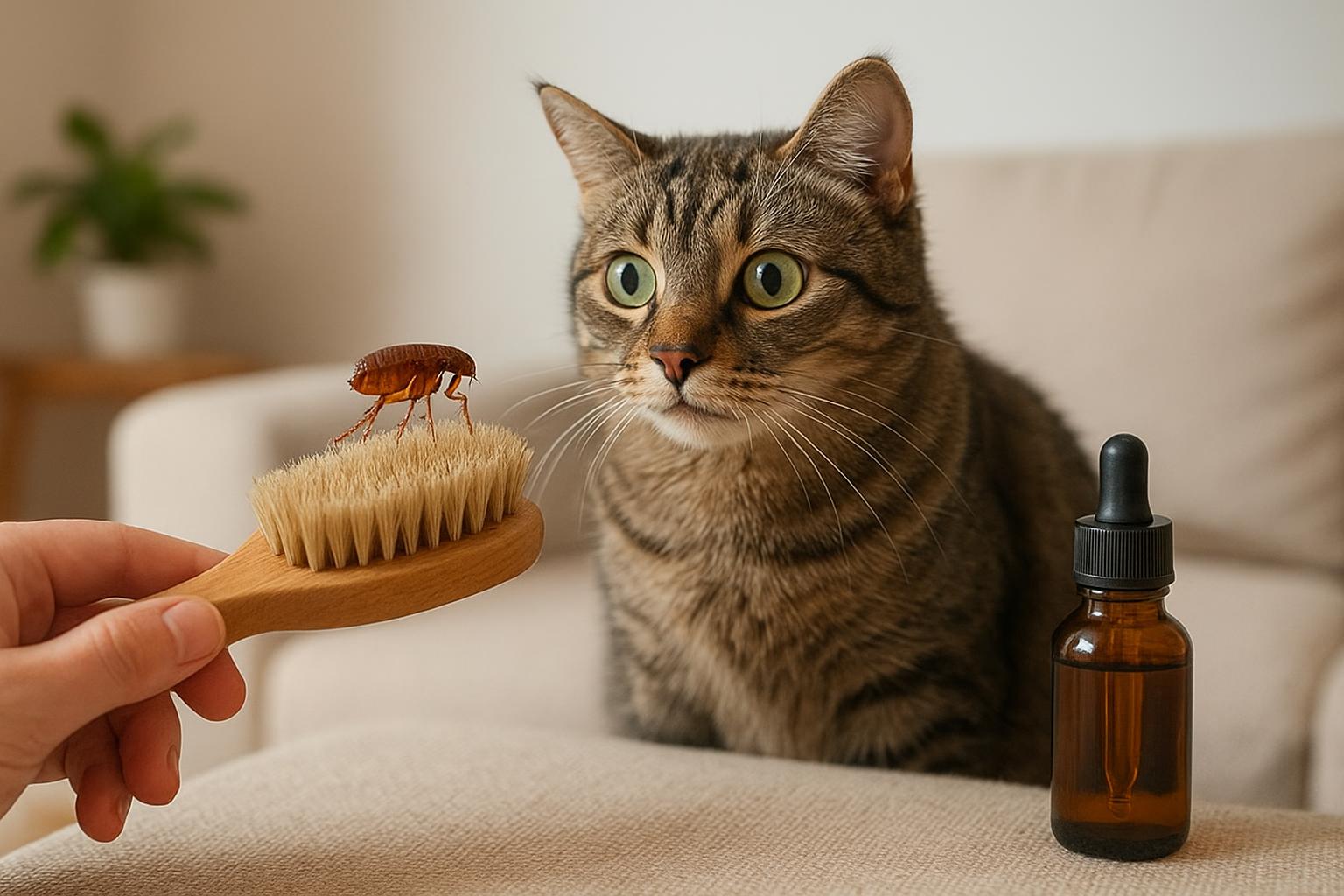
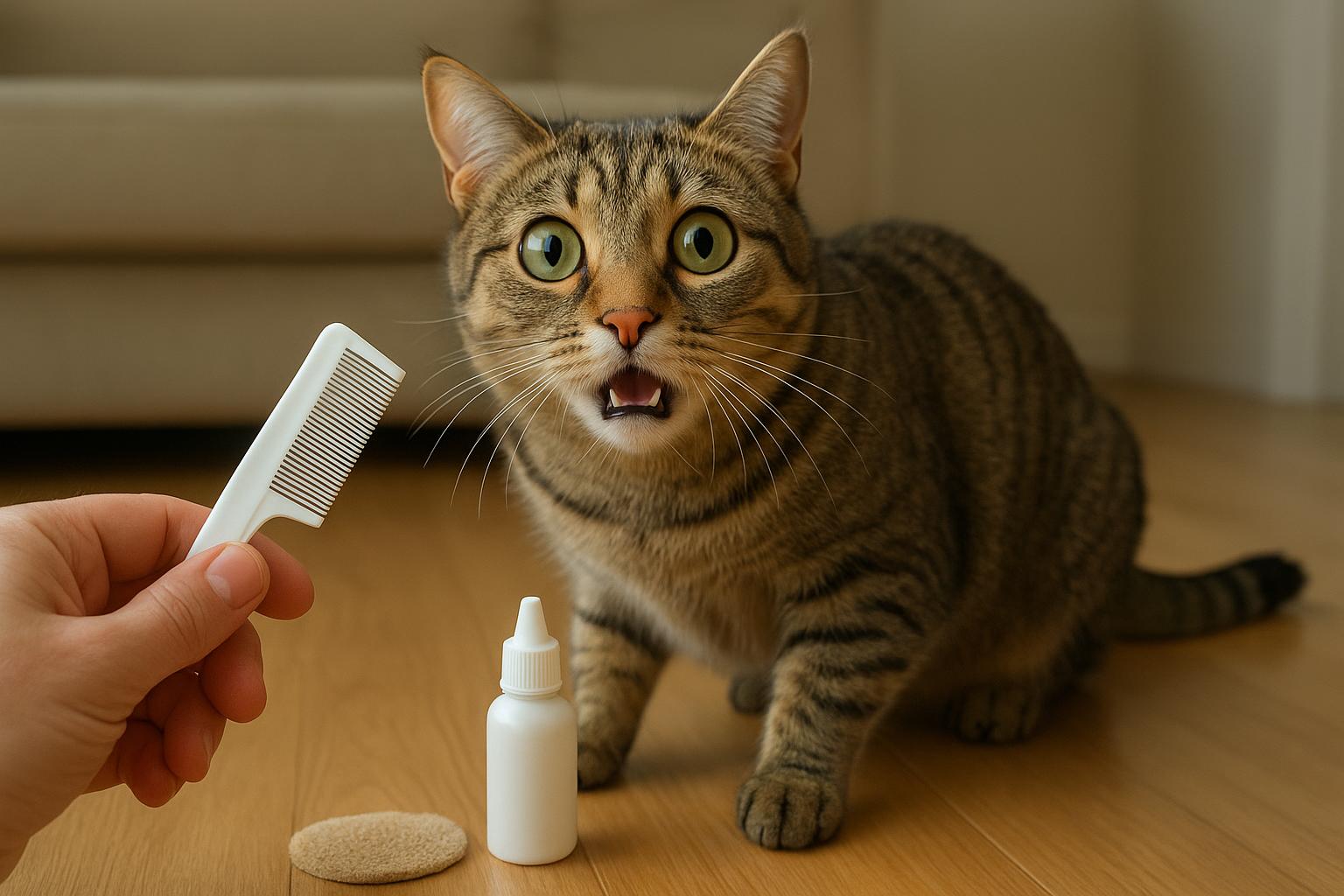
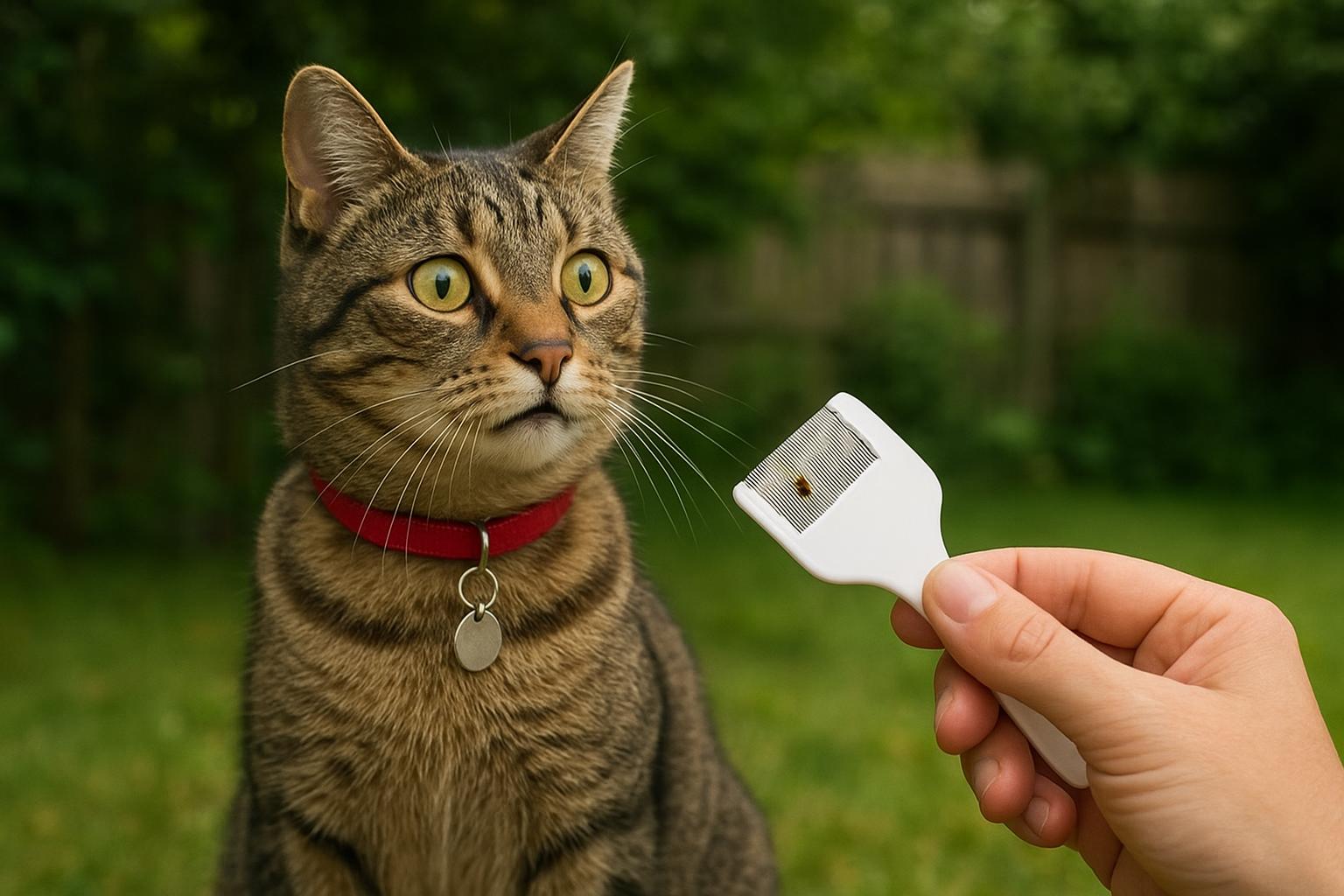
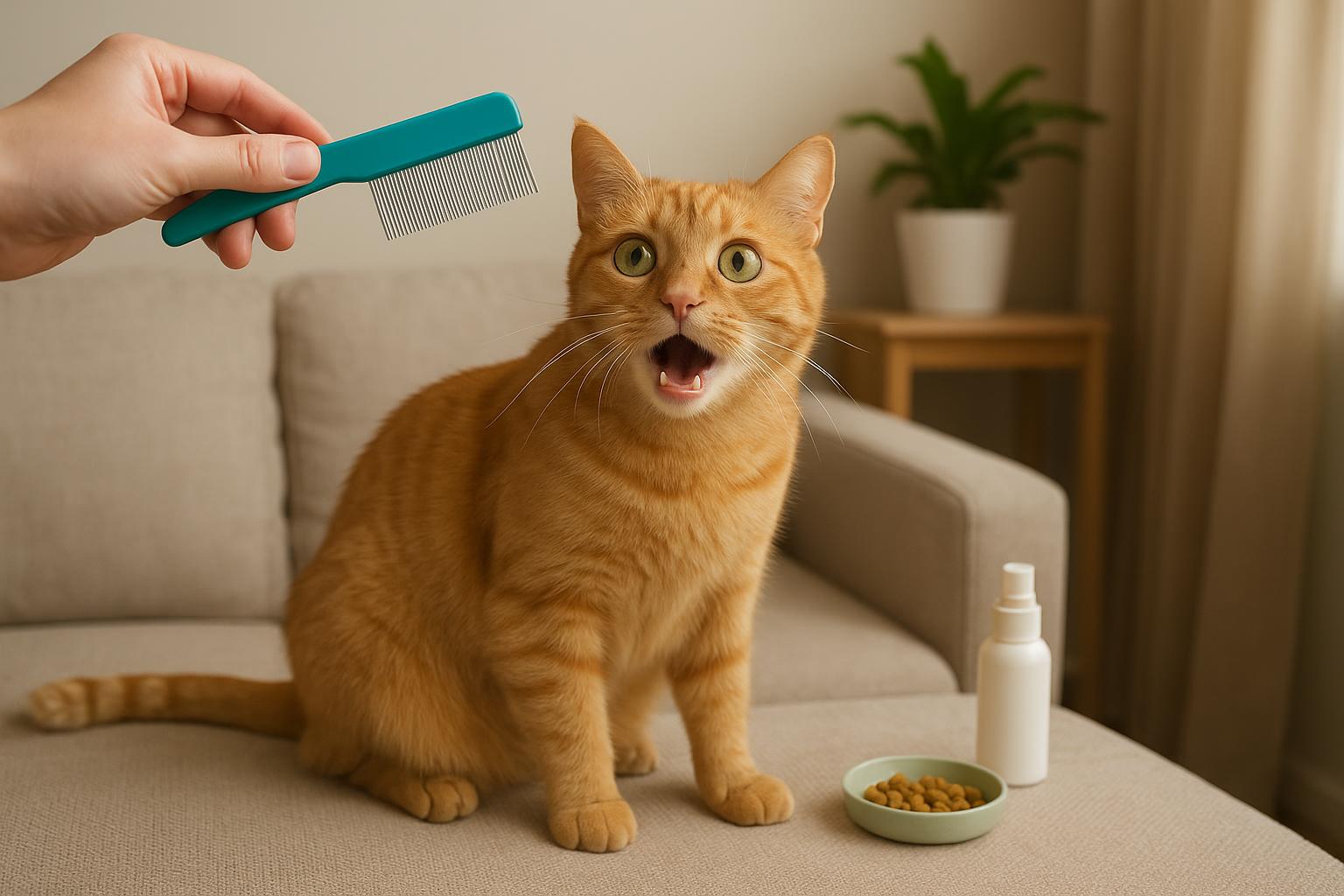
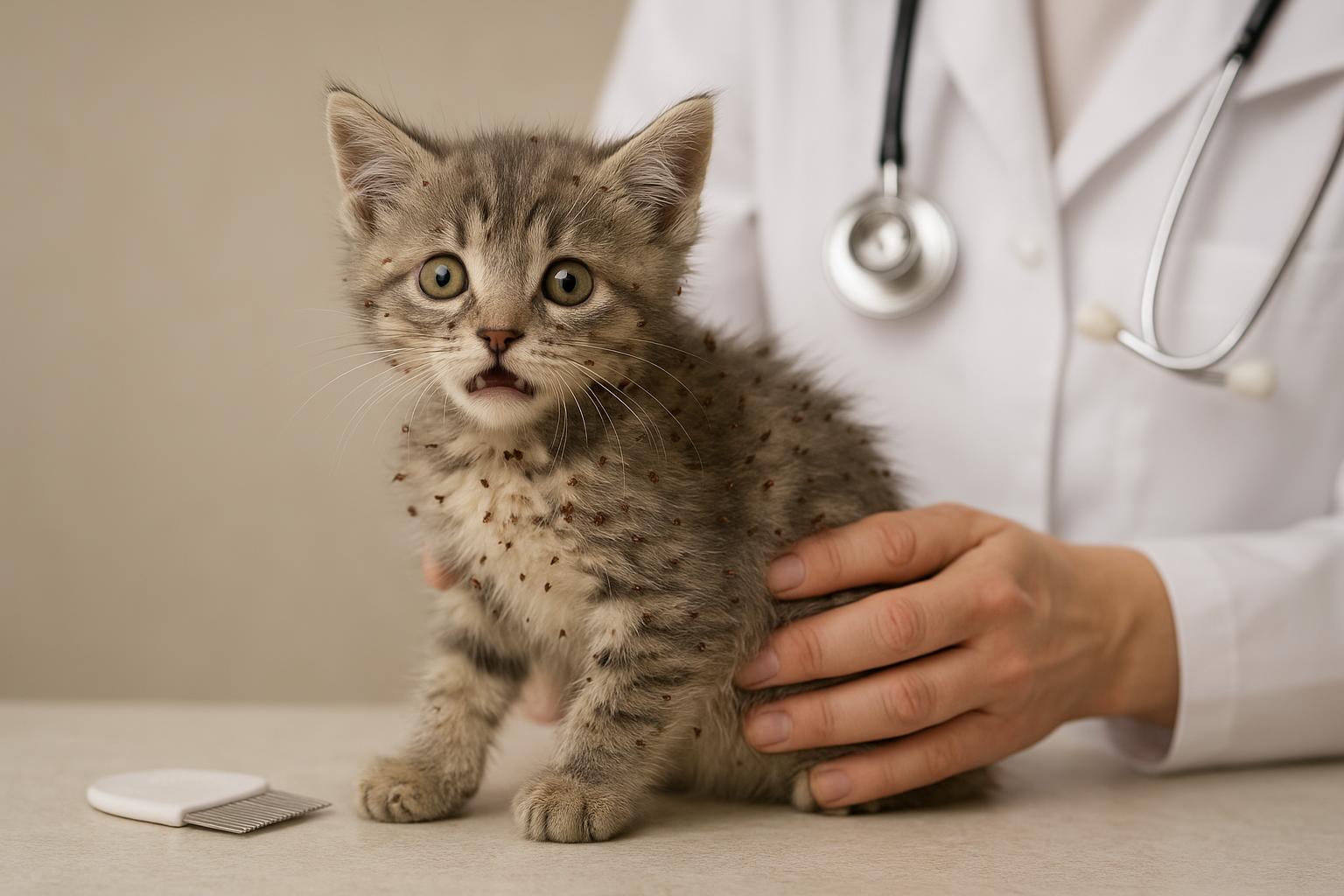
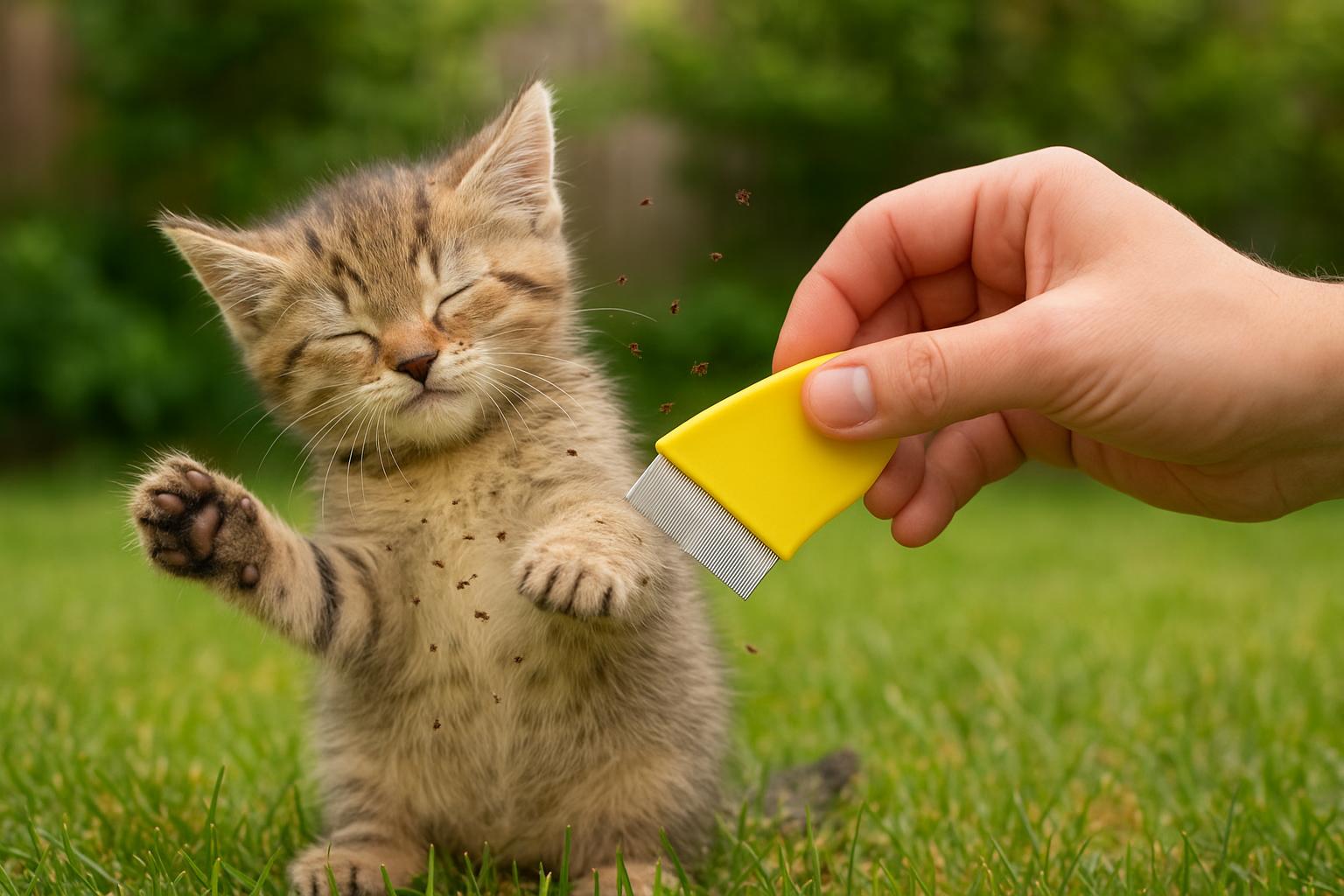
– Tiny black specks (flea dirt) in the fur—moisten on a paper towel and it’ll turn reddish.
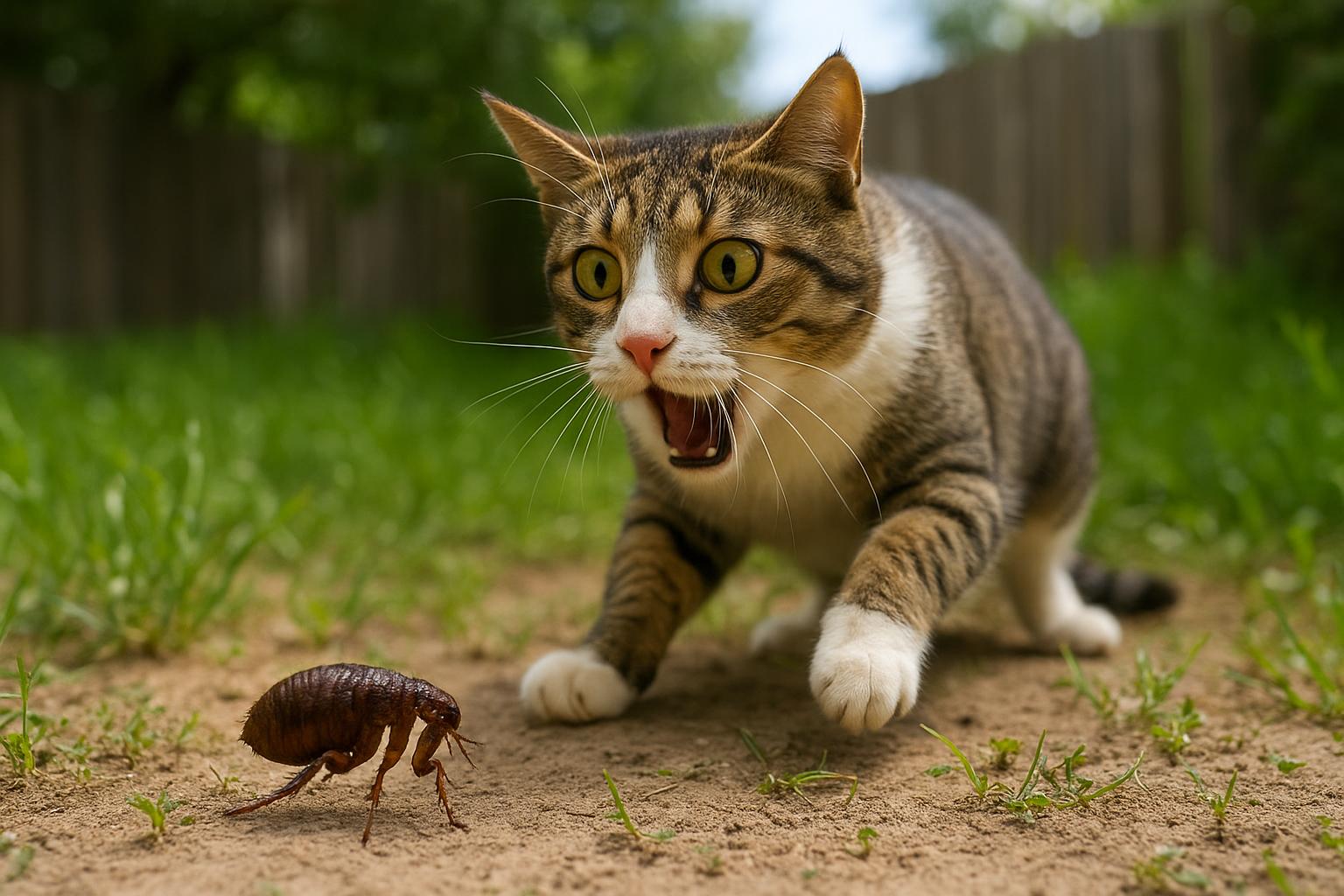
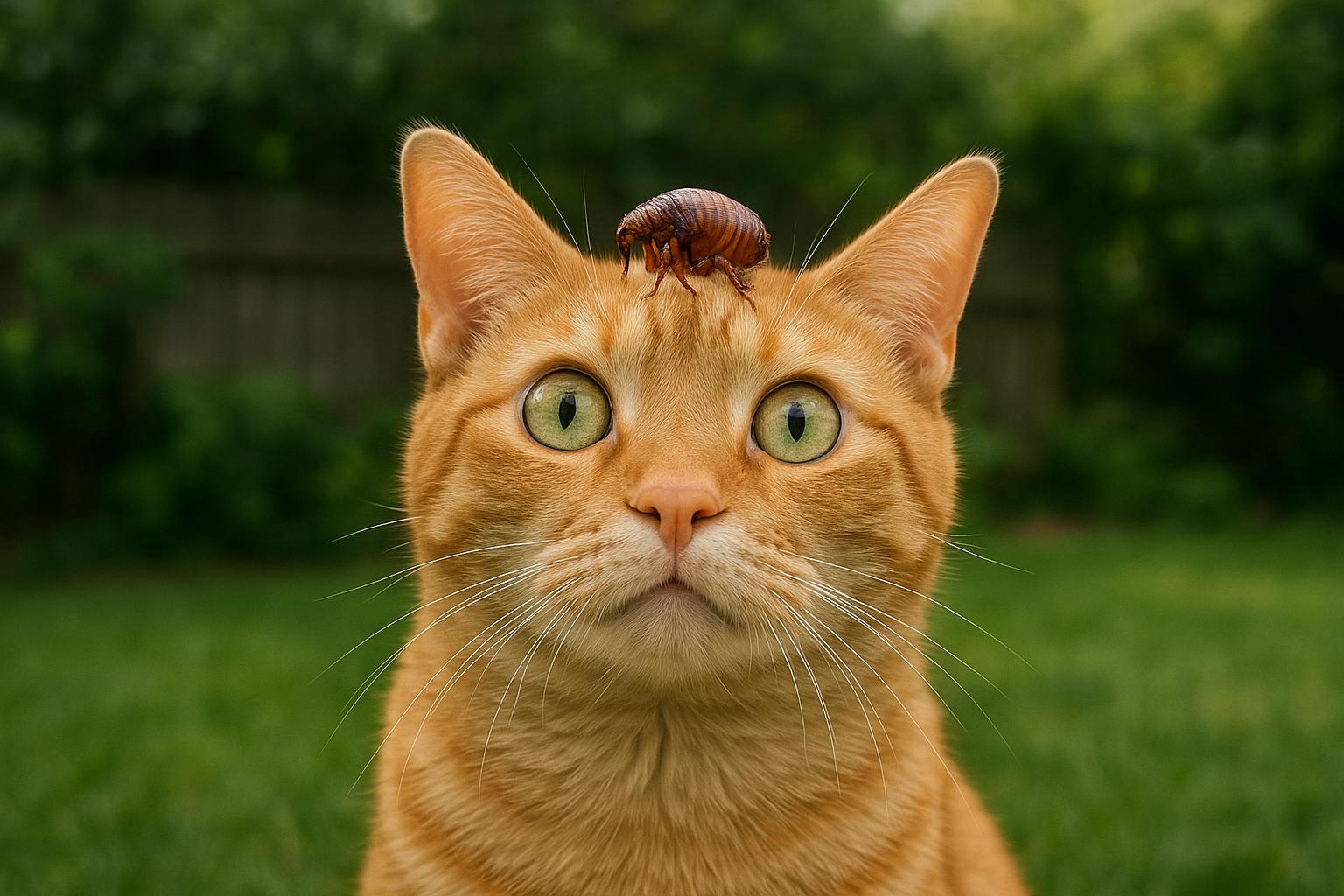
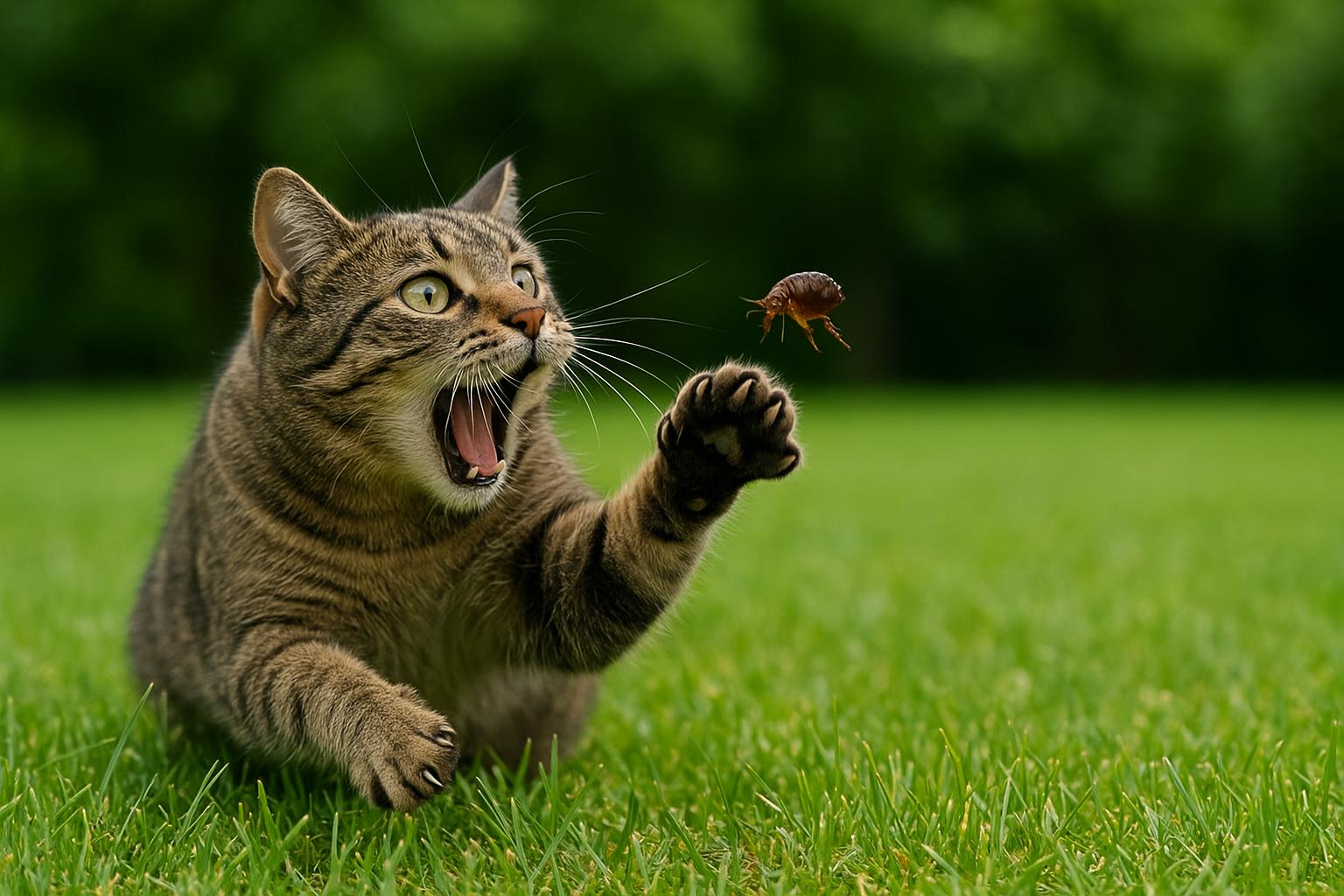
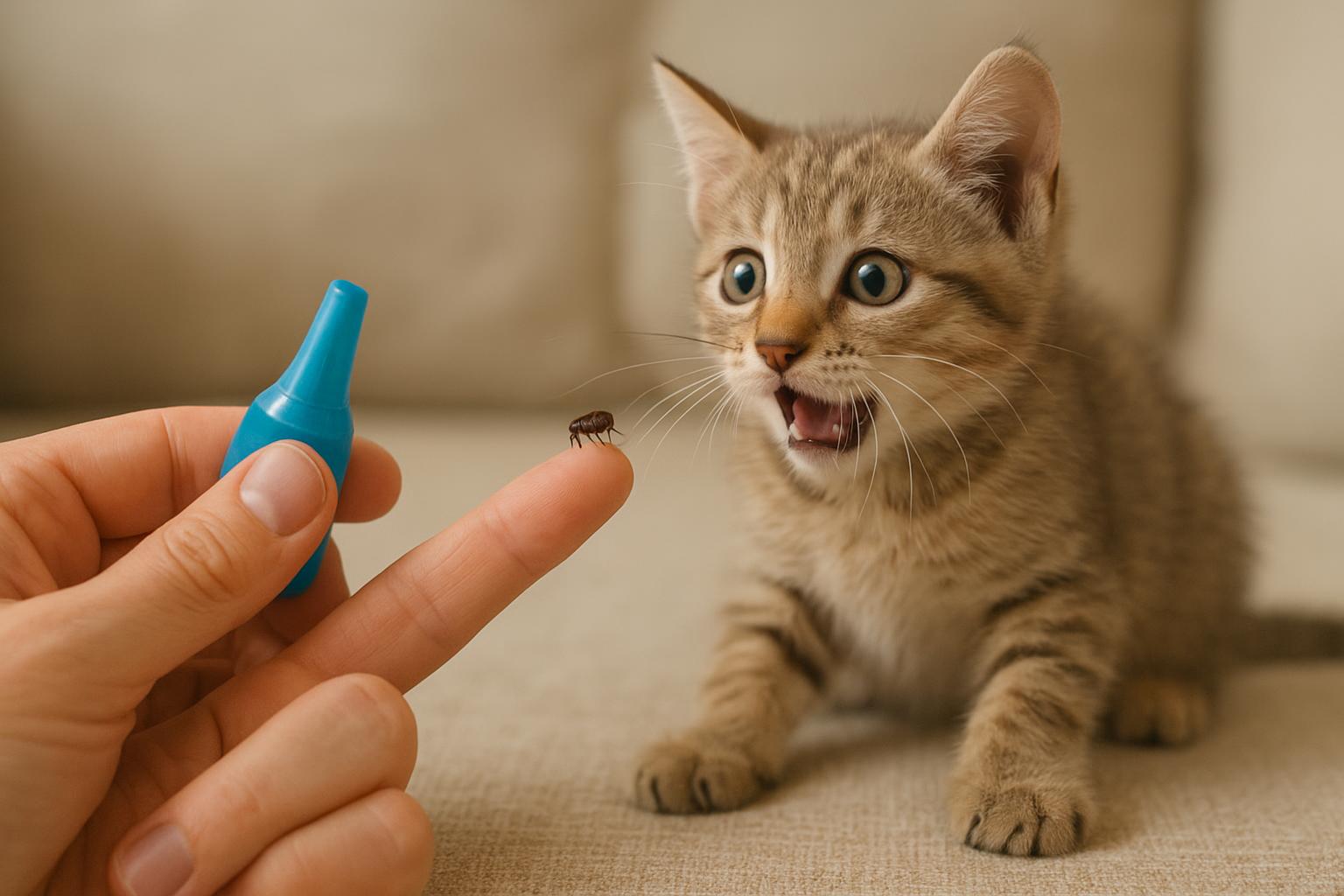
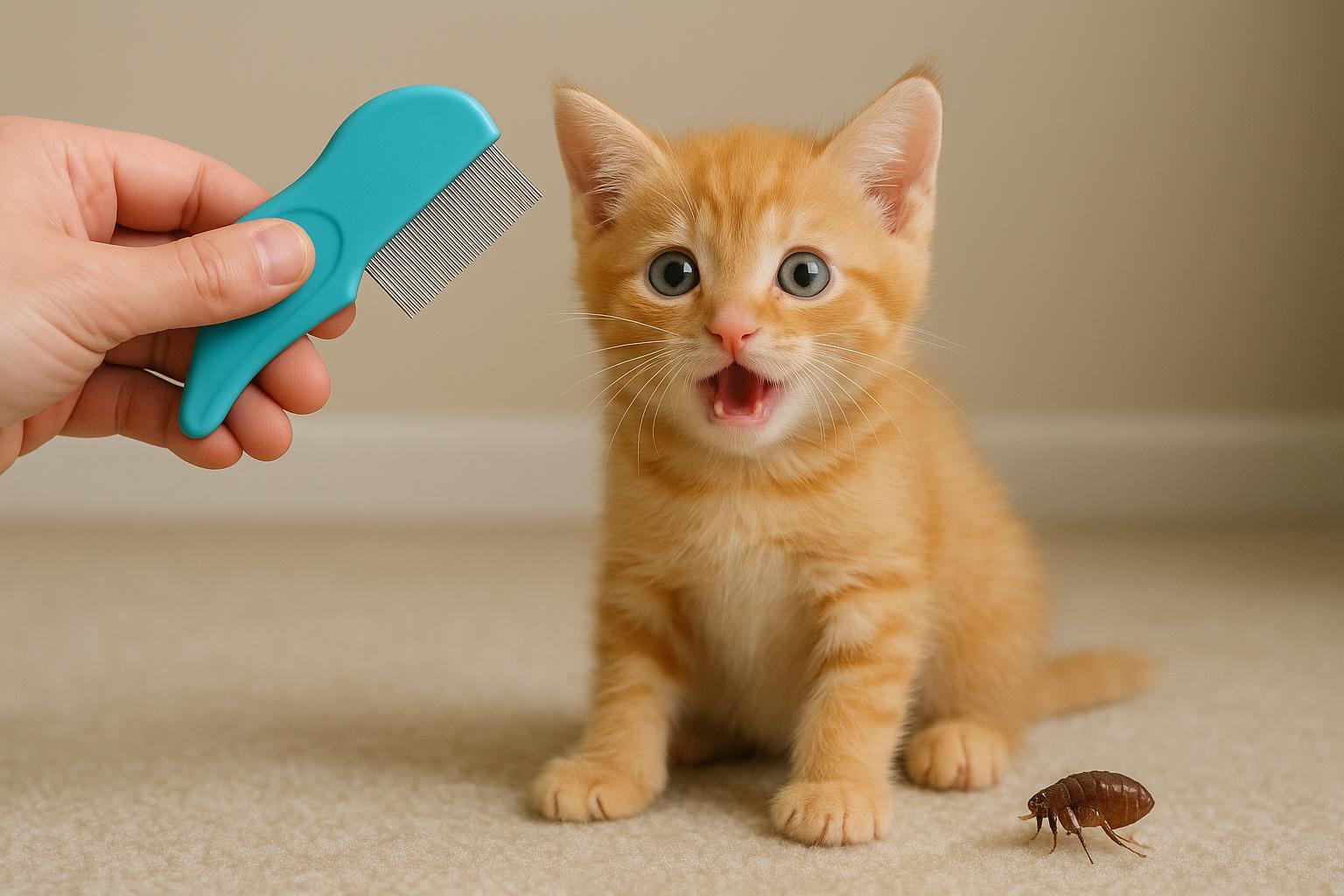
– Visible fleas moving rapidly through the coat.
– Pale gums or lethargy (in severe cases—seek immediate vet care).
## Preparing Your Backyard For Kitten Safety
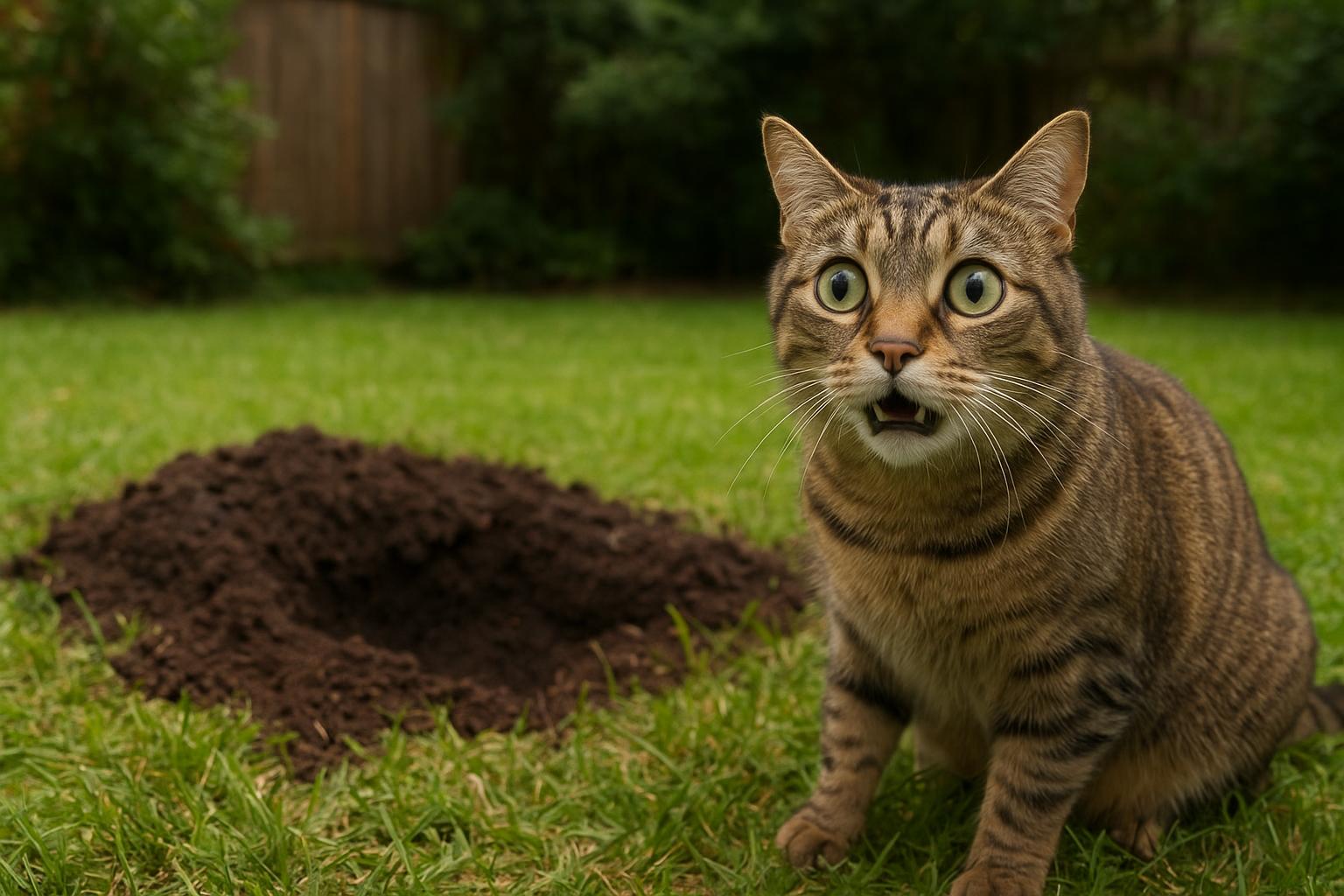
A kitten’s outdoor space should be inspected and adjusted to lower flea pressure. Trim vegetation, remove leaf piles, and avoid piling mulch or compost where fleas can thrive. Create sunlit paths and resting pads (felines love to loaf in warm spots), because fleas prefer cool, damp shade. Even small landscaping changes reduce breeding sites and make a big difference for flea prevention kittens-wise.
### Habitat Changes That Reduce Flea Pressure
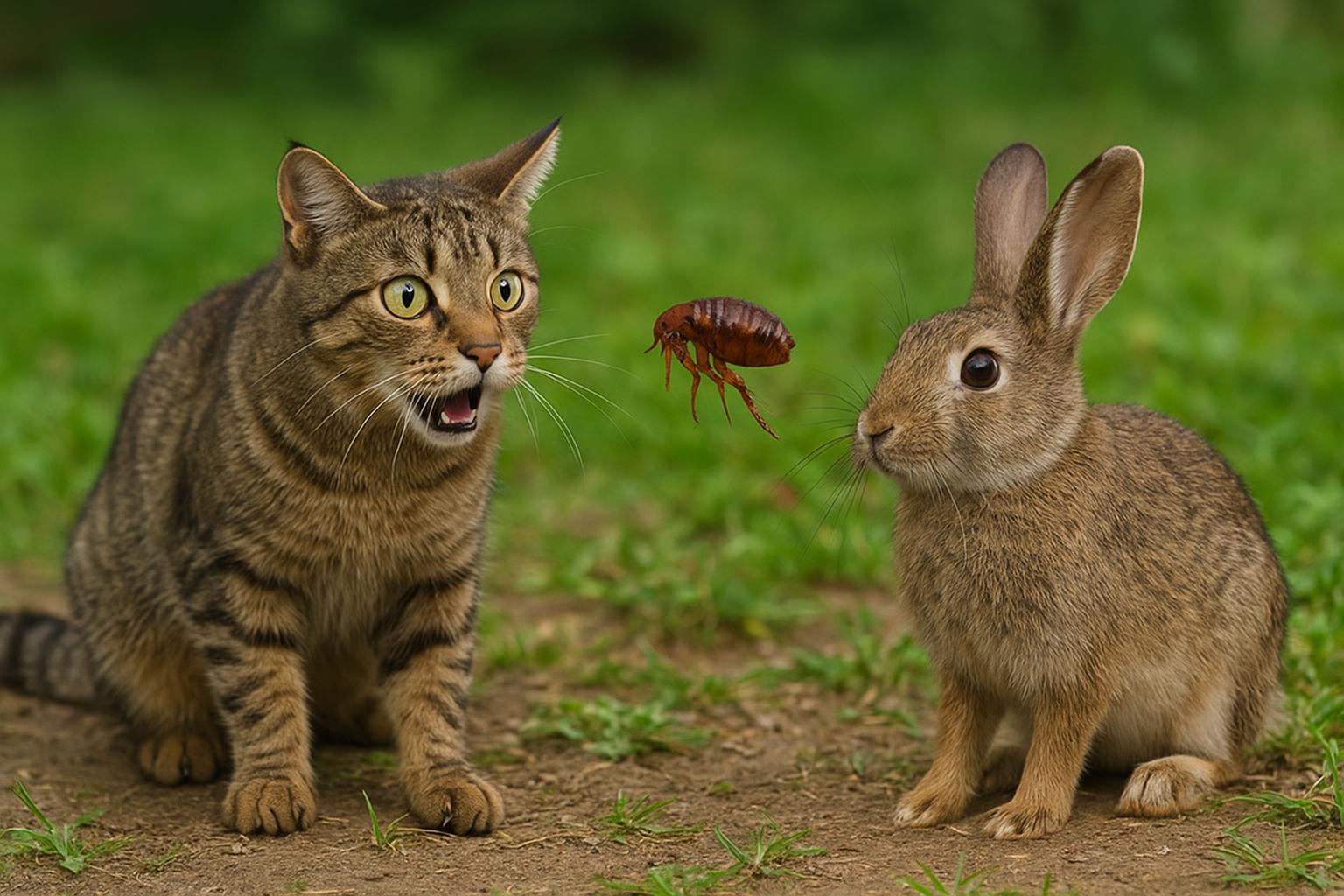
Focus on micro-habitats: rake under decks, keep grass short, and remove debris. Provide elevated platforms or clean blankets for your kitten to nap on—fleas find it harder to jump onto a raised, clean surface. If you have wildlife like raccoons or opossums frequenting the yard, address attractants (open garbage, pet food left outside) because wildlife often brings fleas into the zone.
#### Yard Materials To Avoid
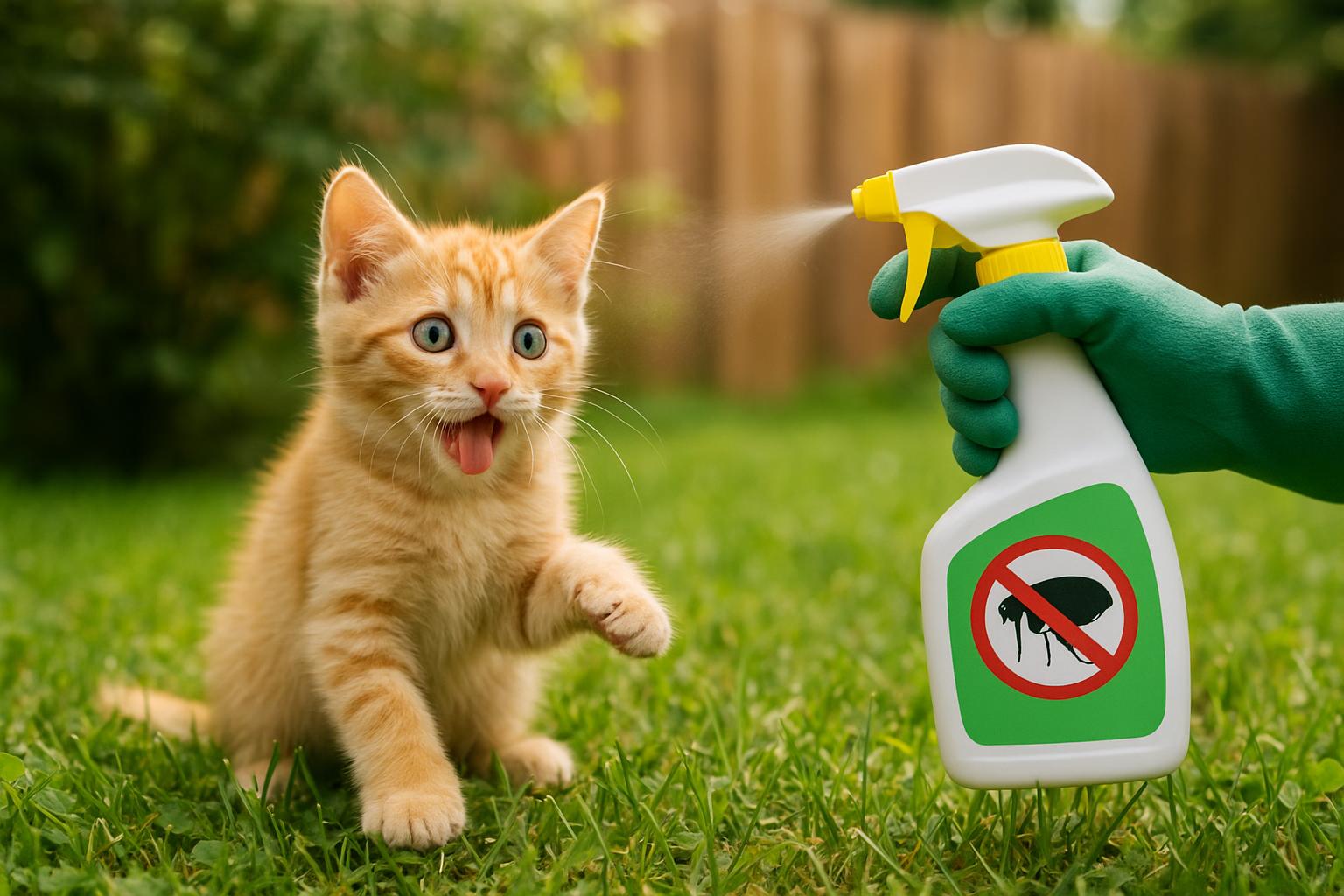
Avoid cedar mulch in direct kitten resting areas; it smells nice but can irritate sensitive noses. Don’t use untreated compost with lots of organic debris near kitten play areas. Also, be cautious with store-bought insecticides—many are toxic to kittens if misapplied. When in doubt, consult your veterinarian before treating the yard.
## 1. Vet-Approved Topical And Oral Treatments
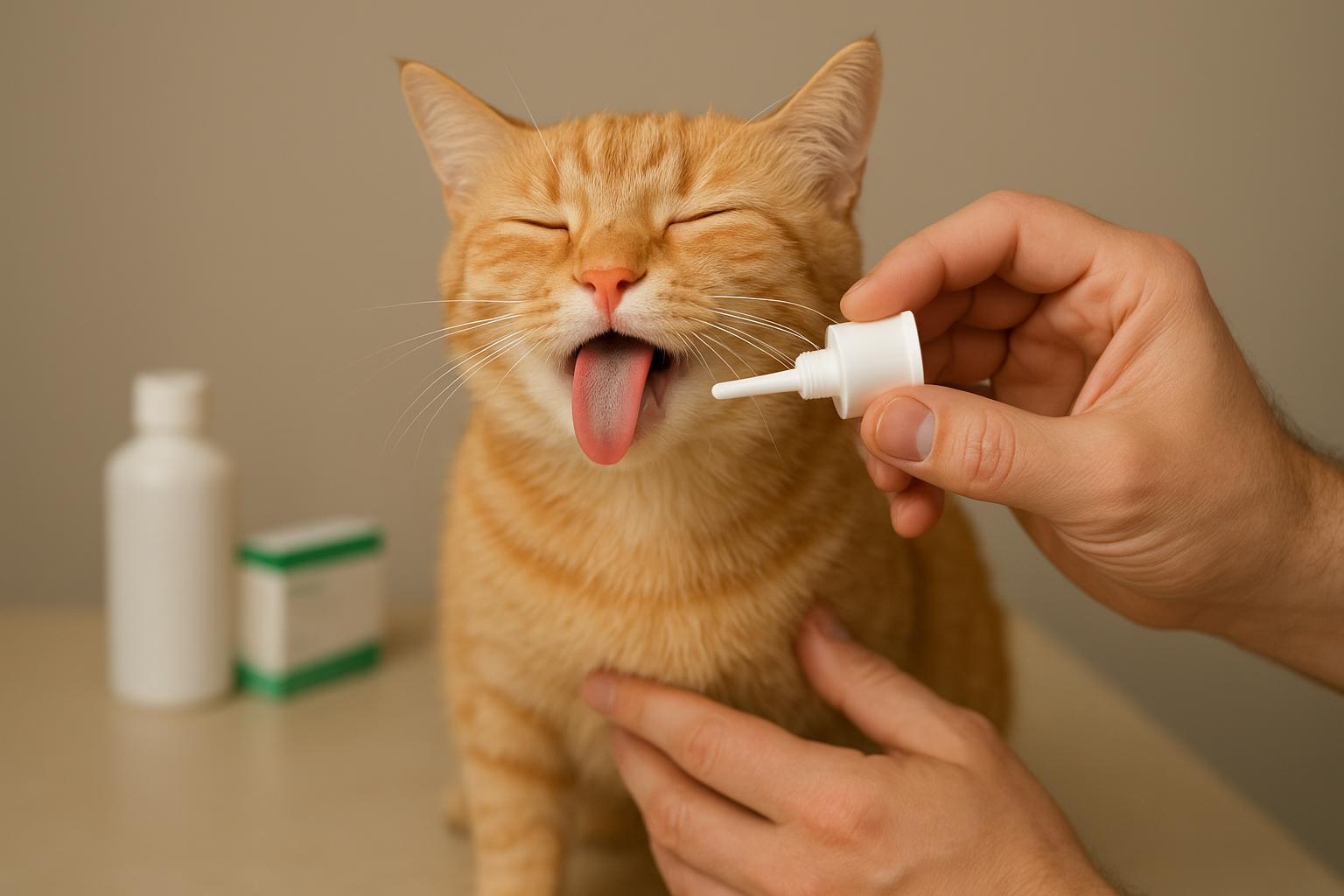
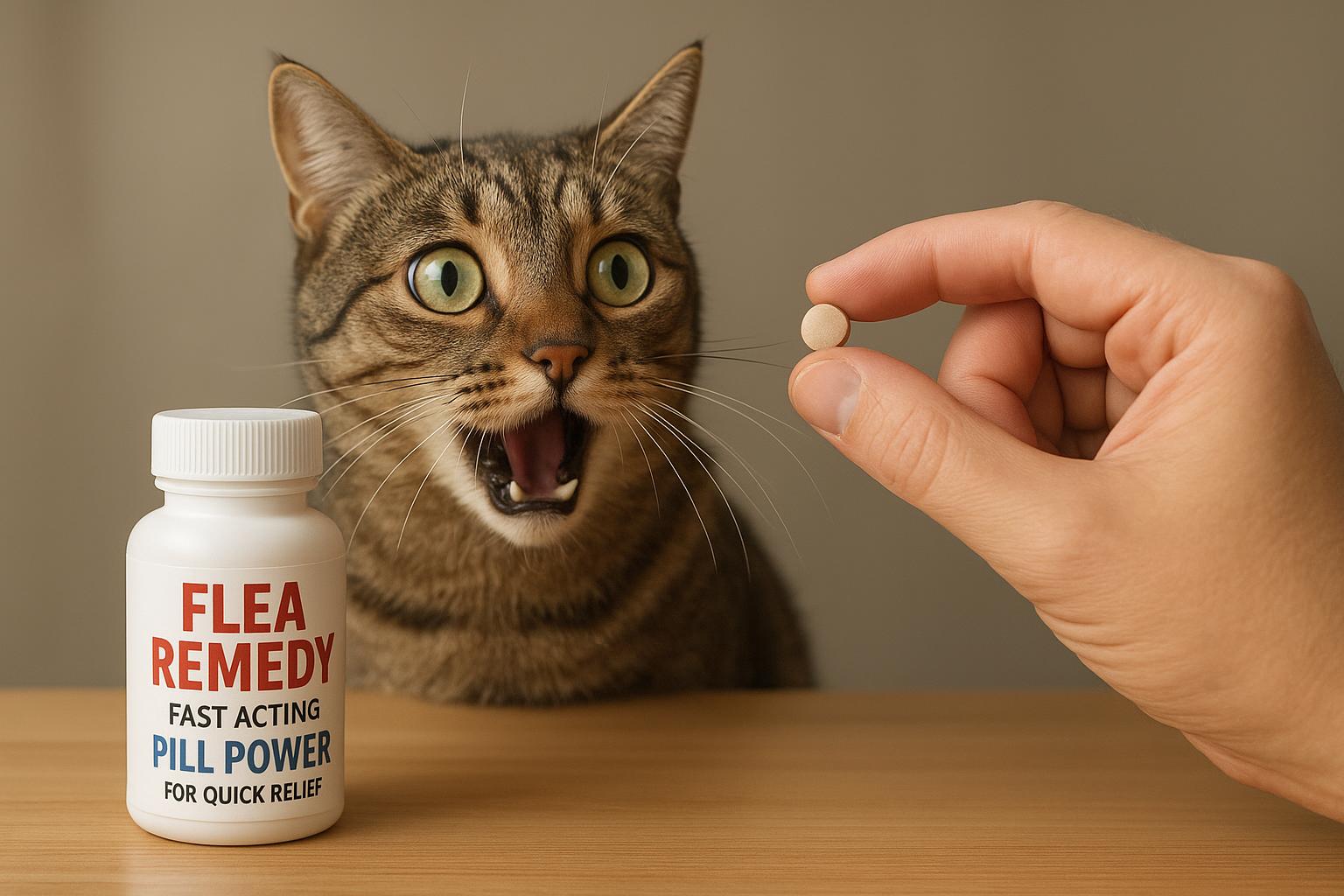
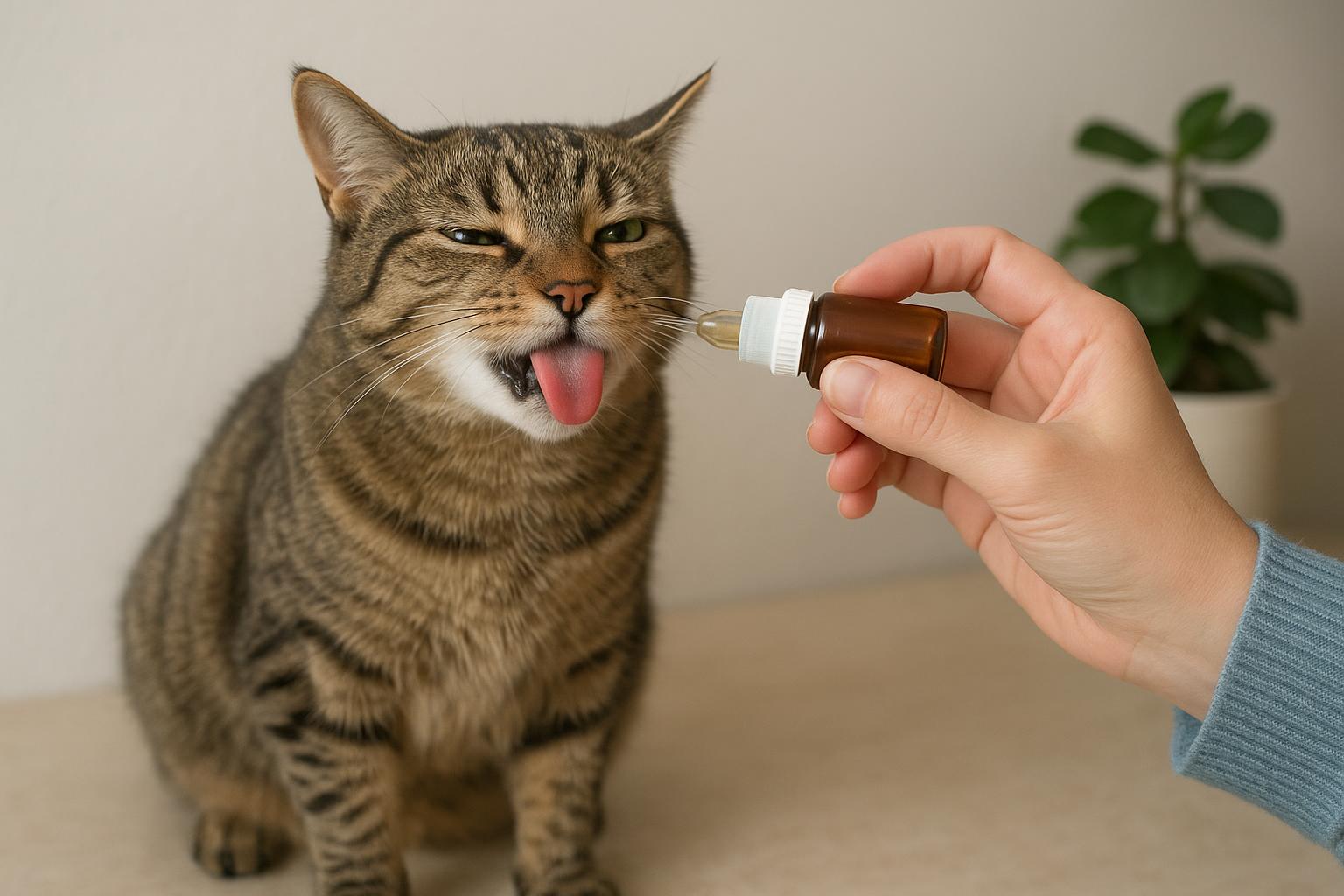
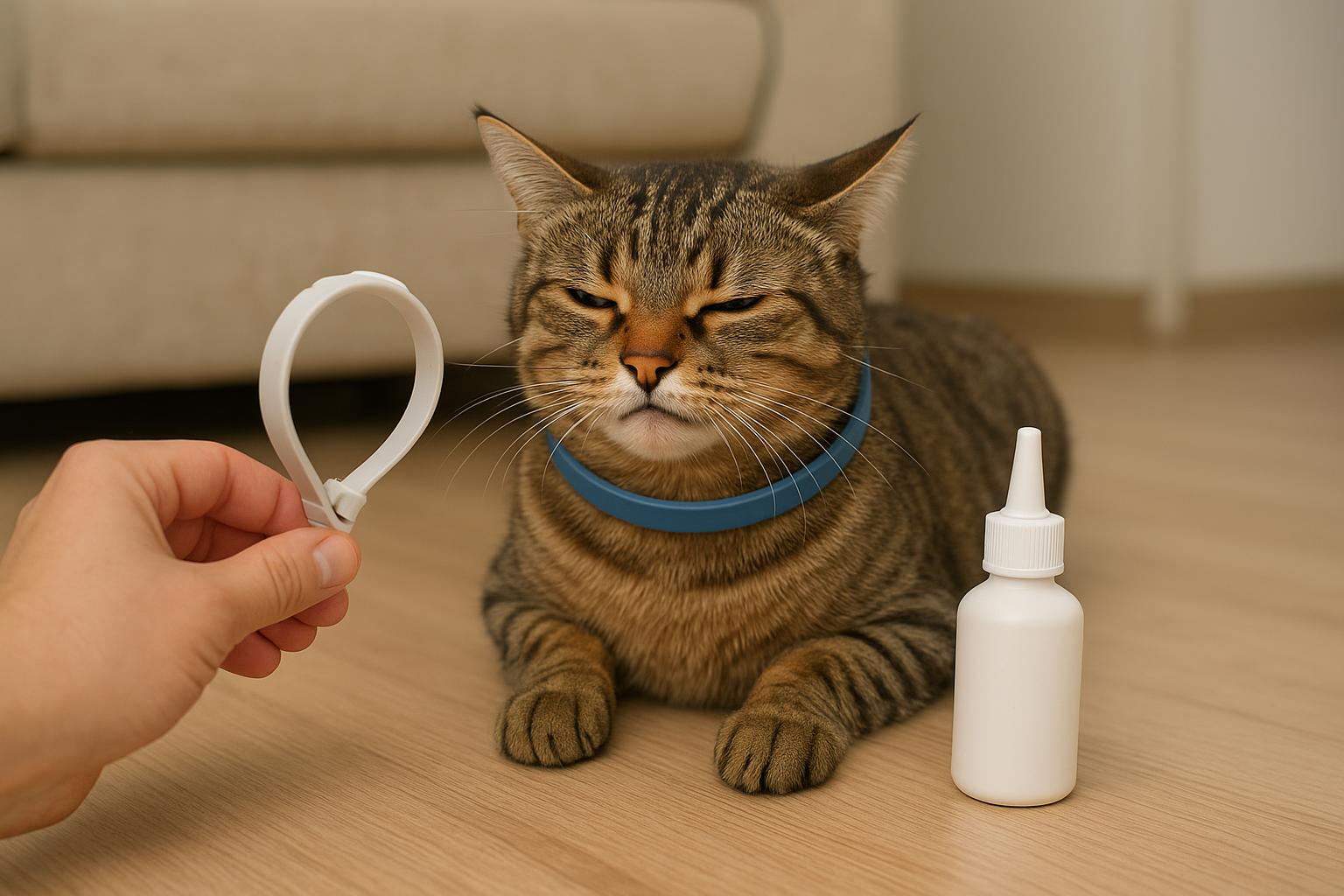
When it comes to effective flea control, formal medical products are the backbone of safe flea prevention kittens plans. These products are chosen based on age, weight, and health status. Always consult a veterinarian before starting any treatment.
Materials/Ingredients:
– Veterinary consultation and prescription (if needed)
– Age- and weight-appropriate topical flea preventative (e.g., selamectin, eprinomectin/imidacloprid combinations where approved)
– Orally administered prescription product (only under vet direction)
– Disposable gloves
– Soft towel for restraint
Step-by-Step Application and Monitoring:
1. Schedule a veterinary visit to weigh the kitten and assess health. Confirm the age threshold for specific products—many topical agents are not labeled for kittens under a certain age or weight.
2. Obtain the product recommended by the veterinarian. Read the label and the insert thoroughly; these provide contraindications and reapplication intervals.
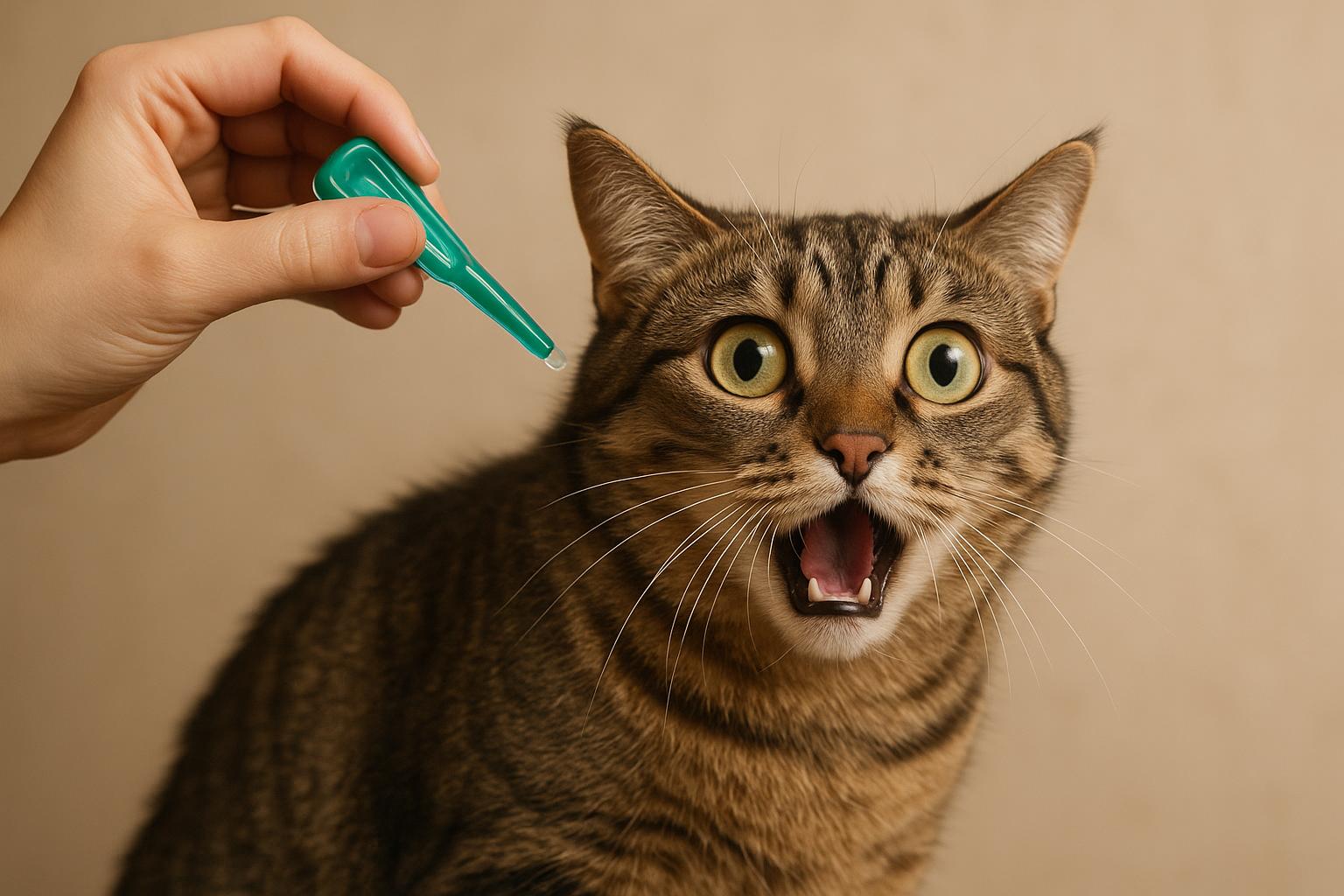
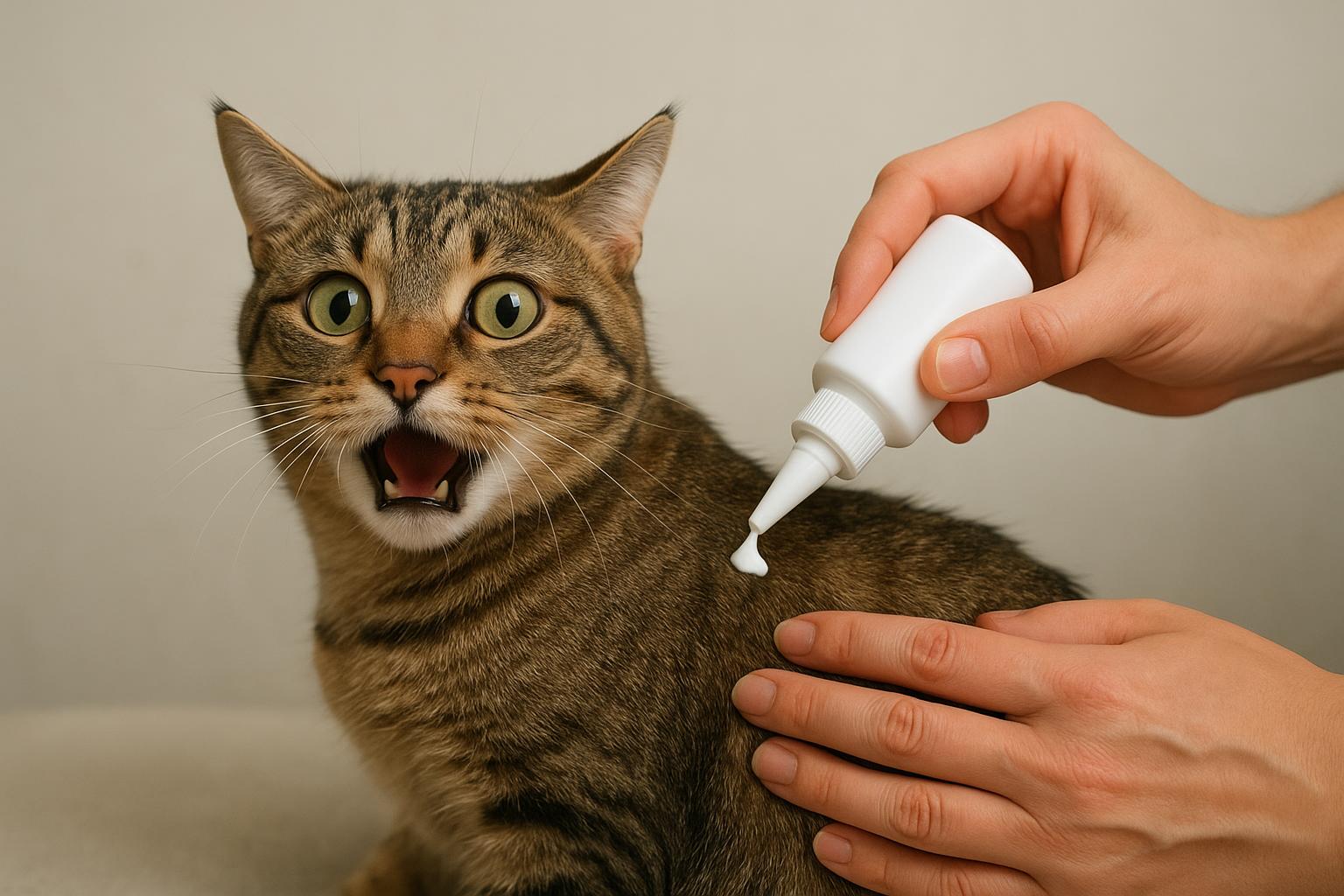
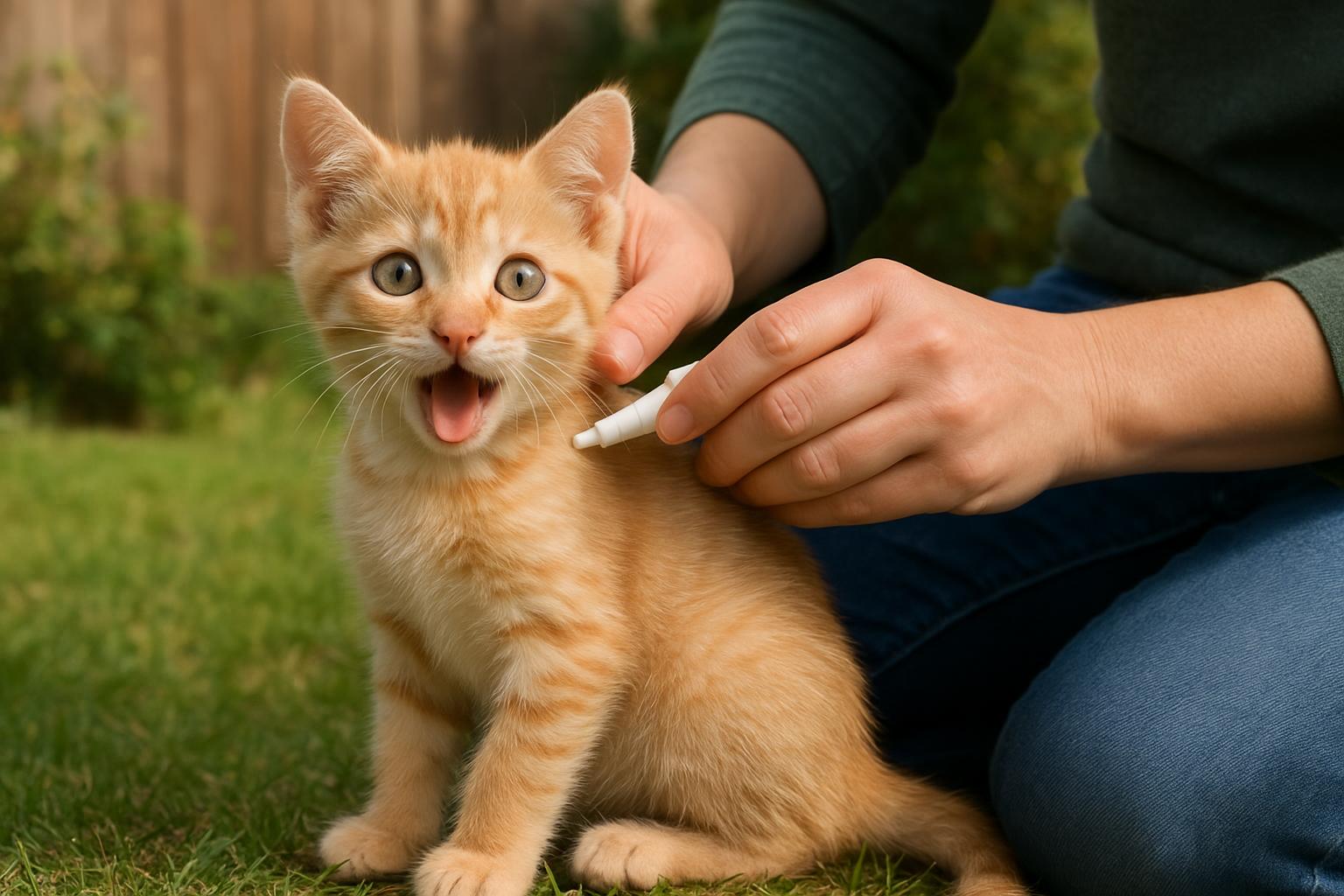
3. Wear disposable gloves. Part the kitten’s fur at the base of the neck between the shoulder blades for topical products.
4. Apply the full contents of the applicator to the skin at the recommended site. Do not dilute, mix, or apply to other areas.
5. For oral products, follow vet dosing exactly—do not attempt to split adult doses if a kitten-sized tablet isn’t available.
6. Observe the kitten for 24–48 hours for any adverse reactions (excessive drooling, tremors, vomiting, lethargy) and report immediately to your veterinarian if they occur.
7. Keep re-application schedules and next-visit reminders. Document products used and dates—this helps if you ever change shelters, groomers, or vets.
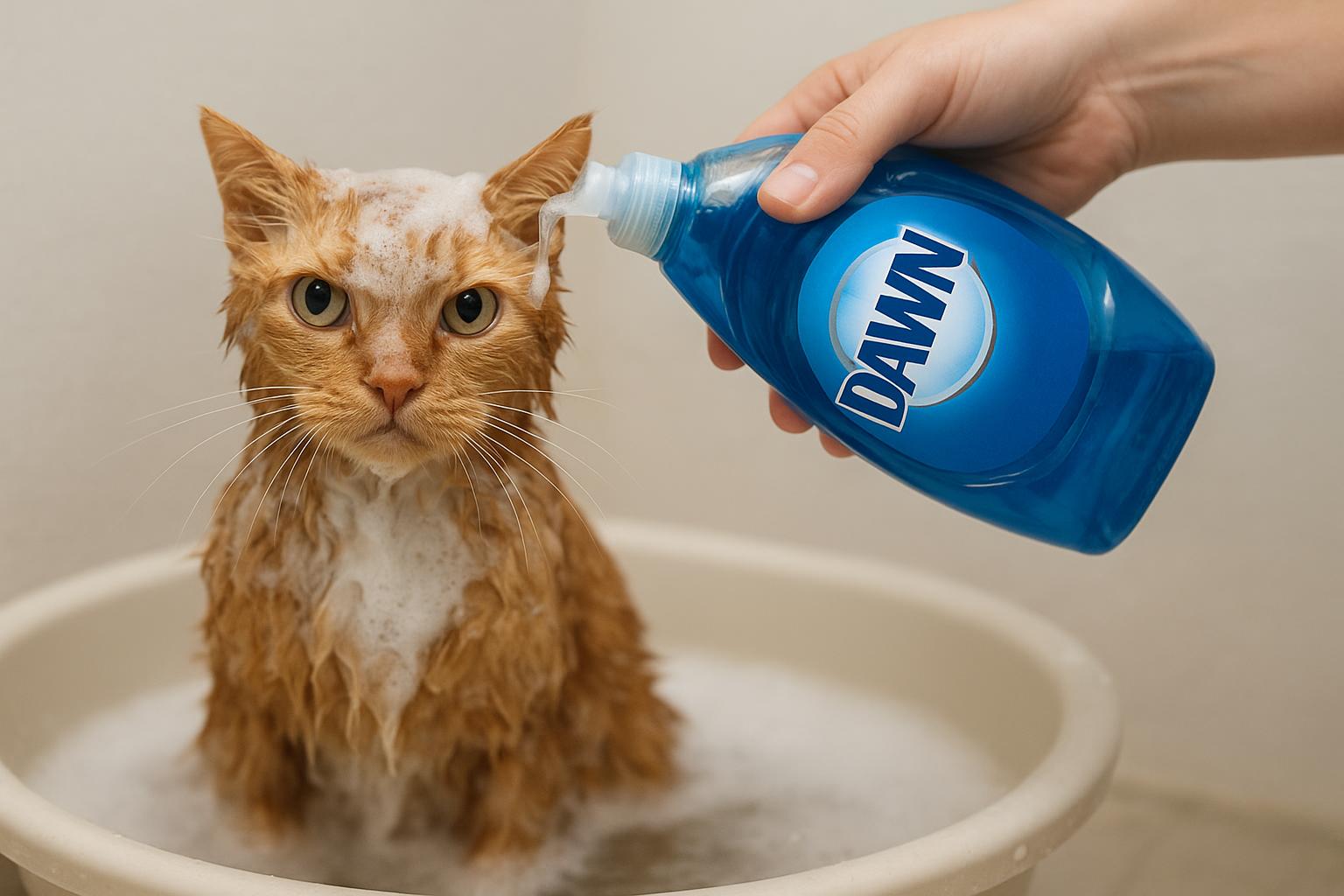
## 2. Gentle Home Bathing Remedy (For Kittens Older Than 6 Weeks)
A careful bath can remove many adult fleas instantly and is a useful adjunct to medical preventatives. This remedy should be used with vet approval and only on kittens who are old enough and healthy.
Materials/Ingredients:
– Kitten-safe flea shampoo (labeled for kittens and approved by a veterinarian)
– Two clean towels (one for drying, one for under kitten)
– Non-slip mat for the sink or tub
– A small cup or gentle sprayer for rinsing
– Warm water (not hot)
– Measuring scale or kitten weight record (to confirm age/weight appropriateness)
Step-by-Step Creation and Application:
1. Confirm with your vet that the kitten is old and healthy enough for bathing: many shampoos are labeled for kittens six weeks and older.
2. Prepare the area: warm room, non-slip mat, towels, and shampoo within reach.
3. Fill the basin or sink with a few inches of warm water—just enough to cover kitten’s paws when seated.
4. Gently wet the kitten with warm water using the cup or sprayer, avoiding the head initially.
5. Apply the kitten-safe flea shampoo according to label directions—use the amount specified for the kitten’s size.
6. Lather gently, focusing on areas where fleas congregate: neck, back, base of the tail. Keep the kitten calm and talk soothingly.
7. Rinse thoroughly until water runs clear; residual shampoo can irritate skin.
8. Dry the kitten promptly with a warm towel and keep them in a warm area until fully dry to avoid chilling.
9. Monitor skin and behavior for irritation after bathing. Bathing provides immediate relief, but it does not provide long-term flea prevention—that’s where vet-recommended products come in.
## 3. Environmental Control Remedies For Home And Backyard
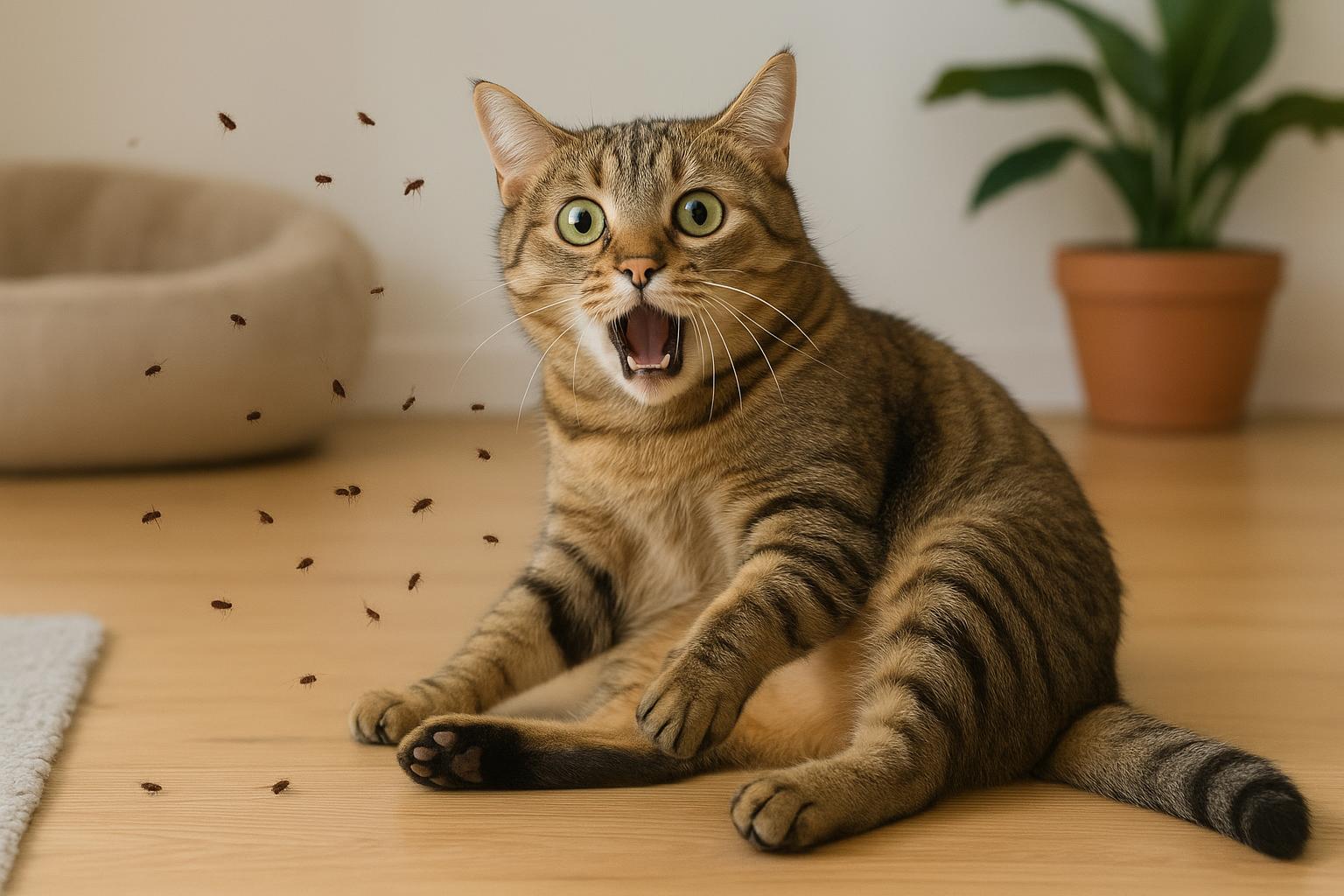
Treating the environment reduces reinfestation risk. Combine cleaning with targeted, safe yard strategies for the best flea prevention kittens results.
Materials/Ingredients:
– Vacuum cleaner with crevice tool
– Hot-water-capable washing machine
– Sealable trash bags
– Food-grade diatomaceous earth (DE) or beneficial nematodes (Steinernema spp.)—use DE with caution and vet guidance
– Mask and gloves for DE application
– Garden sprayer and product instructions for nematodes (follow supplier directions)
– Yard rake
Step-by-Step Creation and Application:
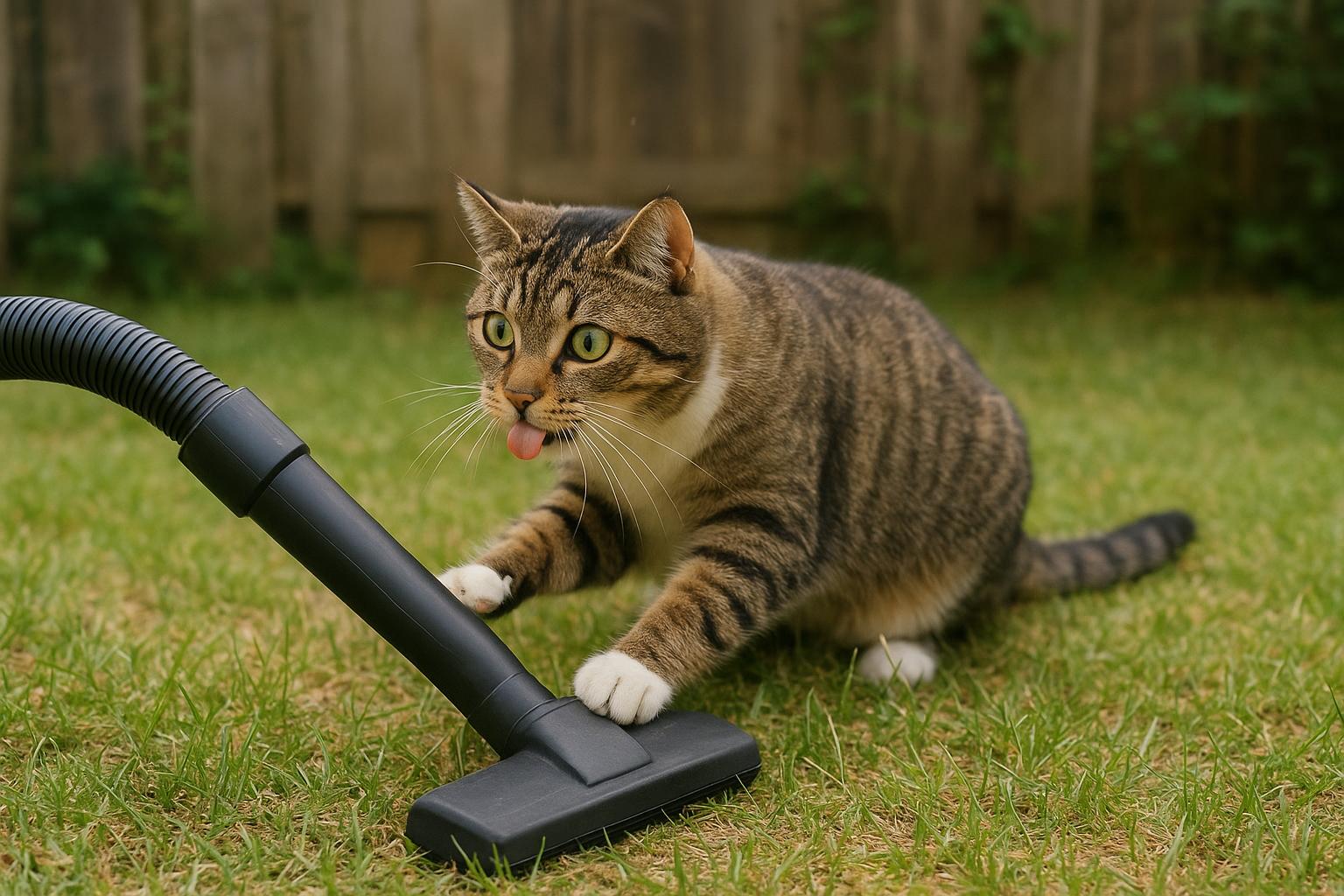
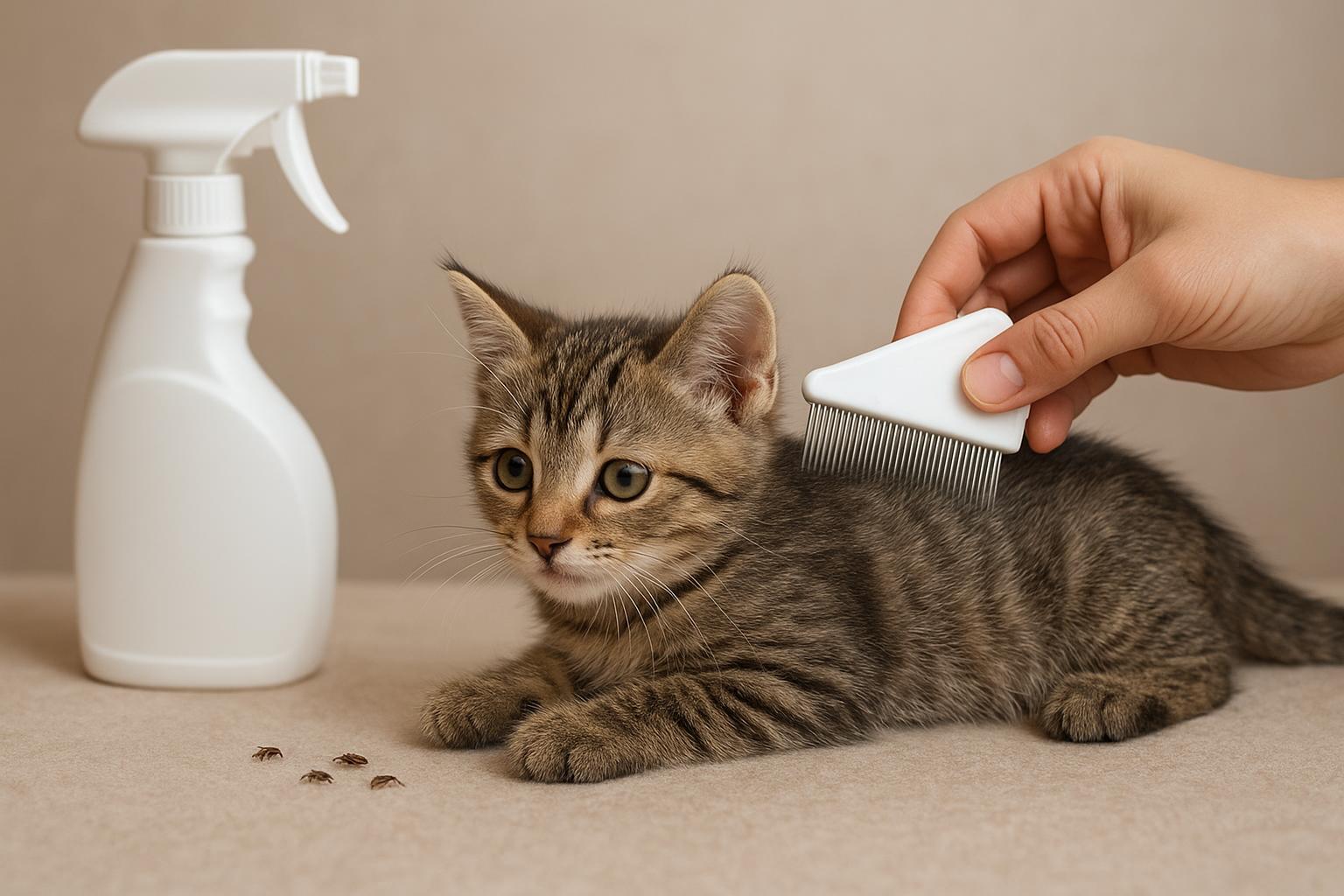
1. Indoor Clean-Up: Vacuum floors, furniture seams, and corners daily for two weeks—vacuuming removes eggs and larvae. Empty vacuum contents into a sealed bag and dispose of it outdoors immediately.
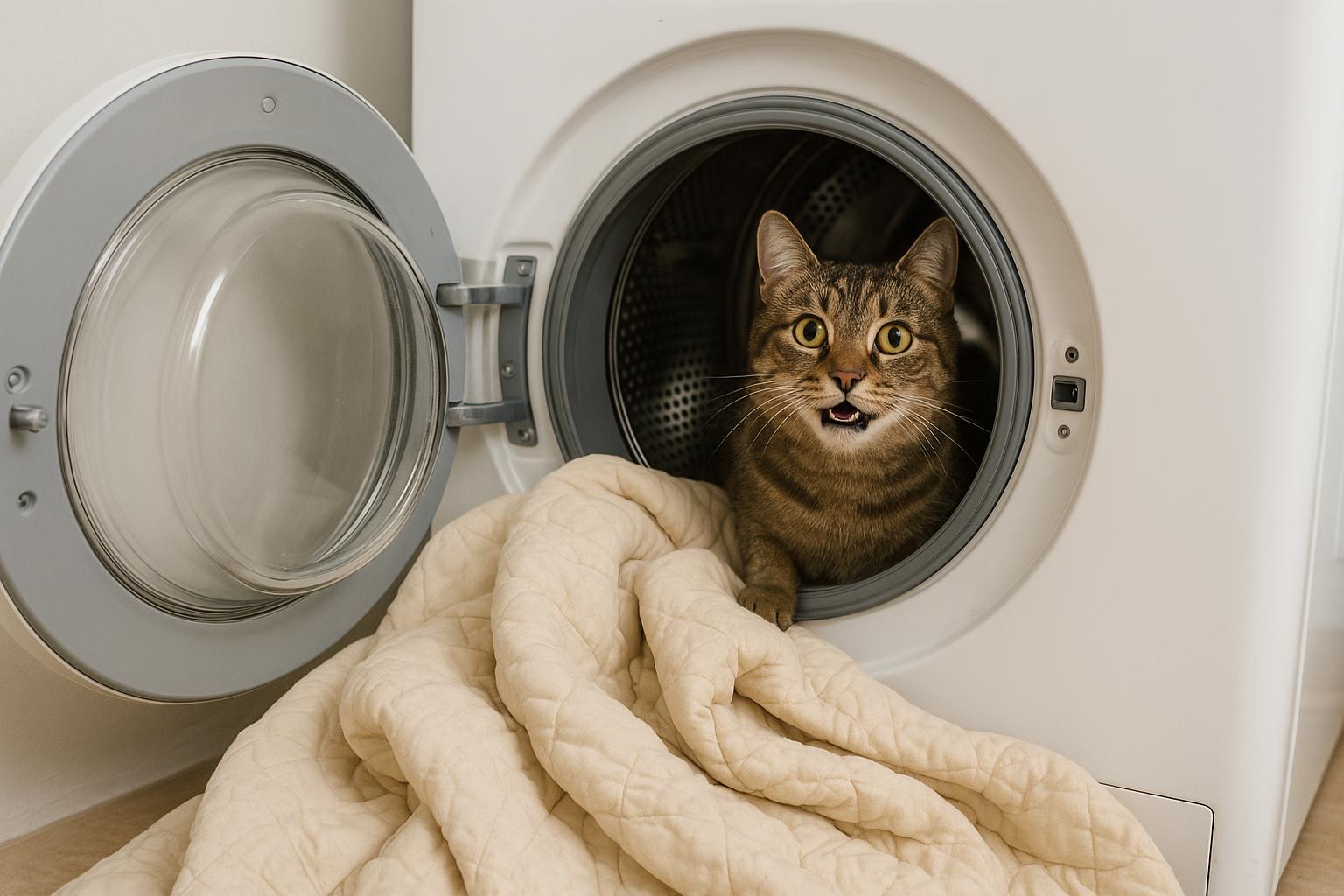
2. Launder: Wash all bedding, blankets, and soft toys in hot water (130°F / 54°C or higher) and dry on high heat. Repeat weekly until fleas are controlled.
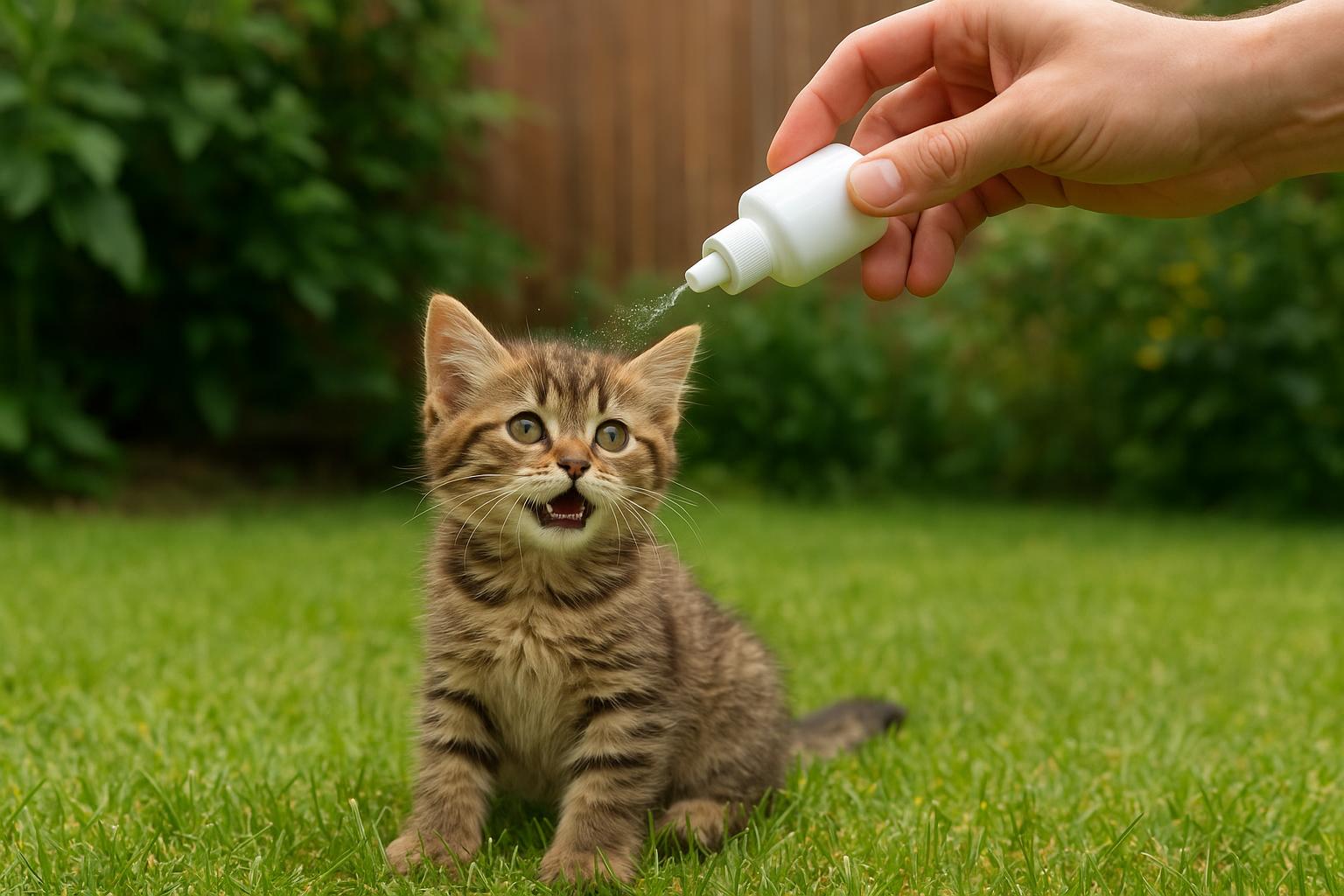
3. DE Option (Caution): If using food-grade DE, wear a dust mask and gloves. Lightly sprinkle DE on carpets and outdoor resting areas, leave for 48 hours, then vacuum or hose away. Avoid inhalation and never use DE on the kitten.
4. Beneficial Nematodes: For yards with heavy flea presence, apply beneficial nematodes per supplier instructions to moist soil areas. They naturally reduce flea larvae and are pet-safe when correctly applied.
5. Yard Maintenance: Rake leaf litter, mow grass, and eliminate shady, damp spots where fleas prefer to hatch. Consider mulching with coarse materials that dry quickly rather than dense organic piles.
6. Monitor and Repeat: Environmental control is iterative. Check for flea signs weekly and reapply environmental measures as needed. Coordinate with your vet so indoor and outdoor treatments complement medical prevention.
### When To Call The Vet Immediately
If a kitten shows signs of anemia (weakness, pale gums), severe skin infection, or a sudden behavioral change, contact your veterinarian right away. Flea prevention kittens is a preventive mission, but emergencies do happen and need professional attention.
Keep routines relaxed, consistent, and vet-partnered. With a mix of thoughtful backyard management, humane grooming, and prescribed prevention, you’ll keep itch and scratch at bay and let your kitten focus on the important business of being adorable.



Leave a Reply