
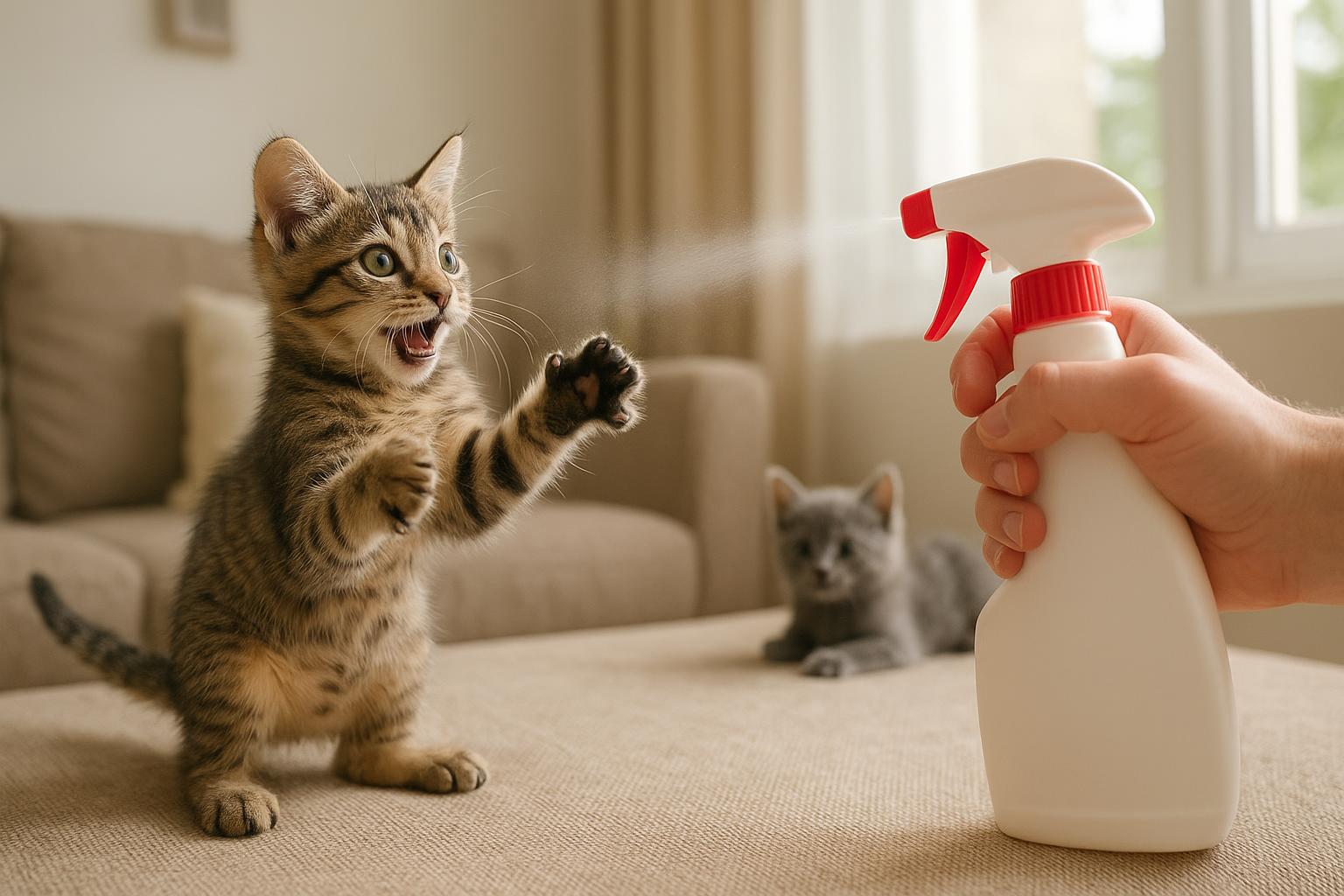
## How To Flea Kill Kittens Safely
Finding fleas on a soft, purring bundle of fluff can turn your heart into a popcorn machine—lots of sudden, panicky pops. If you’re frantically googling flea kill kittens and wanting a fast fix, breathe. You can tackle fleas without turning your kitten into a science project, a soggy towel burrito, or an accidental victim of something meant for dogs. The goal here is to be effective, humane, and safe.
## Why Fleas Are A Big Deal For Kittens
Kittens are small and fragile. A heavy flea burden can cause anemia, severe itching, infections from scratching, and can even transmit tapeworms if your kitten ingests an infected flea while grooming. Beyond the health risks, fleas reproduce quickly—what you see on one kitten may actually be hundreds of eggs in the bedding and carpets waiting to hatch. So knowing how to flea kill kittens is less about aggression and more about method and timing.
### Signs Fleas Have Invaded Your Kitten
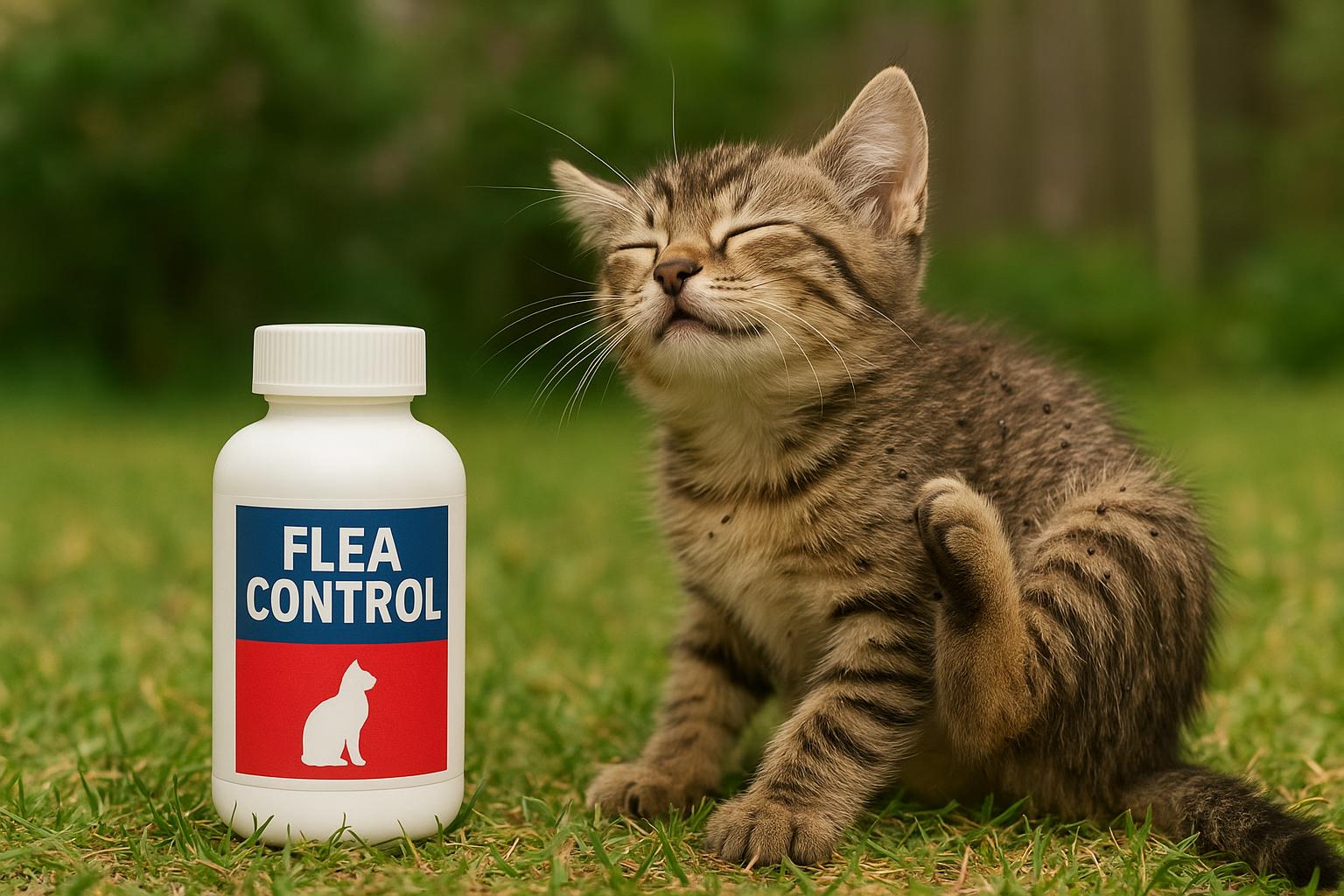
– Constant scratching, rolling, or biting at the skin.
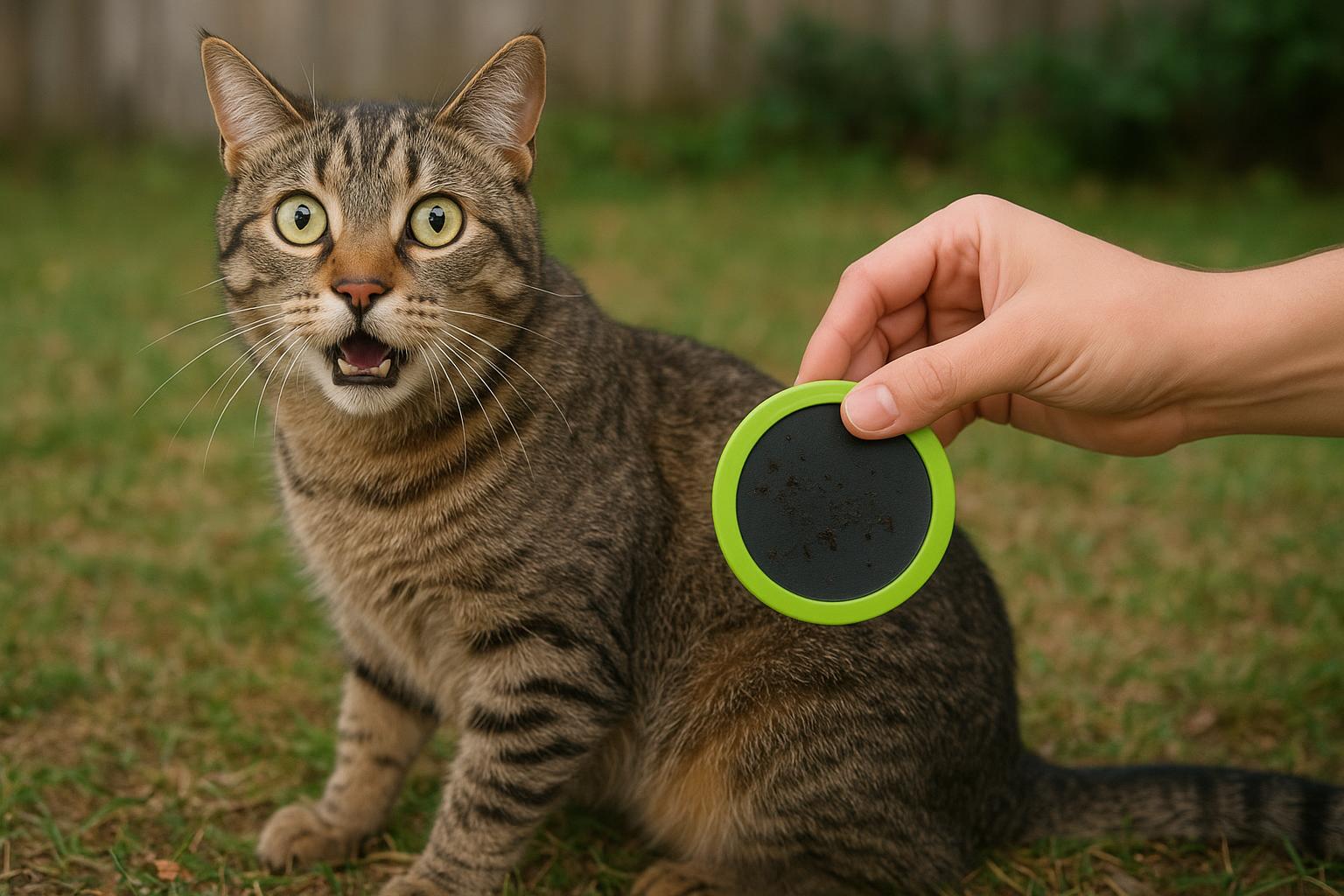
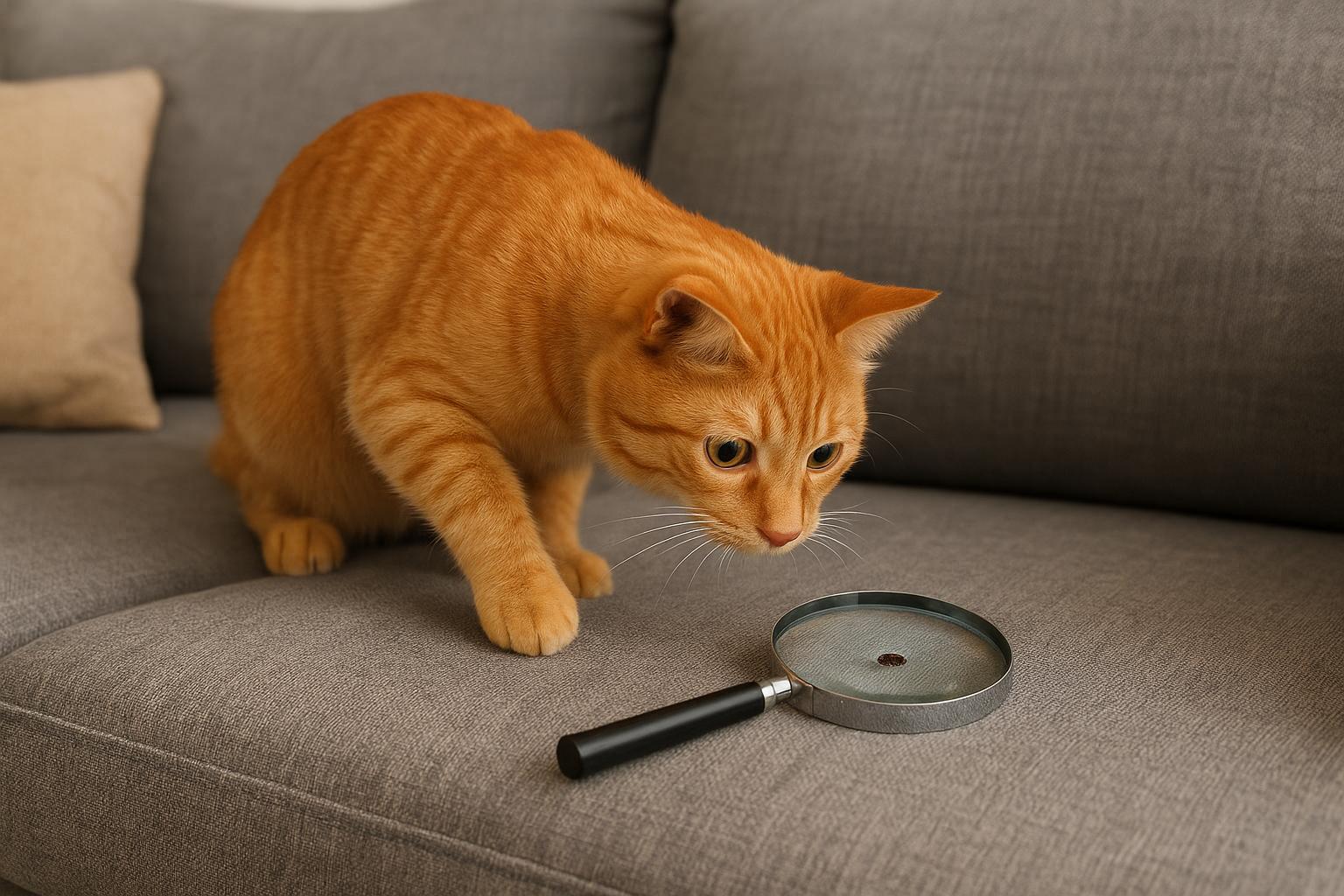
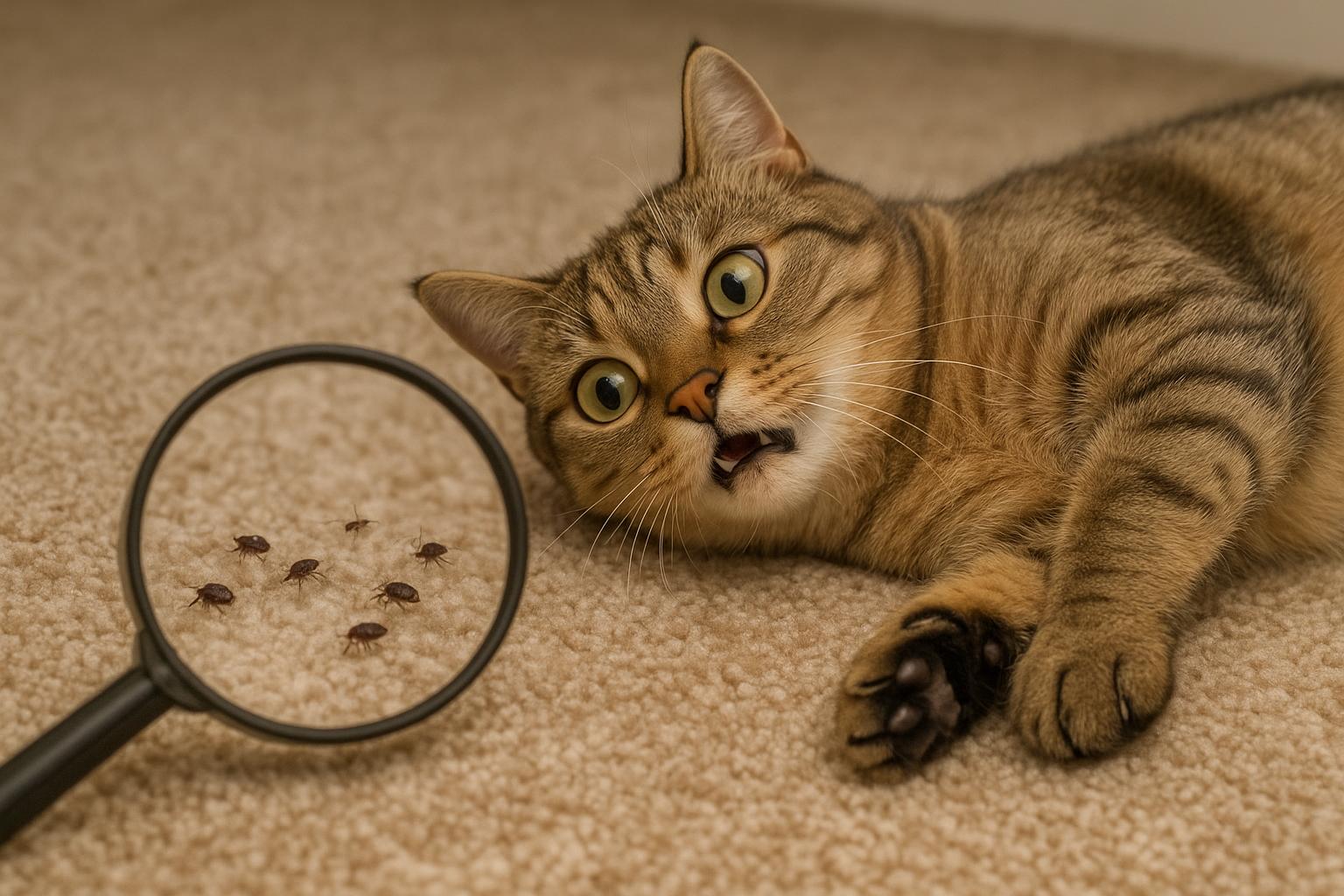
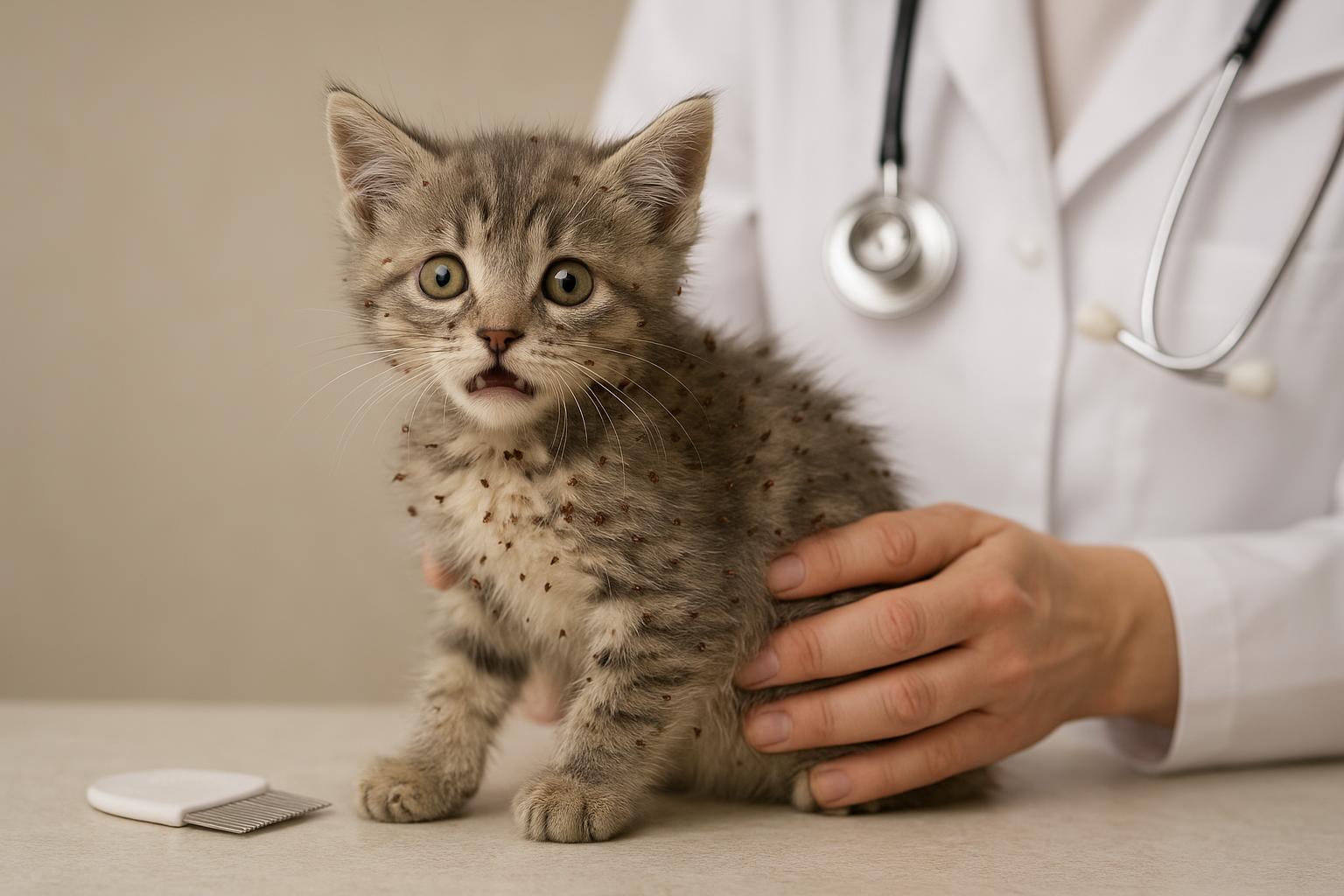
– Tiny black specks in the fur (flea dirt) that turn red when moistened.
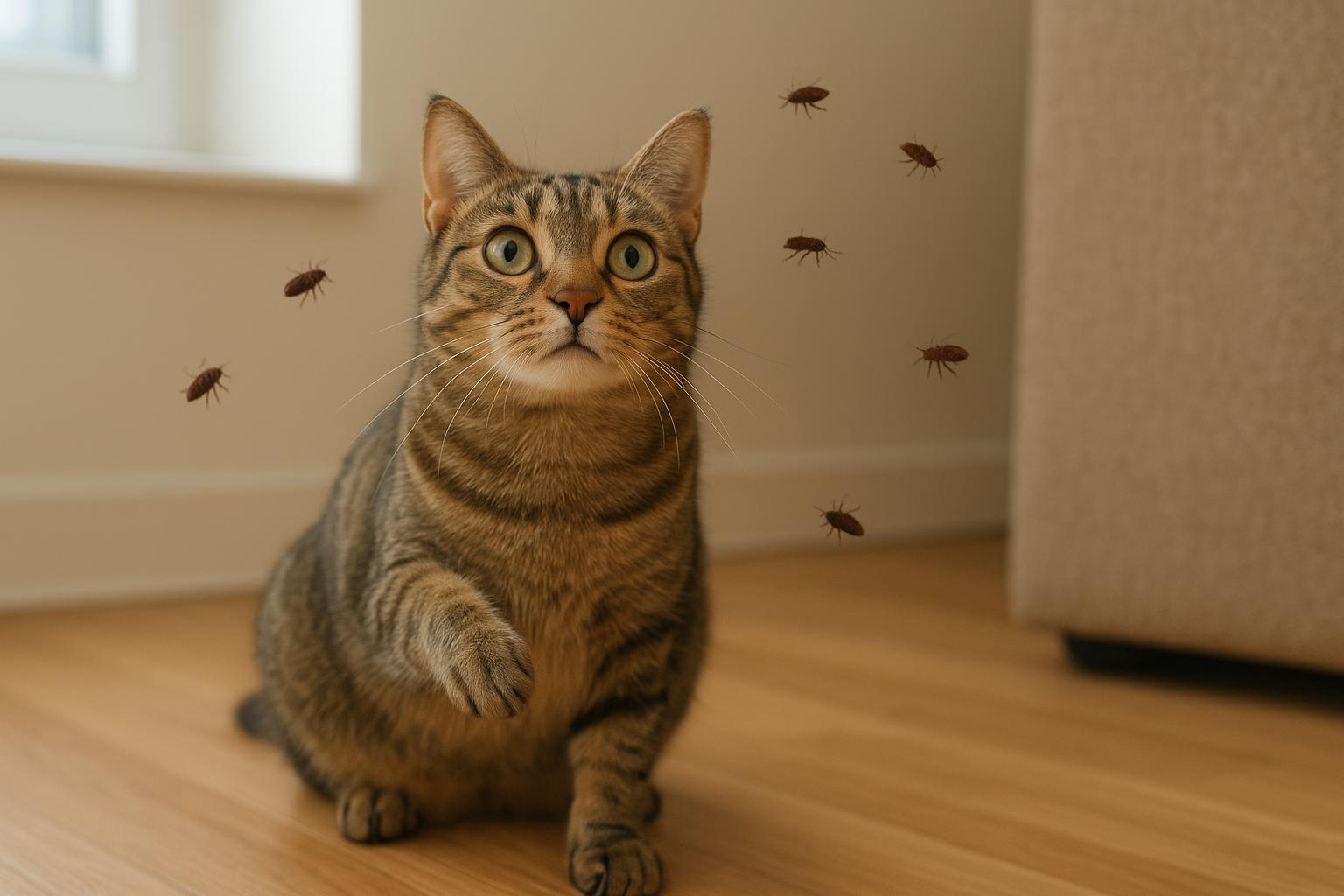
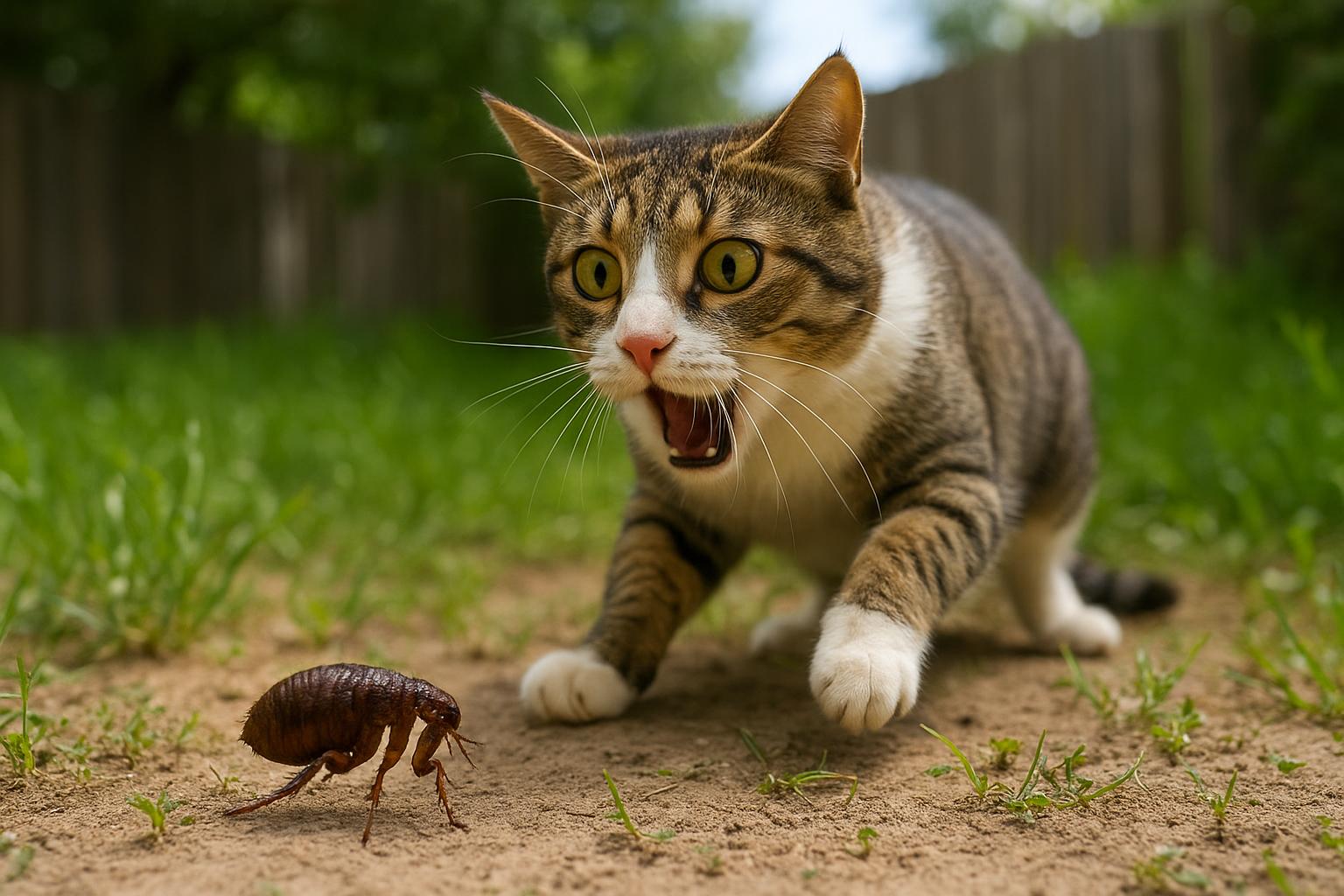
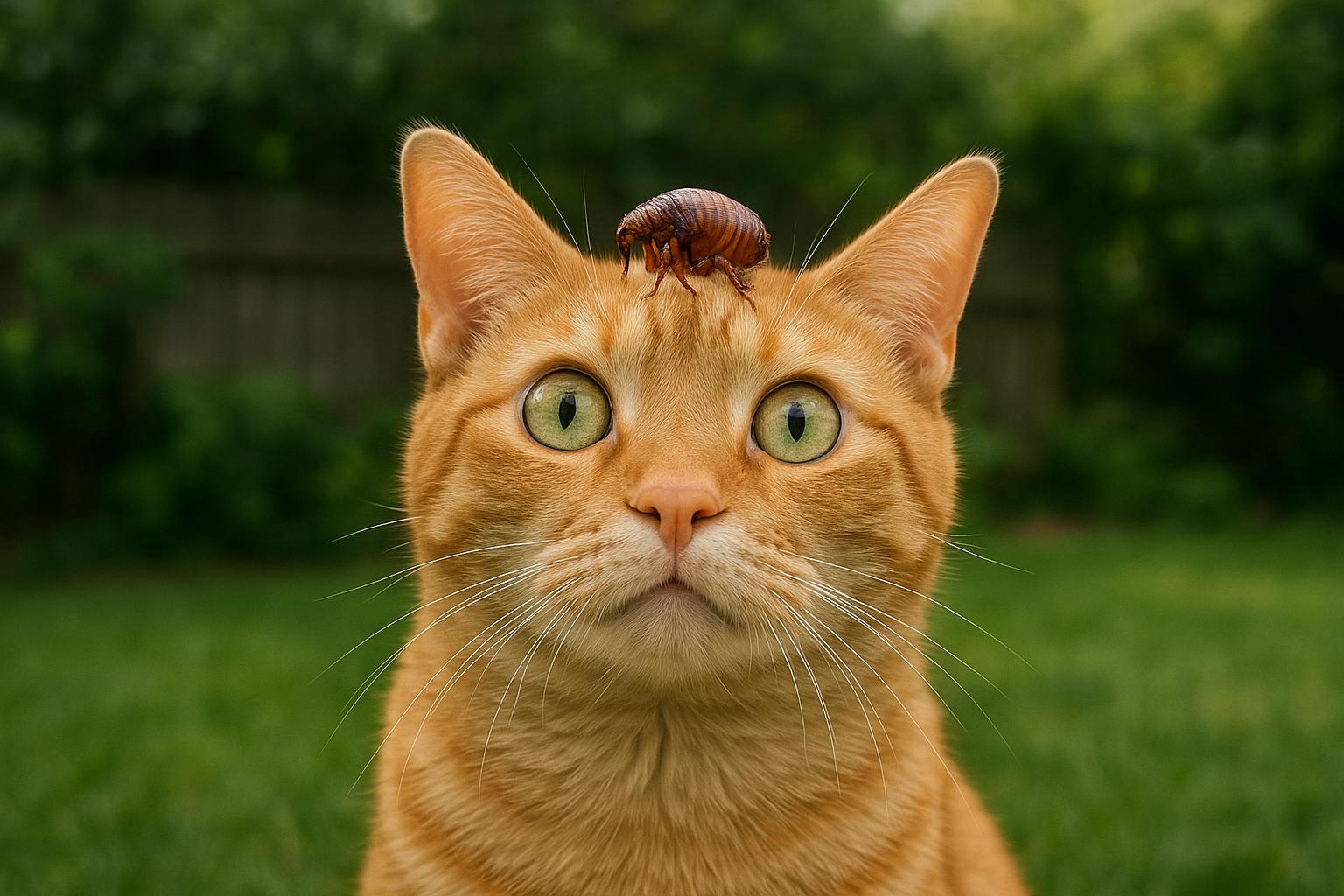
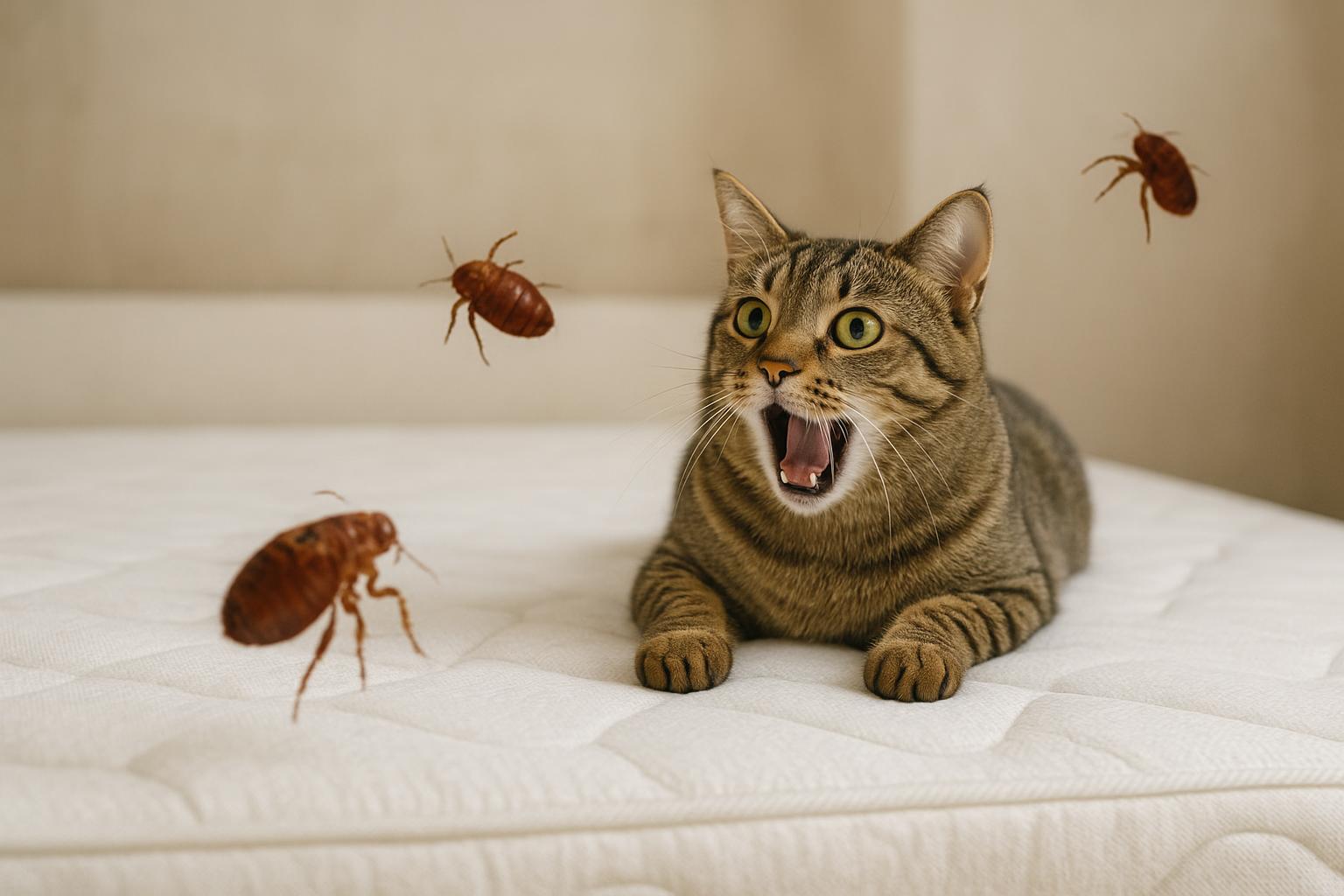
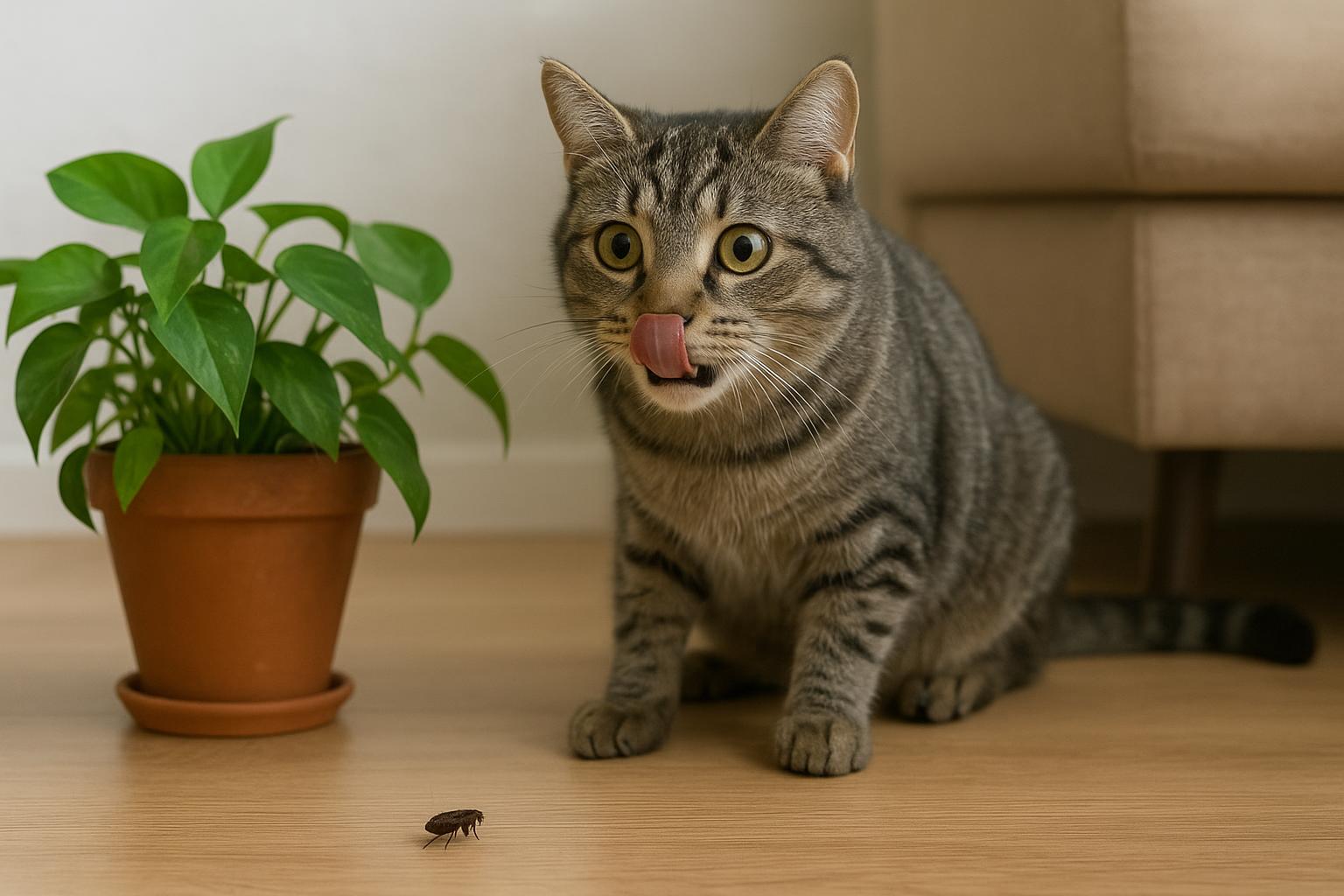
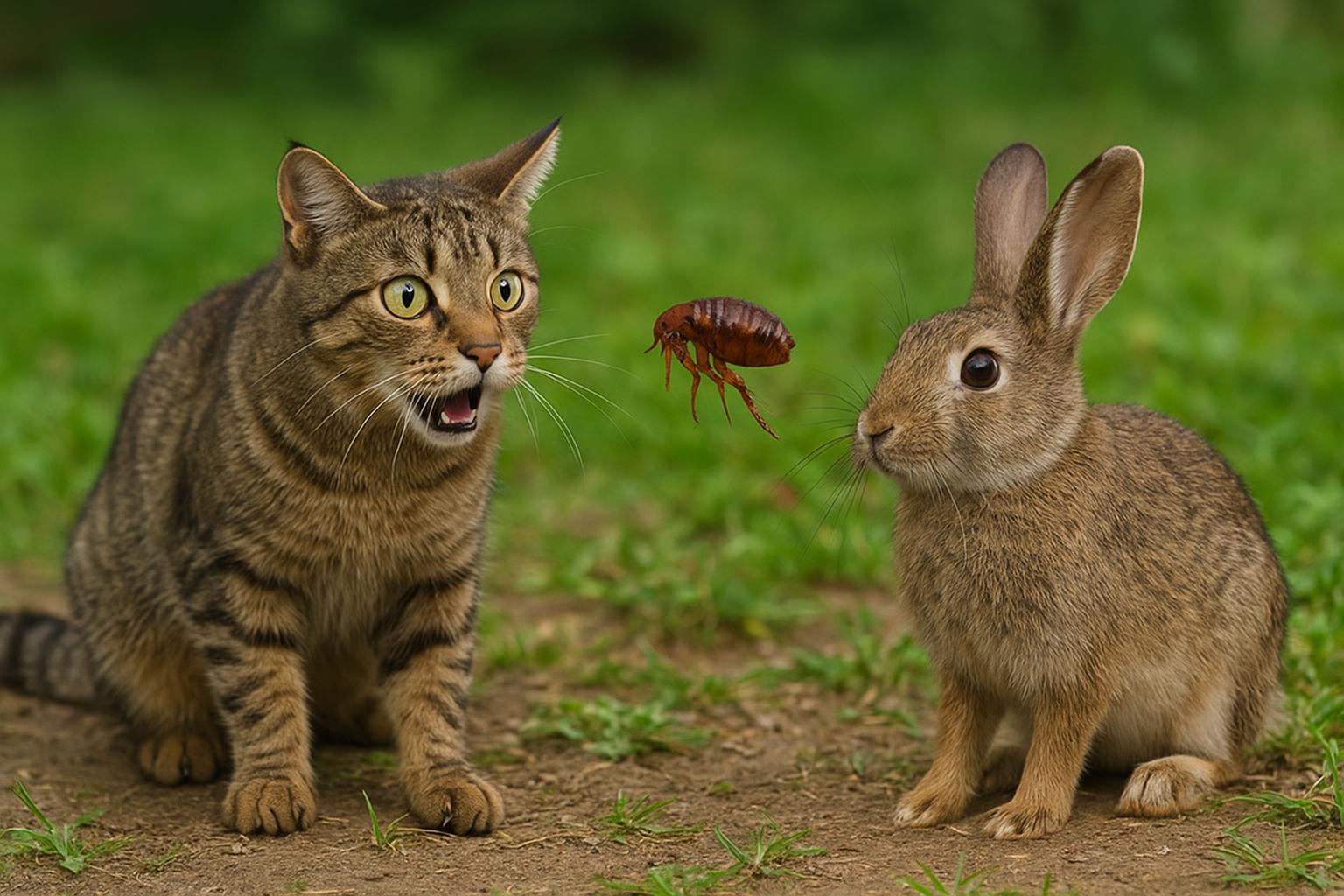
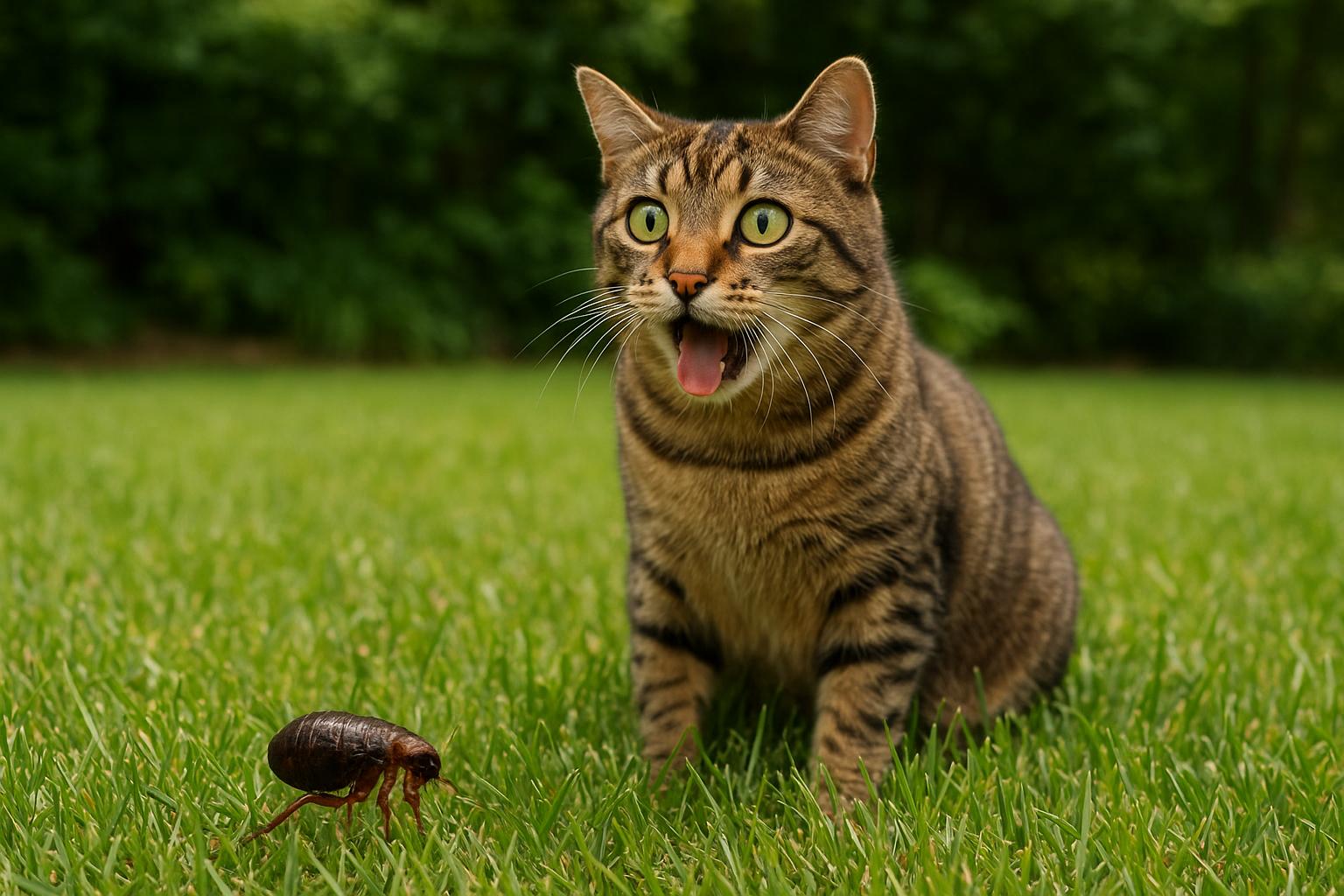
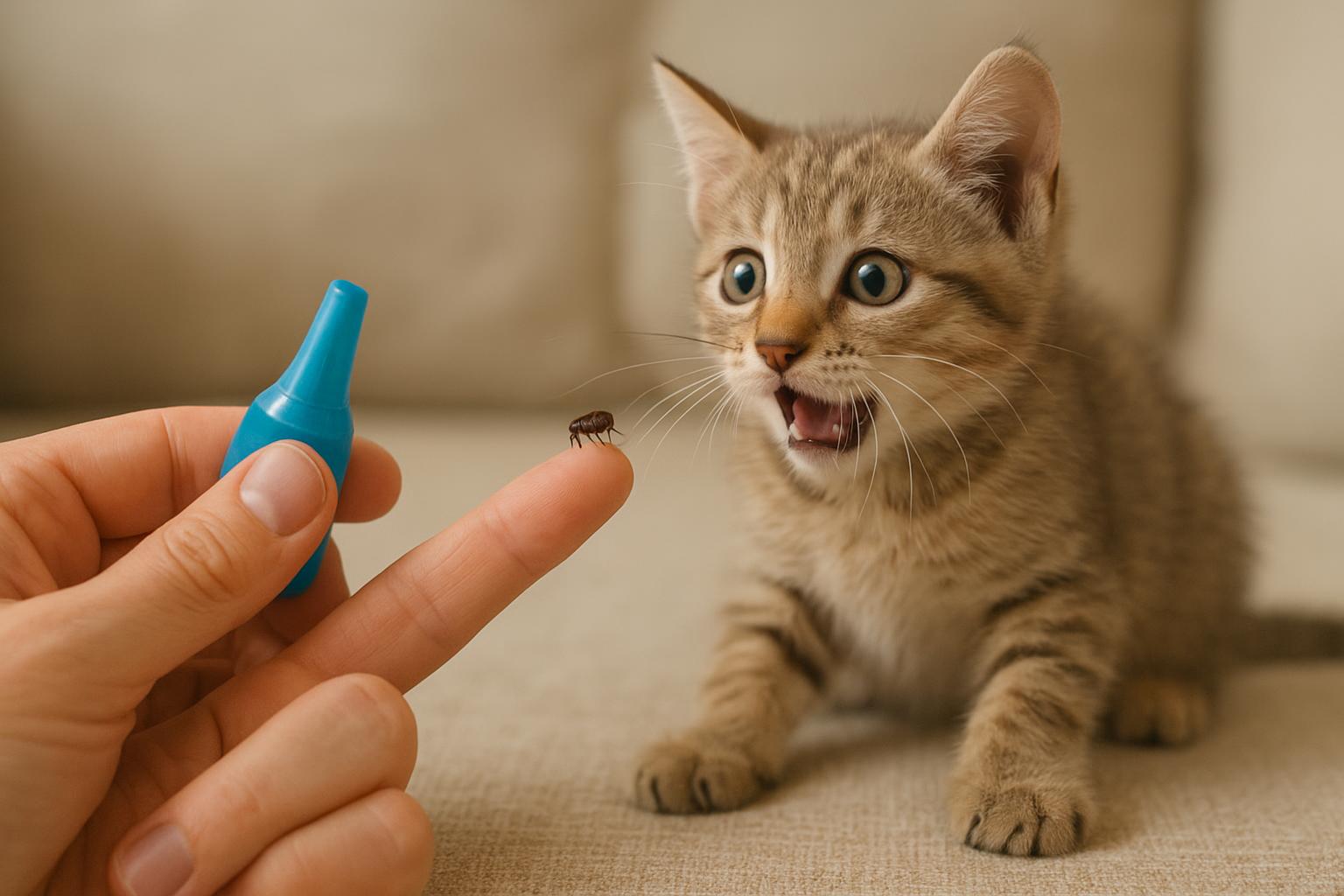
– Visible small, fast-moving insects close to the skin.
– Pale gums or lethargy in severe infestations.
### When Fleas Are Most Dangerous
Very young kittens, underweight kittens, or those already ill are at highest risk for complications. If your kitten seems weak, breathless, or has pale gums, contact your veterinarian immediately.
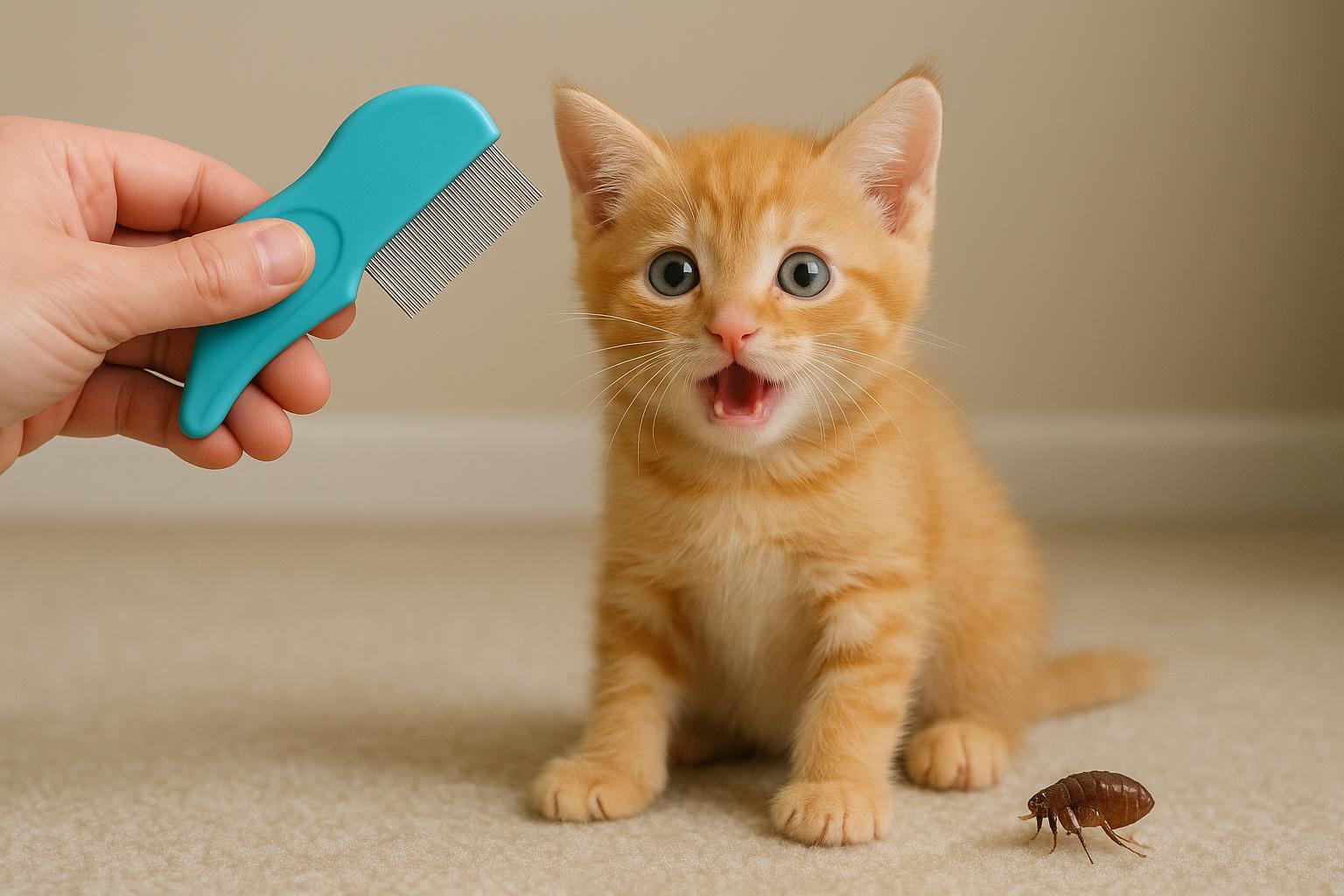
### Remedy 1: Flea Comb And Bath (Safe For Young Kittens)
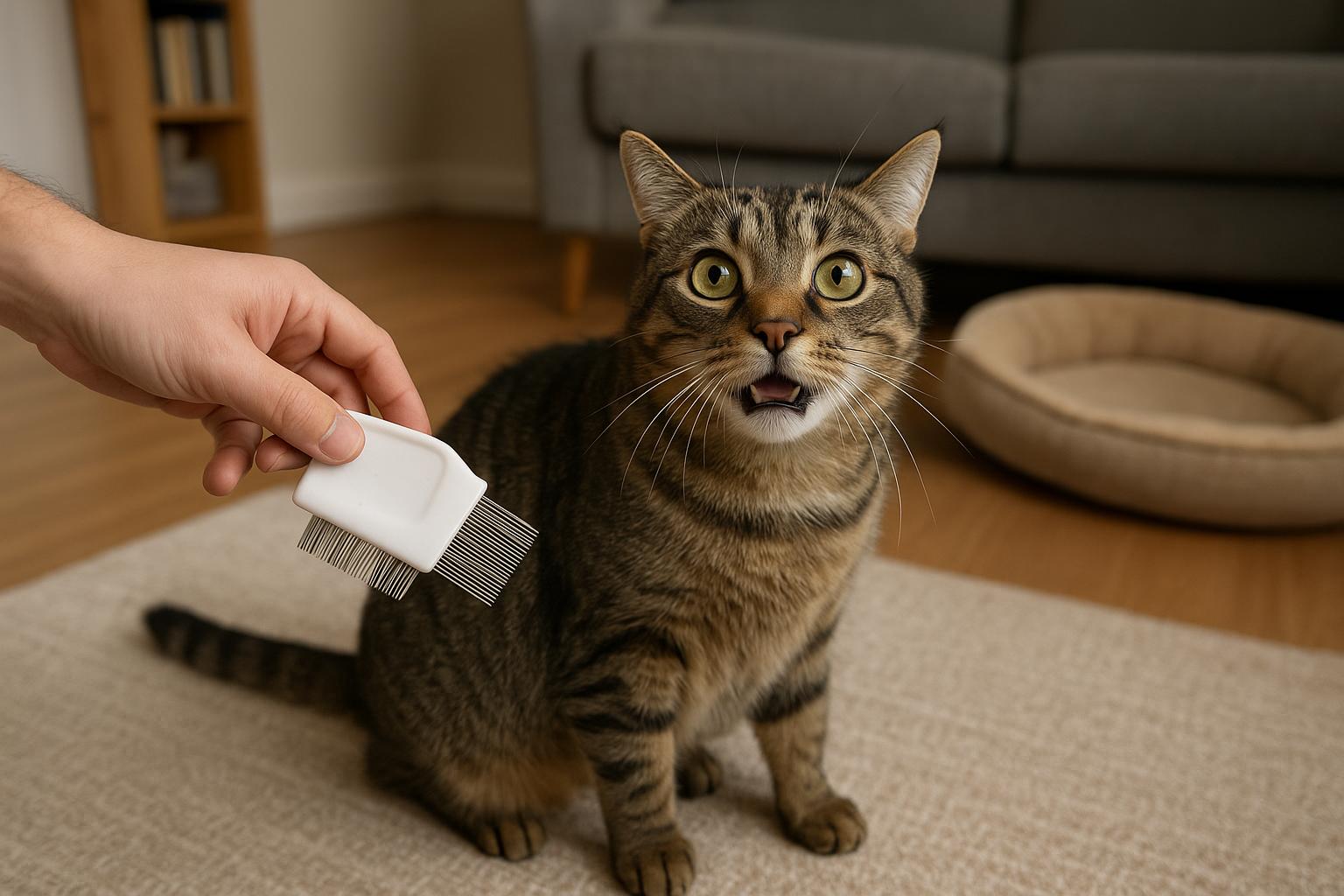
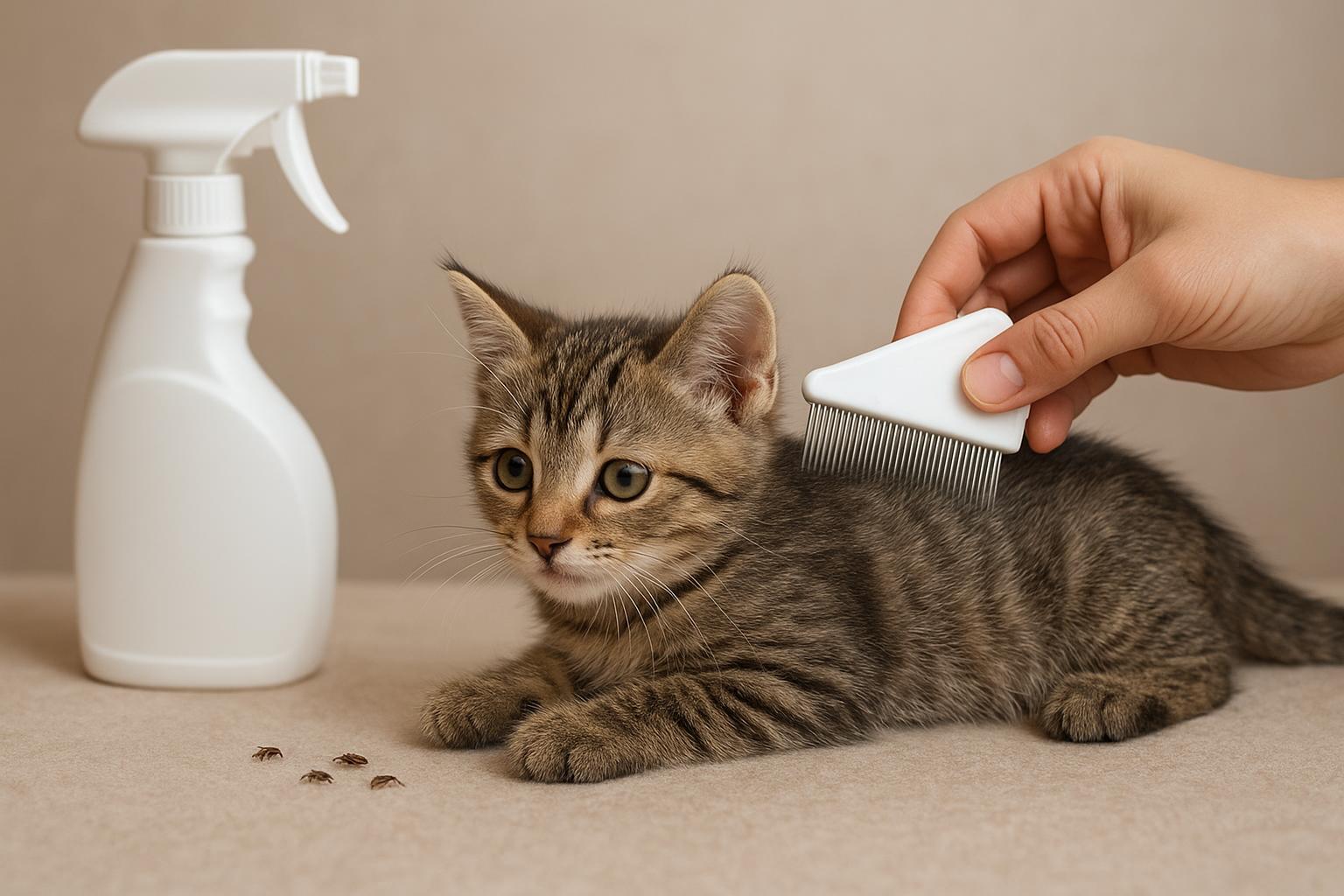
This is often the first, safest line of attack in many households. Gentle, repeated combing and a careful bath can physically remove fleas and reduce the immediate burden while you arrange vet-recommended treatments.
#### Materials And Ingredients
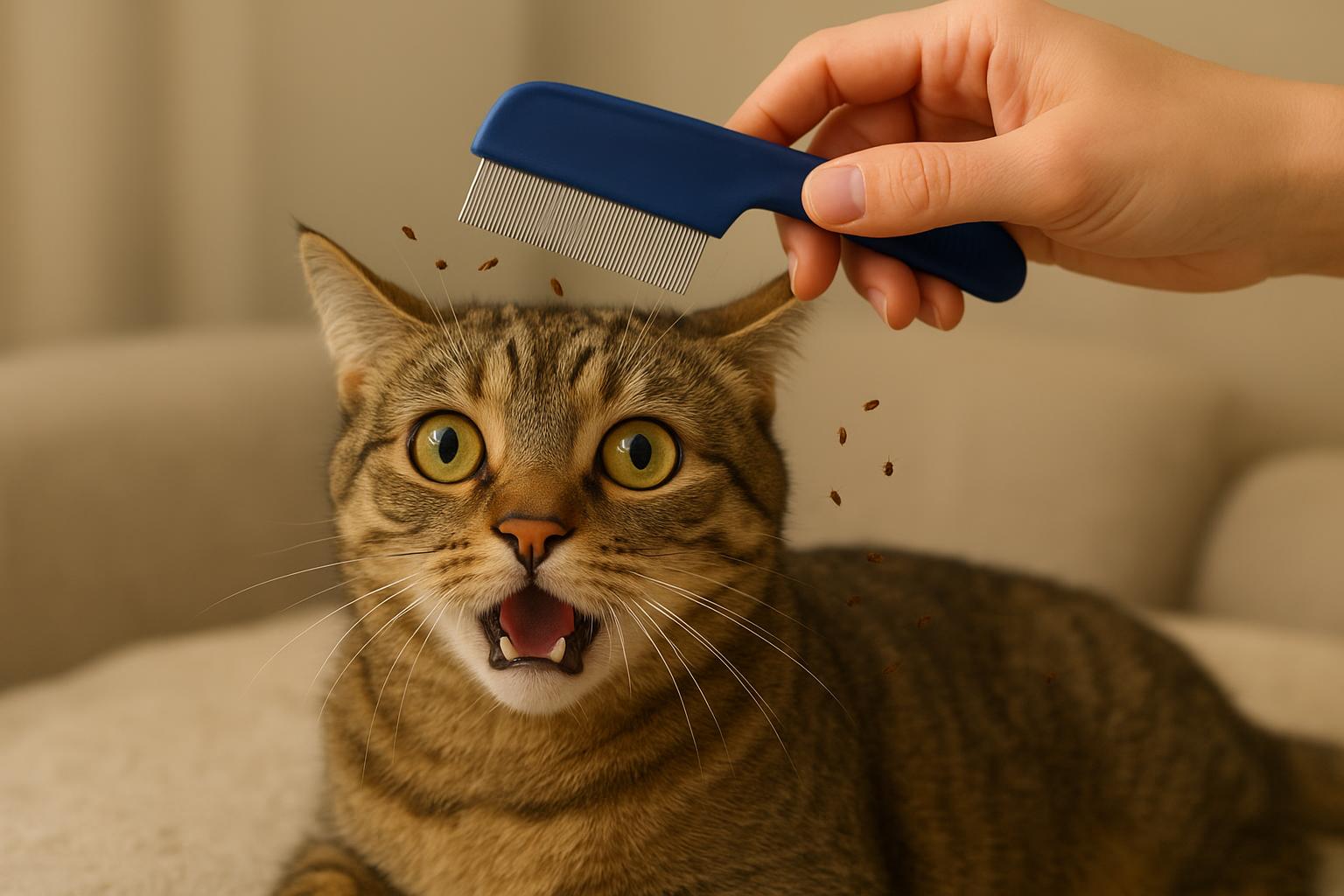
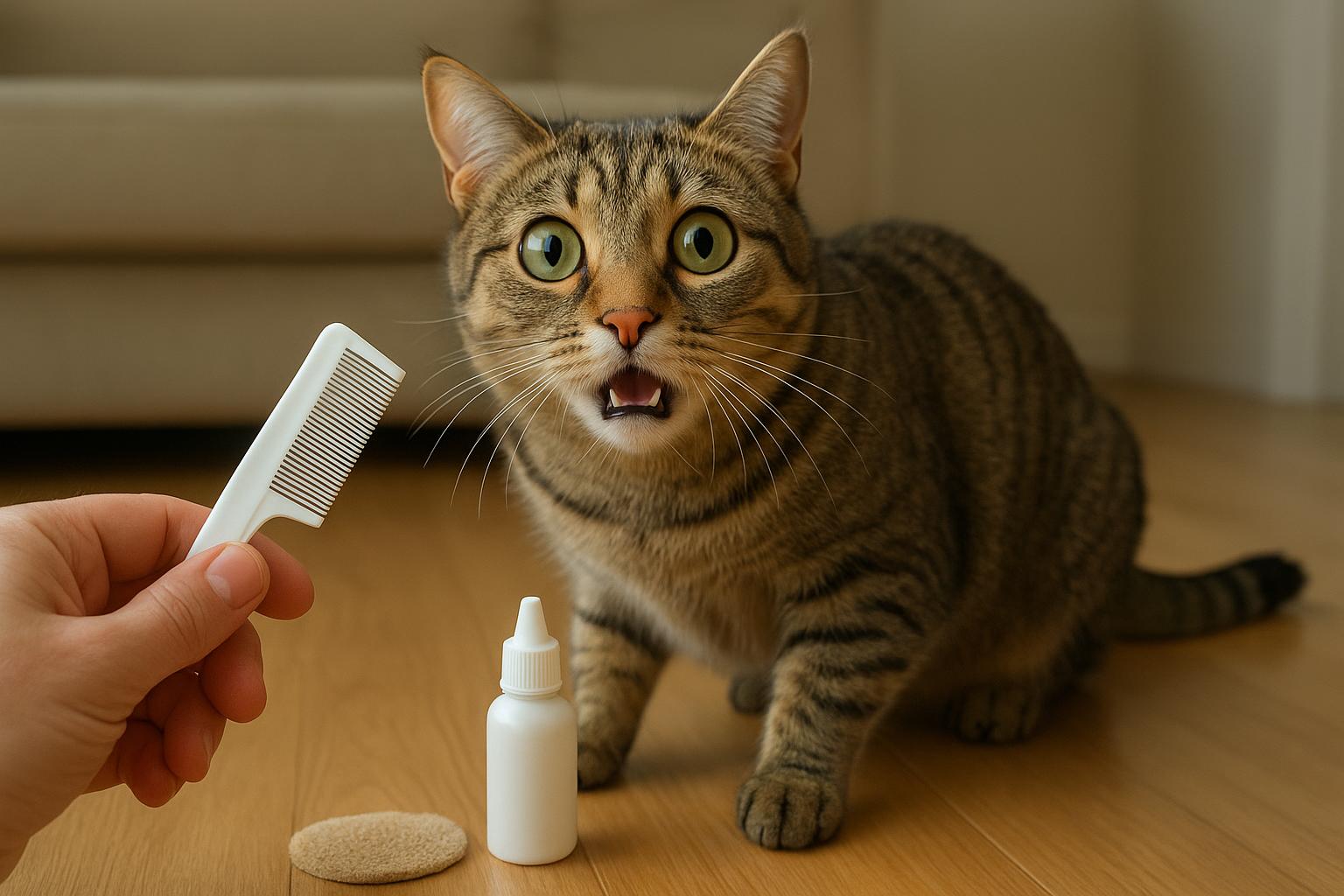
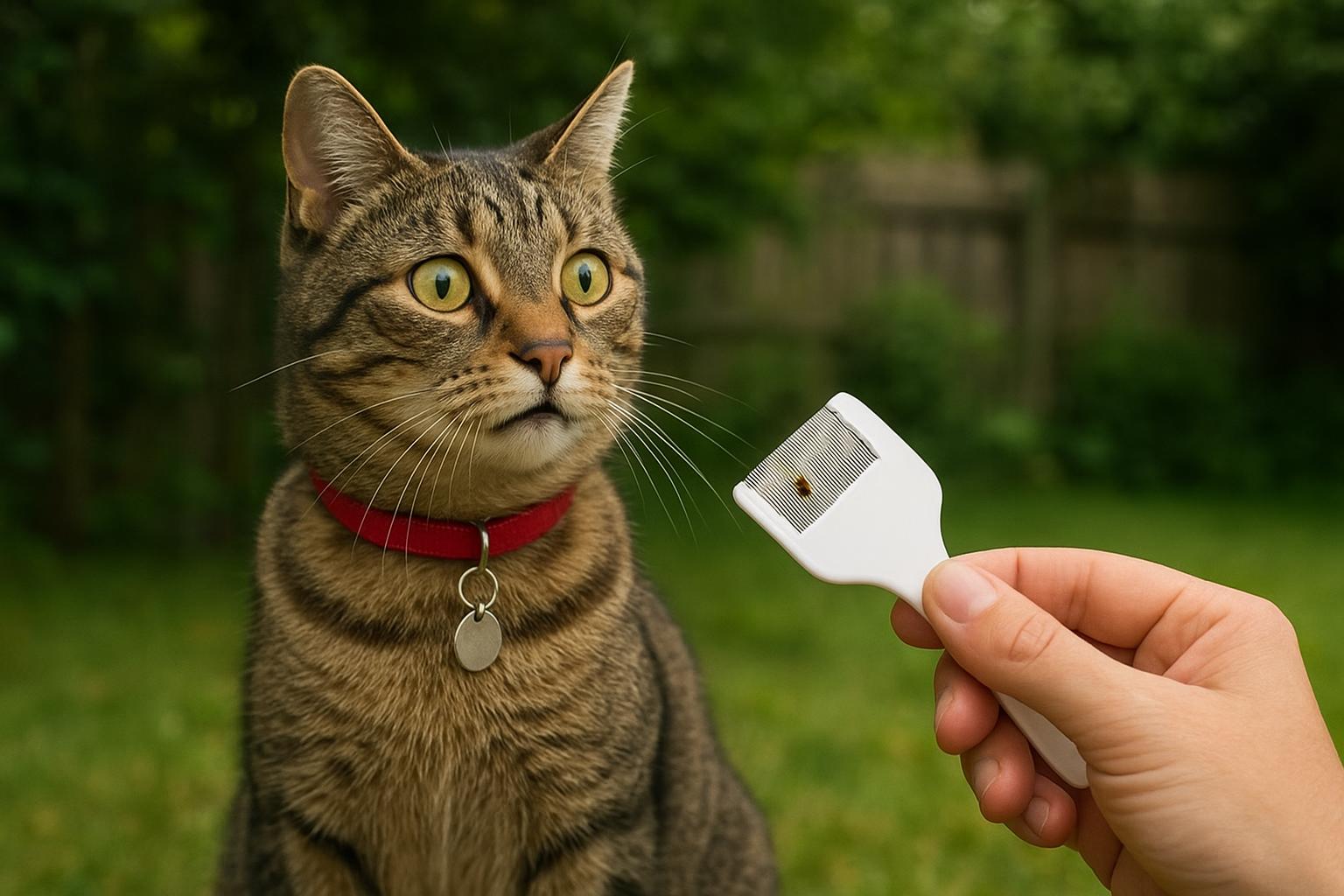
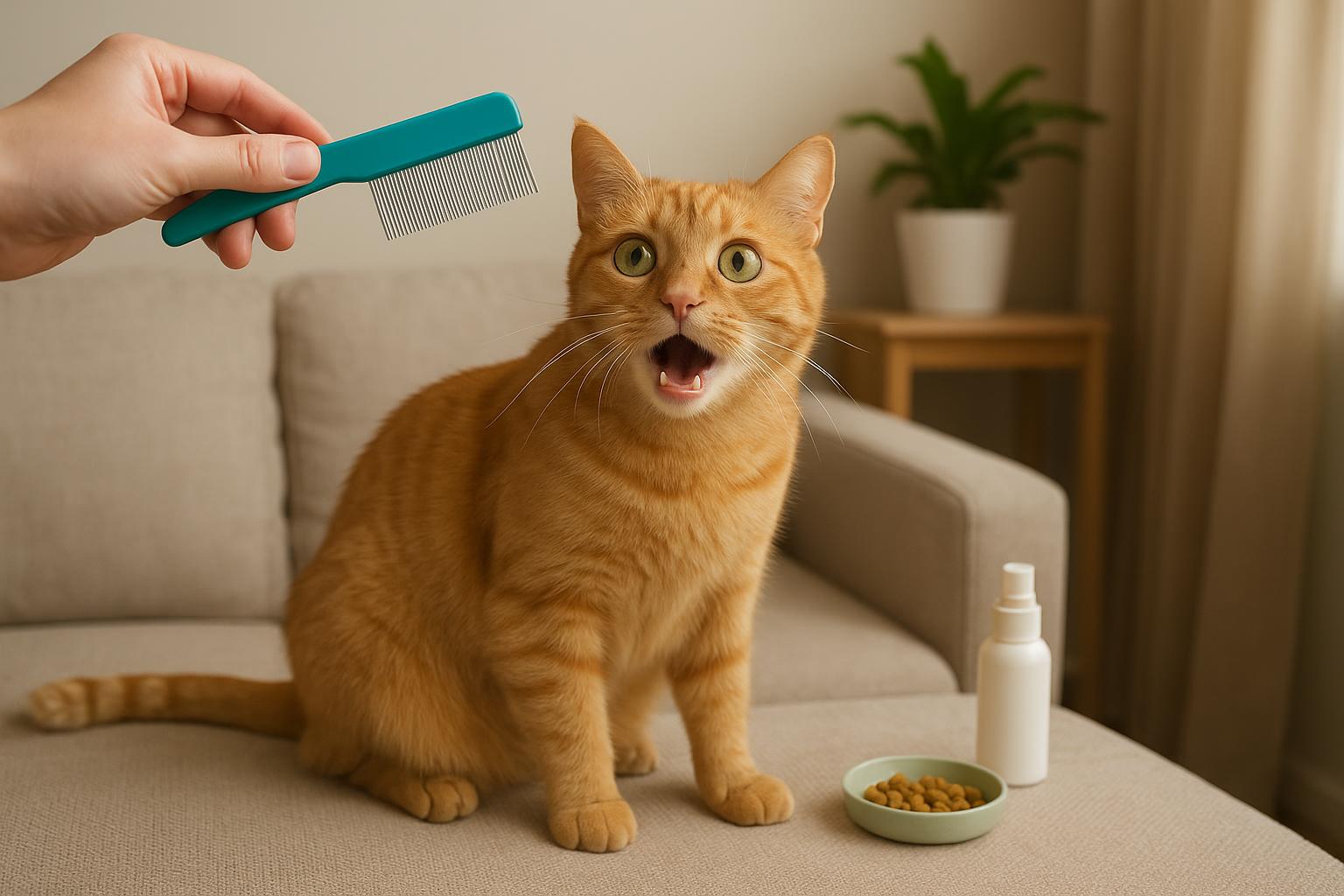
– Fine-toothed flea comb designed for cats.
– Container or shallow tub with comfortably warm water.
– Kitten-safe mild shampoo (labeled for kittens; ask your vet if unsure).
– Towels (several).
– A shallow bowl of warm soapy water (or paper towels) to dunk/clean comb.
– Soft brush or cloth for drying.
– A second person to help if the kitten is wiggly.
#### Steps For Safe Bathing And Combing
1. Prepare the area: Have everything within arm’s reach, warm the room, and fill a tub with a few inches of warm water. Place towels nearby for quick drying.
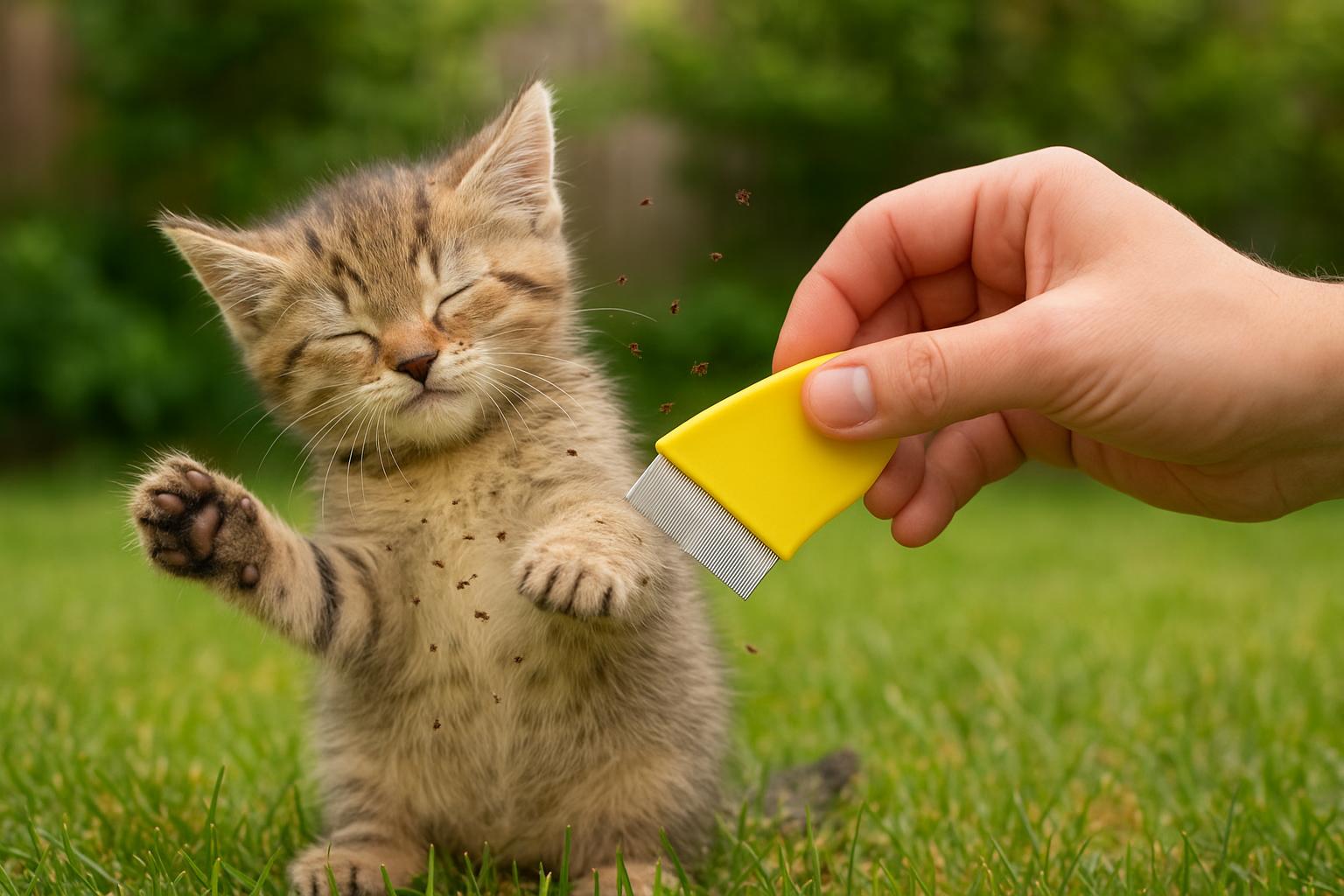
2. Comb first: Use the flea comb to remove as many fleas and flea dirt as possible before the bath. Comb from neck to tail in short strokes, checking comb teeth in the warm soapy water and removing fleas with a tissue.
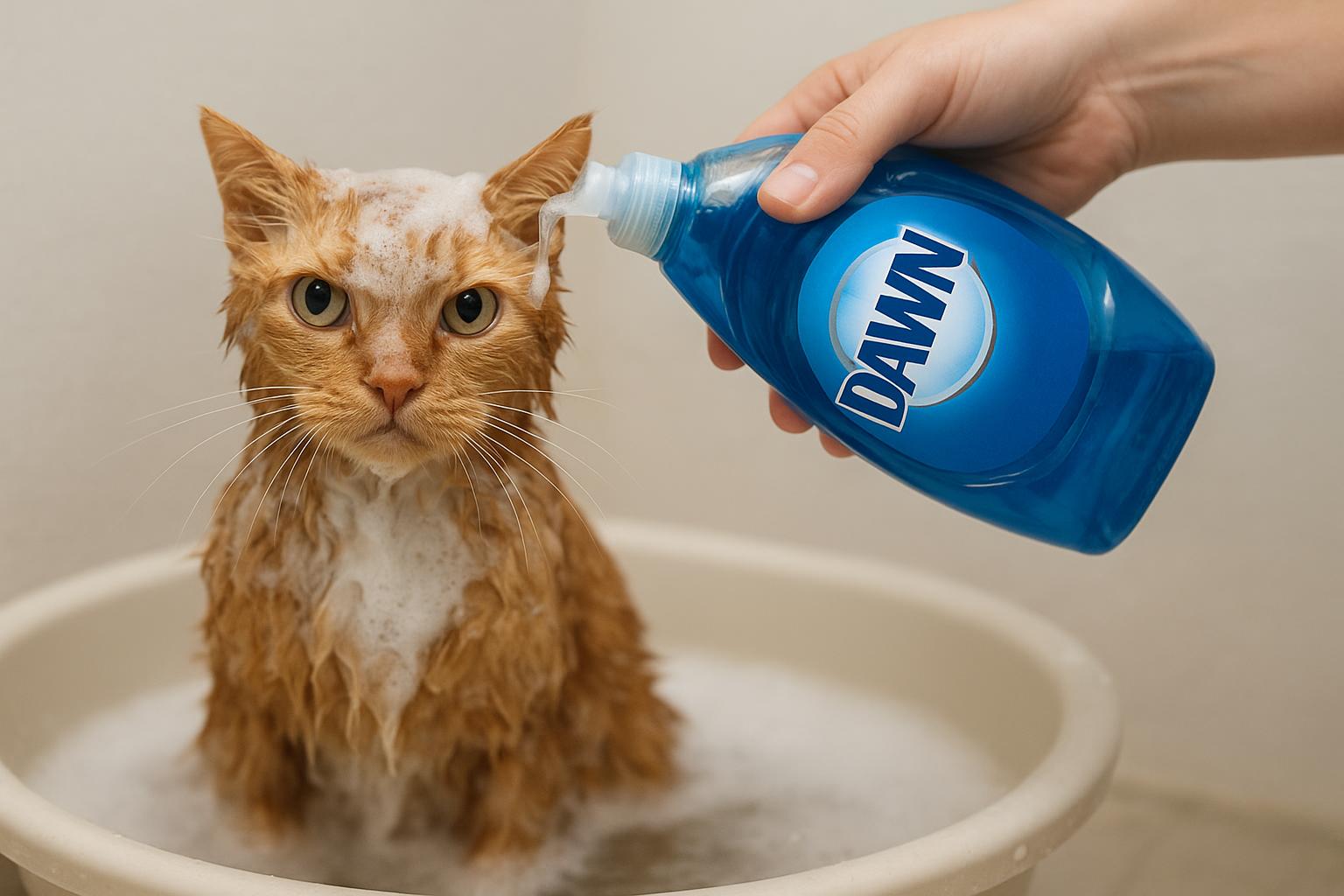
3. Bath carefully: Wet the kitten gently with warm water, avoiding the eyes and ears. Apply a small amount of kitten-safe shampoo, lather gently, and leave on for the duration recommended on the label. This helps remove and drown fleas.
4. Rinse thoroughly: Ensure all shampoo and loose fleas are rinsed away. Residual soap can irritate skin.
5. Dry and comfort: Wrap in towels and dry thoroughly, using a hairdryer on low and distant setting only if the kitten tolerates it and you keep the dryer moving.
6. Repeat combing: After drying, comb again to catch any fleas that survived or were missed.
7. Frequency: Repeat combing daily for at least 2 weeks and repeat bathing as needed per your vet’s guidance.
Use of this method can quickly flea kill kittens by removing the immediate airborne critters and reducing infestation pressure while you plan longer-term control.
### Remedy 2: Veterinary Topical Treatment (Prescription Or Over-The-Counter When Appropriate)
When a flea load is more than you can physically manage, the next step is a vet-recommended product. Many topical treatments are extremely effective, but age and weight are crucial. Never use dog products or items not explicitly labeled for kittens of a certain age or weight—this is where most accidental poisonings happen.
#### Materials And Required Items
– Veterinary consultation (phone or in-person) to confirm age, weight, and product suitability.
– Vet-prescribed or label-approved topical flea medication explicitly labeled for kittens (product varies by region and individual health).
– Clean towel to place kitten on for application.
– Gloves for the person applying (optional but recommended for some products).
– Scale to confirm kitten’s weight if uncertain.
#### Steps For Proper Application And Follow-Up
1. Consult your veterinarian: Get a clear recommendation for a product suitable for the kitten’s exact age and weight. Follow this recommendation over internet anecdotes.
2. Read the label: Verify that the product is labeled for kittens and for the specific weight bracket of your kitten.
3. Prepare the kitten: Make sure the kitten is dry and calm. Place on a towel.
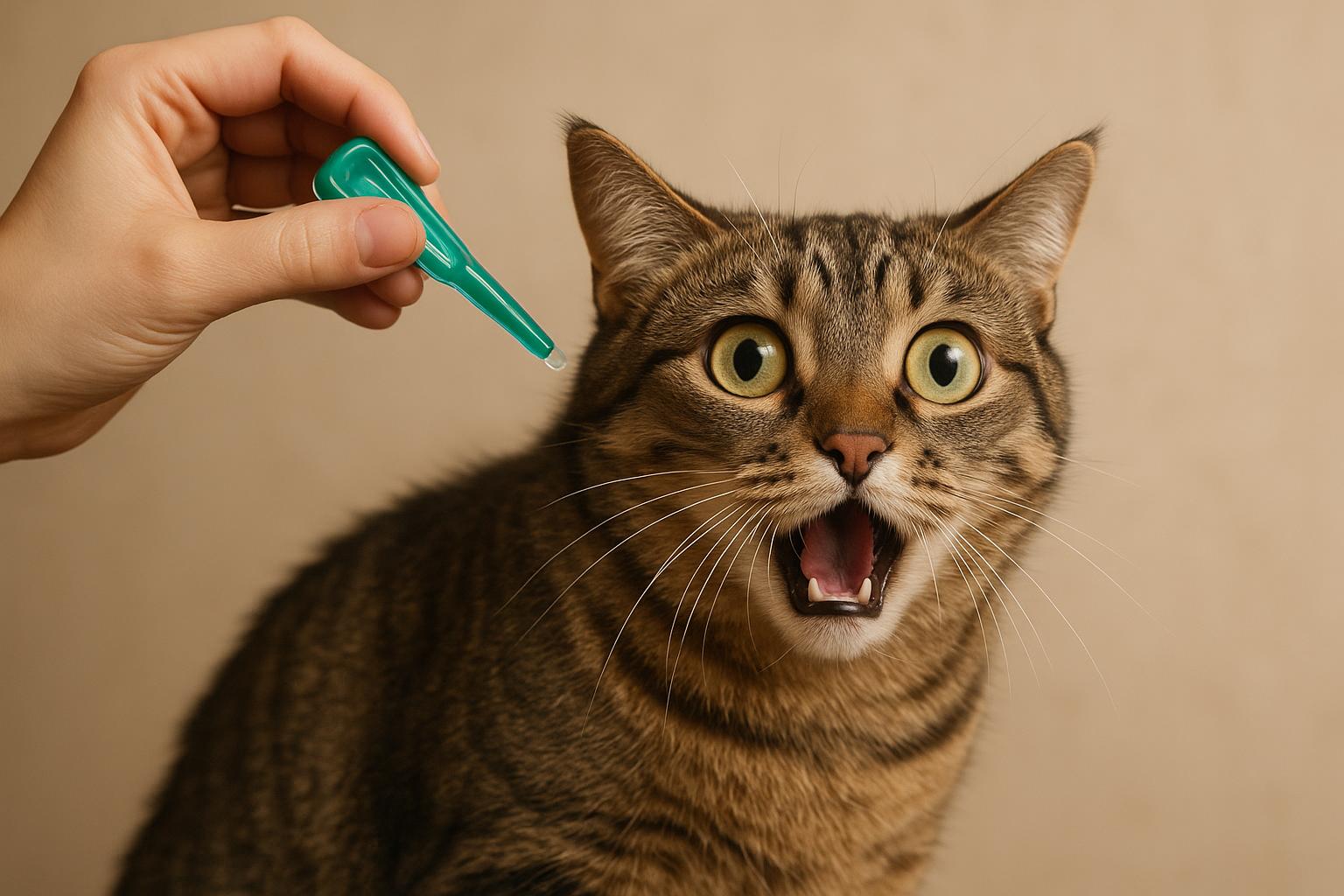
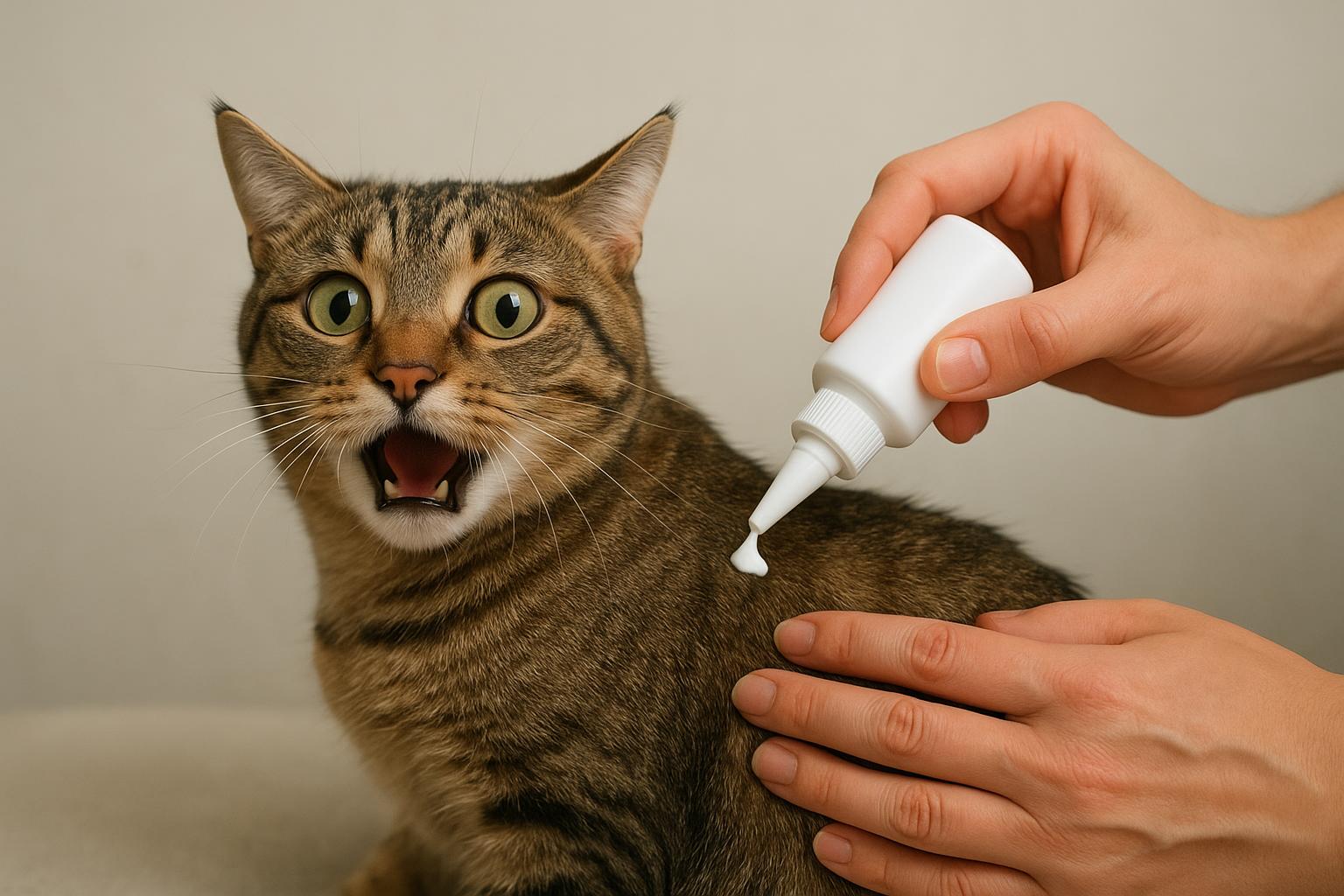
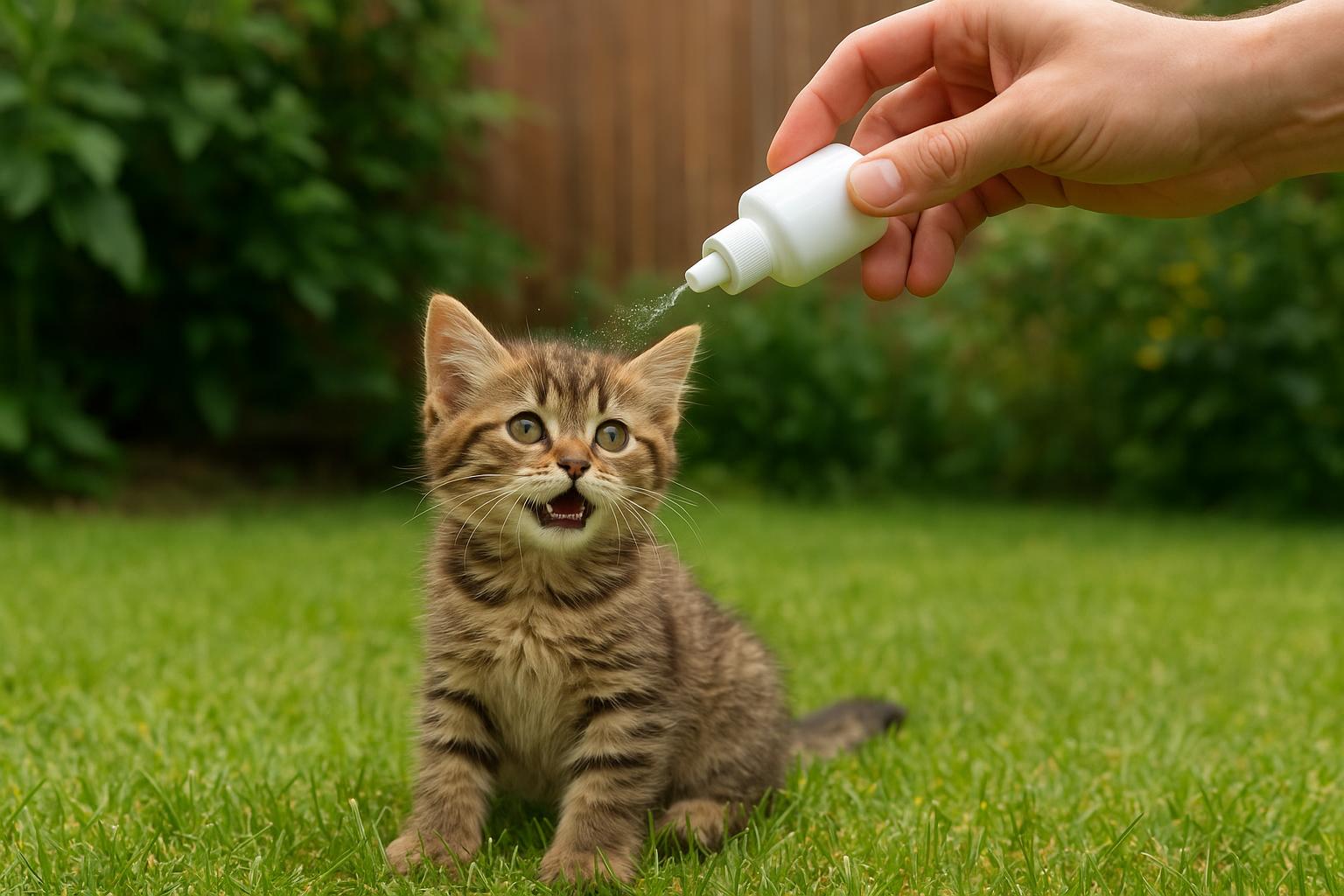
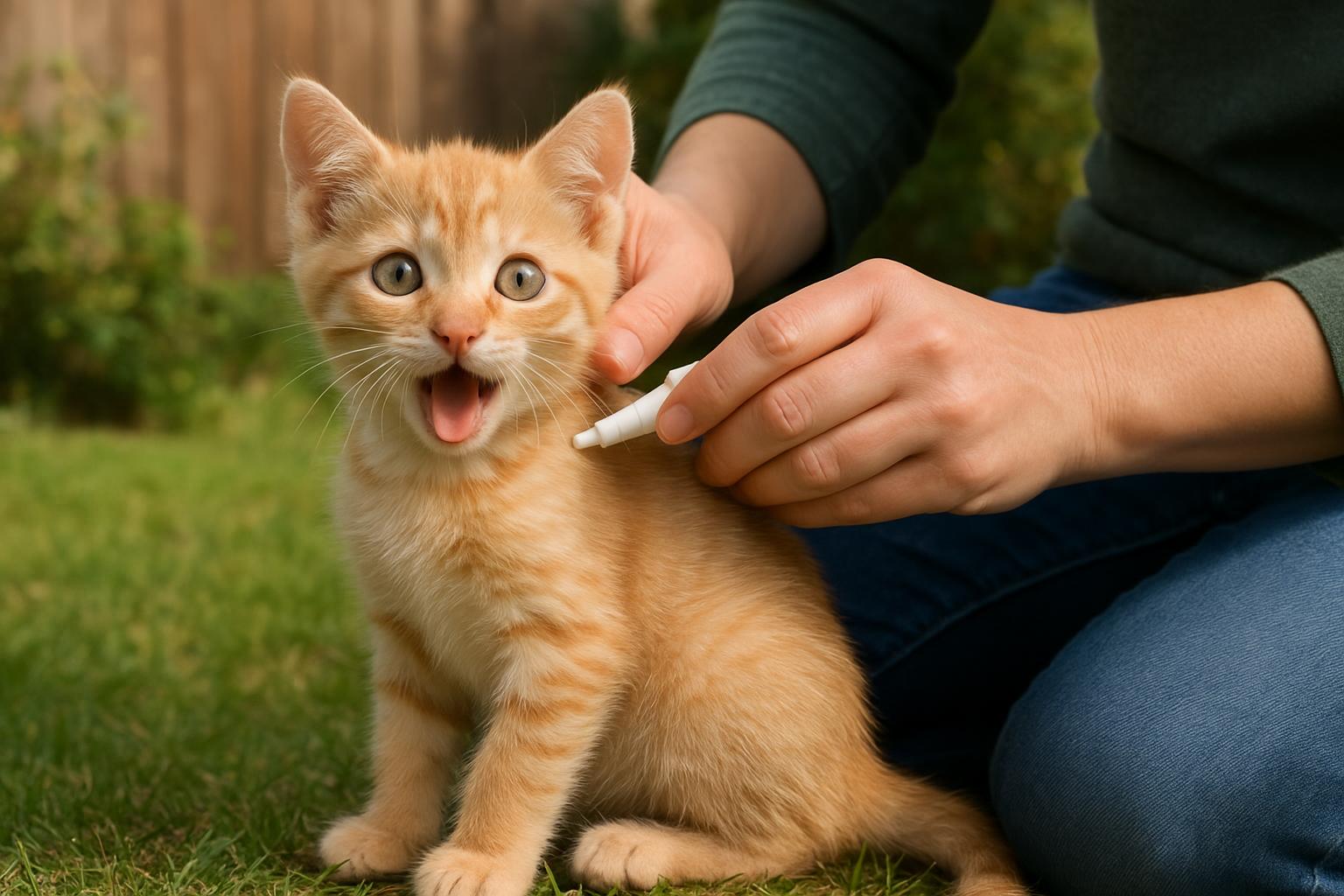
4. Apply as directed: Part the fur between the shoulder blades until you can see skin. Apply the full dose directly to the skin at that spot. Do not apply more than the recommended dose or apply multiple products simultaneously unless directed by a vet.
5. Prevent ingestion: Keep the kitten from grooming the application site for the recommended period and keep other pets apart briefly if instructed.
6. Monitor: Watch for local irritation, vomiting, coughing, drooling, or behavioral changes. If any adverse signs appear, contact your vet immediately.
7. Follow treatment schedule: Many topical products are monthly and some require repeat applications or environmental control steps to break the flea lifecycle.
When used correctly under veterinary guidance, a vet-recommended topical can help flea kill kittens and break the life cycle that feeds infestations.
### Treating The Home And Other Pets
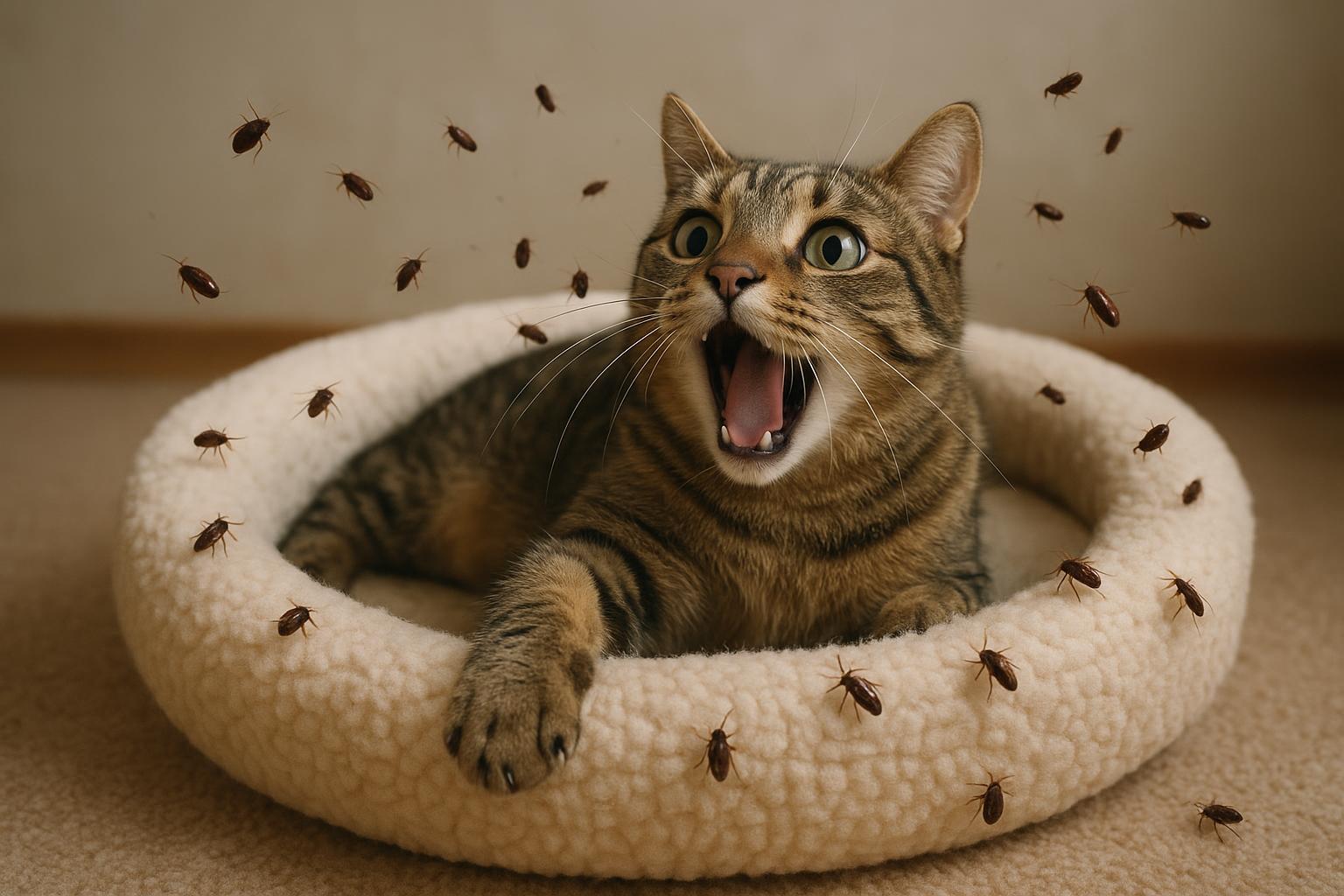
Environmental control is not glamorous, but it’s mandatory. Fleas spend most of their life off the host as eggs, larvae, and pupae. You can do everything to the kitten and still lose the battle if the house is a flea nursery.
– Wash all bedding, blankets, and soft toys in hot water and dry on high heat when safe for the material.
– Vacuum carpets, rugs, and upholstered furniture daily for at least two weeks, focusing on edges and pet traffic paths. Empty or disinfect the vacuum canister/container.
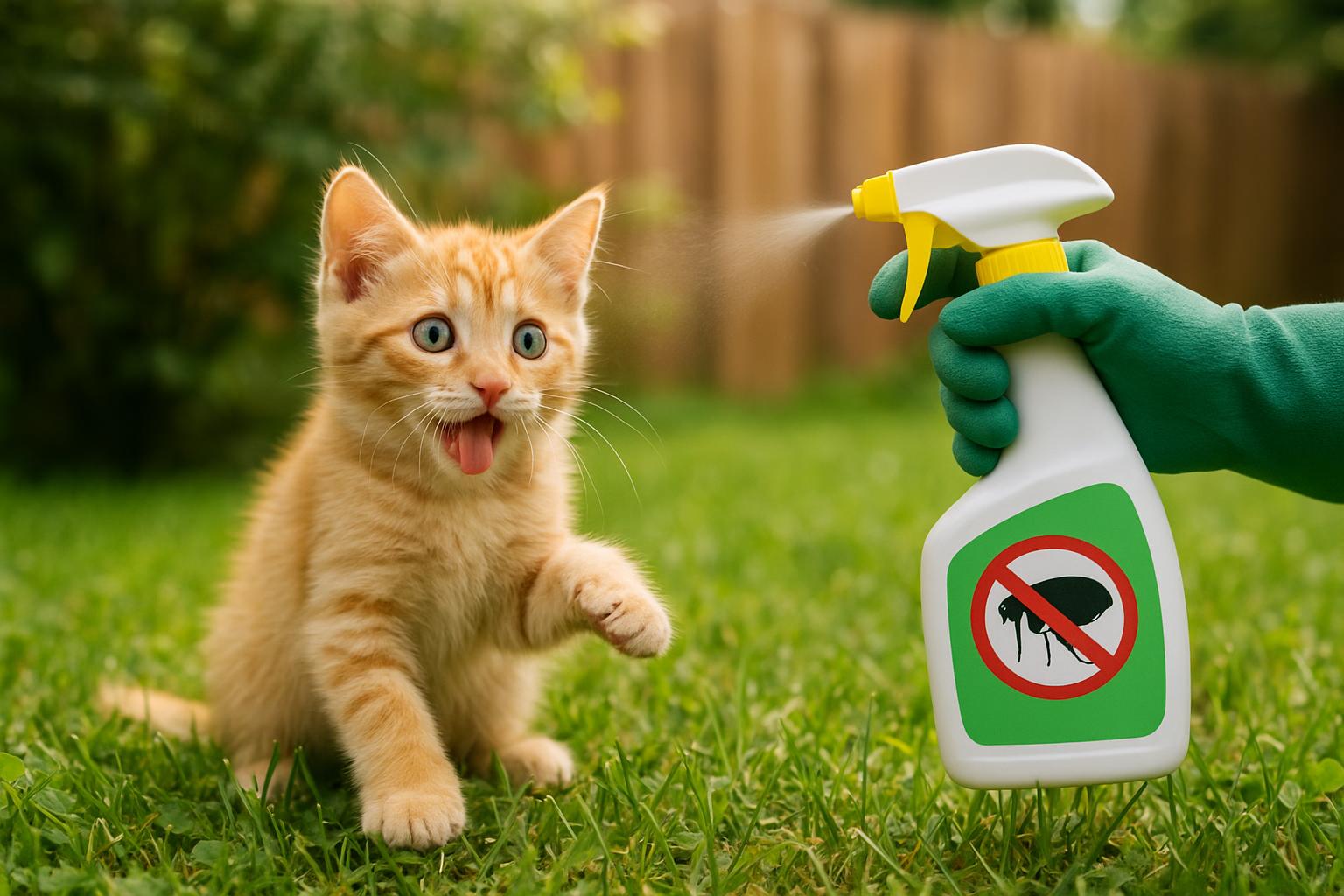
– For heavy infestations, use products containing an insect growth regulator (IGR) like pyriproxyfen or S-methoprene—these stop eggs and larvae from developing. Use only products labeled for indoor household use and follow instructions carefully, or hire a professional.
– Treat other pets: Dogs and other cats may require their own veterinary-approved flea control.
Environmental steps support efforts to flea kill kittens by removing eggs and larvae from the surroundings so re-infestation is less likely.
### Monitoring, Follow-Up, And When To Call The Vet
If, after 48–72 hours of appropriate combing, bathing, and/or vet-recommended treatment, you don’t see improvement—or if your kitten becomes listless, stops eating, shows pale gums, or continues to lose weight—contact your veterinarian without delay. Don’t try to escalate doses or mix products in an attempt to flea kill kittens faster; this can be toxic.
### Safe Practices And Common Mistakes
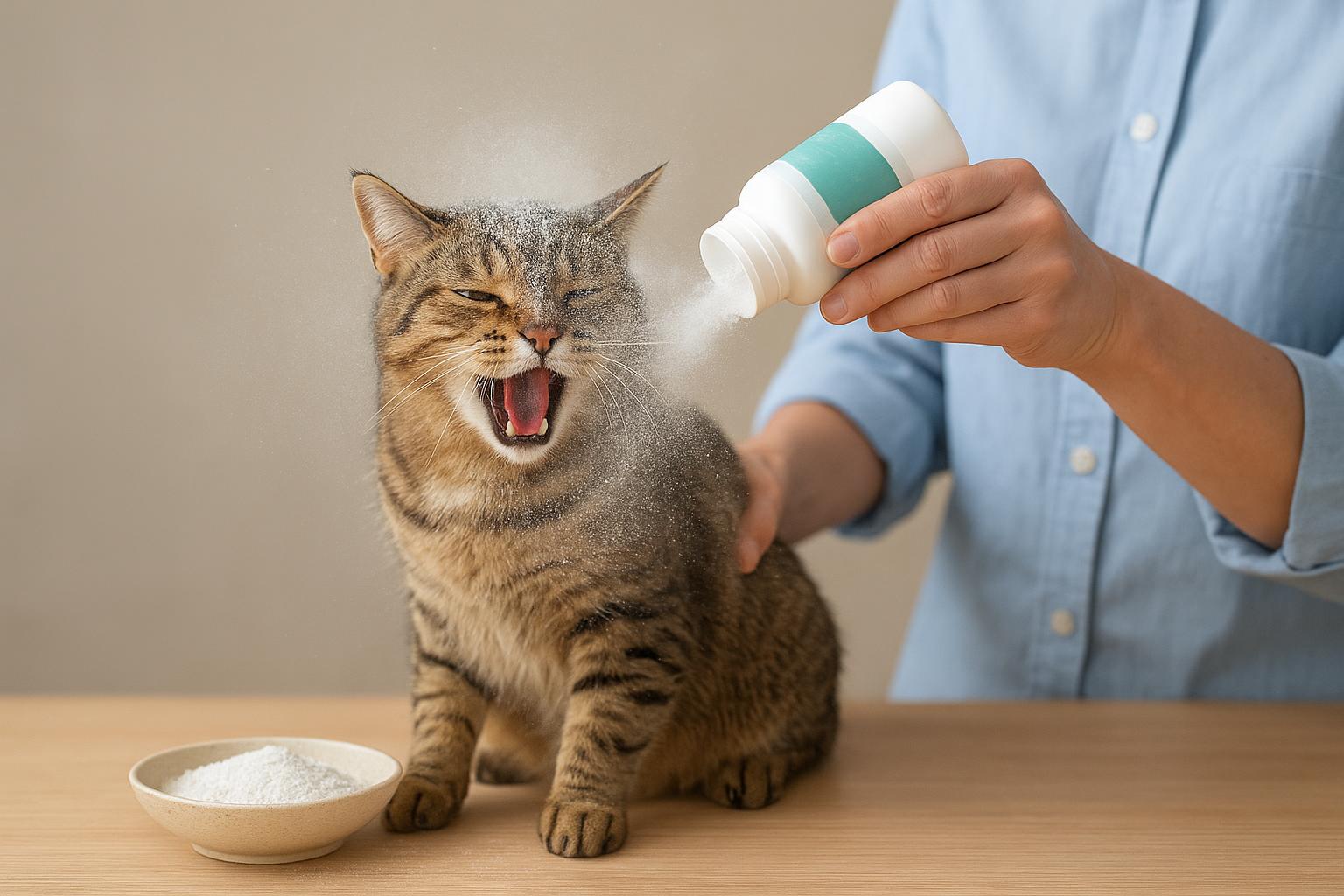
– Never use essential oils, tea tree oil, or similar “natural” concoctions on kittens—many are toxic to cats.
– Avoid insecticides intended for dogs or livestock; active ingredients and concentrations differ.
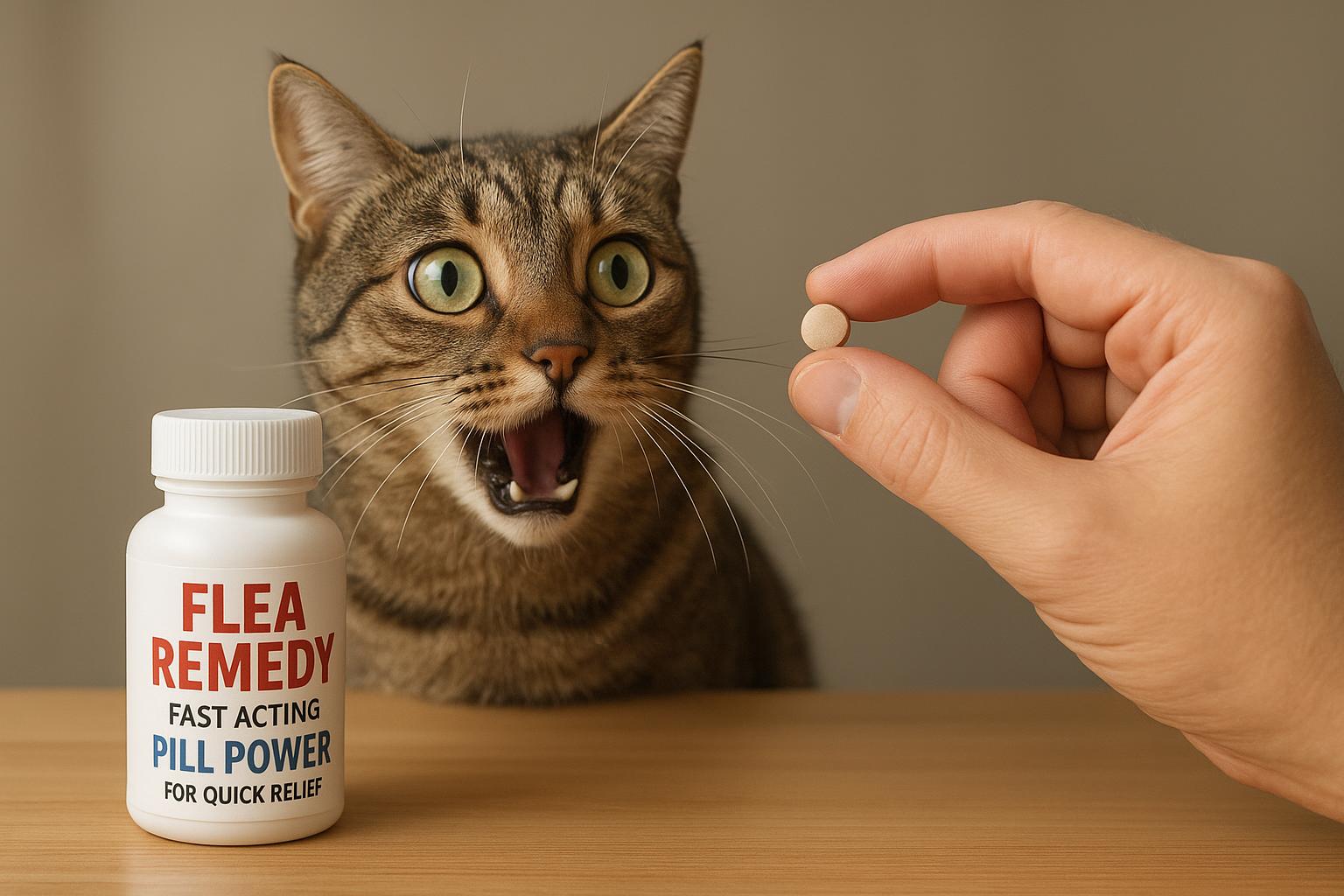
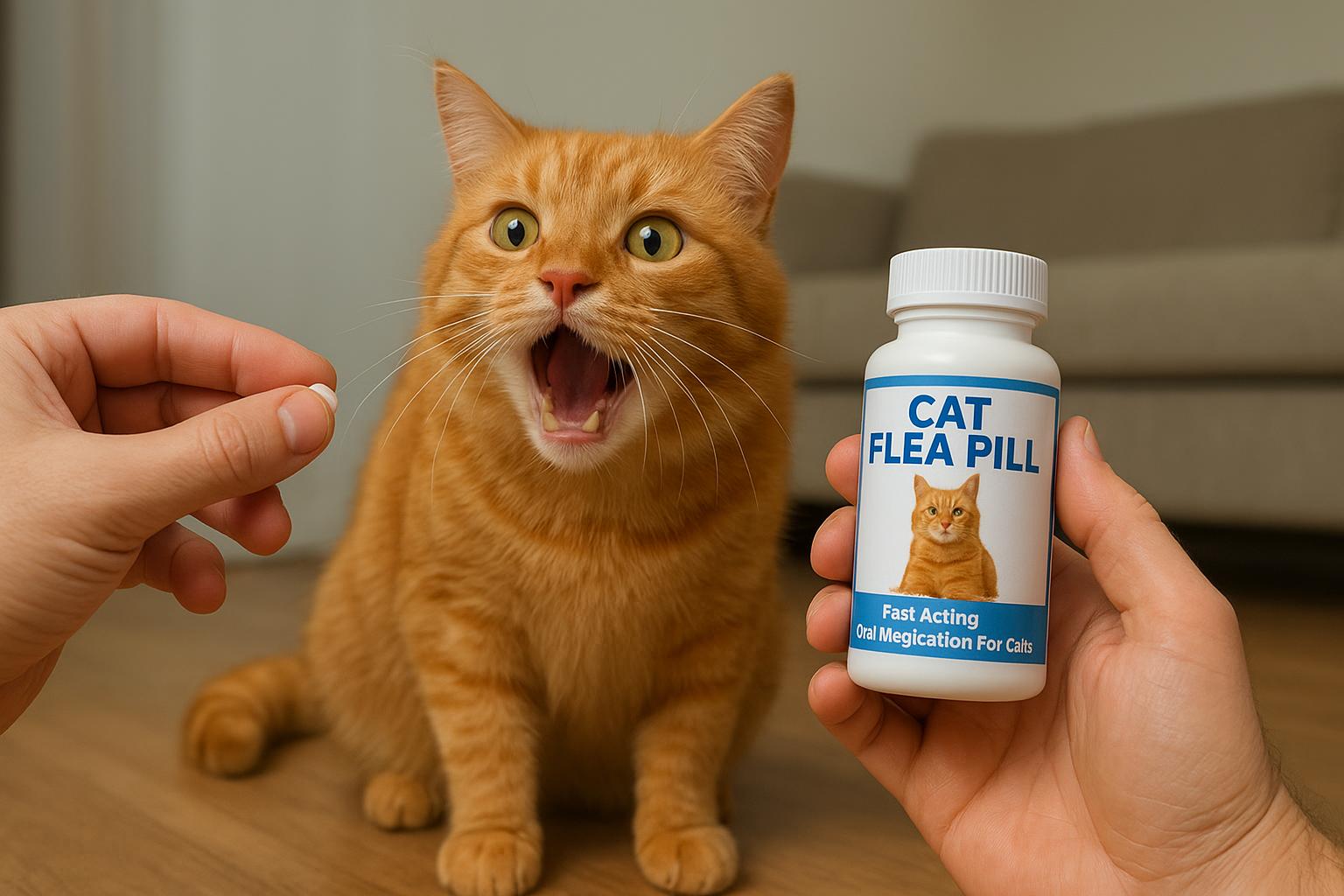
– Don’t give over-the-counter flea tablets or dog spot-ons to kittens without veterinary approval.
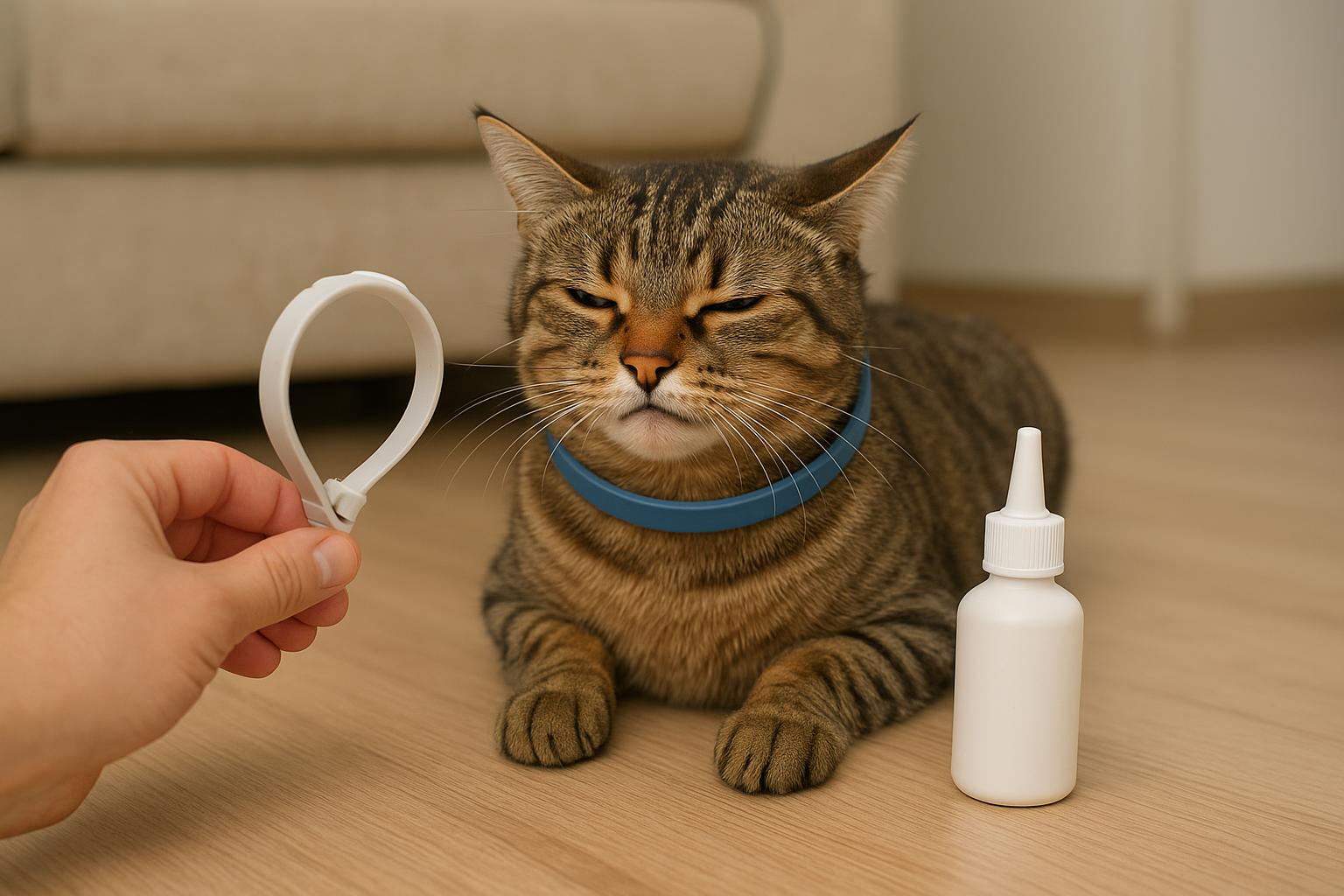
– Do not use flea collars designed for adult animals on neonatal kittens.
Avoid internet tips that claim to flea kill kittens quickly—many “fast” remedies are actually dangerous.
## Final Practical Tips For Living Flea-Free
Keep up regular grooming and checkups, wash bedding frequently, and maintain a relationship with a veterinarian you trust. Short-term, combing and bathing can quickly flea kill kittens while you arrange vet care; long-term control is a combination of treating the kitten, other animals, and the environment. If anything feels uncertain, call your vet—kittens are worth the caution and the weird looks you might get from neighbors when they see you wrestling a towel-and-shampoo burrito at 2 a.m.




Leave a Reply