
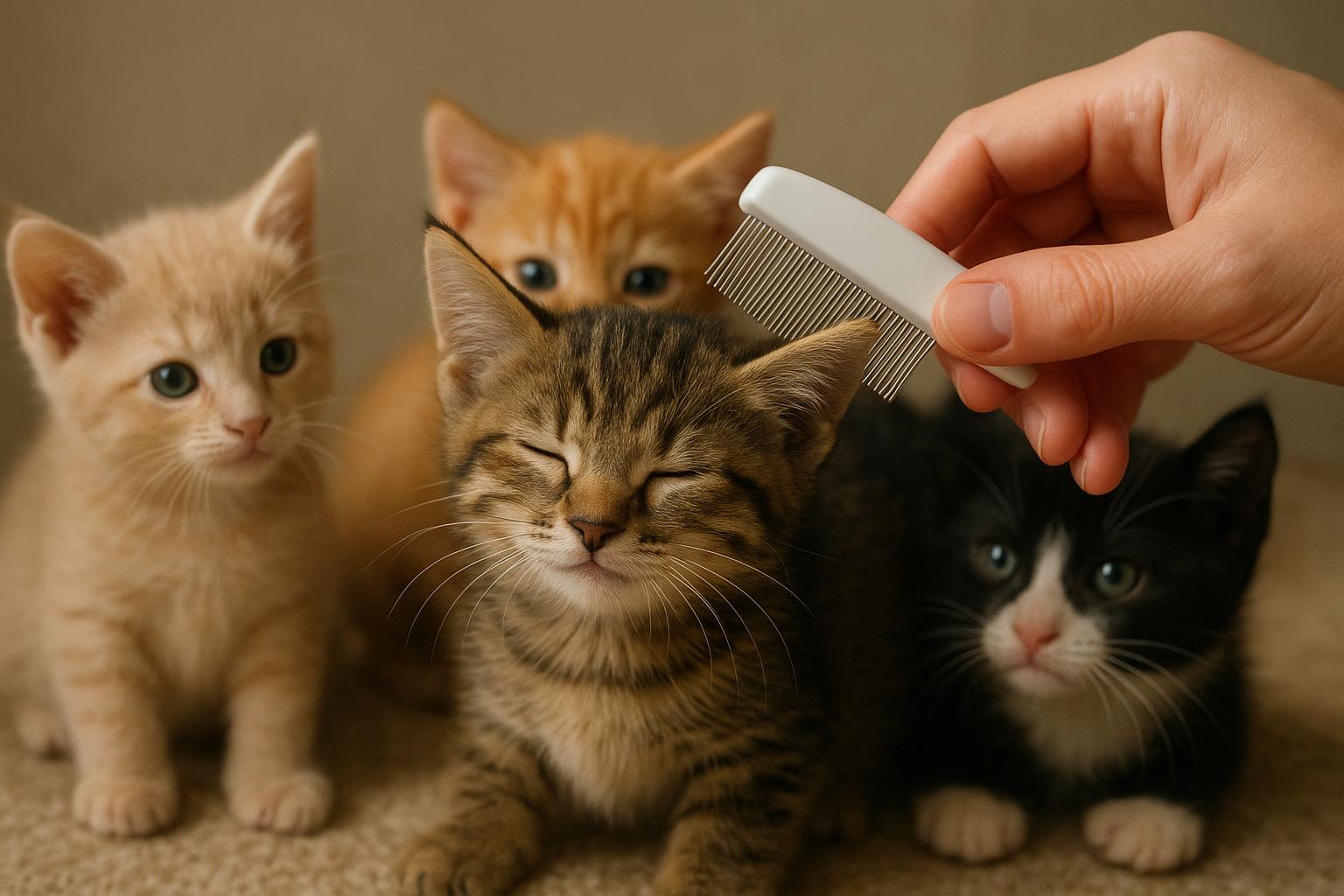
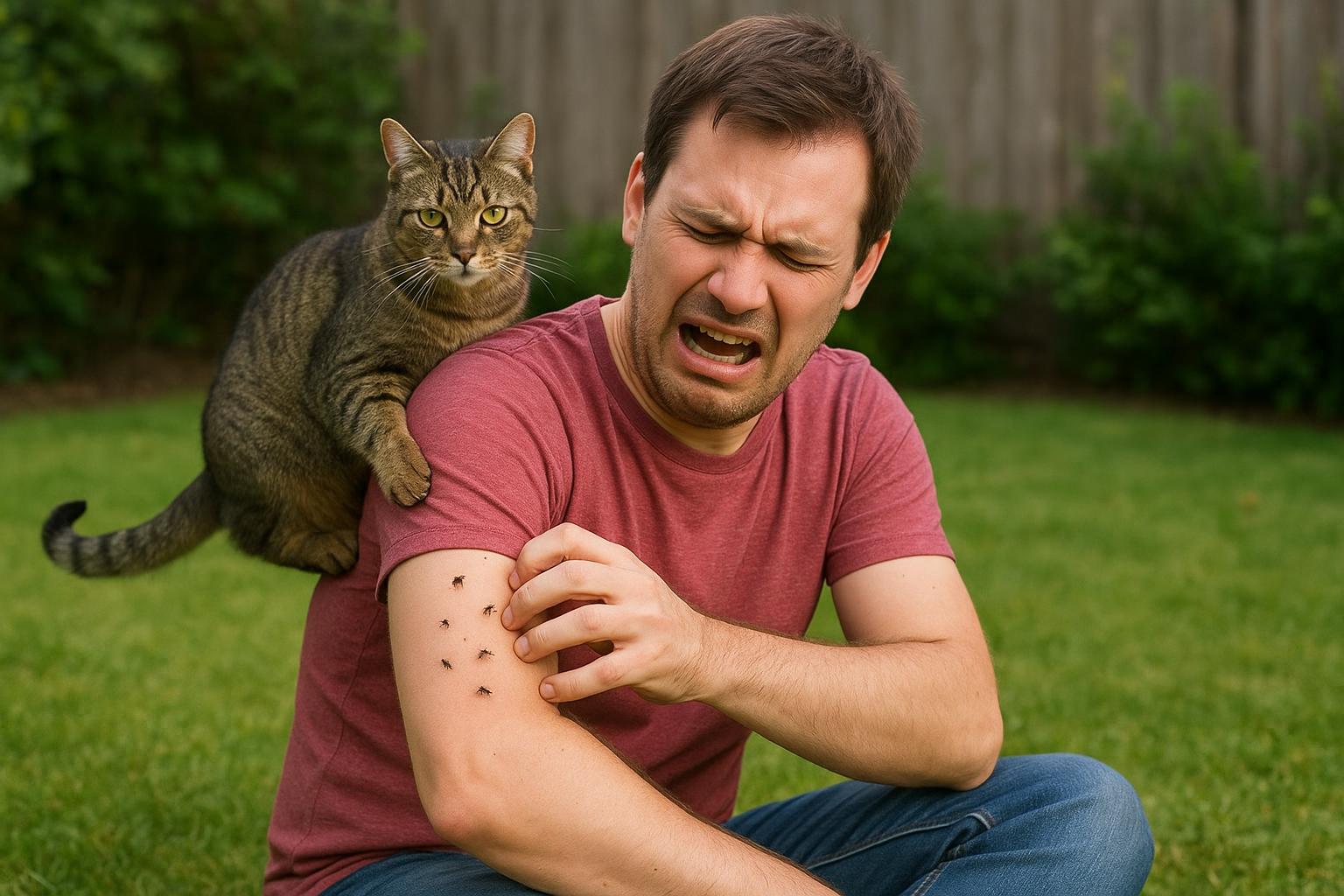
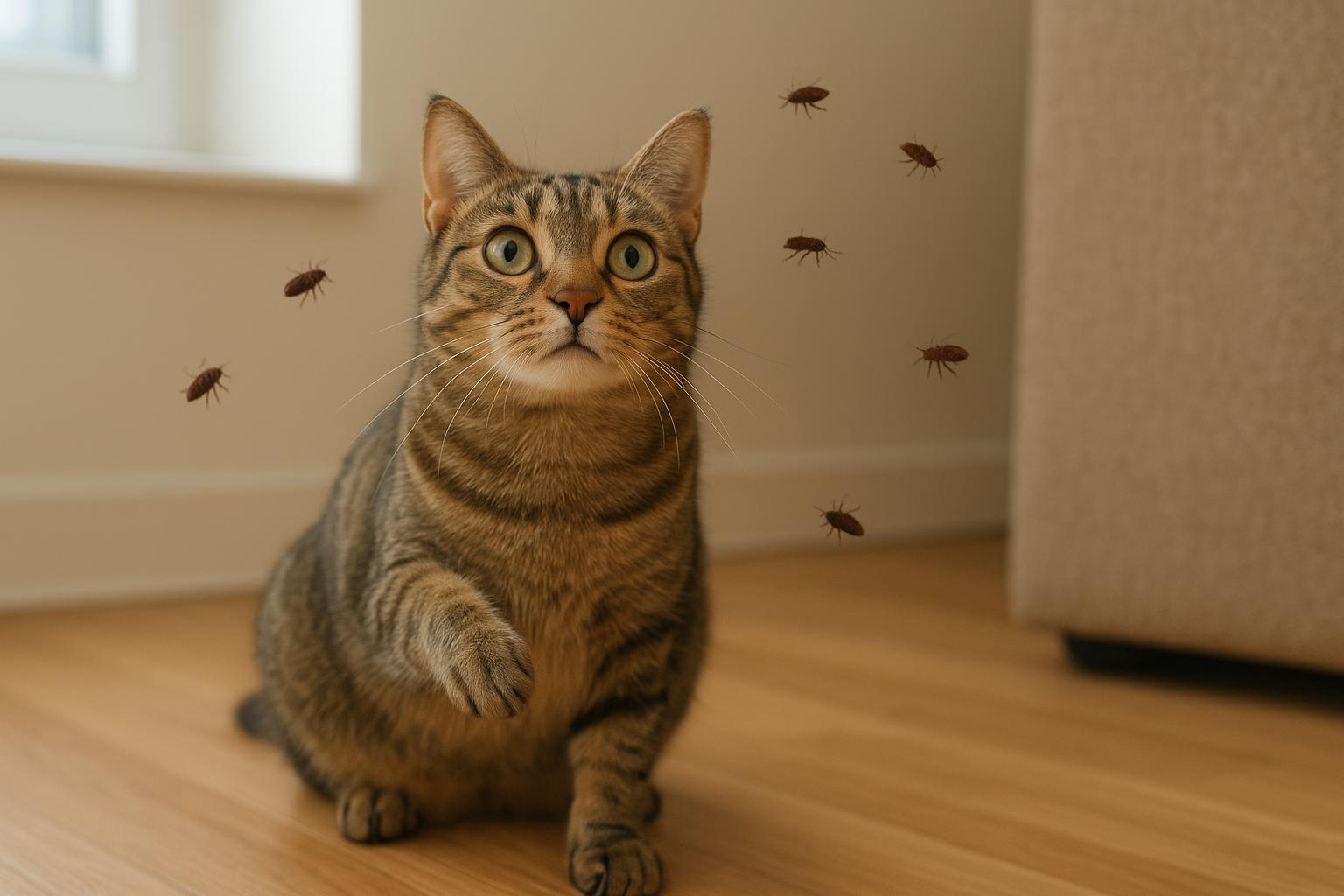
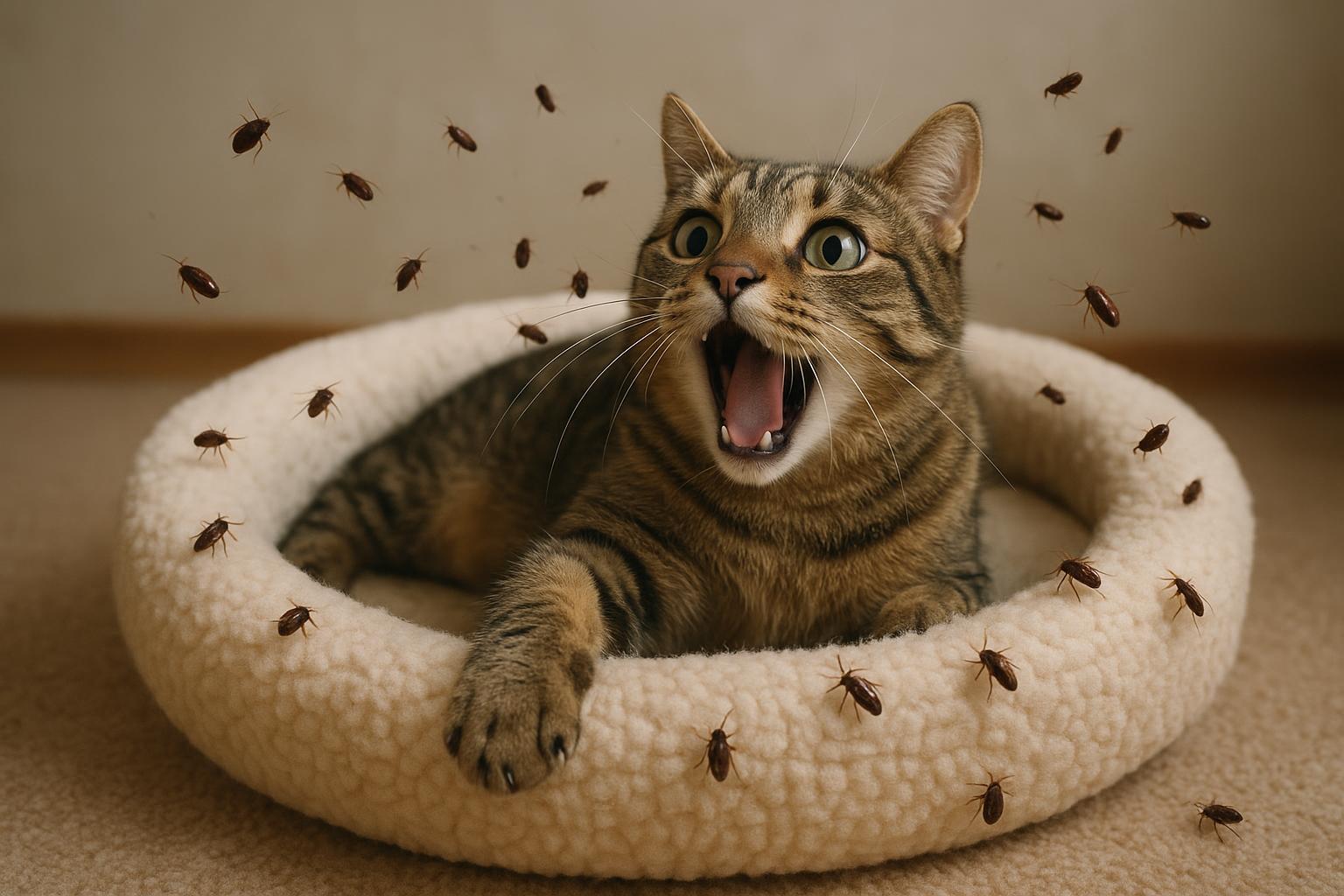
Kittens are tiny drama queens: they purr, tumble, and somehow manage to find every sunny spot in the house. When fleas turn up, though, that theatrical charm turns into frantic scratching and worried owners. If you’re looking into flea grooming kittens with a gentle flea comb, this guide walks you through safe, effective steps—calmly, kindly, and with a little bit of cat-friendly humor to keep things human.
Start Slow And Keep It Cozy
Young kittens can get overwhelmed quickly. Set up a quiet spot with a towel, a lap, and soft praise. A few treats go a long way—both for bribery and for teaching them that grooming equals good things. Remember: kittens sense your mood; if you’re calm, they’ll relax too.
## Flea Grooming Kittens: Why A Gentle Flea Comb Works
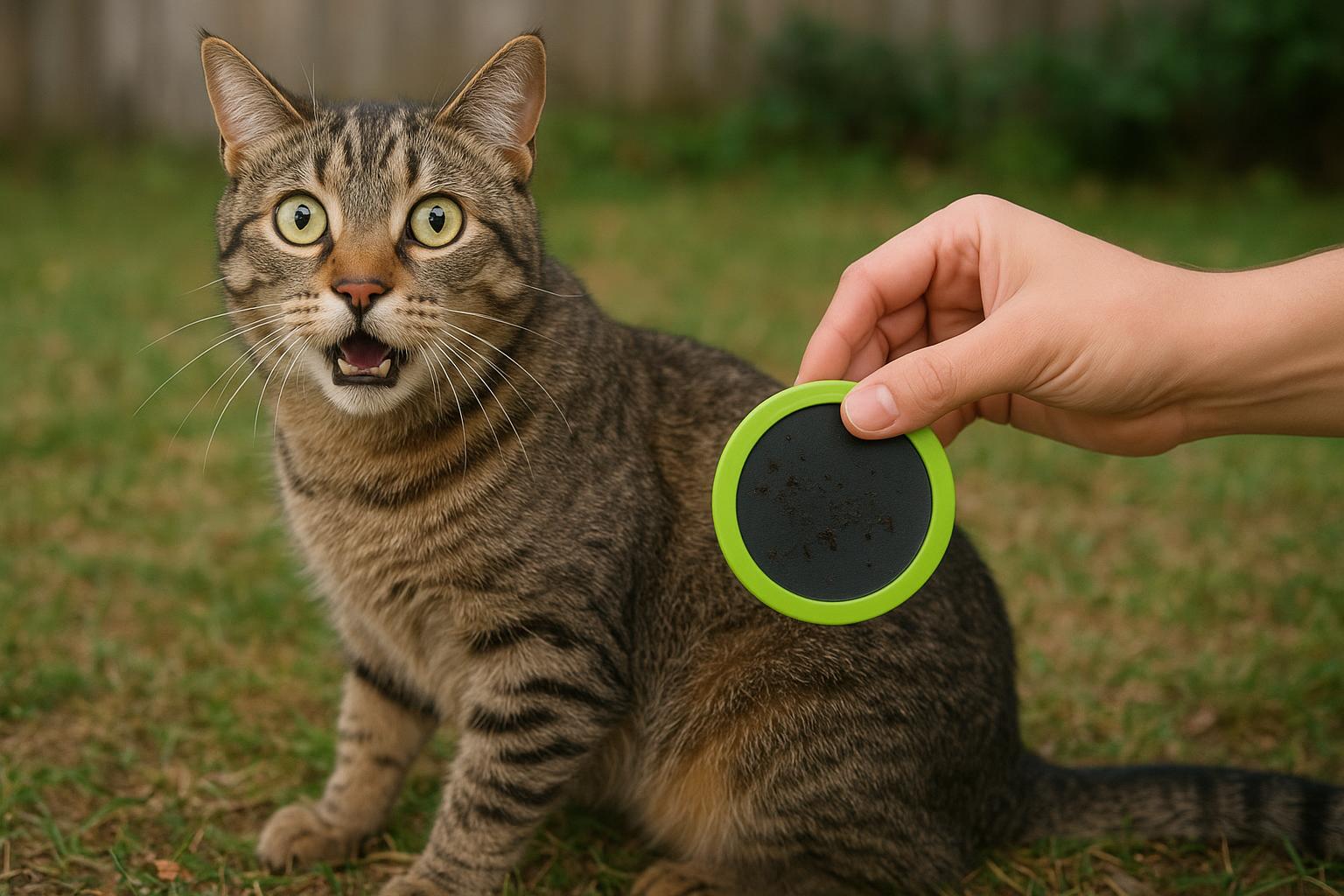
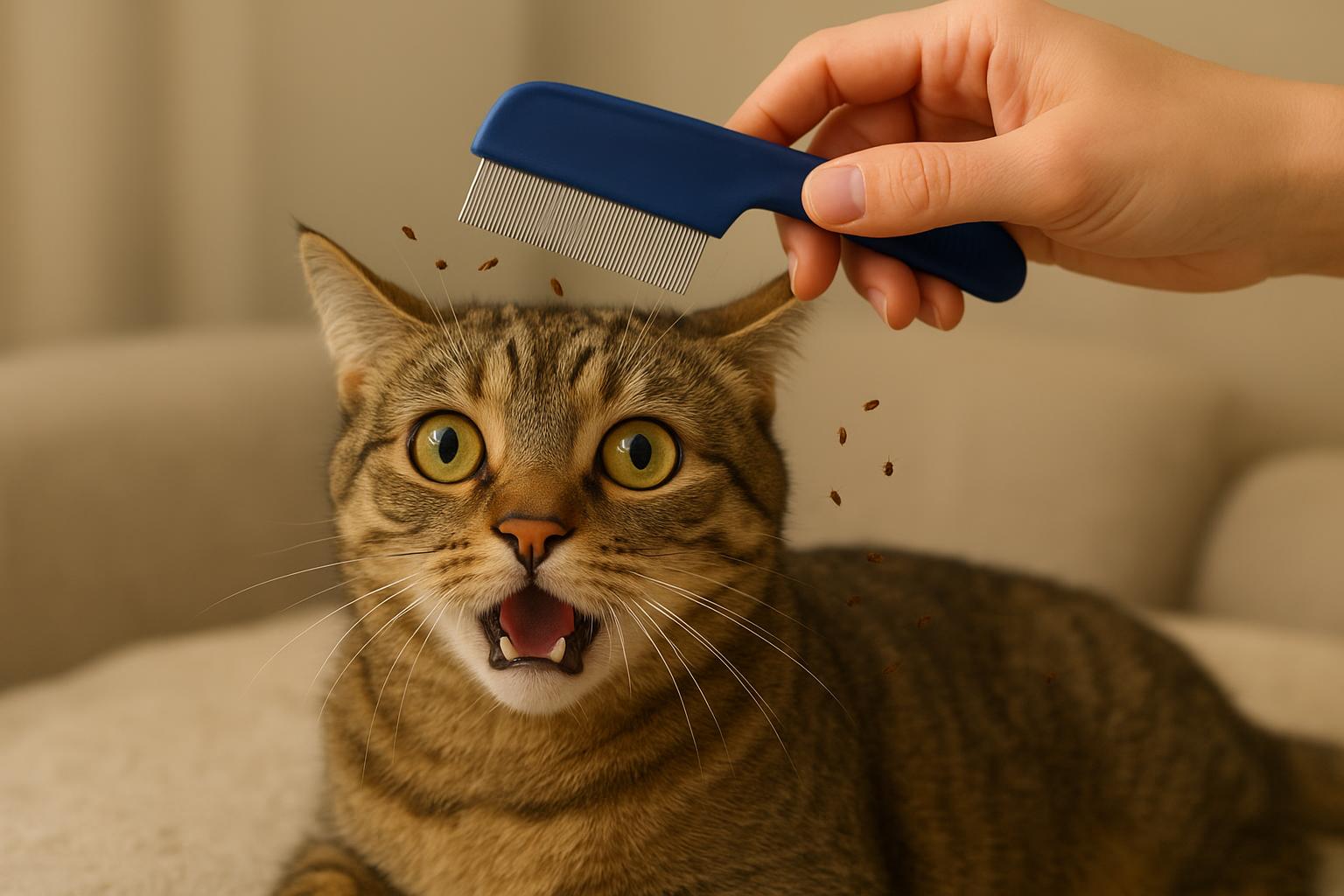
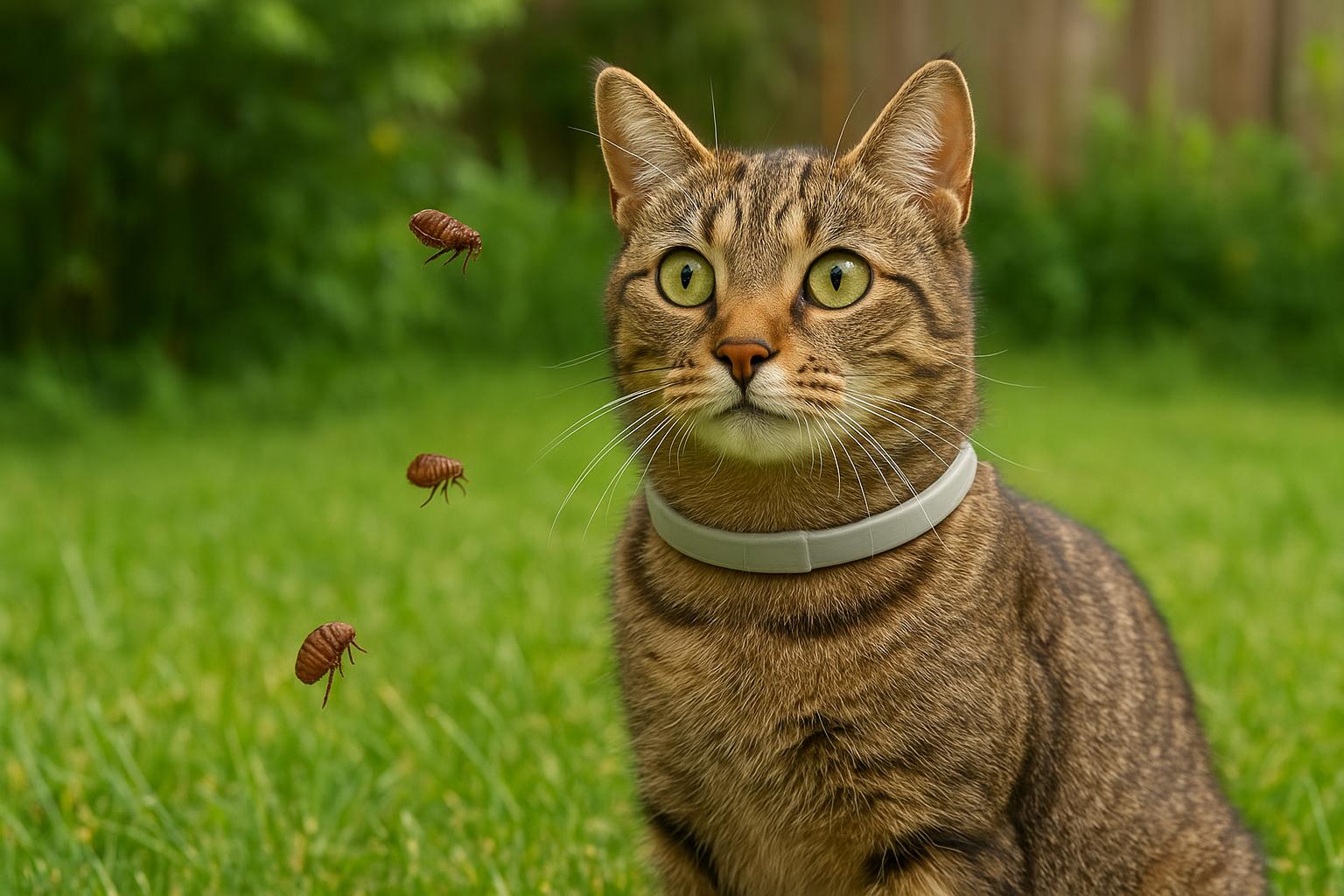
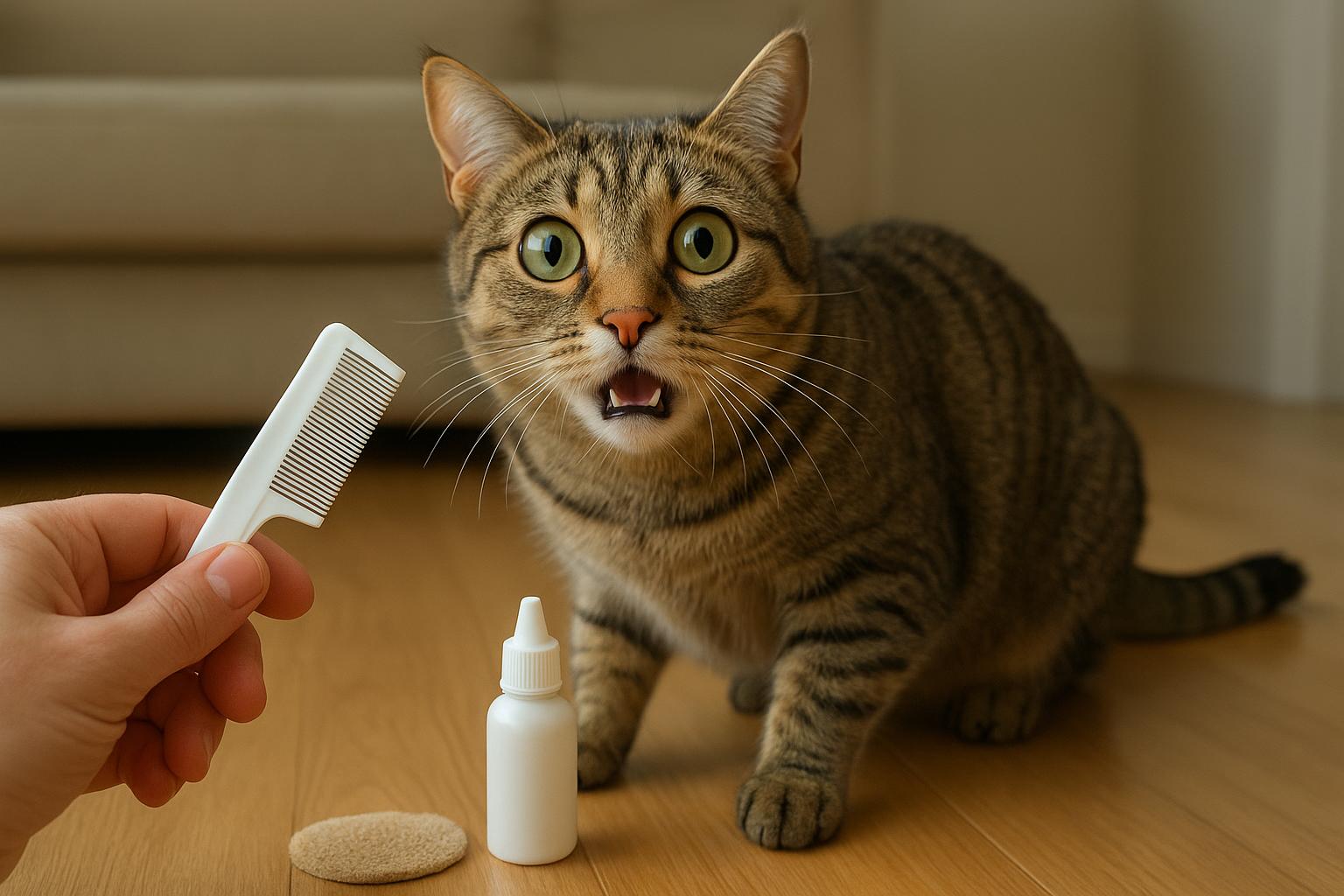
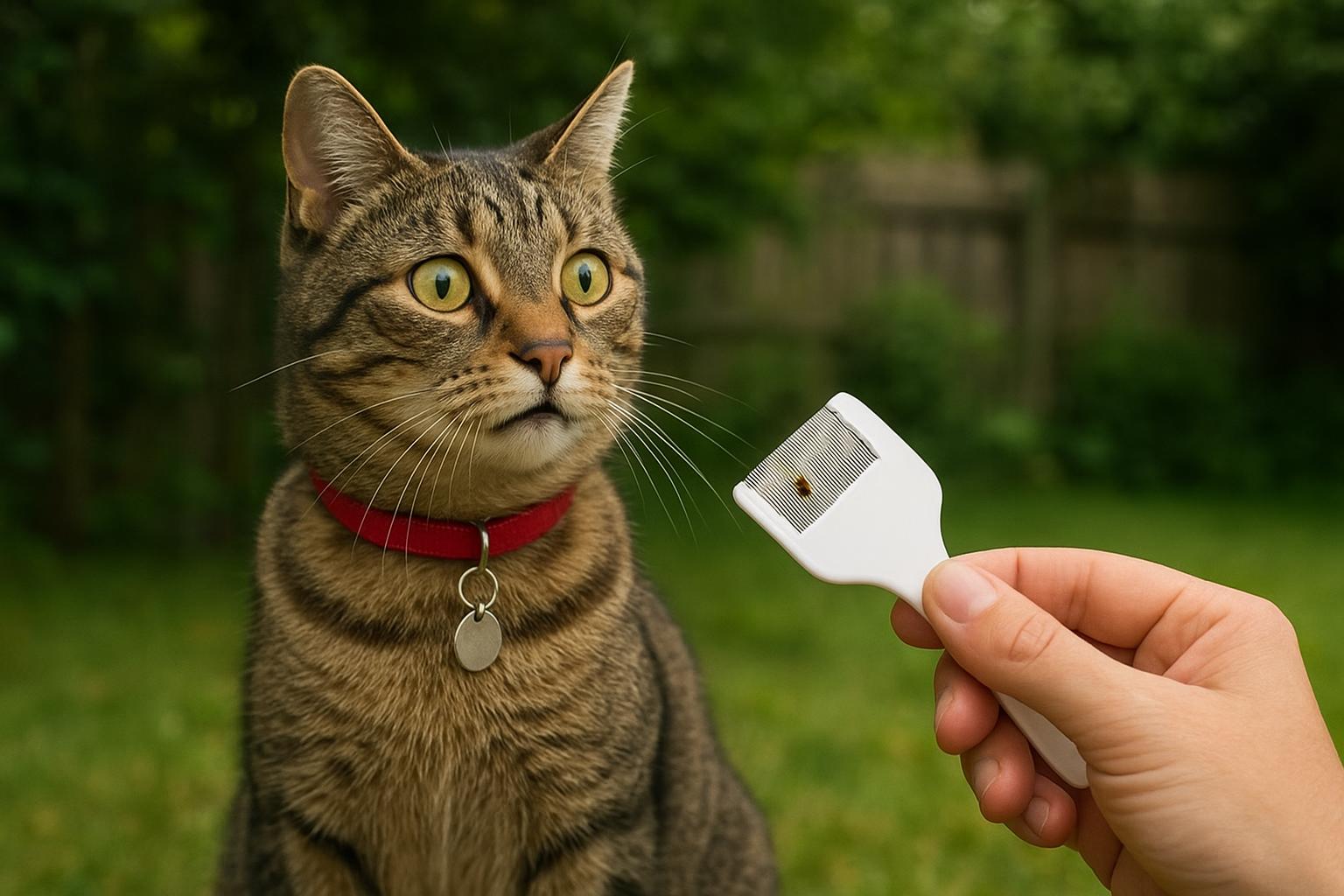
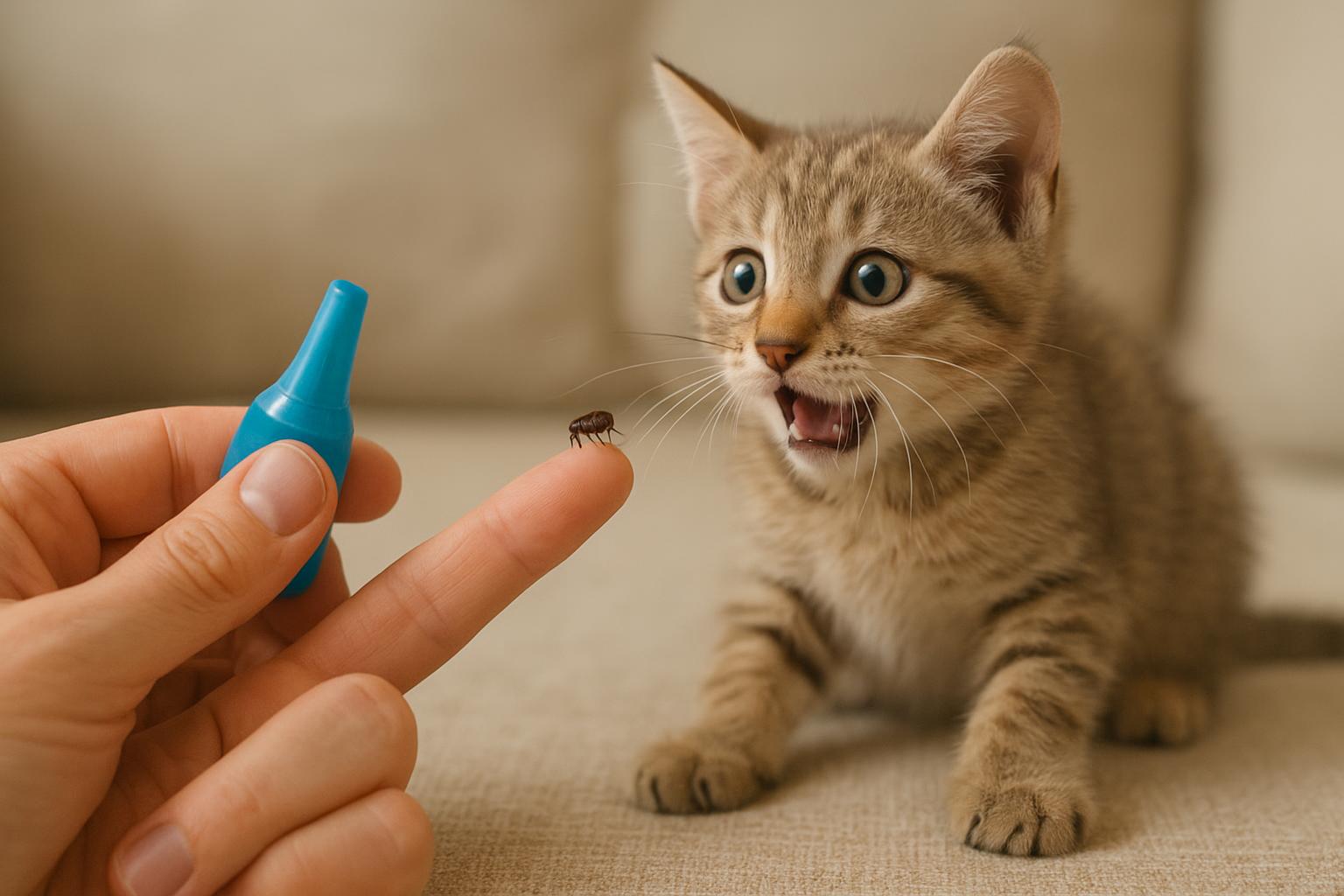
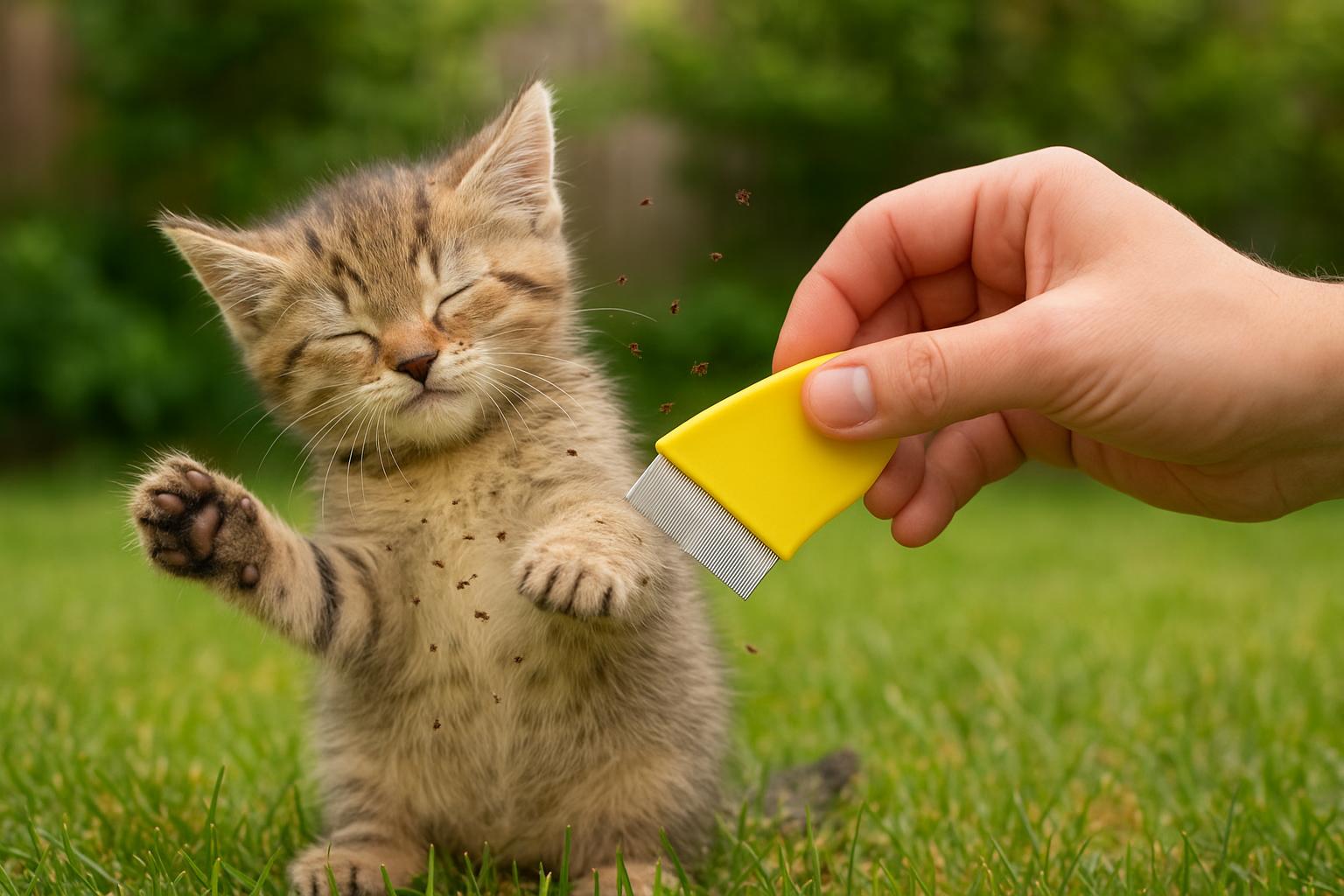
Flea grooming kittens with a gentle flea comb is one of the safest first-line responses to a flea problem. Combing physically removes adult fleas, flea dirt (the black specks that are flea feces), and sometimes eggs. It interrupts the flea life cycle by removing the blood-feeding adults before they can lay more eggs.
A comb is particularly valuable for kittens because many chemical flea treatments are not approved for very young or very small animals. Using a comb buys time and reduces the overall flea load while you consult your vet about additional, kitten-safe treatments.
### Choosing The Right Flea Comb For Kittens
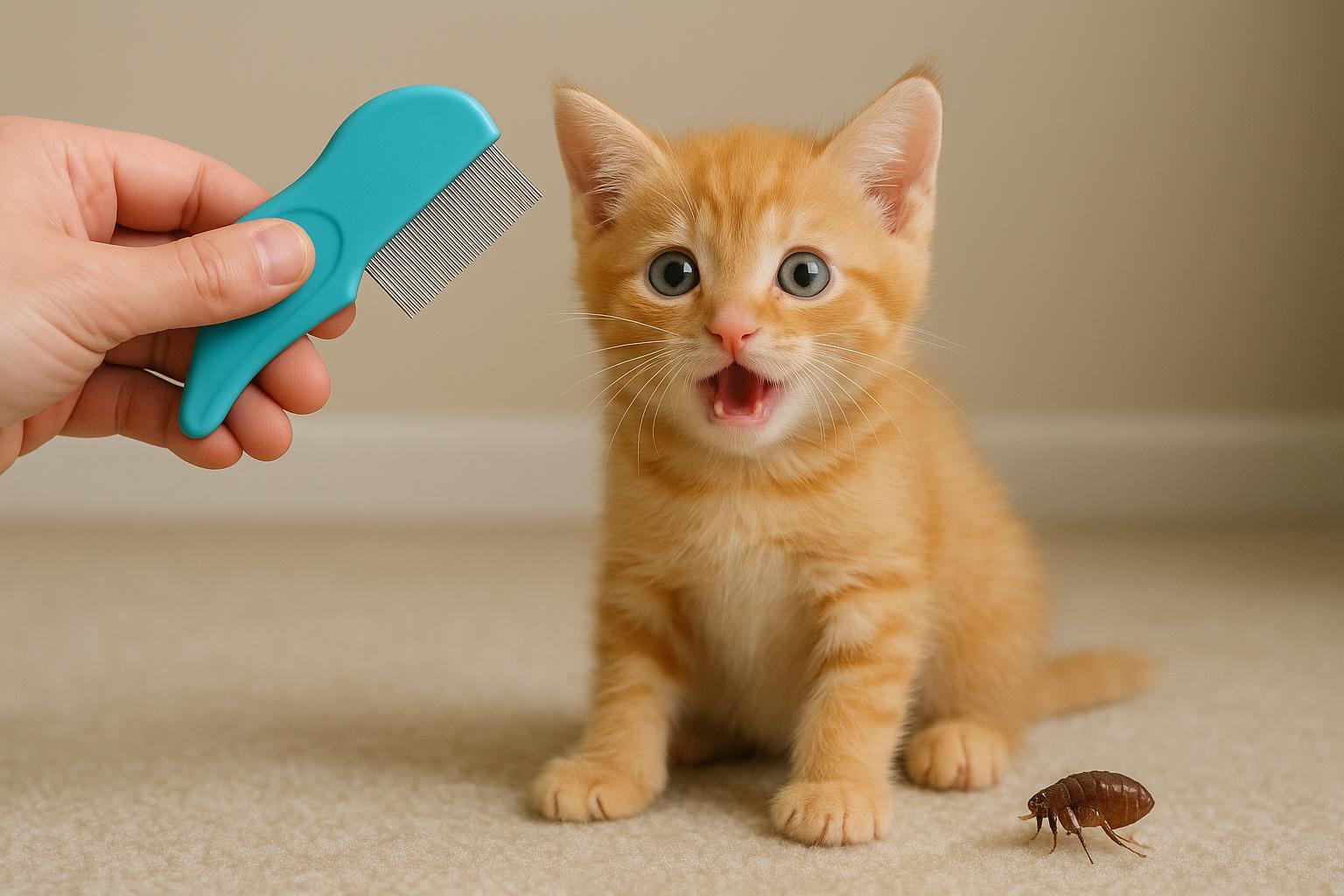
Not all flea combs are created equal. For kittens you want:
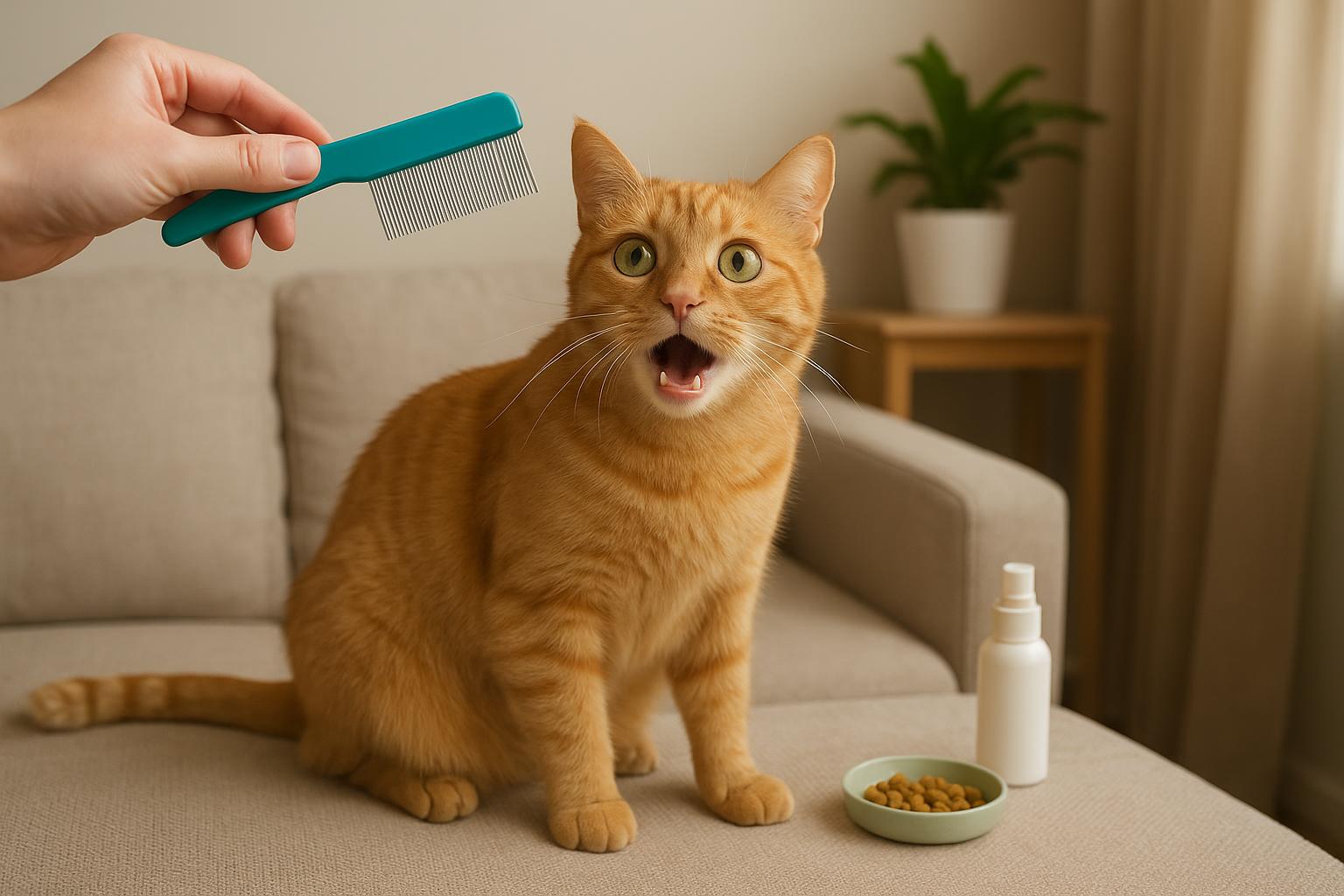
– Fine, closely spaced metal teeth to catch tiny fleas.
– Smooth, rounded tips so teeth don’t itch or scratch delicate skin.
– A comfortable, non-slip handle for steady control.
Avoid overly long or wide-toothed grooming combs; they’ll miss the tiny pests and may frustrate you (and your kitten).
### Preparing Your Kitten And Space
Create a predictable routine:
– Choose a warm, quiet room with few distractions.
– Use a towel or non-slip mat on your lap or a table.
– Have a shallow bowl of warm soapy water and paper towels within arm’s reach.
– Keep treats and a soft brush for reward grooming ready.
Age and weight matter. If your kitten is under 8 weeks old or weighs less than about 2 pounds, call your veterinarian before attempting extensive grooming or bathing.
## Step-By-Step Gentle Flea Grooming Kittens Remedy
This section is formal and focused. Follow carefully to ensure kitten safety and treatment effectiveness.
### Materials And Ingredients
– Fine-toothed flea comb designed for kittens
– Shallow bowl or cup of warm water (room temperature)
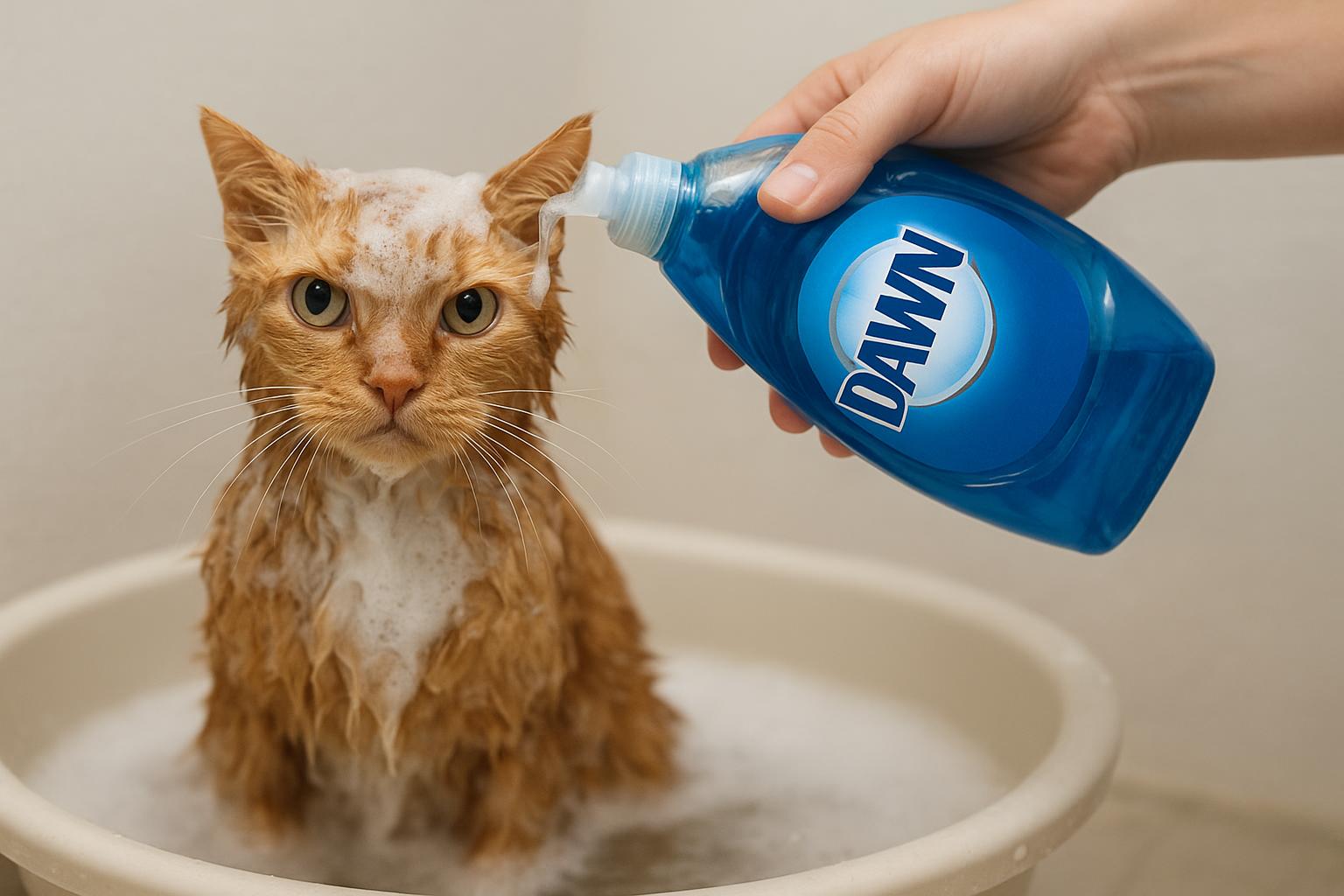
– Mild dish soap (e.g., Dawn) or a veterinarian-approved kitten-safe soap (only if advised by your vet)
– Two clean towels (one for the kitten, one for wiping the comb)
– Disposable gloves (optional)
– Small container with a lid for trapping fleas or a plastic bag
– Treats for positive reinforcement
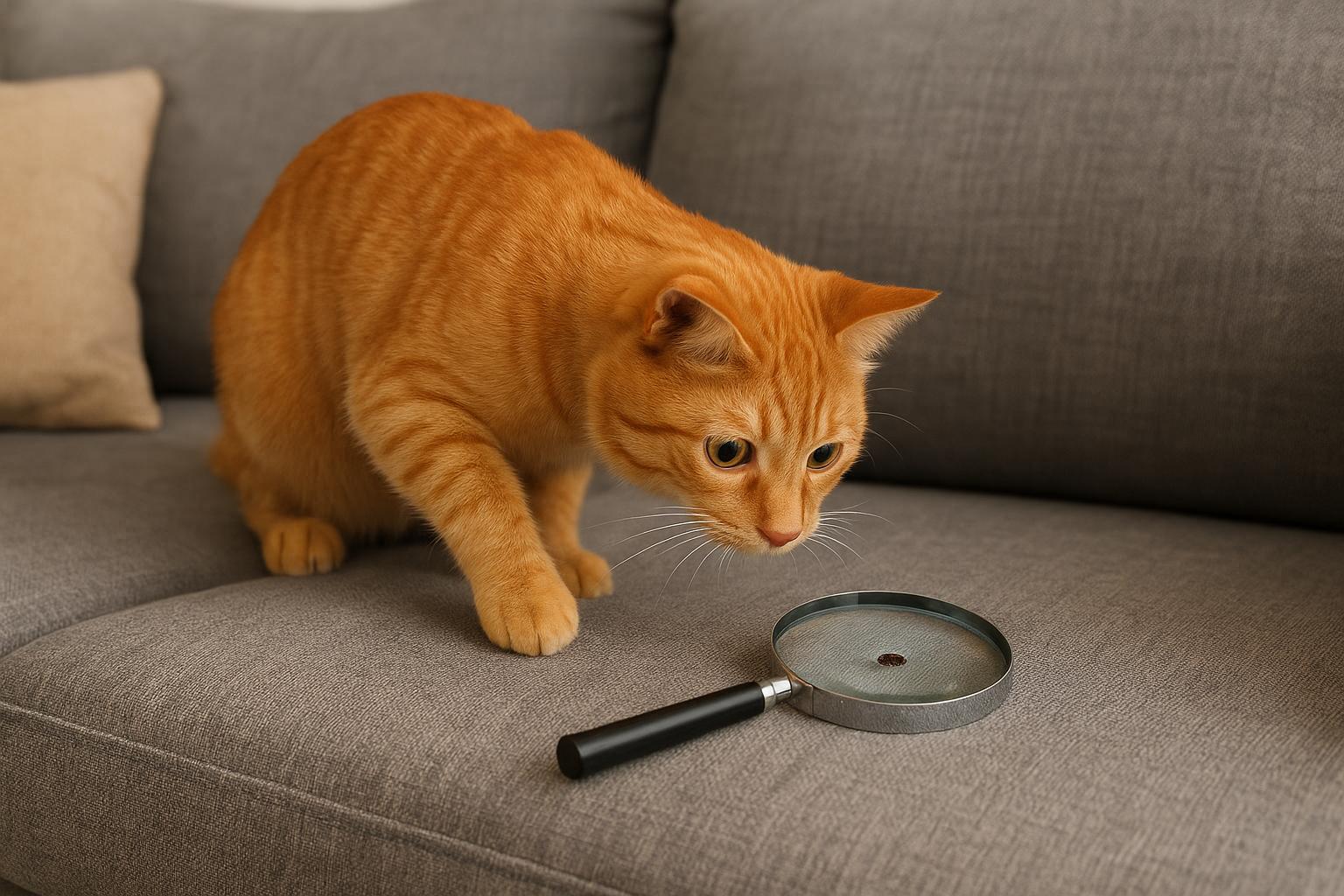
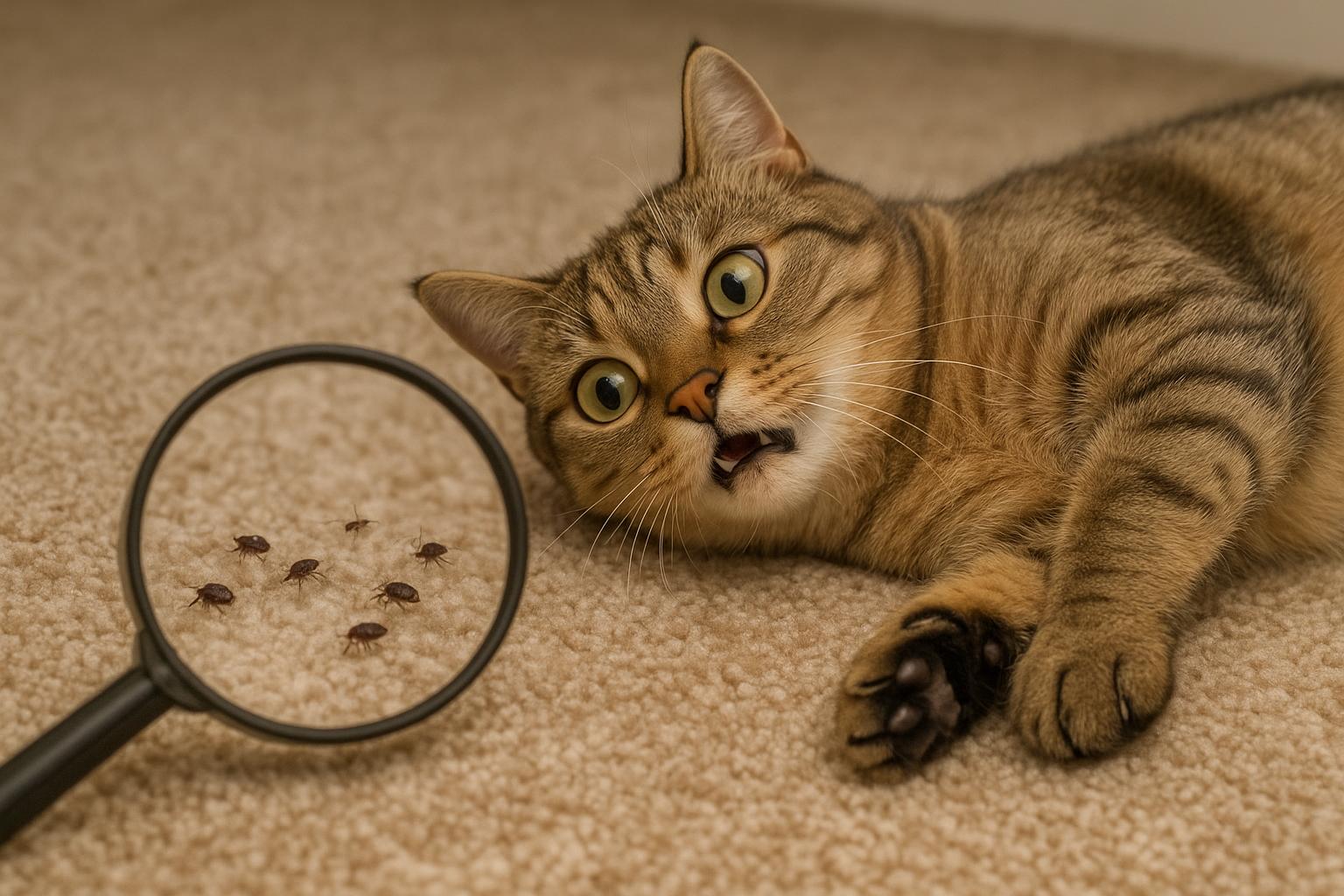
– A magnifying glass (optional, helps see flea dirt or tiny fleas)
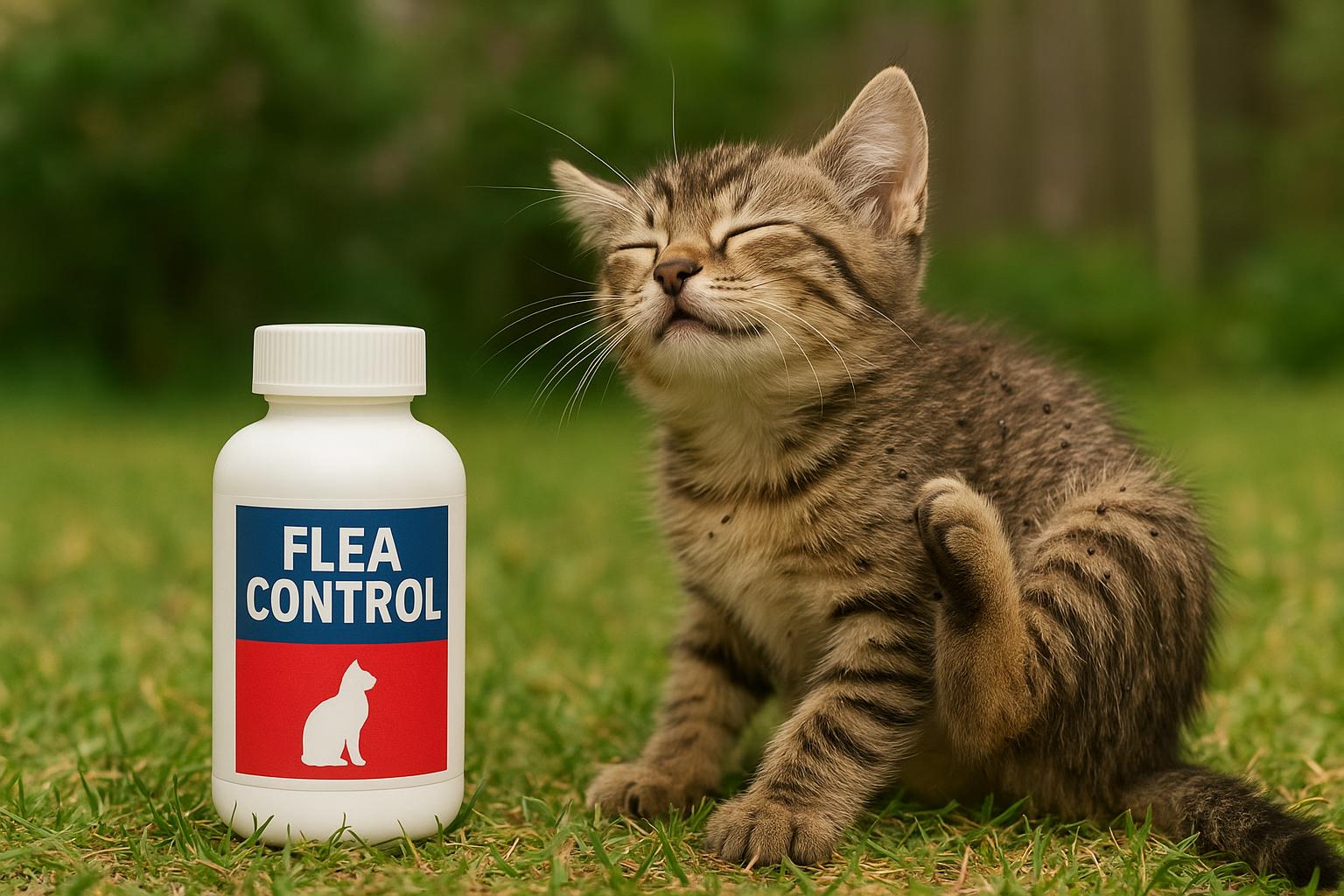
Important safety note: Do not apply adult cat flea products, dog flea treatments, or over-the-counter insecticides to kittens unless explicitly approved by your veterinarian.
### Step-By-Step Application
1. Calm The Kitten: Gently hold your kitten on the towel. Speak softly. Offer a treat to establish trust.
2. Inspect Fur: Run fingers lightly through the coat to locate areas of rapid movement or black specks. Fleas often hide near the base of the tail, along the back, and around the neck.
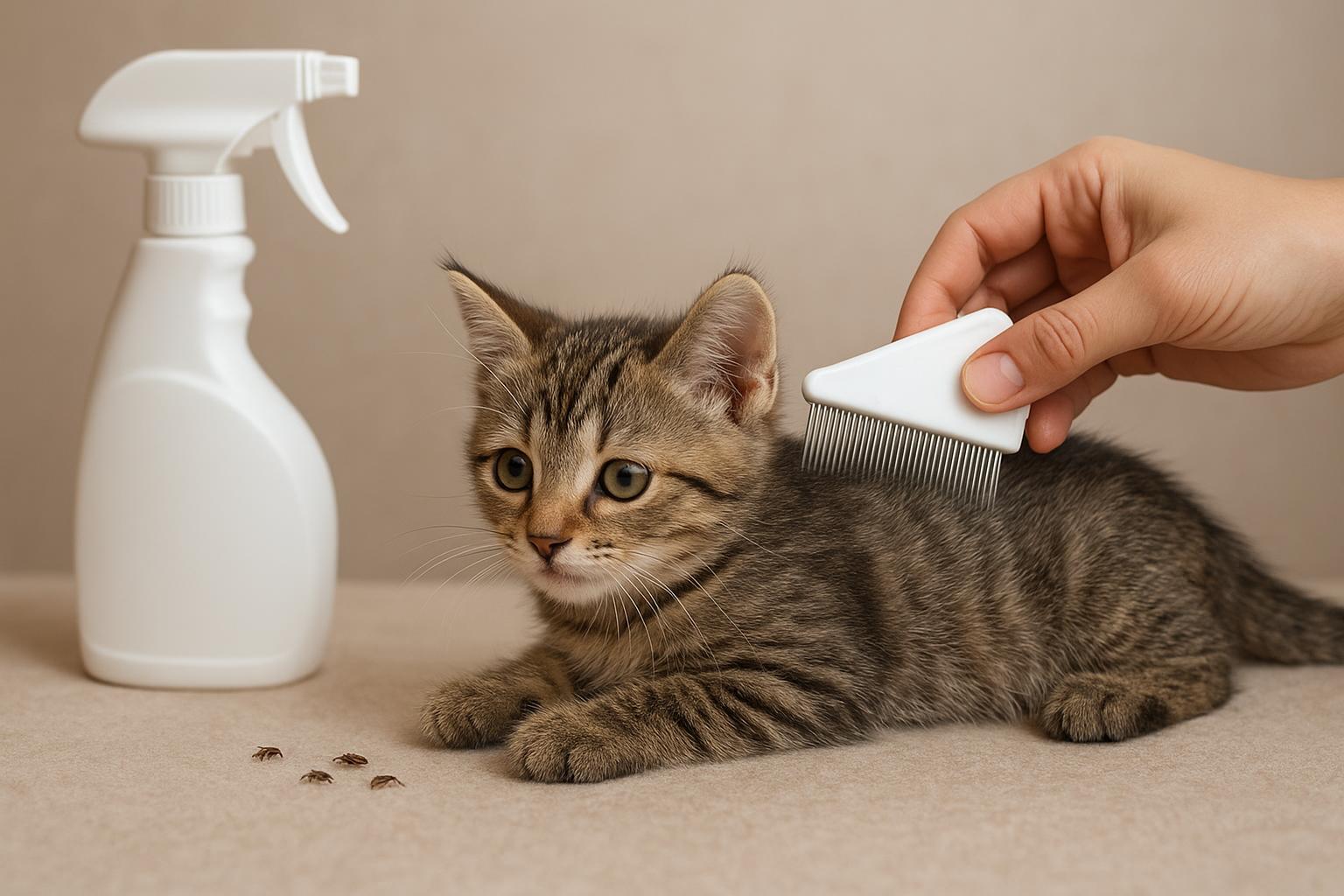
3. Position The Comb: Hold the comb perpendicular to the skin so teeth get as close as possible. Start at the neck and comb toward the tail in short strokes.
4. Comb Methodically: For each stroke, move the comb through the fur from skin to tip. After each stroke, tap the comb into the bowl of warm soapy water to drown any caught fleas. This prevents them from reattaching.
5. Clean The Comb Often: Wipe or dunk the comb after every few strokes. Check the water; when it’s full of fleas or debris, replace it.
6. Focus On Hotspots: Spend extra time on the back and base of tail. If you find many fleas, stop after a gentle session and plan repeat sessions every 12–24 hours.
7. Minimize Bathing: Full baths can stress very young kittens. If the flea load is moderate and your vet approves, a brief bath with a kitten-safe soap can help remove fleas. Rinse thoroughly and dry quickly with a towel and gentle warmth. If you are unsure, skip bathing and rely on combing plus a vet visit.
8. Dispose Of Fleas Safely: Seal the water and live fleas in a container or bag and dispose of them away from the home to prevent reinfestation.
9. Reward And Rest: Give treats and plenty of cuddles. Stop before the kitten becomes agitated; short, frequent combing sessions work better than long ones.
#### When Combing Isn’t Enough
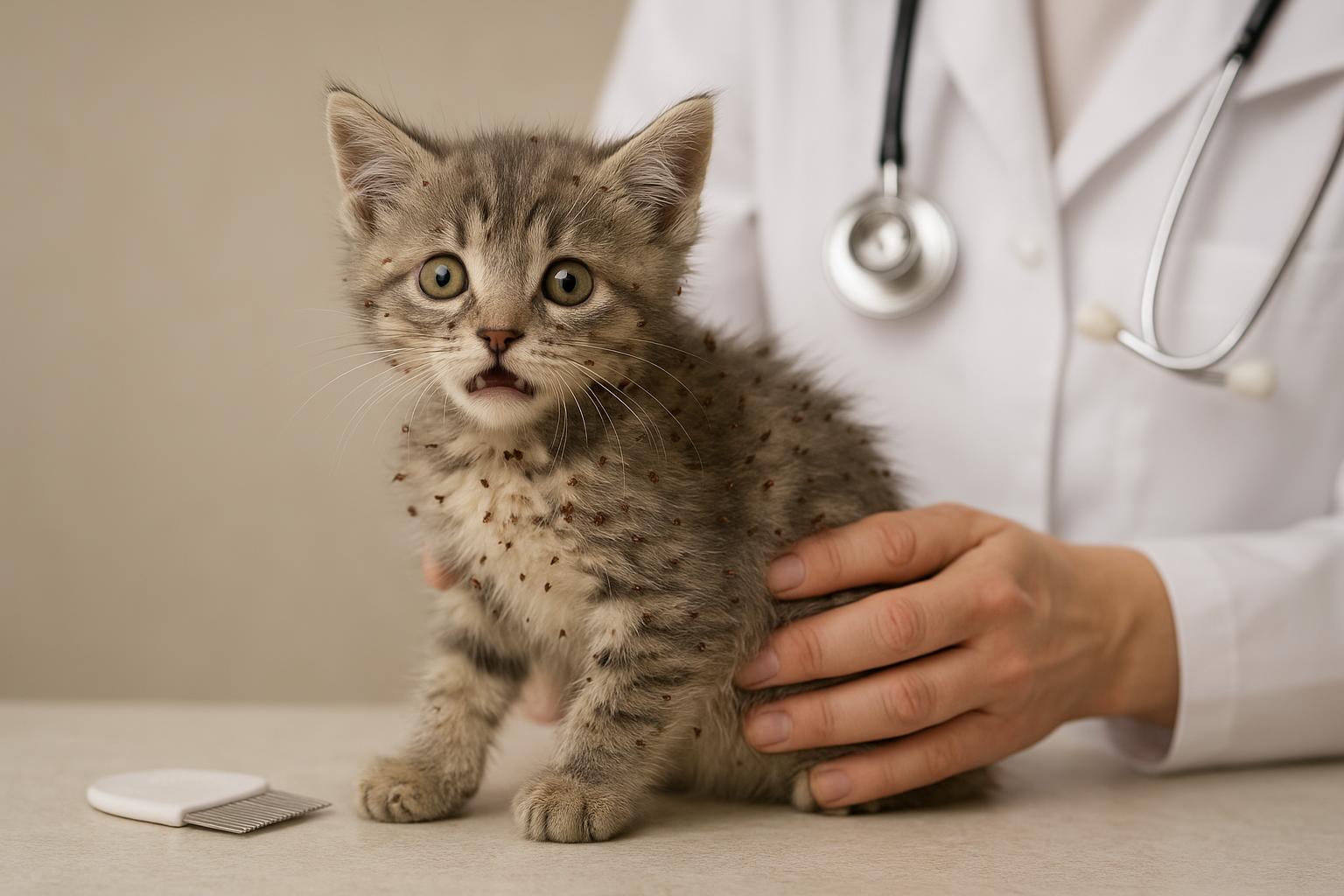
If the kitten is lethargic, very pale, has rapid breathing, or if fleas cover most of the body, contact your veterinarian immediately. Heavy infestations can cause anemia in young kittens and may require medical intervention such as fluids, blood transfusion, or prescription flea products that are safe for their age and weight.
#### Tips For Making Grooming Stress-Free
Keep sessions under five to ten minutes. Sing if you must—kittens appreciate odd human noises. Use positive reinforcement, and introduce the comb as a “treat tool” during short, playful sessions so it’s not associated only with pest control.
### When To Call The Vet
Contact your veterinarian if:
– Kittens are under 8 weeks old or weigh less than 2 pounds and have fleas.
– You find more than a few fleas after the first combing session.
– The kitten looks pale, weak, or is eating less.
– There’s significant skin irritation, wounds, or signs of secondary infection.
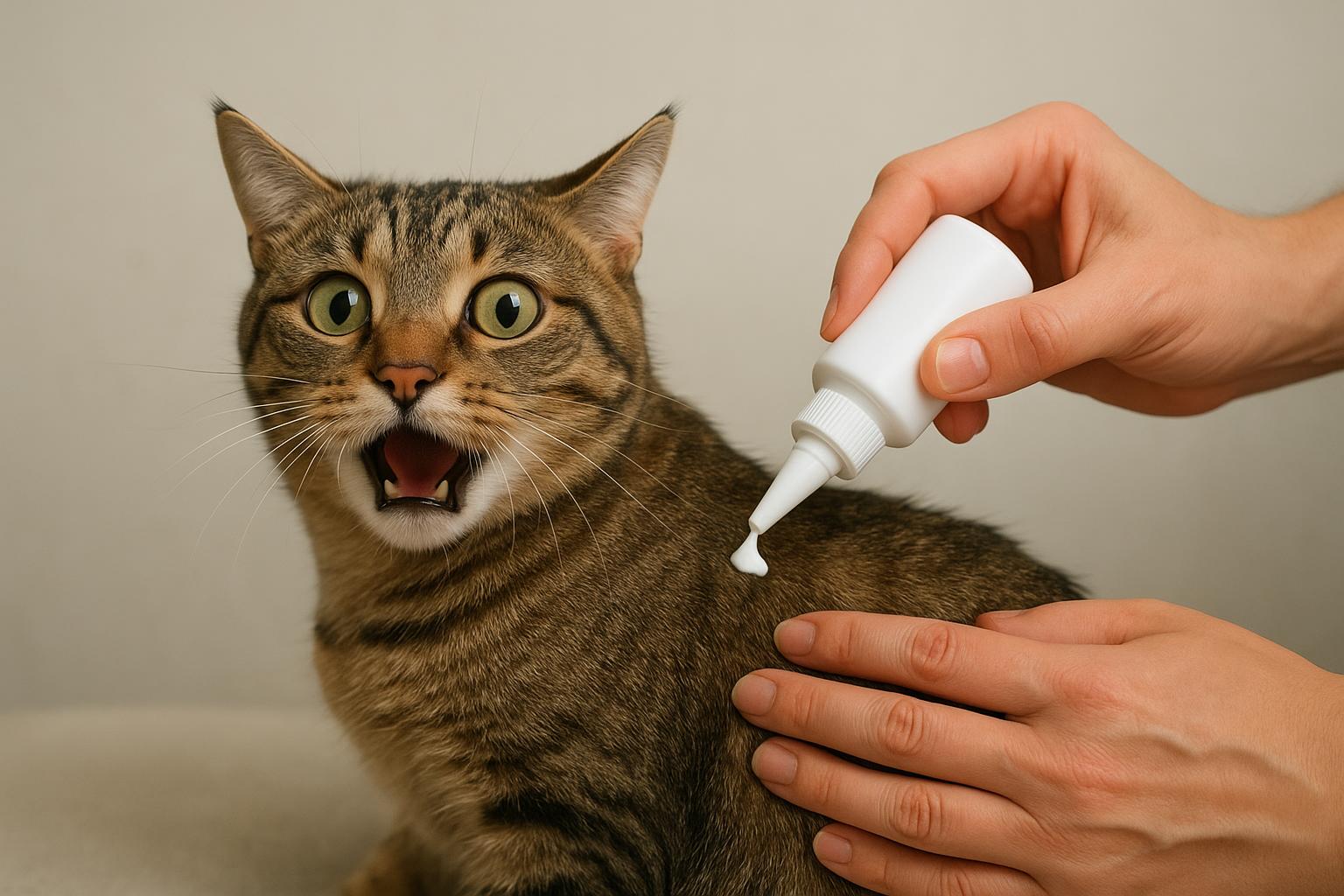
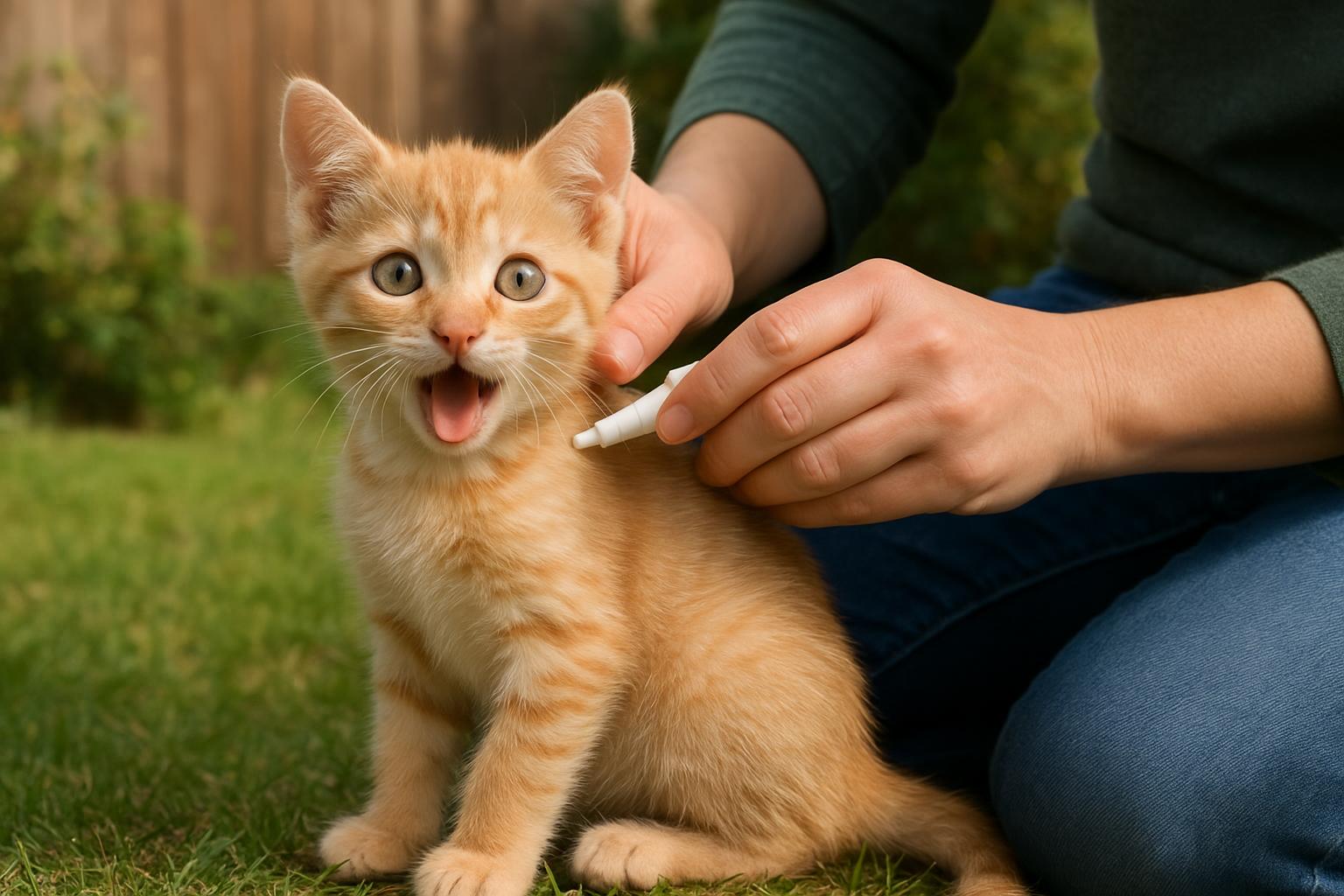
The vet can prescribe kitten-safe spot-on treatments or systemic options appropriate for their age, weight, and health status.
## Aftercare And Preventive Steps For Flea Grooming Kittens
After you’ve reduced the immediate flea burden, treat the environment and household pets to prevent reinfestation. Vacuum carpets, furniture, and cracks; wash bedding in hot water; and run frequent cleanings for two to three weeks because flea eggs can hatch after your initial treatment. Use pheromone diffusers or a quiet fan to keep the kitten calm during housekeeping.
If you have other pets, treat them with flea products approved by your veterinarian. Adult cats and dogs can reintroduce fleas, so household-wide management is key. Consider talking to your vet about environmental controls like insect growth regulators (IGRs) that are safe for homes with pets and children.
Flea grooming kittens with consistent combing, a calm approach, and a coordinated plan for the household will drastically reduce stress and the flea population. Keep records of treatments and notes on your kitten’s reactions, and don’t hesitate to loop in your vet—kittens are fragile heroes, and they deserve the full support team.



Leave a Reply