
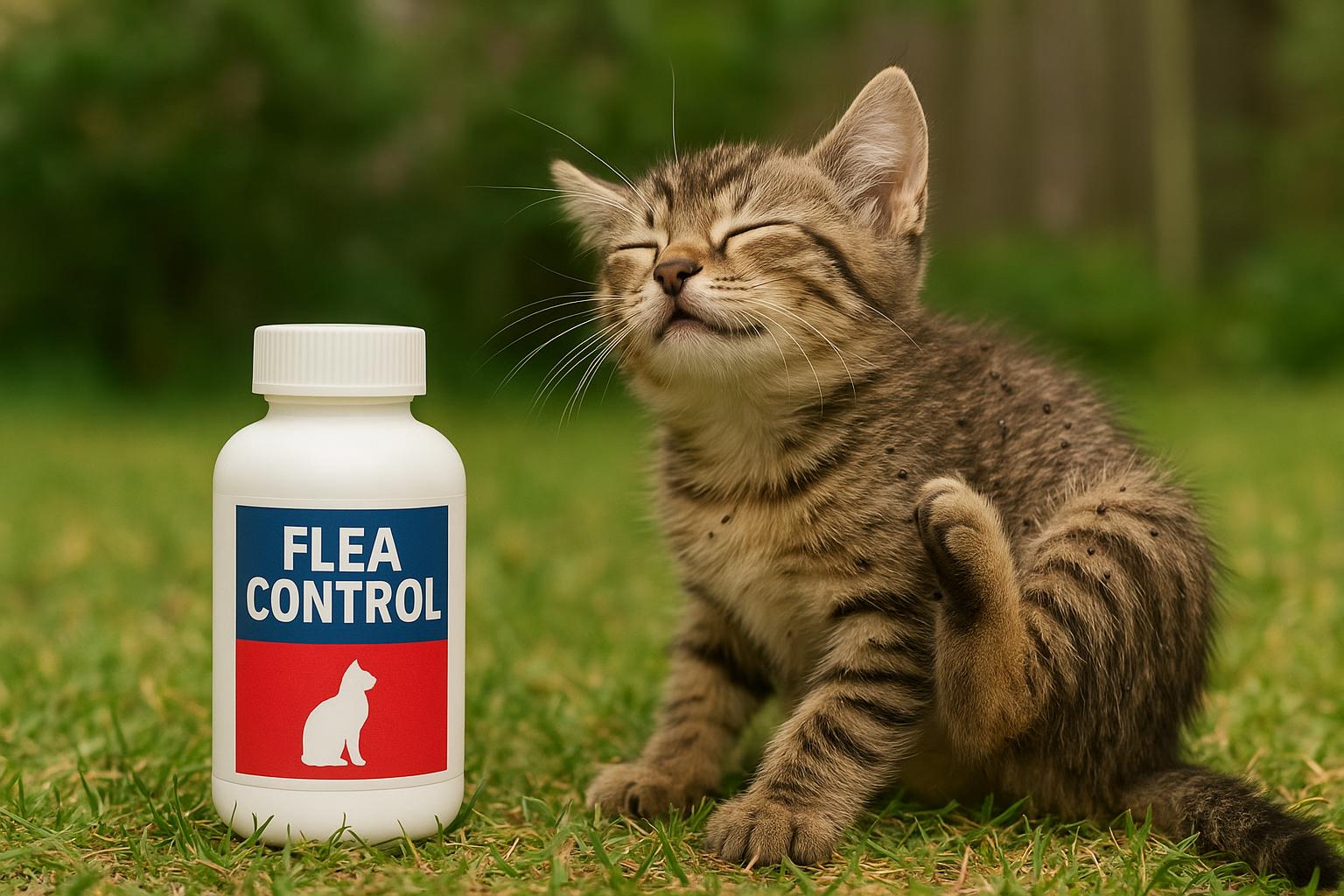
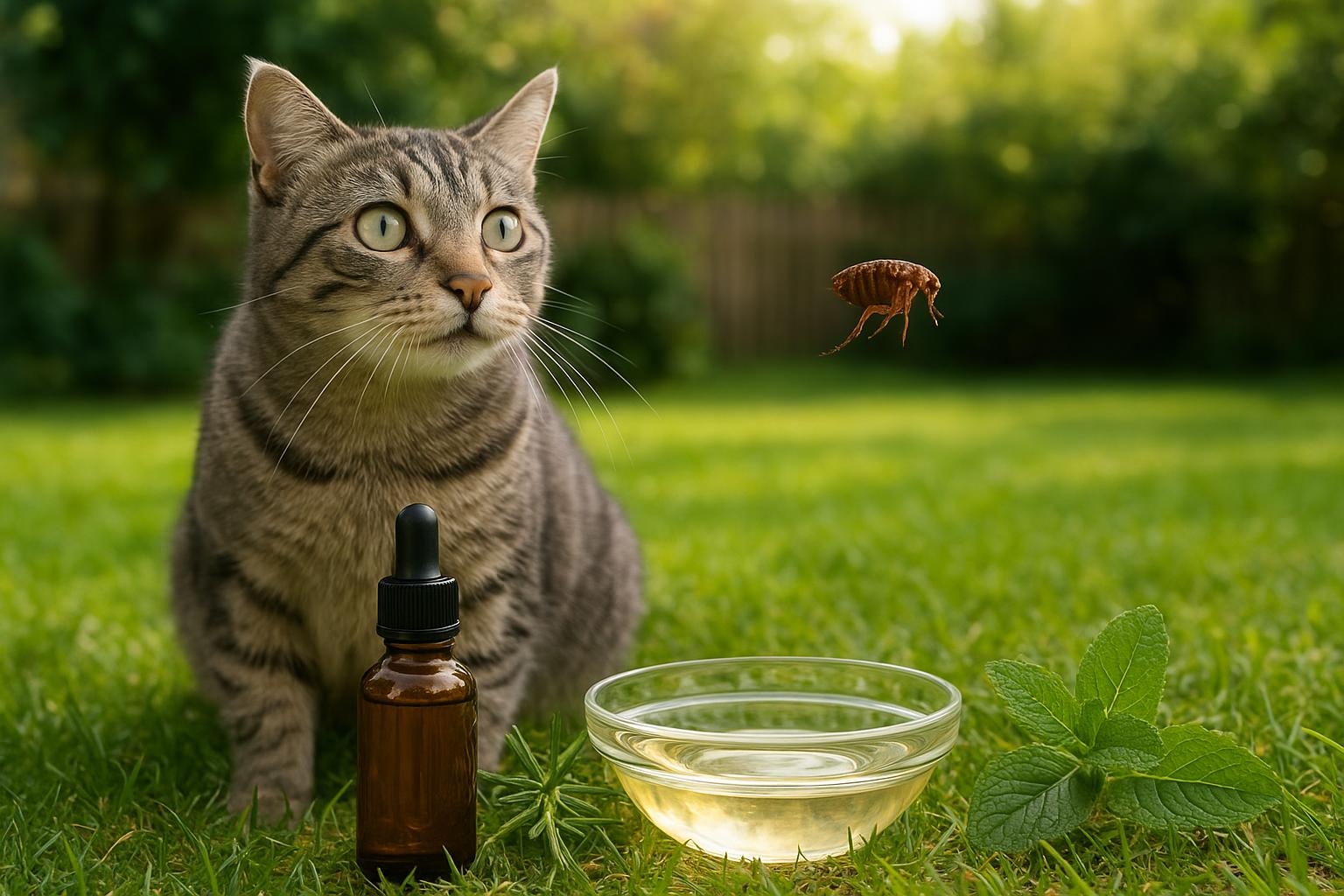
Welcome to a relaxed stroll through backyard kitten care. If you spend time with young felines outdoors, you already know they find every sunbeam, shoe lace and mysterious rustle irresistible. Along with the charm, however, comes an unwelcome hitchhiker: fleas. This article looks at how to spot flea trouble early, what backyard habits increase risk, and clear, practical remedies you can use to protect kittens and the rest of your outdoor sanctuary.
## Flea Damage Kittens: What To Watch For
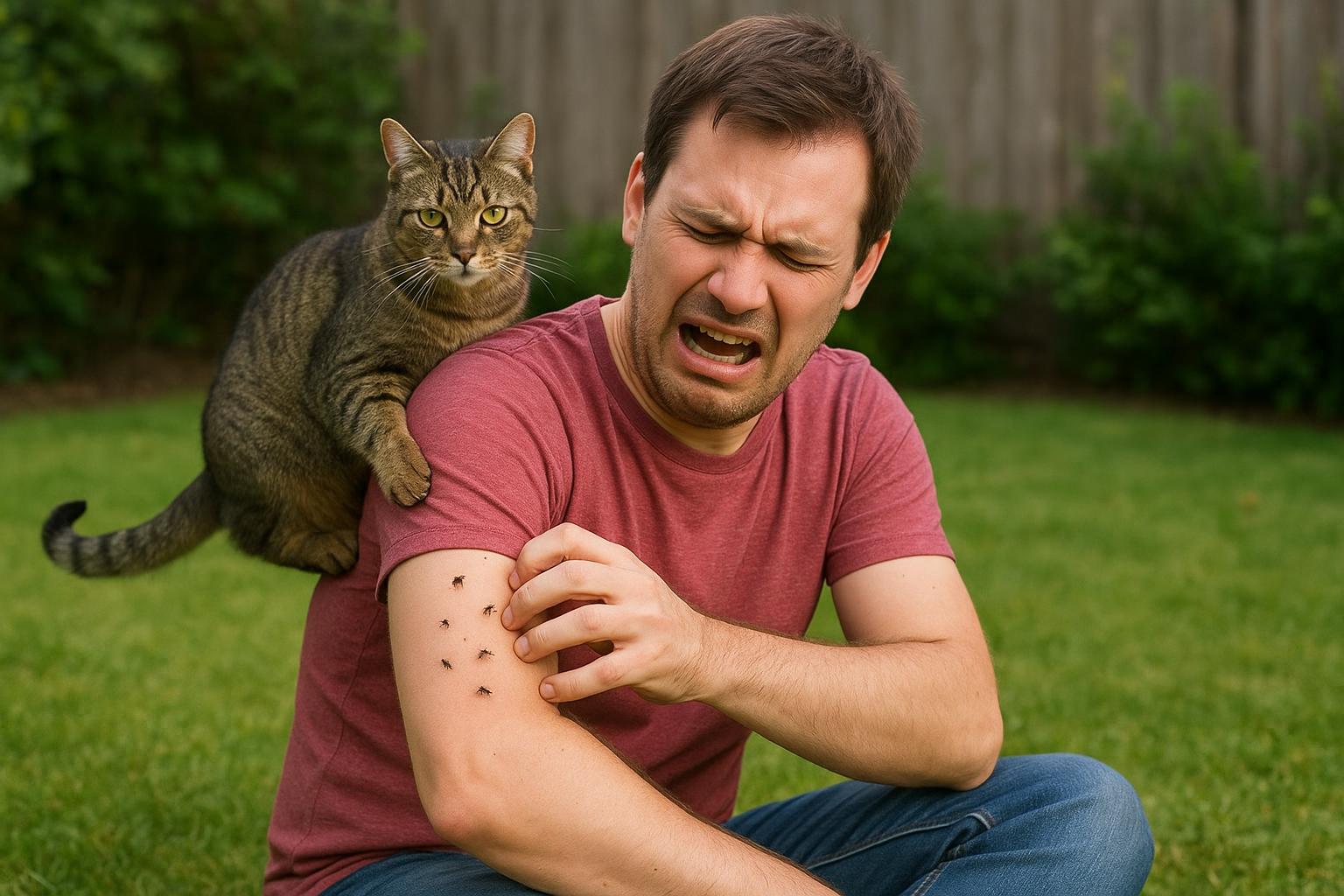
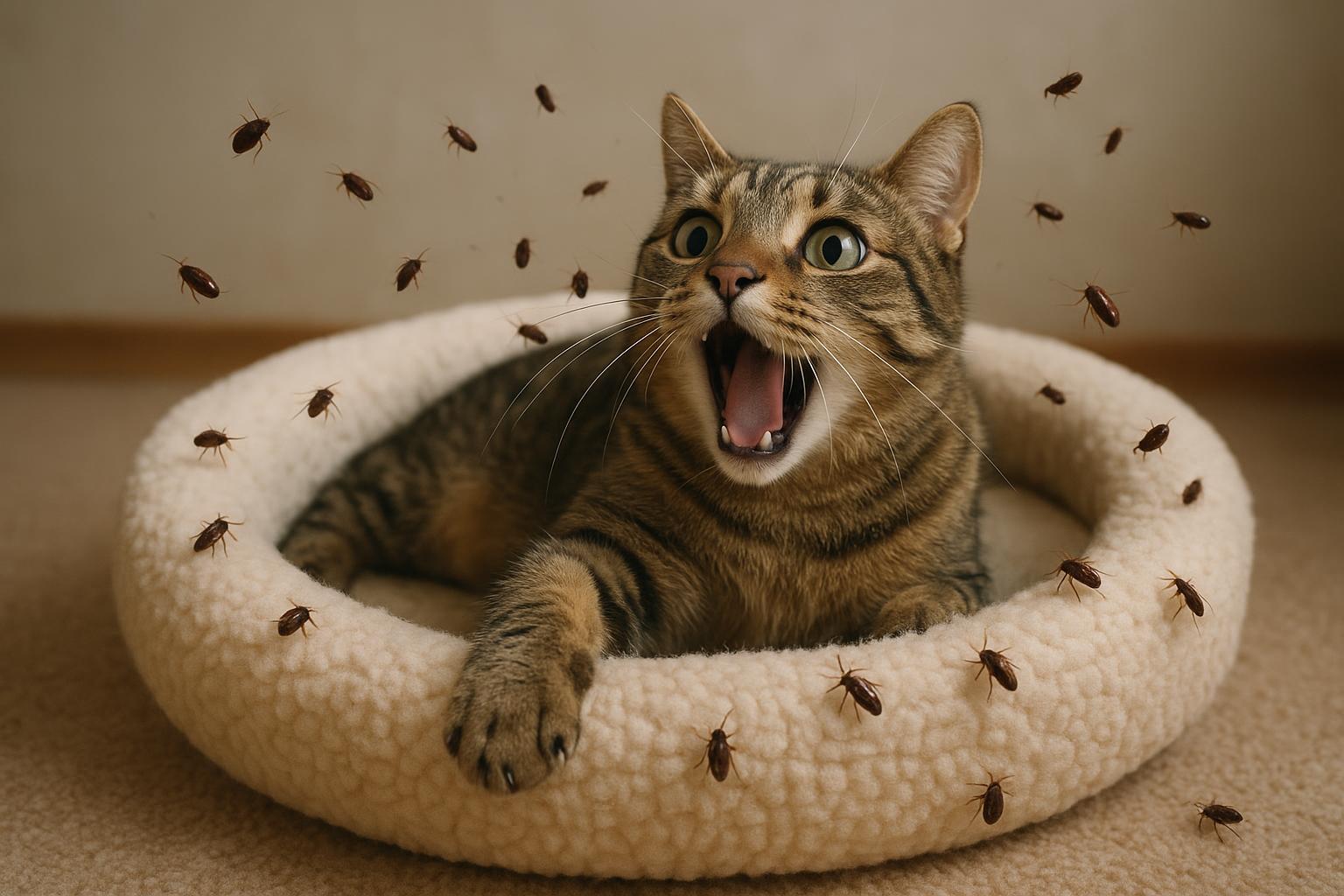
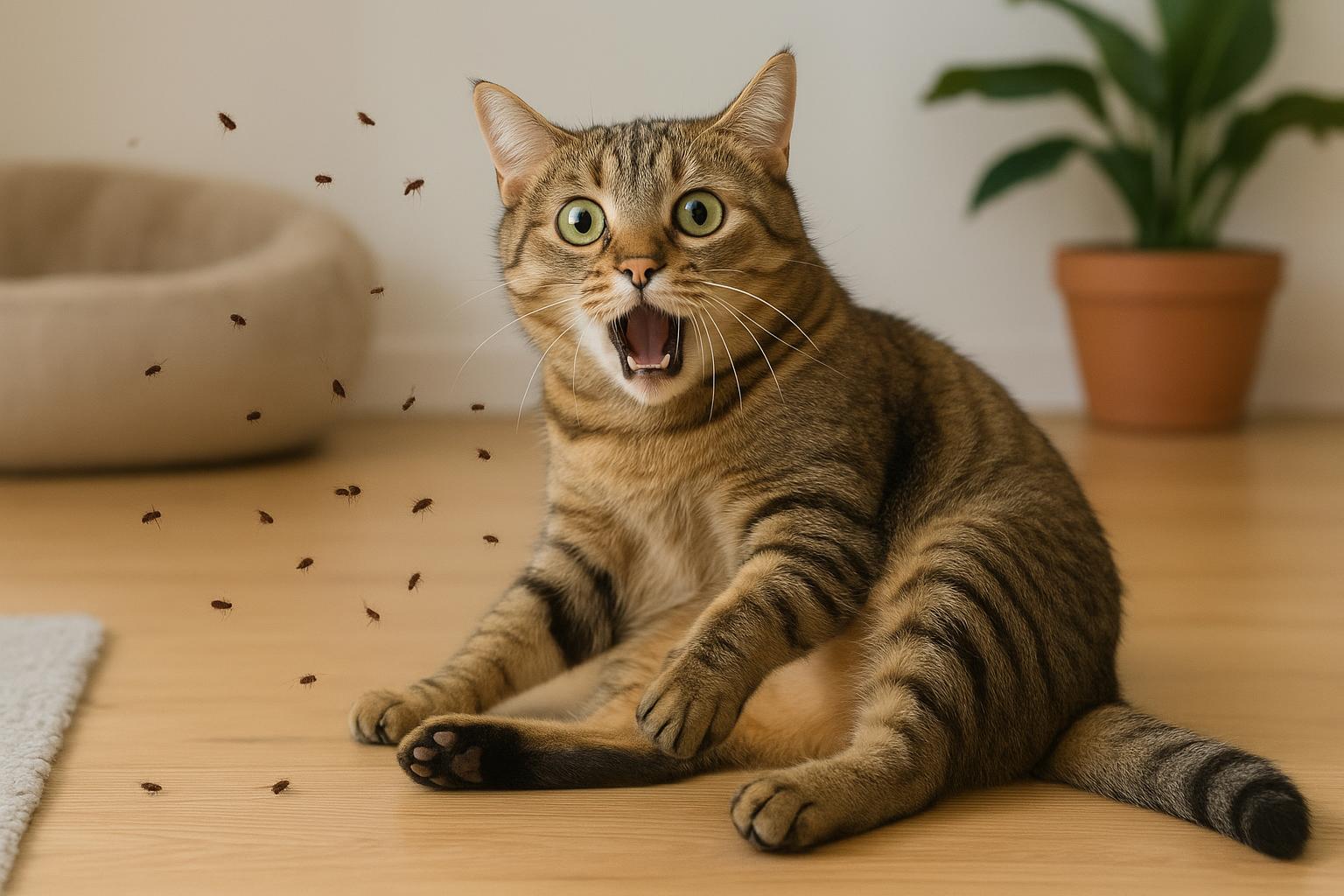
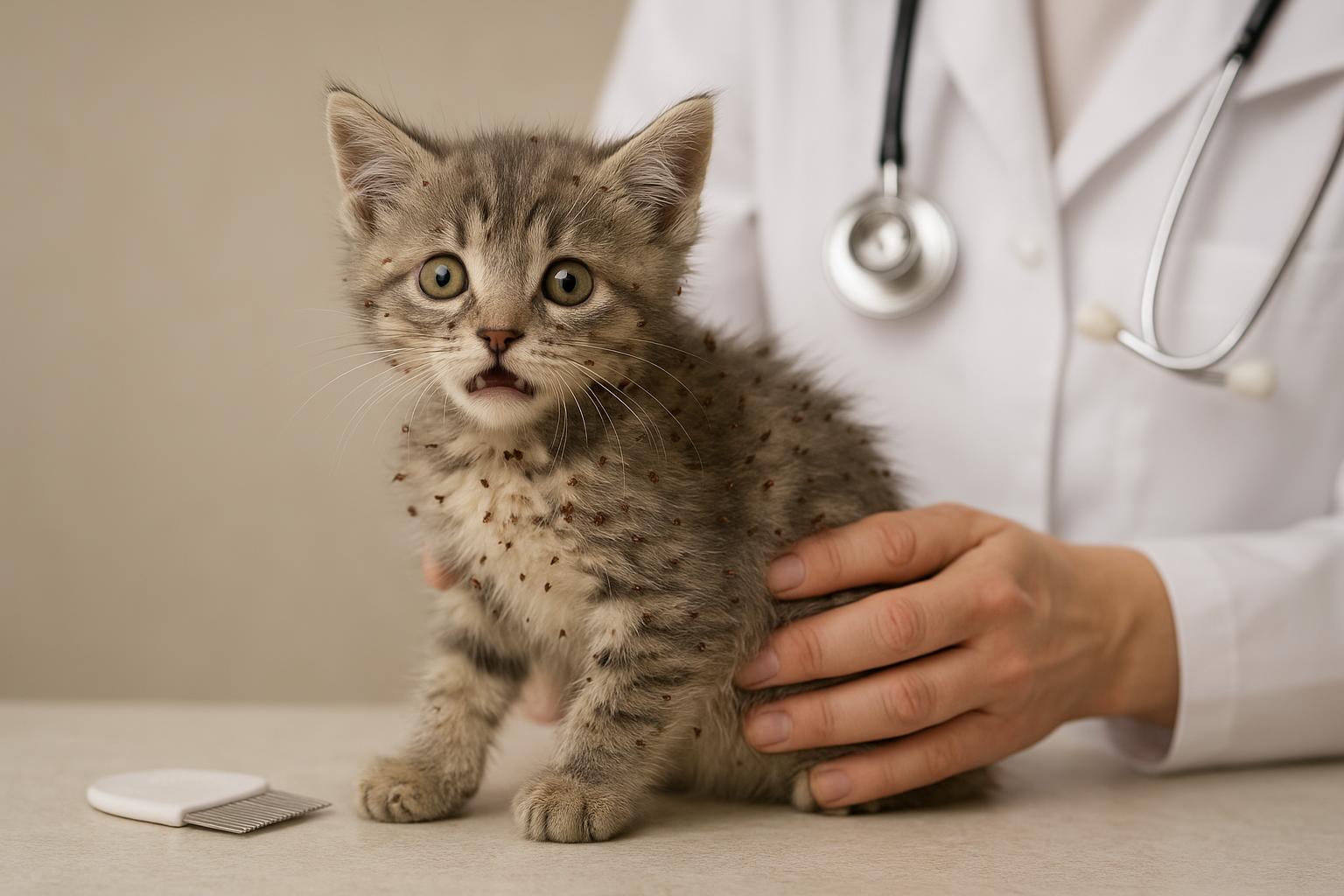
If you suspect your furry apprentice is itching more than their daily nap schedule allows, pay attention. Flea damage kittens suffer can range from mild annoyance to serious health concerns.
### Signs And Symptoms
– Intense scratching, rolling or biting at the fur.
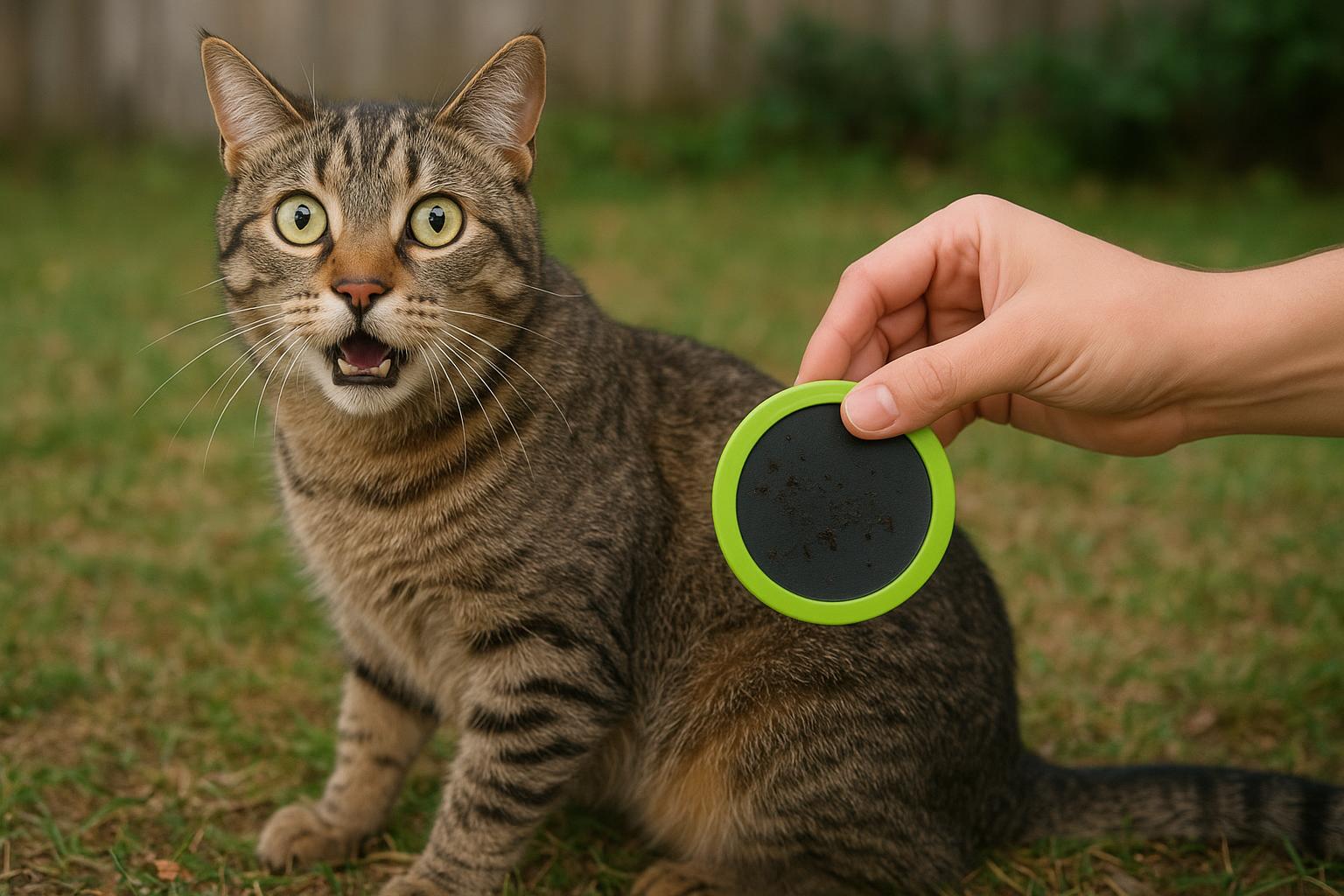
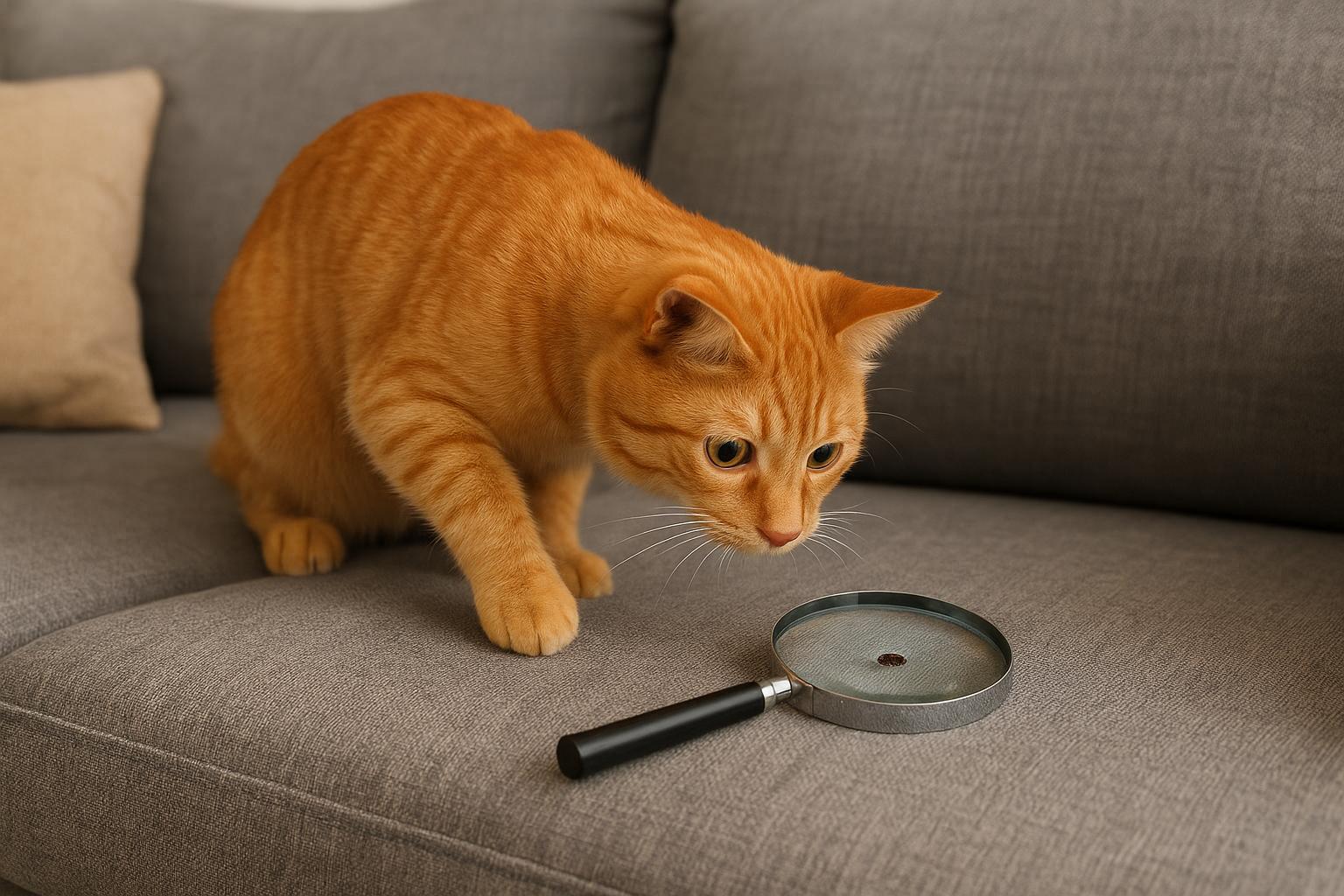
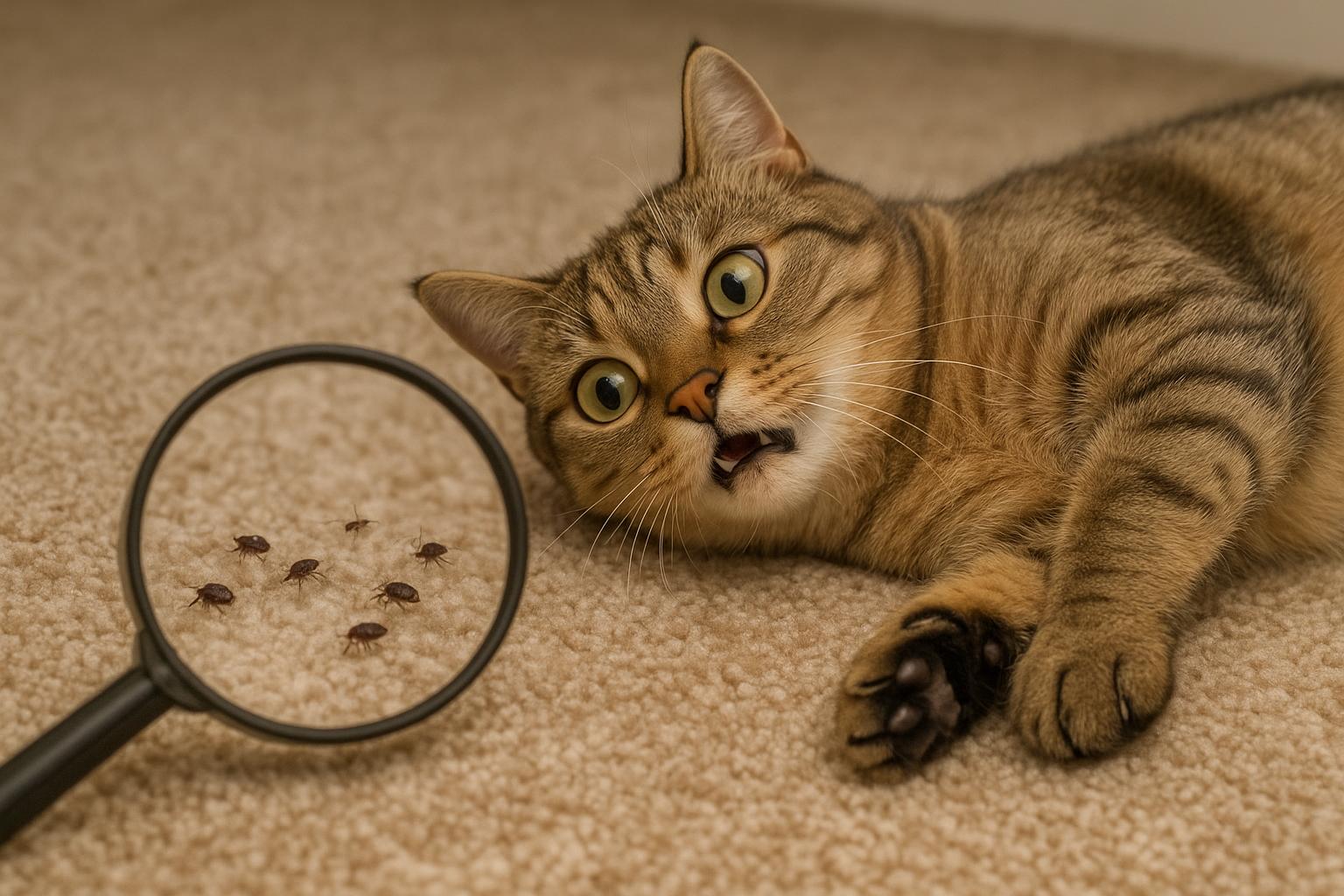
– Tiny black specks (flea dirt) in the coat, especially near the rump and base of the tail.
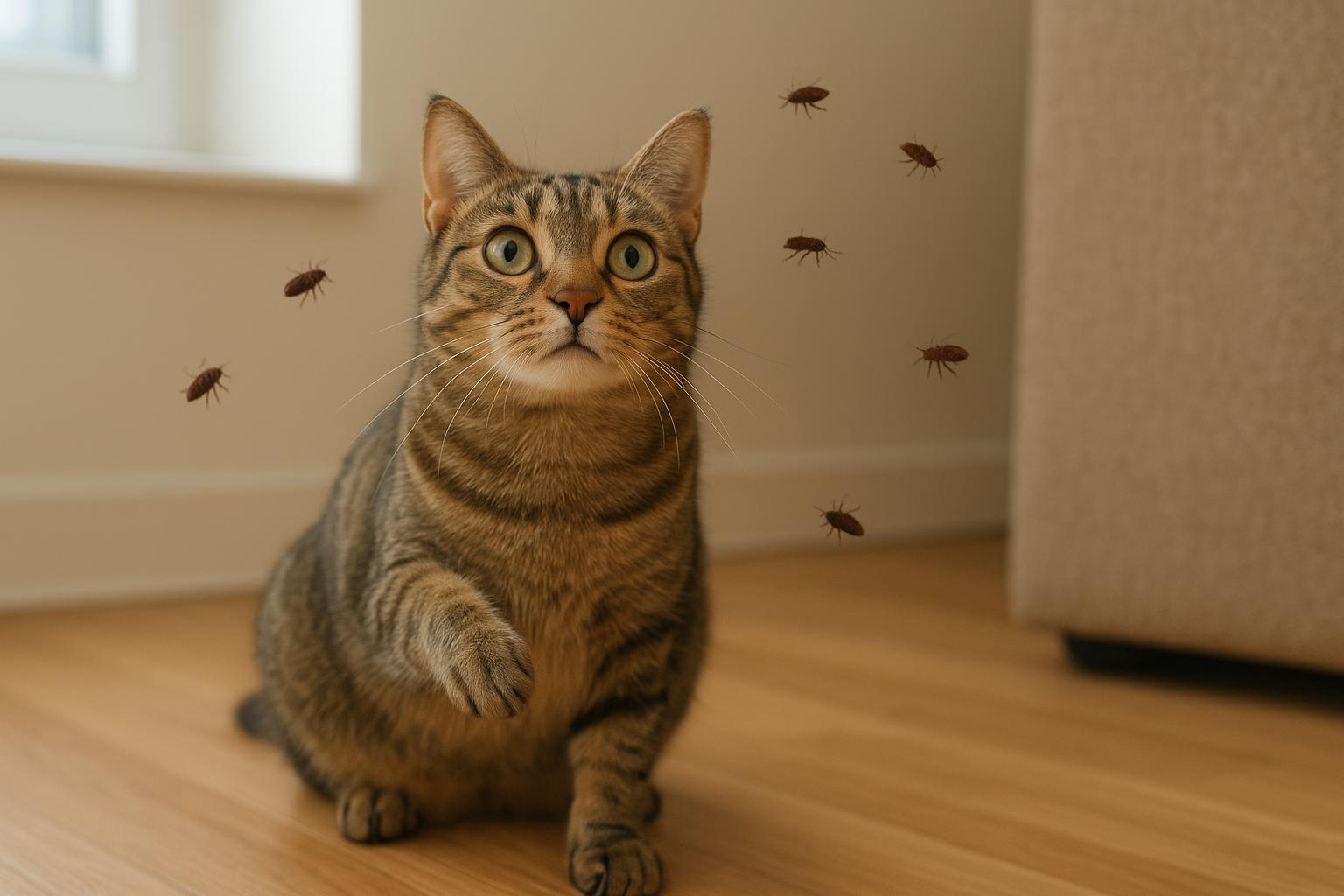
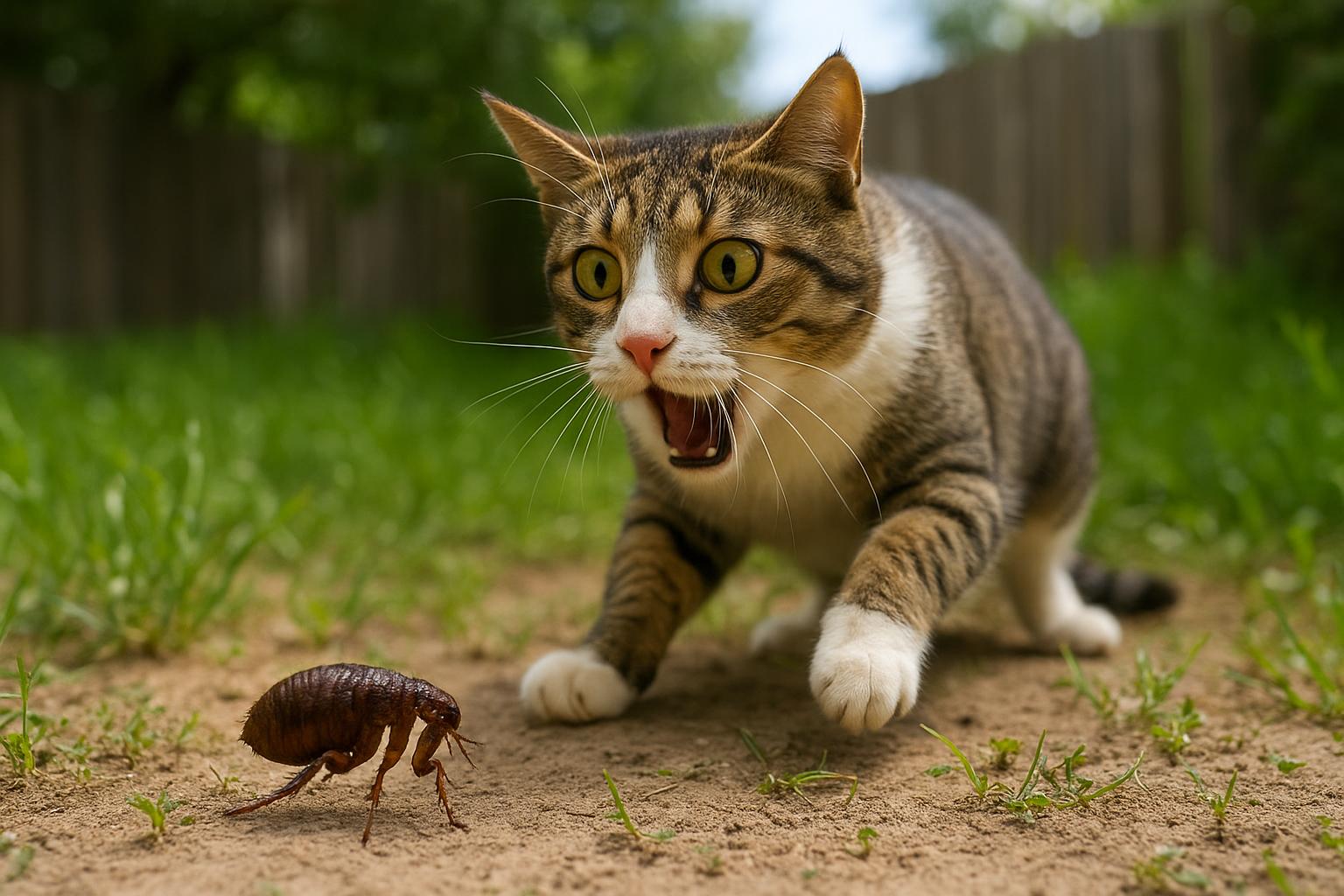
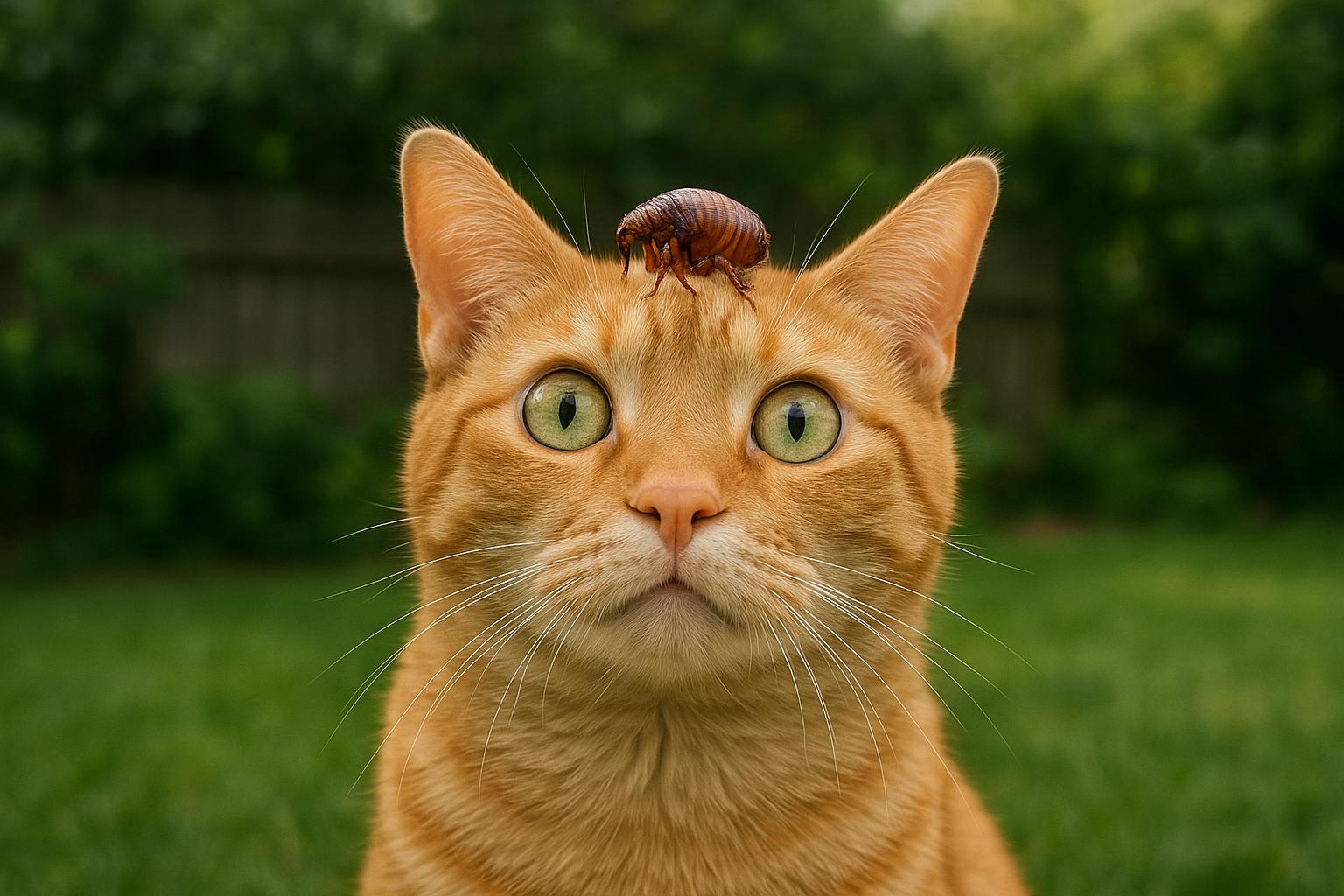
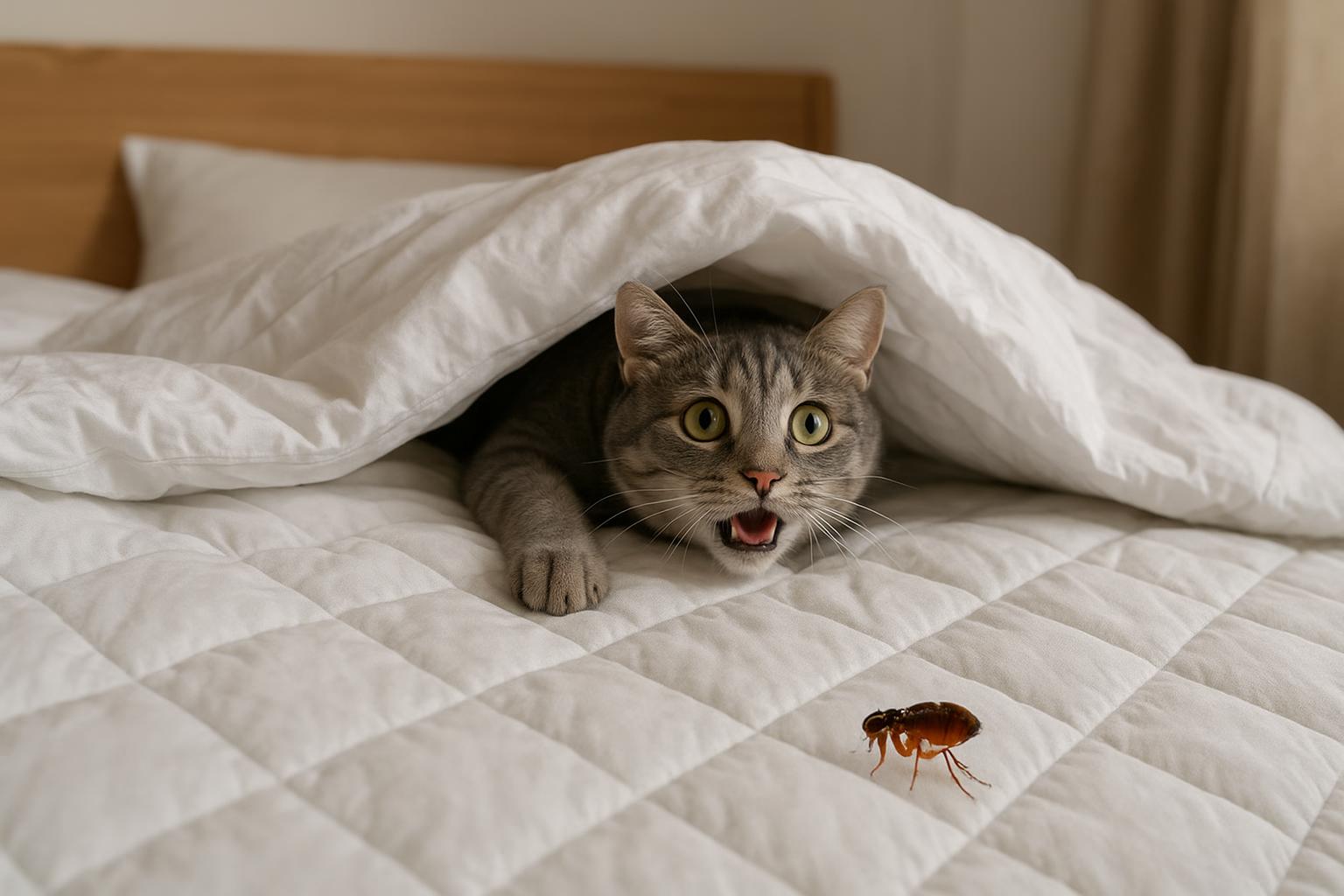
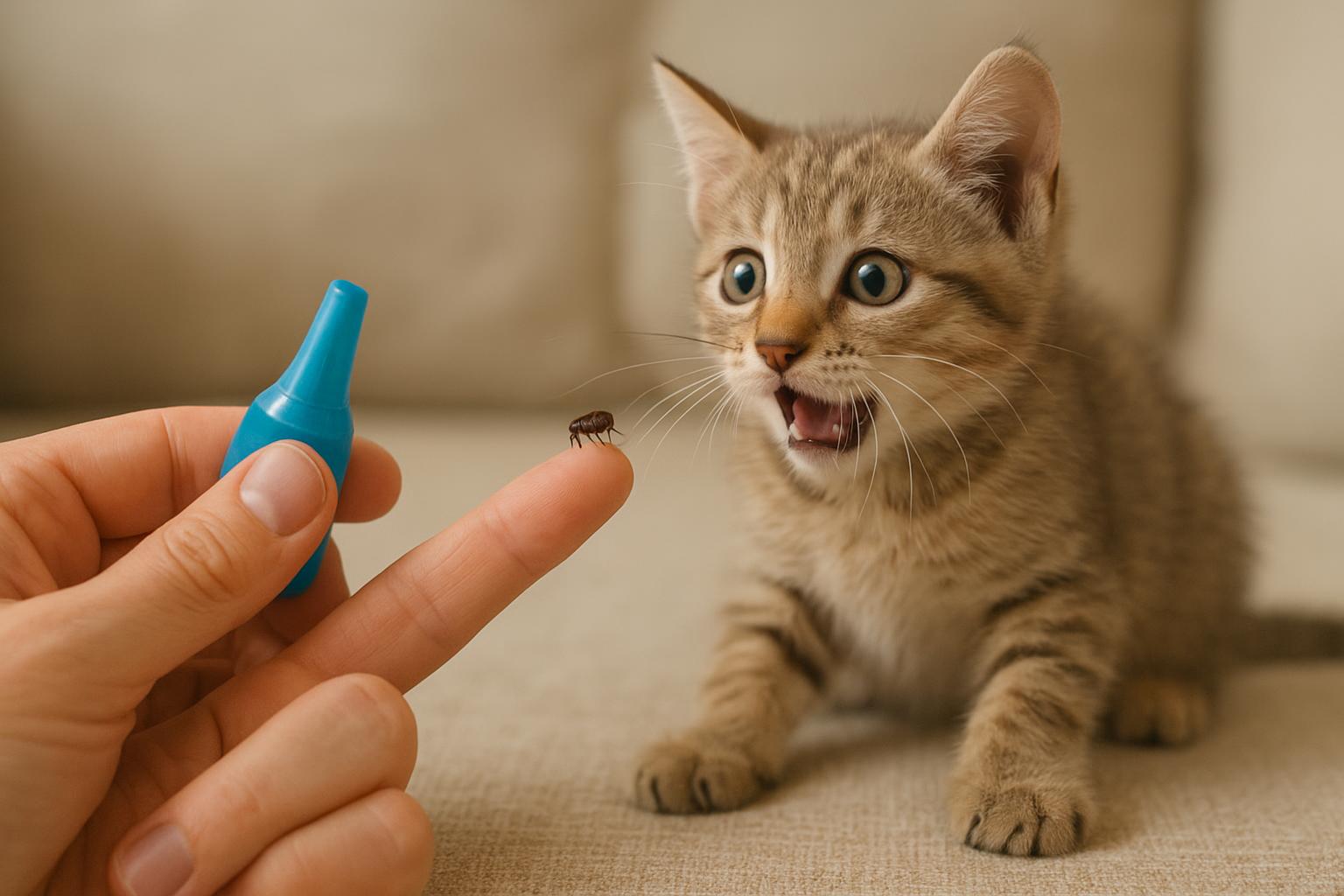
– Visible adult fleas — quick little dark specks darting through the fur.
– Red, irritated skin or scabs from persistent scratching.
– Pale gums, lethargy or weakness in severe infestations (possible anemia).
Flea damage kittens experience isn’t just about itchy evenings. Young kittens have smaller blood volumes, so a heavy flea burden can quickly lead to anemia, weakness, or worse. Spotting the signs early is your best bet.
### Why The Backyard Matters
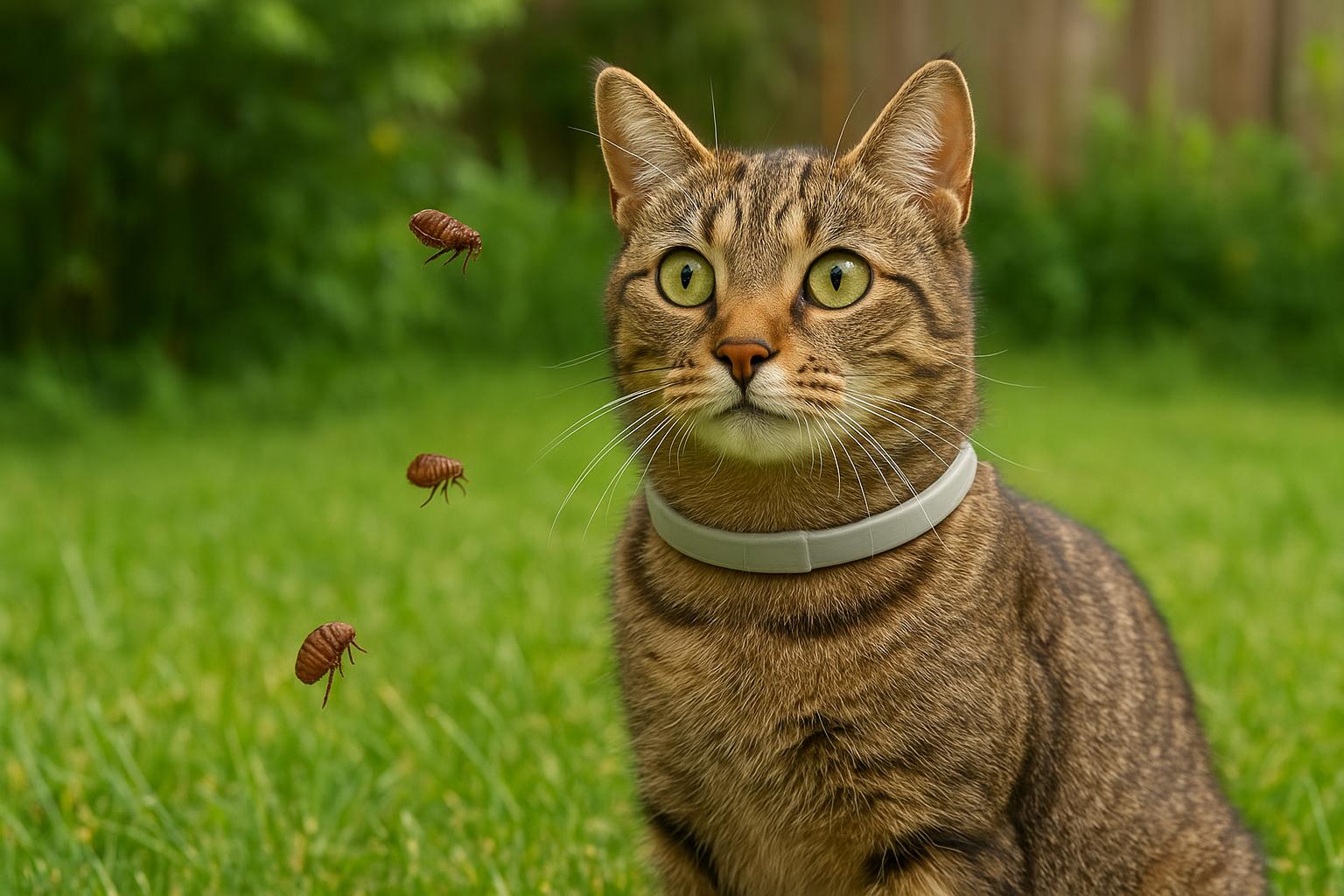
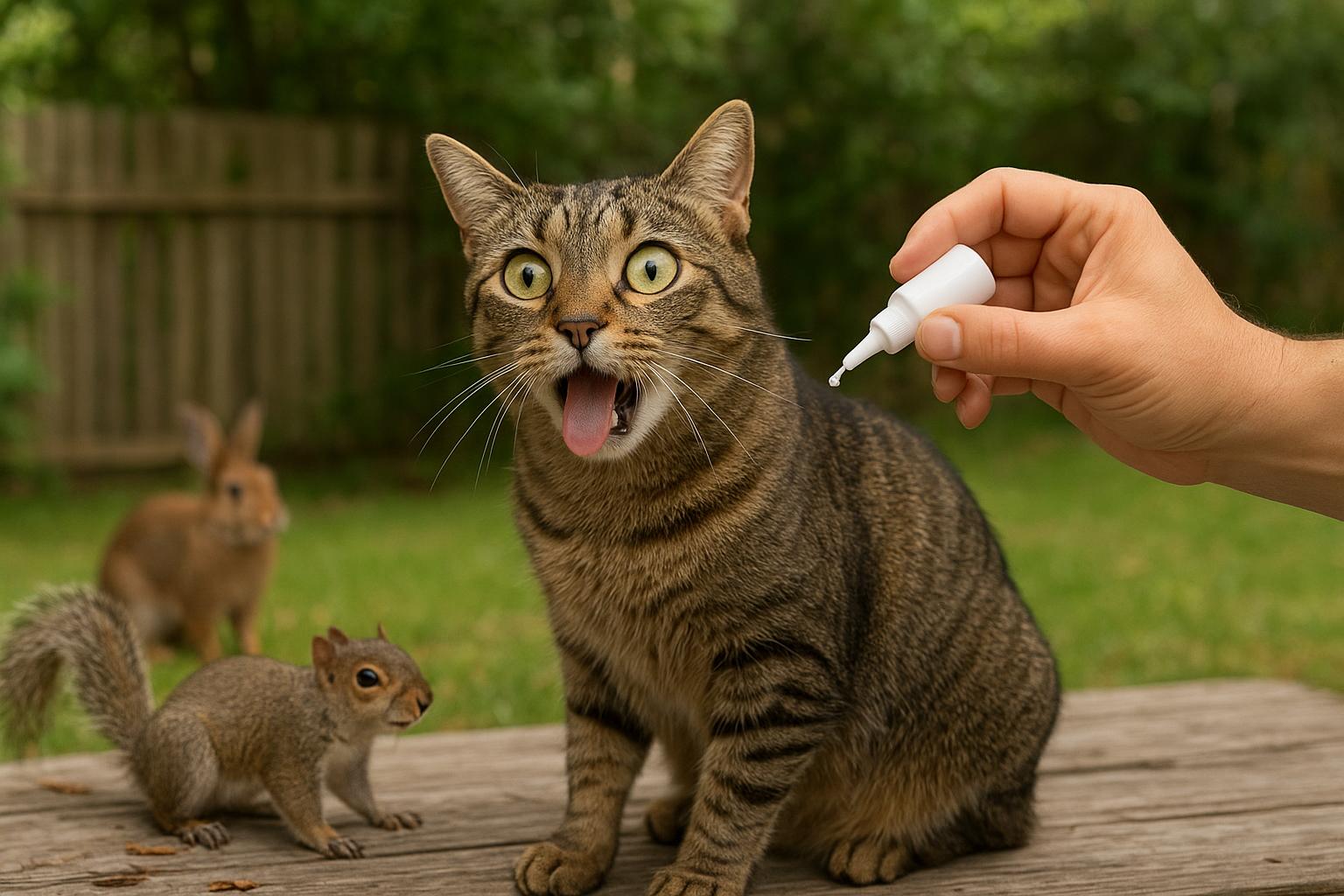
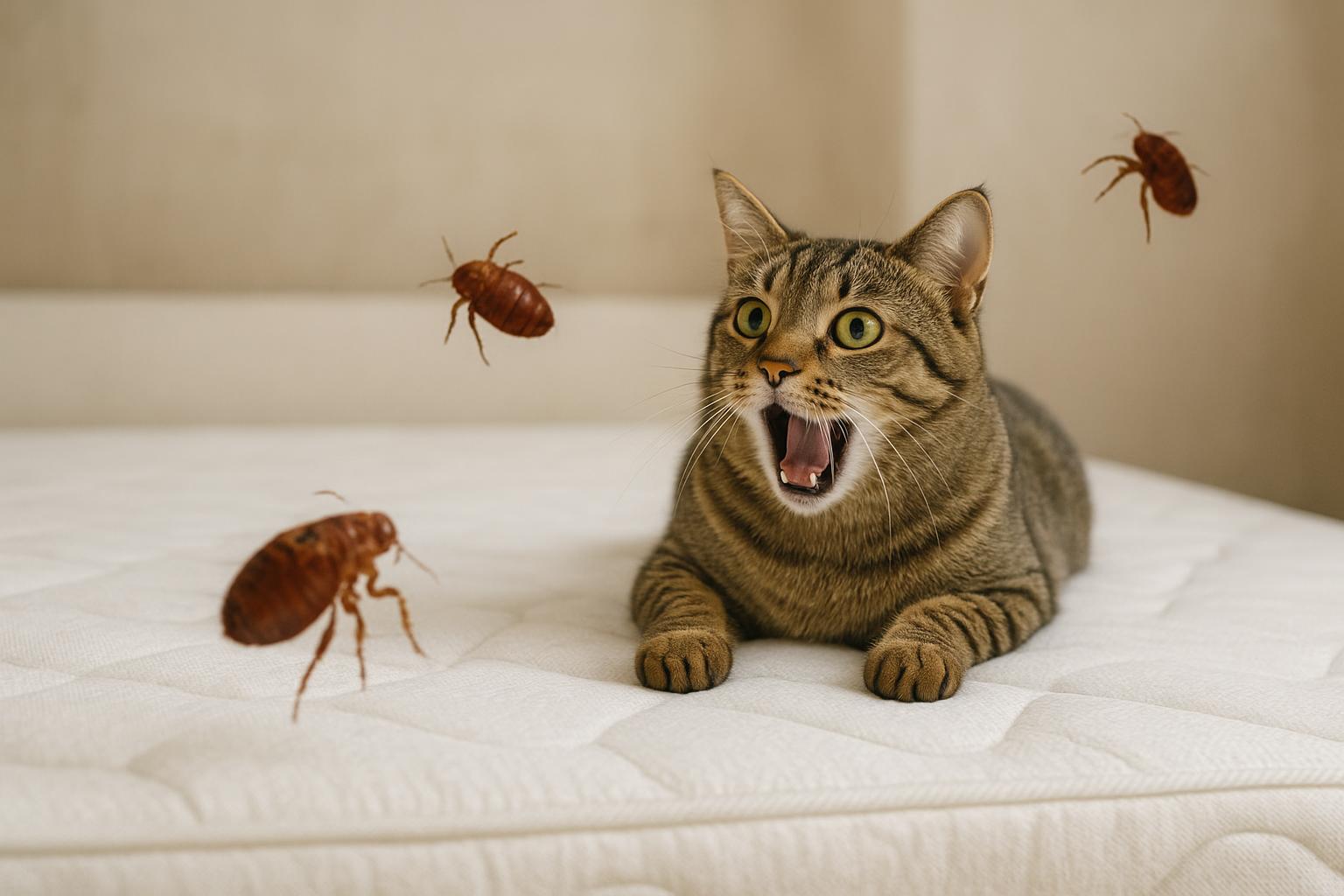
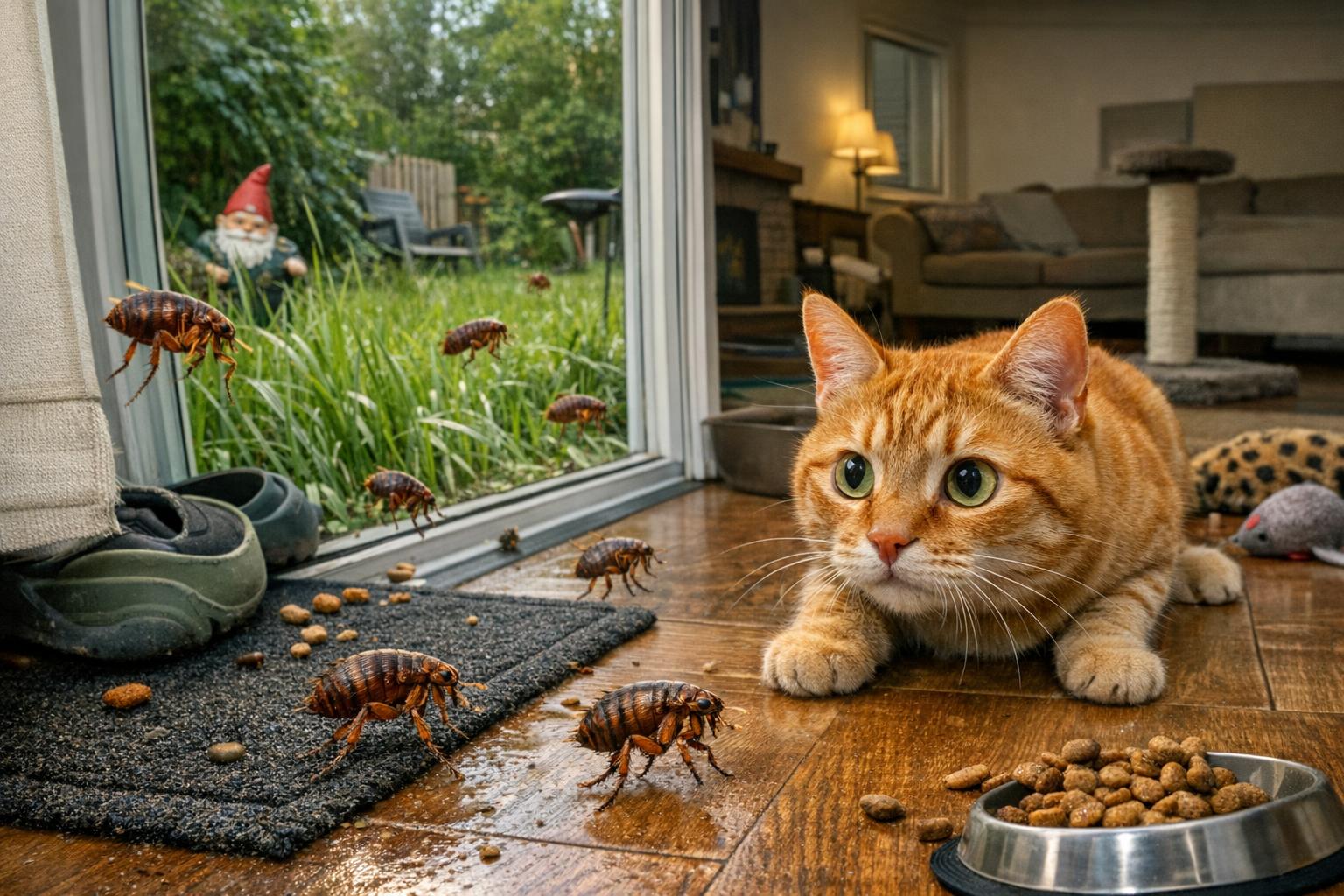
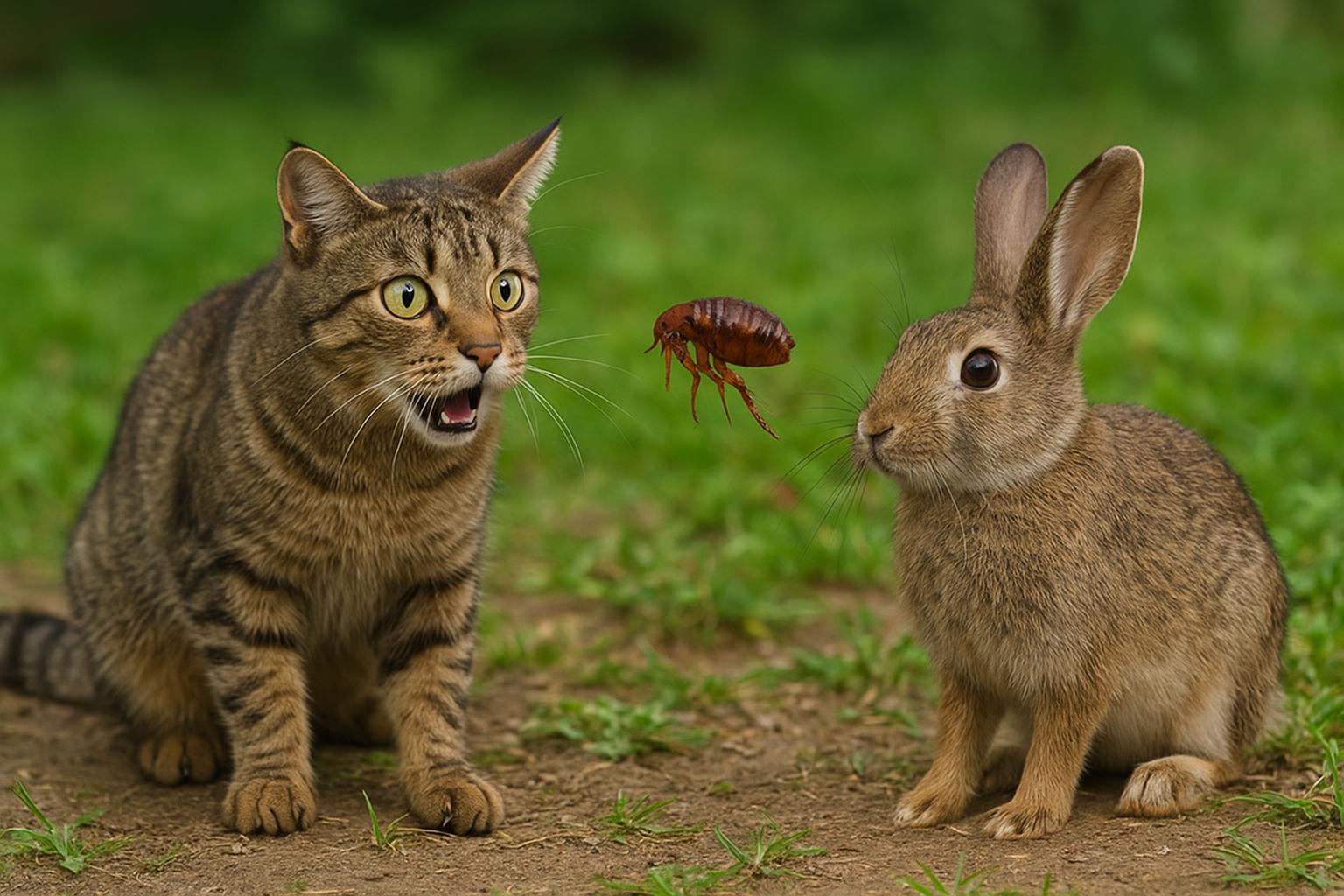
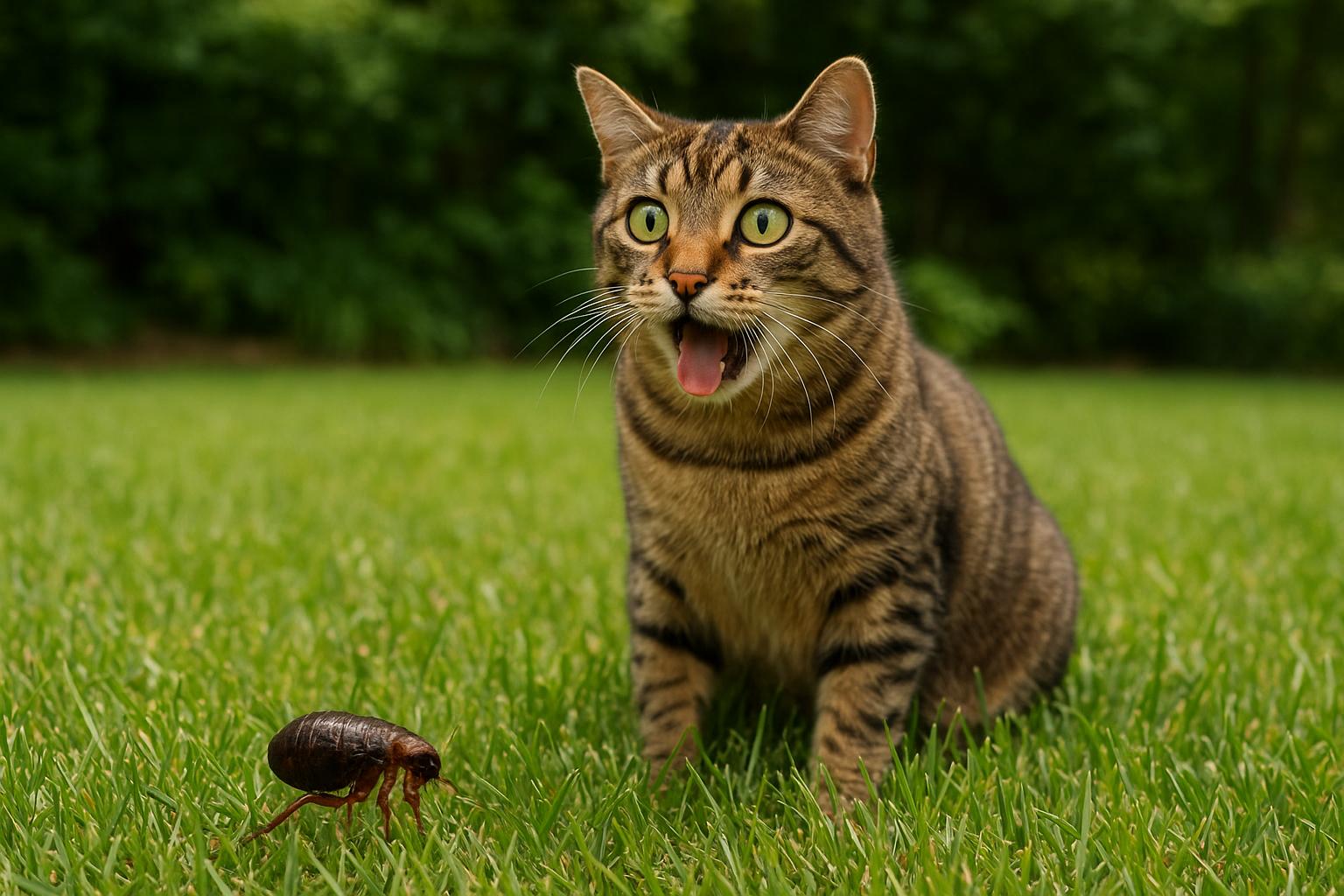
Backyards are flea-friendly when they offer shade, humidity, and organic debris — all prime real estate for flea eggs and larvae. Fleas often depend on wildlife (rabbits, opossums, feral cats) as reservoirs, and those critters can introduce or sustain flea populations in your yard. The flea lifecycle — eggs, larvae, pupae, adult — means that even after you remove adults from kittens, the yard can reseed infestations for weeks to months if not addressed.
## Prevention Strategies For Backyard Health
Prevention is the kinder, simpler route. Think of it as kitten diplomacy: make your yard less attractive to fleas and support safe, ongoing parasite control for pets.
### Habitat Management
– Keep grass short, trim shrubs and remove leaf litter and brush piles where fleas and wildlife hide.
– Create sunny, dry zones: fleas and their larvae prefer shaded, humid microclimates.
– Discourage wildlife reservoirs by sealing off access to under-porch areas and securing trash.
### Host Management
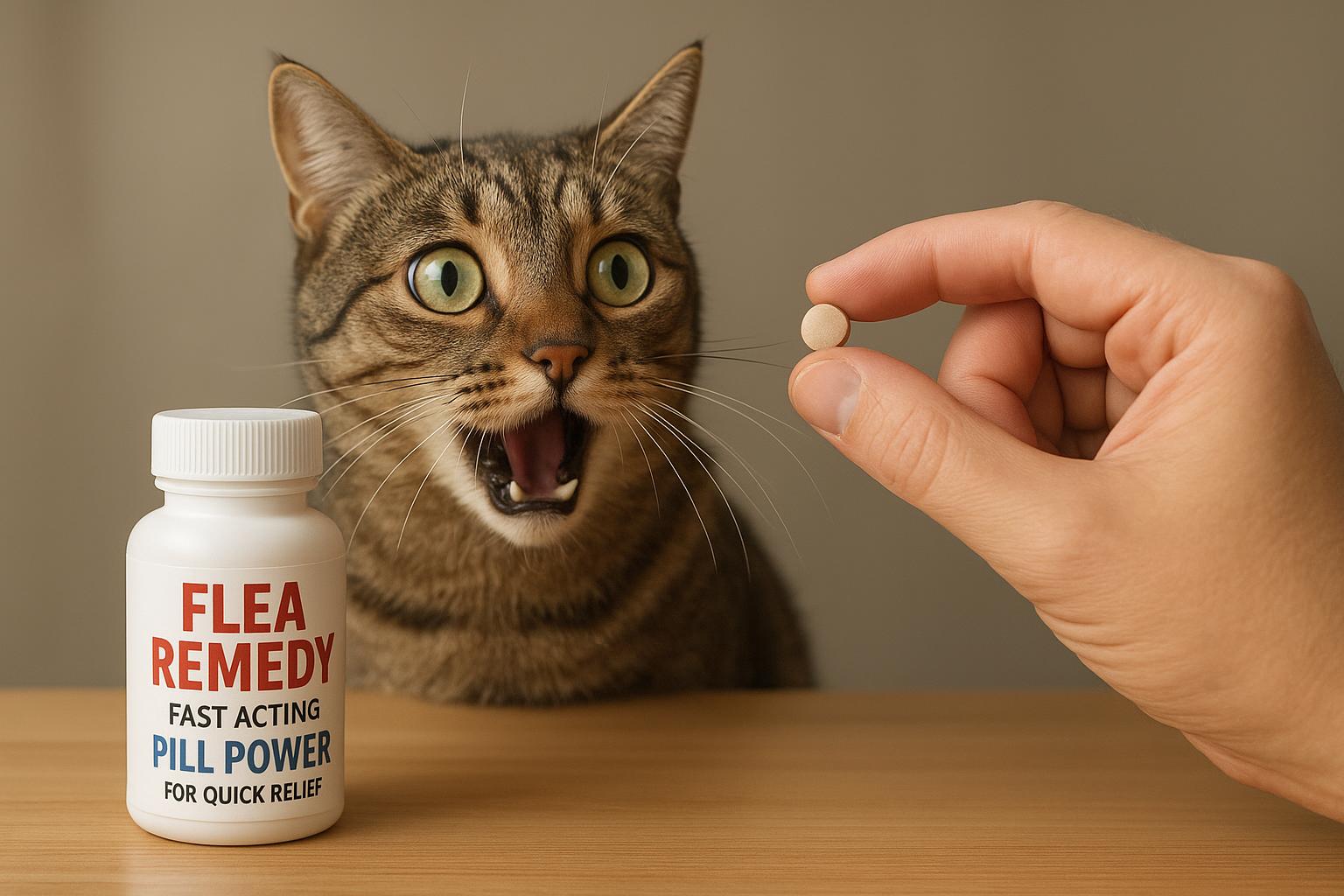
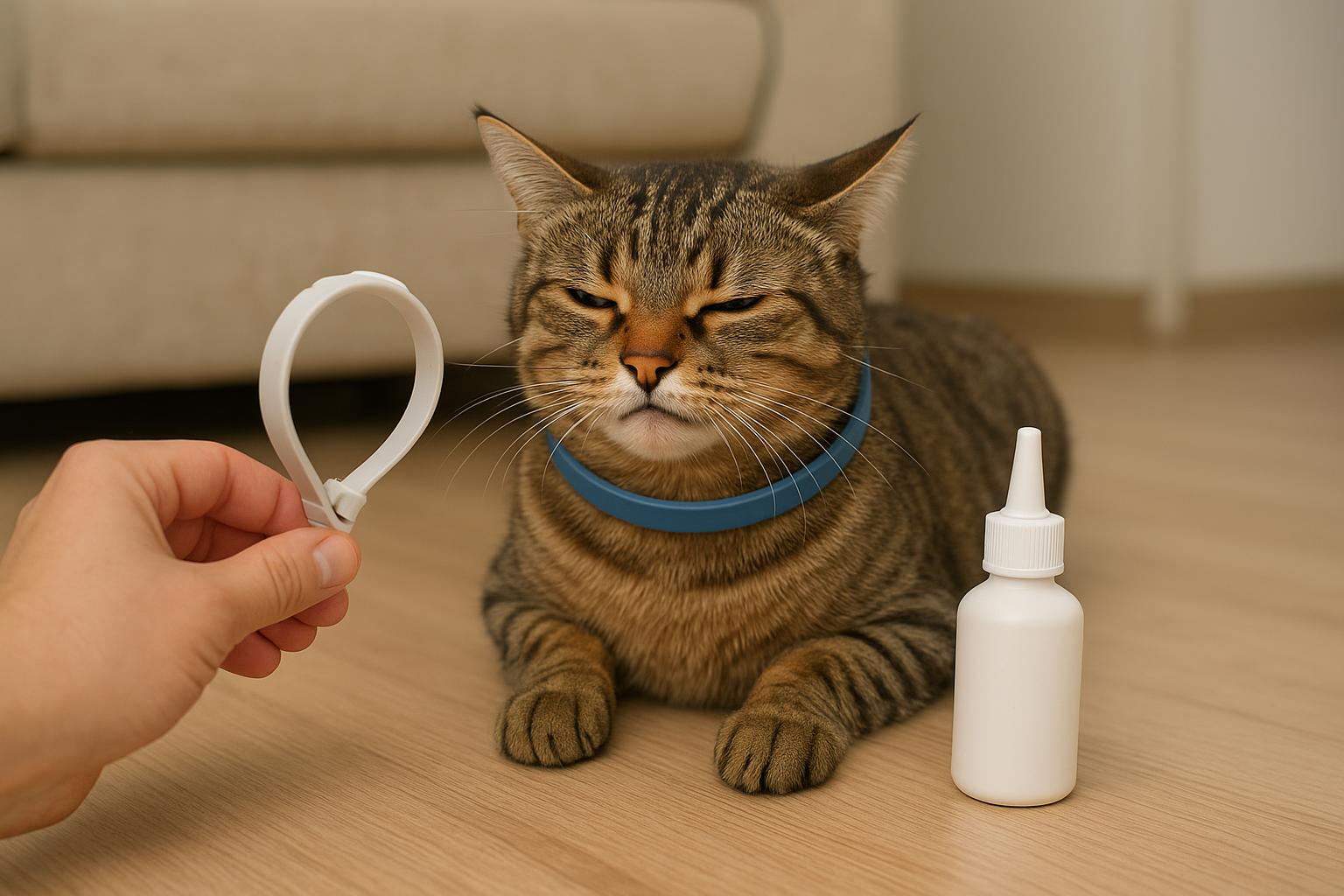
Treating kittens and adult cats with vet-recommended preventives is the most effective step. For kittens too young for certain products, physical measures like flea combing and environmental control become critical. Always consult a veterinarian before using any topical or oral product, especially on young kittens.
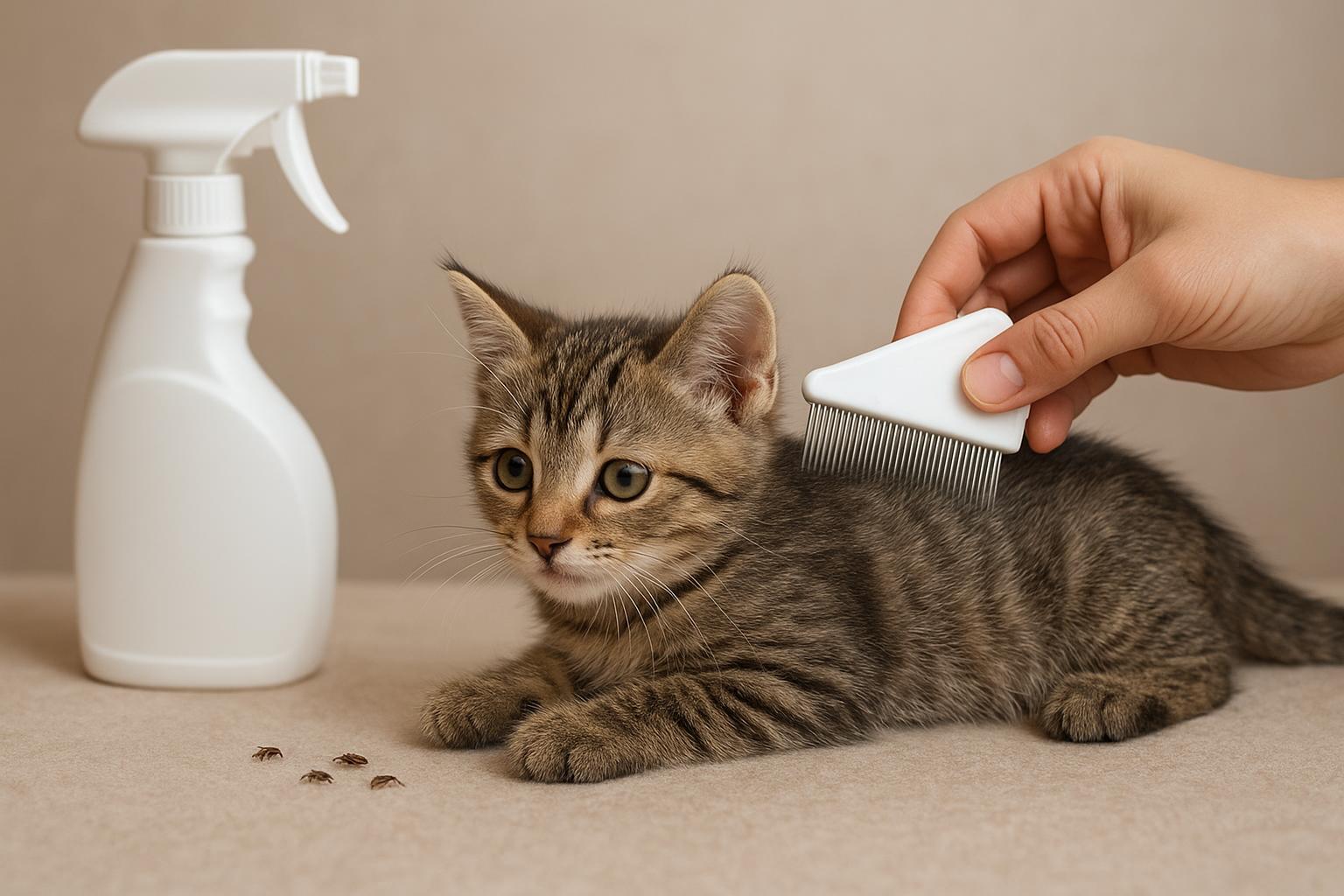
## Remedy 1: Natural Home Spray For Flea Control
This remedy is for owners who prefer a gentle, more natural approach for yard and bedding treatment. Use this as part of a broader control plan — not as the sole solution for heavy infestations.
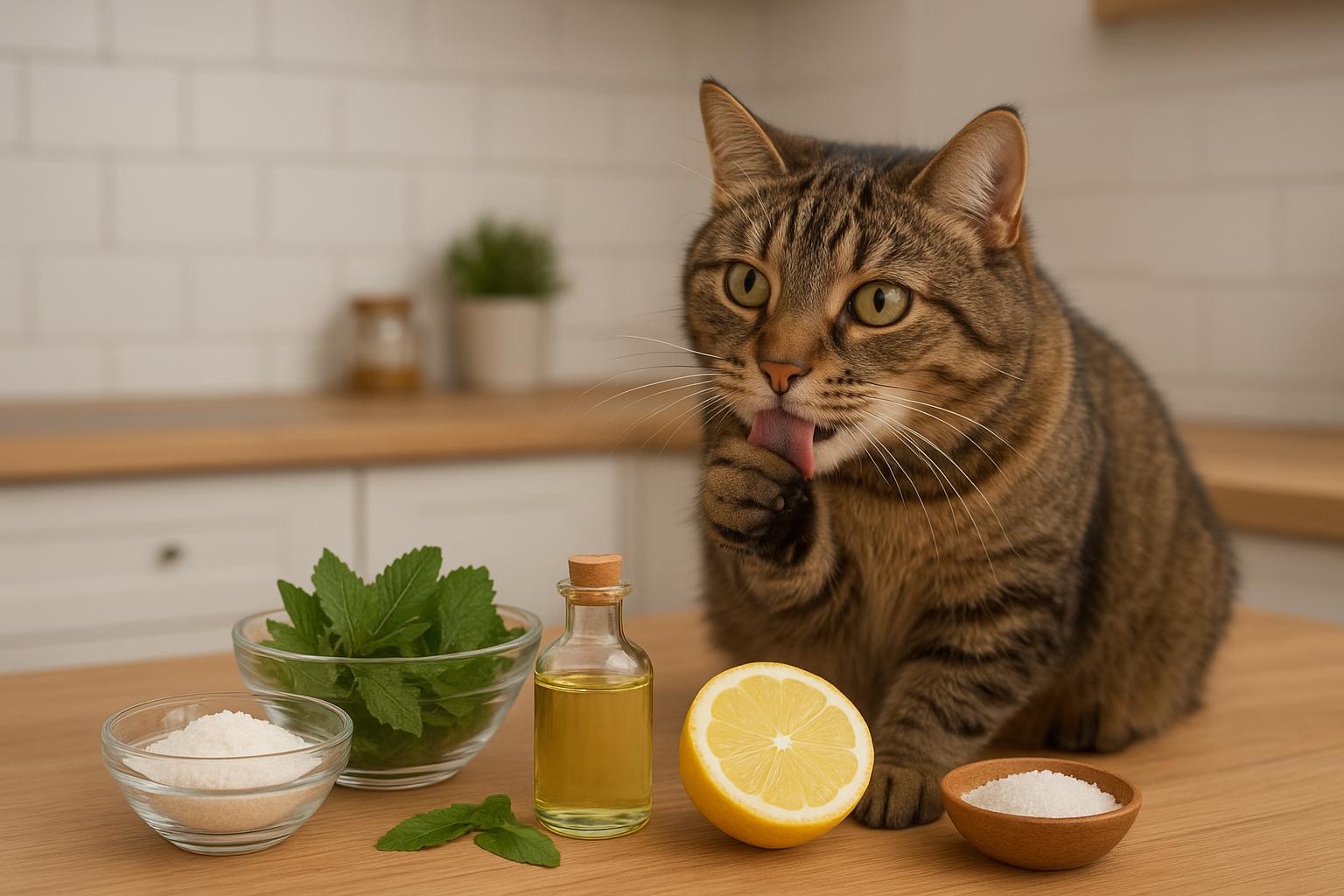
Ingredients / Required Materials:
– 4 cups distilled or boiled-and-cooled water
– 1 cup white vinegar
– 2 tablespoons unscented liquid castile soap
– 20 drops cedarwood or lavender essential oil (optional — see safety notes)
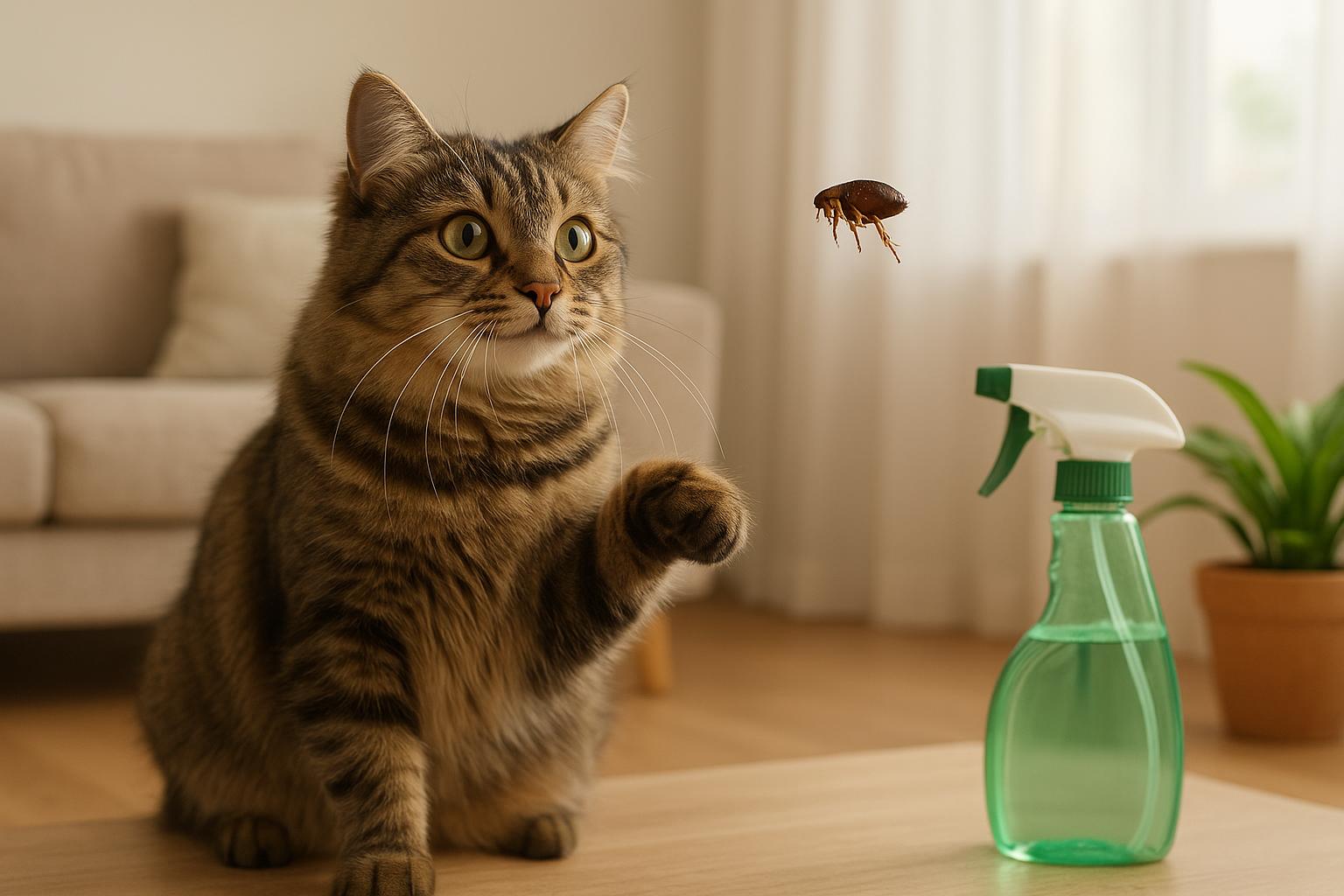
– Spray bottle (1-liter capacity recommended)
– Funnel and measuring cups
Safety Notes (Important): Essential oils can be harmful to kittens and cats if used inappropriately. If you plan to spray bedding or areas where kittens rest, avoid essential oils directly on animals and apply them very sparingly to environmental surfaces only. Do not apply this spray directly to a kitten’s fur without veterinary approval.
Step-By-Step Creation And Application:
1. Sanitize your work area and bottle to avoid introducing contaminants.
2. Combine distilled water and white vinegar in a pitcher.
3. Add liquid castile soap and gently stir to mix — this helps the spray cling to surfaces and break down flea eggs.
4. If using, add essential oil drops. Mix gently.
5. Using a funnel, pour the mixture into your spray bottle and label it clearly.
6. Shake well before each use.
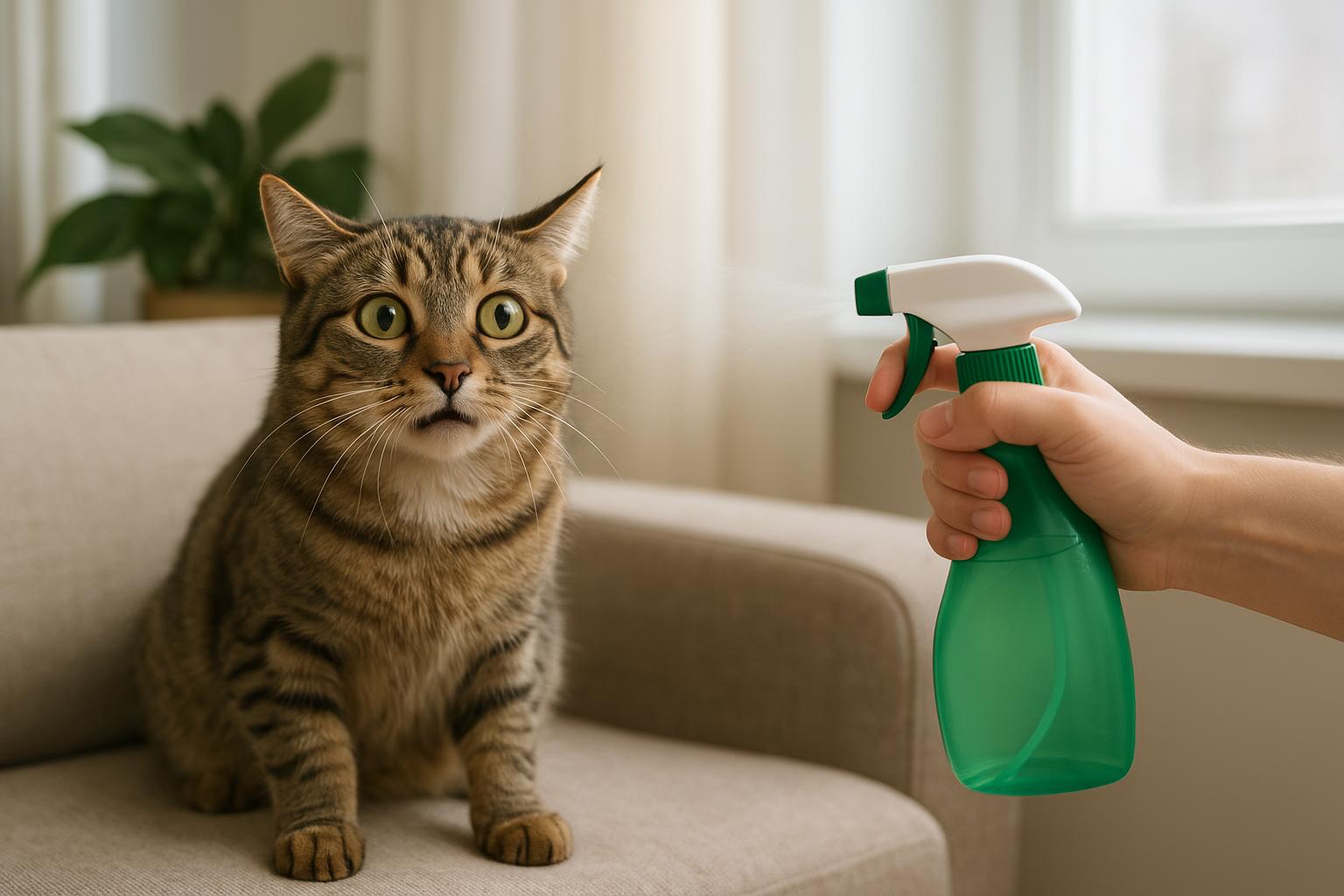
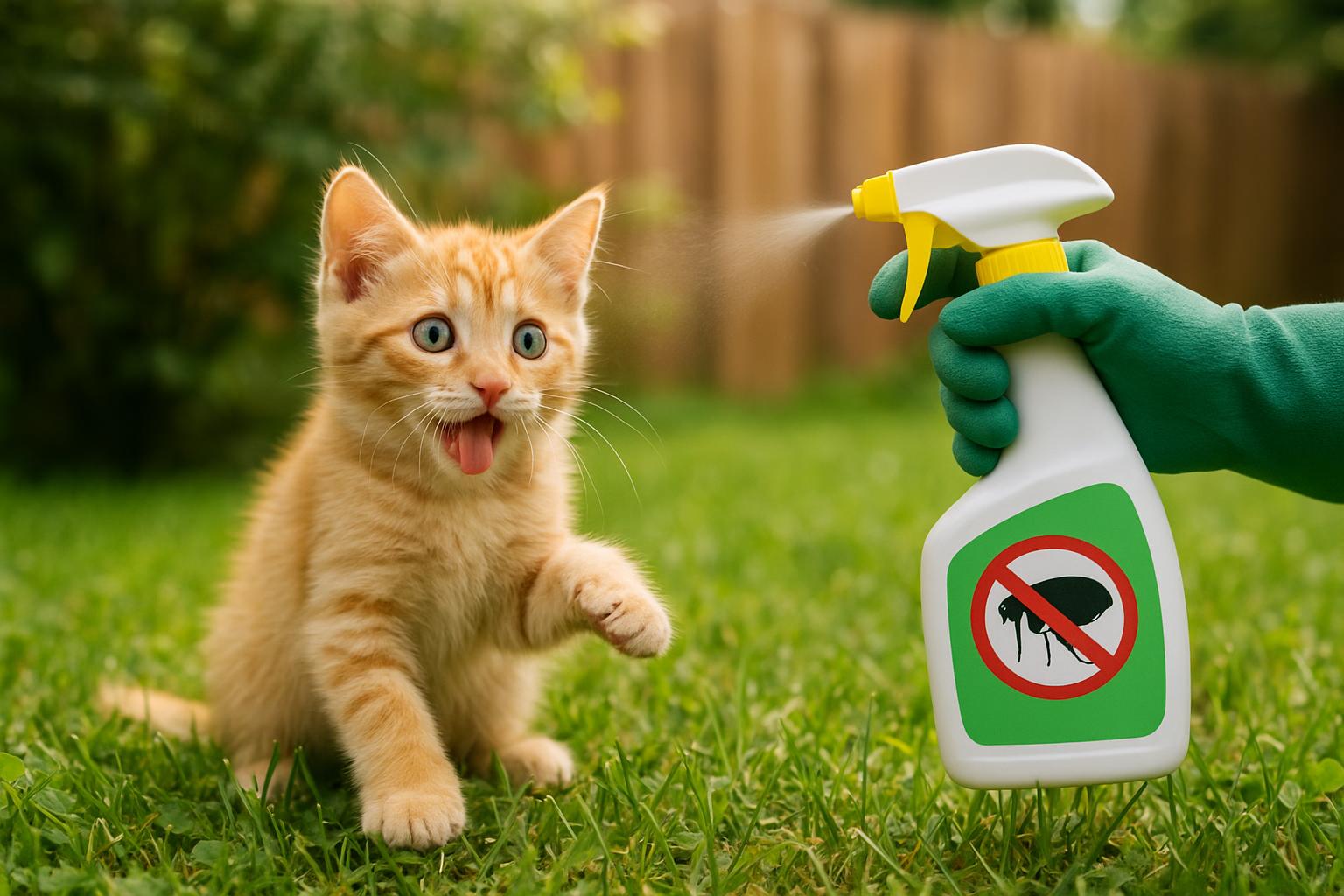
7. Application: Lightly mist bedding, outdoor cushions, and shaded lawn edges where kittens rest. Avoid wetting plants excessively and do not spray directly on animals.
8. Reapply twice weekly for four weeks, and after rain. Vacuum indoor areas and launder bedding on hot cycles concurrently.
This spray is an environmental aid and works best alongside direct kitten treatment and routine yard maintenance.
## Remedy 2: Veterinary-Approved Treatment Plan
This section outlines a structured, clinically sound approach for eliminating fleas from kittens and preventing recurrence. Follow your veterinarian’s guidance and read all product labels. If in doubt, defer to the vet.
Materials / Required Items:
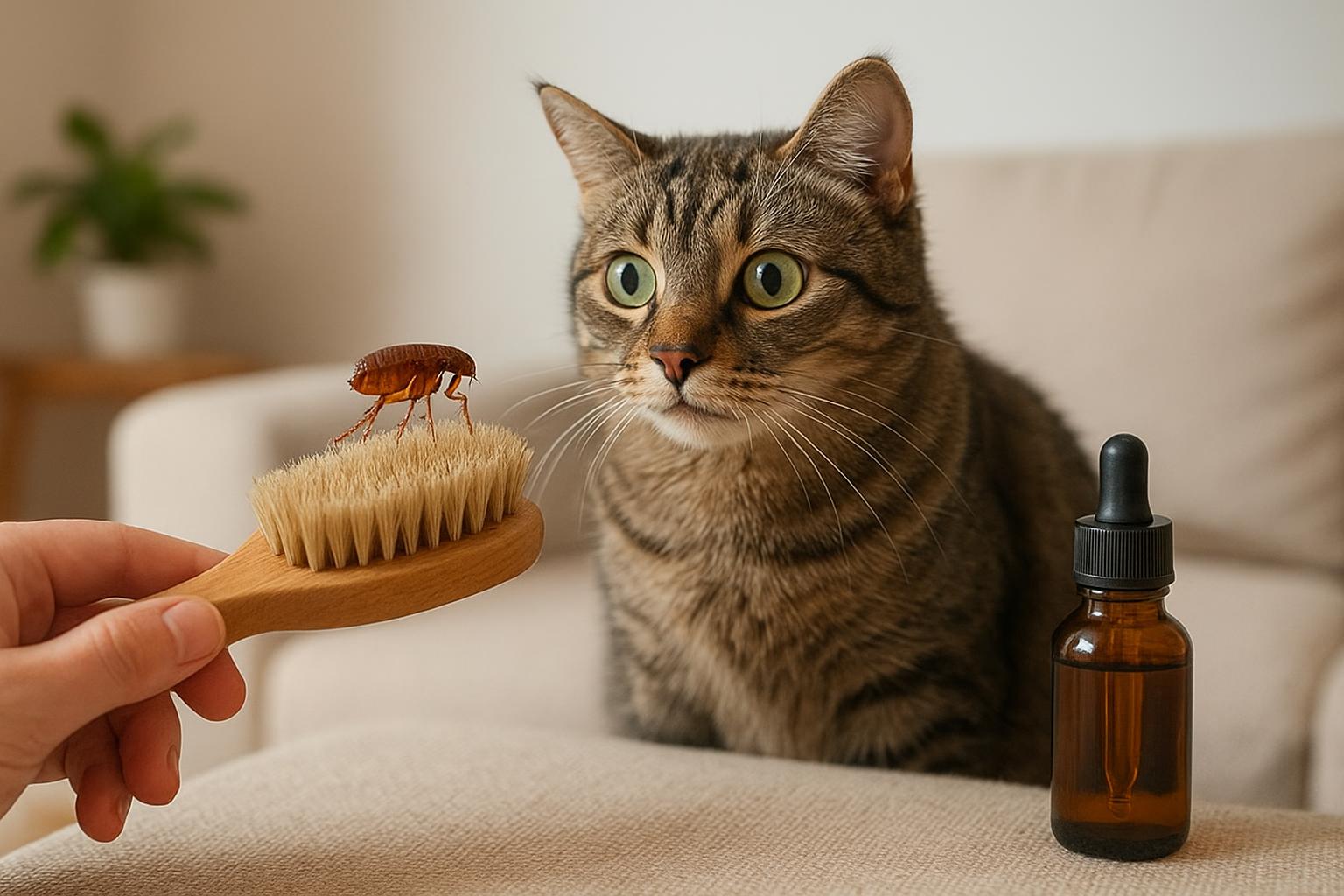
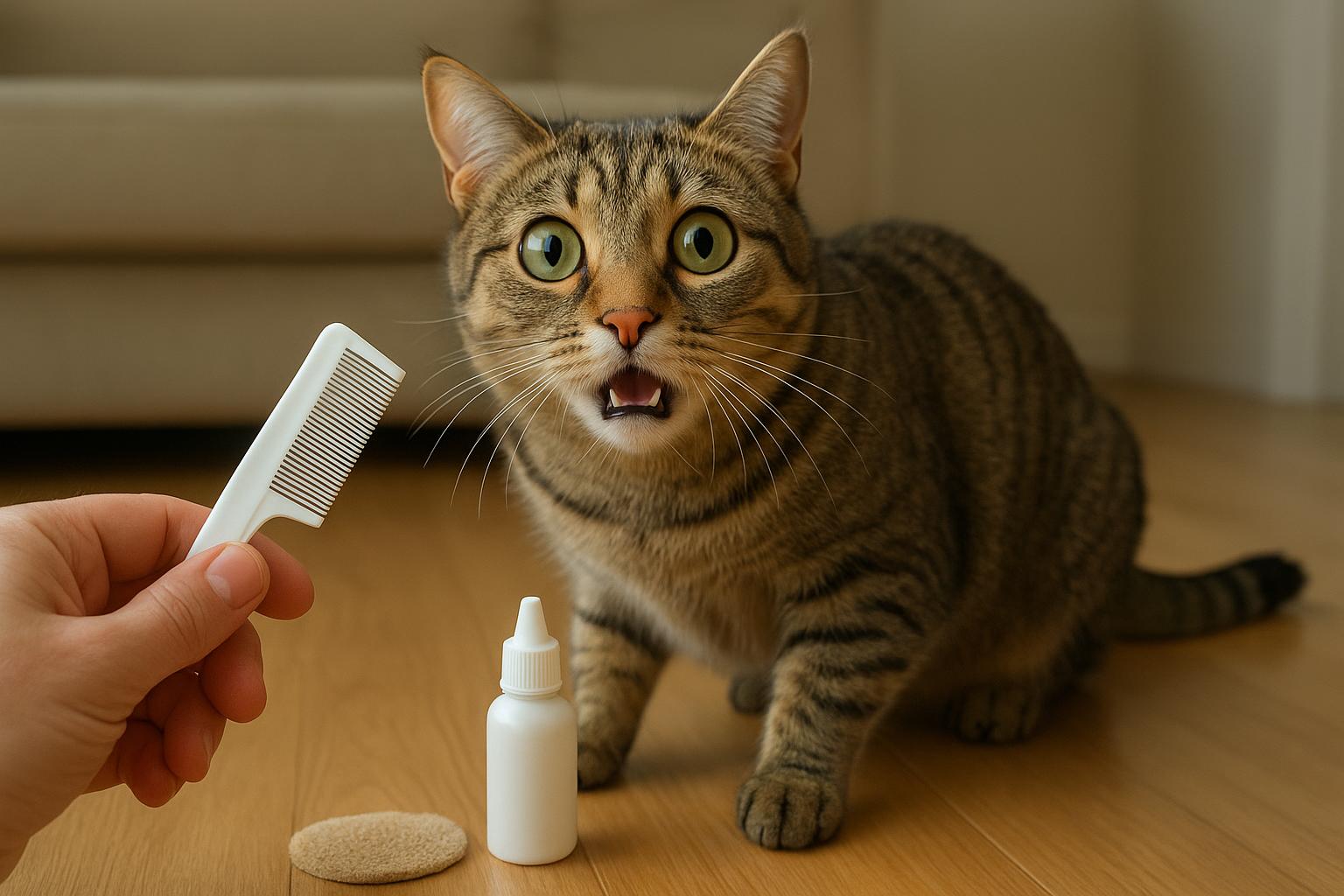
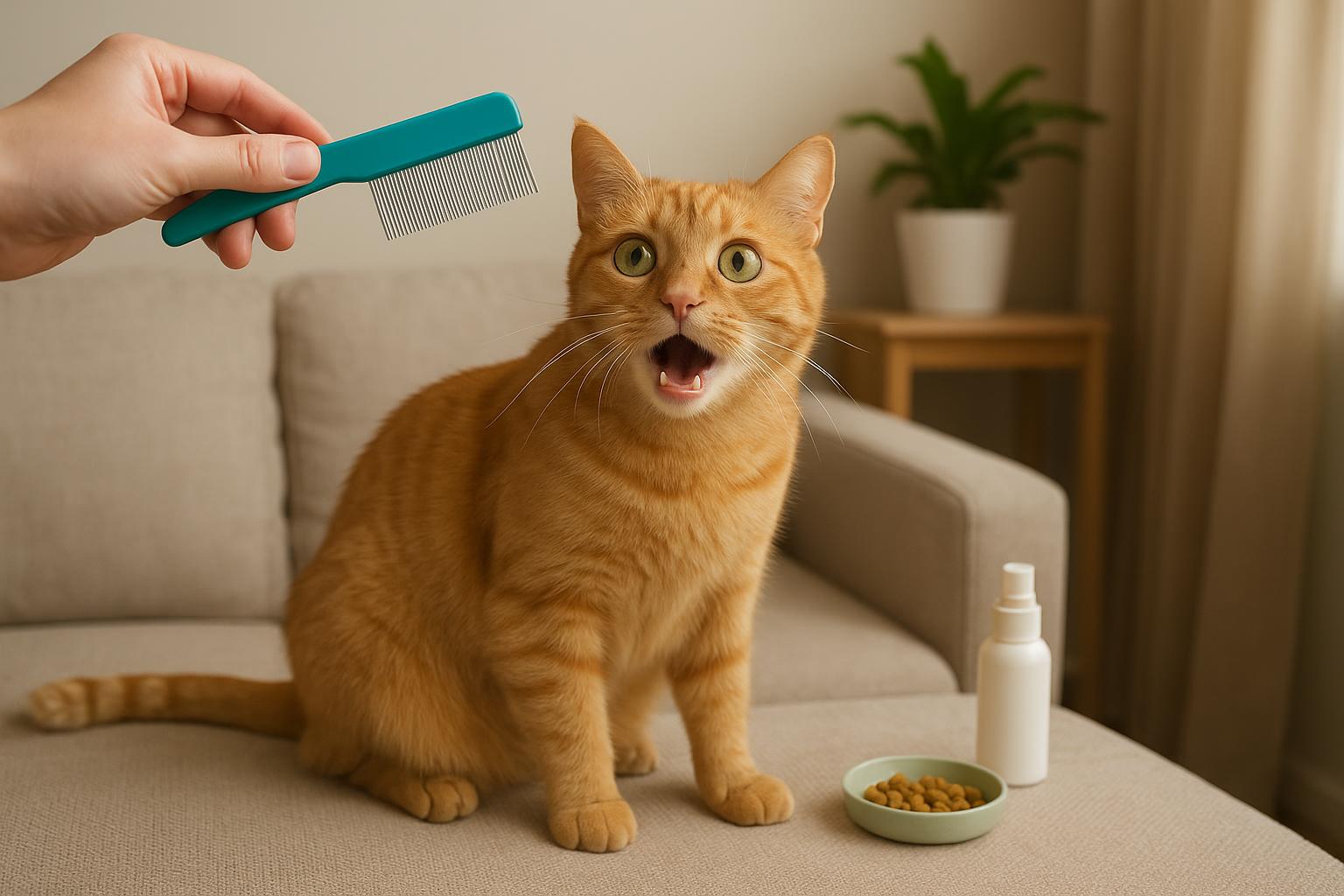
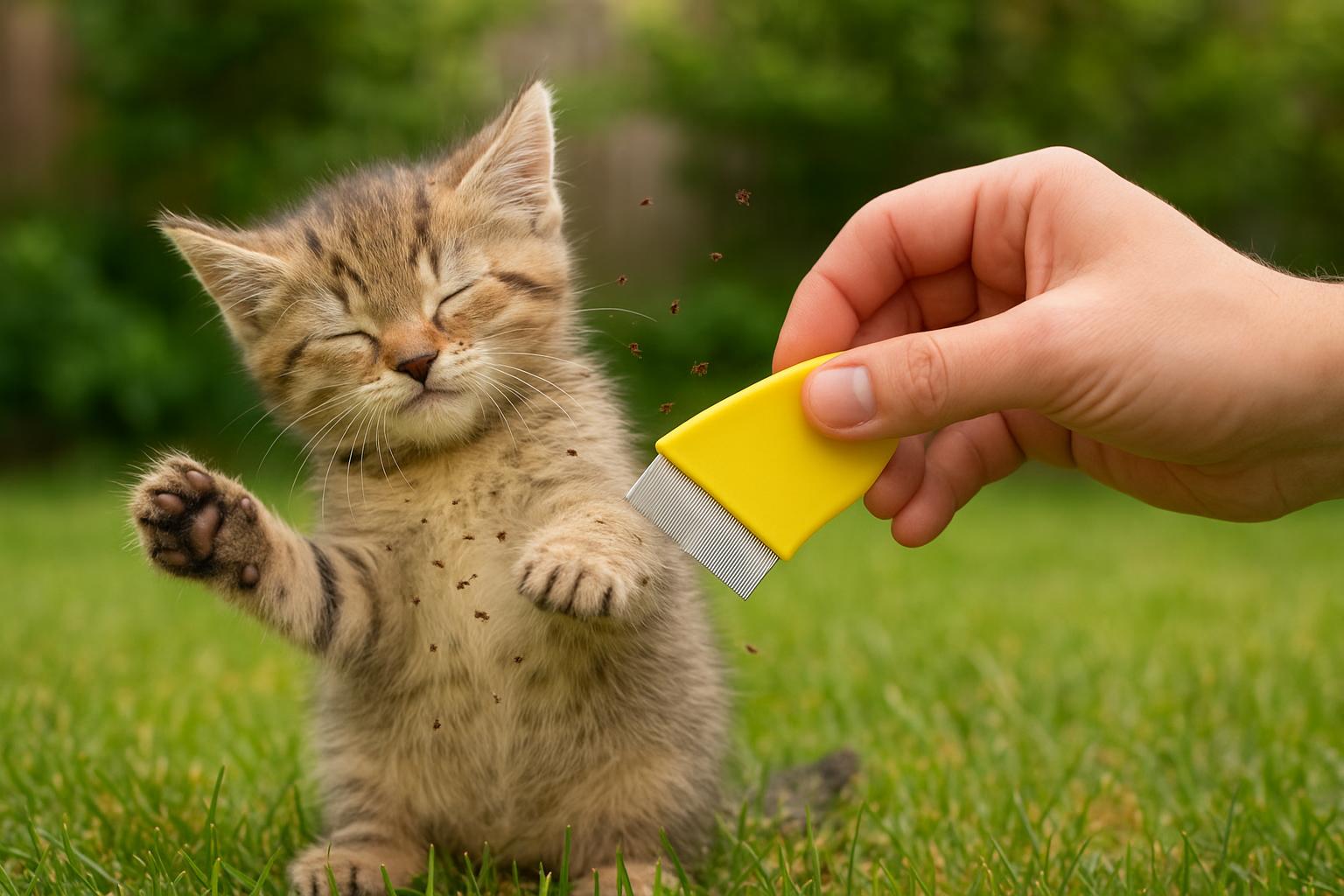
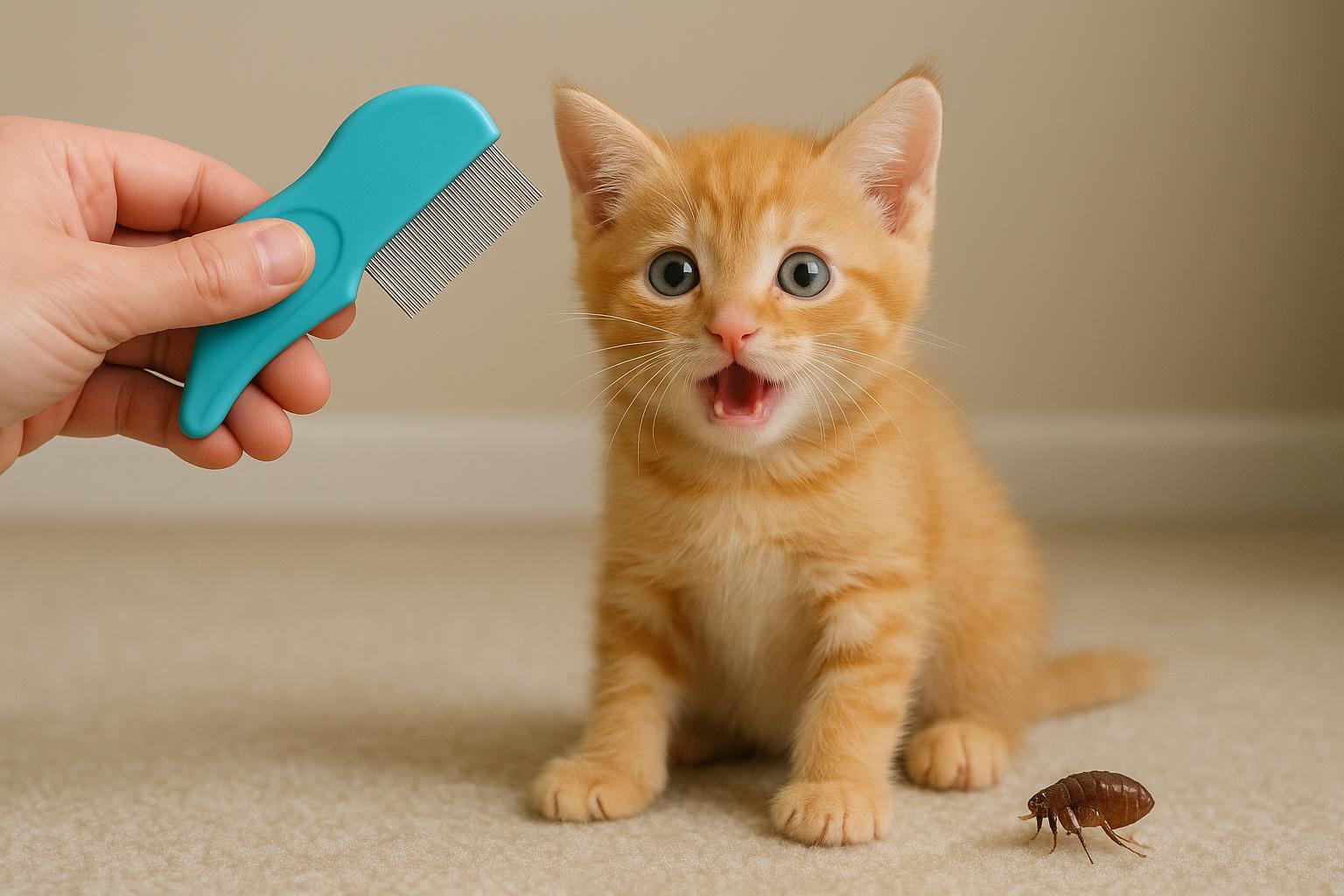
– Flea comb (fine-tooth)
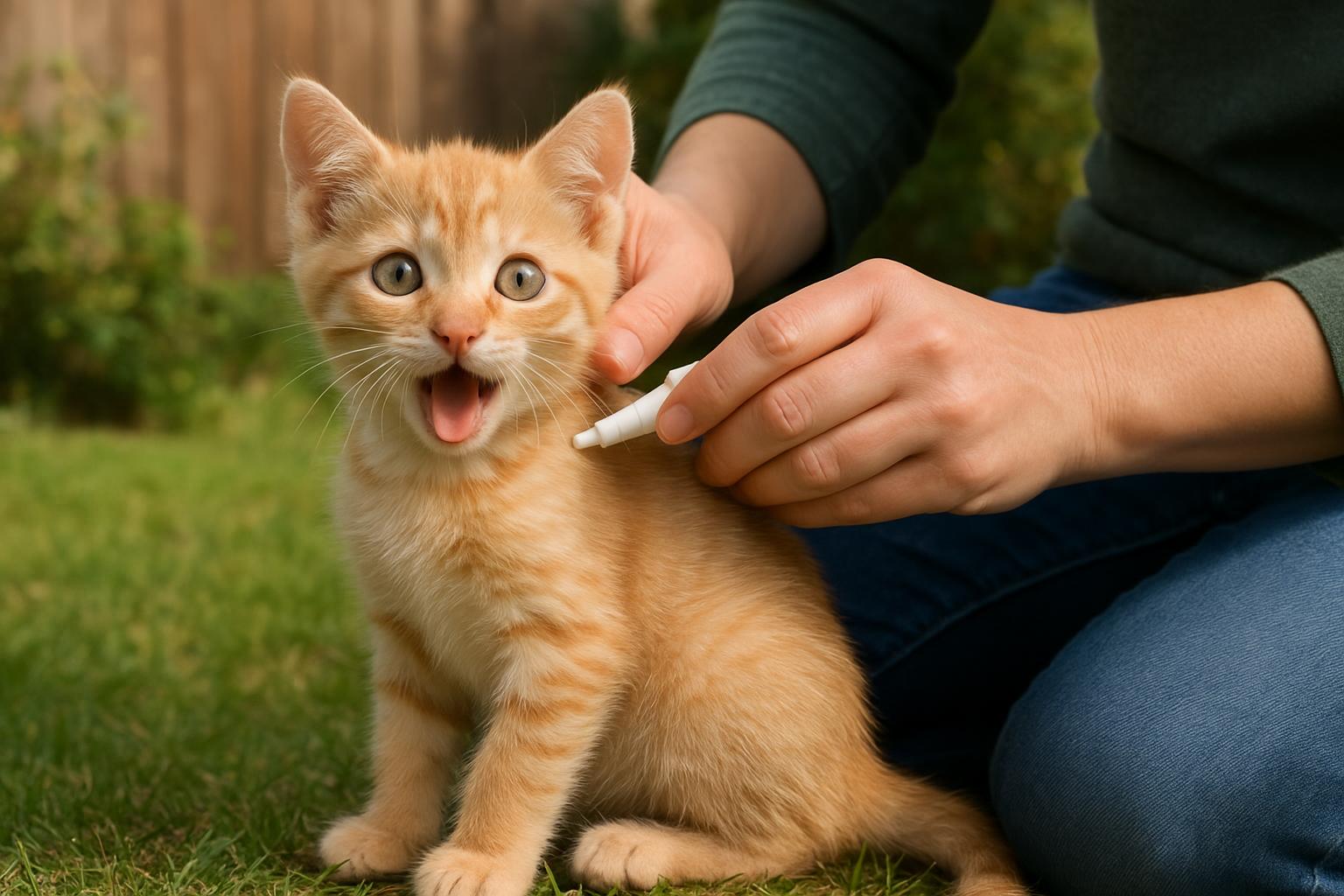
– Vet-recommended topical spot-on flea adulticide appropriate for the kitten’s age and weight
– Flea shampoo formulated for kittens (use only under vet guidance)
– Insect Growth Regulator (IGR) spray for indoor use or flea bombs as recommended by a professional
– High-efficiency vacuum and disposable vacuum bags or a bagless bin emptied outdoors
– Fresh, washable bedding
– Oral veterinary treatments (prescription as needed)
Step-By-Step Creation And Application:
1. Veterinary Assessment: Take kittens to a vet to confirm flea infestation level, check for anemia, and get prescription-strength product recommendations suitable for the kitten’s age and weight.
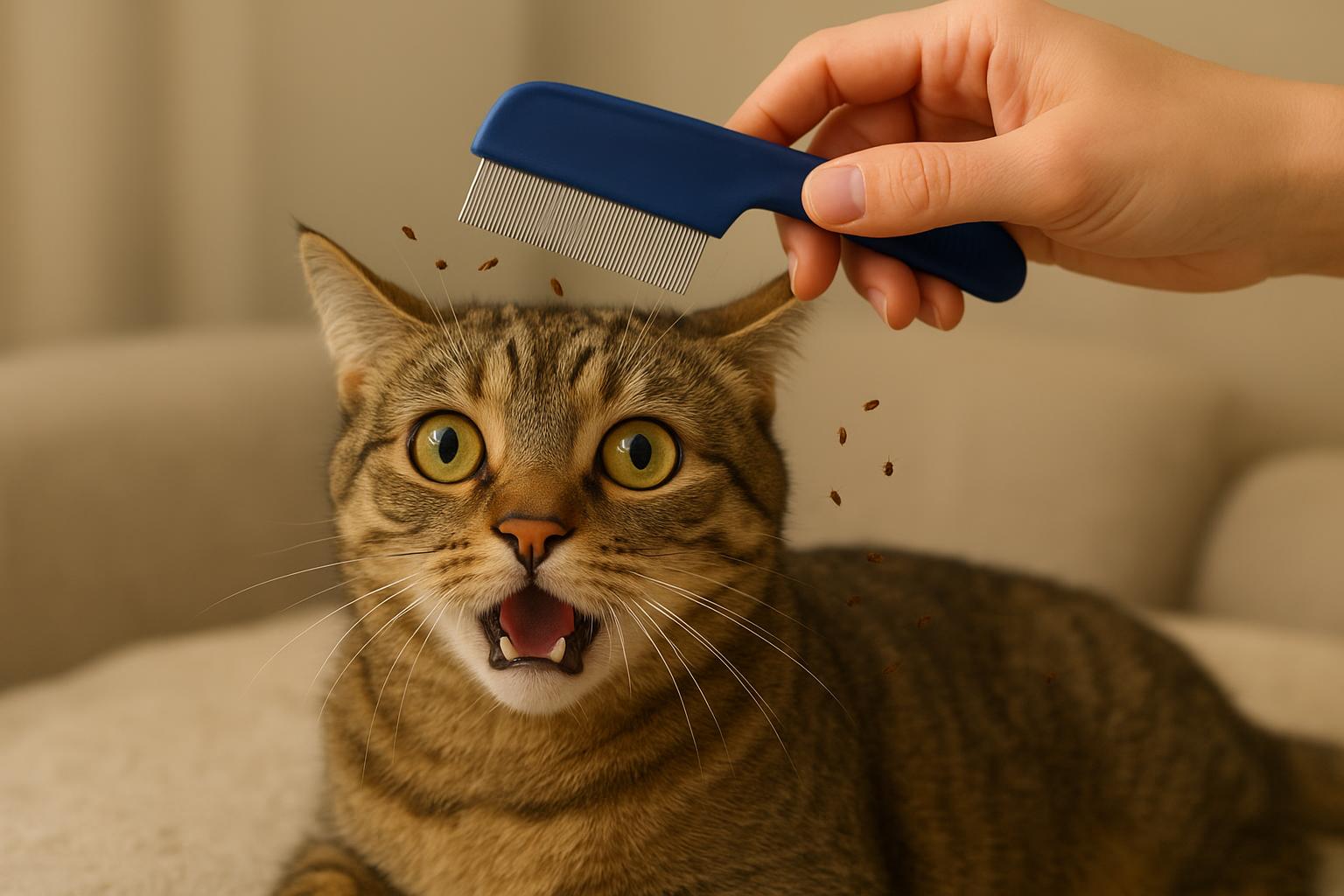
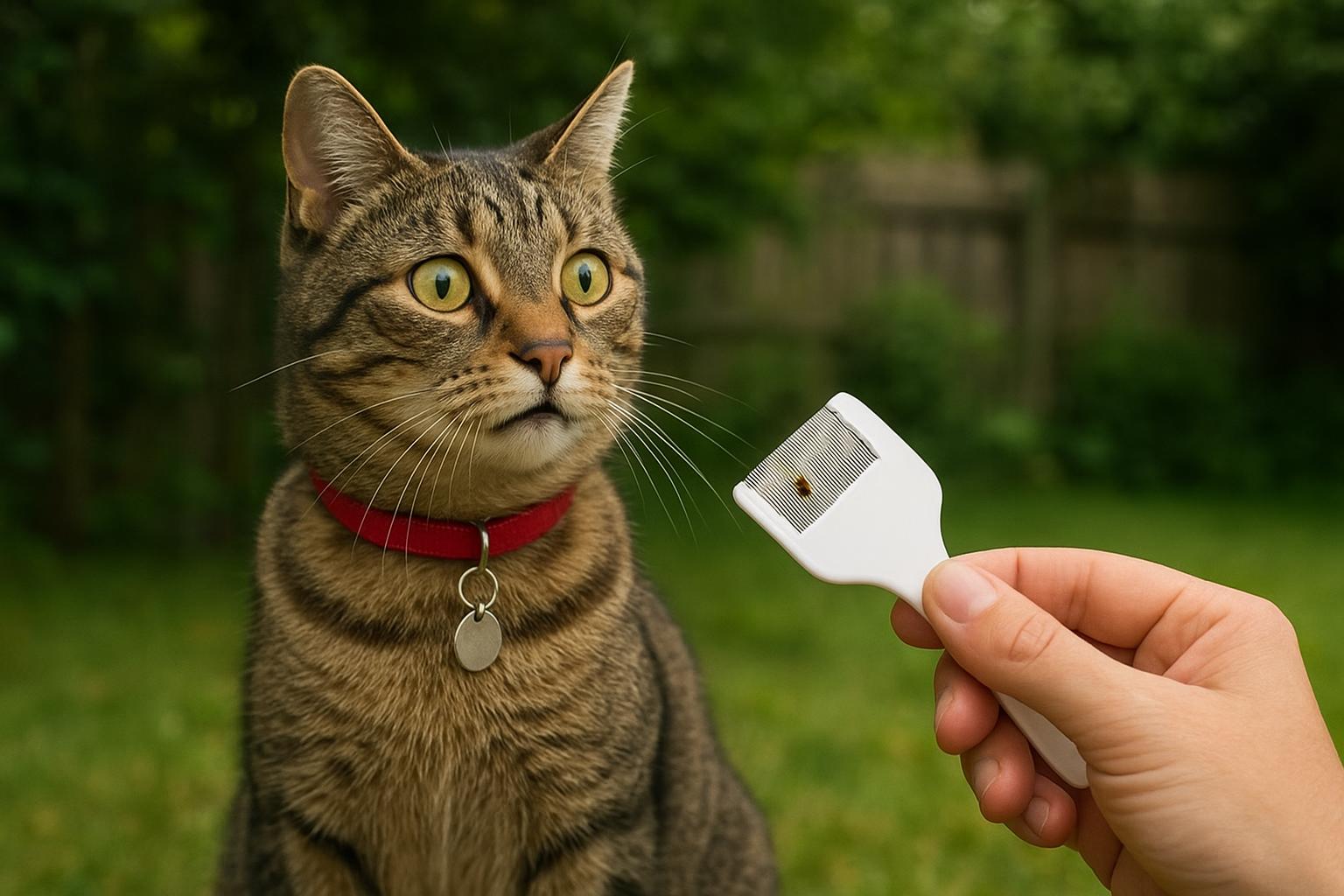
2. Immediate Relief: Use a flea comb daily to remove adult fleas and flea dirt. Comb over a white towel so you can see and dispose of fleas into soapy water.
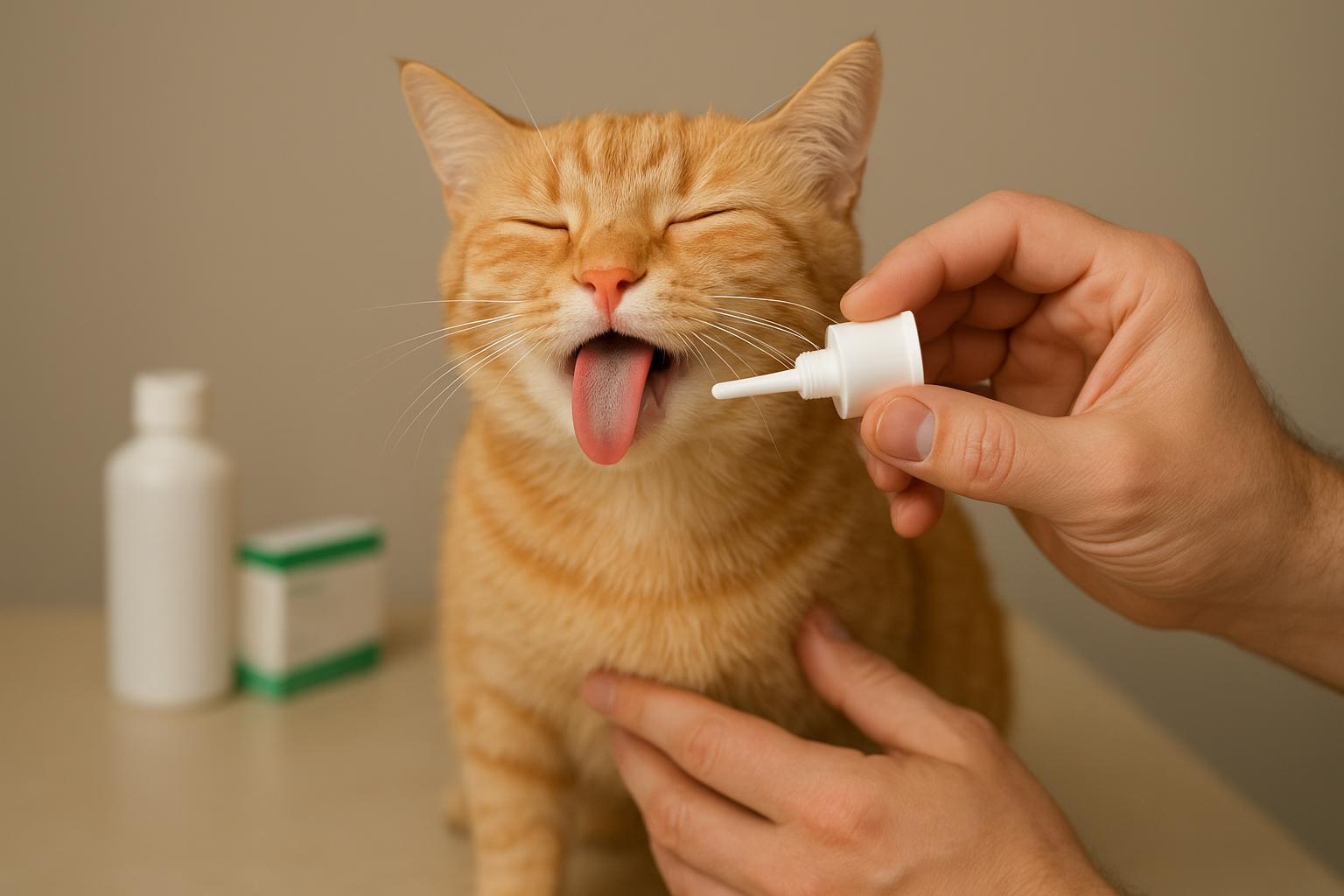
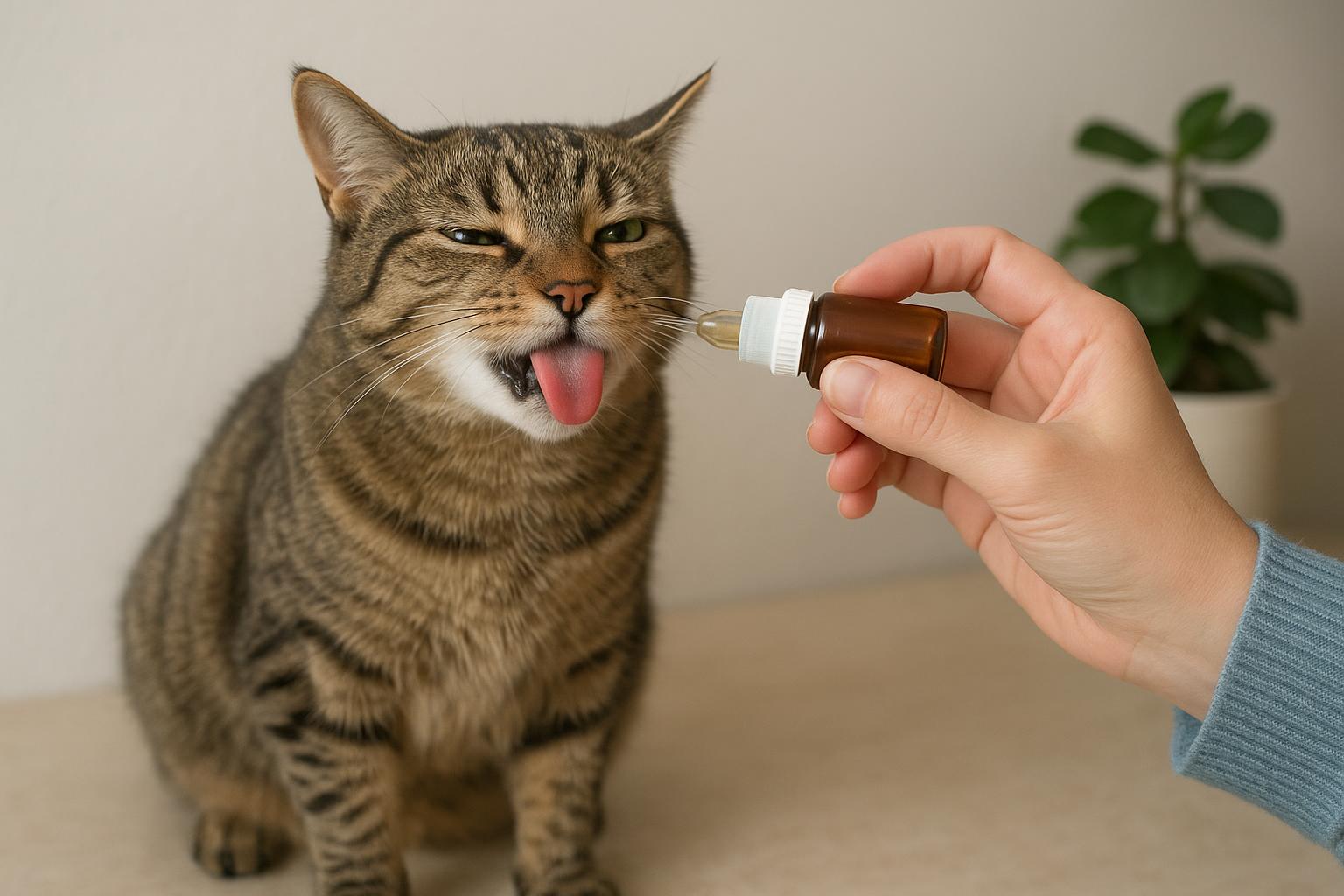
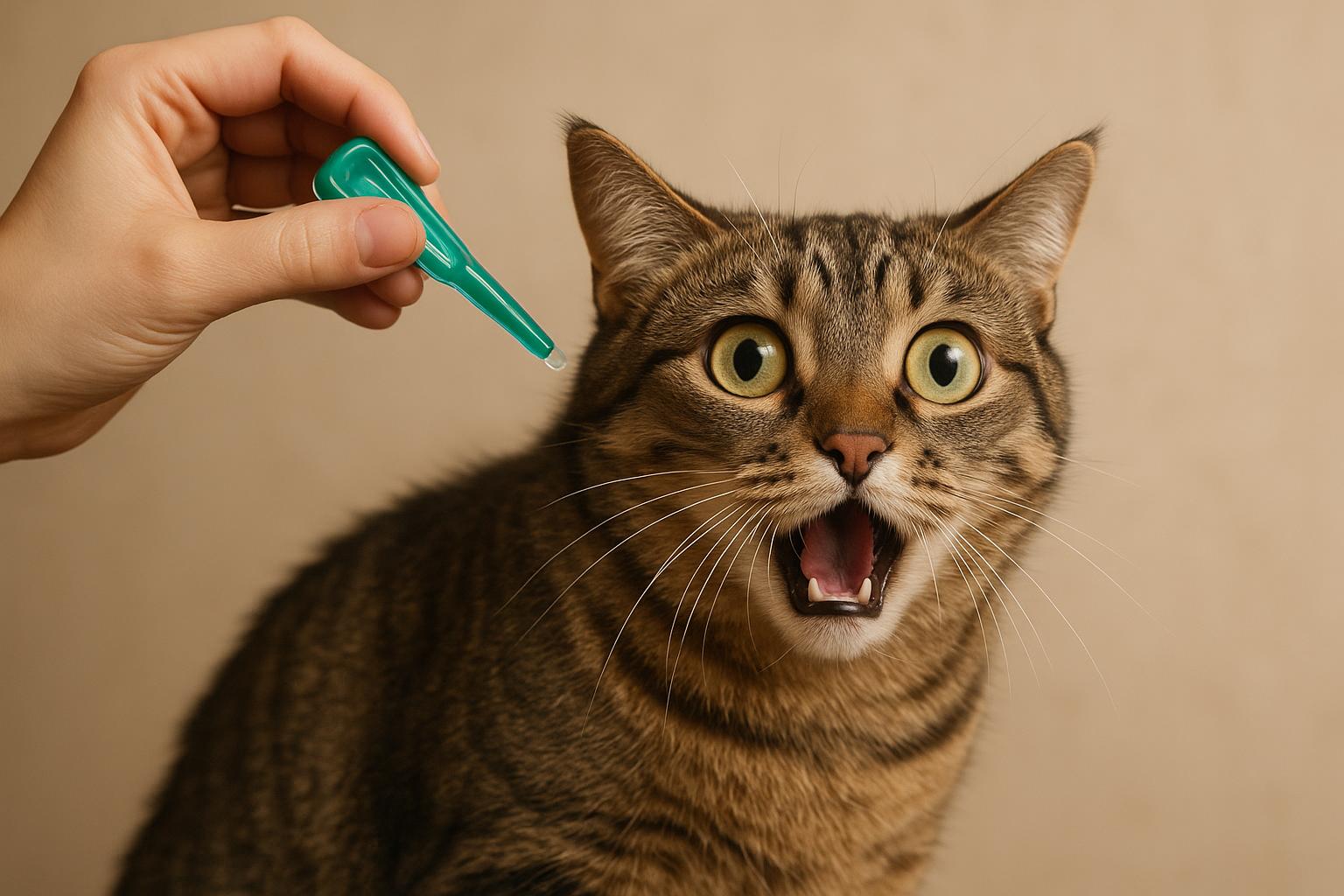
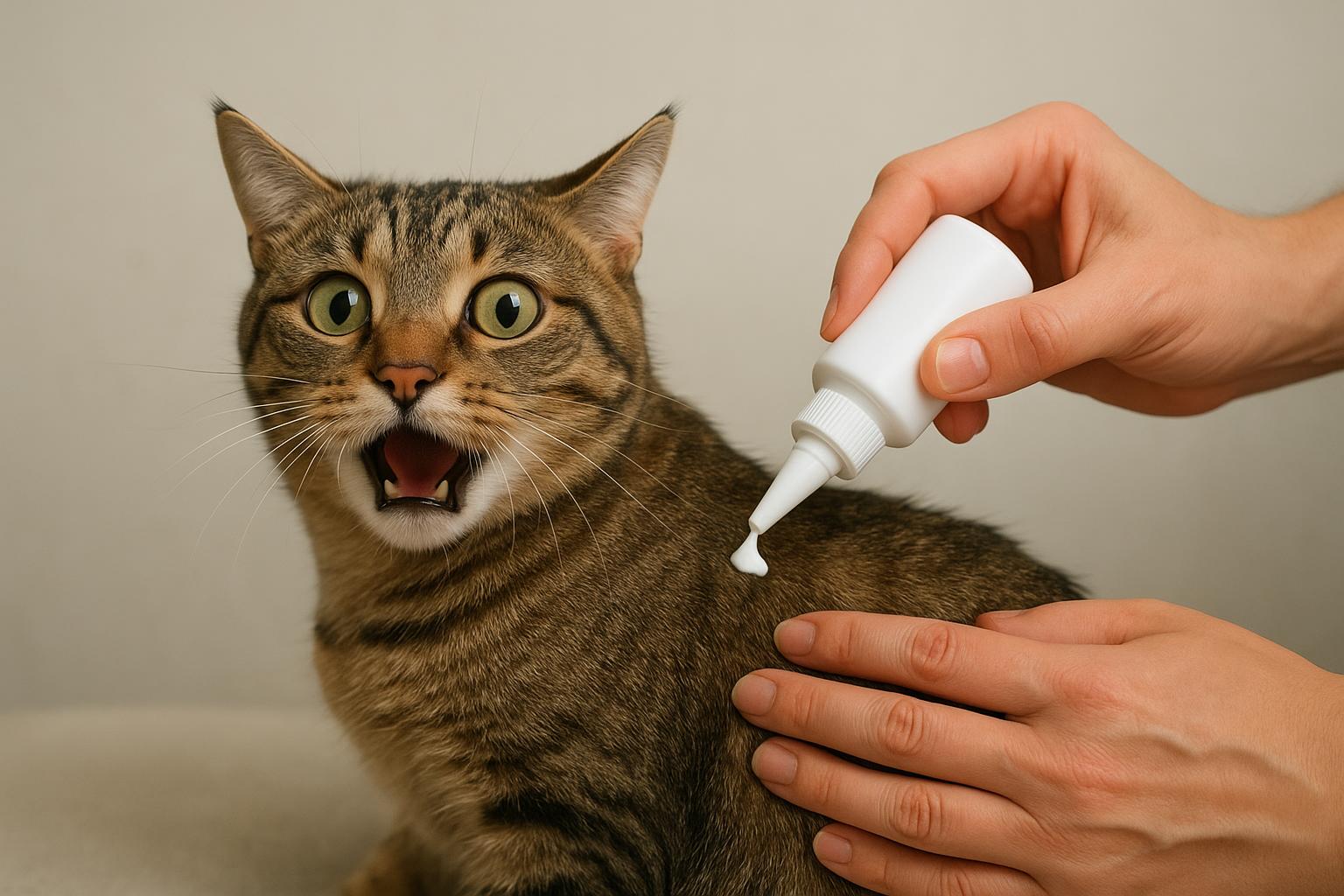
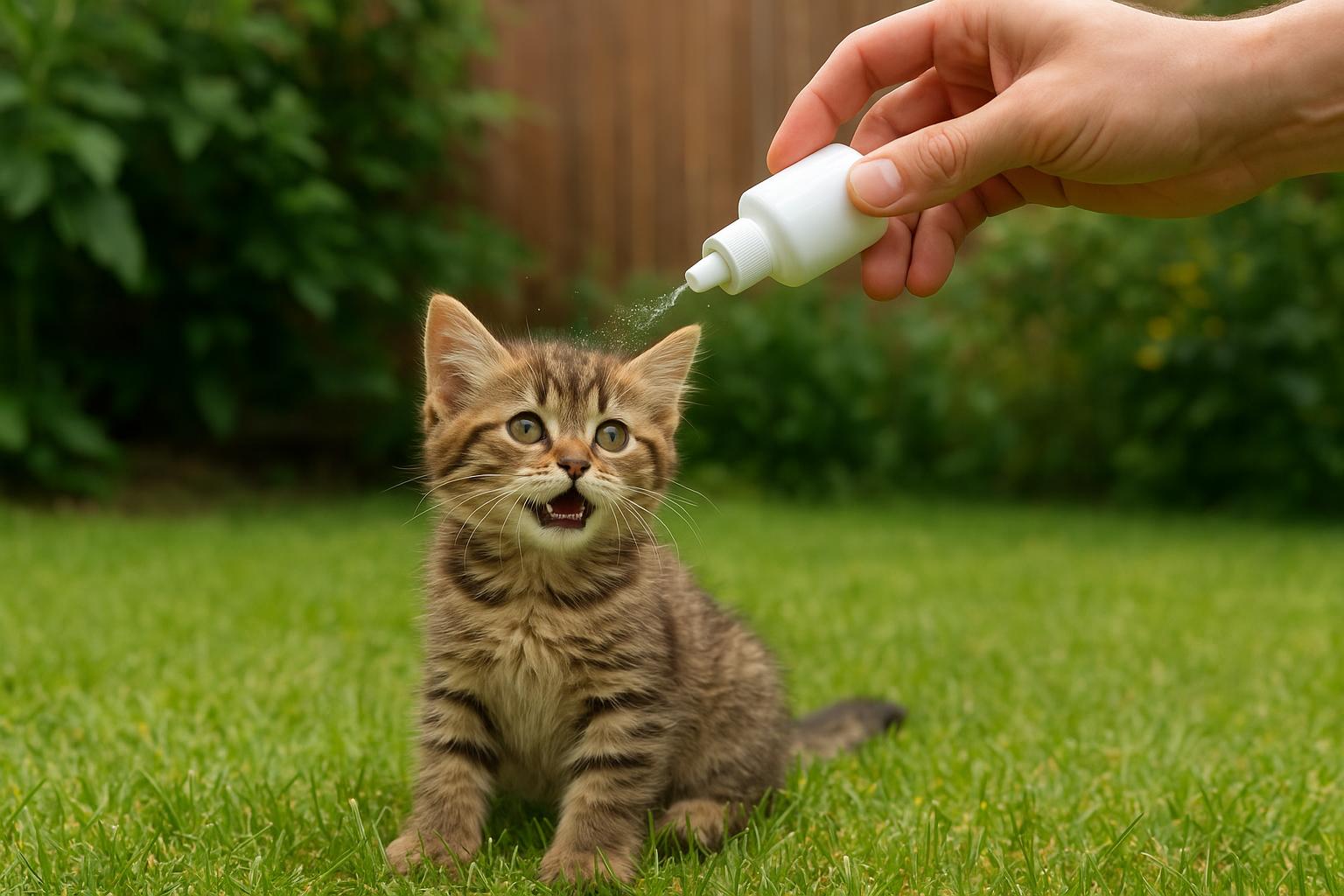
3. Topical/Oral Treatment: Apply the vet-recommended adulticide according to instructions. Dosage and product selection must match kitten size and species. Apply spot-on medications at the base of the neck so kittens cannot lick it off.
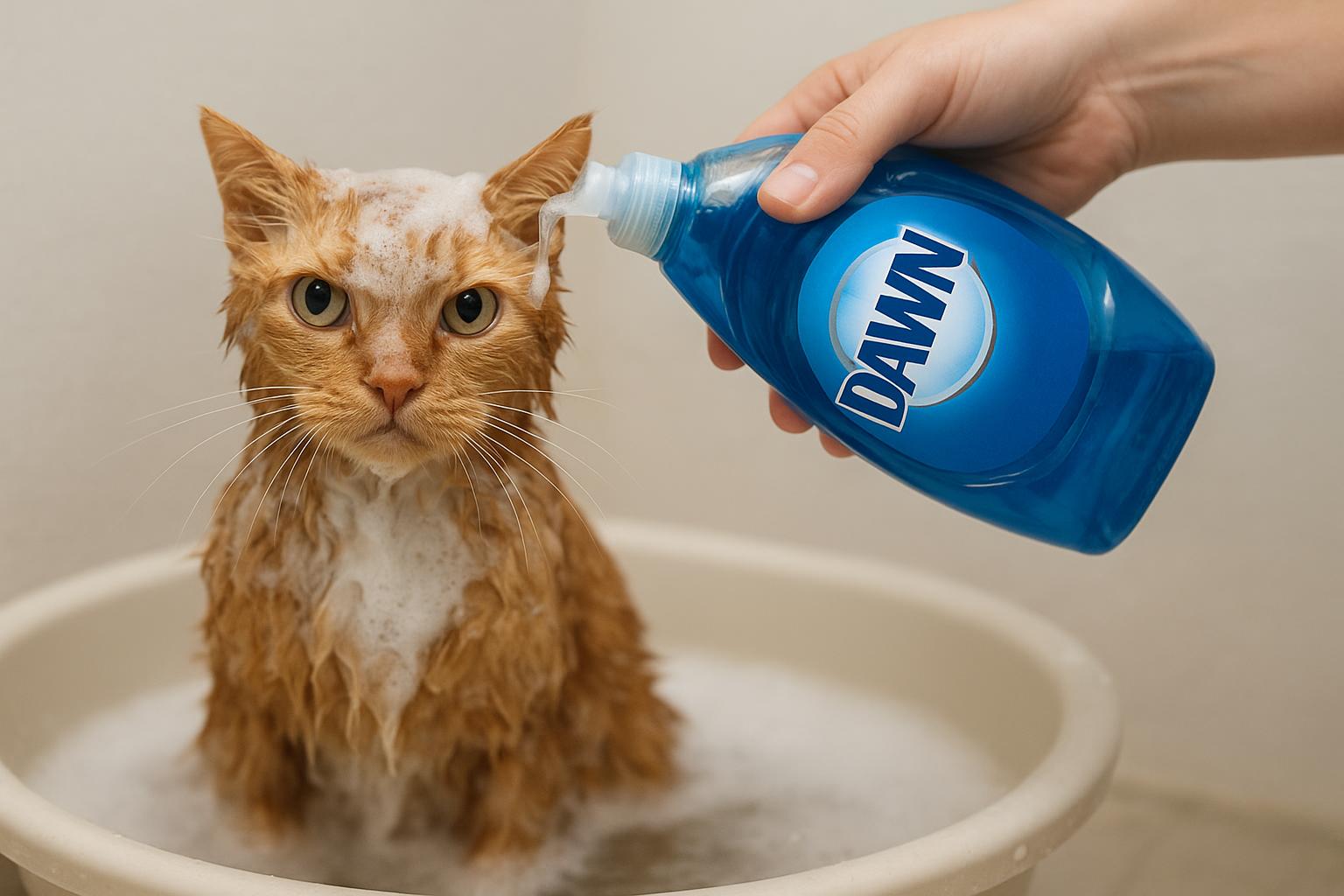
4. Bathing: If the vet approves, give the kitten a bath with a kitten-safe flea shampoo to physically remove fleas. Dry thoroughly and keep the kitten warm.
5. Environment: Vacuum carpets, furniture, and crevices thoroughly; immediately dispose of vacuum contents in a sealed bag. Wash bedding and soft toys on hot water cycles. Apply IGR sprays indoors to prevent eggs and larvae maturing — follow label safety instructions.
6. Yard Treatment: If fleas are heavy in the yard, consider a professional outdoor treatment or targeted application of an IGR/larvicide safe for pets and wildlife. Do not use strong insecticides without professional advice.
7. Follow-Up: Repeat topical treatments at intervals recommended by your vet (often monthly). Continue environmental control for at least three months because the pupal stage can persist and reseed infestations.
8. Monitor: Watch for signs of adverse reactions to treatments (excessive drooling, vomiting, lethargy). Contact your vet immediately if these occur.
This formal, structured plan reflects best practices and should reduce flea loads effectively when followed closely.
## Caring For Kittens While Treating Fleas
Kittens need gentle, consistent care while you work through eradication. Monitor their energy, appetite, and hydration closely.
### Feeding And Hydration
Provide frequent, small meals and always offer fresh water. If a kitten is weak or has pale gums, seek veterinary help promptly — anemia from heavy flea infestation is a medical emergency in young kittens.
### Handling And Comfort
Keep handling calm and brief for very young or stressed kittens. Offer warm bedding and quiet areas for recovery. Use clean, laundered fabrics and rotate bedding after washing. Replace or launder toys and blankets habitually during the treatment period.
#### Signs Of Anemia And When To Act
– Pale or white gums and tongue
– Rapid breathing or heart rate
– Weakness, collapse or poor responsiveness
If you observe these signs, transport the kitten to a veterinarian immediately. Early intervention often makes the difference between a simple treatment and a crisis.
## Working With Wildlife And Neighbors
Flea damage kittens often ties back to the broader neighborhood ecosystem. Talk to neighbors about feral cat programs, secure food sources that attract wildlife, and municipal control measures. Coordinated efforts lead to better, longer-lasting outcomes than solo yard work.
## Record Keeping And Long-Term Strategy
Keep a log of treatments, dates, product names, and observations about the kittens’ condition. That record helps your vet tailor future prevention and shows trends in recurring infestations. Ongoing monthly preventives for all outdoor cats and routine yard maintenance form the backbone of long-term flea control.
If you’re dealing with flea damage kittens in your backyard, a mix of attentive monitoring, habitat management, and either natural environmental aids or formal veterinary treatment will get things under control. With patience and the right approach, those tiny troublemakers will be a memory and your backyard will stay a safe, sunny playground for kittens and humans alike — fleas not invited.



Leave a Reply