
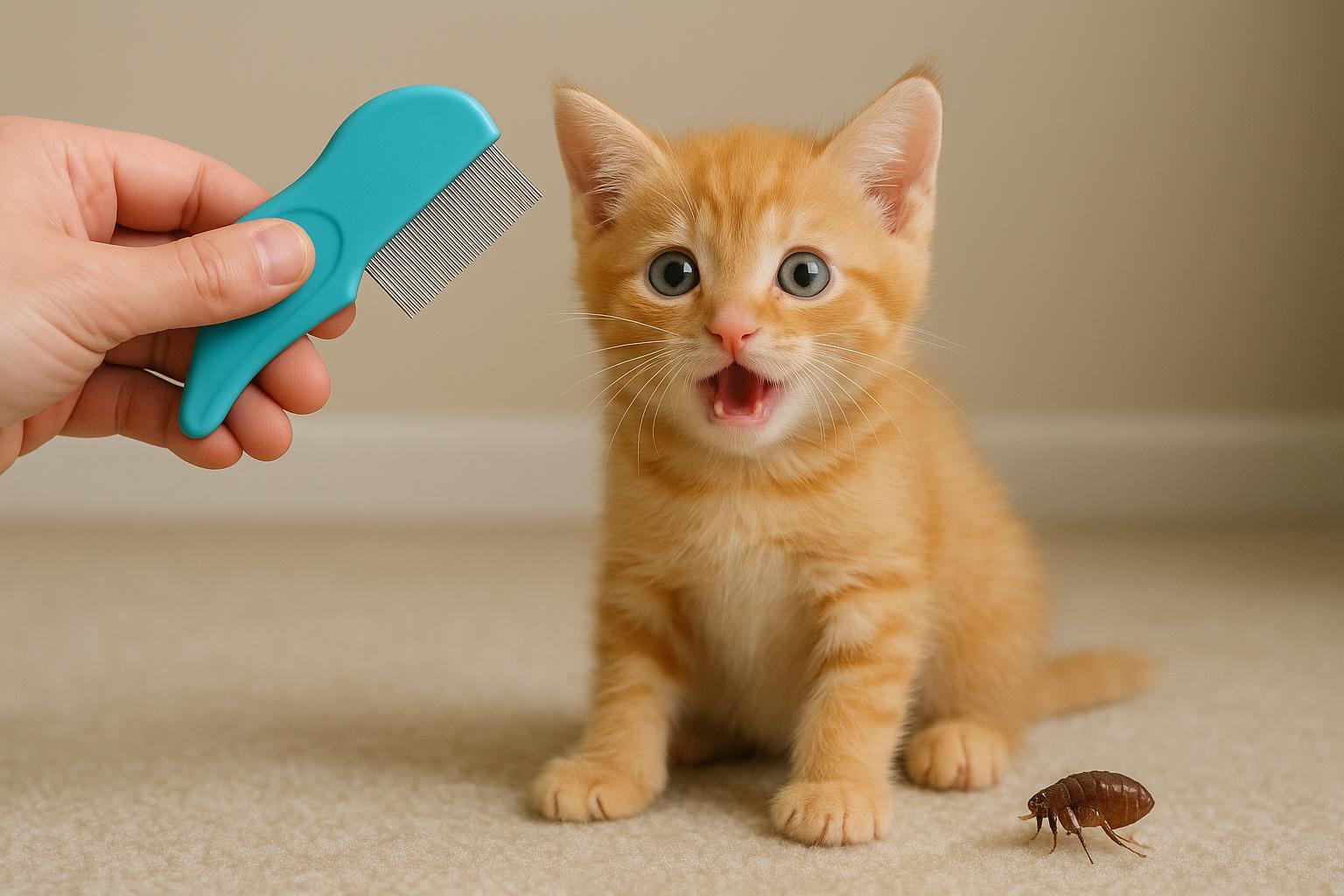
Kittens arrive as tiny fuzzballs and suddenly you’re thrown into a world of feeding schedules, litter training, and — yes — flea math. Knowing the right flea age to start treatment can save your kitten from ticks of misery, give you peace of mind, and keep your home from becoming a flea hotel. This guide walks through key milestones, what to watch for, and practical, vet-smart remedies you can use safely.
## Flea Age Milestones For Kitten Care
Every kitten grows fast, but their tolerance for treatments and medications doesn’t always keep up. The phrase flea age is useful shorthand for the combination of a kitten’s chronological age and its vulnerability to products that kill fleas. In the first few weeks, a kitten’s skin and organ systems are still developing, which is why many products carry age restrictions. Think of it as waiting until the kitten’s “chemical armor” is ready.
– 0–4 Weeks: Very fragile. Most topical or oral flea products are not safe. Focus on manual removal and keeping the environment clean.
– 4–6 Weeks: Some shelters and vets may begin limited interventions; always consult your vet before using any product.
– 6–8 Weeks: This is the common threshold where certain veterinarian-approved products become acceptable. The exact flea age cutoff depends on the product’s labeling.
– 8+ Weeks: A broader range of safe options becomes available, though label instructions and weight minimums still matter.
– 12+ Weeks and Older: Most standard flea preventatives are appropriate once the kitten meets the product-specific age and weight requirements.
## Signs And Risks Across Flea Age Stages
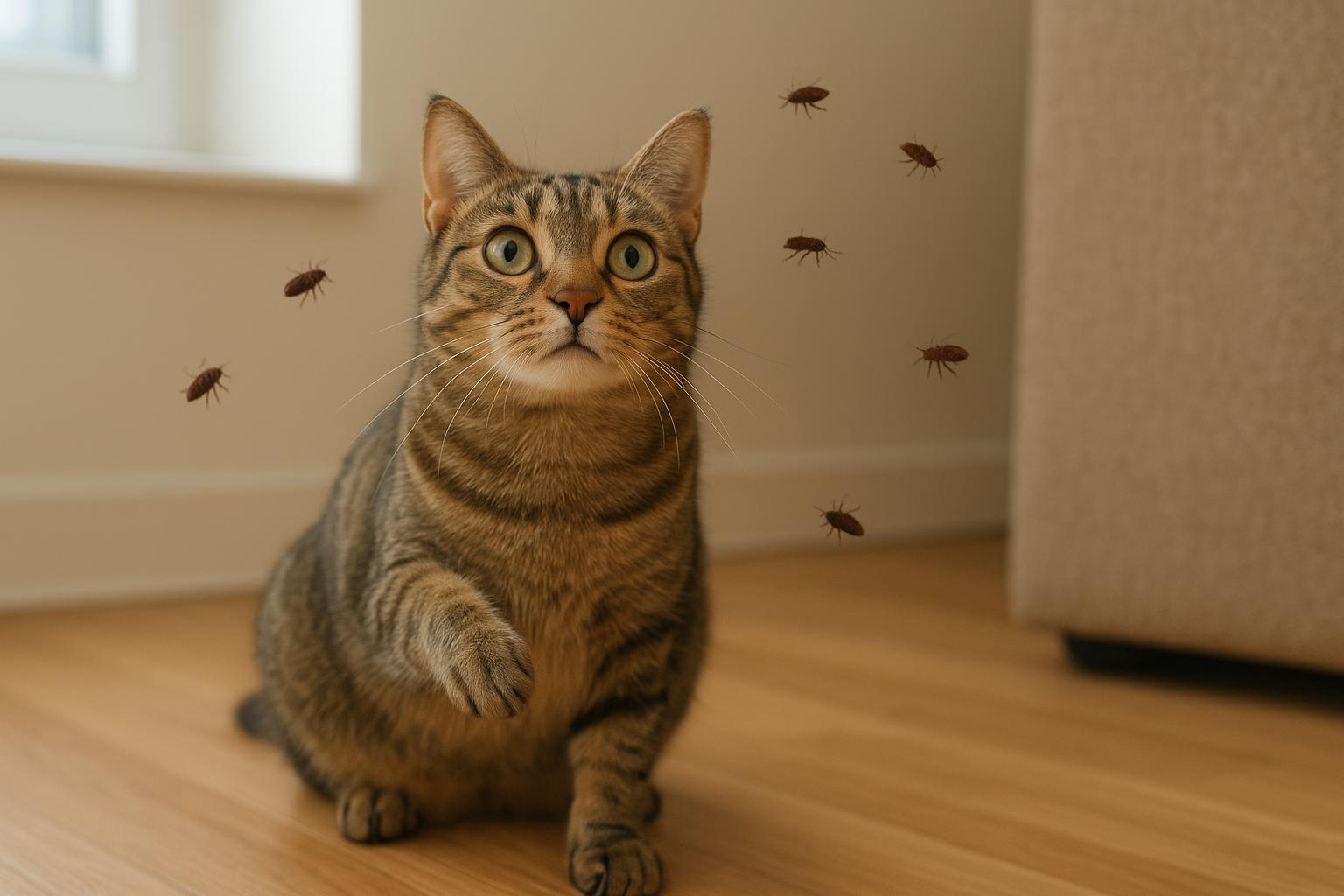
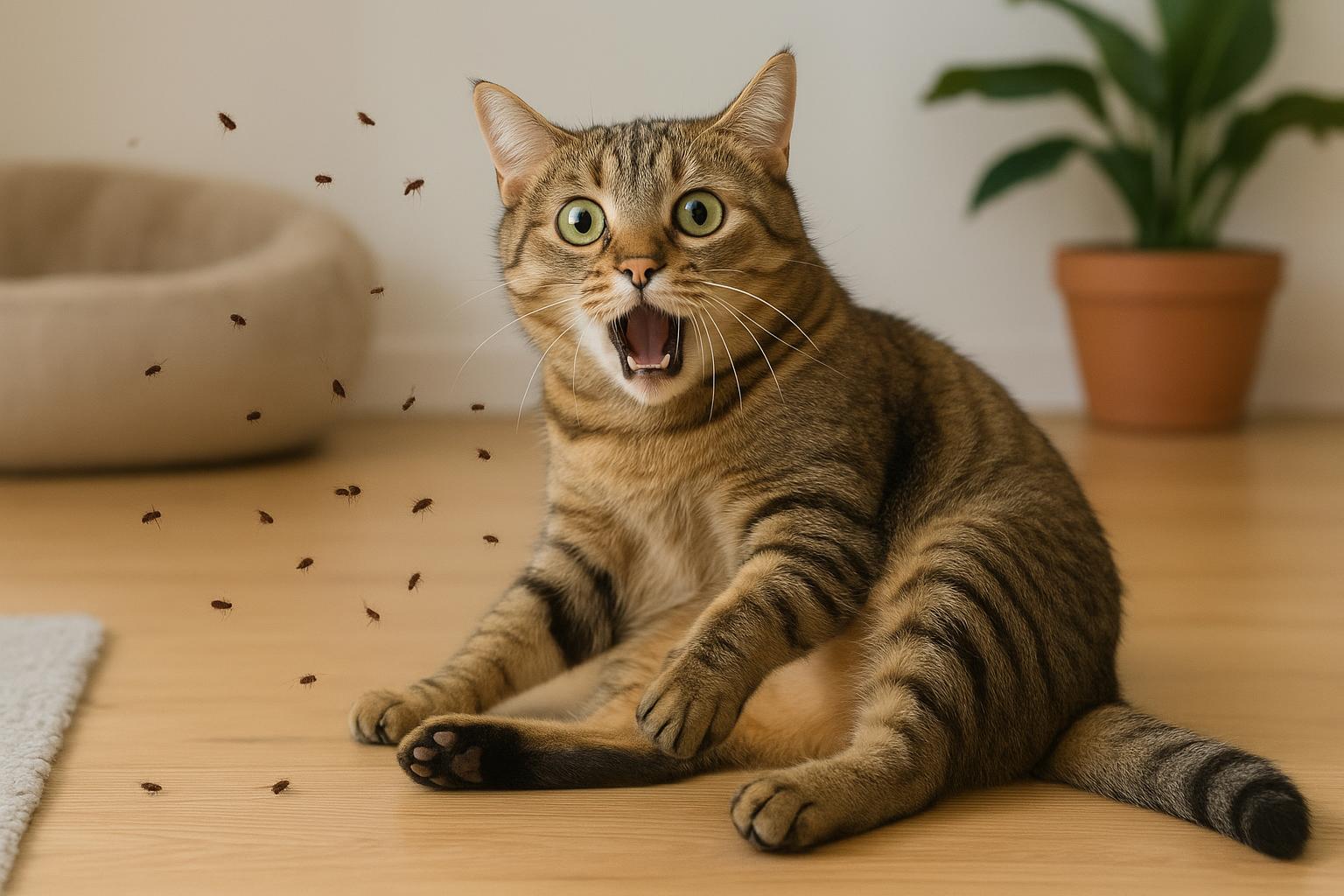
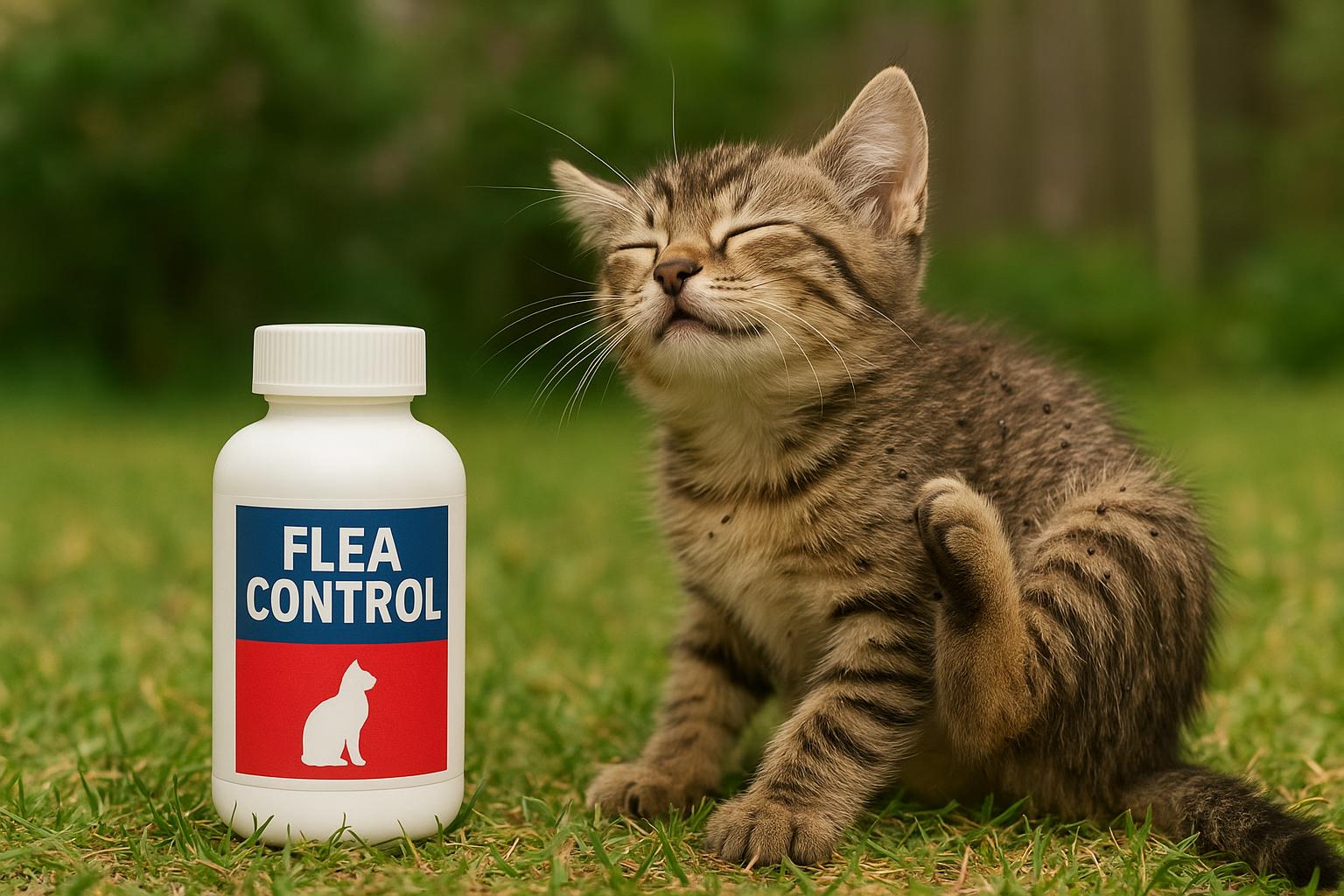
Kittens can react to fleas differently than adult cats. Even a few fleas can cause severe anemia in very young kittens. The earlier the flea age at which an infestation occurs, the higher the risk of complications. Look for:
– Itching and scratching beyond normal grooming.
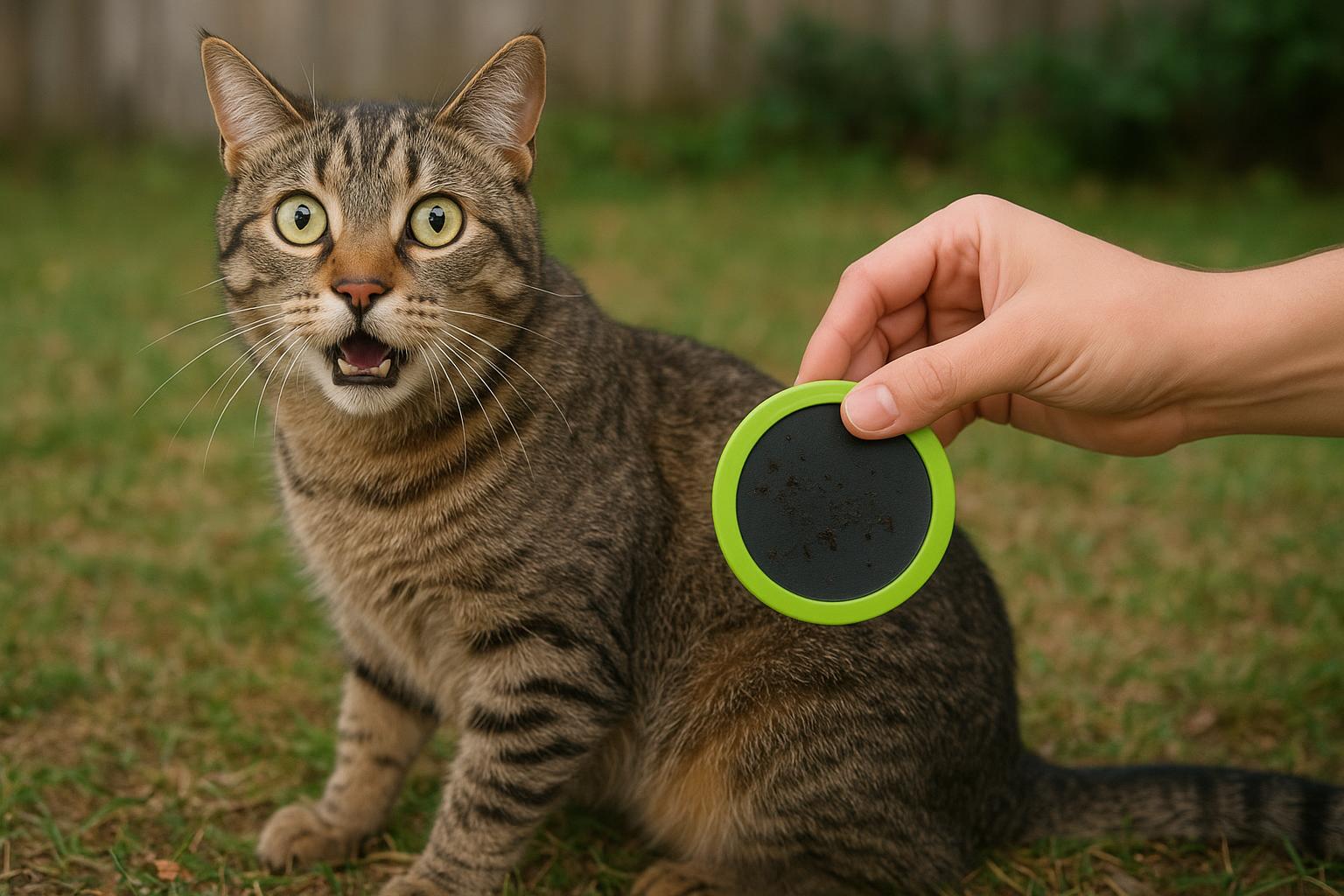
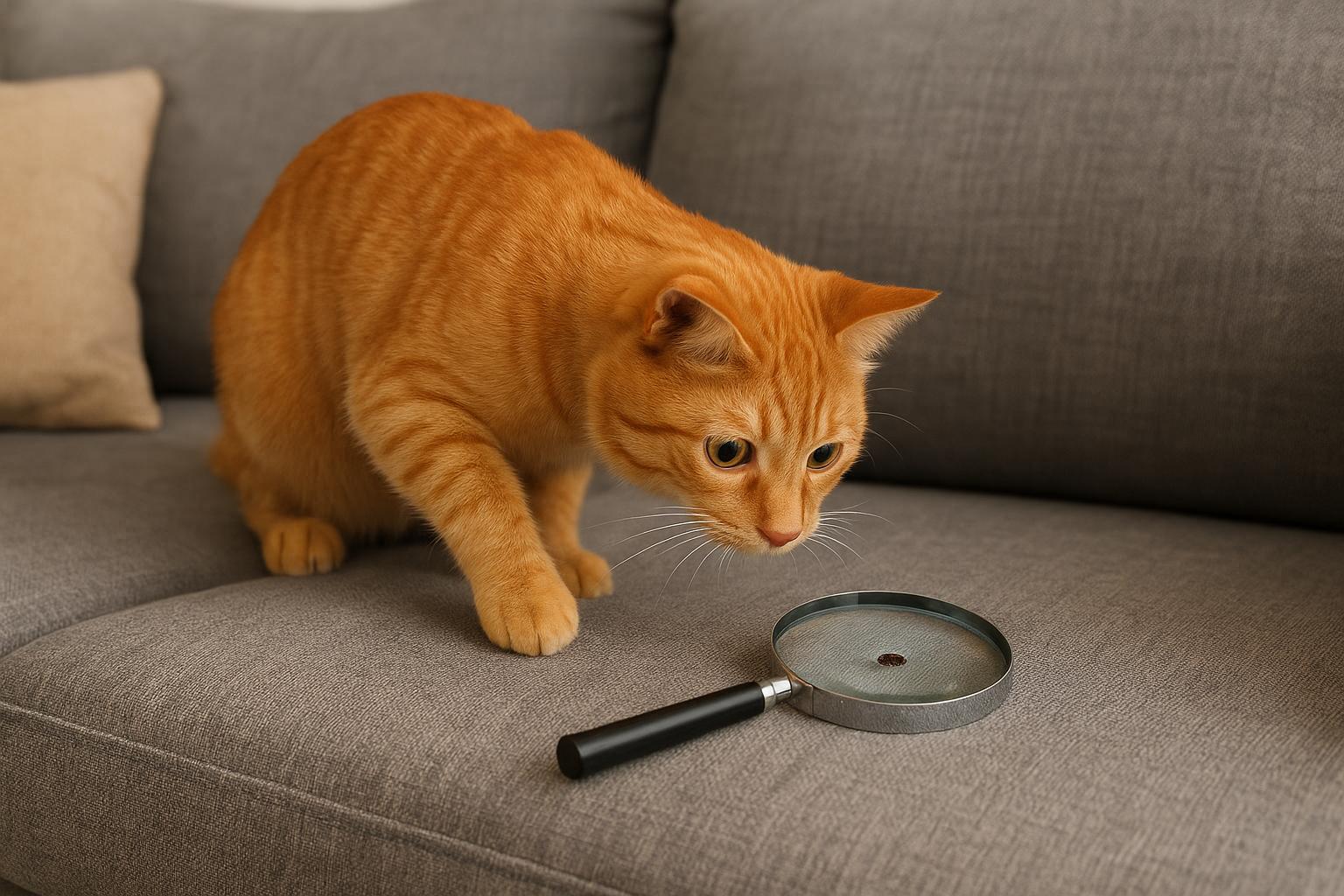
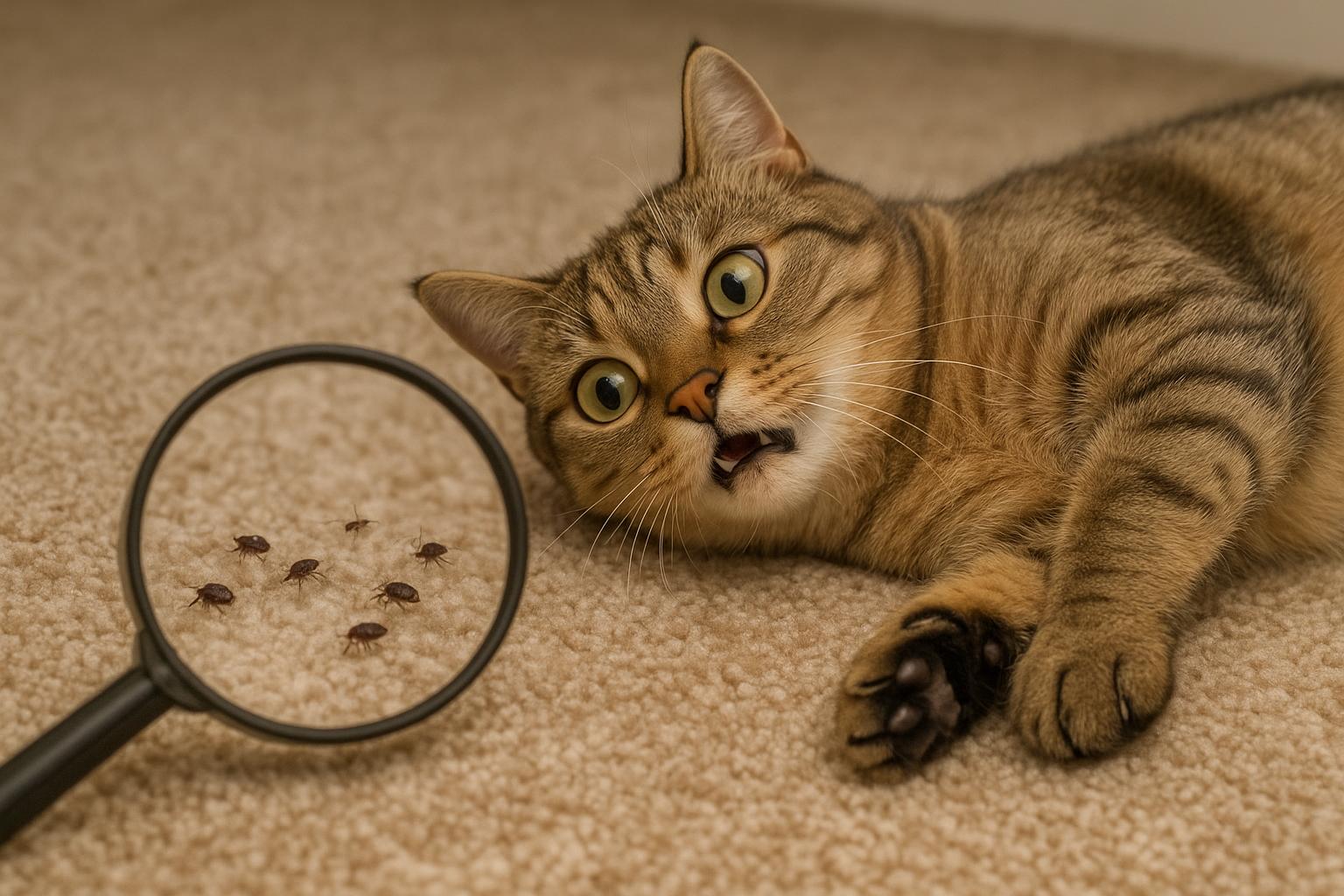
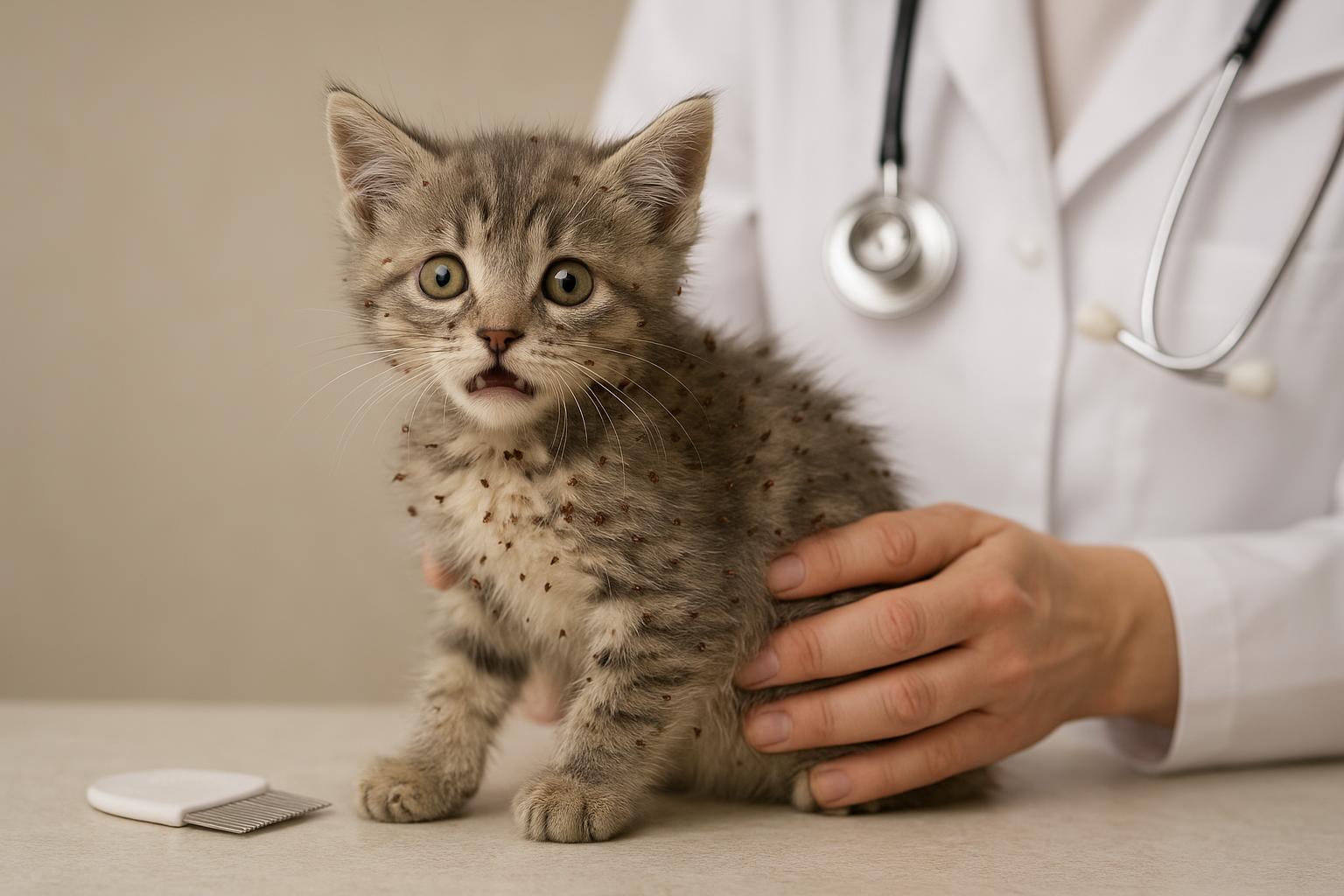
– Visible fleas or flea dirt (tiny black specks that turn reddish in water).
– Pale gums, lethargy, or poor weight gain — signs of anemia in serious infestations.
– Skin inflammation, secondary infections, or hair loss from persistent scratching.
If you suspect anemia or your kitten seems unwell, prioritize a vet visit. Early intervention can be lifesaving.
### How Vets Assess Safe Flea Age Treatments
Vets consider age, weight, overall health, and the severity of infestation. Many products are tested and labeled for use at specific ages (for example, some spot-ons at 6–8 weeks). Your veterinarian will pick products that match the kitten’s flea age, body weight, and any coexisting conditions like respiratory infections or dehydration.
#### Quick Safety Notes For New Owners
– Never use dog flea products on cats; they often contain ingredients toxic to felines.
– “Natural” does not always mean safe — some essential oils harm cats.
– Always check product labels for minimum age and weight, and call your vet if you’re unsure.
## ### Remedy 1: Vet‑Approved Topical Or Systemic Treatment (Professional Approach)
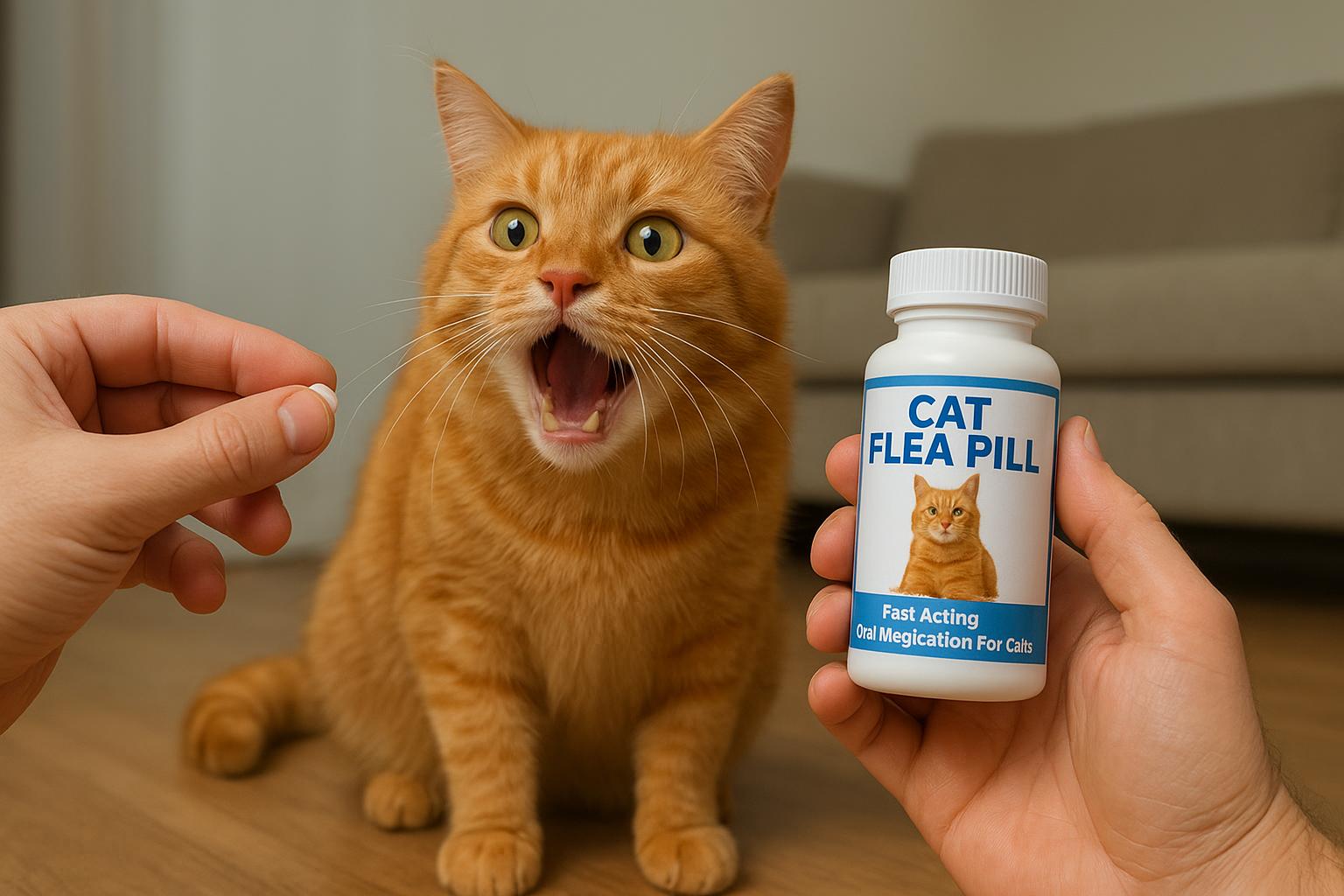
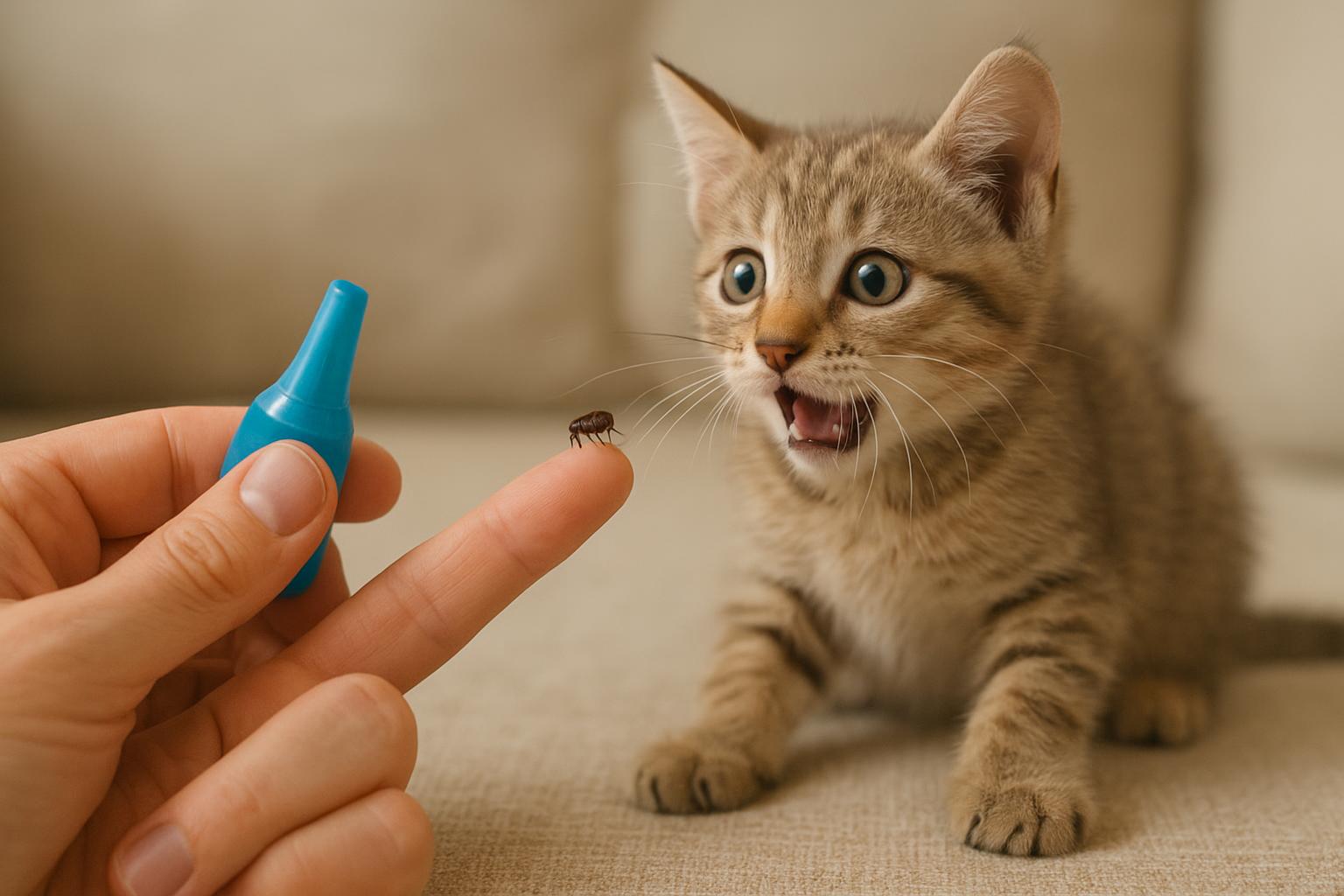
When a kitten reaches the appropriate flea age for a given product, veterinarian-approved treatments are the fastest and most reliable. This approach is formal and evidence-based; follow label directions precisely and use products dispensed or recommended by your vet.
Materials Required
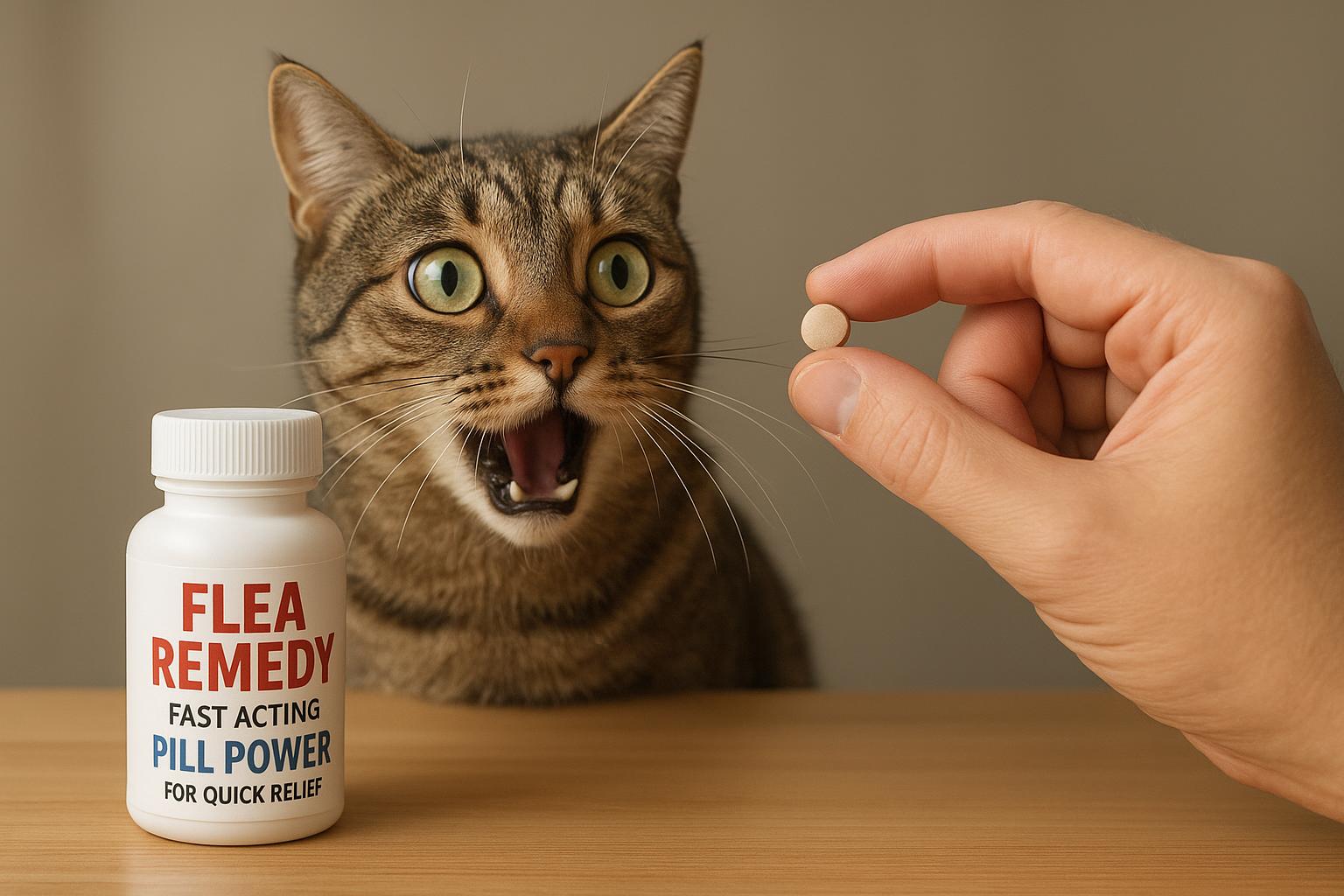
– Vet-prescribed topical or systemic flea medication for kittens (label-appropriate).
– Clean towel.
– Gloves (optional, but recommended when applying topical products).
– A calm helper (optional) to gently hold the kitten if needed.
Step-By-Step Application
1. Confirm the Product Fit: Verify the medication’s minimum age and weight thresholds. Confirm there are no contraindications (pregnancy in nursing queens, other medications).
2. Prepare the Kitten: Ensure the kitten is dry and clean. Keep it calm—wrap lightly in a towel if necessary, exposing only the neck area if using a spot-on.
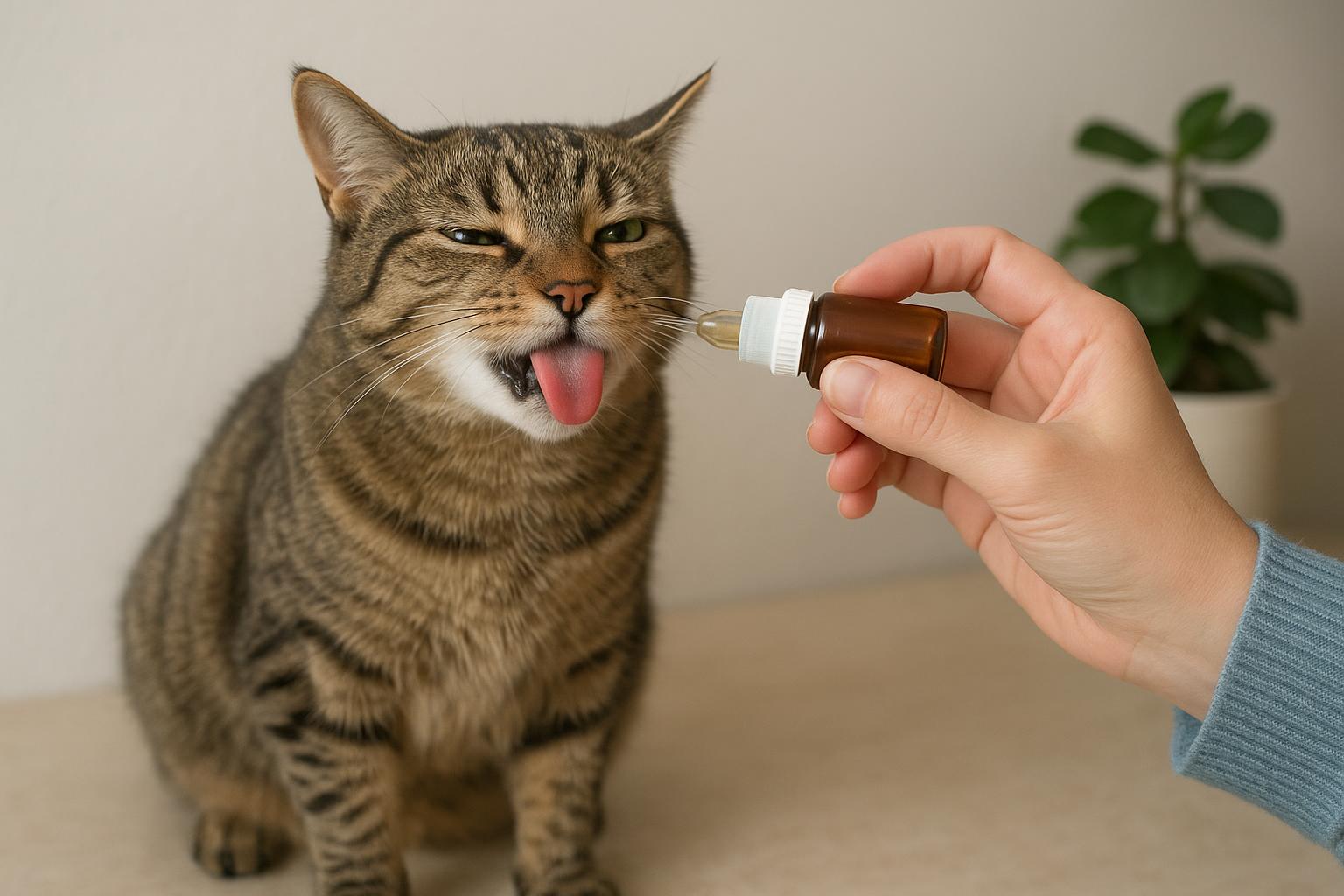
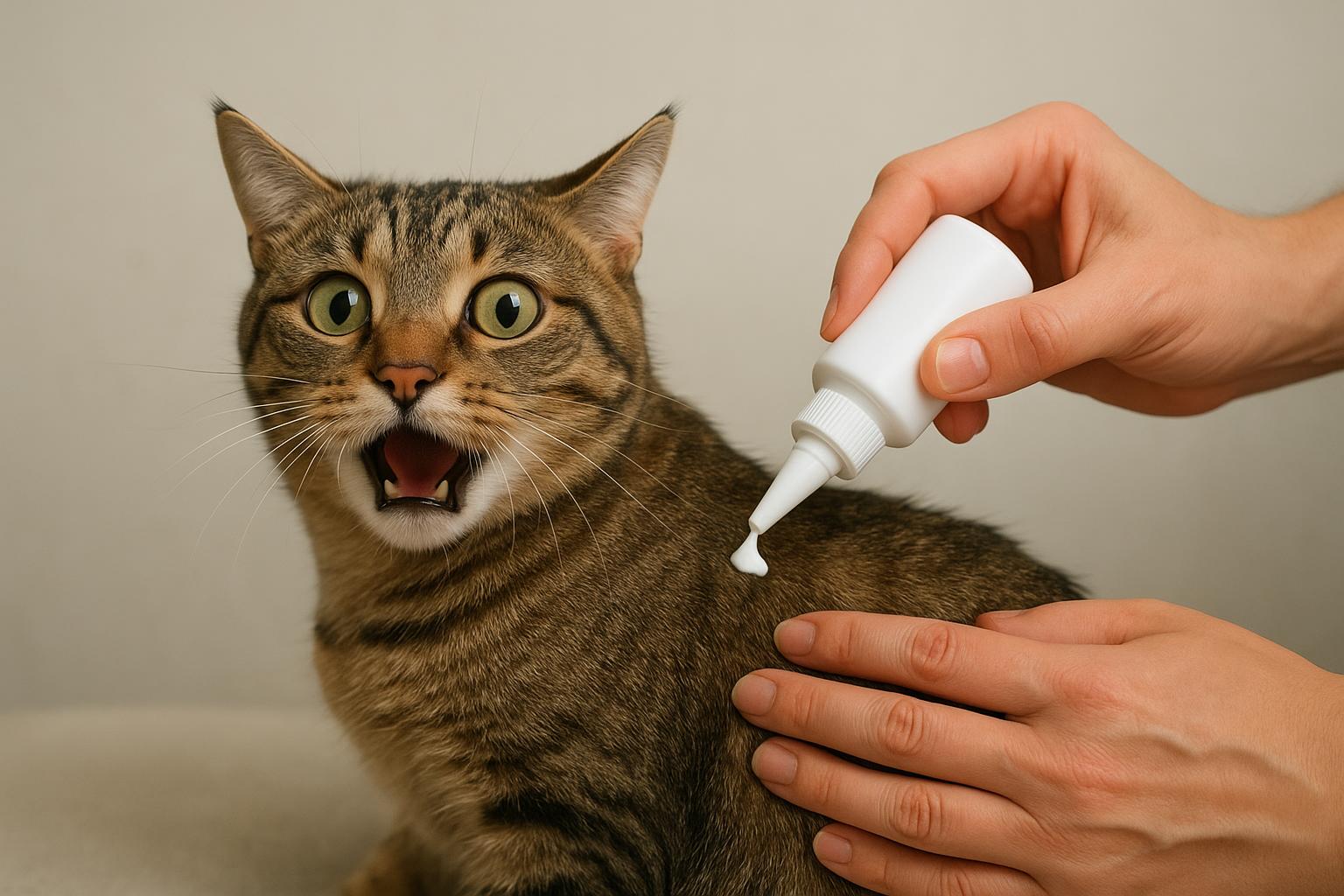
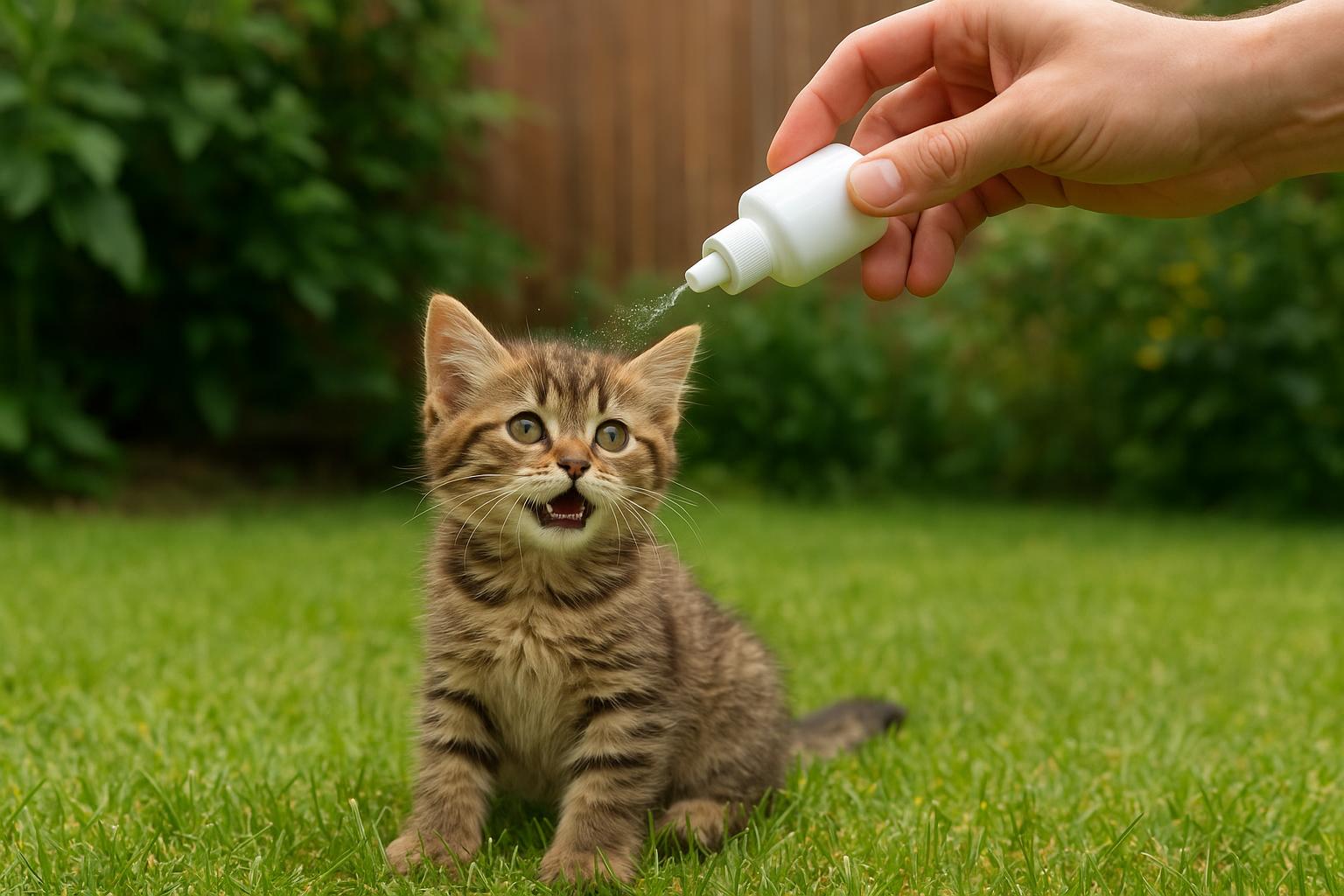
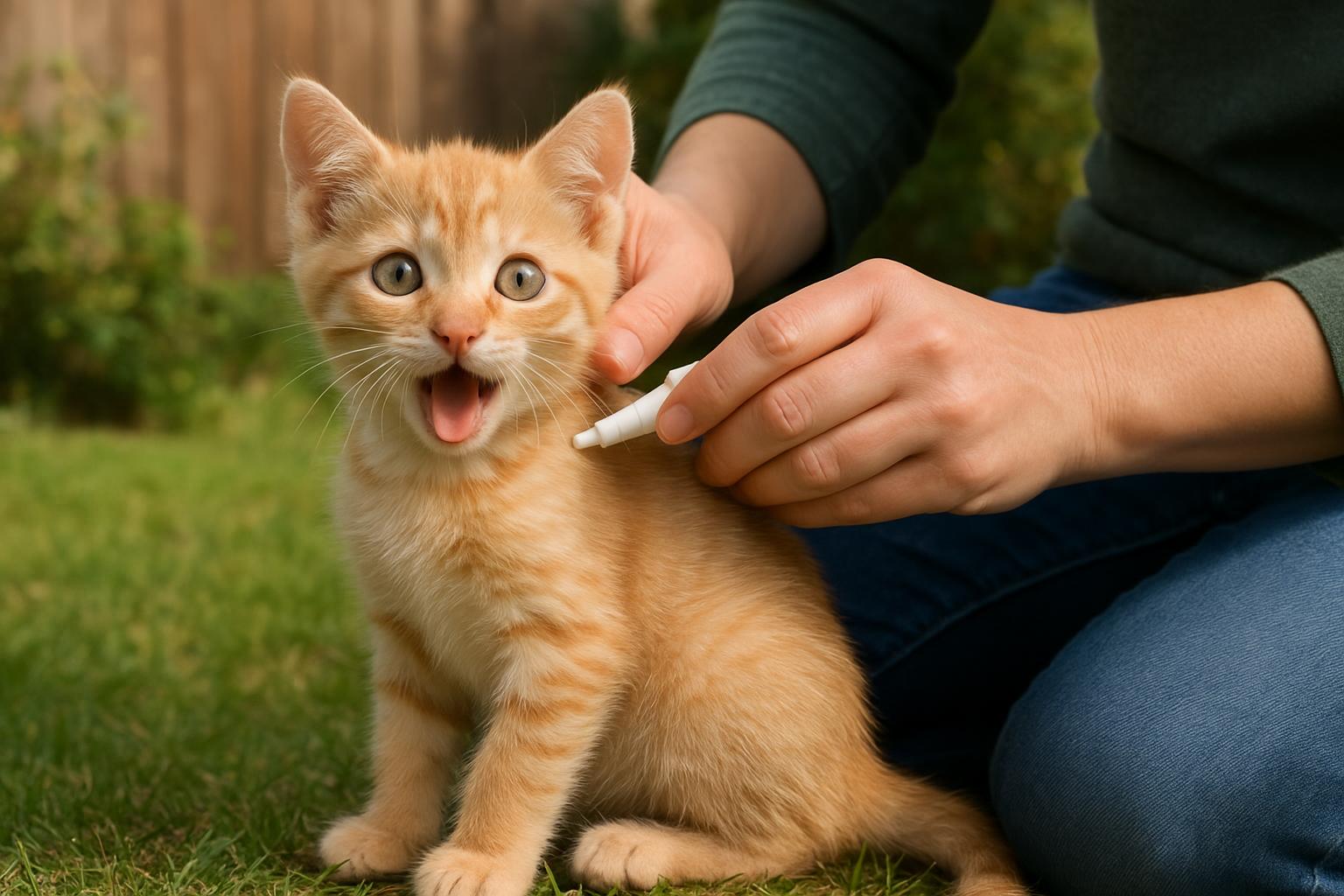
3. Apply Per Label: For spot-on treatments, part the fur at the base of the skull until skin is visible. Apply the full dose directly on the skin. For oral tablets or chewables (rare in young kittens), follow vet dosing instructions.
4. Post-Application Care: Prevent grooming of the application site for the time specified on the product label. Monitor the kitten for adverse reactions for 24–48 hours.
5. Follow-Up: Schedule follow-up treatments according to the product interval and re-assess the household for fleas.
### Remedy 2: Mechanical Removal And Bathing (Home‑Friendly, For Younger Flea Age)
When a kitten is too young for chemical products, mechanical removal combined with environmental control is your safest bet. This method is straightforward and effective for light infestations.
Materials Required
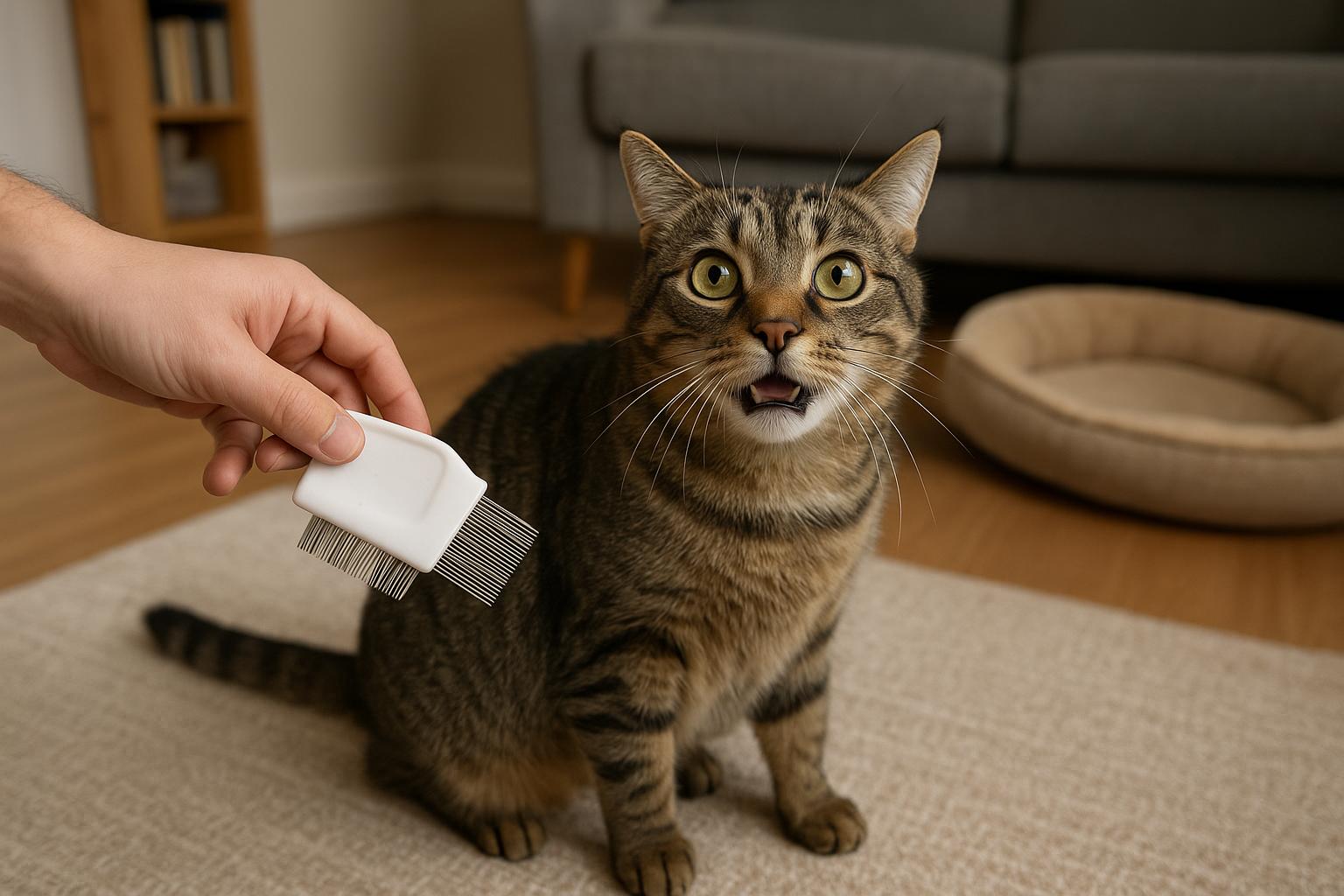
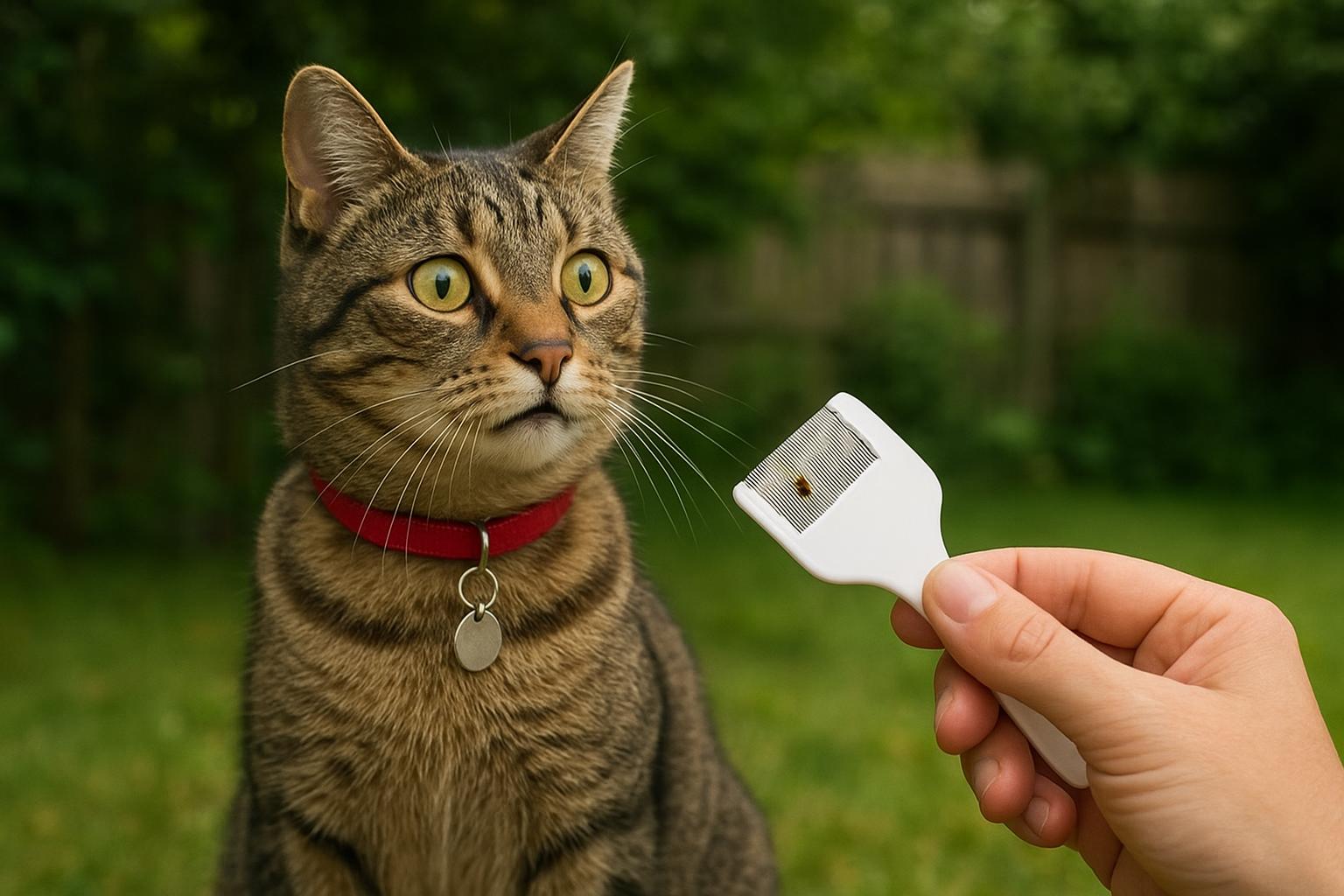
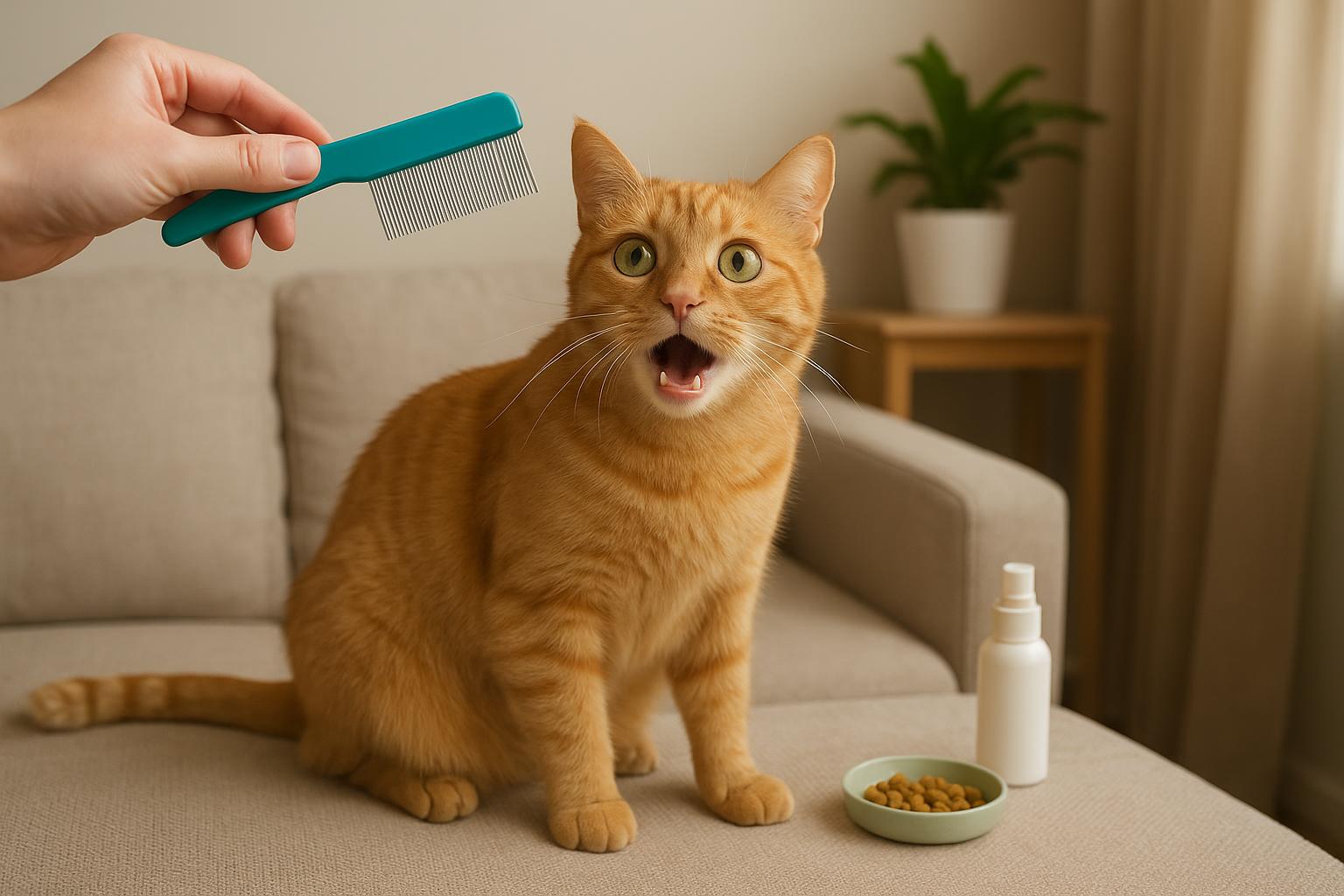
– Fine-toothed flea comb.
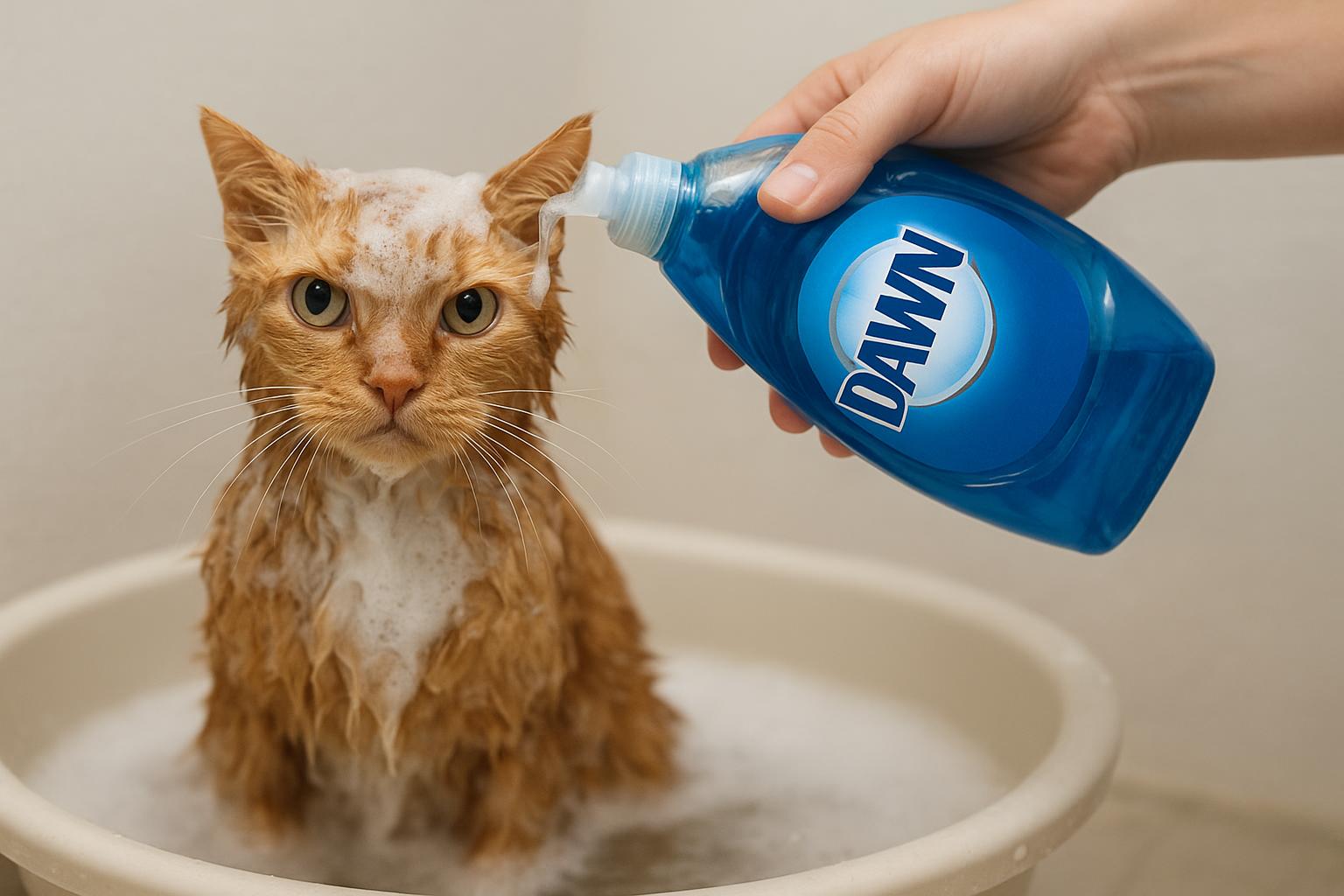
– Bowl of lukewarm water mixed with a drop of mild dish soap (or kitten-safe shampoo).
– Soft towel.
– Gloves (optional).
– A warm, draft-free space to dry the kitten.
Step-By-Step Creation And Application
1. Set Up: Prepare a shallow bowl with lukewarm soapy water and have a towel ready.
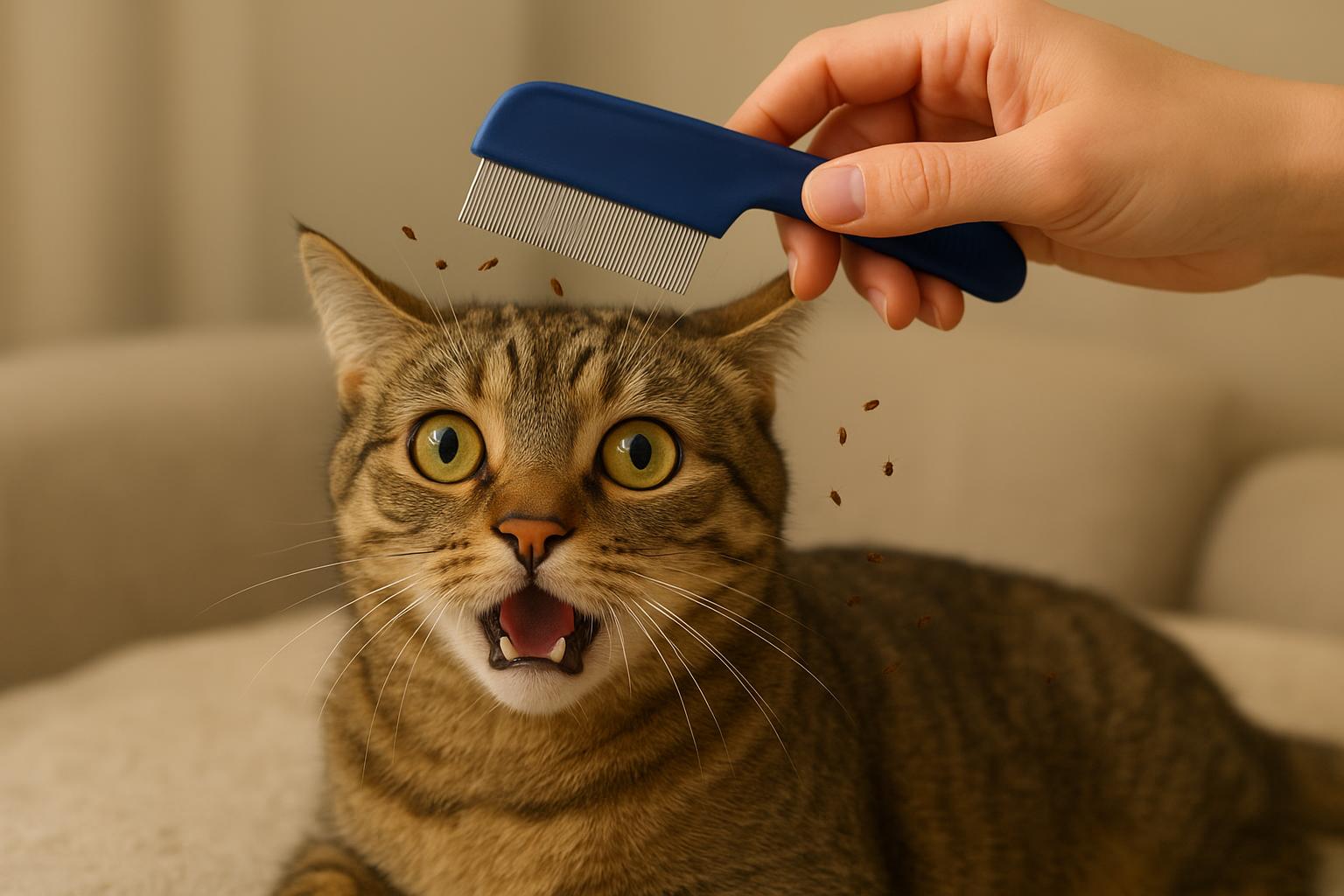
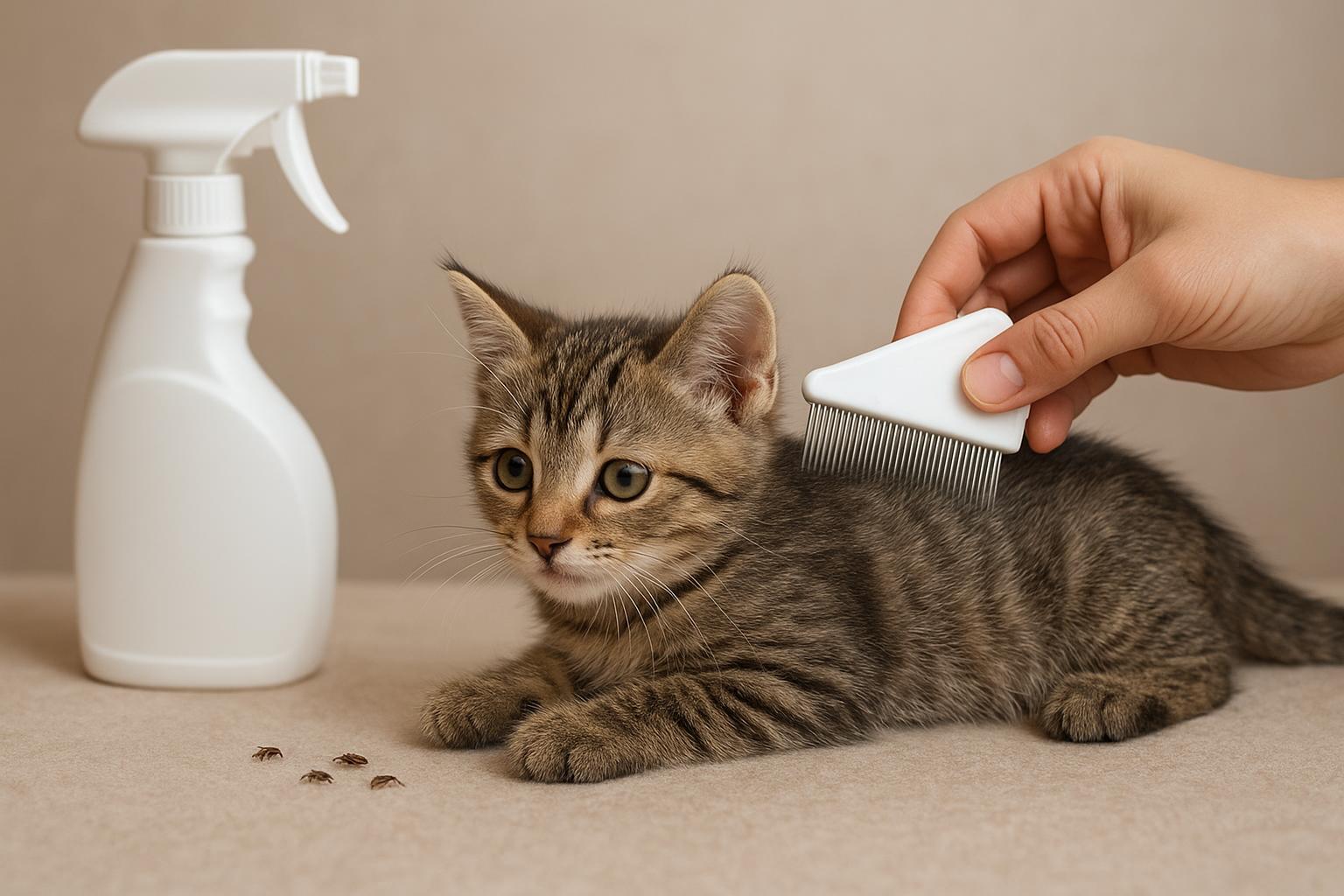
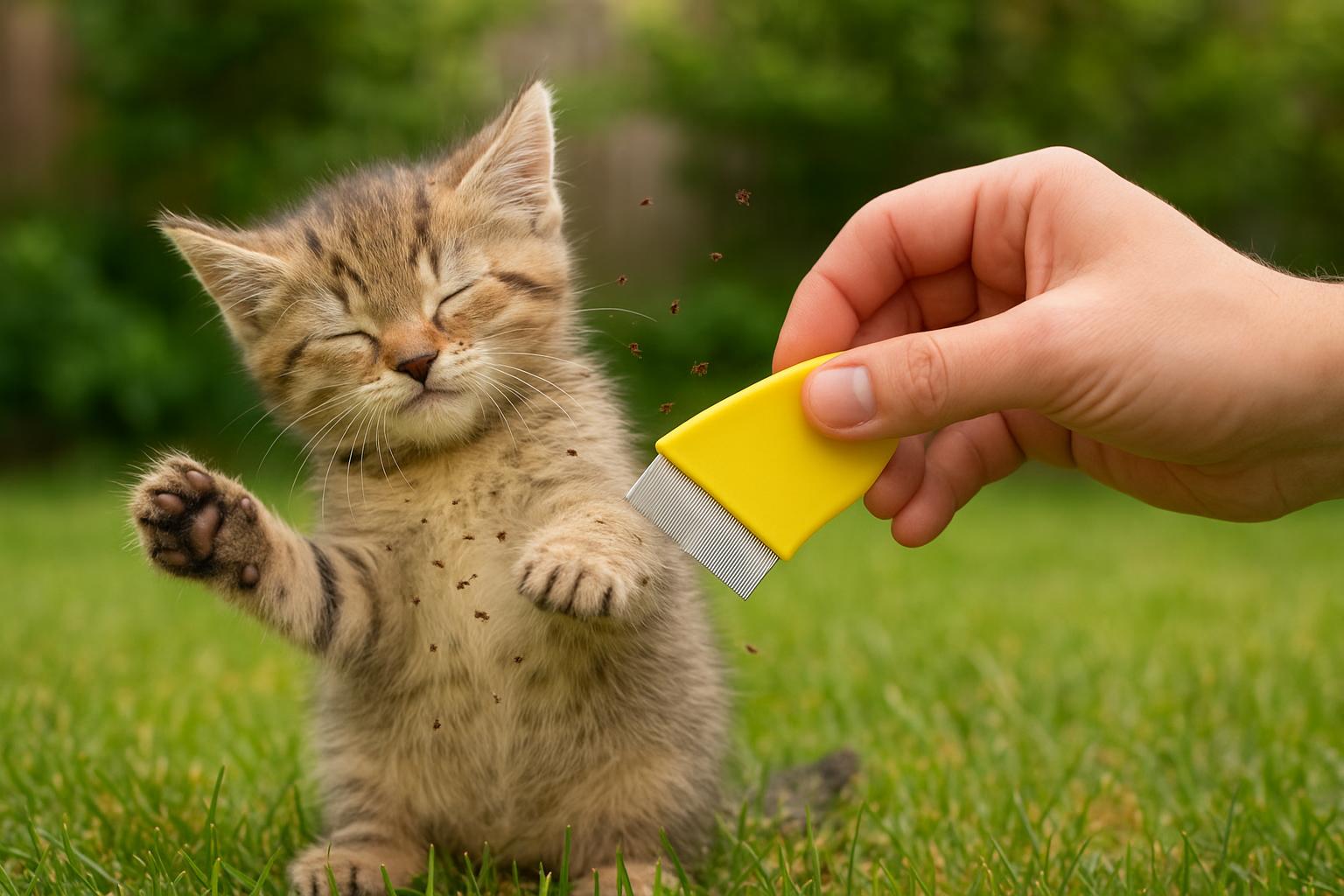
2. Comb Carefully: Sit in a comfortable spot. Use the flea comb to comb the kitten from head to tail in short strokes. Focus around the neck, base of the tail, and belly.
3. Remove Fleas: After each few strokes, dip the comb into the soapy water to drown and remove captured fleas and flea dirt. Dispose of water or change it frequently.
4. Bathe If Needed: If the kitten tolerates baths and has a heavier load, use a mild kitten shampoo or a soapy water dip. Rinse thoroughly and towel-dry gently.
5. Repeat: Comb daily for at least two weeks, because eggs and pupae can hatch later. Maintain strict hygiene in the environment.
### Remedy 3: Environmental Control And Household Treatment
Fleas spend much of their life cycle off the pet. Treating the environment reduces re-infestation and supports any kitten-focused remedy. This section is practical but should be coordinated with your vet if you use insecticides in a home with kittens.
Materials Required
– Vacuum cleaner with attachments.
– Hot-water-capable washer and dryer.
– Washable bedding and soft toys.
– Household insecticidal spray or fogger labeled safe for homes with pets (consider an IGR — insect growth regulator).
– Diatomaceous earth (food grade) — optional and used with caution.
Step-By-Step Application
1. Wash And Heat-Dry: Wash all bedding, throws, and soft toys on the hottest cycle safe for the fabric, then dry on high heat. Heat kills eggs and larvae.
2. Vacuum Thoroughly: Vacuum all floors, carpets, rugs, baseboards, and furniture crevices. Empty the vacuum canister or change the bag immediately and dispose of contents outside.
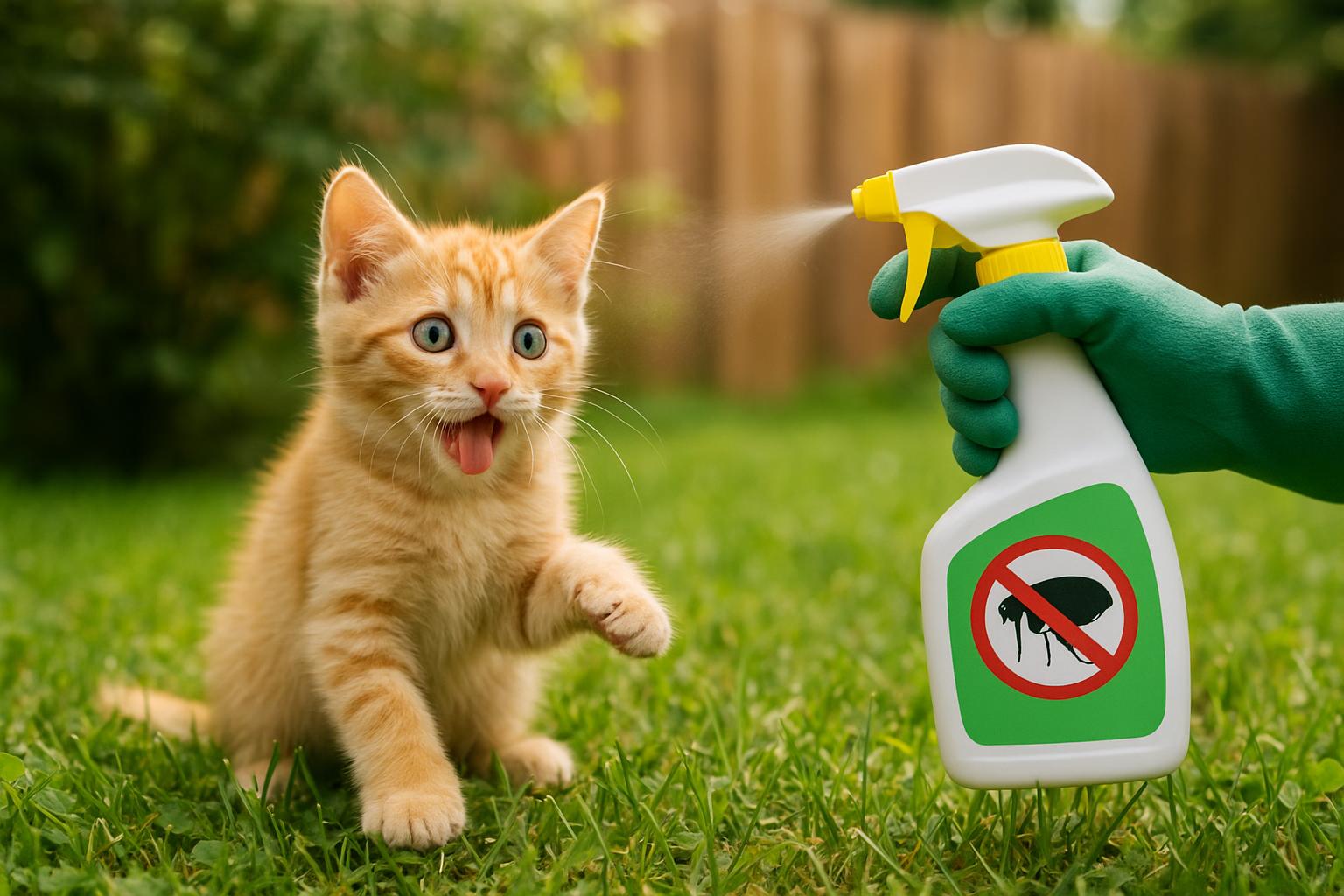
3. Apply IGR/Adulticide If Needed: Use a pet-safe insecticidal spray or fogger according to label directions. Focus on areas where pets rest. If kittens are present, keep them out of treated rooms until surfaces are dry and the product’s wait time has elapsed.
4. Optional Diatomaceous Earth: If using food-grade diatomaceous earth, apply sparingly to carpets and allow 24–48 hours before vacuuming. Avoid inhaling the dust and keep kittens away during application.
5. Repeat Cycle: Perform these environmental steps weekly for several weeks to break the flea lifecycle.
## When To Call The Vet Based On Flea Age
If fleas are abundant, the kitten shows signs of anemia (pale gums, weakness), or you’re unsure about product safety for a specific flea age, call your vet immediately. Professional intervention may include safe systemic medication, iron supplementation, or supportive care.
### Monitoring After Treatment
After any treatment, watch for:
– Skin irritation at application site.
– Lethargy, vomiting, or neurological signs (rare but serious).
– Continued scratching (an indicator of re-infestation or secondary skin condition).
If adverse signs appear, contact your veterinarian without delay.
#### Keeping Records By Flea Age
Keep a small log of treatments, dates, and the product used. Note the kitten’s age and weight at each application. This helps maintain legal and safe dosing and makes vet visits smoother.
A kitten’s flea age determines what treatments are appropriate — and how aggressively you need to address an infestation. With a mix of vet-approved treatments when age-appropriate, careful mechanical control for very young kittens, and consistent household cleaning, most flea problems are manageable. If in doubt, your veterinarian is the best co-pilot on this journey from flea newbie to flea-free.





Leave a Reply