
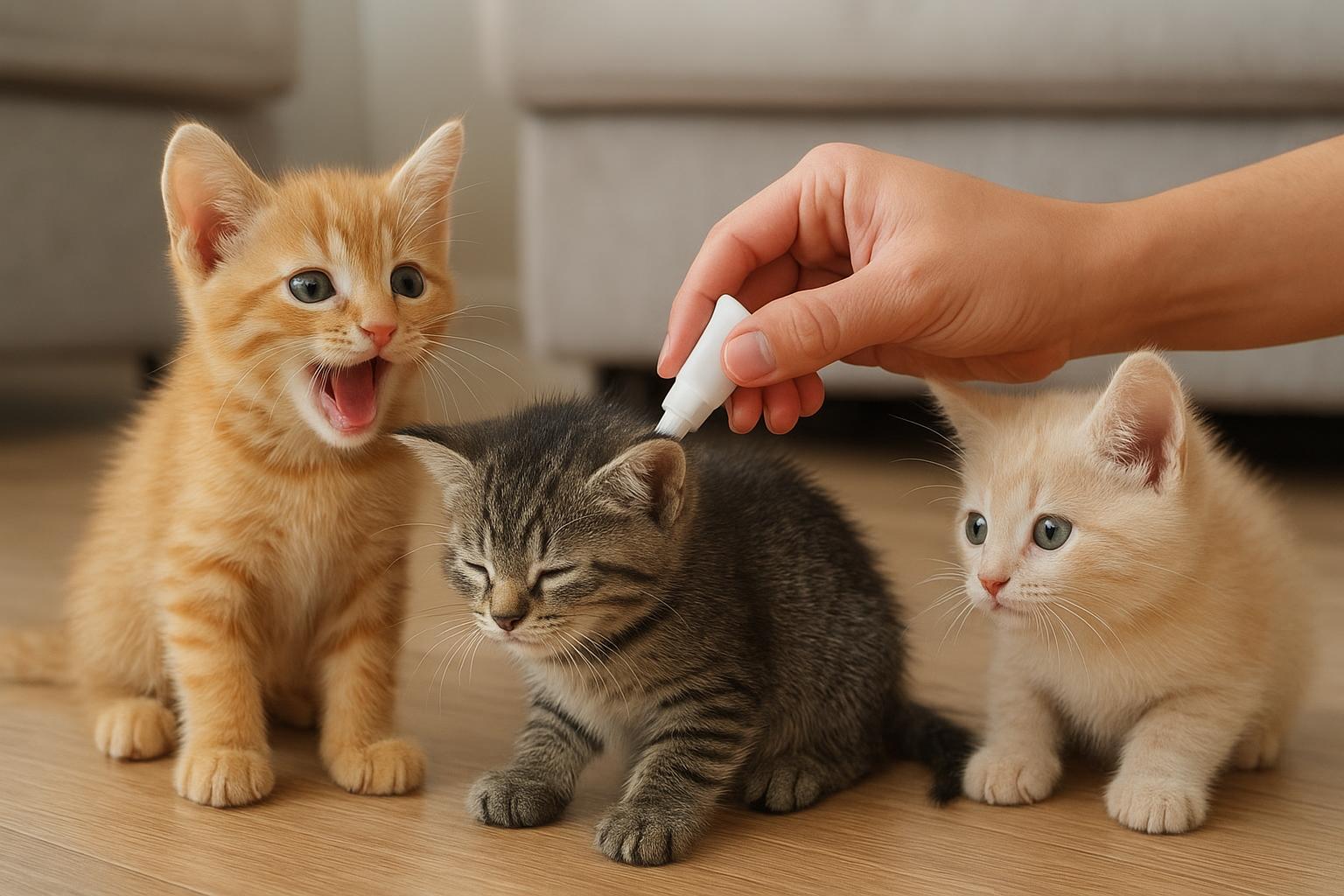
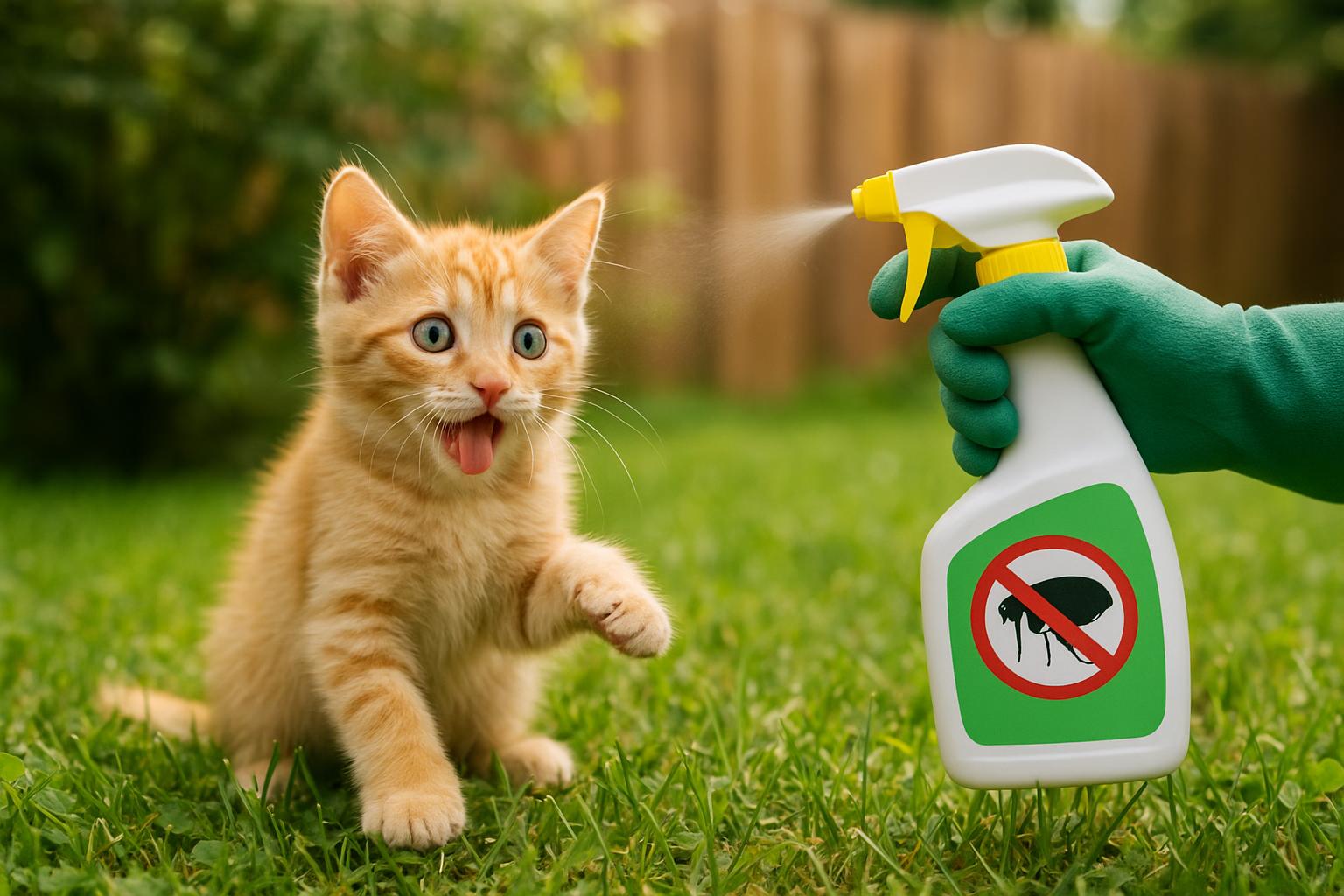
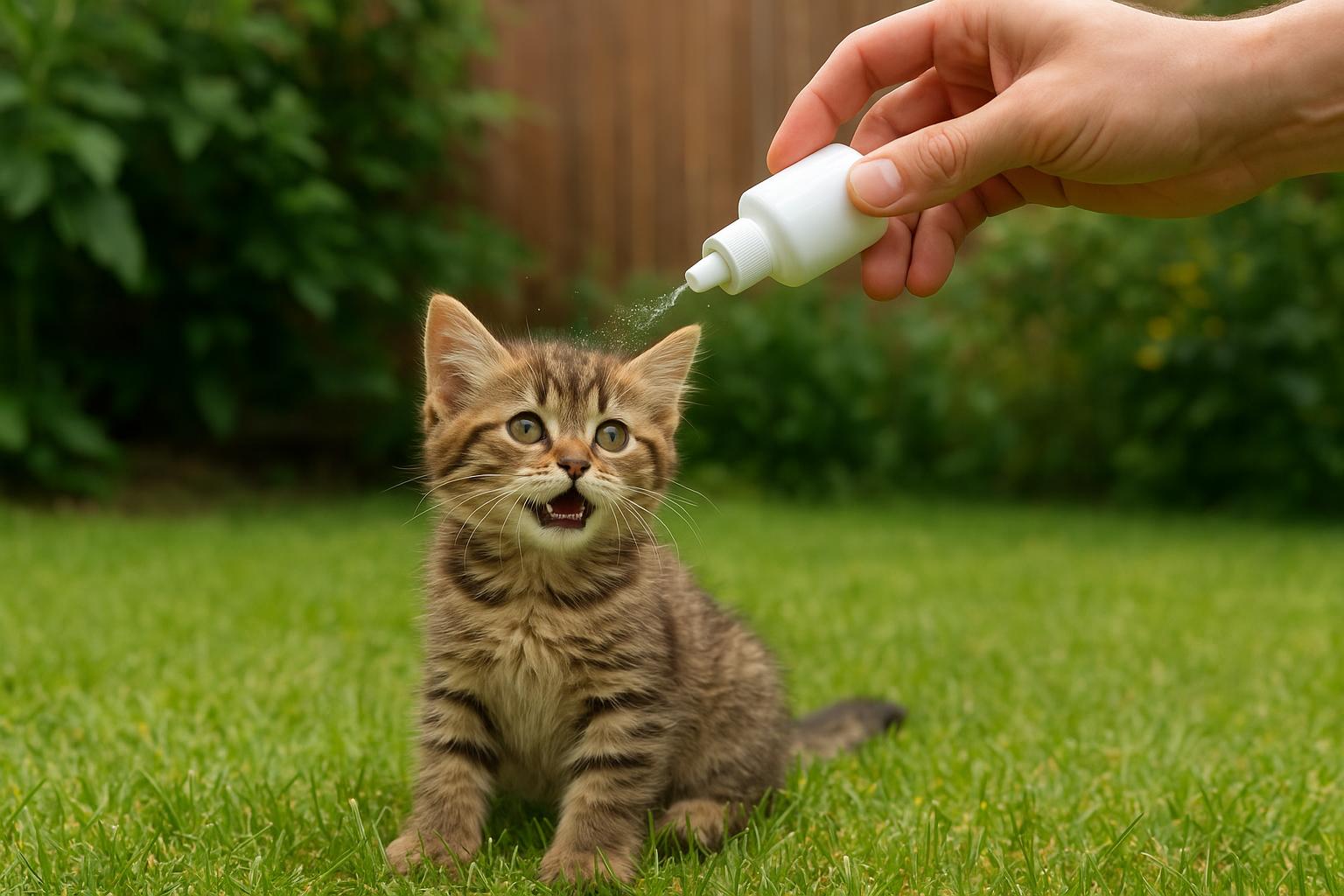
When you bring a new fluffball home, kitten flea prevention quickly becomes top of the to‑do list — right after naming debates (Mittens? Captain Whiskers?) and figuring out how many toys are “too many.” Fleas aren’t just annoying; in young kittens they can cause serious problems. This guide walks you through what to watch for and two safe, vet‑friendly remedies to stop fleas before they take over bedtime.
## Kitten Flea Prevention: Why It Matters
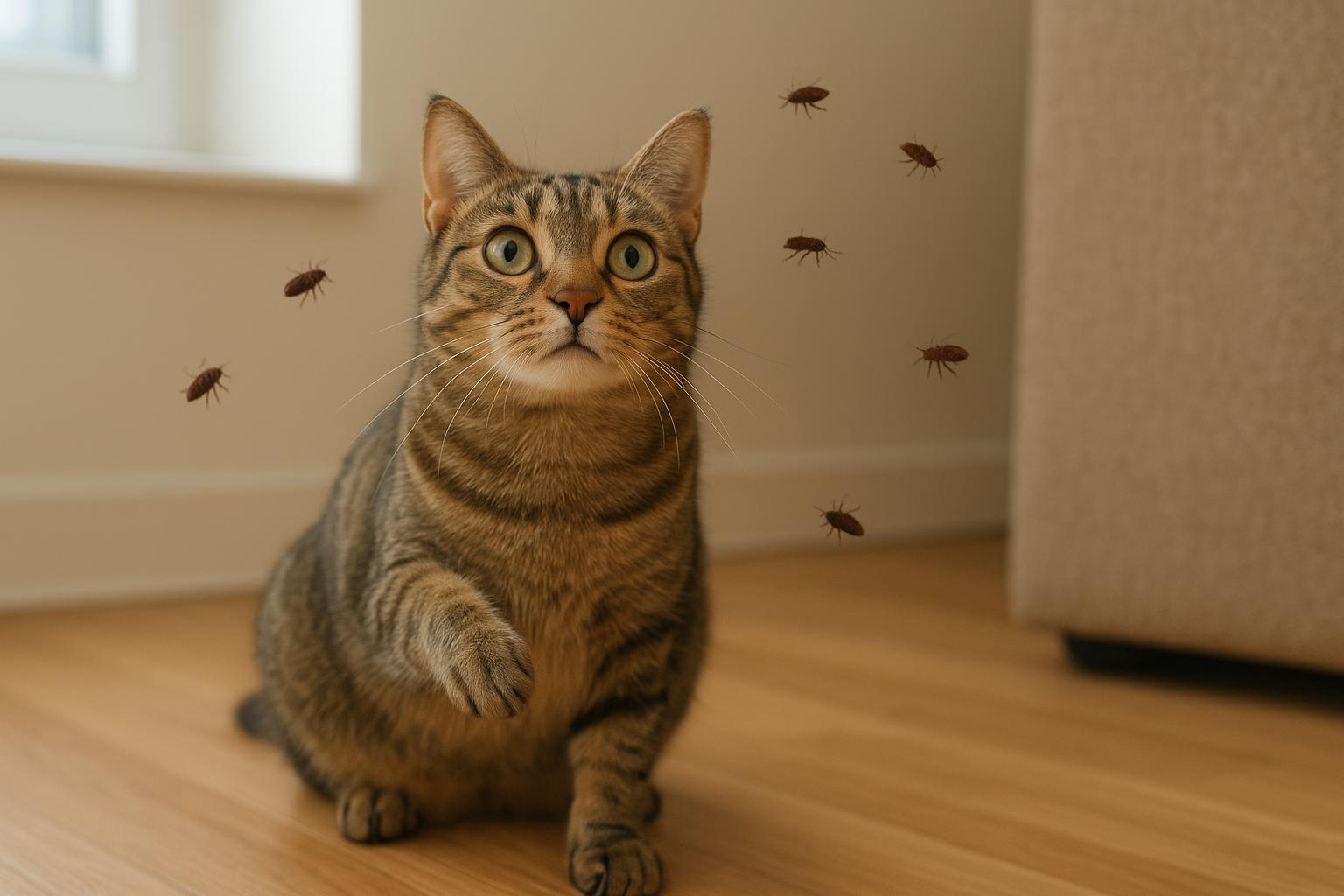
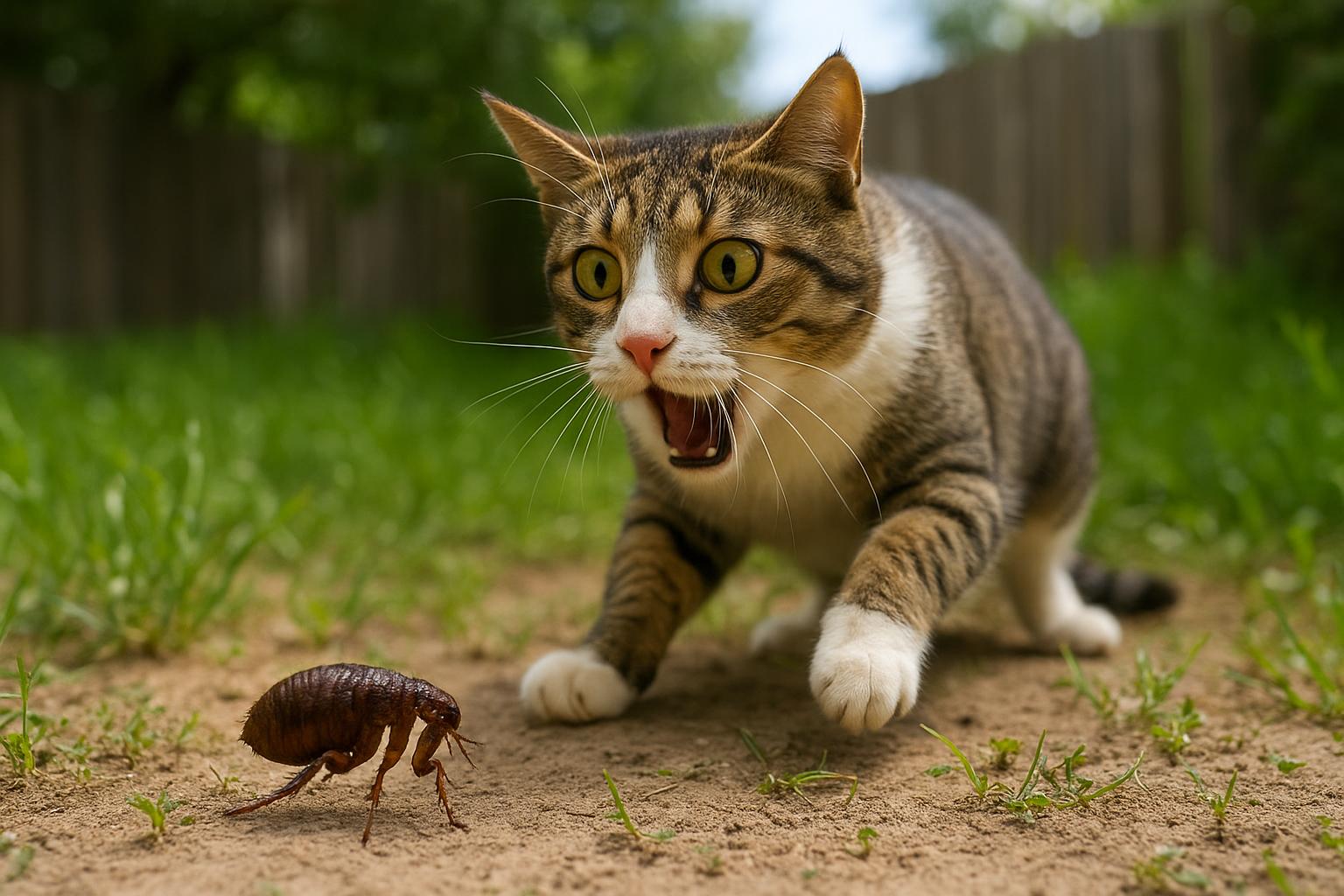
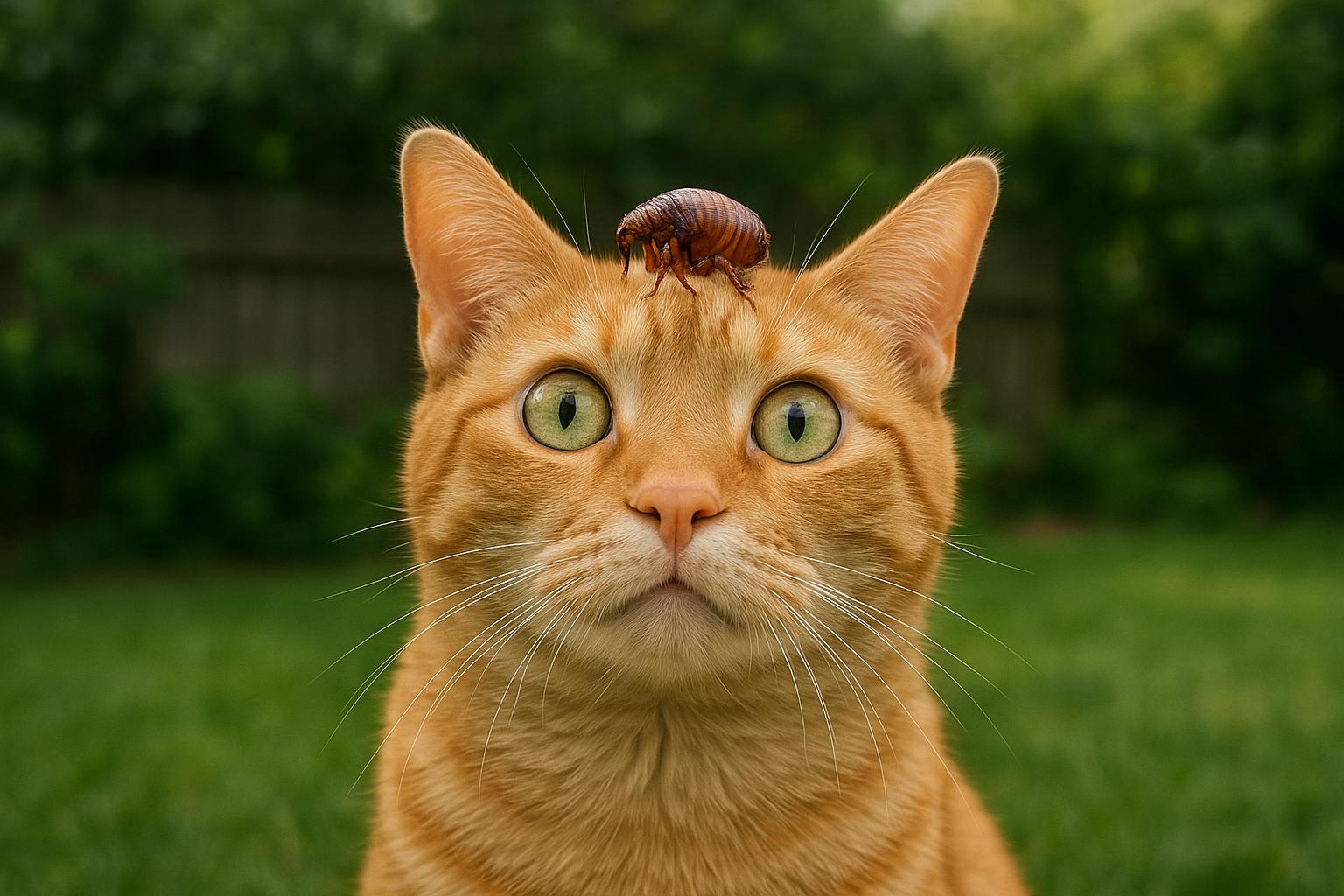
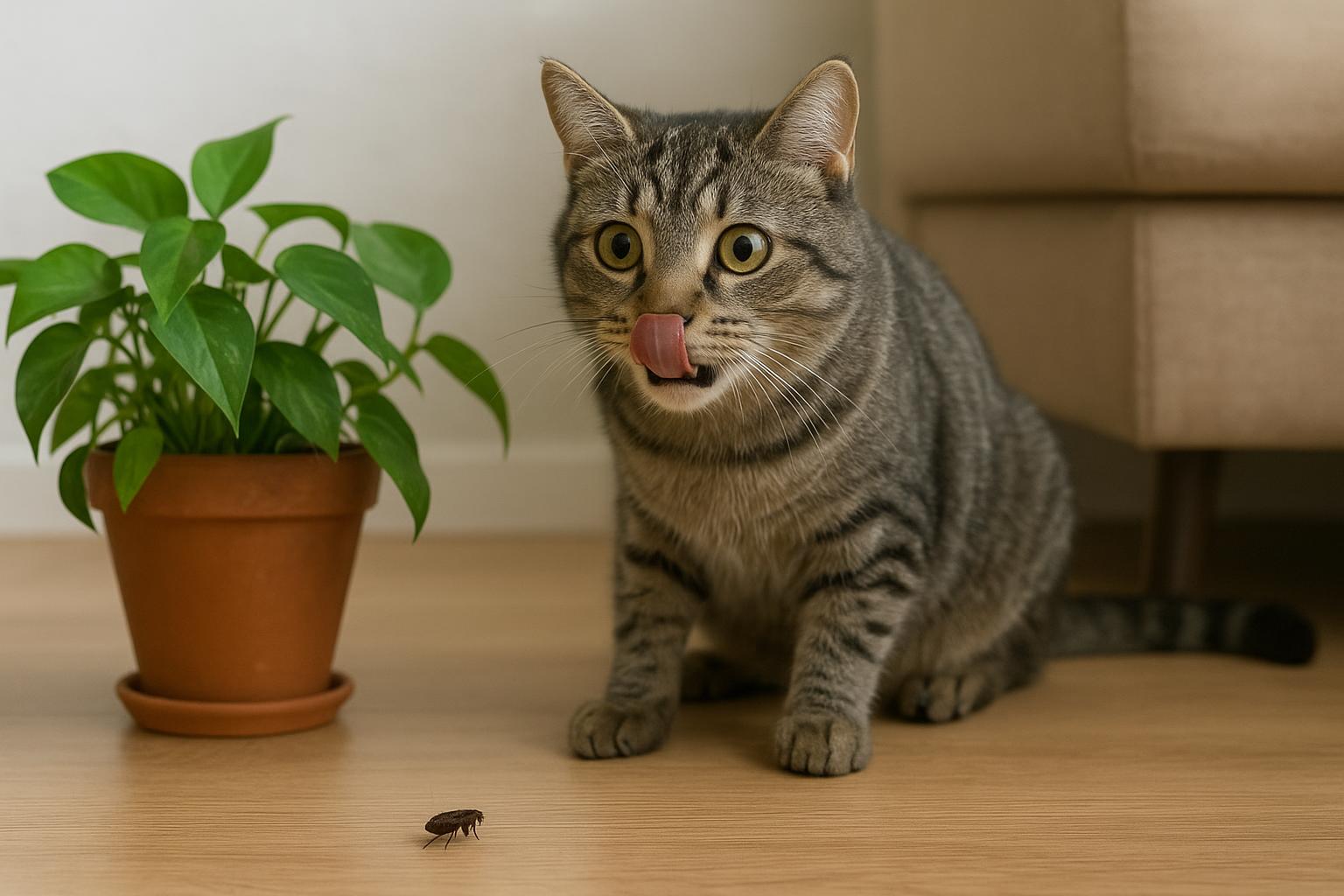
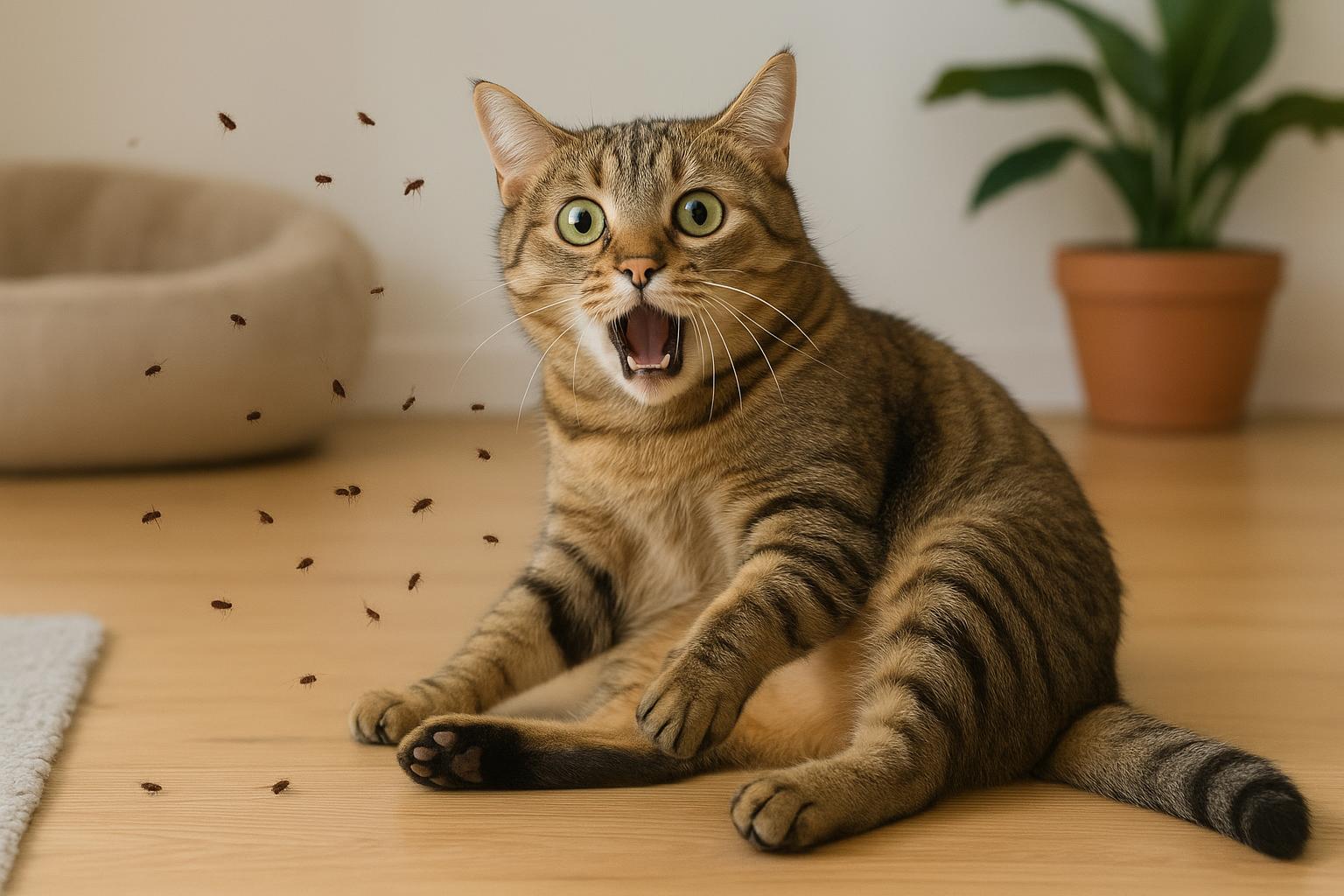
Fleas can reproduce wildly in a home environment and a single flea on Mom or outdoors can translate into dozens on your kitten. Effective kitten flea prevention protects against anemia (yes, flea bites can cause blood loss in tiny kittens), secondary skin infections, and the spread of tapeworms. The earlier you act, the easier it is to protect your pet and your house.
### Signs To Watch For
Look for:
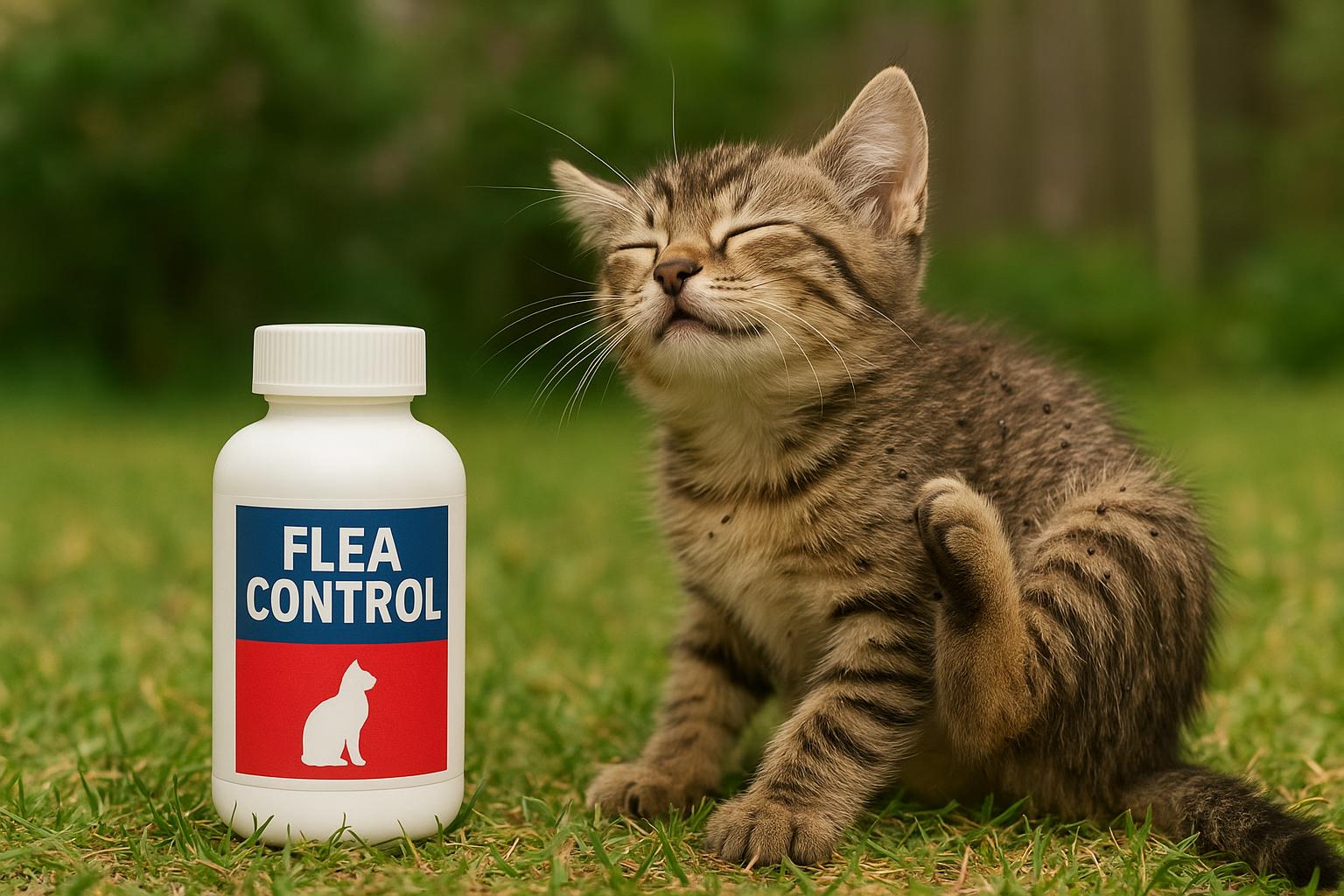
– Scratching that’s more intense than normal grooming.
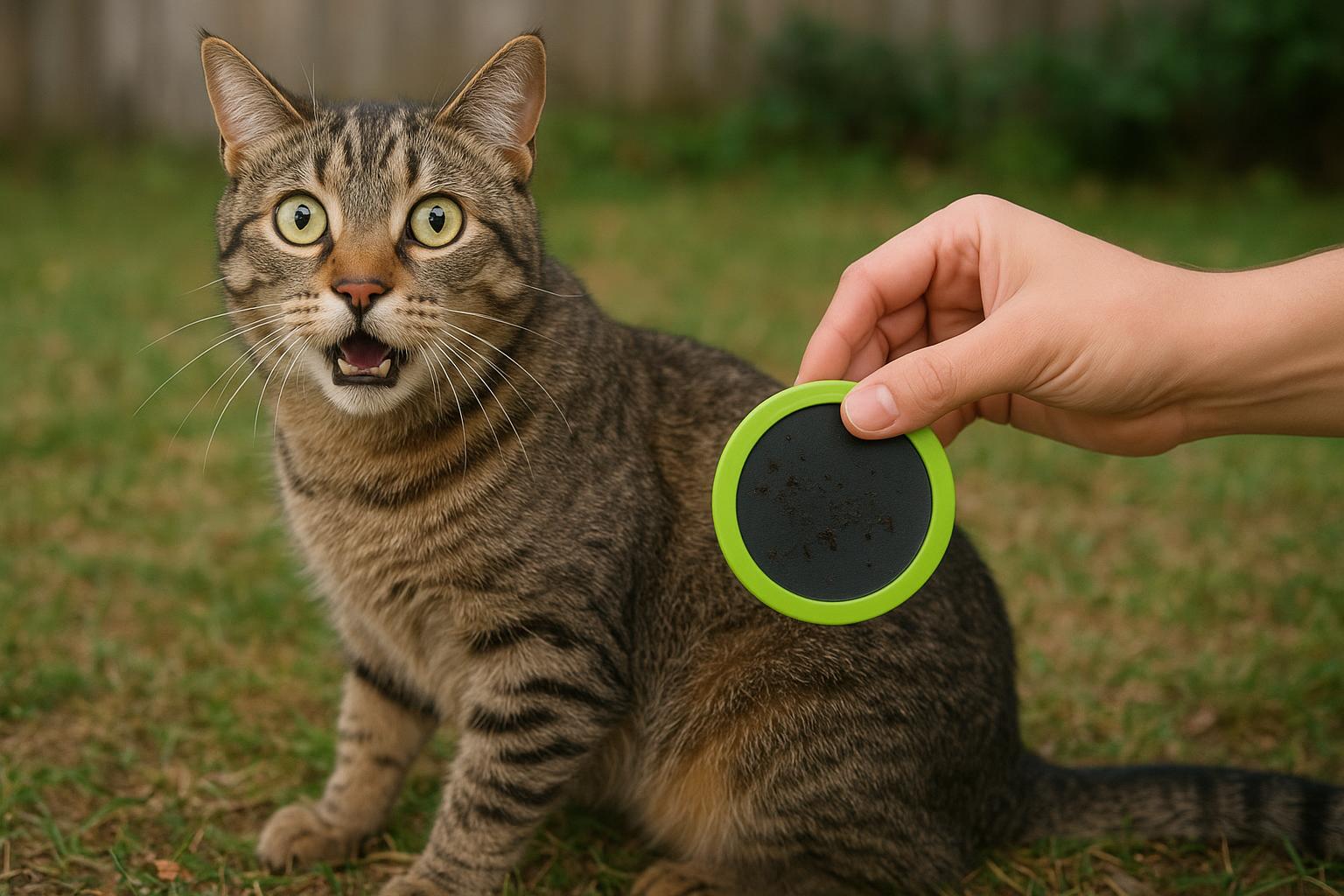
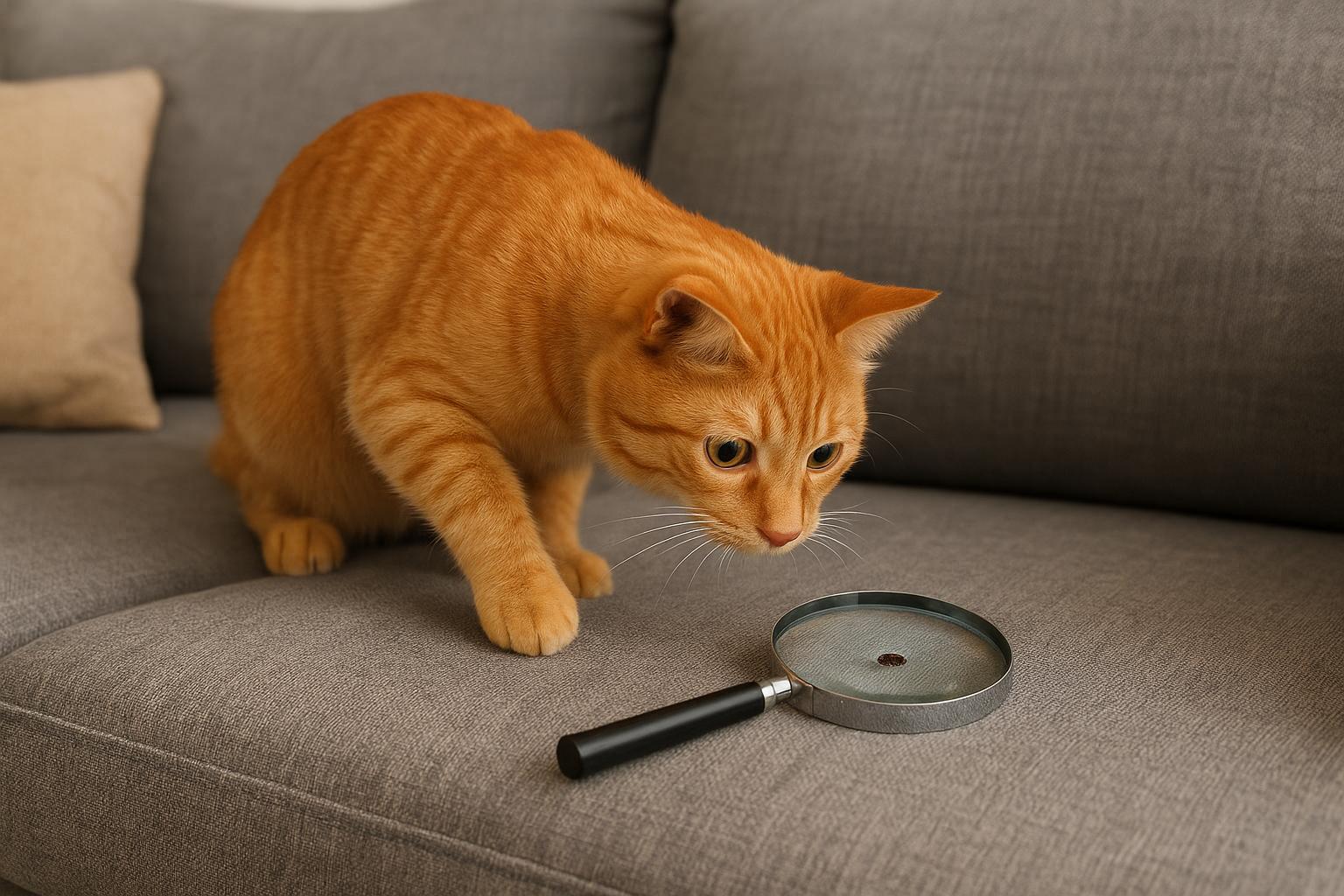
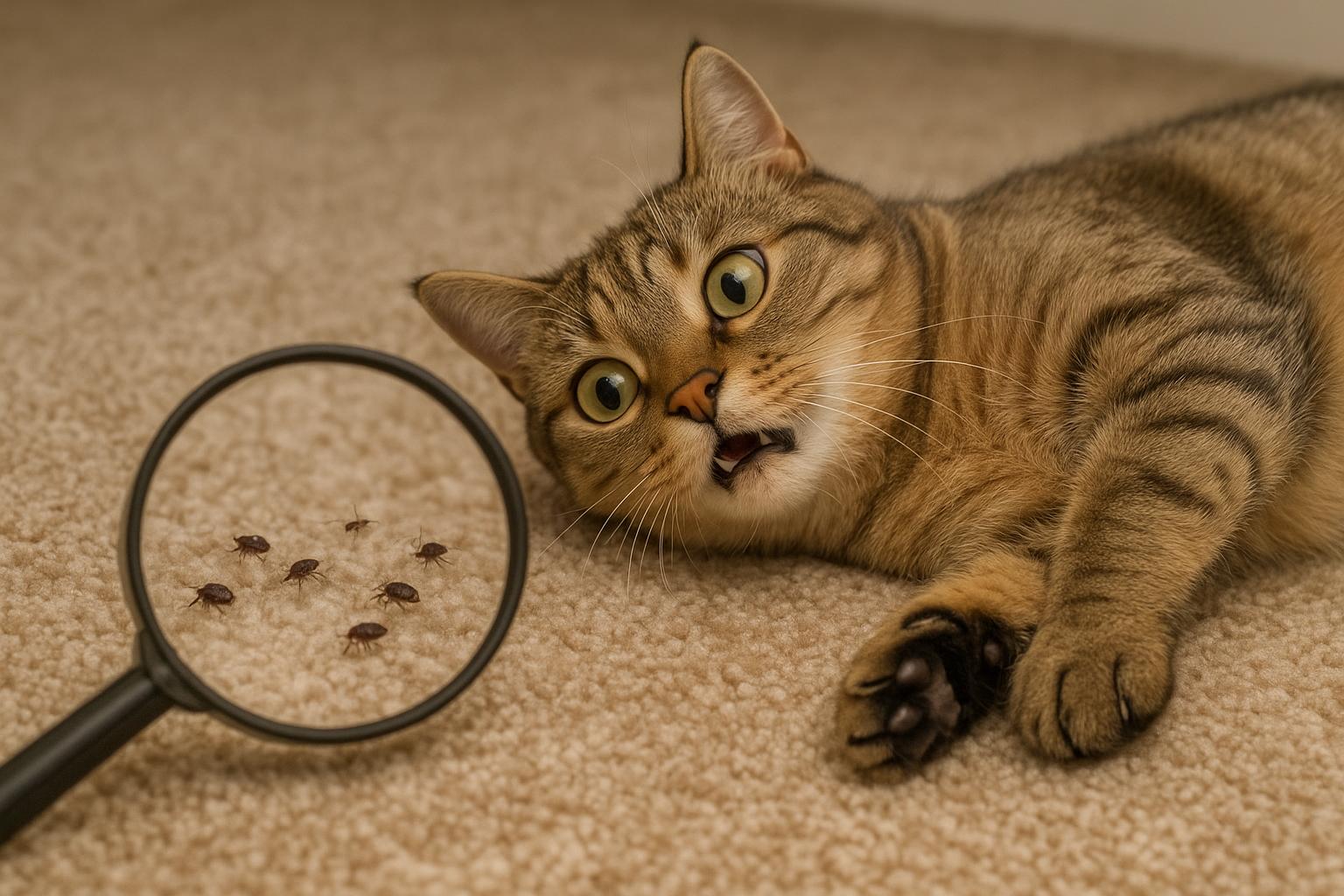
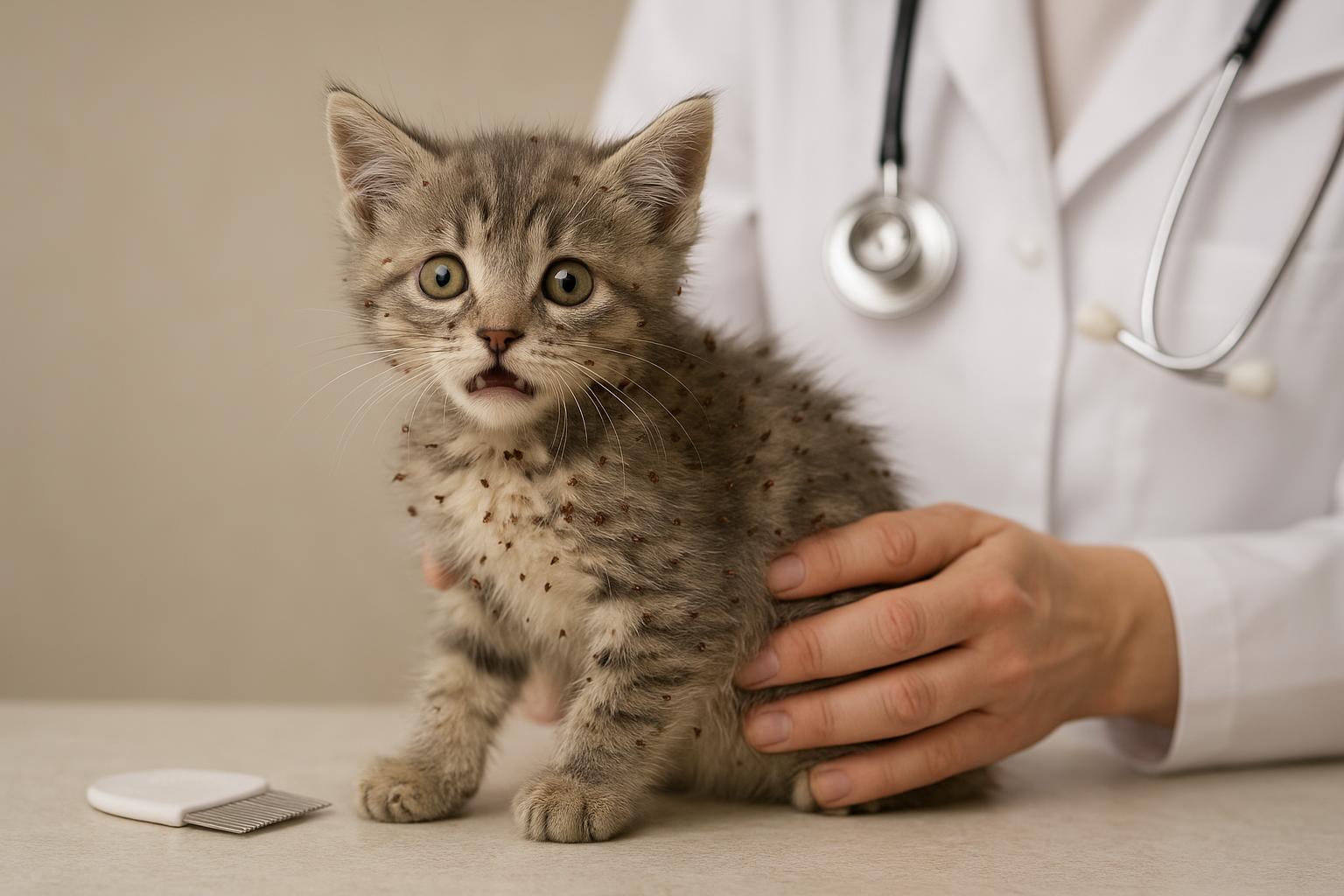
– Tiny black specks (flea dirt) around the base of fur or on bedding.
– Red or irritated skin, scabs, or hair thinning.
– Pale gums in very young kittens — this can indicate anemia and requires immediate vet attention.
### How Fleas Spread In A Household
Adult fleas jump to hosts, but 90% of a flea infestation is actually in the environment (eggs, larvae, pupae). Carpet fibers, cracks in floors, pet beds, and upholstered furniture are common reservoirs. That’s why effective kitten flea prevention treats both the animal and their environment.
## 2 Safe Remedies For Flea Control
Below are two complementary, safe remedies you can use to reduce flea pressure on kittens and in the home. If at any point you’re unsure, consult your veterinarian — especially for kittens younger than six weeks or under two pounds.
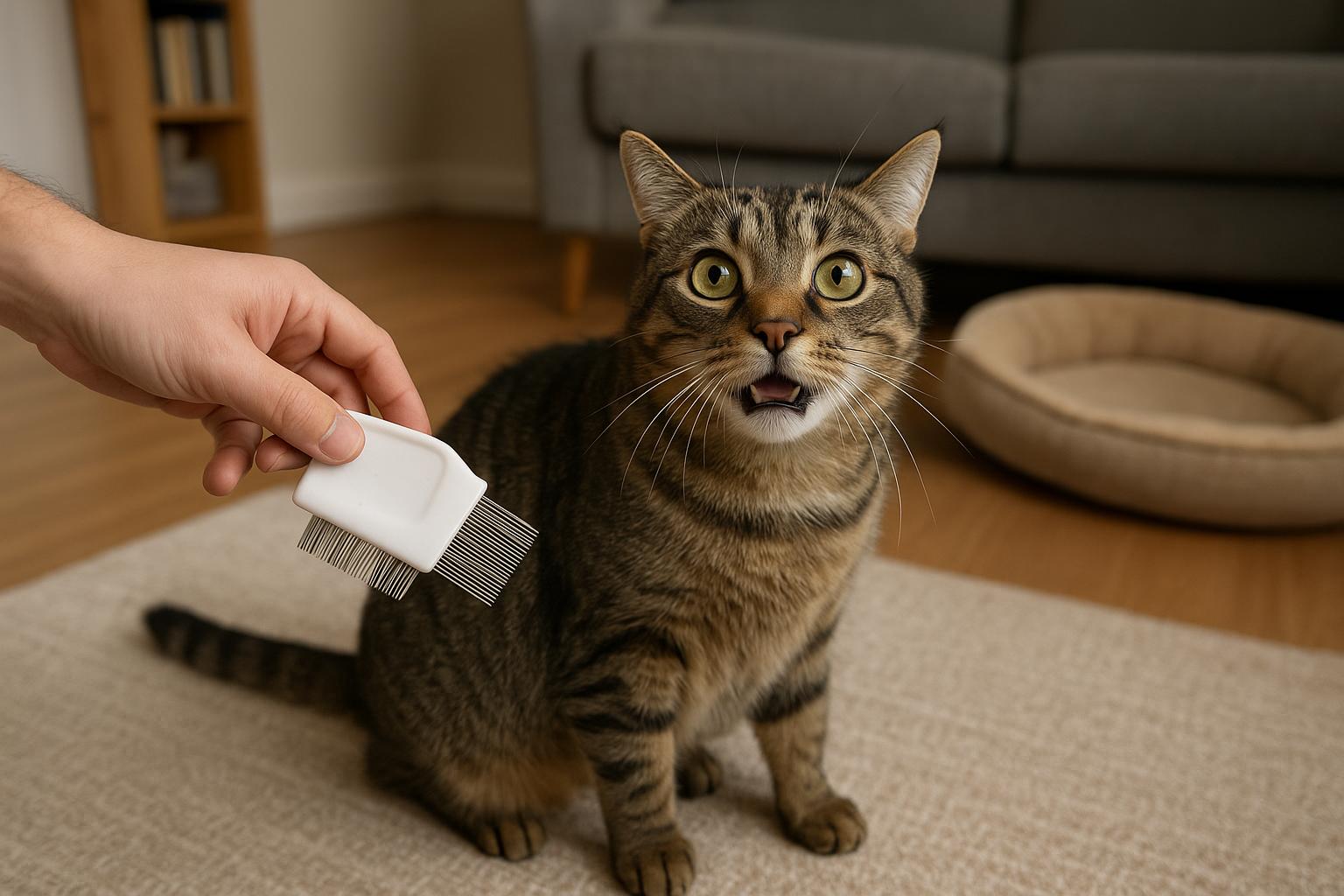
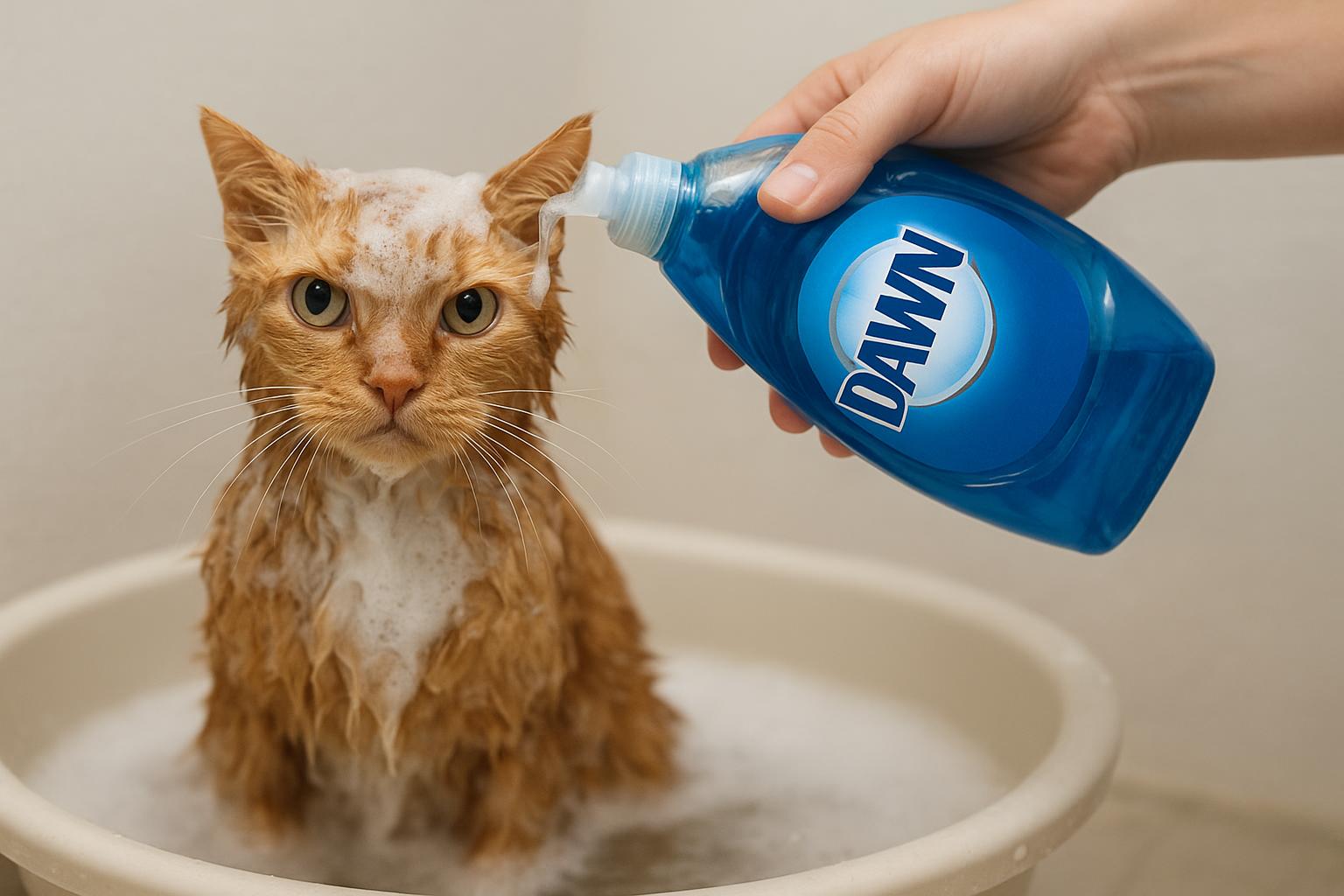
### Remedy 1: Flea Combing And Gentle Bathing
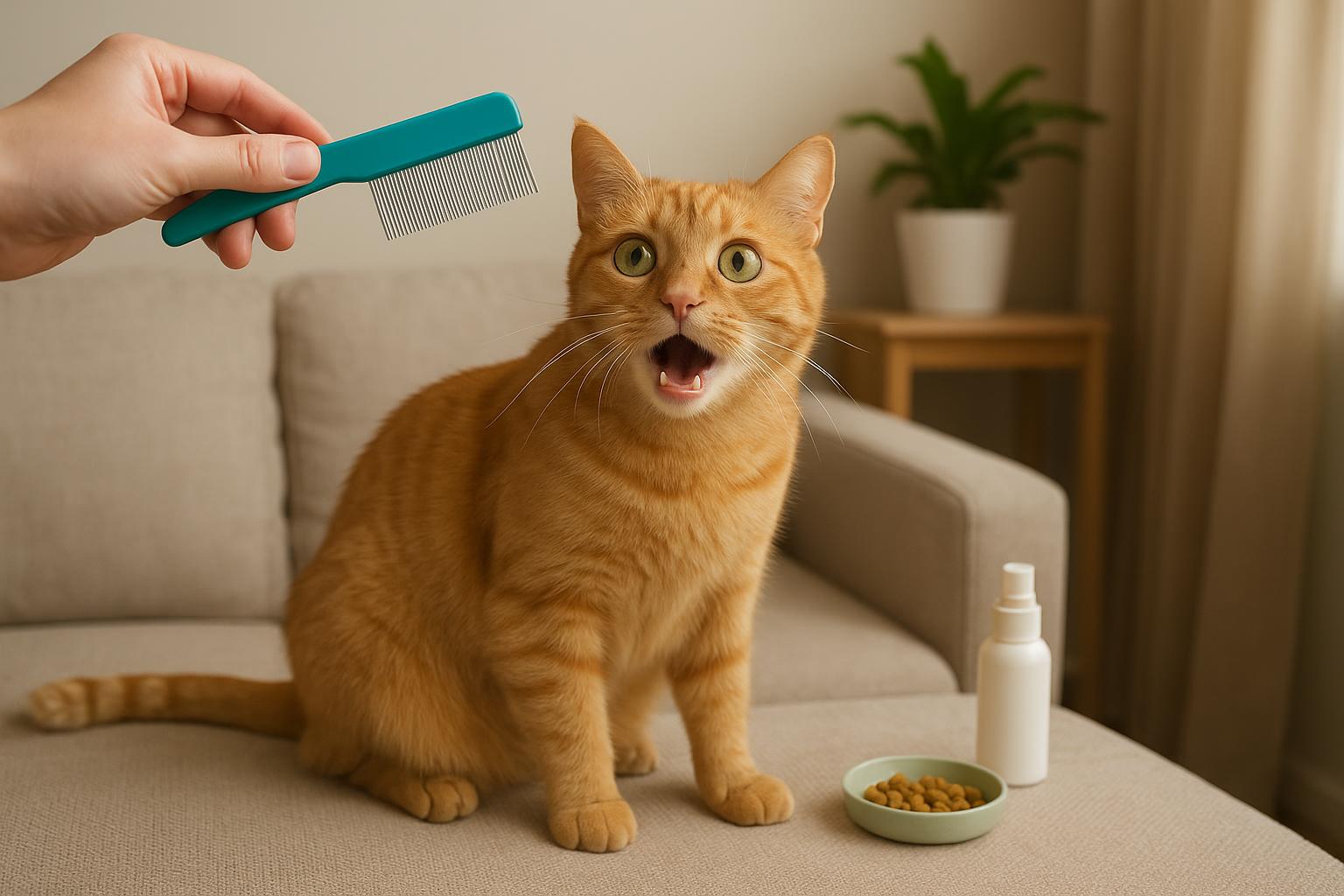
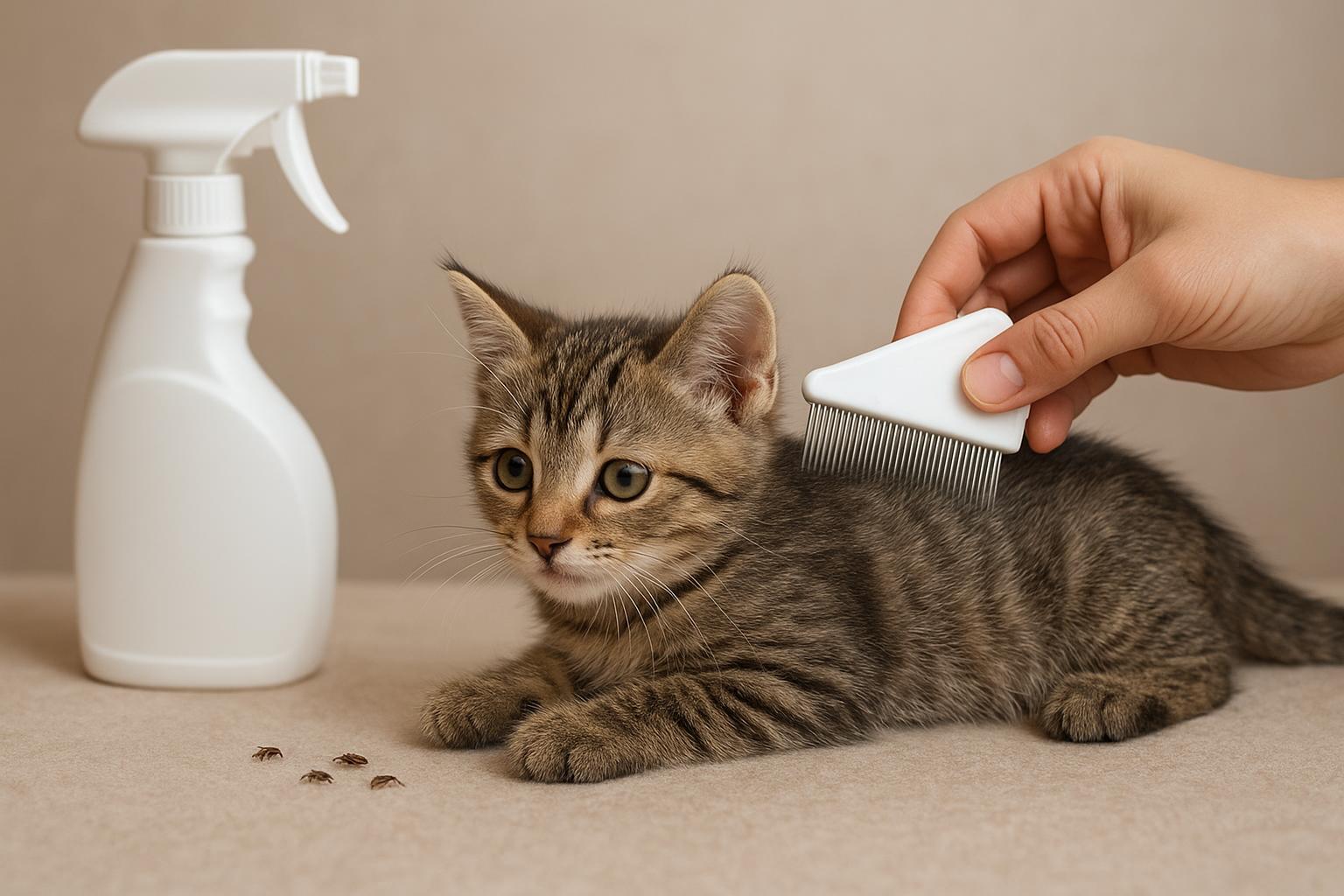
This is a first‑line approach for kittens of most ages (with caveats below). It’s non‑chemical, direct, and can quickly remove fleas and flea dirt from fur.
#### Materials And Ingredients
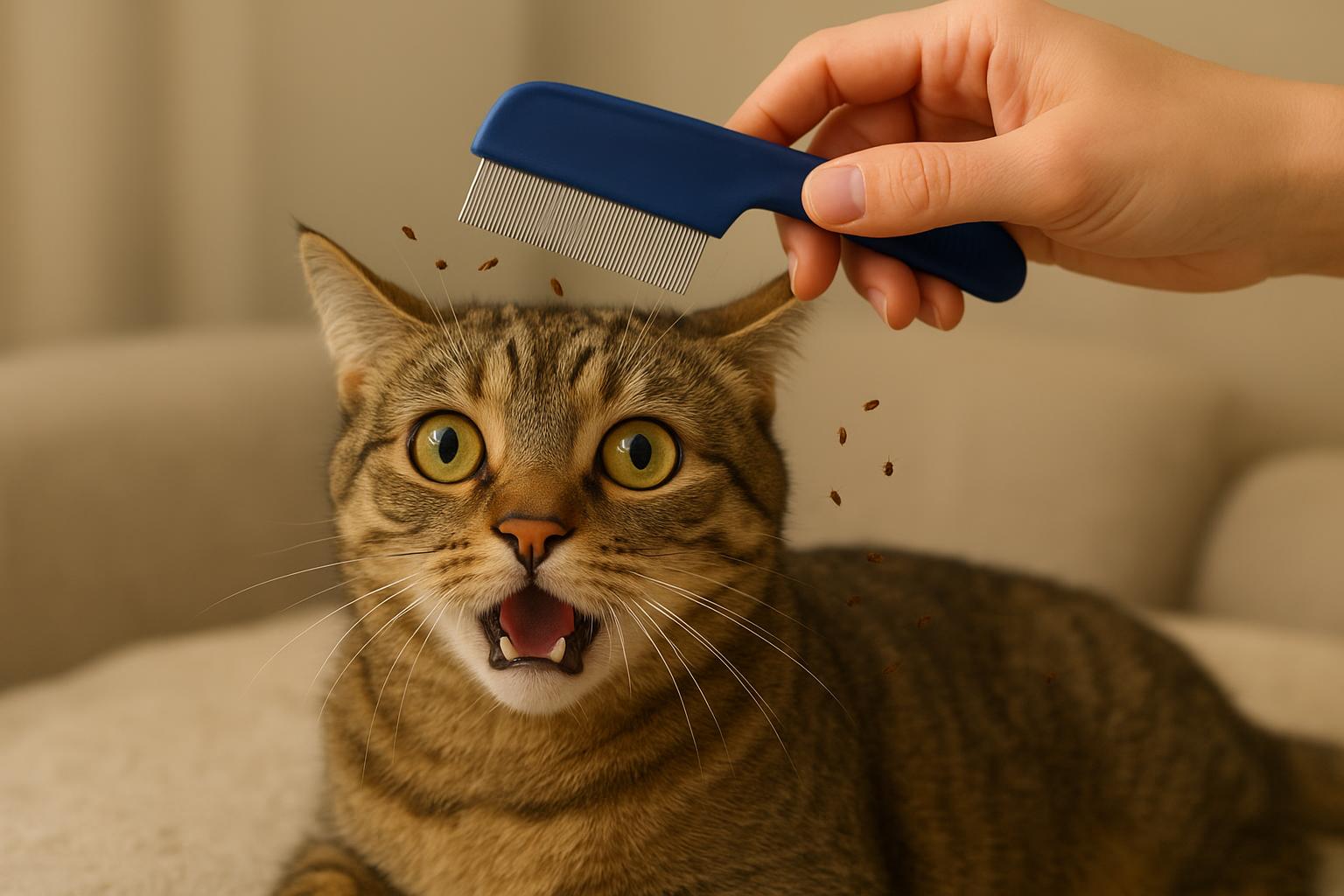
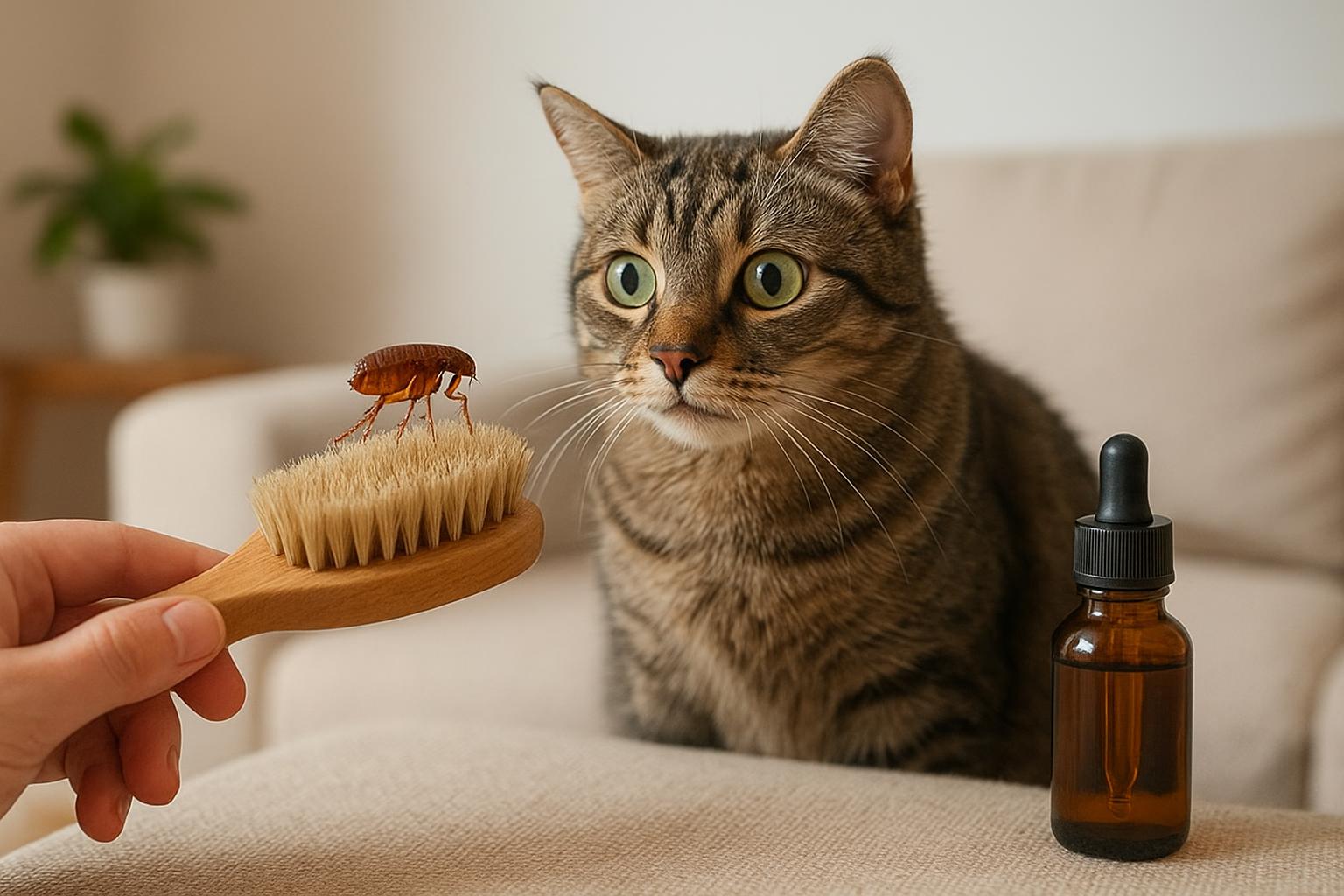
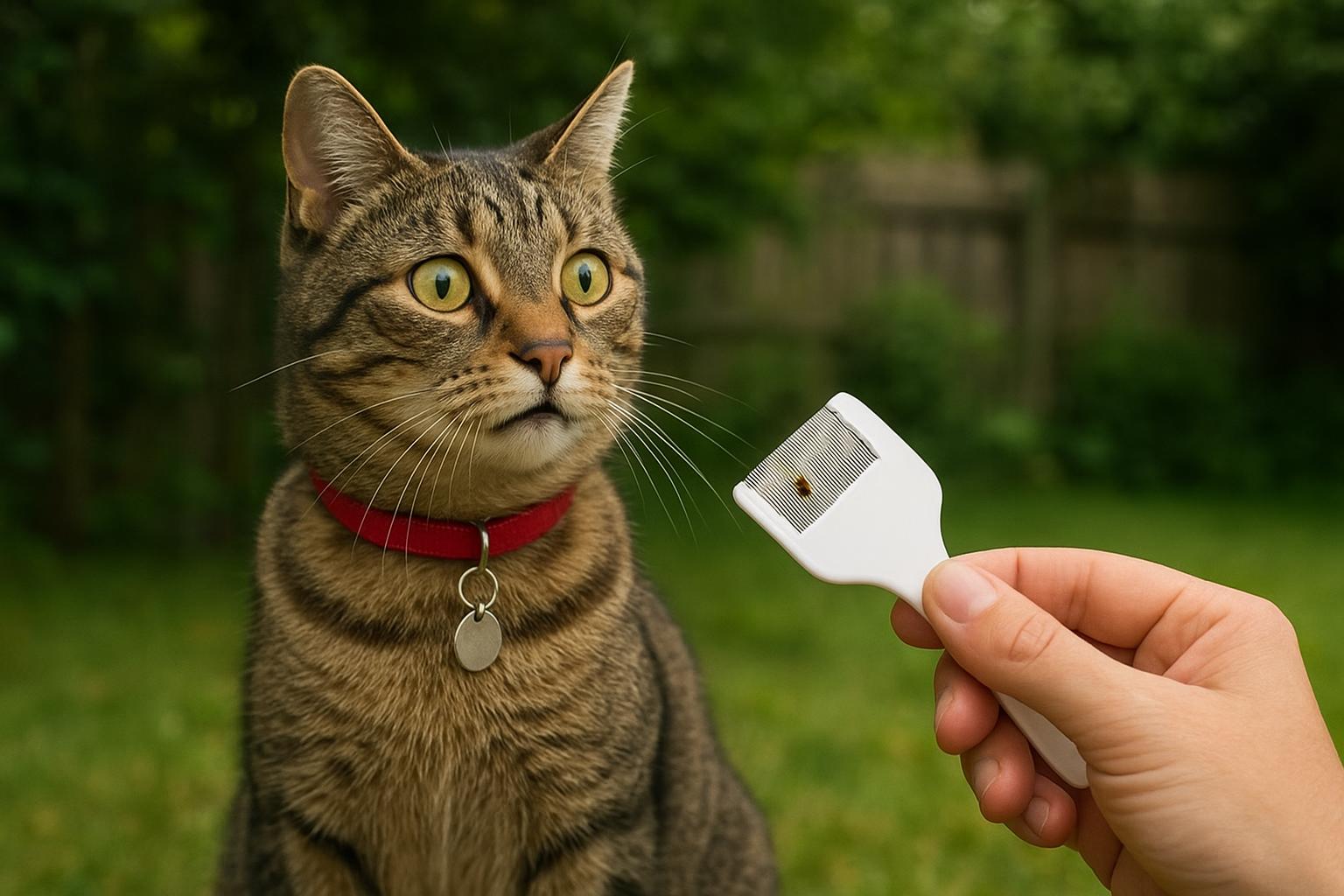
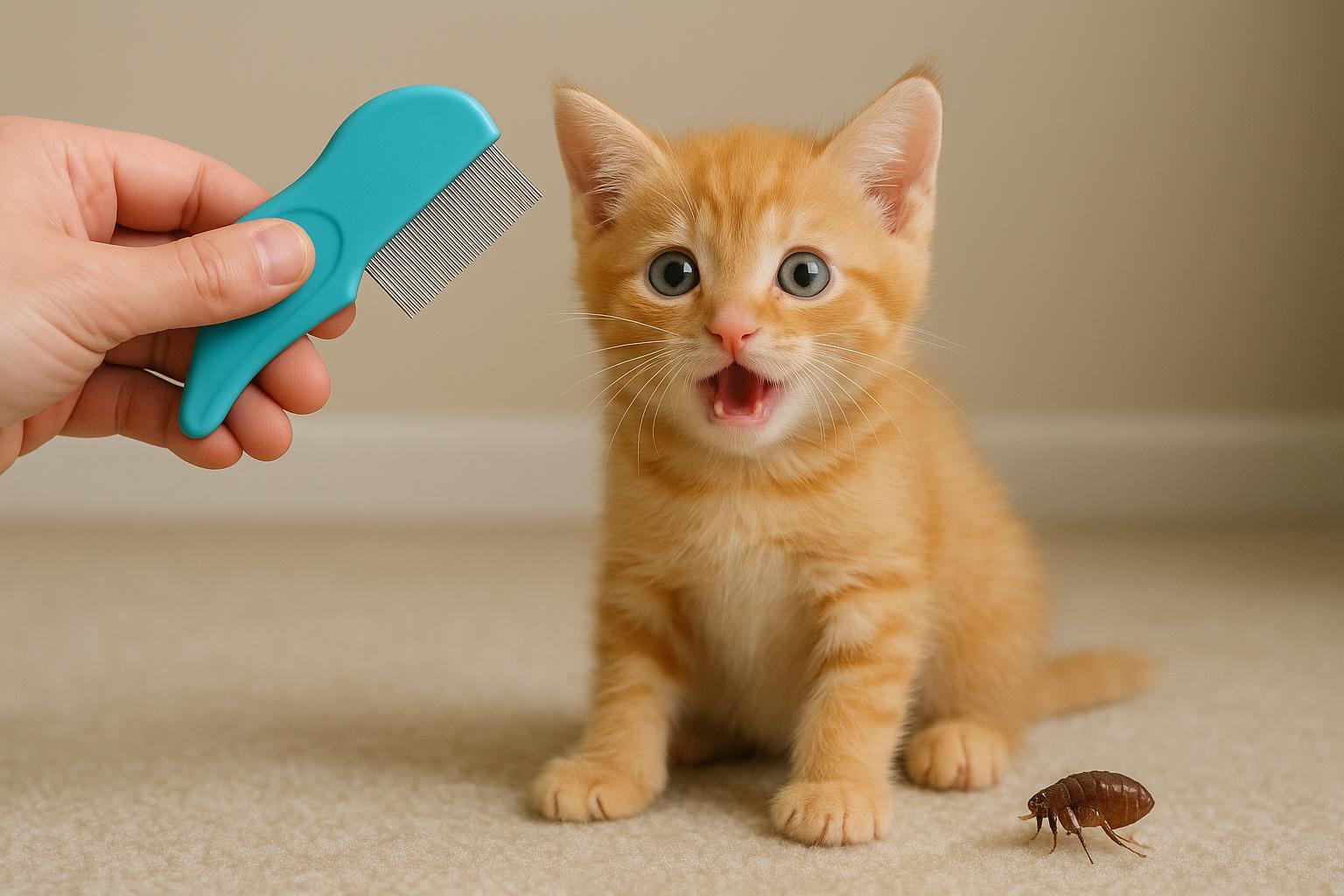
– Fine‑toothed flea comb (metal teeth, closely spaced)
– A shallow basin or sink with warm water (not hot)
– Mild kitten‑formulated shampoo (vet‑recommended)
– Towels and a warm, draft‑free place for drying
– A bowl with warm soapy water or rubbing alcohol (to drown and preserve fleas for inspection)
– Optional: soft toothbrush or cotton buds for sensitive spots
#### Step‑By‑Step Application
1. Prepare the space: Warm the room and have towels ready. For very young kittens, place a warm (not hot) heating pad wrapped in a towel nearby to prevent chilling.
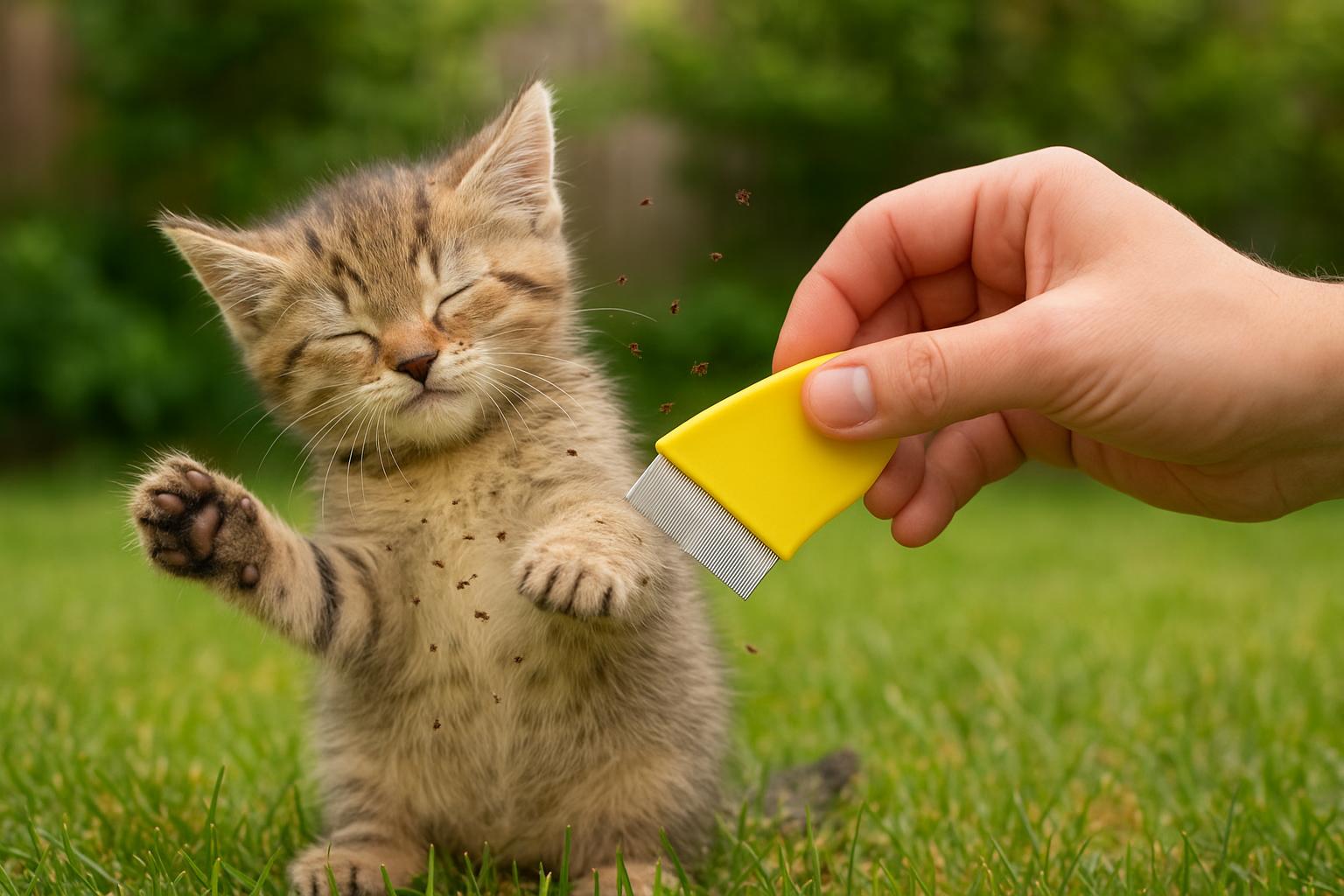
2. Comb methodically: Hold the kitten securely and comb from head to tail in short strokes. After each pass, tap the comb into the bowl of soapy water or alcohol to remove and kill fleas. Inspect for flea dirt: tiny black grains that turn reddish when wet.
3. Bathing (only if needed and kitten is stable): Use lukewarm water and a small amount of mild kitten shampoo. Work gently, avoiding eyes and ears. Rinse thoroughly.
4. Dry carefully: Wrap the kitten in towels and pat dry. Use low‑setting warm air (hair dryer on low, kept at a safe distance) only if the kitten tolerates it. Ensure the animal is completely dry and warm before returning to bedding.
5. Frequency: Comb daily until no fleas or flea dirt are found for two weeks. Baths can be used for heavy infestations but avoid overbathing; follow vet guidance for frequency.
Notes (Safety Emphasis): Do not use human flea products, essential oils, or adult cat spot‑ons on kittens unless a veterinarian explicitly approves them. Very young or fragile kittens should only be bathed under veterinary direction to avoid hypothermia or stress.
### Remedy 2: Environmental Treatment With Food‑Grade Diatomaceous Earth
Treating the environment reduces the number of eggs and larvae, breaking the flea life cycle. Food‑grade diatomaceous earth (DE) is a low‑toxicity option when used correctly, though respiratory precautions are required.
#### Materials And Ingredients
– Food‑grade diatomaceous earth (not pool‑grade)
– Dust mask or respirator (NIOSH‑approved)
– Gloves
– Broom or brush with stiff bristles
– Vacuum with sealed bag or canister
– Laundry detergent and hot water for bedding
– Sealed trash bags for vacuum contents
#### Step‑By‑Step Application
1. Read labels: Confirm “food‑grade” on the product. Store‑grade or pool DE is not appropriate.
2. Prepare: Ventilate the area and wear a dust mask. Remove kittens and any animals from the rooms being treated until dust settles and the area is vacuumed.
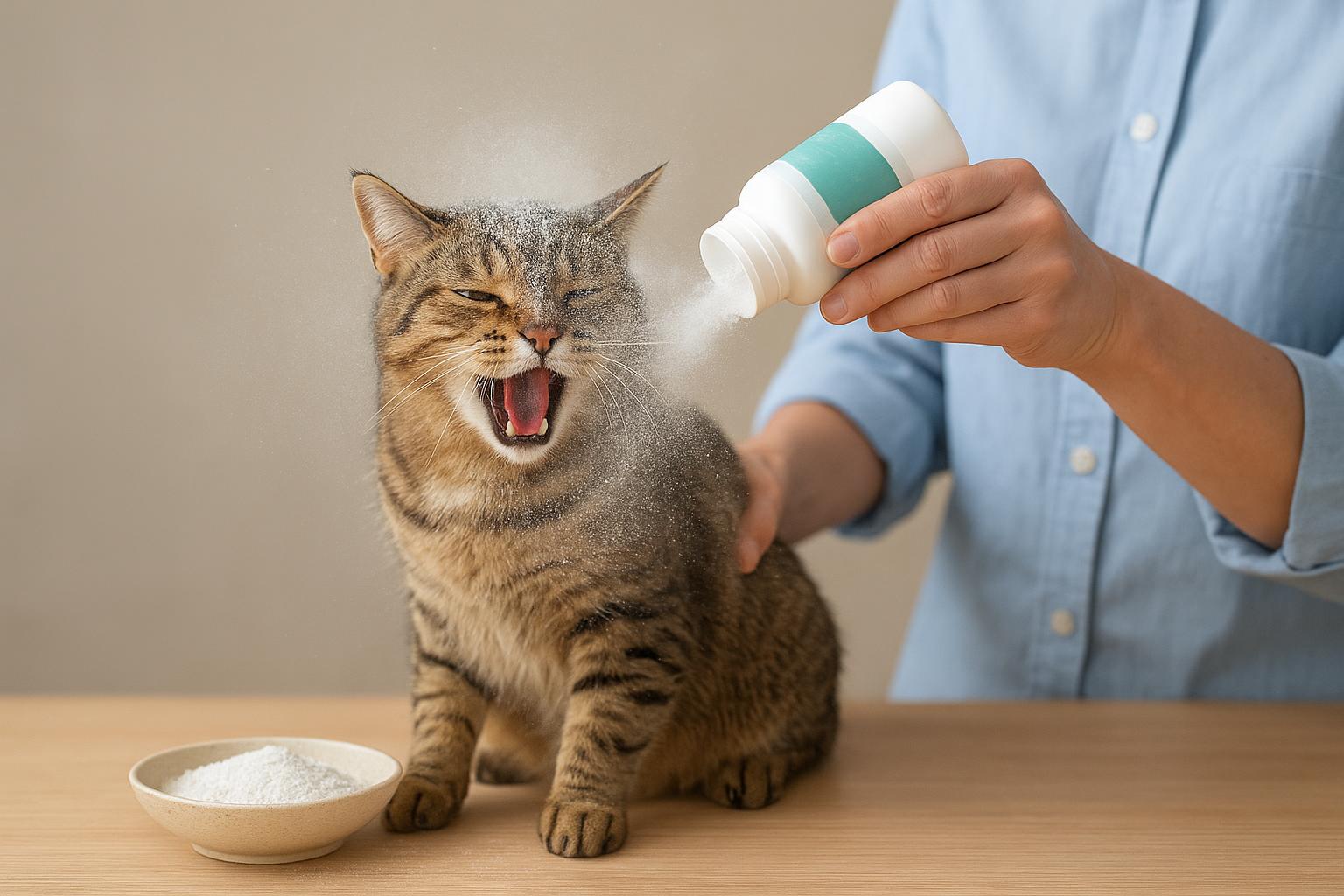
3. Apply thinly: Lightly dust carpets, rugs, baseboards, and pet bedding seams. Avoid heavy piles of dust; a thin coating is effective.
4. Let it sit: Allow DE to act for 24–48 hours, keeping people and pets out of treated areas.
5. Clean up: Vacuum thoroughly. Seal vacuum contents in a bag and discard. Repeat treatment once a week for 2–3 weeks to interrupt the life cycle.
6. Laundry: Wash all pet bedding and frequently used blankets in hot water and dry on high heat.
Notes (Safety Emphasis): DE can irritate lungs if inhaled. Never apply directly onto a kitten or damp areas. If you prefer, steam cleaning and professional pest control options are alternatives for heavy household infestations.
### When To Use Vet‑Prescribed Treatments
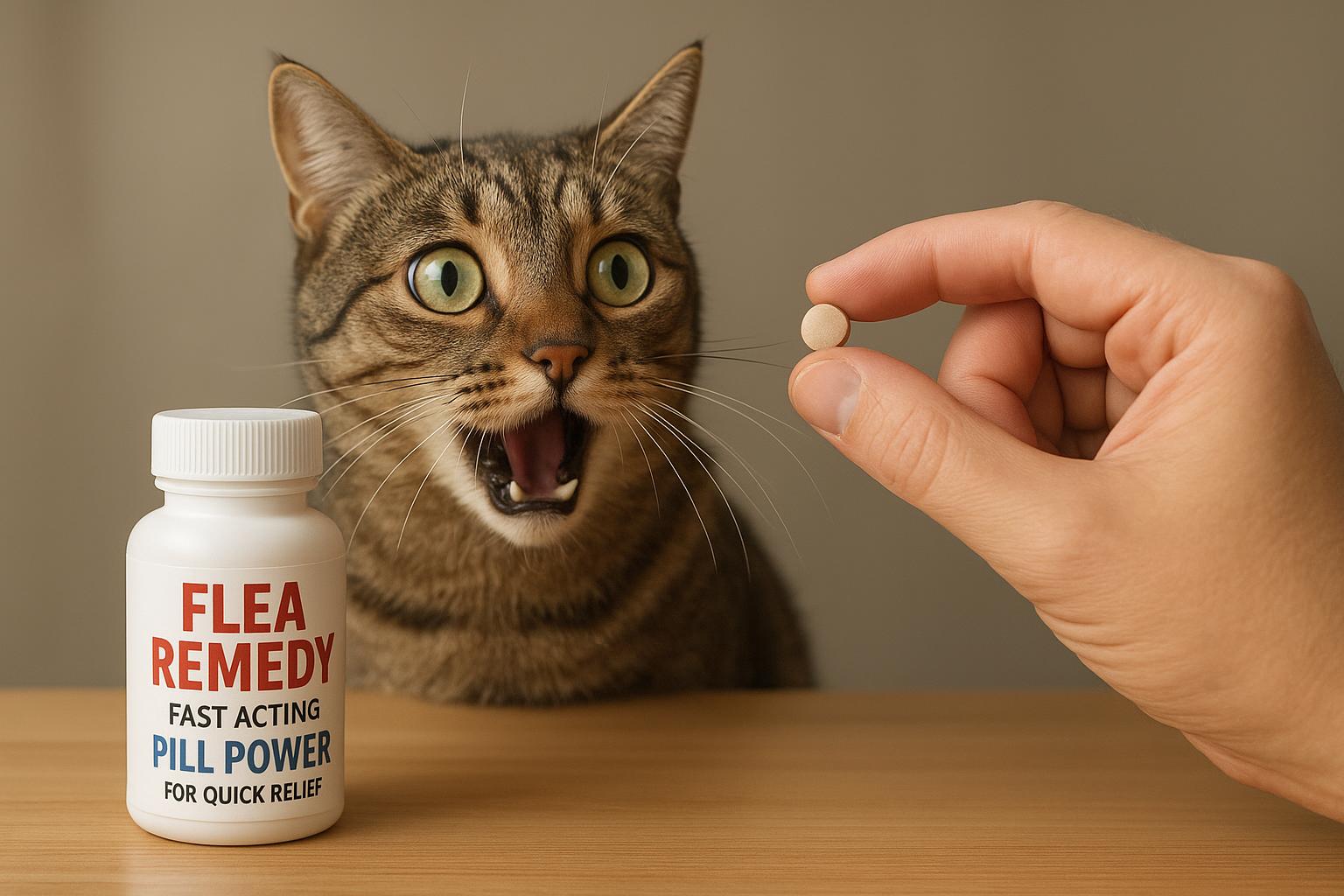
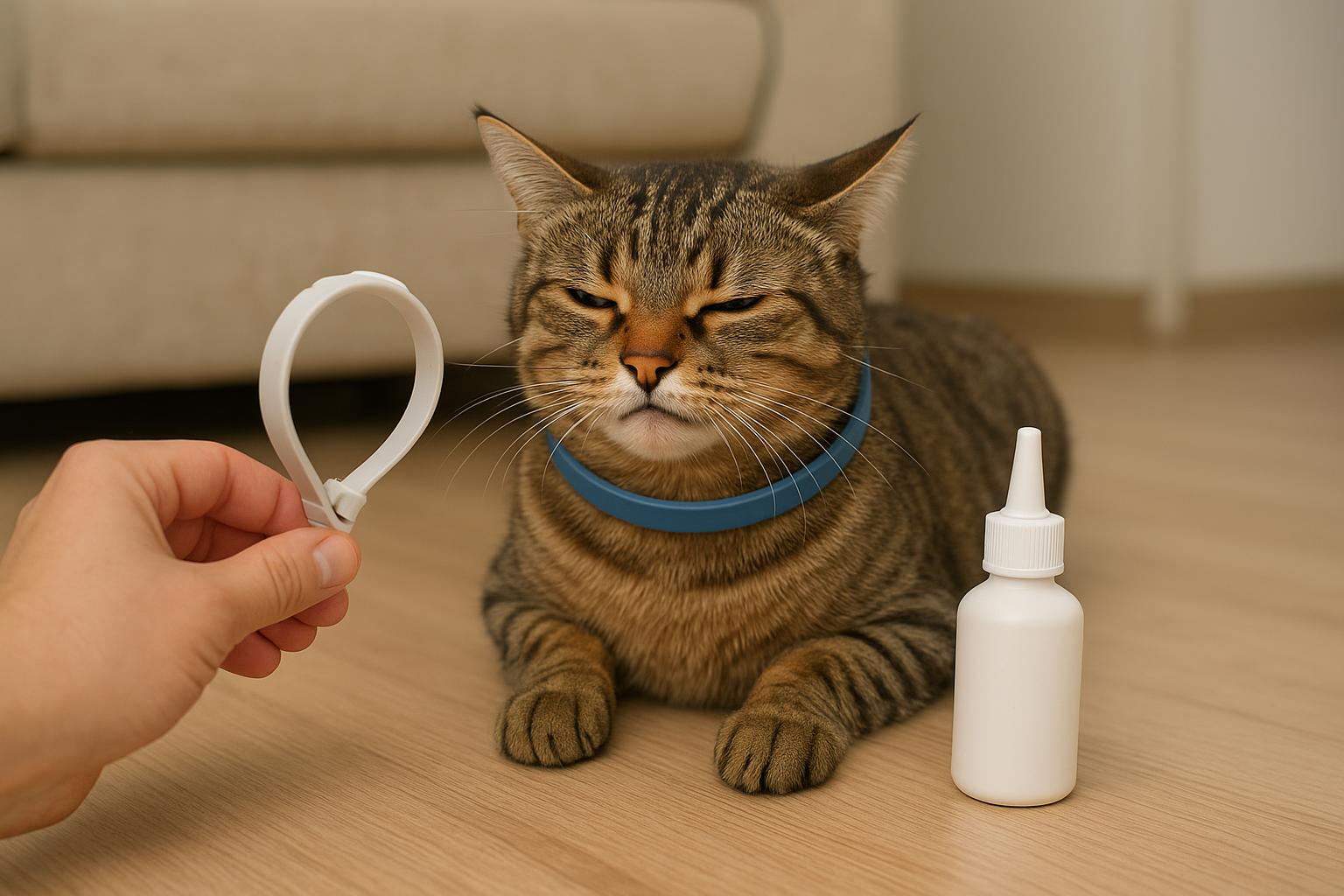
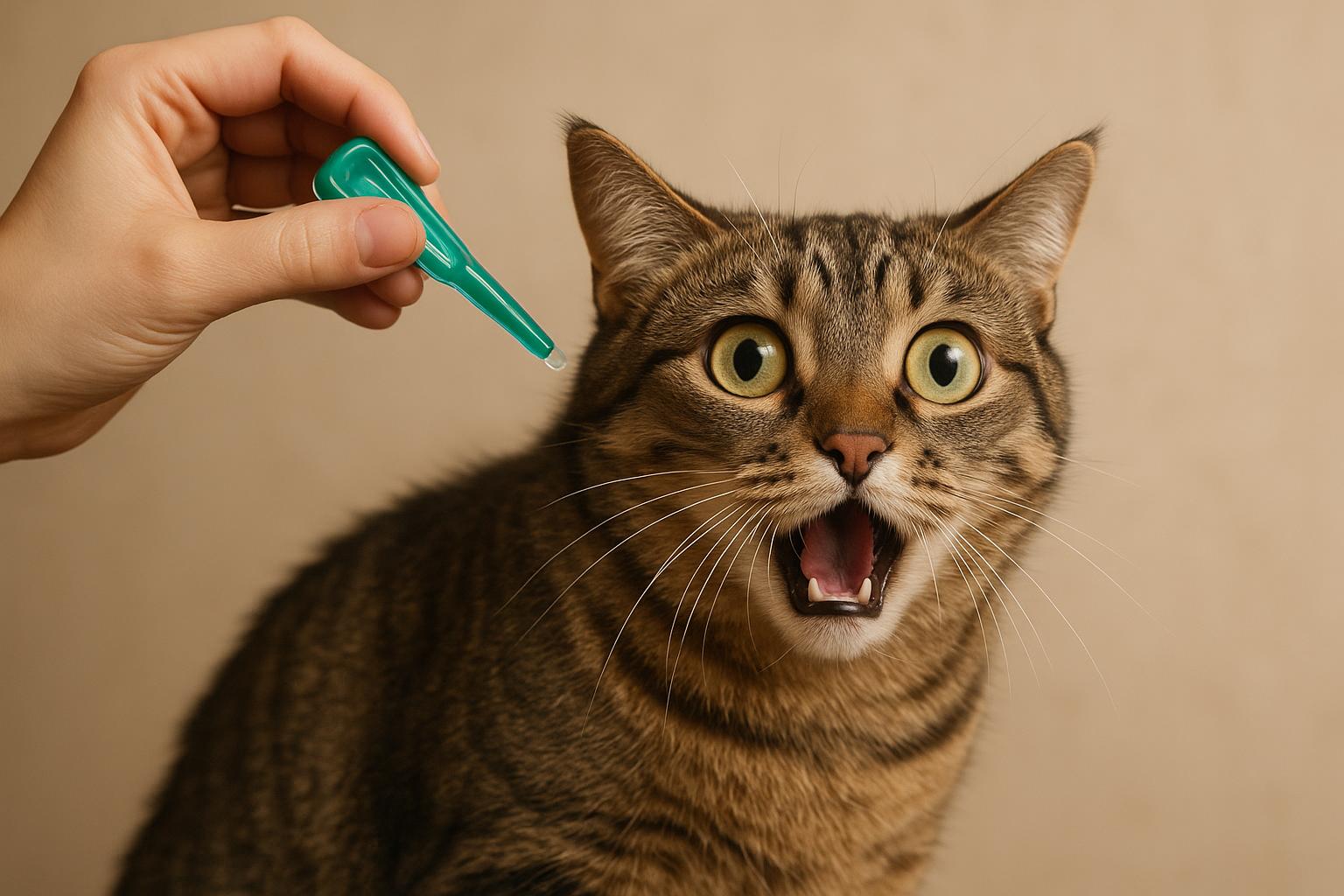
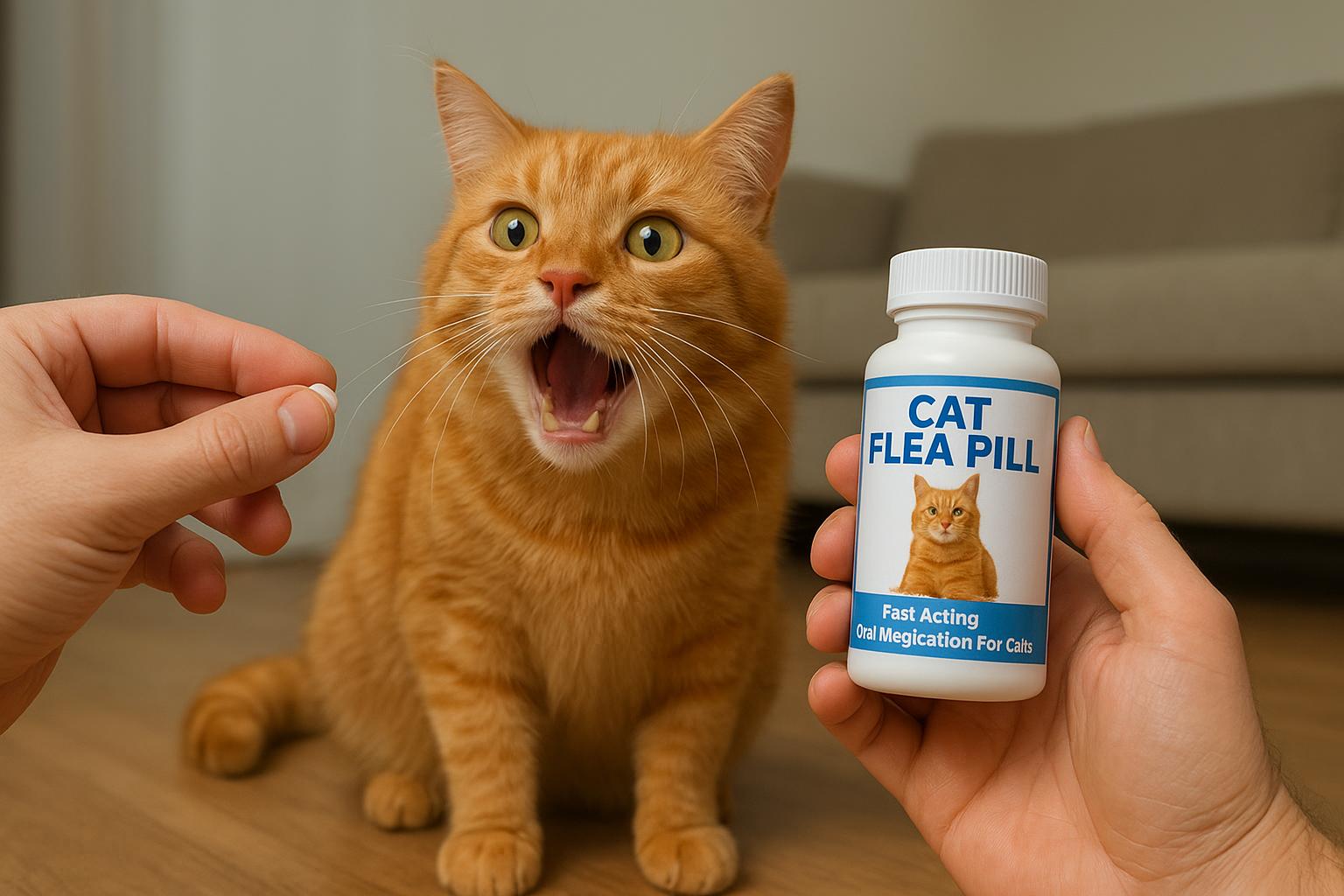
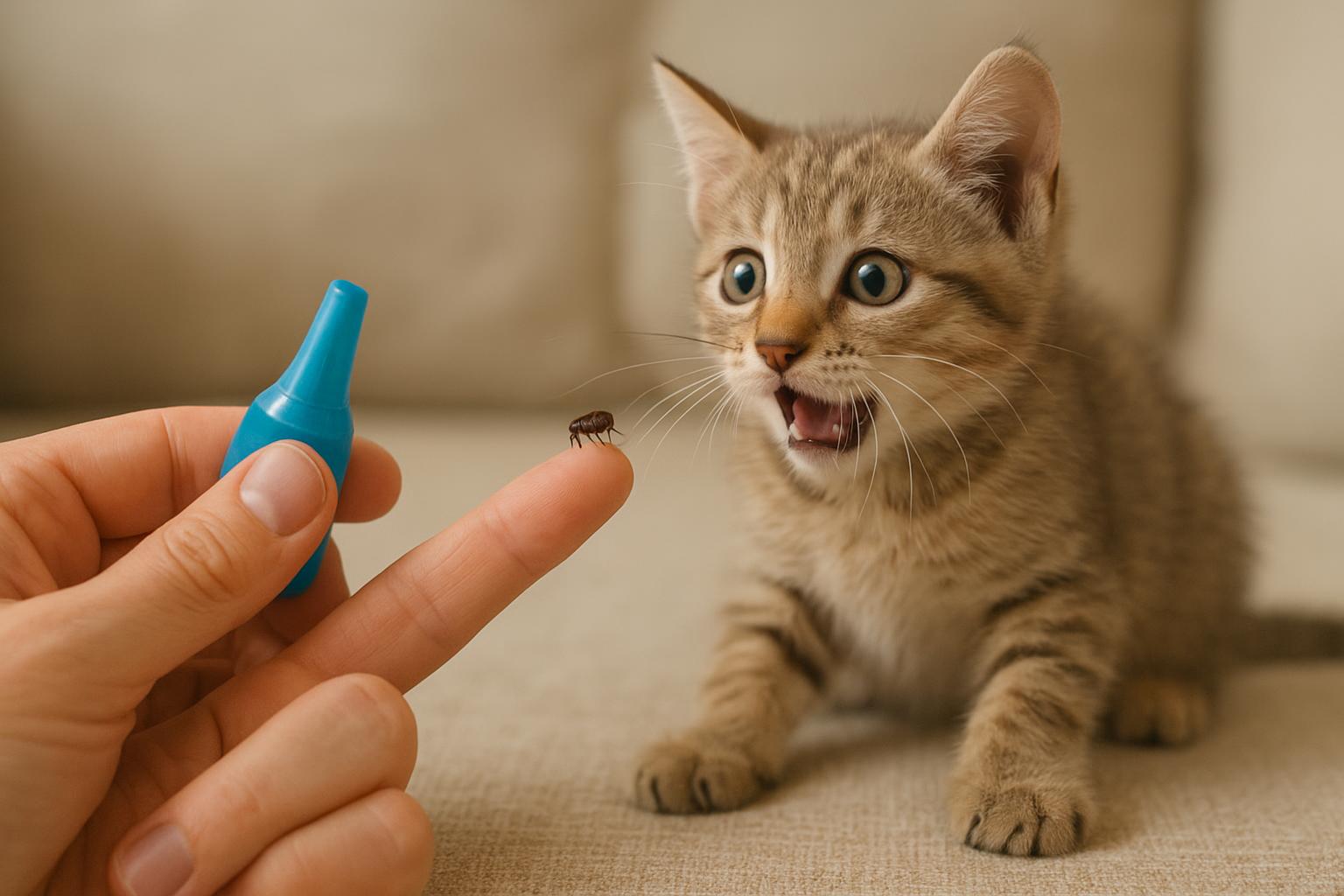
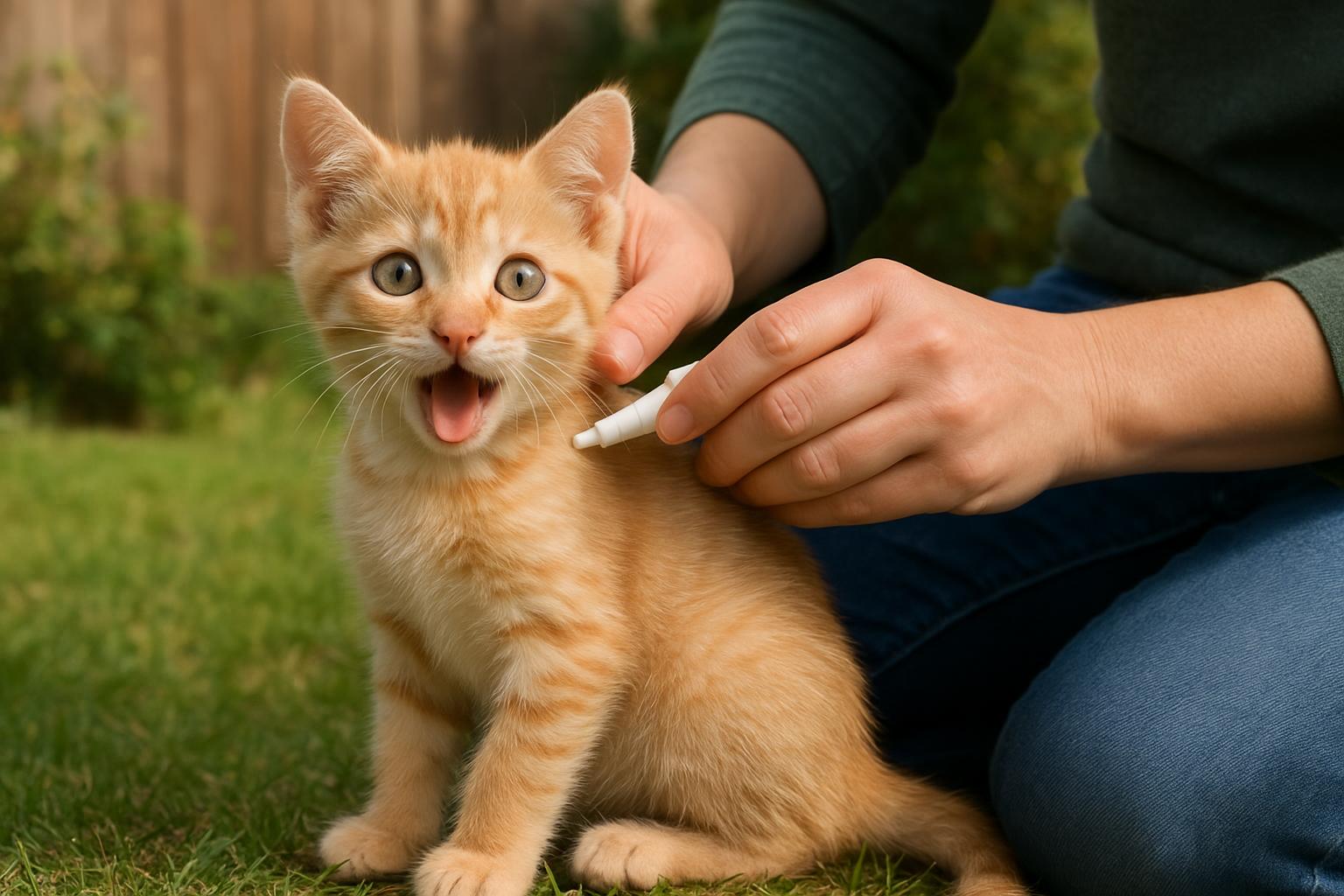
If your kitten is clinically ill, under six weeks old (or under your veterinarian’s minimum weight), shows signs of anemia, or if nonchemical measures fail, contact your veterinarian. Some topical or systemic products are safe for kittens only at certain ages and weights and must be prescribed or approved by a vet. Use of adult cat products or dog flea products on kittens can cause severe toxicity.
– Formal Guidance: Follow the veterinary prescription exactly. Record dates and observe for any adverse effects.
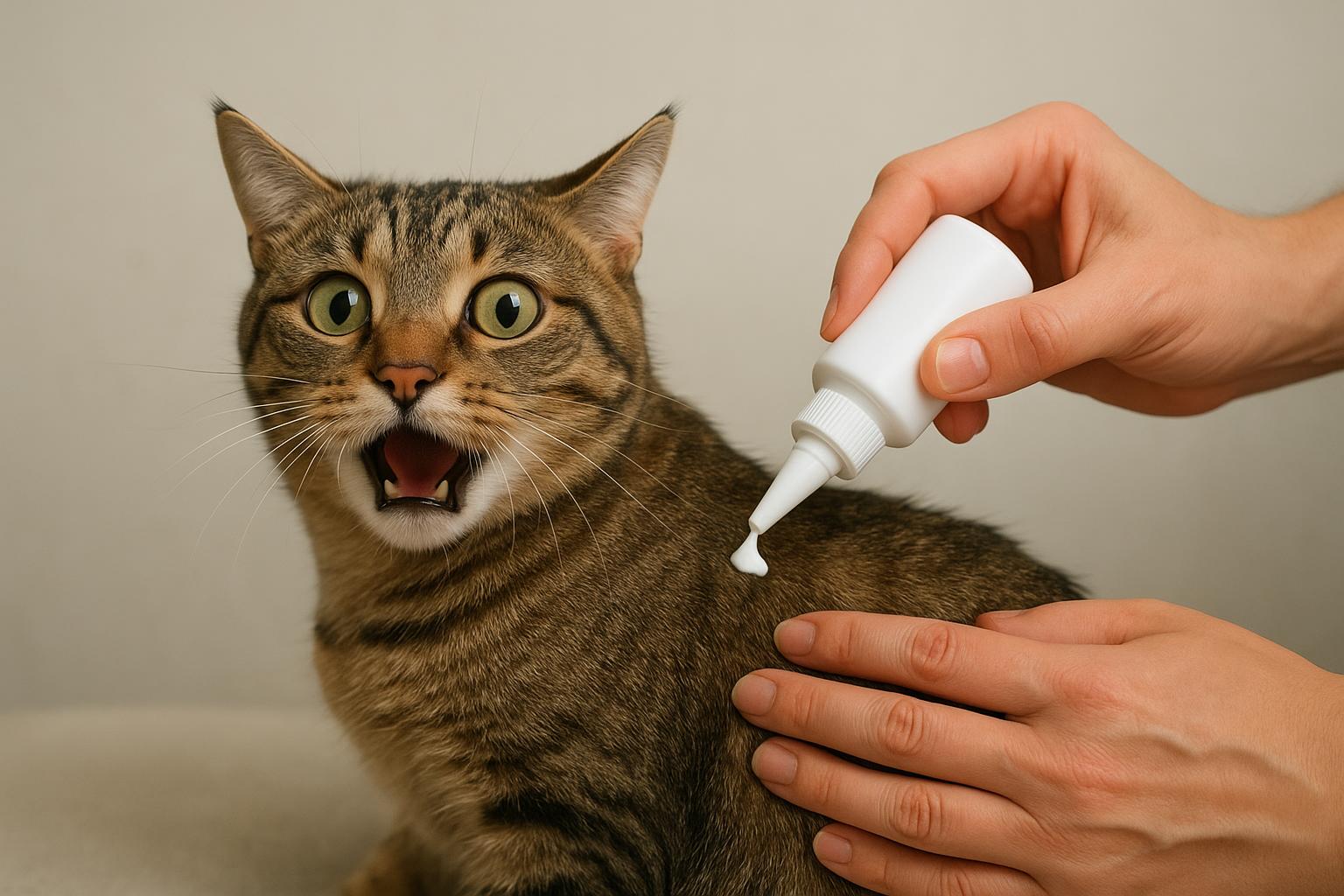
– What To Expect: Vets may recommend a targeted topical drop, an injectable medication, or an oral product depending on age, weight, and overall health. They will also advise on treating the mother if the kitten is nursing.
### Preventing Reinfestation
Ongoing prevention reduces the chance of a future outbreak. Incorporate these habits:
– Regular combing sessions as part of grooming.
– Wash bedding weekly in hot water.
– Vacuum floors, furniture, and cars frequently; dispose of vacuum bags promptly.
– Check outdoor access points: reduce rodent or wildlife attractants around your yard and shelter cozy pets away from tall grass where fleas thrive.
– If you have other pets, ensure they’re also on appropriate flea prevention recommended by a vet.
### Monitoring And Follow‑Up
Keep a close eye on healing skin, activity level, and weight gain in young kittens. If scratching continues or you find new fleas despite consistent home efforts, re‑evaluate your environmental controls and consult your veterinarian. The goal of kitten flea prevention is not only to remove current fleas but to stop the life cycle and prevent future outbreaks.
With consistent effort, your kitten flea prevention approach will keep the new roommate comfy and itch‑free while saving you from midnight panic about mysterious flea bites — and from naming them anything embarrassing when the vet calls.





Leave a Reply