
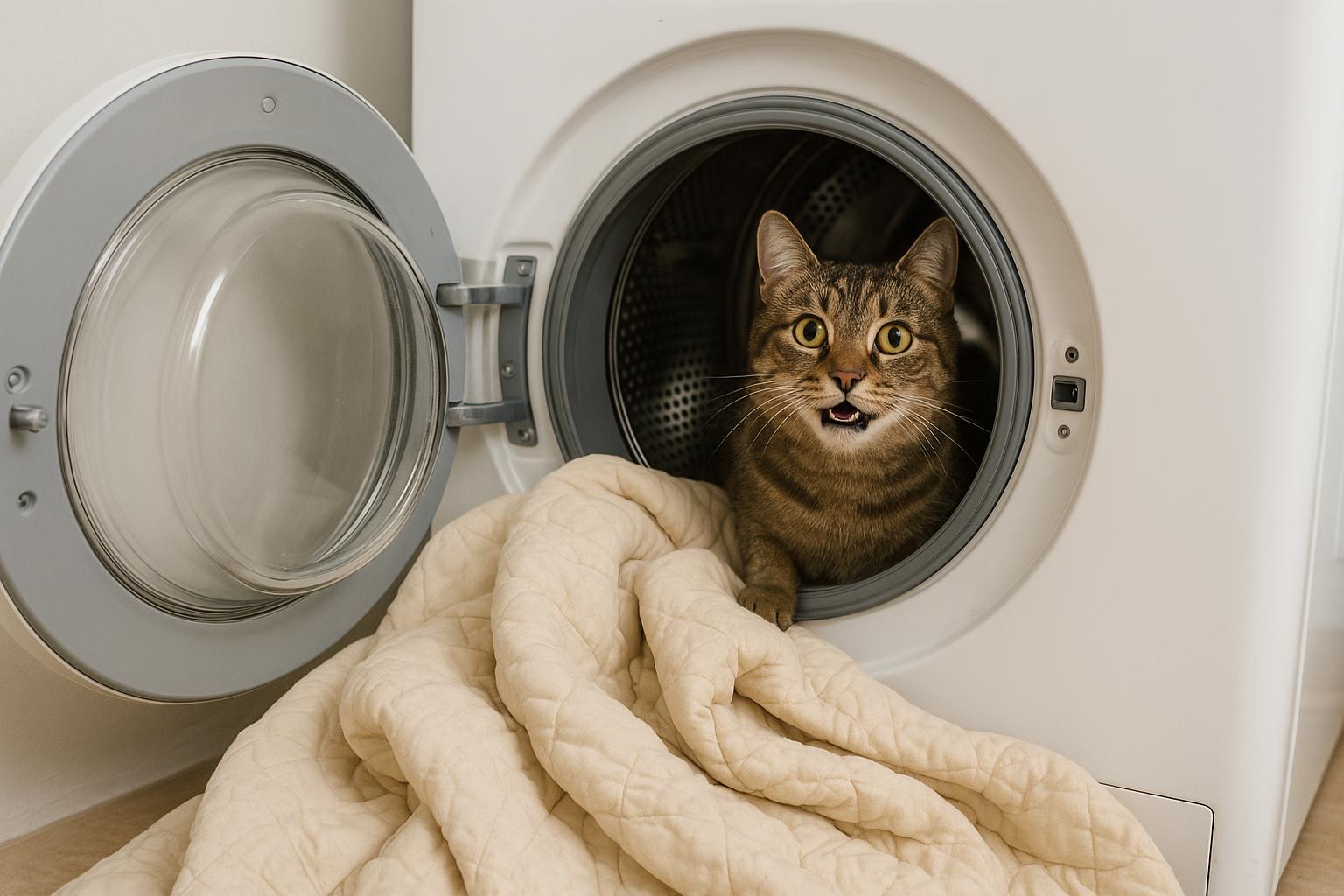
Hey there — if your backyard home has started to feel like a flea convention, you’re in the right place. I’m a backyard wildlife specialist who’s seen plenty of itchy households, and one of the simplest, most effective moves is often the one you can do in your laundry room: wash bedding. Let’s walk through why it matters, what to wash, and two solid, practical remedies to get those fleas out of your sheets and out of your life.
## How To Wash Bedding To Kill Fleas
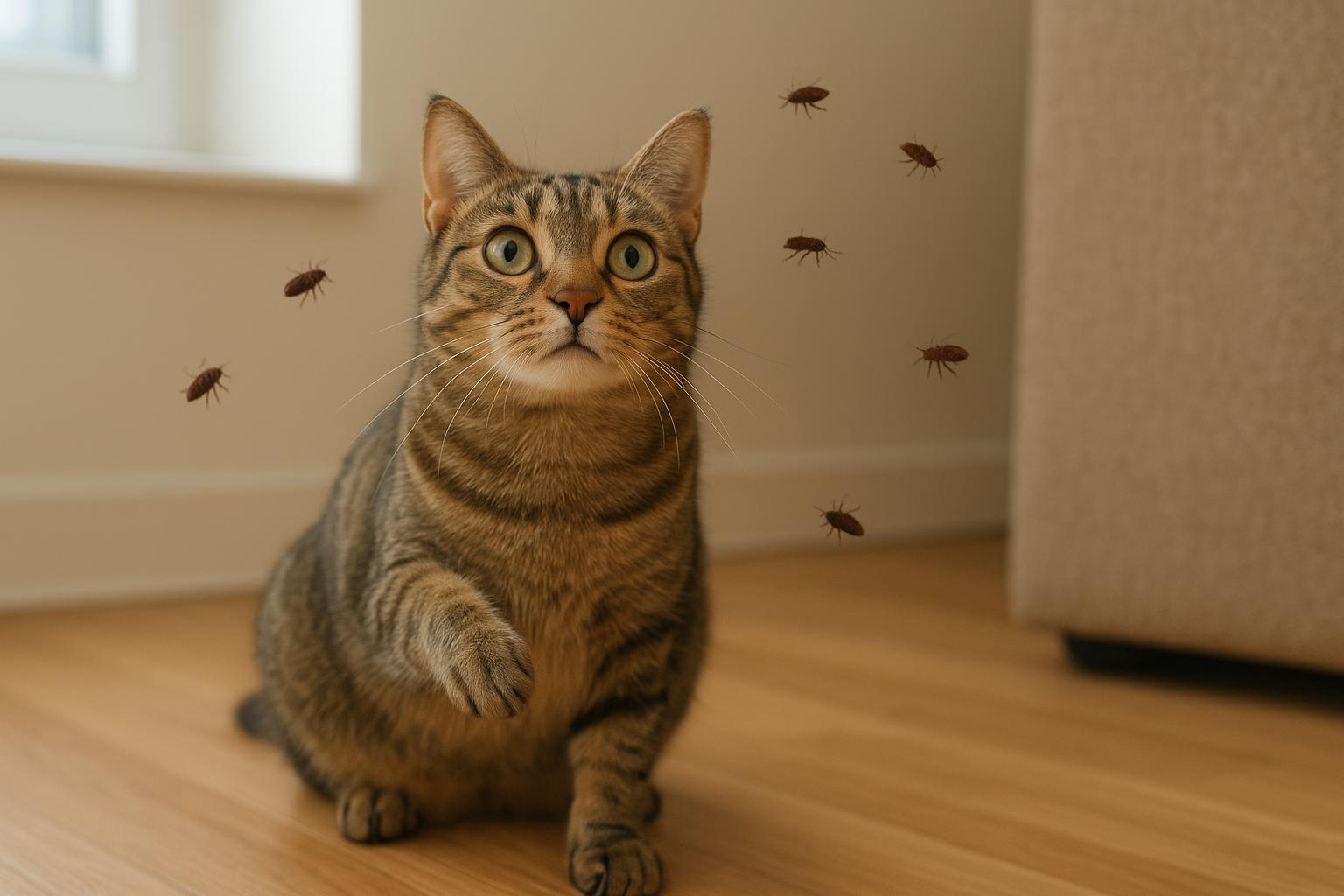
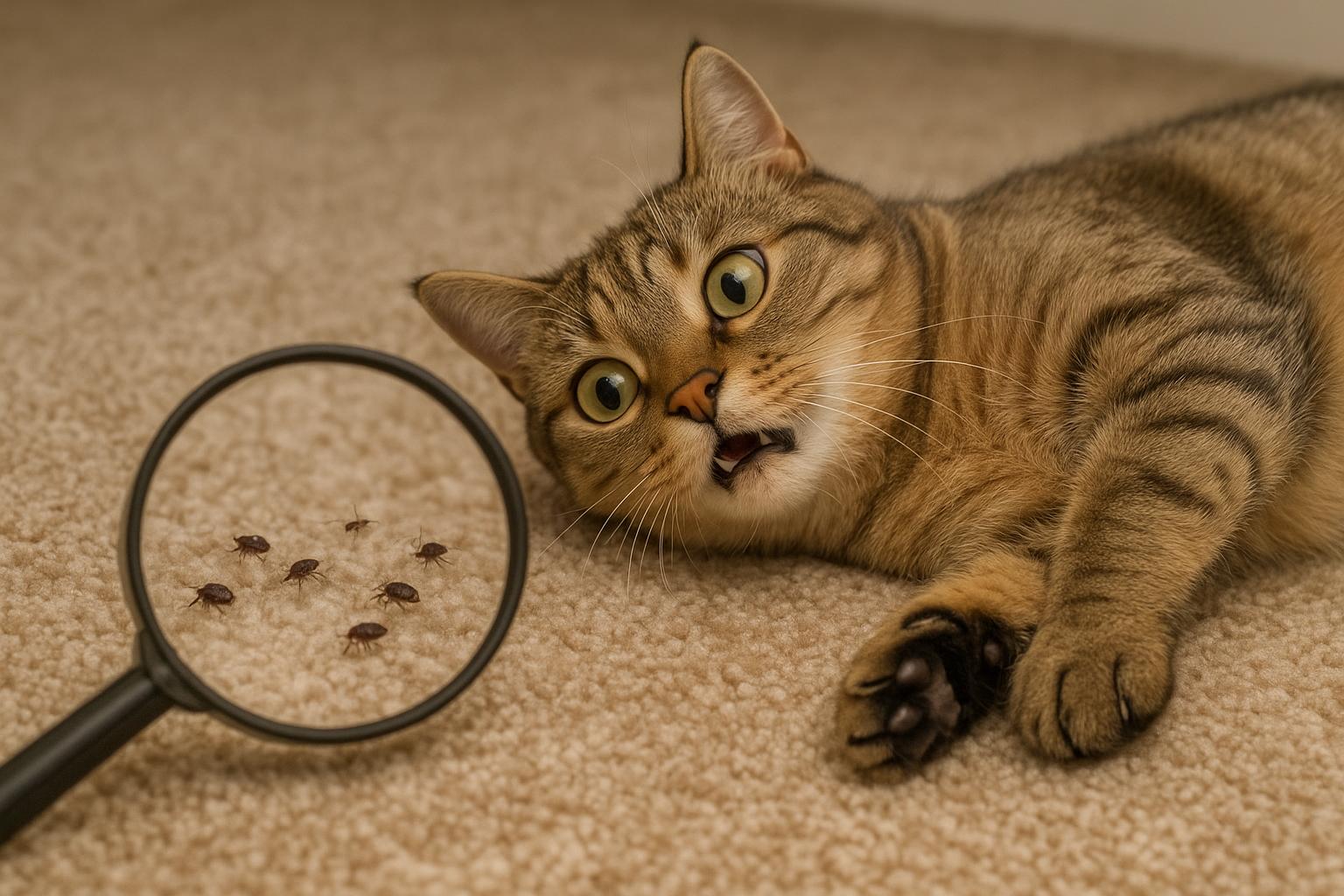
Fleas spend a surprising amount of their time off the host — especially in fabrics where pets or people nap. That means your blankets, sheets, mattress covers, and pet beds are prime real estate for eggs, larvae, pupae, and adult fleas. When you wash bedding correctly, you’re physically removing a chunk of the flea population and subjecting the survivors to heat and detergents that they don’t survive.
A regular wash cycle at moderate temperature will remove dirt and some pests, but to kill fleas and break their lifecycle you need a deliberate approach. If you simply shake things out and toss them on a cool wash, fleas can survive. To truly break the cycle you must combine cleaning, heat, and good timing.
### Why Temperature Matters
Flea eggs and larvae are vulnerable to both detergent and sustained heat. A hot-water wash followed by a high-heat dryer cycle is the most reliable home method to kill fleas at all life stages. Lower temperatures may remove contaminants but won’t reliably kill ticks or fleas.
### What To Wash First
Start with items with the most direct contact: pet bedding, throw blankets where pets sleep, pillowcases, and any bedding that pets have been allowed on. If fleas are active in the house, escalate to sheets, mattress covers, and cushion covers. Don’t forget pet carriers, soft toys, and removable couch cushions where feasible.
## Remedy 1: Machine Wash And Heat Dry Method
This is the primary, most straightforward remedy. It’s formal, effective, and backed by what we know about flea biology.
### Materials Needed
– Laundry detergent (any standard detergent is fine)
– Bleach or non-chlorine disinfectant (optional; use per fabric care instructions)
– Hot water access (washer must reach at least 130°F / 54°C for best results)
– Dryer capable of sustained high heat
– Laundry bags or pillowcase for small items
– Rubber gloves (optional, protects hands and reduces chance of transporting fleas)
### Step-By-Step Procedure
1. Gather Items: Collect all bedding, pet beds, throws, pillowcases, and any washable cushions from the infested areas. Seal items in garbage bags for transport to the laundry room to limit spreading.
2. Pre-Treat Heavily Soiled Items: If an item is visibly dirty, brush off debris outside and pre-treat stains according to label directions.
3. Set Washer to Hot: Use the hottest water setting safe for the fabric. Aim for at least 130°F (54°C) where possible. For delicate items that can’t tolerate heat, use the warmest setting specified on the care label and consider alternative treatments (see Remedy 2).
4. Add Detergent And Optional Disinfectant: Use the recommended amount of detergent. Add bleach or fabric-safe disinfectant only if the fabric care label allows it.
5. Wash A Single Load Or Similar Fabrics Together: Overcrowding reduces water and heat penetration. Wash like items together to ensure effective cleaning.
6. Transfer Directly To Dryer: As soon as the wash finishes, move items to the dryer to prevent fleas from escaping back into the home.
7. Dry On High Heat For At Least 30 Minutes: A dryer on high heat for 30–60 minutes will kill most fleas and eggs. Thick items may require longer.
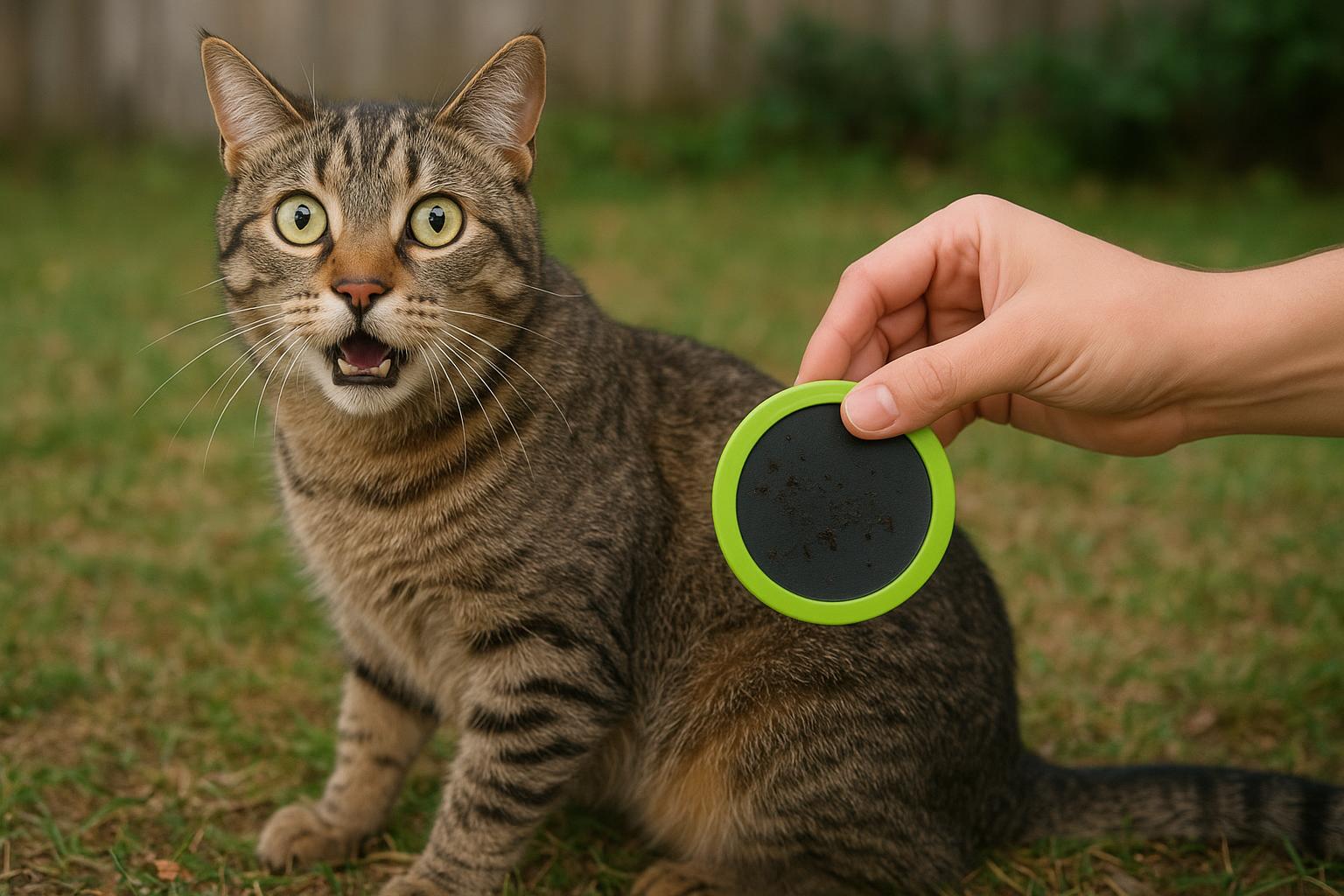
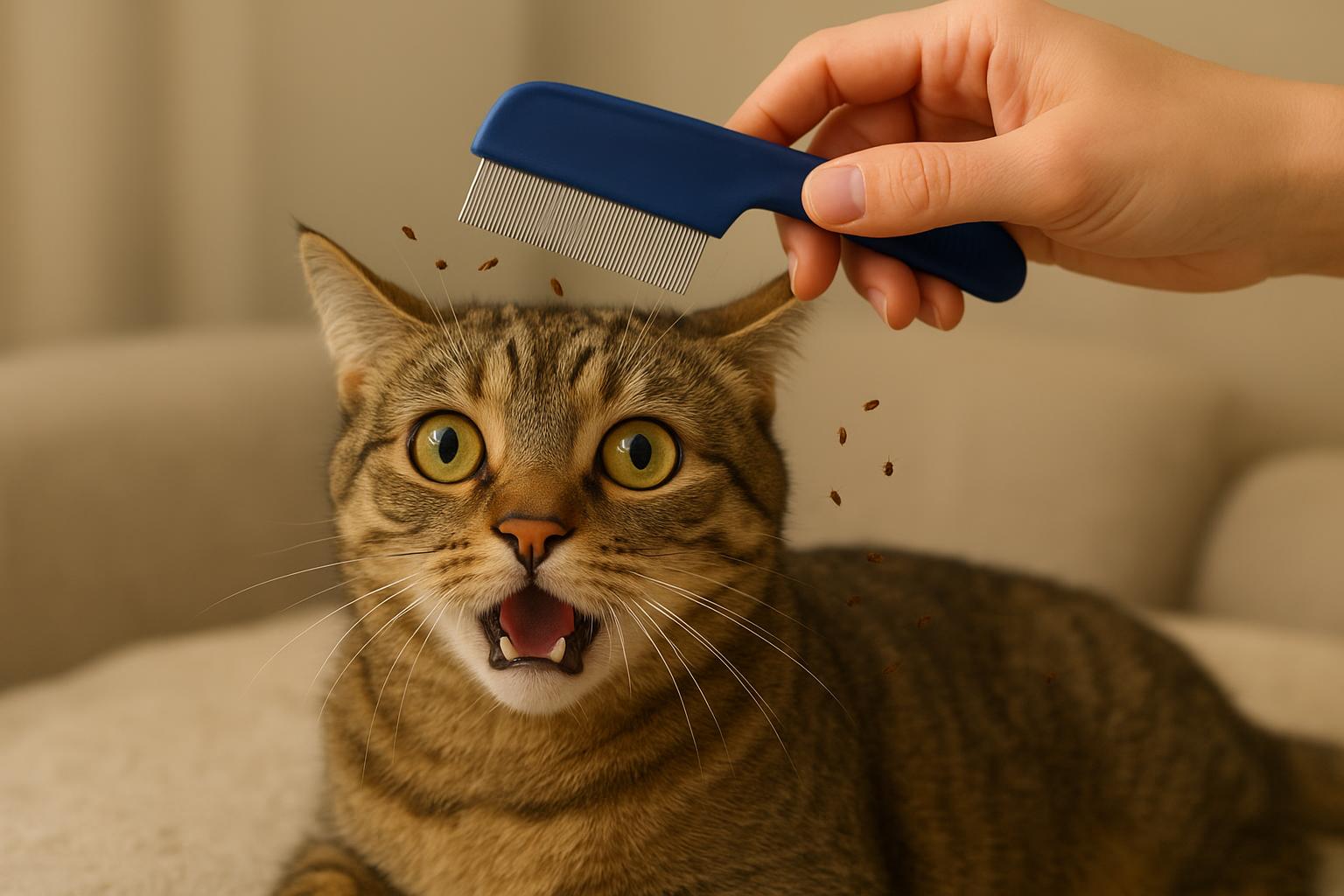
8. Inspect And Repeat If Needed: Check for remaining fleas. If you still find evidence, repeat the wash and dry cycle and consider expanding cleaning to adjacent rooms and pet treatments.
## Remedy 2: Outdoor Solar Heat And Vacuum + Environmental Control
This is a complementary remedy for items that can’t tolerate machine washing or for treating the environment (carpets, mattresses, upholstery). It’s numbered because it’s a second formal approach and works well alongside machine washing.
### Materials Needed
– Vacuum cleaner with strong suction and crevice tool
– Stiff brush for brushing outdoor items
– Heavy-duty trash bags
– Gardening gloves
– Sunlight exposure area (a clean patio or driveway)
– Diatomaceous earth (food-grade) or a household insecticide labeled for fleas (optional, use with caution)
– Cold-water rinse hose (for outdoor rinsing, optional)
### Step-By-Step Procedure
1. Remove Loose Debris Outside: Brush and shake smaller items outdoors to dislodge adult fleas, then immediately vacuum indoors to capture fallen fleas. Sweep up and dispose of debris in a sealed trash bag.
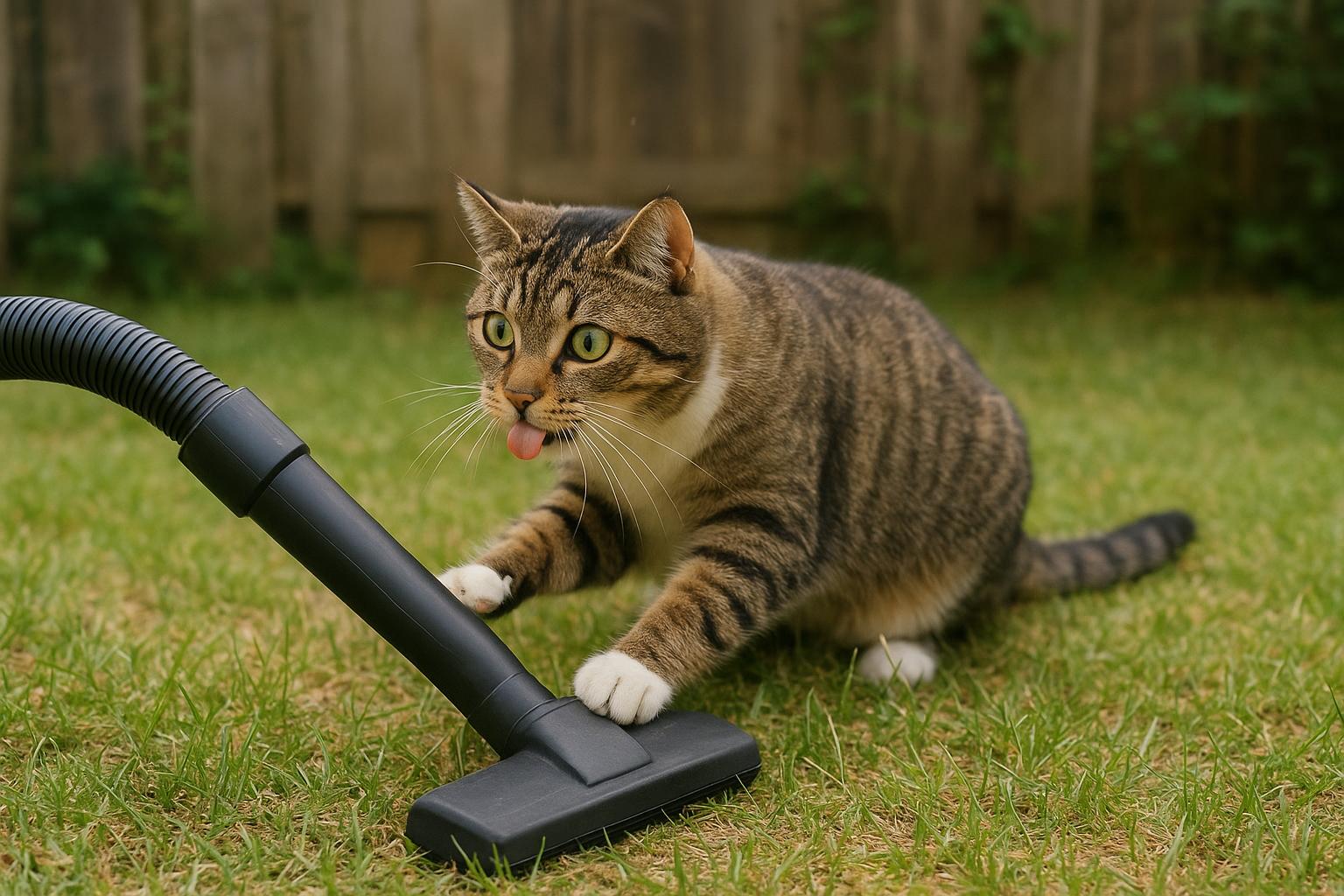
2. Vacuum Carpets And Mattresses Thoroughly: For mattresses and upholstery, vacuum seams, crevices, and beneath cushions. Empty the vacuum canister into a sealed trash bag and dispose of it outside your home.
3. Sun-Heat Treatment For Durable Items: Place non-washable bedding and cushions in direct sunlight on a clean surface. Leave them for several hours on a hot day; solar heat can help kill immature flea stages. Flip items periodically to expose all surfaces.
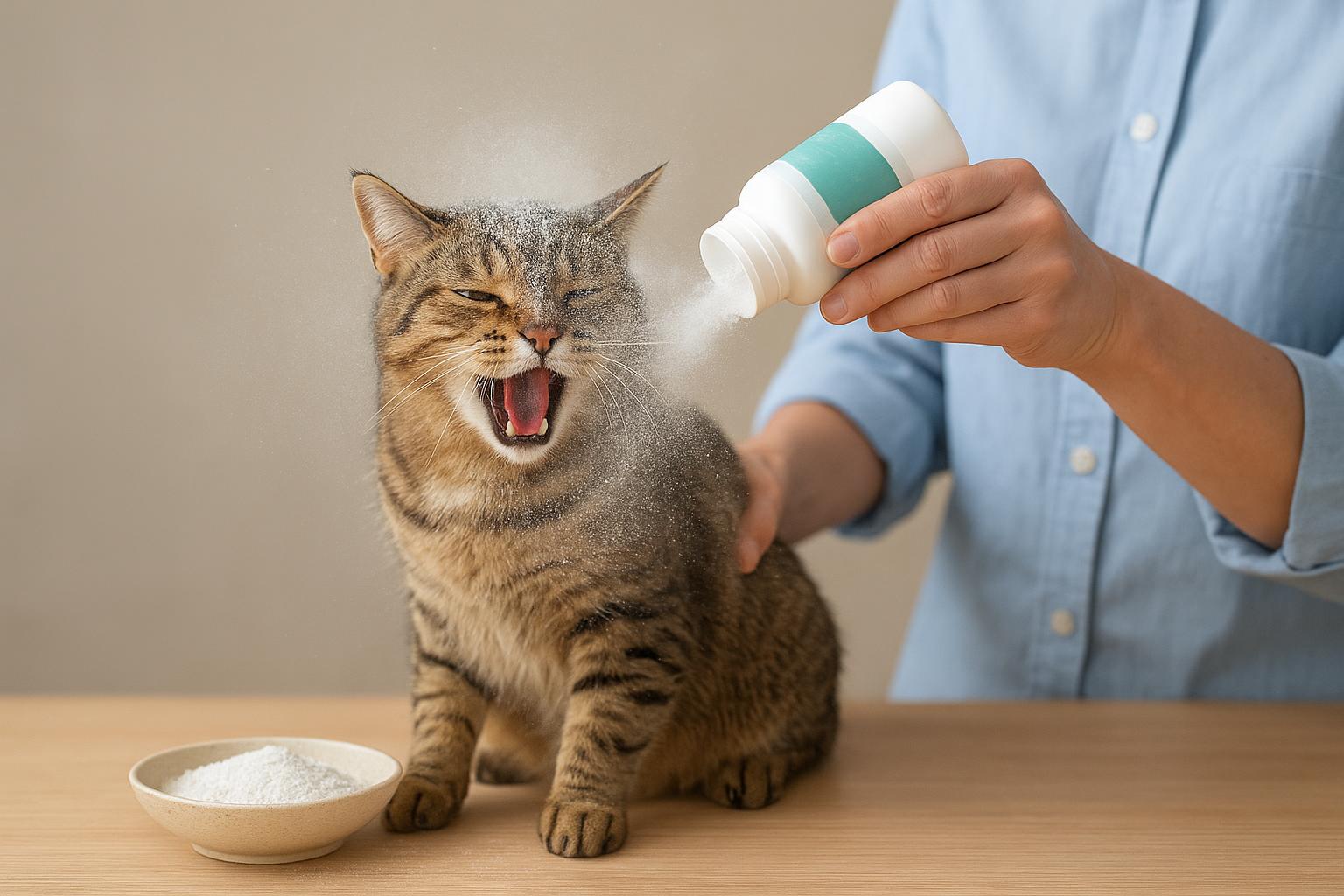
4. Apply Diatomaceous Earth For Long-Term Control (Optional): Lightly dust areas where fleas congregate (carpet edges, pet resting spots). Leave for 48 hours, then vacuum thoroughly. Use food-grade only and follow label directions.
5. Steam Clean Carpets And Upholstery (If Available): High-temperature steam cleaning is effective at killing fleas in fabric and carpet when a washer/dryer isn’t feasible.
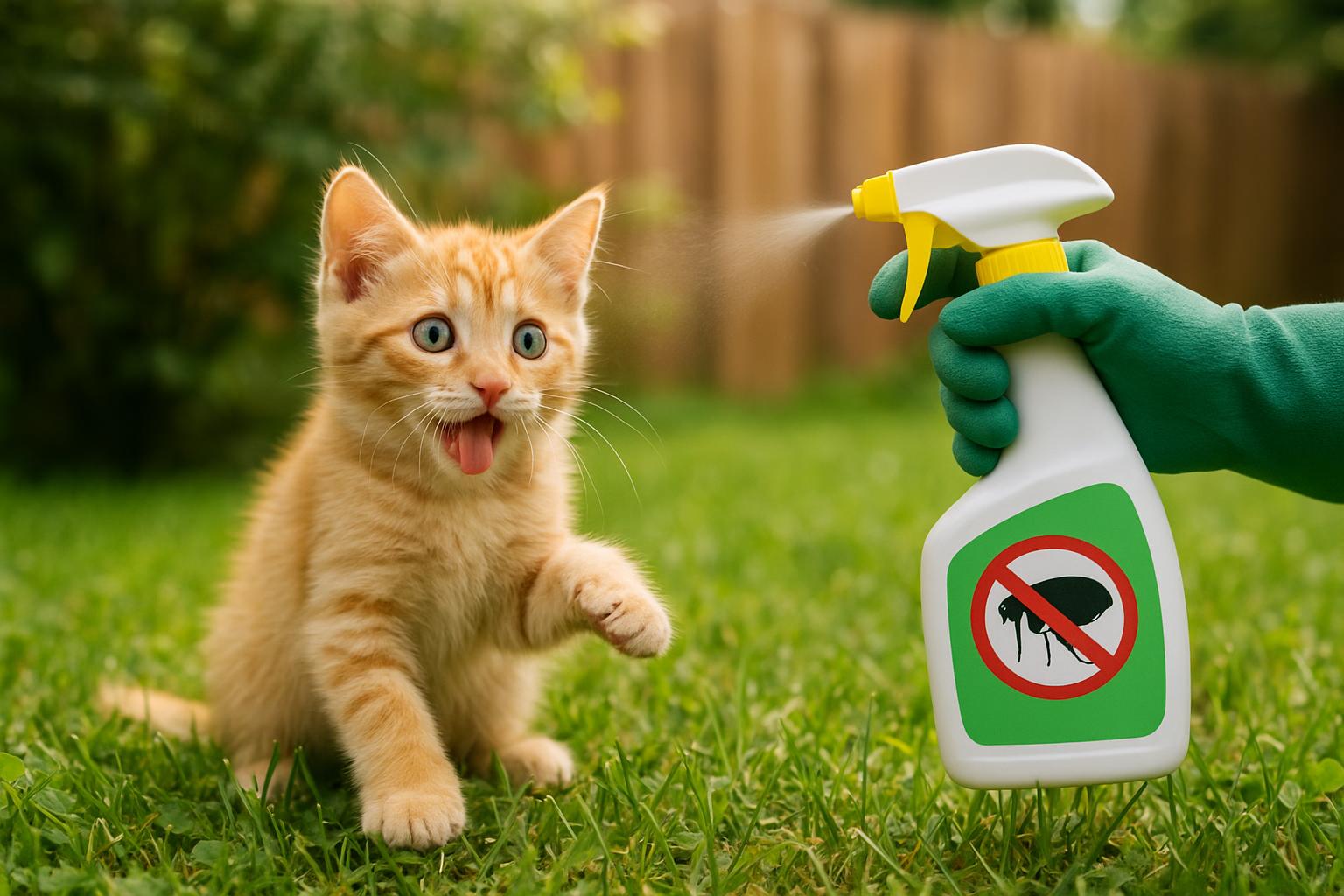
6. Treat The Yard: Fleas often originate outdoors. Mow the lawn, clear leaf litter, and create sunlit areas. For heavy infestations, consider applying a yard treatment labeled for flea control or hire a pest control professional.
7. Repeat And Monitor: Environmental treatments may require multiple passes over several weeks to disrupt the flea lifecycle fully.
## What To Do With Non-Washable Items
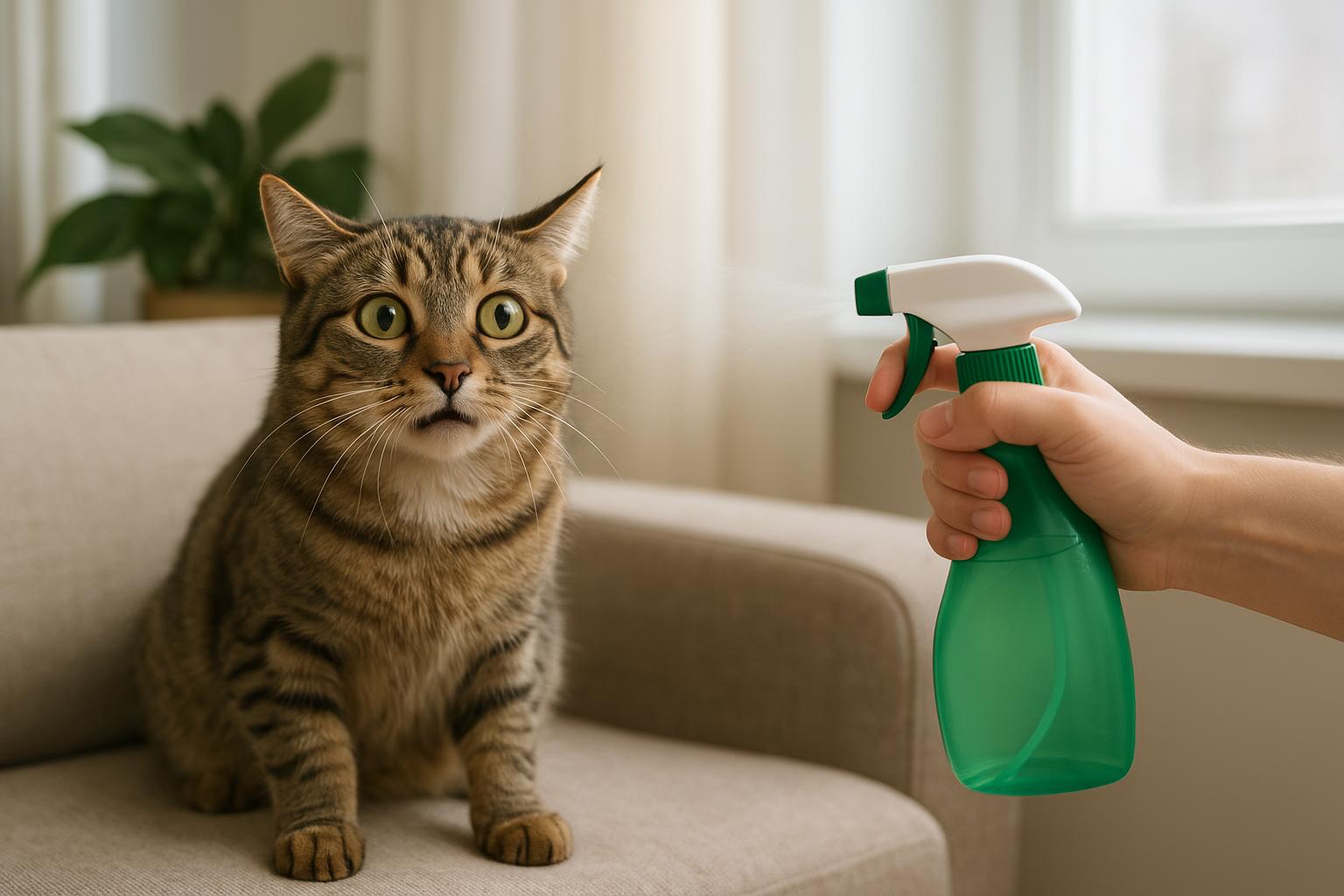
If an item is labeled “dry clean only” or is too delicate for heat, consider enclosing it in a sealed plastic bag and leaving it in a hot, sun-exposed spot for several days, or take it to a professional cleaner who can apply appropriate treatments. Alternatively, use a targeted insecticidal spray labeled safe for fabrics, following the product instructions precisely.
## Preventive Measures And Pet Care
Keeping fleas from returning involves more than one laundry run. Regular pet care and environmental attention are key.
### Routine Steps
– Wash pet bedding weekly during flea season. When you wash bedding for pets, use the hot-water/high-heat dryer method.
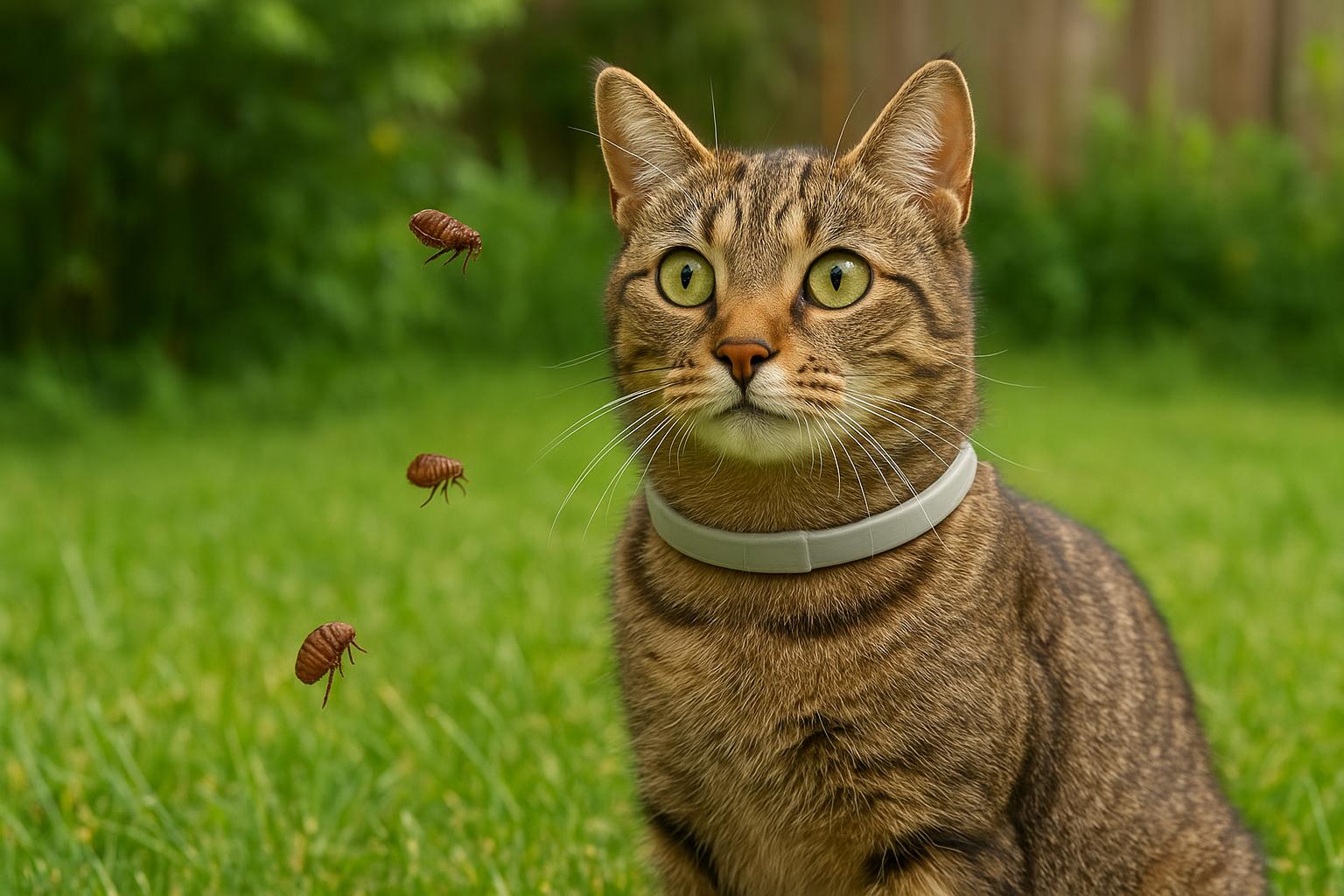
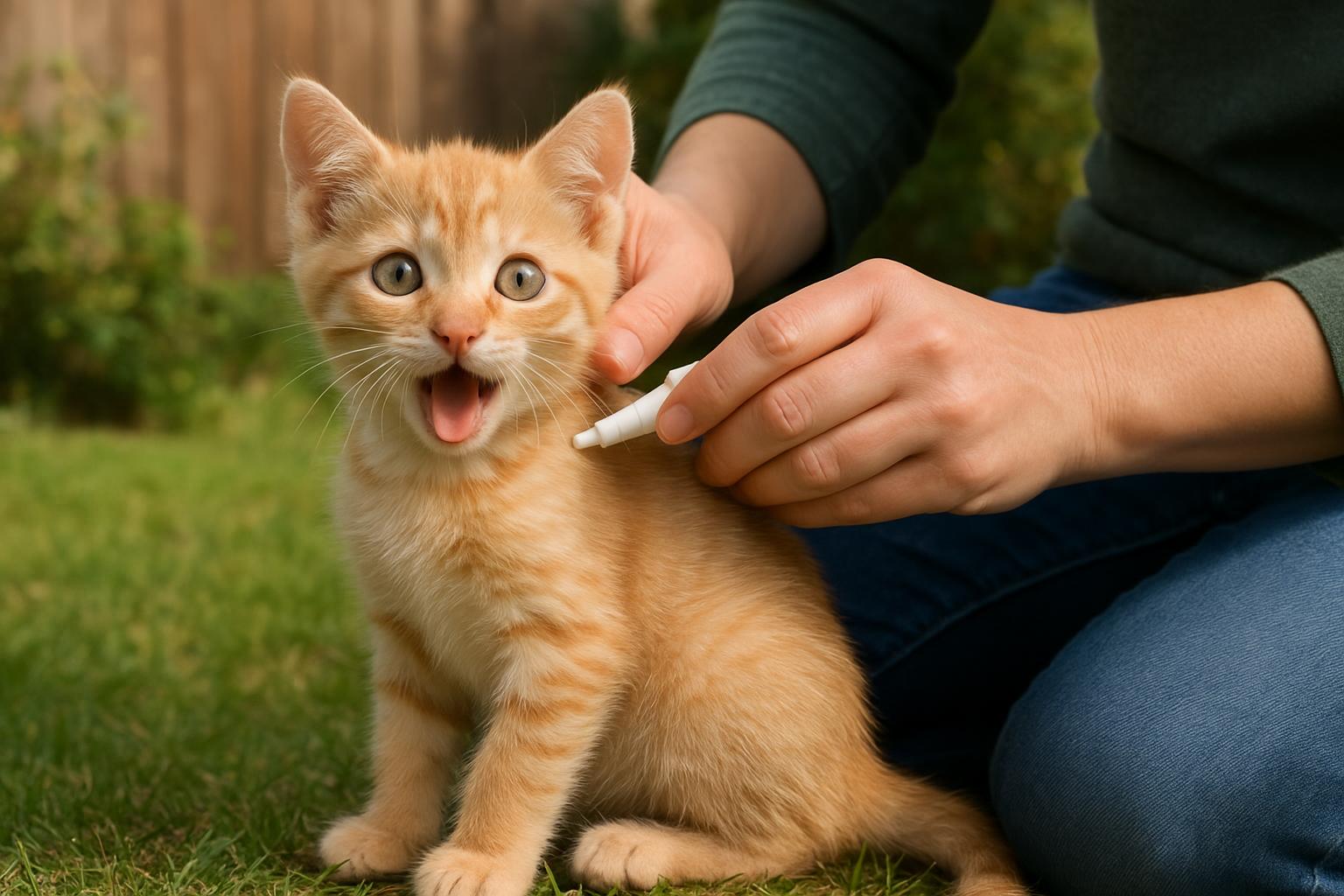
– Use veterinarian-recommended flea preventatives on pets year-round in areas where fleas are common.
– Vacuum high-traffic areas twice a week and immediately empty the vacuum contents into an outside trash can.
– Seal cracks and crevices where pets rest; fleas like to hide in dark, sheltered places.
### When To Wash Bedding Versus Replace
If an item has been heavily infested and repeatedly treated without success, replacement may be more cost-effective than ongoing cleaning. For pet beds with foam inserts, consider replacing foam that can’t be thoroughly dried at high heat.
### When To Call A Professional
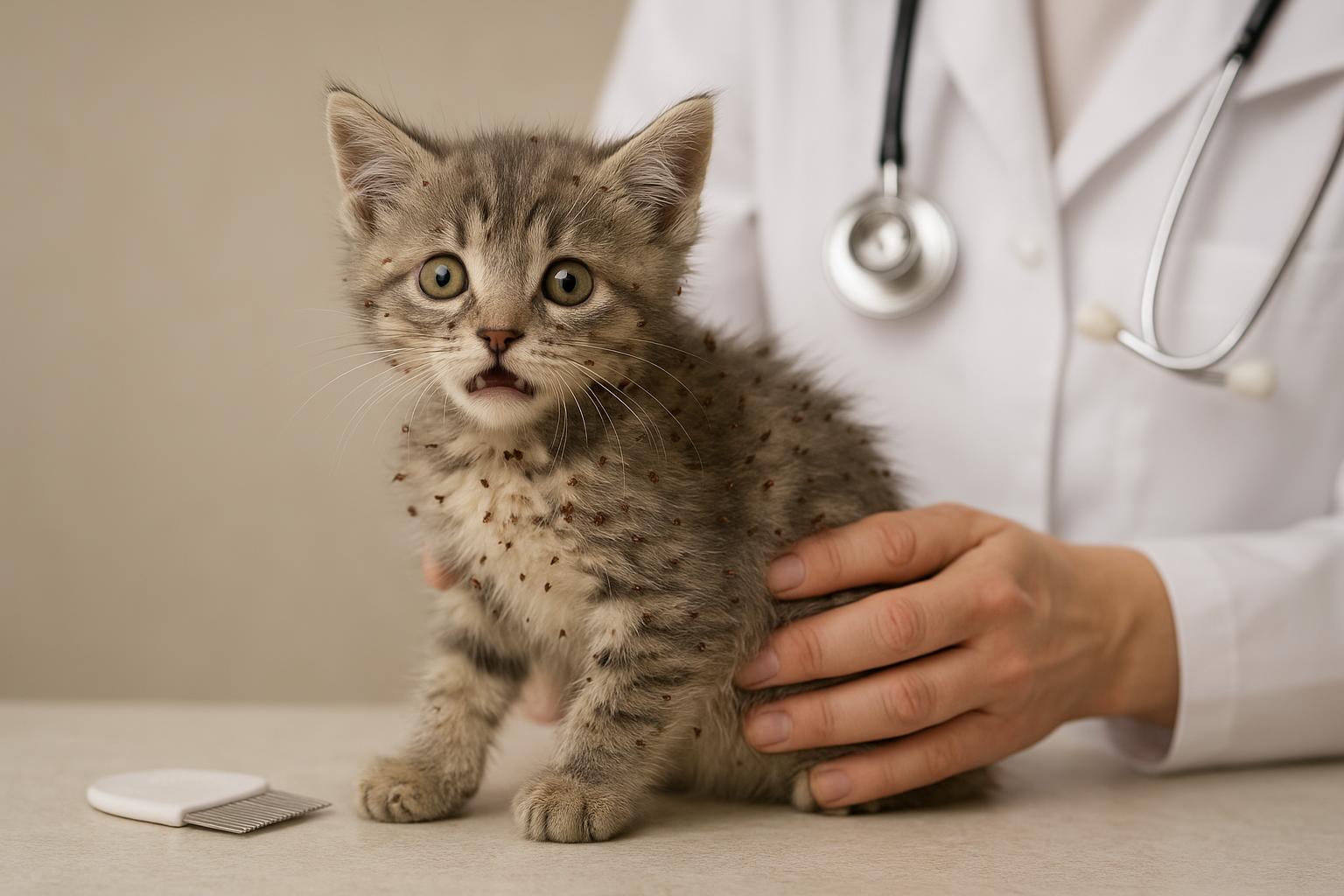
If you’ve thoroughly applied both remedies, washed bedding repeatedly, treated pets, and still see fleas, a licensed pest control professional can assess your home and yard and apply targeted treatments. For households with small children, elderly residents, or people with respiratory issues, professional treatment may be the safer and faster option.
#### Quick Tip For Busy Homeowners
If you’re short on time, prioritize washing anything that touches pets and human sleeping areas first. A single hot wash and dryer cycle on those items will often make the biggest immediate difference in comfort and flea numbers.
Wash bedding well, treat pets responsibly, and clean the environment — that trio is your best bet for reclaiming a flea-free home without overcomplicating things. If you want, I can walk you through a tailored schedule for your home, pets, and yard based on your specific setup.







Leave a Reply