
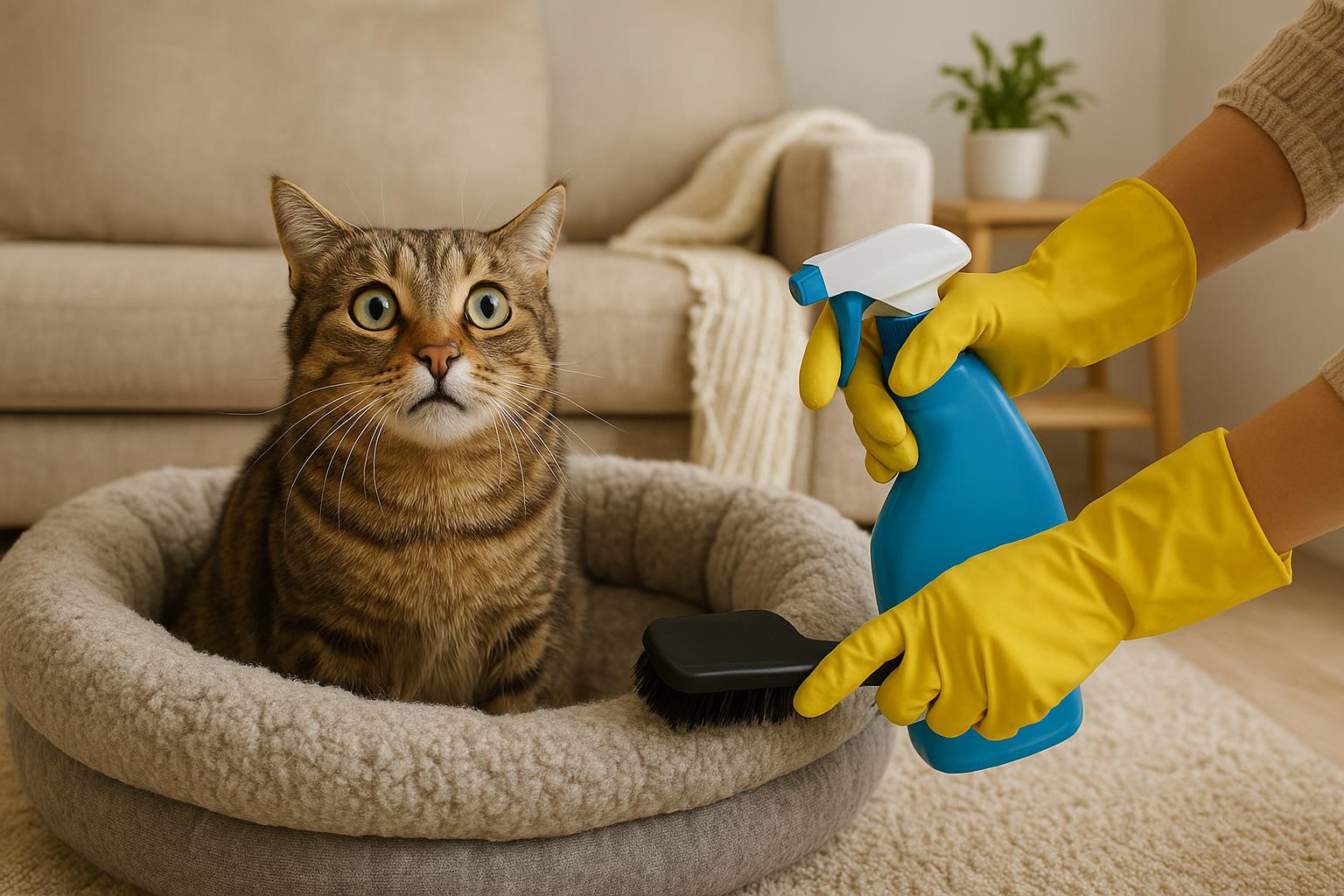
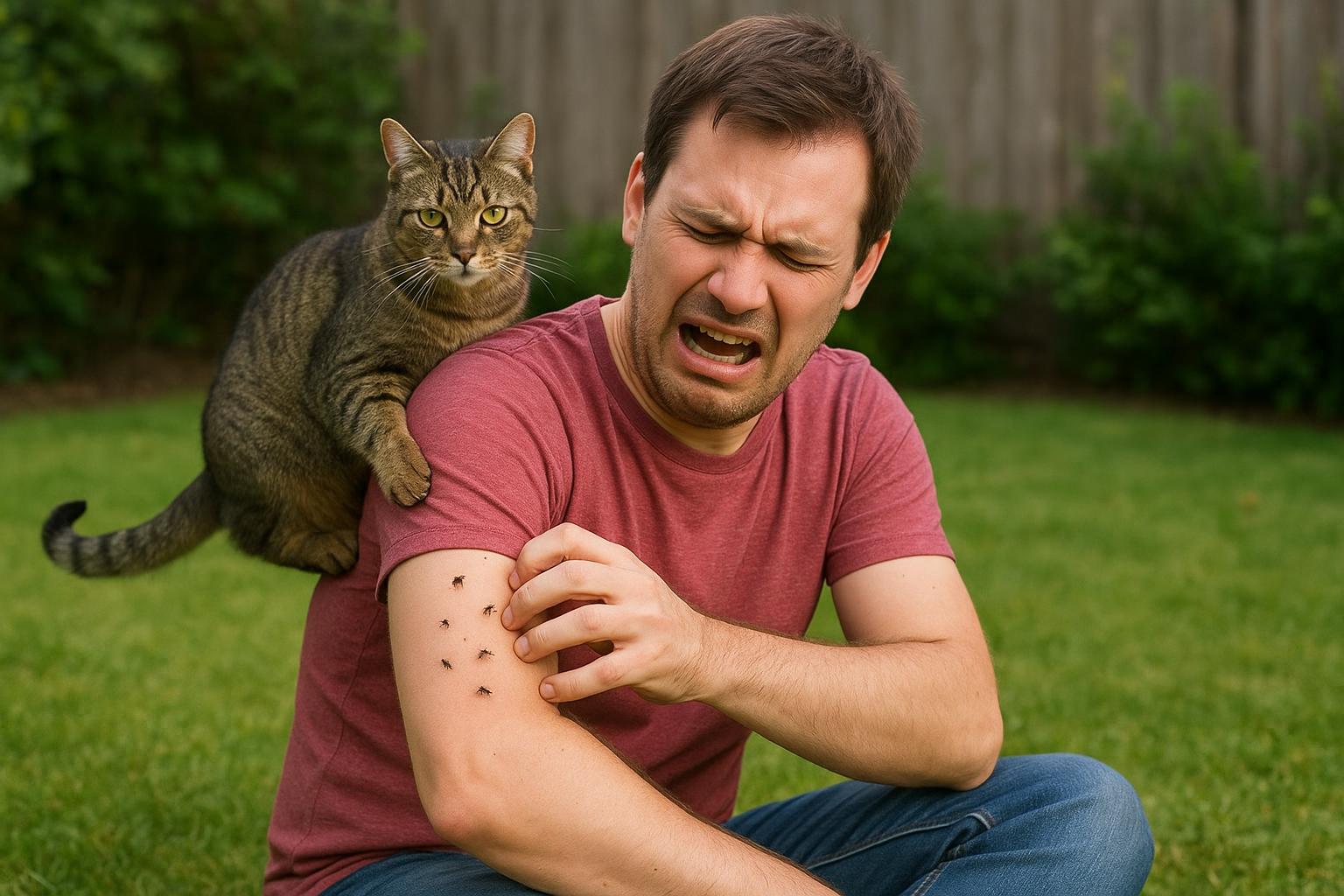
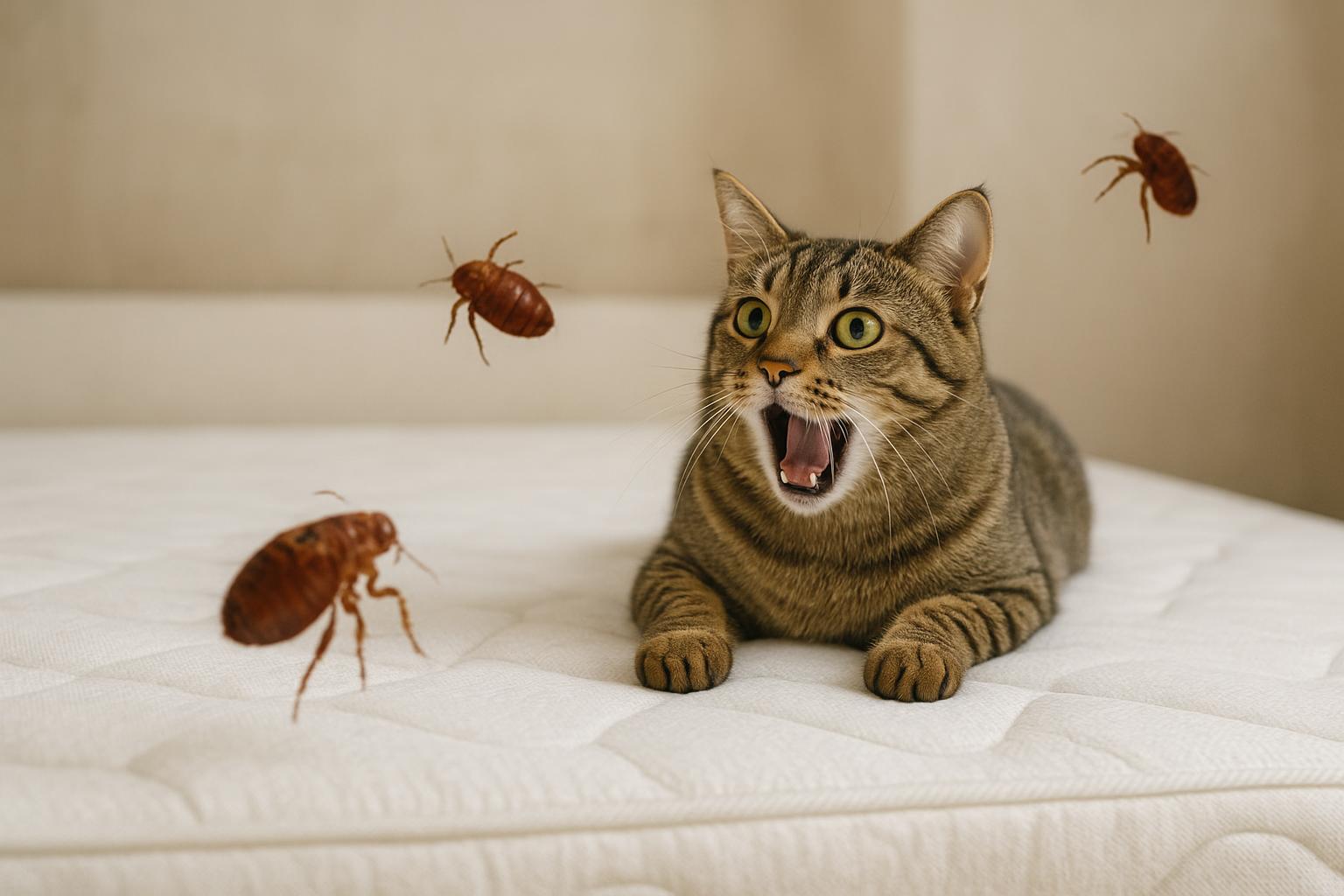
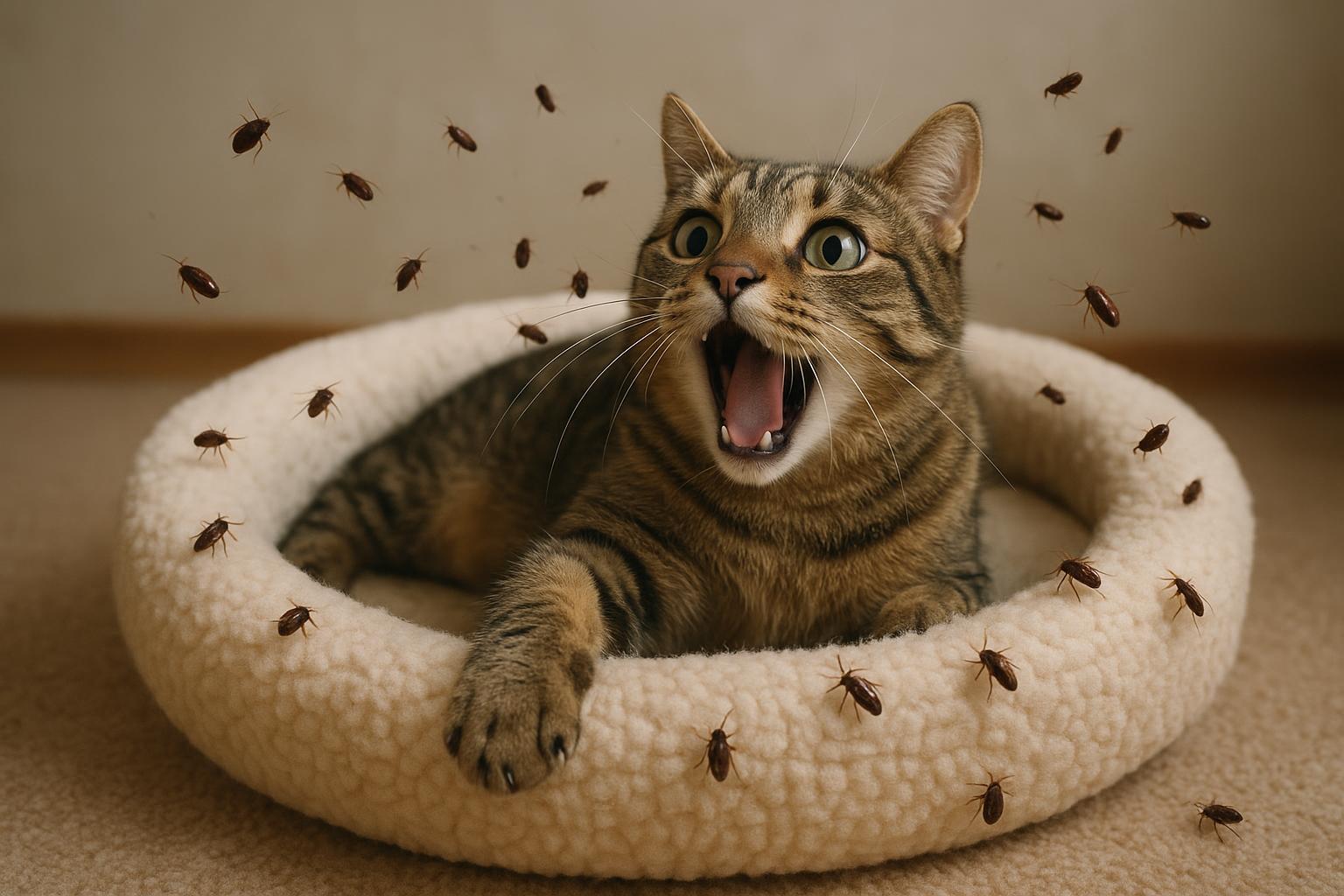
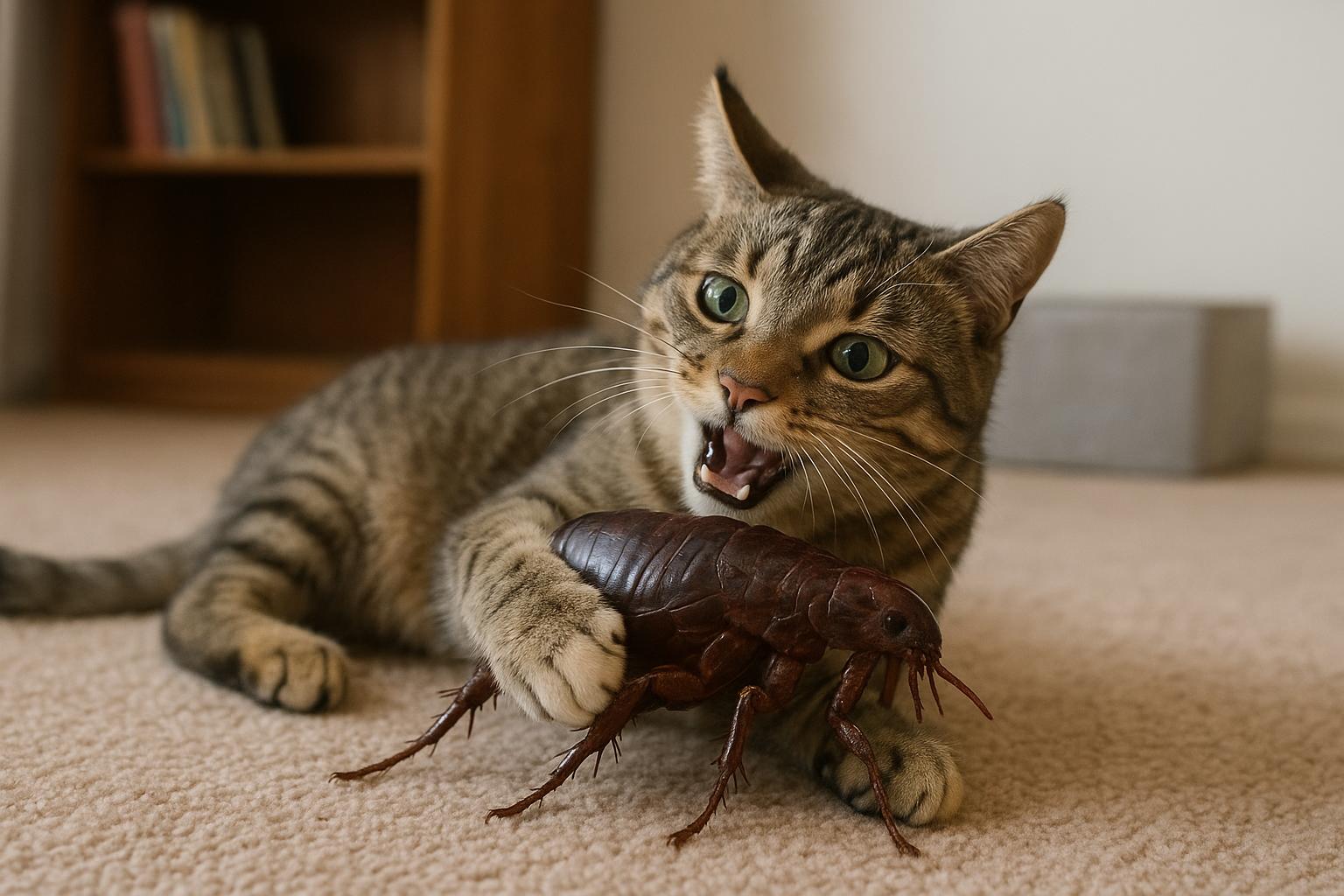
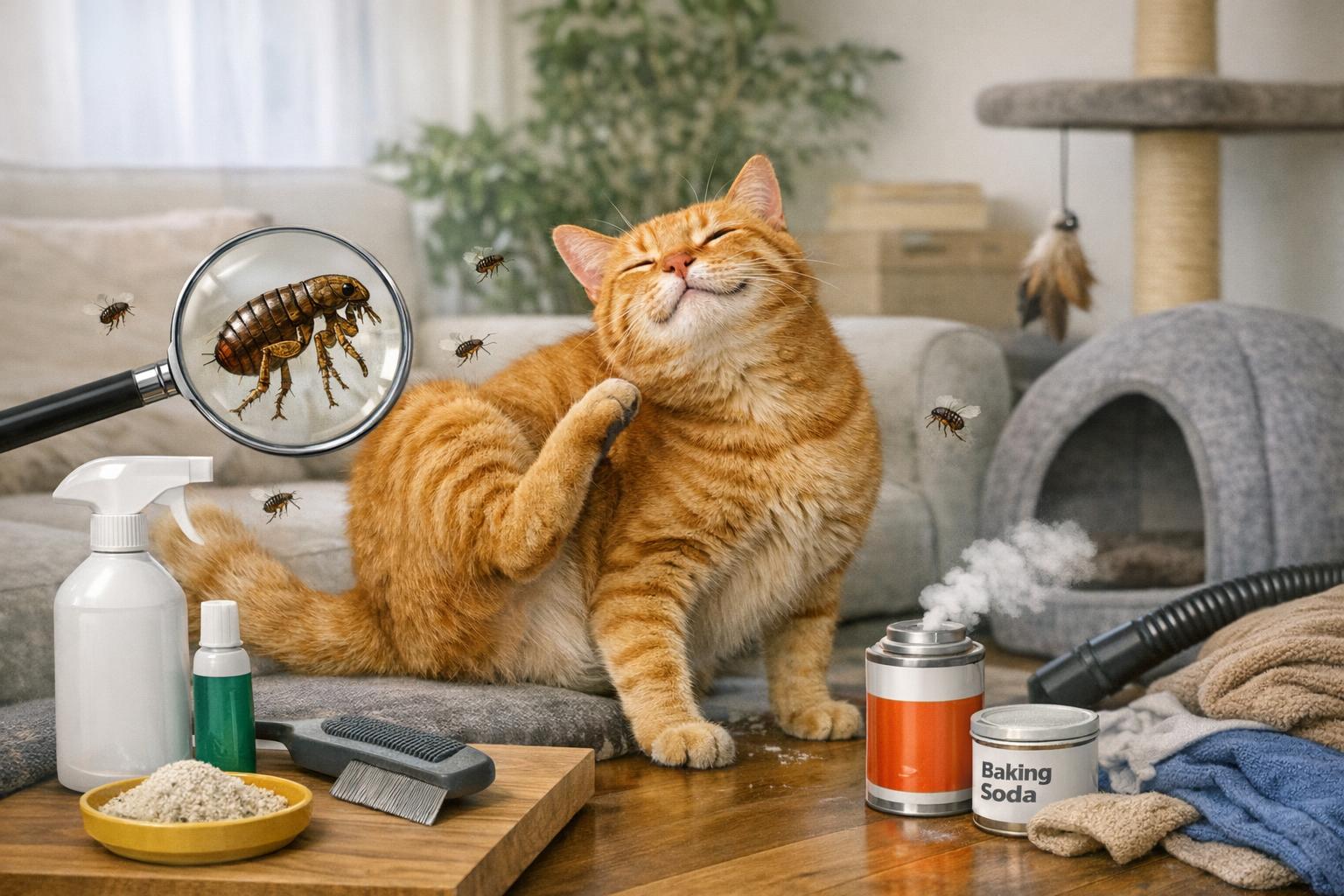
You tuck your cat’s bed into a sunny corner, fluff the blanket, and feel like you’ve created the coziest nook in the house. Then one day you notice tiny dark specks, your cat is scratching more, and you realize the peaceful nook has turned into a tiny flea convention. Not exactly the spa day you had in mind, but the good news is that cat bed fleas are manageable with consistent care and the right cleaning routine — nothing mystical, just methodical.
## Cat Bed Fleas: Why They Love Cozy Spots
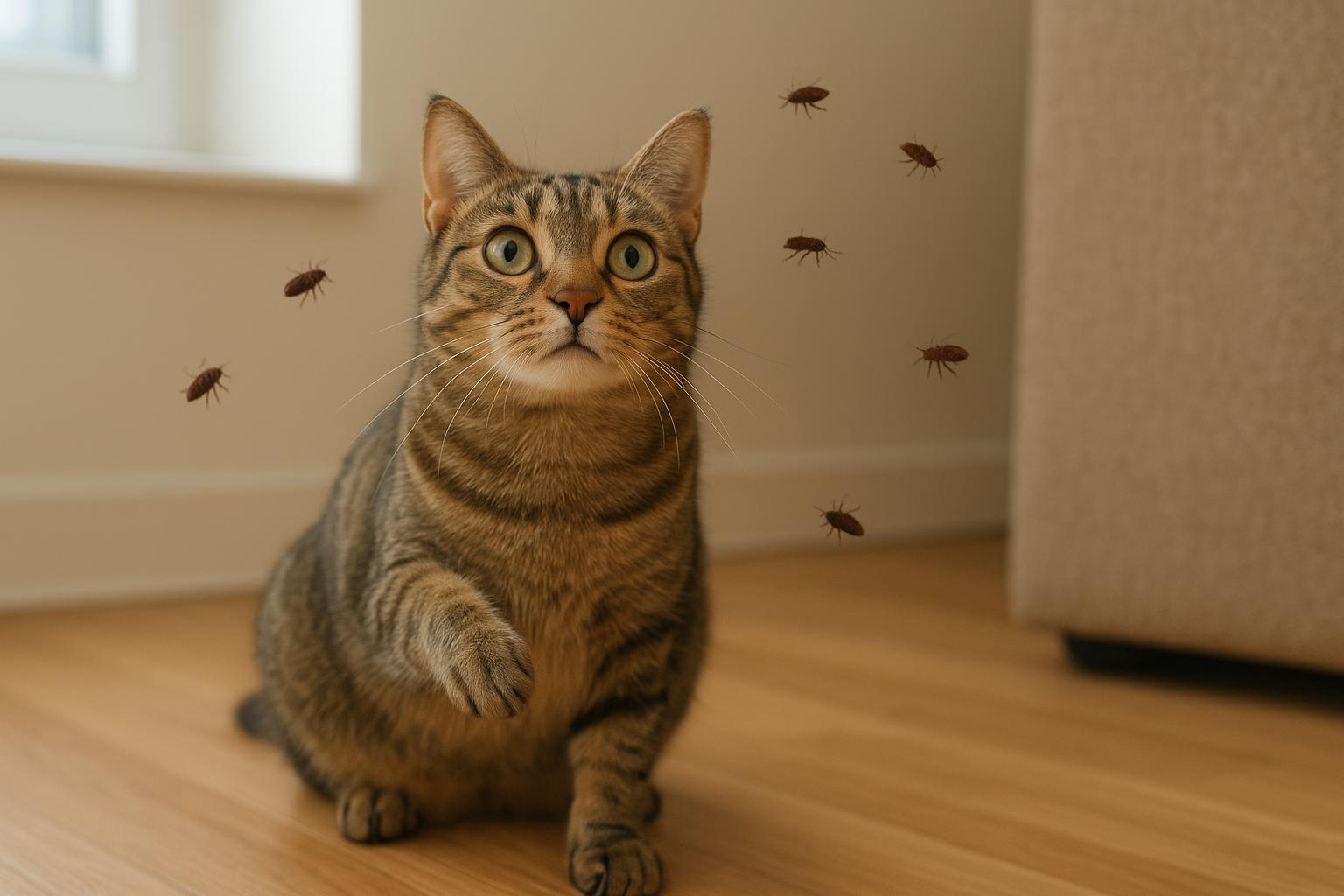
Fleas are drawn to fabrics, hiding in seams and fiber loops where heat, scent, and a ready food source make for a perfect micro-habitat. Your cat’s bed traps loose fur, dander, and skin flakes, all of which help fleas and their eggs survive. Understanding why cat bed fleas settle in is the first step toward getting rid of them for good.
### How Flea Infestations Start
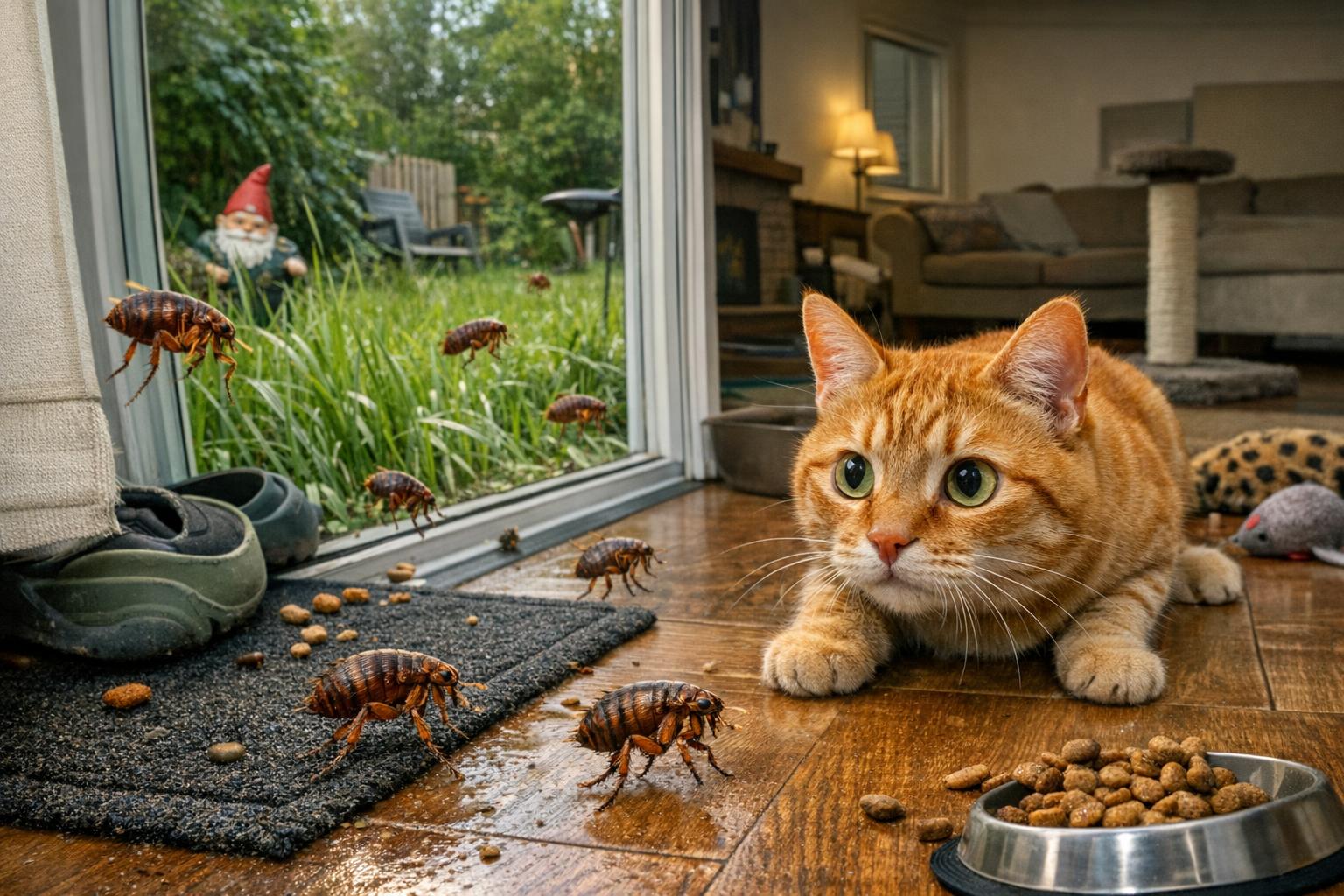
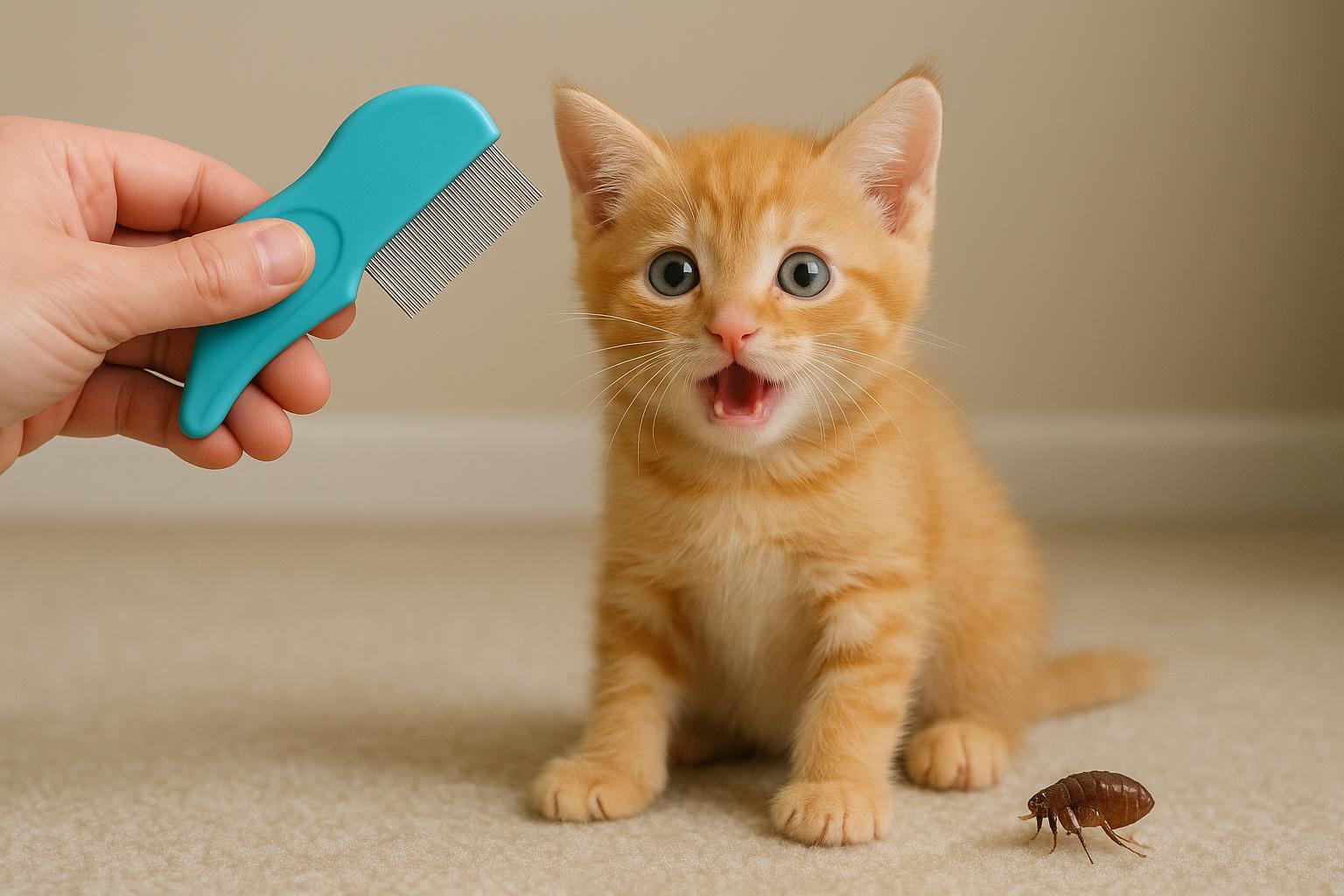
An adult flea on your cat can lay dozens of eggs a day. Many of those eggs fall off into the bedding and surrounding carpet, hatch into larvae, and hide deep in fibers until they pupate. These pupae are shockingly resilient and can wait weeks to months until vibration, heat, or carbon dioxide (hello, a cozy cat climbing in) triggers adult emergence. Because of that lifecycle, treating only the animal without addressing bedding and environment often fails; you can zap adult fleas on the cat but still have a reservoir of eggs and pupae in the bed.
### Signs To Watch For
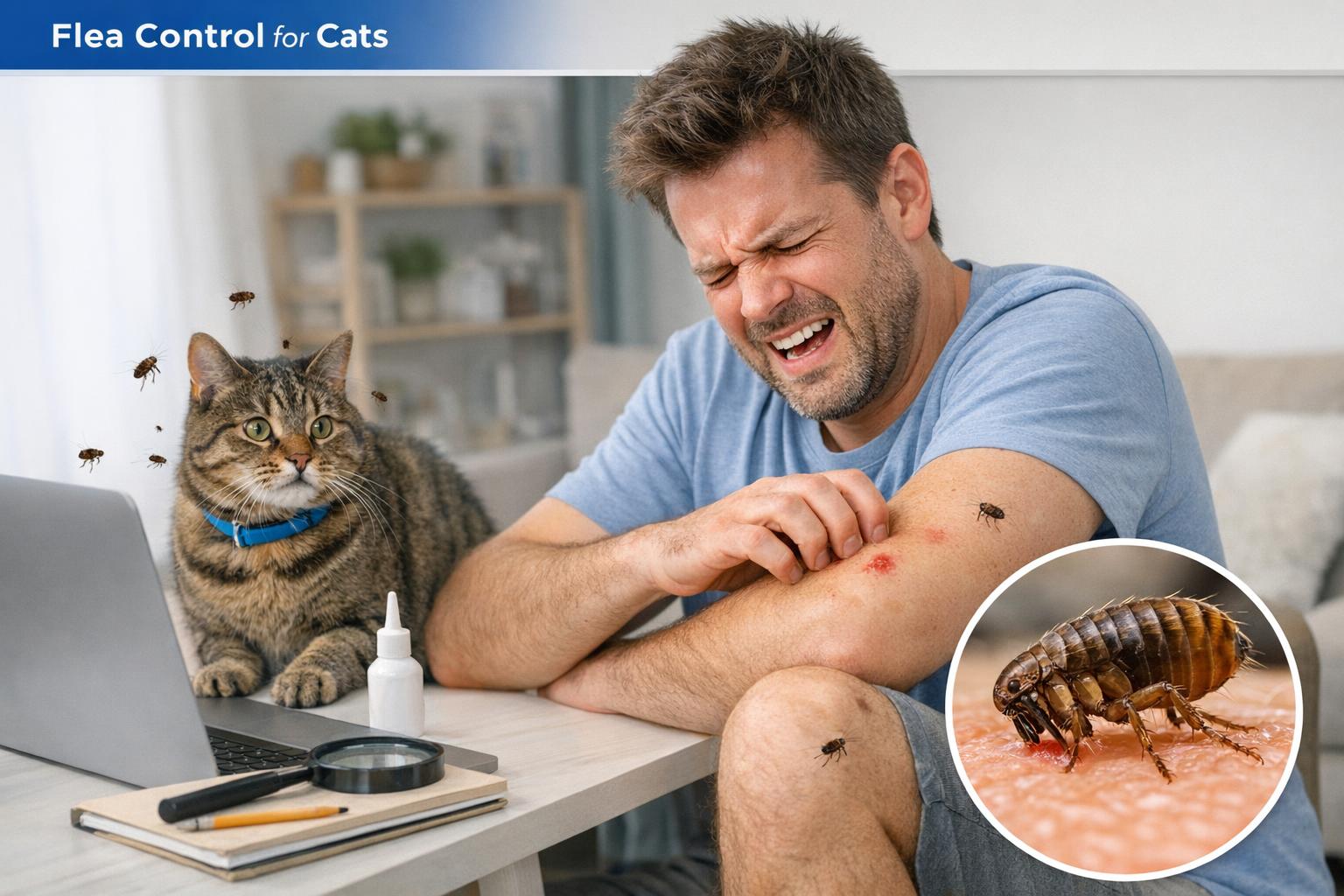
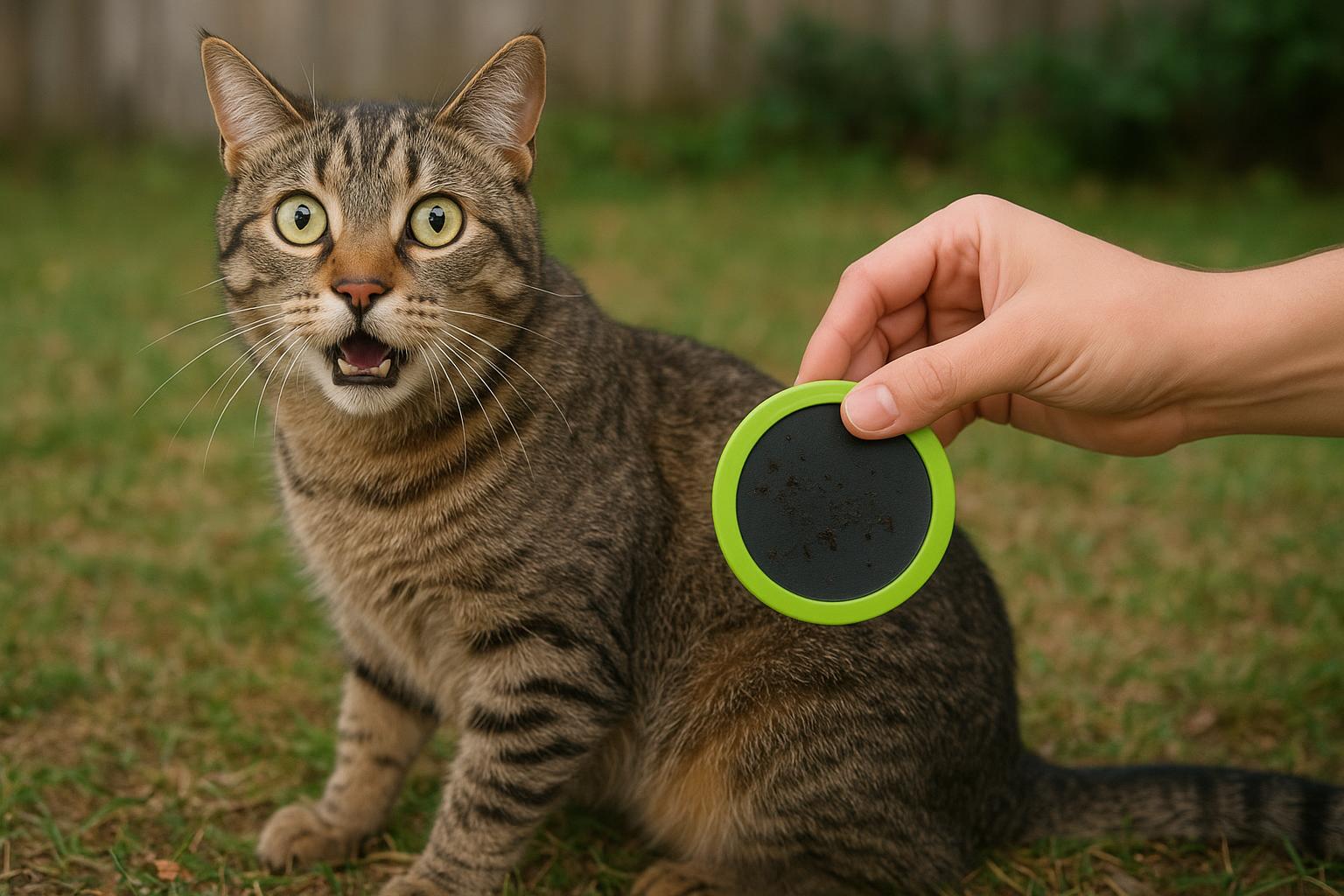
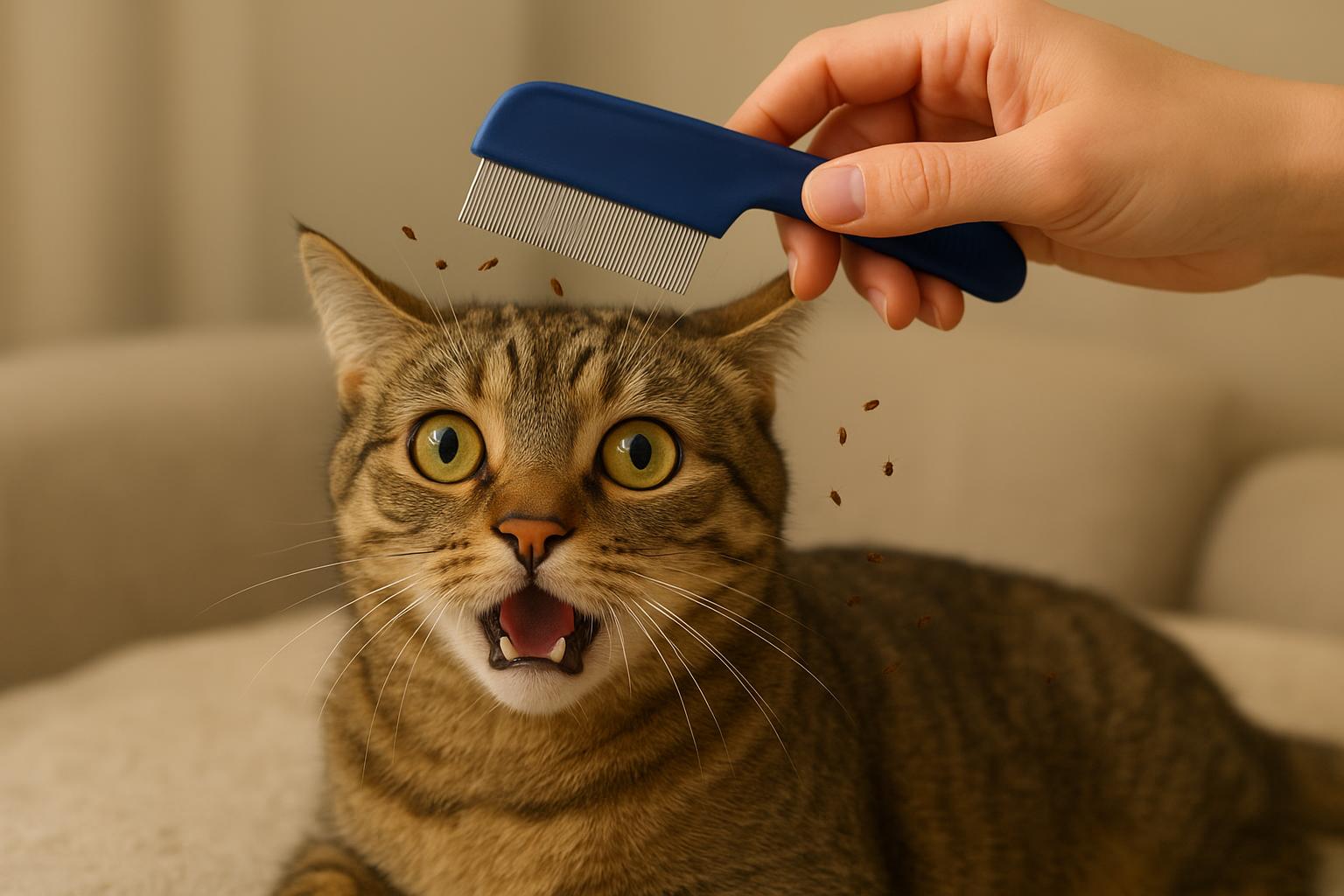
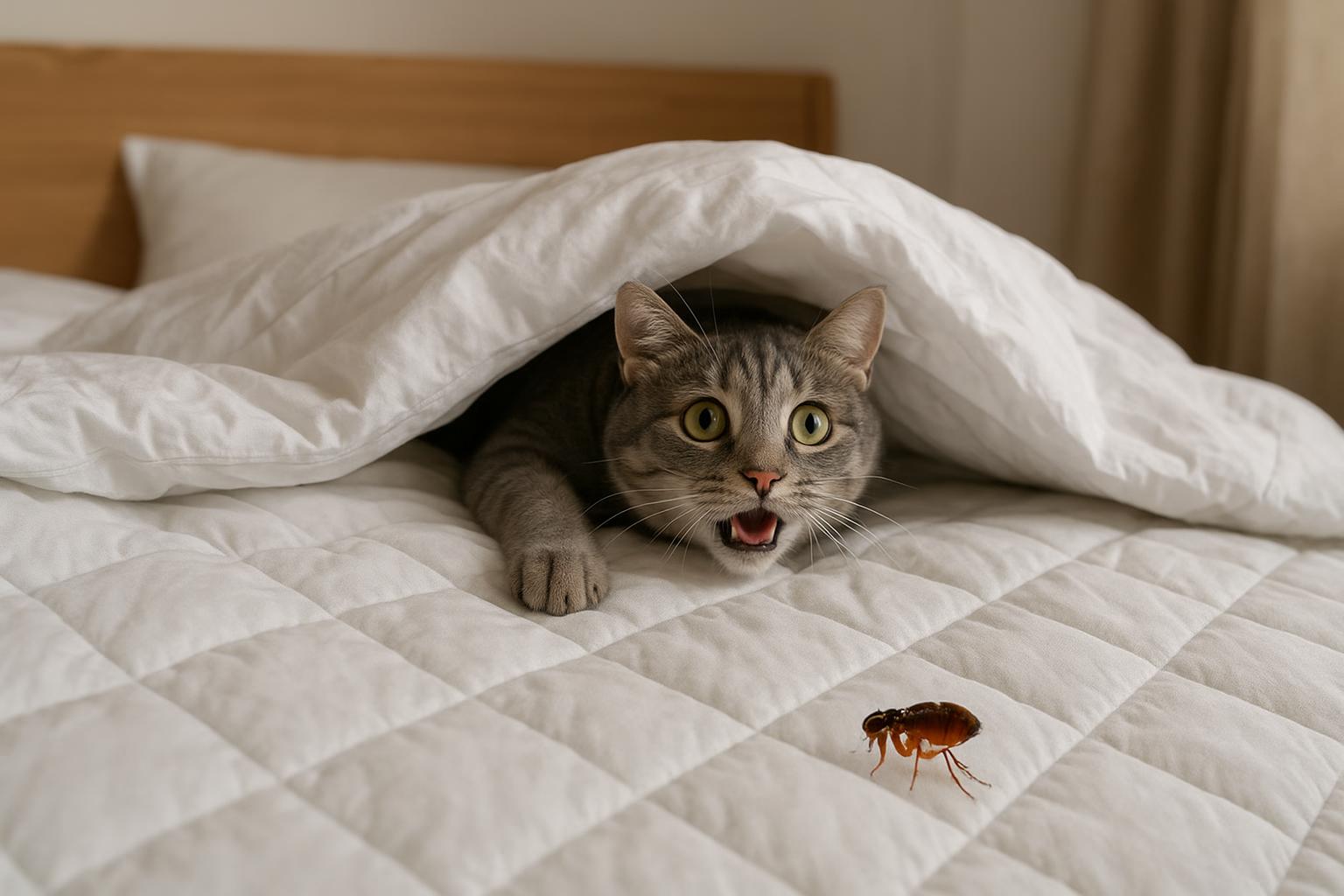
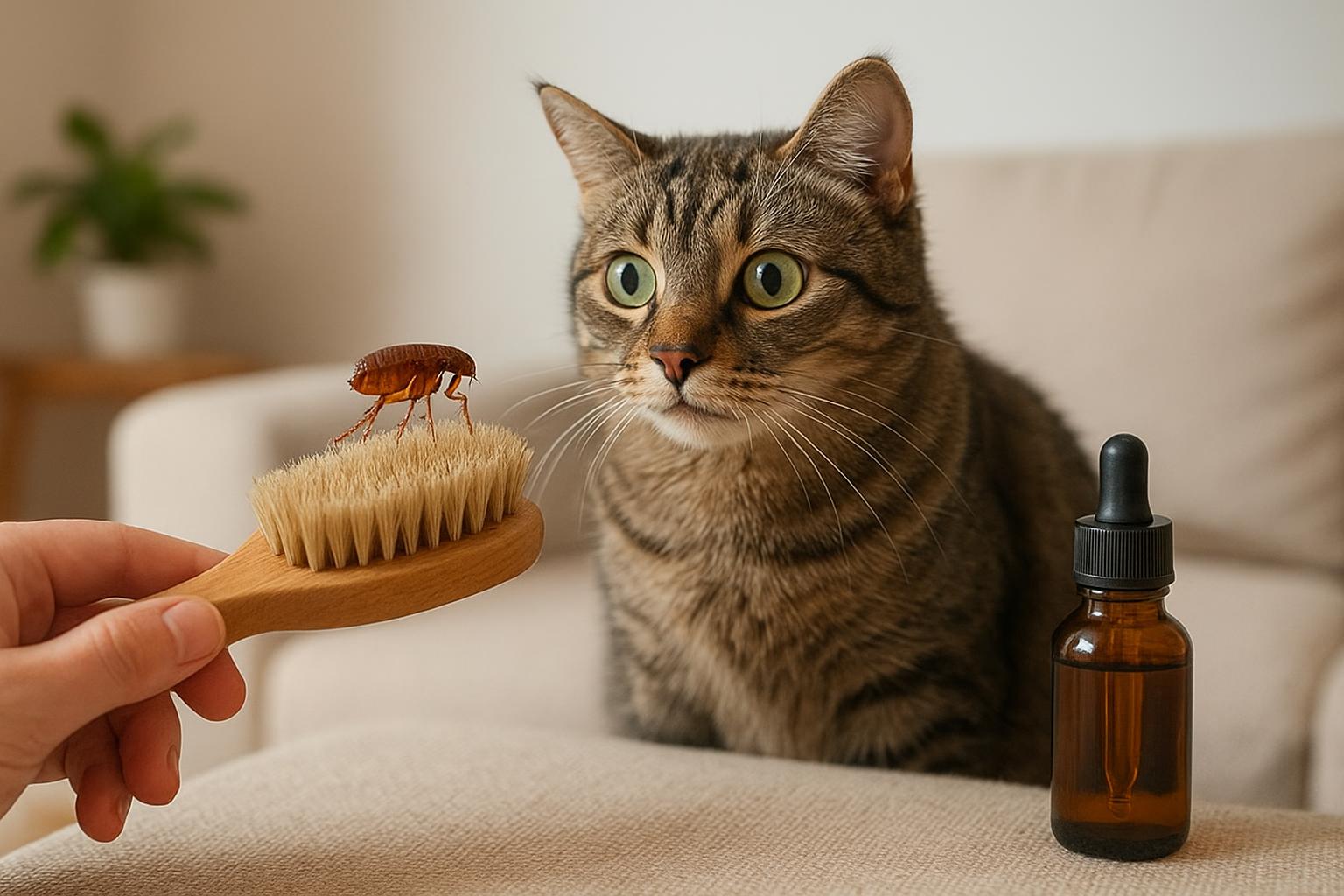
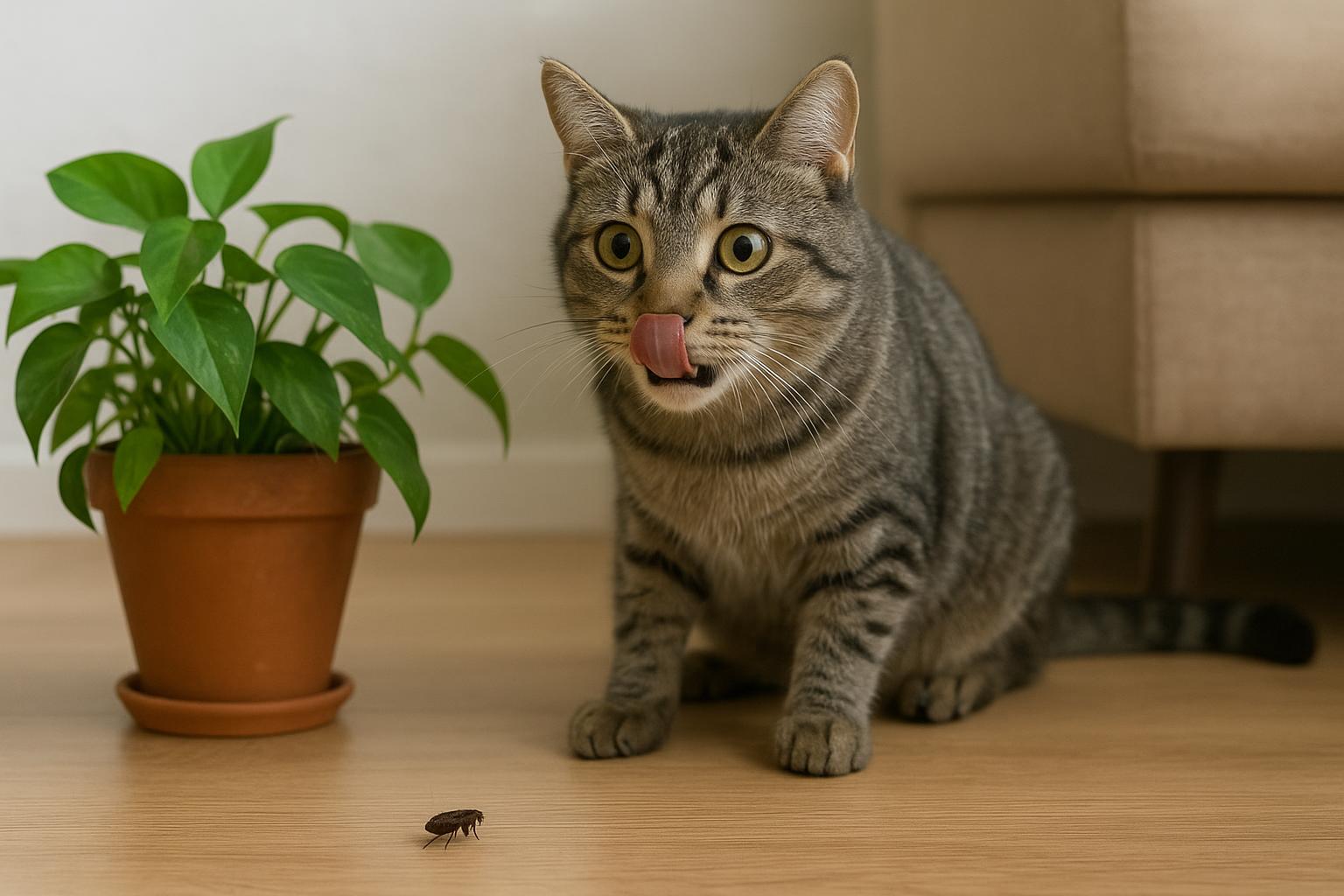
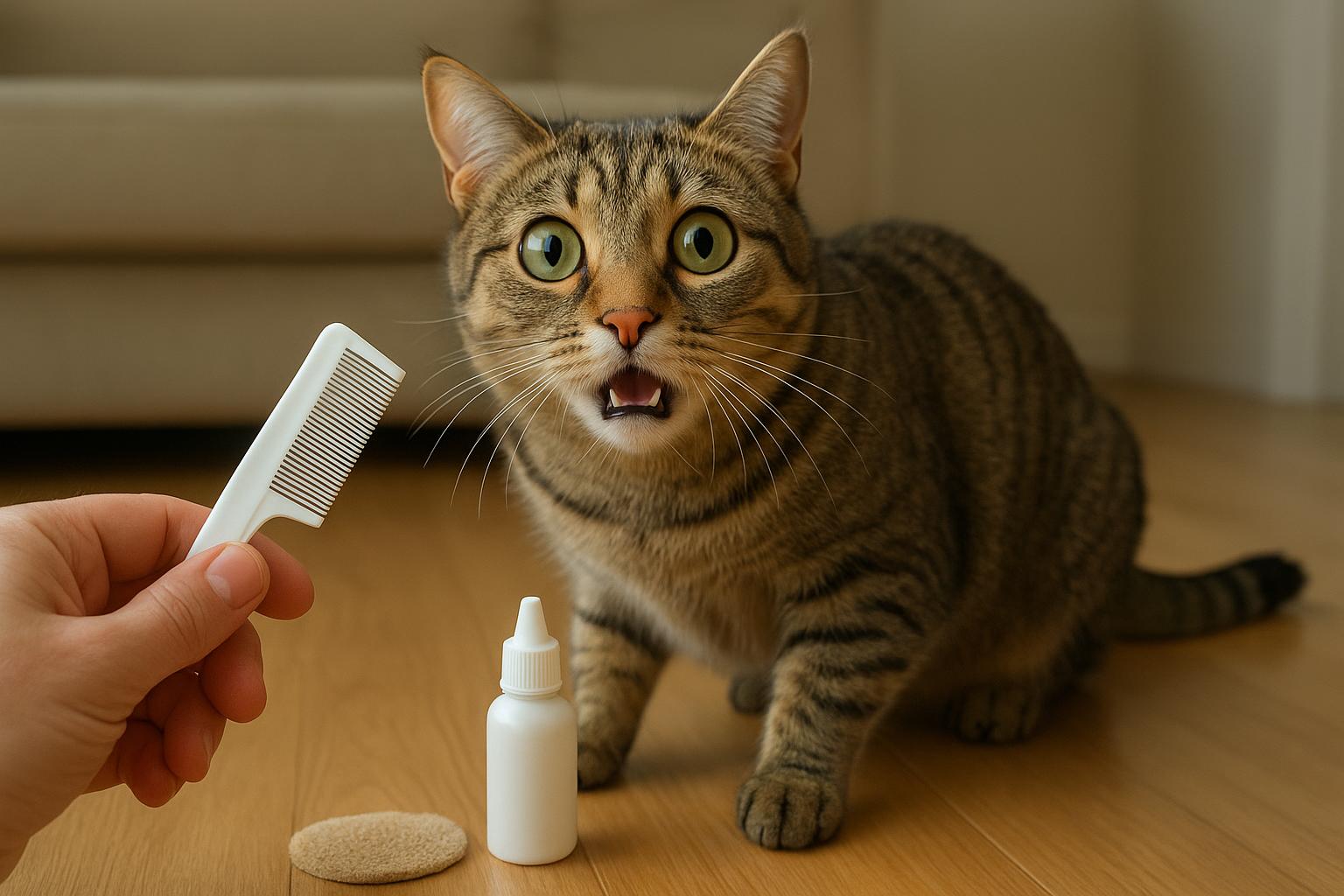
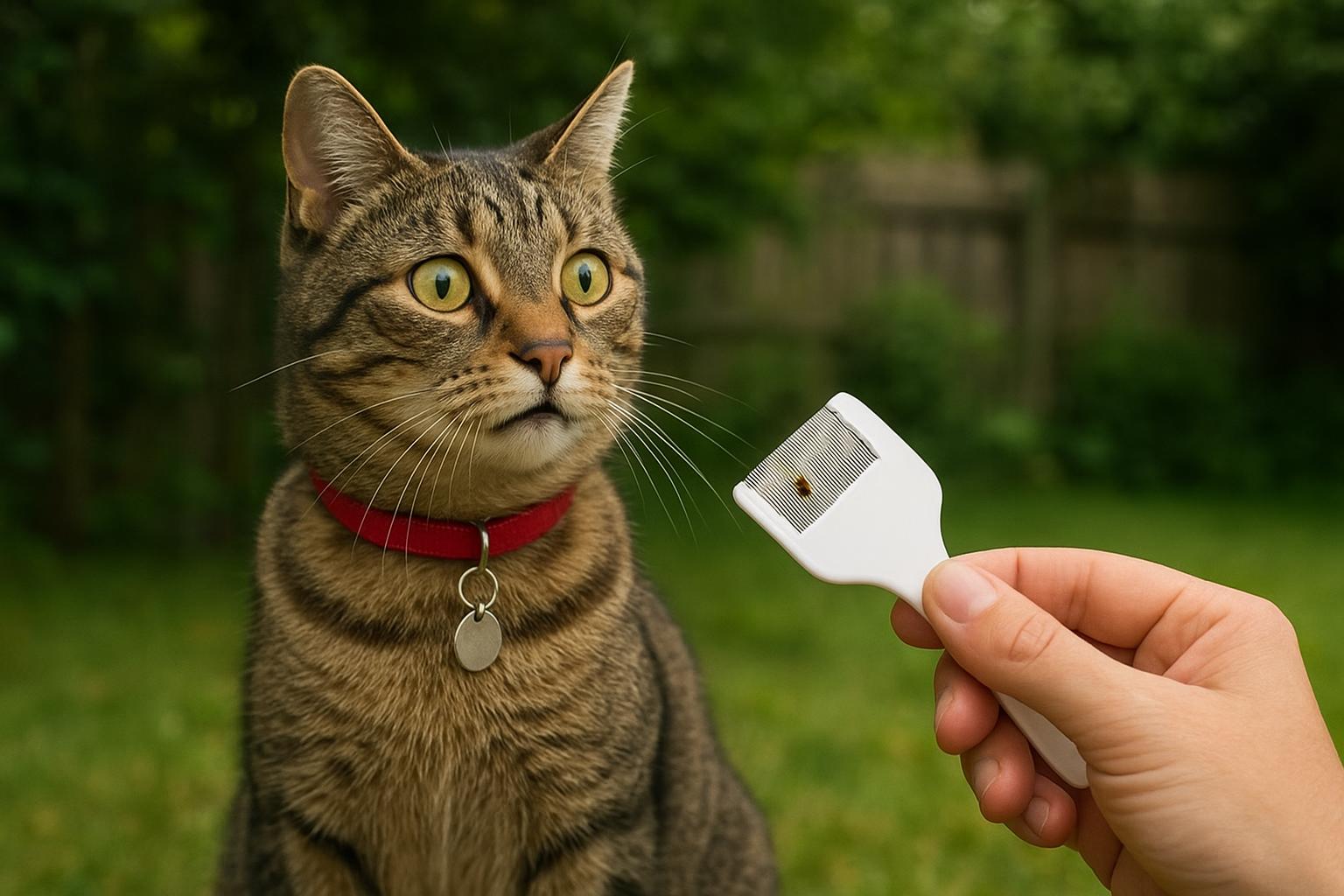
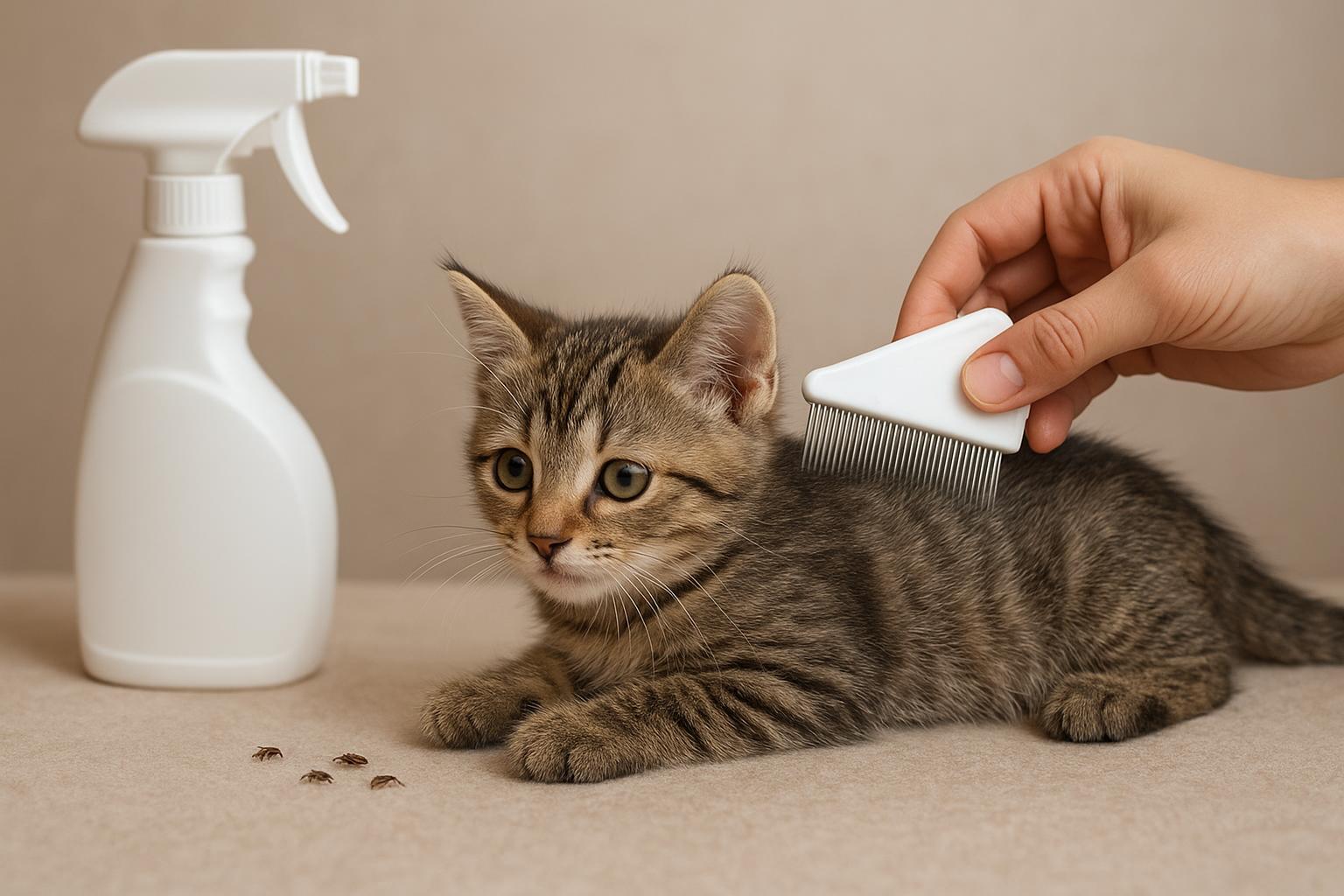
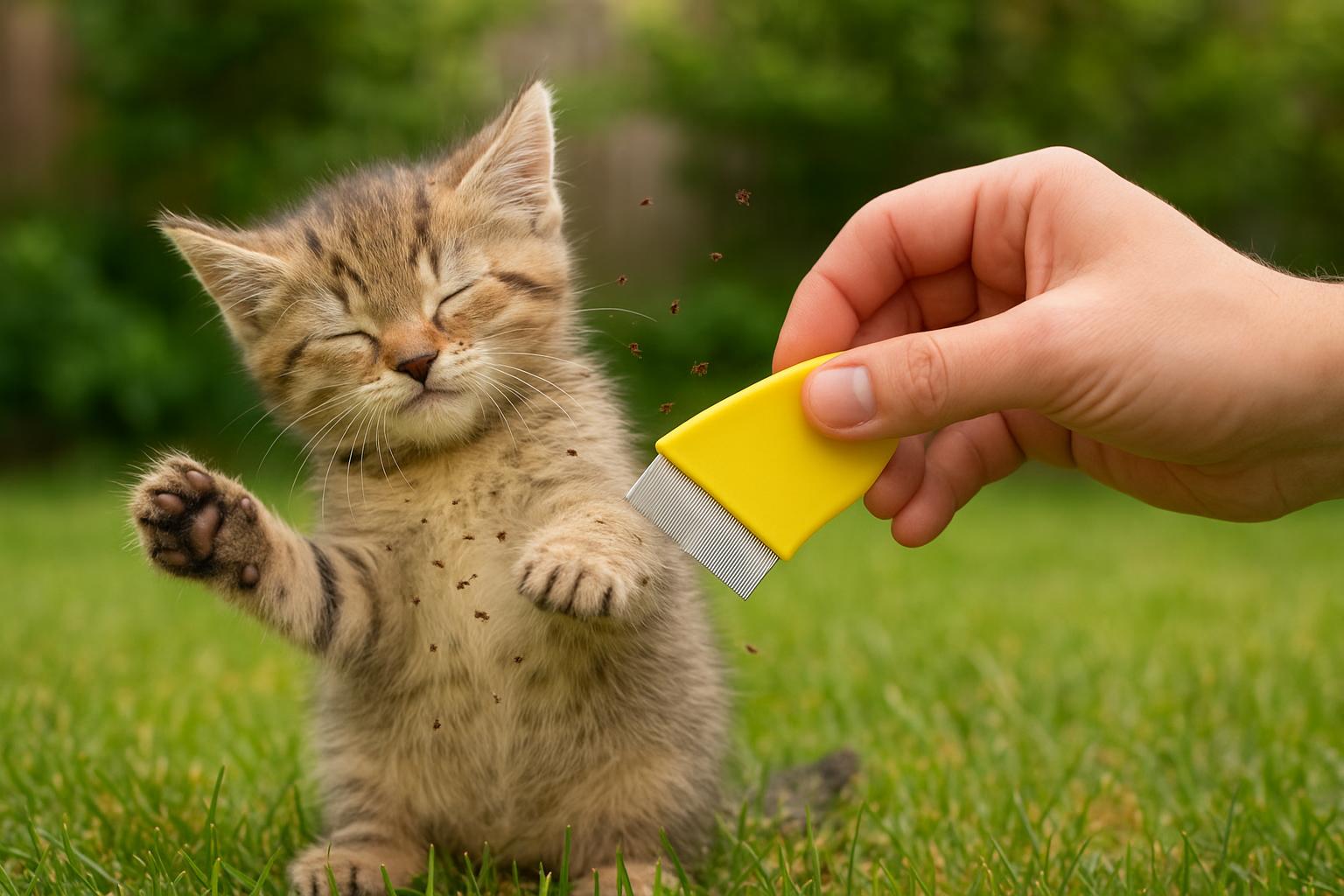
Look for increased scratching, tiny black “flea dirt” specks (dried blood) in the bedding, visible adult fleas, or the classic flea jump on the bed. If you suspect cat bed fleas, inspect seams and cushions with a light-colored cloth — brushing the fabric can dislodge fecal specks and eggs that reveal an infestation.
## 1. Deep Clean And Steam Remedy
This method focuses on mechanical removal and heat treatment to interrupt the flea lifecycle. It is effective against adults, many larvae, and can help dislodge eggs and pupae.
#### Materials Needed
– High-power vacuum cleaner with crevice tool and upholstery attachment
– Steam cleaner (up to 212°F/100°C) with fabric-safe nozzle
– Laundry detergent and hot-water access (for machine-washable beds)
– Disposable vacuum bags or a sealed trash bag for vacuum contents
– Rubber gloves and a mask (optional for handling bedding)
#### Step-By-Step Application
1. Remove the bed and take it outside, if possible, to prevent indoor spread while you work.
2. Inspect and shake the bedding vigorously to dislodge loose debris.
3. Vacuum thoroughly: use the upholstery tool to suction seams, zippers, and folds. Vacuum surrounding carpeting and floor crevices as well. Immediately empty the vacuum into a sealed bag and discard outdoors.
4. For machine-washable covers and inserts: launder on the hottest water the fabric allows and use a full cycle in the dryer on high heat for at least 30 minutes. Heat is a reliable lethal agent for fleas and many larvae.
5. For non-washable items: apply steam cleaner slowly across all fabric surfaces, allowing the steam to penetrate seams and folds. Follow the manufacturer’s instructions for fabric safety.
6. After steam treatment, vacuum again to remove dislodged material.
7. Repeat vacuuming and laundering weekly for at least three to four weeks. This covers the emergence window for newly hatched adults from pupae and prevents reinfestation.
Note: While this approach aggressively reduces flea presence in bedding, it must be combined with treatment of the animal and surrounding home environments for best results.
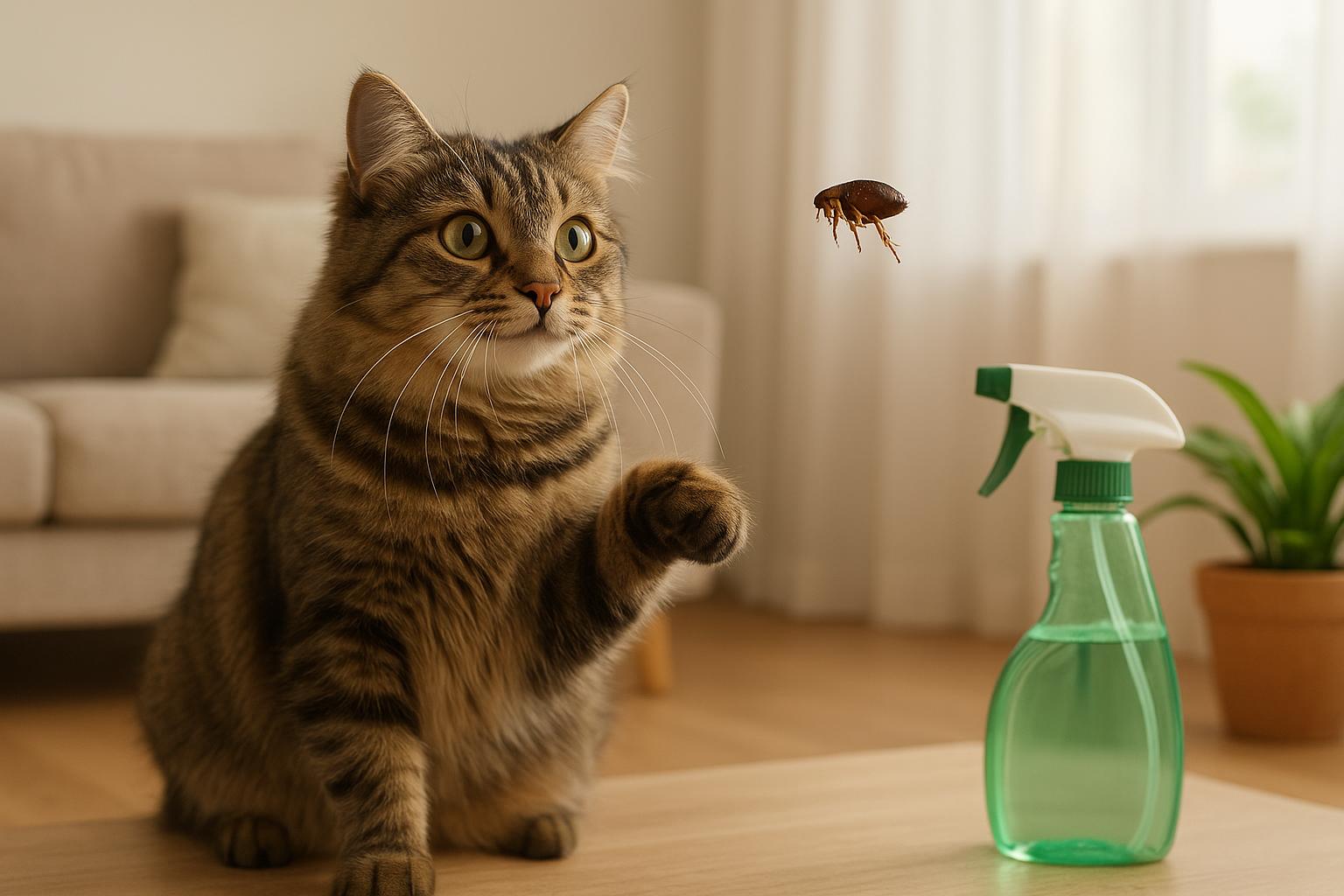
## 2. Natural Spray And Laundering Remedy
This numbered remedy pairs a pet-safe topical approach for bedding and environmental areas with frequent laundering. It is a gentler option for those avoiding harsh insecticides but still requires regimented application.
#### Materials Needed
– White vinegar (distilled) or apple-cider vinegar
– Water
– Spray bottle (1-liter)
– Mild dish soap
– Essential oils: tea tree oil or lavender (optional, but use with caution — see safety notes)
– Laundry detergent with hot-water capability
– Fabric brush or lint roller
#### Step-By-Step Application
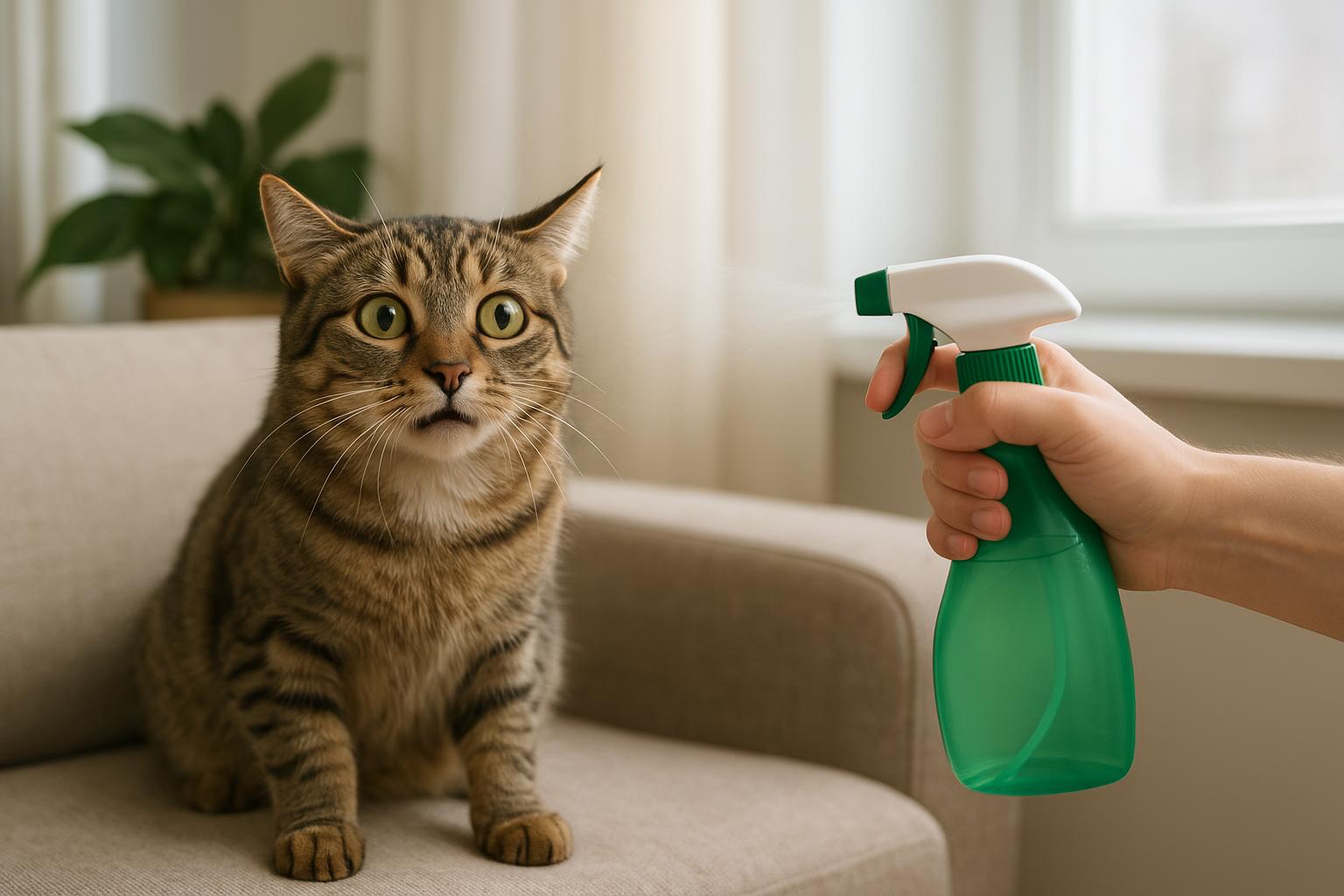
1. Prepare a spray: mix 1 part white vinegar with 3 parts water. Add one teaspoon of mild dish soap to help the solution adhere to fabrics. Optional: add 2–3 drops of an essential oil per 1 cup of solution — but do not use essential oils on bedding that your cat will sleep on frequently without veterinary approval.
2. Remove bedding and launder covers in hot water, as allowed by fabric care instructions, then dry thoroughly on high heat.
3. For non-washable items, lightly mist the surface with the vinegar solution — do not soak. Allow fabric to air-dry completely in a well-ventilated area or use a dryer-safe heat step if the item permits.
4. Use a fabric brush or lint roller to remove eggs and larvae from seams after drying.
5. Repeat spraying and laundering weekly for at least four consecutive weeks.
Formality Note: The vinegar solution acts primarily as a deterrent and can make the environment less hospitable, but it is not an insecticidal substitute for veterinary-grade flea control when an active infestation is severe. Always coordinate environmental measures with veterinary treatments for your cat.
### Safety And Efficacy Considerations
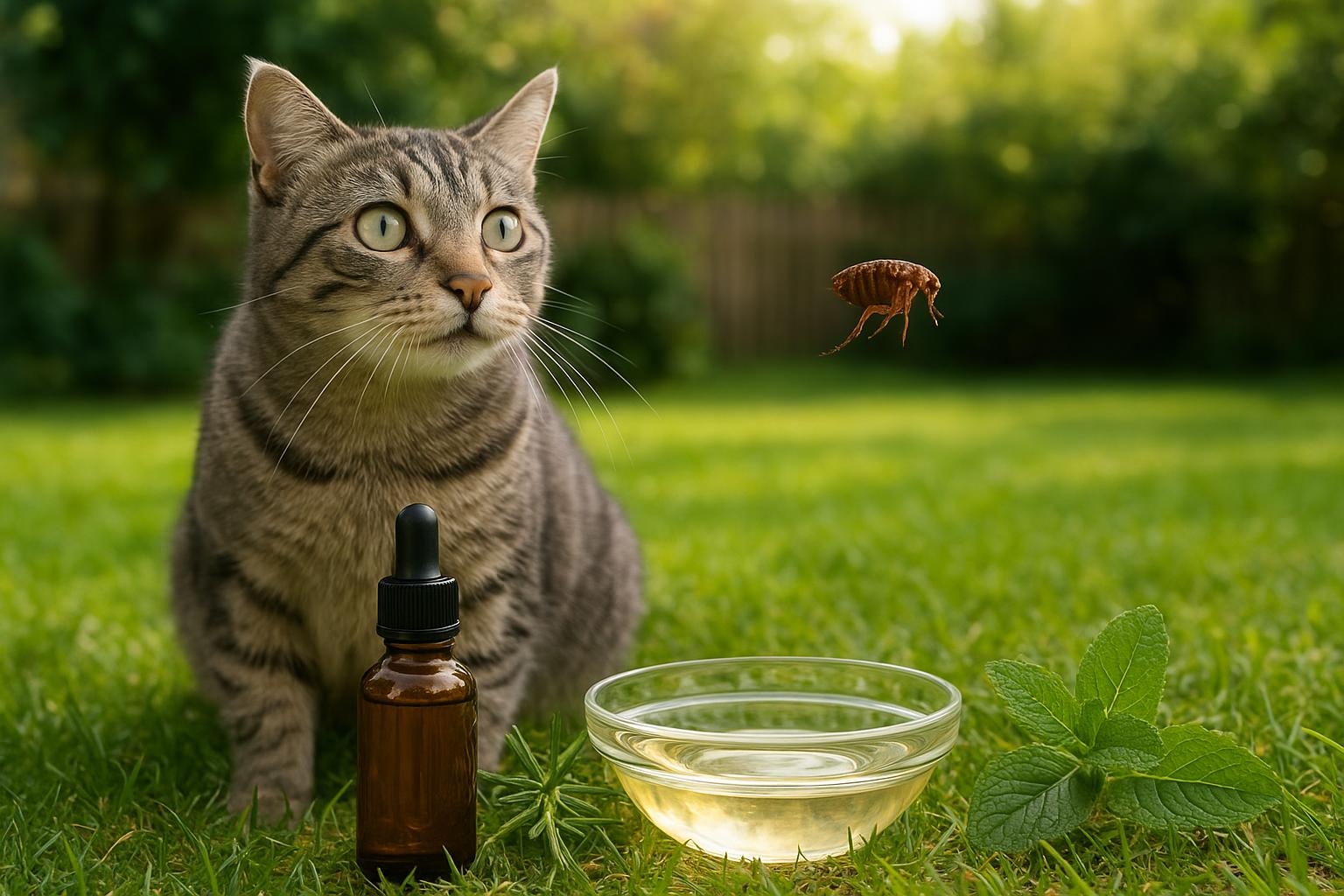
When using any home remedy spray or essential oil, ensure the solution is diluted and that your cat does not inhale strong fumes or ingest treated fabric immediately. Some essential oils (including concentrated tea tree oil) can be toxic to cats. When in doubt, consult your veterinarian prior to applying any topical environmental treatments.
## Preventing Reinfestation Without Losing Your Mind
Prevention is the ongoing phase after you’ve reduced the immediate flea population. Consistent routines are kinder to both your sanity and your cat.
### Practical Habits That Help
– Maintain a weekly laundering schedule for pet beds and blankets. Frequent washing at appropriate temperatures reduces eggs and larvae.
– Vacuum commonly used rooms thoroughly at least twice a week during high-risk seasons and empty vacuum contents outside.
– Consider placing washable mats under feeding stations and entry points to reduce the spread of debris.
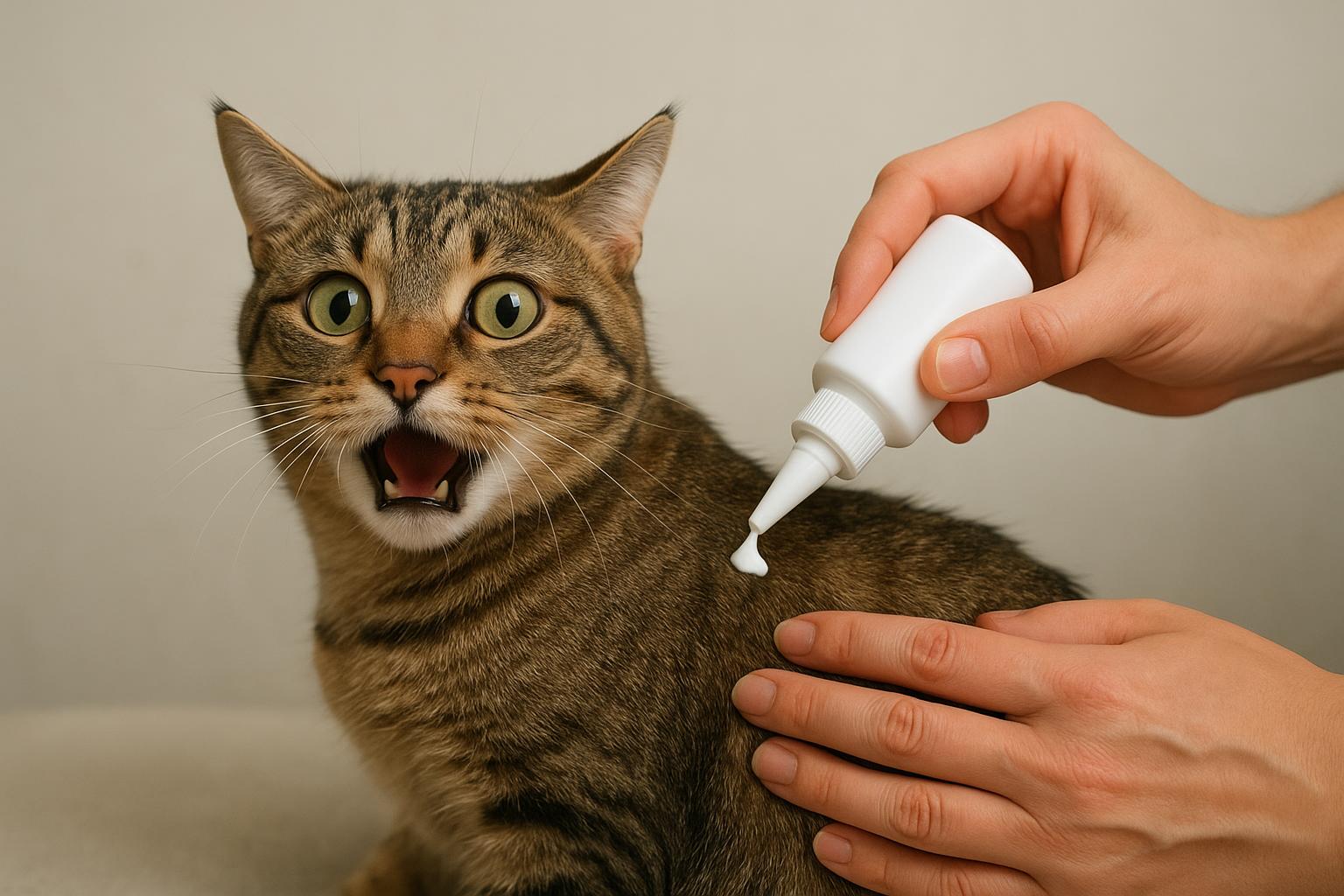
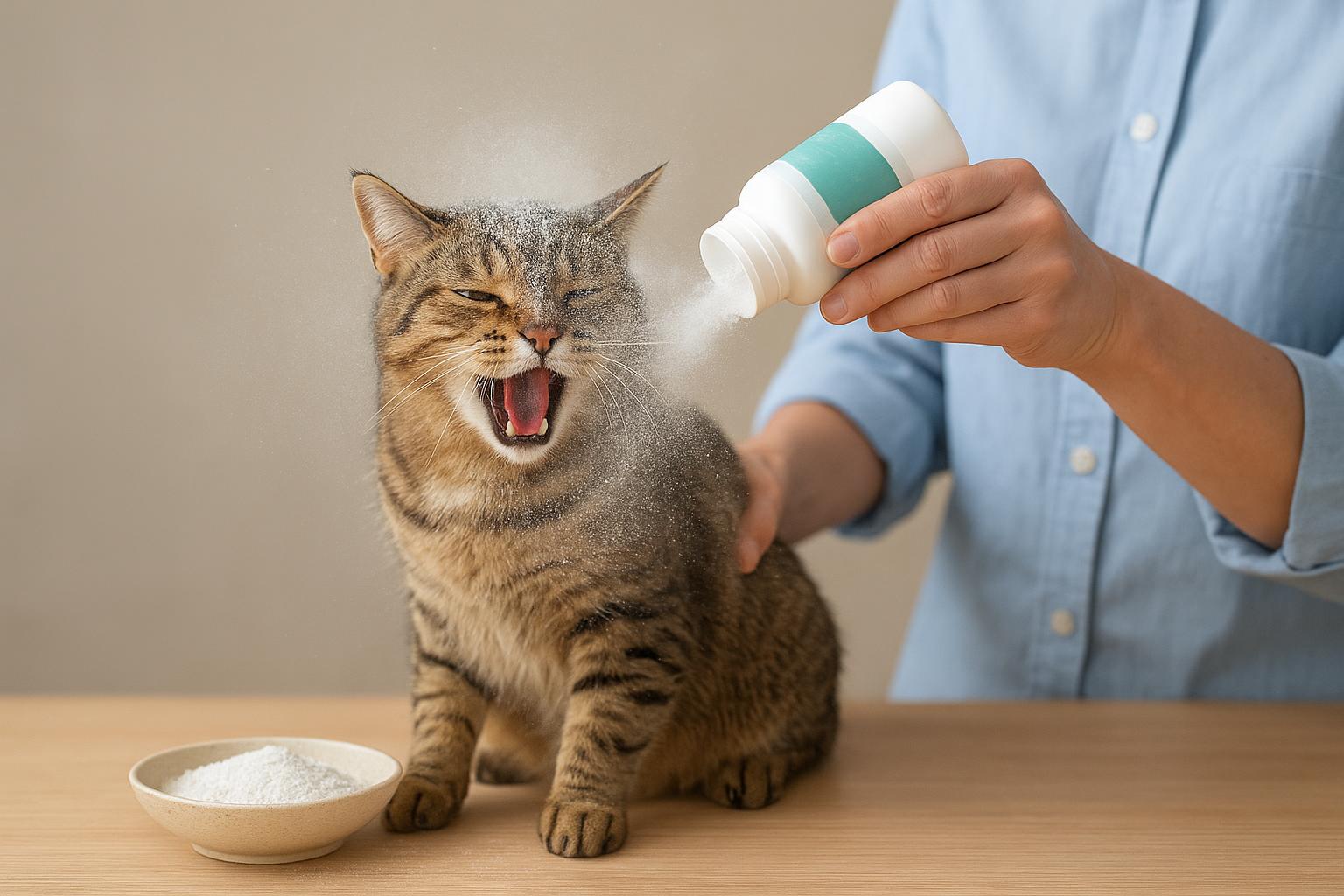
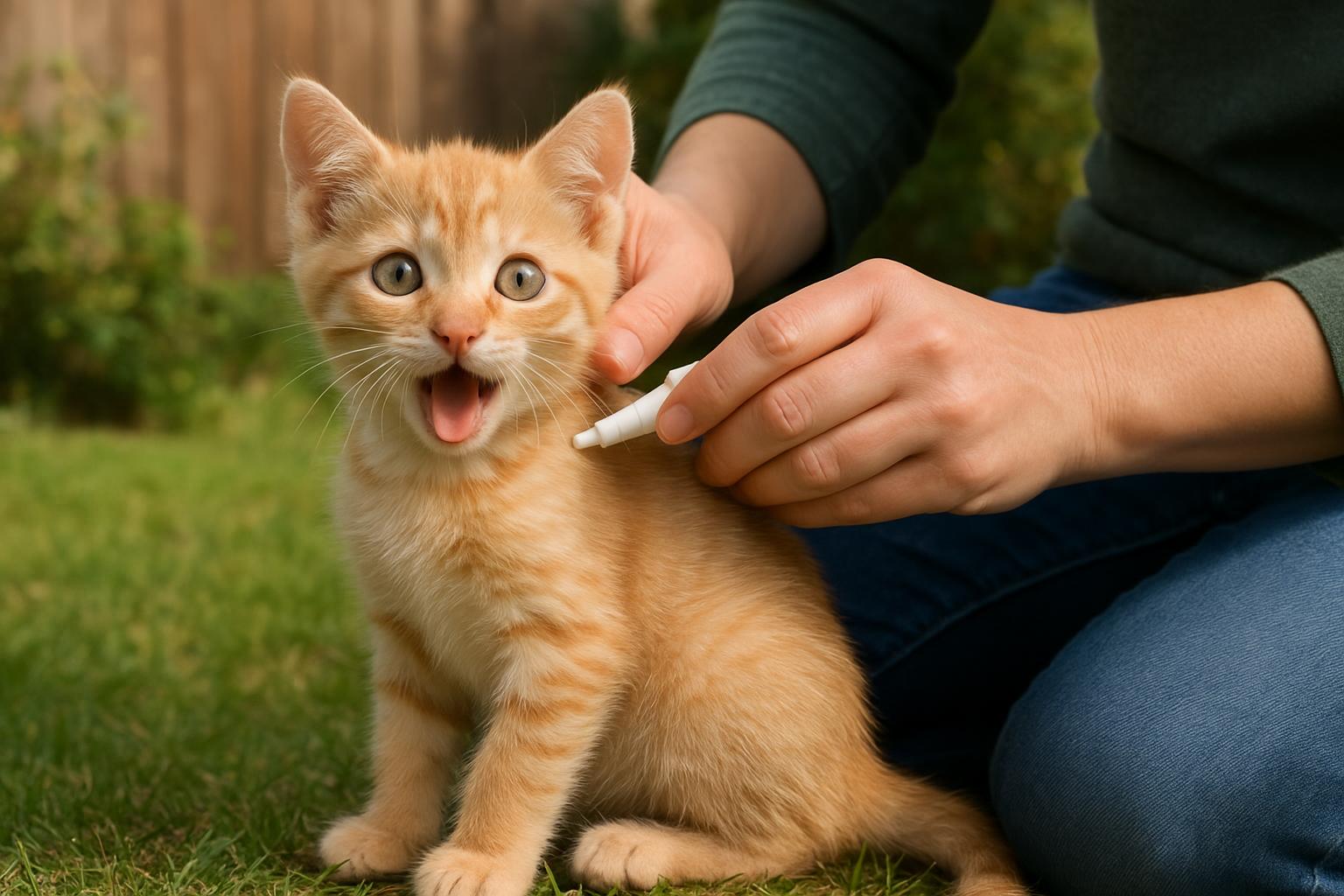
– Treat all pets in the household simultaneously with veterinarian-recommended flea control products. One untreated animal can re-seed an entire environment with fleas.
– Inspect and clean collars, carriers, and bedding in vehicles after travel where exposure is possible.
### When To Call A Professional
If you follow cleaning protocols for several weeks and still find signs of cat bed fleas, seek professional pest control advice paired with veterinary consultation for your cat. Persistent infestations may require targeted, safe insecticidal interventions administered by professionals.
A last practical tip: treat routine cleaning as part of pet care the way you treat brushing and nail checks. Fleas hate being the inconvenient roommates they are — and the more you keep bedding clean, the less likely they are to win the long-term lease.

















Leave a Reply