
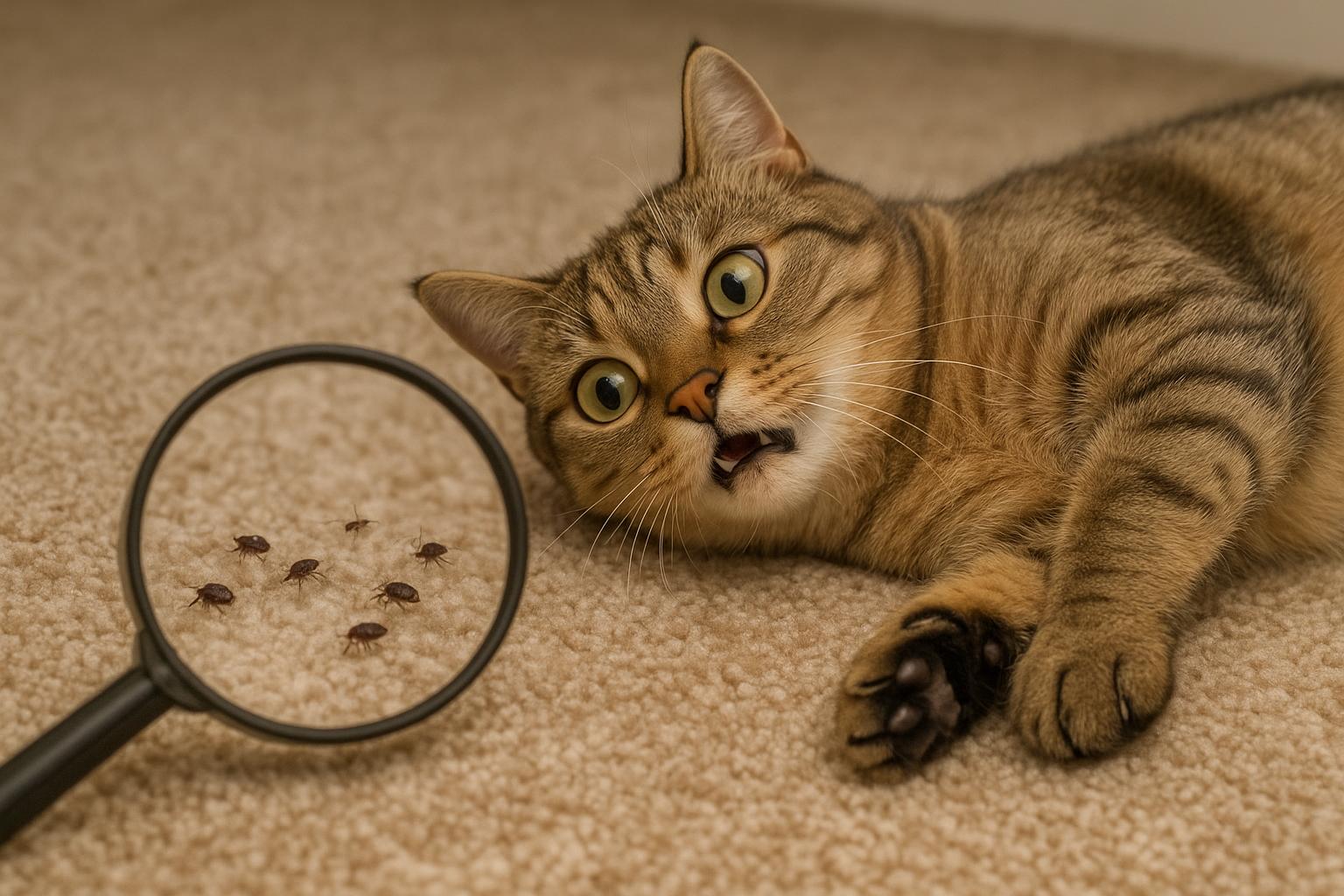
If your carpet has that suspiciously crunchy, itchy, give-me-my-pet-now vibe, you’re not alone. Fleas love hiding spots, and carpets can be prime real estate — but understanding what stages of the flea life cycle actually take up residence in carpet fibers, and how to evict them safely, is the key to long-term control.
## Do Fleas Live In Carpets? The Short Answer
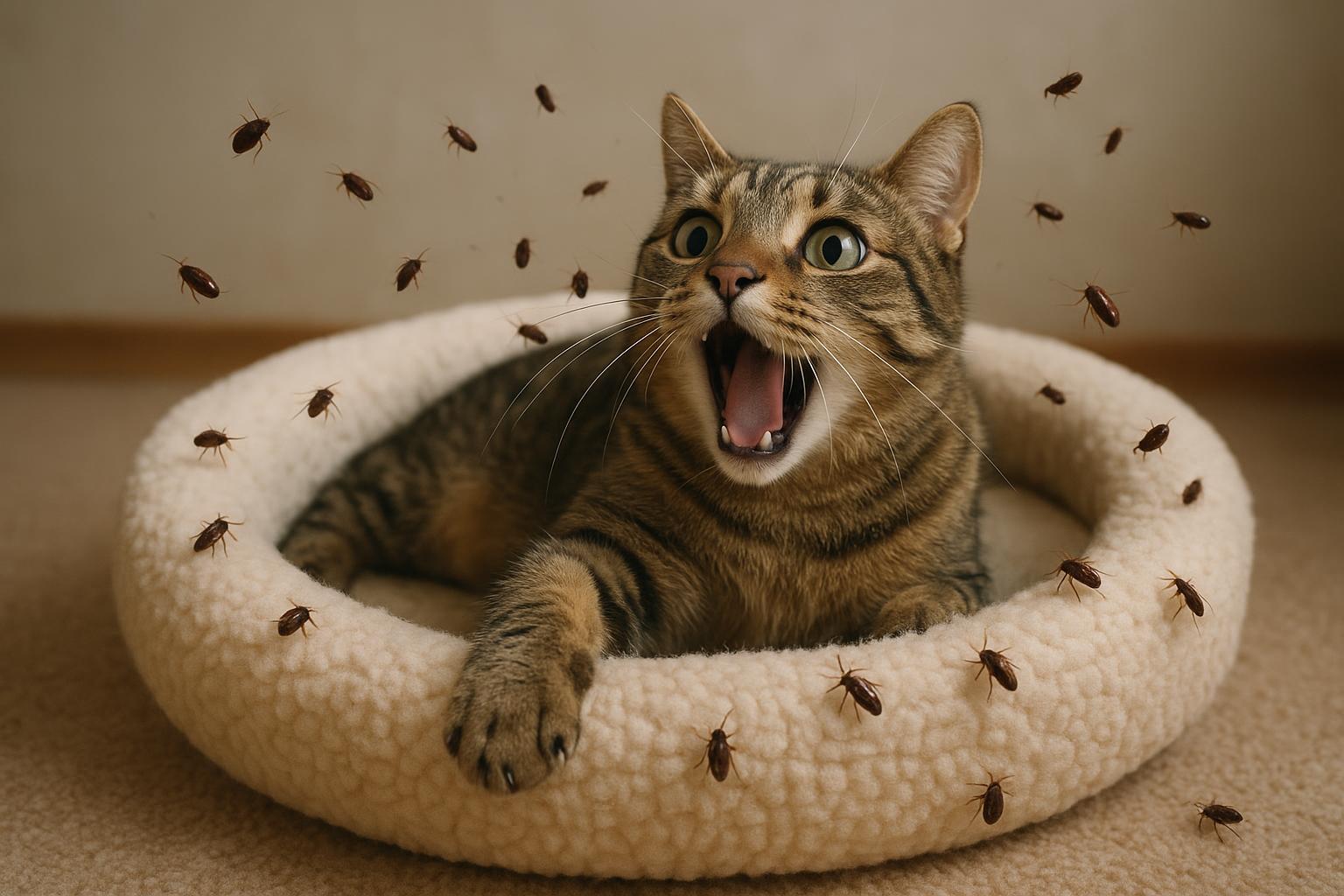
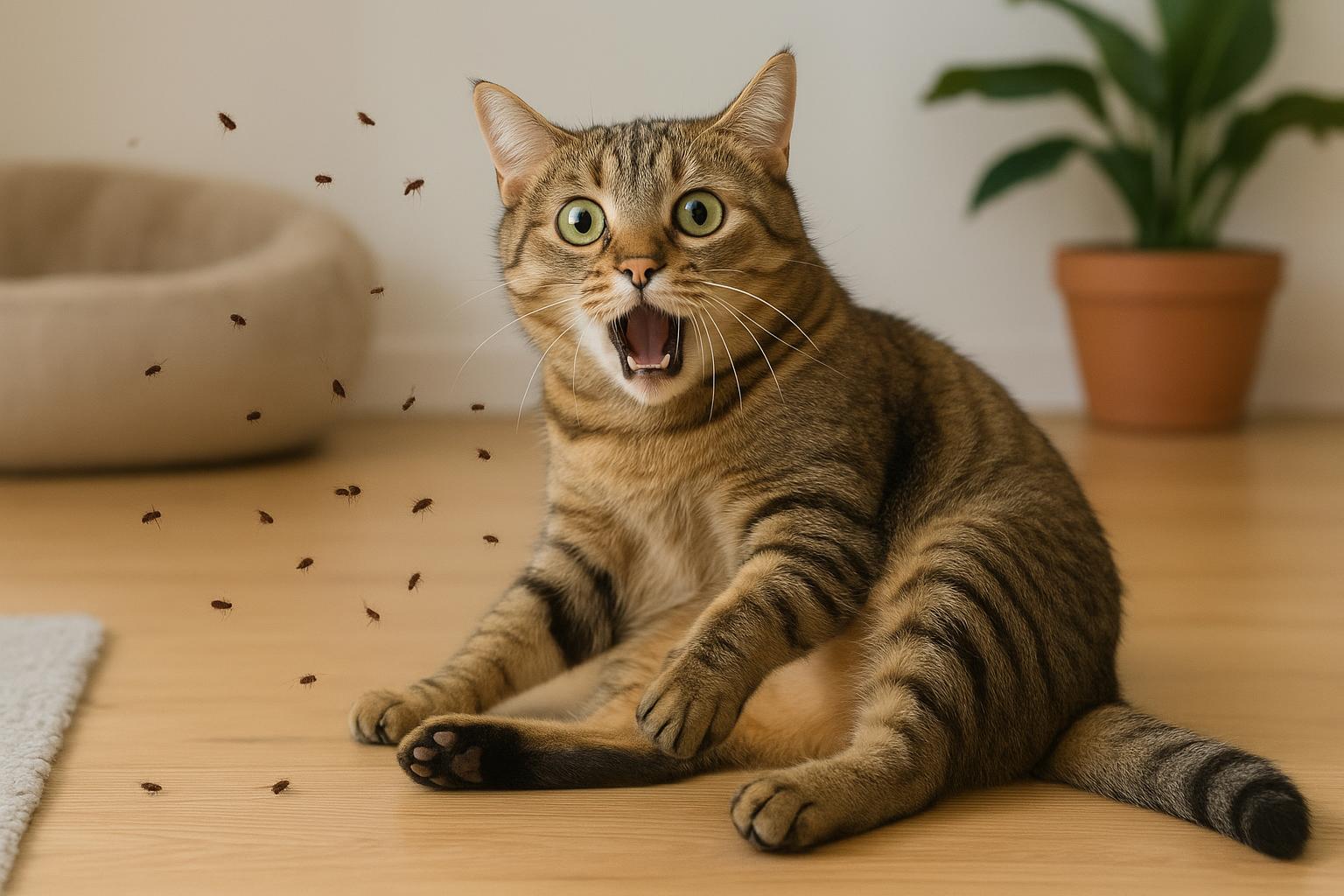
Yes — but not always the way people picture it. When folks ask “do fleas live in carpets,” they usually mean, “do fleas set up shop and breed in my rug as if it were a tiny apartment?” The truth is nuanced: adult fleas need a warm, moving host to feed, so they don’t curl up and die in the middle of your shag. However, carpet fibers and the loose debris trapped in them are excellent refuges for flea eggs, larvae, and pupae. Those stages can survive long enough to hatch and reinfest your home when conditions — or your pet — come along.
### How Flea Life Stages Interact With Carpets
Knowing which life stages hang out in your carpet tells you where to focus control efforts.
#### Eggs And Tiny Larvae
Flea eggs are tiny, pearl-white, and fall off animals easily. They bounce into carpet tufts, between baseboards, and into pet bedding. Larvae avoid light, feed on organic debris (including adult flea feces), and wriggle deeper into carpet pile and under edges where it’s darker and humid.
#### Pupae And The Waiting Game
Pupae form in a sticky cocoon that can cling to fibers. This stage is notoriously resilient — pupae can remain dormant for weeks to months waiting for the right combination of vibrations, warmth, and carbon dioxide that signals a passing host. That’s why you might still get flea “relapses” even after a good vacuum.
#### Adults: The Jumpers
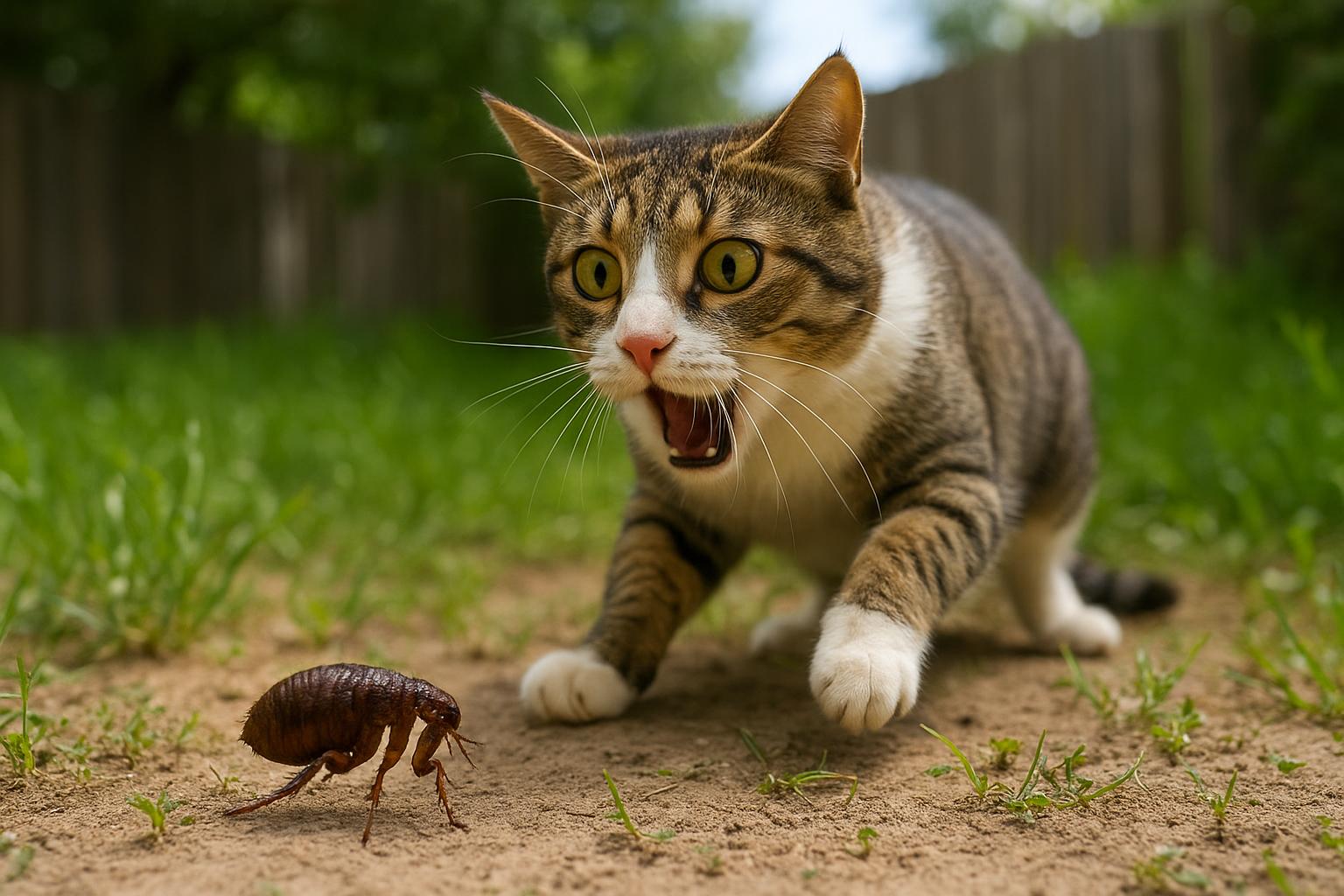
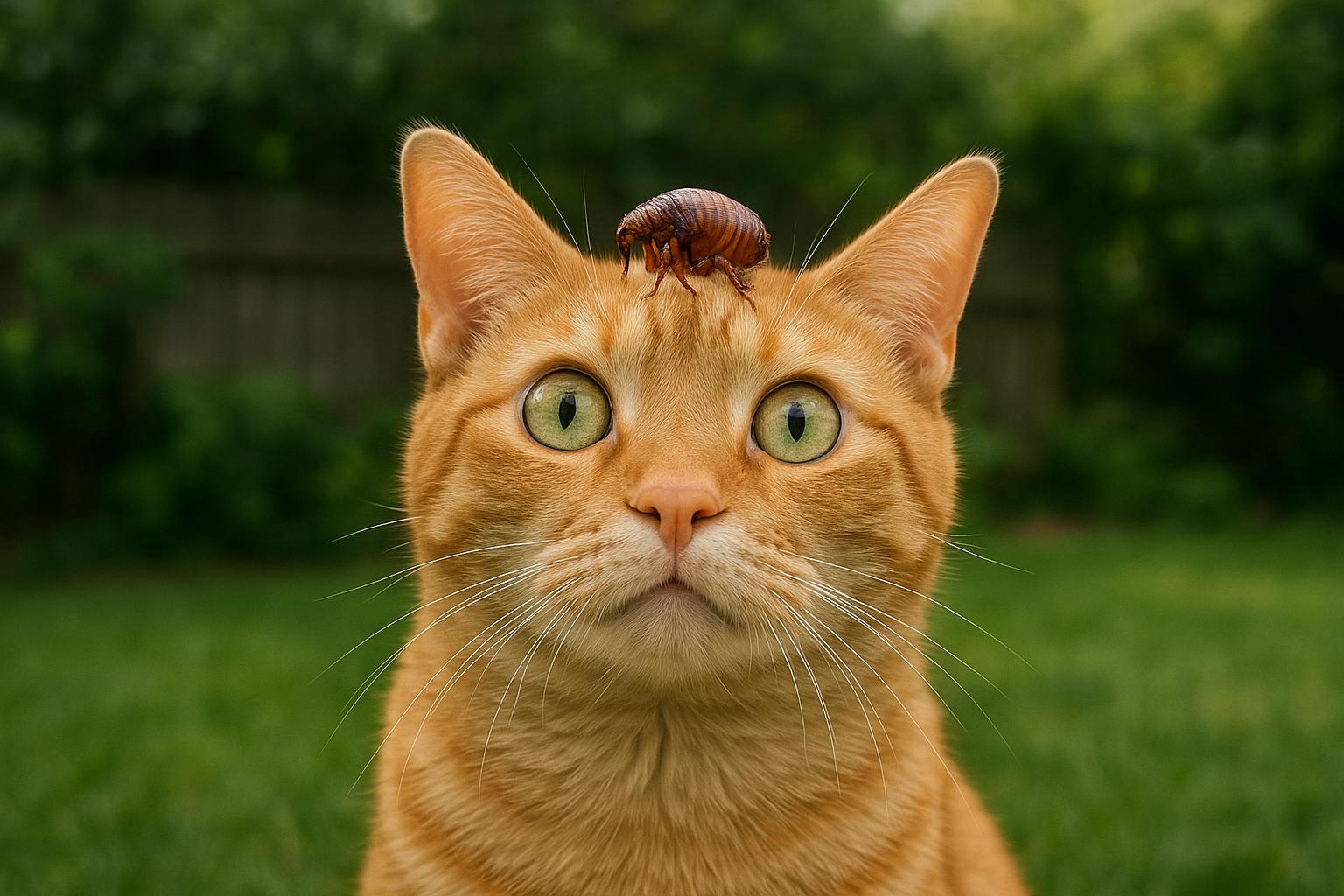
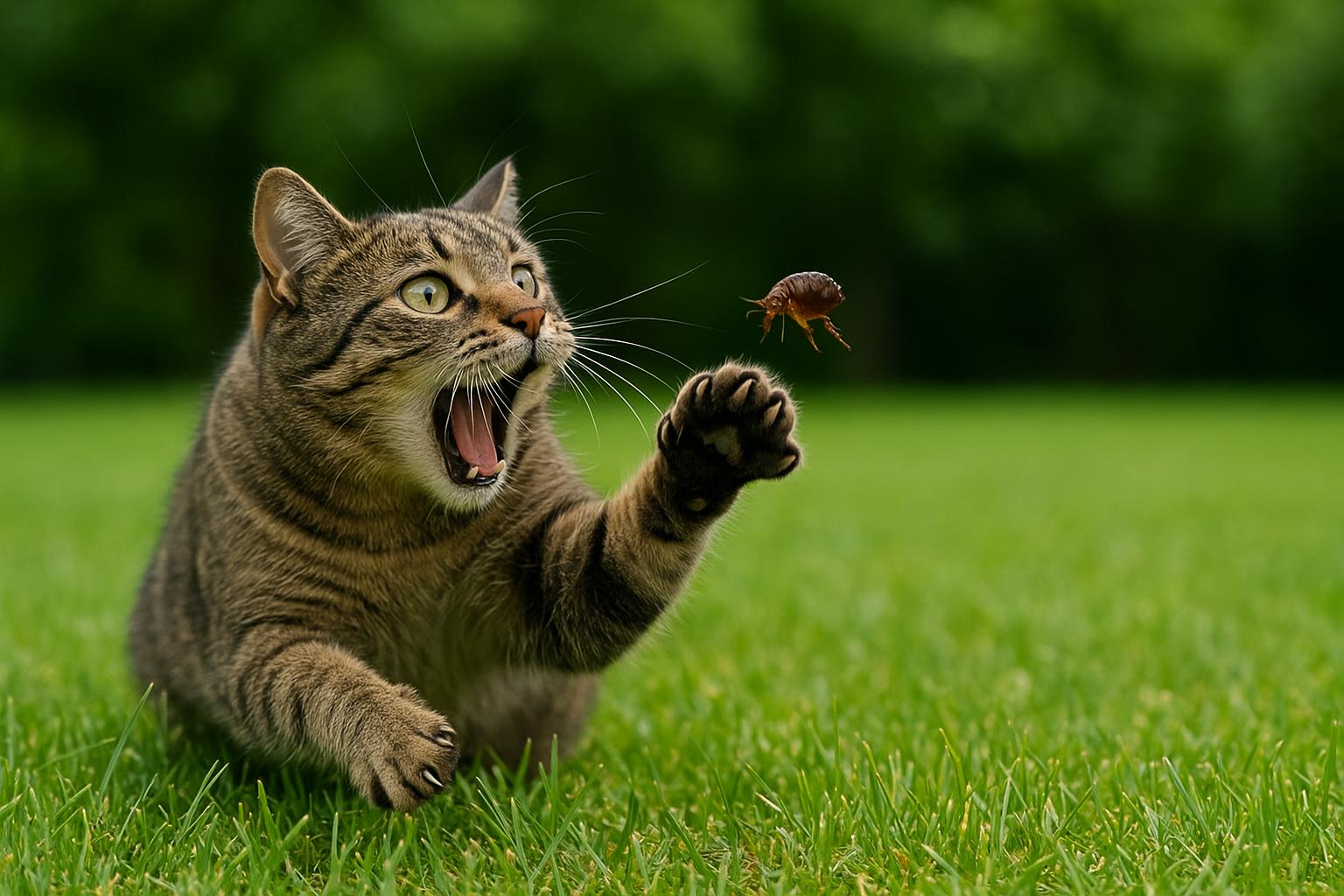
Adult fleas prefer living on hosts. If there’s constant access to a pet, adults seldom stray far into open carpet. But if a pet rests on the rug, adults will feed and hop off to lay eggs nearby.
### Factors That Decide If Flea Populations Will Persist
– Humidity and temperature: warm and moderately humid environments accelerate development.
– Host availability: more pets = more adults = more eggs dropped in carpets.
– Cleaning frequency: infrequent vacuuming lets eggs and larvae accumulate.
If you’ve asked yourself, “do fleas live in my apartment long-term?” the answer depends on these variables. Remove the host or interrupt the life cycle, and the population collapses.
## Remedy 1: Intensive Vacuuming And Steam Cleaning
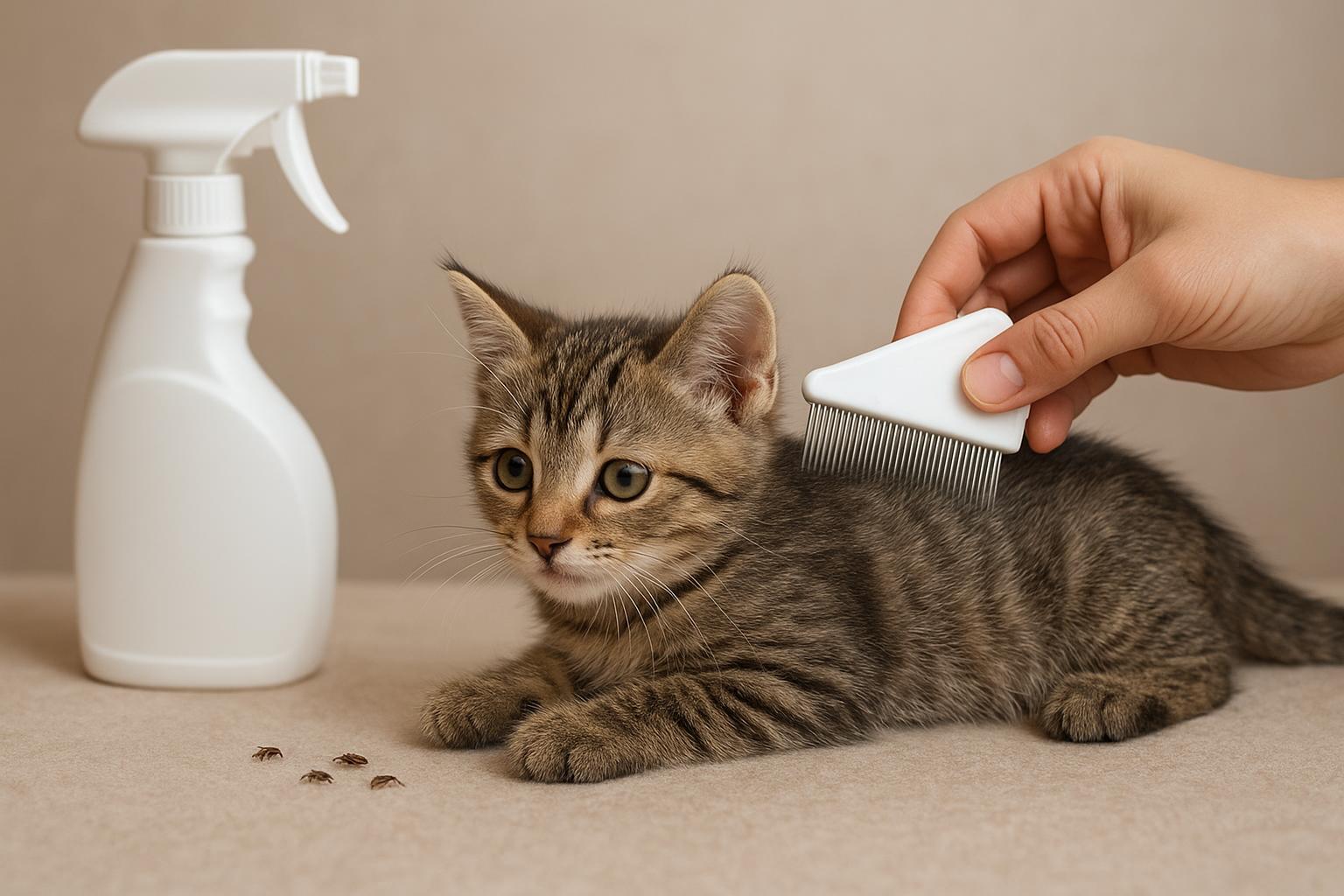
When implementing home flea control, start with mechanical removal. This is an evidence-based, non-chemical approach that reduces live immature stages and stimulates pupae to emerge (making them vulnerable to treatments).
Materials/Required Items
– Vacuum cleaner with a beater brush and a sealed/HEPA filter (or disposable bag)
– Steam cleaner (carpet-safe; high-heat capable)
– Stiff brush for edges
– Gloves
– Heavy-duty trash bags
Step-By-Step Creation And Application
1. Prepare the Area: Remove small furniture, toys, and pet bedding. Wear gloves.
2. Vacuum Methodically: Vacuum all carpeted areas, rugs, and upholstery. Go slowly to pick up eggs/larvae. Focus on edges, under furniture, and pet resting spots. After vacuuming, immediately seal and discard the vacuum bag or empty the canister content into a bag and seal it to prevent re-infestation.
3. Repeat: Vacuum daily for at least two weeks, then every other day for another two weeks. The goal is to interrupt the life cycle by removing eggs and larvae before they mature.
4. Steam Clean: After several days of intensive vacuuming, steam clean carpets and upholstery according to machine instructions. Heat above 120°F (49°C) for several minutes in a given spot helps kill sensitive stages. Ensure cleaning solutions used are pet-safe.
5. Post-Cleaning: Wash removable covers and pet bedding in hot water (>130°F/54°C) and dry on high heat. Replace furniture and continue monitoring.
## Remedy 2: Diatomaceous Earth Or Fine Salt Treatment
This is a low-to-moderate toxicity, physical desiccant method that can help reduce larvae and some adults by breaking down their exoskeleton.
Materials/Required Items
– Food-grade diatomaceous earth (DE) or very fine table salt
– Sieve or shaker for even application
– Broom or stiff brush
– Vacuum cleaner with good filtration
– Gloves and dust mask (DE can be irritating if inhaled)
Step-By-Step Creation And Application
1. Test First: Apply a small amount to an inconspicuous area to ensure no carpet discoloration.
2. Apply Evenly: Lightly dust carpet, rugs, and baseboard edges. Use a sieve or shaker to get a fine, even coverage; you want a dusting, not a mound.
3. Let Sit: Allow DE or salt to remain for 24–48 hours. This gives time to contact and desiccate larvae and some adults emerging from pupae.
4. Agitate: Lightly brush areas where pets rest to bring the powder into the fibers and under edges.
5. Vacuum Thoroughly: After the exposure period, vacuum up as thoroughly as possible and dispose of vacuum contents sealed in trash bags.
6. Repeat: Reapply weekly for 2–4 weeks while continuing pet treatment and regular cleaning.
Safety Note: Use food-grade DE only and avoid inhalation. Keep away from children and pets during application; remove pets from treated rooms until vacuumed.
## Remedy 3: Pet Treatment Plus Household Insect Growth Regulator (IGR)
Chemical control should focus on pets first (the primary blood source) and then on the environment. This combined approach is formal and protocol-driven for reliable results.
Materials/Required Items
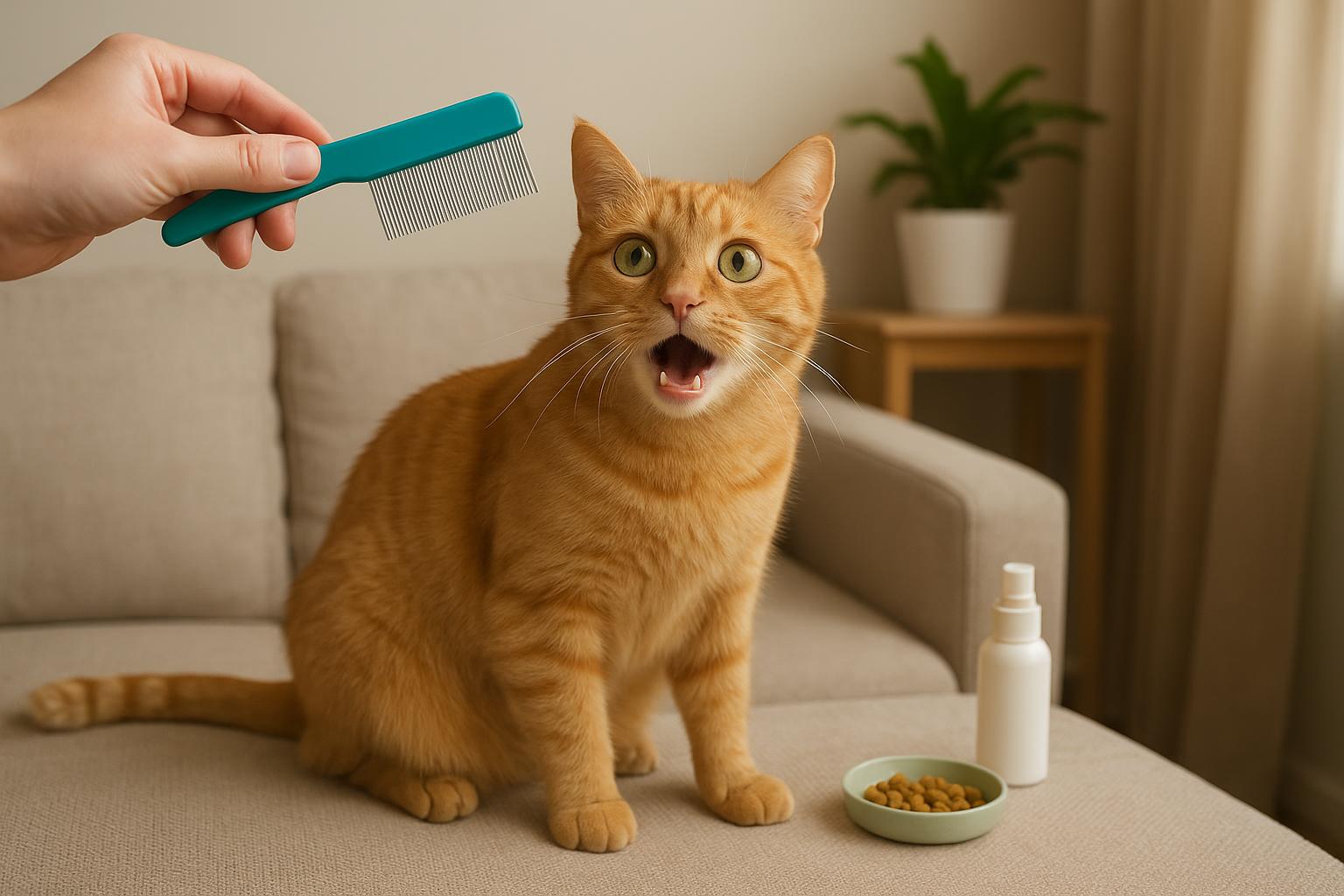
– Veterinarian-recommended topical spot-on or oral flea medication (for all pets)
– Flea shampoo (if immediate relief is needed)
– Insect Growth Regulator spray labeled for indoor use (pyriproxyfen or methoprene)
– Personal protective equipment (gloves)
– Soft cloths, garbage bags, laundry detergent
Step-By-Step Creation And Application
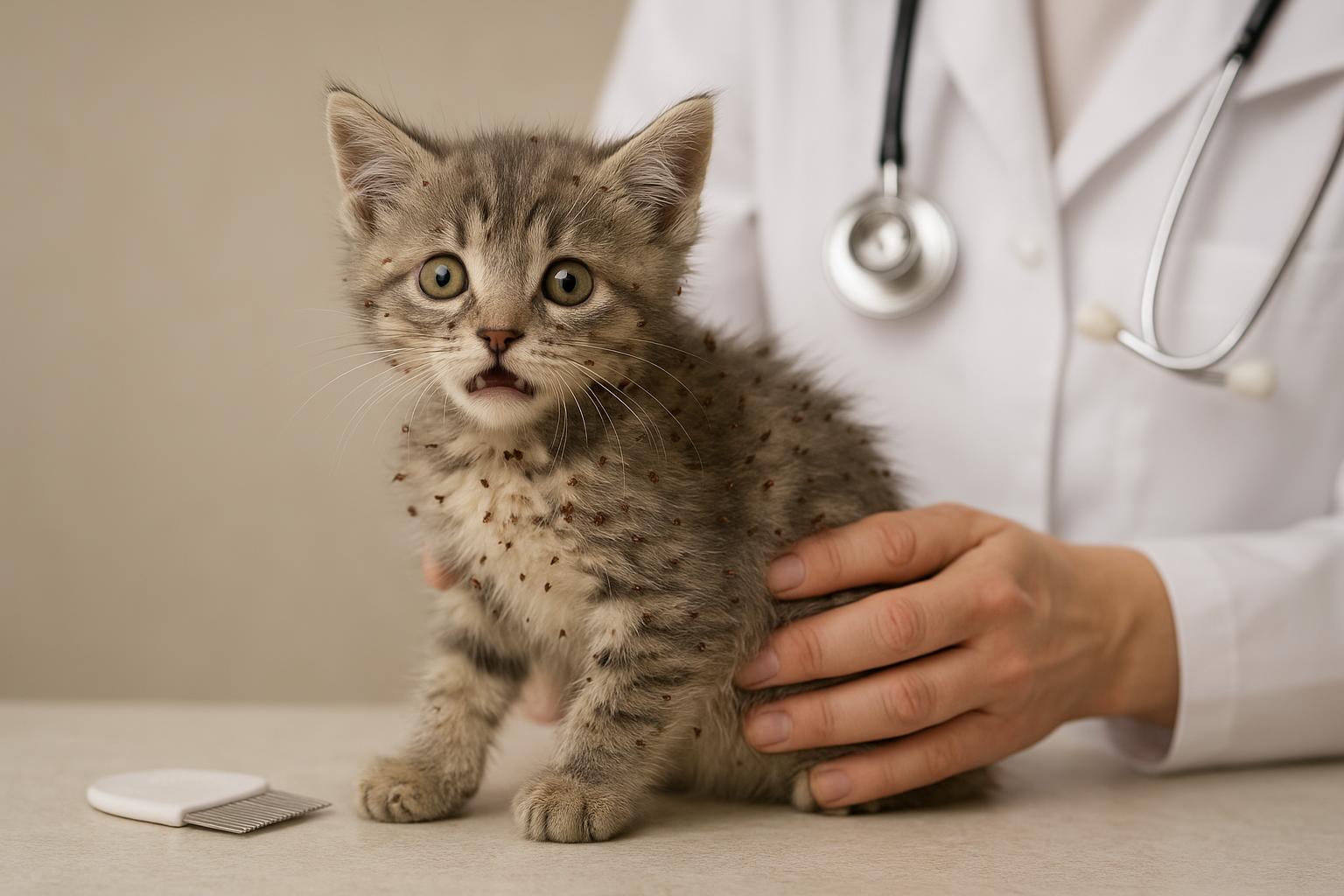
1. Vet Consultation: For each pet, consult a veterinarian to select an appropriate flea control product and dosing schedule. Follow medical guidance precisely.
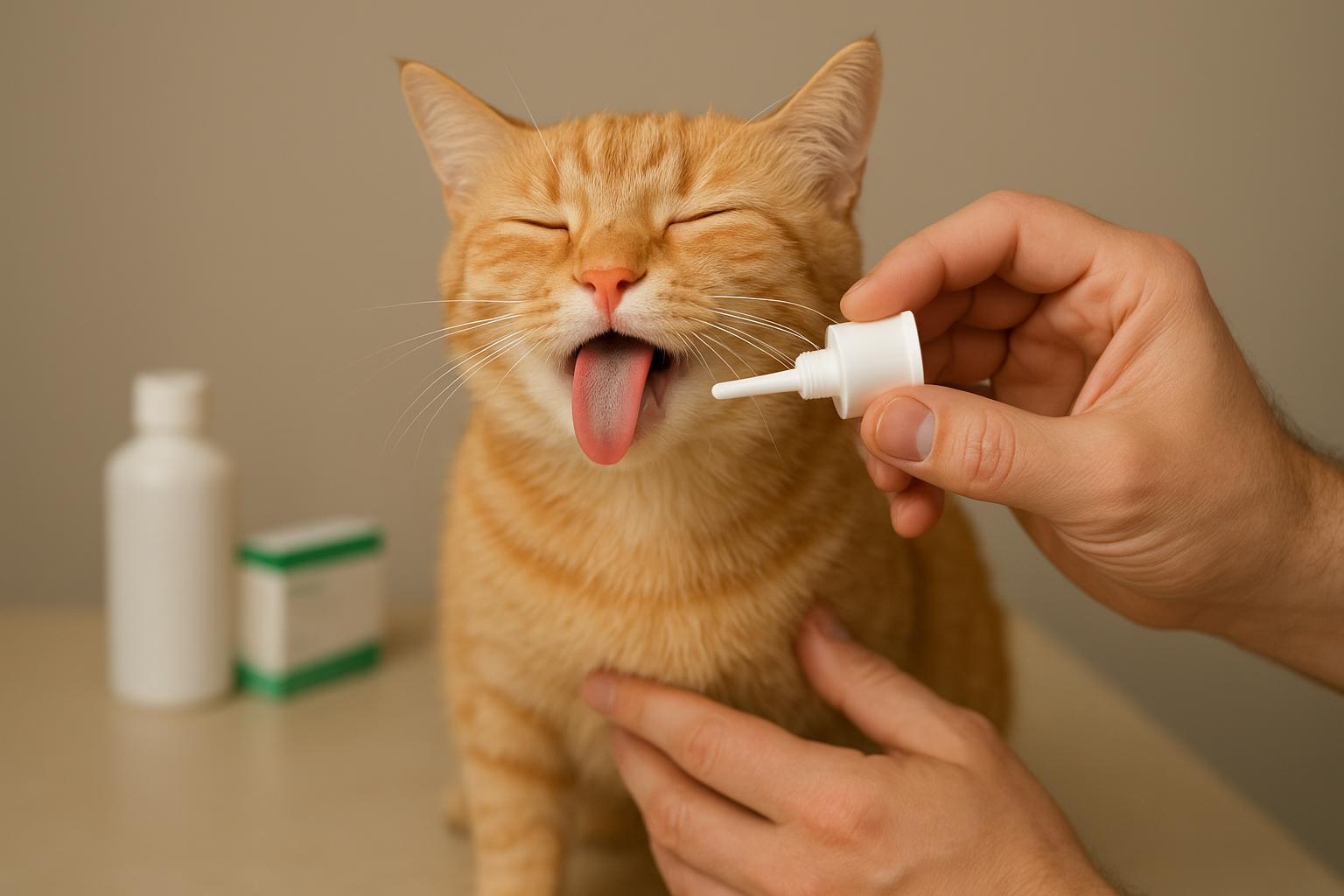
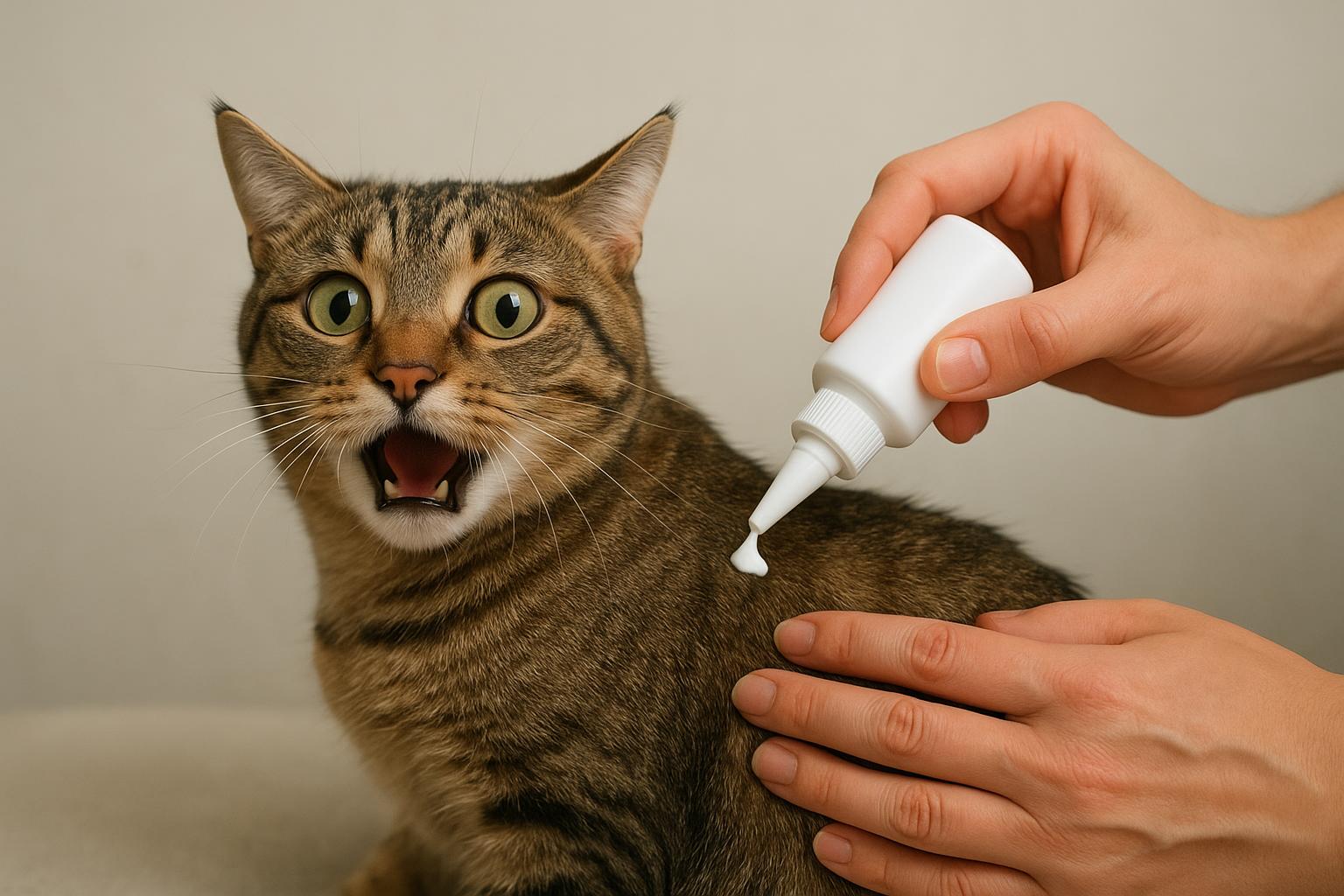
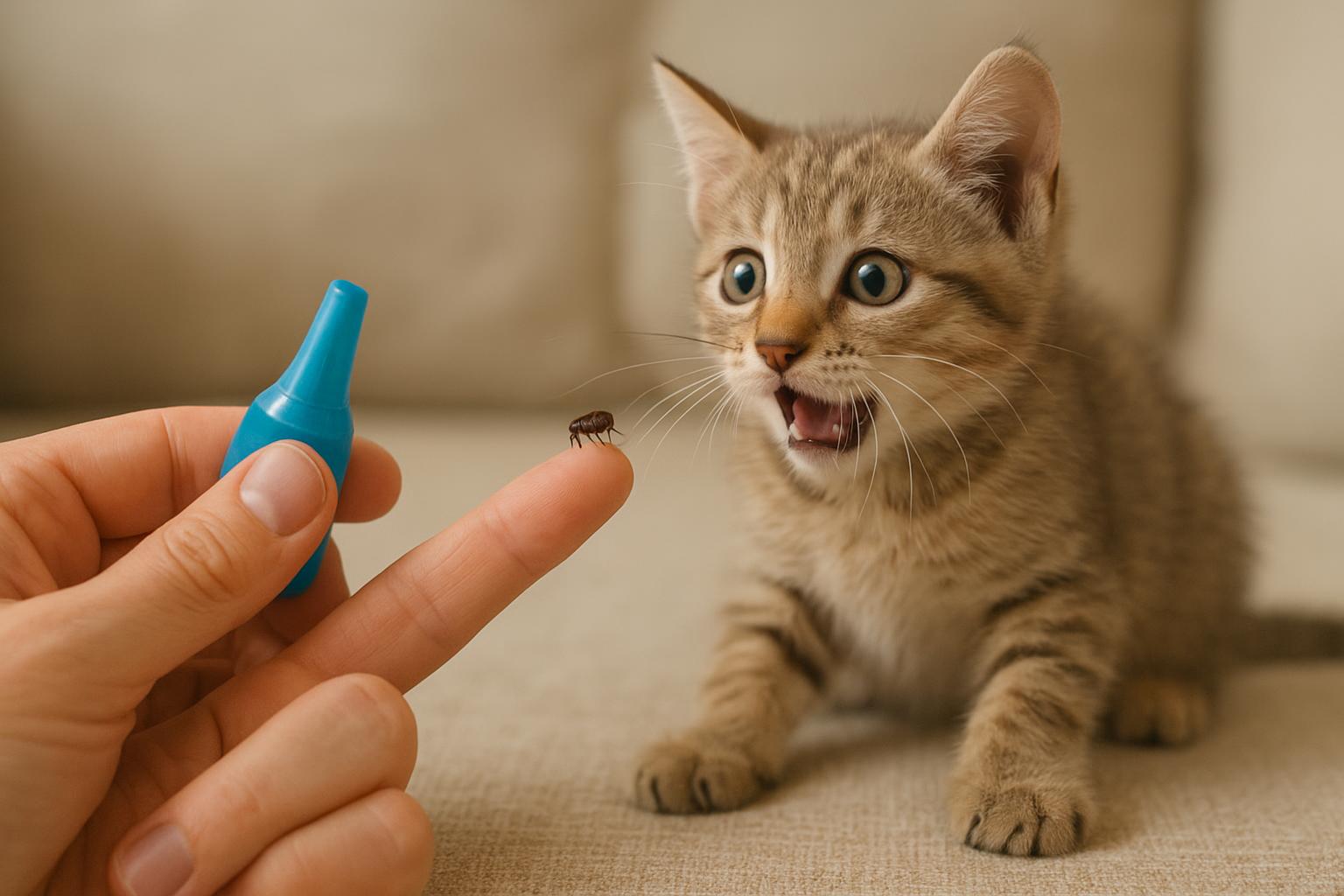
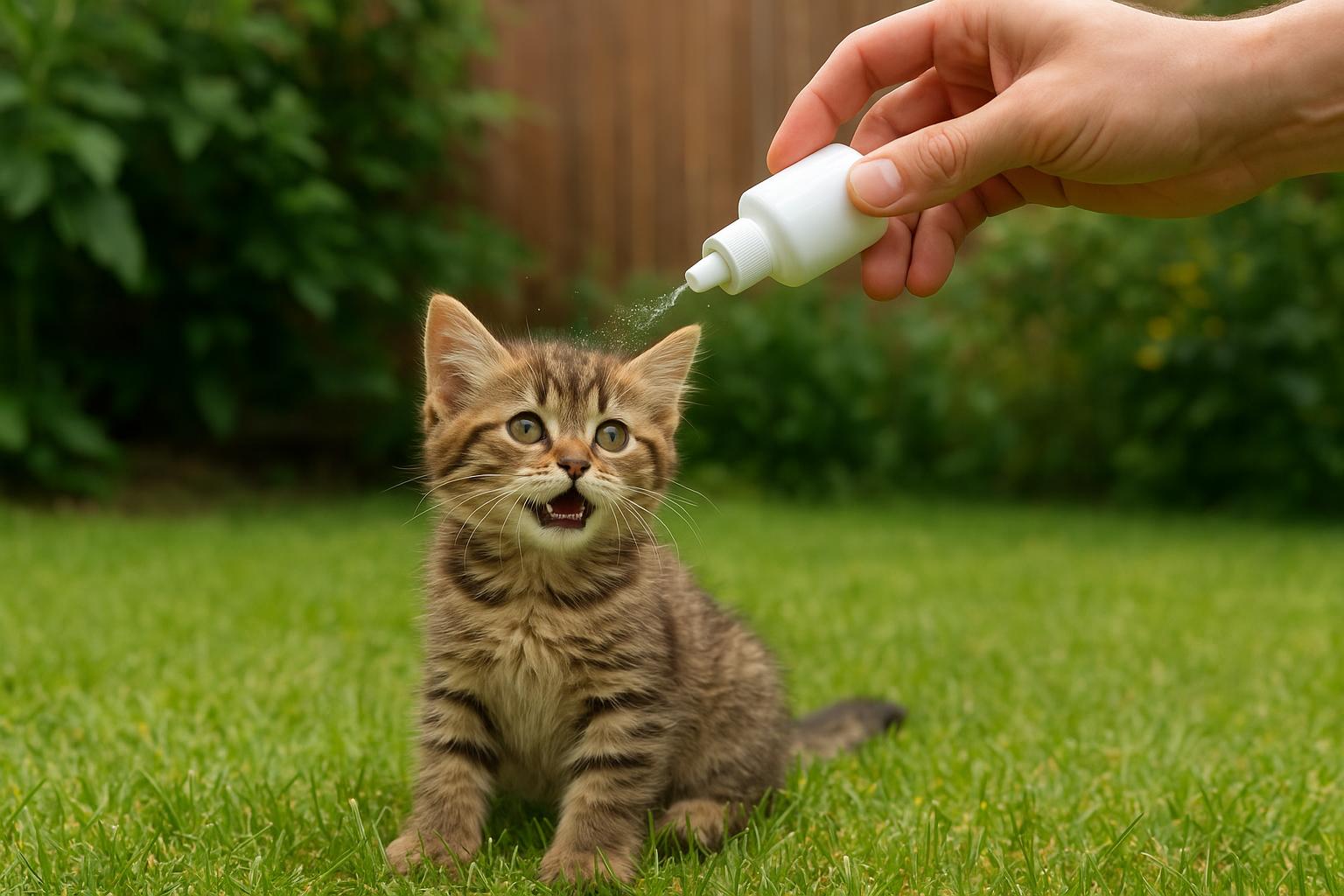
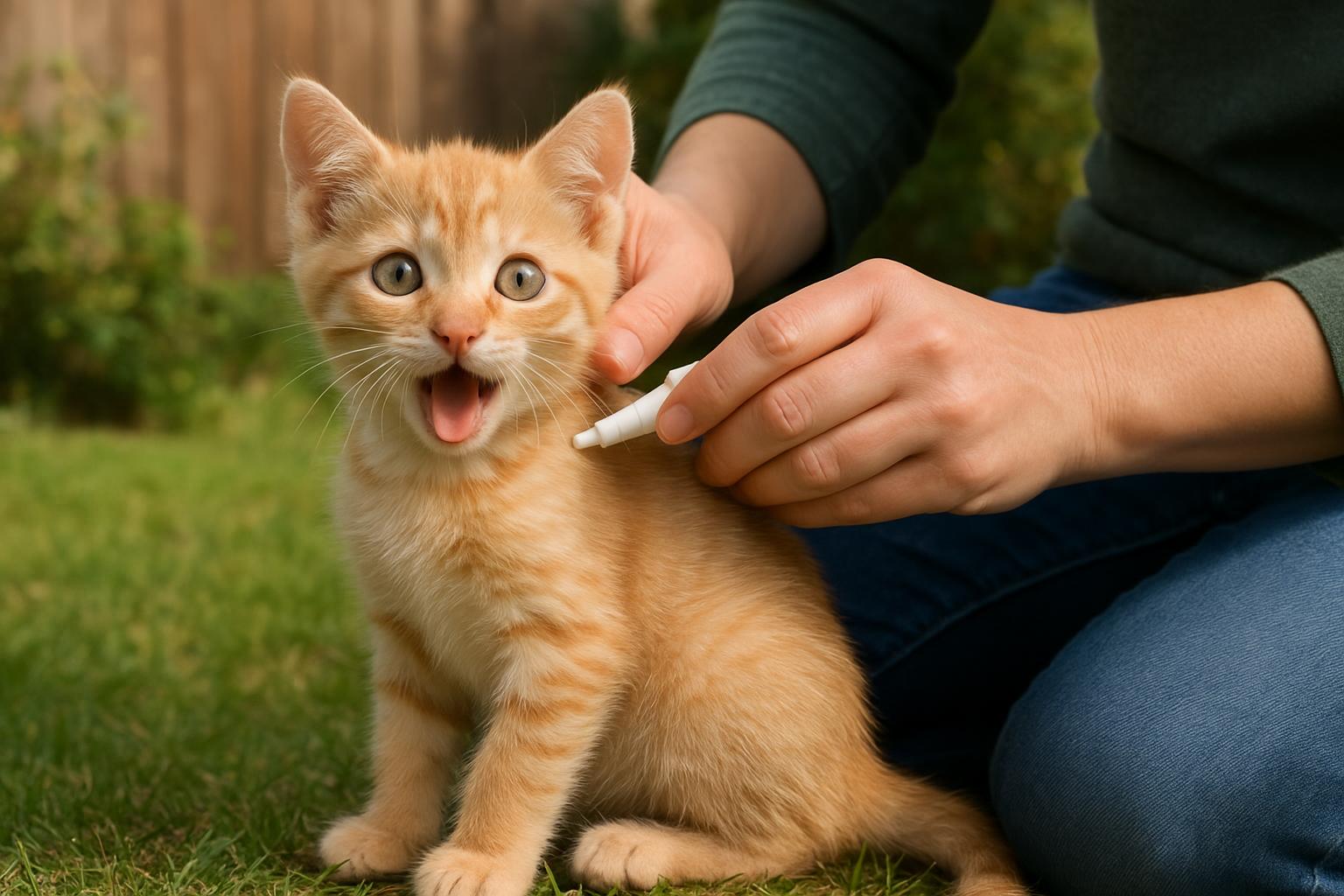
2. Treat Pets: Apply or administer flea medications as directed. If using spot-on treatments, ensure pets stay dry and are not bathed for the time specified on the label. Oral medications may provide faster protection in some cases.
3. Immediate Relief: Bathe heavily infested pets with a flea shampoo if recommended by your vet. Towel dry and prevent reinfestation by removing fleas from the environment.
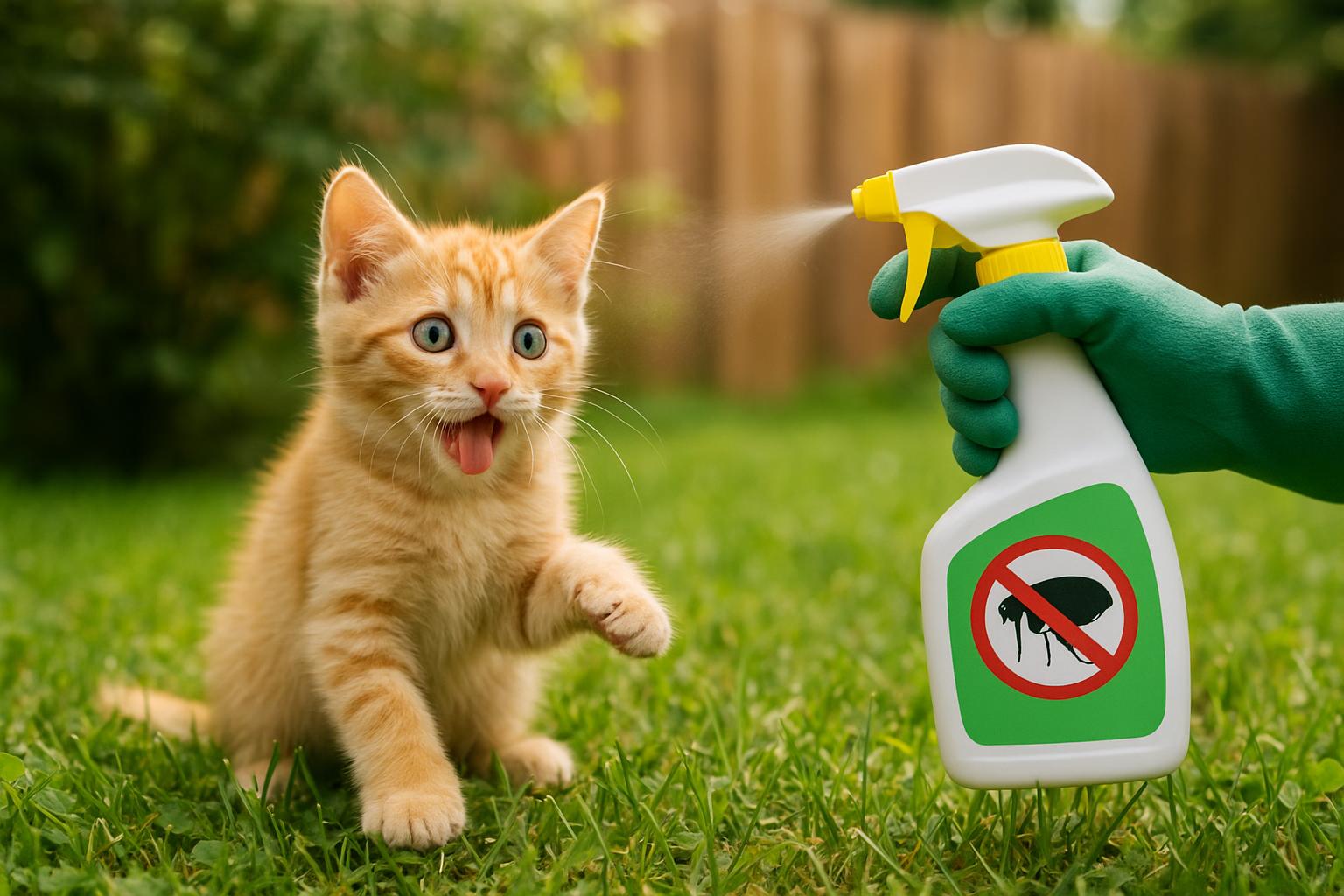
4. Apply IGR: Using gloves, apply a household IGR spray to carpets, baseboards, and pet resting areas following the manufacturer’s label. IGRs prevent eggs and larvae from developing into reproducing adults.
5. Coordinate Timing: Apply environmental IGRs after vacuuming so product contacts areas where eggs/larvae remain. Do not apply IGRs directly to pets unless specified.
6. Maintain Treatment Schedule: Repeat pet treatments as prescribed and apply environmental controls according to label directions. Expect to treat for at least 8–12 weeks to completely break the life cycle in heavy infestations.
### Safety And Legal Notes For Chemical Use
Use pesticides only according to the label. If using professional-grade products, consider hiring a licensed pest control operator. Keep children and pets out of treated areas until surfaces are dry and instructions allow re-entry.
### When To Call A Professional
If your home has a severe infestation, multiple pets, or health concerns (allergies, asthma), or if repeated DIY efforts fail, it’s time to consult a licensed pest control company. Professionals can use targeted treatments such as perimeter sprays, carpet treatments, or whole-house fogging combined with IGR in a coordinated plan.
#### What Professionals May Offer
– Tailored inspection to identify breeding hotspots
– Combination of residual insecticides and IGRs for long-term control
– Follow-up visits and schedules based on infestation severity
If you’re still trying to answer the basic question of “do fleas live” in every nook of your home — yes, they can, but smart, staged intervention focused on the life cycle gives you the best chance of eviction.












Leave a Reply