
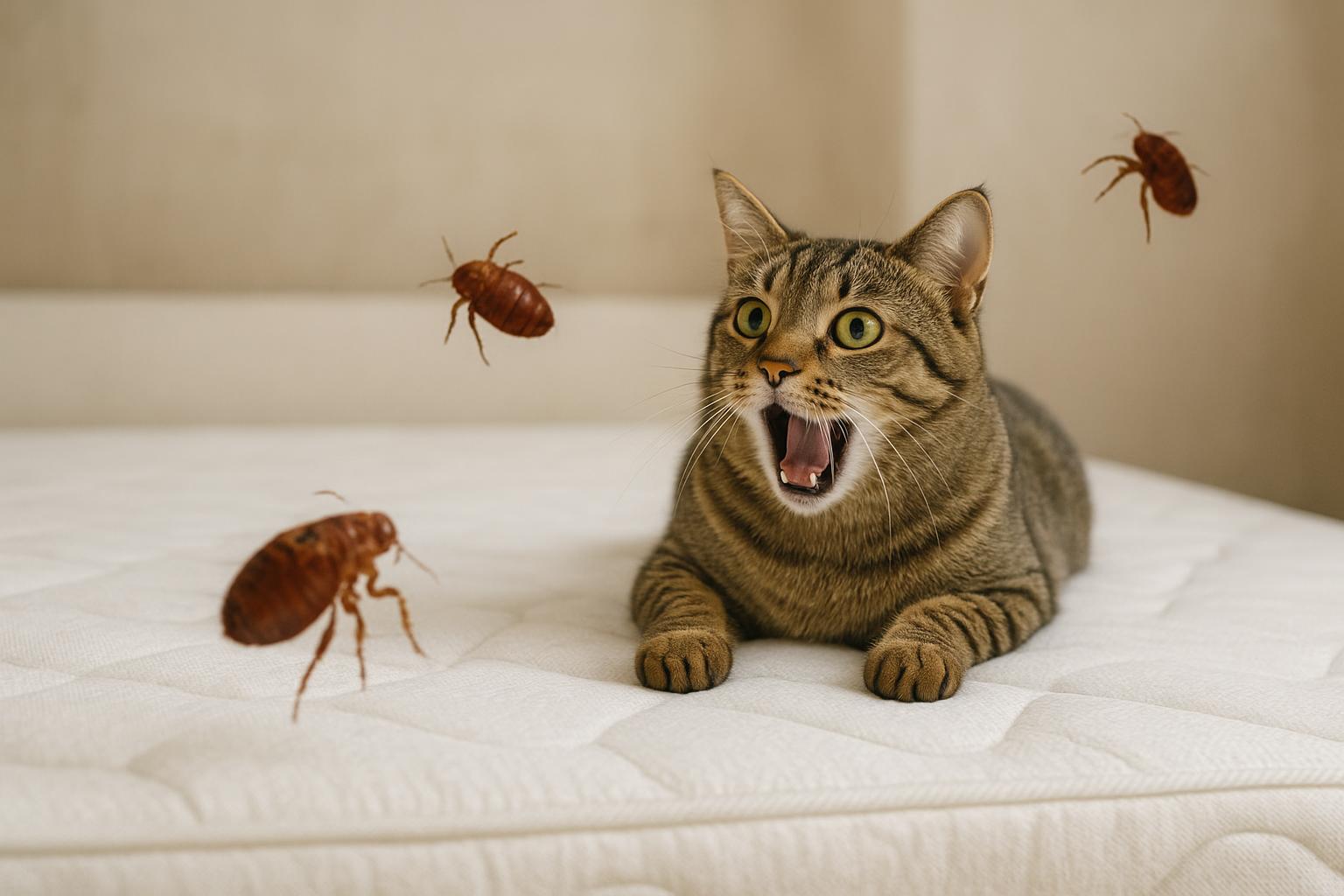
Welcome. If you’ve pulled back your sheets and found unwelcome roommates, this relaxed backyard guide will help you figure out what’s going on and what to do without calling in the cavalry. We’re focusing on practical, gentle methods that respect pets, wildlife, and your mattress.
## Bed Fleas In Mattresses A Backyard Guide To Gentle Control
### What They Are And How They Get In
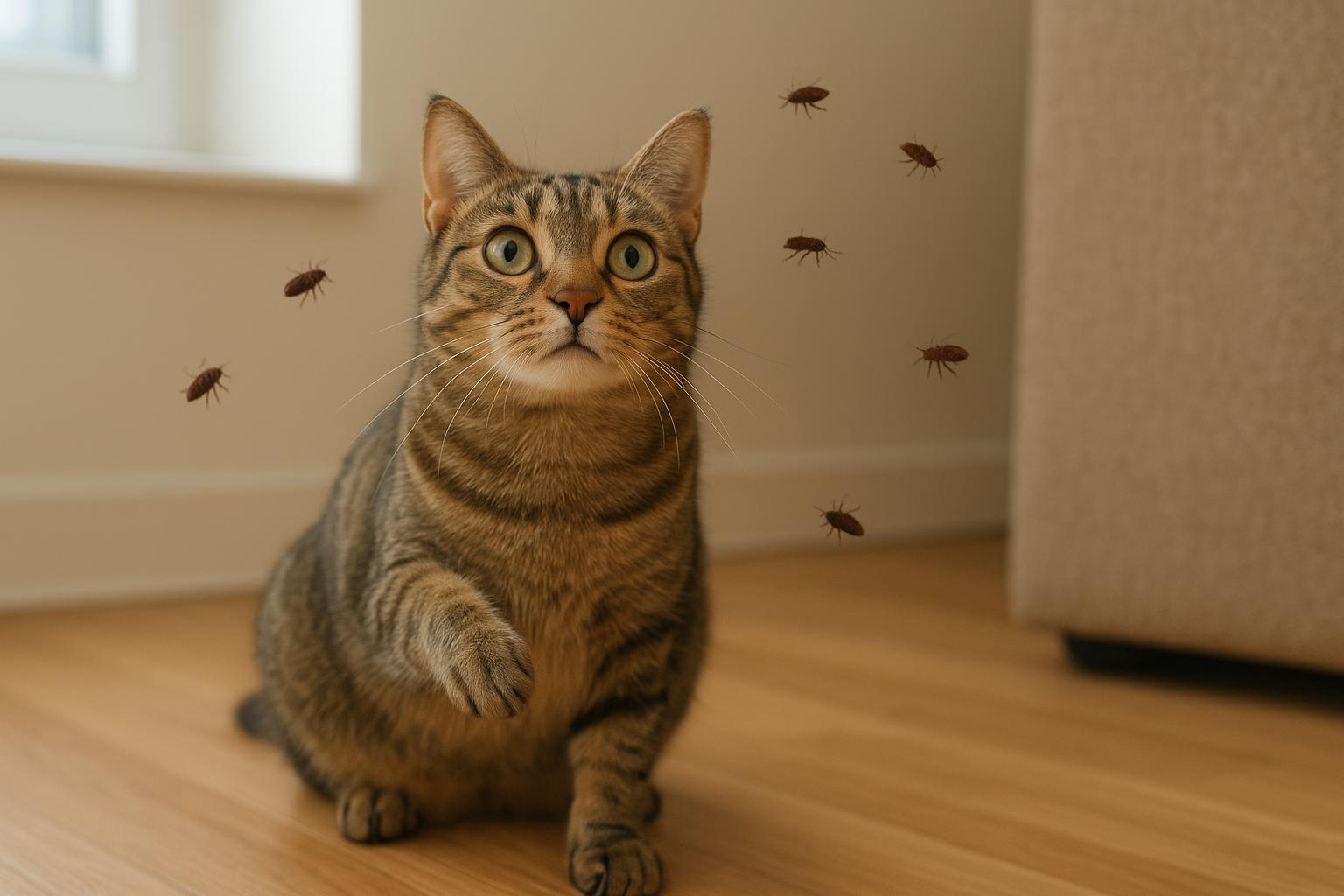
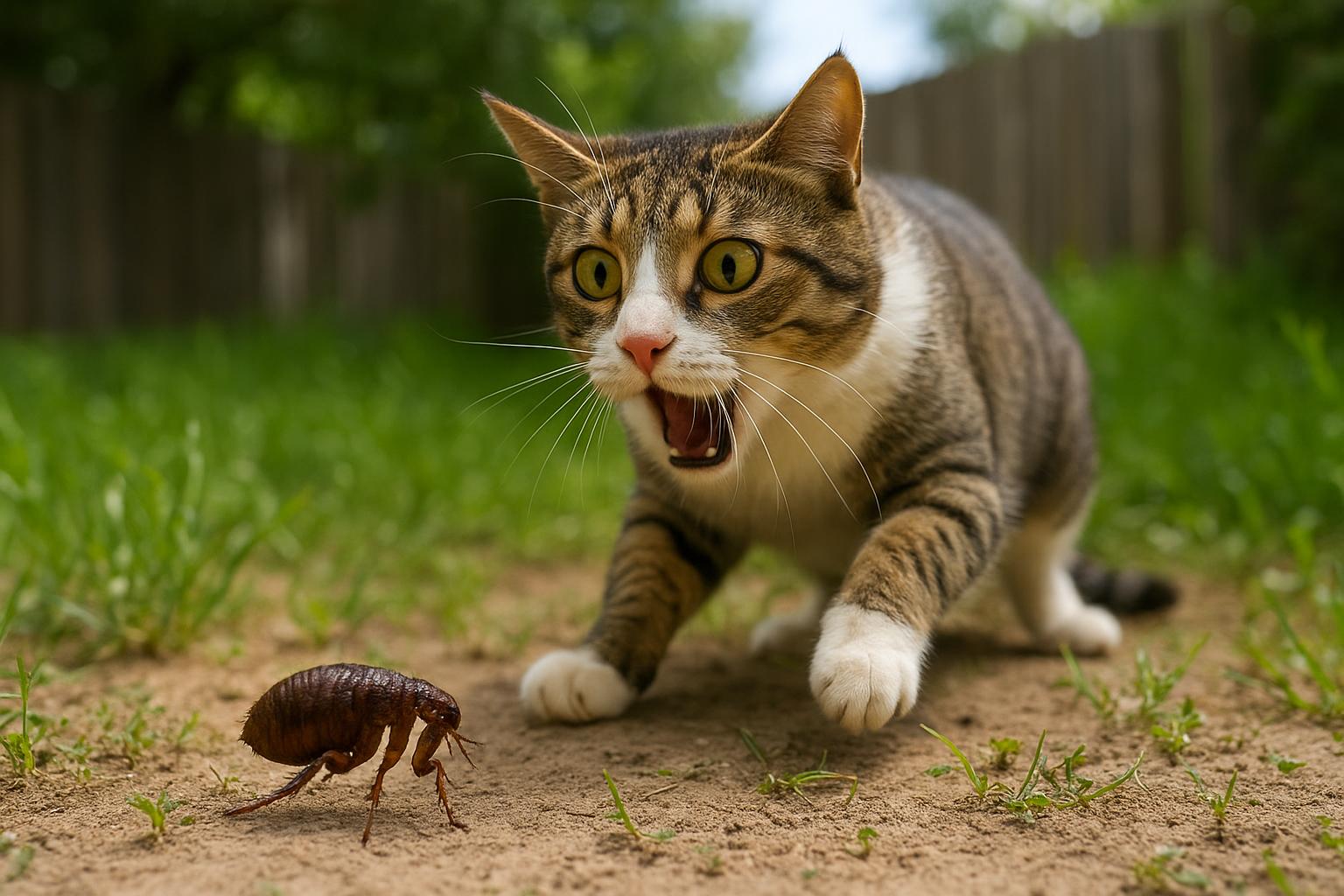
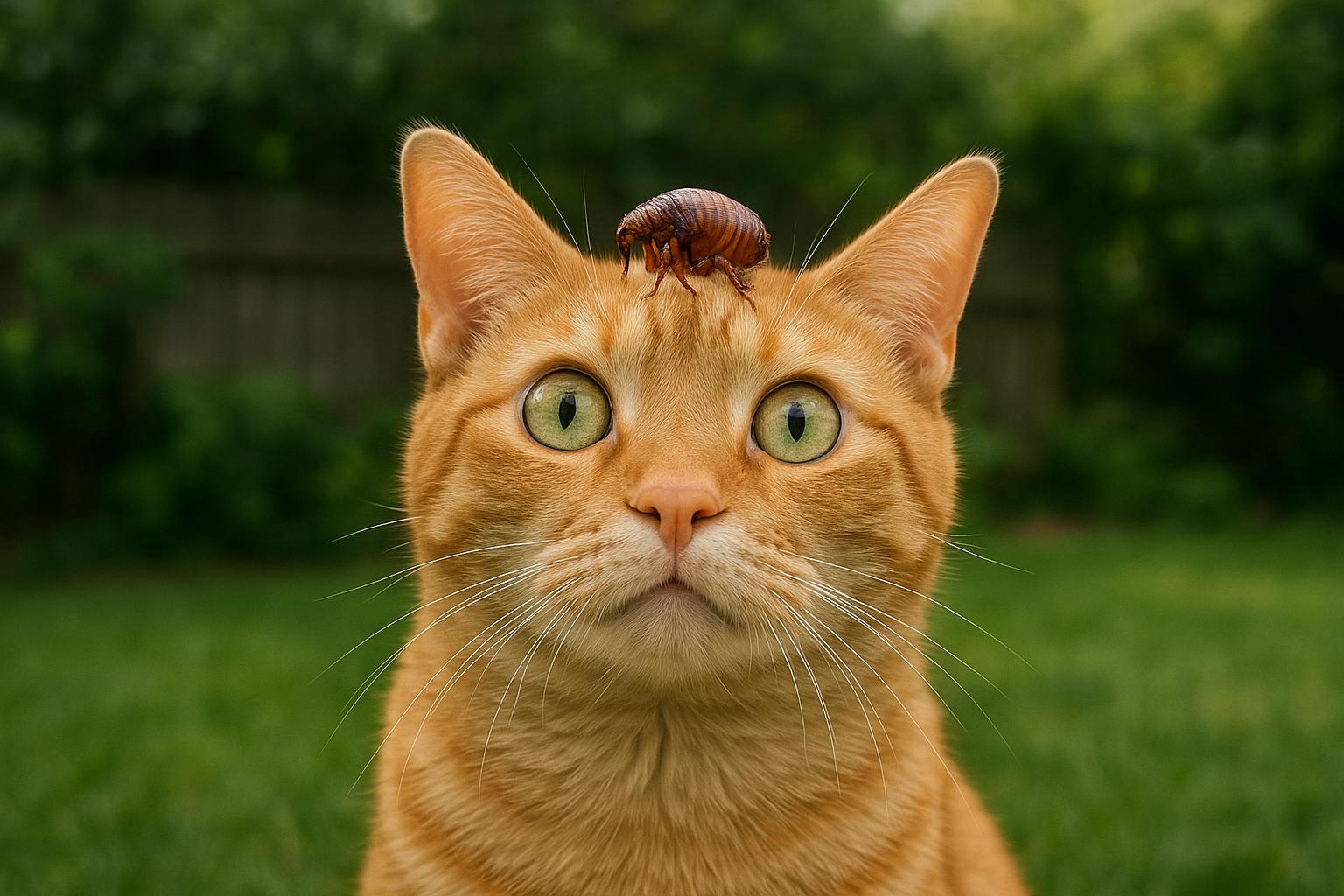
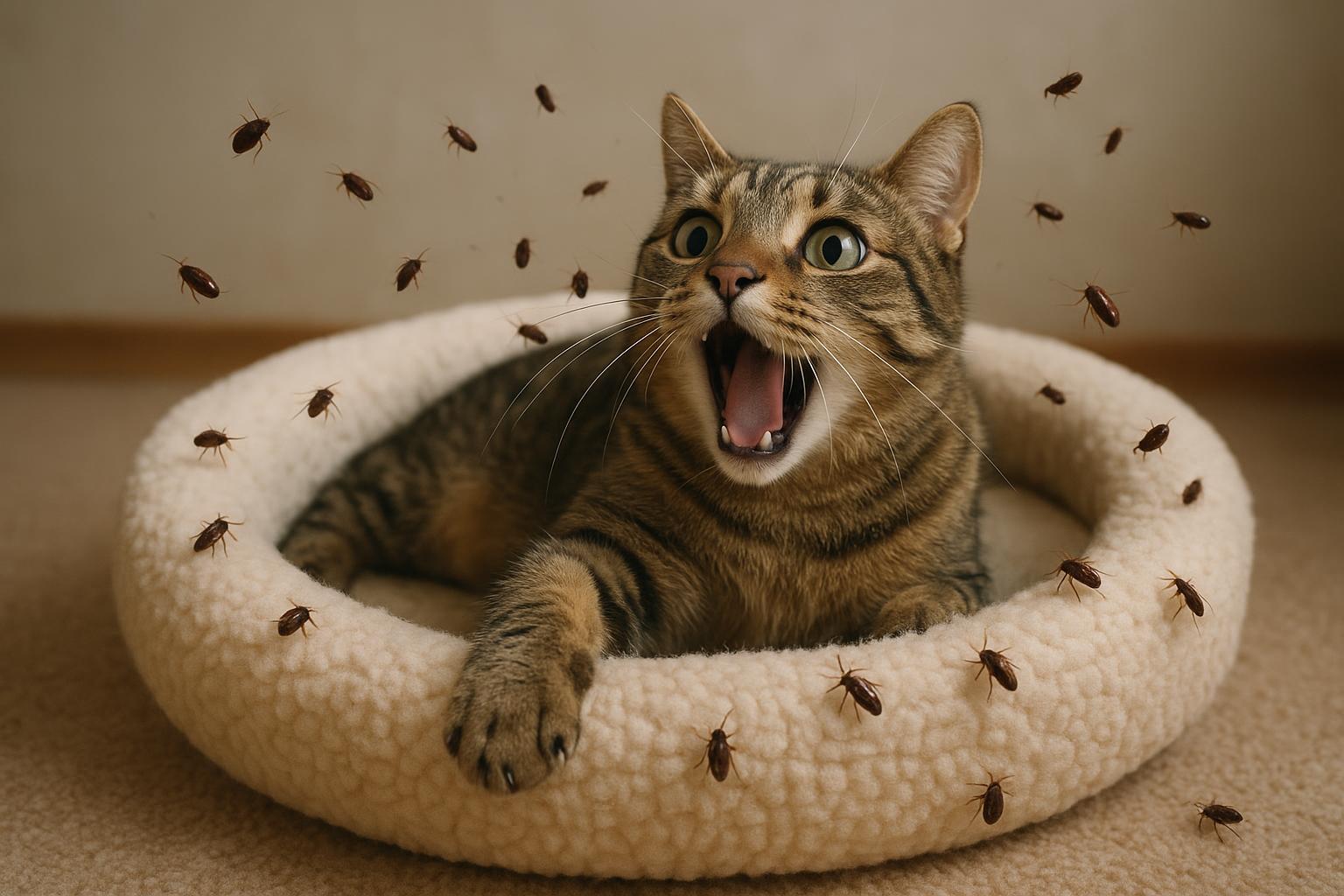
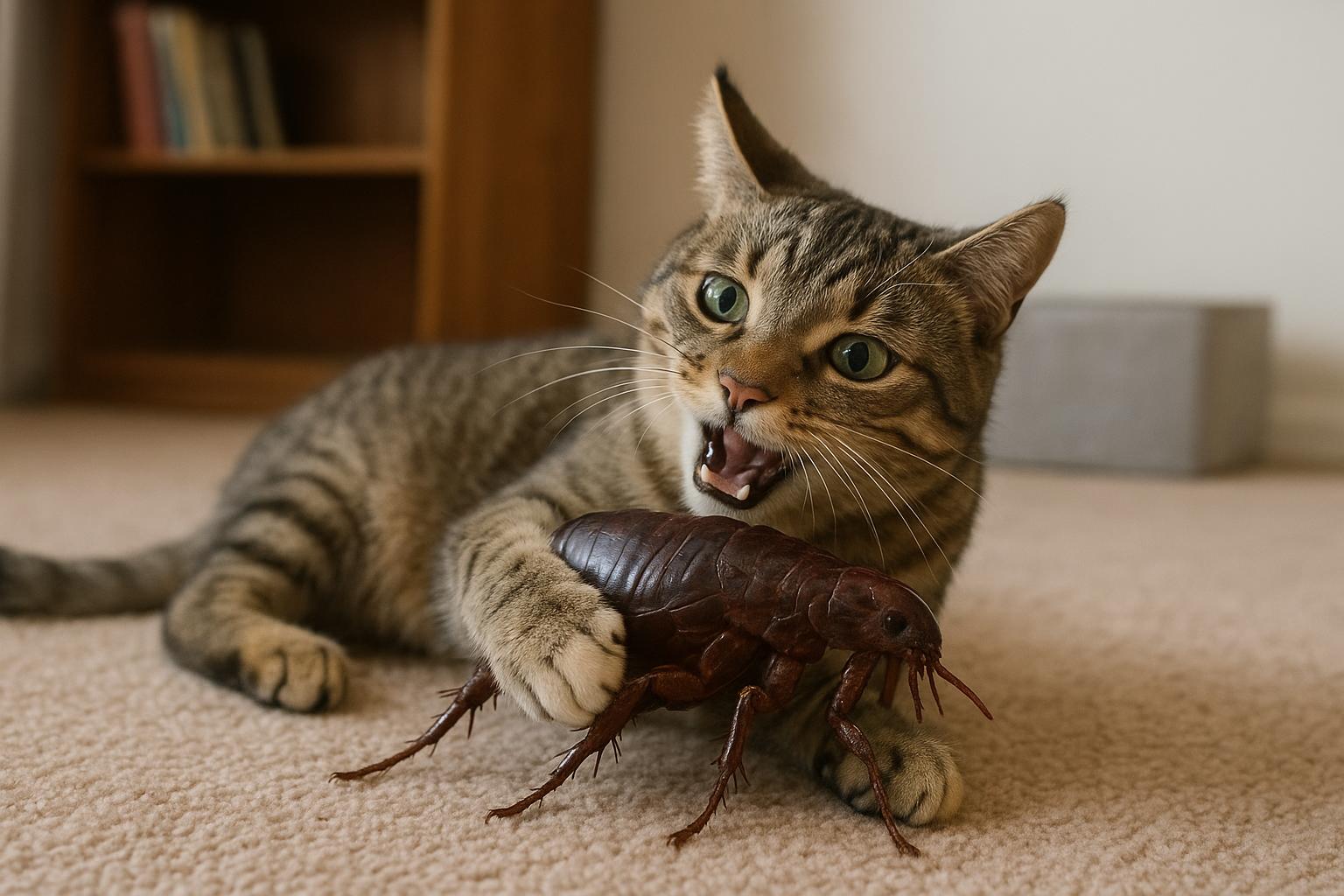
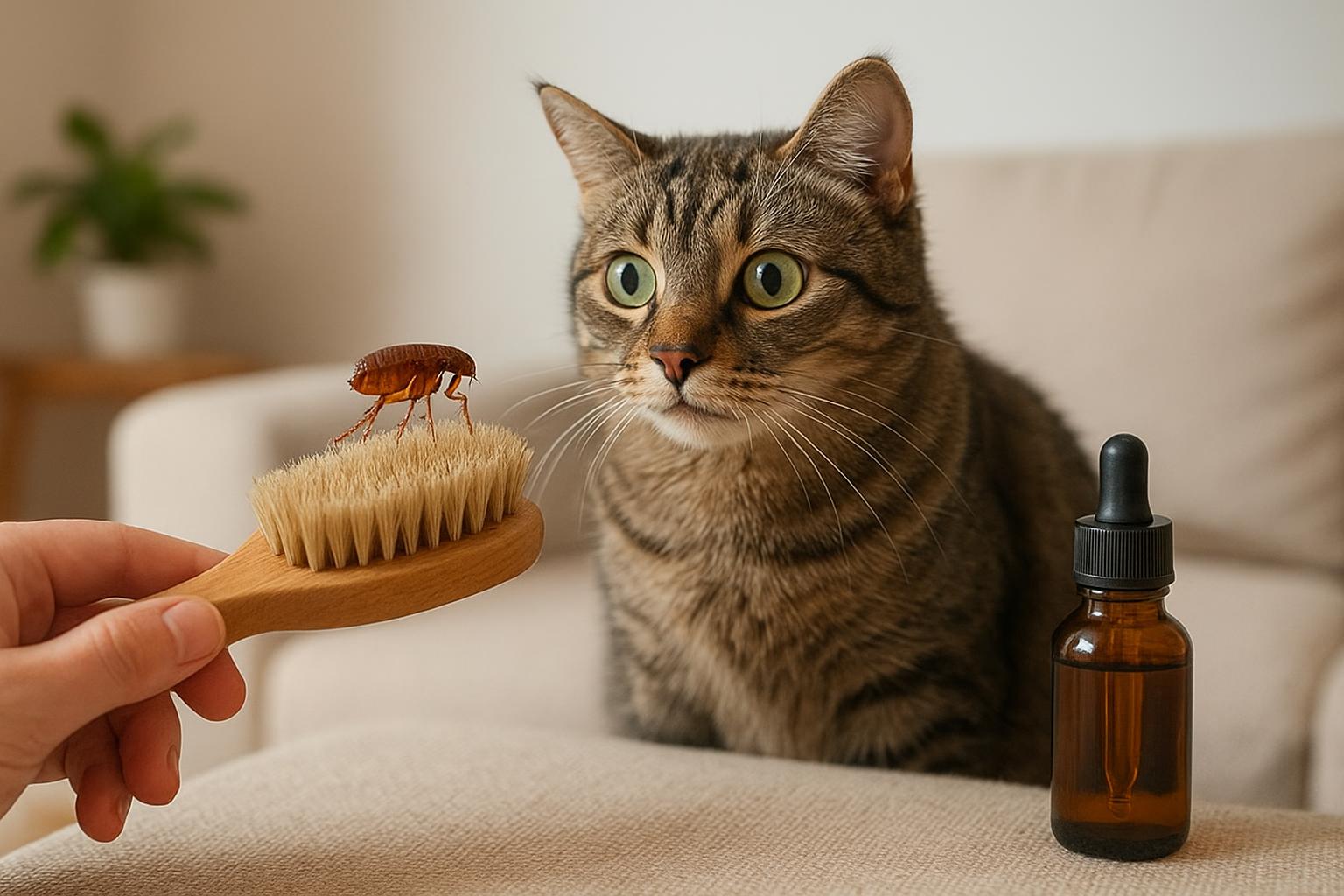
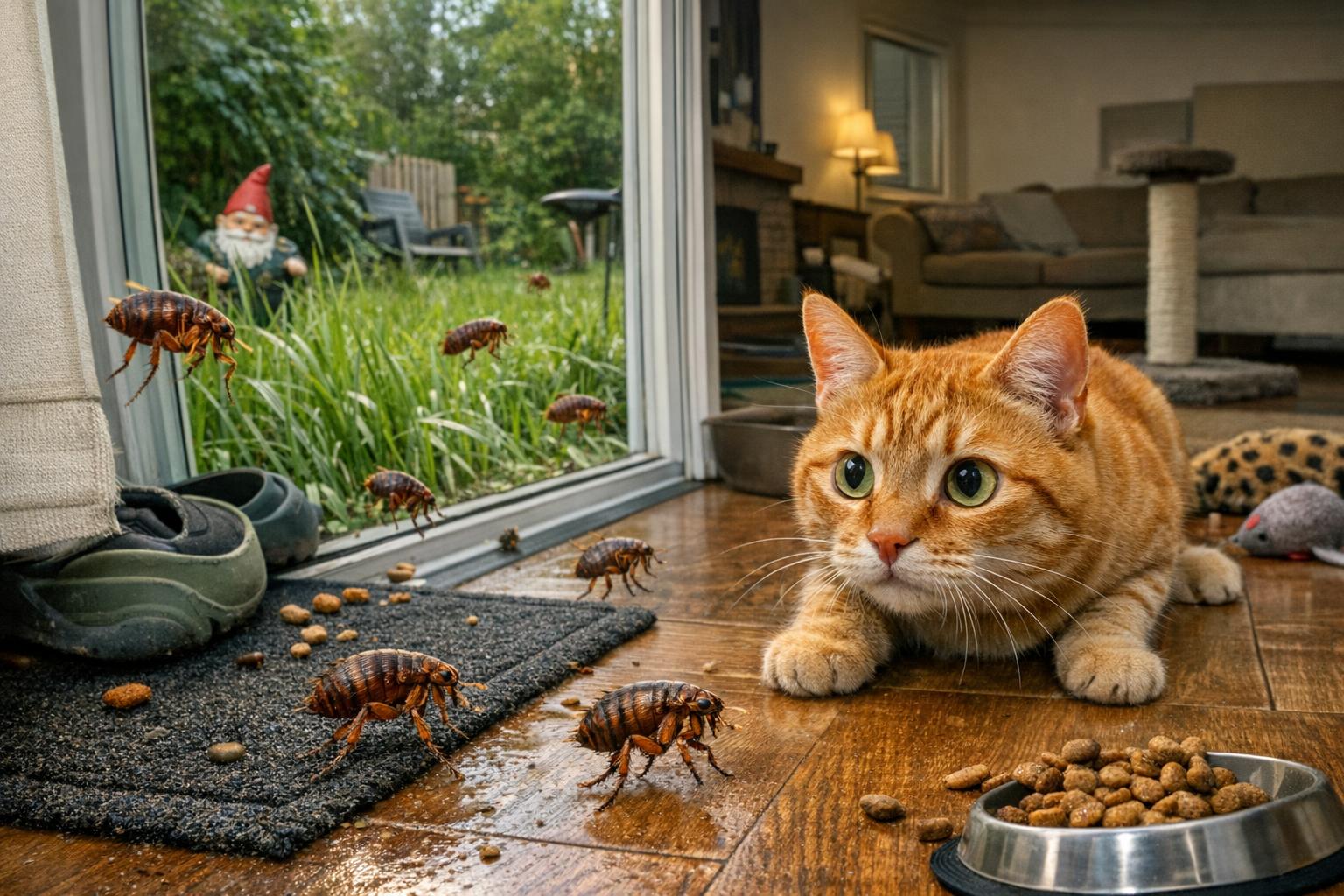
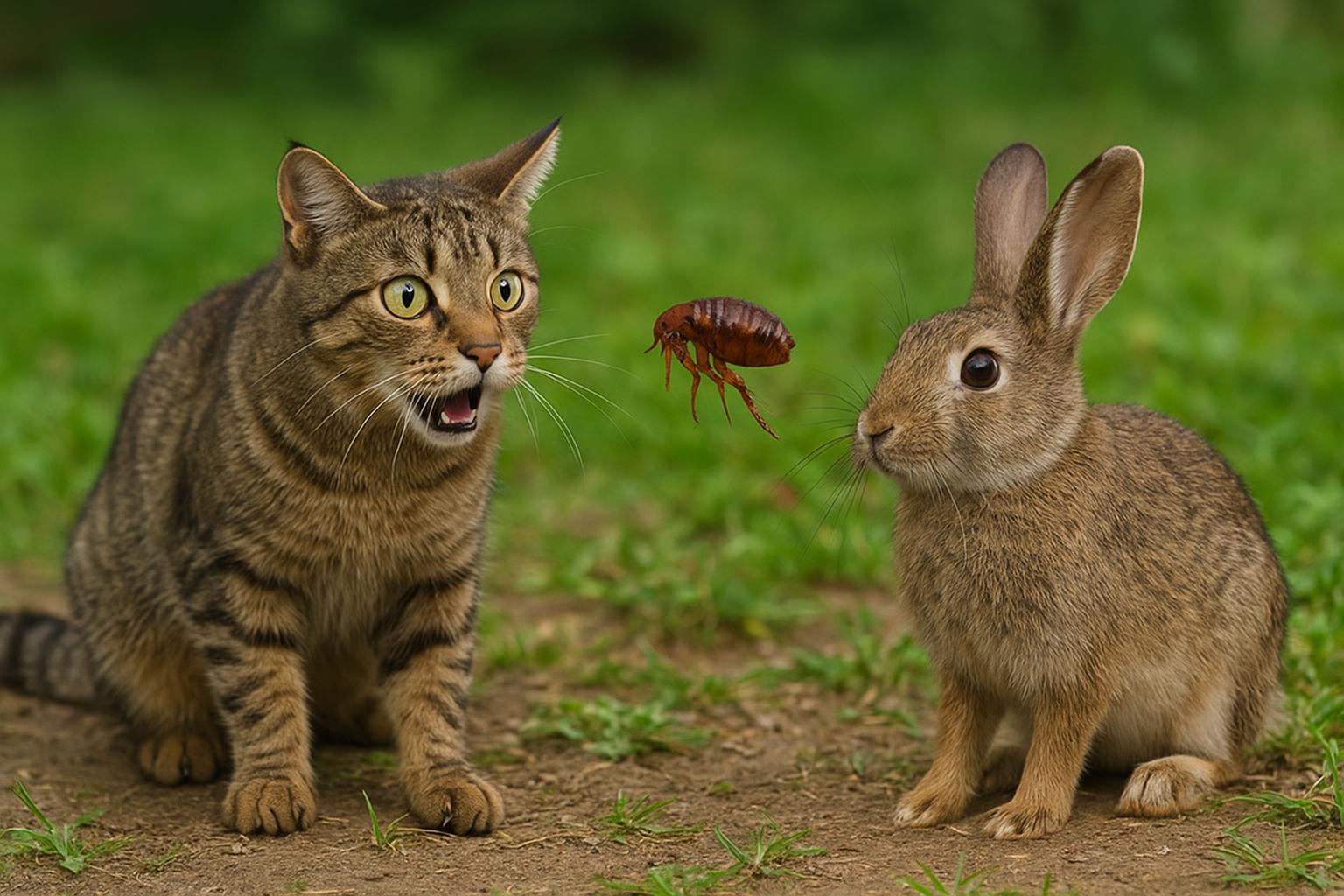
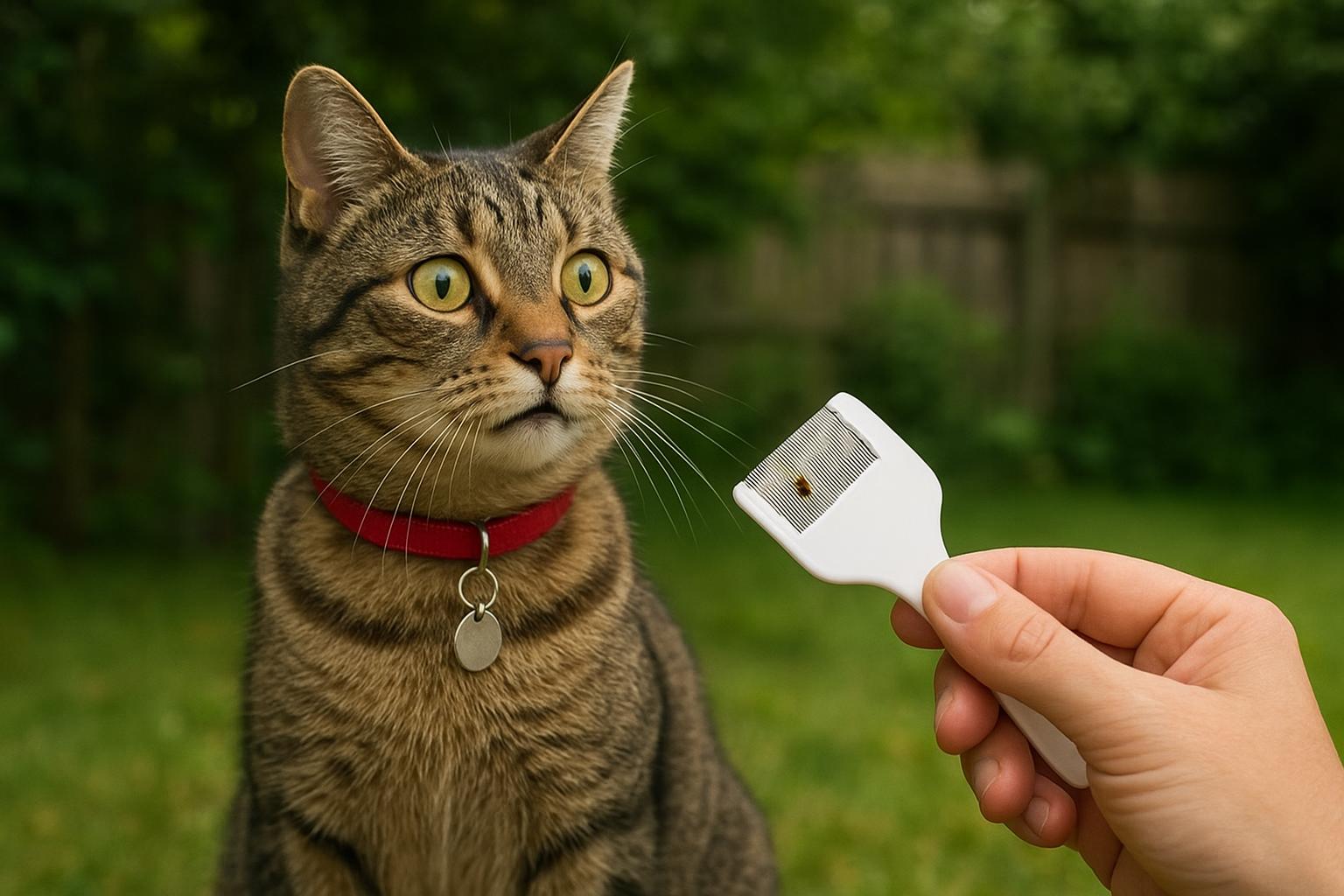
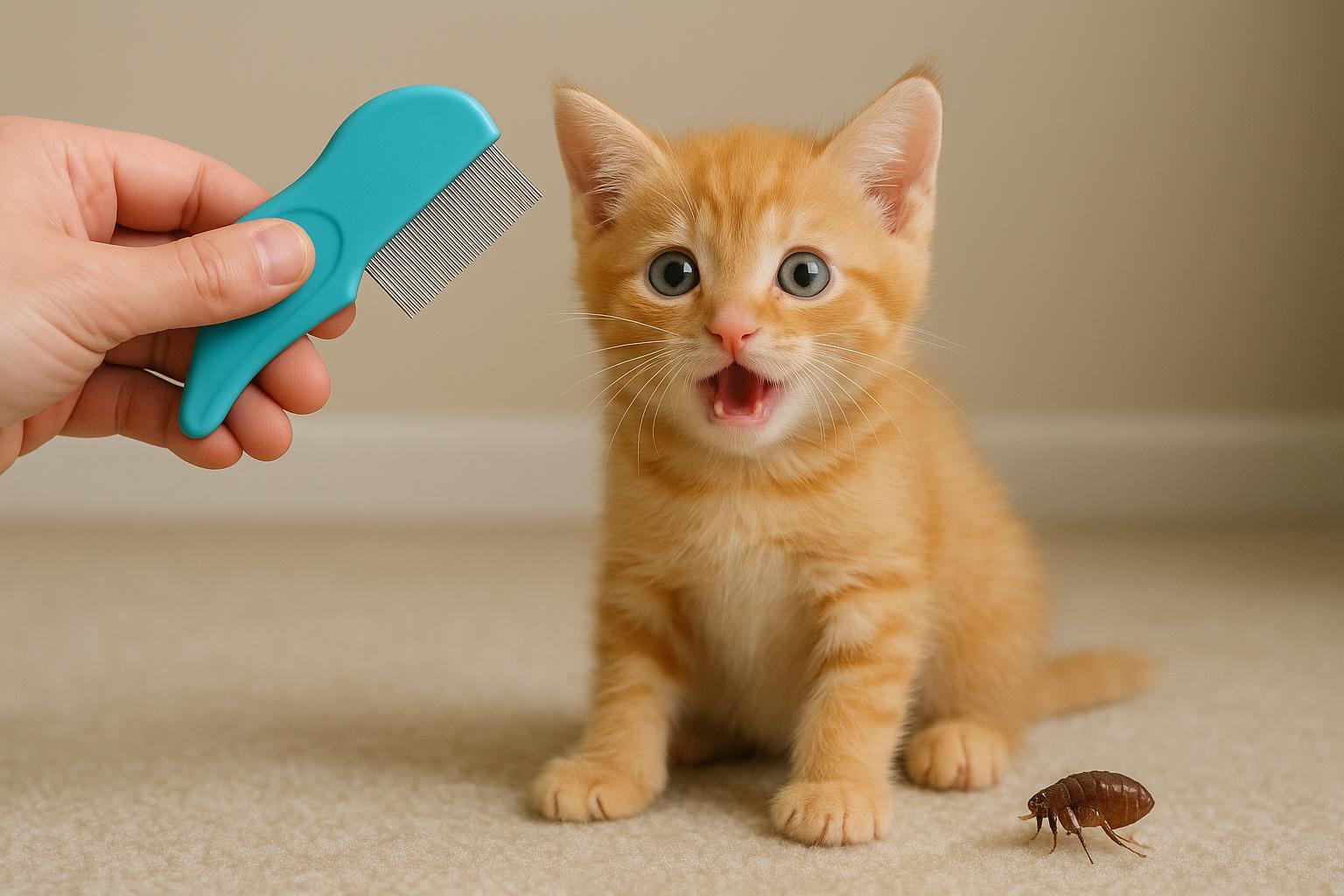
The term “bed fleas” is a friendly shorthand many people use for fleas that end up in bedding and mattresses. These are typically the same little jumpers that infest pets and yard wildlife, not a new species specifically designed to haunt human beds. Fleas are opportunists: a visiting stray cat, a raccoon lounging near your laundry line, or even a neighbor’s dog can be the source. Once they hitch a ride inside, mattresses and box springs make cozy hideouts near warmth and regular blood meals.
Fleas reproduce quickly and hide in seams, tufts, and fibers. Understanding this lifecycle is part of gentle control: interrupt the cycle without blanket chemical use everywhere.
### How To Tell If Your Mattress Is Hosting Unwanted Guests
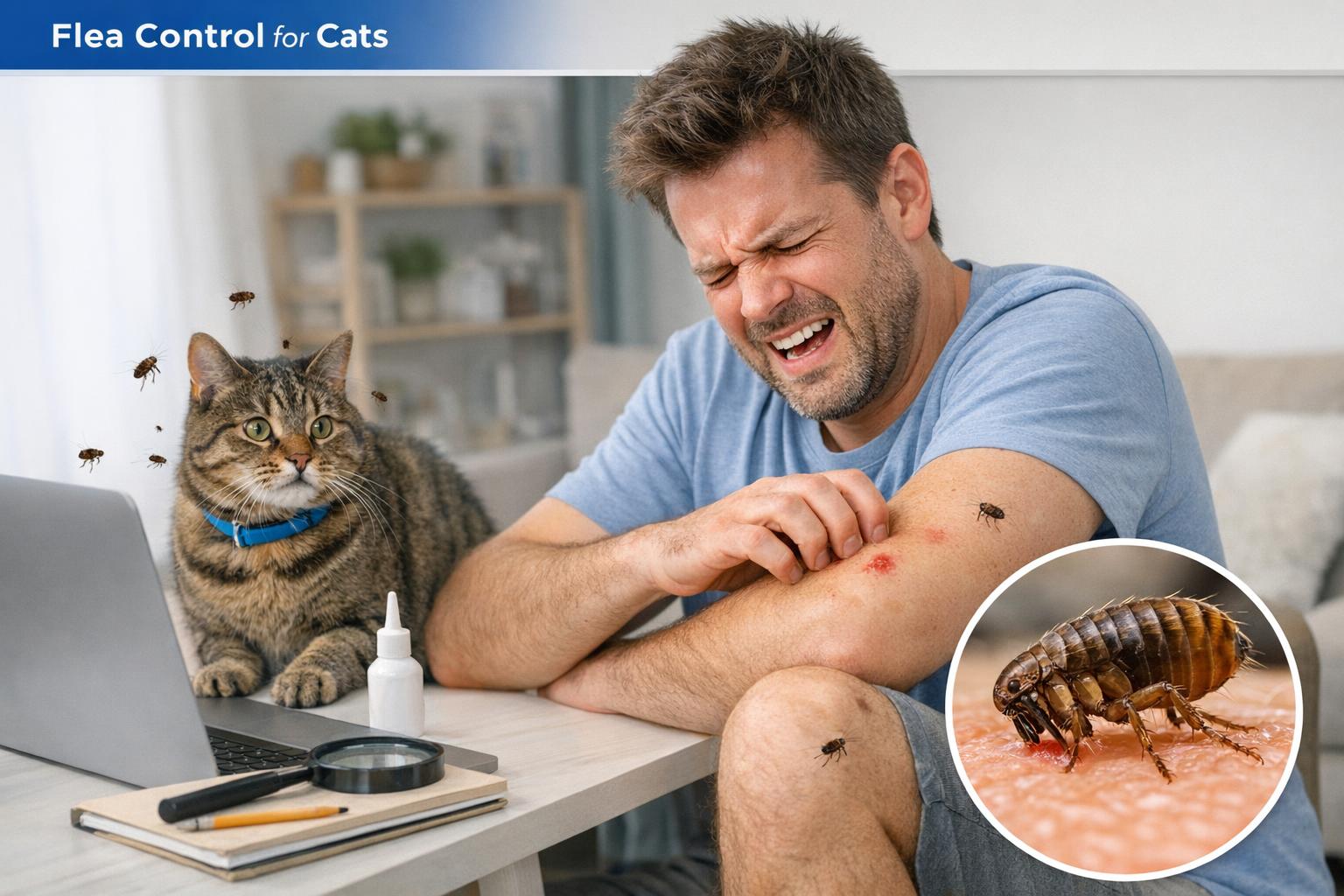
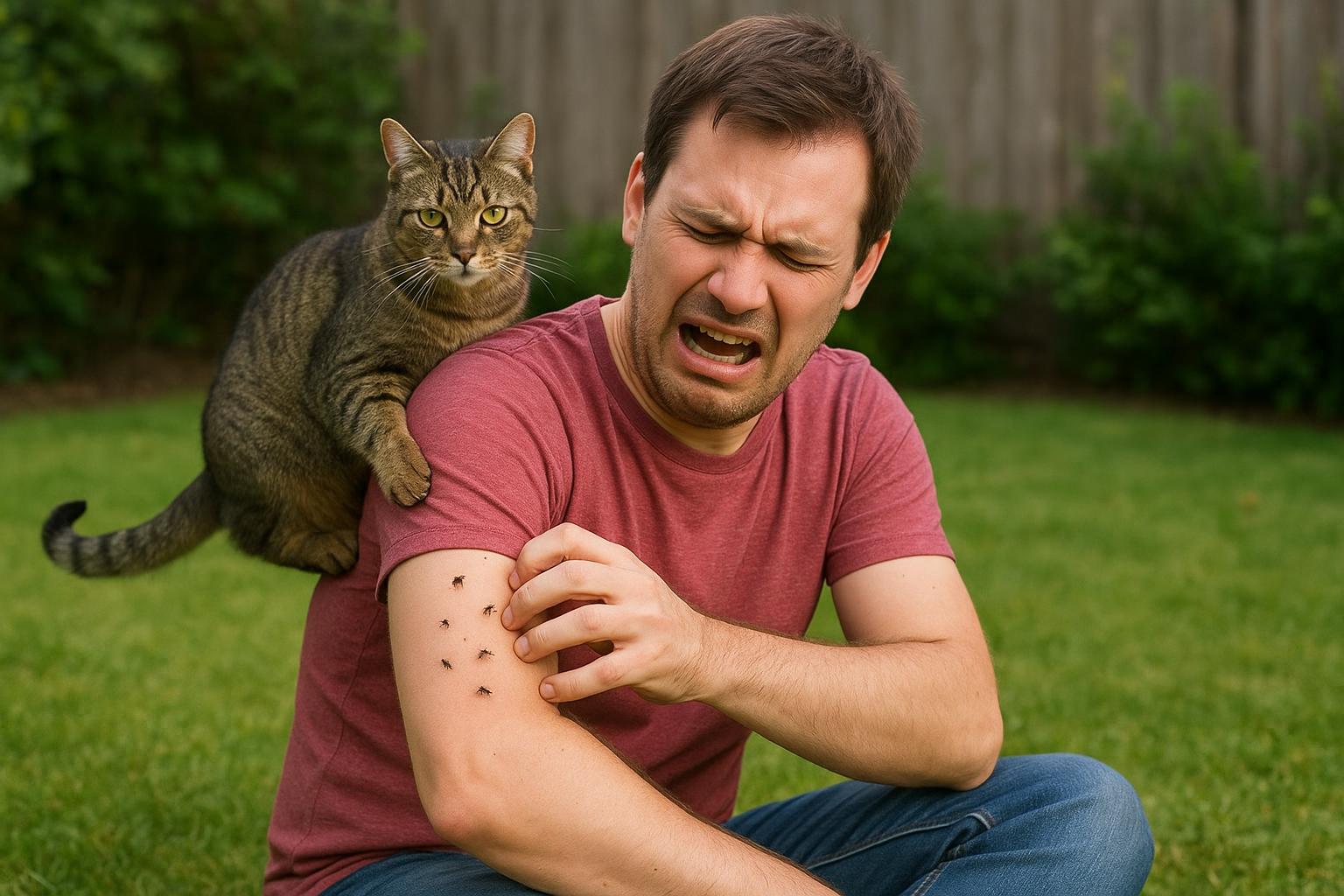
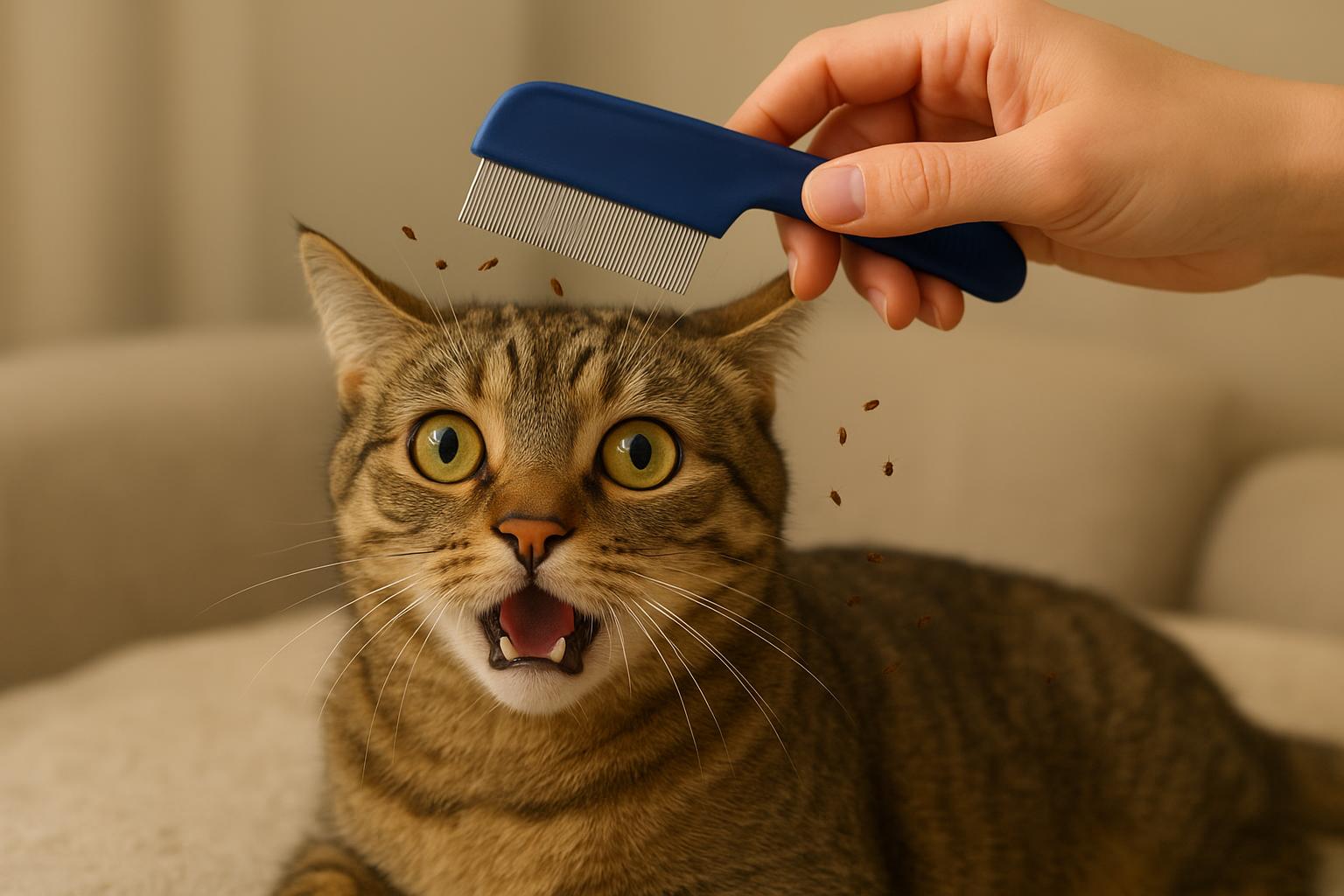
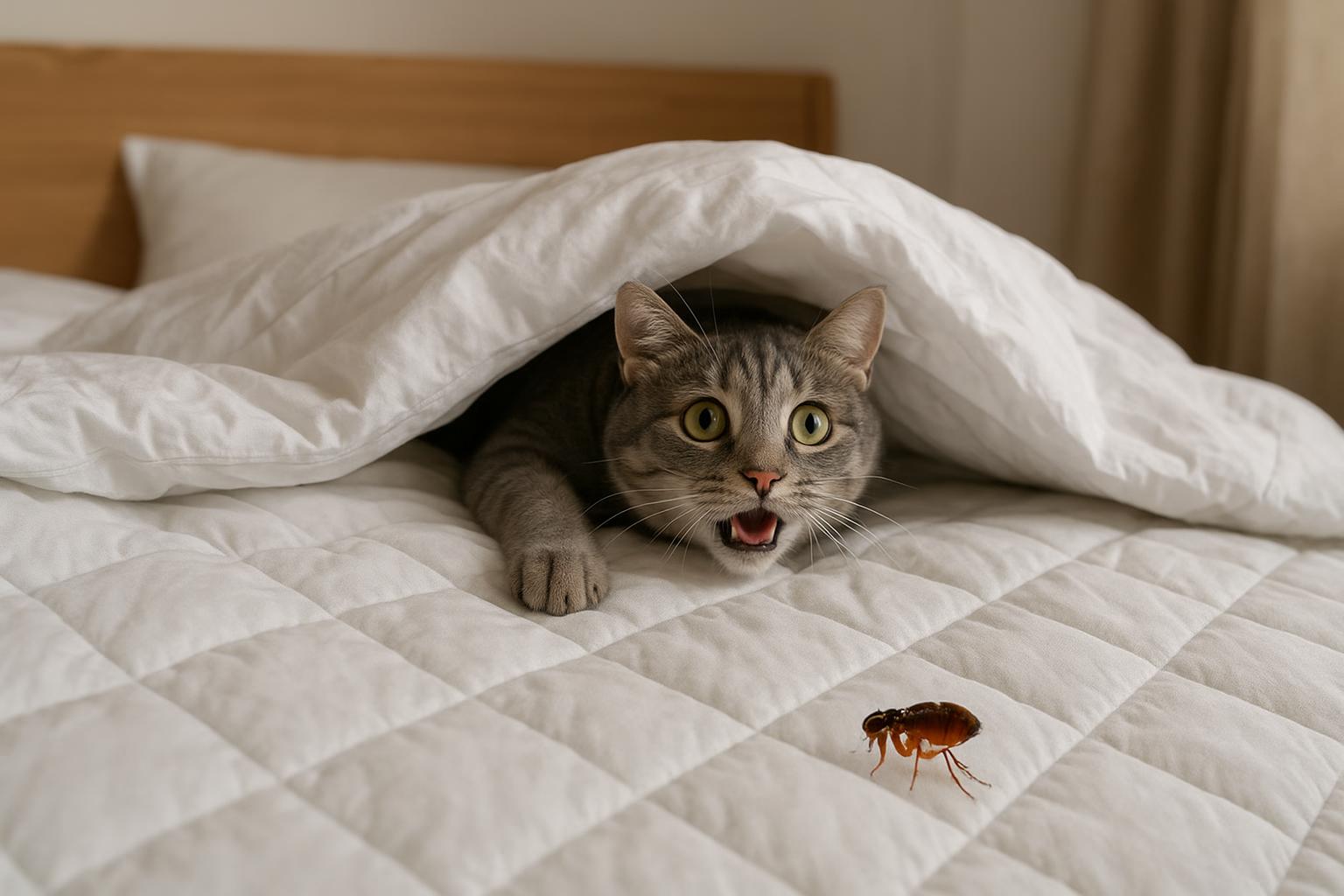
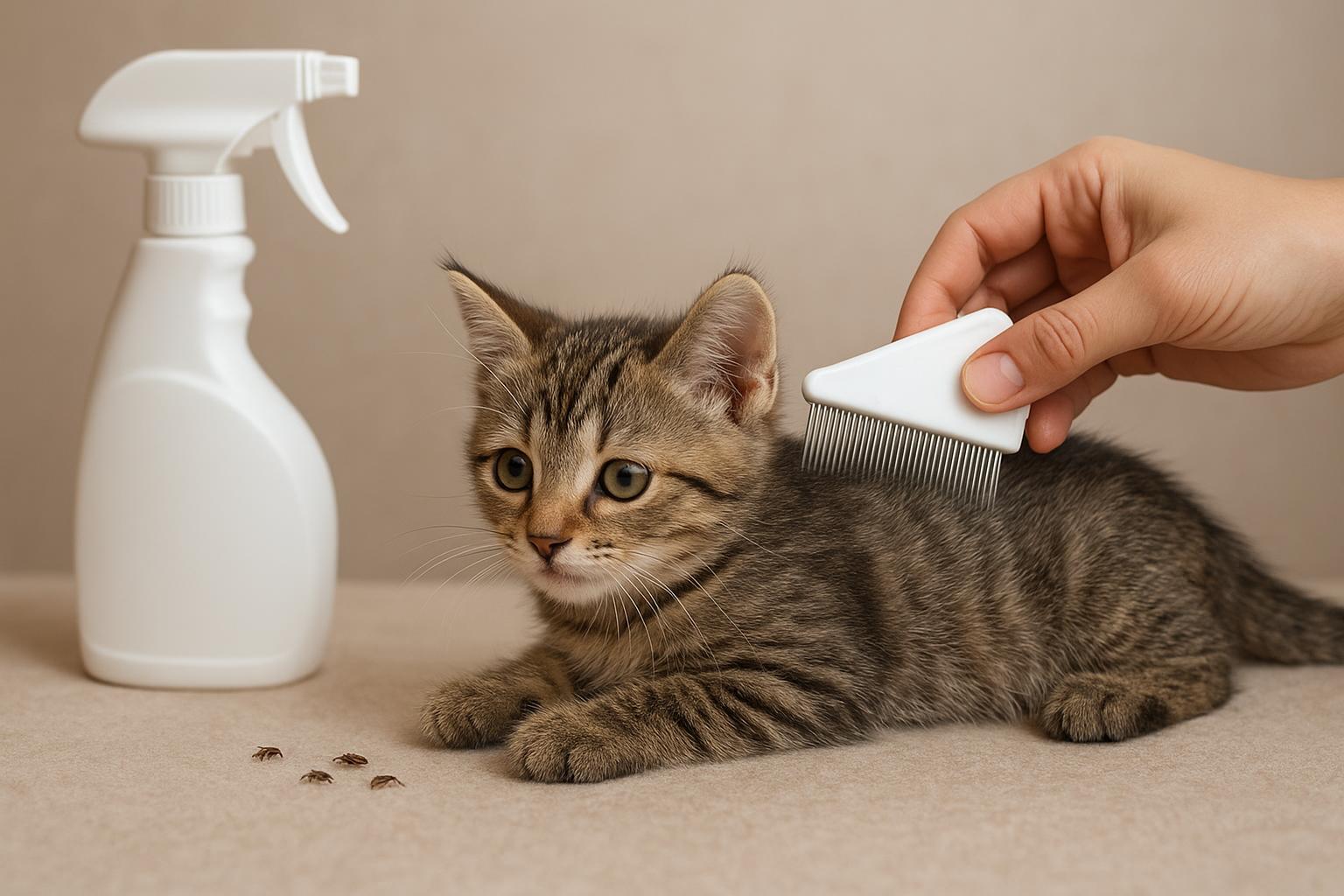
Not every nighttime itch means a full-blown infestation. Look for a combination of signs: tiny dark specks (flea feces), small red bites in clusters, and even occasional live fleas crawling on bedding. You might notice pets scratching more in bed areas, or see fleas on the floor near the bed. A flashlight and a close look in seams and piping will reveal much.
## Gentle Control Strategies For Home And Yard
A layered approach wins: clean and treat indoors while reducing sources and habitat outdoors. Be methodical and consistent. The remedies below are practical and grounded in what works for small infestations and prevention. If you prefer to avoid strong pesticides, the following options emphasize mechanical removal, heat, and targeted, low-toxicity products.
### 1. Indoor Mattress Cleaning Remedy
Materials:
– High-quality vacuum with a HEPA or fine filter and upholstery attachment
– Steam cleaner capable of reaching at least 140°F (60°C)
– Enzyme-based laundry detergent
– Stiff brush or upholstery brush
– Mattress encasement rated for dust mites/fleas (zippered, no-seam access)
– Optional: silica gel-based desiccant or diatomaceous earth (food-grade) — use with caution around pets
Steps:
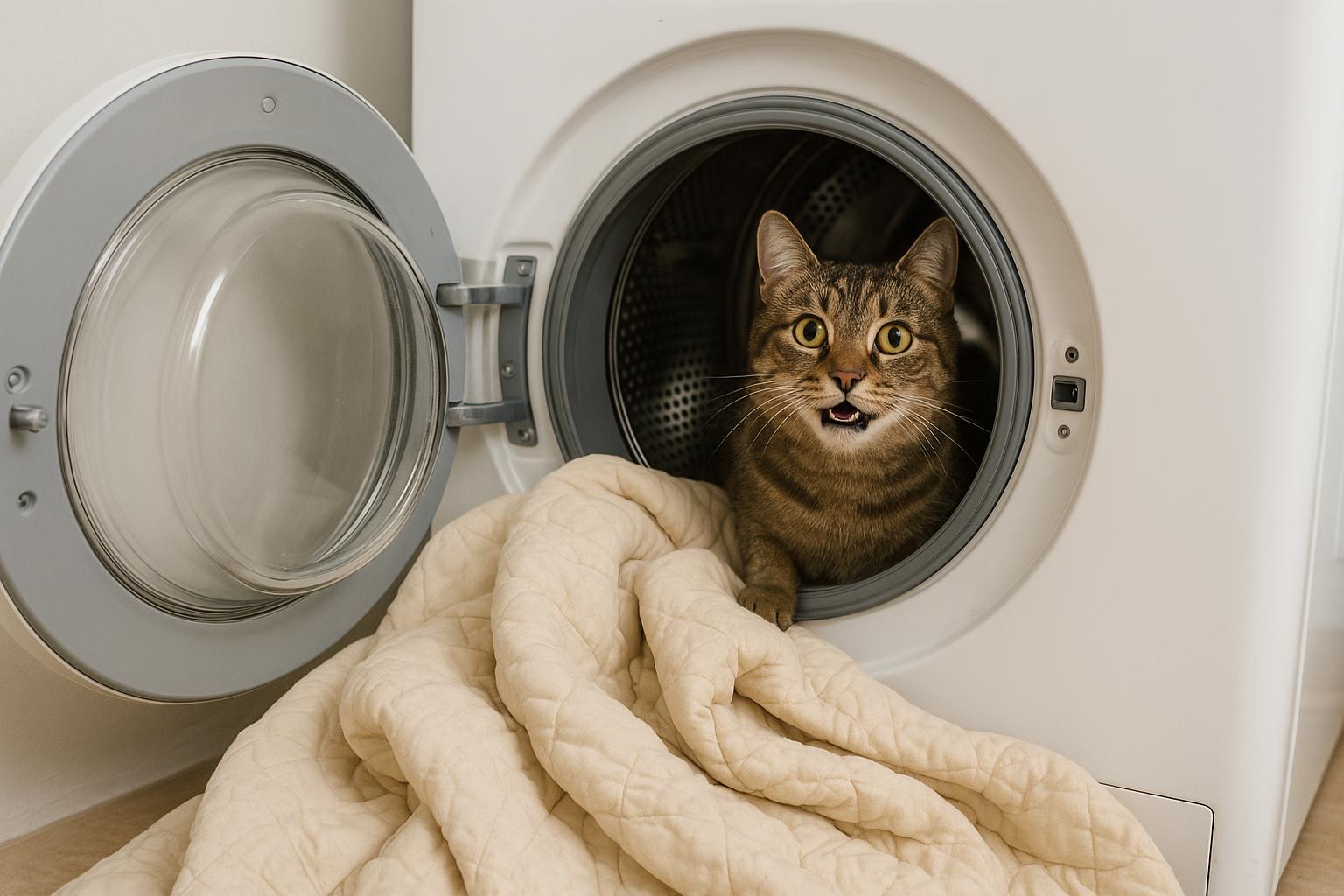
1. Remove all bedding and wash everything in hot water (at least 140°F if fabric tolerates) using an enzyme laundry detergent. Dry on high heat where safe for the fabric. Heat kills eggs, larvae, and adult fleas.
2. Strip the mattress completely. Use a stiff upholstery brush to agitate seams, tufts, and folds to dislodge eggs and larvae into accessible areas for vacuuming.
3. Vacuum the mattress thoroughly using the upholstery attachment. Work slowly along seams, folds, and the top and bottom surfaces. Immediately empty the vacuum canister or replace the bag and seal the contents in a plastic bag before discarding outside your home.
4. Steam-clean the mattress surface and seams. Maintain a steady pace to allow the steam to penetrate; the goal is sustained heat of at least 140°F (60°C) to ensure egg and larval mortality. Allow the mattress to dry completely in a well-ventilated area or use fans to speed drying.
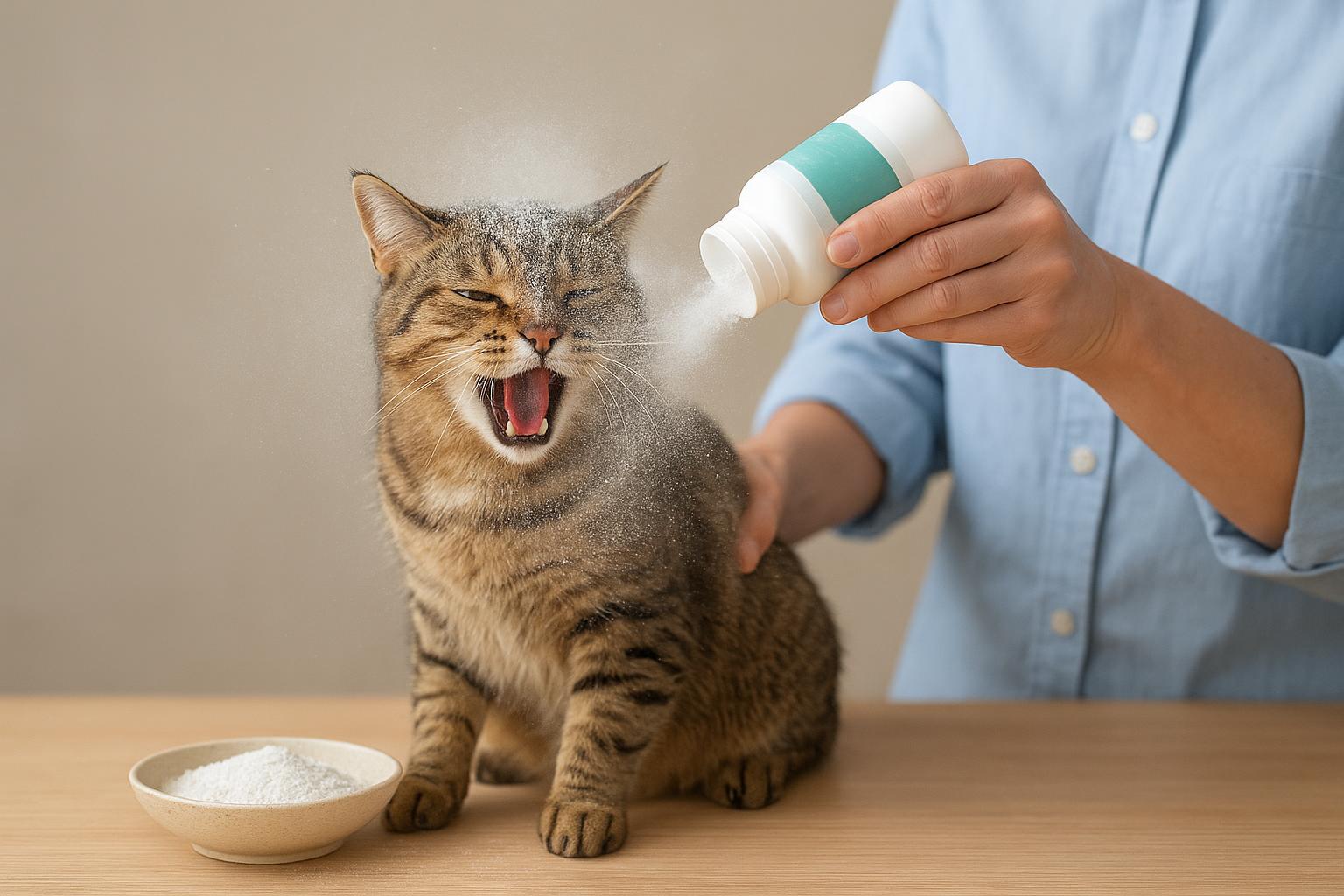
5. If you choose a desiccant (diatomaceous earth or silica gel), apply sparingly along the mattress perimeter and in seams, leave for 24–48 hours, then vacuum completely. Keep pets and children away during application and ensure you use food-grade diatomaceous earth and follow label precautions.
6. Once dry and clean, encase the mattress with a zippered, tight-fitting encasement that prevents fleas from entering or exiting. Maintain encasement for at least three months to break the flea life cycle.
7. Repeat vacuuming weekly for at least four weeks and launder bedding on a regular schedule.
Notes: When discussing chemical insecticides, professional guidance is advised. The above physical and thermal controls are effective for many cases and reduce reliance on broad-spectrum pesticides.
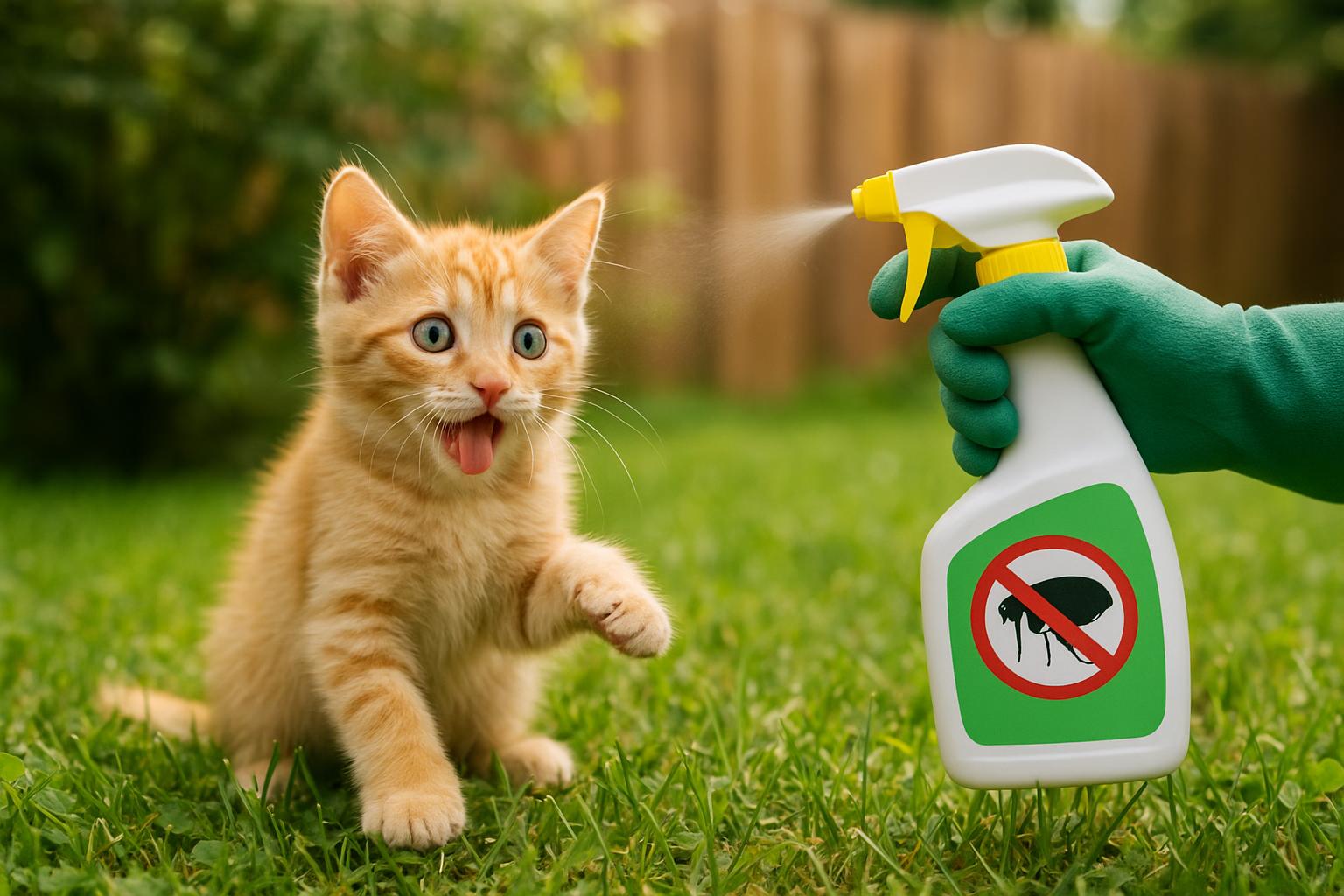
### 2. Backyard Perimeter Control Remedy
Materials:
– Stiff rake and garbage bags
– Pruning shears
– Targeted insecticidal bait or granular flea treatment labeled for outdoor perimeter use (optional)
– Diatomaceous earth (food-grade) or nematodes (Steinernema carpocapsae) for moist soil areas
– Pet-safe flea preventive for household pets (consult veterinarian)
– Gloves and basic protective equipment
Steps:
1. Clean Up Habitat: Remove leaf litter, tall grass, and debris from around foundations, decks, and where pets rest. Fleas thrive in shaded, humid microhabitats. Prune back vegetation to increase sun and airflow.
2. Relocate Attractants: Move garbage bins and bird feeders away from the house. Secure compost and discourage feral animals by removing sheltering spots (e.g., wood piles, unused equipment).
3. Apply Biological Controls: For moist shaded areas, consider applying nematodes according to label directions. They parasitize flea larvae in soil without harming pets or beneficial insects.
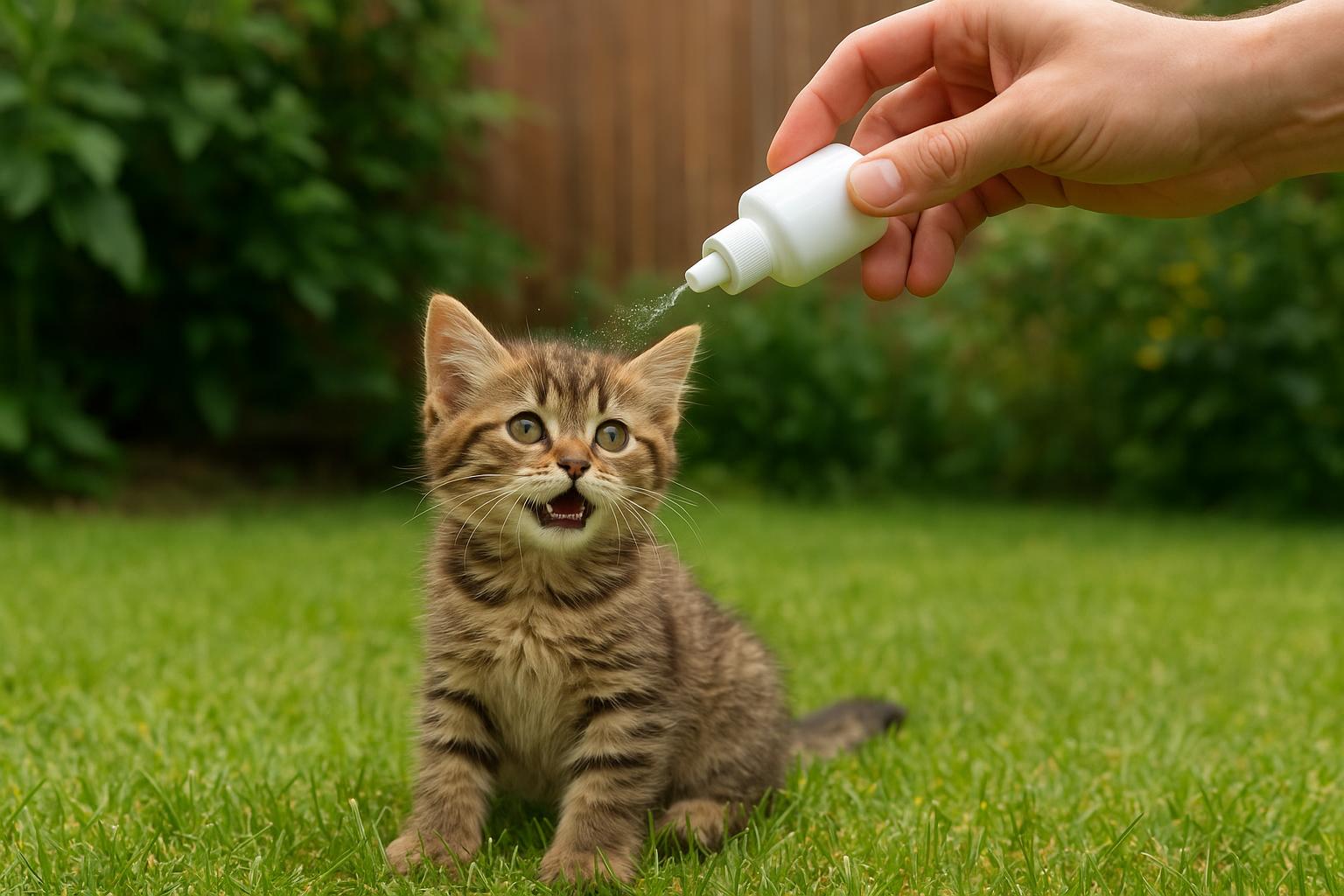
4. Use Desiccants Selectively: Where safe and dry, apply a light dusting of food-grade diatomaceous earth in areas where pets frequent, then reapply after heavy rain. Keep pets out until dust settles and use minimal amounts.
5. Consider Labeled Treatments: If options above don’t achieve control and infestation is persistent, apply a perimeter granular flea product following label instructions precisely. Target shaded perimeters and humid pockets, not entire lawns indiscriminately.
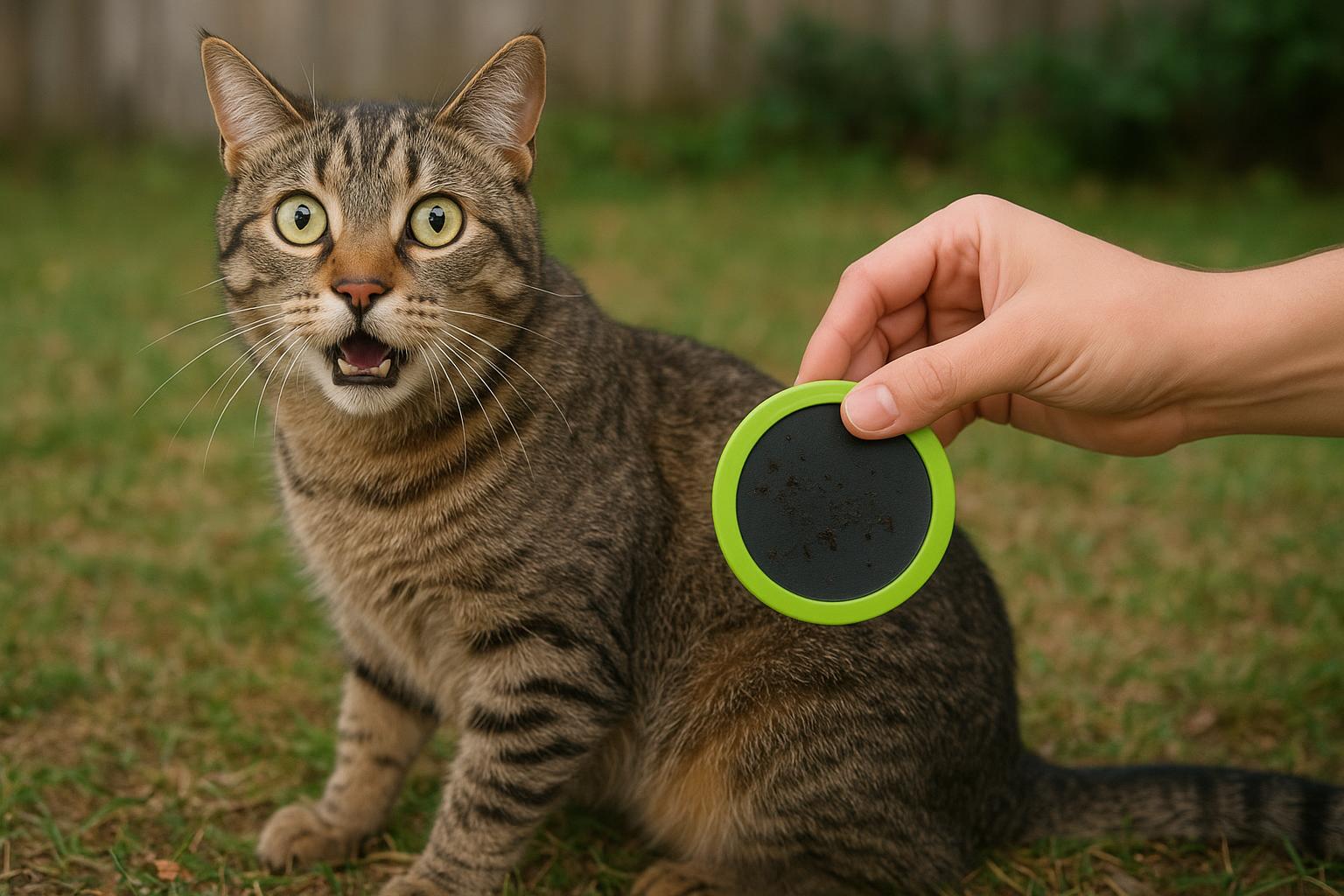
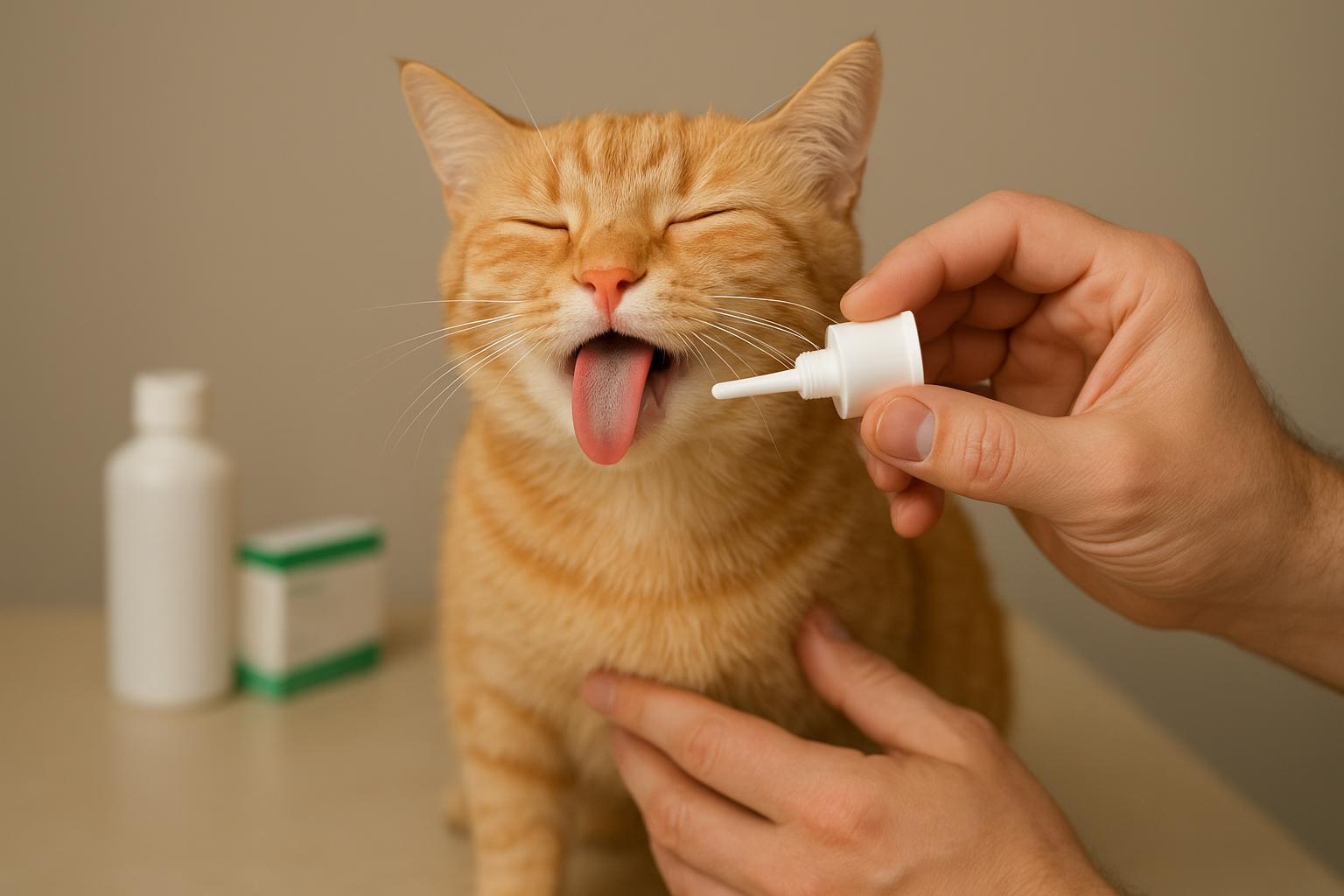
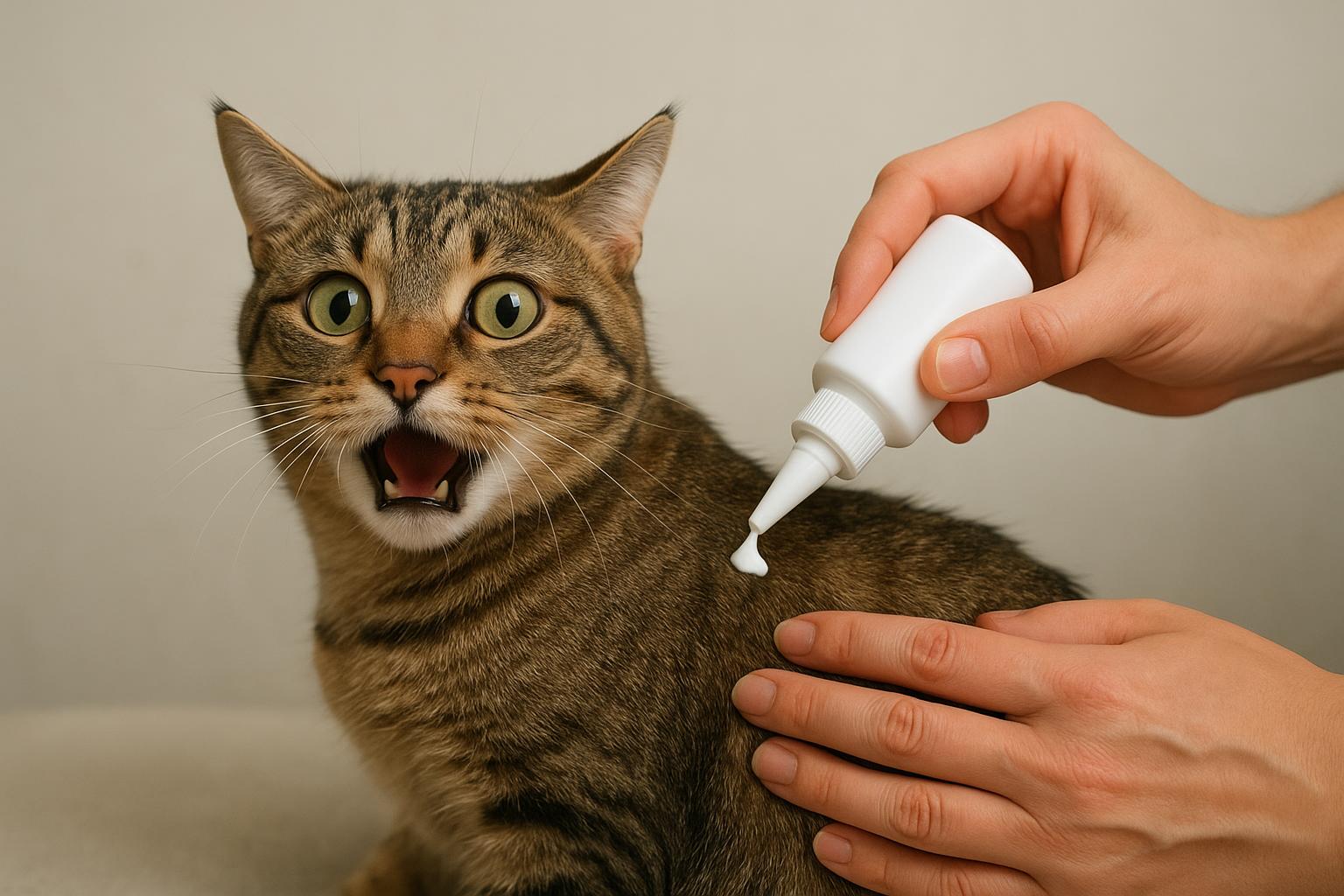
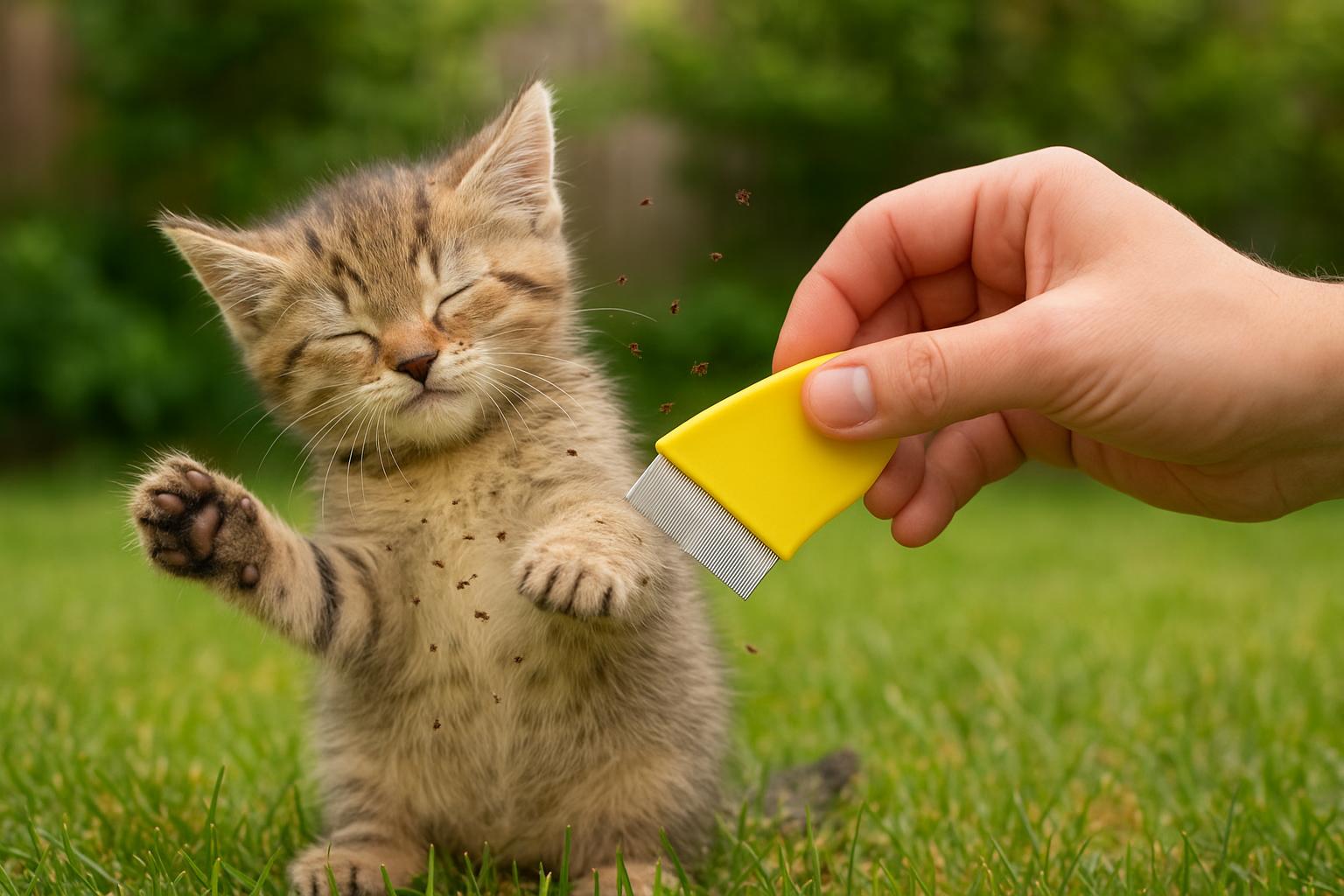
6. Protect Pets: Ensure all pets are on veterinarian-approved flea preventives. This is often the most effective single step in breaking household flea cycles.
7. Monitor: Reassess in 7–14 days and repeat targeted applications only as necessary. Watch for signs of wildlife reintroducing fleas and address attractants promptly.
### Natural Repellents And Ongoing Prevention
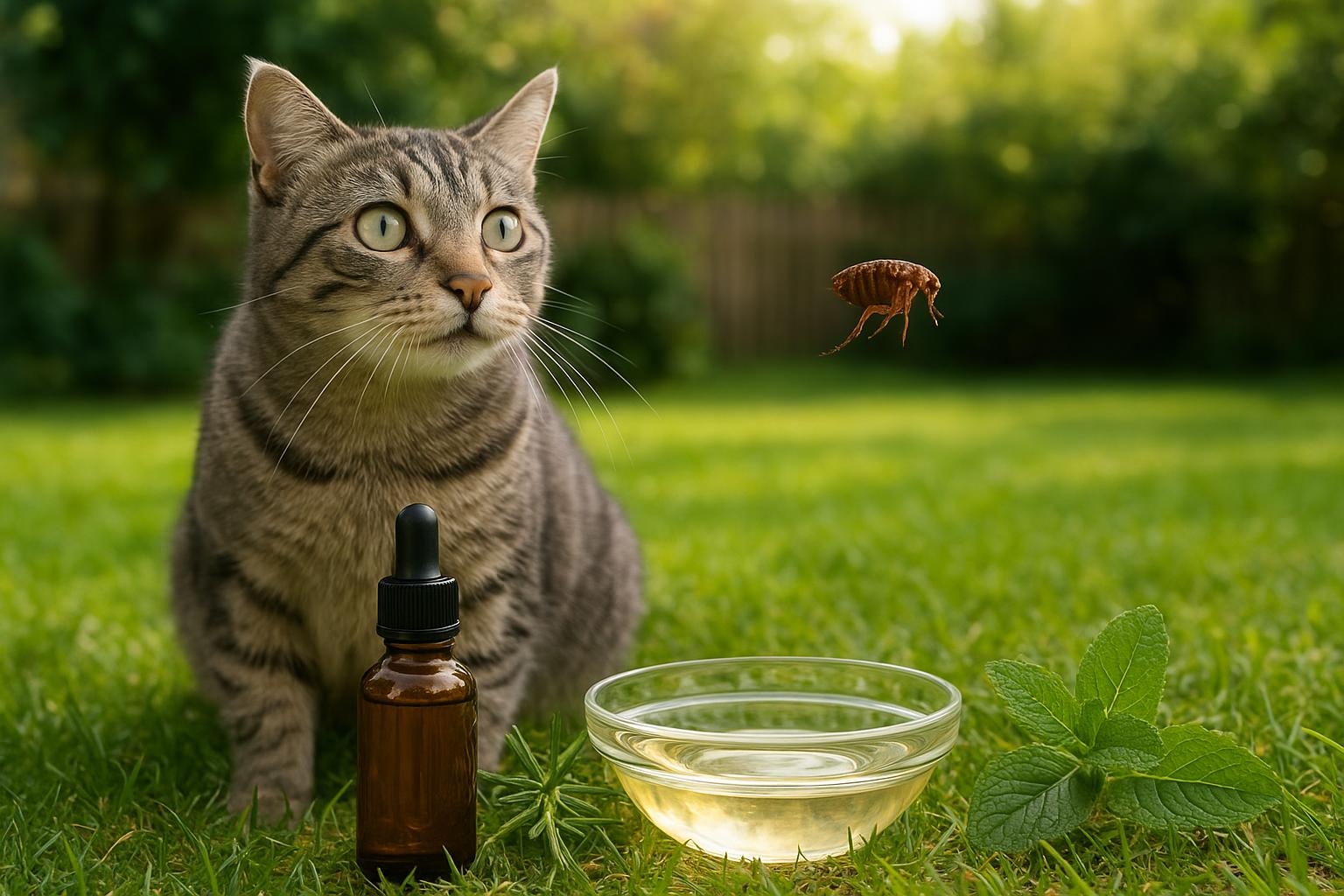
Once the immediate problem is addressed, ongoing prevention keeps bed fleas from staging a comeback. Regularly wash bedding, vacuum under and around the bed weekly, and keep pets treated year-round. Clean pet bedding and resting spots outdoors as well.
Use pet flea preventives as advised by a veterinarian—these are pivotal. For gardens, maintain a tidy perimeter: gravel, hardscaping, and sun-exposed zones reduce habitats fleas favor. If you encourage wildlife, consider humane deterrents or modifications so critters don’t nest right against your house.
#### When To Call A Pro
If you still see persistent flea activity after two consistent rounds of cleaning and yard treatment, or if household members are experiencing severe reactions to bites, seek professional pest control. A licensed technician can perform an inspection, identify whether the source is wildlife, a neighboring property, or an indoor reservoir, and recommend targeted, legally approved treatments. Professionals will often combine mechanical, biological, and chemical methods to break the infestation safely and efficiently.
Keep in mind that the words “bed fleas” conjure an itchy image, but with steady, gentle intervention focused on mattress cleaning, pet protection, and yard hygiene, you can reclaim your bed without heavy-handed measures.



















Leave a Reply