
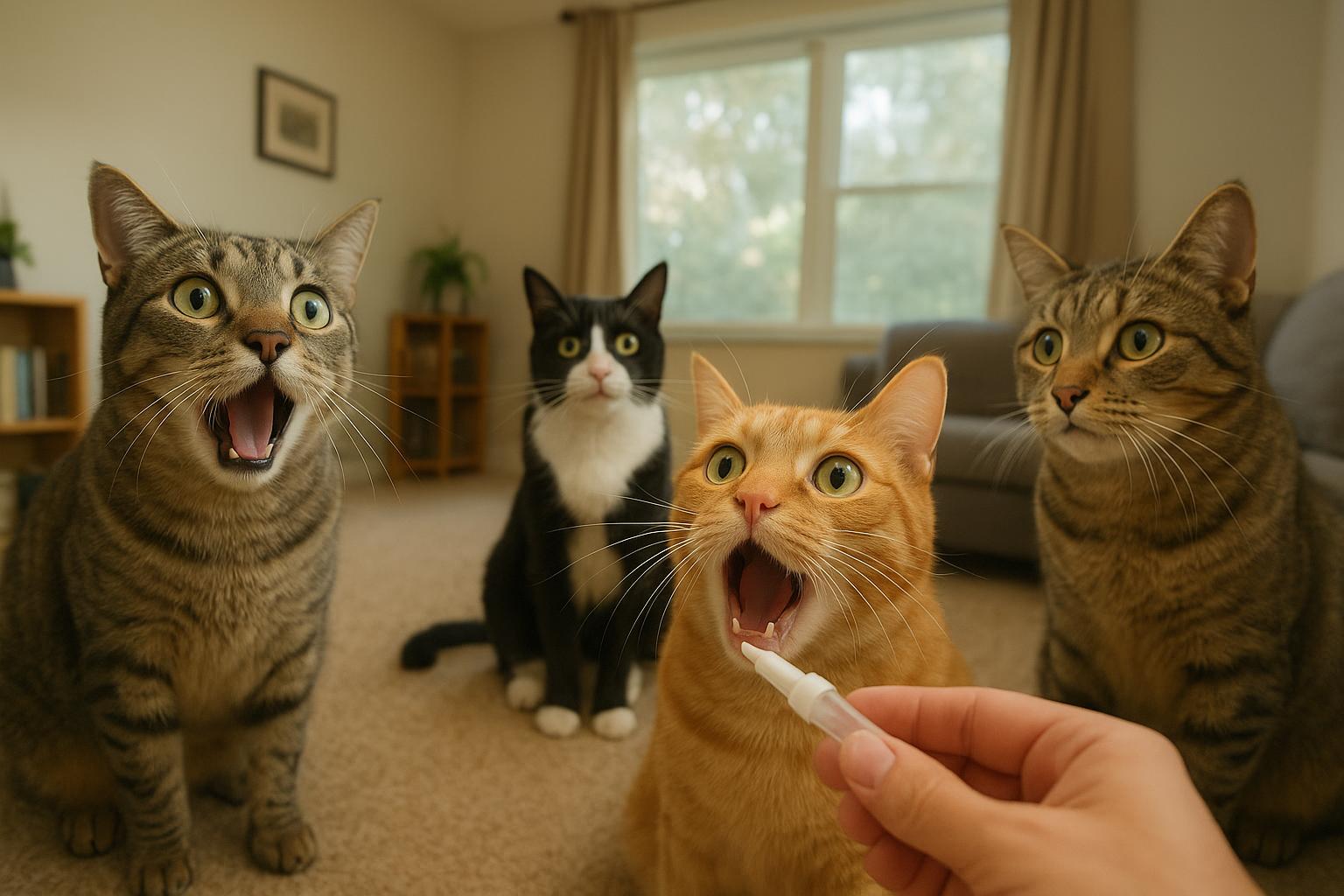
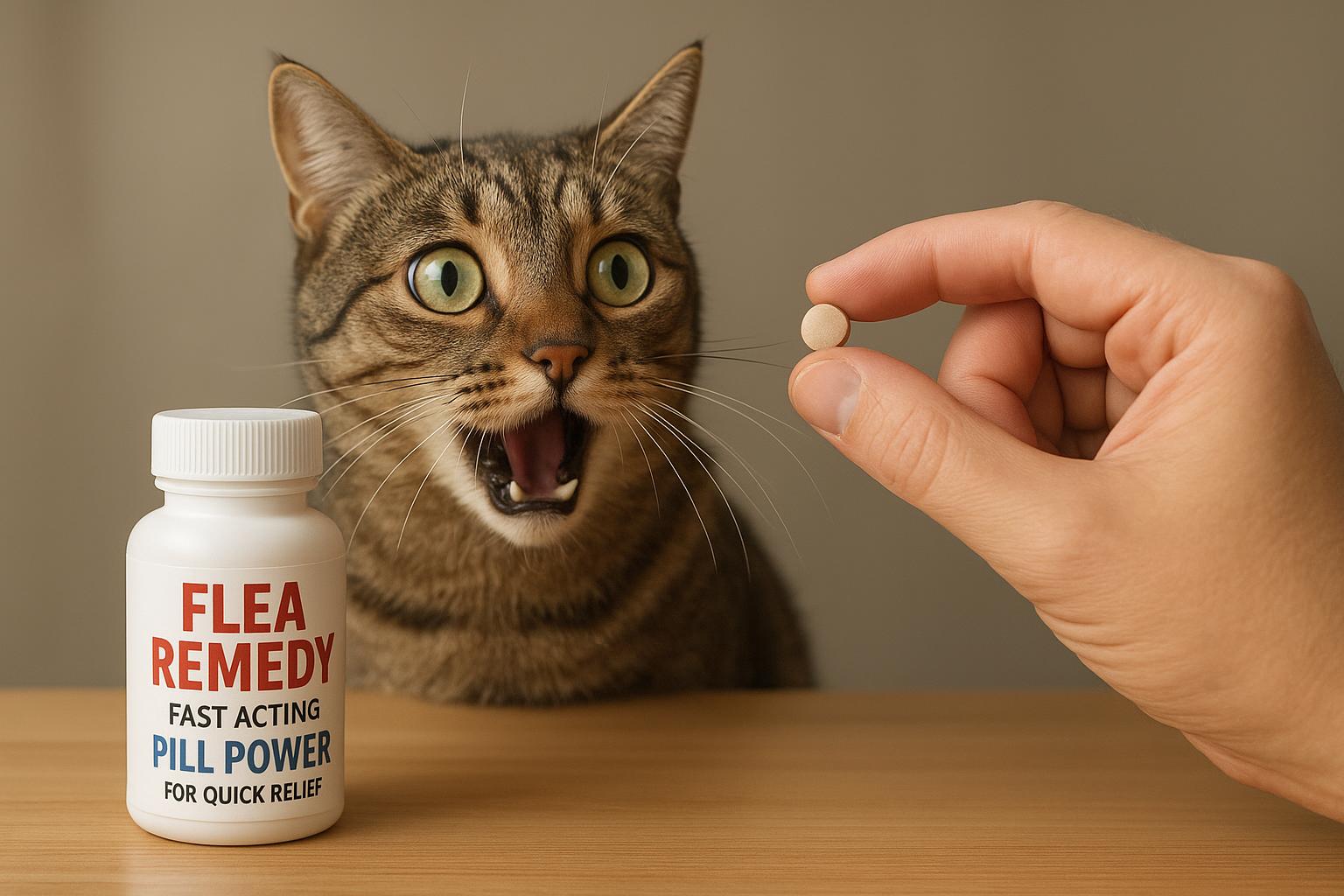
If you’ve ever watched your cat stare you down like you owe them rent for that warm spot on the couch, you might have imagined that tiny pill the vet handed you was some kind of sorcery. The truth about how parasites meet their match is a little less mystical and a lot more biochemical. Let’s peel back the curtain on oral flea medicine, how it actually works, and how to use it safely — with a little bit of pet-parent humor thrown in so we don’t all go cross-eyed.
## How Oral Flea Medicine Works For Cats
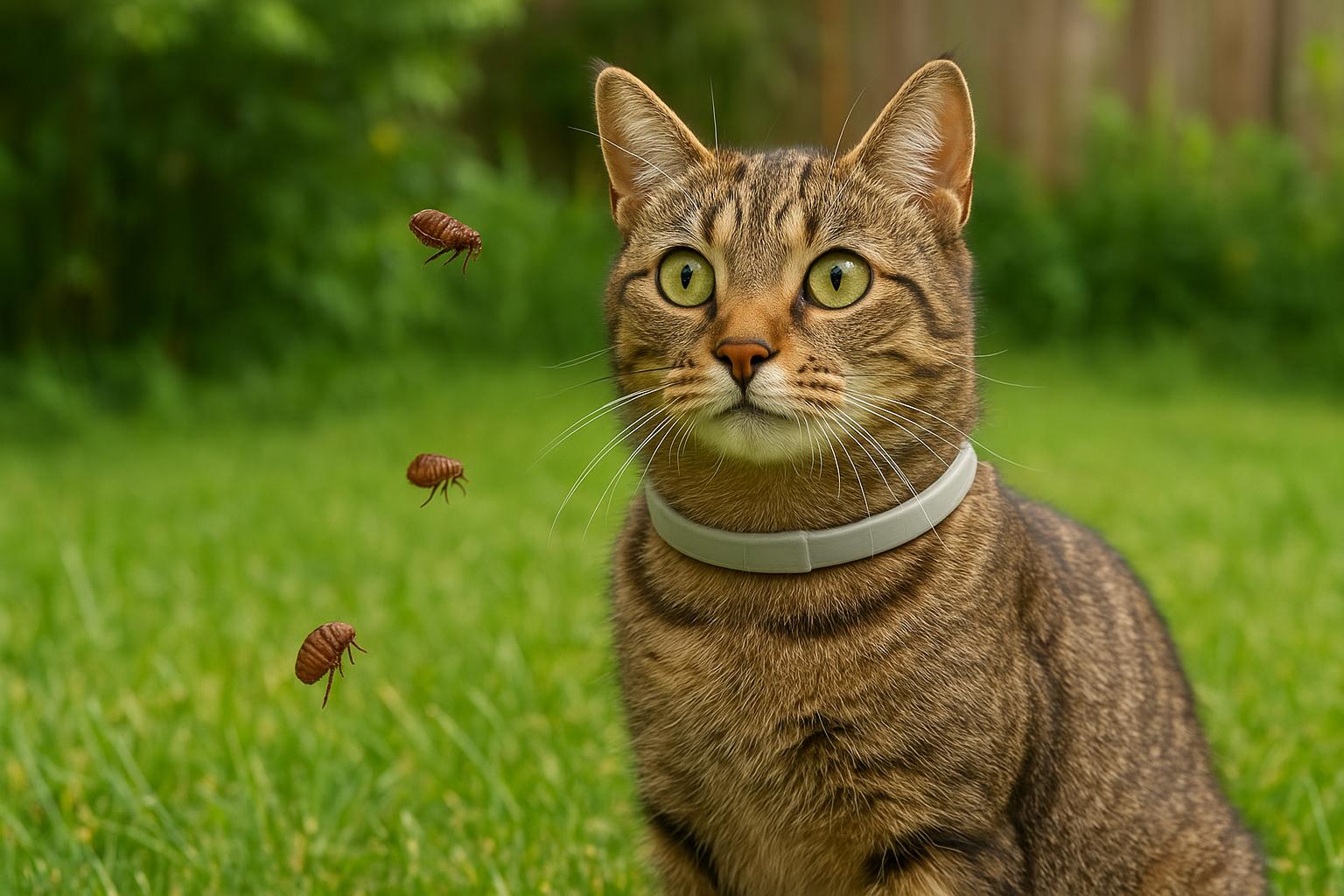
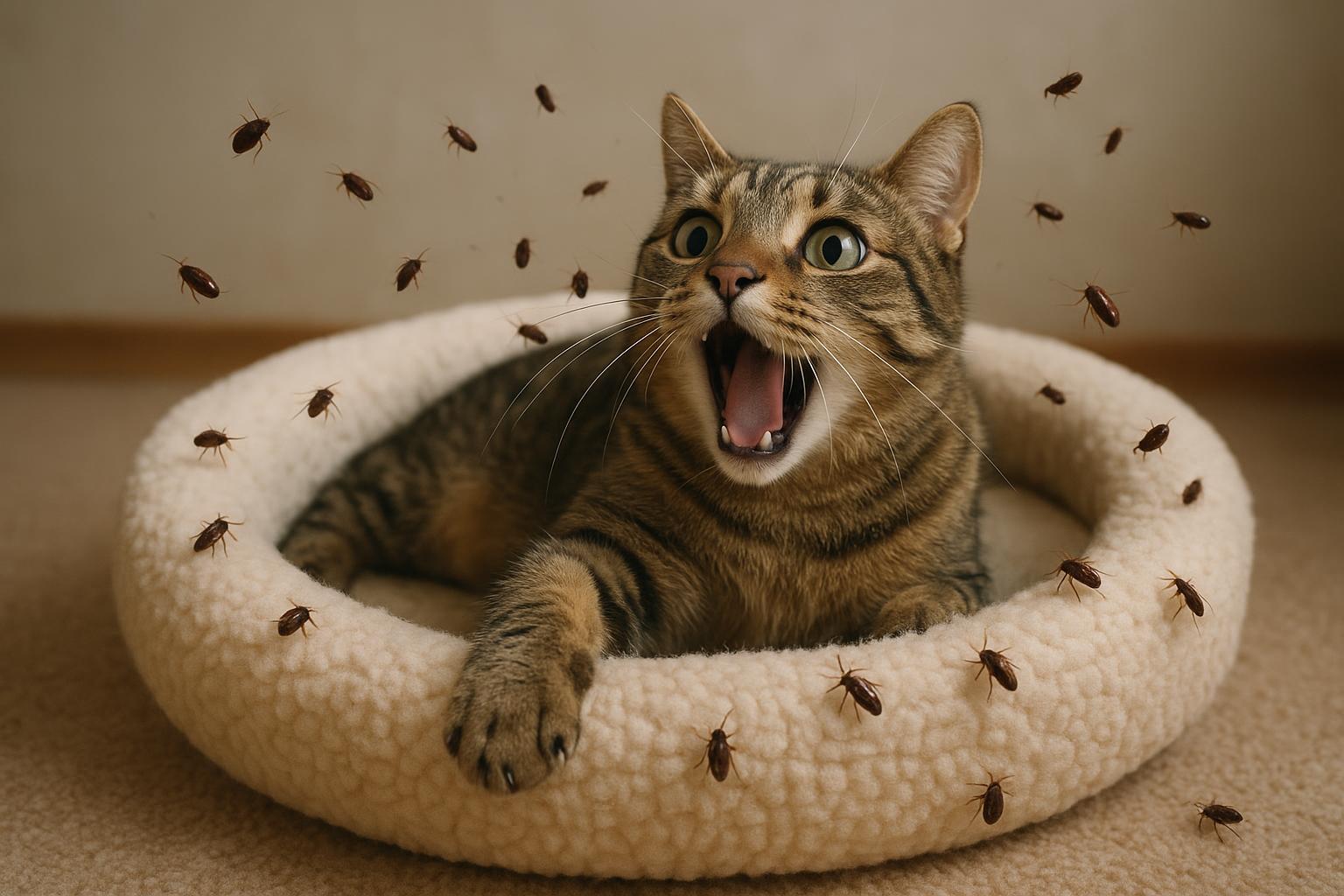
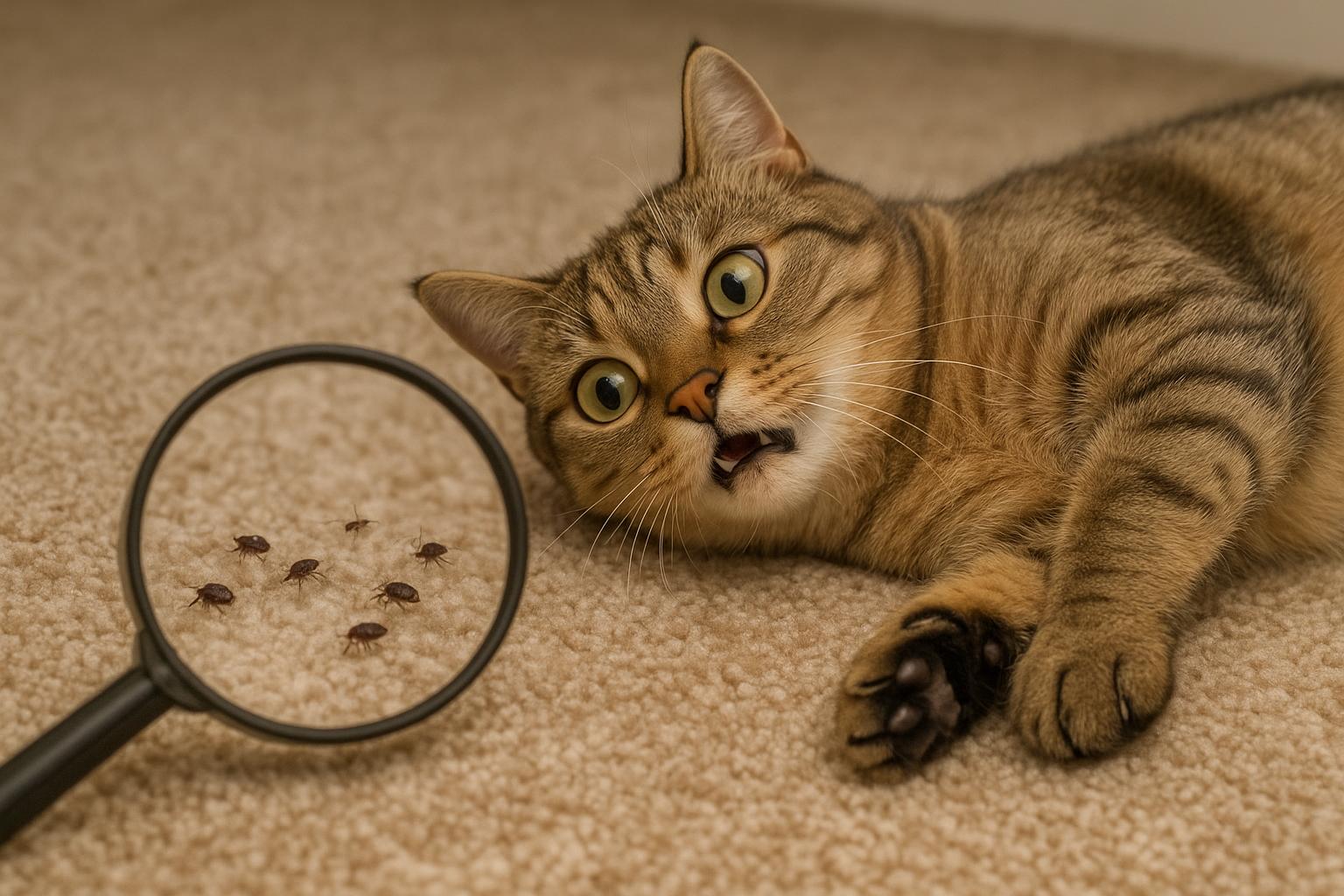
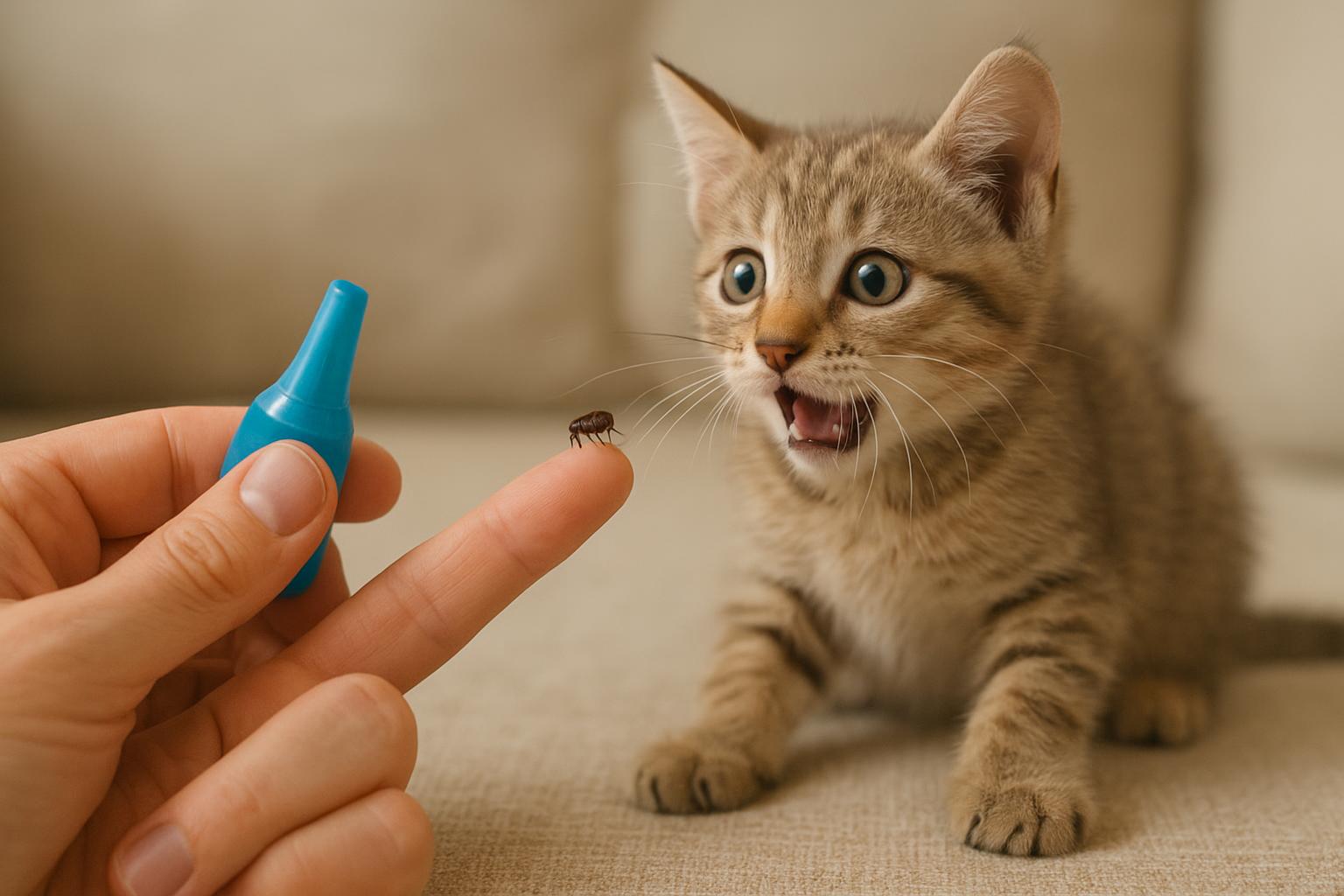
The simplest way to describe oral flea medicine is: it turns your cat’s blood into a flea-targeted buffet with a wicked aftertaste. When a flea bites a cat that’s been given an appropriate oral flea medicine, the active ingredient is absorbed into the bloodstream and then into the skin. The flea ingests the drug during normal feeding and is either killed quickly (within hours or days) or rendered unable to reproduce, depending on the product.
There are two big categories of action:
– Adulticides: These active ingredients kill adult fleas that bite your pet. Some act almost instantly, while others take longer. The principal point is that the flea must bite to ingest the drug.
– Growth Regulators or Chitin Synthesis Inhibitors: These don’t always kill adult fleas right away, but they prevent eggs and larvae from developing into adults — breaking the lifecycle over time.
A common misconception is that oral flea medicine prevents fleas from ever biting. Not true. Fleas may still bite, but once they ingest the drug they die (or fail to reproduce), which collapses a population if enough hosts are treated.
### The Science Behind The Active Ingredients
Modern oral flea medications for cats commonly involve a few classes of compounds:
– Isoxazolines (e.g., fluralaner, sarolaner): These are powerful systemic insecticides effective against adult fleas and ticks. They inhibit specific neural receptors in insects, leading to paralysis and death.
– Spinosyns (e.g., spinosad): These cause hyperexcitation of insect nervous systems and rapidly kill adult fleas.
– Nitenpyram: Fast-acting, short-duration product that can clear adult fleas within hours but doesn’t last long.
– Lufenuron: An insect growth regulator that prevents chitin formation, stopping larvae from forming viable exoskeletons; it’s slower and works best alongside an adulticide.
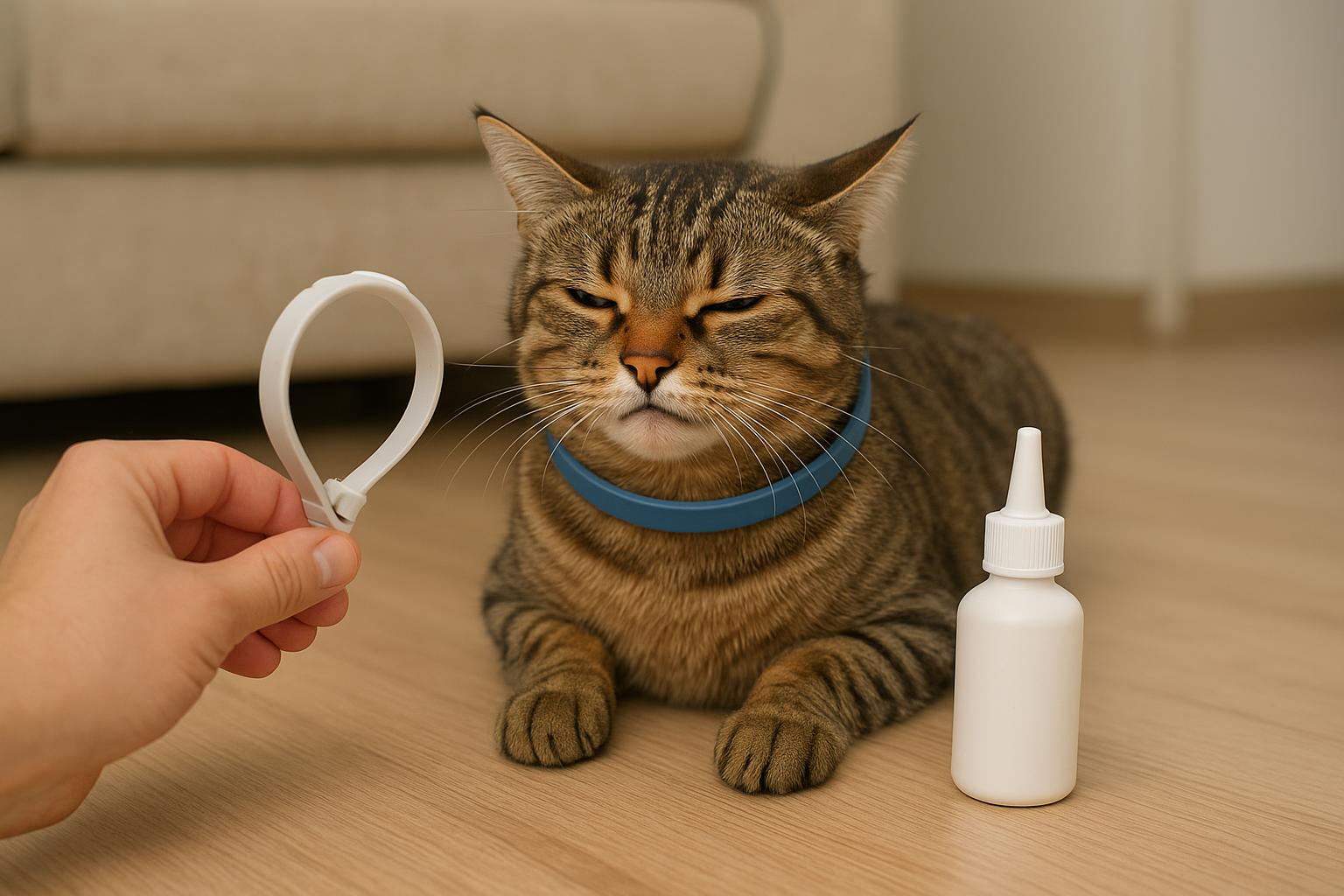
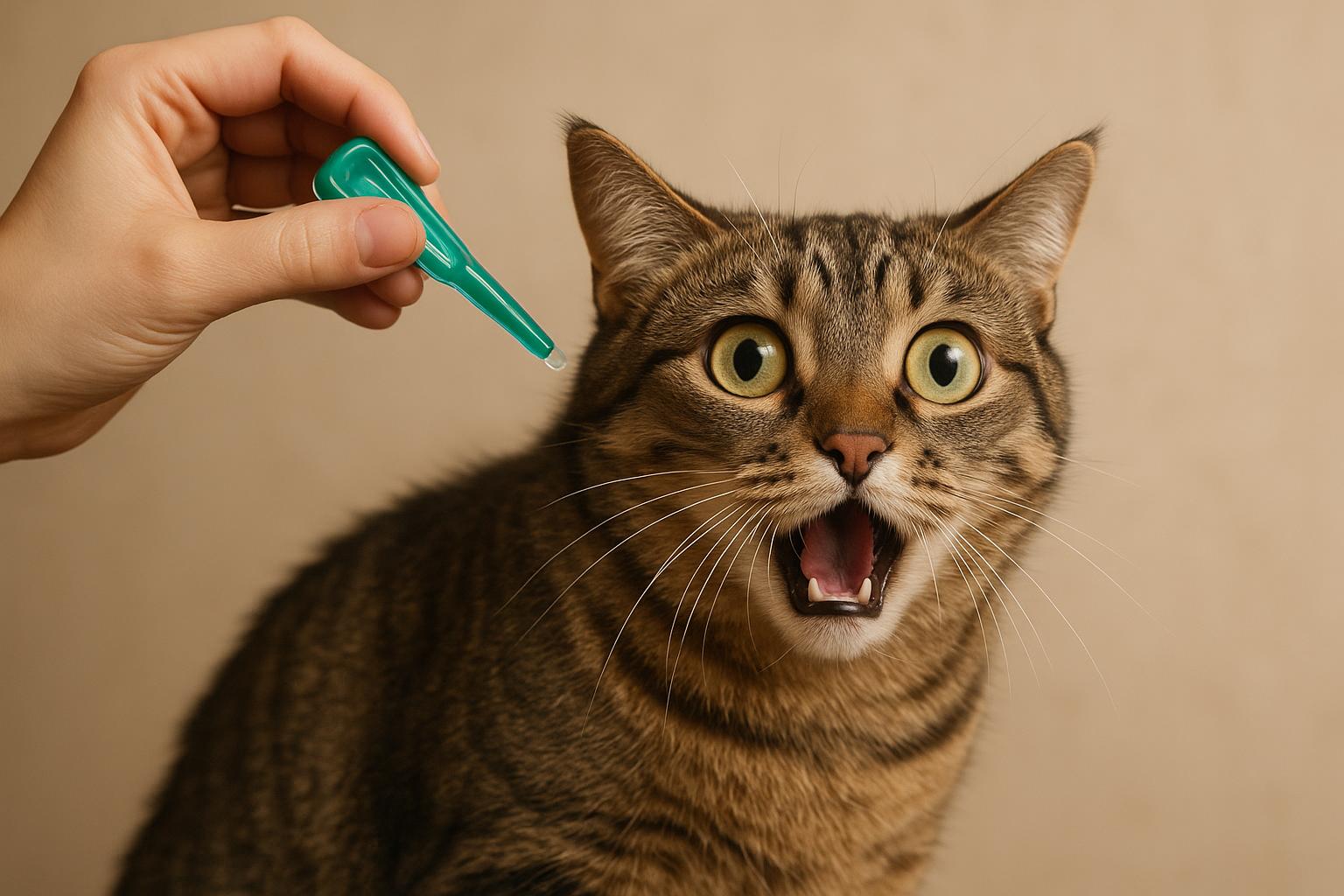
Because these meds work systemically, they avoid the “rub-off” or washing-off issues that can affect topical products. That makes oral flea medicine particularly attractive for cats who swim, groom obsessively, or dislike spot-on treatments. However, systemic also means the drug circulates in your cat’s body — so correct dosing and veterinary oversight are essential.
### Common Misconceptions Owners Have
People often assume that one pill solves everything forever. Nope. Here’s what to keep straight:
– Oral flea medicine is a tool, not a guarantee. It’s highly effective, but environmental reservoirs (bedding, carpets, yard) can reintroduce fleas.
– Faster is not always better for every cat. Some fast-acting drugs are great for severe infestations, but they may come with slightly higher risk of side effects in sensitive animals.
– “Natural” does not equal safe or effective. Many home remedies do little to nothing for adult fleas or the egg/larval stages and can delay proper treatment.
– Species matters. A product labeled for dogs can be toxic to cats. Always use cat-approved formulations.
## Remedy 1: How To Administer Vet-Prescribed Oral Flea Medicine
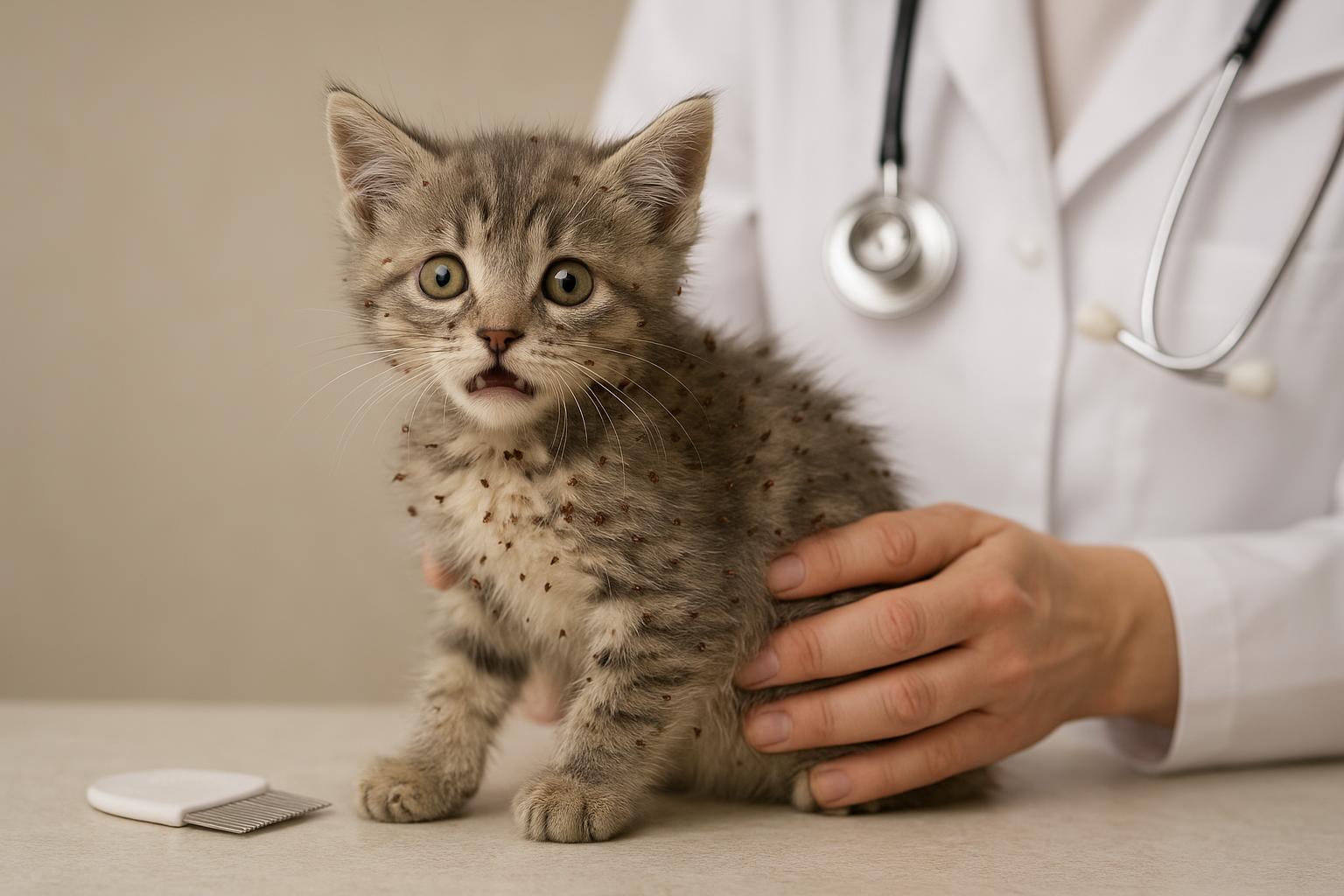
If you’ve got a ticked-off flea problem, the primary remedy should be an appropriate, veterinarian-prescribed oral flea medicine. Follow these steps carefully — medication administration is a medical act and deserves a formal approach.
Ingredients / Required Materials:
– Veterinarian-prescribed oral flea medicine formulated for cats (exact product and dose per vet)
– Pill pockets or a small portion of strongly scented wet food (optional)
– Clean towel (for secure handling if your cat is squirmy)
– Record-keeping notebook or digital reminder (dosage dates)
– Waste container for packaging and expired meds
Step-By-Step Creation And Application:
1. Confirm Prescription: Have your vet weigh the cat and prescribe the correct product and dose. Never split or give another animal’s pill without veterinary approval.
2. Read The Label: Check for contraindications (pregnancy, seizures, liver disease). Note the recommended administration schedule and whether it must be given with food.
3. Prepare The Dose: If using pill pockets, place the tablet in the center and mold the treat around it. If using food, hide the tablet in a small amount of palatable wet food. For cats with a sensitive stomach, some medications are best given with a meal — follow label/vet instructions.
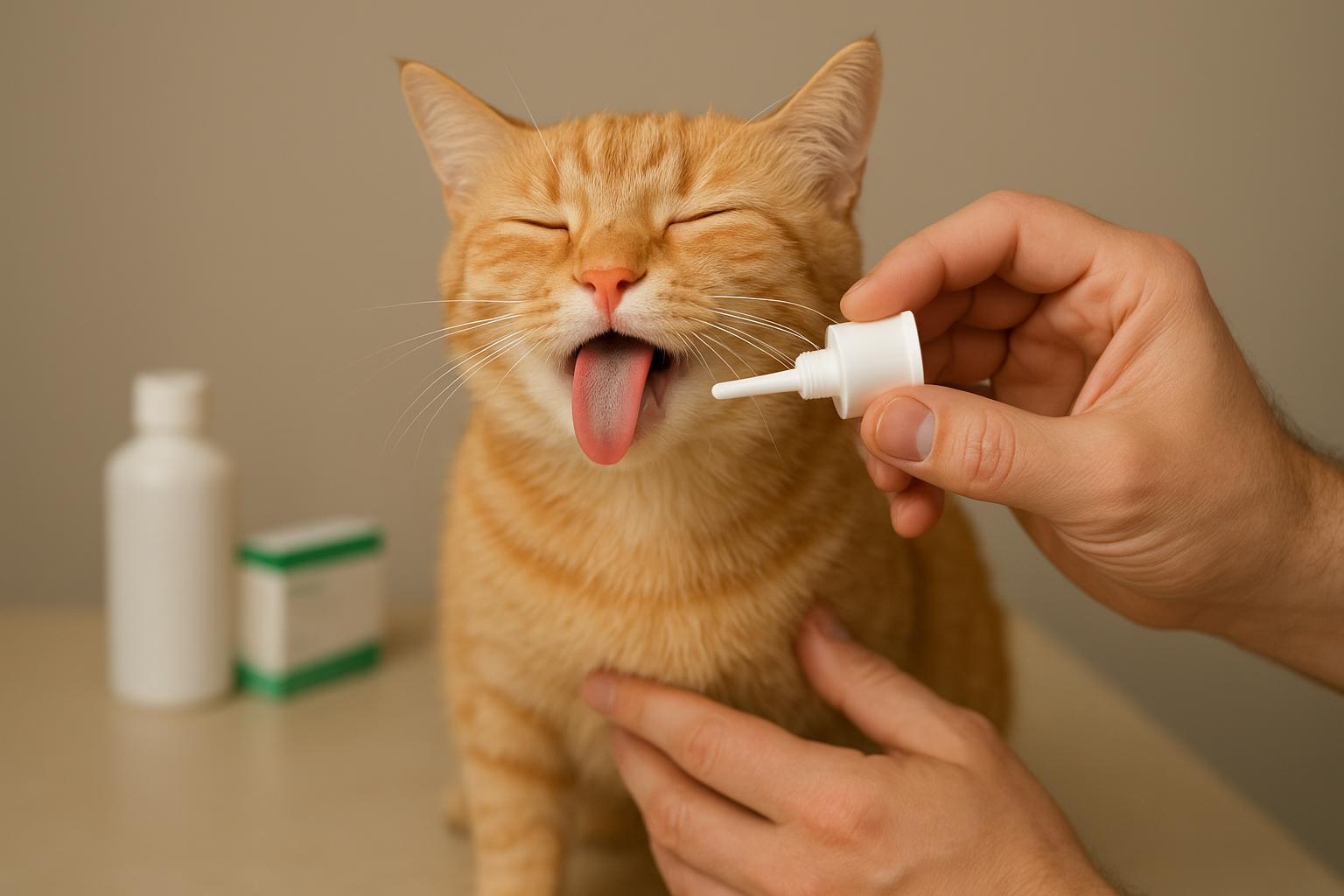
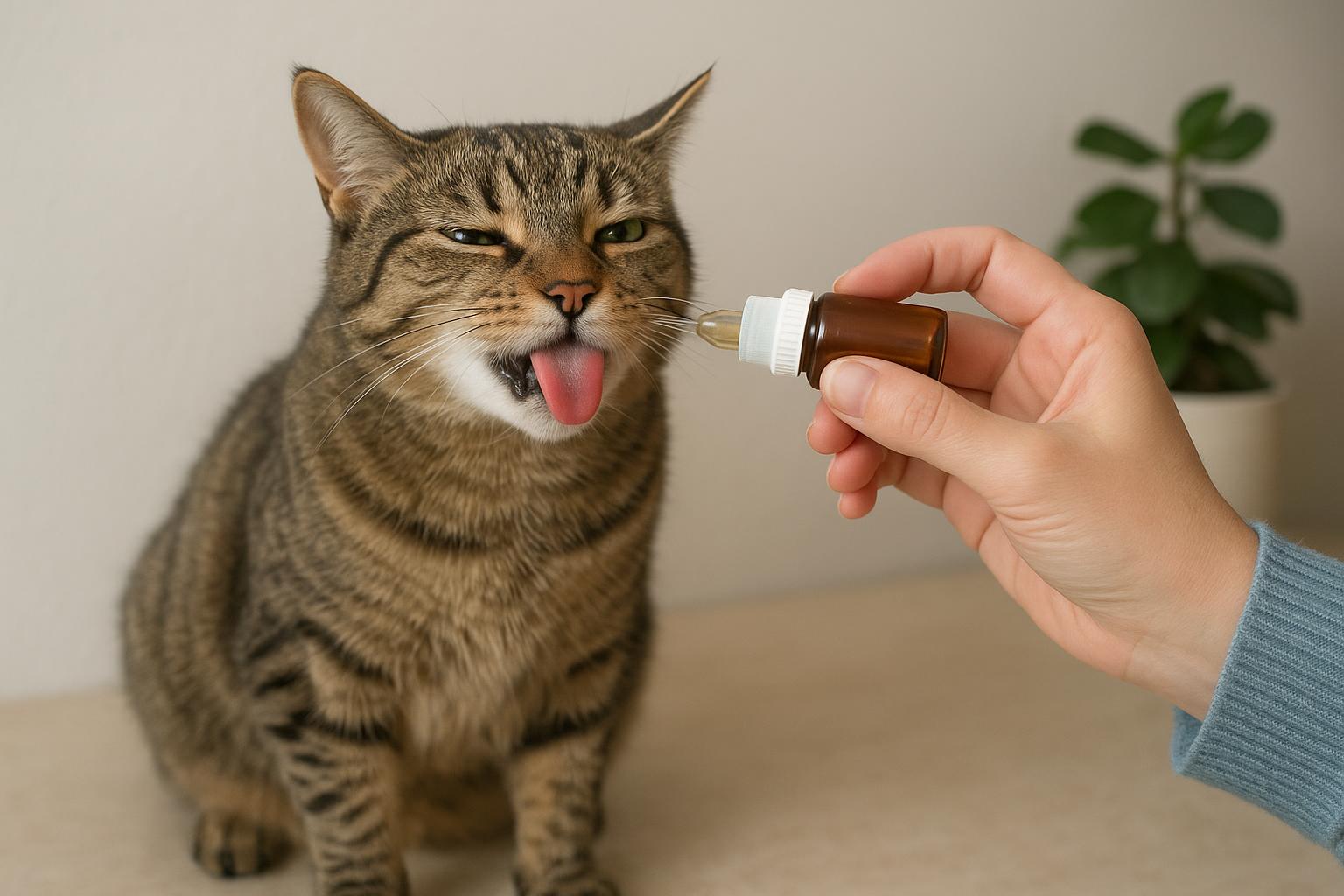
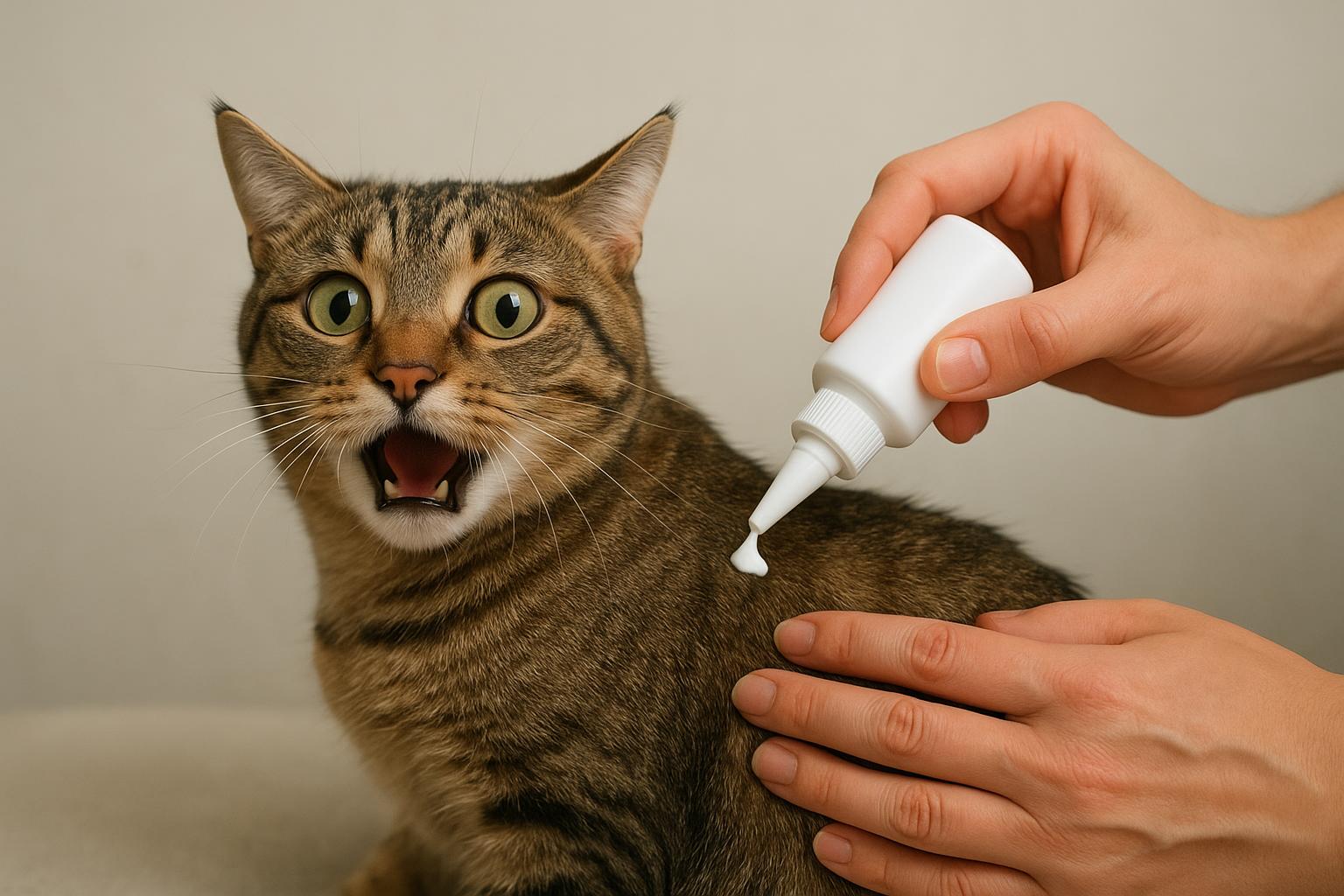
4. Administer: Offer the wrapped treat or food. If your cat refuses, gently but securely restrain with a towel and place the tablet at the back of the tongue, then stroke the throat to encourage swallowing. Follow with a small sip of water if needed.
5. Observe: Watch for immediate adverse reactions for at least an hour (vomiting, drooling, severe lethargy, tremors). Minor transient vomiting or decreased appetite can occur with some drugs; notify your vet if it’s persistent.
6. Document: Record the date and any reactions. Keep a regular schedule so you don’t miss doses; oral flea medications are often given monthly or every 8–12 weeks depending on product.
7. Follow-Up: Reassess if your cat has a chronic health condition, is on multiple medications, or is a kitten/pregnant. Drug metabolism differs in these situations.
Be formal and meticulous: dosing errors, off-label use, or skipped follow-ups are common causes of adverse events. The benefits of oral flea medicine are maximized when combined with proper veterinary oversight.
### Remedy 2: Environmental Control To Complement Oral Flea Medicine
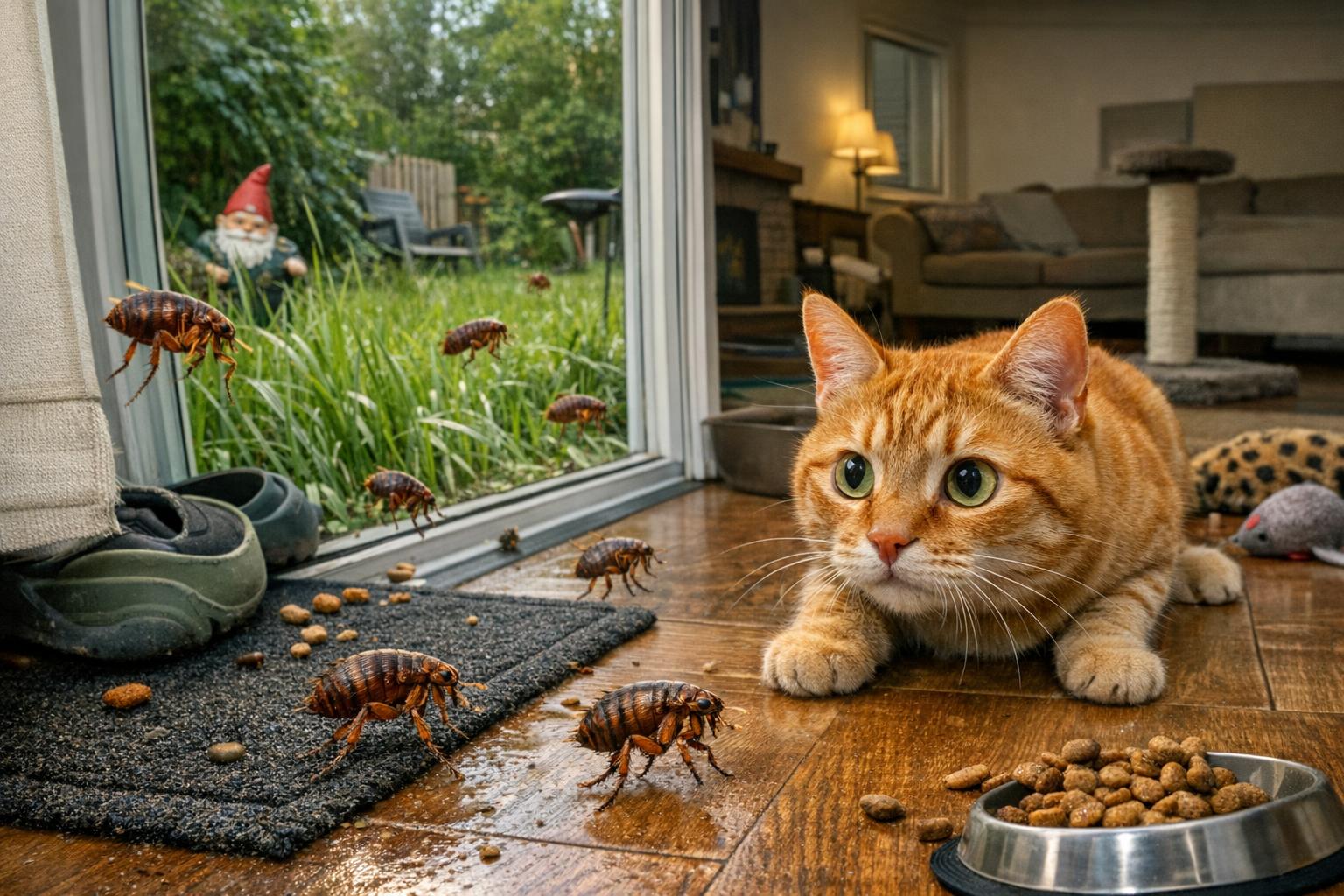
Oral treatment on the cat is only part of the solution. Successful eradication usually requires treating the environment so new fleas can’t keep reinfecting your pet.
Ingredients / Required Materials:
– Vacuum (with attachments)
– Hot-water washer and dryer or disposable bedding covers
– Enzyme-based laundry detergent
– Household steam cleaner (optional but effective)
– Environmental flea spray or fogger labeled safe for indoor use and effective against eggs/larvae (optional; follow label carefully)
– Yard management tools: lawn mower, rake, outdoor flea treatment if necessary
Step-By-Step Creation And Application:
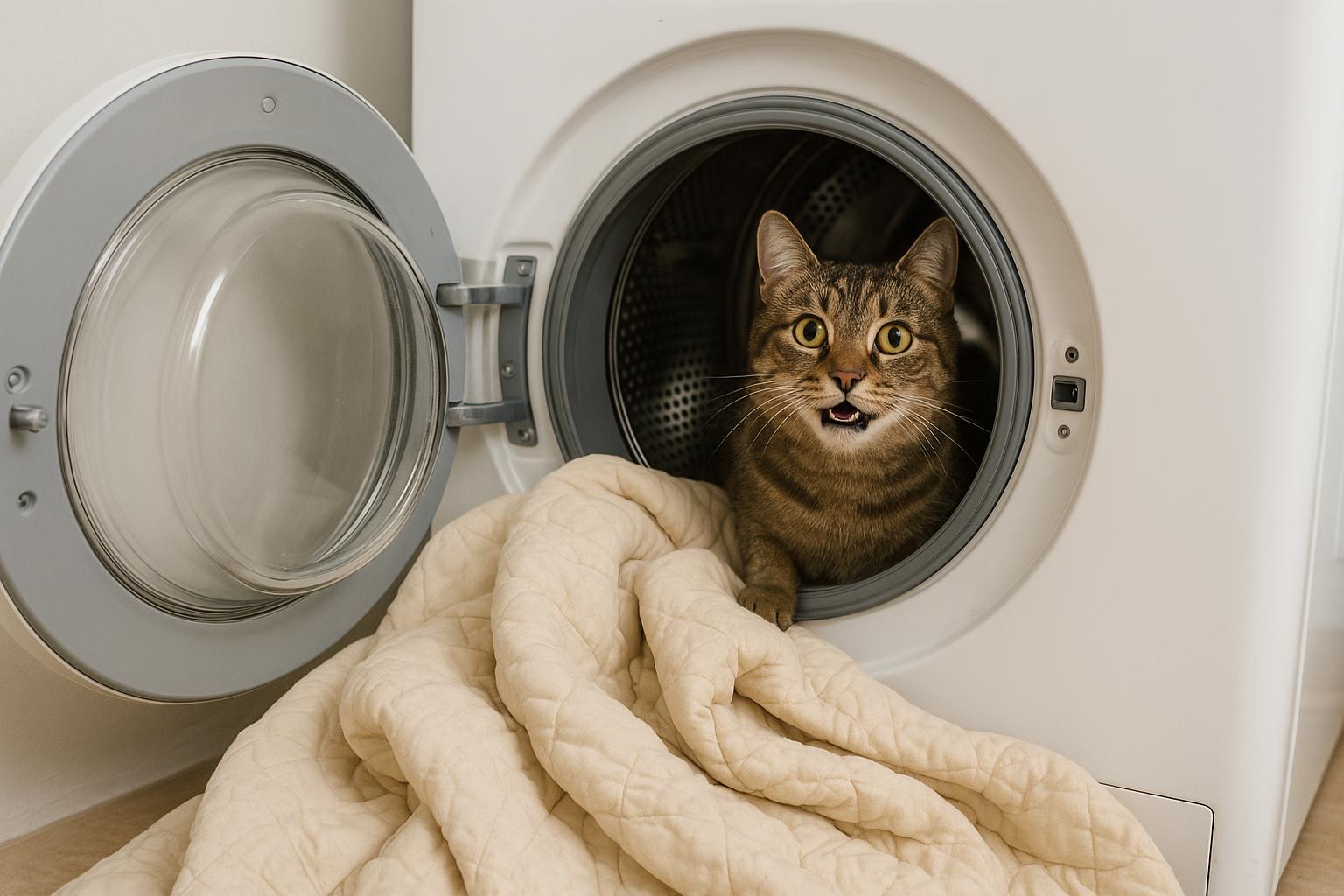
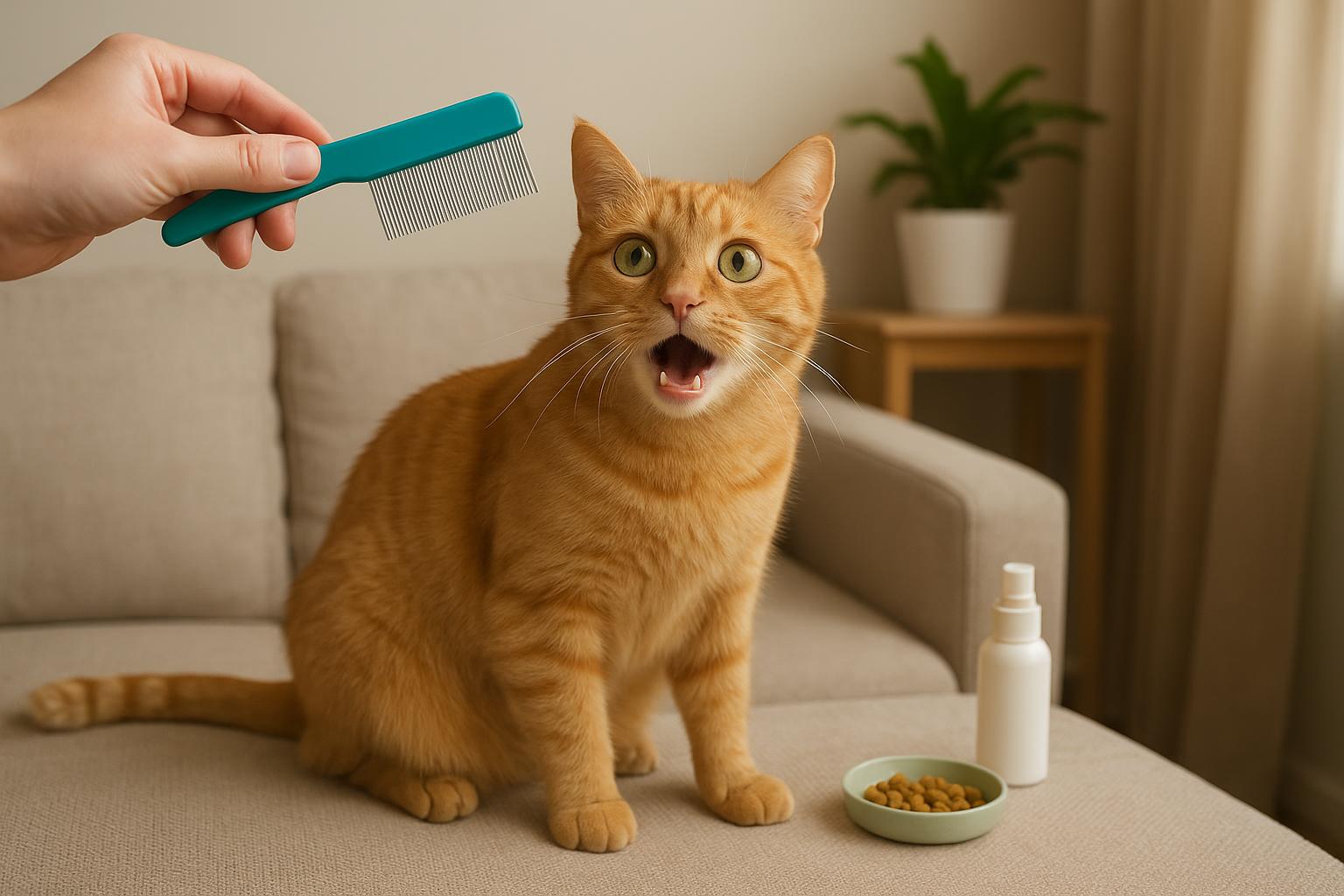
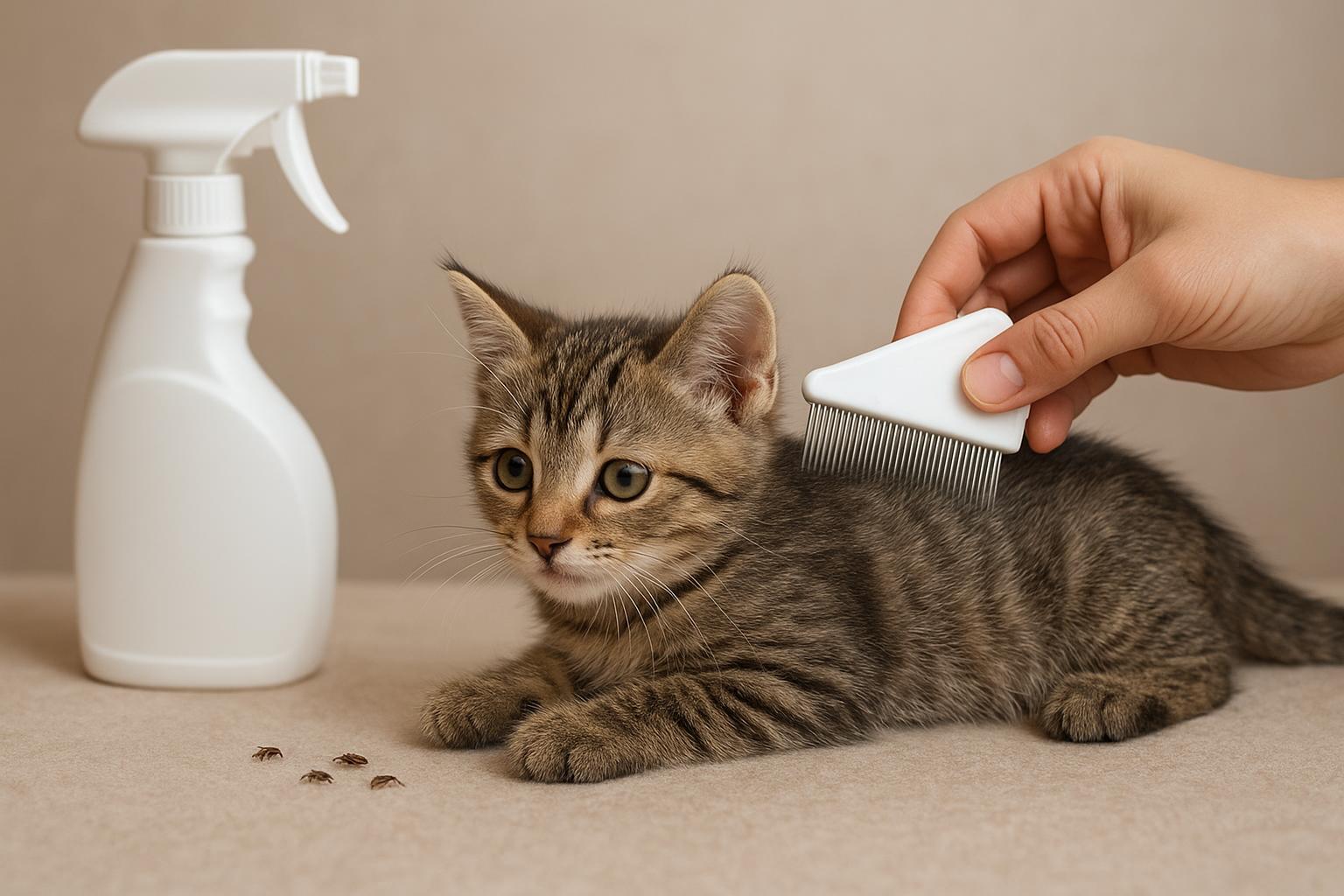
1. Wash Bedding: Remove and wash all pet bedding, blankets, and any fabric your cat frequently uses in hot water and dry on high heat.
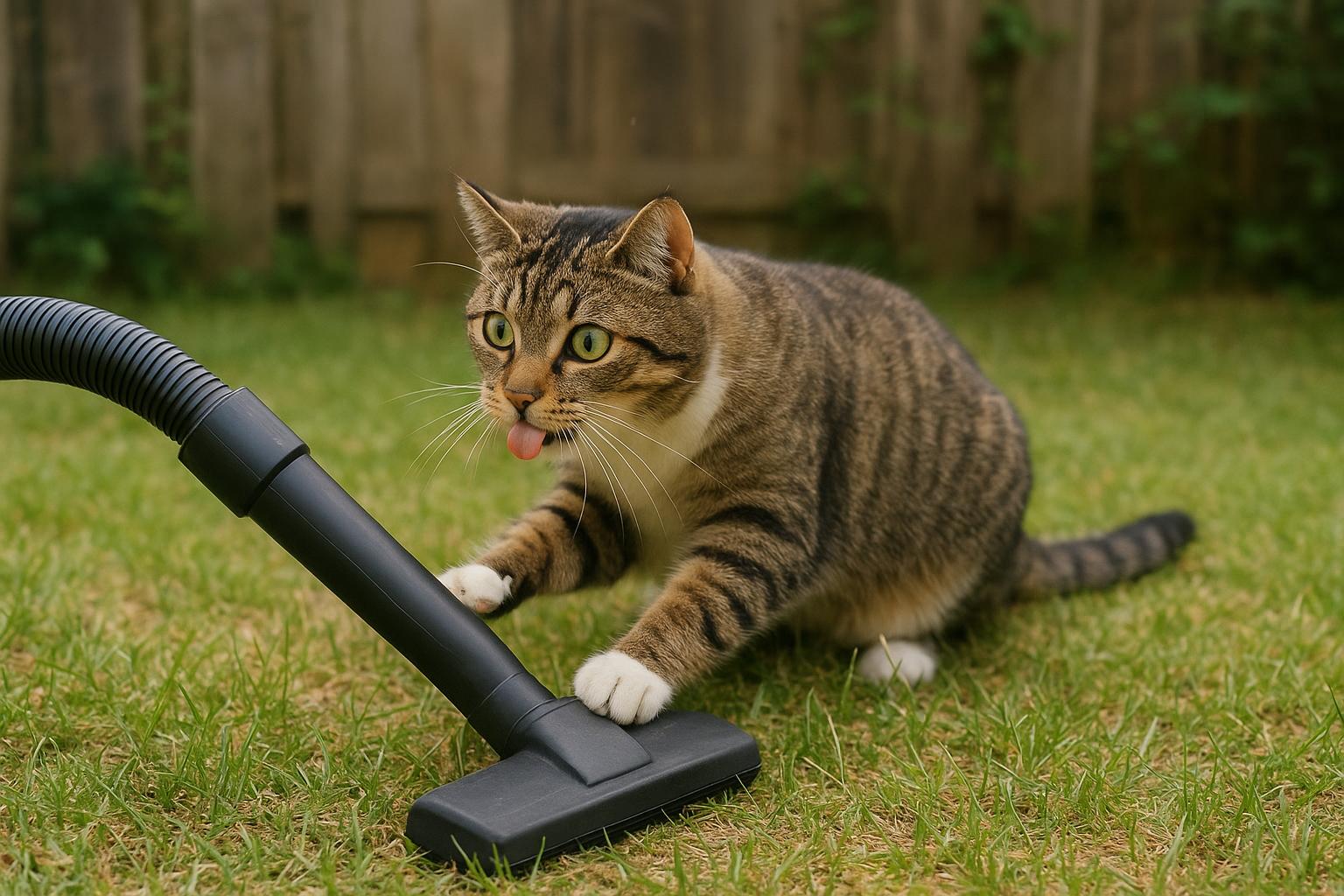
2. Vacuum Thoroughly: Vacuum carpets, rugs, upholstered furniture, and cracks in flooring daily during heavy infestations. Empty or seal vacuum bag contents immediately and dispose of outside the home.
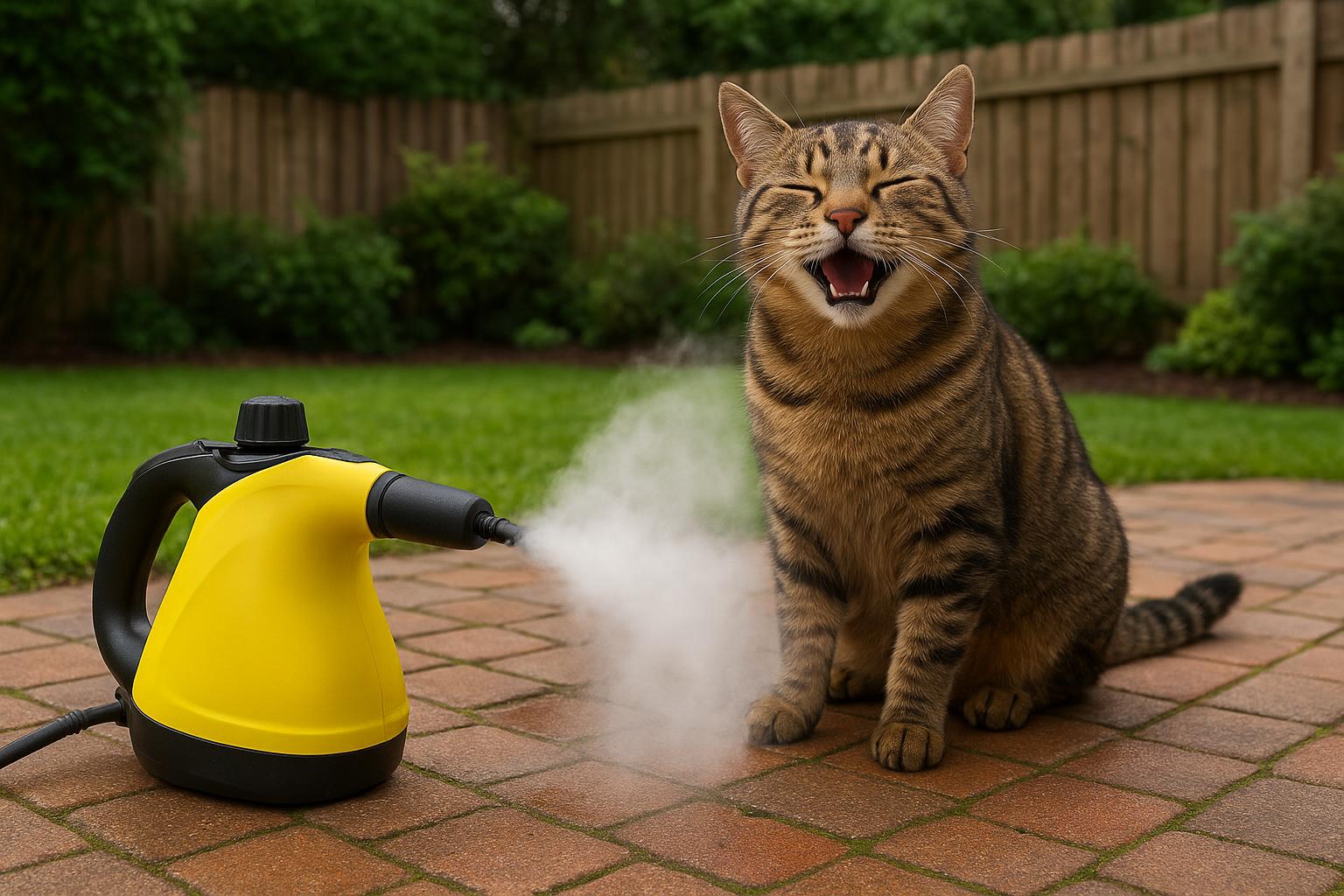
3. Steam Clean: Use a steam cleaner on carpets and upholstery where possible; the heat kills eggs and larvae.
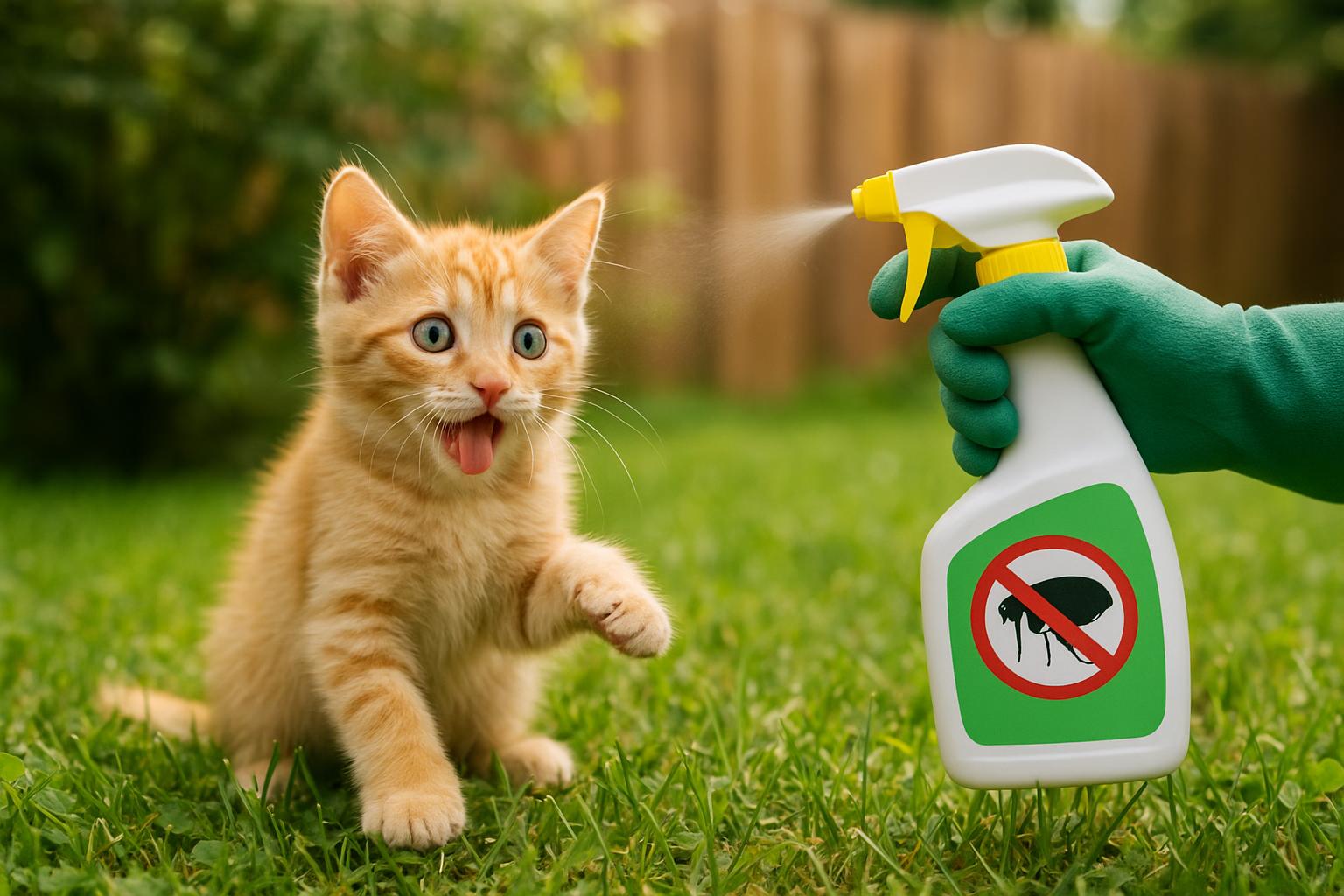
4. Treat Environment: If infestation persists, use a veterinarian-recommended environmental spray that targets juvenile flea stages. Focus on pet resting areas, not human food surfaces, and follow safety instructions to protect children and pets.
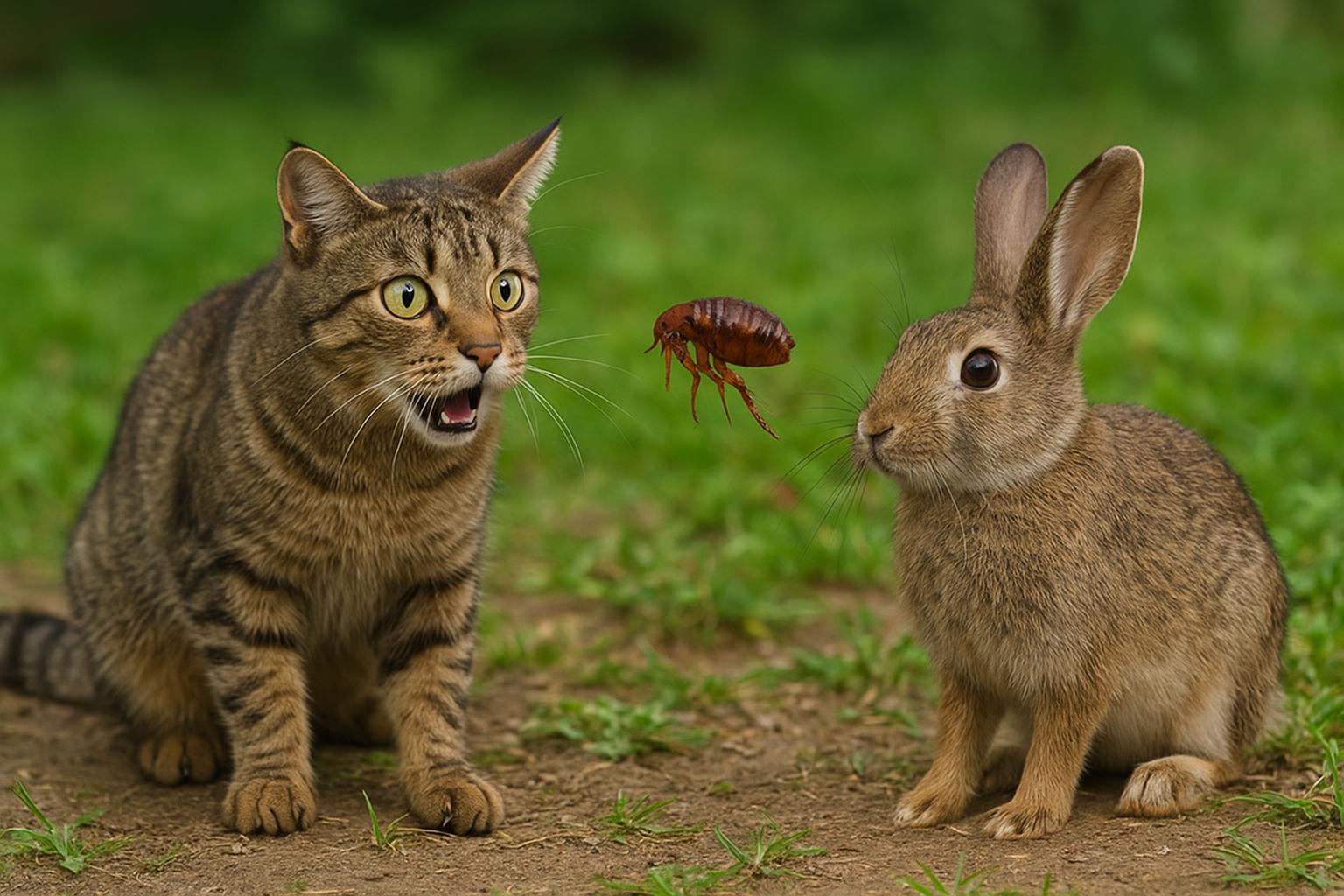
5. Yard Care: Mow lawns, remove debris, and limit wildlife hosts (deer, rodents) that bring fleas into the yard. Consider outdoor treatments only as advised by professionals.
6. Repeat: Environmental treatments often require multiple cycles over weeks because of the flea life cycle. Continue until no new fleas appear on treated pets.
This dual approach — systemic treatment for the animal and environmental control — is the standard of care for meaningful, lasting reduction of flea populations.
### Safety, Side Effects, And When To Call A Vet
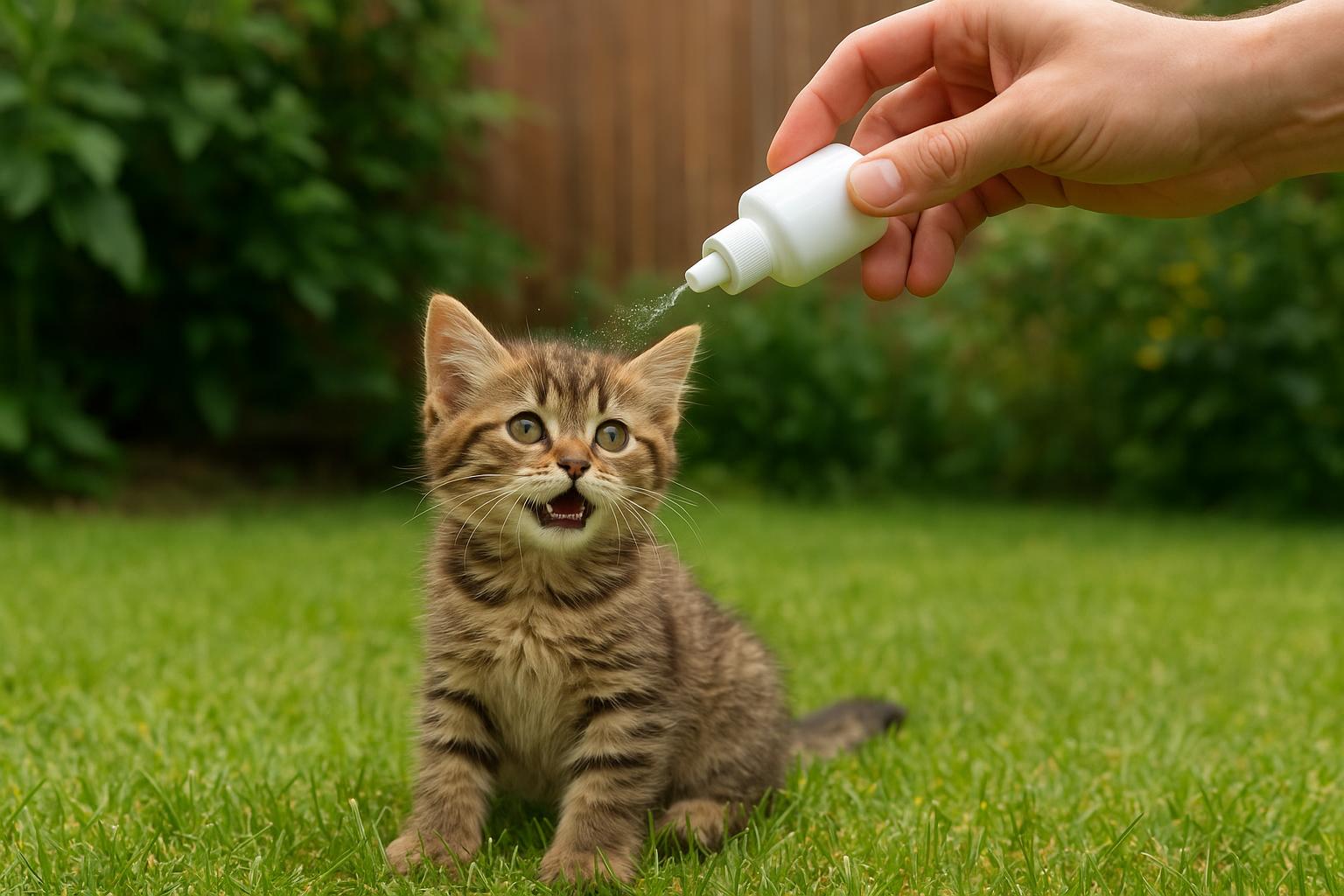
Oral flea medicine has transformed flea control, but like all medicines it carries risks. Watch for these signs after administering any oral flea medicine: vomiting, diarrhea, lethargy, incoordination, tremors, or seizures. If your cat develops neurological signs or shows signs of an allergic reaction (facial swelling, difficulty breathing), seek immediate veterinary care.
Certain conditions increase the risk of adverse reactions (young kittens, elderly cats, those with liver or kidney disease, or animals with prior neurologic issues). Drug interactions are possible if your cat is on other medications; always disclose the full medication and supplement list to your vet.
There has been scrutiny and reporting of rare neurologic adverse events associated with some classes of systemic flea meds. While most cats tolerate these drugs well and the benefits outweigh the risks for many animals, careful case-by-case assessment is warranted.
If you’re ever unsure about starting or continuing an oral flea medicine, a call to your veterinarian is the right next step. They can recommend the safest product and schedule, advise on environmental measures, and help manage any side effects should they arise.



Leave a Reply