
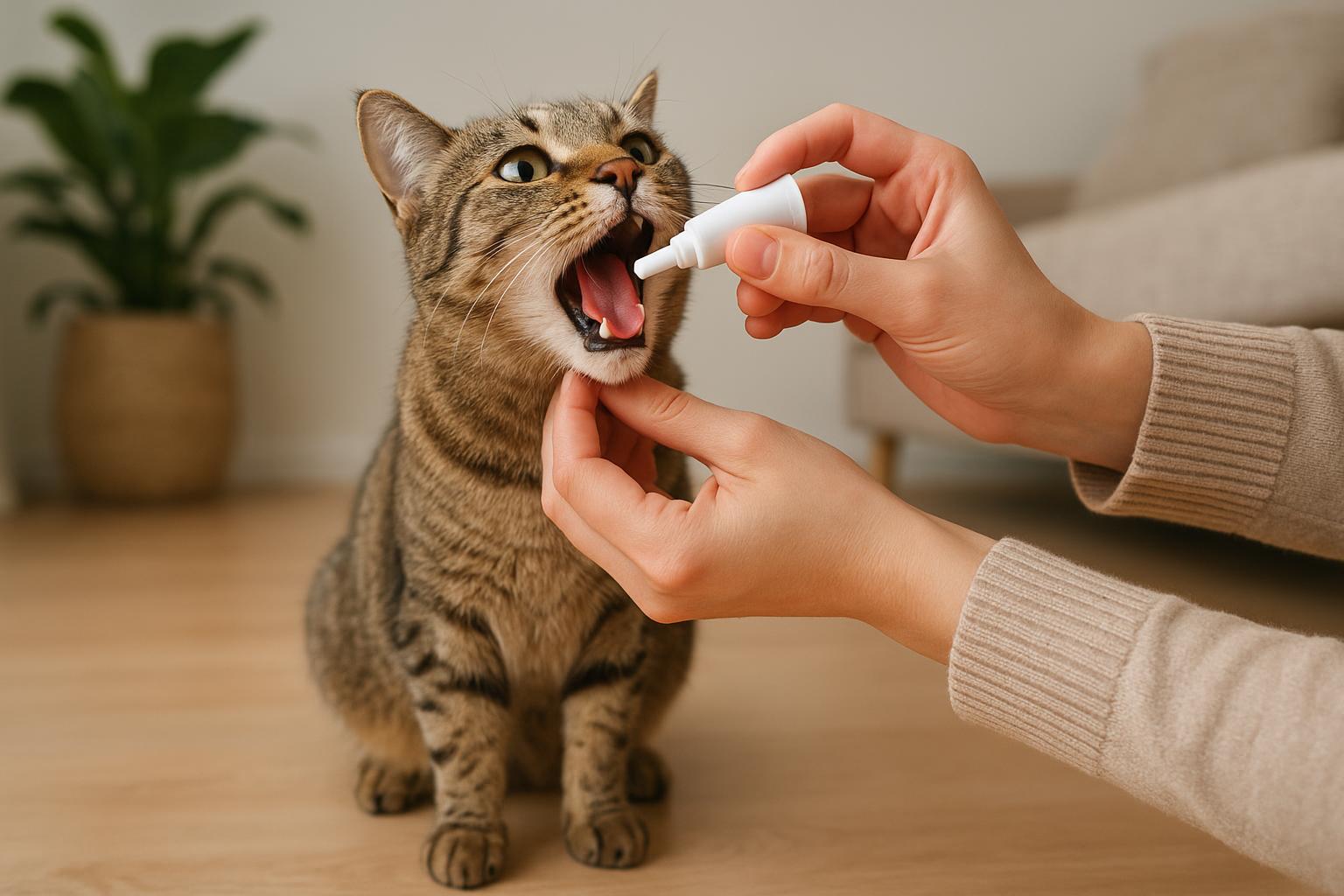
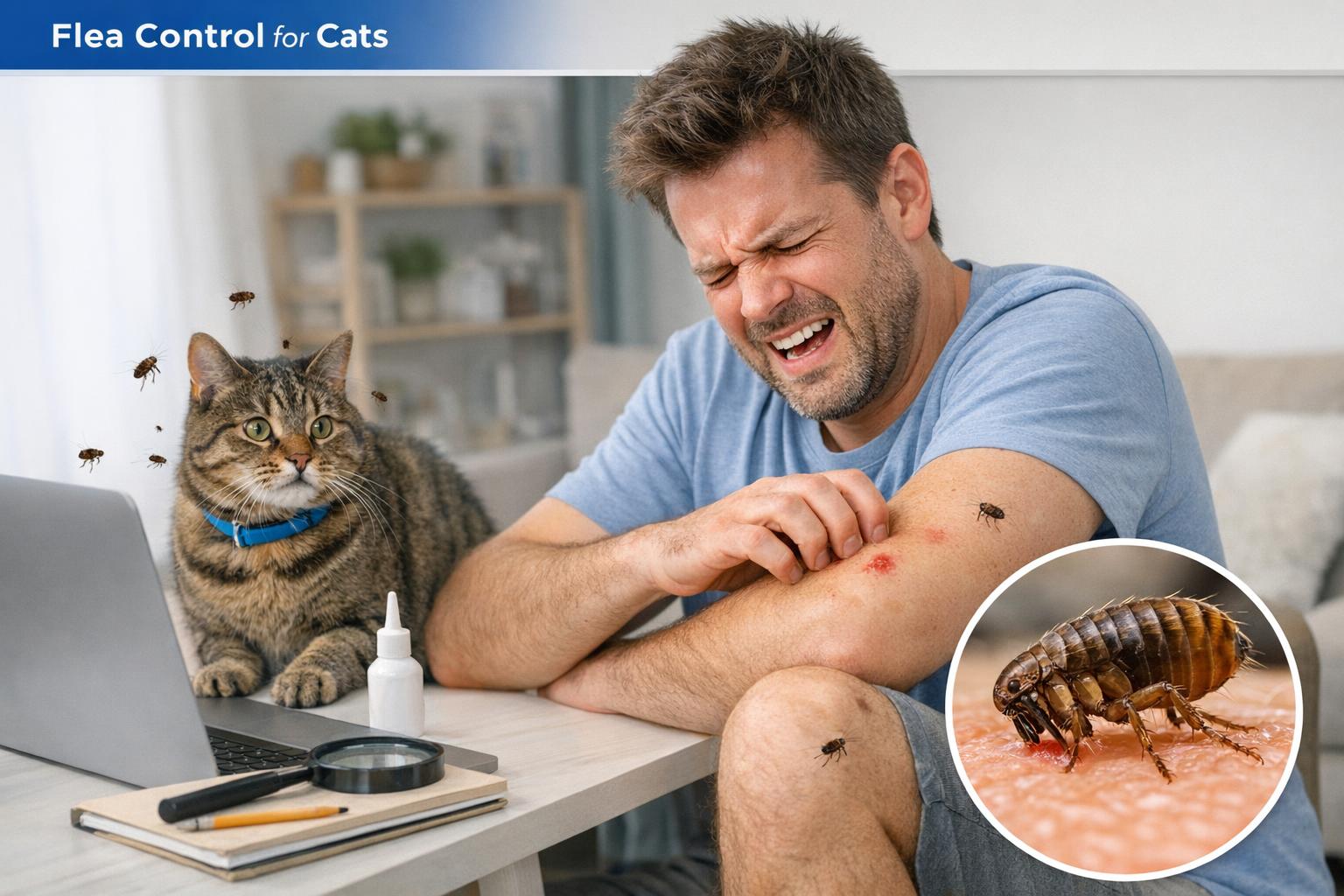
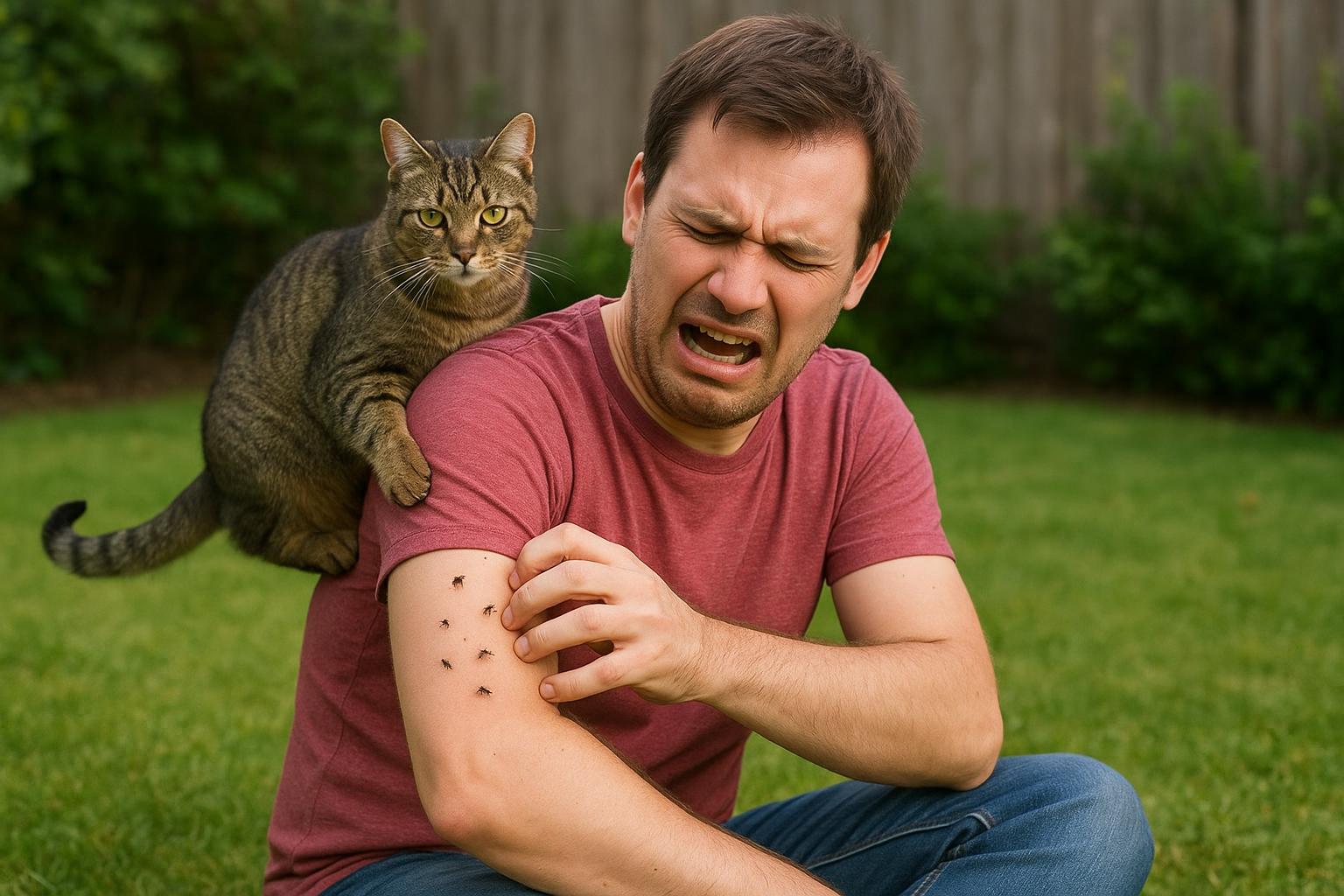
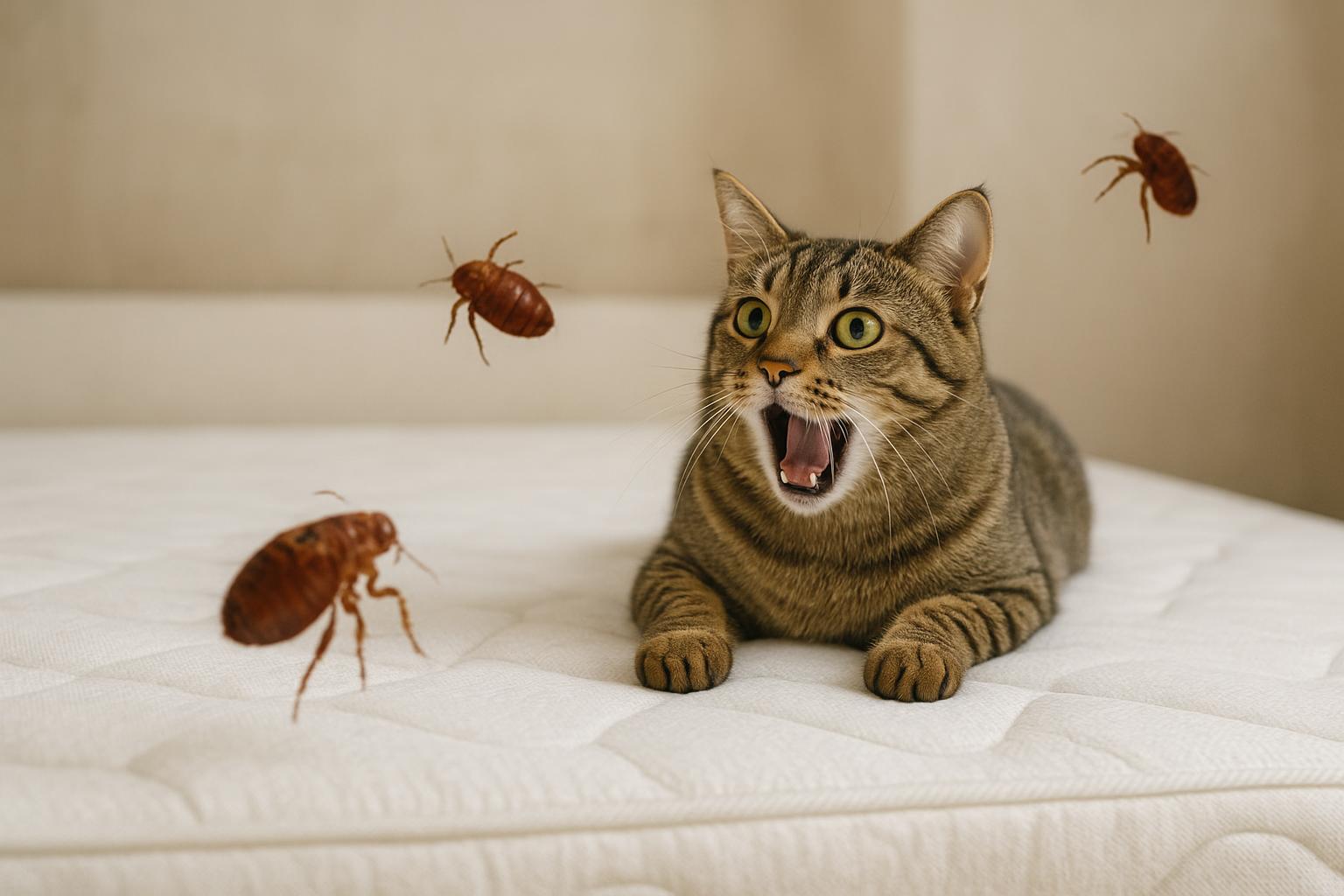
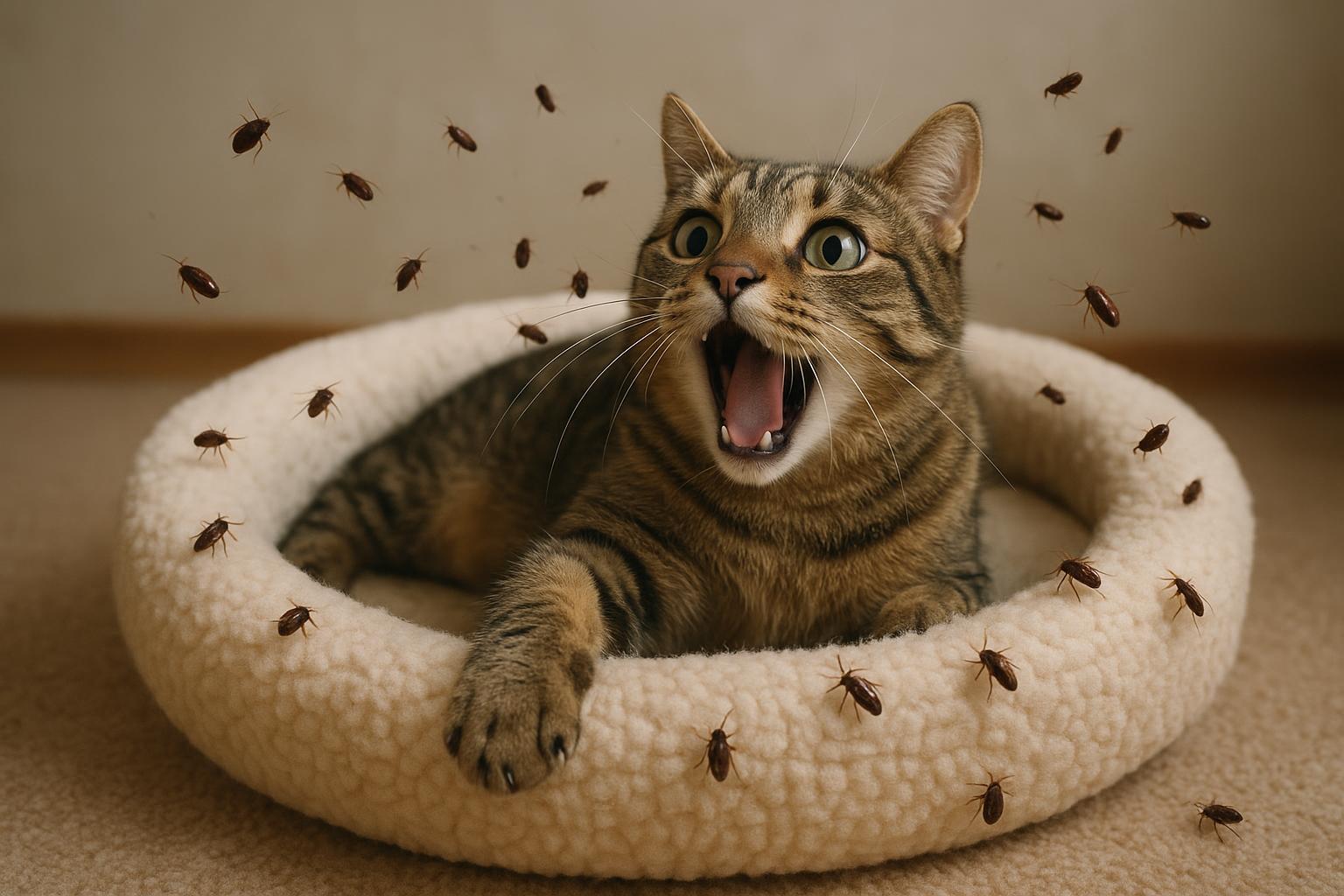
You’ve found the tiny, jumping mystery-makers in your cat’s fur — now what? Fleas are more than an itchy nuisance; they can cause anemia, tapeworms, and a whole lot of frustrated scratching. This article digs into the how and why of oral flea treatment for cats, explains what vets are aiming to do, and gives two practical remedies: a vet-prescribed oral approach and a complementary home-environment protocol. Friendly tone, a dash of dry humor, and solid pet-care facts ahead.
## How Oral Flea Treatment Works For Cats
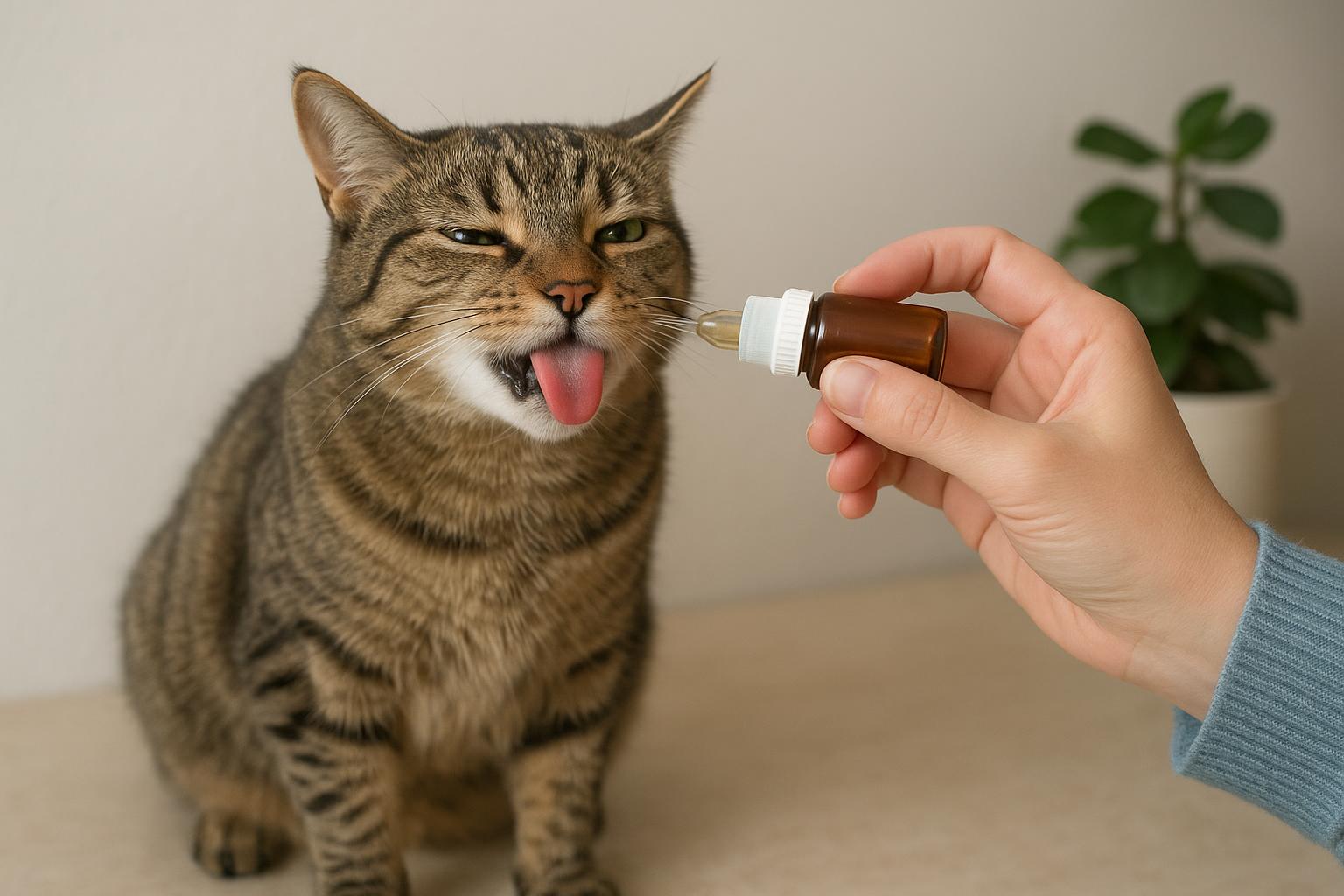
Oral flea treatment is designed to kill adult fleas quickly and, depending on the product, provide some residual protection. Rather than sitting on the skin and being absorbed through the skin like topicals, oral products are swallowed and travel through the bloodstream. When a flea bites your cat, it ingests the medication and is affected systemically — think of it as bait the flea can’t resist, with unhappy consequences.
Pharmacologically, most oral flea products target the insect nervous system. They bind to receptors that are specific to arthropods, interrupting normal neurotransmission and causing paralysis and death. Different active ingredients vary in speed and duration: some knock down fleas in a few hours and wear off quickly; others provide ongoing protection for weeks to months after a single dose. Importantly, most oral flea treatment options focus on adult fleas — which is great for immediate relief — but they often need help from environmental measures to fully break the infestation cycle.
### Speed And Lifecycle Impact
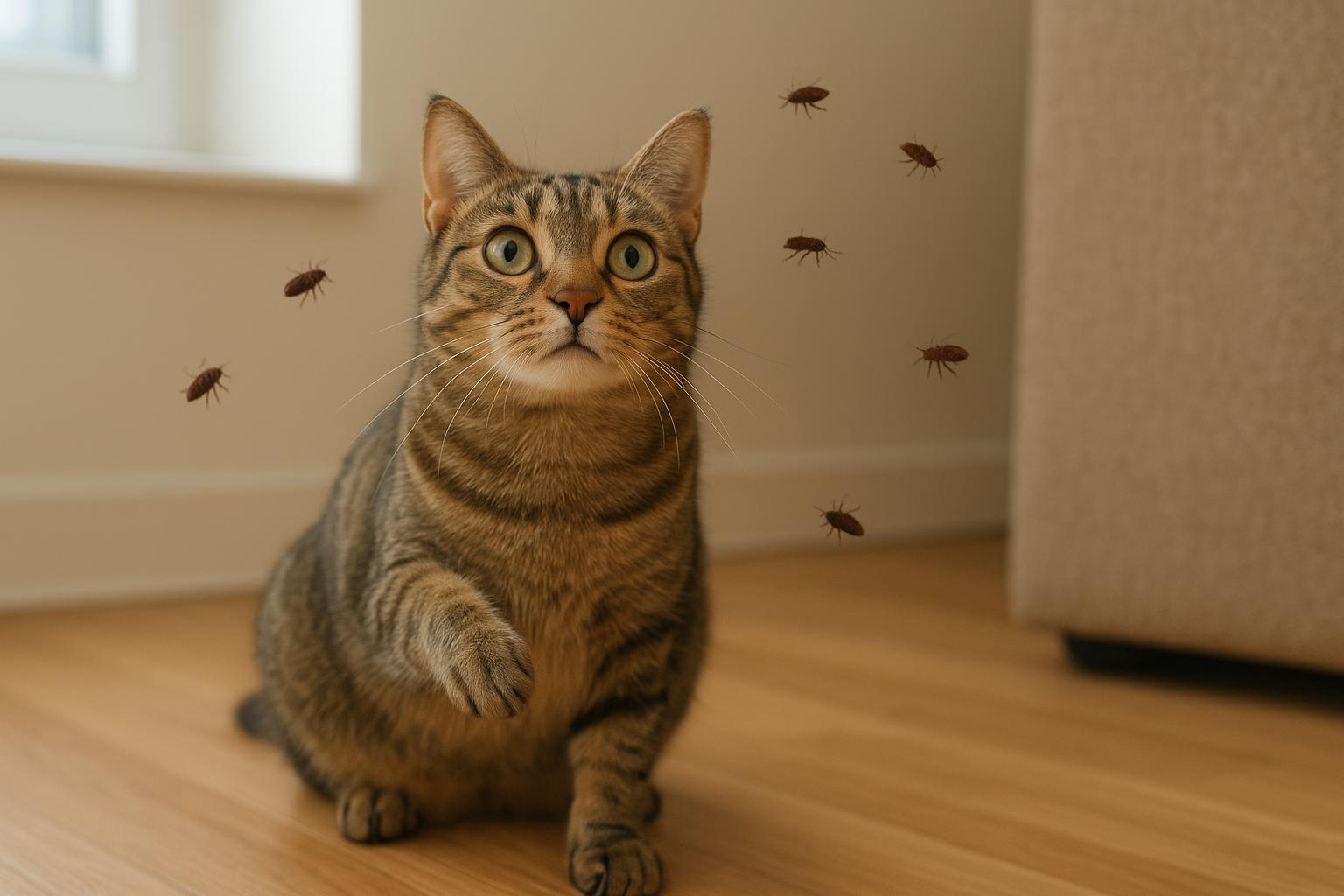
How fast you see results depends on the active ingredient and whether the product is single-dose or monthly. A rapid oral flea treatment can reduce adult flea numbers within hours, dramatically reducing immediate biting and allergy triggers. However, because eggs, larvae, and pupae live in carpets, bedding, and cracks, you can still get recurring bites if those immature stages aren’t removed.
Breaking the flea lifecycle means combining tactics: kill the adults with oral medication, then reduce environmental egg and larval populations through cleaning or insect growth regulators (IGRs). An IGR won’t kill adults quickly, but it prevents eggs from hatching or larvae from maturing — a useful complement to oral adulticides.
### Safety, Side Effects And Veterinary Guidance
When it comes to treatment, safety matters. Oral flea treatment should be prescribed or recommended by a veterinarian who knows your cat’s age, weight, medical history, and whether the cat is pregnant, nursing, or on other medications. Common side effects are usually mild — transient vomiting, loose stool, or lethargy — but any severe reaction (difficulty breathing, collapse, severe vomiting) requires immediate veterinary attention.
Do not give products intended for dogs to cats, and avoid trying to “mix and match” flea medications. Dosage is weight-based, and some active compounds are not labeled for use in felines. Your vet can recommend the most appropriate oral flea treatment option, explain expected timing, and plan follow-ups so you don’t unintentionally under- or over-treat.
## 2 Remedies: Veterinary Oral Flea Treatment And Home Environmental Protocol
Below are two remedies that work together. Remedy 1 is the formal, veterinary-administered oral flea treatment process. Remedy 2 is a practical home protocol you can do to reduce environmental stages and speed recovery.
### Remedy 1: Veterinary Oral Flea Treatment (Prescription-Based)
This is the primary solution for rapid adult flea control. It should be done under veterinary supervision.
Ingredients / Required Materials
– Vet-prescribed oral flea medication (appropriate product and dose for your cat)
– Pill piller or pill pockets (if your cat won’t take a tablet voluntarily)
– Small towel or helper to gently restrain the cat if needed
– Record sheet or smartphone reminder for dosing schedule
Step-by-Step Administration And Follow-Up
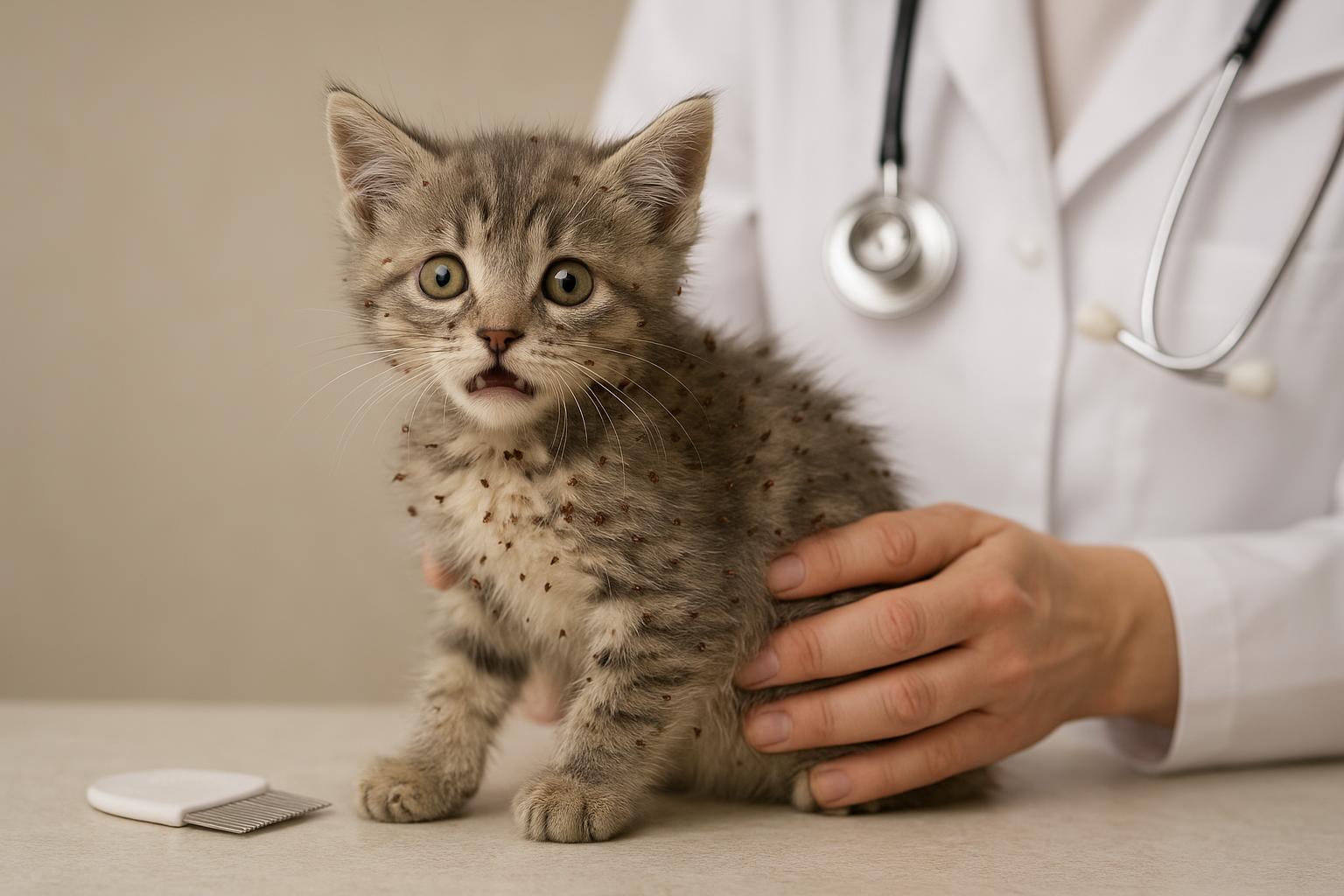
1. Veterinary Examination: Schedule a vet visit so the clinician can confirm fleas, assess health, weigh the cat, and choose the correct oral flea treatment product.
2. Obtain Prescription: Get the exact medication your vet prescribes. Read the label and product insert thoroughly.
3. Administer First Dose: Follow the vet’s instructions. If it’s a single-dose rapid product, give it precisely as recommended. If monthly, set a reminder.
4. Monitor Closely: Watch your cat for at least 24 hours for any adverse effects (vomiting, lethargy, behavior changes). Contact the vet if you have concerns.
5. Follow-Up Dosing: If the product requires monthly dosing, continue on schedule. If booster doses or additional products are advised, coordinate with your vet.
6. Combine With Environmental Measures: Oral flea treatment is most effective when paired with an environmental control plan (see Remedy 2). Ask your vet about adding an IGR for more complete lifecycle control.
#### How To Administer The Tablet Safely
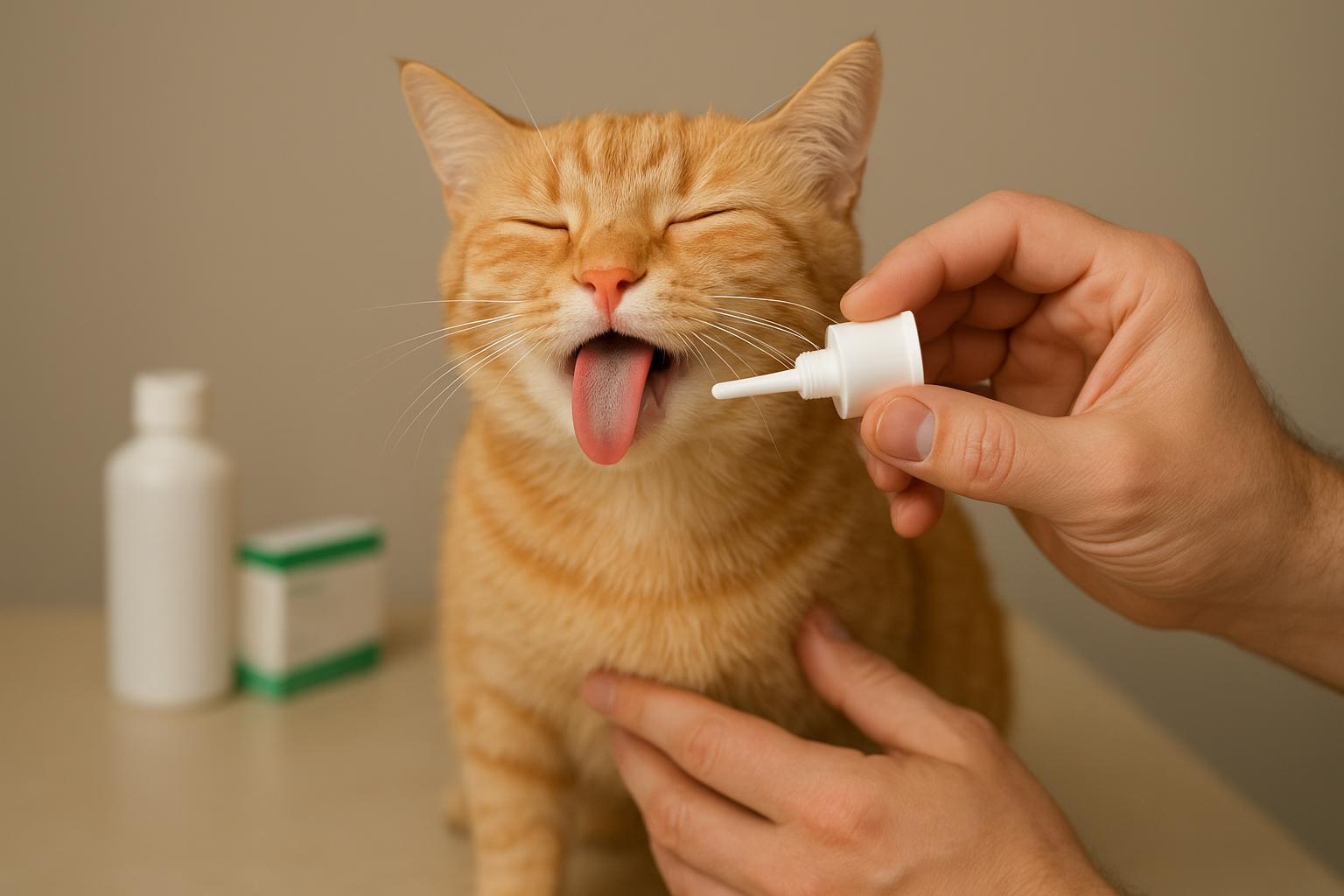
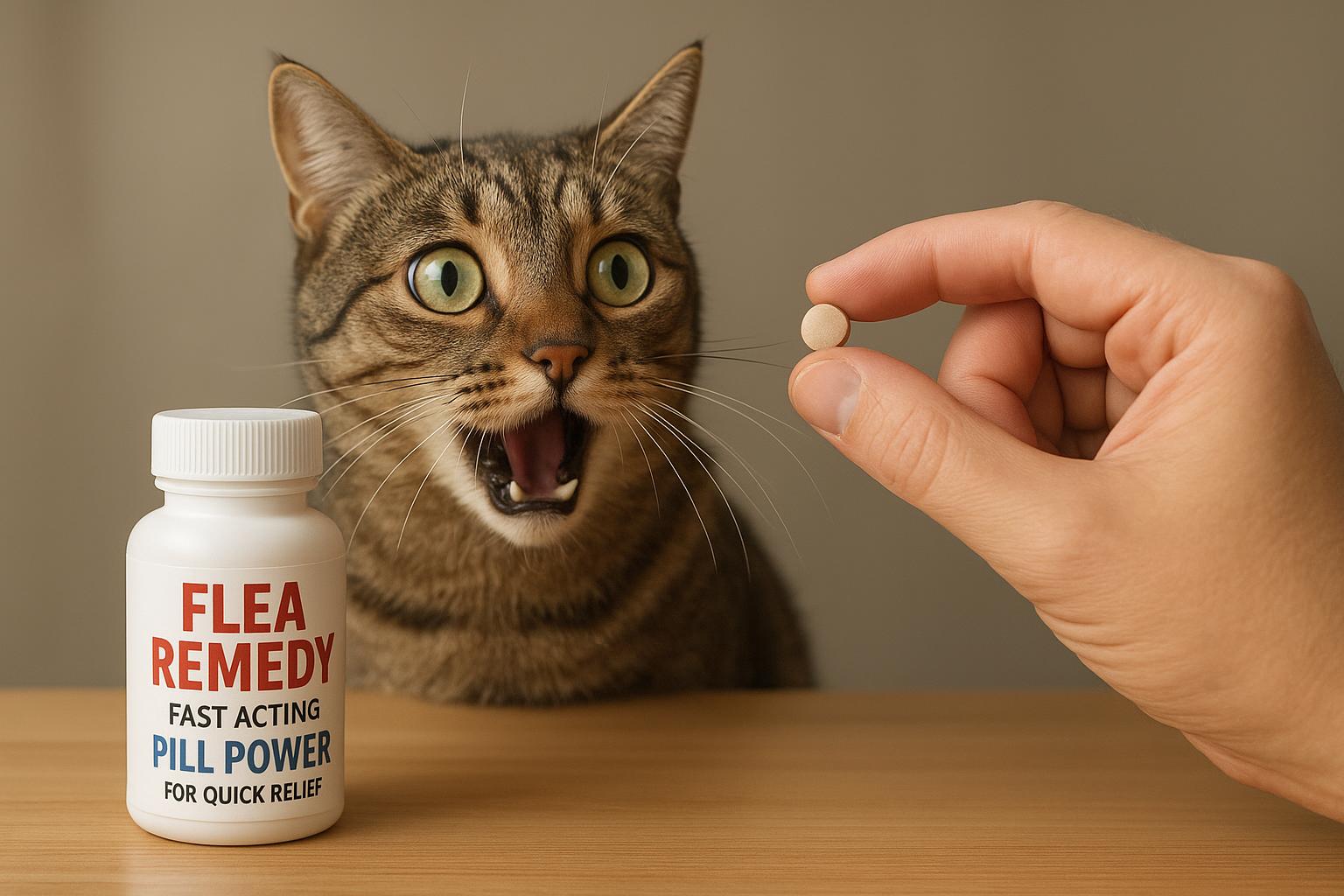
– If your cat won’t willingly take a tablet, use a pill pocket or a pill piller. Place the tablet at the back of the tongue, then gently hold the mouth closed and stroke the throat to encourage swallowing.
– If you’re unsure, ask your vet or technician to demonstrate. Proper administration avoids spitting out or partial dosing.
### Remedy 2: Home Environmental Flea Control (Non-Chemical And Supportive)
No matter how effective the oral flea treatment, leftover eggs and pupae mean reinfestation risk. This home-focused regimen helps clear the environment.
Household Items Needed
– Vacuum with attachments
– Washing machine and dryer (or a sunny spot for bedding)
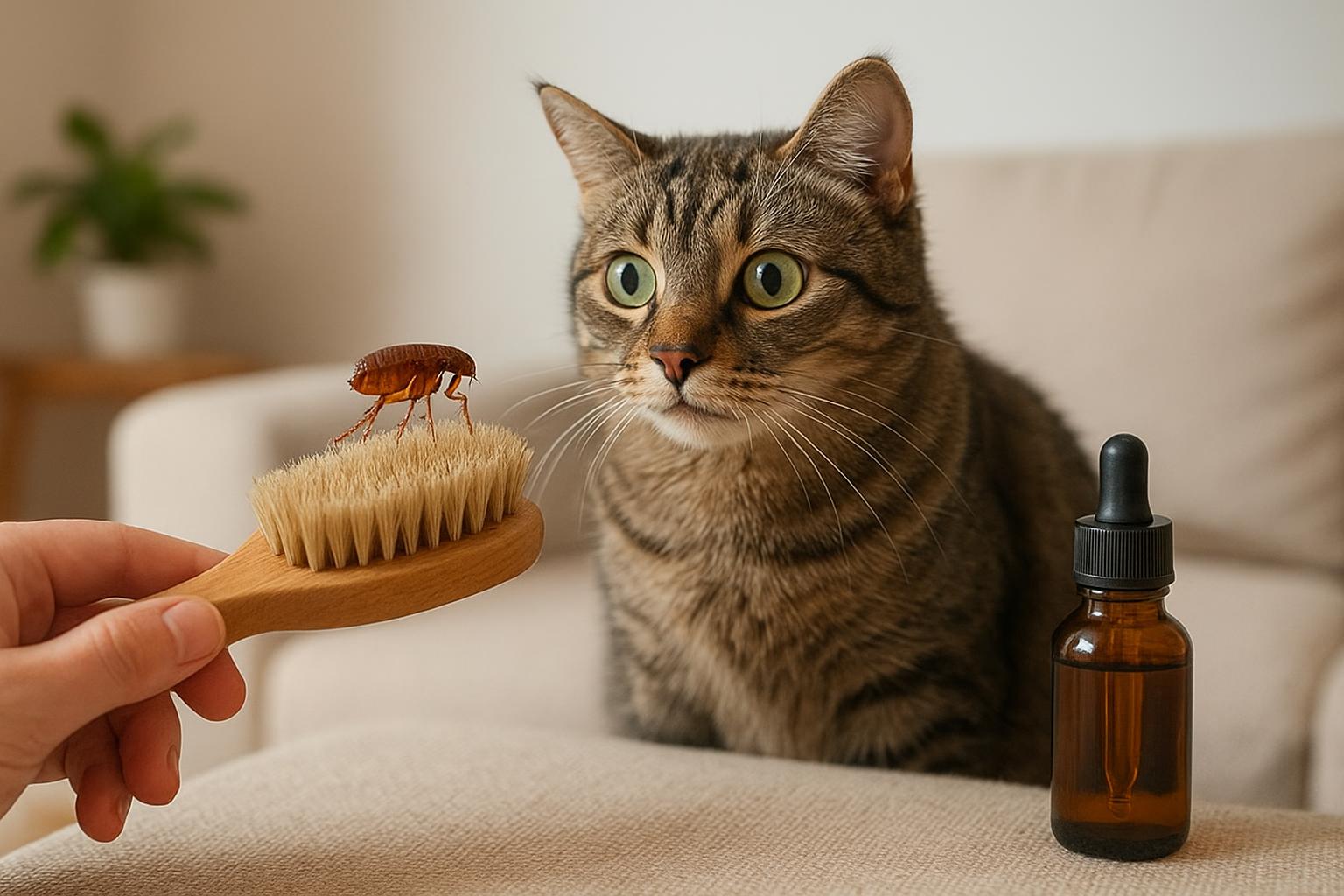
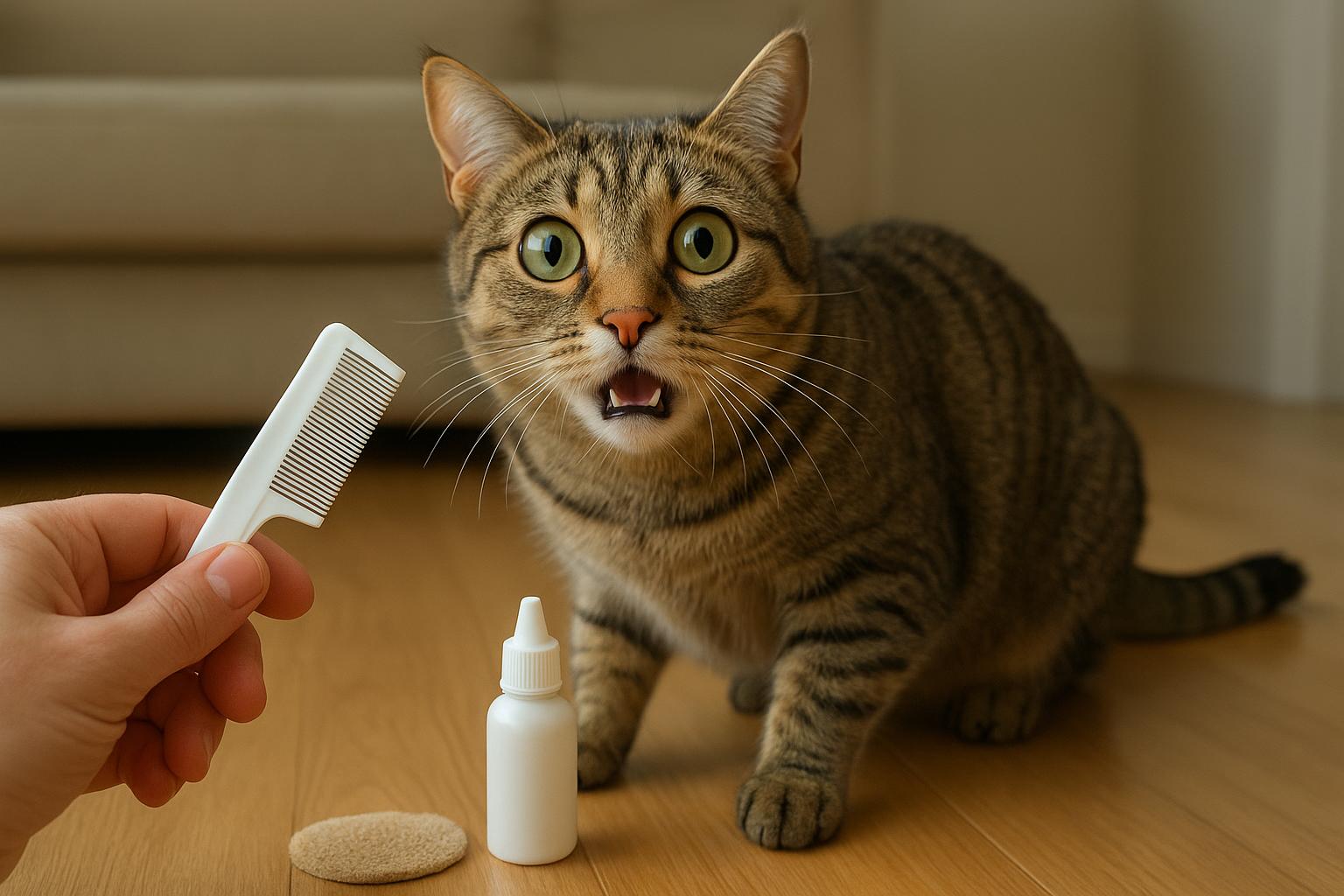
– Stiff brush or flea comb
– Sealable plastic bags or containers
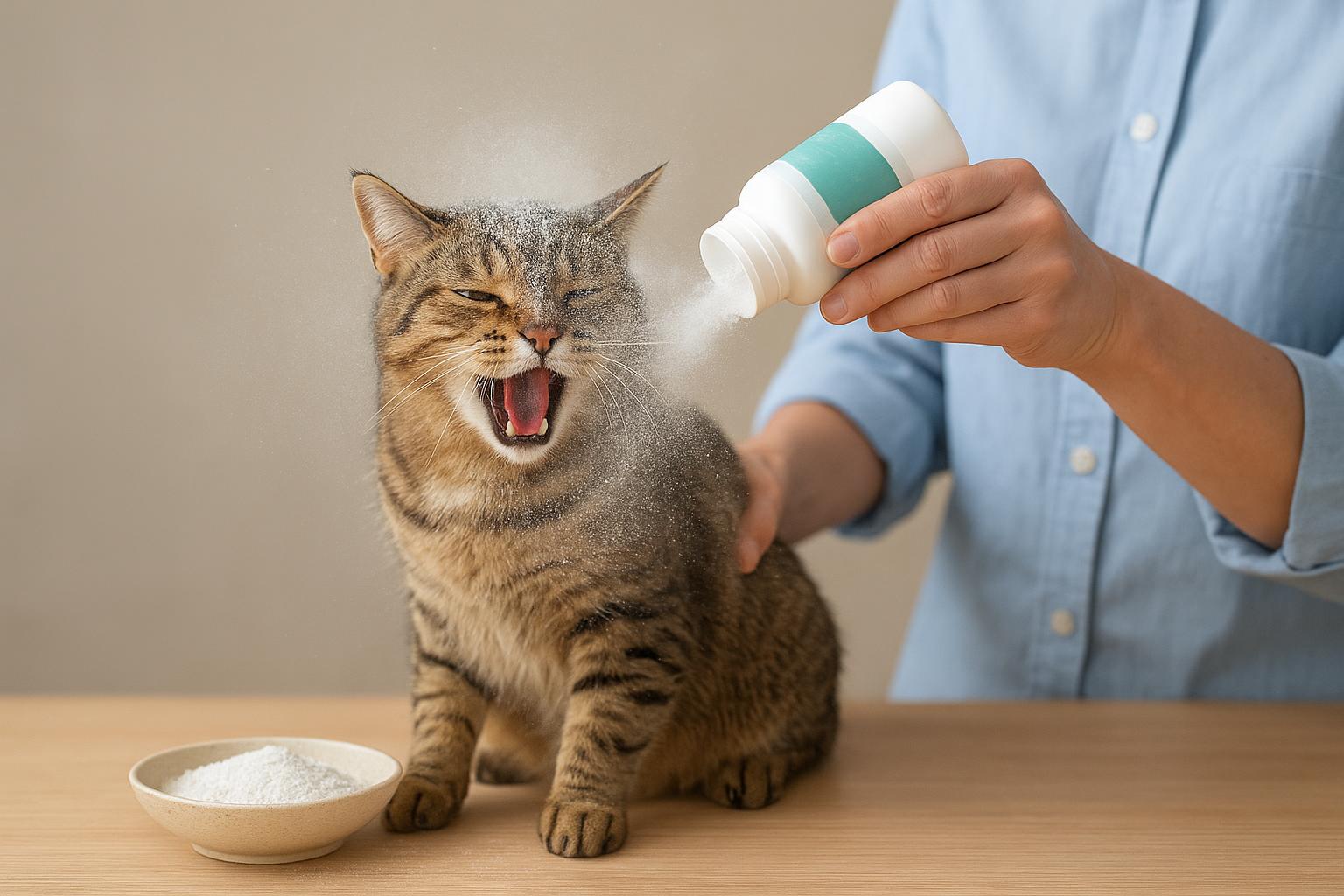
– Optional: Food-grade diatomaceous earth (use carefully and avoid inhalation)
– Optional: Sticky flea traps or low-heat dryer cycles to kill fleas
Step-by-Step Environmental Protocol
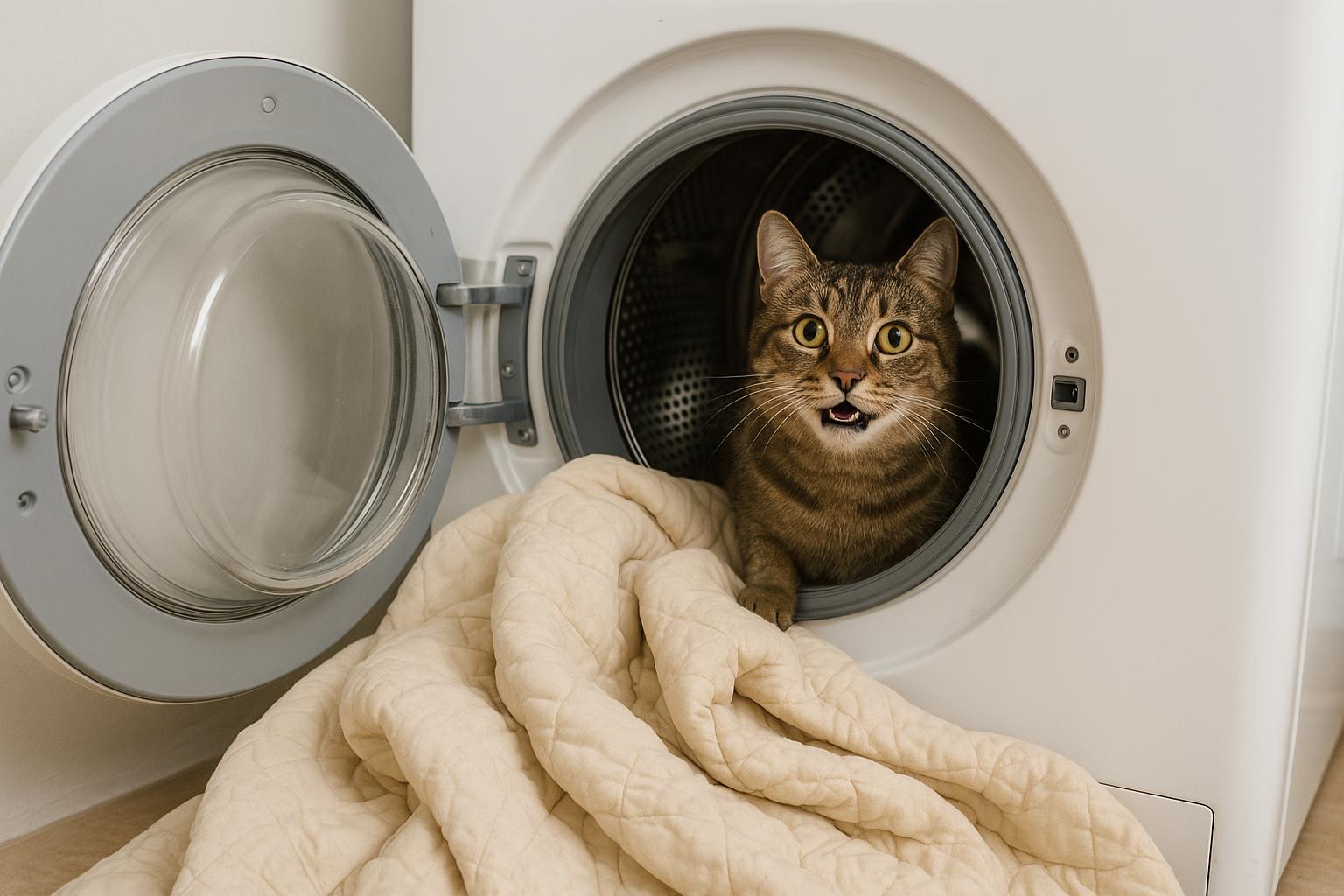
1. Strip Bedding And Wash: Remove all pet bedding, human bedding where the cat sleeps, and any washable soft items. Wash on the hottest safe cycle and dry on high heat for at least 30 minutes to kill eggs and larvae.
2. Vacuum Thoroughly: Vacuum carpets, rugs, upholstered furniture, baseboards, and crevices every day for at least two weeks. Empty the vacuum canister or toss the bag into an outdoor trash can immediately after vacuuming.
3. Launder Soft Toys And Fabrics: Anything the cat uses that can be washed should be treated like bedding. Non-washables can be sealed in plastic bags and placed in direct sunlight or stored away for several weeks to let pupae die off.
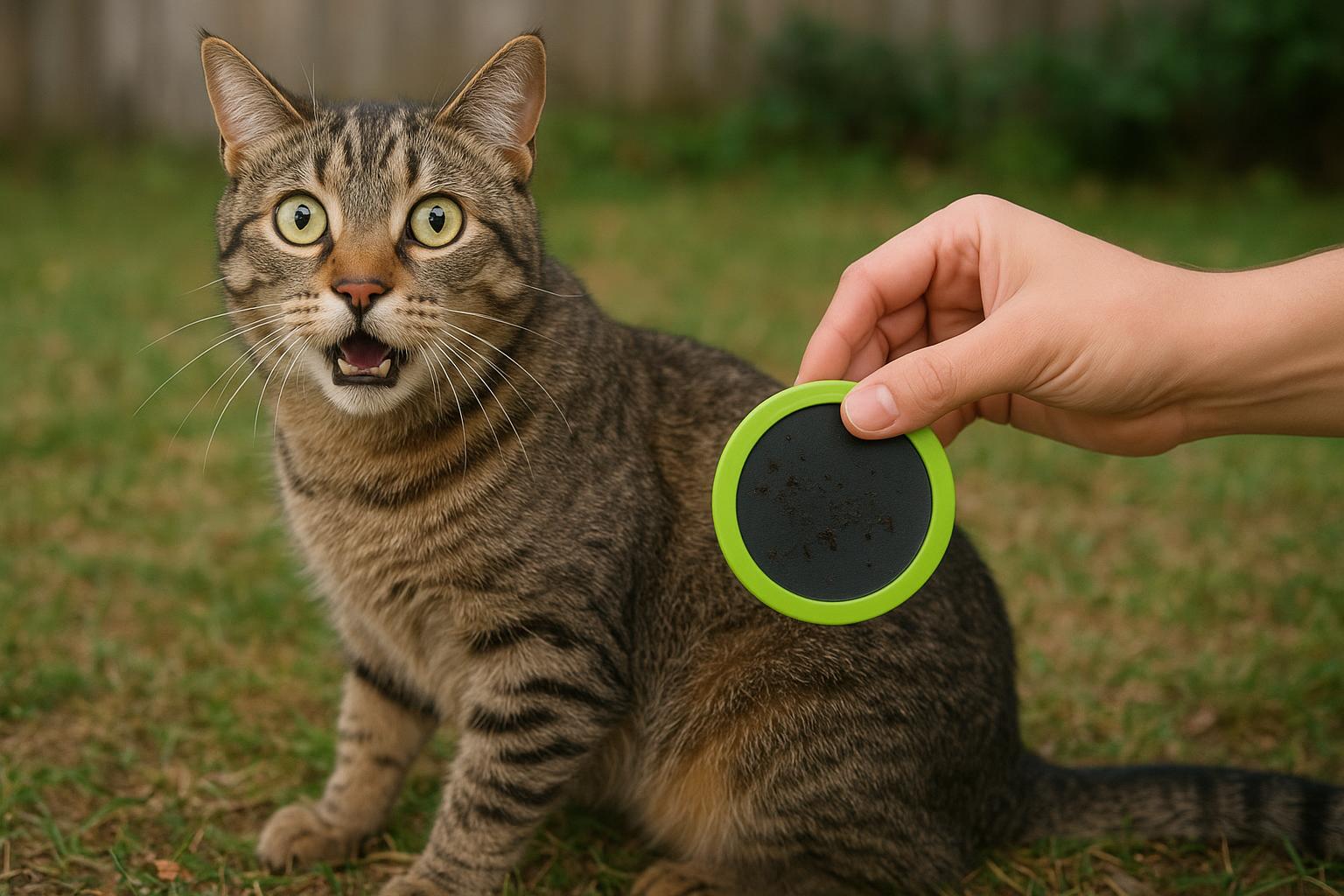
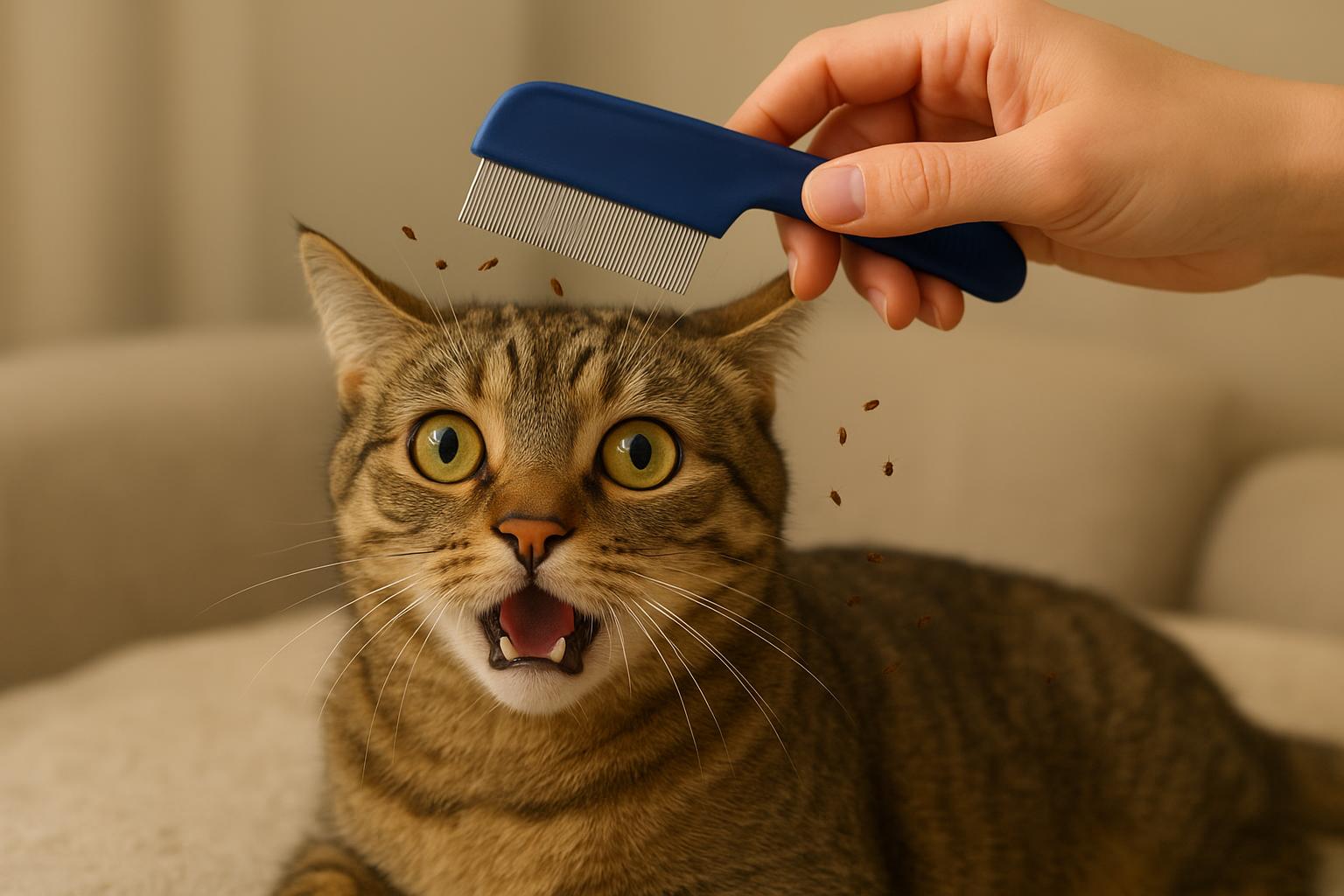
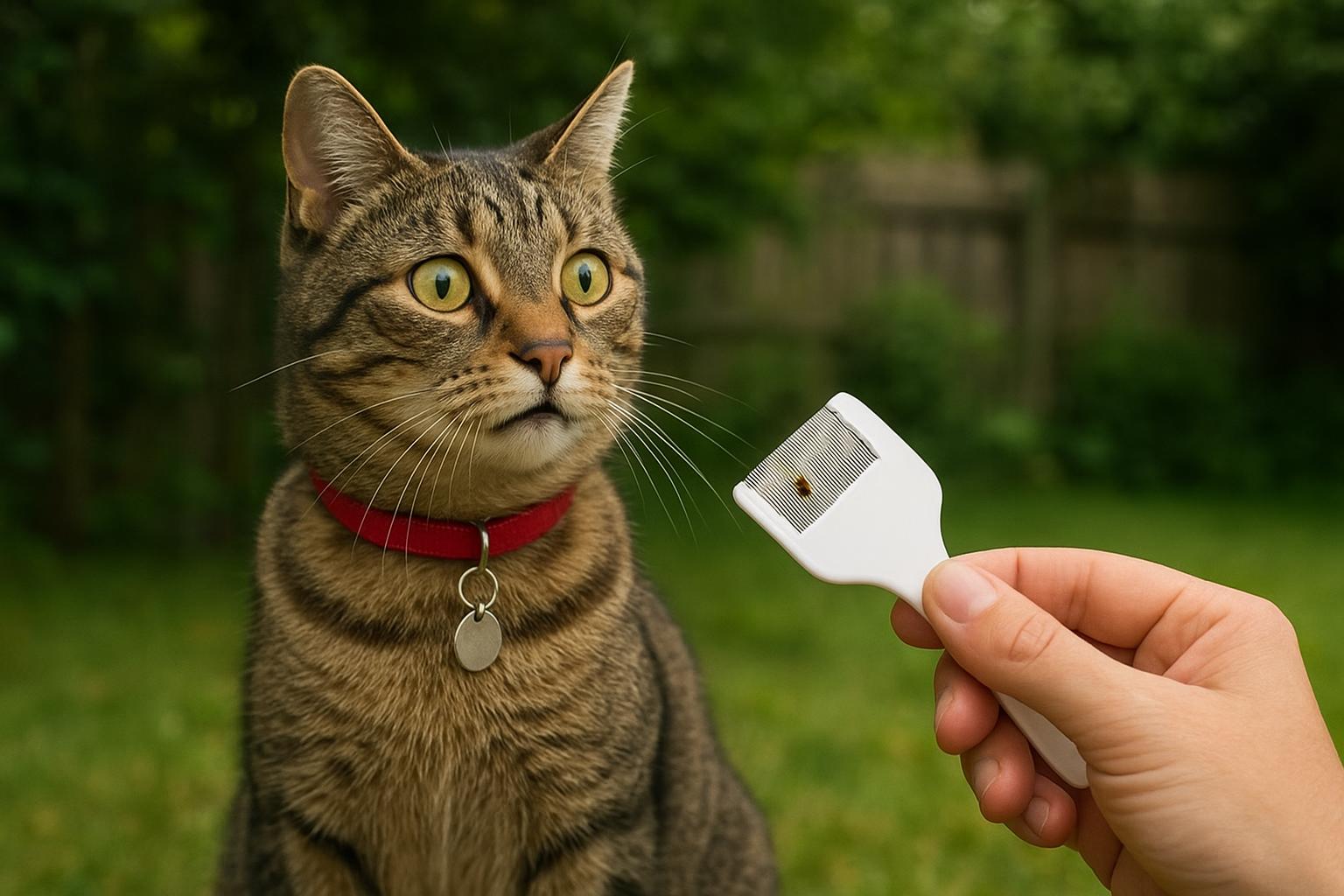
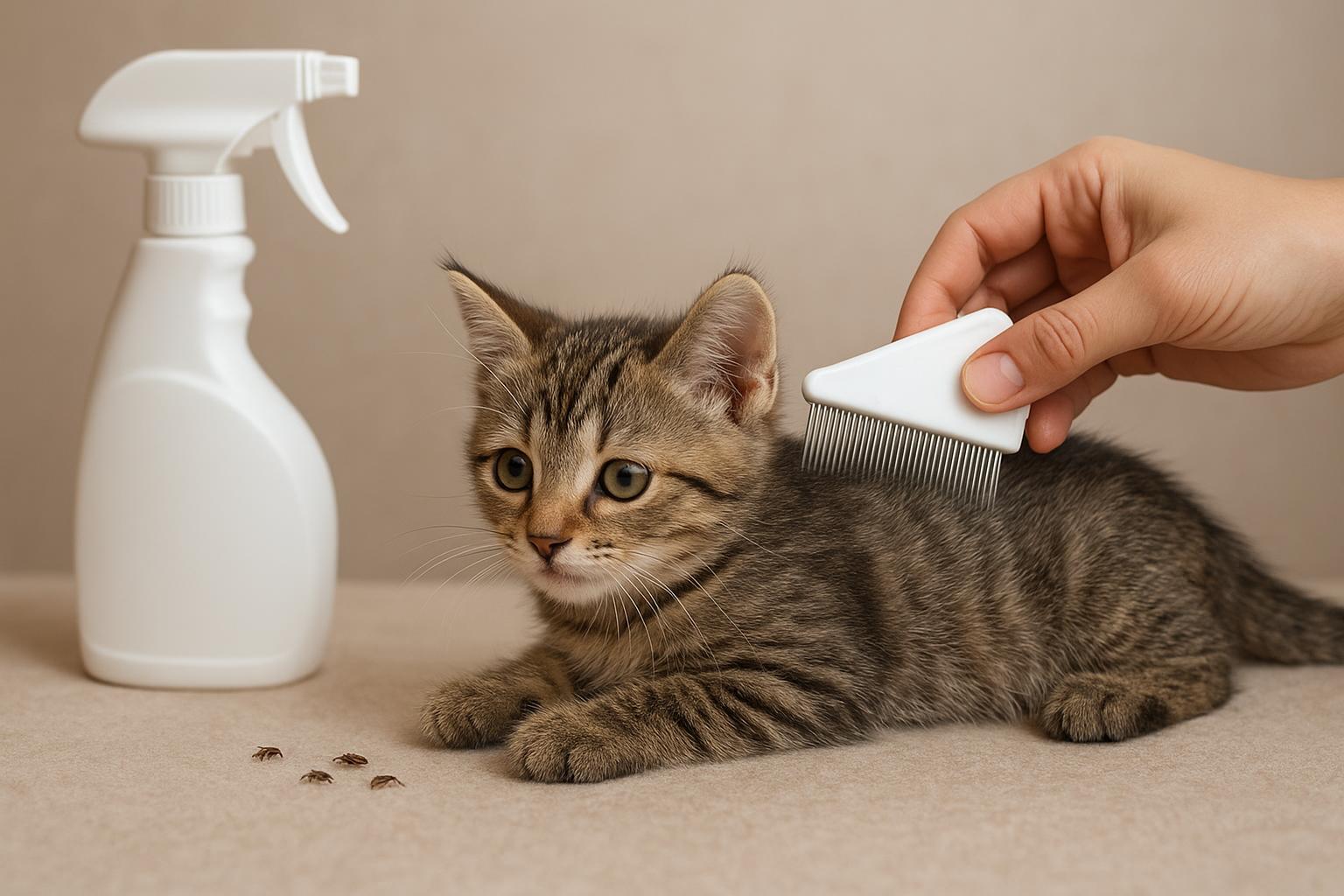
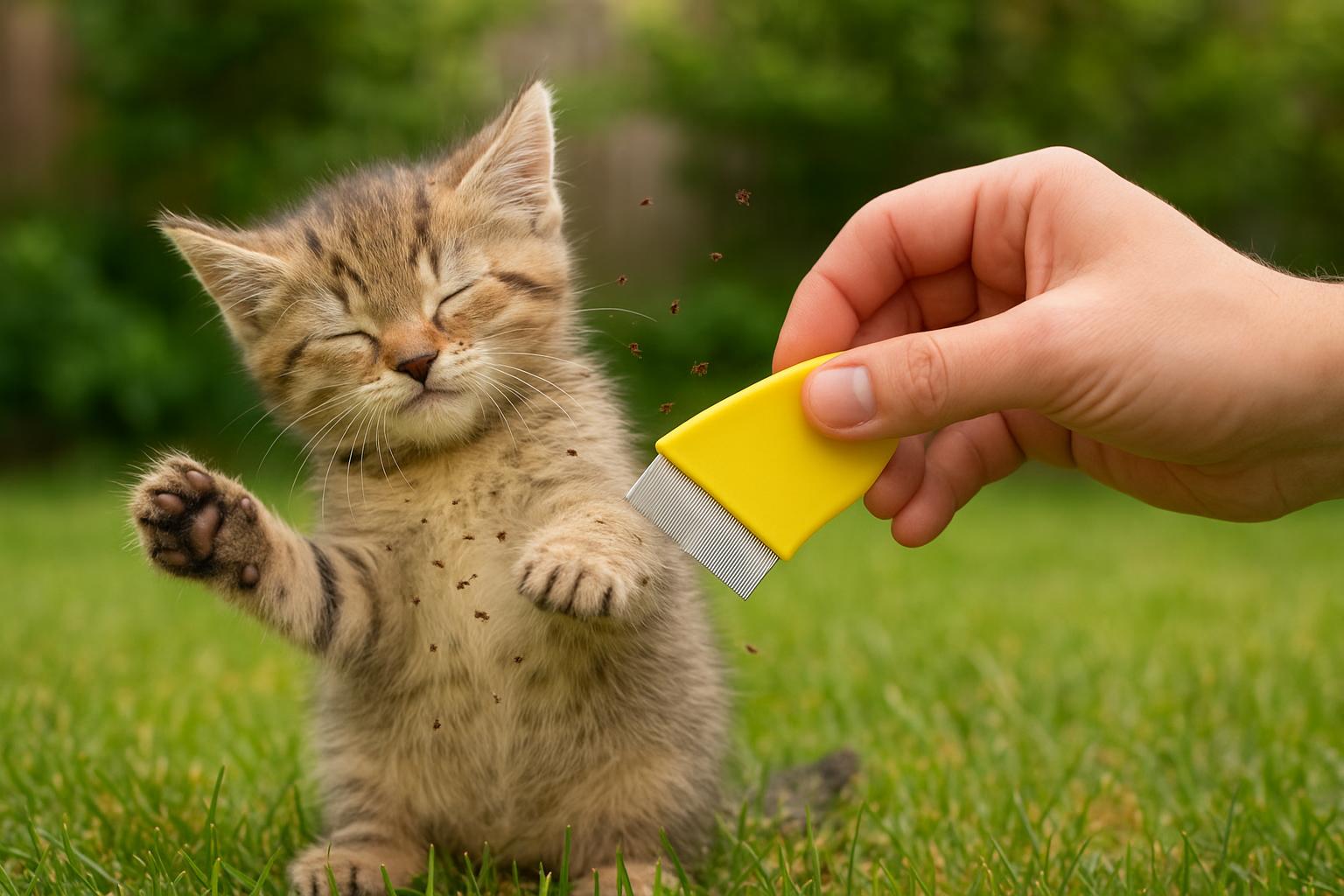
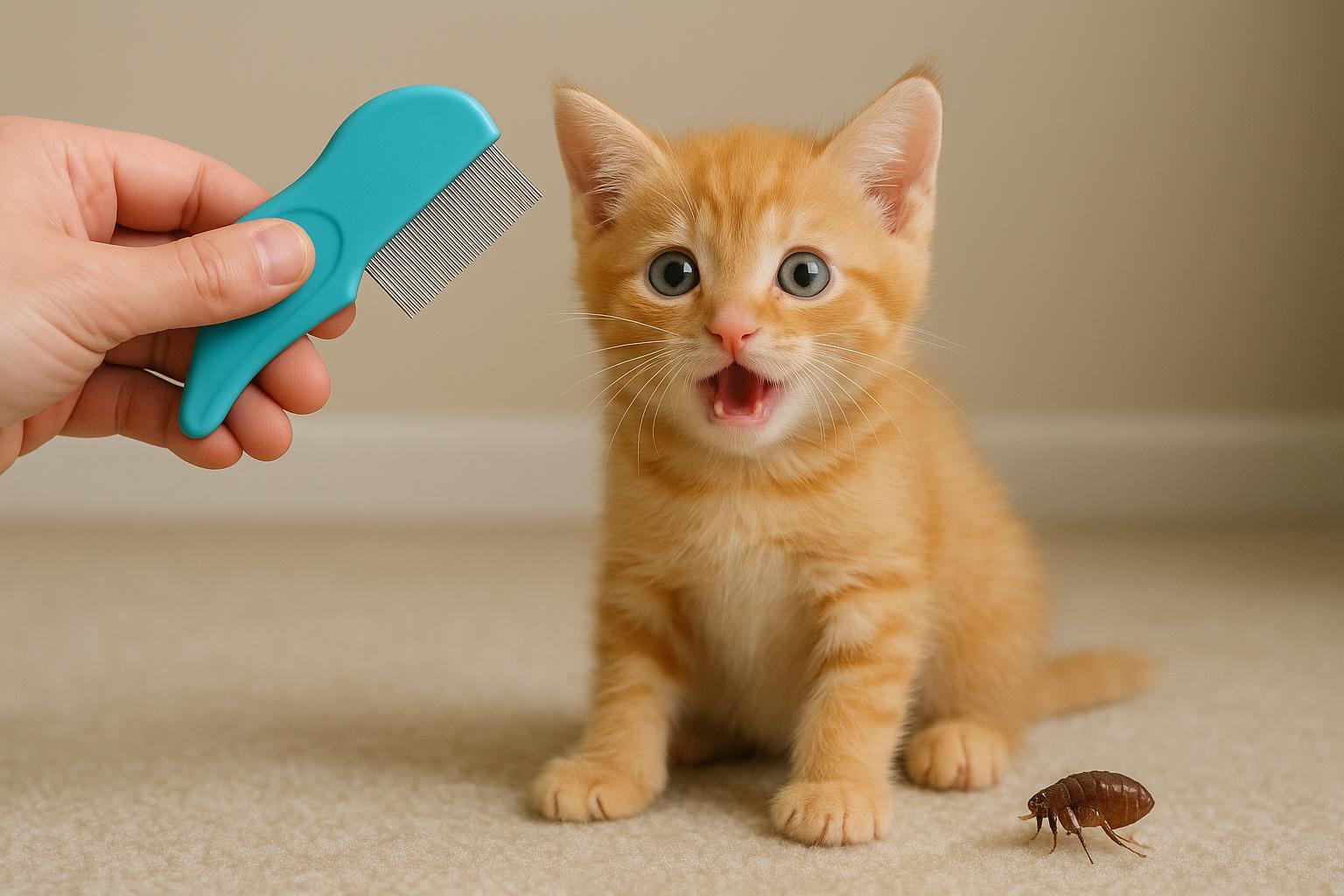
4. Use a Flea Comb: Comb your cat daily over a light-colored towel to remove adult fleas; dip captured fleas in soapy water to kill them.
5. Treat Cracks And Crevices: For heavy infestations, focusing on areas where the cat sleeps and frequents is key. Consider using an IGR spray inside your home per label instructions or professional pest control if the infestation is large. Use diatomaceous earth cautiously—apply thinly to carpets and vacuum after several days; avoid inhalation and keep away from litter boxes and food prep areas.
6. Maintain Regular Cleaning: Continue vacuuming and washing on a regular schedule for several weeks to interrupt the lifecycle.
#### When To Call A Professional
If fleas persist despite oral flea treatment and diligent home cleaning, or if multiple pets or humans are affected, it’s time to call your veterinarian or a professional pest control service. They can coordinate veterinary-safe chemicals and targeted environmental treatments that minimize risk to cats.
## Practical Tips And Common Pitfalls
– Don’t Skip The Vet: Accurate diagnosis and safe medication selection matter. Not all cats are candidates for every product.
– Treat All Pets: If you have multiple pets, treat them concurrently as directed by your vet. Leaving one animal untreated undermines the whole effort.
– Don’t Rely Solely On Sprays: Sprays and foggers can help, but they rarely replace a strategy that combines oral adulticide and environmental disruption.
– Keep Records: Note dates of doses and cleaning actions; this helps you and your vet track progress.
– Watch For Flea Allergy Dermatitis: Some cats develop severe allergic reactions to flea saliva. Even a single flea bite can cause intense itching. Oral flea treatment reduces this risk rapidly by killing adults.
You’re taking the right steps by learning how oral flea treatment works and pairing it with a realistic home plan. If you want, I can help you draft a checklist for treatments and cleaning tailored to your household size, number of pets, and typical living spaces.







Leave a Reply