
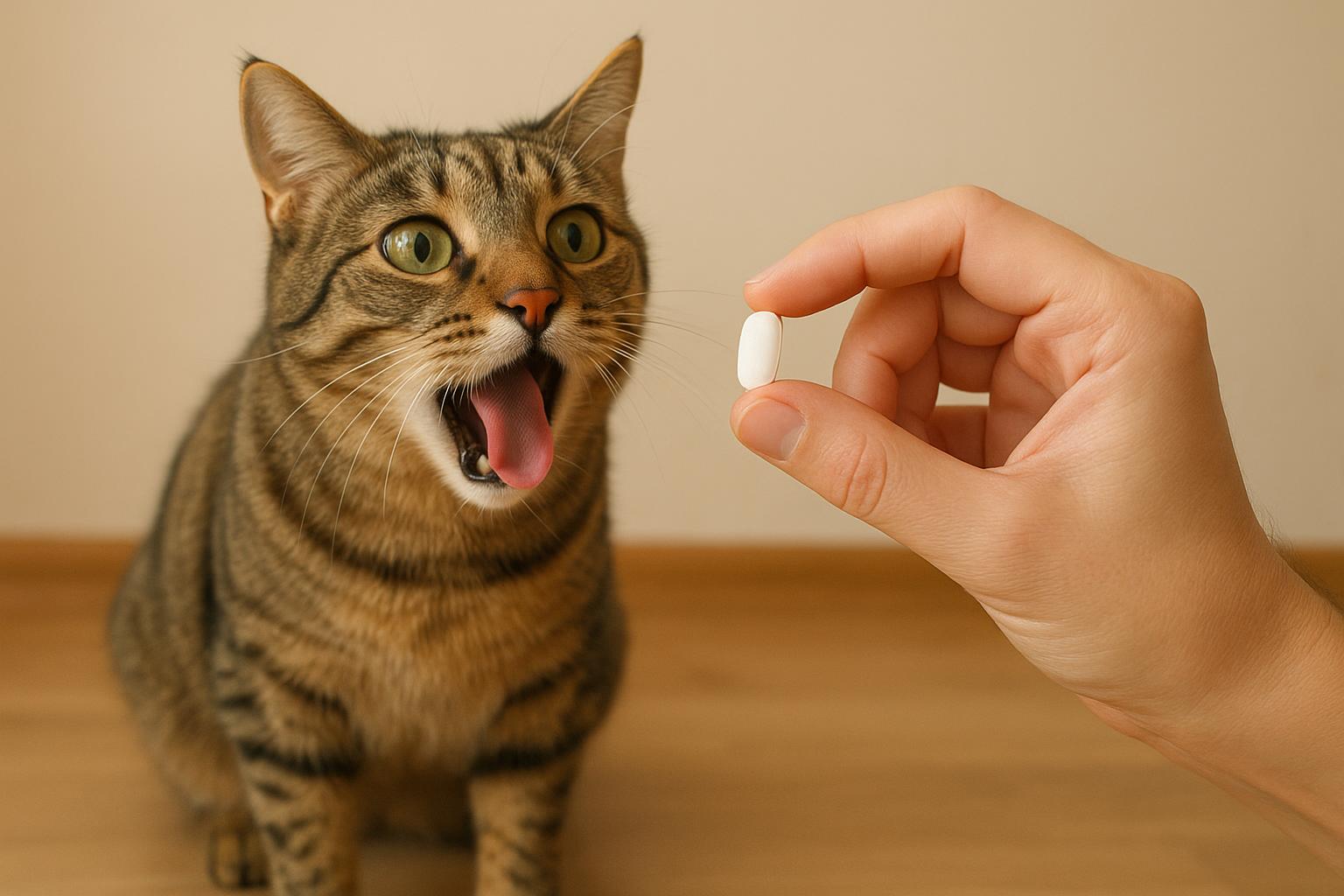
## How A Pill Treats Pet Parasites By Mouth: Flea Secrets
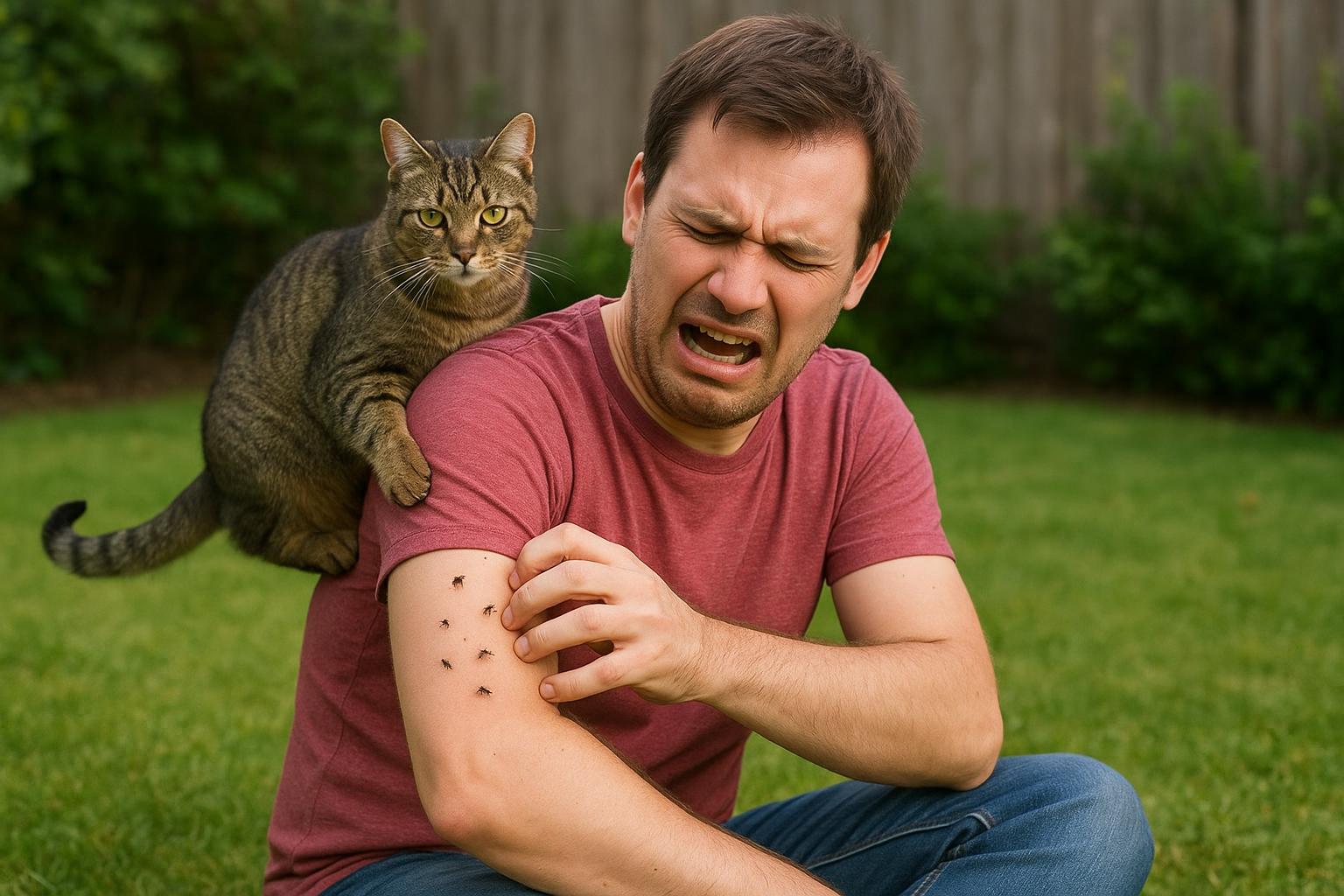
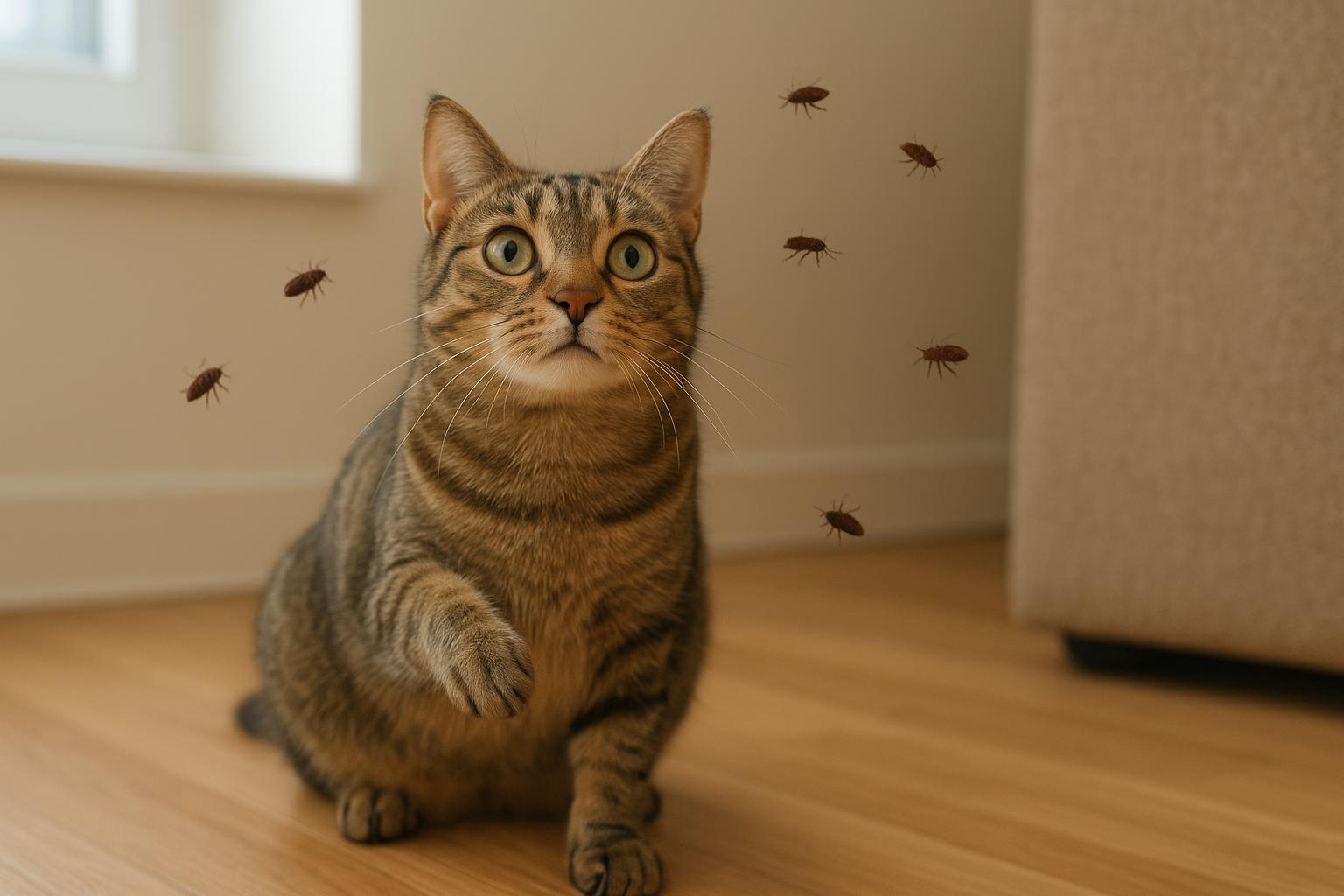
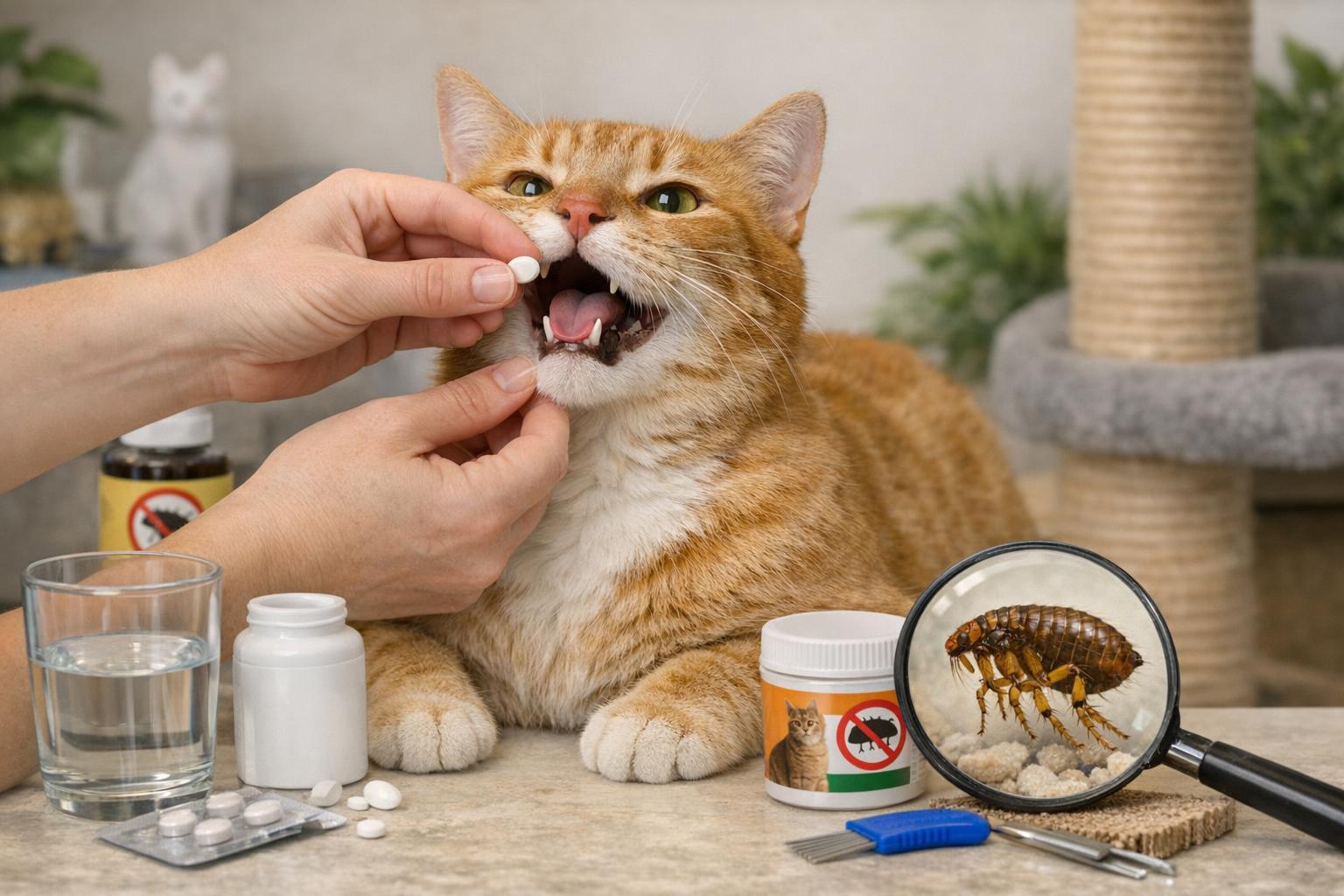
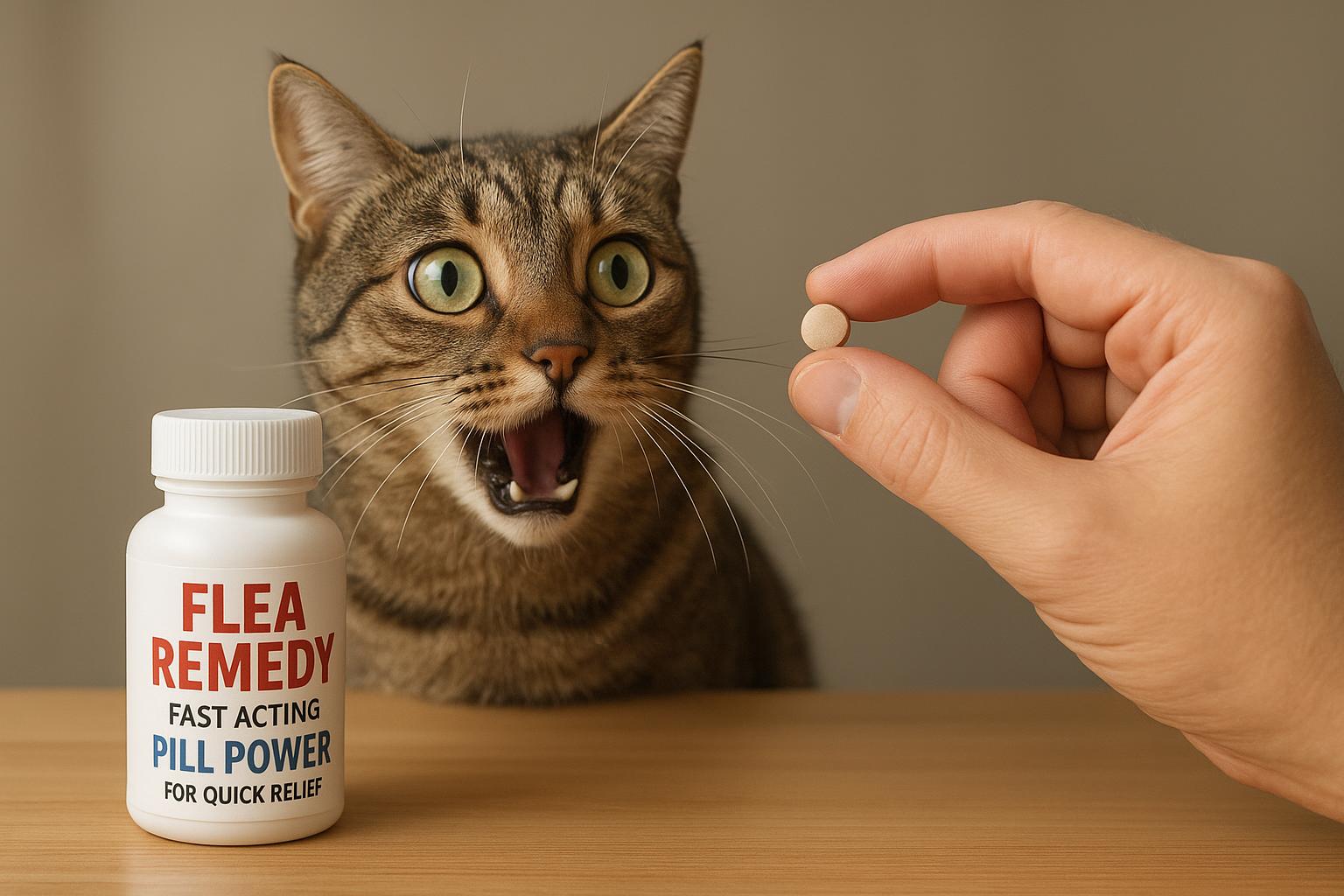
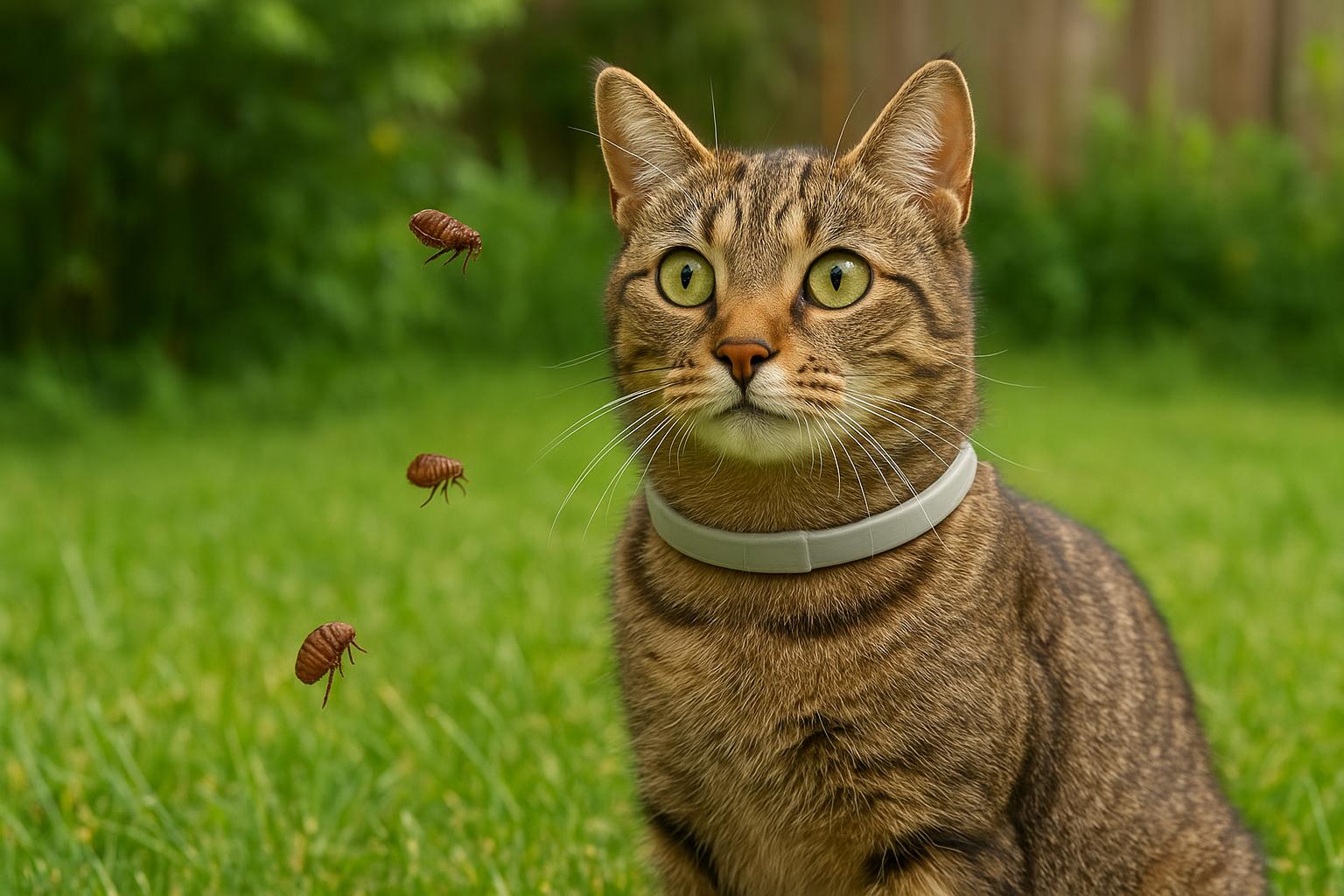
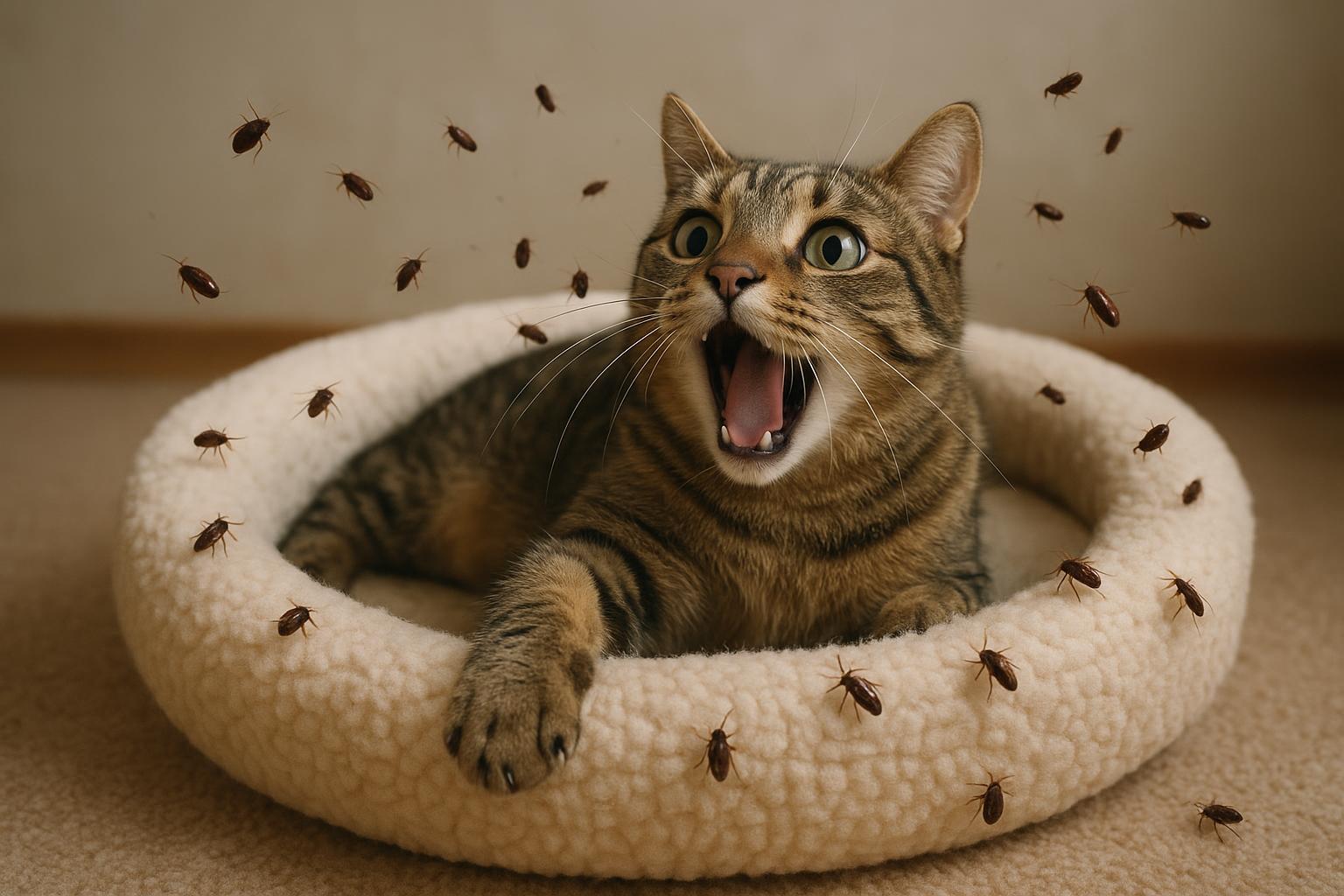
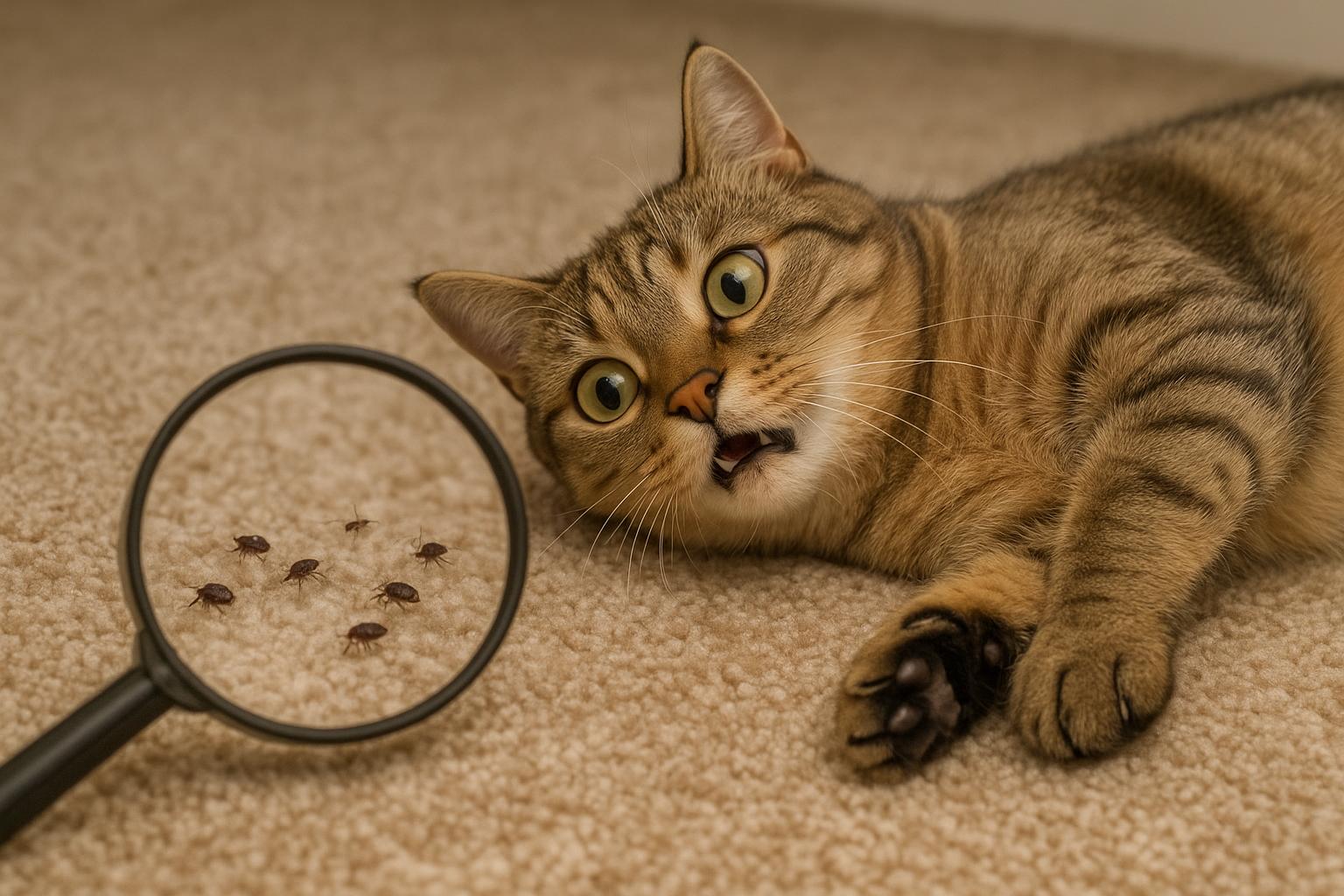
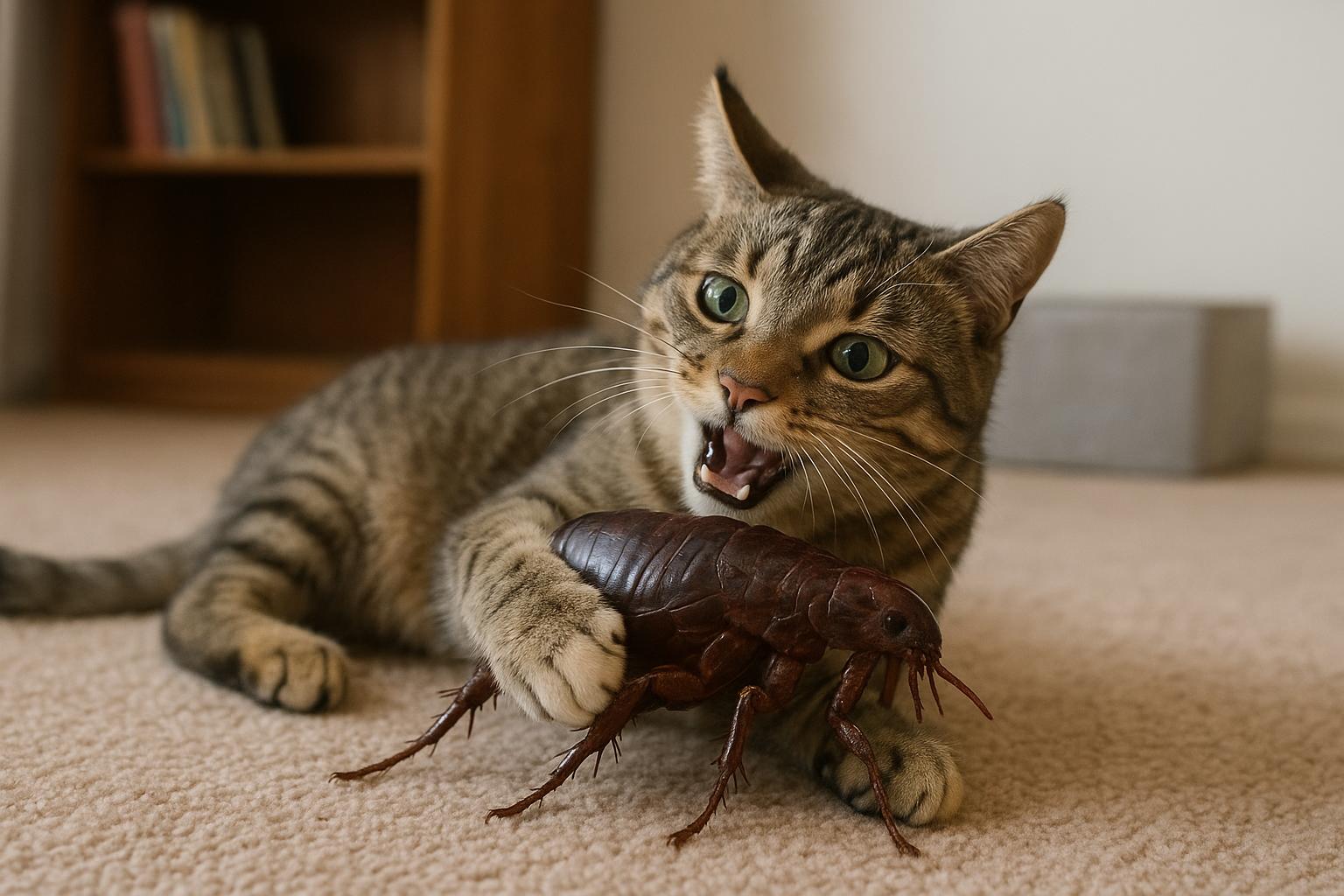
The moment a tiny, pill-sized miracle slides into your dog’s mouth, a dramatic microscopic war begins — an invisible assassin unleashed into the bloodstream that will hunt down fleas and other parasites where they live and feed. If you’ve ever wondered how a pill treats pet parasites by mouth and why that little tablet can wipe out an infestation that topical sprays couldn’t, prepare for an electrifying peek behind the curtain. This is the raw biology, the pharmaceutical wizardry and the practical home-care you need to know — told with a sensational edge but grounded in careful, responsible detail.
### The Systemic Spectacle: How A Pill Treats Pet Parasites By Mouth
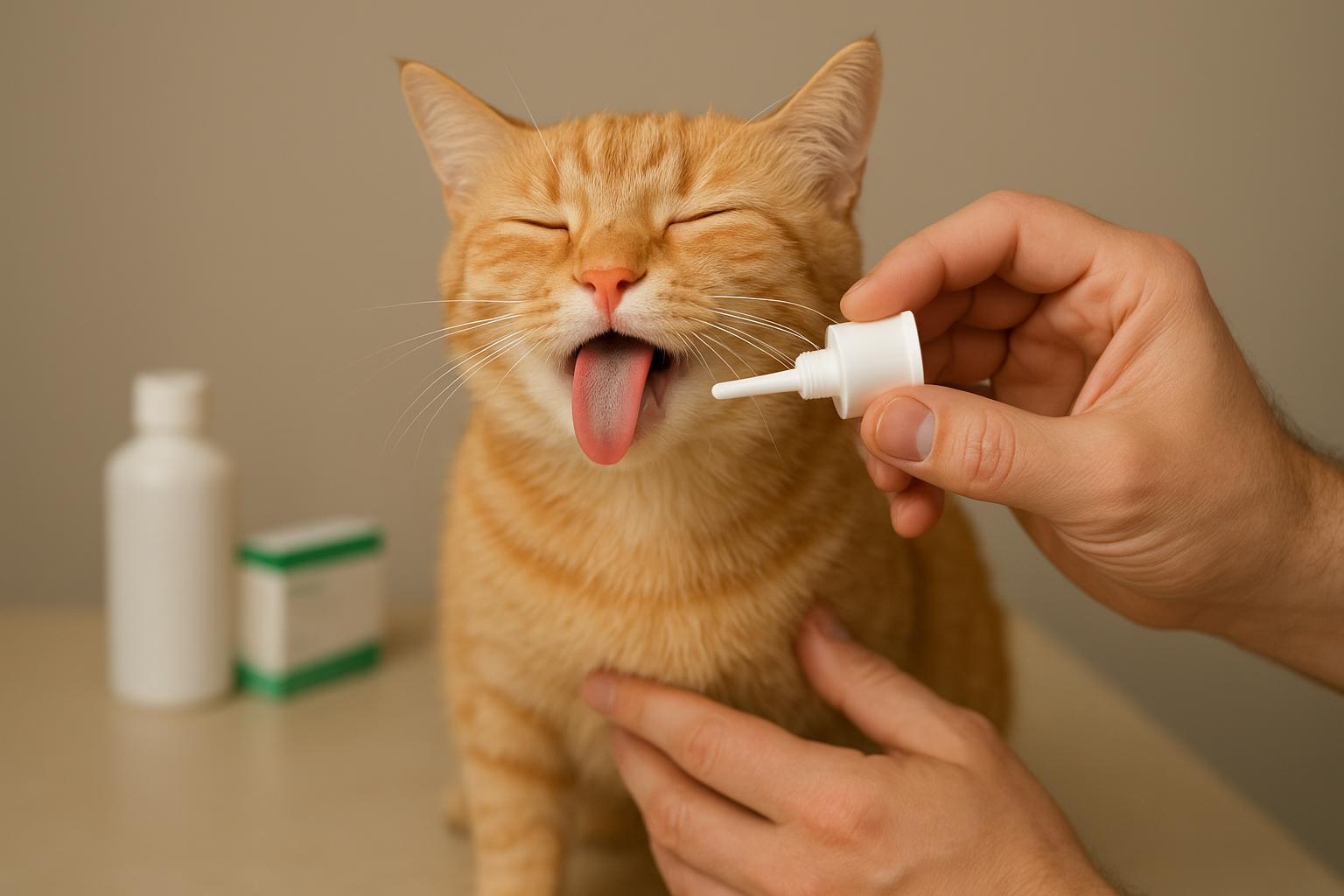
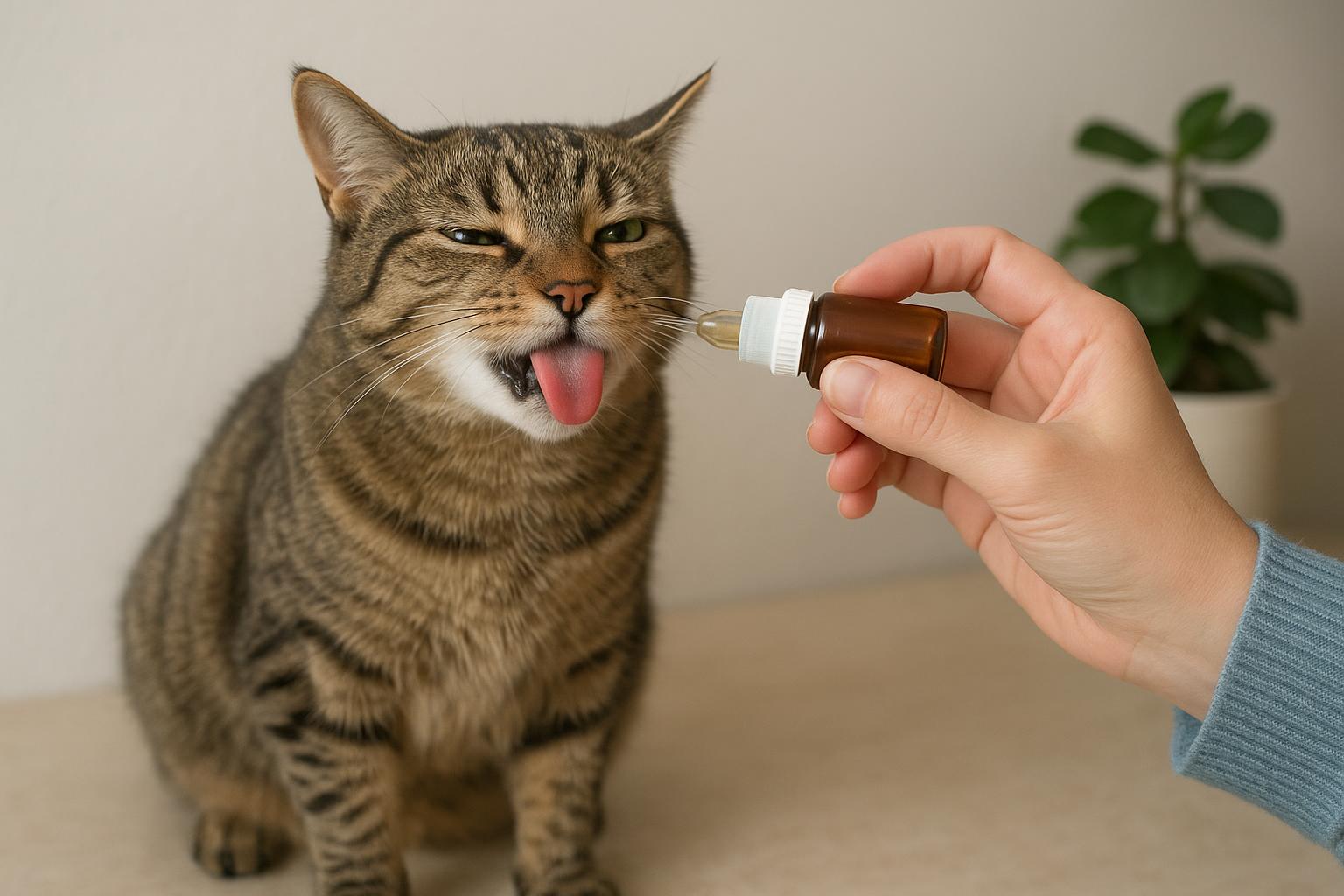
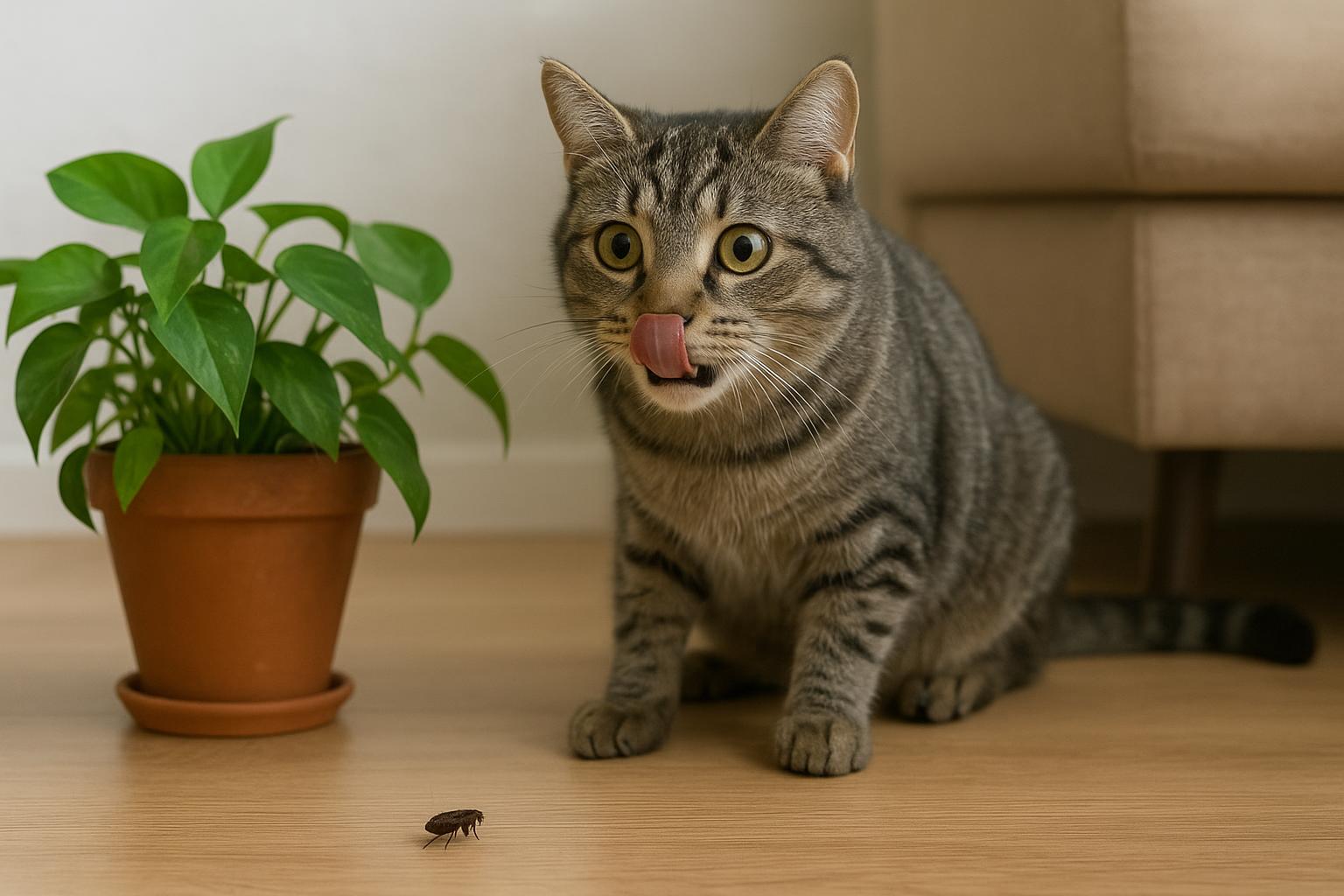
When veterinarians talk about systemic flea control, they mean exactly what it sounds like: medicine that travels through the pet’s bloodstream. The core reason how a pill treats pet parasites by mouth is so effective is simple and brutal — fleas bite, they drink blood, and they ingest the drug. The pill dissolves in the pet’s digestive tract, the active ingredient is absorbed, distributed in blood and tissues, and then any parasite that feeds on that blood ingests a lethal dose. That’s the secret: the pet becomes the delivery system.
### The Pharmacology Without The Fluff
In formal terms, many oral flea and tick tablets contain compounds such as isoxazolines (e.g., fluralaner, afoxolaner, sarolaner) or other classes that target invertebrate nervous systems. These agents bind to receptors in arthropod nerve cells (often GABA-gated chloride channels or glutamate-gated chloride channels) causing uncontrolled neuronal firing, paralysis and death. Others may inhibit development stages, breaking the life cycle by preventing eggs or larvae from maturing.
How a pill treats pet parasites by mouth depends on:
– Absorption: The pill’s formulation allows the active ingredient to enter the bloodstream through the gut.
– Distribution: Lipid-soluble drugs bind to tissues, maintaining effective blood levels for days or weeks.
– Target Action: The parasite ingests the drug with blood; the neurotoxic or growth-inhibiting action does the rest.
This is not witchcraft — it is targeted toxicology tuned to insect physiology, engineered to be substantially safer for mammals at veterinary dosages. Still, no drug is without risk; breed sensitivities, age, concurrent illness and drug interactions must be considered. That’s why any use of prescription parasite medicine should be under a veterinarian’s guidance.
### Why Oral Pills Have Edge Over Topicals (And When They Don’t)
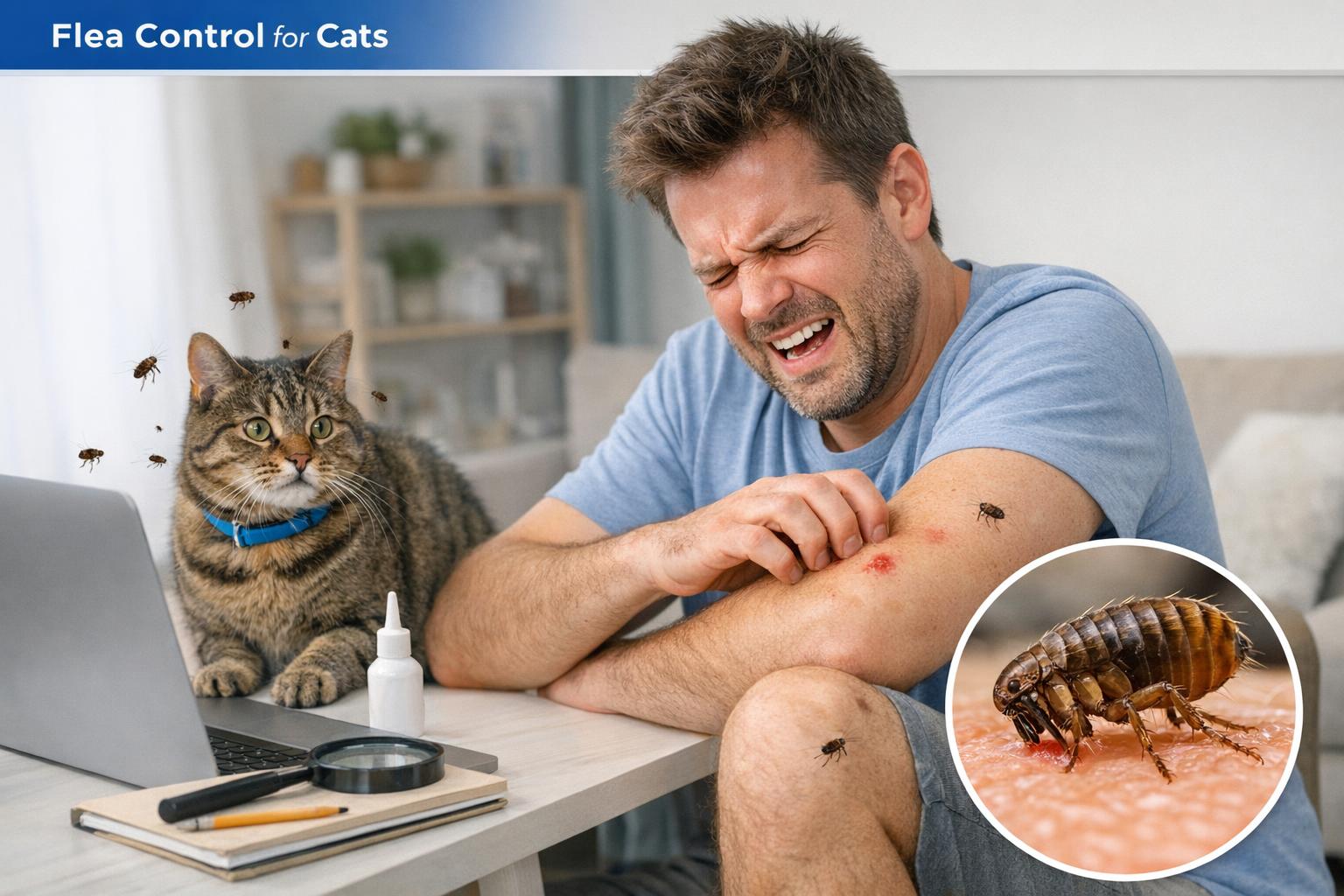
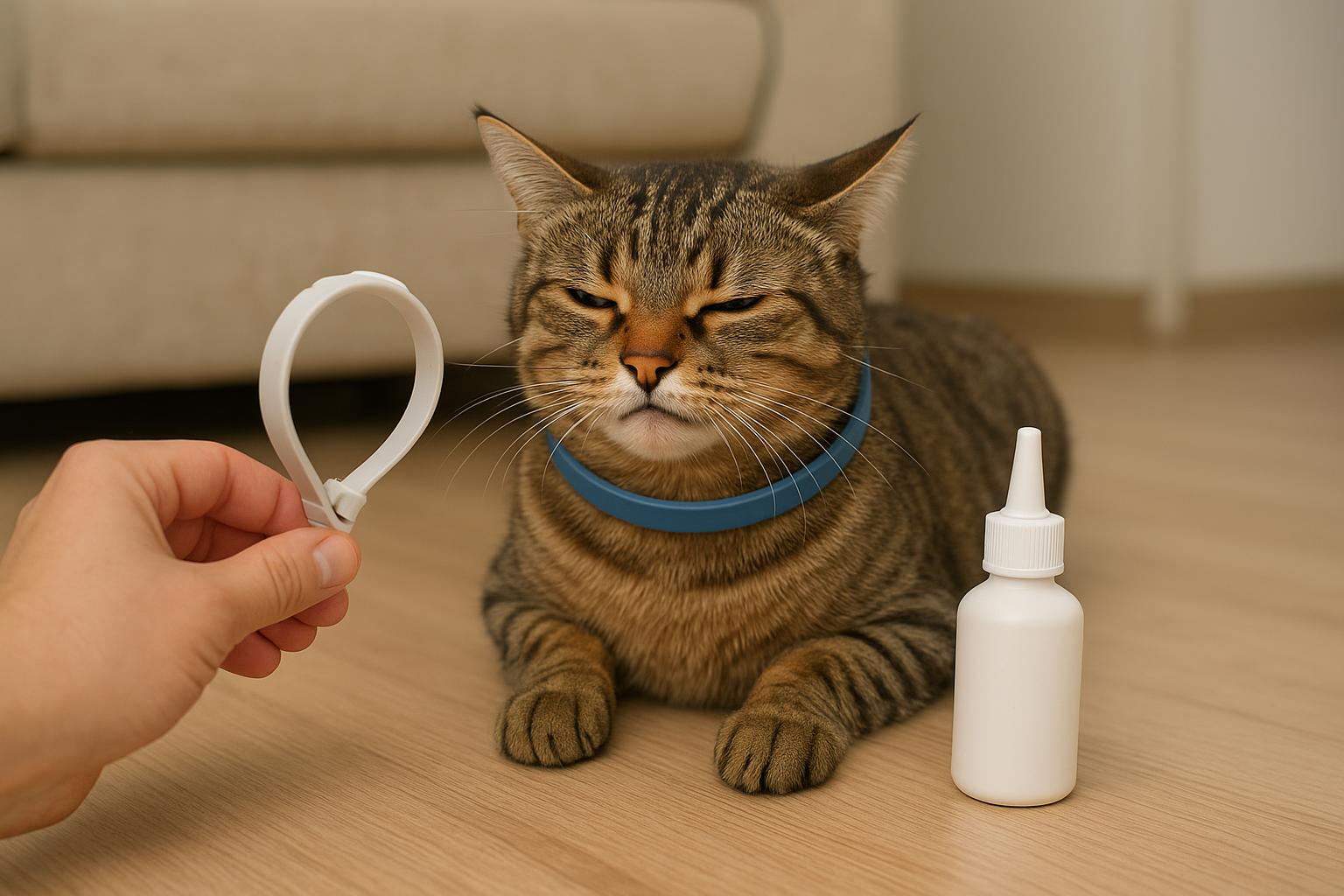
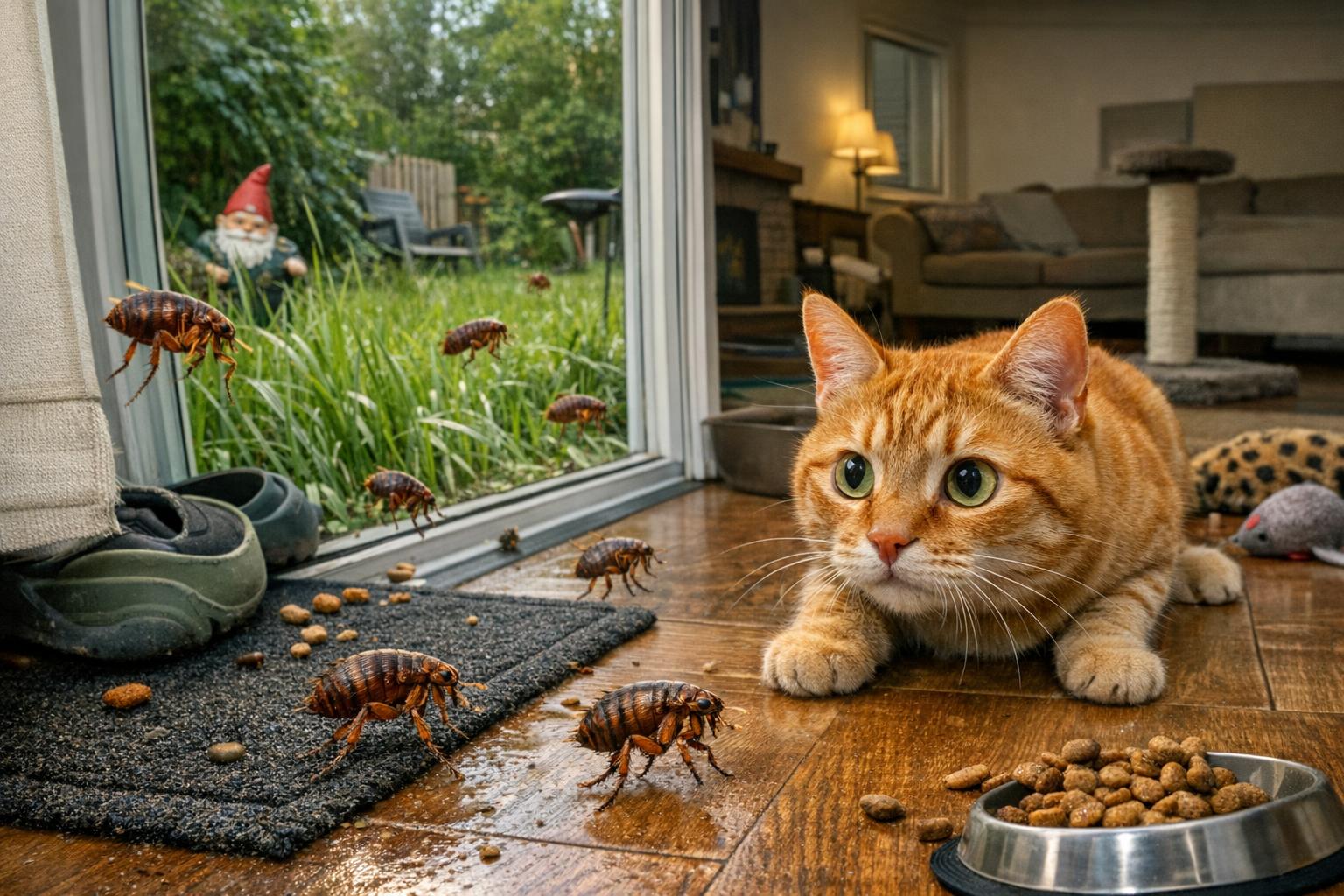
Oral parasite medicine eliminates many failure modes of topical products: bathing, rain, swimming, or improper application won’t wash away the protection. It treats indoor and outdoor exposures evenly because the bloodstream is uniform. However, oral pills rely on the parasite taking a blood meal. Very early flea bites may occur before the blood concentration reaches full therapeutic level. In heavy, untreated infestations, combining systemic control with environmental measures is often necessary.
### The Safety Checklist: What To Ask Before You Dose
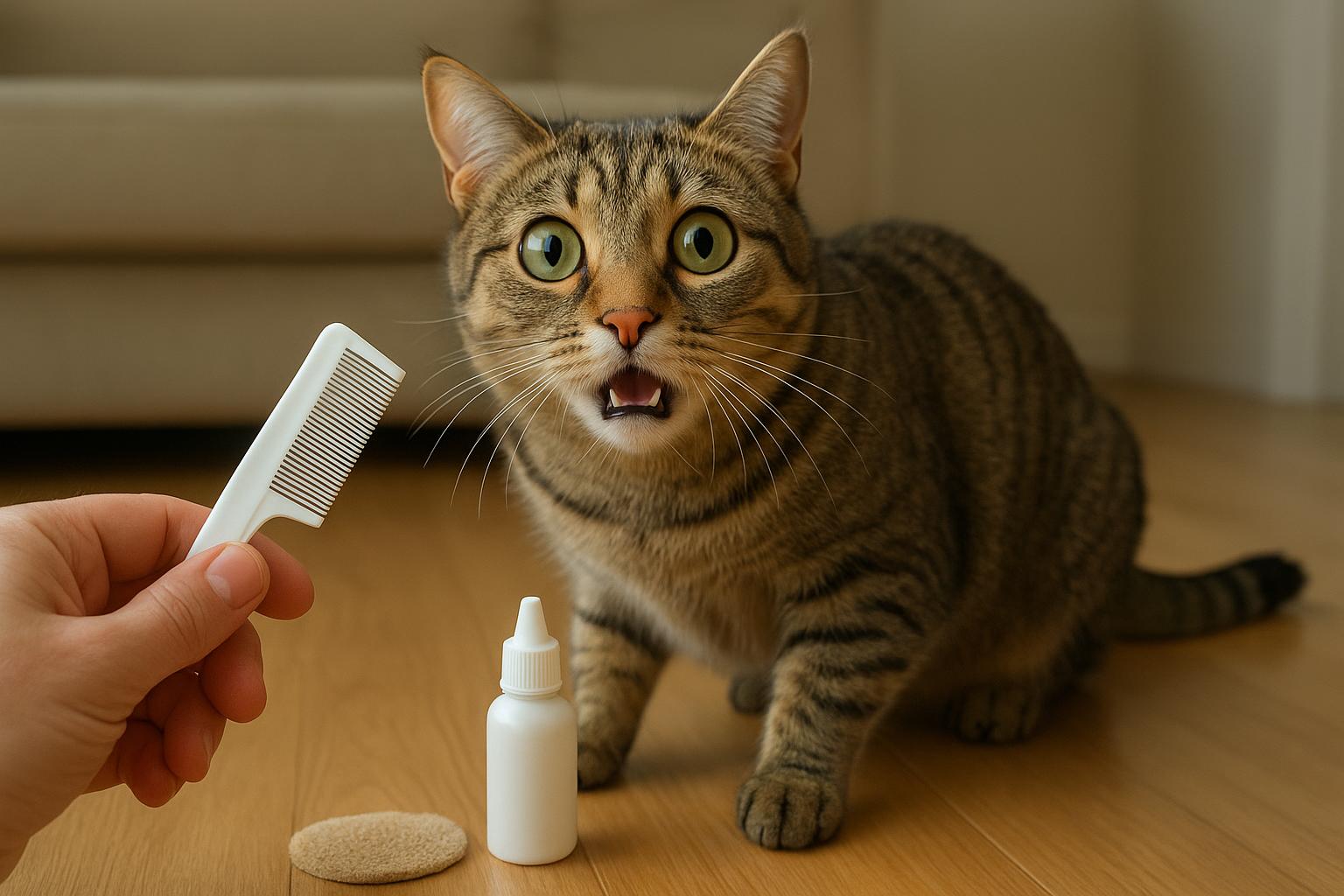
Before you use any parasite medicine, confirm:
– Correct species and weight-based dose.
– Pet’s age and pregnancy/lactation status.
– History of seizures or neurologic issues.
– Current medications or supplements.
Always monitor for vomiting, diarrhea, lethargy or neurologic signs after dosing, and contact your veterinarian immediately if these occur.
### Remedy 1: Home Habitat Strike — Non-Drug Actions To Crush Flea Cycles
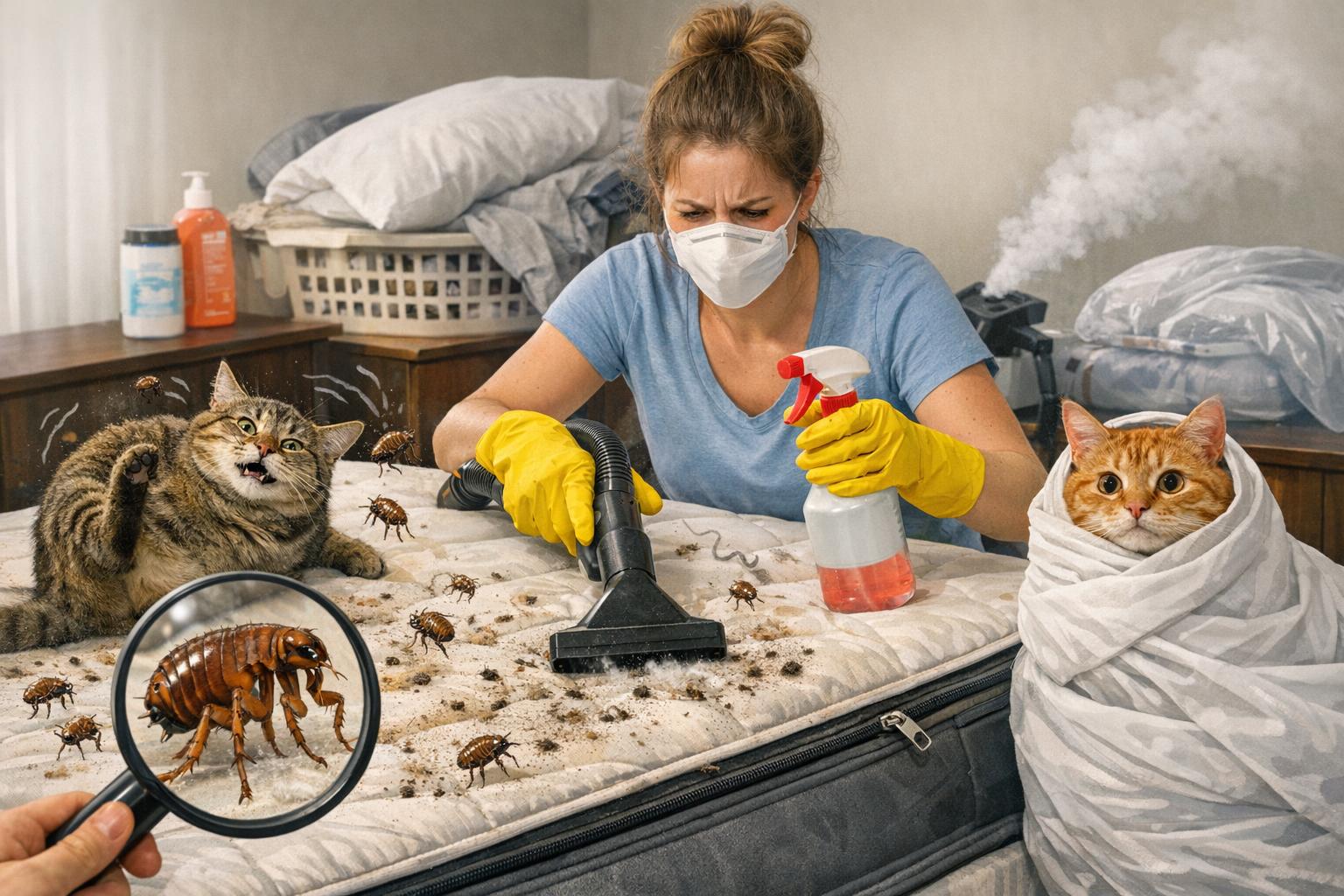
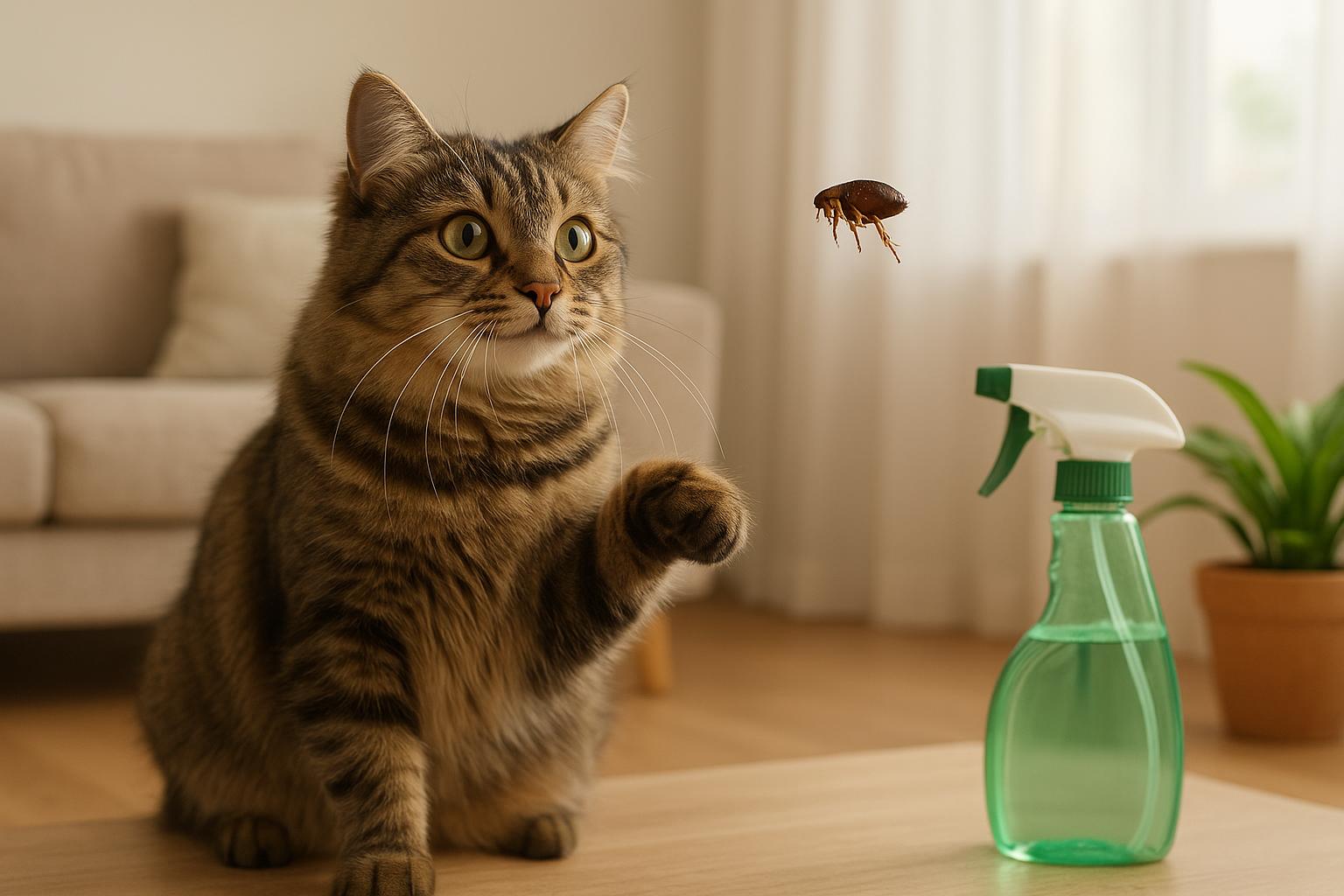
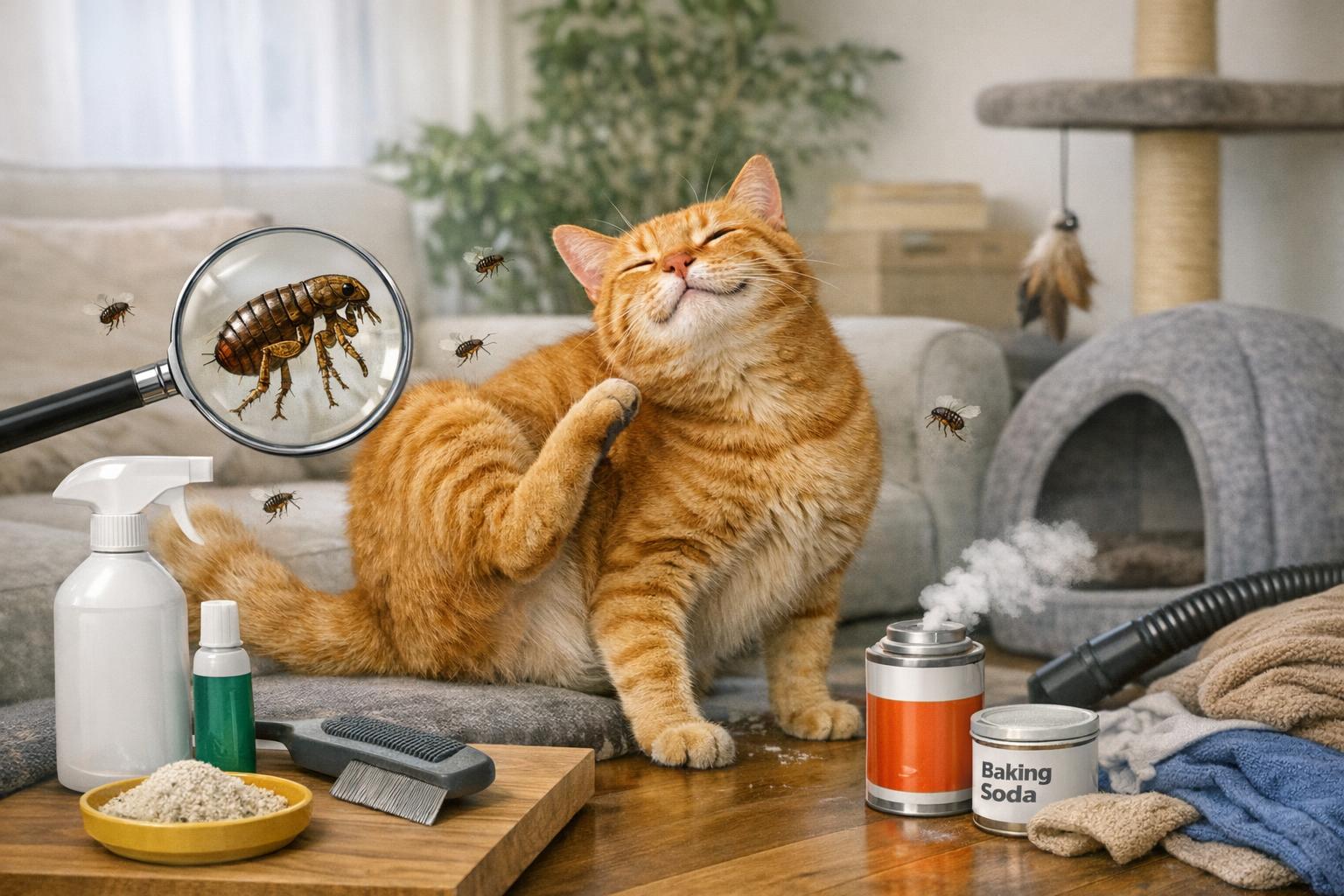
While systemic pills are the frontline assassin, you must wage a total-war campaign on the environment. This remedy is practical and formal: a set of steps and materials to reduce environmental pressure so your pet’s oral treatment can finish the job.
#### Materials
– HEPA vacuum cleaner
– Hot-water washer or dryer access
– Food-Grade Diatomaceous Earth (optional; labeled “food grade”)
– Sticky flea traps (commercial)
– Rubber gloves and mask (if using diatomaceous earth)
– Trash bags
#### Steps
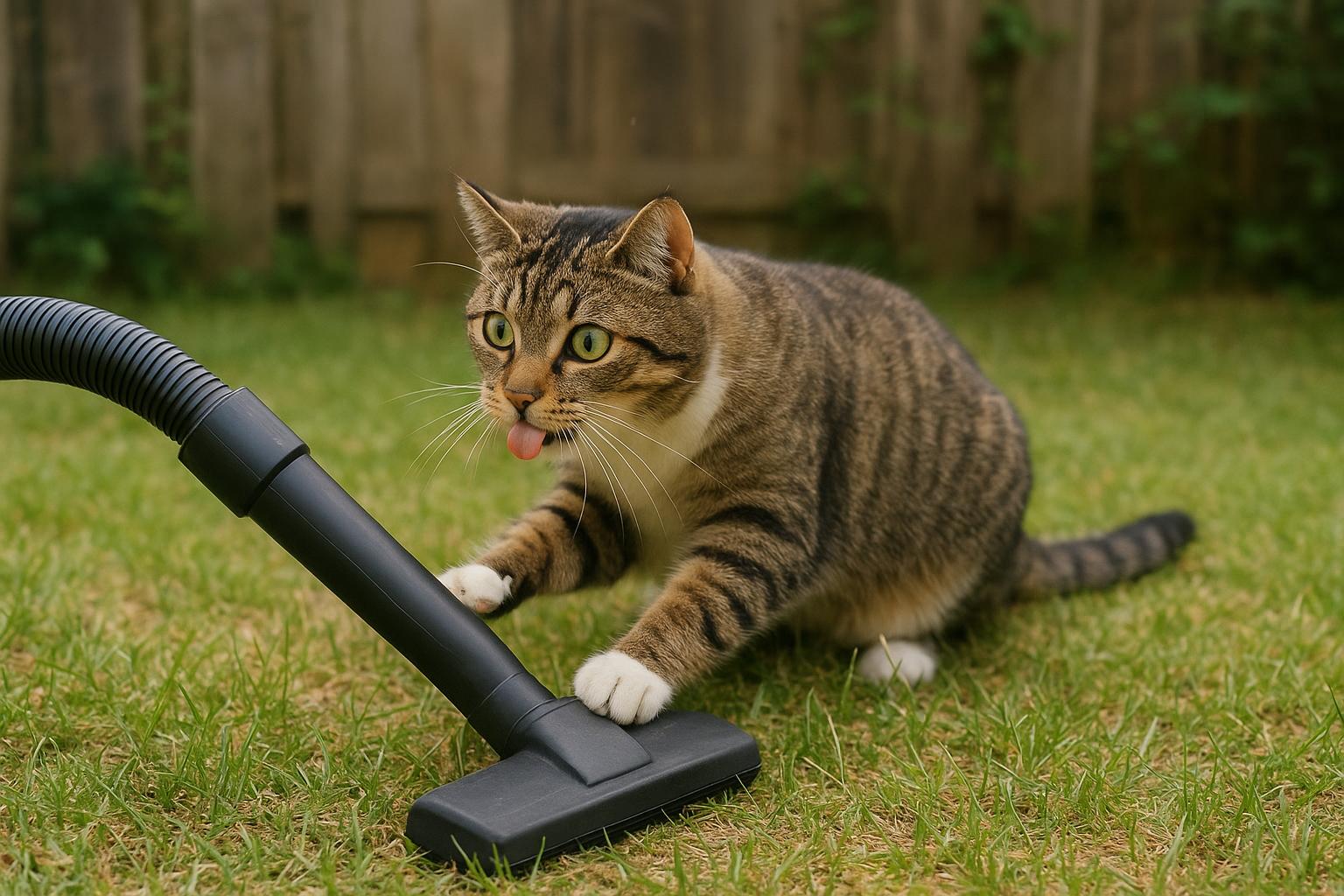
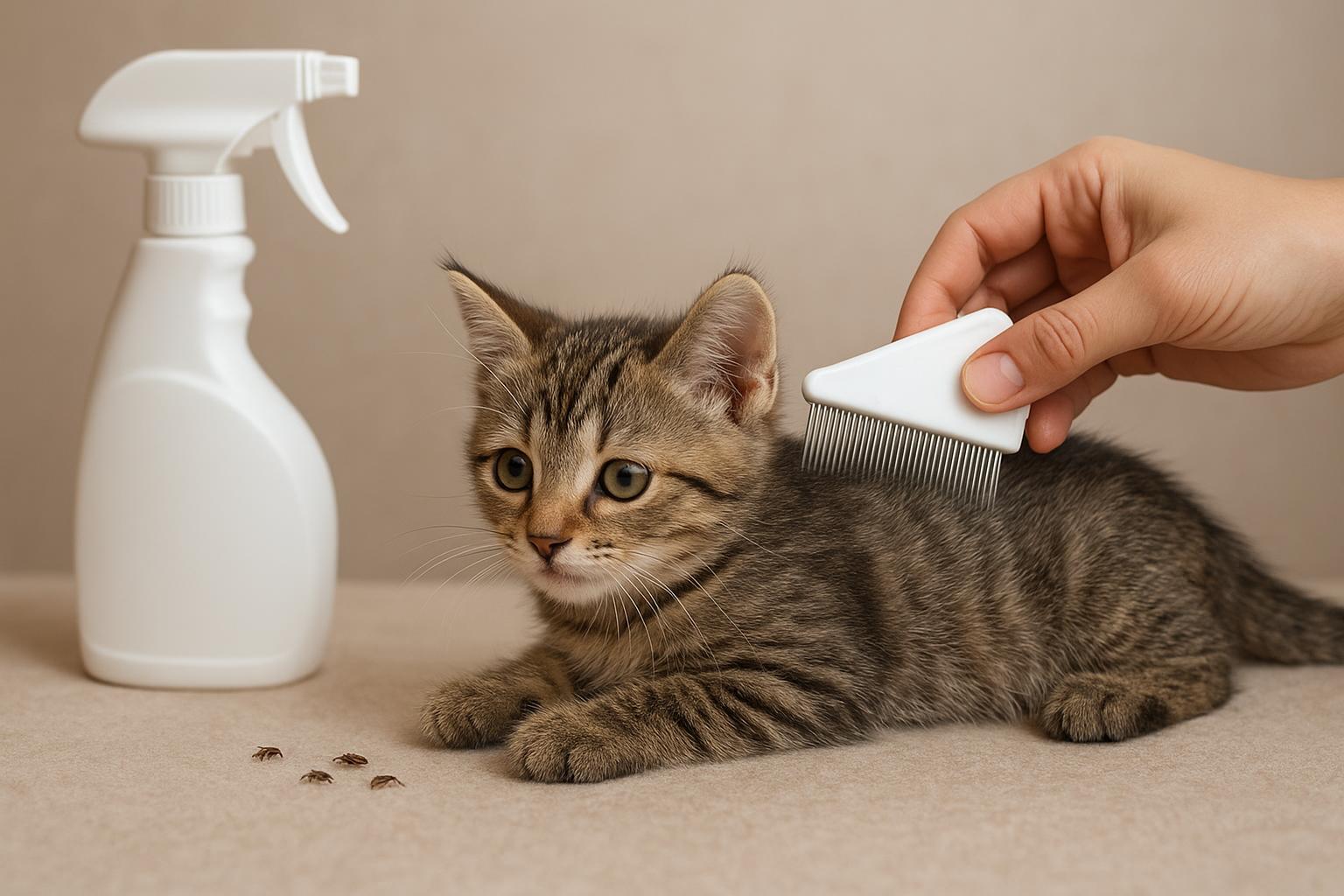
1. Vacuum Thoroughly: Vacuum carpets, rugs, baseboards, upholstery, pet bedding, and any cracks or crevices. Vacuuming removes adult fleas, eggs and larvae. Immediately seal vacuum bag or empty canister contents into a trash bag and dispose outside.
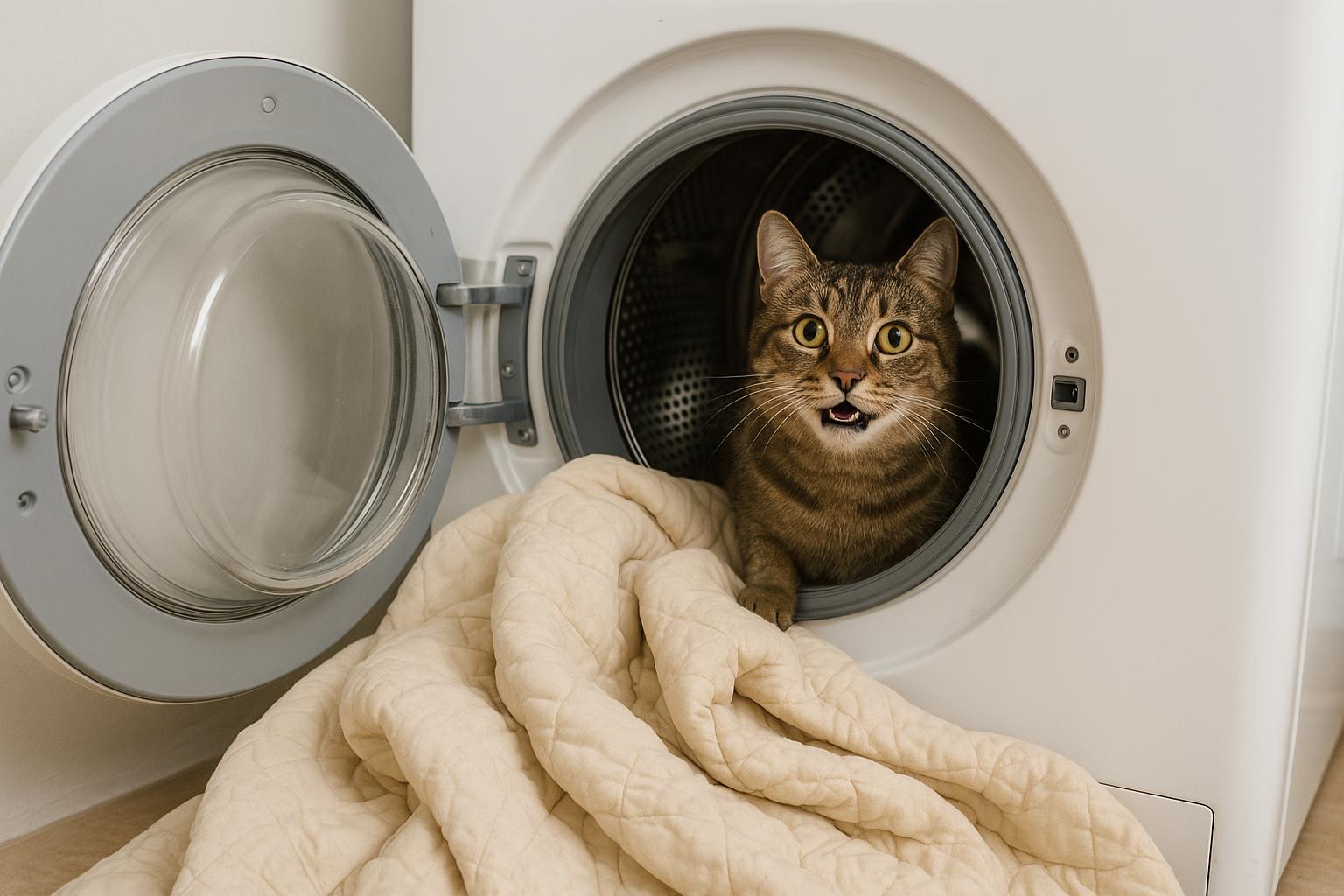
2. Wash Bedding: Wash all pet bedding and frequently used fabrics in hot water and dry on high heat for at least 30 minutes. Heat kills eggs and larvae.
3. Use Sticky Traps: Place sticky flea traps near pet resting areas; these catch emerging adults and help monitor activity.
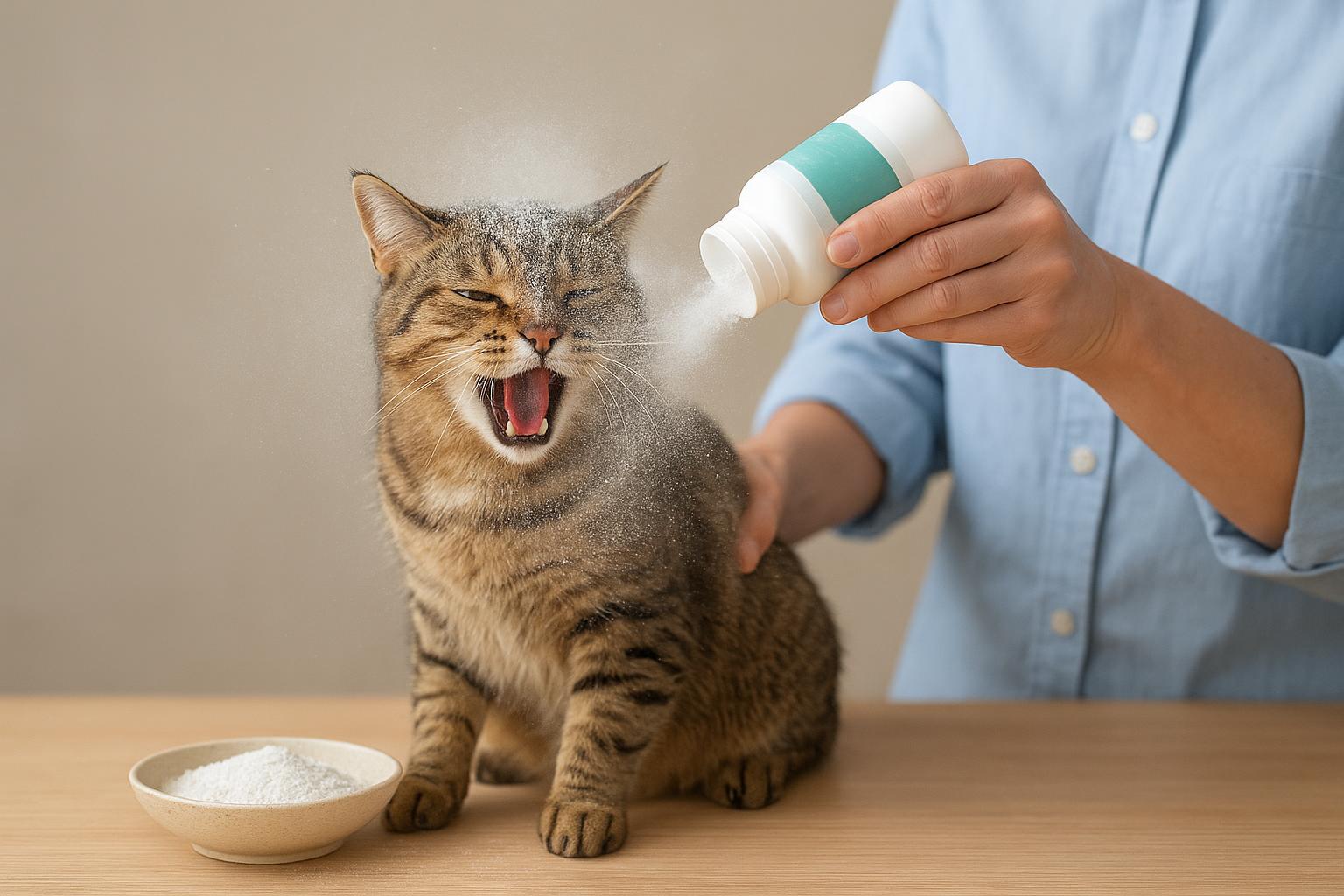
4. Apply Diatomaceous Earth Carefully (Optional): If you choose DE, wear a mask and gloves, and apply a thin dusting to carpets and pet resting spots, leave for 48 hours, then vacuum. Food-grade DE can desiccate flea larvae but is not a substitute for veterinary treatments and should be used cautiously around birds and small reptiles.
5. Repeat: Schedule vacuuming daily during heavy infestation for 2–3 weeks and continue washing bedding weekly.
Do not rely on environmental measures alone when pets are actively infested; combine them with appropriate parasite medicine for greatest effect.
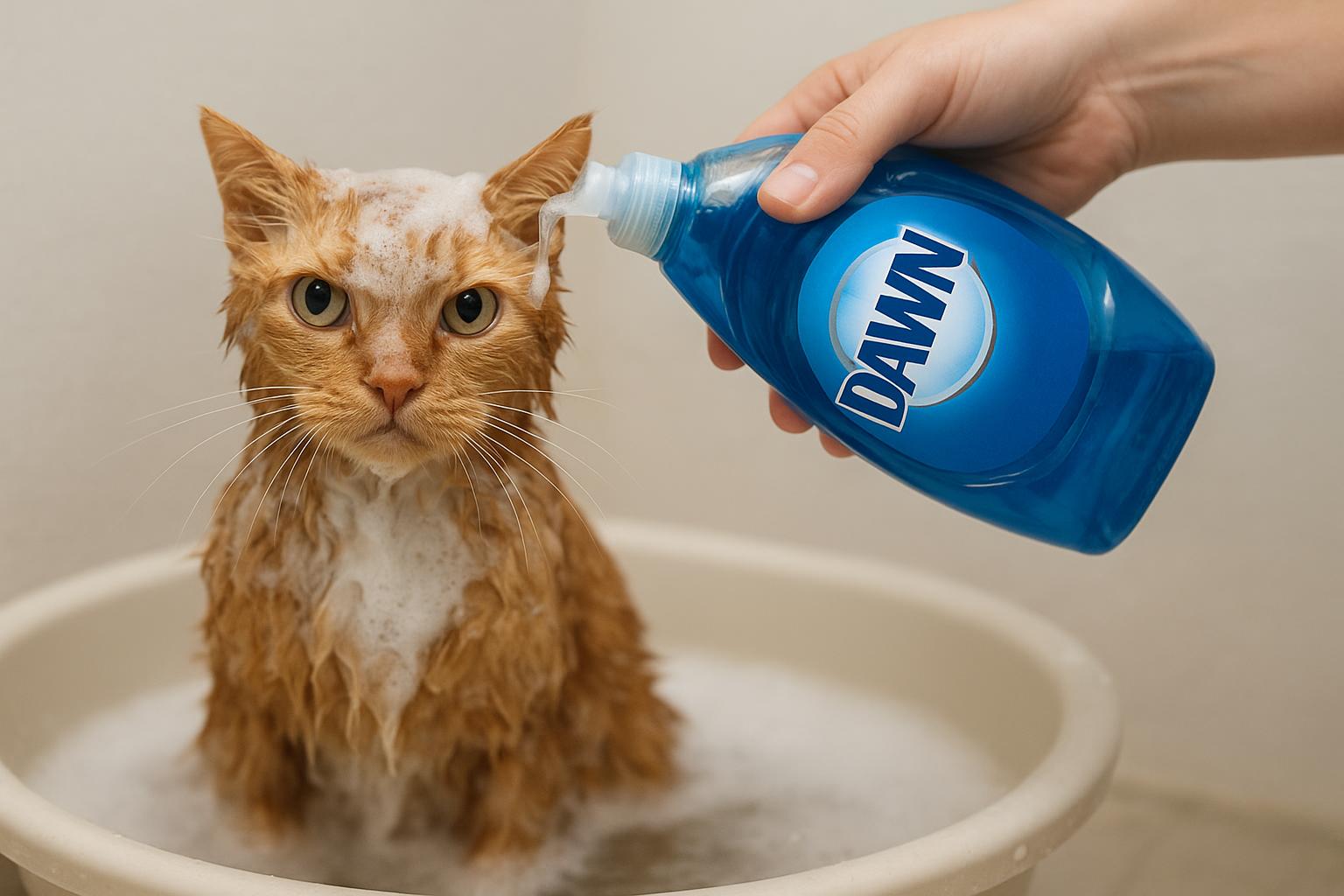
### Remedy 2: Soothing Supportive Bath And Skin Care (Safe, Gentle, Complementary)
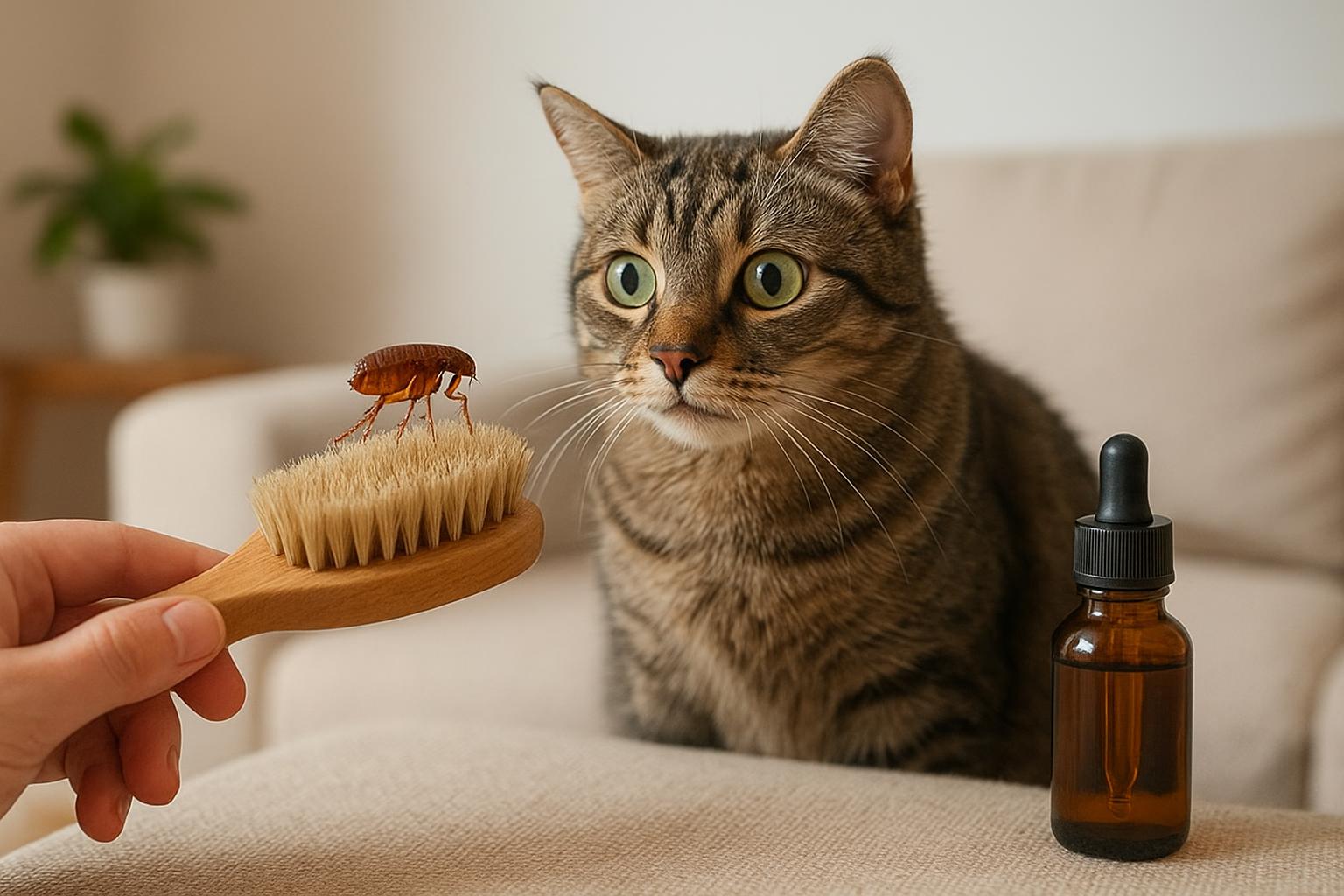
Oral drugs work systemically, but irritated skin and flea bites need local care. This formal remedy provides a safe bath to calm itch and remove flea dirt without harming the animal’s skin barrier.
#### Ingredients
– Mild pet shampoo or unscented castile soap
– Oatmeal (finely ground)
– Warm water
– Soft towel
– Optional: veterinarian-approved topical aloe or oatmeal spray for aftercare
#### Steps
1. Prepare Oatmeal Paste: Grind plain oats into a fine powder and mix with warm water into a paste. Alternatively, use colloidal oatmeal shampoo.
2. Bathe Gently: Wet the pet thoroughly with warm water. Apply the oatmeal paste and lather gently, paying attention to areas with flea dirt or rubbing. Keep bath brief to avoid over-drying the skin.
3. Rinse Completely: Thoroughly rinse all soap and residue; leftover soap can irritate skin.
4. Dry and Soothe: Towel dry. If your veterinarian approves, apply a small amount of aloe-based topical spray for soothing.
5. Monitor: Observe the pet for increased scratching or irritation that may indicate secondary infection requiring professional care.
These supportive steps do not replace systemic parasite medicine but help comfort the animal while the oral drug takes effect.
### When To Call The Vet — Critical Red Flags
Even with the most dramatic stories of pills annihilating fleas, serious complications can occur. Contact your vet immediately if your pet shows:
– Seizures or tremors after dosing.
– Collapse, severe vomiting or continuous diarrhea.
– Rapid breathing or pale gums.
And always verify any over-the-counter product claims. Not all parasite medicine is equal, and some “natural” alternatives lack evidence for efficacy against heavy infestations.
### The Final Science Of The Kill: Timing, Coverage, And Resistance
How a pill treats pet parasites by mouth also depends on timing and coverage. Some drugs begin killing fleas within hours and provide weeks to months of protection. Re-dosing intervals are based on the product’s half-life and approved label. Overuse or inappropriate use of insecticides can select for resistance in local flea populations, which is why veterinarians stagger strategies — combining parasite medicine, environmental control, and periodic monitoring — rather than repeated, unchecked dosing.
This is the hidden choreography behind the magic pill: absorption, circulation, parasite exposure, and environmental backup. Understand these elements and you’ll know not only why that tablet can slay an infestation but also how to support the animal and home in a responsible, effective way.
### The Takeaway On Treatment Choices And Brand Claims
Marketing loves drama: “instant death” and “all-in-one” claims can be misleading. Evaluate products by their active ingredient, independent veterinary guidance and your pet’s individual needs. If you ever wonder which parasite medicine is right, consult your veterinarian for a tailored plan. They will weigh up safety, the parasite spectrum (fleas, ticks, mites, heartworm prevention), and your household environment to recommend the best systemic or combined approach.
how a pill treats pet parasites by mouth is part science, part strategy and part household management — and when you get all three working together, those fleas don’t stand a chance. how a pill treats pet parasites by mouth is fascinating, dramatic and brutally effective, but always best used as part of a veterinarian-directed plan that includes safe environmental and supportive care. how a pill treats pet parasites by mouth works because the parasite drinks the poison and the pet becomes the vector of its own protection — a dark little secret with a bright outcome when handled correctly. how a pill treats pet parasites by mouth remains one of the most powerful tools in modern pet care; use it wisely, monitor closely, and combine it with home measures to finish the infestation off for good. how a pill treats pet parasites by mouth — now you know the secret; go use it safely. how a pill treats pet parasites by mouth can save your pet from relentless itch, but always in partnership with your veterinarian and careful home hygiene.
parasite medicine, when chosen thoughtfully and used as directed, converts from a scary-sounding toxin into a precision tool for animal health. parasite medicine is not a DIY substitute for veterinary care, yet parasite medicine combined with informed home remedies gives pets their best shot at a quick, humane end to flea misery. parasite medicine decisions should always be documented and reviewed by a professional — the risks and rewards of systemic control are real, and the right plan is the safe, sensational victory you want.




Leave a Reply