
## Outdoor Flea Protection Options: Strategies That Work
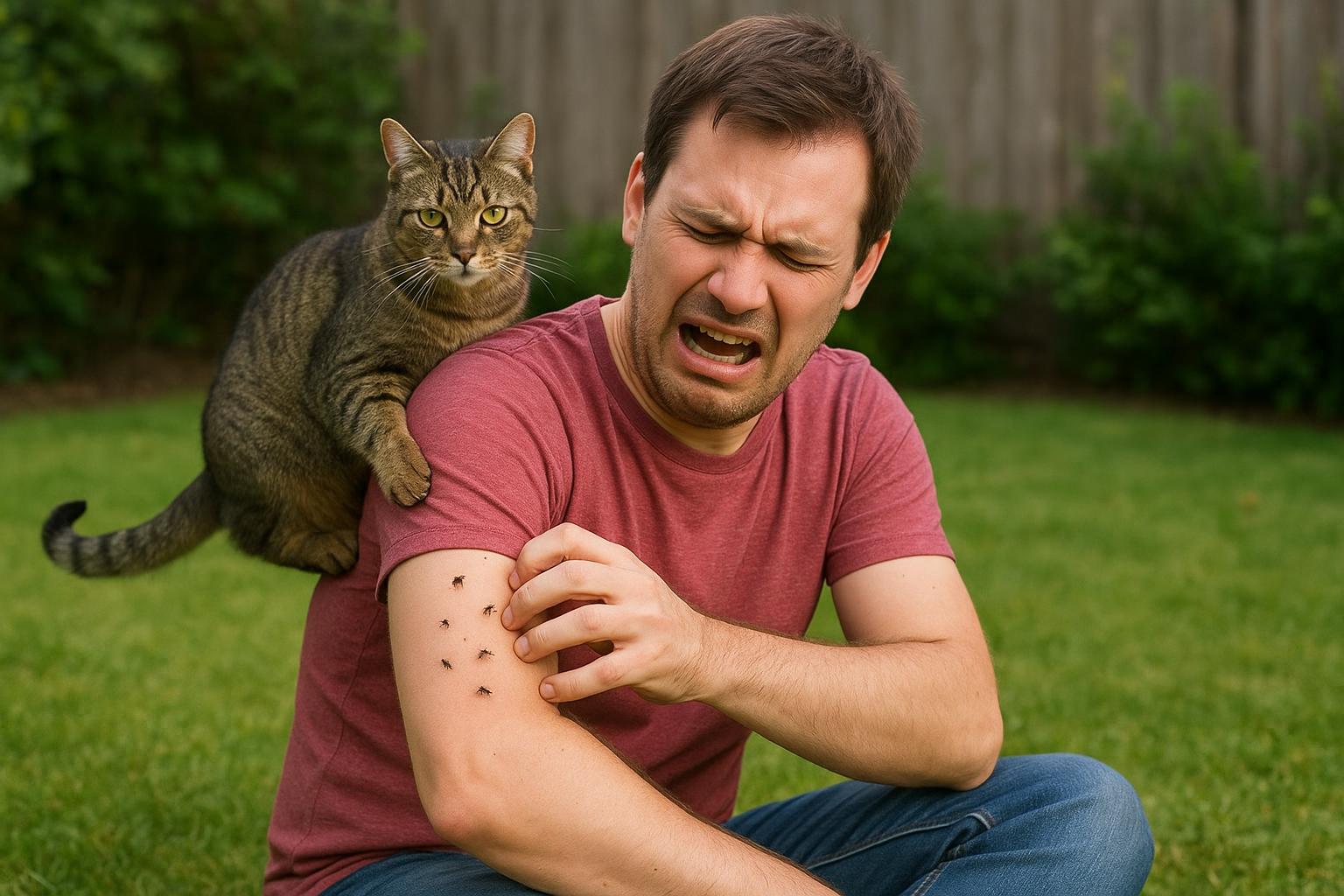
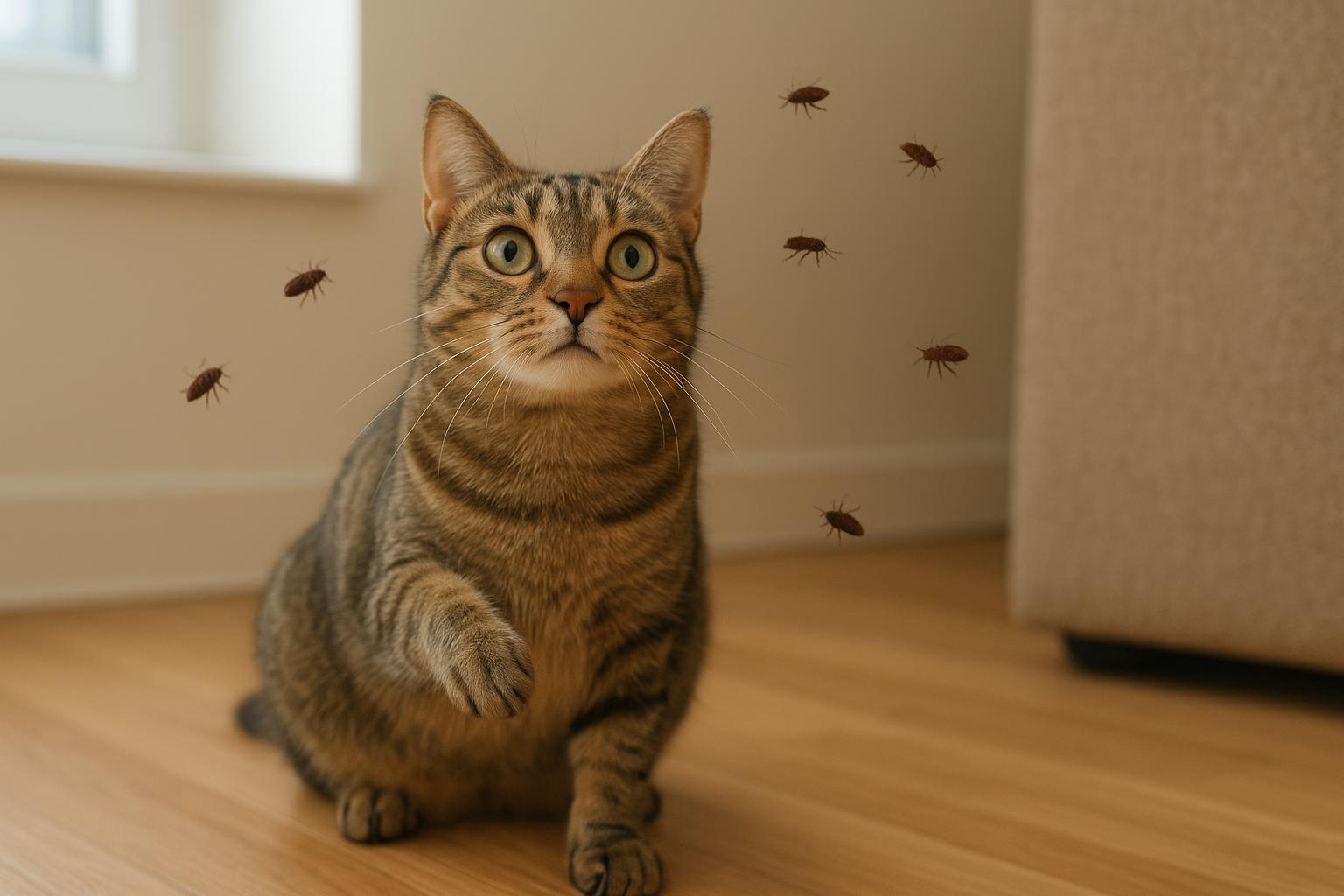
Fleas are small but resilient parasites that use your pet and your property as a life cycle stage. Homeowners and pet owners often ask, “Do flea collars work?” while searching for outdoor flea protection options to keep animals and yards free from infestation. This article examines the effectiveness of flea collars, practical landscape and treatment strategies, and several formal, pet-safe remedies you can use to reduce flea populations and limit flea entry into your home.
## Do Flea Collars Work?
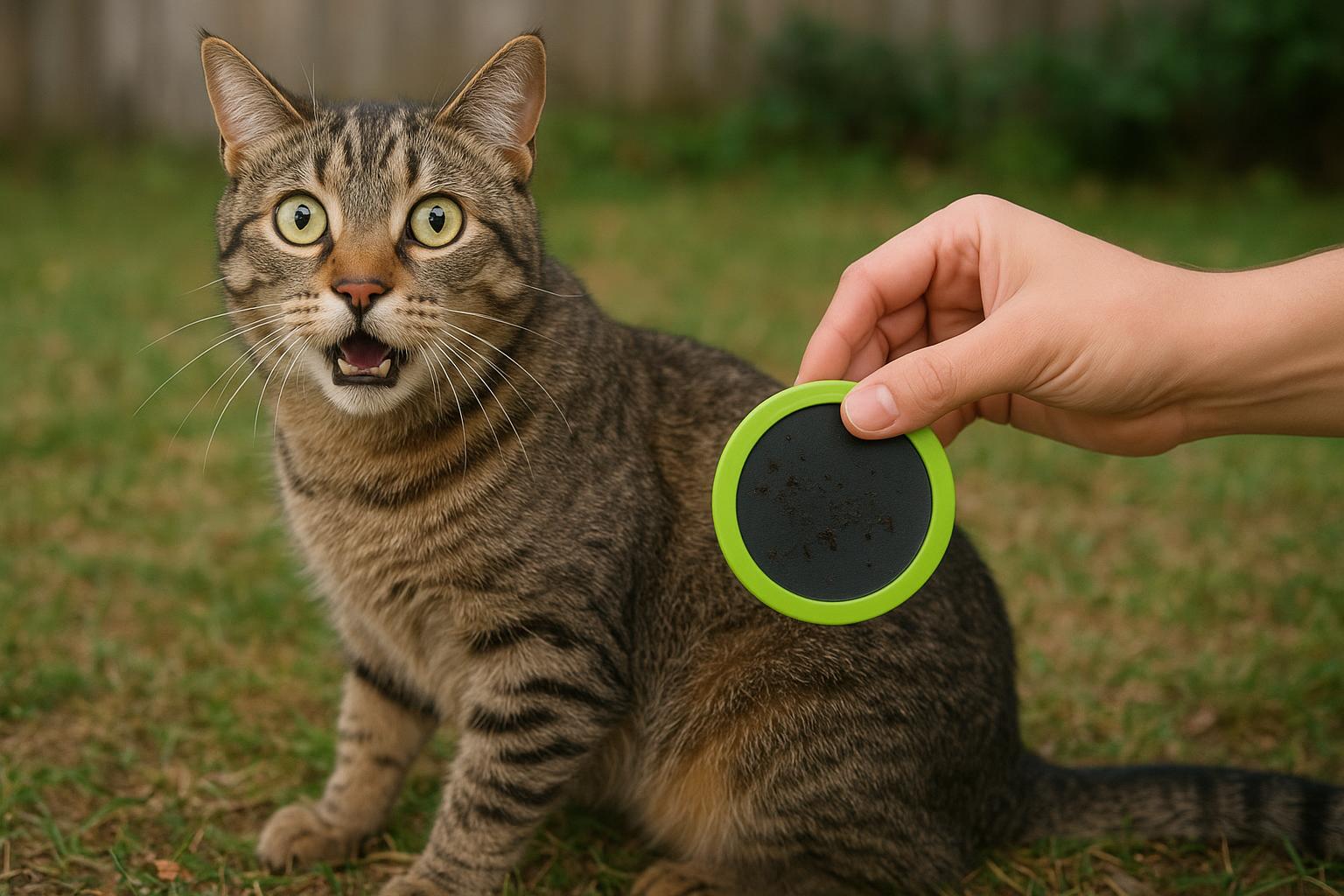
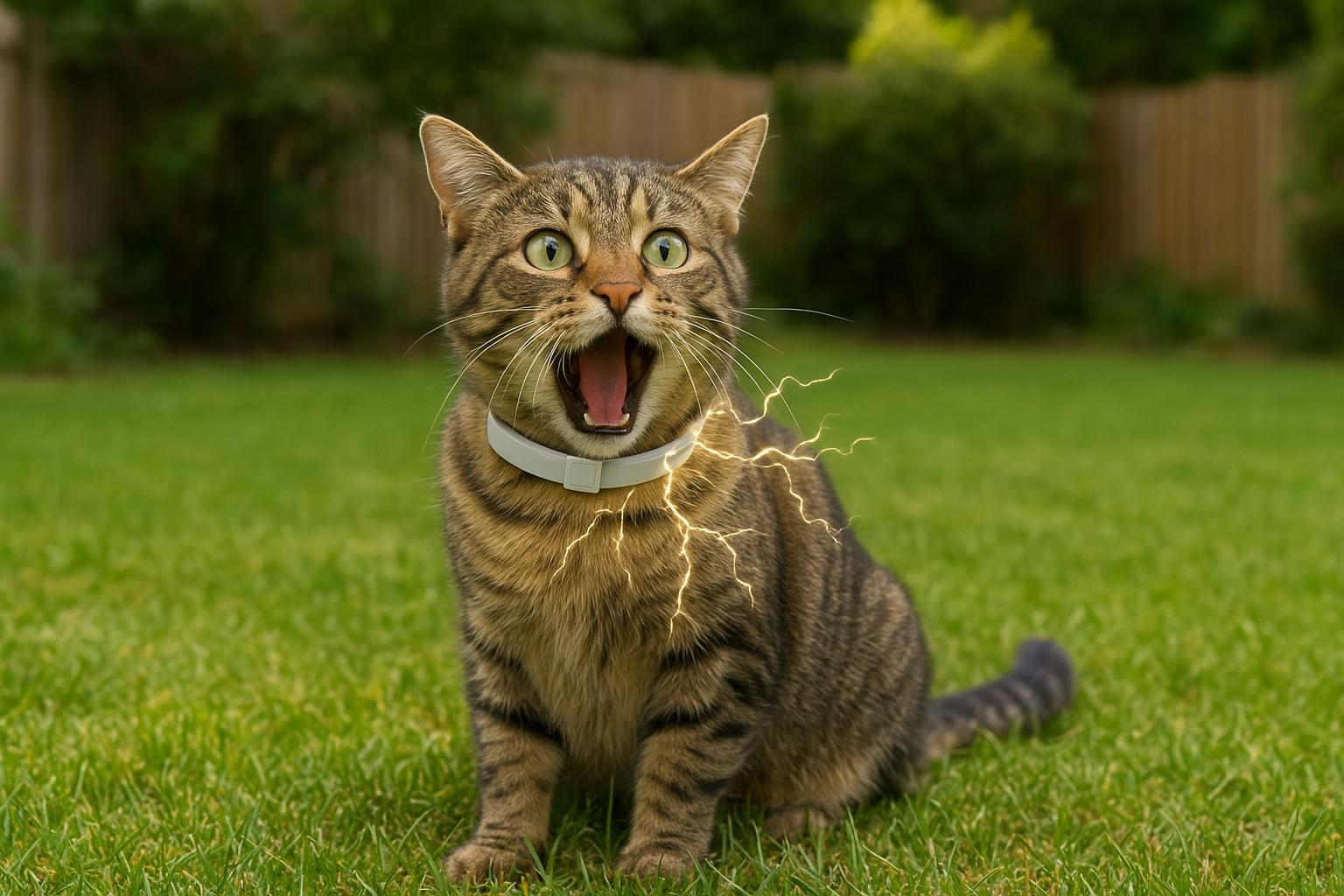
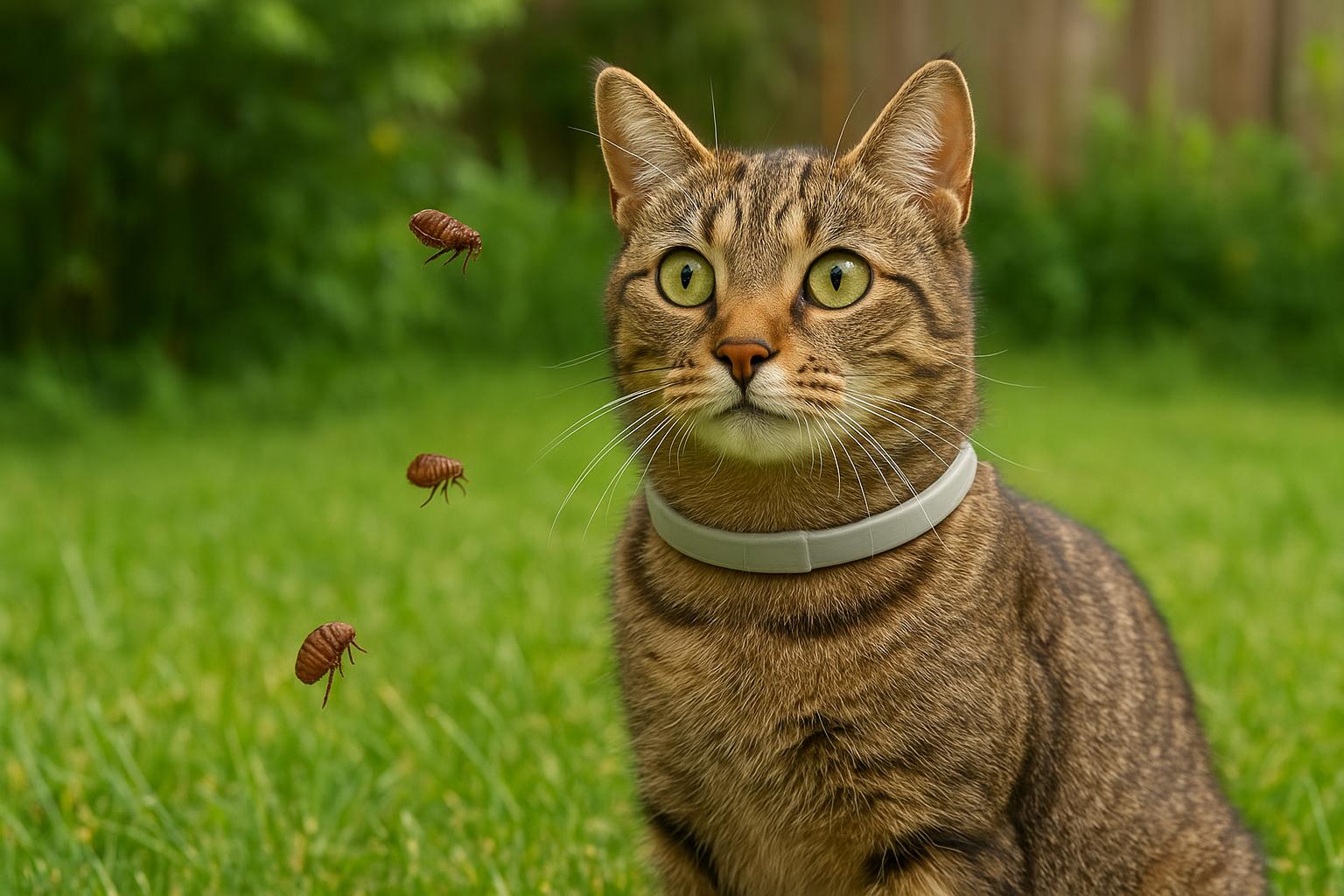
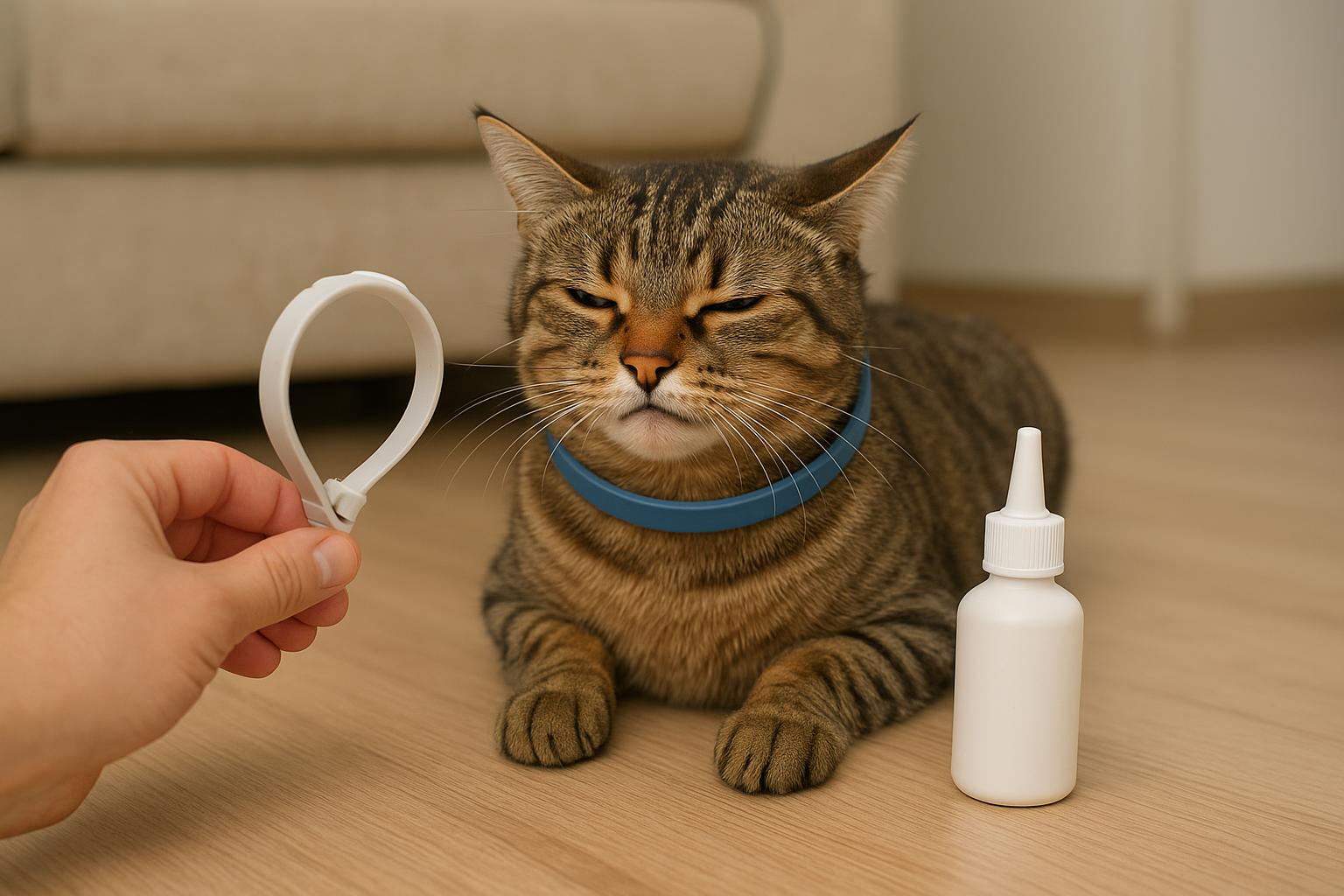
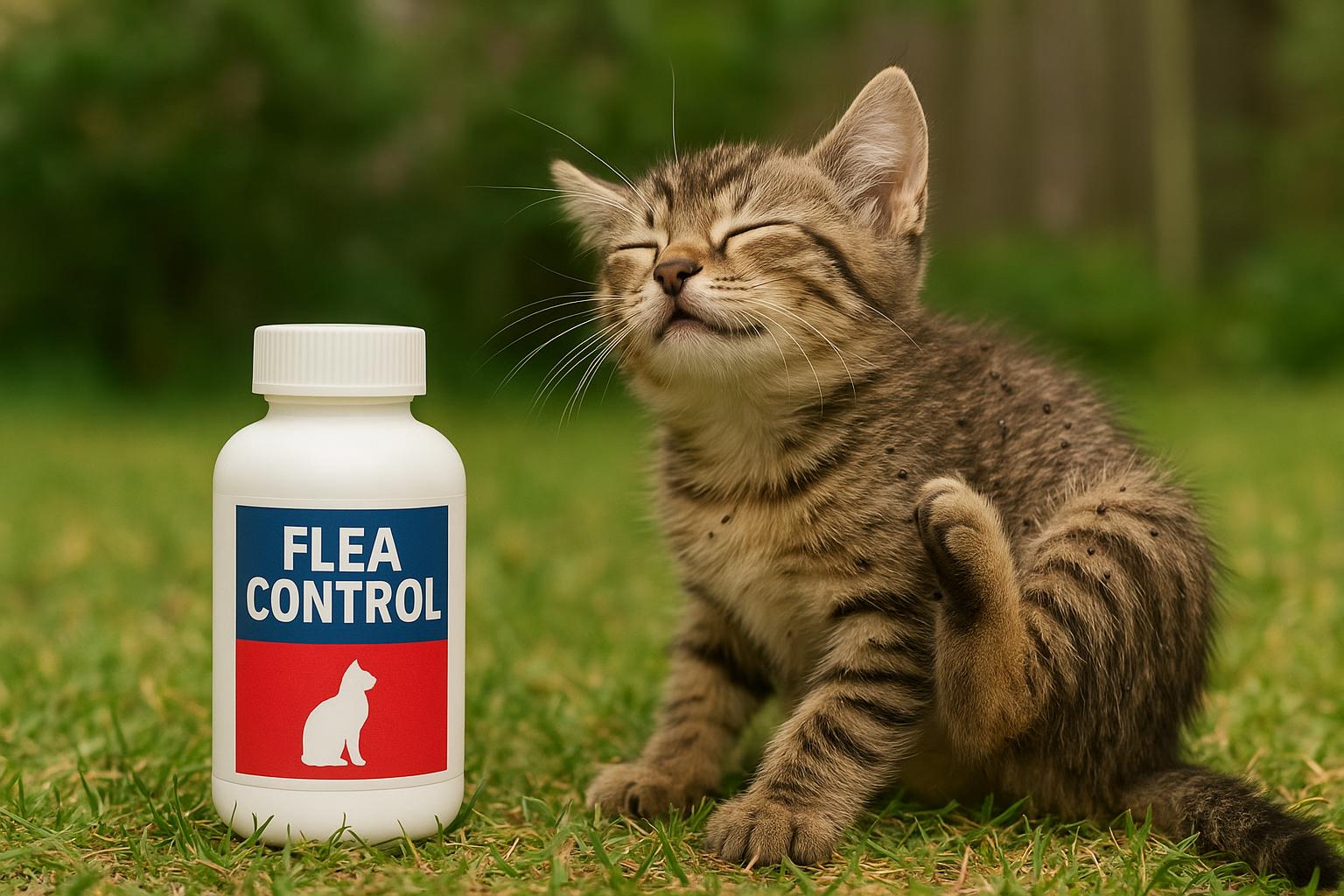
Flea collars can be effective tools when used correctly, but their performance varies by type and exposure. Traditional collars release a small amount of insecticide locally around a pet’s neck; their coverage is limited to areas where the chemical can transfer by contact. Modern long-acting collars (for example, those containing imidacloprid and flumethrin) distribute active ingredients across the pet’s coat and provide both repellent and lethal effects on fleas and ticks. These collars can reduce the number of fleas that take hold on an individual animal, but they do not treat environmental stages—eggs, larvae, and pupae—present in the yard.
Because collars primarily protect the treated animal, relying on them alone is not a complete outdoor flea protection option. They are best used as one component of an integrated approach that includes environmental management, targeted treatments, and measures to prevent flea entry into both the home and the yard.
## How Fleas Use The Outdoors And Why Integrated Strategies Matter
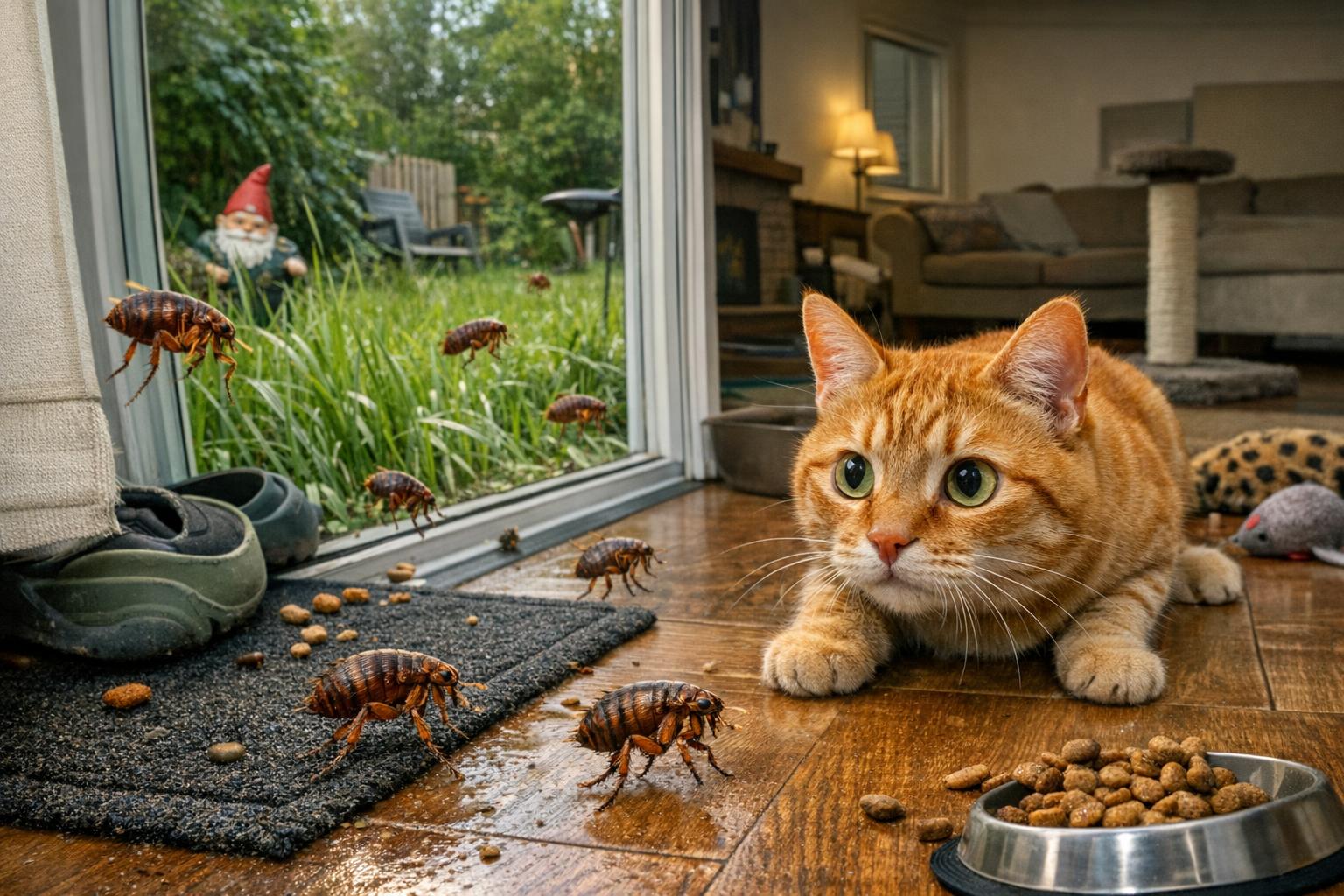
Fleas require shaded, humid microhabitats where eggs, larvae, and pupae develop in leaf litter, tall grass, and shaded soil. Wildlife (raccoons, opossums, feral cats) and unmanaged vegetation can act as reservoirs, making single-solution approaches ineffective. Effective outdoor flea protection options combine pet treatments, habitat modification, biological controls, and properly selected products to interrupt the flea life cycle and limit reintroduction.
### Habitat Management To Reduce Flea Entry
Simple landscape changes provide large gains in flea control by removing the conditions fleas prefer.
#### Trim And Clean
Keep grass short, remove leaf litter, and clear brush piles where flea larvae thrive. Regular mowing and removal of organic debris reduce humidity and shade, making the yard less hospitable.
#### Fence And Exclude Wildlife
Install barriers or use humane deterrents to reduce wildlife traffic. Many infestations begin when wild animals introduce fleas; reducing access lowers the chance of reintroduction and subsequent flea entry.
#### Improve Drainage And Sun Exposure
Fleas avoid hot, dry, sunny areas. Redirect irrigation, fix low spots, and thin canopies to allow more sunlight and airflow. These steps support long-term flea control and complement other outdoor flea protection options.
## Professional And Chemical Options: Pros And Considerations
Professional perimeter sprays and residual insecticides can dramatically reduce flea populations when applied by licensed pest control operators. These often include adulticides and insect growth regulators (IGRs) that prevent eggs and larvae from developing. When choosing chemical treatments, prioritize products labeled for outdoor residential use and follow all safety directions, especially around pets and pollinators.
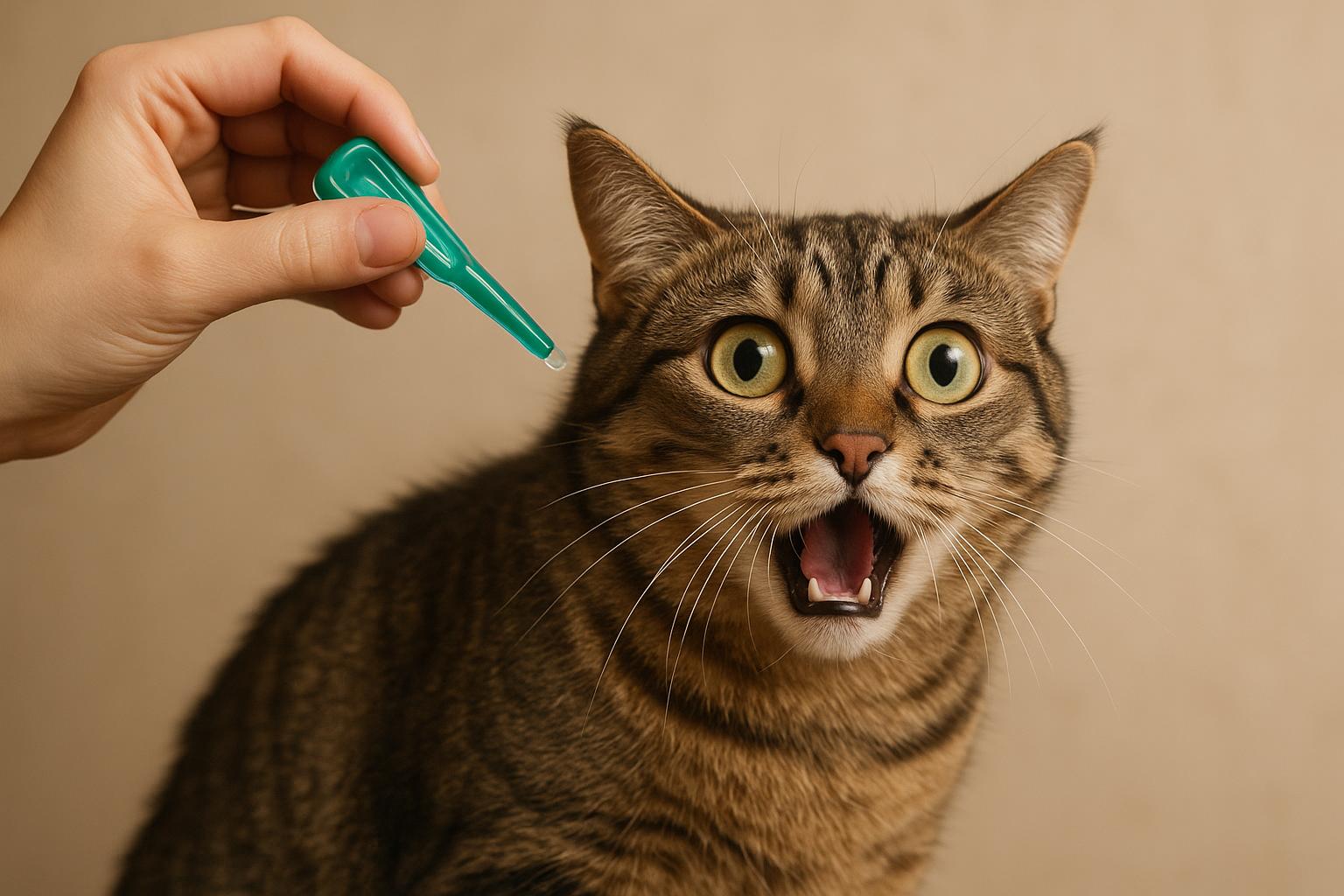
Flea collars paired with oral or topical systemic treatments for pets give strong individual flea protection, but environmental treatments are still necessary to prevent reinfestation. Consider professional evaluation if infestations persist despite integrated efforts.
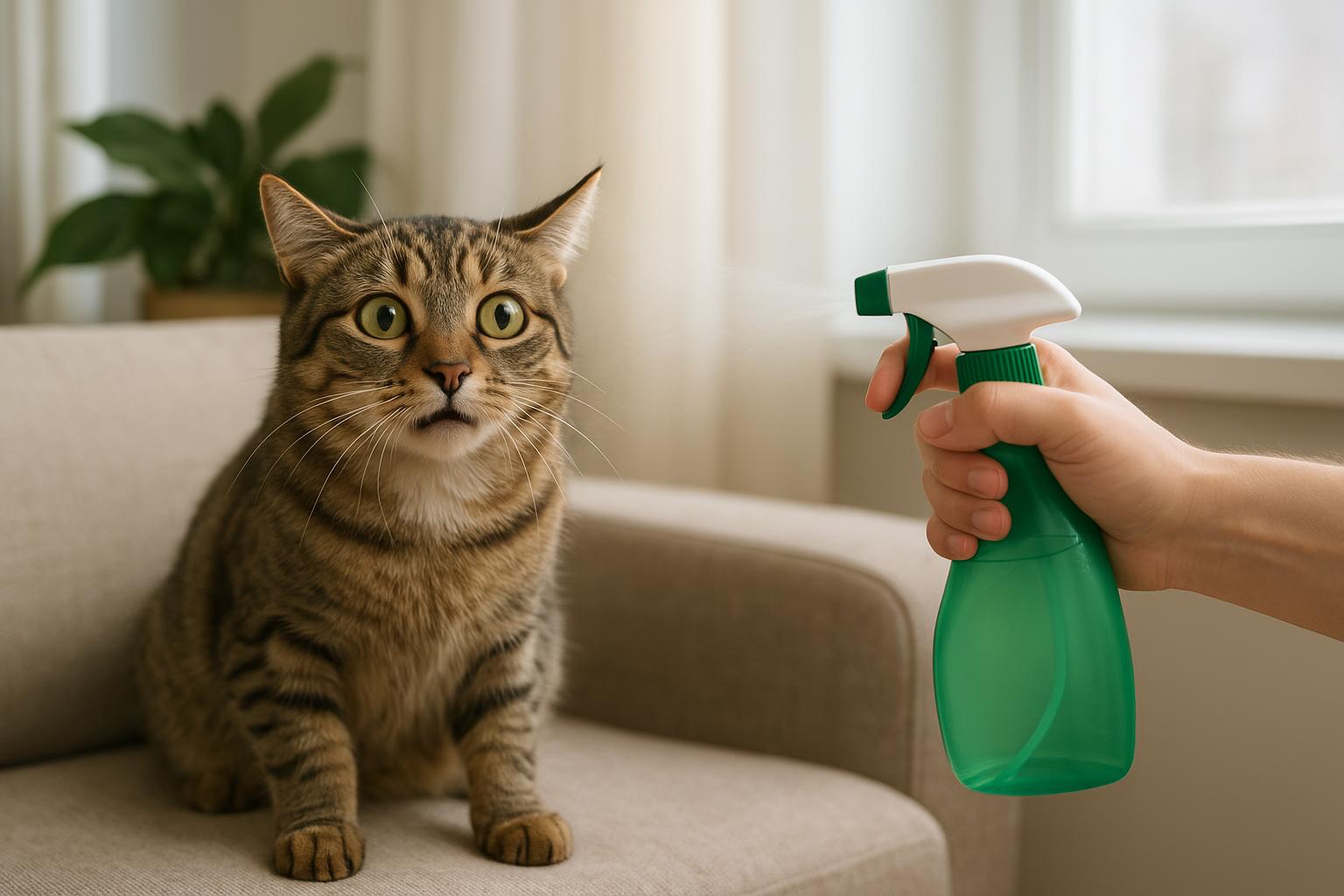
### 1. Natural Yard Spray (Remedy)
This remedy is formal and practical for routine yard maintenance and is suitable for owners seeking a low-toxicity option.
Ingredients / Required Materials:
– 1 gallon warm water
– 2 tablespoons liquid dish soap (unscented)
– 1 cup apple cider vinegar
– 20–30 drops cedarwood or lavender essential oil (optional; use sparingly around sensitive pets)
– Sprayer (pump or hose-end)
Step-By-Step Creation And Application:
1. Combine warm water and liquid dish soap in the sprayer; swirl gently to mix.
2. Add apple cider vinegar and essential oils if using; avoid over-concentration.
3. Test a small area of lawn or plant foliage and observe for 24 hours to ensure no phytotoxicity.
4. Spray shaded areas, under decks, around foundation edges, and along fence lines where fleas or wildlife activity are noticed. Avoid direct application on pets.
5. Reapply every 7–14 days during peak flea season or after heavy rain. Use as a maintenance application alongside other outdoor flea protection options.
This spray works by making surfaces less favorable for flea larvae and by deterring adult fleas from resting in treated areas. It is not a substitute for medical flea treatment of infested animals but complements pet-level flea protection.
### 2. Diatomaceous Earth Perimeter (Remedy)
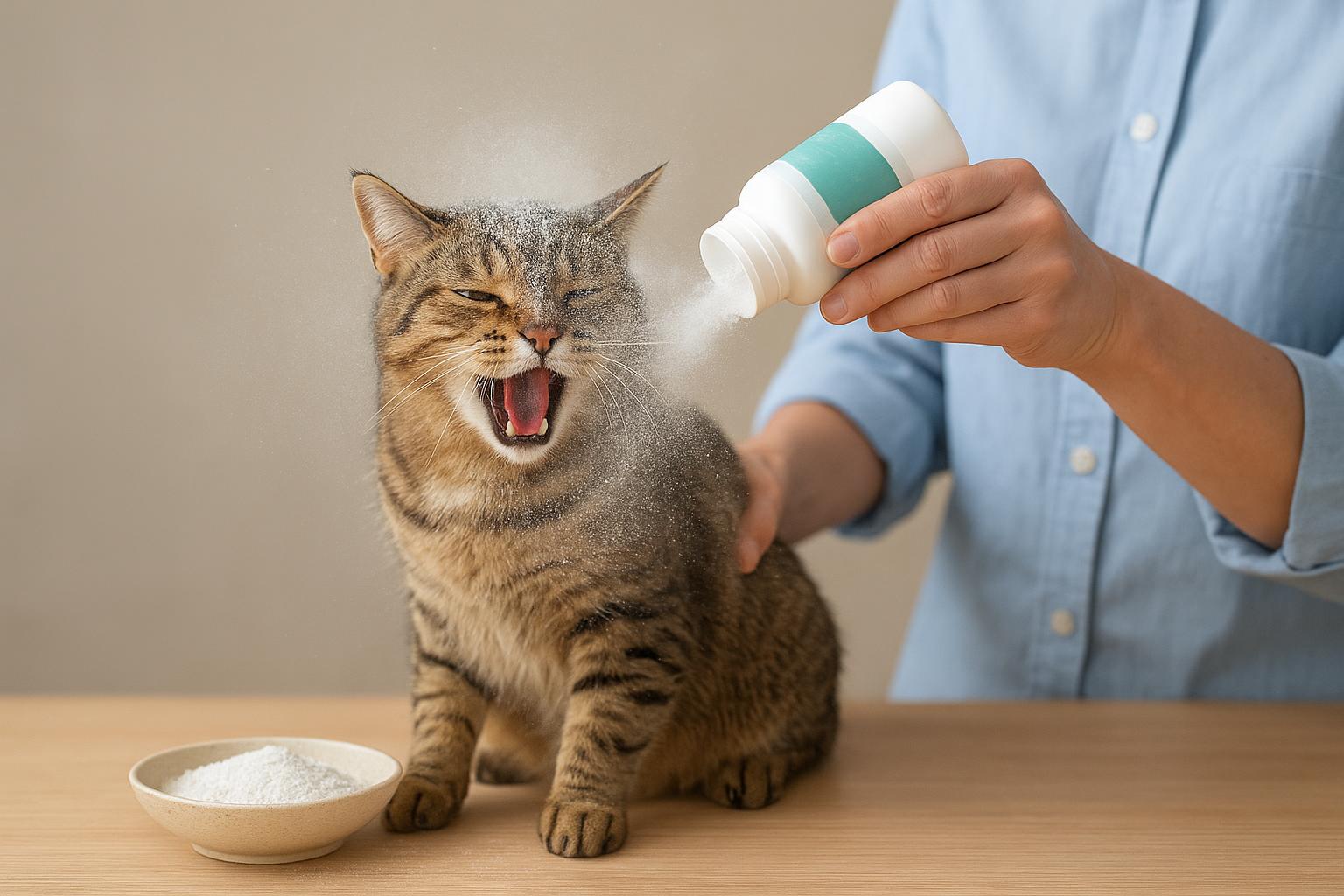
Diatomaceous earth (DE) is a physical pesticide that desiccates insects. Use only food-grade DE for safety.
Ingredients / Required Materials:
– Food-grade diatomaceous earth (1–2 lbs depending on yard size)
– Duster or hand spreader
– Protective mask and gloves
– Broom or leaf blower (for indoor transitions)
Step-By-Step Creation And Application:
1. Put on gloves and a dust mask to avoid inhalation.
2. Lightly dust DE in shaded, dry areas where fleas are likely: under shrubs, along foundation perimeters, and around animal bedding outside.
3. Apply a thin, even layer; avoid piles that can be blown away. Do not apply before heavy rain.
4. Reapply after rain or weekly during active flea months.
5. For indoor transitions (if treating entry points), sweep treated areas gently to prevent airborne dust and allow pets to return once dust has settled.
DE provides a low-toxicity barrier to larvae and adults contacting treated surfaces. It complements other outdoor flea protection options and helps deter flea entry by creating inhospitable surfaces.
### 3. Beneficial Nematodes (Remedy)
Beneficial nematodes (Steinernema and Heterorhabditis species) are microscopic roundworms that prey on flea larvae in soil. This biological control is especially helpful in moist, shaded areas.
Ingredients / Required Materials:
– Commercial beneficial nematodes (live, refrigerated)
– Water and a low-pressure sprayer or hose-end applicator
– Shaded, moist application areas
Step-By-Step Creation And Application:
1. Purchase nematodes with instructions for storage and use; keep them cool until application.
2. Rehydrate and mix nematodes with water following product directions; do not use chlorinated water.
3. Apply in the evening or on an overcast day to shaded areas where flea larvae are present.
4. Maintain moisture for 48–72 hours post-application to help nematodes establish.
5. Reapply every 4–6 weeks during warm months for sustained control.
Beneficial nematodes are safe for people, pets, and plants and are an excellent biological addition to integrated outdoor flea protection options.
## Pet-Level Measures To Reduce Outdoor Risk
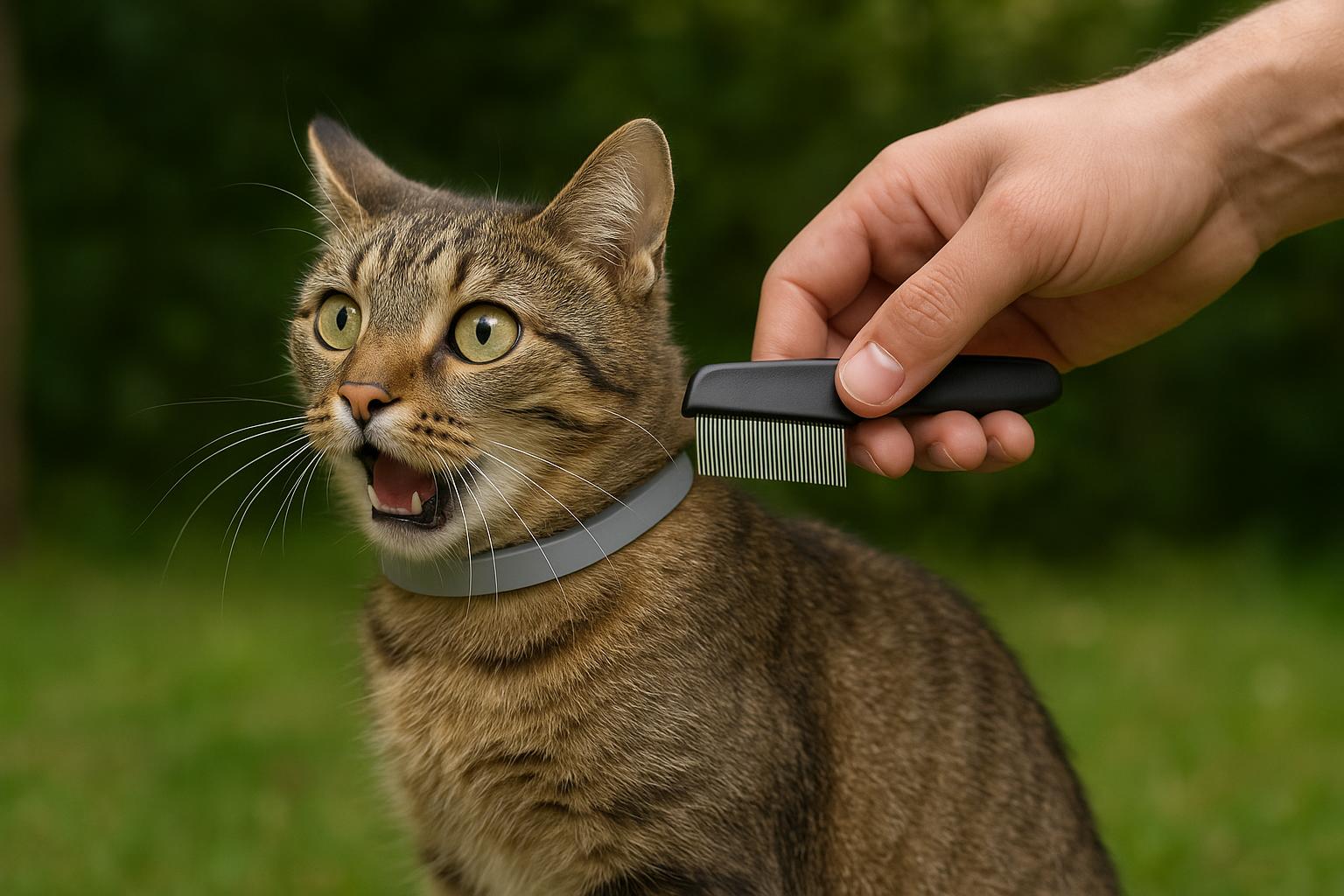
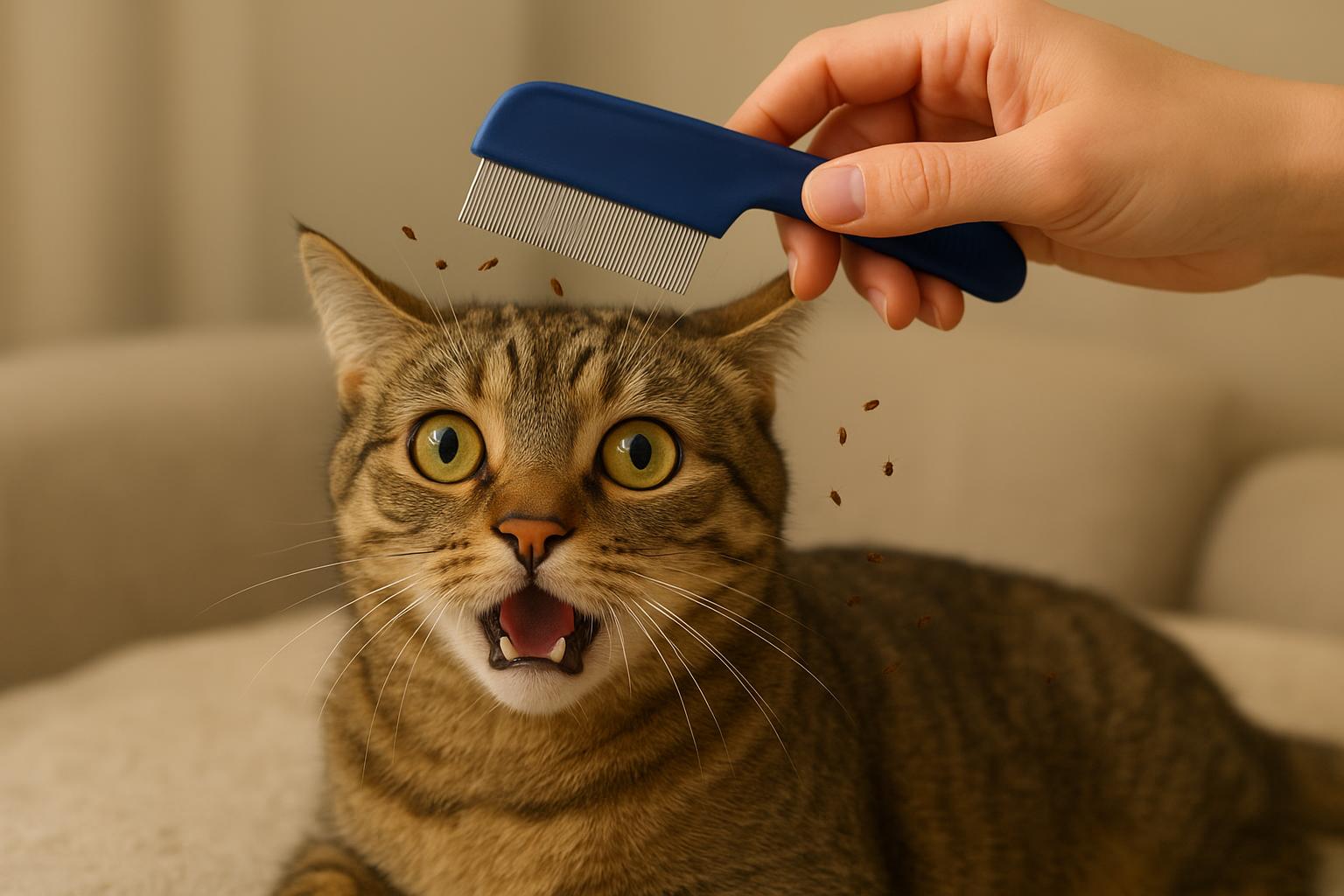
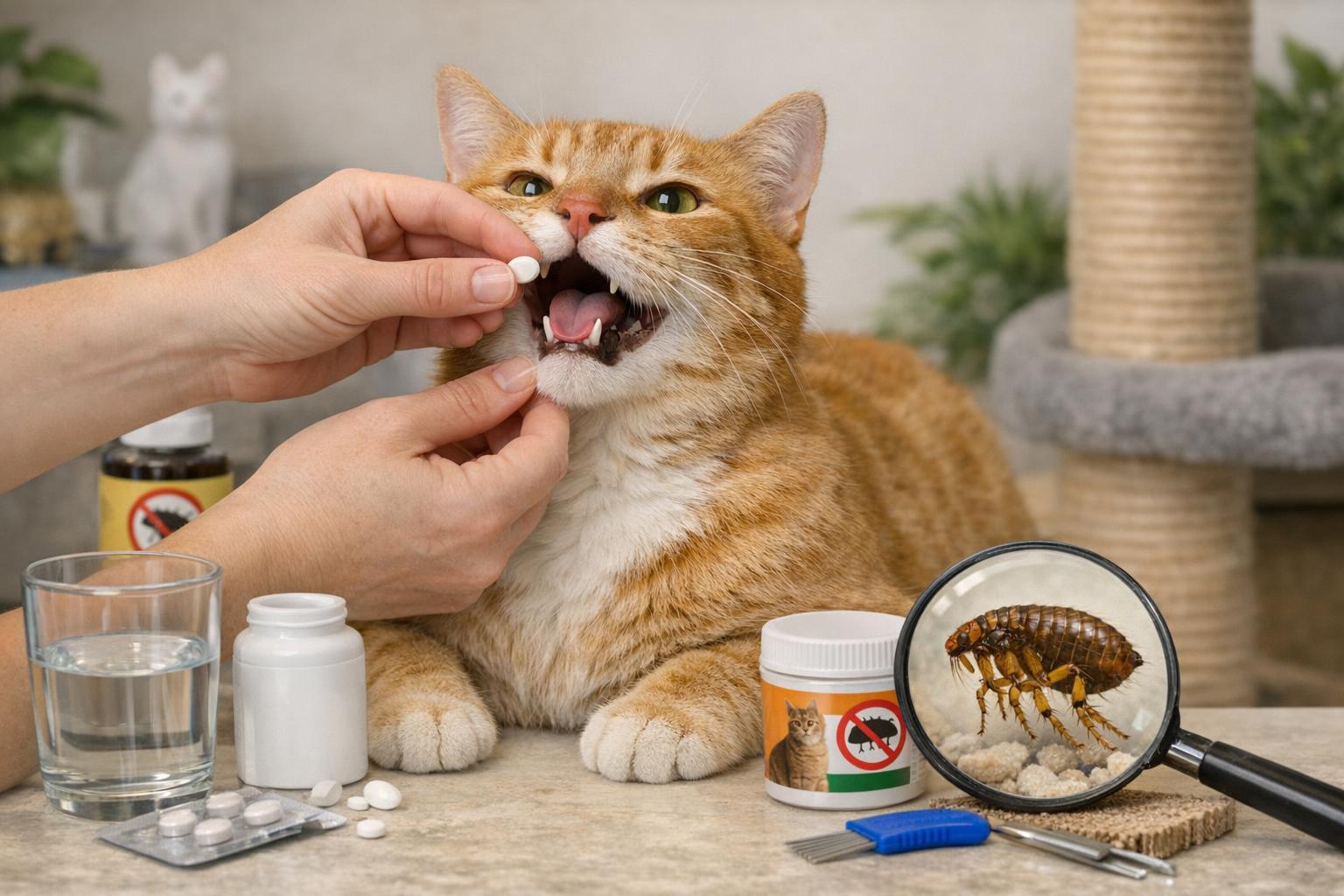
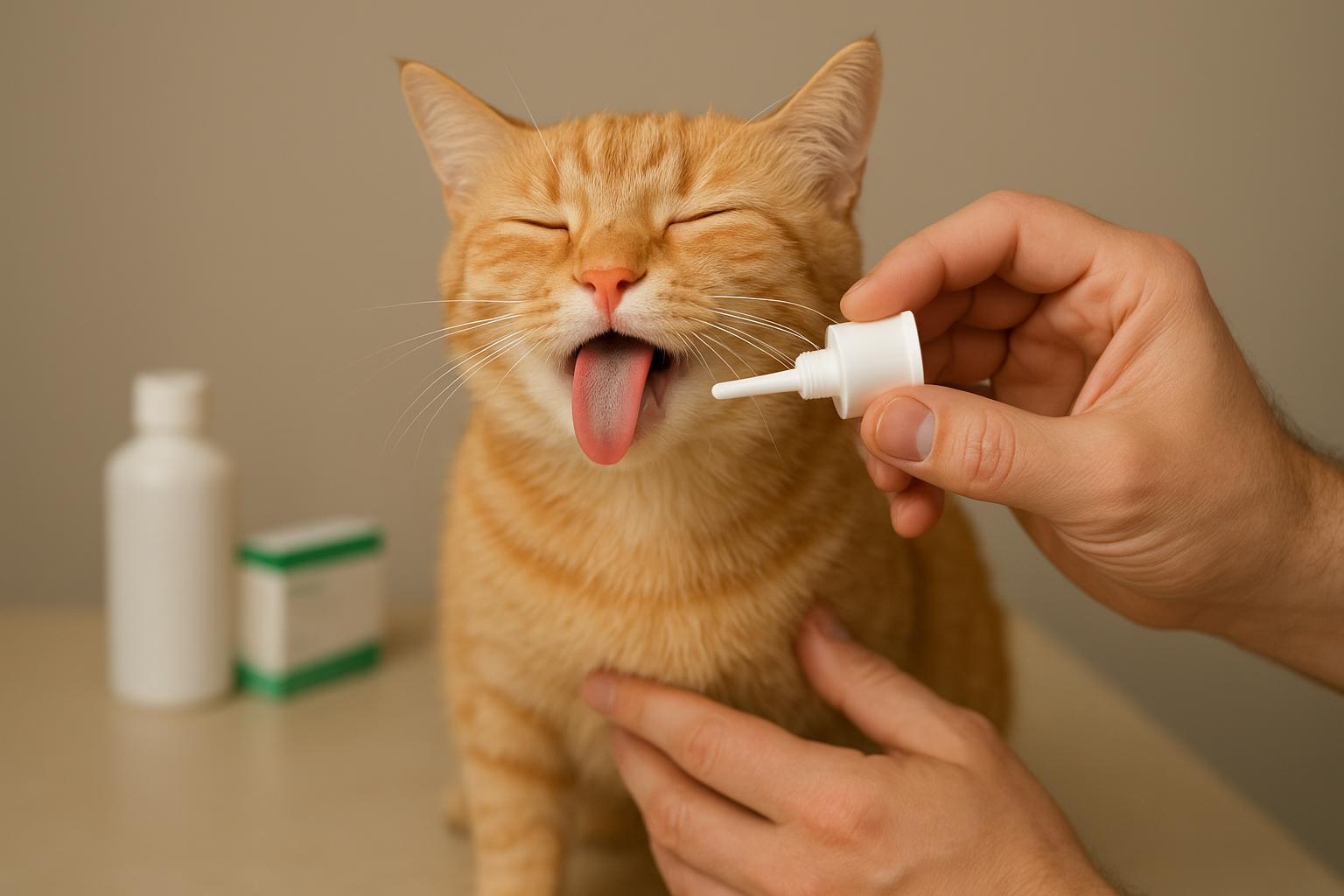
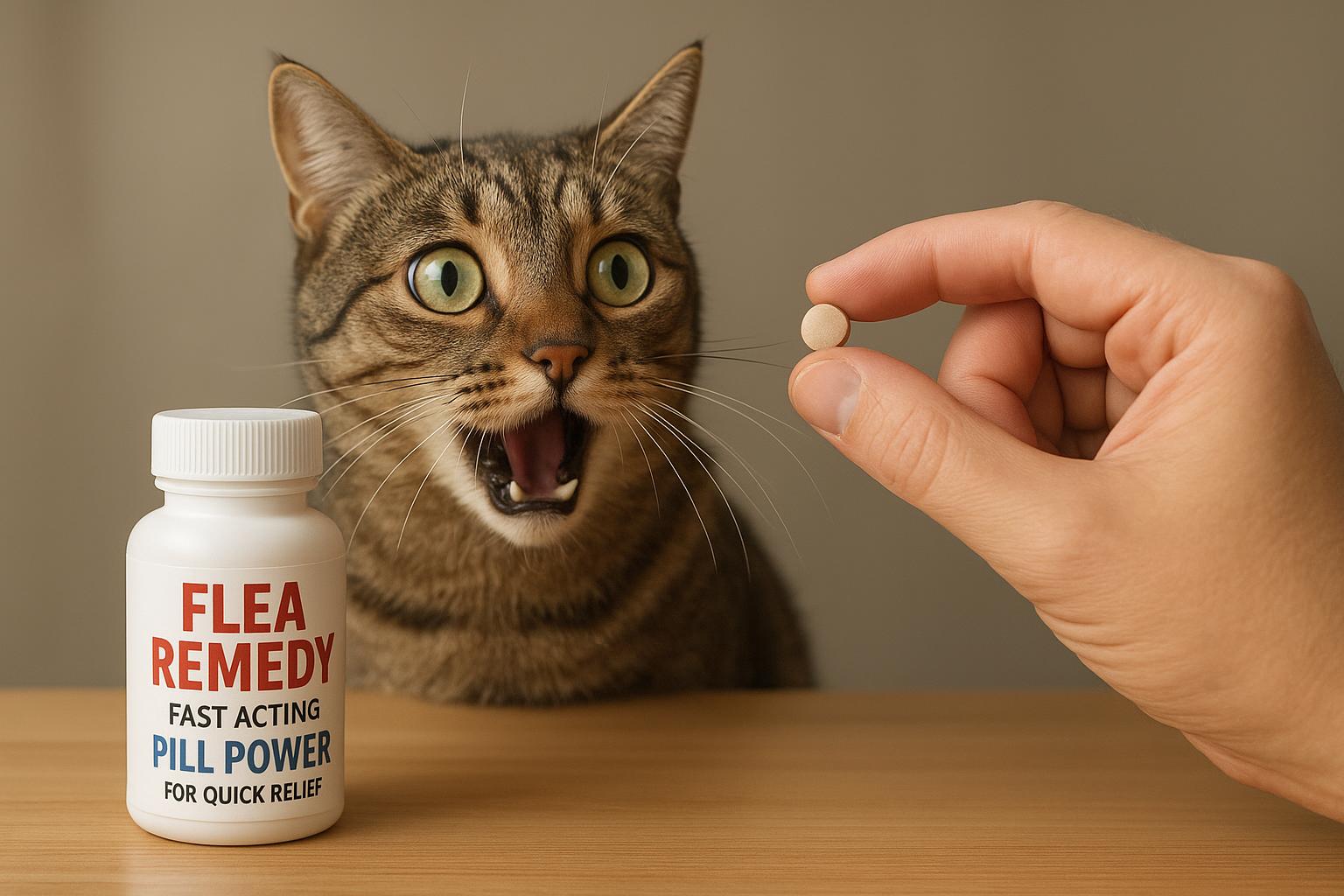
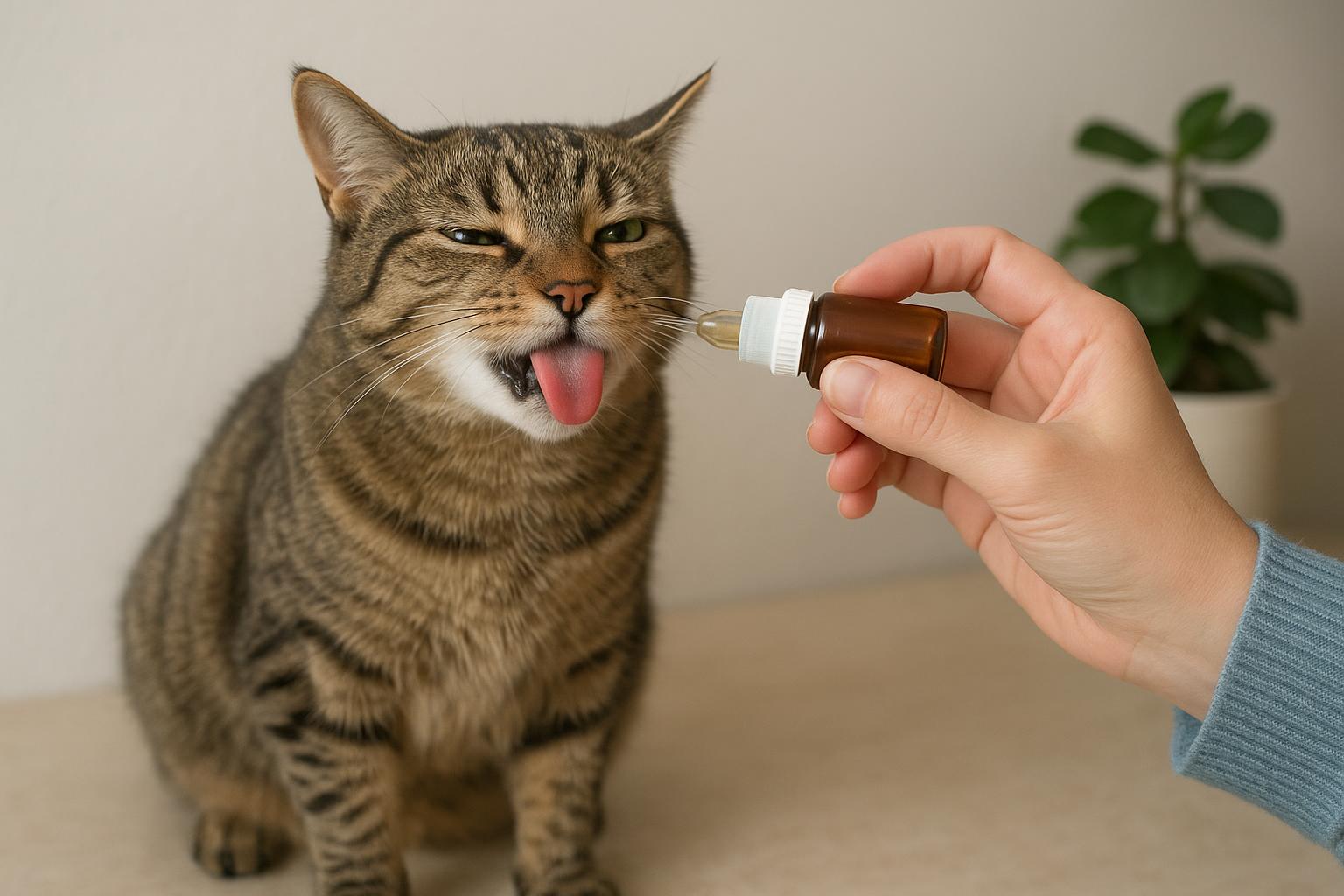
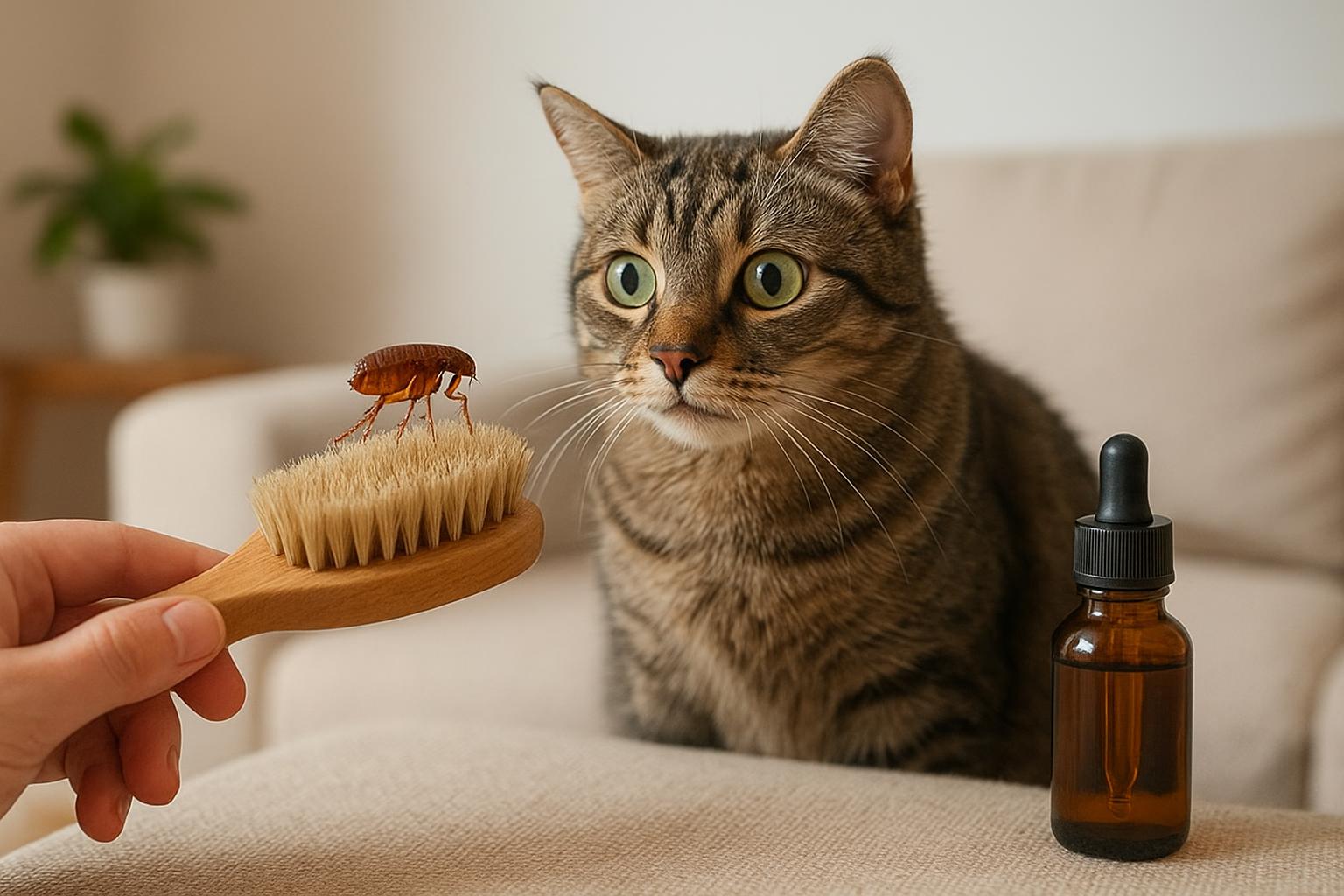
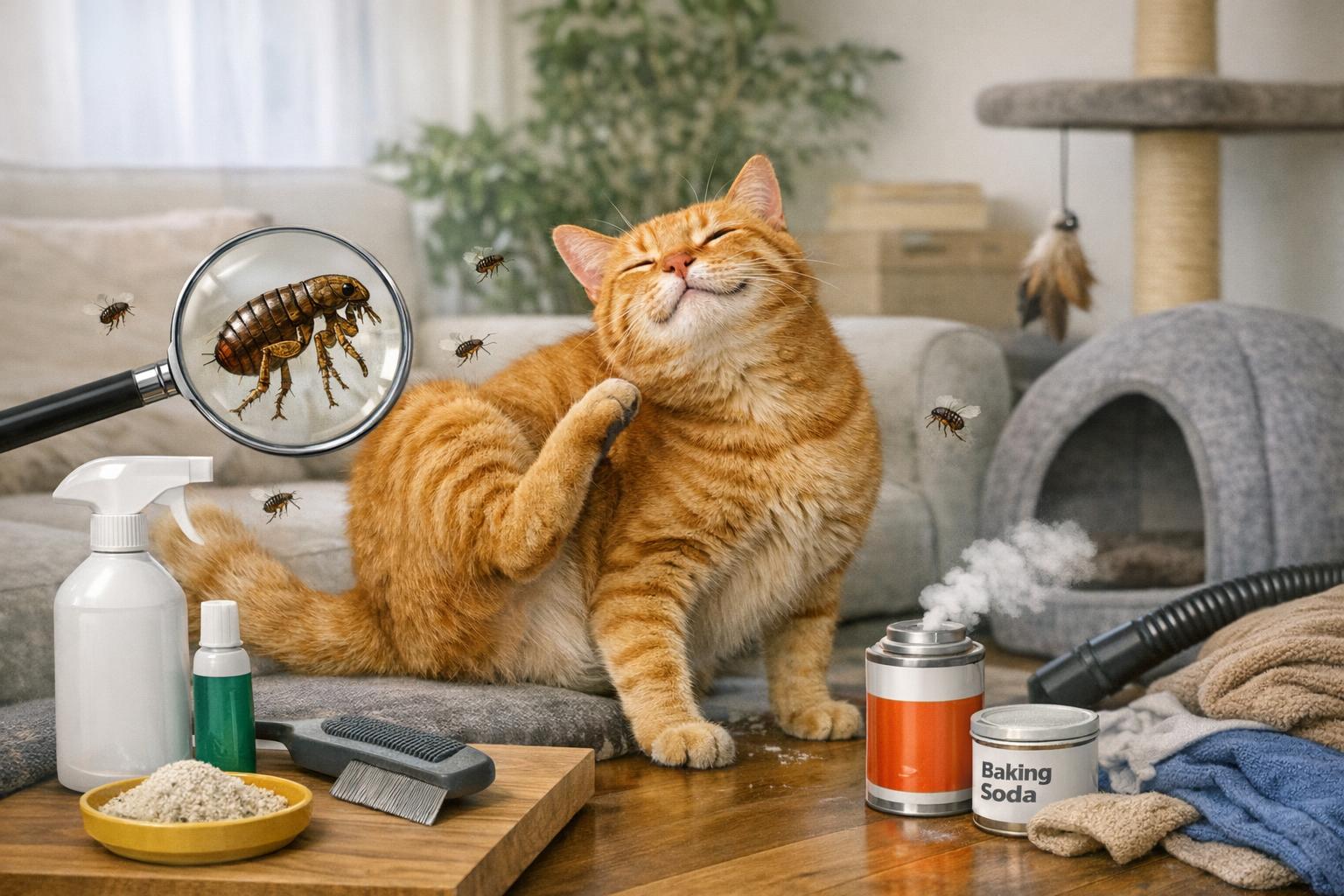
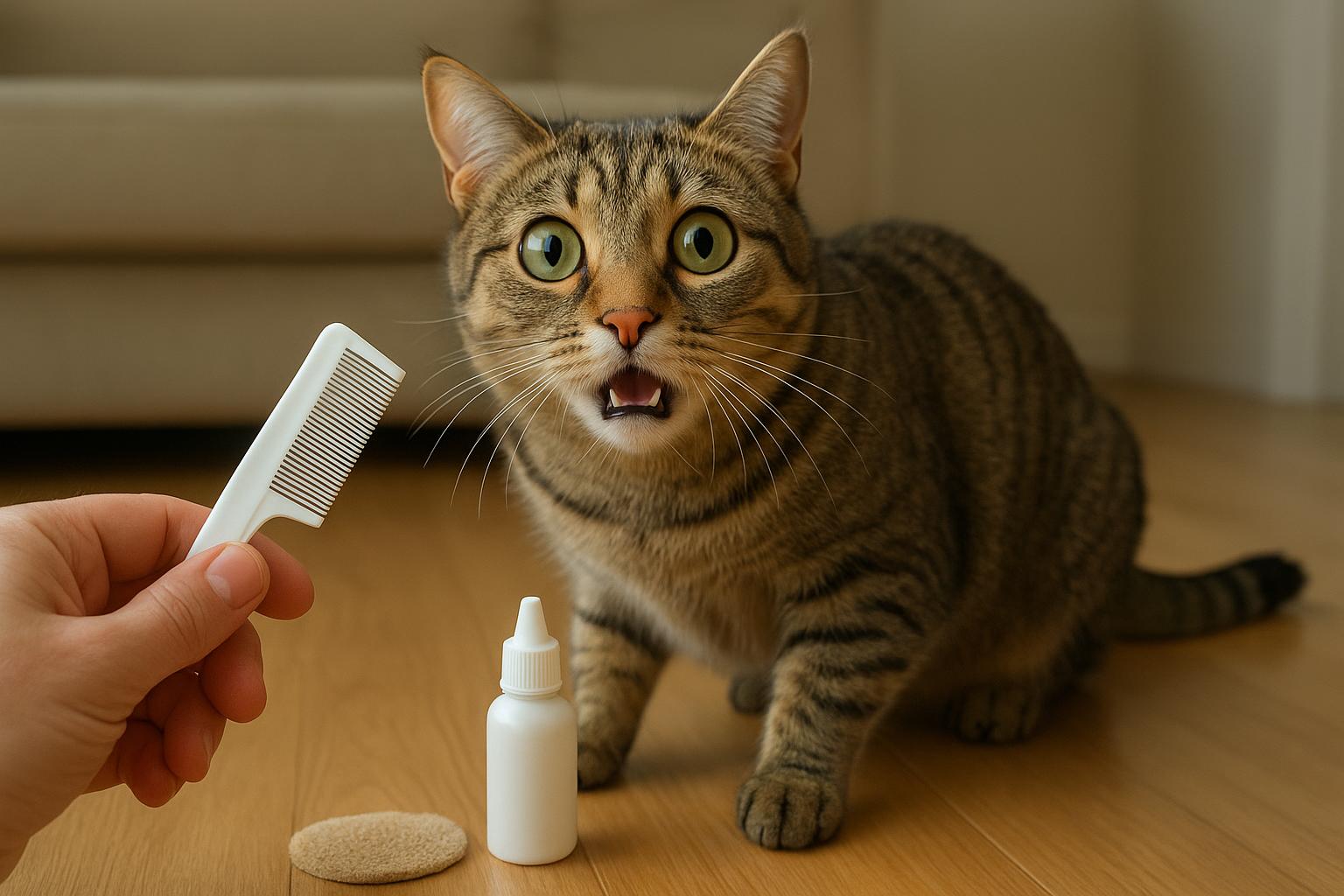
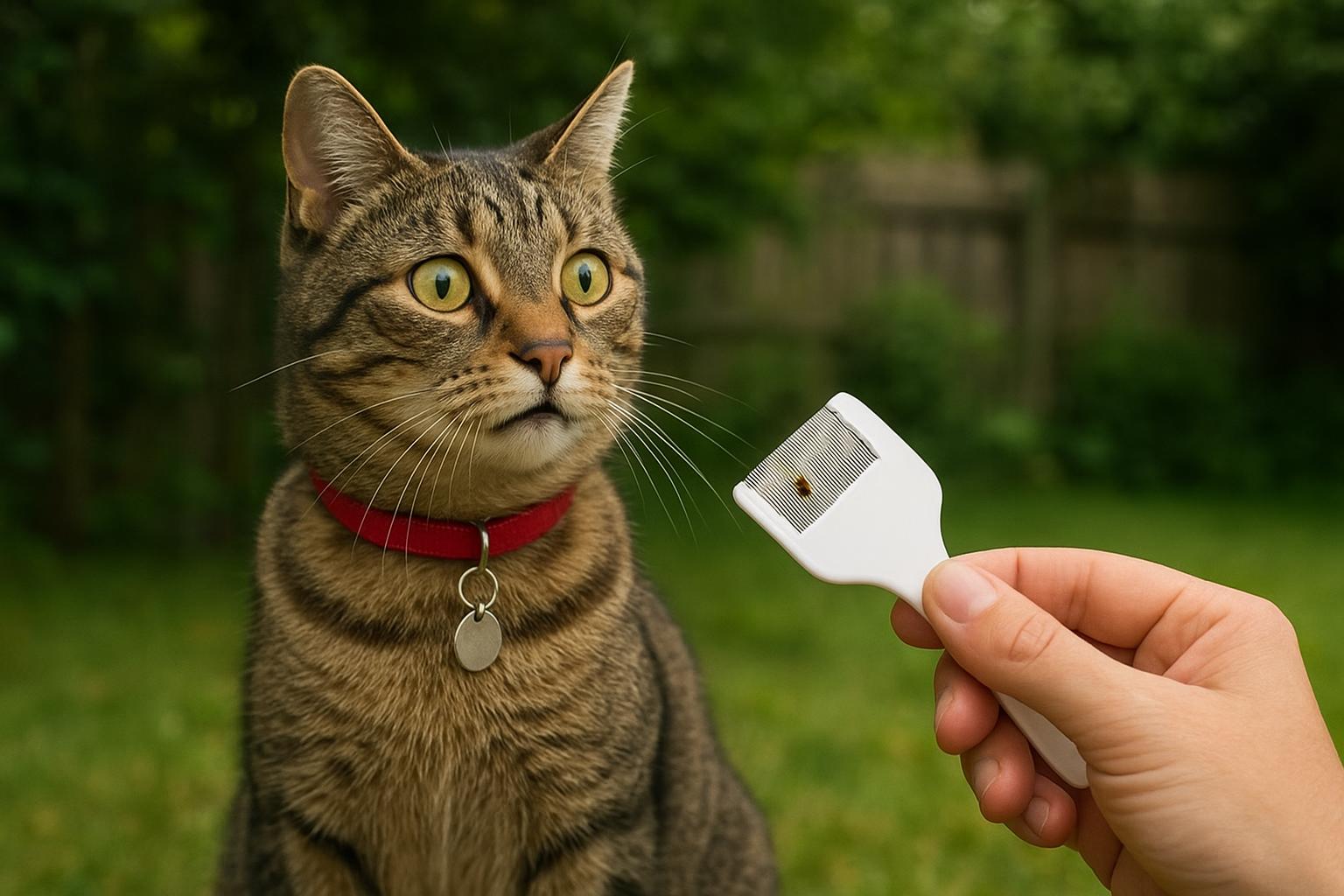
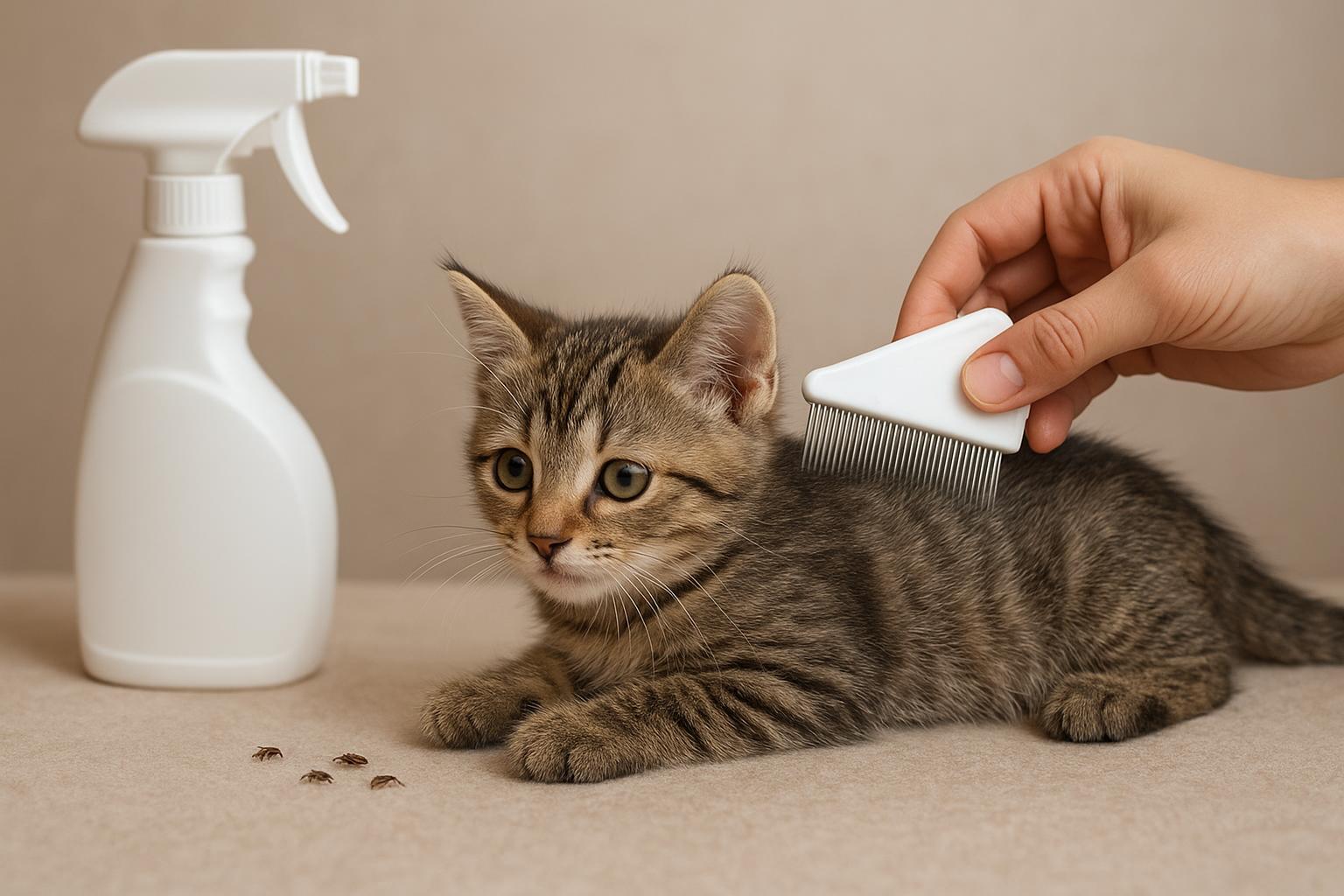
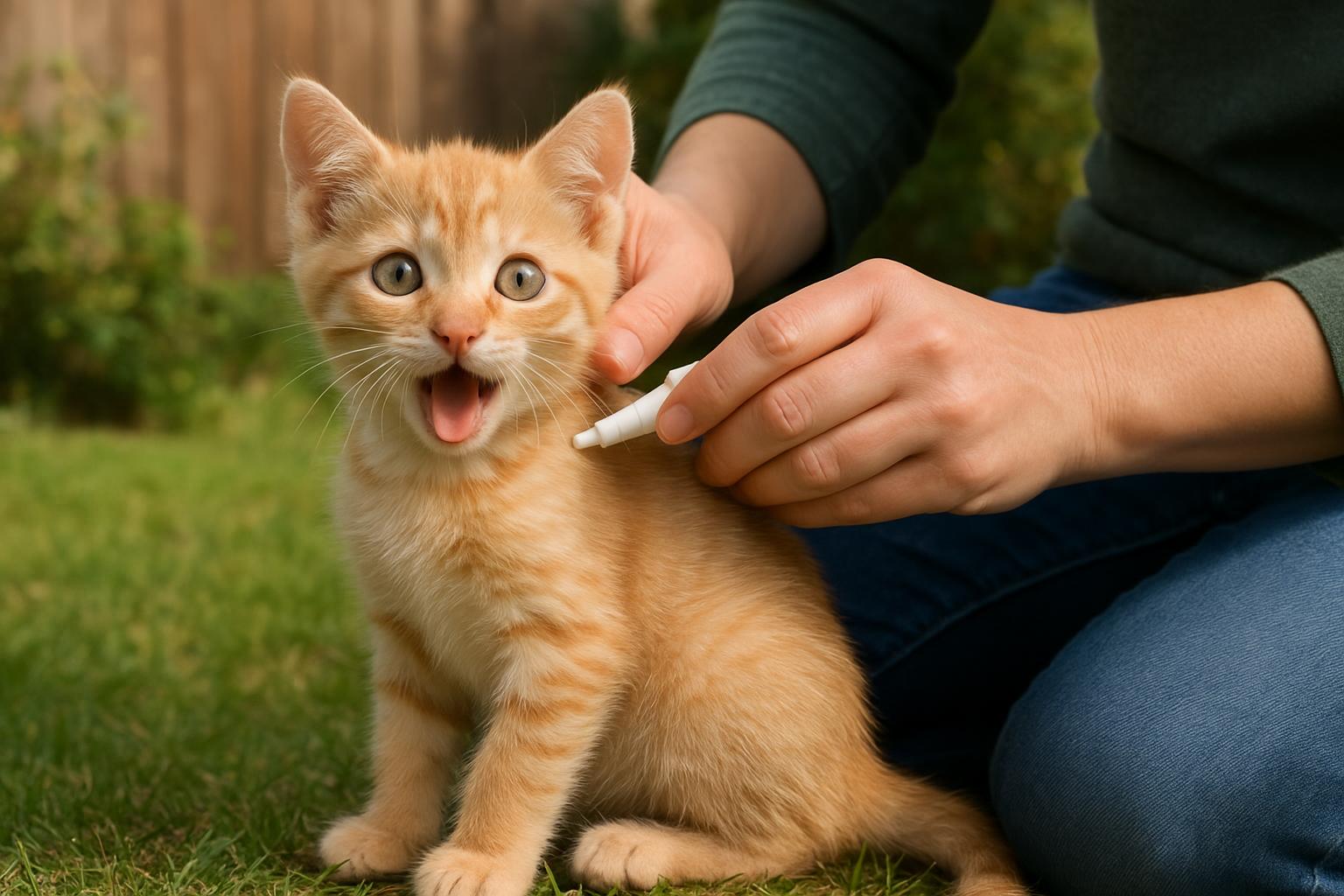
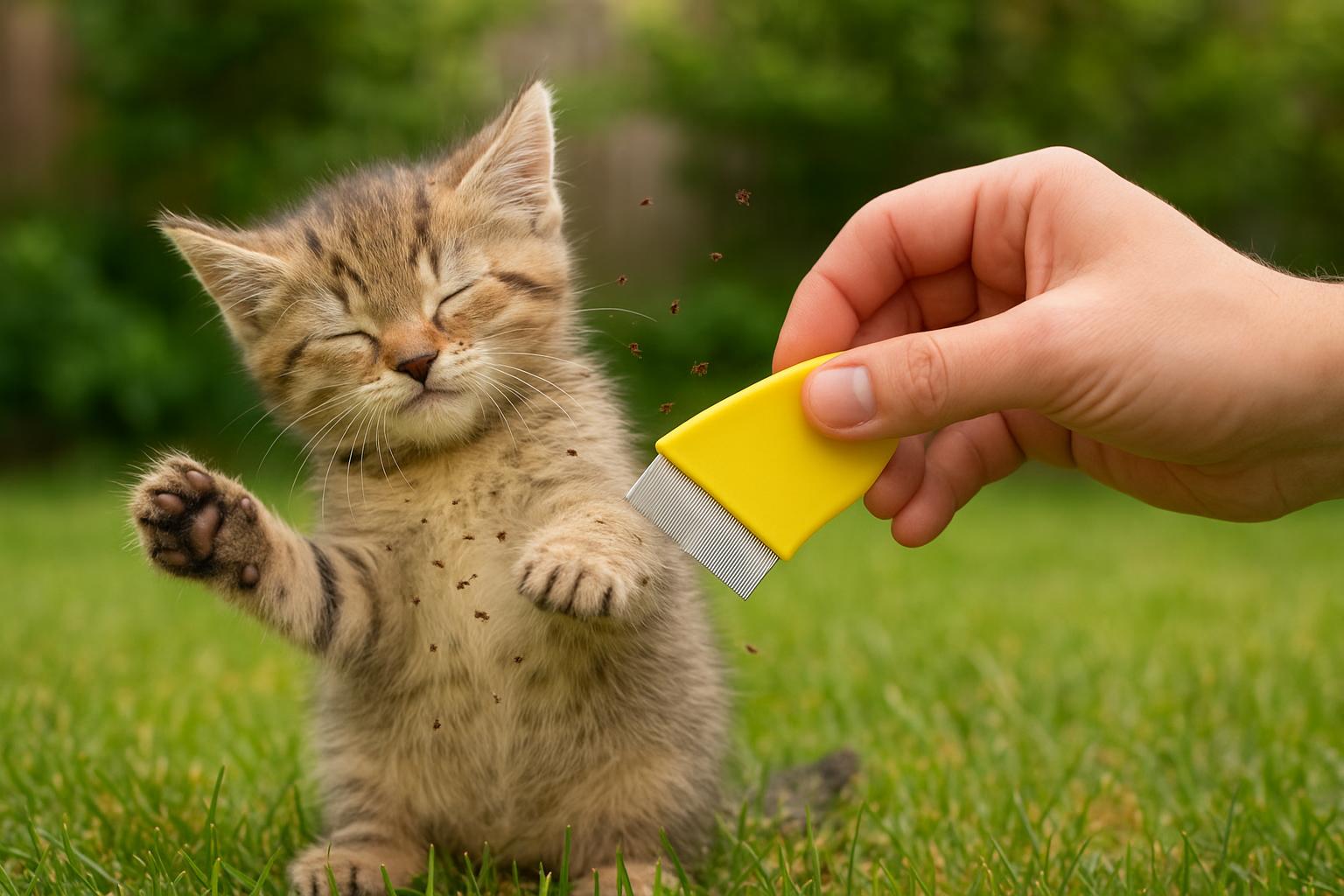
Even with excellent yard care, pets still need reliable flea protection. Use veterinarian-recommended topical or oral products, consider modern long-acting flea collars as part of an overall plan, and check pets regularly. Bathing and combing with a fine-tooth flea comb can remove adult fleas and eggs before they fall into the environment, reducing local reinfestation and flea entry into indoor spaces.
### Monitoring And Routine Maintenance
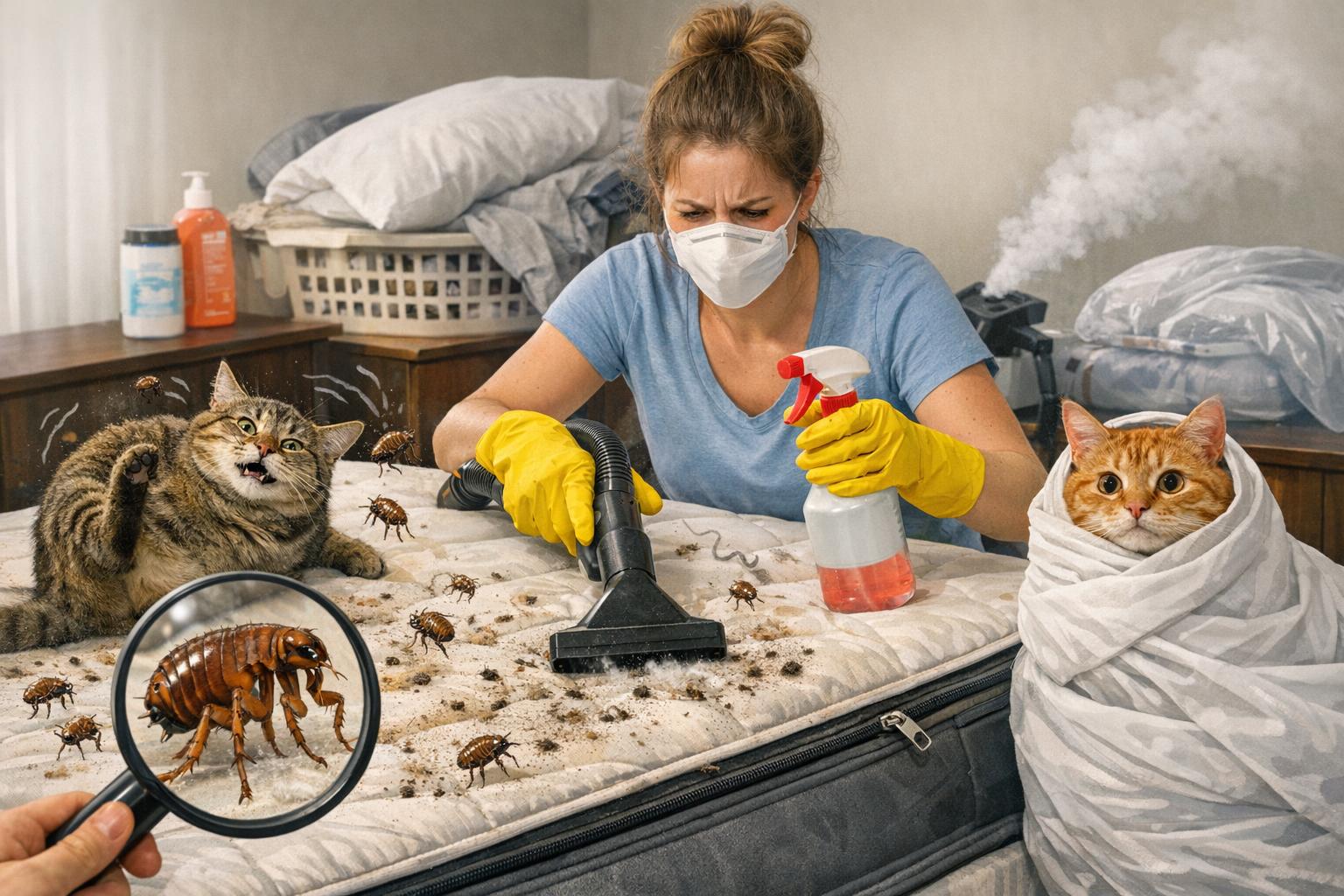
Implement a routine inspection schedule: check bedding, patios, and shaded lawn areas weekly for flea activity. Use light traps inside and sticky traps outside to monitor populations. Early detection allows targeted interventions and minimizes heavy treatments.
## When To Call A Professional
If infestations persist despite using multiple outdoor flea protection options—habitat modification, pet treatments, biological controls, and spot treatments—consult a licensed pest control operator. Professionals can assess wildlife vectors, recommend residual treatments safe for pets, and coordinate with your veterinarian for an integrated plan.
## Risk Management And Pet Safety
Always prioritize pet and family safety when selecting products. Read labels and avoid applying home remedies directly on animals unless a veterinarian approves. Some essential oils and high-concentration home products are toxic to cats and small animals. Keep treated areas inaccessible to pets until products are dry and manufacturer re-entry times have passed.
## Practical Checklist For Effective Outdoor Flea Protection Options
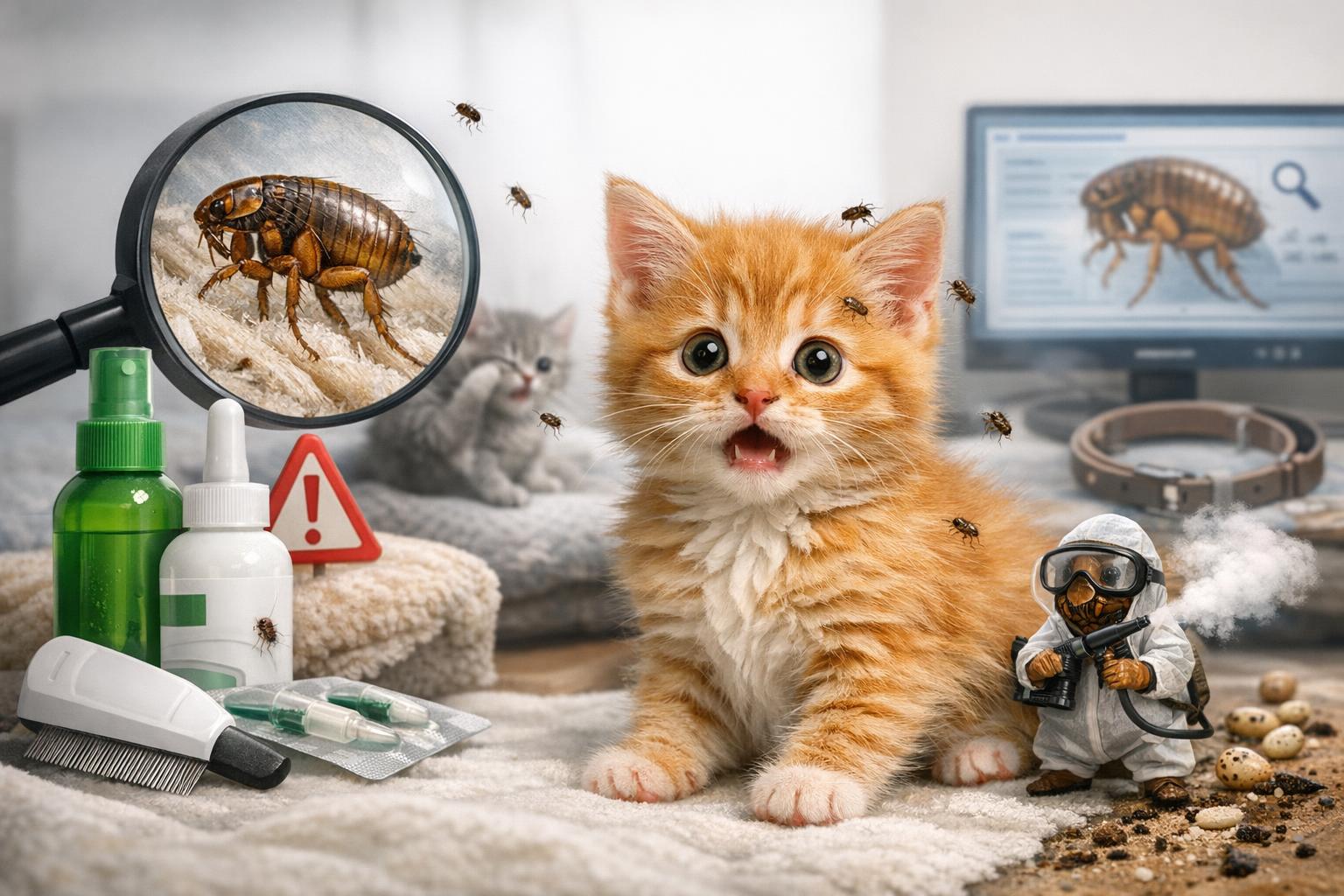
Maintain short grass, remove debris, and improve sunlight exposure to break flea life cycles. Combine pet-level flea protection measures (collars, topical/oral medications) with targeted environmental strategies such as nematodes or diatomaceous earth barriers. Monitor for wildlife that could reintroduce fleas and seal potential flea entry points into structures. Consistent, integrated action reduces the need for heavy chemical treatments and provides sustainable flea protection.
Do flea collars work? Yes, as part of a broader plan. The most effective approach to minimize fleas—a goal of any outdoor flea protection options strategy—is integrated management that reduces habitat, treats animals, and uses targeted yard remedies to limit flea entry and development.













Leave a Reply