
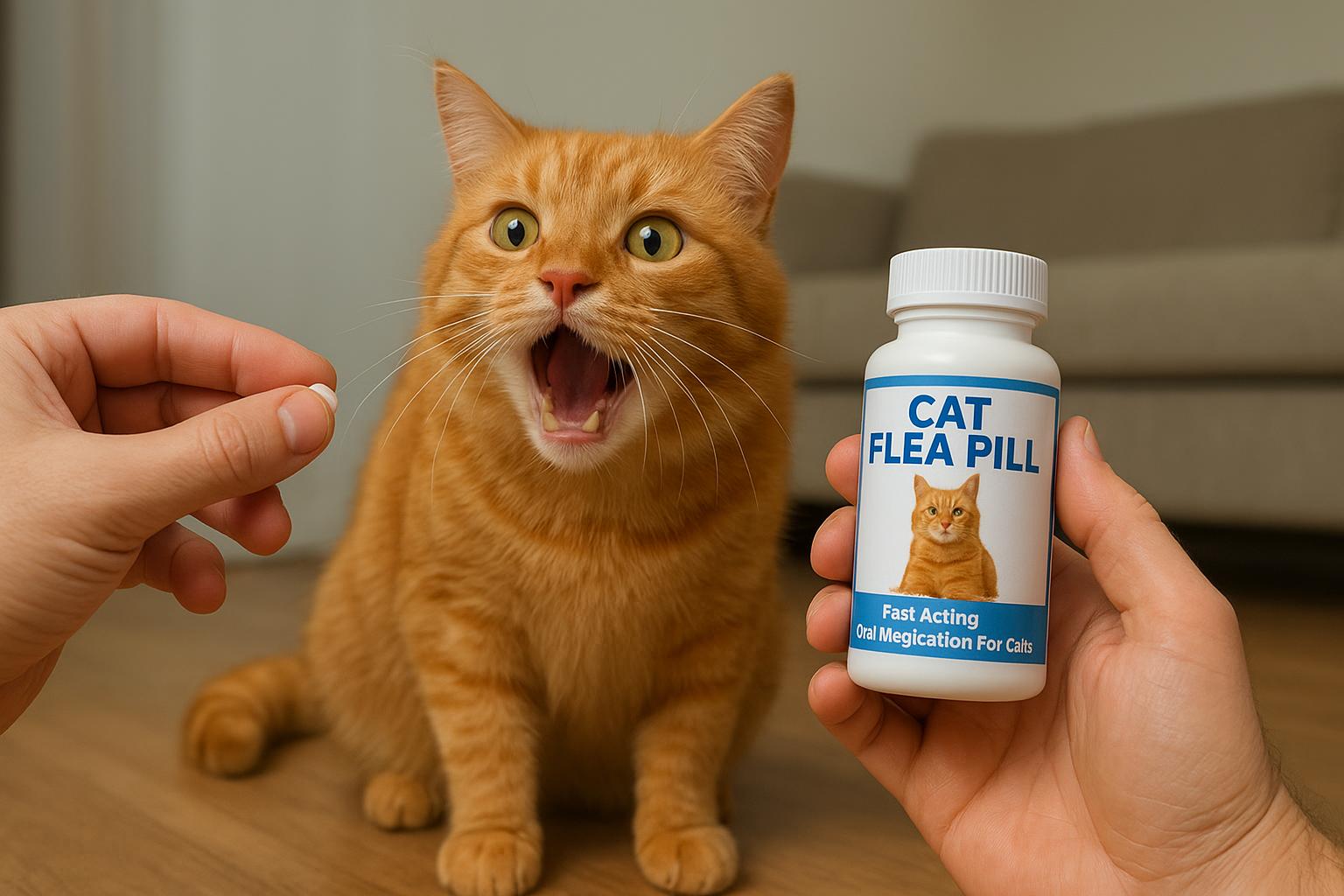
## Cat Flea Pill: Fast Acting Oral Medication Overview
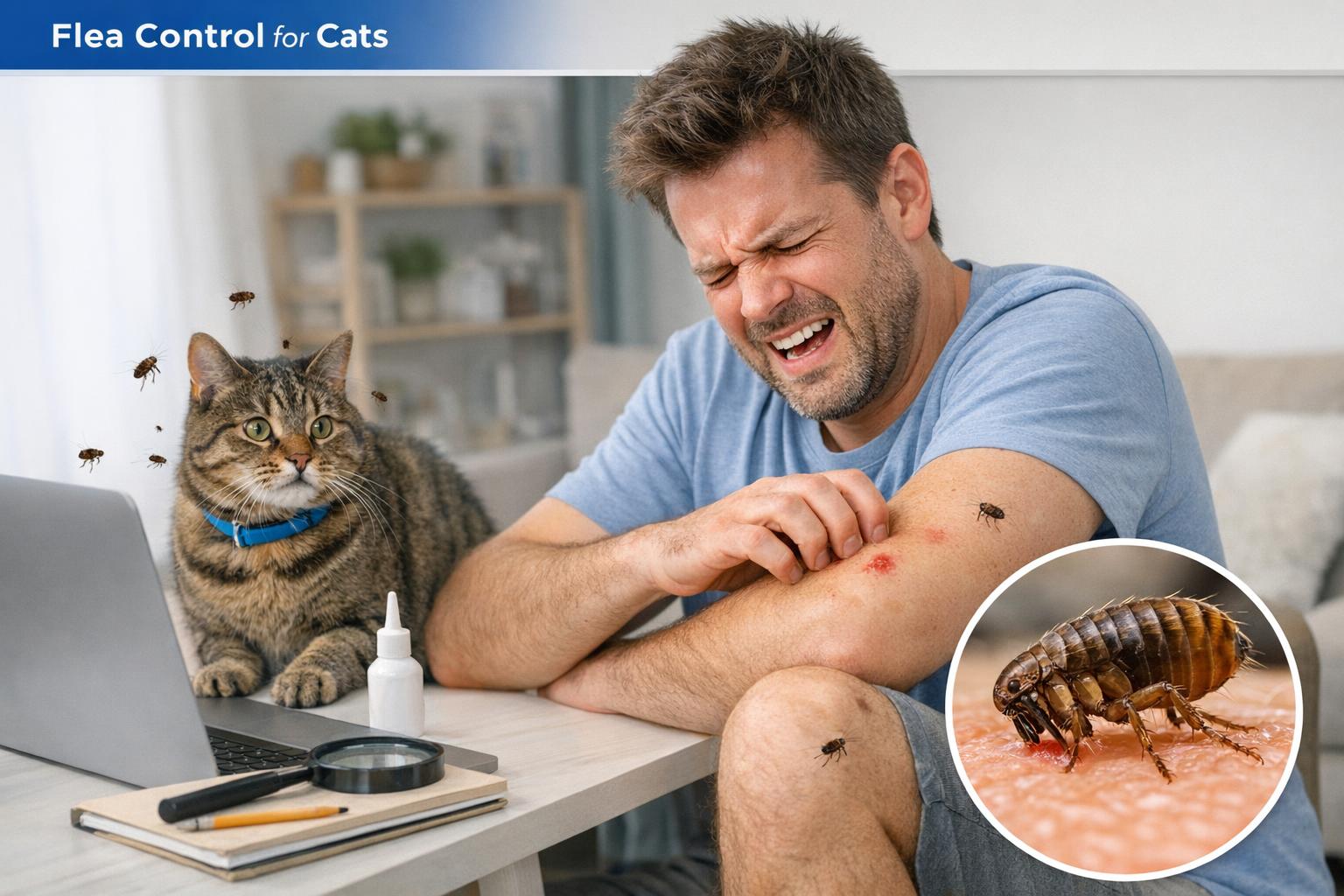
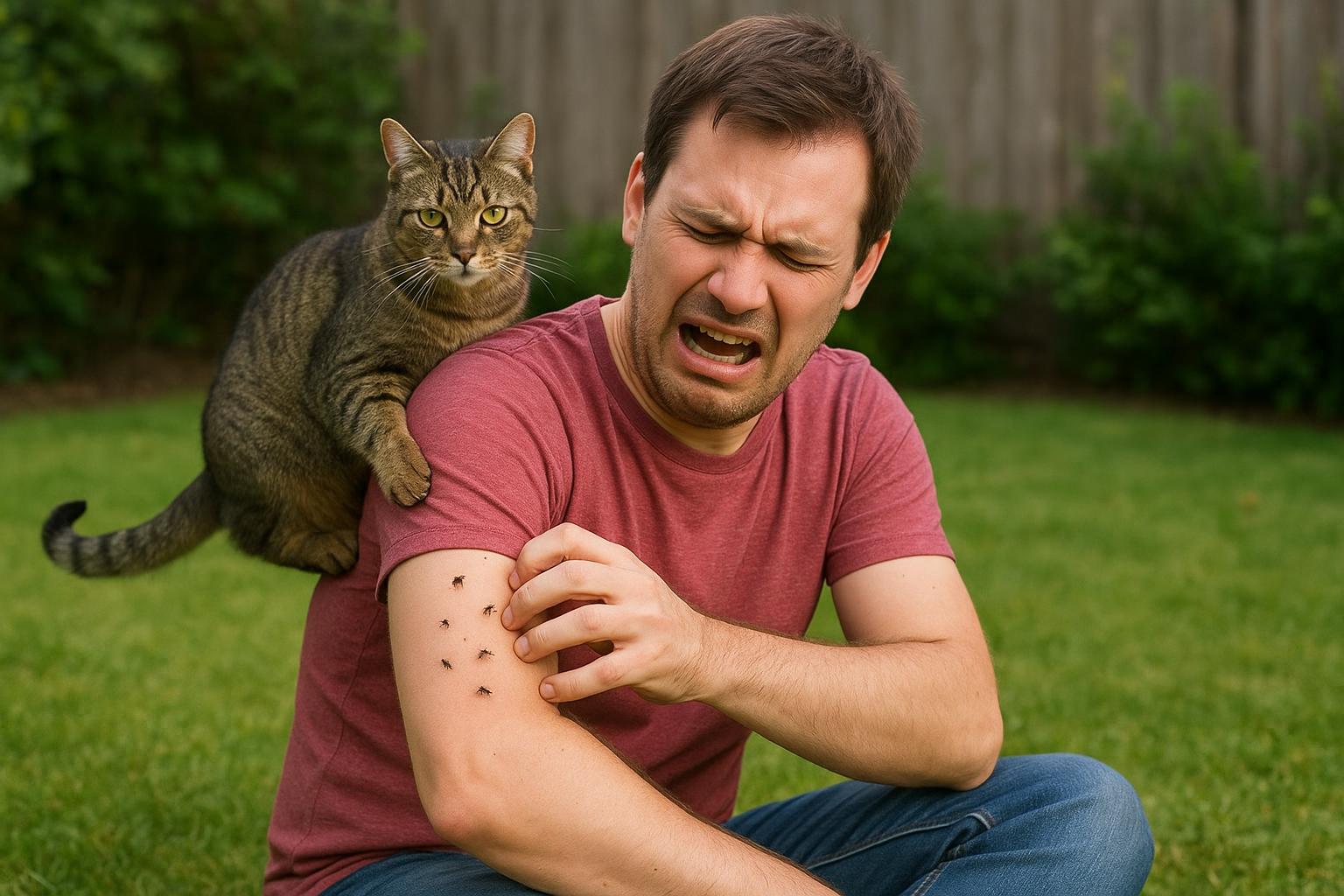
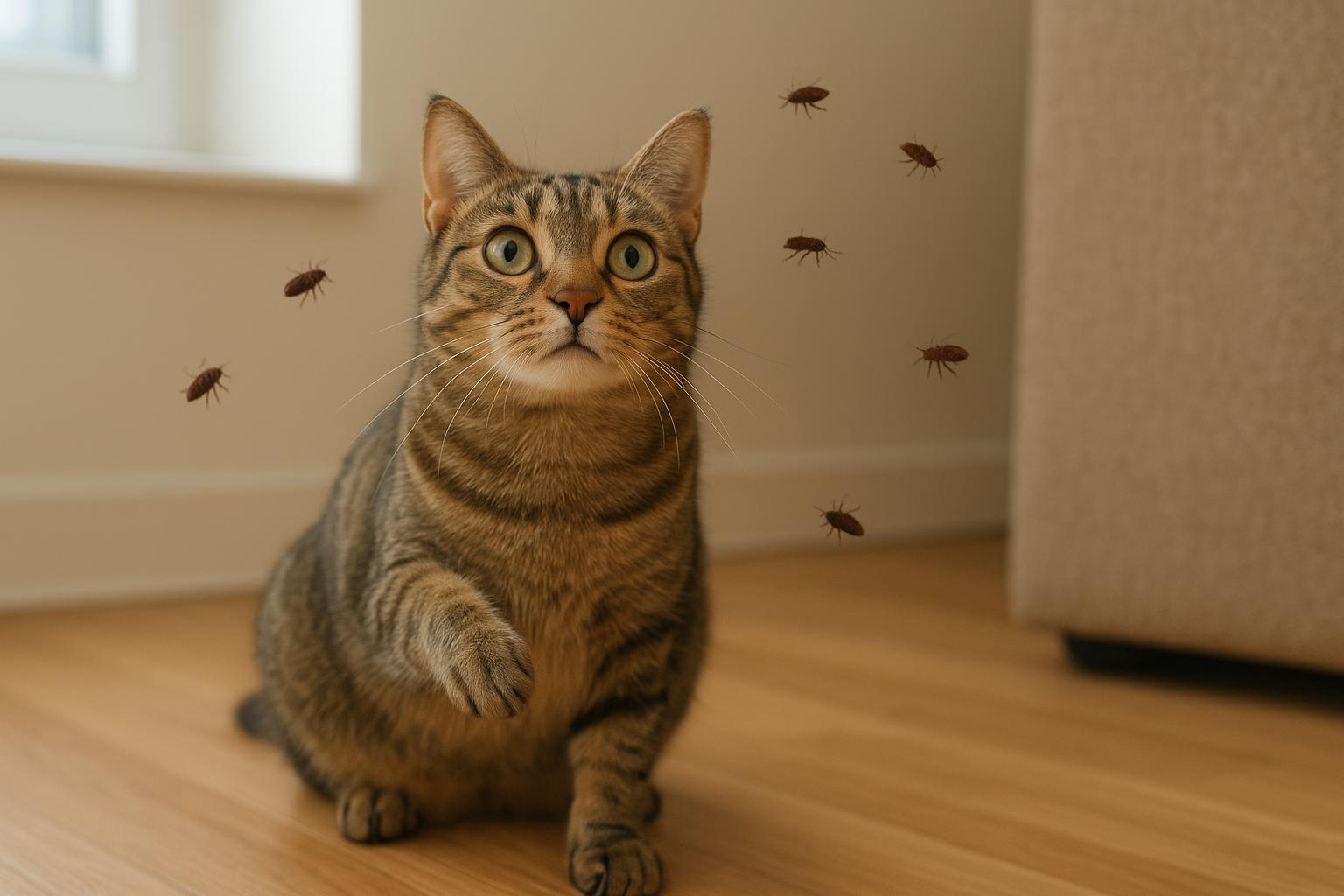
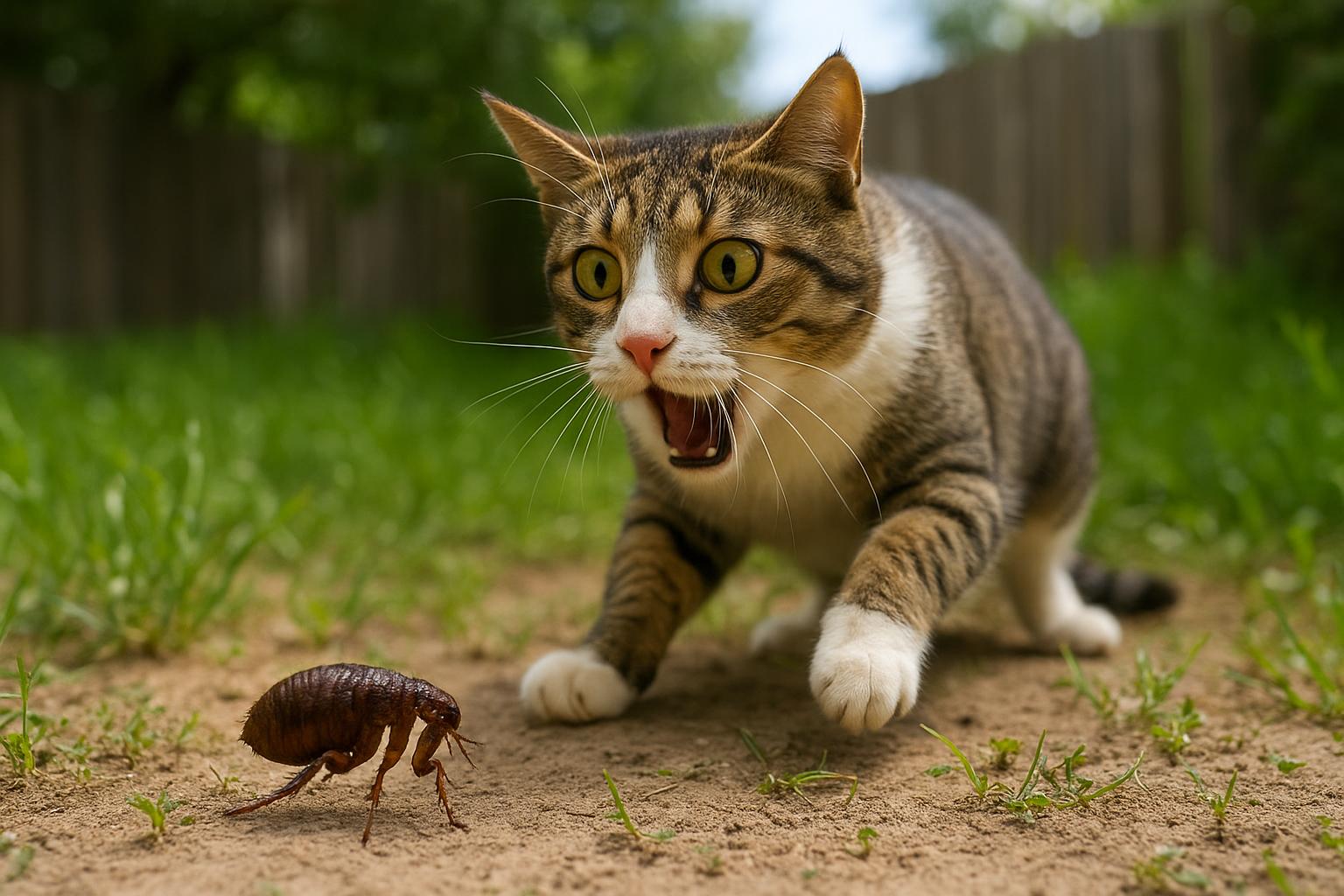
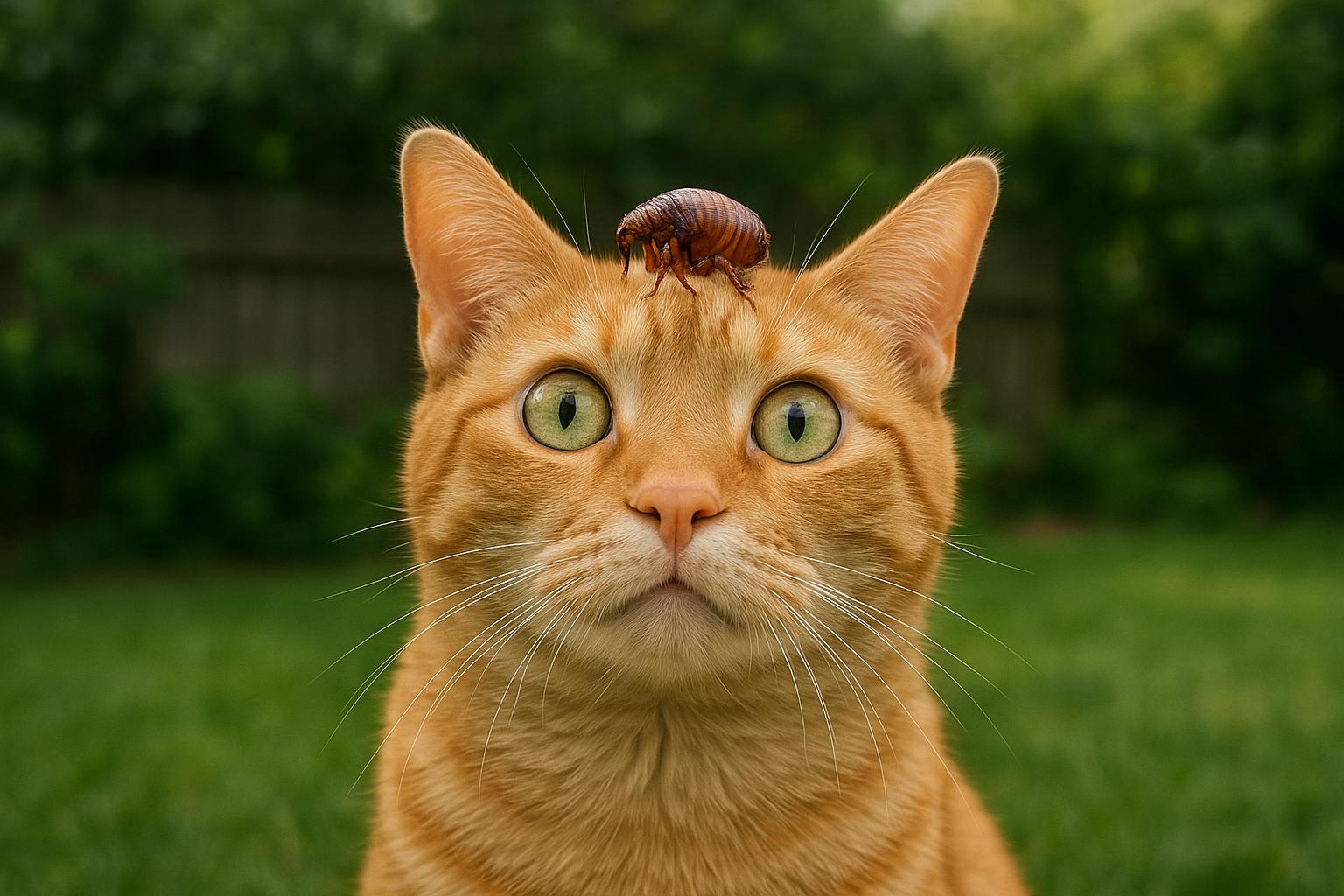
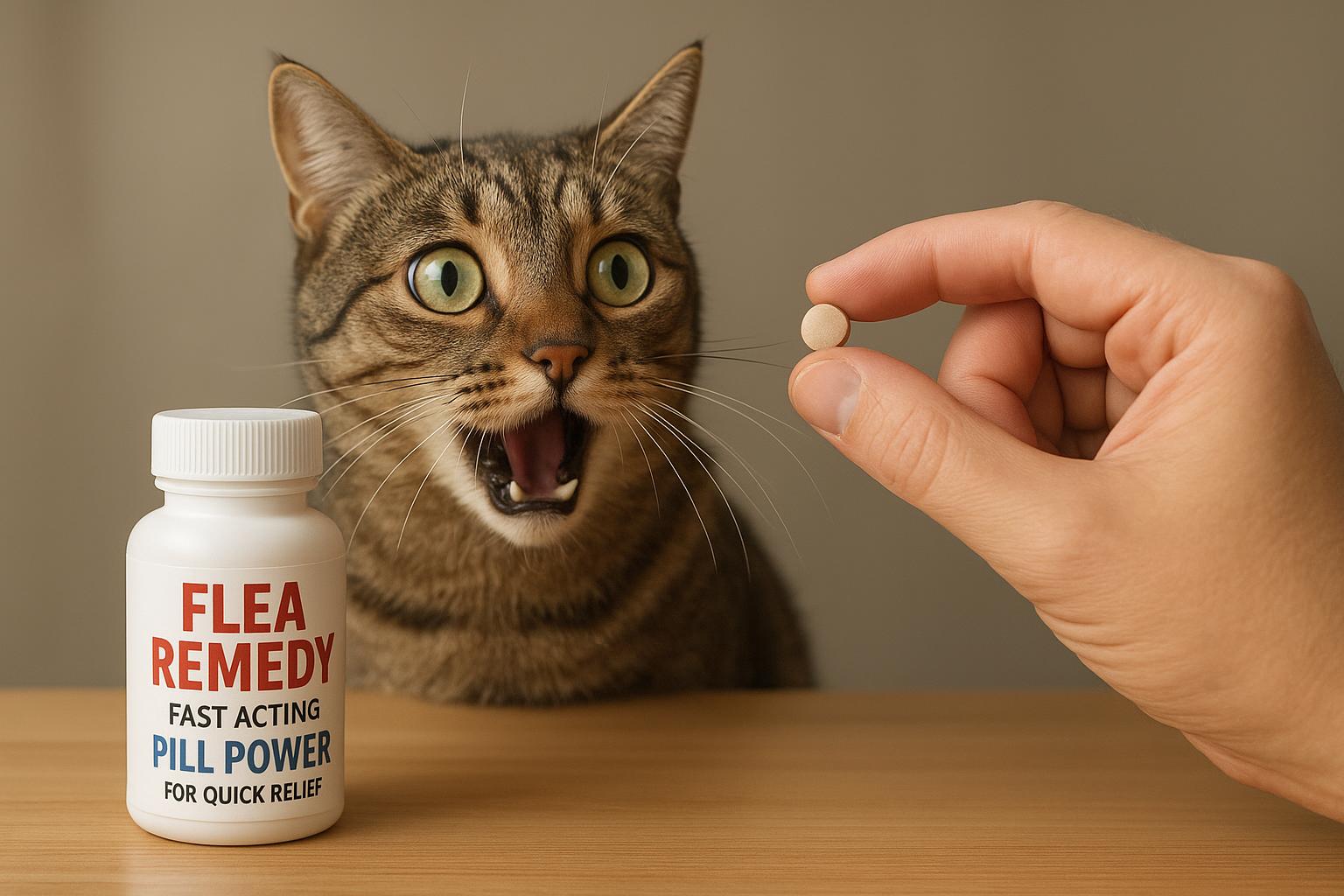
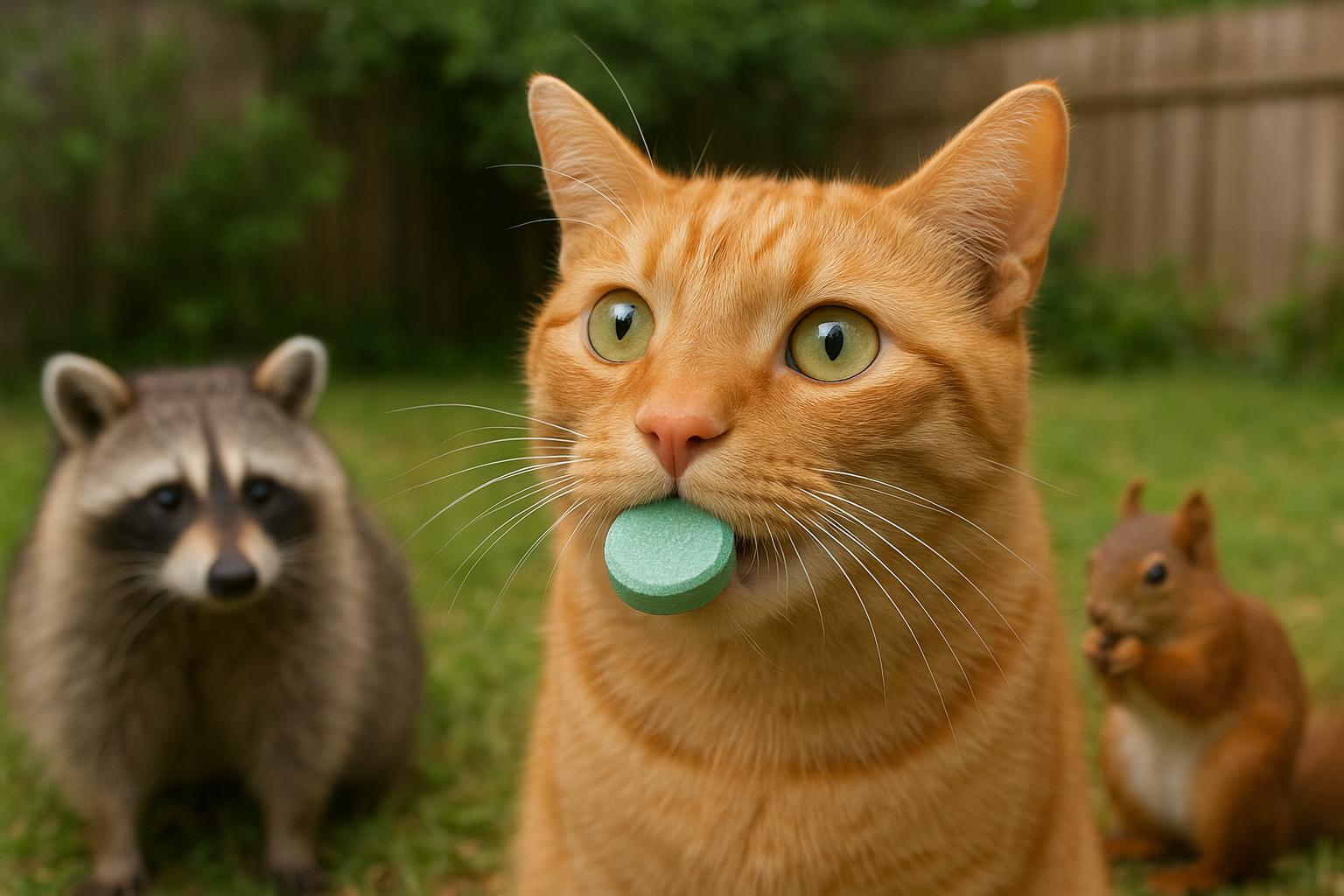
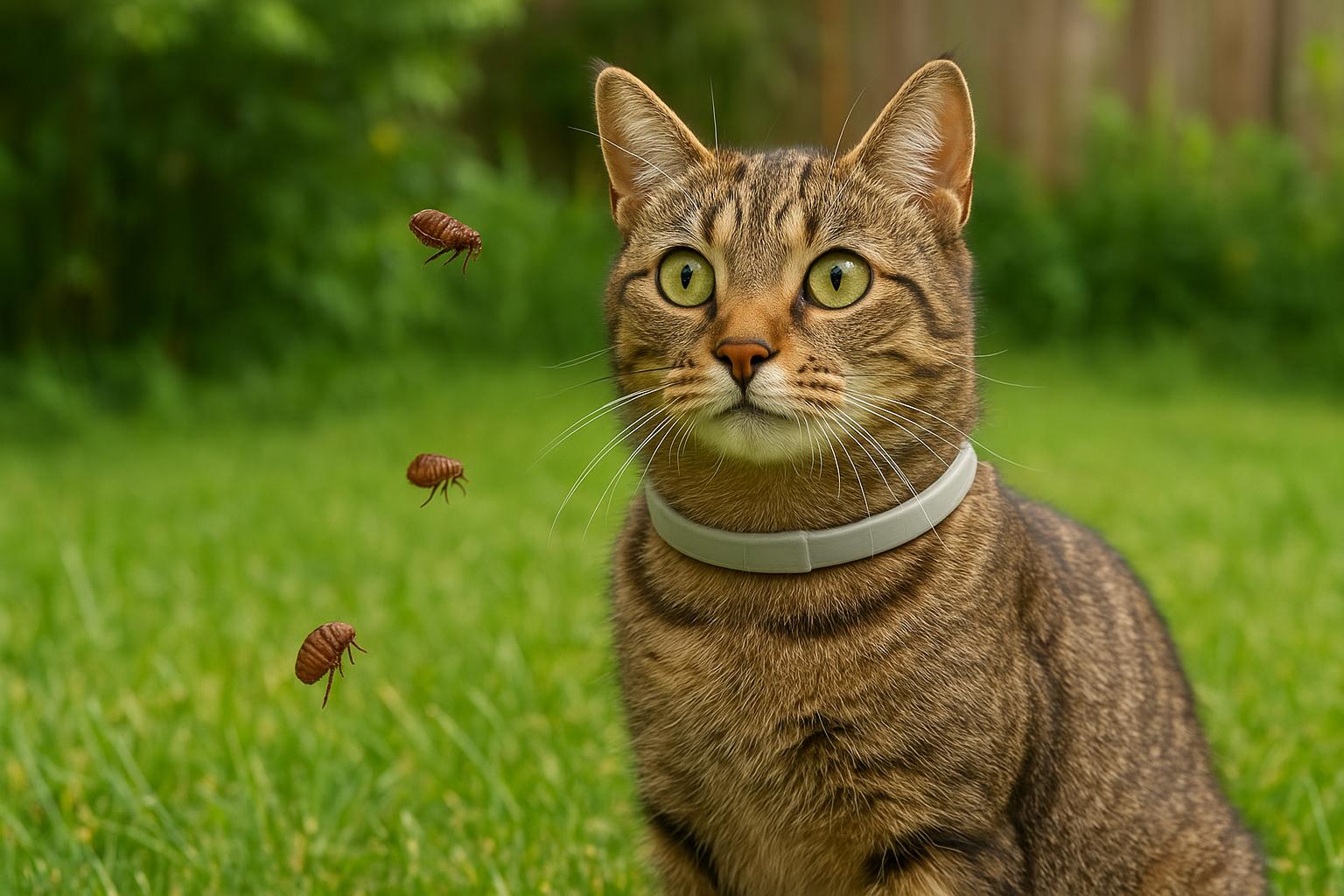
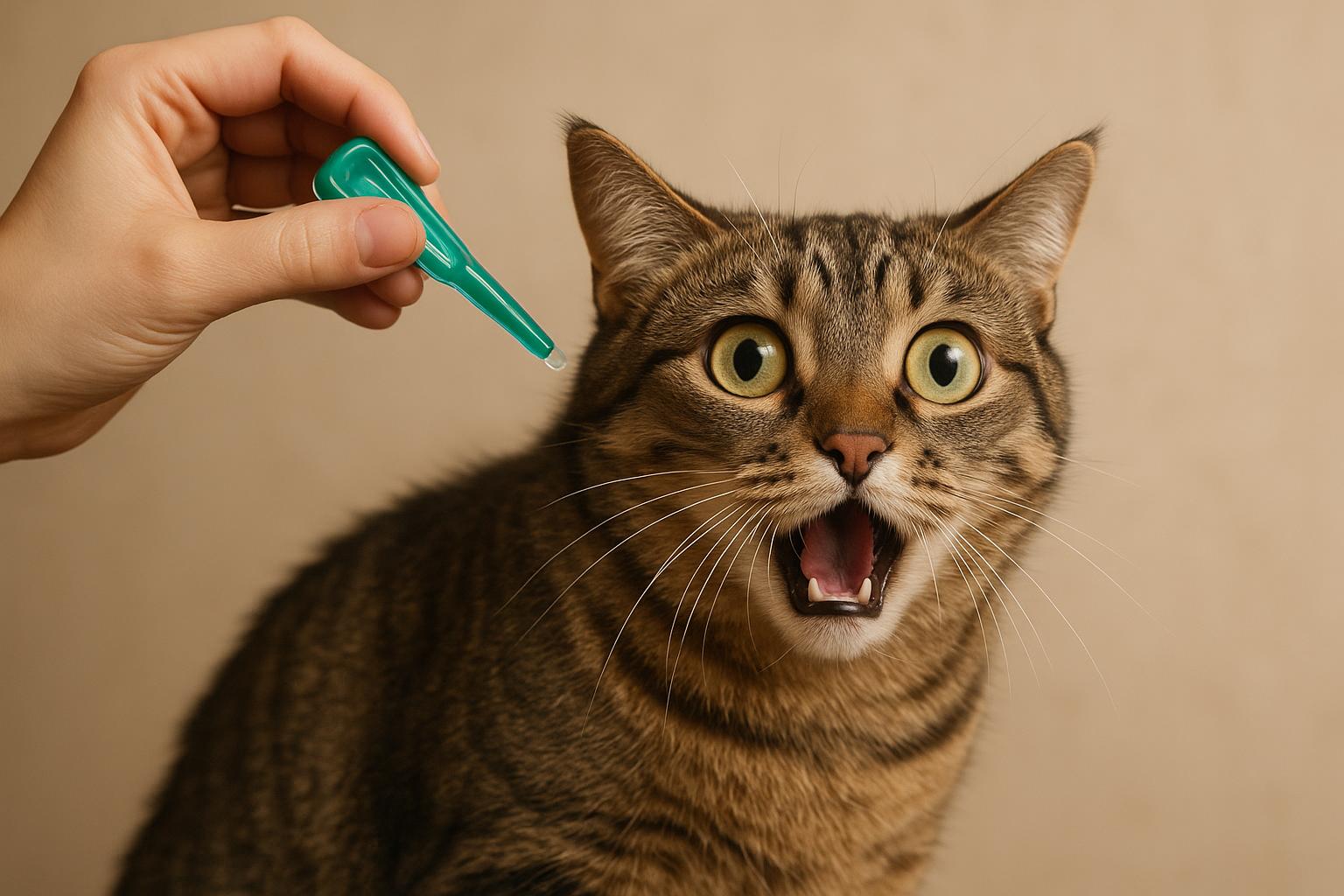
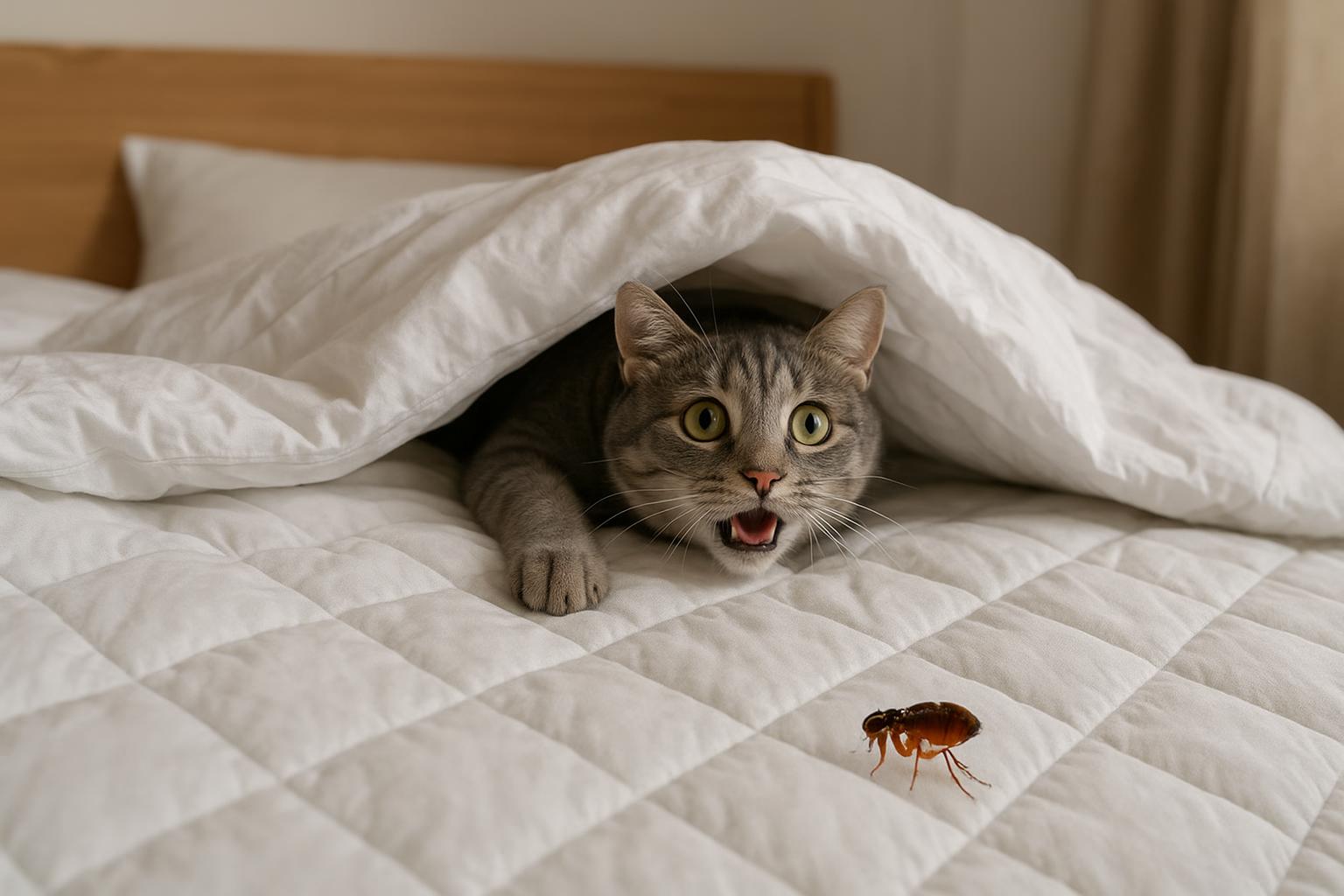
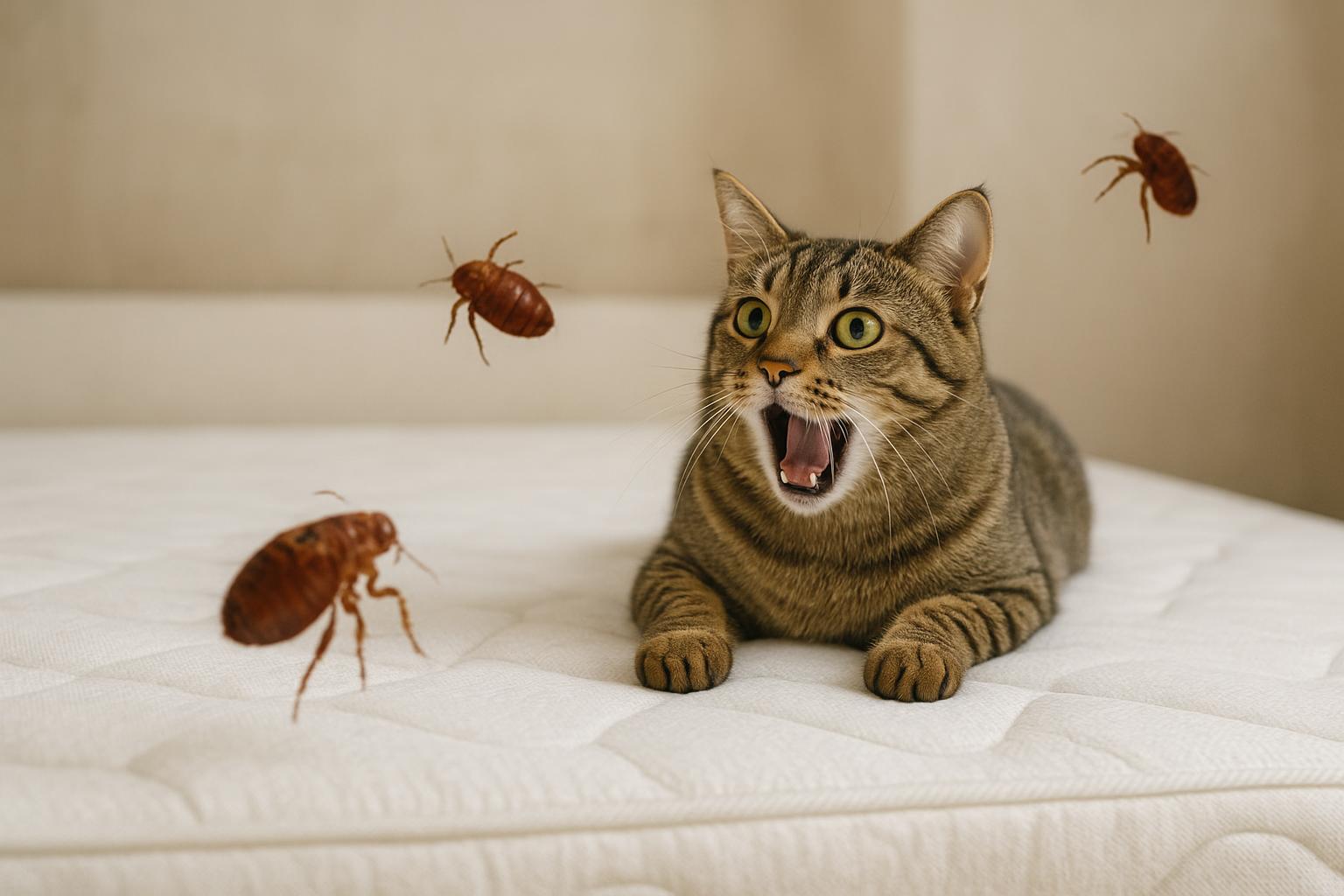
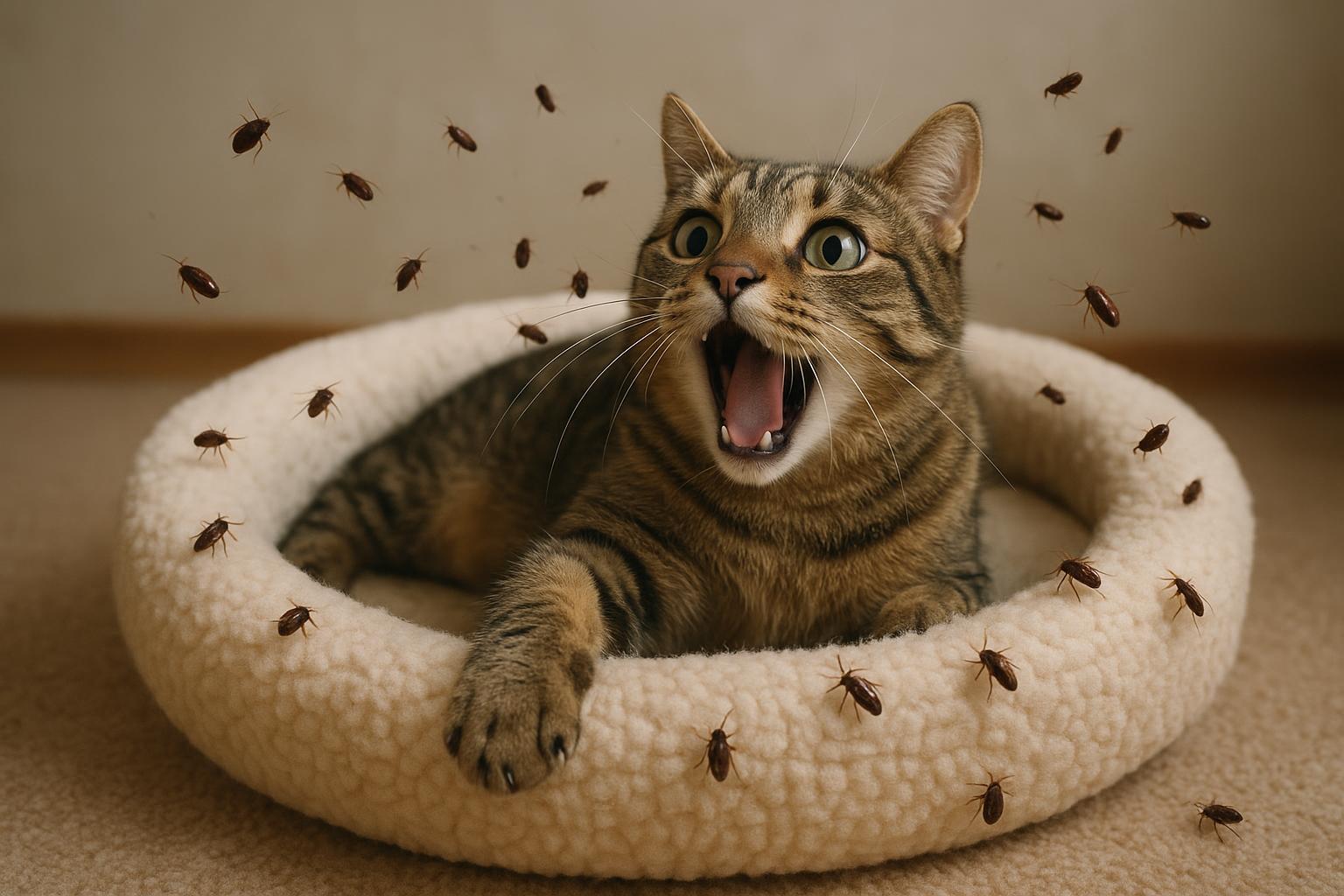
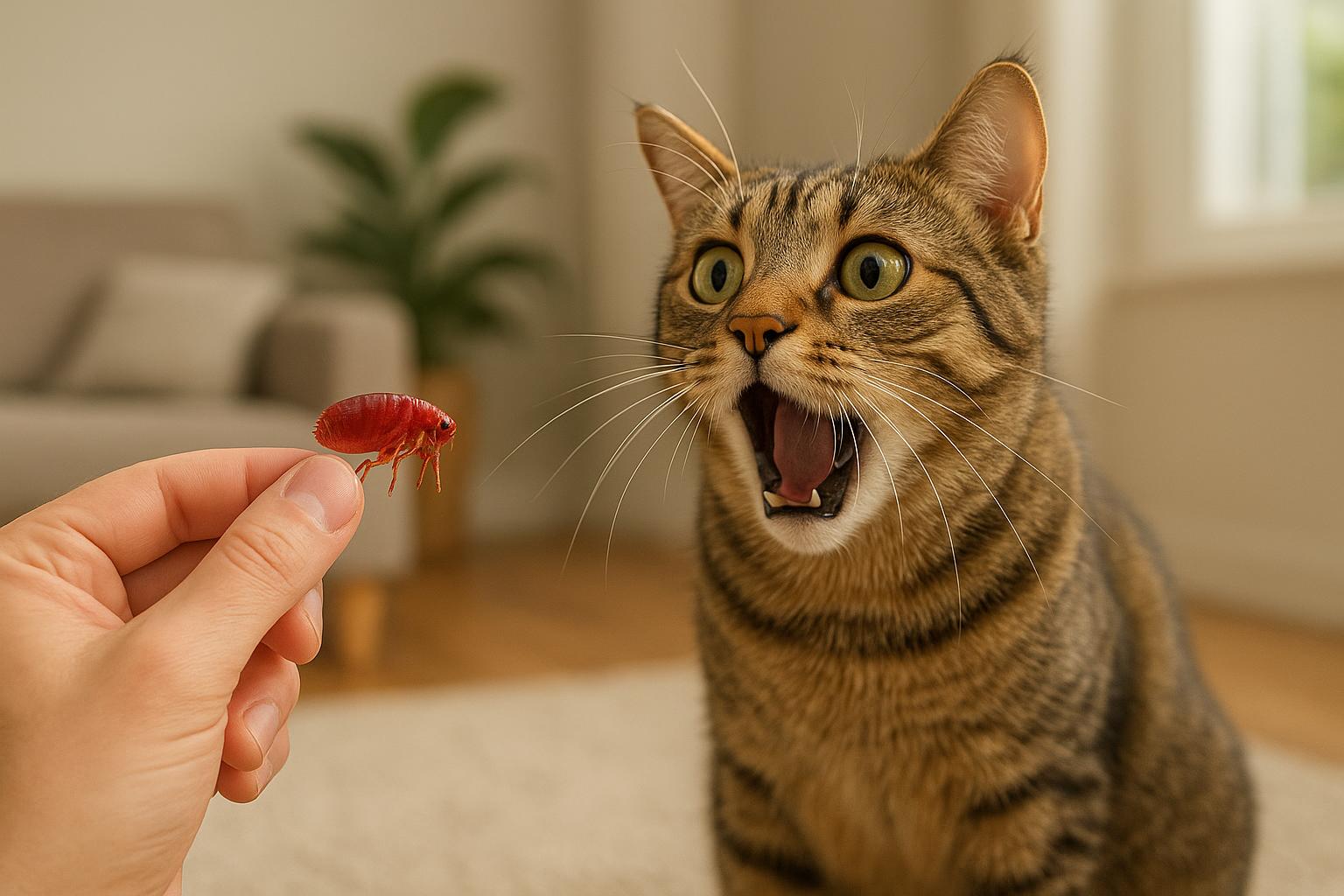
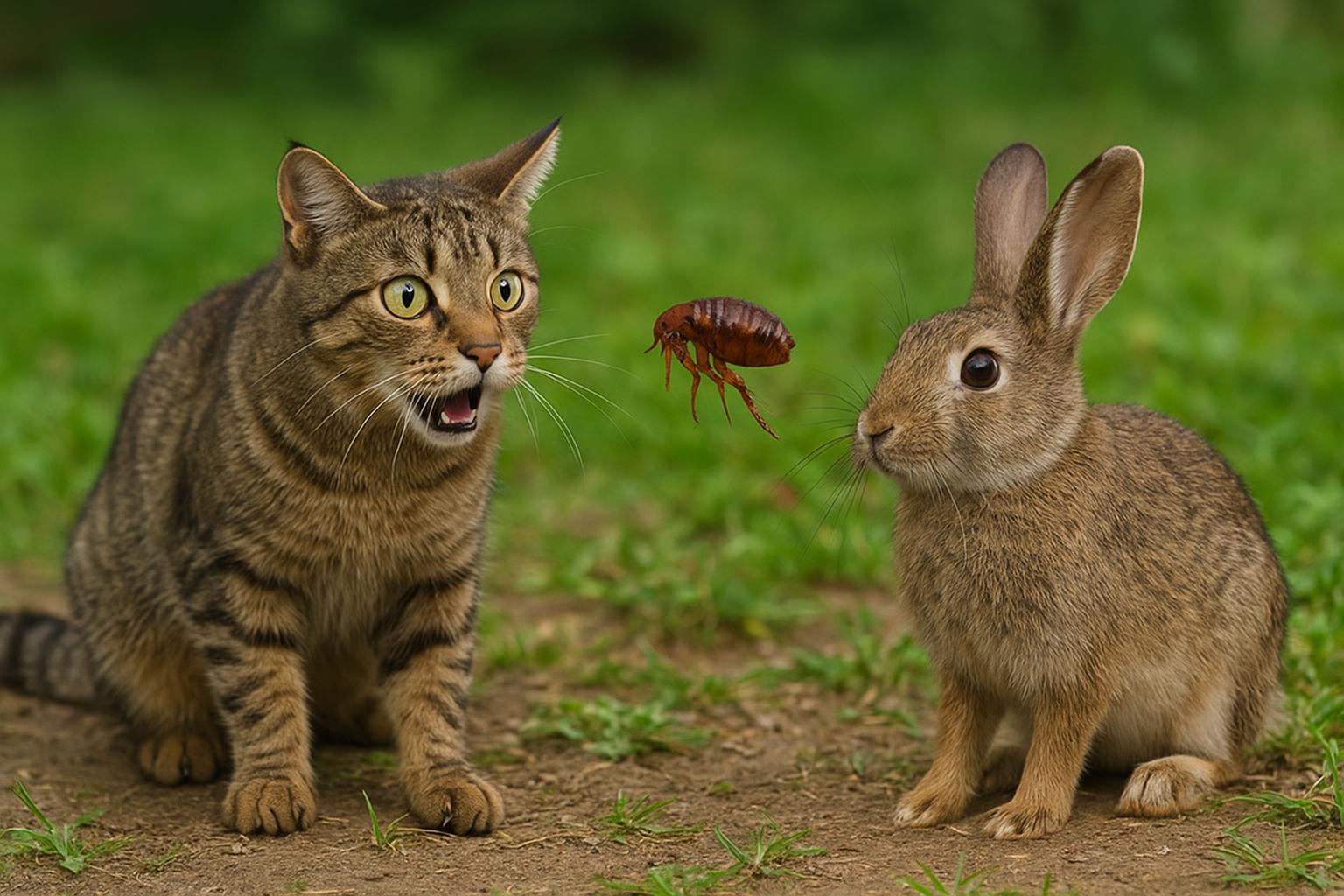
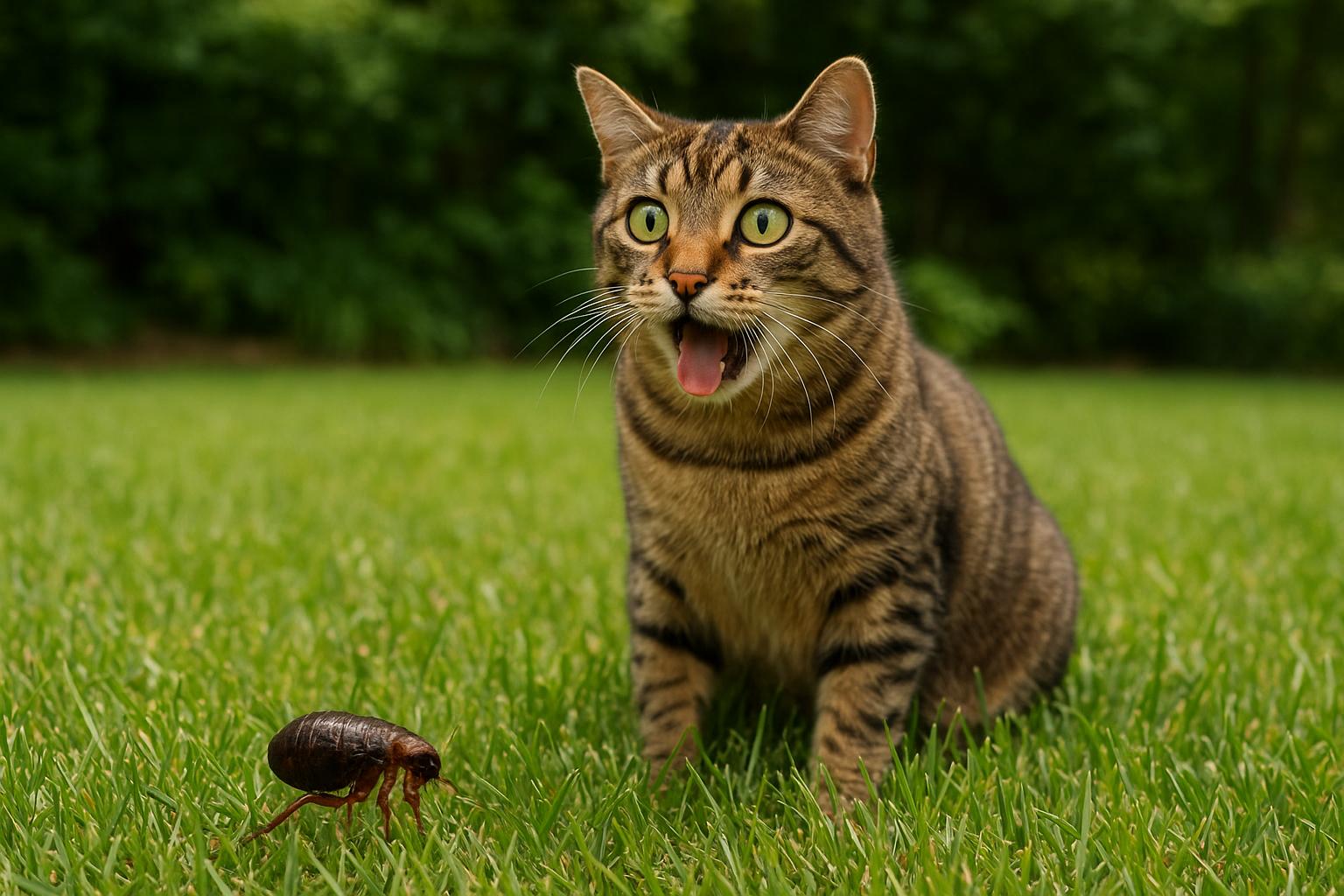
Fleas are tiny, persistent, and — if you’ve ever watched one leap across the living room carpet — somewhat impressive athletes. For cats, a sudden flea infestation can mean frantic scratching, irritated skin, and potential allergic reactions. A cat flea pill offers a fast, effective way to knock down an active infestation and reduce the itch-and-scratch misery quickly. This article walks through what fast acting oral flea medications do, how to choose them, and two clear remedies: one for immediate knockdown and one for ongoing control.
### How Fast Acting Oral Medication Works
Fast acting oral flea meds are designed to deliver a rapid blow to adult fleas through the bloodstream. When a flea bites a treated cat, it ingests the active ingredient and dies quickly, often within hours. There are a few classes of oral flea products:
– Nitenpyram (brand example: Capstar): starts killing adult fleas within 30 minutes to a few hours, but effects last only about 24–48 hours. Great for emergency knockdown.
– Isoxazolines (fluralaner, afoxolaner, sarolaner): provide long-lasting control with monthly to three-month dosing intervals, and also act relatively quickly (often within 4–8 hours for many fleas).
– Spinosad: another oral product providing potent flea adulticidal activity, usually on a monthly schedule.
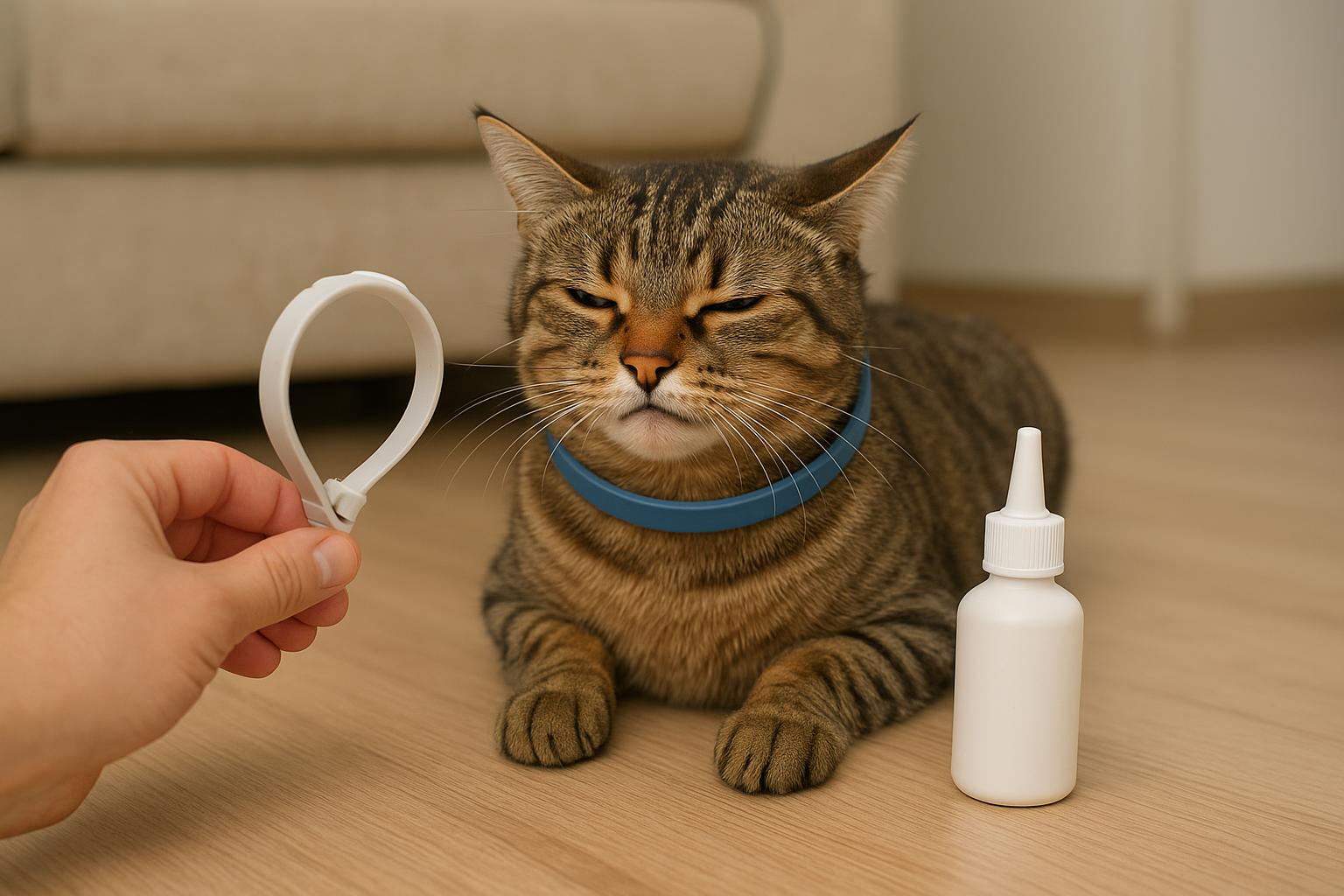
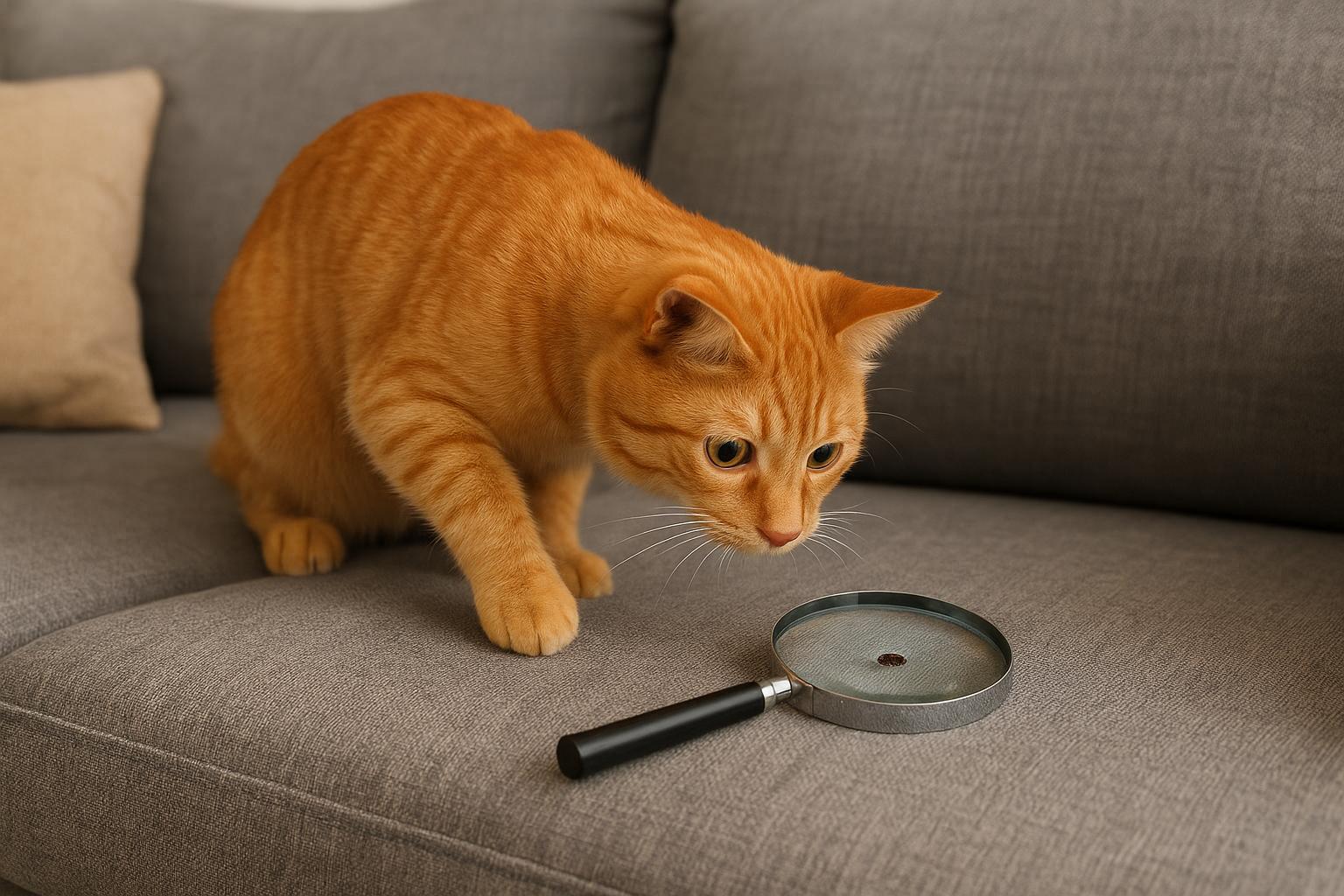
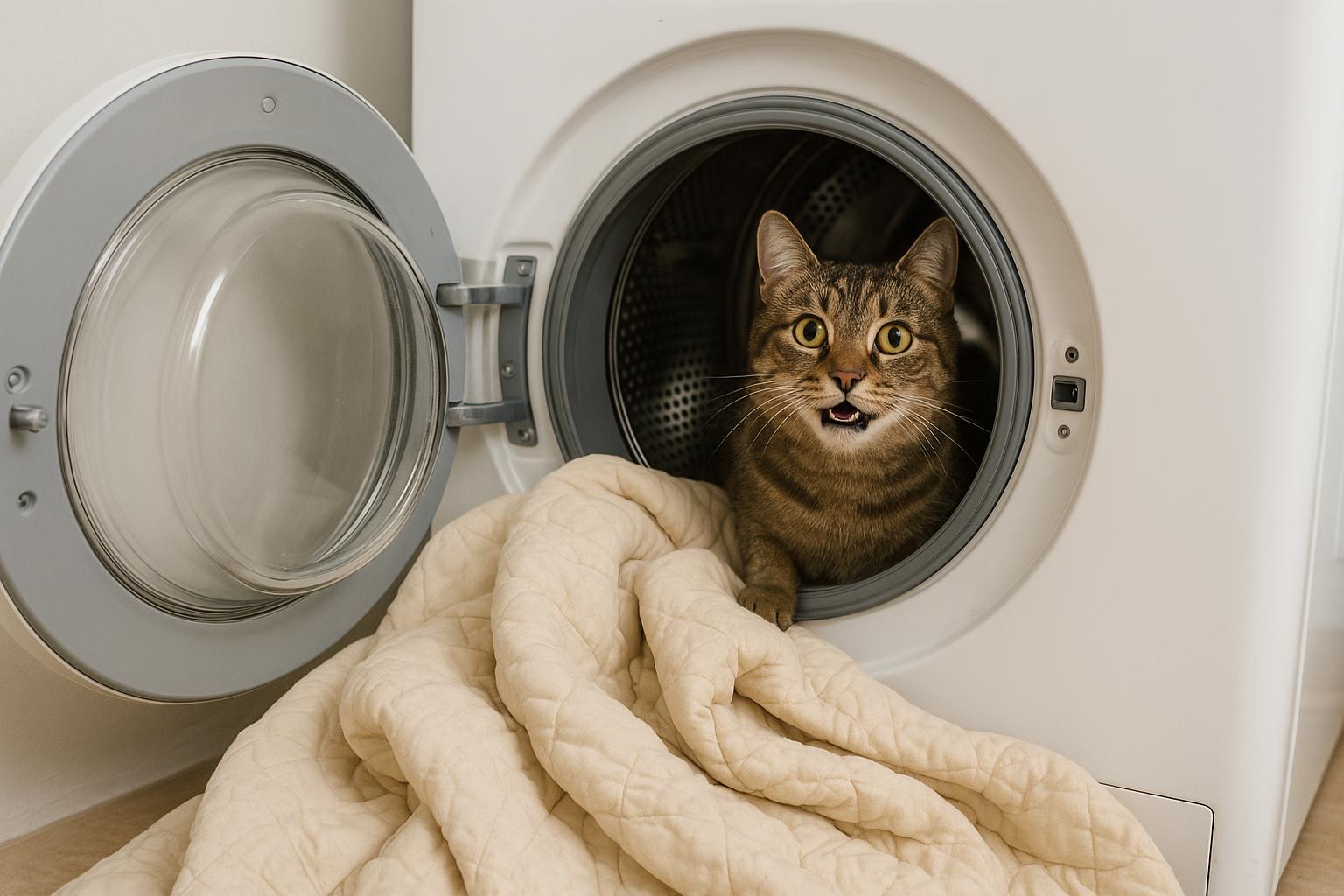
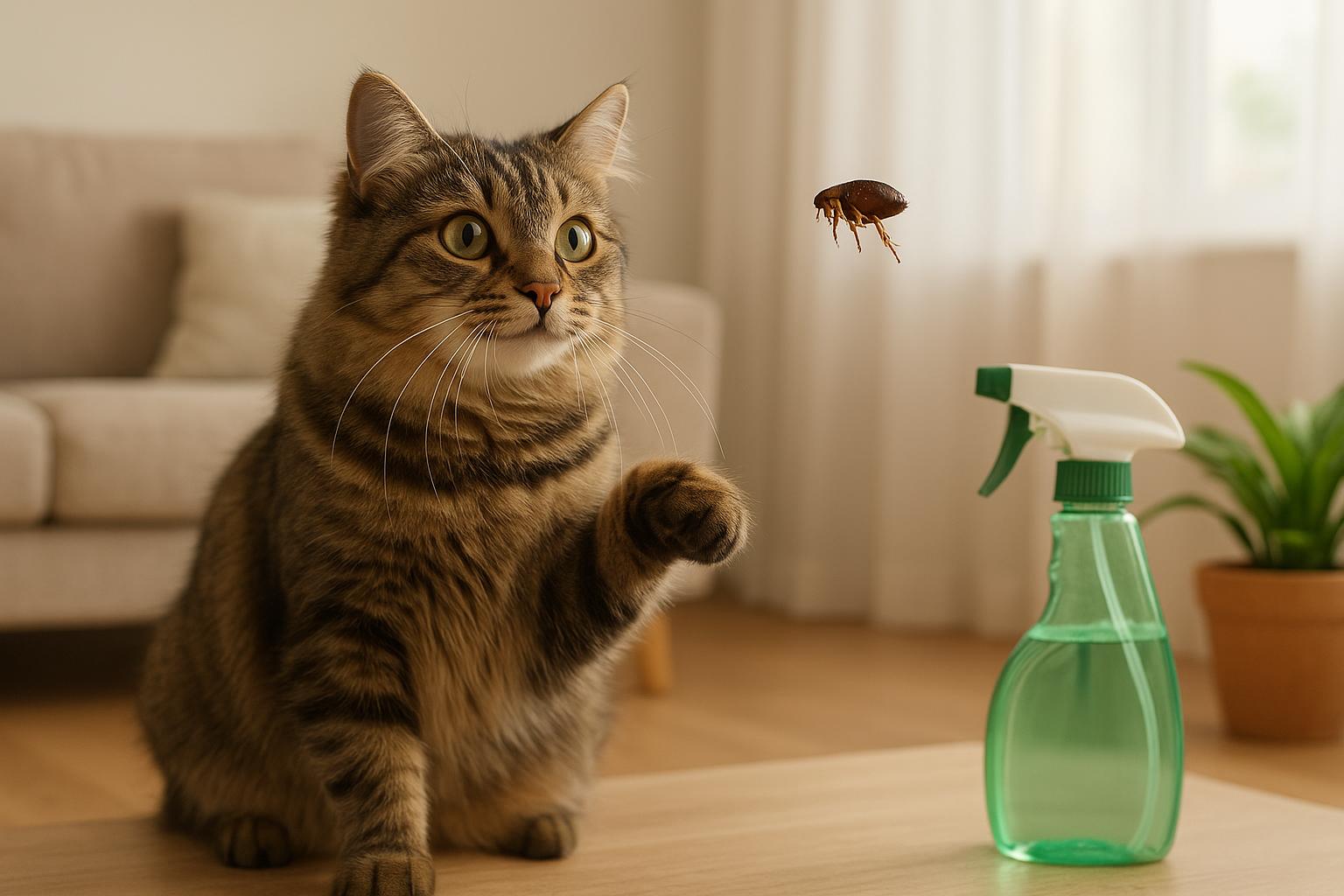
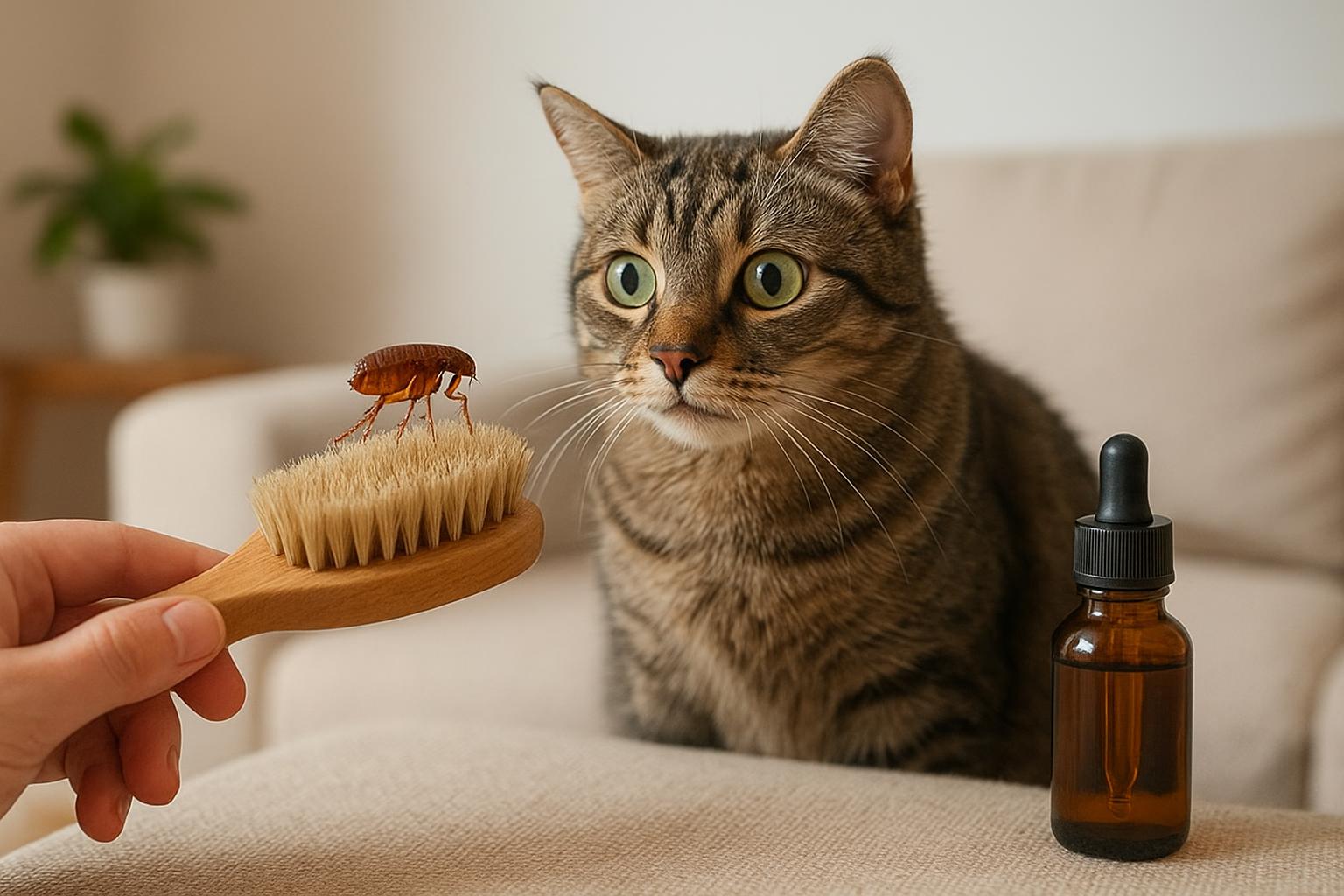
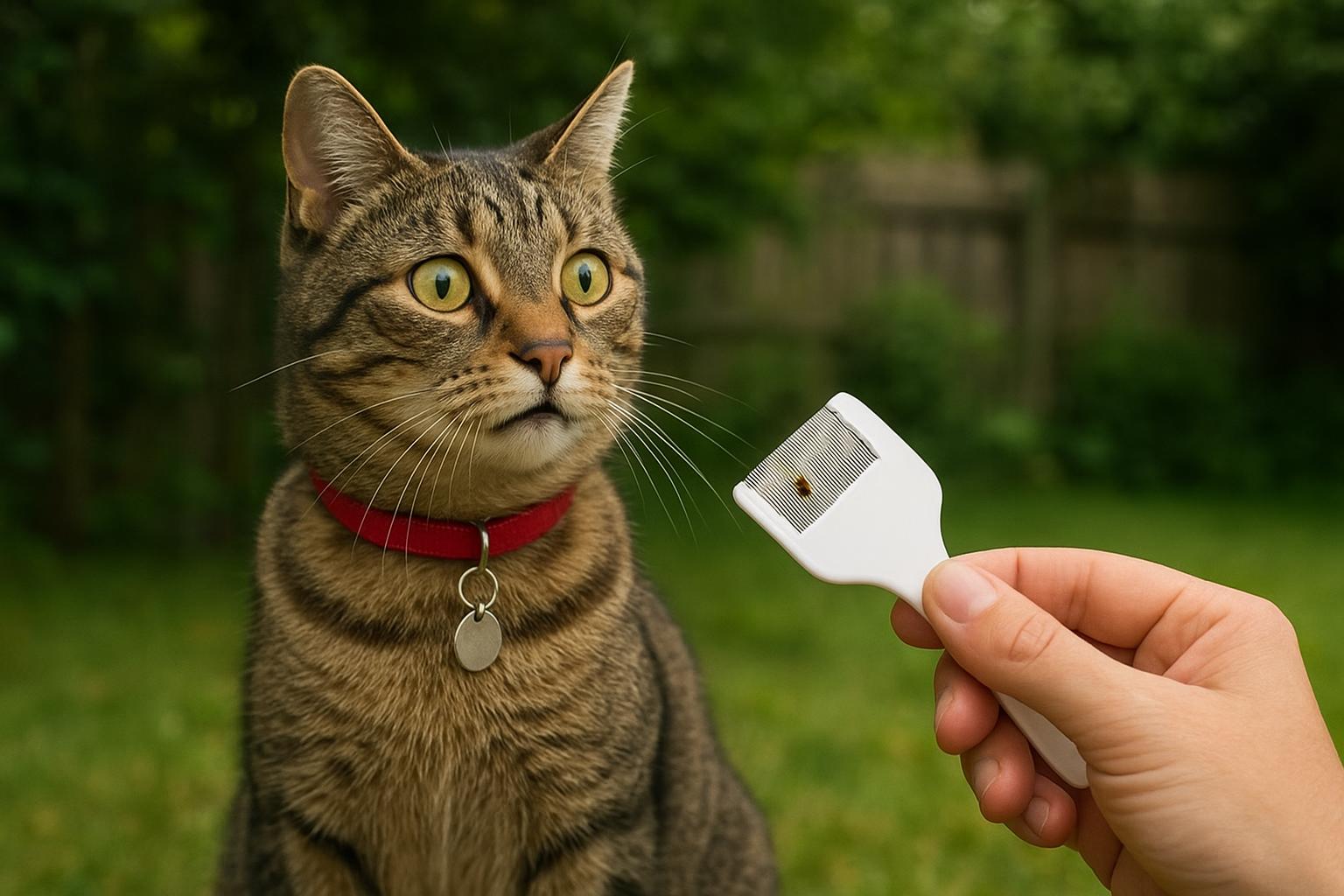
These medications focus primarily on killing adult fleas. For a full eradication strategy you’ll often pair a fast acting cat flea pill with environmental control (vacuuming, washing bedding, treating the home) and, when appropriate, an insect growth regulator (IGR) to inhibit egg and larval development.
### Safety, Vet Guidance, And Contraindications
When it comes to your cat’s health, formality helps: always consult a veterinarian before administering any oral flea medication. Cats have species-specific sensitivities, and some products labeled for dogs are dangerous for cats. Key considerations include the cat’s age, weight, pregnancy or lactation status, underlying medical conditions, and concurrent medications. Isoxazolines and spinosad have excellent safety profiles in many cats, but rare neurologic adverse events have been reported — discuss seizure history with your vet. Nitenpyram is well tolerated and often used in multi-pet households to quickly reduce flea burden while other longer-term treatments take effect.
## Choosing The Right Cat Flea Pill
Selecting the right product is both practical and partly personal: you want something effective, safe, and easy to administer. Consider these factors:
– Speed Of Action: If fleas are actively biting and your cat is miserable, a rapid-onset cat flea pill like nitenpyram is ideal for immediate relief.
– Duration: For monthly maintenance, isoxazolines or spinosad offer longer intervals and prevent reinfestation.
– Life Stage Of Cat: Kittens under a certain weight or age can’t take some medications; check label and vet recommendations.
– Other Pets: Coordinate treatments across all animals in the home to avoid reinfestation.
– Health Status: Ill or pregnant cats require veterinary evaluation before treatment.
A balanced approach often uses a fast acting cat flea pill for immediate relief followed by a monthly controller to keep fleas at bay.
### When To Use A Fast Knockdown Versus Ongoing Control
Use fast knockdown when you notice active fleas, sudden scratching, or when introducing a new pet into a home with an uncertain flea history. Following the initial knockdown, transition to a longer-acting oral controller to suppress fleas over weeks and prevent the life cycle from reestablishing. Environmental steps should run alongside medication.
### Potential Side Effects And What To Watch For
Mild gastrointestinal signs (vomiting, diarrhea) and lethargy are possible. Allergic reactions are rare but require immediate veterinary attention. If you see neurologic signs (tremors, twitching, seizures), stop the medication and contact your vet.
#### Readying Your Cat For Oral Administration
Techniques to make dosing smoother:
– Weigh the cat or confirm weight with the vet to ensure correct dosing.
– Hide the tablet in a small amount of wet food if the product permits food administration.
– Have treats ready as positive reinforcement.
– If a pill is refused, ask your vet about compounding flavored formulations or alternative routes.
## Remedy 1: Fast Acting Oral Treatment With Nitenpyram (Capstar)
This remedy addresses active infestations and aims to provide rapid relief.
#### Ingredients And Required Materials
– Veterinary-prescribed nitenpyram tablets dosed for cat’s weight (commonly 11.4 mg tablets for cats under 25 lbs; follow label/vet directions).
– Small dish for food (if giving with food).
– Towel (optional, to gently restrain a squirmy cat).
– Clean gloves (for handler comfort).
– Timer or clock to monitor onset and follow-up.
#### Step-By-Step Creation And Application
1. Vet Confirmation: Contact your veterinarian to confirm nitenpyram is appropriate given the cat’s health, age, and concurrent medications.
2. Dose Selection: Use the correct tablet strength for the cat’s weight as prescribed.
3. Preparation: Have the tablet accessible and decide whether to give it directly or conceal in a small portion of wet food (many cats accept it this way; check product instructions).
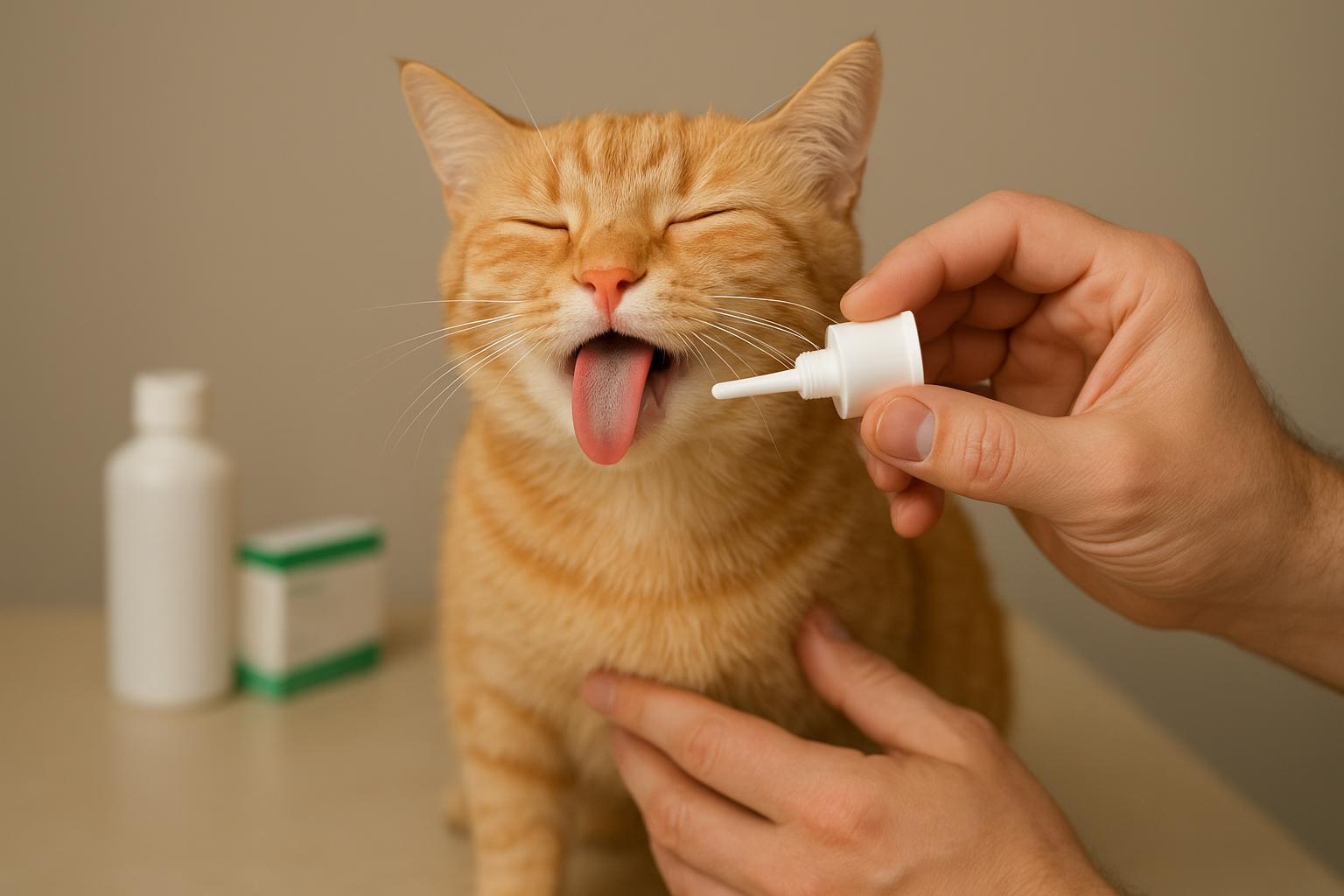
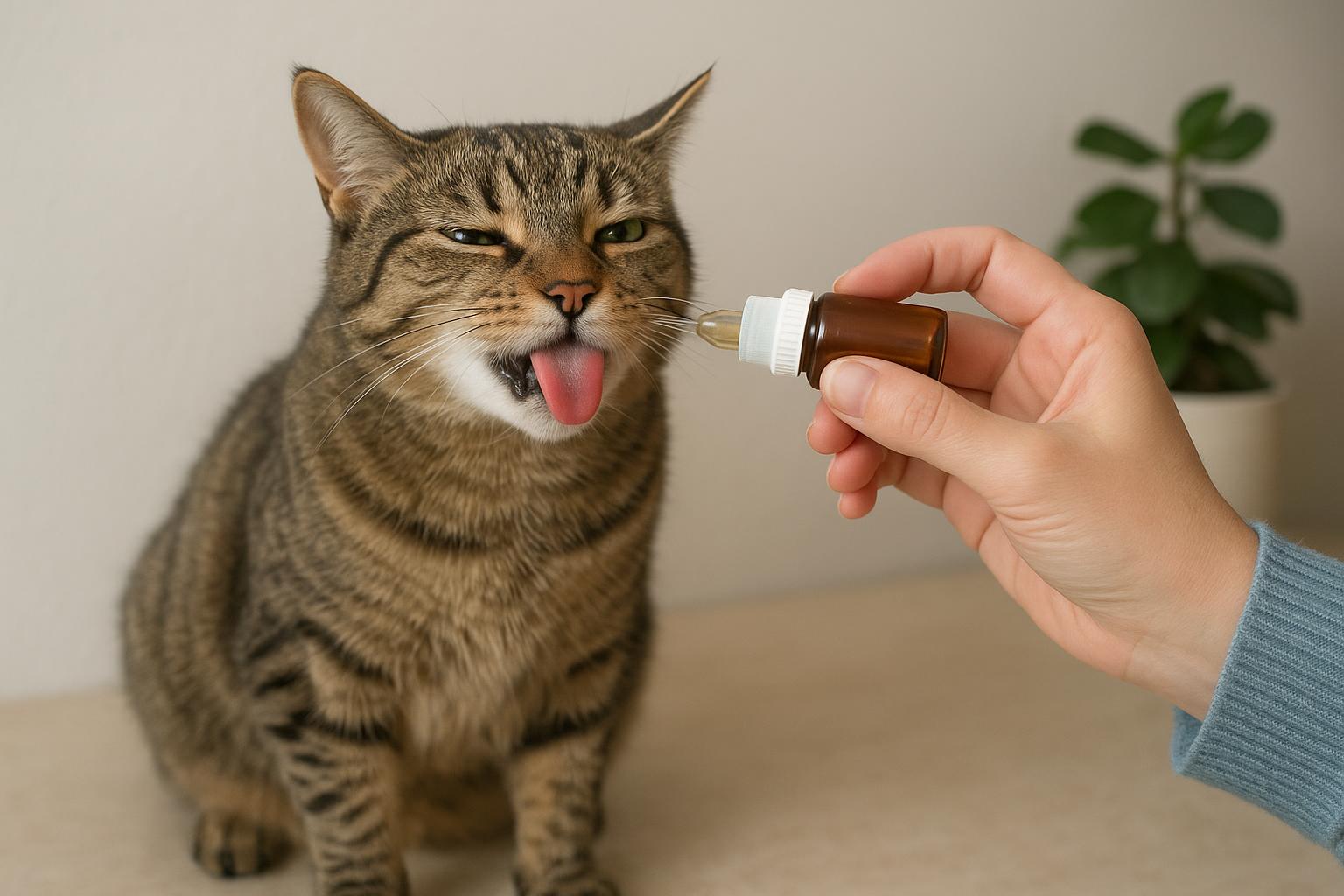
4. Administer Dose: Offer the tablet directly or place it in the food. If pill-giving is needed, gently hold cat’s head, open mouth, place tablet at the back of the tongue, then close mouth and stroke throat until swallow occurs.
5. Observe: Nitenpyram often begins killing fleas within 30 minutes to 4 hours. Monitor for any adverse reactions during the first 24 hours.
6. Repeat If Needed: The effect typically lasts 24–48 hours. For ongoing control, follow this with a monthly controller as described in Remedy 2.
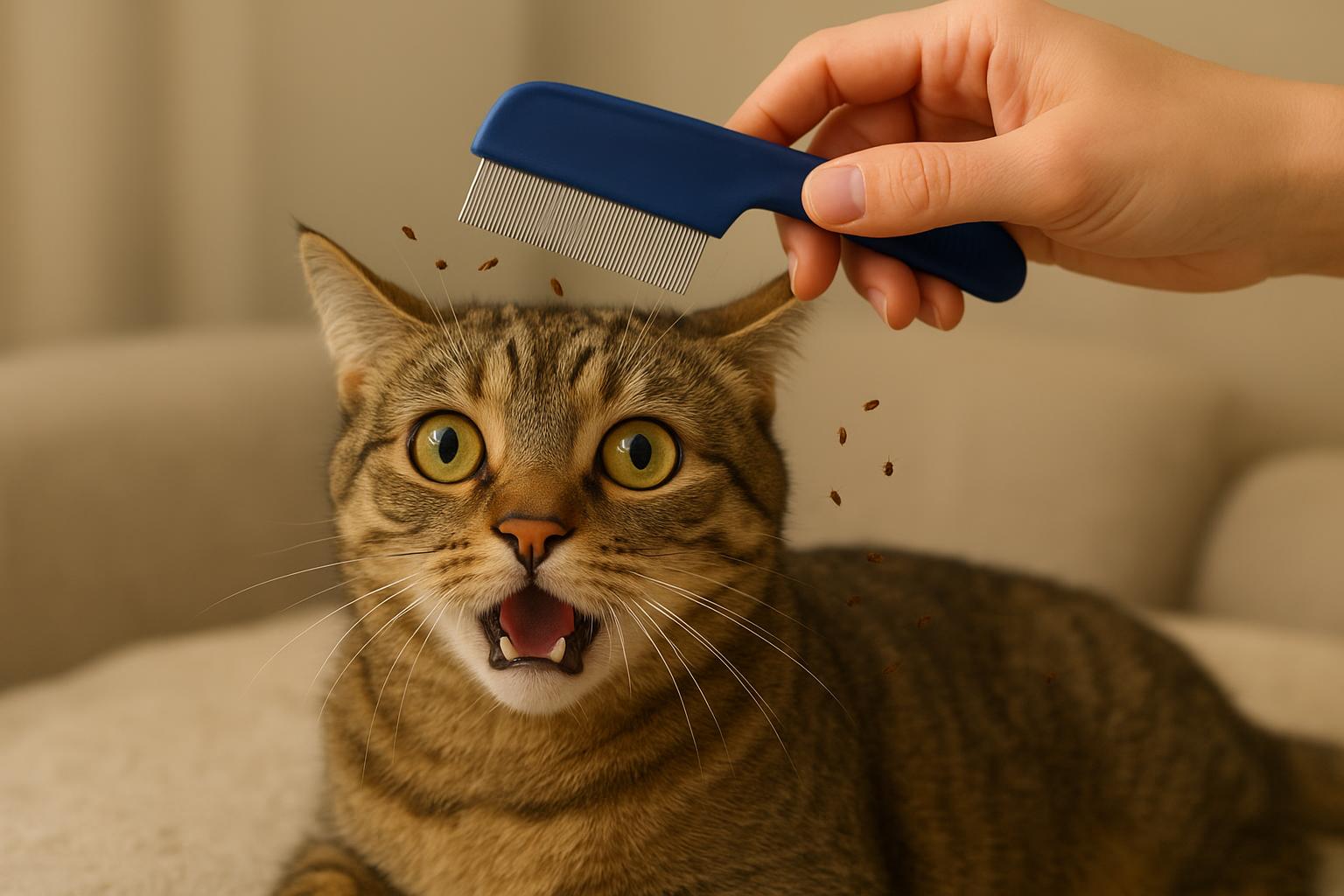
7. Environmental Measures: Vacuum carpets, wash bedding, and treat other pets. Use an IGR or environmental spray if recommended by your vet.
This fast-acting approach is ideal for immediate relief, especially when you need a quick reduction in flea numbers before a longer-term program takes effect.
## Remedy 2: Monthly Oral Flea Control (Isoxazolines) For Maintenance
This remedy is about sustained prevention and control after an initial knockdown. It uses an isoxazoline product administered monthly or every 8–12 weeks depending on the specific compound.
#### Ingredients And Required Materials
– Prescription oral isoxazoline formulated for cats (e.g., fluralaner, sarolaner — available by prescription; brand names vary).
– Digital scale or vet-verified weight (for accurate dosing).
– Record-keeping method (calendar, reminder app) to track dosing intervals.
– Treats or pill pockets (optional for administration).
– Vet contact information for adverse event reporting.
#### Step-By-Step Creation And Application
1. Veterinary Assessment: Have your cat examined to verify suitability for isoxazoline therapy, especially if your cat has a history of seizures or is pregnant/young.
2. Select Product & Dose: Based on weight and desired dosing interval, your vet will prescribe the appropriate product and strength.
3. Establish Baseline: Note current flea status and any medications the cat is on to prevent interactions.
4. Administer First Dose: Give the first monthly dose as directed. Some isoxazolines are well tolerated with or without food; follow label advice.
5. Monitor: Check the cat for any adverse signs over the first 48–72 hours. Report concerns to your vet.
6. Set Reminders: Use a calendar or app to set monthly reminders; consistent monthly dosing is crucial for prevention.
7. Environmental Control: Maintain regular vacuuming, wash pet bedding weekly, and treat other pets. Combining with an IGR when environmental pressure is high can be beneficial.
Isoxazolines provide robust, long-term protection against adult fleas and often reduce the need for repeated emergency treatments. They’re a strong choice as the maintenance phase following a fast-acting cat flea pill.
### Coordinating Treatments For Multi-Pet Homes
If you have dogs or other cats in the house, coordinate treatment across species to avoid reinfestation. Some dog products are toxic to cats; never give a dog product to a cat. Use species-appropriate medications and treat all pets simultaneously if possible.
#### Record Keeping And Follow-Up
Maintain records of what you gave and when, and schedule periodic check-ins with your vet to reassess parasite control strategies as your cat’s environment or health status changes.
### Final Practical Tips And Common Questions
– Can I give a human flea pill to a cat? No — do not use human medications; many are unsafe for cats.
– How soon will my cat stop scratching? With a fast acting cat flea pill, adult fleas begin to die quickly and scratching often decreases within 24–48 hours, though secondary skin irritation may take longer to resolve.
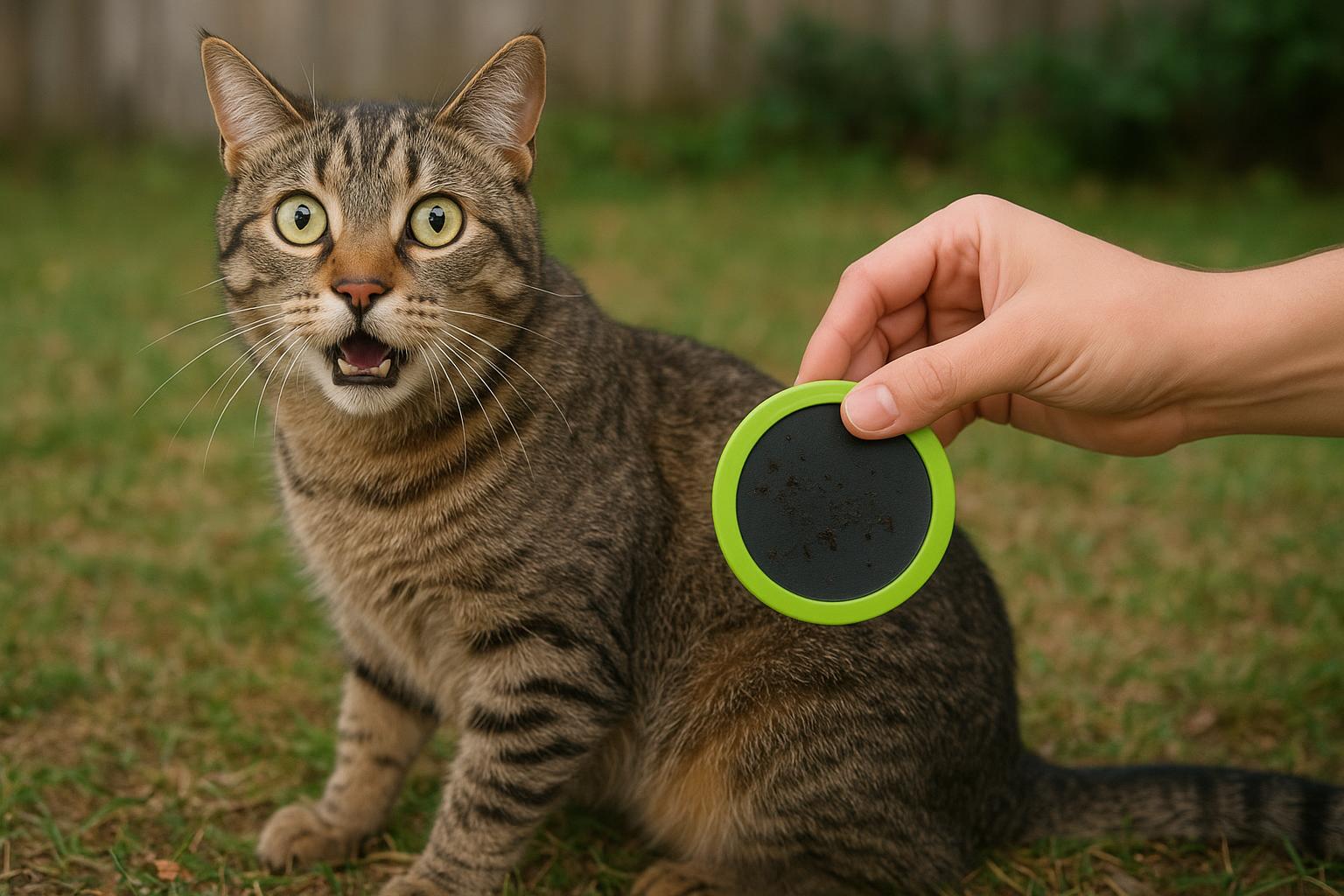
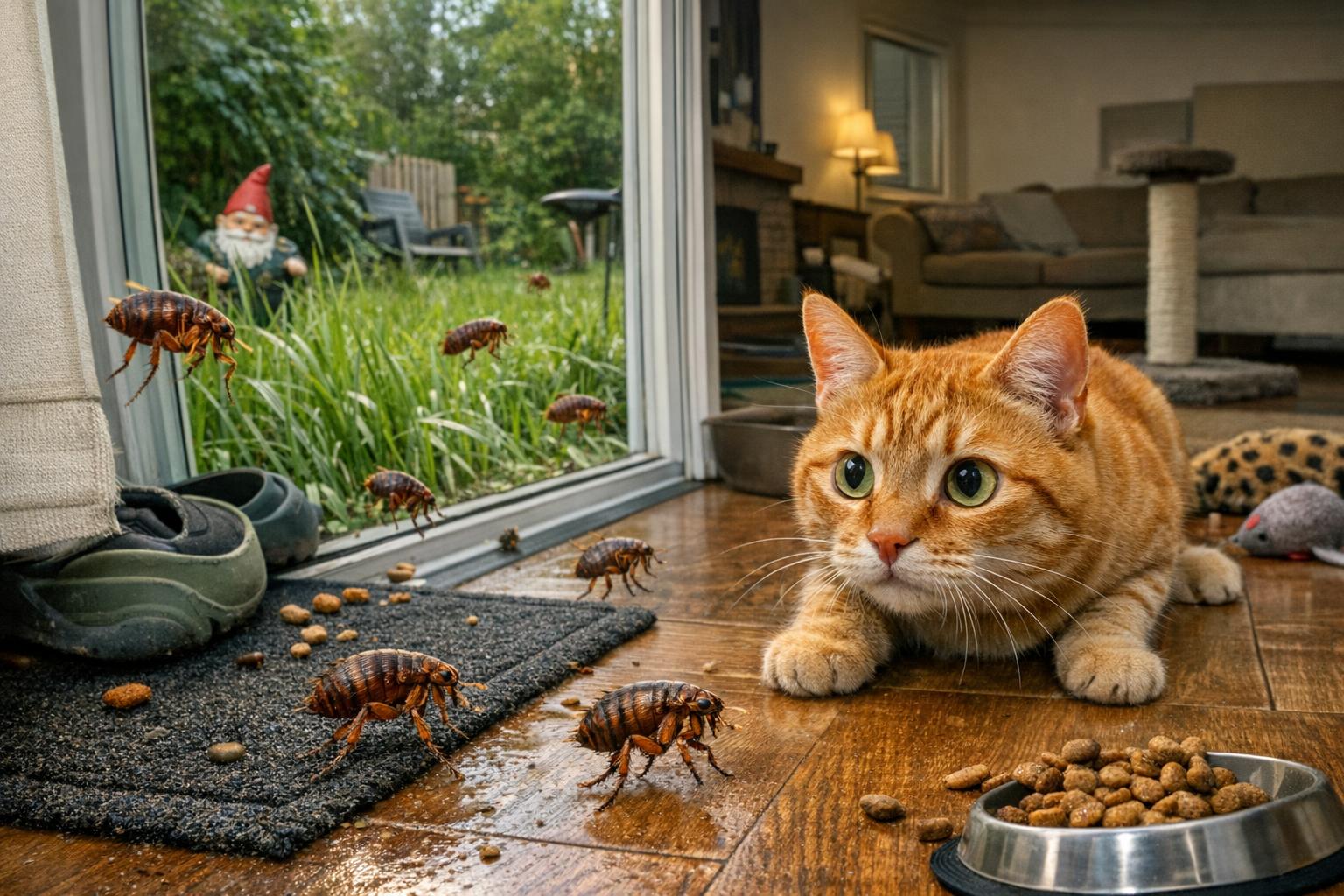
– Do I still need to treat the house? Yes — treating the cat alone may not solve an established infestation; eggs and larvae in the environment can hatch and re-infest.
Use a fast acting cat flea pill to get immediate control, then move to a monthly oral controller for long-term suppression. Keep your vet in the loop — they’ll help tailor the safest, most effective strategy for your particular cat.






Leave a Reply