
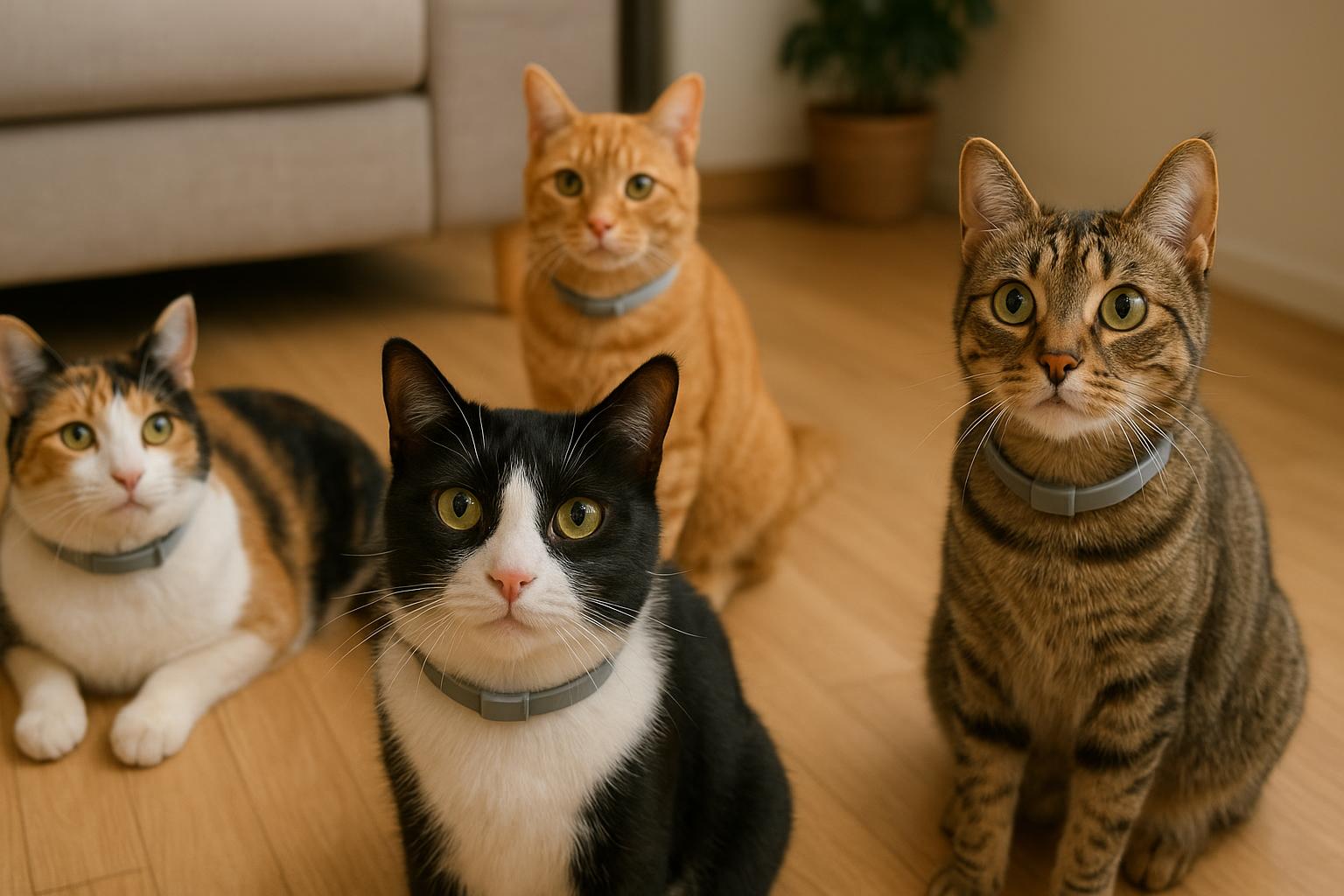
A comfy cat, no mad flea parties — that’s the goal. Below you’ll find practical, cat-friendly guidance about choosing, using, and monitoring a cat flea collar, plus two remedies (numbered) for dealing with fleas that respect your cat’s health and your peace of mind. Read on with a cuppa, and maybe a treat for your feline sidekick.
## How A Cat Flea Collar Works
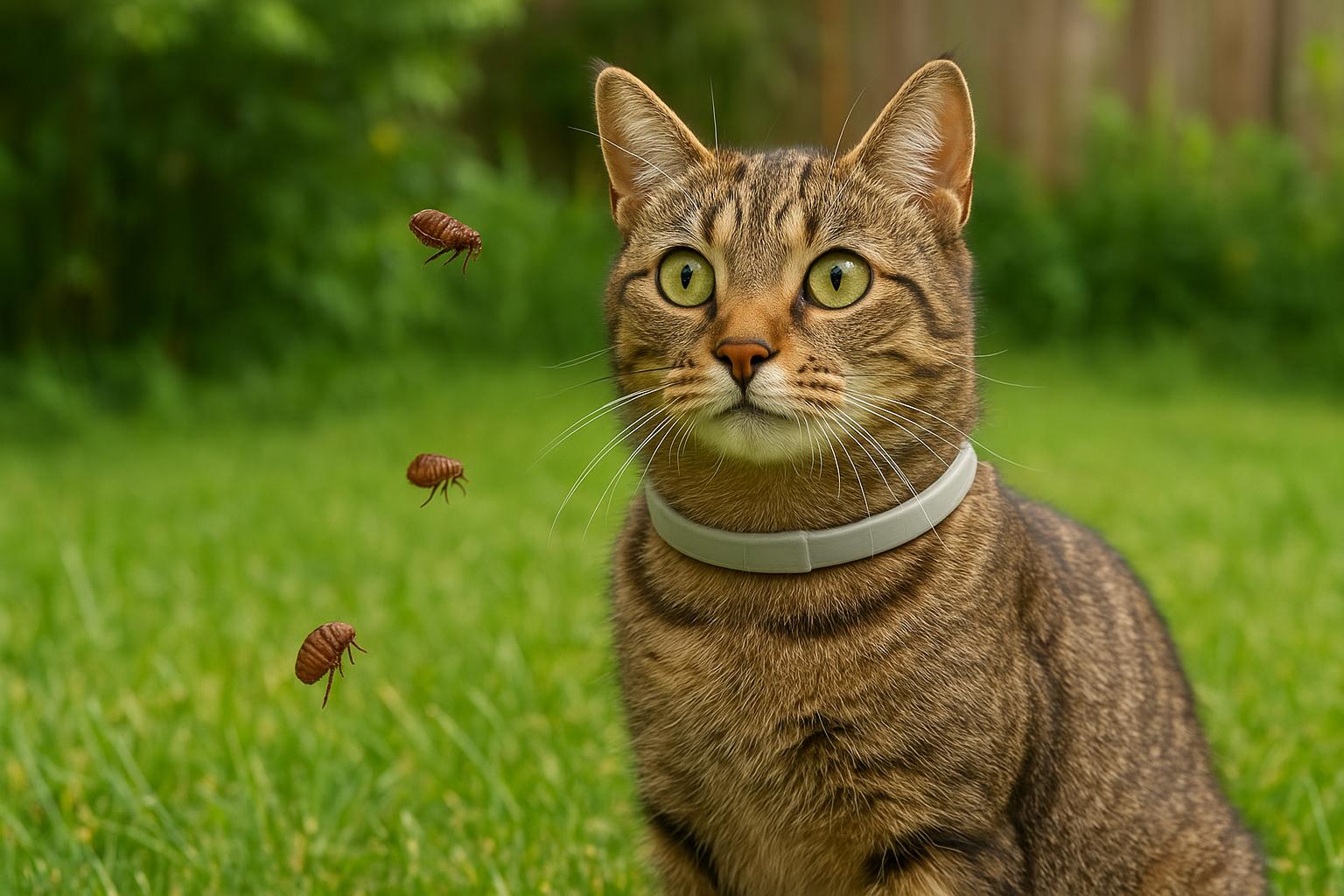
A cat flea collar delivers active ingredients—either repellents, insecticides, or insect growth regulators—close to your cat’s skin where fleas are most likely to be. Modern collars typically release a low concentration of the active ingredient over weeks to months, spreading across the coat via skin oils. Some collars repel and prevent bites; others kill fleas and disrupt the life cycle. Knowing which type you have helps set expectations: repellents reduce flea biting, insecticides reduce flea numbers, and growth regulators stop eggs from developing.
## Choosing The Right Collar For Your Cat
Picking a collar isn’t a one-size-fits-all shopping sprint. Consider your cat’s age, weight, health status, and lifestyle. Indoor-only cats may need a different approach than outdoor adventurers. Veterinary guidance is critical if your cat is pregnant, nursing, under 12 weeks old, or has a history of skin sensitivities. Also consider compatibility with other flea treatments—some active ingredients shouldn’t be used together.
### Read The Label For Key Active Ingredients
Look for well-known, approved actives like flumethrin, imidacloprid, or lufenuron, and read any contraindications. Labels tell you the expected duration of protection, the correct species (cat vs dog), and safety warnings. If a product label doesn’t clearly state it’s for cats, don’t guess—cats metabolize many substances differently than dogs.
### Benefits And Limitations
A properly used cat flea collar can:
– Provide long-lasting, low-maintenance protection.
– Reduce flea populations on the cat and in close surroundings.
– Be more convenient than monthly topicals for some owners.
Limitations to keep in mind: collars won’t immediately eradicate a heavy home infestation, they can cause localized irritation in sensitive animals, and effectiveness varies with active ingredient and environmental pressure.
## Safety Considerations Before Putting On A Collar
Safety first—your cat’s health is the priority. Always check the age and weight limitations, and never mix treatments without veterinary approval. If you have multiple pets, choose a collar that’s safe for all animals in the household. Keep collars out of reach of children and supervise interactions when introducing a new product.
#### Watch For Skin Or Systemic Reactions
Signs of a reaction can include persistent scratching, redness or hair loss where the collar contacts the skin, lethargy, drooling, vomiting, or neurological signs like tremors. If any of these occur, remove the collar immediately and contact your veterinarian.
## Remedy 1: Safe Application Of A Commercial Cat Flea Collar
This remedy is formal and procedural because safety and correct use matter. Follow these steps exactly to minimize risk and maximize benefit.
Materials / Ingredients:
– A vet-recommended cat flea collar labeled for cats and the appropriate age/weight.
– A flea comb.
– Disposable gloves (optional but recommended if you’re sensitive to insecticides).
– Scissors (for trimming excess collar length—use only as instructed by the product).
– A timer or calendar reminder to track replacement dates.
– Treats and a towel to help gently restrain your cat.
Step-by-Step Application:
1. Read the Entire Label: Confirm the collar is for cats, note the active ingredient, the effective duration, and any warnings or contraindicated medications.
2. Check Your Cat: Make sure your cat is healthy, not pregnant (unless label allows), and free of open wounds at the neck.
3. Prepare the Cat: Calm your cat on a secure surface. Offer a treat and stroke calmly; use a towel if needed to gently restrain.
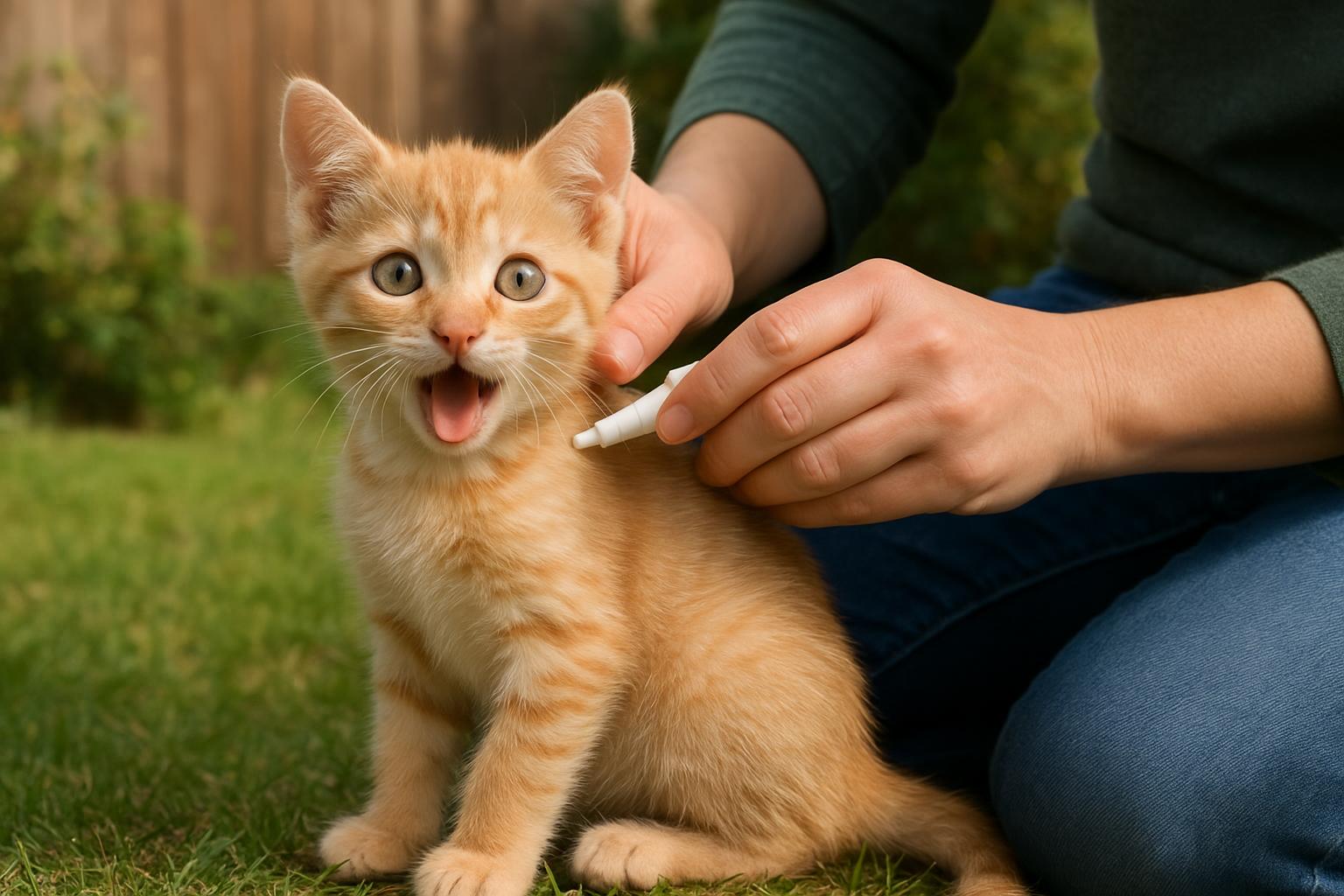
4. Open The Collar Package Carefully: Avoid touching the exposed surface of the collar; wear gloves if you prefer.
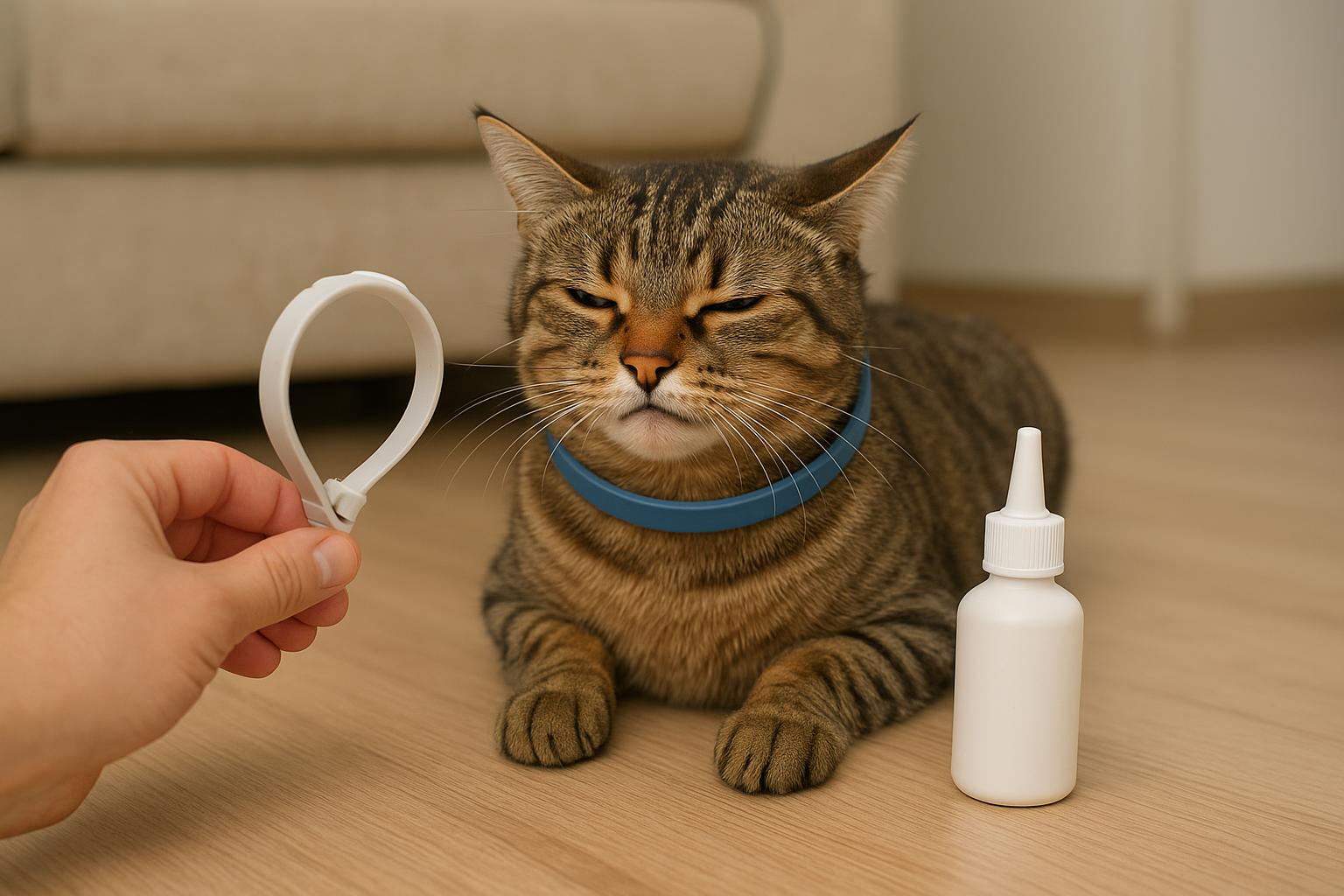
5. Fit The Collar Properly: Loosen the collar and slide it over the cat’s head or wrap around the neck per product instructions. Leave enough room to fit two fingers between the collar and the cat’s neck—snug but not tight.
6. Trim Excess Material If Allowed: If the collar has excess length, trim according to label guidelines so the end doesn’t dangle and get caught, but do not cut off any locking mechanism or active-release parts.
7. Check For Comfort: Ensure the collar isn’t rubbing into the skin. Observe your cat for a few minutes to ensure normal movement and breathing.
8. Monitor Closely For 48–72 Hours: Look for signs of irritation or any behavioral changes. If any adverse reaction occurs, remove the collar and consult your veterinarian immediately.
9. Maintain Records: Note the installation date and replace the collar per the manufacturer’s recommended interval. Do not exceed the labeled wearing duration without replacement.
10. Avoid Simultaneous Incompatible Products: If you use topical or oral flea products, verify compatibility. Mixing different pesticides can increase risk of adverse effects.
## Remedy 2: Home Environment Flea Control (Nonchemical Options)
This remedy helps reduce environmental flea pressure without exposing cats to additional chemicals. Use alongside a properly applied cat flea collar for best results when advised by your vet.
Materials / Ingredients:
– Stiff-bristled flea comb.
– Vacuum with a tight-seal bag or canister you can empty into an outdoor trash bin.
– Laundry detergent and hot water for washing bedding.
– Sealed plastic bags for storing washed goods and for bagging heavily infested items.
– Garden hose and broom for outdoor cleanup; beneficial nematodes (optional, if you have a severe yard problem and want a biological control).
Step-by-Step Application:
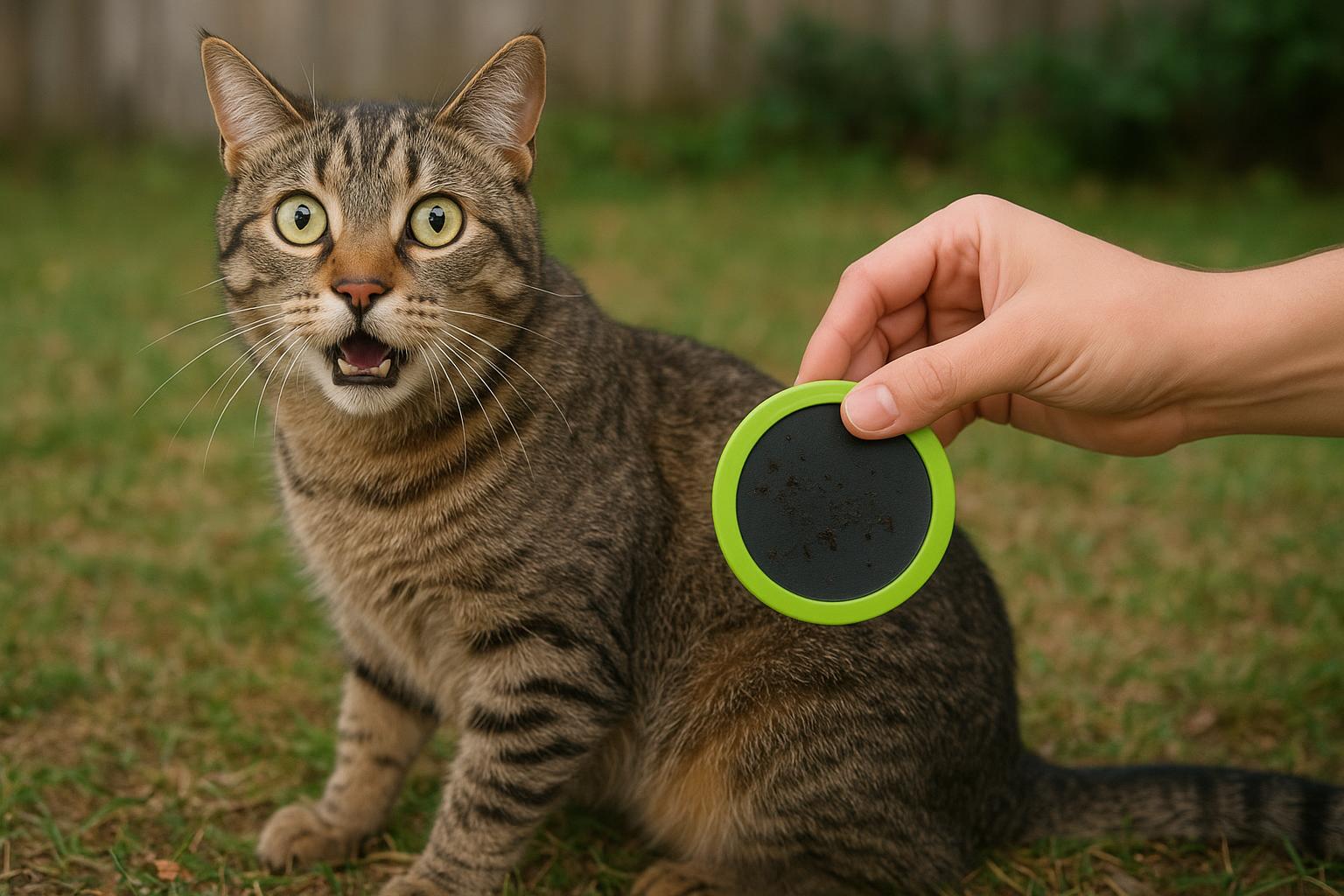
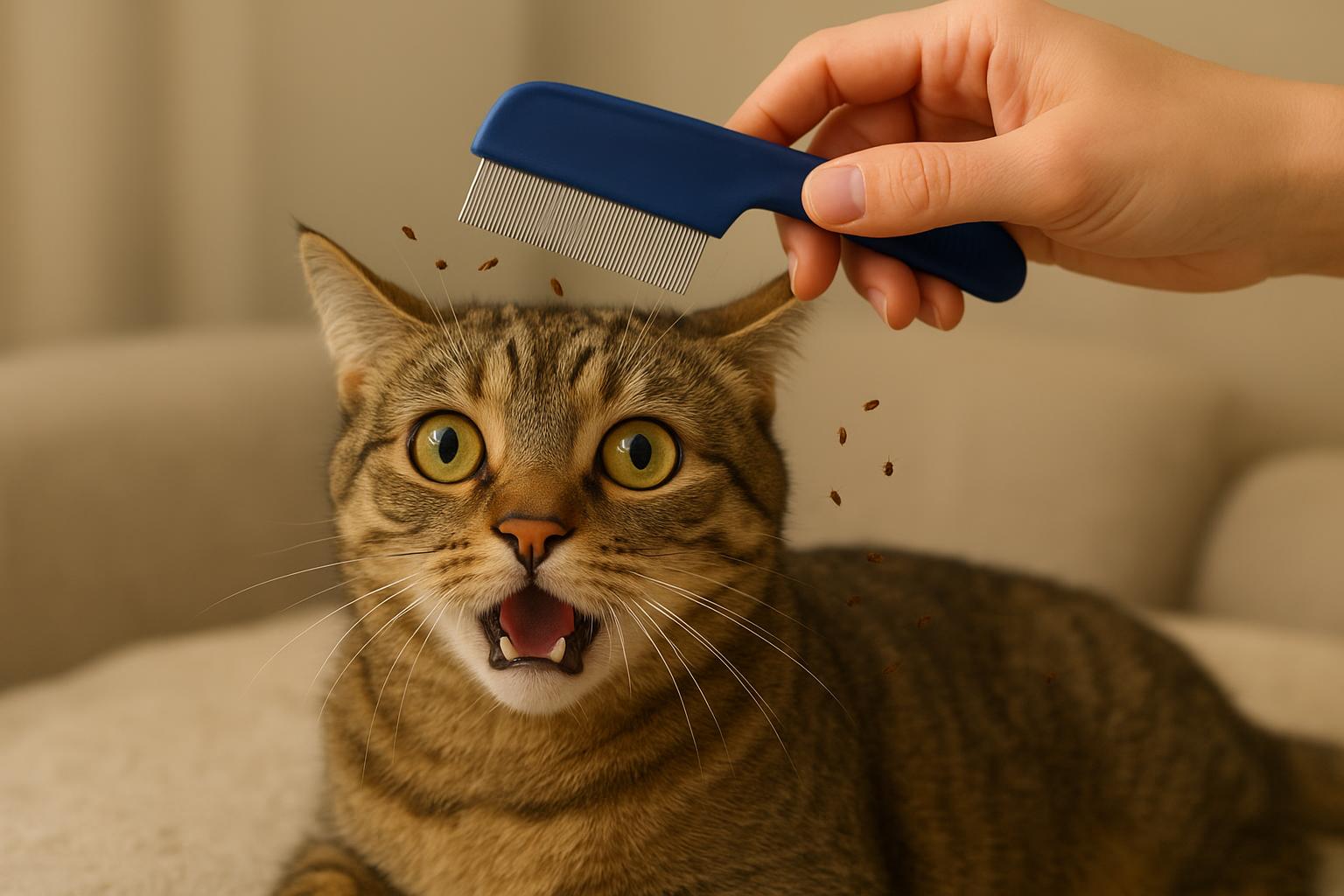
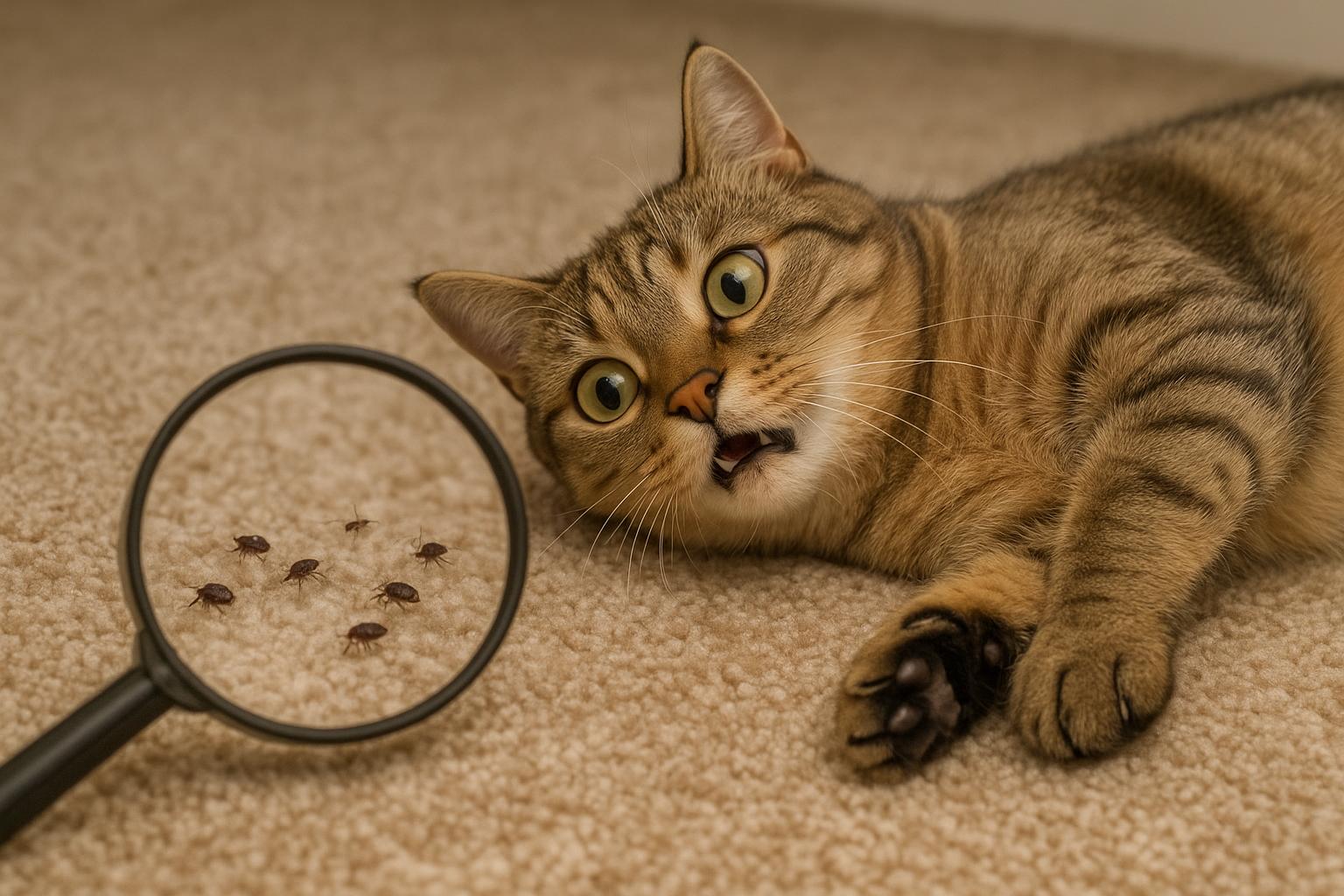
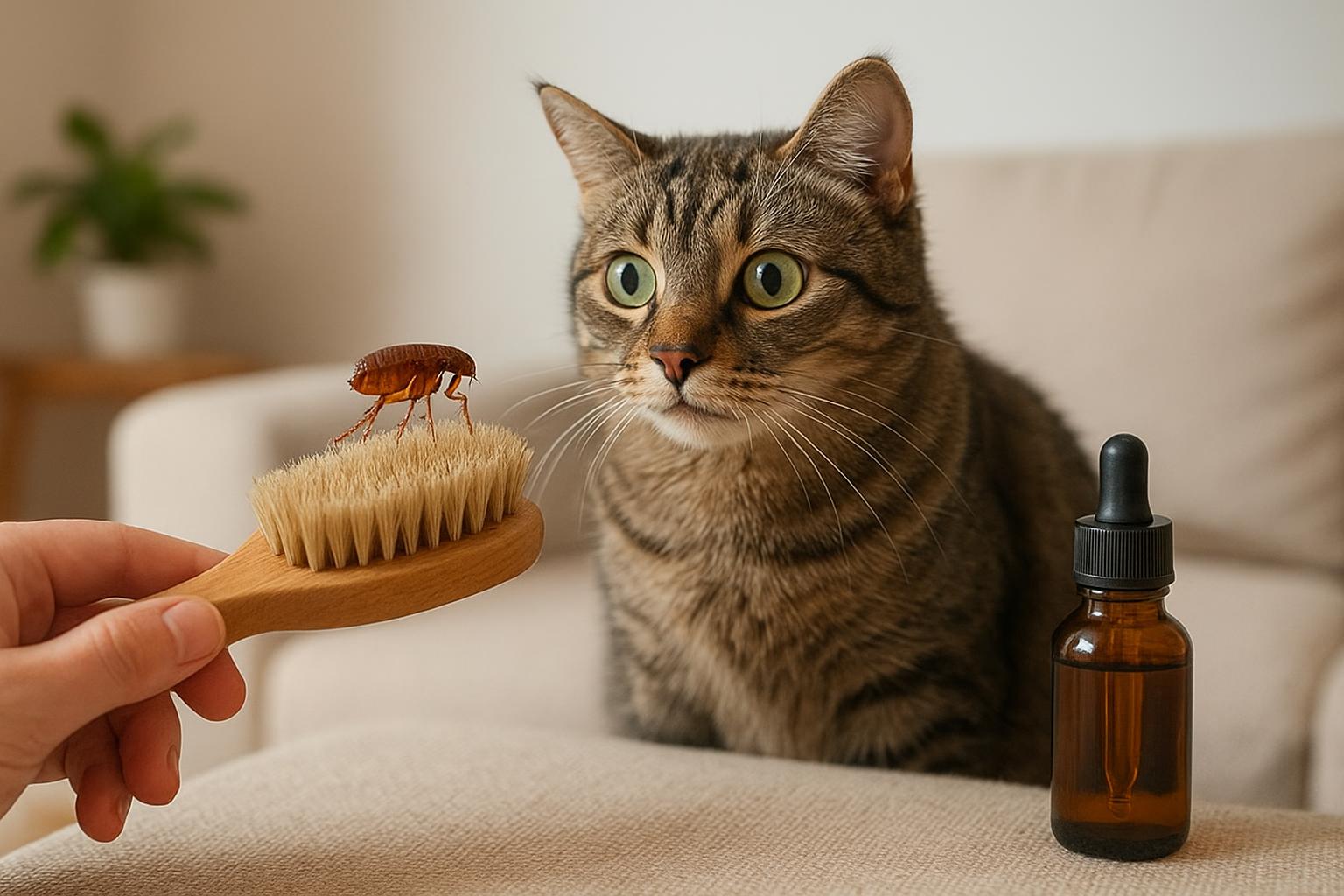
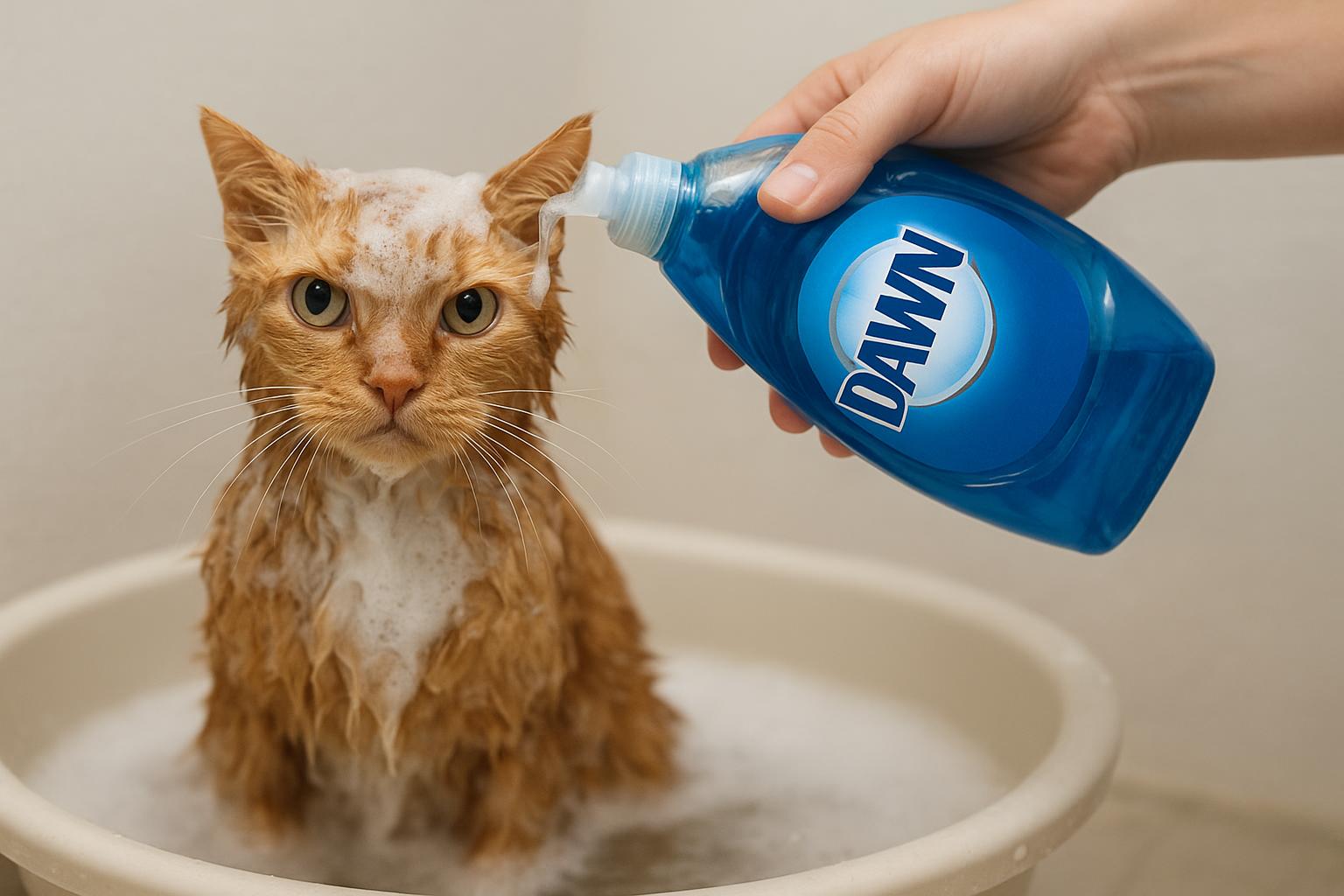
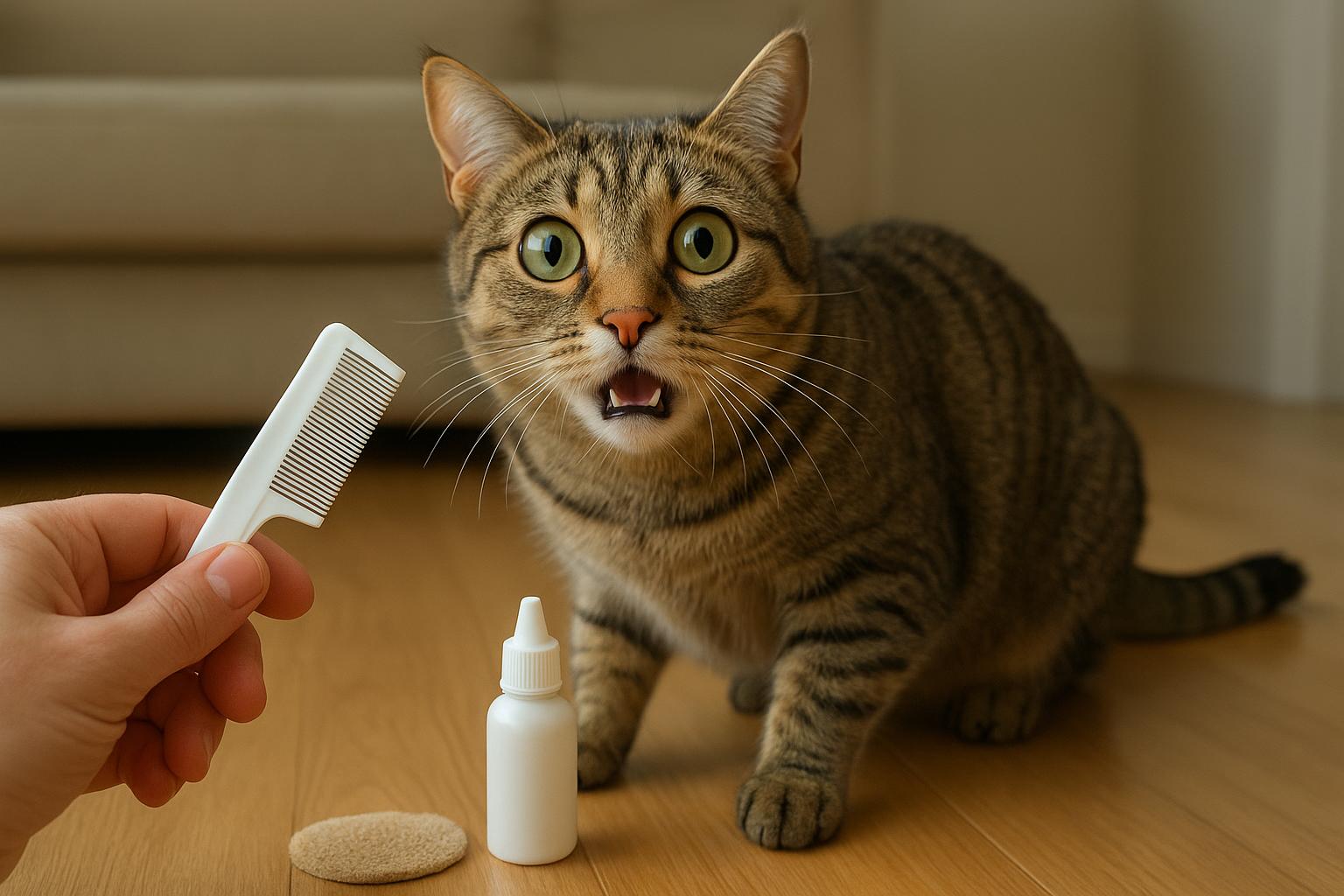
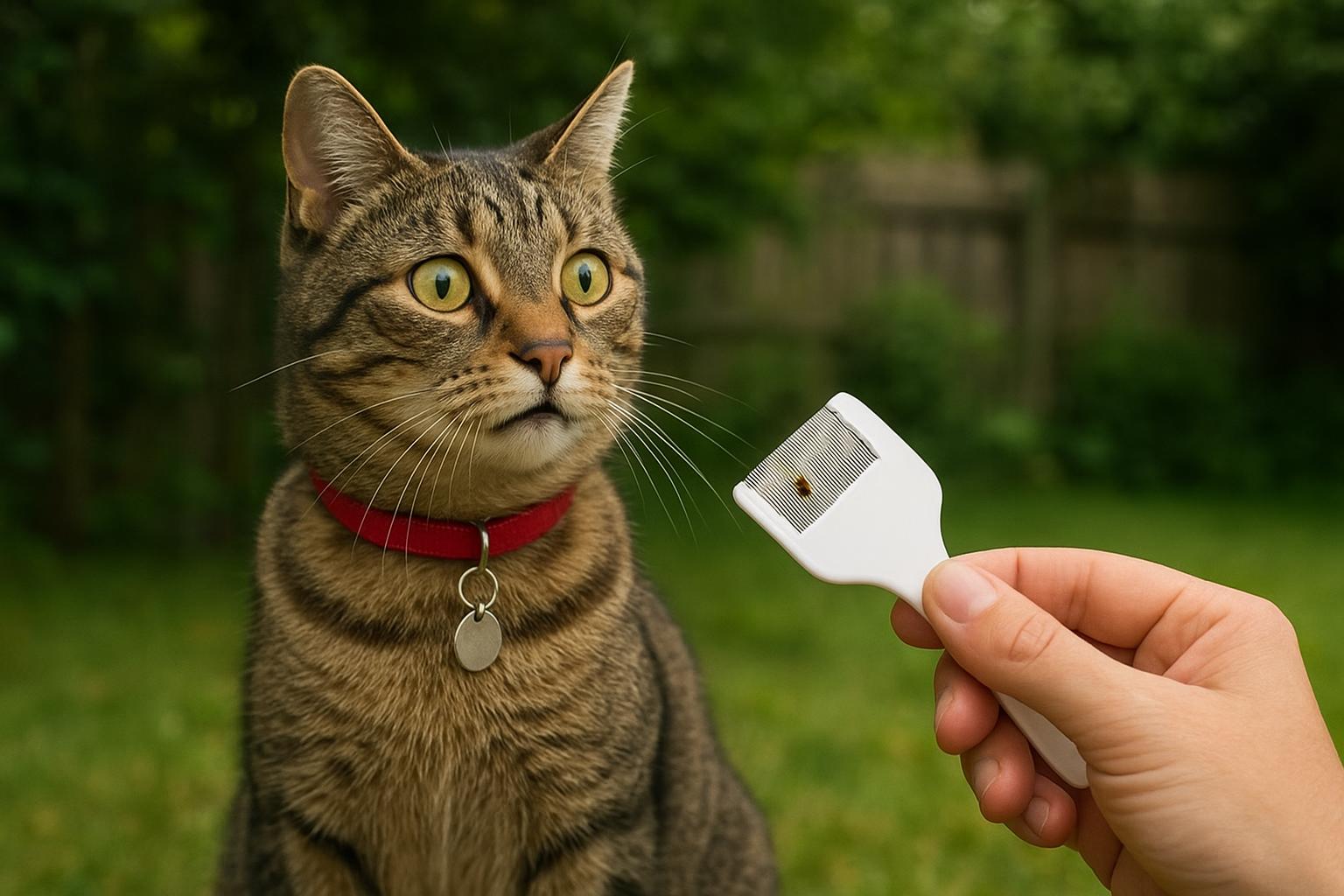
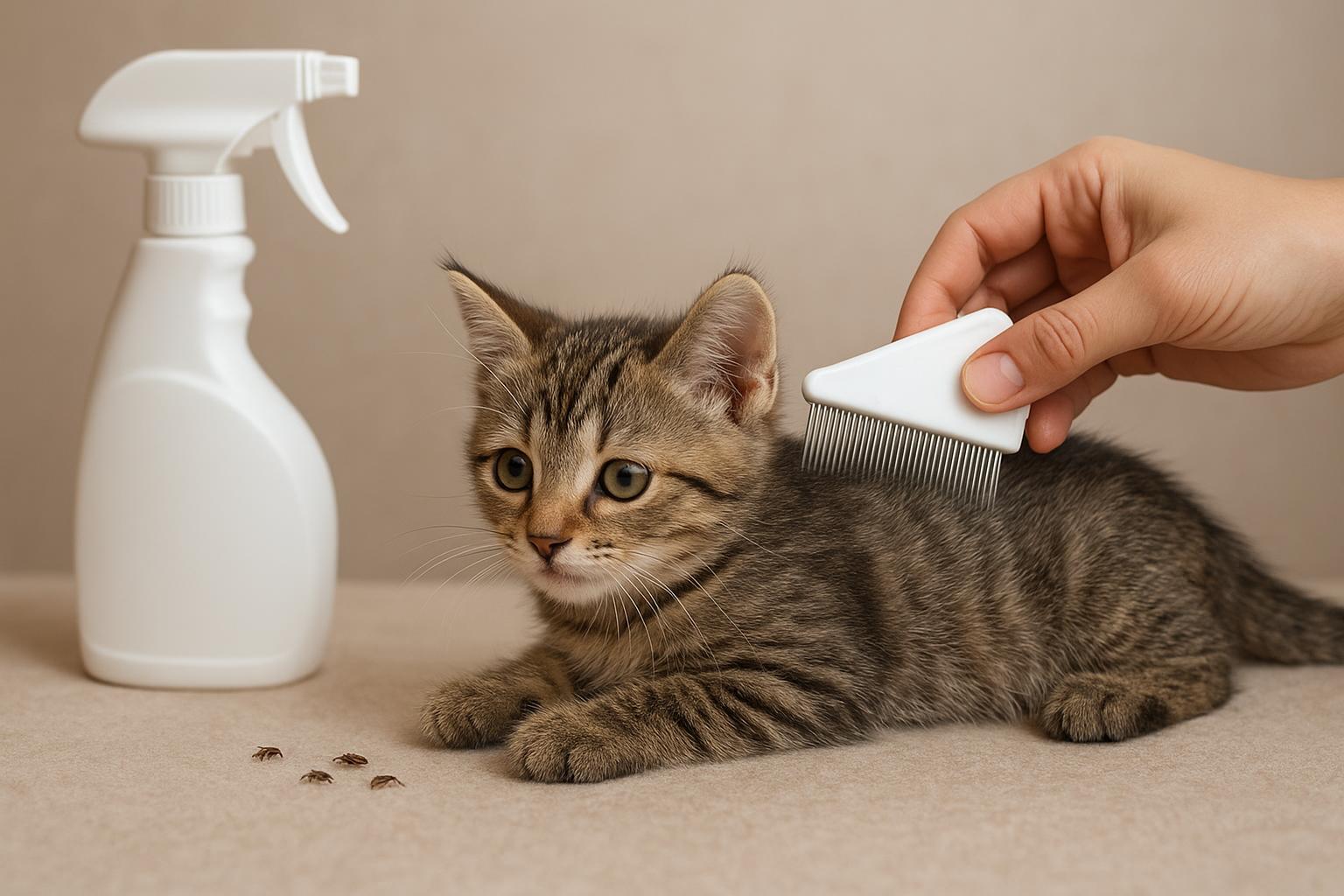
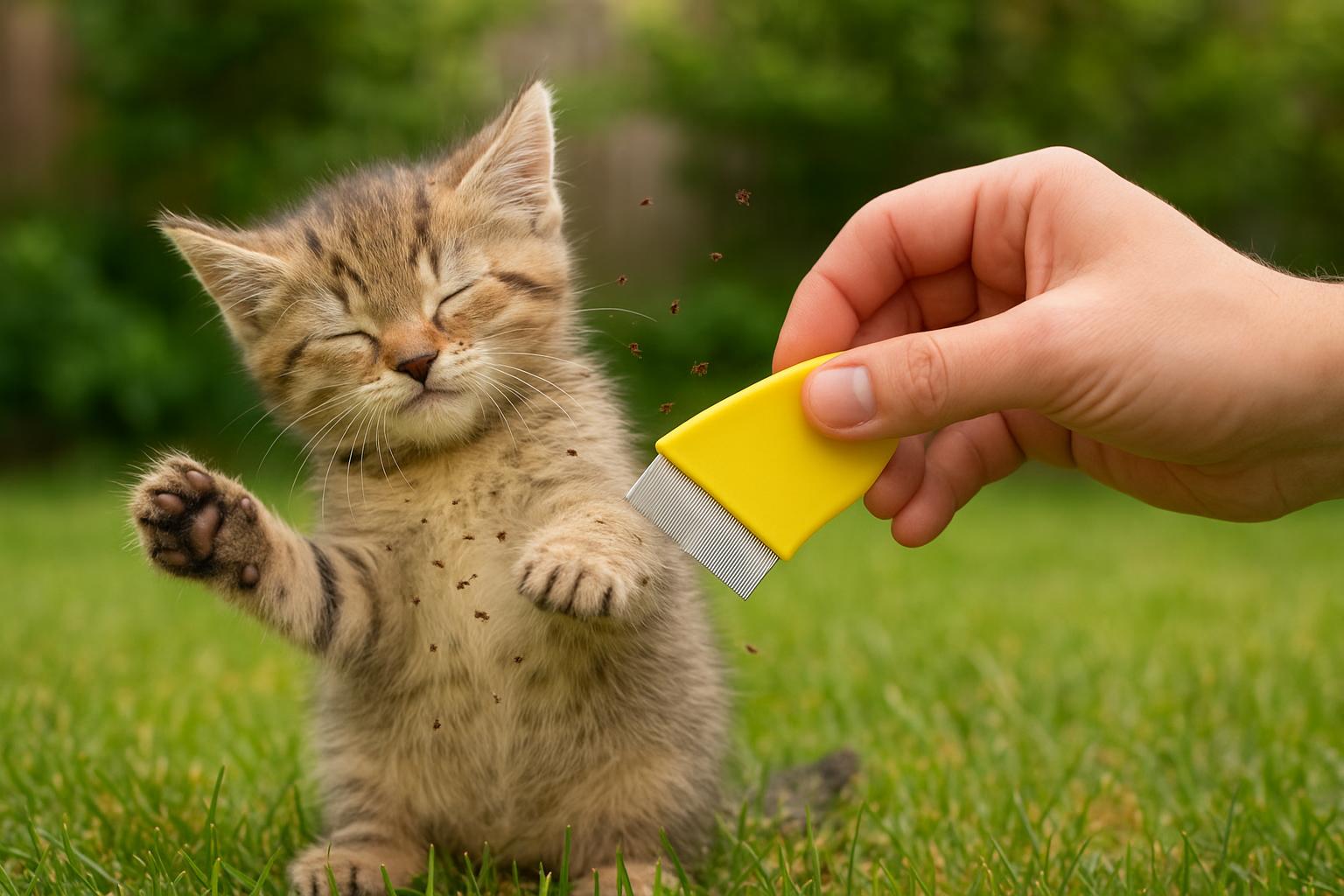
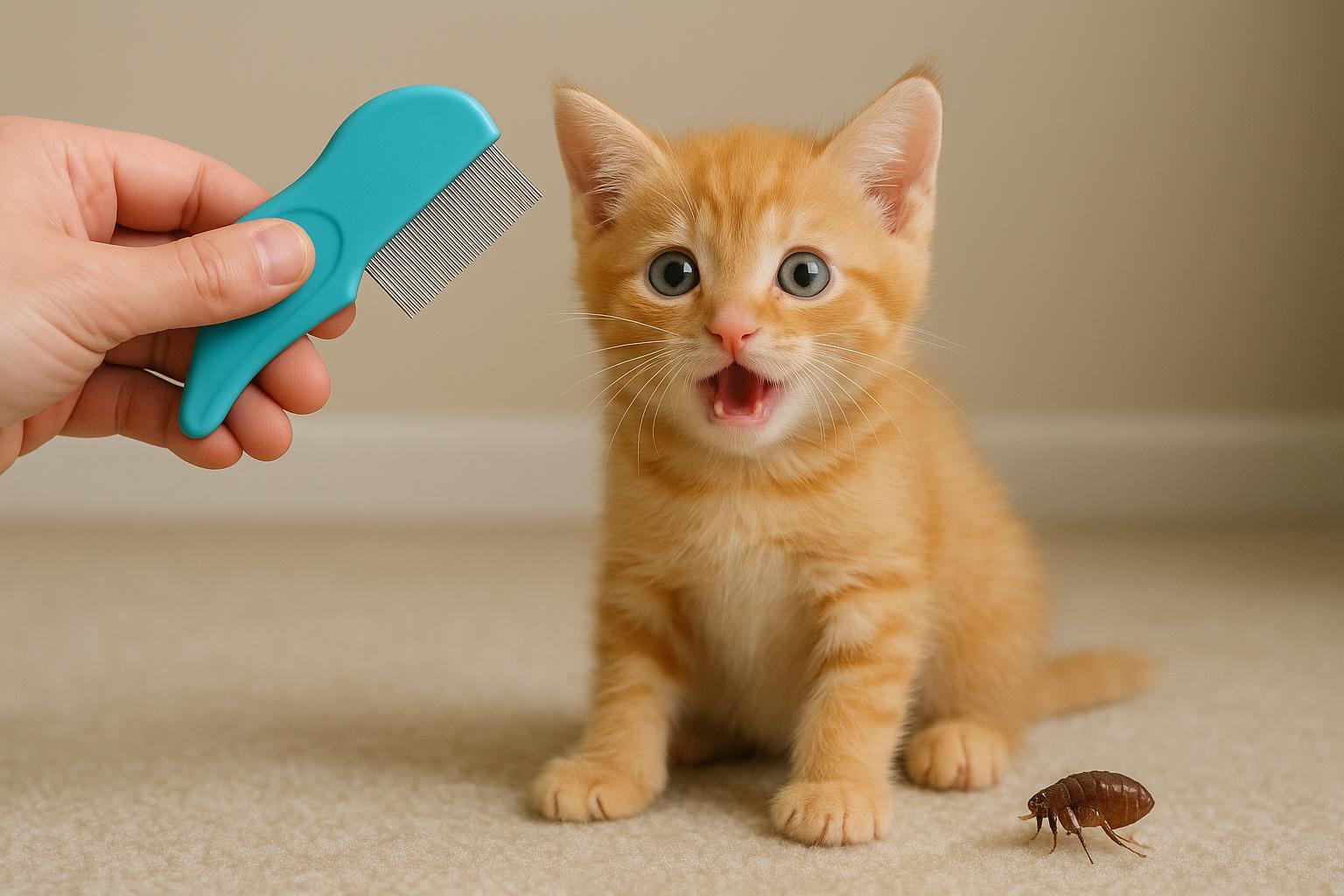
1. Comb Your Cat Daily: Use the flea comb over a light-colored towel so fleas show up easily. Remove any fleas by dipping the comb in soapy water to kill them.
2. Wash Bedding Weekly: Hot water and heat drying will kill fleas, their eggs, and larvae. Bag bedding after washing until it’s dry.
3. Vacuum Thoroughly And Frequently: Focus on carpets, pet sleeping areas, baseboards, and upholstery. Empty vacuum contents into a sealed bag and dispose outdoors immediately.
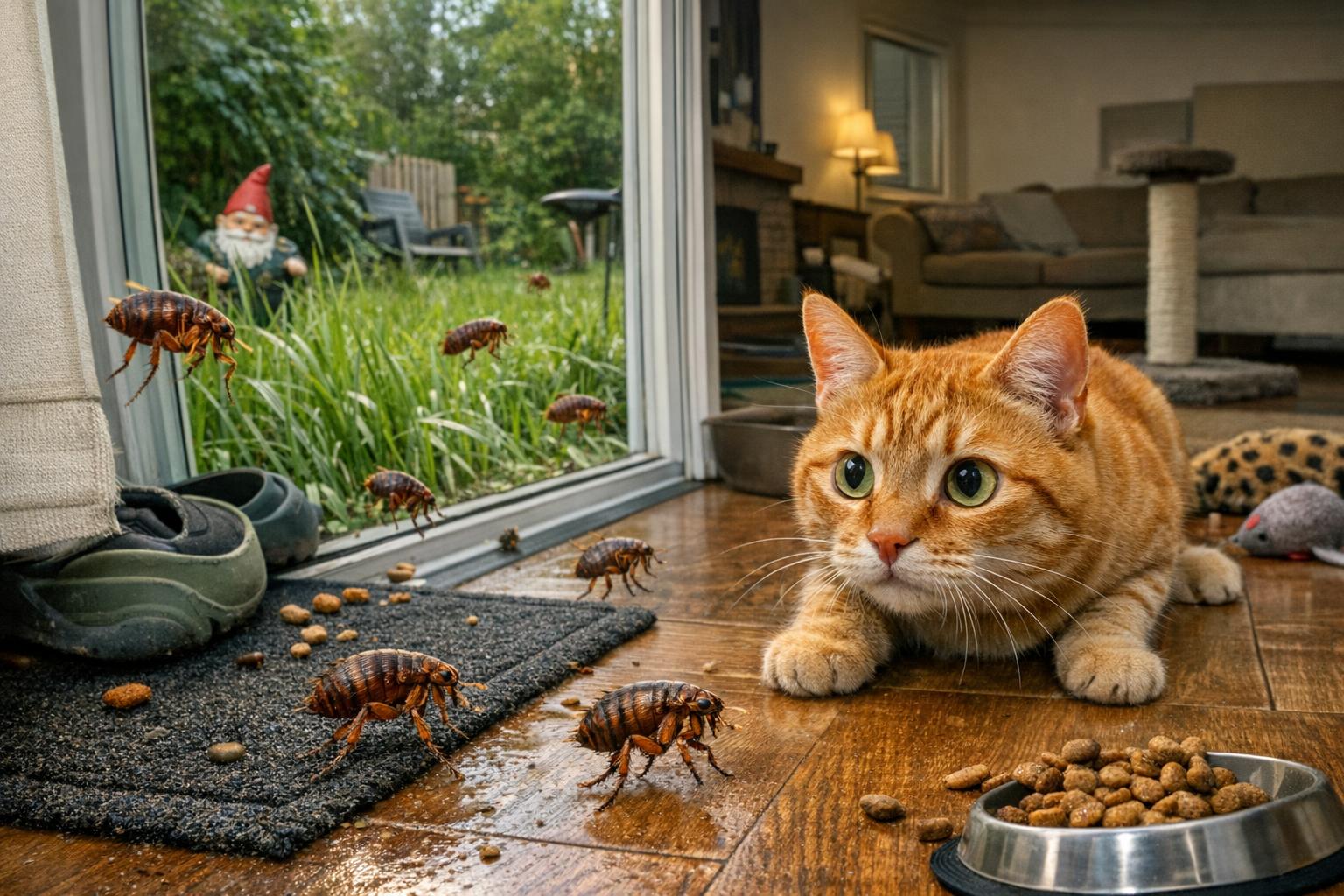
4. Clean Outdoor Areas: Remove debris and mow lawn to reduce flea habitat. If using biological control, apply beneficial nematodes to moist, shaded areas according to product instructions—these attack fleas’ larval stages.
5. Isolate And Treat Heavy Items: For non-washable items (like large pet beds or soft toys), consider sealing in plastic for several weeks to starve developing fleas, or replace items if infestation is severe.
6. Consult A Professional For Severe Infestations: Persistent heavy infestations may require targeted treatments that are best handled by pest-control professionals with pet-safe options.
### What To Do If Your Cat Reacts To A Product
If you suspect an adverse reaction:
– Remove The Collar Immediately: Gently take it off and wash the cat’s neck area with mild soap and water (avoid harsh scrubbing).
– Contact Your Veterinarian: Describe the symptoms, the product used, and any other medications or products applied recently.
– Keep The Collar Label Handy: This will help your vet identify the active ingredients and guide treatment.
– Report The Reaction: Notify the product manufacturer and, if applicable, local regulatory authorities—this helps track safety signals.
## Cat Flea Collar Sizing, Fit, And Common Questions
Sizing matters. A cat flea collar should be sized to fit your cat’s neck circumference plus a little extra for comfort. Elastic or breakaway designs are recommended for safety—breakaway collars will release if the cat gets snagged. Replace collars per label directions; some products are effective for up to 8 months, others for shorter periods.
FAQ Snippets:
– Can kittens wear a cat flea collar? Only if the label specifies a minimum age and weight—many collars are not appropriate for very young kittens.
– Can I use a dog collar on my cat? No. Never substitute a dog-formulated collar for a cat: active ingredients and concentrations may differ and pose serious risks.
– What about combining products? Don’t combine systemic/topical treatments without vet approval; unwanted interactions can occur.
Small reassurance with your morning brew: flea control is often a combination of correct product choice, proper application, and environmental management. A thoughtfully chosen and correctly used cat flea collar can be part of a safe, effective strategy to keep your cat comfortable and flea-free.






Leave a Reply