
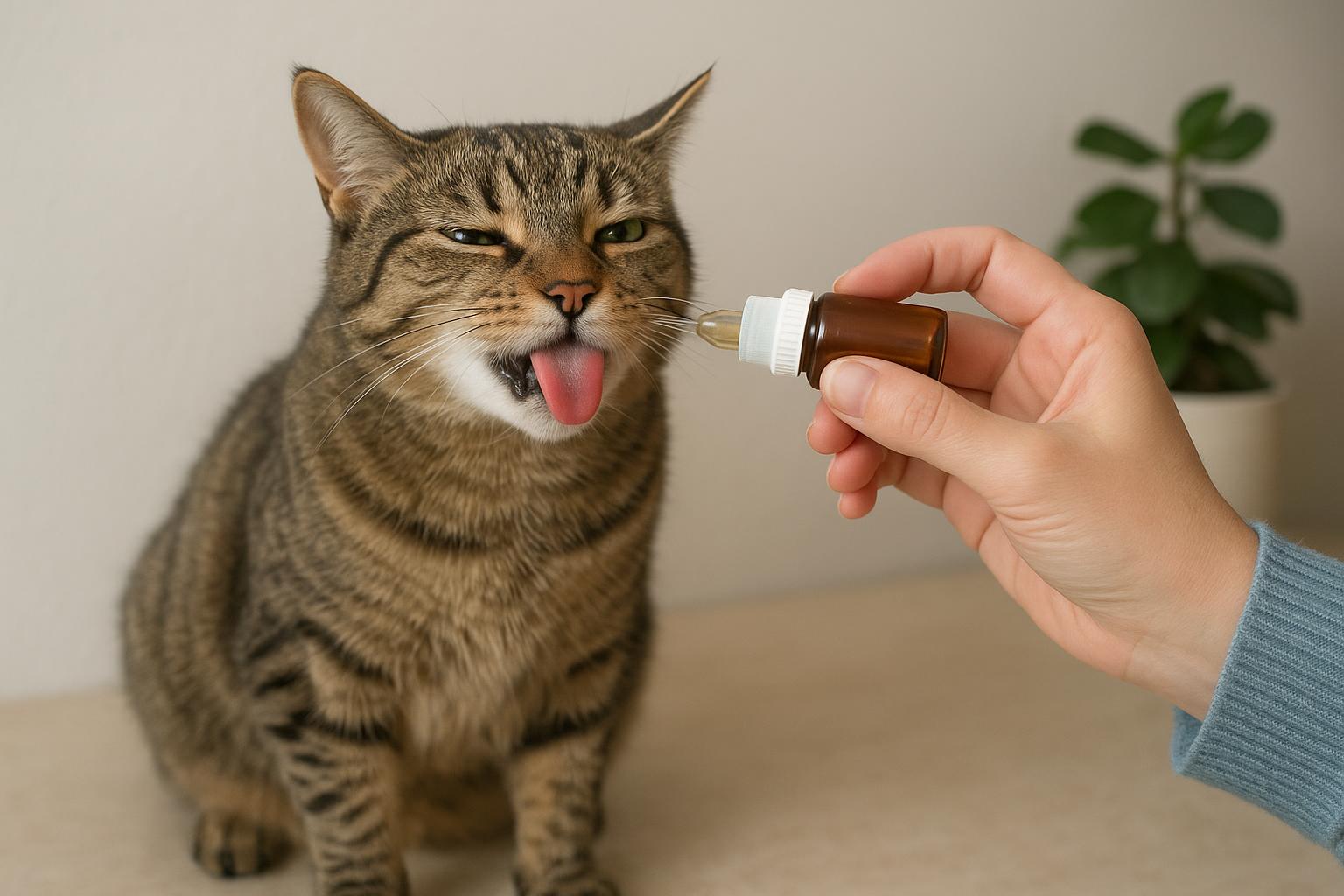
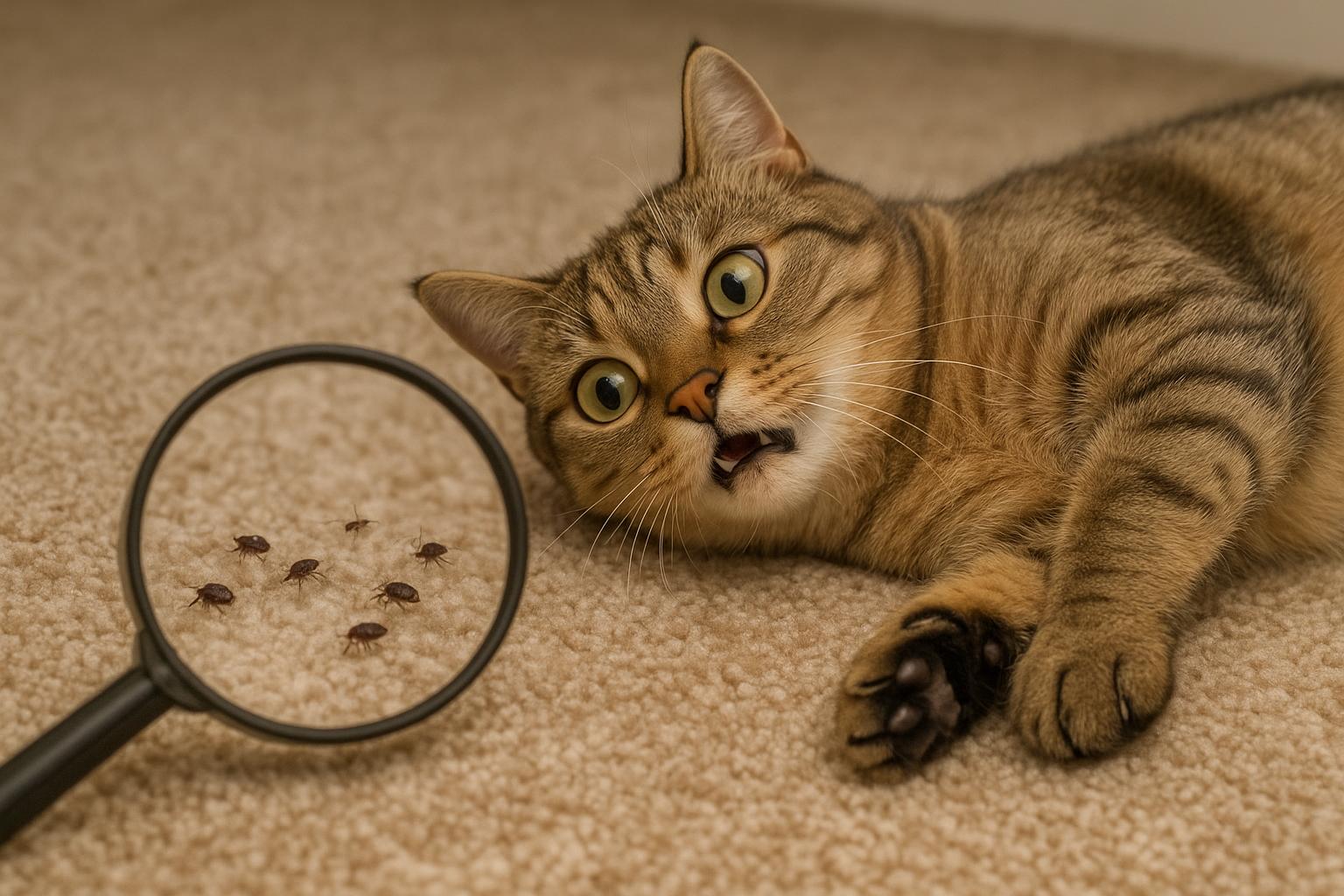
Keeping your pet itch-free is part science, part routine, and part detective work—because fleas have a talent for disappearing between your vacuum passes and reappearing like tiny, unwanted party guests. This article will walk through top oral flea medicines, practical environmental remedies, and clear flea safety guidance so you can protect pets and people without turning your home into a chemical war zone.
## Flea Safety Essentials
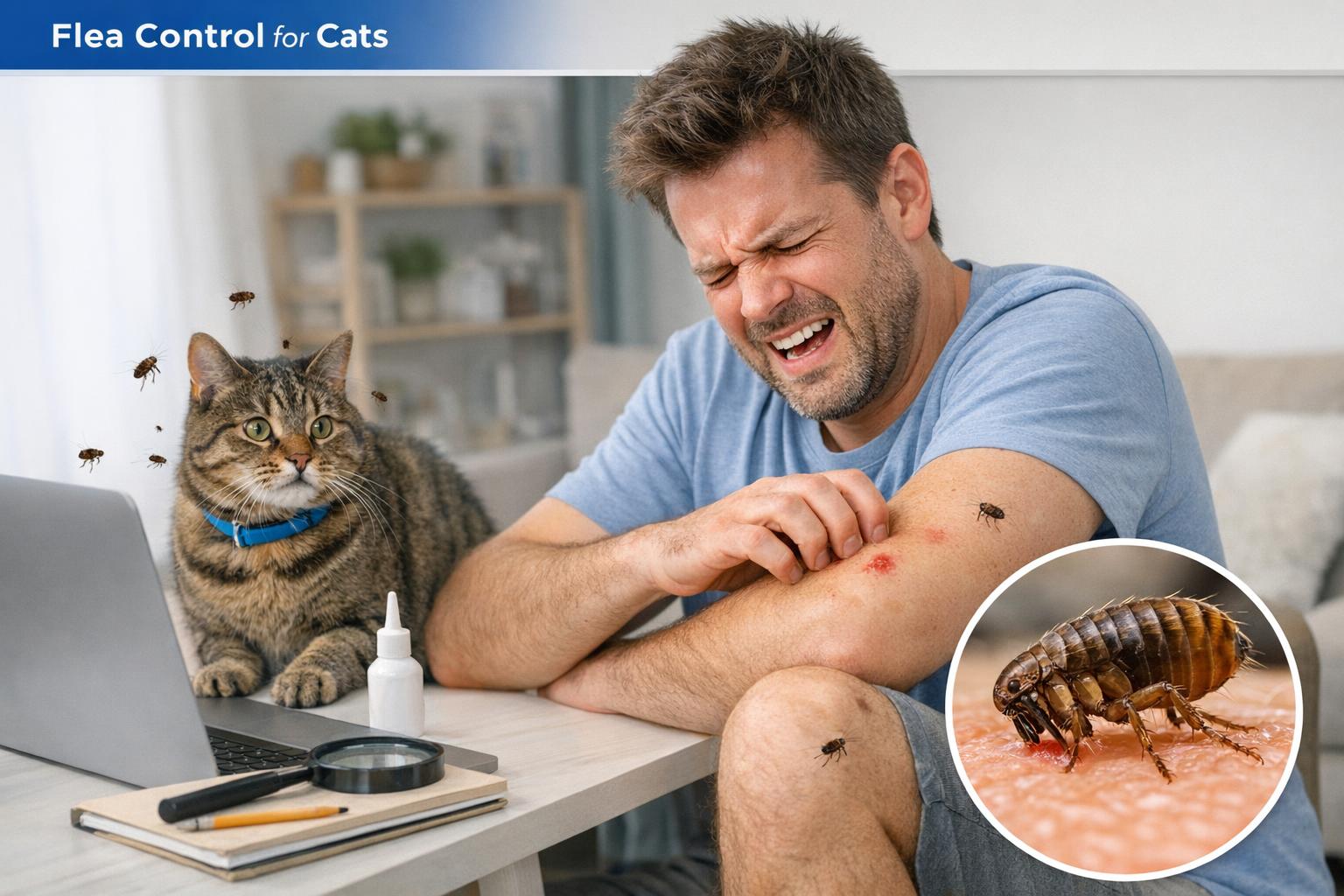
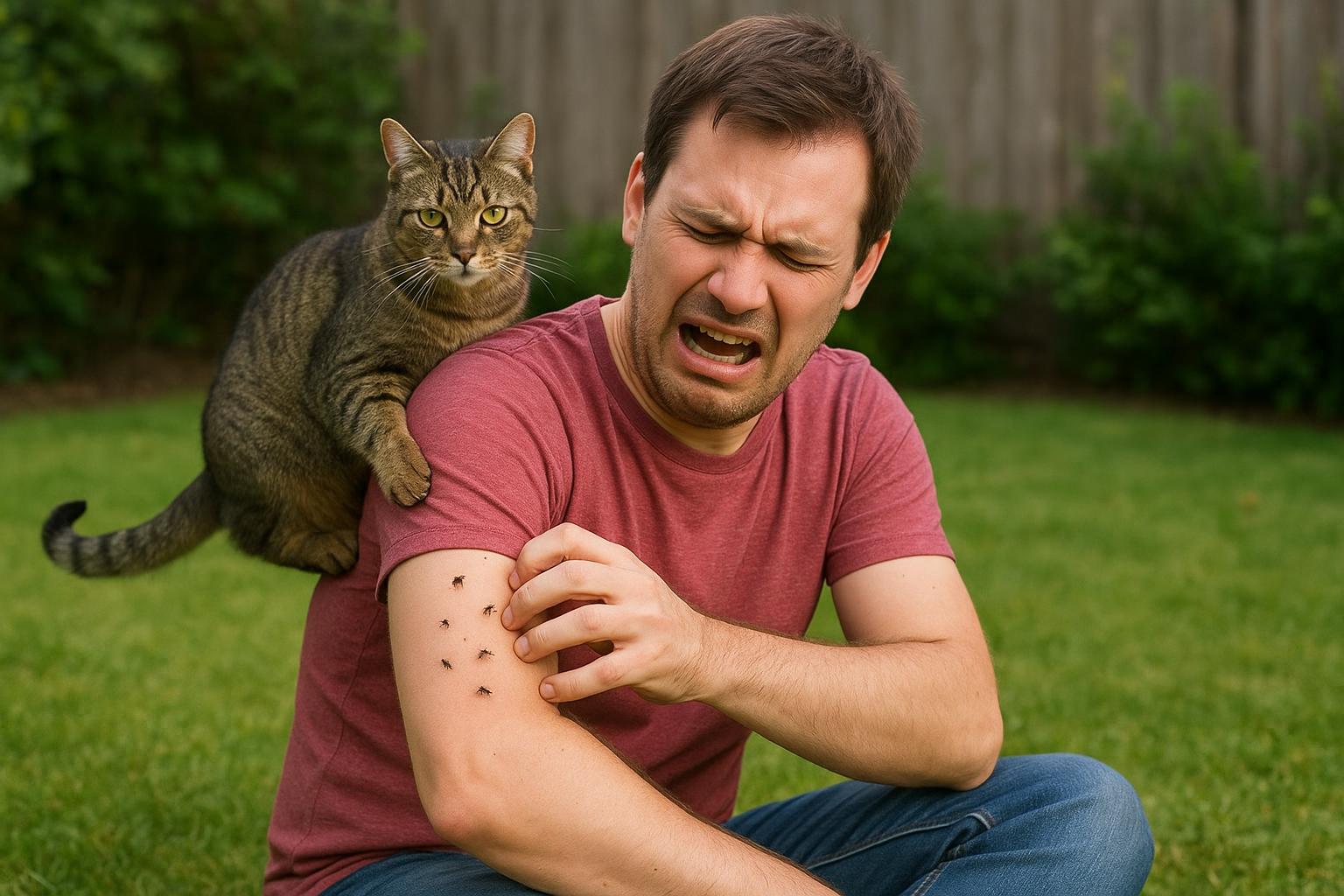
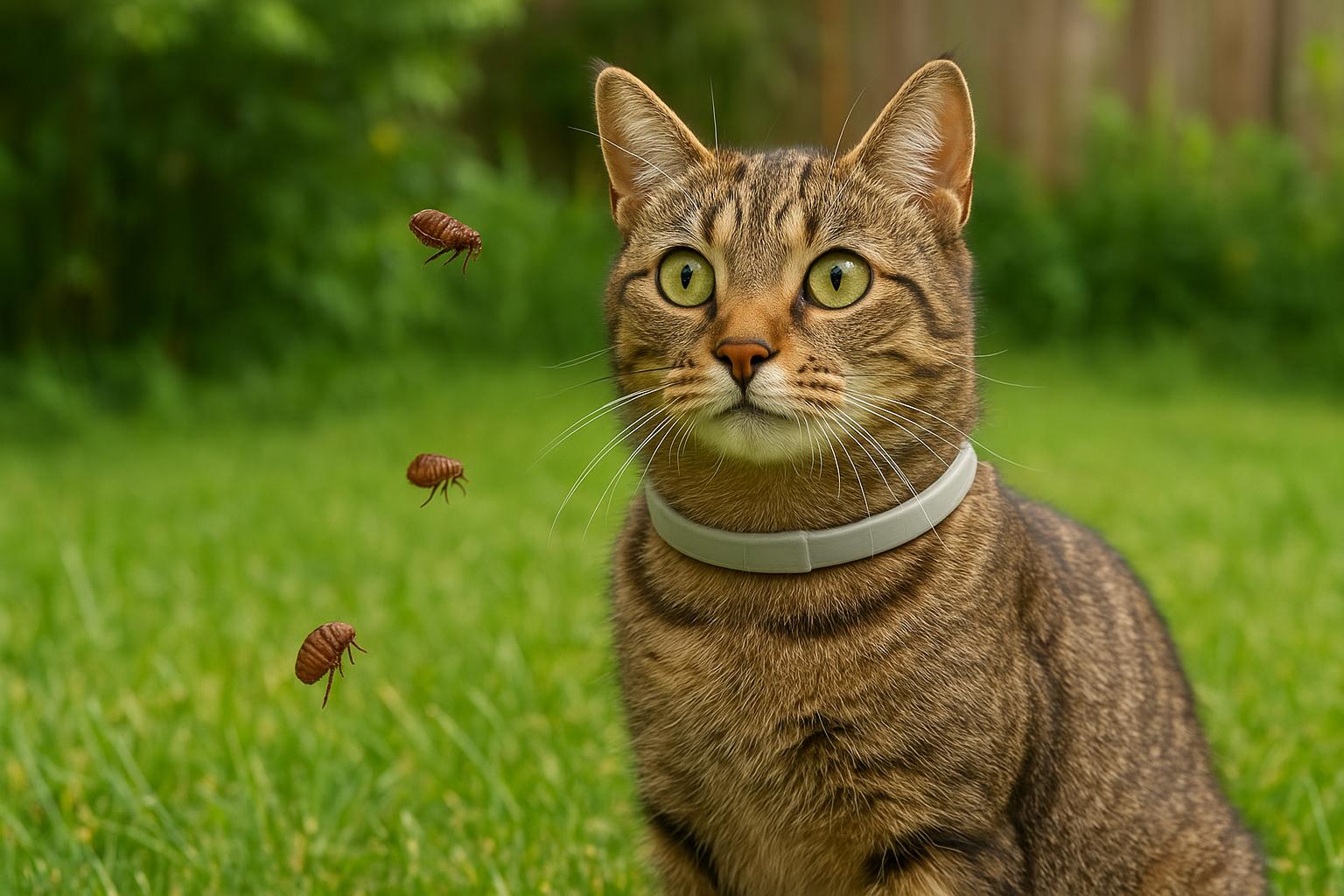
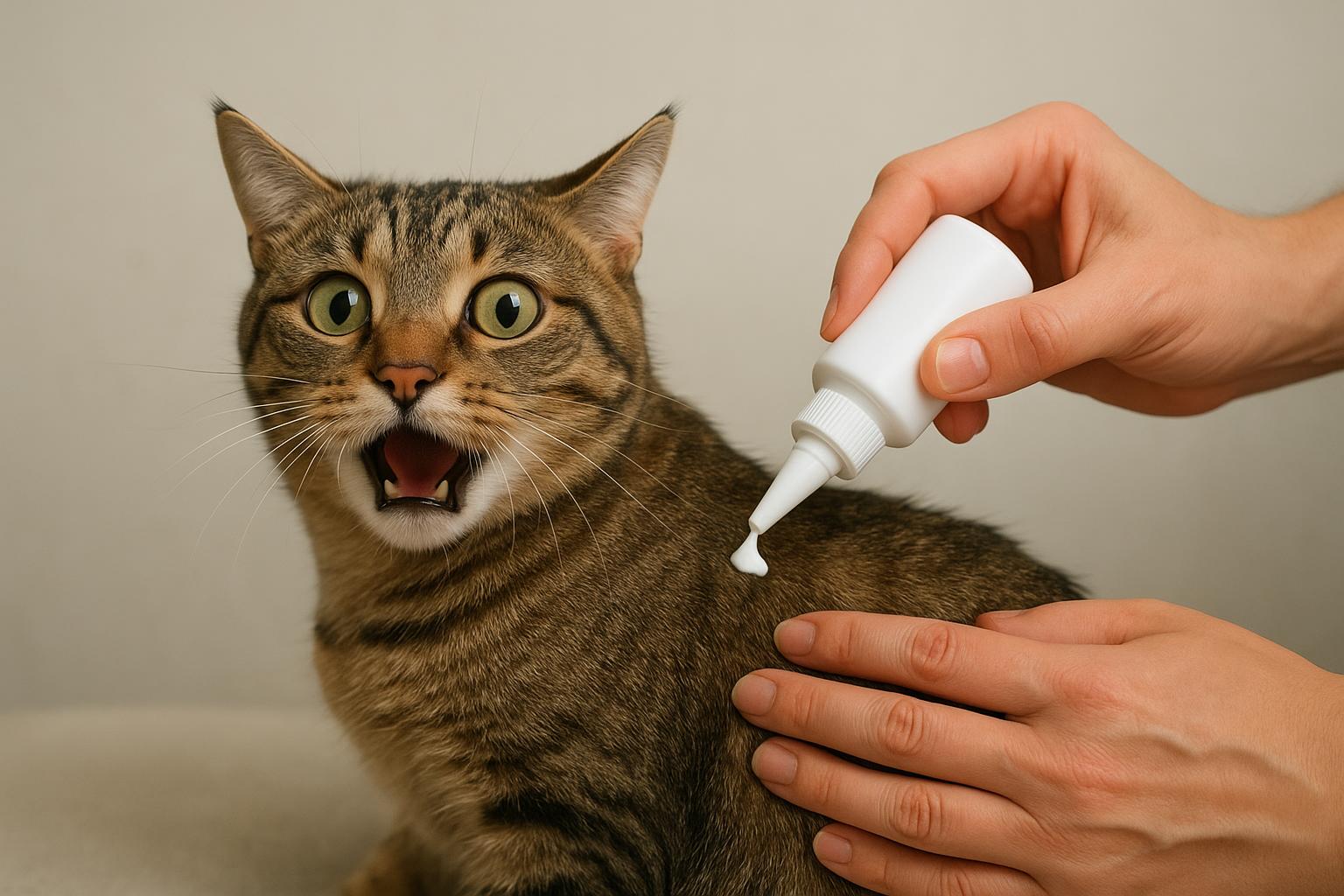
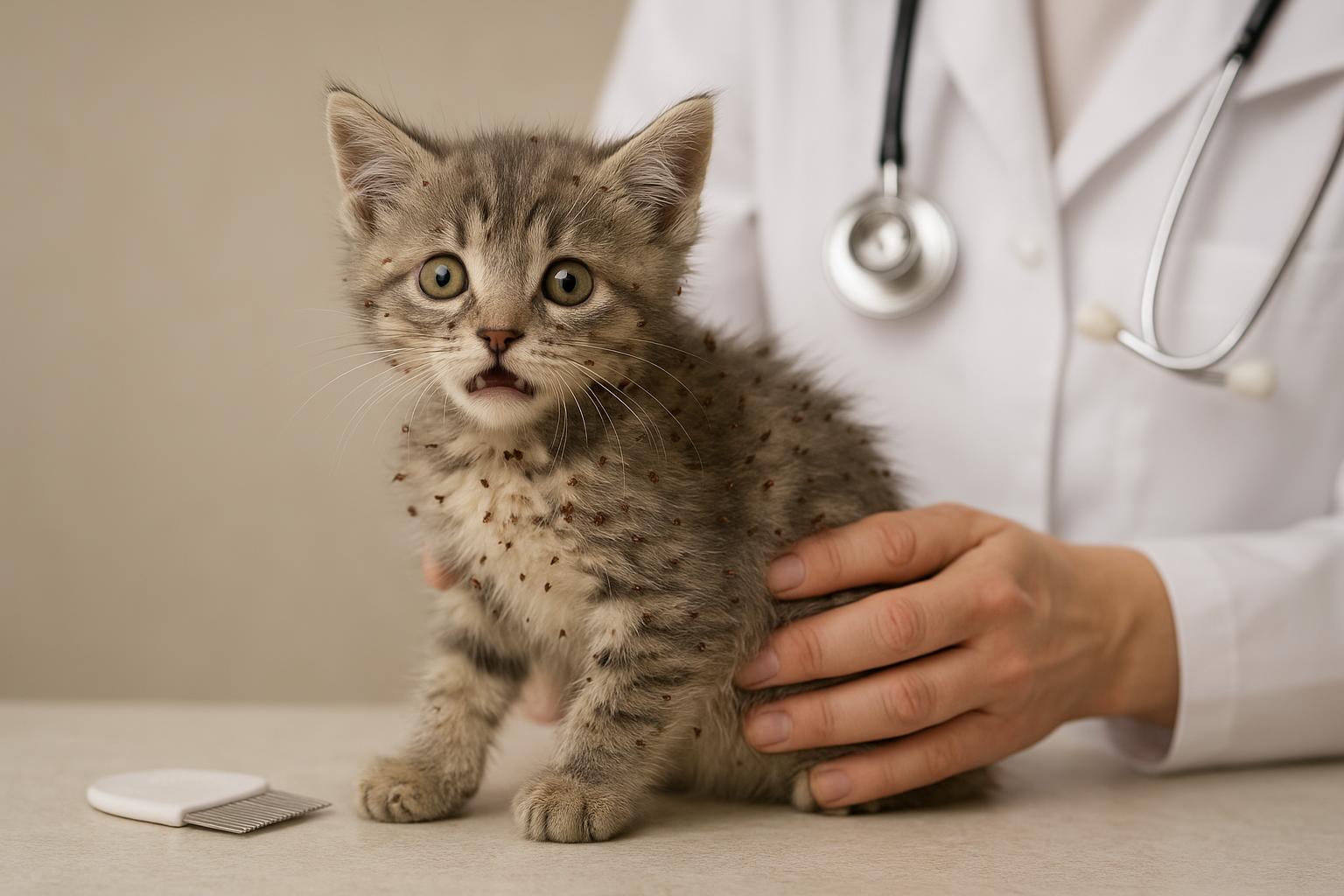
Flea safety starts with knowing the enemy and your options. Fleas can cause more than just scratching: they spread tapeworms, trigger allergic dermatitis, and, in heavy infestations, can make puppies or kittens anemic. For reliable flea safety, treat both the animal and the environment, and always consult your veterinarian before starting any treatment—especially for young, senior, pregnant, or medically compromised animals.
### Why Vet Guidance Matters
Your vet will consider species (dog vs. cat), weight, age, pregnancy status, and health history. Some oral medications are prescription-only; others are over-the-counter, but that doesn’t make them interchangeable. Correct dosing and timing are crucial for flea safety and efficacy.
## Best Oral Flea Medicines For Dogs And Cats
Below are the commonly used oral flea medicines veterinarians recommend. This section is informational and somewhat formal—because when you’re giving medicine, clarity matters.
– Fluralaner (Bravecto): A prescription oral chew that provides up to 12 weeks of flea control in dogs and up to 8–12 weeks in cats depending on formulation. Effective against fleas and certain ticks. Monitor for gastrointestinal upset after first doses.
– Afoxolaner (NexGard): Monthly chewable for dogs that kills fleas quickly and provides tick protection. Follow label for minimum age and weight.
– Lotilaner (Credelio): Monthly oral tablet for dogs (and a cat-specific version available in some regions) that starts killing fleas within hours.
– Sarolaner (Simparica): Monthly oral chew for dogs, effective against fleas and ticks.
– Spinosad (Comfortis): Monthly chewable for dogs and cats that rapidly kills fleas; often paired with other ingredients in combination products.
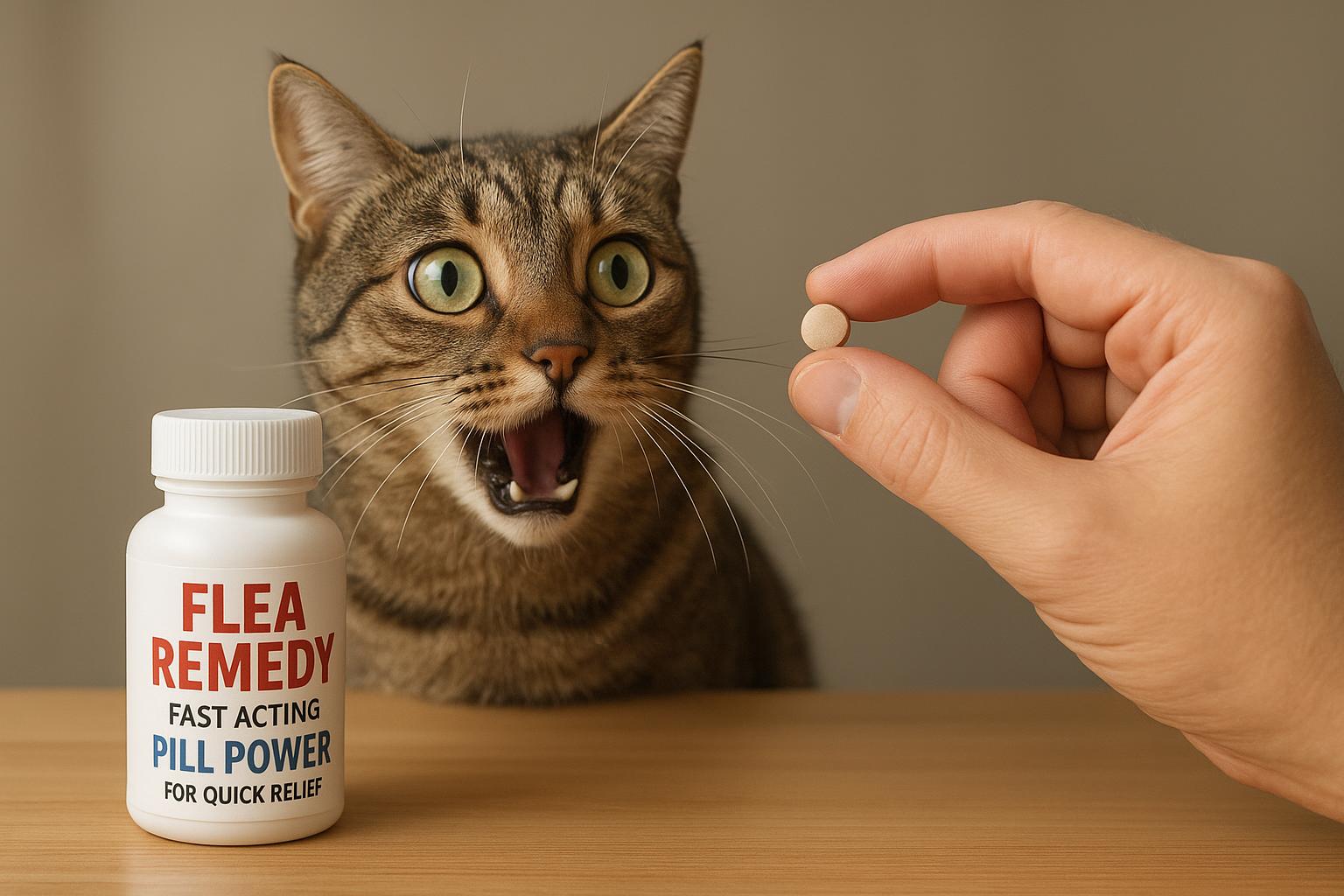
– Nitenpyram (Capstar): Very fast-acting oral tablet that kills adult fleas within hours; useful for immediate relief but lasts only about 24–48 hours and must be part of a broader control plan.
When choosing between these, consider spectrum (fleas only vs. fleas + ticks), dosing interval, pet tolerance, cost, and any co-administered parasite preventives.
### Safety Notes For Oral Flea Medications
– Always dose by weight and species. An overdose can cause adverse reactions; an underdose can promote control failure.
– Many of the oral isoxazoline products (fluralaner, afoxolaner, sarolaner, lotilaner) are highly effective; however, reports of neurologic adverse reactions (e.g., tremors, seizures) are rare but noted—use caution in animals with a seizure history.
– Do not use dog products on cats unless explicitly labeled for both; ingredients and dosing differ.
– Pregnancy, lactation, and very young animals often require special consideration—ask your vet before treating.
– For comprehensive flea safety, combine an appropriate oral medicine with environmental control measures.
### How Oral Flea Medicines Work
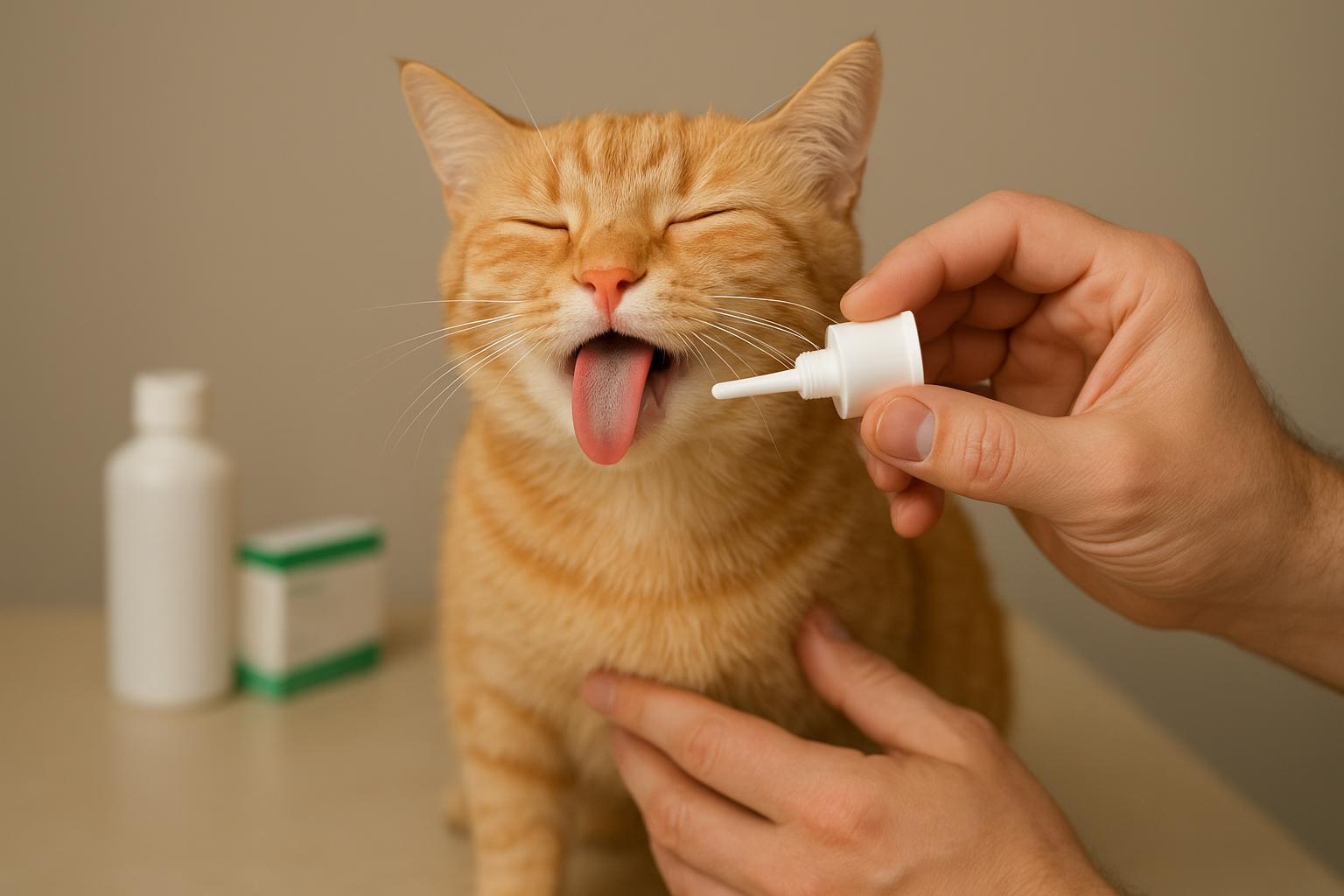
Most oral flea medicines target the insect nervous system, causing paralysis and death in fleas after they bite treated animals. Some act rapidly (nitenpyram), others provide sustained protection (fluralaner, afoxolaner). These medications typically require the flea to ingest blood from the treated pet, which is why environment treatment remains important to interrupt the lifecycle.
## 2 Remedies: Home Environmental Treatments For Flea Safety
Environmental control reduces the immature flea stages living in carpets, bedding, and furniture. Below are two structured, practical remedies to help reduce flea populations in your home. These are supplementary to veterinary flea treatments and are intended for environmental use only.
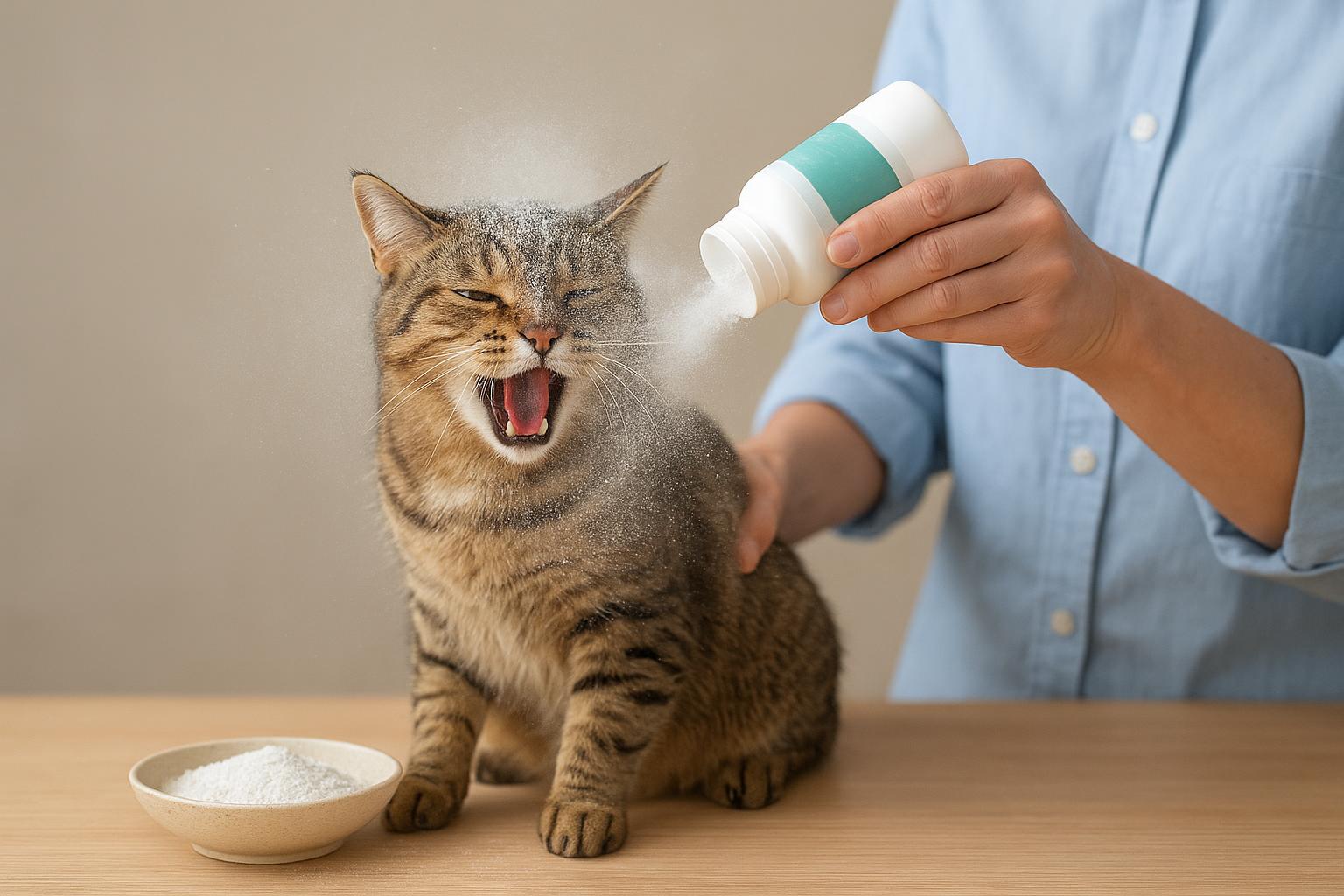
### Remedy 1: Food-Grade Diatomaceous Earth Dry Treatment
Ingredients / Required Materials:
1. Food-grade diatomaceous earth (DE), labeled for household use
2. Fine hand sifter or powder applicator
3. Vacuum cleaner with a HEPA bag or filter
4. Disposable gloves and dust mask
5. Protective eyewear (optional)
6. Brush or broom for working DE into carpeting
Step-by-Step Creation And Application:
1. Prepare: Put on gloves and a dust mask to avoid inhaling the powder. Keep pets and children out of the treated rooms until vacuuming is complete.
2. Apply: Use the sifter to lightly dust carpets, rugs, and pet bedding with a thin, even layer of food-grade DE. Focus on areas where pets rest, under furniture edges, and along baseboards.
3. Work In: Gently work the powder into the carpet fibers using a broom or soft brush so DE comes into contact with stages of flea life hiding down in the pile.
4. Wait: Leave DE in place for 48–72 hours. During this time, it will desiccate fleas and some larvae/pupae on contact.
5. Vacuum Thoroughly: After the waiting period, vacuum carefully and dispose of the vacuum bag contents in an outdoor trash can. Repeat every 7–10 days for several weeks until infestation indicators decline.
6. Safety: Use only food-grade DE and avoid inhalation. Do not apply to animal sleeping surfaces where pets directly inhale powder—treat floors and wash bedding separately.
Notes: DE provides mechanical dessication and can be effective as part of an integrated approach; it will not replace veterinary flea treatments directed at the animal.
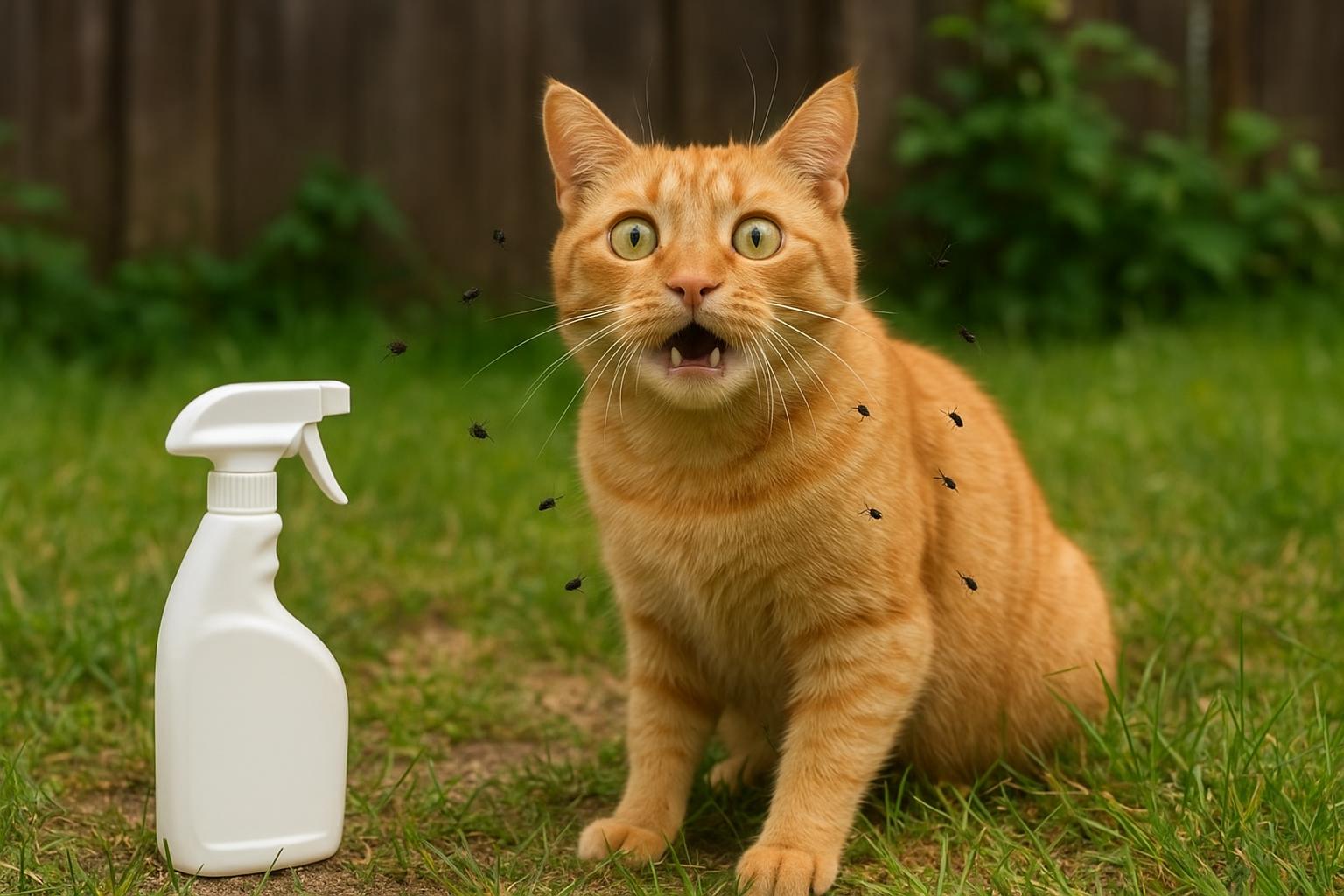
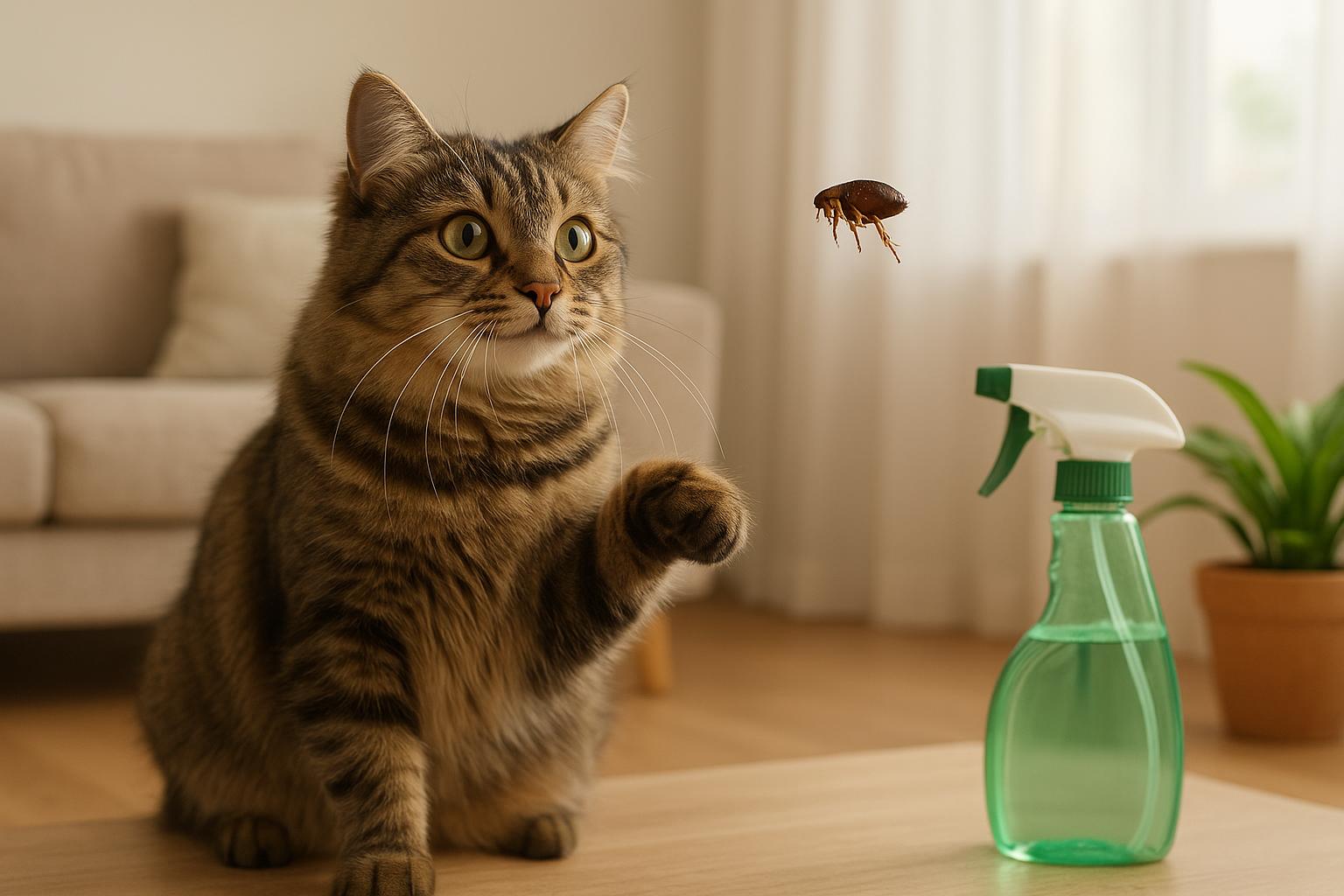
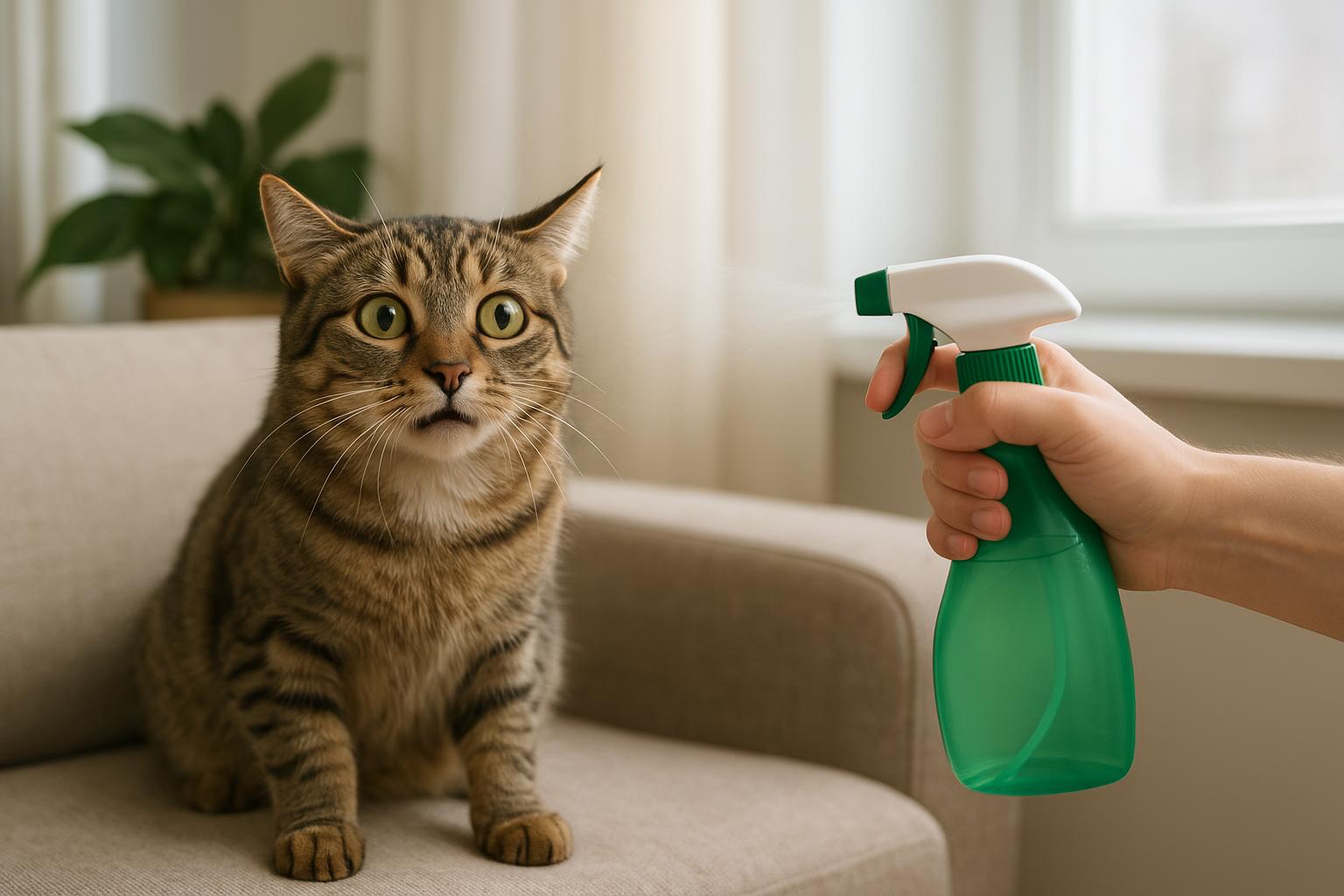
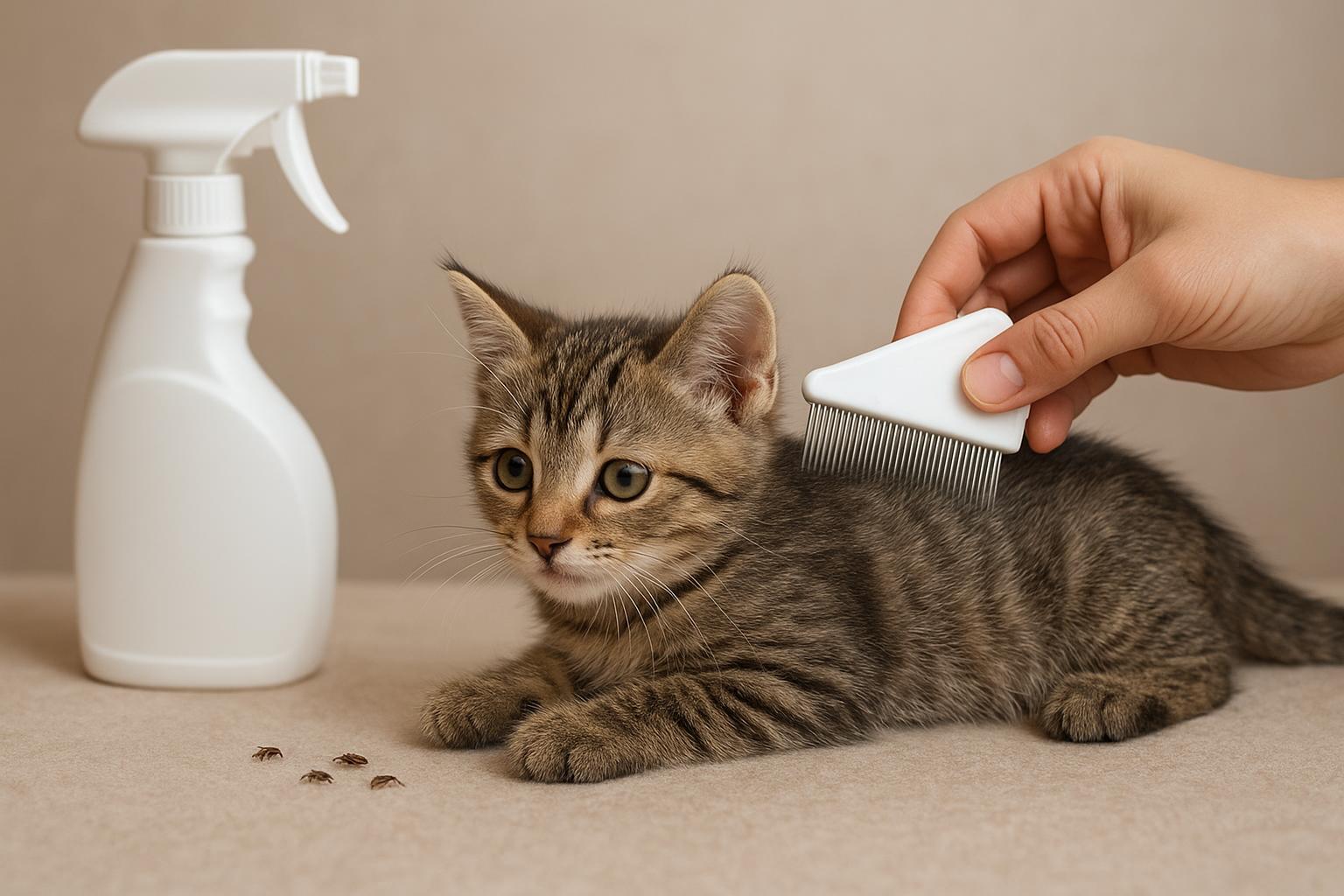
### Remedy 2: Natural Flea Spray For Bedding And Carpets
Ingredients / Required Materials:
1. Spray bottle (500 mL)
2. Distilled water (400 mL)
3. White vinegar (75 mL)
4. A few drops of fragrance-free dish soap (5–10 drops)
5. Optional: small amount (5–10 drops) of essential oil proven safer for rodents? — Avoid essential oils on or near cats; consult your vet before use.
Step-by-Step Creation And Application:
1. Mix: Combine distilled water and white vinegar in the spray bottle. Add a few drops of dish soap to help the solution spread and slightly disrupt flea cuticle on contact.
2. Test: Perform a spot test on a small, inconspicuous area of fabric or carpet to check for colorfastness.
3. Spray: Lightly mist pet bedding, carpets, and rugs—not saturating. Do not spray directly on pets. Avoid spraying where children will put mouths or on food-prep surfaces.
4. Agitate: Use a brush to work the spray into carpet fibers and let air dry. Repeat every 2–3 days for two weeks to target newly emerged adults.
5. Wash Bedding: Wash pet bedding regularly in hot water to kill eggs and larvae.
Notes: This spray is an adjunct environmental measure. It may reduce fleas on surfaces but does not replace veterinarian-prescribed oral or topical flea medicines.
## Flea Safety Guidelines For Treatment And Prevention
– Treat All Pets: If you have multiple animals, treat them all simultaneously. Untreated pets will re-seed the environment.
– Read Labels Carefully: Active ingredients, species restrictions, ages, and weights vary. Using the wrong product or dose undermines flea safety.
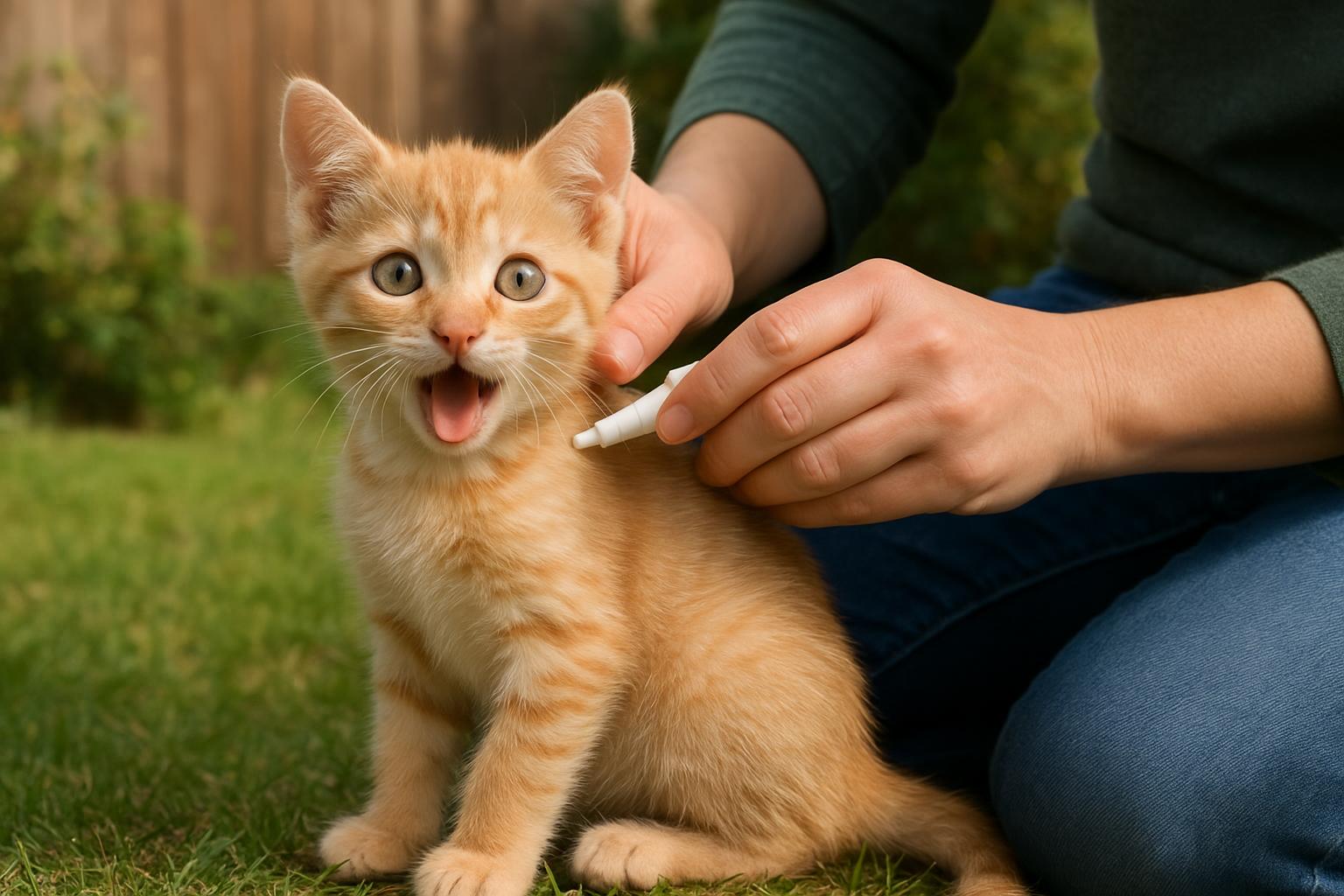
– Avoid Mixing Without Guidance: Don’t combine oral flea medications with topical pesticides unless your vet approves—interactions or overdosing can occur.
– Maintain Home Hygiene: Frequent vacuuming, washing pet bedding, and cleaning under furniture disrupt flea life cycles.
– Consider An IGR: An insect growth regulator (pyriproxyfen or methoprene) prevents eggs and larvae from maturing—useful in severe infestations and compatible with most flea control plans.
– Human Health: Keep medicated products out of children’s reach and avoid applying pet treatments on surfaces children frequently touch until the product has been absorbed or settled according to label instructions.
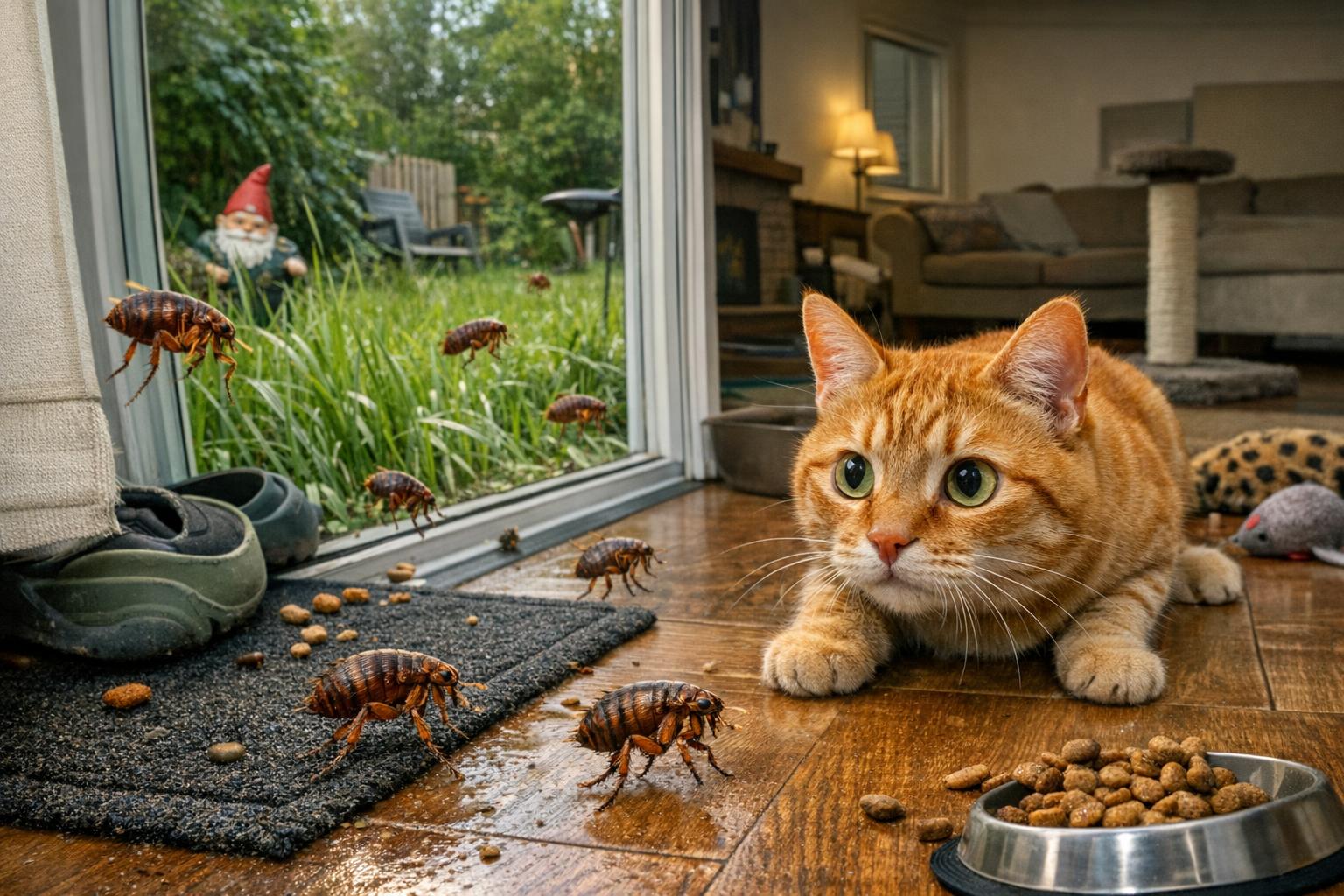
– Wildlife And Yard: Address yard areas where wildlife (opossums, raccoons) frequent; they can maintain flea populations. Use safe yard treatments or targeted wildlife exclusion if needed.
### Recognizing Adverse Reactions
Watch for vomiting, diarrhea, tremors, unsteadiness, excessive drooling, or severe itching soon after starting a medication. If you see any of these signs, stop the medication (if advised by your vet) and contact your veterinarian immediately. Keep the medication packaging so your vet can see dose and active ingredient information.
#### What To Tell Your Vet
When calling about a potential reaction, provide:
– Pet species, breed, age, and weight
– Exact product name and active ingredient
– Dose given and timing relative to symptoms
– Any recent medications, supplements, or topical products applied
– Pre-existing conditions (seizures, liver disease, pregnancy)
## When To Call A Professional
If your infestation persists after following flea safety steps, if there are many fleas in the home despite treatment, or if you suspect fleas on wildlife or in crawl spaces, contact a pest control professional experienced with pet-safe protocols. Some situations require integrated pest management combining veterinarian treatment, environmental chemicals applied safely, and structural adjustments to reduce wildlife access.
Treating fleas well is like following a good recipe: the right ingredients, careful timing, and a little patience. Apply veterinary advice, use oral flea medicines appropriately, and integrate environmental remedies to keep your home comfortable and your pets healthy—because good flea safety is peace of mind for everyone under your roof.










Leave a Reply