
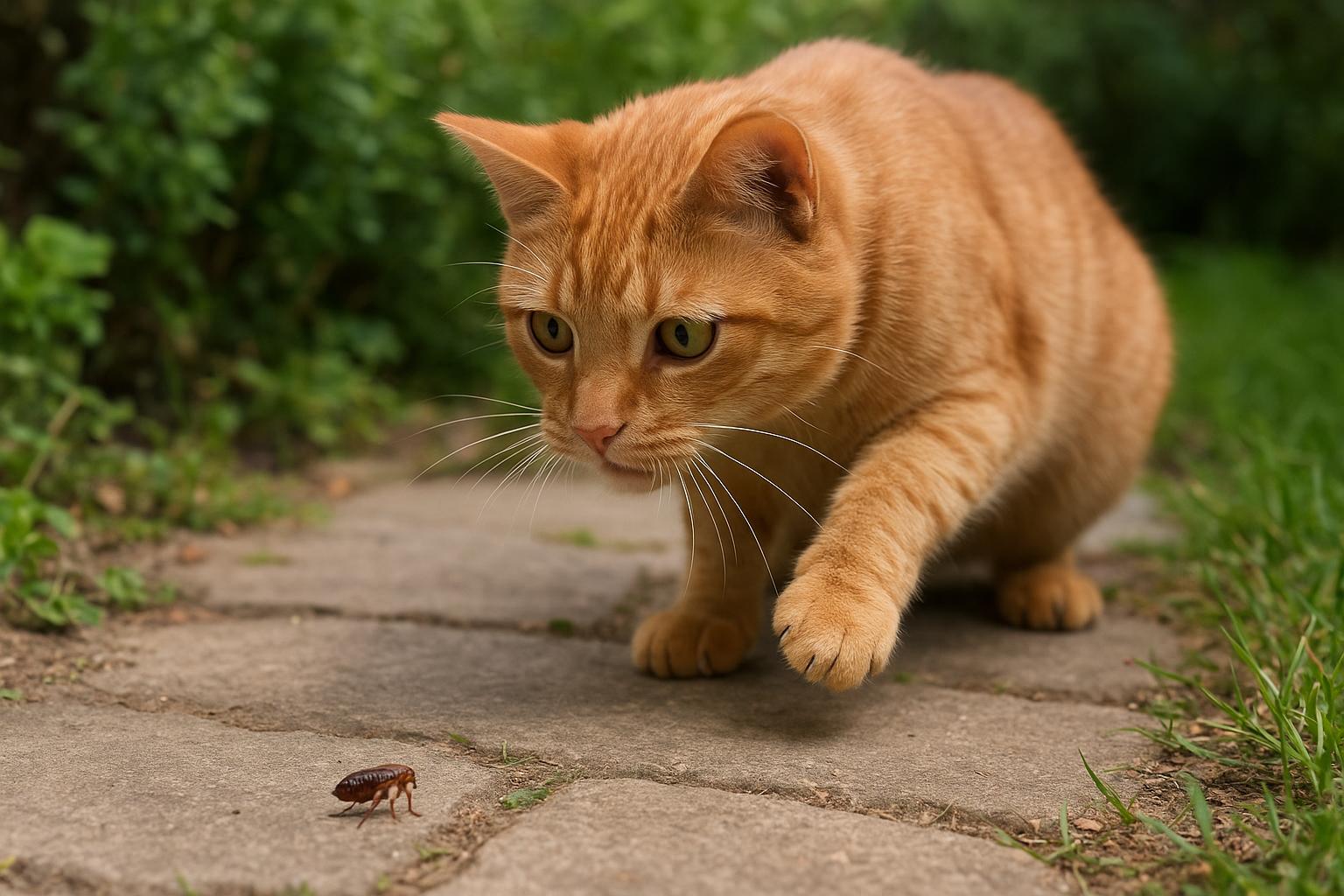
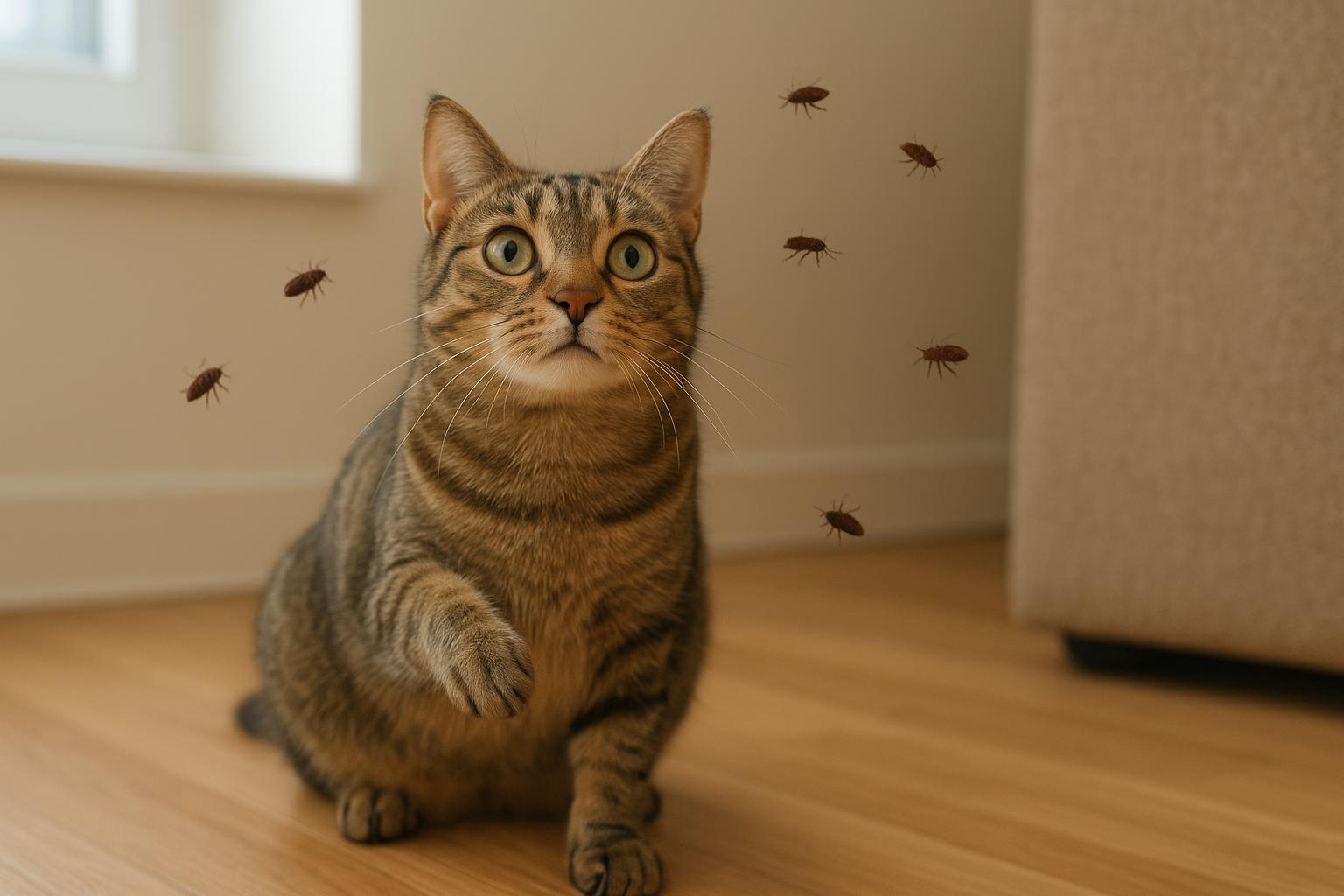
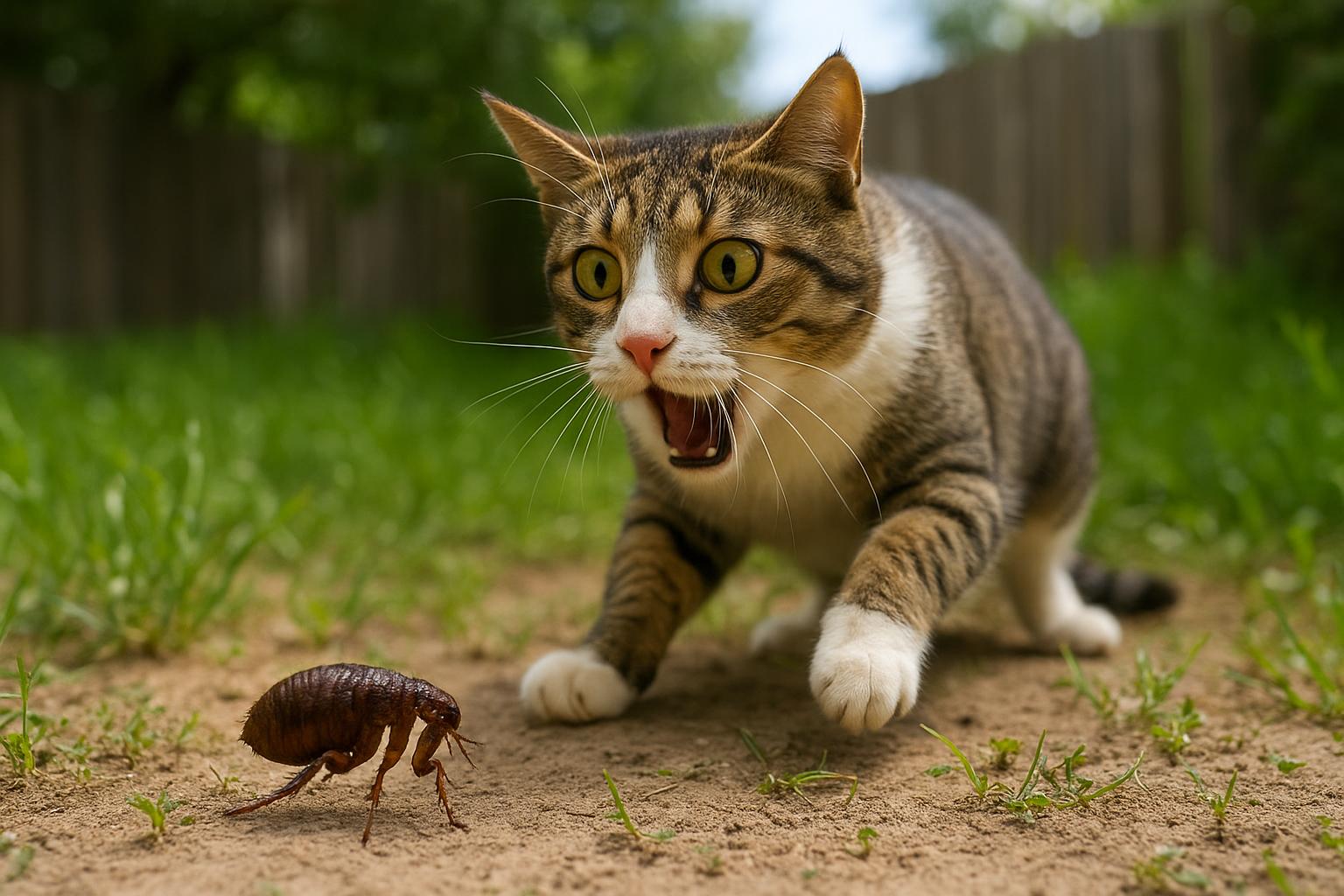
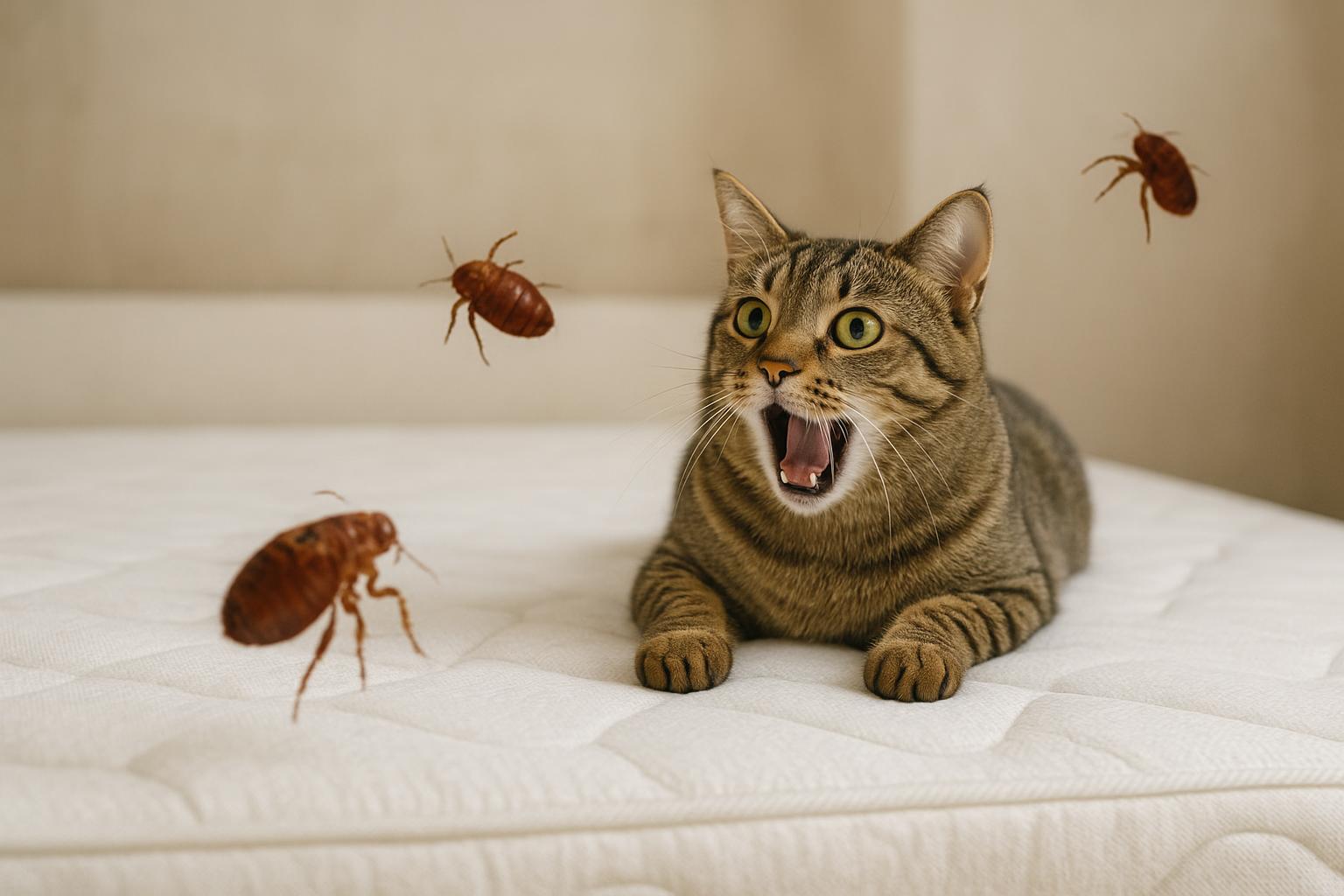
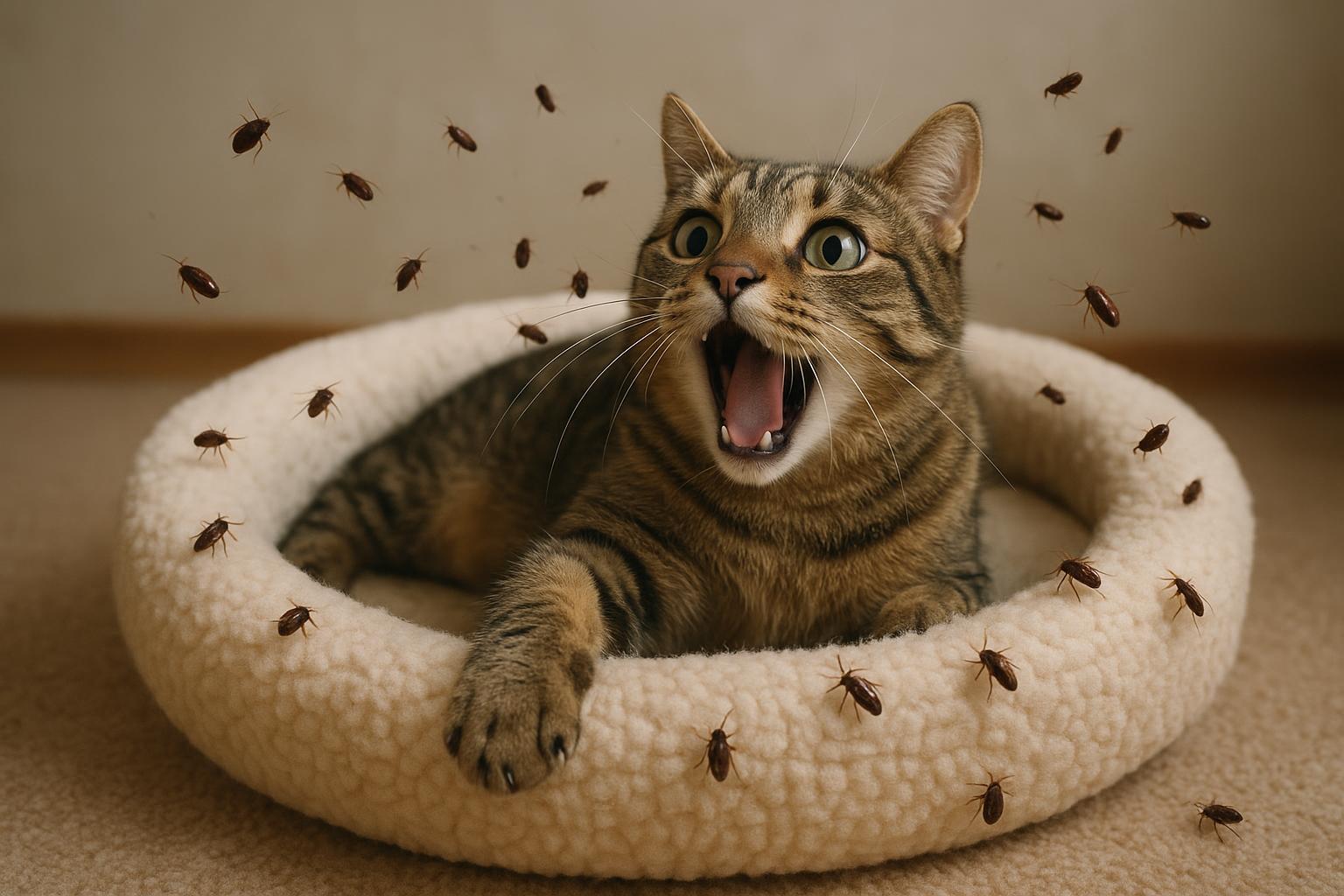
You stroll through the yard and suddenly realize you — and your dog — have uninvited hitchhikers. Fleas are expert travelers and backyard ninjas when it comes to getting where they want to go. This article looks at the common outdoor flea entry points, how flea behavior plus yard features create opportunities for invasion, and clear, practical remedies to reduce and manage future flea ingress. Relax, sip something comforting, and let’s map how these tiny jumpers sneak in.
## Understanding Flea Ingress In Outdoor Entry Pathways
Fleas don’t open a gate and stroll in; they exploit hosts, habitat, and human-made conduits. The term flea ingress describes the movement of fleas from exterior reservoir areas (wildlife nests, tall grass, mulch, rodent burrows) into the immediate areas around your home and pets. Think of it as a multi-stage operation: source, travel corridor, host pick-up, and establishment. Interrupt any of those stages and you break the cycle.
### Where Fleas Come From And Why They Move
Fleas are attracted to warm, humid microclimates and places where hosts rest or pass through frequently. Common outdoor sources include:
– Rodent or opossum nests under decks and porches.
– Feral cat and raccoon bedding sites.
– Overgrown perimeter plantings, tall grass, and leaf-litter where pupae can sit undisturbed.
– Compost piles, woodpiles, and stacked debris.
They move because hosts (dogs, cats, wildlife) contact those reservoirs. Pet movement, human activity, and even wind blowing pupal-filled debris can facilitate flea ingress.
#### Small-Scale Pathways You Might Overlook
– Gaps under garage doors or poorly sealed pet doors where small mammals nest nearby.
– Garden tools, outdoor cushions, or reused hay bales that pick up pupae and bring them close to house foundations.
– Mulch strips that stay damp and shaded all day — an ideal pupal hideout.
## Signs And Timing Of Flea Entry
Fleas follow a rhythm: eggs, larvae, pupae, and then adults waiting for a host. Because pupae can remain dormant for months, flea ingress may be episodic — sudden outbreaks after a particular heat spell, a visit by wildlife, or when a neighbor gets an infestation.
### Recognizing Early Indicators
Watch for:
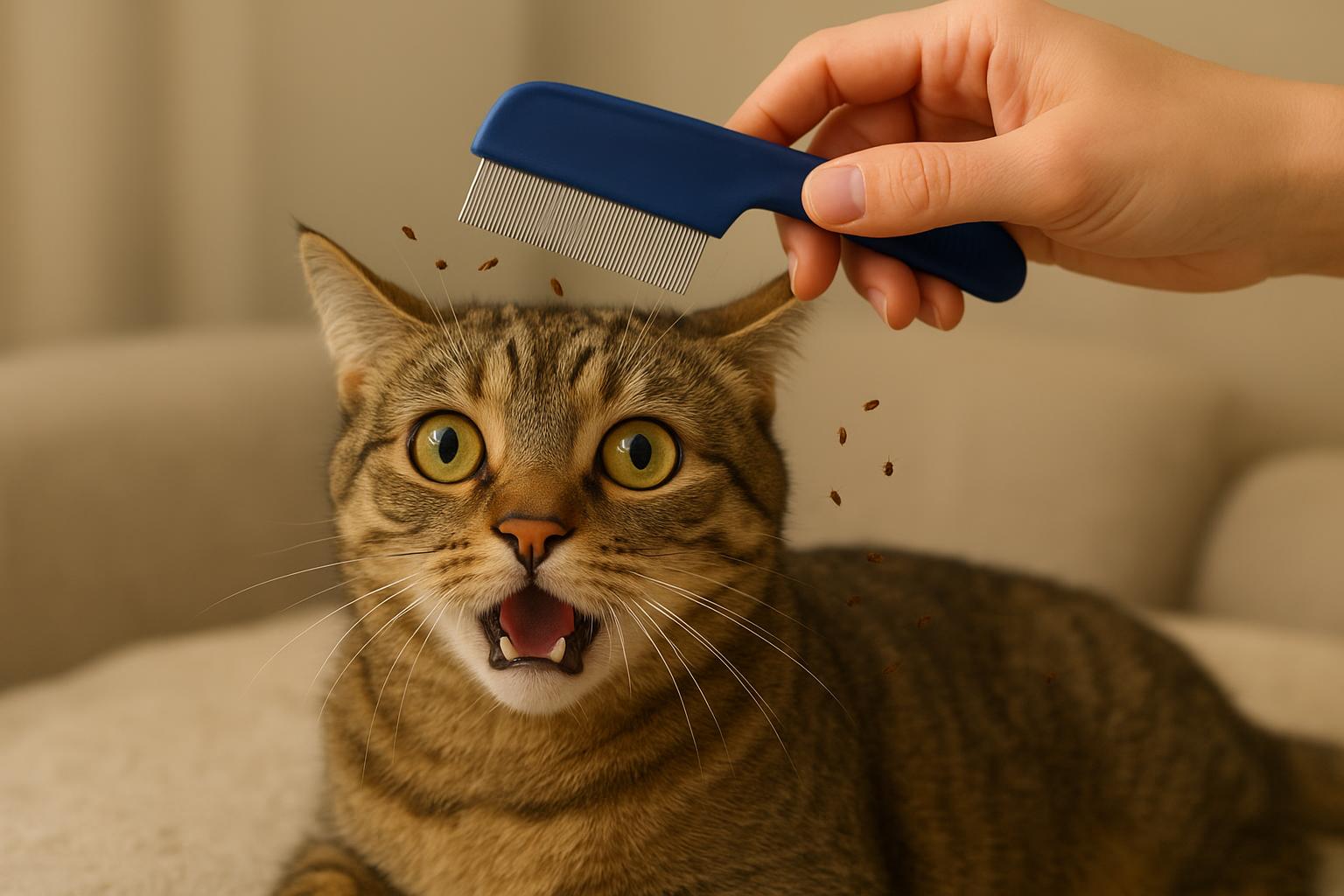
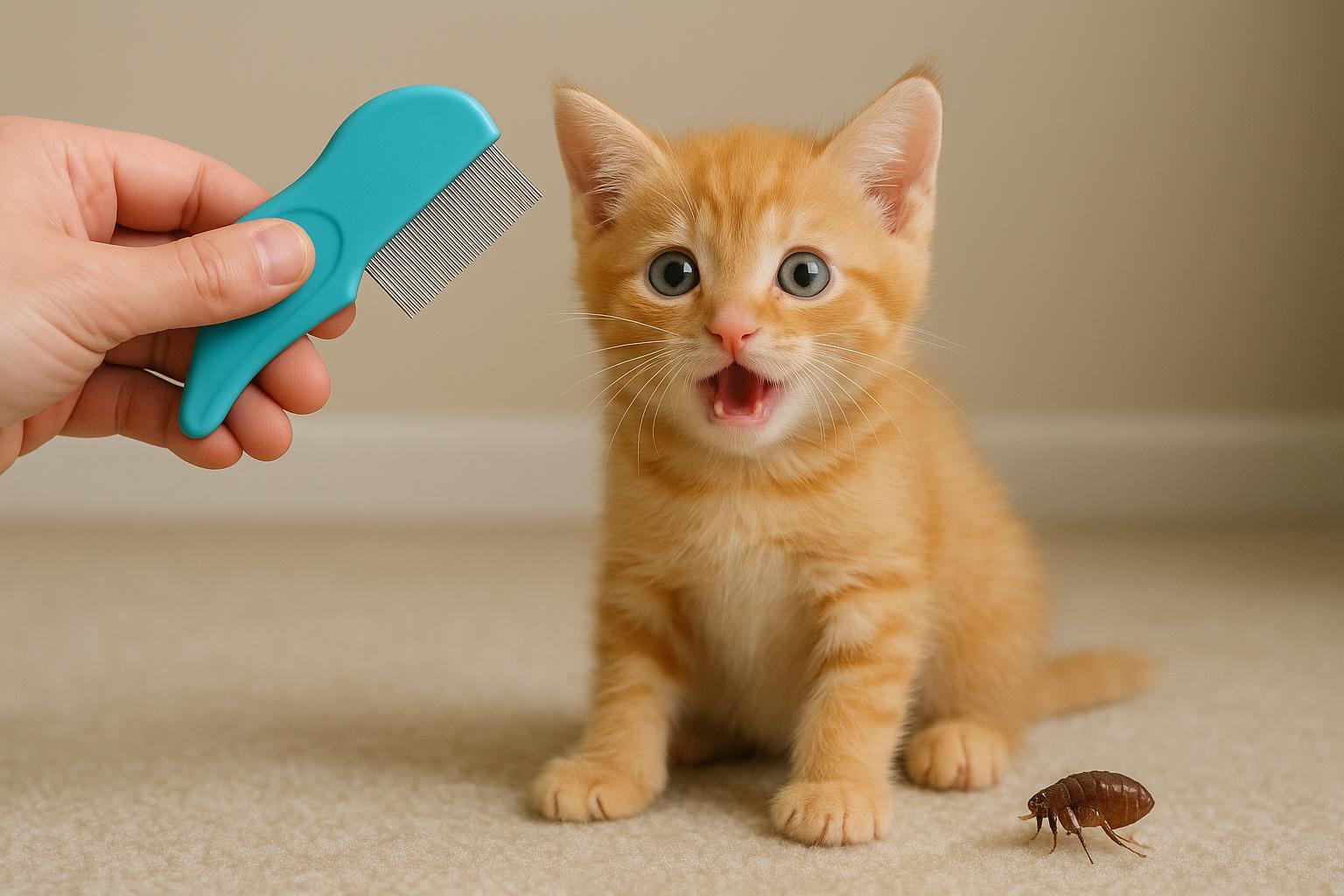
– Increased scratching or visible fleas on pets after outdoor time.
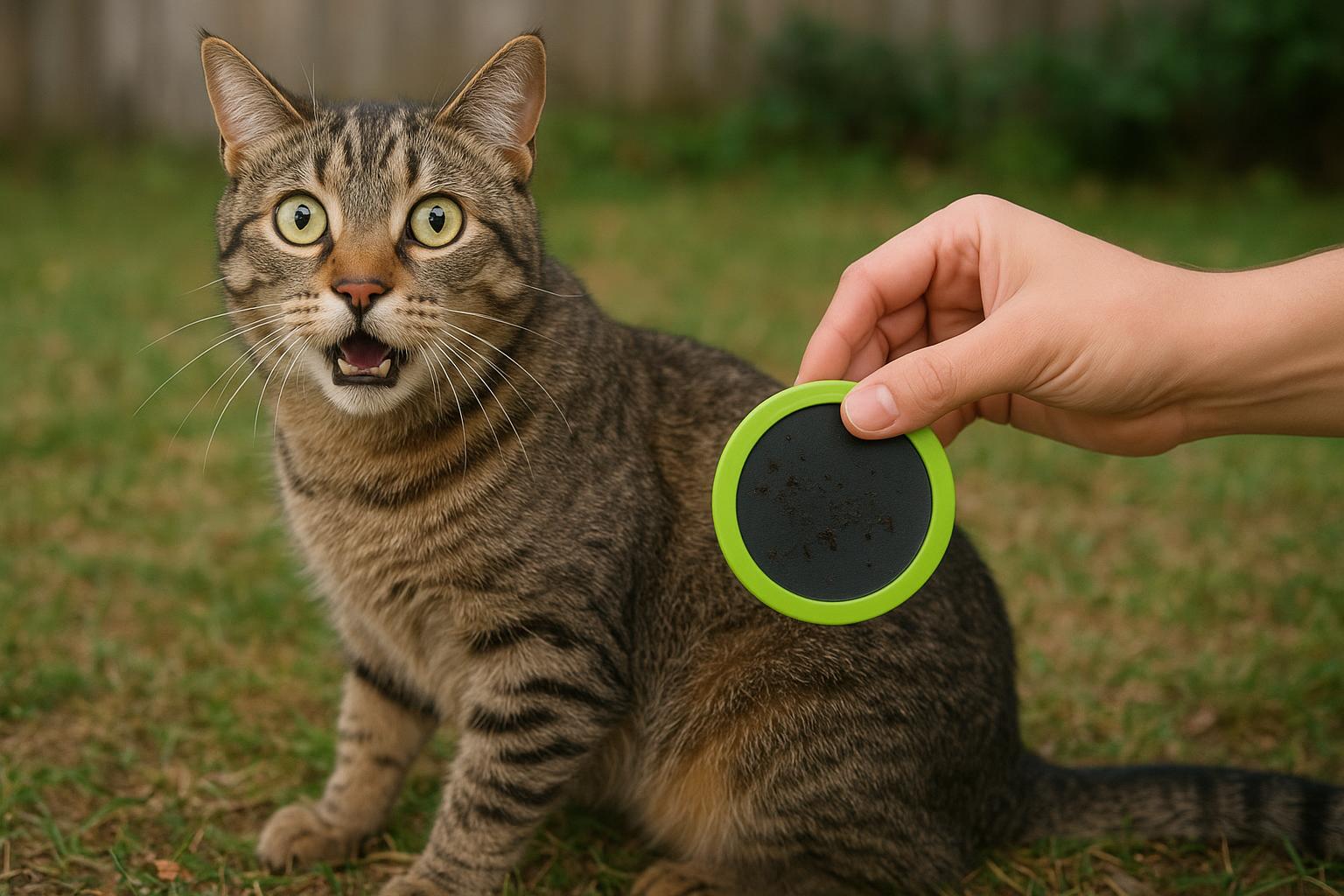
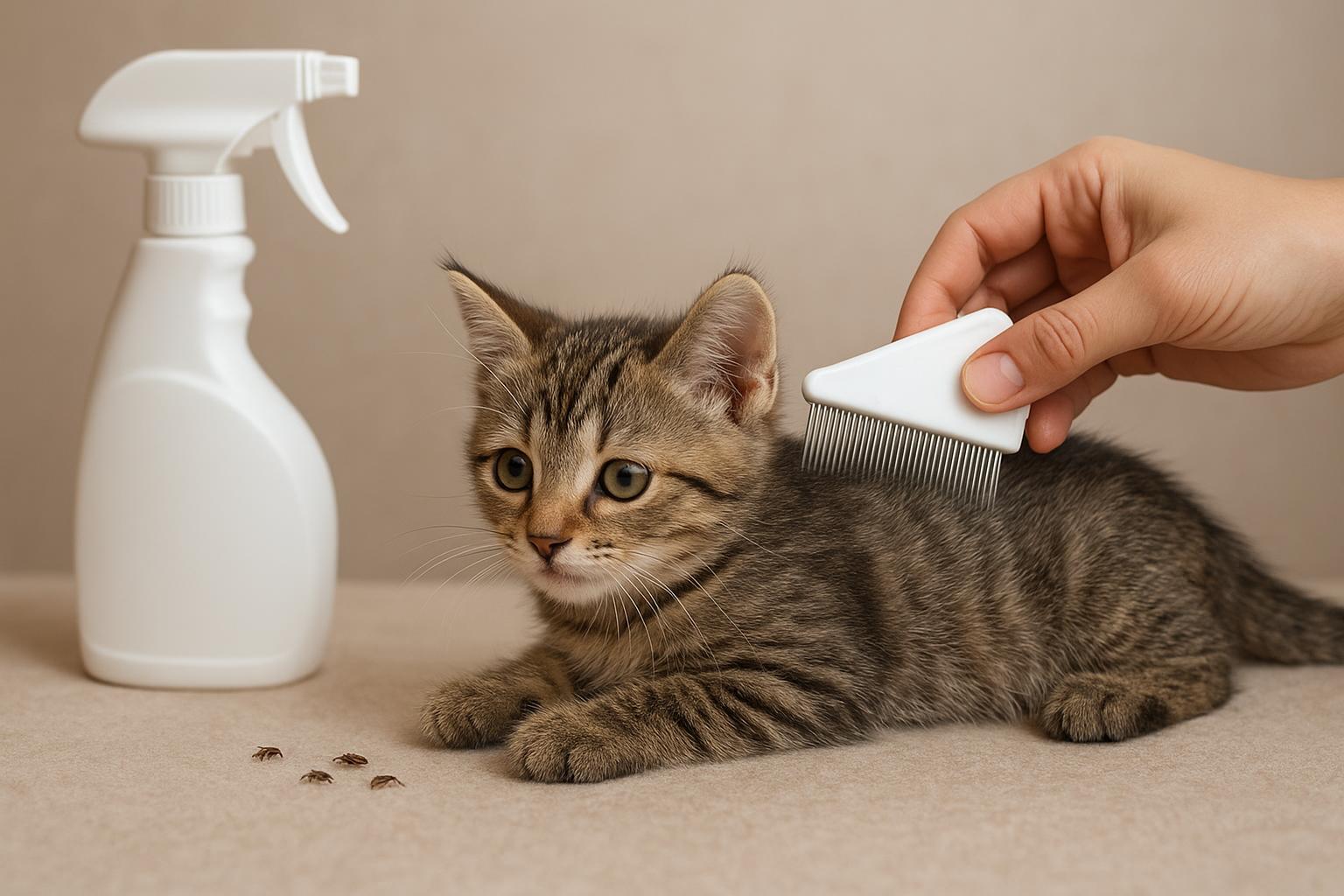
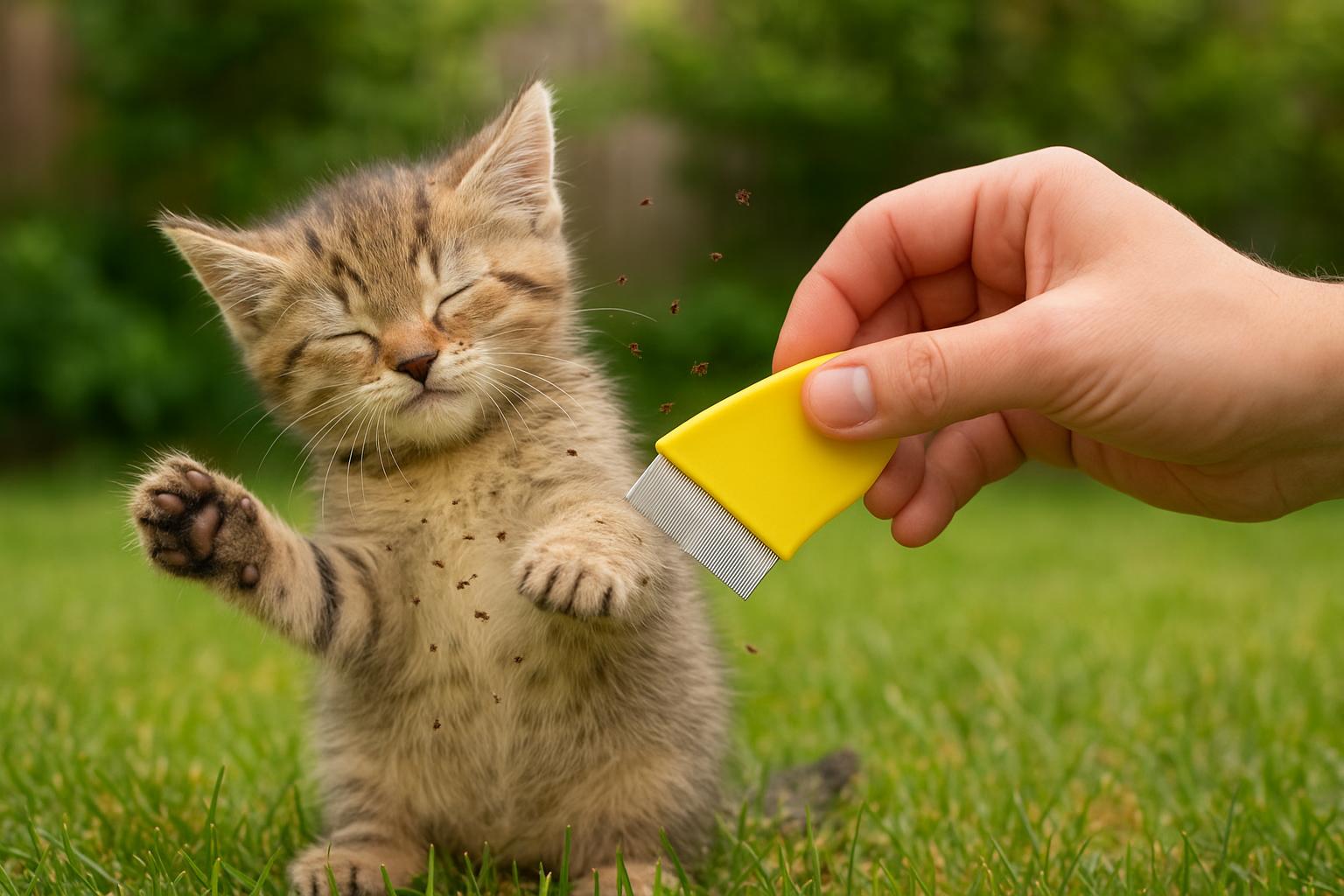
– Flea dirt (tiny black specks) on pet bedding or along baseboards near doors.
– Clusters of fleas on shaded patios or in thick mulch.
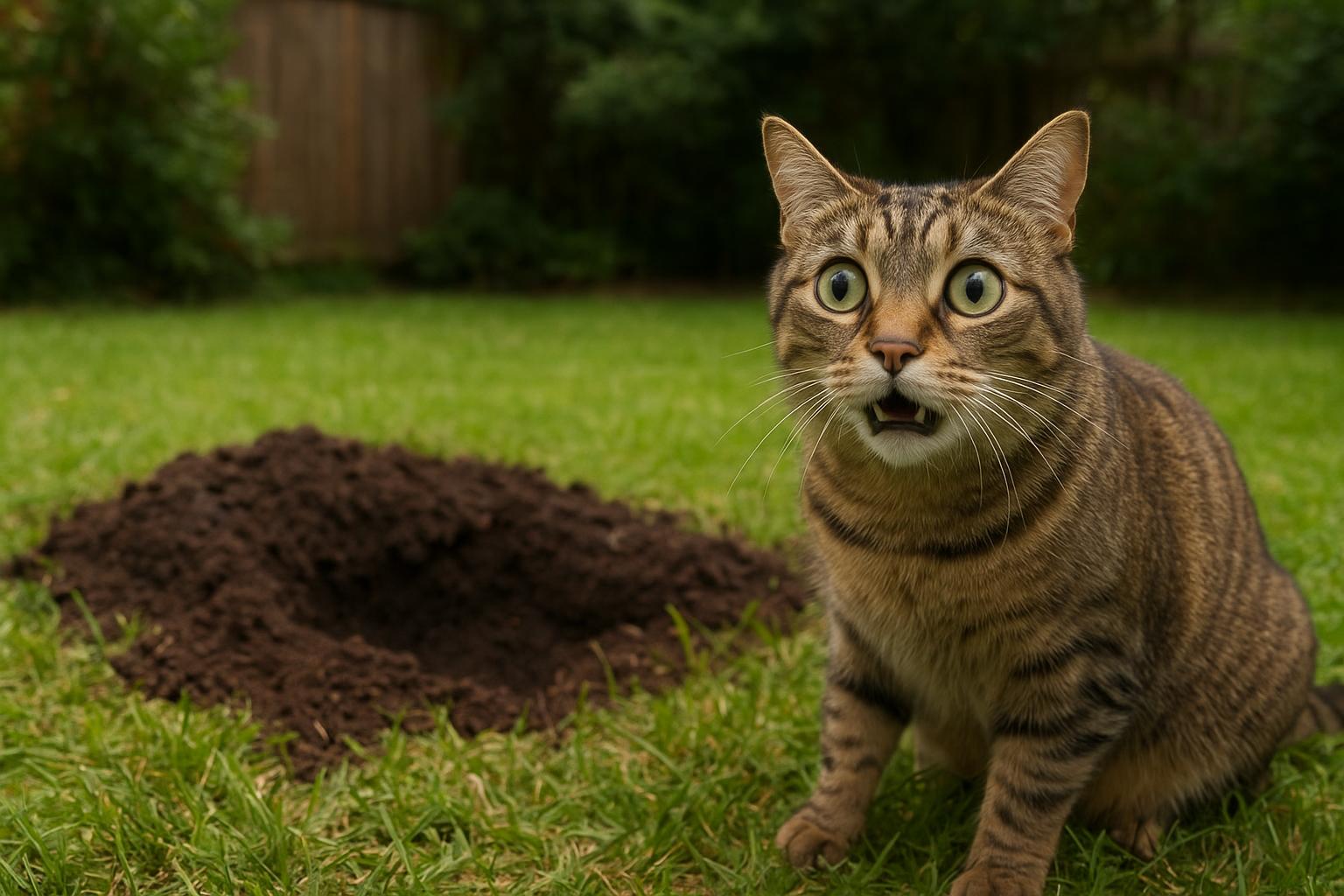
– Wildlife activity near your foundation or under decks.
If you see even a couple of these signs, treat it like a leak: find the source and limit access.
## How To Inspect Entry Pathways Like A Pro
Do a systematic walk-around: check under decks, lift corners of storage items, inspect pet doors, and look for wildlife tracks. Use a flashlight to scan dark crevices during the day and a camera or phone to document possible nests. Record where you see fleas or wildlife droppings — clustering indicates likely ingress corridors.
### When To Call A Specialist
If you locate an active wildlife nest within house structures, or suspect heavy rodent infestation, contact a wildlife removal or pest control professional. Removing animals without addressing fleas and pupae can worsen flea ingress by dispersing the population.
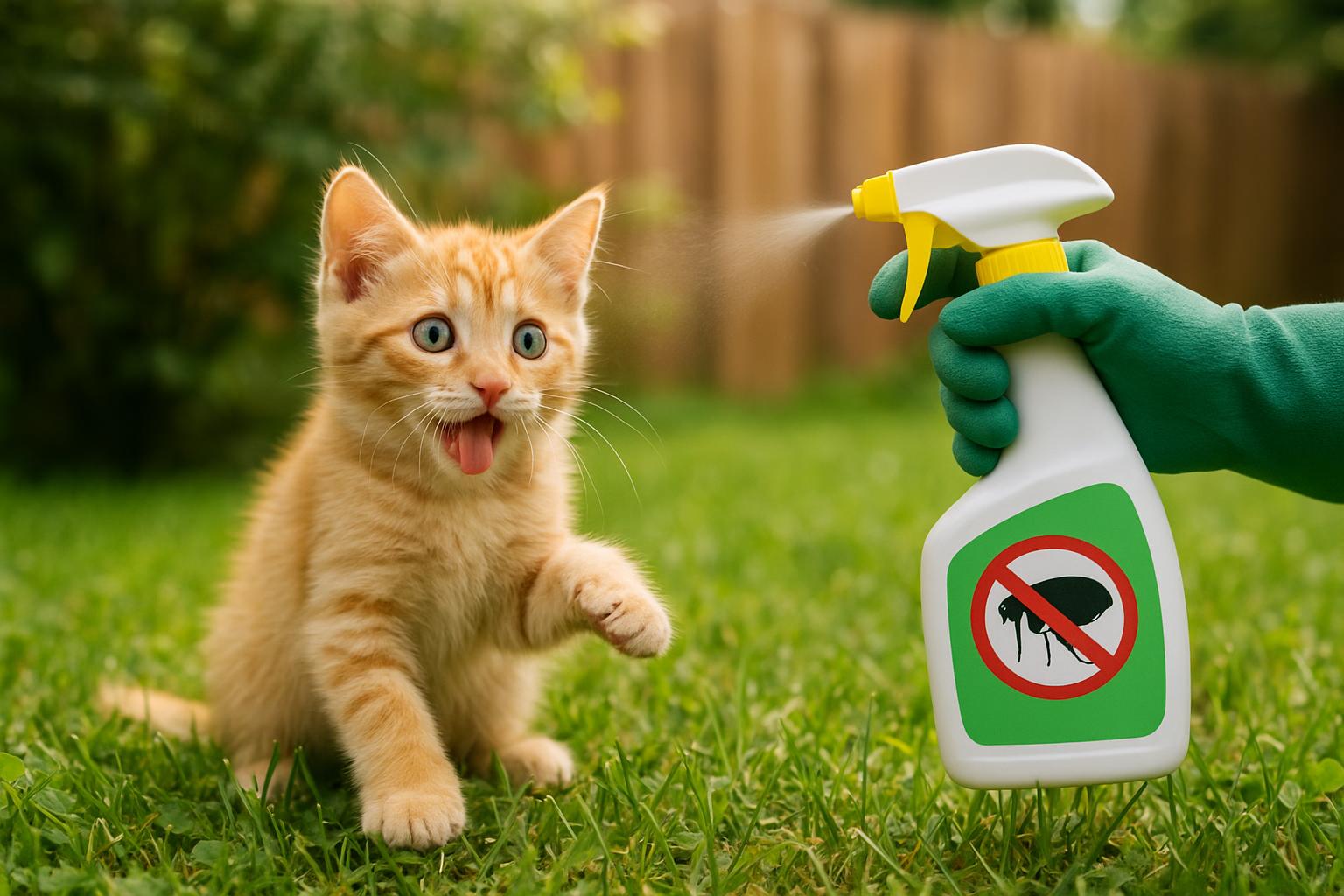
## 1. Preventive Remedy: Yard Barrier Treatment
This remedy is about creating a treated buffer and reducing outdoor breeding habitat. Carry out only with EPA-approved products and follow label instructions. This section is formal and prescriptive.
Materials And Ingredients
1. EPA-registered outdoor insecticide labeled for fleas (select a product that contains an adulticide like bifenthrin or permethrin and an insect growth regulator (IGR) such as pyriproxyfen or methoprene).
2. Granular insecticide (optional) for perimeter application.
3. Pump sprayer (dedicated for pesticide use).
4. Personal protective equipment (gloves, long sleeves, eye protection).
5. Measuring cup and water supply.
6. Gloves and disposal bags for leaf litter removal.
Step-By-Step Application
1. Read Labels: Carefully read all product labels, noting restrictions regarding pollinator areas and pet exposure. Do not apply near edible plants or water bodies unless product permits.
2. Prepare The Area: Rake back mulch to expose pupal hiding spots. Remove pet bedding, toys, and cushions from the treatment zone. Mow tall grass to reduce humidity pockets.
3. Mix Product: Following label dilution rates, mix the concentrate in your pump sprayer. Measure precisely; over-application increases environmental risk.
4. Apply A Perimeter: Spray a 2–4 foot treated band along foundations, fence lines, and under decks where pets and wildlife frequently travel. Treat shaded, damp areas first.
5. Treat Hotspots: Apply extra to pet resting areas, the undersides of porches, and along paths that pets use to enter the house.
6. Reapply As Directed: Many labels call for retreatment every 30–90 days or after heavy rain. Use the label schedule to maintain a barrier.
7. Monitor: Combine with visual inspections every two weeks. If fleas persist, consider integrating the second remedy.
Safety Notes: Avoid direct application to flower beds used by pollinators. Keep pets and people off treated surfaces until dry. Dispose of rinse water per label guidance.
## 2. Remedial Approach: Targeted Nest And Host Disruption
This approach focuses on removing sources and treating hosts — essential for interrupting flea ingress from wildlife or pets. Again, follow veterinary and label directions strictly.
Materials And Ingredients
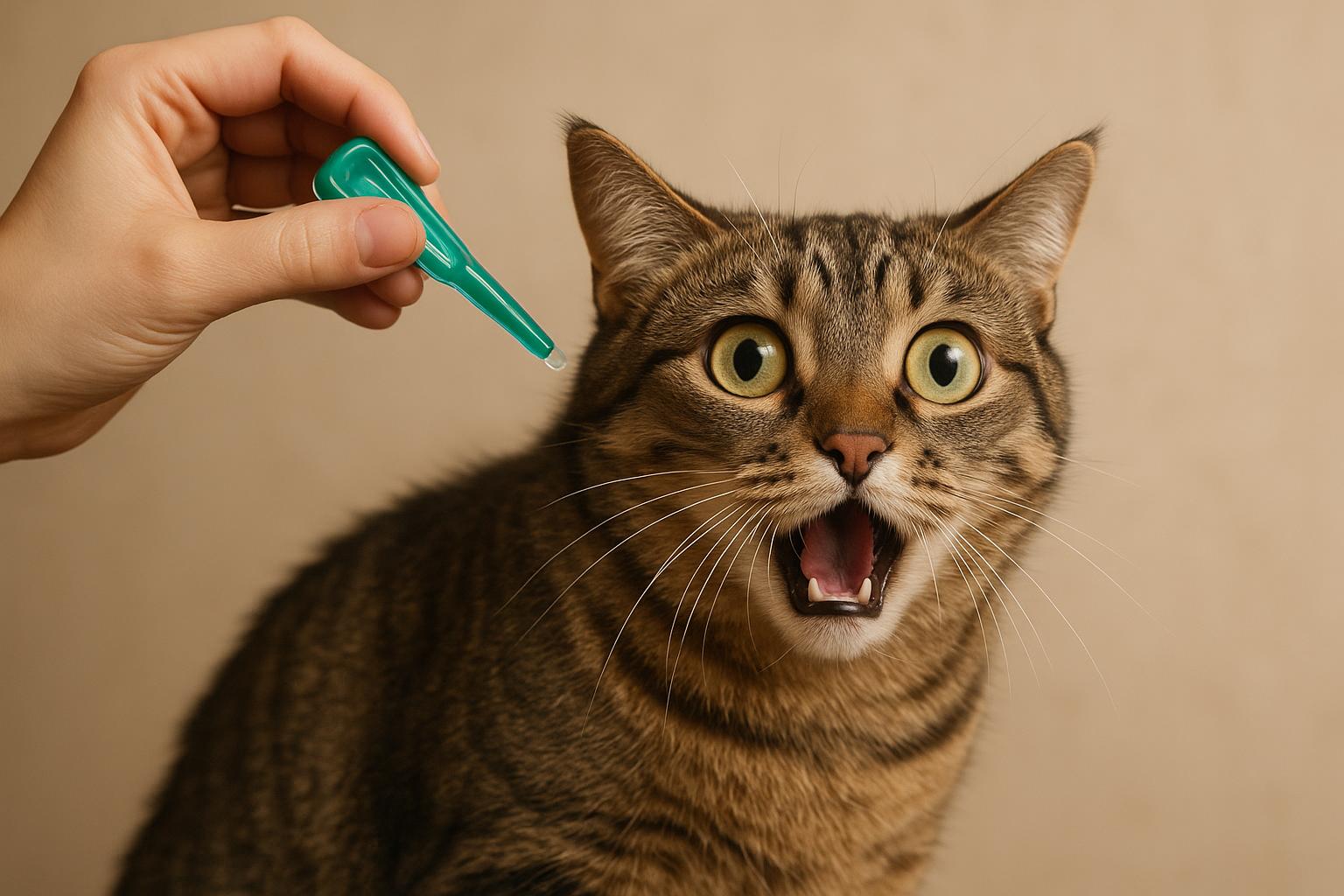
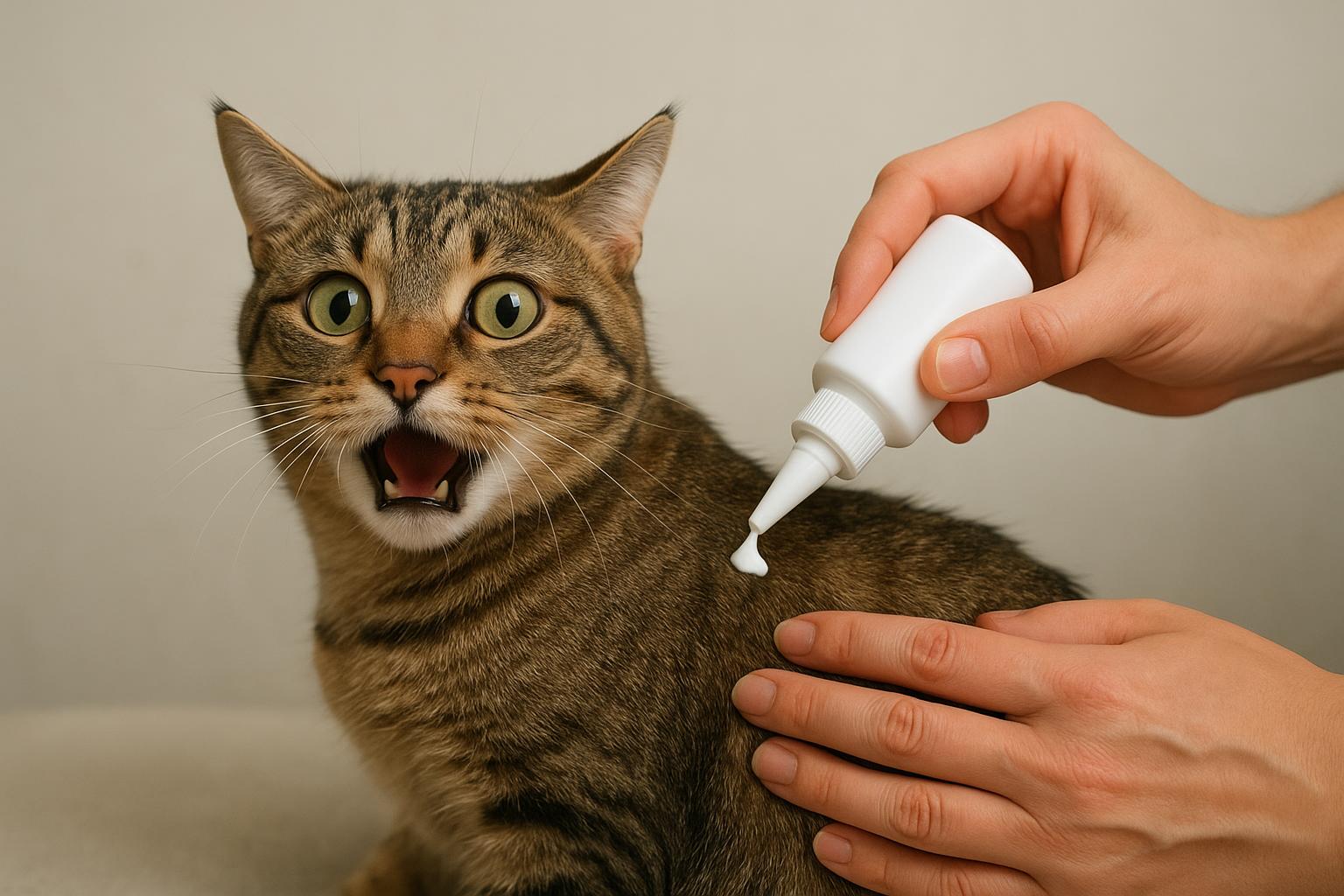
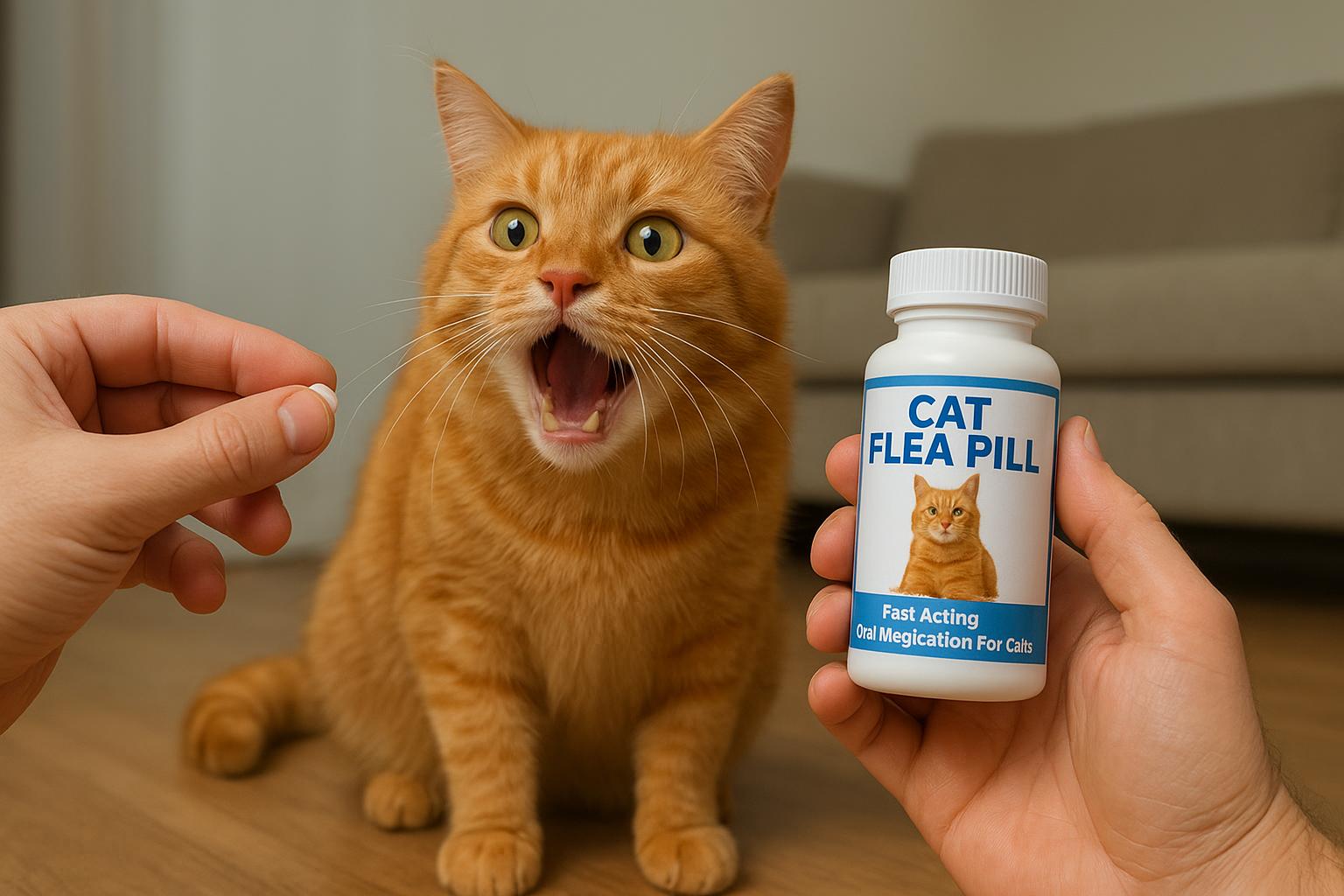
– Veterinary-recommended flea treatment for pets (topical or oral). Consult your veterinarian for the best product for your animal.
– Nematode product (Steinernema feltiae) for biological control of flea larvae in soil (optional).
– Diatomaceous earth (food-grade) for dry, light applications in voids (use sparingly and with caution).
– Trash bags, gloves, and sealed containers for infested bedding or debris.
– Outdoor-safe insecticide dust or spray labeled for crack-and-crevice use.
Step-By-Step Creation And Application
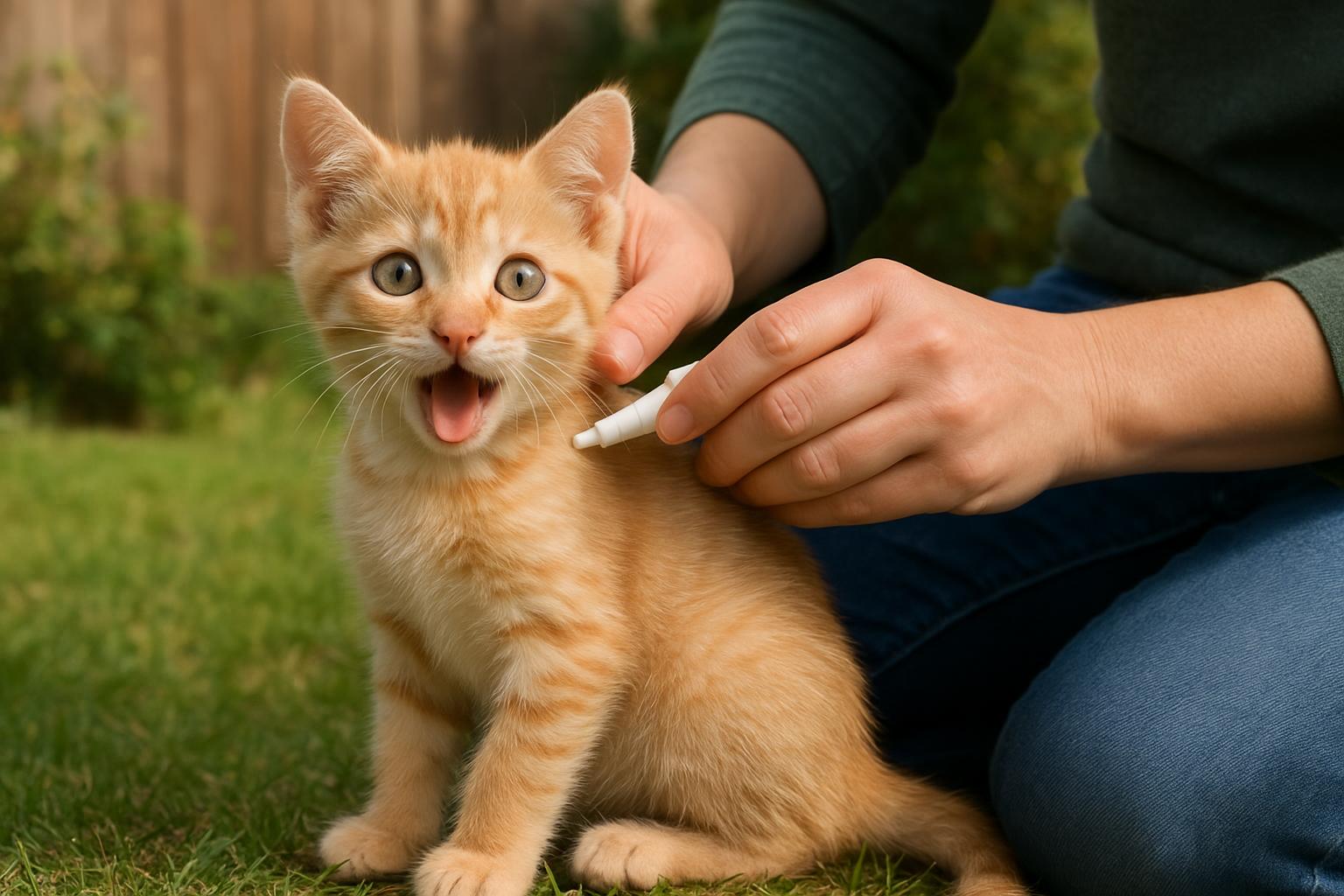
1. Treat All Pets: Have every pet in the household under continuous, veterinarian-recommended flea control. This is the fastest way to stop adult fleas from feeding and laying eggs that perpetuate ingress.
2. Remove Wildlife Sources: If wildlife nests are on your property, arrange safe exclusion or humane eviction with professionals. Do not attempt to remove occupied nests — it can scatter fleas and disperse animals.
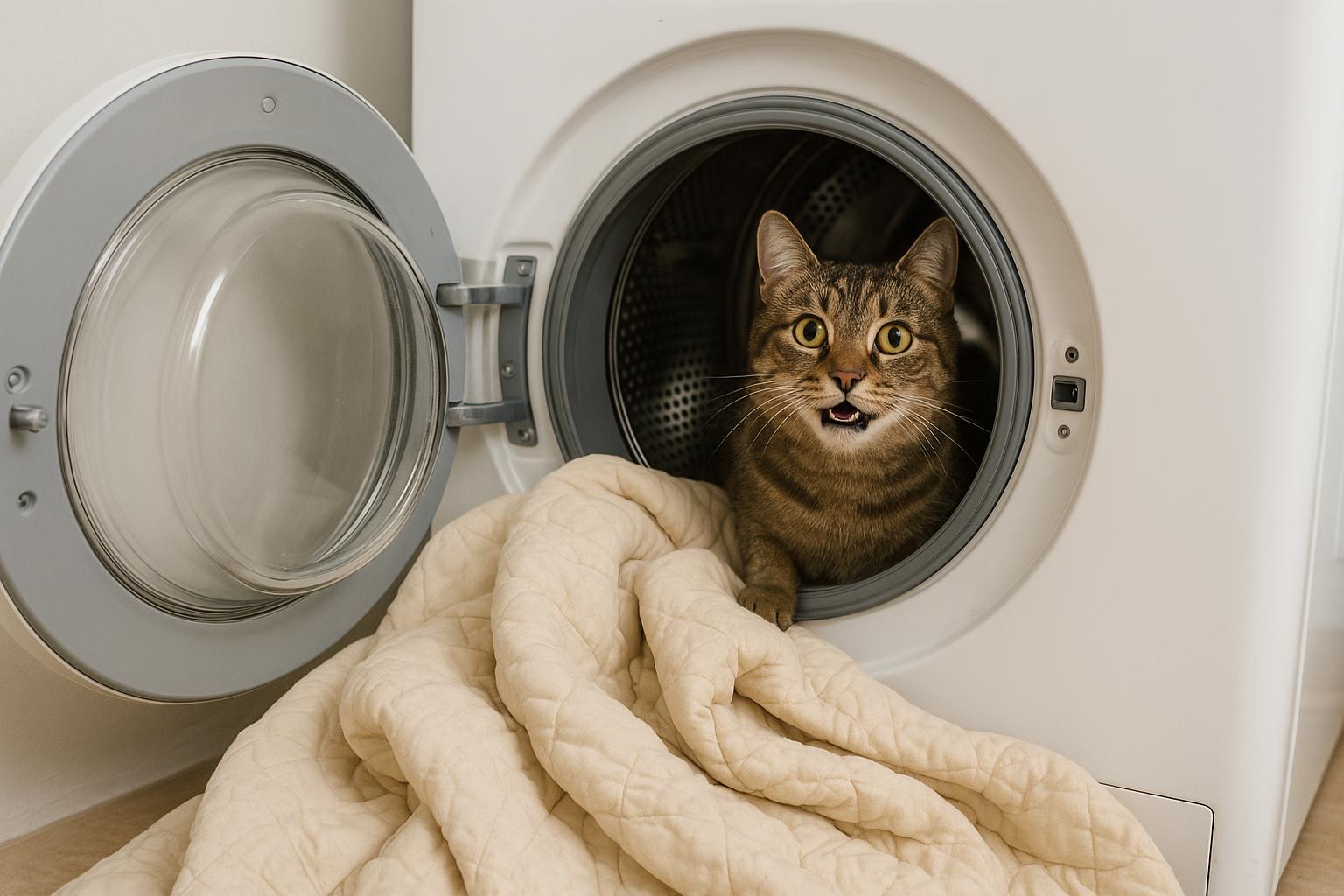
3. Decontaminate Bedding And Soft Items: Wash pet bedding and outdoor cushions in hot water. Place items that can’t be washed into sealed plastic bags and leave in sunlight for several days or replace if heavily infested.
4. Apply Biological Control: Where appropriate, apply entomopathogenic nematodes to shaded lawn areas and mulch per product instructions. Nematodes attack flea larvae in moist soils and are low-risk to non-targets.
5. Use Targeted Dusts Or Sprays In Voids: Apply a labeled insecticidal dust into voids under decks or inside hollow walls where fleas and pupae may shelter. Follow label safety precautions to avoid exposure to household occupants and pets.
6. Seal Entry Points: Patch gaps, install chimney caps, and seal pet door perimeters to deny access to small mammals. Replace or repair rotted wood and lattice that provides concealment.
7. Schedule Follow-Ups: Flea life cycles require repeat interventions. Reassess after two weeks, treat again as needed, and continue pet protection to prevent reestablishment.
### Integrating Both Remedies For Best Results
Use the perimeter treatment to suppress adult populations and the remedial approach to remove sources and stop eggs from re-entering the pet micro-environment. The two-pronged plan targets both flea ingress pathways and the organisms involved.
## Practical Yard Habits That Reduce Flea Ingress
Simple behaviors reduce attractiveness and make your property less hospitable to fleas. Keep grass trimmed, move woodpiles away from foundations, clear leaf litter, and restrict feed that attracts wildlife. Consider placing gravel or hardscape buffer zones near the foundation: fleas and hosts prefer soft, shaded substrates.
#### When Weather Helps (And When It Hurts)
Hot, dry weather can reduce larval survival, but pupae may remain dormant until humidity rises. After rainfall and warm spells, increase inspections and be ready to apply preventive measures because flea ingress events commonly spike then.
If you want help mapping potential ingress corridors on your property, I can walk you through a simple inspection checklist and recommend product types for your local climate and wildlife situation.














Leave a Reply