
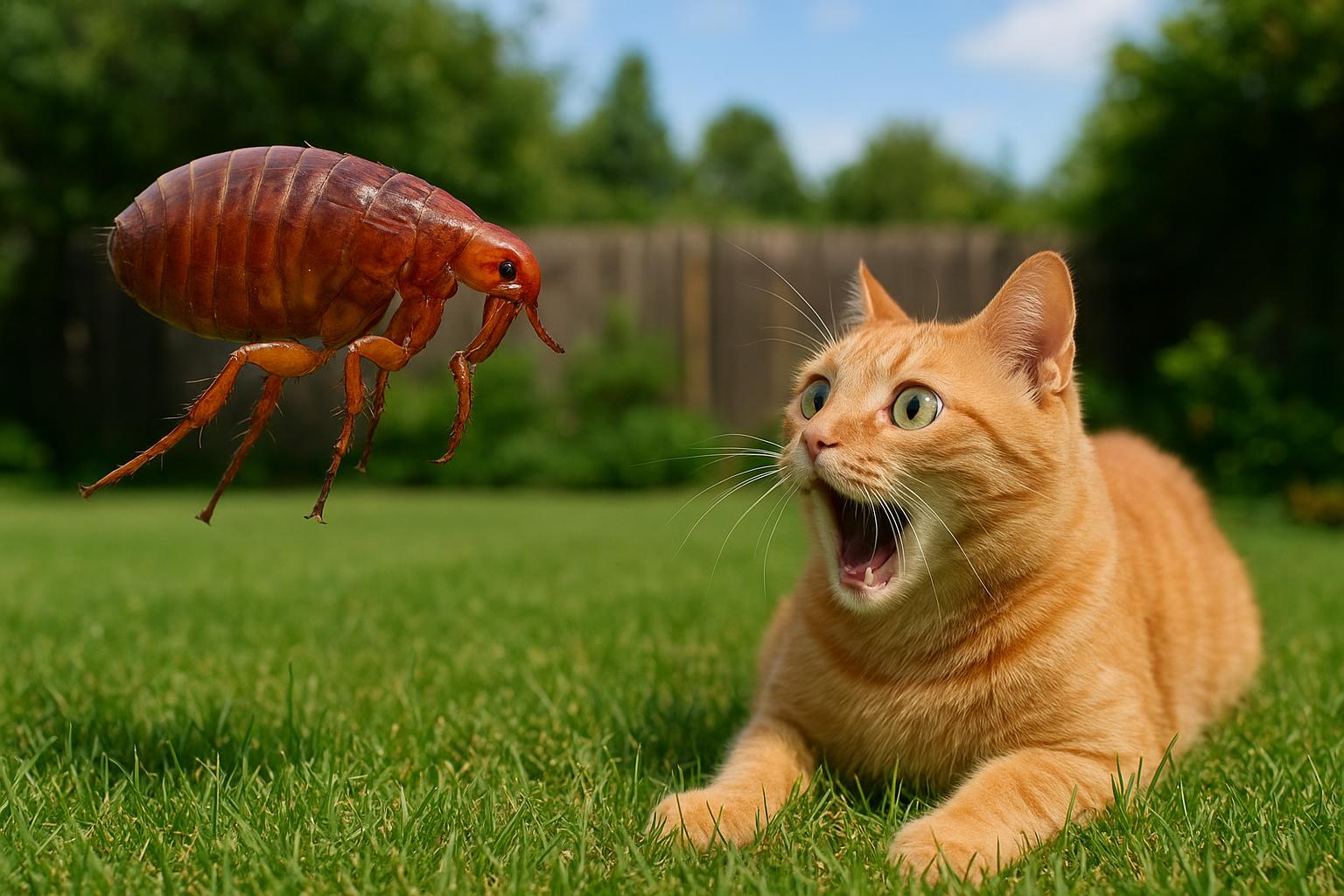
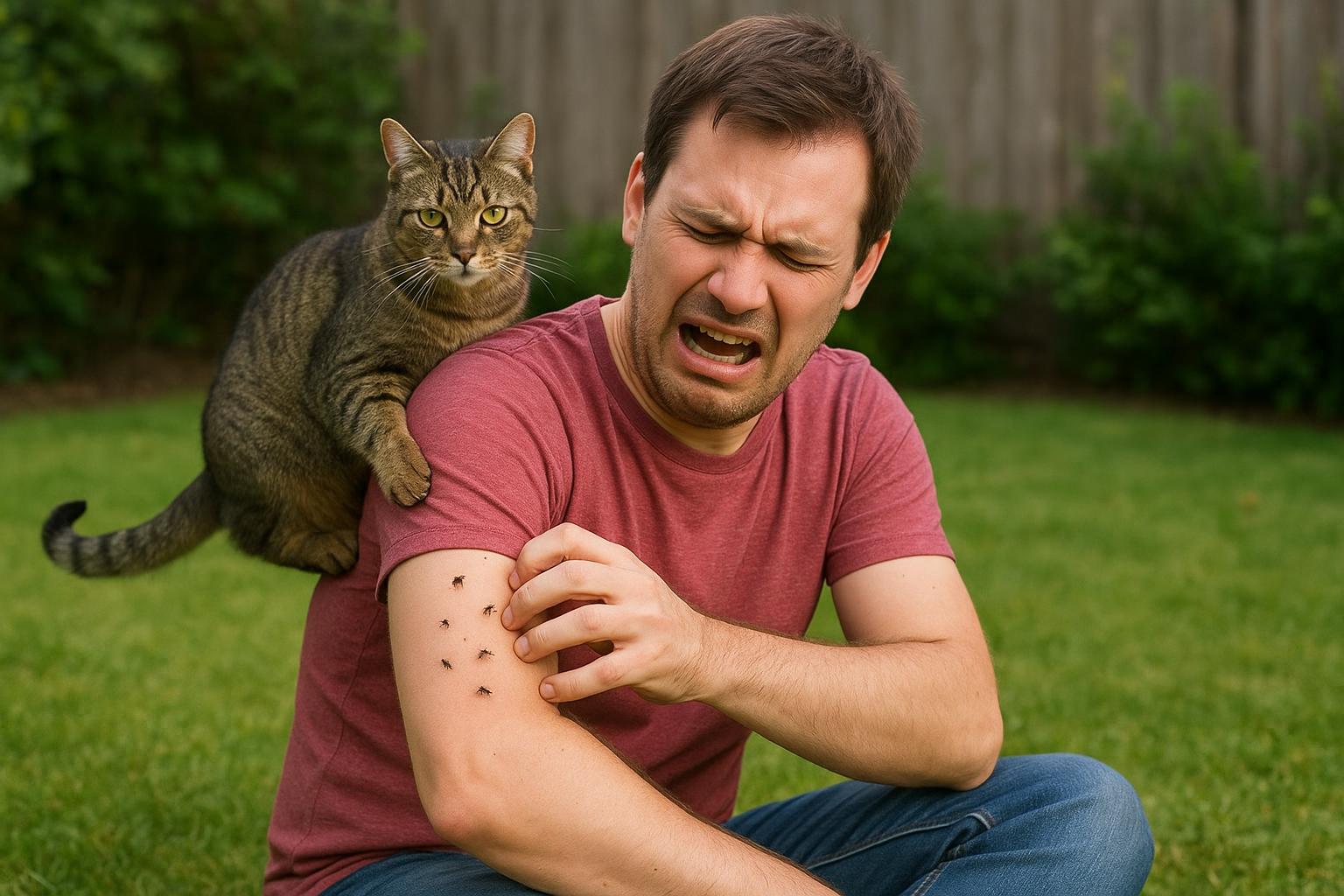
Welcome to the backyard clinic — where the patients are small, bouncy and utterly determined to ruin your barbecue season. If you’re tired of finding your dog doing a frantic flea jig and your ankles covered in itchy souvenir bites, you’re in the right place. This article will walk you through practical, evidence-backed techniques for yard flea prevention that actually work — with a little backyard wisdom and fewer questionable pesticide rituals than your neighbor swears by.
## Yard Flea Prevention Secrets You Didn’t Know
Fleas are tiny, but their resilience is impressive. The trick to yard flea prevention isn’t only about killing adults; it’s about interrupting the life cycle, removing high-risk habitats, and making your yard simply un-flea-friendly. Think of it as passive aggression against pests: subtle, relentless, and ultimately effective.
### Why Fleas Love Your Yard
Fleas prefer shaded, moist areas with organic debris and frequent animal traffic. Under decks, around bird feeders, and in thick mulch — these are prime real estate. Lawn clippings, leaf piles, and tall grass create cool, humid micro-environments where flea eggs and larvae thrive. Pet paths where your dog lies down are like targeted advertising: “Free lodging and dinner included.”
### Flea Life Cycle In Simple Terms
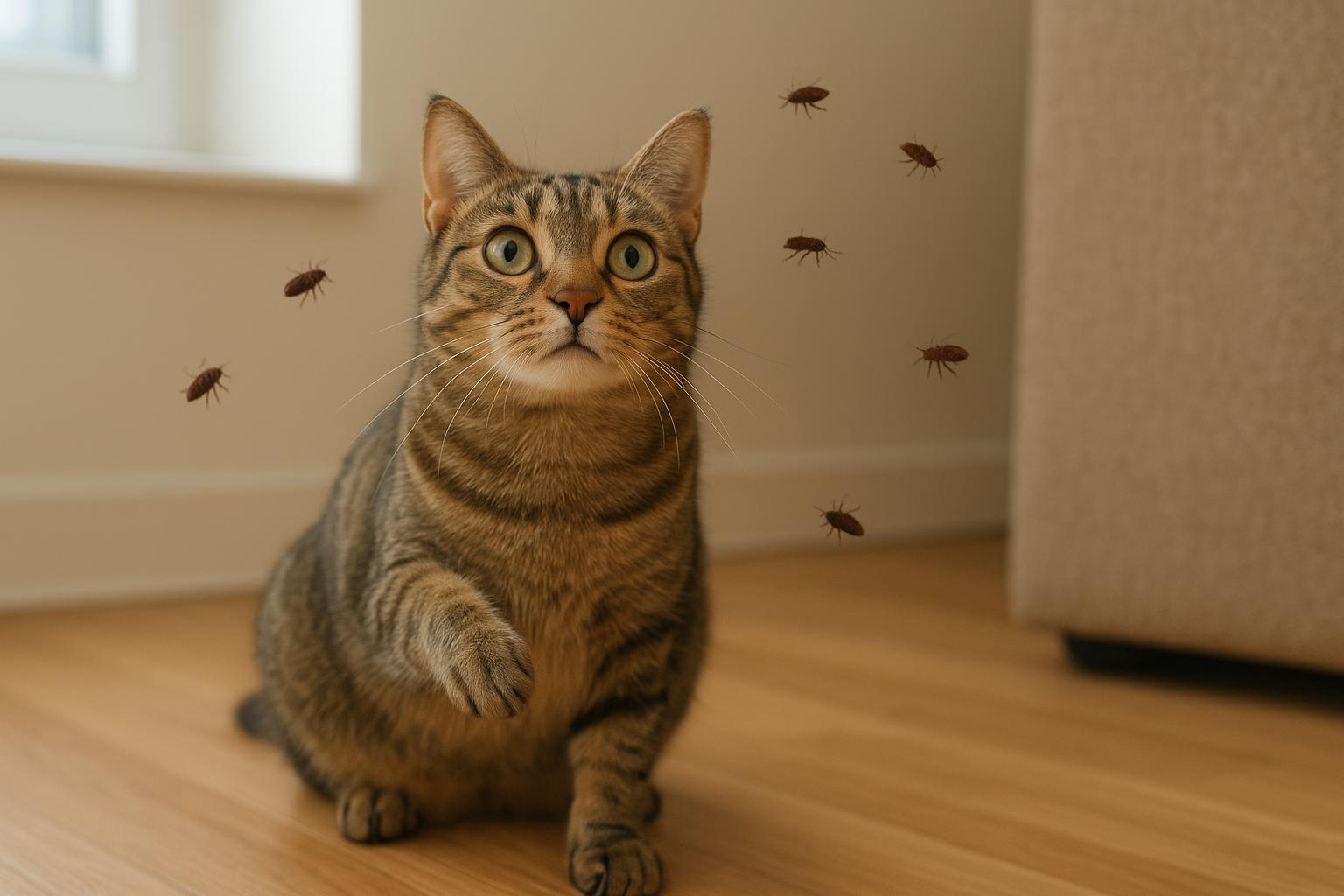
Understanding the flea life cycle (adult, egg, larva, pupa) is essential. Adults bite and lay eggs on hosts; eggs fall into the environment and hatch. Larvae feed on organic debris and adult flea feces, then spin cocoons (pupae) that can remain dormant until conditions trigger emergence — often when a warm-blooded host is nearby. Effective yard flea prevention targets multiple stages, not just the adults.
#### Hotspots To Prioritize
– Under porches and decks
– Along pet trails or resting spots
– Around shady tree bases and thick shrubs
– Near wildlife dens or areas where stray animals frequent
## 3 Remedies For Yard Flea Prevention
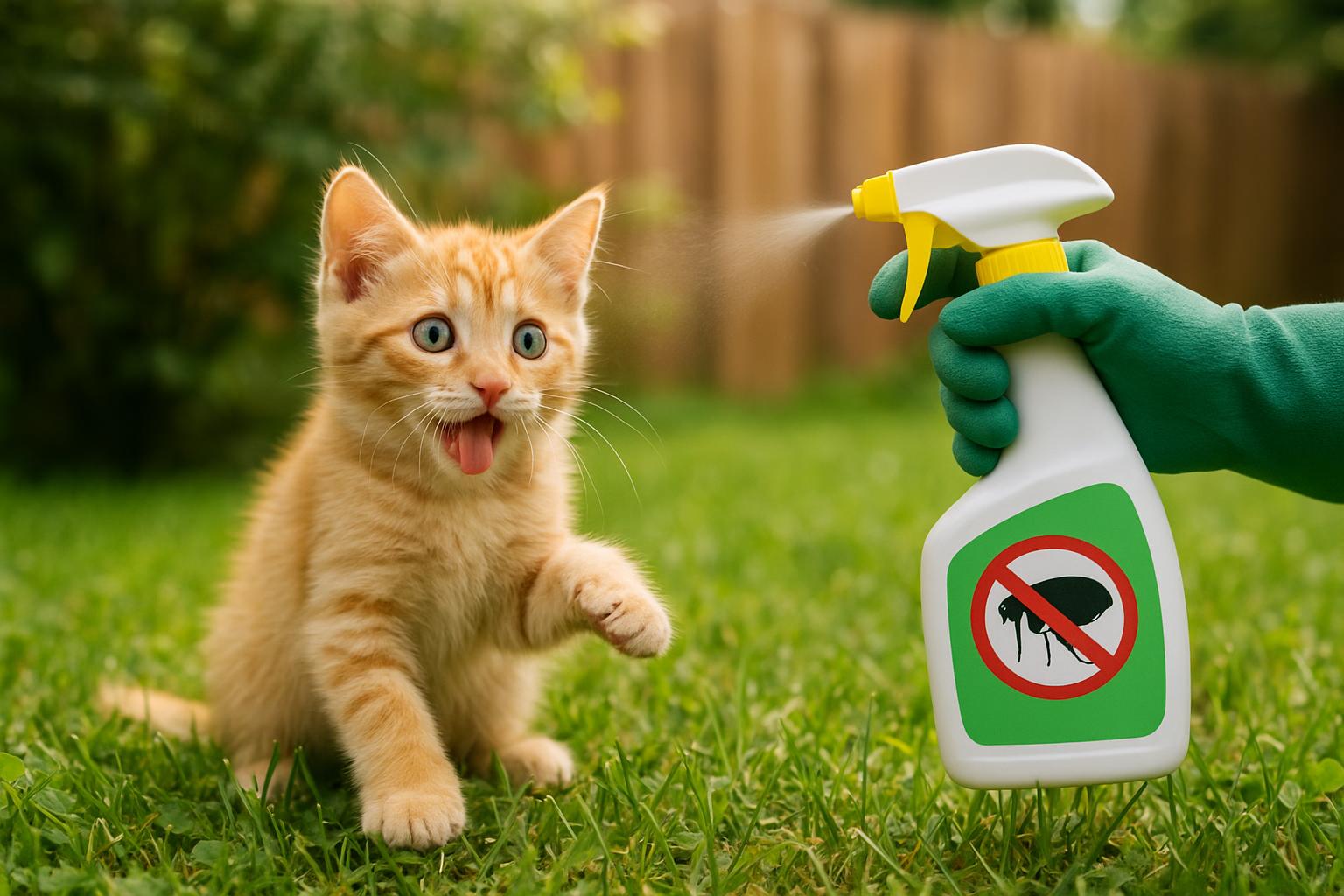
Below are three vetted, practical remedies. Each includes materials and a formal, step-by-step application procedure. Use them individually or combine approaches for integrated pest management. When performing treatments, wear appropriate personal protective equipment and follow label instructions for any commercial products.
### Remedy 1: Diatomaceous Earth For Yard Treatment
Materials:
– Food-grade diatomaceous earth (DE), not the pool-grade kind
– Handheld spreader or scoop
– Garden gloves, dust mask, and eye protection
– Stiff broom or leaf blower (optional for distribution)
Procedure:
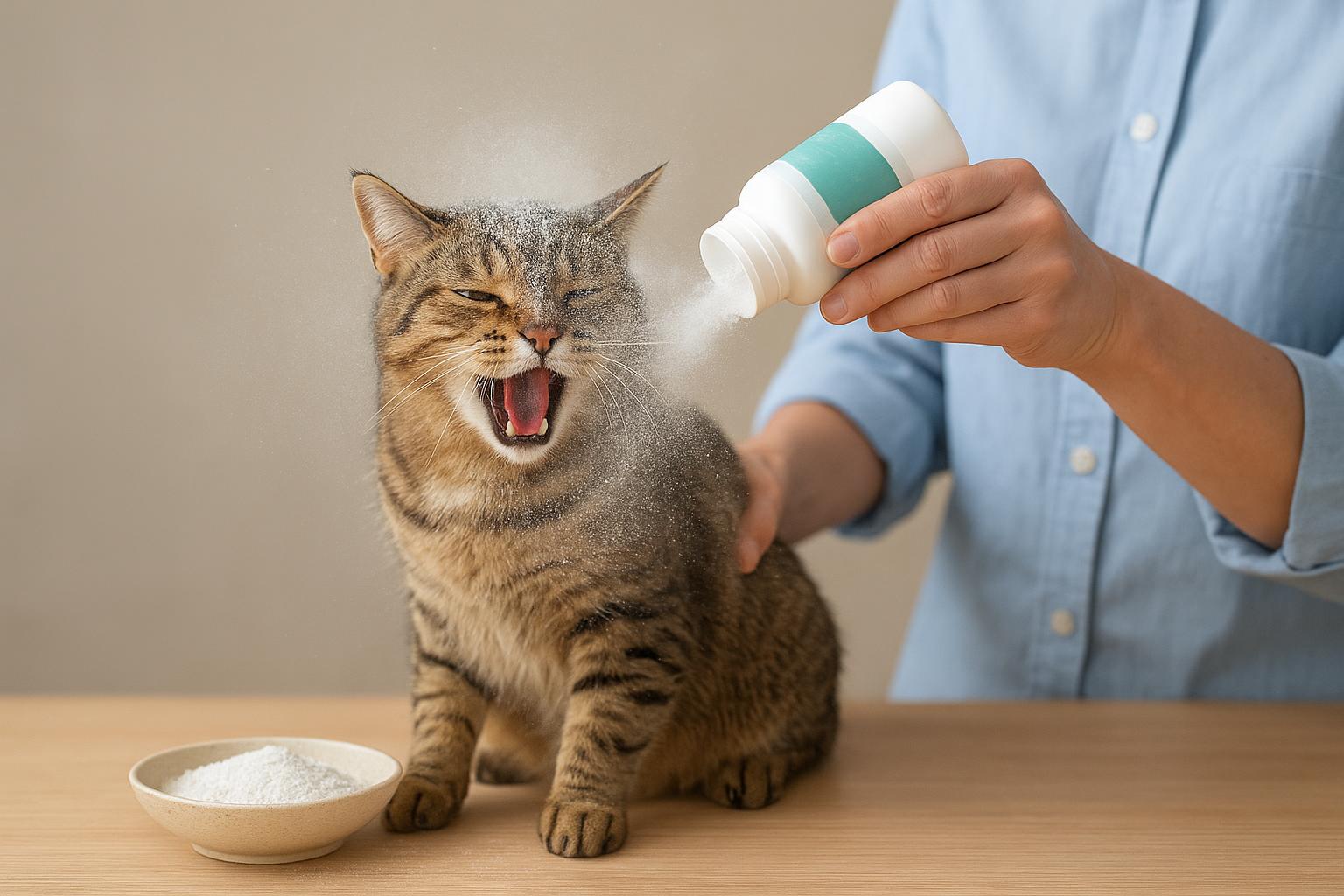
1. Select application areas: focus on shaded zones, under decks, around foundation edges, and pet resting areas.
2. Prepare safety gear: don gloves, a dust mask, and eye protection to minimize inhalation and irritation.
3. Apply DE in dry conditions: use a handheld spreader or a scoop to broadcast a thin, even layer of DE across target areas. Avoid applying when dew or rain is present; moisture reduces efficacy.
4. Lightly work DE into leaf litter and seams with a stiff broom or by gently agitating the surface with gloved hands to reach larval habitats.
5. Reapply after rainfall or heavy irrigation, and repeat every 1–2 weeks for persistent infestations. Monitor pets and avoid direct application to areas where children or pets play immediately; allow DE to settle for several hours.
Efficacy Note: Diatomaceous earth acts by abrading and desiccating insects. It is a mechanical control and safe when used properly. It has low environmental persistence but can substantially reduce larval and adult flea populations when targeted appropriately as part of a yard flea prevention program.
### Remedy 2: Beneficial Nematode Biological Control
Materials:
– Commercially available predatory nematodes (e.g., Steinernema carpocapsae or Heterorhabditis species)
– Pump sprayer or watering can
– Water source and a shaded staging area for application
Procedure:
1. Purchase quality nematode product from a reputable supplier and store according to label directions (usually refrigerated) until use.
2. Prepare nematode solution: mix the supplied nematodes into water per manufacturer instructions, maintaining recommended concentration and avoiding exposure to direct sunlight.
3. Apply in the evening or on an overcast day to shaded yard areas where flea larvae are present. Use a pump sprayer or watering can to saturate soil and leaf-litter areas to a depth where larvae occur.
4. Maintain soil moisture for 48 hours post-application to enhance nematode mobility and survival. Avoid applying during hot, dry spells.
5. Repeat applications as recommended (commonly every 2–4 weeks) to achieve population reduction. Record results and adjust timing based on flea activity and seasonal conditions.
Efficacy Note: Beneficial nematodes actively seek out insect larvae and are an environmentally friendly biological control option. They are particularly useful in moist, shaded microhabitats where fleas develop, and integrate well with other non-chemical strategies for long-term yard flea prevention.
### Remedy 3: Granular Insecticide Spot Treatment
Materials:
– EPA-registered granular insecticide labeled for yard flea control (containing active ingredients such as bifenthrin, permethrin, or other approved compounds)
– Spreaders for granular products (handheld or tow-behind)
– Personal protective equipment per label: gloves, long sleeves, and eye protection
– Water source for irrigation per label instructions
Procedure:
1. Read the product label thoroughly for target pests, application rates, and safety precautions. Use only products specifically labeled for outdoor flea control.
2. Identify and limit treatment to hotspots: apply granular insecticide in a targeted manner to areas of known flea activity, such as under decks, along foundation edges, and pet resting locations.
3. Calibrate and load spreader: set the applicator to the recommended flow rate for the product and terrain.
4. Apply at labeled rates: evenly distribute granules to the designated areas avoiding over-application. Keep a buffer from edible garden beds and water sources as specified.
5. Irrigate lightly if the label requires activation by water, complying with volume and timing guidance. Avoid application immediately before heavy rain to prevent runoff.
6. Store product securely and dispose of containers according to local regulations. Re-apply only as indicated by label intervals and seasonal guidelines.
Efficacy Note: Granular insecticides provide residual control of fleas and can significantly suppress adult flea populations when applied correctly. Because chemical controls carry environmental and safety considerations, they should be used judiciously and as part of an integrated yard flea prevention strategy.
## Natural Yard Habits That Boost Yard Flea Prevention
If you prefer low-intervention maintenance (and fewer trips to the garden store), cultivate yard habits that make the environment hostile to fleas. Mow lawns regularly, remove leaf piles, thin shaded mulch, and relocate wood or debris piles away from the house. Create a gravel or hardscape buffer around foundations to reduce shaded, moist soil where fleas might colonize.
### Pet And Wildlife Management
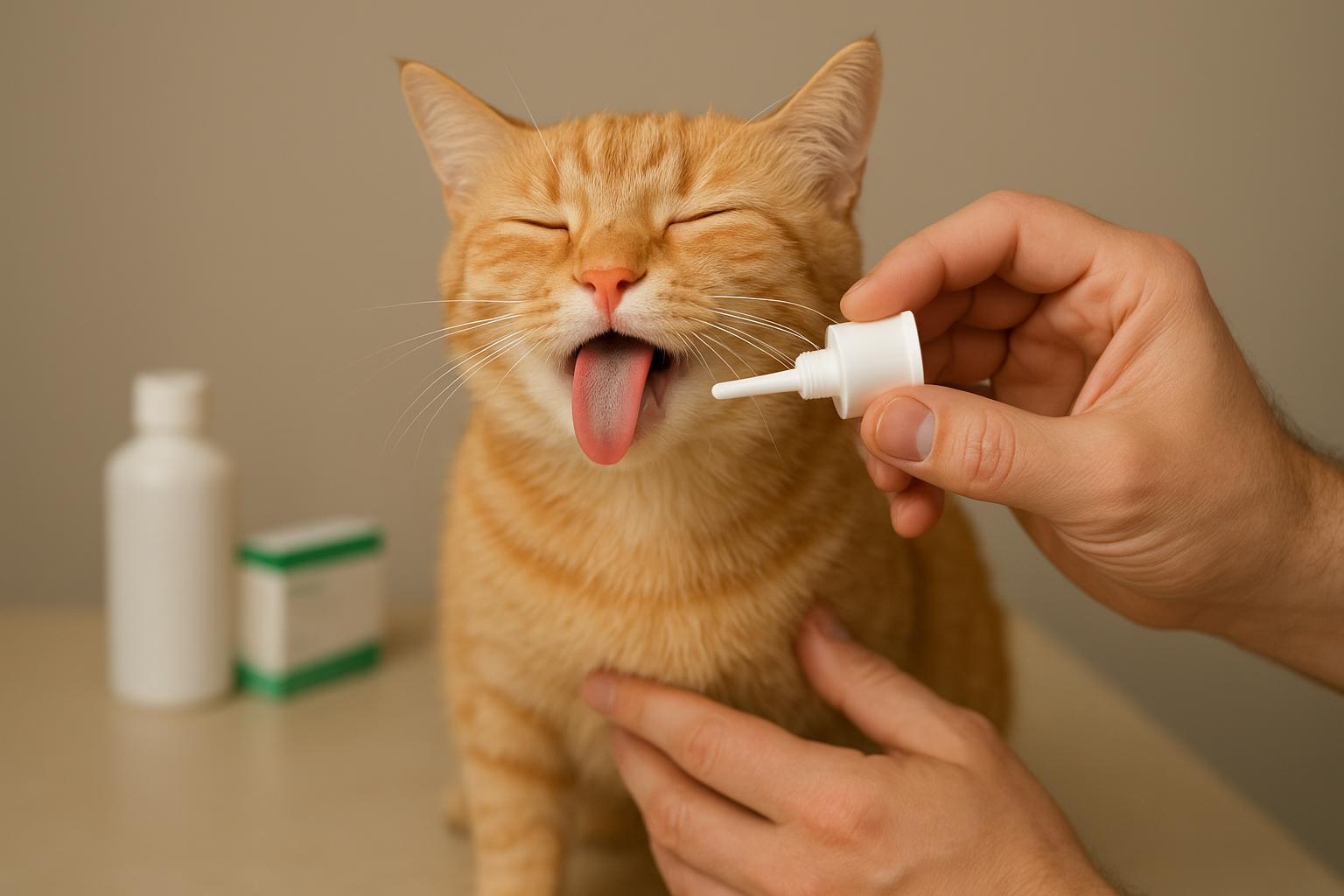
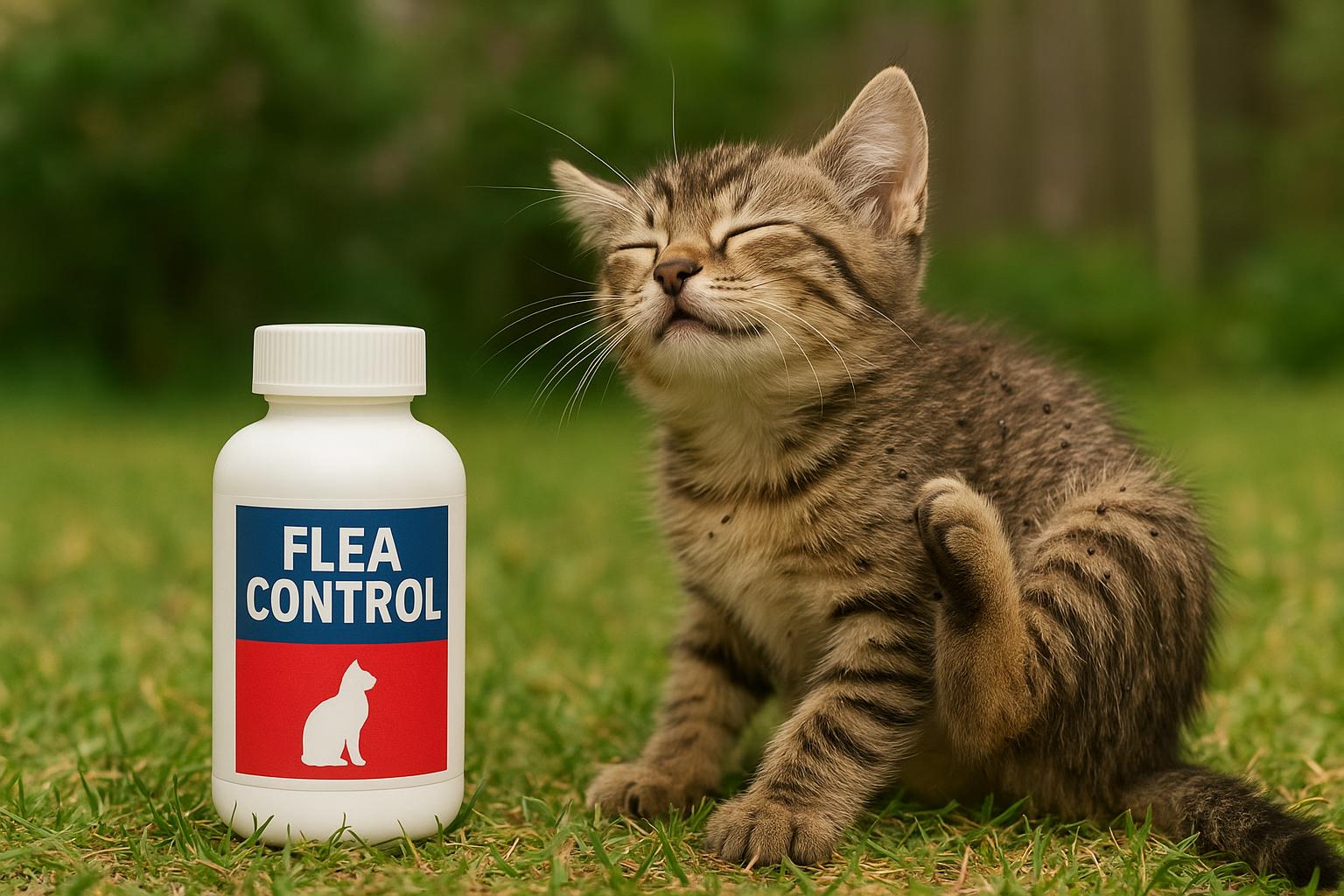
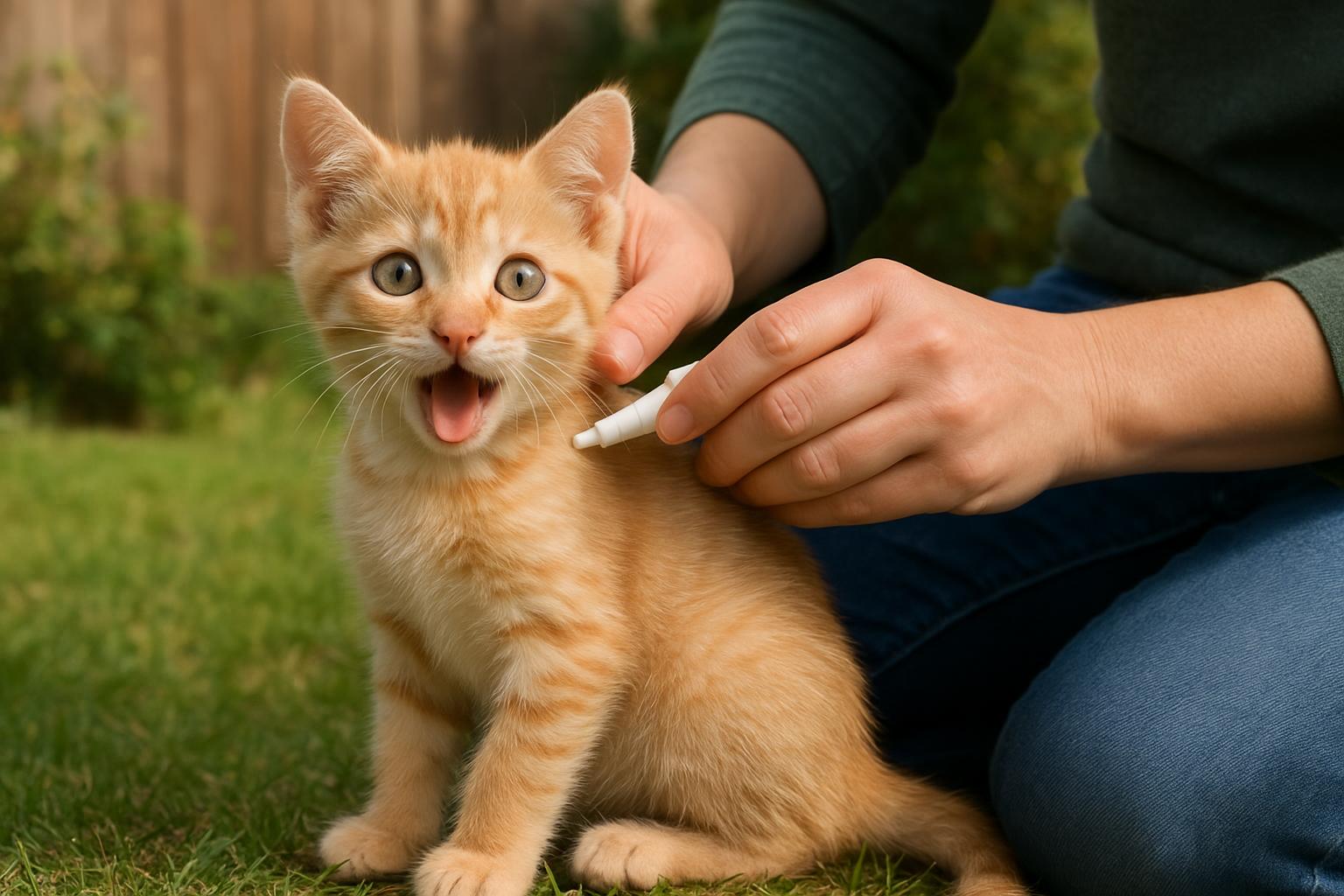
Pets are the most common flea carriers into yards. Keep pets on monthly topical or oral flea preventives recommended by your veterinarian. Wash pet bedding frequently and vacuum indoor resting areas. Discourage wildlife (raccoons, feral cats, opossums) by removing accessible food sources and securing garbage; wildlife can introduce and sustain flea populations.
#### Tips For Pet Owners
– Use vet-recommended flea preventives consistently.
– Limit pet access to high-risk yard areas during peak flea season.
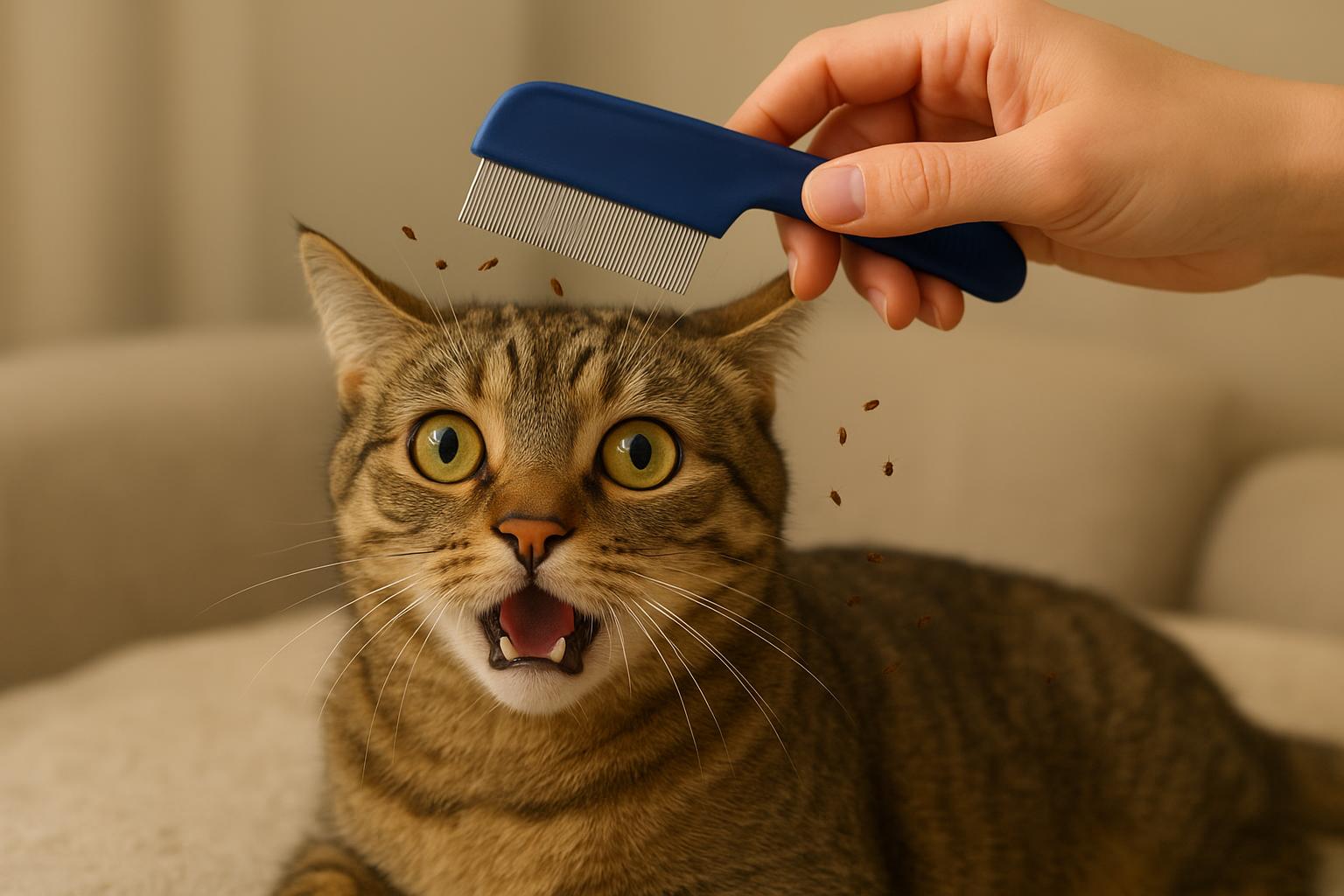
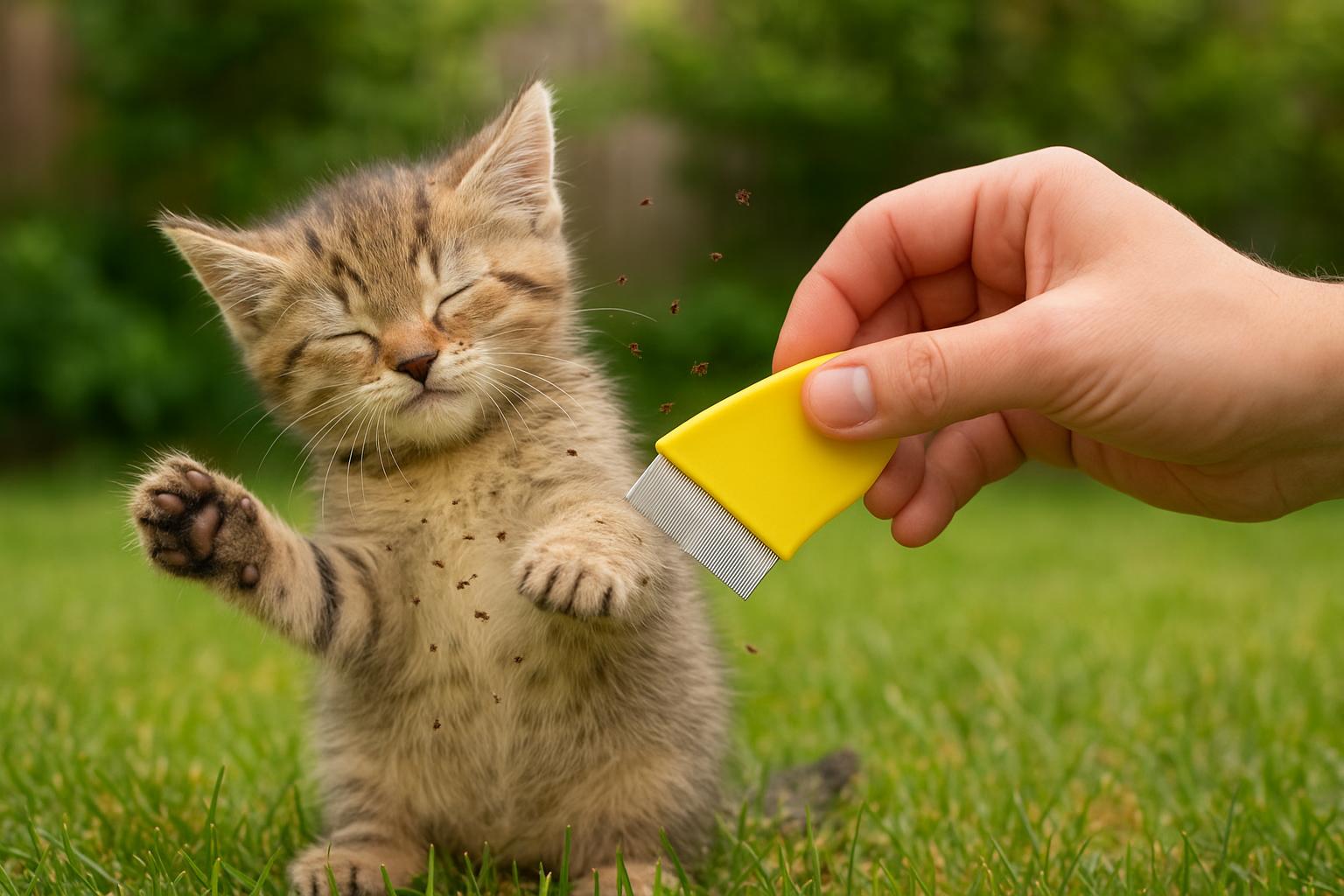
– Inspect pets regularly, especially after they spend time in wooded or bushy areas.
### Yard Monitoring And Traps
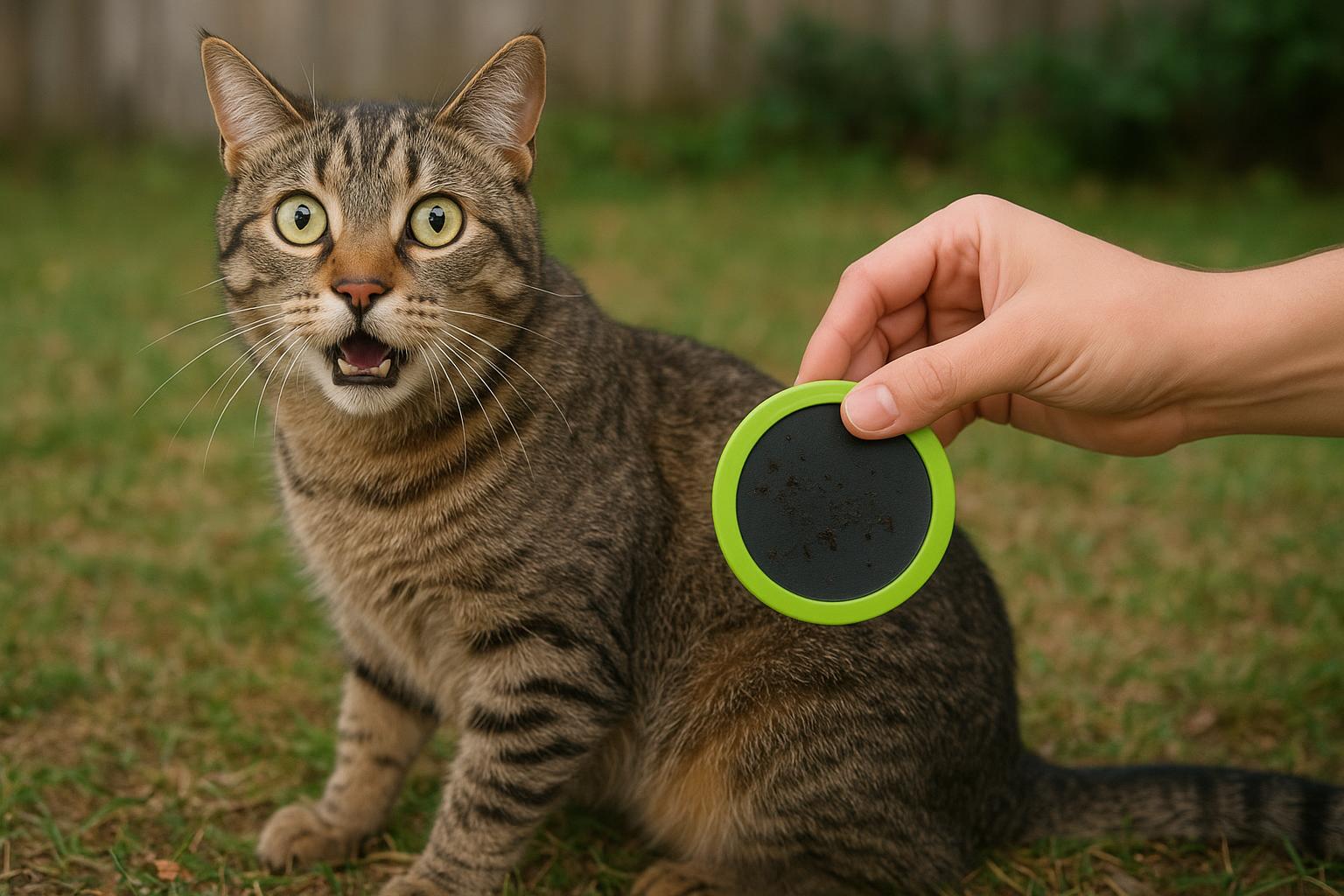
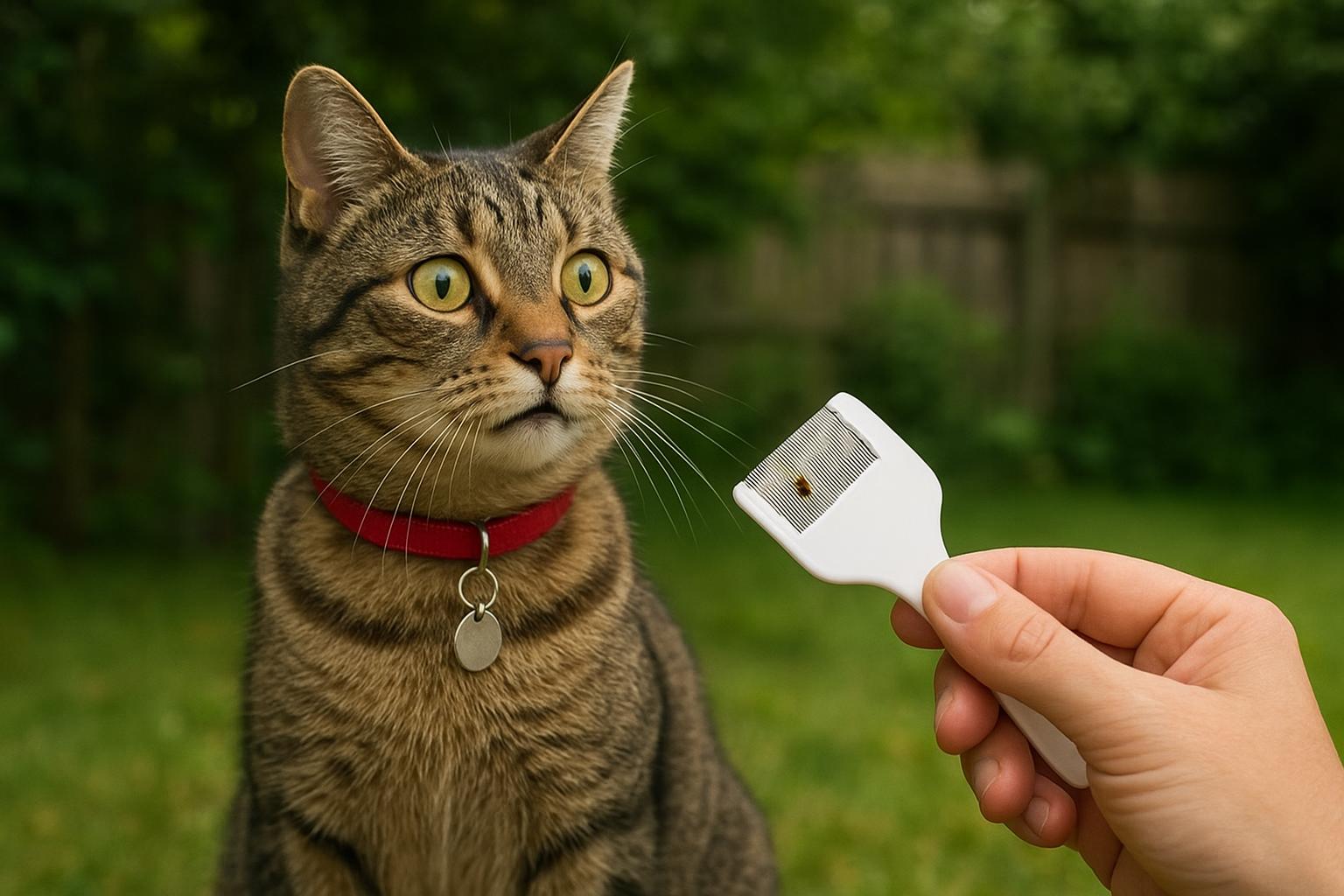
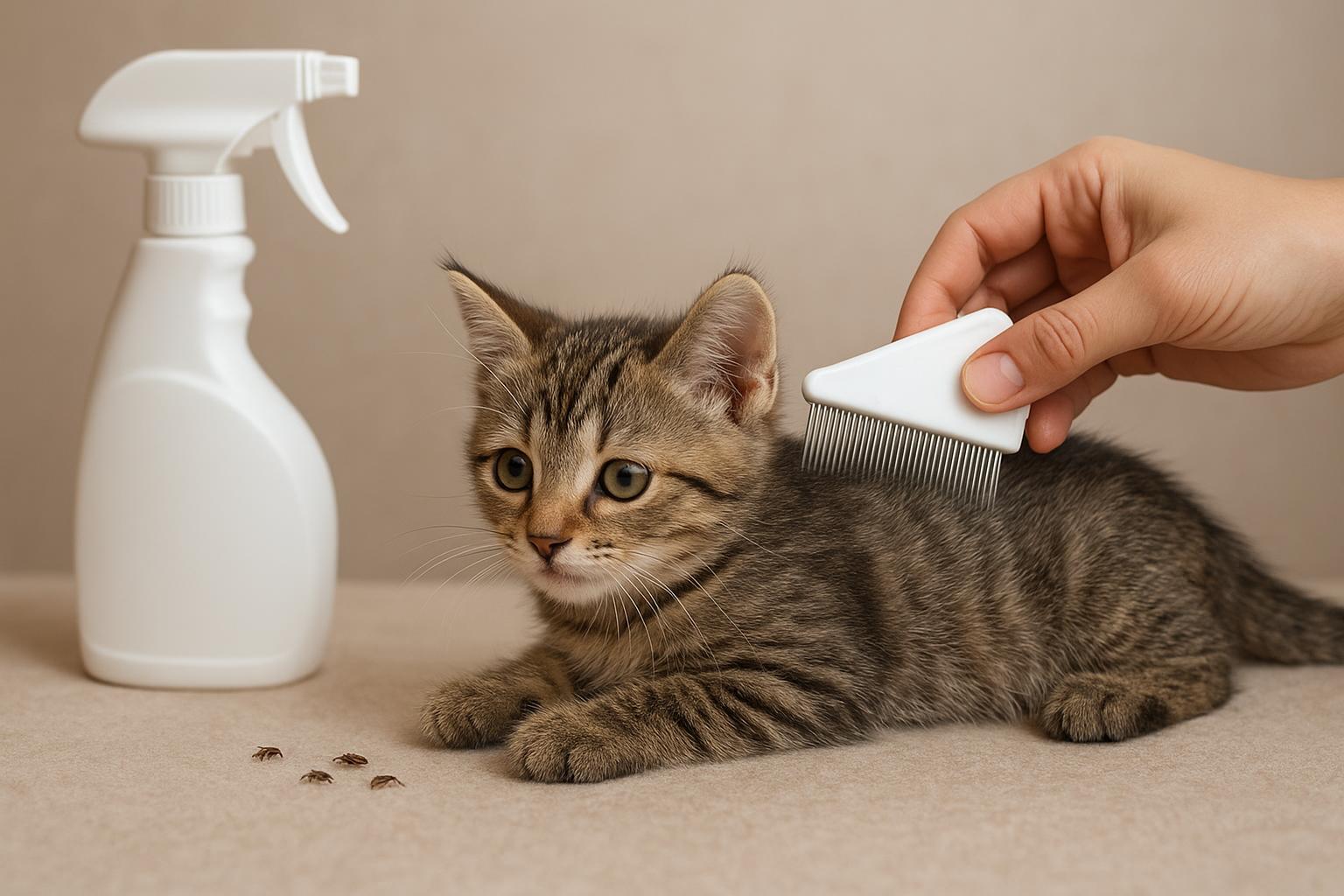
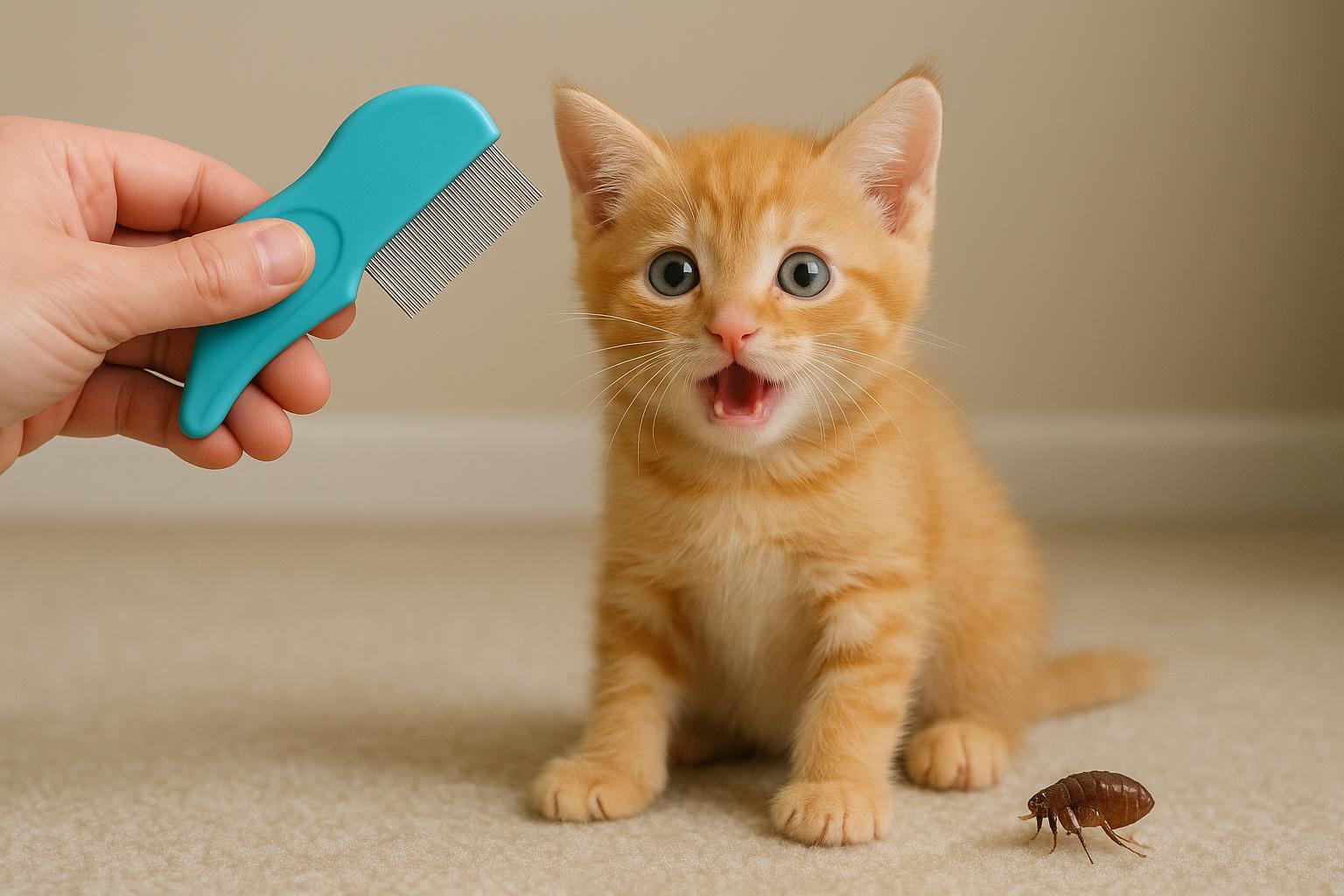
Monitor flea activity by placing sticky traps or light traps in suspected hotspots overnight. Visual inspections for flea dirt (tiny black specks) near pet beds and in tall grass are useful early indicators. Regular monitoring helps you target efforts and measure the effectiveness of your yard flea prevention measures. If you detect persistent populations despite interventions, escalate to the numbered remedies above or consult a professional.
## When To Call A Professional
If flea numbers remain high after several integrated strategies, or if you have extensive wildlife activity contributing to repeated infestations, engage a licensed pest management professional. Professionals can perform targeted treatments, recommend long-term habitat modifications, and ensure safe application of products not available to consumers.
Keep a maintenance log of treatments, the dates you applied them, and observed flea activity. That record makes diagnosing persistent problems easier and helps professionals provide precise recommendations.










Leave a Reply