
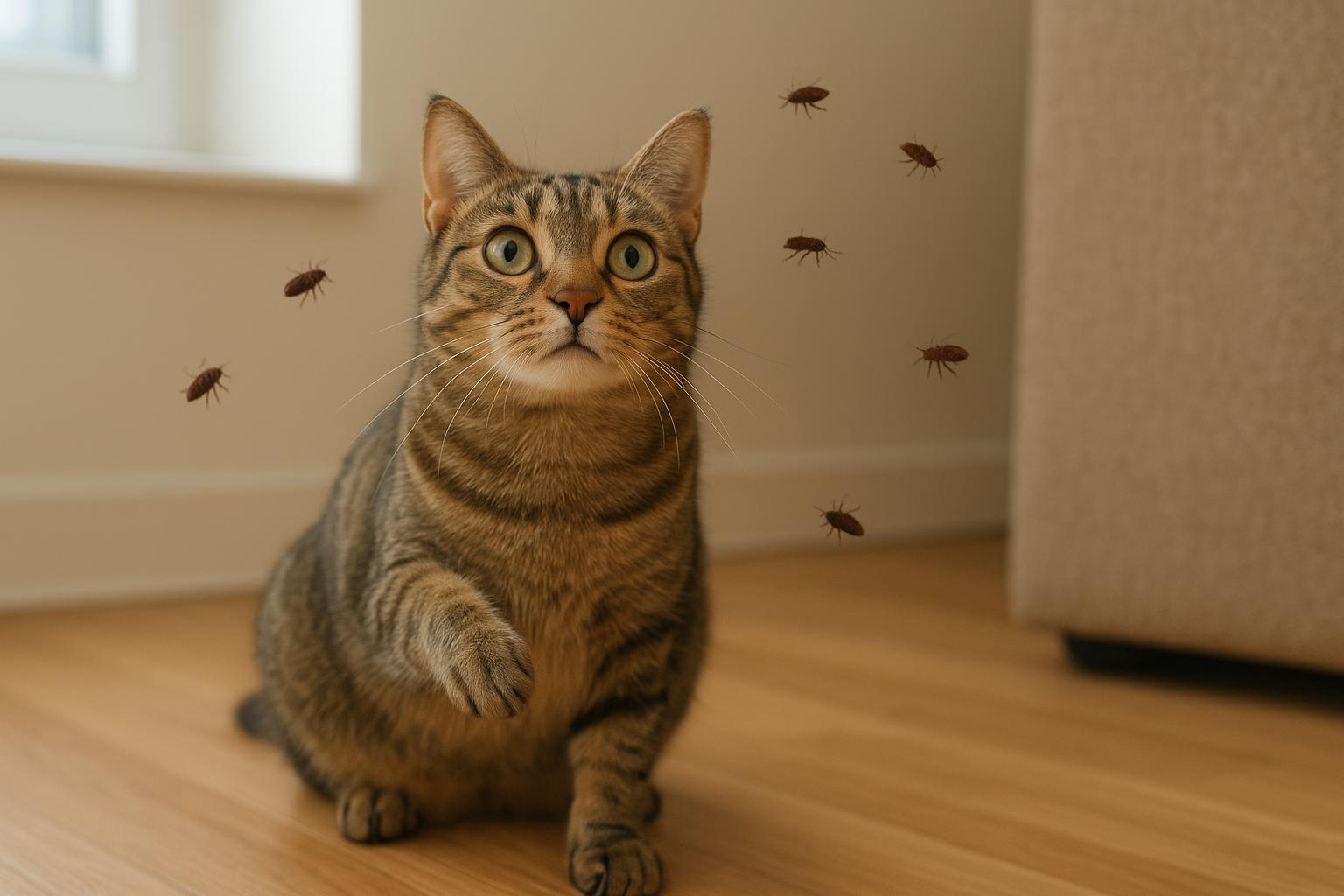
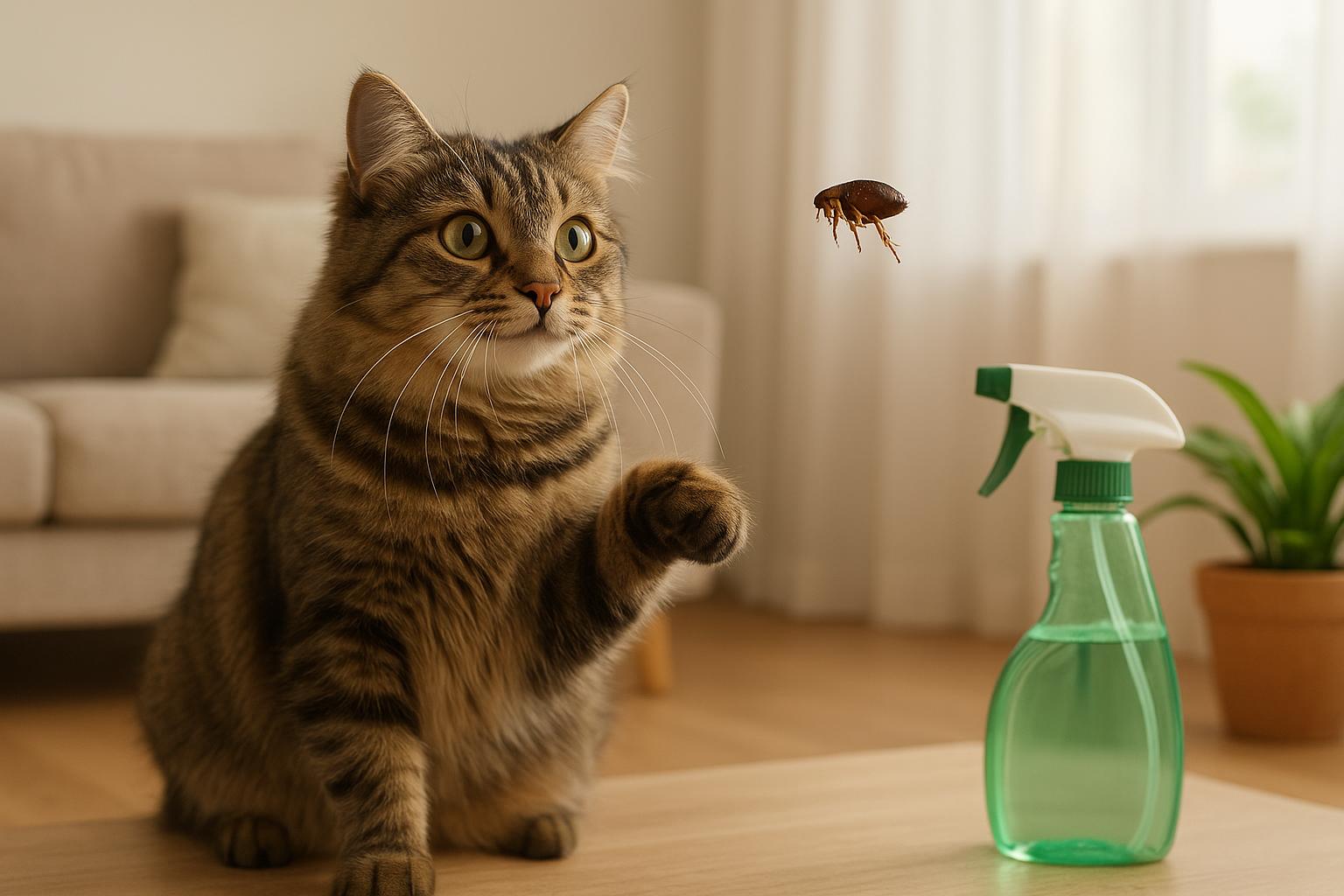
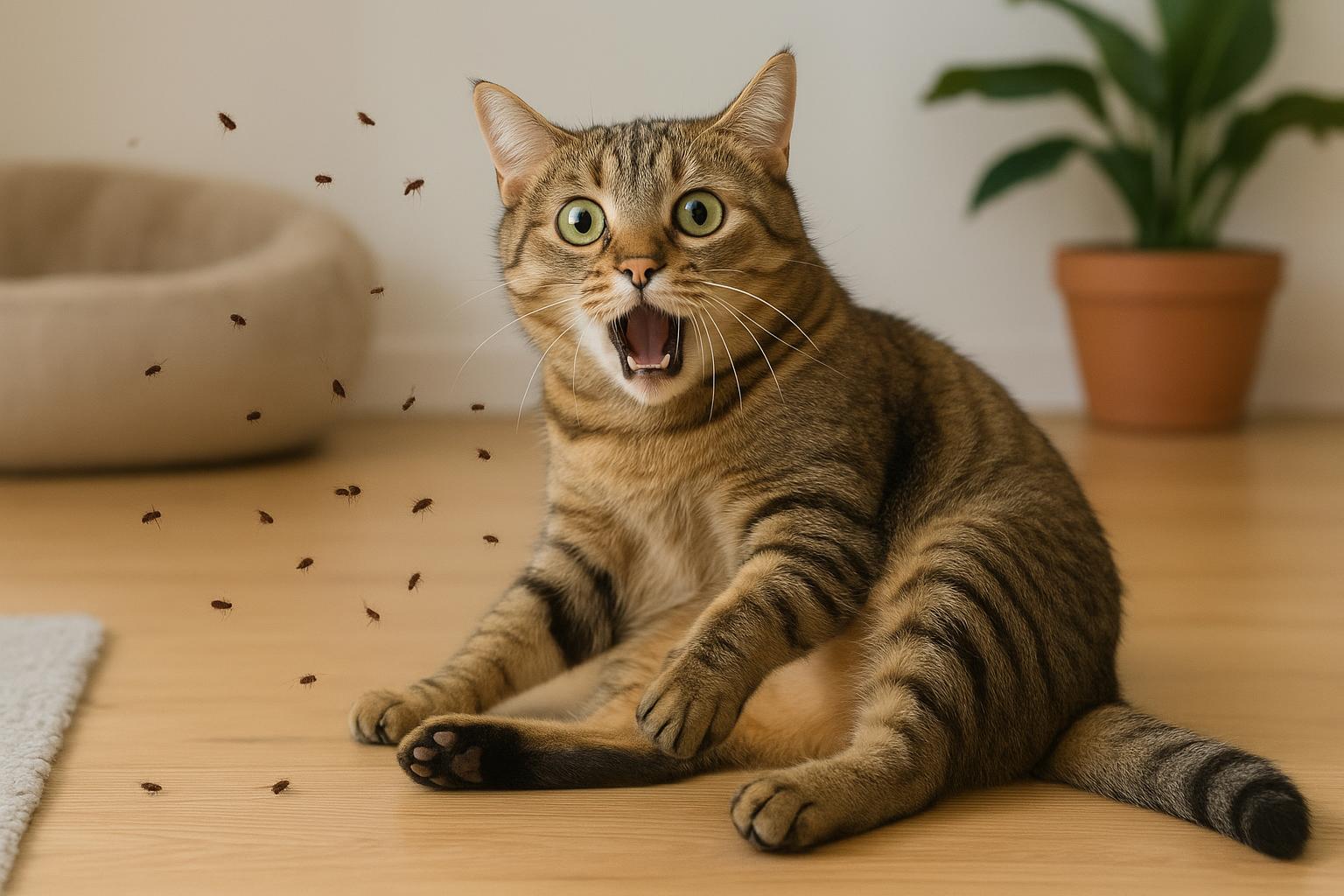
Ever had that sinking feeling when you spot one tiny hop on your cat’s fur and suddenly your whole living room looks like a crime scene? Fleas don’t respect fences or floor plans — and yes, indoor cats can get them. This guide is relaxed, practical, and a little amused by the audacity of such a tiny pest. When we get to the how-to fixes, I’ll get a bit more formal and prescriptive so you can act with confidence.
## Understanding Fleas And Why Indoor Cats Need Care
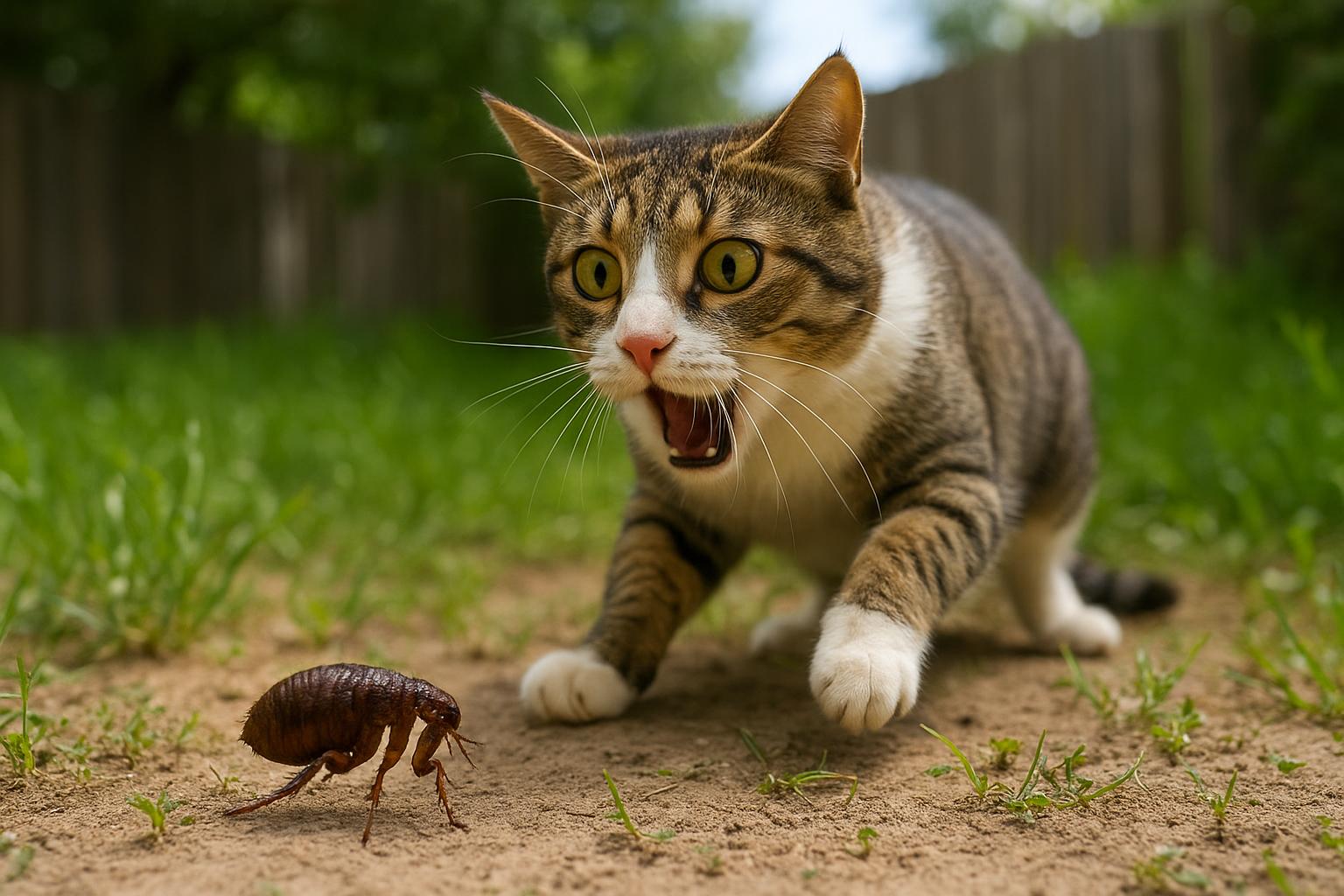
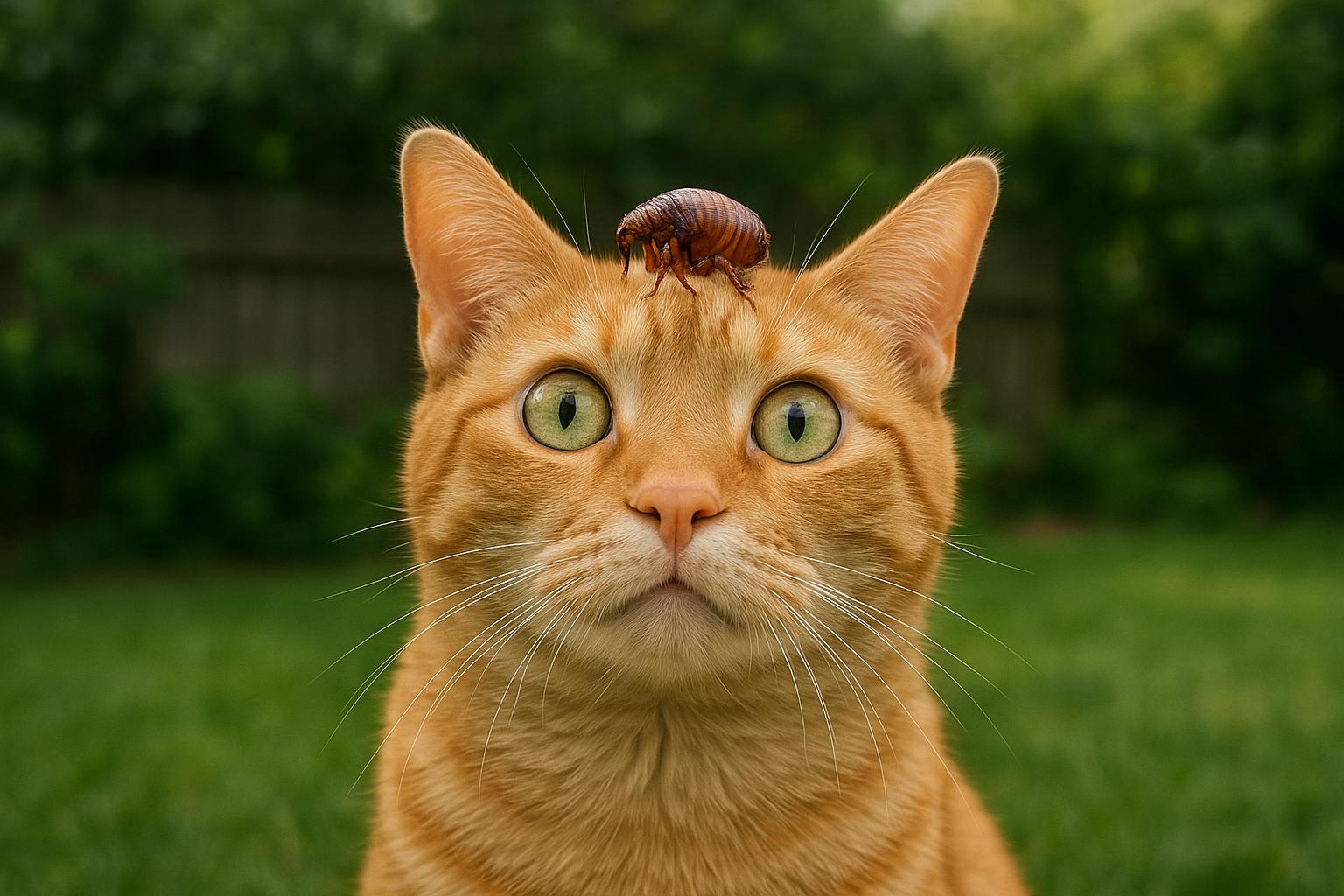
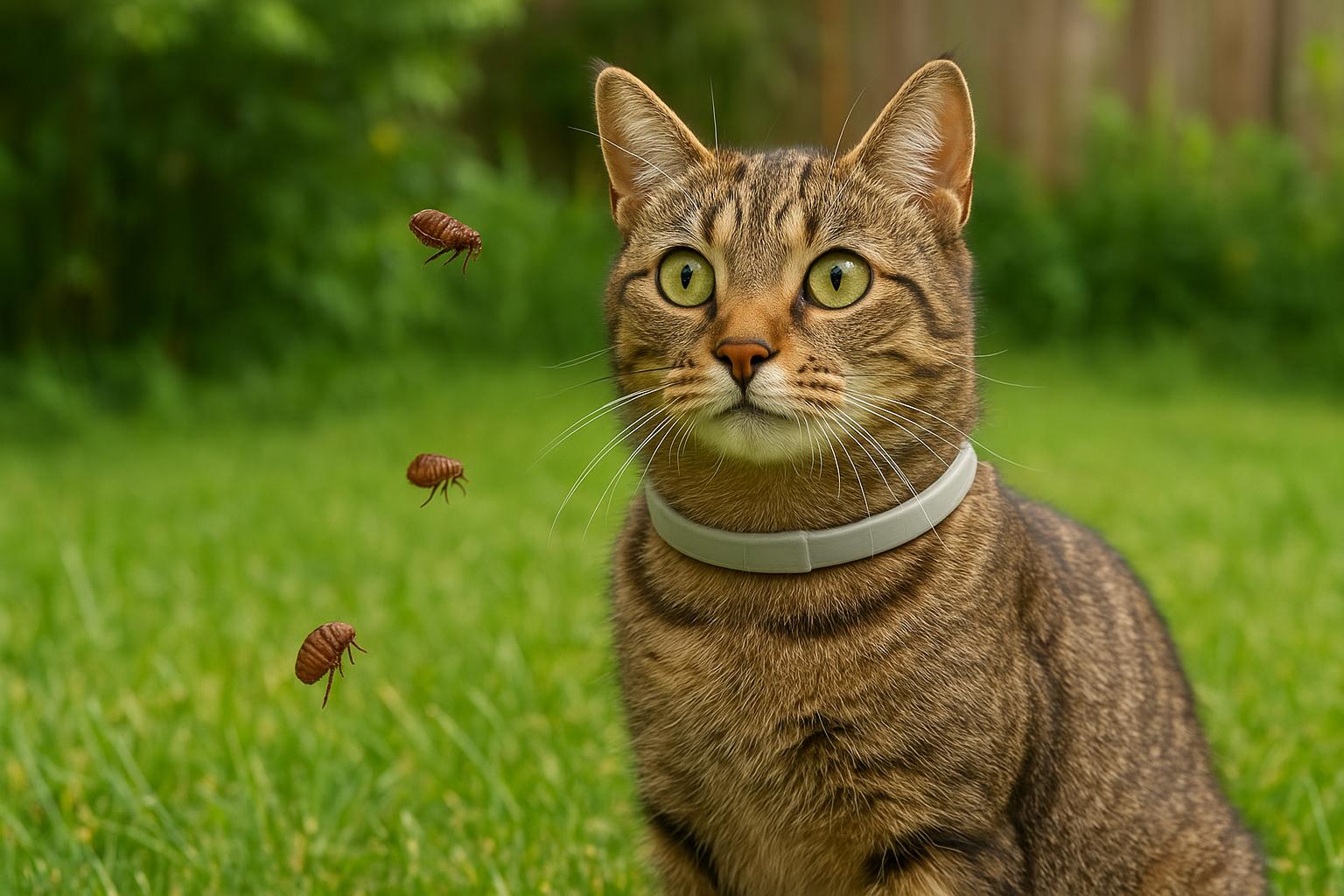
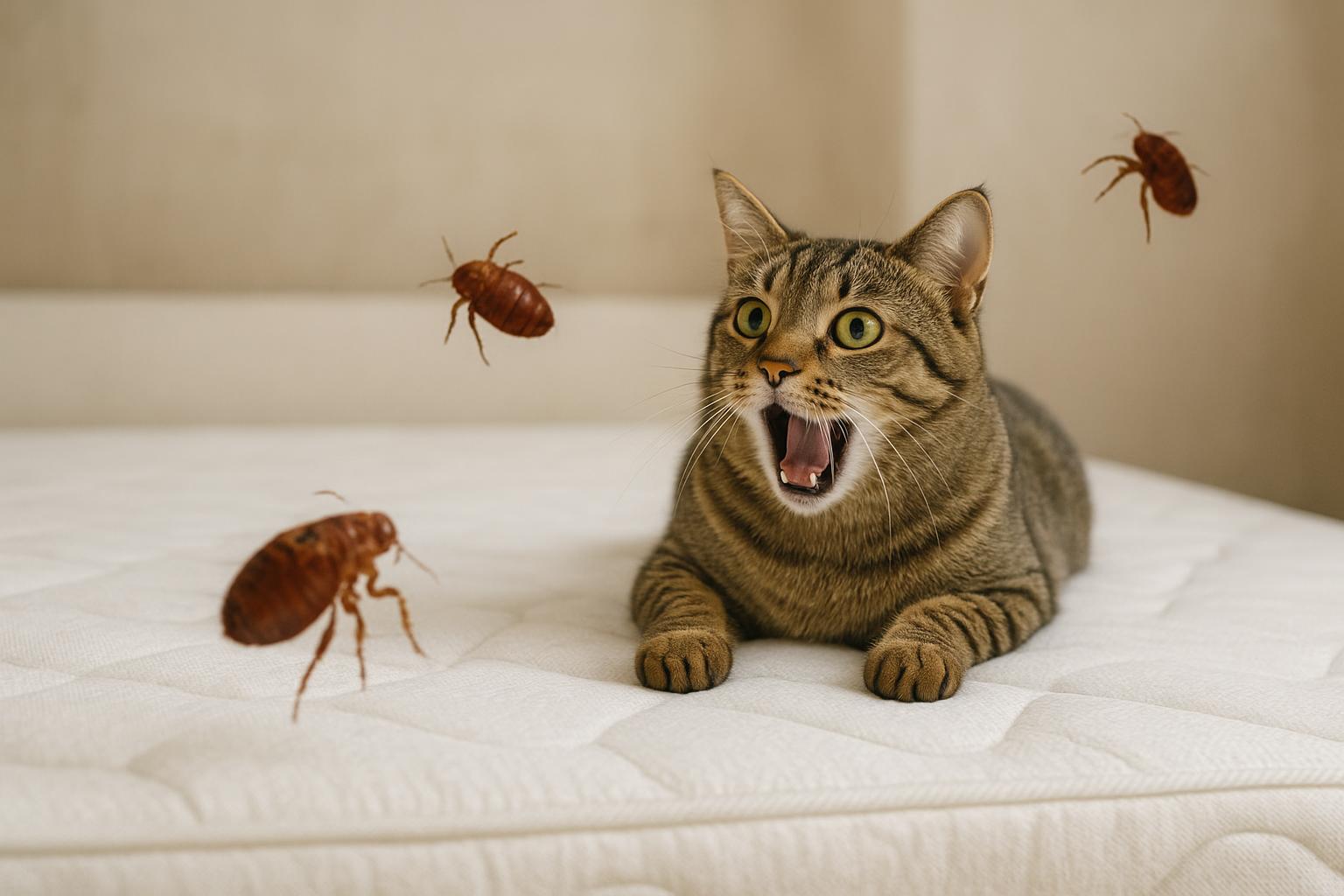
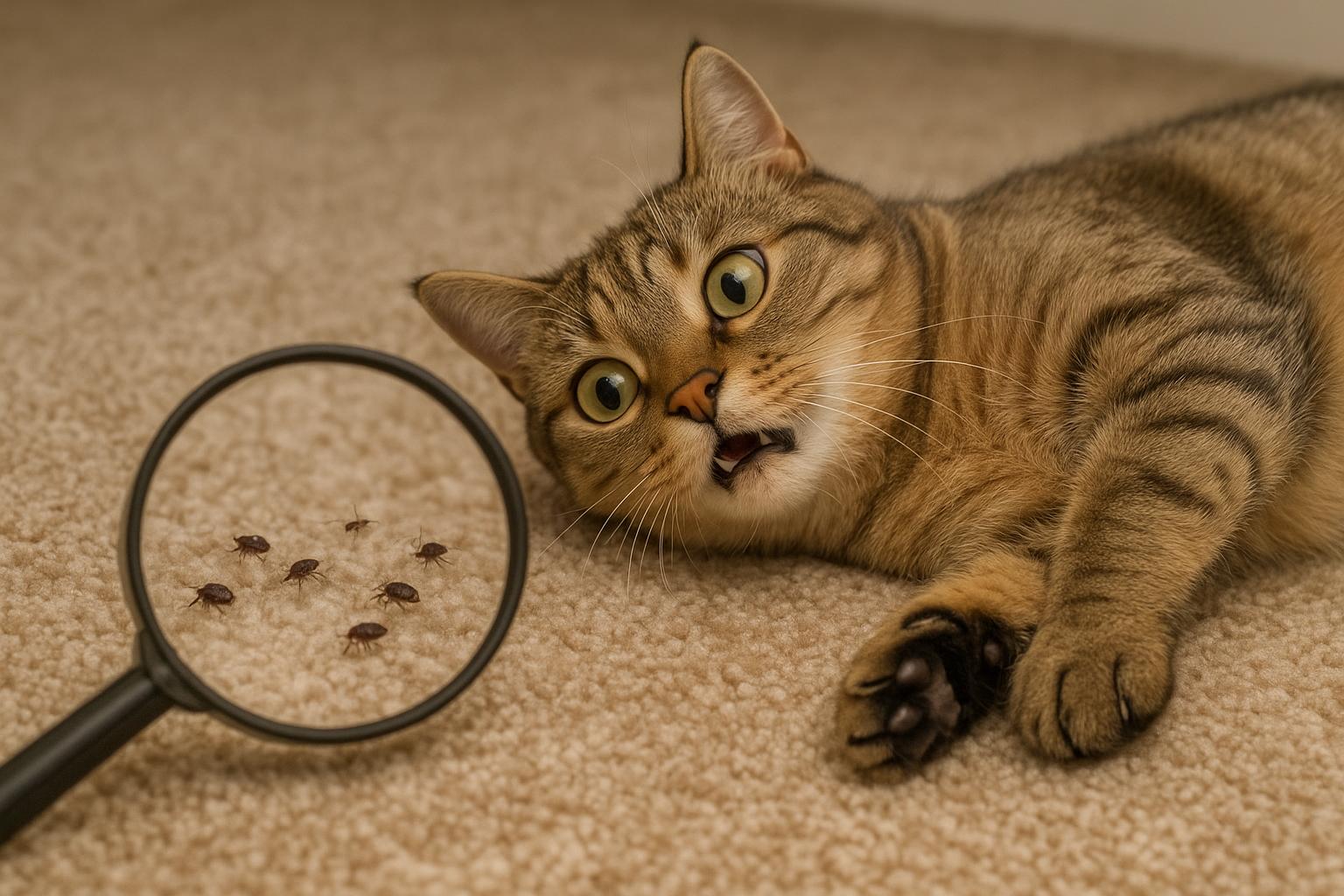
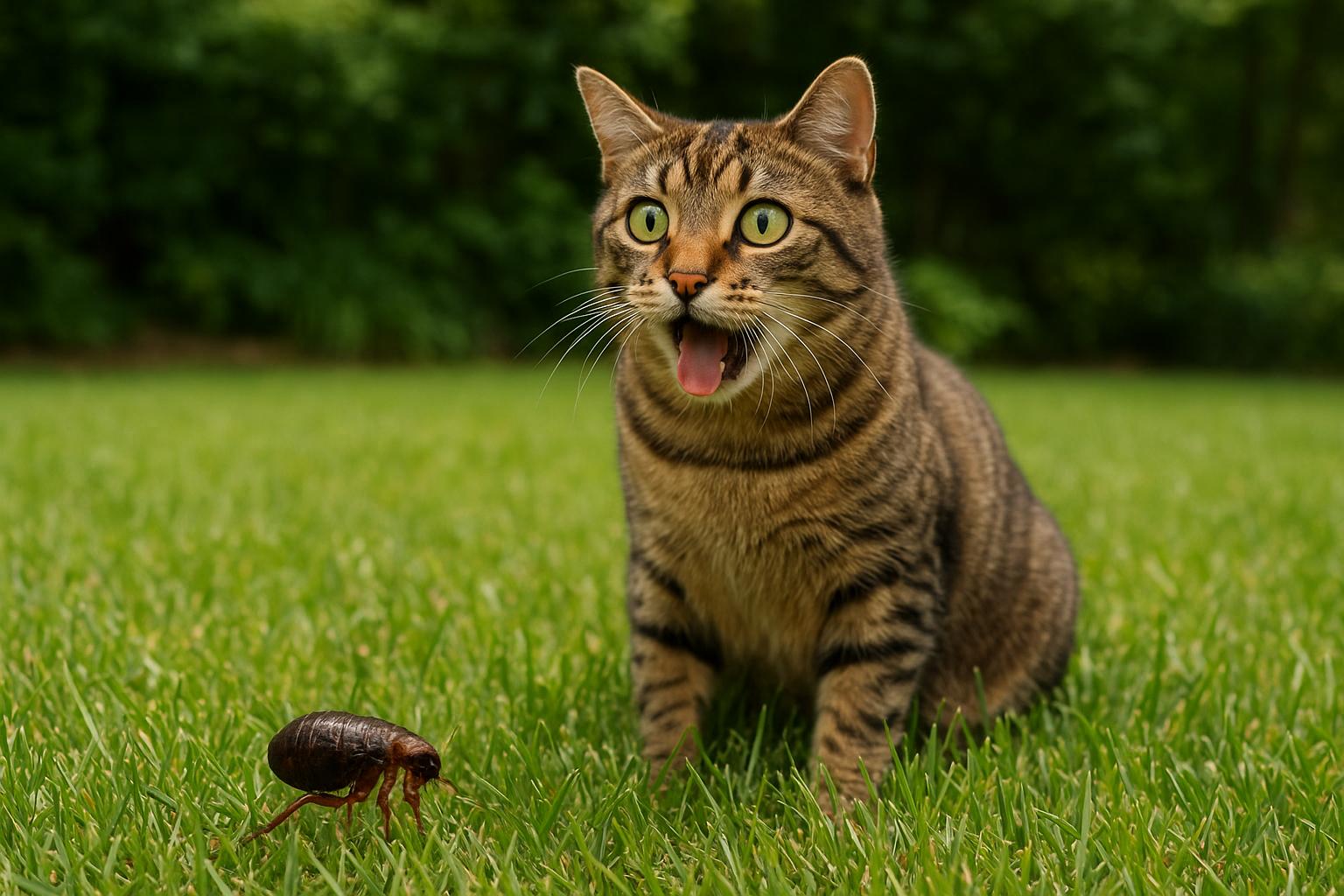
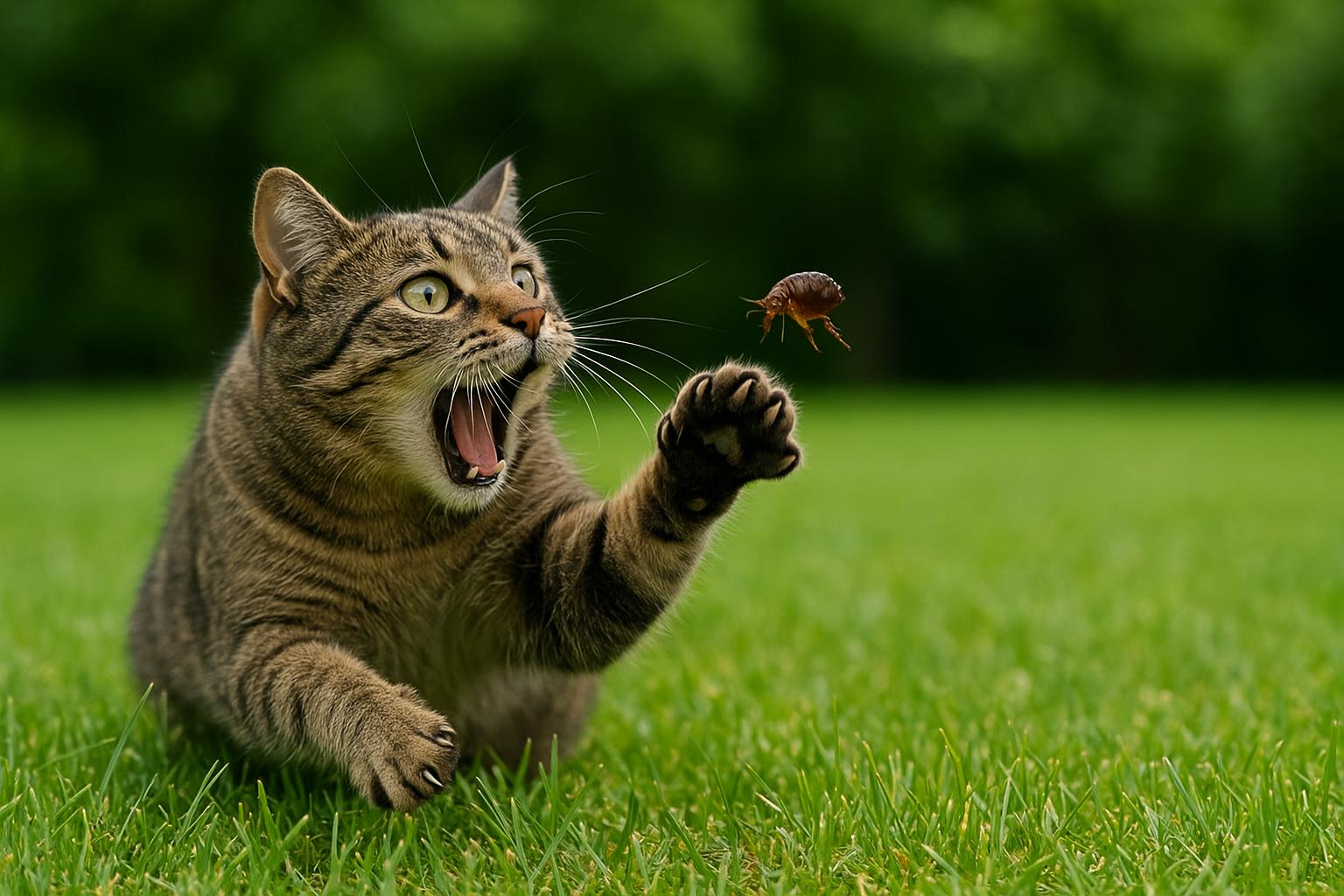
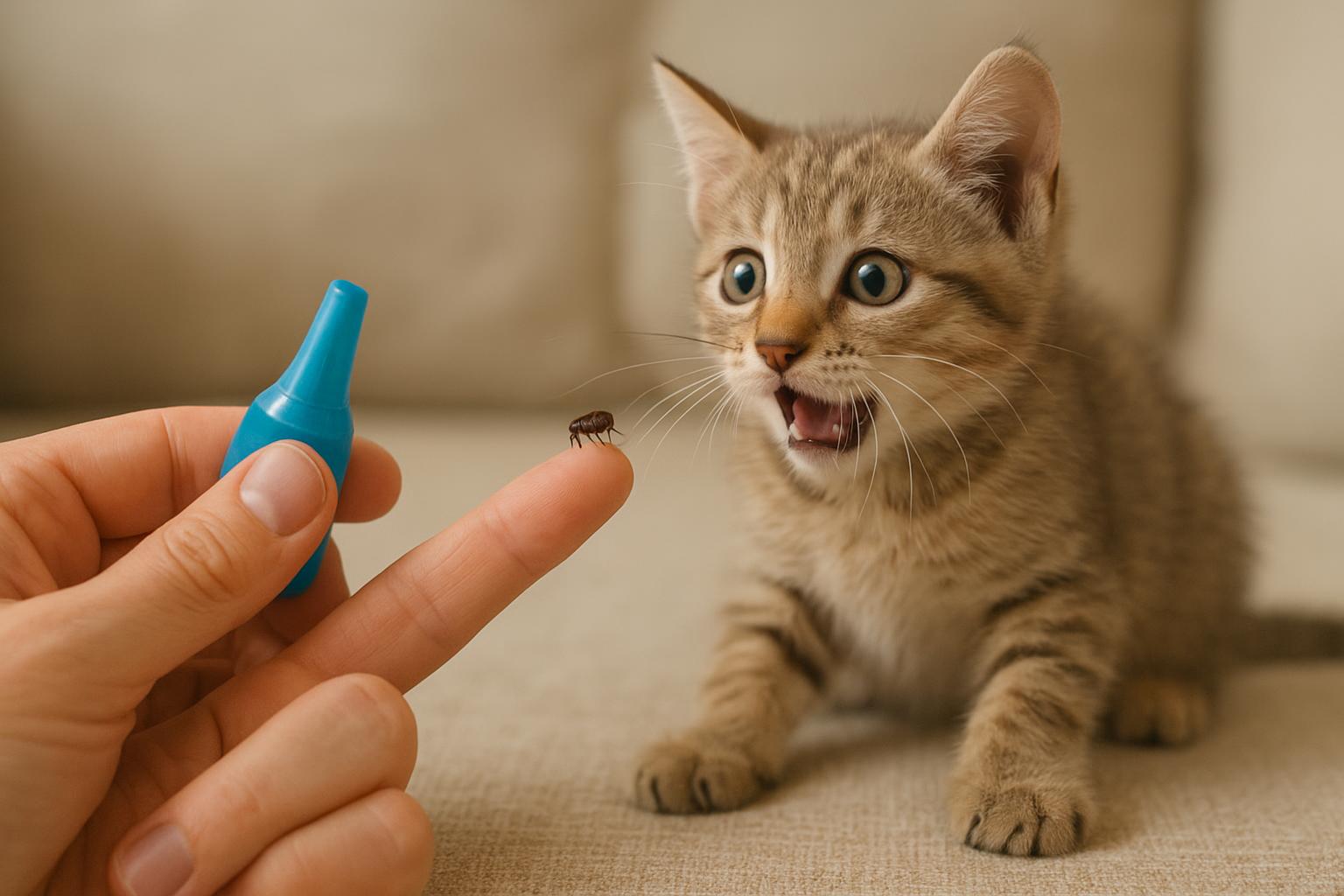
Fleas are small, wingless insects that feed on blood. They’re frustrating because they reproduce quickly and hide in places you might not consider: carpets, sofa seams, and the cracks in baseboards. Many people assume indoor cats are safe, but fleas hitch rides on shoes, humans, other pets, or even come in on a breeze via an open door. Once inside, a single pregnant flea can turn into an infestation.
### Life Cycle And What Makes Fleas So Persistent
Fleas go through four life stages: egg, larva, pupa, and adult. Eggs and larvae live in the environment, not on the host, which means treating only the cat won’t eliminate the problem. Pupae can remain dormant for months, waiting for the right conditions — warmth, carbon dioxide, a passing cat — to emerge as adults. That’s why long-term, consistent flea prevention cats strategies matter.
### How Fleas Find Indoor Cats
Fleas are opportunistic. A person can bring them in on clothing, or a neighborhood stray might visit the porch. If you have dogs or other pets that go outside, they can act as carriers. Even a small break in routine — a boarding stay, a recent guest, or a window left open — can be enough. So, thinking “indoor = immune” is a gamble you don’t want to make.
## Flea Prevention Cats: What Works For Indoor Cats
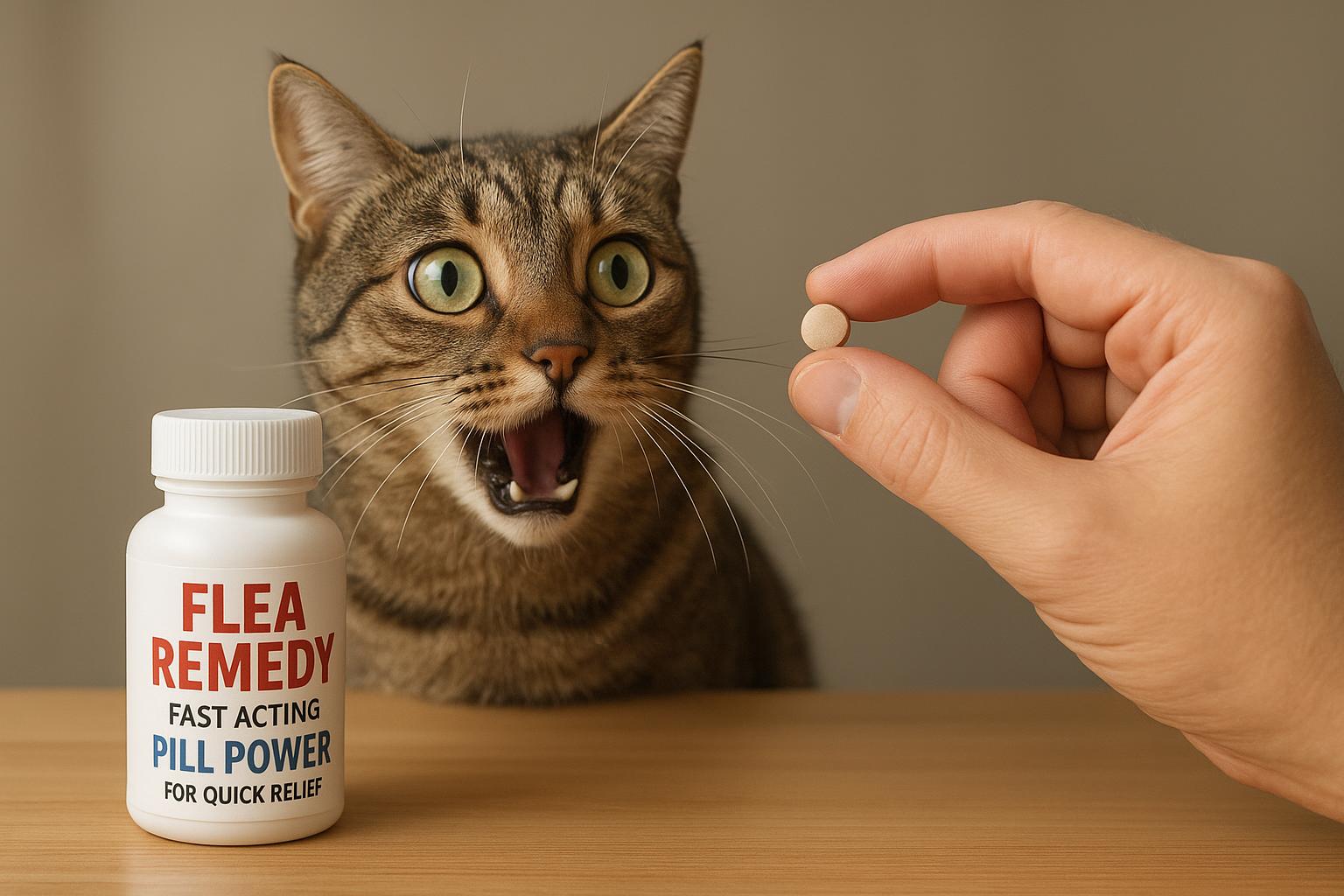
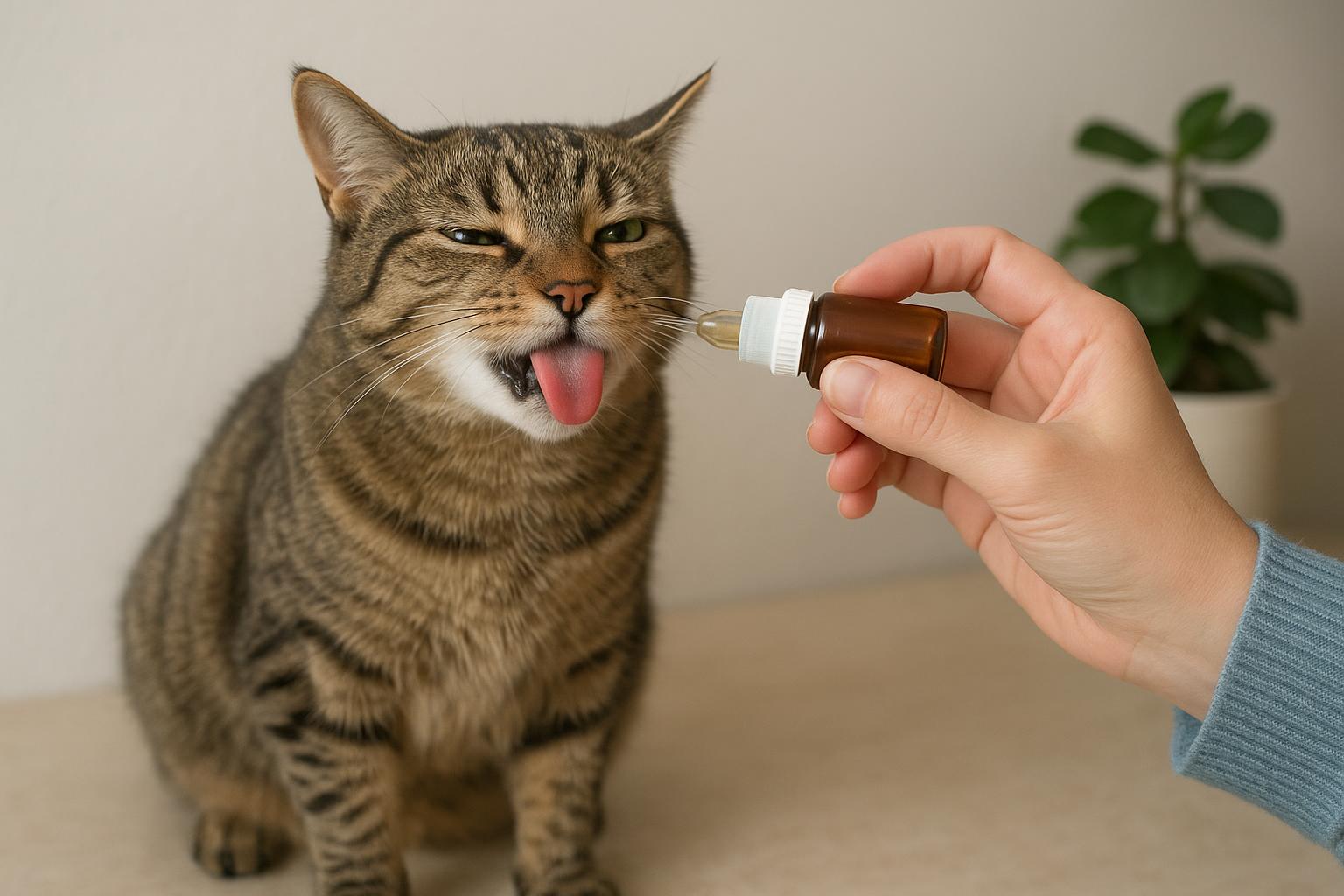
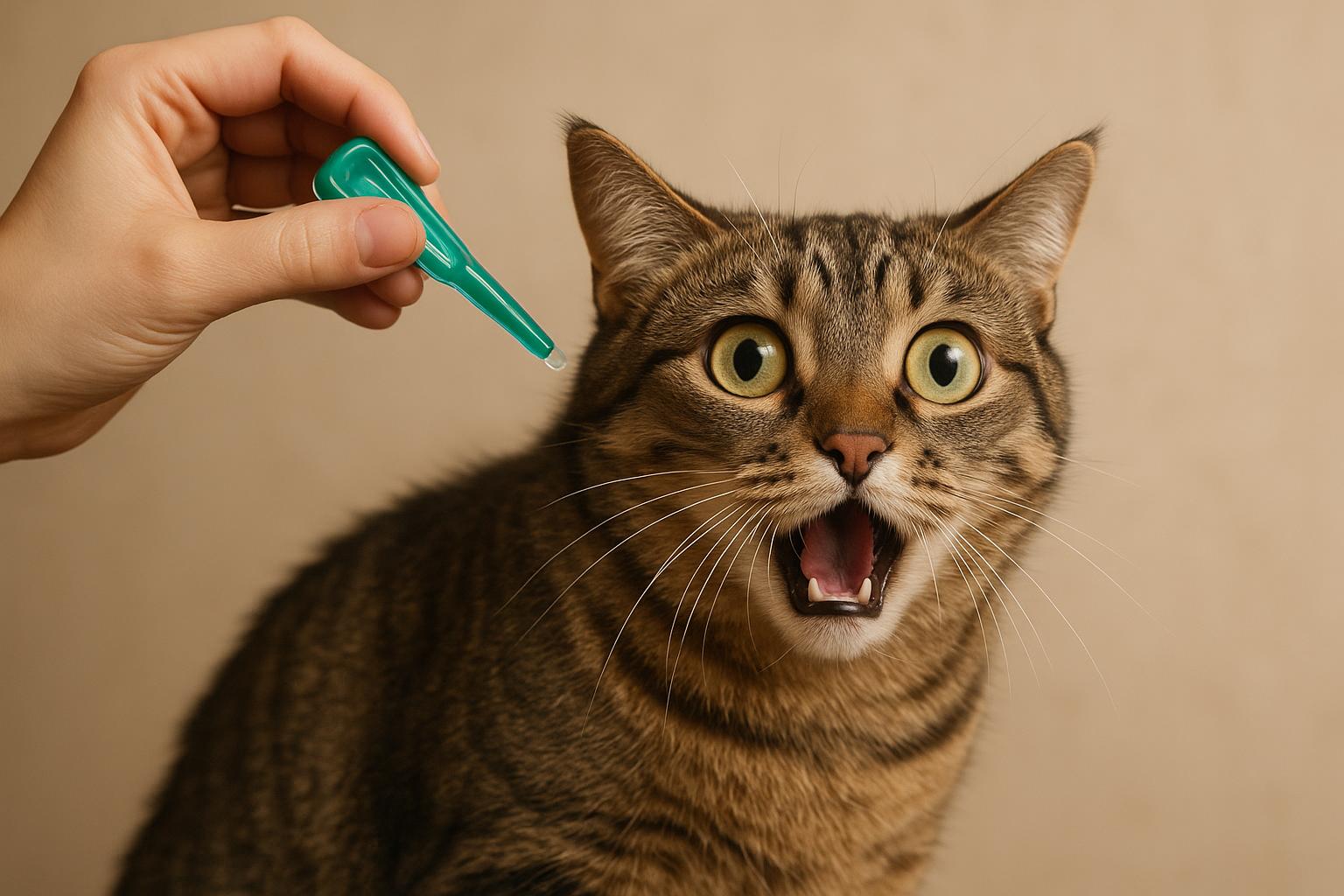
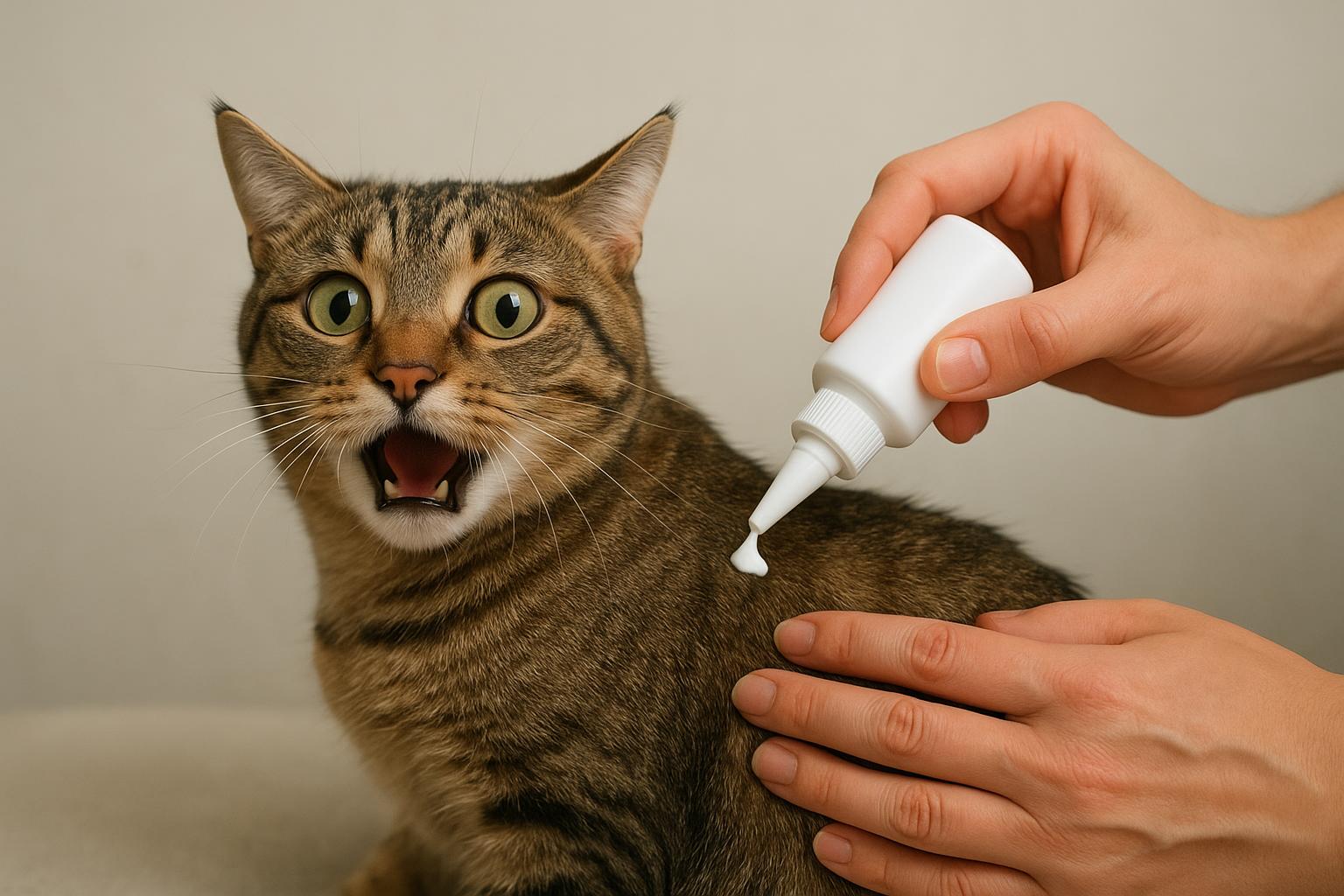
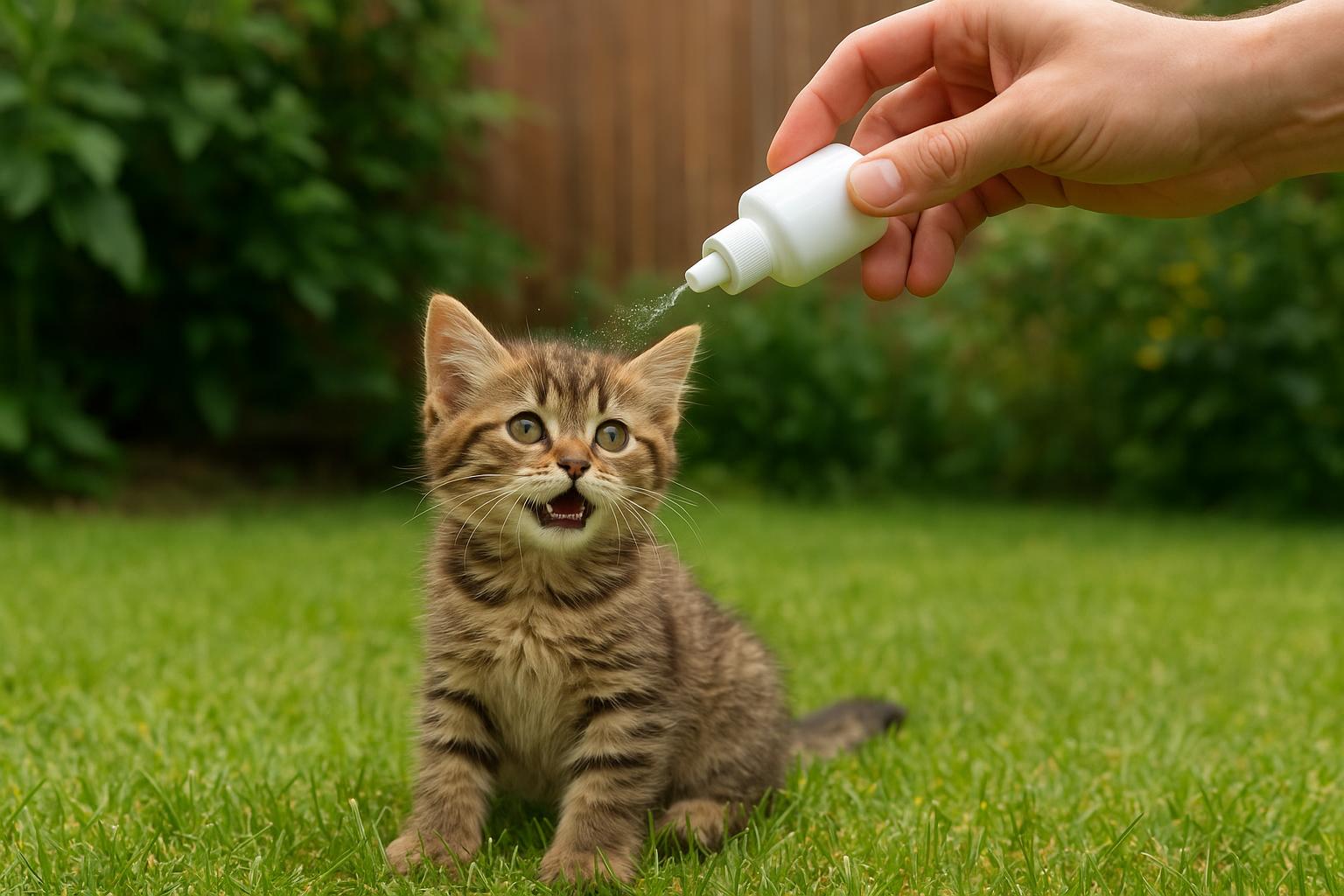
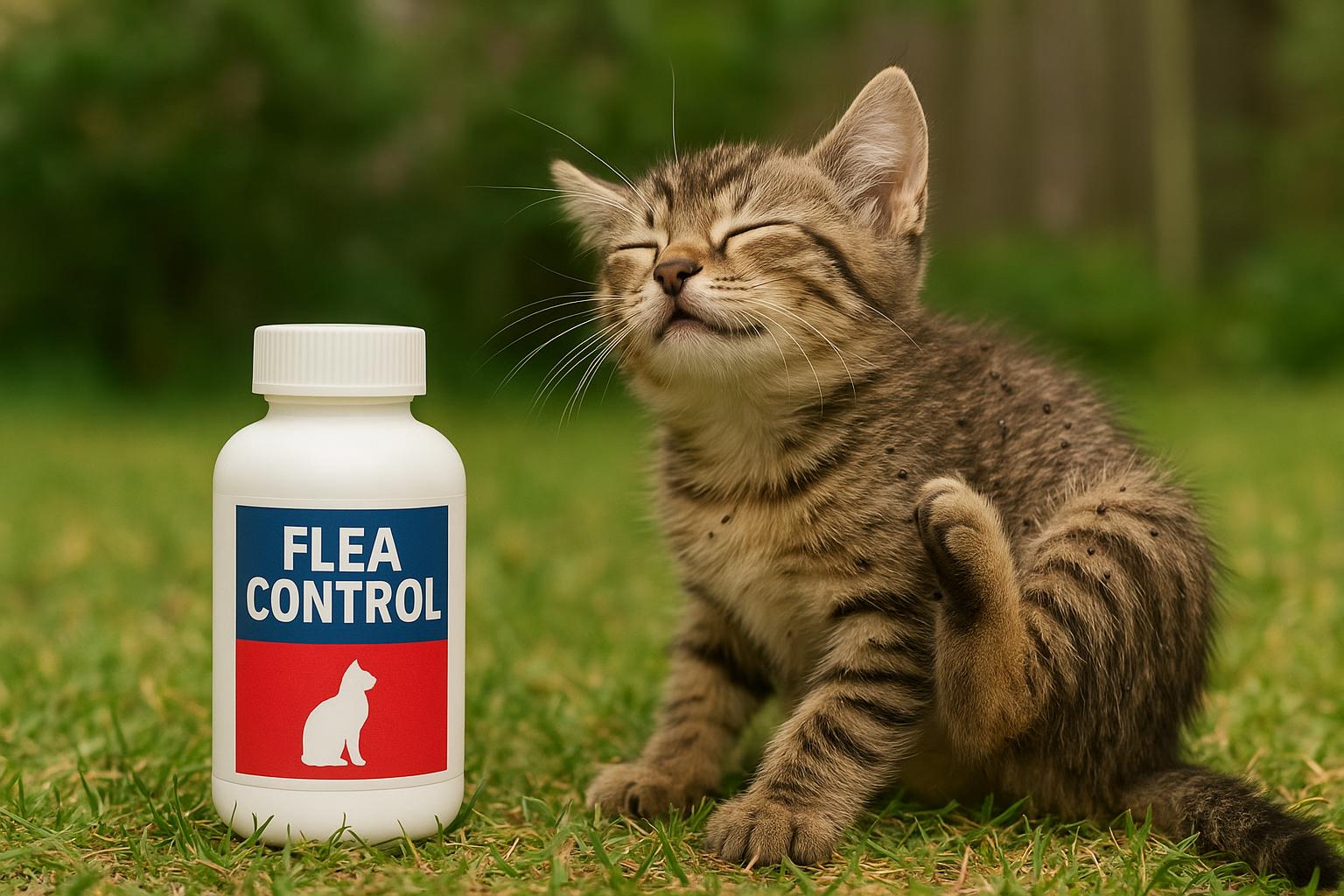
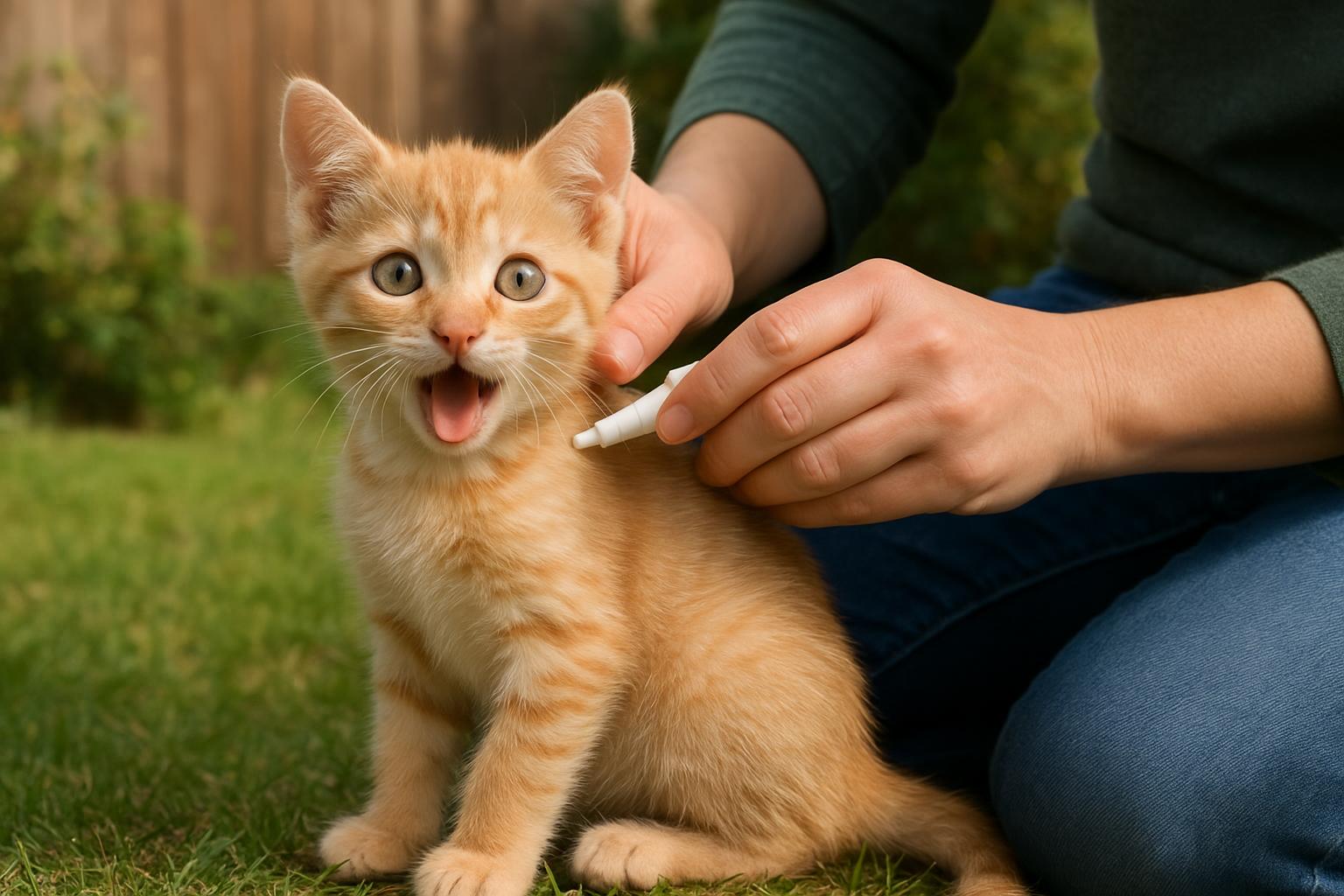
When it comes to flea prevention cats need solutions that treat both the animal and its environment. A balanced plan includes regular preventive medication (often veterinary prescription), environmental control, and routine grooming. For many indoor cats, a monthly topical or oral medication prescribed by a vet is the backbone of prevention. These products are formulated to kill adult fleas and, in some cases, interrupt the life cycle by affecting immature fleas.
### Prescription Products Versus Over-The-Counter Options
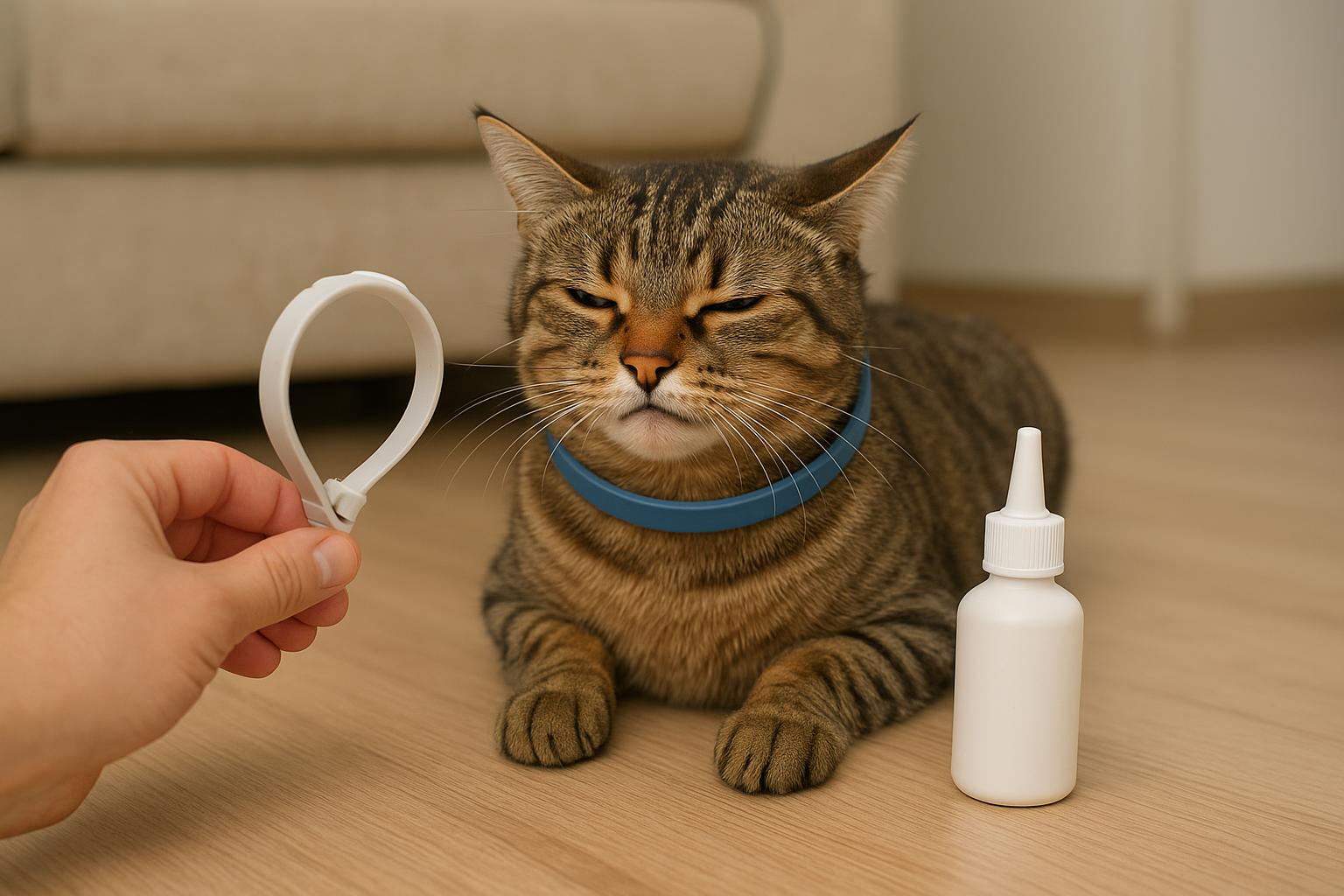
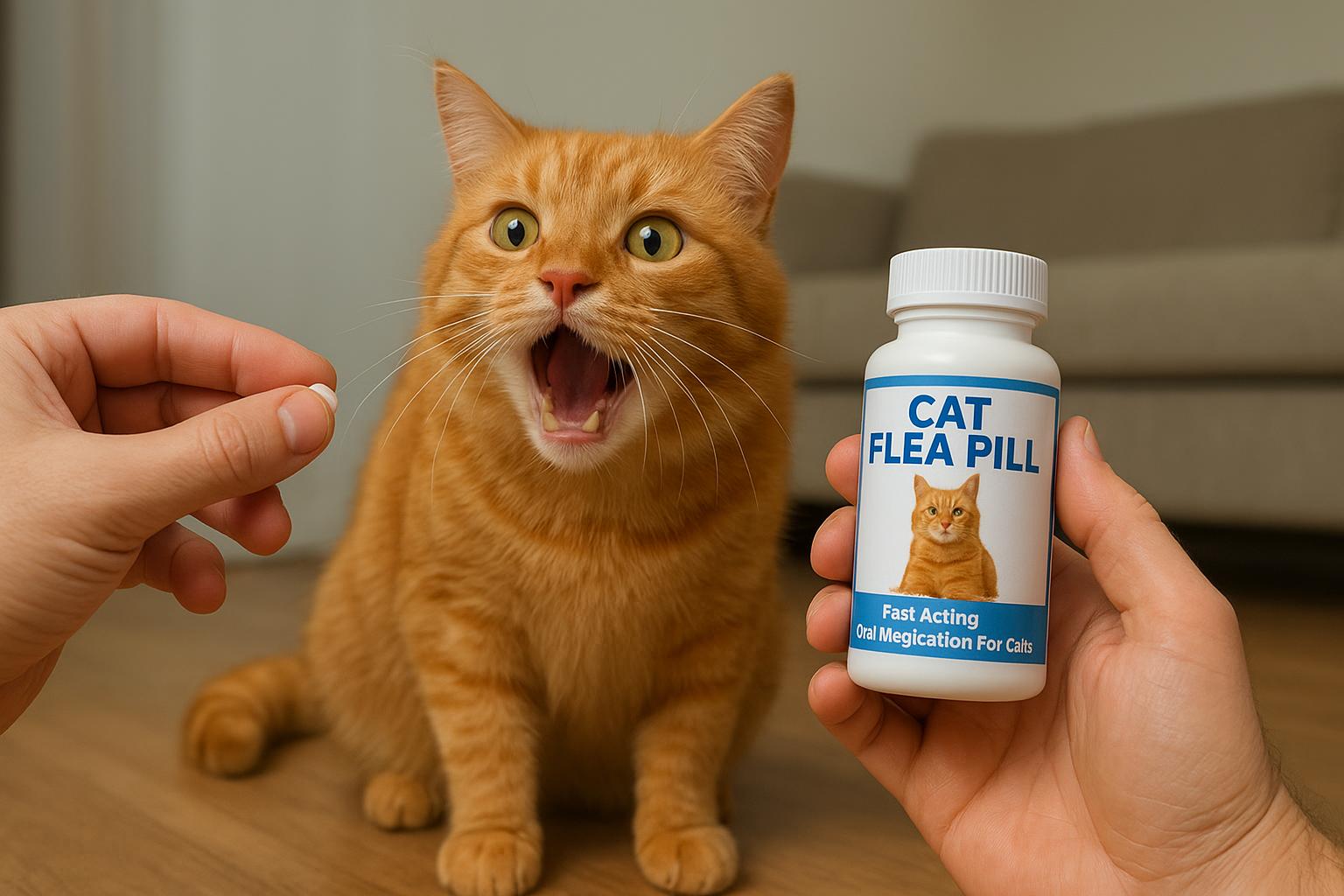
Prescription products (spot-ons containing selamectin, topical fipronil/imidacloprid combos, oral isoxazolines like fluralaner or afoxolaner) are vetted for efficacy and safety under veterinary supervision. Over-the-counter sprays and collars vary widely in effectiveness and safety. Discuss your cat’s age, weight, health status, and indoor lifestyle with your veterinarian before starting any product. Using the wrong product or the wrong dose can be ineffective or dangerous.
### Environmental Controls That Actually Help
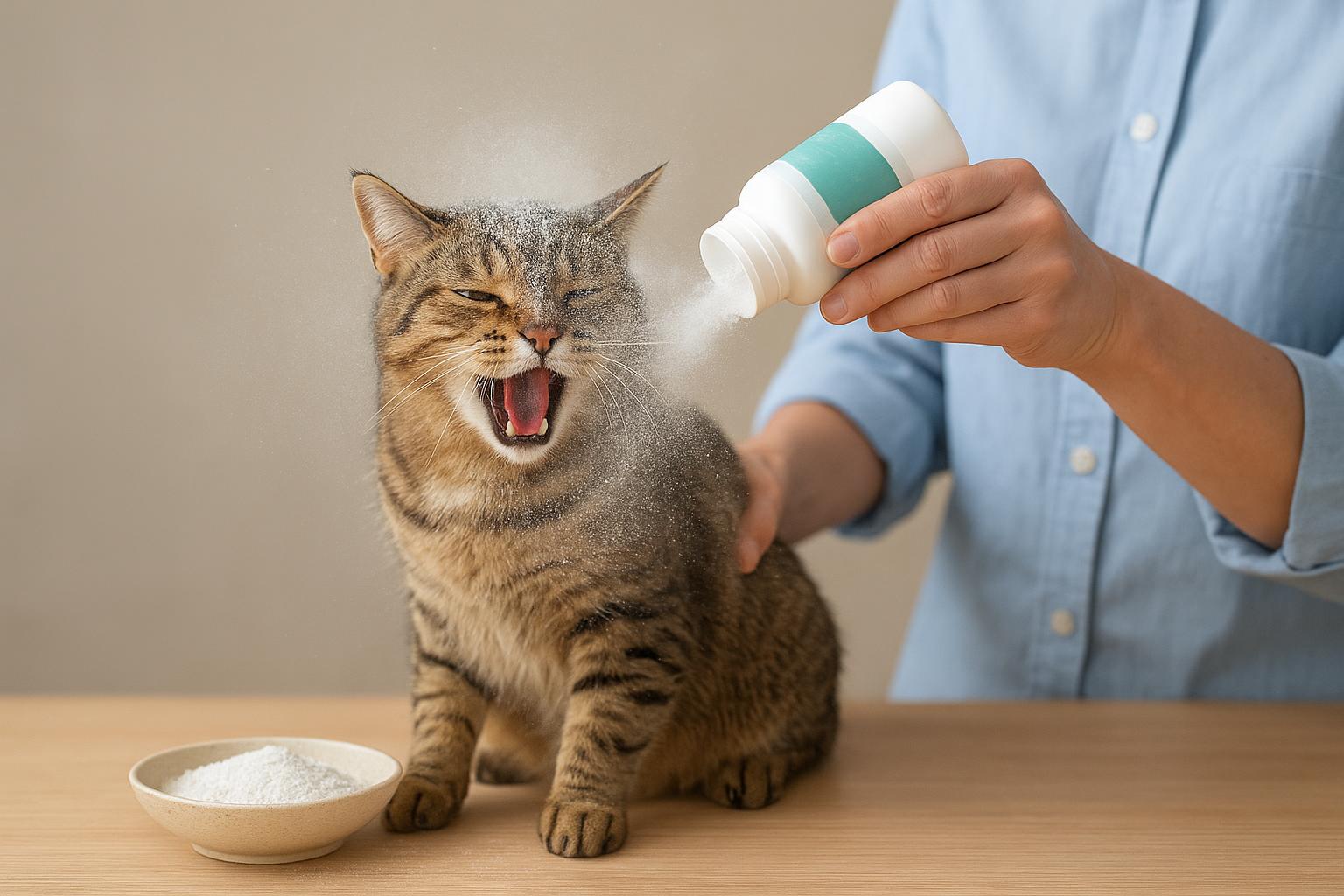
Environmental control is about reducing where fleas live: vacuum carpets and furniture regularly, wash bedding in hot water weekly, and consider steam-cleaning rugs. For localized treatment, food-grade diatomaceous earth (DE) can be used cautiously in carpets and baseboards to dehydrate flea larvae and adults, but avoid inhalation and keep pets and people away until settled. Remember: a multi-pronged approach is the most successful for flea prevention cats rely on.
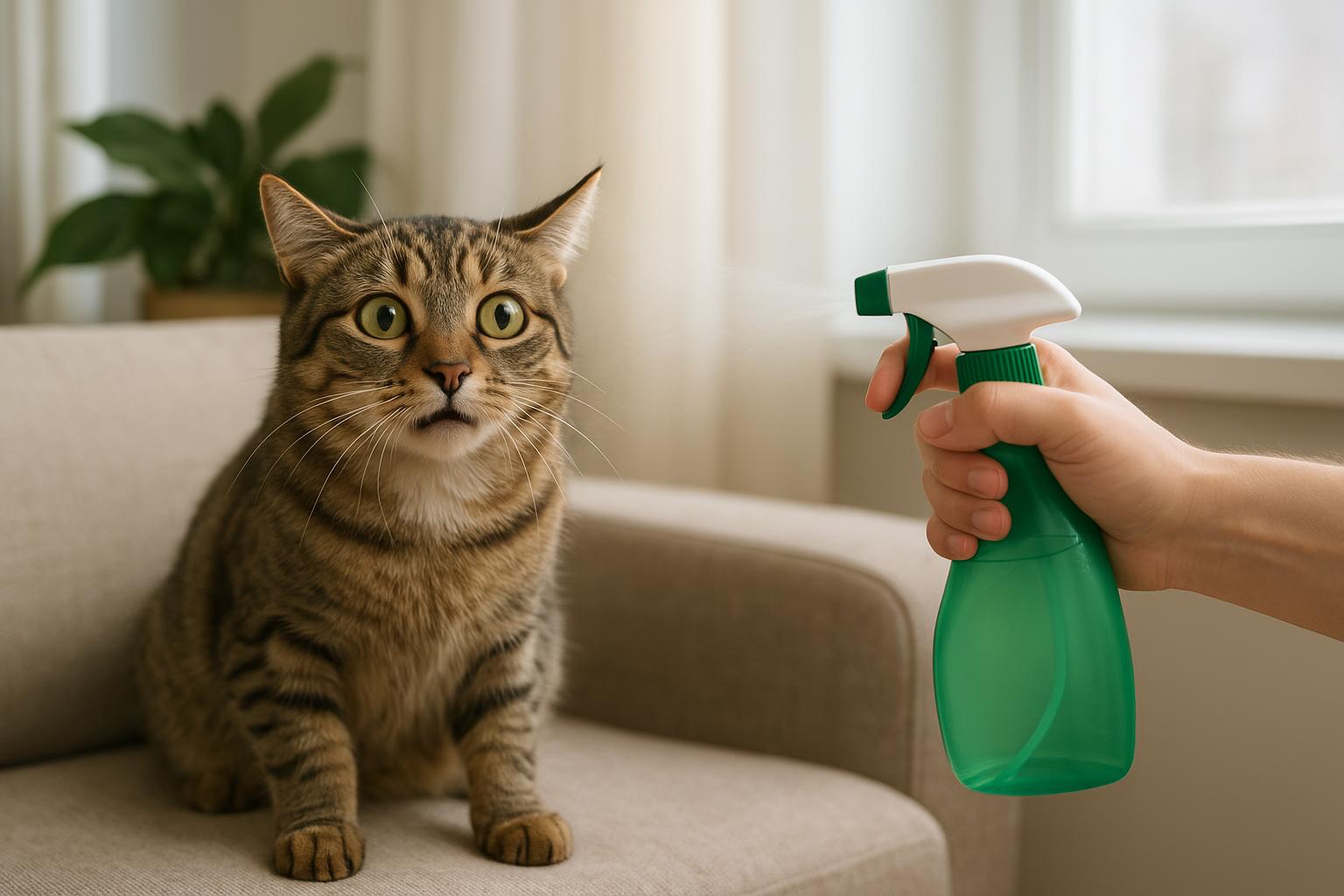
## Remedy 1: DIY Natural Environmental Spray (For Bedding And Surfaces Only)
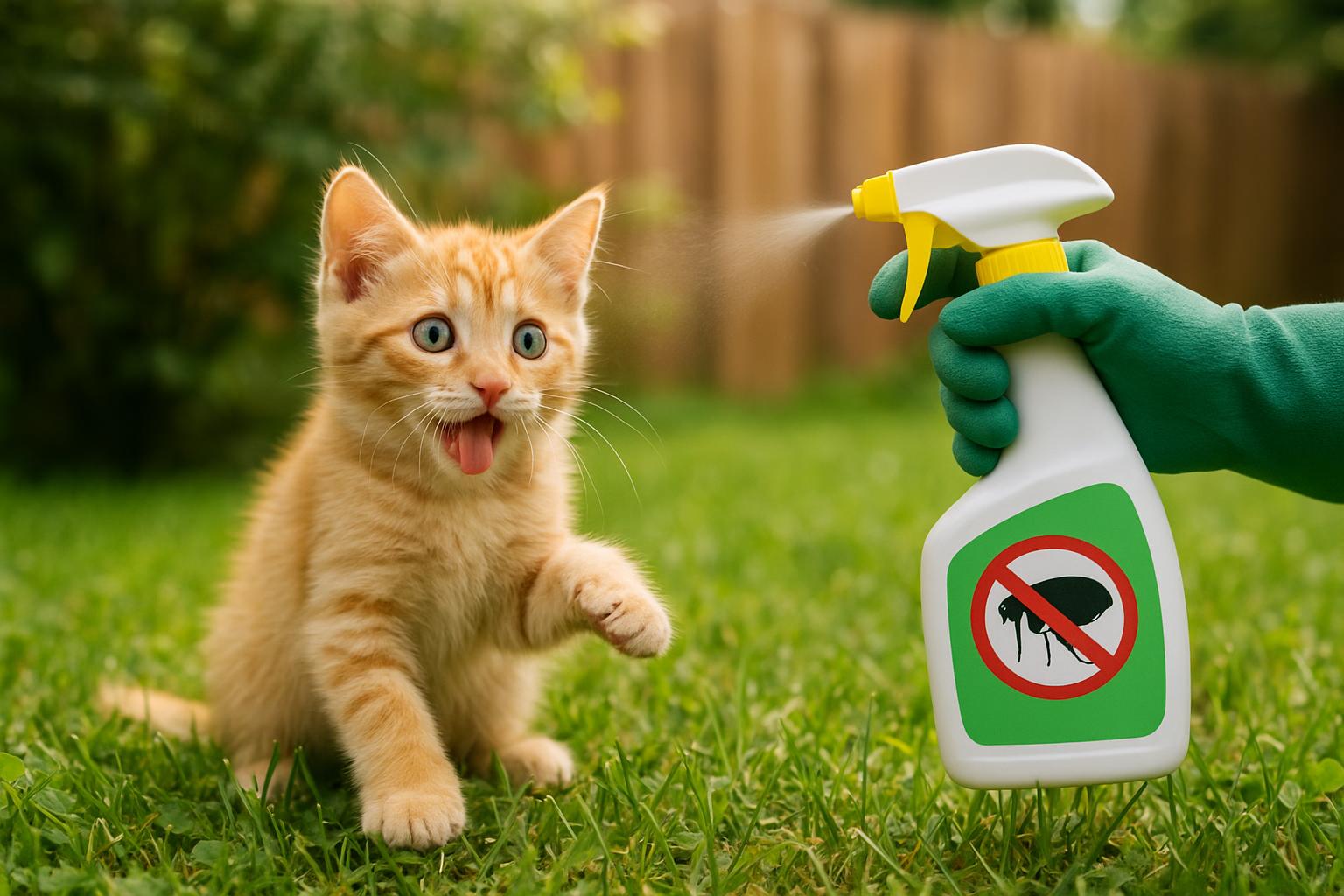
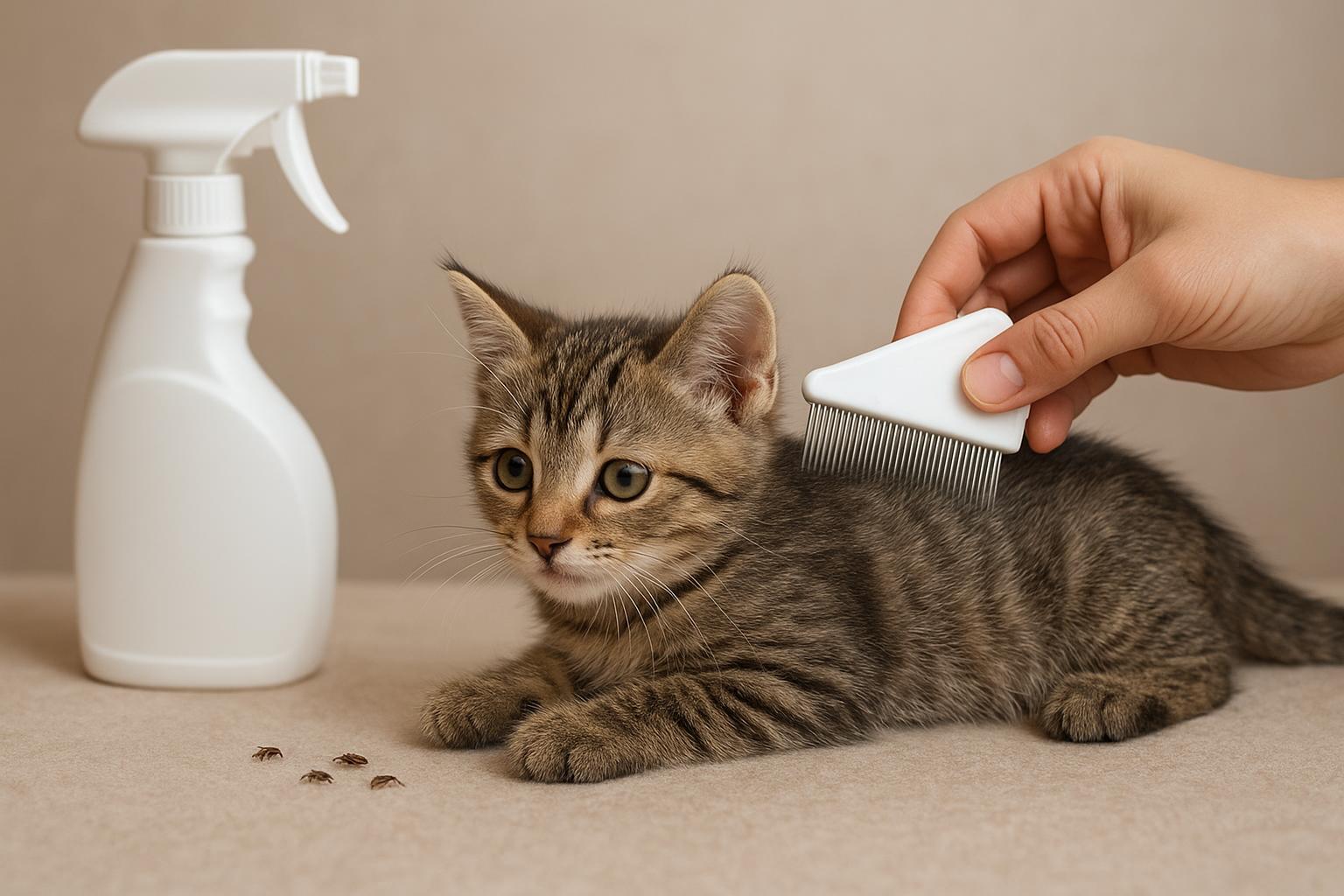
This remedy is an in-home spray meant for bedding, linens, and non-porous surfaces. Do not apply directly to your cat. The goal is to make the environment less hospitable to fleas and newly hatched larvae.
#### Ingredients / Required Materials
– 1 quart (approx. 950 ml) distilled or filtered water
– 1 cup white vinegar or apple cider vinegar (diluted)
– 1/4 cup rubbing alcohol (70% isopropyl) — optional, for quick evaporation on non-fabric surfaces
– 1 teaspoon mild unscented liquid castile soap (helps mixture cling to surfaces)
– Clean spray bottle (labeled)
– Funnel (optional)
#### Step-By-Step Creation And Application
1. Sanitize and label your spray bottle before use.
2. Pour the distilled water into the bottle using a funnel.
3. Add the cup of vinegar, then the castile soap. If using, add the rubbing alcohol last.
4. Gently invert the bottle several times to mix. Do not shake vigorously if using alcohol.
5. Test a small inconspicuous area of fabric or surface for colorfastness before broader use.
6. For bedding and washable surfaces: remove bedding, wash in the hottest safe water, and while damp, lightly mist fabric outside or over a tub. Allow to air dry in sun where possible.
7. For non-washable surfaces: lightly mist area and allow to air dry. Avoid wetting upholstery heavily.
8. Repeat weekly during an active infestation, then monthly for maintenance.
Note: Vinegar is safe for cleaning and discouraging fleas from staying on surfaces, but it won’t replace veterinary flea treatments for your cat. Avoid using essential oils or citrus-based additions — many are toxic to cats.
## Remedy 2: Home Treatment Vacuum And Wash Protocol (Numbered Remedy)
This protocol is a structured routine to reduce flea eggs, larvae, and pupae in your home. It’s safe, practical, and complements any veterinary-prescribed treatment for the cat.
#### Materials Required
– High-efficiency vacuum cleaner with attachments
– Stiff brush or carpet rake (optional)
– Hot water-capable washing machine
– Dryer or sunny outdoor drying area
– Plastic trash bags or sealed bins
– Food-grade diatomaceous earth (optional and used with caution)
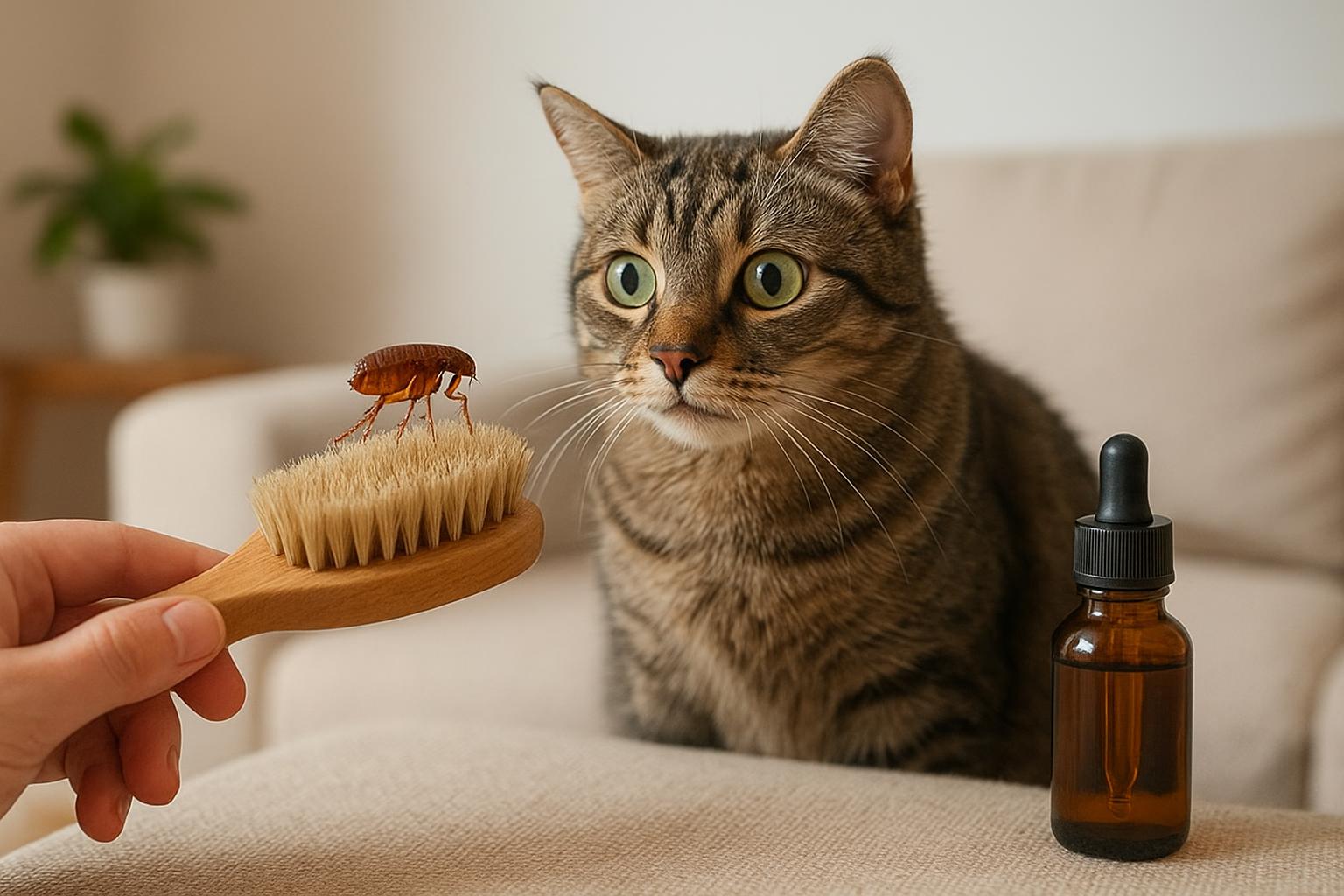
– Flea comb (fine-tooth)
#### Step-By-Step Application
1. Put on a mask if you plan to use diatomaceous earth to avoid inhalation.
2. Strip bedding, cat beds, and removable covers. Place directly into washing machine.
3. Wash all fabrics in the hottest water safe for the material; add regular detergent.
4. Dry on high heat (heat kills fleas, eggs, and larvae) or dry thoroughly in sun for several hours.
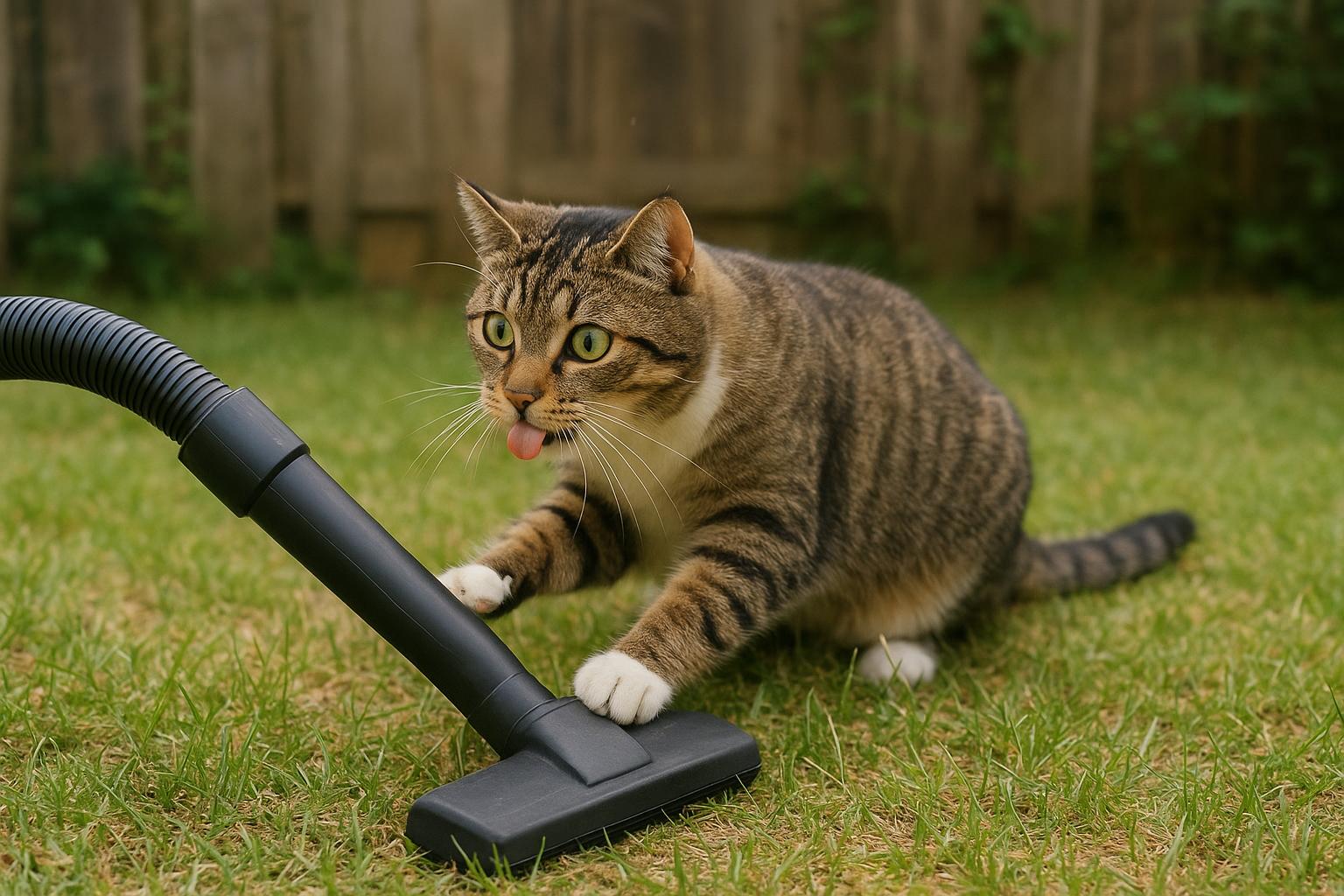
5. Vacuum carpets, rugs, upholstered furniture, baseboards, and under cushions thoroughly. Use crevice and upholstery attachments to get seams and edges.
6. Immediately seal vacuum bag or empty the canister contents into a plastic bag, seal it, and dispose in an outdoor trash bin.
7. Optional: Lightly apply food-grade diatomaceous earth to carpets and let sit 24–48 hours. Do not use pool-grade DE. Keep pets and children out of the area while DE is loose; vacuum it up afterward.
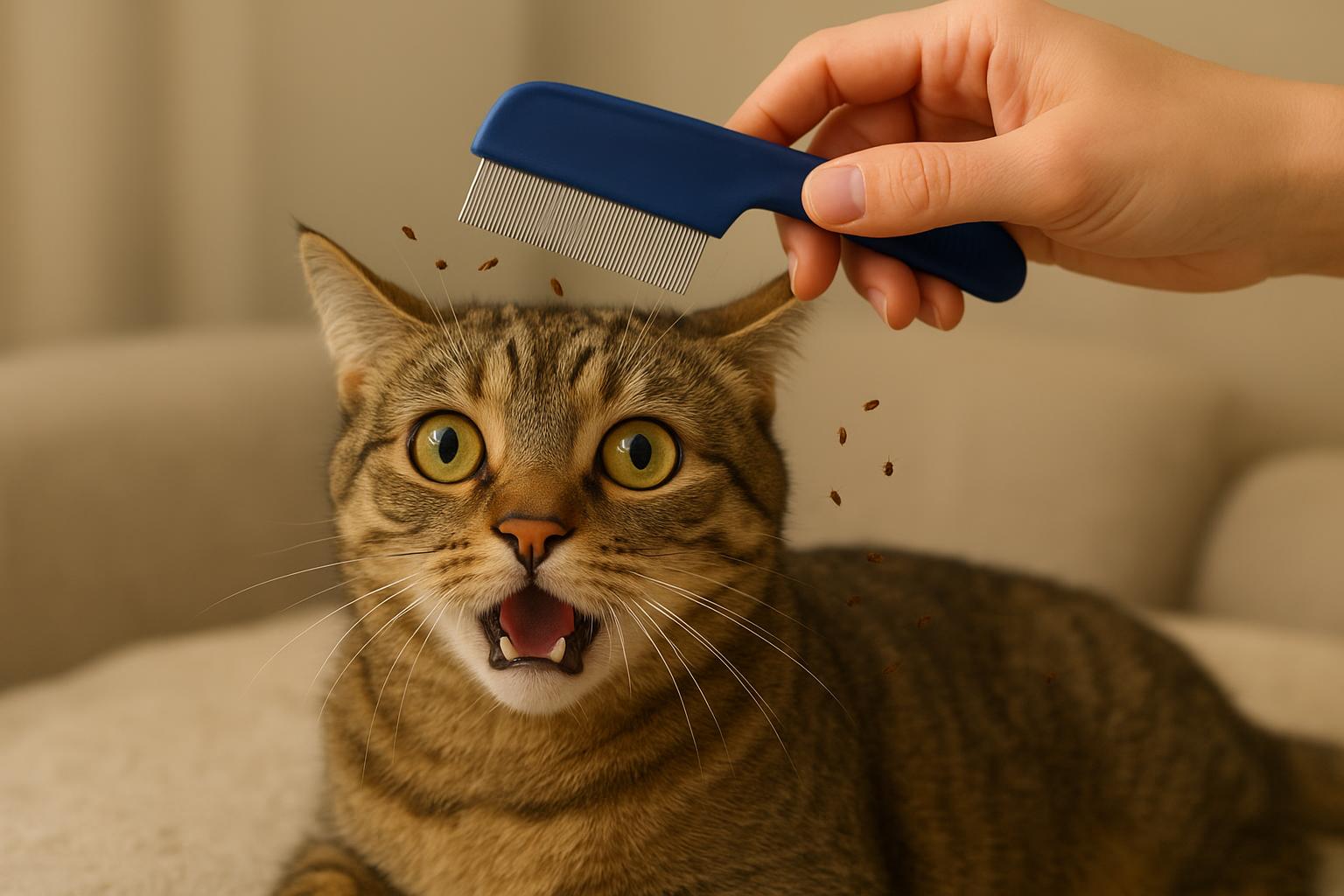
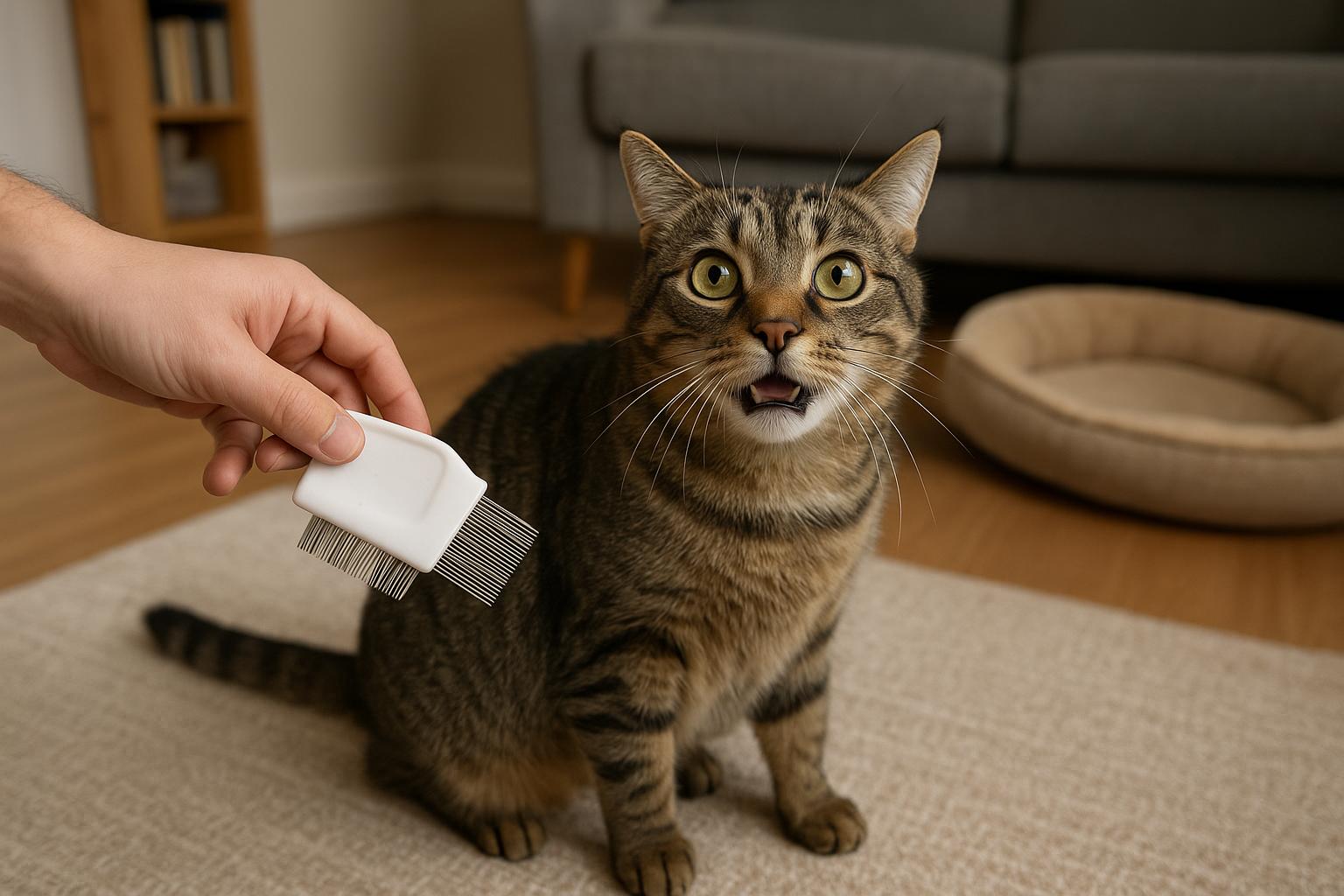
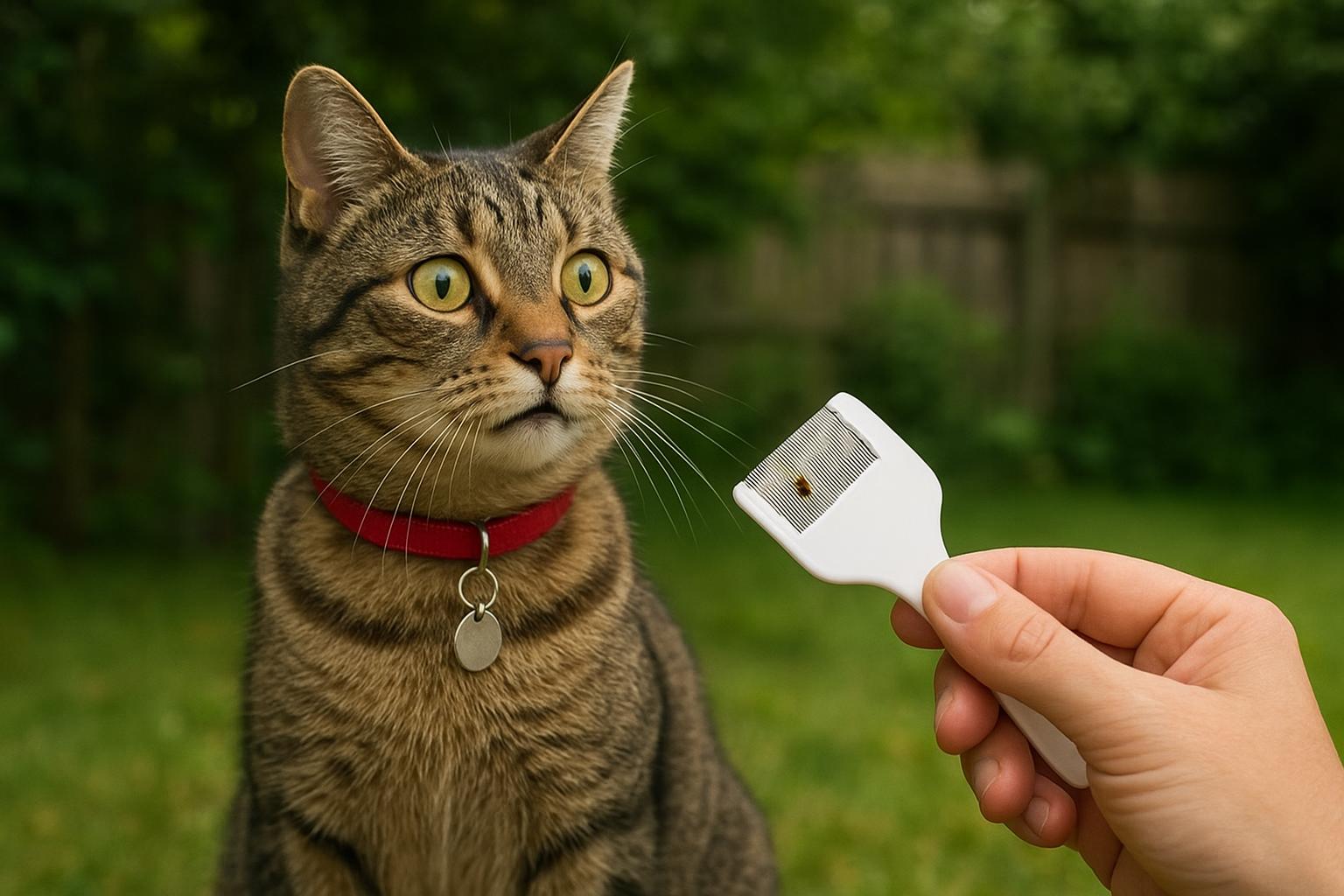
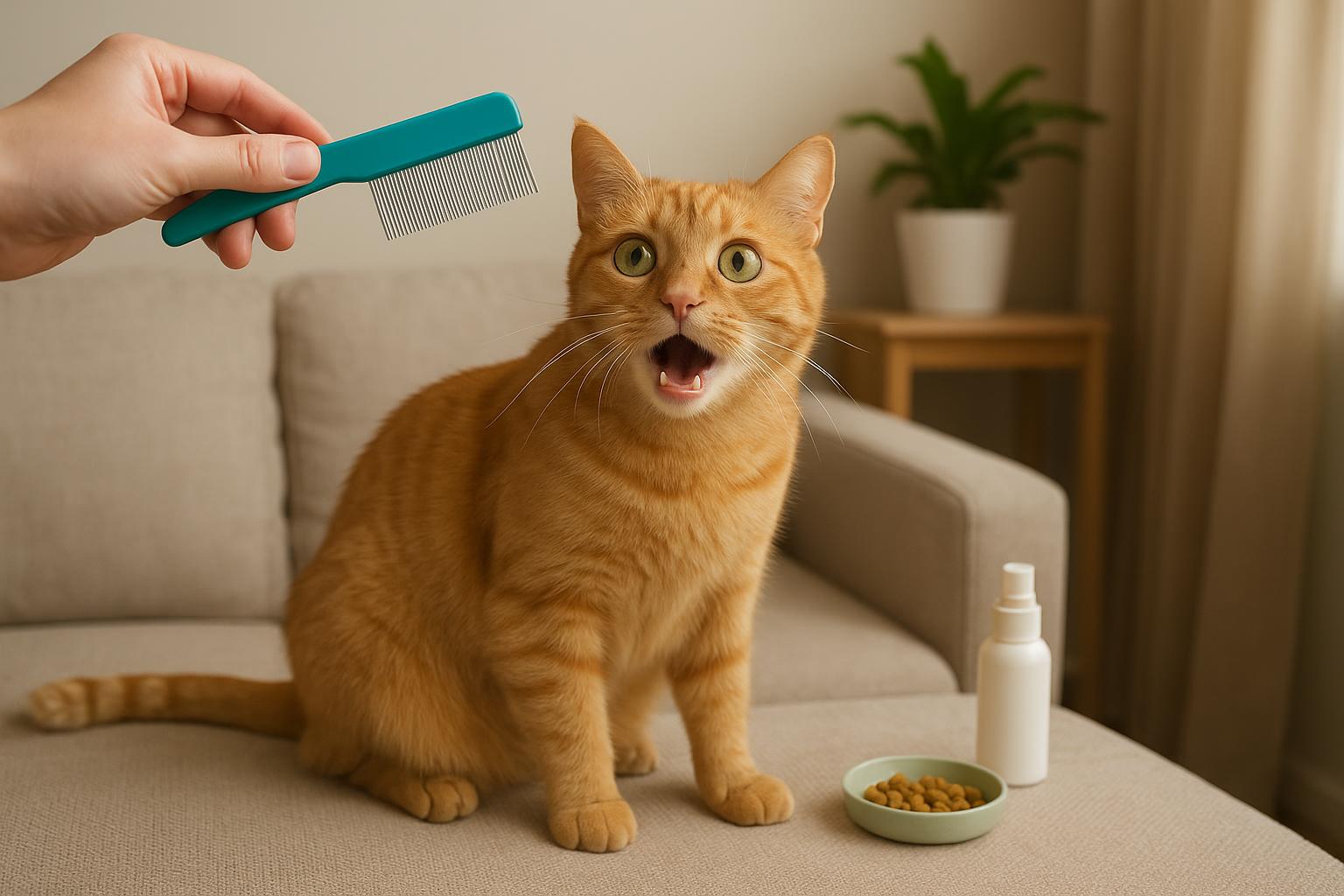
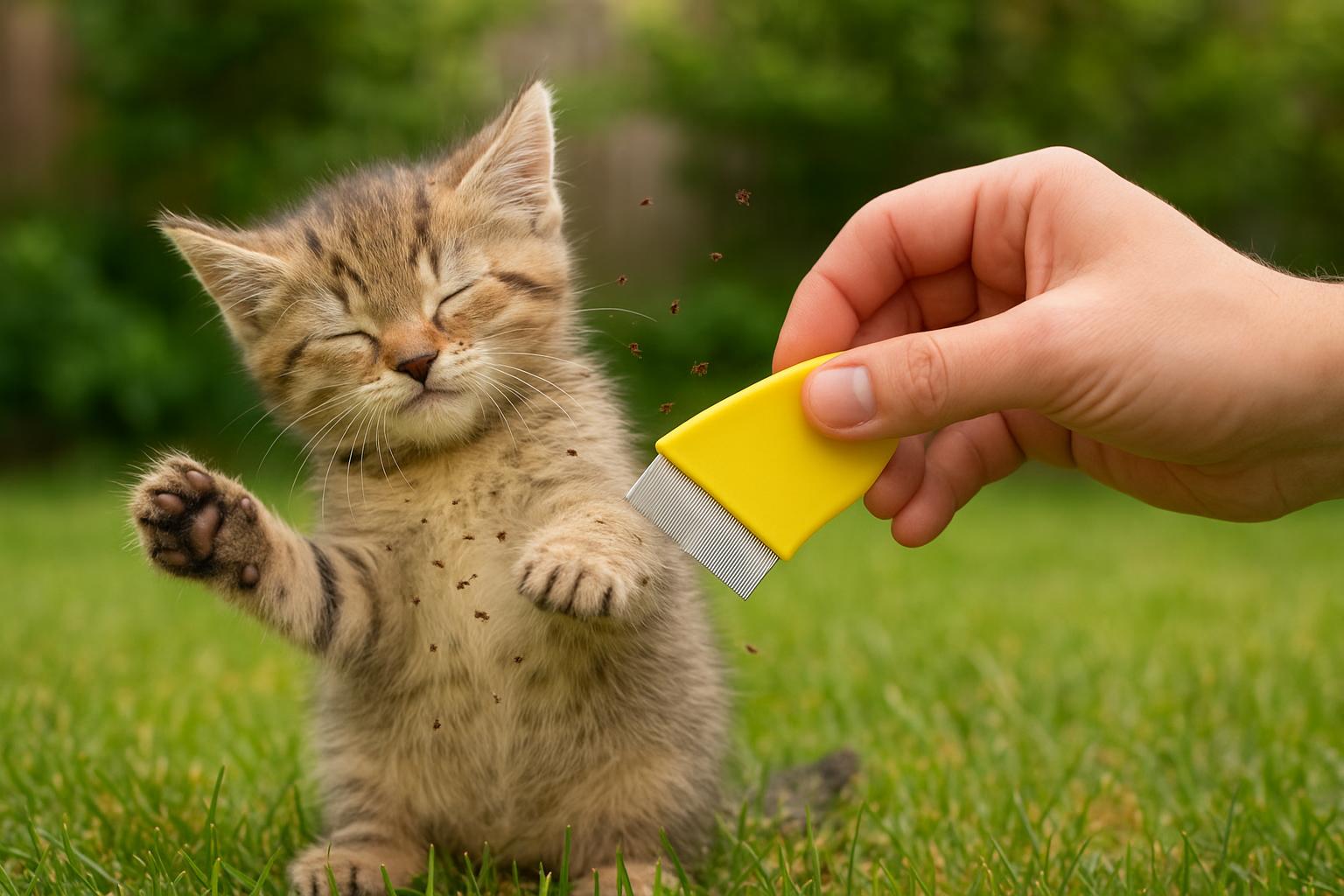
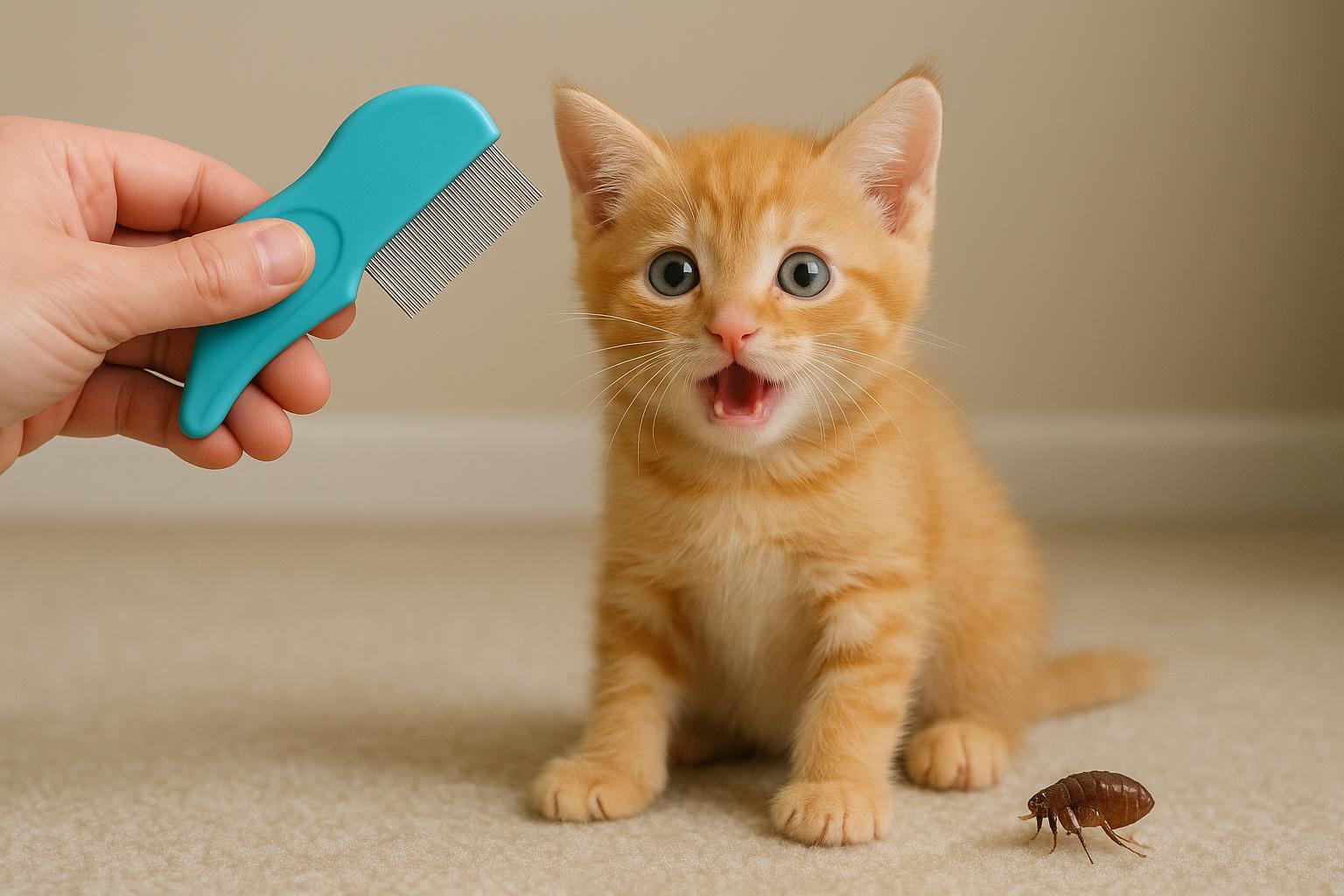
8. Comb your cat daily with a fine-tooth flea comb over a white towel to trap fleas. Dip caught fleas into soapy water to kill them.
9. Repeat vacuuming and washing at least once weekly for 6–8 weeks to disrupt the flea life cycle.
10. Continue monitoring and maintain a routine even after things appear clear.
## Grooming And Monitoring Practices For Indoor Cats
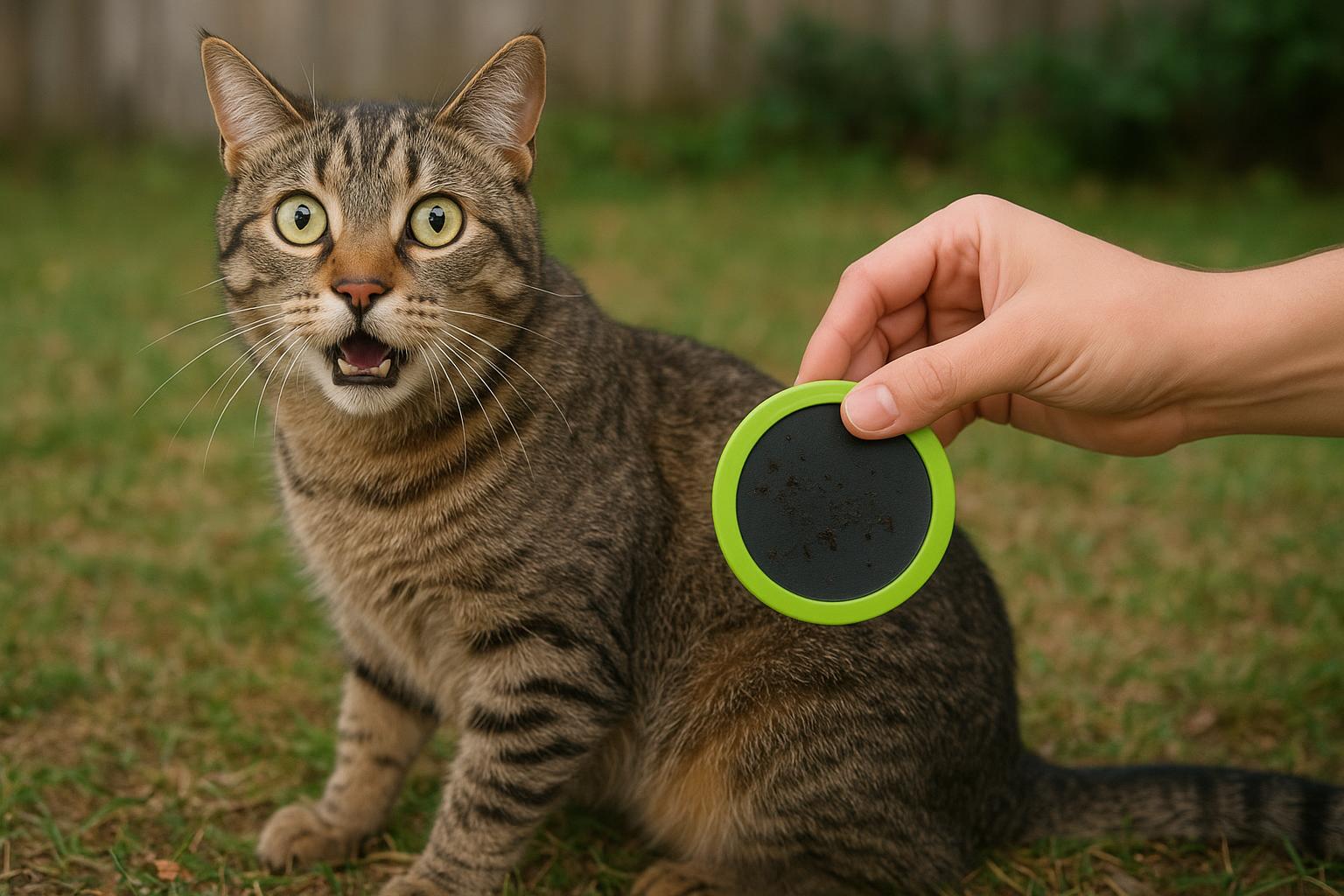
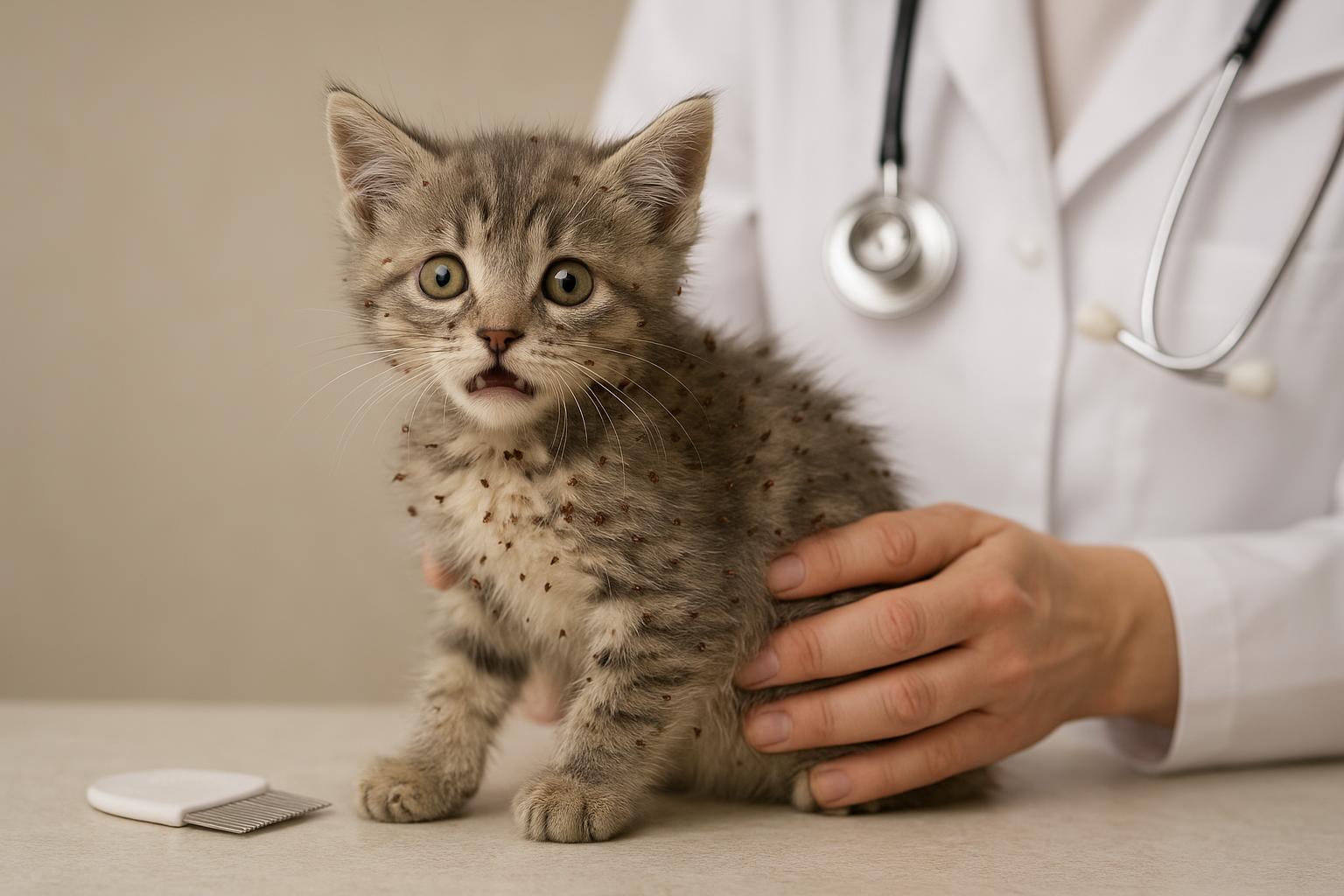
Regular grooming and monitoring are essential. Flea combing for five to ten minutes every day during an outbreak helps reduce adult fleas and gives you an early warning system. Watch for signs of flea allergy dermatitis: intense scratching, hair loss around the base of the tail, and small red bumps. If your cat shows these signs, consult your veterinarian promptly. For kittens, elderly, or medically fragile cats, veterinary guidance is especially important before any product is used.
### When To Call The Vet
If your cat shows signs of anemia (pale gums, lethargy), severe itching, skin infection, or if over-the-counter measures aren’t working, call your vet. Professional products, some oral, some topical, are often necessary and can be prescribed safely. Your vet can also recommend an integrated plan for long-term flea prevention cats should be on to keep your home pest-free.
## Practical Home Habits That Reduce Re-Infestation
A few lifestyle adjustments reduce risk: enforce a no-shoes rule inside, keep screens and doors maintained, and inspect guests’ pets if they visit. If you go hiking or into areas with feral animals, check your clothing and bags before coming in. Maintain monthly preventive medication during flea season, or year-round if your area has a warm climate, as recommended by your veterinarian.
Sprinkling the right mix of vigilance, environmental control, and veterinary-prescribed prevention will keep the hopping little invaders at bay and your indoor cat calm, comfortable, and flea-free.







Leave a Reply