

## Seasonal Backyard Flea Prevention For Year Round Wildlife
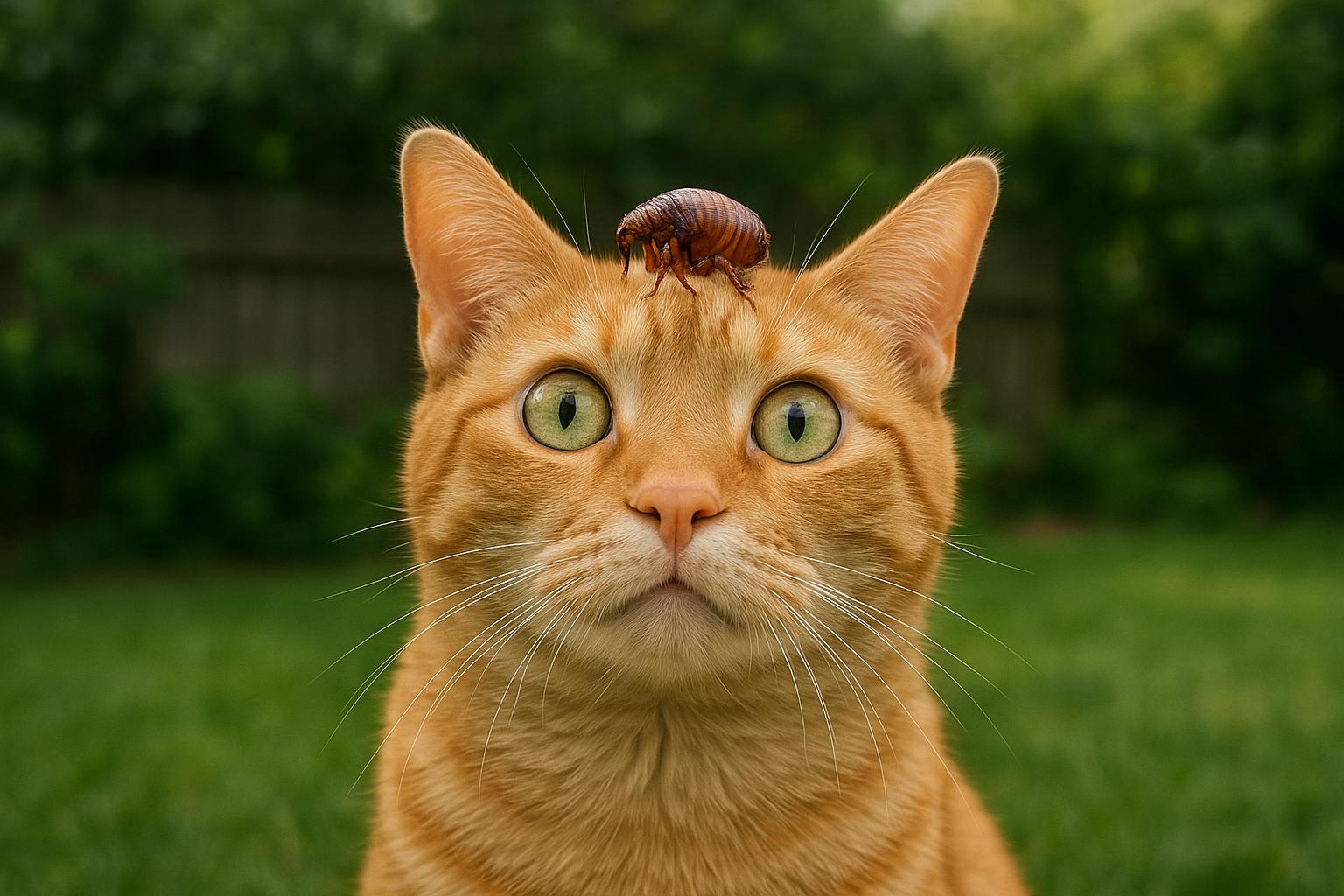
Welcome — glad you stopped by. If your yard hosts a rotating cast of songbirds, squirrels, and the occasional fox, you’re doing backyard life right. But one cast member nobody invited is the flea. This article focuses on backyard flea prevention for folks who want wildlife to thrive without turning the space into a flea motel. Think of it as gentle stewardship: keep your green guests healthy, protect pets, and reduce flea problems without trench warfare.
### Why Flea Management Should Respect Wildlife
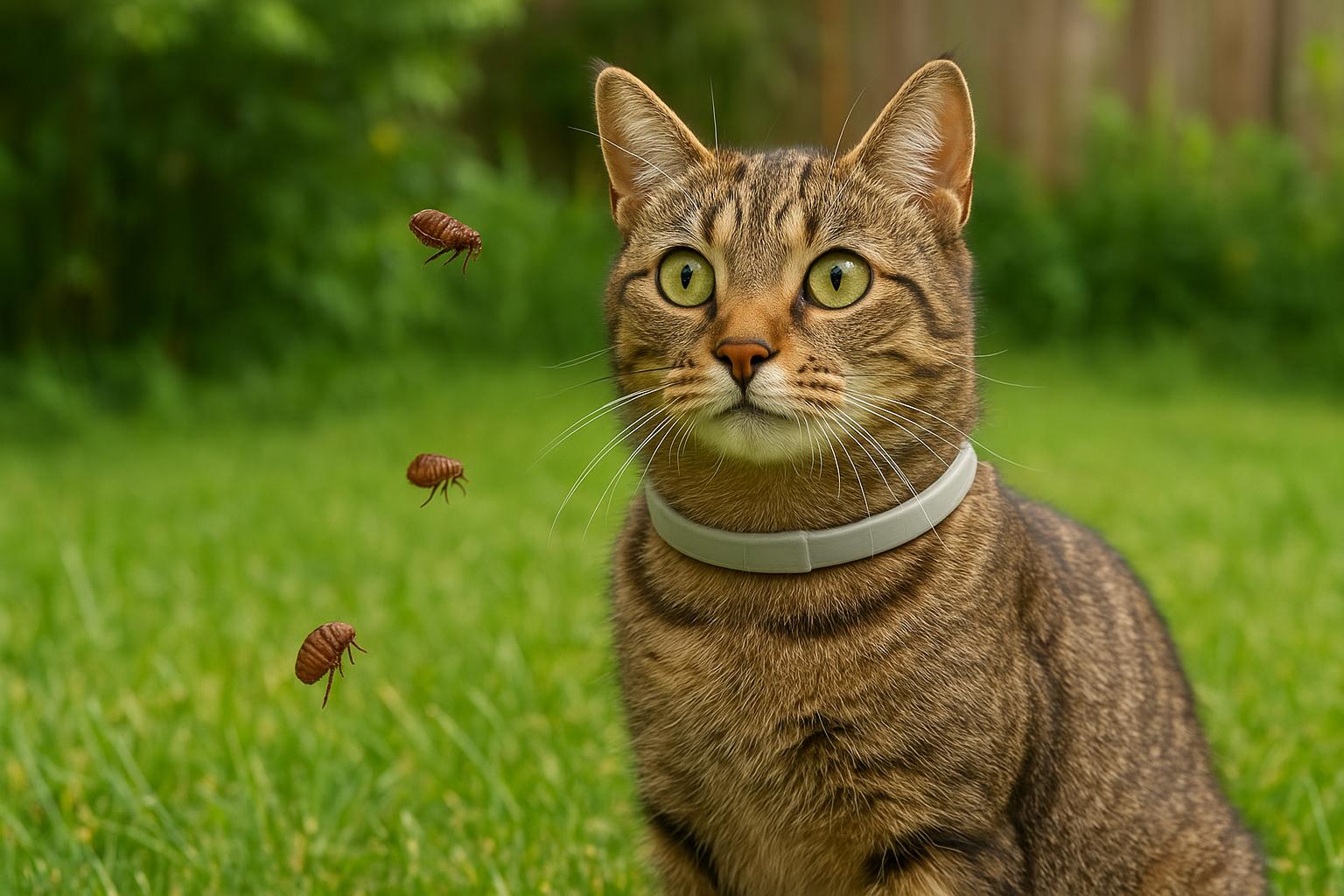
Fleas are opportunistic and their life cycle thrives in warm, humid microclimates: shaded, moist spots with organic debris and an animal host. Wildlife move through yards regularly, so if you simply spray everything and everyone, you’ll harm the very creatures you want to protect. Effective backyard flea prevention balances pest reduction with habitat-friendly choices.
### Understanding The Flea Life Cycle
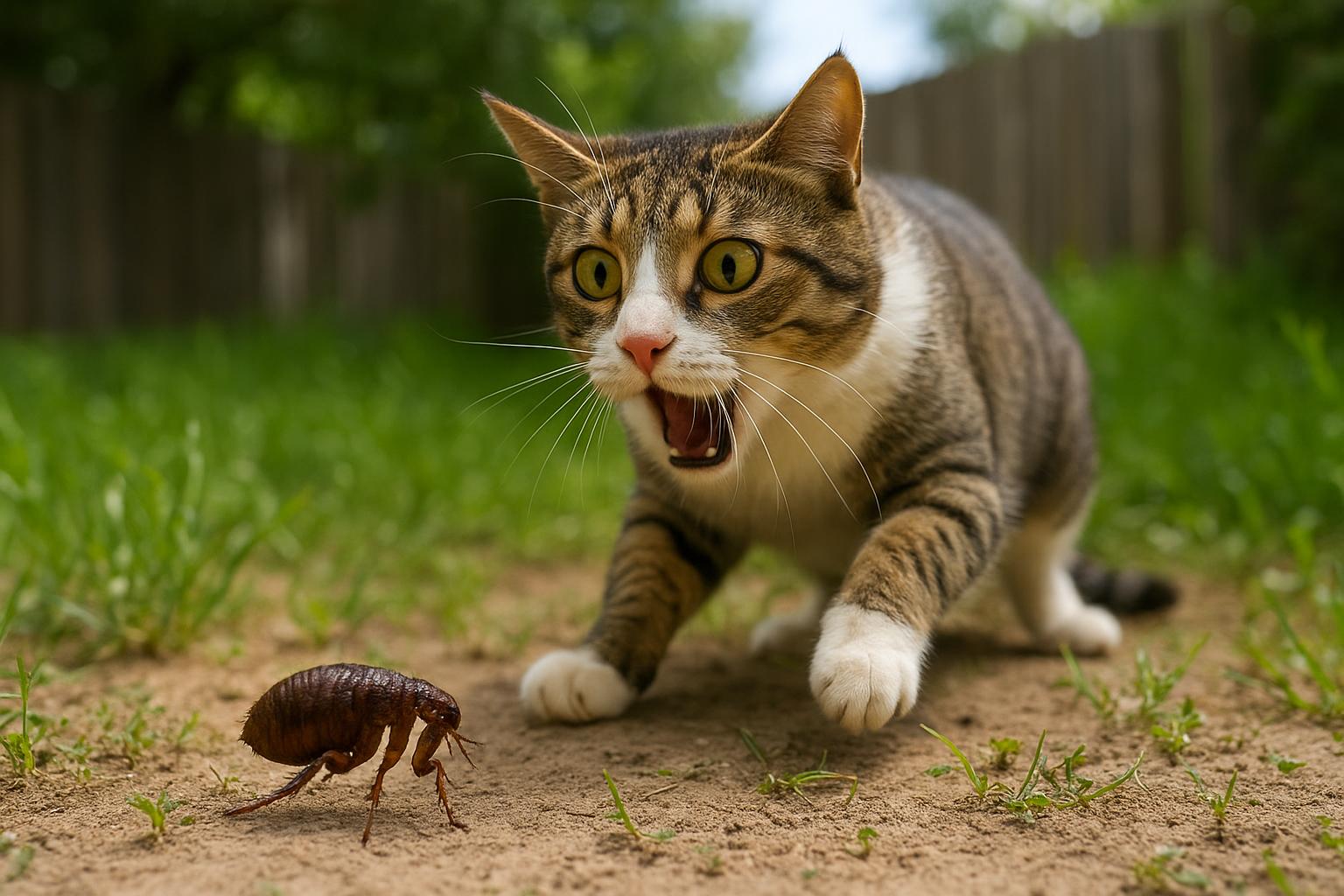
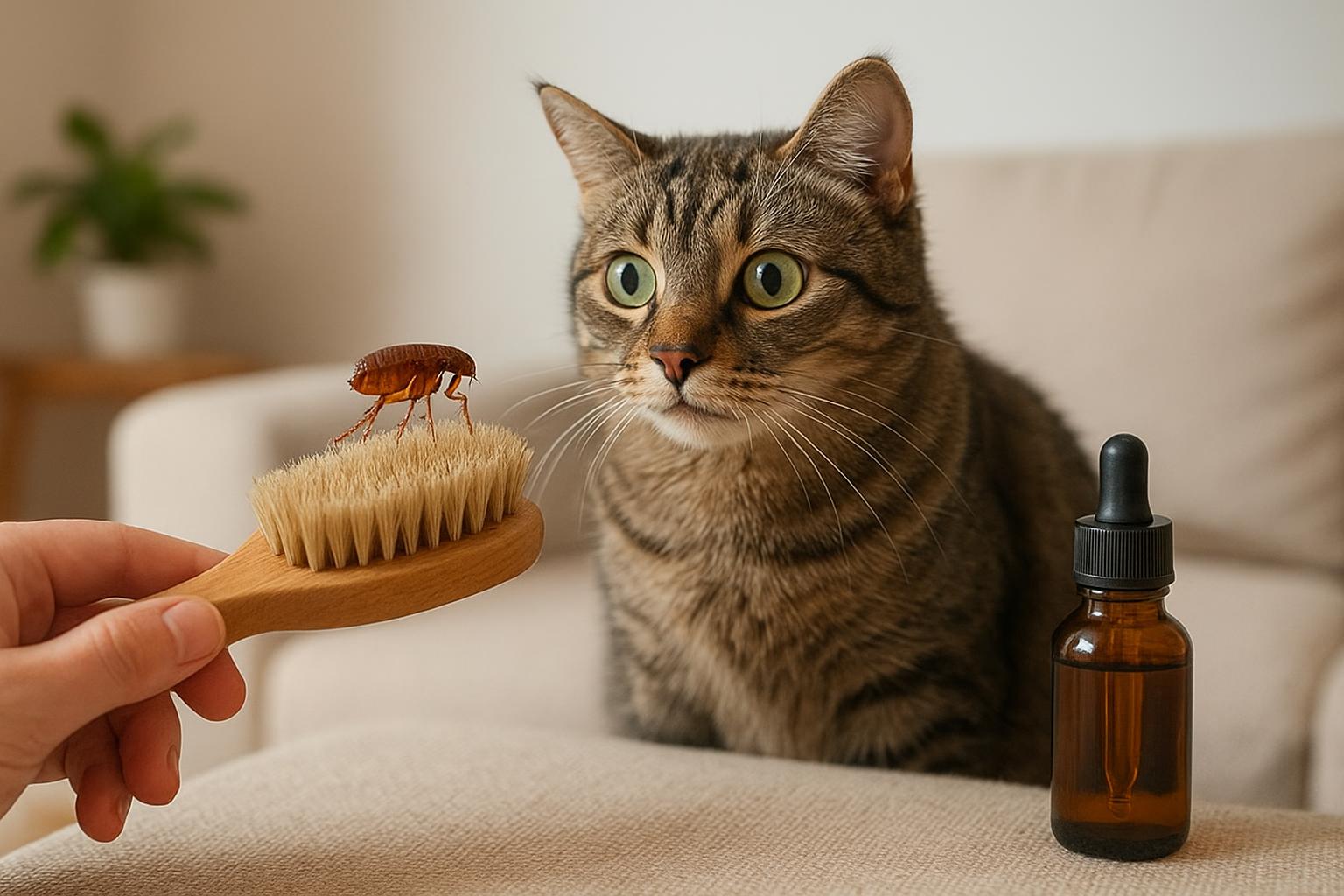
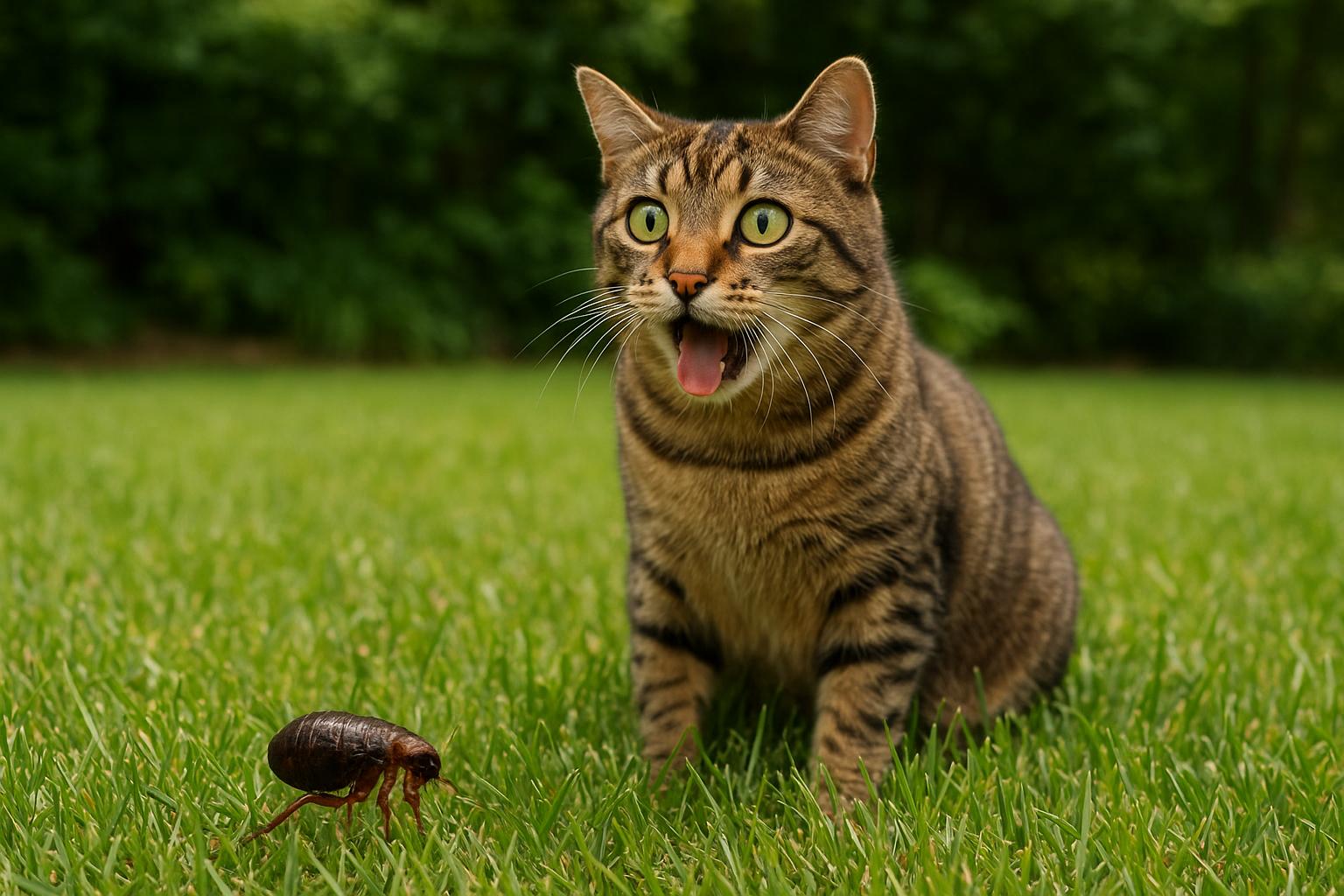
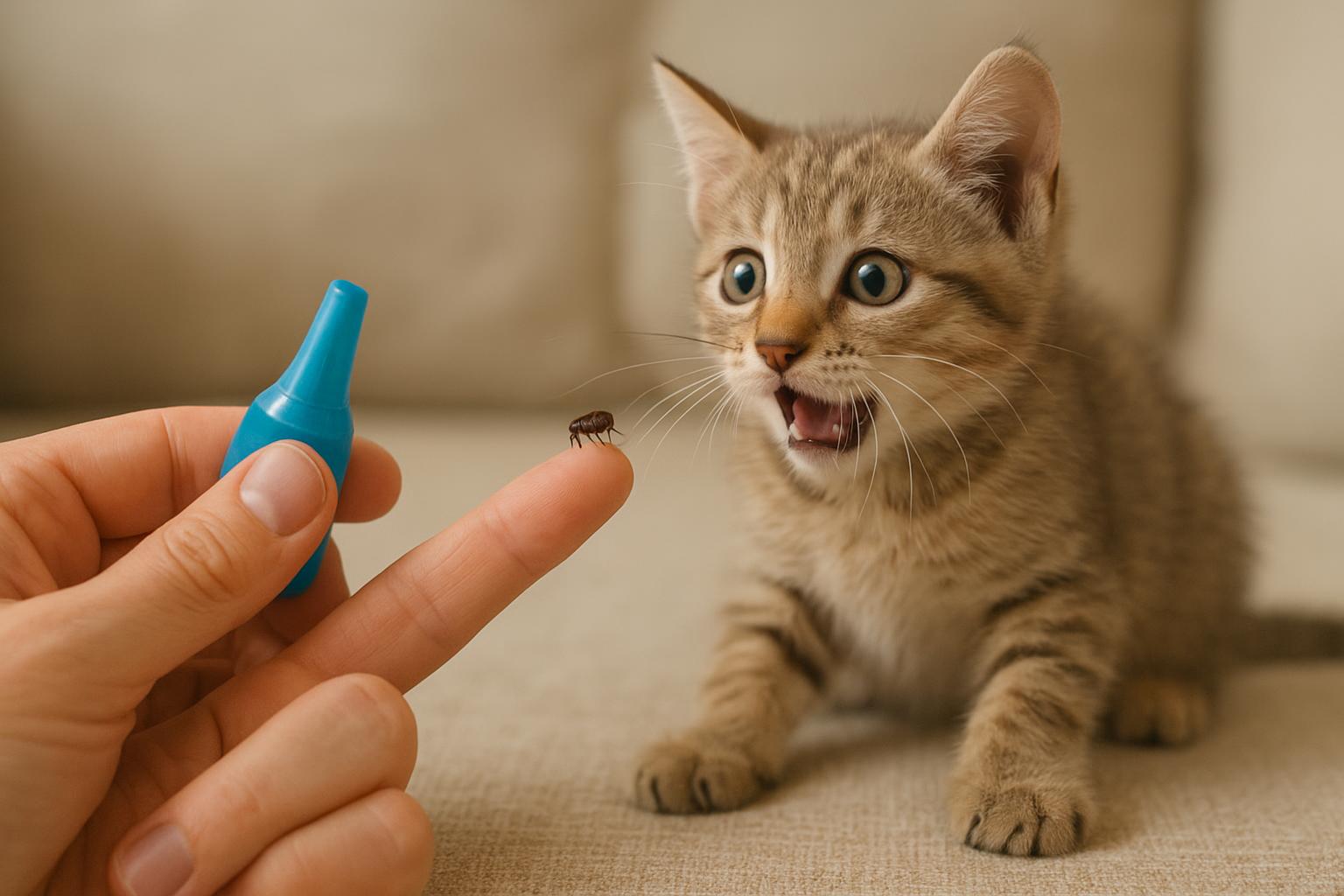
Fleas don’t jump from nowhere. Adult fleas live on mammals and birds, feeding and laying eggs. Eggs drop into the environment, develop into larvae that favor dark, humid spots with organic material, then pupate and emerge as adults waiting for a host. Interrupting any stage reduces overall pressure.
#### Key Places Fleas Hang Out
– Under leaf litter and brush piles
– In tall grass and thick groundcover
– Beneath bird feeders and around nesting areas
– In animal bedding or dens
### Seasonal Pest-Proofing: What To Do When
Timing is huge. The following seasonal approaches help you plan humane, effective backyard flea prevention.
#### Spring: Clean, Shade, And Start Biological Control
Wake the yard up: rake leaf litter, thin dense groundcover, and move brush piles away from core yard spaces. These actions reduce egg and larval habitat, and are wildlife-friendly. Consider planting native, low-growing groundcovers that dry quickly in sunlight rather than dense, moisture-retaining mats.
#### Summer: Target Shady Pockets And Monitor Hosting Sites
Warm months are high flea season. Trim vegetation to increase airflow and sunlight. Check under decks, in compost piles, and near birdhouses. Use focused treatments rather than broad sprays to avoid harming beneficial insects.
#### Fall: Reduce Winter Refuges
As animals seek shelter, tidy potential denning spots close to homes. Seal gaps under porches where mice or raccoons might settle. Continue biological control applications so pupae emerging in late fall encounter fewer hosts.
#### Winter: Monitor And Prepare For Spring
Cold temperatures kill many fleas, but sheltered microclimates can preserve populations. Keep monitoring wildlife pathways and maintain yard hygiene so spring doesn’t start with a built-in flea problem.
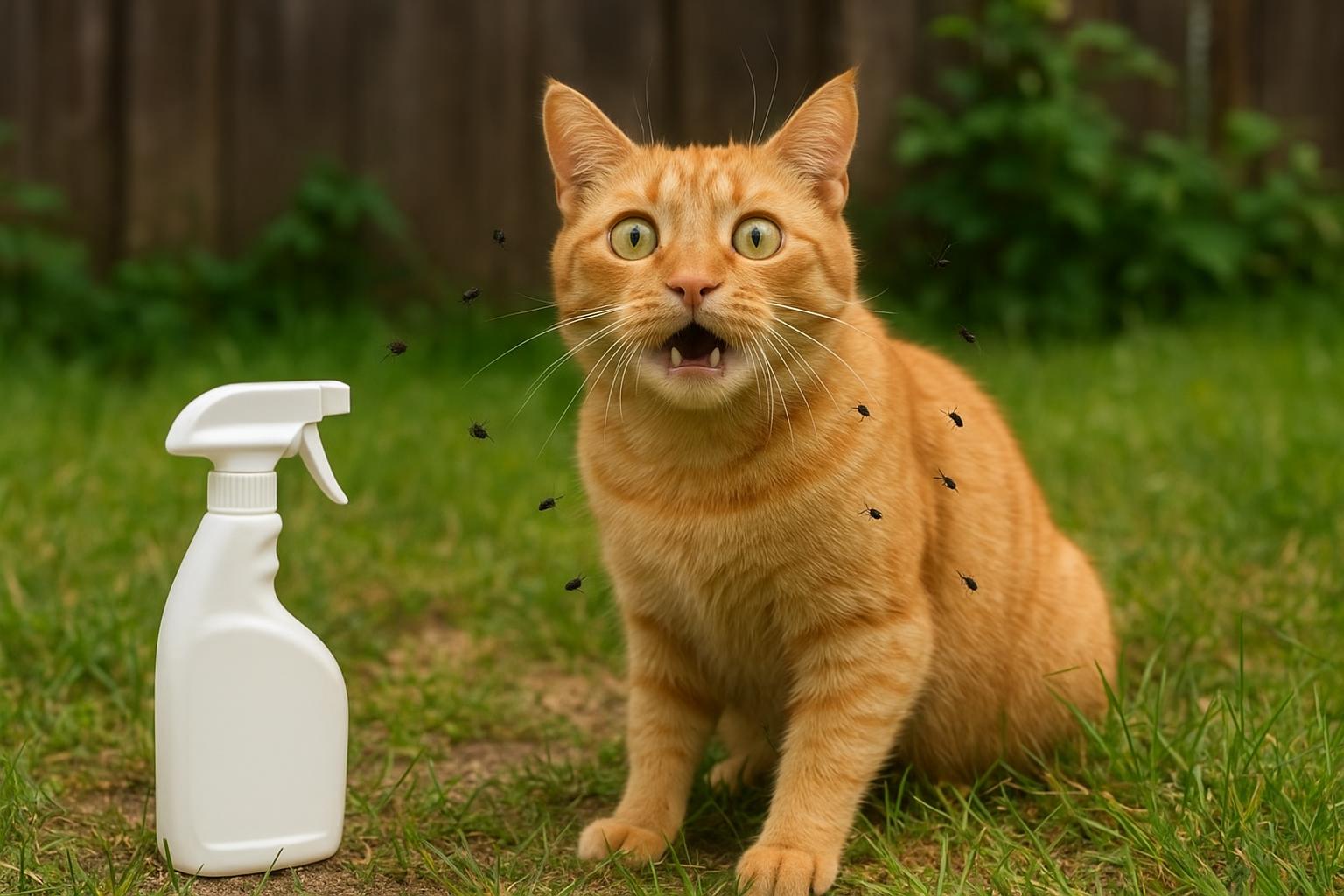
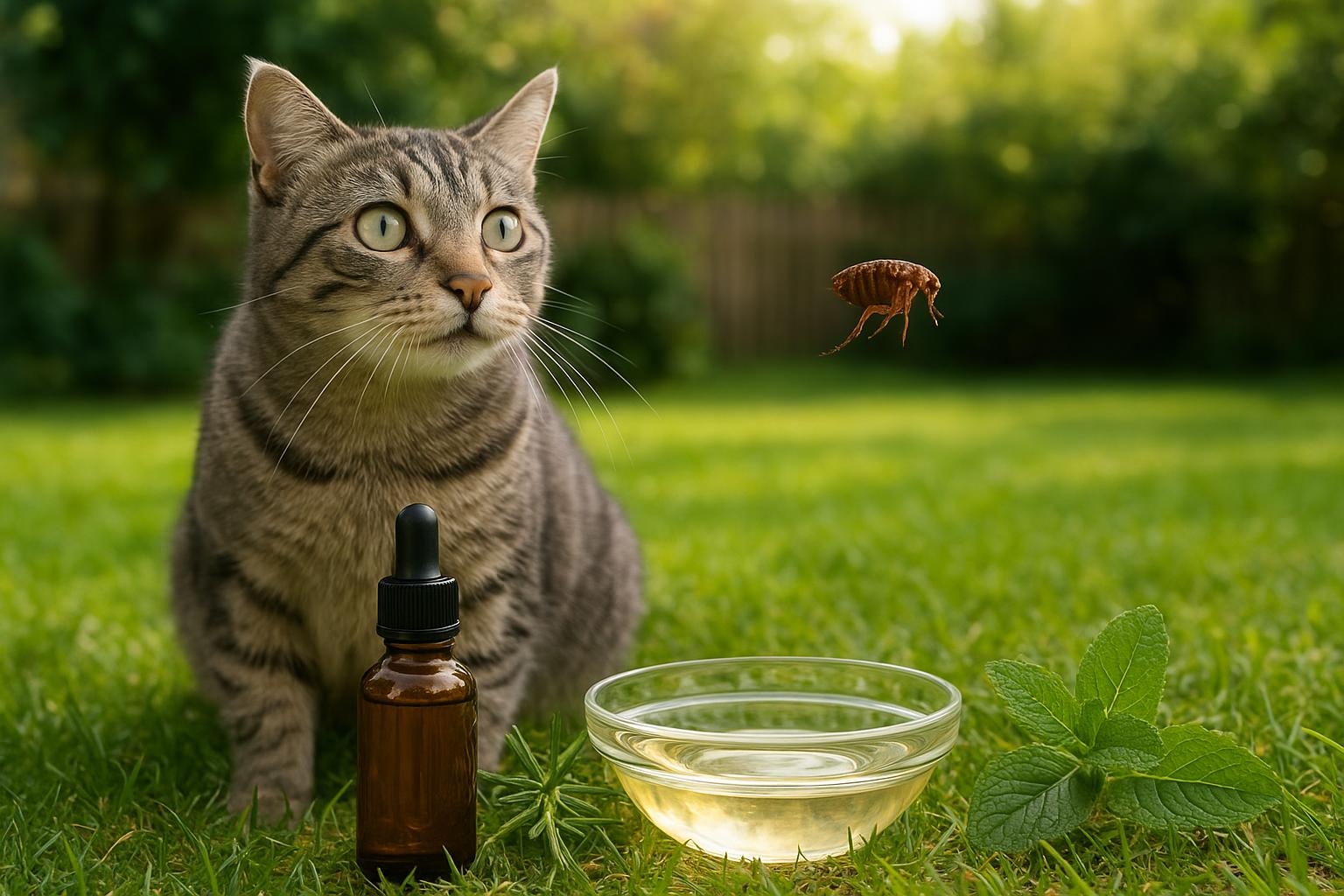
### 1. Natural Yard Spray (Wildlife-Safe Remedy)
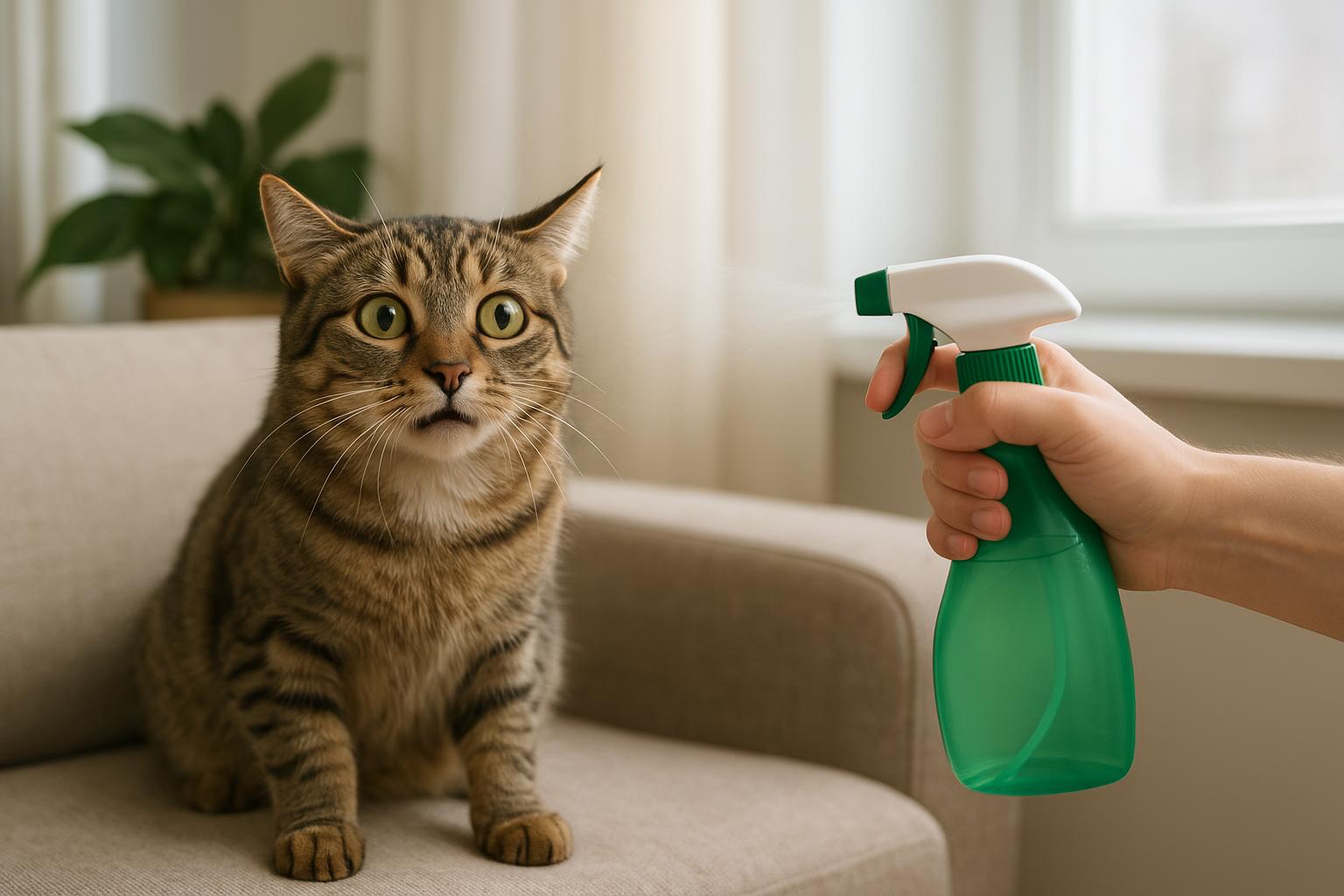
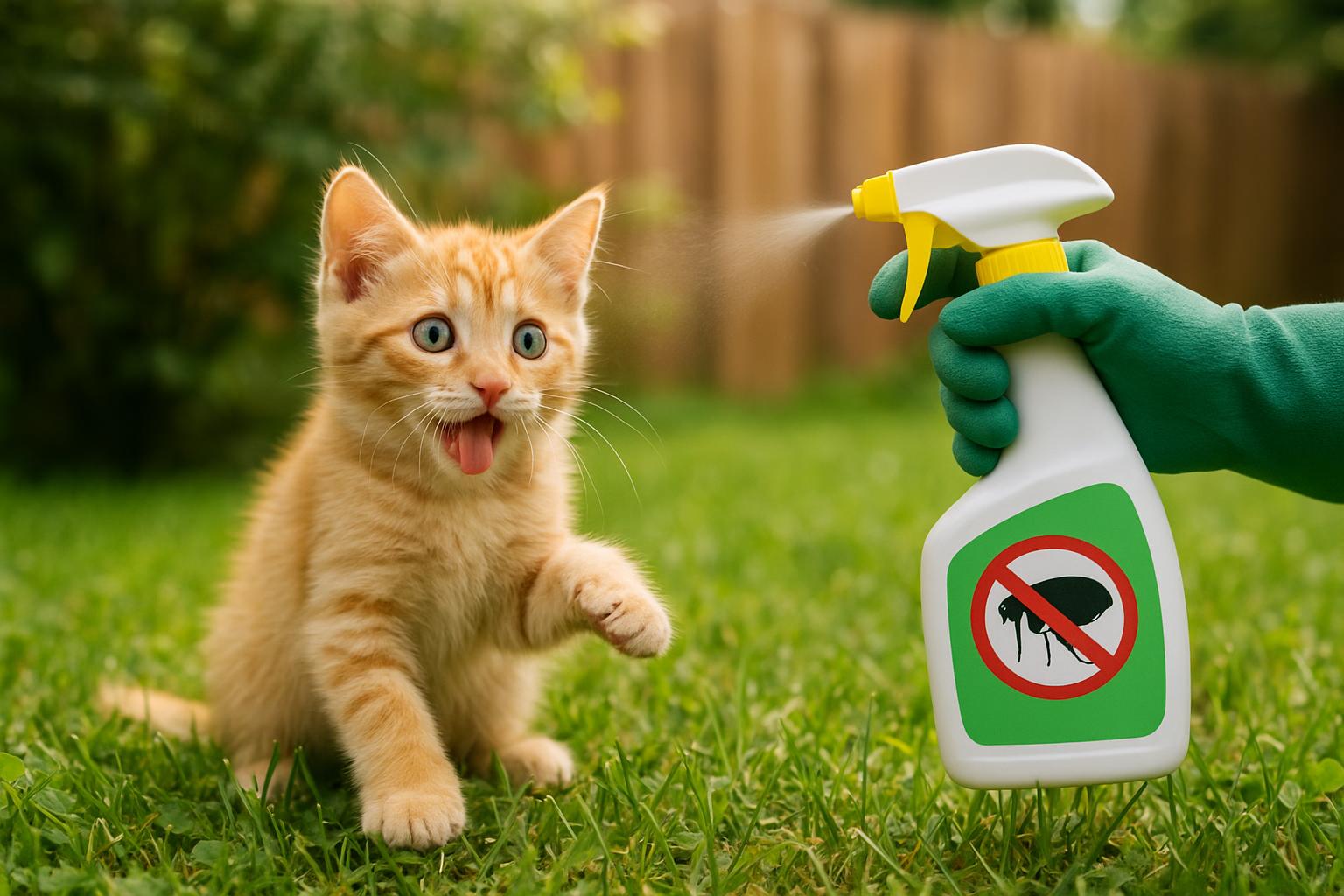
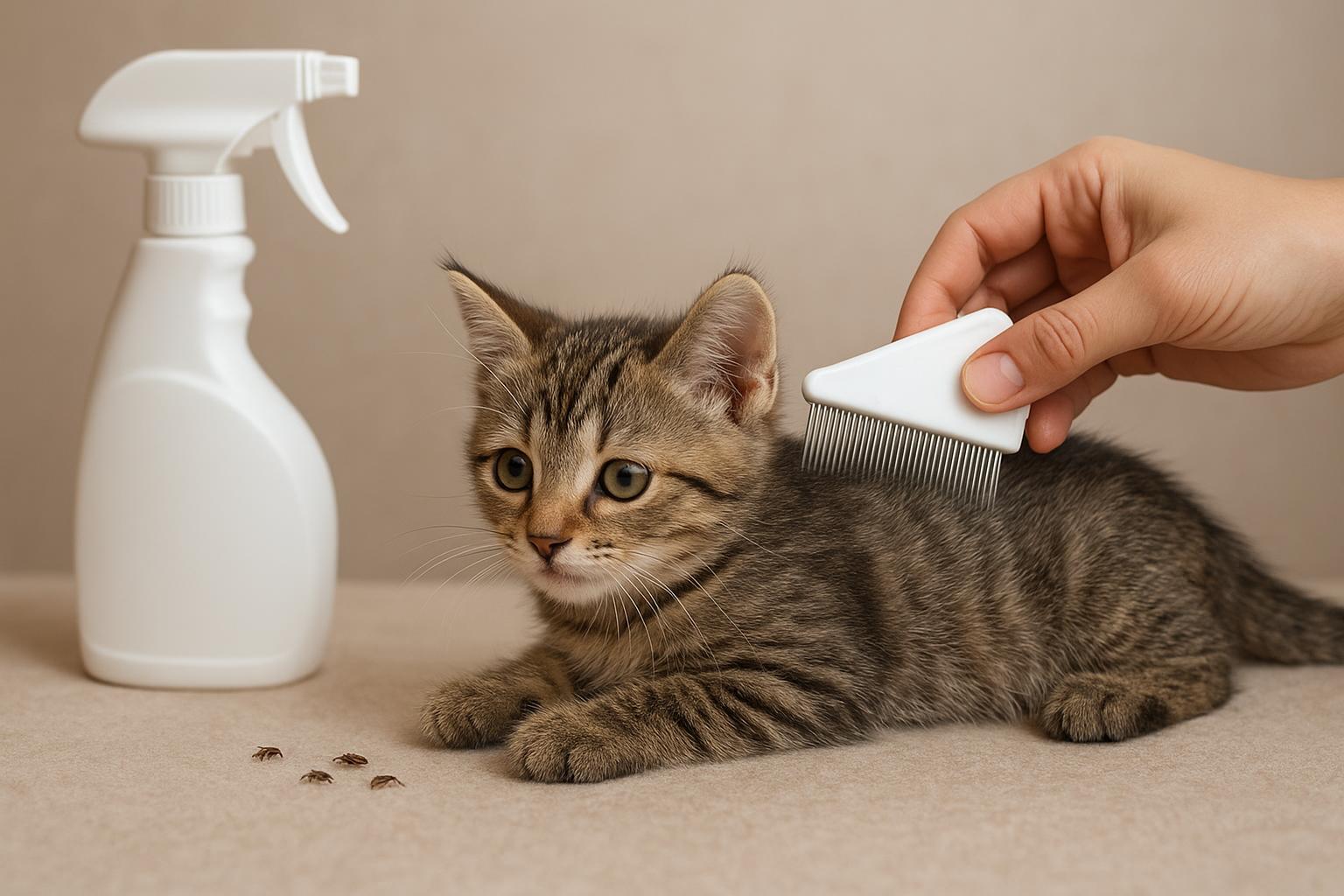
When used correctly, a targeted natural spray can lower flea egg and larval survival without hurting wildlife. This remedy is for outdoor areas where you do not expect intensive wildlife contact (near foundations, pet play zones, under eaves). Be formal and precise when mixing and applying.
Ingredients/Materials:
– 1 quart (1 L) water
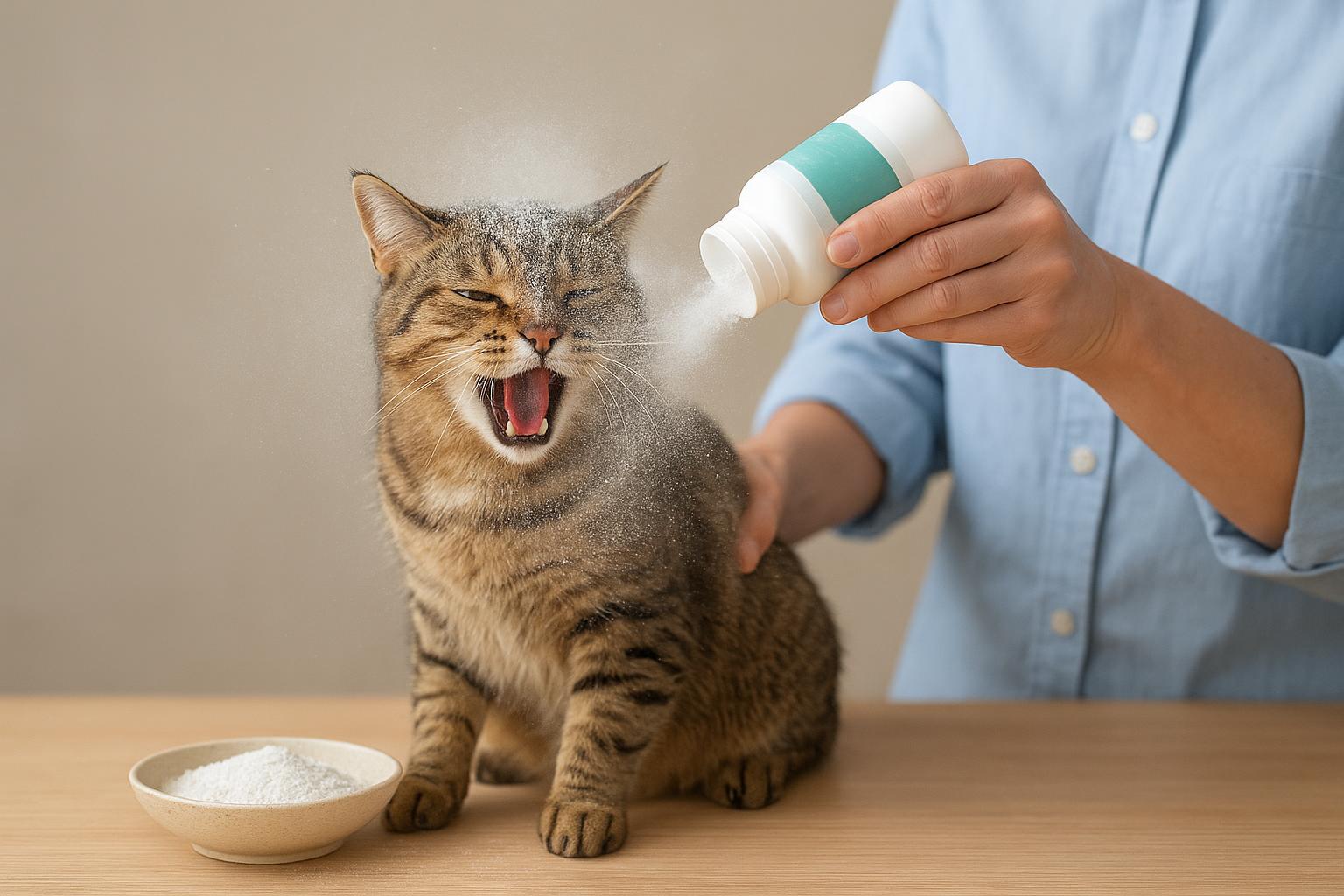
– 2 tablespoons food-grade diatomaceous earth (DE), food-grade only
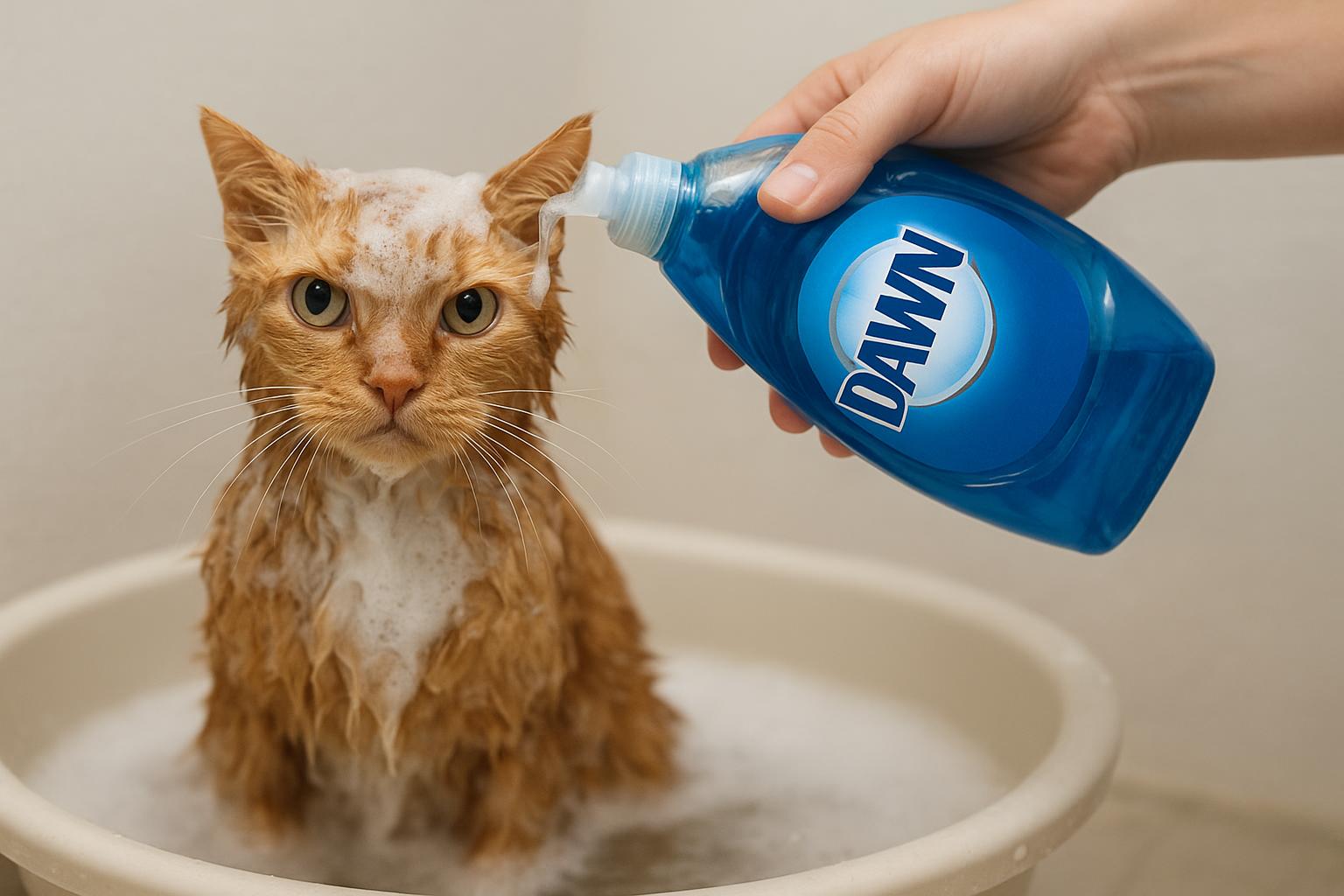
– 2 tablespoons mild dish soap (acts as a surfactant)
– 10 drops rosemary essential oil (optional; repels some pests)
– Spray bottle or pump sprayer
– Gloves and mask (for handling DE)
Step-By-Step Creation And Application:
1. Put on gloves and a mask to avoid inhaling diatomaceous earth dust.
2. Combine water and dish soap in the spray bottle. Shake gently to mix.
3. Slowly add DE while stirring to suspend particles; finish with rosemary oil if using.
4. Shake before each application to keep DE suspended.
5. Apply late in the day to damp areas where fleas and larvae congregate: under porches, along foundation edges, and in shaded spots away from active wildlife pathways.
6. Reapply after heavy rain or every 7–10 days during peak flea season. Avoid spraying directly on plants that feed pollinators or directly into water features.
7. Store leftover solution in a sealed container for up to one week; DO NOT allow animals or children access to stored DE.
Notes: Food-grade DE kills soft-bodied larvae by abrasion and dehydration. It is best used dry in many cases, but suspending small amounts in spray helps reach crevices. Use sparingly; overuse can create dust that might irritate wildlife.
### 2. Beneficial Nematodes And Habitat Modification (Remedy)
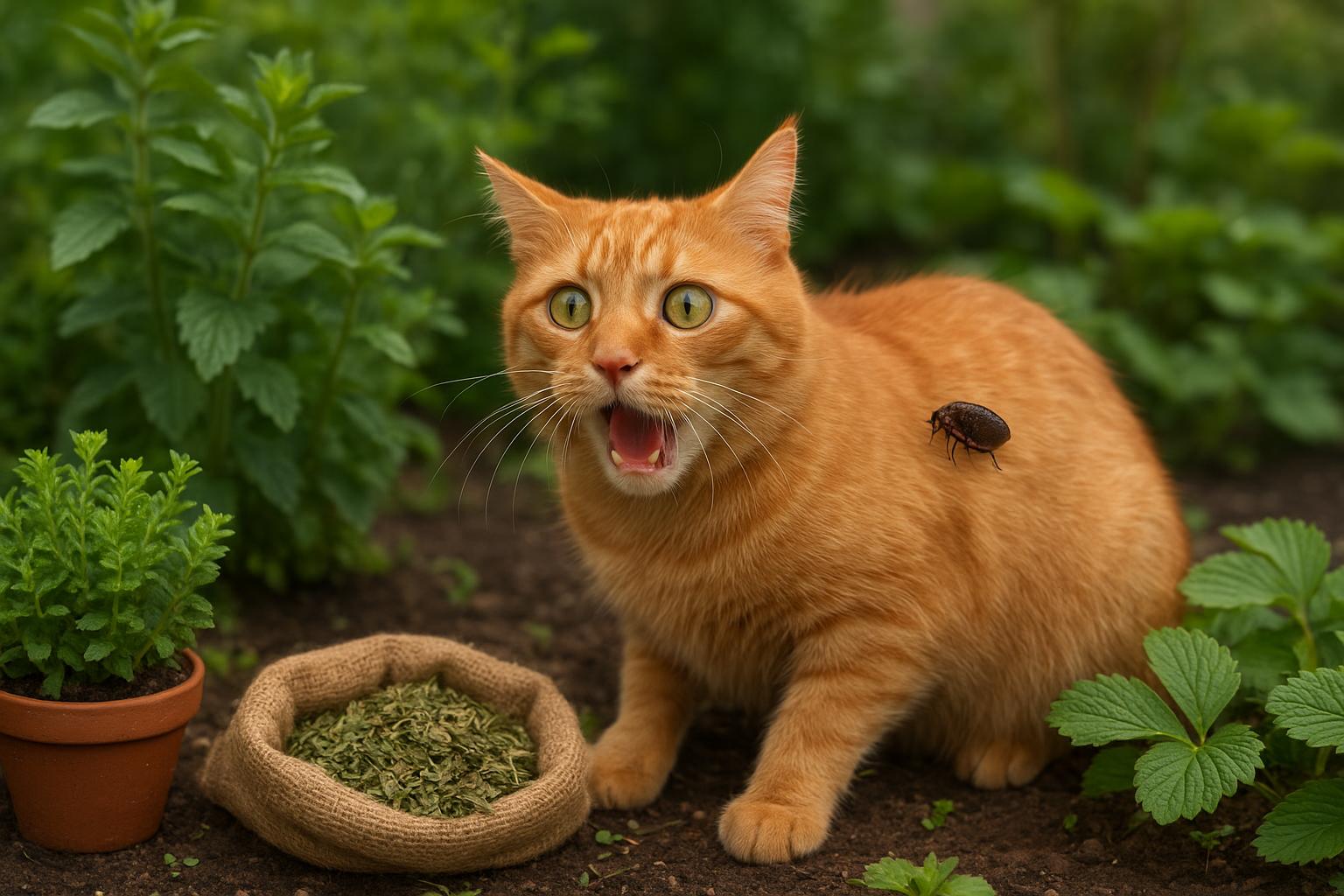
Beneficial nematodes are microscopic roundworms that prey on flea larvae and pupae in the soil. This is excellent for wider yard areas, especially where you want to avoid chemicals entirely.
Materials:
– Pack of beneficial nematodes (Steinernema carpocapsae or Heterorhabditis bacteriophora)
– Watering can or hose-end sprayer
– Soil thermometer (optional)
– Mulch fork or rake
Step-By-Step Creation And Application:
1. Read the manufacturer’s instructions carefully; nematodes are live organisms and have shelf-life and storage requirements.
2. Apply when soil temperatures are consistently above 50°F (10°C) — typically spring and fall — and avoid midday heat.
3. Moisten target areas first; nematodes survive better in damp soil.
4. Mix the nematode product into the recommended volume of water. Use the product promptly; do not expose to sunlight.
5. Apply evenly over shaded areas, turf margins, and under shrubs where flea larvae hide.
6. Keep treated areas moist for 48–72 hours after application to encourage nematode movement and survival.
7. Repeat as recommended by the supplier, usually every 4–6 weeks during active flea periods.
Notes: Beneficial nematodes are safe for wildlife, pets, and people, but effectiveness depends on correct application and suitable environmental conditions. Combine nematodes with habitat modification — removing debris, opening up dense shade — for best results.
### Pet Protection And Wildlife-Friendly Practices
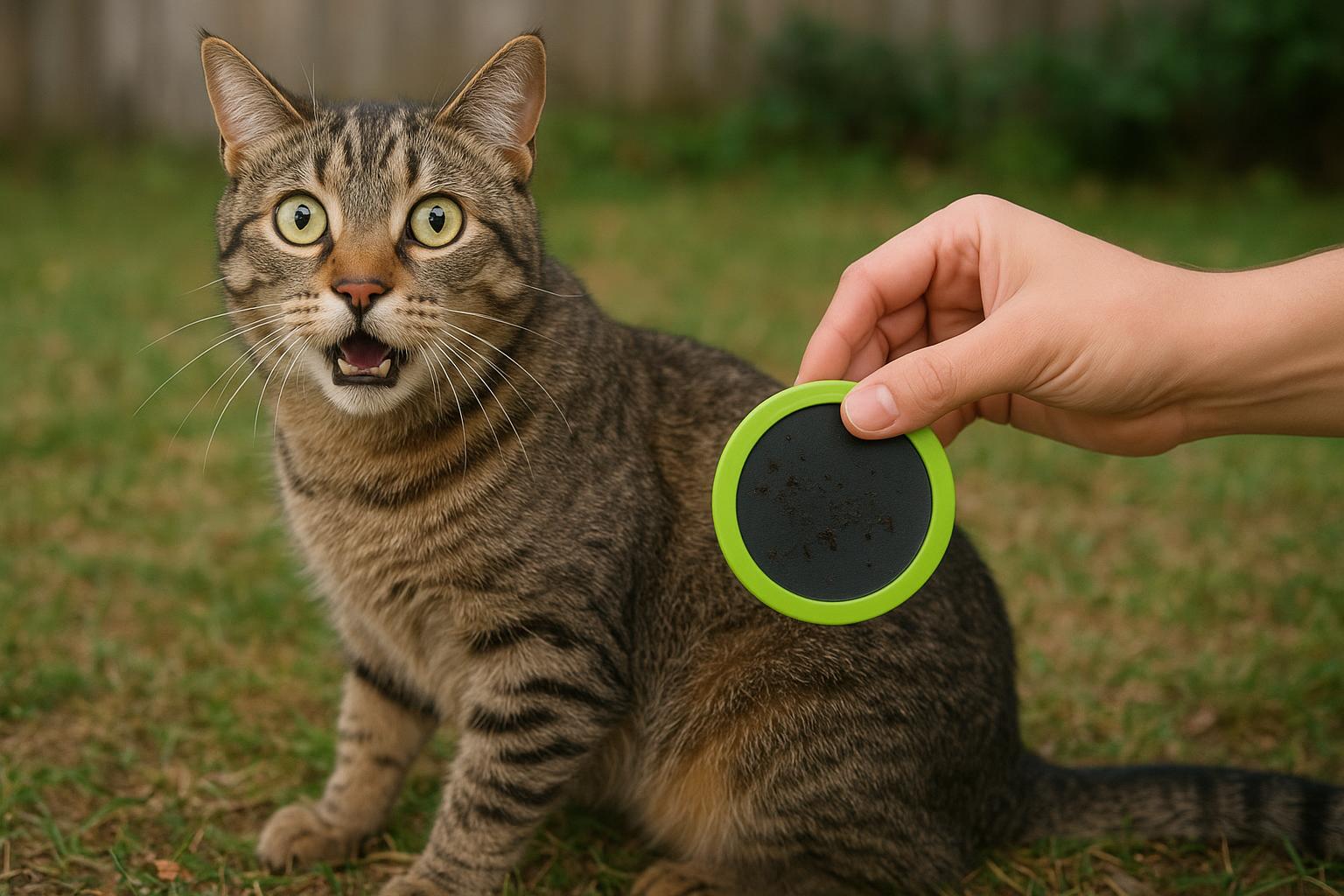
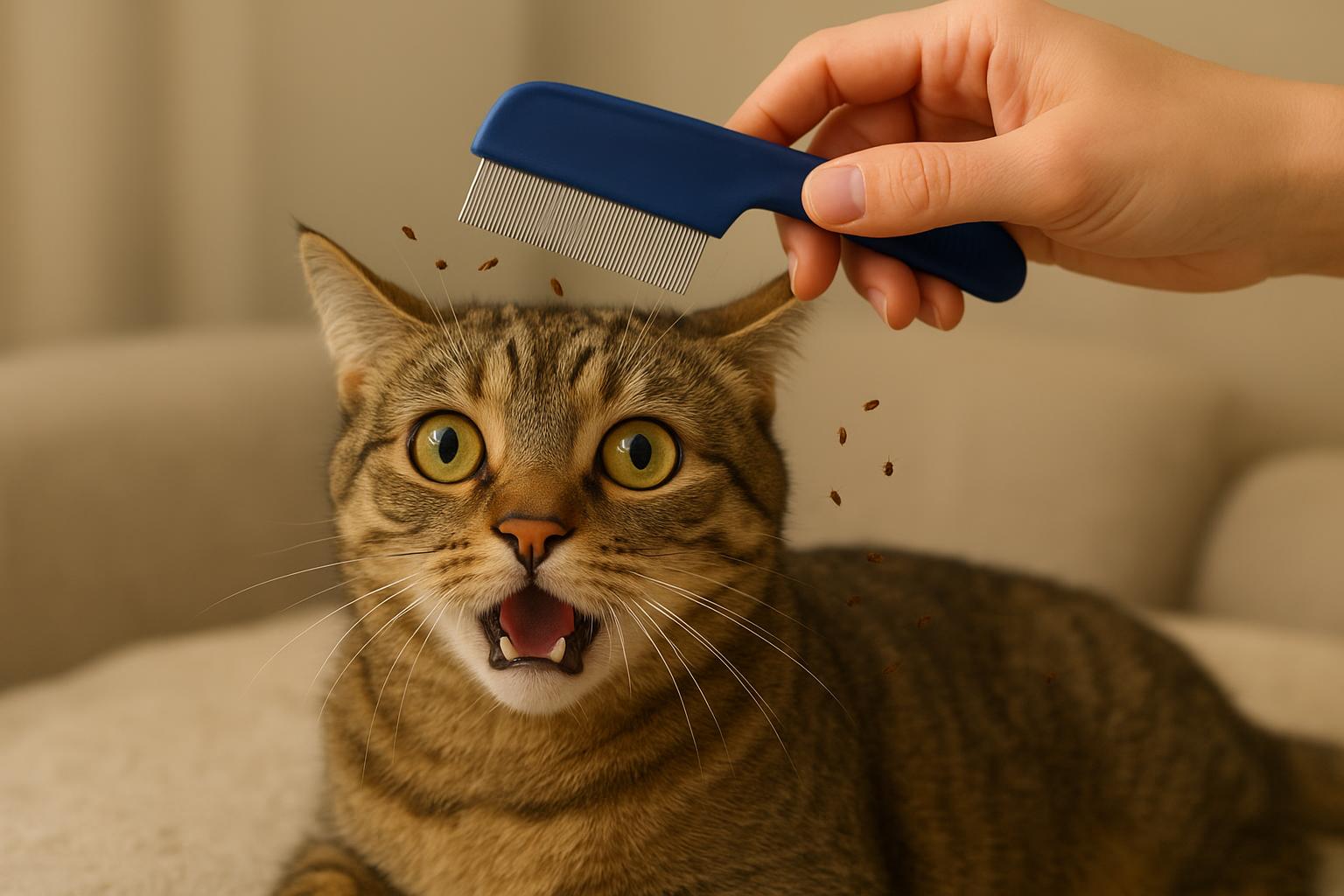
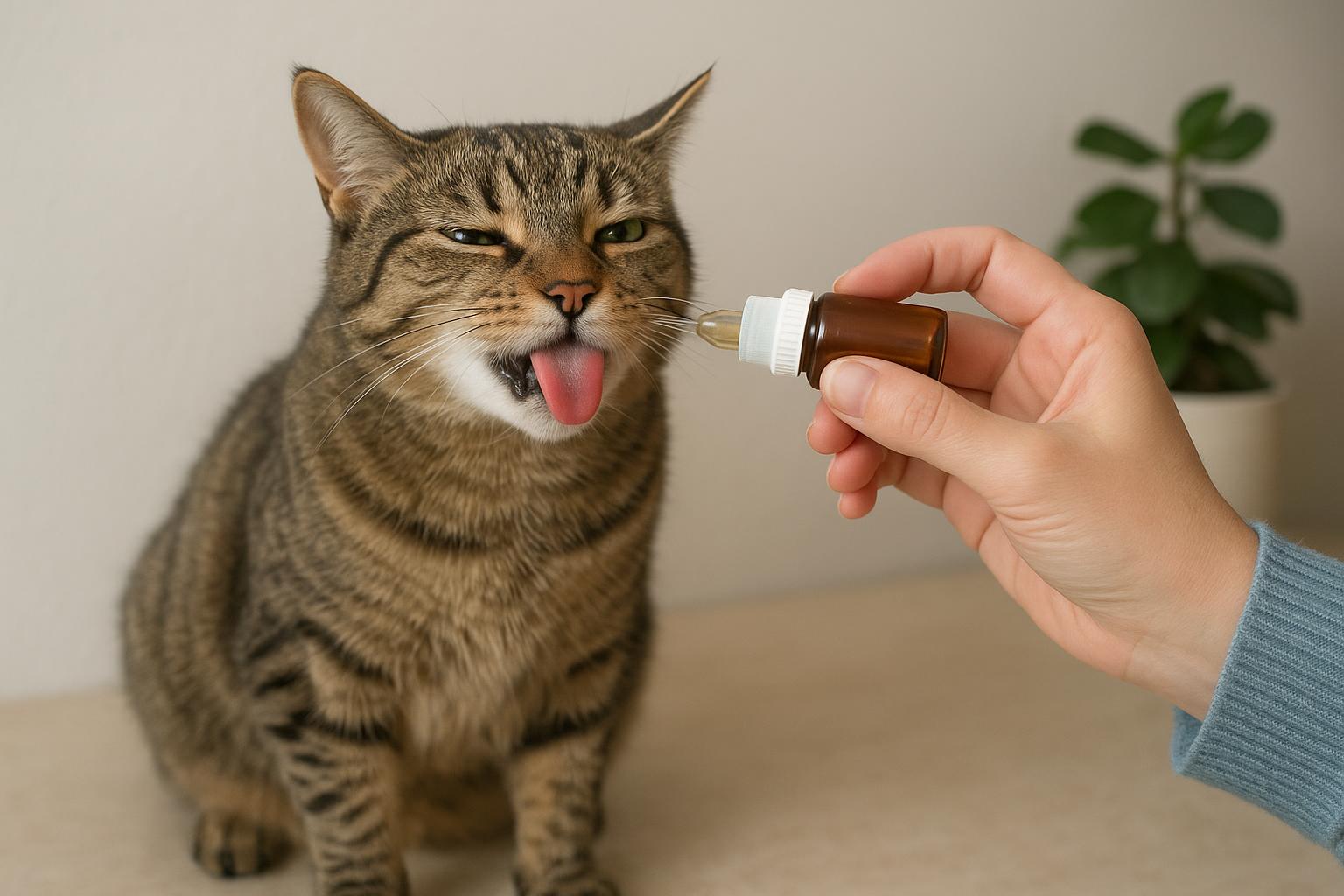
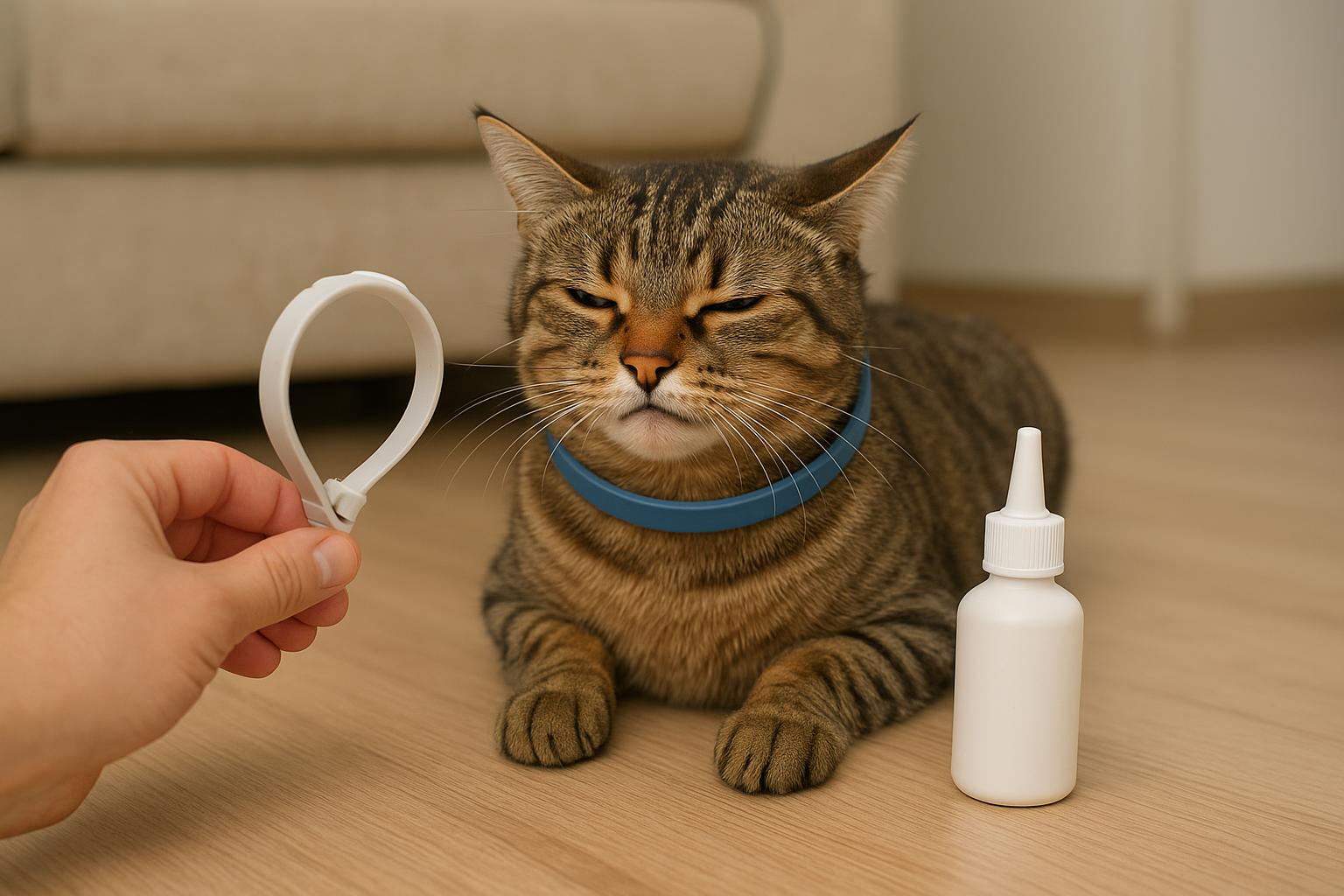
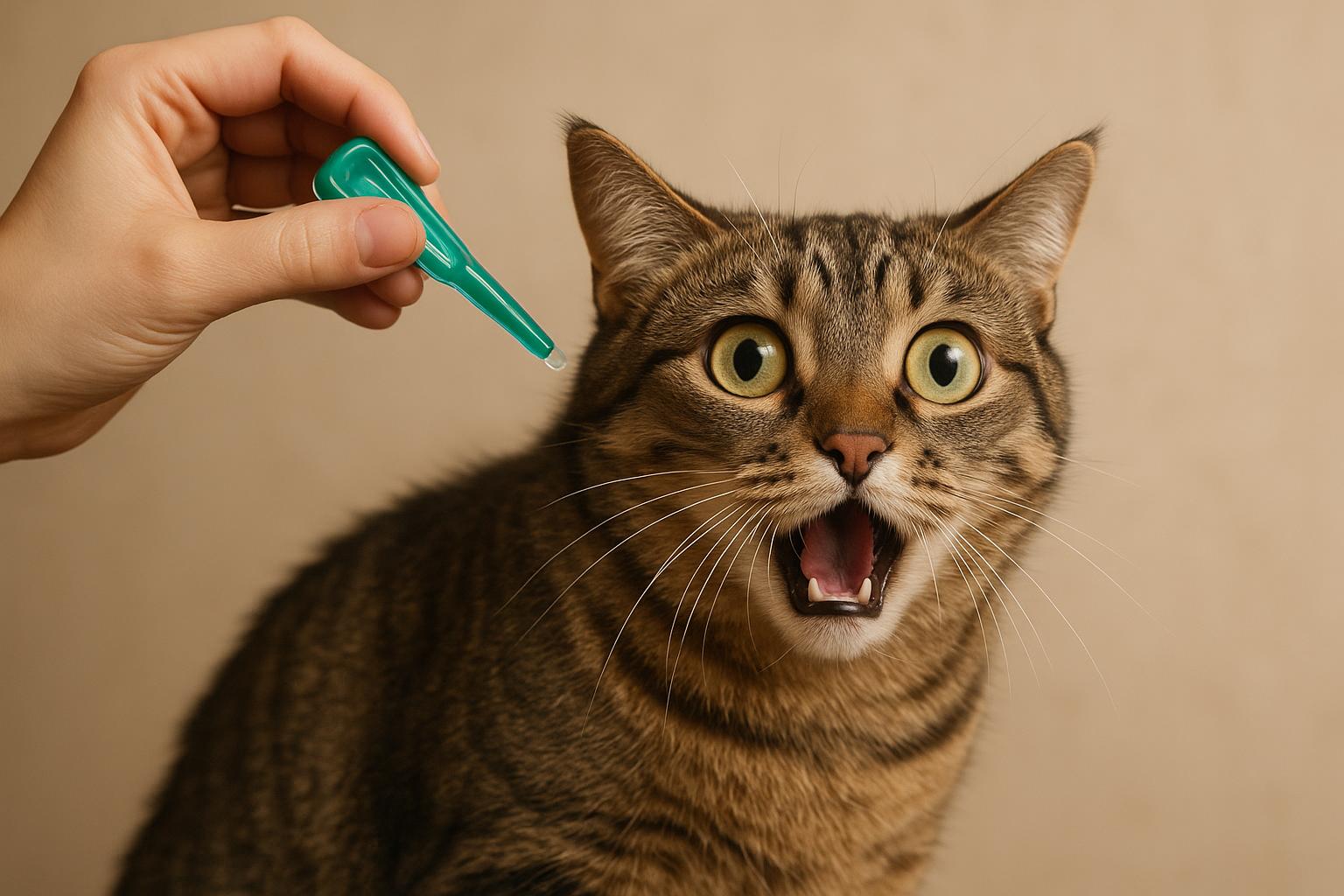
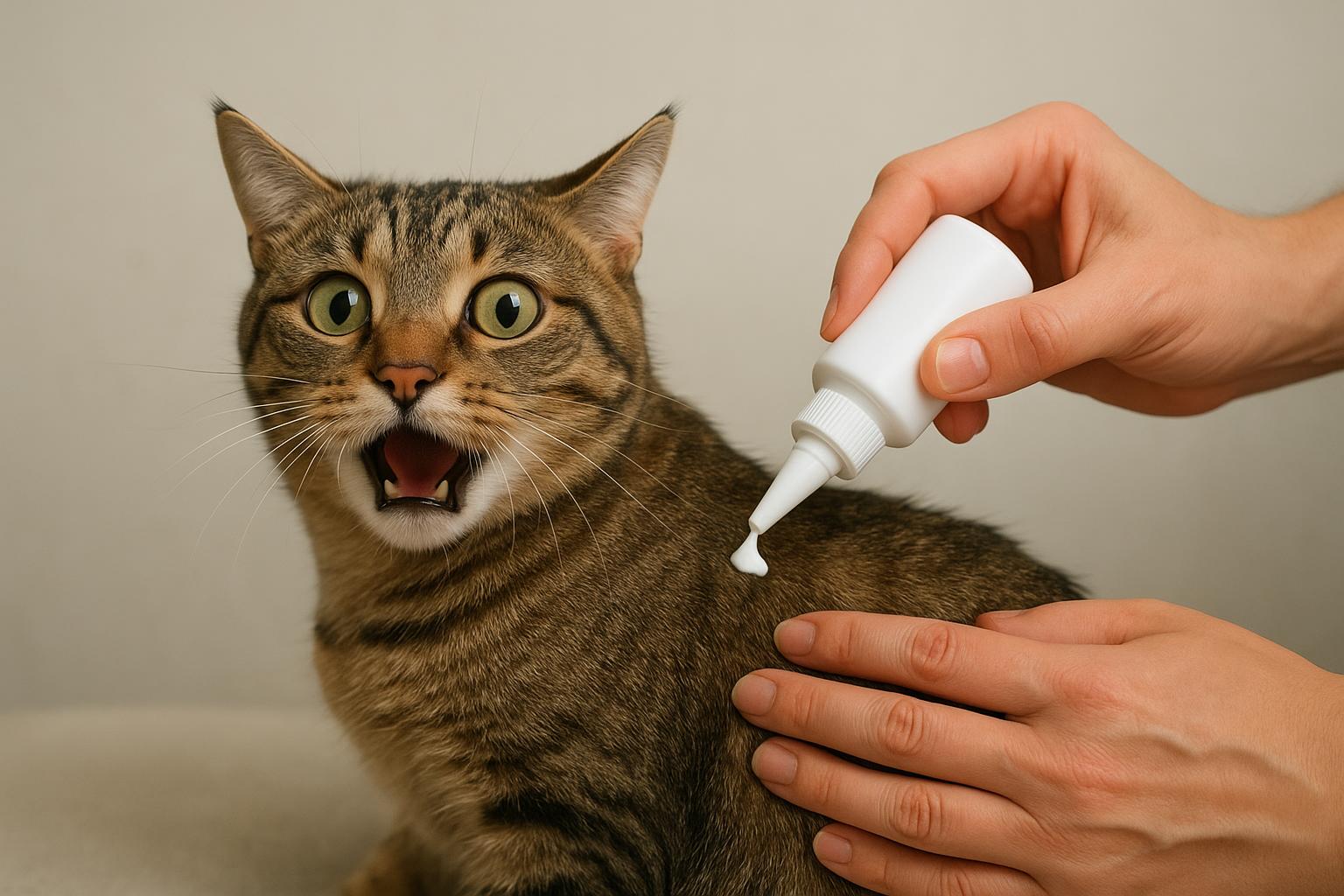
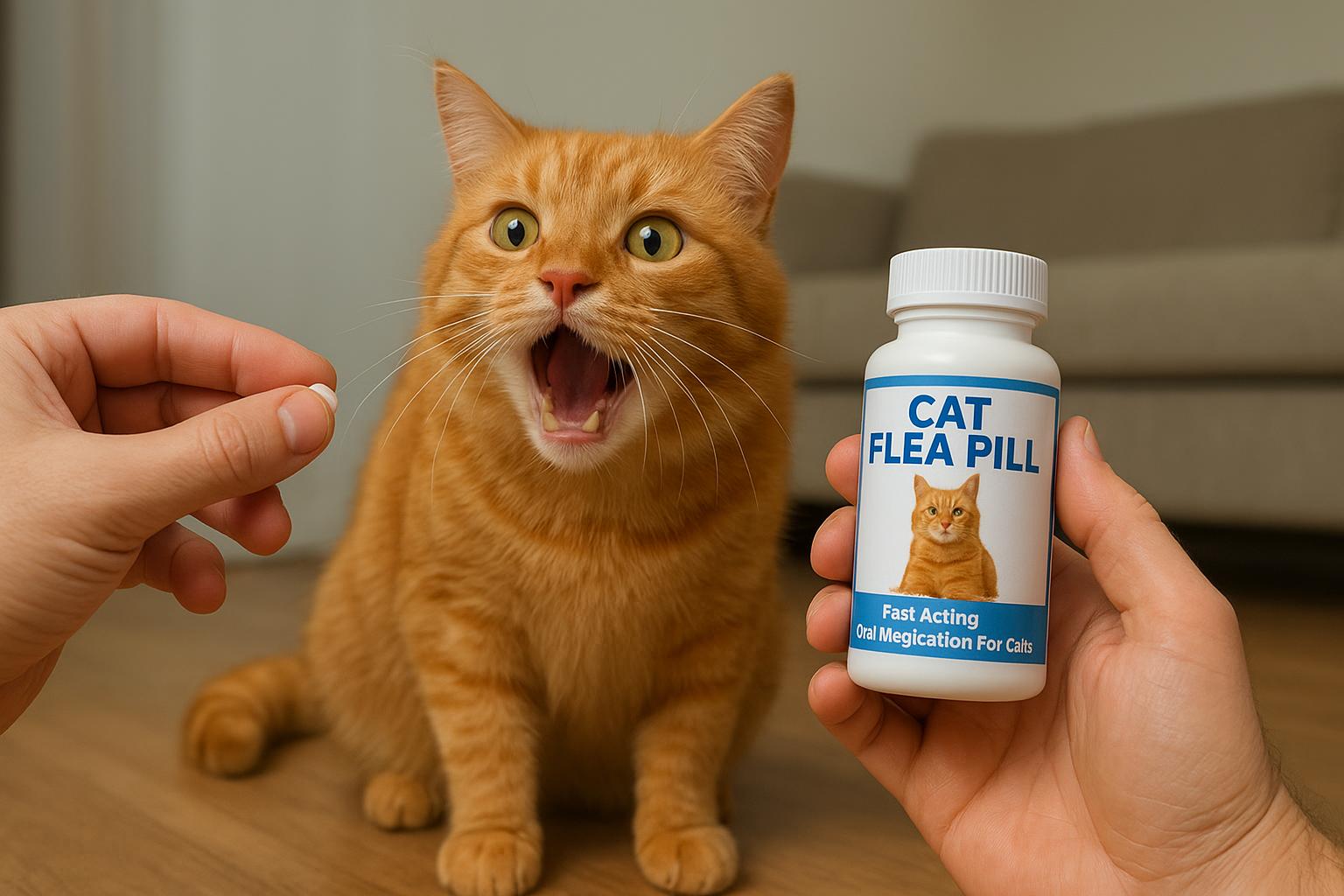
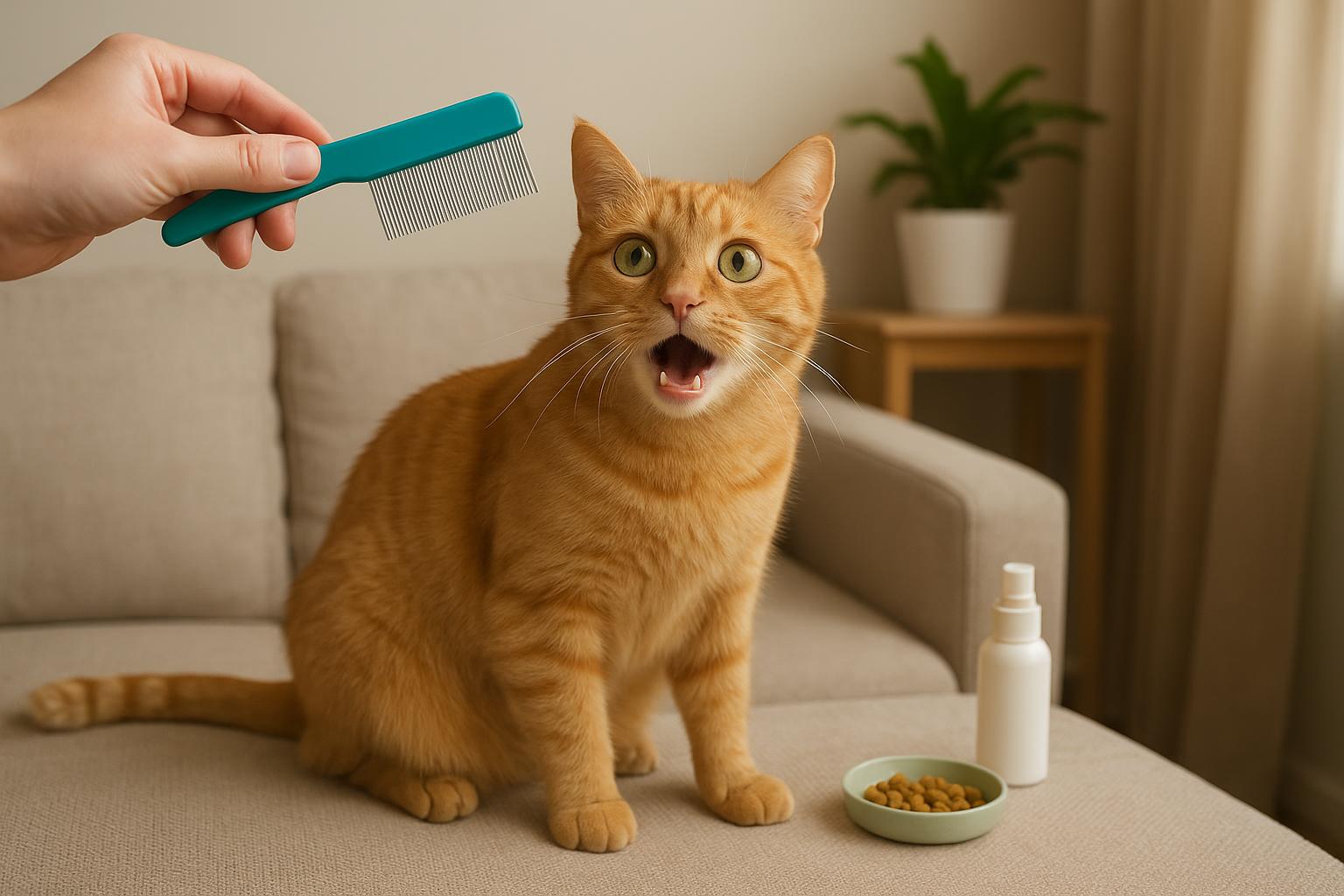
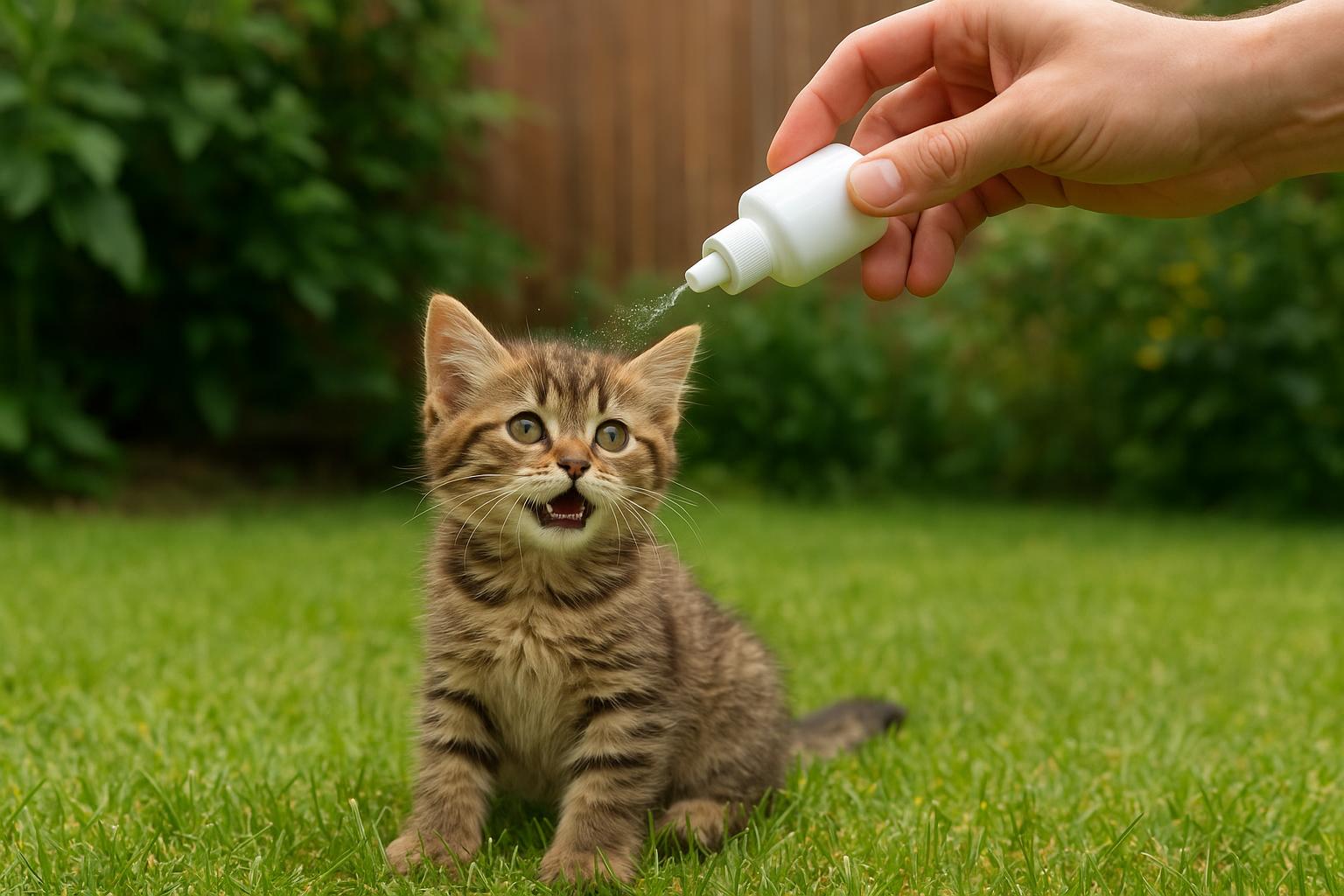
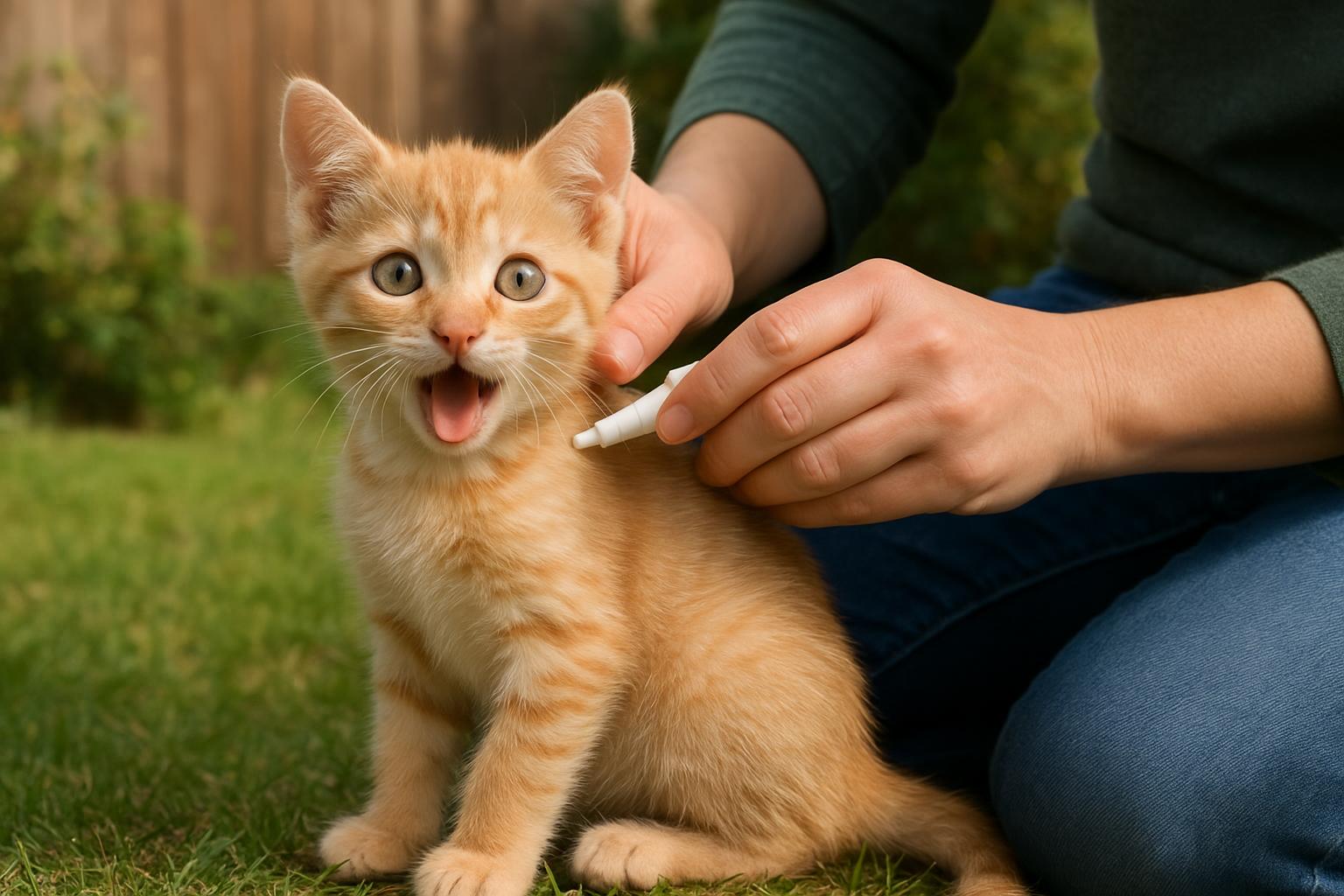
Pets are often the bridge between fleas in the yard and fleas in the home. For backyard flea prevention, protect pets first: use veterinarian-recommended topical or oral preventatives appropriate for wildlife exposure. Keep pet bedding washed, and avoid allowing pets to roll in dense brush where fleas concentrate.
For wildlife, avoid anticoagulant rodenticides and broad-spectrum pesticides. They accumulate in food chains and harm predators like owls and foxes. Instead, create deterrents to concentrated animal activity: move bird feeders away from house foundations, lift compost bins, and install wildlife-friendly fencing to direct animals to less-used areas.
#### Managing Bird Feeders And Pet Food
– Place feeders over gravel or paved substrates easy to clean.
– Do not leave pet food outdoors overnight; it attracts rodents and the predators that follow them.
– Clean up dropped seed regularly to reduce rodent and flea-host environments.
### Monitoring, Traps, And When To Call A Pro
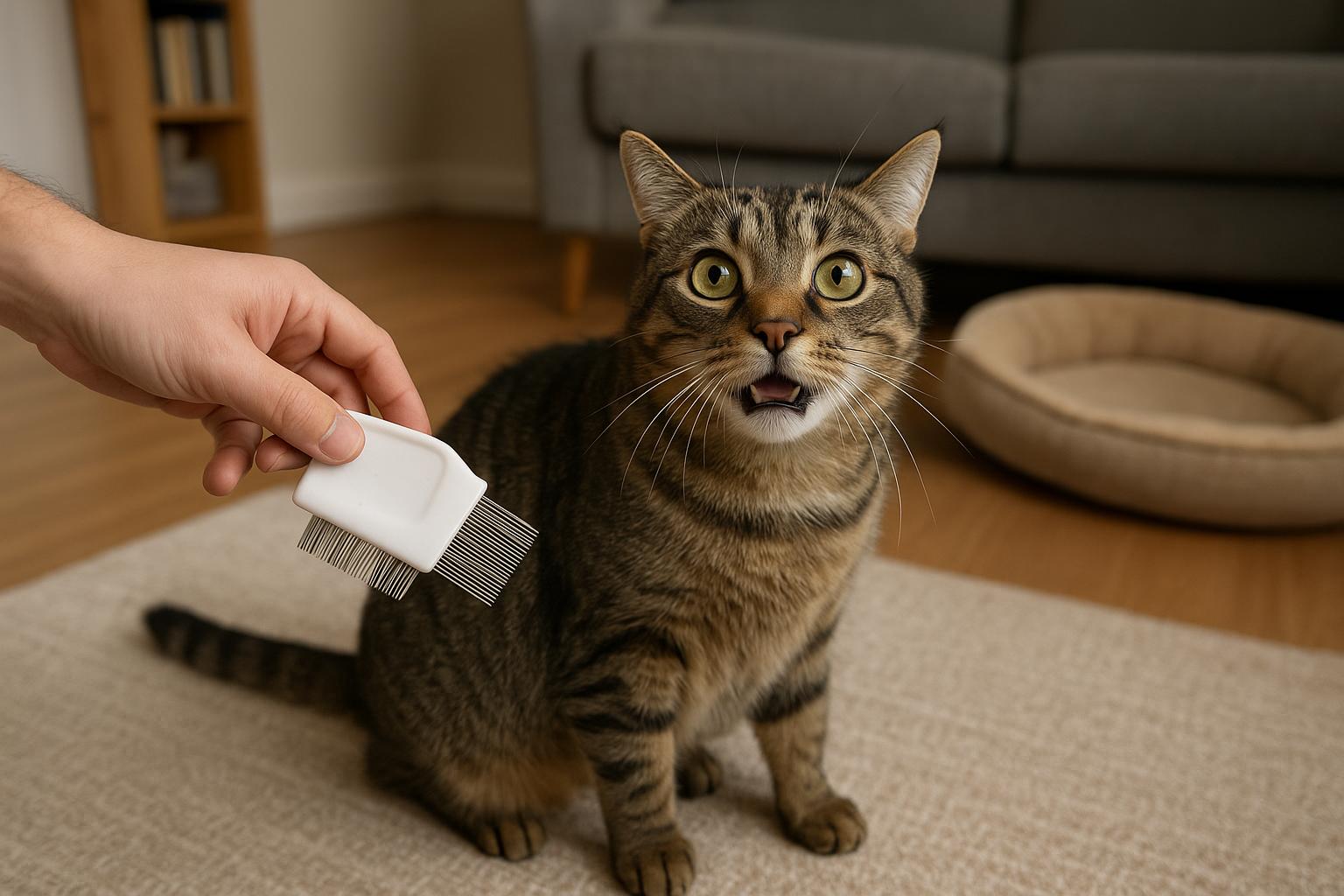
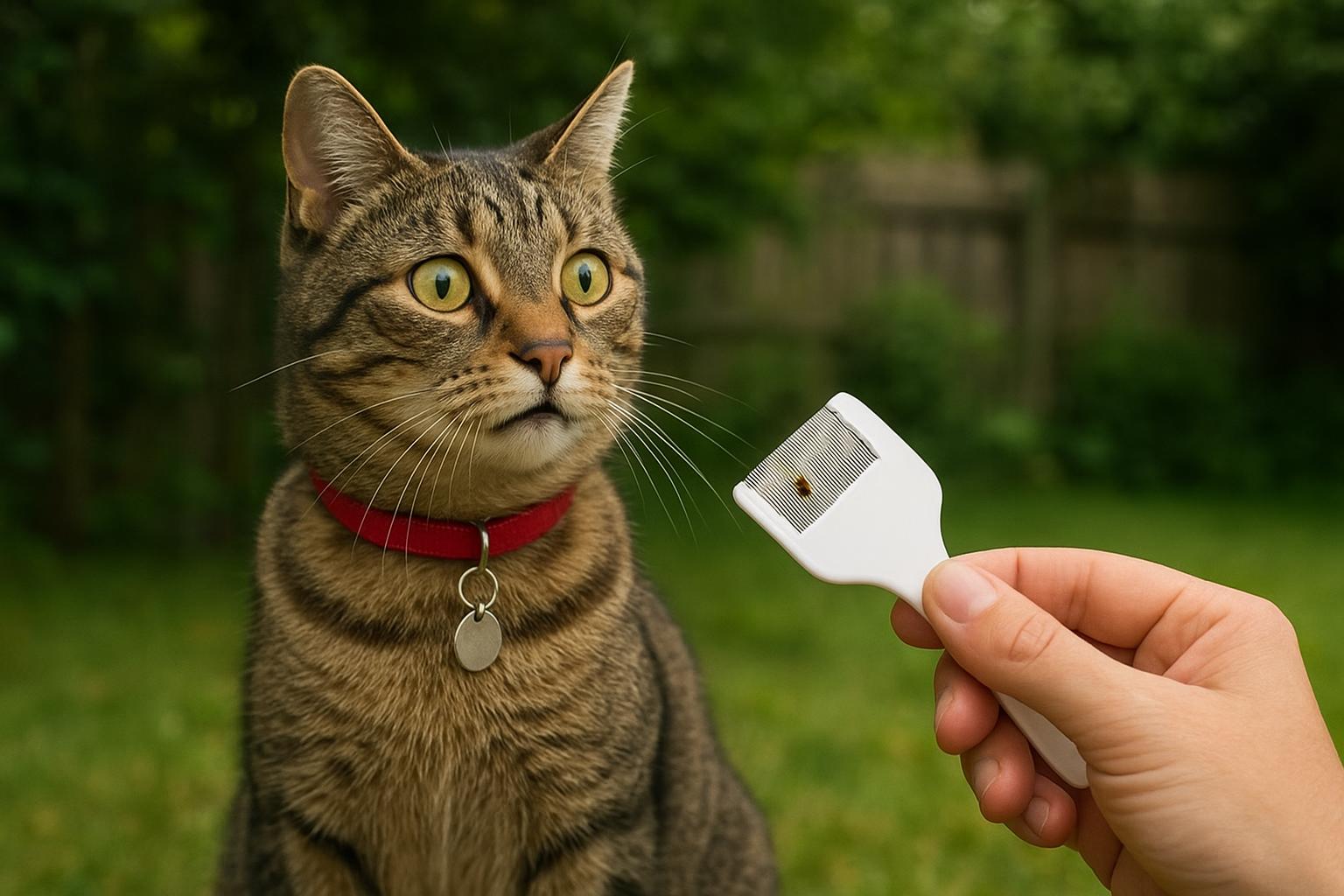
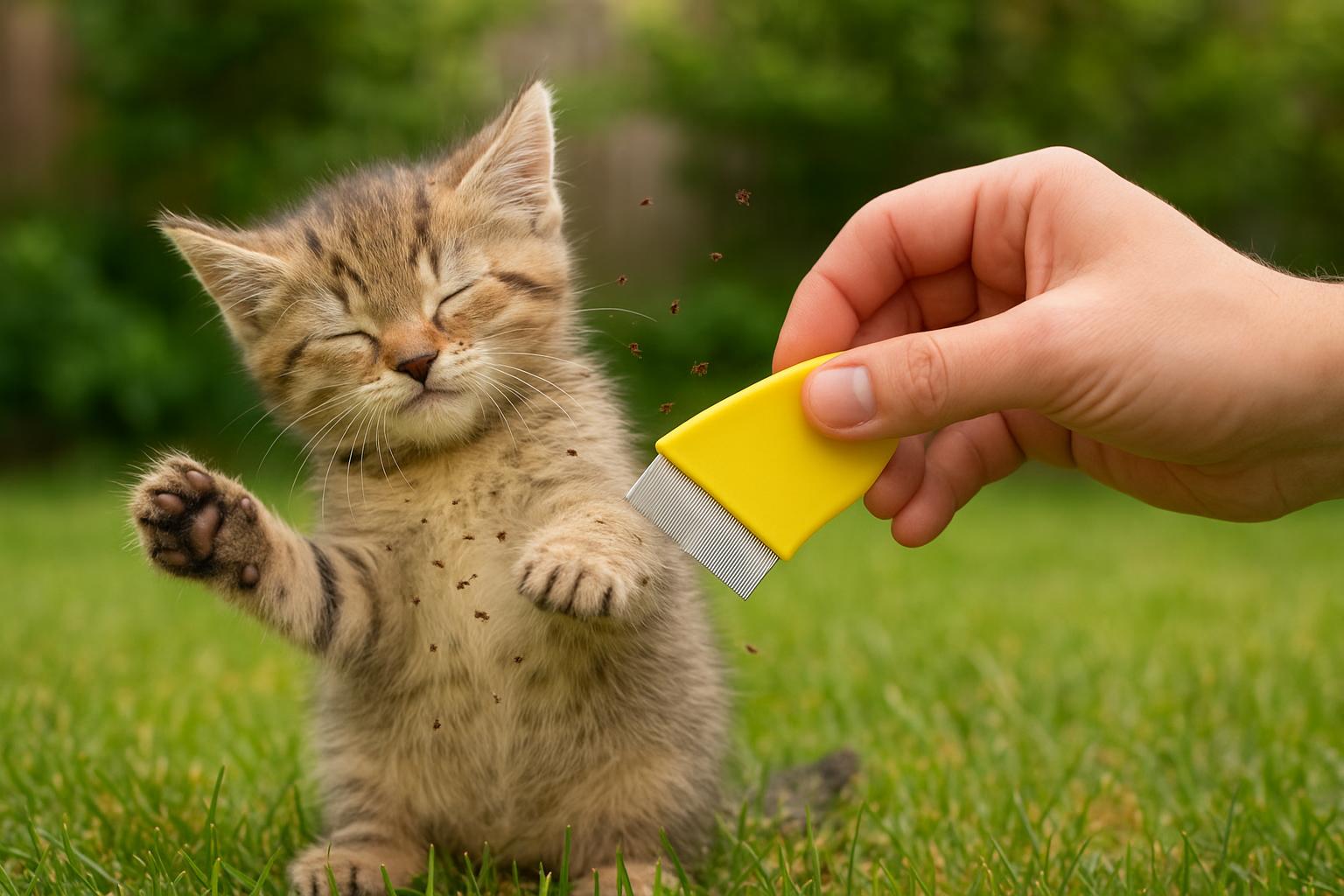
Keep a flea journal: note hotspots, the timing of peaks, and which interventions correlate with improvement. Use light traps or white cloth checks (drag a white cloth through grass and see if fleas jump onto it) to assess activity. If flea levels are high despite humane measures, consult a pest professional who uses integrated pest management (IPM) and can apply targeted treatments that minimize wildlife impact.
### Small Changes That Add Up
The best backyard flea prevention is cumulative: small actions repeated across seasons. Trim vegetation, remove breeding sites, apply targeted, wildlife-safe remedies, protect pets, and use biological controls where appropriate. You’ll maintain a balanced yard where wildlife can visit without bringing an army of fleas to the picnic.
Thank you for caring about the neighborhood critters — and for keeping the fleas where they belong: in fiction and not on your porch.










Leave a Reply