
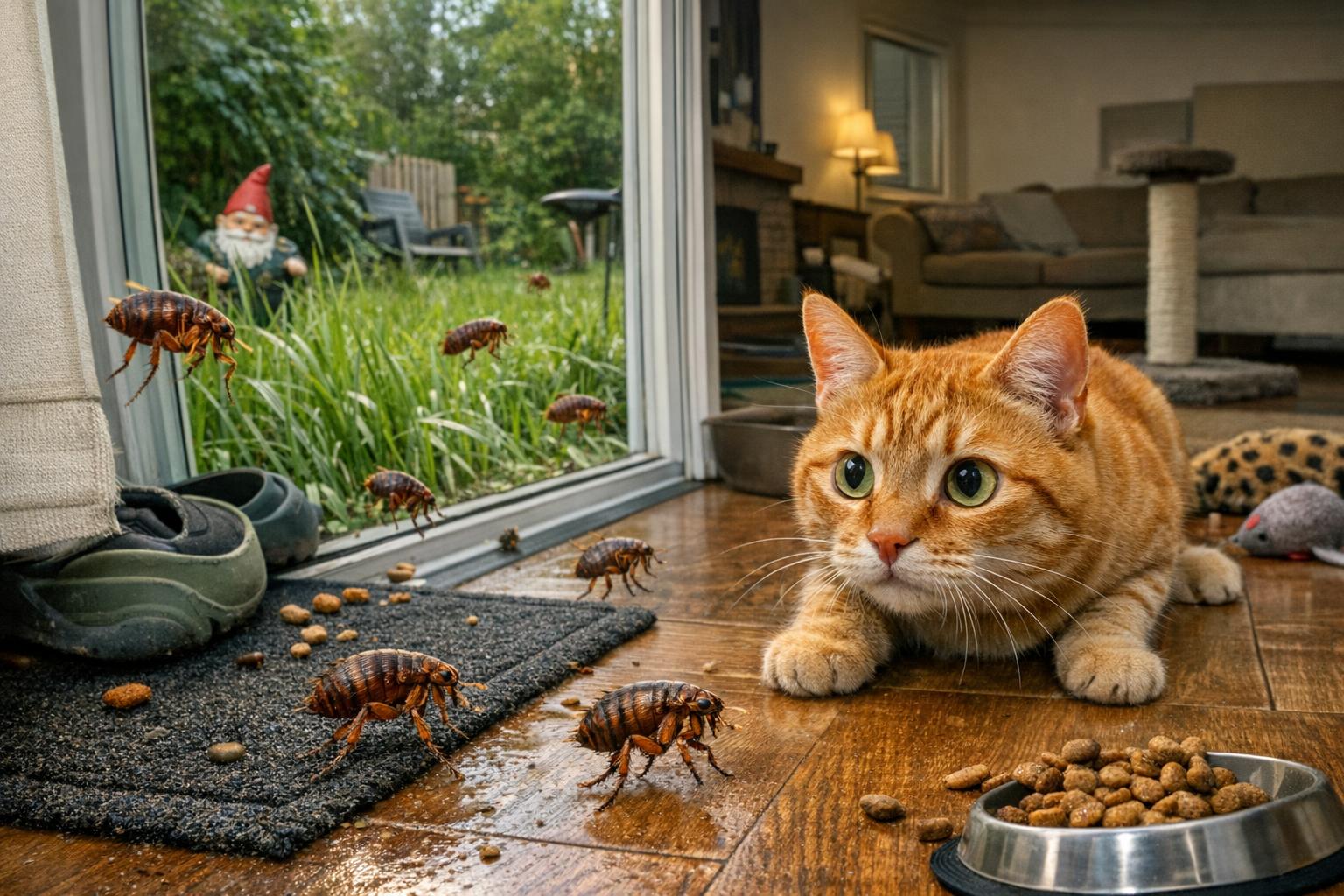
Yard fleas are more than a seasonal nuisance; they are resilient parasites that exploit small gaps in pet routines, yard maintenance, and home defenses. Understanding how fleas migrate from turf to threshold, and then into living spaces, is essential for reducing infestations and protecting both people and animals. This document presents a structured prevention guide focused on minimizing yard fleas entering home from grass through environmental assessment, targeted barriers, and safe, practical remedies.
## Prevention Guide: Yard Fleas Entering Home From Grass
### How Yard Fleas Move And Why They Succeed
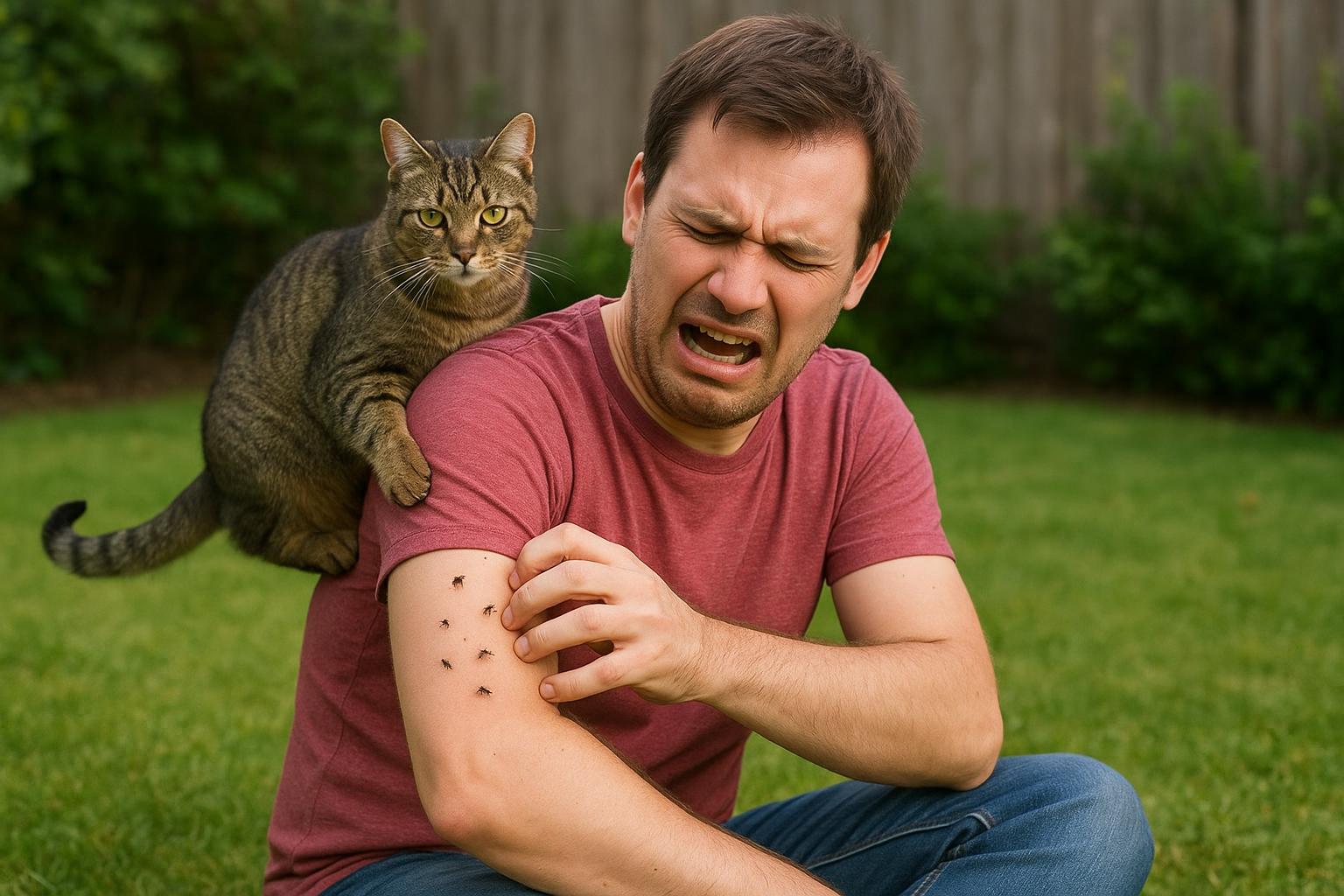
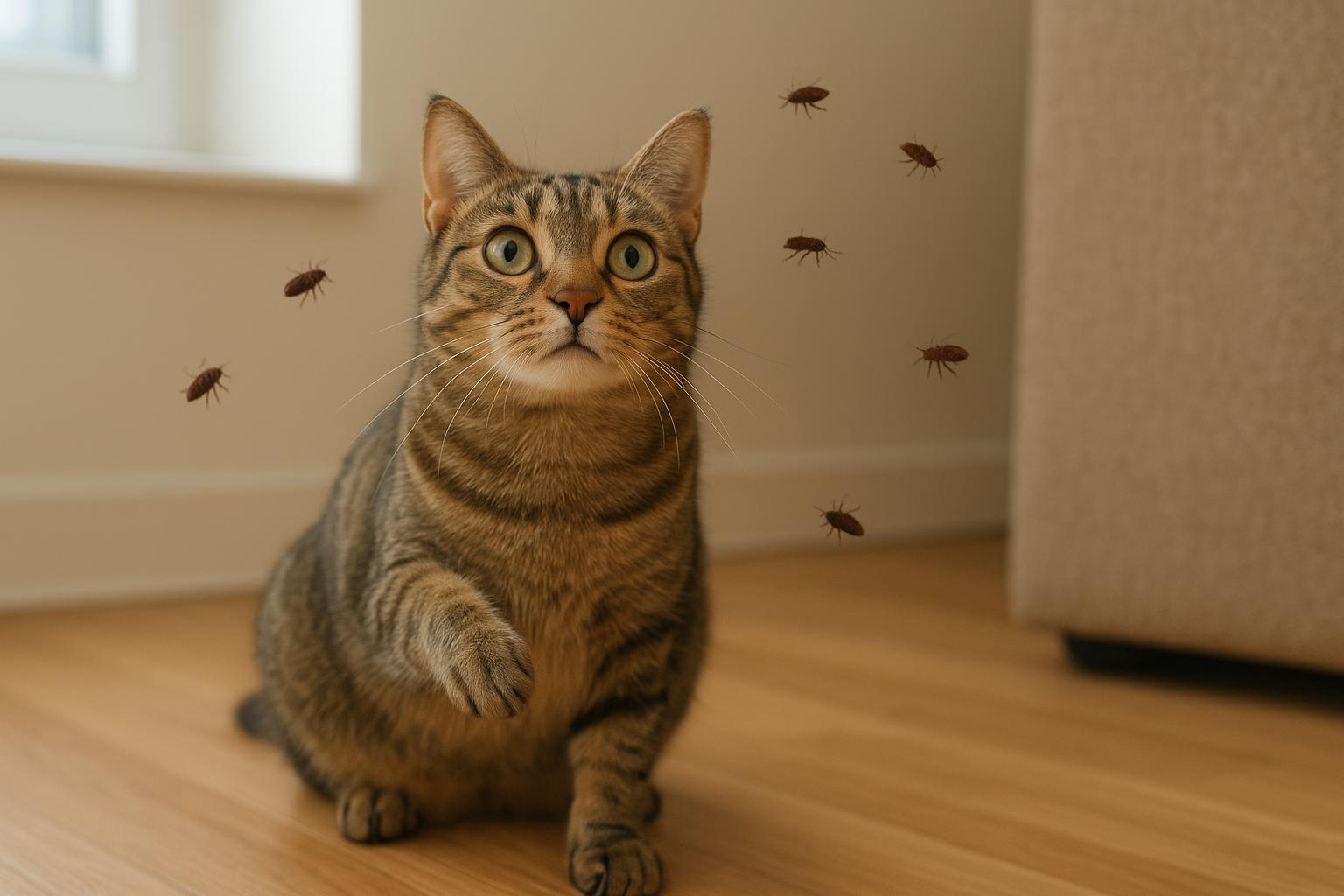
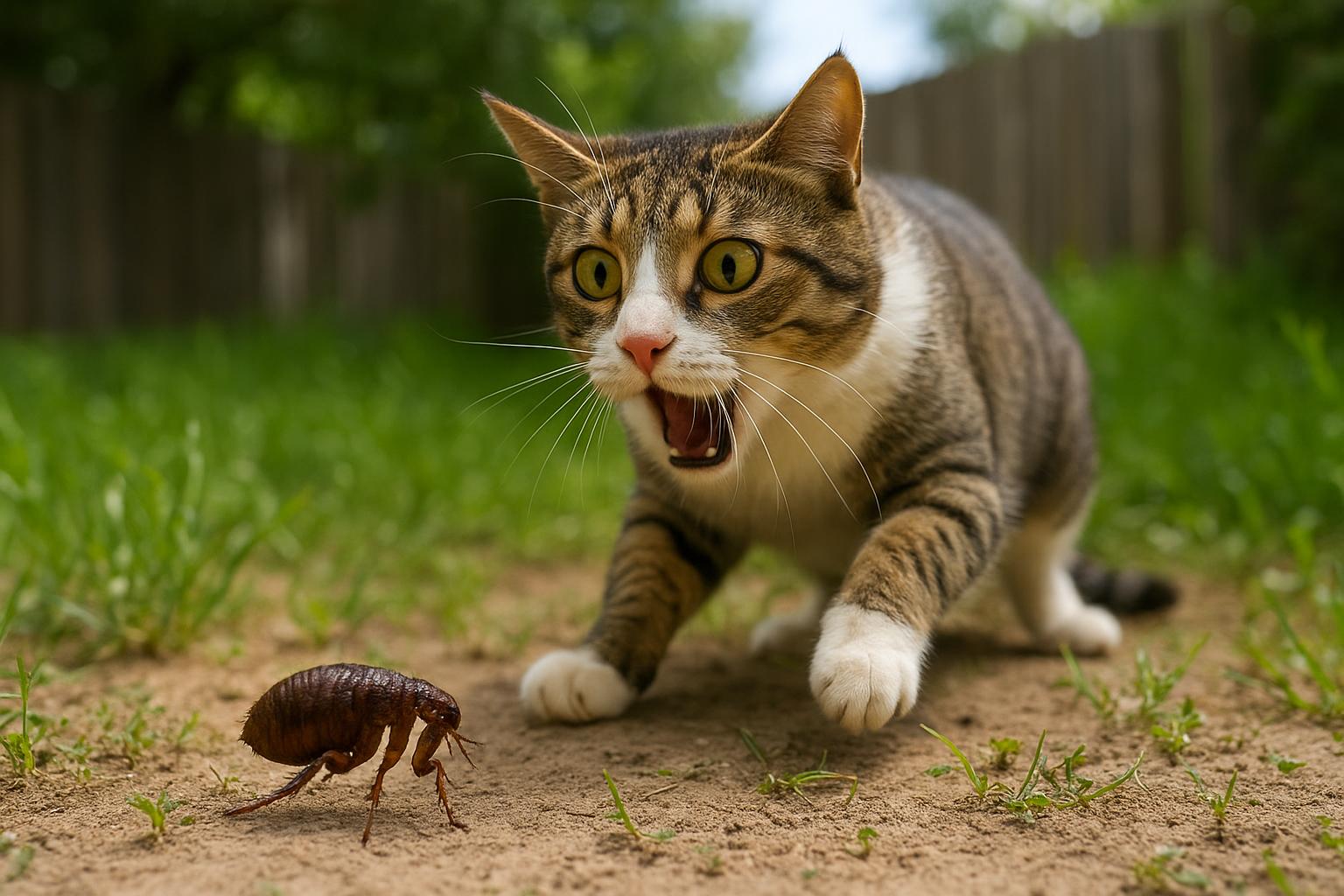
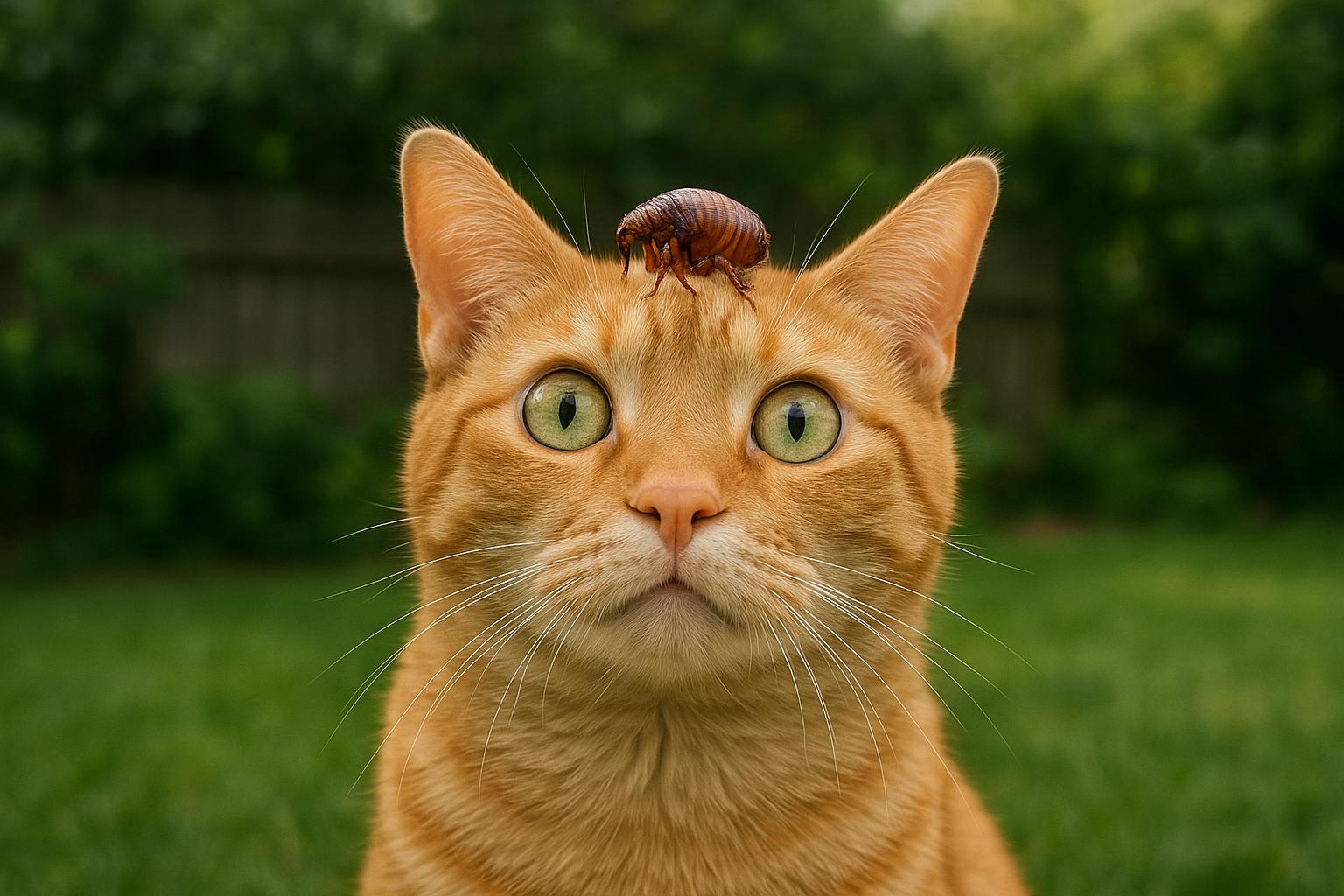
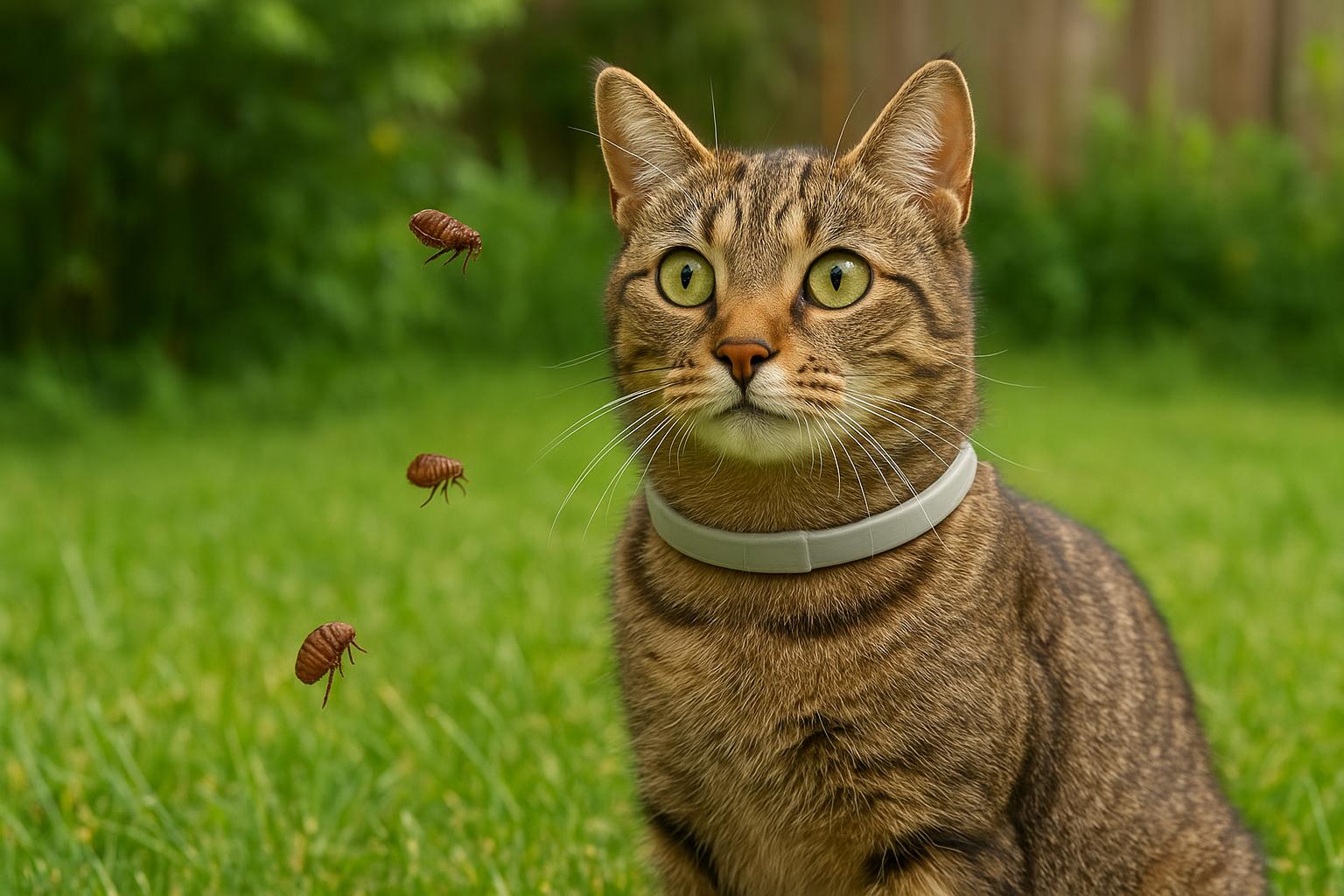
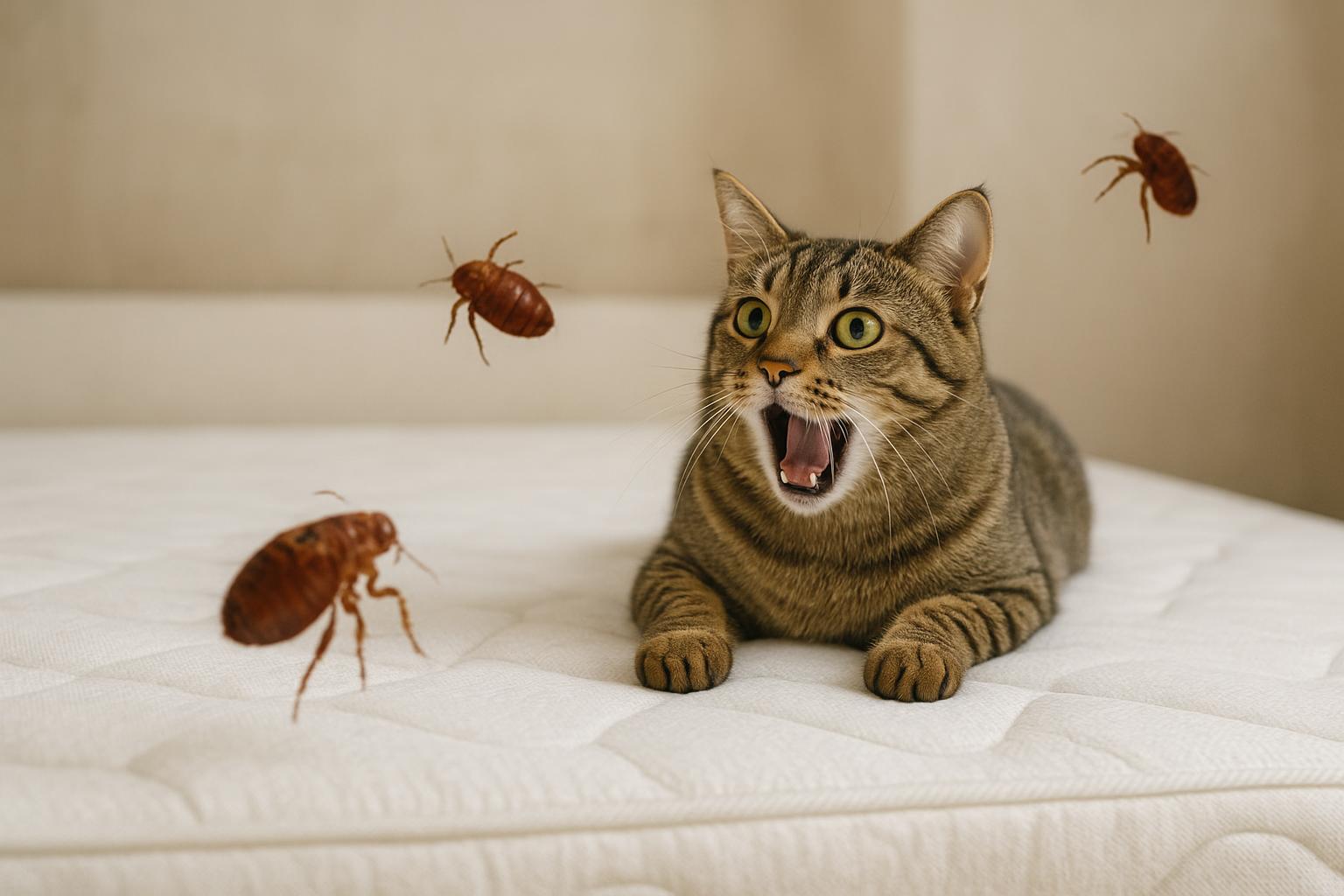
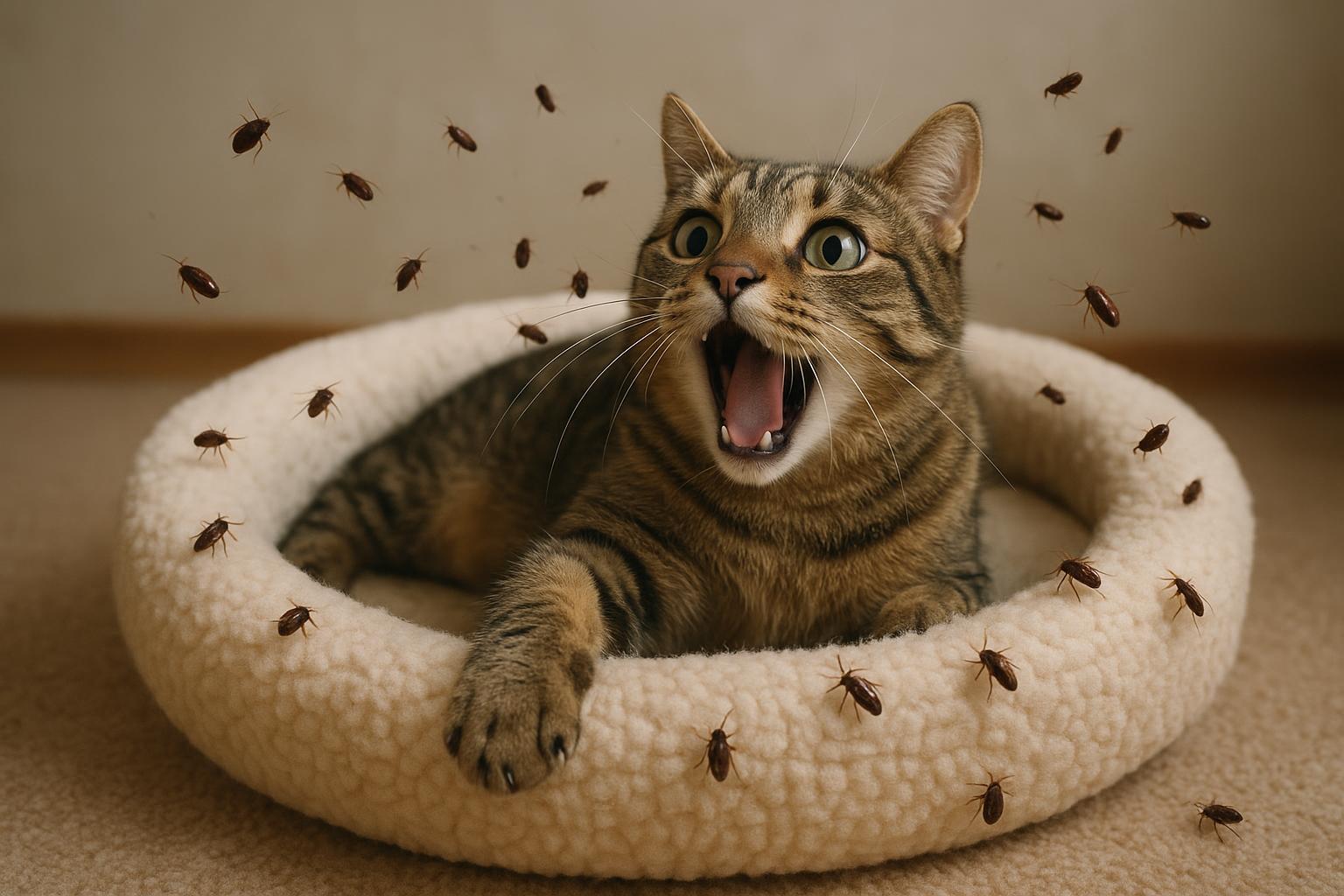
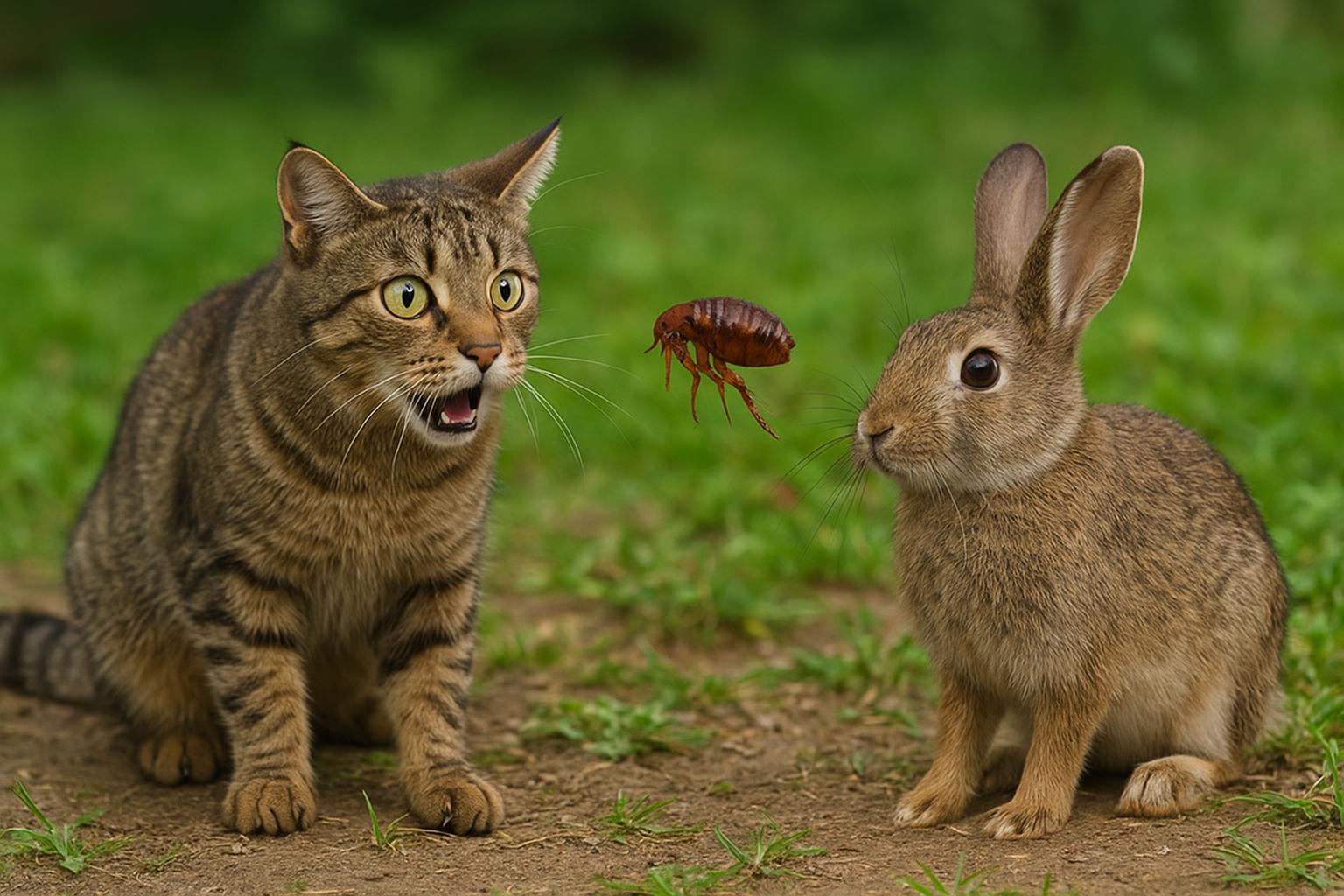
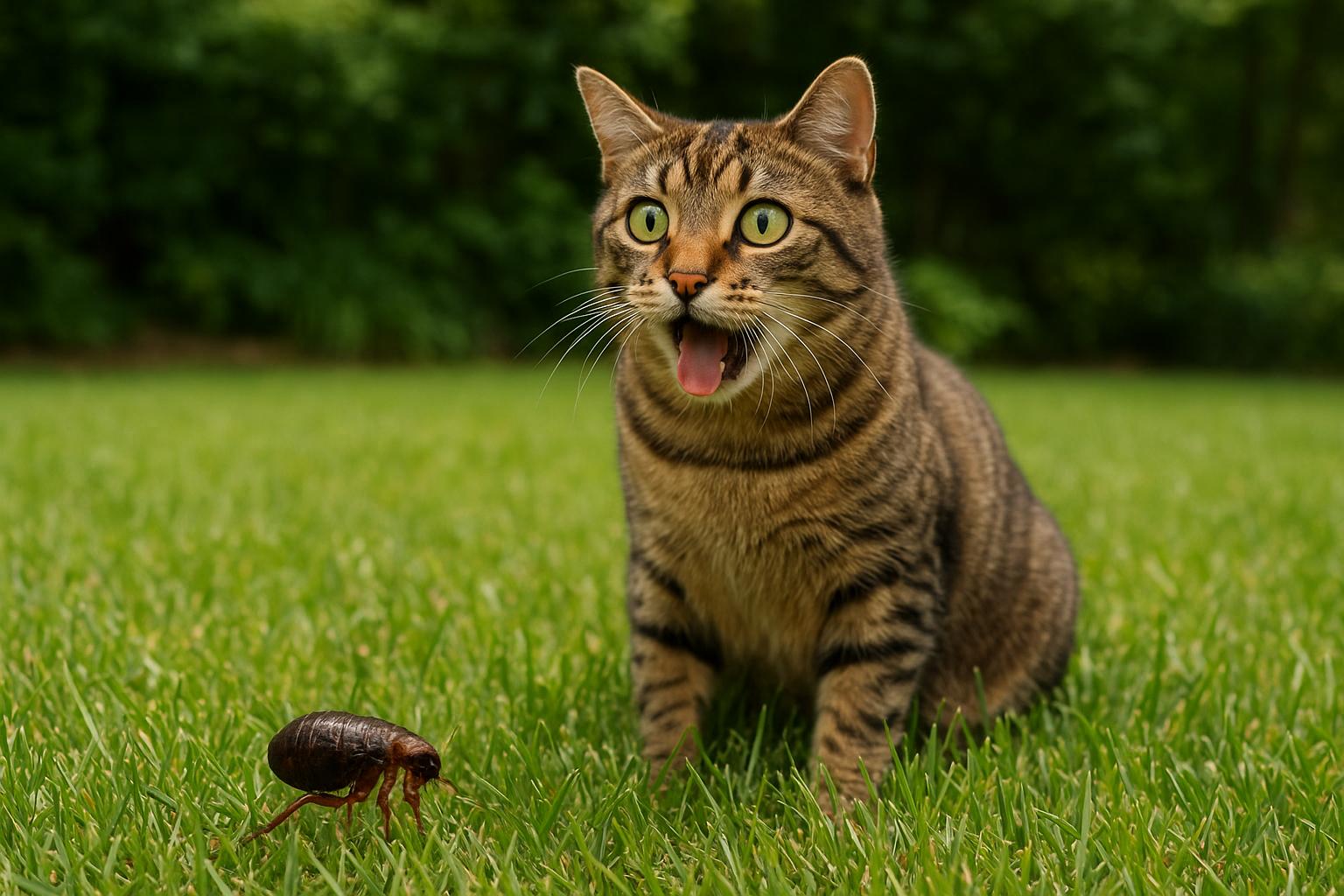
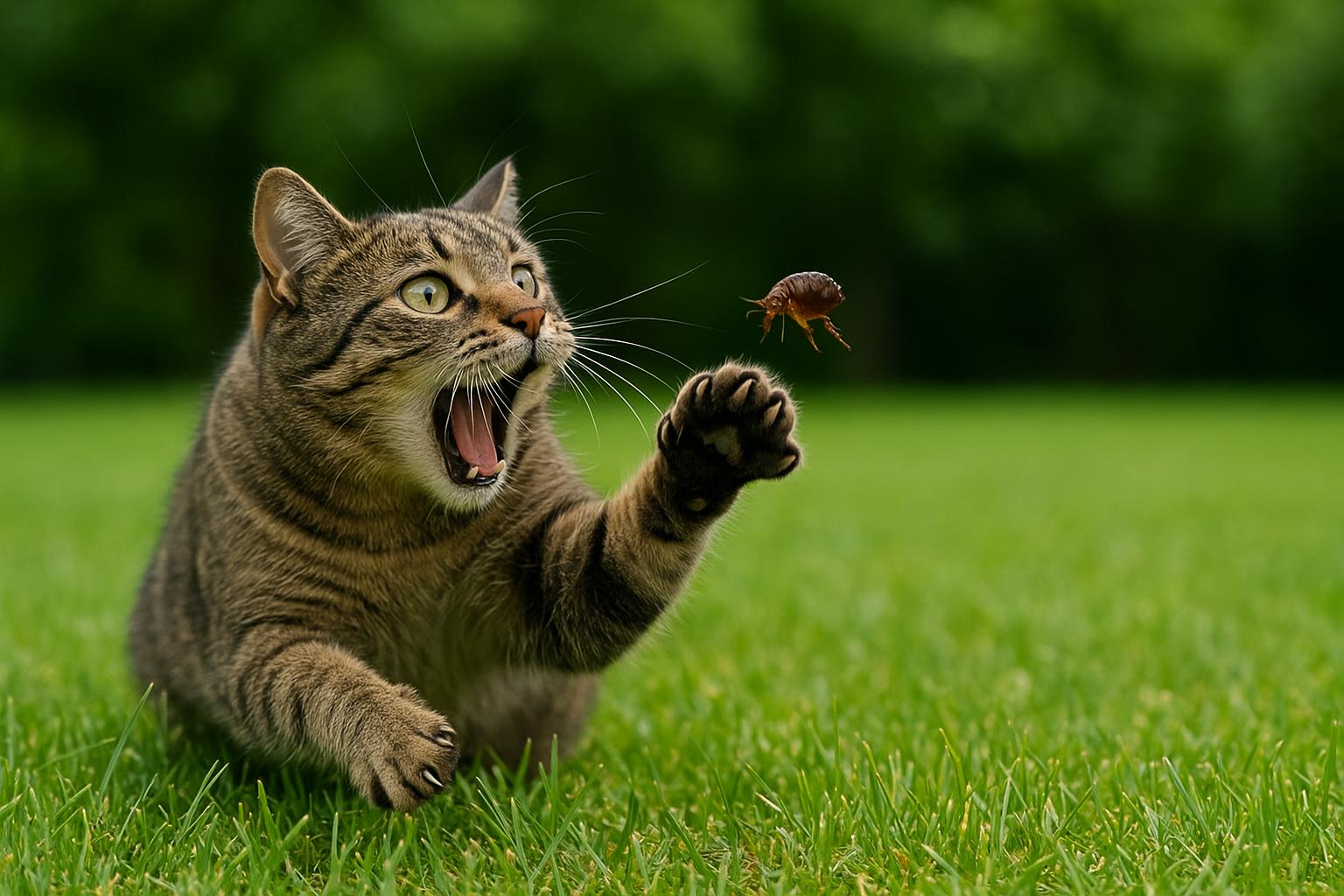
Fleas develop through eggs, larvae, pupae, and adults. The eggs and larvae thrive in shaded, moist debris within grass and at the edge of structures, while adult fleas jump onto passing hosts—pets, wildlife, or people—then ride them indoors. The primary mechanisms for yard fleas entering home environments include pets tracking them in, wildlife corridors adjacent to foundation plantings, and the proximity of shaded organic material to entry points. These dynamics create an ongoing outdoor flea risk that must be addressed at the landscape and behavioral levels.
### Identifying High-Risk Zones For Outdoor Flea Entry
Assess the perimeter of the property to identify microhabitats that support flea development: leaf litter, thatch, animal dens, and untreated compost piles. Inspect along foundation lines, under porches, and where grass meets mulched beds. An integrated approach considers both the outdoor flea risk and the pathways for outdoor flea entry—pets, unsealed cracks, and poorly screened vents. Mapping these zones allows prioritization of interventions by likelihood and impact.
### Yard Management Strategies To Reduce Infestations
Effective control emphasizes habitat modification. Regular mowing to reduce grass height, removal of leaf litter, pruning to increase sunlight penetration, and rerouting rainwater away from foundation areas reduce humidity and shelter fleas require. Establish a gravel or paved buffer zone between turf and the home to decrease the probability of yard fleas entering home thresholds. Maintain pet bedding and kennels at least several meters from the house and clean them frequently to prevent a local breeding focus.
### Barrier And Exclusion Measures For Doors And Windows
Sealing structural entry points contributes to prevention. Replace or repair door sweeps and weatherstripping, and install fine mesh screens on vents. Use threshold plates or weighted mats that discourage pets from running directly from turf into house interiors without inspection. These physical measures reduce outdoor flea entry and complement yard hygiene efforts.
### Monitoring And Early Detection Practices
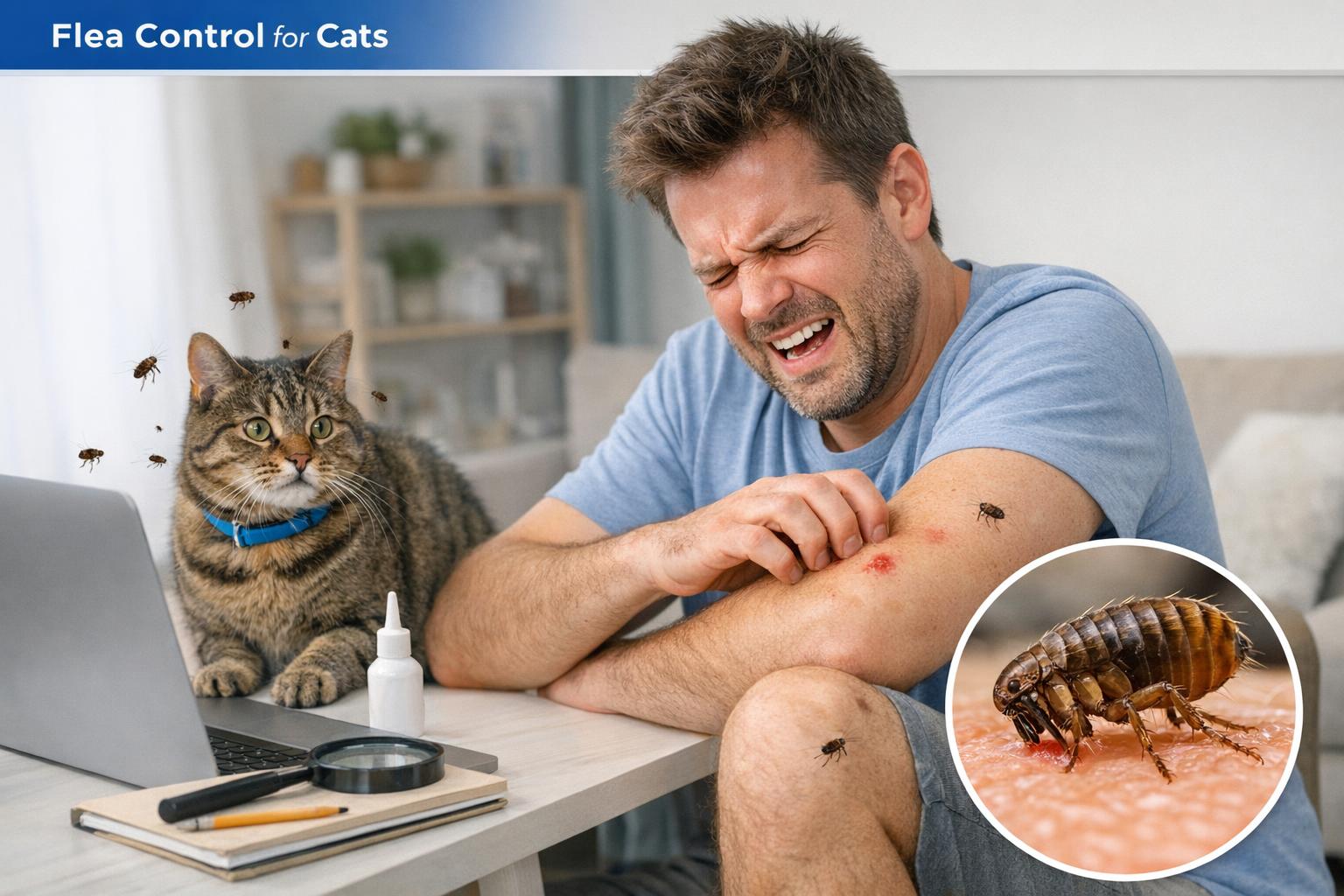
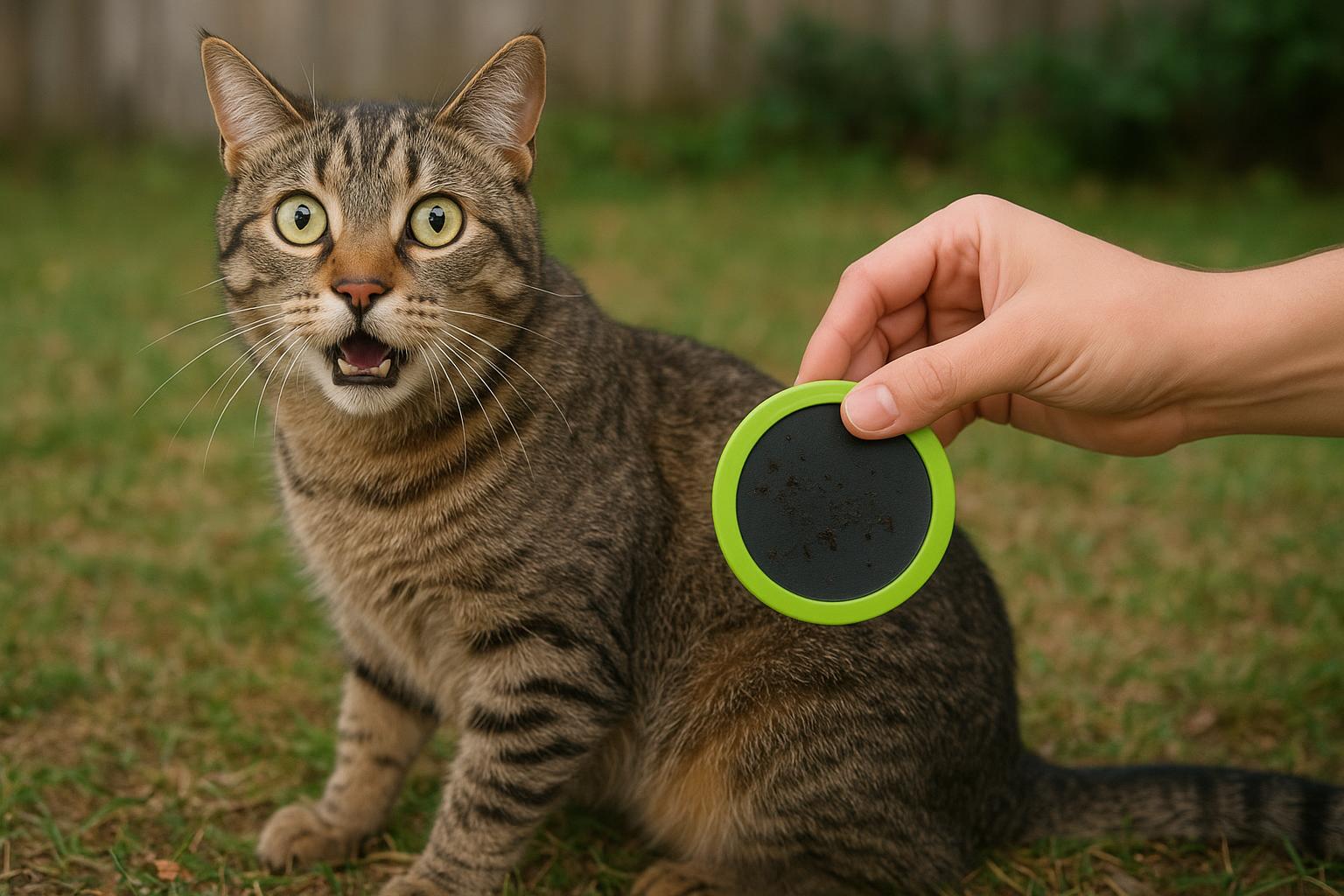
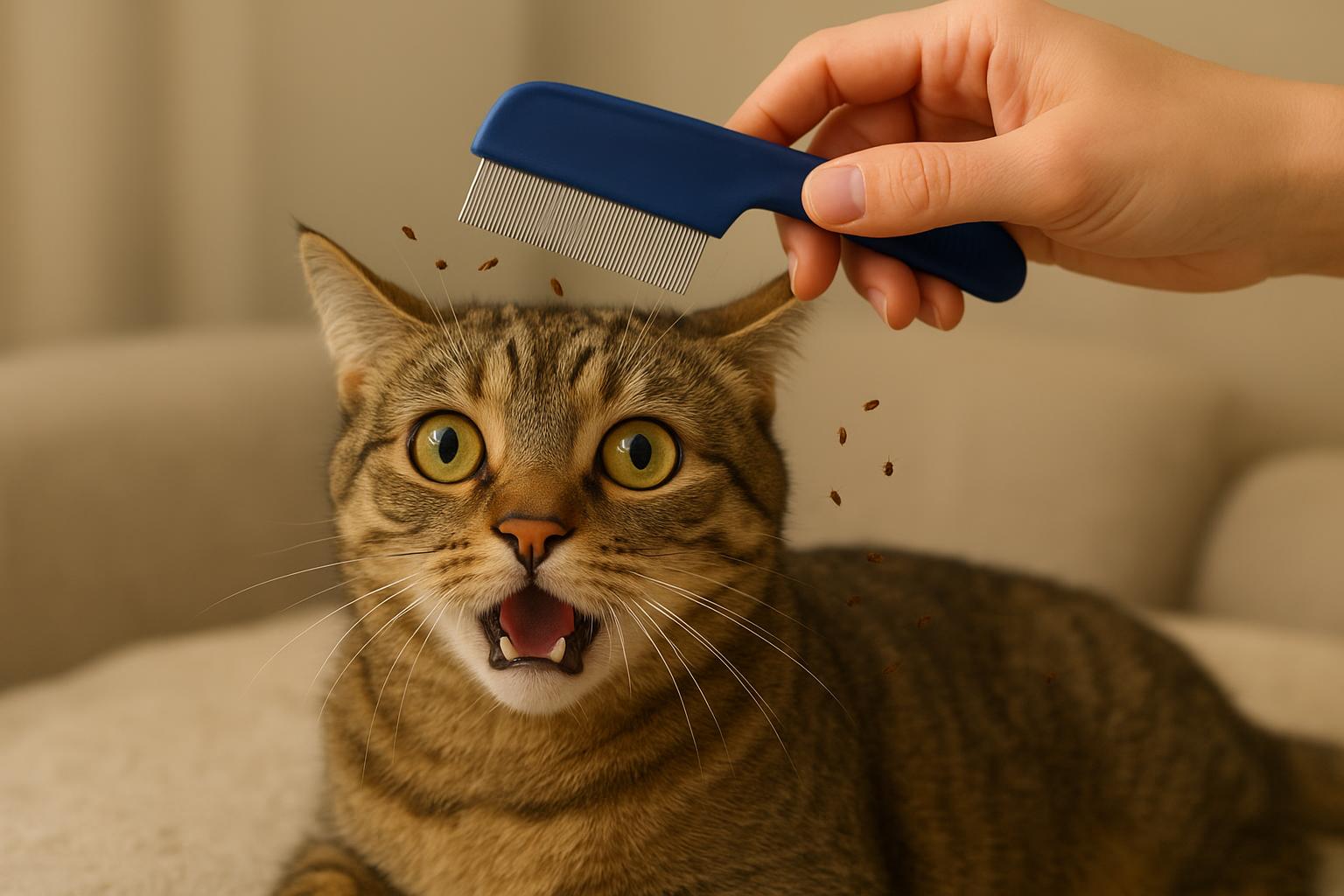
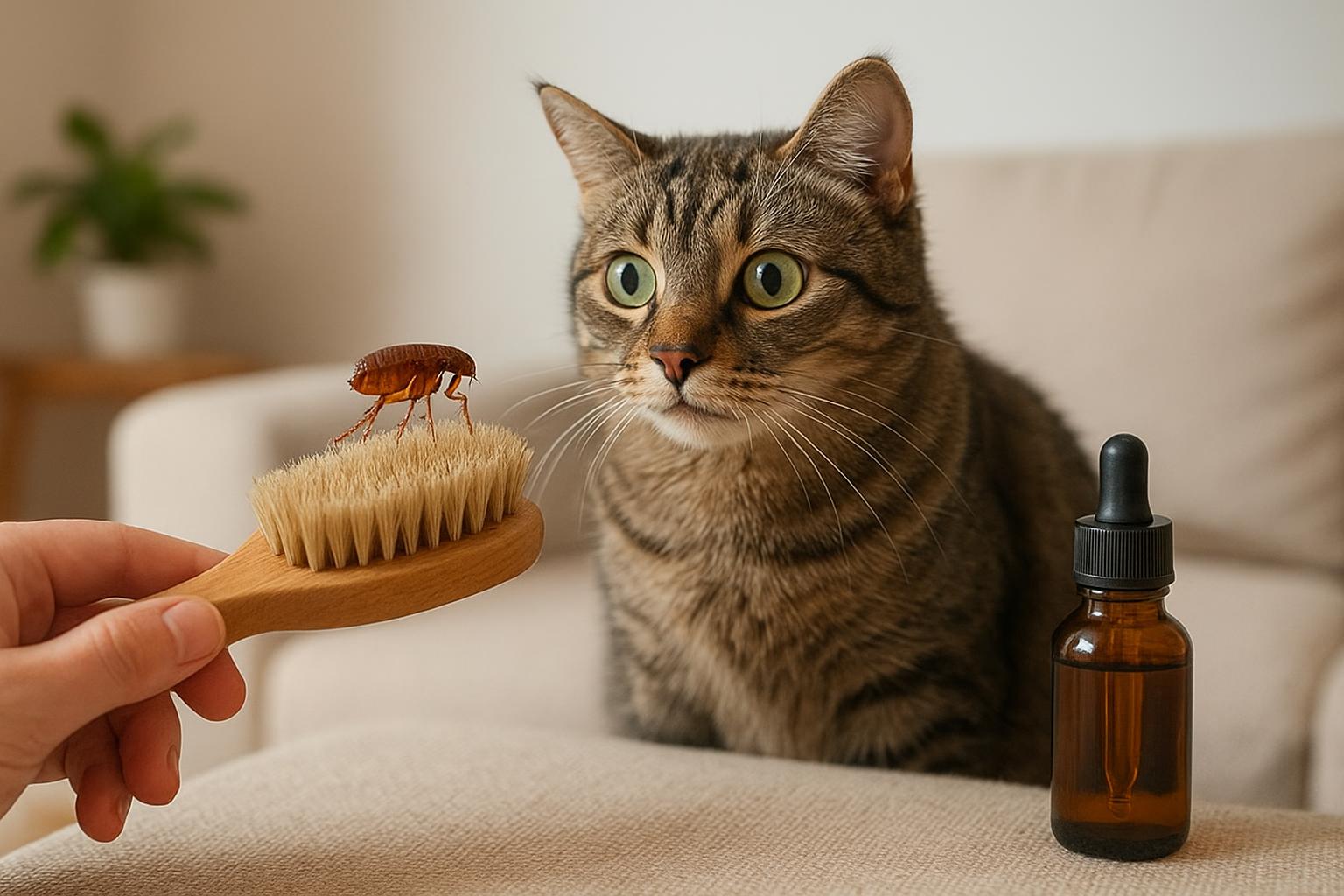
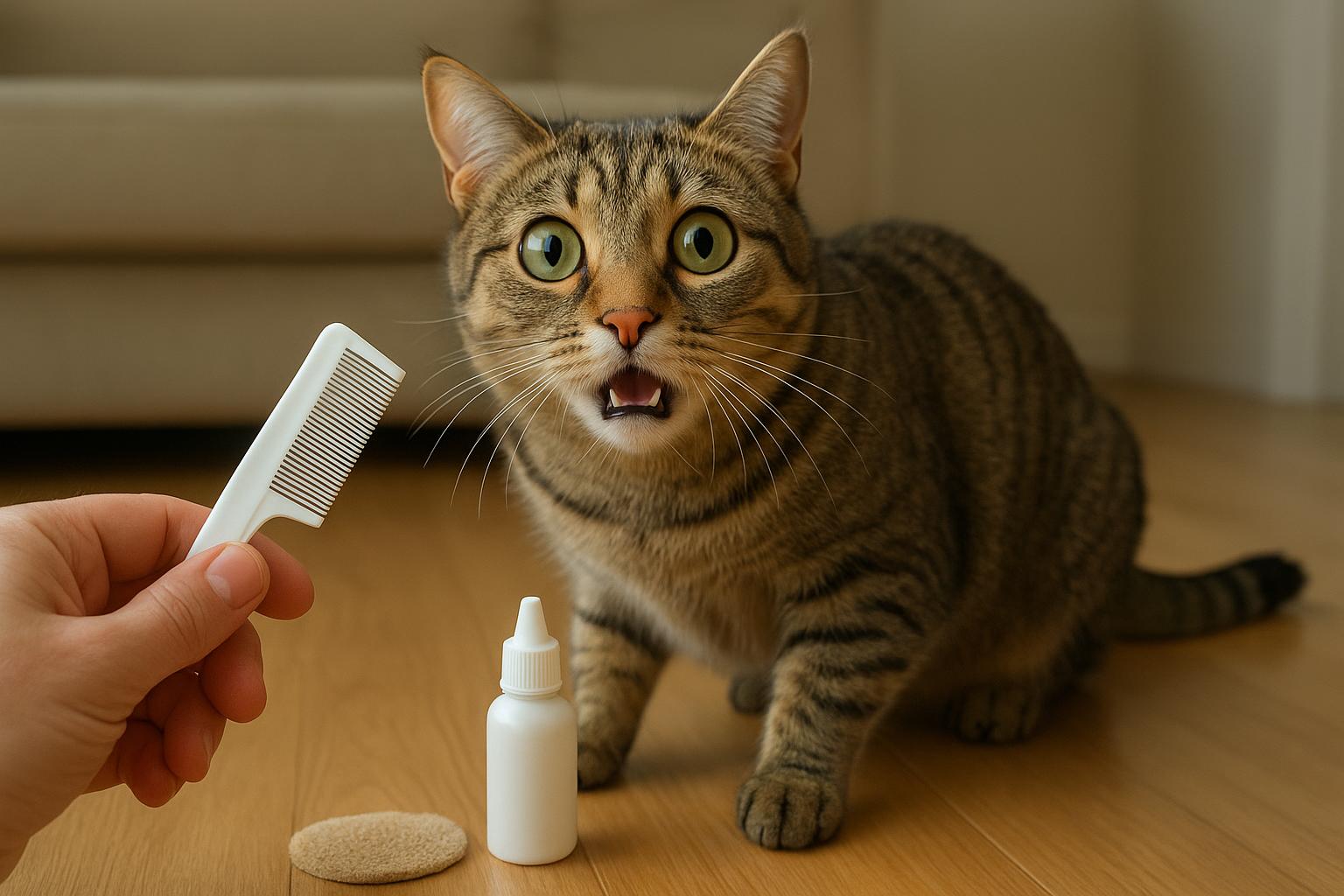
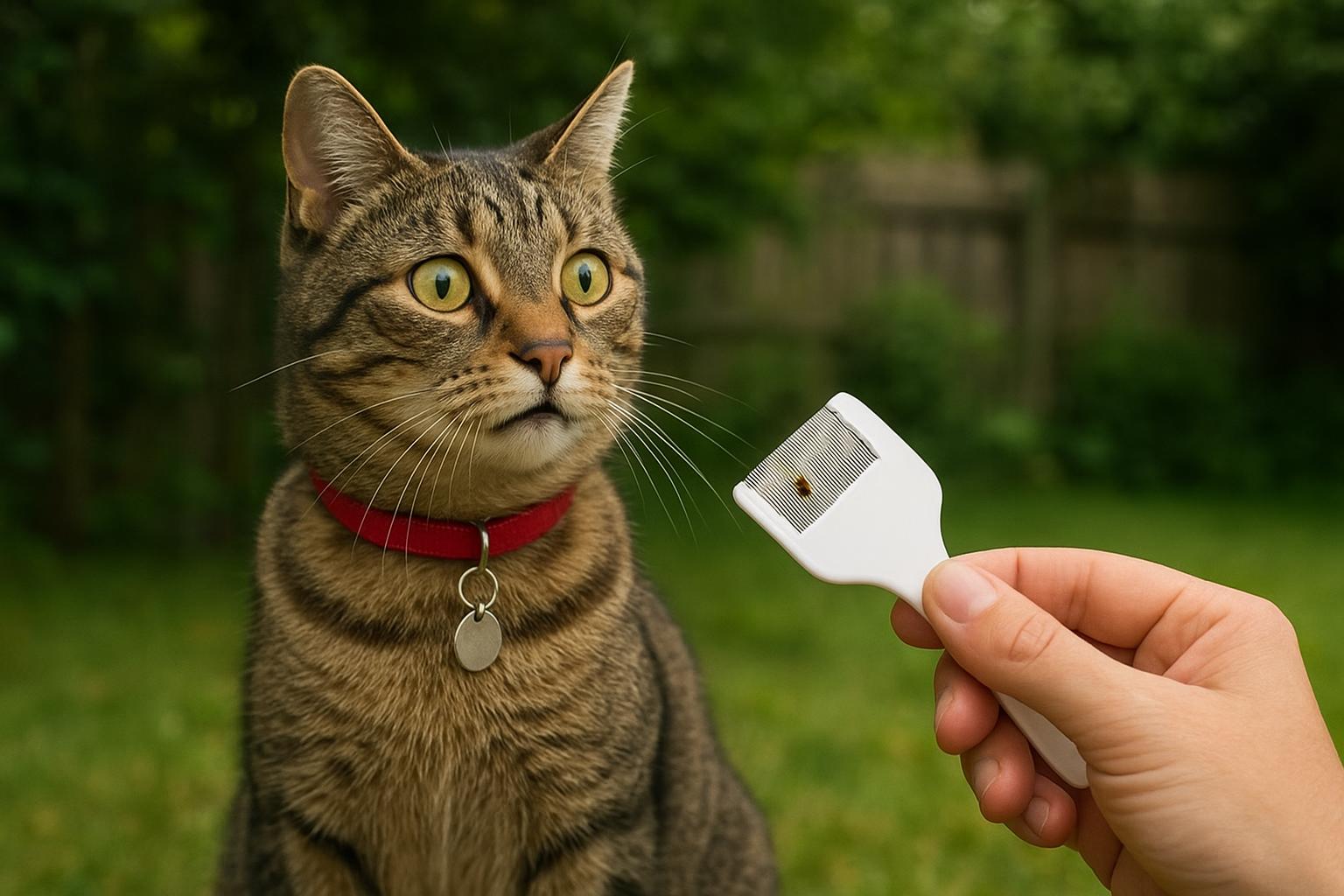
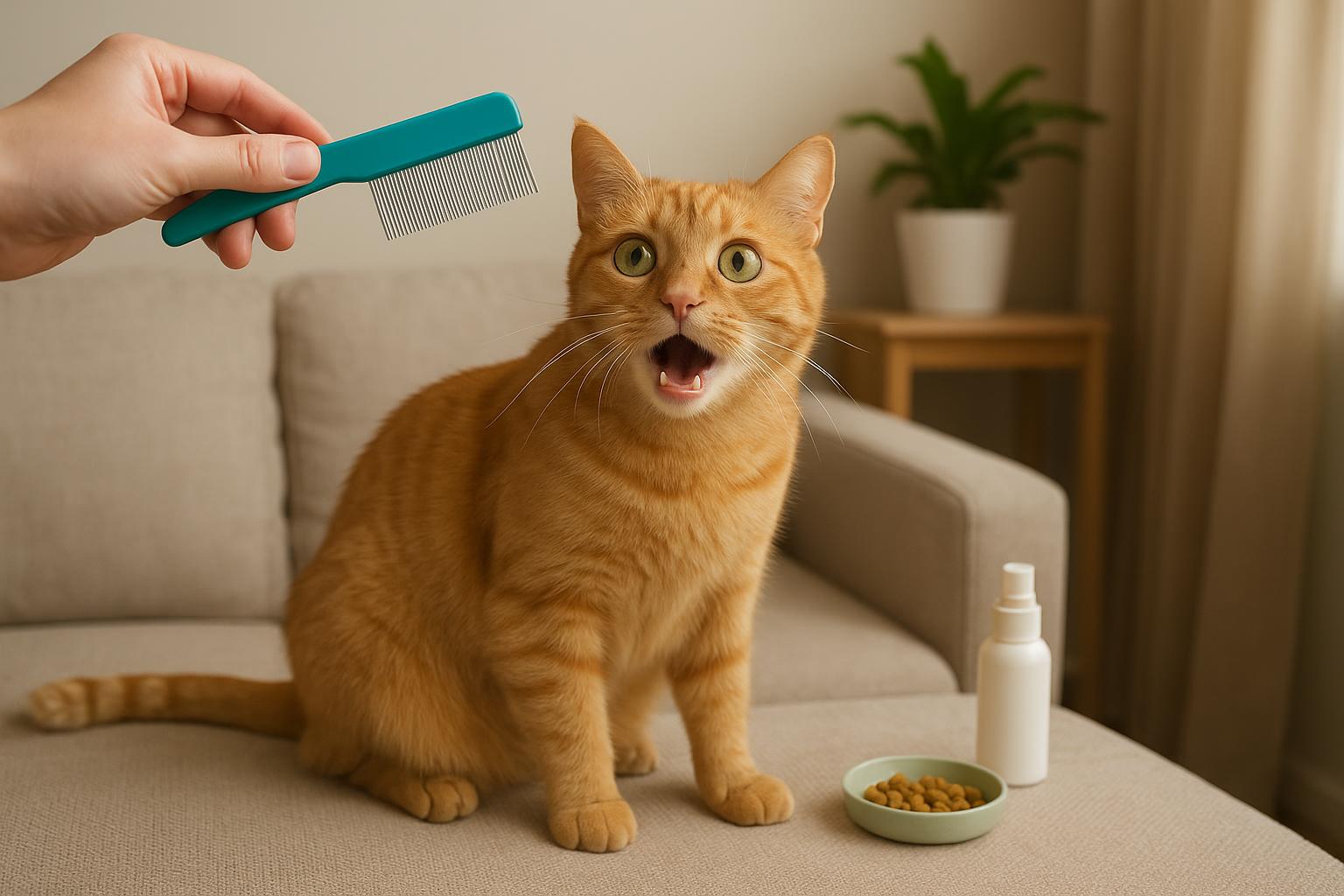
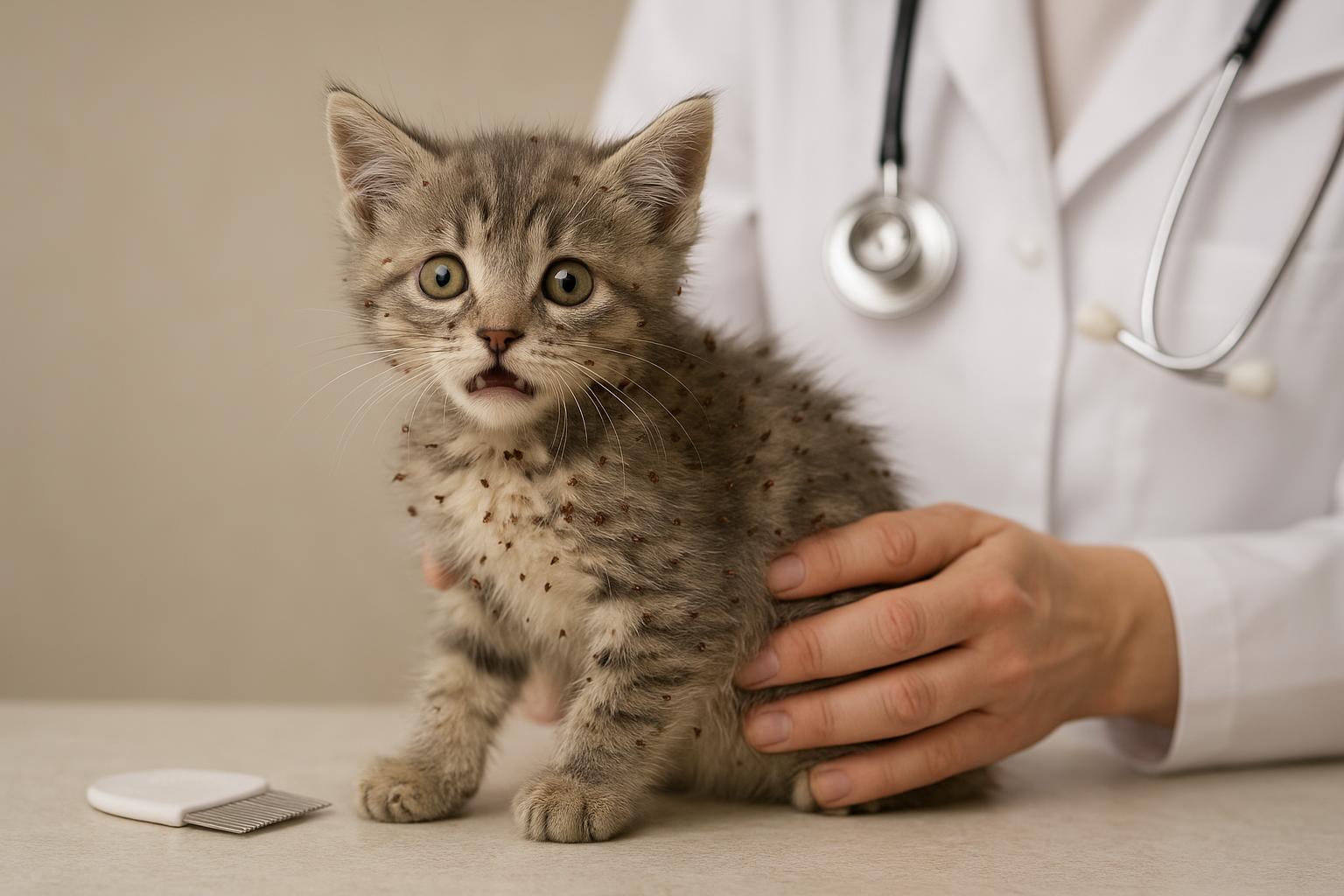
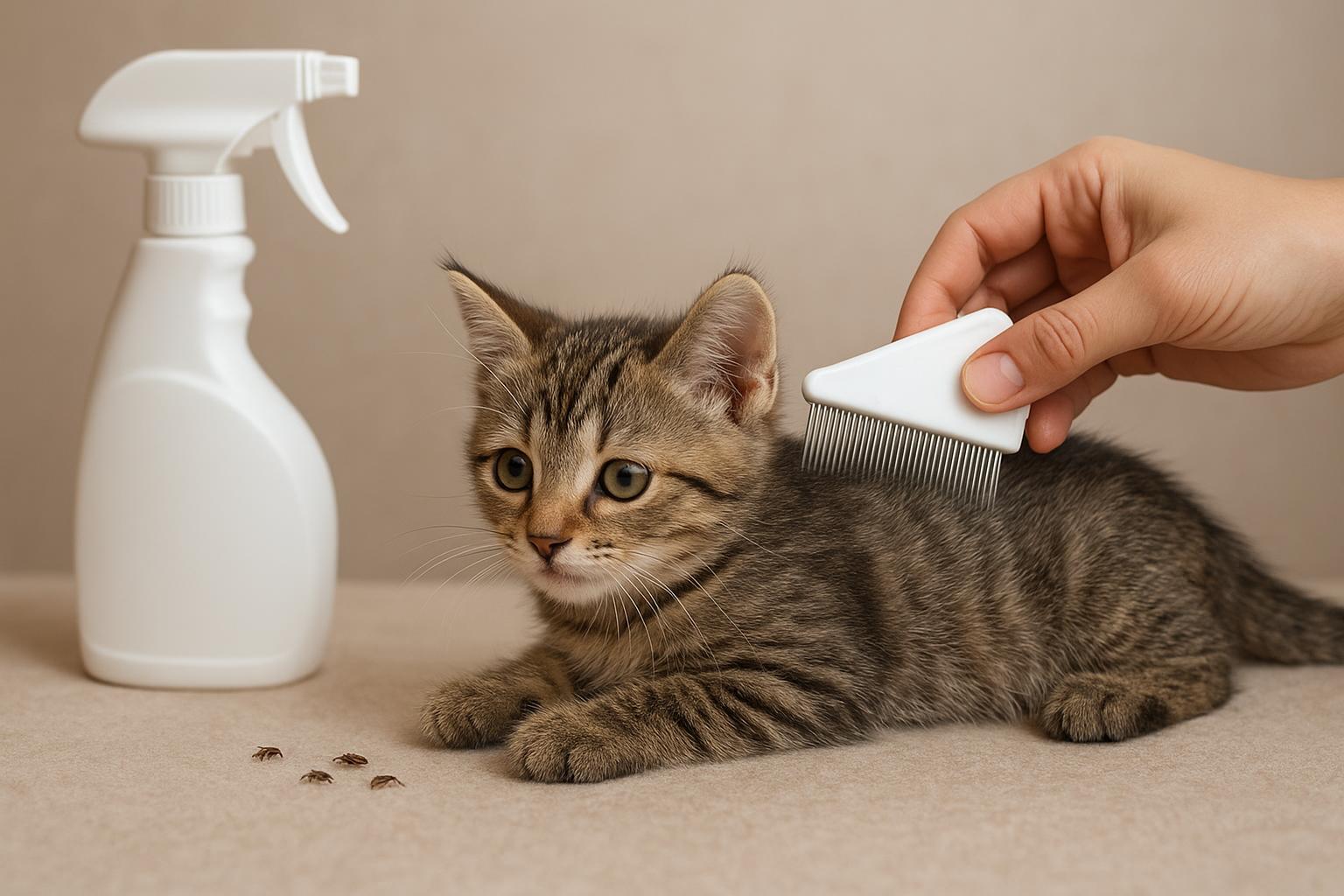
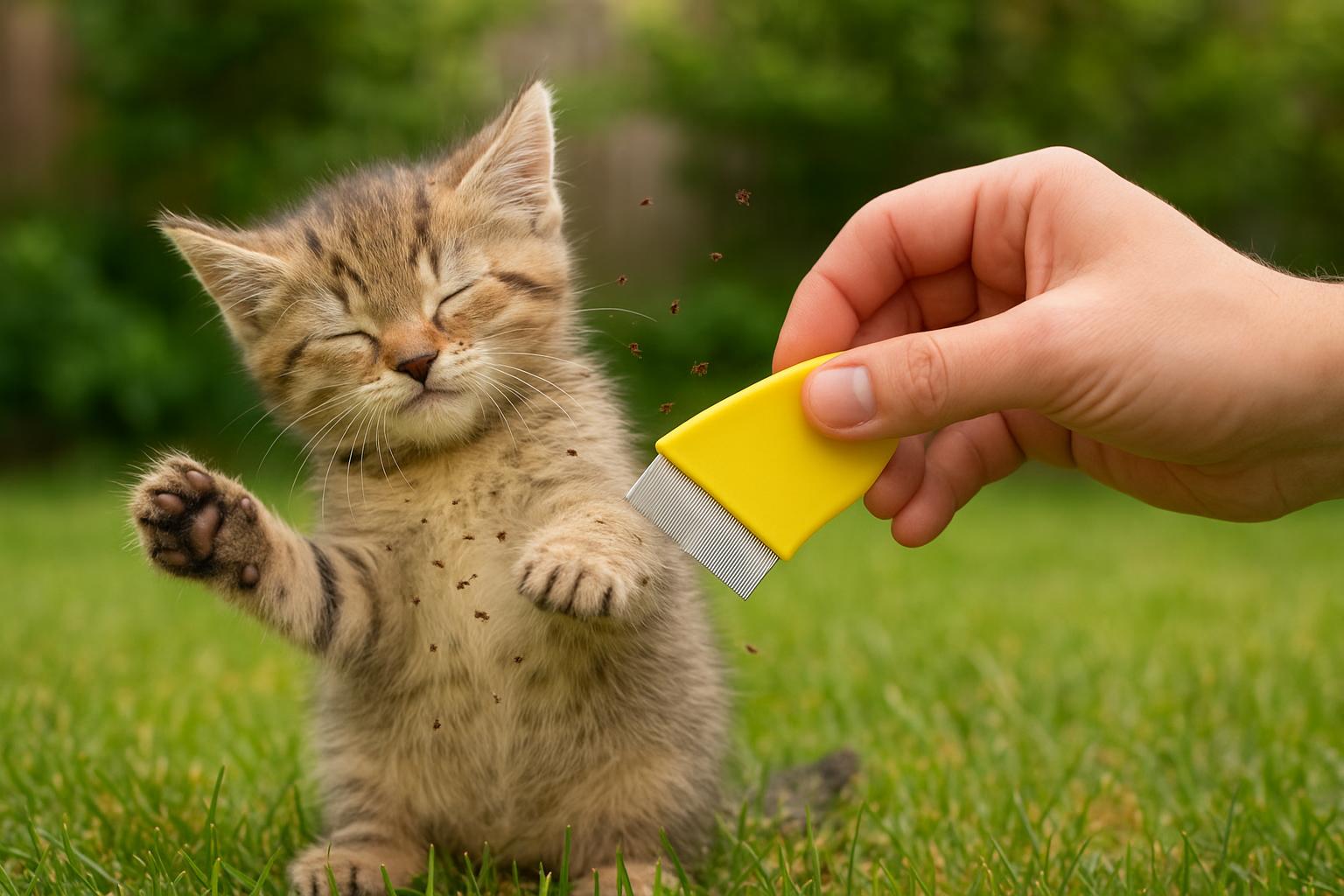
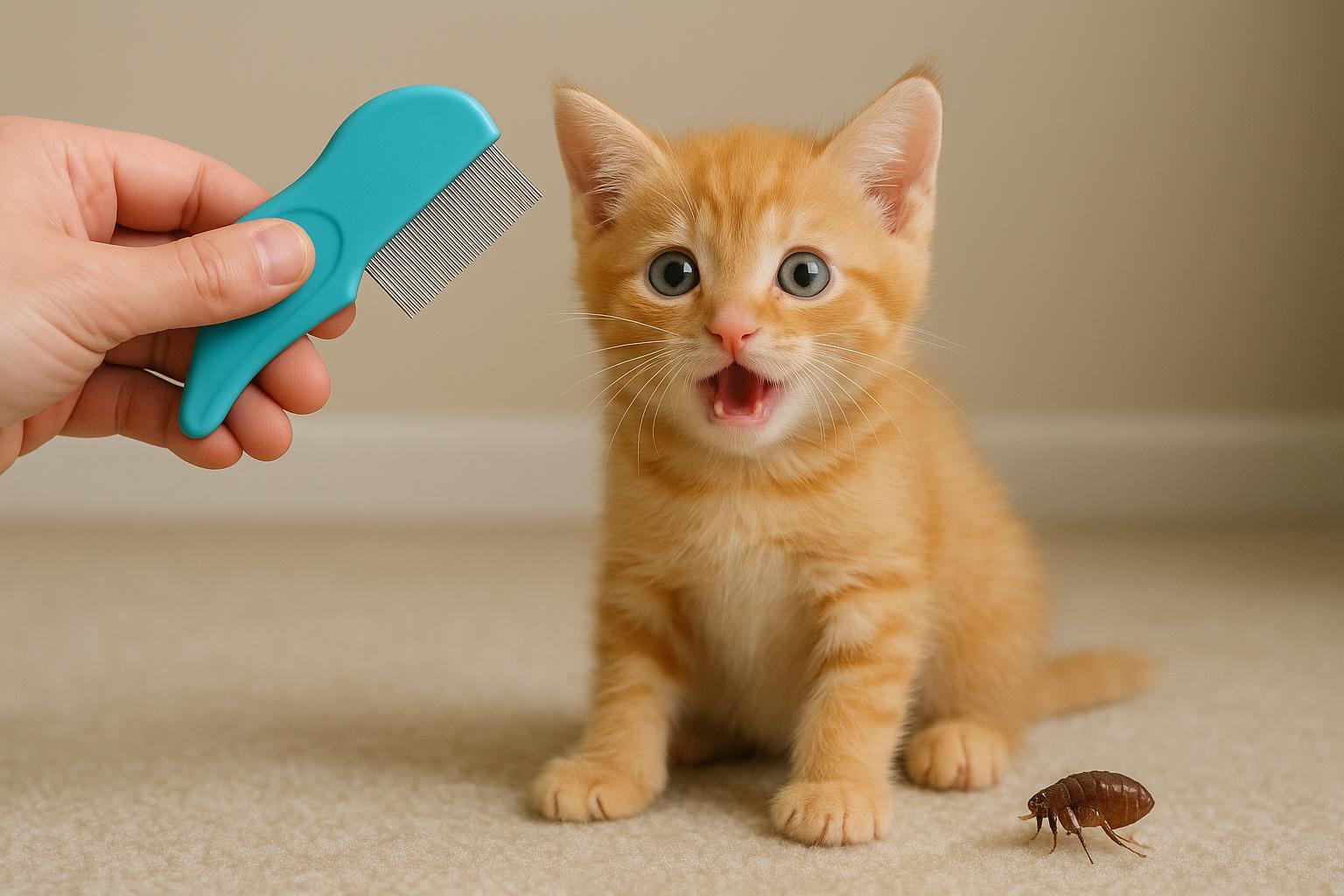
Regularly inspect pets for signs of fleas—excessive scratching, small dark flecks (flea dirt), or visible adults. Use flea combs weekly during warm months and after yard exposure. Place sticky monitoring strips near suspected entry points to detect migrating adults. Early detection enables targeted remedial action before a household infestation becomes established.
### Remedial Option 1: Diatomaceous Earth Perimeter Treatment
#### Materials Required
– Food-grade diatomaceous earth (DE)
– Protective mask and gloves
– Handheld duster or shaker container
– Broom and dustpan for cleanup
– Pet-safe signage (if needed)
#### Preparation And Application Steps
1. Wear protective mask and gloves to avoid inhaling fine dust.
2. Identify perimeter zones: a 1–2 meter band around the foundation, under porches, and along fence lines.
3. Use a handheld duster to apply a light, even layer of food-grade DE to the selected zones, avoiding direct application on flowering plants and children’s play areas.
4. Reapply after heavy rain or weekly during peak flea season. Sweep excess from paths to maintain clean walkways.
5. Monitor pets for contact; if pets will walk through treated areas, apply DE in a thin layer and keep an eye for irritation. DE functions mechanically to desiccate insect exoskeletons and reduces outdoor flea risk when maintained as part of an integrated plan.
### Remedial Option 2: Beneficial Nematode Soil Application
#### Materials Required
– Commercially available beneficial nematode strain (Steinernema spp. or Heterorhabditis spp.)
– Garden sprayer or watering can with a fine rose
– Measuring container
– Access to water source for immediate application
#### Preparation And Application Steps
1. Purchase nematodes designed for pest control and store them refrigerated until use, following supplier guidelines.
2. Prepare the nematode suspension per label instructions in cool, chlorine-free water; mix gently to avoid harm to organisms.
3. Apply to moist areas of the lawn, especially shaded, organic-rich zones where flea larvae are likely to develop.
4. Water the treated areas lightly after application to move nematodes into the soil profile; avoid application during peak sun to prevent desiccation.
5. Repeat applications as recommended by the product, typically every 4–6 weeks during active flea periods. This biological method targets the larval stage and lowers the outdoor flea risk without persistent chemical residues.
### Remedial Option 3: Botanical Barrier Plantings And Natural Repellents
#### Materials Required
– Seedlings or seeds of repellent species (e.g., lavender, rosemary, marigold)
– Neem oil concentrate (pet-safe formulation)
– Spray bottle
– Mulch and landscape fabric (optional)
#### Preparation And Application Steps
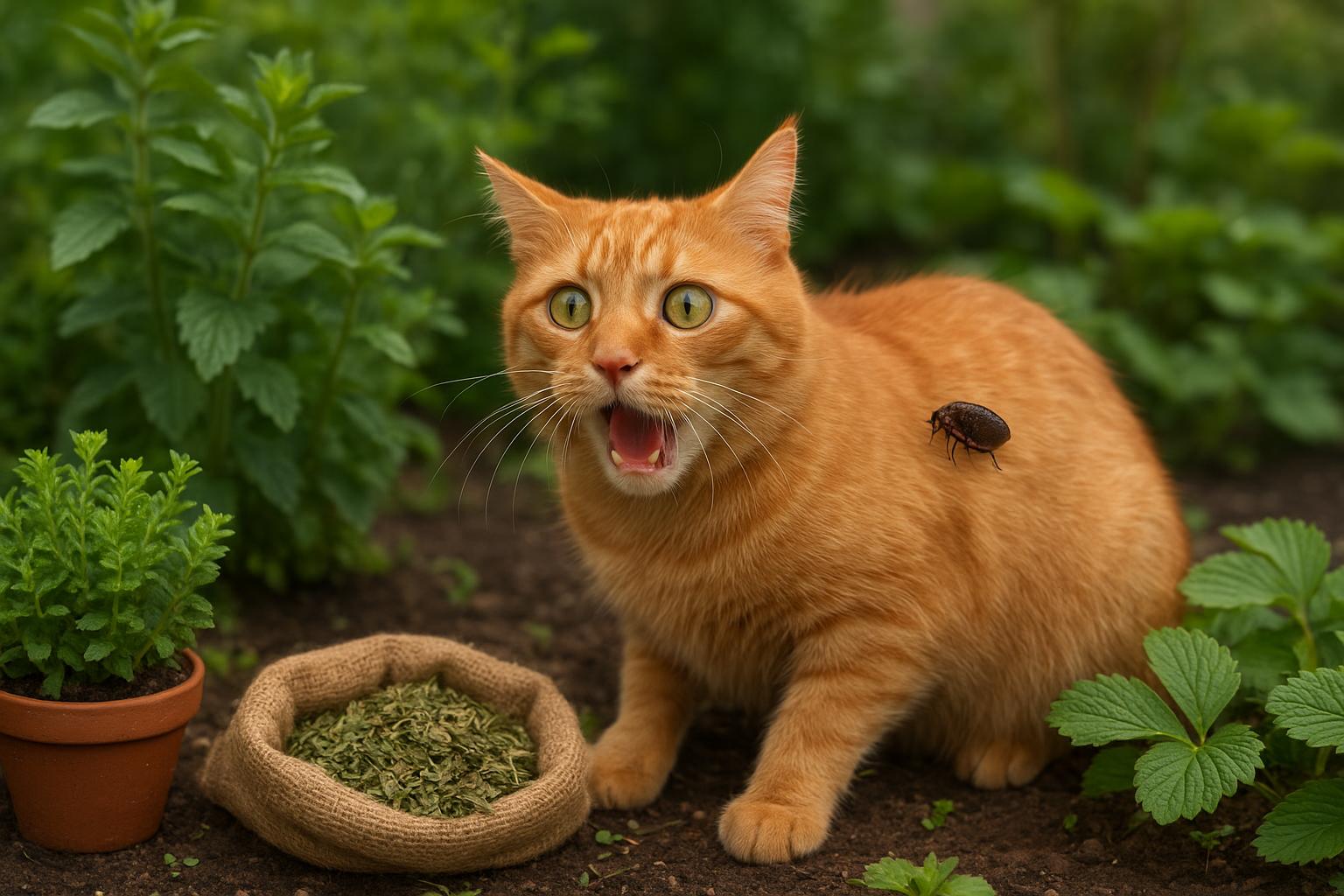
1. Select suitable repellent plant species adapted to the local climate and plant them in a continuous strip between turf and the home.
2. Maintain plantings to maximize airflow and sunlight penetration; dense, shaded beds encourage fleas, while healthy repellent plants act as a mild deterrent.
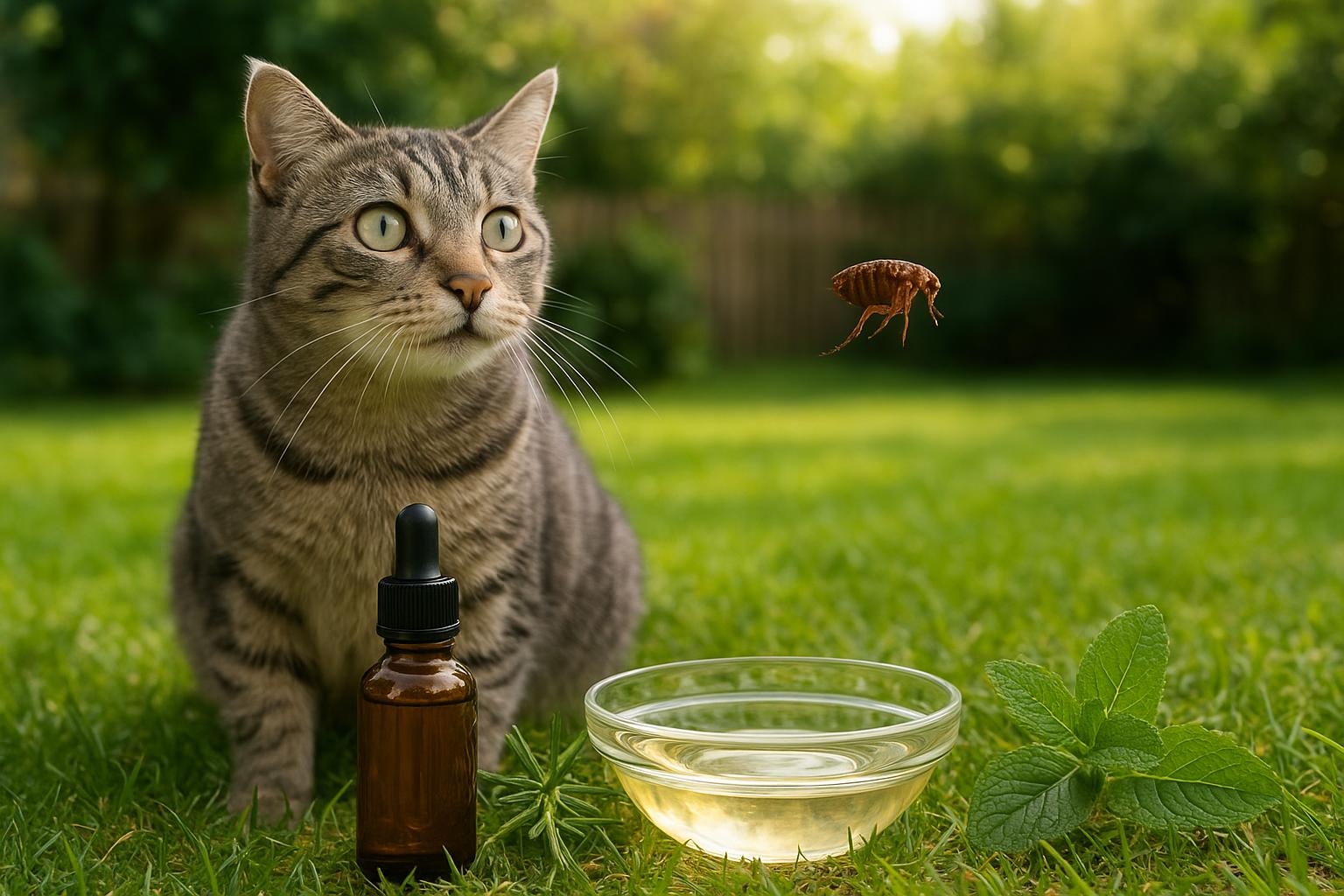
3. Prepare a dilute neem oil spray per product instructions. Apply to mulch and at the base of plantings monthly during the flea season, avoiding direct application on pets.
4. Combine plantings with a well-maintained gravel or paved border to interrupt flea movement. Botanical measures reduce outdoor flea entry by creating an unfavorable microenvironment for flea survival.
### Pet-Focused Preventive Measures To Minimize Transfer
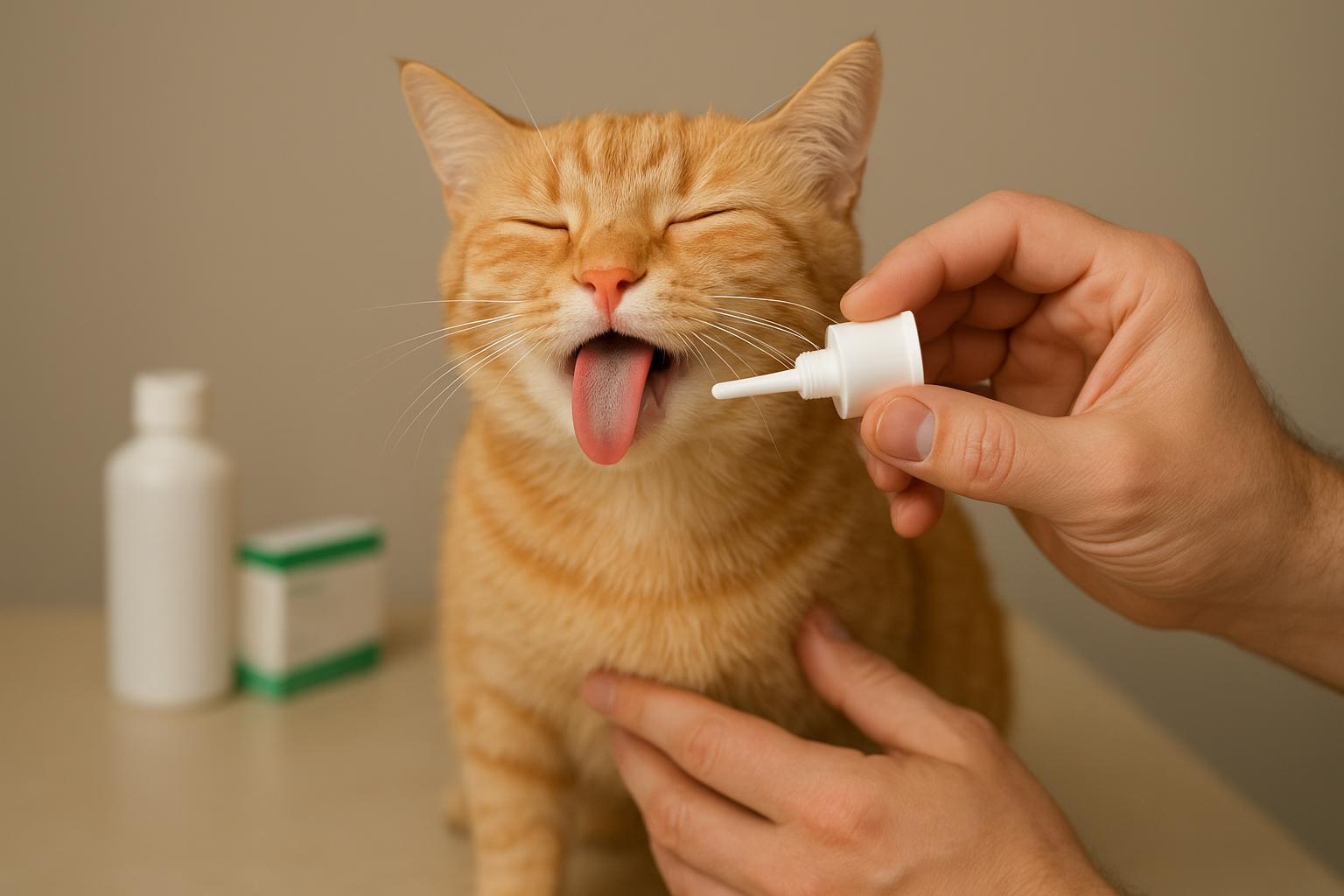
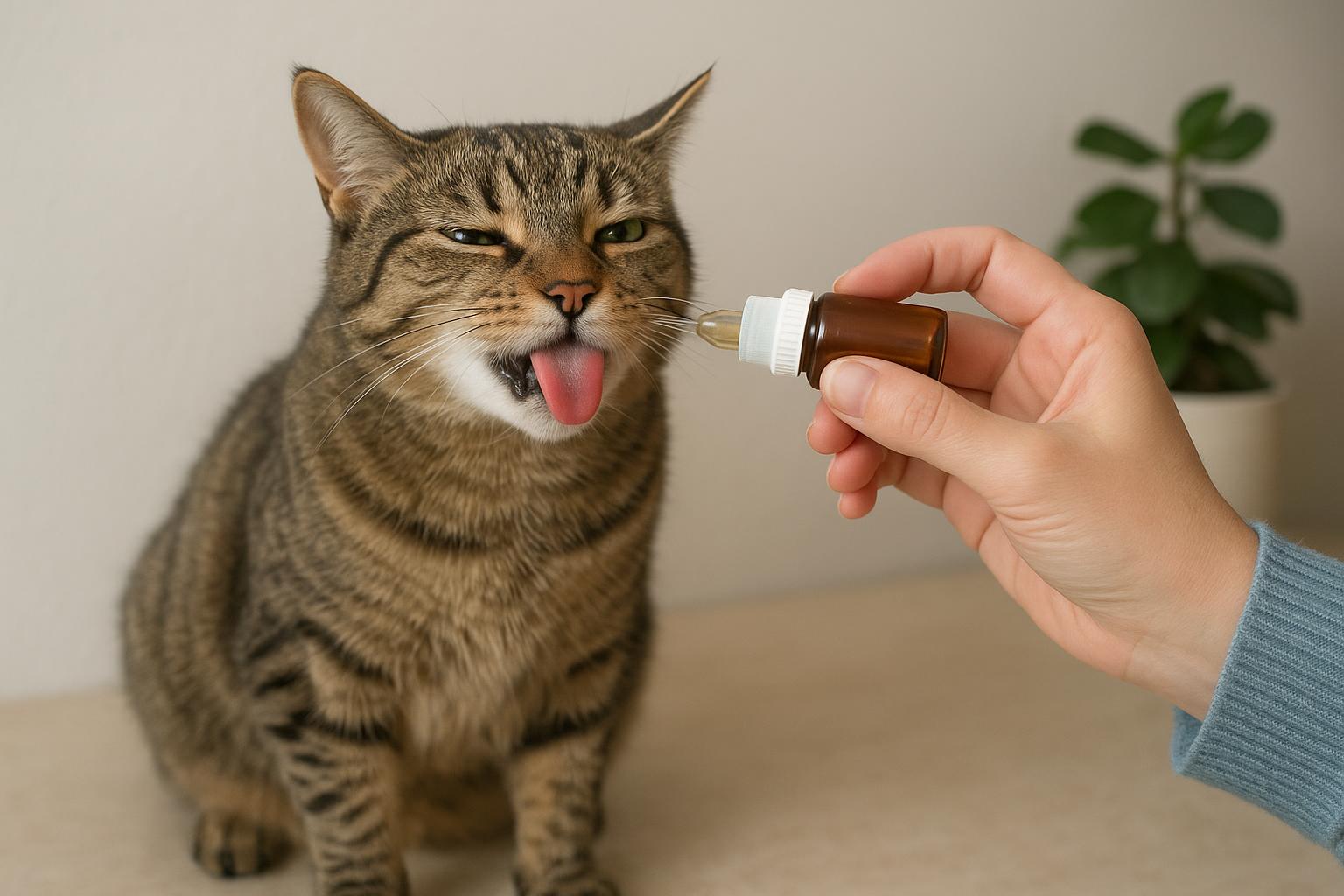
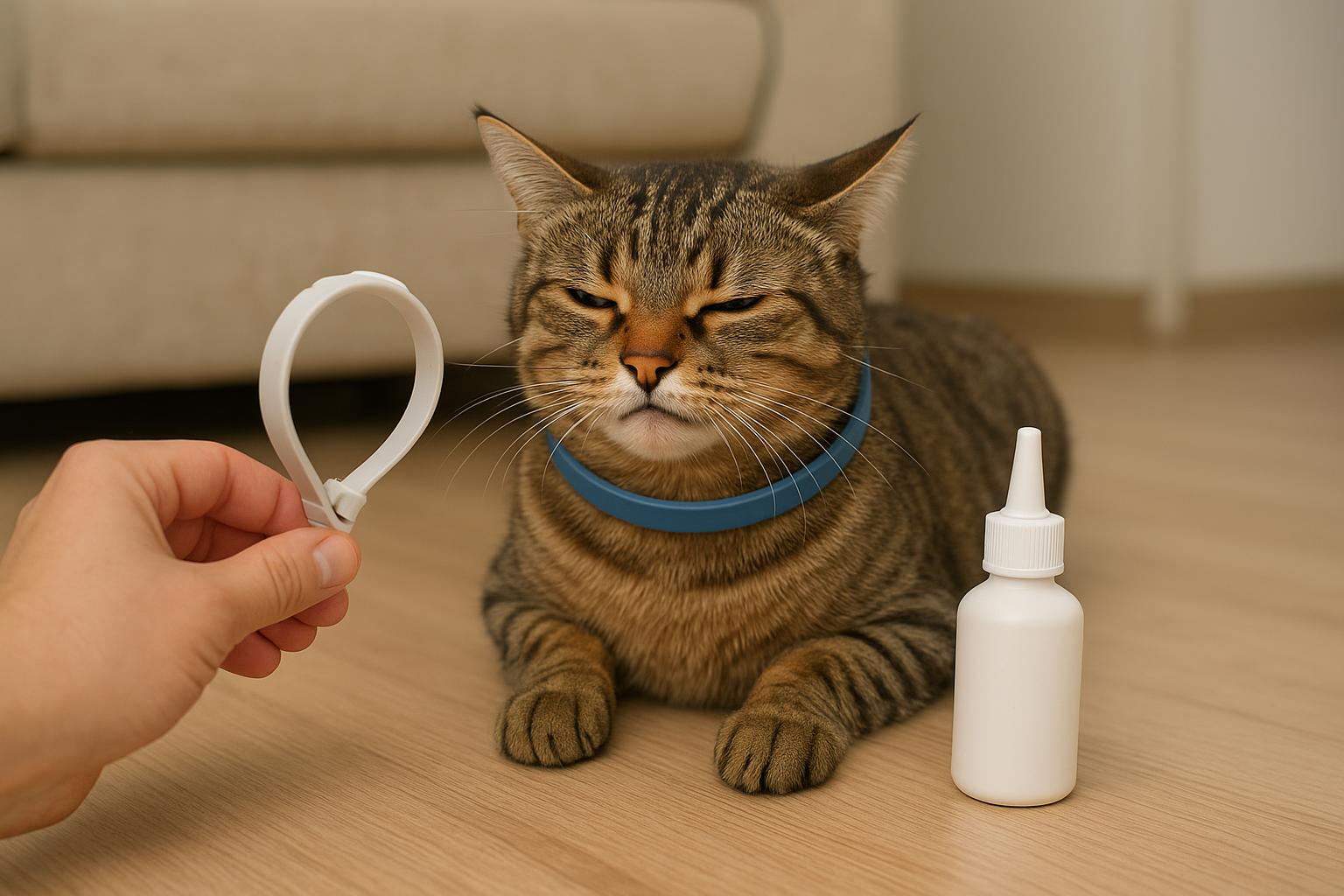
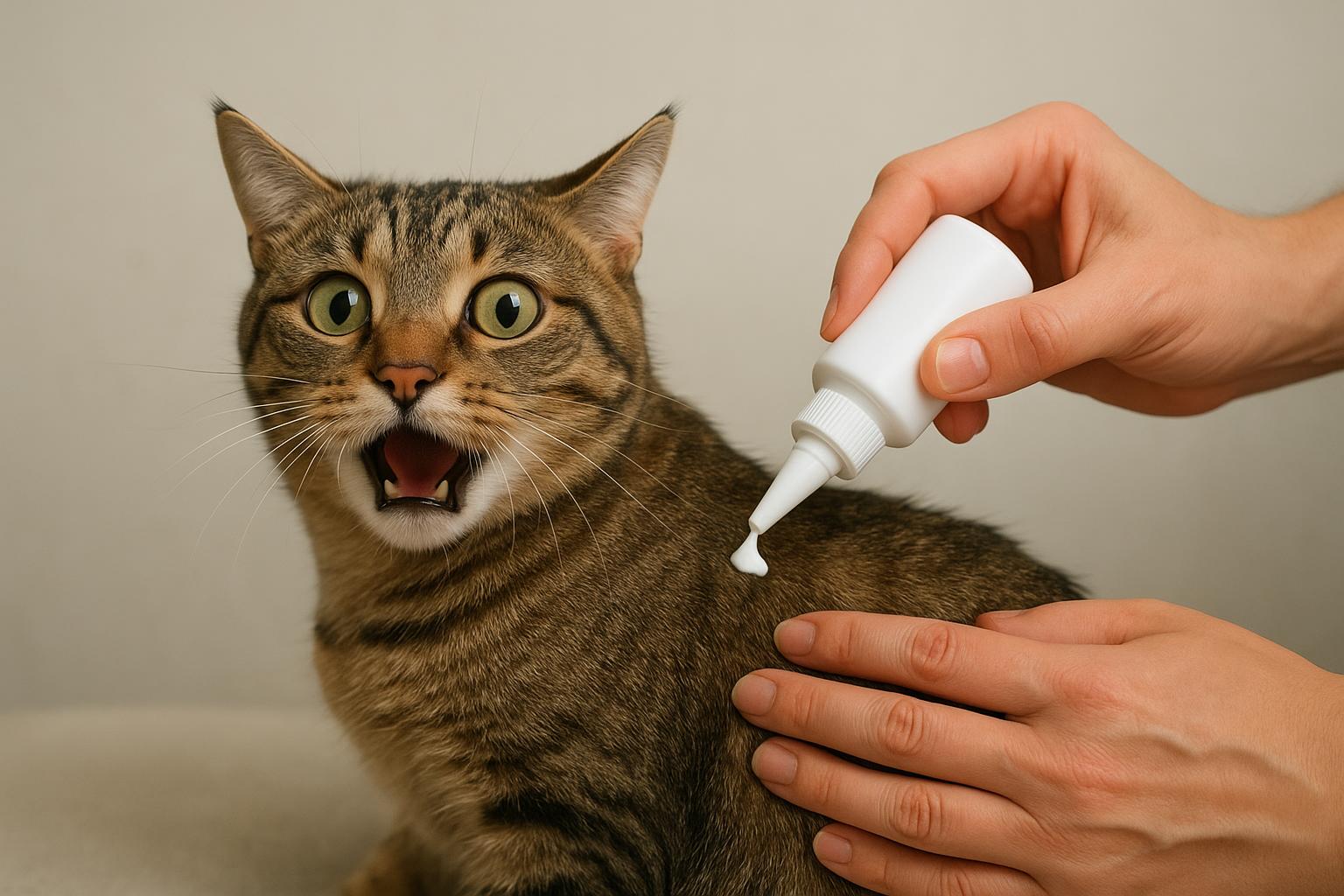
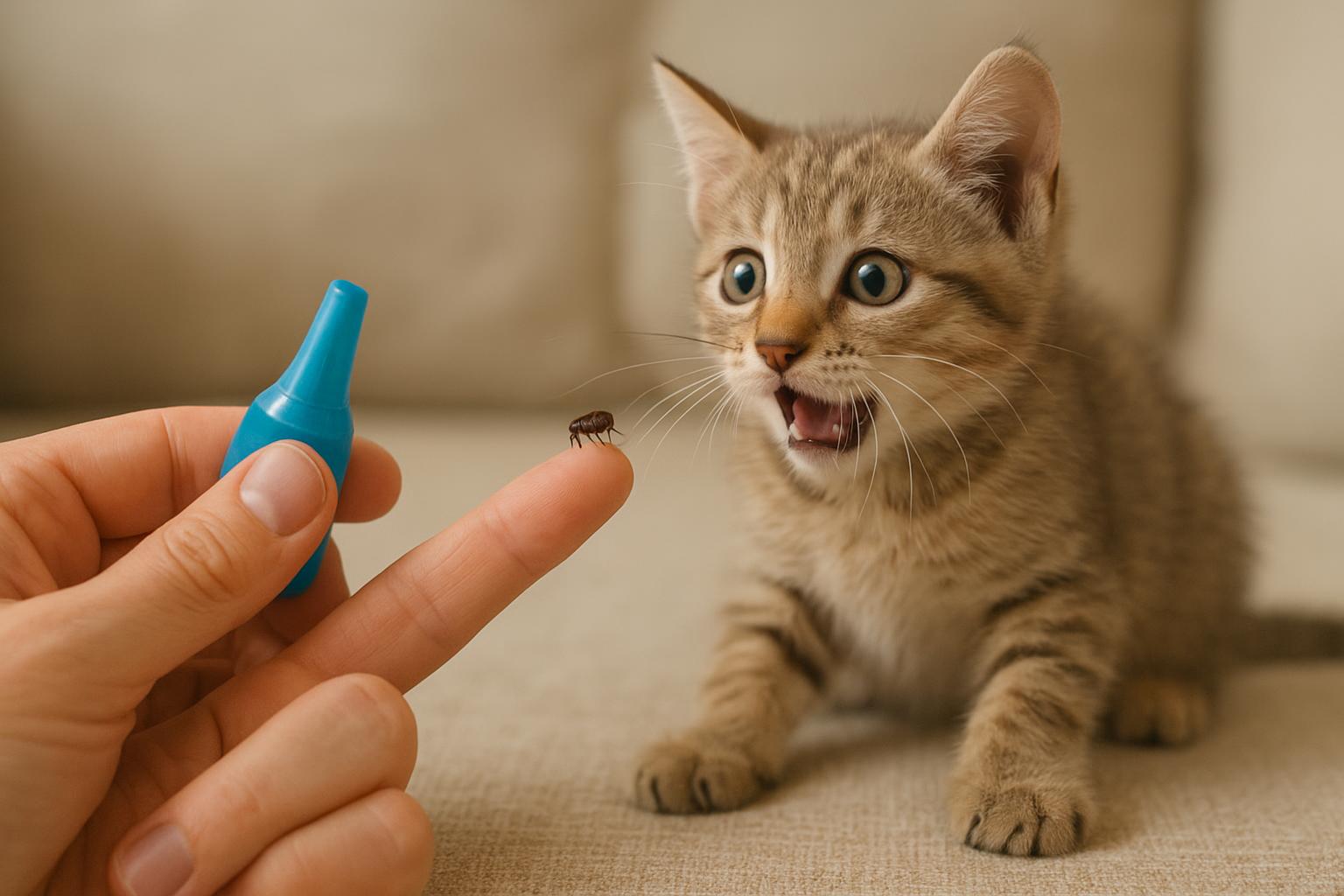
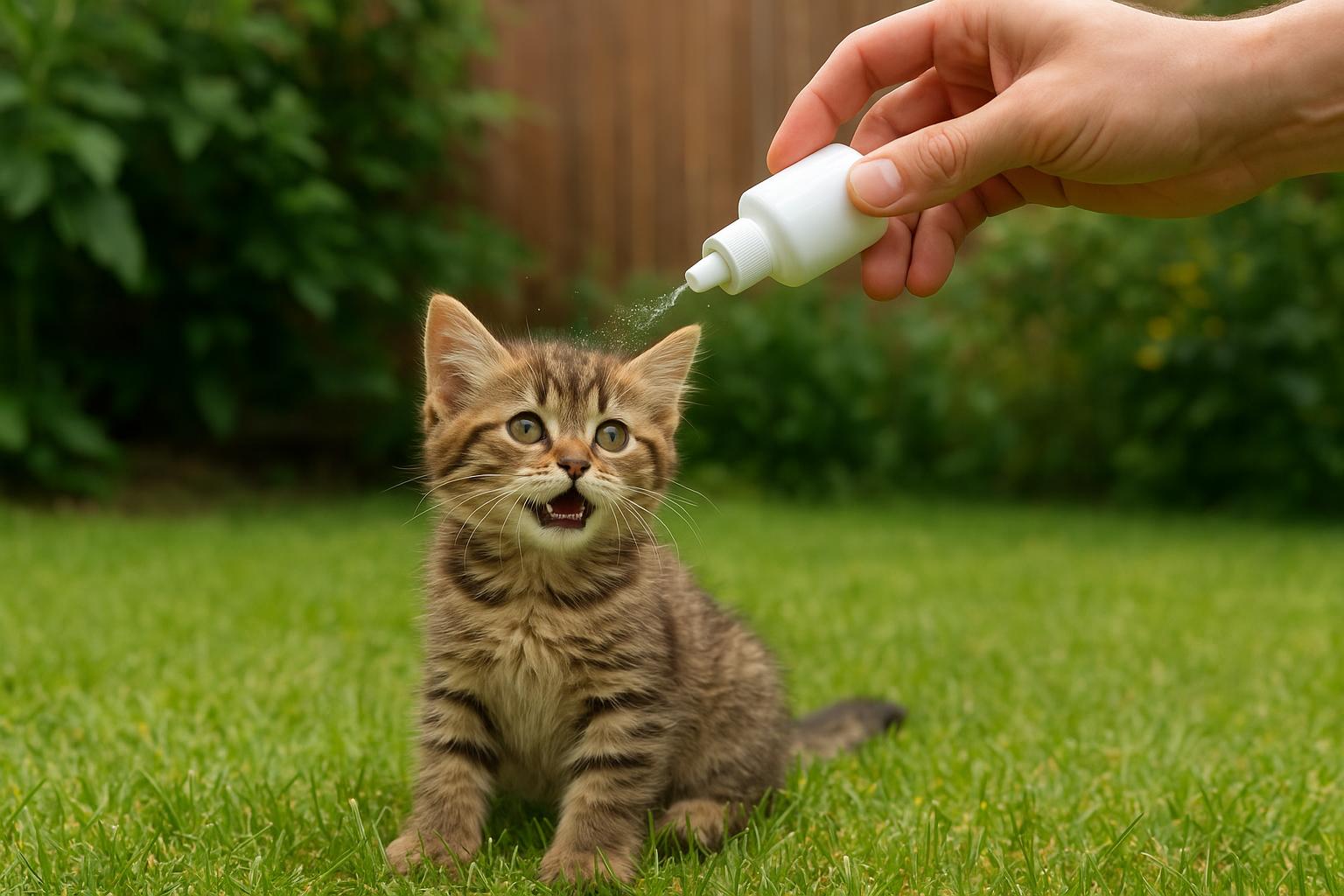
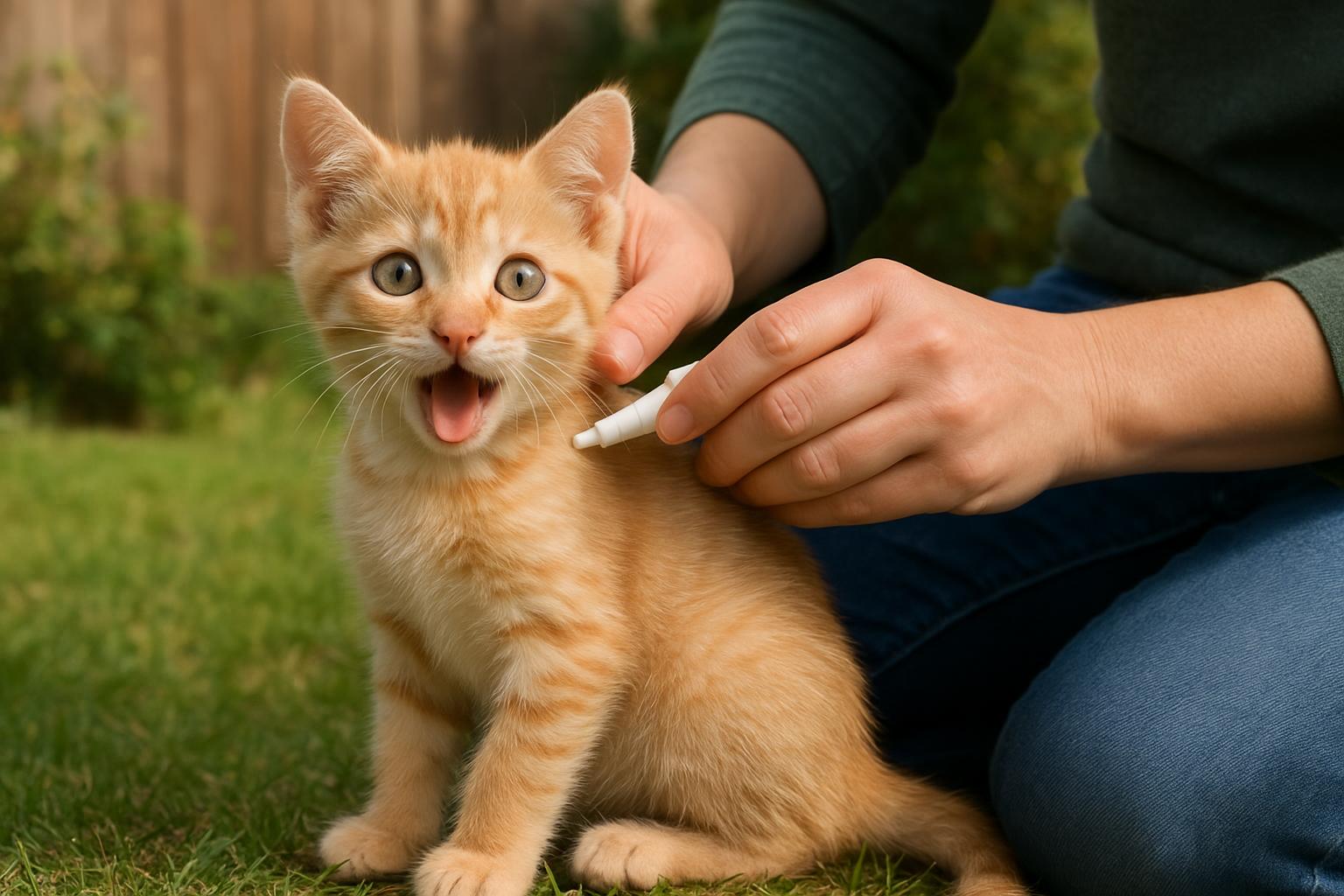
Internal parasite prevention and topical treatments for pets remain essential. Consult a veterinarian for year-round flea prevention protocols appropriate to species, size, and health status. Regular bathing, grooming, and the use of flea combs immediately after outdoor activity reduce the likelihood that pets will transport fleas indoors. Keep pet access to the house controlled after prolonged yard exposure by establishing a clean transition zone or mudroom.
### Targeted Chemical Controls For Severe Cases
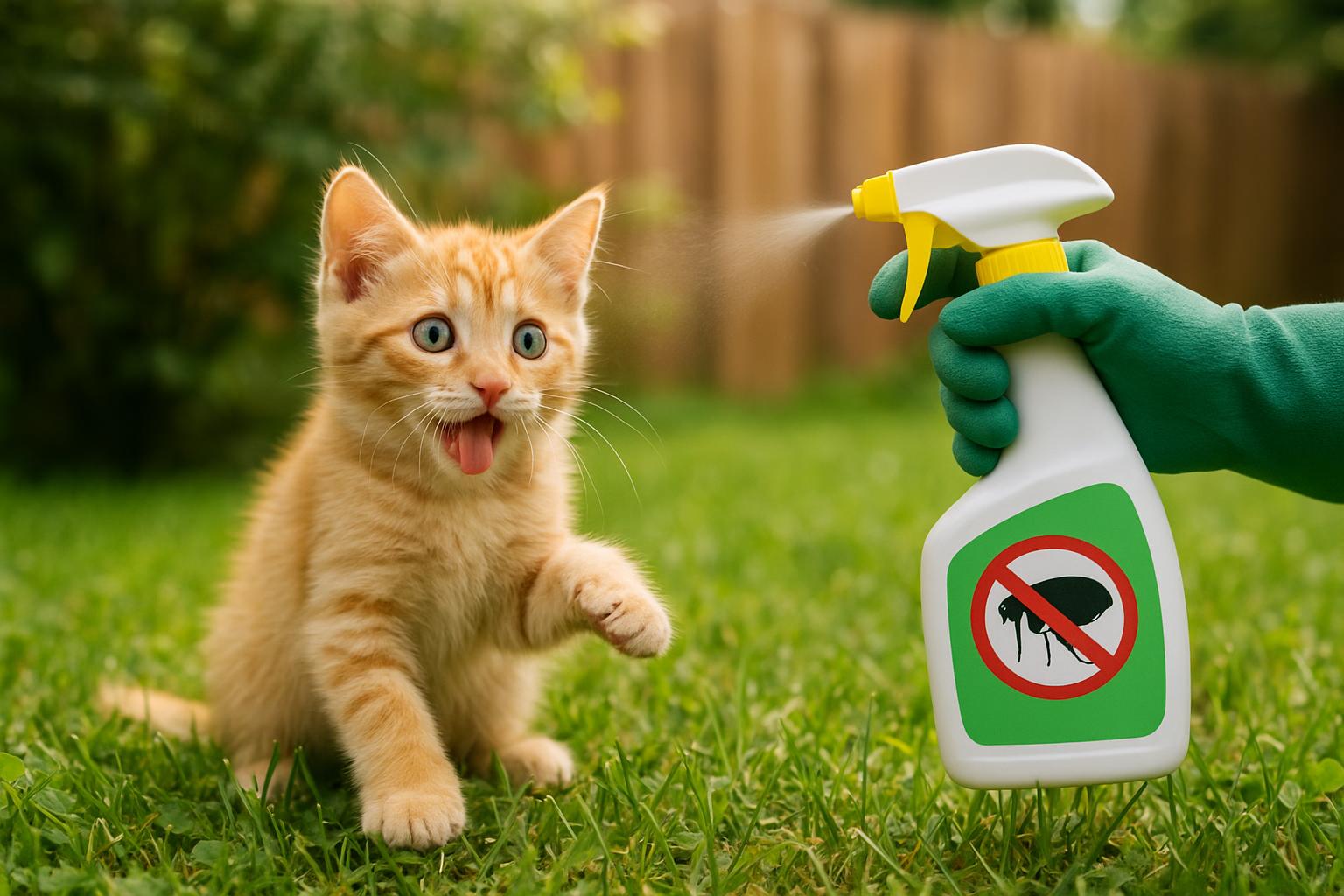
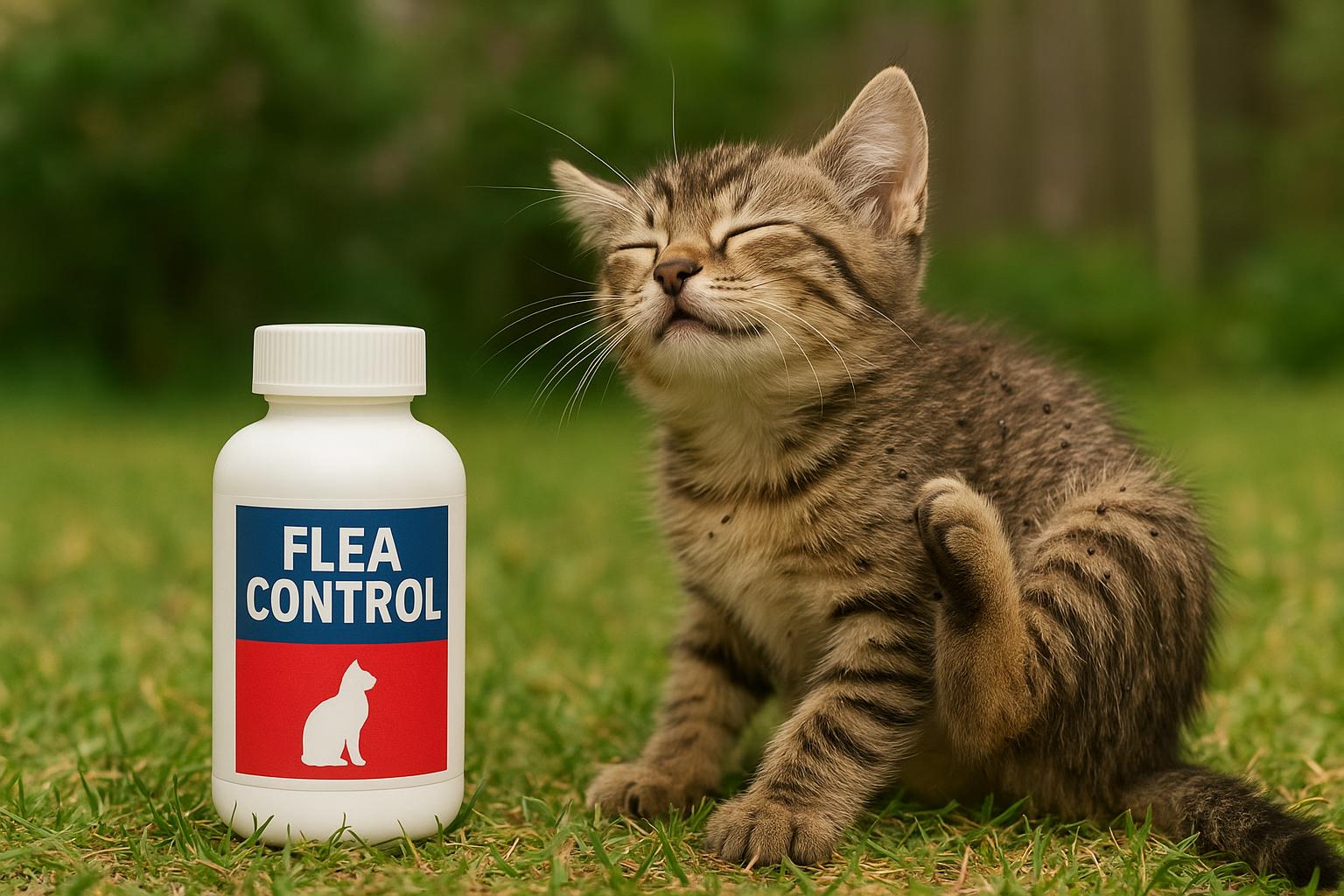
When infestations exceed what habitat modification and biological controls can manage, selective chemical applications may be necessary. Use products labeled for outdoor use and follow all safety instructions to protect people, pets, and beneficial organisms. Apply insect growth regulators (IGRs) to interrupt the flea life cycle in high-risk zones, and consider professional pest control consultation for large properties or repeated infestations. These methods should be employed judiciously as part of a broader strategy that includes monitoring and landscape adjustments to limit outdoor flea entry.
### Behavioral And Wildlife Management To Reduce Recurrence
Discourage wildlife that can act as flea reservoirs by securing trash, installing exclusion devices for under-deck spaces, and removing attractants such as pet food left outdoors. If feral animals are contributing to an infestation, contact local animal control for humane solutions. Reducing wildlife movement near the home notably decreases outdoor flea entry and limits continual reseeding of yard flea populations.
### Seasonal Calendar For Ongoing Prevention
Adopt a seasonal prevention schedule: spring cleanup and nematode or DE application, summer monitoring and botanical maintenance, fall leaf and debris removal, and winter sealing of structural gaps. This cyclical approach reduces the population pressure that leads to yard fleas entering home interiors across multiple seasons. Regular attention and timely interventions are more effective and less disruptive than emergency treatments after indoor infestation.
### Recordkeeping And Adjustment Of Measures
Maintain a log of interventions, monitoring results, pet treatments, and wildlife sightings. Data-driven adjustments enable you to prioritize measures that demonstrably reduce the incidence of yard fleas entering home spaces. Over time, this practice refines the integrated plan to balance effectiveness, animal safety, and environmental impact.













Leave a Reply