
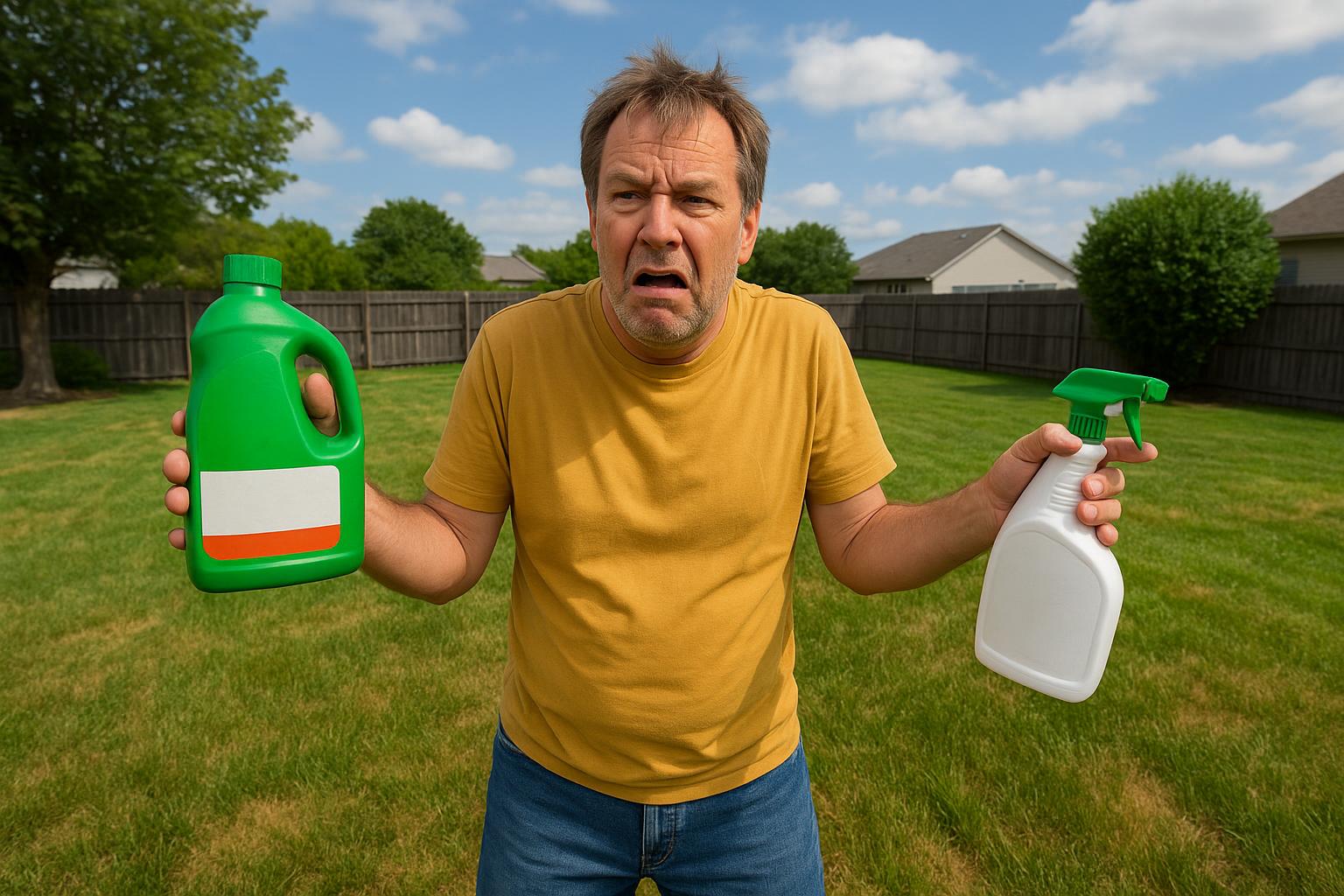
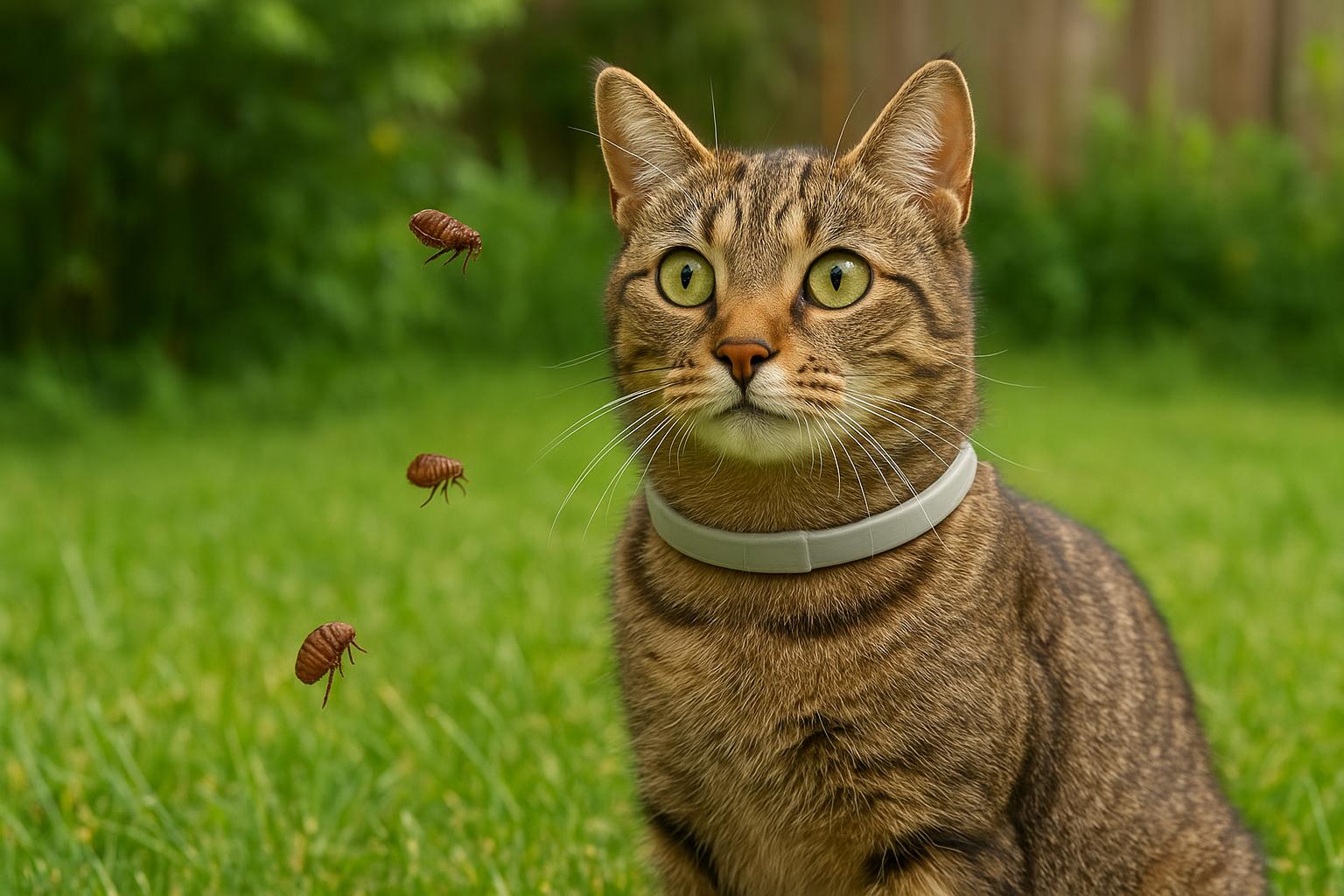
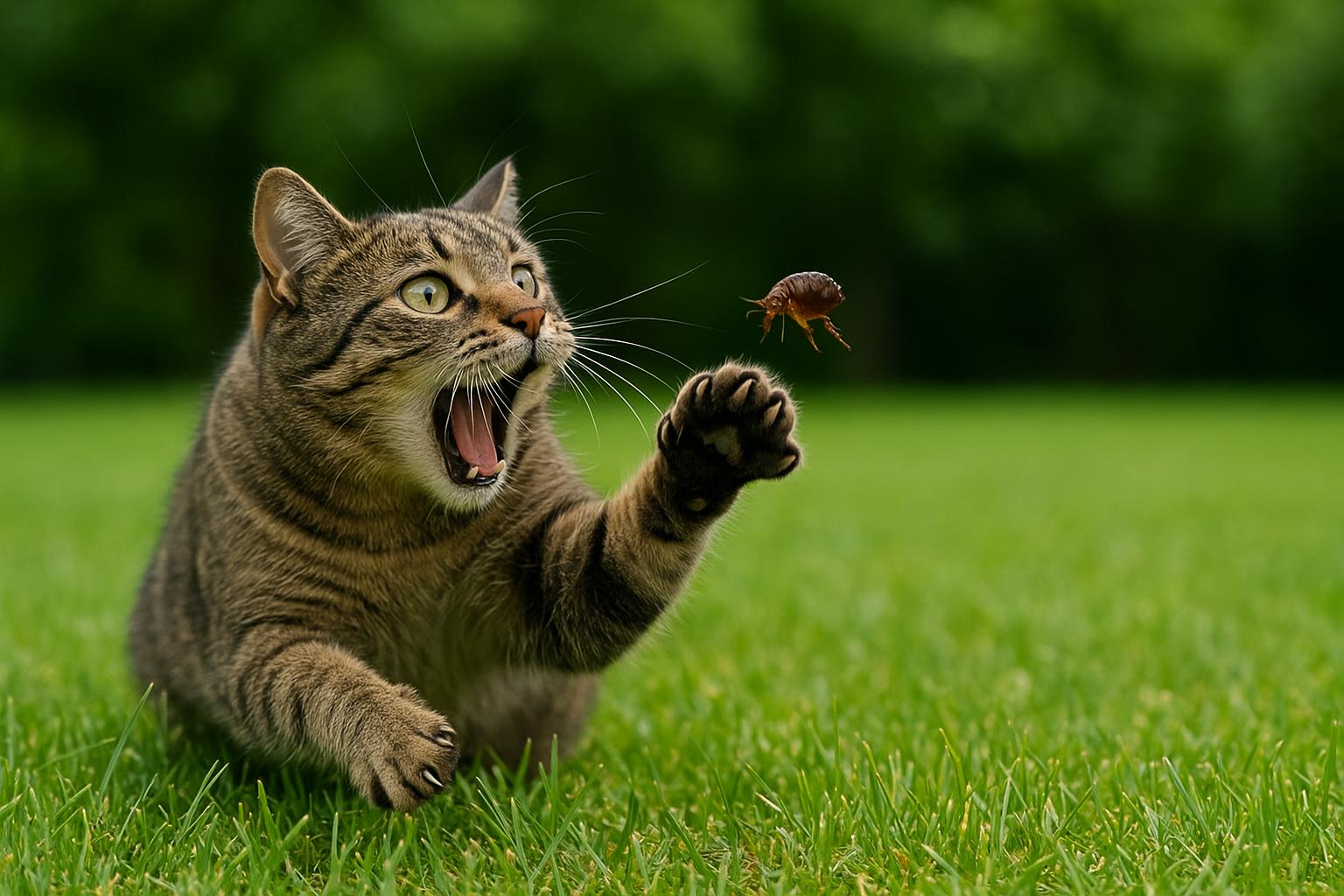
You glance at the lawn and squint, not because the sun is bright, but because you swear you just saw a flea do a high jump over a clover. Welcome to a small, itchy corner of backyard life where common-sense advice and earnest DIY attempts often bump heads with biology. This piece is here to walk you through why no single silver-bullet solution works and to give careful, usable remedies when action is needed.
## No Valid Option Exists For Fleas In Grass Control Today
### Why Fleas Love Your Lawn
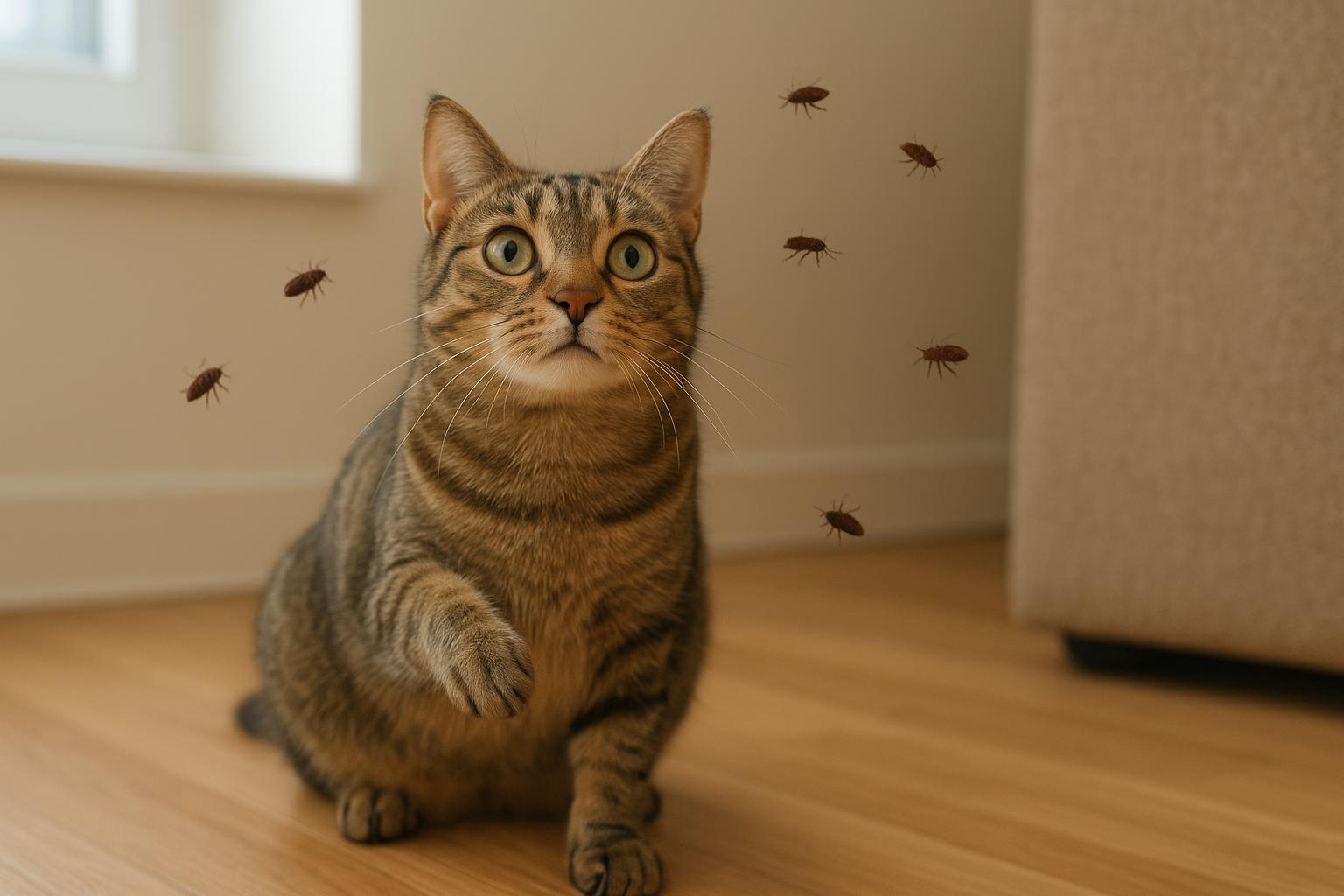
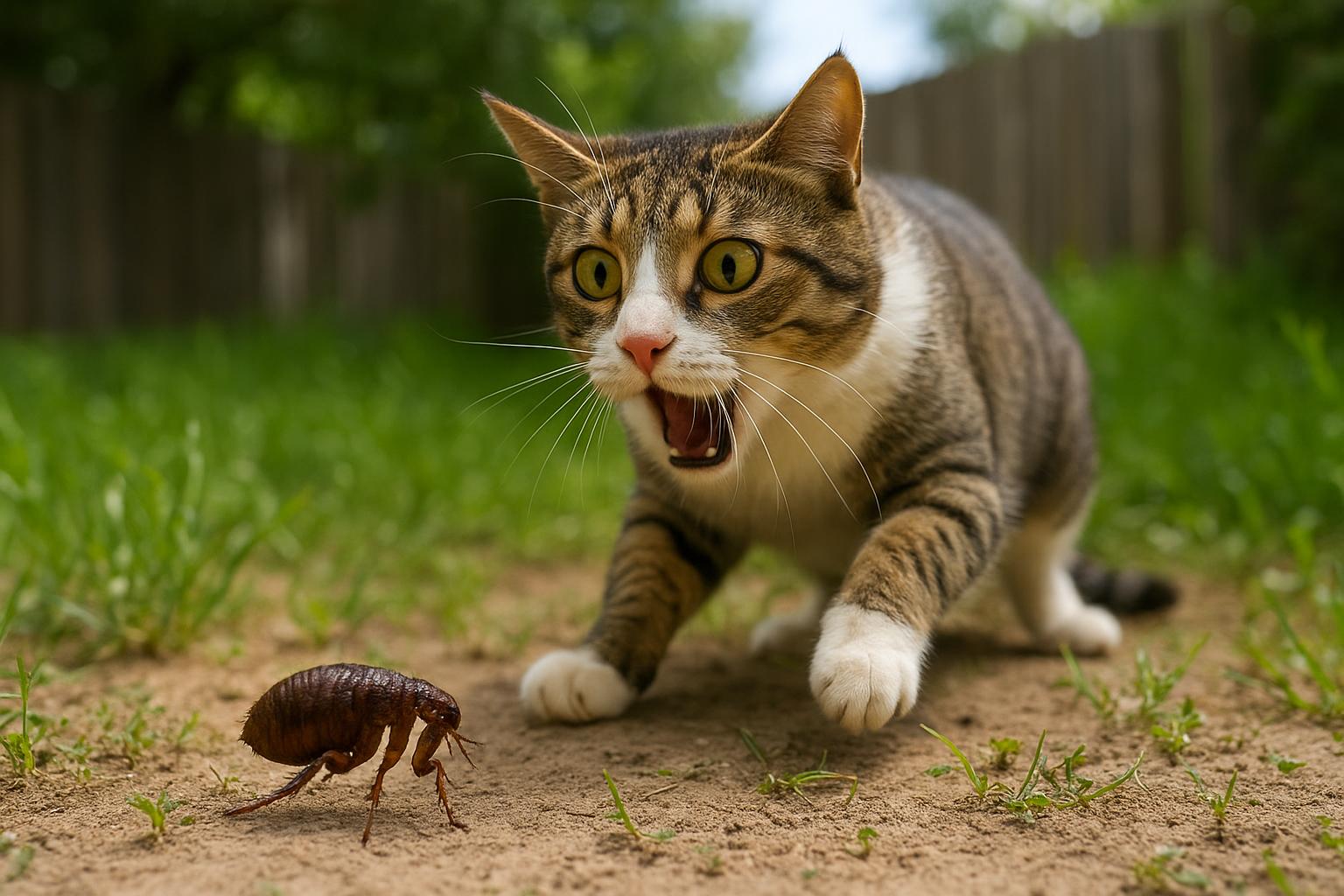
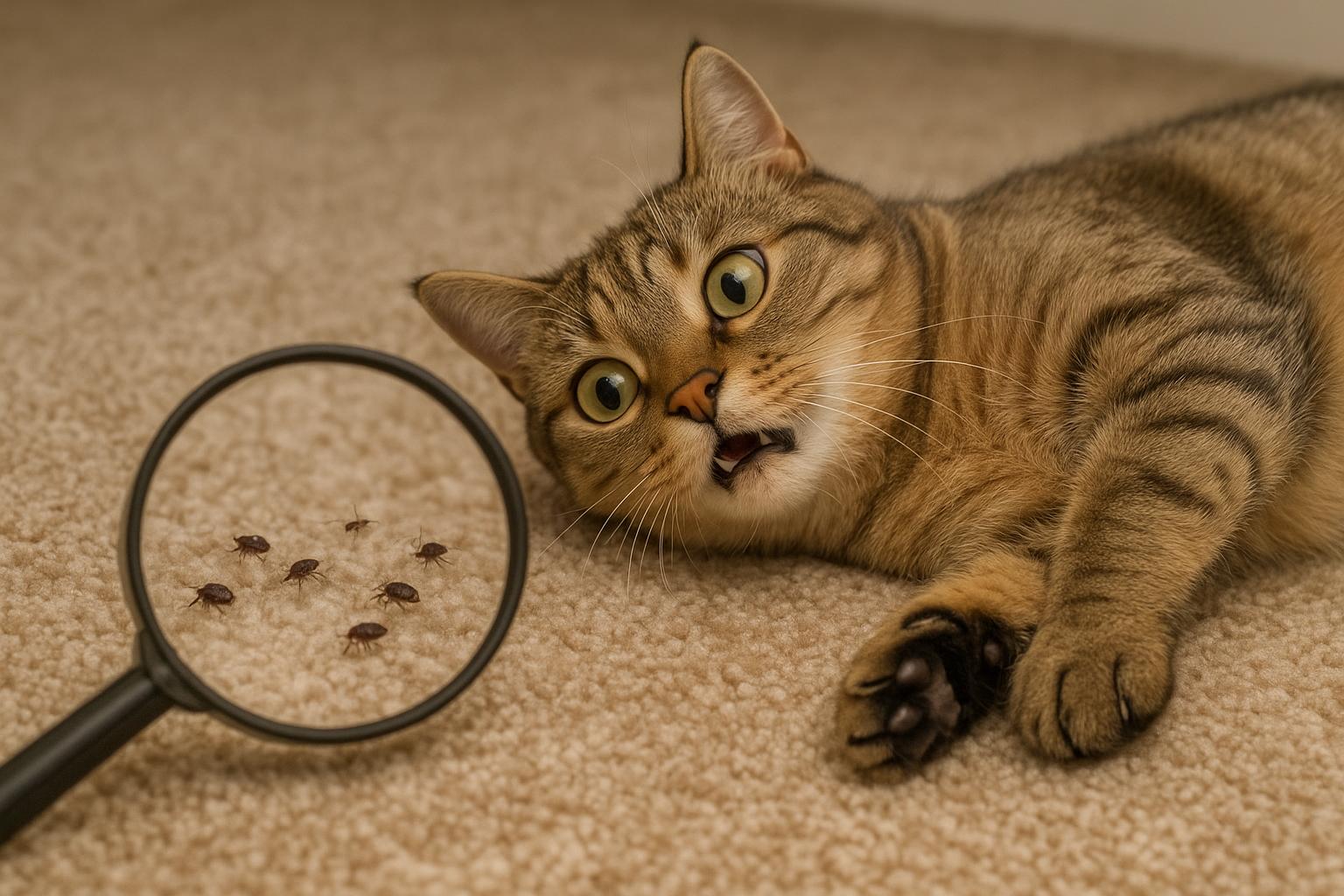
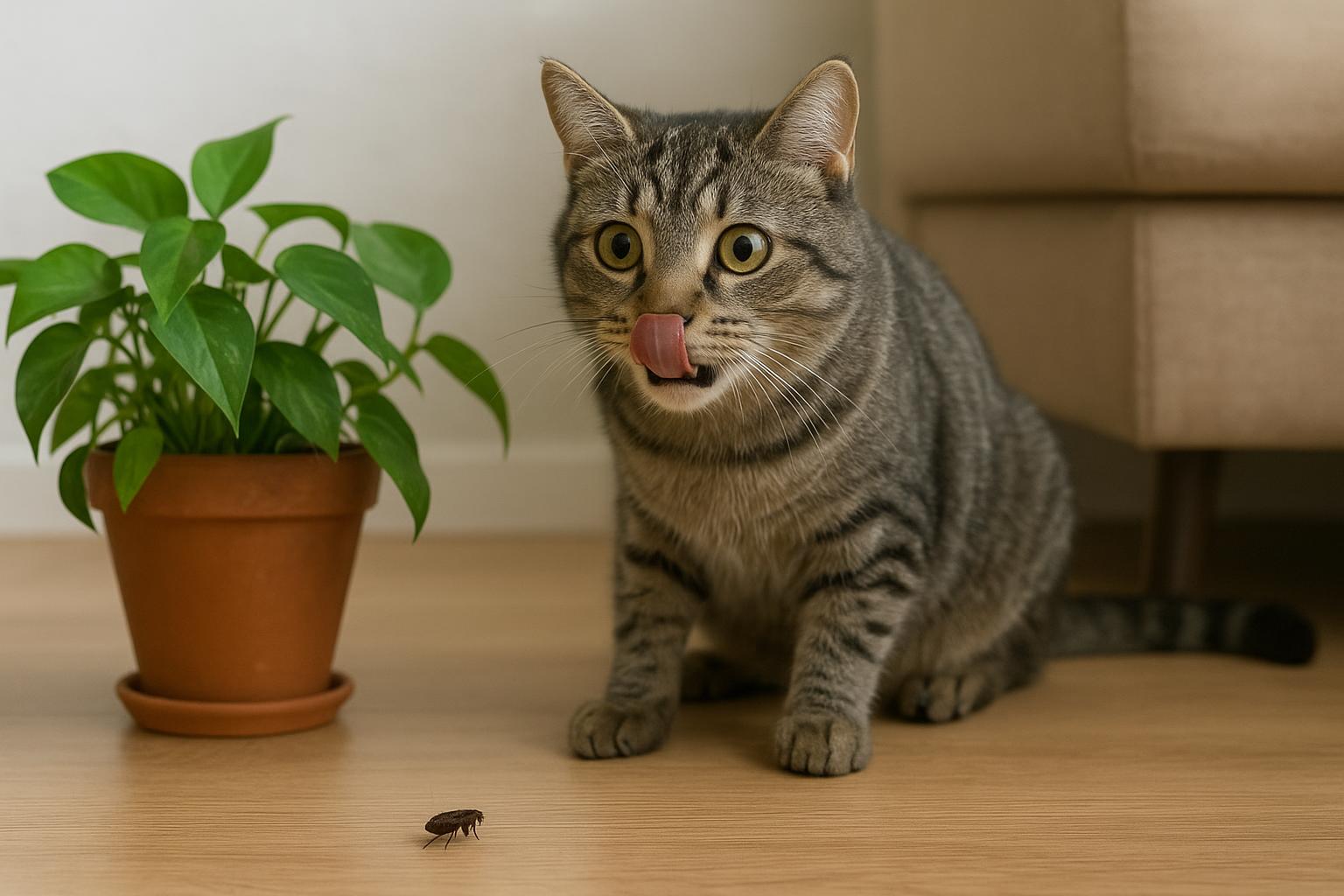
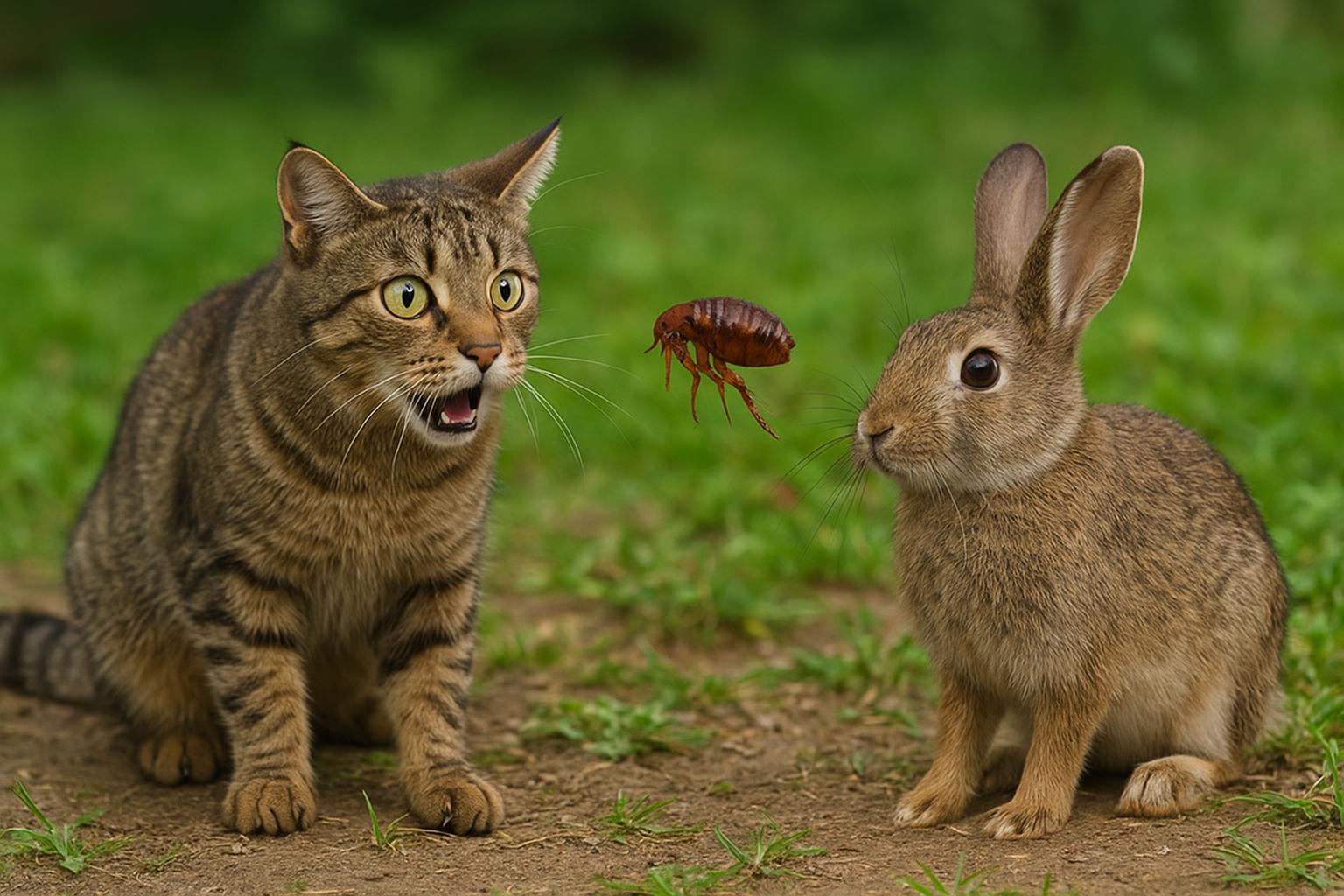
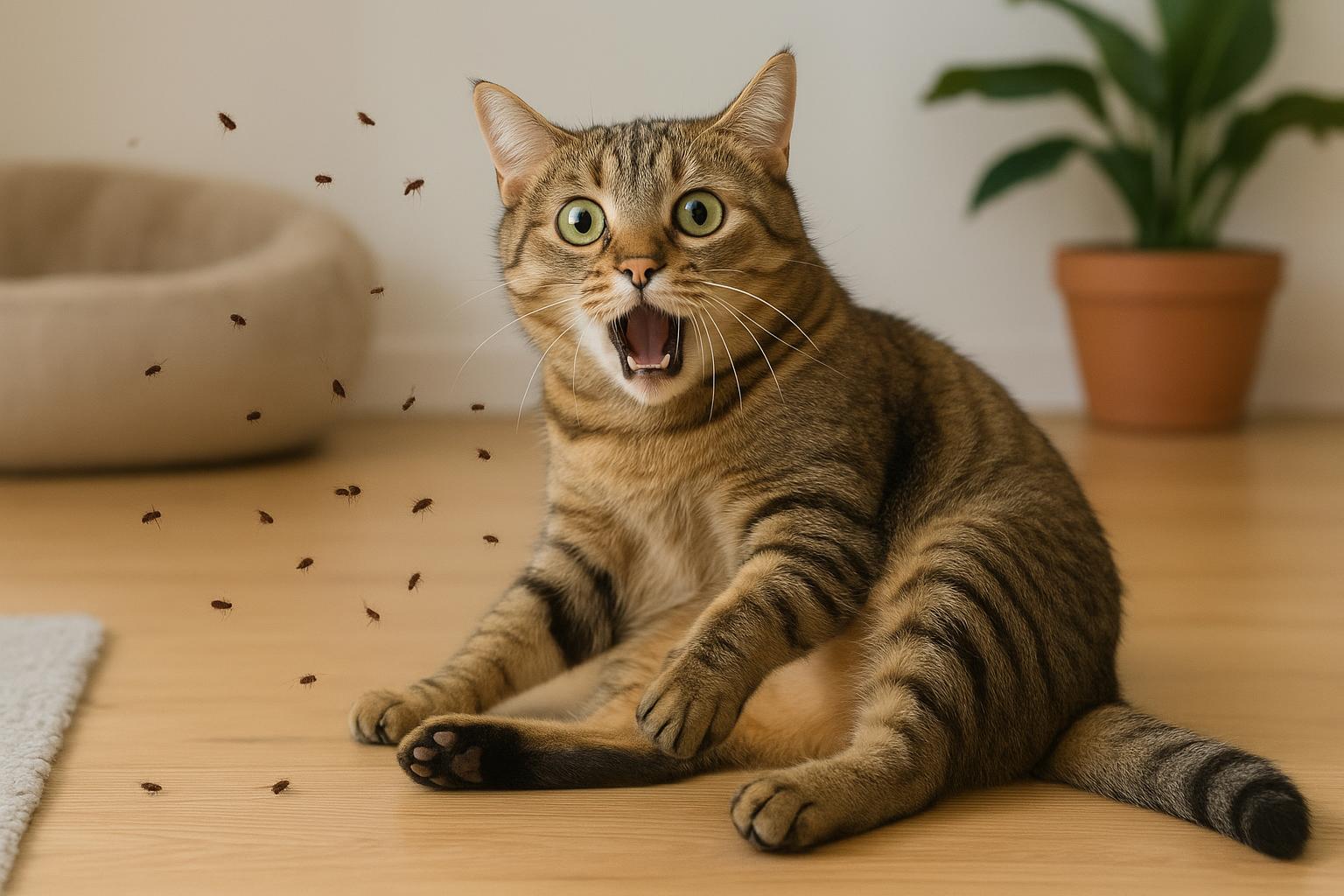
Fleas are tiny, but their lifecycle is impressively stubborn. The eggs fall off hosts and hide in the soil, thatch, leaf litter, and under grassy crowns. Warm temperatures, shaded microclimates, and humid pockets under tall grass create a perfect nursery. When a dog, cat, raccoon, or even a passing opossum wanders through, adult fleas get a free ride back to a blood meal and the cycle starts again.
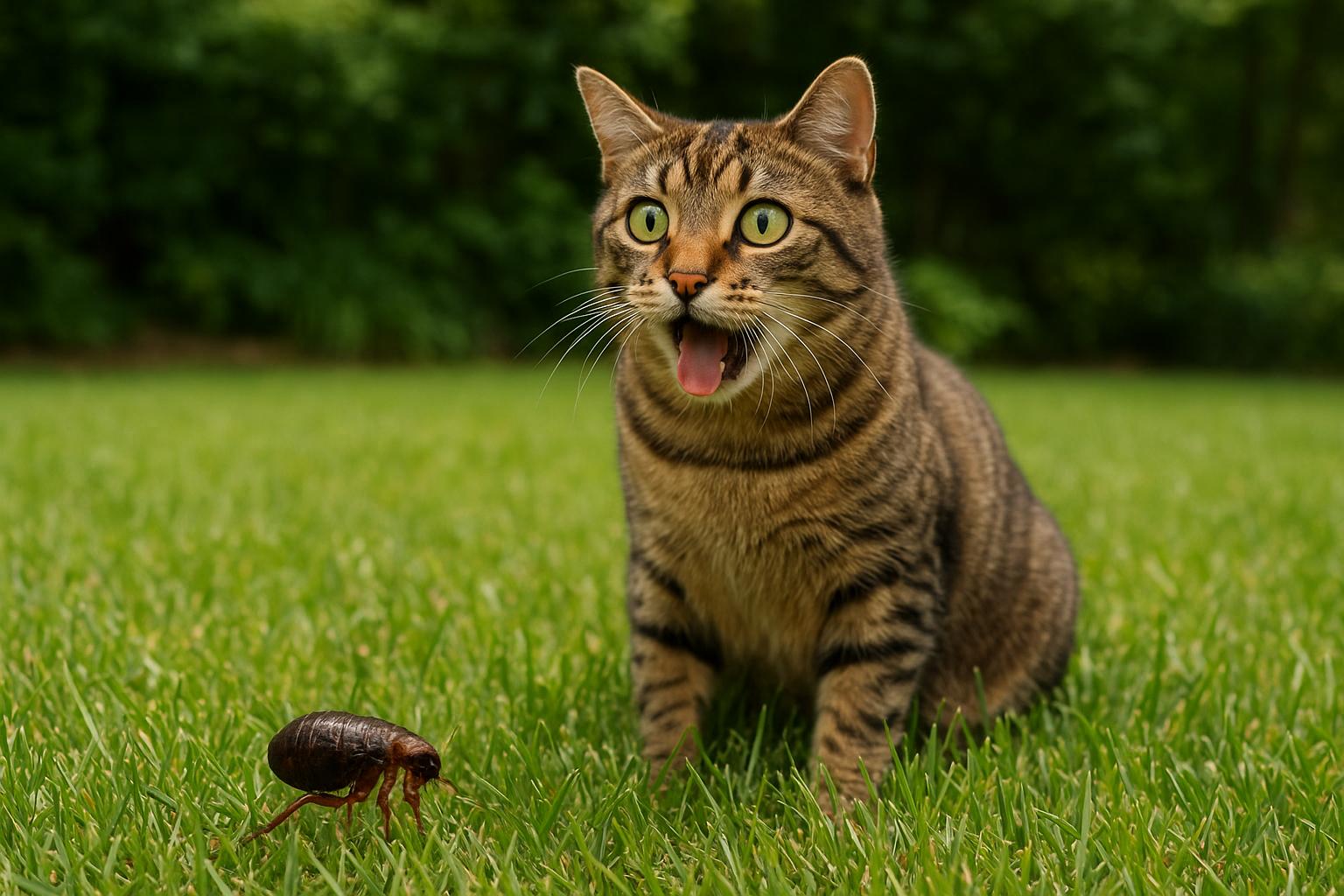
When people search for “fleas in grass,” they’re usually picturing adult fleas hopping around the lawn. In reality, the bulk of a flea population exists as eggs, larvae, and pupae in the grass and soil — stages that are much harder to target than jumpy adults. This is why simple sprays often feel like a temporary victory: adults die, but the next generation emerges from the soil like clockwork.
### The Limits Of Quick Fixes And Myths
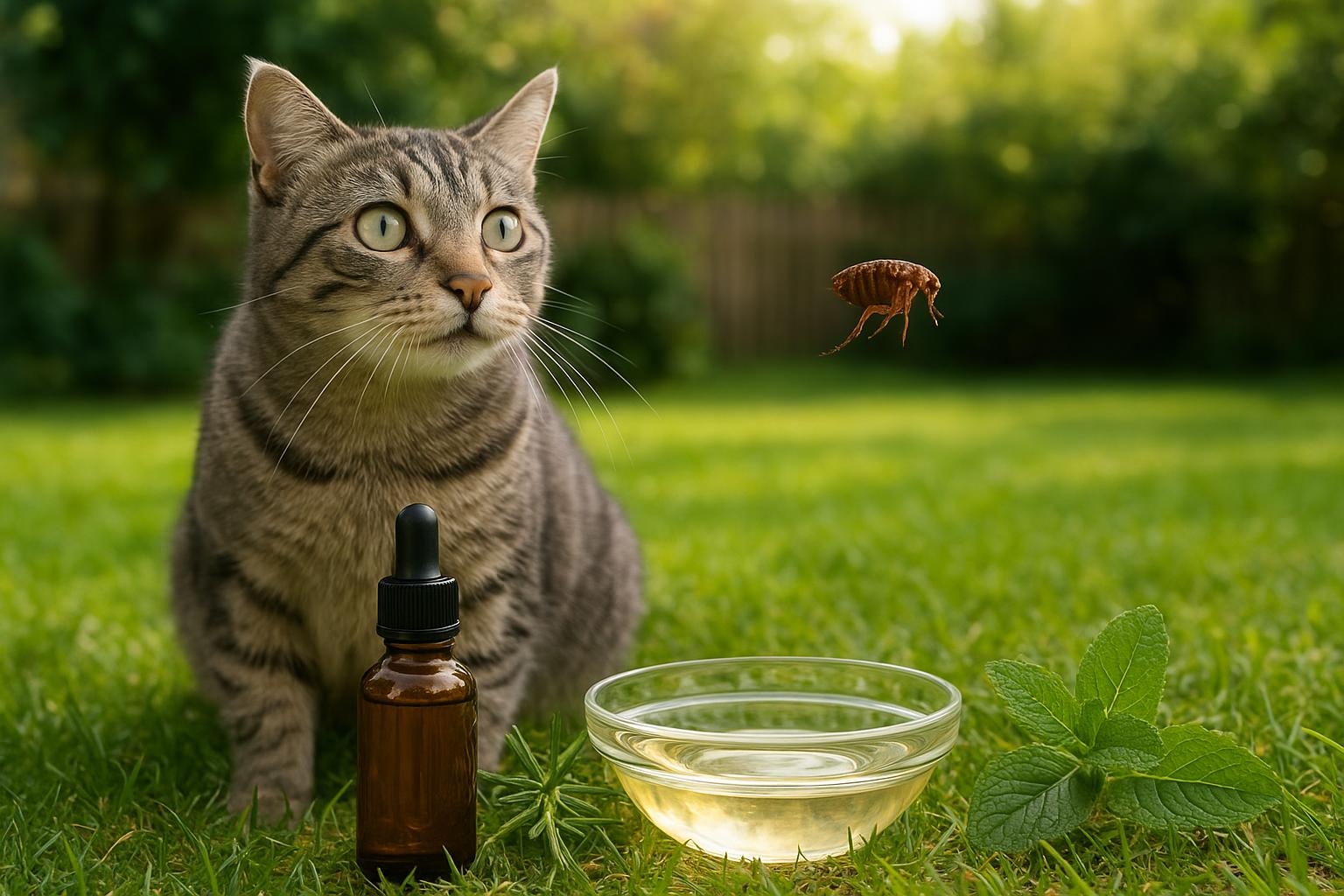
There are lots of tempting claims out there: that a single lawn spray wipes out every flea, or that a certain essential oil will make your lawn a flea-free paradise. Spoiler: it’s rarely that simple.
– Synthetic insecticides can be effective for adult fleas but often fail to reach eggs and pupae hidden in soil or thatch.
– Natural products like diatomaceous earth can reduce larvae, but their efficacy is highly dependent on dry conditions and thorough coverage — often impractical on a typical yard.
– DIY concoctions applied too lightly or on the wrong life stages give a false sense of control and can select for more resilient populations over time.
All of this means managing “fleas in grass” is usually about layered approaches and patience, not instant vanquishing.
## Remedy 1: Professional Chemical Treatment (When It’s Appropriate)
### When To Consider Professional Treatment
Professional chemical treatment is appropriate when there is a heavy infestation affecting humans or pets, when wildlife reservoirs are abundant, or when previous attempts have failed. This option should be selected with consideration for environmental impacts, local regulations, and the safety of children, pets, and beneficial insects.
#### Materials And Active Ingredients Commonly Used
– Professional-grade insect growth regulators (IGRs) such as methoprene or pyriproxyfen.
– Residual adulticides labeled for turf use (e.g., products containing imidacloprid, bifenthrin — note: consult label and local regulations).
– Application equipment: calibrated backpack sprayer or truck-mounted equipment.
– Personal protective equipment (PPE): gloves, goggles, long sleeves, and a respirator if recommended.
### Step-By-Step Professional Application (For Licensed Applicators)
1. Assessment: Conduct a site inspection to identify hotspots, pet paths, shaded areas, and wildlife access points.
2. Select Products: Choose a combination of an IGR plus a residual adulticide appropriate for turf and labeled for the target flea species. Ensure product labels permit turf application.
3. Prepare Equipment: Calibrate the sprayer for even application at the label-specified rate. Verify PPE is available and in good condition.
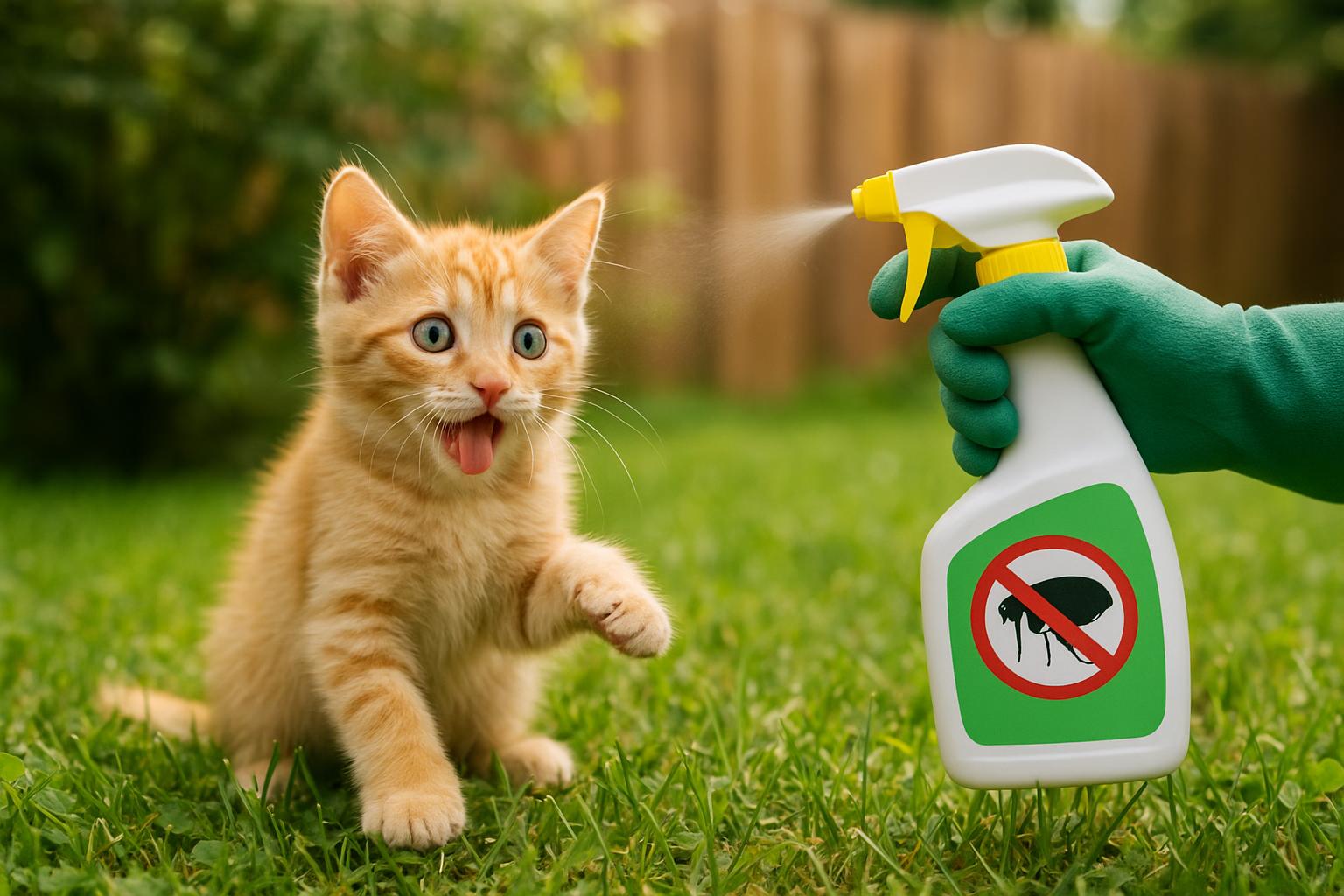
4. Apply IGR: Treat the turf using the IGR as a base layer to disrupt egg and larval development. Focus on thatch, under shrubbery, and shaded zones.
5. Apply Adulticide: After IGR, apply the residual adulticide to kill adults that come into contact with treated grass. Avoid nozzle patterns that create drift onto non-target plants.
6. Post-Treatment Restrictions: Follow label re-entry intervals for people and pets. Inform homeowners of watering and mowing restrictions to preserve efficacy.
7. Follow-Up: Schedule a follow-up inspection and re-treatment if required, typically 2–4 weeks later, to address newly emerged adults from pupae not impacted by initial treatment.
Professional treatments are regulated and labeled for safety and effectiveness when used by trained applicators. They are not a license for casual over-application; adherence to labels and integrated tactics is essential to reduce environmental harm and resistance development.
## Remedy 2: Integrated Nonchemical Approach
### Why Integrated Methods Matter
If you prefer to minimize synthetic pesticides or want a longer-term ecological fix, integrated nonchemical strategies focus on reducing habitat suitability and interrupting the flea lifecycle. These methods are slower but can meaningfully reduce the cues that attract hosts and the microhabitats where “fleas in grass” thrive.
#### Required Materials
– Beneficial nematodes (Steinernema carpocapsae or Heterorhabditis bacteriophora) formulated for lawn application.
– Coarse compost rake or dethatching rake.
– Reel or electric mower with blade height adjustment.
– Mulch or gravel for high-use areas and to create barriers.
– Diatomaceous earth (food-grade) — optional and used sparingly.
– Trash bags, gloves, and a leaf blower or yard vacuum for debris removal.
– Pet flea prevention products (vet-approved topical or oral medications).
### Step-By-Step Nonchemical Program
1. Habitat Reduction:
– Clean Up Debris: Remove leaf litter, grass clumps, and piles of organic matter where flea larvae hide. Bag and dispose of or compost away from the lawn perimeter.
– Manage Edge Zones: Replace dense shrubs or groundcover that touch the turf with lower-maintenance borders or gravel that discourage wildlife and reduce shaded humidity.
2. Lawn Cultural Practices:
– Mow High And Regularly: Keep the grass at a slightly higher setting (around 3 inches) to promote healthy root systems, but avoid long uncut corridors. A dense, well-maintained lawn dries faster, making it less hospitable to flea larvae.
– Dethatch If Needed: If thatch exceeds 1/2 inch, dethatch to expose larvae and eggs to predators and the elements.
3. Beneficial Nematodes Application:
– Timing: Apply in spring and late summer when soil temperatures are between 50°F and 95°F, and when soil moisture is adequate.
– Preparation: Rehydrate nematode product per manufacturer instructions just before use.
– Application: Use a garden hose-end sprayer or backpack sprayer. Apply evenly to moist turf, avoiding sunny midday heat. Water in lightly after application to wash nematodes into the topsoil where flea larvae reside.
4. Spot Treatment With Diatomaceous Earth (Optional):
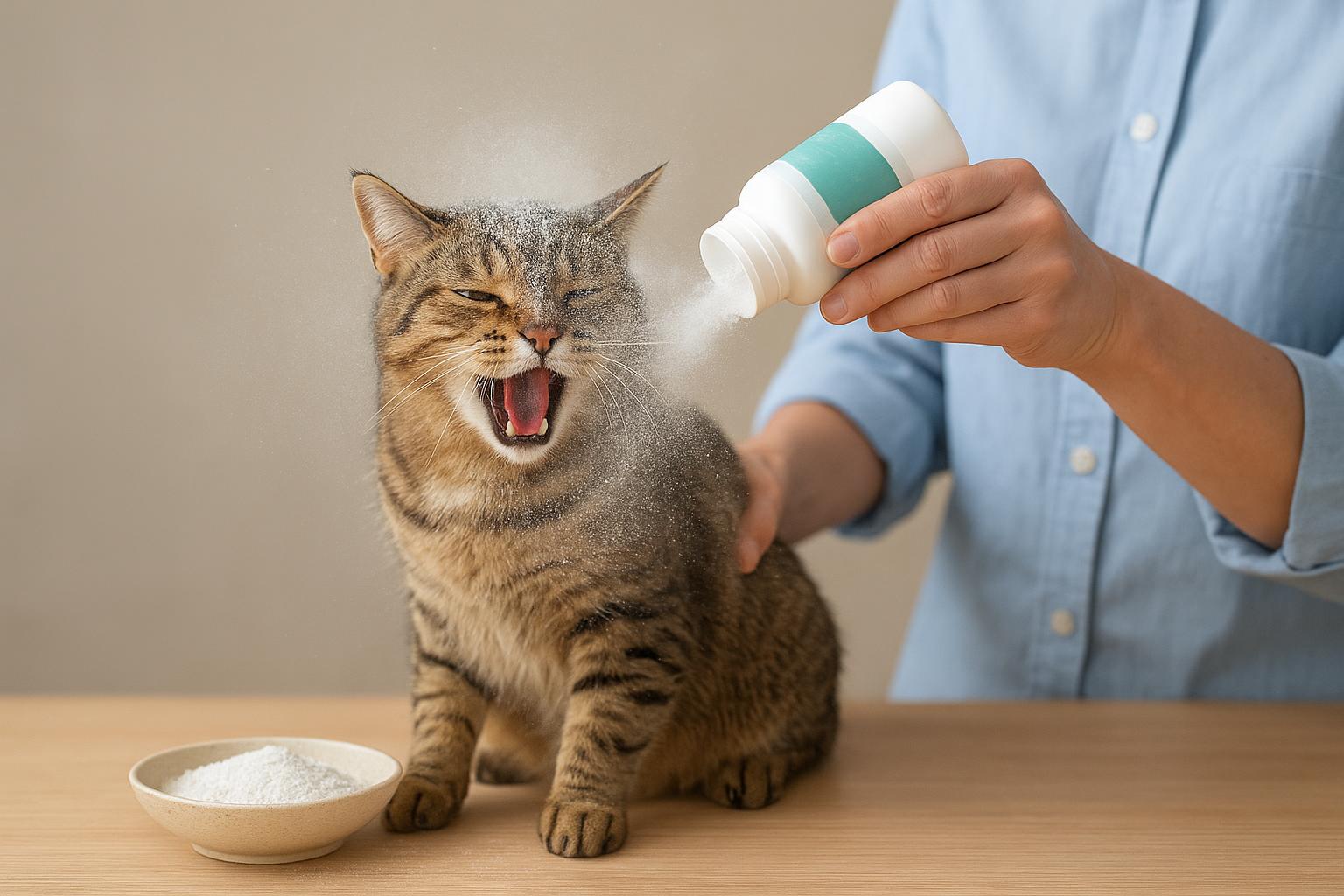
– Use sparingly on dry, sunny patches where pets frequently rest. Lightly dust — do not overapply — and avoid windy conditions to prevent inhalation hazards.
5. Wildlife Management:
– Exclude Or Deter: Seal gaps under sheds, use fencing or motion-activated deterrents where raccoons or feral cats are frequent. Clean up pet food left outdoors that attracts wildlife.
6. Pet Treatment:
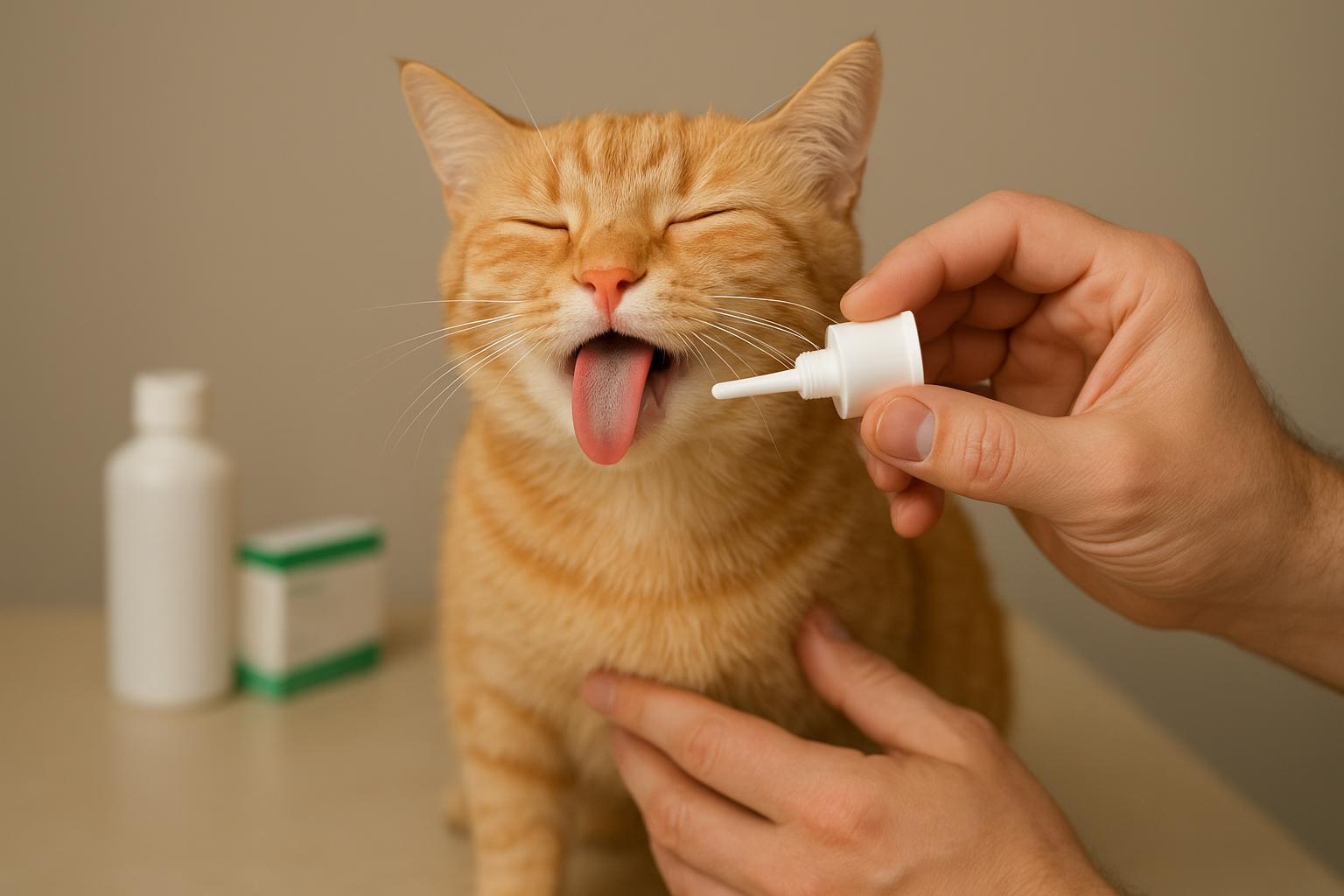
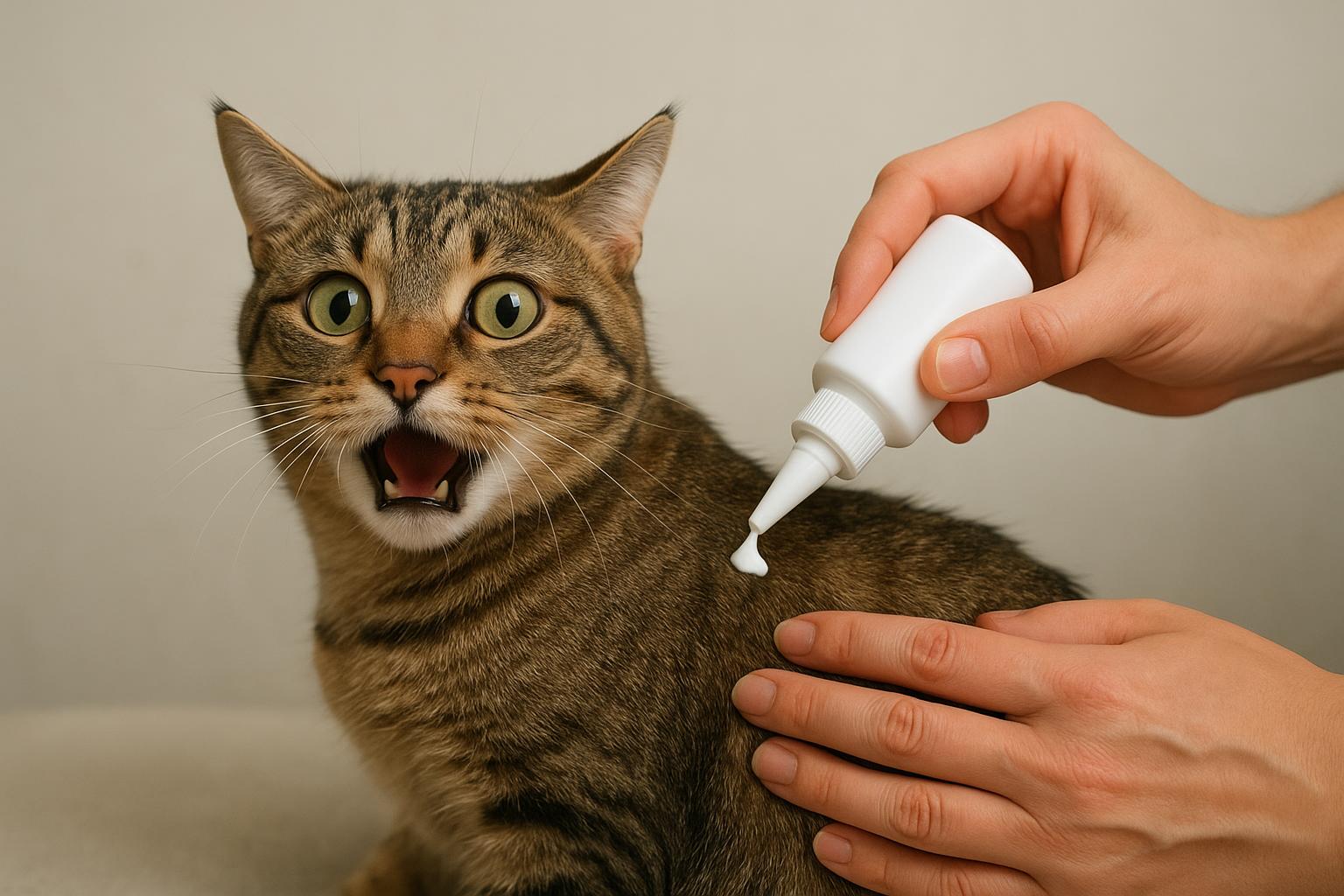
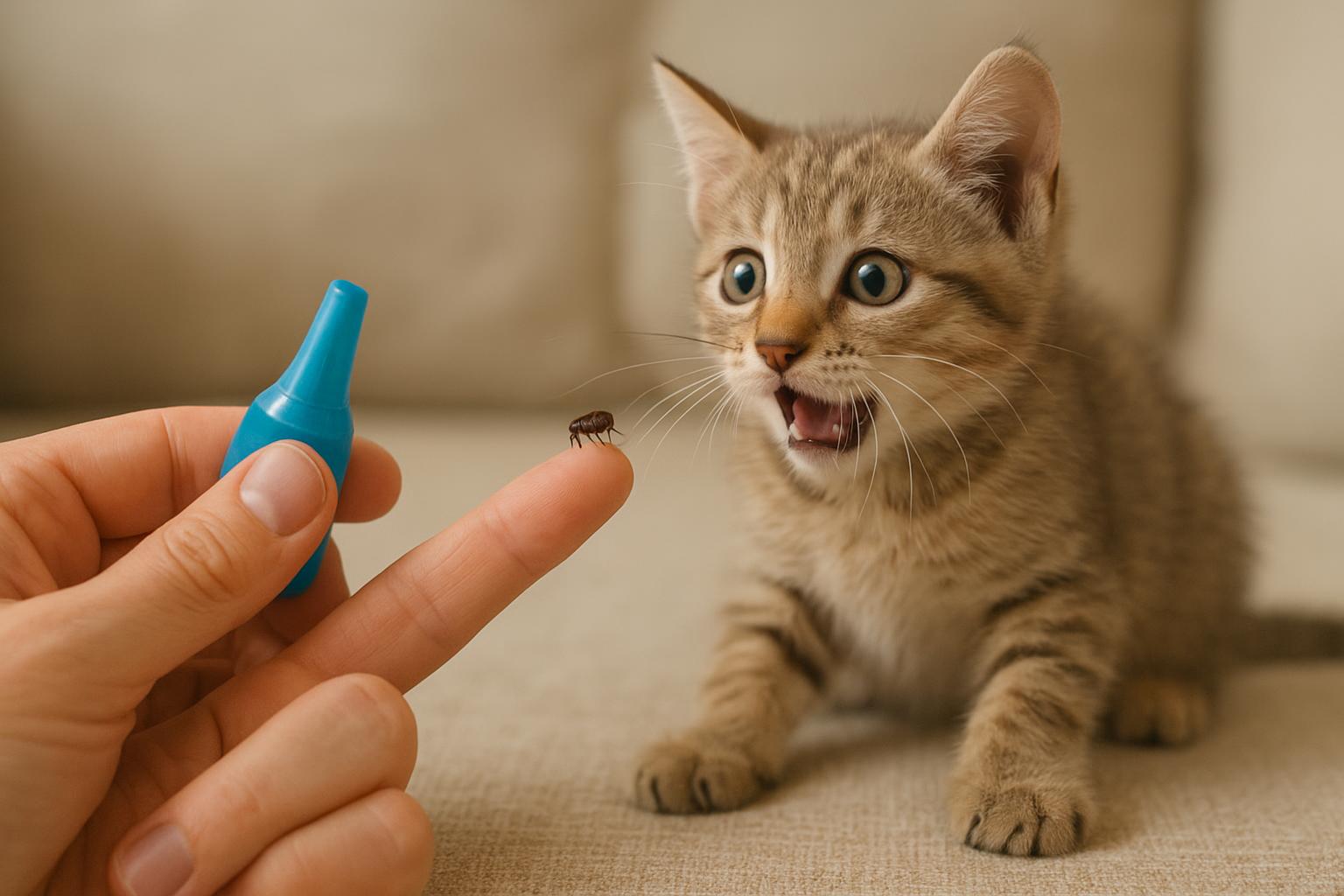
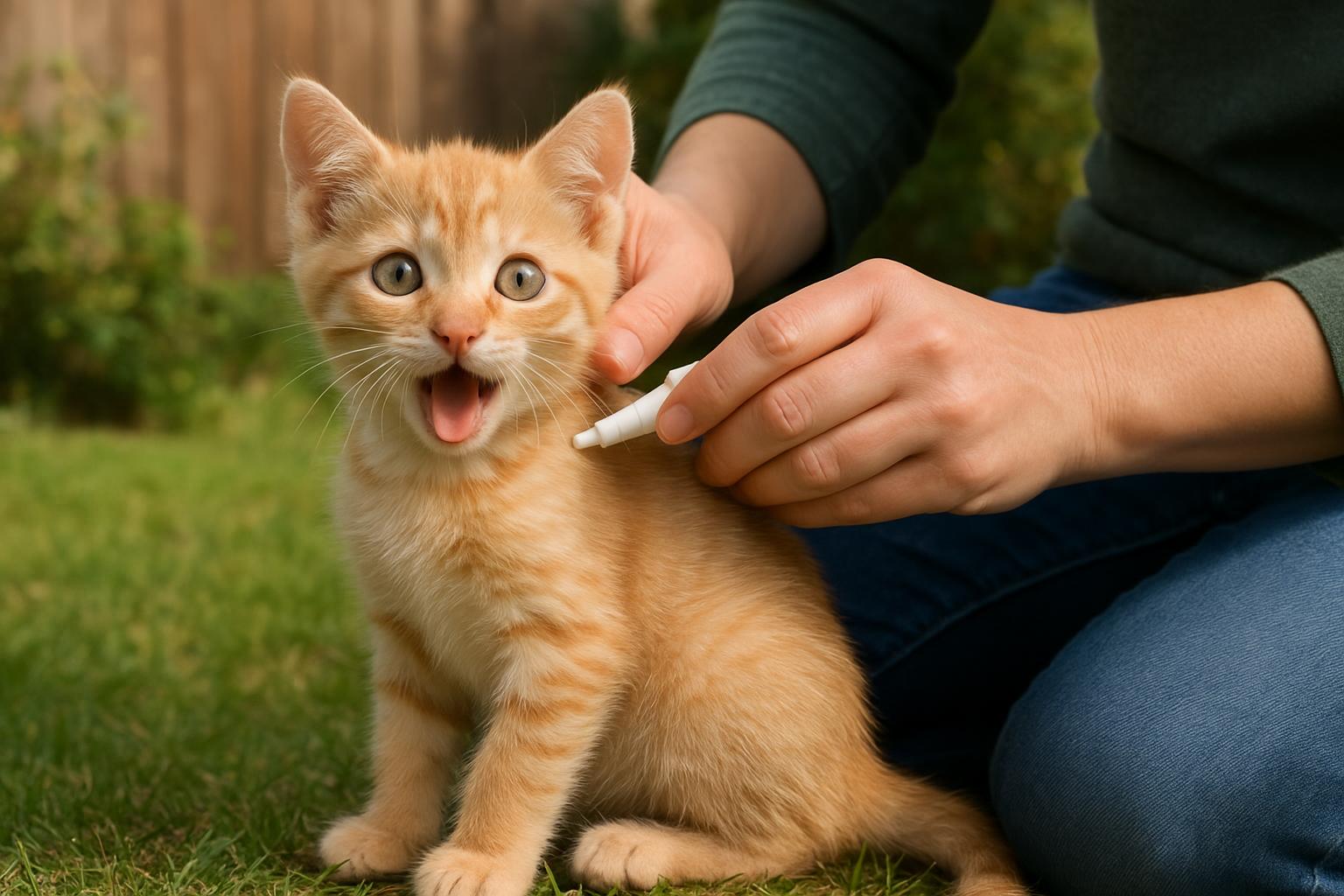
– Consult Your Veterinarian: Ensure all pets are on an effective, regularly used flea-prevention regimen. Treating the animals reduces the adult flea source and complements yard efforts.
7. Monitoring And Repeat:
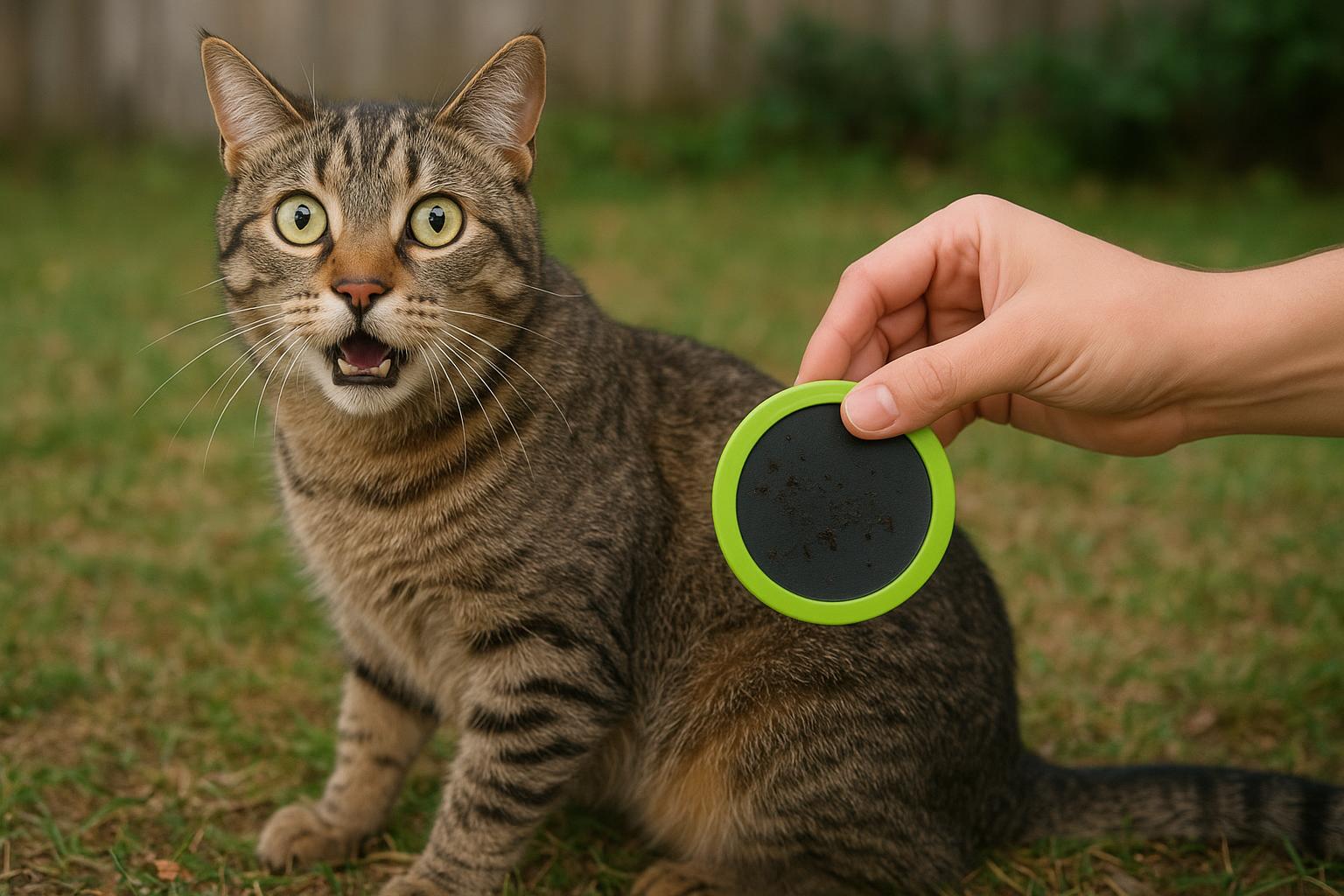
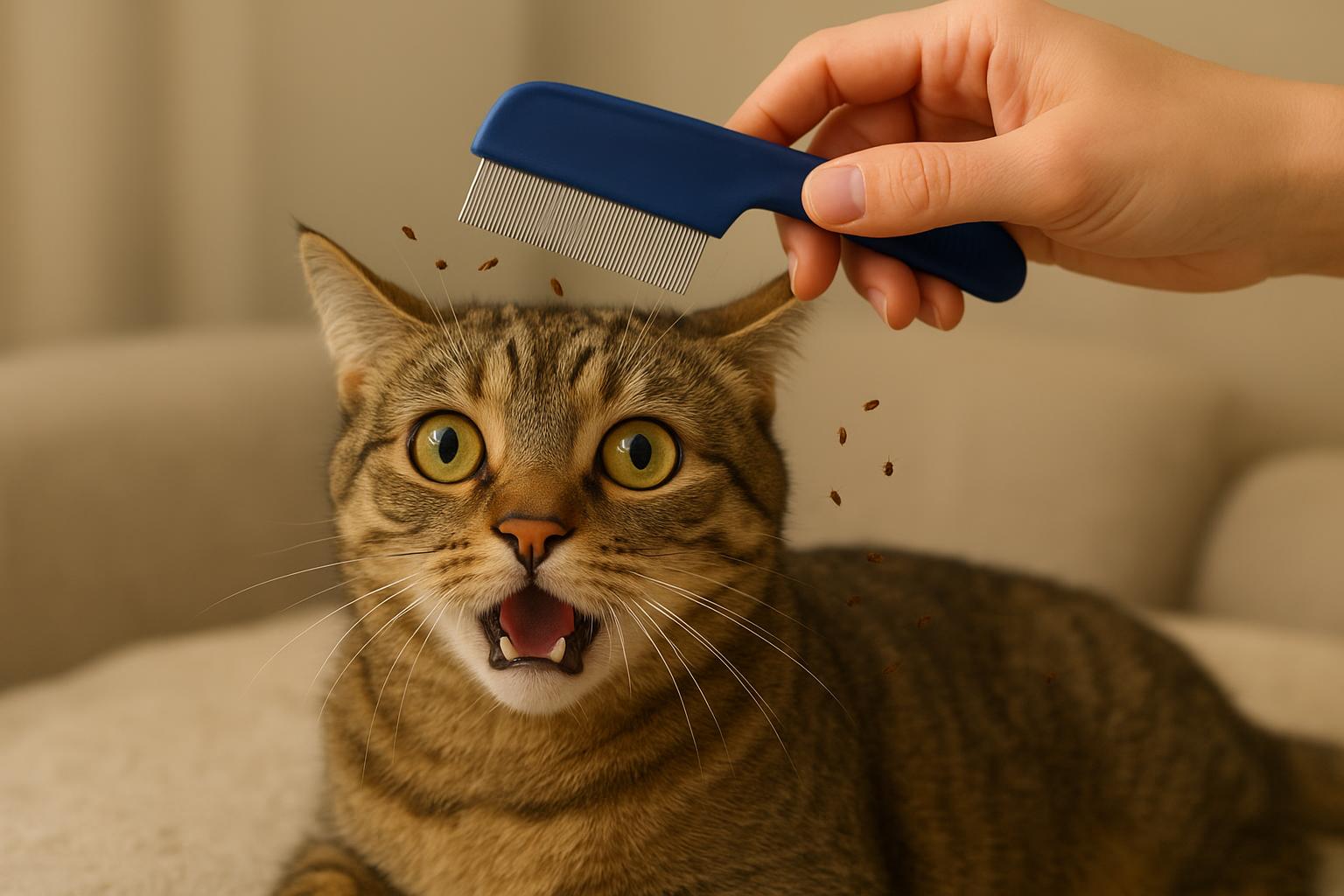
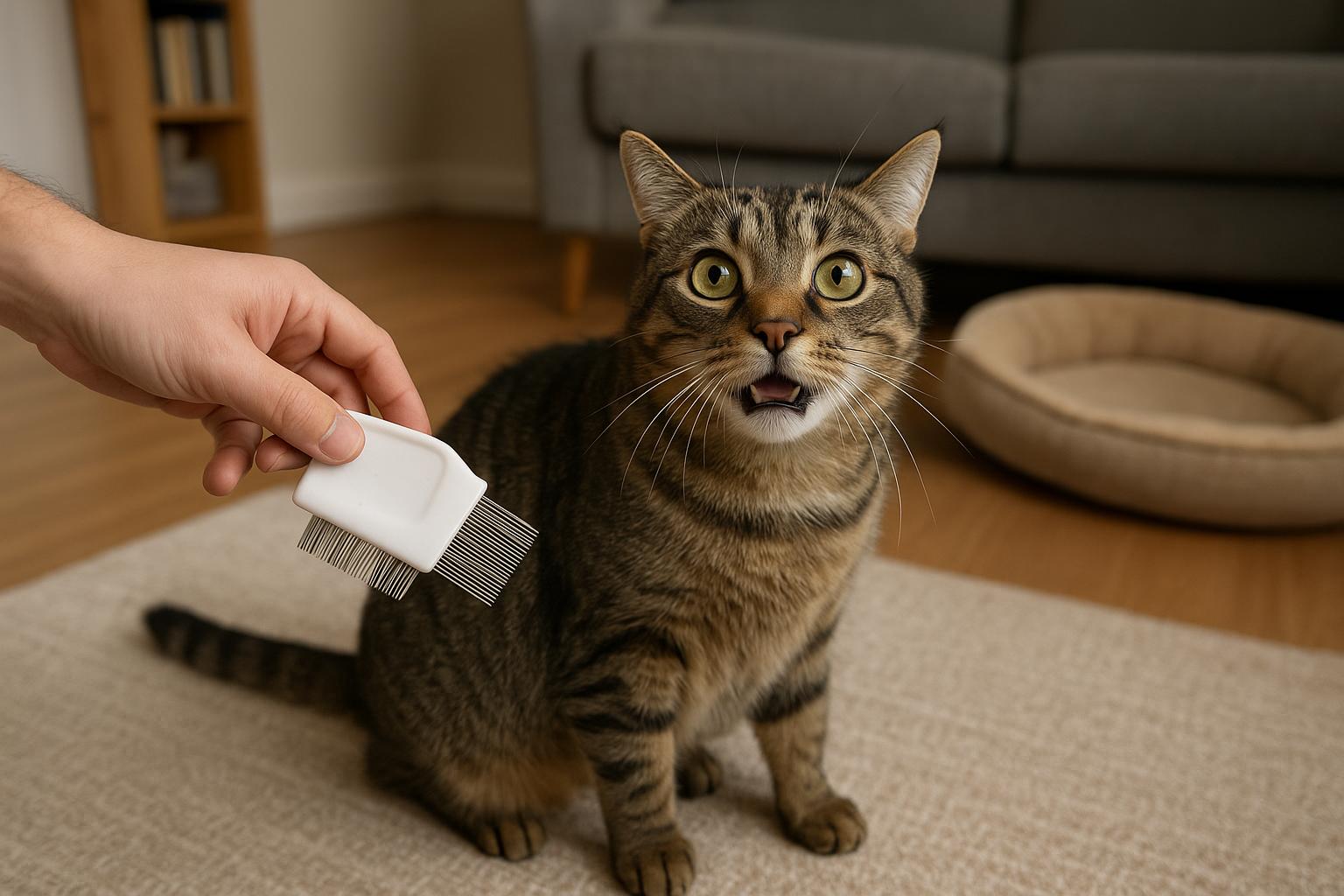
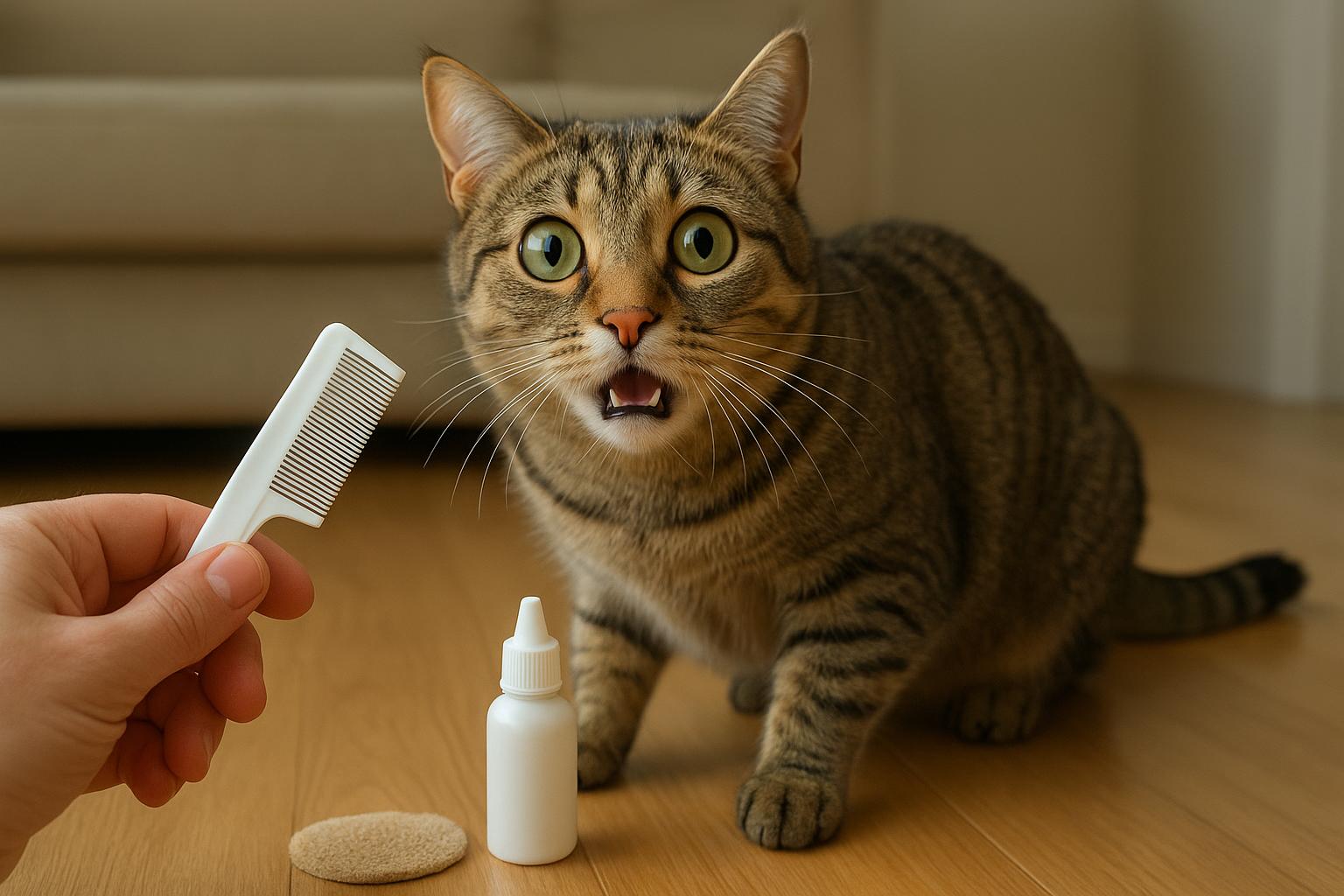
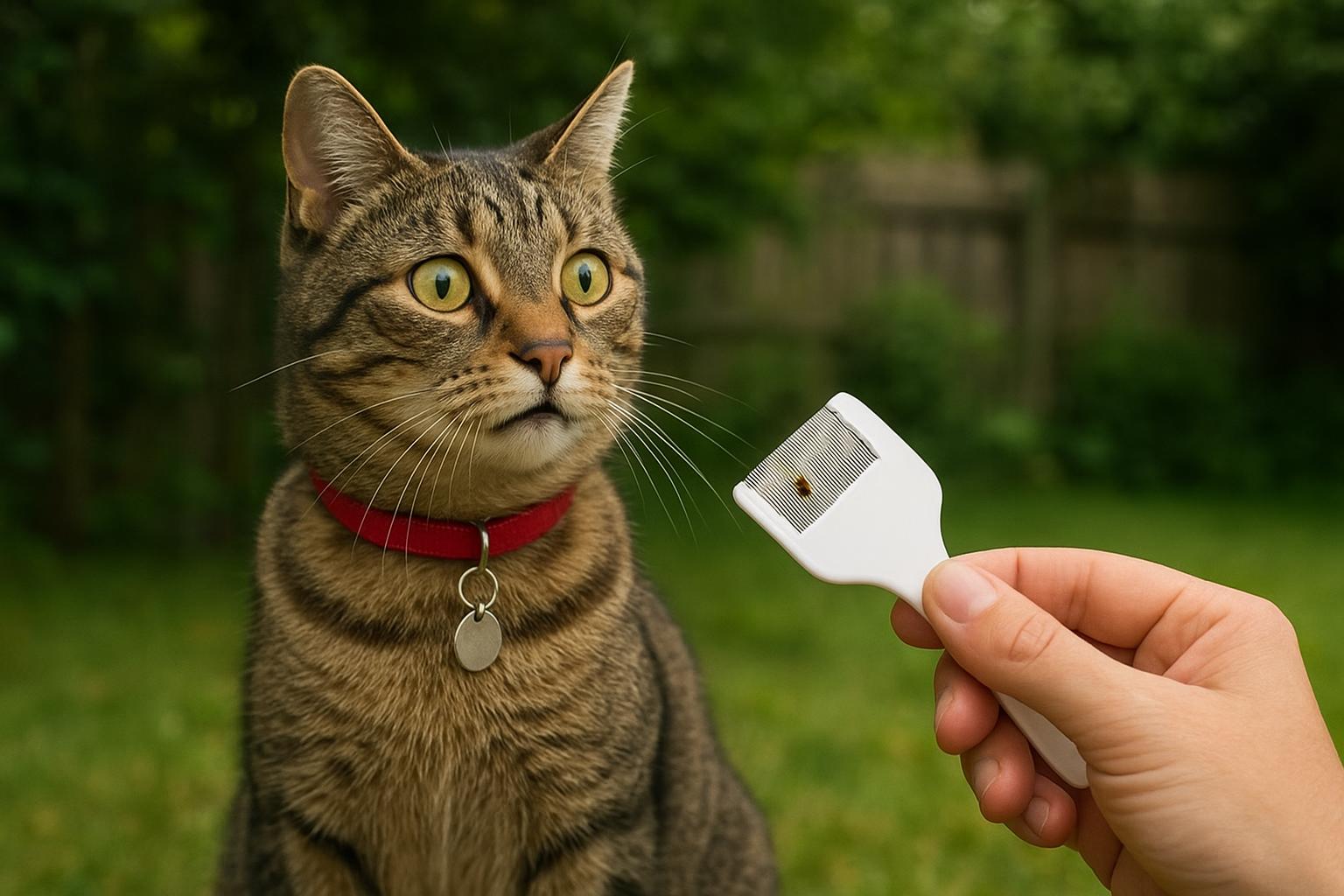
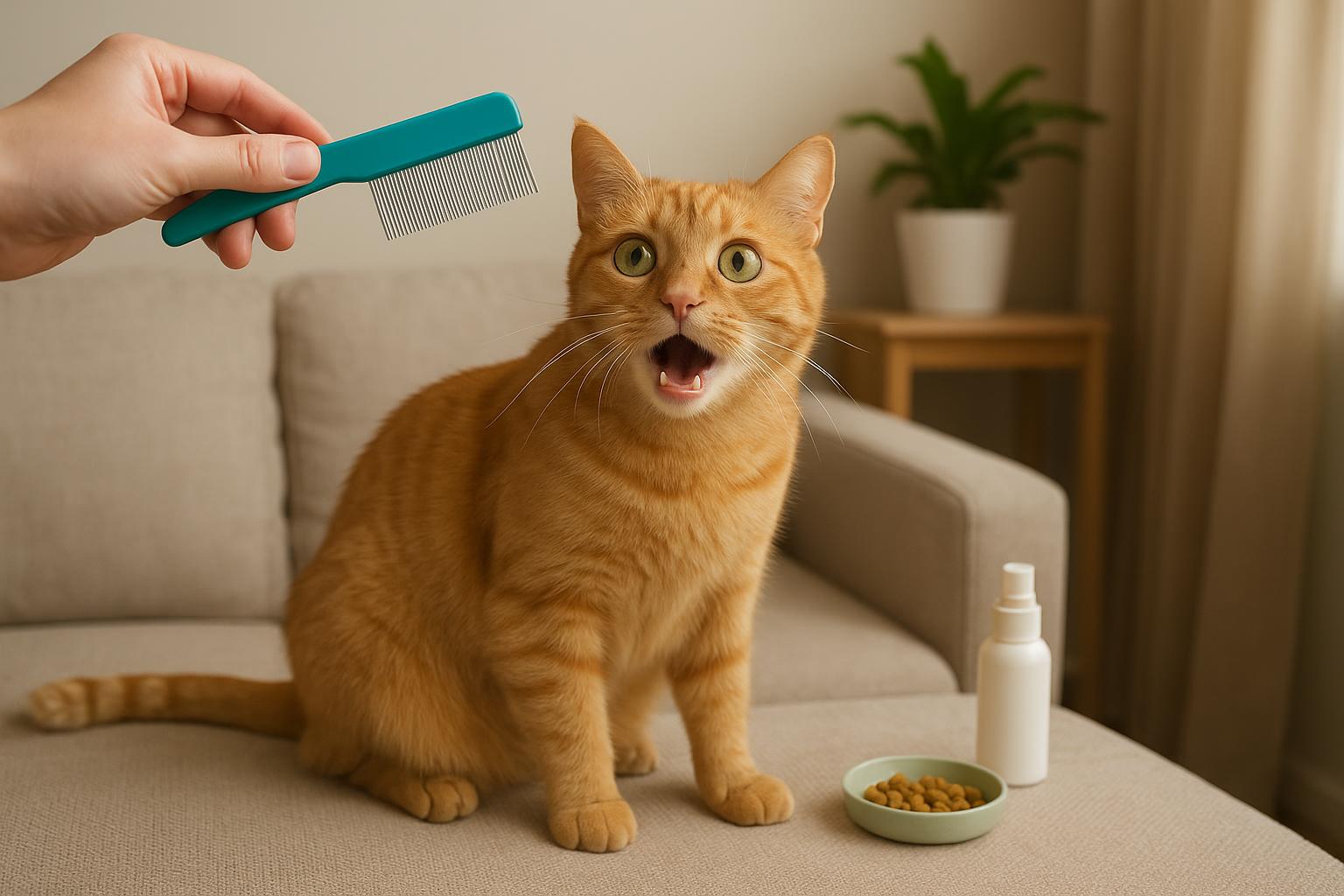
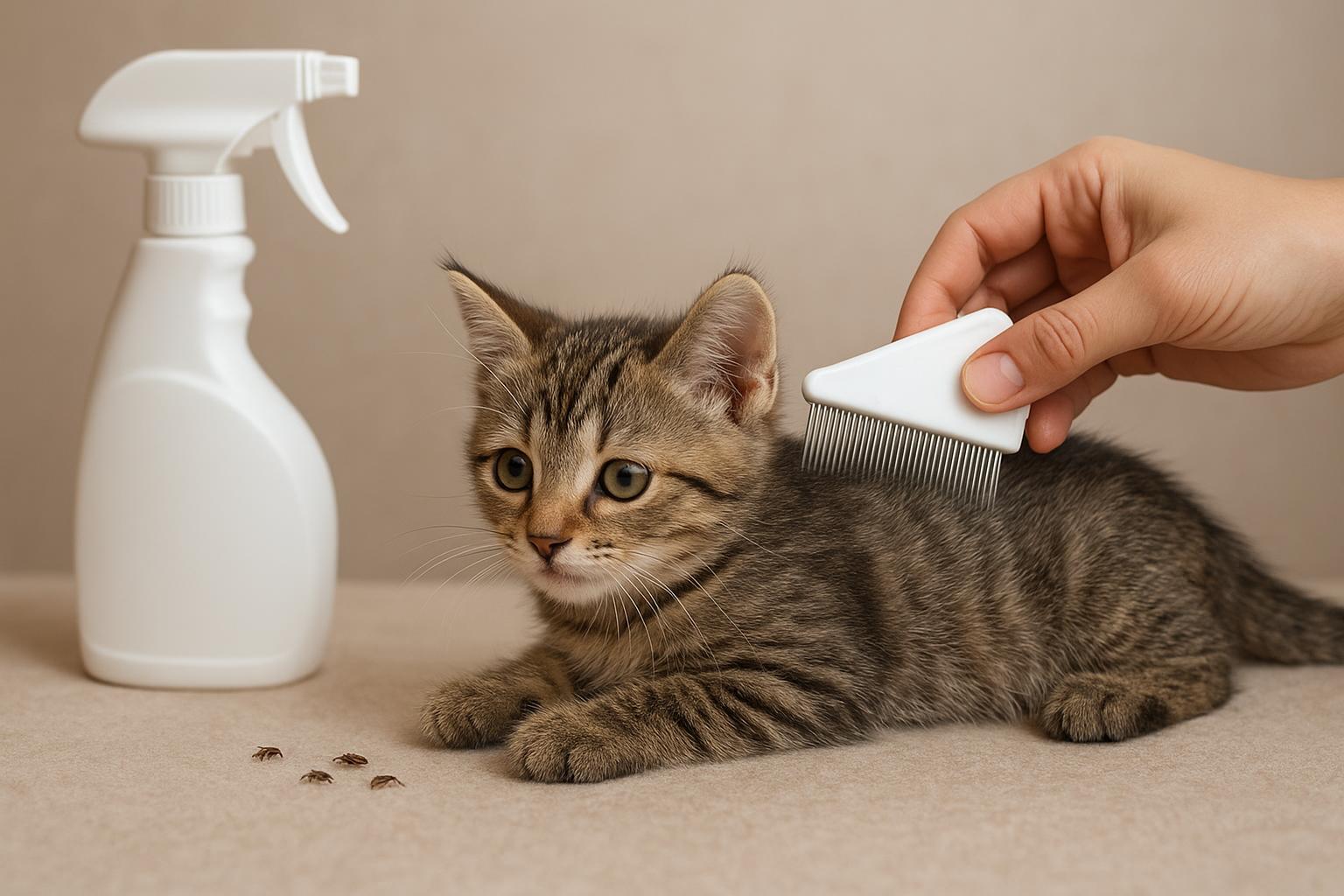
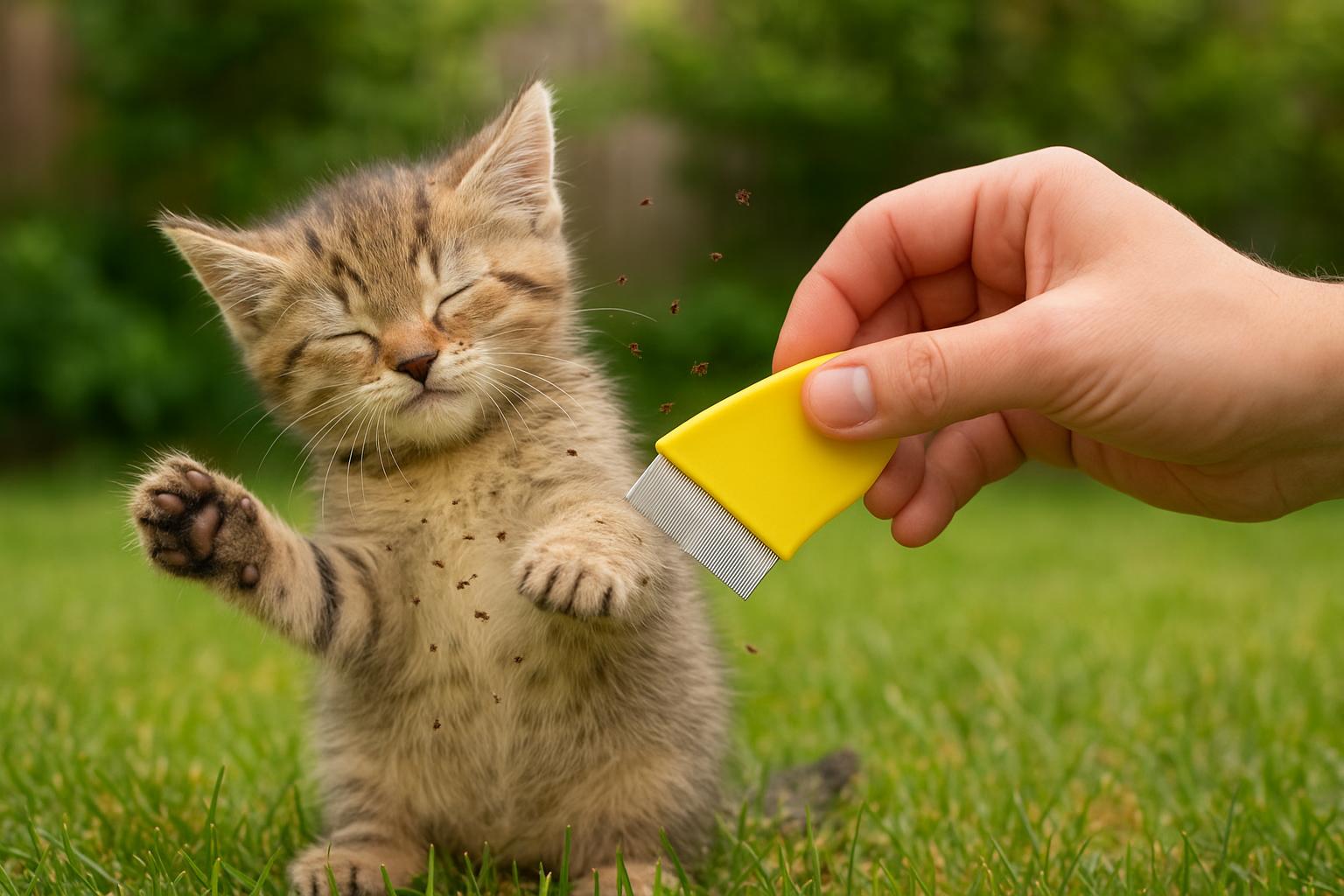
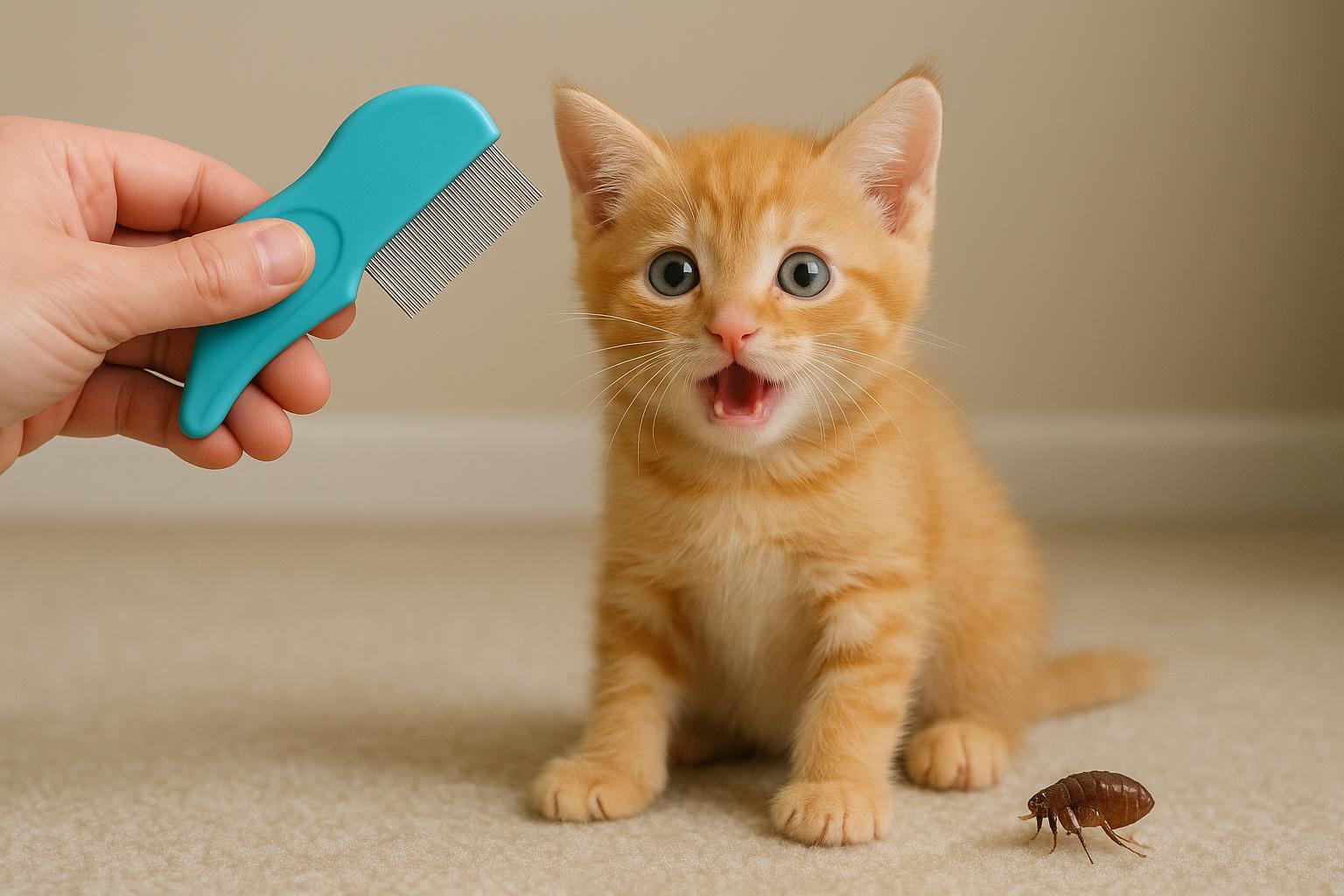
– Monitor flea activity with simple checks: use a flea comb on pets, or place a white sock over socks and walk through high-risk areas to see if fleas jump on. Repeat nematode applications seasonally or per product guidance.
### Safety And Practical Notes
– Beneficial nematodes are living organisms and should be stored cool and moist until use. They are harmless to people, pets, and plants.
– Diatomaceous earth can irritate lungs; wear a mask and avoid applying in windy conditions. Use food-grade for residential settings.
– Habitat changes can take weeks to shift flea populations; patience and consistent application are required.
### Small Adjustments That Help (And Won’t Cost A Fortune)
#### Quick Wins
– Move pet beds and feeding stations to paved or gravel areas that don’t harbor larvae.
– Wash pet bedding weekly in hot water.
– Restrict overnight access to an untreated yard while you implement long-term measures.
This combination of targeted professional options and careful, integrated nonchemical management gives you a realistic path forward. The truth is: because the life stages of fleas are spread between host animals and hidden spots in the turf and soil, claiming one single “valid” option is a stretch. Instead, choose the methods that match your tolerance for chemicals, your neighborhood wildlife pressure, and the safety needs of your family and pets — and then be consistent in application.






Leave a Reply