
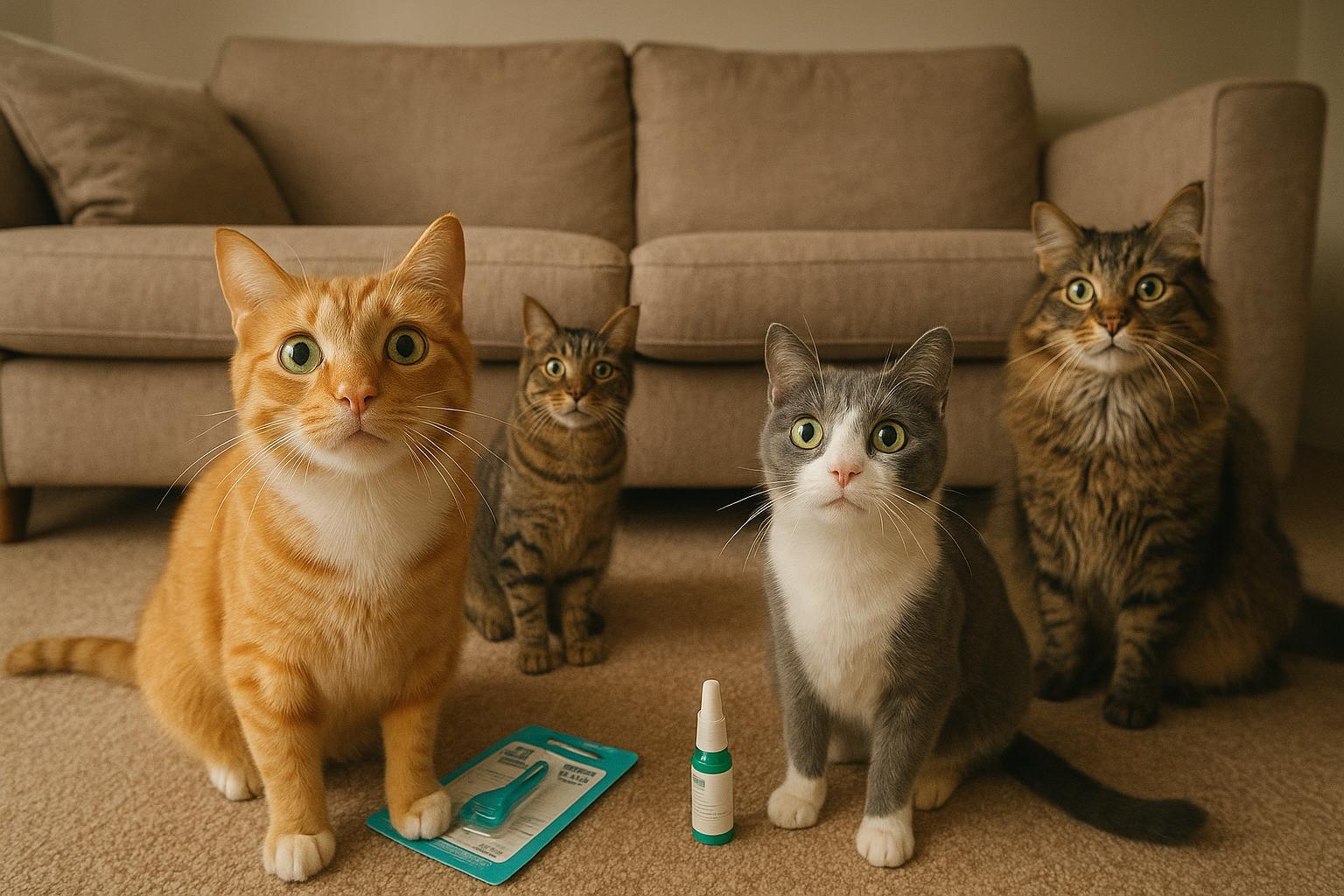
Welcome, fellow cat steward—let’s talk about a tiny terror that can turn your cuddly sofa monarch into a flea-fury machine. This guide will walk you through practical, year-round care focused on monthly fleas prevention without turning your home into a chemical hazard zone or your schedule into a vet calendar nightmare. I’ll keep it friendly, useful, and only mildly punny.
## Why Monthly Fleas Prevention Matters
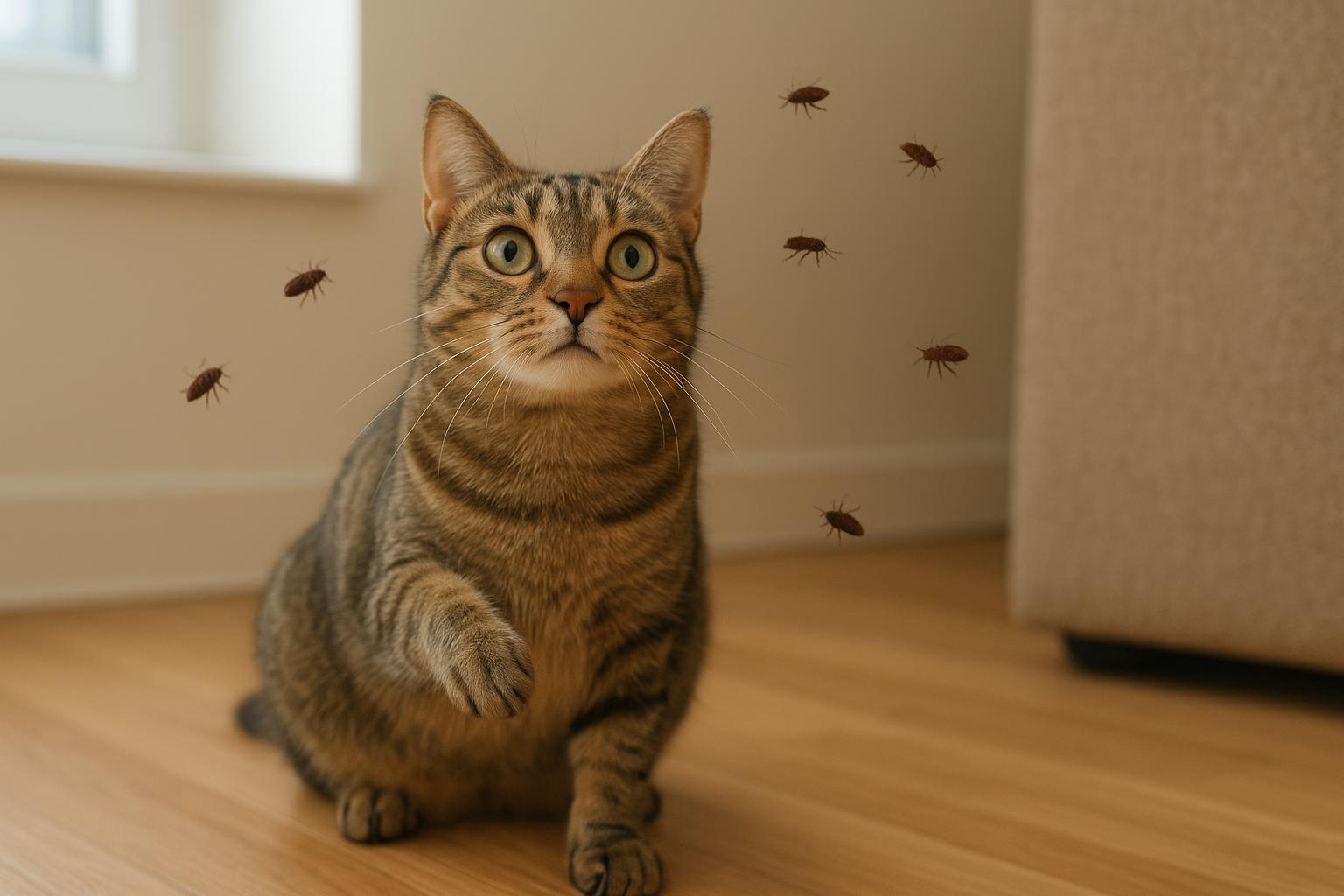
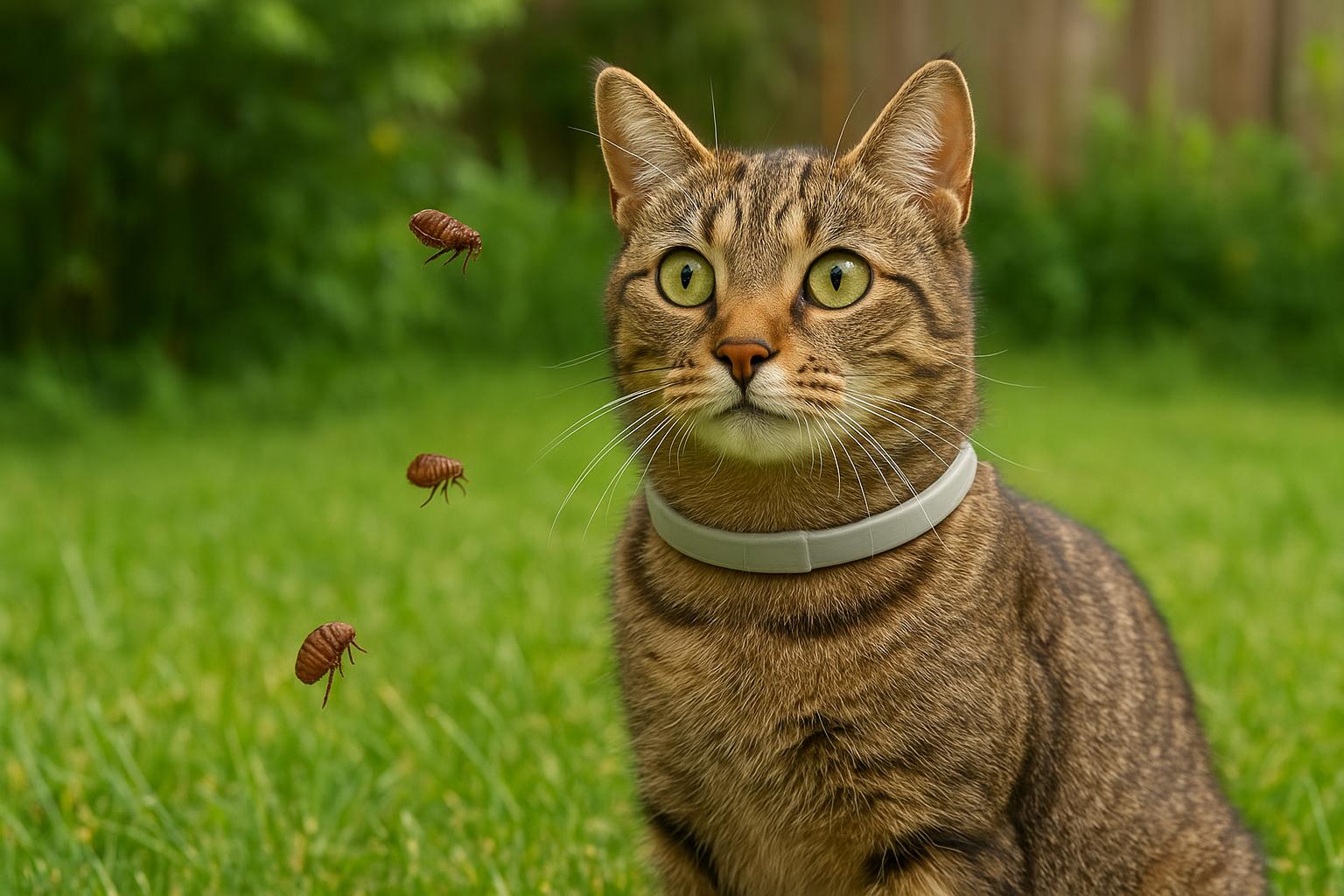
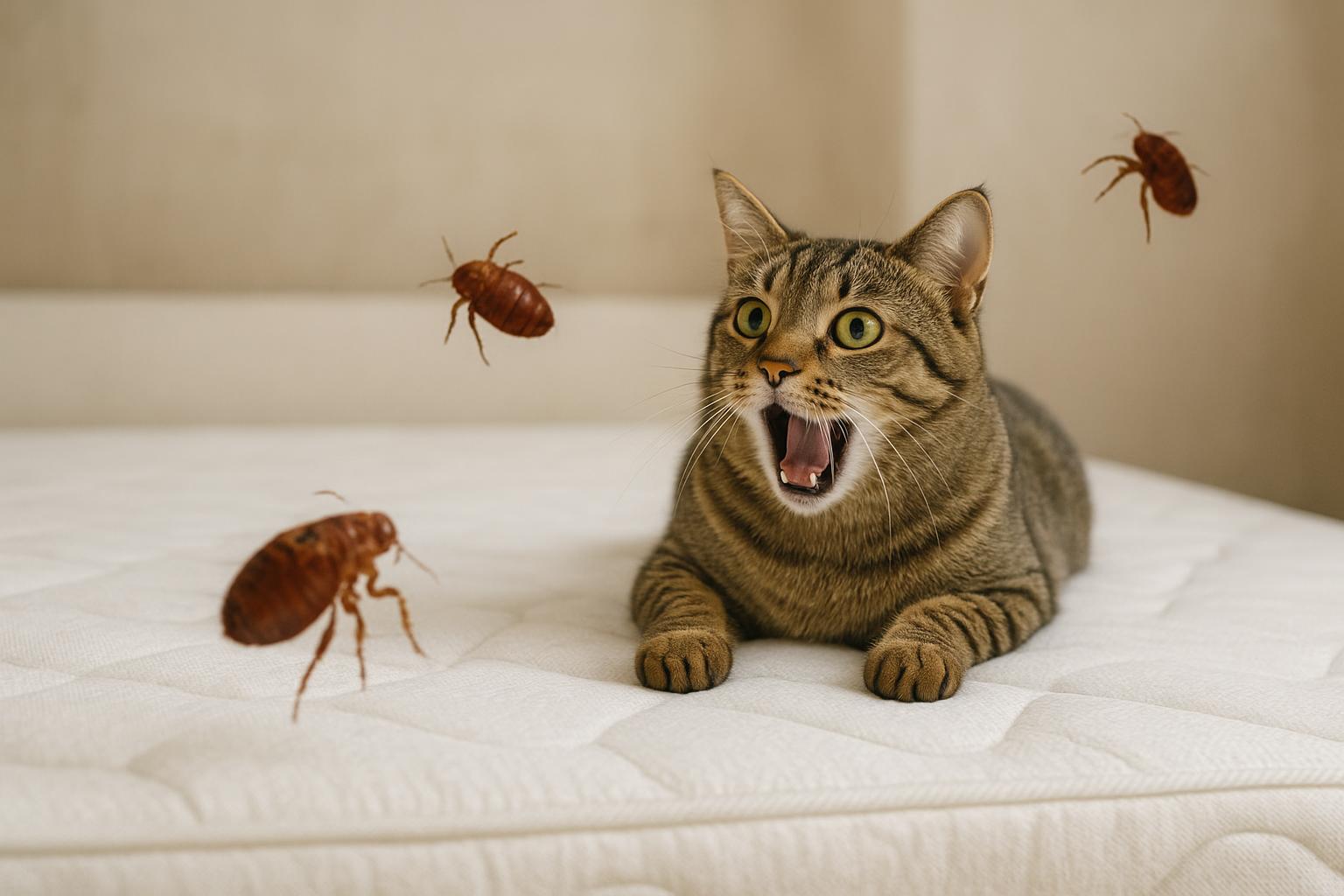
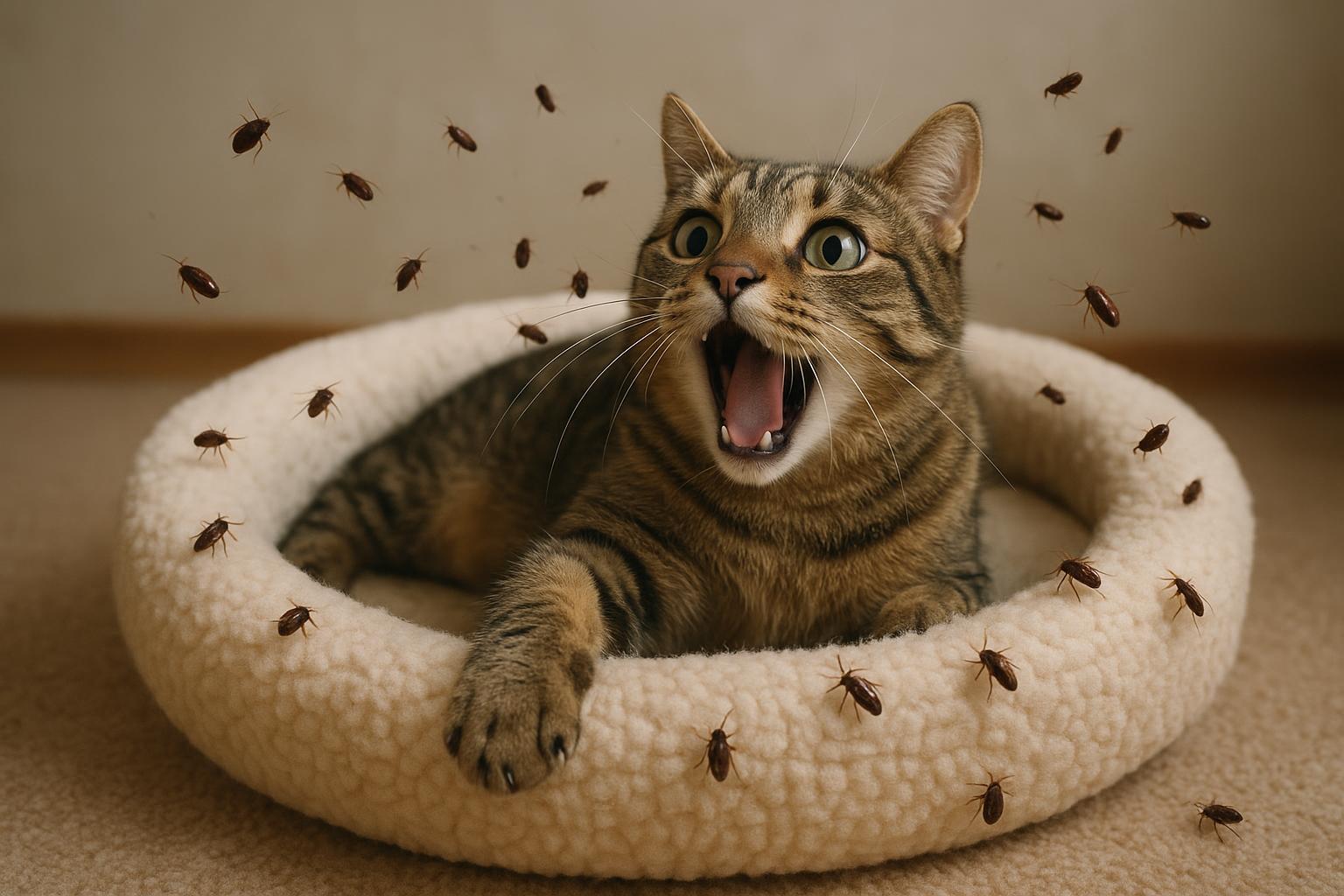
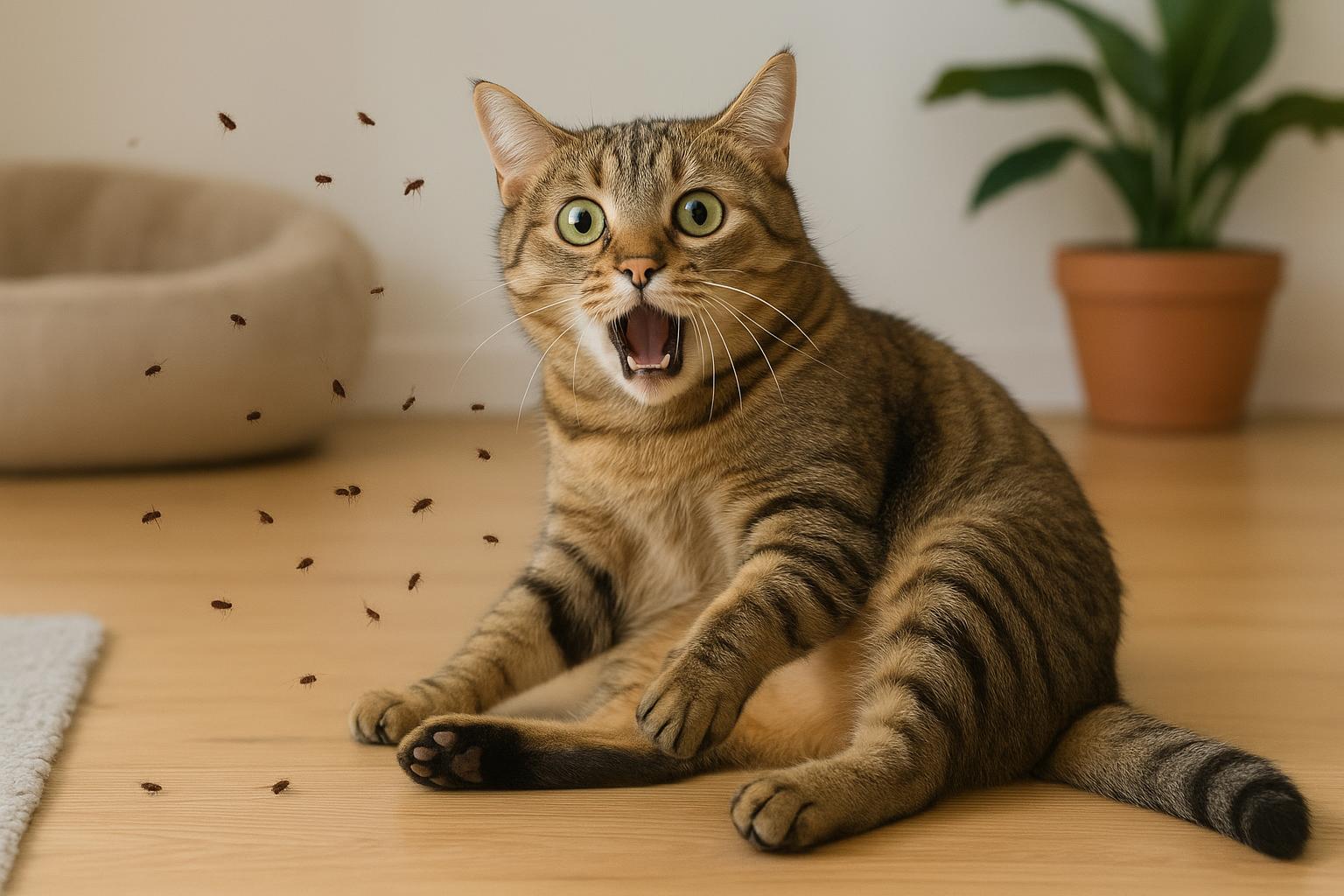
Fleas are more than itchy nuisances. They reproduce rapidly, spend much of their life cycle off the host, and can cause anemia, allergic reactions, and transmit tapeworms. A cat with a heavy flea load can become lethargic, lose weight, or develop hair loss and infected skin lesions. The smart move is regular protection: consistent monthly fleas prevention breaks the cycle of eggs, larvae, pupae, and adults so you never let a population get established.
### Understanding The Flea Life Cycle
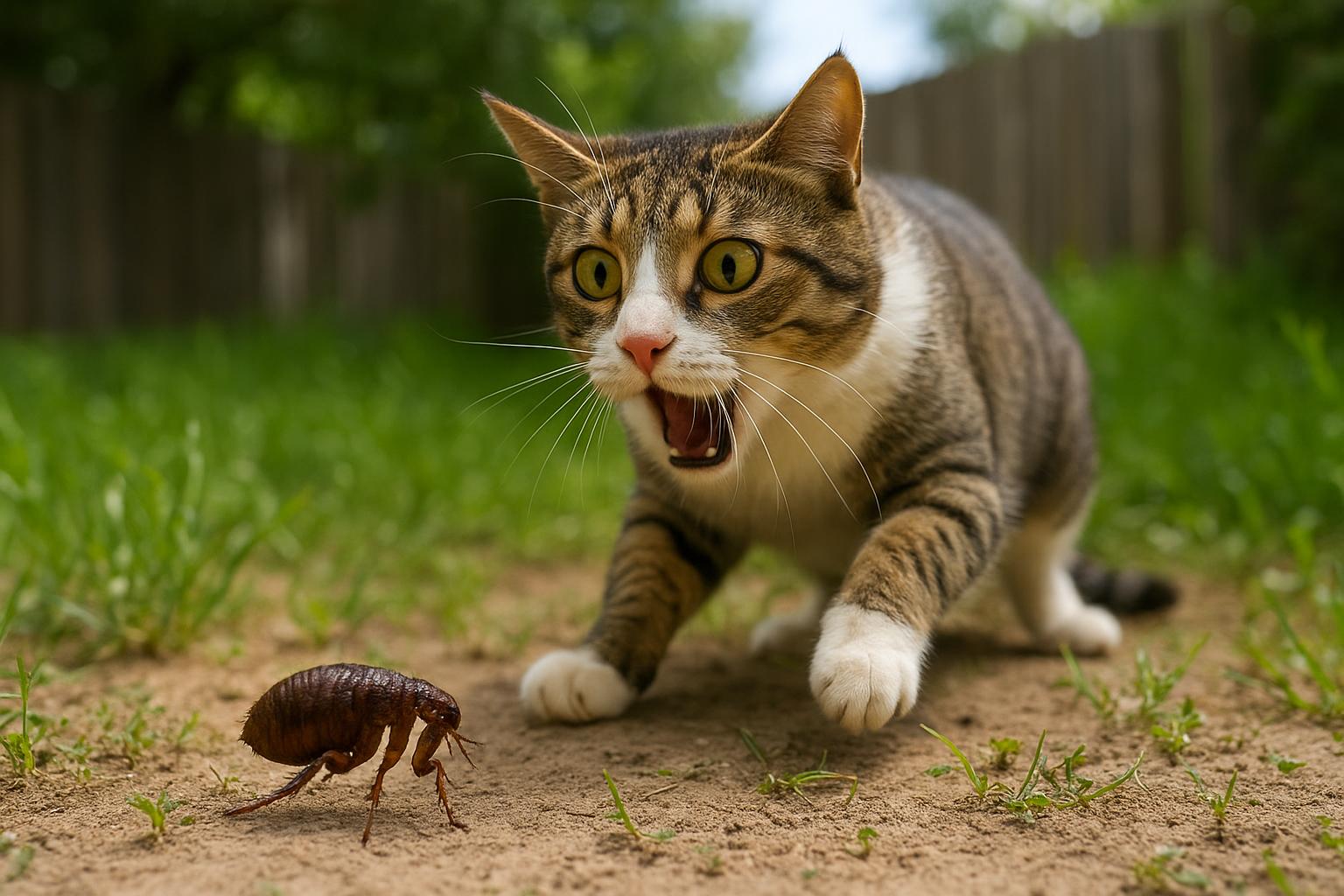
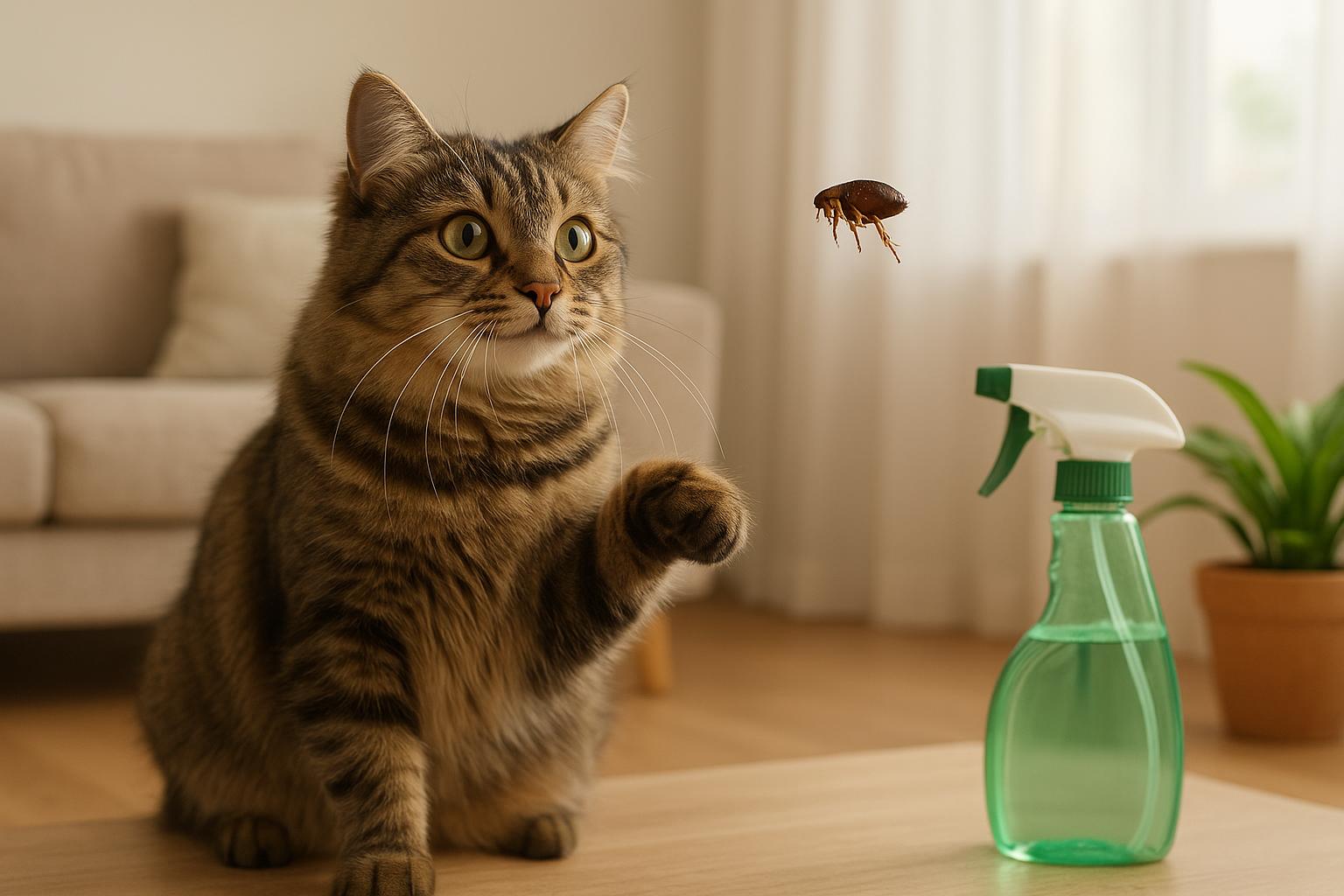
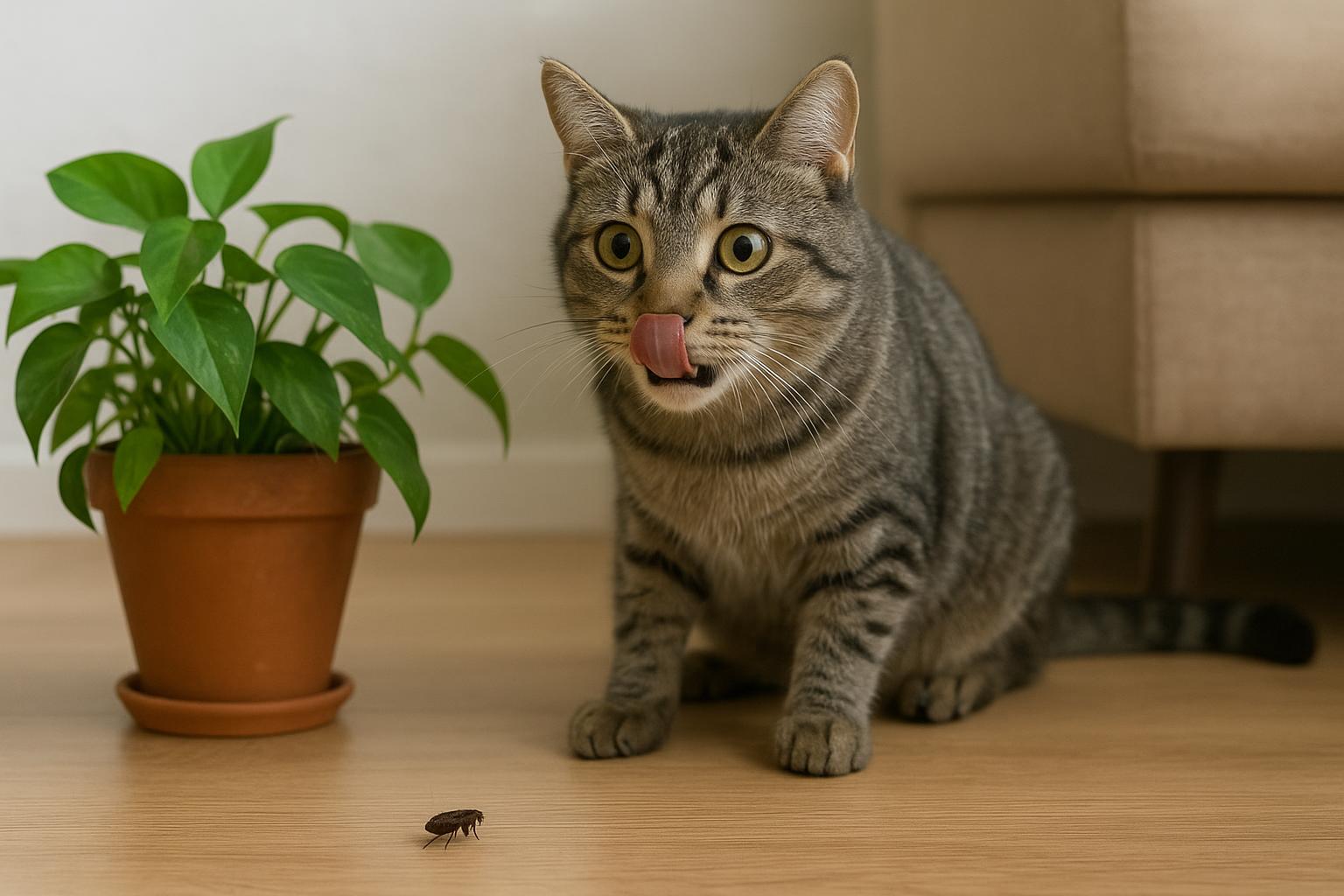
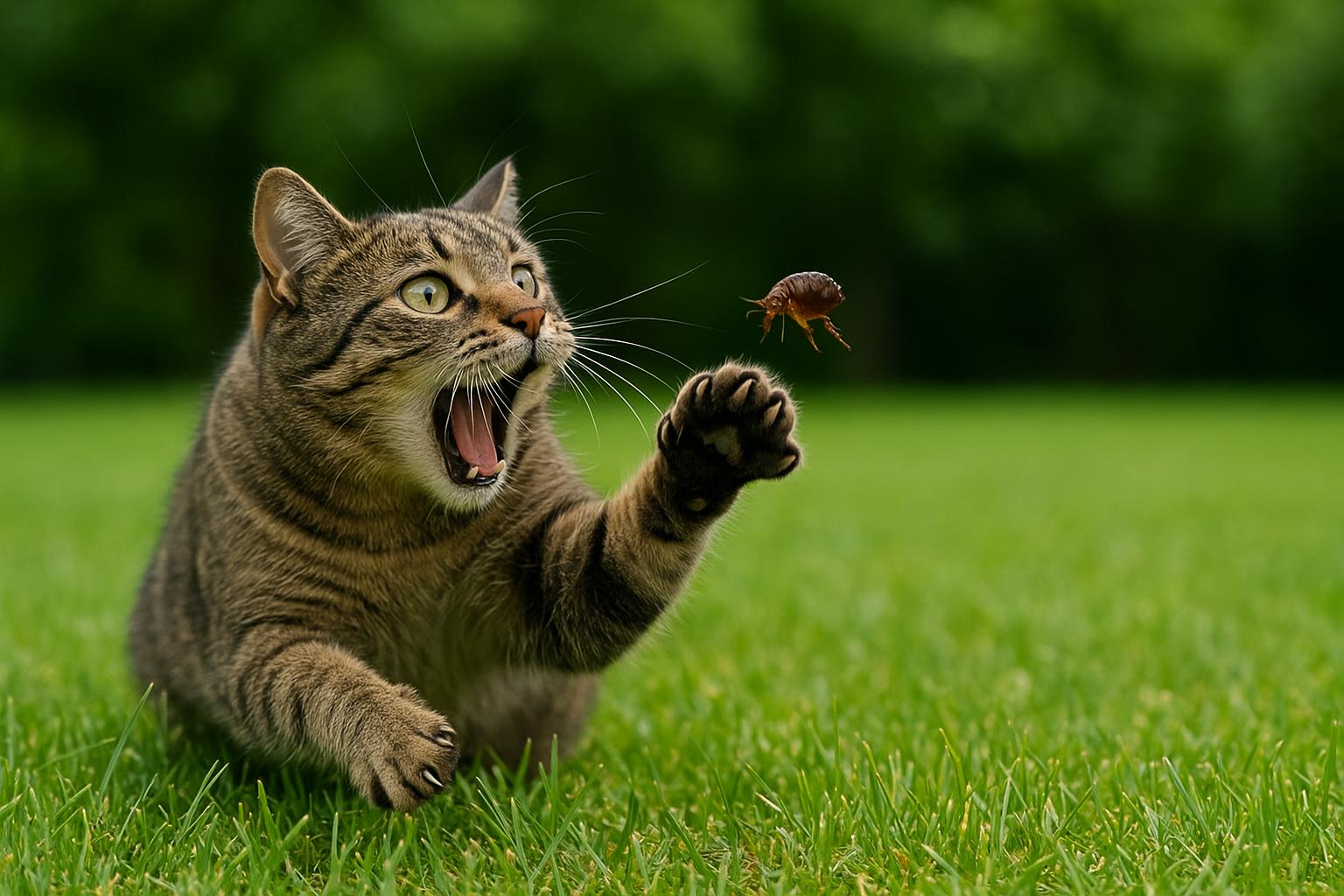
Knowing the stages helps you plan effective control. Adult fleas live on the cat and lay eggs; eggs fall into the environment (bedding, carpet, cracks), hatch into larvae, then pupae, and emerge as adults when they sense a host. Because of pupae dormancy, a one-time blitz rarely solves the problem; that’s why monthly fleas strategies are recommended.
### Recognizing Flea Signs On Cats
Look for:
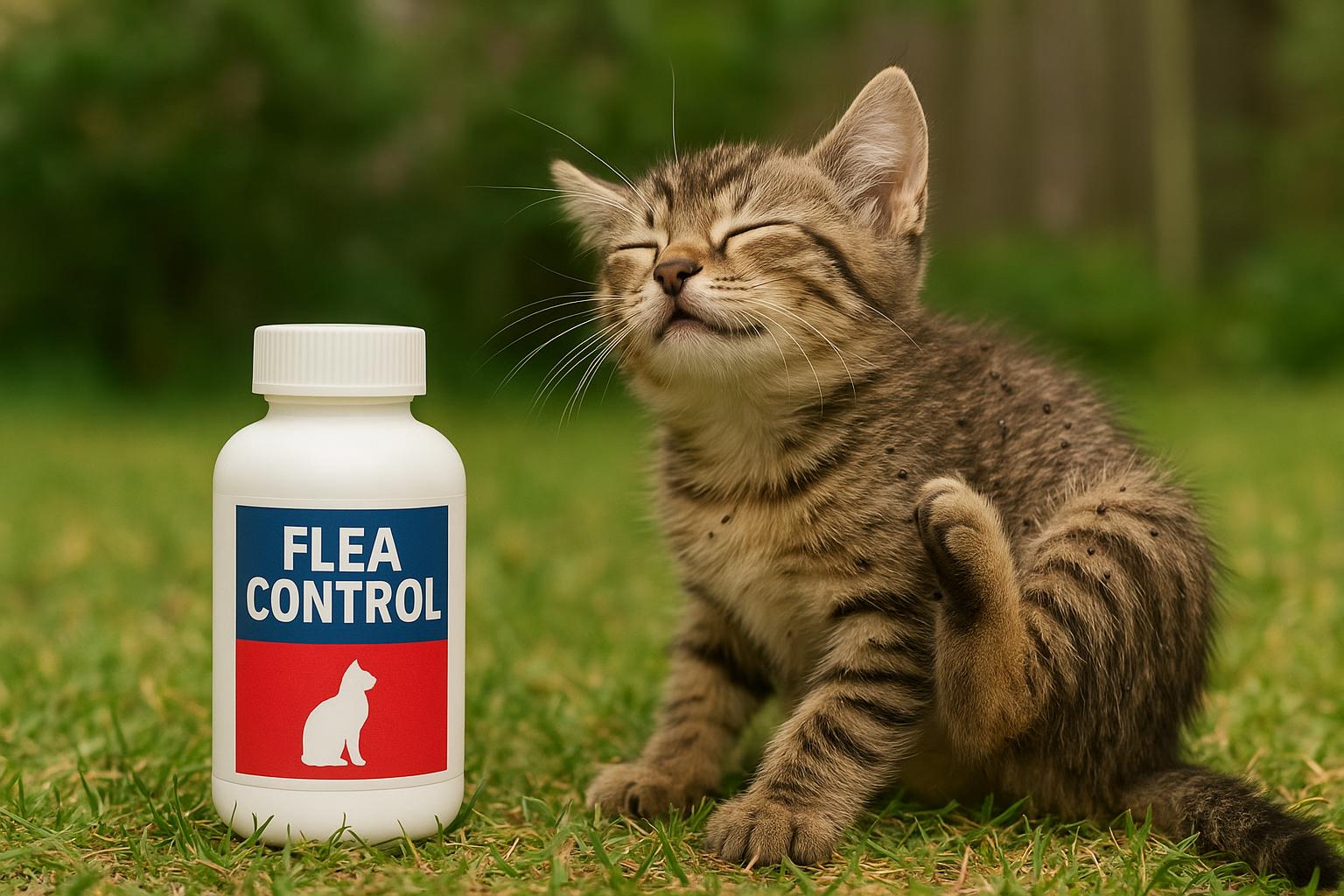
– Frequent scratching, biting, or grooming focused at the base of the tail and around the neck.
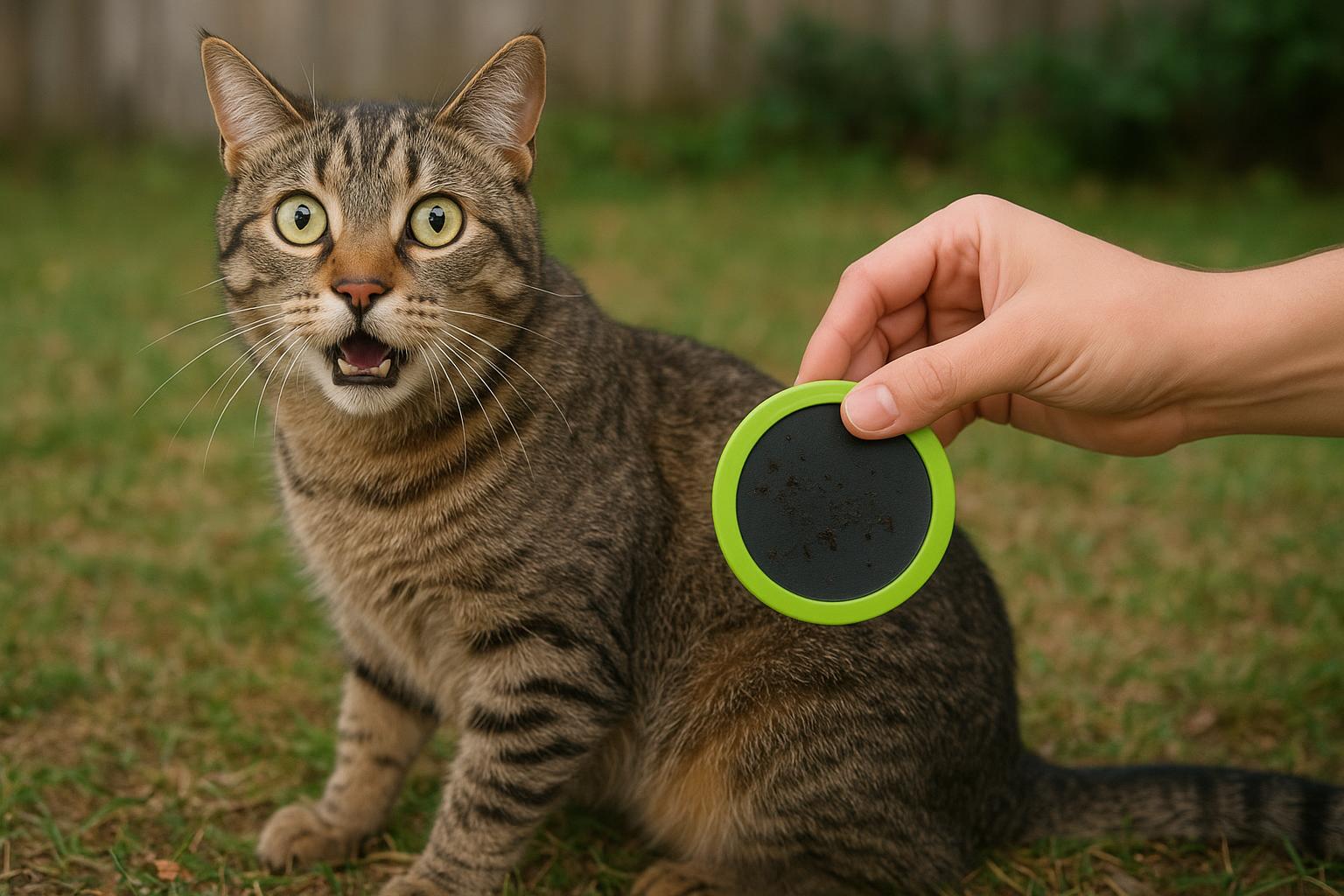
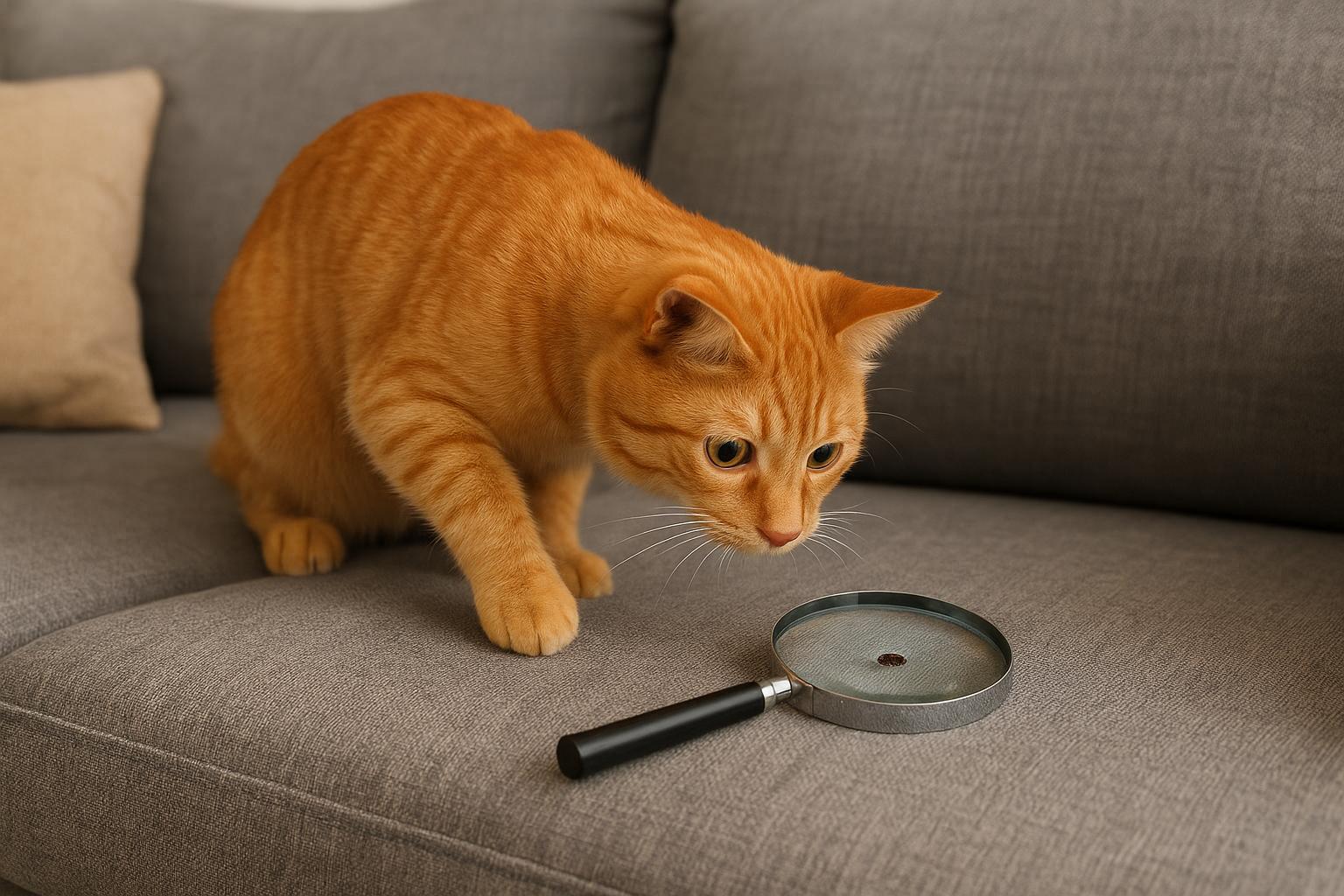
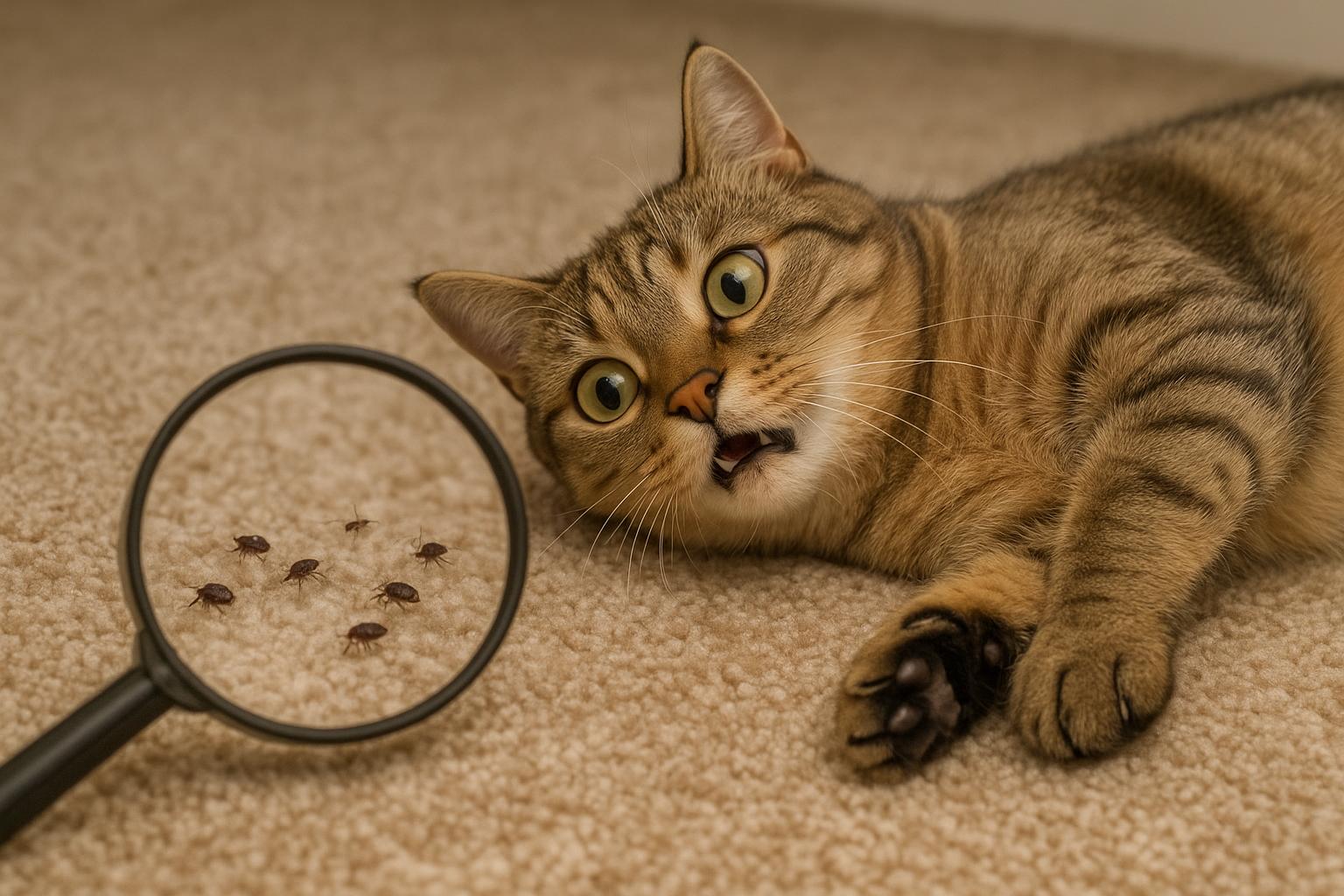
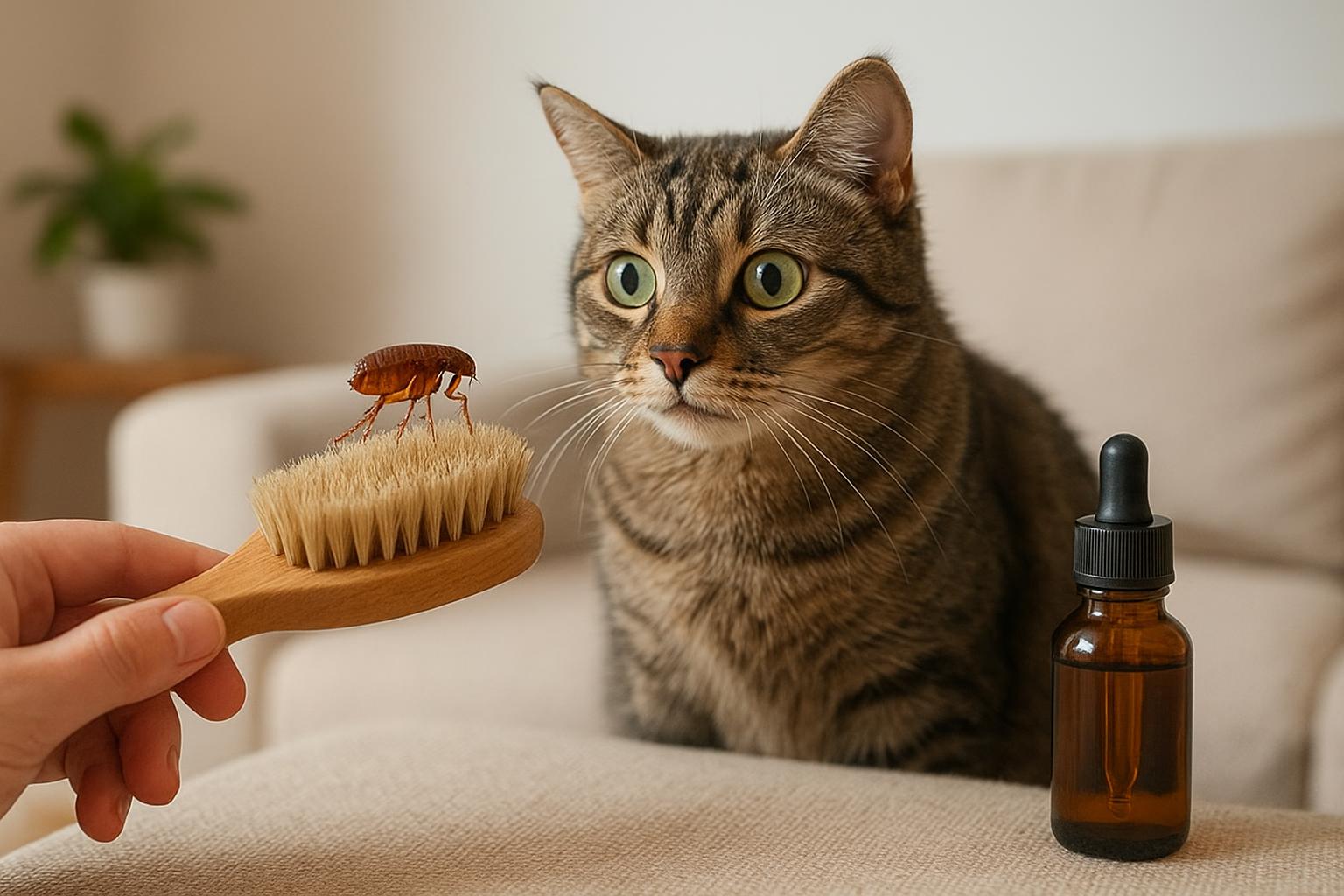
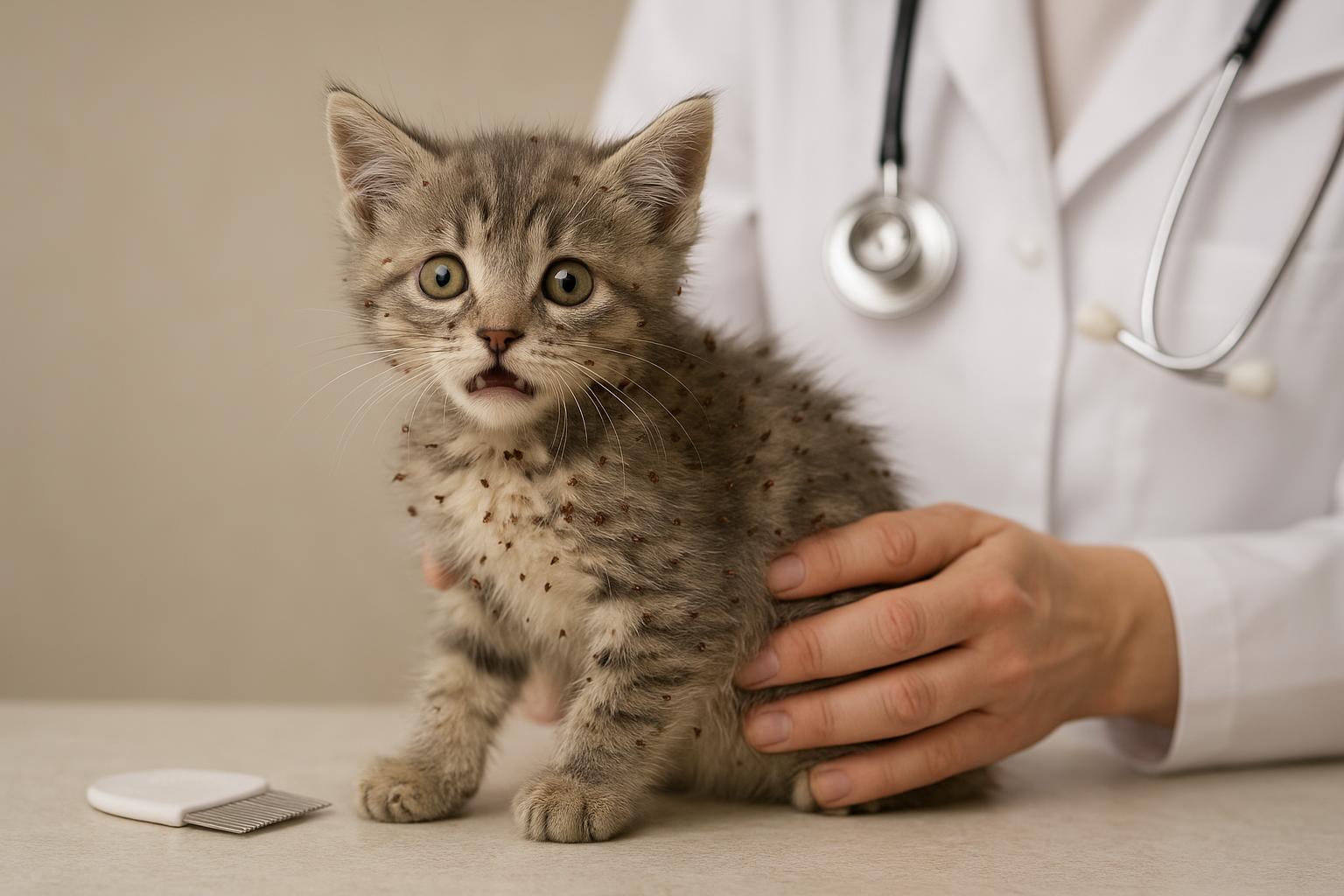
– Small black “flea dirt” flecks (digested blood) on the fur—wipe on a damp paper towel; if it turns reddish-brown, it’s likely flea dirt.
– Patchy hair loss, scabs, or red inflamed skin, especially in flea-allergy-prone cats.
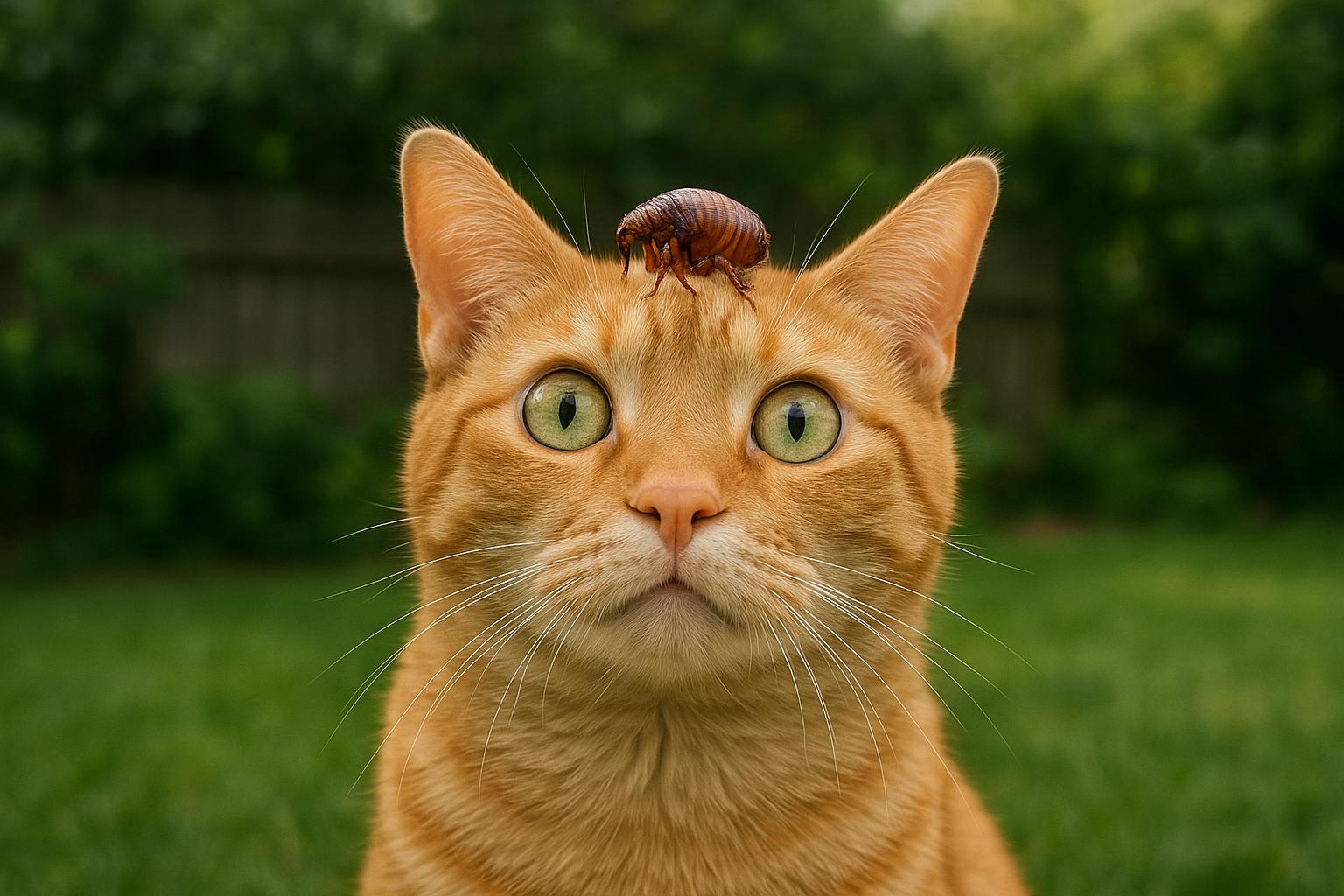
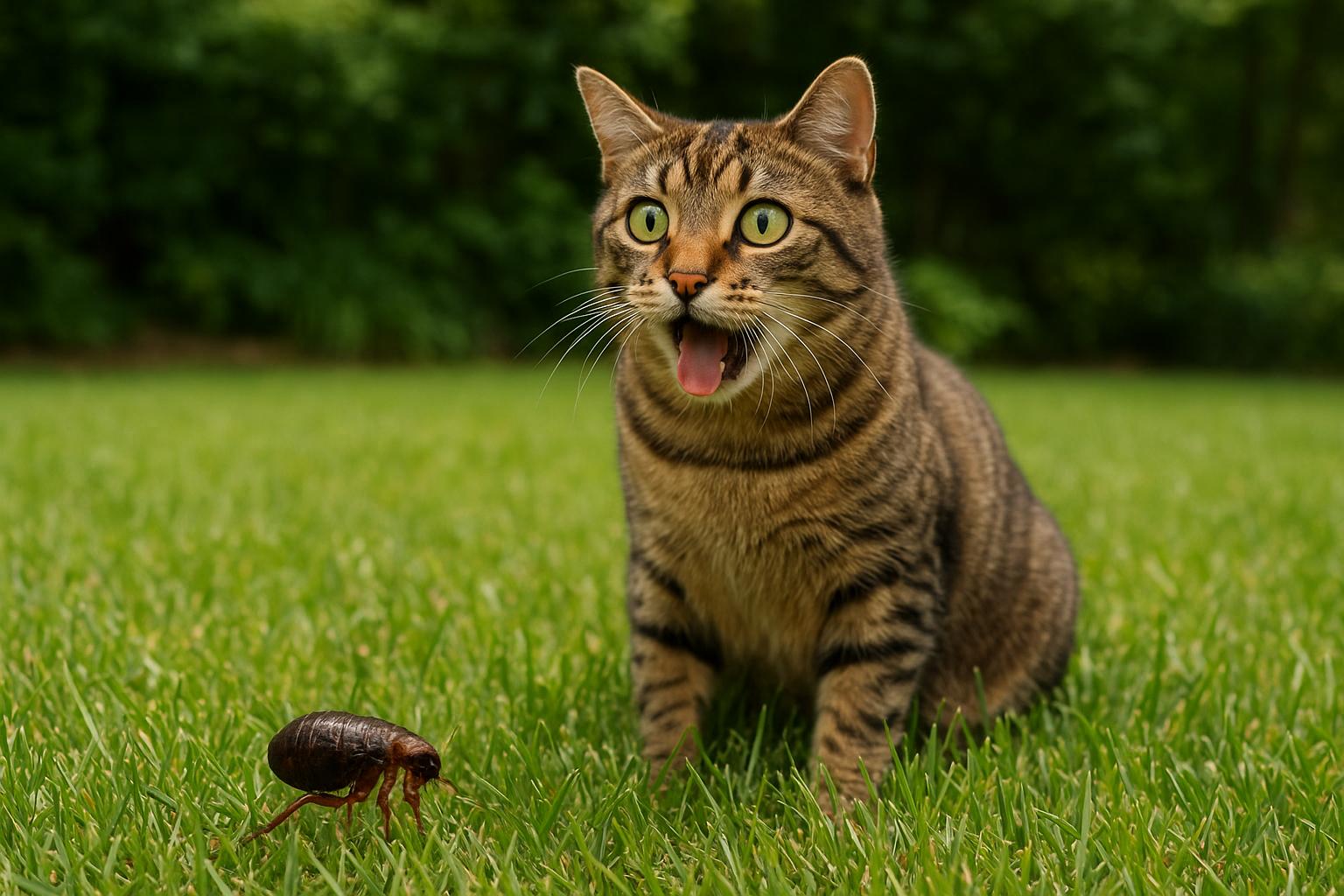
If you find live fleas, treat both the pet and the environment promptly. And no—you’re not a bad pet parent; fleas are incredibly good at finding hosts.
## Choosing The Right Monthly Flea Product
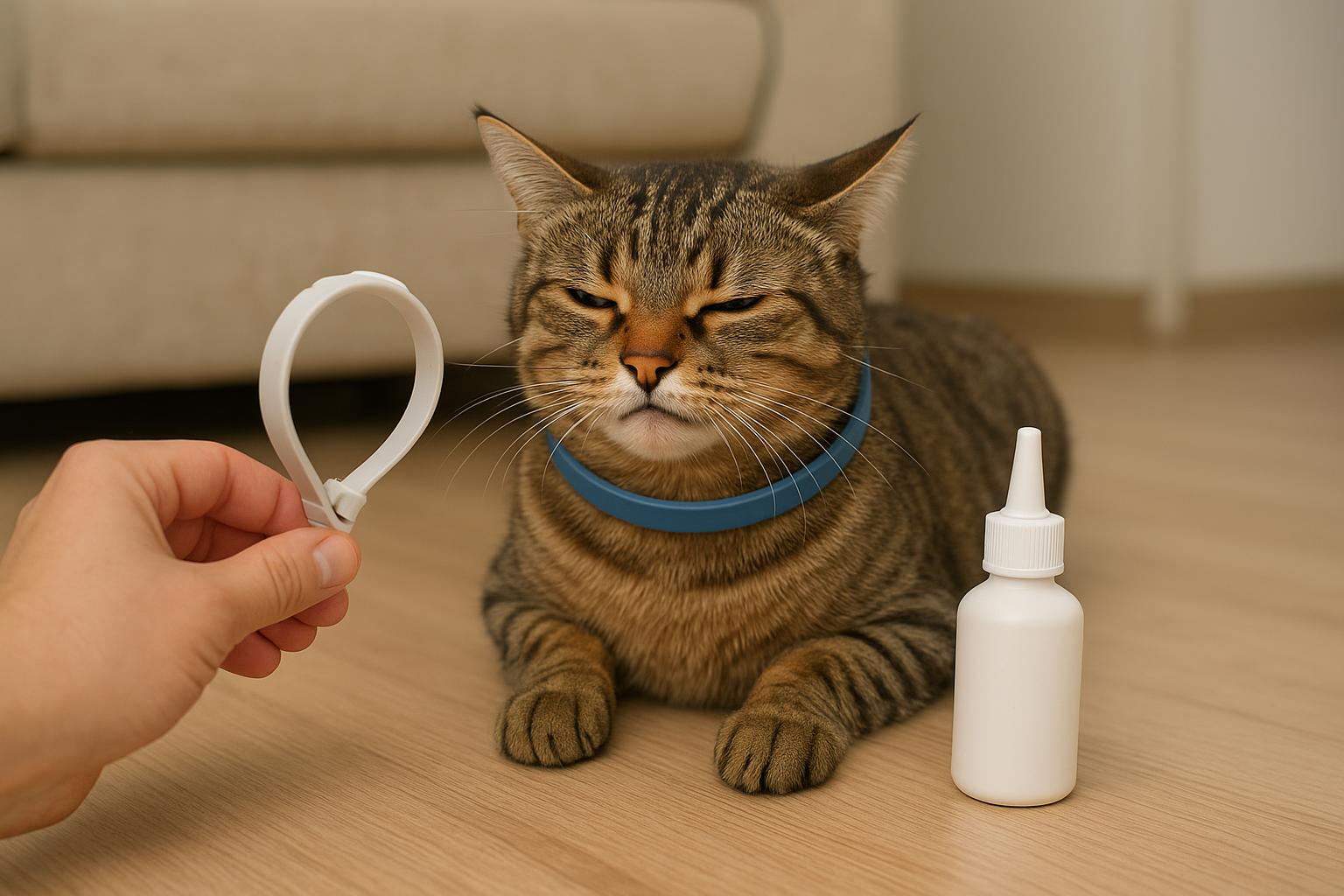
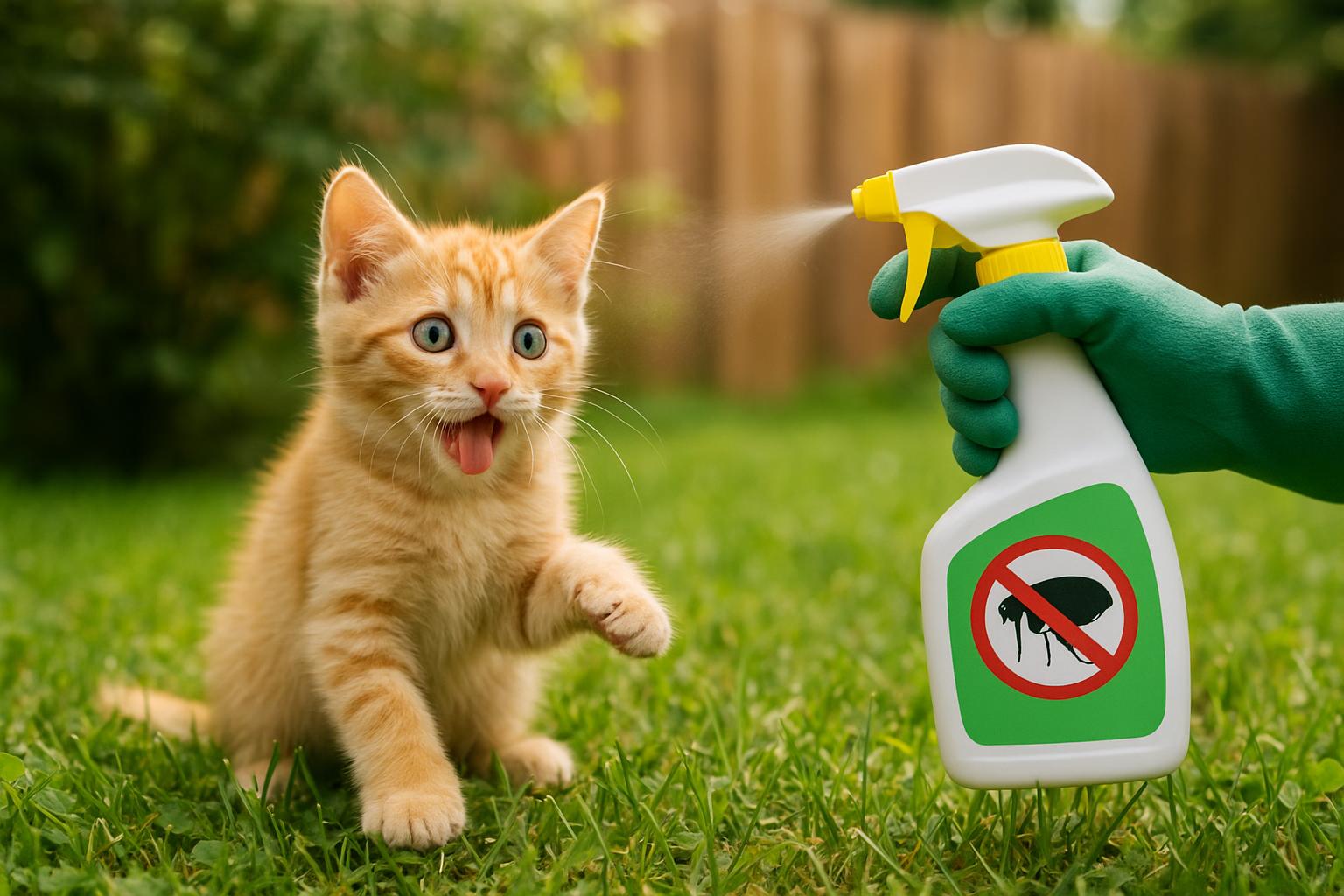
There’s no one-size-fits-all product. Consider your cat’s age, weight, indoor/outdoor status, health history, and any other medications. “Monthly fleas” protection is available as topicals, oral tablets, collars, and sprays. The best programs are those you can reliably maintain every month.
### Prescription Versus Over-The-Counter Options
Prescription products often provide broader coverage (e.g., preventing heartwormlarvae or killing fleas before they lay eggs) and are tailored by your vet to your cat’s health. Over-the-counter options can be fine for many healthy cats, but check efficacy claims and follow instructions carefully. Never use dog-formulated products on cats—some ingredients safe for dogs are toxic to felines.
#### Ingredients To Avoid And Safety Notes
Some spot-on and spray formulations are perfectly safe for cats; others are not. Avoid pyrethroid-based dog products on cats, and always read active ingredients. If your cat is pregnant, nursing, very young, elderly, or medically fragile, consult your veterinarian before starting any product. When in doubt, ask your vet to recommend a monthly regimen that’s appropriate for your household.
## Remedy 1: Vet-Recommended Monthly Topical Or Oral Treatment
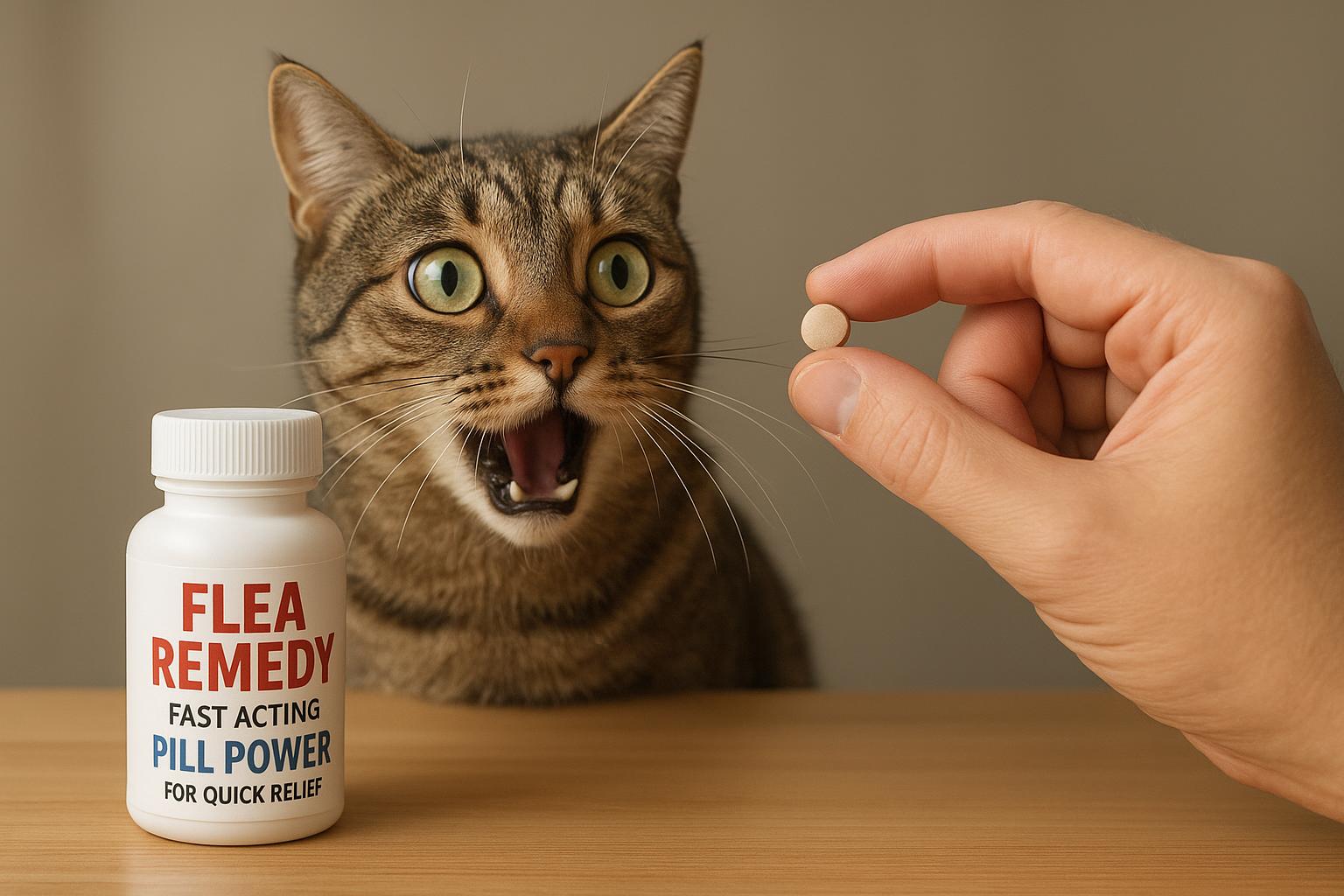
This is the most reliable, evidence-based approach. Follow your veterinarian’s guidance; these products are formulated to be used monthly and backed by studies.
Ingredients/Materials
1. Vet-prescribed topical solution or oral tablet (appropriate for the cat’s weight and age).
2. Clean towel and quiet space for application.
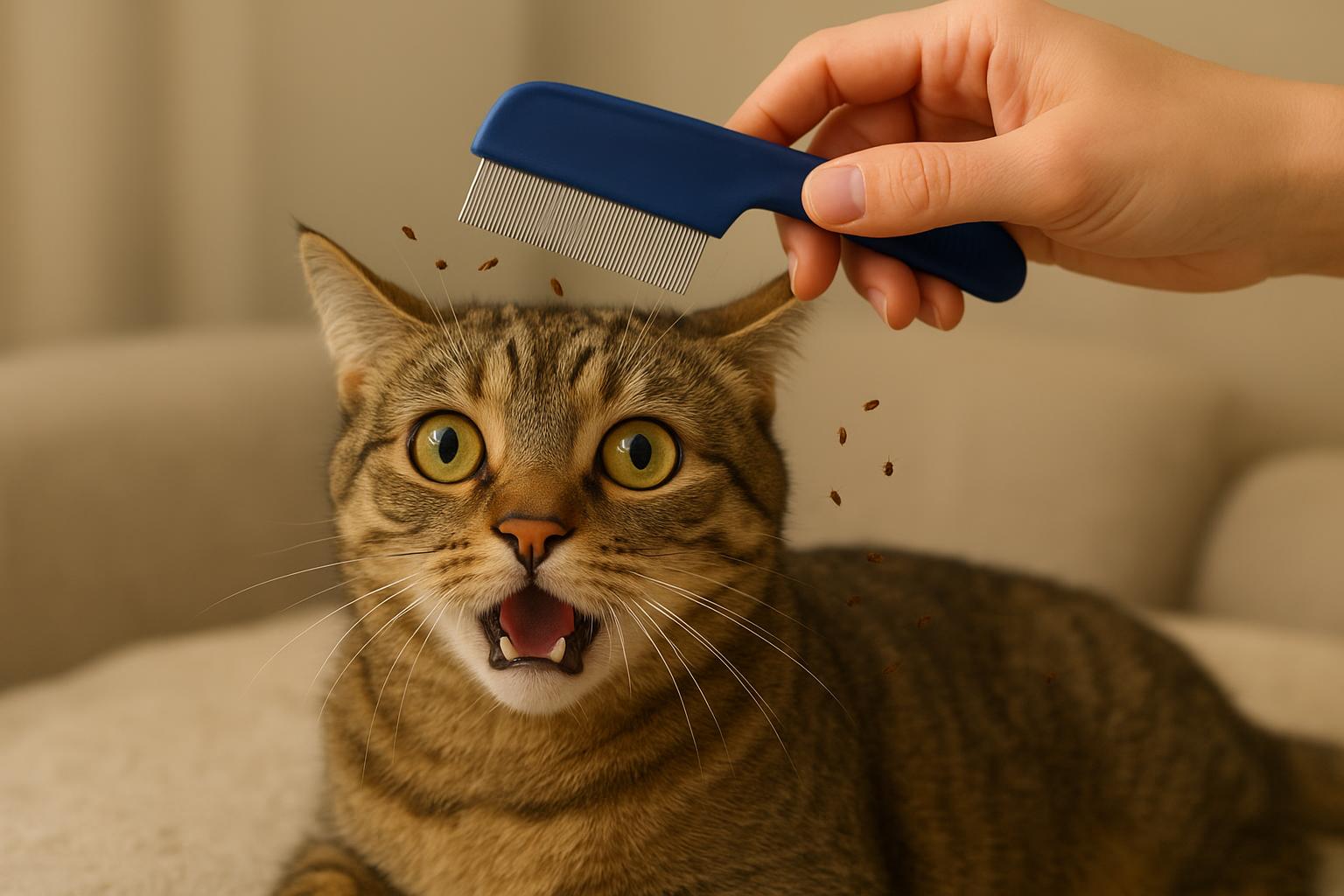
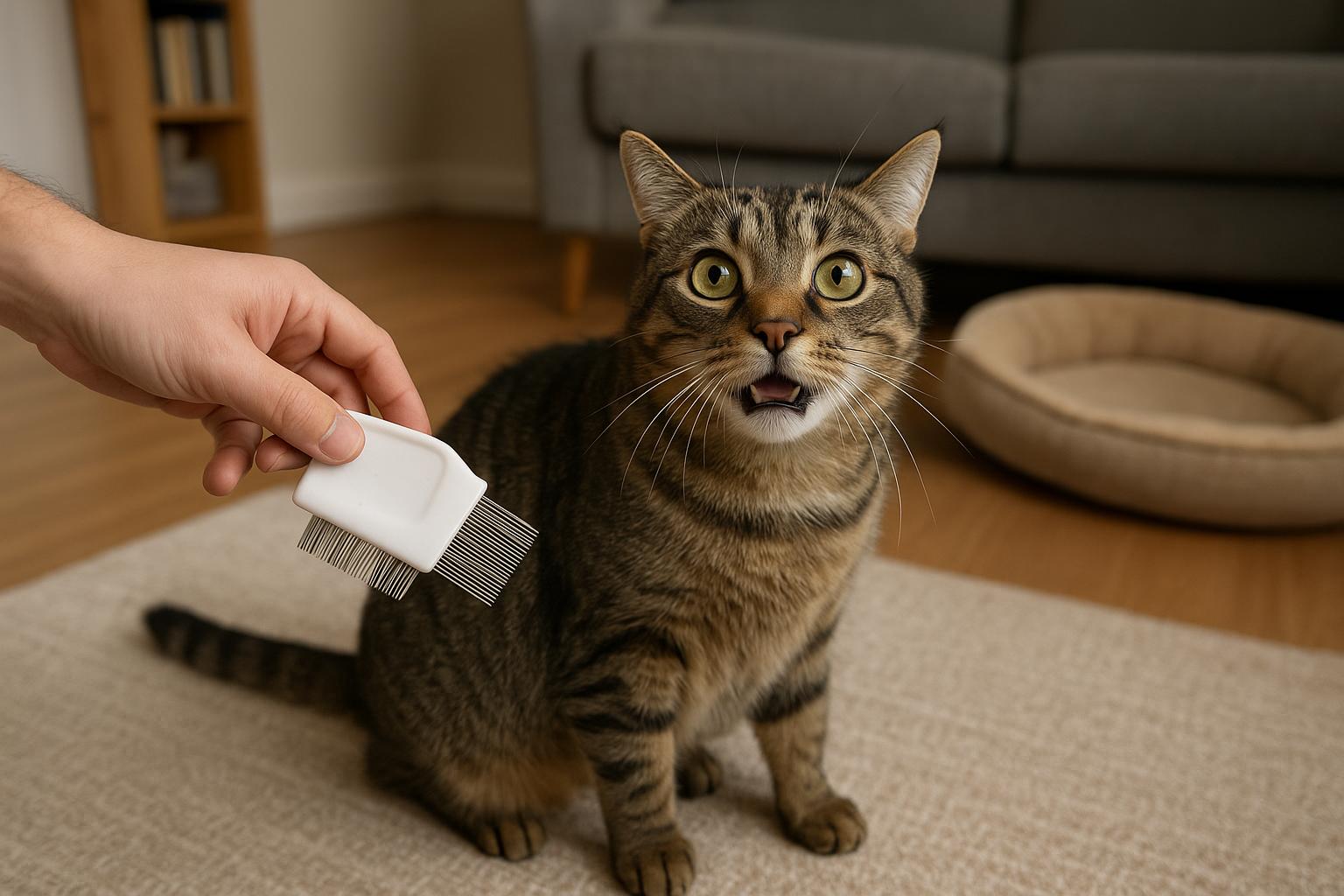
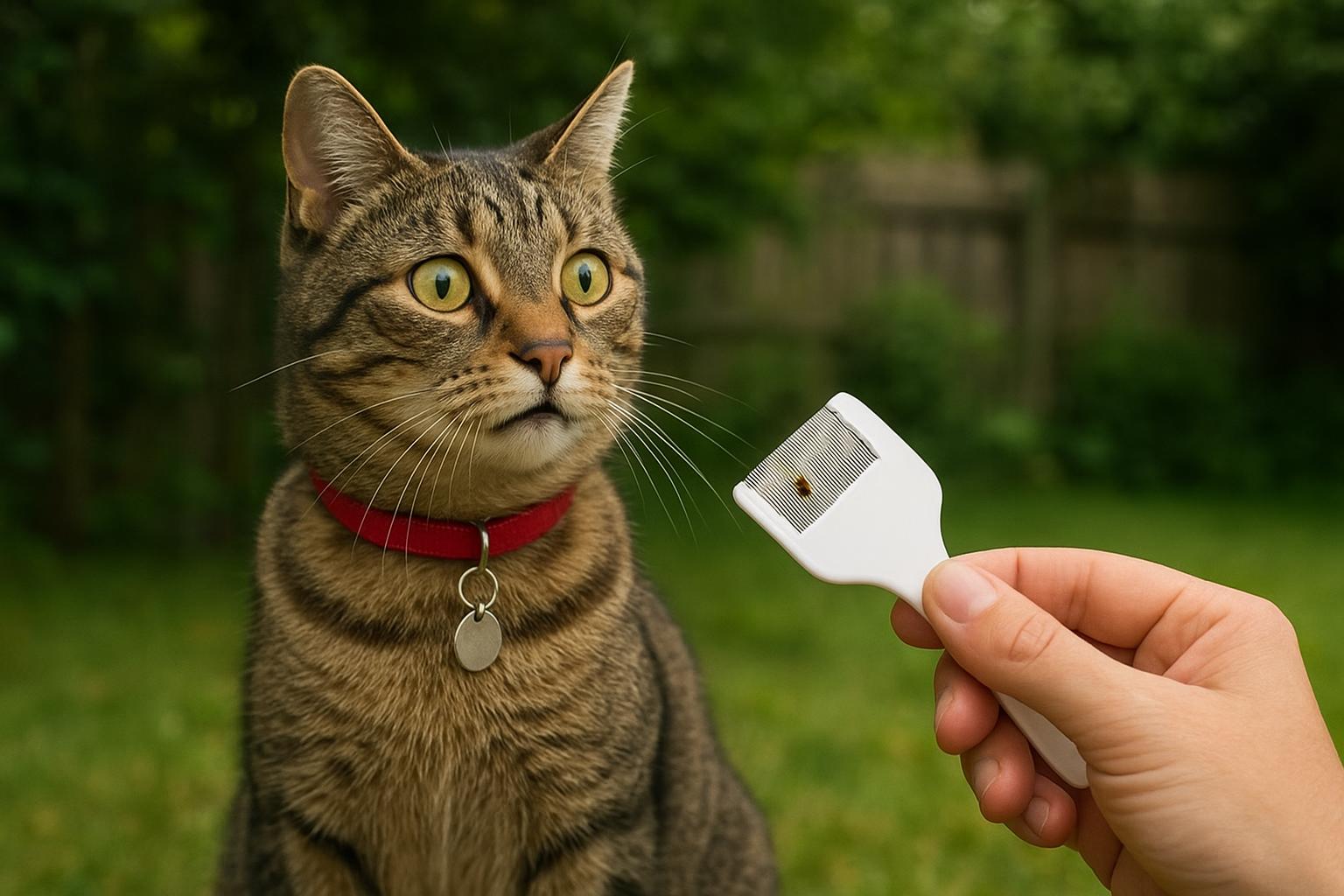
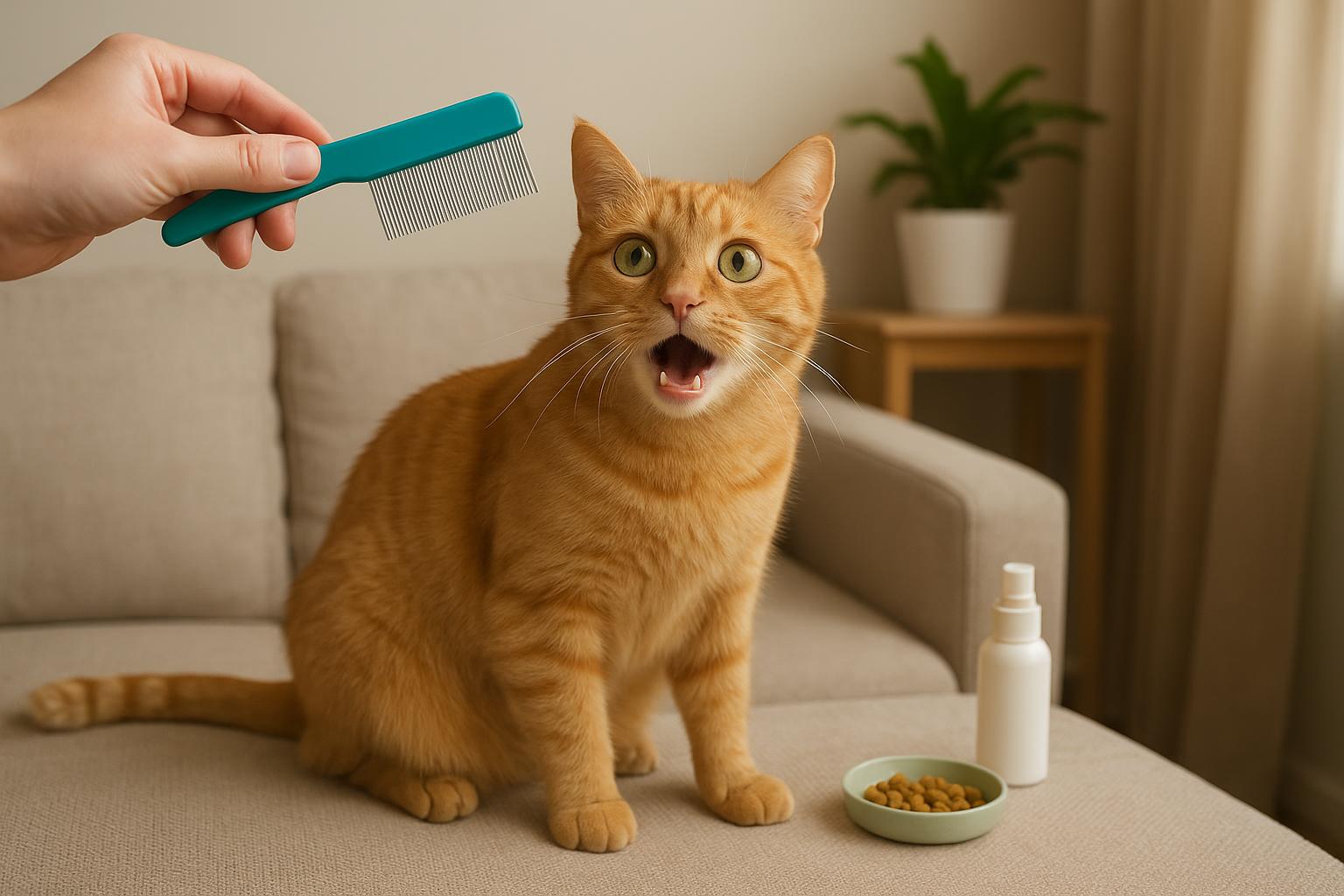
3. Flea comb for follow-up checks.
4. Gloves if desired for handling.
Step-By-Step Application (Formal Instructions)
1. Schedule a vet consultation to confirm the right product and dose based on weight, age, concurrent medications, and health status.
2. Ensure the cat is dry and hasn’t been bathed within 48 hours unless the product allows otherwise (some products recommend waiting after baths).
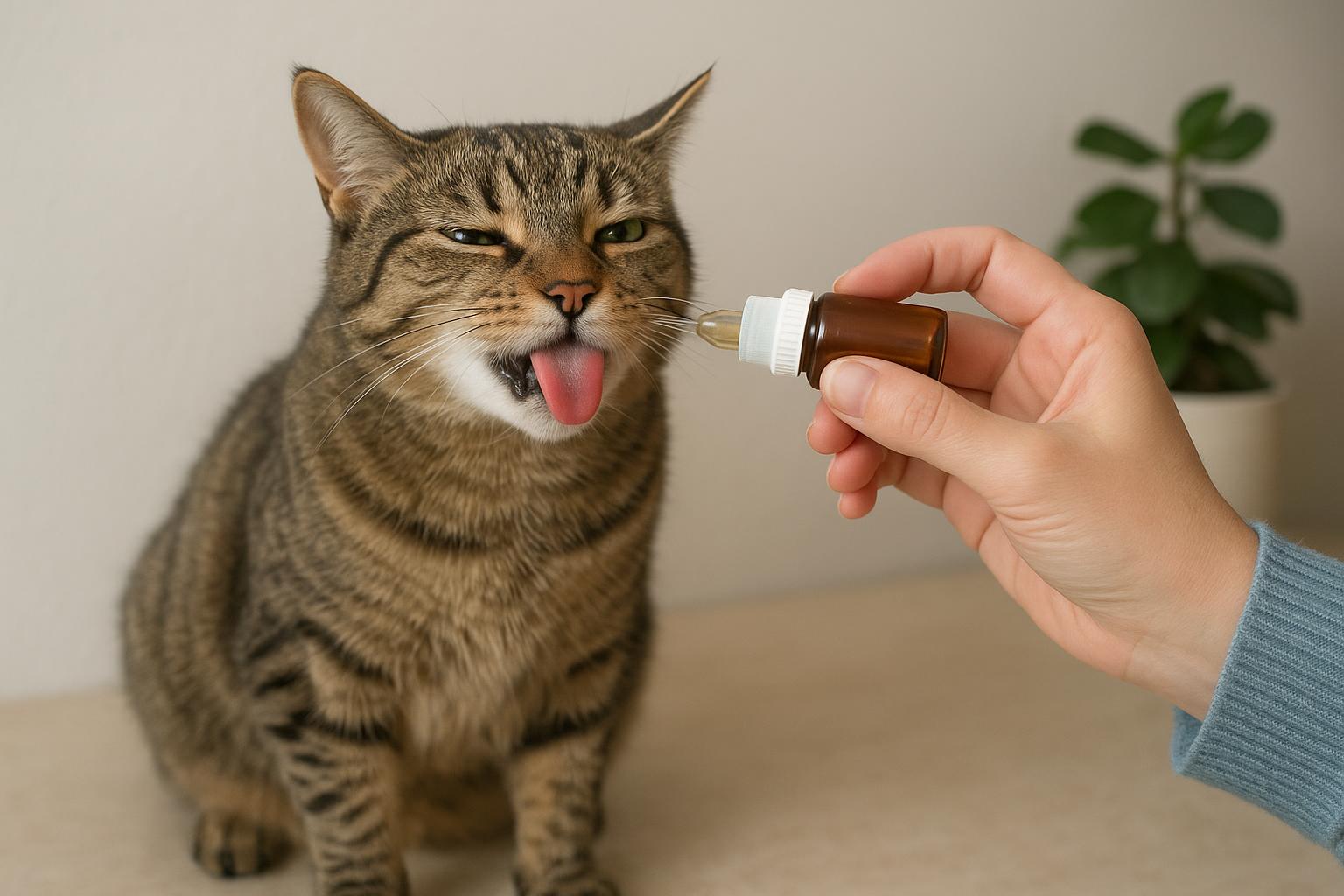
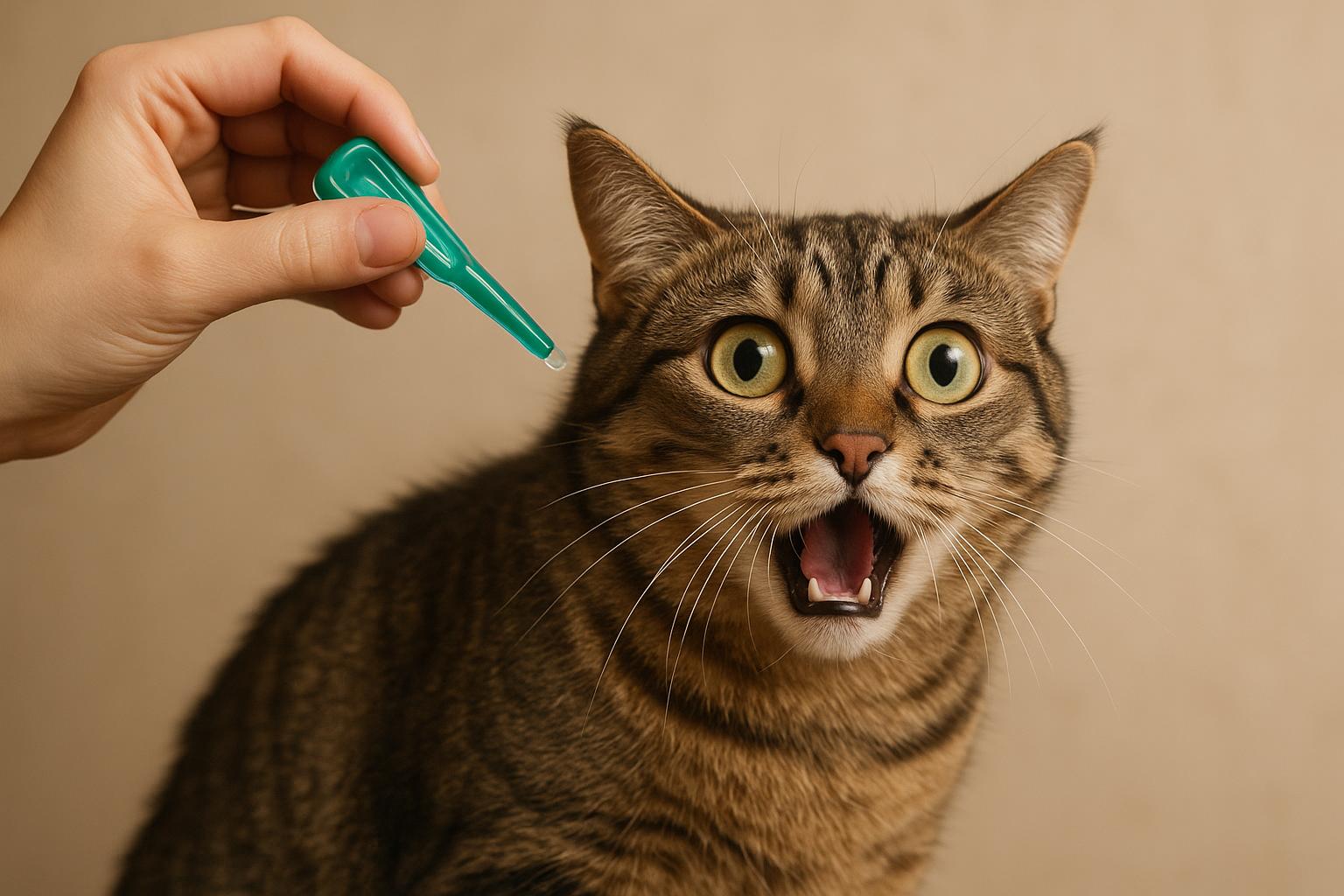
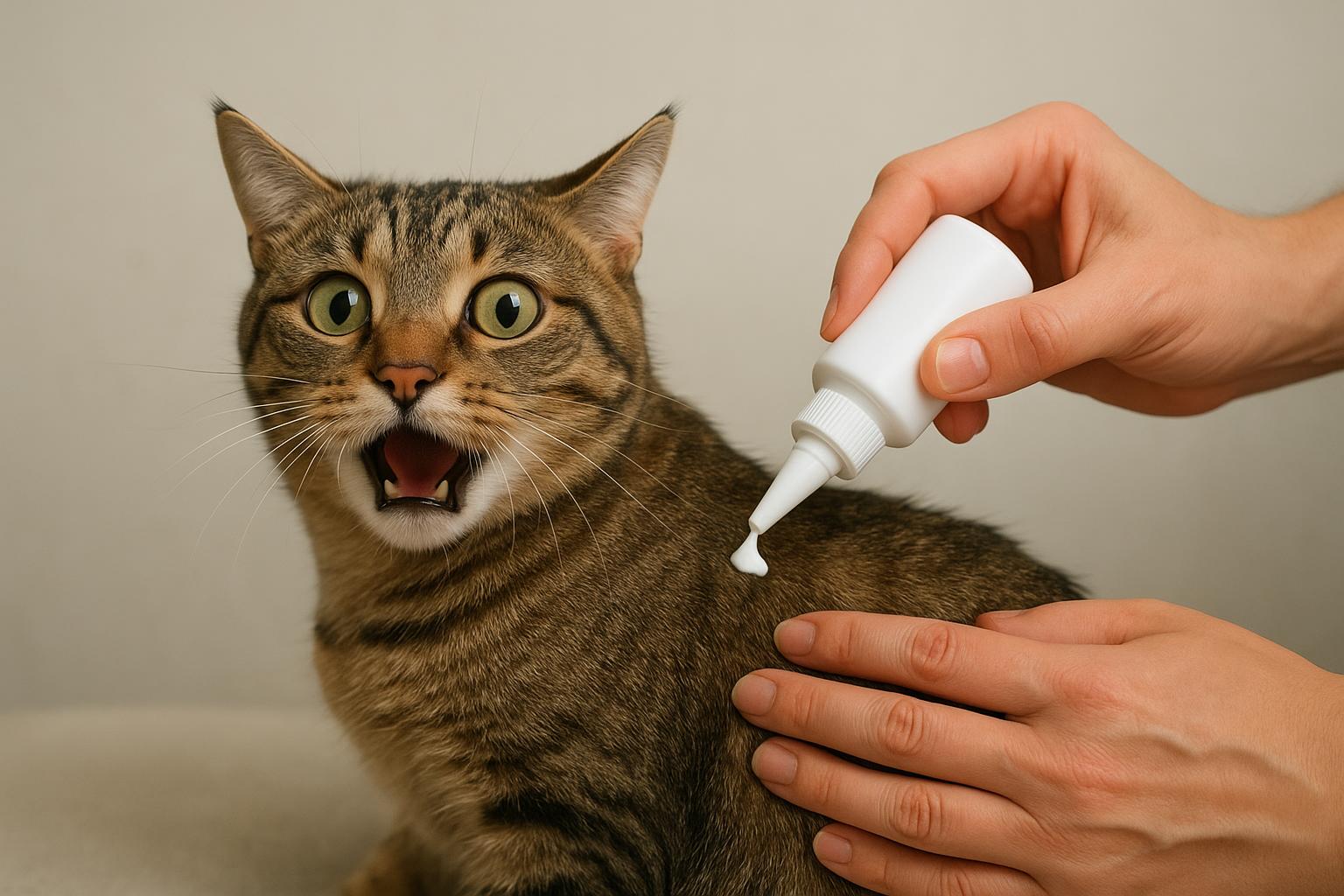
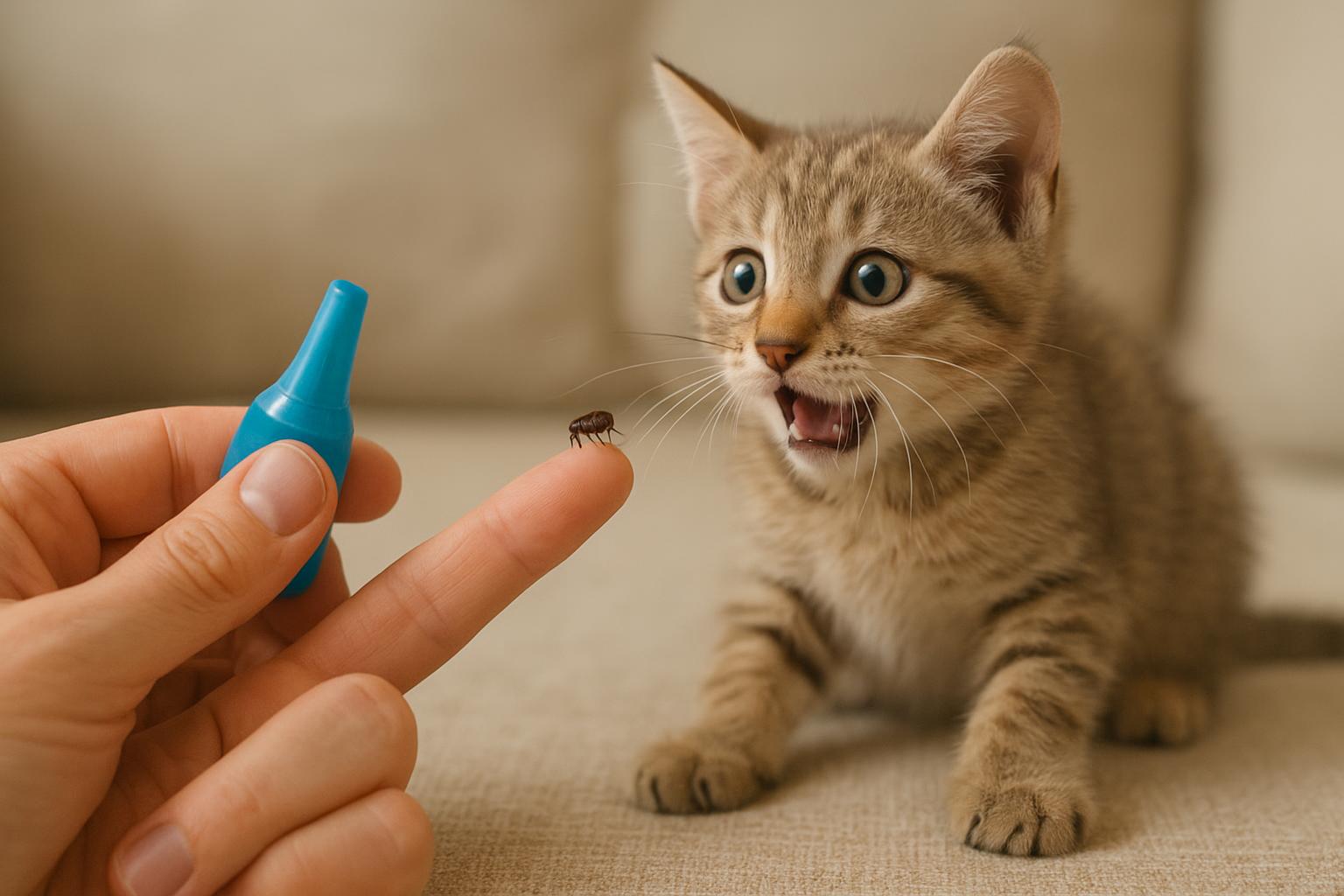
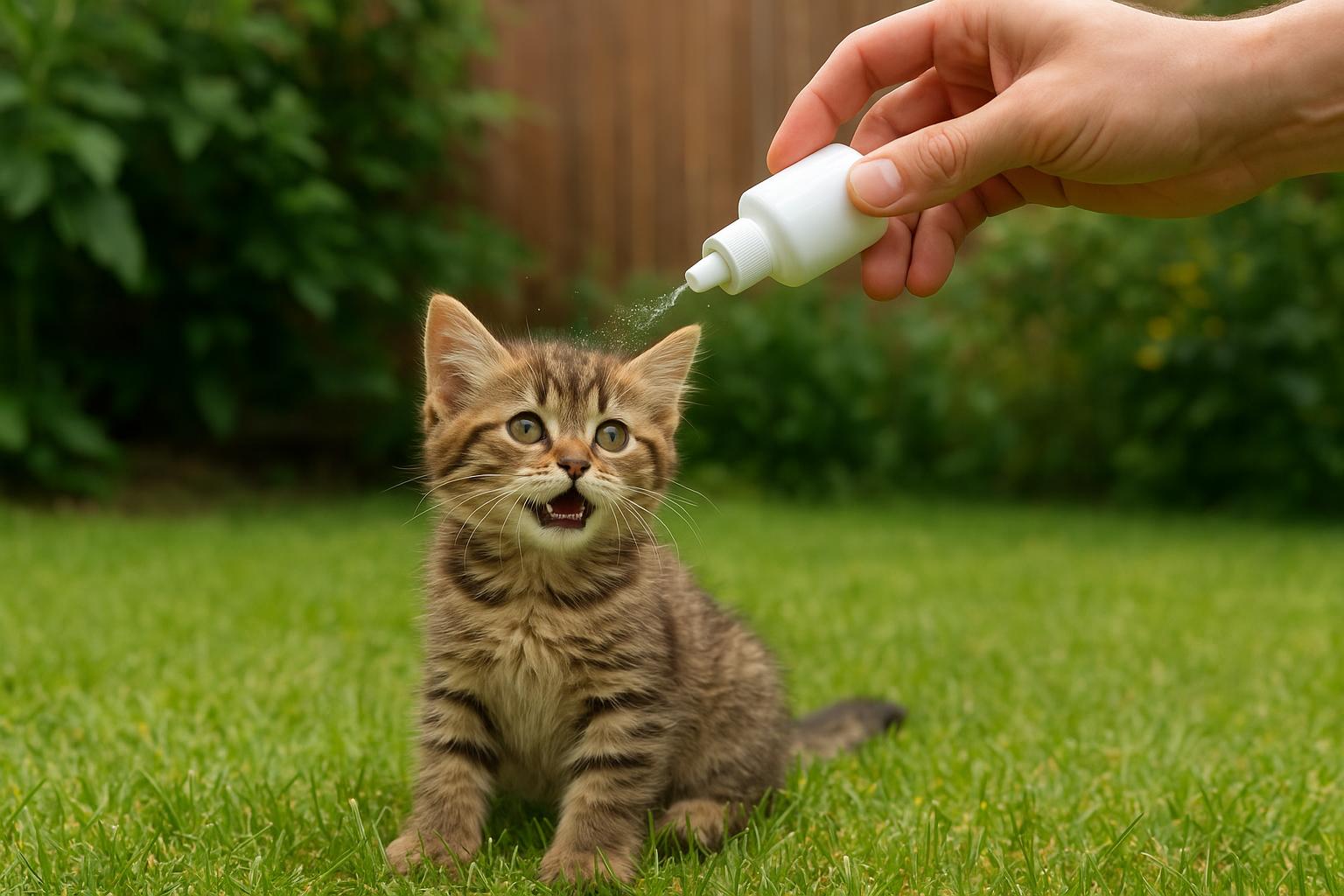
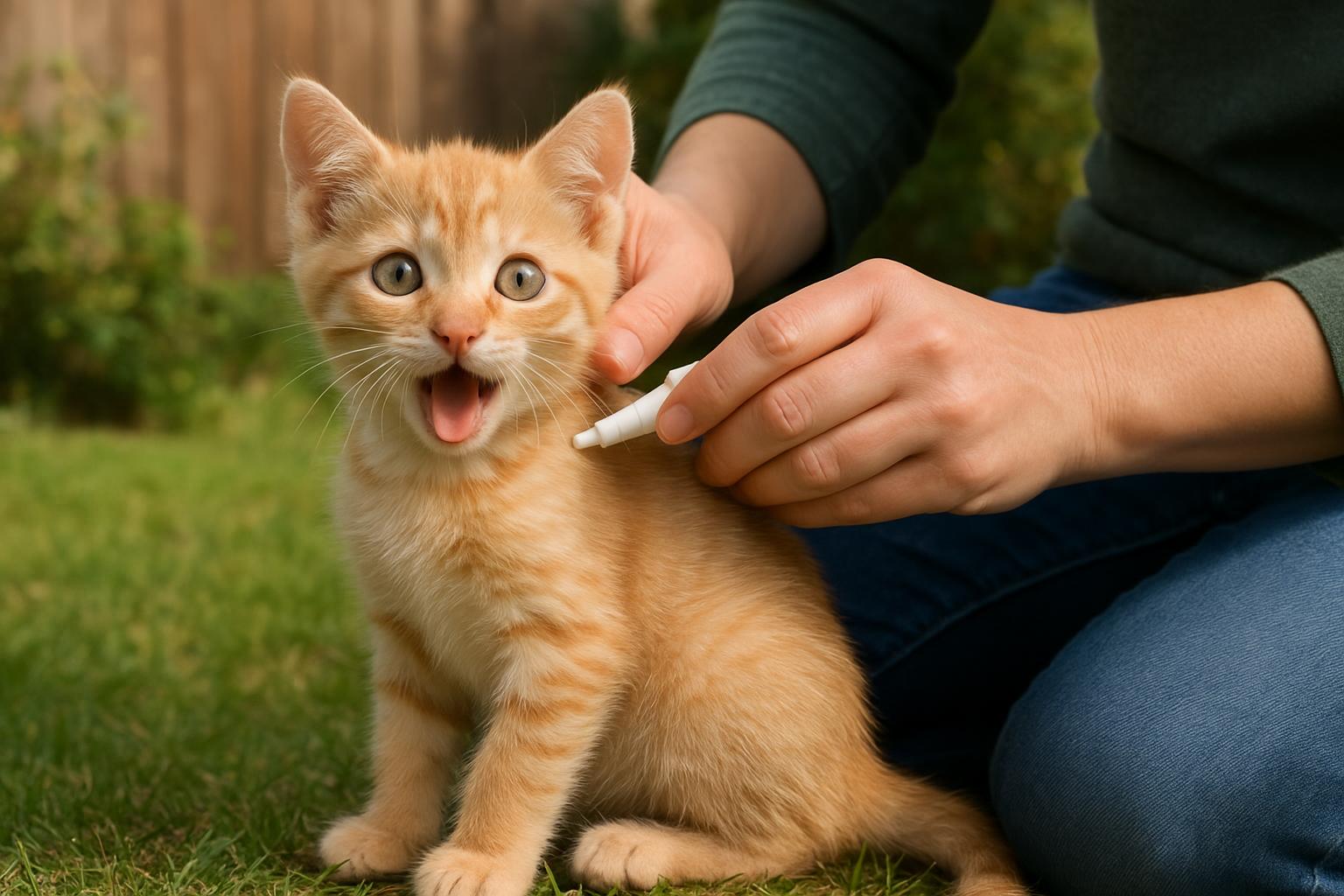
3. For topicals: Part the fur at the base of the skull until the skin is visible. Apply the entire contents of the pipette directly onto the skin in one spot. Do not rub or massage—allow it to disperse naturally.
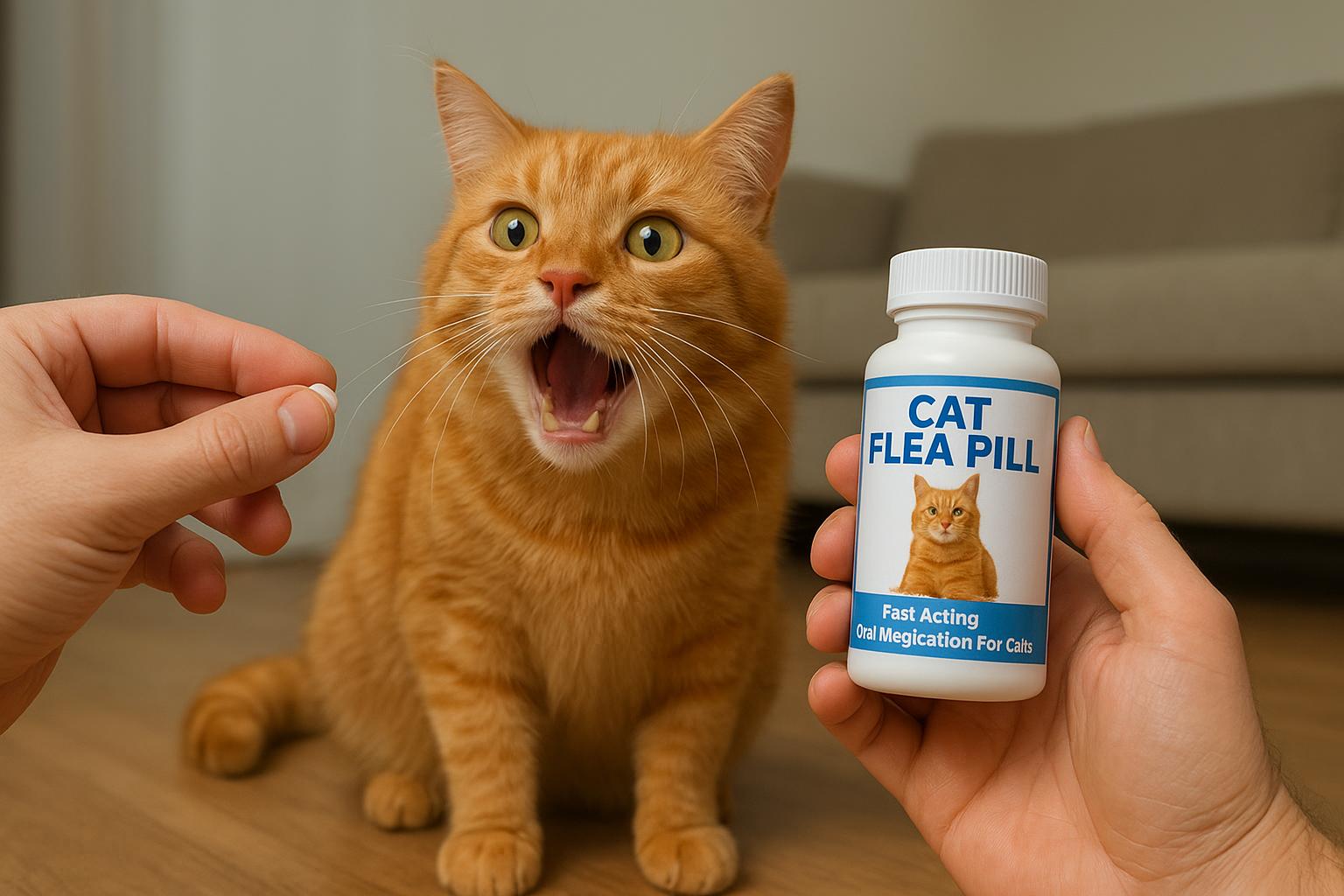
4. For oral tablets: Administer according to label or vet instruction. Some are given with food; others are not. Confirm administration technique with your vet.
5. Record the date of application in a calendar or app; repeat every 30 days (or as your veterinarian specifies). Consistency is crucial—missed doses reduce effectiveness dramatically.
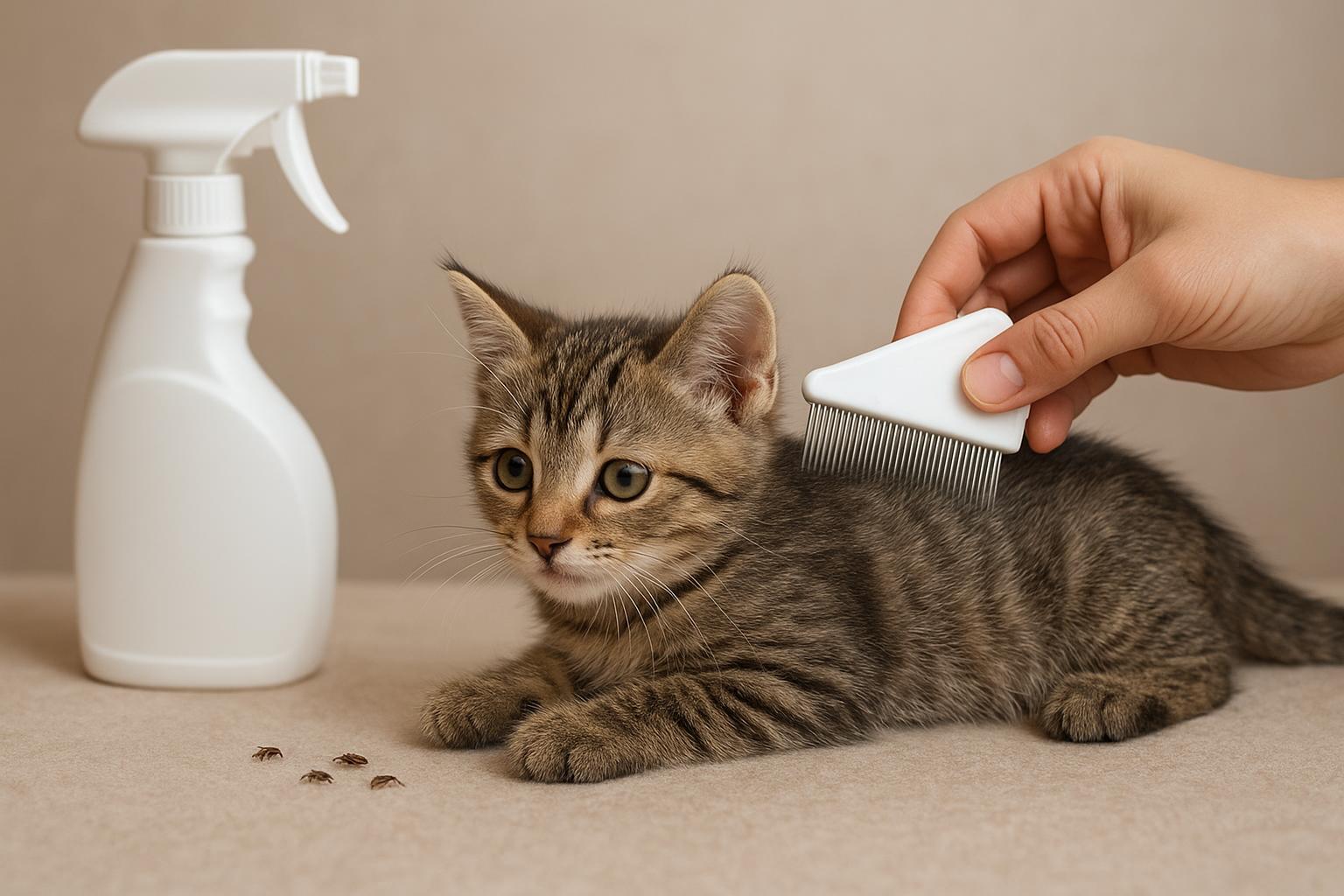
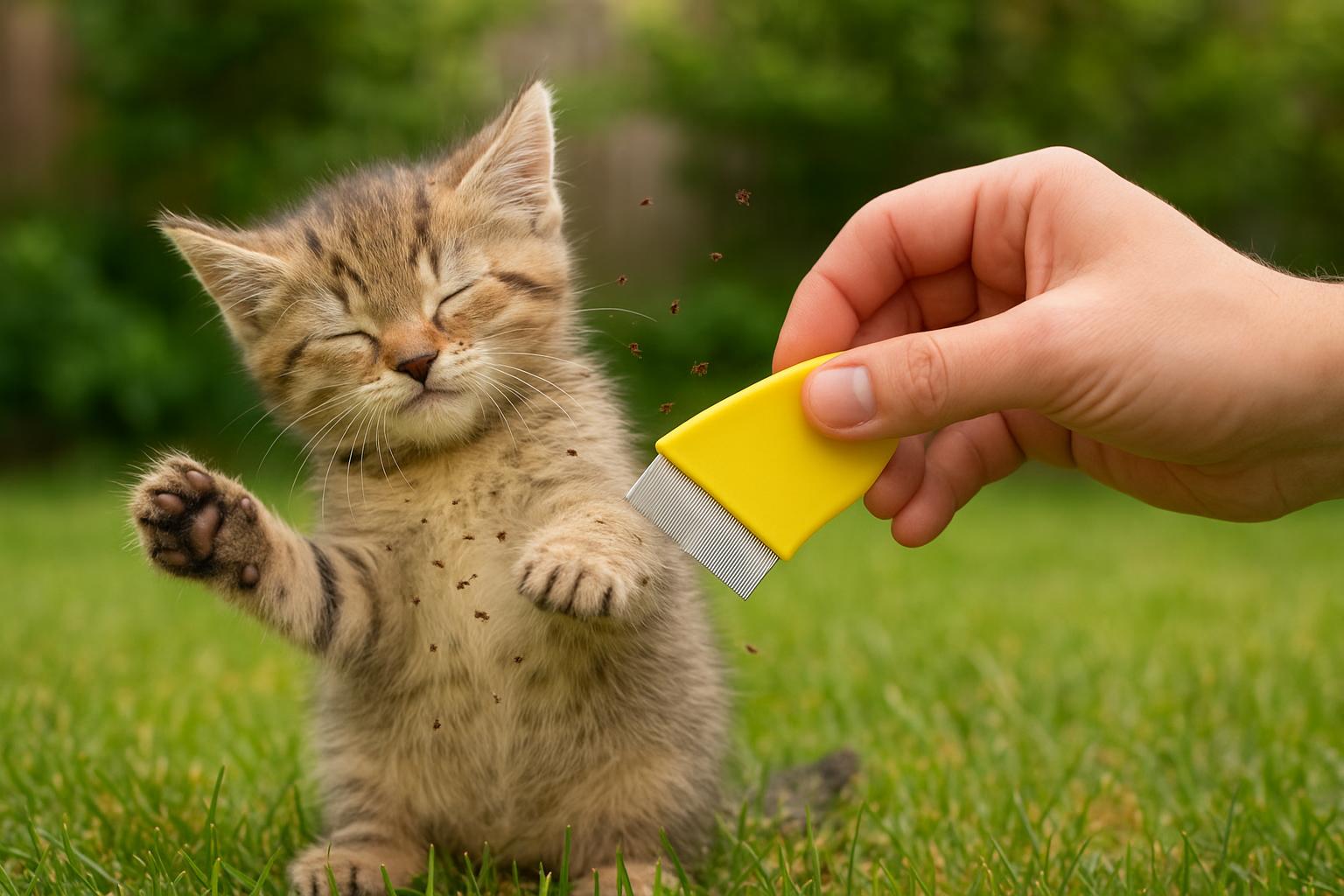
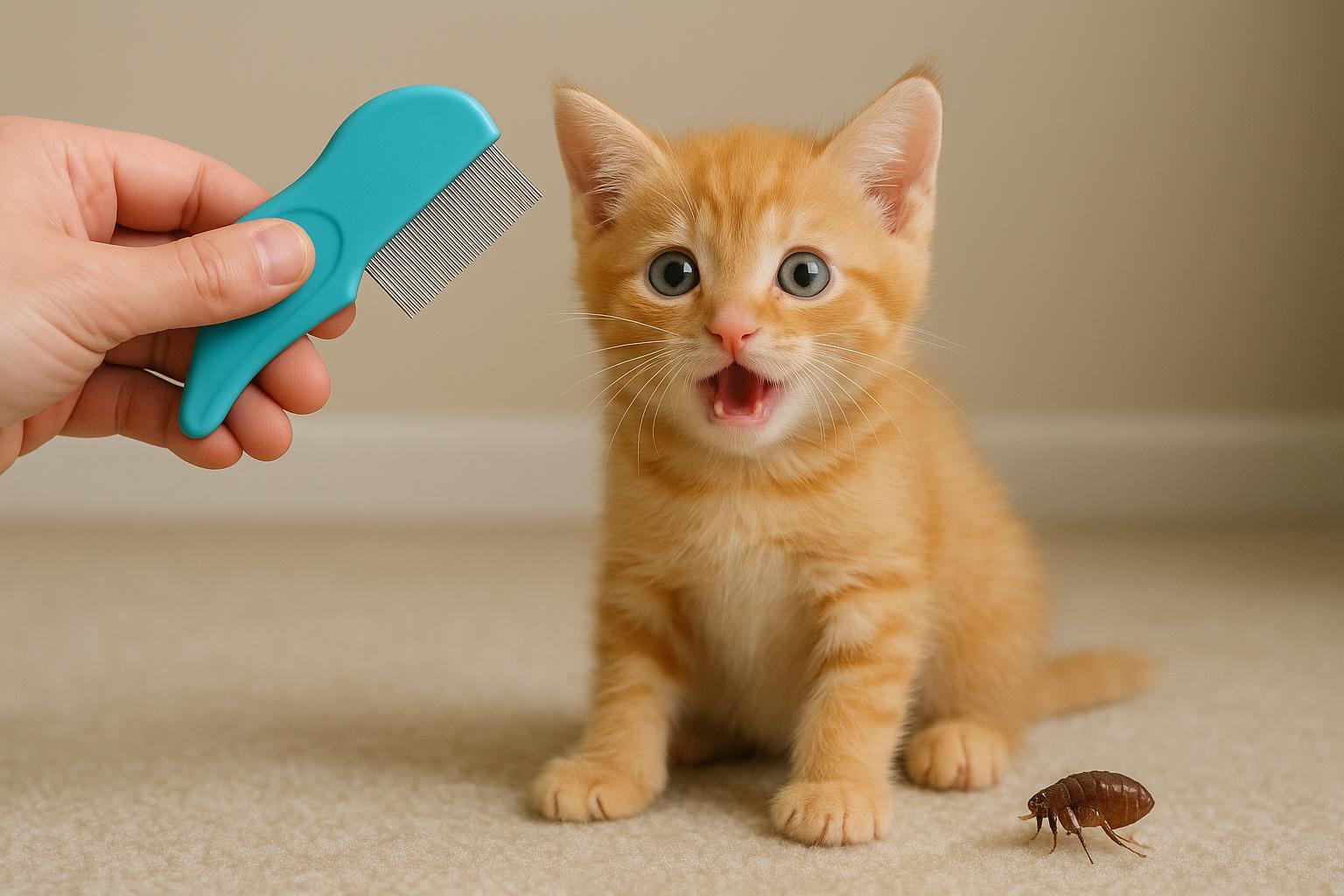
6. Use a flea comb weekly to monitor for live fleas or flea dirt. If you detect fleas after two doses, notify your vet—treatment failure, resistance, or environmental reservoirs may need addressing.
Note: Avoid mixing multiple chemical treatments unless approved by your veterinarian. Follow specific bathing and swimming guidance for the product you choose.
## Remedy 2: Home Environment Treatment And Maintenance
Treating the cat is only half the battle. Because a large portion of flea life occurs off the pet, home maintenance is essential in any monthly fleas plan.
Materials/Ingredients
– Vacuum cleaner with attachments and a sealable bag or canister.
– Laundry detergent and access to hot water.
– Food-grade diatomaceous earth (optional) or a vet-approved environmental insect growth regulator (IGR) product.
– Flea traps (sticky or light-based) if desired.
– Gloves, mask (for dust-handling products), and a schedule.
Step-By-Step Environmental Treatment (Formal Instructions)
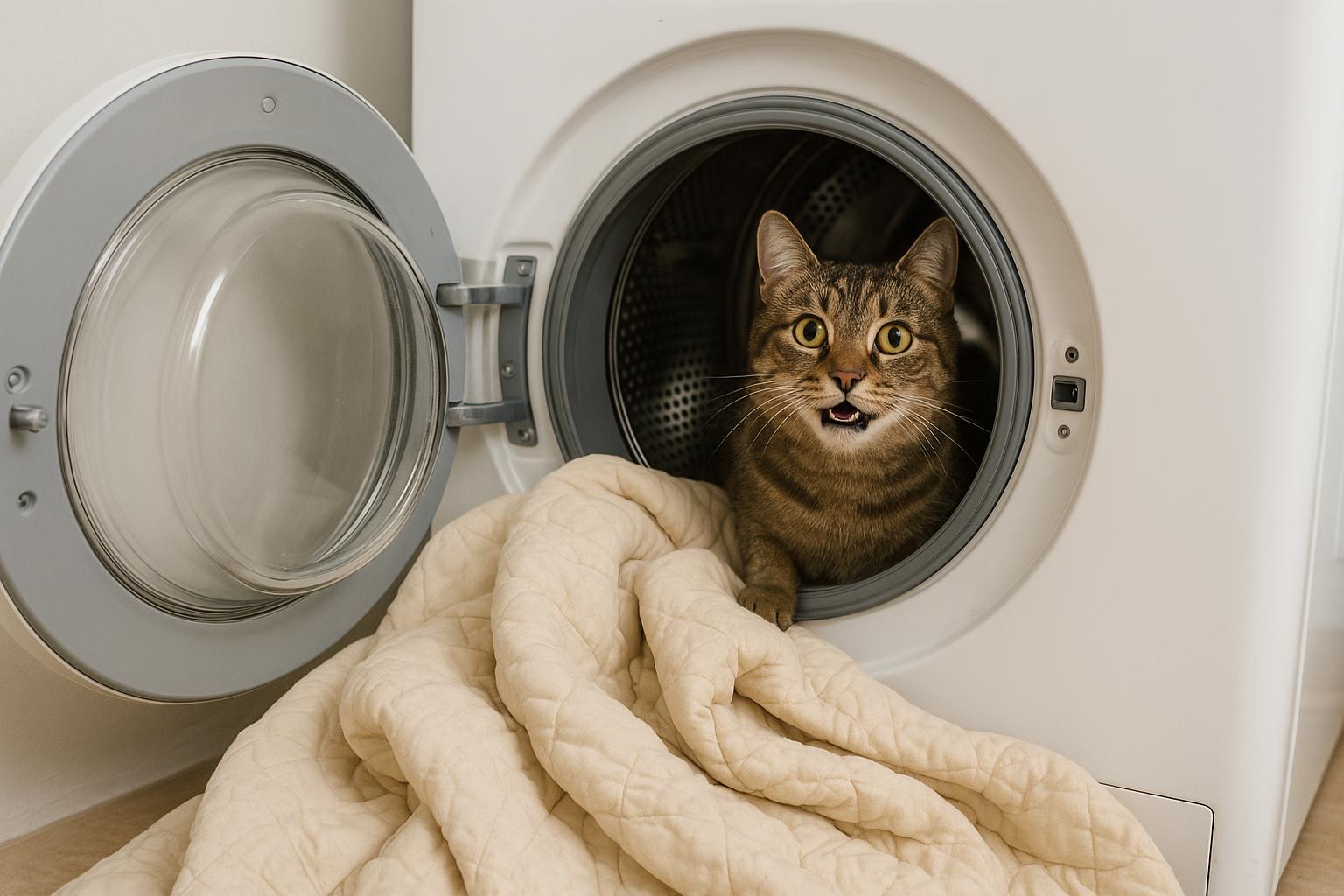
1. Launder Bedding and Soft Furnishings: Wash all pet bedding, blankets, and removable cushion covers in hot water (>130°F/54°C) and dry on high heat weekly for at least two months after initial treatment to eliminate eggs and larvae.
2. Vacuum Thoroughly: Vacuum carpets, rugs, furniture, baseboards, and under furniture. Empty the vacuum bag or canister into an outdoor trash bin immediately and seal it. Repeat vacuuming every 3–4 days for the first month, then weekly thereafter.
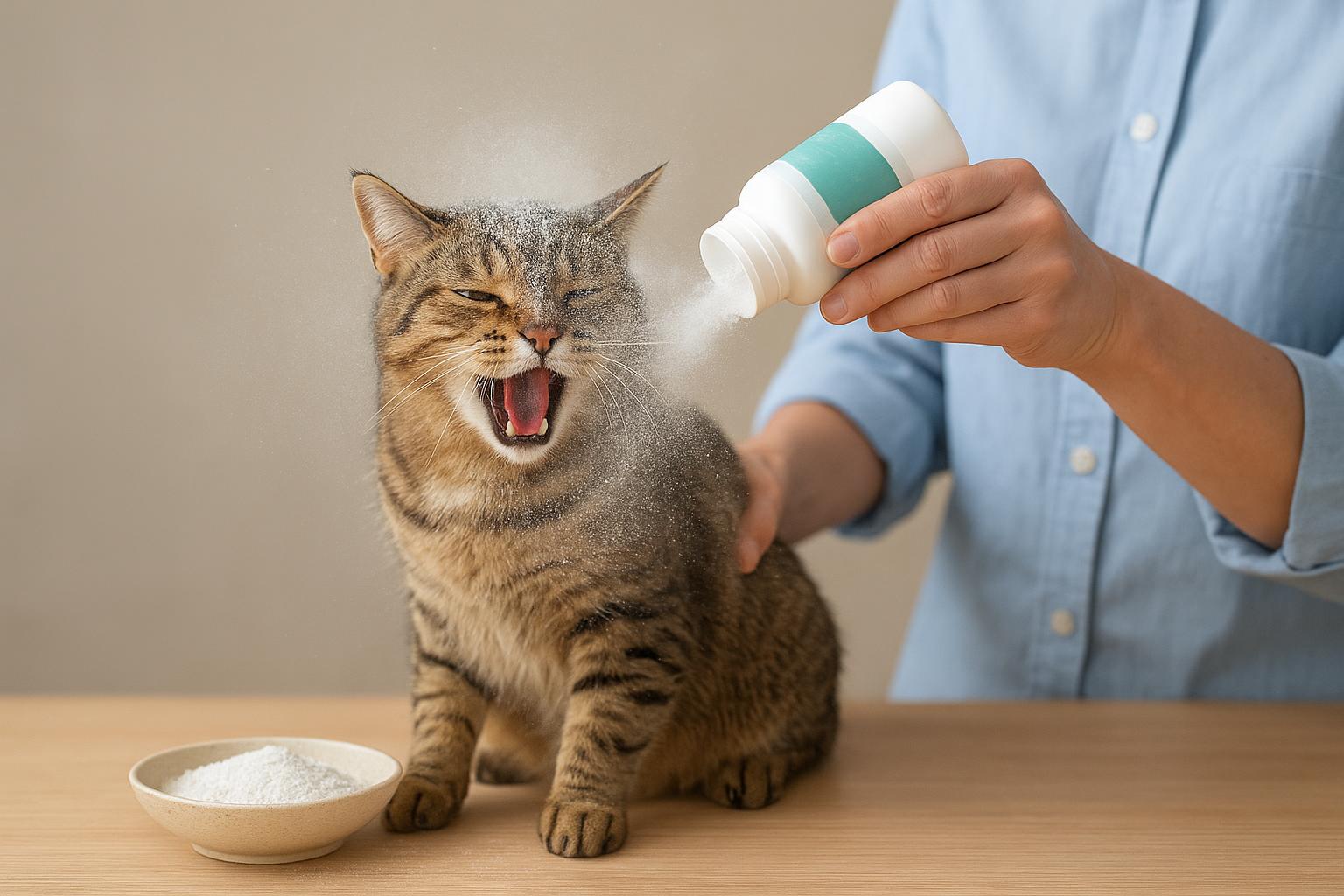
3. Apply Environmental IGR or Food-Grade Diatomaceous Earth (If Using): If choosing diatomaceous earth, use only food-grade, apply sparingly to carpets and cracks, leave for 48–72 hours, then vacuum. If using an IGR spray labeled safe for indoor pets, follow label directions precisely. These products target eggs and larvae and reduce re-infestation.
4. Target Outdoor Areas: If your cat goes outside, focus on shaded, protected spots where fleas thrive. Keep grass short, remove leaf litter, and consider treating kennels or bedding outdoors with vet-approved products.
5. Use Flea Traps For Monitoring: Place traps near sleep areas to monitor adult flea activity. These won’t solve an infestation alone but help you measure effectiveness.
6. Maintain A Monthly Cleaning Rhythm: Coordinate your environmental protocol with your cat’s monthly medication—repeat or check the environment every 30 days to interrupt new cycles.
## Remedy 3: Integrated Monthly Flea Care Routine (Combining Treatments)
An integrated plan blends veterinary product use with consistent home maintenance and monitoring—this is the strategy most vets recommend for lasting control.
Materials/Ingredients
– Monthly vet-approved flea product.
– Vacuuming and laundering routine tools (see Remedy 2).
– Flea comb and waste disposal materials.
– Calendar or reminder system.
Step-By-Step Integrated Routine (Formal Instructions)
1. Day 0: Apply the monthly product as per Remedy 1 after vet consult.
2. Day 1–7: Vacuum carpets and wash bedding. Use flea comb daily for the first week to remove any adult fleas dislodged after treatment.
3. Days 8–29: Continue weekly vacuuming, launder bedding weekly, monitor with traps and combs. Reassess outdoor exposure and treat outdoor hot spots if present.
4. Day 30: Apply the next monthly product dose on schedule. Log each application and any observations (scratching, fleas found) to present to your vet if issues continue.
5. Repeat monthly. If fleas persist after two consecutive months of diligent monthly fleas prevention and environmental control, contact your veterinarian for further diagnostics—resistance, other hosts (wildlife or neighbors’ pets), or medical issues may be factors.
### When To Seek Professional Pest Control
If your home infestation is severe—visible fleas in large numbers, widespread pupae, or multiple pets involved—professional pest control may be necessary. Choose a pest service that uses pet-safe, targeted products and coordinates timing with your pet treatments. Inform them you are practicing monthly fleas prevention so they can tailor an integrated strategy.
### Final Practical Tips (Because Real Life Happens)
– Set a recurring reminder on your phone for monthly treatments and cleaning.
– Don’t share flea products between pets unless the product is formulated for both species and sizes—consult your vet.
– Keep records of product names, lot numbers, and application dates; bring these to your vet if problems arise.
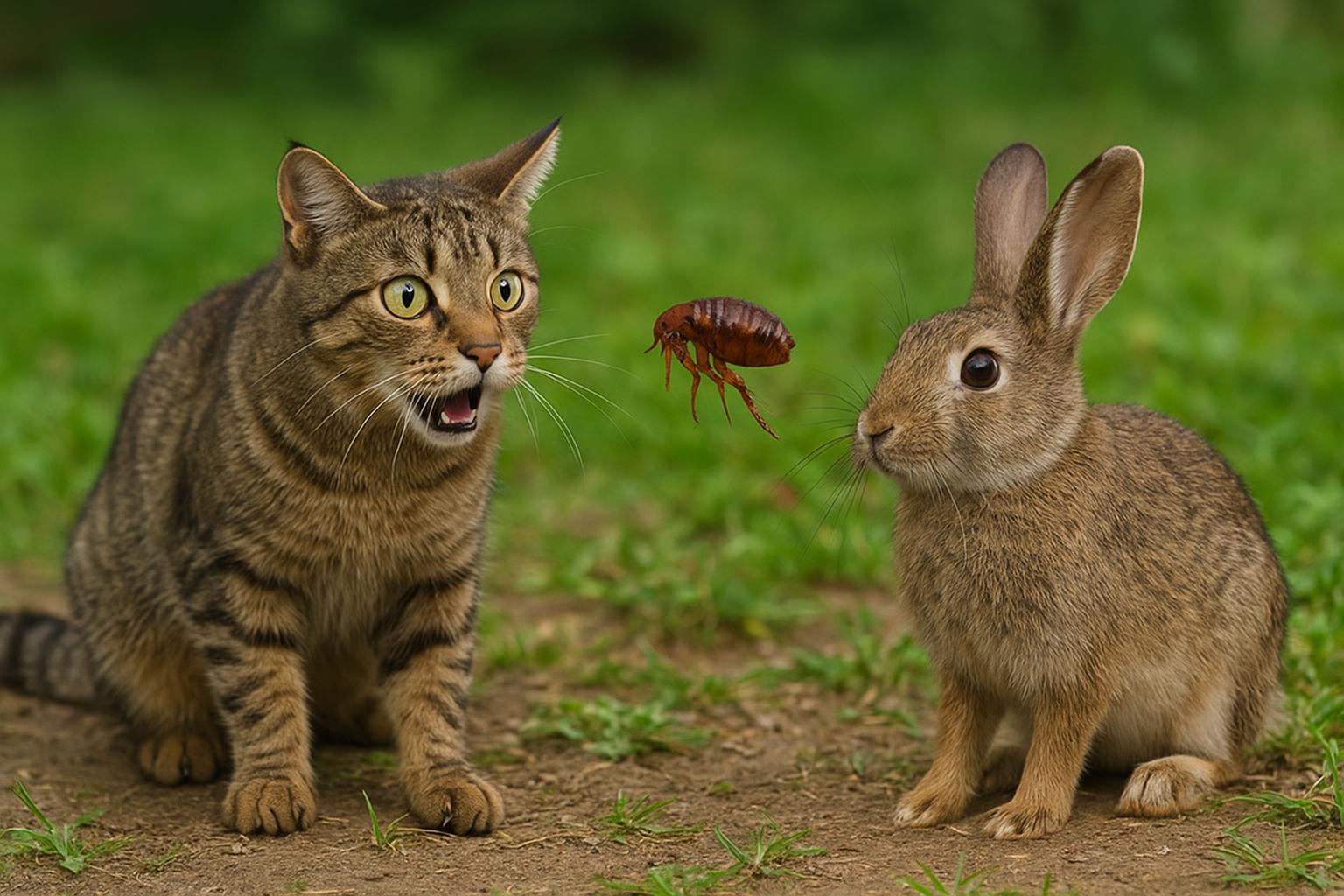
– If you adopt a new pet or visit areas with wildlife, be proactive—inspect and treat as needed.
That’s the working playbook: consistent monthly fleas prevention for your cat, paired with home maintenance and vet partnership, is the reliable way to keep both your cat and couch flea-free.









Leave a Reply