
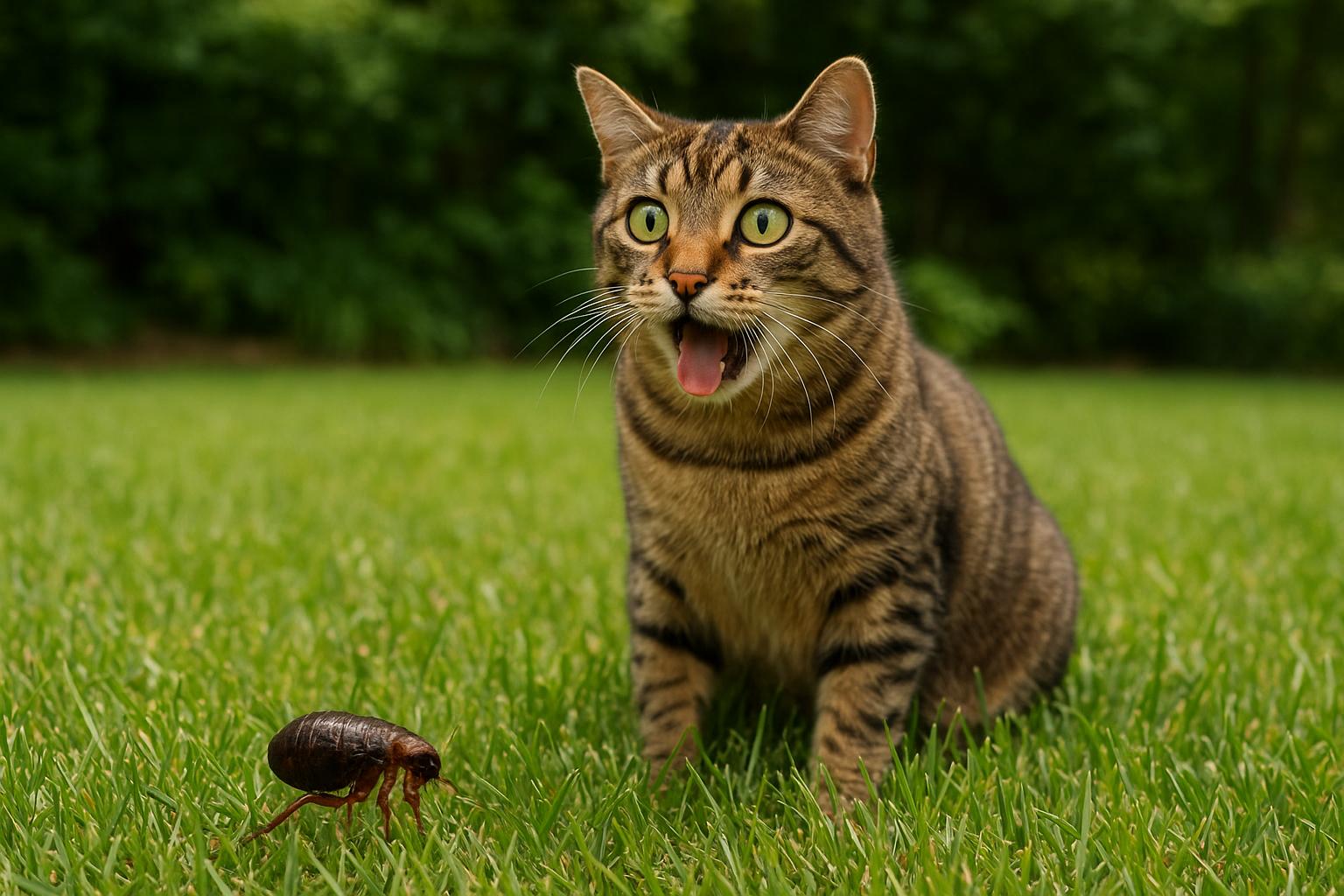
You want your yard to be a happy place for songbirds, toads, and the neighborhood hedgehog (metaphorically speaking), not a flea market for pests. Keeping fleas in check while protecting wildlife and pets is absolutely doable with a little know-how and some common-sense practices. Below are practical, wildlife-friendly ideas that focus on prevention first, then targeted remedies when needed.
## Lawn Flea Control Tips For Yard Wildlife Outdoors Safely
### How Fleas Sneak Into Your Yard And Why It Matters
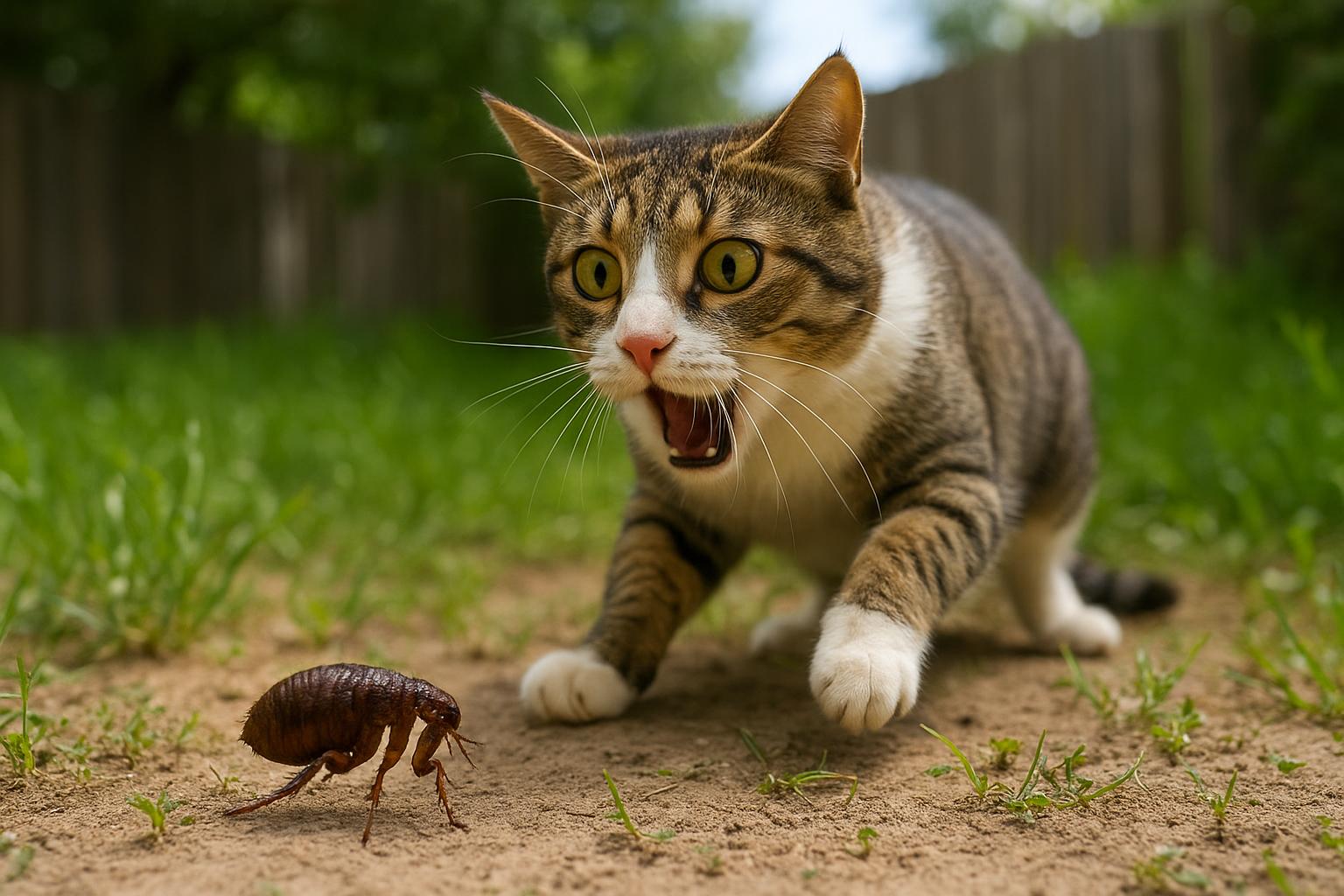
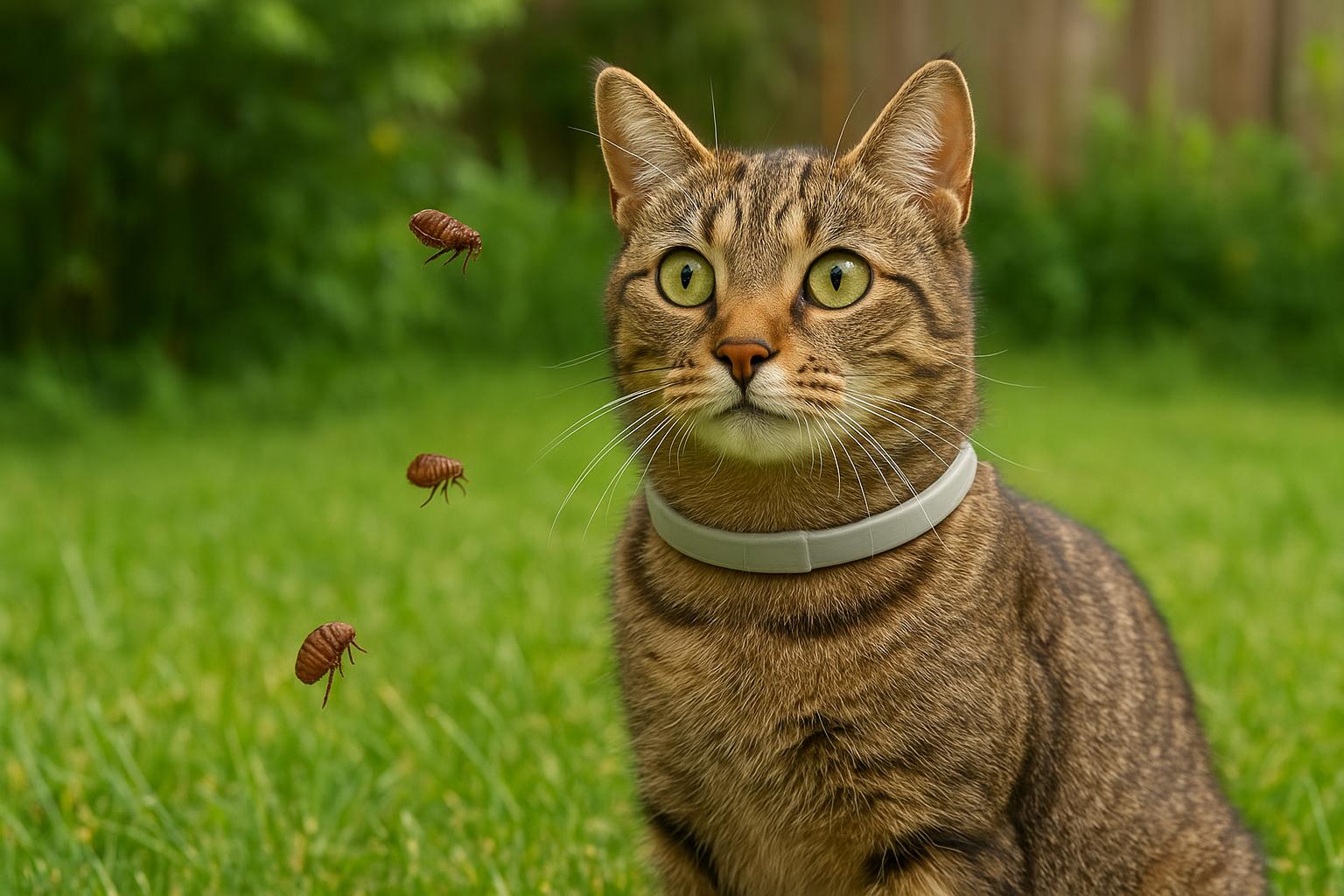
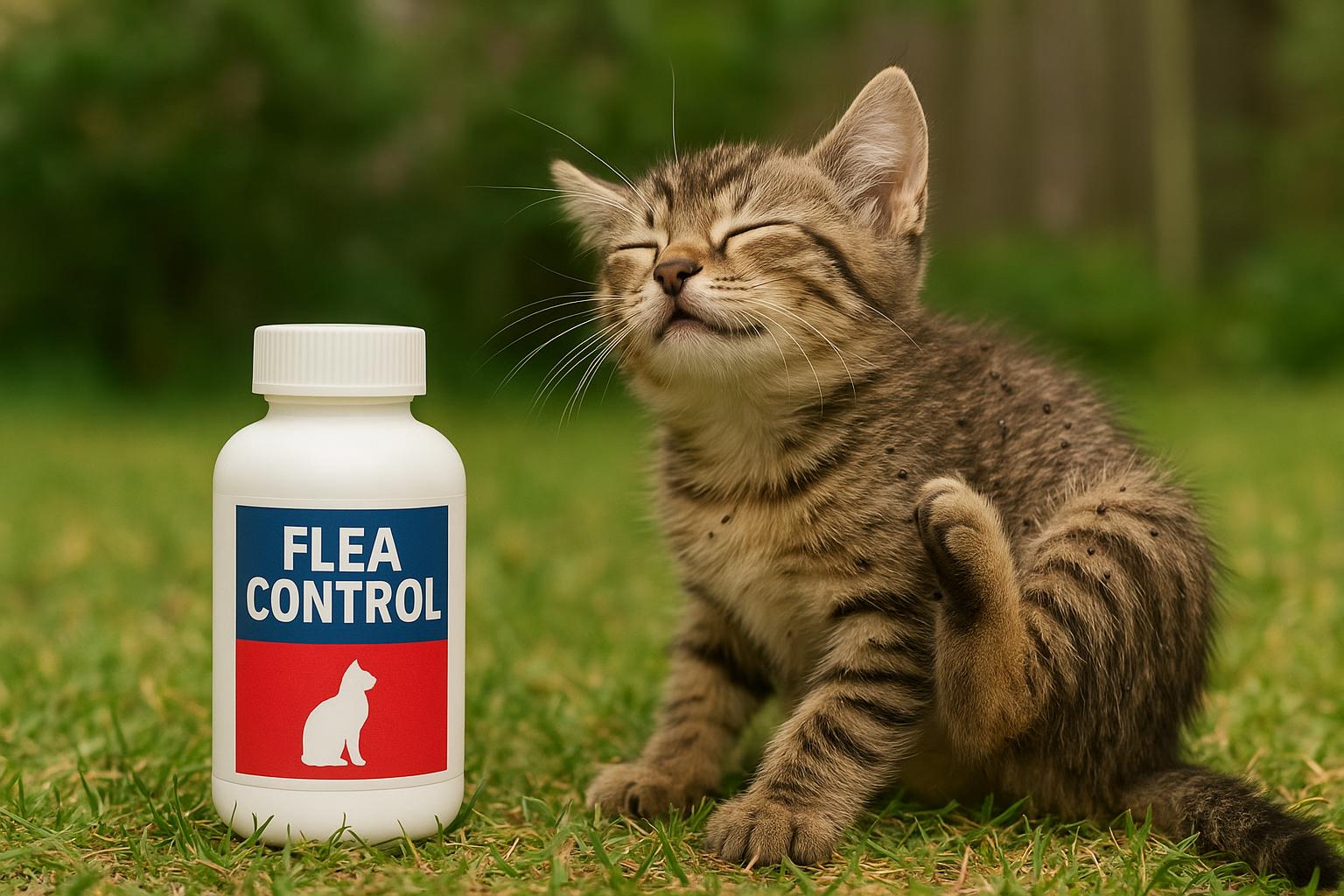
Fleas are tiny but devious. They hitch rides on wildlife, feral cats, dogs, and even humans, then lay eggs in shaded, moist areas of the lawn and garden. Because eggs, larvae, pupae, and adults can live in different microhabitats, a single treatment rarely fixes everything. For effective lawn flea control you need to reduce the places fleas thrive and break their life cycle. The good news: many of those steps are simple habitat tweaks rather than heavy chemical applications.
### Why Wildlife-Safe Methods Benefit Everyone
Reducing overall flea pressure helps pets and people, and it’s kinder to the birds, bats, amphibians, and beneficial insects that make your yard a healthy ecosystem. Overuse of broad-spectrum pesticides can harm pollinators and predators that naturally keep pests in balance, so we favor targeted, lower-toxicity options whenever possible.
## 1. Natural Remedy: Diatomaceous Earth And Beneficial Nematodes
### What This Method Does And When To Use It
This is a non-chemical, biological approach that targets flea larvae in soil and thatch. Diatomaceous earth (food-grade) abrades and dehydrates soft-bodied larvae, while beneficial nematodes (Steinernema spp. and Heterorhabditis spp.) actively hunt and infect flea larvae and pupae in moist soil. Use this method when you want a safer option for wildlife and pets, and when infestation levels are moderate.
#### Materials And Ingredients
– Food-grade diatomaceous earth (DE), labeled for outdoor use
– Beneficial nematodes (commercial product; live, refrigerated)
– A garden sprayer or watering can for nematodes
– A hand duster or sieve for DE
– Protective gloves and a dust mask (for handling DE)
– Water source and hose
#### Step-By-Step Application (Formal Instructions)
1. Identify Target Areas: Map shaded, damp zones where wildlife rests, under shrubs, along foundation lines, and beneath decks — these are flea hotspots.
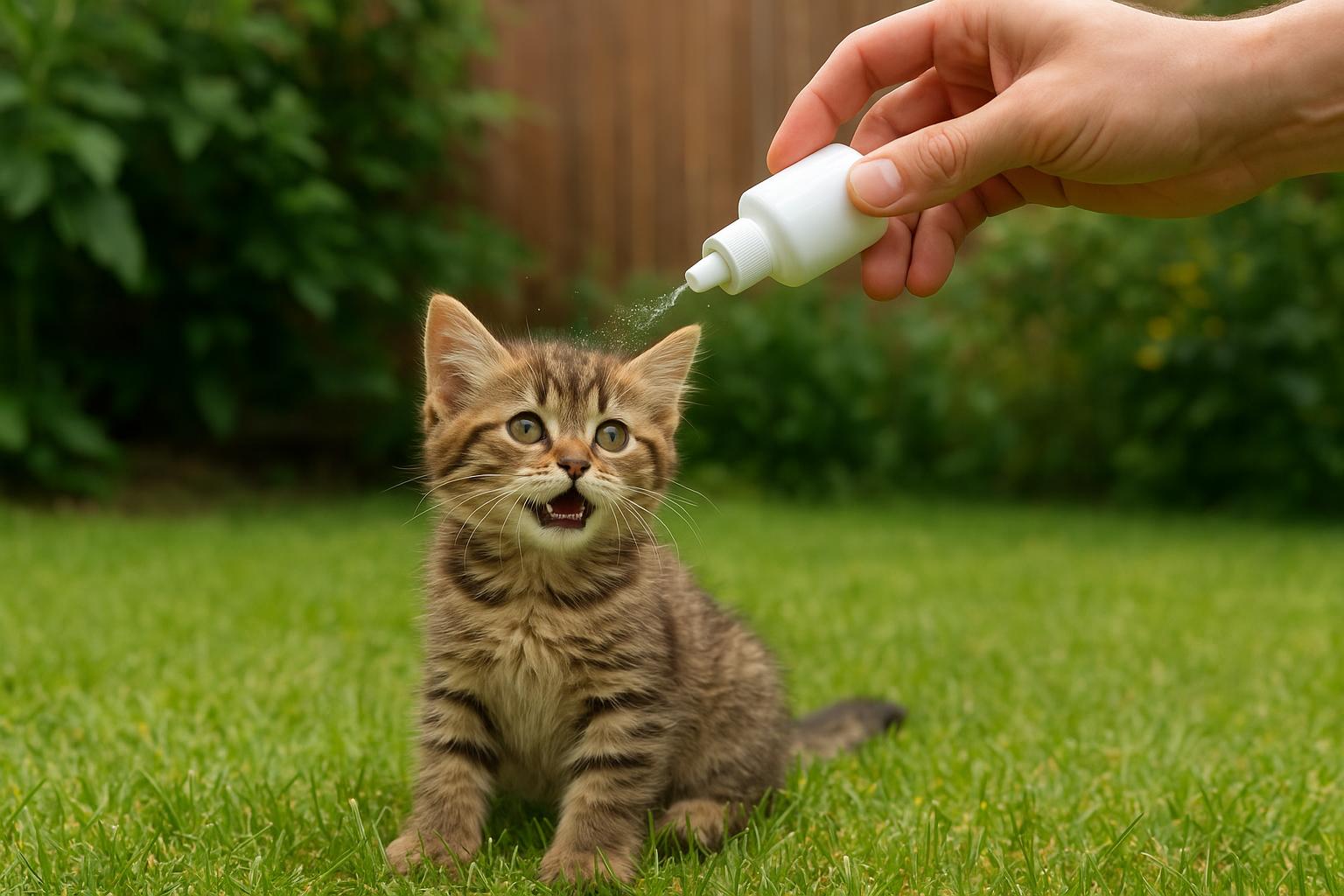
2. Apply Diatomaceous Earth: On dry mornings, lightly dust a thin layer of food-grade DE on grass bases, under leaf litter, and around roosting spots. Do not overapply; a fine dusting is effective and reduces runoff. Avoid applying if rain is expected within 24 hours.
3. Prepare Nematodes: Follow supplier directions exactly. Nematodes are living organisms and are typically mixed into water immediately before application. Keep them cool and apply within the recommended window after receipt.
4. Apply Nematodes: Using a sprayer or watering can, irrigate the same target areas with the nematode suspension, ensuring soil is moist but not waterlogged. Nematodes work best when the upper soil is damp.
5. Re-Treatment Schedule: Repeat nematode applications every 2–4 weeks during warm months (spring–early fall) until flea activity drops. DE can be reapplied as needed, particularly in dry spells.
6. Monitor: Check for signs of fleas on wildlife, pets, or in shaded areas. Adjust frequency based on observed activity.
Note: While DE is relatively safe for larger wildlife, avoid heavy coverage on flowering plants to reduce risk to beneficial insects. Nematodes are species-specific and do not harm mammals or birds.
## 2. Targeted Chemical Treatment: Pet-Safe Insect Growth Regulator (Igr) Application
### When To Choose A Chemical Option
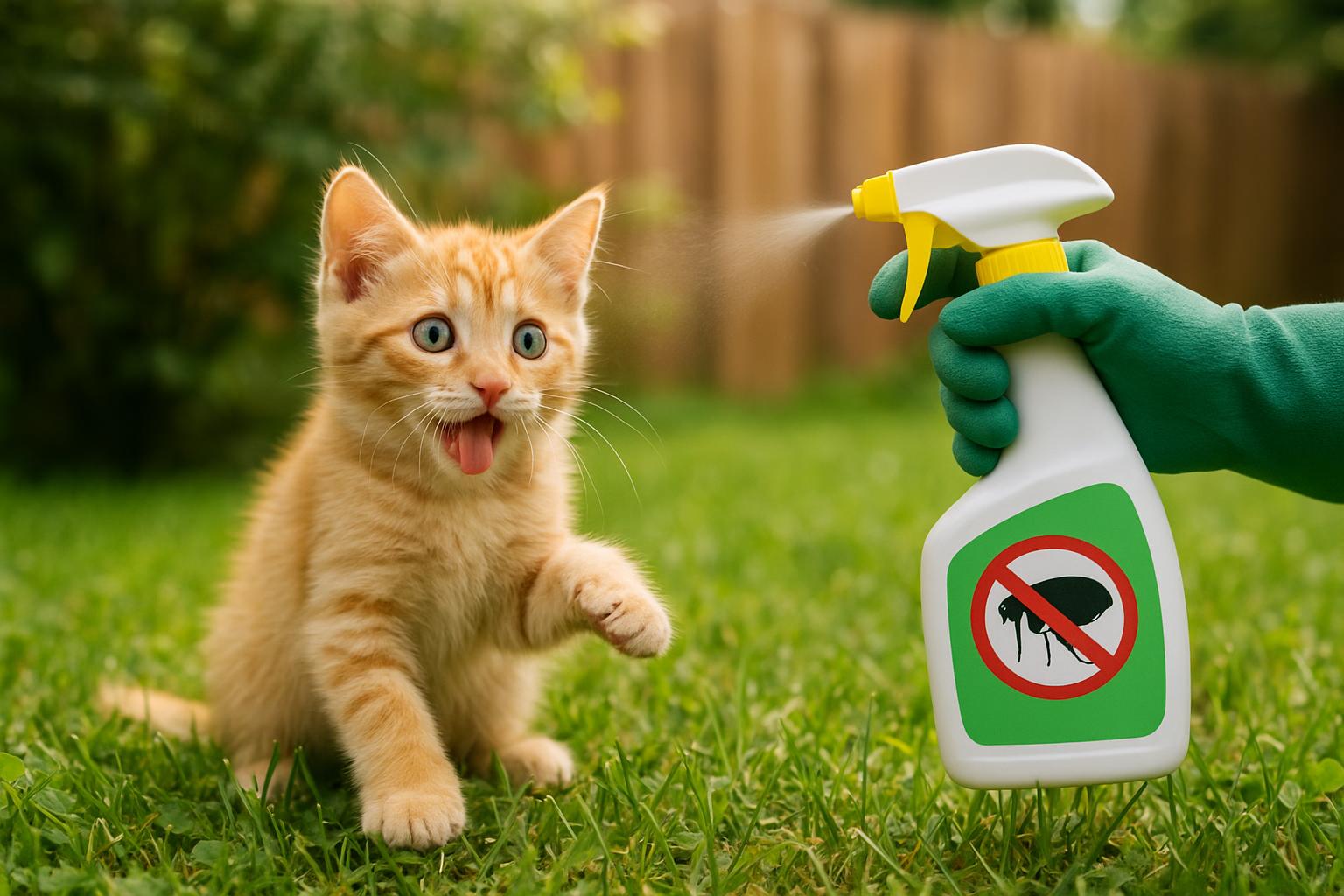
If flea populations are high or persistent despite habitat and biological controls, a targeted approach using an insect growth regulator (IGR) that prevents fleas from maturing can be effective and less ecologically disruptive than broad-spectrum insecticides. Use IGRs designed for outdoor residential use and follow label directions strictly to protect wildlife and pollinators.
#### Materials And Ingredients
– An IGR product labeled for outdoor lawn use (e.g., methoprene or pyriproxyfen formulations)
– Spot-treatment pyrethroid or pyrethrin product if needed (use only for severe hot spots and follow all wildlife safety precautions)
– Garden sprayer with adjustable nozzle
– Personal protective equipment: gloves, eye protection, long sleeves
– Access barriers (temporary signs or tape) to keep pets and wildlife away during drying
#### Step-By-Step Application (Formal Instructions)
1. Read And Verify Labels: Confirm the product label specifically allows use on lawns and near wildlife-occupied areas. Choose products with lower non-target toxicity.
2. Isolate Treatment Areas: Identify only the necessary zones — under eaves, shaded perimeters, and pet runs — to minimize overall chemical exposure.
3. Mix Precisely: Prepare the spray solution exactly according to manufacturer instructions. Do not exceed recommended concentration.
4. Apply During Calm Weather: Spray on a dry, windless day to limit drift. Apply early in the morning or late evening when pollinators are least active.
5. Keep Wildlife And Pets Away: Restrict access to treated zones until the product has dried or the label-specified re-entry interval has passed.
6. Combine With Habitat Measures: After application, continue improving drainage, mowing, and removing leaf litter to prevent reinfestation.
7. Reapply Only As Label Allows: Overuse can harm non-target species. Schedule follow-up treatments only if the label permits and if monitoring shows continued activity.
### Safety Notes For Chemical Use
– Avoid treating flowering plants or areas where birds and pollinators forage.
– Store all products locked and away from pets and children.
– Consult a licensed pest professional for severe infestations or complex yards with sensitive wildlife.
### Yard Management Habits That Help All Treatments Work Better
Small, routine changes cut flea habitat dramatically and are completely wildlife-friendly.
#### Mow And Edge Regularly
Short, well-maintained turf is less hospitable to fleas than tall, overgrown patches. But leave some refuges like a native plant border for pollinators — just keep the transition zone well managed.
#### Improve Drainage And Sunlight
Fleas favor cool, moist spots. Trimming low branches and thinning dense shrubs increases sun and airflow, reducing flea-friendly microclimates without displacing beneficial wildlife.
#### Manage Wildlife Attractants Carefully
Avoid leaving out food that draws rodents or feral cats. Use wildlife feeders thoughtfully and maintain a tidy compost and yard to discourage heavy animal traffic. Protecting wildlife doesn’t mean feeding everything indiscriminately.
#### Check Pets Regularly
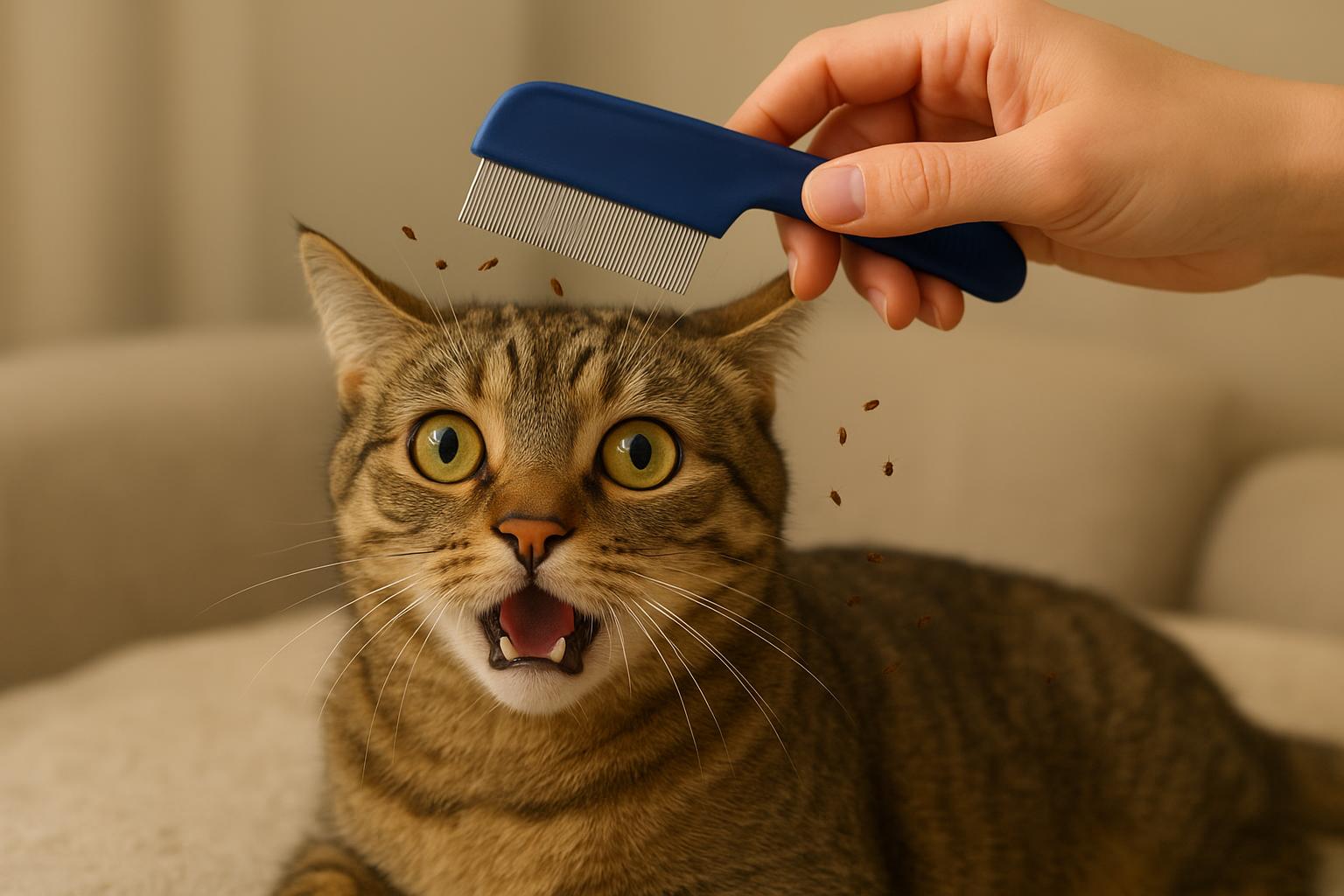
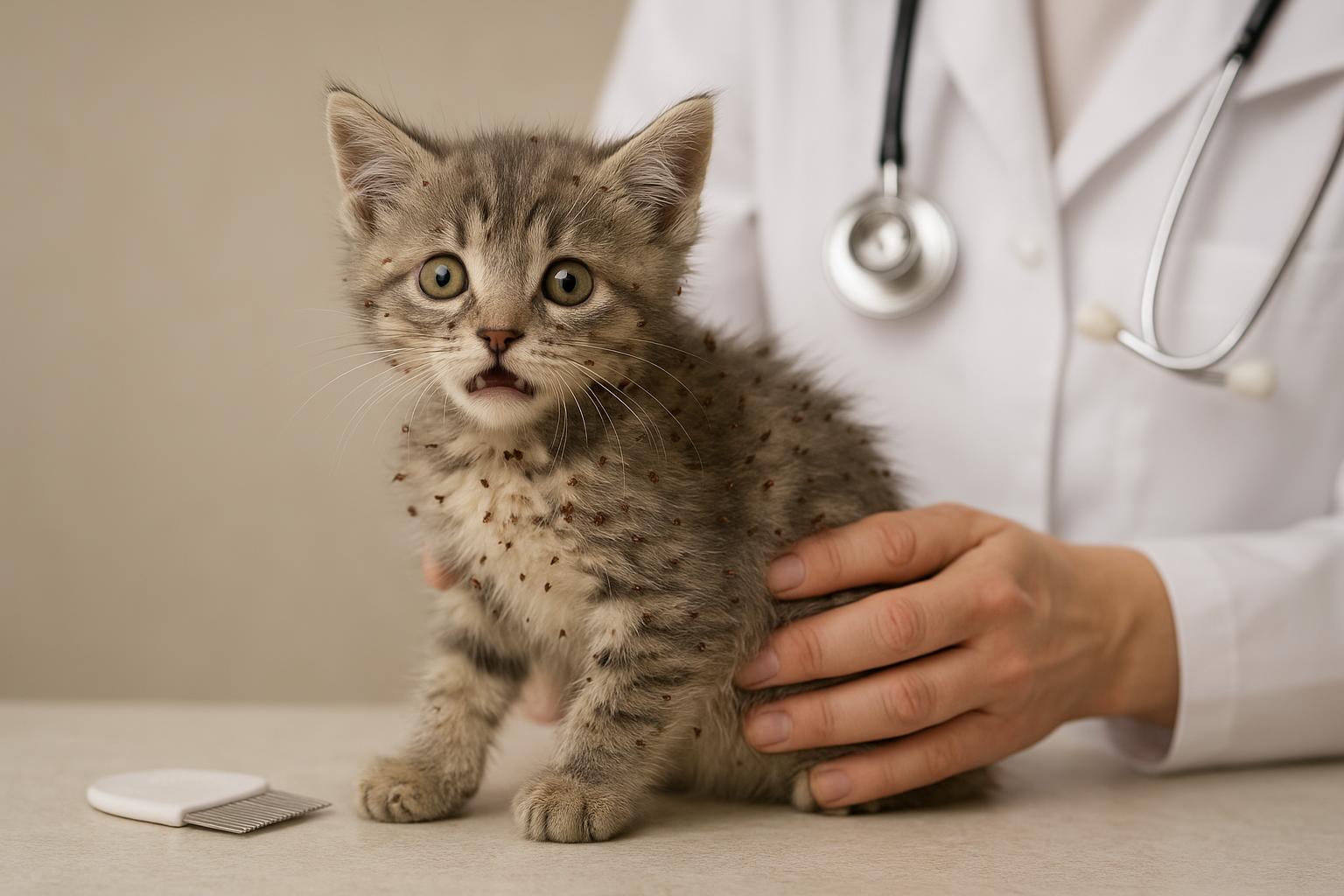
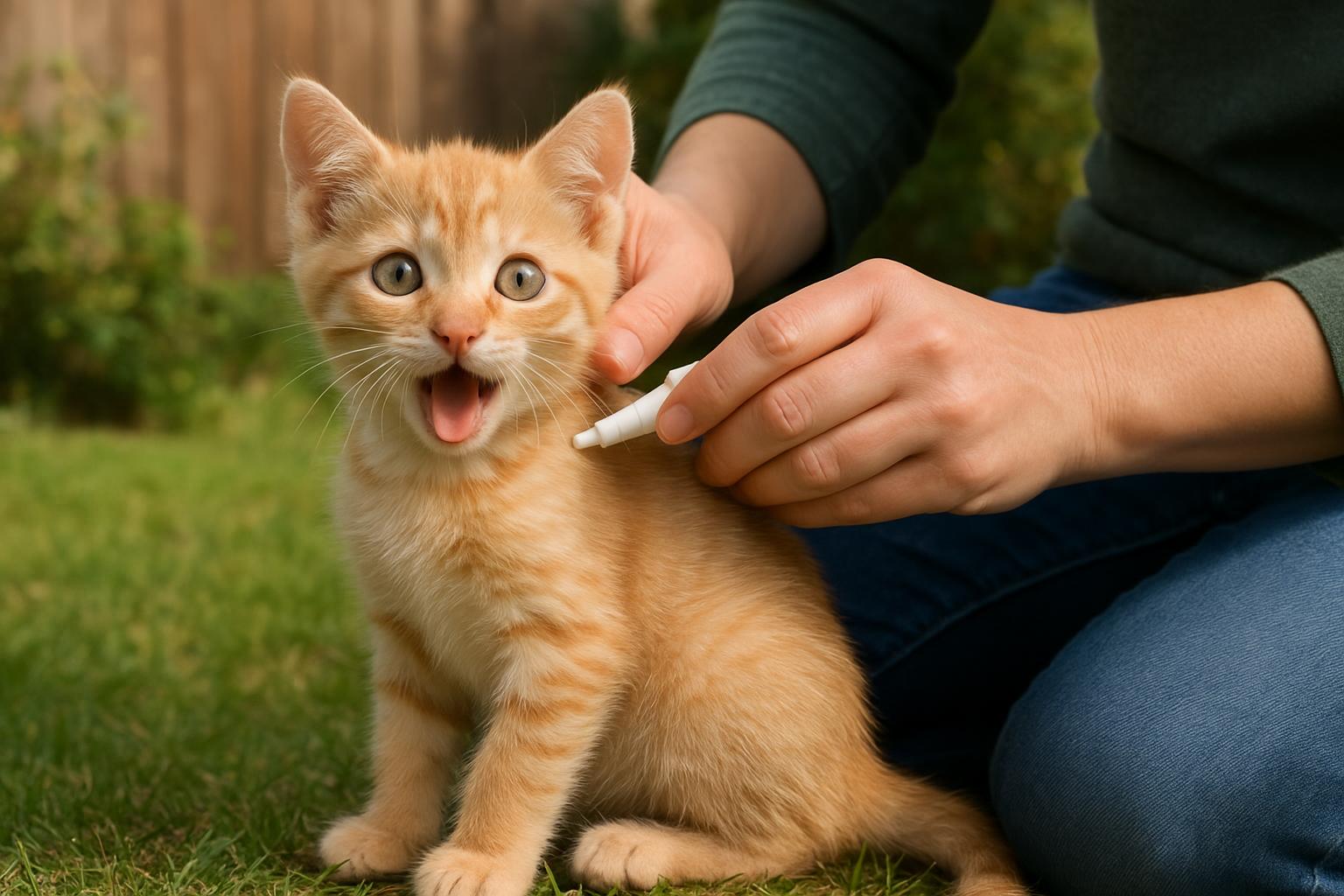
Regular flea prevention on pets reduces the chance fleas spread into the yard. Use veterinarian-approved treatments and check pets after being in wooded or high-traffic wildlife areas.
### How To Monitor Success Without Harsh Measures
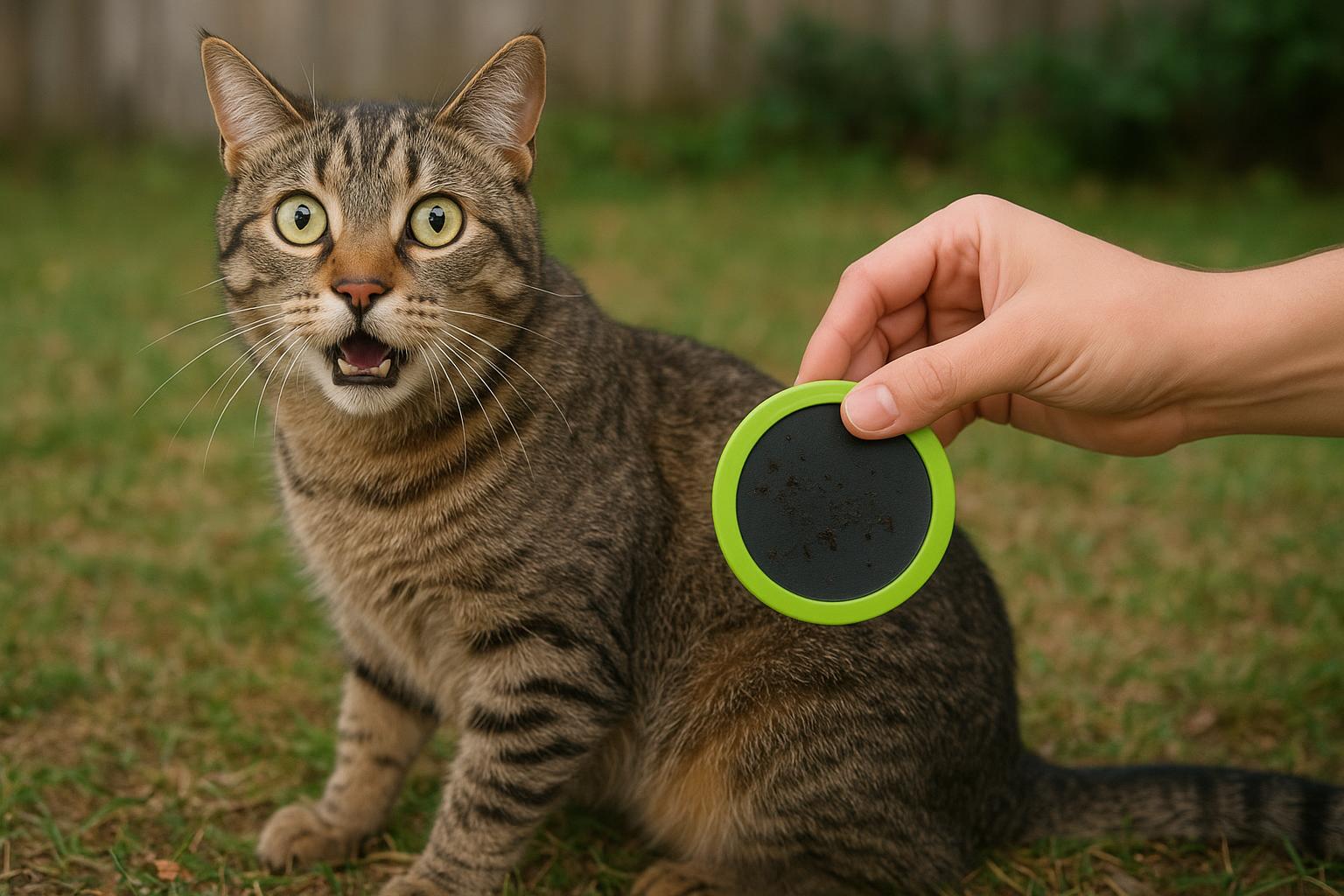
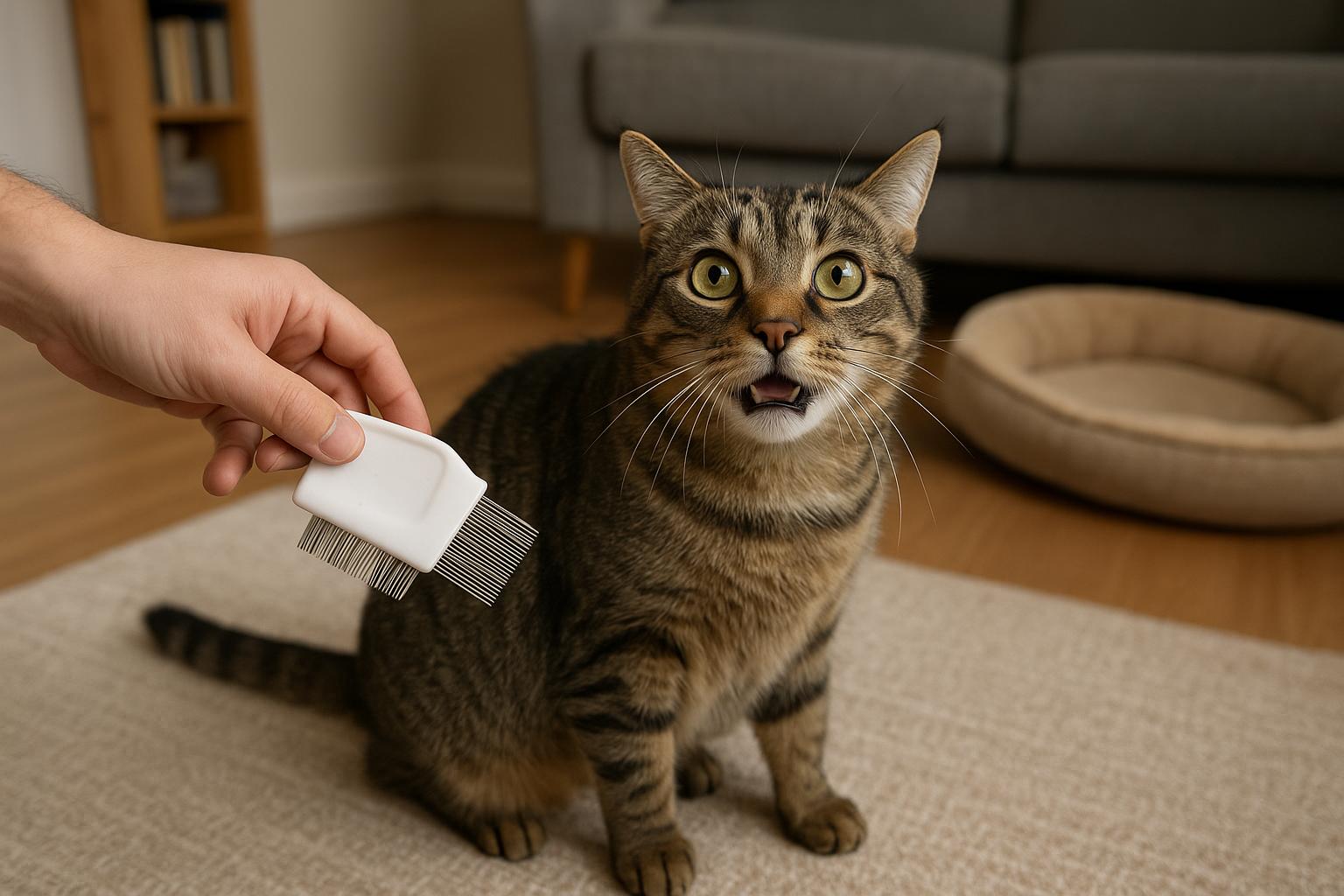
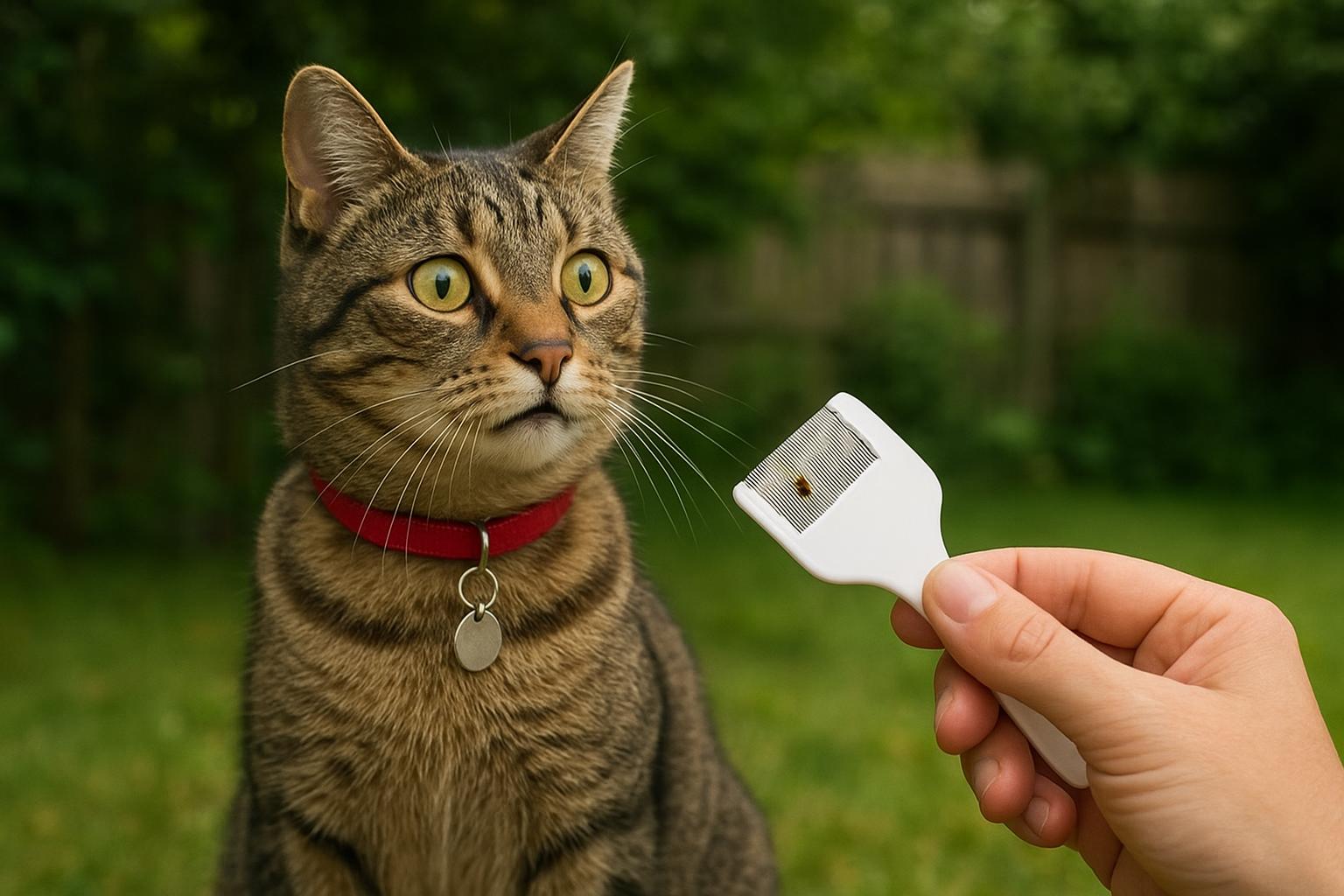
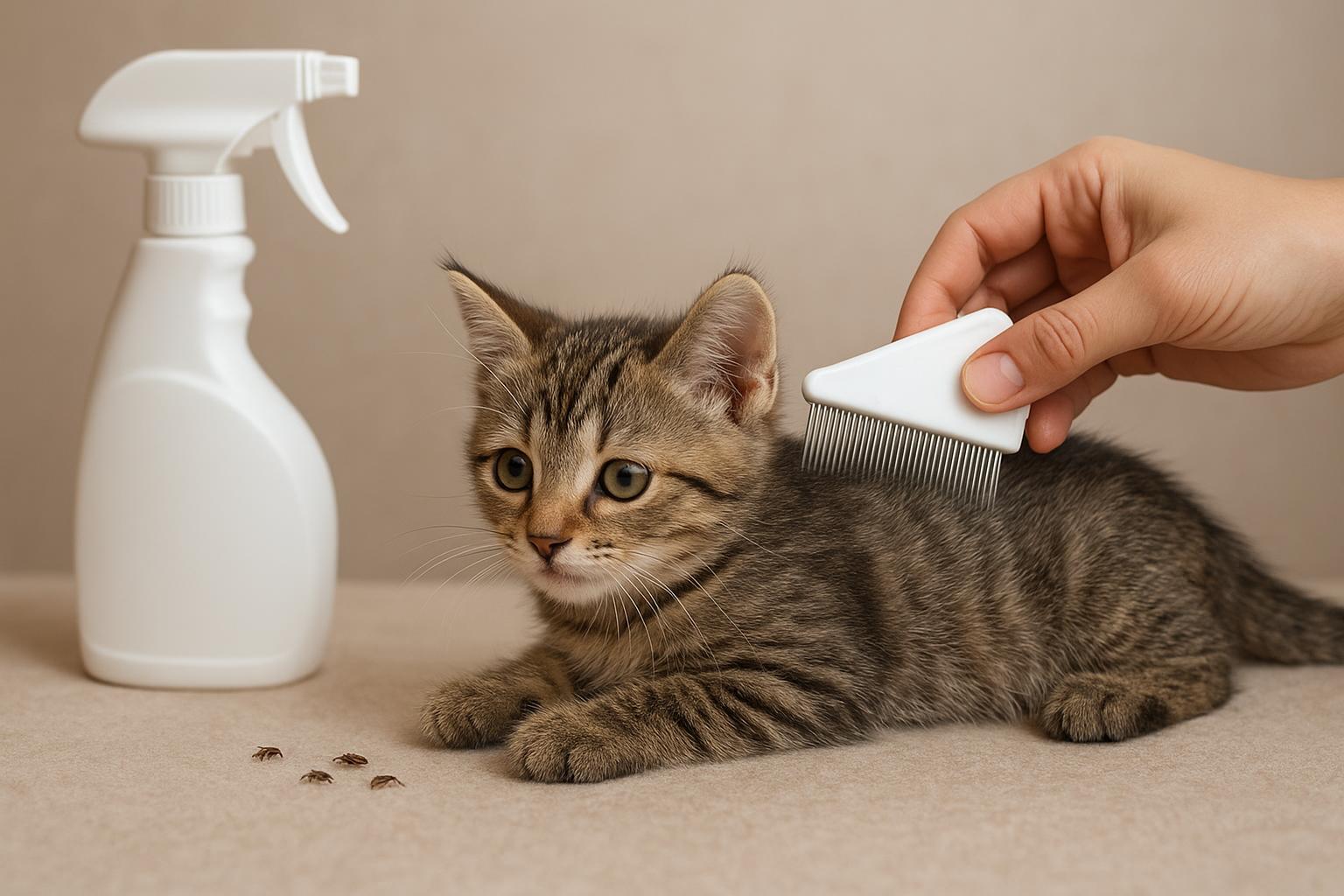
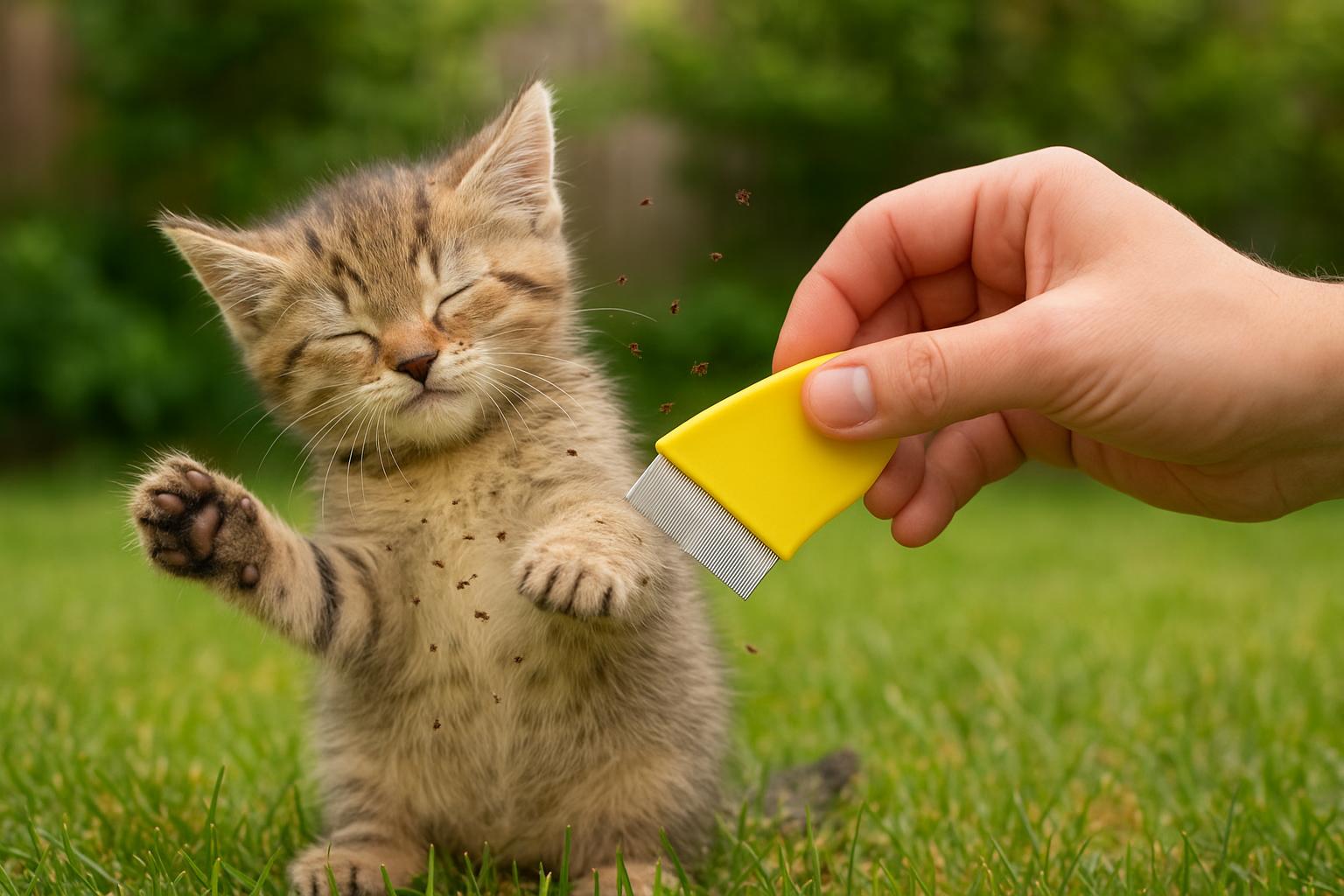
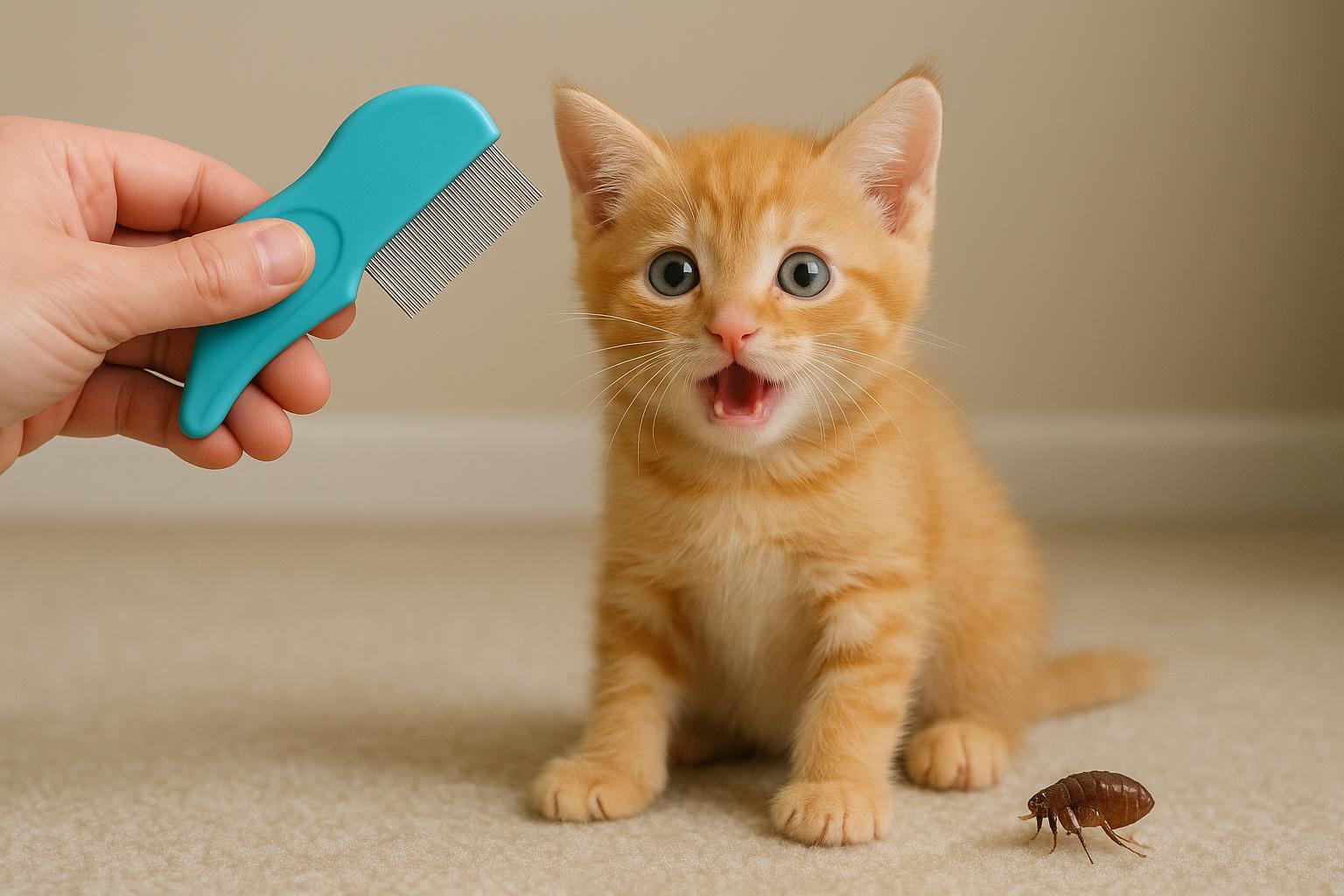
Set up periodic checks: comb pets over a white towel, inspect shaded lawn patches with a flashlight at dusk, and place small sticky monitoring cards under decks. Successful lawn flea control will show fewer bites, fewer flea sightings on hosts, and fewer larvae/pupae in soil samples.
### When To Call In Professional Help
If you’re seeing heavy flea burdens on local wildlife, multiple pets affected, or if you’re unsure how treatments will interact with nearby sensitive habitats (ponds, pollinator gardens), contact a licensed, wildlife-conscious pest management professional. They can design a focused plan that minimizes collateral damage.
Keep your yard useful, pleasant, and safe for wildlife — and less hospitable to fleas — by combining good habitat practices with targeted, lower-toxicity treatments when needed. A little vigilance goes a long way toward long-term lawn flea control without turning your green space into an ecological no-fly zone.








Leave a Reply