
## Flea Prevention Indoor: Why It Matters
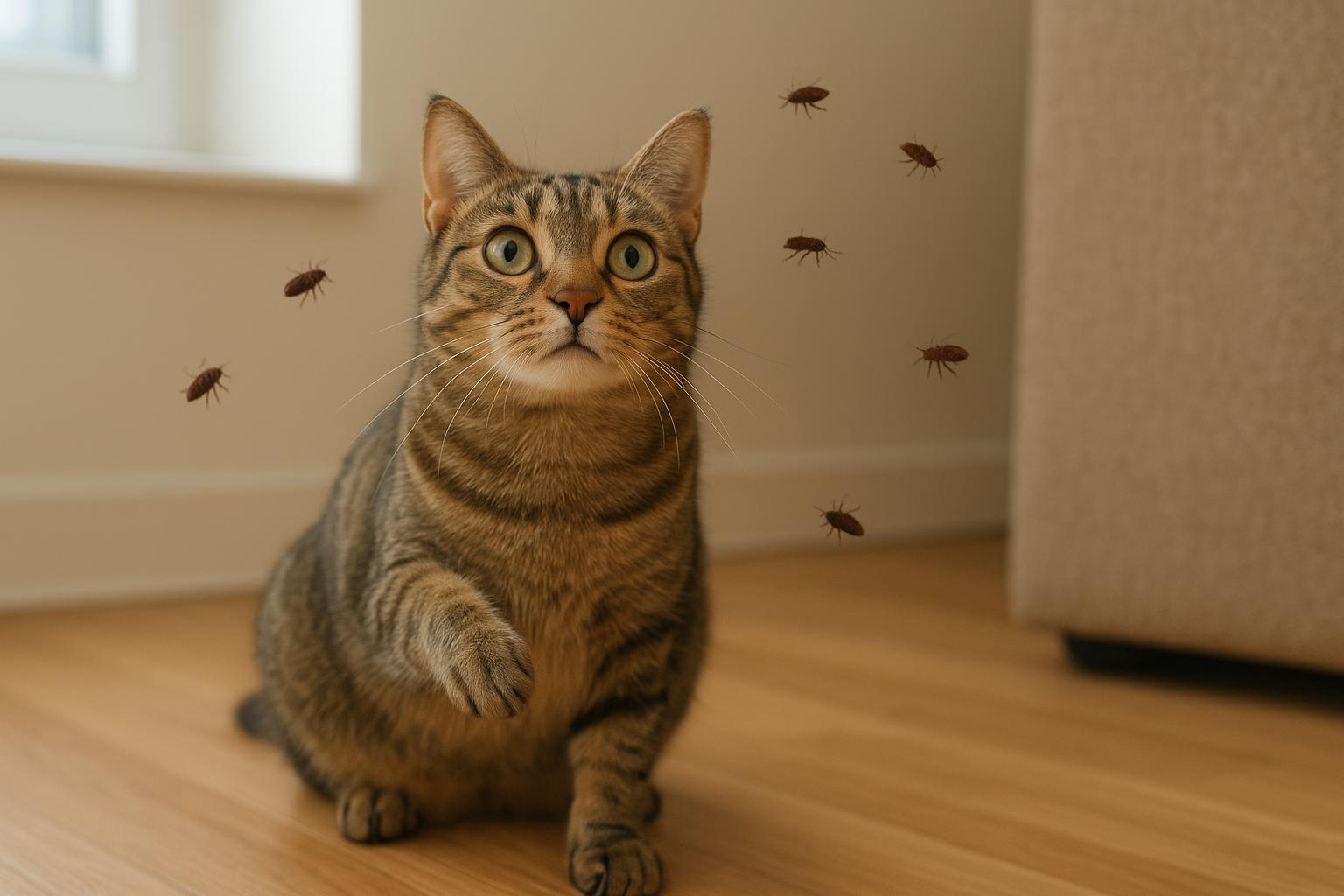
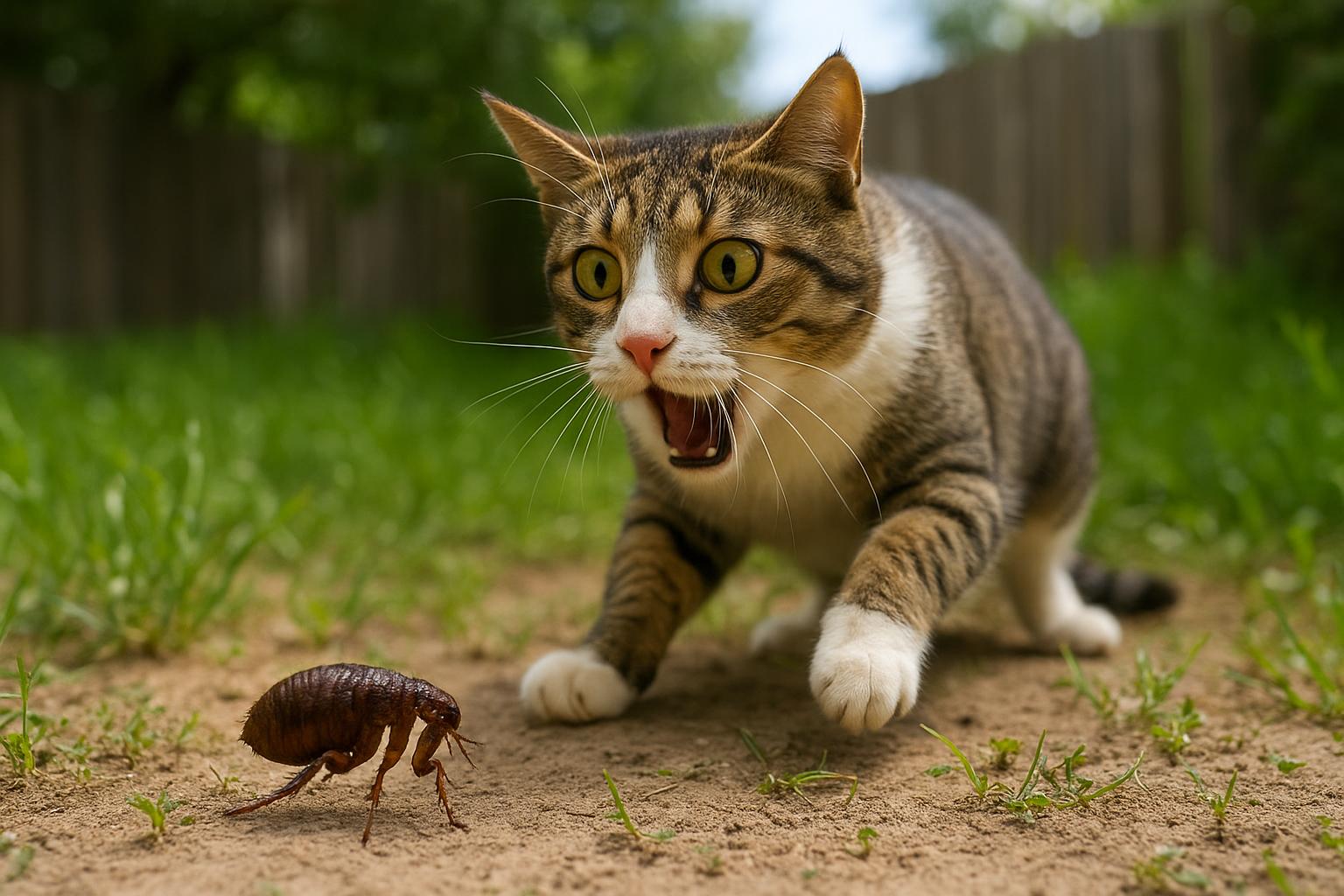
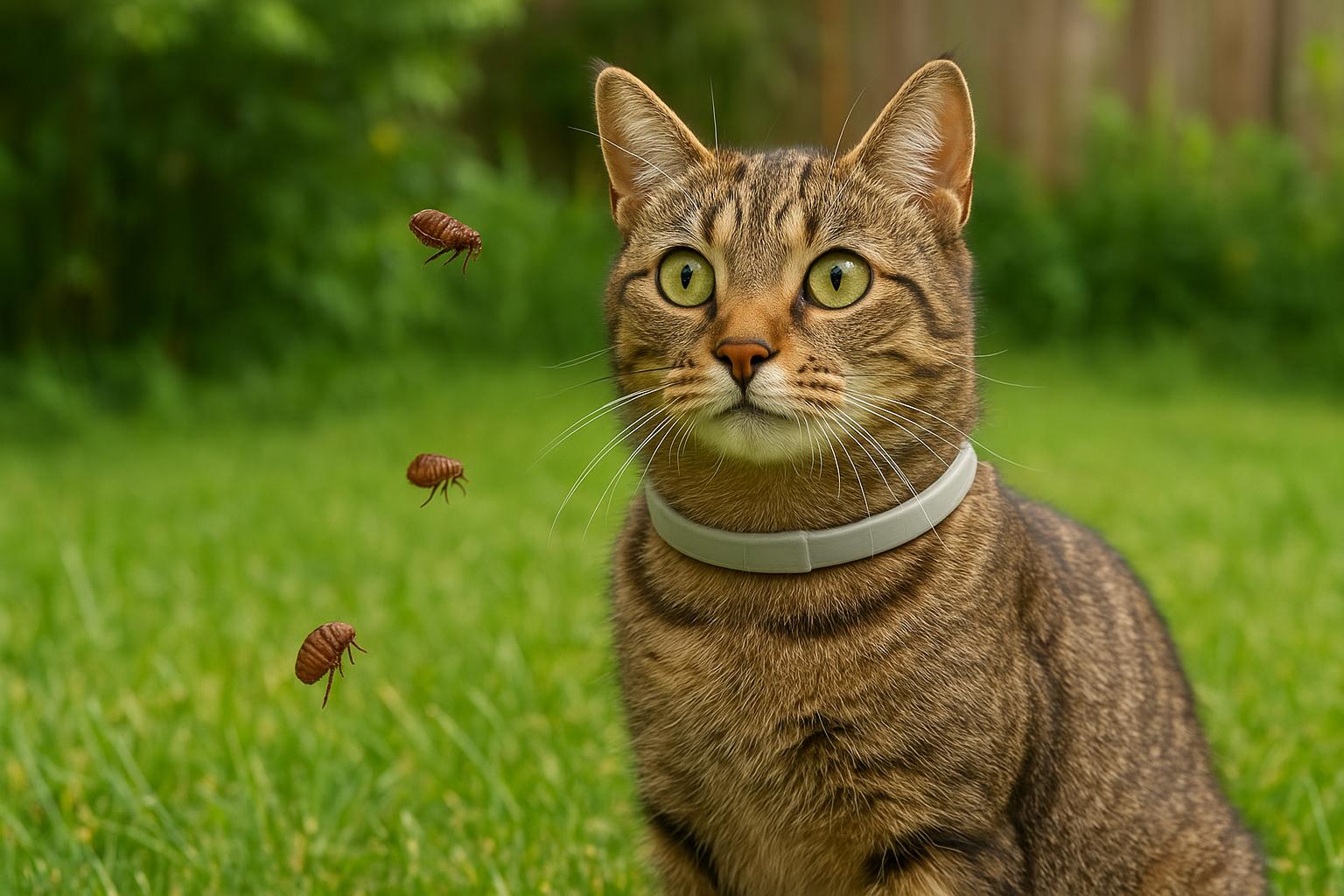
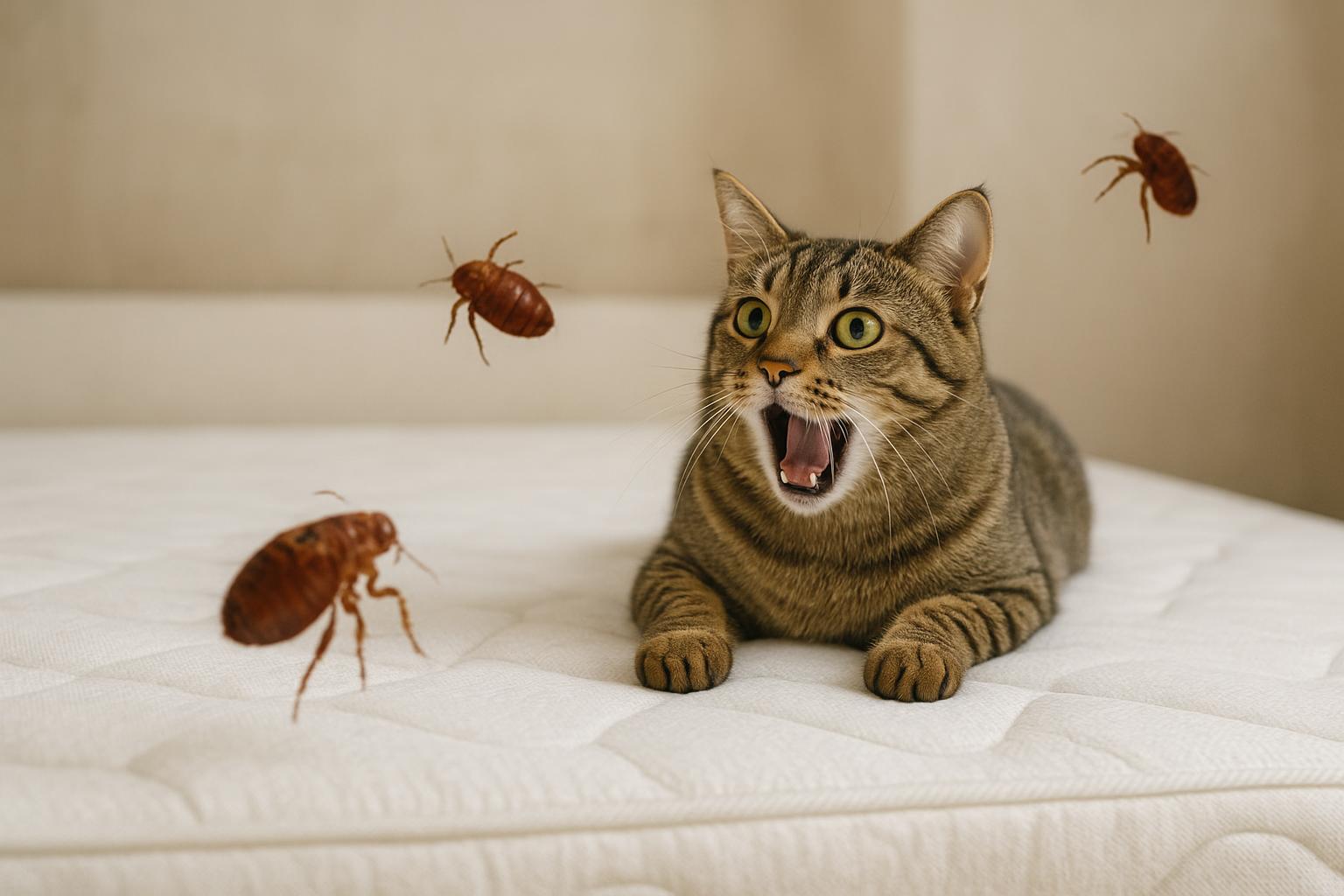
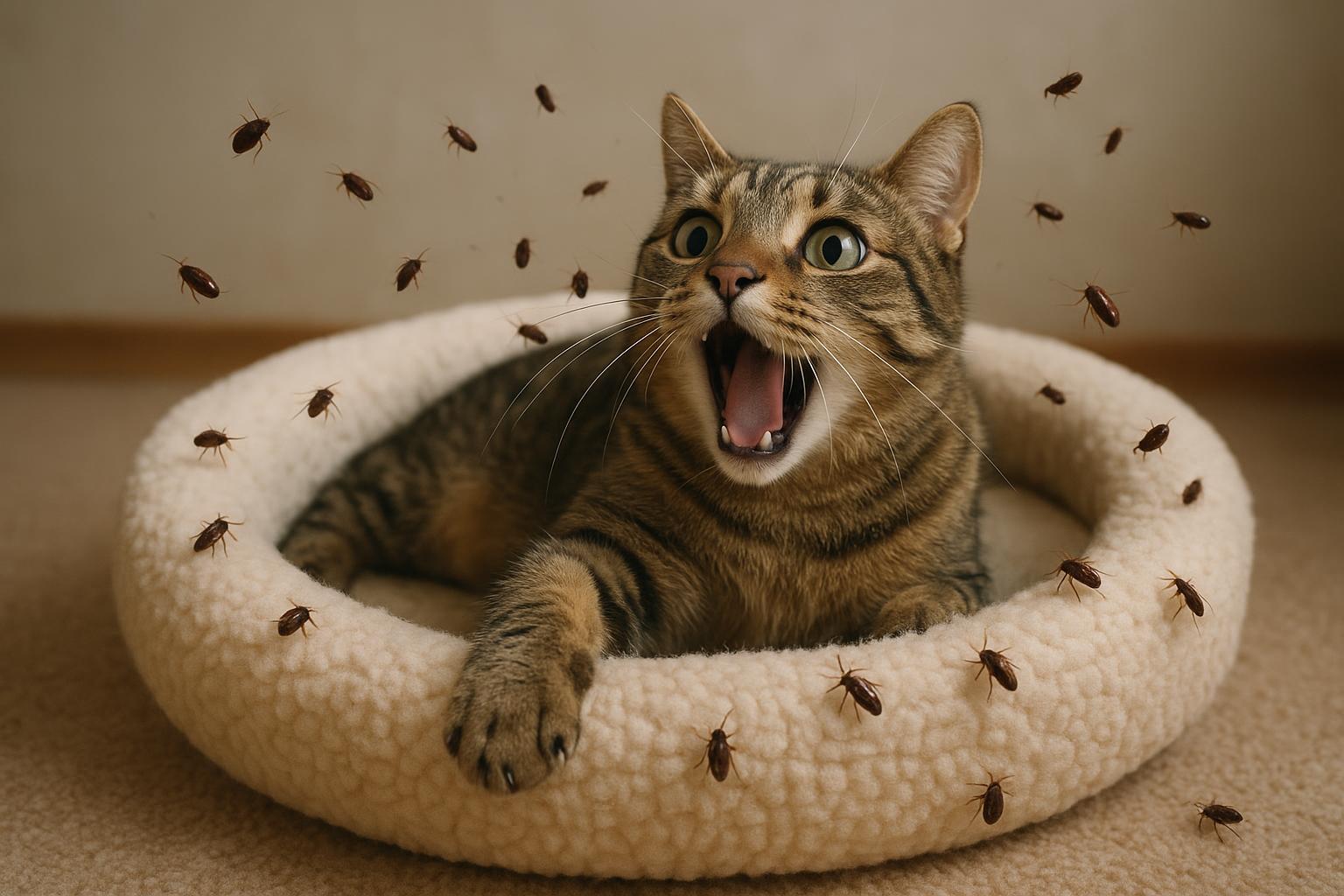
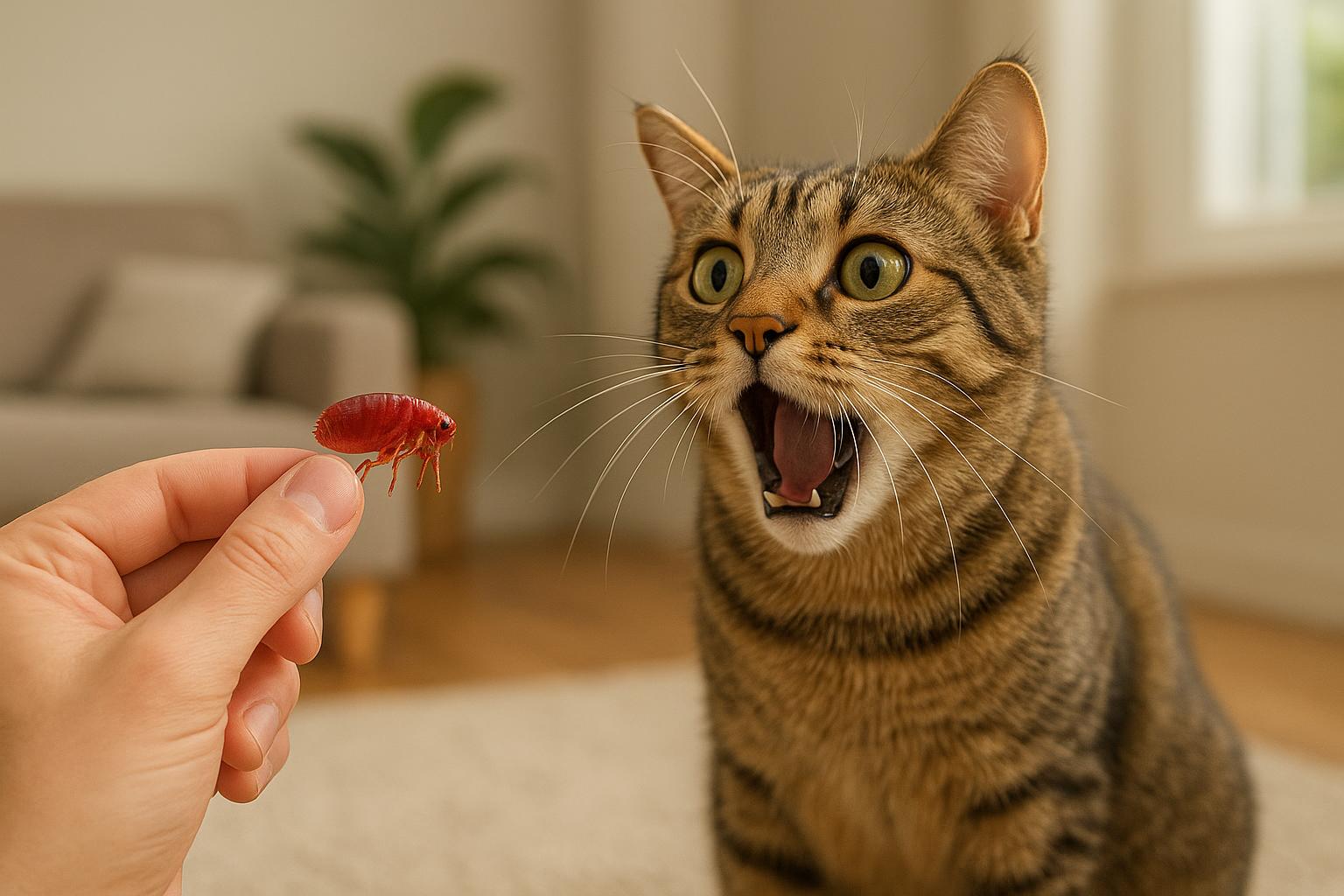
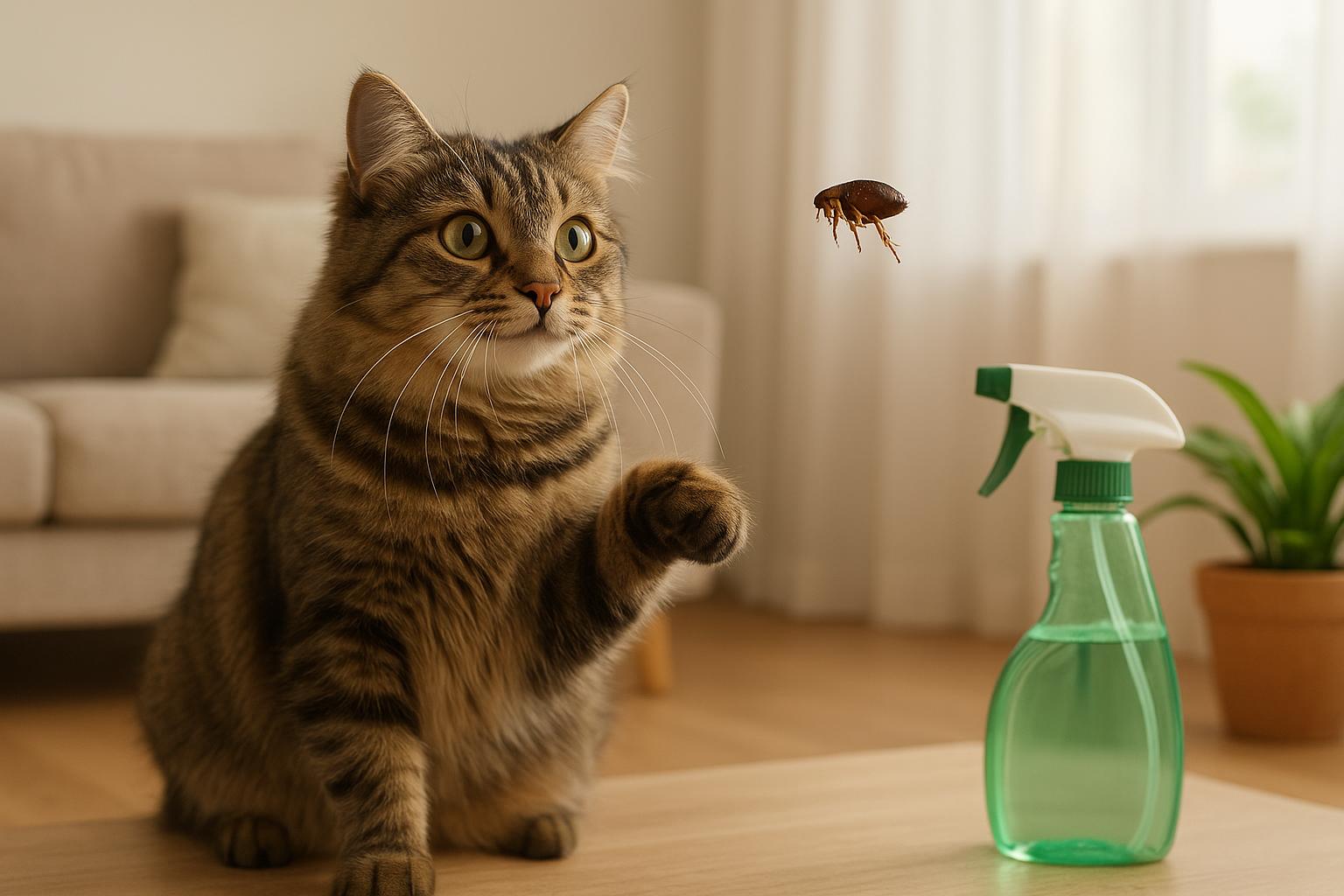
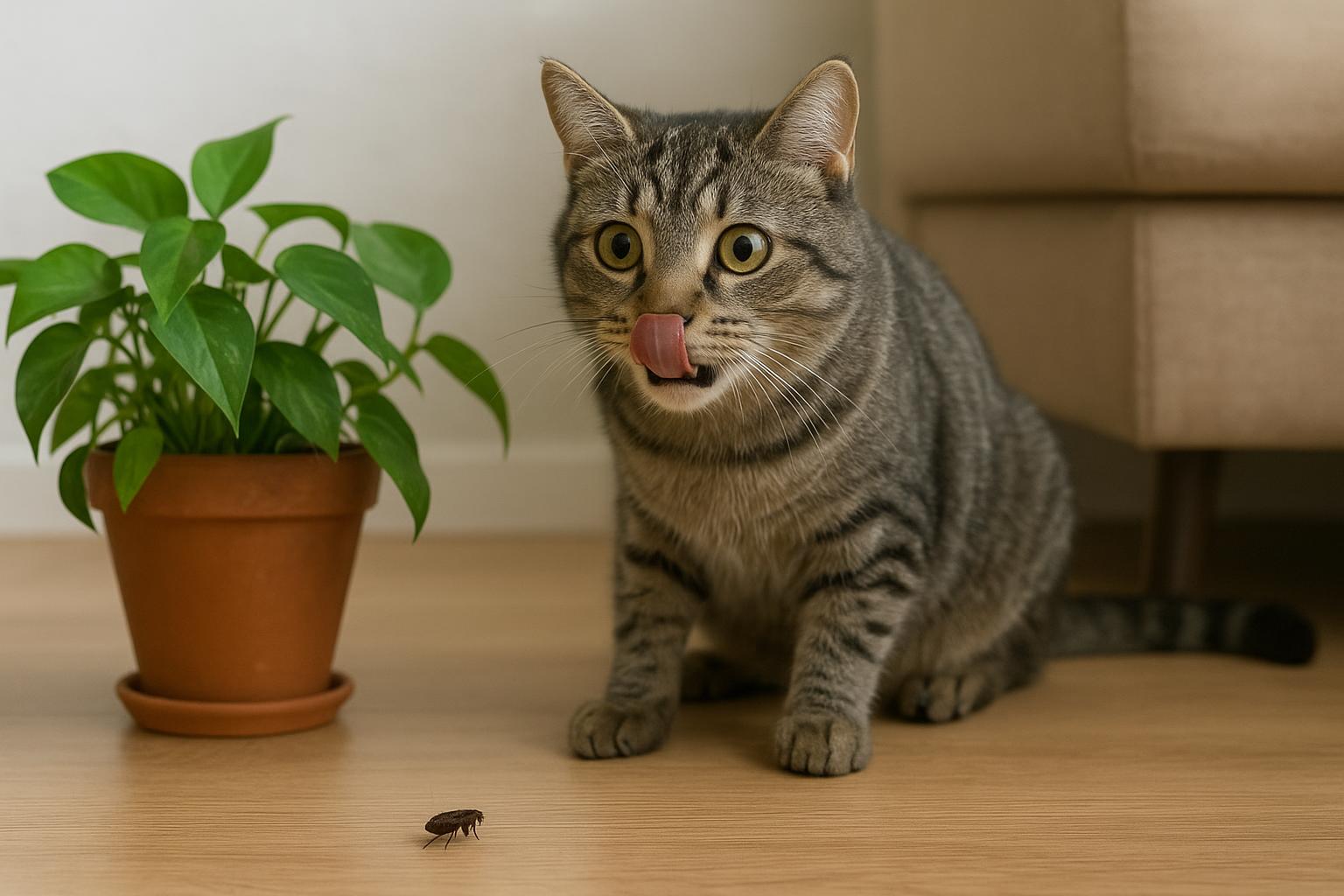
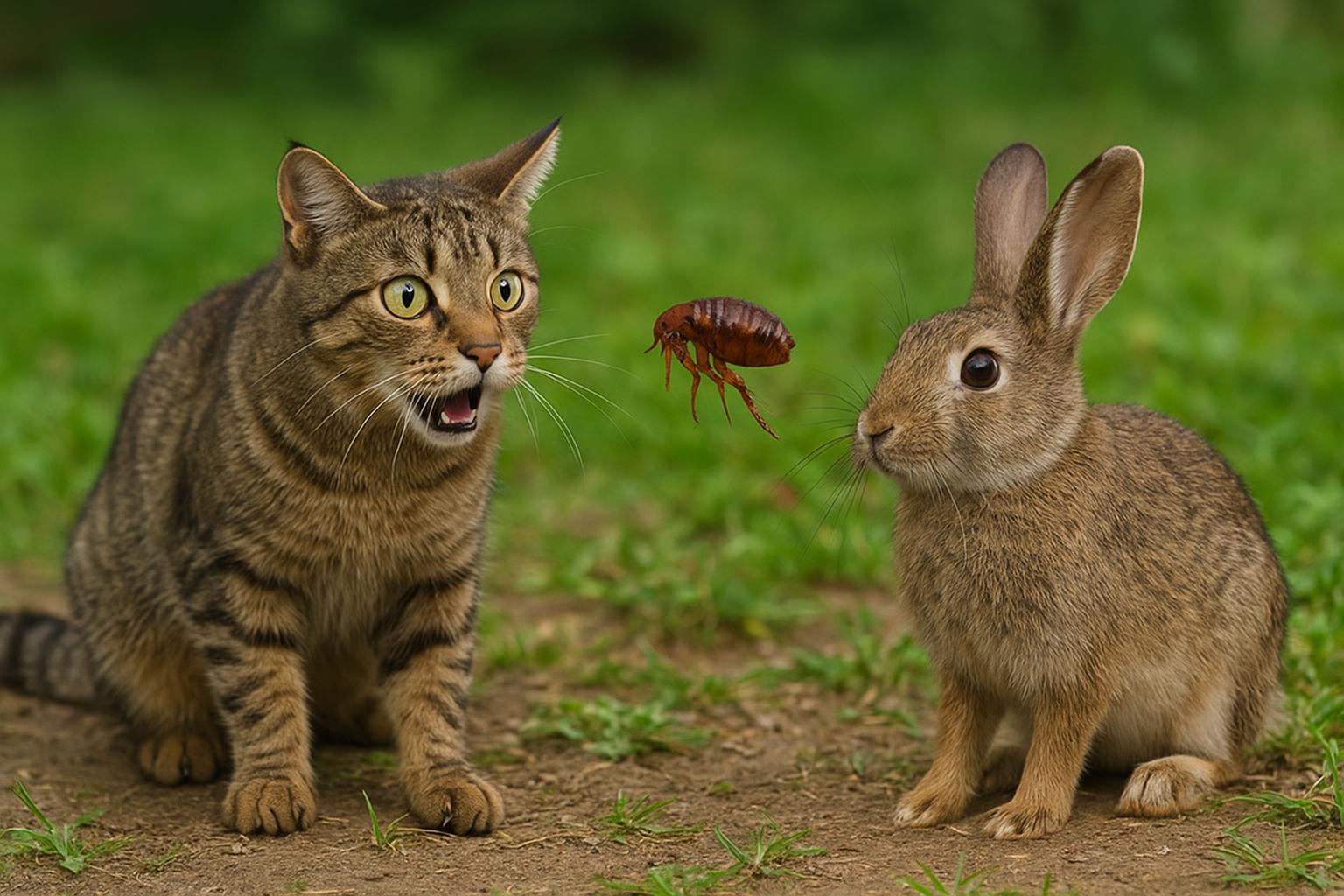
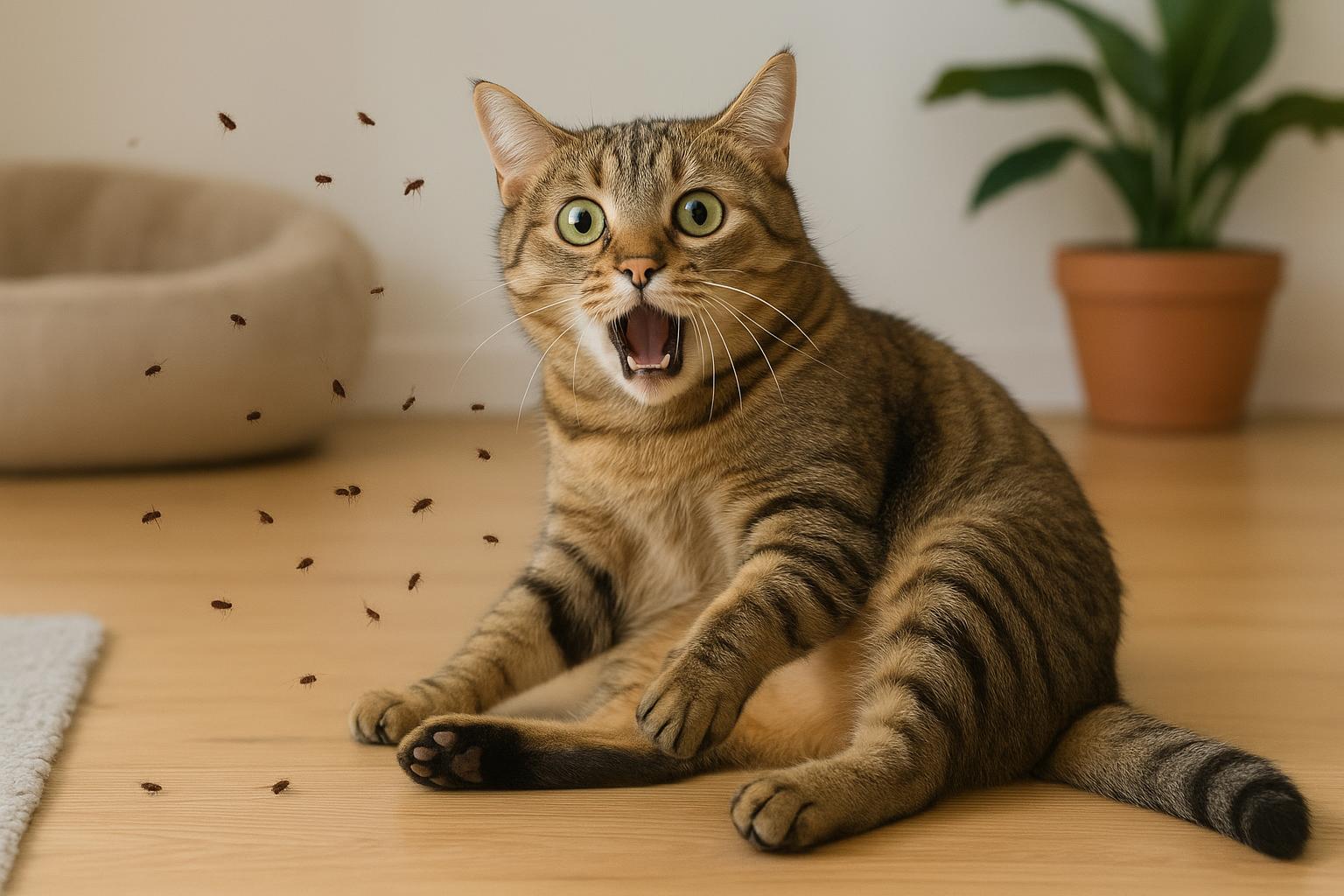
Fleas are the tiny party crashers of the pet world — barely visible, annoyingly persistent, and somehow always showing up where they’re not invited. Even indoor cats are not immune. Whether your window is slightly open, a visitor’s shoes track in a hitchhiking flea, or a rodent drops by (politely or not), the indoor environment can become a flea habitat fast. Good flea prevention indoor tactics keep your cat comfortable, your home clean, and the whole family from scratching at dinner.
### How Fleas Find Their Way Inside
Fleas can enter the home on people, other pets, secondhand furniture, or by crawling through gaps and vents. The lifecycle of a flea includes eggs, larvae, pupae, and adults — and those eggs and larvae hide in carpets, bedding, and cracks. If you only treat your cat and skip the environment, you’ll be chasing fleas for months. That’s why the emphasis on flea prevention indoor is both common-sense and non-negotiable.
### Signs Your Indoor Cat Has Fleas
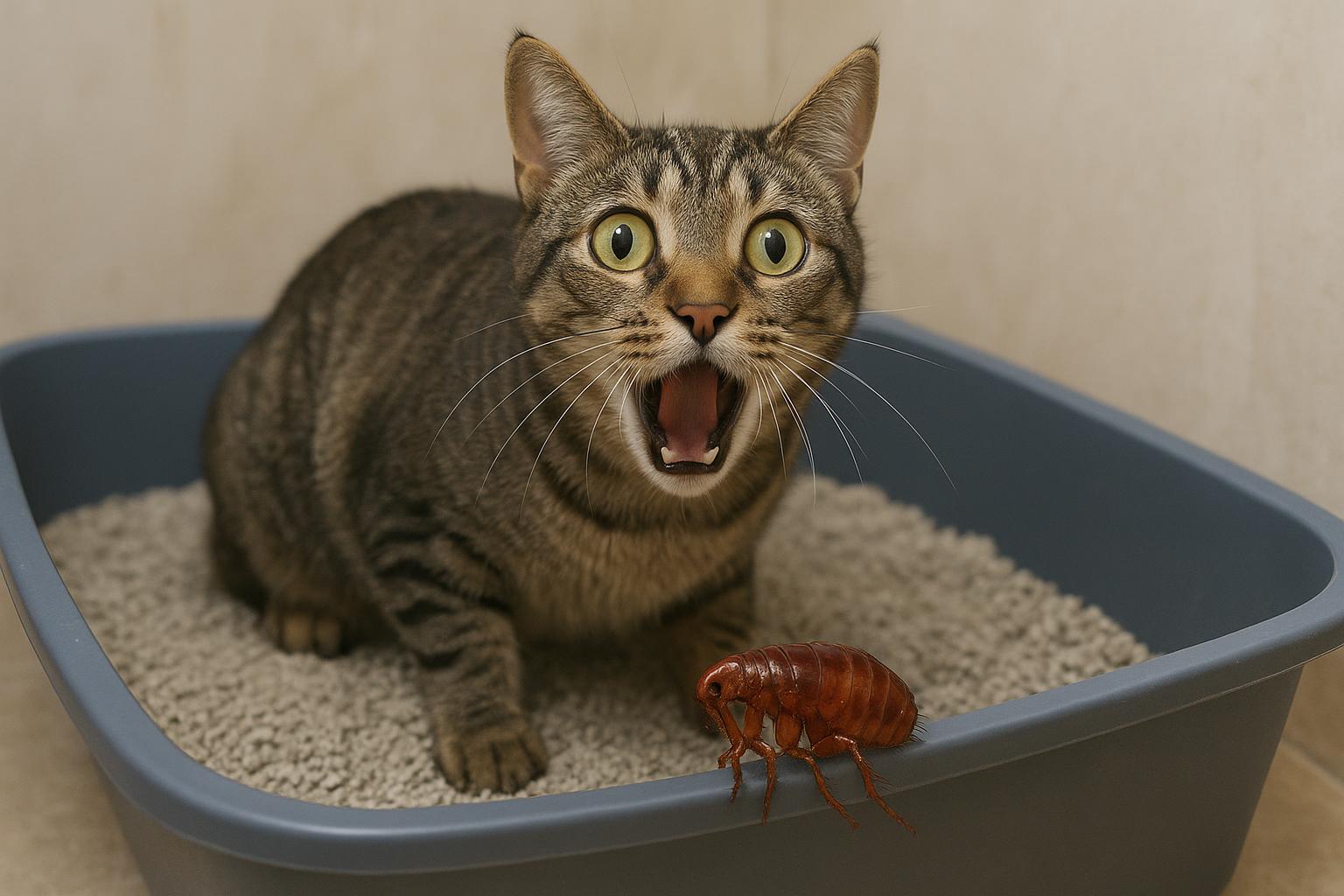
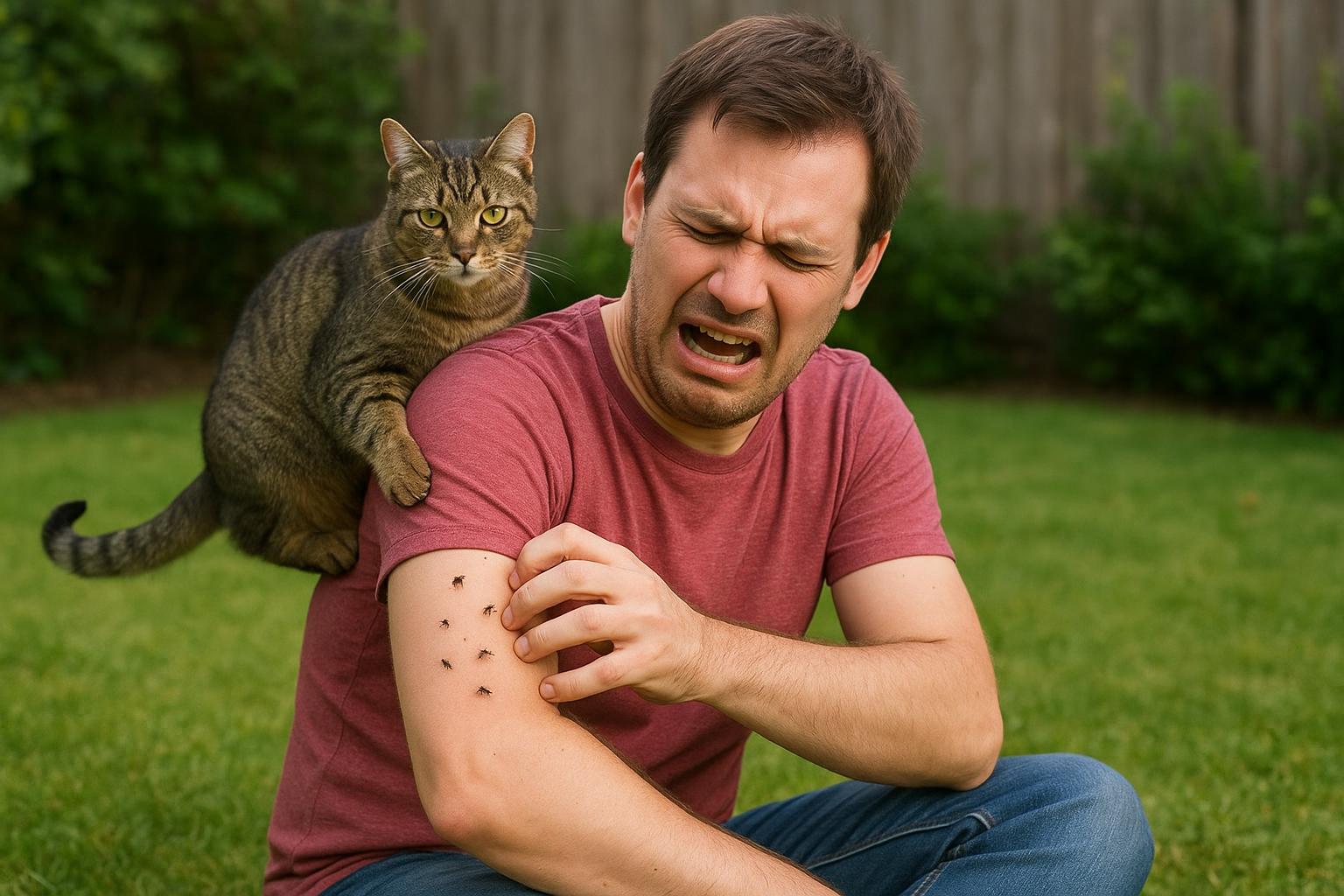
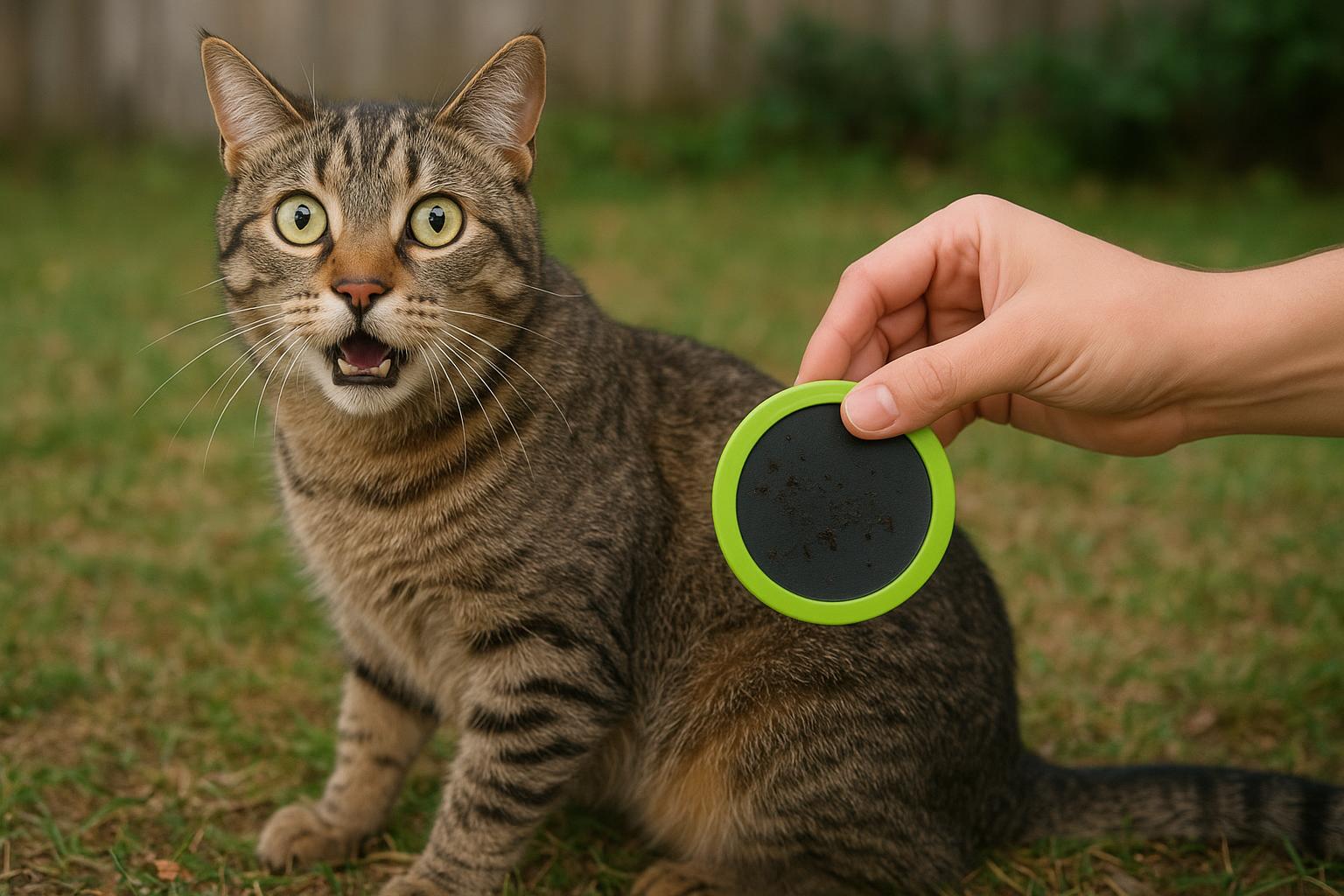
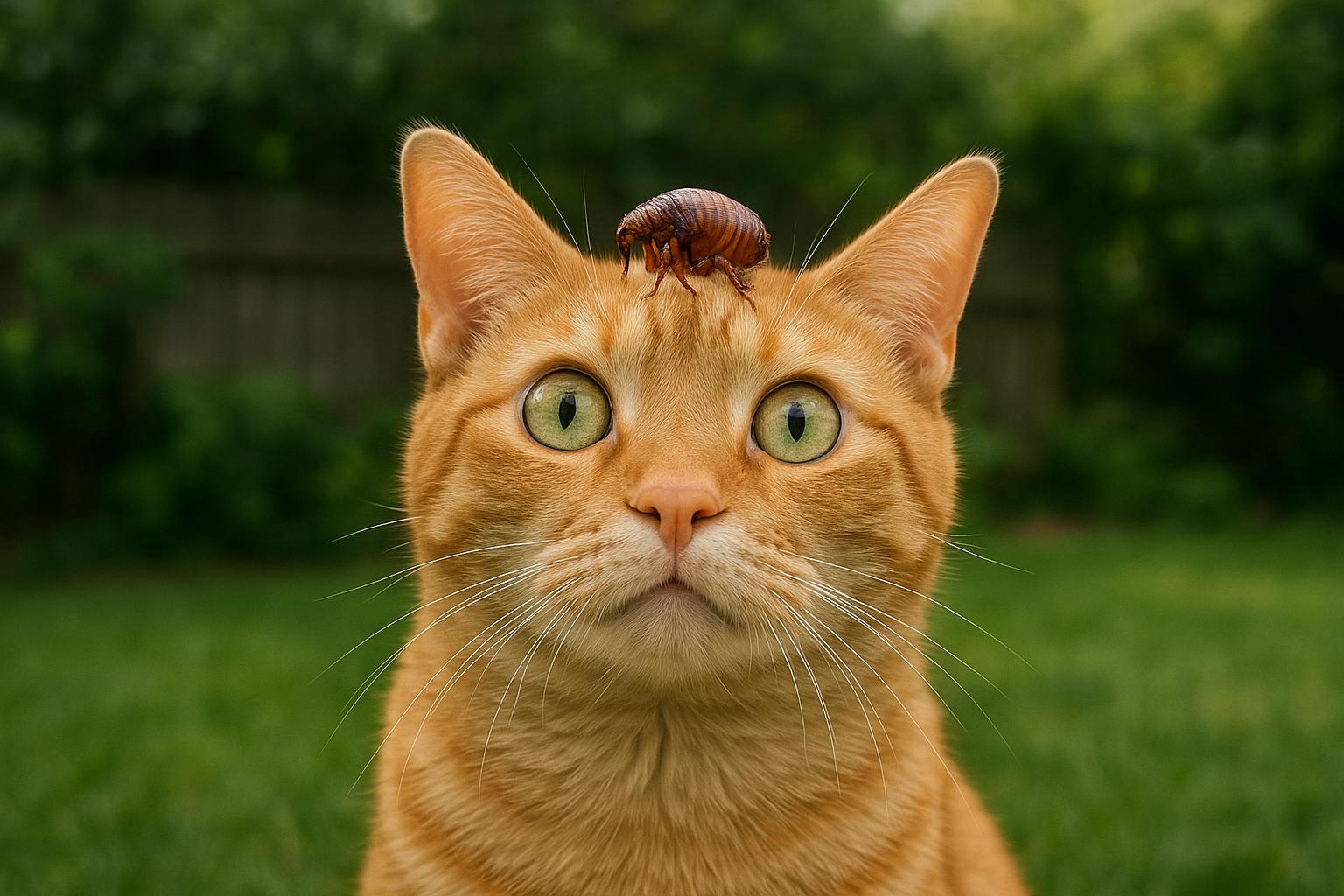
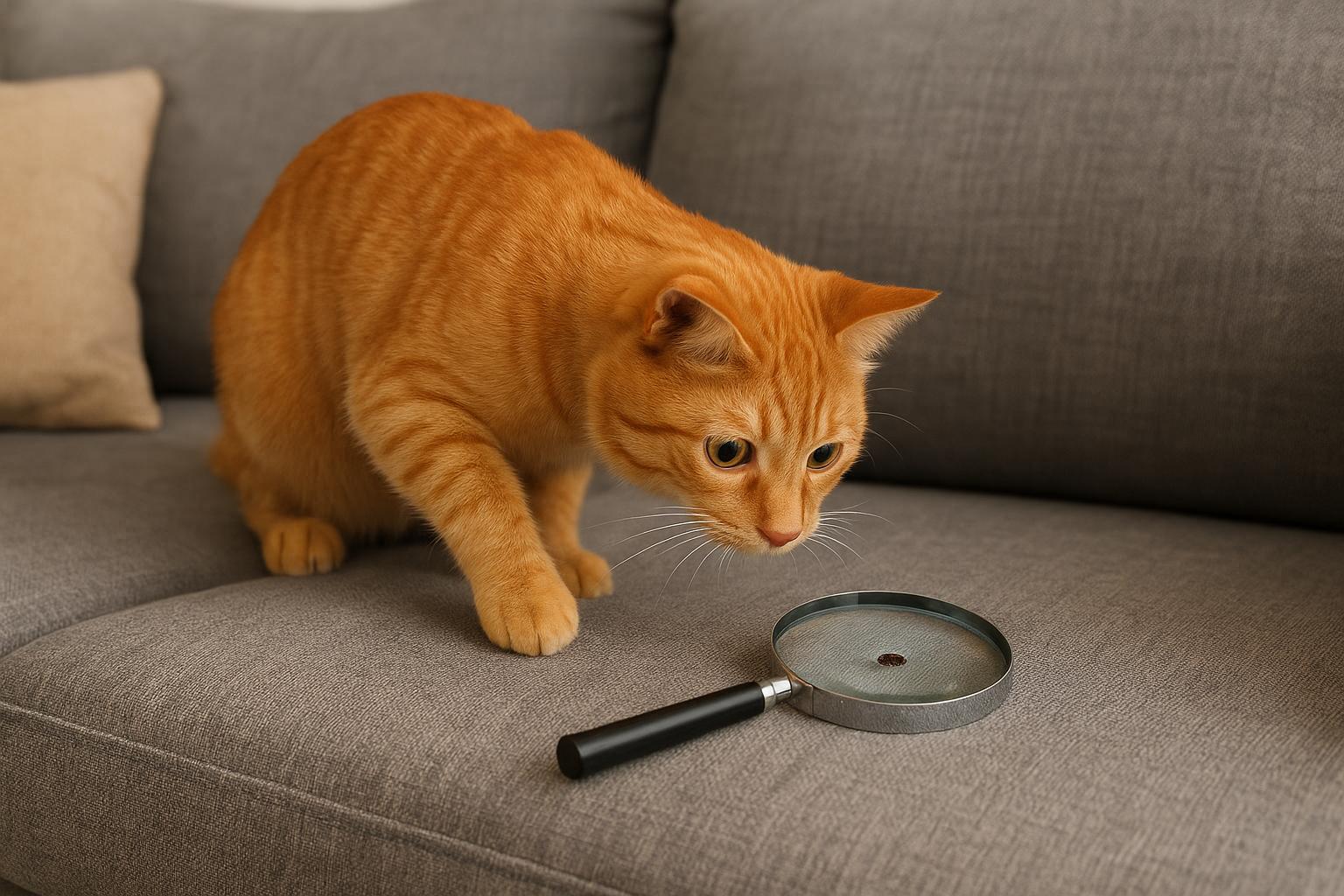
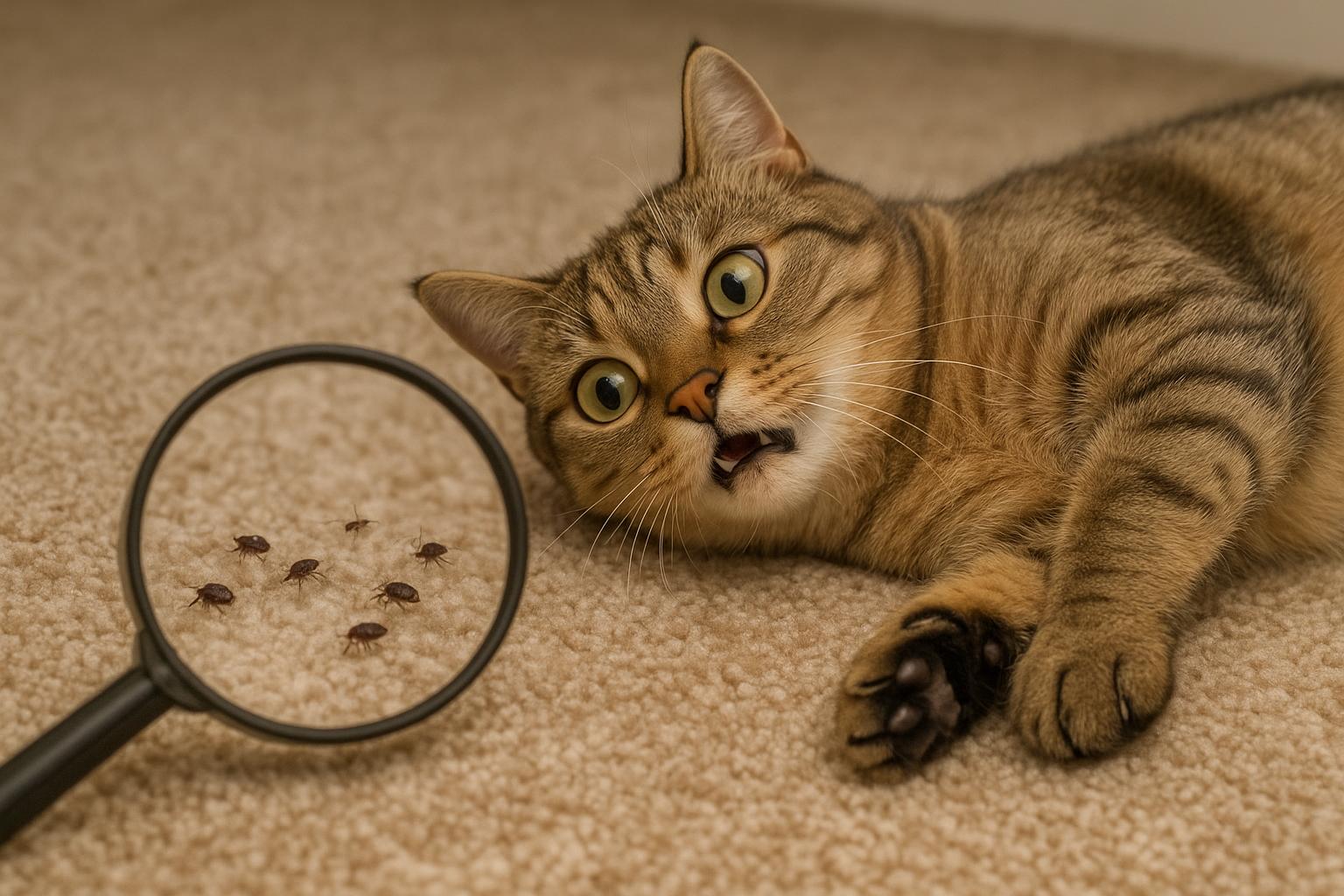
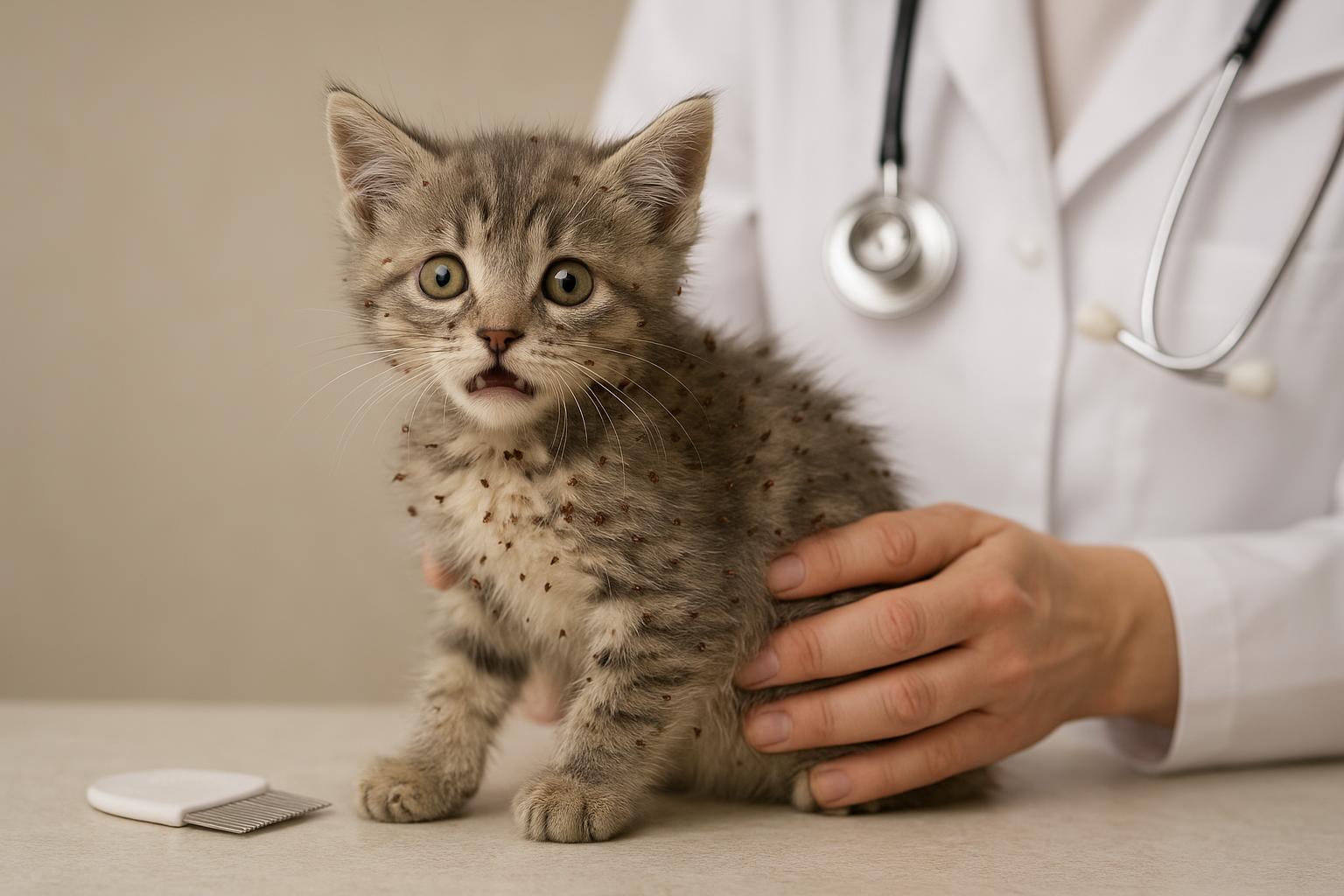
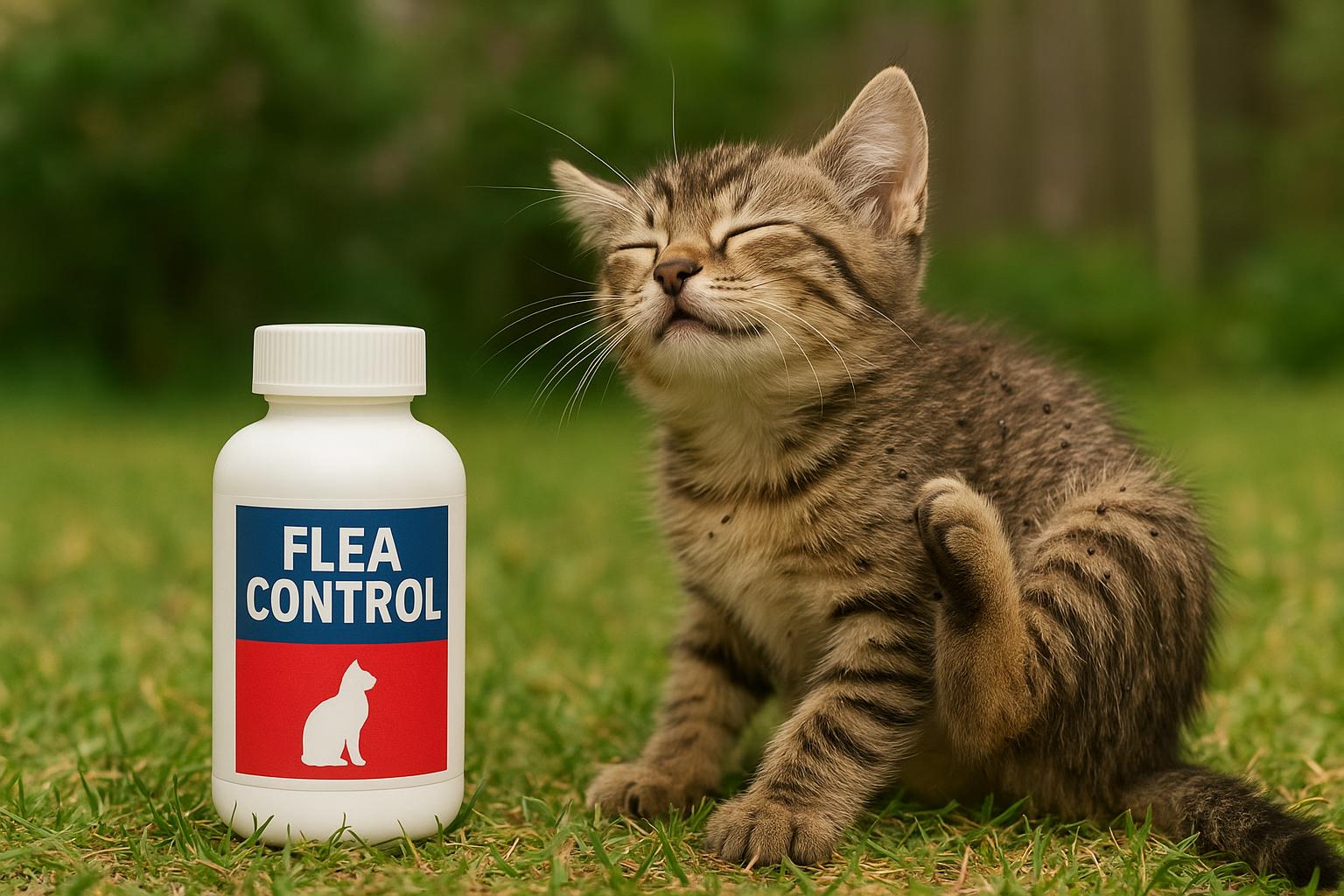
Look for constant scratching, hair loss, small red bumps, or little black specks (flea dirt) on the skin. You might see adult fleas moving in the fur, or find bites on family members. Cats groom a lot, so sometimes they can hide the signs; check the neck, base of tail, and belly. If you suspect an infestation, act quickly — the faster you interrupt the flea lifecycle, the fewer trips to the vet and less house cleaning you’ll face.
### Daily Habits For Flea Prevention Indoor
Consistent habits are your best defense. Regularly wash pet bedding on a hot cycle, vacuum carpets and furniture, and maintain your cat’s parasite control schedule. If you have multiple pets, make sure all are protected; fleas don’t discriminate. Combine behavioral prevention with environmental controls to keep the household flea-free.
### Cleaning And Habitat Management
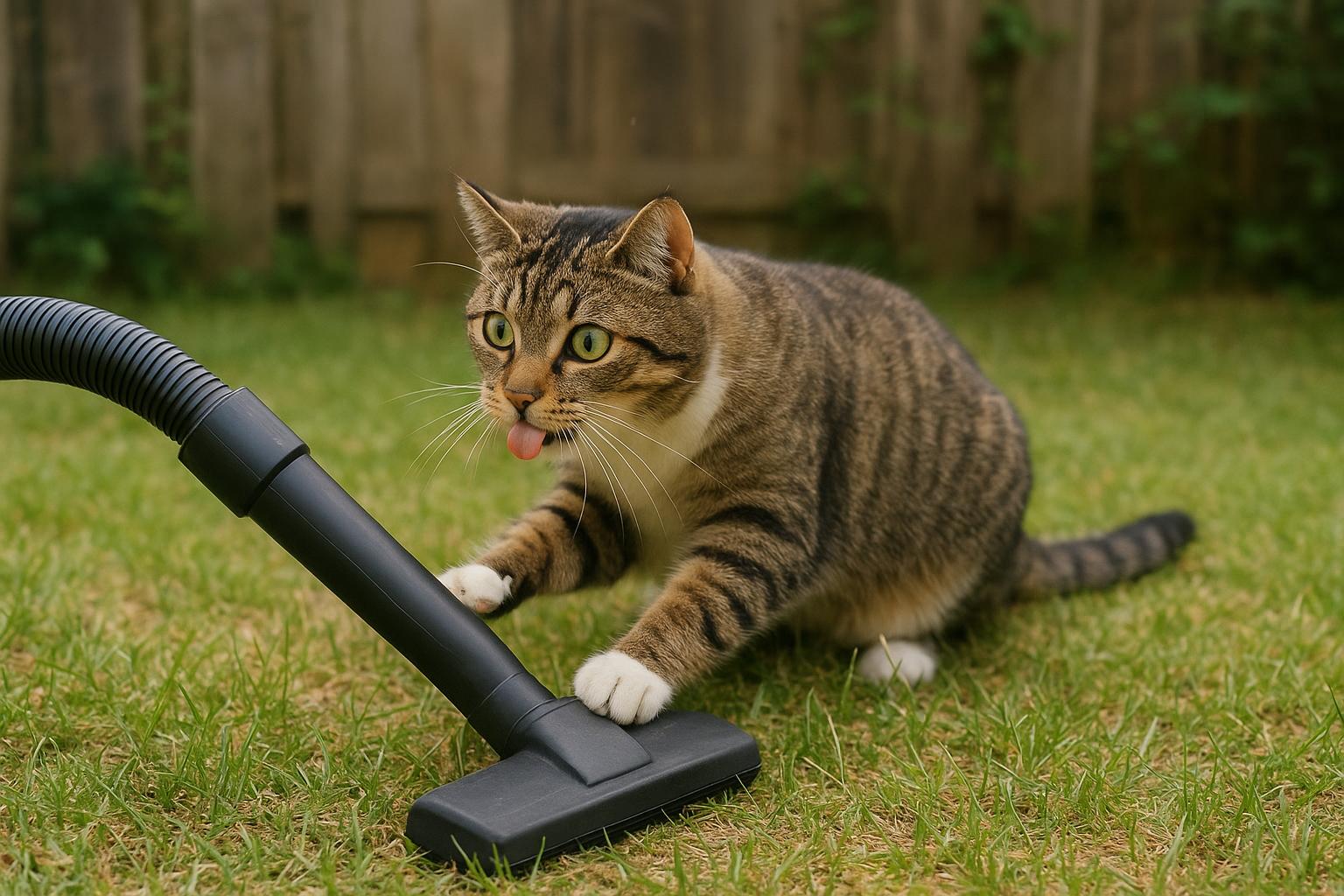
Frequent vacuuming removes eggs, larvae, and pupae from carpets and upholstery. Launder blankets and cushions, and consider replacing or deeply cleaning secondhand furniture before it enters your home. Seal cracks in floors and use door sweeps to deter rodents and other animals that can bring fleas in.
### When To Call The Vet
If your cat shows signs of anemia (pale gums, lethargy), severe dermatitis, or if fleas persist despite your initial efforts, see a veterinarian. Your vet can recommend safe topical or oral products, screen for flea-borne illnesses, and help choose the right approach for kittens, elderly cats, or those with medical issues.
### Remedy 1: Home Environmental Protocol (Vacuuming Plus Diatomaceous Earth)
This organized approach targets the environment where fleas breed. It’s formal, thorough, and practical.
#### Ingredients And Materials
– High-powered vacuum with disposable bag or emptying canister
– Stiff brush or carpet rake
– Food-grade diatomaceous earth (DE) — pet-safe grade
– Laundry detergent and hot water (or dryer)
– Sealable trash bags
– Protective gloves and dust mask (for DE application)
#### Step-By-Step Creation And Application
1. Prepare: Put on gloves and a dust mask. Keep pets and children out of the room during treatment.
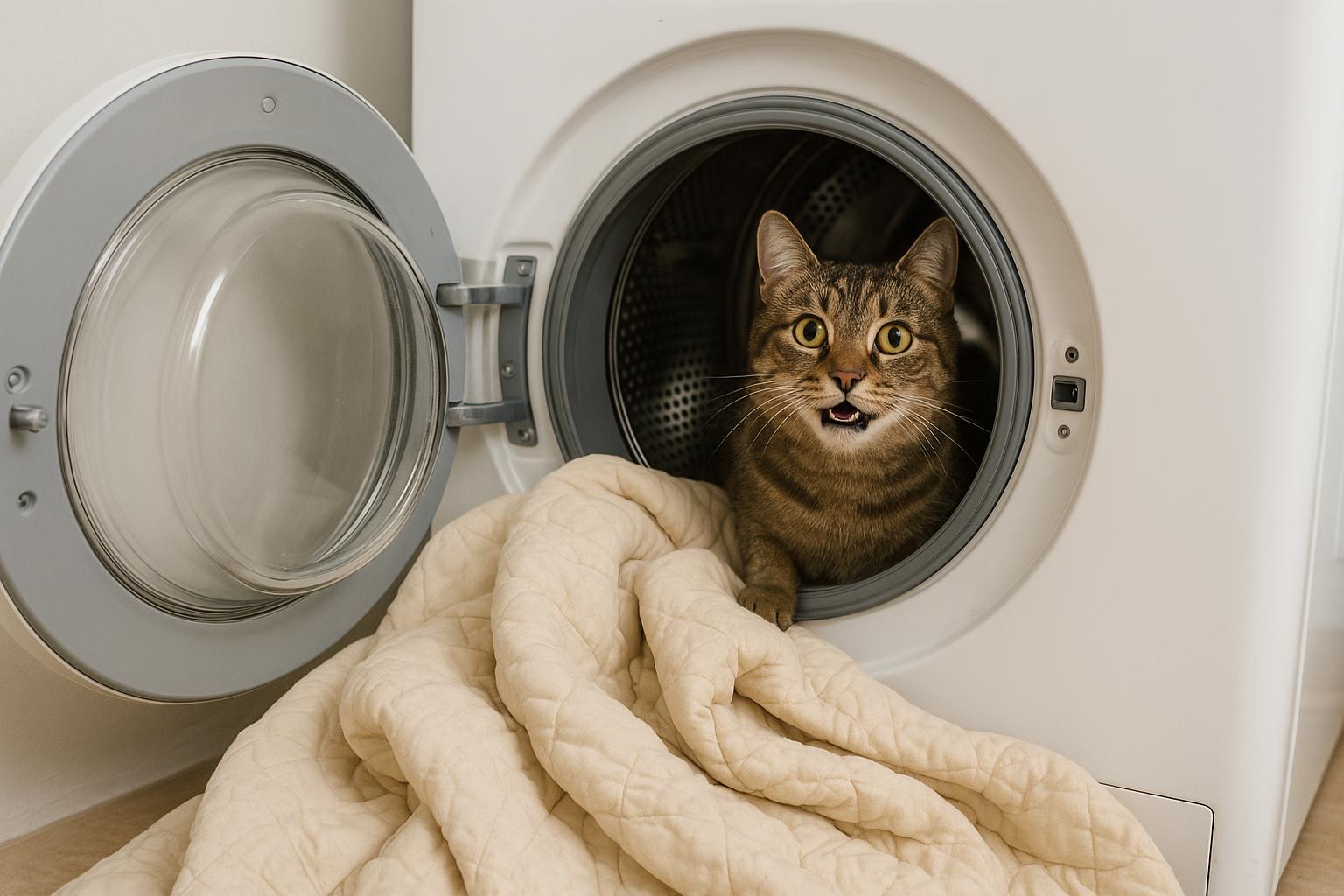
2. Remove Bedding: Strip all pet bedding, throw blankets, and washable cushions into the laundry. Wash on the hottest setting the fabric allows and tumble dry on high for at least 30 minutes to kill eggs and larvae.
3. Vacuum Thoroughly: Vacuum all carpets, rugs, upholstered furniture, baseboards, and under furniture. Use attachments to get into crevices. Empty the vacuum bag or canister into a sealable trash bag immediately and discard outside the home.
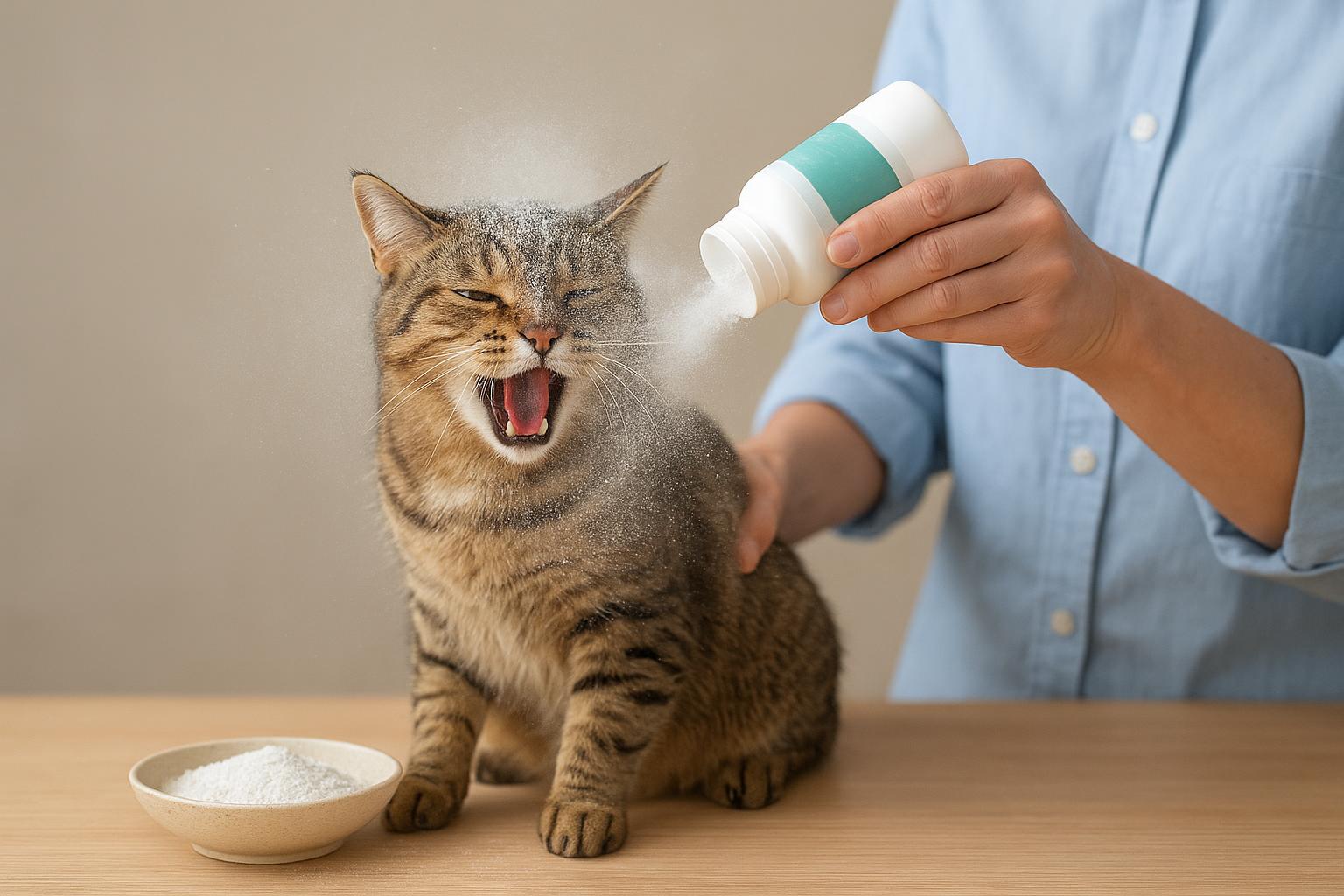
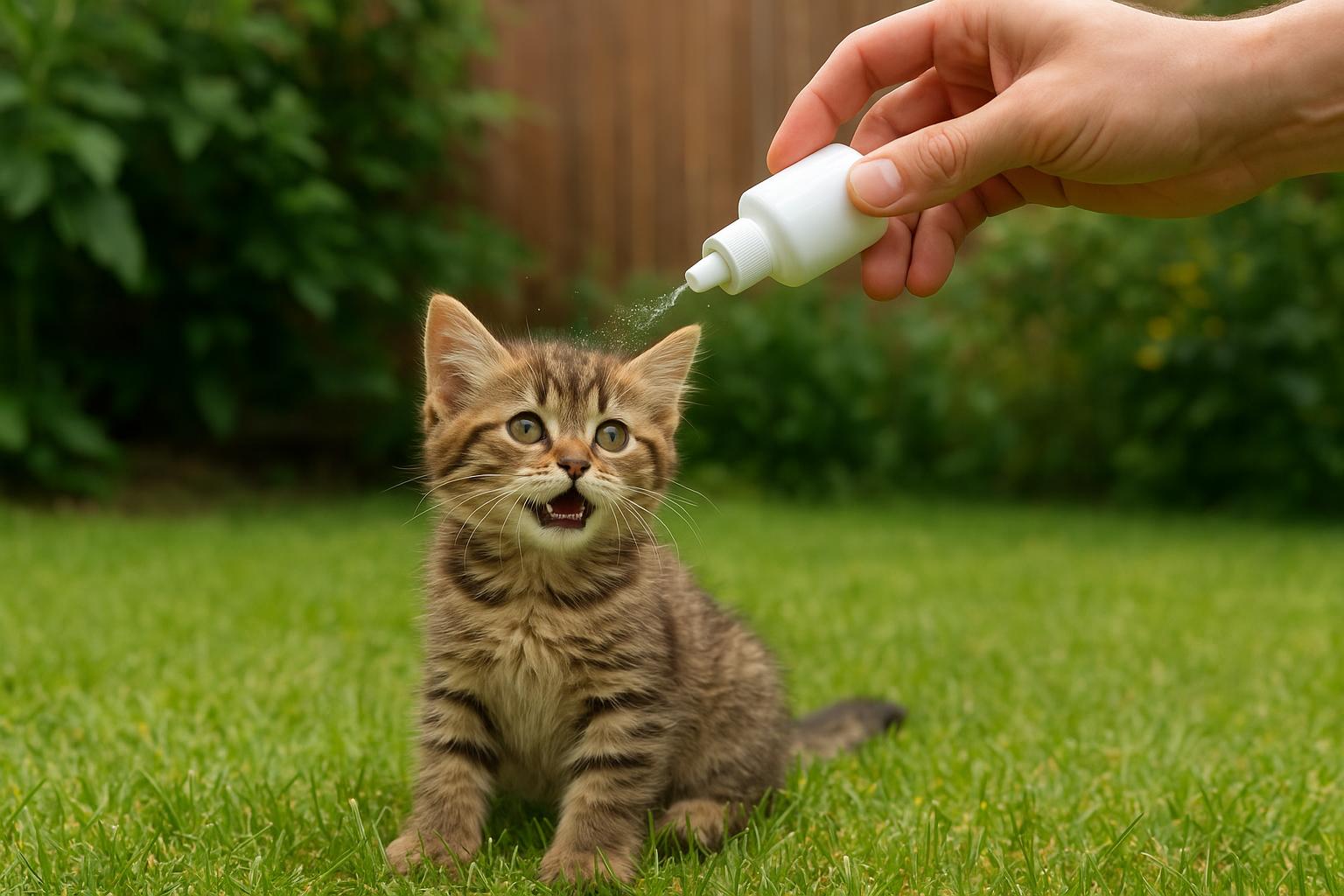
4. Apply Diatomaceous Earth: Using a shaker or dust spreader, lightly dust carpets, pet bedding areas, and baseboards with food-grade DE. Apply a thin, even layer — it should not be a thick coating. Leave DE undisturbed for 48 hours. DE works mechanically, dehydrating flea larvae and adults.
5. Brush And Rake Carpets: After DE has sat, briskly brush or rake carpets to loosen trapped eggs and larvae toward the surface.
6. Re-Vacuum: Vacuum again to remove DE and insect debris. Dispose of the contents promptly and seal the trash.
7. Repeat Cycle: Perform this cycle weekly for 4–6 weeks to interrupt the flea lifecycle. Continue regular vacuuming and laundering maintenance afterward.
Note: Food-grade diatomaceous earth is generally safe for pets, but avoid heavy use or airborne dust. Consult your veterinarian if your cat has respiratory issues before using DE.
### Remedy 2: Veterinary-Approved Topical Or Oral Treatment (Cat-Focused)
When household measures aren’t enough, targeted treatments prescribed or recommended by a veterinarian are required. This section is formal and precise because it deals with medications and application safety.
#### Ingredients And Materials
– Vet-prescribed topical spot-on or oral flea medication formulated for cats (product name as directed by your vet)
– Disposable gloves
– A towel to gently restrain the cat if needed
– A quiet, calm room for application
– Pet-safe shampoo if bathing is recommended by the vet (optional)
#### Step-By-Step Application
1. Consult Your Veterinarian: Confirm the correct product, dose, and schedule for your cat’s age, weight, and health status. Do not use dog flea products on cats.
2. Read Instructions Thoroughly: Follow the manufacturer and veterinarian guidance for storage and application details.
3. Prepare The Cat: Place your cat on a non-slip surface in a calm area. If the vet advised bathing first, ensure the skin is dry before applying topical treatments.
4. Wear Gloves: For topical spot-on products, wear gloves to avoid skin exposure to the medication.
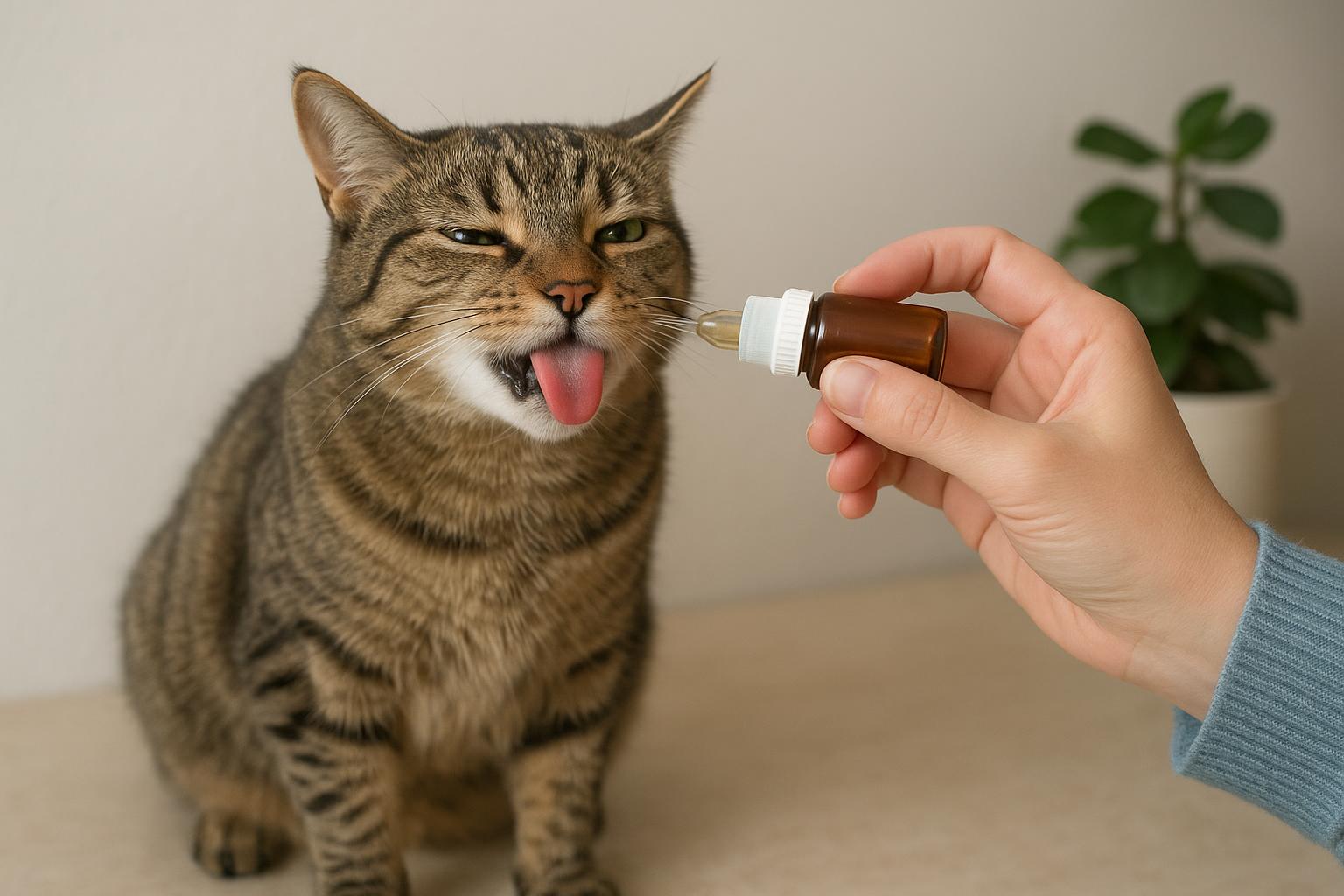
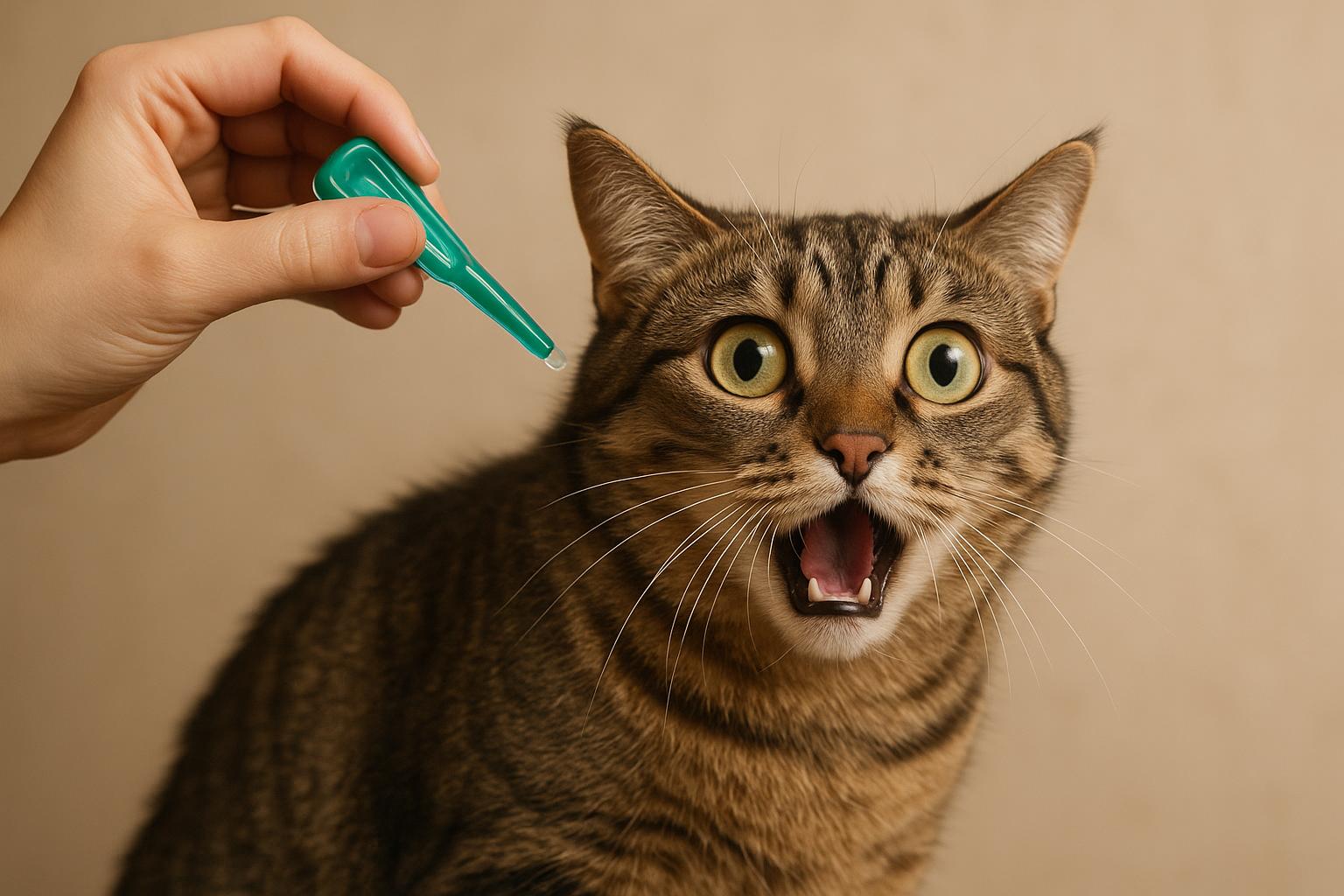
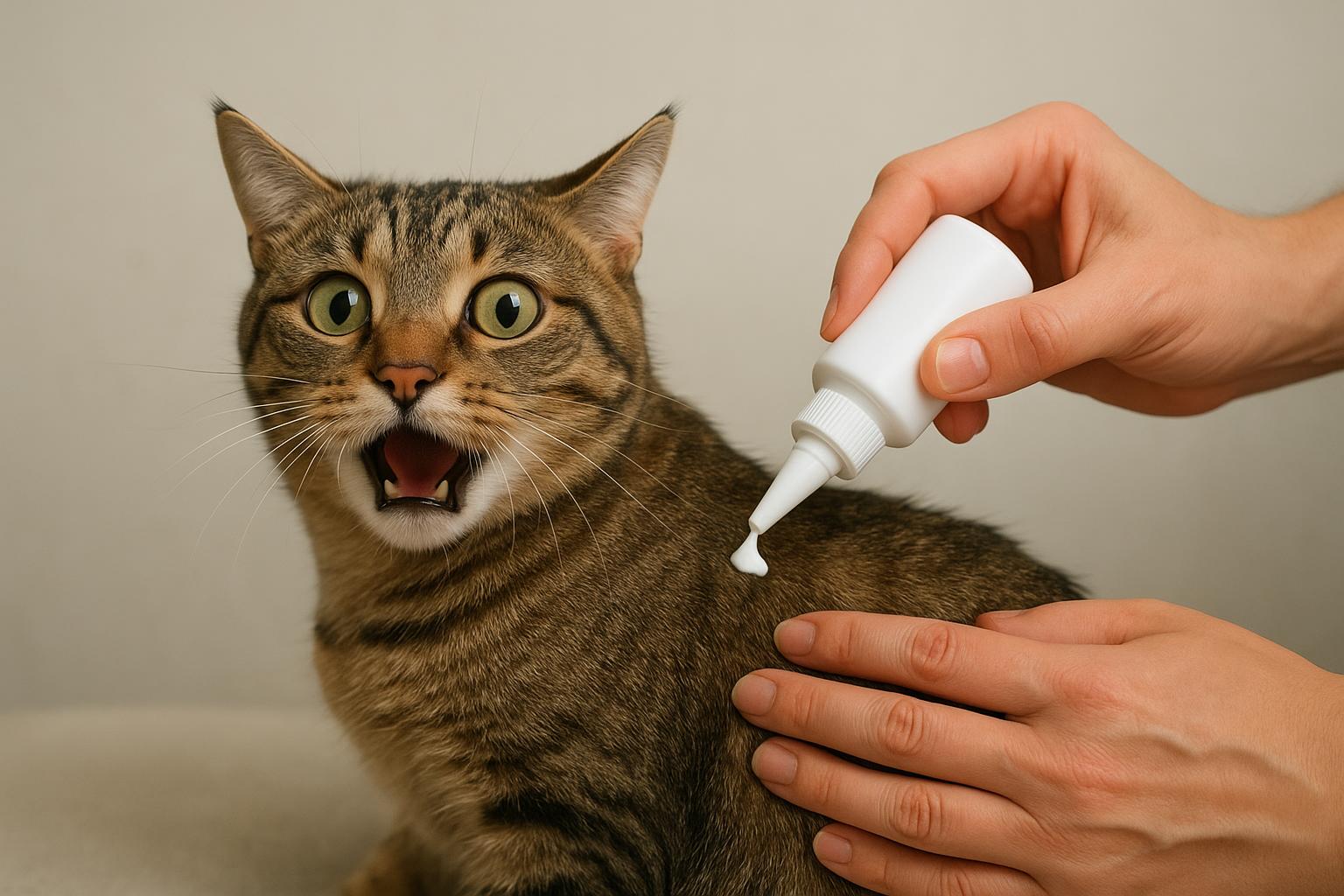
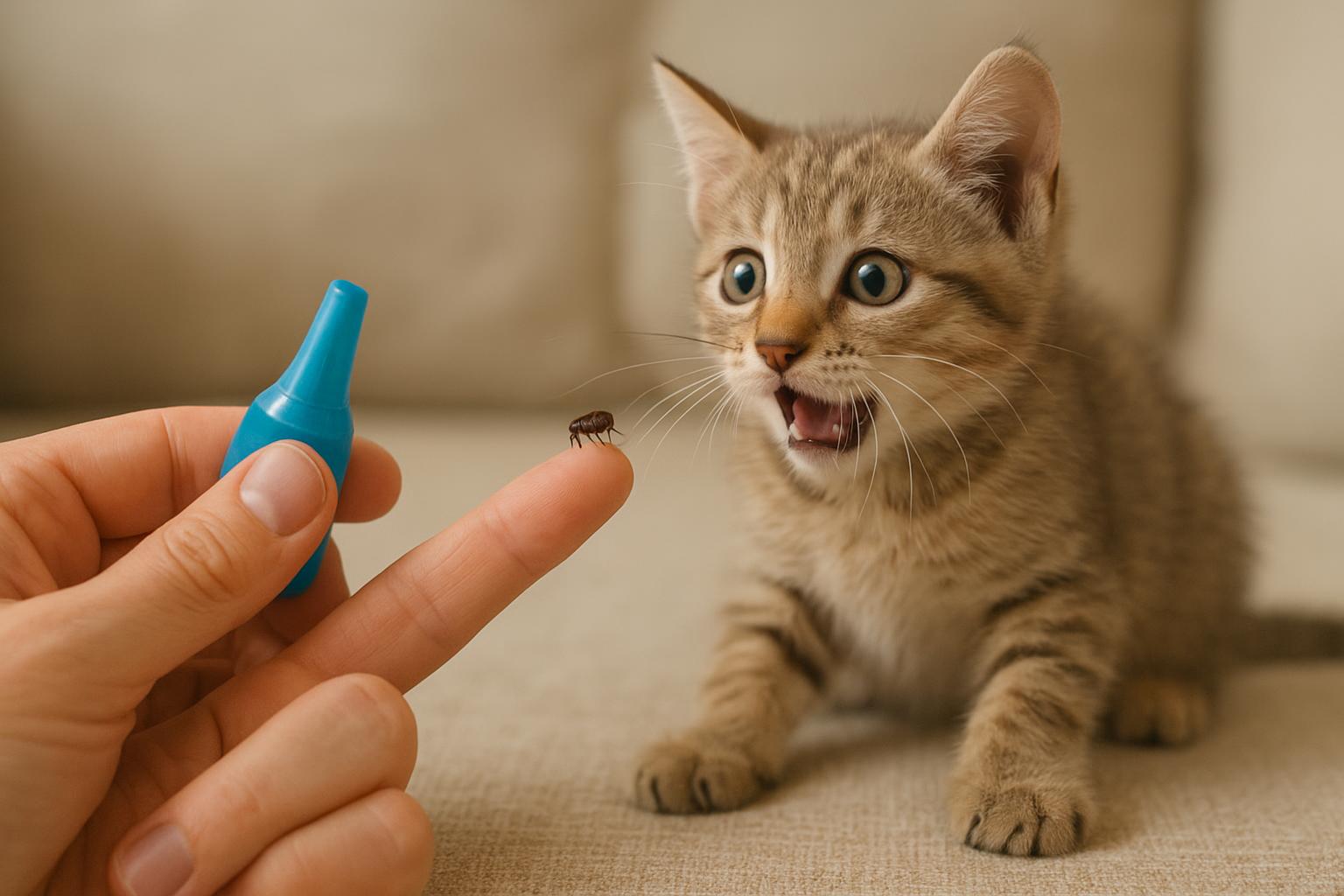
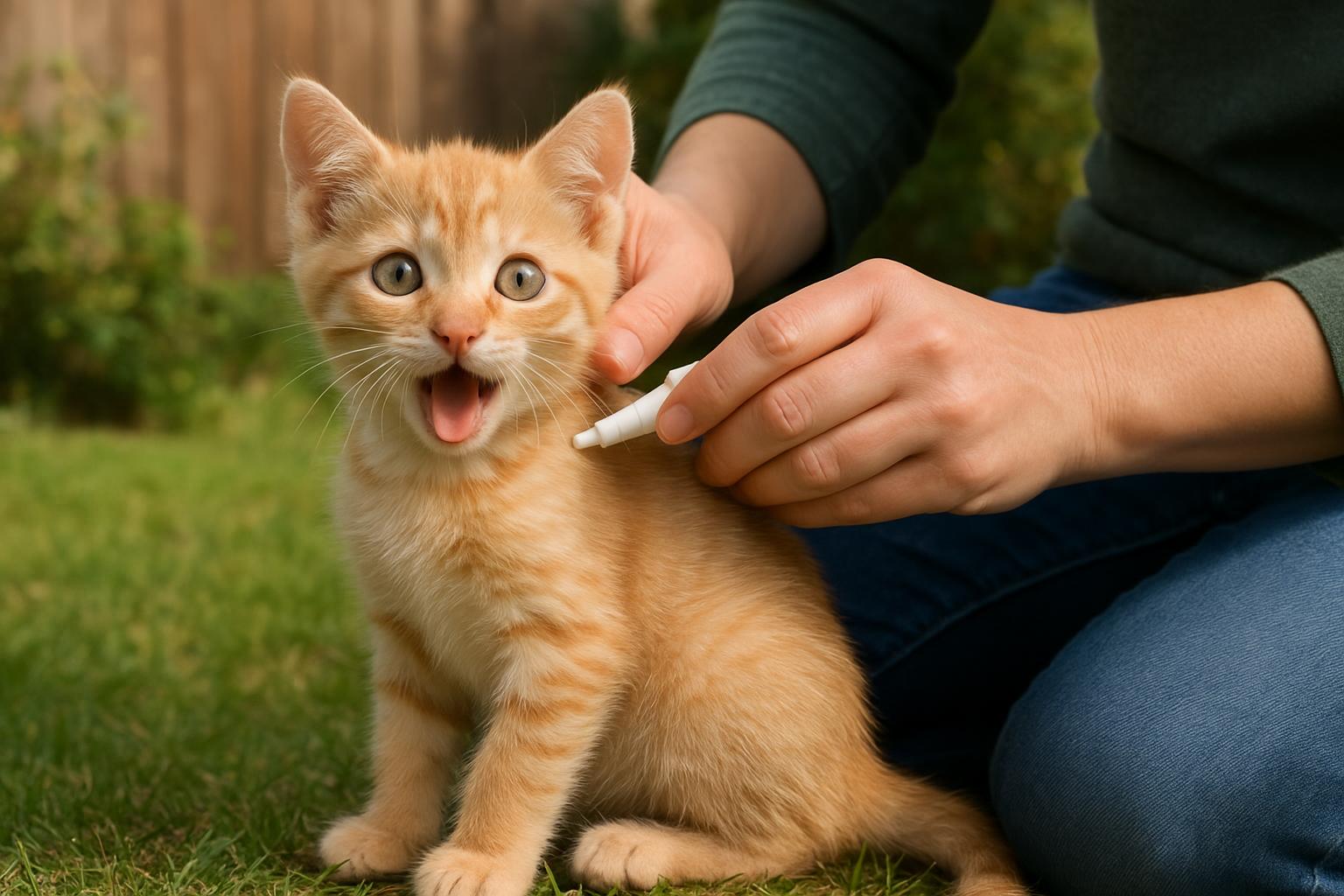
5. Apply Topical Product: Part the fur at the base of the skull until the skin is visible. Apply the full contents of the tube directly to the skin in one or two spots as instructed by the product directions. Do not rub the product into the fur.
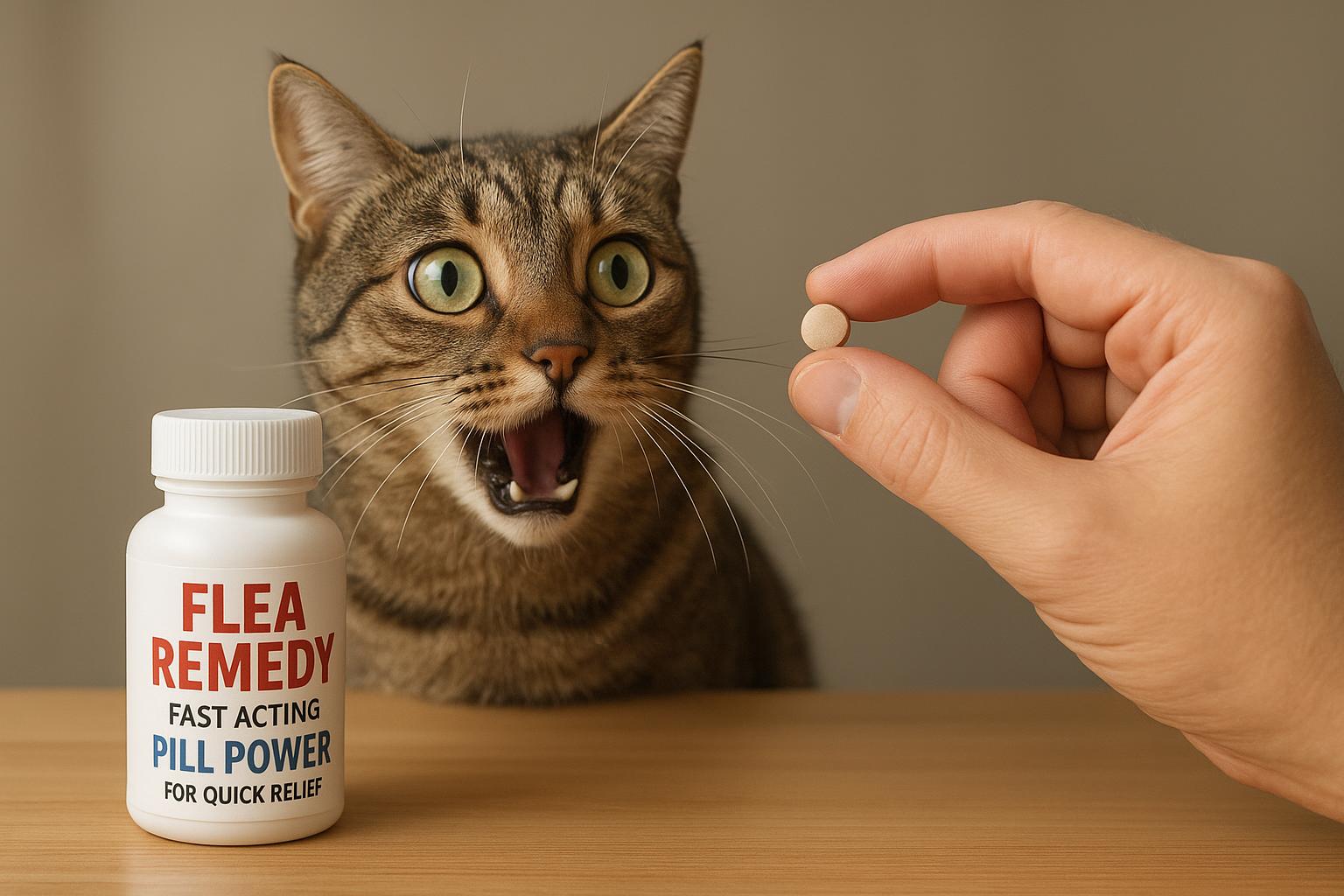
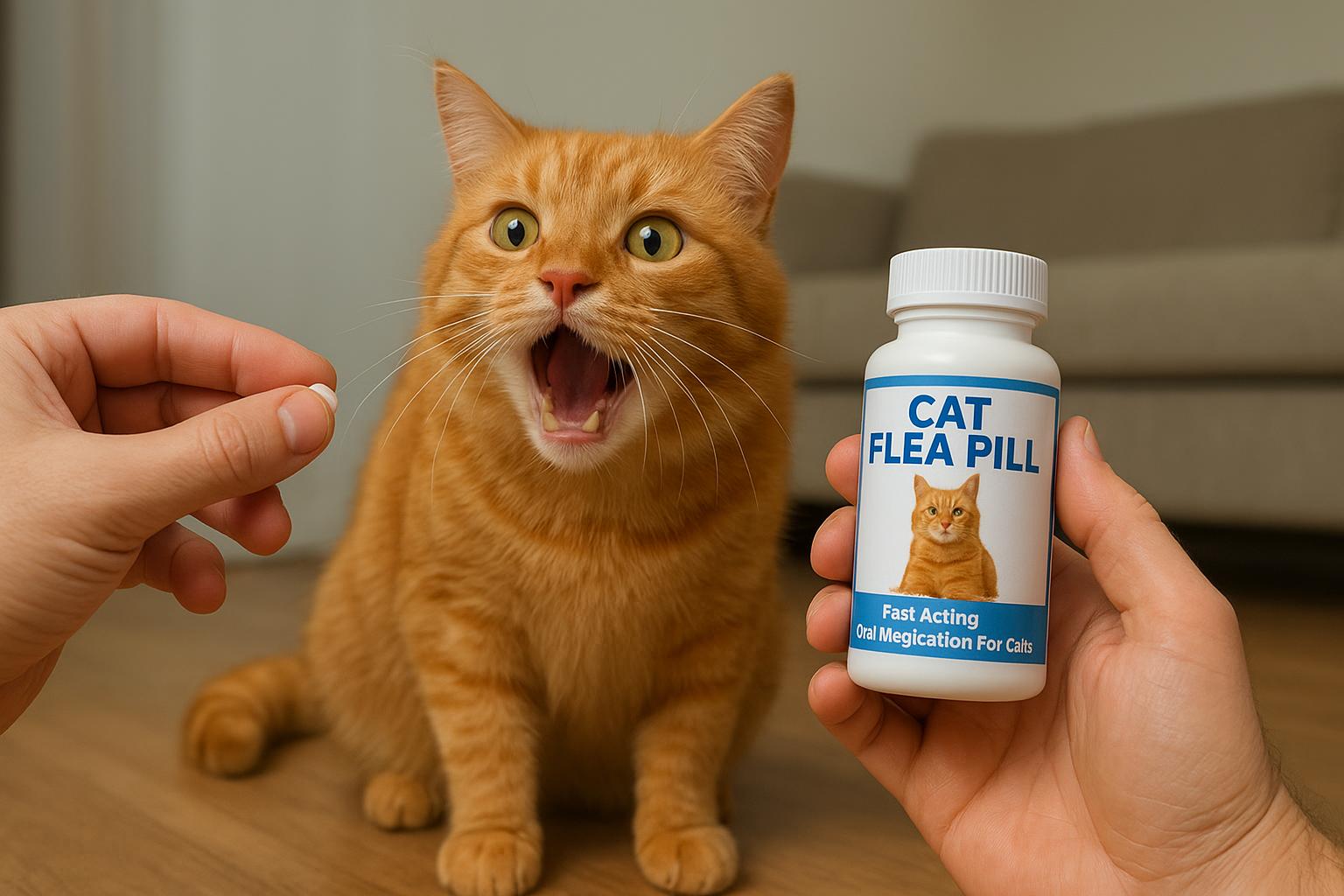
6. For Oral Medications: Give the pill or chewable per label or vet instruction, ensuring the cat swallows it. If a pill is required, follow vet guidance on pill pockets or pill administration techniques.
7. Monitor For Adverse Reactions: Watch for vomiting, excessive salivation, tremors, or lethargy. If any concerning signs appear, contact your veterinarian immediately.
8. Maintain Schedule: Reapply or re-dose on the exact schedule recommended by your vet to maintain continuous protection and prevent reinfestation.
Always combine veterinary treatment with environmental measures — treating the cat alone may not clear an established household infestation.
### Additional Indoor-Friendly Tips
– Use washable slipcovers on sofas and vacuum under cushions weekly.
– Limit free-roaming access to areas where fleas are likely to hide, like basements or sunrooms with heavy carpeting, until the situation is controlled.
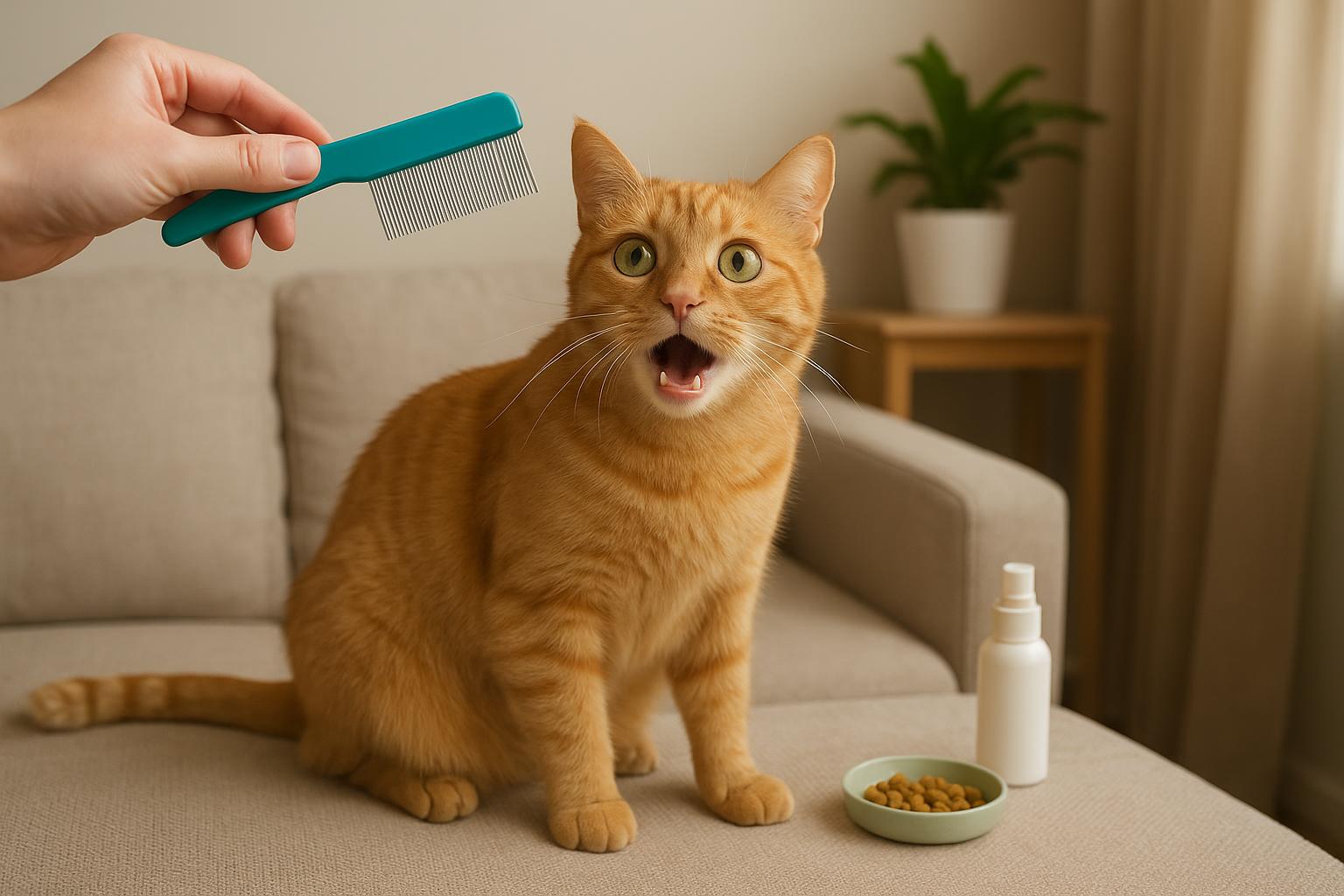
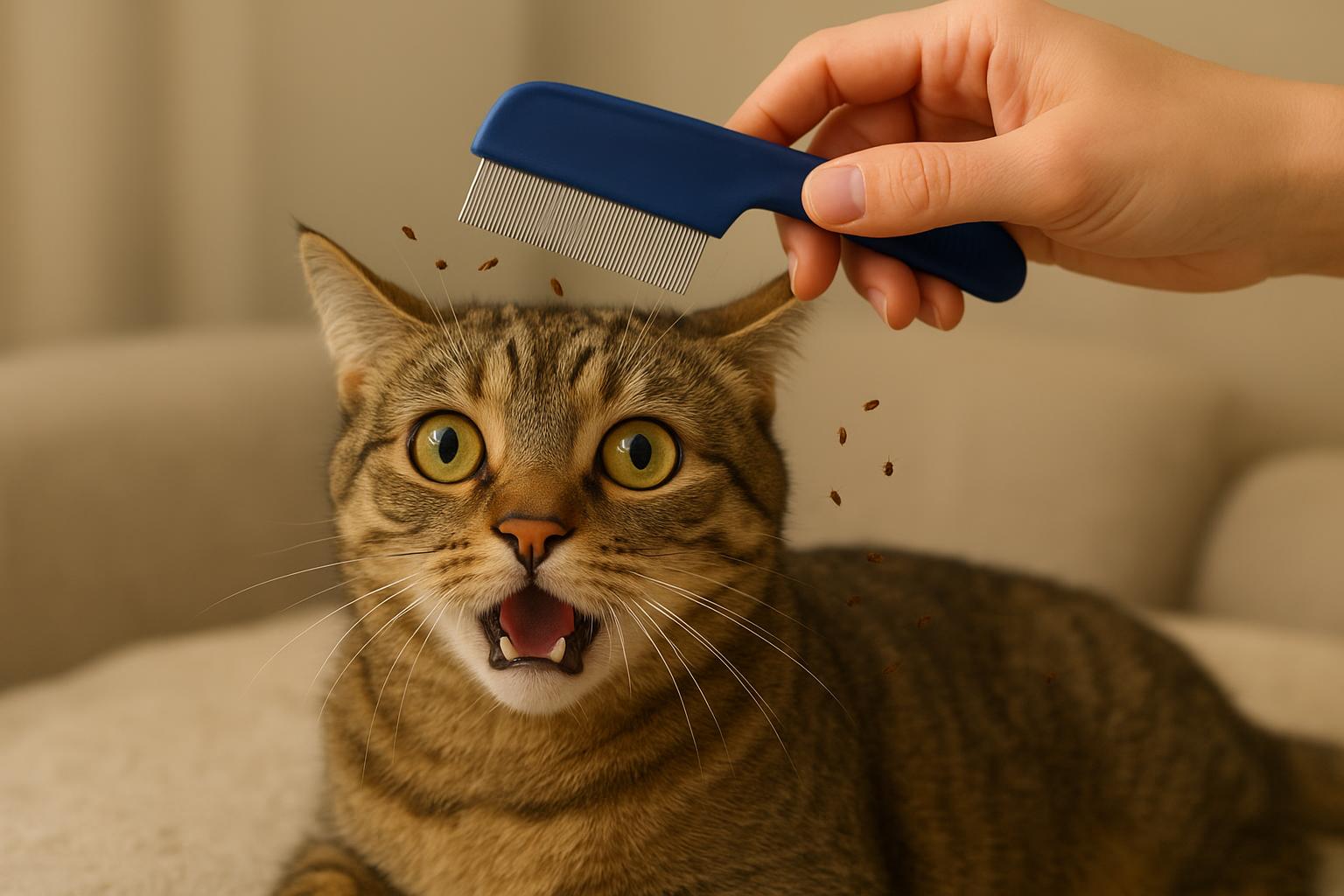
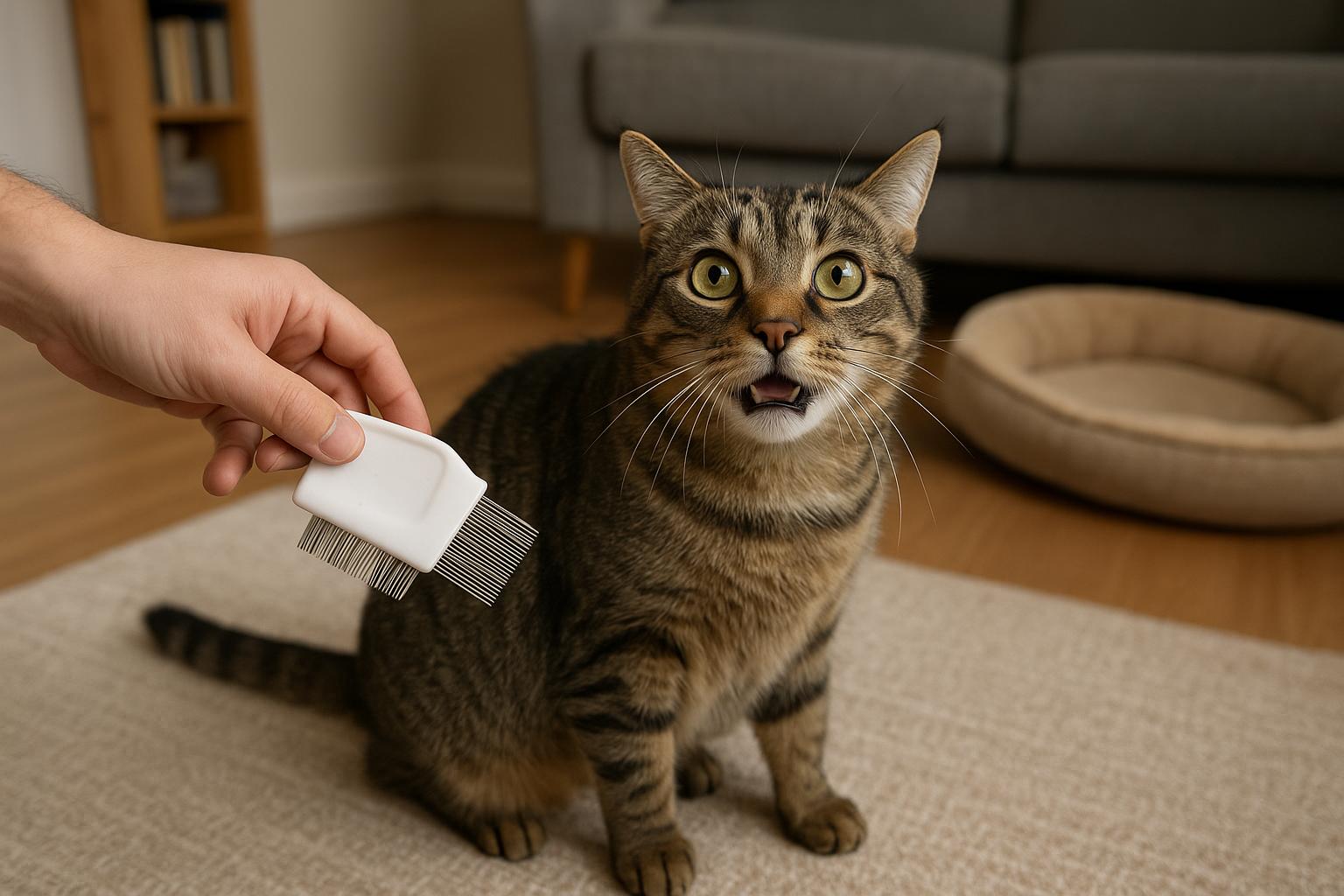
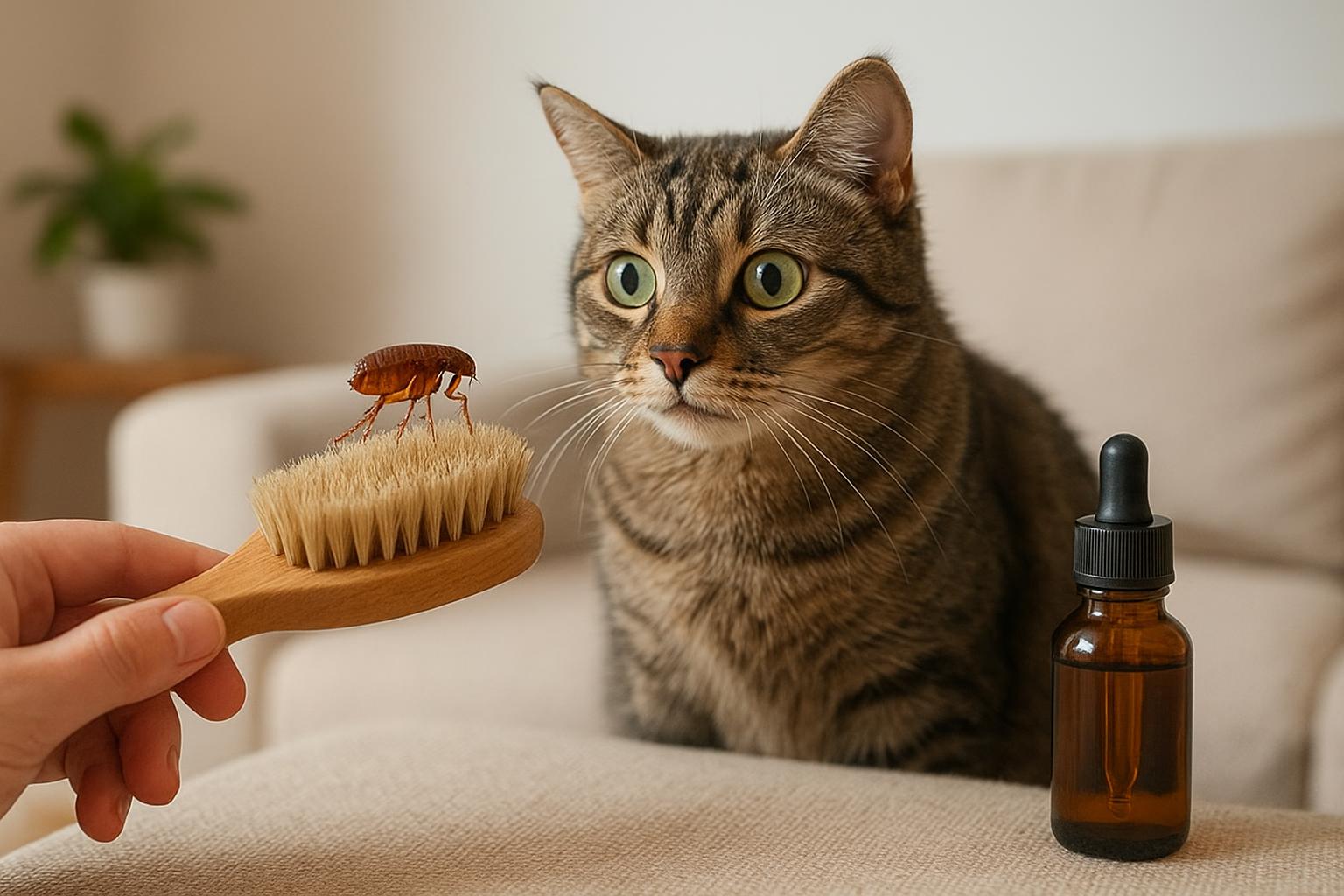
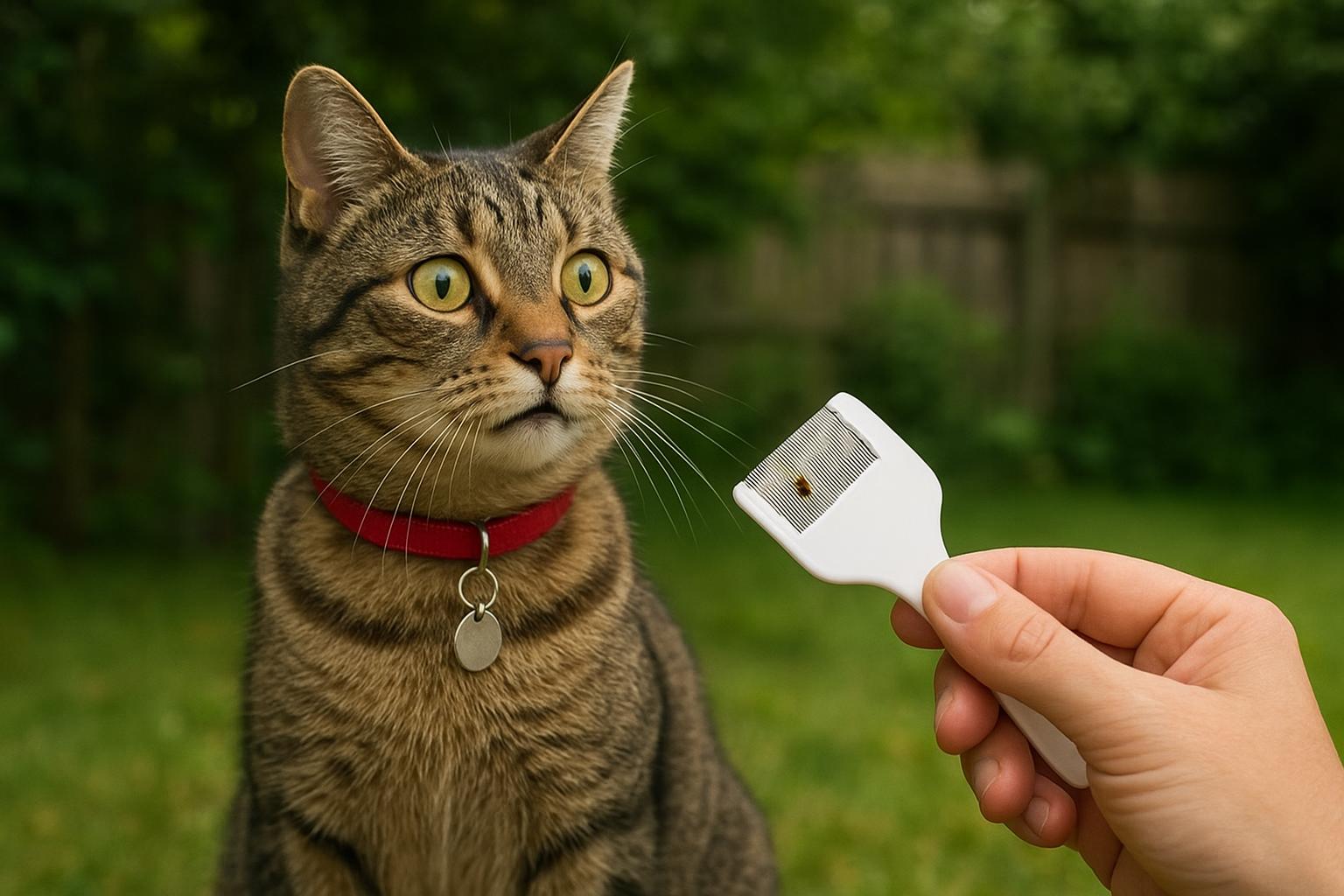
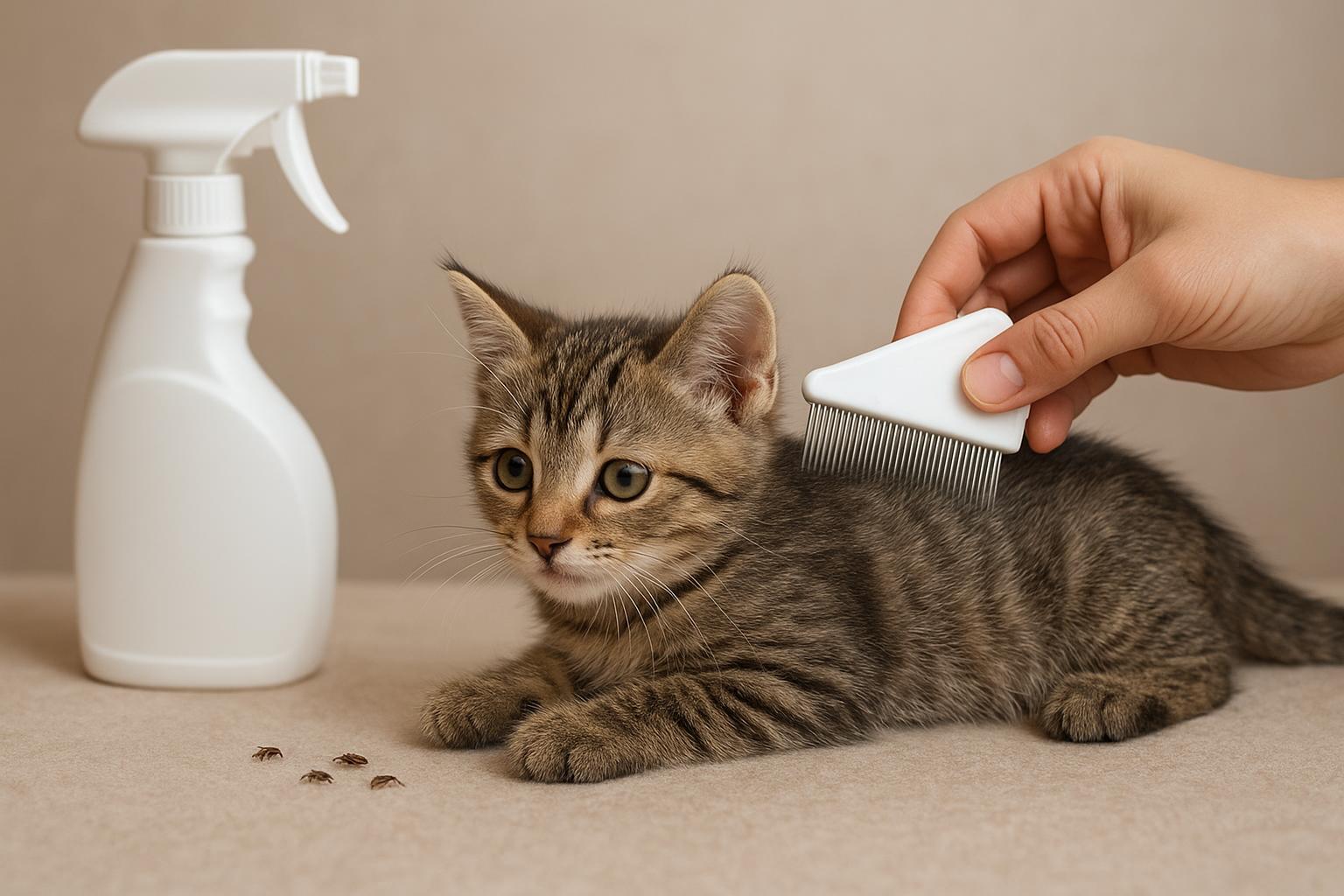
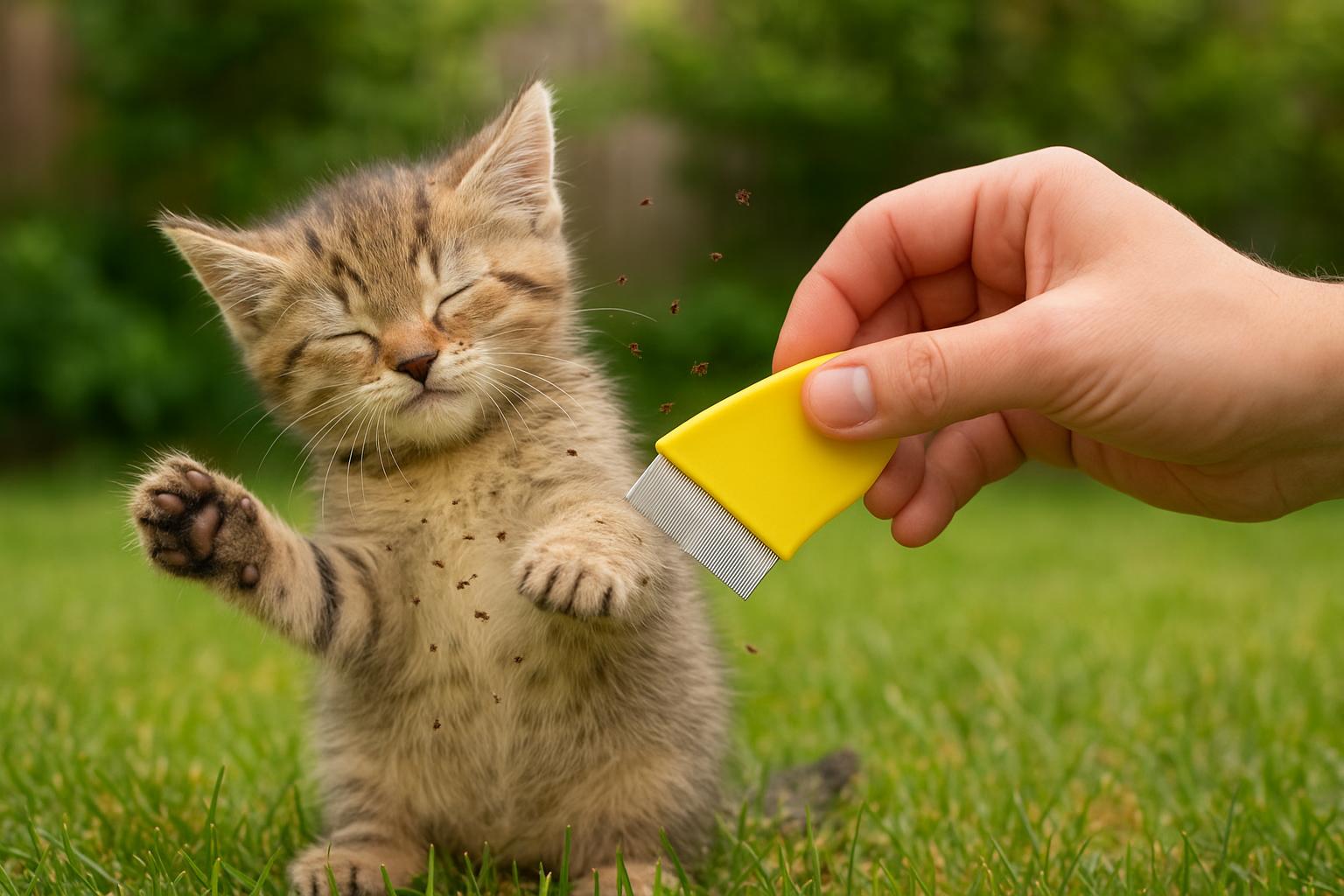
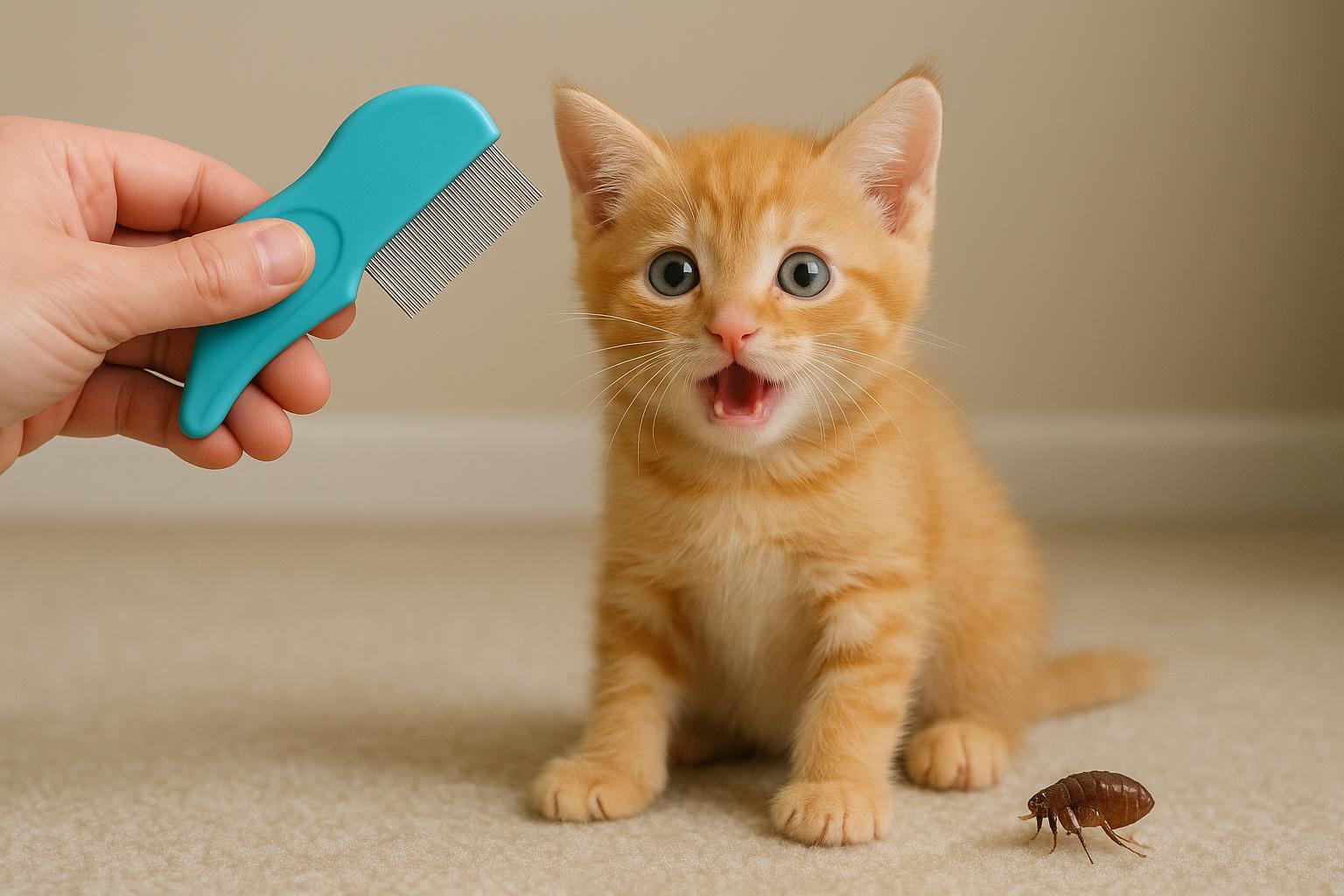
– Groom regularly with a fine-toothed flea comb; this helps detect fleas early and removes adults. Dip the comb in soapy water to kill captured fleas.
– If you bring in used rugs or furniture, inspect and clean them before placing them in living spaces, and quarantine new items in a garage or porch until you’re sure they’re flea-free.
– Keep windows screened and seal small gaps where wildlife could enter. Reducing the chance of outdoor animals visiting reduces one route fleas use to reach your home.
### When Household Remedies Aren’t Enough
If repeated flea prevention indoor steps and vet-approved treatments fail to bring relief, consider professional pest control experienced with pet-safe protocols. Some infestations require insect growth regulators (IGRs) or specialized treatments to break the lifecycle in hard-to-reach areas. Always choose pest control providers who will coordinate with your veterinarian to ensure treatments are safe for cats.
### Small Habitat Adjustments That Help
Tile floors, hardwood, or easily laundered rugs are a flea-fighter’s friend. If possible, swap in low-pile rugs and avoid wall-to-wall carpeting in areas where your cat spends most time. Elevated pet beds and washable mats make laundering a breeze and reduce the places fleas can hide and breed.
### Quick Troubleshooting Guide
If you still find fleas after initial measures, check these common slip-ups:
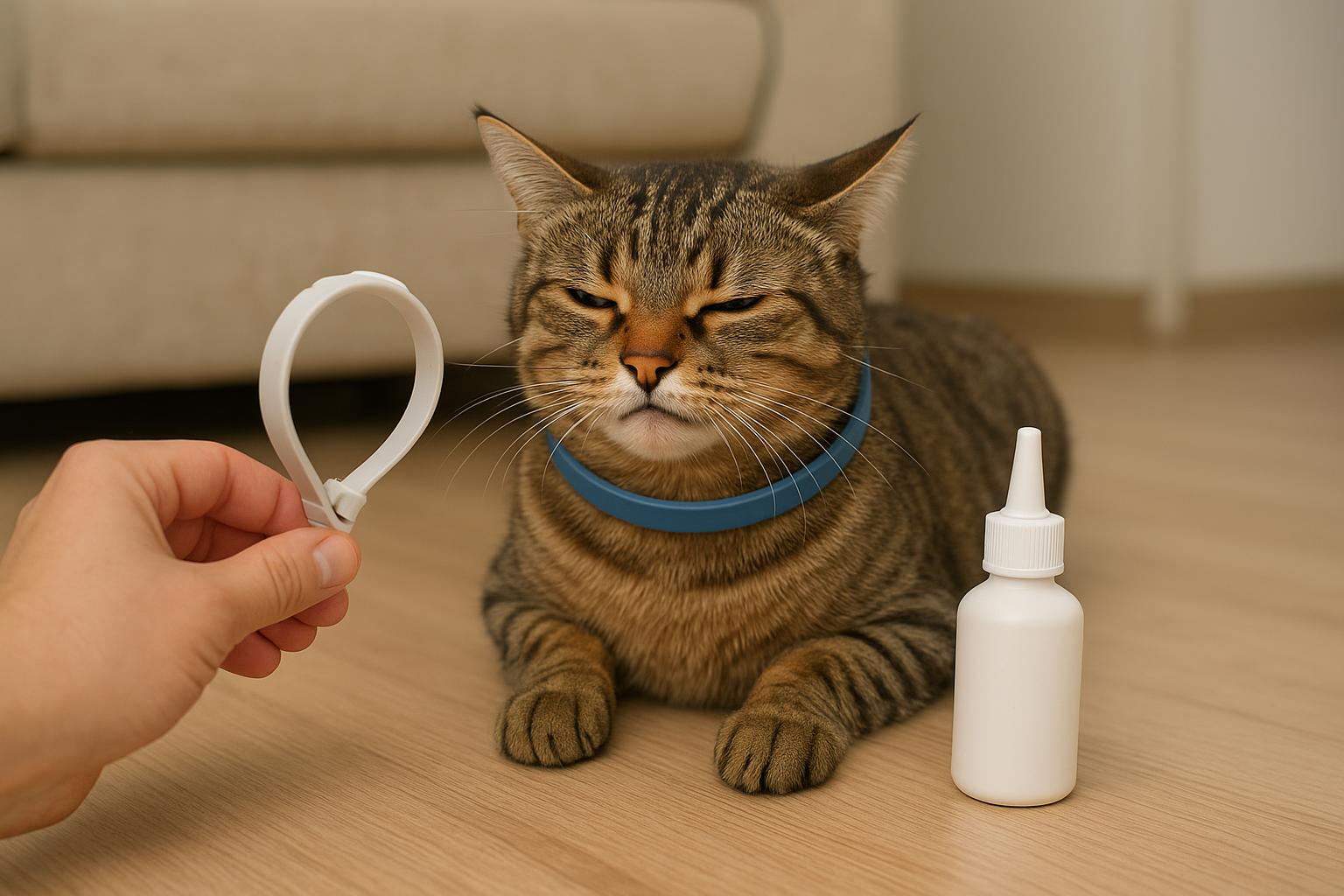
– Missed pets: collars or other pets in the household may be untreated.
– Skipped reapplications: many products require monthly repetition.
– Hidden pupae: flea pupae can remain dormant and re-emerge weeks after treatment, so ongoing vacuuming and environmental cleaning are essential.
– Reintroduction: a new visitor or stray animal can reintroduce fleas.
Keep at it — the combination of consistent flea prevention indoor practices, environmental treatments, and vet-approved products usually ends infestations in one to three months.
Continue monitoring your cat and home, and don’t hesitate to consult professionals when needed.






Leave a Reply