
## How Fleas Get Into House From Yard: Common Entry Points
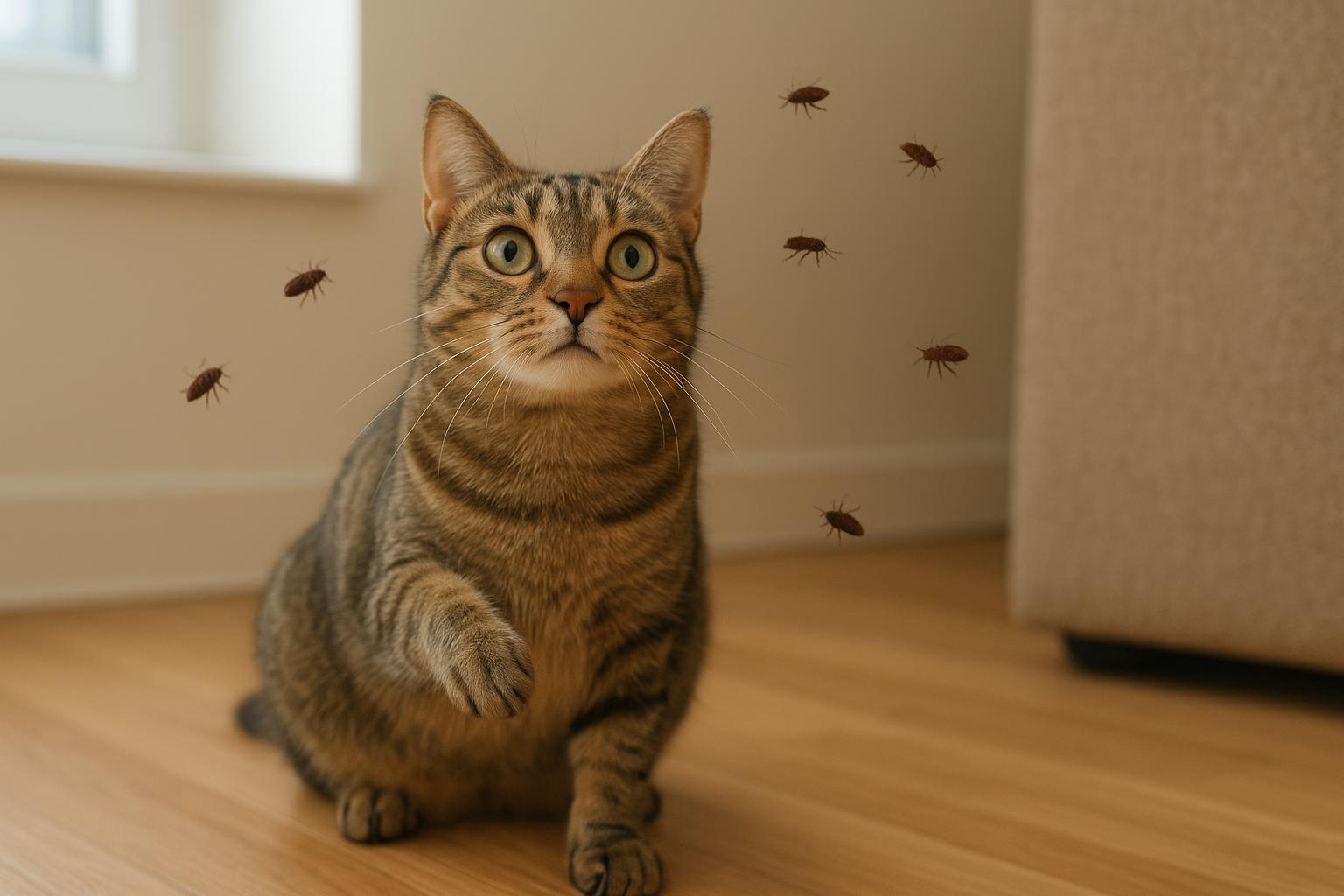
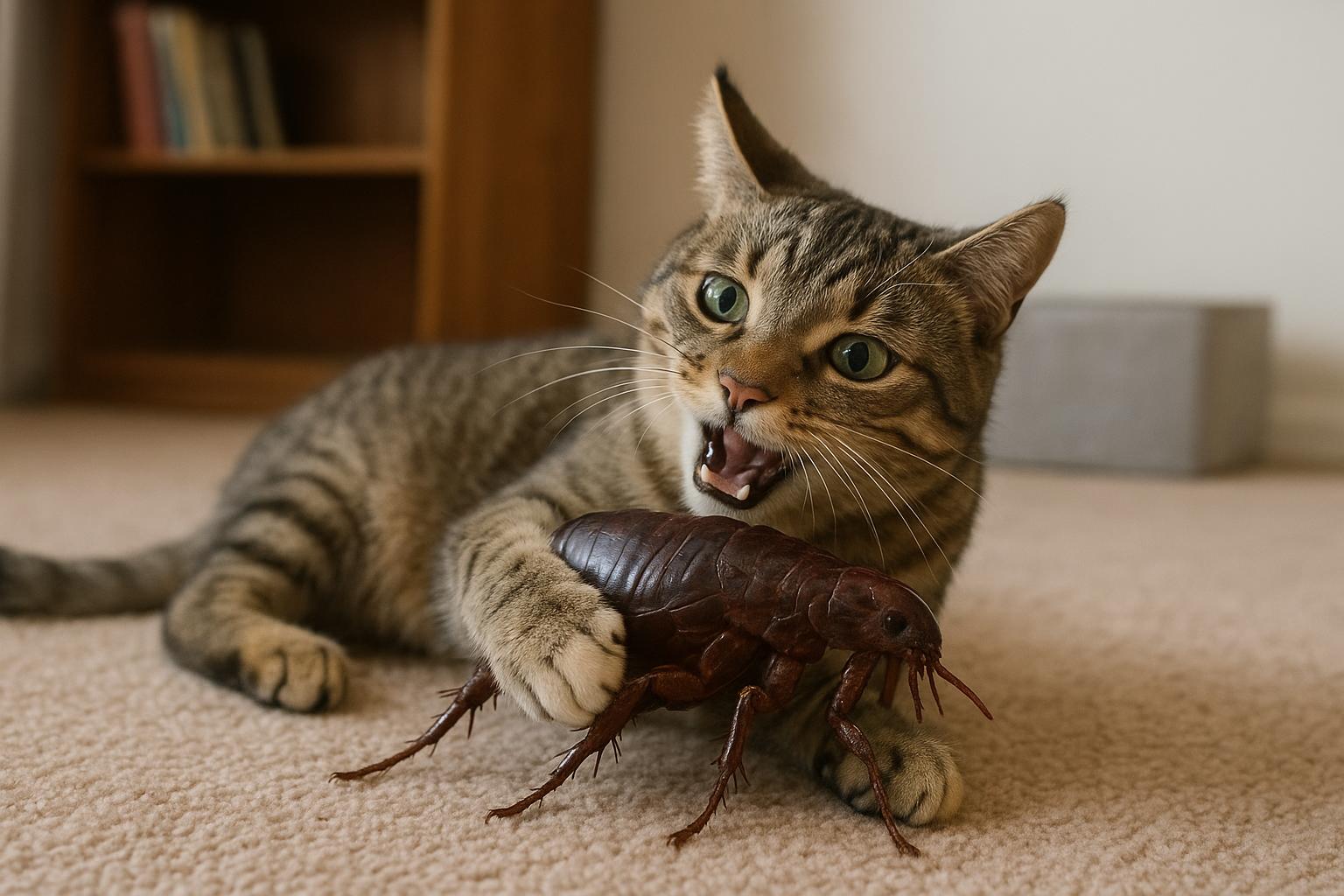
Understanding how fleas get into house from yard requires examining flea behavior, host movement, and structural vulnerabilities. Fleas are obligate parasites that spend portions of their life cycle outdoors; they exploit shaded, humid microhabitats and the movement of animals and humans to bridge the gap between yard and interior spaces. Recognizing the principal entry mechanisms is the first step toward targeted prevention.
### Life Cycle And Preferred Outdoor Microhabitats
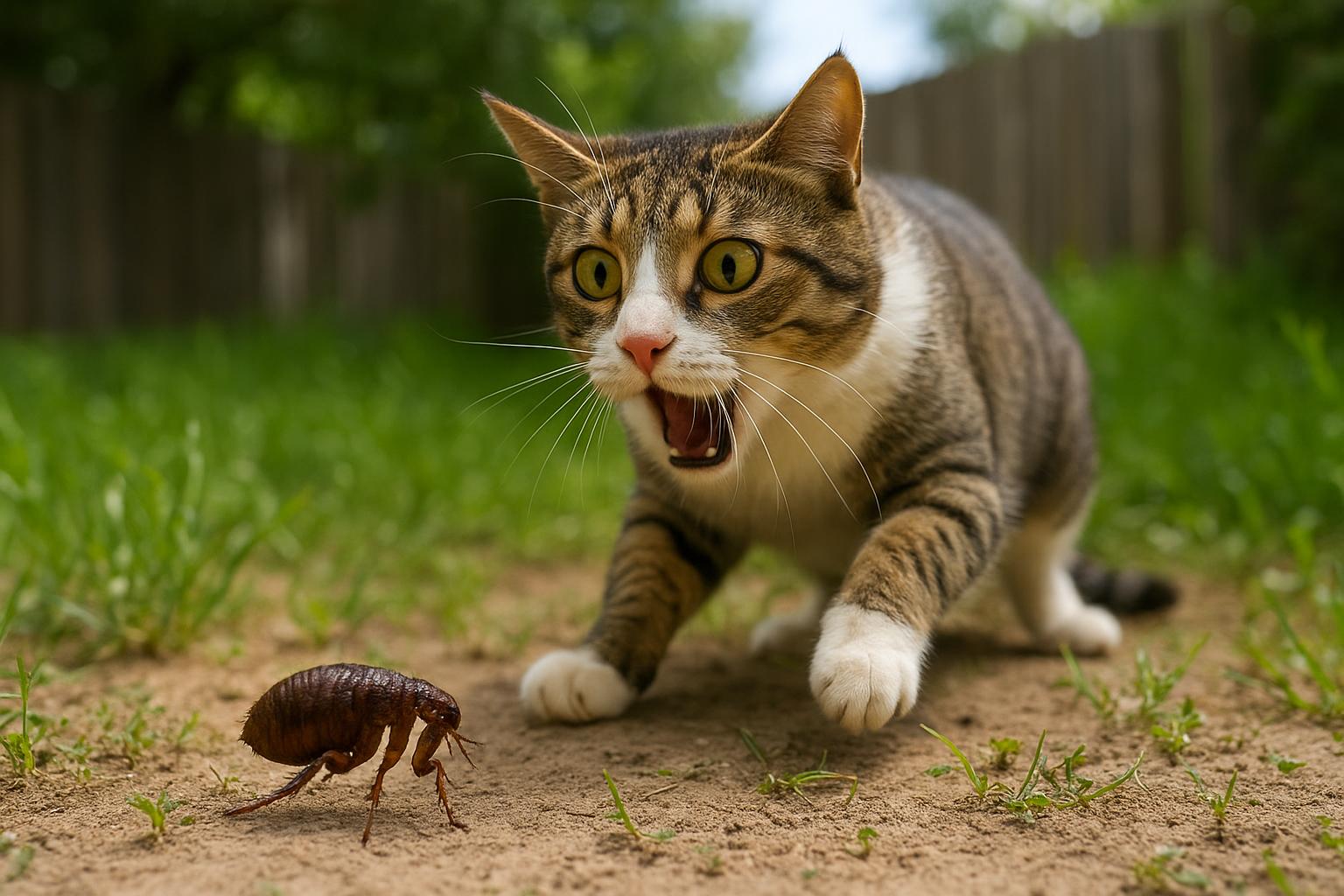
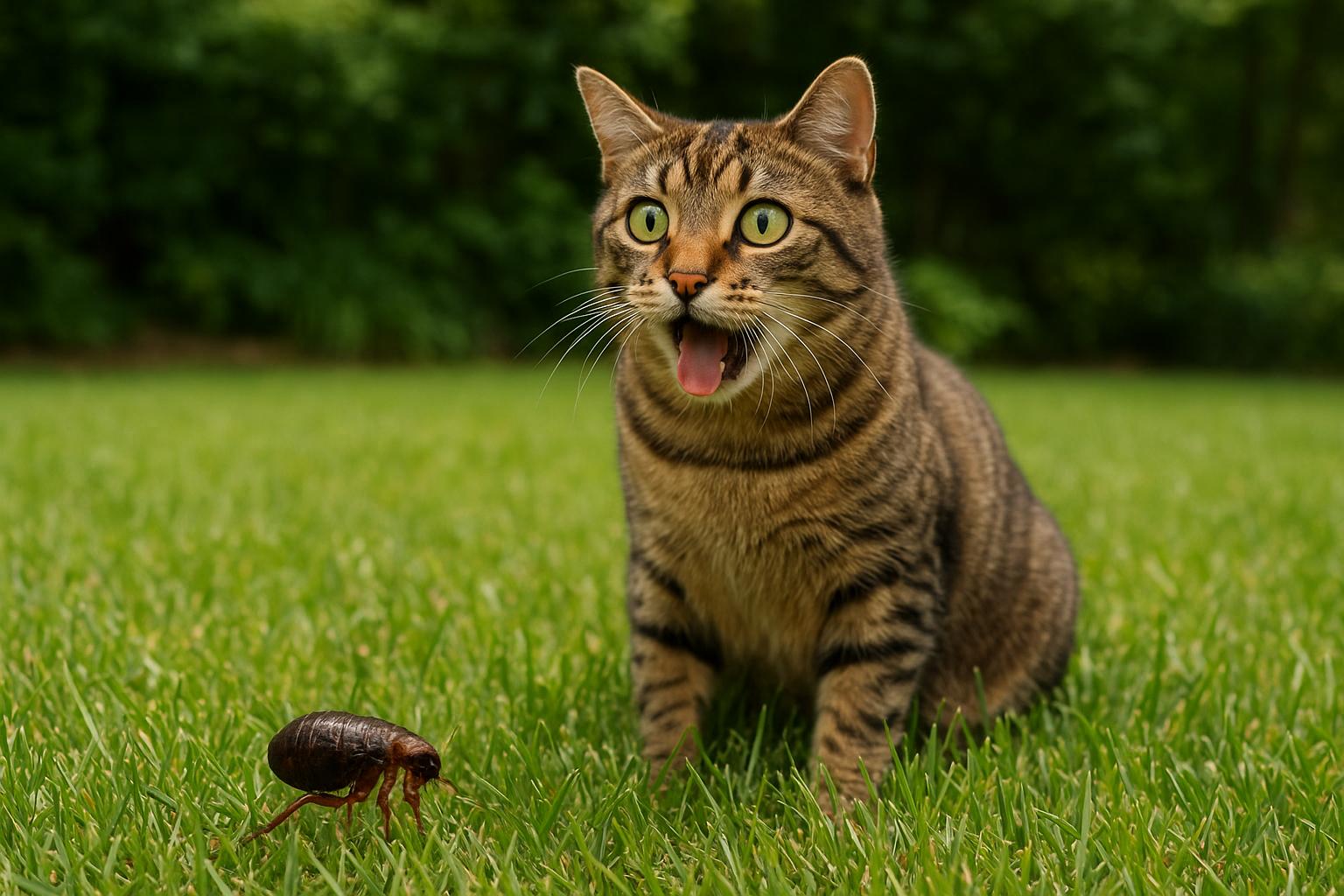
Fleas pass through egg, larva, pupa, and adult stages. Eggs and larvae develop in soil, leaf litter, under porches, and in animal bedding—locations that provide humidity and organic matter. Pupae may remain dormant in cocoons for extended periods, emerging when vibrations, carbon dioxide, or warmth indicate a host is present. These outdoor conditions are the principal reservoirs of outdoor fleas that later invade homes.
### Primary Carriers That Transport Fleas Indoors
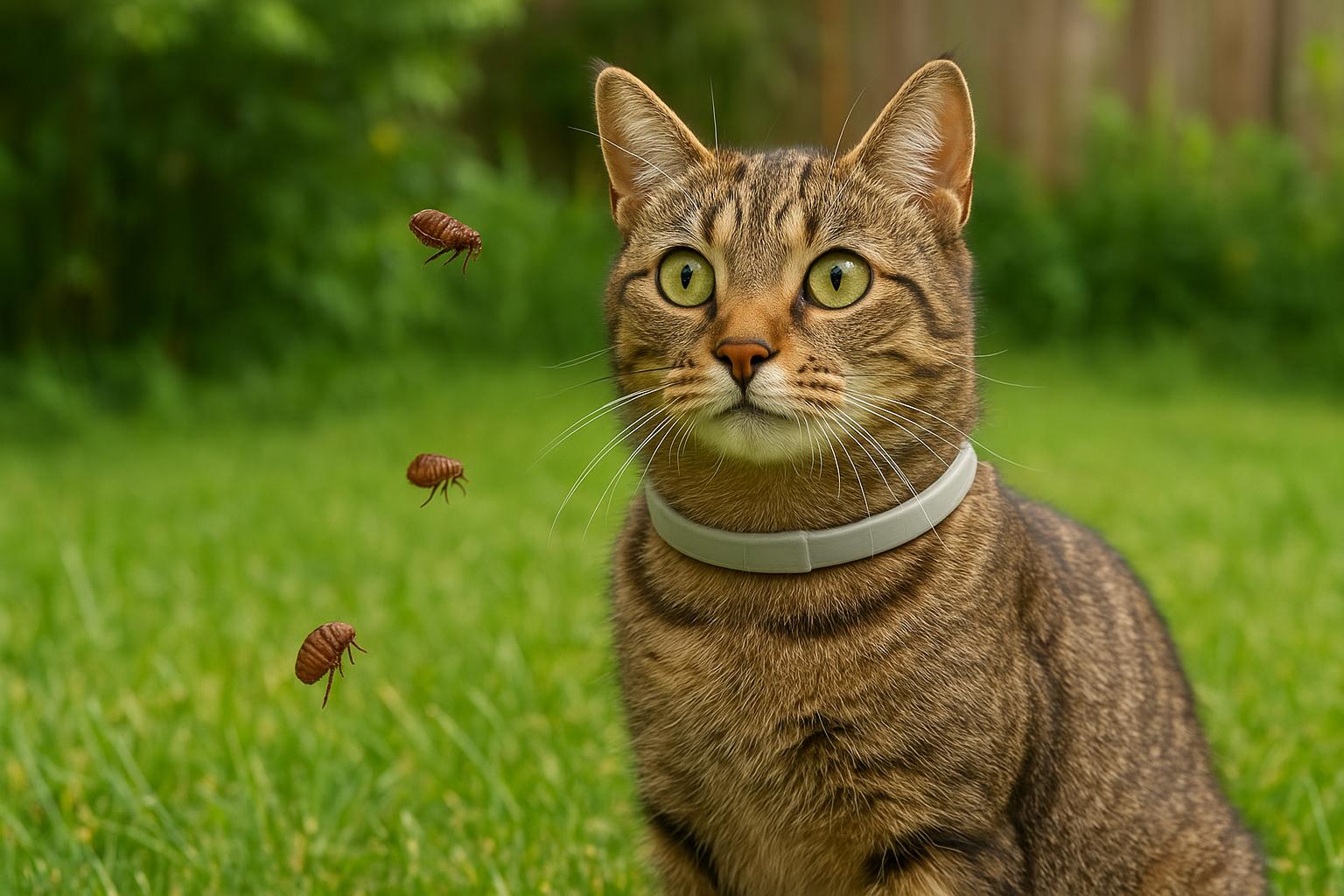
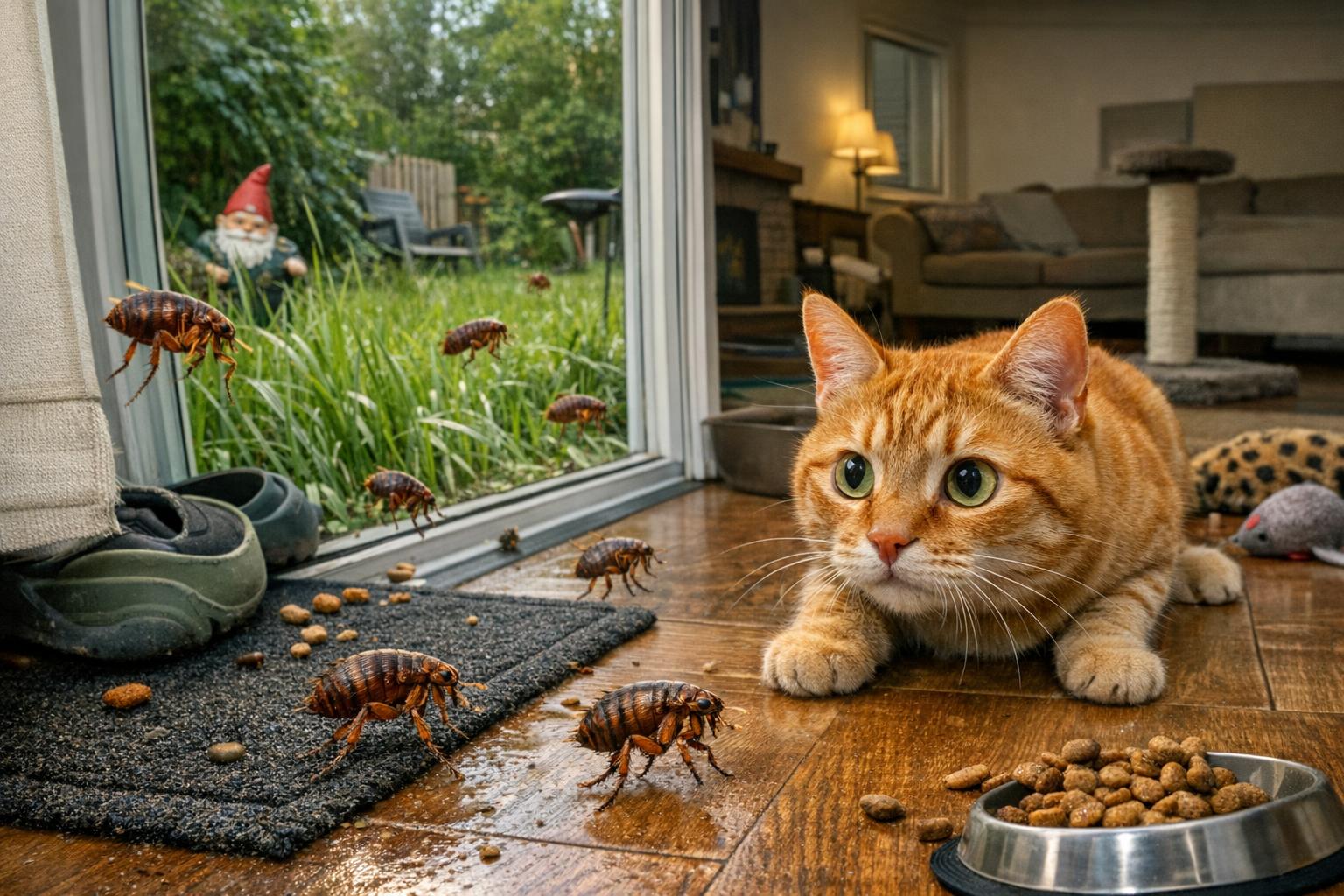
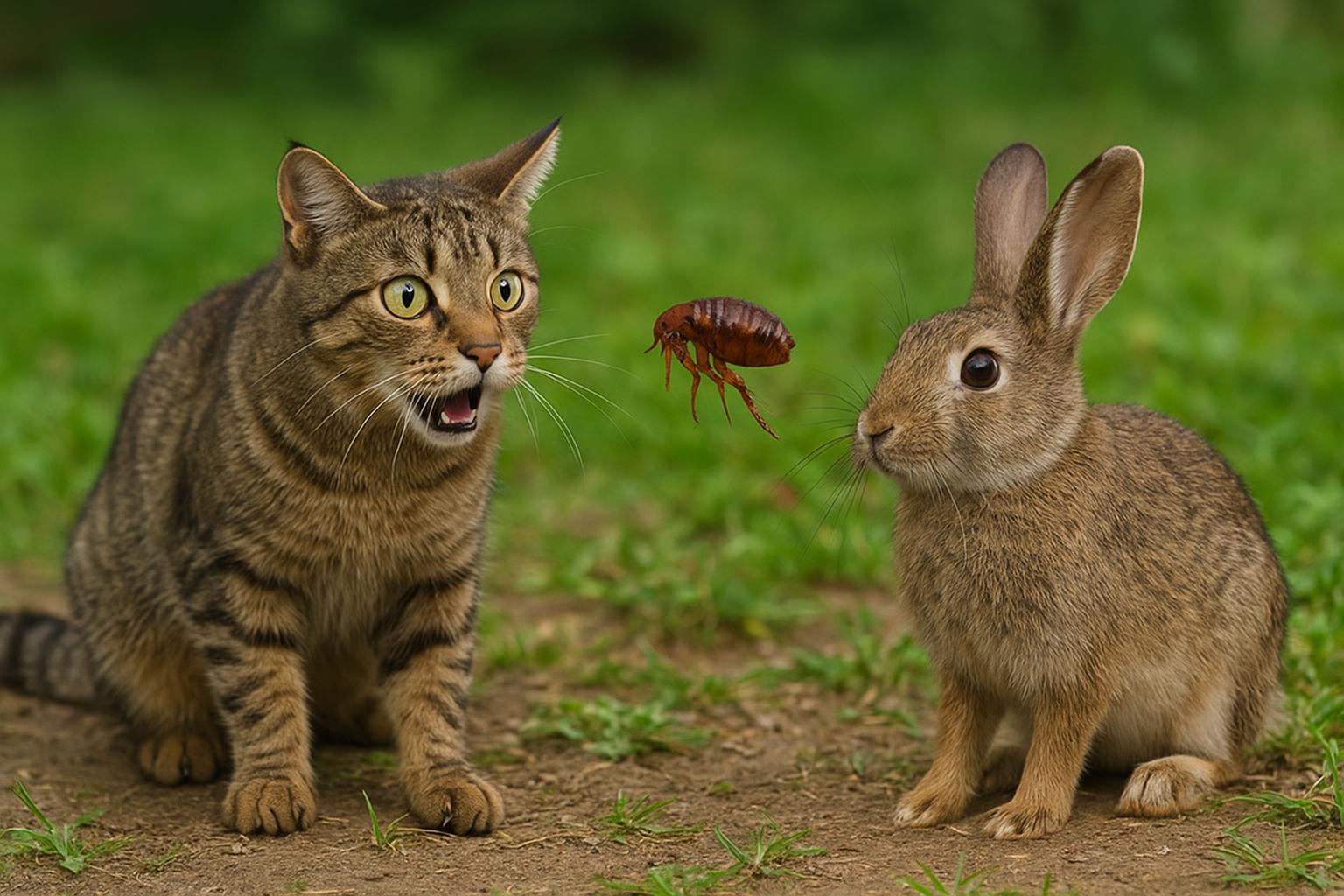
The most common vector for how fleas get into house from yard is a pet that spends time outdoors without effective preventative treatment. Dogs and cats pick up adult fleas while exploring shaded lawns, gardens, or areas frequented by wildlife. Other carriers include rodents, feral cats, and wildlife such as raccoons and opossums. Humans can inadvertently transport pupae in soil on shoes, clothing, or gardening tools. Even birds nesting under eaves can be an intermediate source for yard-to-house movement.
### Structural And Behavioral Entry Routes
Several structural features and human behaviors facilitate the transfer:
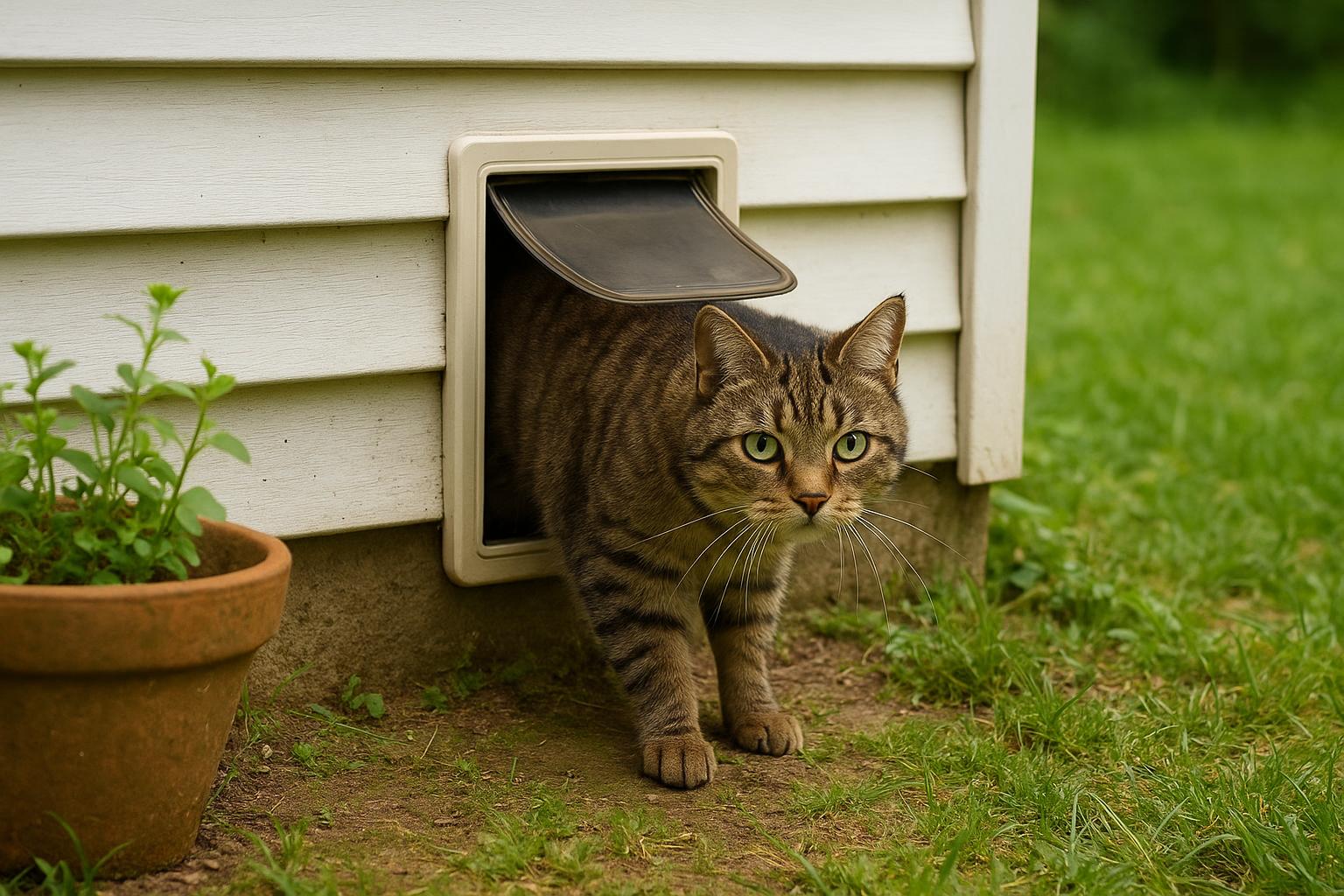
– Gaps under doors, pet doors, and unscreened windows allow hosts to carry fleas directly into living spaces.
– Potted plants, mulch, and compost brought inside or placed against foundations provide moist refuges close to entry points.
– High-traffic paths between sheltered outdoor microhabitats and indoor resting sites (pet beds, couches, carpets) create repeated opportunities for fleas to transfer.
– Outdoor lighting that attracts mammals or insects can concentrate potential hosts near doorways, increasing chances for transfer.
### Environmental Clues Of Yard Entry Fleas
Identifying yard entry fleas requires careful observation of both yard and indoor signs. Look for:
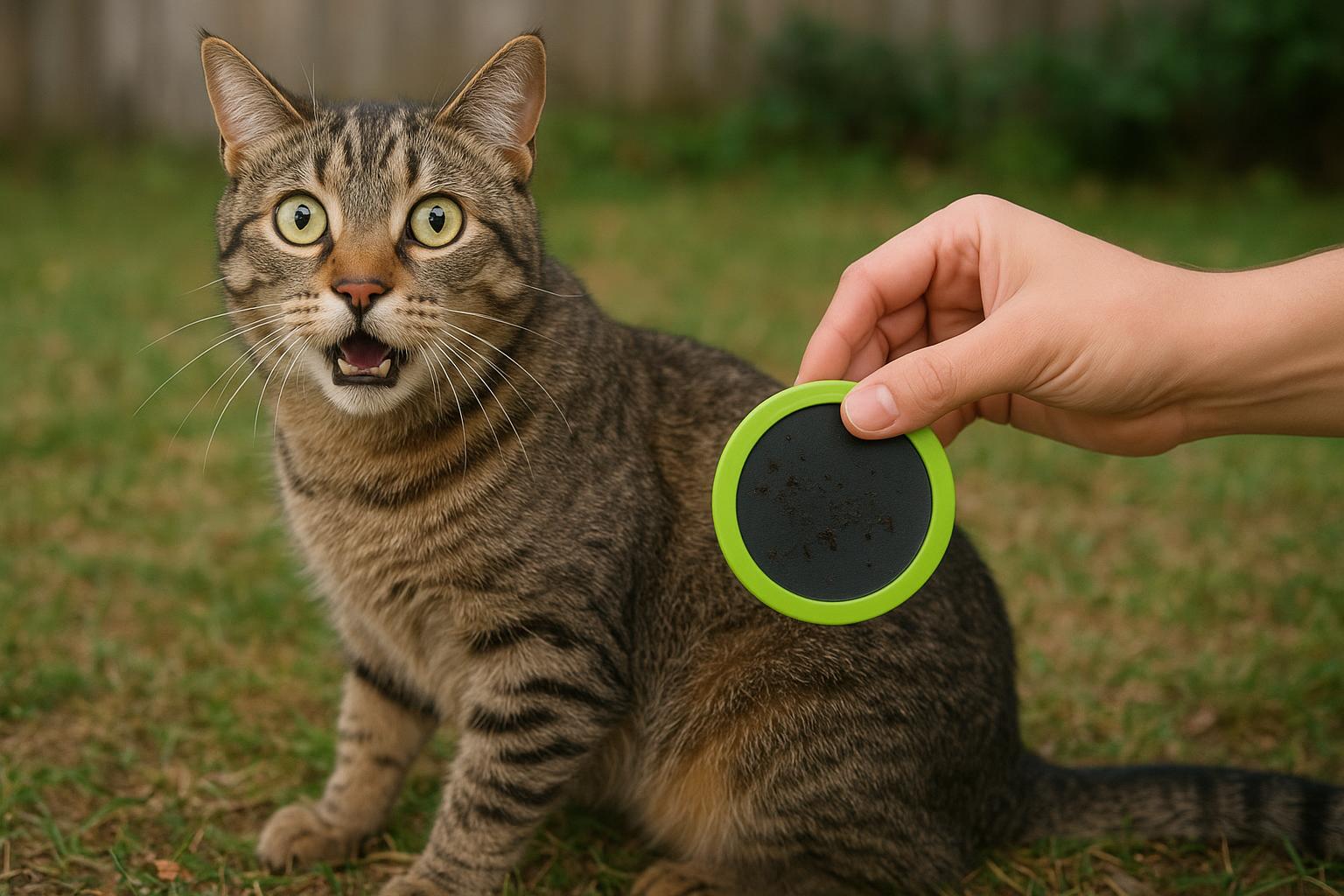
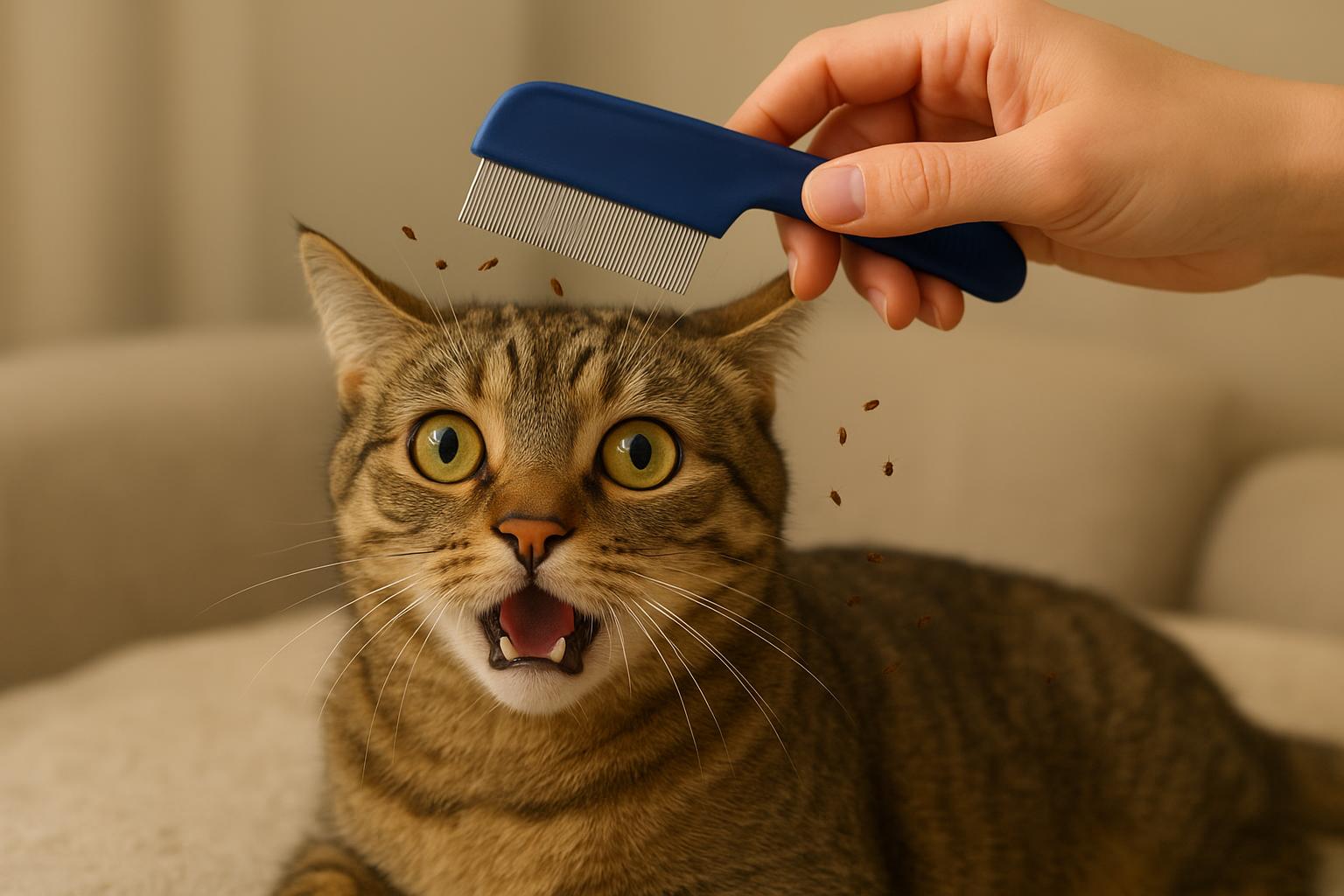
– Concentrations of flea feces (“flea dirt”) or adult fleas near baseboards, pet bedding, and thresholds.
– Elevated flea activity in carpets and upholstered furniture adjacent to doors or pet access points.
– Recurrent biting of household pets immediately after they have been outdoors; this temporal association indicates the yard as the source.
– Increased flea life-stage evidence—eggs and larvae—found in shaded lawn patches, under decks, or in leaf litter.
## Signs Inside The Home Indicating Flea Migration
### Visual And Sensory Indicators
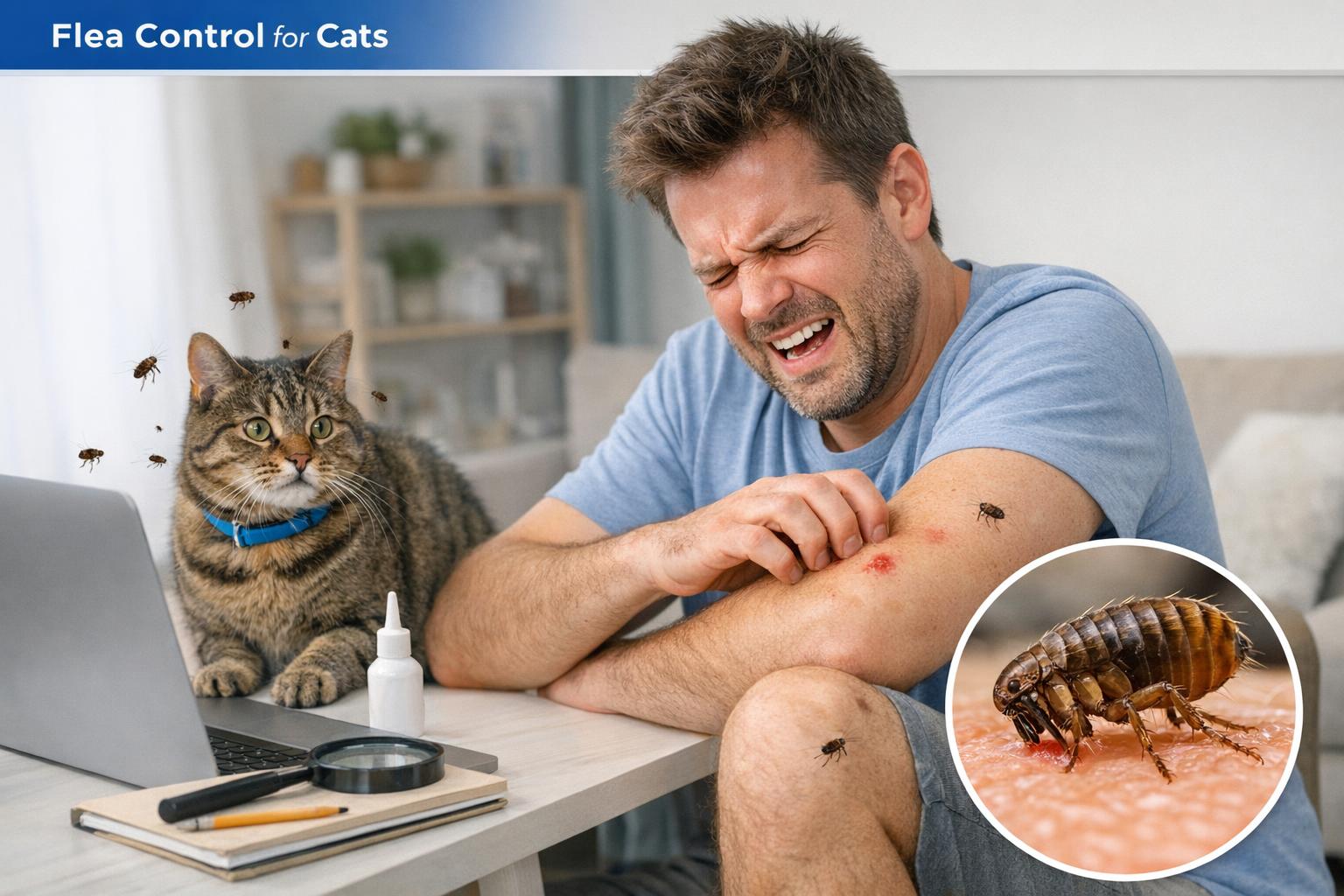
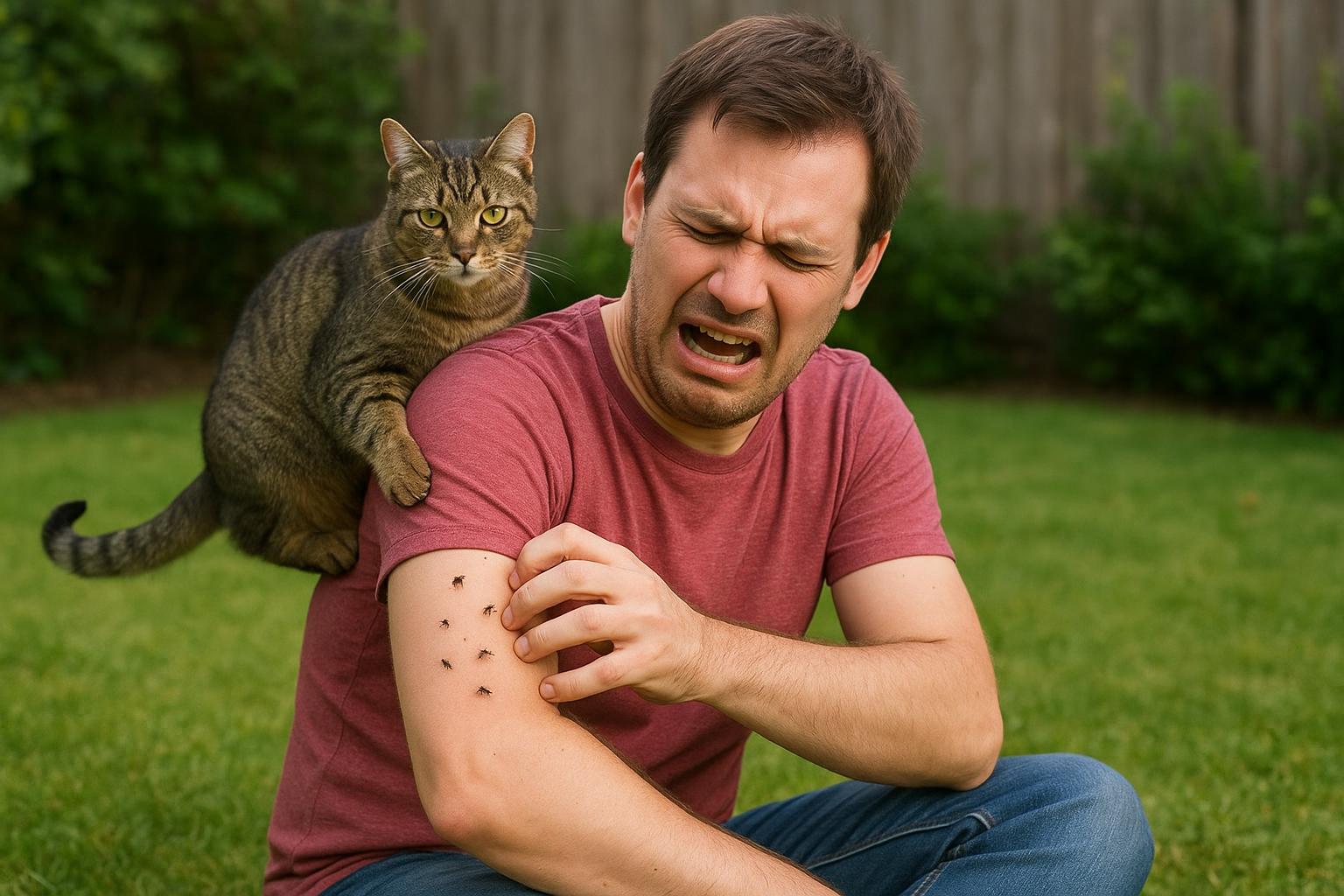
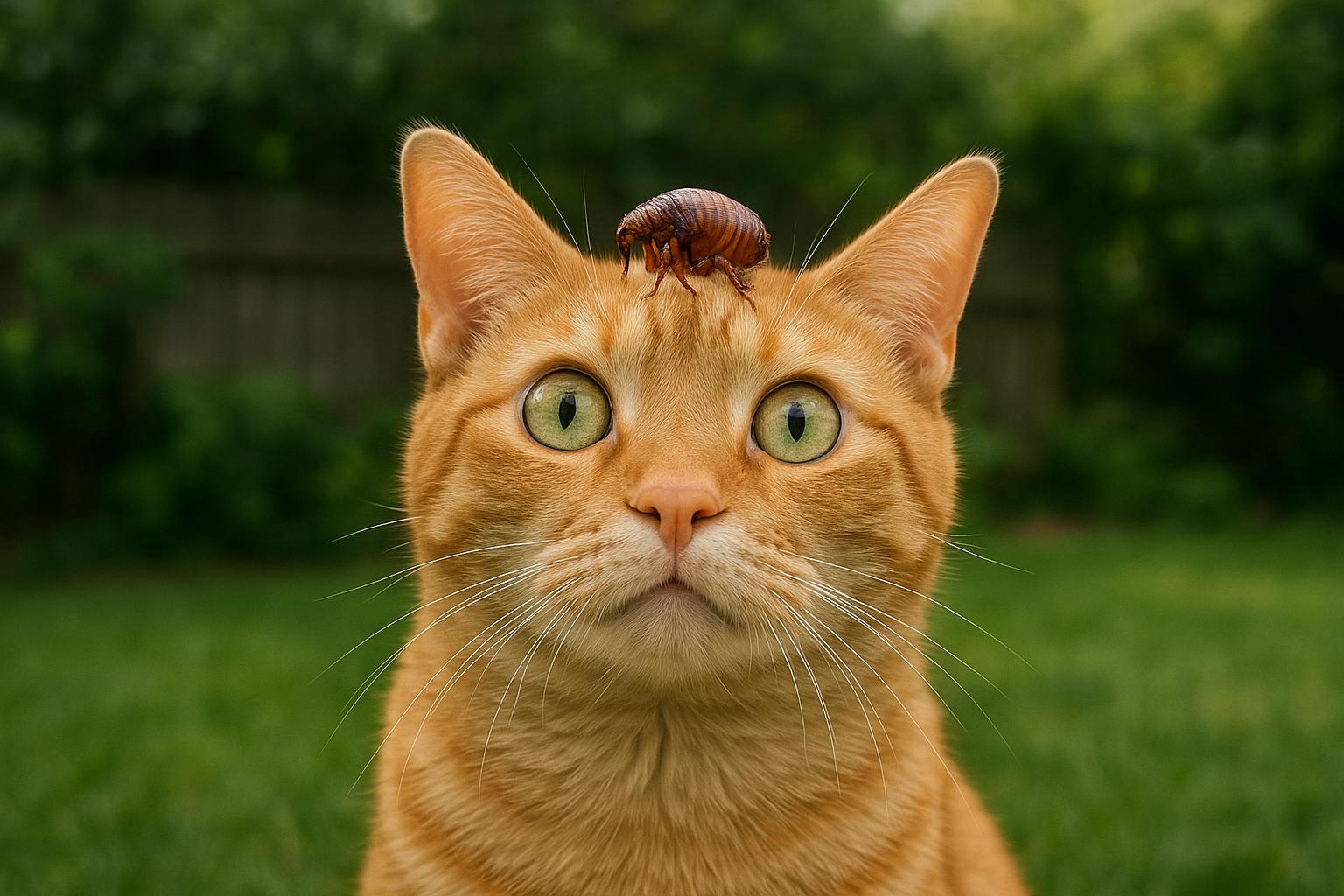
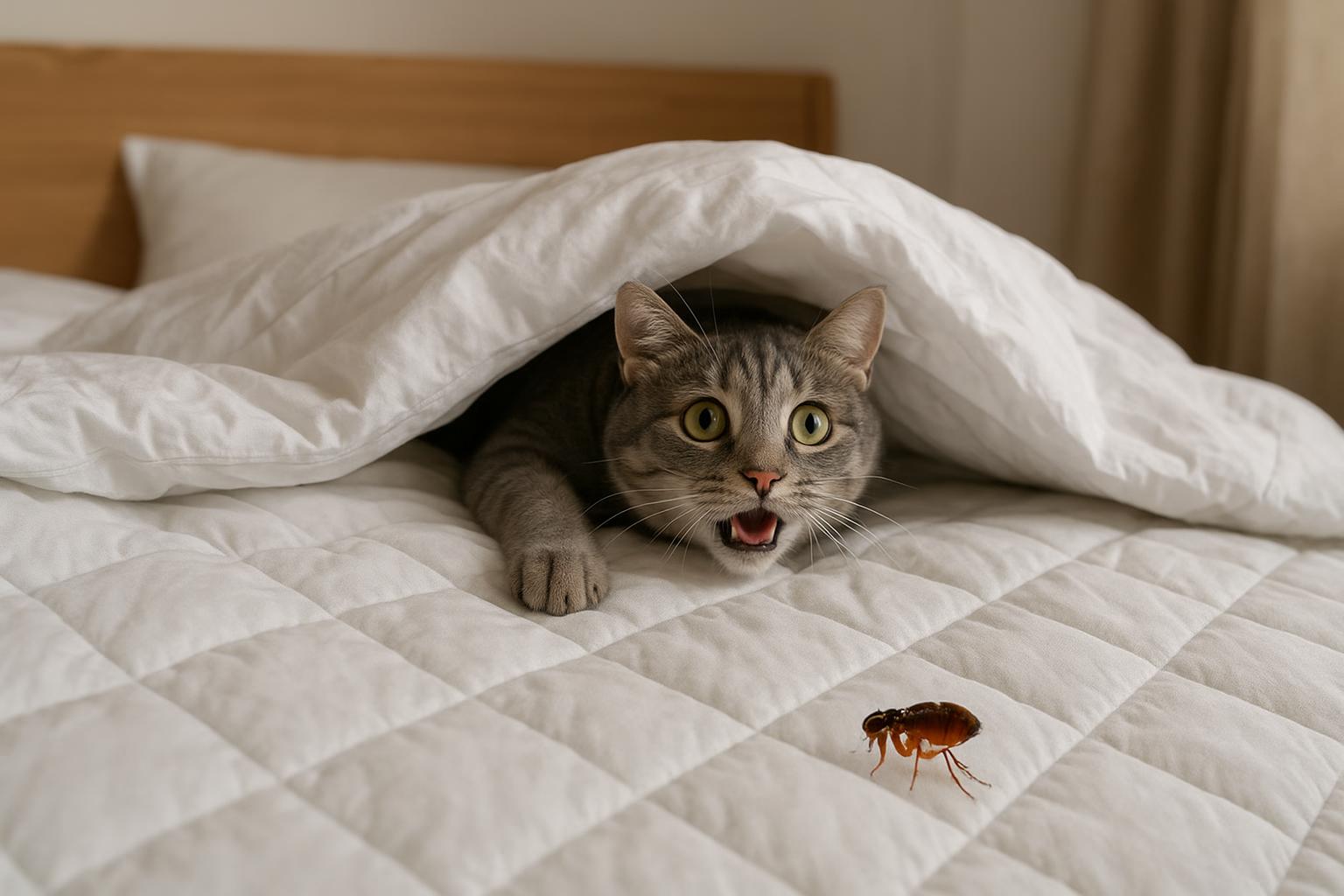
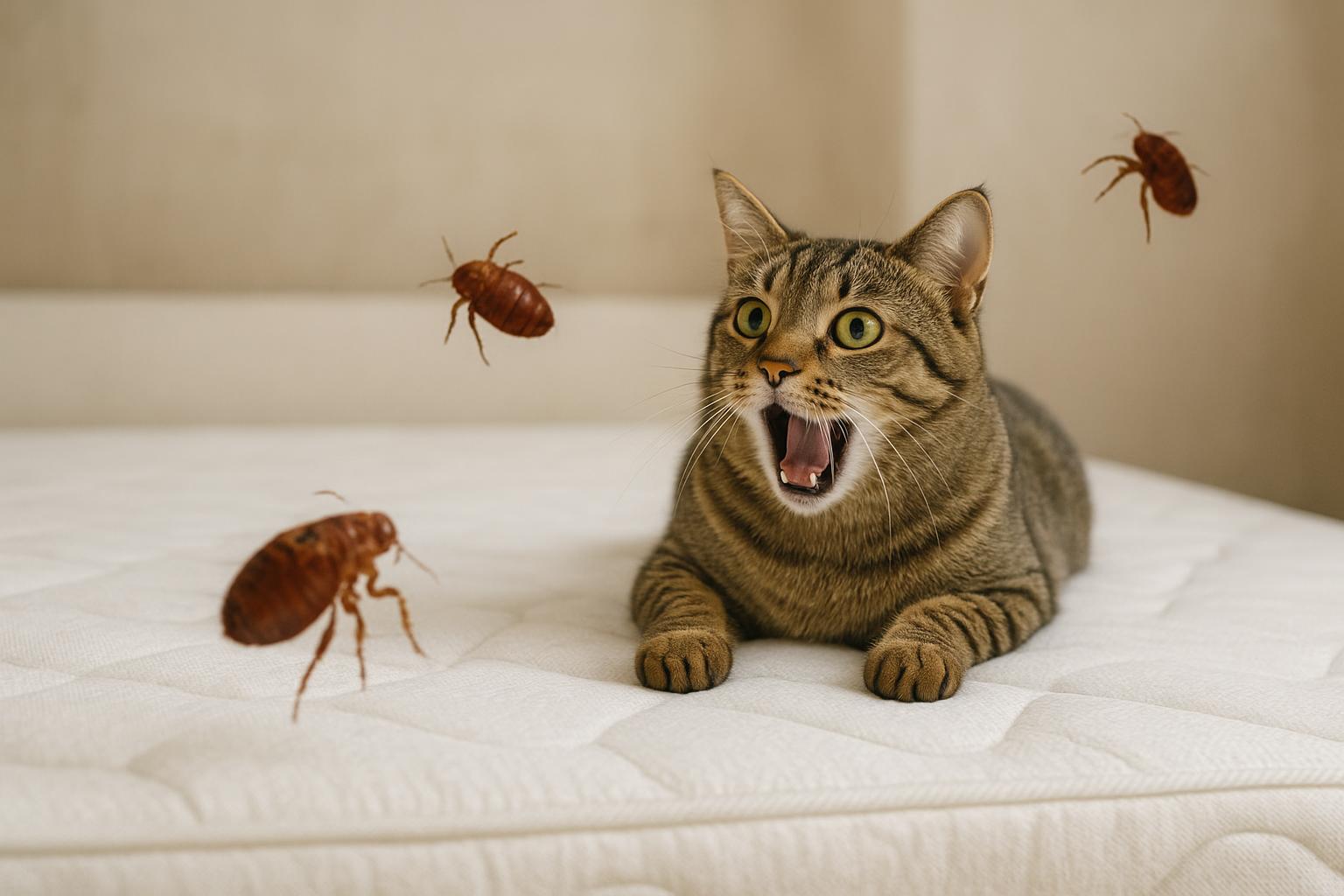
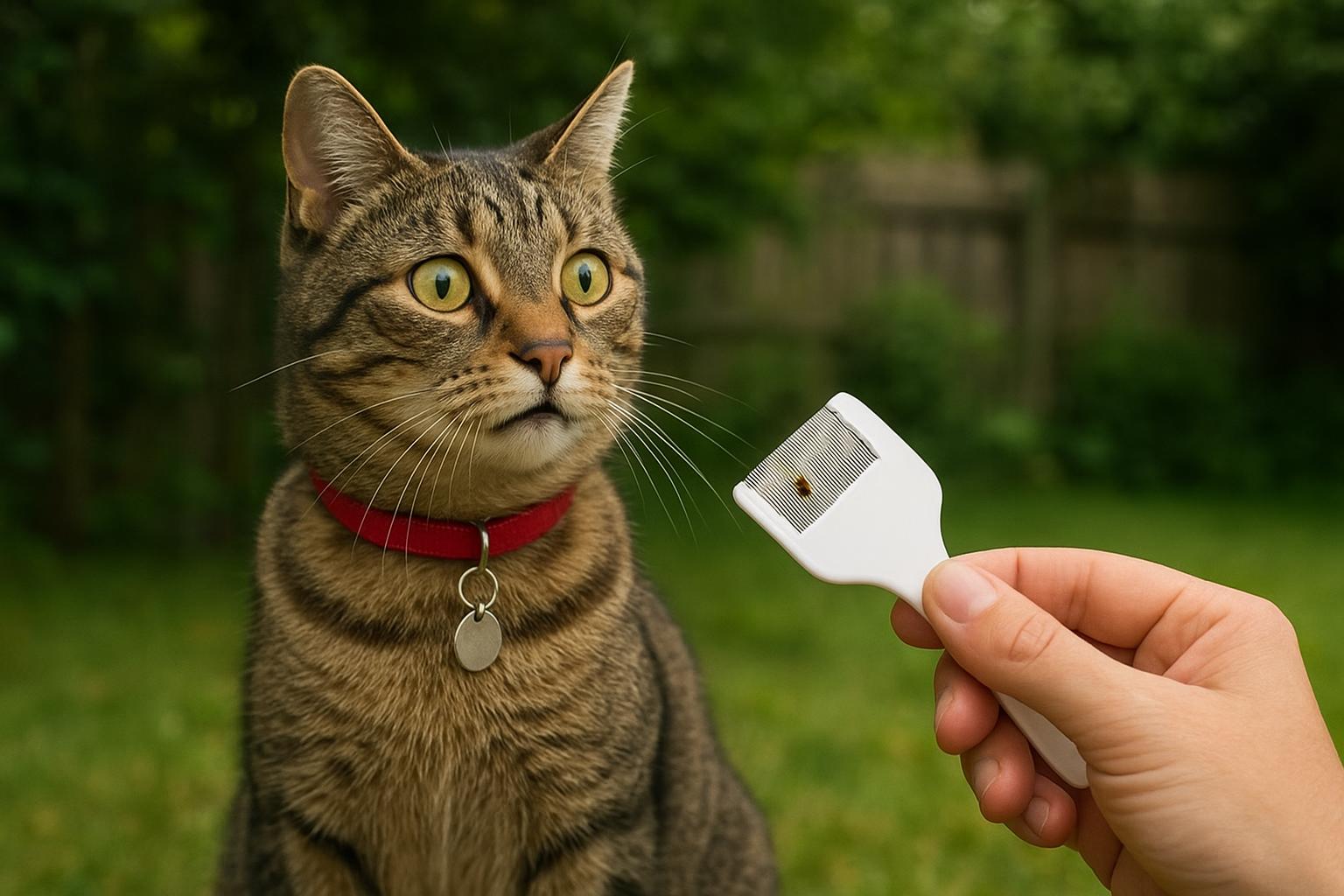
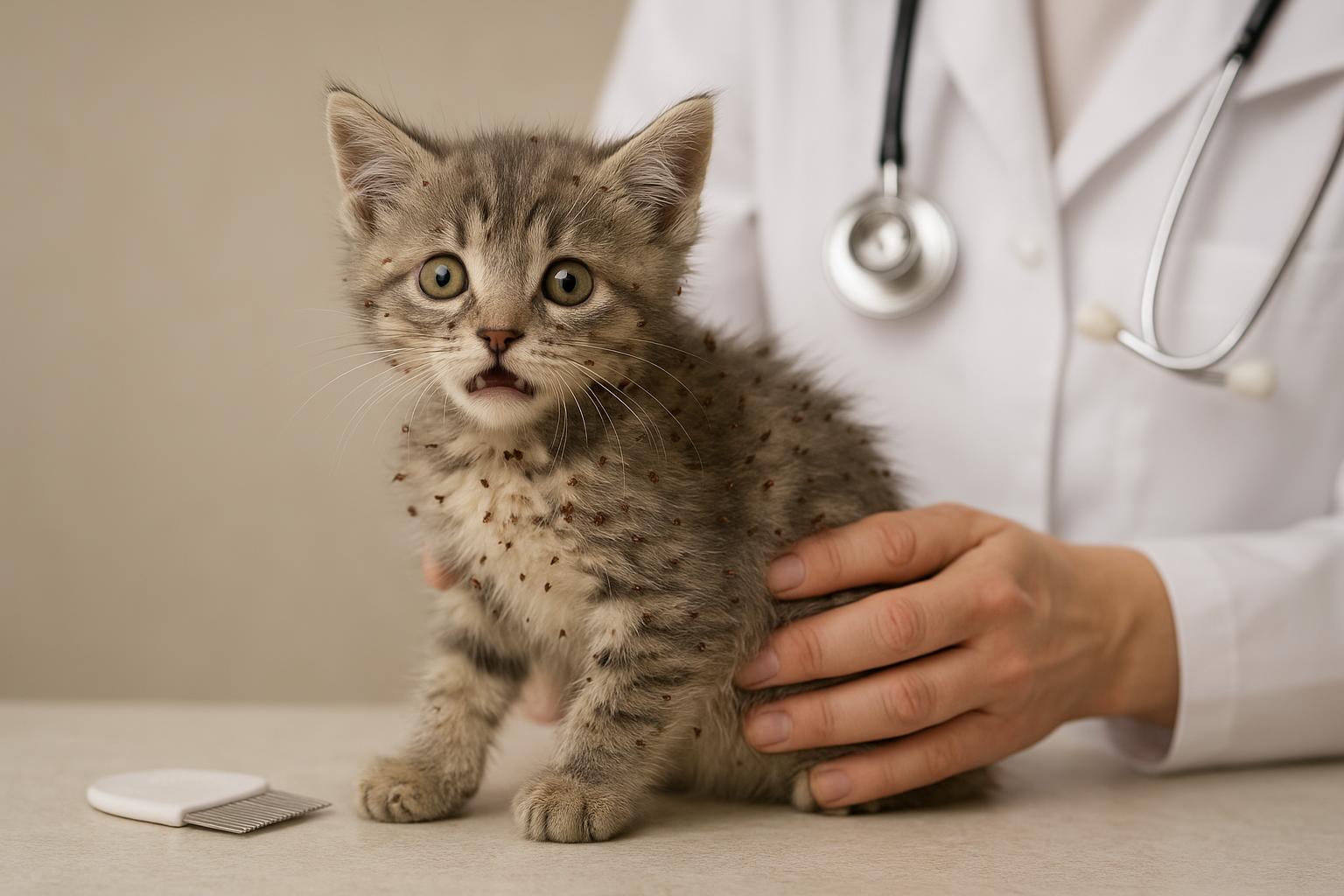
Adult fleas are small and fast; spotting them directly requires attention. More reliable signs include flea dirt, small black specks that turn reddish-brown when wetted, and itchy bites on humans and animals concentrated in lower legs and around ankles. Pets may show excessive grooming, scratching, or hair loss localized to the rump and base of the tail.
### Spatial Distribution Patterns
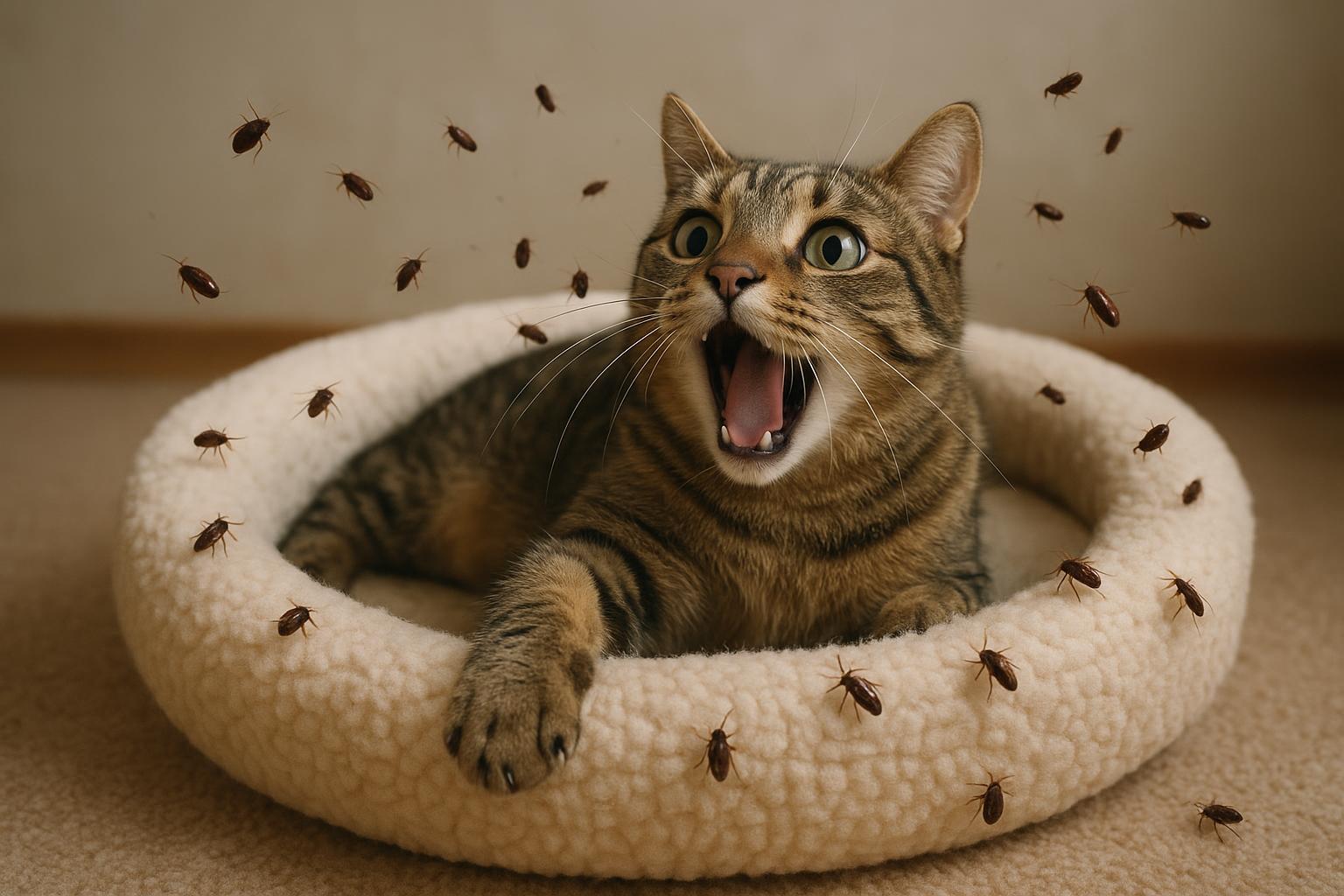
When assessing how fleas get into house from yard, note where indoor activity is strongest. If fleas are most apparent near entryways, mudrooms, or pet doors, the yard is likely the primary source. Carpeted thresholds and rugs that receive traffic from outdoor areas are typical initial infestation sites for yard entry fleas.
### Temporal Patterns And Seasonal Considerations
Flea emergence often follows warm, humid periods. If infestations coincide with spring and late summer yard activity, or if they recur after yard modifications (adding mulch, installing a pet door), these temporal links strengthen the inference that outdoor populations are supplying indoor fleas.
## Preventive Measures To Limit Outdoor-To-Indoor Transfer
### Habitat Modification And Yard Management
Modify outdoor microhabitats to reduce survival rates of outdoor fleas. Keep grass trimmed, remove leaf litter, relocate woodpiles away from structures, and avoid heavy mulch near foundations. Provide designated, clean outdoor areas for pets to reduce their contact with flea harborage sites. Sealing gaps under doors and installing well-sealed pet doors with flaps can reduce unintentional indoor transfer.
### Host-Focused Controls
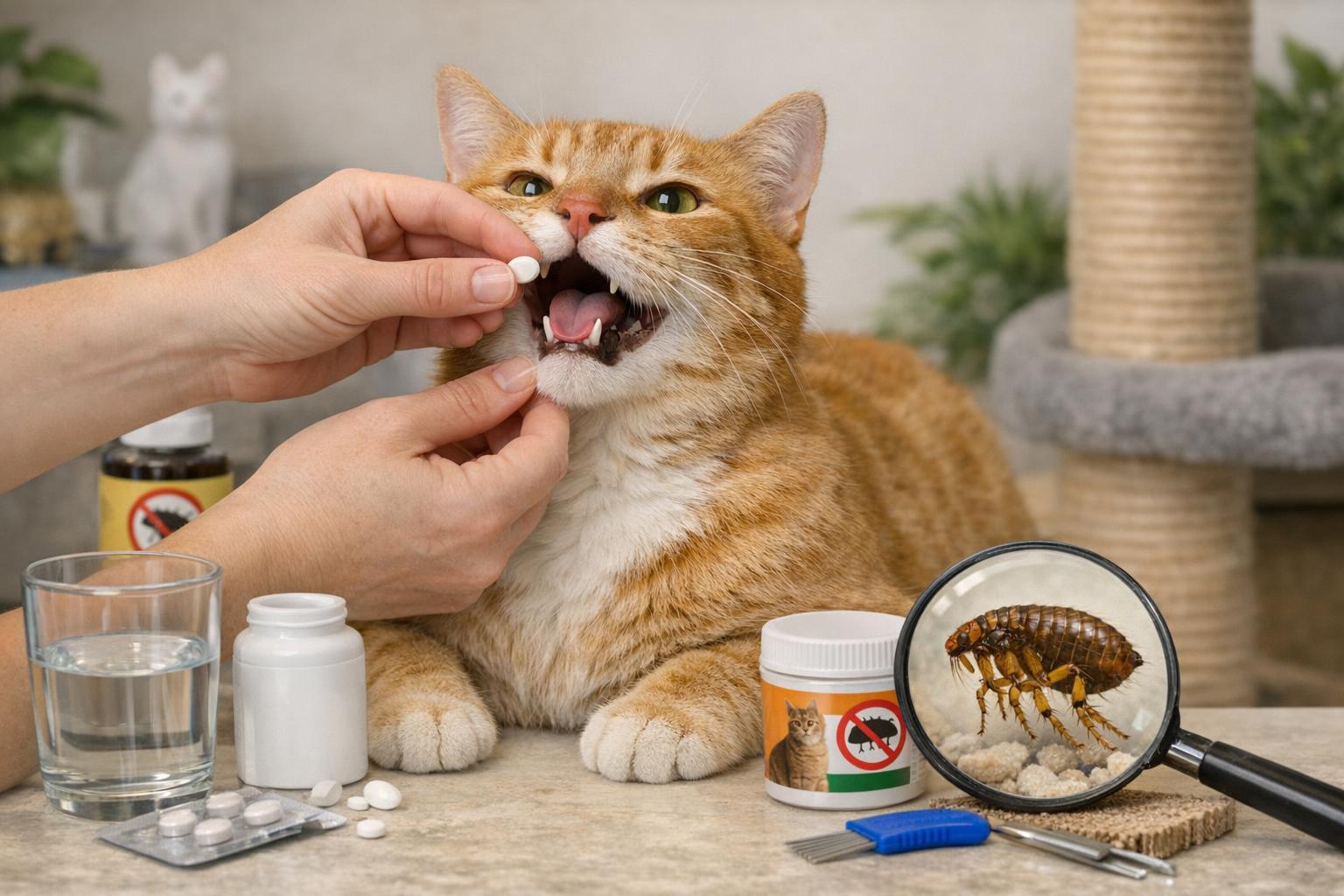
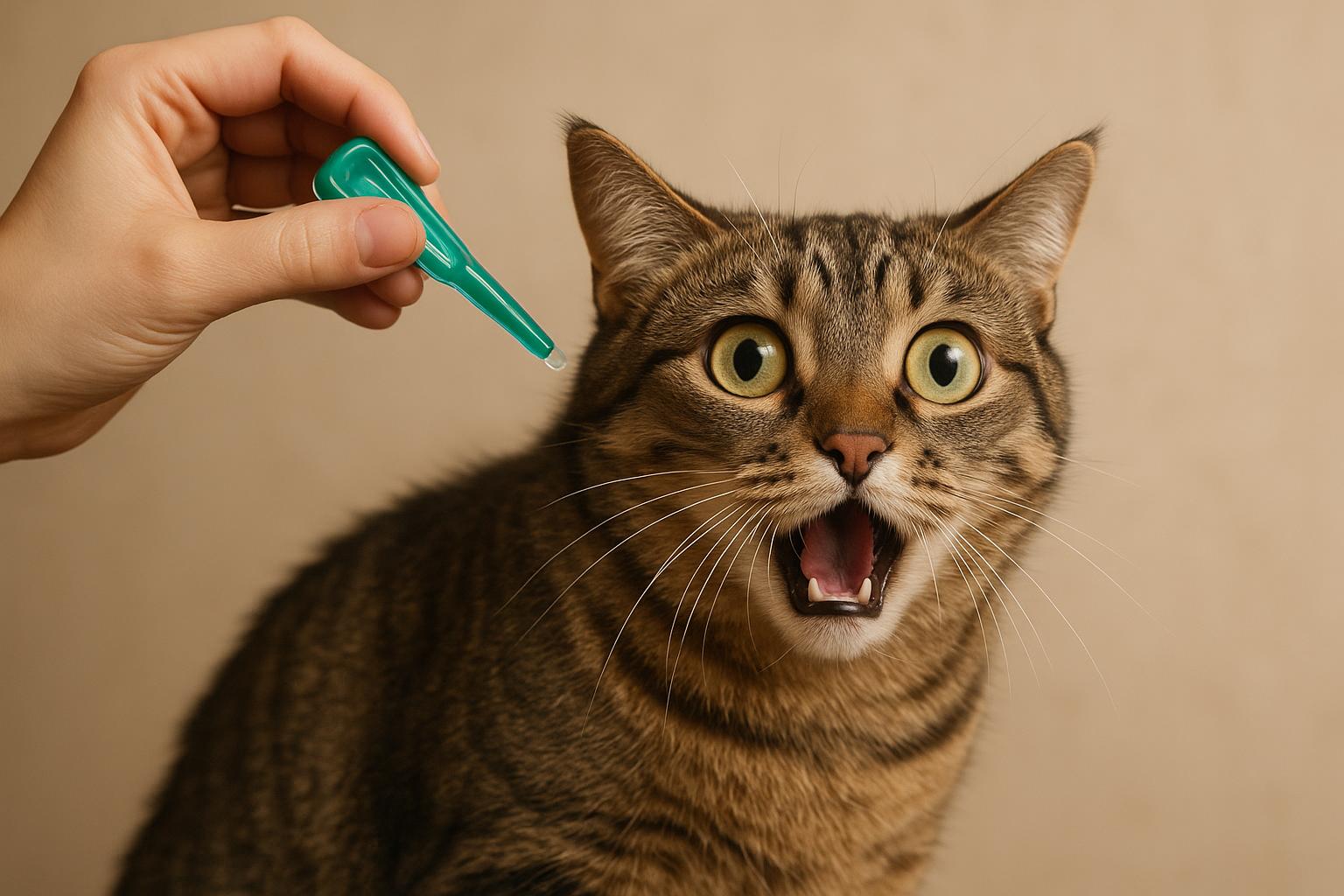
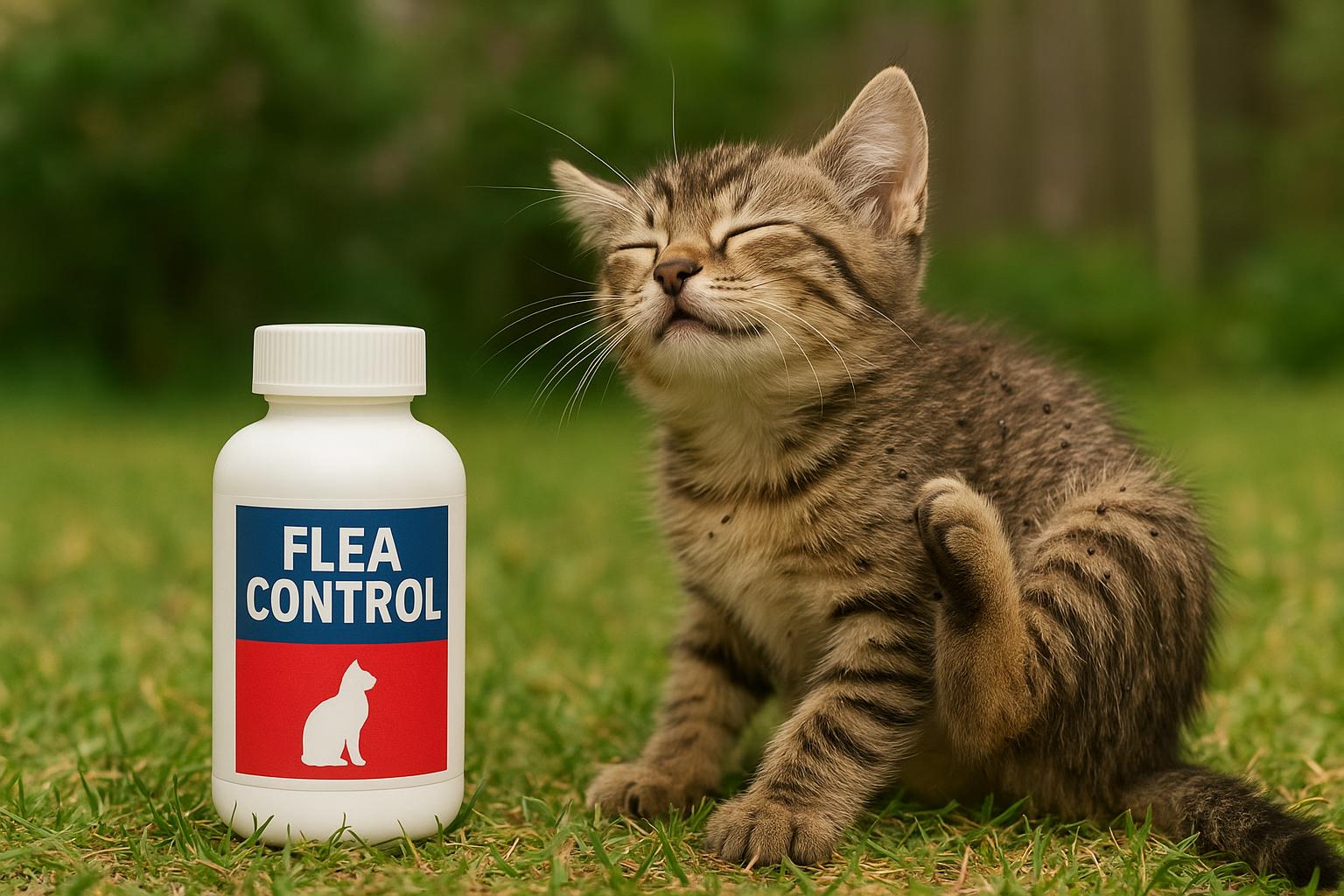
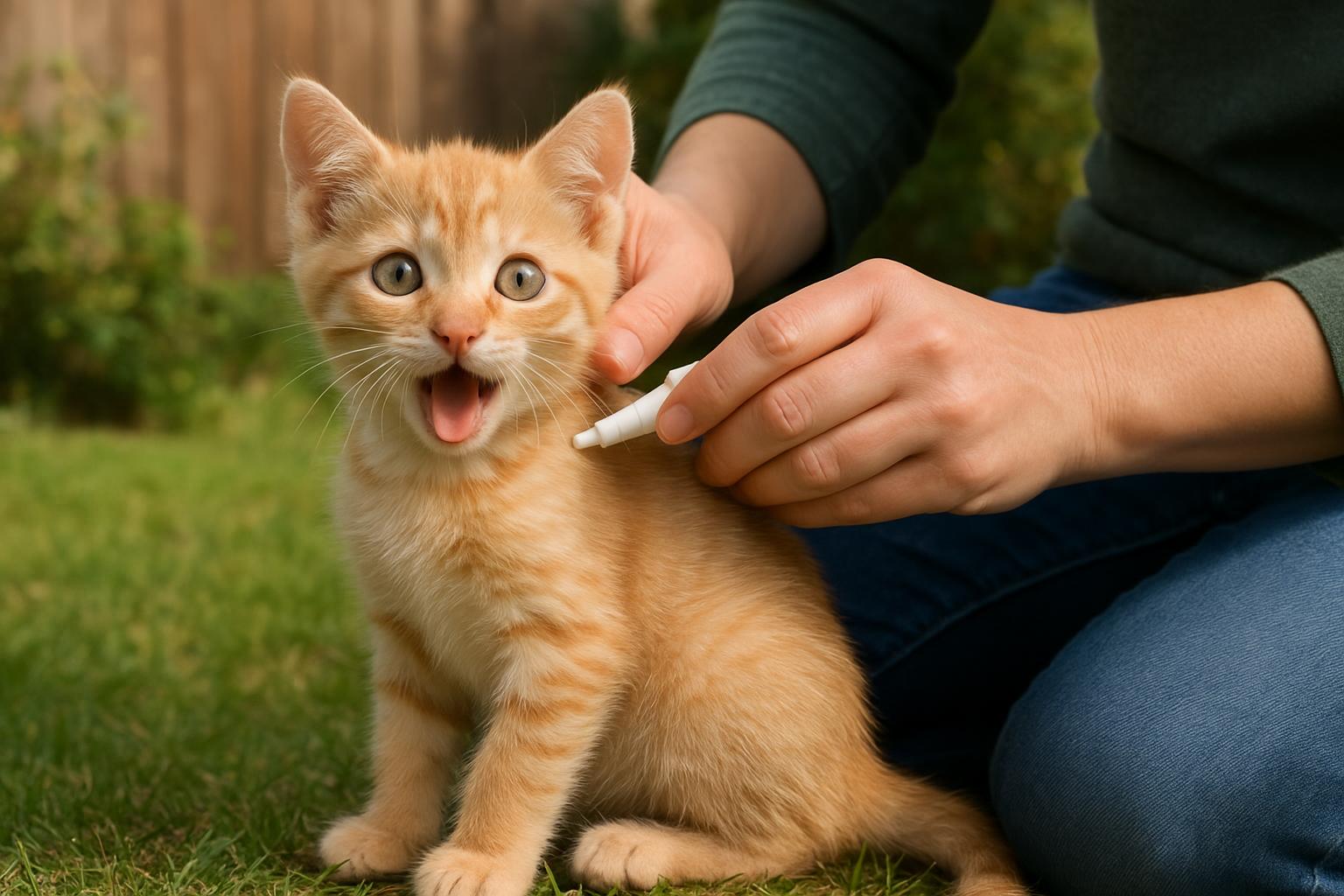
Consistent application of veterinarian-recommended topical or oral flea preventatives on pets is one of the most effective methods to interrupt how fleas get into house from yard. These treatments reduce flea reproduction and limit the parasite’s capacity to establish indoor populations even when animals pick up fleas outside.
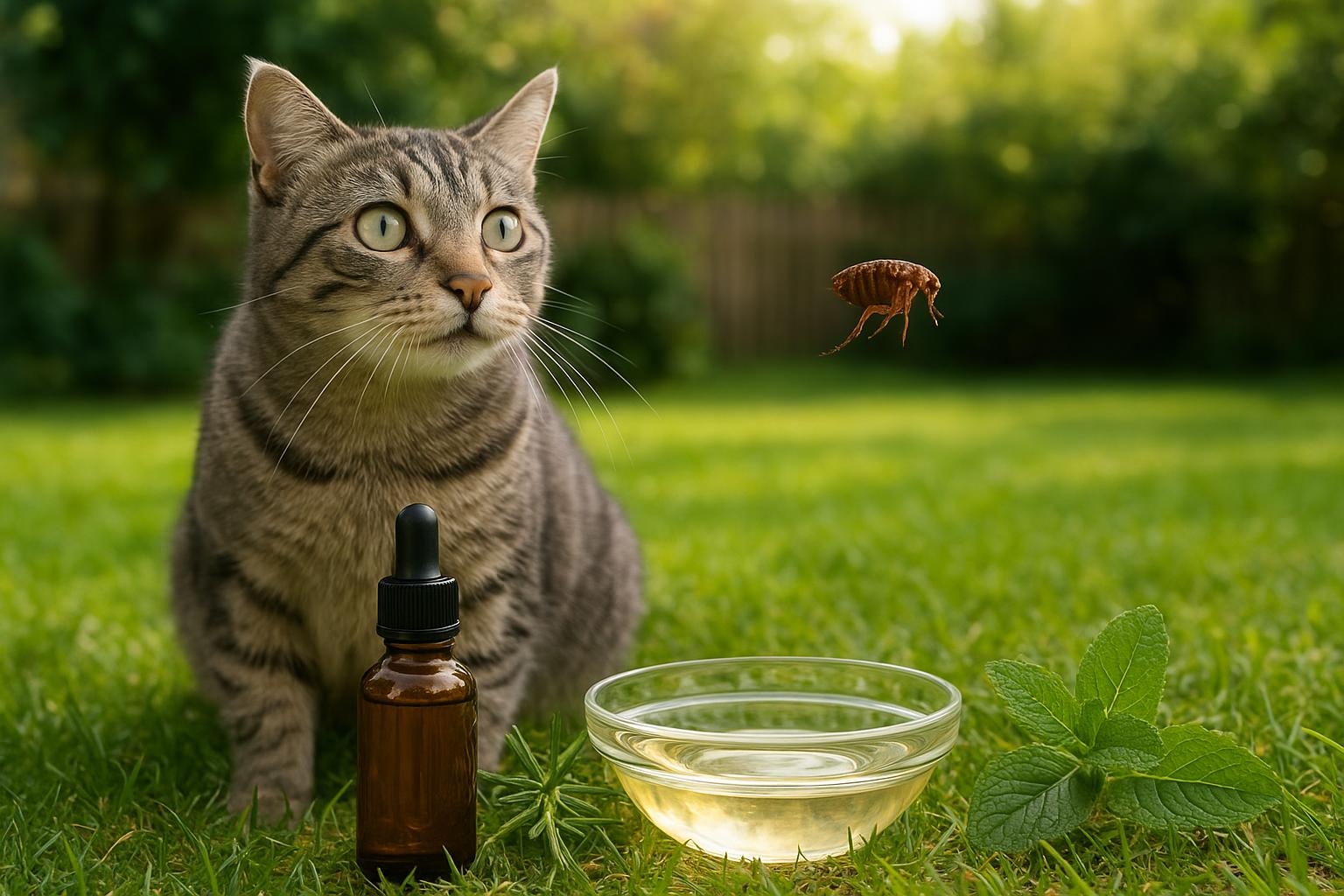
## Remedy 1: Beneficial Nematodes For Yard Flea Reduction
### Materials Required
– Live beneficial nematodes (Steinernema carpocapsae or Heterorhabditis bacteriophora) purchased from a reputable supplier
– A garden sprayer or watering can with a fine rose
– Non-chlorinated water (tap water allowed if left to stand for several hours)
– A shaded, cool storage area for the product prior to use
– Measuring cup and gloves
### Preparation And Application Steps
1. Read manufacturer instructions on nematode packaging for the specific concentration and shelf-life requirements. Use within recommended time.
2. Mix nematodes into the non-chlorinated water according to the supplier’s dose; avoid using chlorinated water directly from the tap without aeration.
3. Fill a garden sprayer or watering can with the nematode suspension. Apply during late afternoon or early evening when temperatures are moderate and UV exposure is low.
4. Treat suspected harborage sites where outdoor fleas concentrate: shaded lawn patches, under decks, along foundation edges, and in leaf litter. Ensure even coverage but avoid excessive runoff.
5. Reapply as directed, typically every two to four weeks during peak flea season, until flea populations decrease.
6. Store unused nematodes as directed and dispose of any remaining suspension if it exceeds recommended time limits.
Notes: Beneficial nematodes actively seek and parasitize flea larvae in soil and organic material, reducing the outdoor reservoir that leads to how fleas get into house from yard. They are environmentally safe and non-toxic to pets when handled according to instructions.
## Remedy 2: Indoor Protocol Using Diatomaceous Earth And Targeted Cleaning
### Materials Required
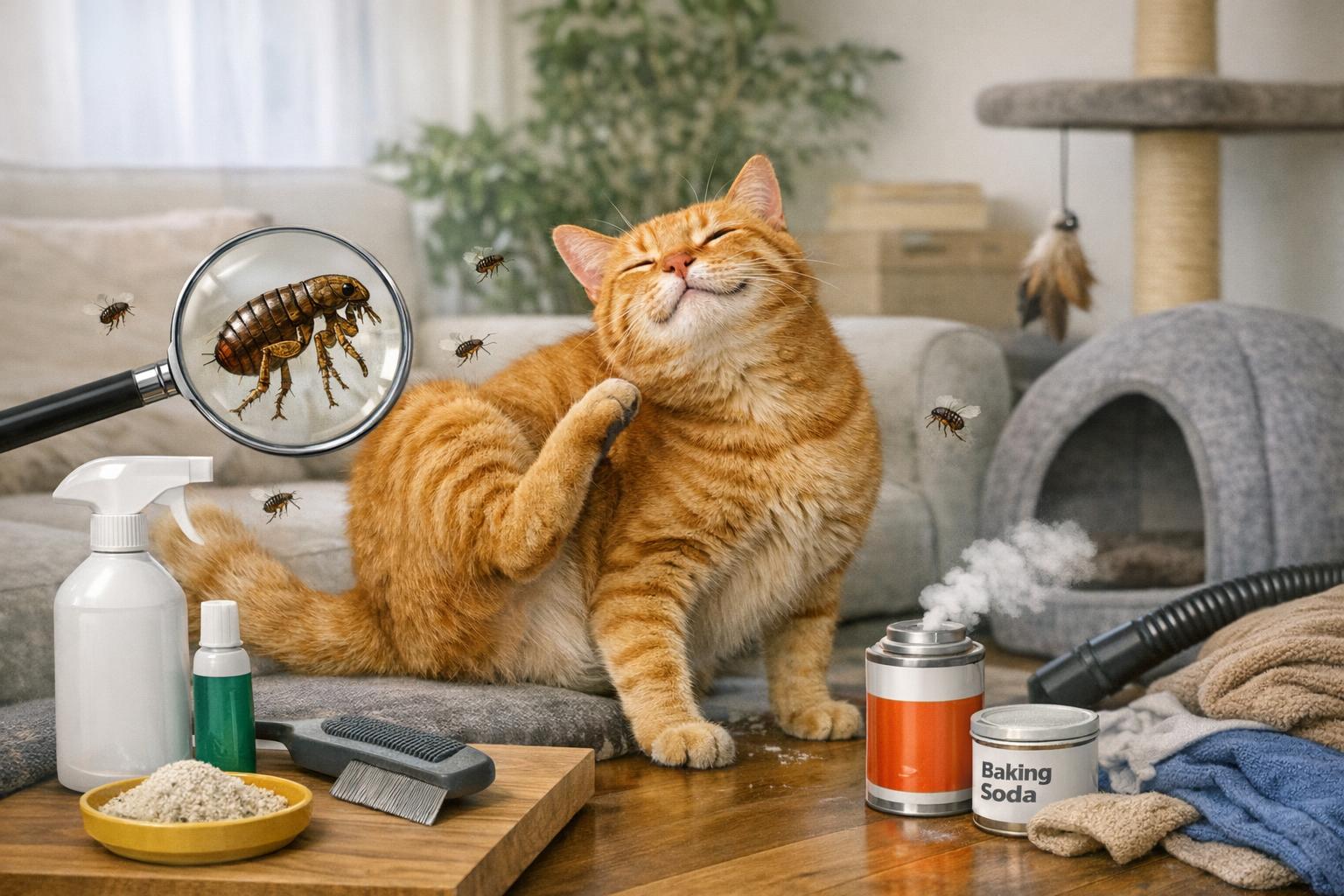
– Food-grade diatomaceous earth (DE)
– Stiff brush or broom
– Vacuum with a strong suction and HEPA filter if available
– Laundry supplies for washing pet bedding (hot water)
– Protective mask and gloves for DE application
– Sealed container for collected vacuum debris
### Preparation And Application Steps
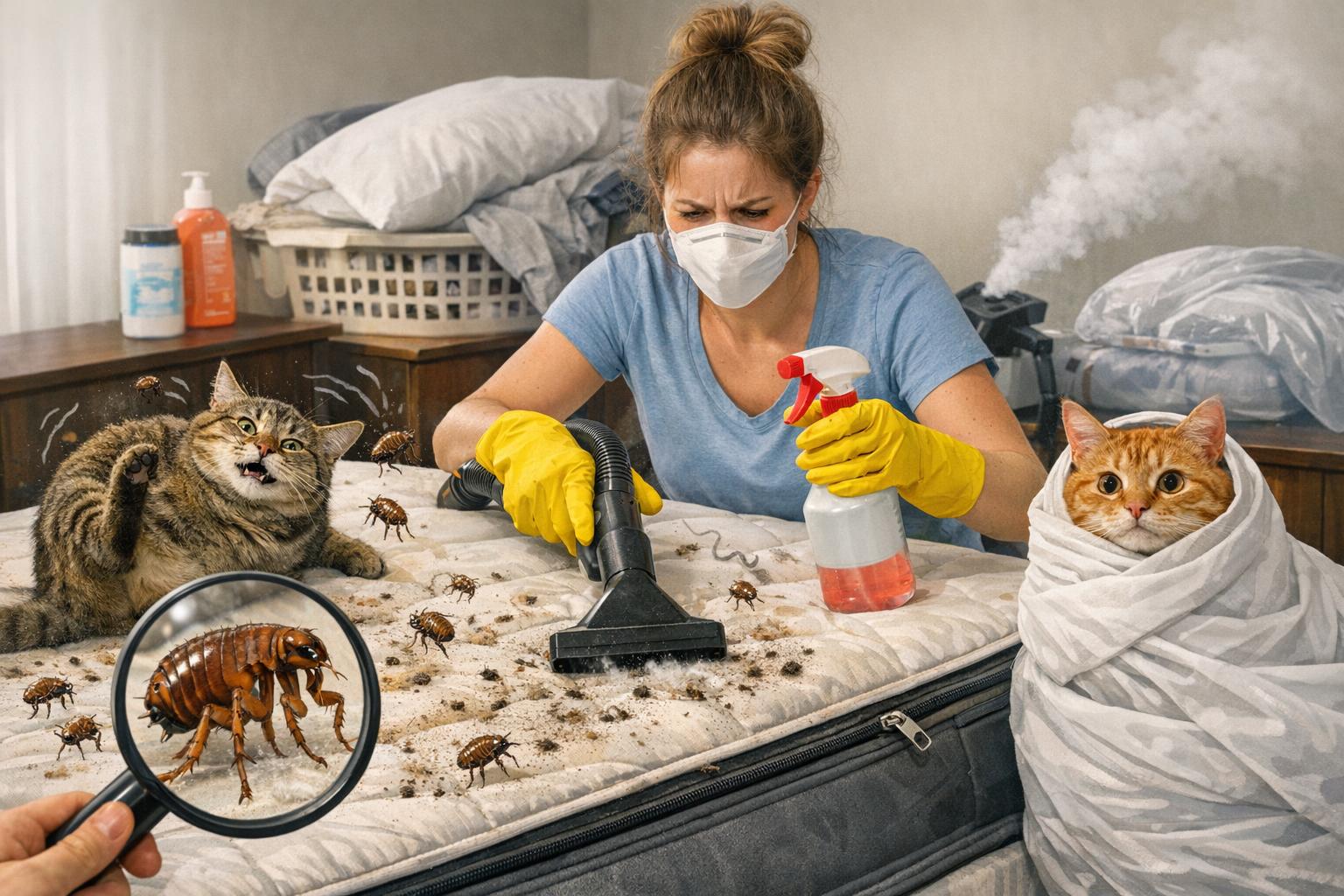
1. Launder all pet bedding, rugs, and removable cushion covers in the hottest water safe for the fabric. Dry on high heat to kill eggs, larvae, and adults.
2. Put on a protective mask and gloves. Lightly dust areas where fleas congregate—pet sleeping areas, rugs, and baseboards—with food-grade DE. Avoid applying into HVAC vents or directly on pets.
3. Allow DE to remain for 48–72 hours to desiccate fleas and immature stages. Keep children and pets away from treated zones during this period.
4. After the contact interval, vacuum thoroughly, paying extra attention to cracks, crevices, and along baseboards. Immediately seal vacuum contents in a plastic bag and dispose of it in an outdoor trash receptacle to prevent reinfestation from captured fleas.
5. Repeat the DE application and vacuum cycle weekly for three weeks to intercept fleas emerging from pupae and to remove newly hatched stages.
6. Combine this protocol with regular vacuuming and the continued use of veterinarian-recommended pet preventatives to reduce the probability of reinvasion from the yard.
Notes: This indoor protocol addresses the immediate indoor population and reduces the impact of outdoor reintroduction. Proper handling of DE minimizes respiratory irritation and ensures safety.
### Monitoring And Follow-Up
Deploy simple flea traps—small dishes of soapy water with a lamp placed over a dark surface—to monitor ongoing activity near suspected entry points. Continued observation will indicate whether measures are effective or whether additional yard-focused interventions are required.
## Structural Sealing And Behavioral Adjustments To Prevent Reintroduction
### Tightening The Building Envelope
Seal gaps under exterior doors, repair screens, and install thresholds to reduce incidental entry. Ensure that exterior lighting does not concentrate wildlife near pet access points. Consider gravel or a hardscaped border between lawn and foundation to reduce organic debris accumulation.
### Pet And Human Practices
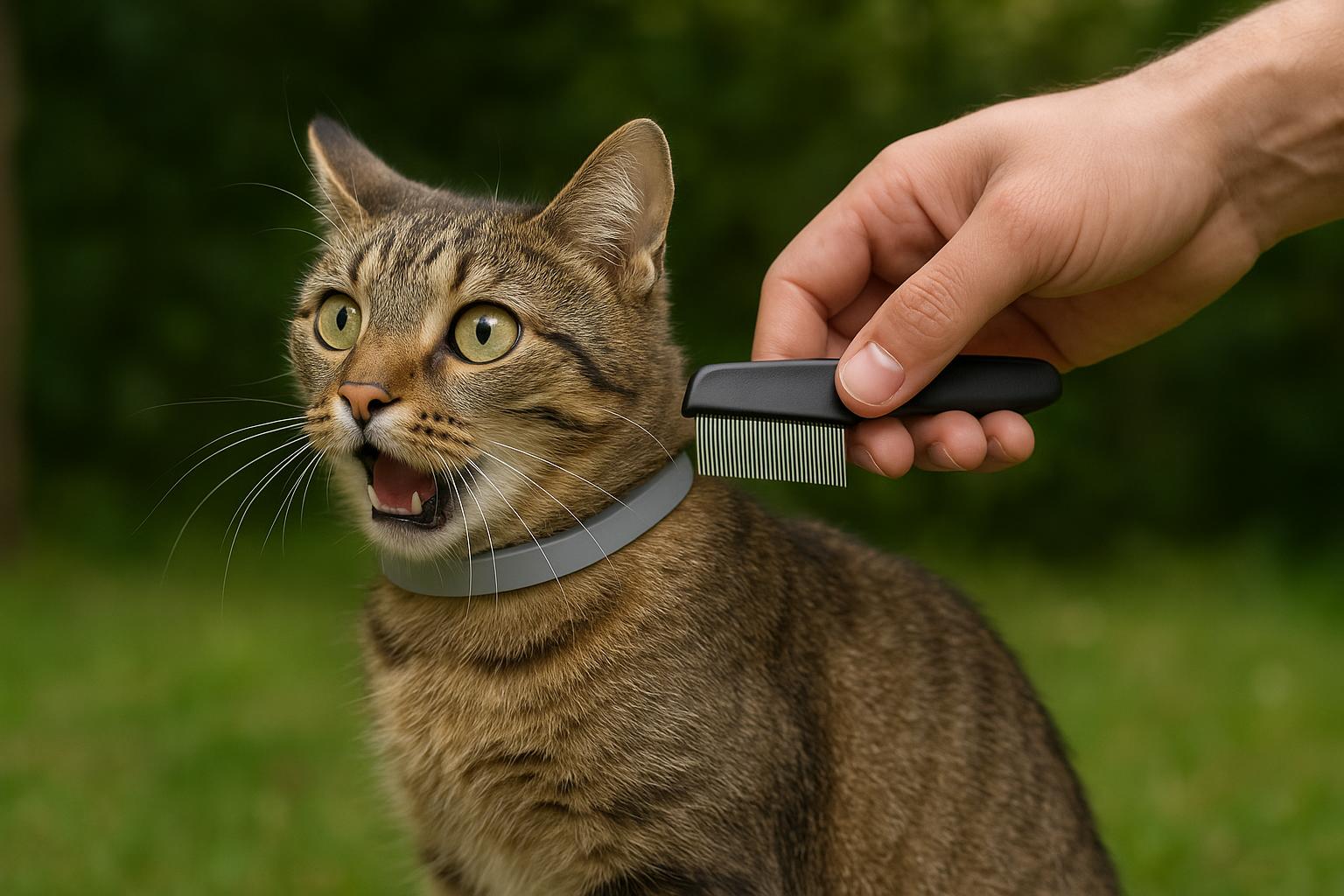
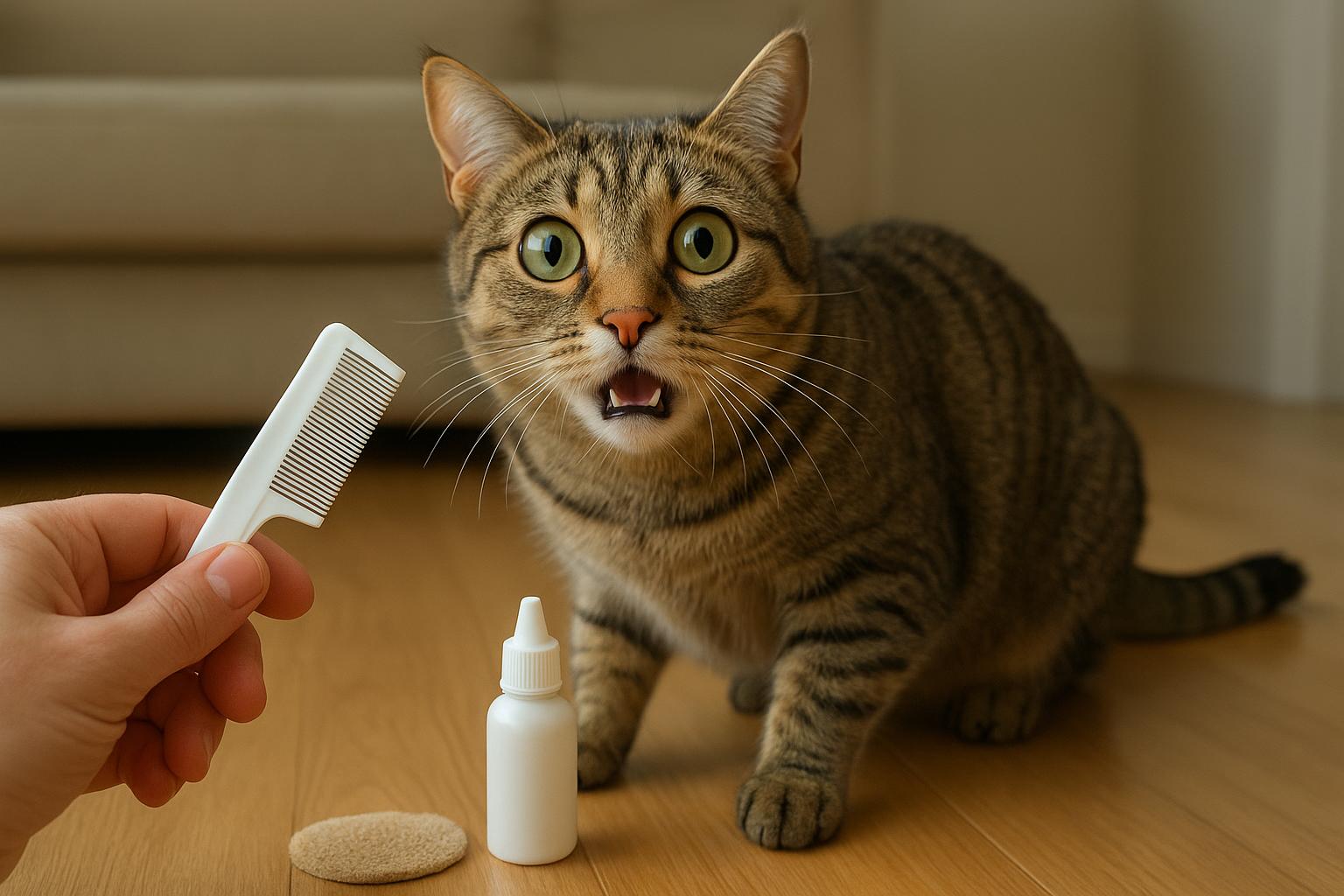
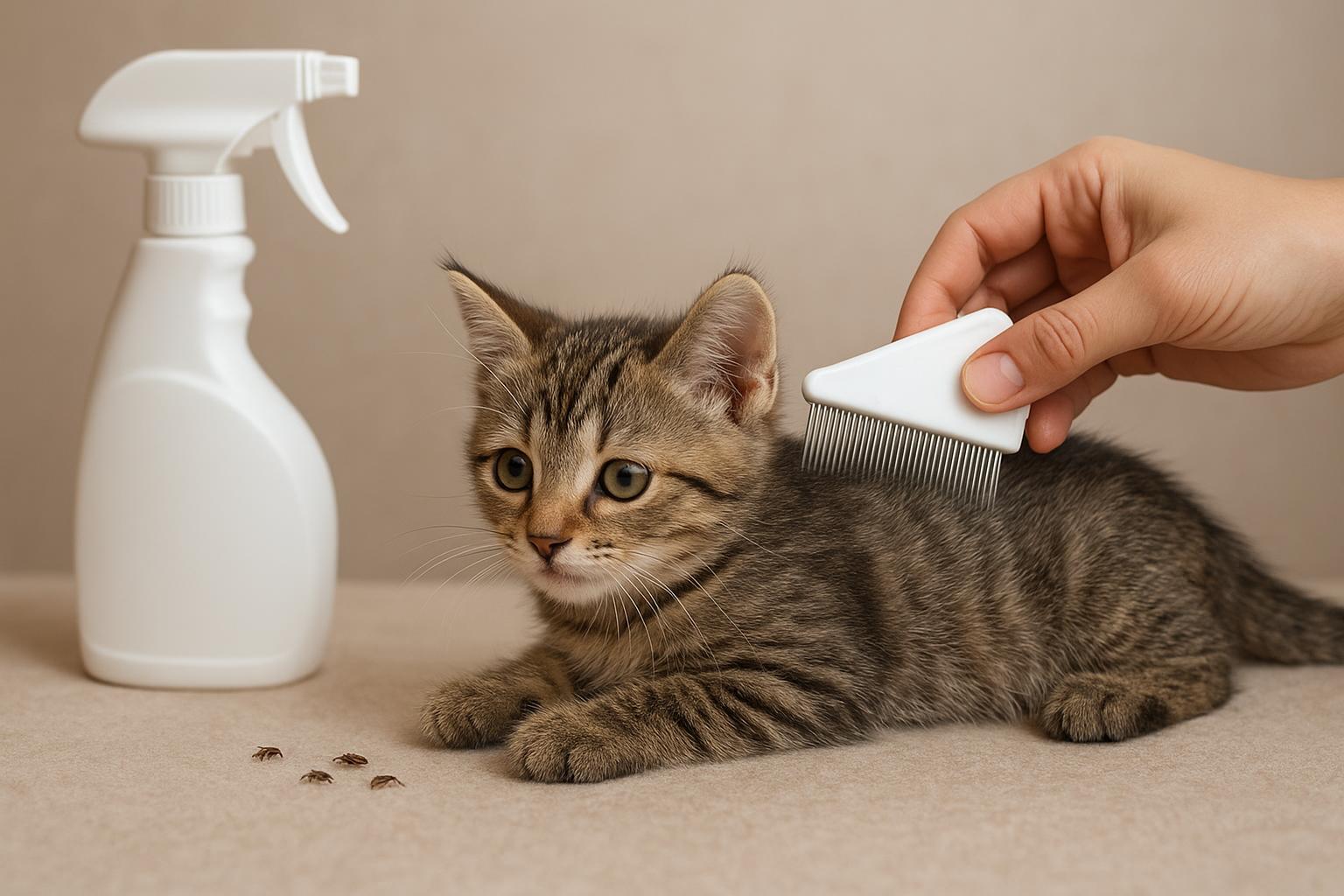
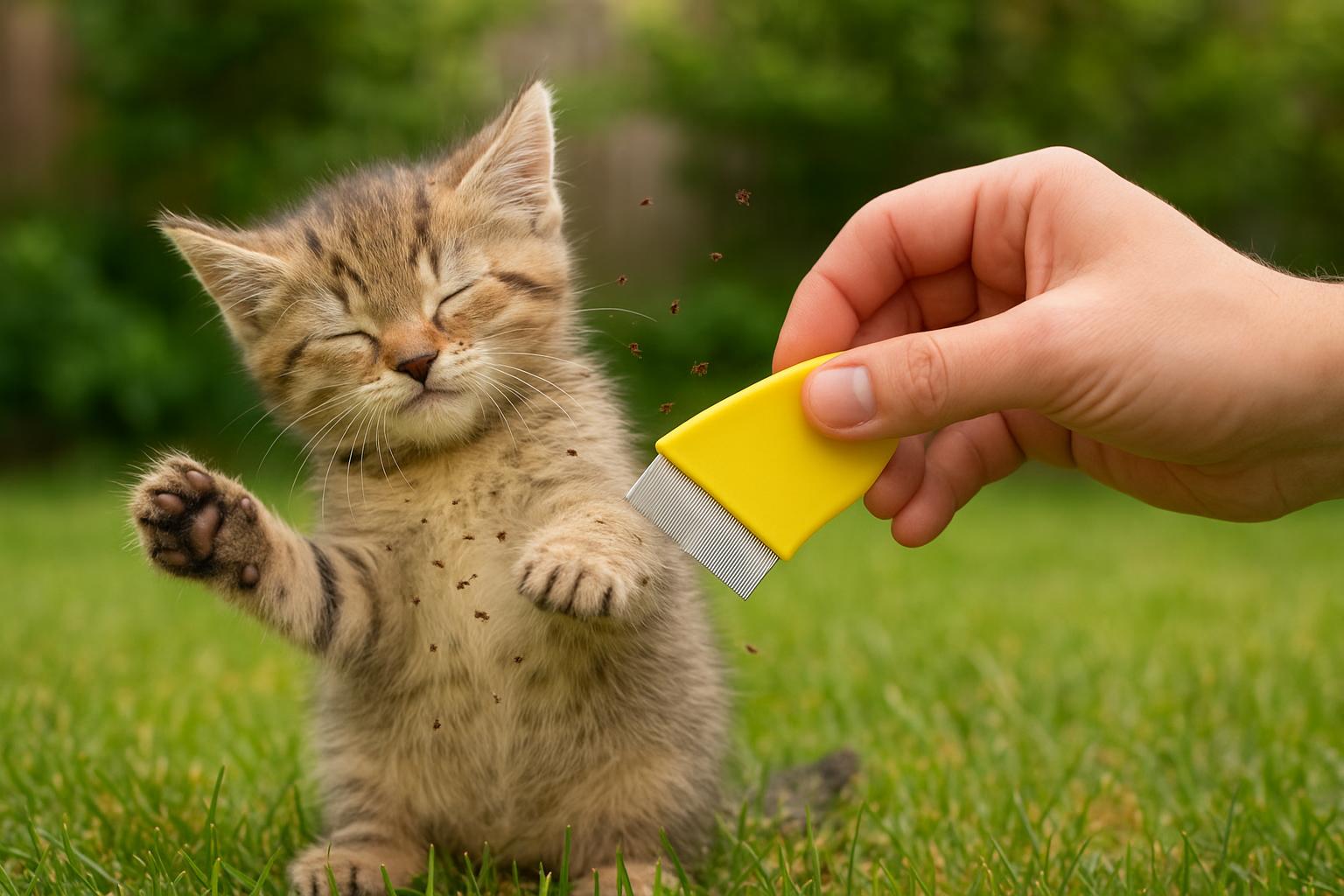
Wipe paws and fur of pets before allowing indoor access after outdoor activity, especially in shaded or mulched areas. Change footwear and shake out tools, clothing, and garden fabrics before bringing them into living spaces. Regular brushing of pets outdoors can remove active fleas before they enter the home environment.
### When Professional Assistance Is Warranted
If measures fail to reduce infestations or if household members have significant allergic reactions, engage a licensed pest management professional and consult a veterinarian for integrated pest and host treatment plans. Professional treatment may include targeted outdoor insecticide applications, structural exclusion, and advanced indoor remediation.
(End of article content — no conclusion provided.)











Leave a Reply