
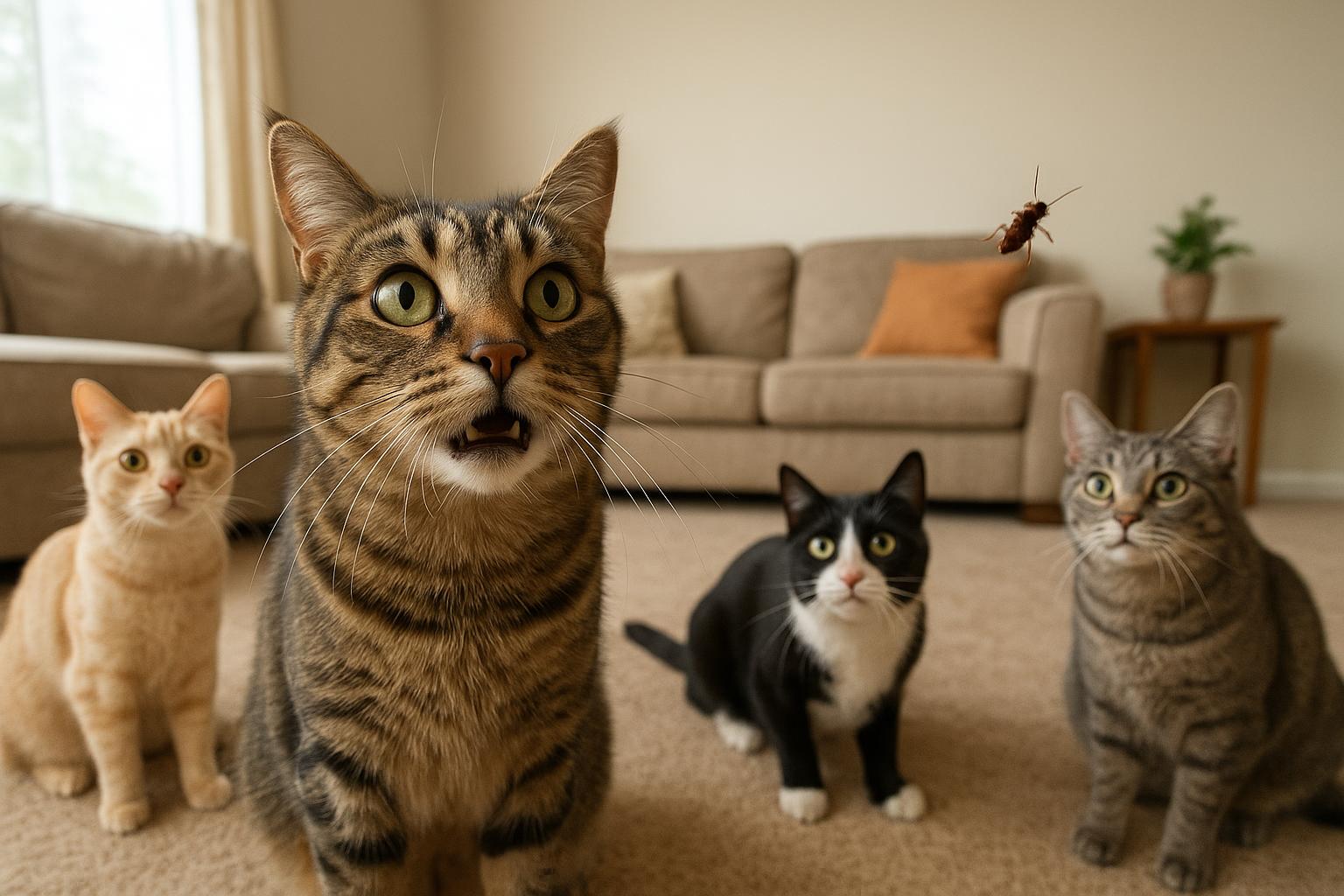
## How Fleas Enter Indoor Cats: Common Routes
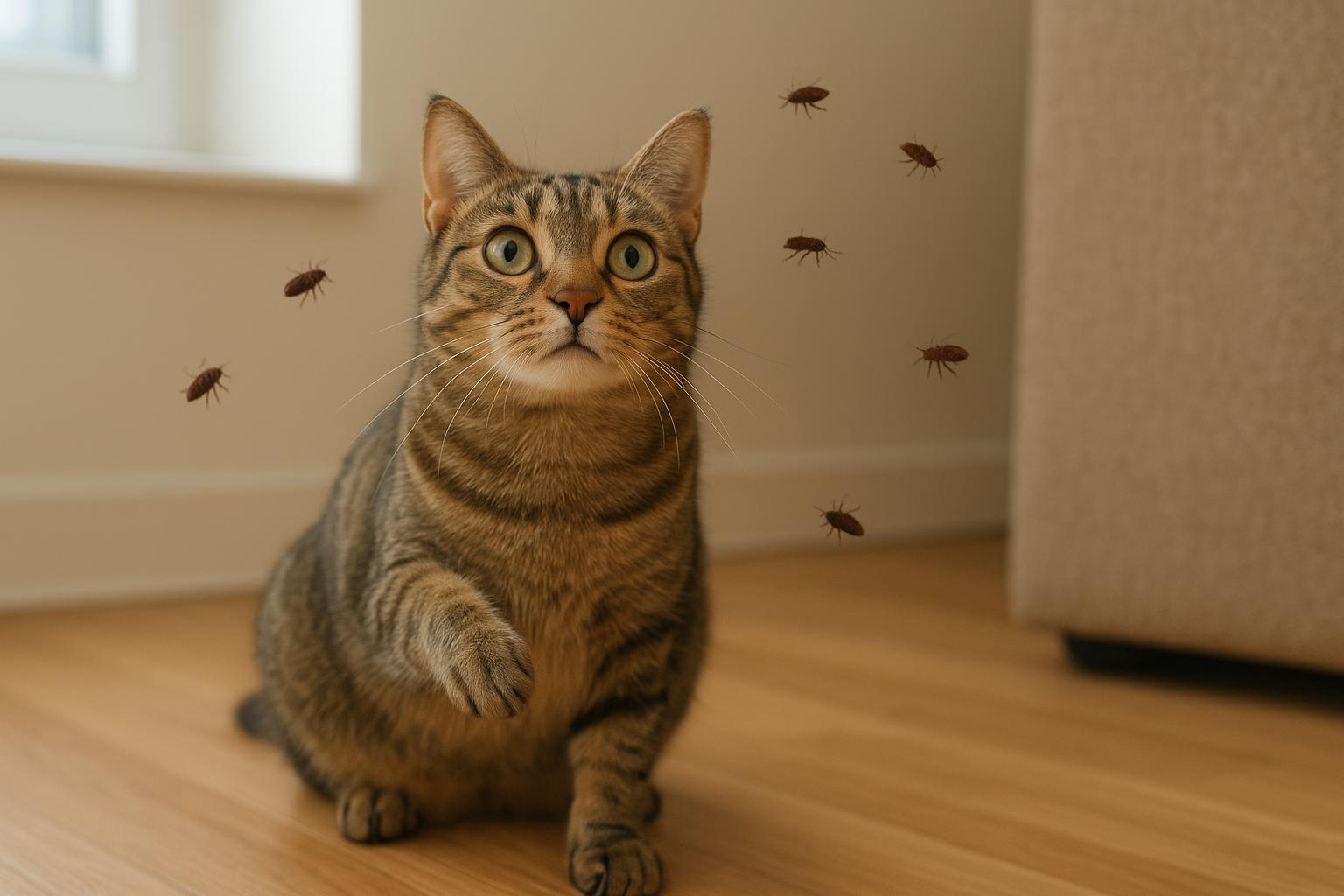
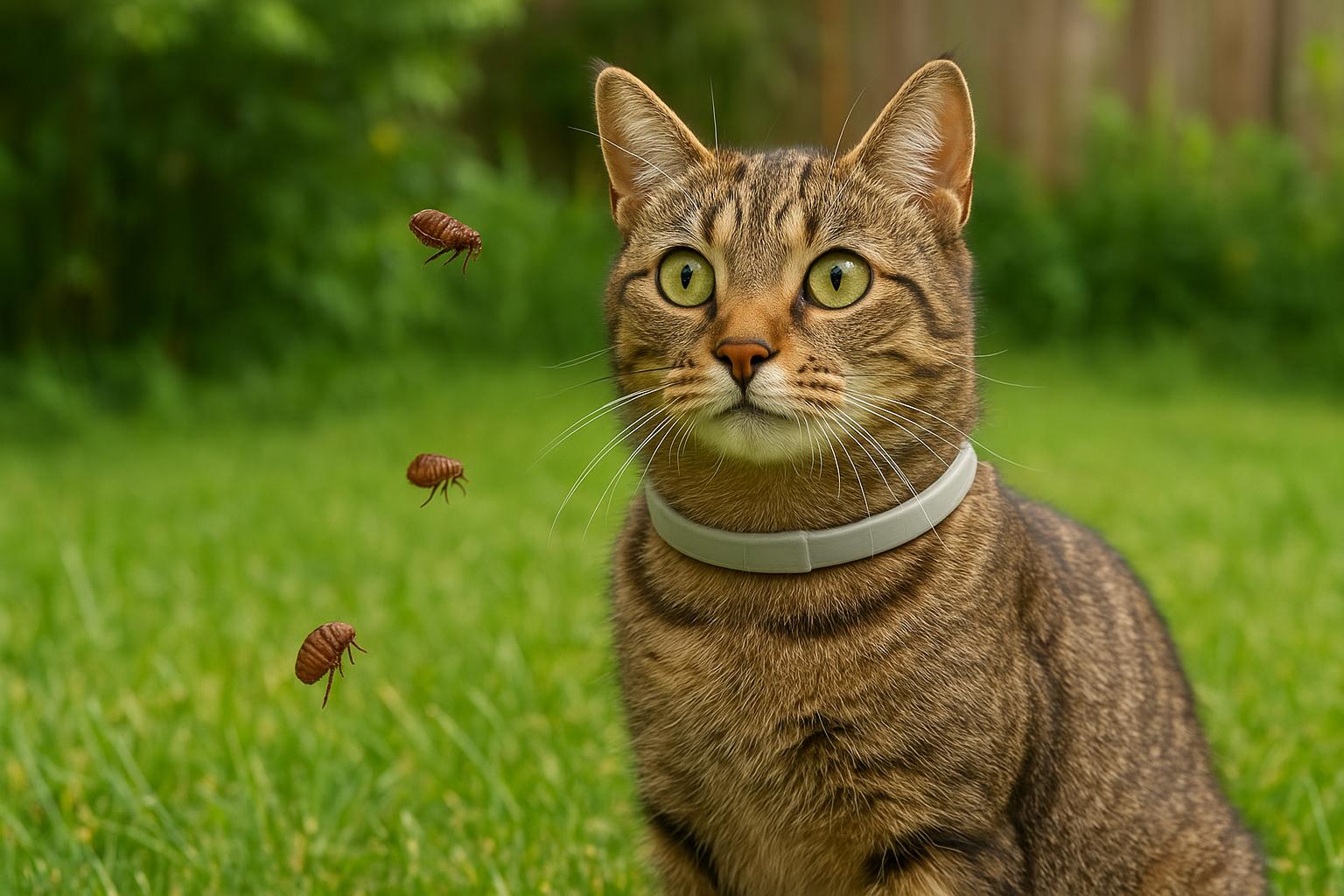
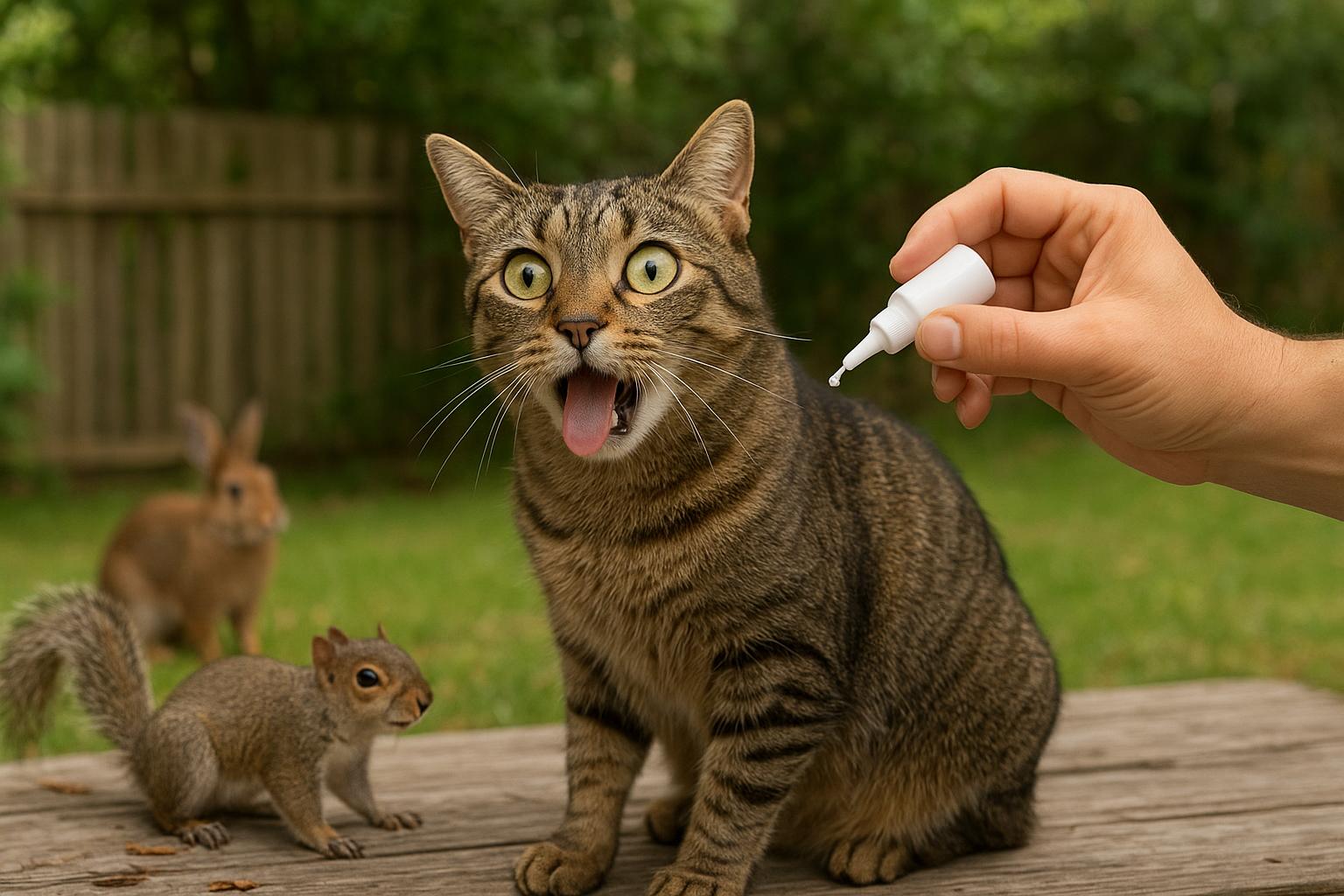
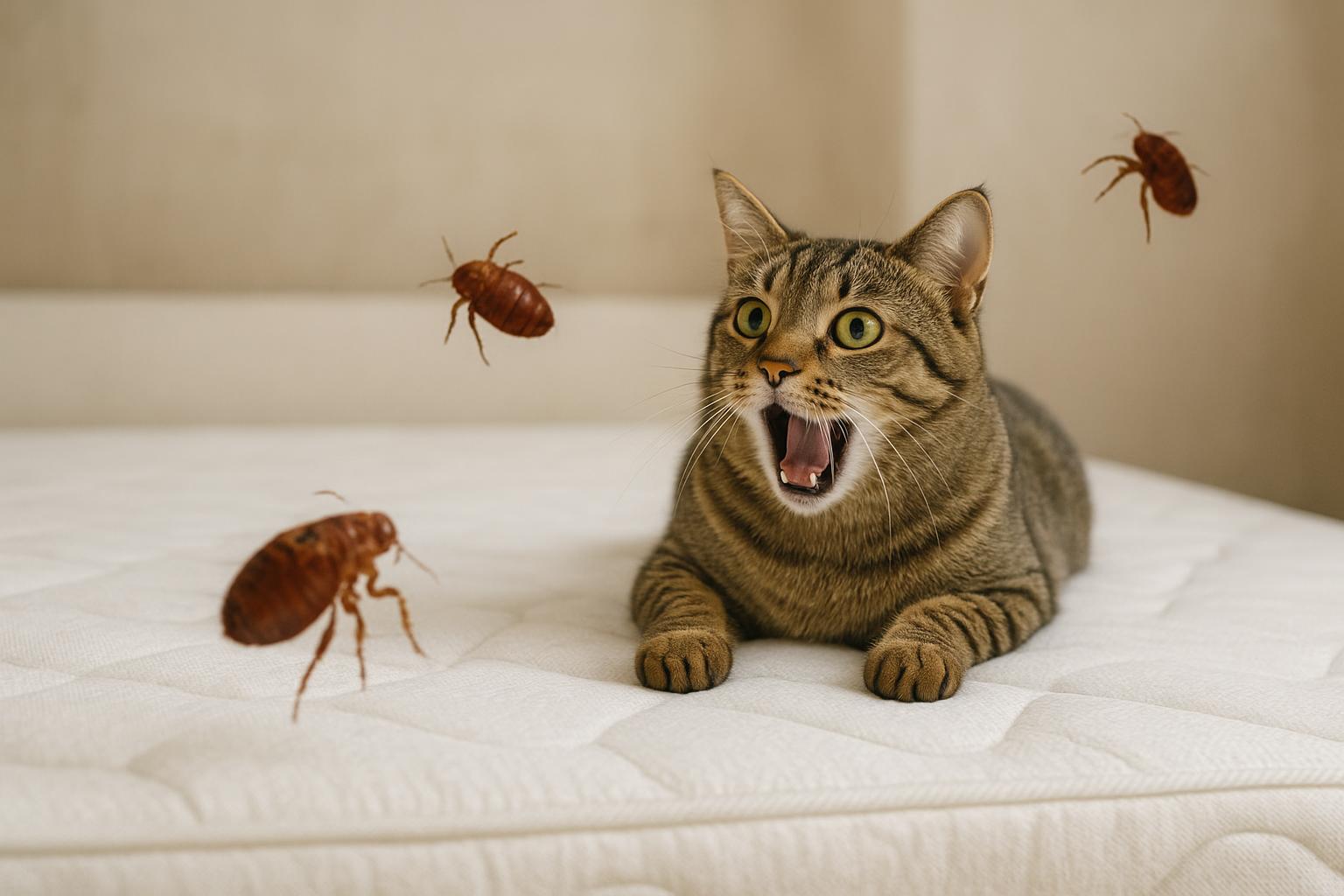
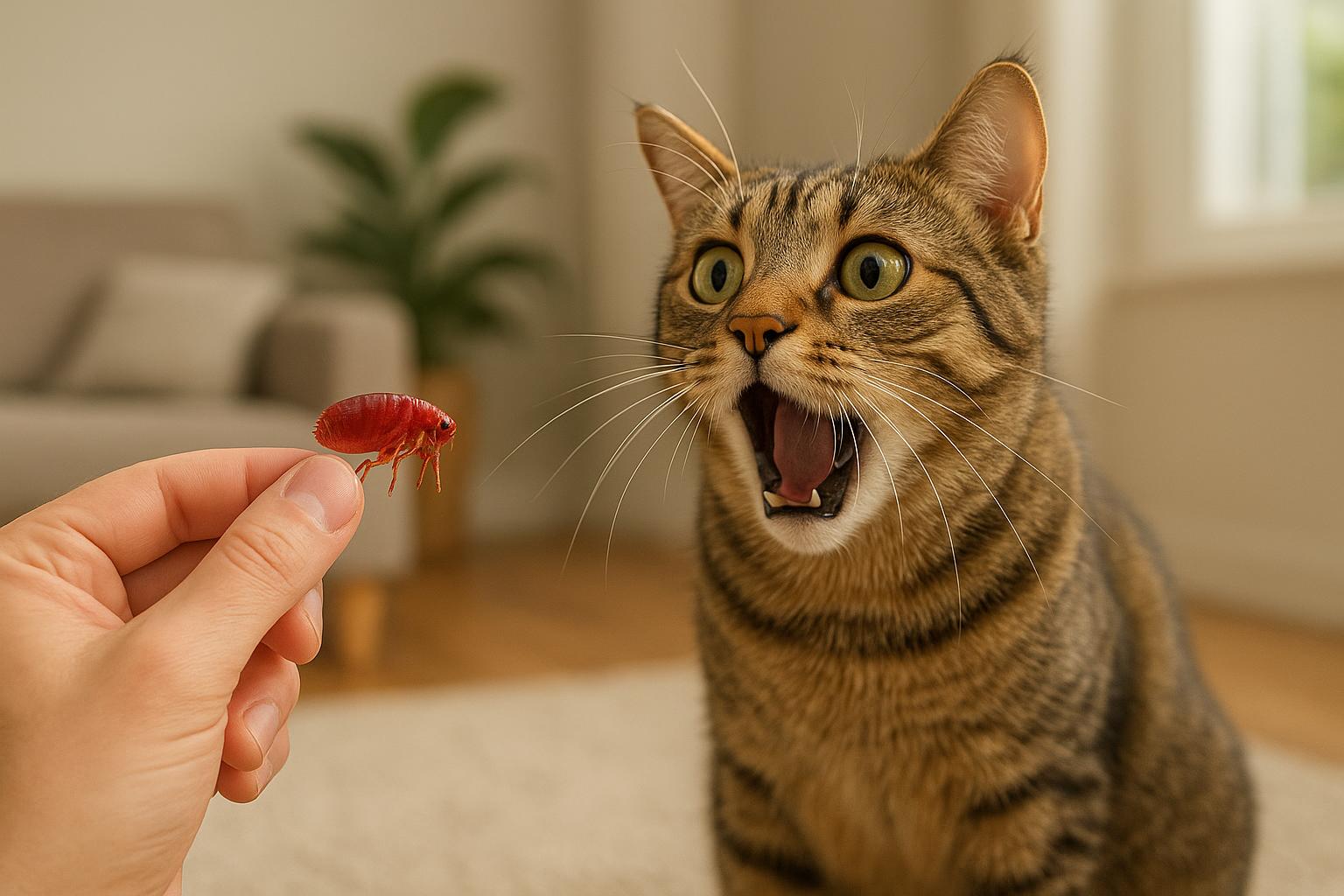
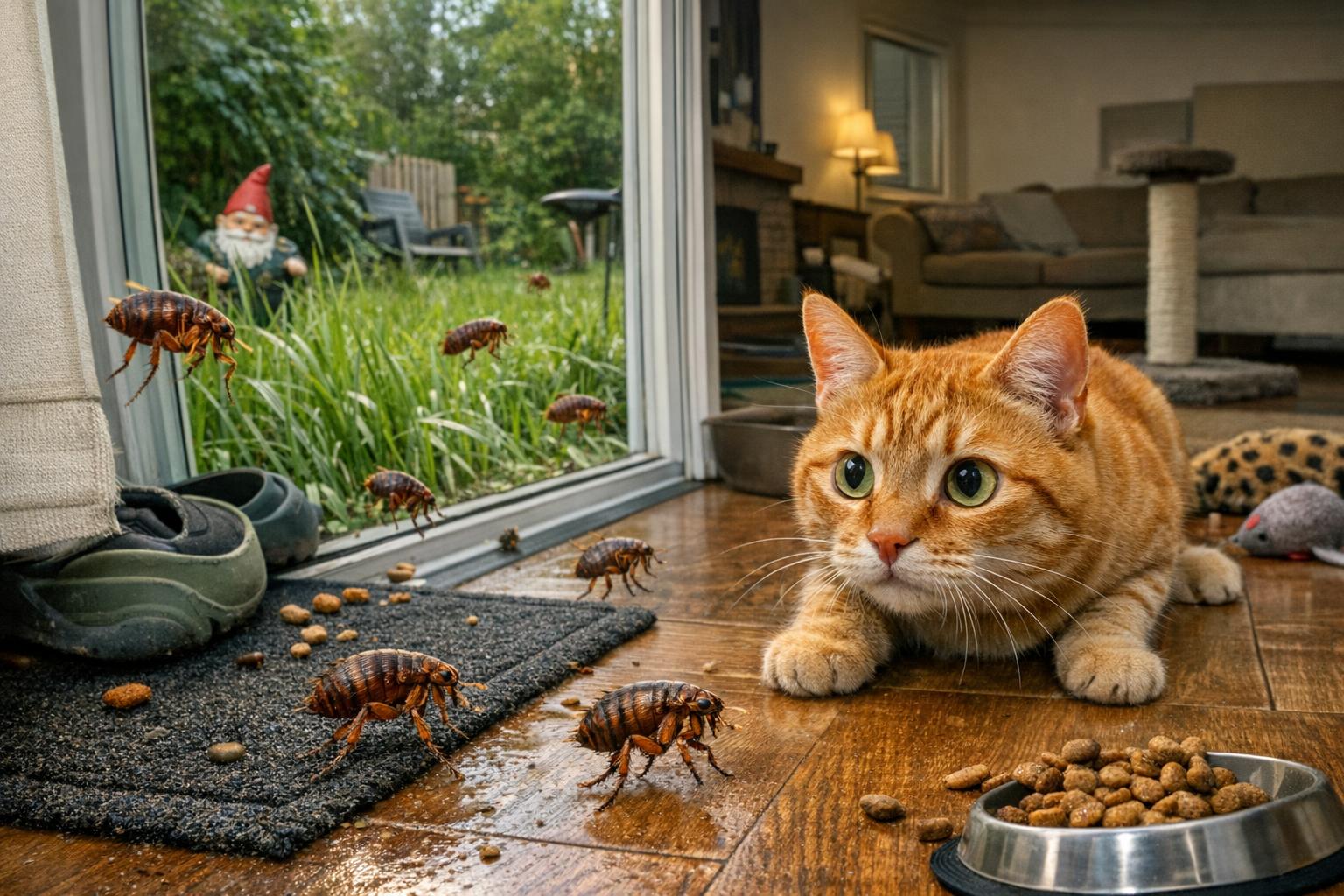
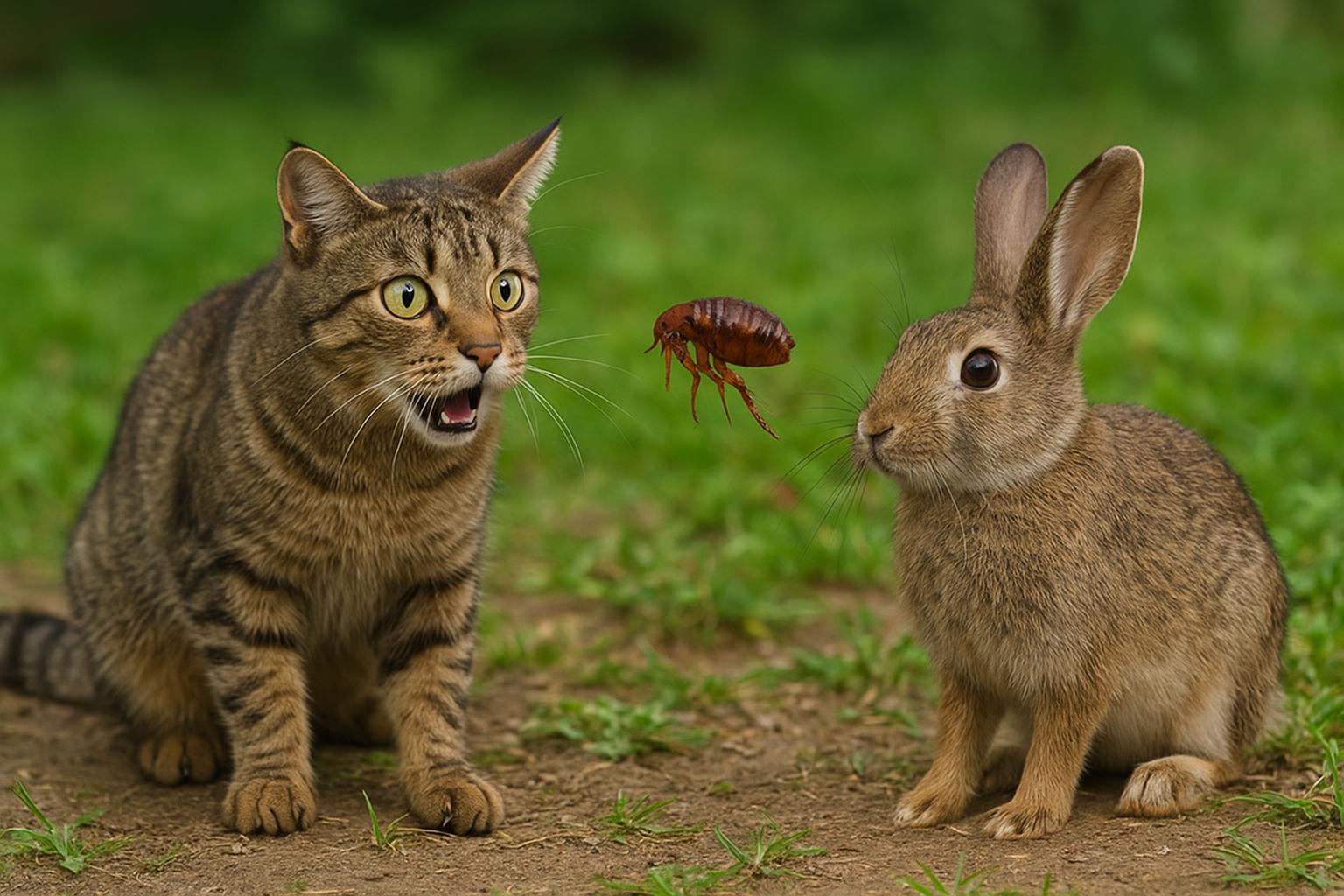
If you picture fleas as tiny ninjas with top hats and passports, you’re not entirely wrong — they’re stealthy and they travel. Understanding how fleas enter an indoor cat’s life is the first step to keeping those unwelcome guests out. The most common routes are surprisingly ordinary: hitchhiking on people’s clothes or shoes, arriving on other pets, being carried in on used furniture or rugs, or brought in by wildlife that gets close to your home. Knowing how fleas enter a space helps you plug the holes before the invasion begins.
### How Fleas Hitch A Ride On People And Pets
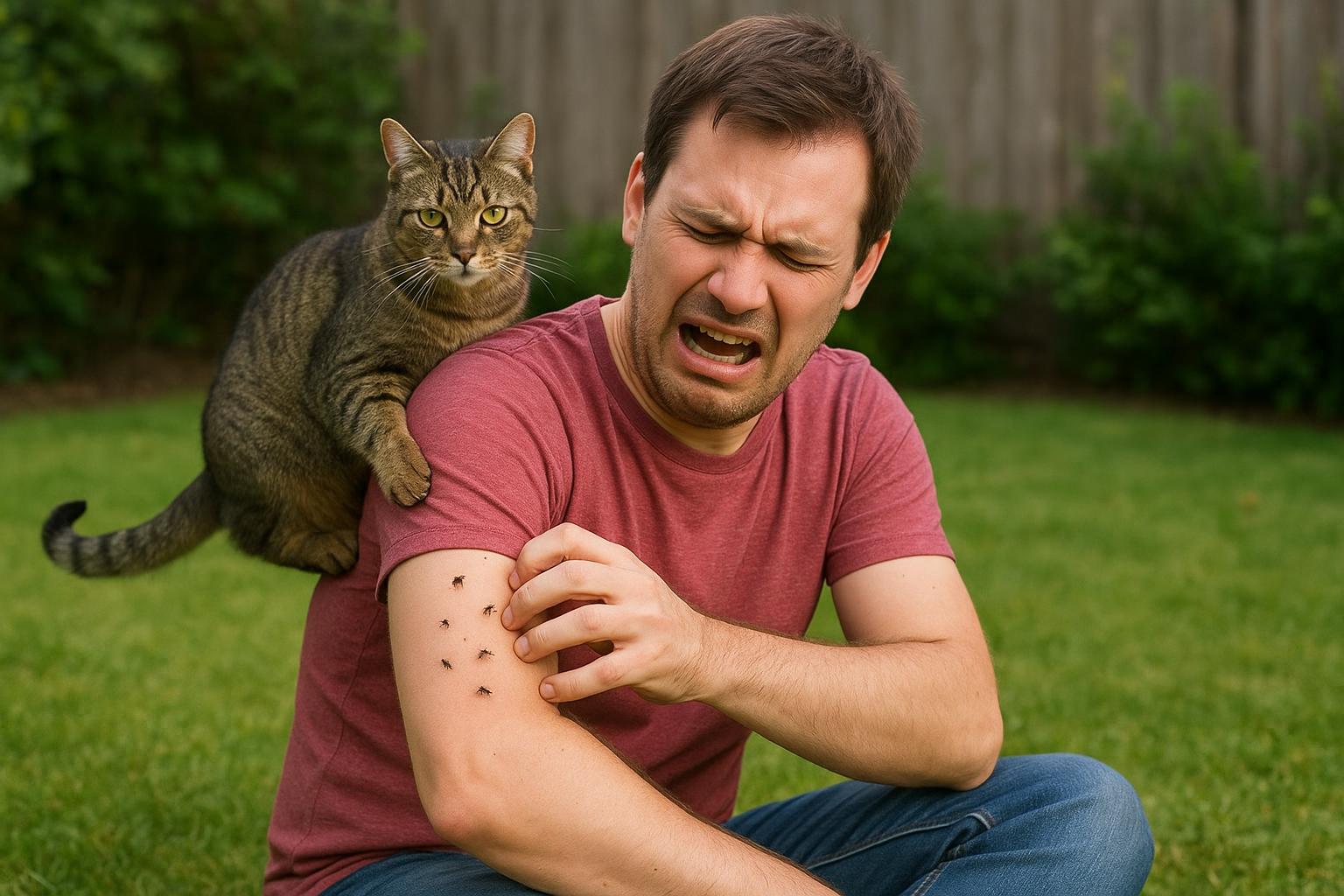
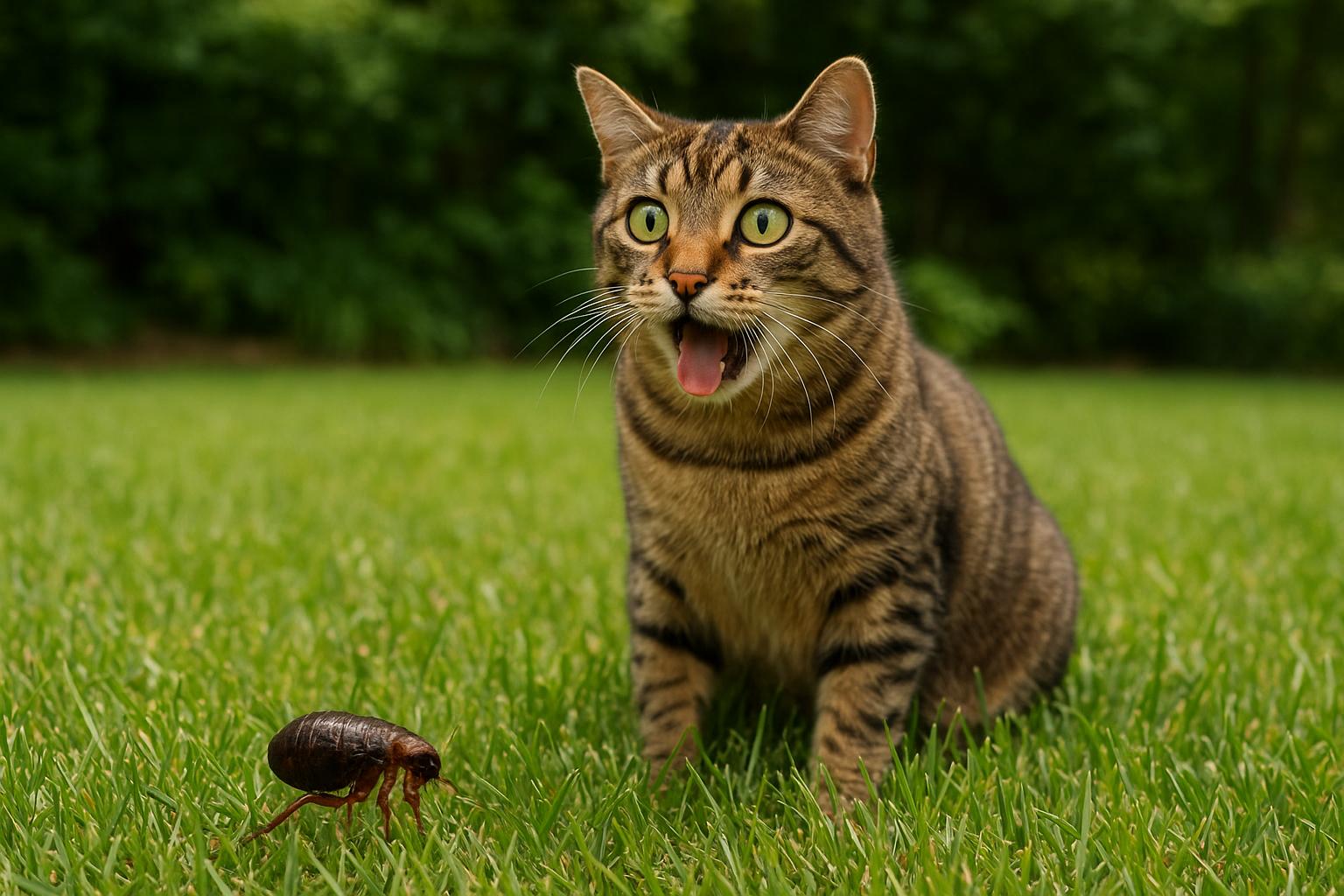
Fleas don’t fly long distances; they jump. They latch onto a moving warm body and wait for the next stop. A brief visit from a friend who walked their dog through tall grass, a rescue kitty adopted from a shelter, or a visiting outdoor cat can all introduce fleas. Even you can be an unwitting vector: fleas or eggs can cling to pants, shoes, and bags. Think of your pockets as mini flea boarding passes.
#### Flea Eggs, Larvae, And The Hidden Lifecycle
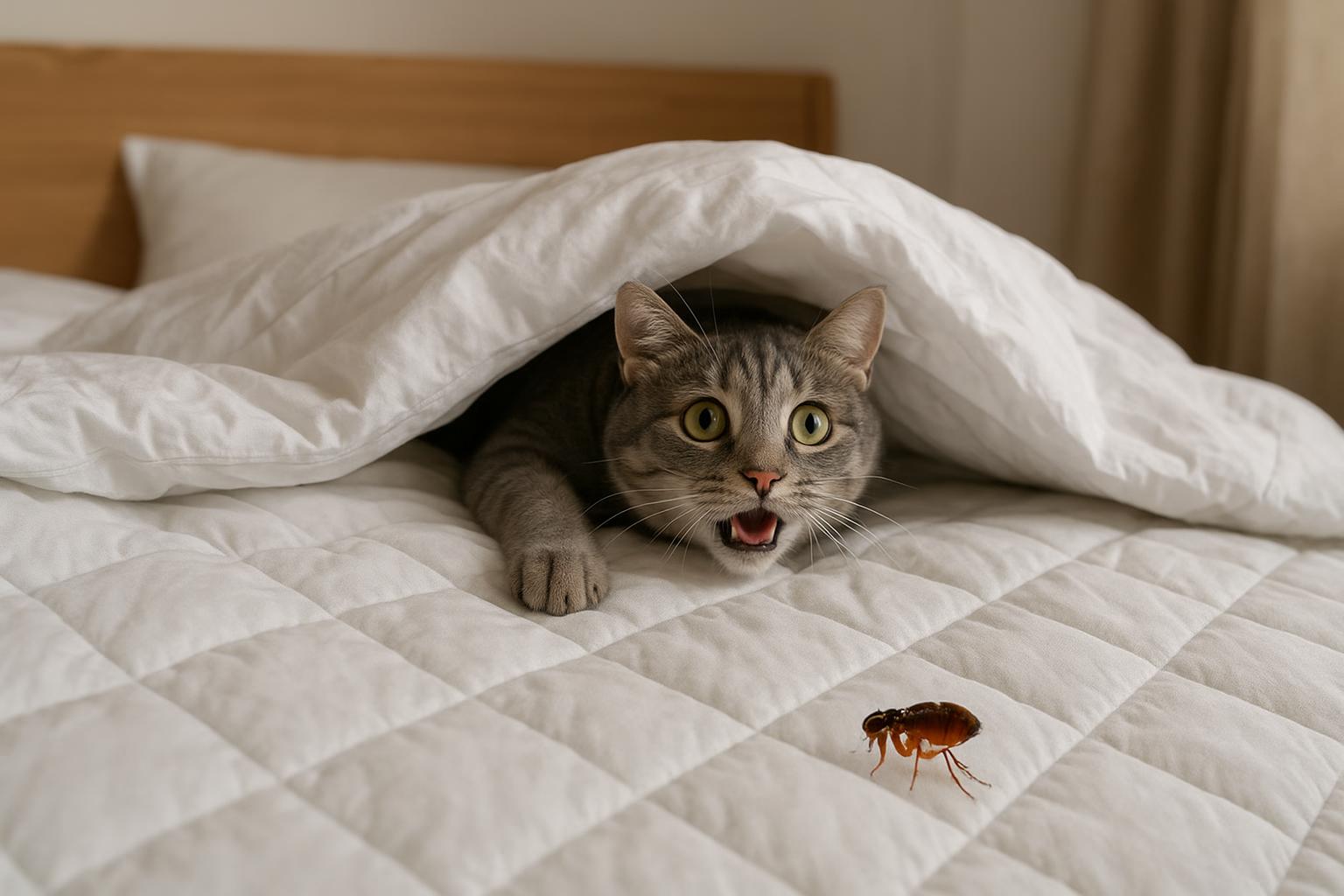
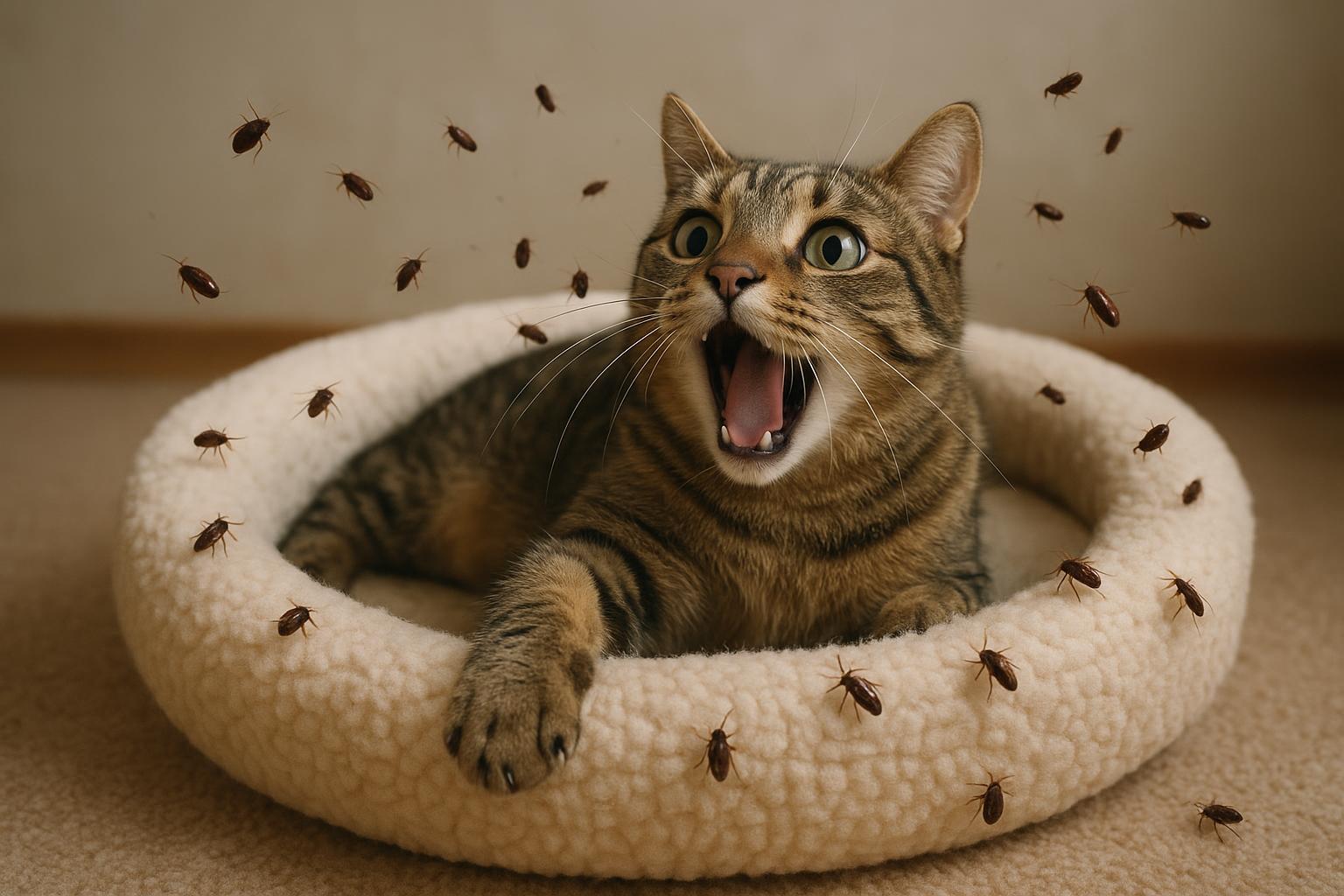
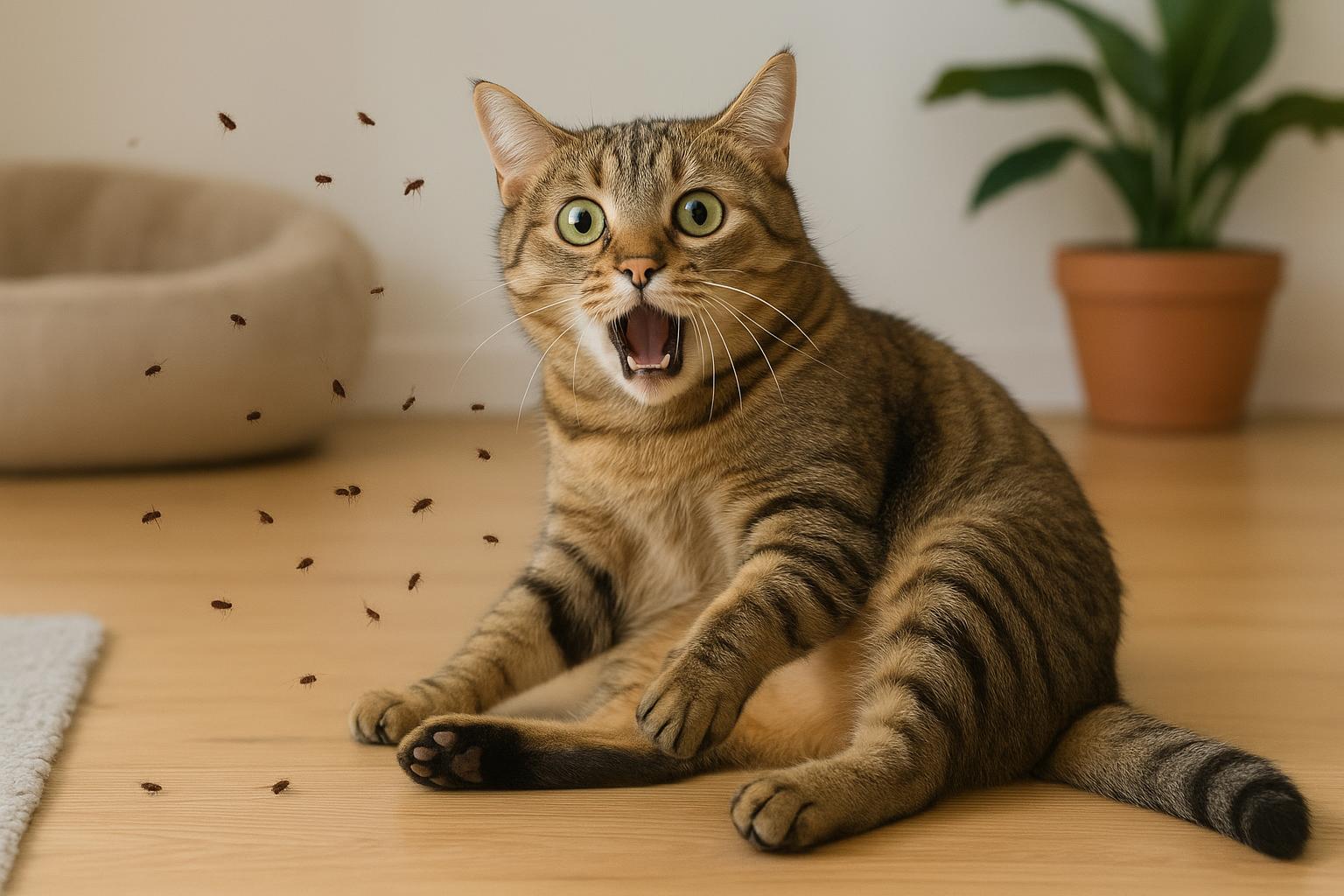
The adult flea is only one chapter of the story. The lifecycle includes eggs, larvae, pupae, and adults, and indoor environments are often perfect nurseries. Flea eggs can fall off a host and hide in carpets, cracks, bedding, and upholstery. Pupae can stay dormant for months and pop out as adults when they sense a host nearby. That’s why a single hitchhiker can be the start of a bigger problem.
## Why Even Indoor Cats Aren’t Immune
Indoor cats have fewer risks but not zero. People often assume “indoor” equals “safe,” and while your cat’s odds are better, the reality is nuanced. Understanding how fleas enter an indoor environment shows that treated footwear, open windows, or a stray mouse near your foundation are all potential smugglers. Fleas also love multi-pet households — if one pet goes outdoors, everyone shares the risk. Plus, indoor microclimates like warm carpets and bedding create cozy incubators for flea eggs and larvae.
### Seasonal Patterns And Home Vulnerabilities
Fleas peak in warmer months, but modern heating can make homes hospitable year-round. Old rugs, secondhand furniture, and rarely-washed pet bedding are common weak links. The good news: once you know the weak spots, you can treat them without turning your home into a flea-themed episode of True Detective.
#### Signs Your Cat Might Be Hosting Fleas
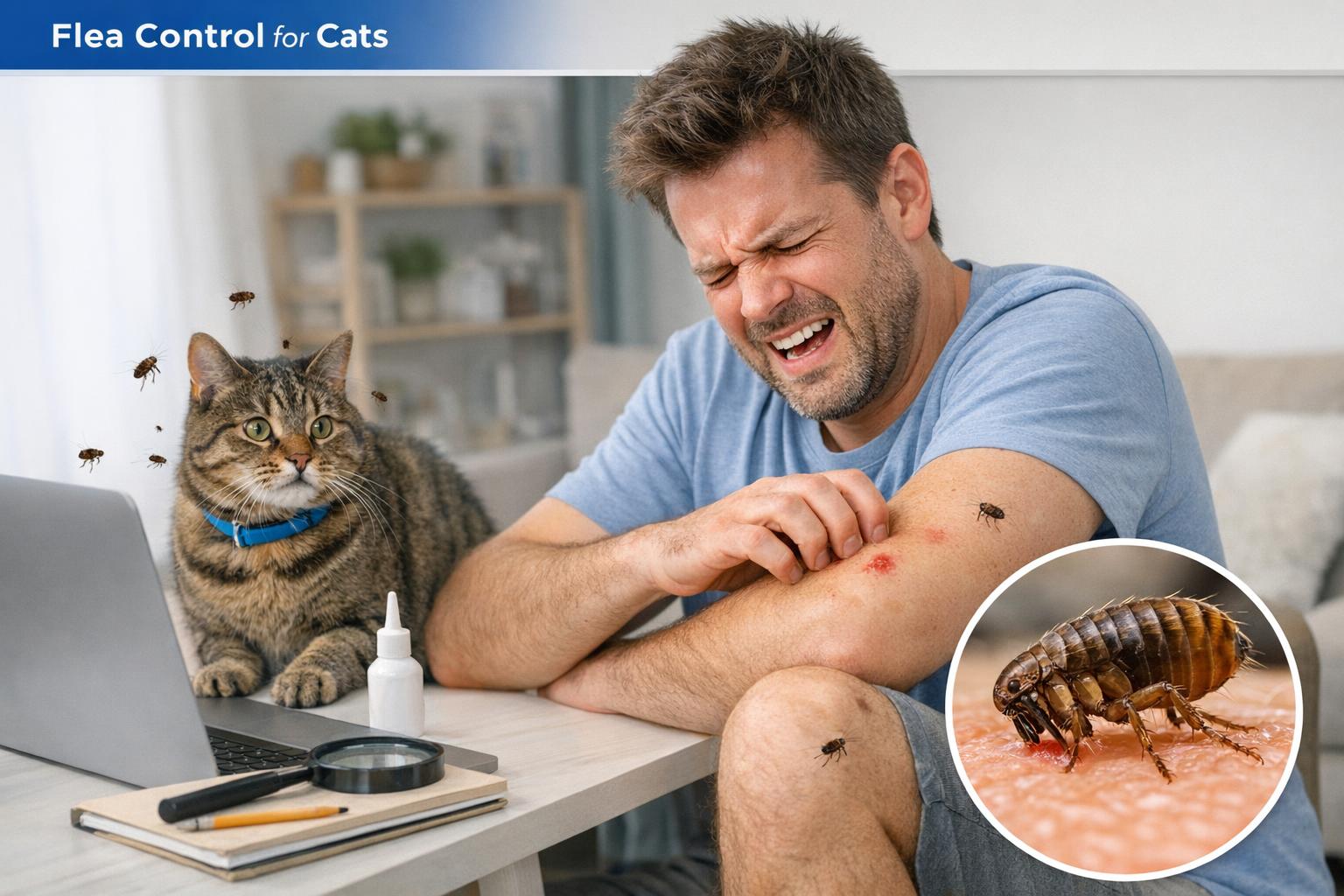
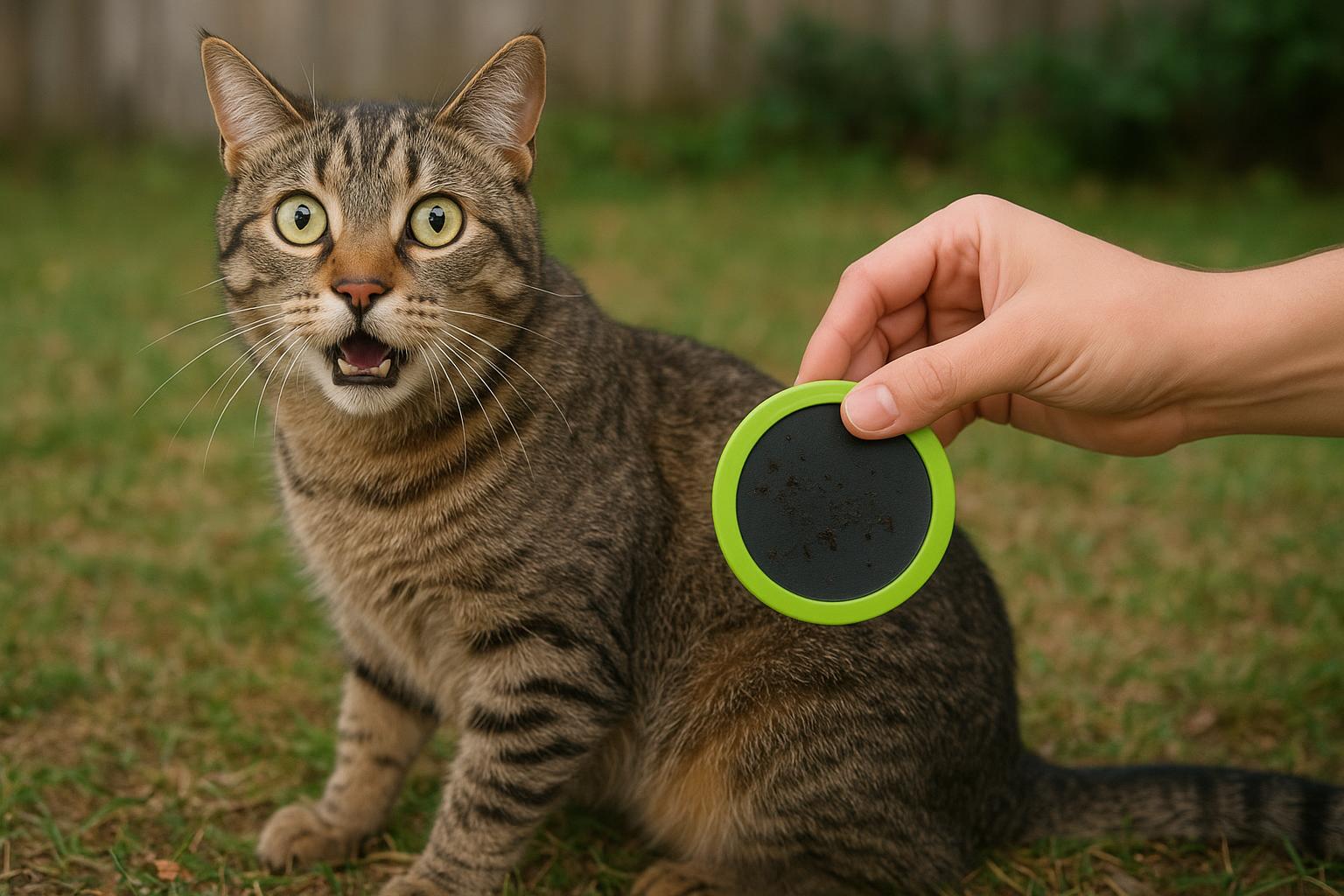
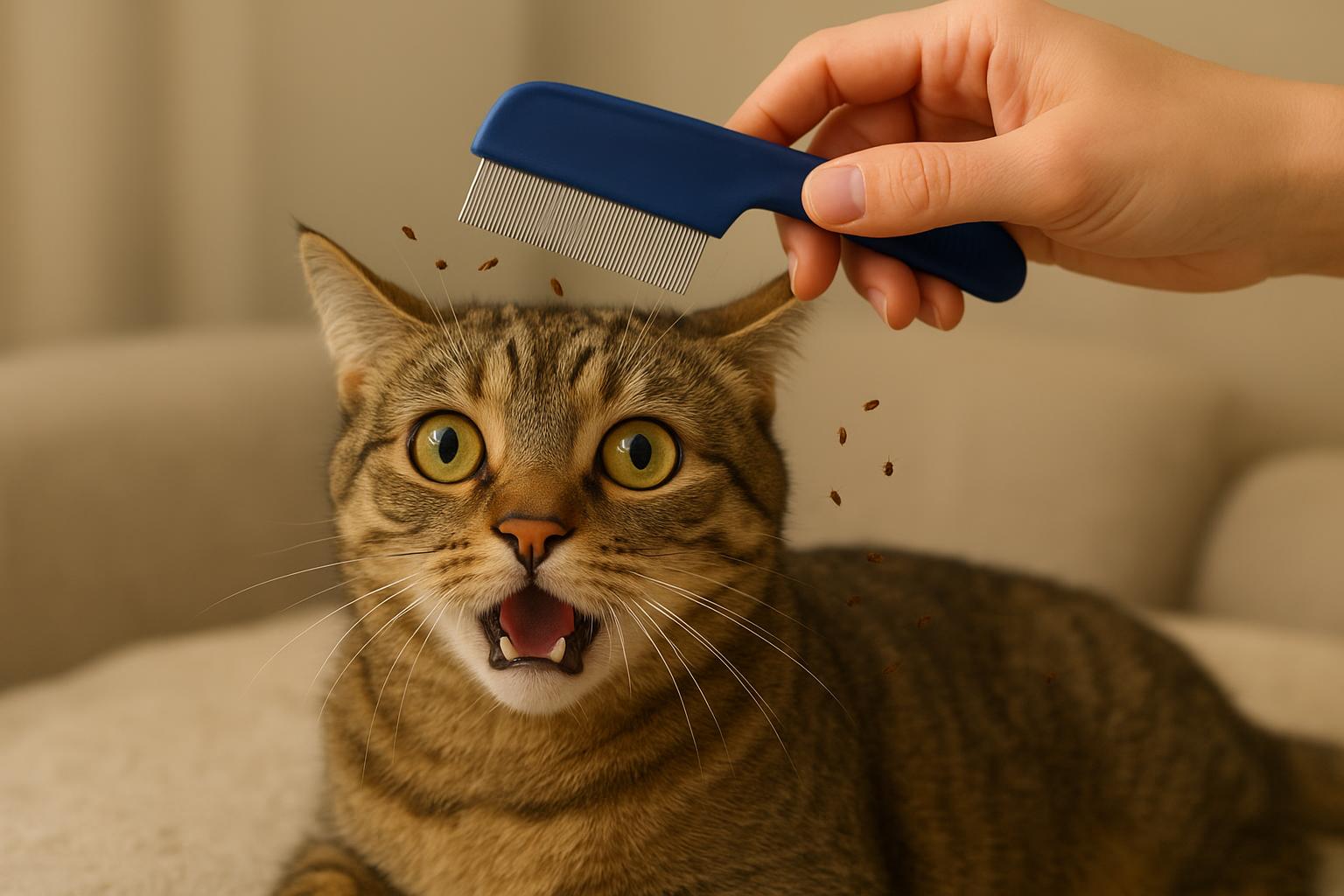
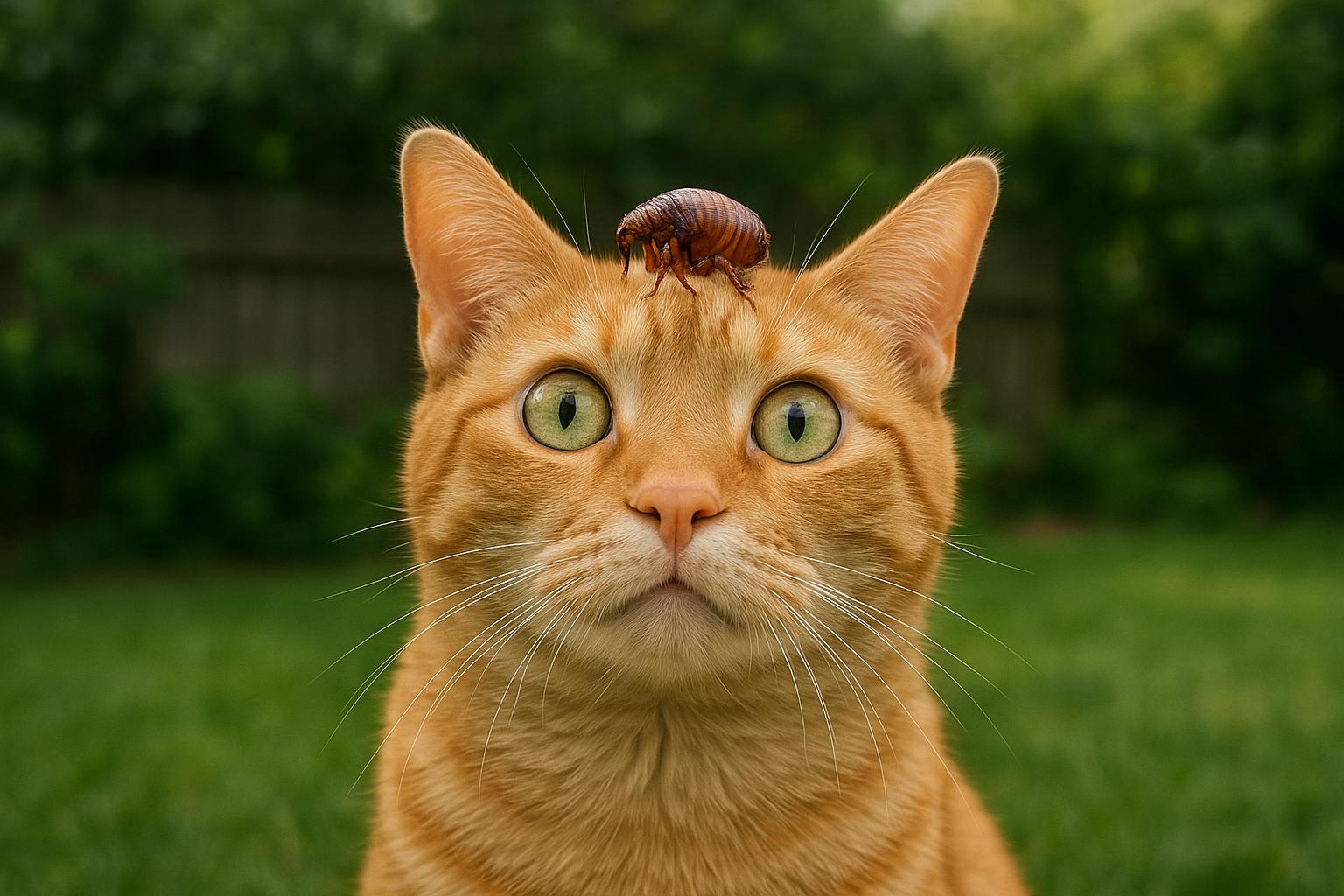
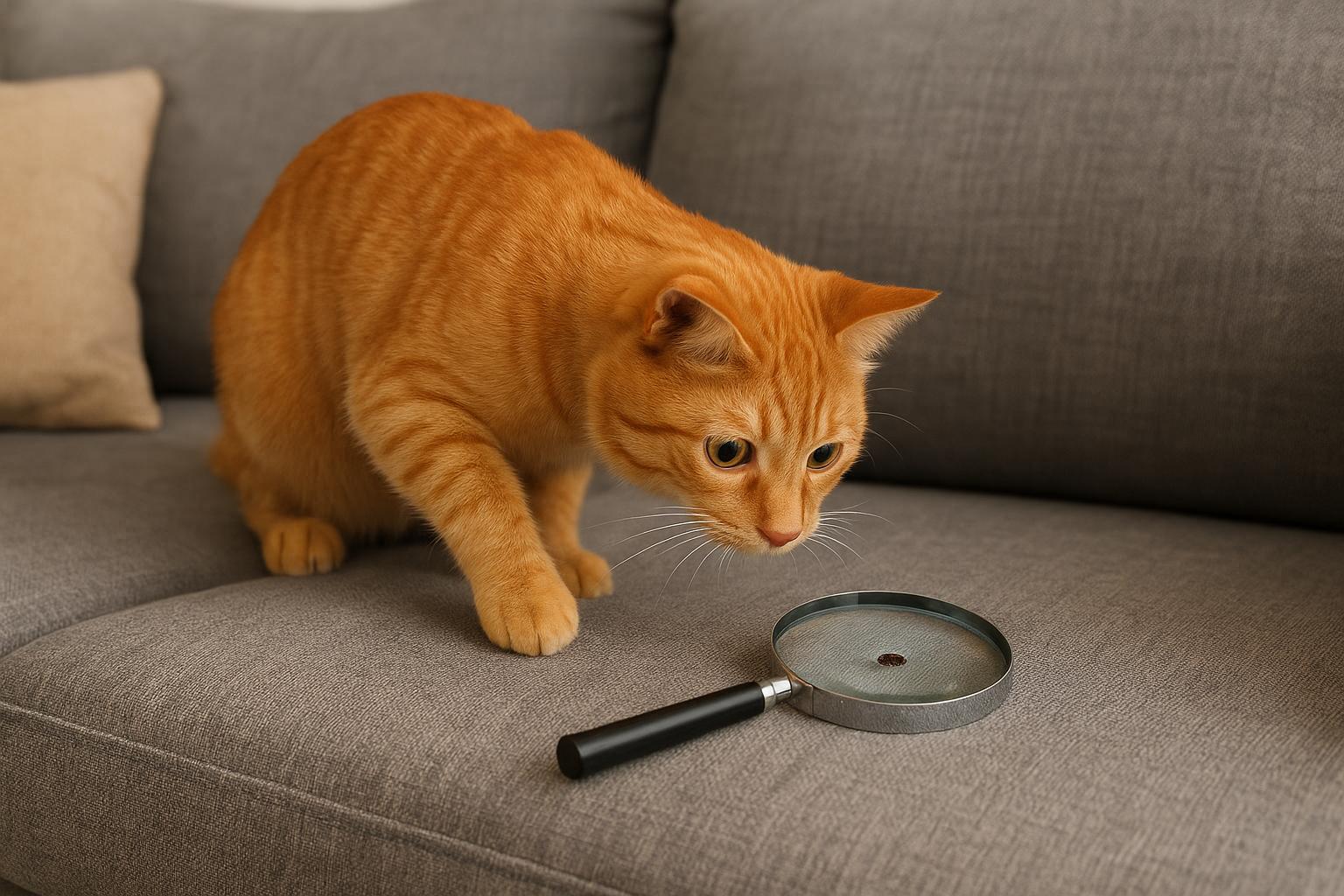
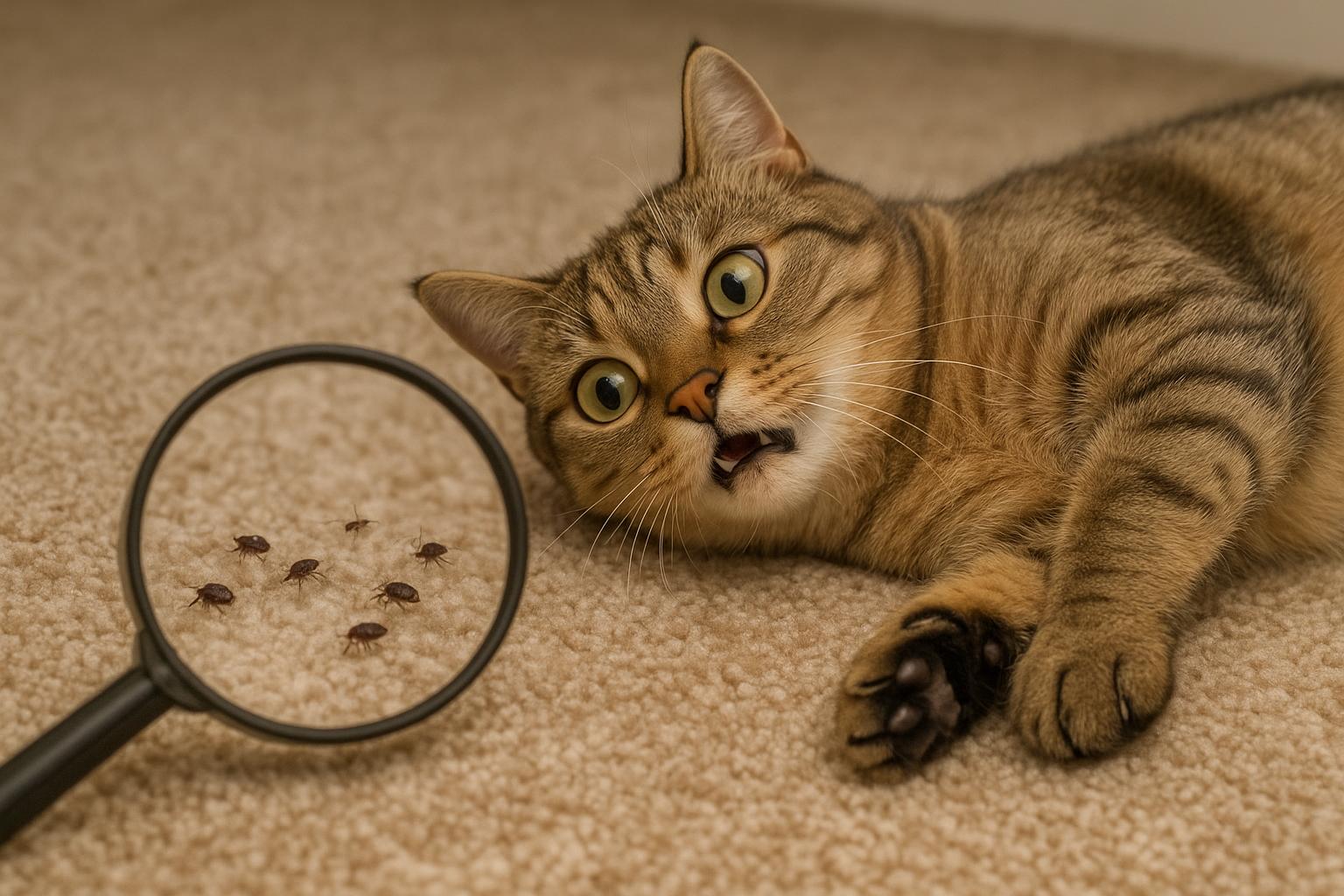
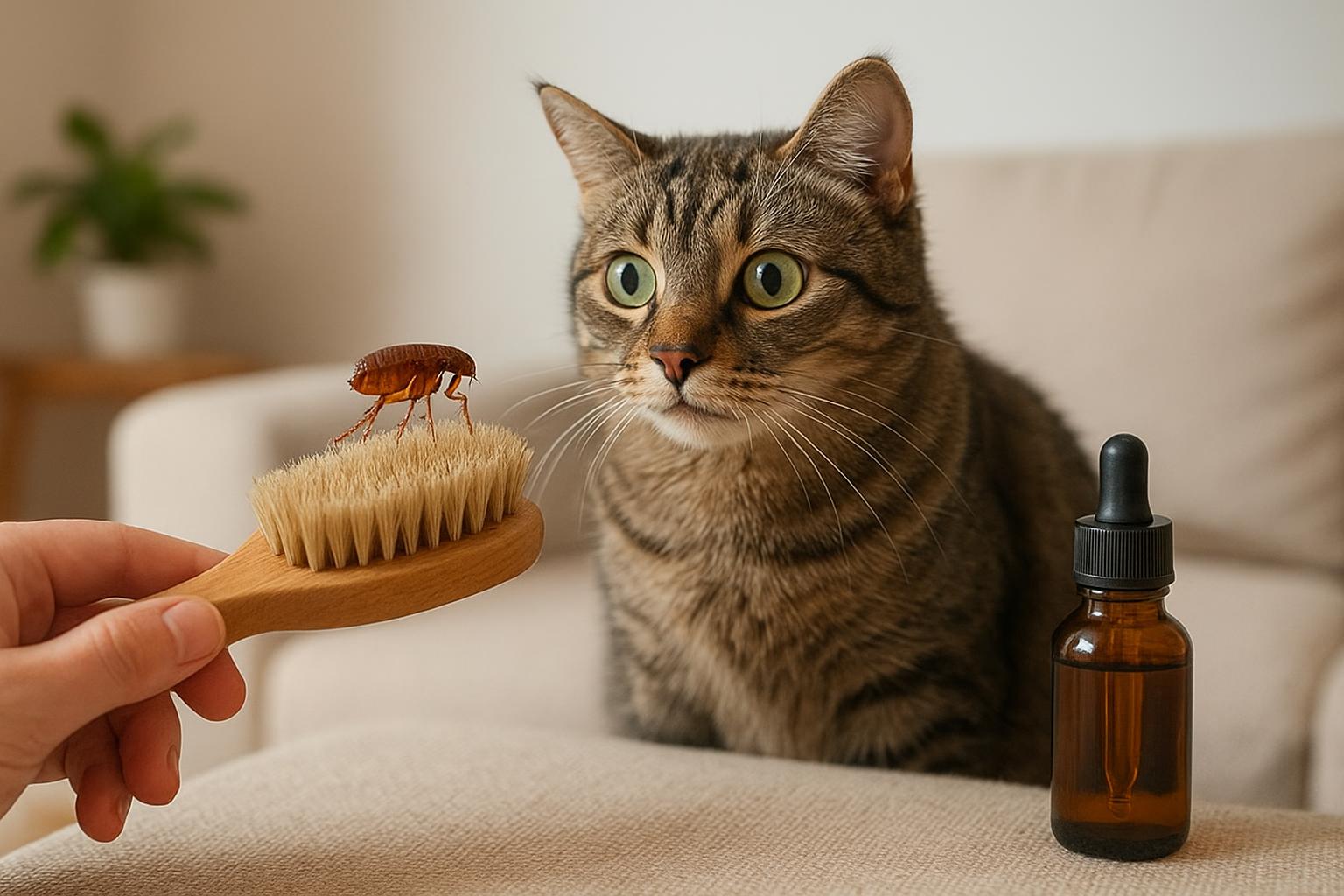
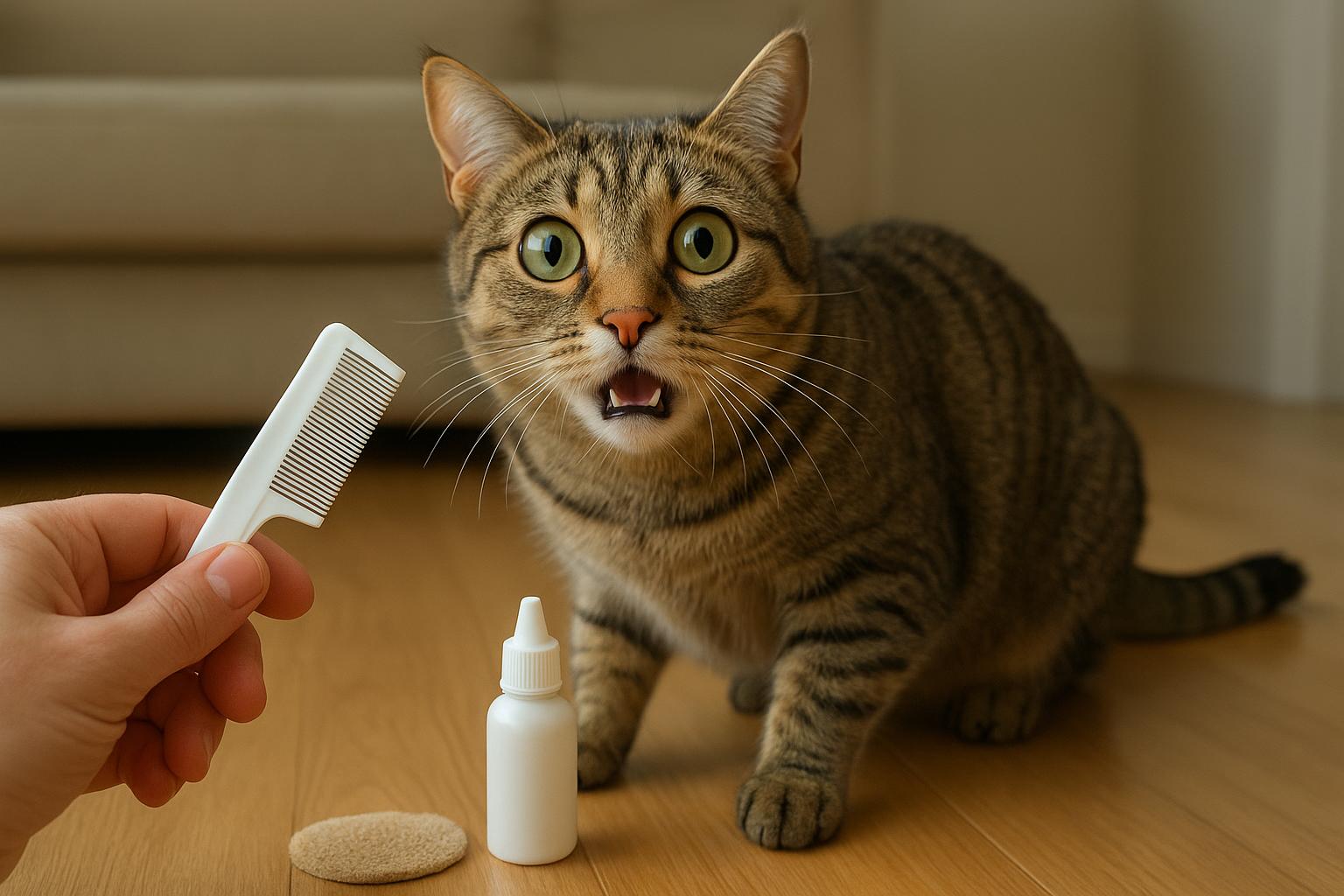
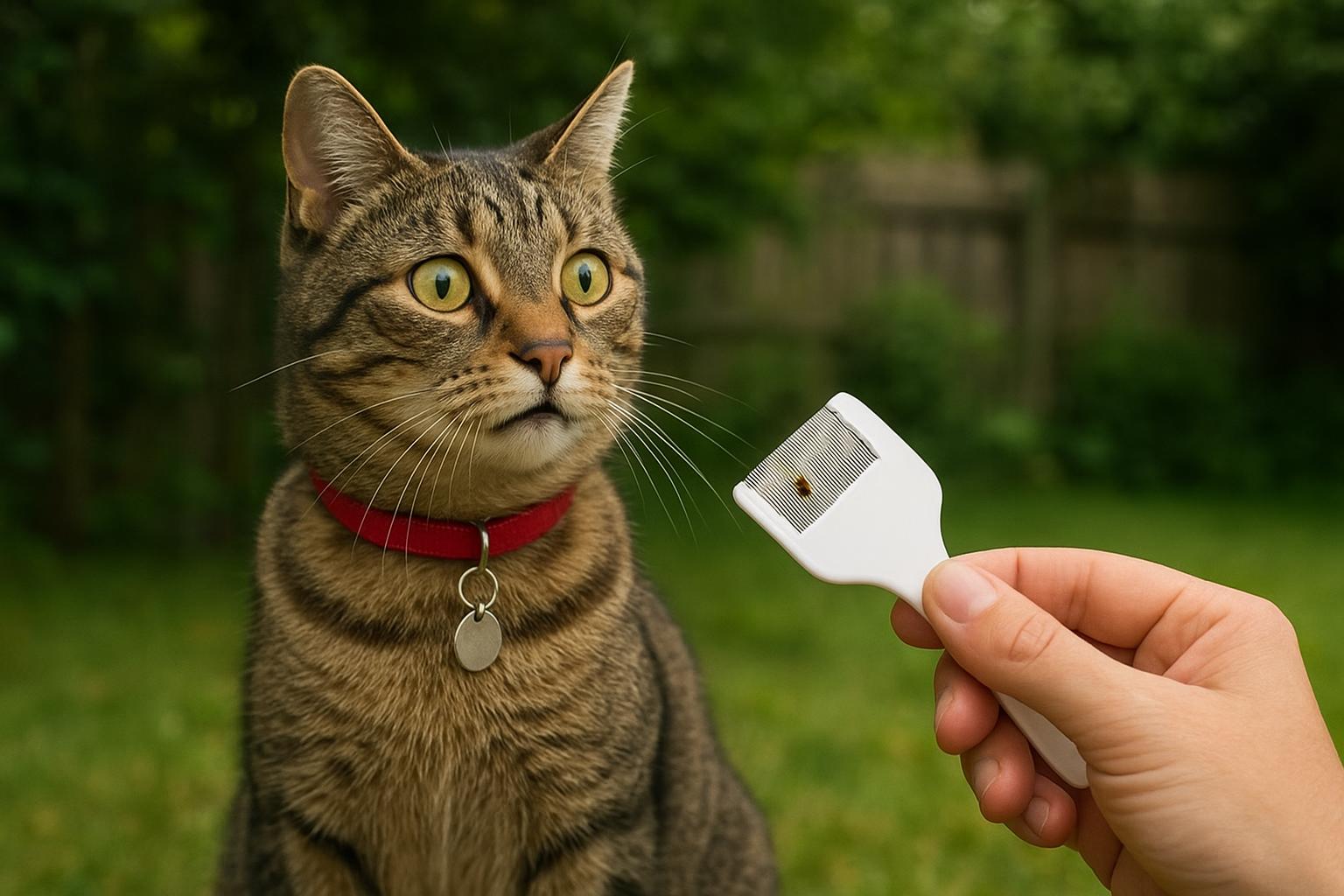
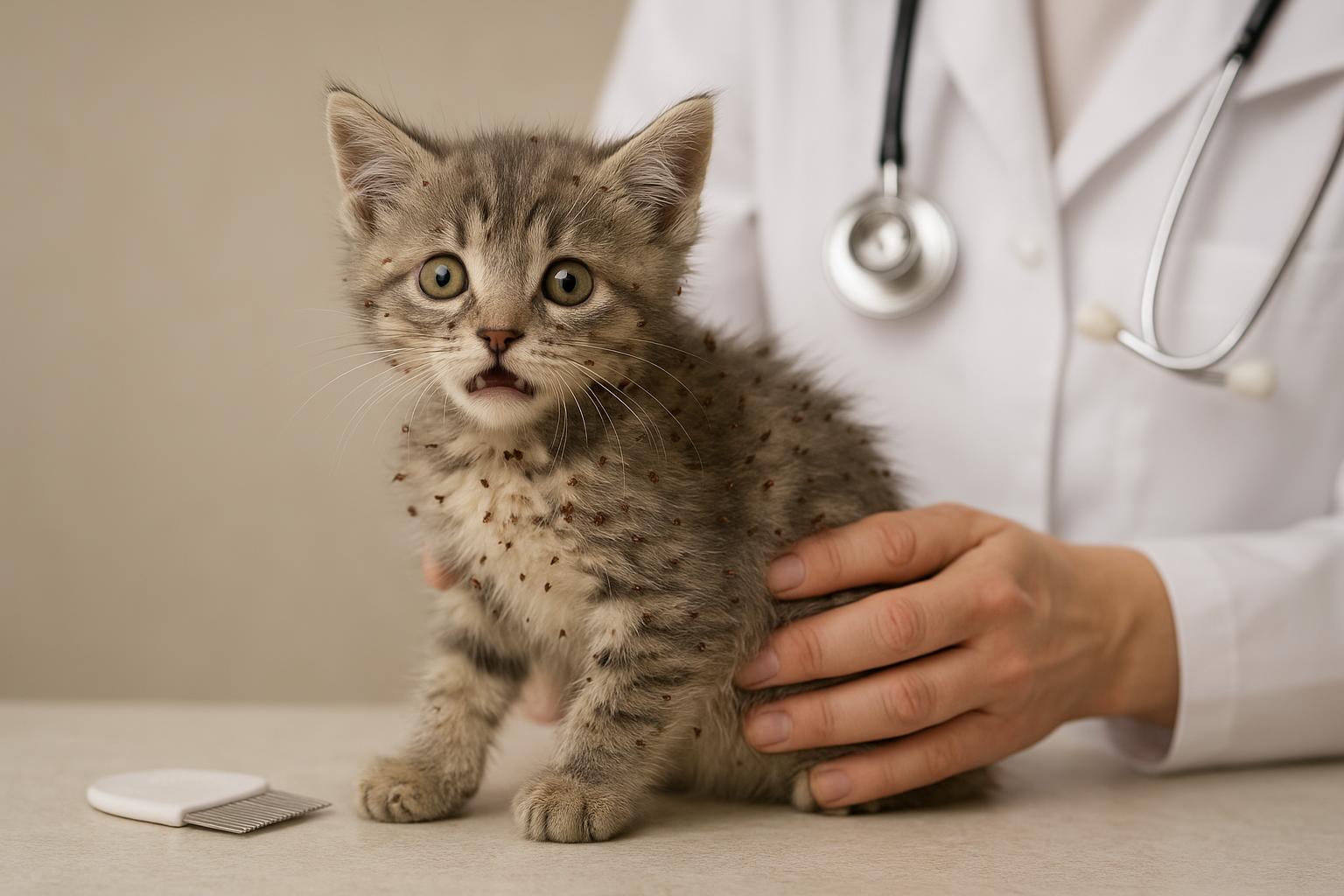
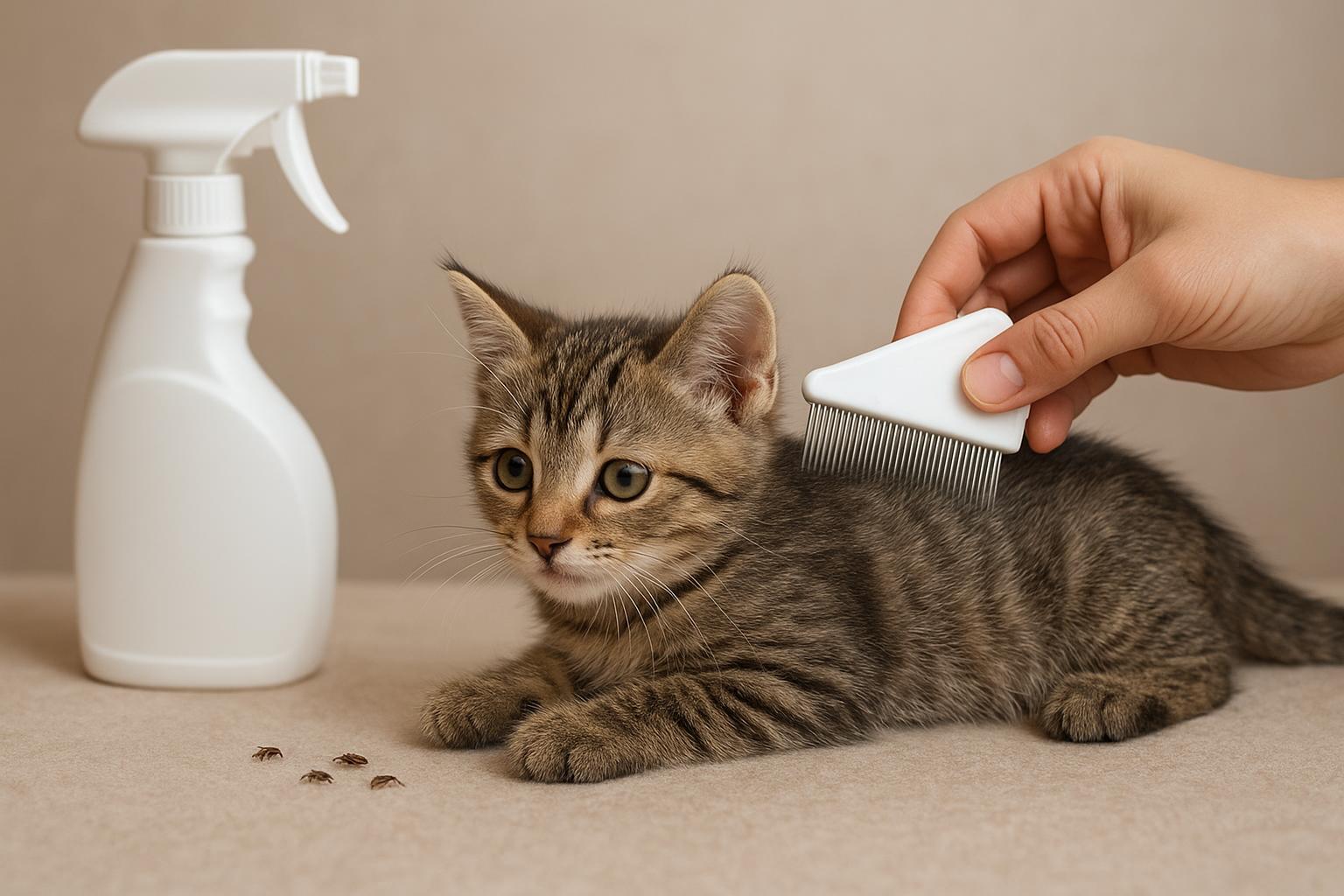
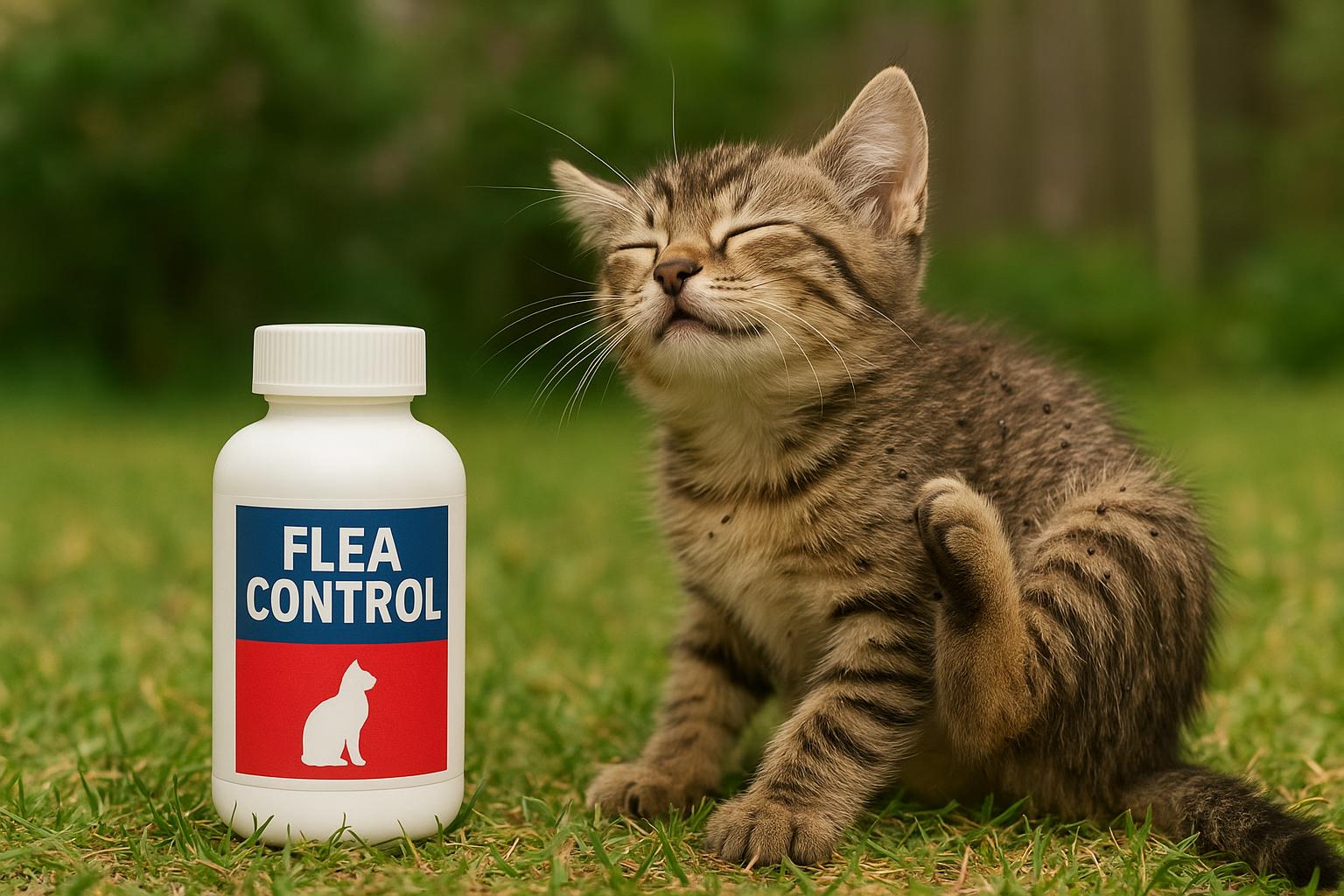
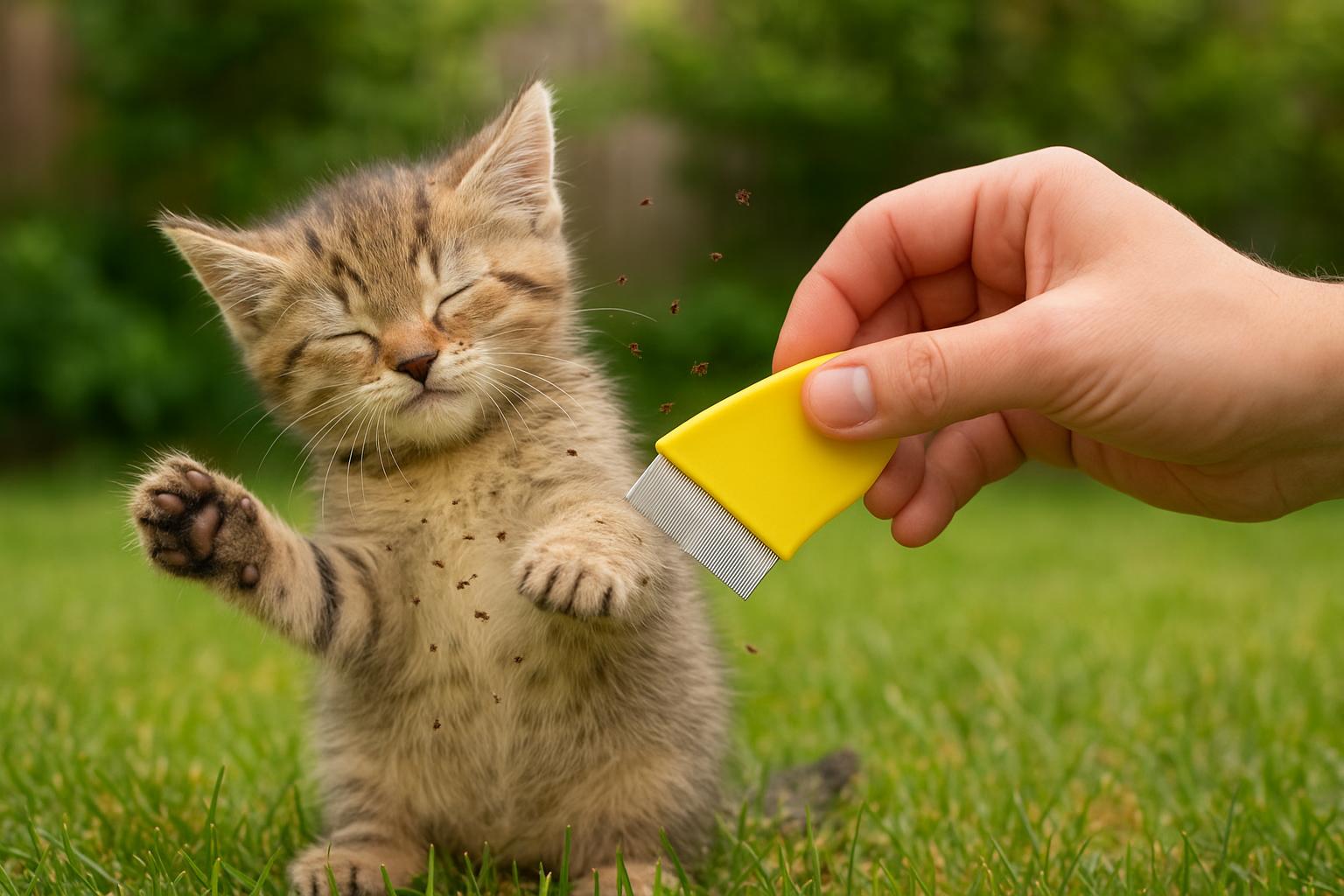
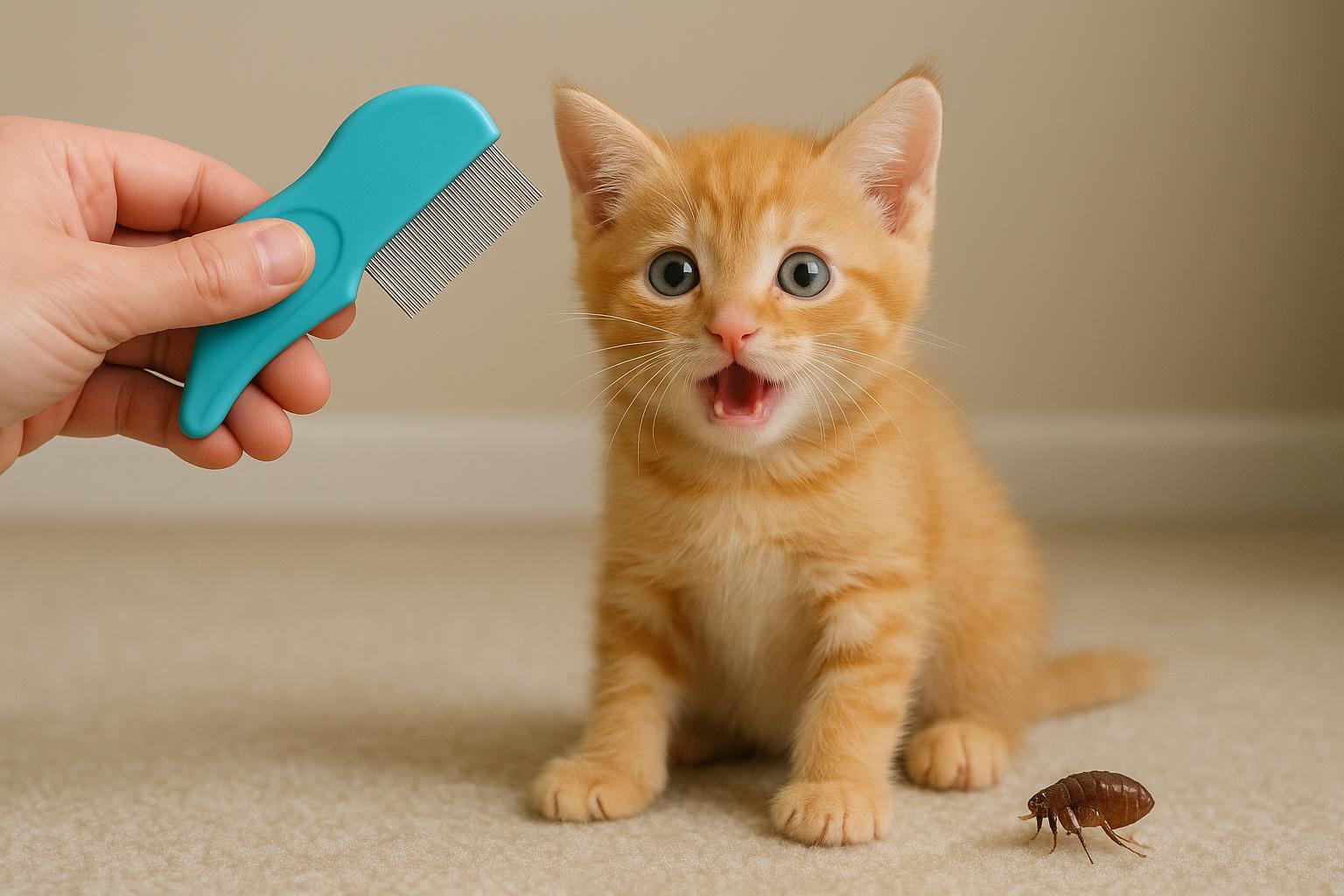
Look for excessive scratching, red or irritated skin, hair loss especially around the tail base, and small black “flea dirt” specks (flea feces made of digested blood). Use a fine-toothed flea comb over white paper — live fleas will jump and droppings will leave a blood-like spot when dampened. If you notice these signs, quick action prevents escalation.
## How To Spot A Flea Problem Quickly
Early detection saves time and itch. Regularly inspect your cat, bedding, and common lounging spots. Pay special attention to the neck, base of tail, and flanks. If you find even one flea, assume there are more — for every adult you see, there may be dozens or hundreds of eggs and larvae hiding out. That’s why getting comfortable with how fleas enter and where they hide is critical.
### When To Call The Vet
If your cat shows signs of heavy infestation (anemia, extreme hair loss, open sores, lethargy), or if your pet is very young, old, pregnant, or has a medical condition, contact your veterinarian immediately. Fleas can transmit tapeworms and cause severe allergic reactions in some cats. A professional will recommend safe, effective treatments tailored to your cat.
## Remedy 1: Vet-Recommended Topical Or Oral Treatments
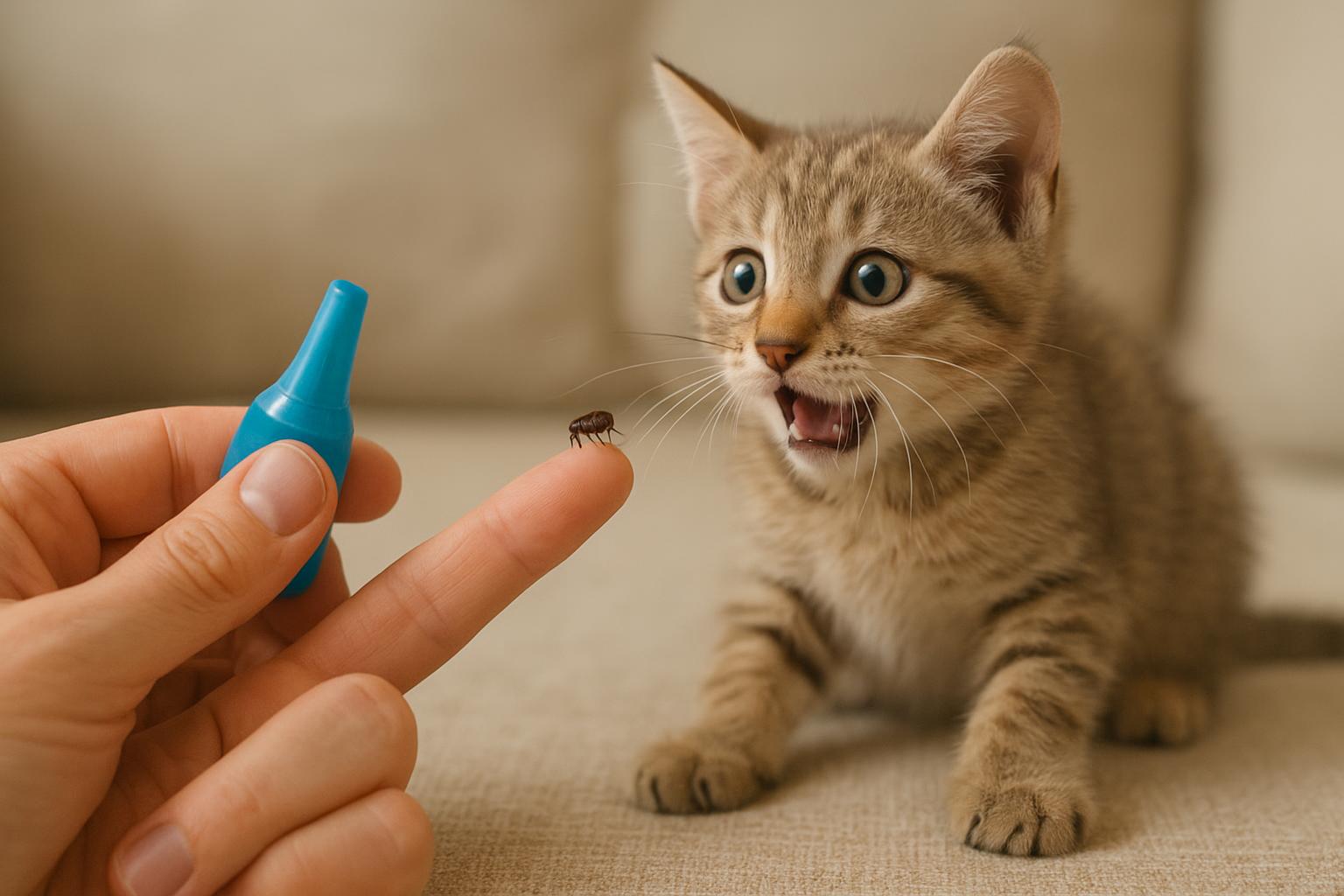
To actually stop fleas on the animal, use products prescribed or recommended by your veterinarian. These are the most reliable way to eliminate adult fleas and interrupt the lifecycle.
### Ingredients/Materials For Remedy 1
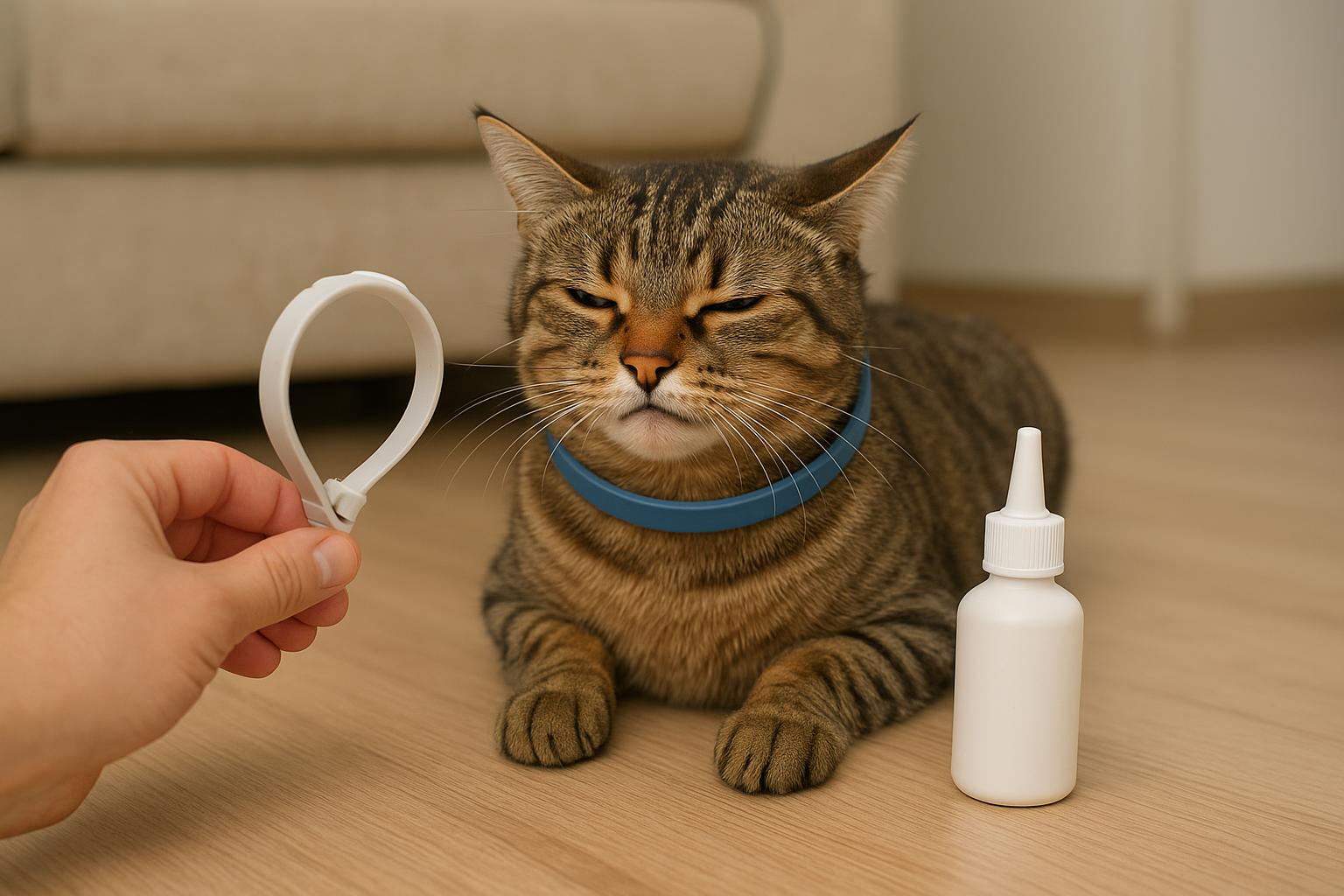
– Veterinary-prescribed topical spot-on medication (e.g., selamectin, fipronil, or imidacloprid depending on vet recommendation)
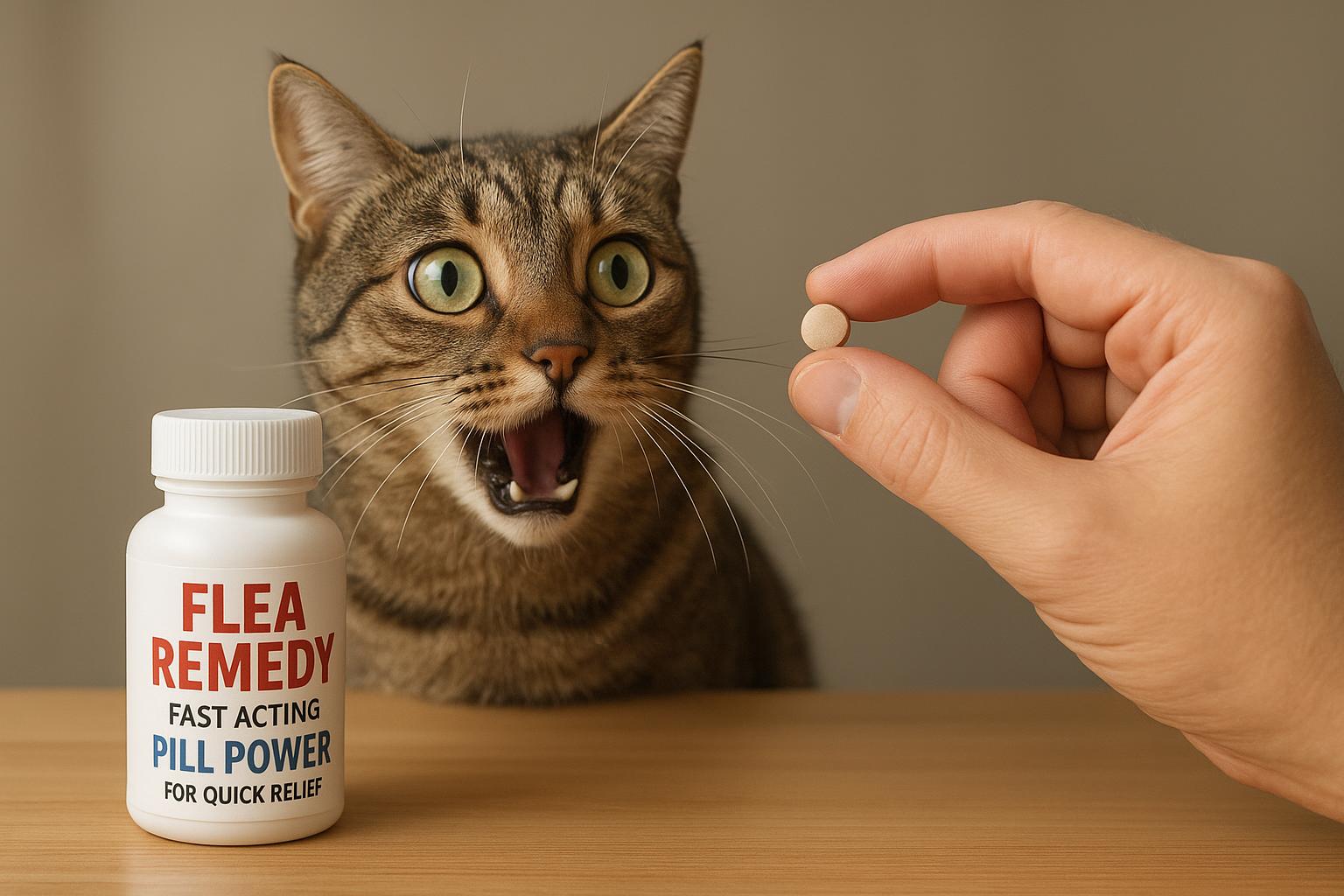
– Oral veterinary-prescribed chewable tablet (e.g., nitenpyram for immediate kill, or monthly preventives like spinosad)
– Flea comb (fine-toothed)
– Gloves (nitrile recommended for application)
– Record log (calendar or app) to track application dates
#### Step 1: Veterinary Consultation And Prescription
Formally consult your veterinarian. Provide weight, age, medical history, and any medications. The vet will choose a product safe for your cat. Do not use dog flea products on cats — that can be toxic.
#### Step 2: Correct Dosage And Administration
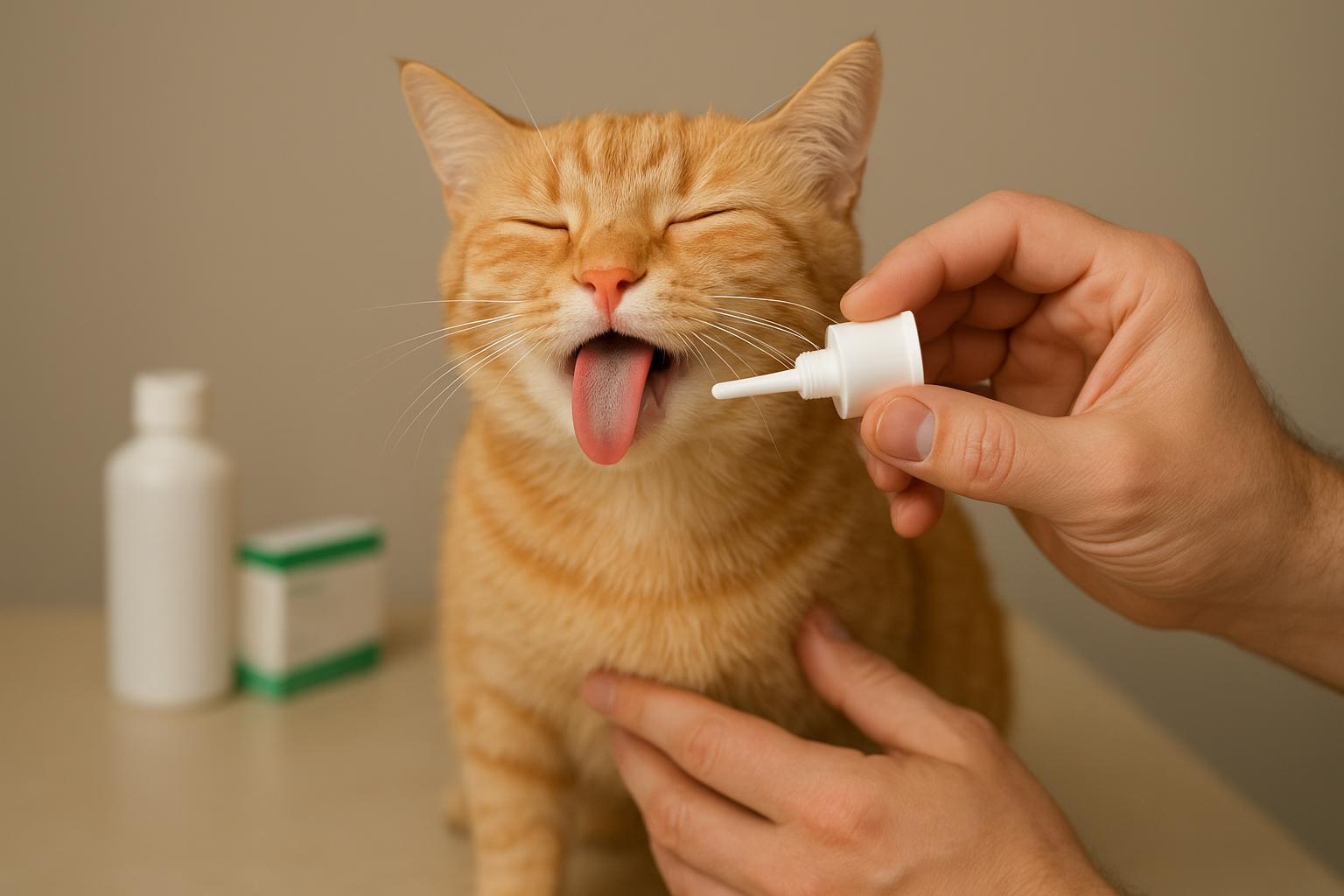
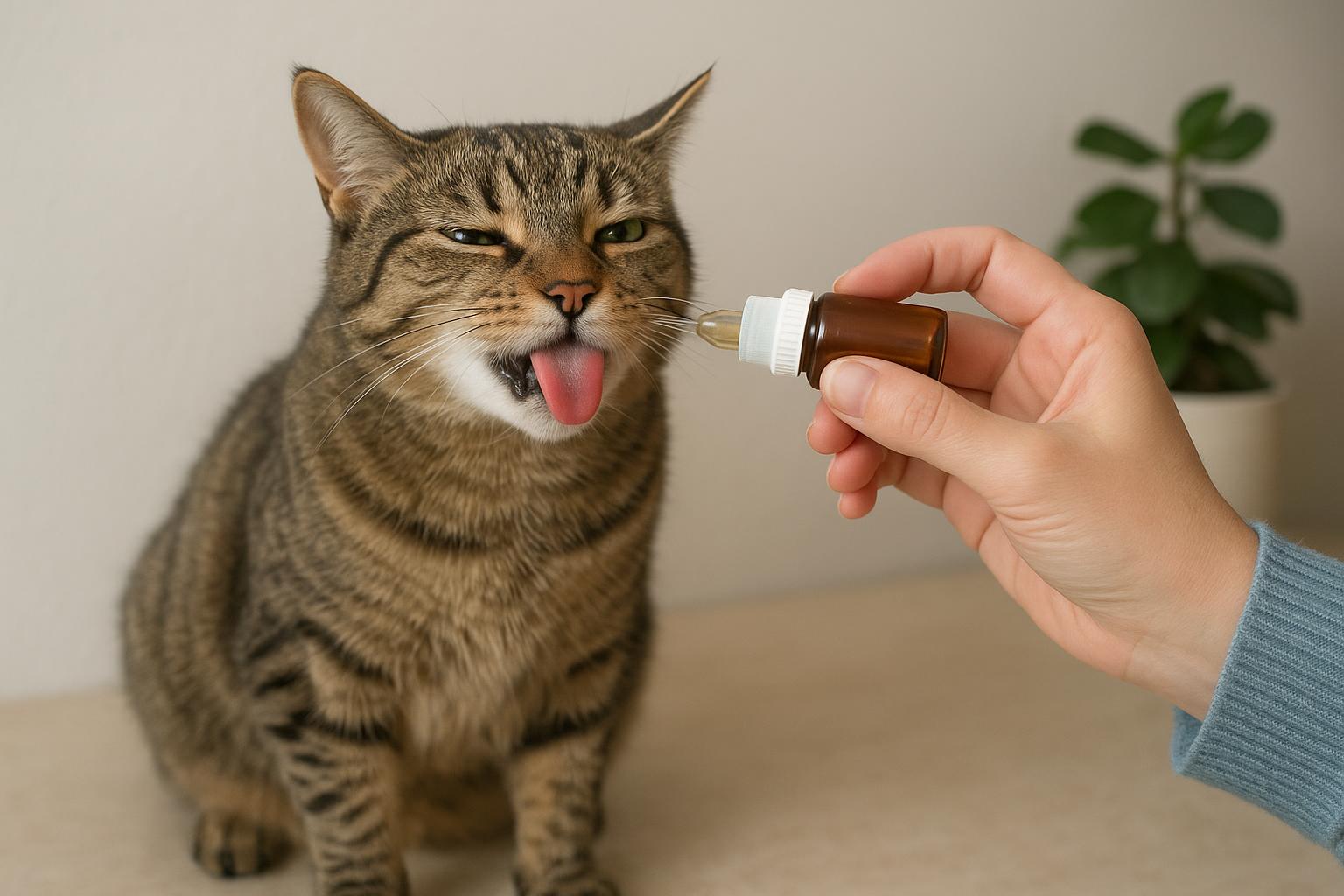
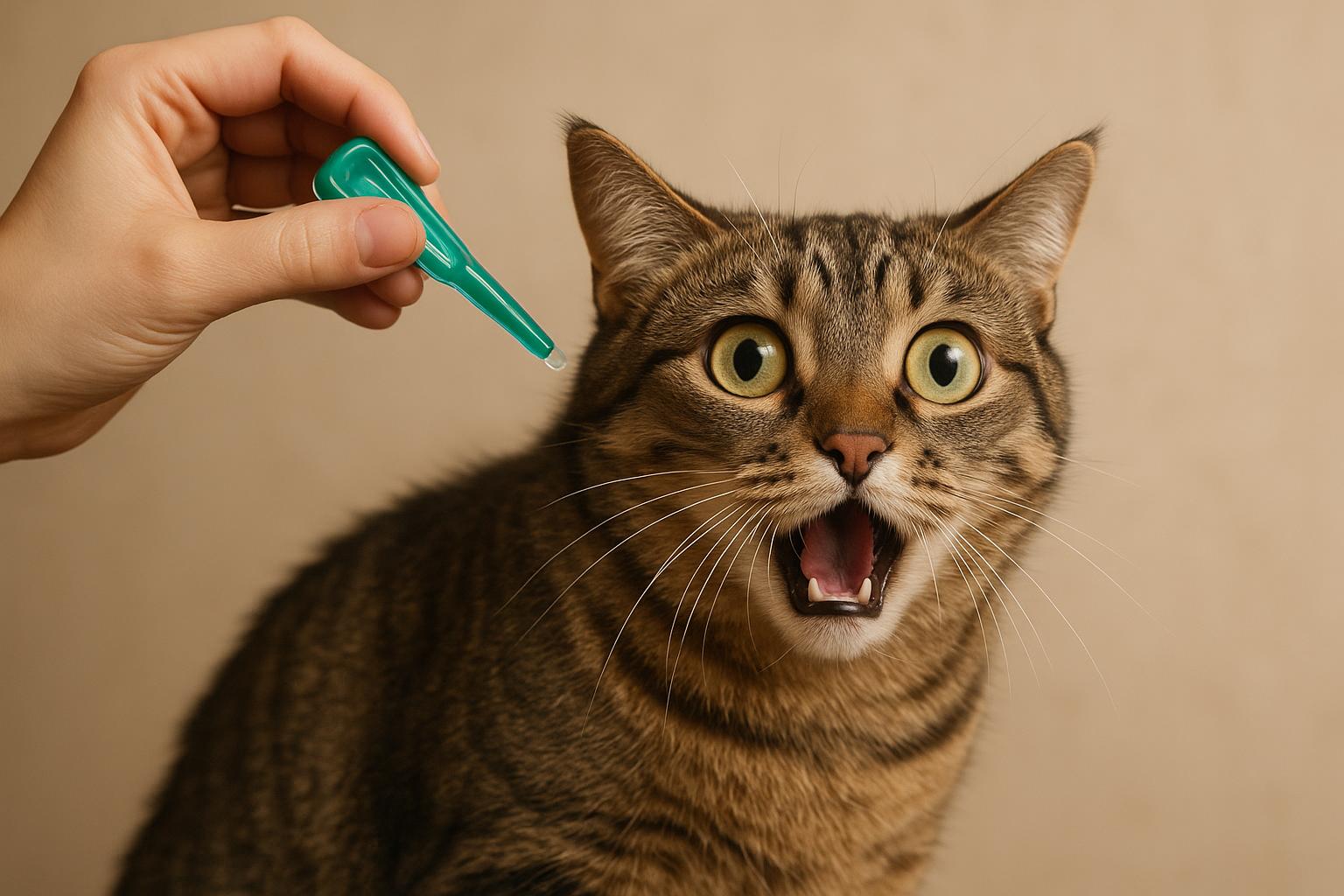
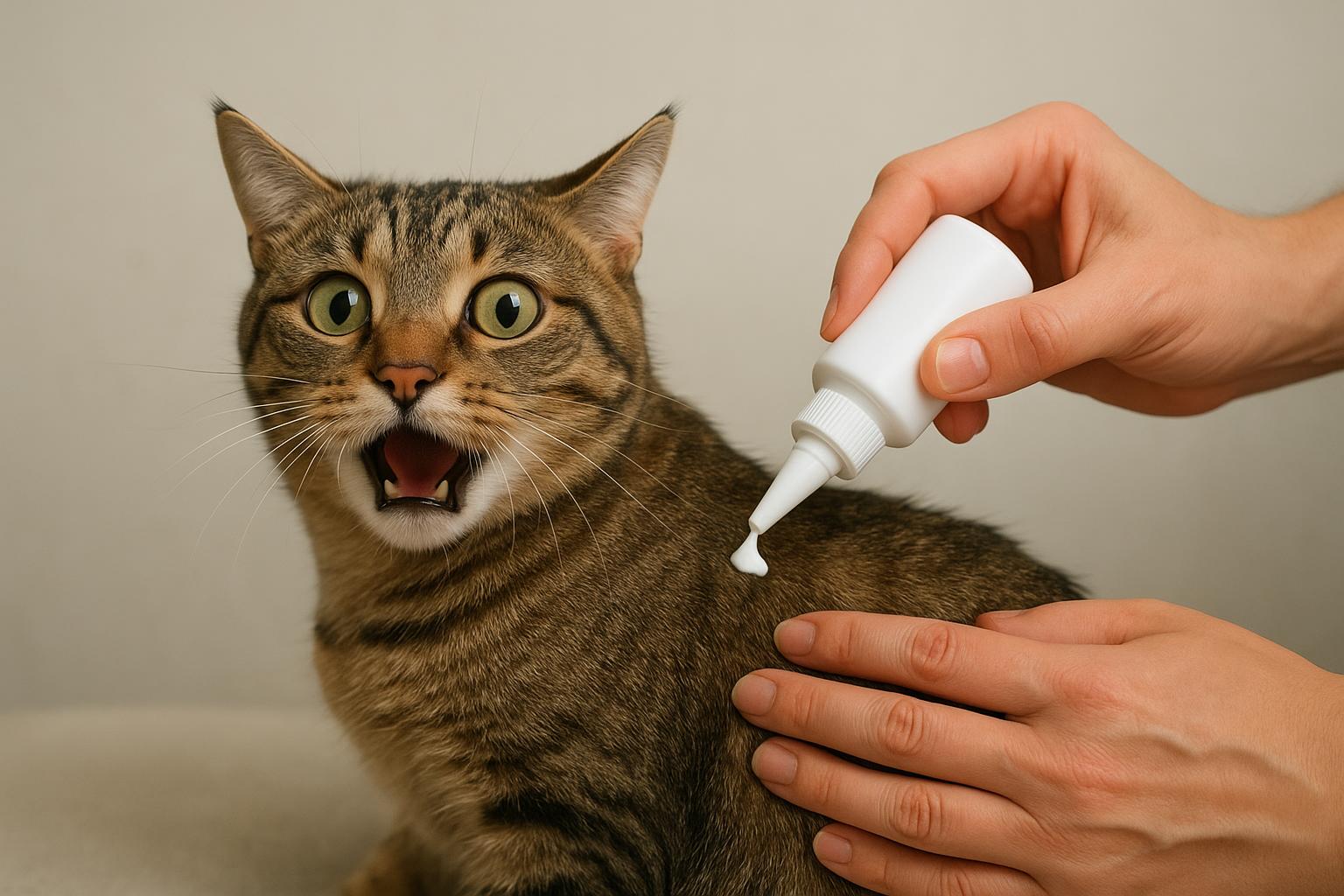
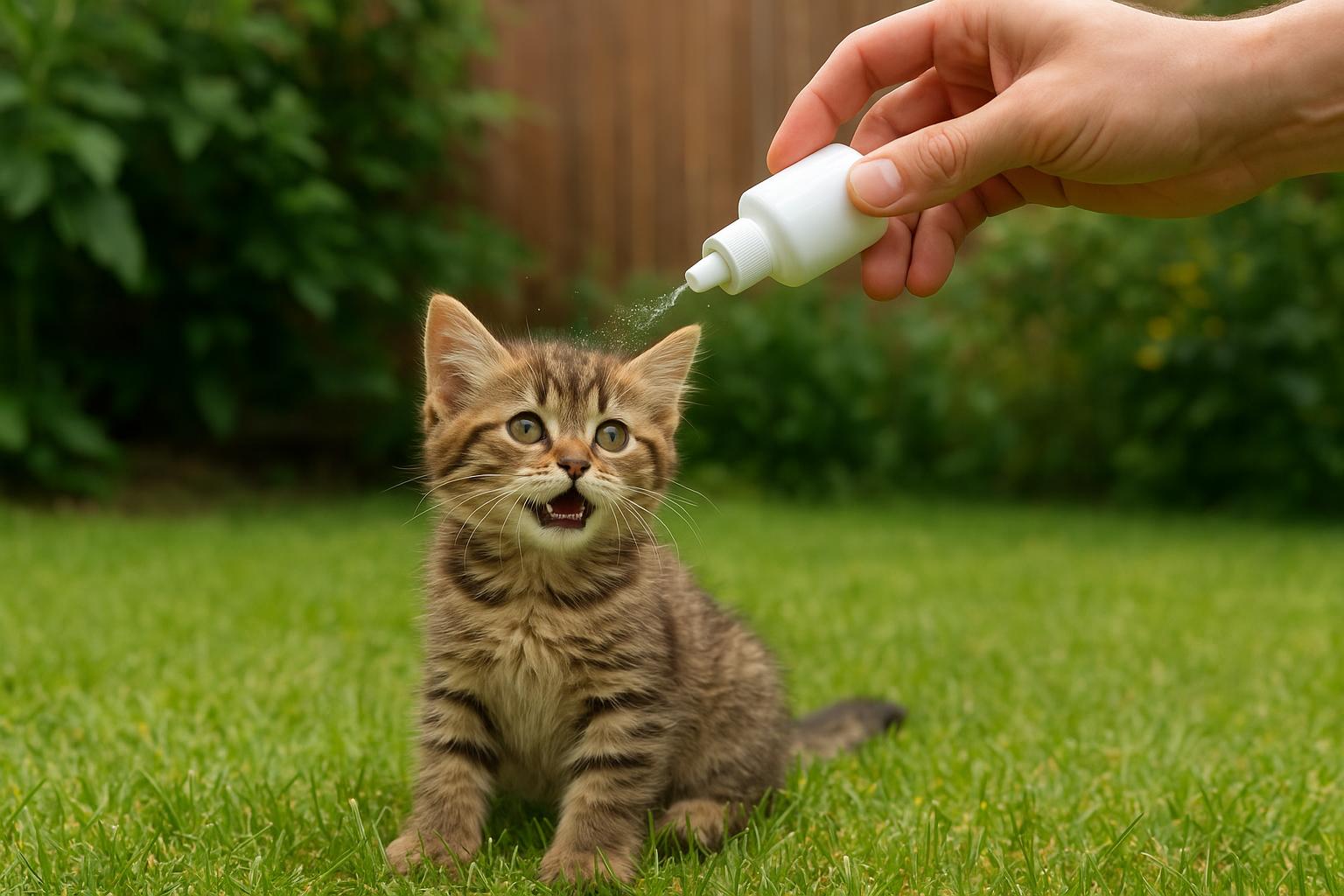
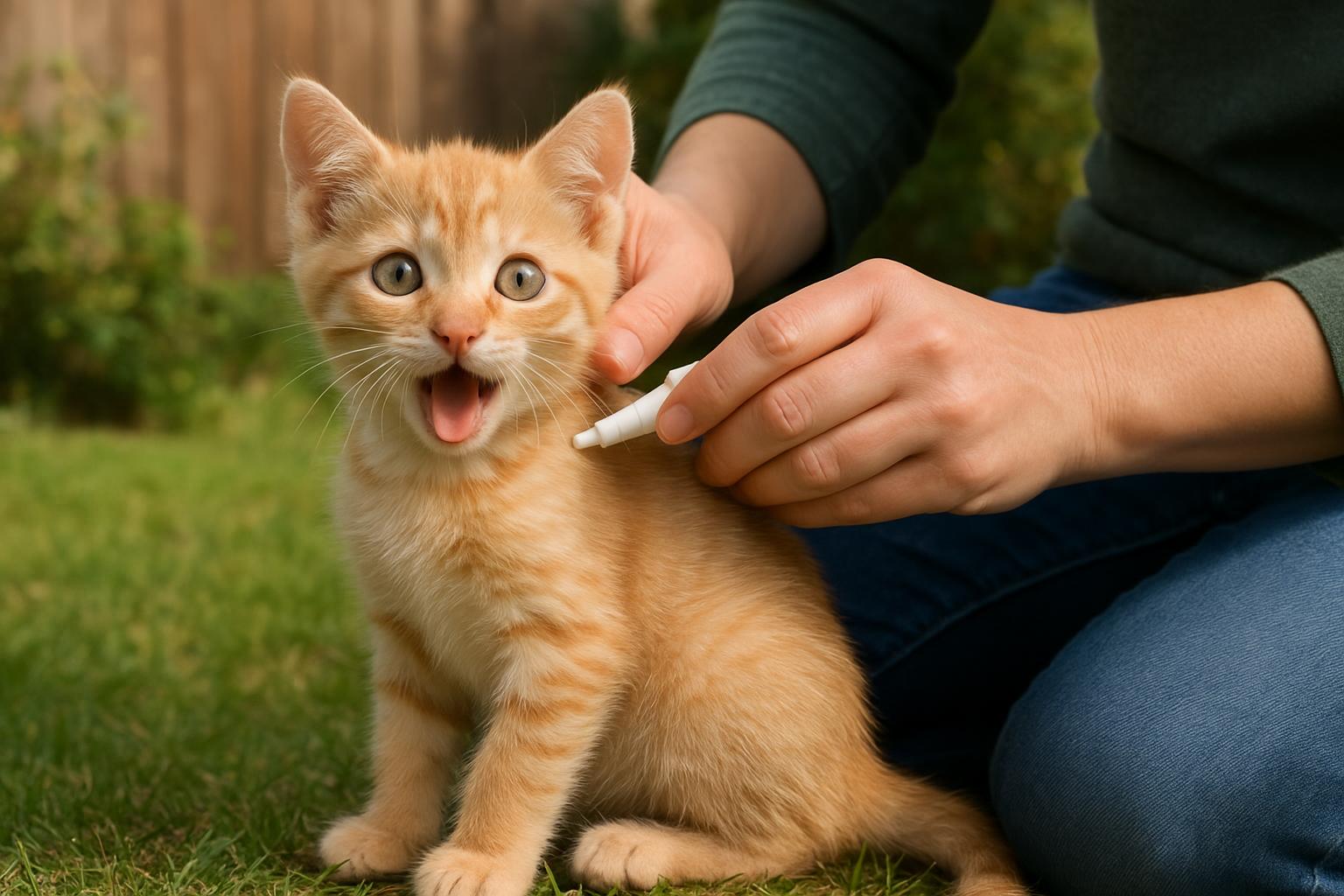
Follow the vet’s instructions precisely. For topical spot-ons: part the fur at the base of the skull and apply direct-to-skin, not on fur. For oral meds: give with or without food as directed. Nitenpyram acts fast for immediate relief; monthly preventives maintain protection. Record the date of administration and set reminders.
#### Step 3: Treat All Pets And Maintain Schedule
Treat all animals in the household, even if asymptomatic, to prevent re-infestation. Continue monthly preventatives or the vet-recommended interval. Keep a calendar and monitor for side effects. If you see adverse reactions (vomiting, lethargy, itching), contact your vet.
## Remedy 2: Home Environment Control And Cleaning
While treating the cat is essential, you must also make the environment inhospitable. This remedy focuses on interrupting the flea lifecycle within the home.
### Materials For Remedy 2
– Vacuum cleaner with attachments
– Washing machine and dryer with hot-water and high-heat settings
– Food-grade diatomaceous earth (DE), optional (use mask and gloves)
– Disposable trash bags
– Flea comb and pet-safe laundry detergent
– Commercial indoor flea spray with an insect growth regulator (IGR) such as pyriproxyfen or methoprene (label must state safe for homes with pets)
– Gloves and face mask (for dusting or applying DE)
#### Step 1: Aggressive Cleaning Cycle
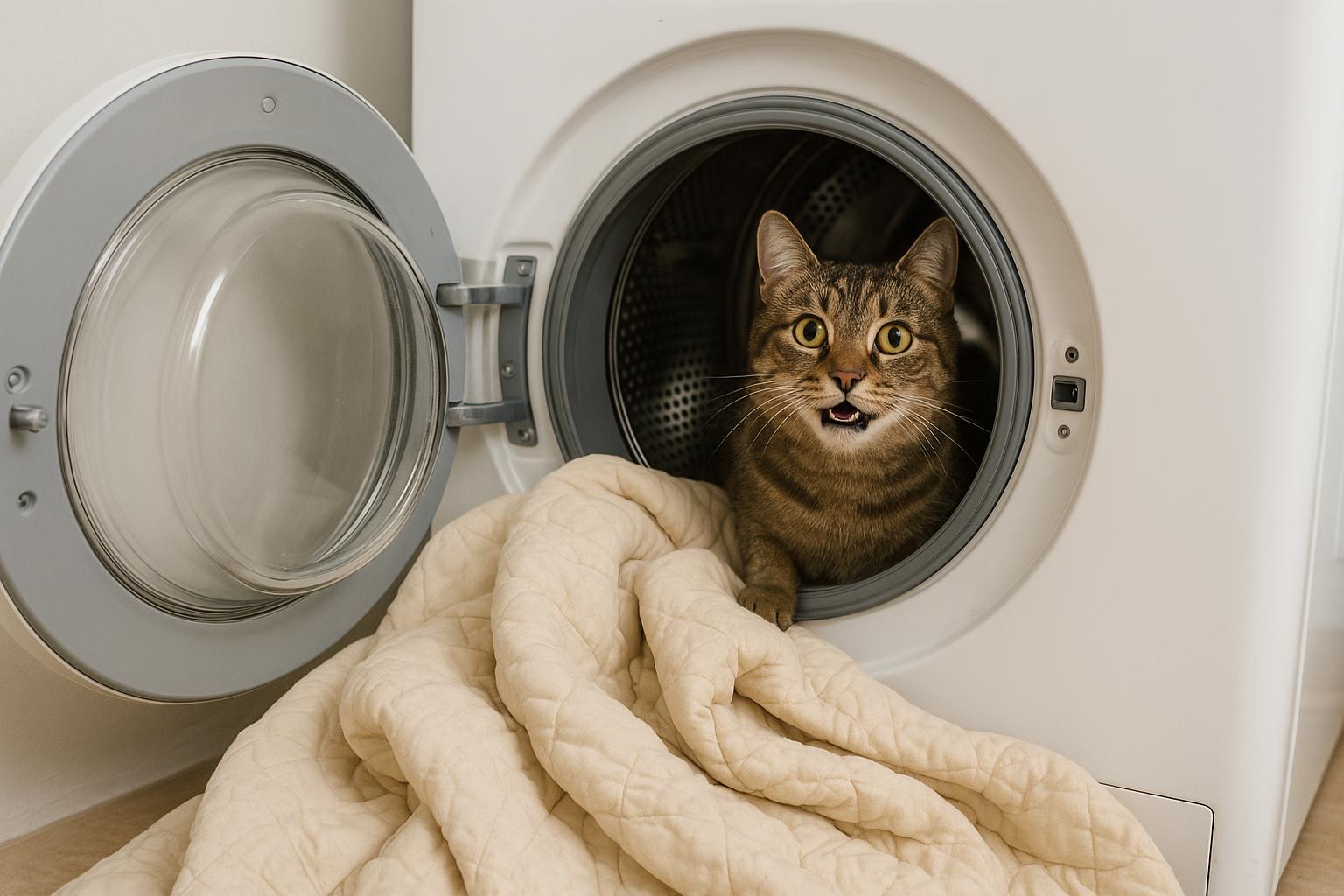
Formally, begin with a methodical cleaning schedule. Vacuum all carpets, rugs, couches, and baseboards daily for at least two weeks. Empty the vacuum canister or dispose of the bag outside immediately into sealed trash bags. Wash all pet bedding, throw blankets, and cushion covers in hot water (at least 60°C/140°F recommended if fabric allows) and dry on high heat for at least 20–30 minutes to kill eggs and larvae.
#### Step 2: Targeted Application Of DE Or IGR Spray
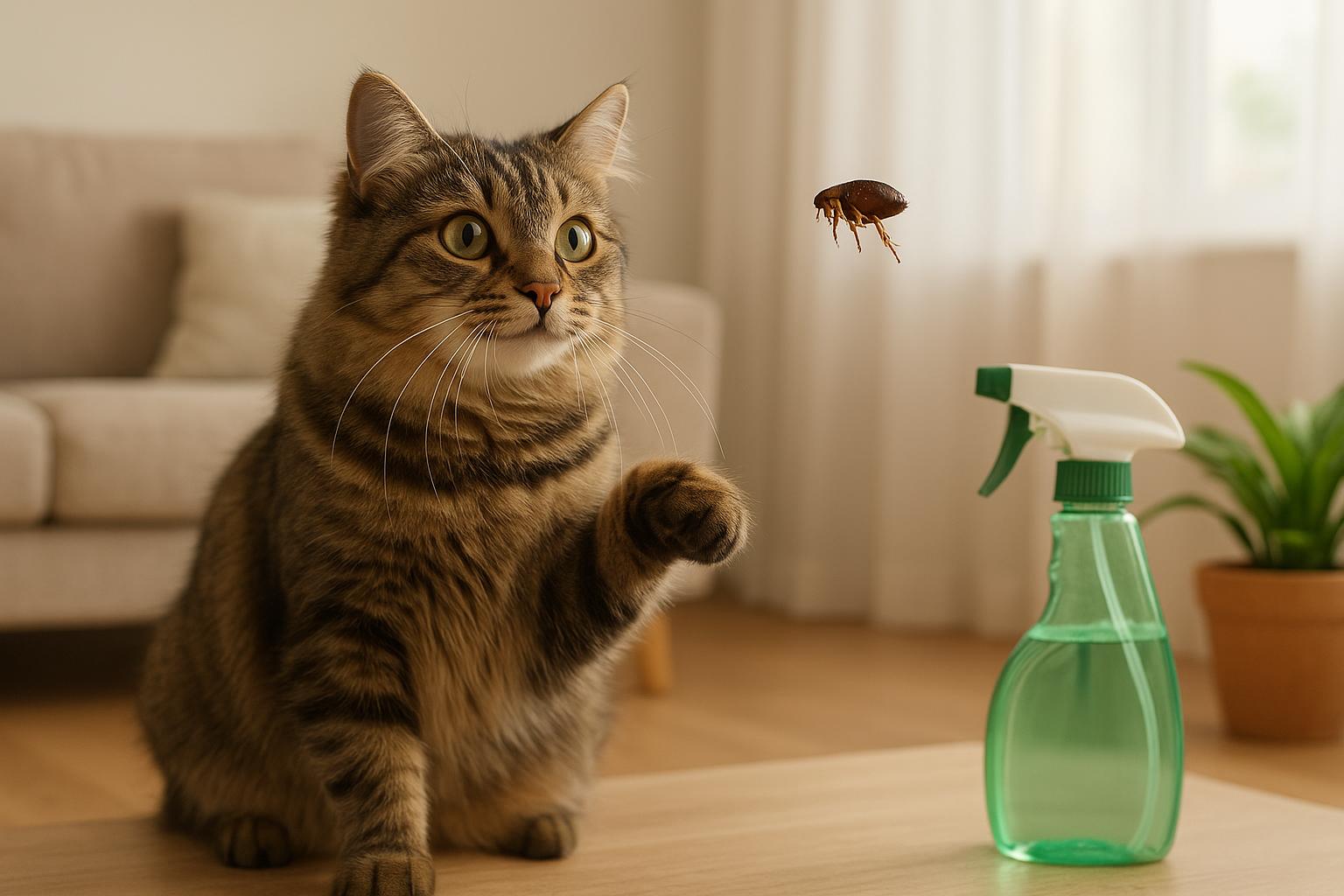
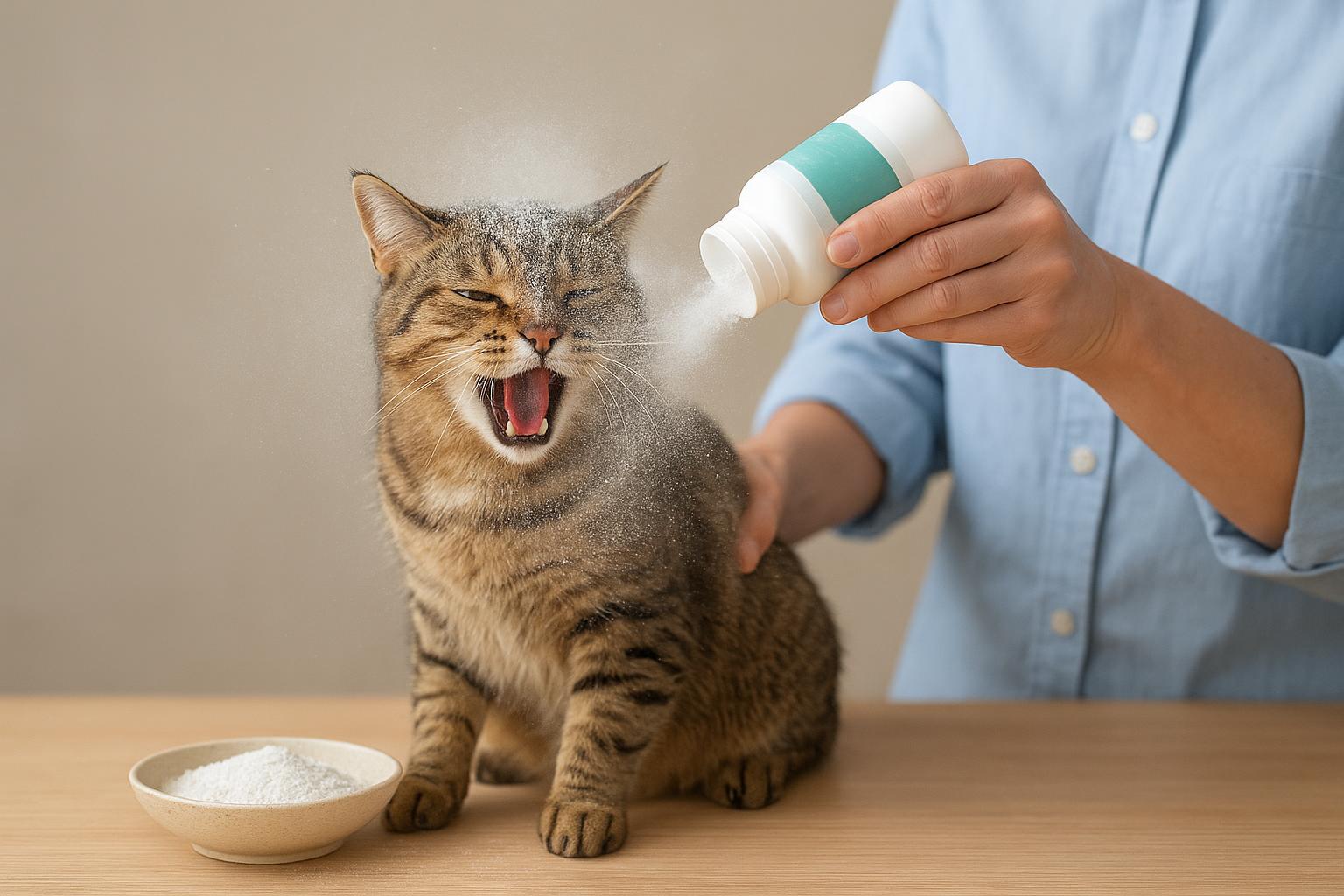
If using food-grade diatomaceous earth, follow label instructions and apply a light dusting to carpets and under furniture; use gloves and a dust mask. Leave DE for 48 hours, then vacuum thoroughly and discard contents outside. Alternatively or in addition, use a commercial indoor flea spray that contains an IGR. Strictly follow label directions: remove pets and cover fish tanks during application, ventilate the area, and only reintroduce pets once surfaces are dry. The IGR prevents eggs from developing into adults, which breaks the lifecycle.
#### Step 3: Ongoing Monitoring And Repeat Treatments
Repeat vacuuming and laundering weekly during the first month. Reapply sprays or IGRs per product intervals. Check flea activity with a comb test and visual inspections. Persistence is key because pupae can remain dormant and hatch later; maintaining treatment for 8–12 weeks typically covers multiple life stages.
### Safety Notes For Home Treatments
Be cautious with anything applied in a cat’s environment. Many essential oils and human-focused products are toxic to cats. Only use pet-safe labeled products and consult your vet when unsure. When in doubt, professional pest control services experienced with pet-safe protocols can provide targeted treatments.
## Quick Prevention Tips For Daily Life
Now for the fun part: practical, low-effort habits that significantly reduce the chance of fleas entering your home.
### Travel, New Pets, And Yard Checks
– When returning from walks or outings, check clothing and shoes and consider a quick wipe of shoe soles if you were in grassy areas where fleas are common.
– Quarantine and inspect new or boarding pets for fleas before introducing them to resident animals.
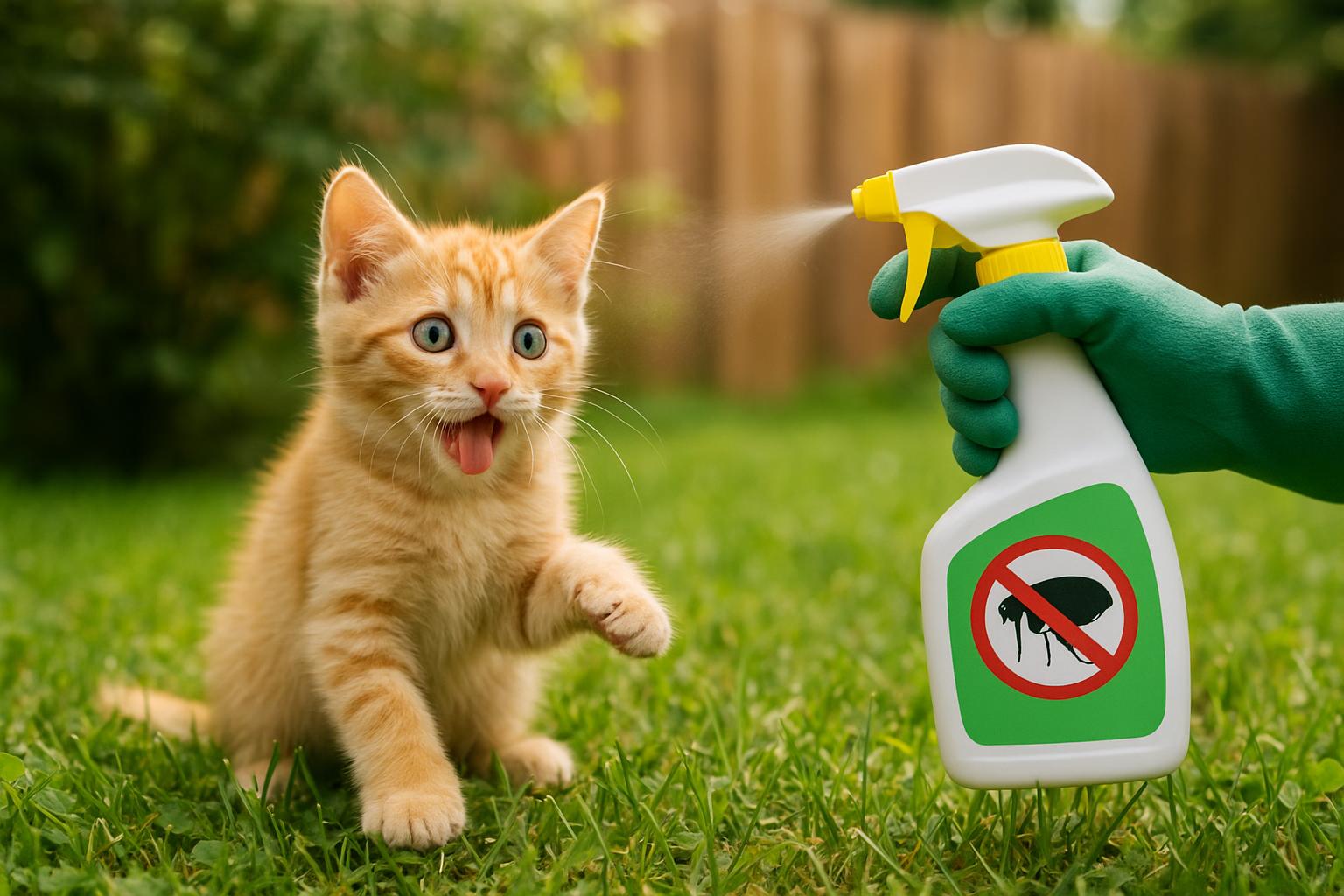
– Maintain yard hygiene by keeping grass trimmed, removing debris, and discouraging wildlife close to your house foundation.
– Use door mats and consider a pet-free entry zone where outdoor shoes are removed.
### Small Habits That Add Up
A weekly combing session with a flea comb, monthly vet-recommended preventatives, prompt laundry of pet bedding, and swift action at the first sign of fleas will keep your indoor environment comfortable and flea-free. The trick is consistency — once you understand how fleas enter and why they thrive, prevention becomes more of a habit than a headache.
Keep your cat comfy, your home clean, and your sense of humor intact — fleas may be persistent, but with the right plan, they won’t get the last laugh.









Leave a Reply