
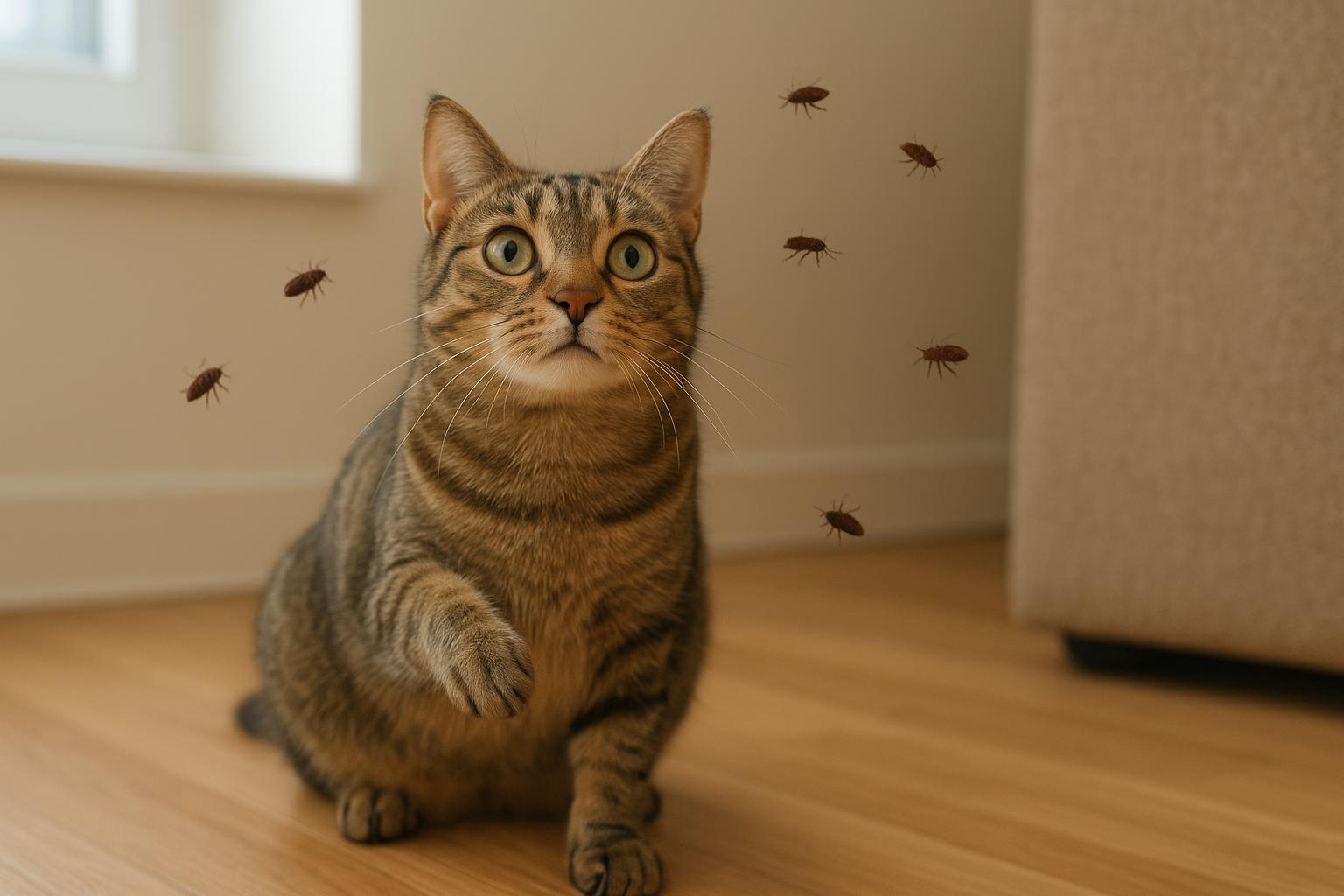
## Flea Info: Signs Your Indoor Cat Shows When Fleas Are Near
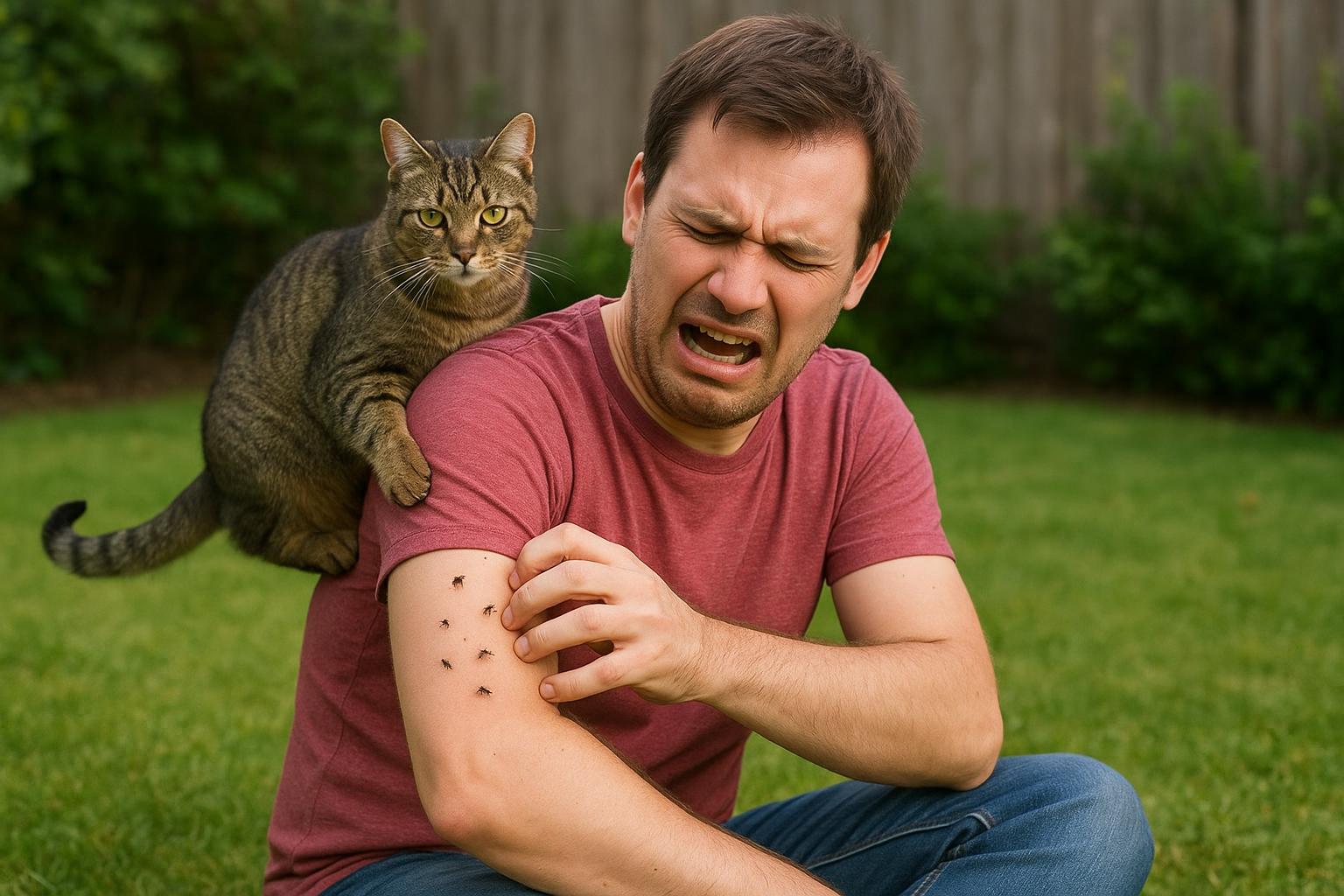
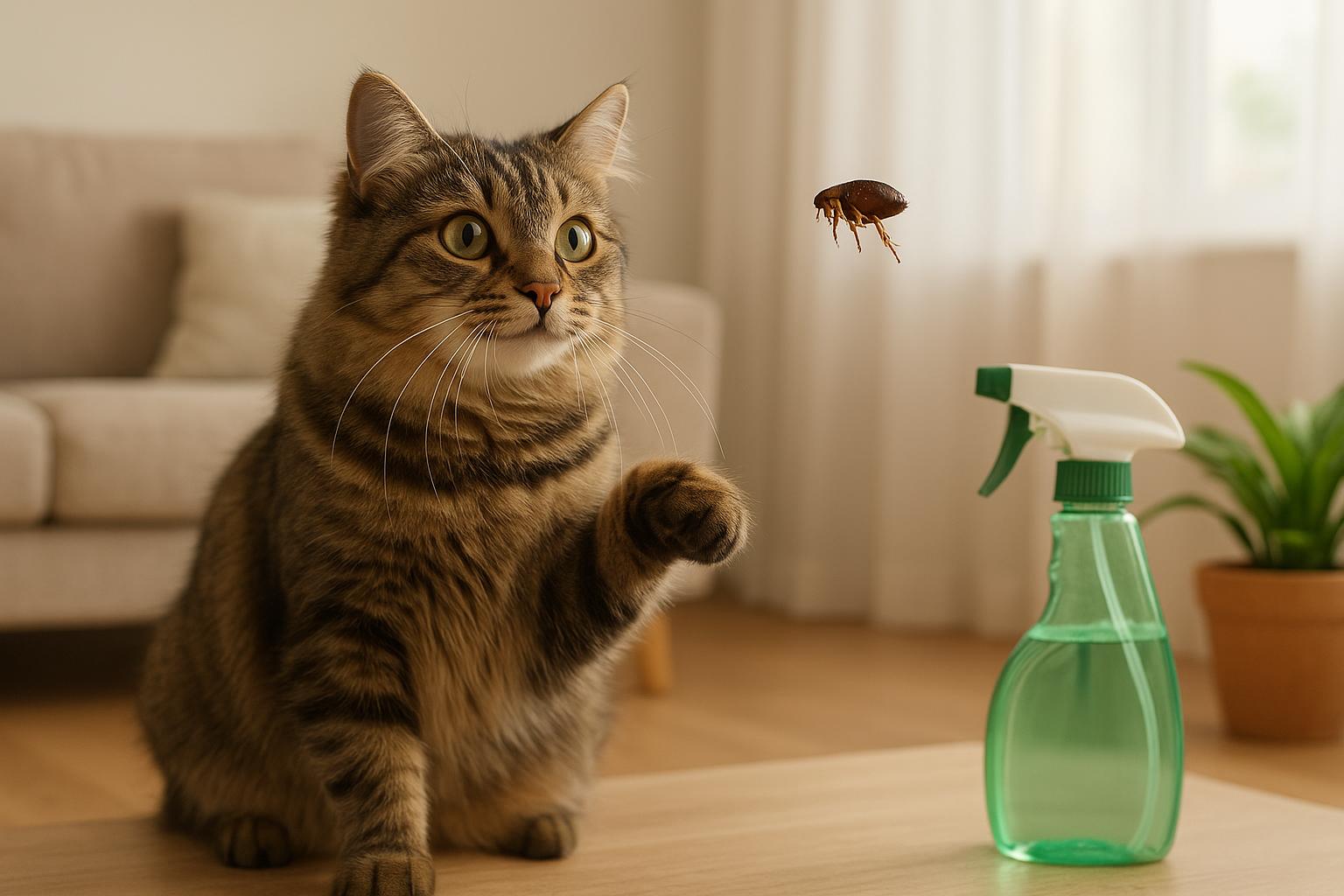
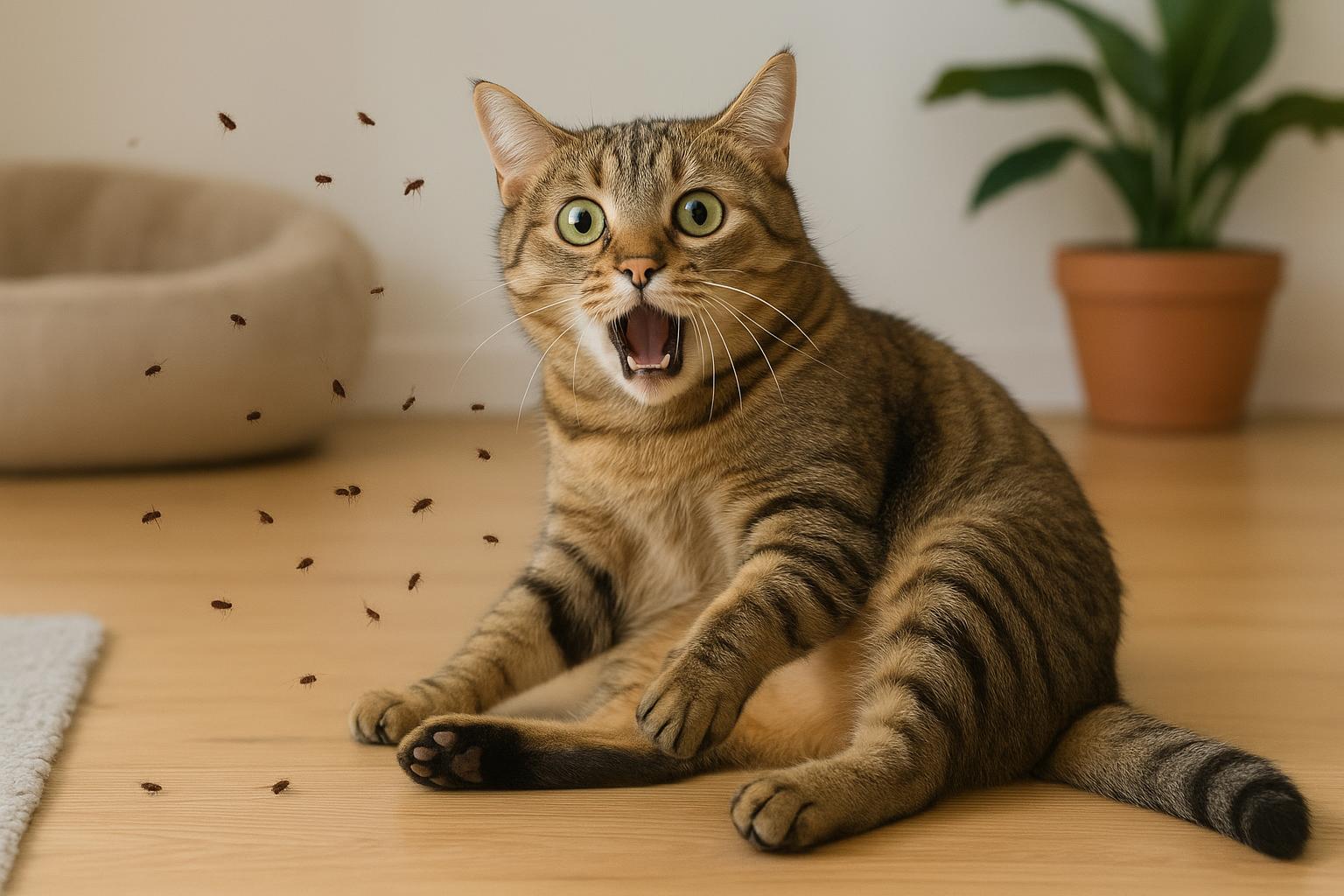
If your cat is scratching like it’s trying out for a percussion solo or suddenly grooming like it’s preparing for a photoshoot, those behaviors can be more than quirky habits. Here’s some practical flea info to help you spot the problem early—before your living room turns into a flea festival you didn’t RSVP to.
### Physical Signs
#### Itchy Patches And Red Skin
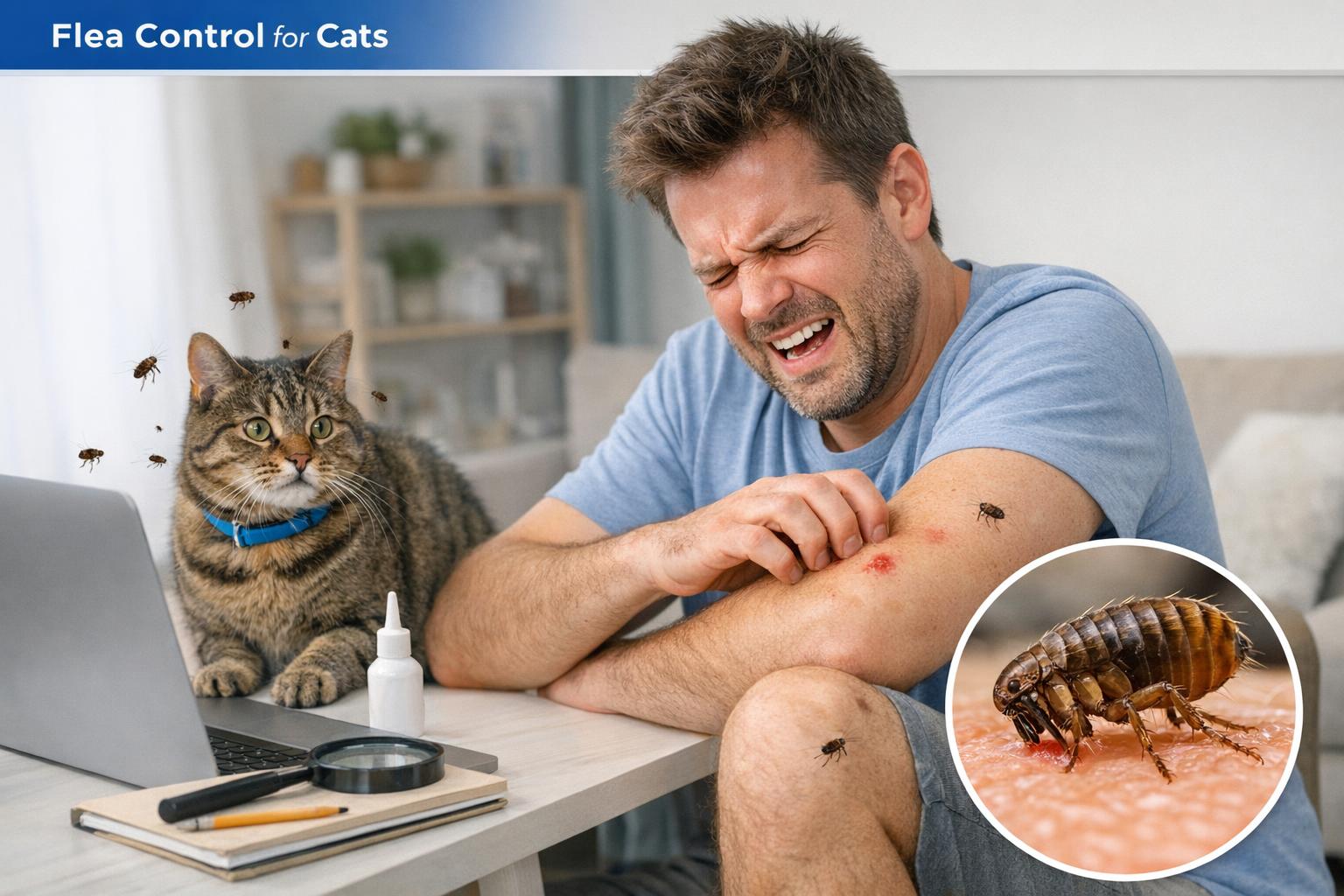
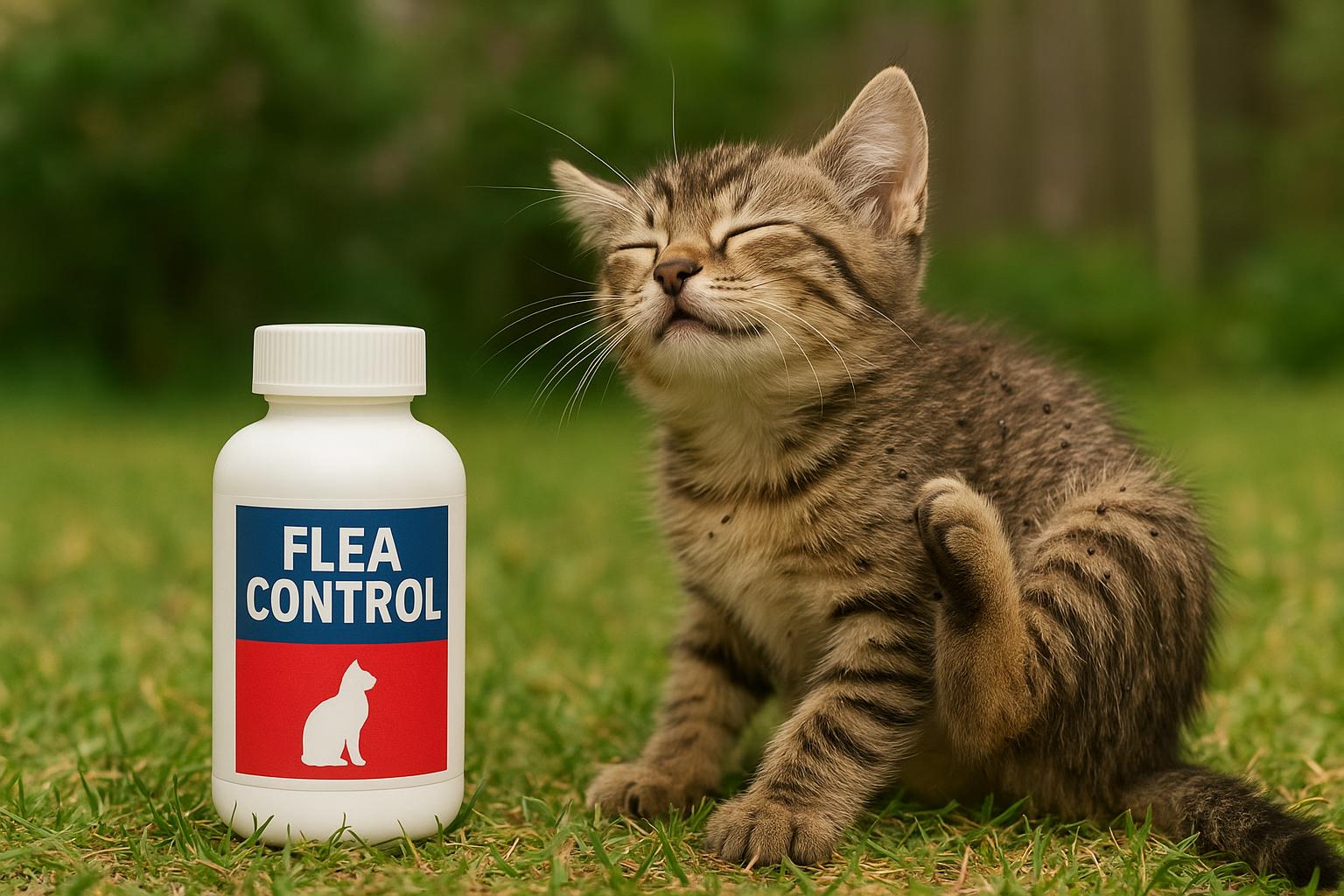
Persistent scratching, hair loss, scabs or red, irritated patches—especially around the tail base, neck, and behind the ears—are classic signs. Fleas bite and feed frequently, and your cat’s skin reacts.
#### Flea Dirt And Tiny Bugs
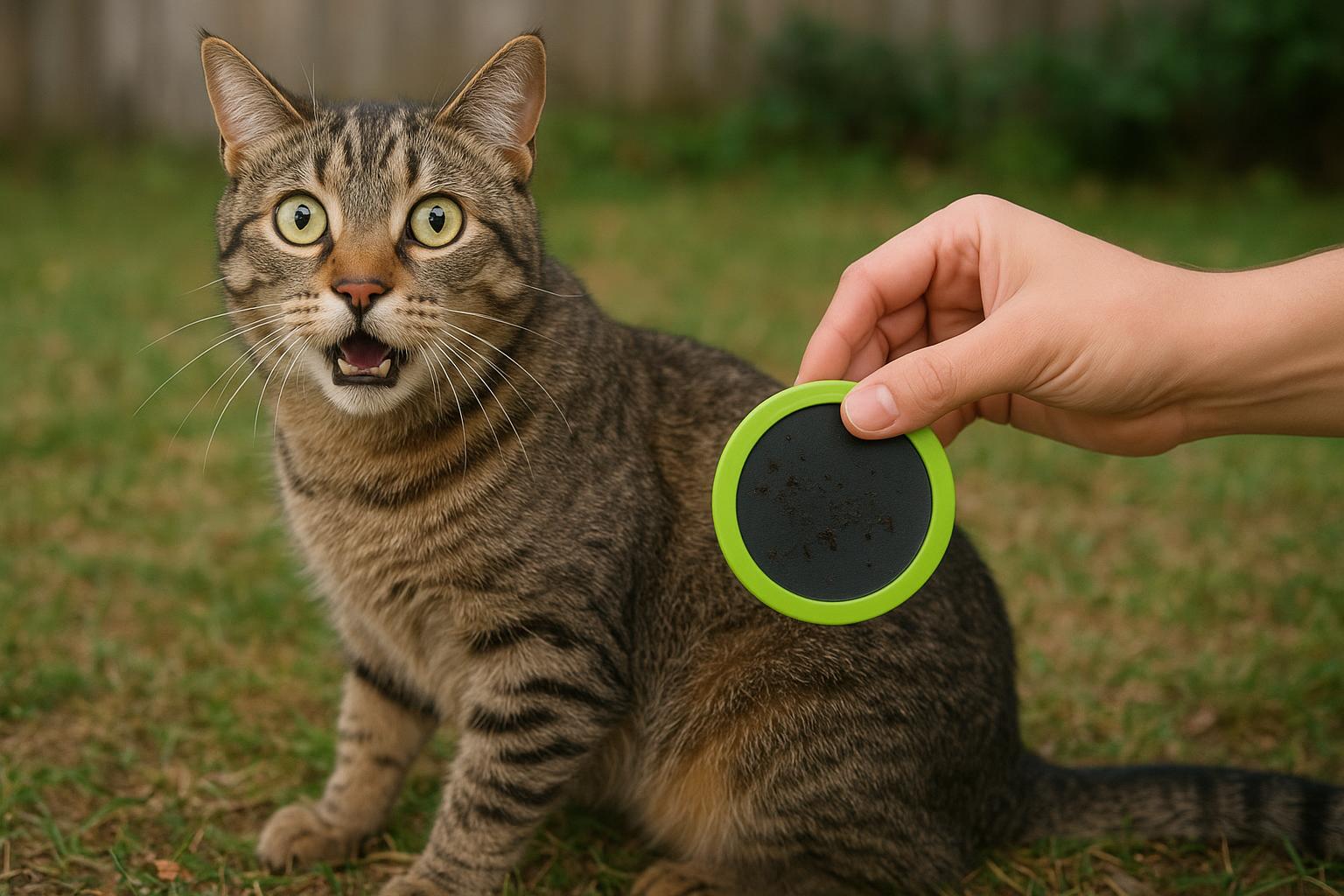
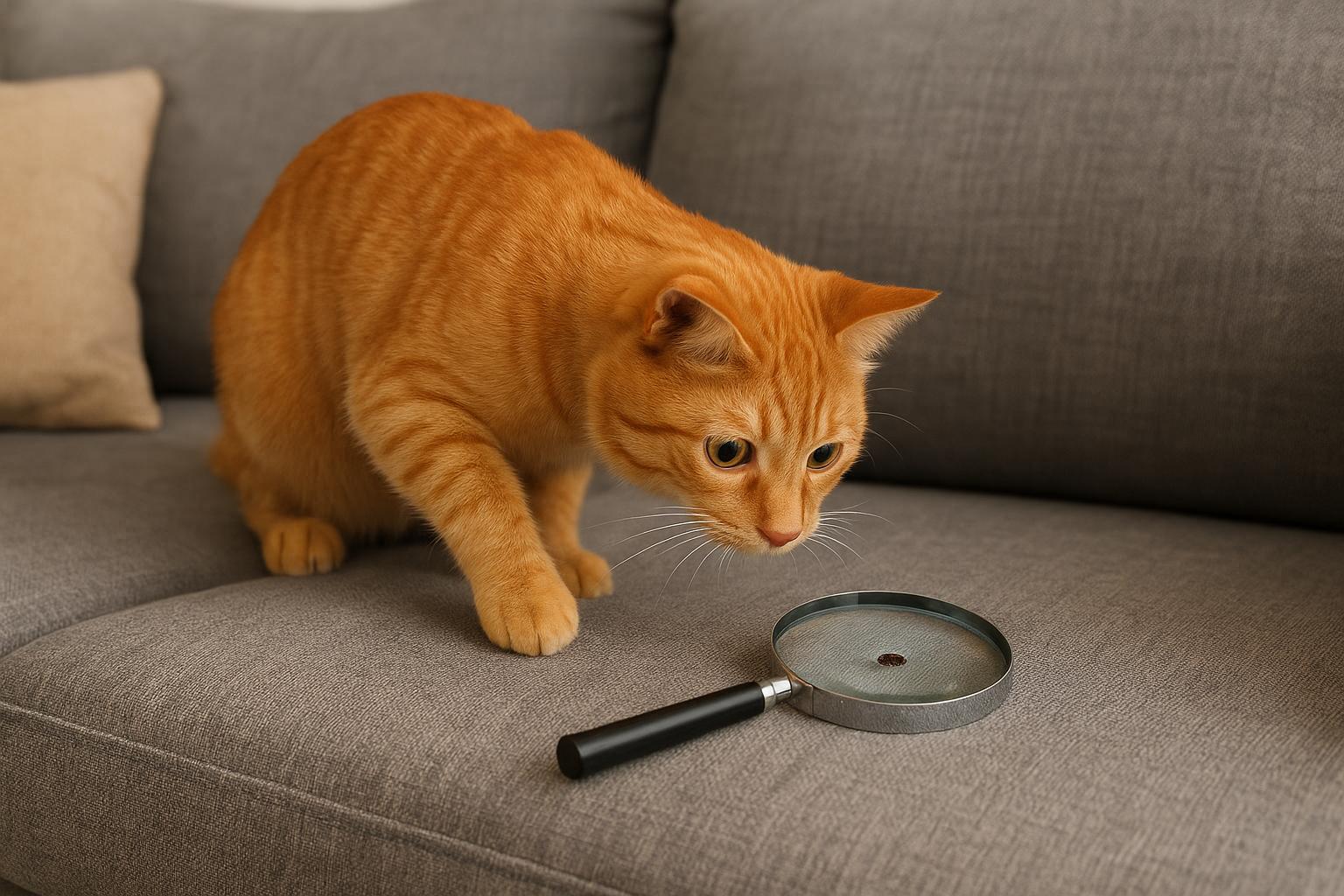
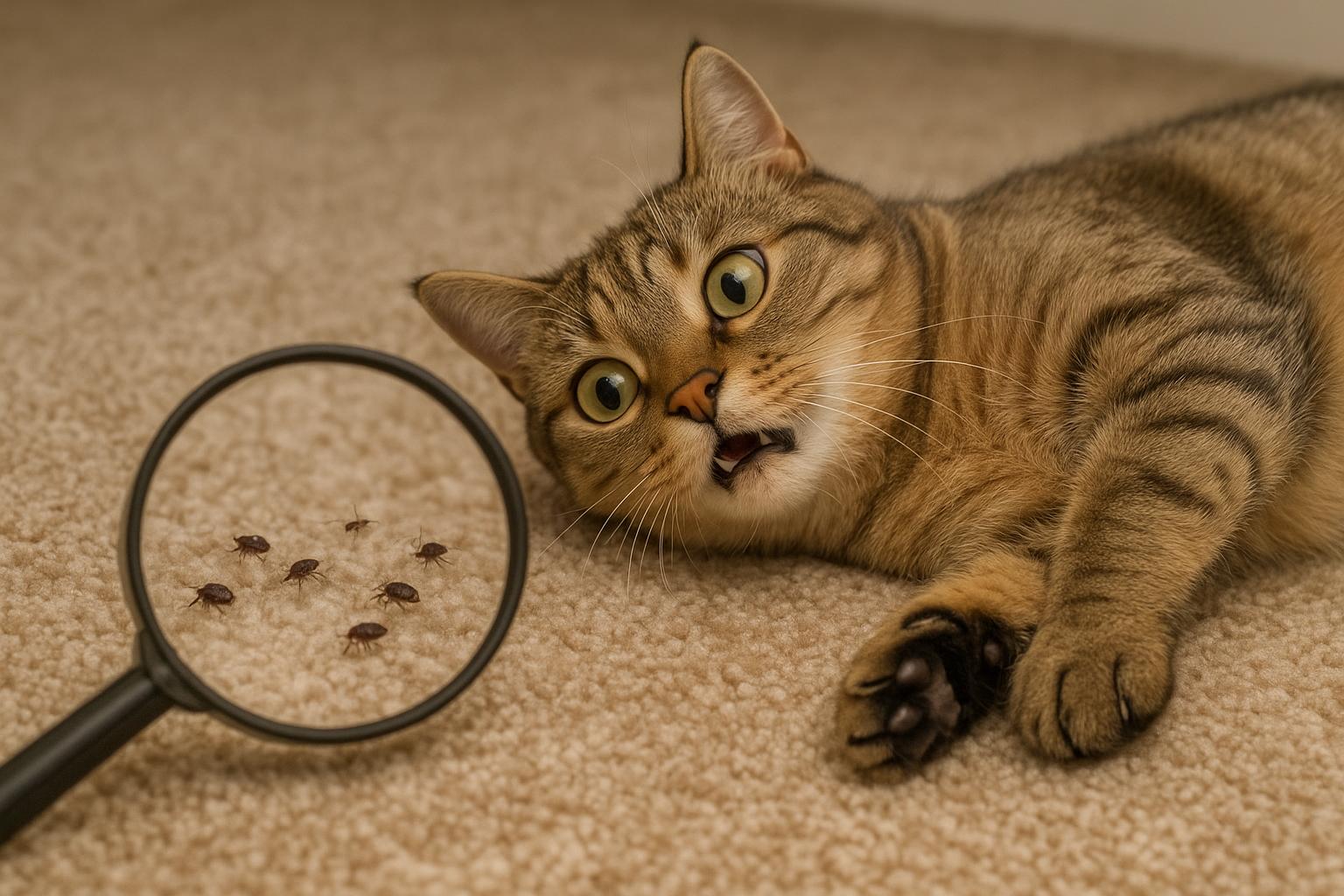
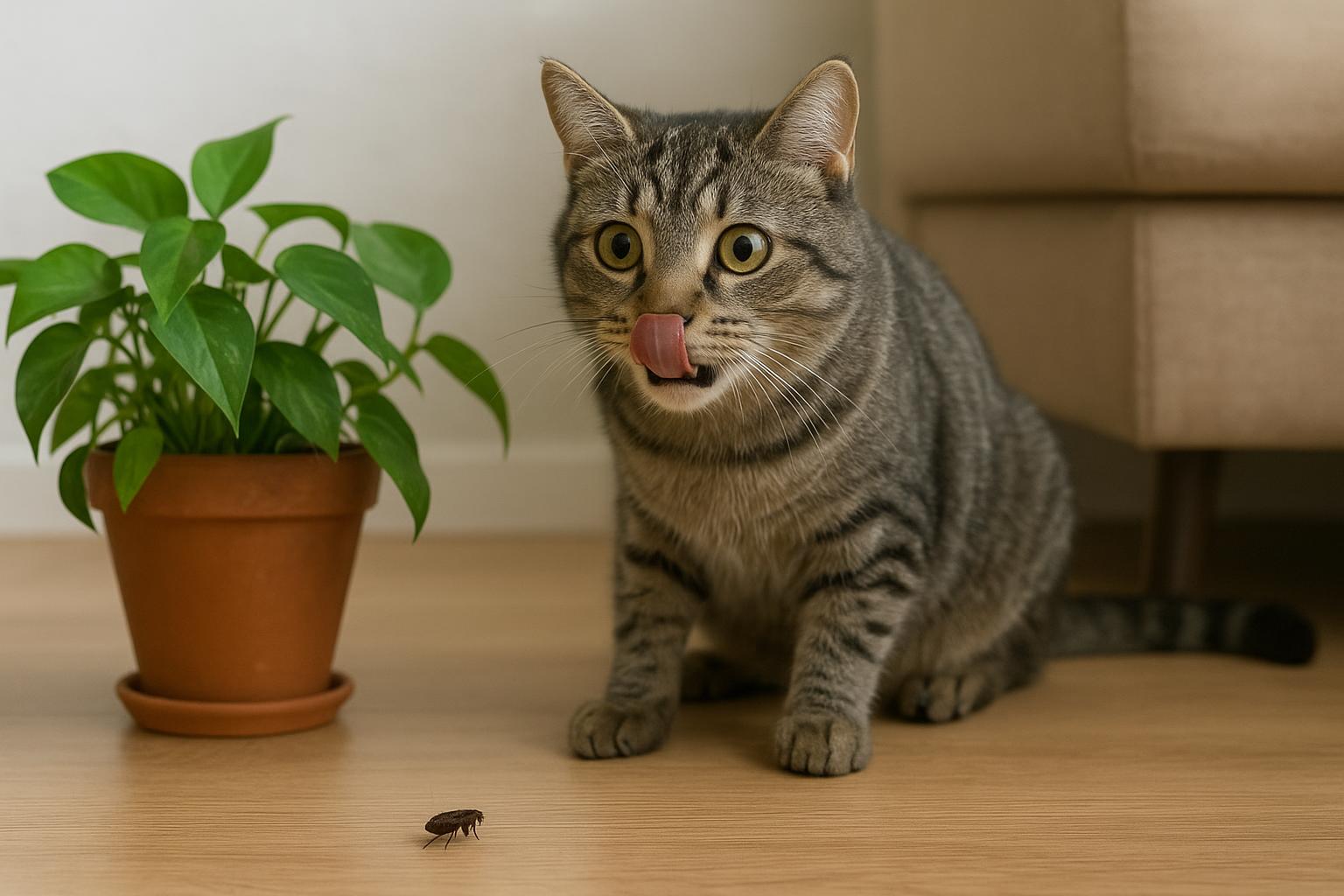
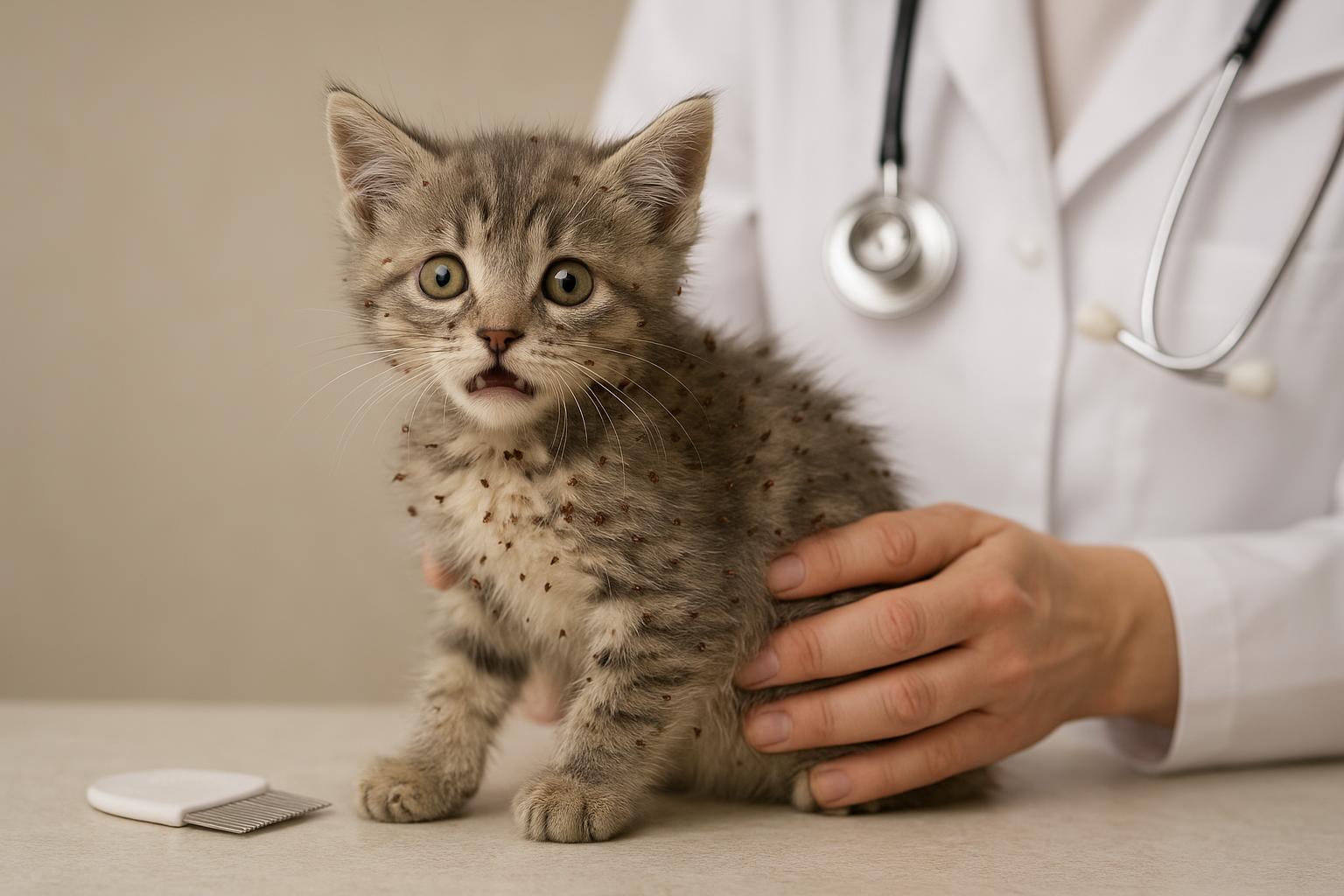
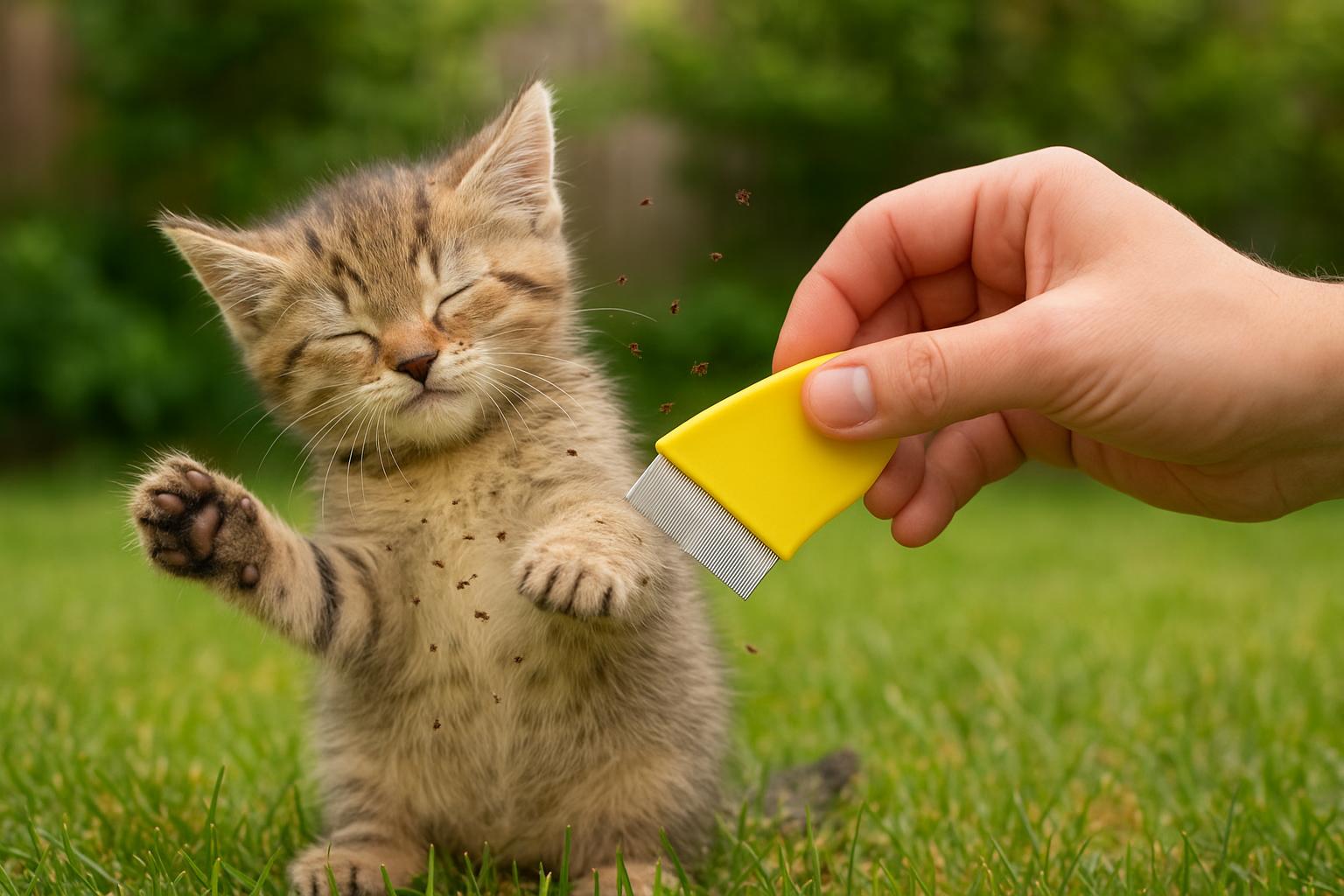
Flea dirt looks like tiny black pepper specks on the fur. Wet a paper towel or cotton ball and rub the area: if it turns reddish-brown, that’s digested blood and flea evidence. You might also glimpse tiny, fast-moving adults—hard to spot but sometimes visible on light-colored fur.
#### Hair Loss Patterns
Patchy hair loss in specific areas, not evenly distributed, often points to flea allergy dermatitis (FAD), which is an allergic reaction some cats have to flea saliva. This can look worse than the flea count suggests.
### Behavioral Clues
#### Increased Grooming Or Restlessness
If your usually mellow lap cat is suddenly a nervous groomer or hides more, fleas could be nudging their discomfort. Cats often overgroom to try to remove bites and irritants.
#### Scratching At Night
Fleas are most active in warm environments and often bite more in the evening. More nighttime scratching or agitation can be a red flag.
### What You Might See Around The House
#### Pets Scratching Or Biting
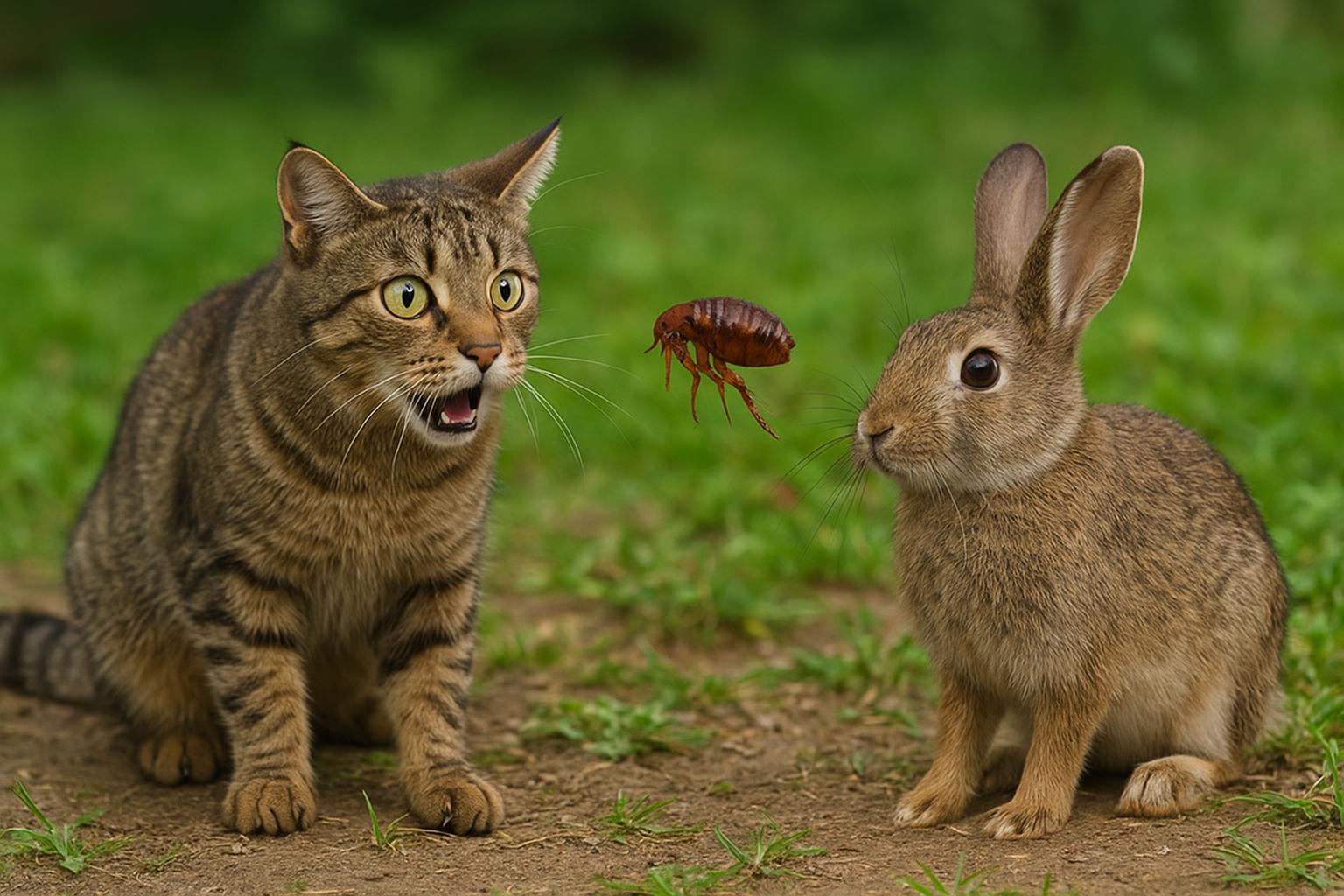
Other pets showing similar symptoms—especially dogs—are a clear sign the problem is not limited to one furball. Fleas jump between hosts.
#### Flea Activity In Bedding And Carpets
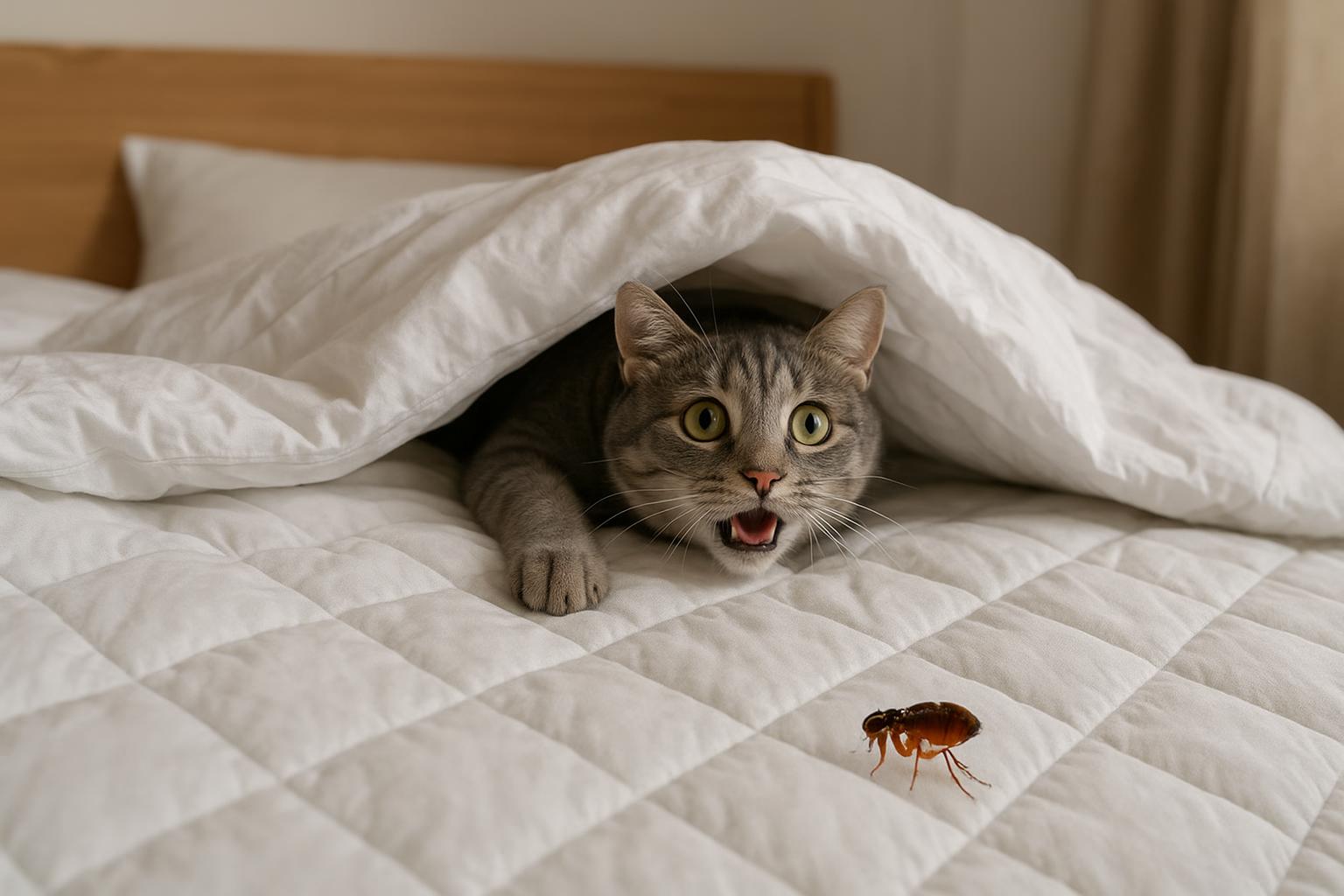
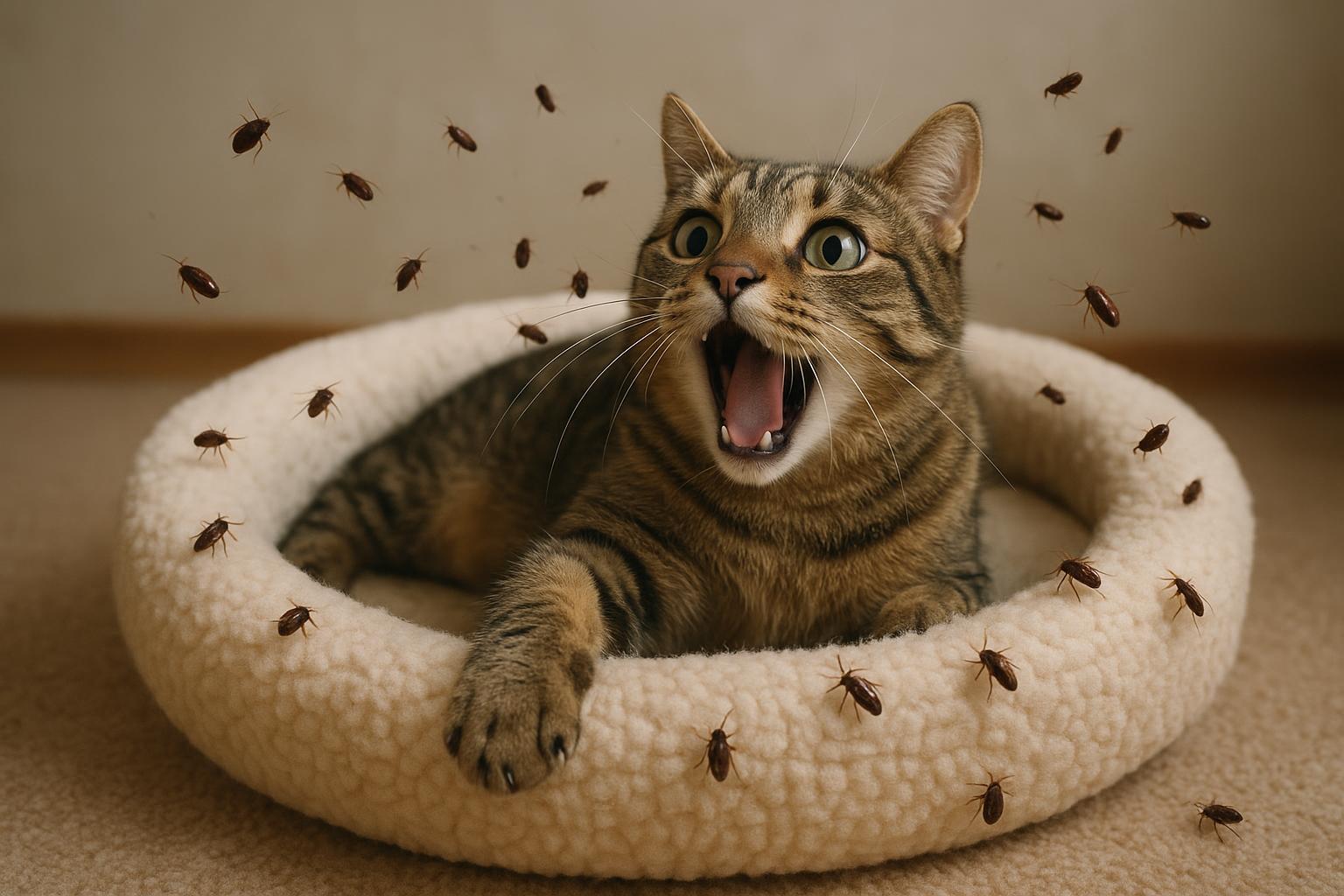
Look for tiny black specks (flea dirt) on bedding, under furniture, and along baseboards. Flea eggs are small and white—harder to spot but common in pillows, cushions, and cat beds.
## Why Fleas Can Thrive Indoors
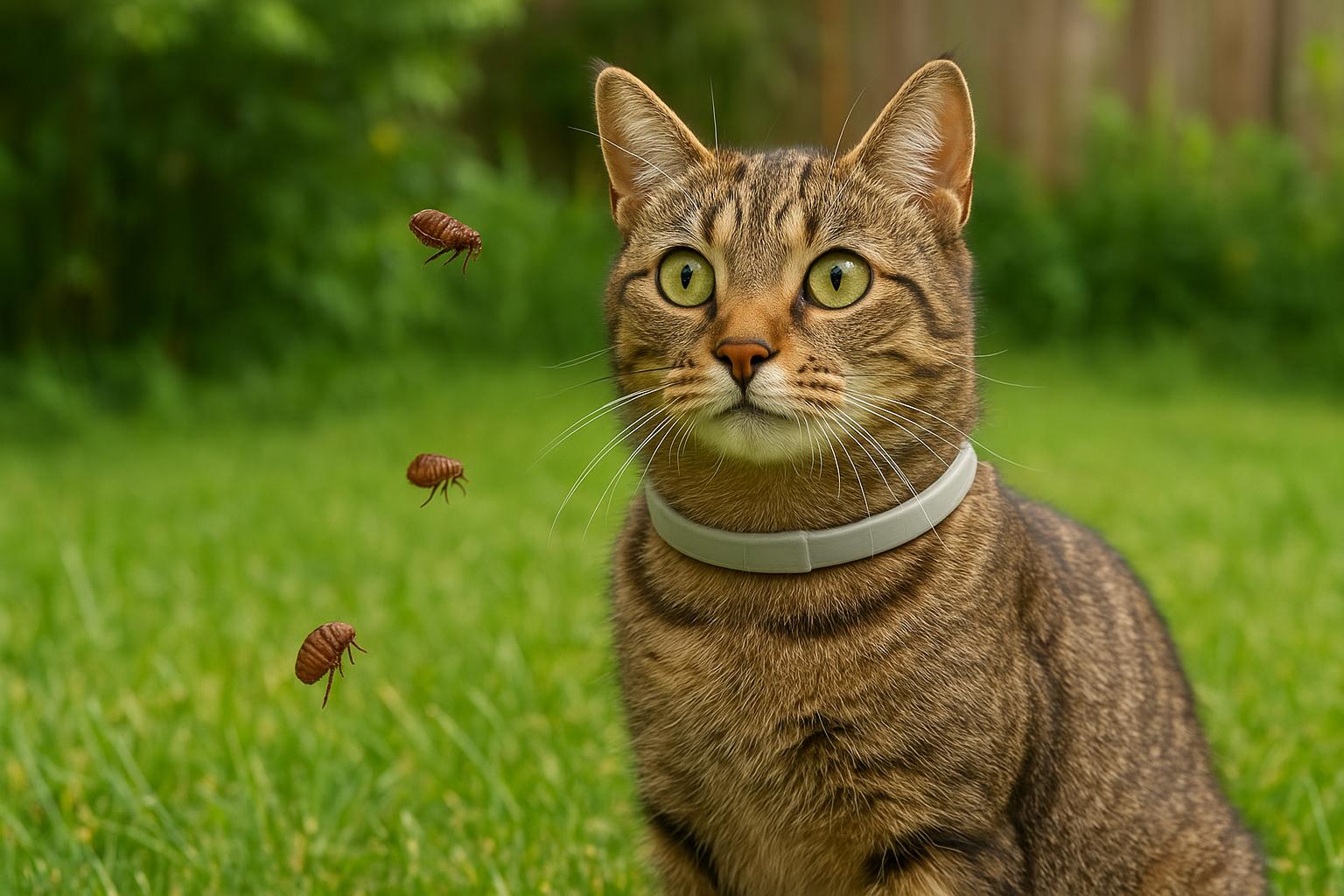
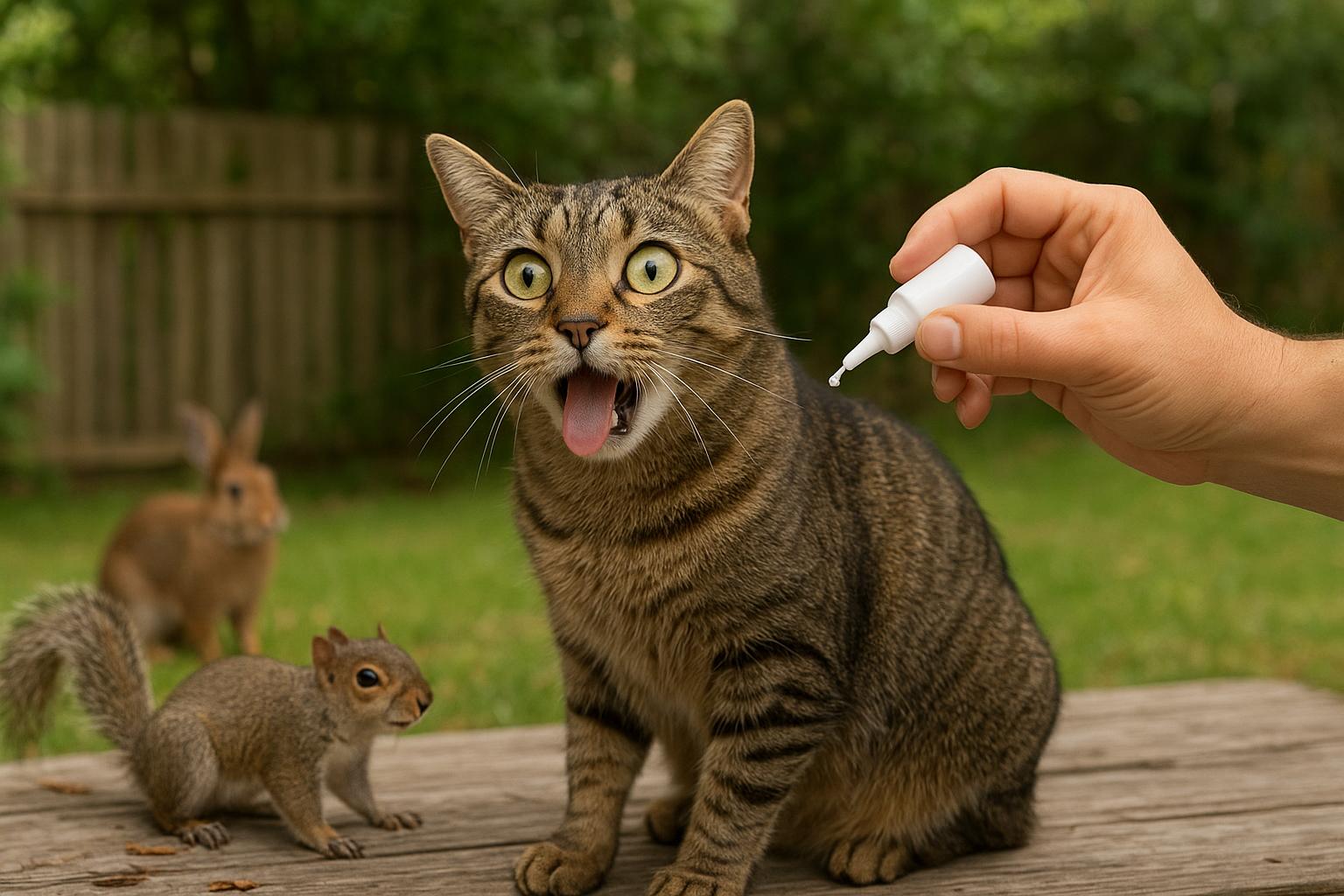
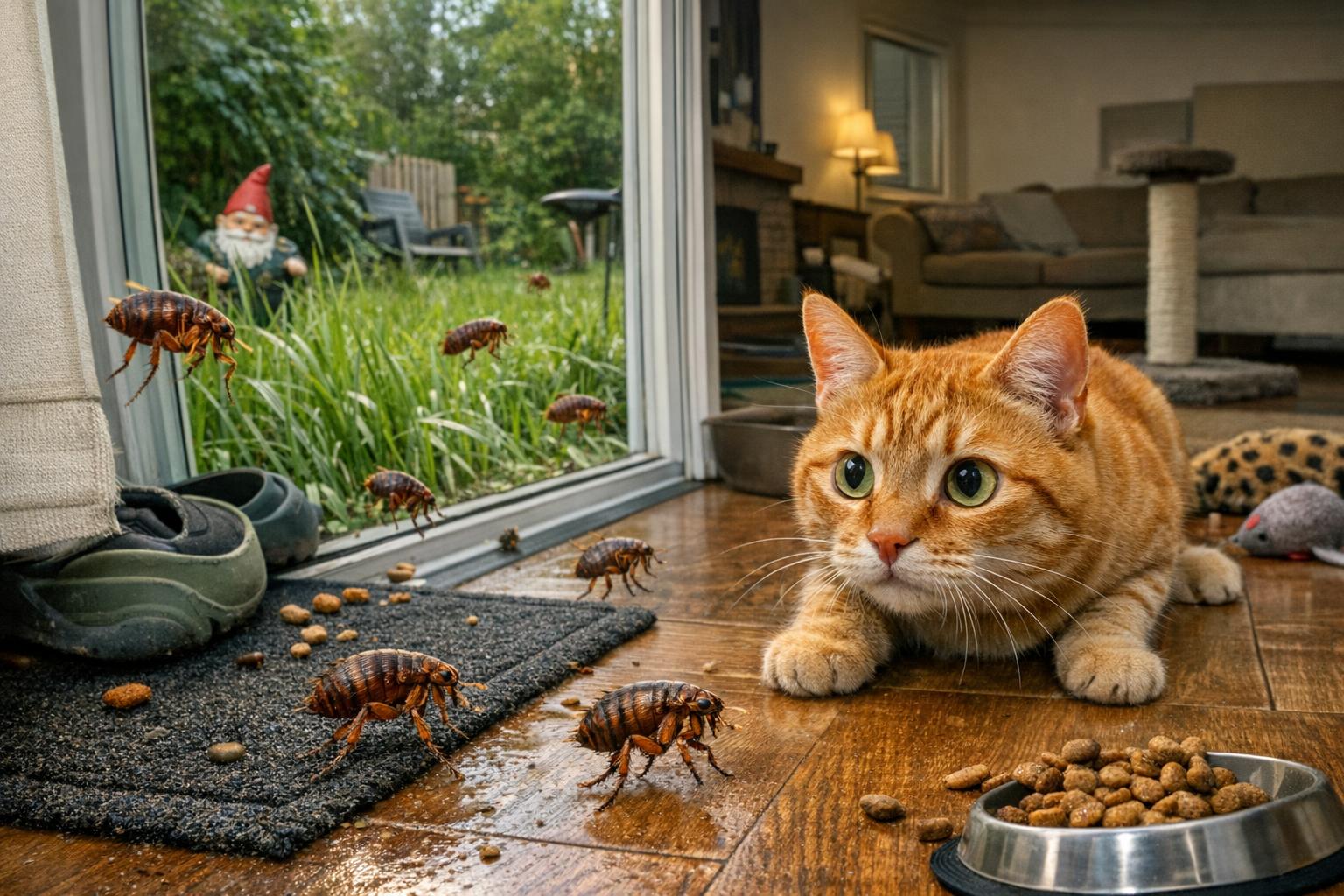
Even an indoor-only cat isn’t immune. Fleas hitch rides on shoes, humans, other pets, or sneaky wildlife that visit yards or porches. Warm homes, cozy beds, and carpets create perfect nurseries. Here’s the flea info on the life cycle so you know why one quick fix rarely does the trick.
### Flea Life Cycle In The Home
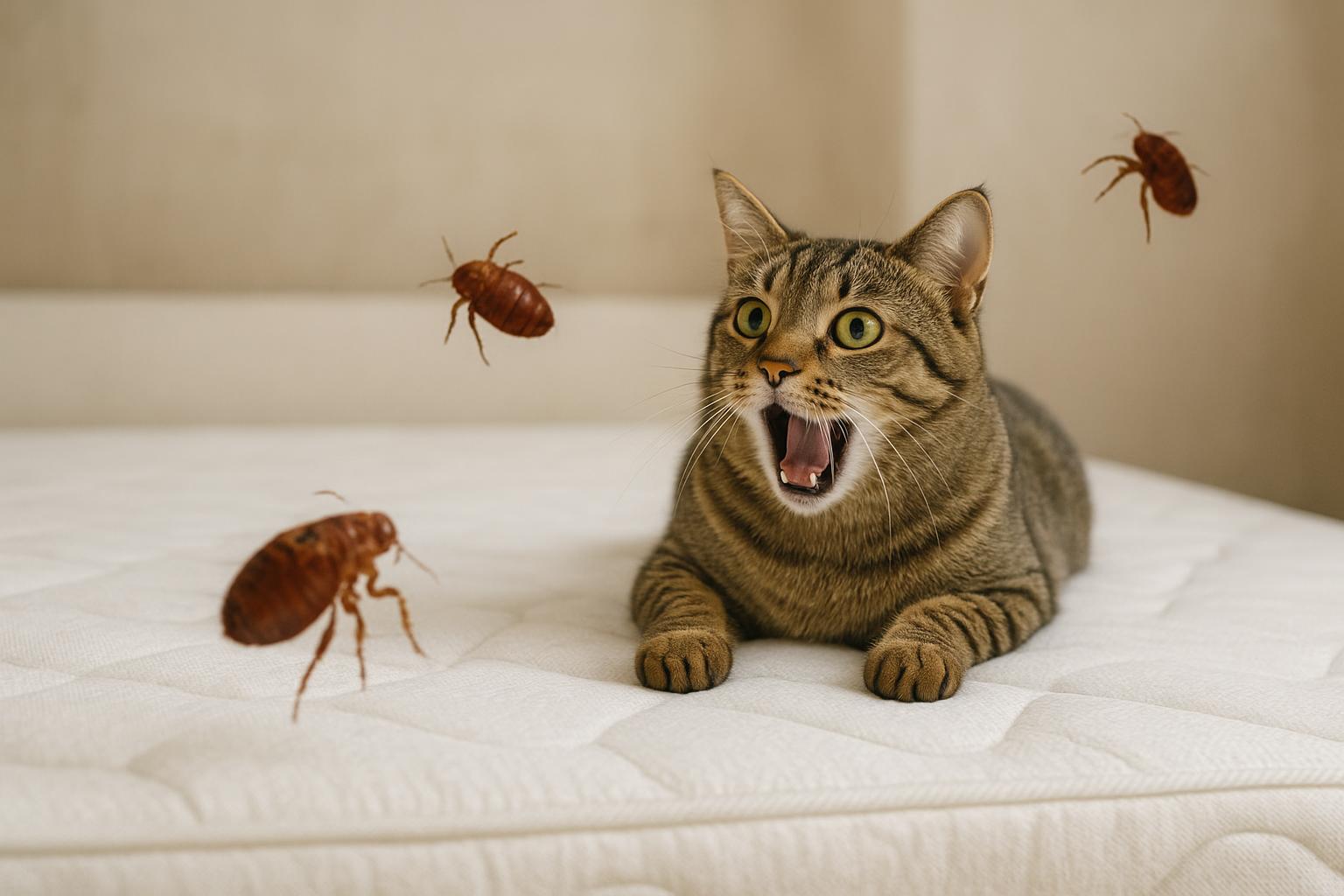
Adult fleas on your cat make up a small fraction of the population. Eggs fall into the environment (carpet, bedding), hatch into larvae, turn into pupae (which can remain dormant), and then emerge as adults when conditions are right. That dormant pupal stage can reintroduce fleas weeks later, which is why persistent treatment and environmental control are necessary.
### Hidden Hotspots
Under furniture, in cracks, inside cushions, and in laundry piles are favorite flea hideouts. Don’t forget rarely-used rooms and the undersides of throw rugs.
## Remedy 1: Vet-Grade Flea Treatments For Cats
When it comes to treating cats directly, rely on vet-approved products. This section is more formal because safety matters: many over-the-counter or DIY cat treatments are unsafe. Consult your veterinarian before starting any medication.
Materials / Ingredients
– Prescription or veterinarian-recommended topical flea medication (e.g., selamectin, fipronil, or similar agent approved for cats)
– Vet-recommended oral flea medication if indicated (e.g., inhibitors or fast-acting oral adulticides)
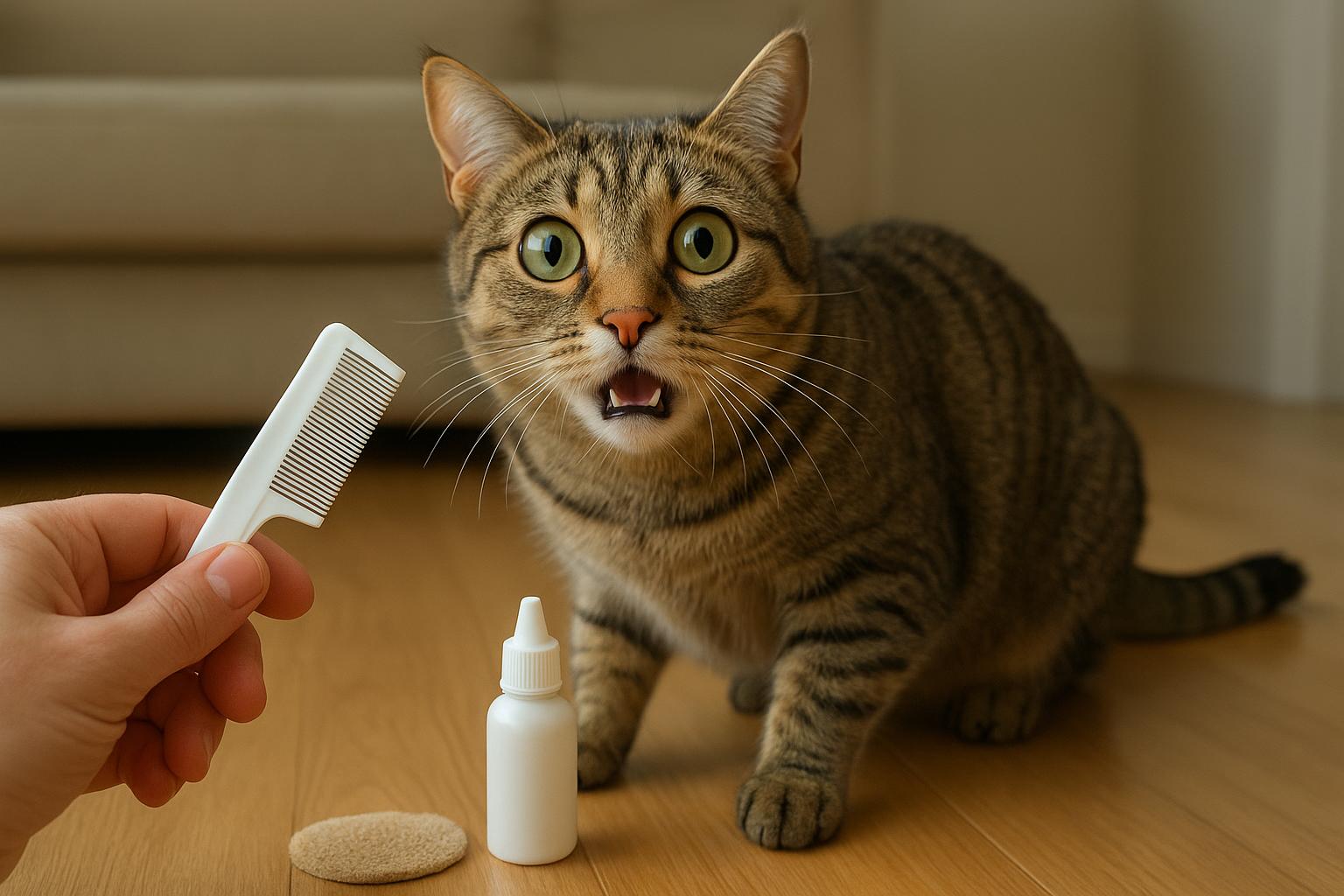
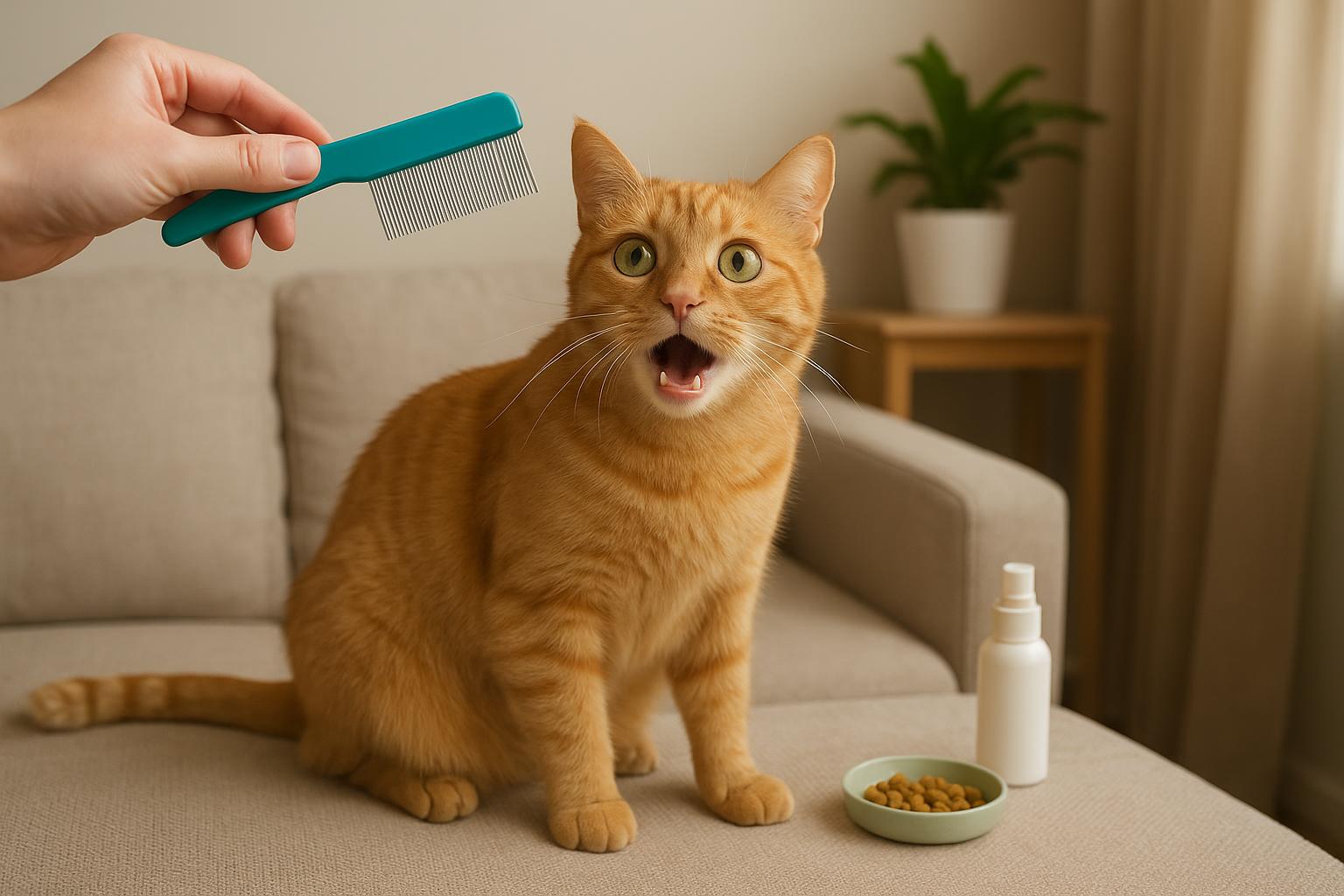
– Flea comb (fine-toothed)
– Disposable gloves
– Pet-safe wipes or shampoo if bathing is recommended by your vet
– Calendar or reminder app for dosing schedule
Step-by-Step Application (Formal Instructions)
1. Veterinary Consultation: Schedule a vet visit. Confirm your cat’s weight, health status, and any underlying conditions (kittens, senior cats, or cats on other medications require special consideration). The vet will recommend the appropriate product and dose.
2. Read Product Directions: Before application, carefully read the product insert to confirm the dosage frequency and any contraindications.
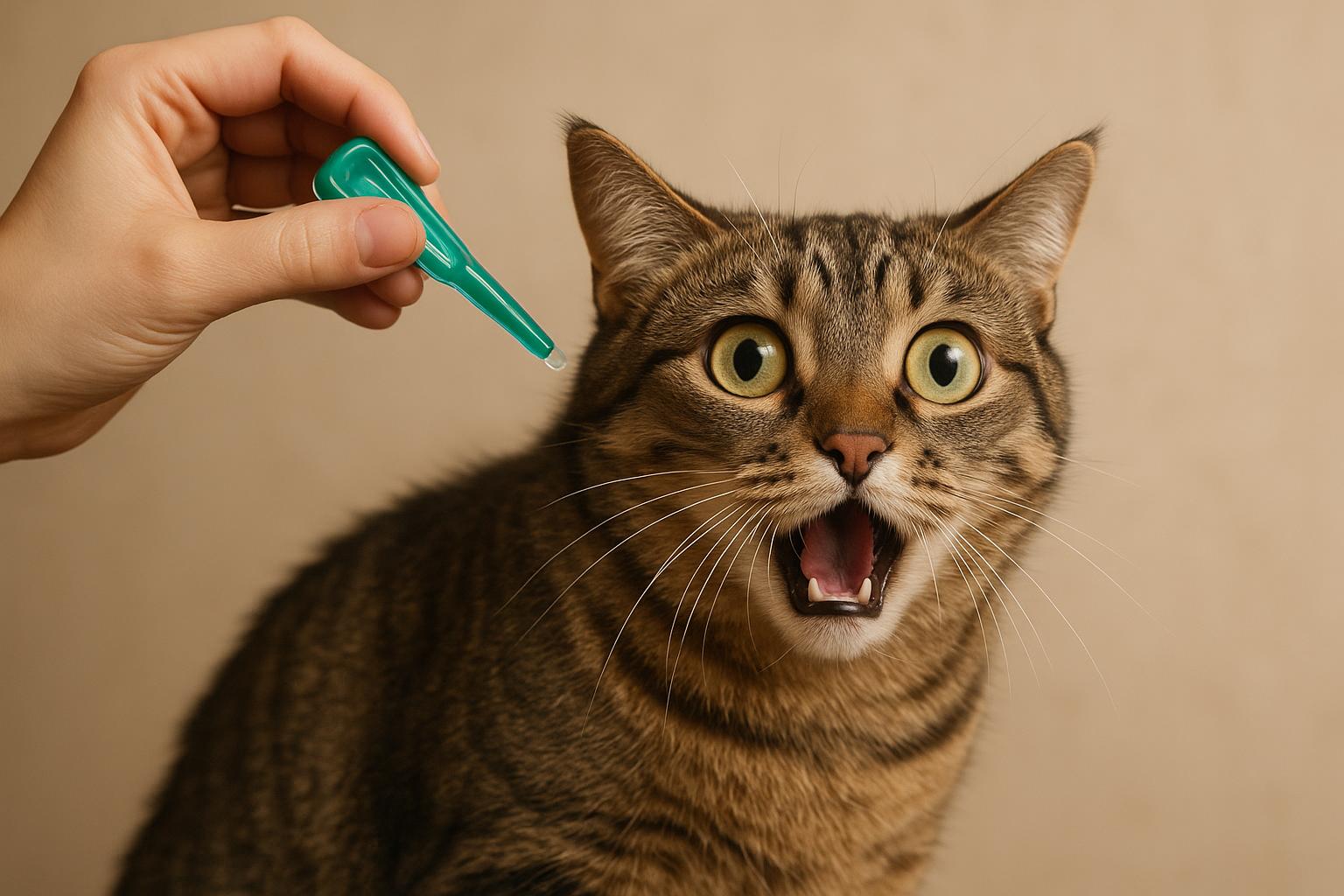
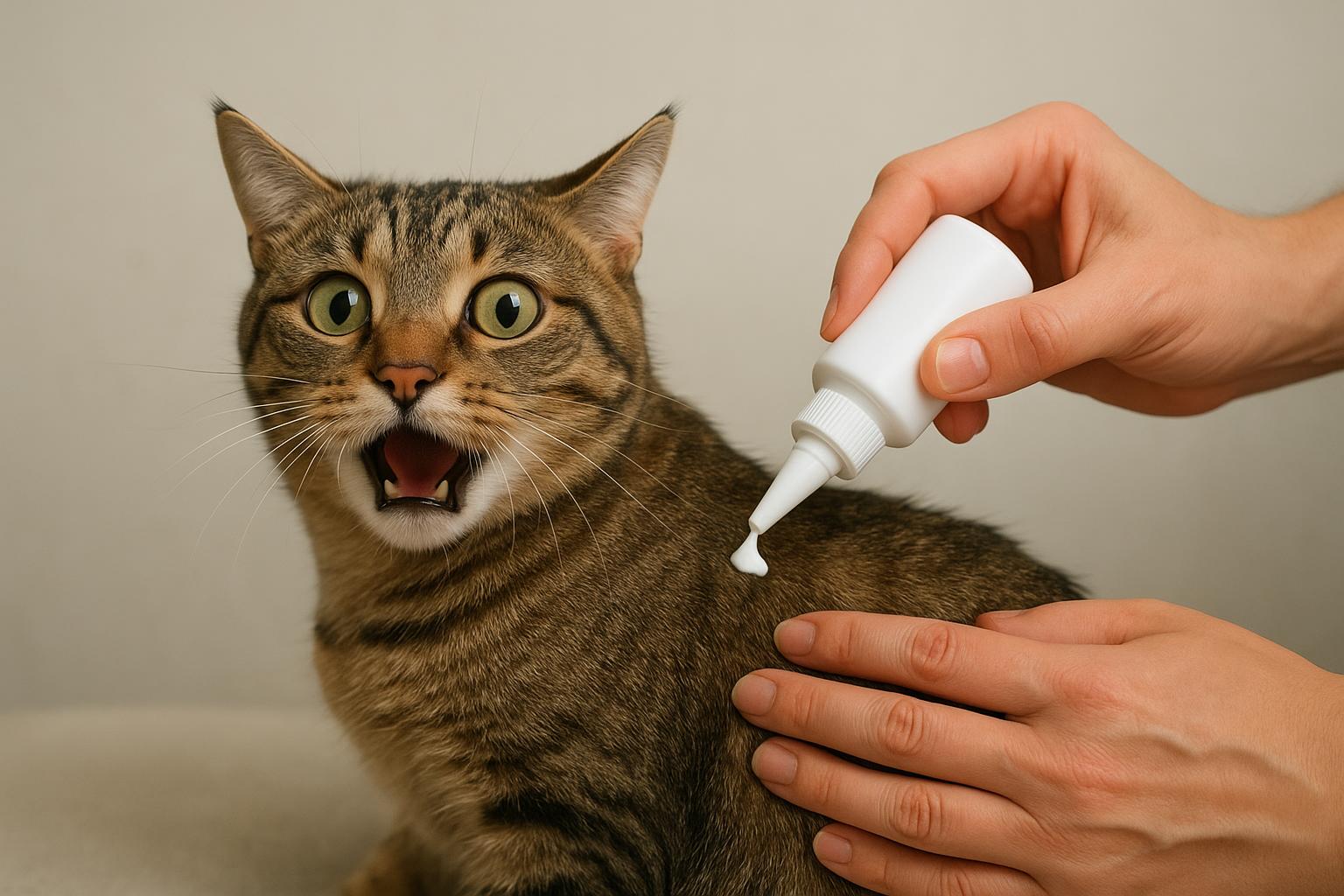
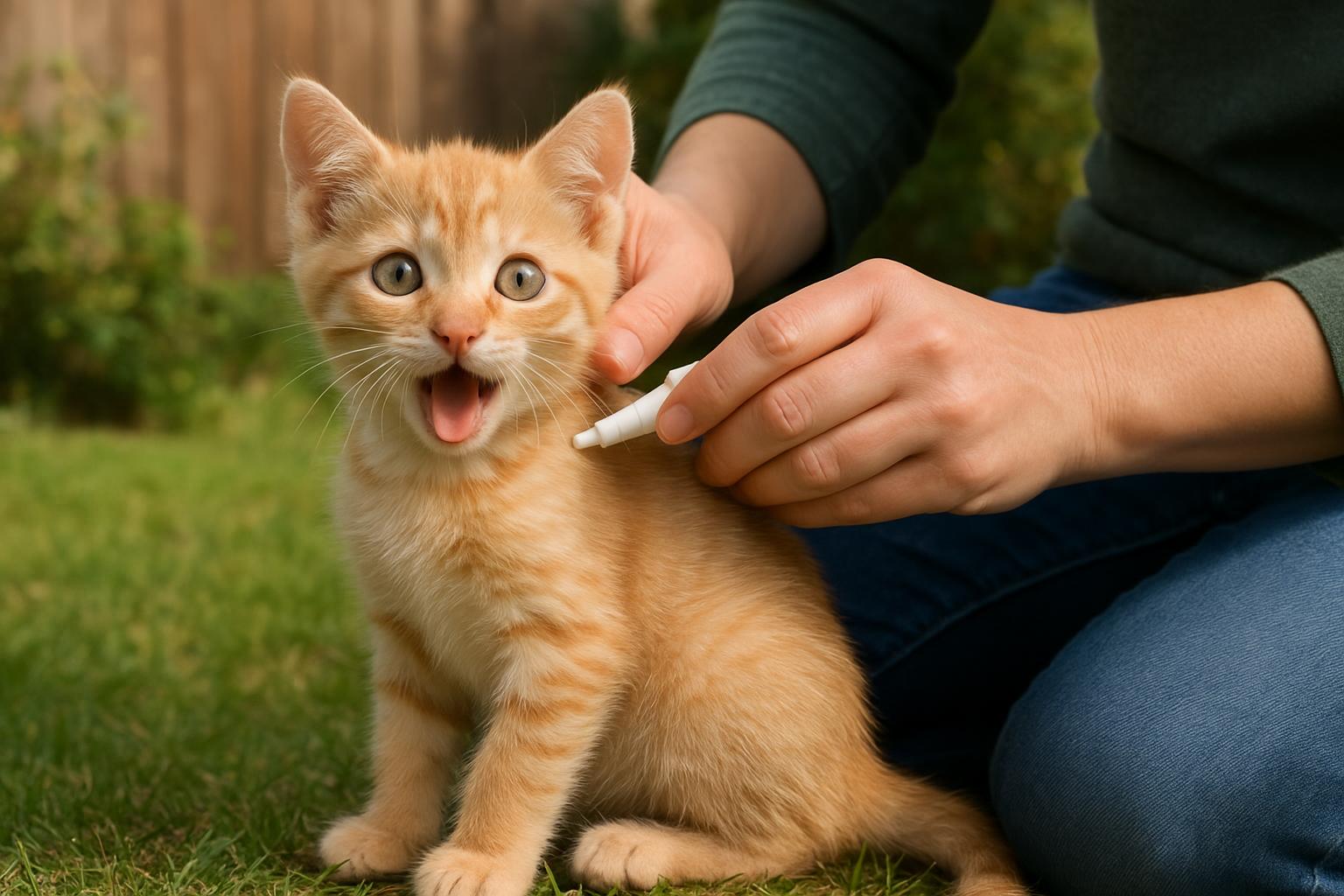
3. Prepare Your Cat: If the product is topical, ensure the area between the shoulder blades is dry and free of strong fragrances or oils. This location prevents easy licking.
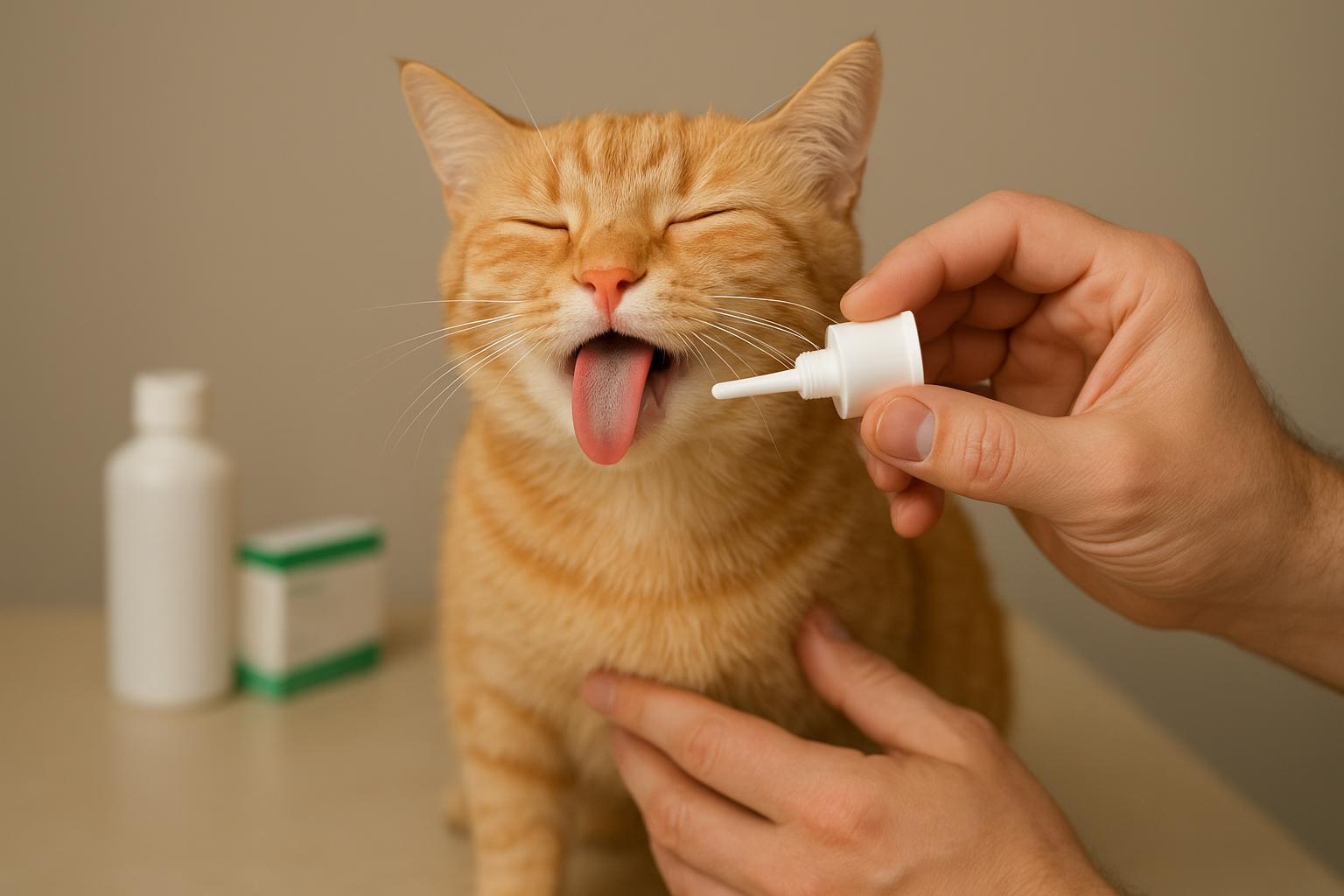
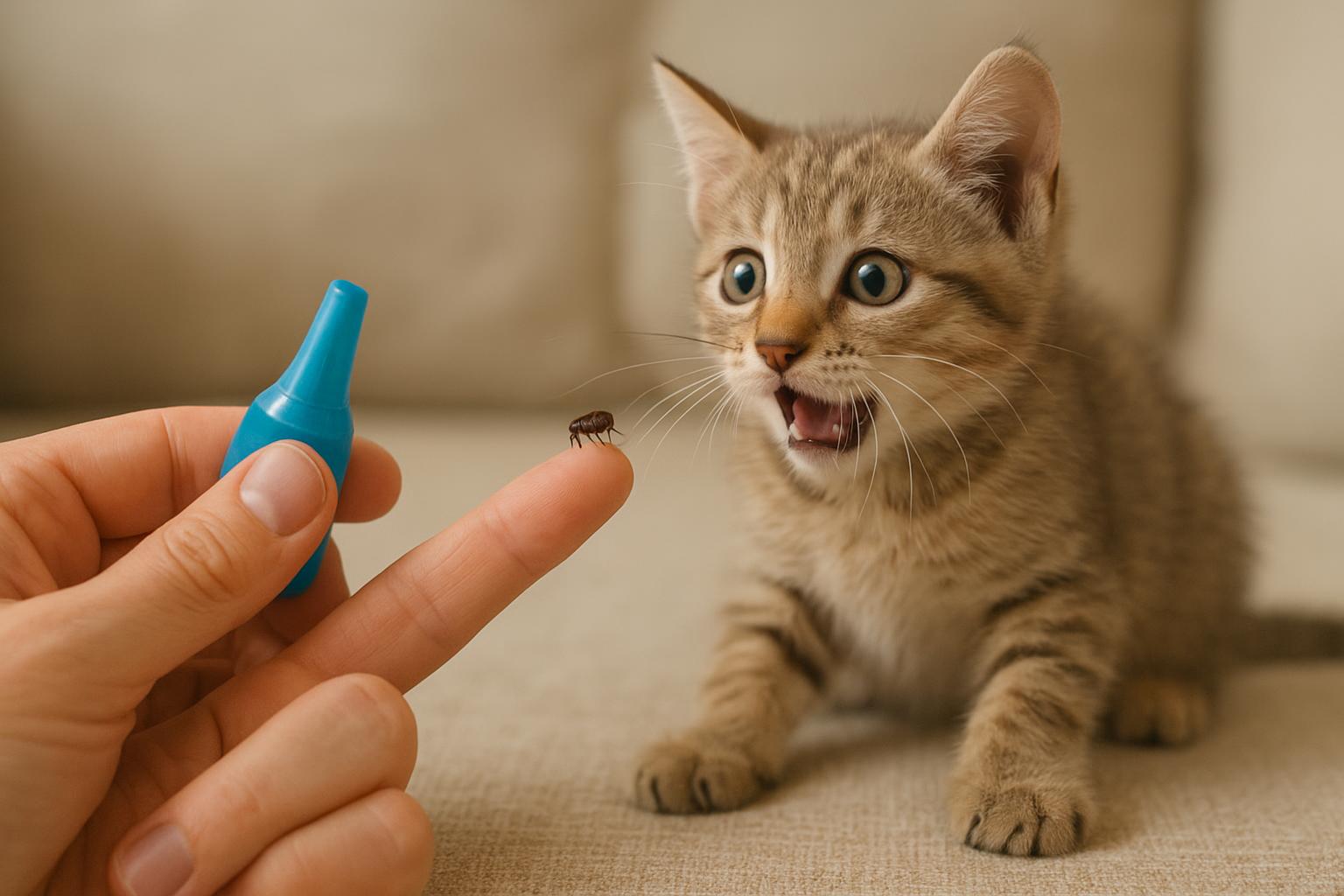
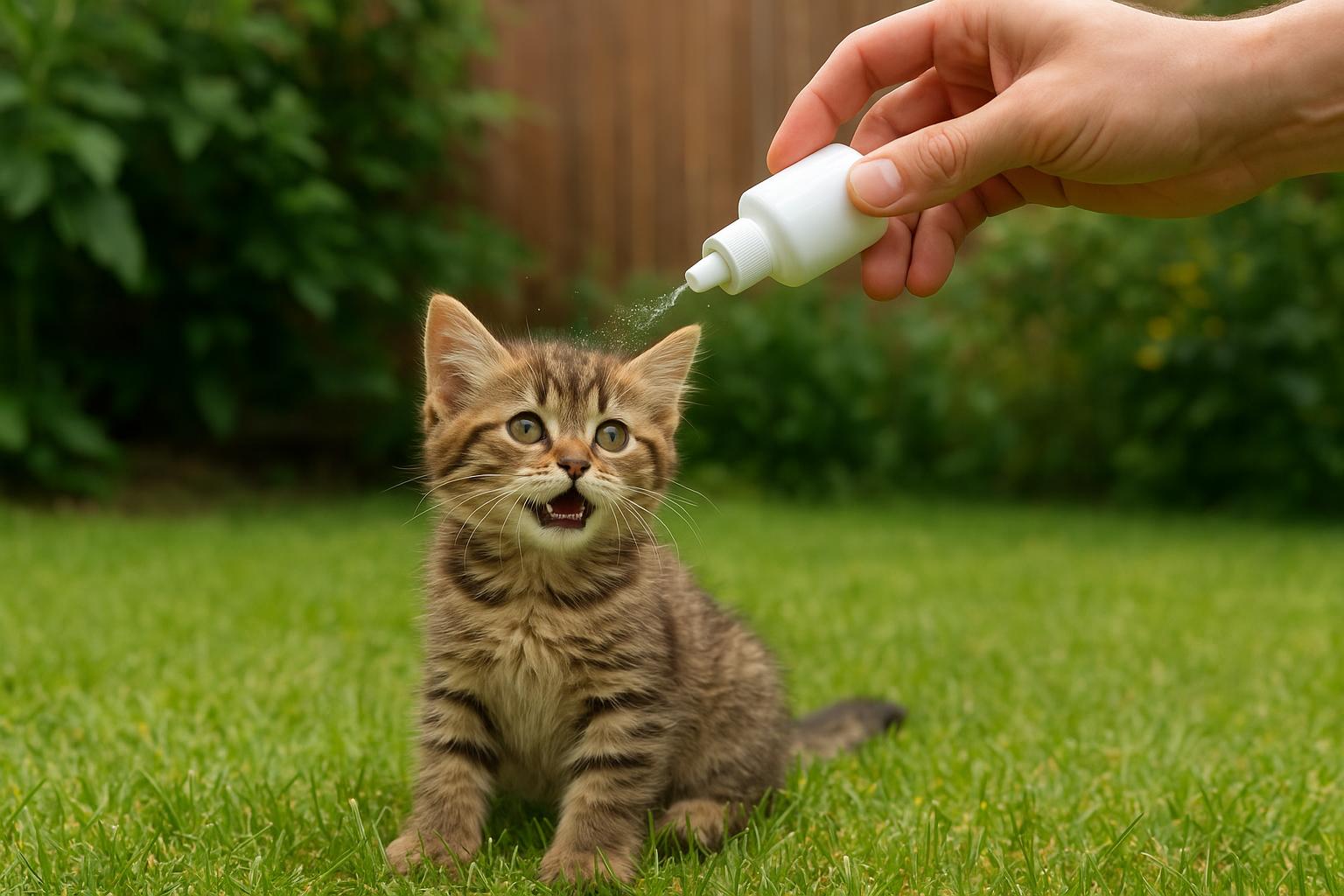
4. Apply Topical Medication: Part the fur at the base of the neck, and apply the full dose directly to the skin in one spot. Avoid spreading or rubbing the product in.
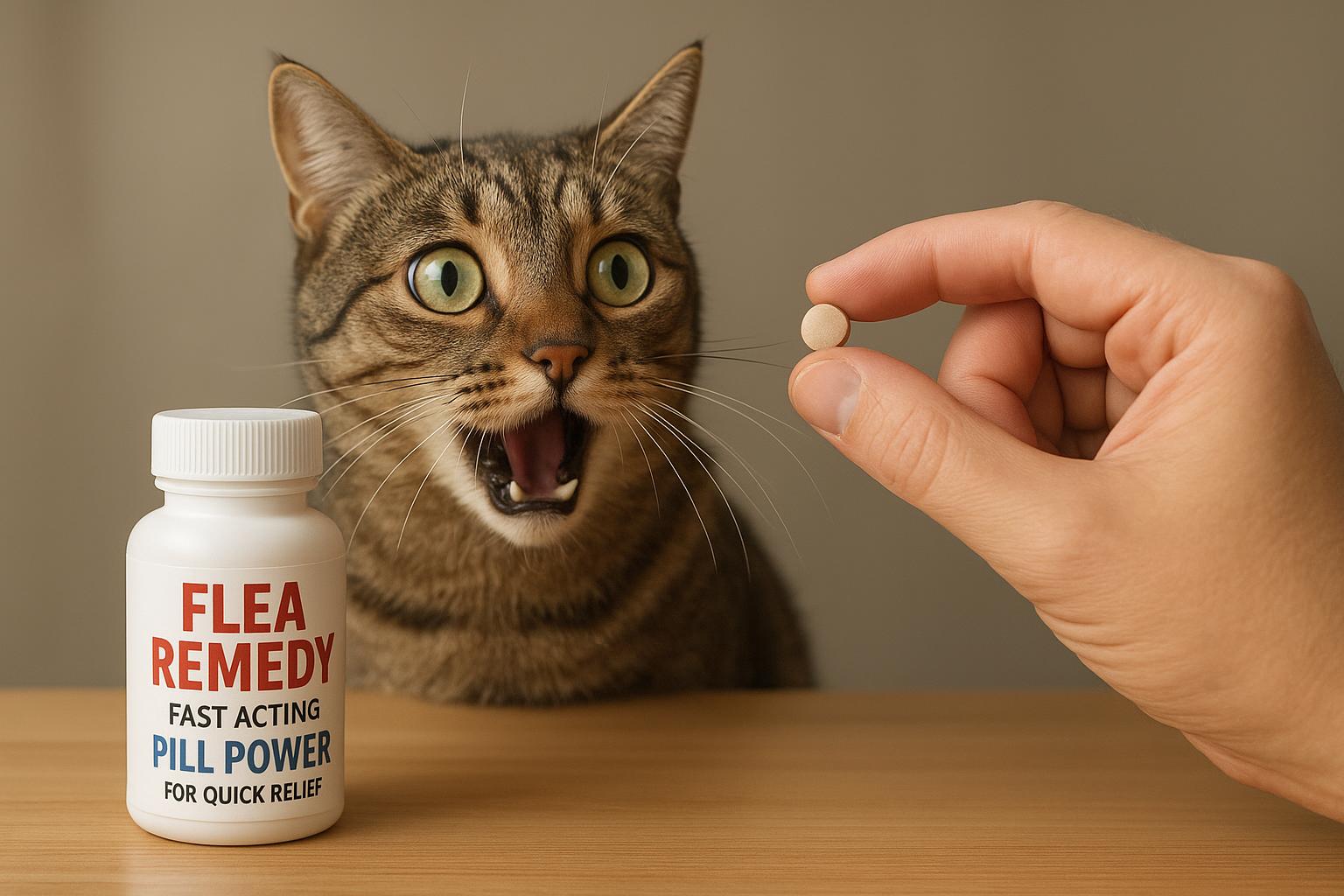
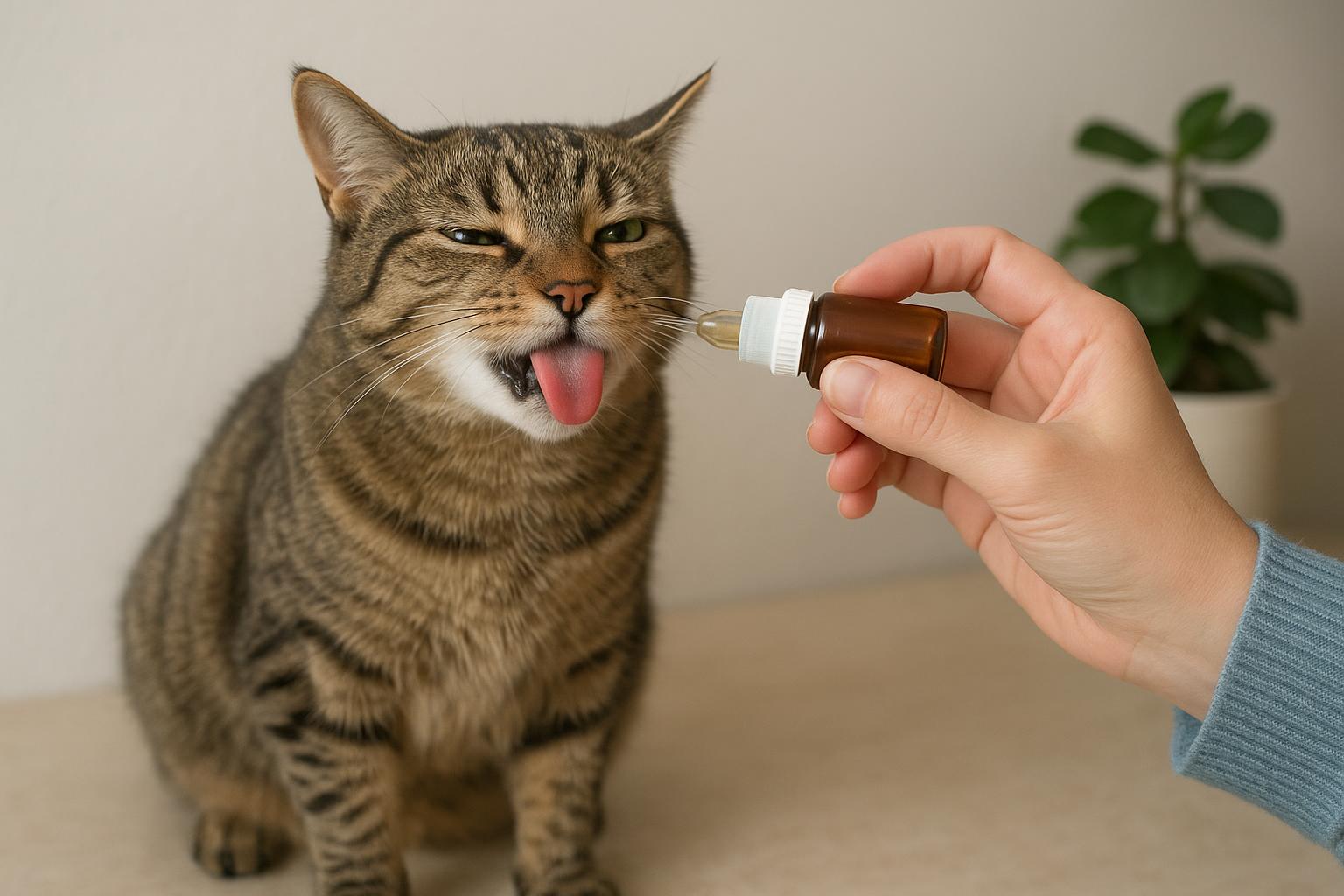
5. Administer Oral Medication (If Prescribed): For chewables or tablets, follow the vet’s instructions on administration and ensure the full dose is consumed.
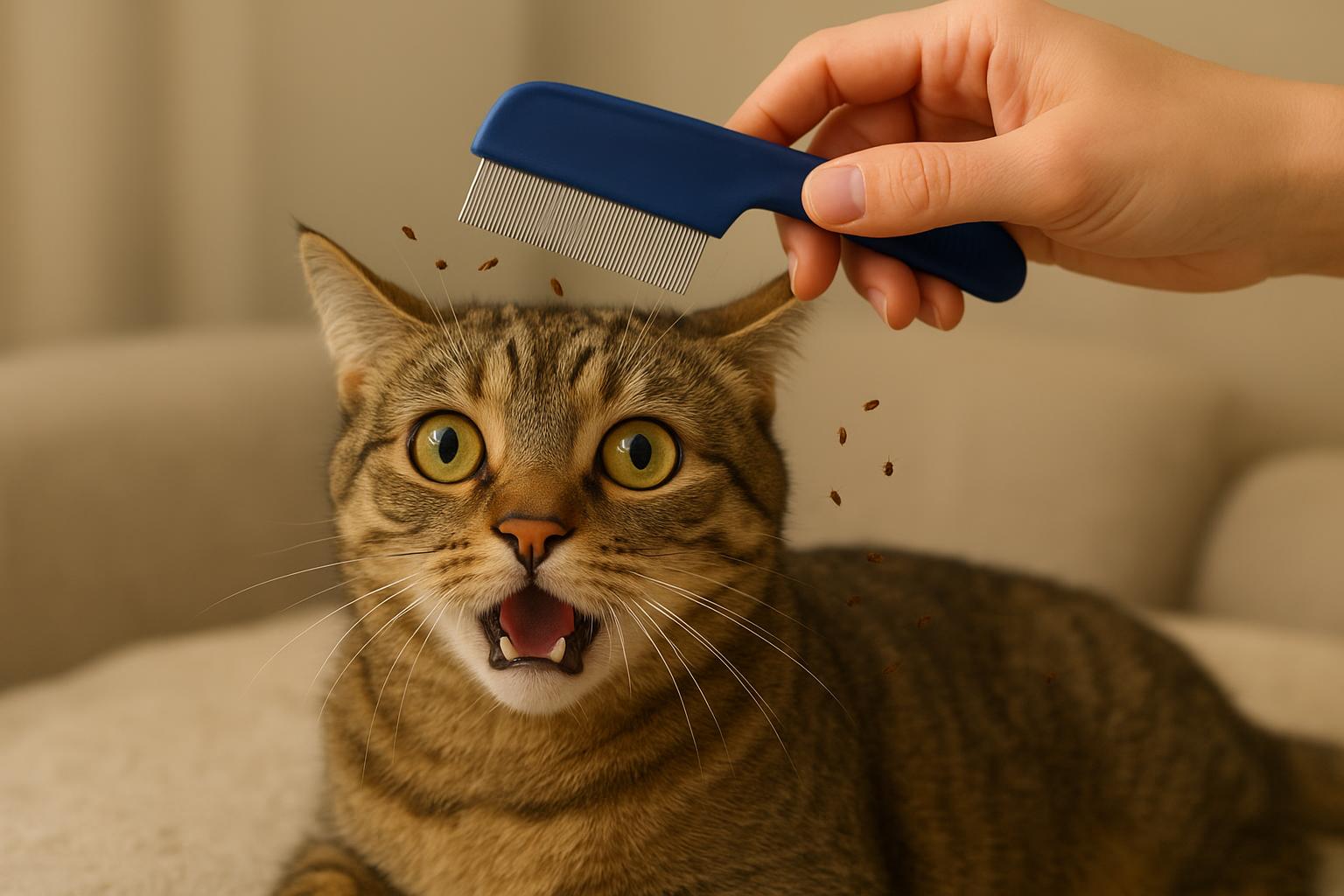
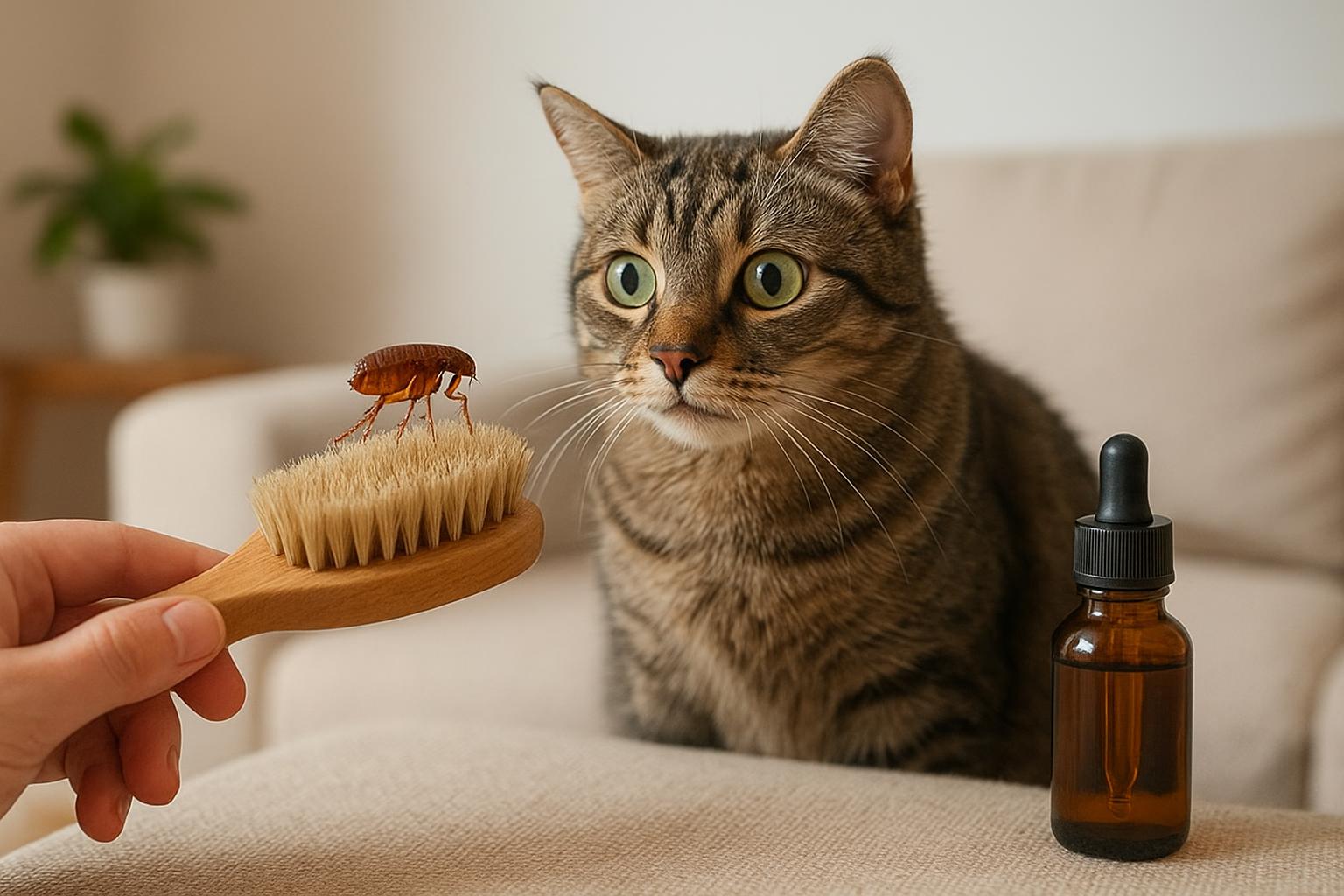
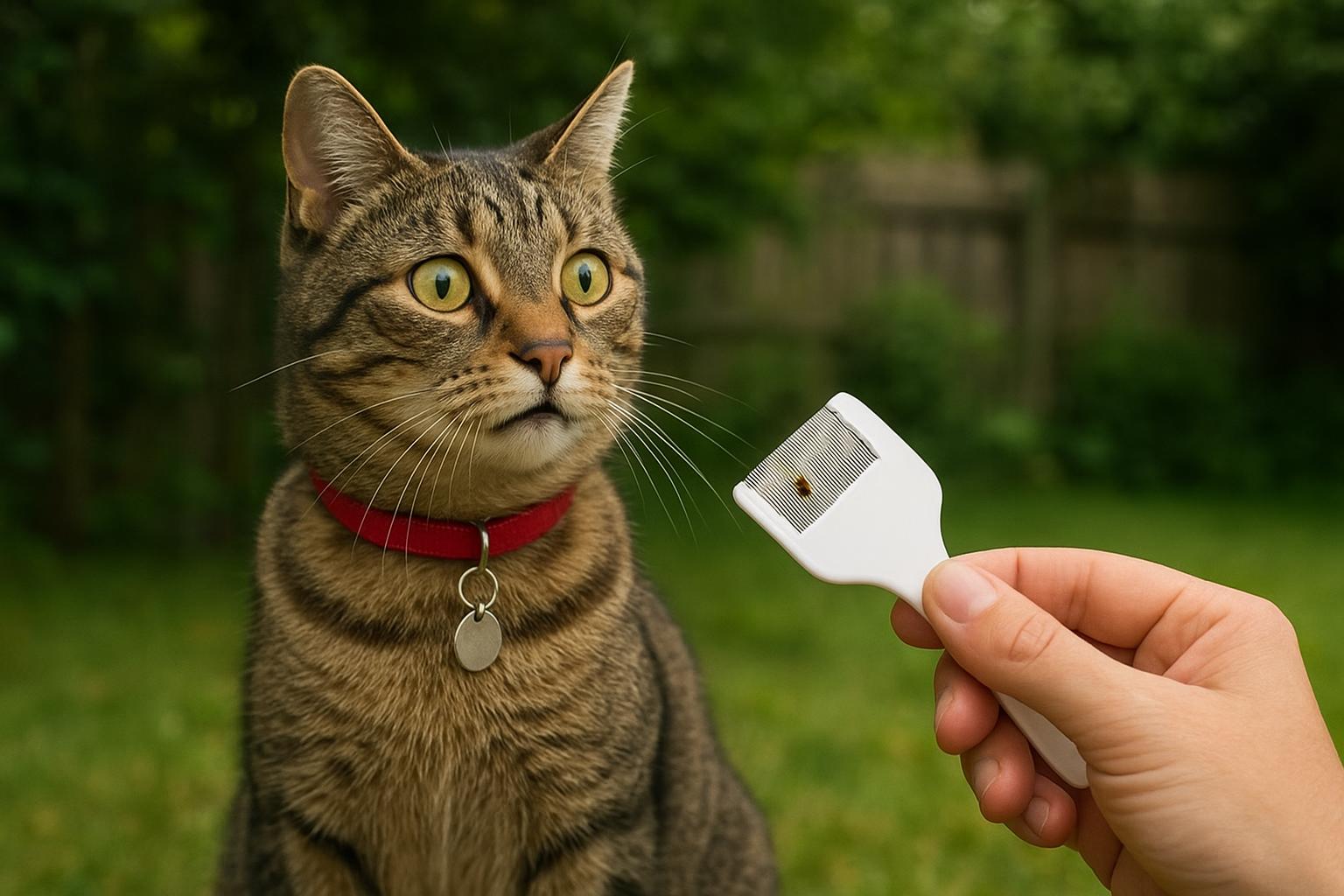
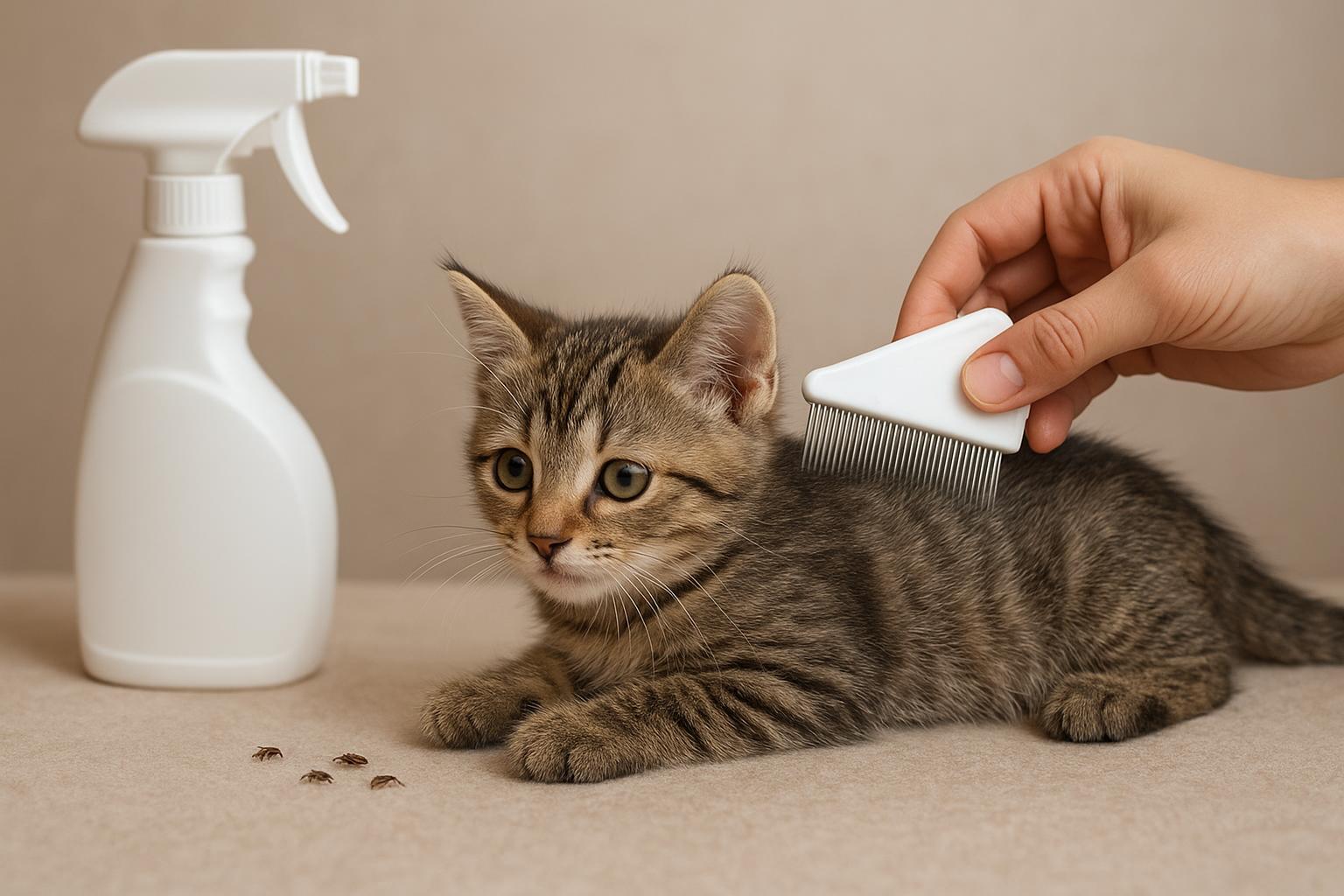
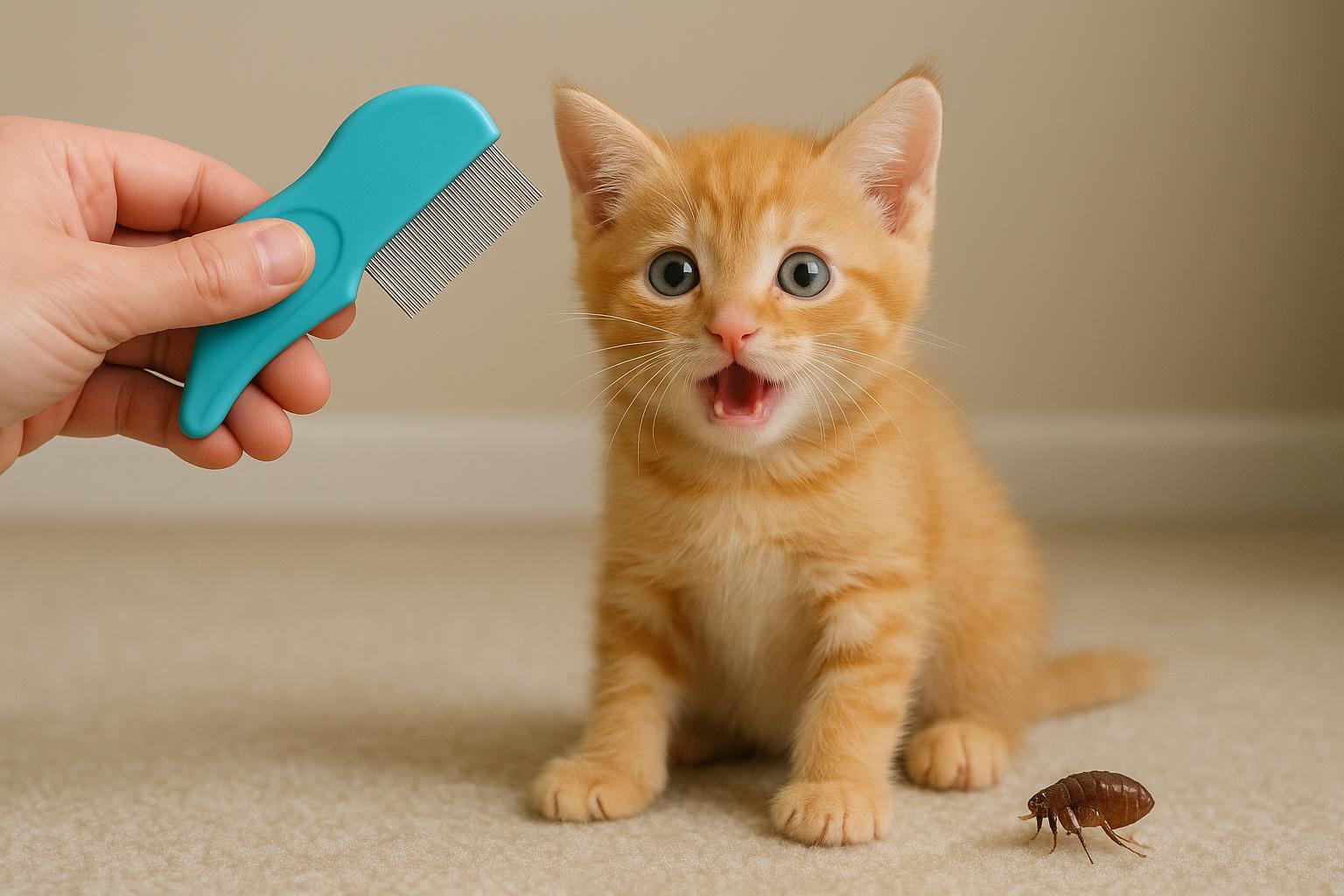
6. Flea Comb: Use a flea comb daily for the first week to remove adult fleas. Dip comb in soapy water to dispose of captured fleas.
7. Follow-Up and Reapplication: Adhere strictly to the vet-prescribed schedule for reapplication or repeat doses. Monitor for adverse reactions and report any concerns immediately.
8. Treat All Pets: Any animal in the household should be evaluated and treated to prevent reinfestation.
Note: Do not use dog flea products on cats. Many essential oils and human insect products are toxic to cats.
## Remedy 2: Environmental Control And Home Remedies
Treating the pet without addressing the environment is like bailing a boat without fixing the hole. This remedy section is also formal and practical: follow the steps carefully and safely.
Materials / Ingredients
– Vacuum cleaner with attachments
– Washer and hot water (130°F/54°C if fabric allows)
– Steam cleaner (optional but effective)
– Food-Grade Diatomaceous Earth (DE) — optional and only if used carefully
– Stiff brush or broom
– Enzyme-based pet-safe cleaner for bedding and upholstery
– Disposable trash bags
– Small lamp and shallow bowl (for DIY flea trap)
– Gloves and mask when handling treatments or DE
– Calendar for scheduling
Step-by-Step Creation And Application
1. Declutter and Gather Laundry:
– Remove loose clutter, toys, and small items that trap eggs.
– Collect all bedding, blankets, and removable upholstery covers. Seal in a bag if transporting to an off-site washer.
2. Wash Bedding:
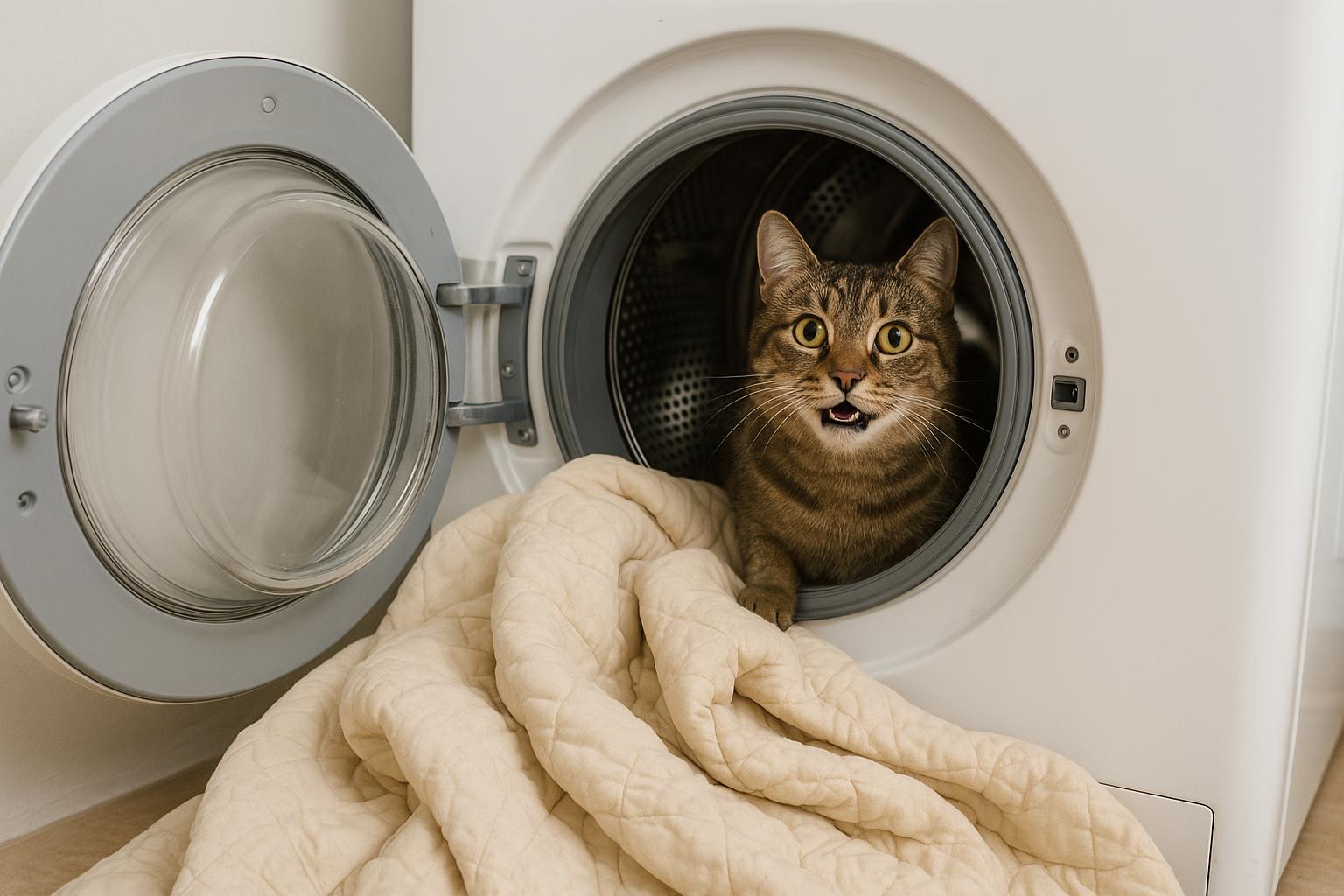
– Launder all washable items in hot water and dry on high heat. High heat kills eggs and larvae.
3. Vacuum Thoroughly:
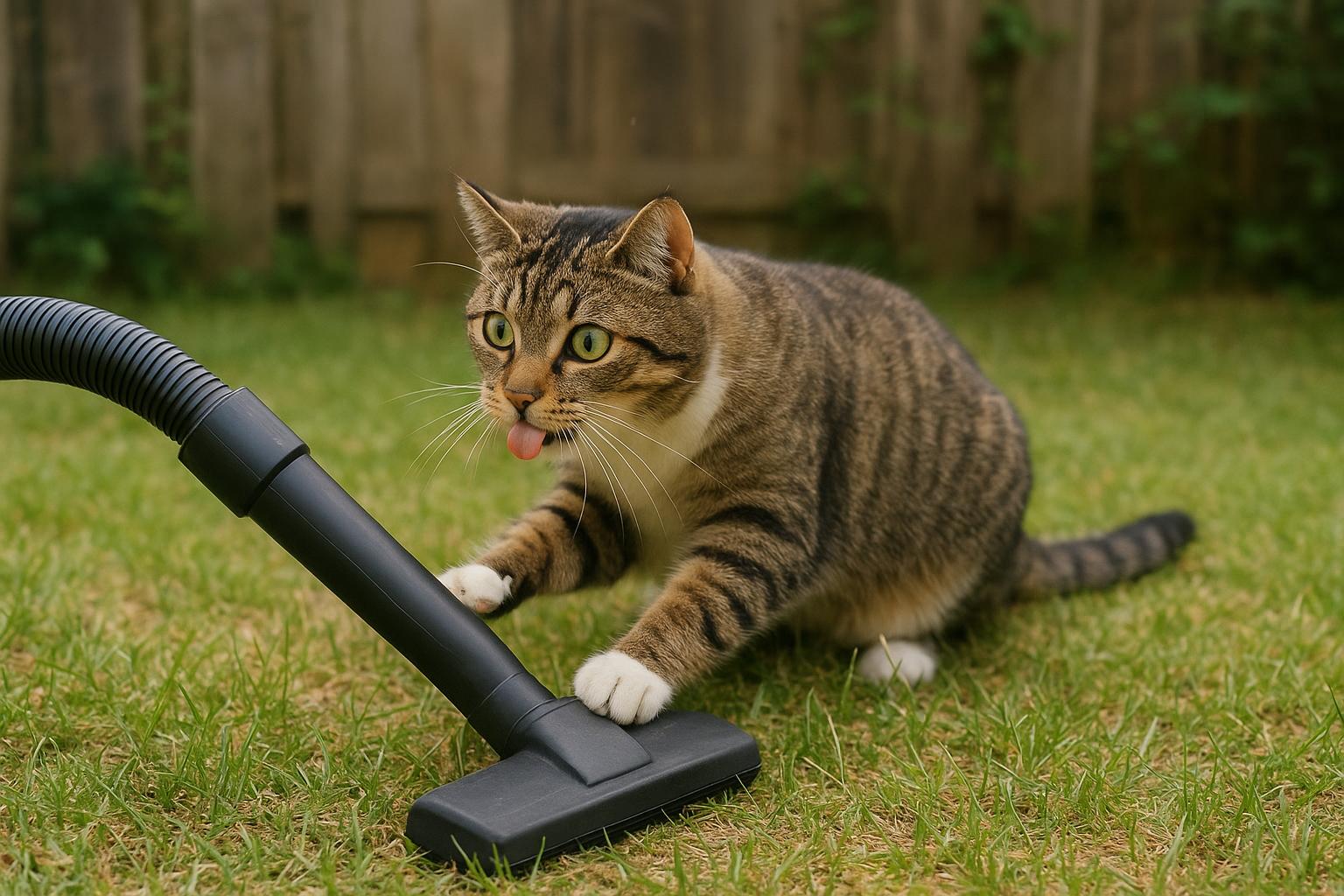
– Vacuum carpets, area rugs, upholstered furniture, baseboards, and cracks. Use attachments to reach edges and under furniture.
– Dispose of vacuum bag or empty canister into a sealed trash bag and remove from the home immediately.
– Repeat vacuuming every 2–3 days for at least three weeks to disrupt eggs and larvae.
4. Steam Clean or Deep-Clean Surfaces:
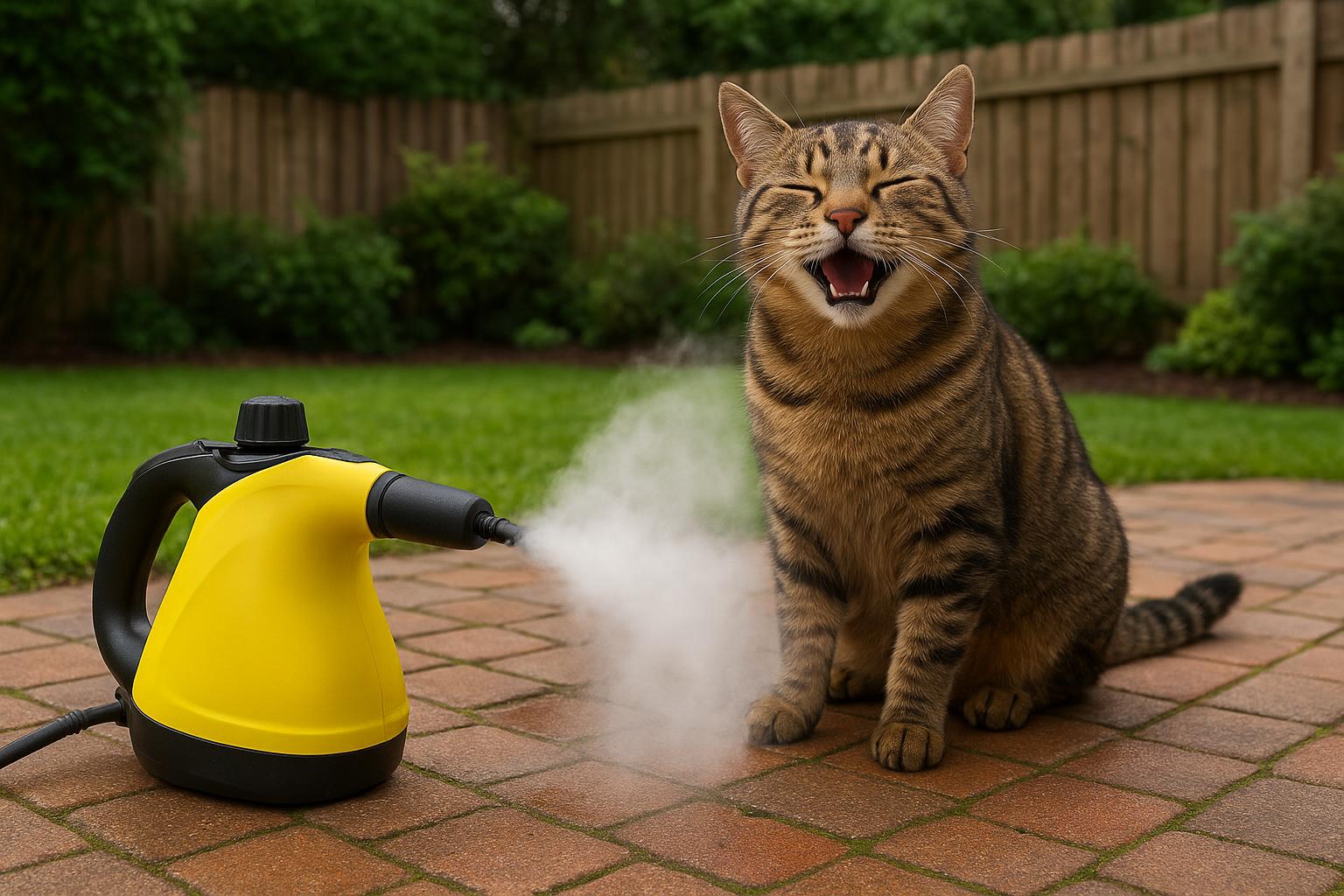
– Use a steam cleaner on carpets and upholstery where possible. High heat kills fleas at all life stages.
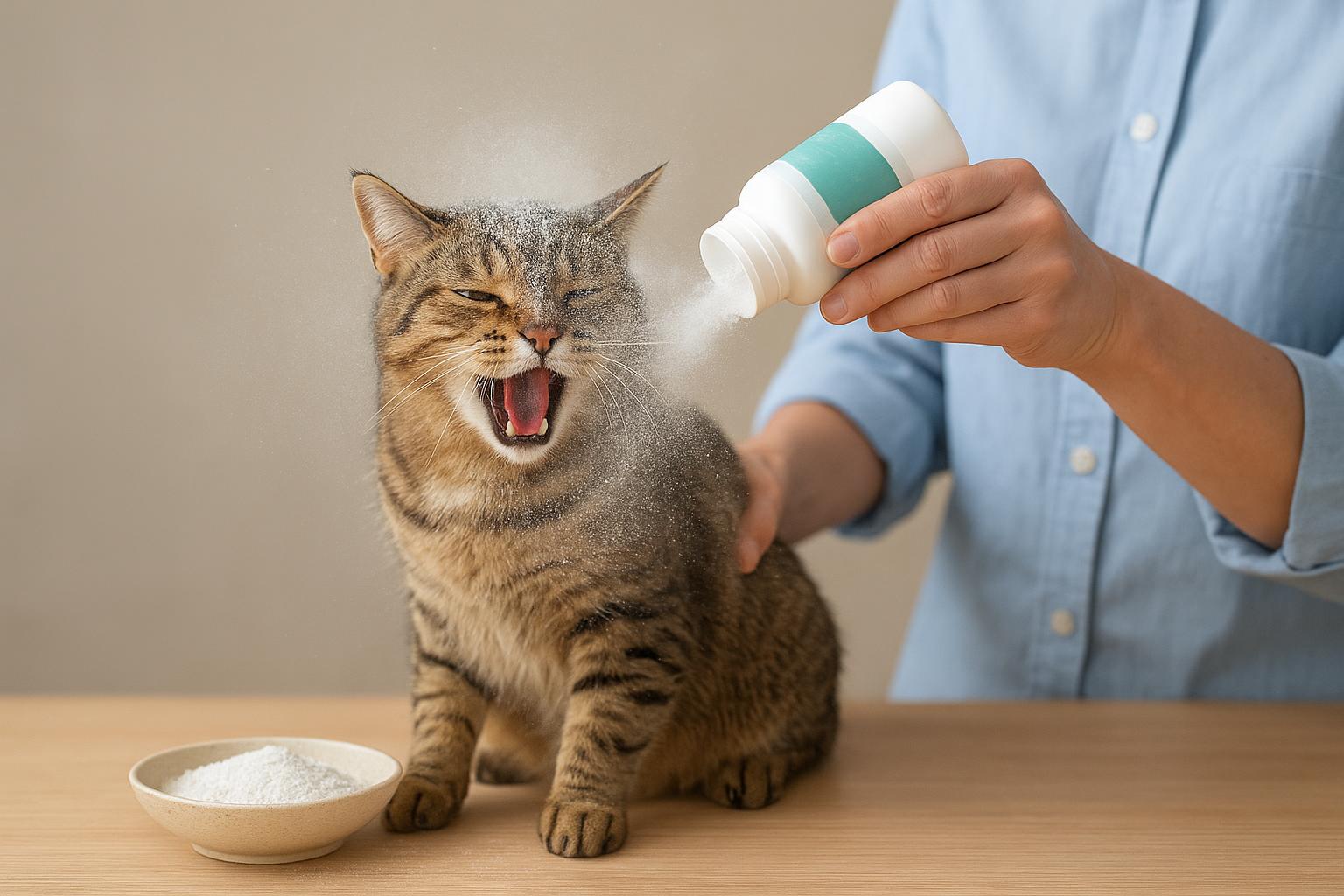
5. Apply Food-Grade Diatomaceous Earth (Optional Caution):
– If using DE, choose food-grade only. Wear a mask and gloves to avoid inhalation.
– Lightly dust carpets and baseboards when pets and family are not present. Leave for 24–48 hours, then vacuum thoroughly and remove waste.
– Note: DE can irritate respiratory systems; avoid dispersing into the air where pets may inhale it.
6. Use Flea Traps:
– Create a simple trap: put warm, soapy water in a shallow bowl and place under a small lamp at night. Fleas are attracted to heat and light and may jump into the water and drown. This helps monitor activity but is not a standalone solution.
7. Enzyme Cleaners and Spot Treatments:
– Use pet-safe enzyme cleaners on hard surfaces and any areas soiled by pets to remove organic material that attracts larvae.
8. Isolate And Treat Frequent Hotspots:
– If fleas are concentrated in rooms, restrict your cat’s access while treating and cleaning those areas.
9. Maintain Schedule:
– Continue environmental measures for at least 6–8 weeks due to the pupal stage. Coordinate with the pet’s flea treatment schedule for best results.
### Safety Notes For Home Treatments
Do not use essential oils (tea tree, citrus, eucalyptus, etc.) on cats—many are toxic. Avoid over-the-counter insect sprays designed for dogs or humans. When in doubt, check with your veterinarian.
### Managing Expectations And When To Call The Vet
Here’s honest flea info: full eradication takes persistence. A single step rarely fixes it; coordinated treatment of the animal(s) and environment is necessary. If your cat shows signs of severe skin infection, persistent lethargy, anemia (pale gums), or if kittens are involved, call your vet right away. Professional pest control can also help for severe household infestations, but tell the company you have cats so they use pet-safe protocols.
Now that you’ve got the flea info and a plan, you can tackle the problem without panic. With consistent treatment, cleaning, and a touch of patience (and maybe a stern talk with your cat about private percussion practice), you’ll reduce fleas and restore peace to your home.





Leave a Reply