
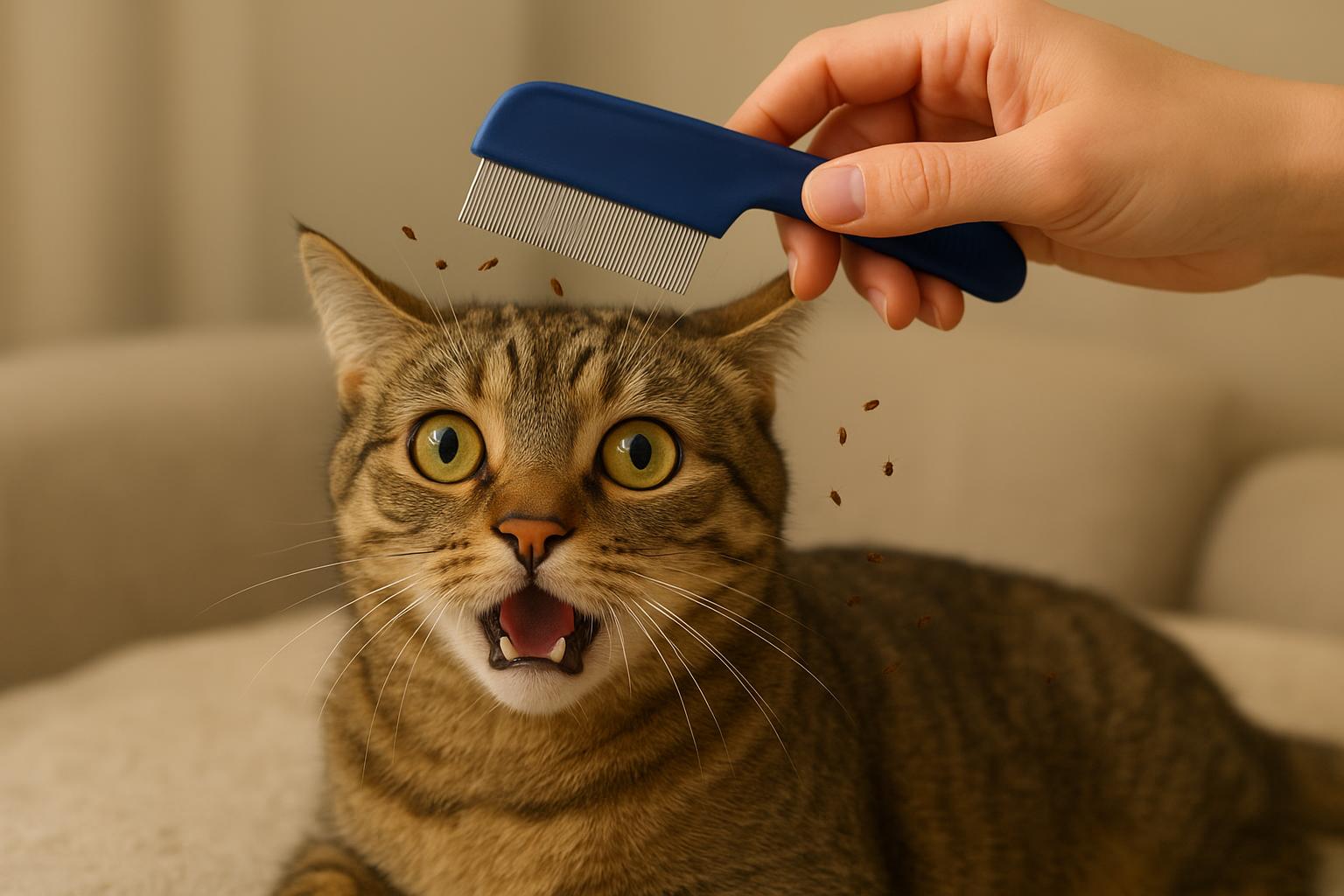
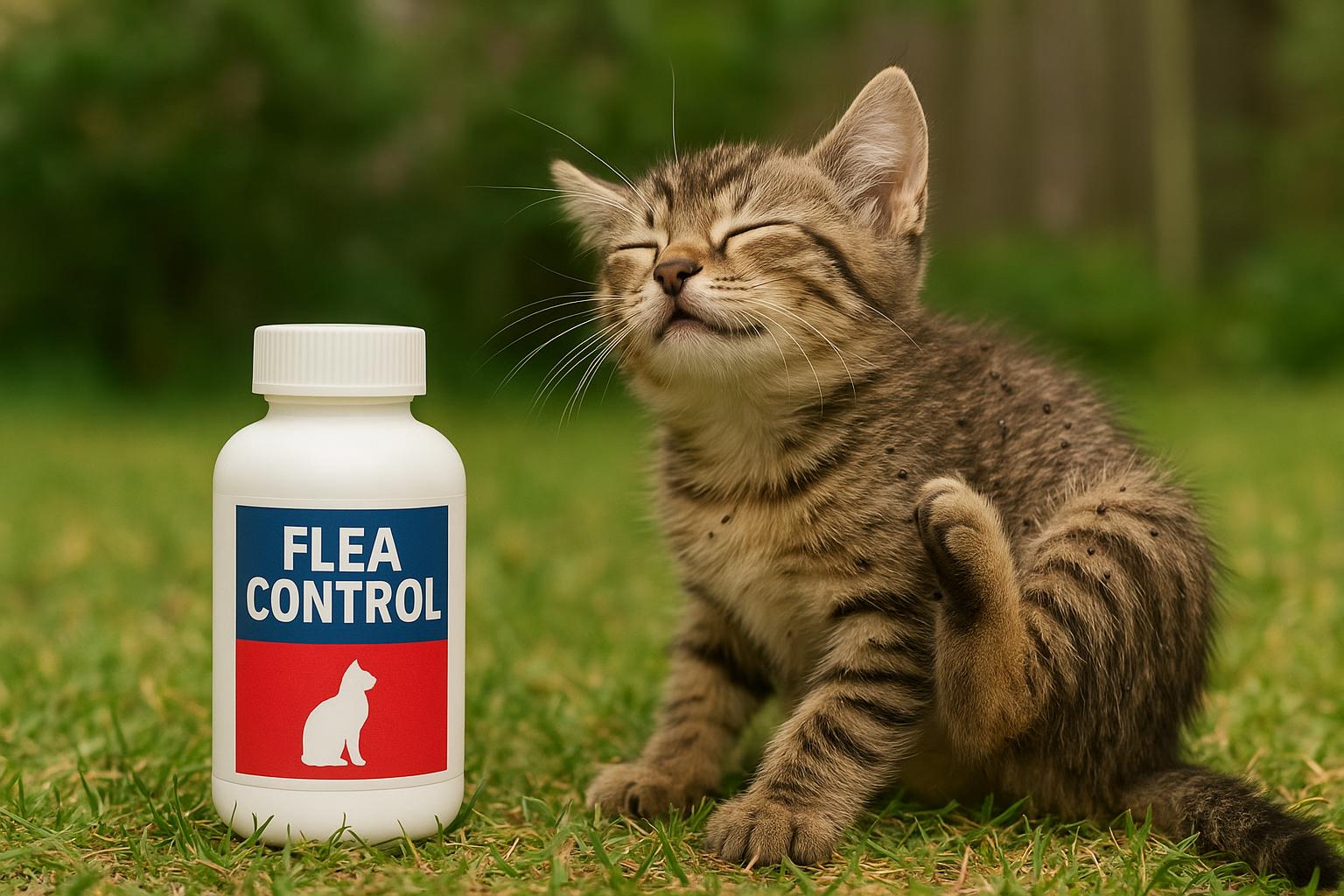
If your cat has been doing the frantic little hop-scratch-hop routine or suddenly resembles a shedding statue, you’re probably wondering whether you’re dealing with fleas. Below is a friendly, practical guide to spotting the problem fast, handling it safely, and stopping it from coming back — with a little levity to keep the cat hair from ruining your day.
## Cat Flea Signs: How To Tell If Your Cat Has Fleas Today
Cat flea signs can be obvious or sneaky. Some cats tolerate a few fleas with barely a twitch, while others go full Shakespearean tragedy over a single bite. Here’s what to look for so you can know today, not tomorrow.
### Visible Signs On The Coat
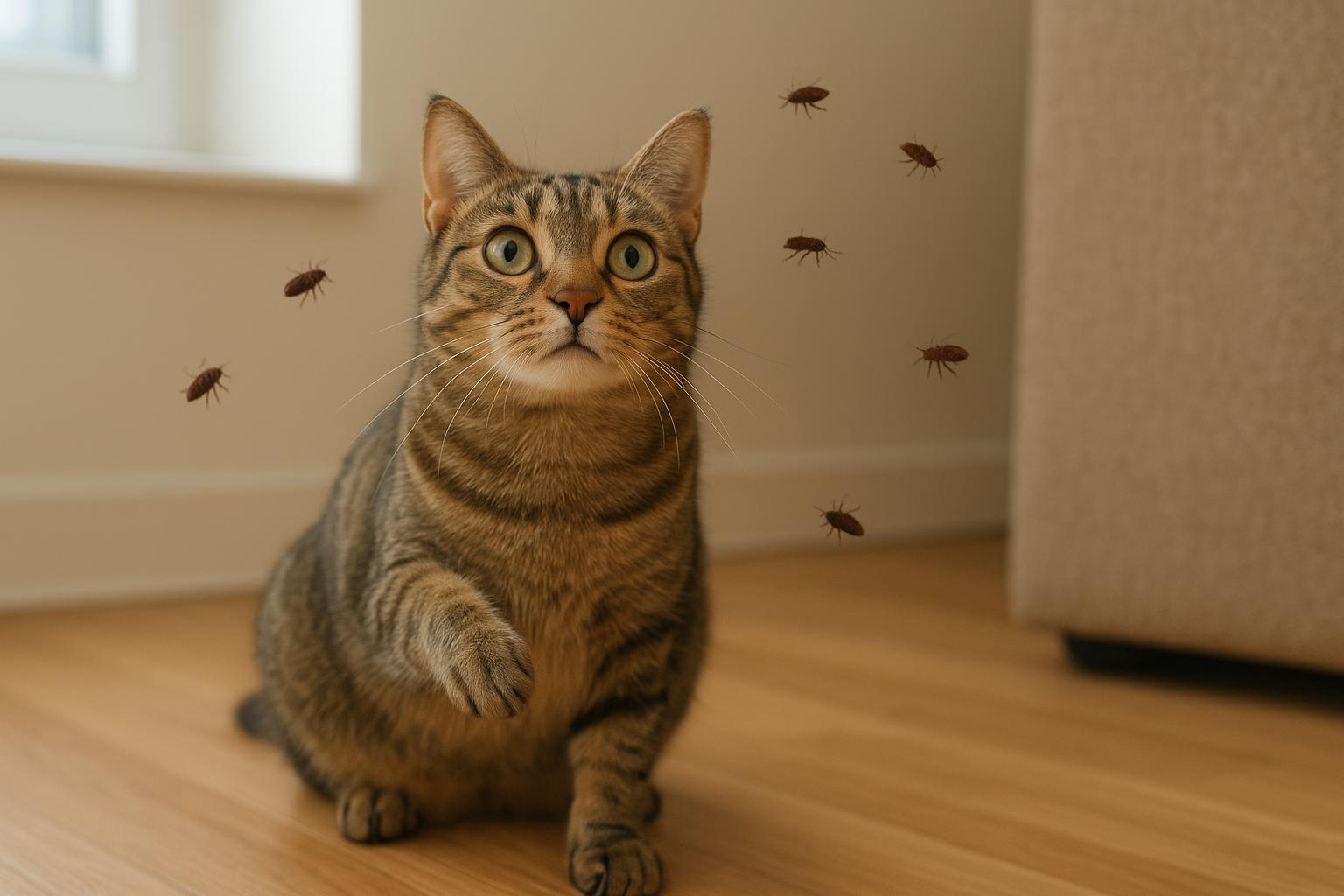
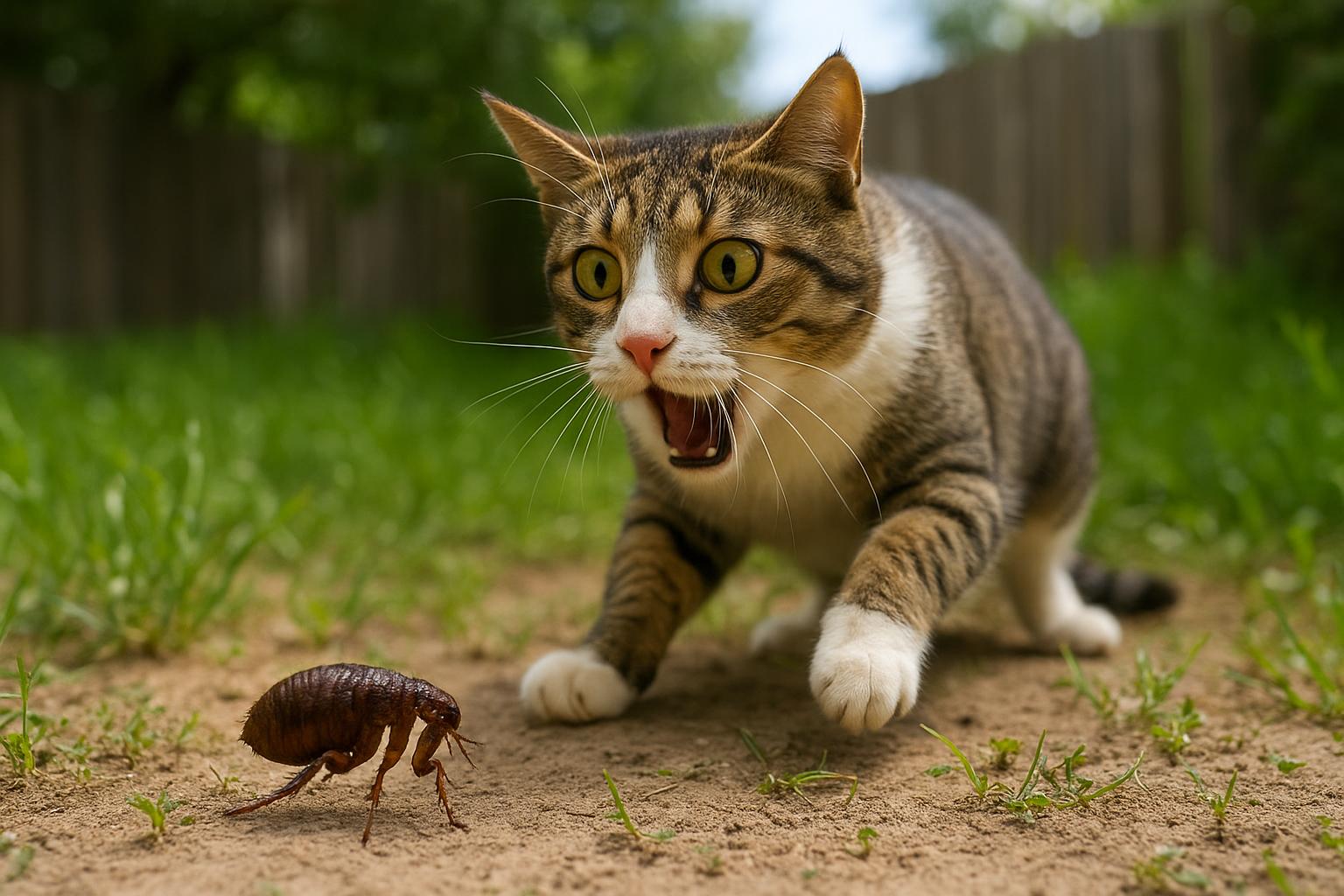
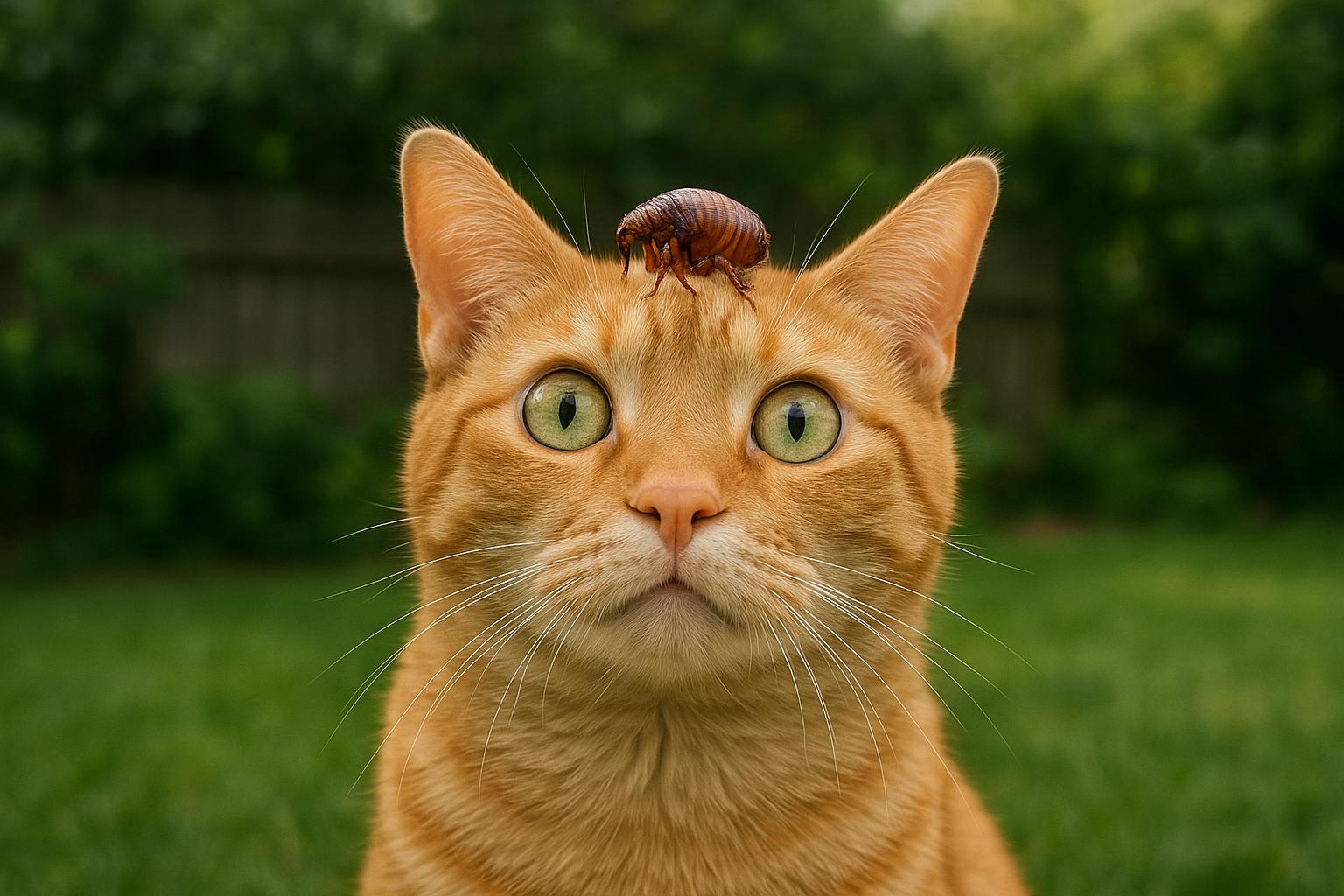
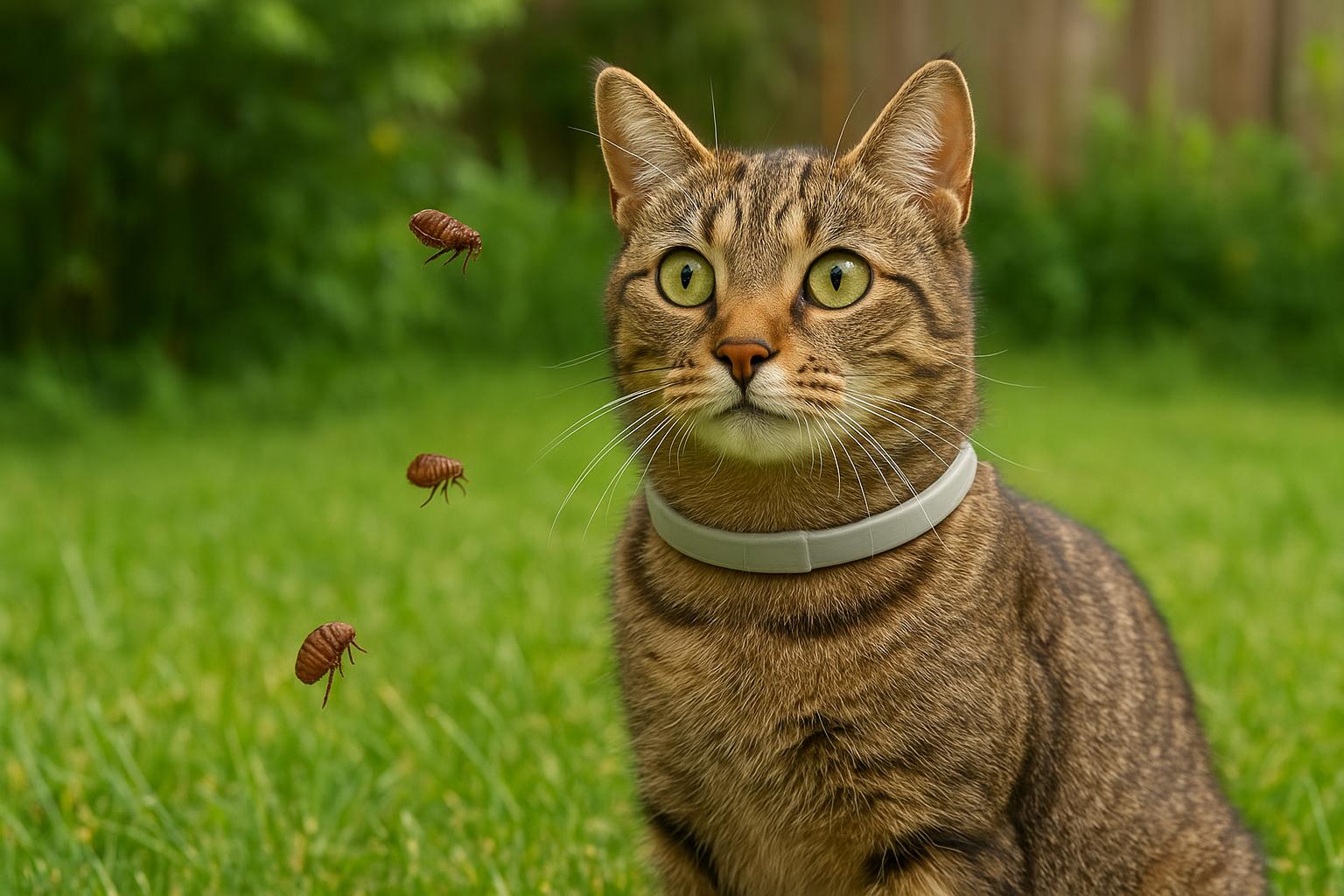
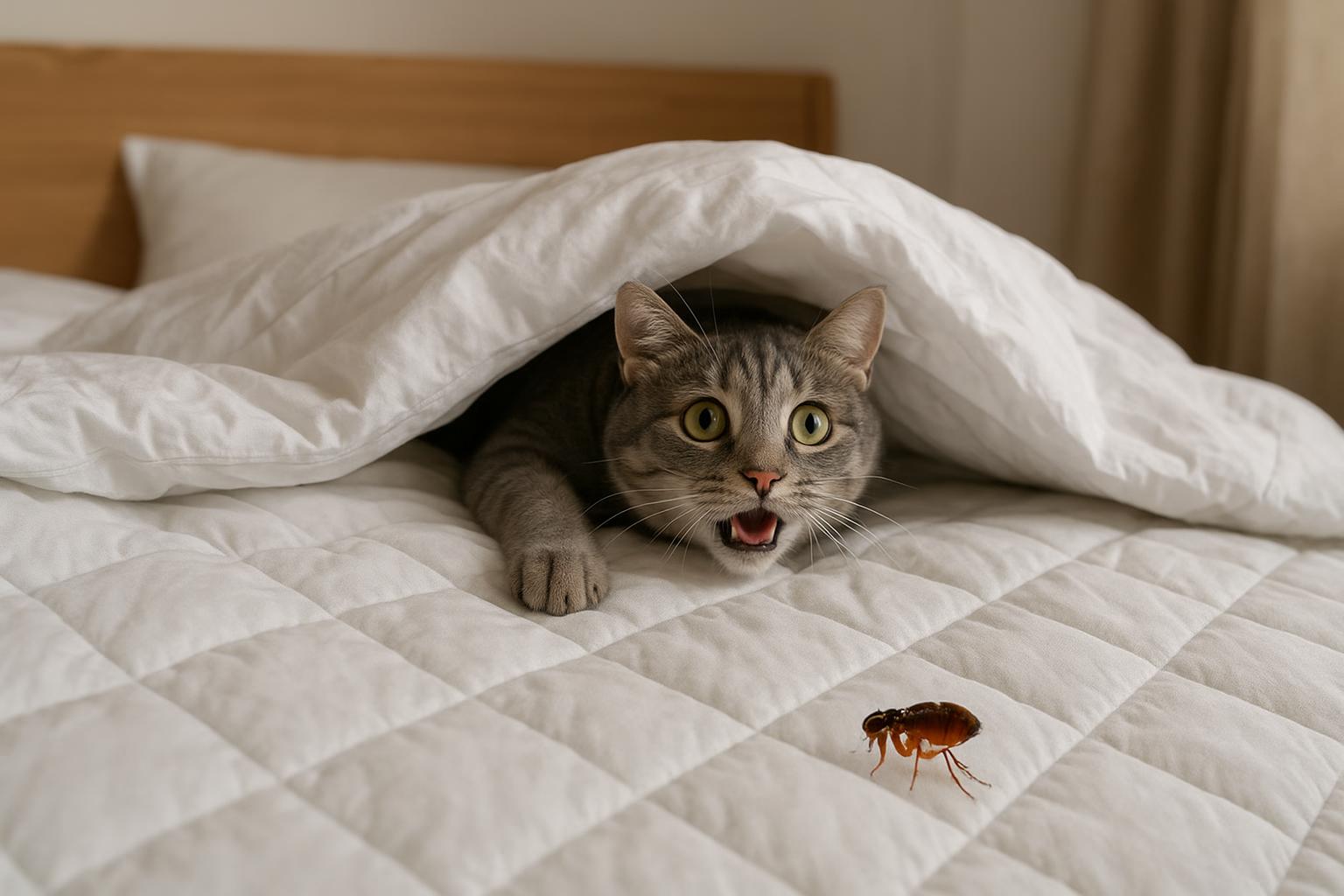
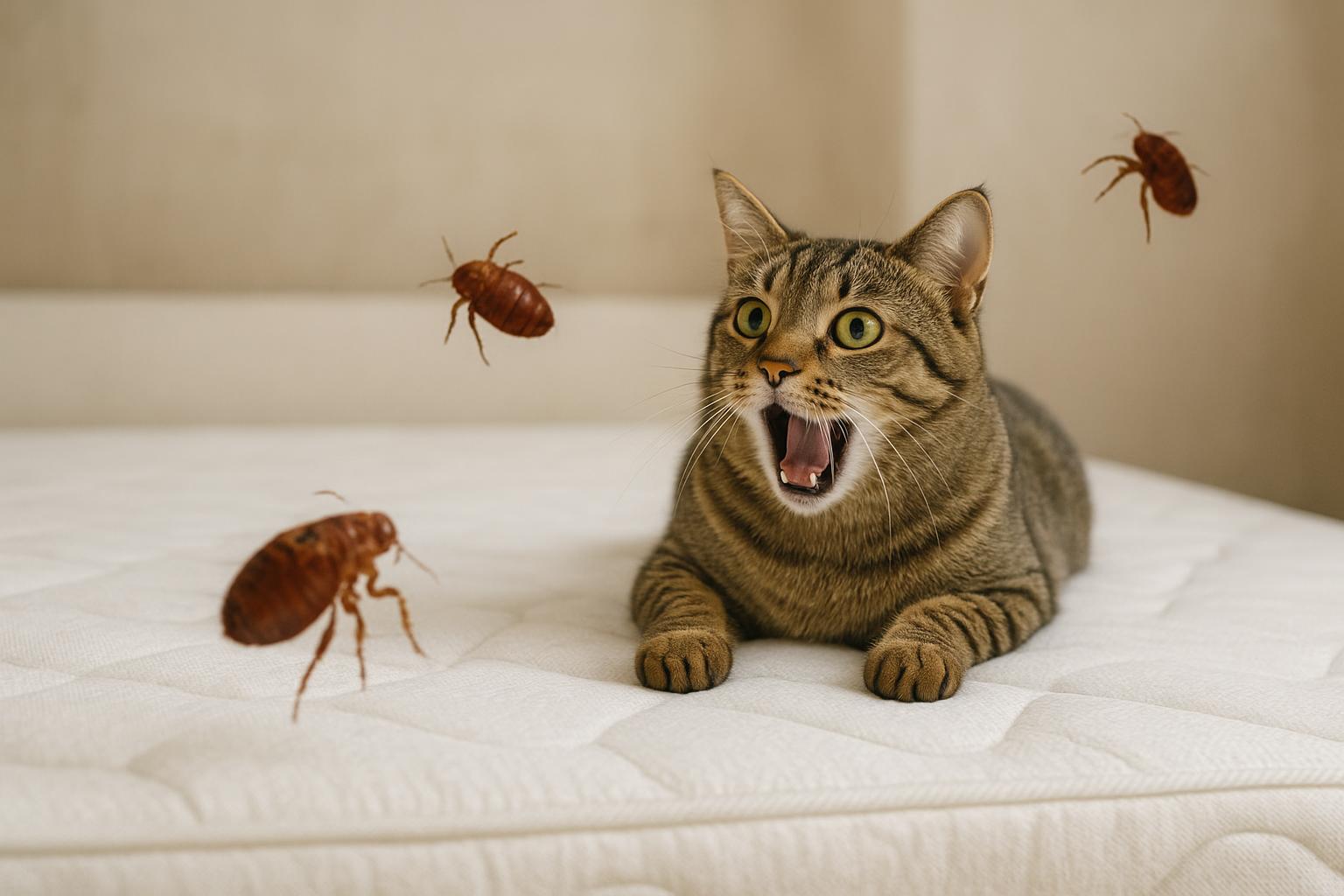
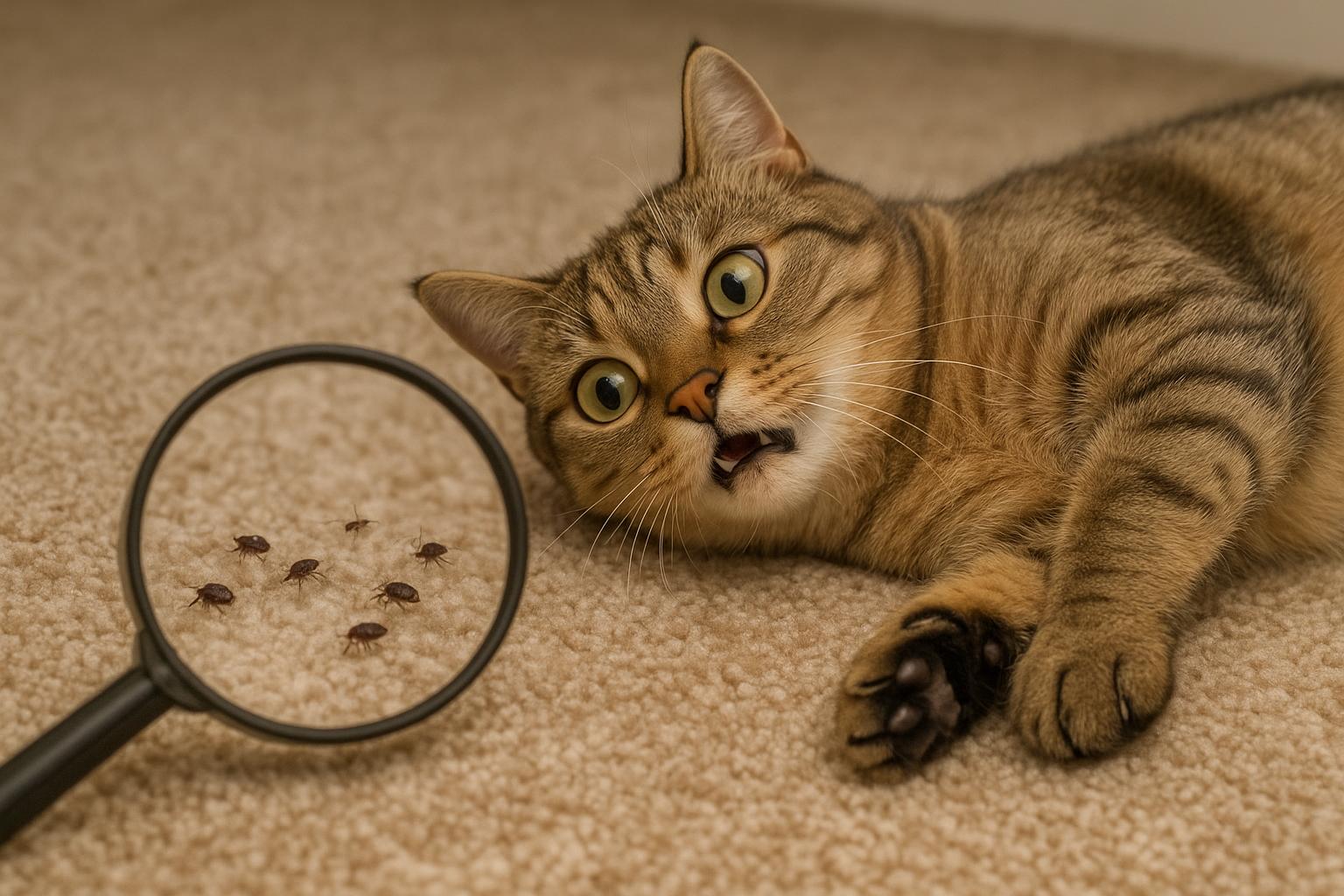
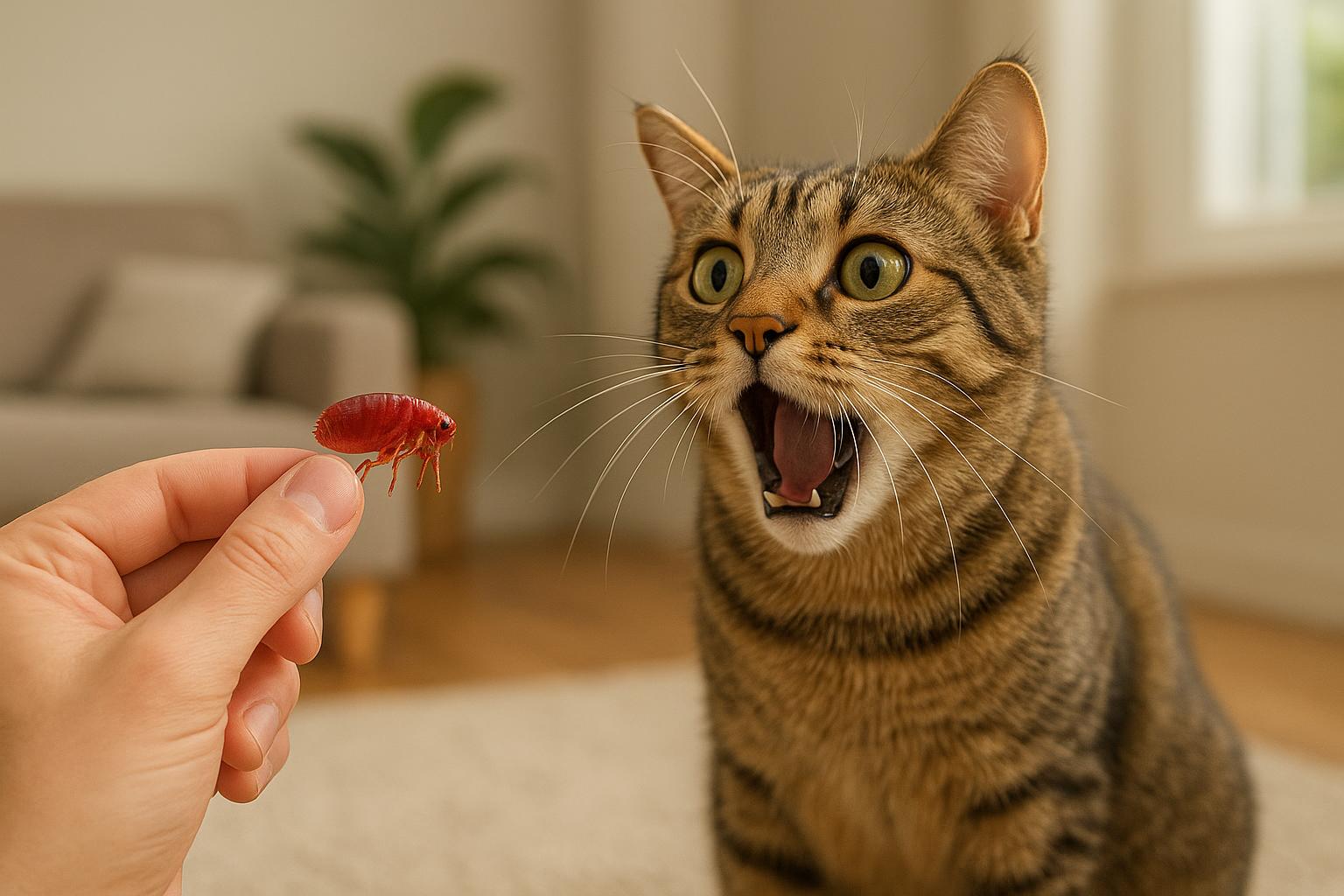
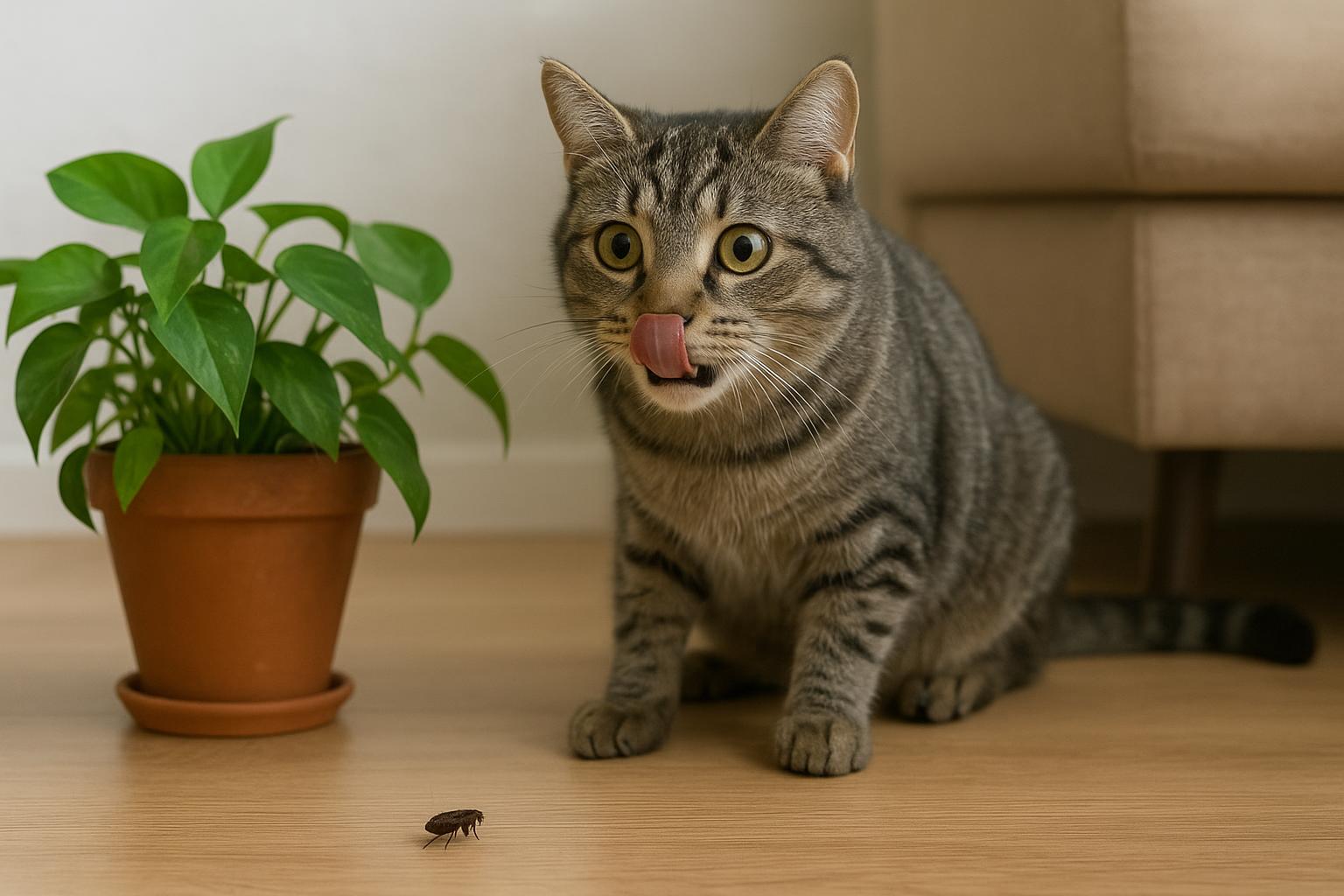
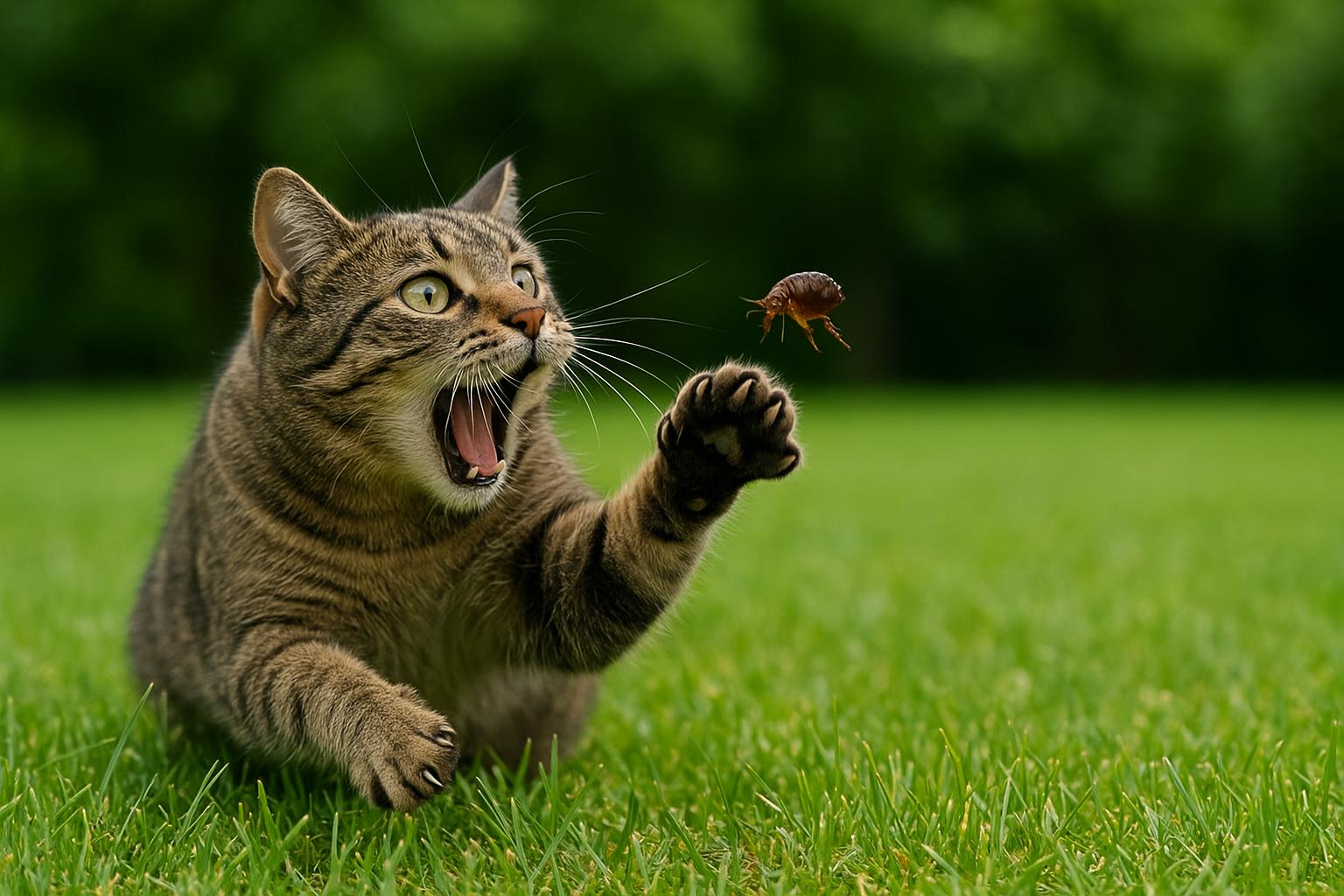
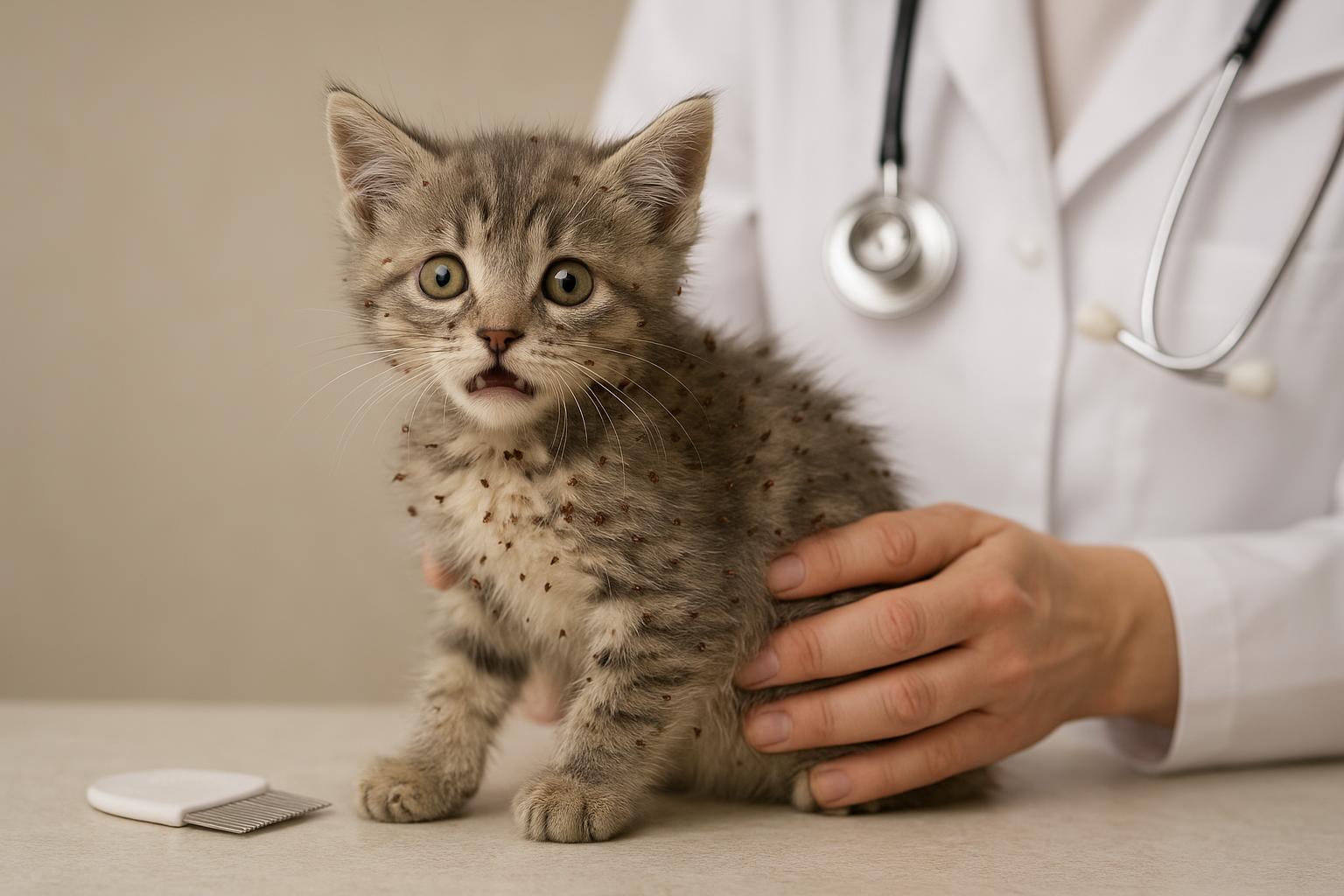
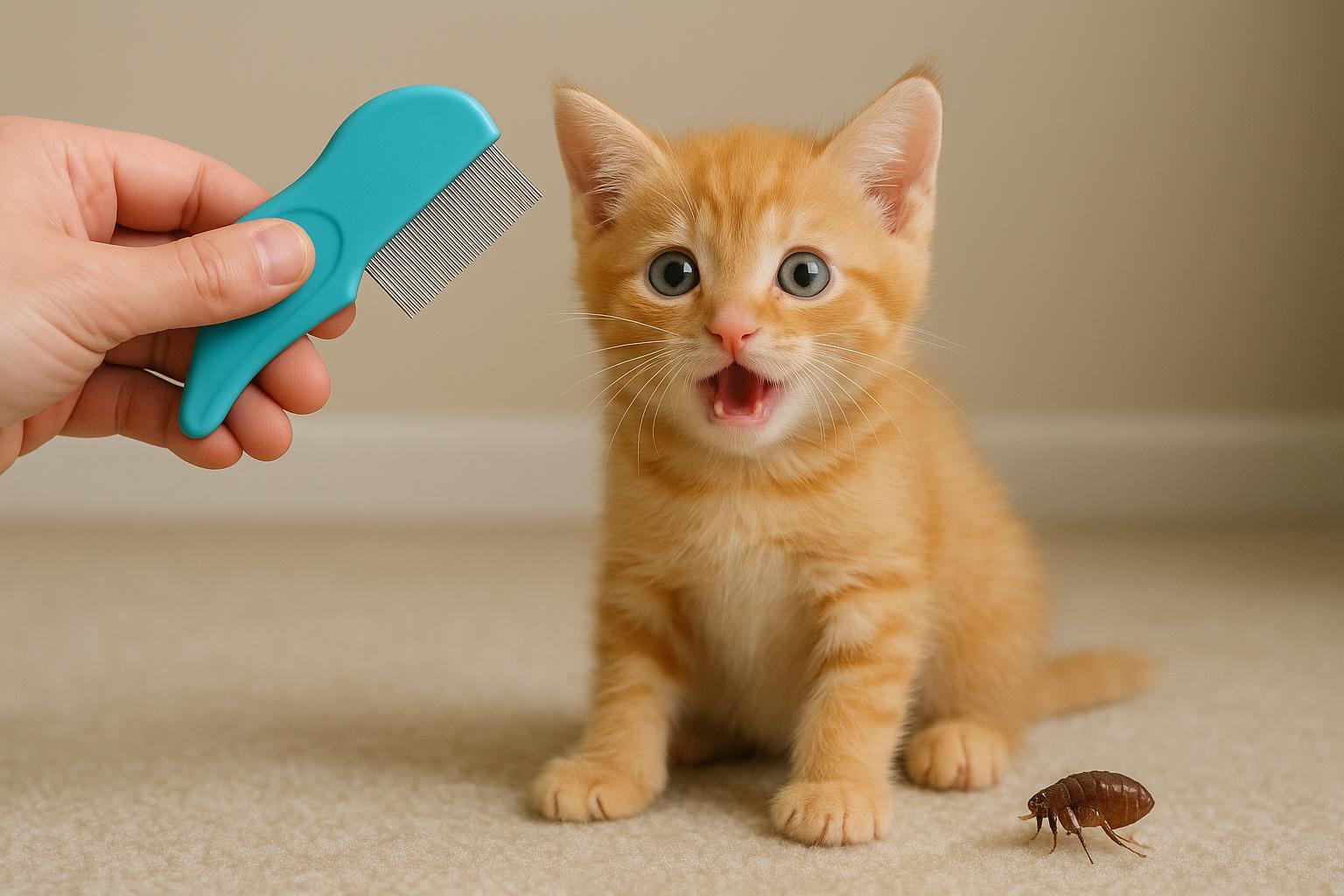
Look closely at your cat’s fur in good light. Live fleas are tiny, fast, and dark — if you see little blackish-brown insects that move, that’s your smoking gun. More commonly you’ll find:
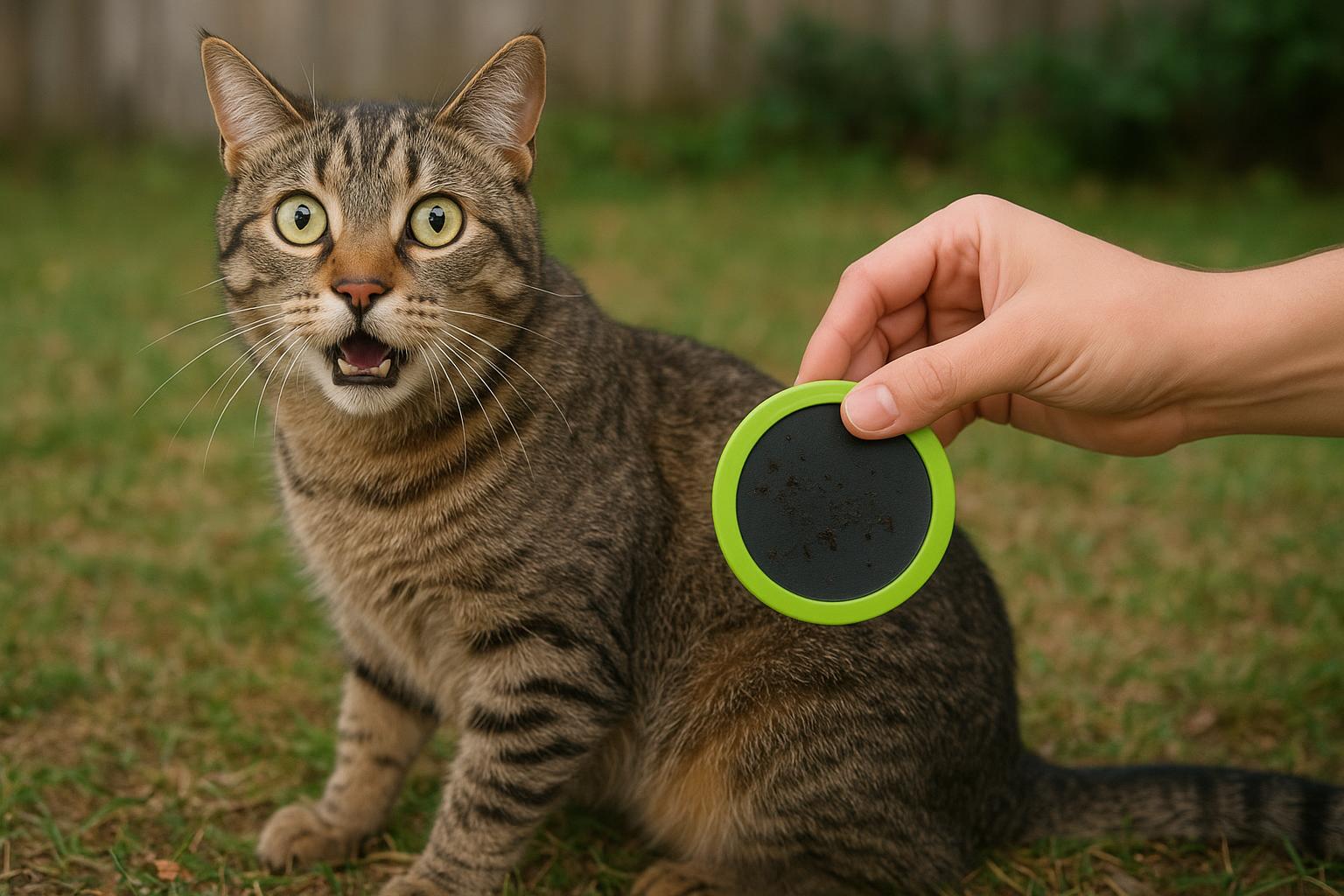
– Flea dirt: tiny specks that look like black pepper. It’s actually flea feces (dignified name: digested blood).
– Patchy hair loss on the neck, lower back, or base of the tail from excessive grooming.
– Scabs or crusty spots where bites have been scratched raw.
A thorough check can reveal these cat flea signs even before the itching gets dramatic.
#### Checking With A Flea Comb
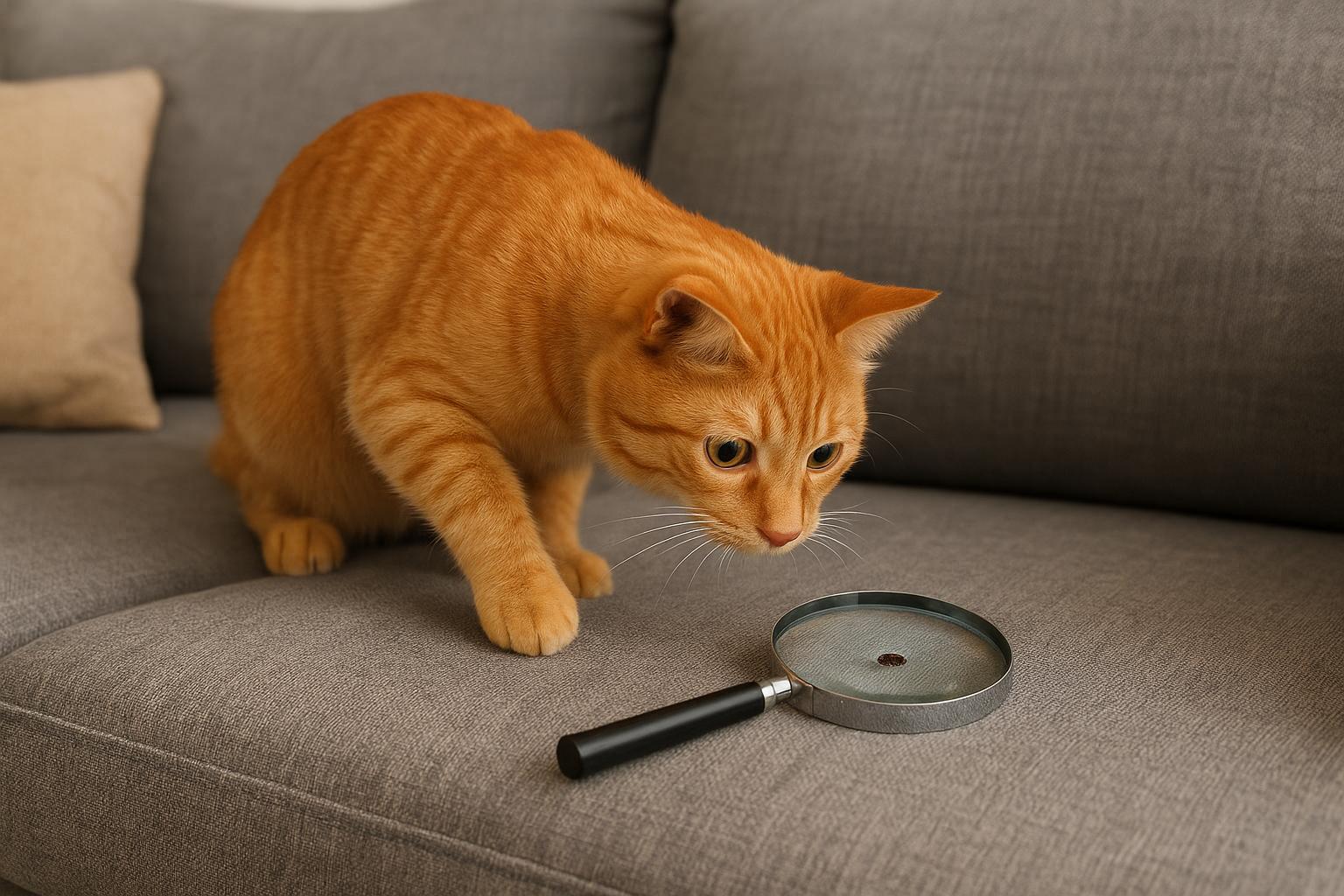
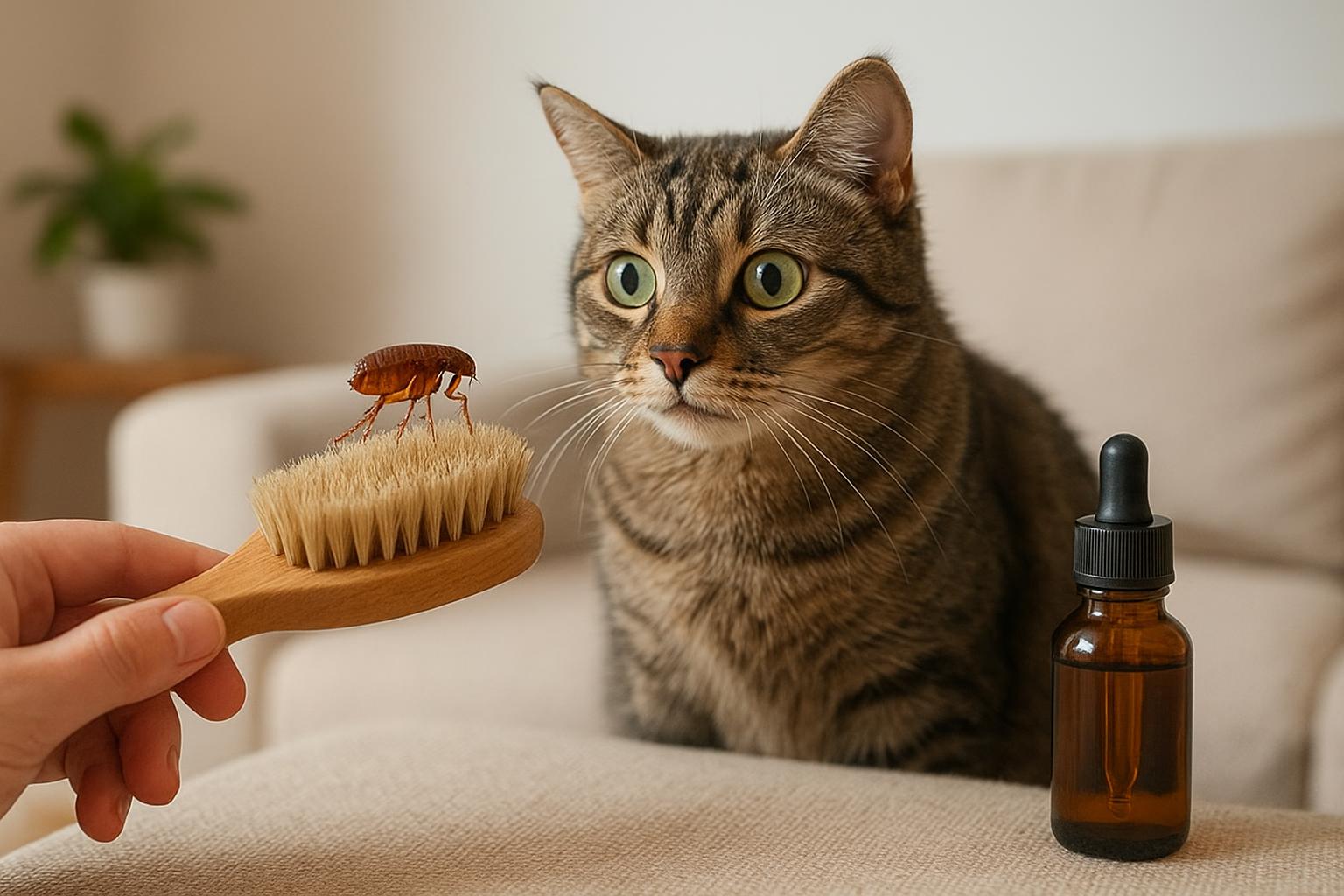
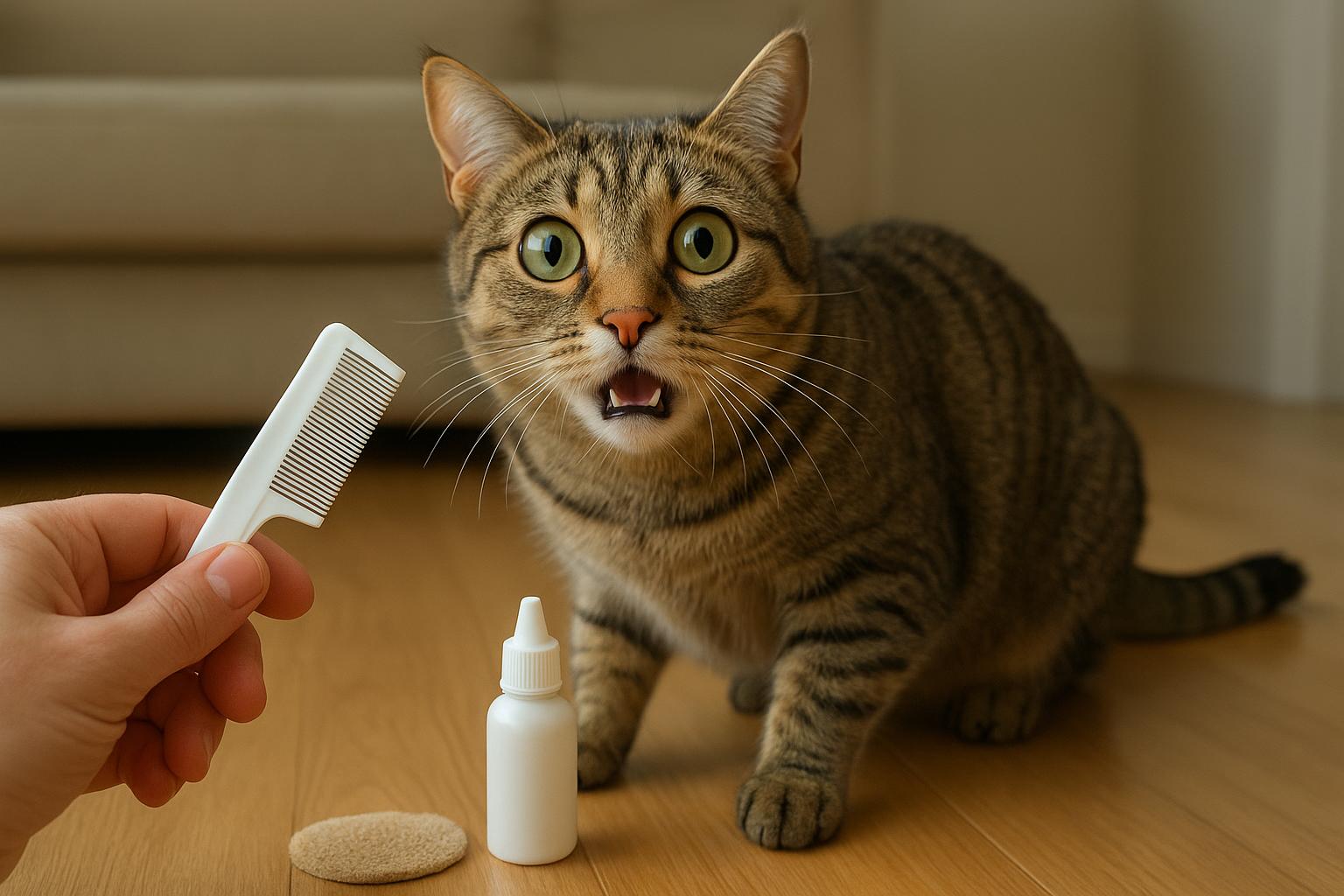
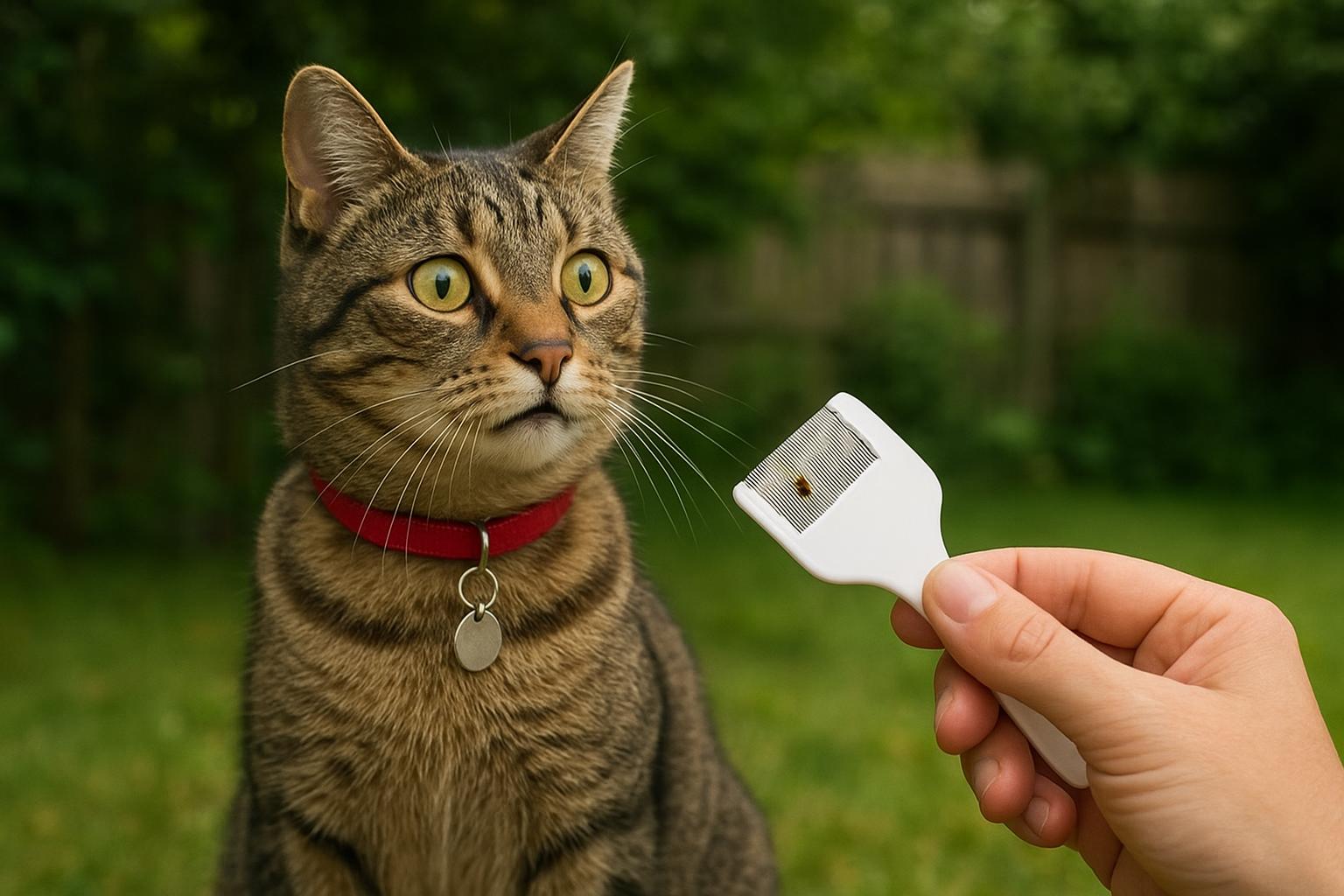
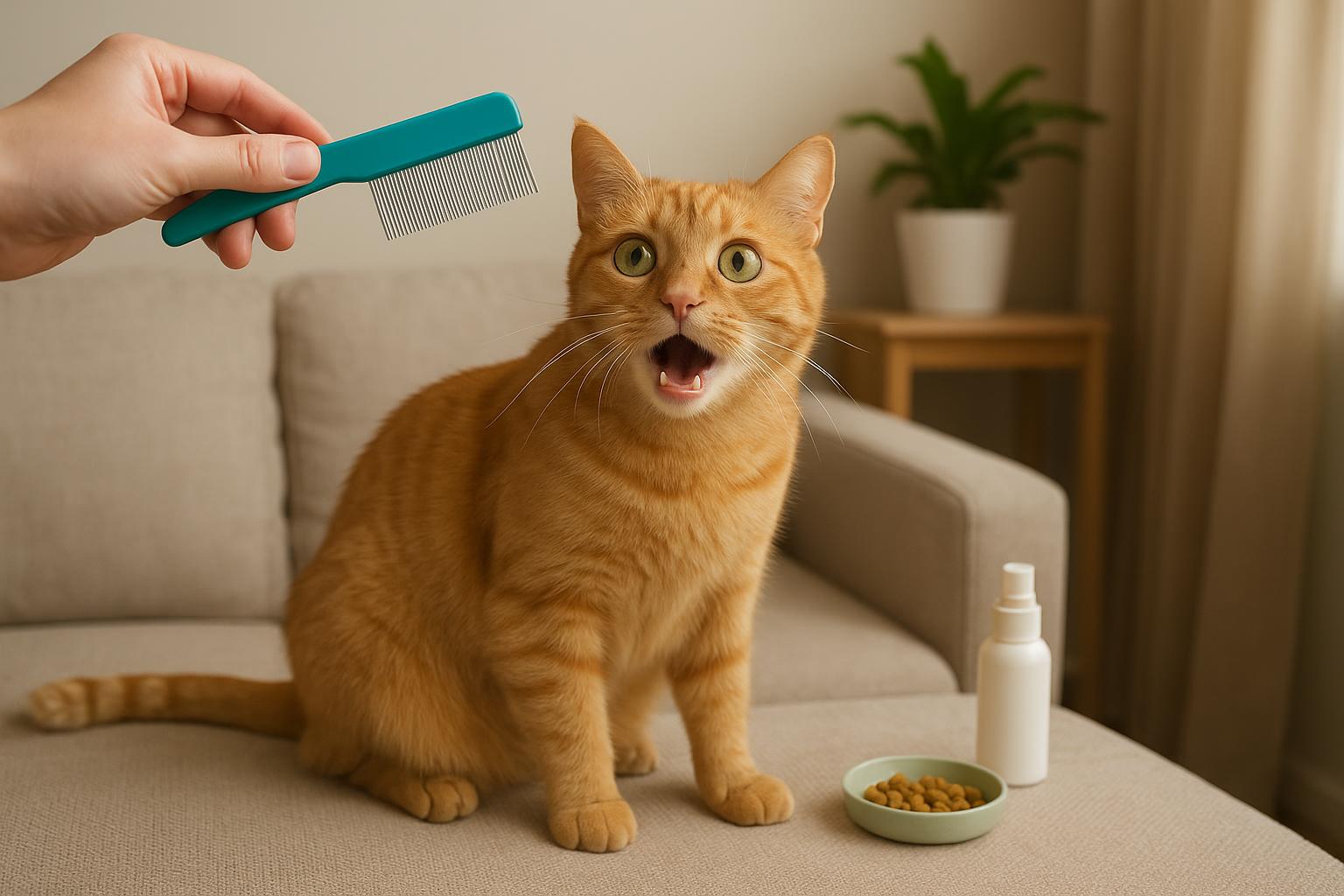
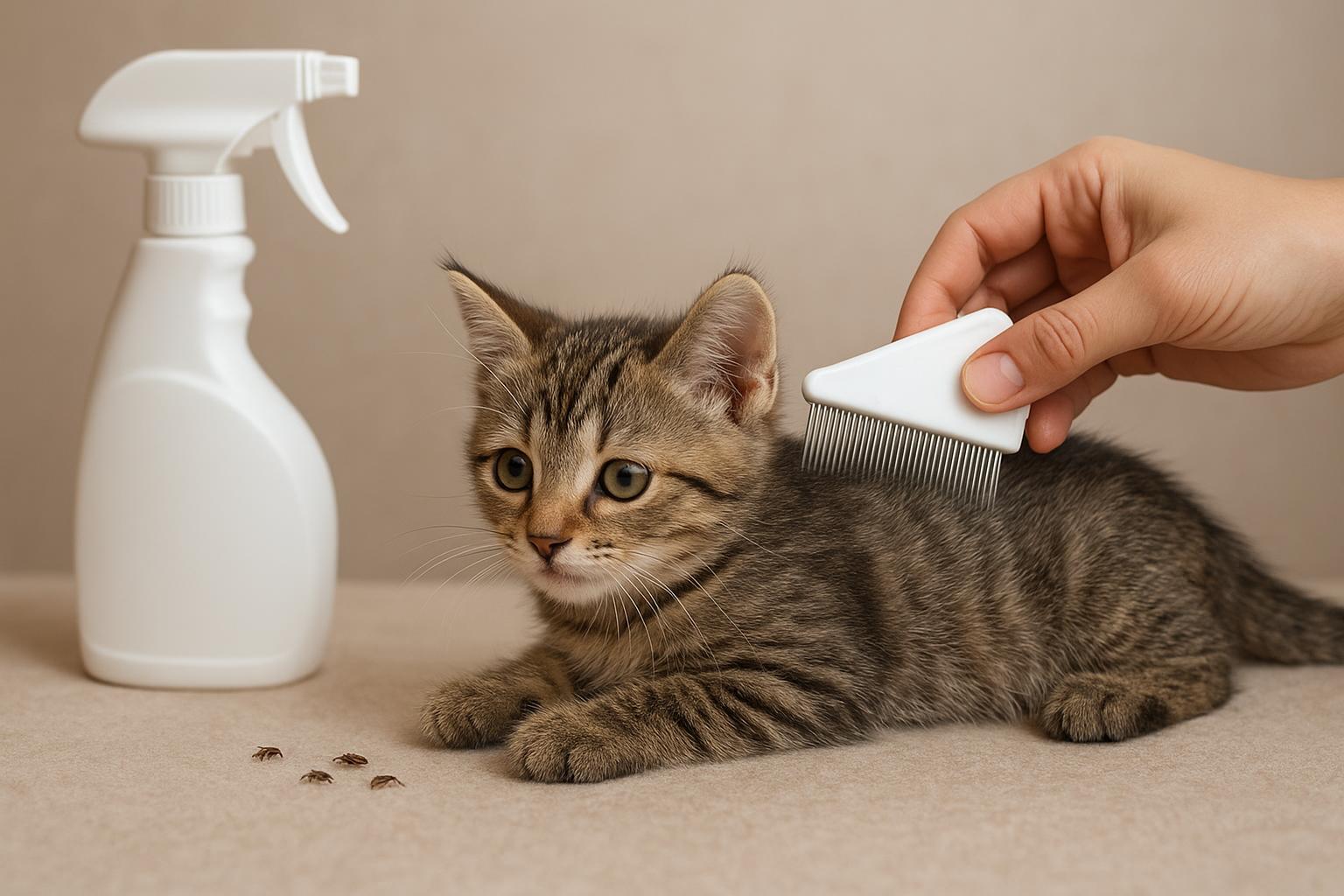
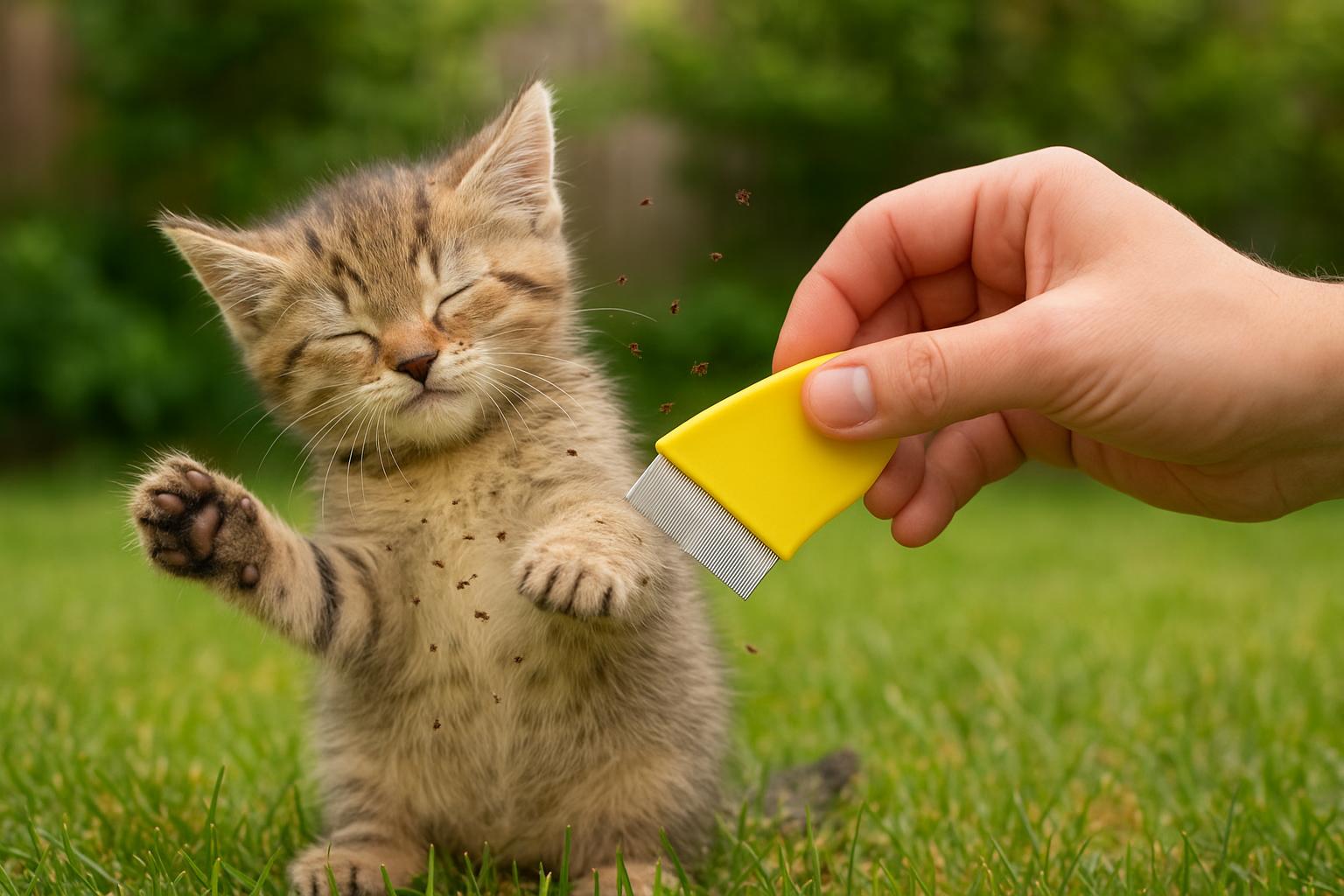
A flea comb is cheap and the easiest detective tool. Comb from the base of the neck down the spine and into the tail area, collecting any debris on a white cloth or paper towel beneath the comb. If you see dark specks, moisten them — if they turn reddish-brown, that’s flea dirt.
### Behavior And Skin Reactions
Cat flea signs aren’t always visual. Watch your cat’s behavior:
– Repetitive scratching, biting, or licking at the same spot.
– Restlessness, less grooming (if they’re sore), or conversely, overgrooming to the point of balm-less fur.
– Signs of flea allergy dermatitis: inflamed, raw, or angry-looking skin. This is an allergic reaction to flea saliva and can be much worse than the fleas themselves.
Kittens, elderly, or immunocompromised cats can also show lethargy or pale gums from blood loss if the infestation is heavy. That counts as a medical emergency.
### What You’ll Find Around The House
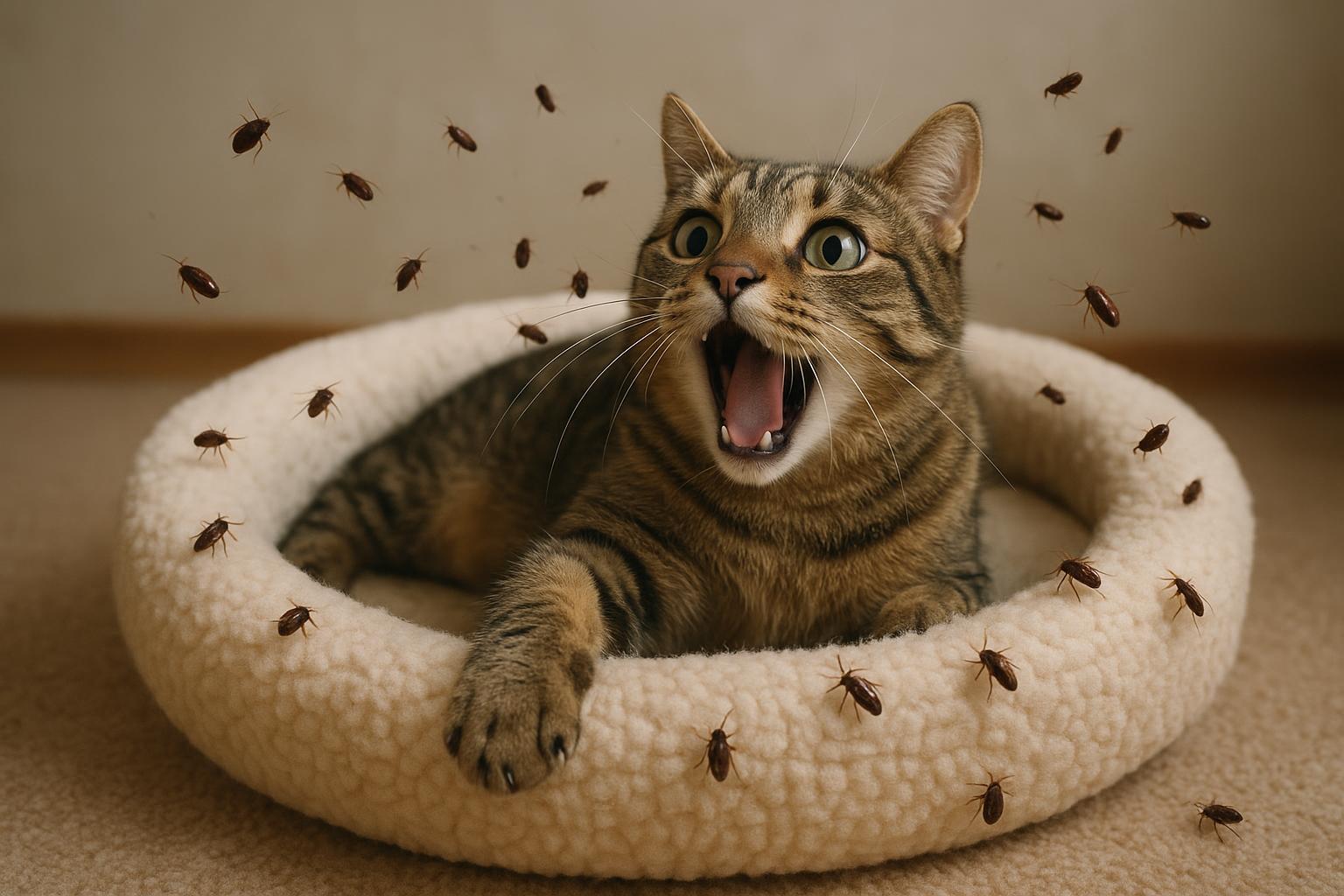
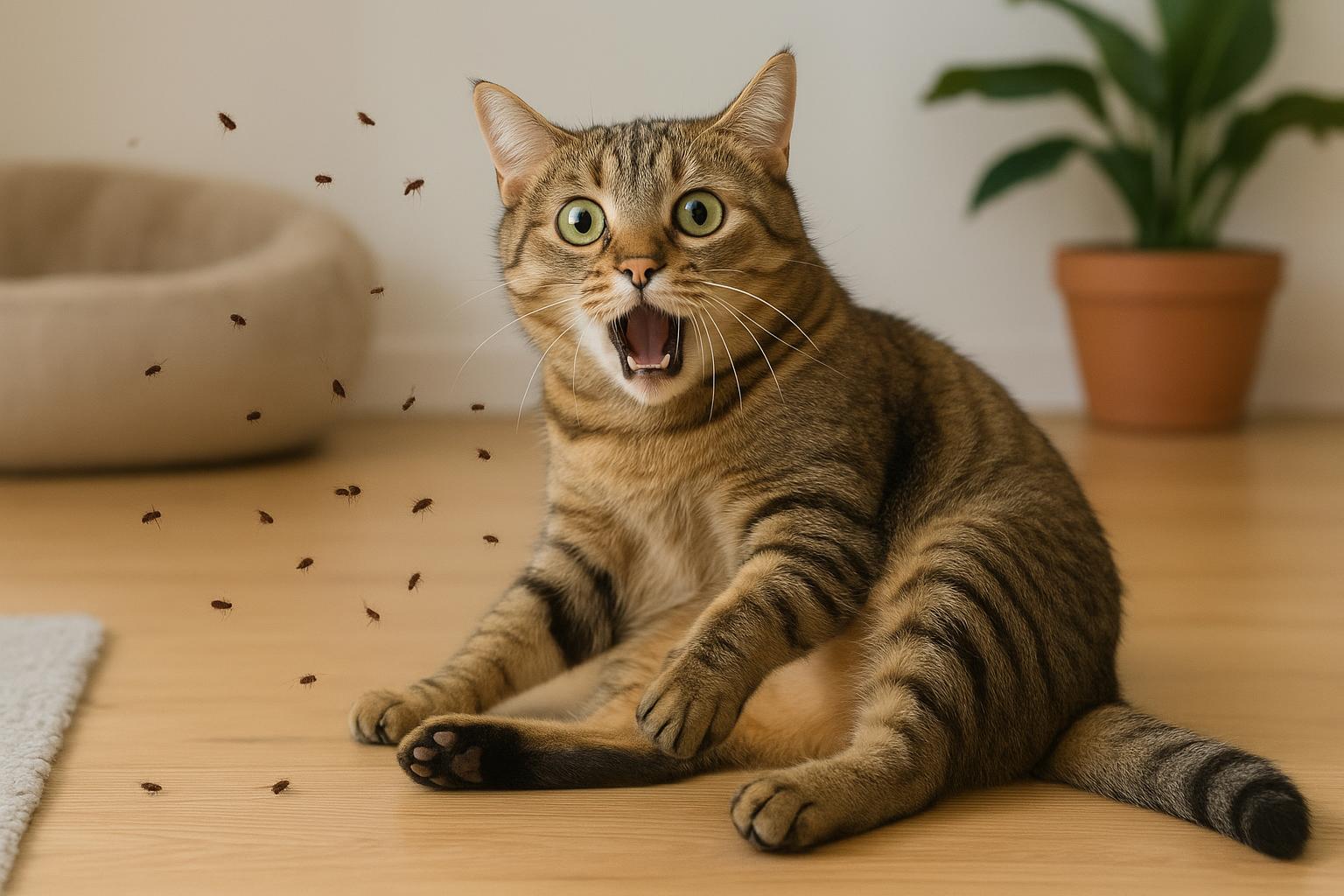
If one pet has fleas, the environment likely does too. Cat flea signs around the home include:
– Flea dirt or small dark specks on bedding, rugs, or furniture.
– Tiny white eggs in carpet fibers or in cracks and crevices.
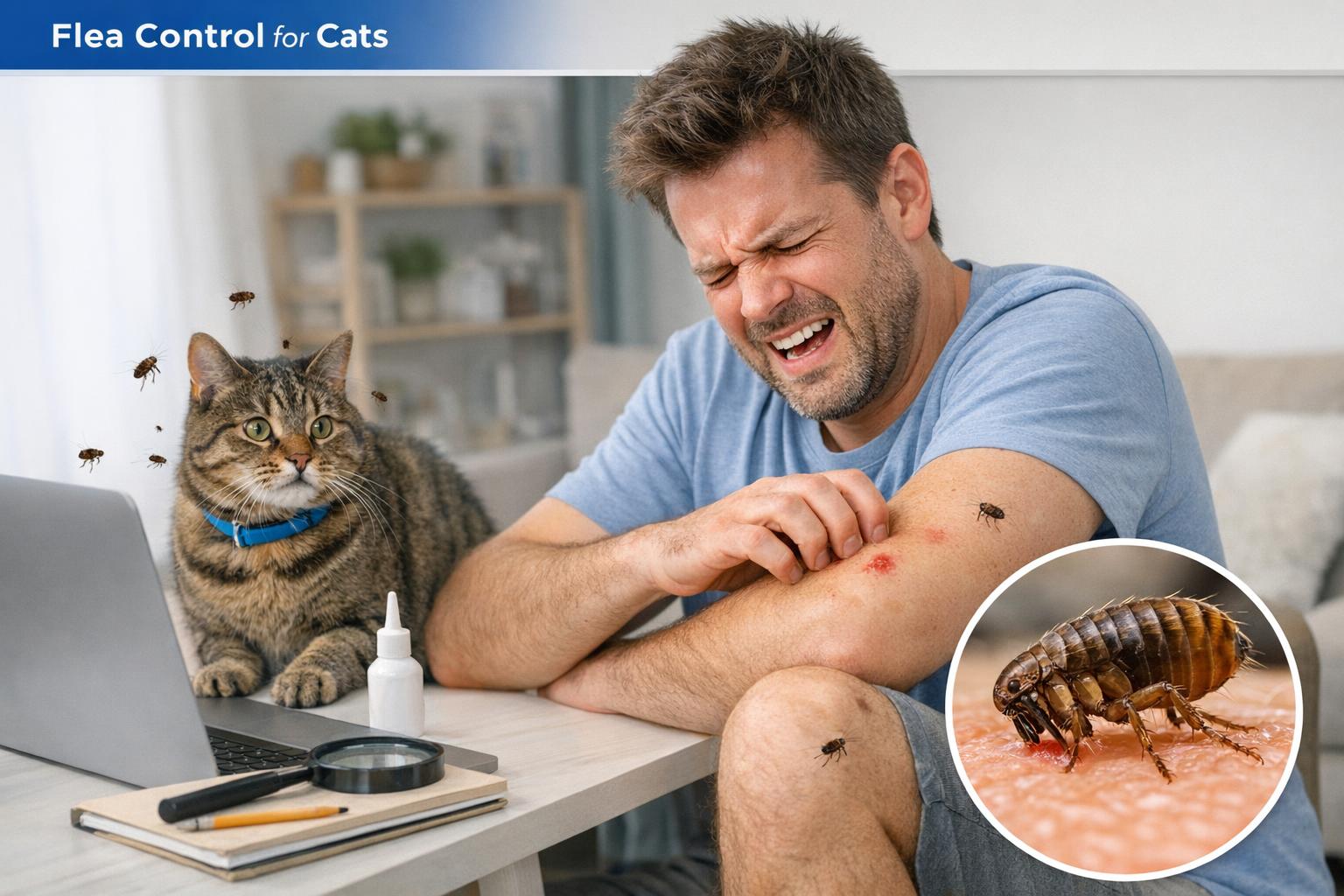
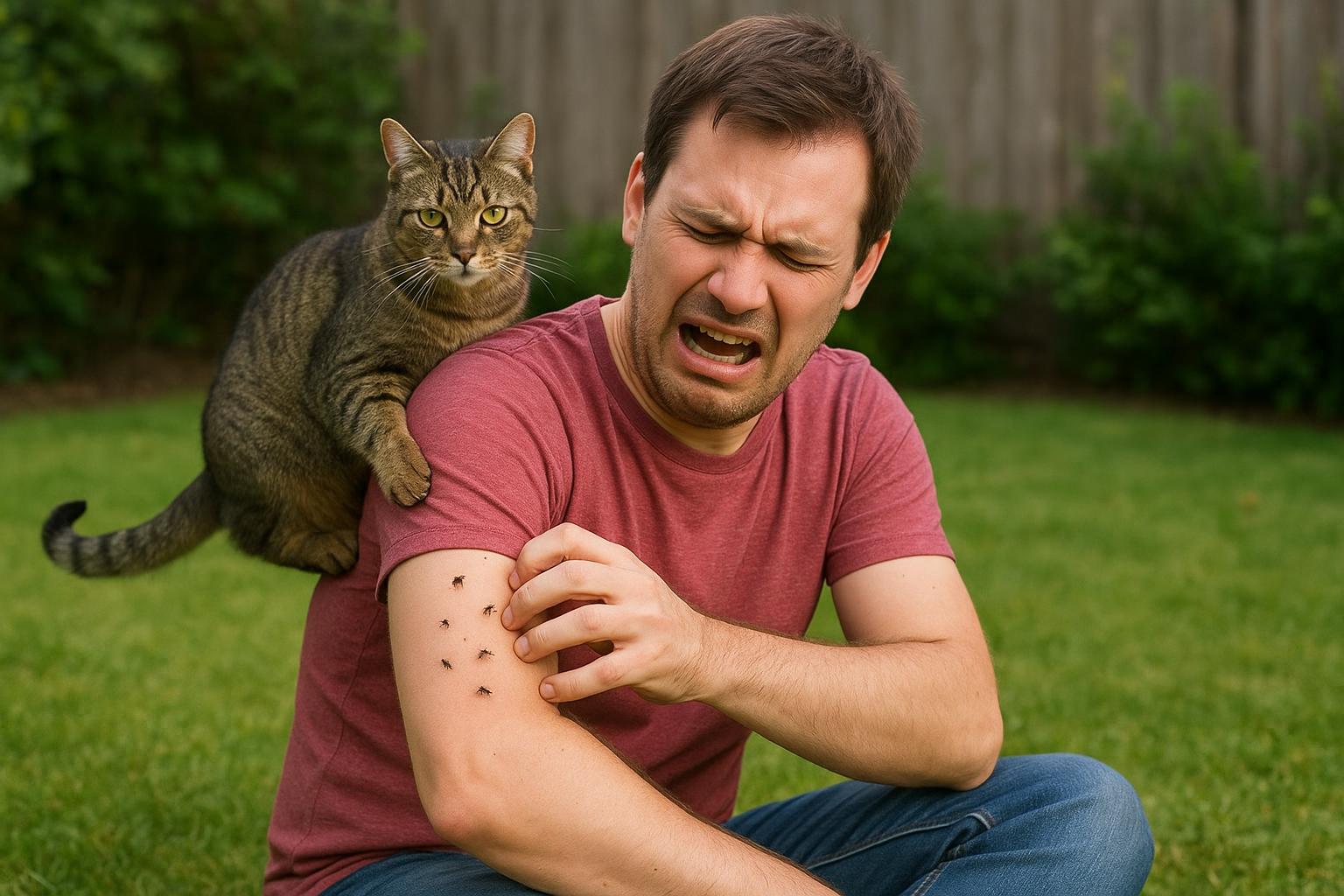
– Flea bites on humans — small, clustered, itchy red bumps, especially around ankles.
Vacuuming and inspecting bedding are the fastest ways to see if fleas have spread from your cat to the house.
#### The Wet Paper Towel Test
Collect visible specks from your pet or bedding and press them on a damp white paper towel. If a reddish ring appears, that’s digested blood — confirmation of flea dirt. Quick, low-tech, and effective.
## When To See A Vet
If your cat is a kitten, very young, elderly, losing weight, showing signs of anemia (pale gums, weakness), or has severe skin infection from scratching, contact a veterinarian immediately. Heavy infestations can cause significant health problems. Your vet will confirm the diagnosis and recommend safe, effective treatment options tailored to your cat’s age, weight, and health status.
## Remedy 1: At-Home Quick Kill Bath
This is a temporary, immediate measure to remove adult fleas quickly while you arrange a vet-recommended treatment program. It is not a long-term solution, but it helps get the live fleas off your cat right now.
Materials
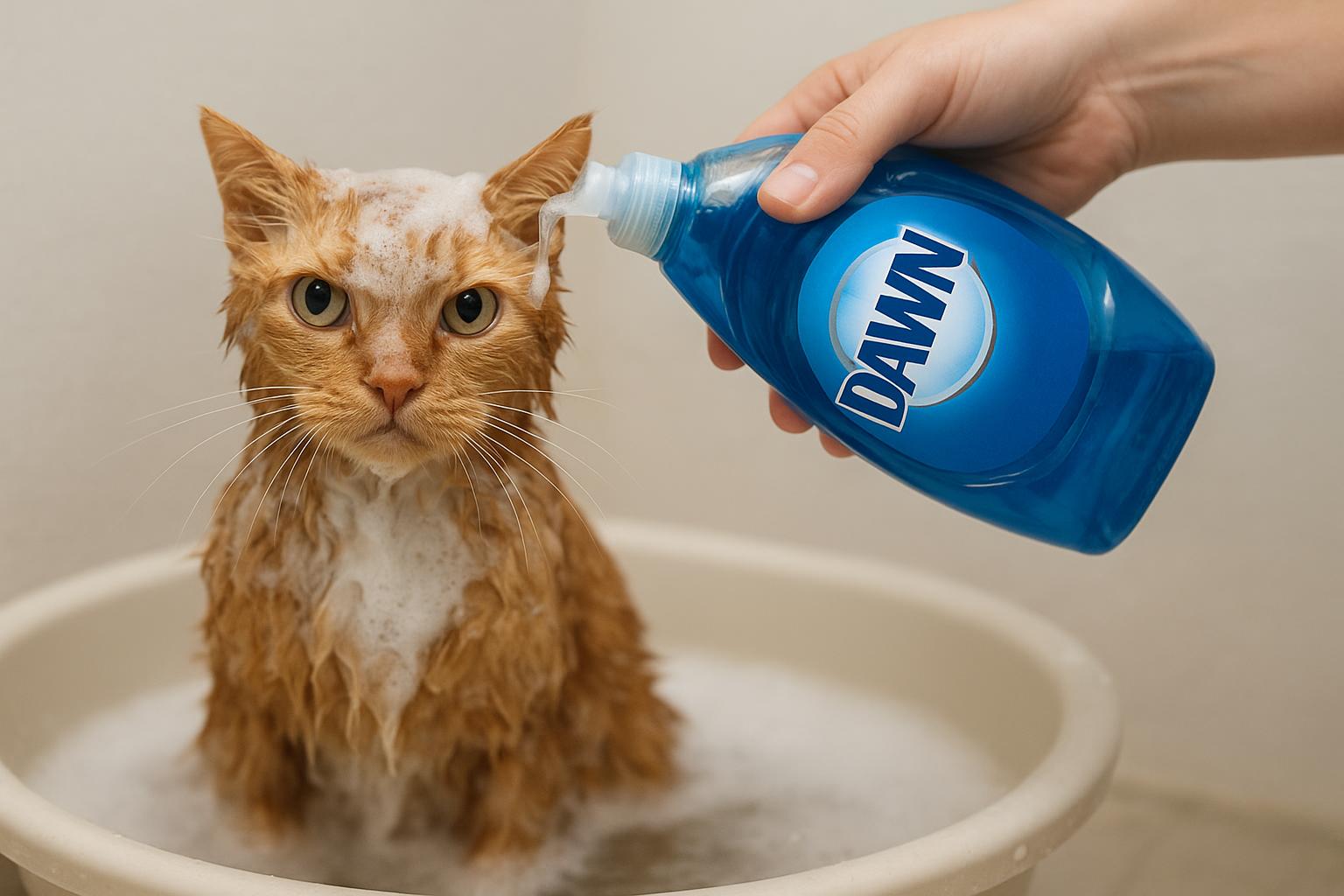
– A flea-safe pet shampoo (or a mild dish soap in an emergency — consult vet first).
– A flea comb.
– Several clean towels.
– A large bowl of warm water or a sink/tub with a gentle spray.
– Treats and a helper if your cat is fidgety.
– Gloves (recommended).
Steps
1. Prepare the area: Fill the sink/tub with a few inches of warm water. Keep towels nearby and a quiet room ready for drying.
2. Wet your cat thoroughly with warm water, avoiding the head at first to reduce stress.
3. Apply a small amount of the flea-safe shampoo and lather gently, following the product’s directions for contact time. If using a dish soap as an emergency measure, work quickly and rinse thoroughly.
4. Pay attention to the neck and base-of-tail areas where fleas congregate, but avoid getting soap in the eyes and ears.
5. Rinse completely. Incomplete rinsing can irritate the skin and make grooming unpleasant.
6. Use a flea comb to remove any remaining fleas while the fur is still wet; dip debris into the damp towel to kill them.
7. Dry your cat with towels; a warm (not hot) blow-dryer can be used if the cat tolerates it.
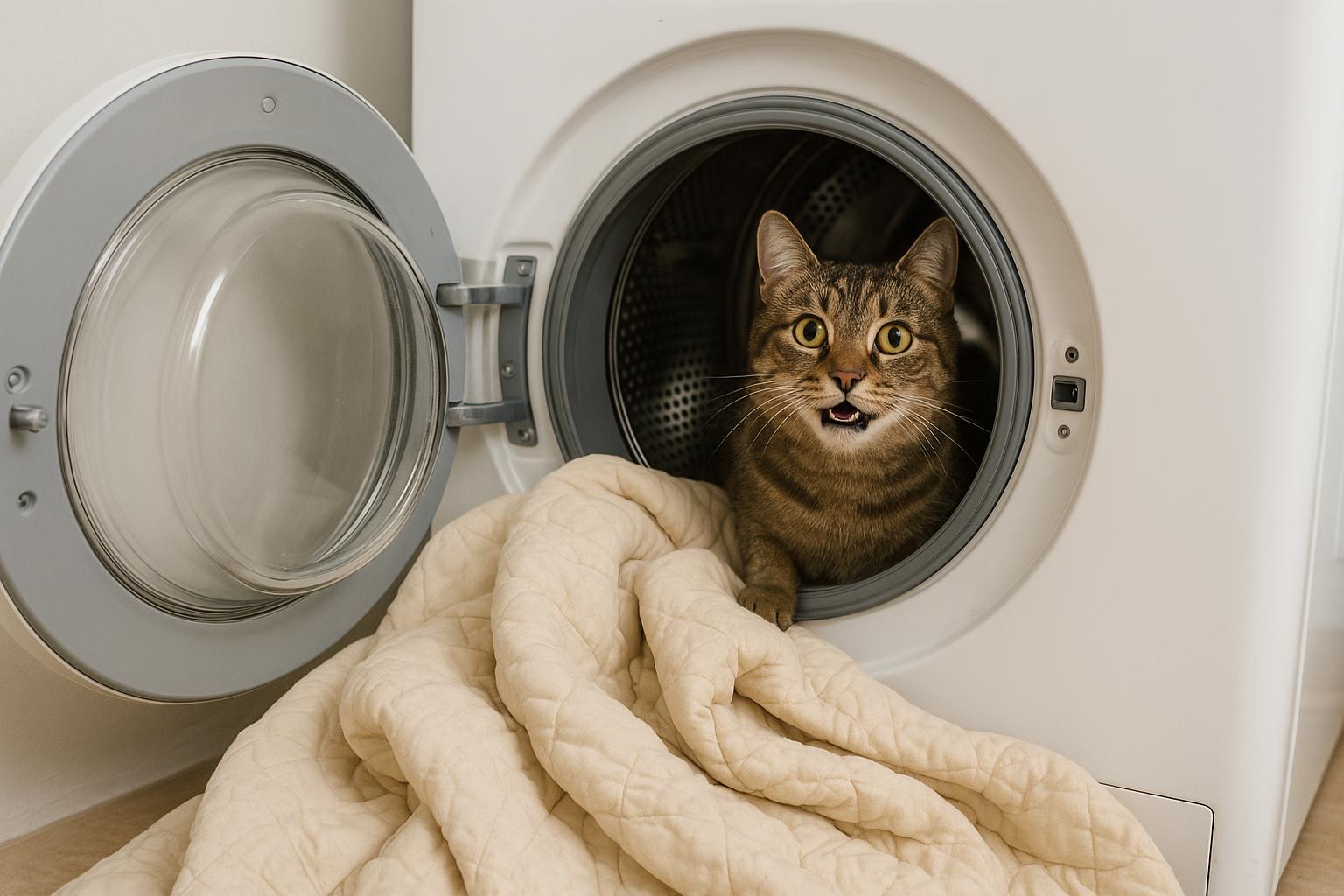
8. After bathing, vacuum the area immediately and wash bedding on hot cycle to remove any eggs or larvae.
Note: Baths can stress some cats and are not a replacement for veterinarian-prescribed monthly preventatives. Use this as a stopgap and contact your vet for ongoing treatment.
## Remedy 2: Veterinary-Recommended Flea Program
A comprehensive, formal approach recommended by veterinarians is the safest and most effective long-term solution. This program will typically include prescription products for the pet(s) and environmental control.
Materials
– Vet-prescribed topical or oral flea medication (e.g., compounds like fipronil, imidacloprid, spinosad, selamectin — vet will choose).
– Insect growth regulator (IGR) products for the home (pyriproxyfen or methoprene).
– Vacuum with attachments.
– Laundry detergent for hot-water washing of bedding.
– Possibly a yard treatment product recommended by the vet.
– Flea comb for monitoring.
Steps
1. Veterinary Evaluation: Have your cat examined. The vet will check for secondary infections, anemia, and recommend products safe for your cat’s age and health.
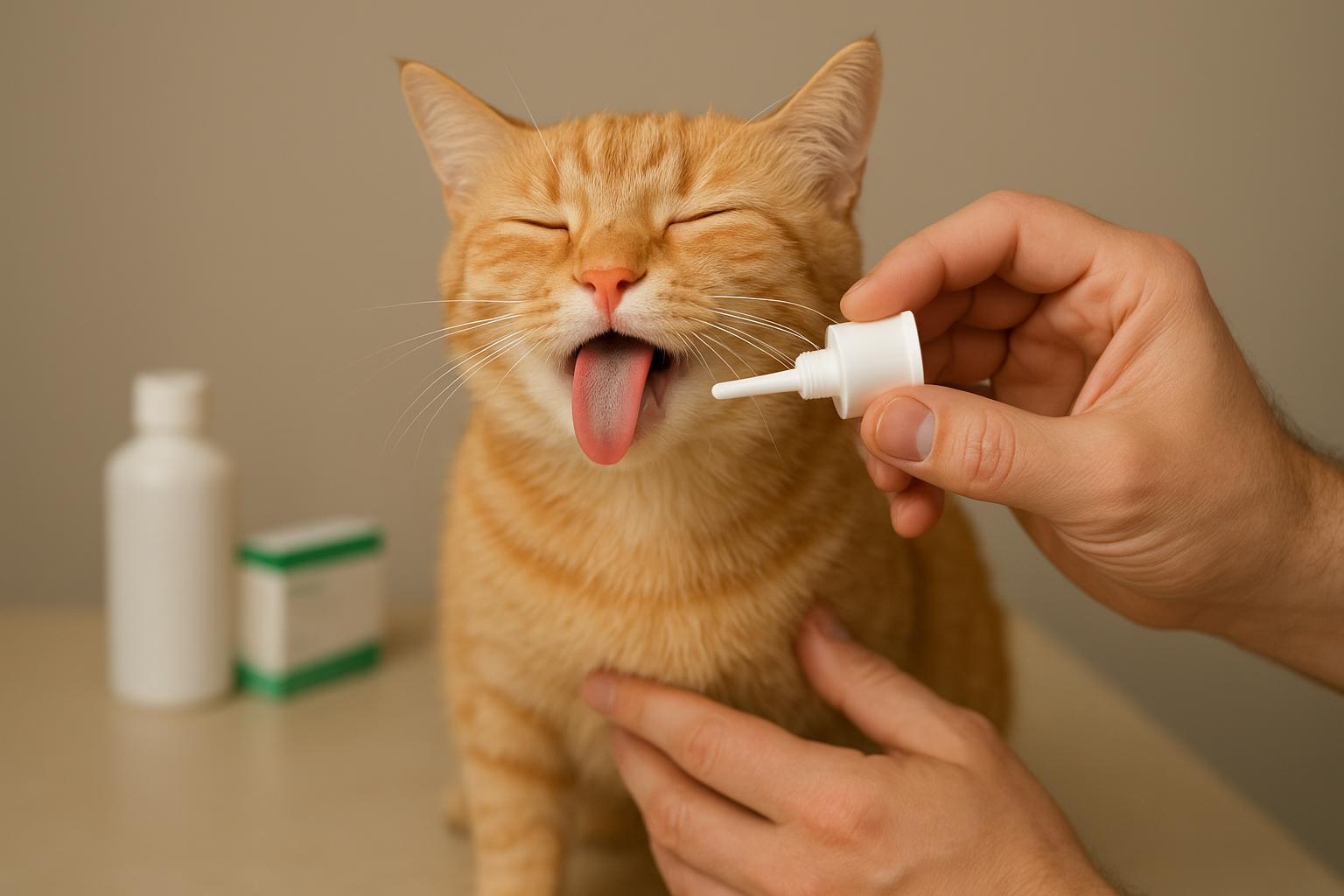
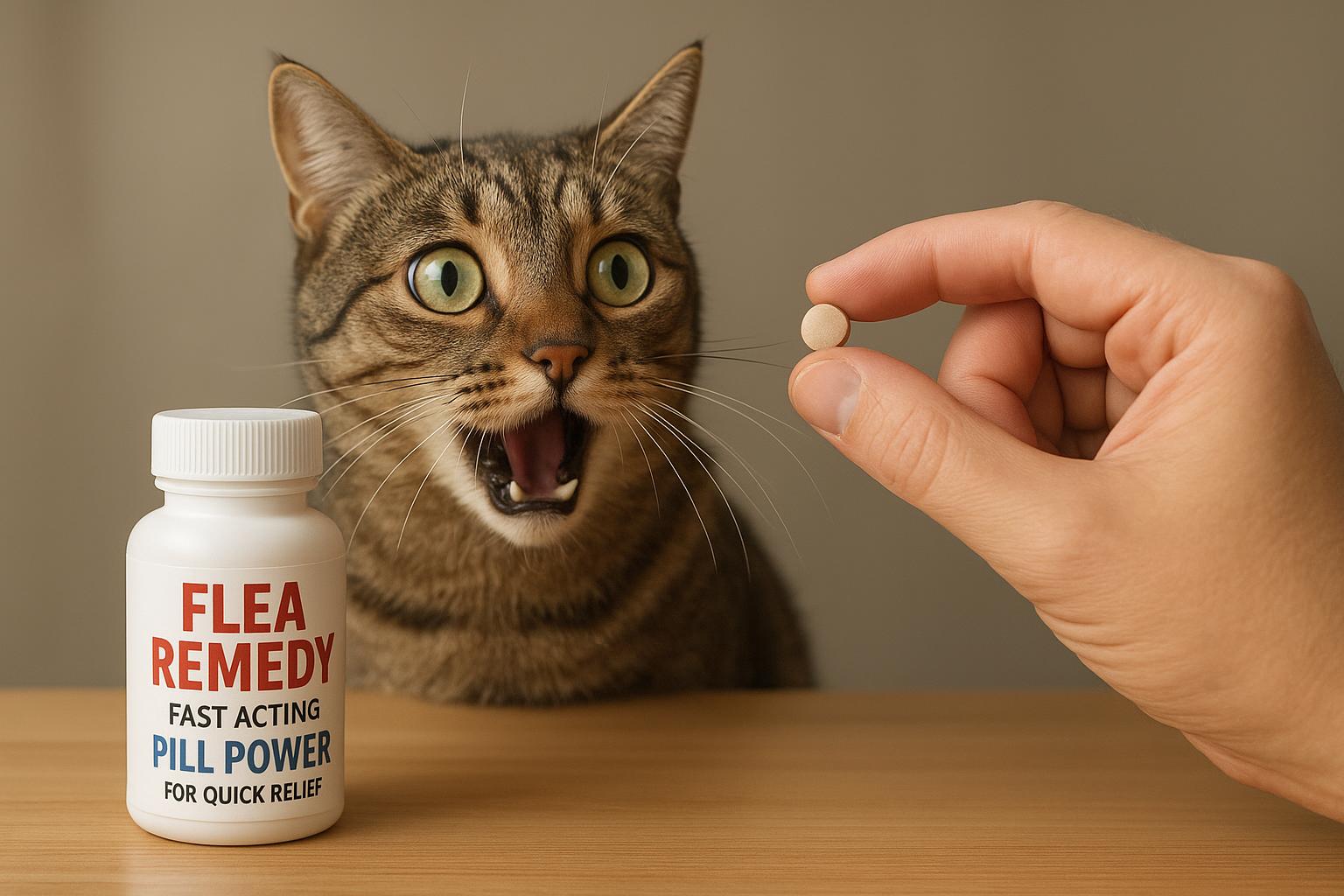
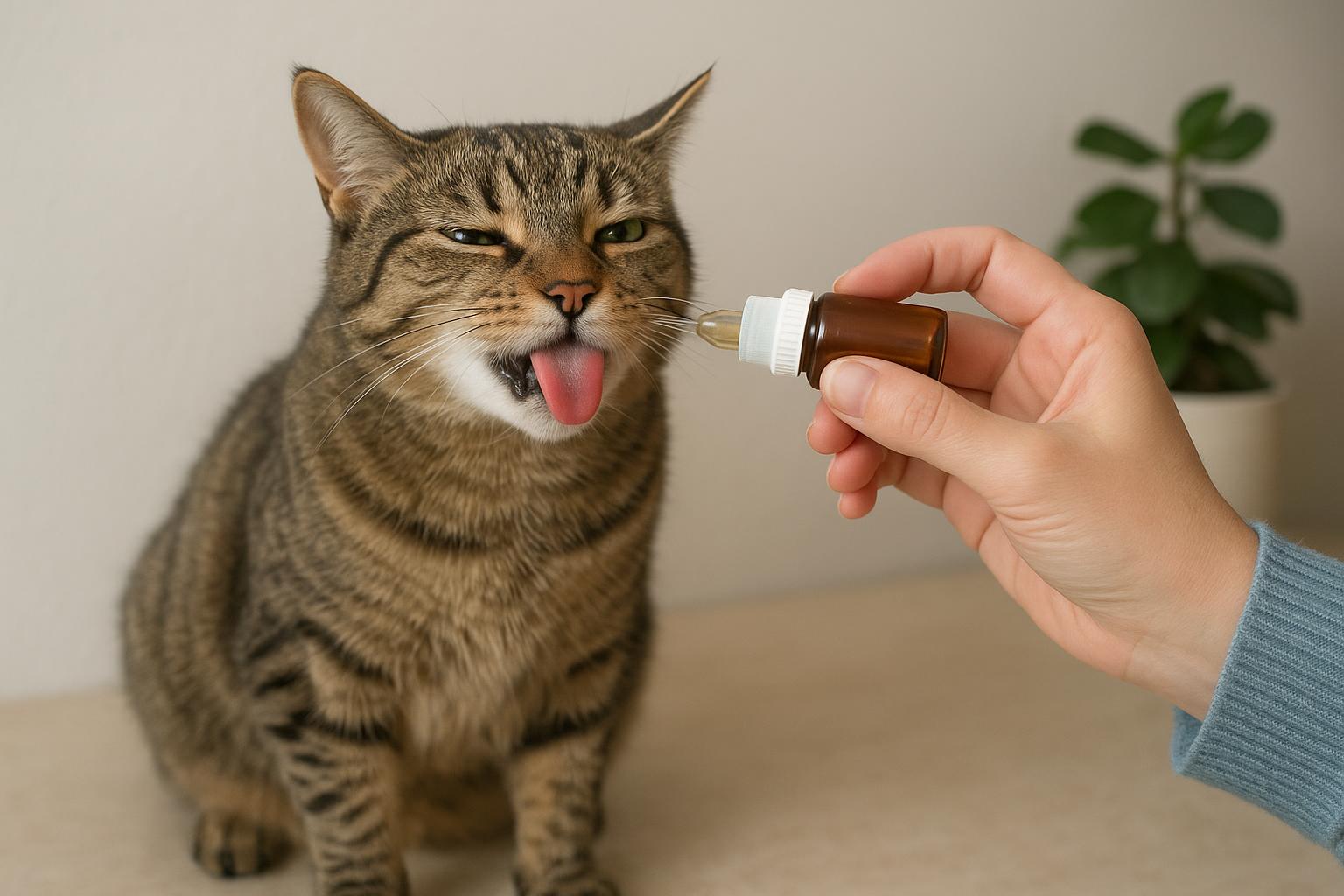
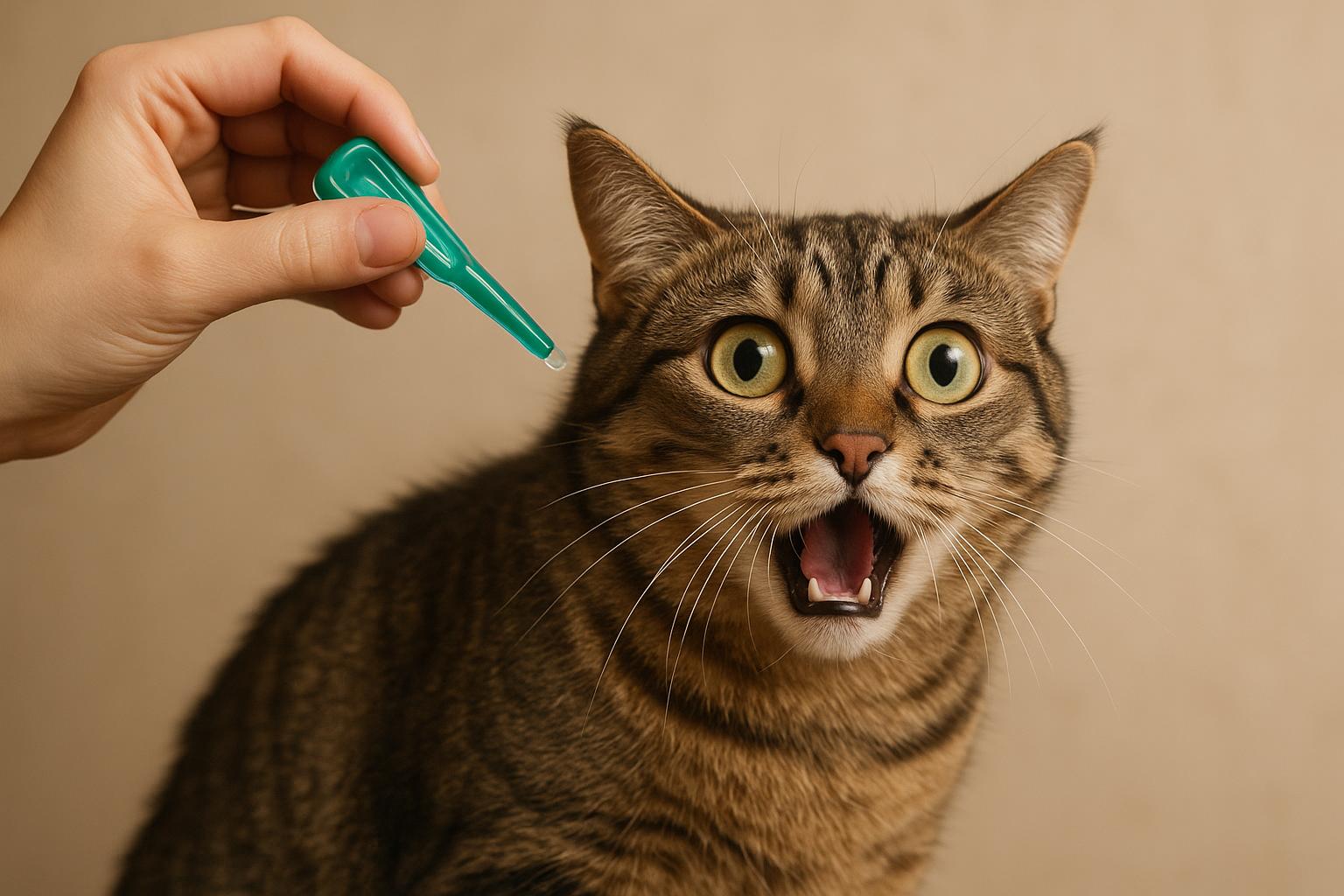
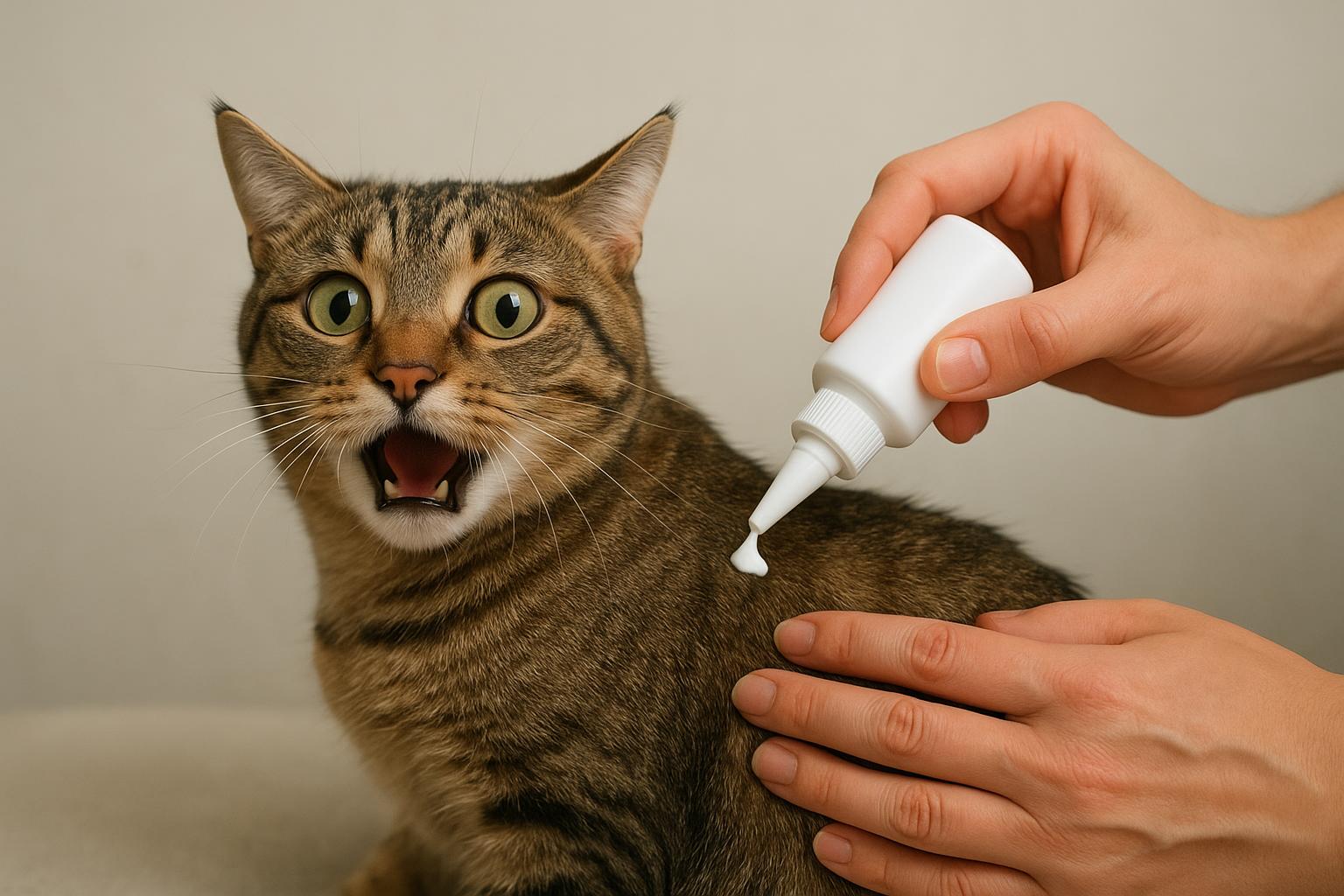
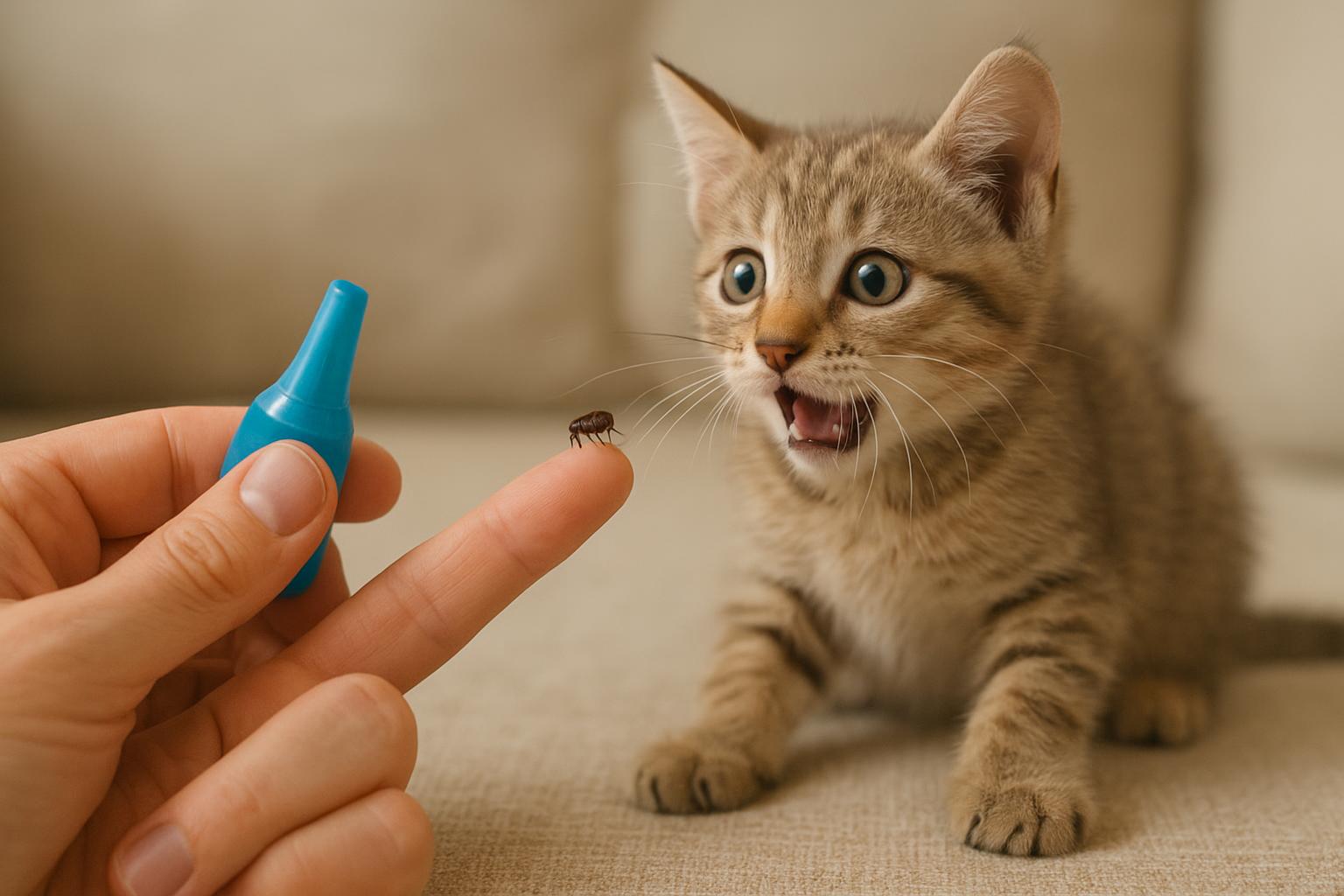
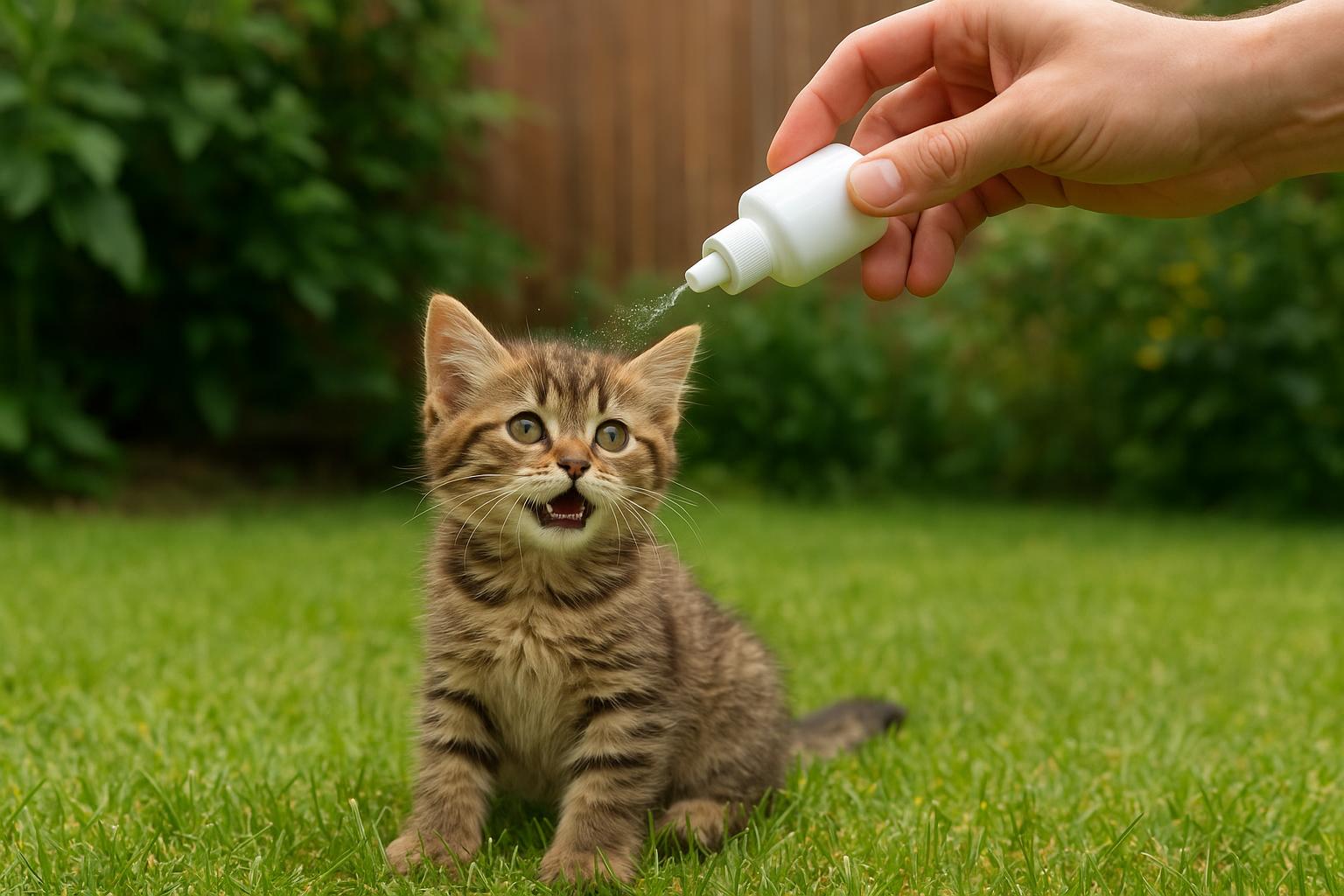
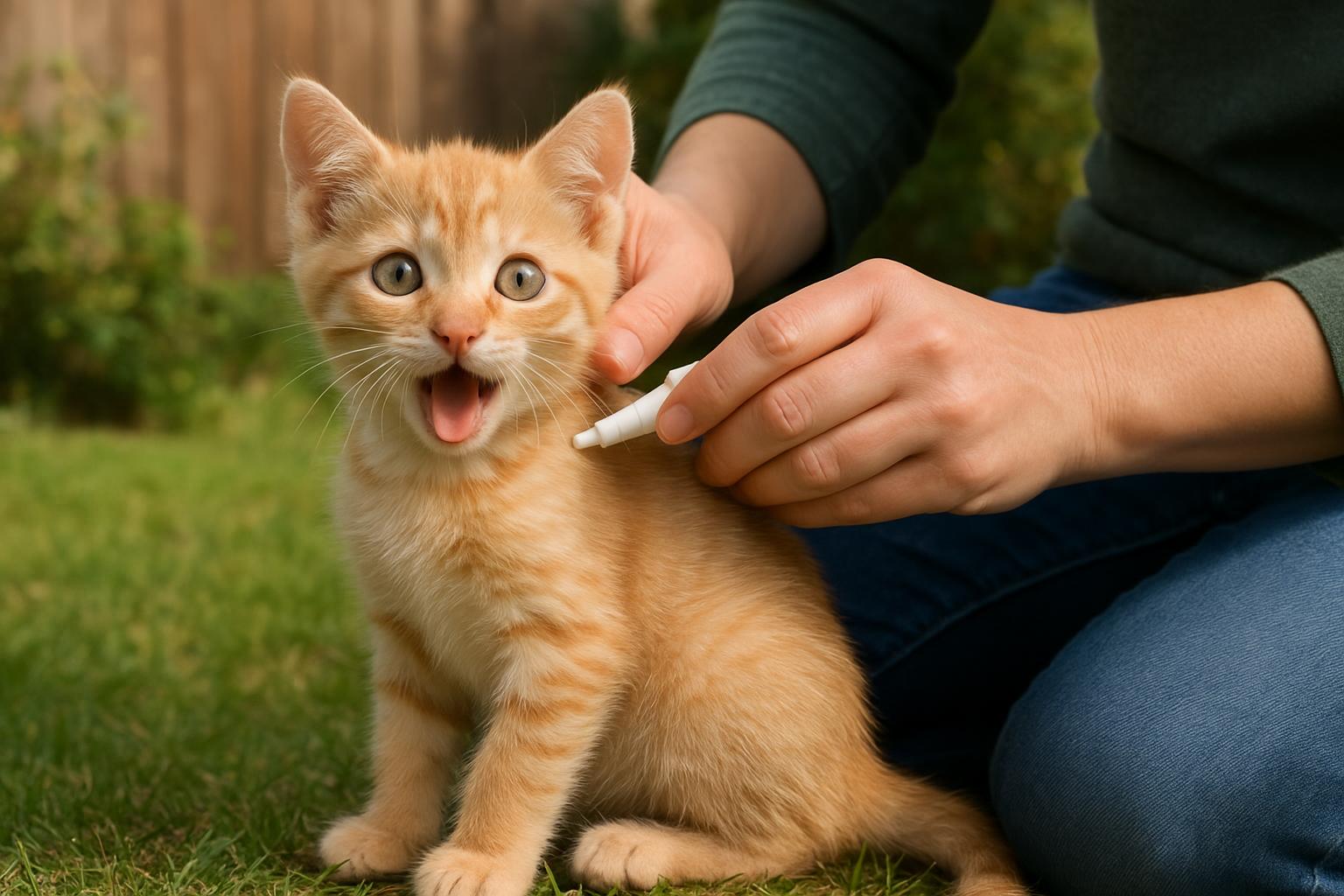
2. Start Treatment: Administer the prescribed medication exactly as directed. Many modern products are monthly topicals or oral tablets that break the flea life cycle and provide ongoing protection.
3. Treat All Pets: If you have multiple animals, treat them all simultaneously—even if only one appears infested.
4. Environmental Control: Vacuum carpets, rugs, and furniture daily for at least two weeks; empty the vacuum canister or bag into an outdoor trash bin. Wash pet bedding and any removable covers in hot water weekly.
5. Use IGRs: Apply household IGR products to carpets and crevices as recommended — these prevent eggs and larvae from developing into new adult fleas.
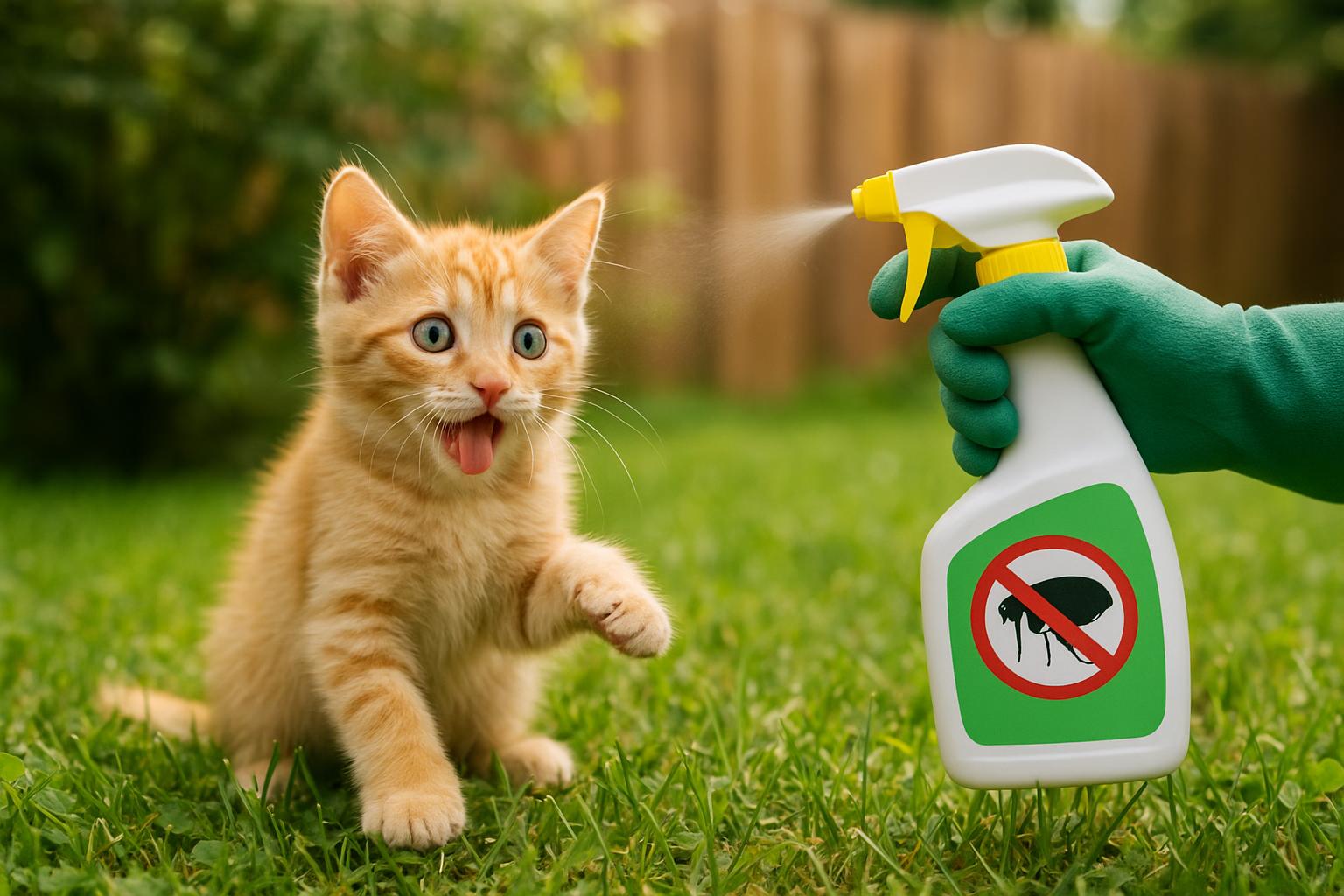
6. Yard Care: If fleas persist, consult your vet about outdoor treatments safe for pets and local wildlife.
7. Follow-Up: Maintain monthly preventative treatment year-round (or as instructed by your vet) and monitor your cat with a flea comb every few weeks.
This two-part plan—treat the animal, treat the environment—stops the lifecycle and prevents recurrence. It’s methodical, so follow it exactly for the best outcome.
## Preventing Future Infestations
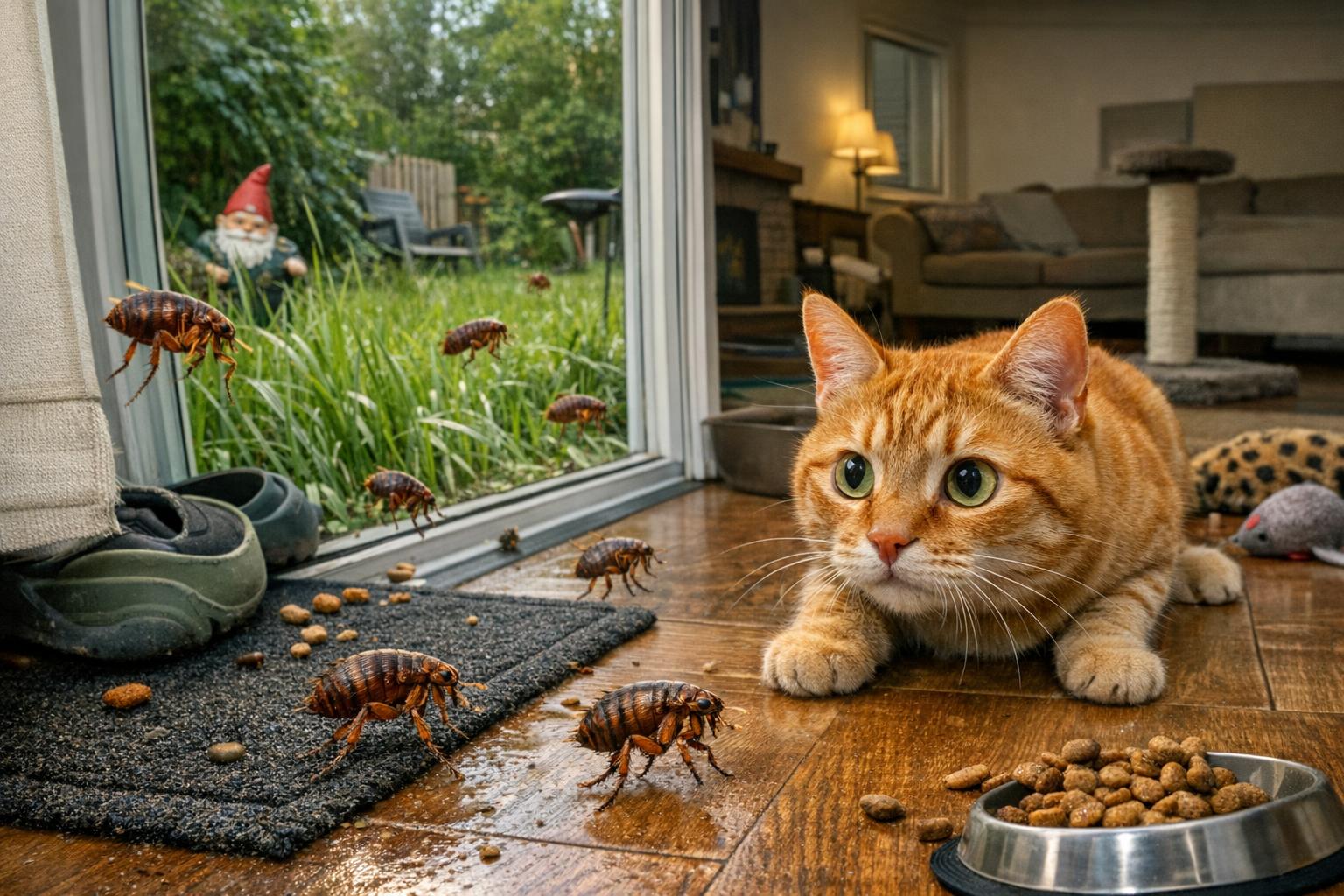
Prevention is less dramatic than a flea war, but far less messy. Keep your cat on a vet-recommended monthly flea control product, clean bedding regularly, and vacuum living areas often. If your cat spends time outdoors, consider landscape steps to reduce flea habitat: keep grass short, remove leaf litter, and discourage rodent activity.
### Product Types And What They Do
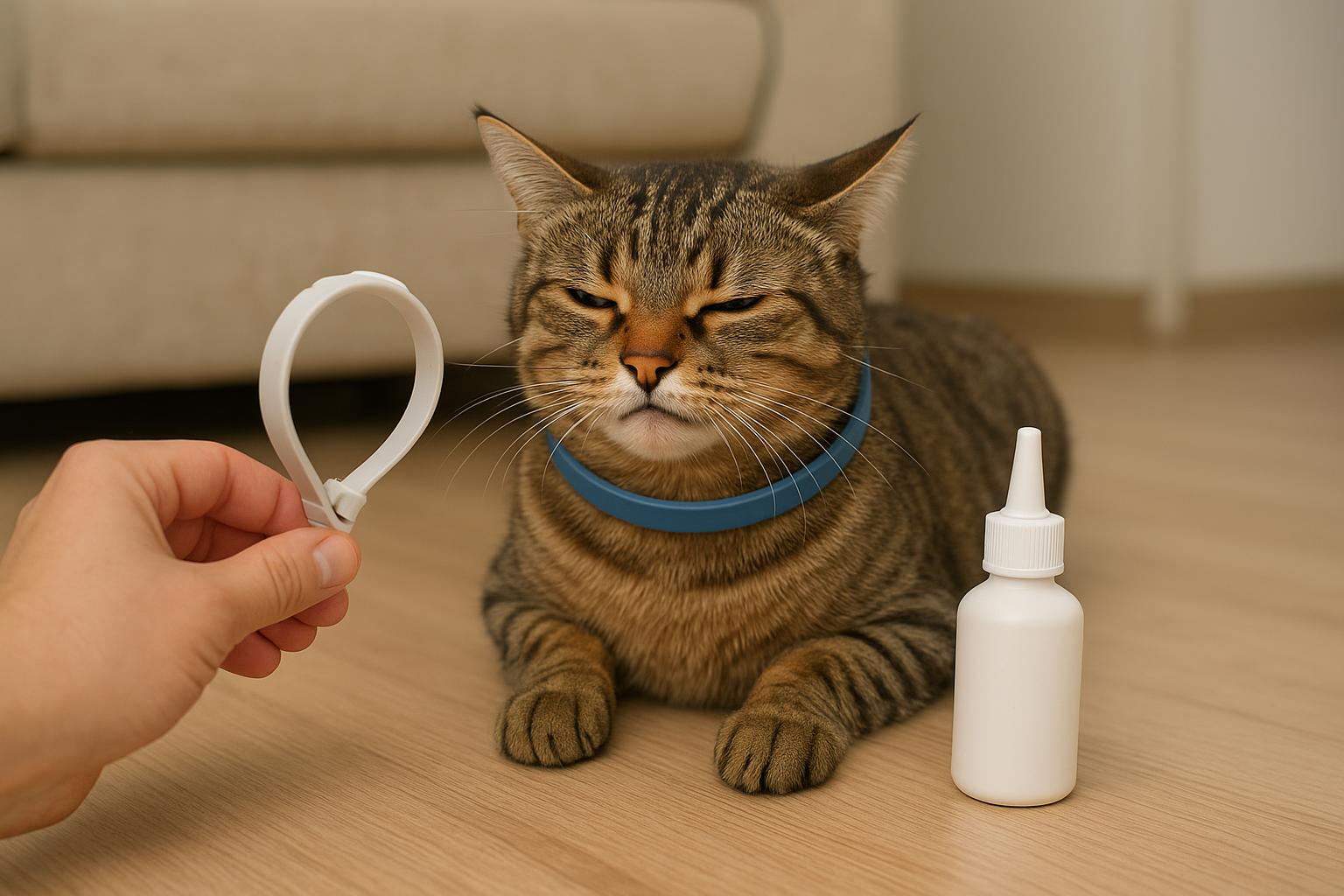
Topical treatments often contain adulticides and sometimes IGRs, providing both immediate knockdown and ongoing protection. Oral products can kill adult fleas quickly and are convenient for cats who dislike topicals. Flea collars with newer active ingredients can protect for months but check compatibility with other treatments. Always use products approved for cats — dog products can be toxic to felines.
If you’re ever unsure which product is right, your veterinarian can prescribe a program matched to your cat’s health profile and your home’s needs. After all, a flea-free cat is a less dramatic cat — and that’s a win for everyone involved.




Leave a Reply