
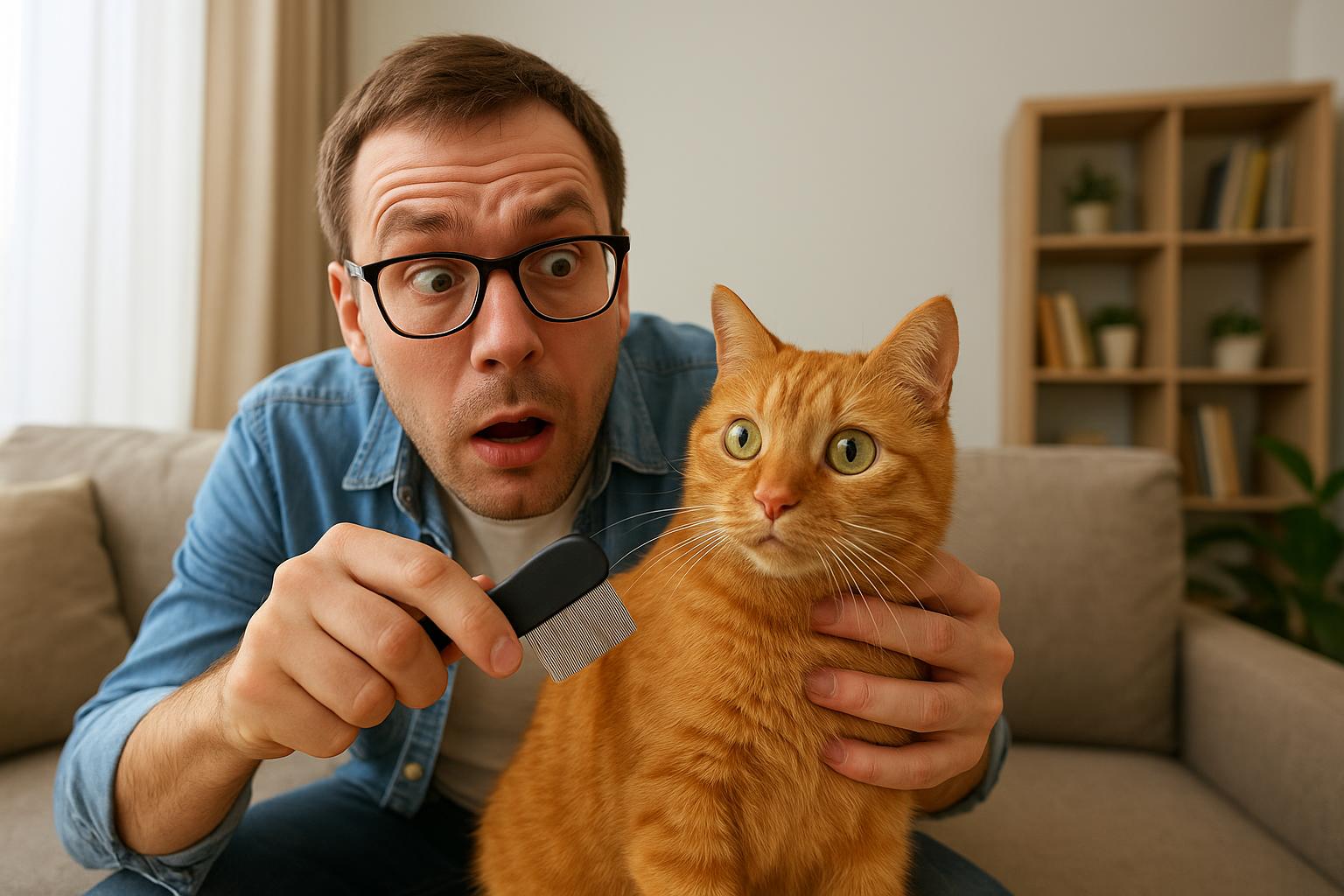
If your cat has been giving you the cold shoulder, grooming like a world-class contortionist, or suddenly resembling a fluffy tumbleweed that sheds aggressively, you might be dealing with fleas. Let’s walk through the look-for list and practical checks you can run tonight—no vet degree required, just a calm cat, good lighting, and patience. I’ll also cover sensible remedies with clear, formal steps so you can act responsibly and effectively.
## Cat Flea Detection Signs To Look For Today
Cats are masters at hiding discomfort, which is why cat flea detection requires a little detective work. Fleas aren’t always obvious, especially on long-haired or dark-coated cats. Check for these signs over the next few days. One quick note: if your cat looks pale, lethargic, or is losing weight rapidly, seek veterinary help immediately—those can be signs of anemia or a heavier infestation.
### Frequent Scratching And Overgrooming
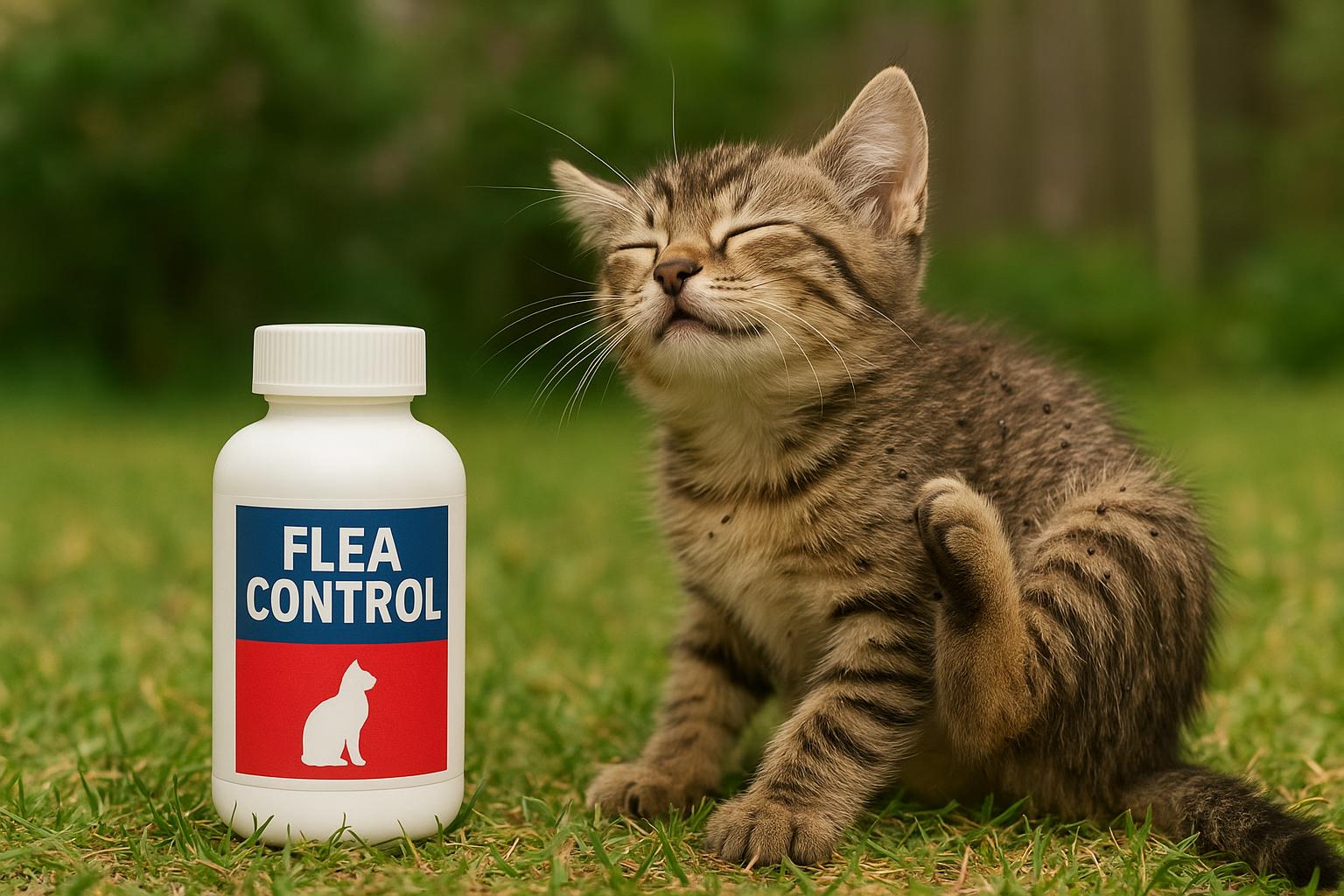
Itchy cats will groom more intensely. Look for excessive licking, biting, or scratching at the base of the tail, around the neck, and behind the ears. Keep in mind that other issues (like allergies or mites) can cause similar behavior, but persistent, focused grooming is a common early indicator in cat flea detection.
### Visible Fleas Or Flea Dirt
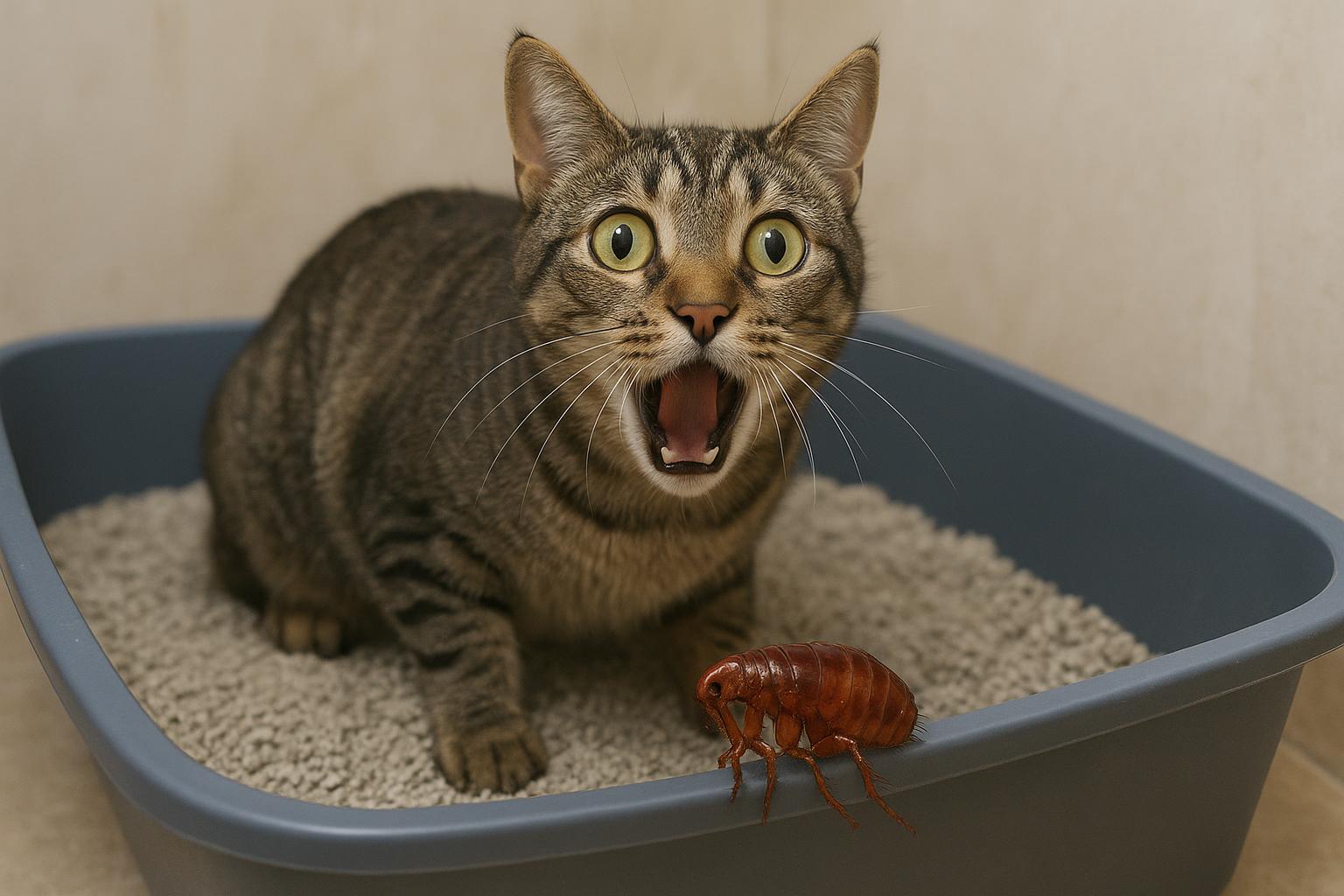
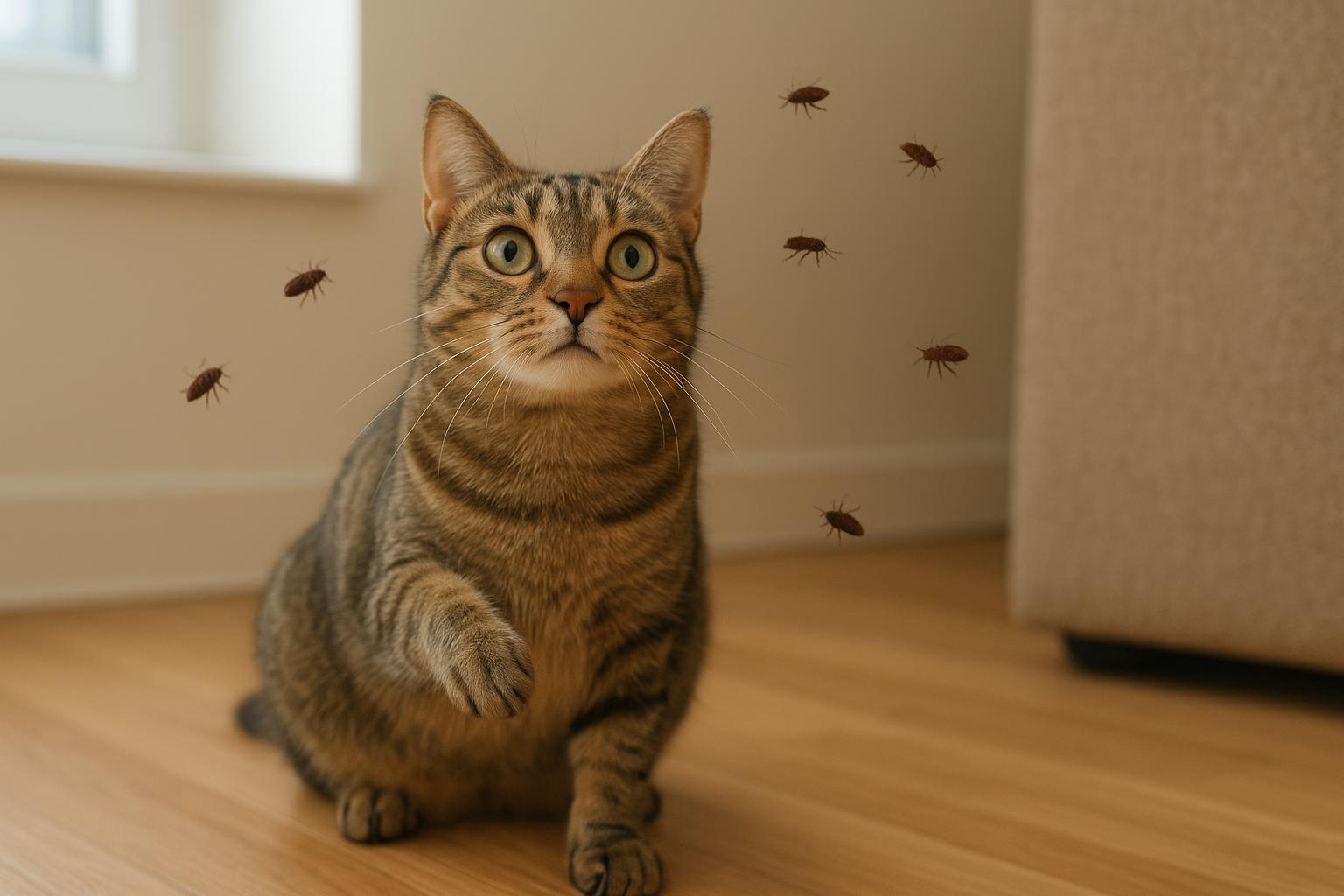
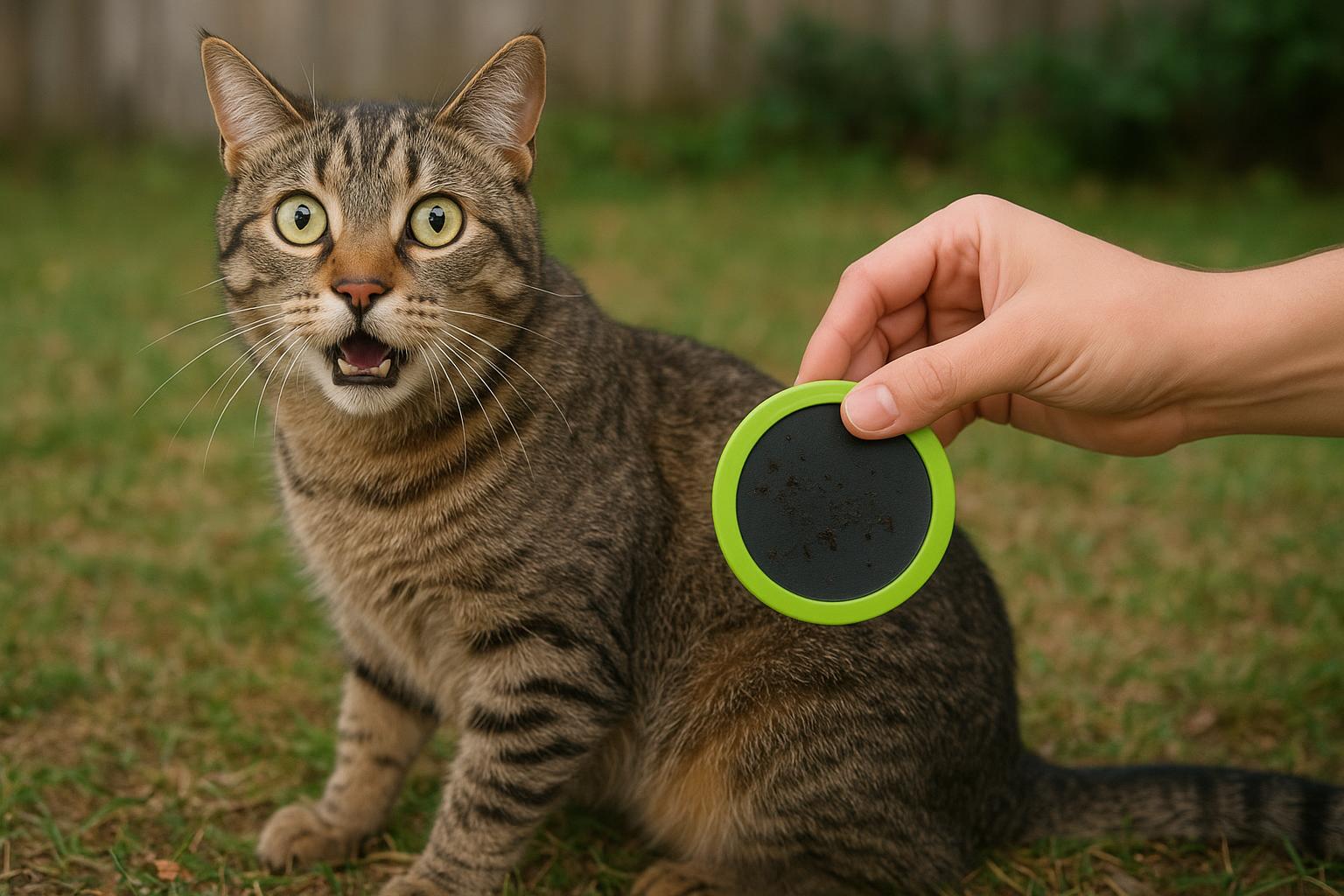
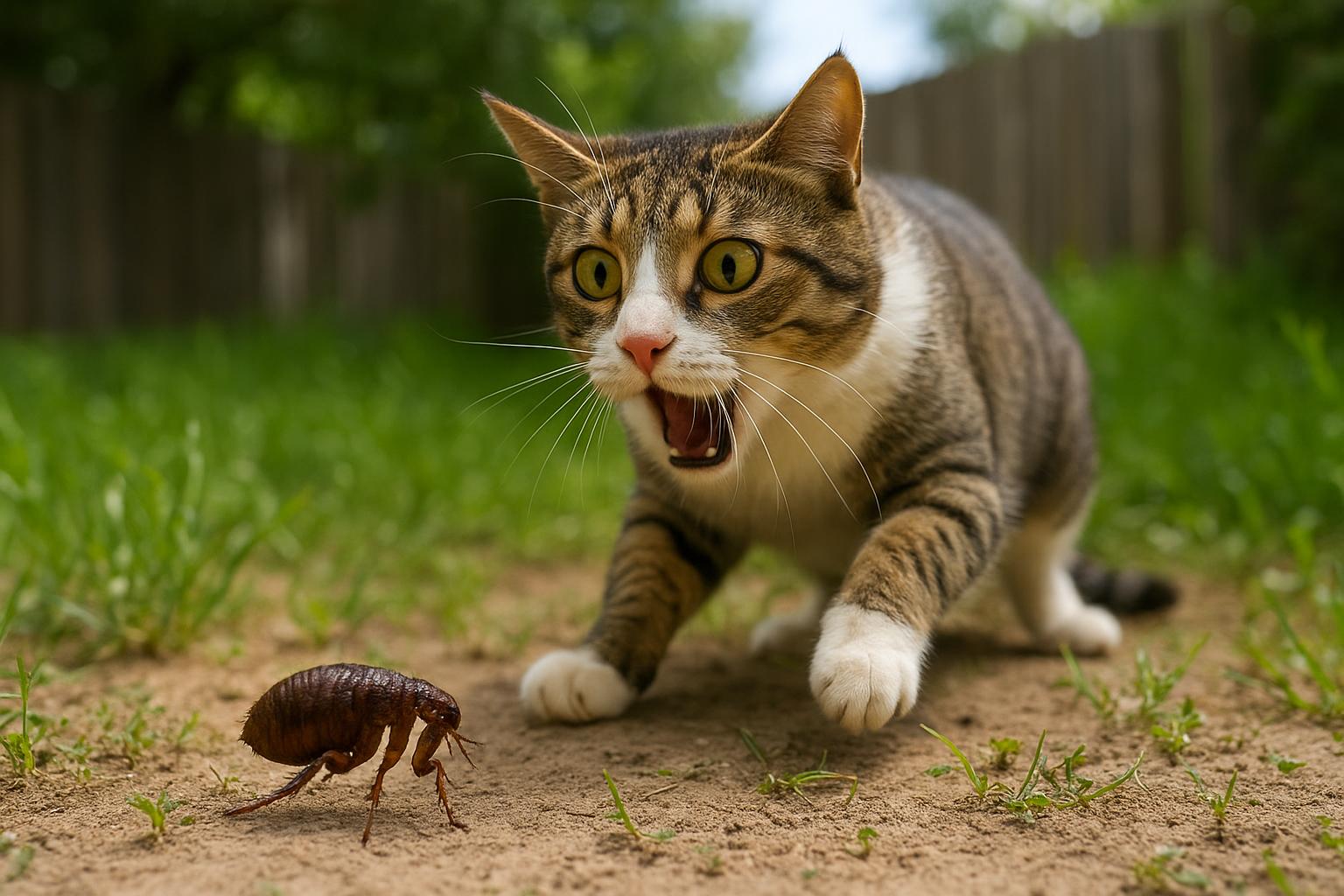
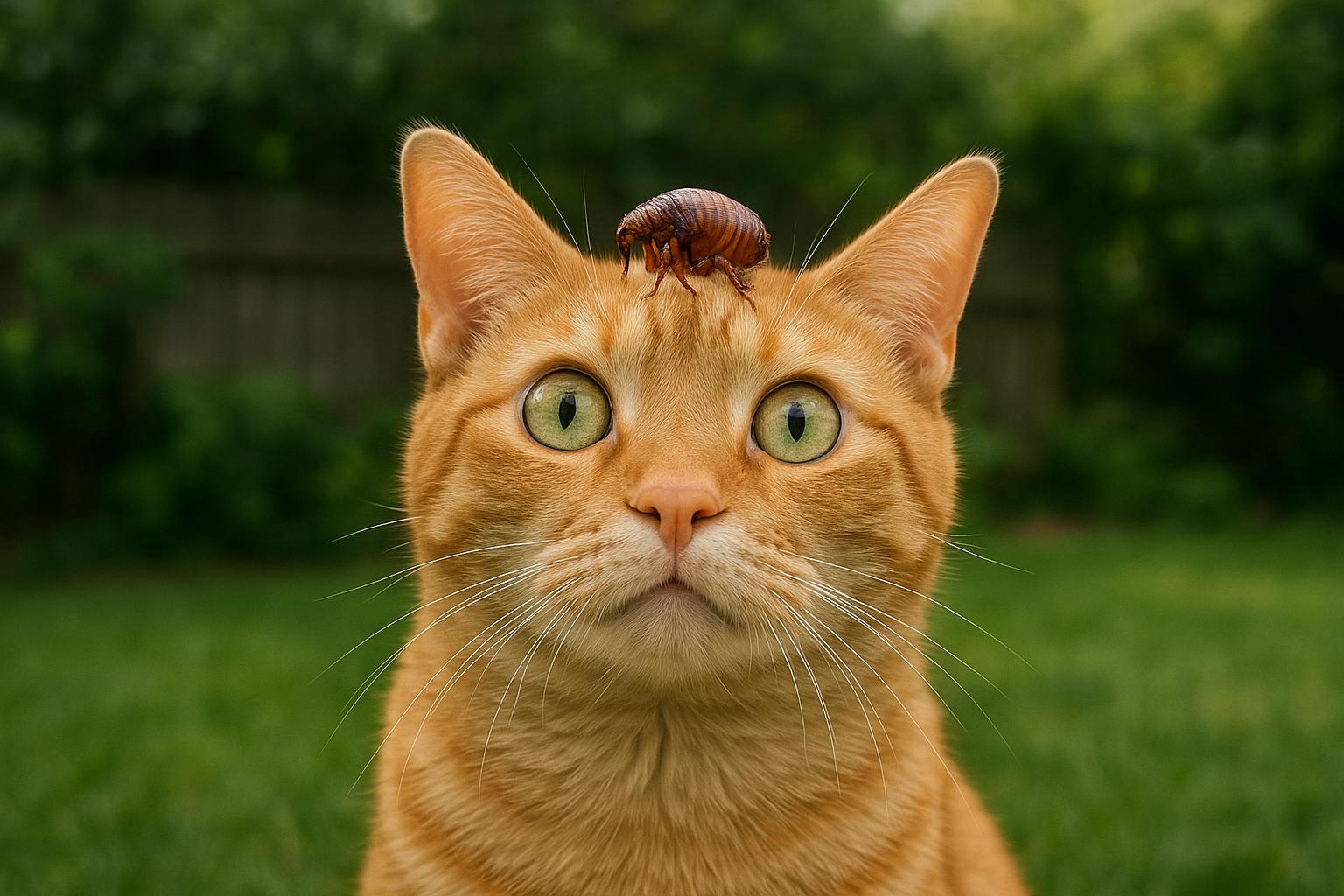
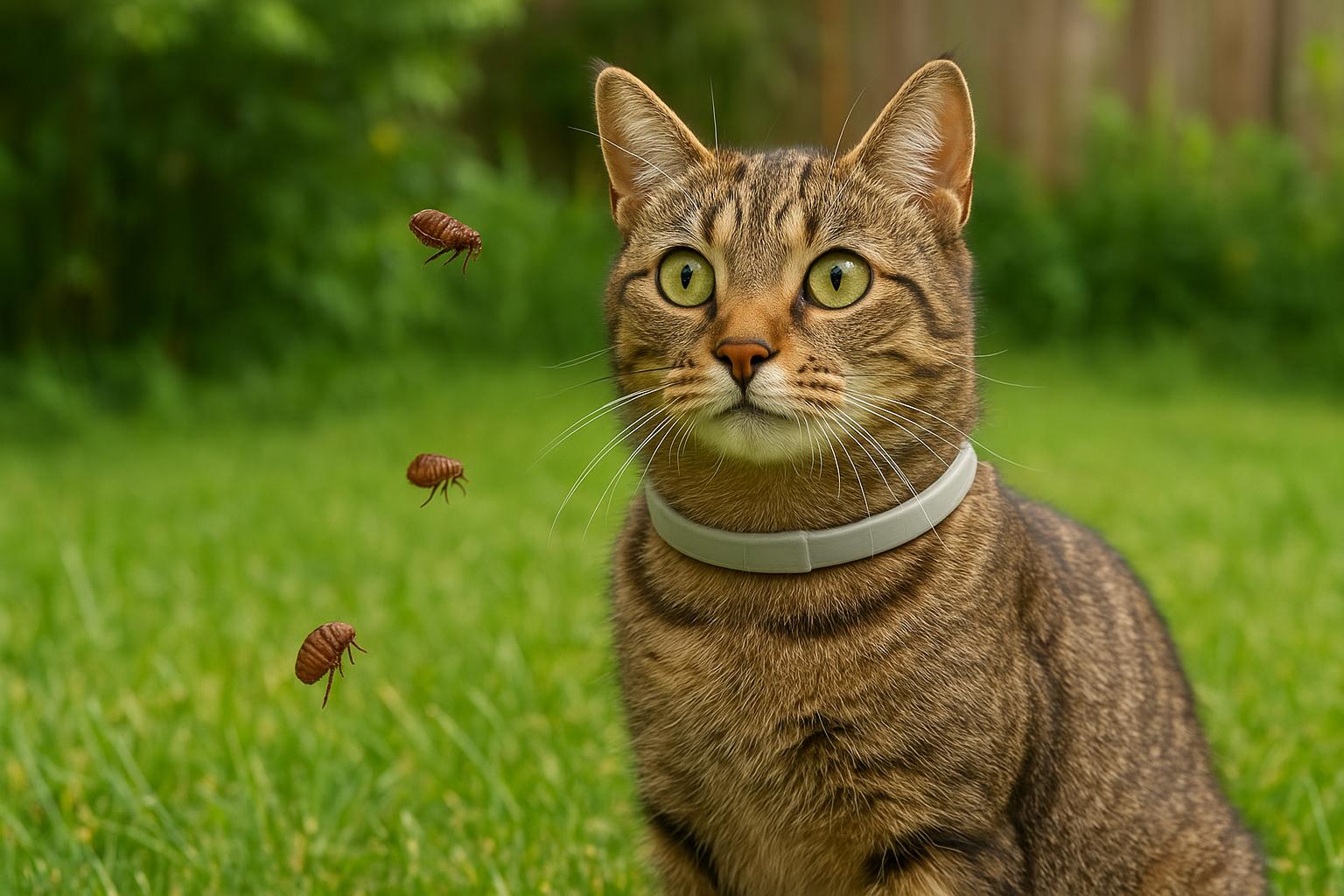
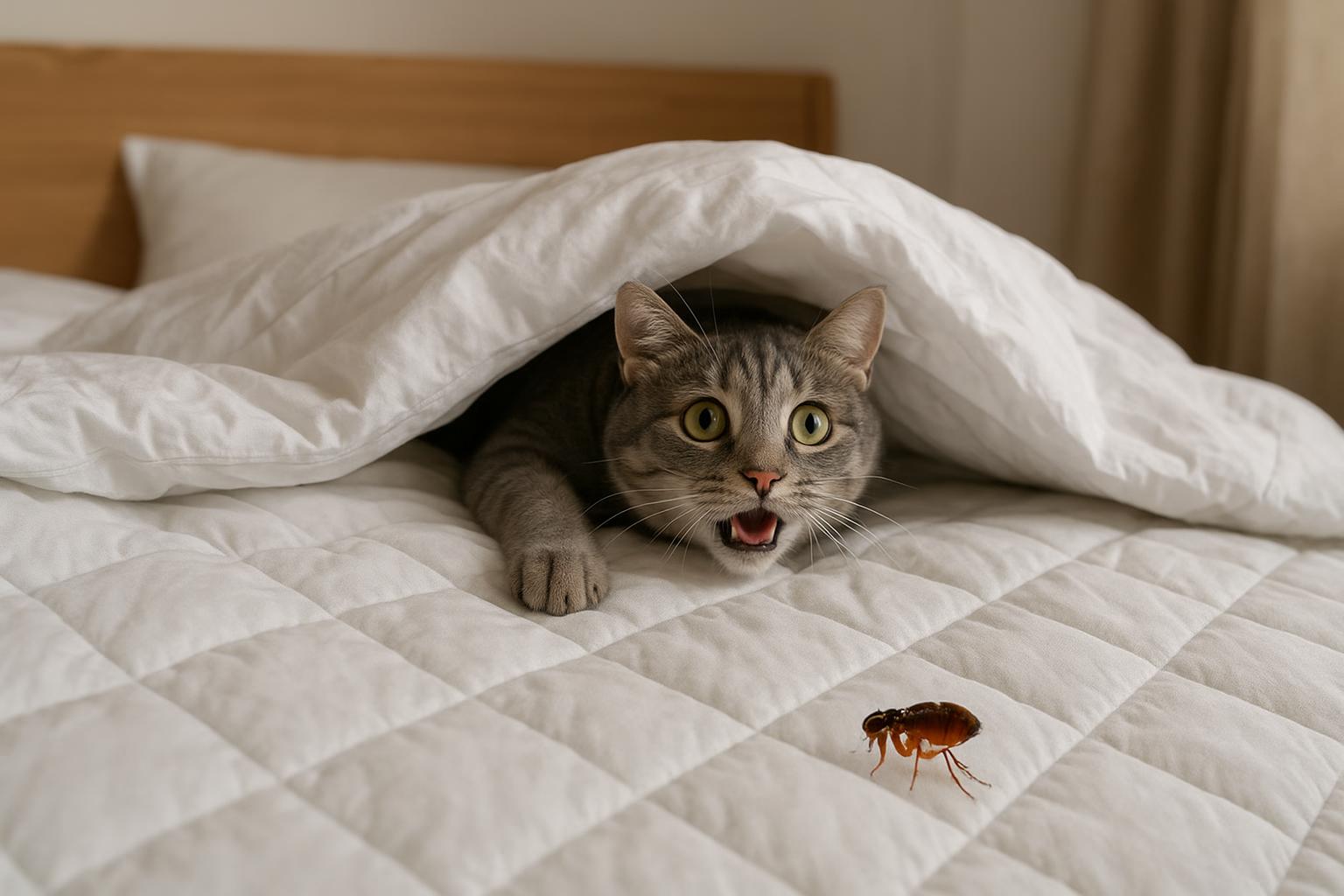
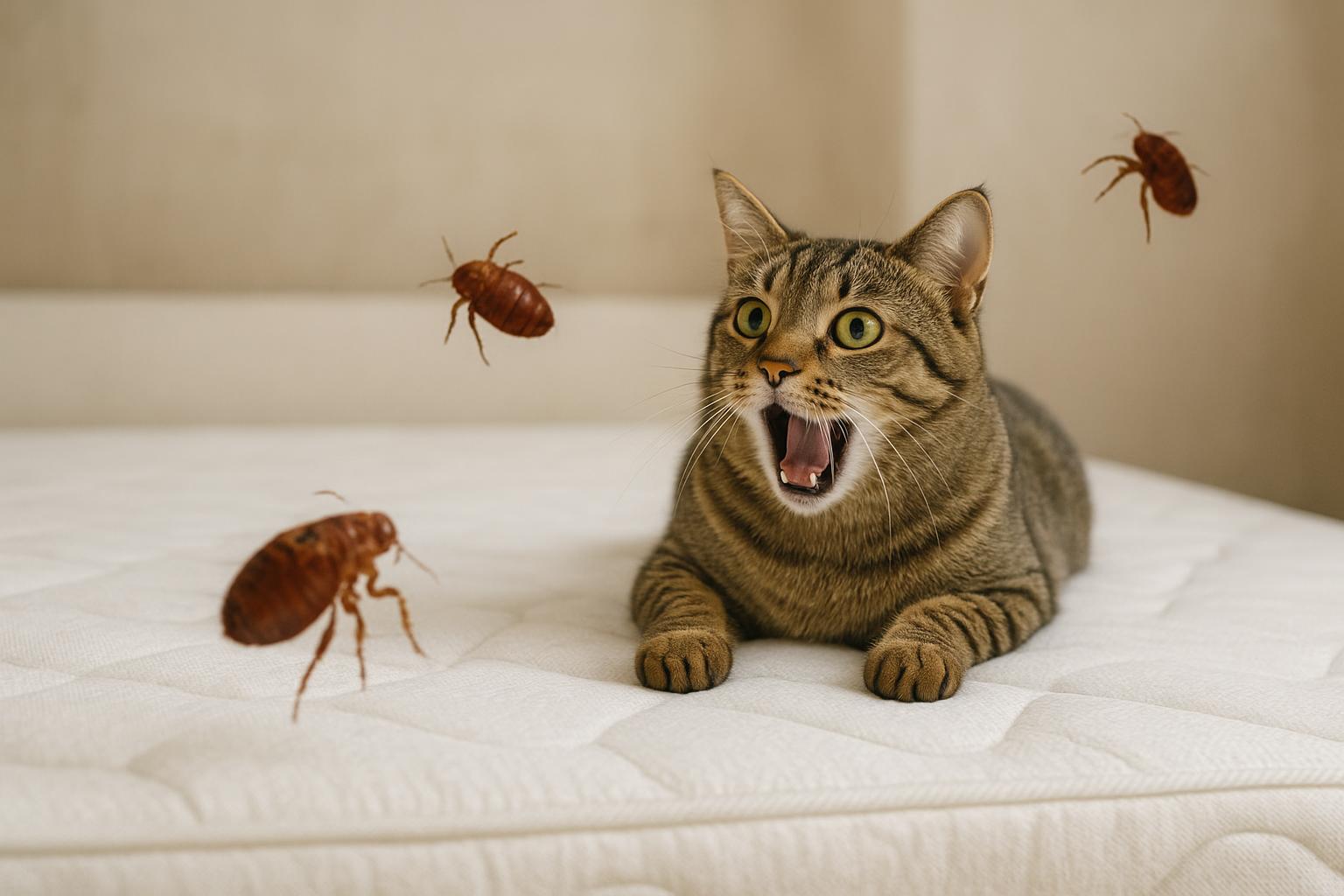
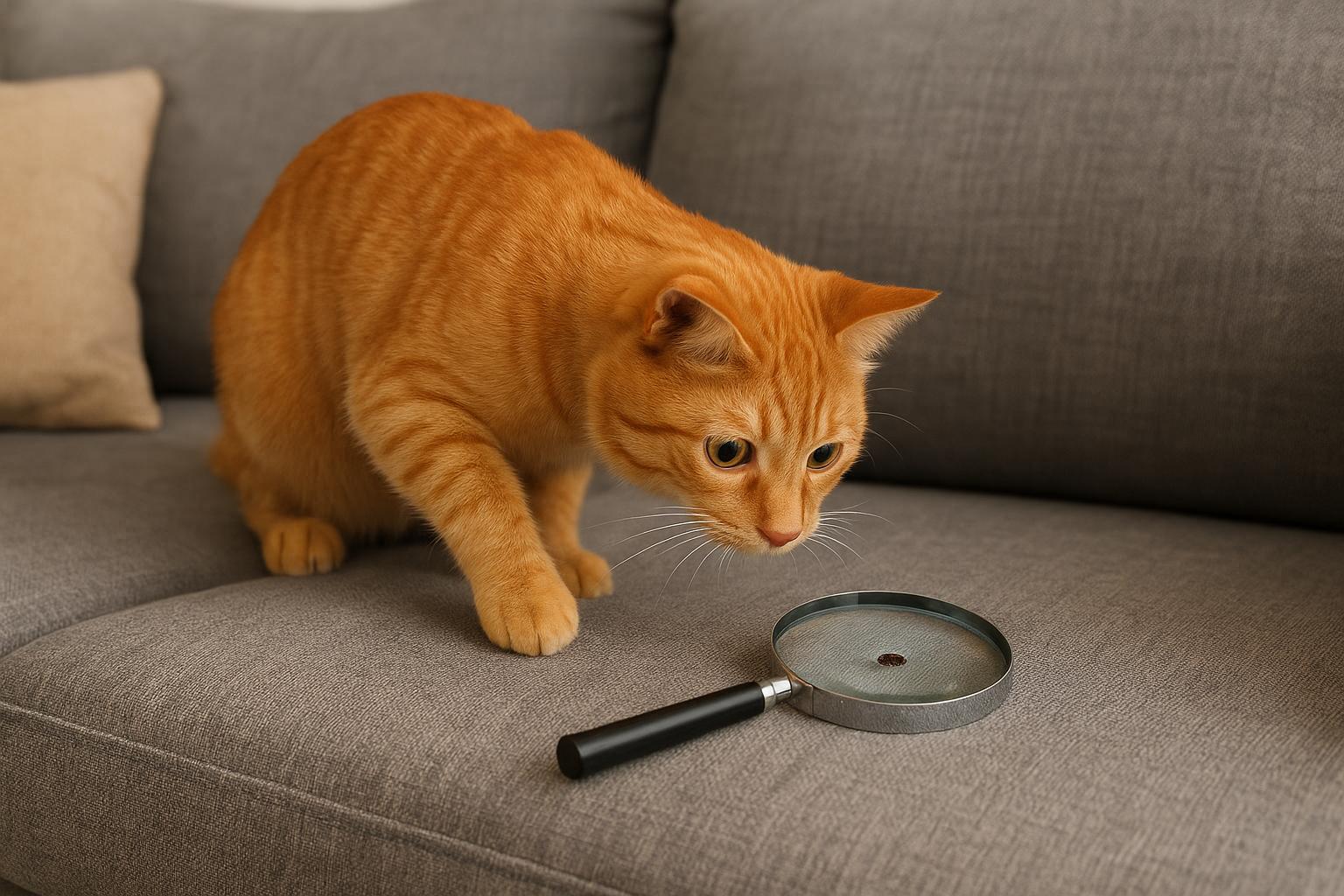
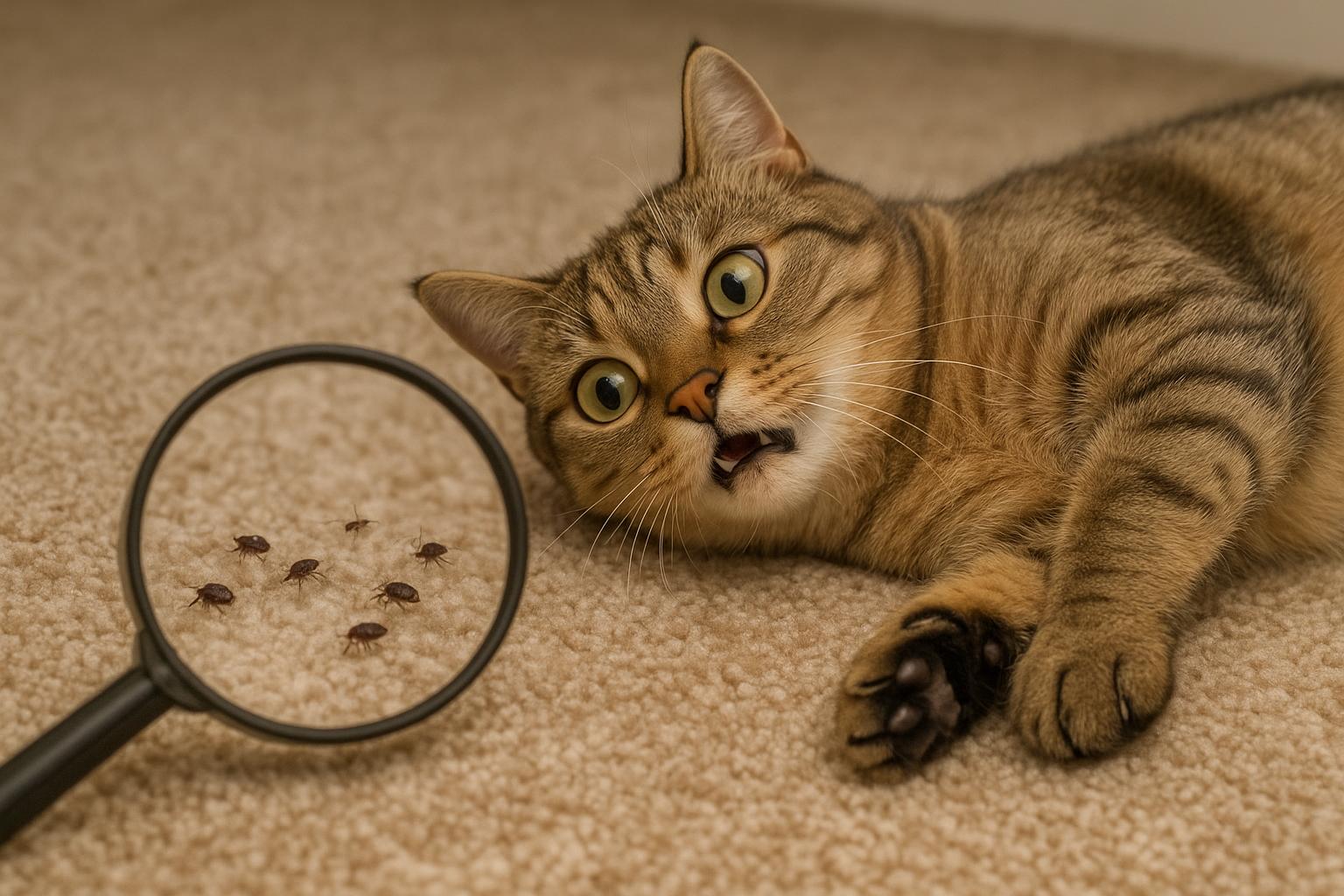
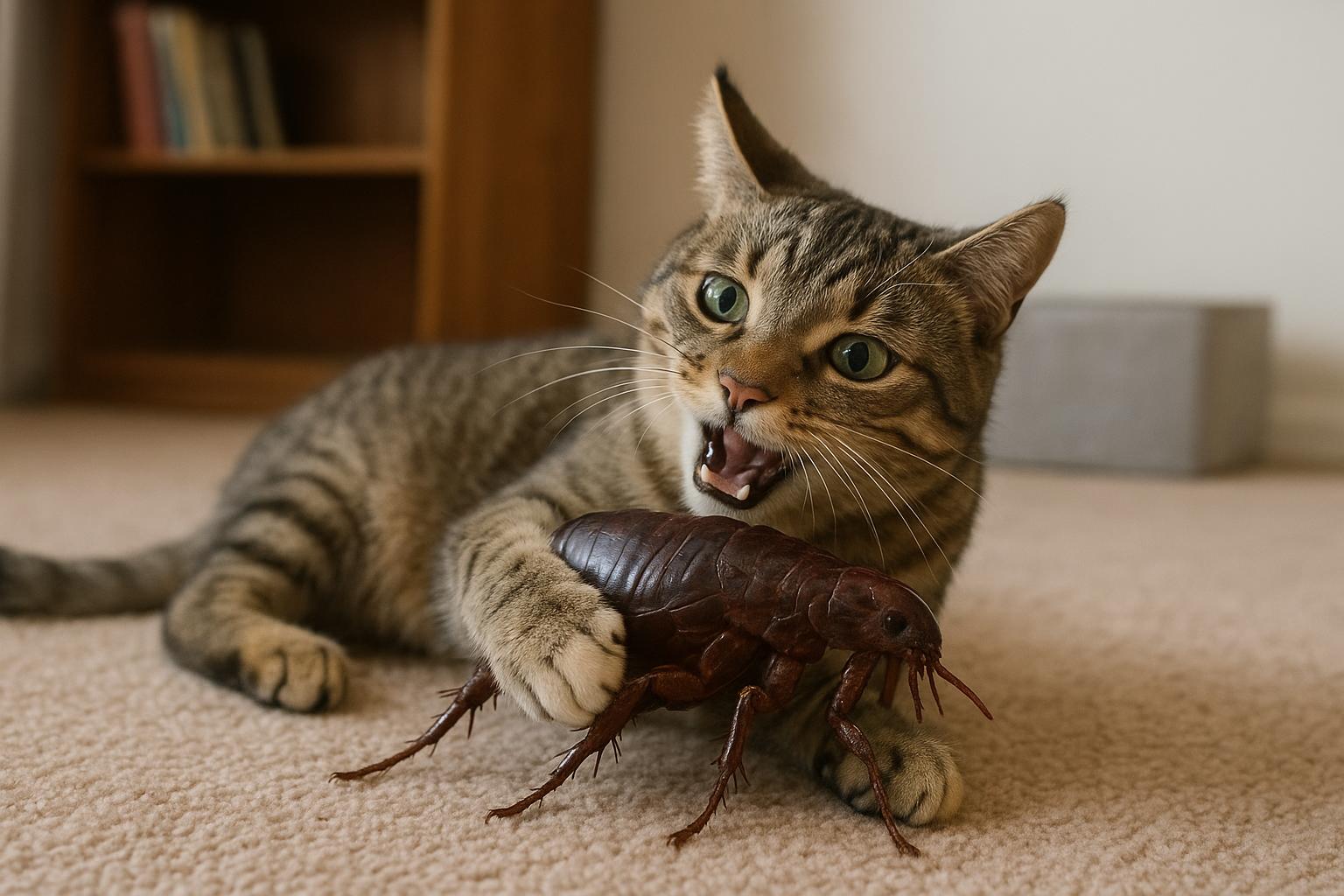
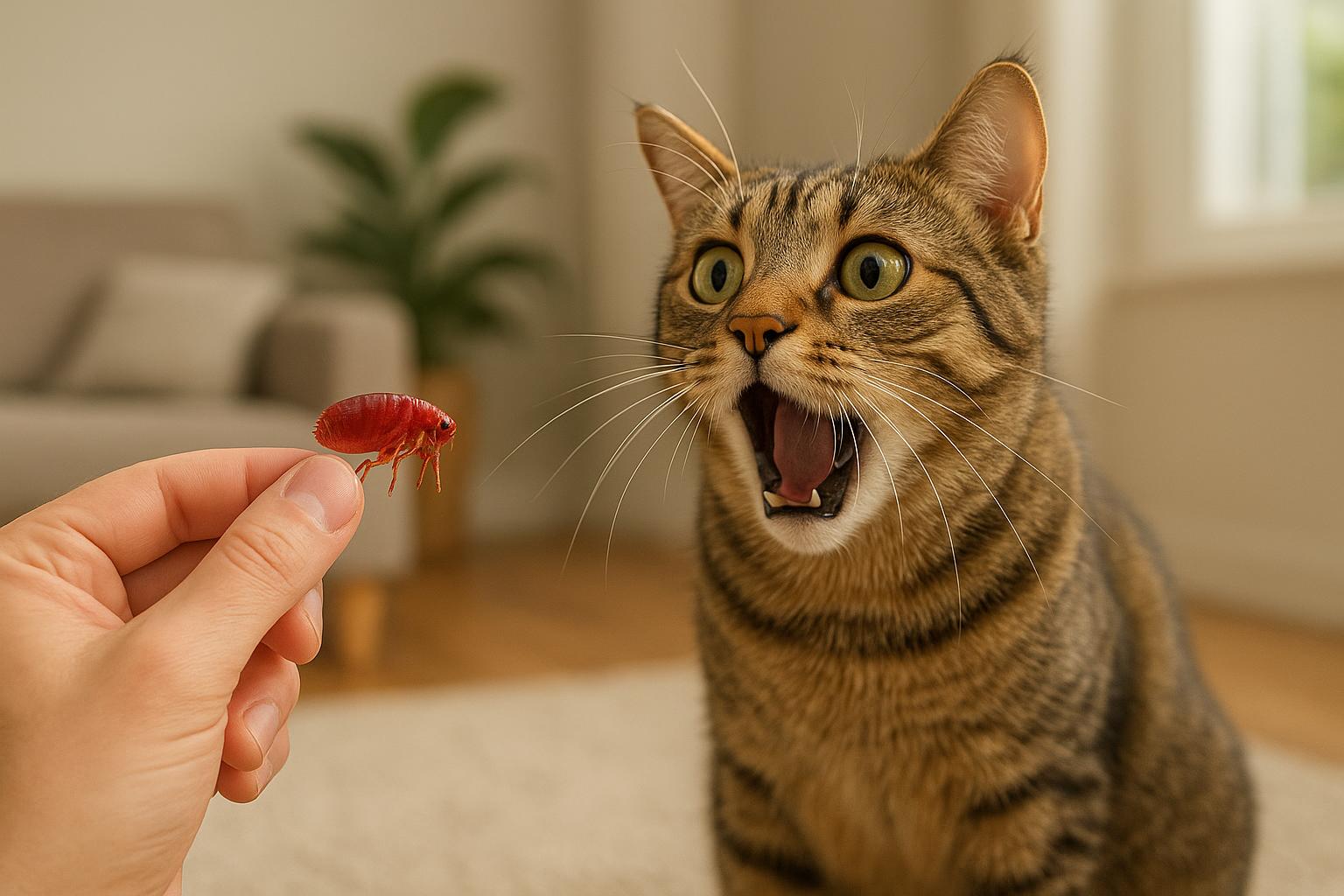
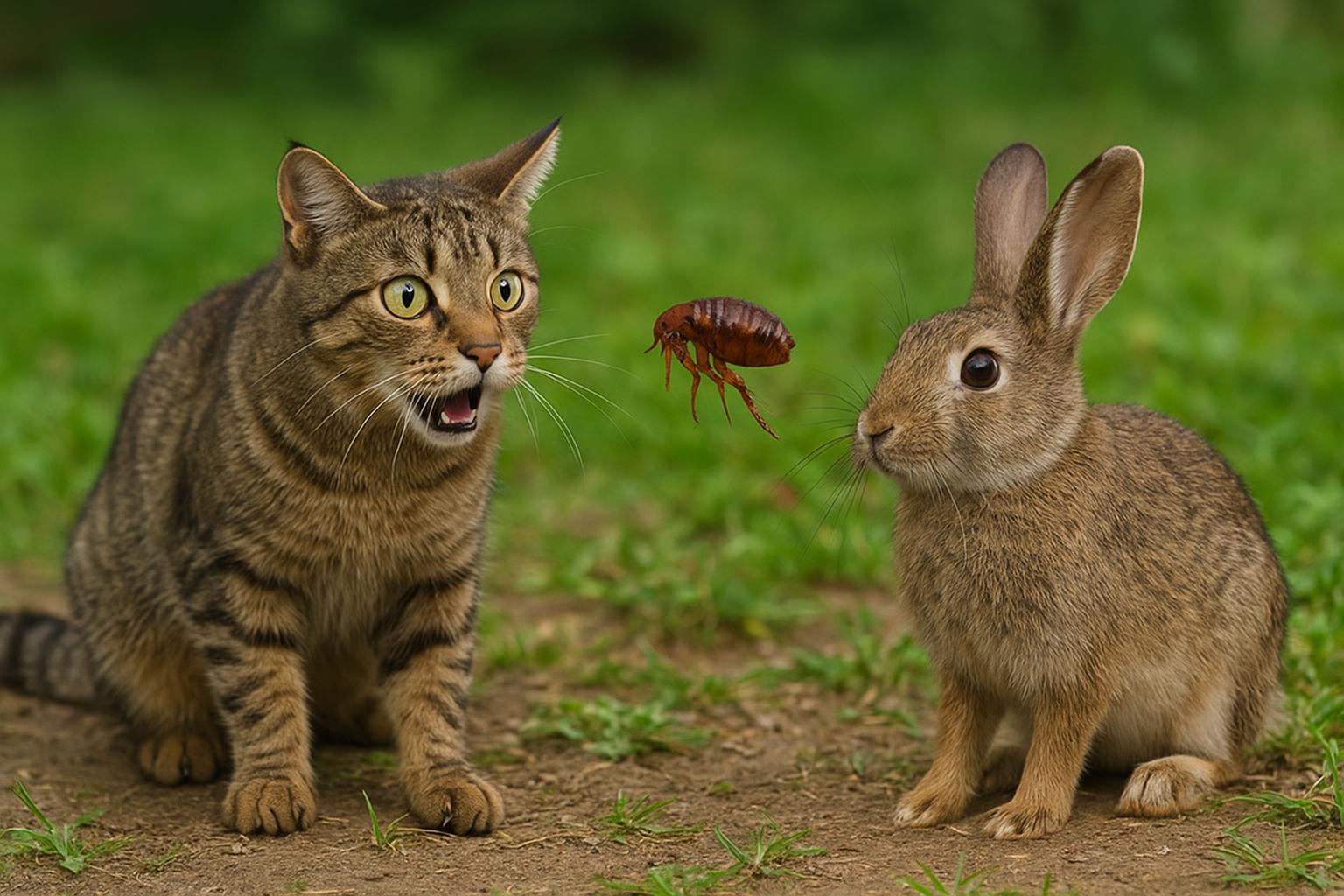
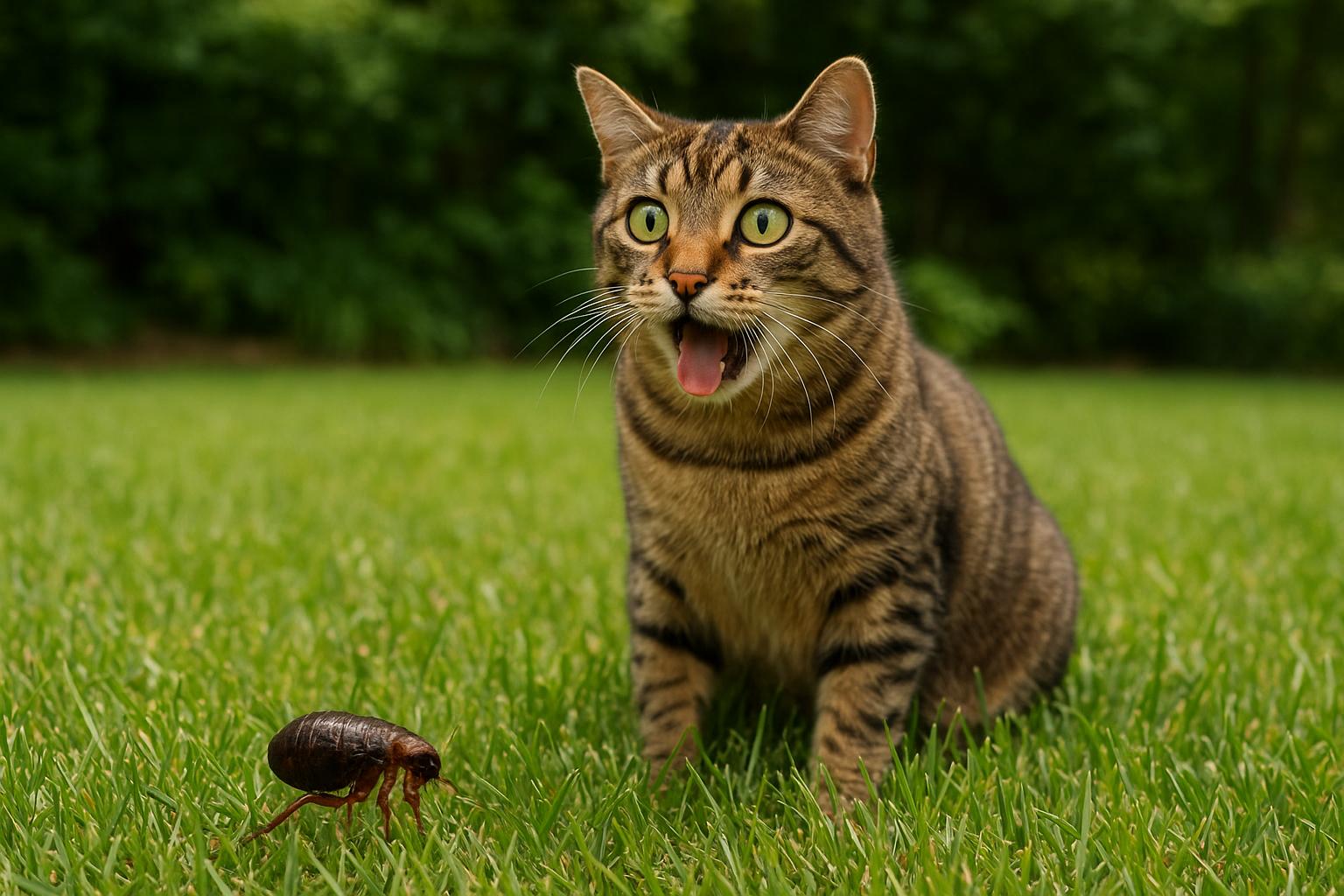
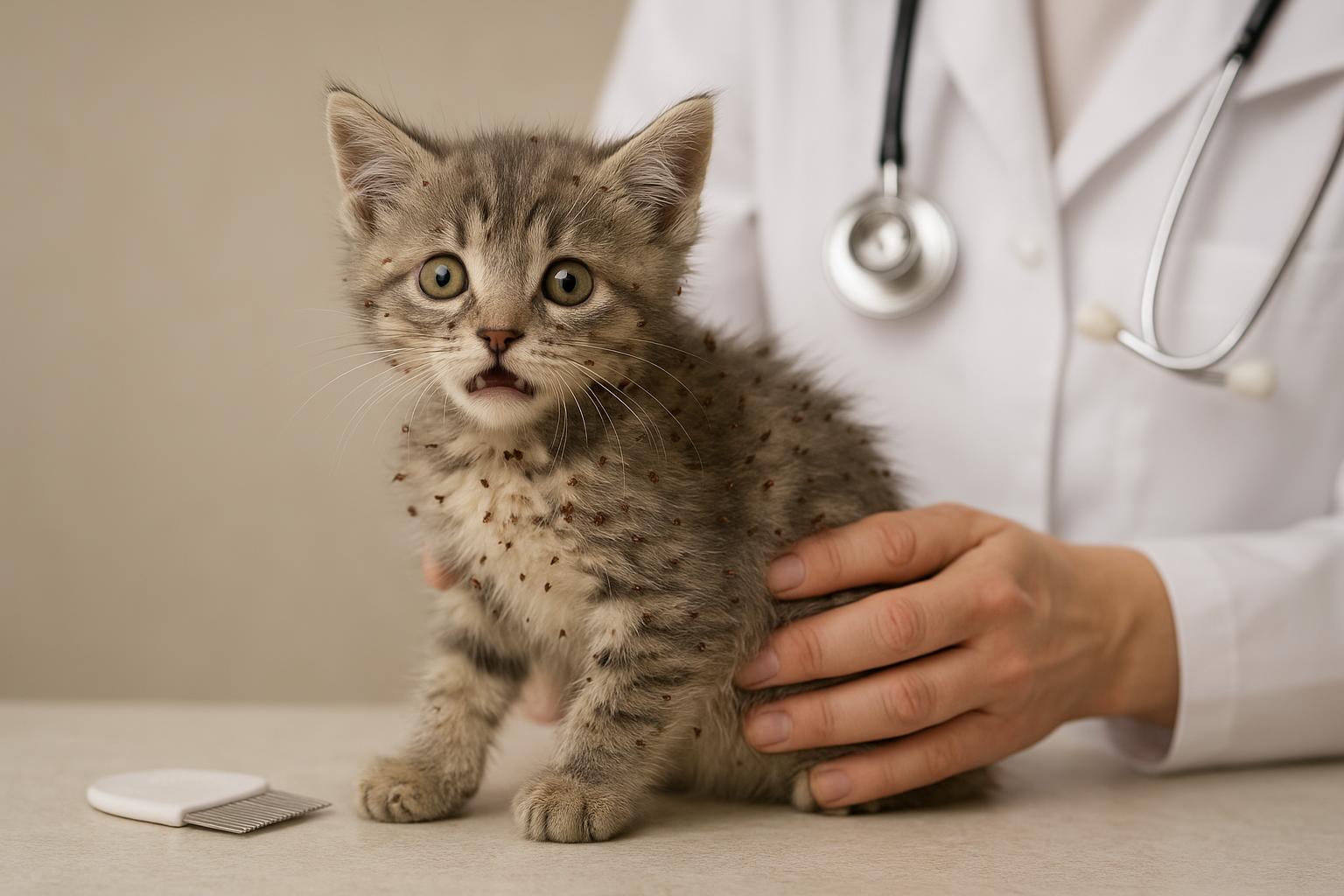
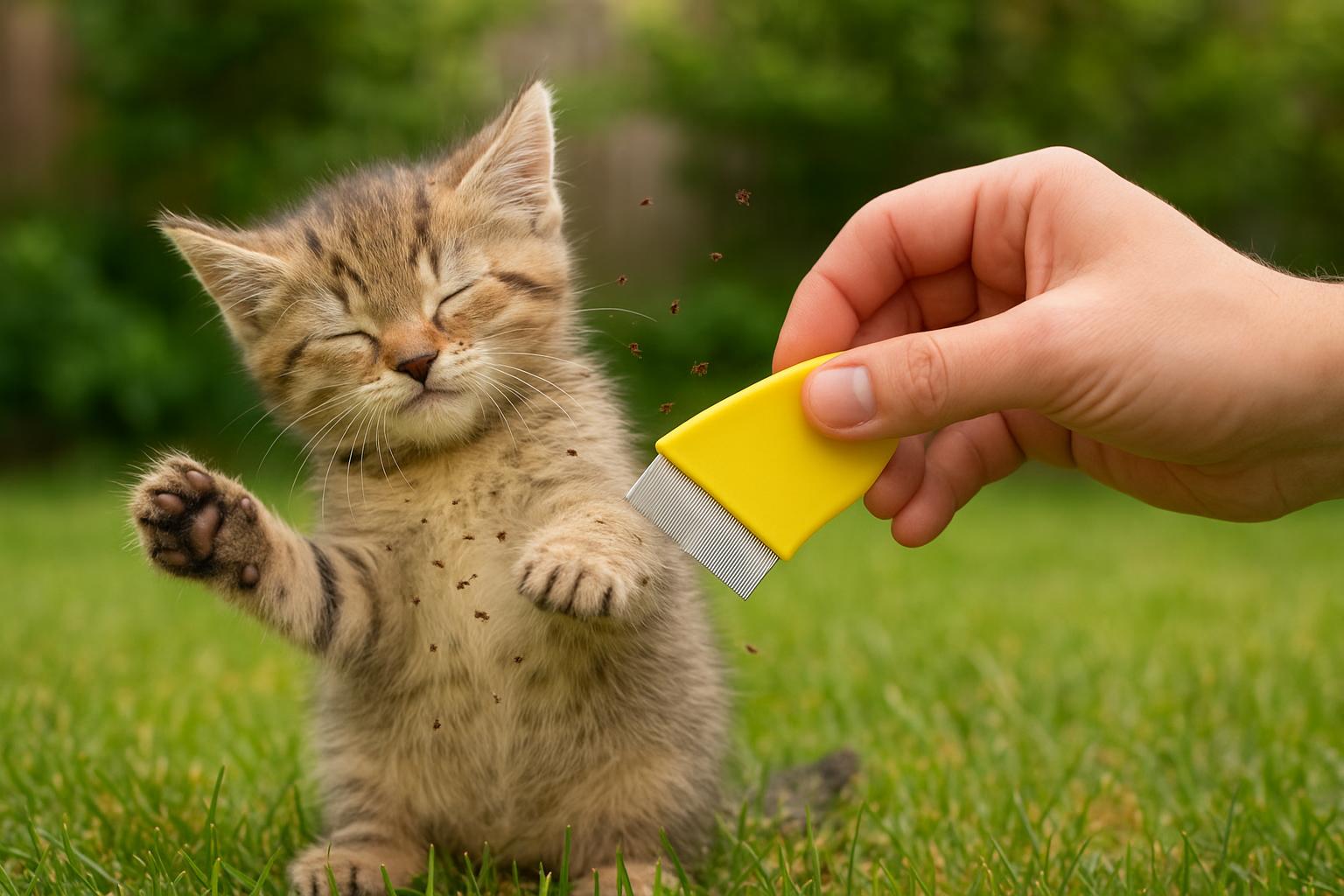
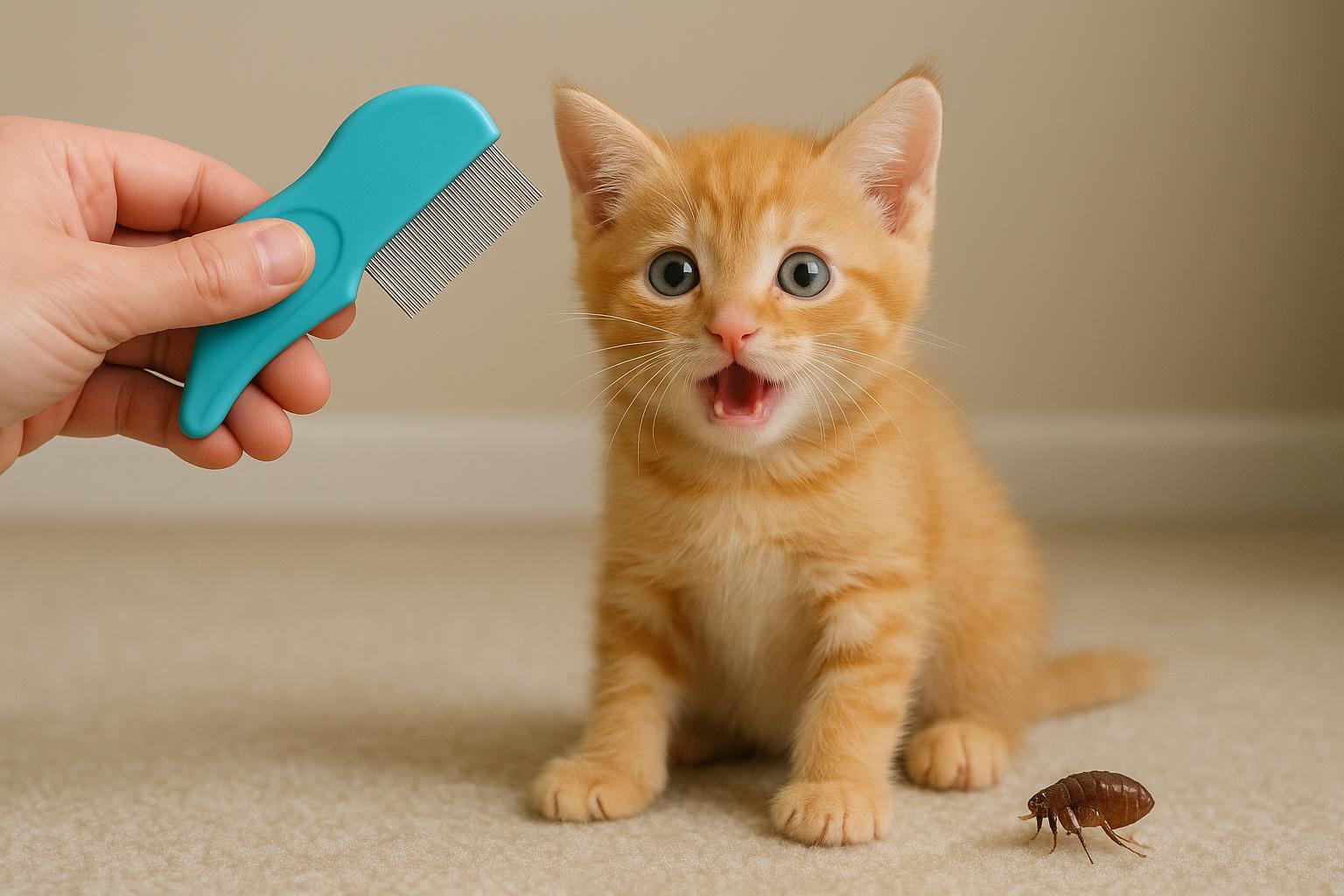
Fleas look like tiny, dark-brown specks that move fast—think miniature sesame seeds with attitude. Flea dirt, which is flea feces, appears as black or dark red specks on the fur or skin. The easiest check is the towel-and-comb method described below, which will help you find these telltale signs.
### Hair Loss, Bumps, And Red Patches
Patchy hair loss, scabby areas, or small red bumps on the skin indicate irritation. Cats with flea allergy dermatitis might develop intense skin reactions in certain spots (especially around the base of the tail). These localized reactions are an important piece of cat flea detection.
### Restlessness And Changes In Behavior
If your usually placid tabby is suddenly jumpy, restless at night, or less tolerant of being handled, it could be the discomfort of fleas. Nighttime activity can increase because fleas are most active in warm conditions.
### Pale Gums And Lethargy In Kittens
Young kittens can become anemic from heavy flea infestations because fleas consume blood. Pale gums, weakness, and reduced playfulness are red flags—these warrant immediate veterinary attention and are crucial to cat flea detection for vulnerable animals.
### Secondary Signs In The Home
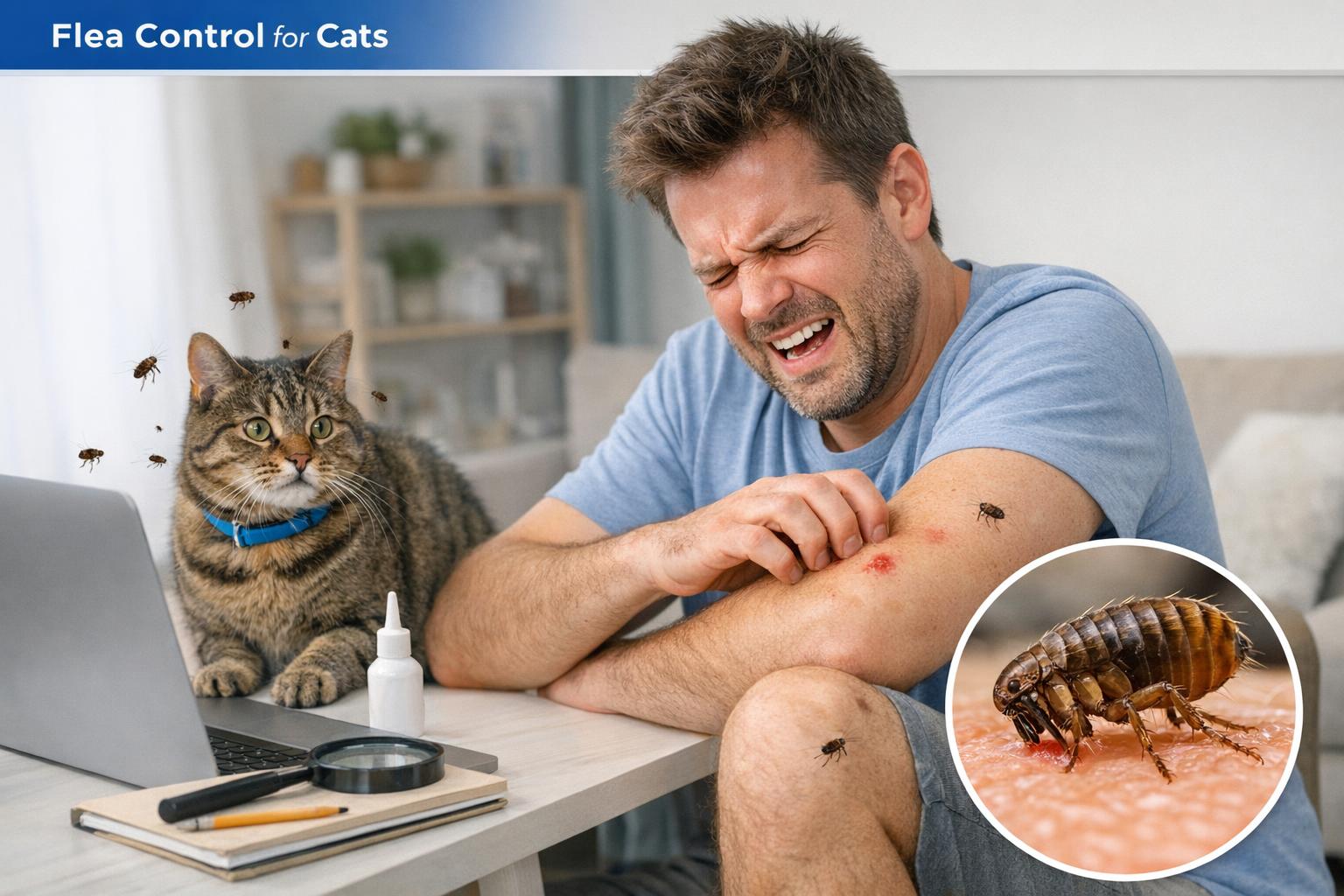
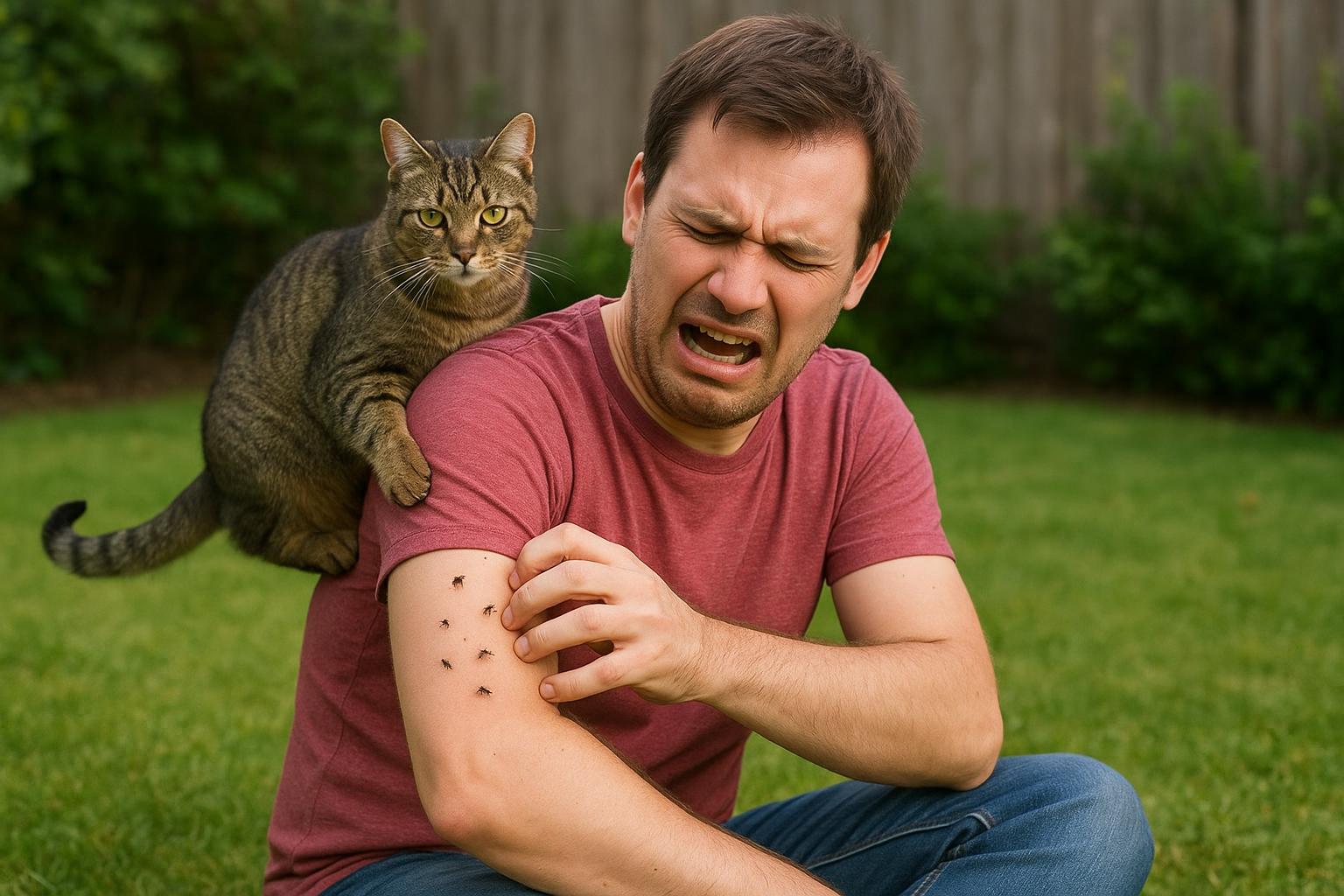
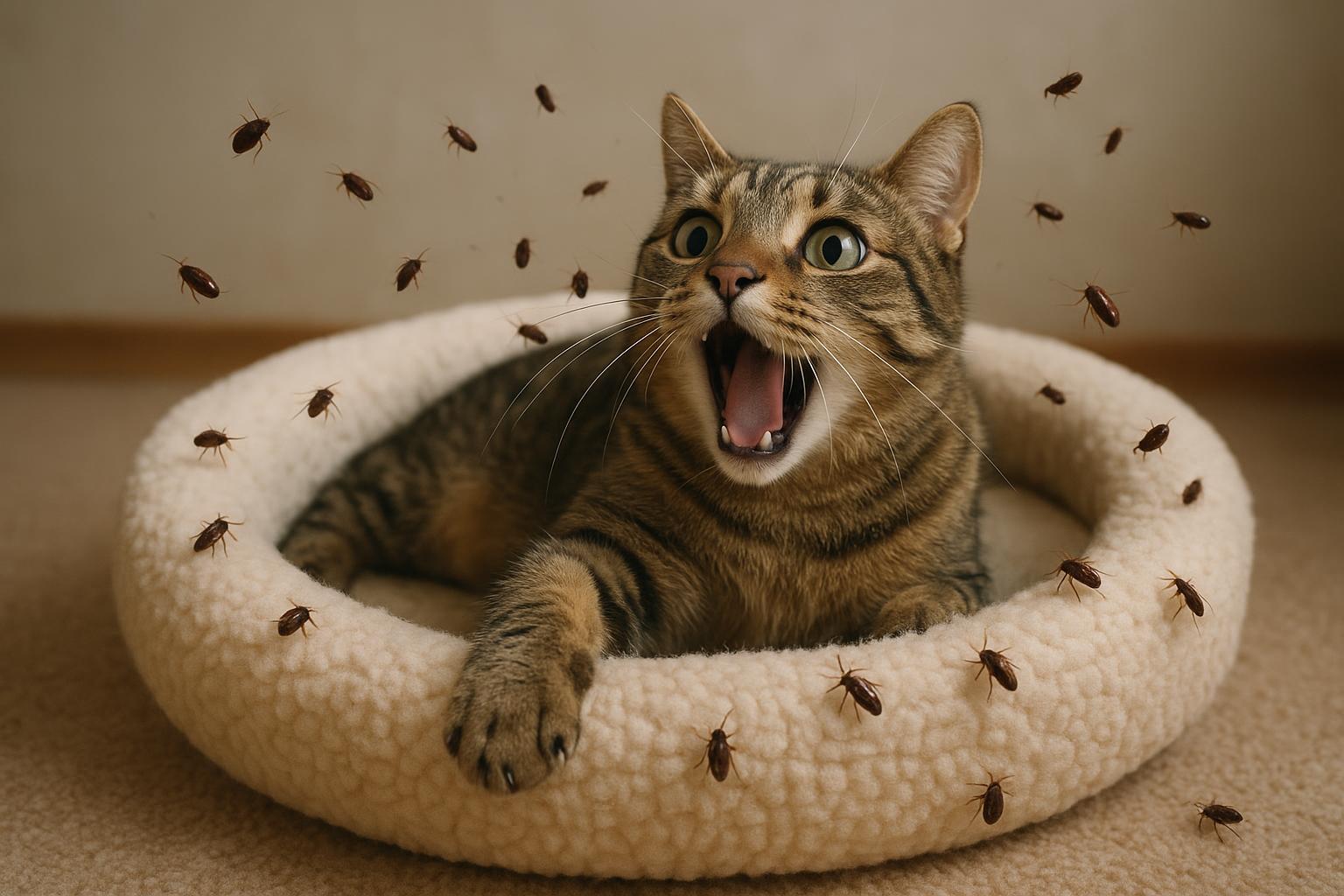
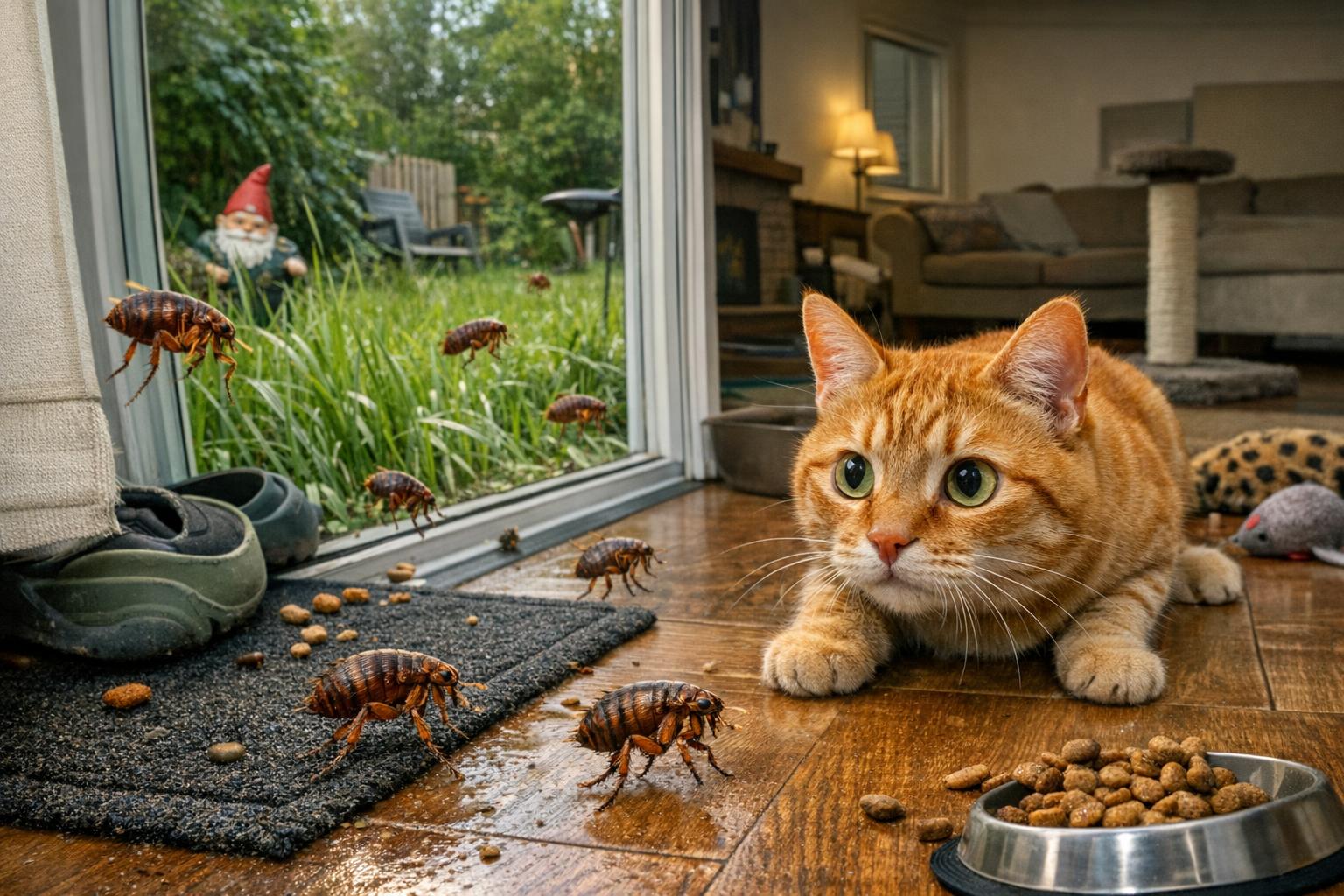
Fleas don’t just live on your cat. Watch for pets scratching, bites on human legs, and small dark specks on bedding. If you find these, act quickly to avoid a household infestation. Remember: treating the cat alone without addressing the environment often leads to re-infestation.
### How To Do A Quick Flea Check At Home
This is the practical part—simple, low-stress, and effective.
1. Find a bright spot with a soft towel or light-colored sheet.
2. Gently place your cat on the towel. Calm reassurance and treats help.
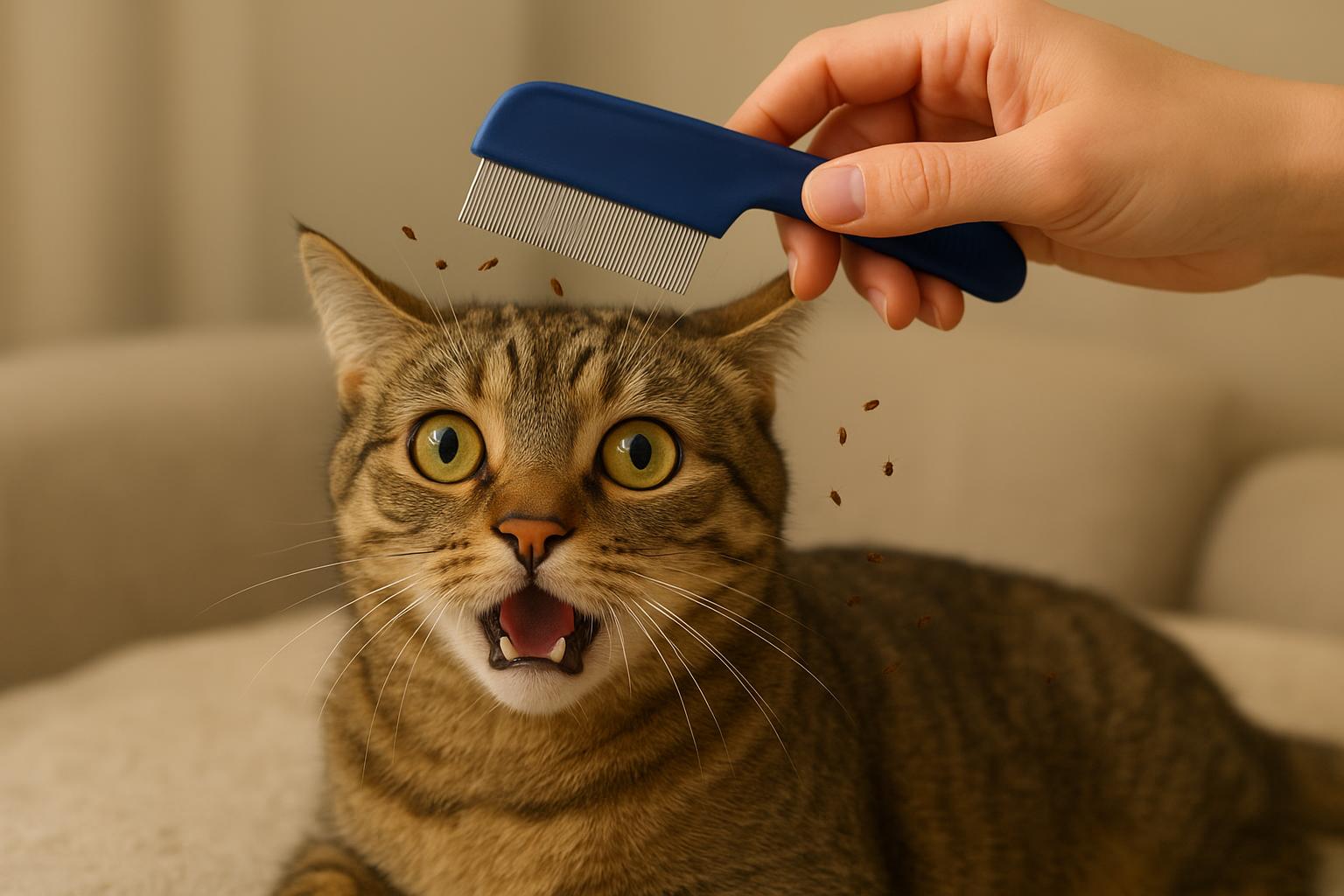
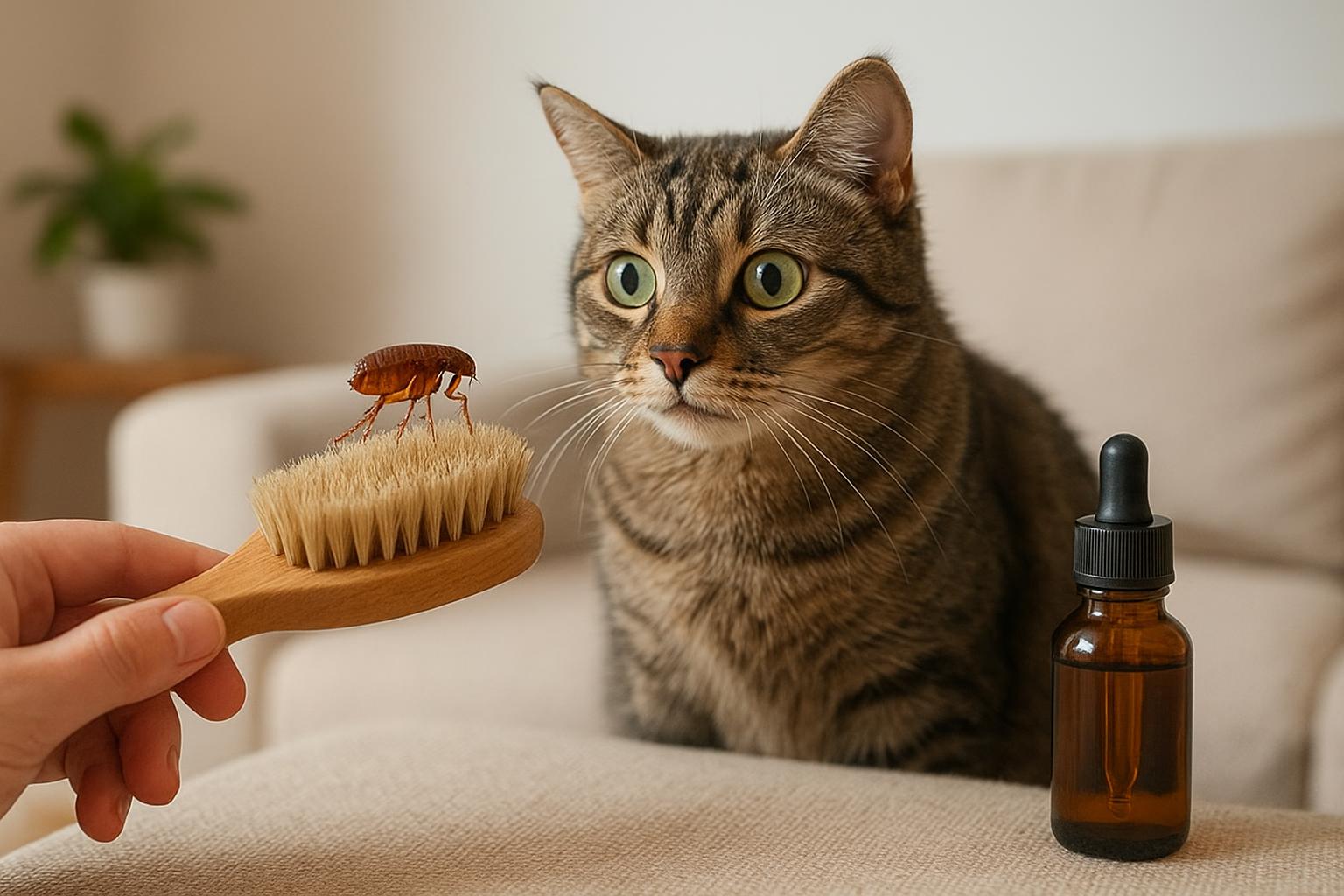
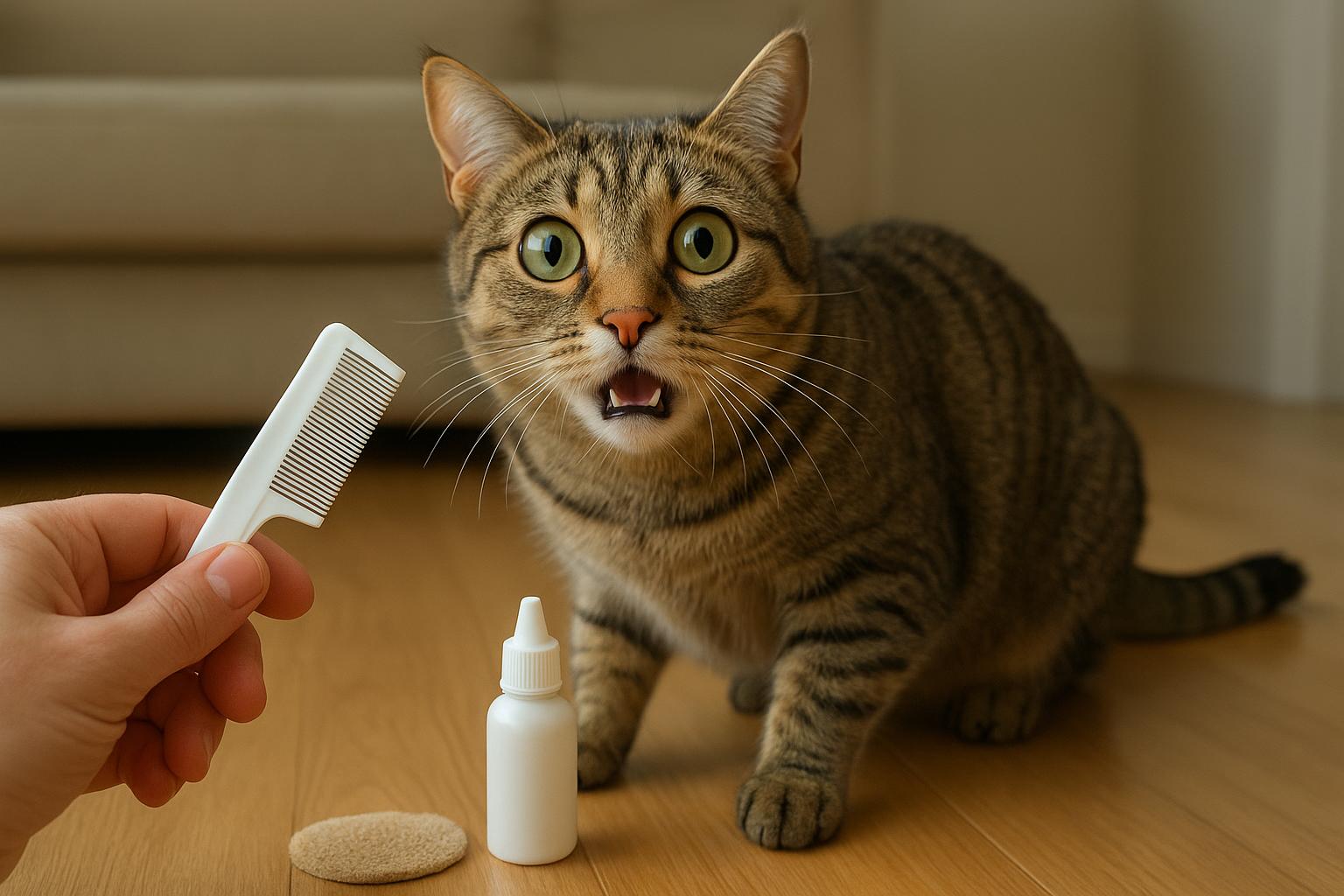
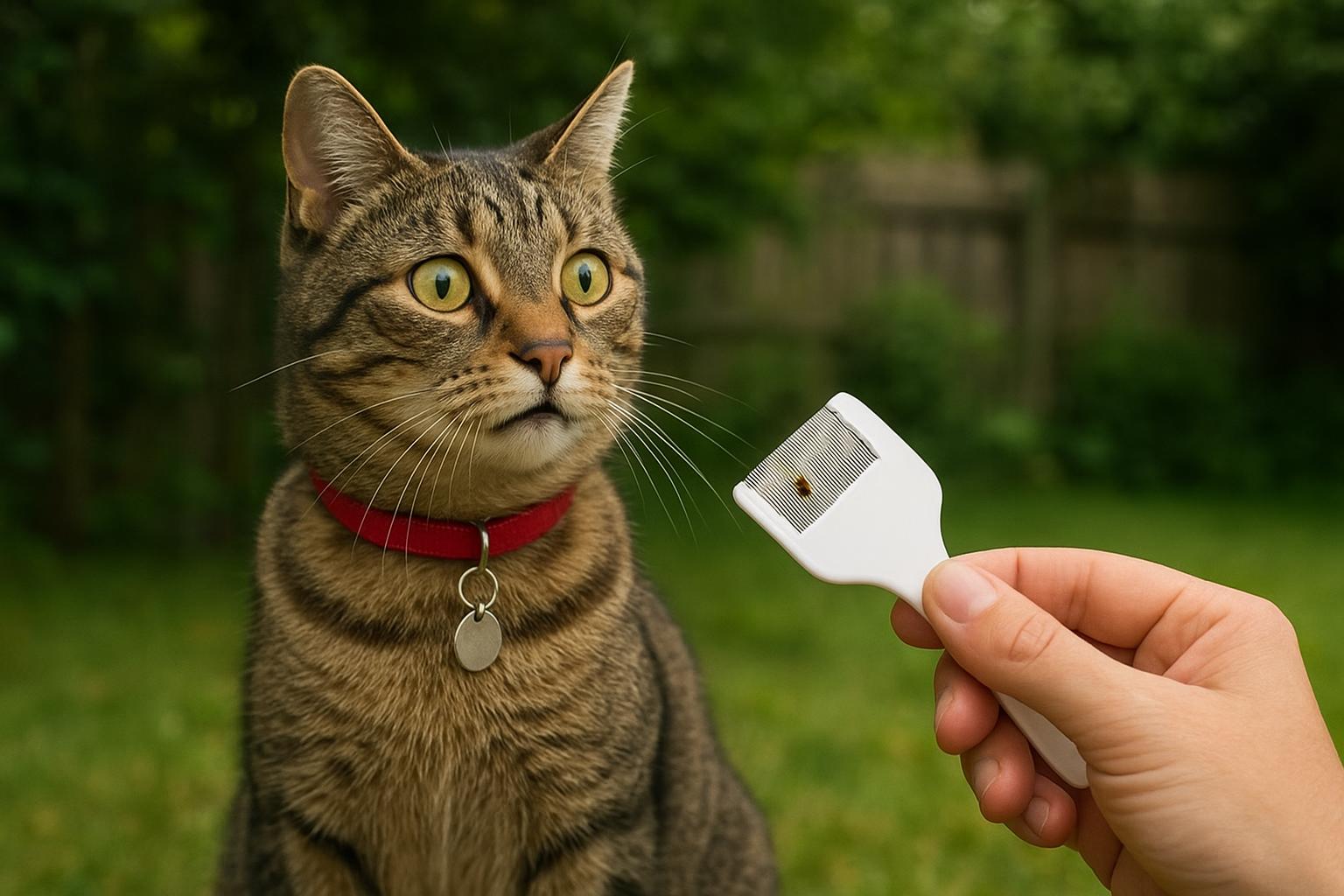
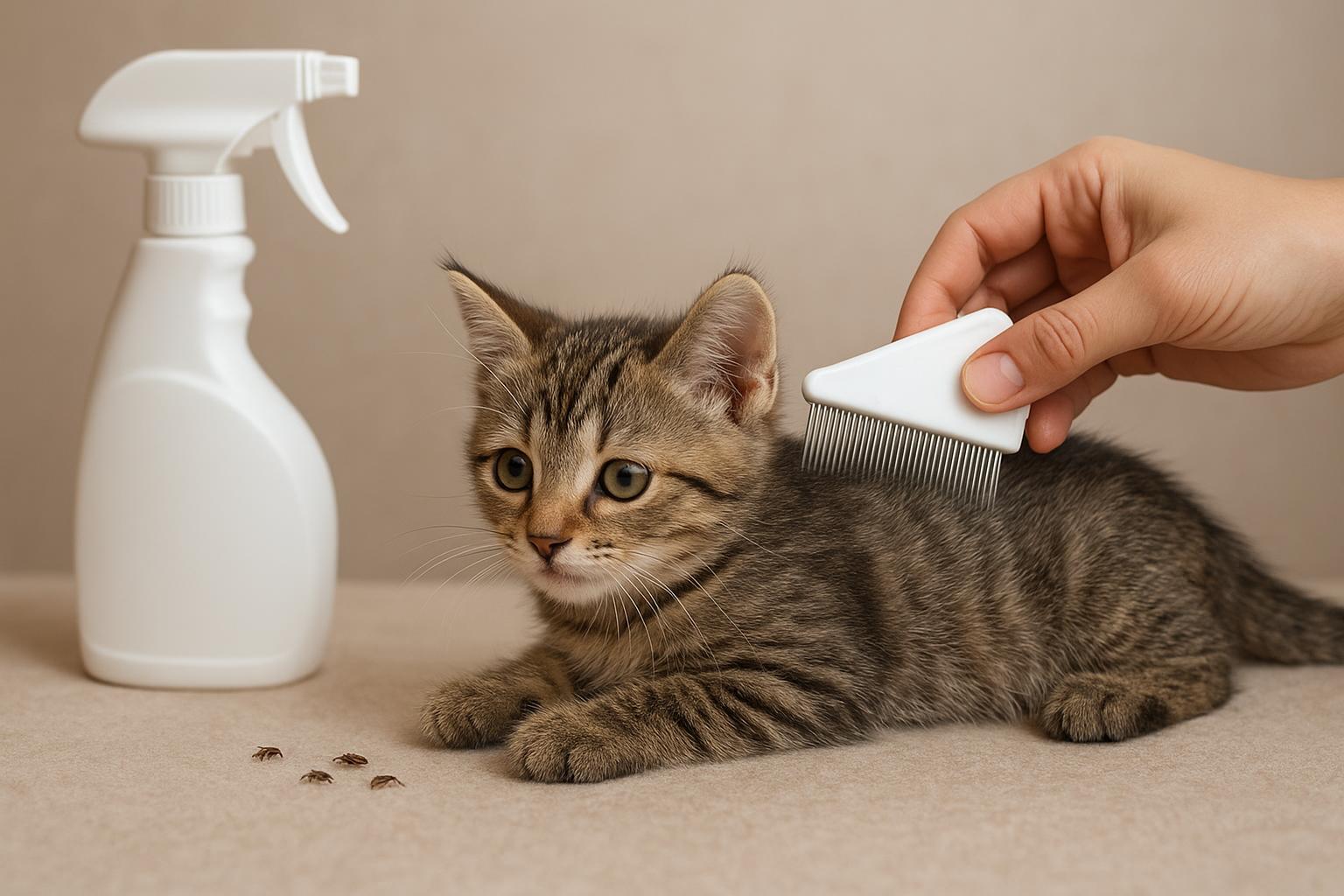
3. Use a fine-toothed flea comb and comb through fur, concentrating on the neck and base of the tail.
4. Tap any debris from the comb onto the towel. If you see tiny black specks that turn reddish-brown when moistened, that’s flea dirt.
5. Shine a flashlight close to the skin and part the fur to look for moving specks.
This routine supports good cat flea detection because combing and inspecting increases your chances of spotting fleas or their dirt even if you don’t see them moving right away.
## Remedy 1: Prescription And Over-The-Counter Treatments (Professional)
When fleas are confirmed or strongly suspected, professional-grade treatments are the most reliable and safest option. Always consult your veterinarian before starting treatment, especially for kittens, seniors, pregnant cats, or cats with existing health conditions. Below are the commonly recommended approaches, materials, and steps.
#### Materials Needed
– Veterinary consultation (phone or in-person)
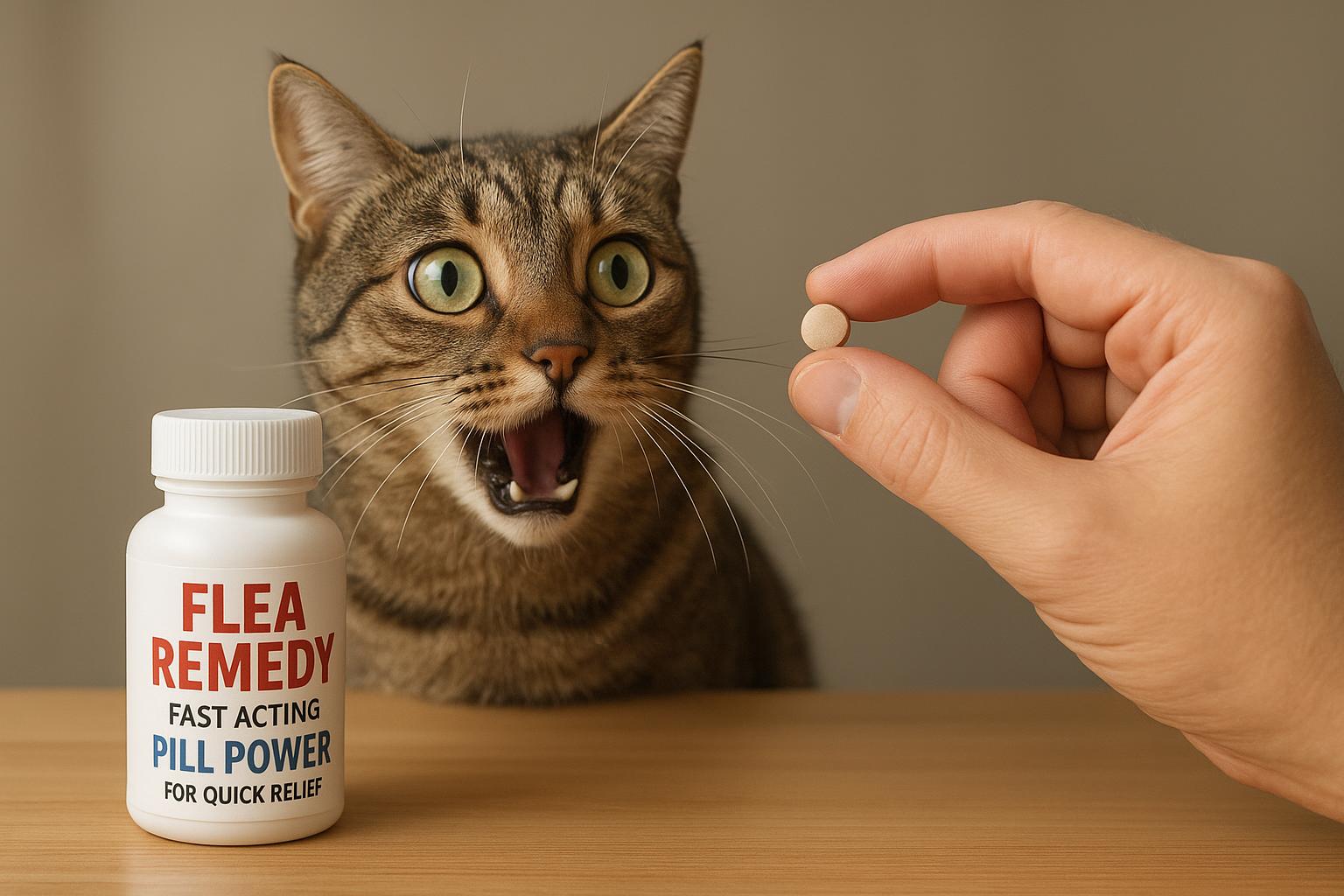
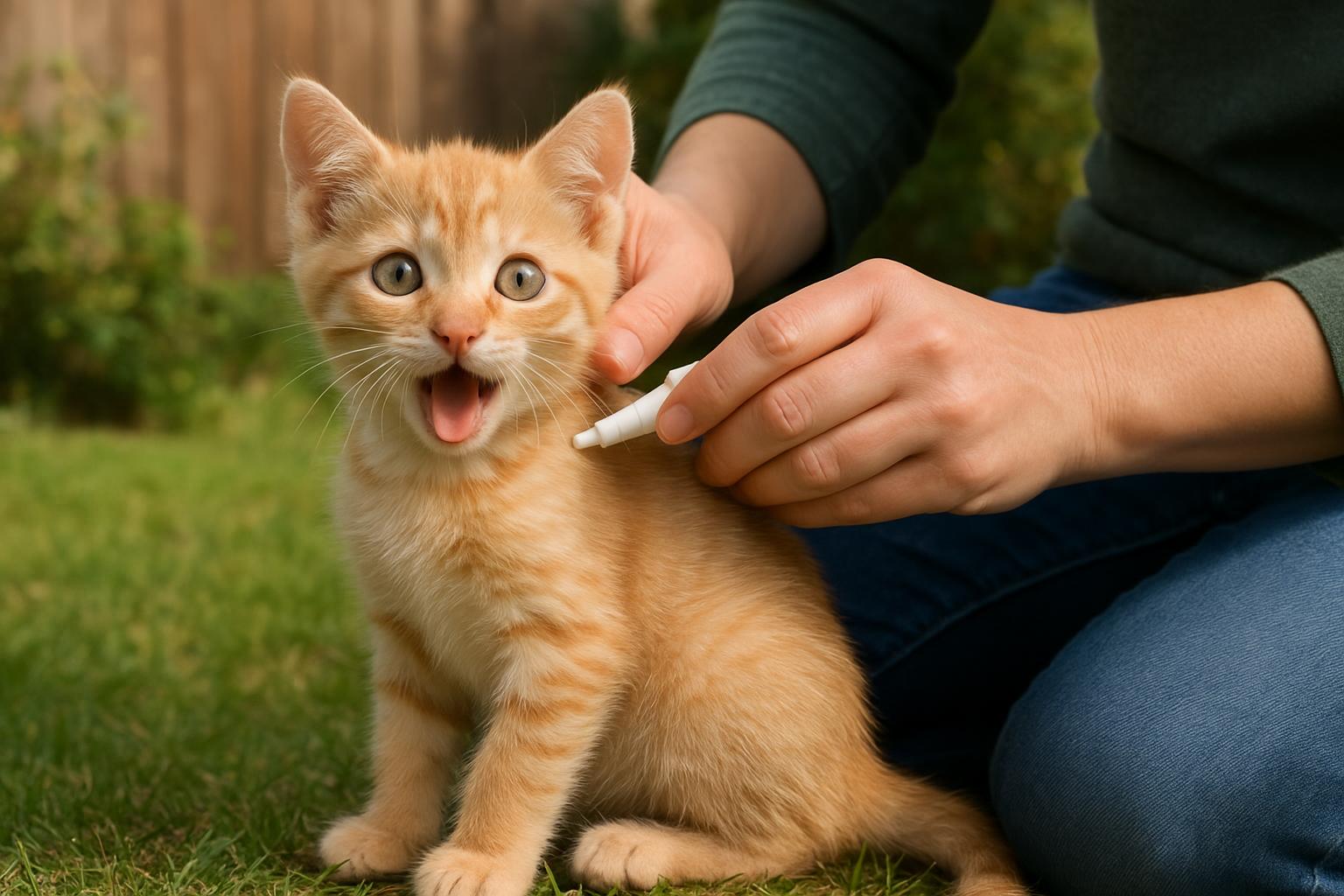
– Vet-prescribed topical or oral flea medication (examples: topical spot-on insecticides like selamectin, topical fipronil, or veterinarian-approved oral products)
– Gloves for application (if applying topical)
– Treats or gentle restraint supplies (towel for wrapping, if necessary)
– Flea comb
#### Creation And Application Steps
1. Consult Your Veterinarian: Provide weight, age, medical history, and any allergies your cat has. The vet will prescribe the appropriate product and dosage.
2. Prepare The Cat: If using a topical, ensure your cat is dry and has not been bathed within 48 hours. Weigh your cat if dosing is weight-dependent.
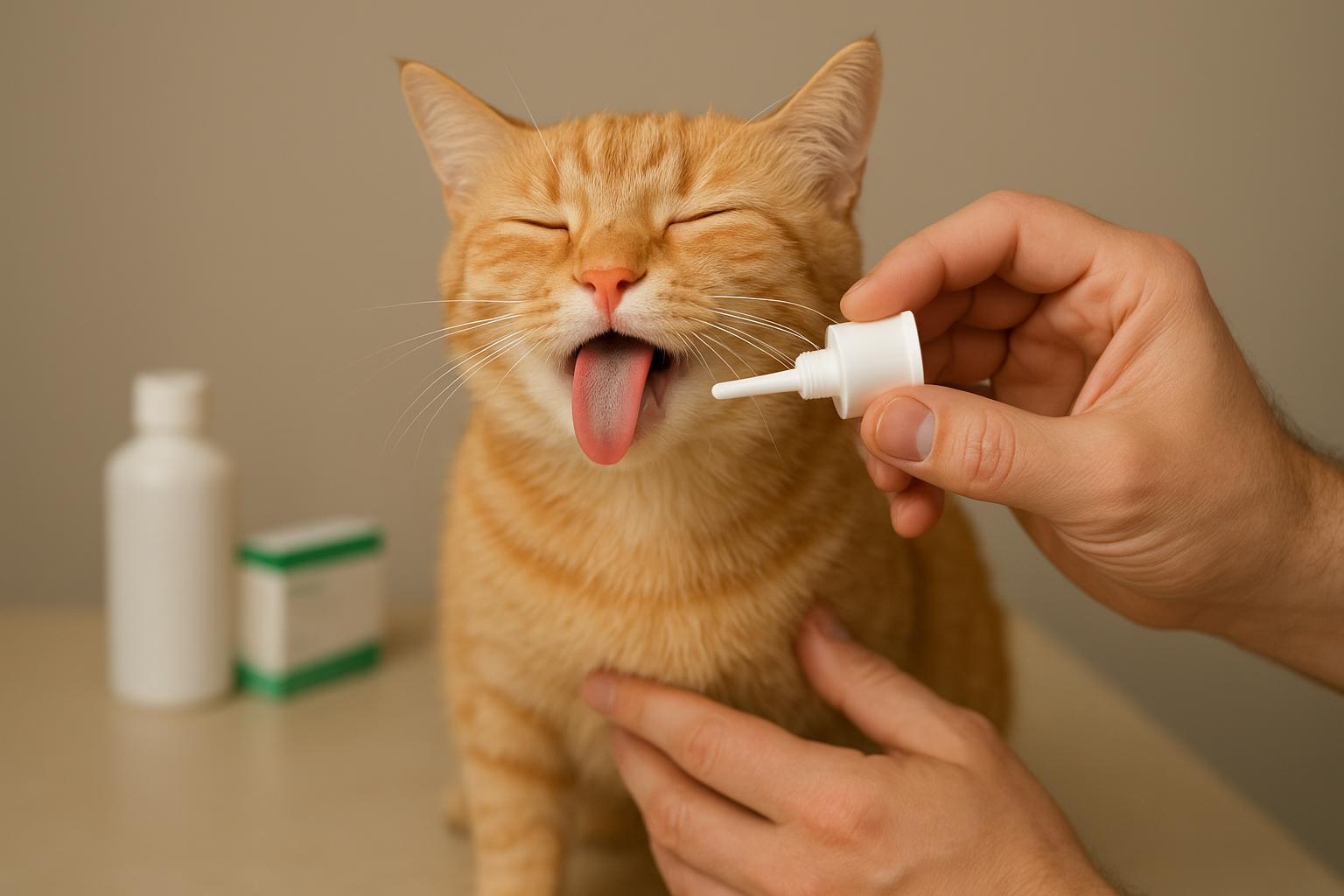
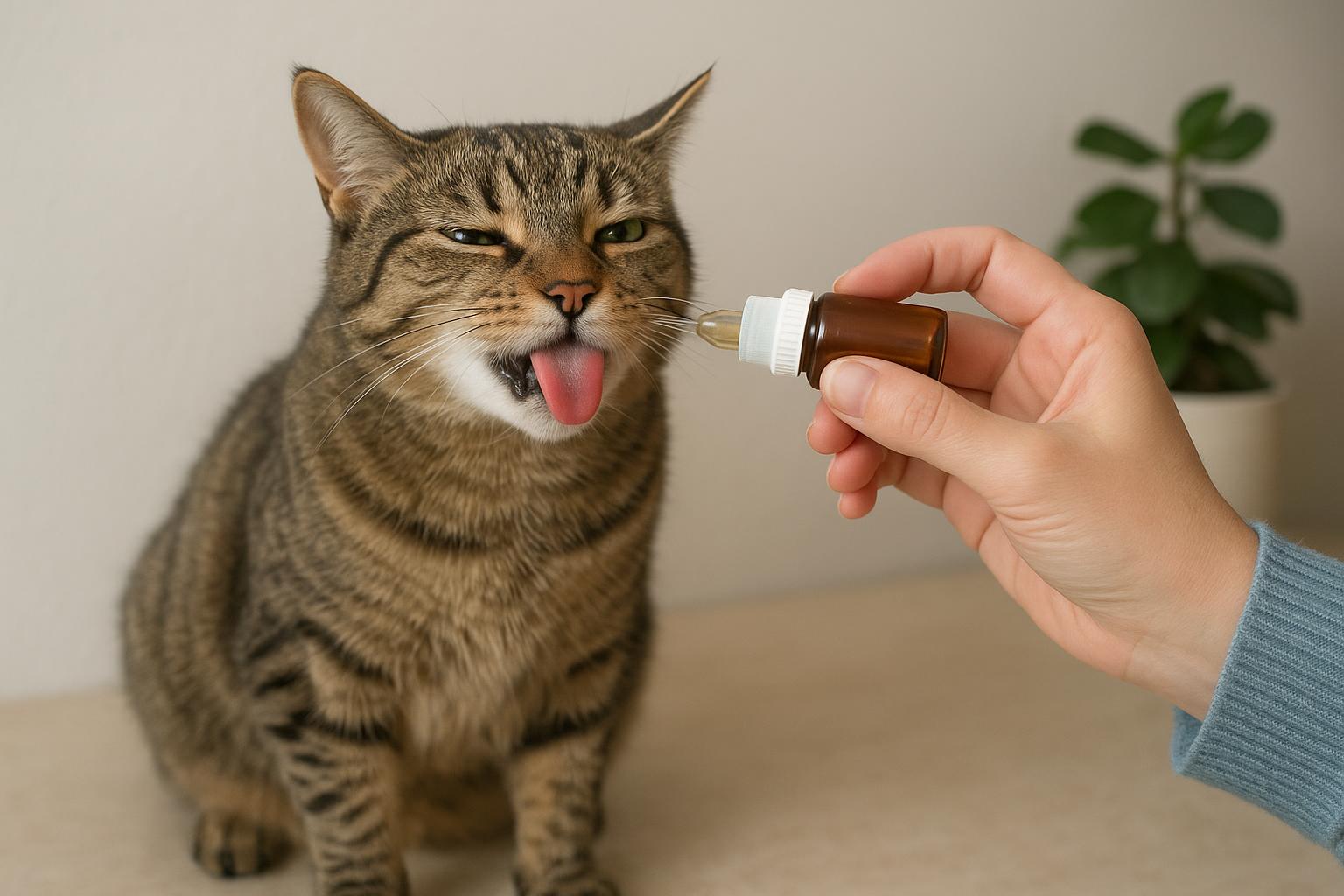
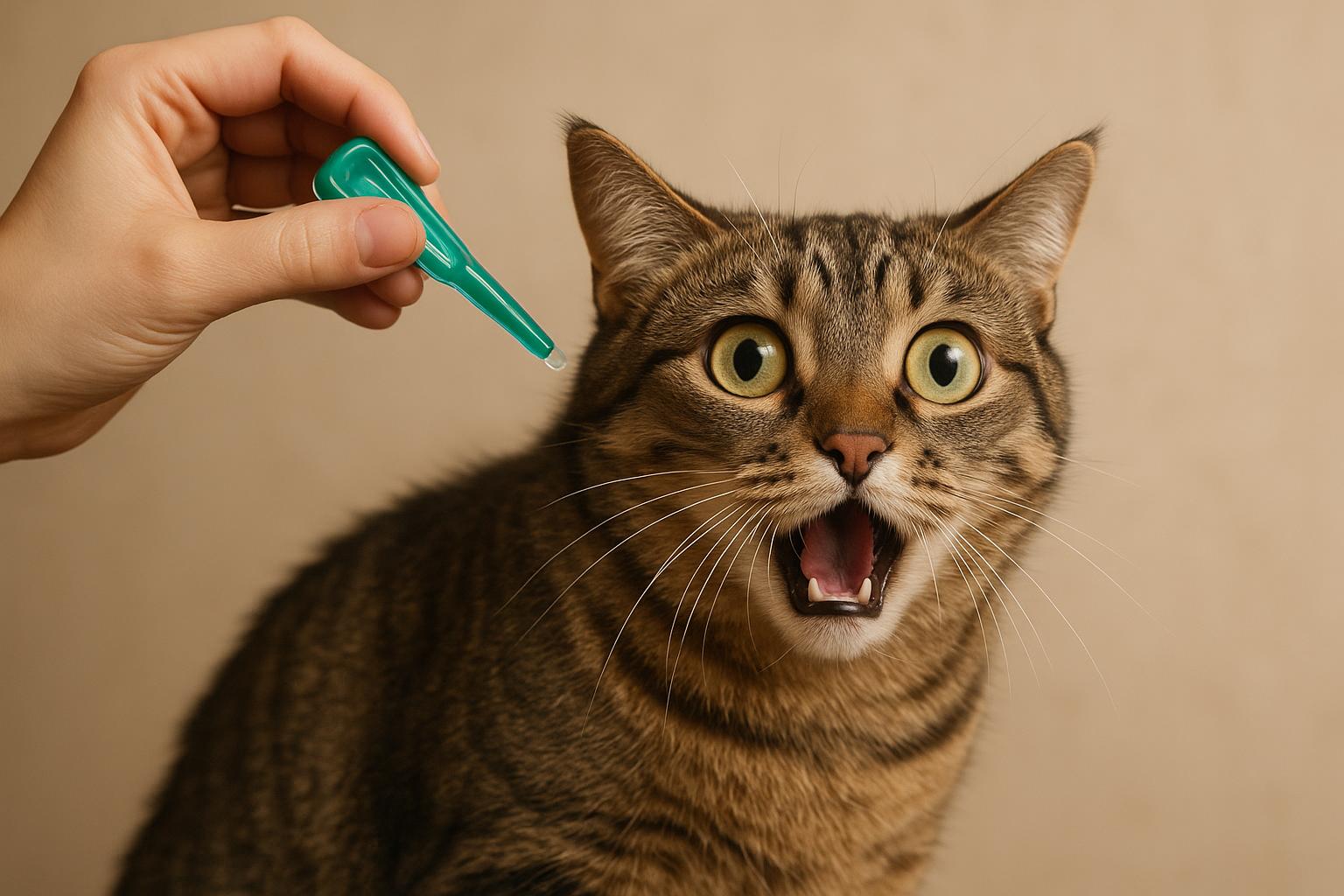
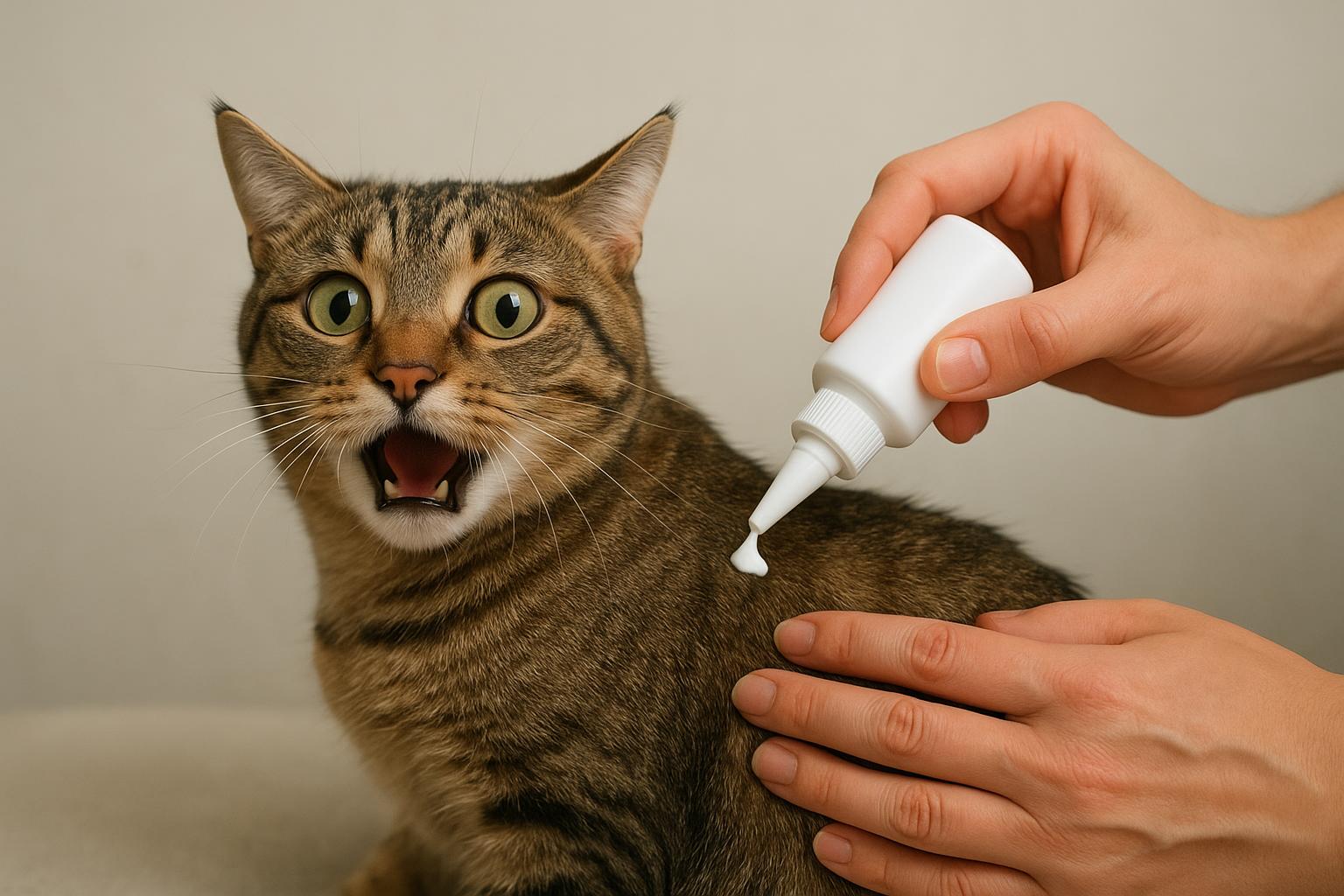
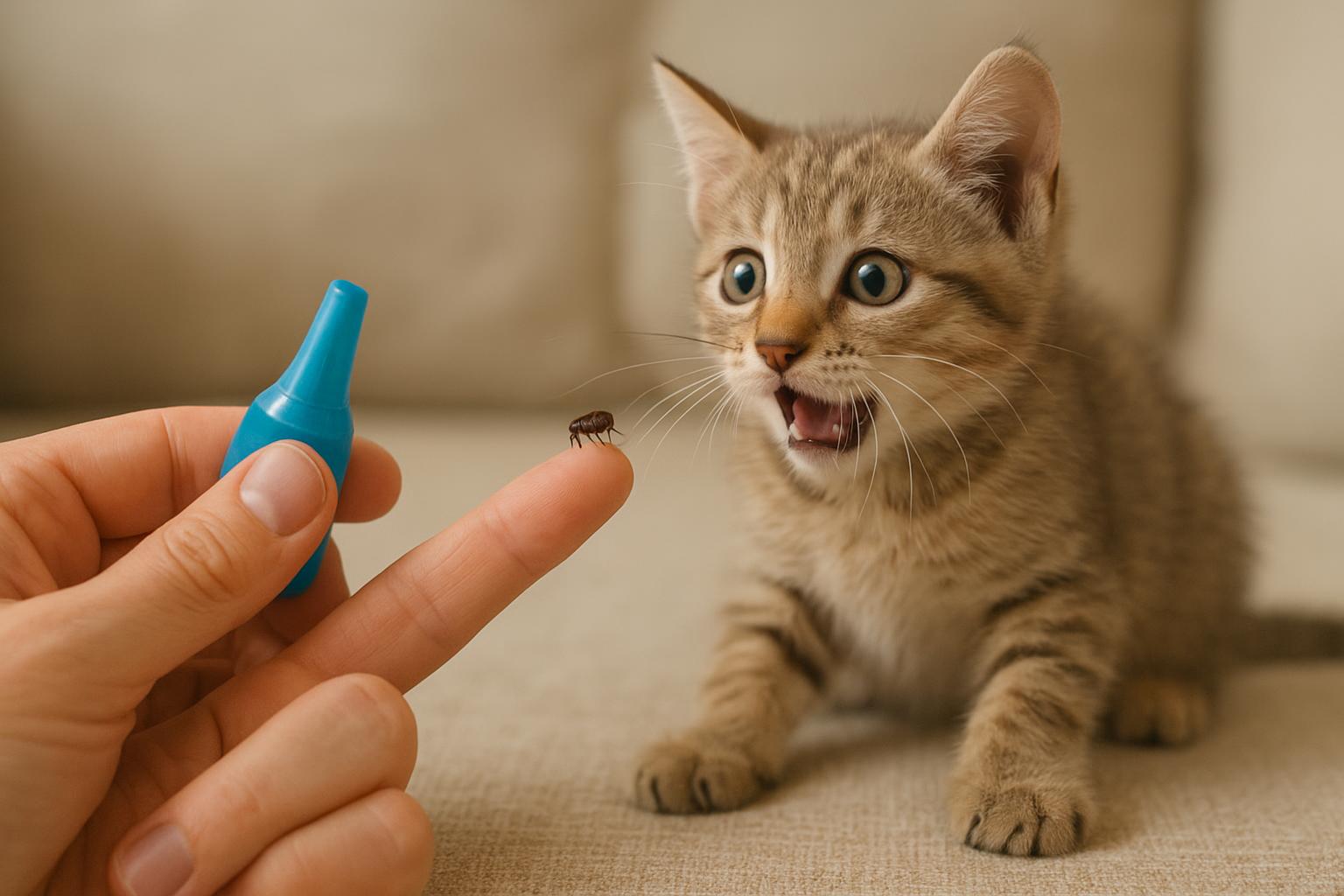
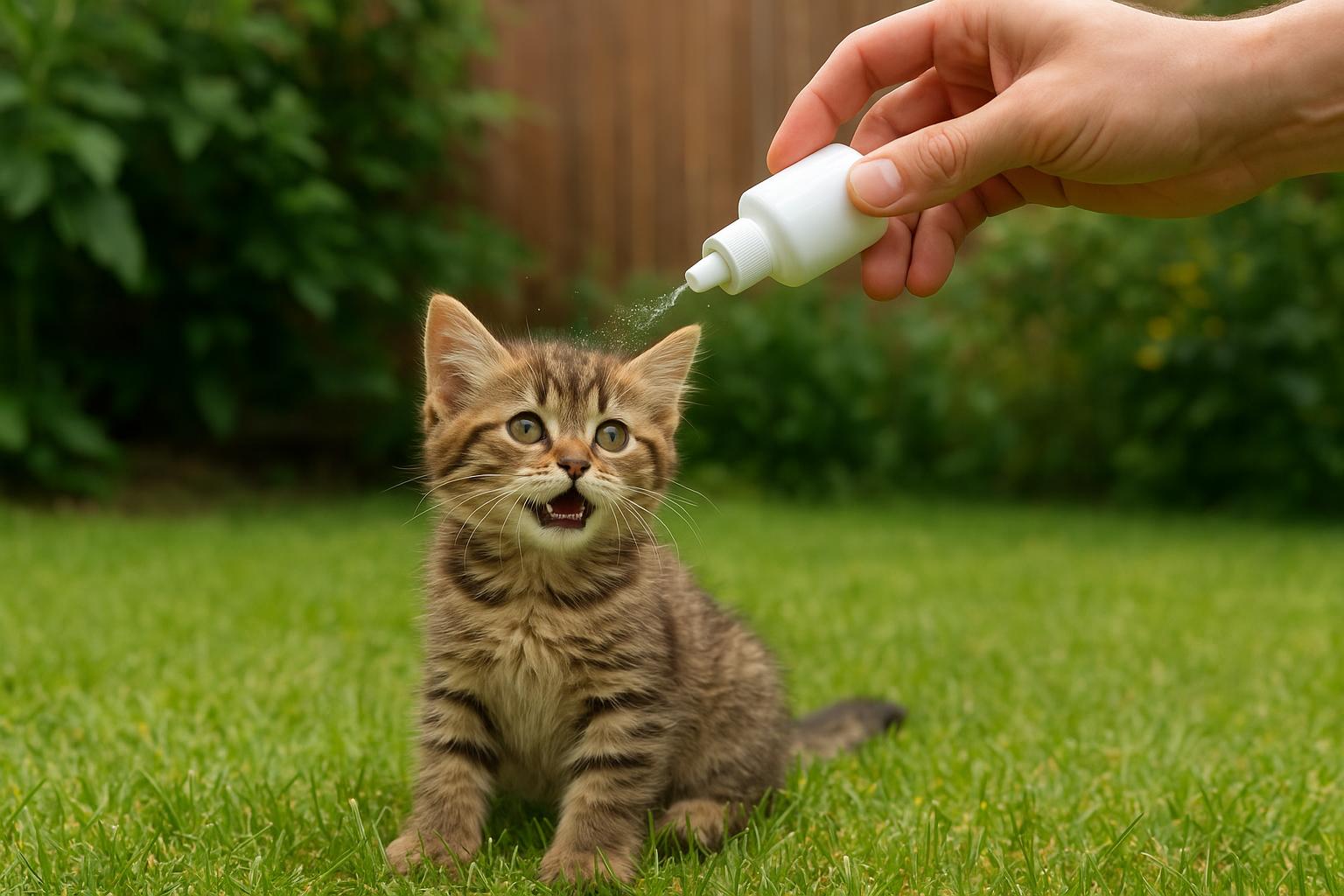
3. Administer As Directed: Follow label or vet instructions exactly. For topical spot-ons, part fur at the base of the neck and apply the full dose to the skin. For oral medications, verify the dosing and administer with food if recommended.
4. Monitor For Reactions: Watch for vomiting, lethargy, excessive drooling, or skin irritation. If any adverse signs occur, contact your vet immediately.
5. Follow-Up Dosing: Many products require monthly administration or a specific schedule—adhere to it to break the flea life cycle.
Using the correct medication under guidance is critical for effective cat flea detection follow-through and to prevent resistance or accidental toxicity.
## Remedy 2: Home Cleaning And Natural Support (Environmental Control)
Treating the environment is as important as treating the cat. Flea eggs and larvae live in carpets, bedding, and cracks. An integrated household approach reduces re-infestation risk.
#### Materials Needed
– High-quality vacuum cleaner (with attachments)
– Hot water for washing bedding
– Laundry detergent and dryer
– Flea spray or fogger approved for household use (follow label)
– Diatomaceous earth (food-grade), optional and used with caution
– Flea comb and gloves
– Sealed plastic bags for contaminated materials
#### Creation And Application Steps
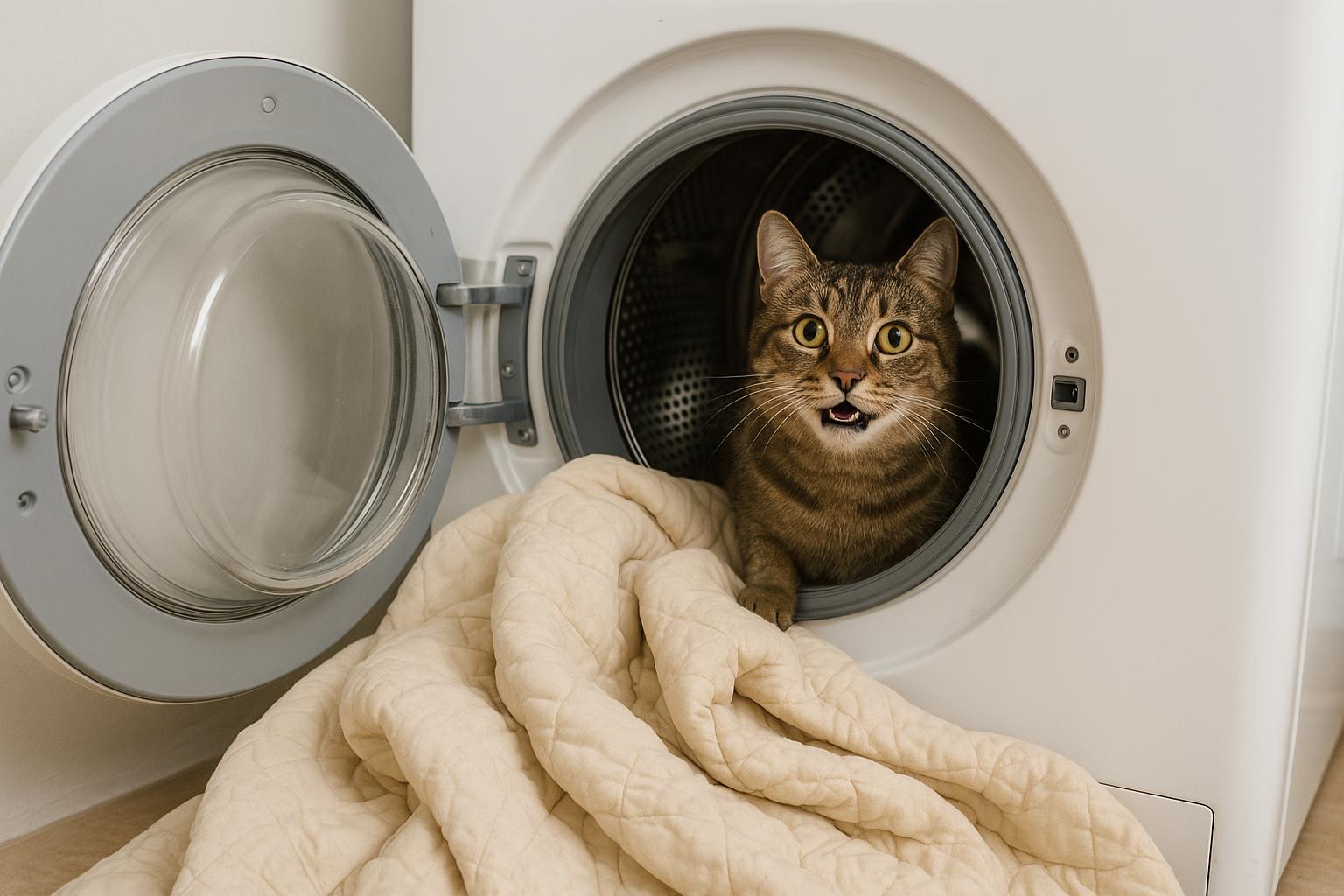
1. Isolate Bedding: Remove all pet bedding and wash in hot water (at least 60°C/140°F) and dry on high heat for at least 30 minutes. Place items that can’t be washed in sealed plastic bags for a few weeks or wash them if possible.
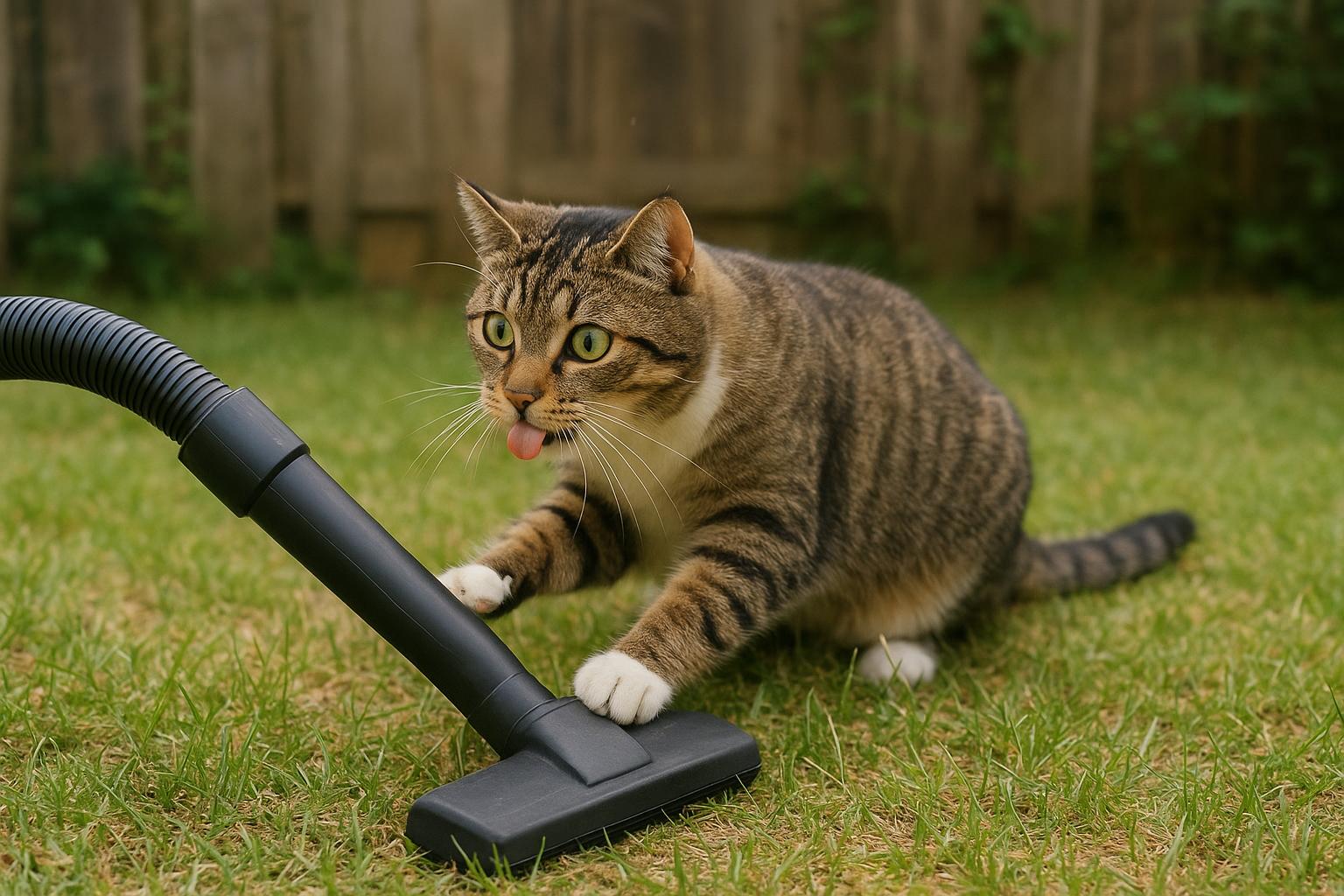
2. Vacuum Thoroughly: Vacuum carpets, rugs, upholstered furniture, and baseboards daily for at least two weeks. Focus on areas where your cat rests. Empty the vacuum canister or bag into a sealed bag and dispose of it outside.
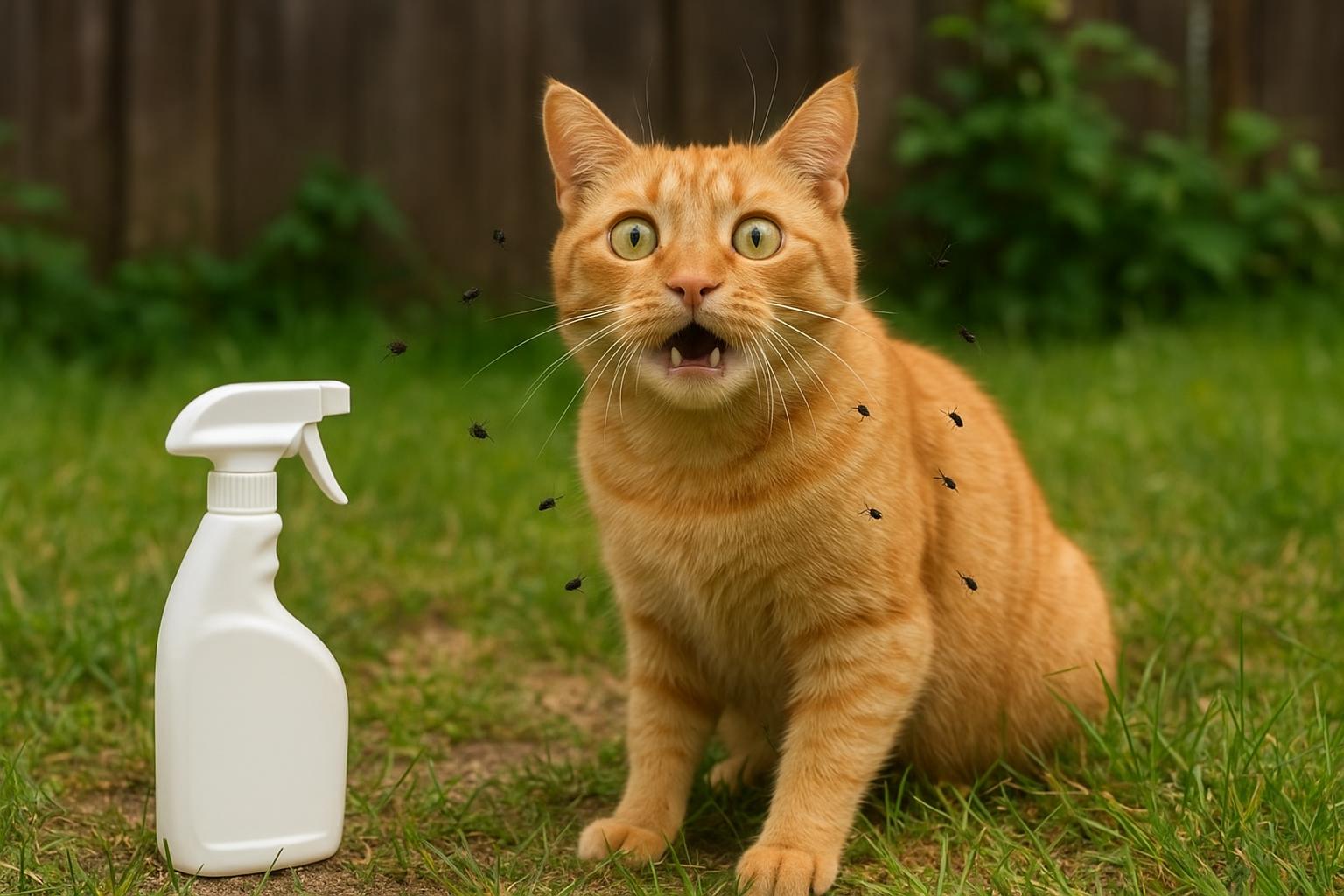
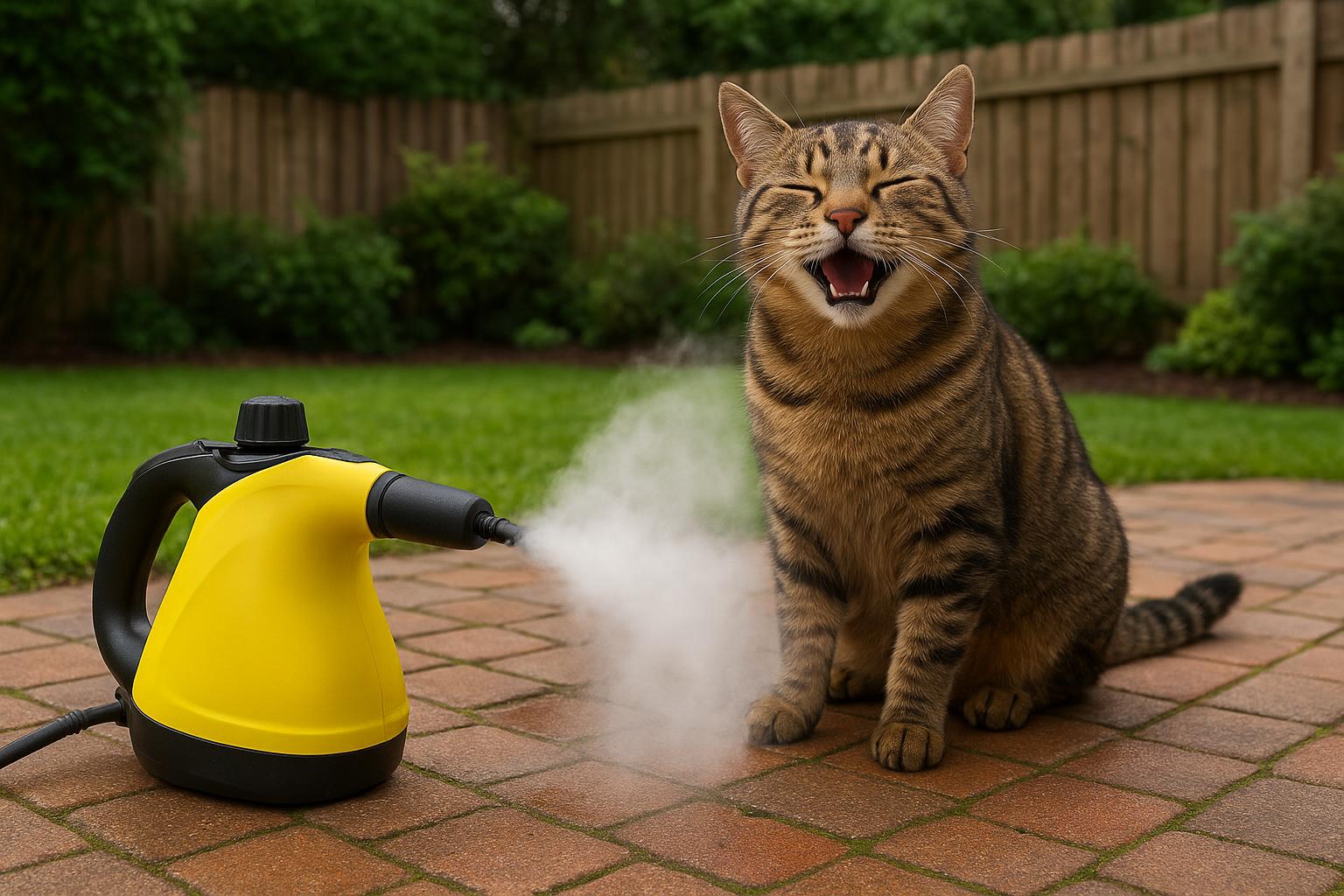
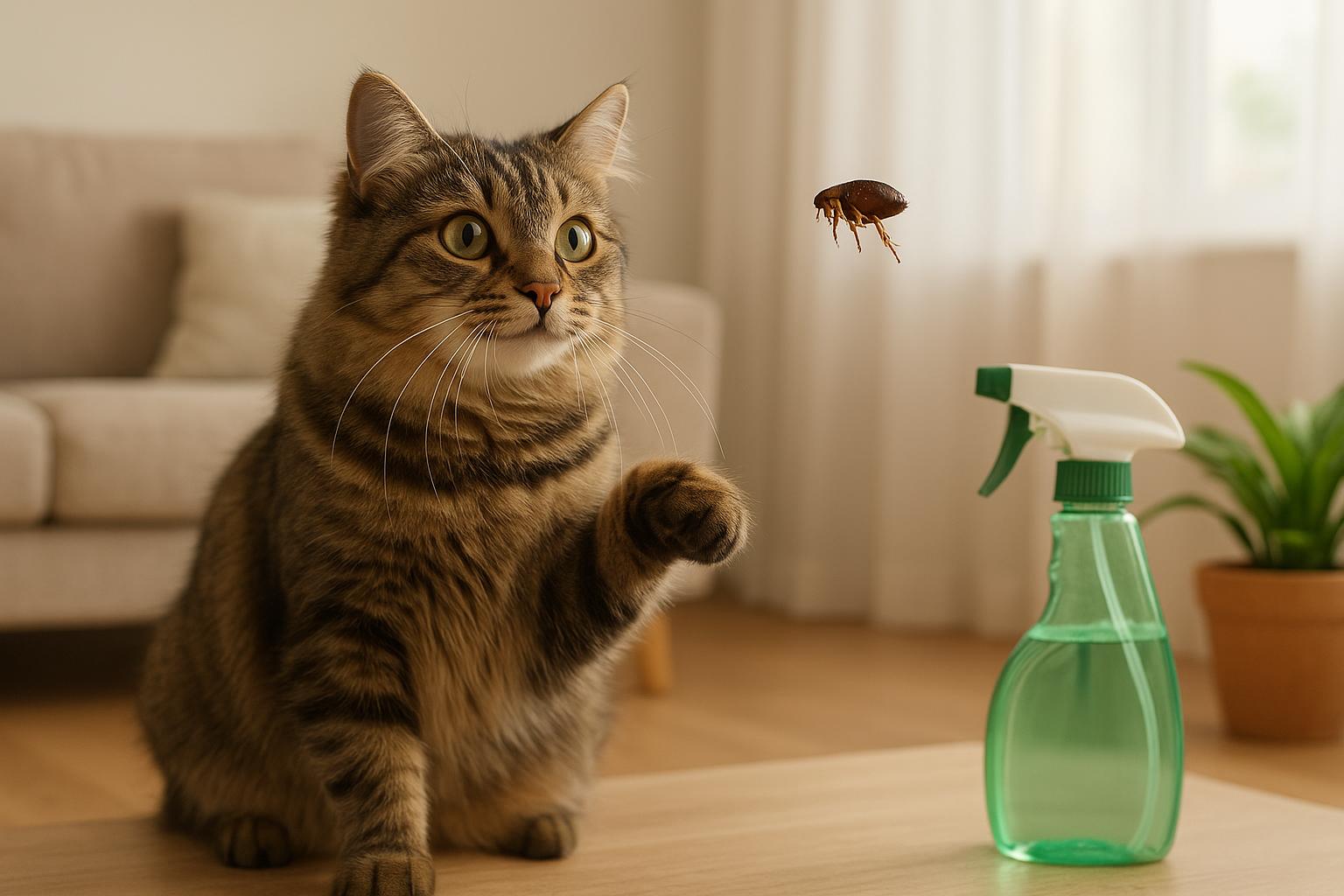
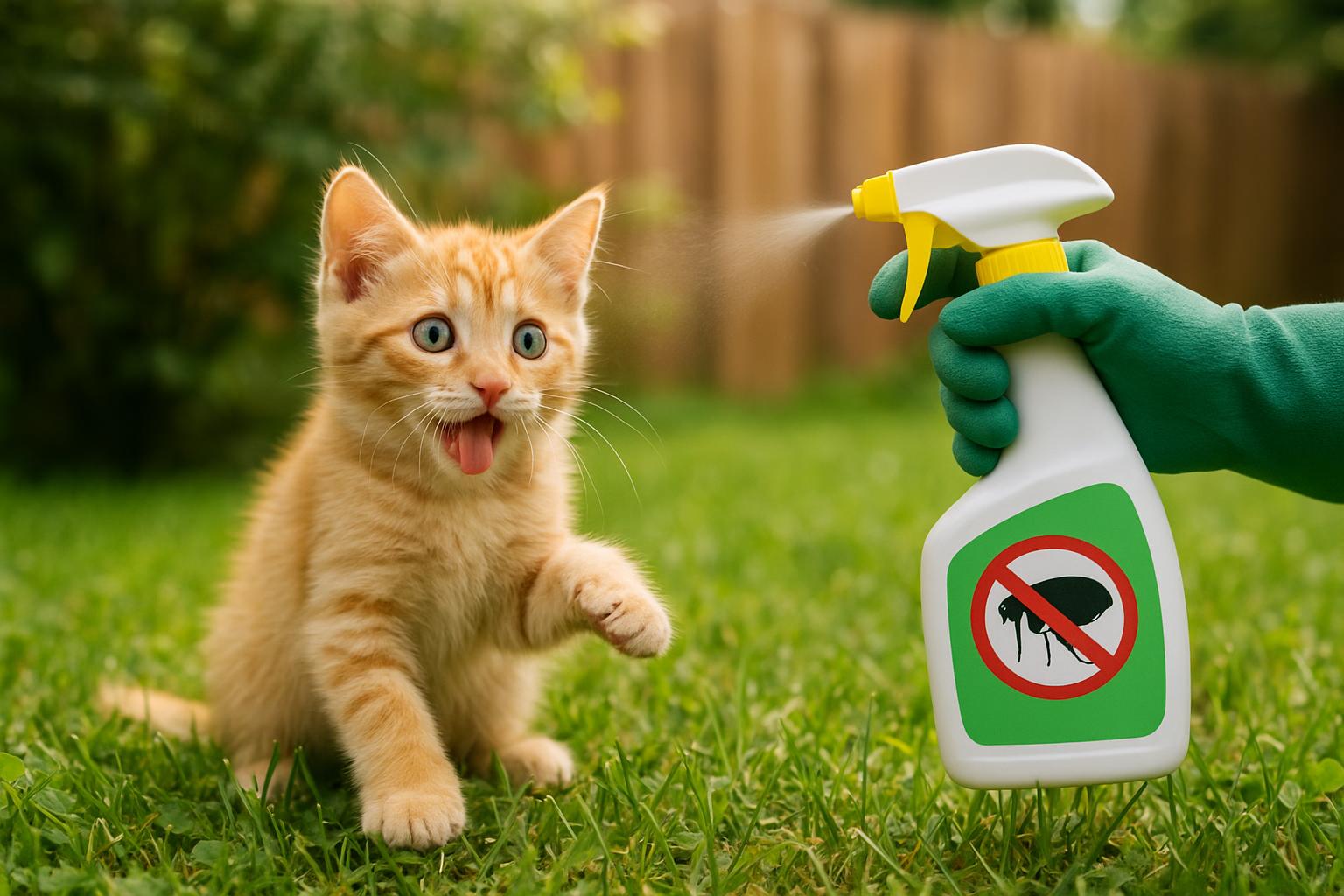
3. Use Approved Household Products: If needed, apply an EPA-registered household flea spray or utilize a fogger that is appropriate for the size of your home. Read and follow label directions precisely, and keep pets and people away for the recommended time.
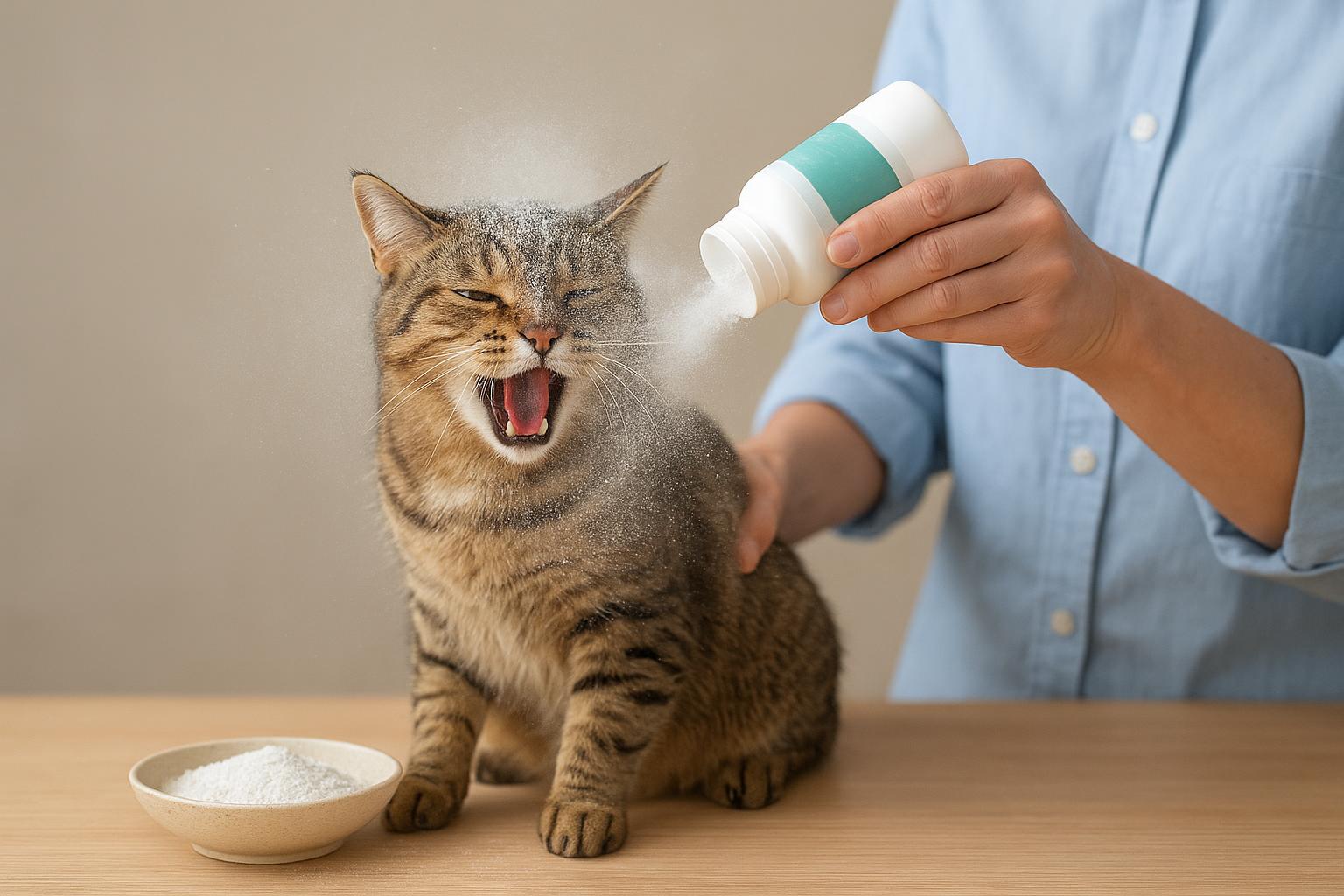
4. Optional: Diatomaceous Earth: If you choose to use food-grade diatomaceous earth, apply lightly to carpets and leave for 24–48 hours before vacuuming. Wear a mask and avoid inhalation; this is abrasive and can irritate lungs.
5. Maintain Regular Cleaning: Continue washing bedding weekly and vacuuming regularly for several months to intercept newly hatched fleas before they find a host.
These steps, conducted systematically, support a long-term solution that pairs well with professional treatment on the cat.
### When To Call The Vet Immediately
If you discover many fleas, observe pale gums, severe lethargy, or any signs of systemic illness—especially in kittens or immunocompromised cats—contact your veterinarian without delay. Flea infestations can escalate quickly, and intervention can be life-saving.
### Preventive Notes And Best Practices
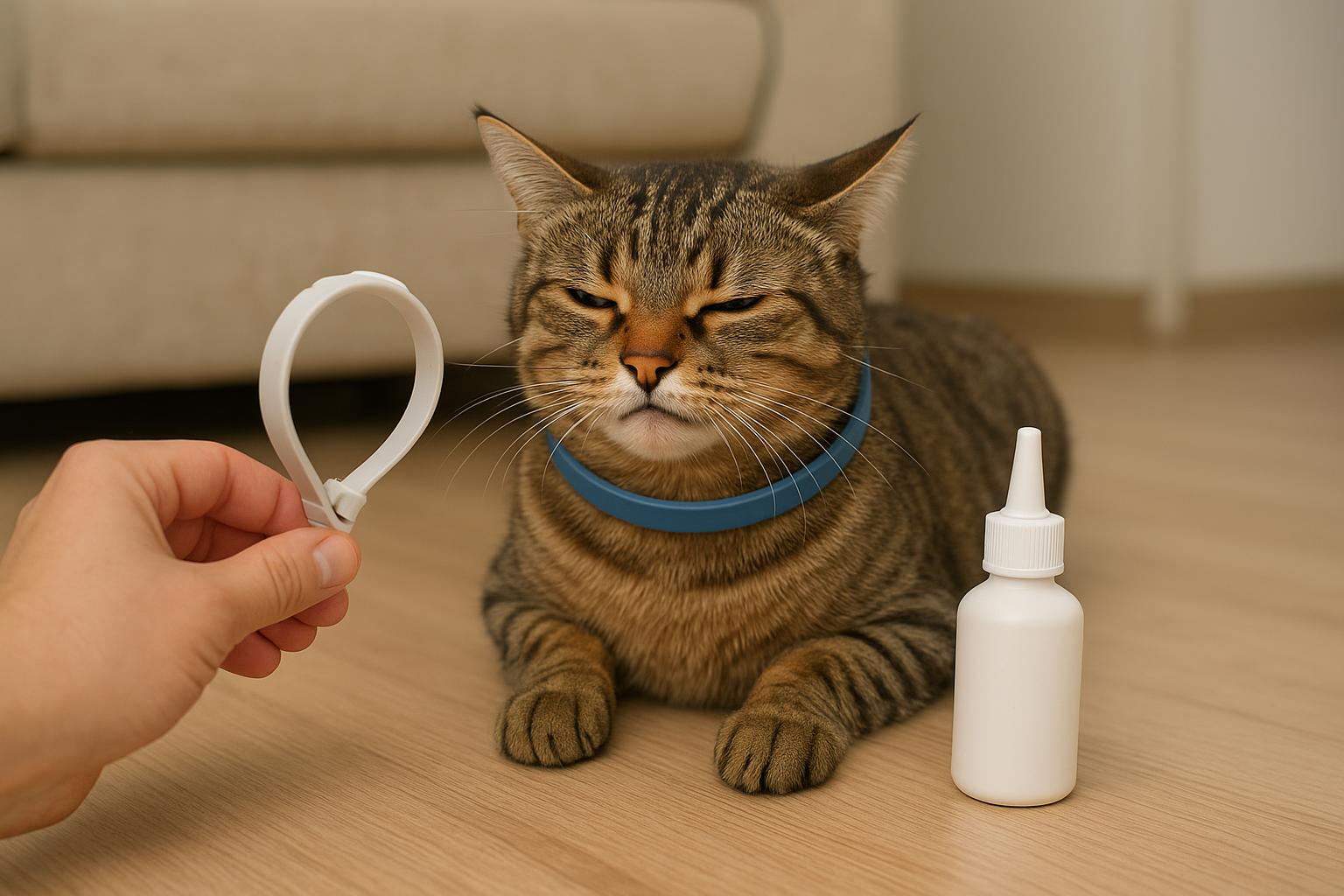
Ongoing prevention is simpler than repeated eradication. Monthly prescribed preventatives, routine comb checks, and household cleaning during warmer months keep most households flea-free. For multi-pet homes, treat all animals as recommended by your veterinarian to prevent cross-infestation.
If you suspect fleas but can’t find evidence after multiple checks, don’t ignore the possibility. Persistent scratching, behavioral changes, or environmental signs still warrant further inspection or a vet visit to close the case on successful cat flea detection.









Leave a Reply