
## Black Specks On Cats: What They Are And Why You Should Care
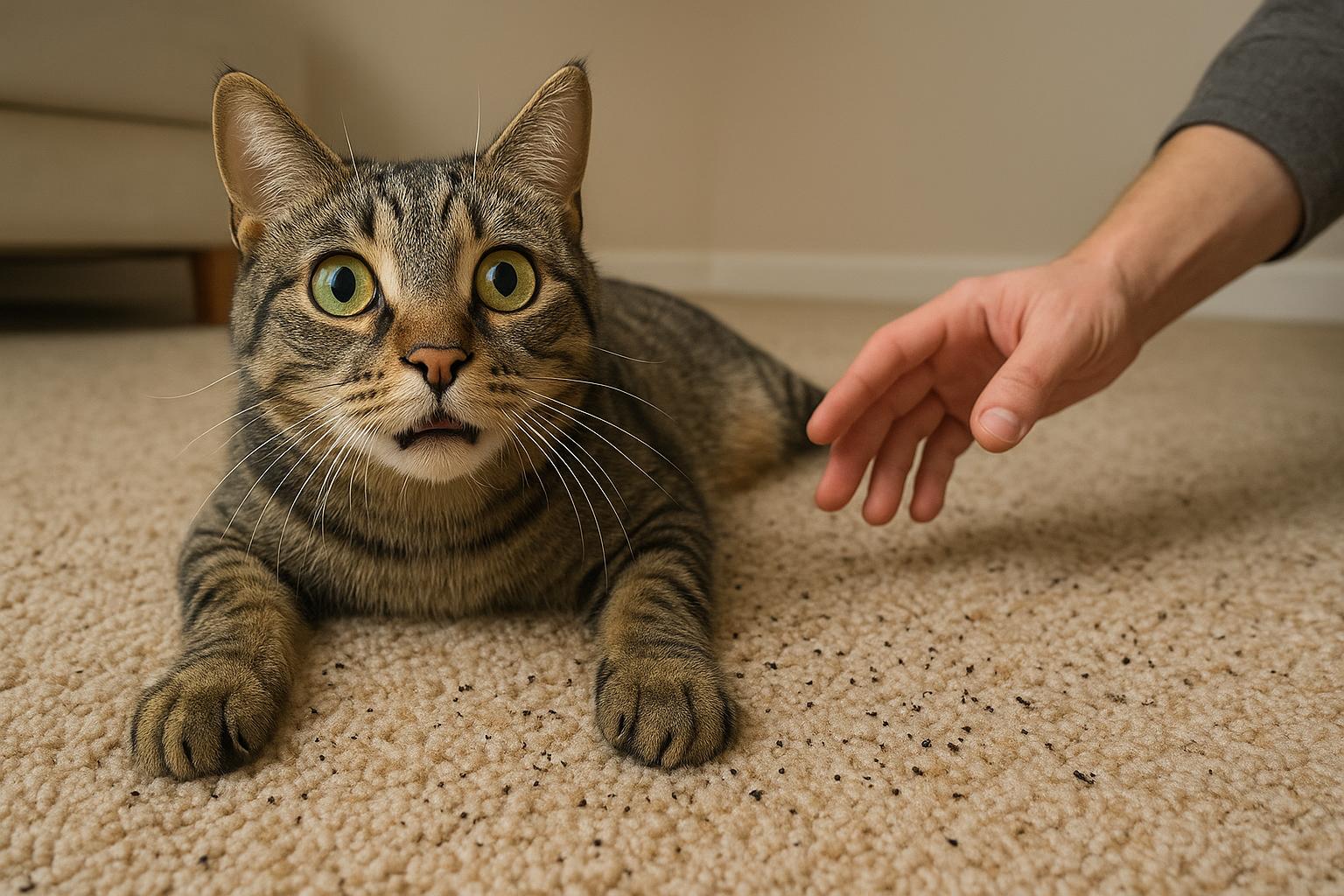
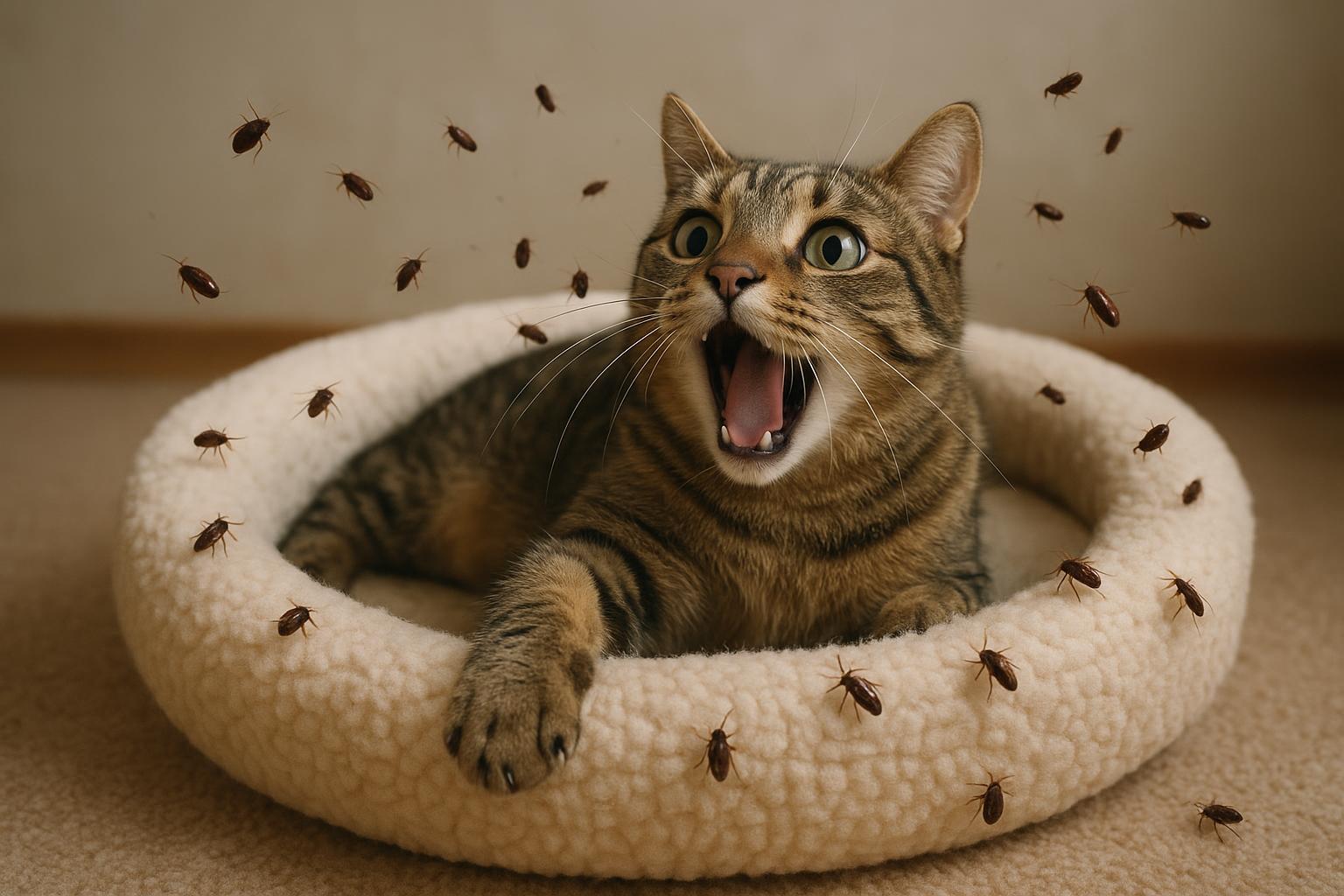
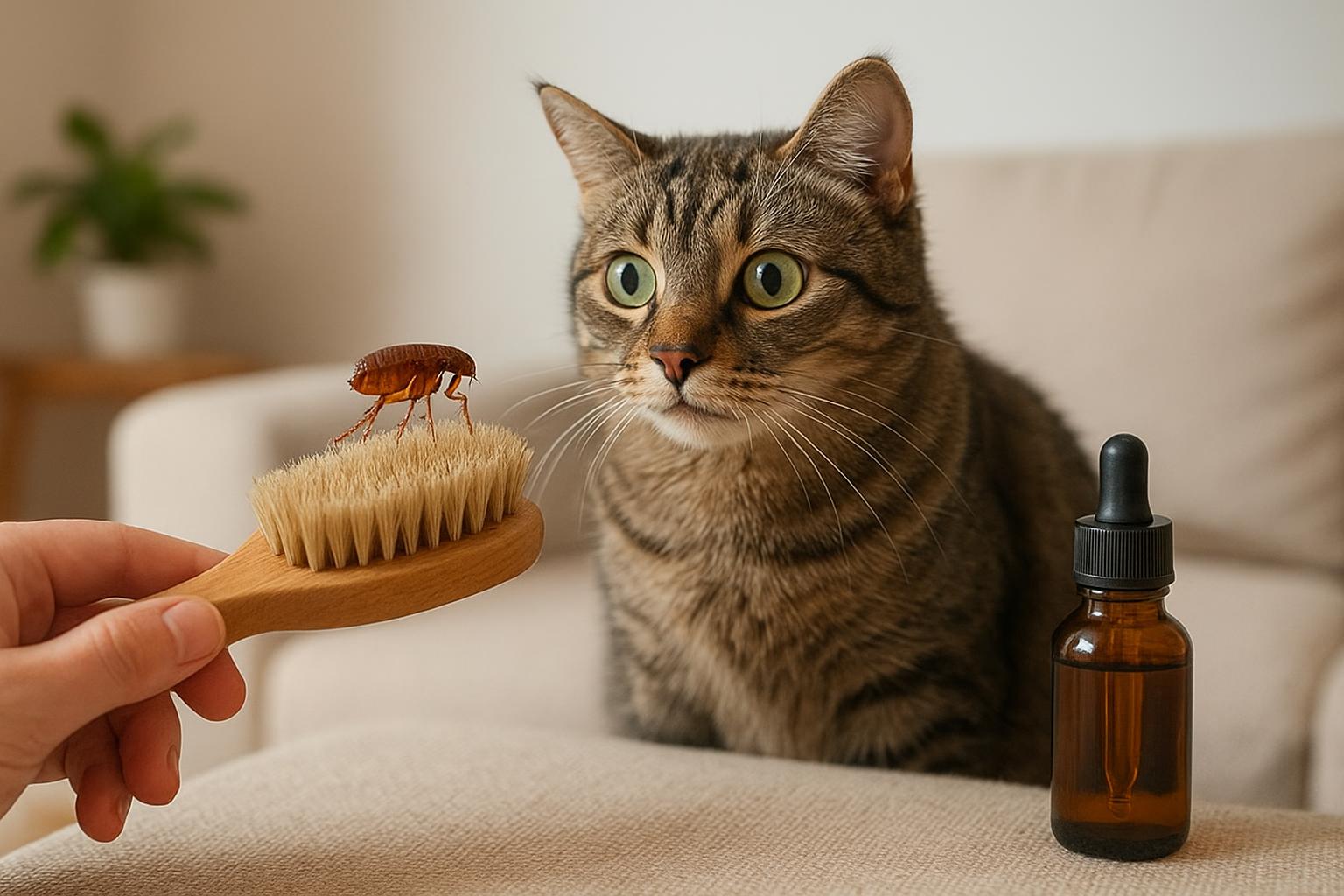
If you’ve ever found tiny, dark grains clinging to your cat’s fur and felt a twinge of suspicion (and maybe a dash of horror), you’re not alone. Those little flecks are commonly known as flea dirt — a polite term for flea feces — and while they’re not glamorous, they’re a clear sign you should pay attention to your cat’s health. Let’s unpack what these black specks really mean, how to confirm what they are, the possible health implications, and practical ways to treat both your pet and your home.
### How To Identify The Black Specks
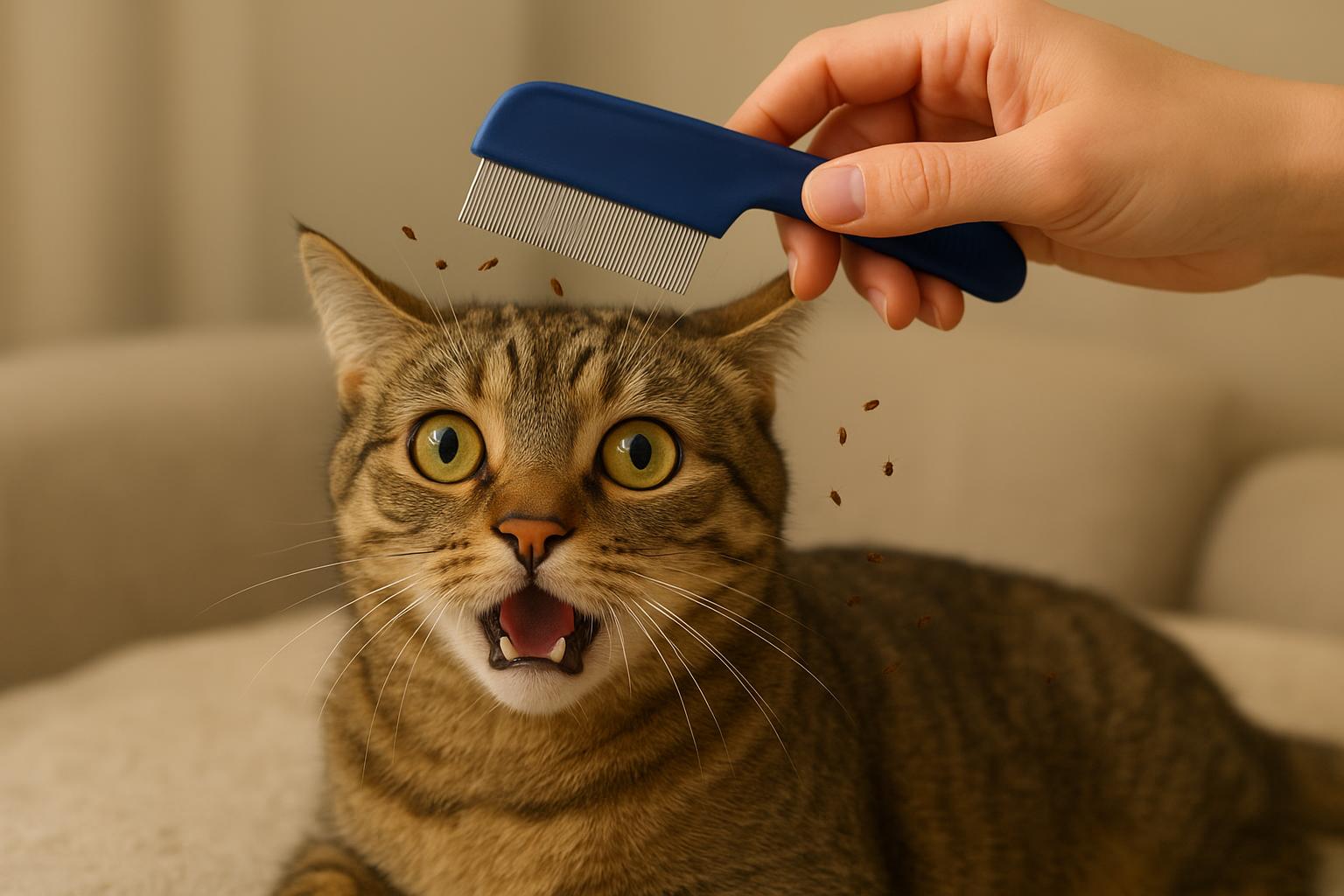
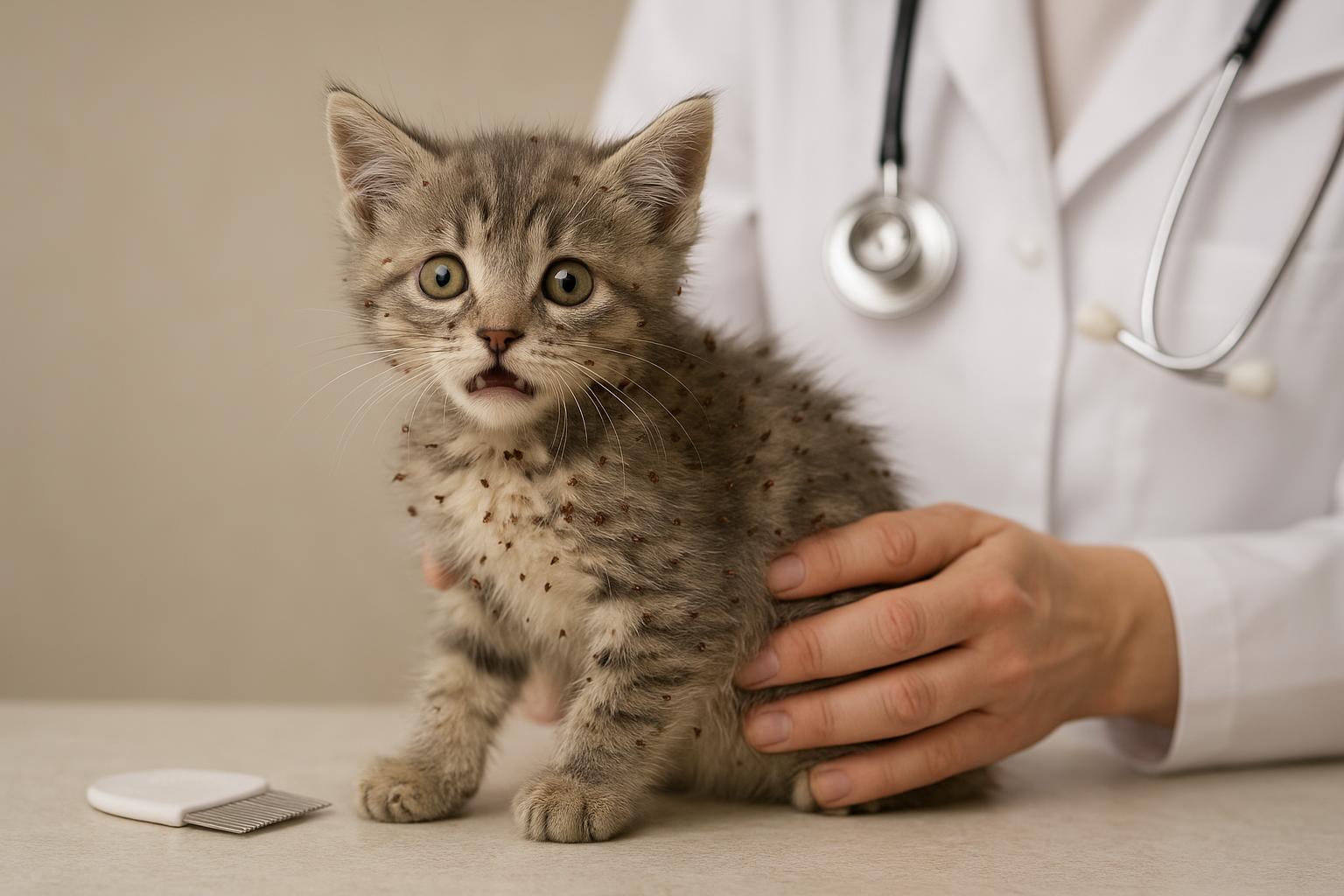
Black specks often look like tiny bits of pepper scattered across the coat, especially around the neck, base of the tail, and behind the ears. To test whether those dots are fleas’ droppings or just dirt:
– Place a few specks on a damp paper towel and press gently. If the specks dissolve into a reddish-brown stain, that’s digested blood — flea dirt. If they stay black and dry, it’s likely regular debris.
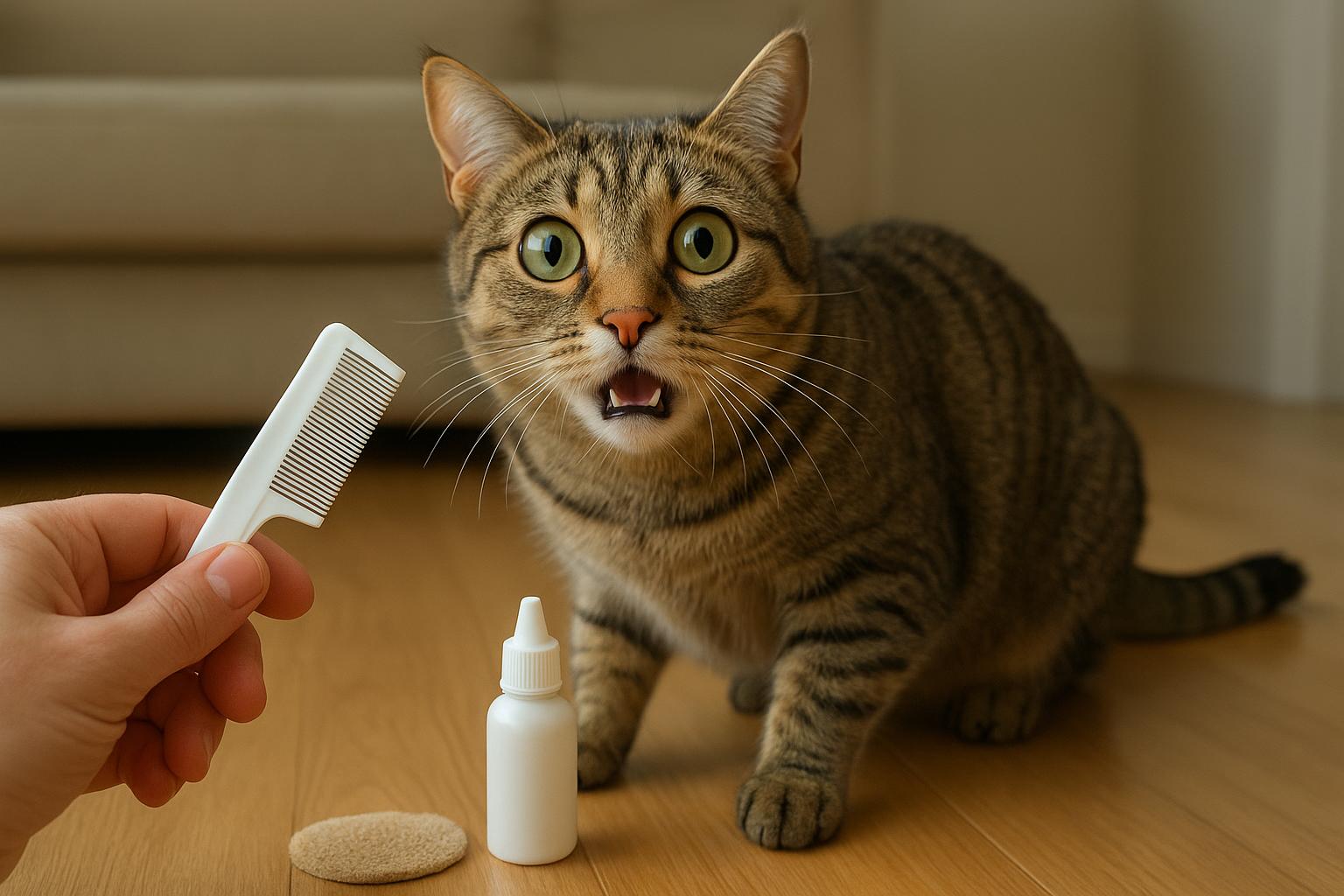
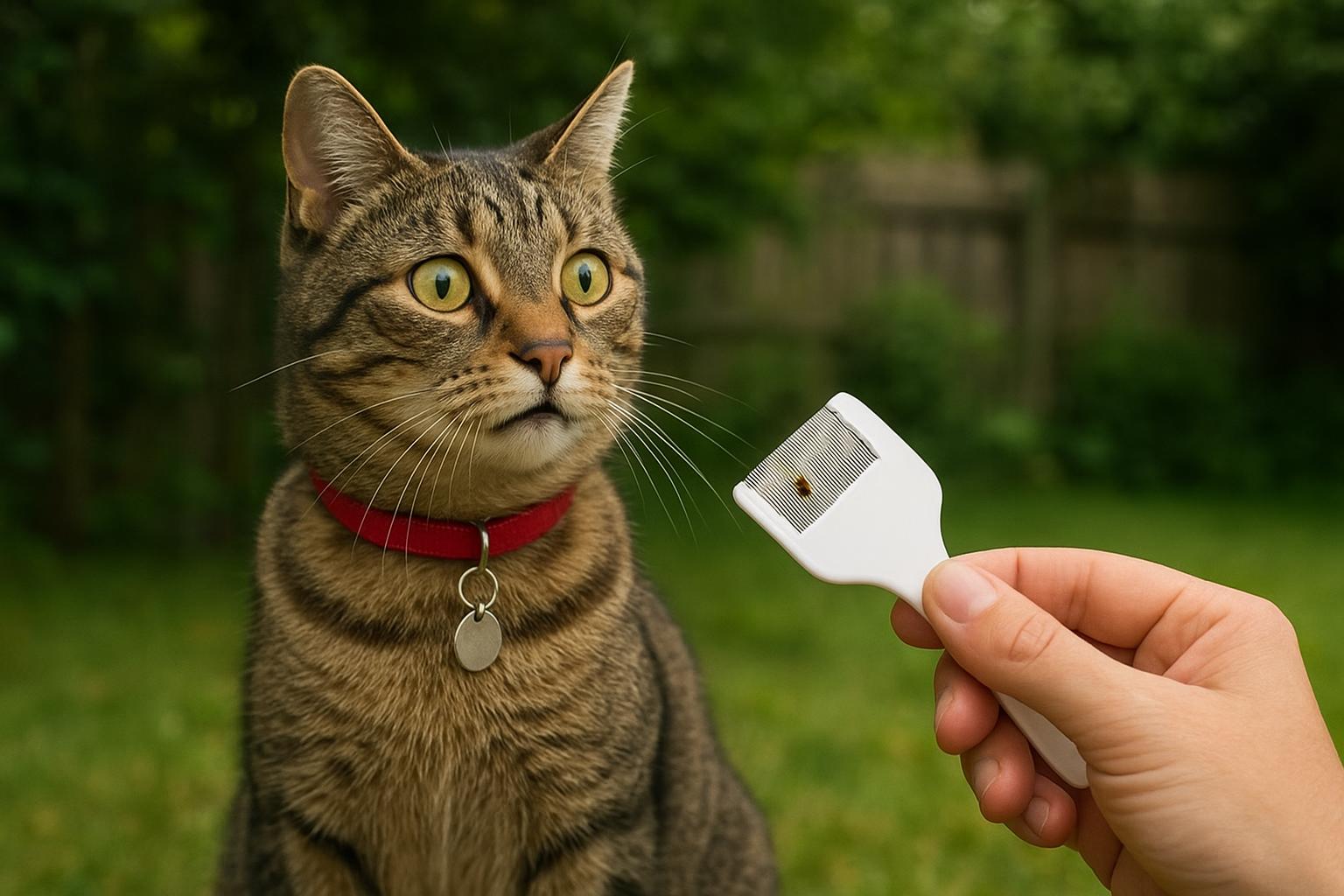
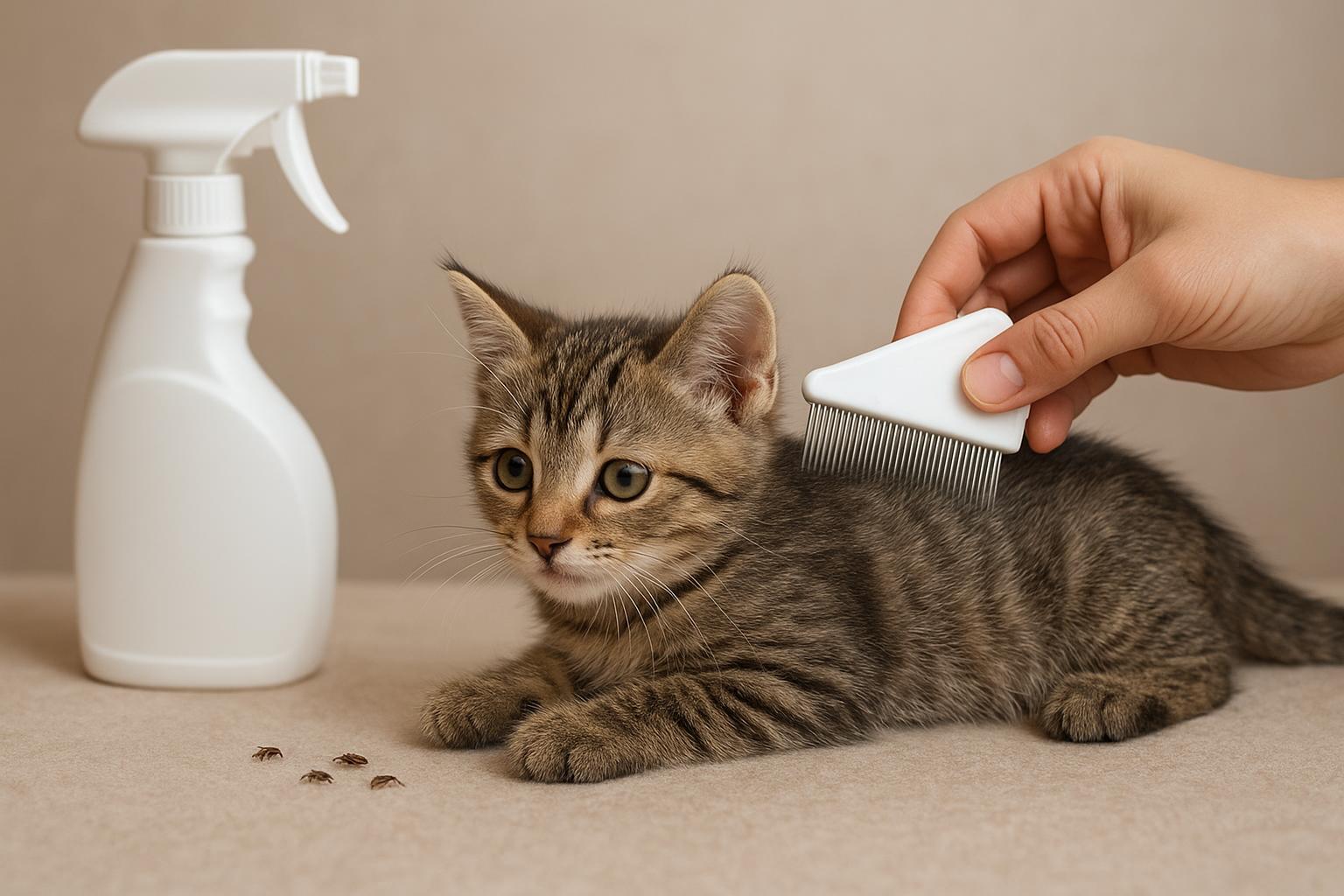
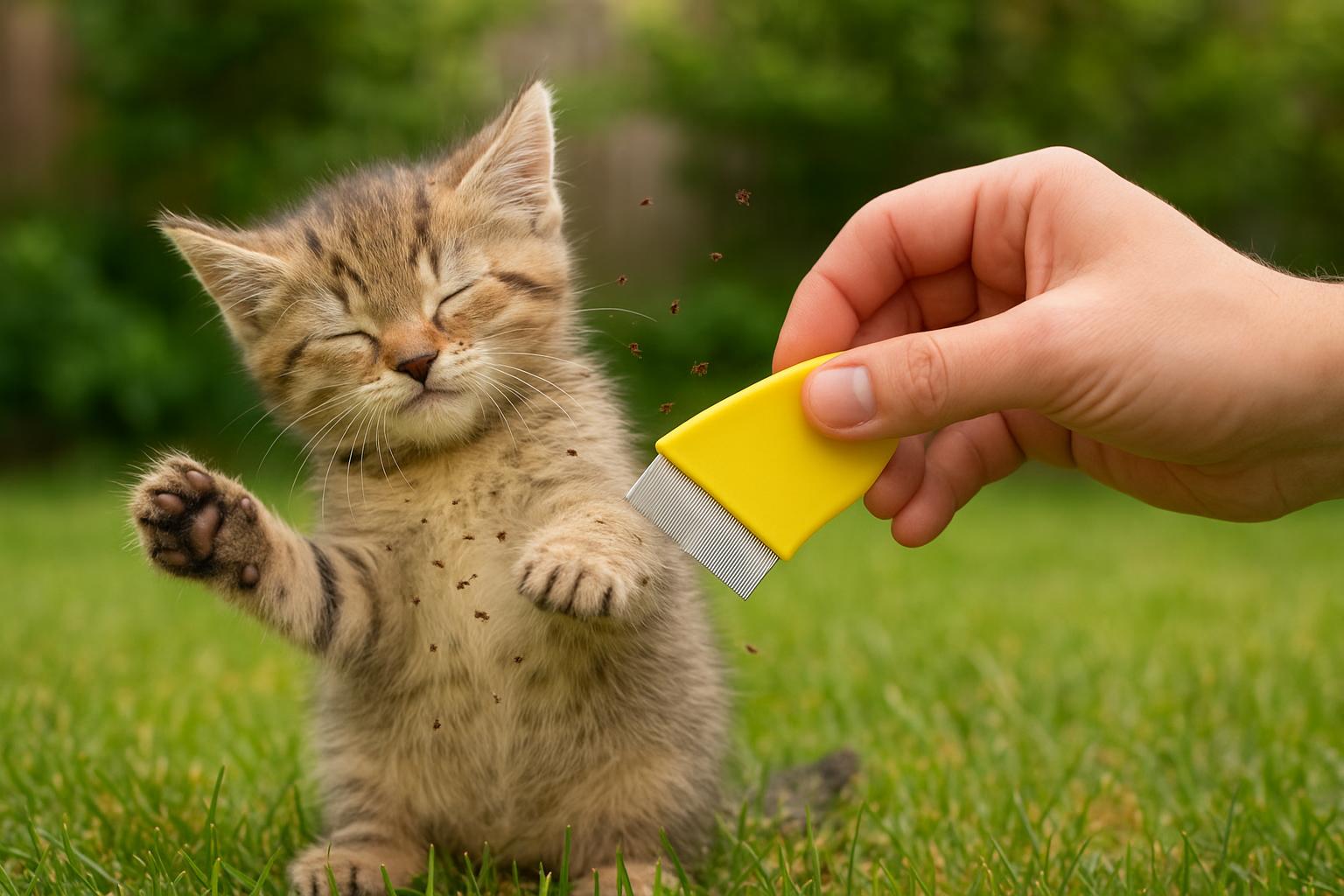
– Use a fine-toothed flea comb over a white surface (a towel or paper) to collect any particles and check the same way.
This quick check is low-stress for your cat and gives you immediate, useful information.
### Why Flea Dirt Signals A Problem
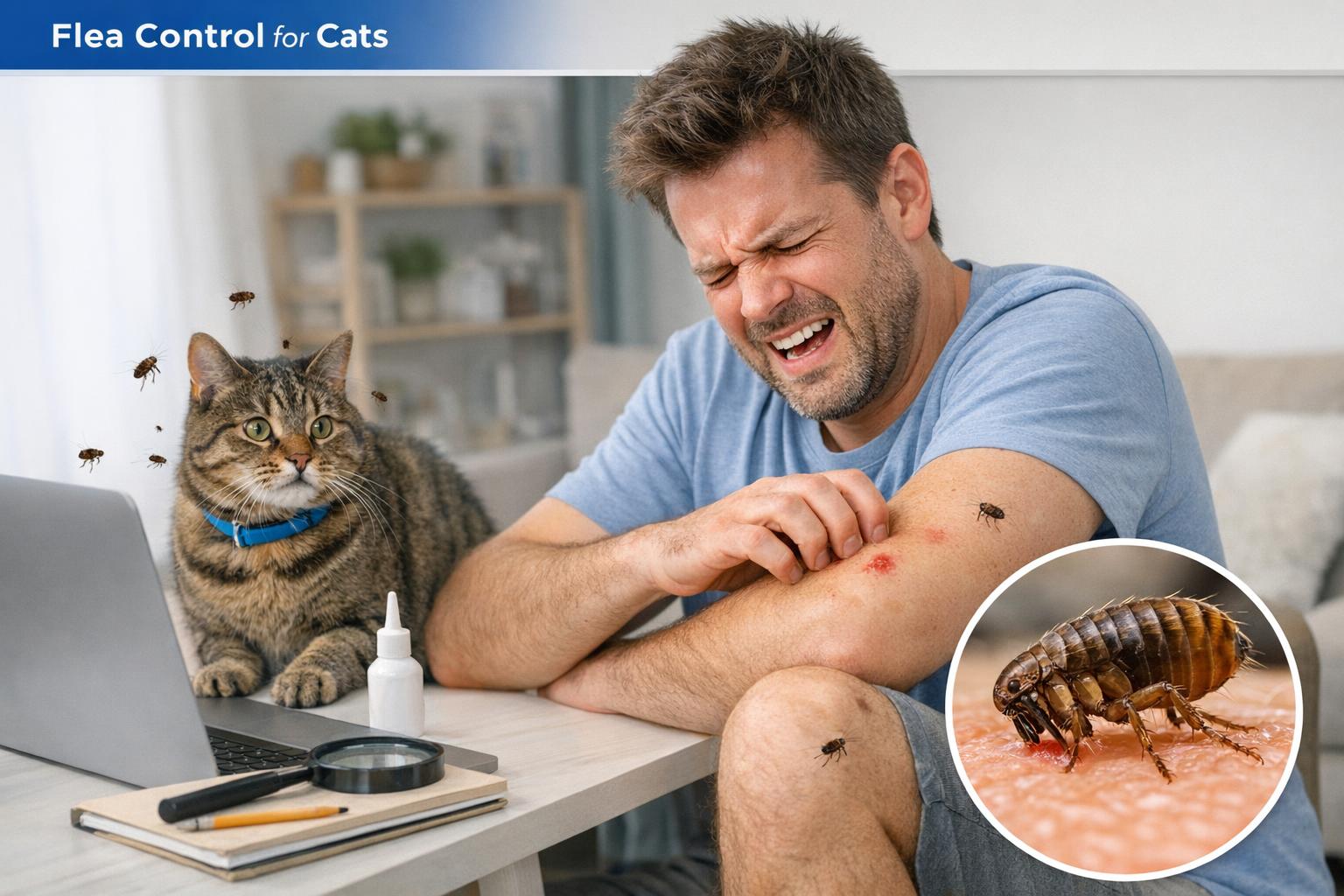
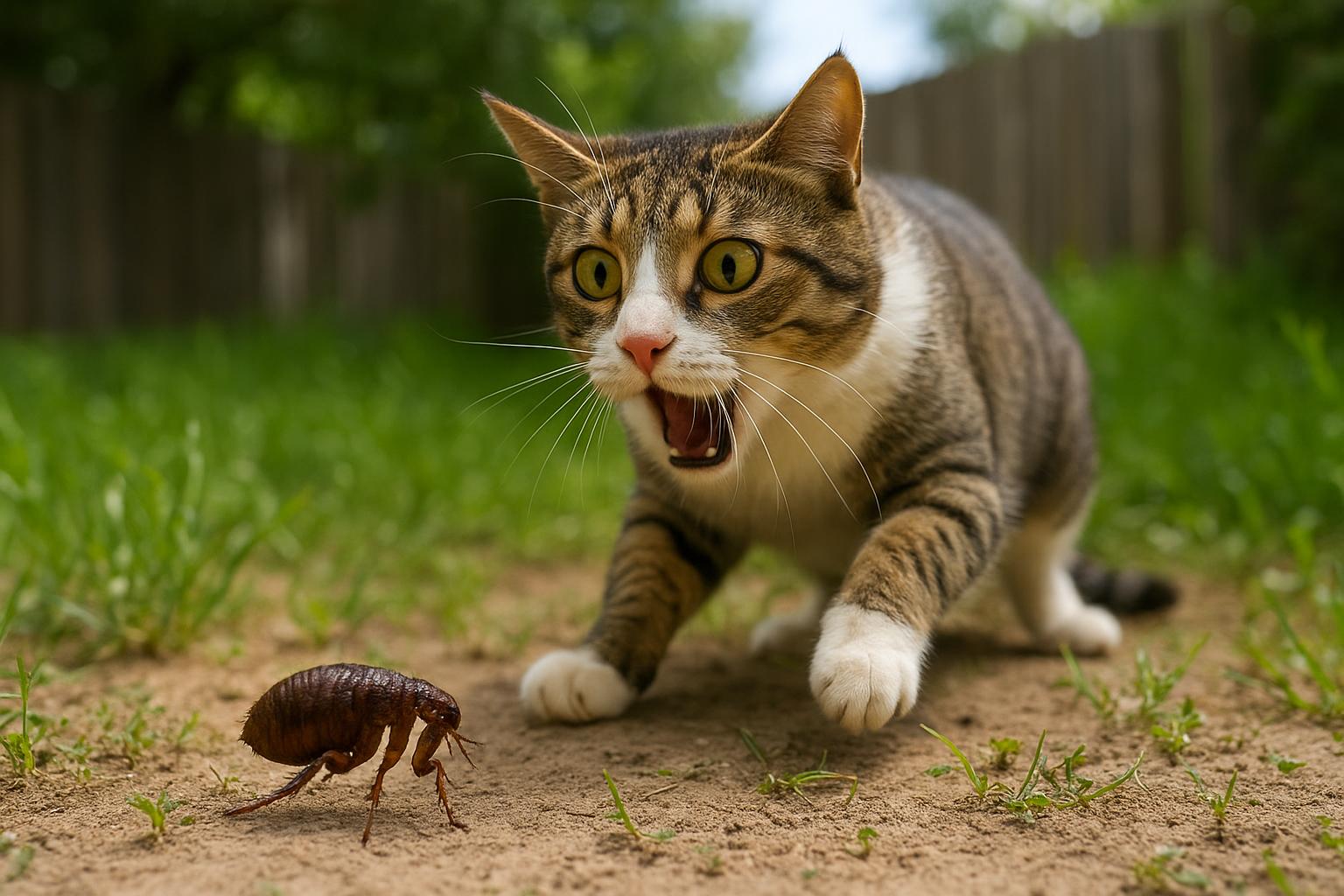
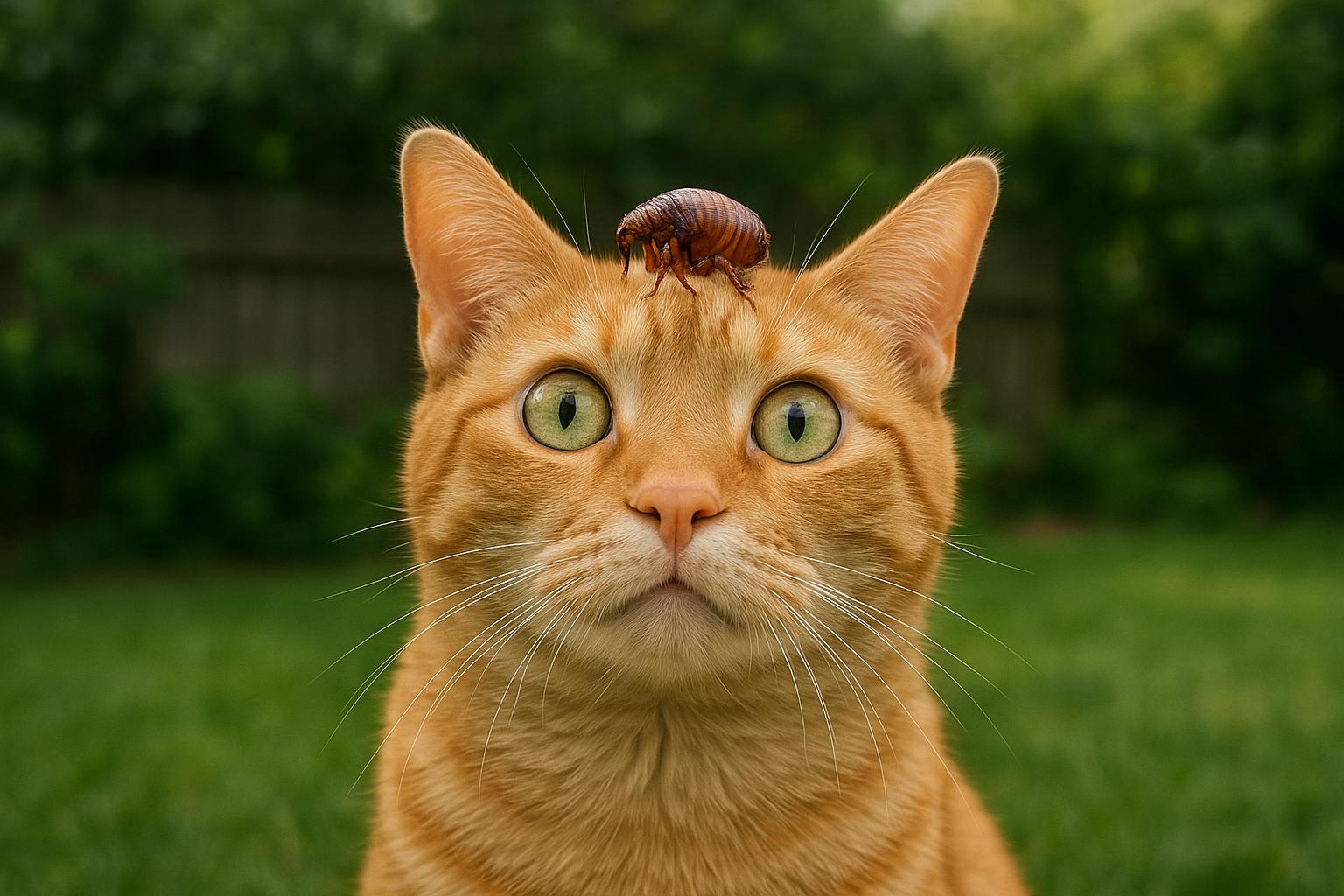
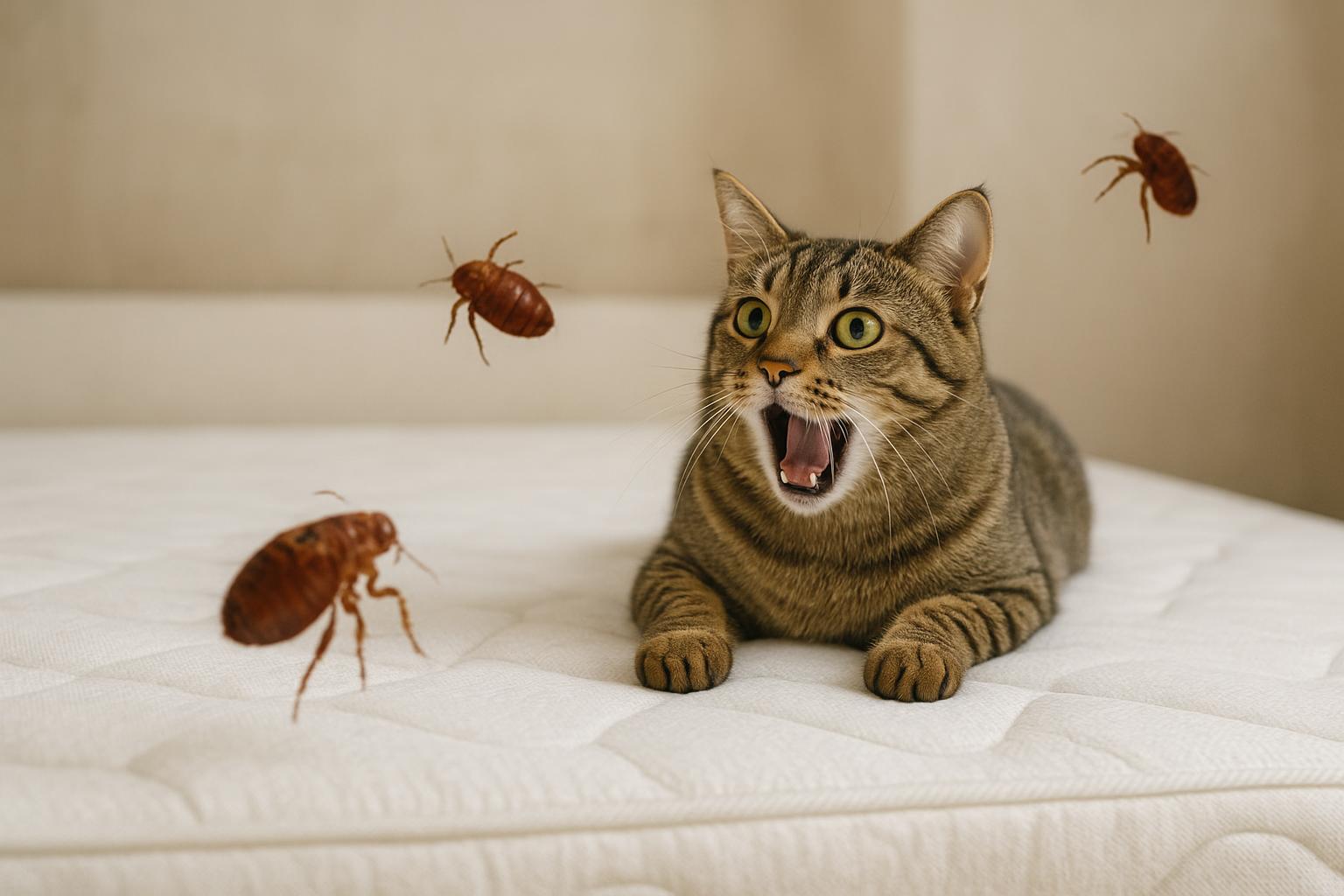
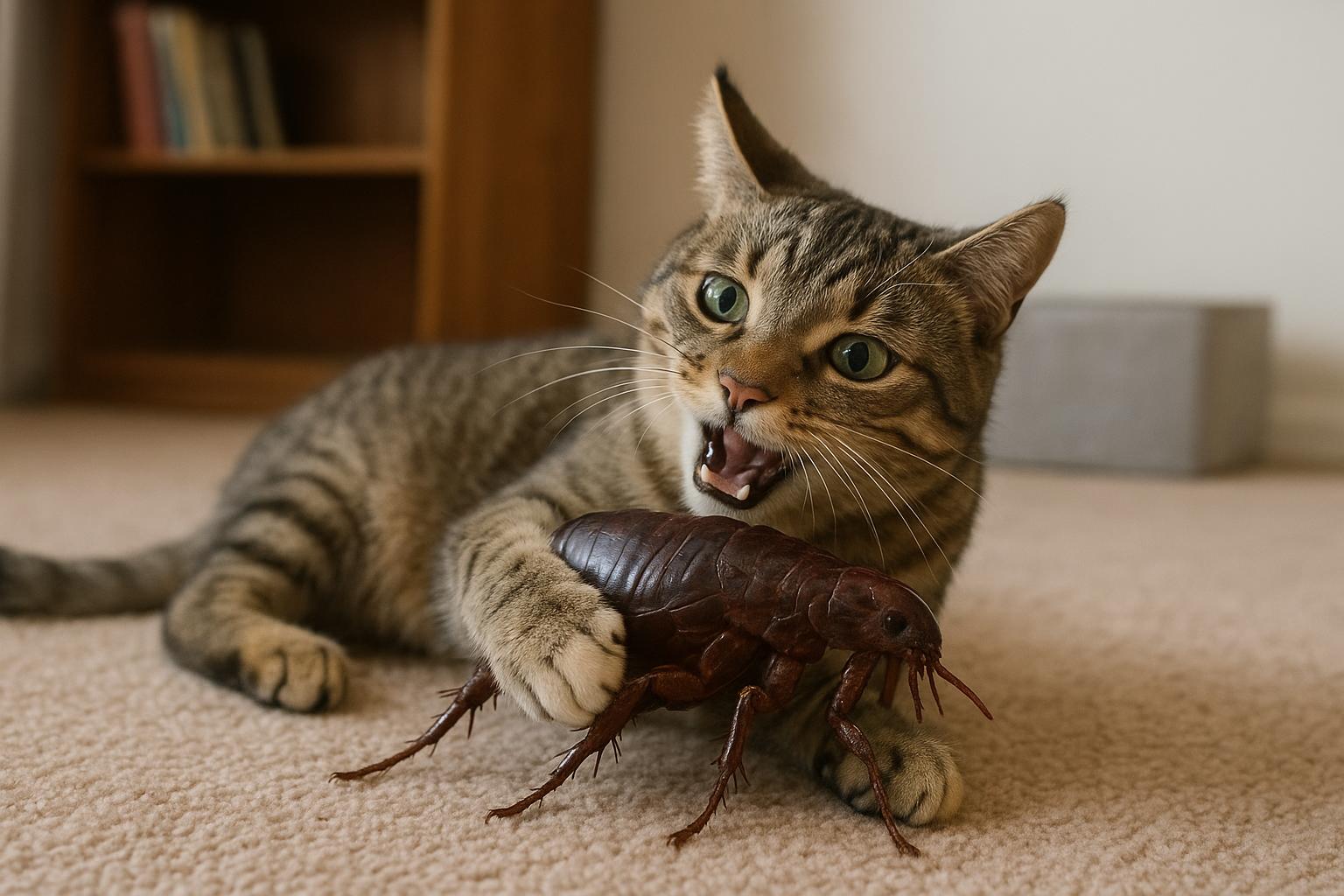
Those black specks are not just unsightly; they reveal an active flea population. Fleas feed on blood and leave behind droppings that act as a reservoir of eggs and more fleas. A few fleas can multiply rapidly — the life cycle from egg to adult can be as short as two weeks in warm conditions. For indoor cats that groom frequently, fleas can cause constant irritation and, in some cases, serious health issues like anemia (in kittens and lightweight cats) or allergic dermatitis.
### How Flea Dirt Affects Cat Health
Fleas themselves are more than an itchy nuisance. Potential problems include:
– Intense itching and hair loss from constant grooming.
– Flea Allergy Dermatitis (FAD) in sensitive cats, causing red, inflamed skin and secondary infections.
– Tapeworms: Cats ingest fleas while grooming, and fleas can carry tapeworm larvae.
– Anemia in young or frail cats if flea burden is heavy.
If you spot black specks and your cat is scratching, losing hair, or acting lethargic, schedule a vet visit promptly.
### When To See A Veterinarian
If your cat shows any signs of illness — weakness, pale gums, persistent scratching, wounds from scratching, or visible fleas in large numbers — a professional assessment is warranted. Your vet can test for anemia, recommend safe flea control products, check for secondary skin infections, and prescribe appropriate medications. Don’t attempt strong treatments without guidance for kittens, pregnant cats, or cats with existing health conditions.
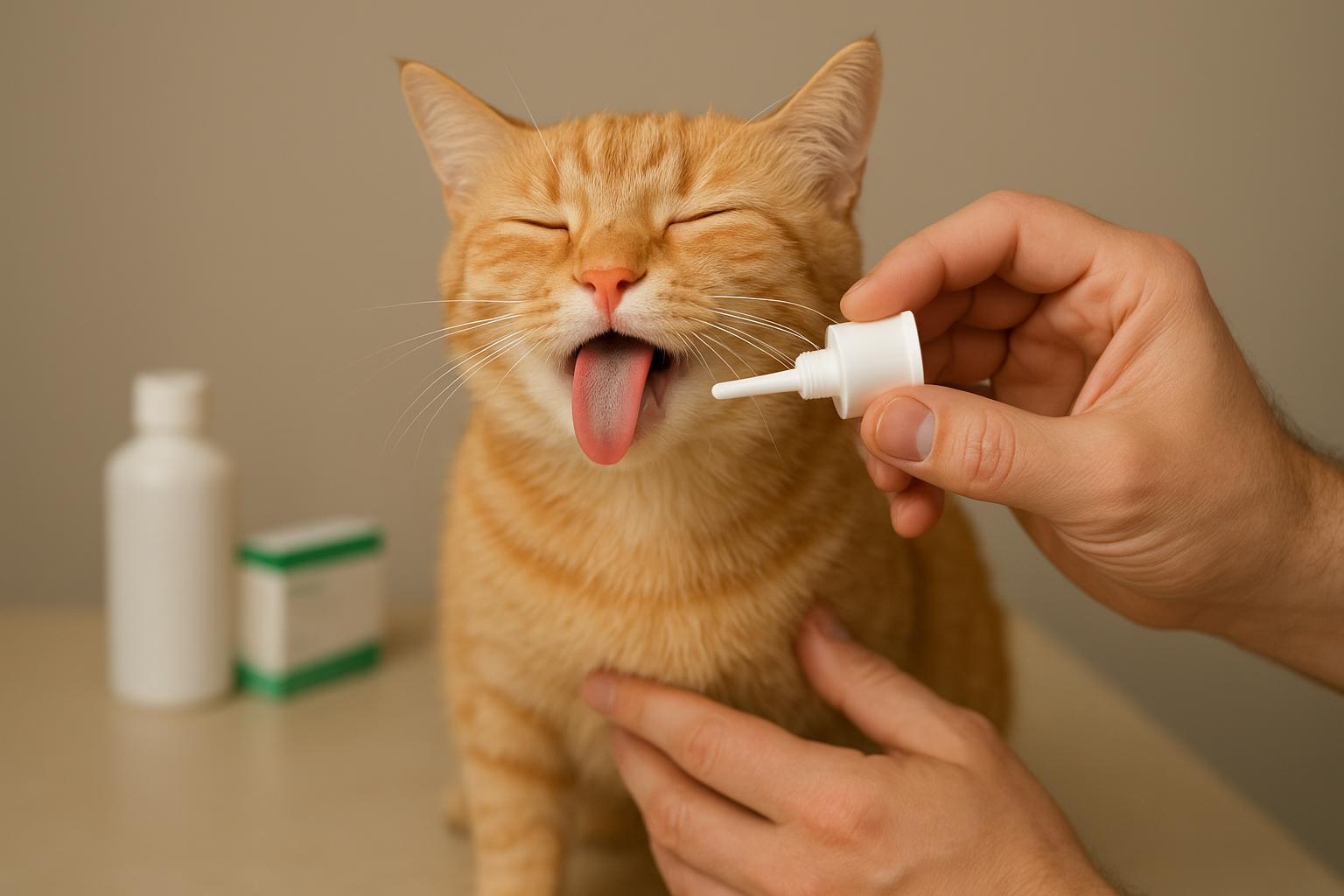
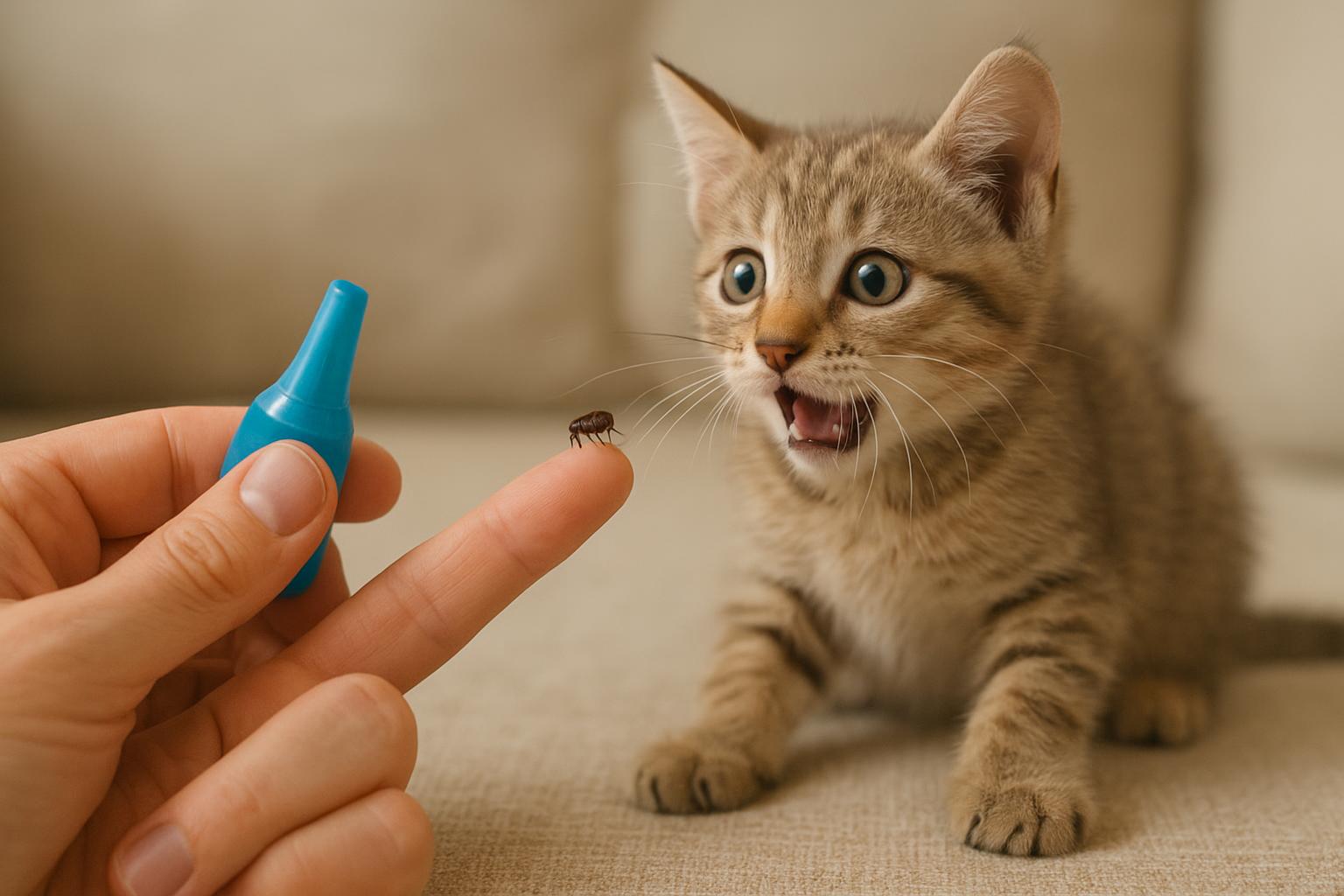
### 1 Remedy: Topical Or Oral Veterinary Flea Treatment (Professional Standard)
This is the primary remedy most veterinarians recommend. It’s evidence-based, effective, and safer than many DIY alternatives when used correctly.
Required Materials
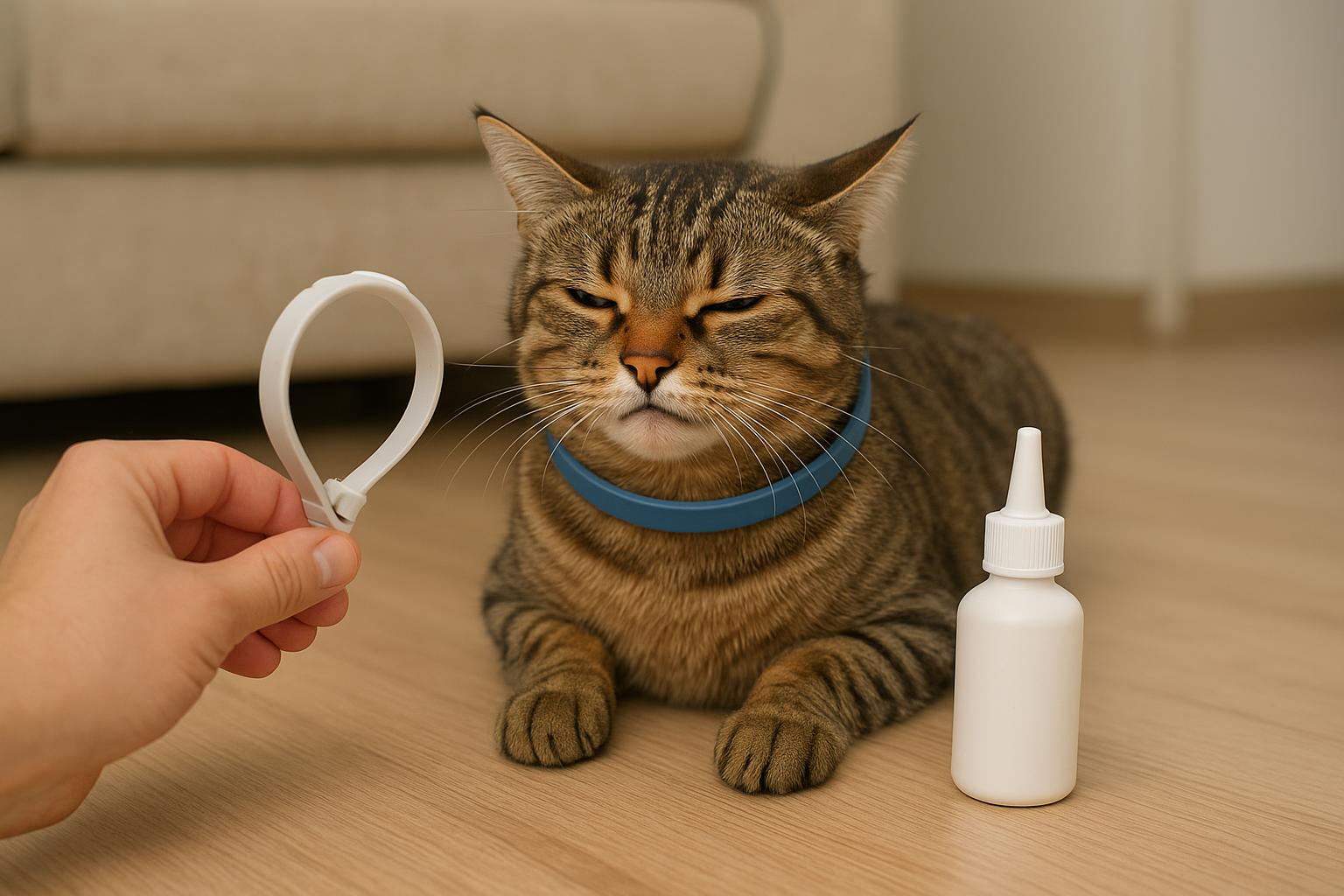
1. Veterinary-recommended topical flea medication (e.g., fipronil, selamectin, or imidacloprid combinations) or oral flea tablet prescribed by a vet.
2. Clean towel.
3. A quiet, calm space for application.
4. Record-keeping tool (calendar or phone reminder).
Step-By-Step Application
1. Confirm Product Suitability: Bring your cat’s weight, age, and medical history to your vet. Do not use dog products on cats.
2. Prepare The Cat: Gently restrain your cat in a calm room. Have the towel handy to wrap them if needed.
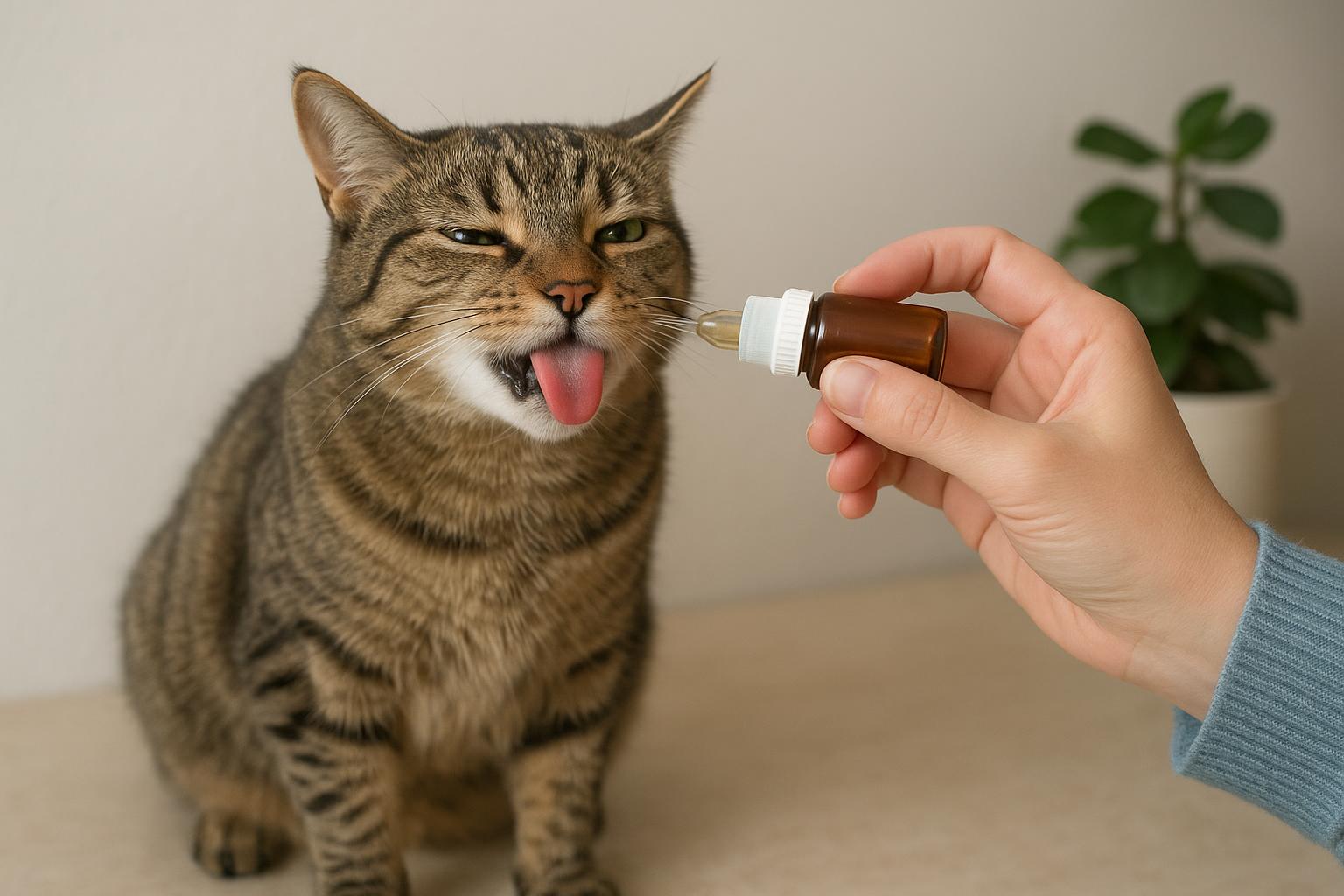
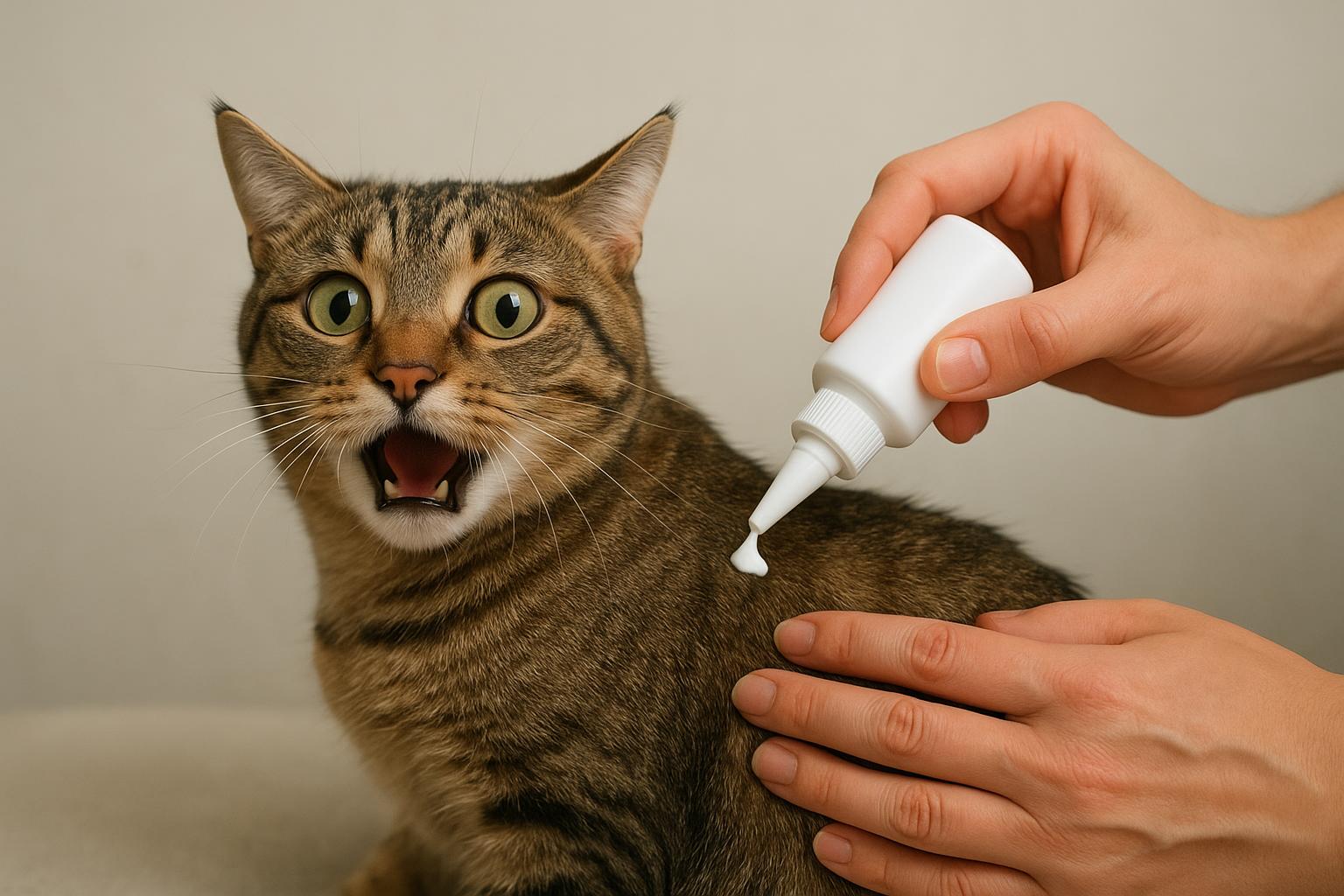
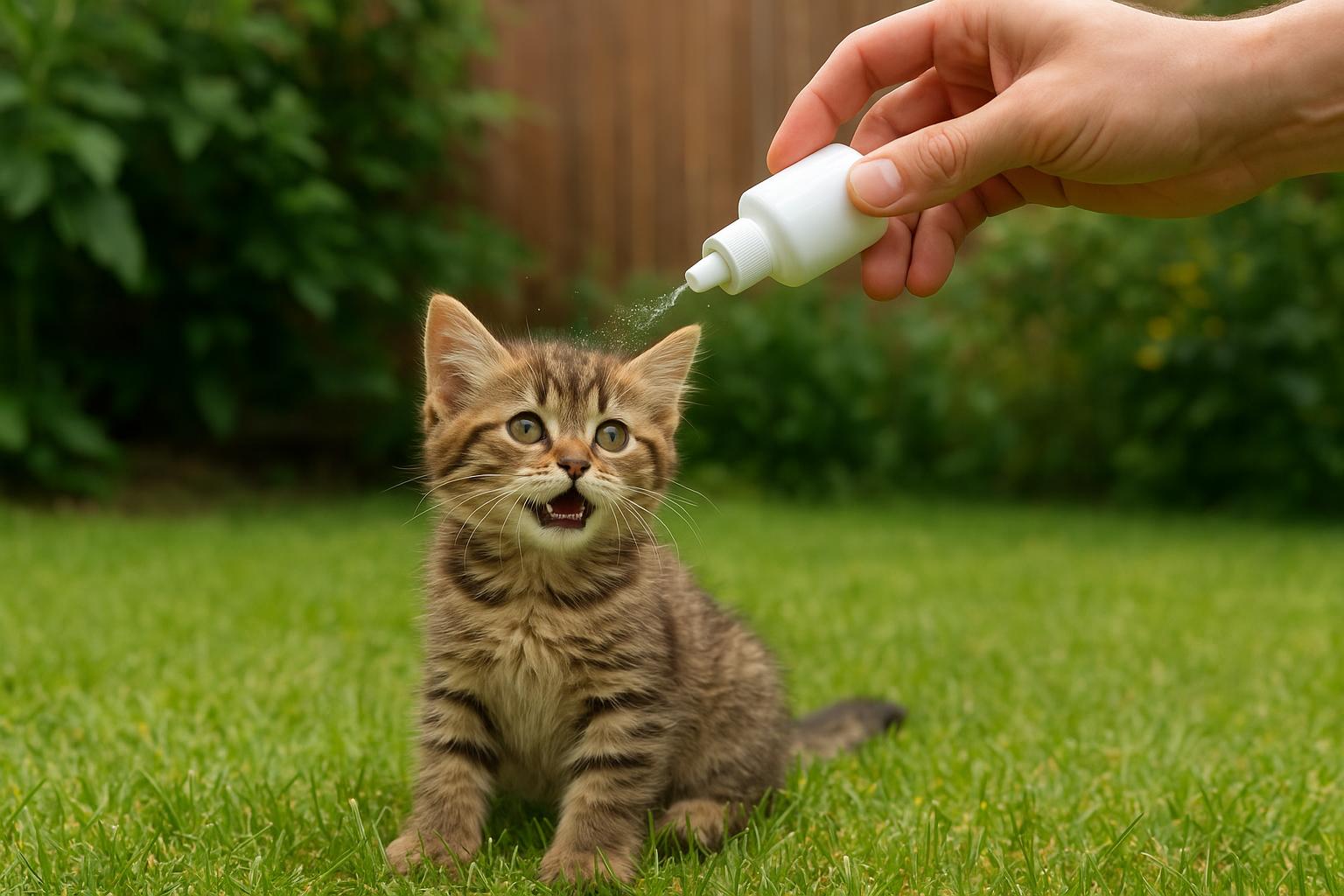
3. Apply Topical Correctly: Part the fur at the base of the skull until you see skin. Apply the full dose directly on skin, not on fur. Do not bathe for 48 hours before or after application unless instructions say otherwise.
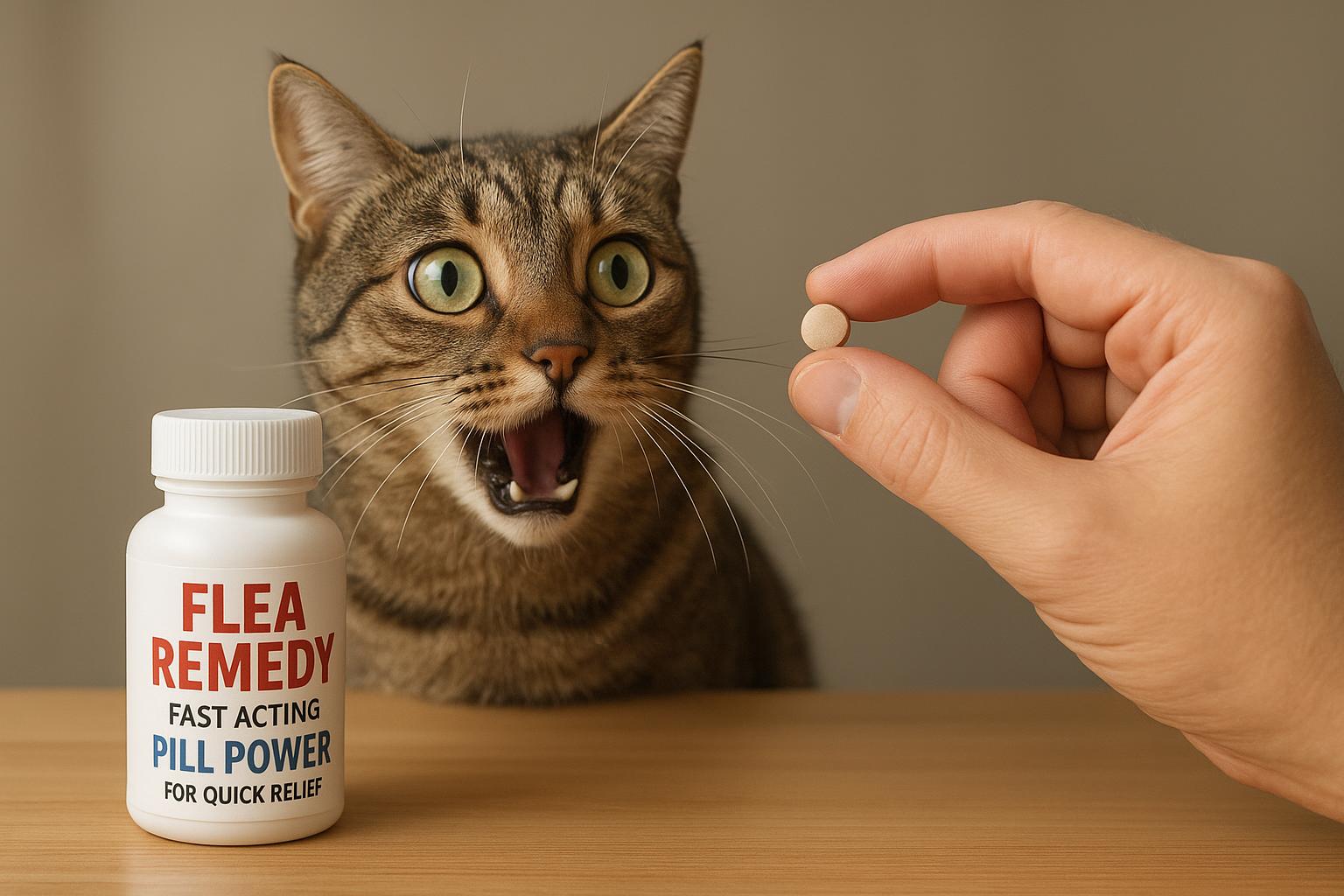
4. For Oral Medications: Follow vet dosage exactly. Offer with or without food per product guidelines. Monitor for vomiting or unusual behavior for 24 hours.
5. Track Doses: Set reminders for monthly or as-prescribed dosing. Record each application date.
6. Evaluate Efficacy: Check the coat and behavior over the following two to four weeks; flea feces should decrease as fleas are eliminated.
These prescription or over-the-counter options are the most reliable way to remove fleas and stop the cycle that creates those black specks.
### 2 Remedies: Environmental Control And Home Cleaning (Numbered)
Cleaning your home is equally important. Flea eggs, larvae, and pupae live in carpets, bedding, and upholstery, so treating your cat without treating the environment sets you up for re-infestation.
Required Materials
1. High-powered vacuum cleaner (bagged or bagless with a disposable canister).
2. Hot-water-capable washer and dryer.
3. Flea spray or fogger labeled for home use, or an environmental insect growth regulator (IGR) like methoprene or pyriproxyfen.
4. Stiff brush for upholstered furniture and matting.
5. Garbage bags for disposing of vacuum contents and bedding.
Step-By-Step Cleaning Protocol
1. Gather Bedding: Remove all pet bedding, blankets, and any washable items the cat uses. Wash in the hottest water safe for the fabric and dry on high heat for at least 30 minutes.
2. Vacuum Thoroughly: Vacuum carpets, rugs, furniture, baseboards, and under furniture. Pay special attention to areas where the cat sleeps. Use attachments to get into crevices. Vacuum daily for at least two weeks.
3. Dispose Vacuum Contents: Immediately place vacuum bags or canister contents into sealed garbage bags and discard outside the home to prevent any surviving stages from escaping.
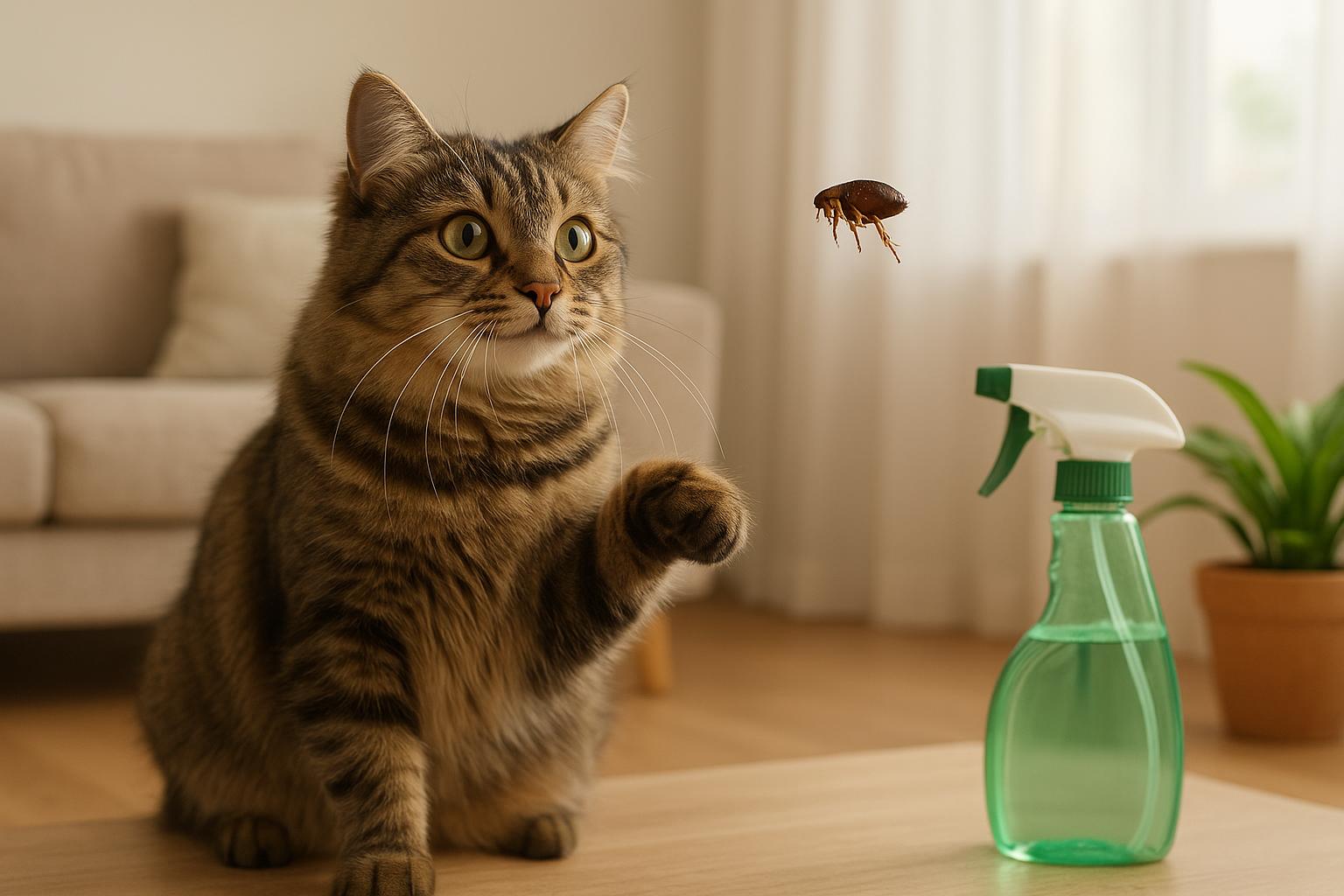
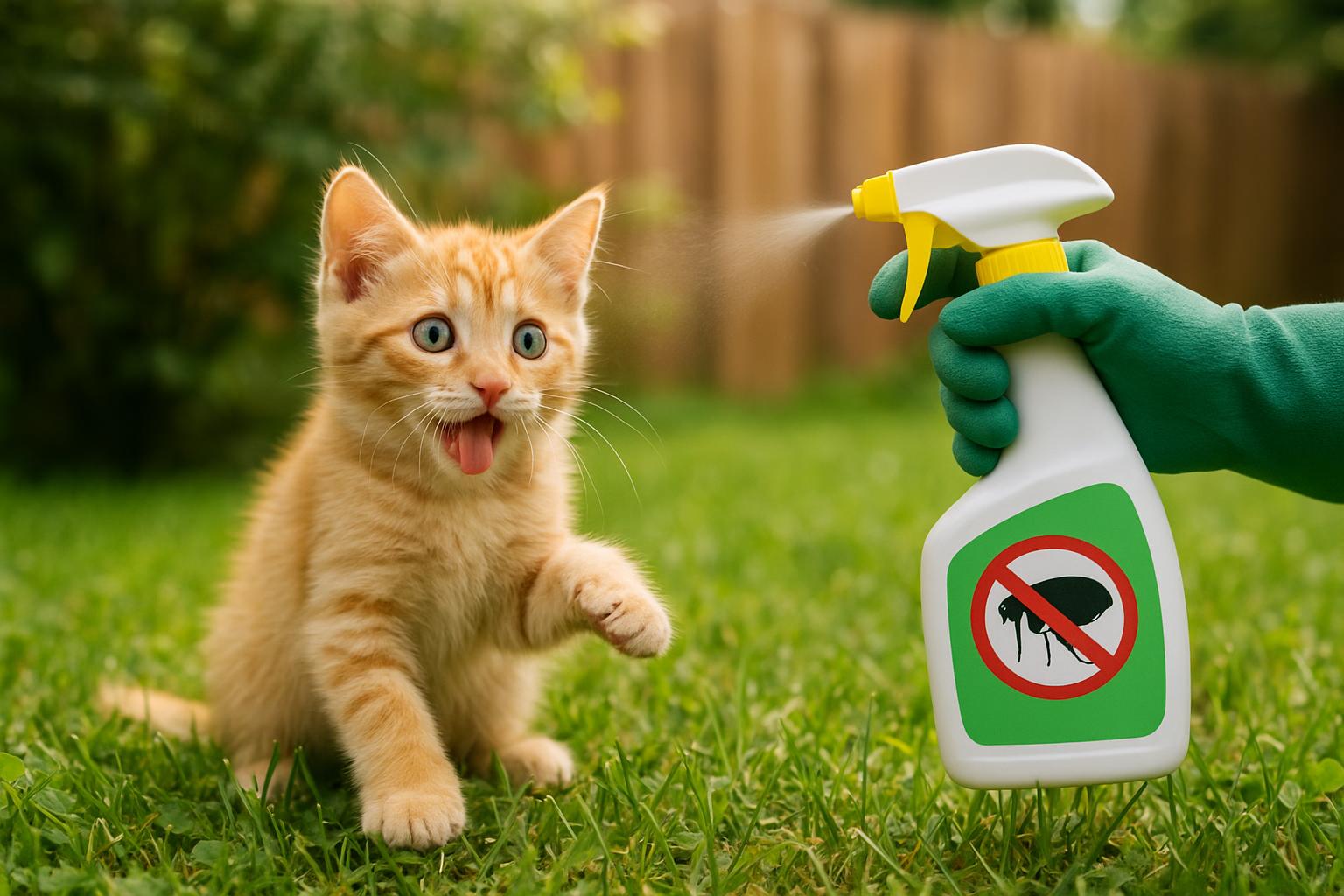
4. Treat Non-Washables: For cushions, mattresses, and carpets, use a household flea spray or fogger with an IGR, following label instructions precisely. Keep pets and children out of treated areas for the recommended time.
5. Repeat Treatment: Environmental products often require repeat application per label — typically every two weeks until you stop finding signs of fleas.
6. Consider Professional Pest Control: If infestation persists despite diligent cleaning and proper pet treatment, hire a licensed exterminator experienced with flea control.
Apply these methods systematically to break the flea life cycle that leaves behind the notorious black specks.
### How To Prevent Future Flea Dirt And Infestations
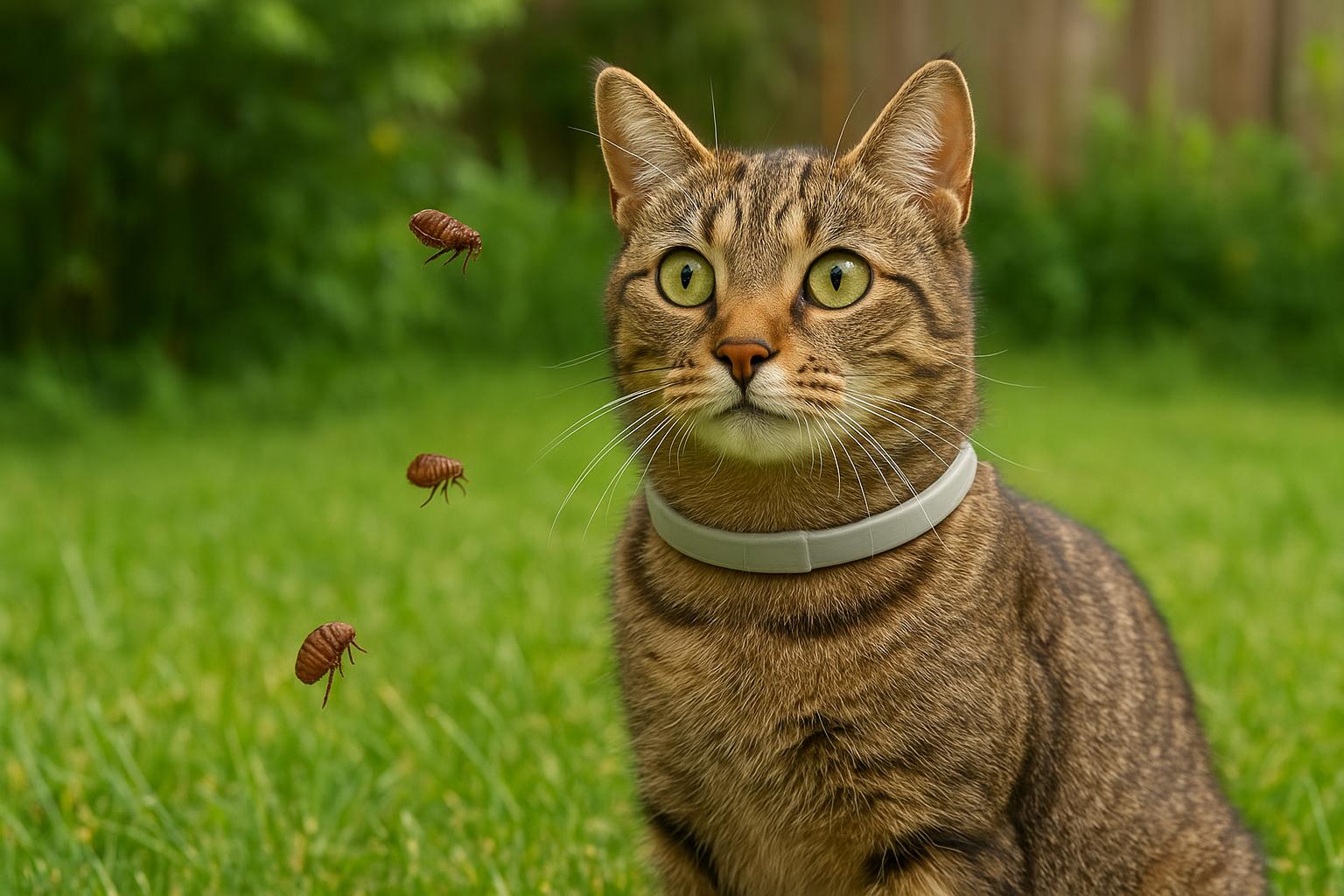
Preventing those black specks is mostly about consistent treatment and lifestyle habits. Use year-round flea prevention if you live in a warm climate or if your cat goes outdoors. Regularly check under the belly, around the tail, and in folds of skin. Keep outdoor yards tidy — mowing, leaf-raking, and minimizing brush can reduce flea habitat. If you have multiple pets, treat them all simultaneously; fleas don’t care which cat is the host.
#### What Not To Do
Don’t use garden insecticides on pets. Avoid older home remedies with limited evidence (e.g., essential oil washes) without vet approval, as many are toxic to cats. Never apply dog flea products to cats. If a DIY idea sounds extreme or if it’s not vet-recommended, skip it.
### Signs The Problem Is Improving
Once you’ve applied a vet-approved flea treatment and cleaned the home, expect to see fewer bites, less scratching, and a reduction in black specks within a week or two. Residual eggs may hatch, so vigilance and follow-up treatments are crucial. If black specks persist after a full month of correct treatments and environmental control, return to your veterinarian for reassessment.
Keep an eye on your cat’s comfort and coat. A little pepper-like black specks are an easy diagnostic clue — and now you’ve got a clear plan to address them, keep your cat healthy, and restore peace to the household.


























Leave a Reply