

A Formal Guide To Understanding Fleas In Cats At Home Safely
## Why Understanding Fleas Matters In Your Home
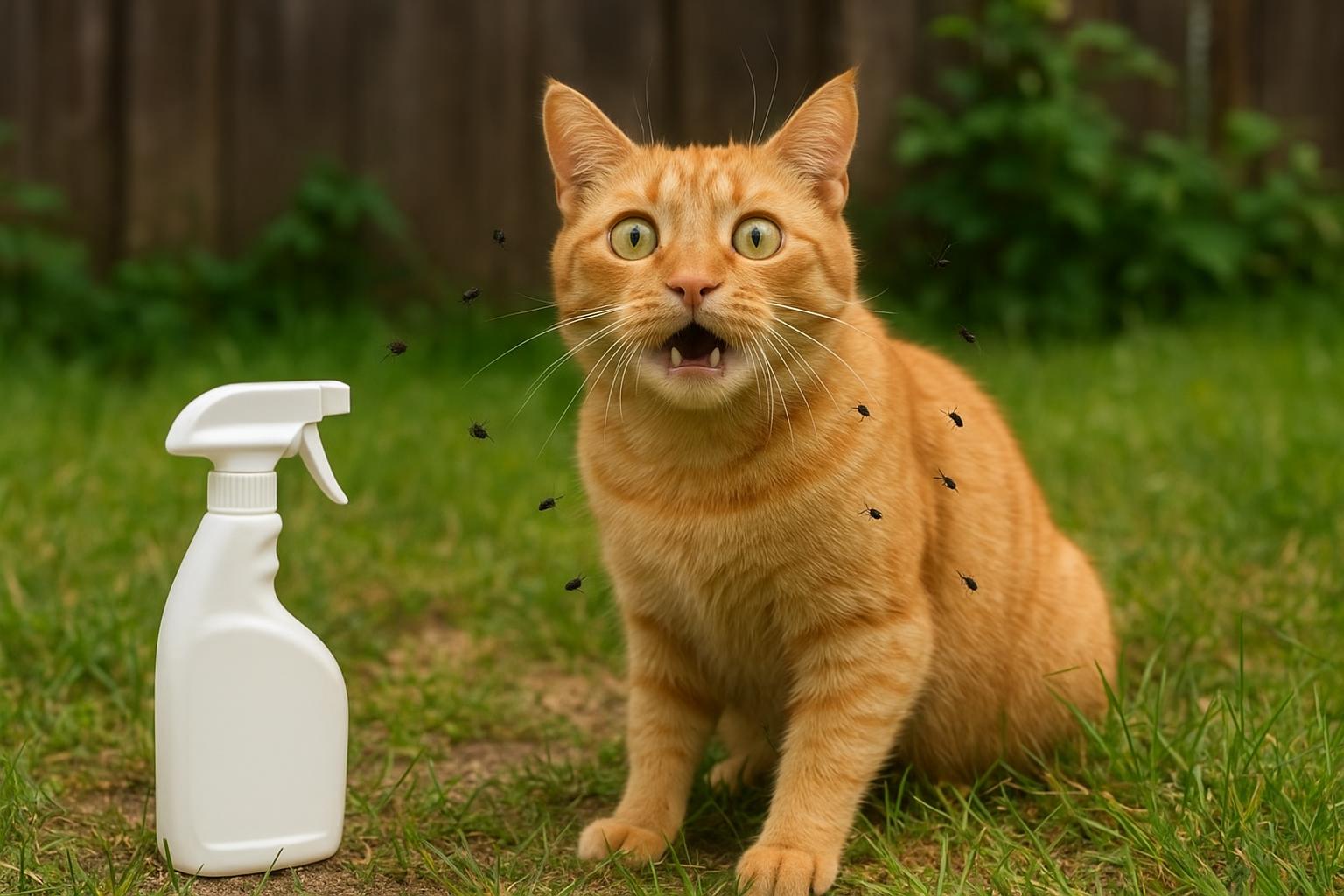
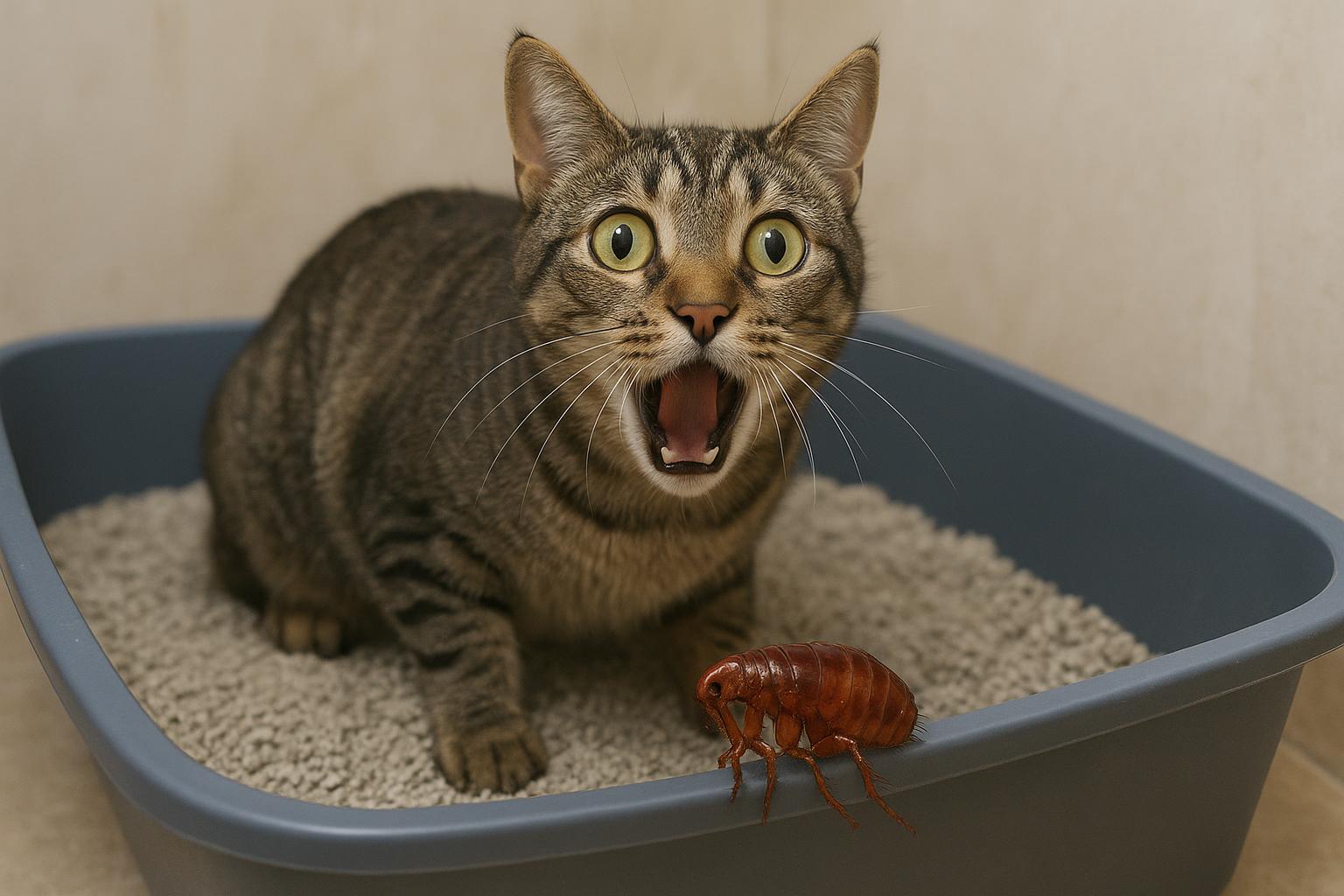
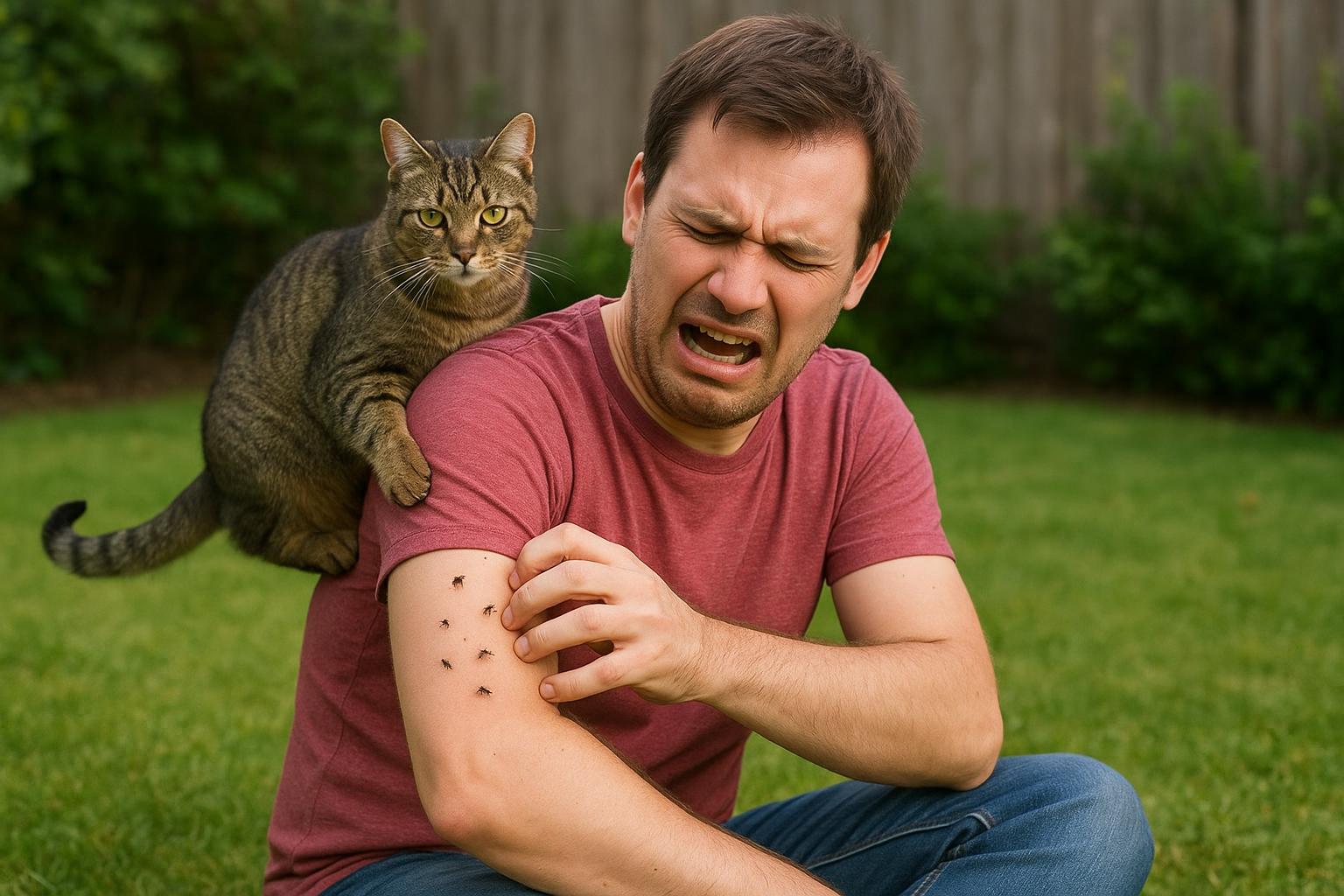
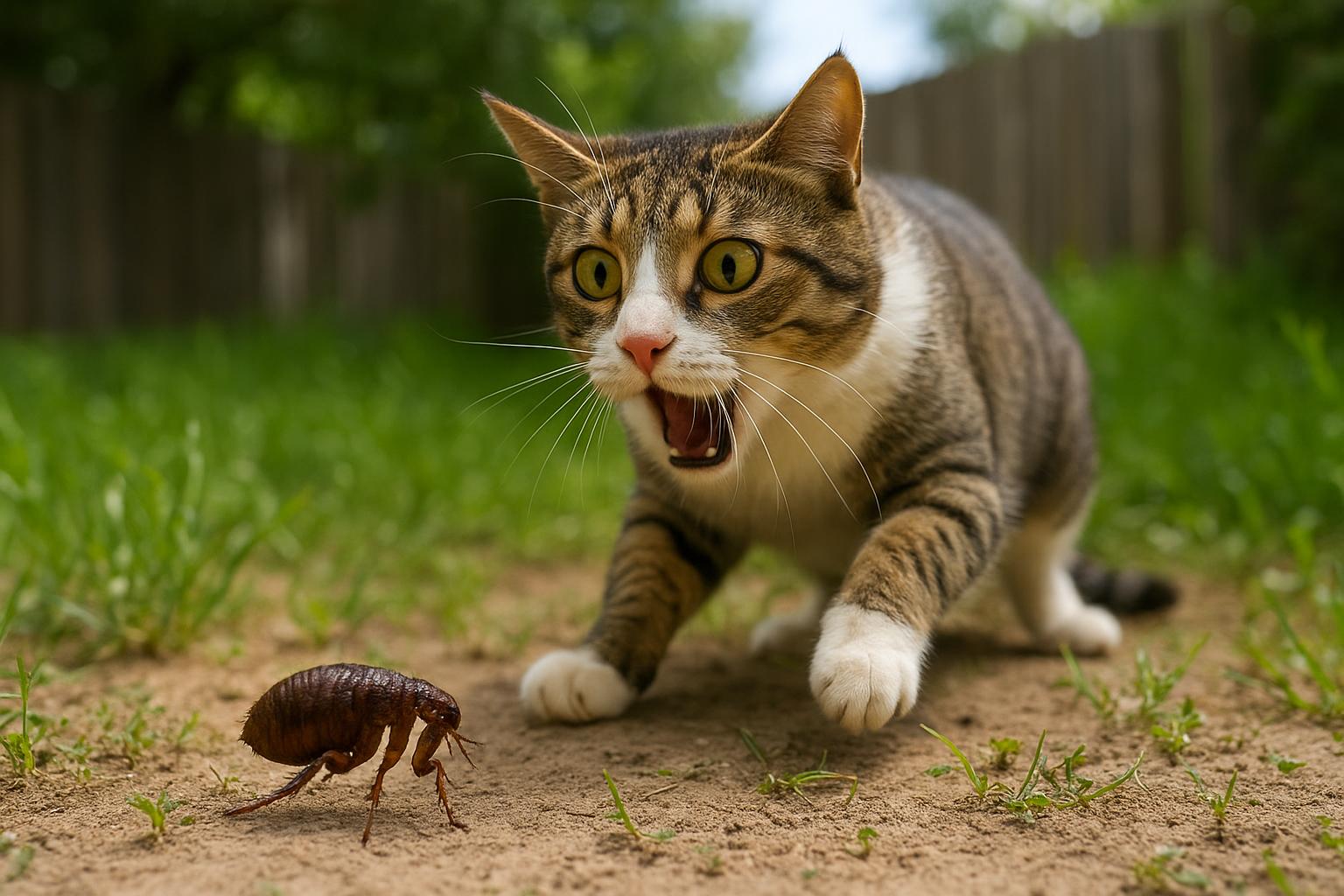
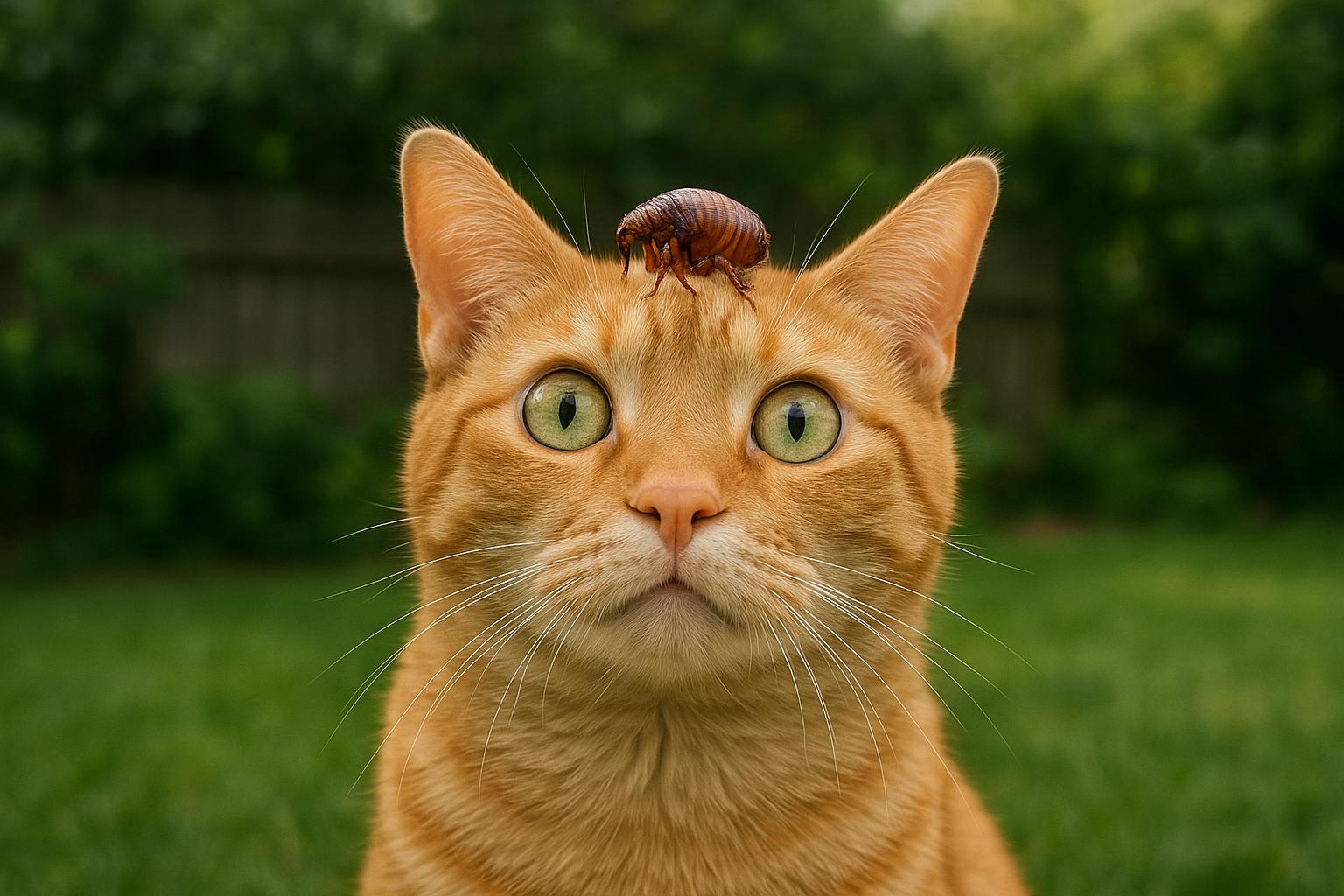
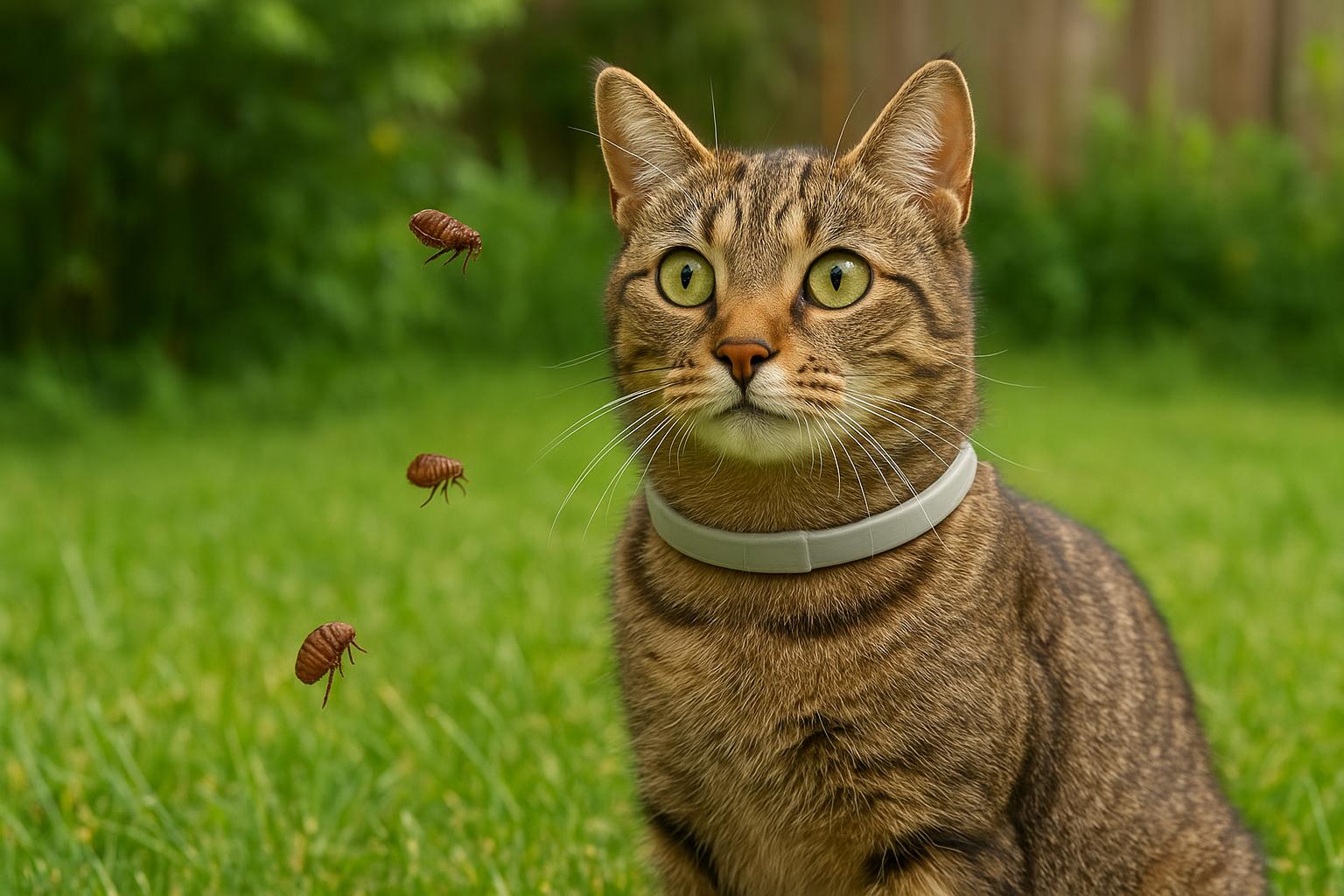
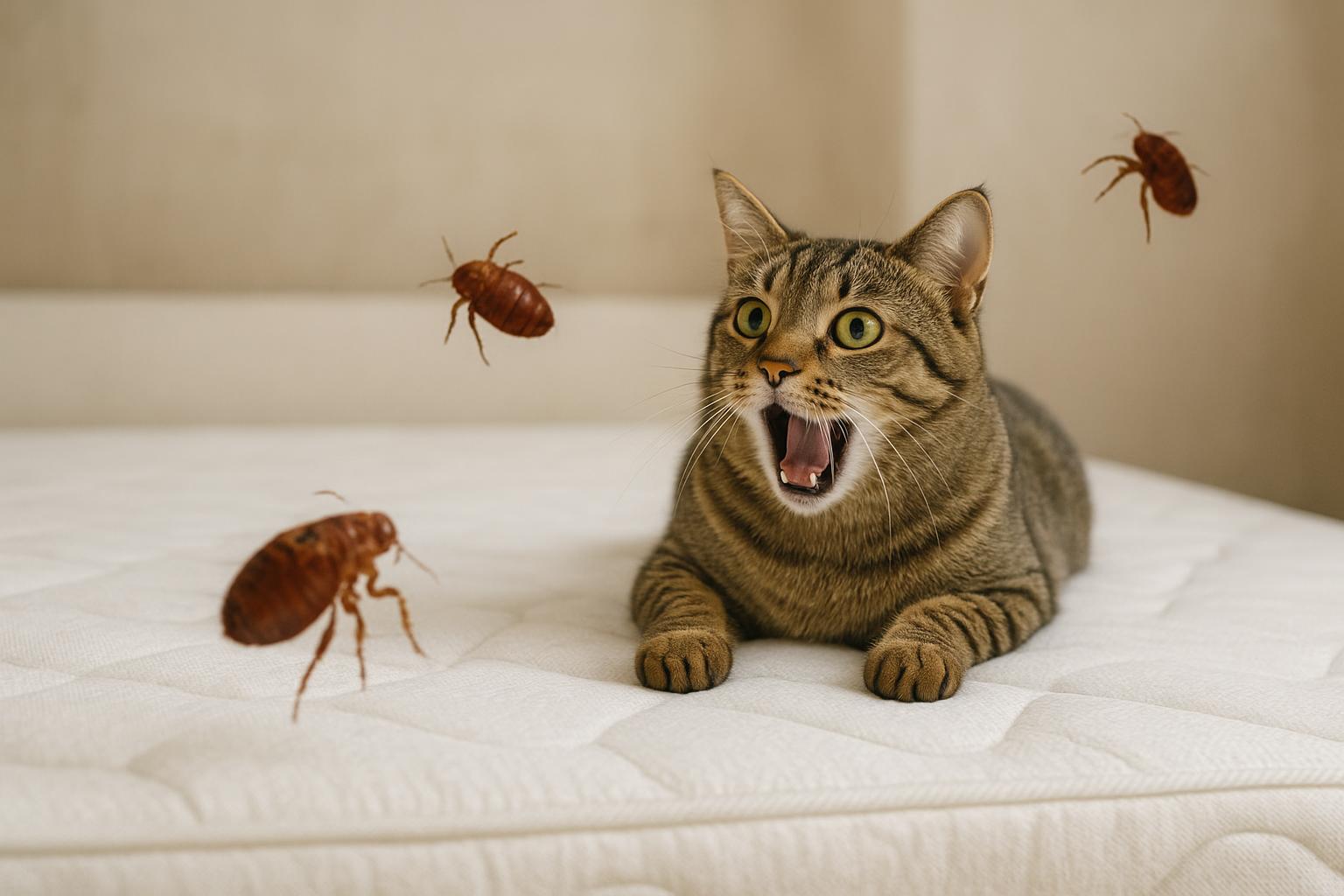
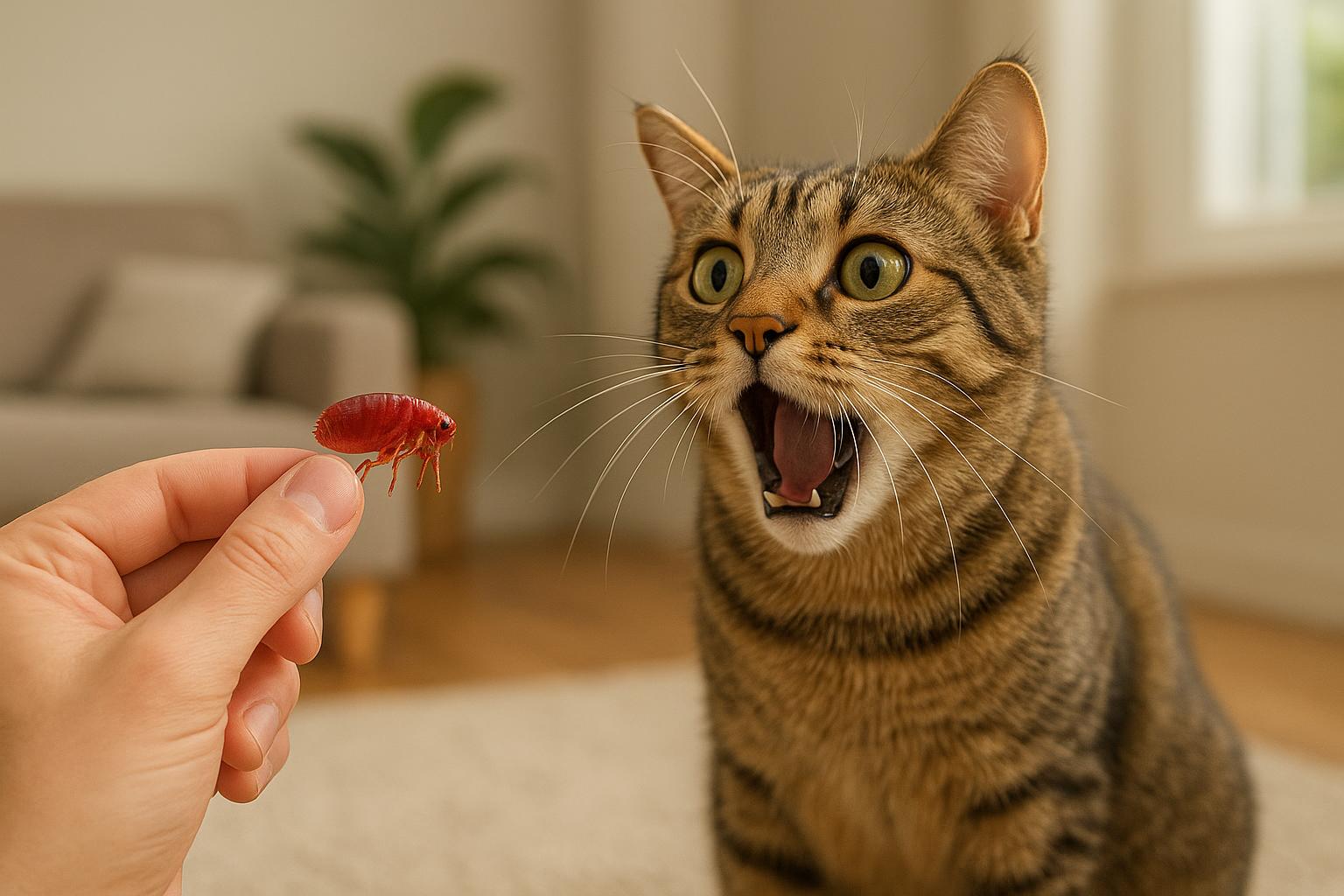
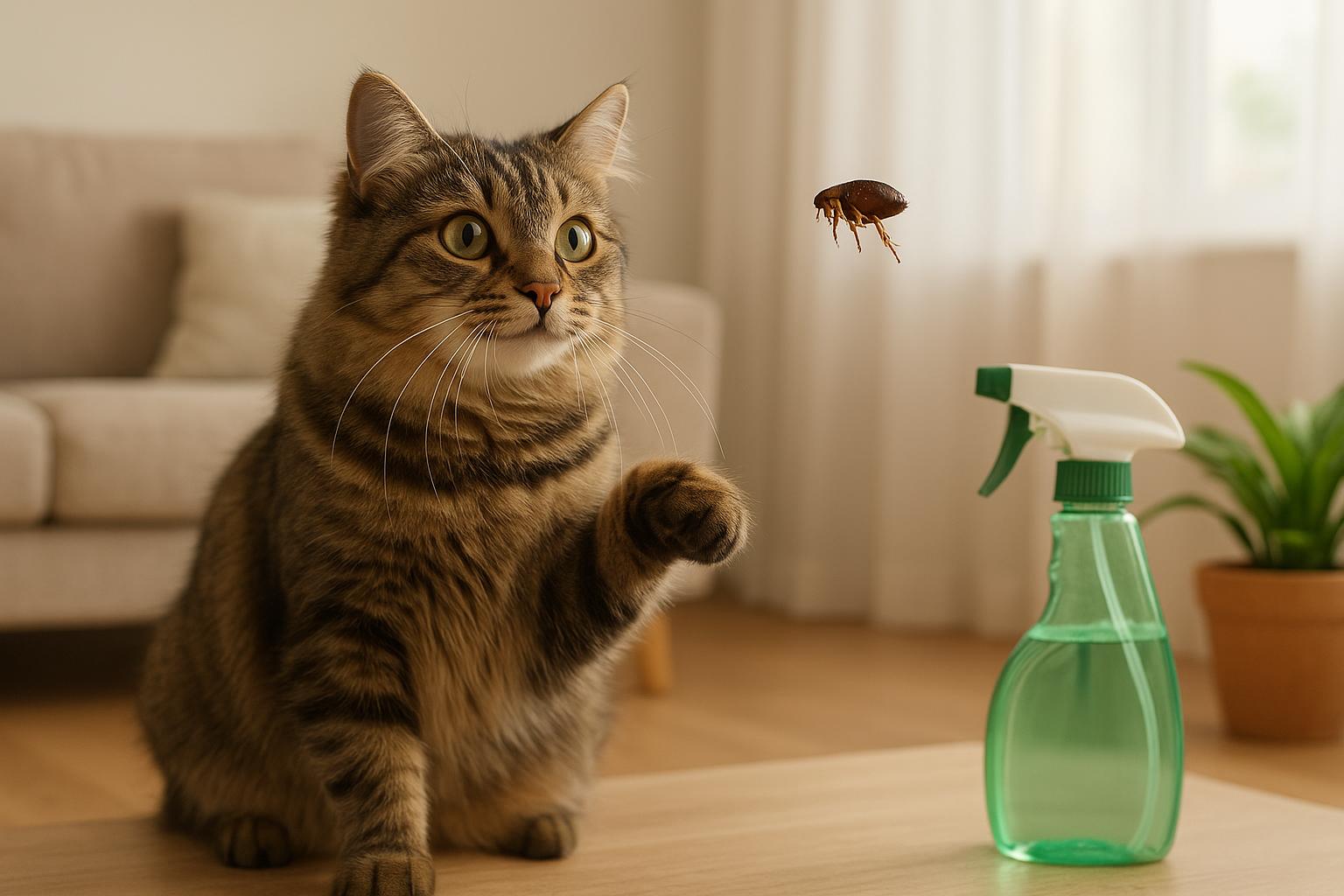
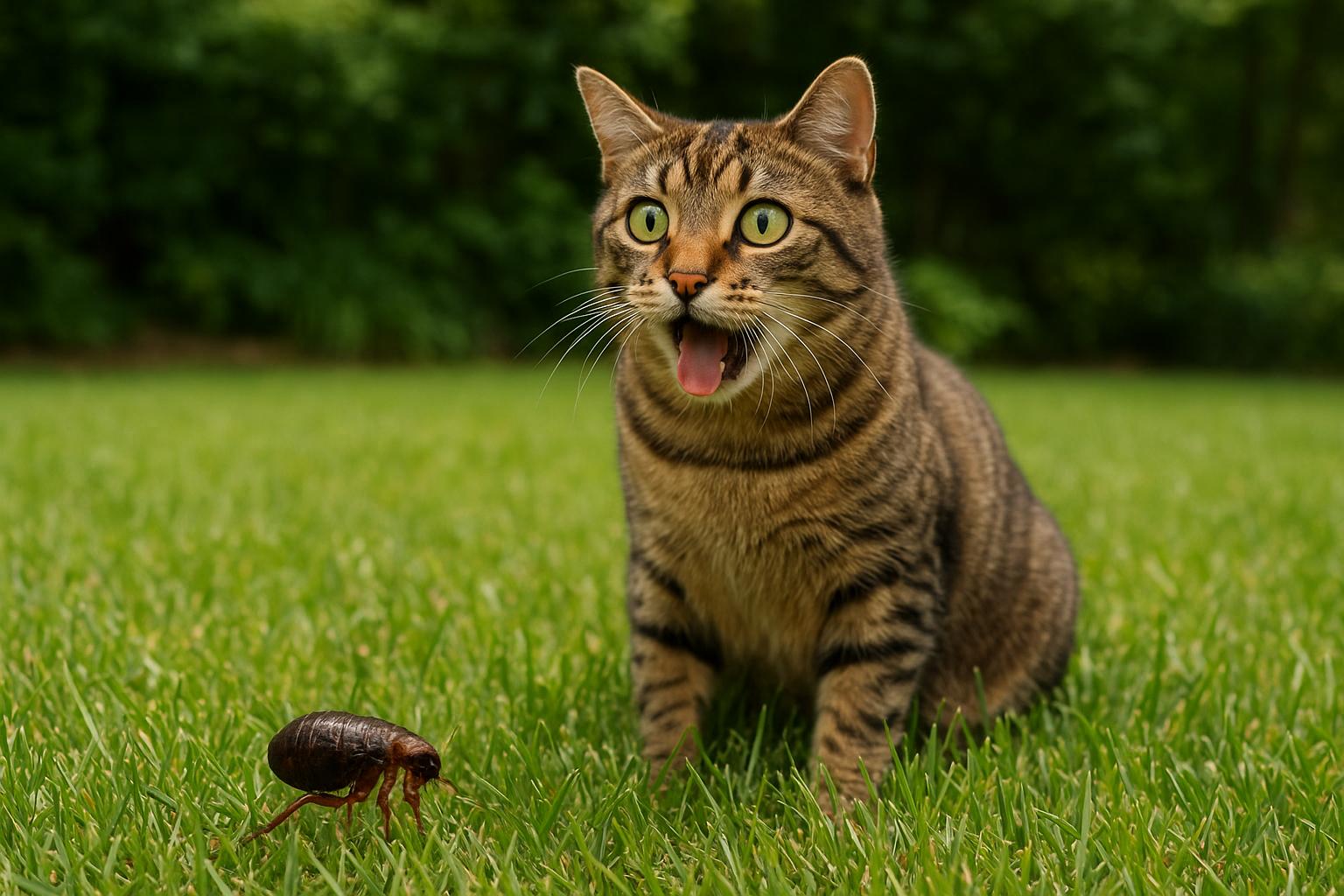
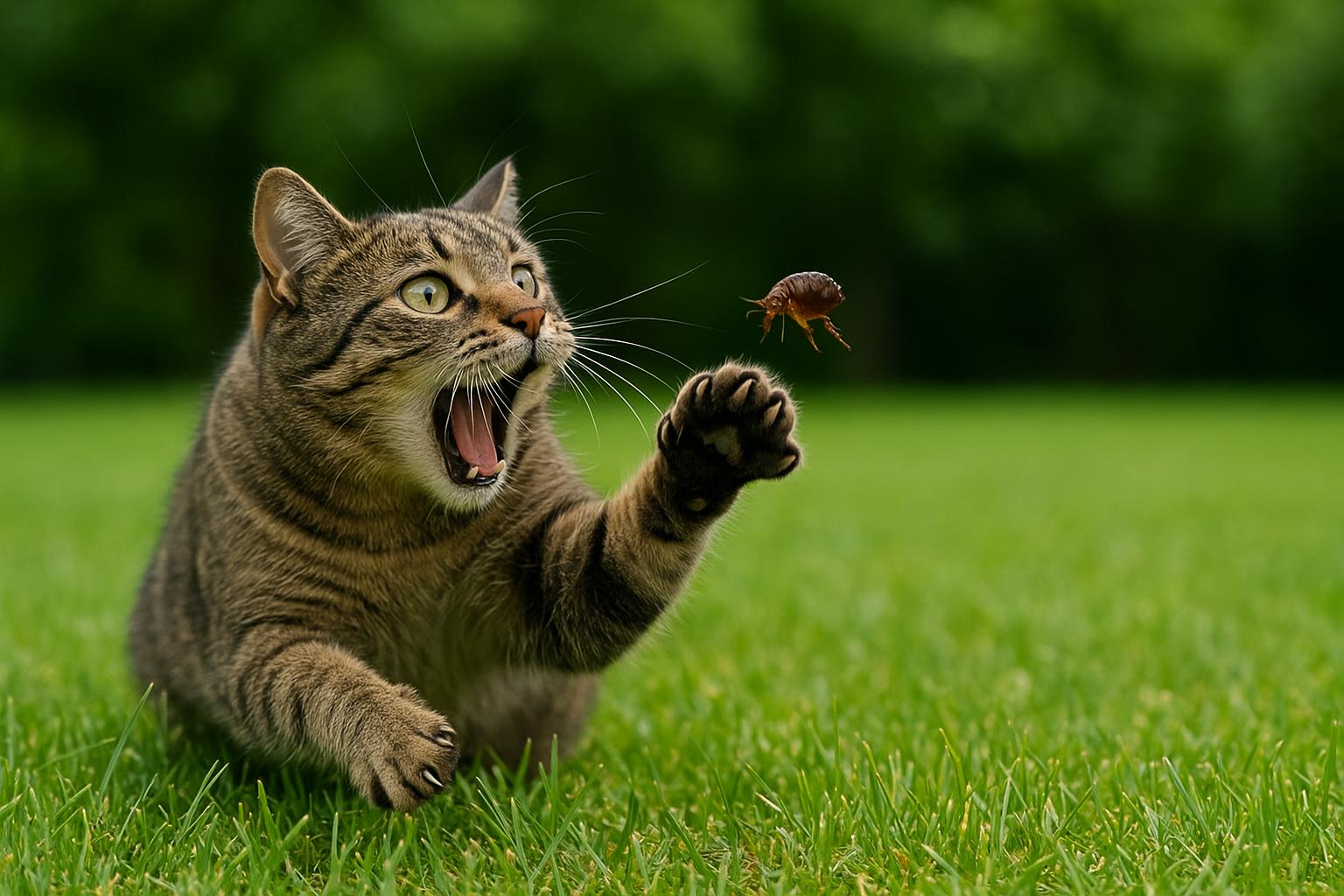
If you love cats (and who doesn’t love a furry small dictator who lets you live in their house?), learning about understanding fleas is the first step to keeping everyone comfortable and healthy. Fleas are tiny, resilient, and oddly proud of their jumping abilities. While a single flea on your cat might seem like a minor annoyance, an unchecked problem affects the whole household, your furniture, and, yes, the cat’s mood and skin.
### What This Guide Will Cover
This guide walks through the flea life cycle, signs to watch for, safe prevention habits, and two practical remedies you can use at home—one clinical and one environmental. I’ll keep things friendly, but when we get to solutions you’ll get precise, formal instructions to ensure safety and effectiveness.
## The Flea Life Cycle: What Your Cat Is Dealing With
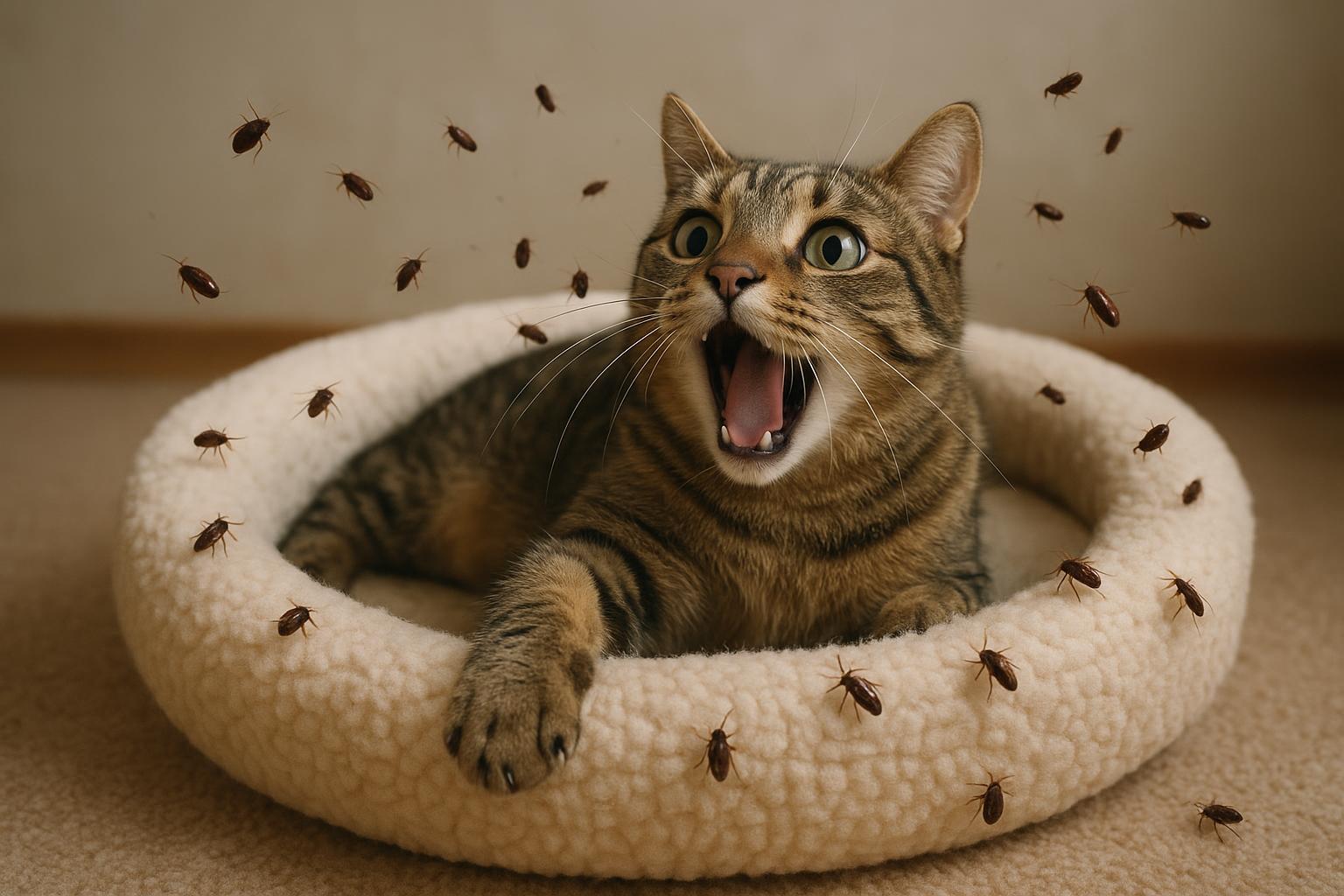
Understanding fleas starts with the life cycle. Fleas move through four stages: egg, larva, pupa, and adult. Eggs are laid on the host but fall into the environment—bedding, carpets, and cracks in floorboards—where larvae feed on organic debris. The pupal stage can survive for months, waiting for the right cue (like the warmth and carbon dioxide of a human or pet passing by) to emerge as adults. Because of this resilience, treating the animal alone often fails unless the environment is addressed.
### Why The Life Cycle Matters For Treatment
If you’ve tried a single treatment and then been surprised by a renewed infestation, that pupal delay is likely the culprit. Effective control requires breaking the cycle: kill adult fleas on the cat, eliminate eggs and larvae in the home, and prevent reintroduction from outdoors or other animals.
## Signs Of Fleas In Your Cat And Home
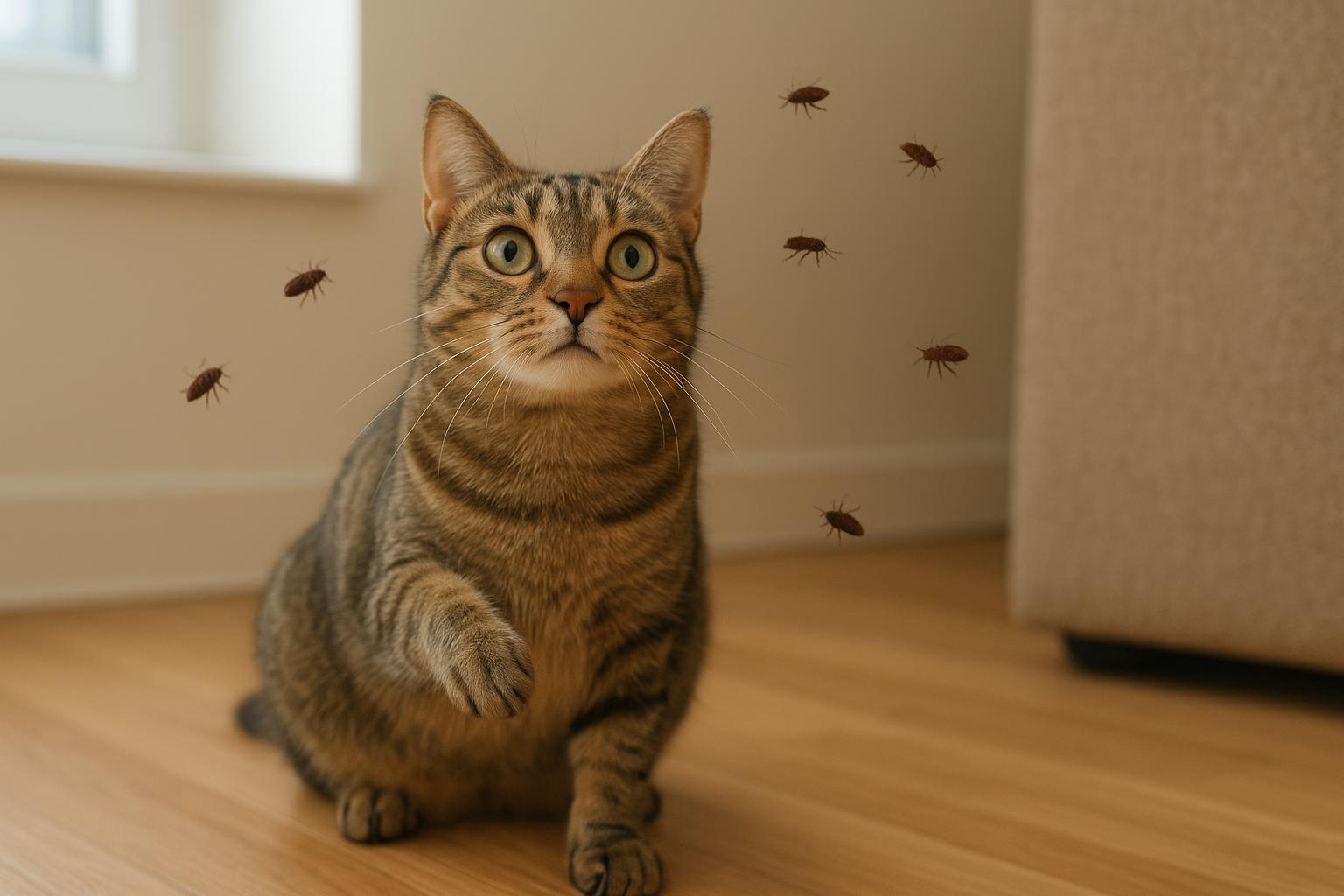
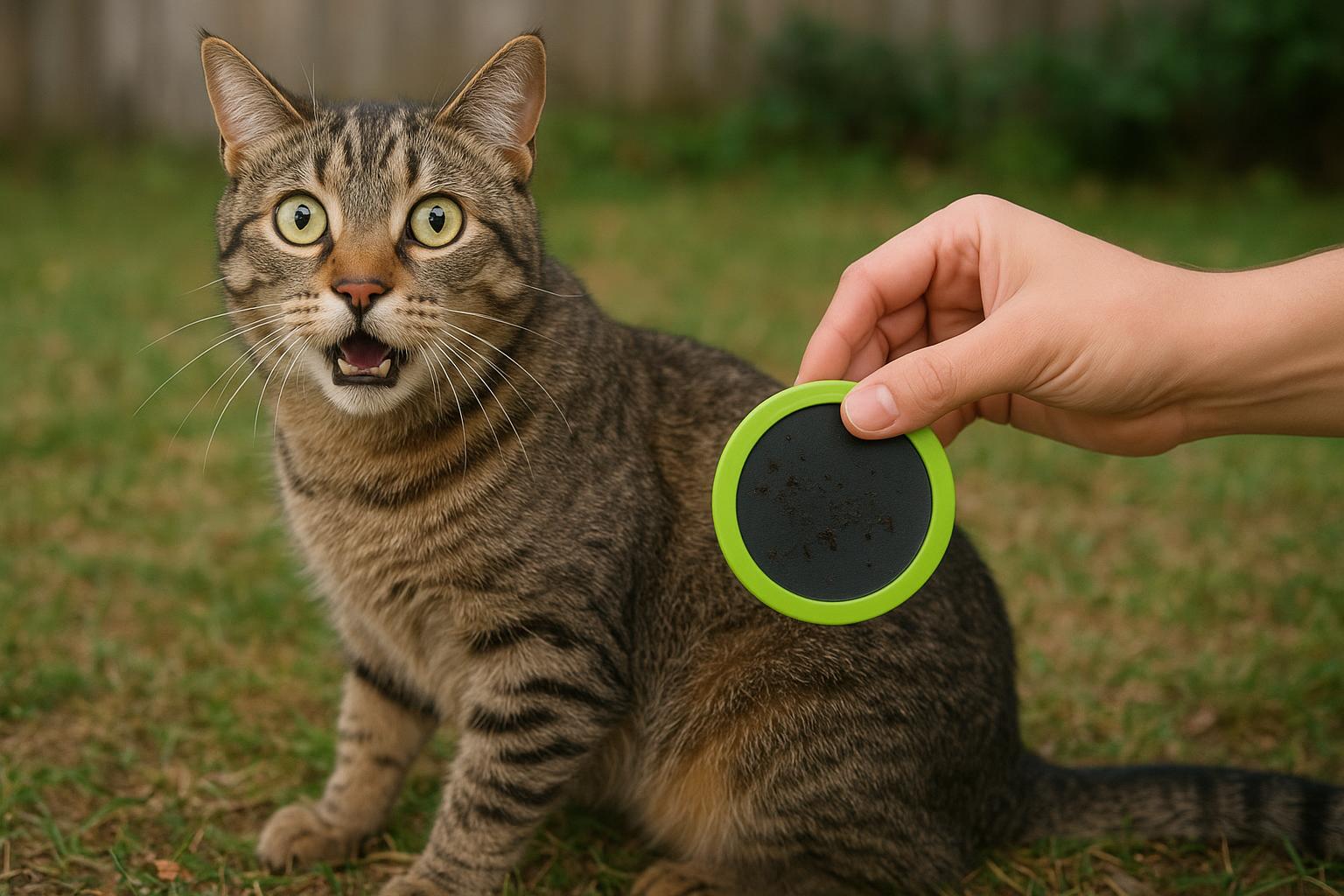
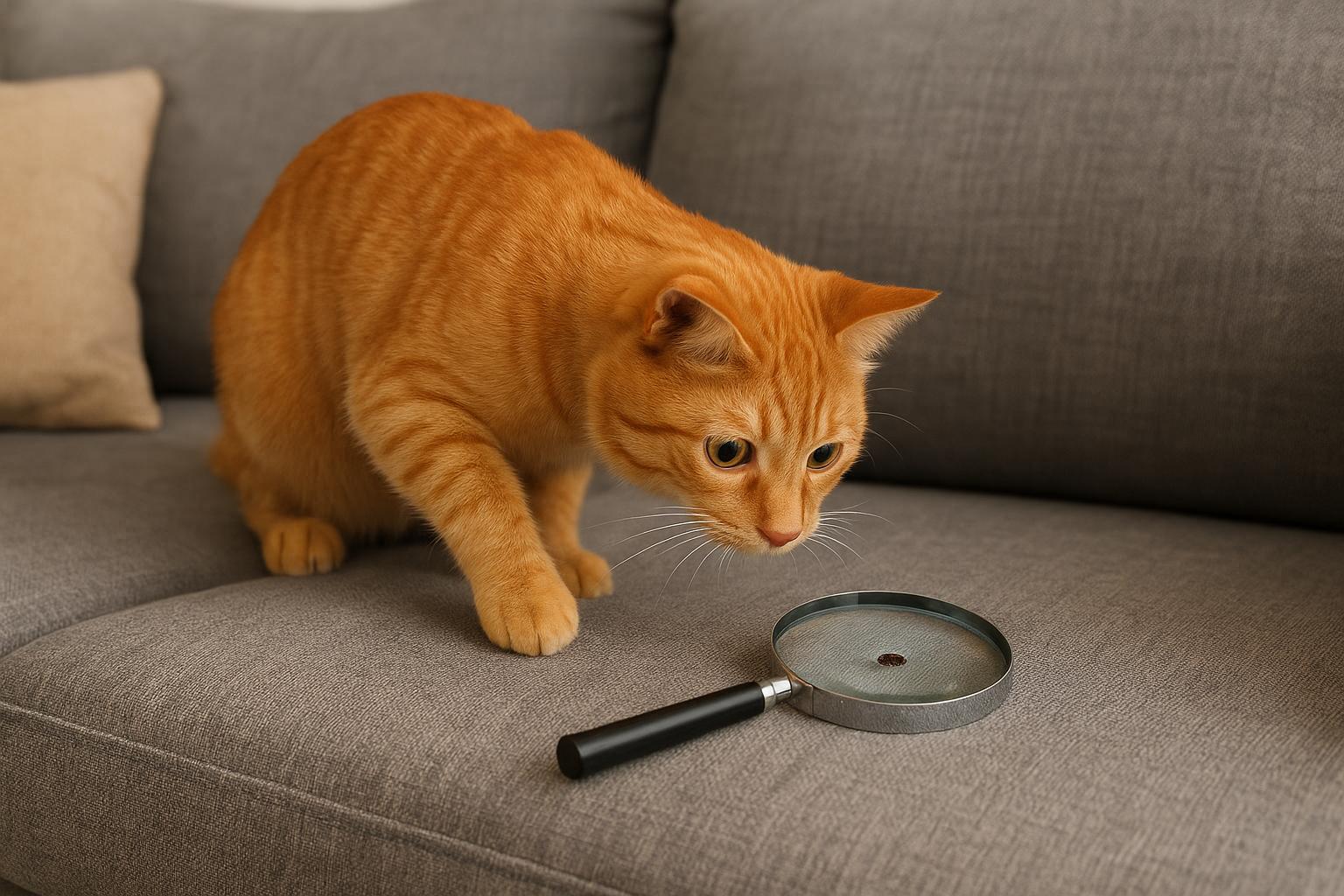
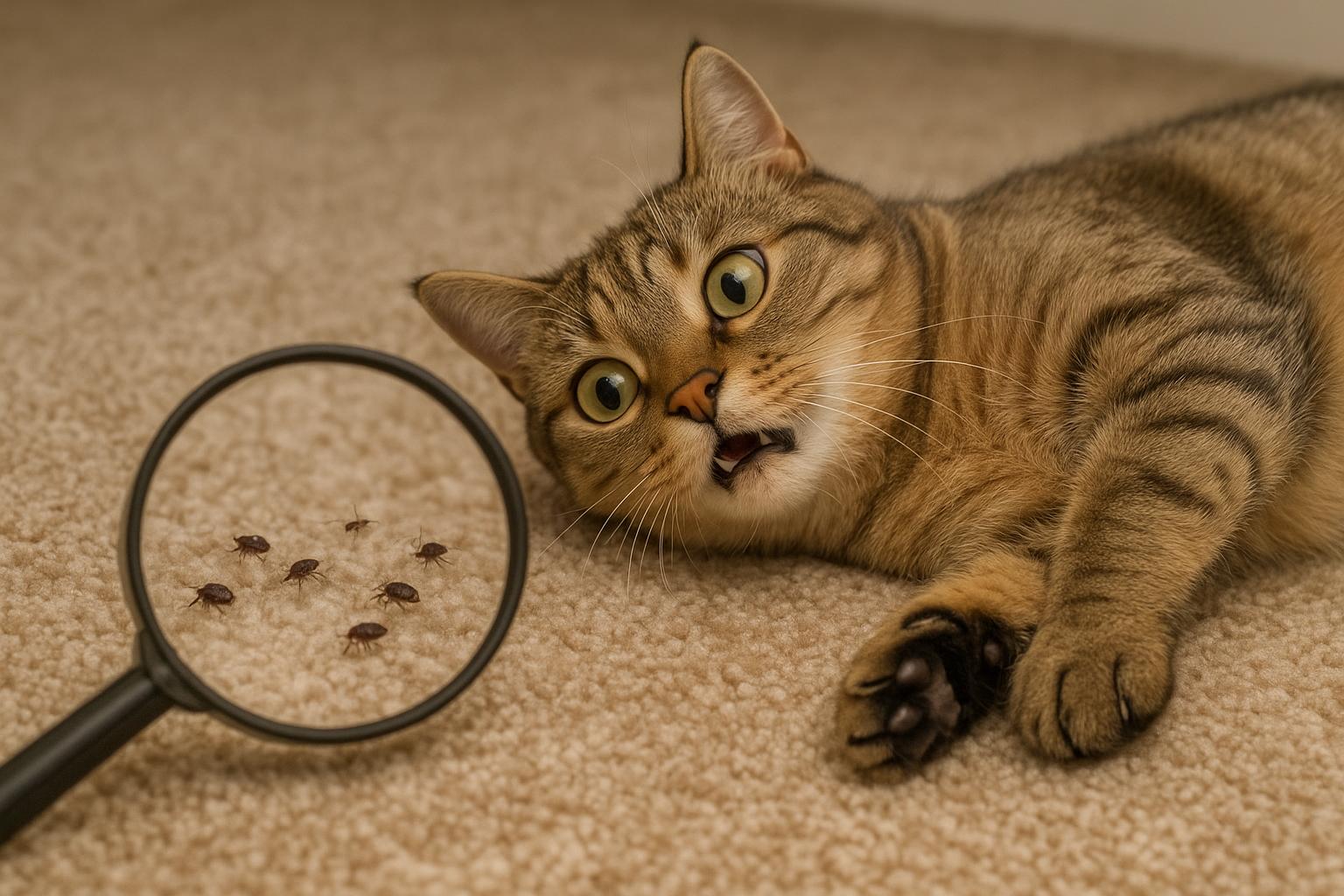
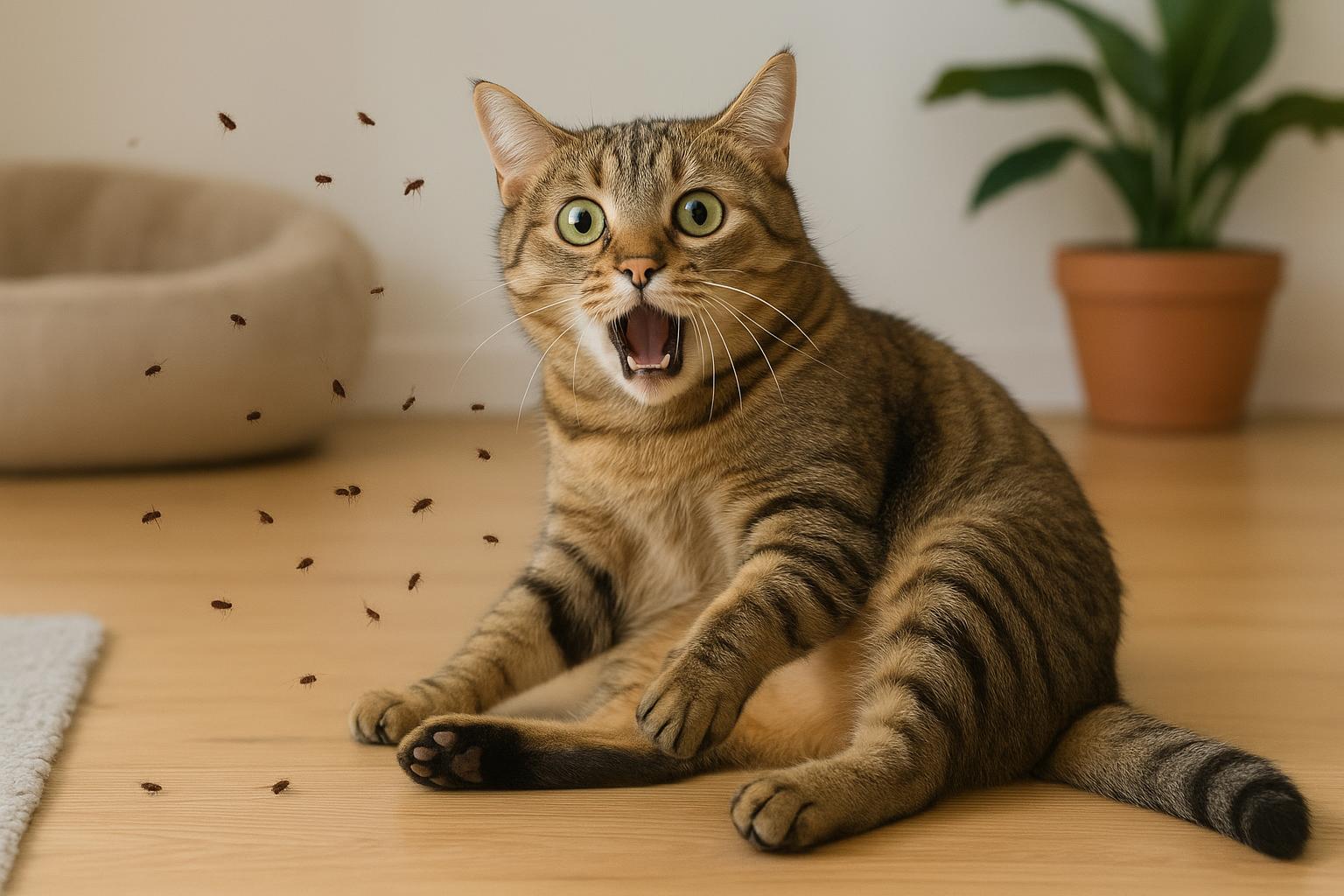
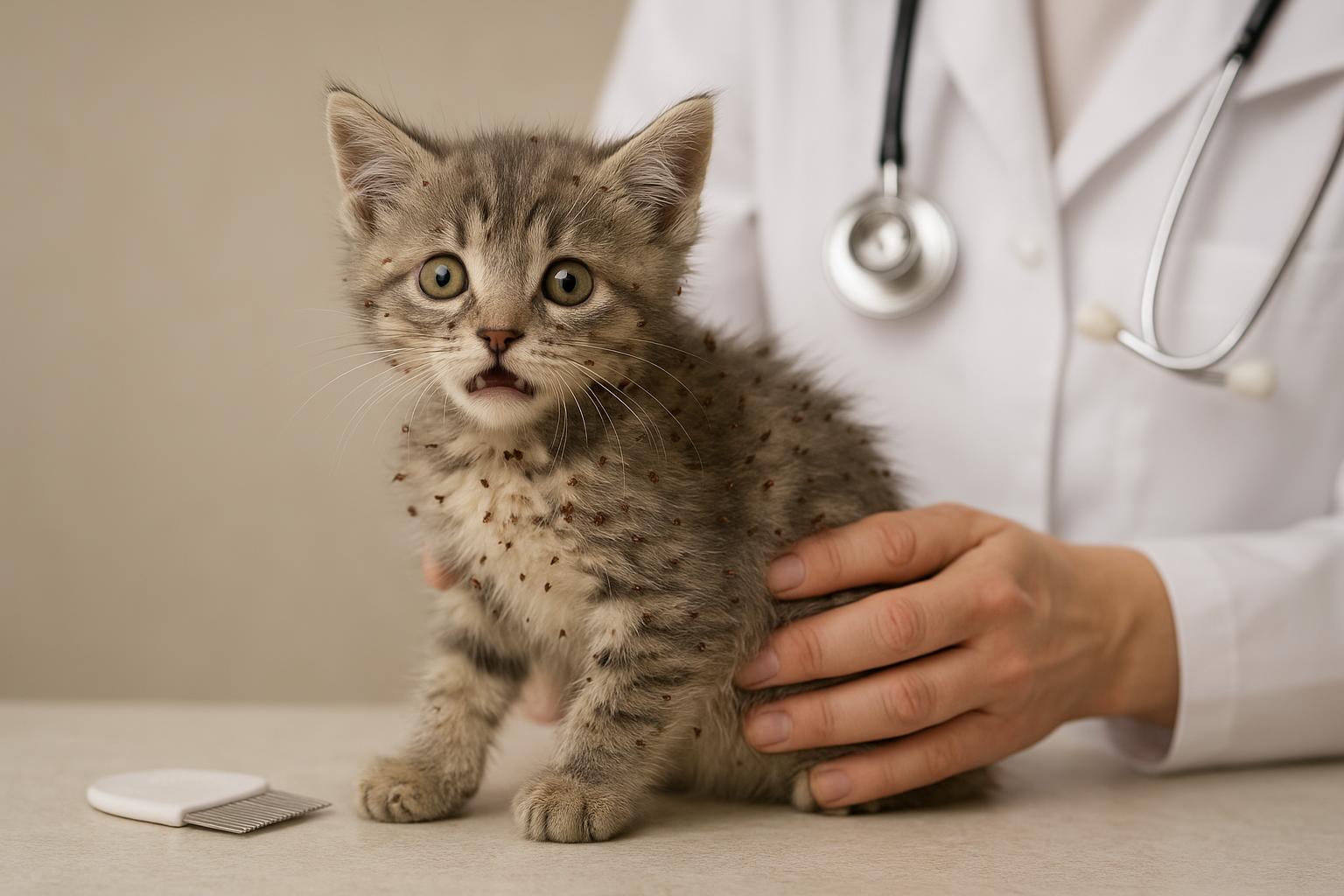
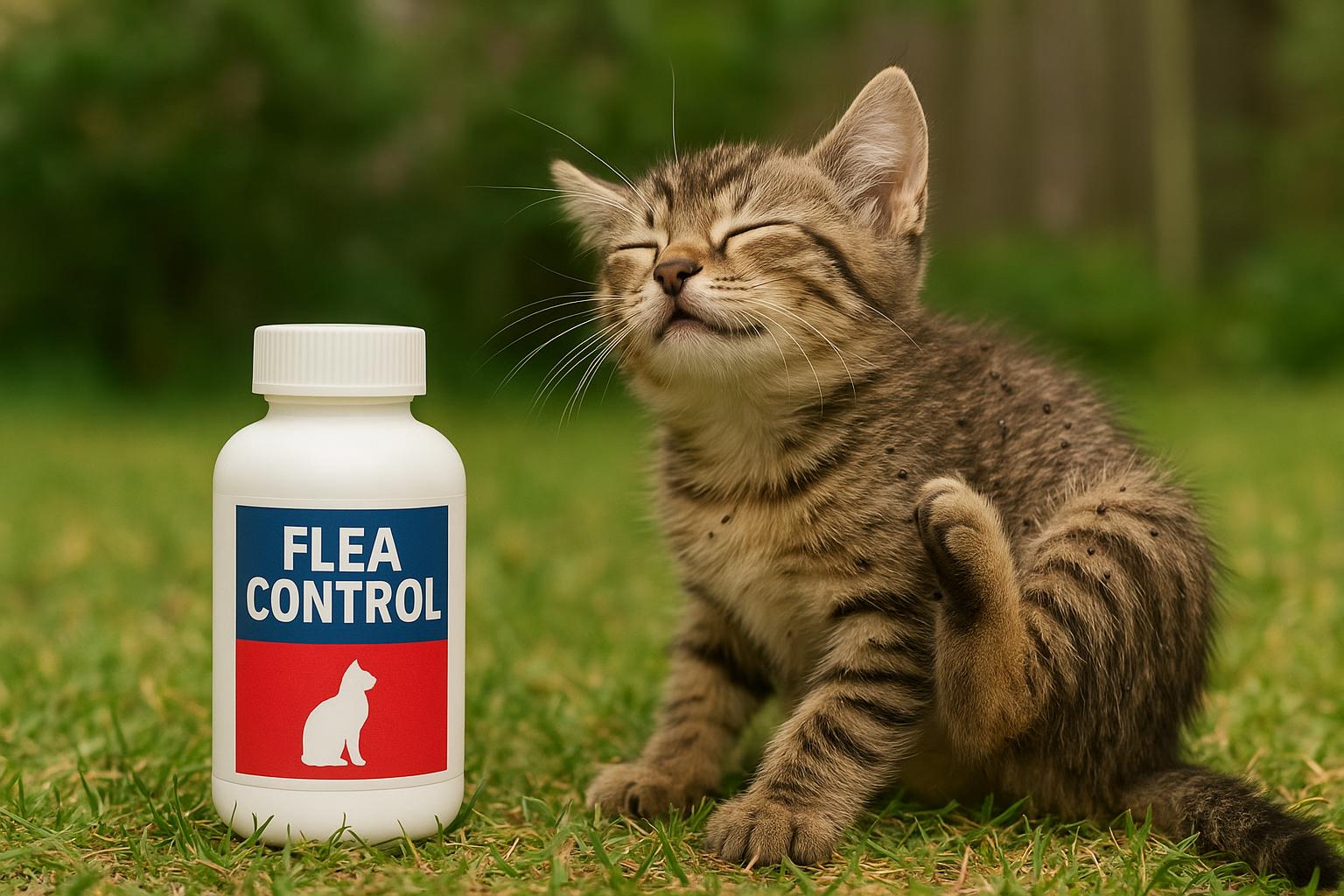
You don’t need a microscope to suspect fleas. Classic signs include excessive scratching, red or scabby skin, and small black “flea dirt” specks on the fur (flea dirt is digested blood and turns reddish when wet). Kittens and senior cats may show lethargy or pale gums if flea-caused anemia develops. In the home, watch for flea activity in sunny patches of carpet, bedding, and around pet resting spots.
### When To Seek Veterinary Help
Understanding fleas means recognizing when a problem is beyond DIY. If your cat shows signs of infection, hair loss, severe itching, pale gums, lethargy, or if you’re dealing with very young kittens, contact your veterinarian promptly. A professional will evaluate for anemia, secondary skin infections, and possible allergic reactions to flea bites.
## Preventive Habits For A Flea-Safe Household
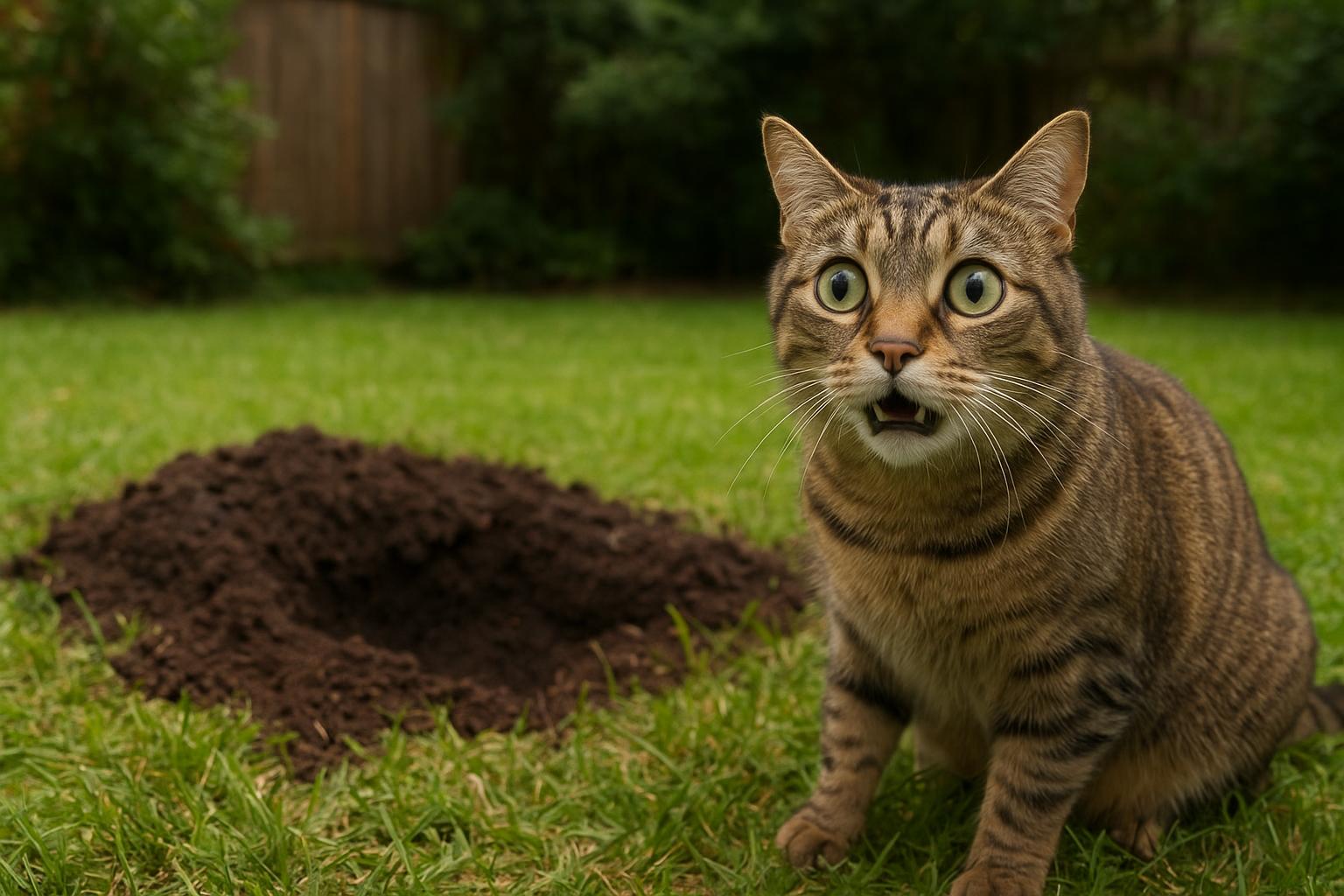
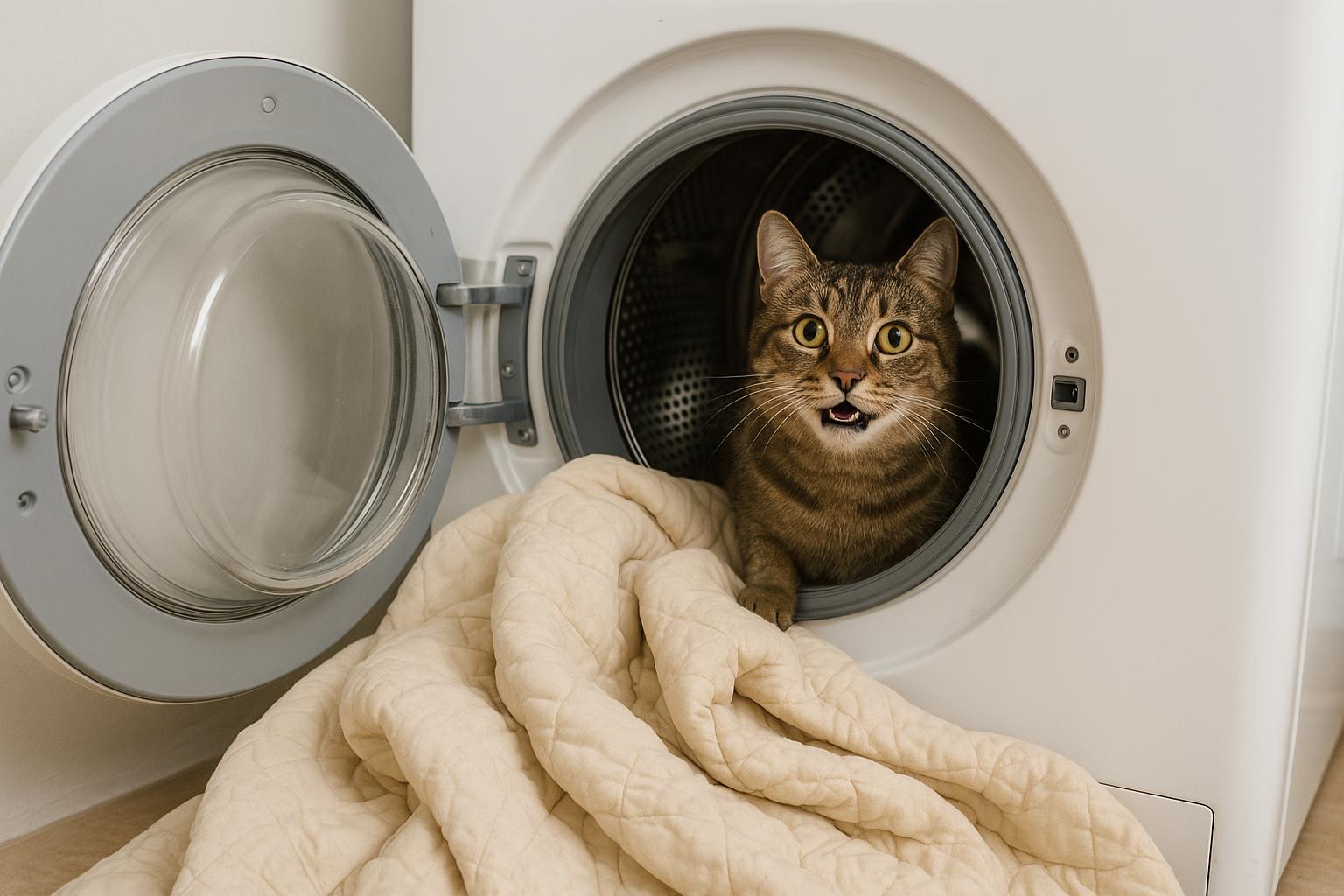
Prevention is less dramatic than a full-on infestation, but it’s far less work. Keep regular grooming routines, use pet-safe flea preventatives recommended by your vet, wash bedding frequently in hot water, and vacuum rugs and upholstered furniture weekly. Yard management—trimming shady, humid areas—reduces outdoor flea habitat. Remember: consistent, small efforts beat emergency panicked cleaning.
### Grooming And Inspection Tips
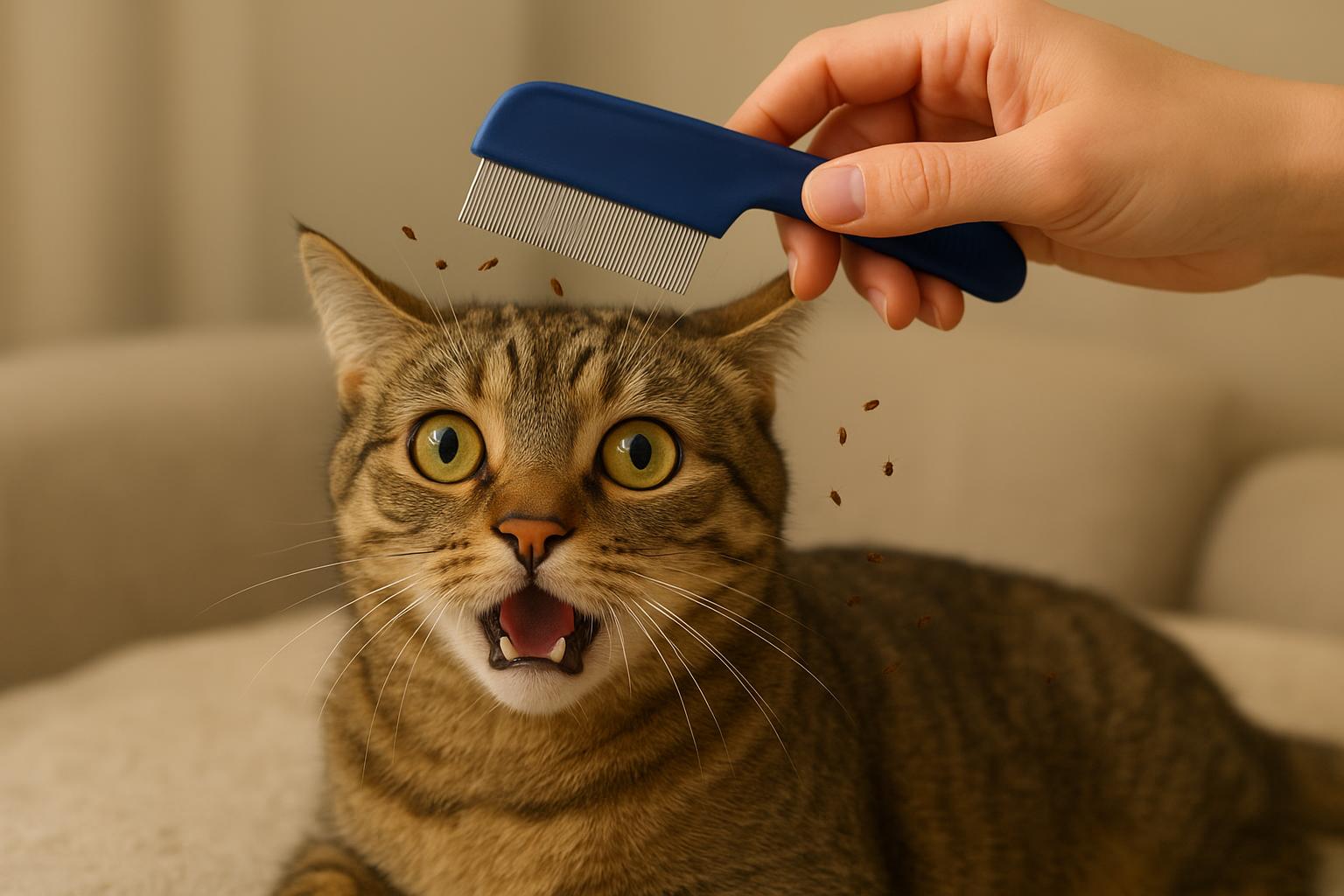
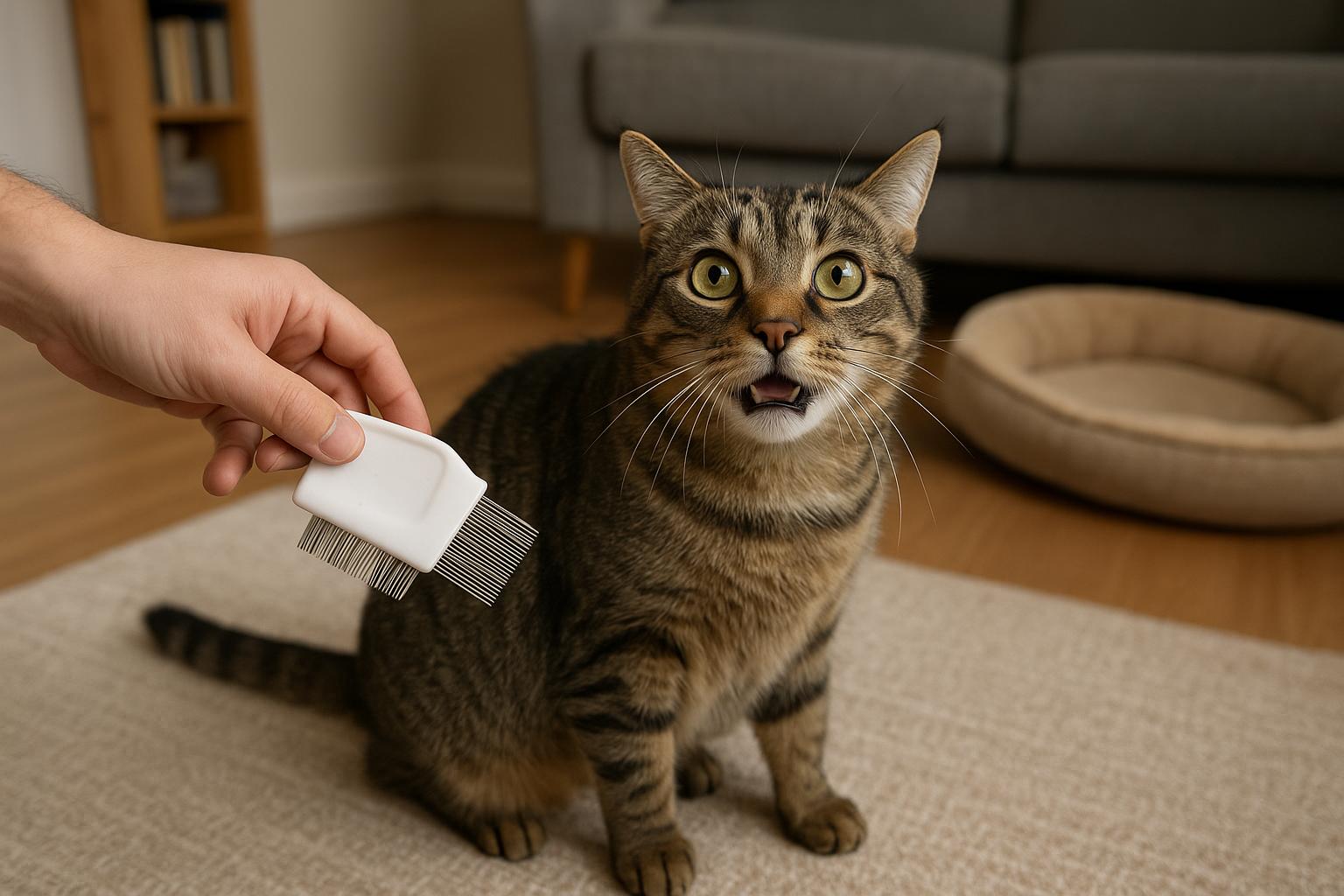
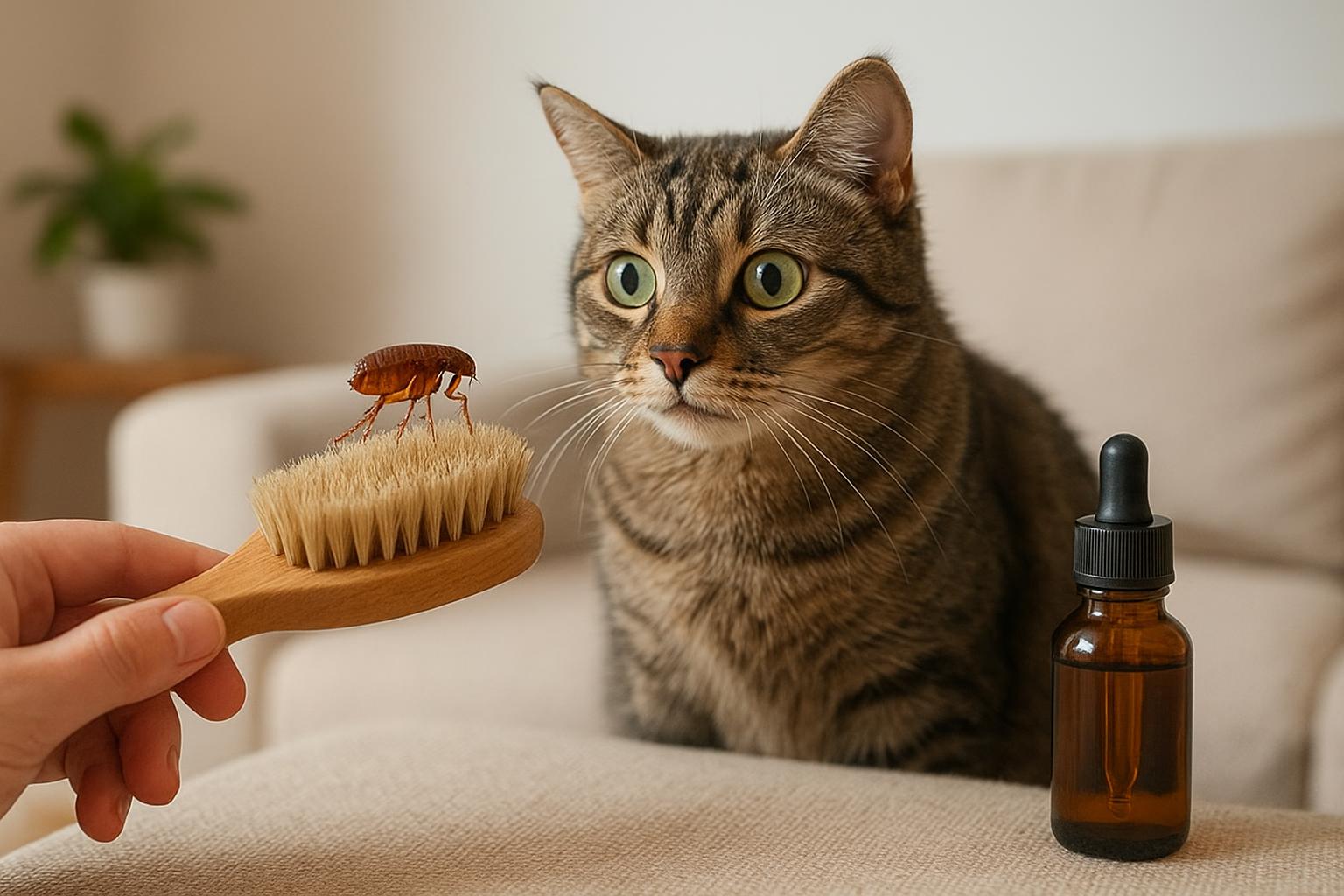
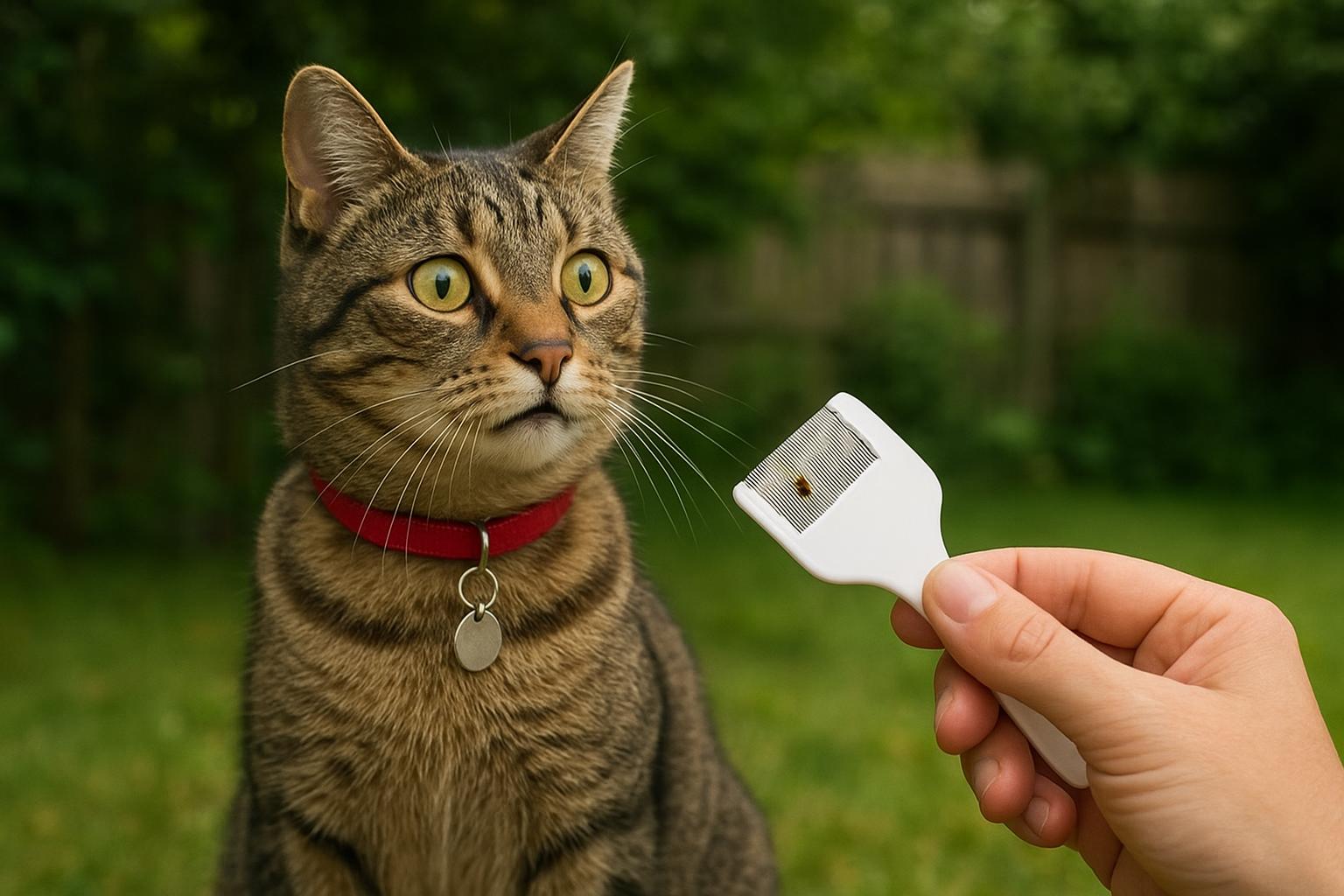
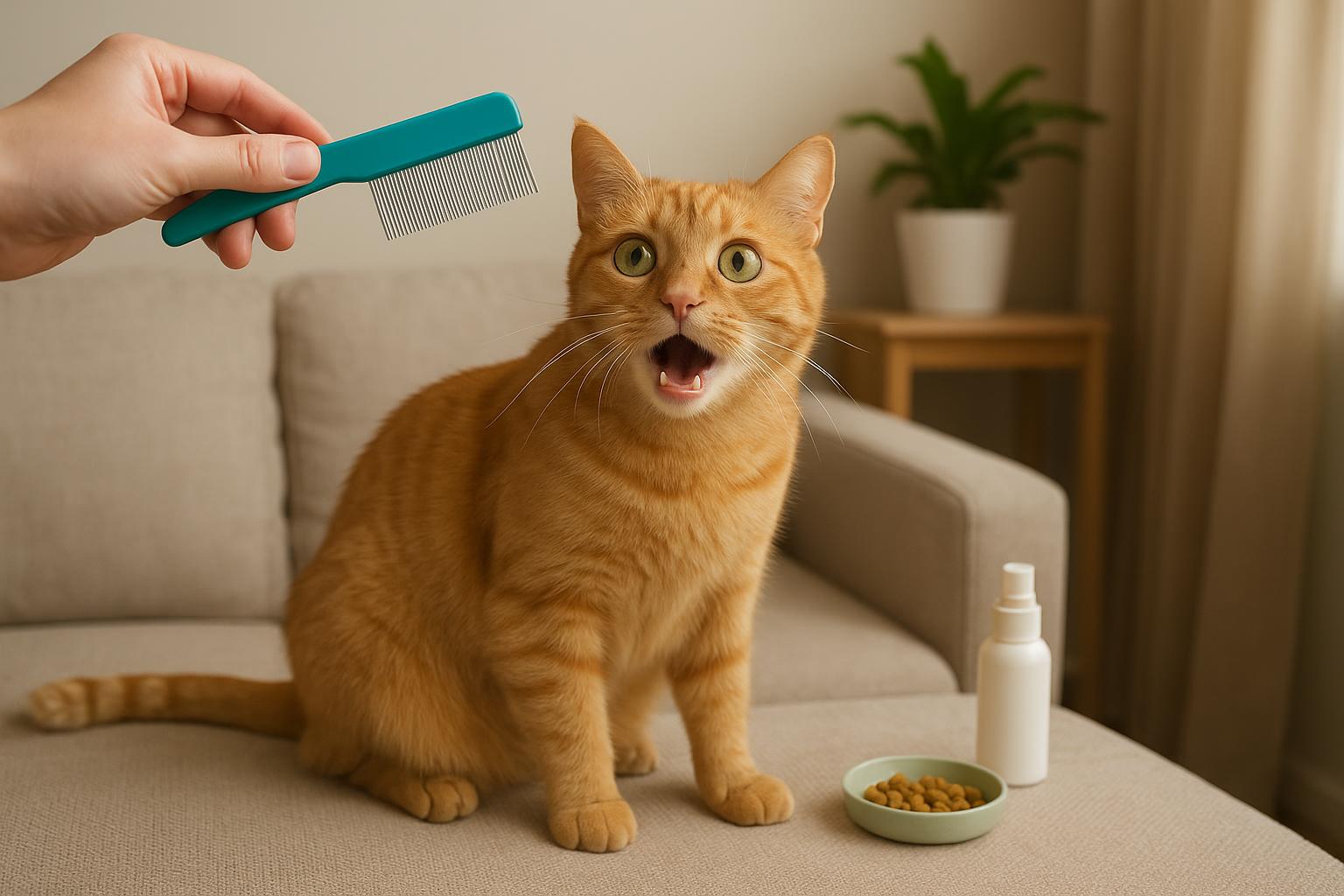
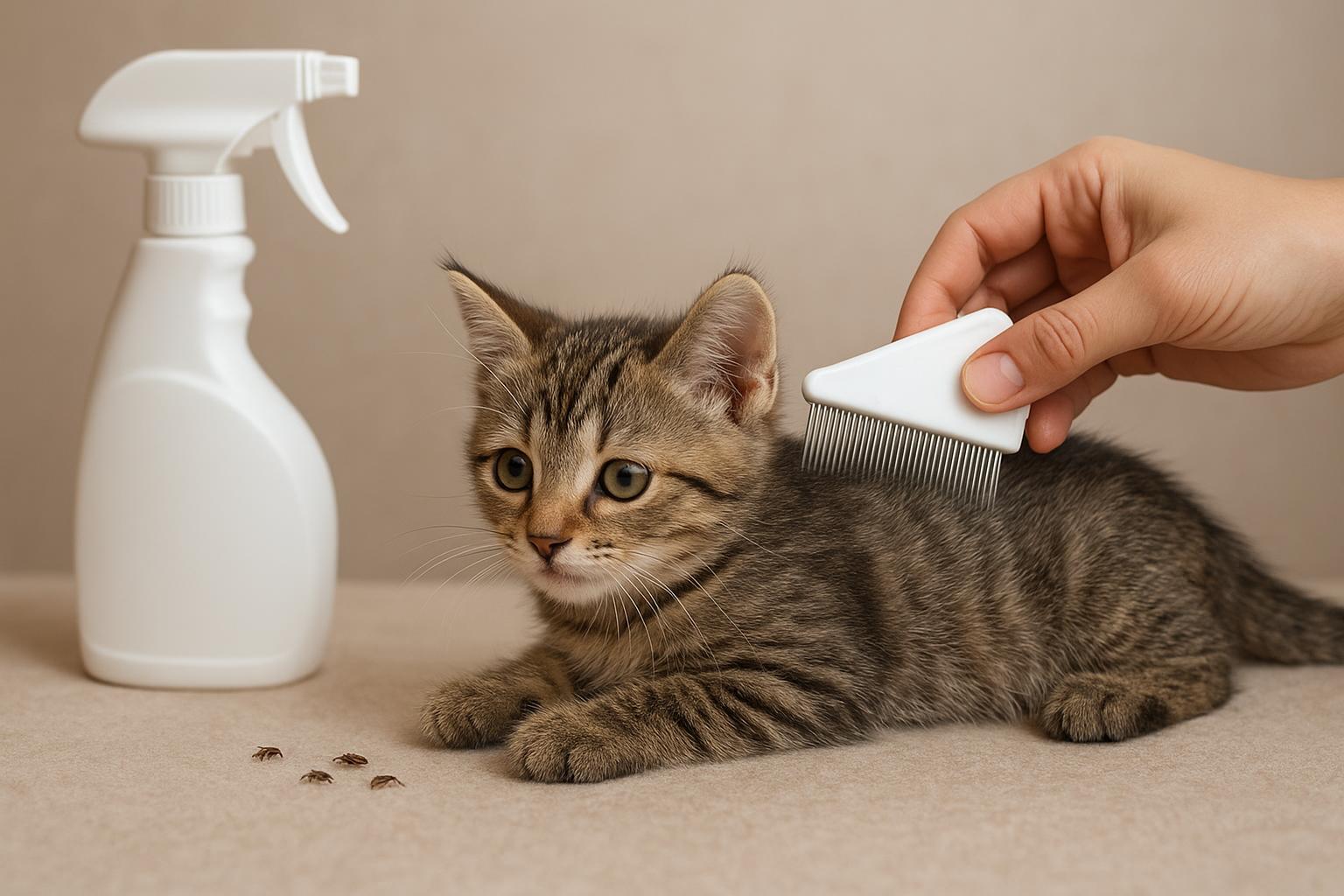
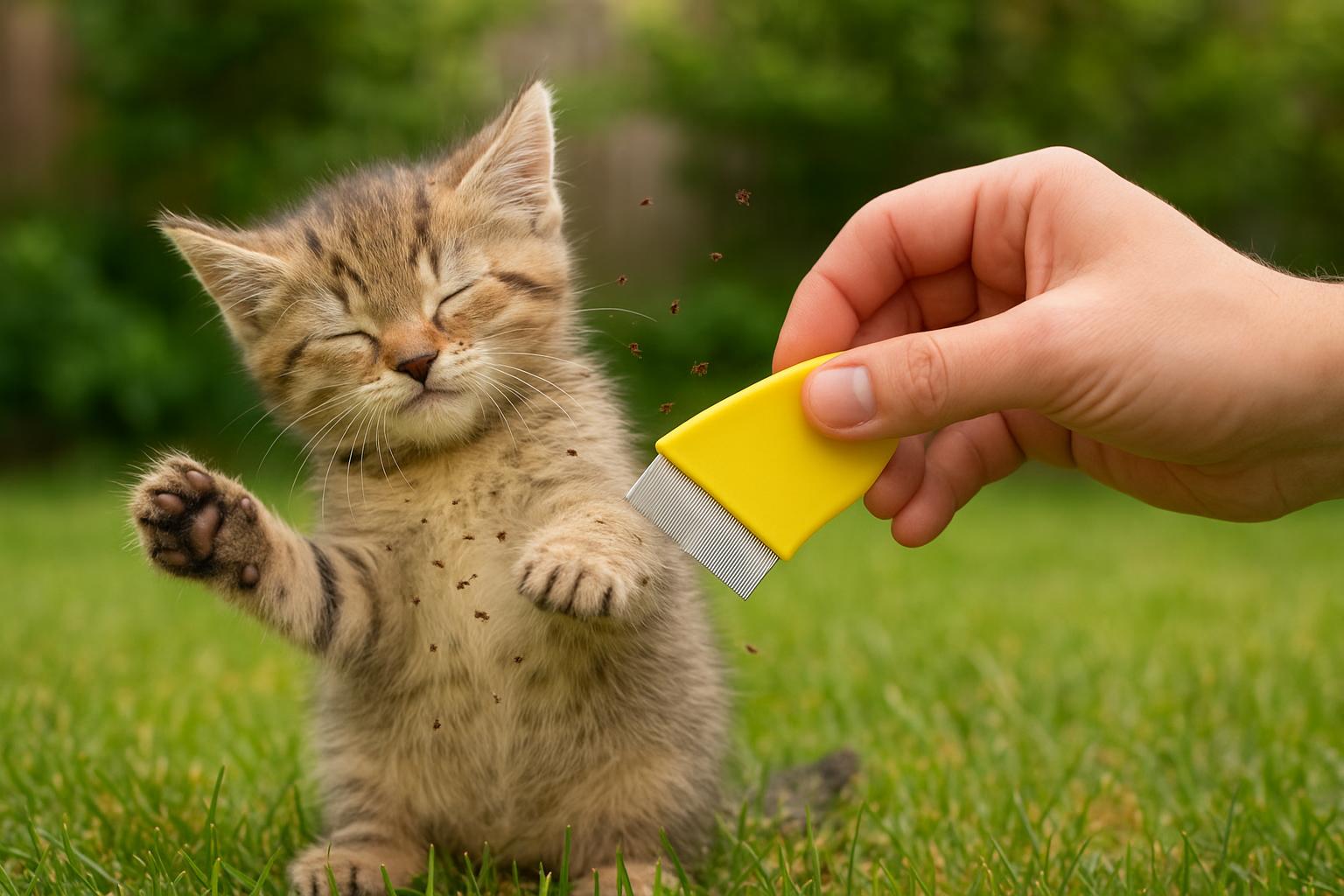
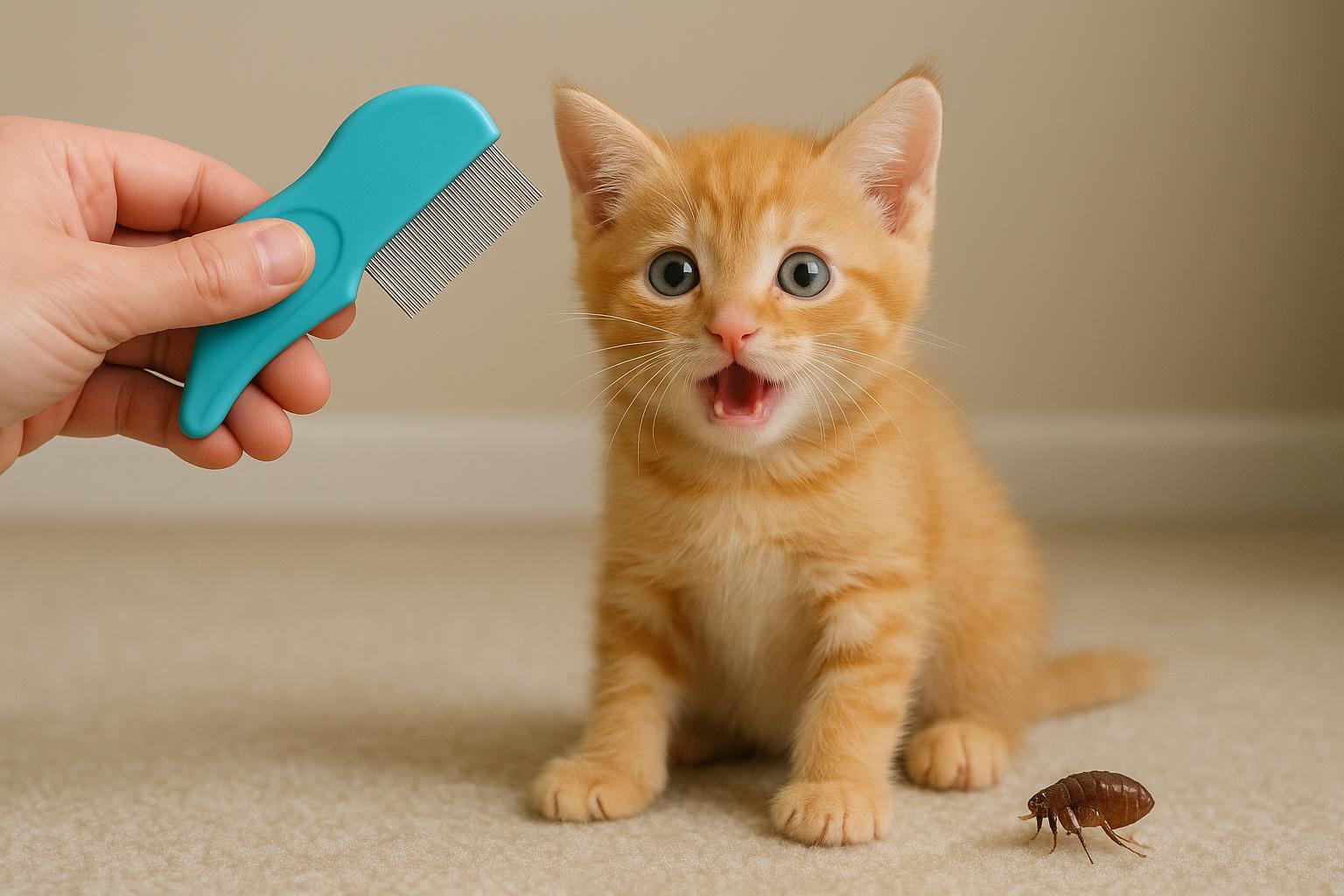
Run a fine-toothed flea comb through the fur regularly, especially around the neck and base of the tail. Comb over a white paper towel to spot flea dirt easily. Regular combing helps you find an infestation early and calms nervous cats, which makes life easier for both of you.
## 1. Vet-Approved Treatment For Cats (Remedy 1)
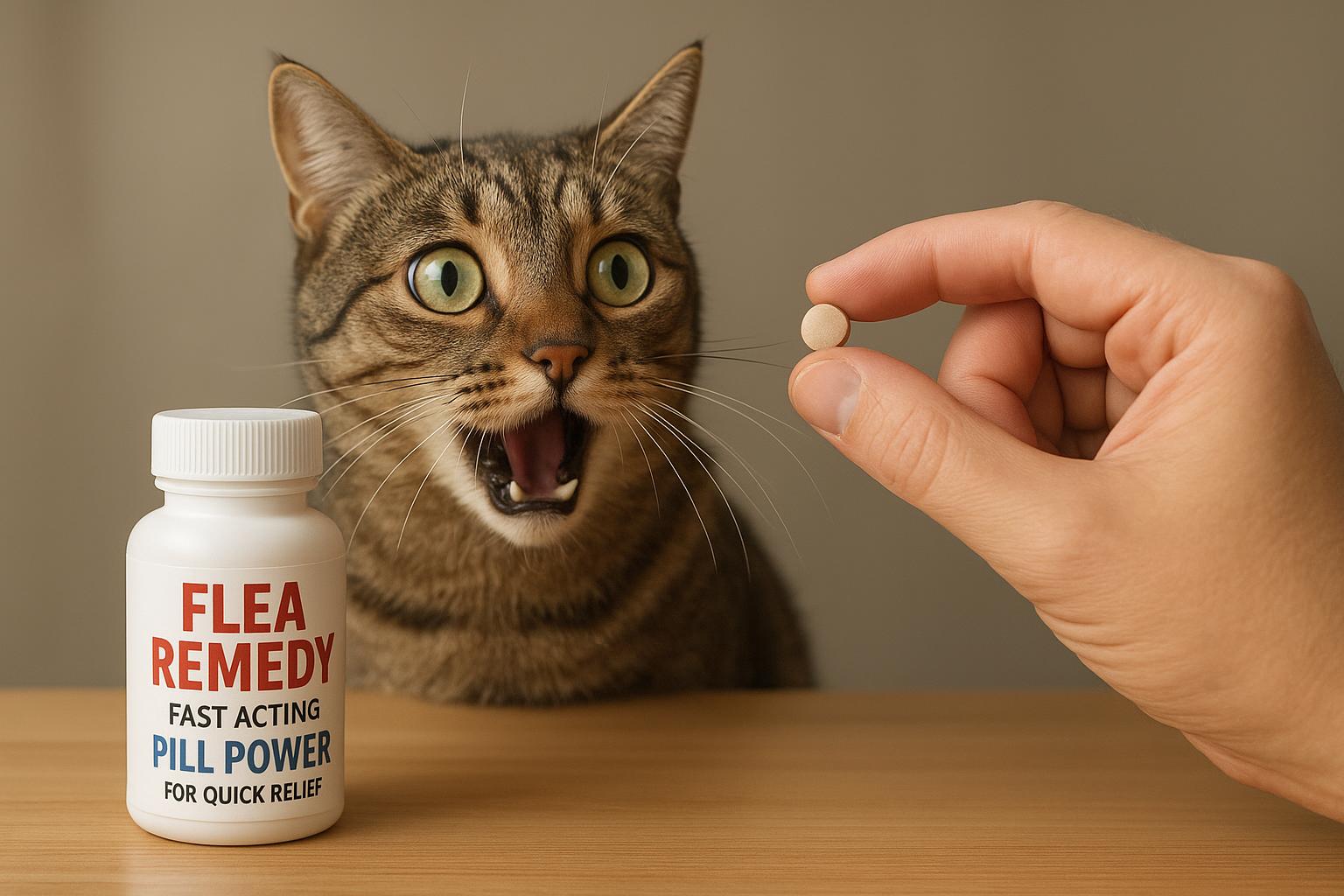
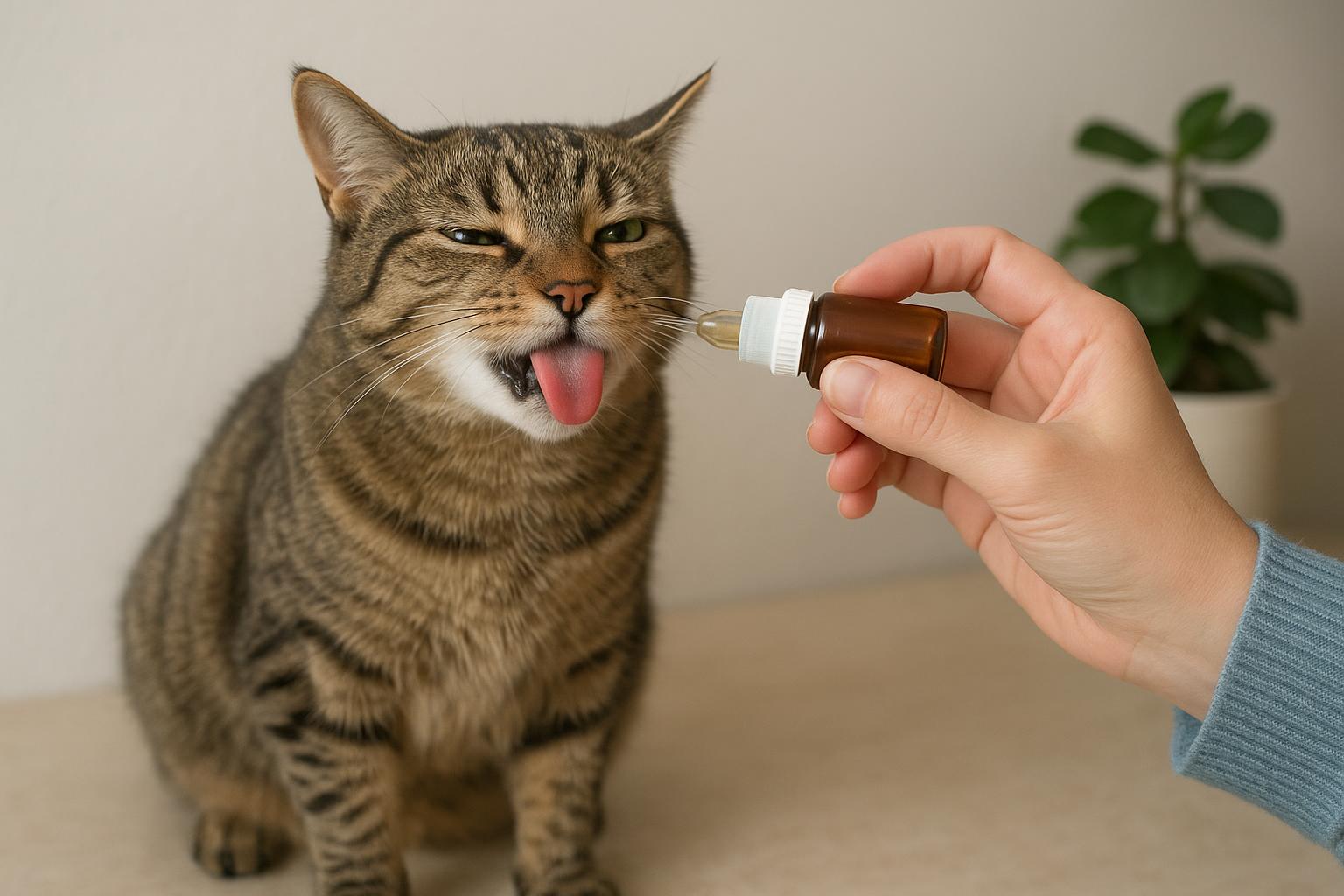
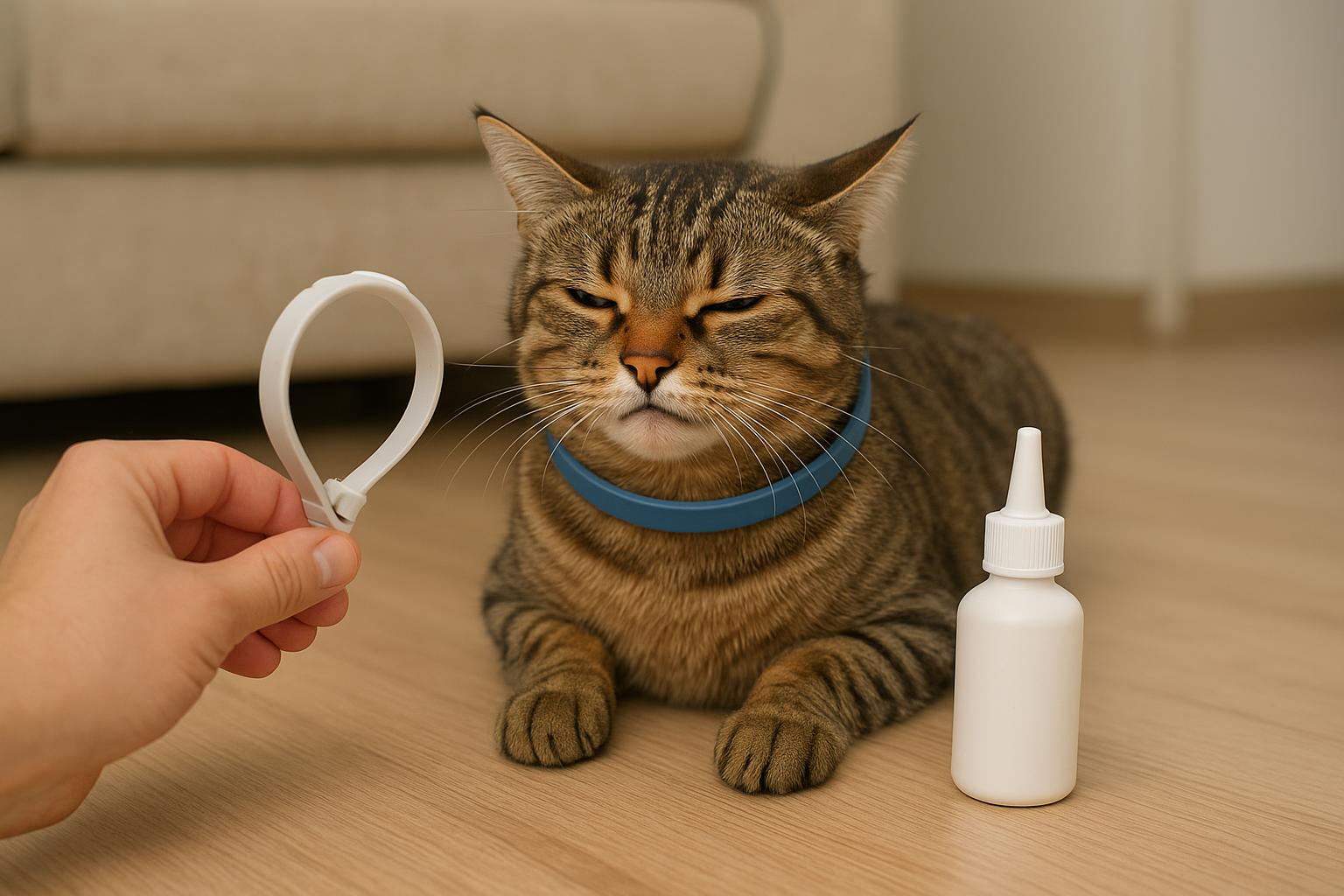
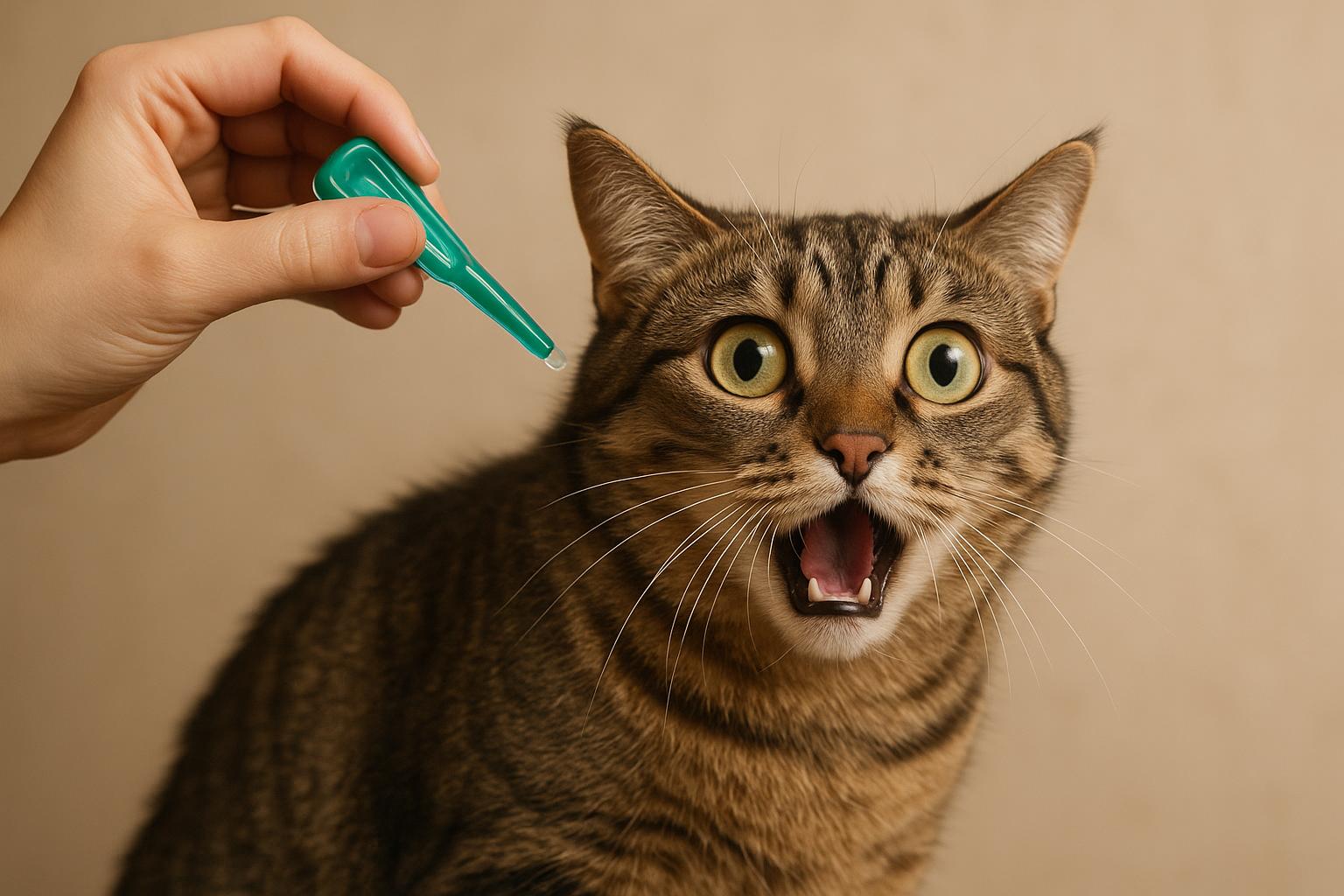
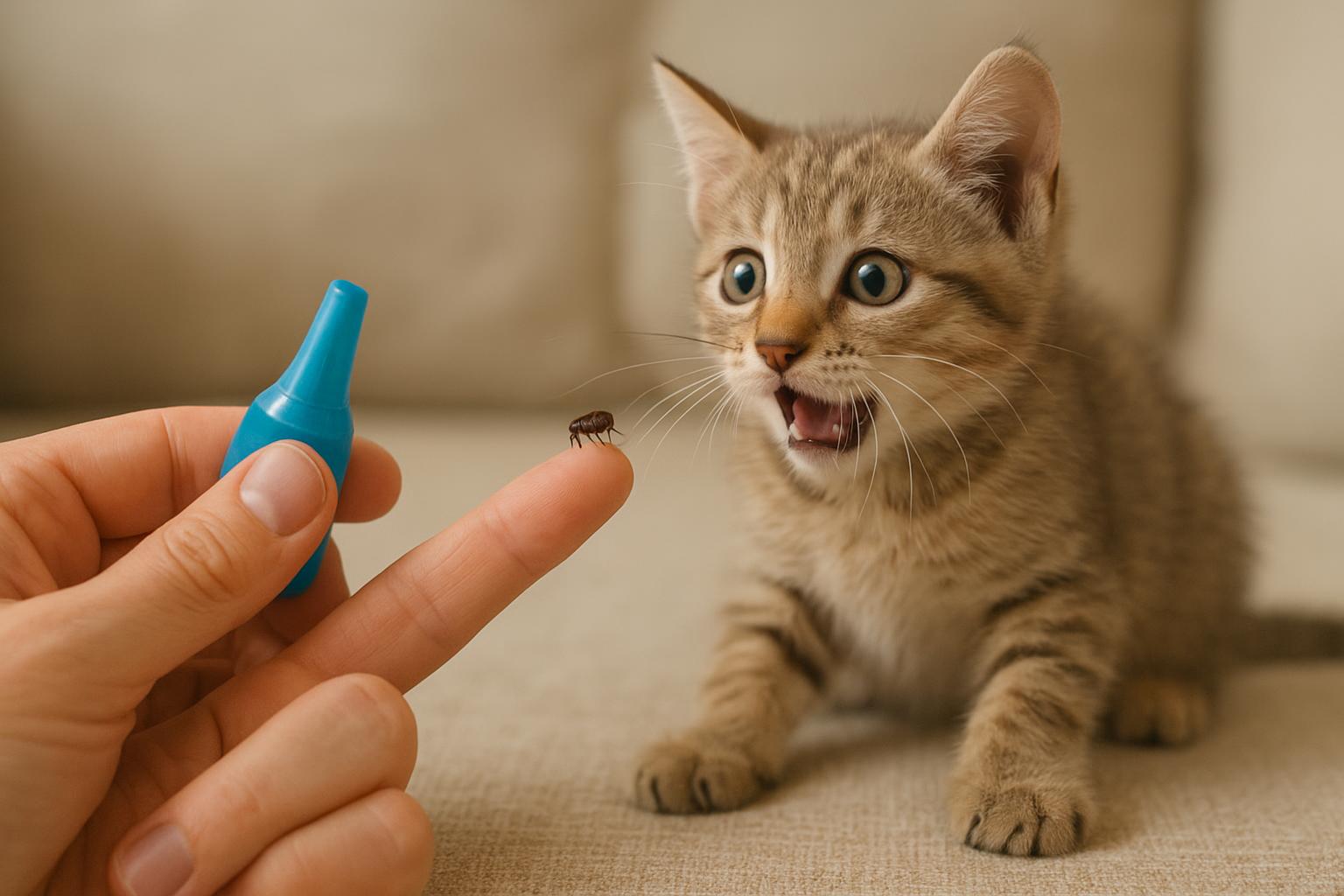
When discussing remedies, it’s important to be formal and precise. Veterinary-approved flea medications are the most reliable method for eliminating fleas on the cat quickly and preventing new infestations. These include topical spot-on treatments, oral chewables, and prescription shampoos. Use only products the veterinarian prescribes for your specific cat’s age, weight, and health status—never use dog flea products on cats.
#### Required Materials
– Vet-prescribed topical or oral flea medication appropriate for your cat
– A clean towel
– A quiet area to administer the medication
– Gloves (optional, for topical applications)
#### Step-By-Step Application (Topical Spot-On)
1. Confirm the correct product and dose with your veterinarian based on your cat’s weight and health.
2. Read the package insert thoroughly to understand contraindications and any safety notes.
3. Restrain your cat gently with a towel if needed to minimize stress and movement.
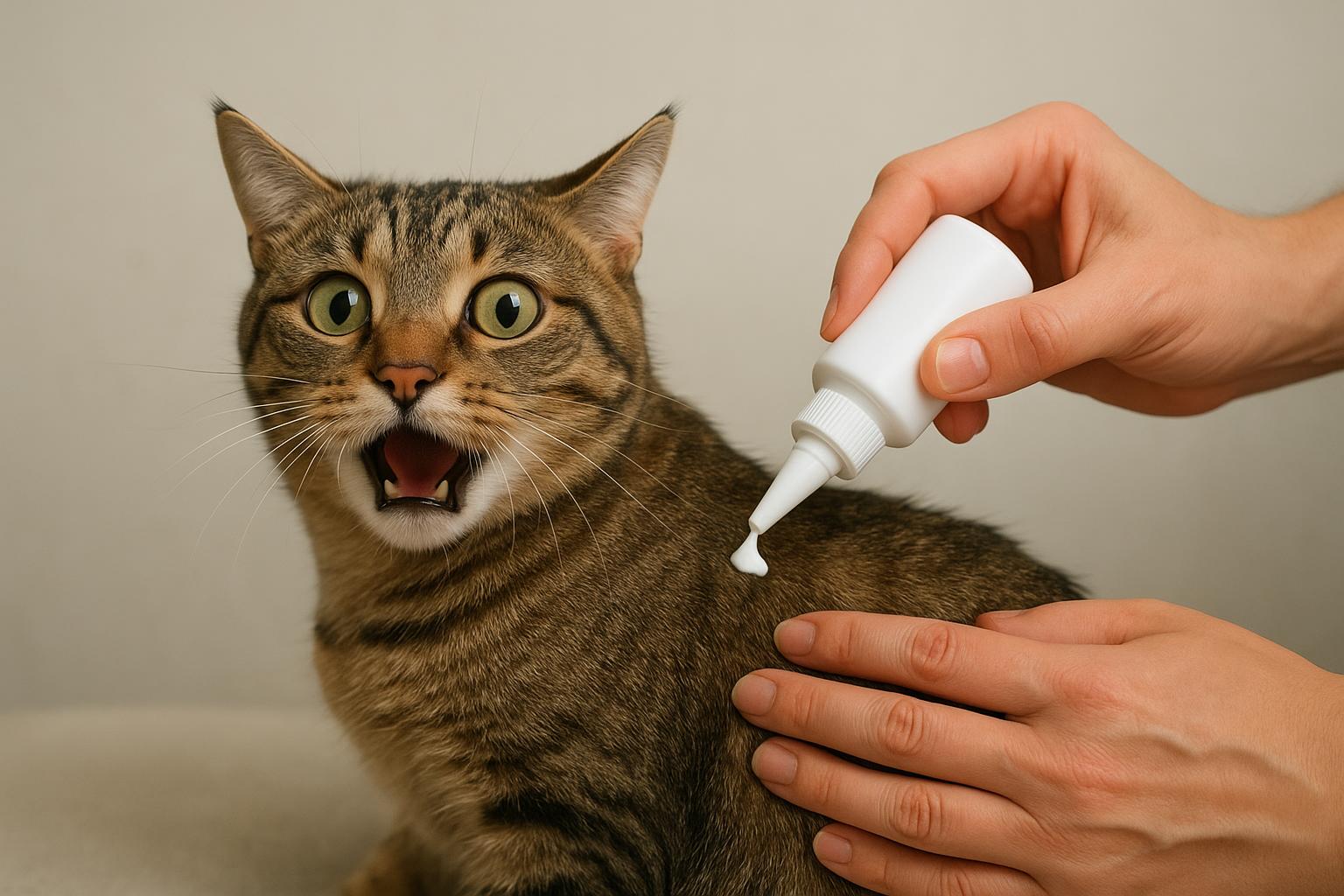
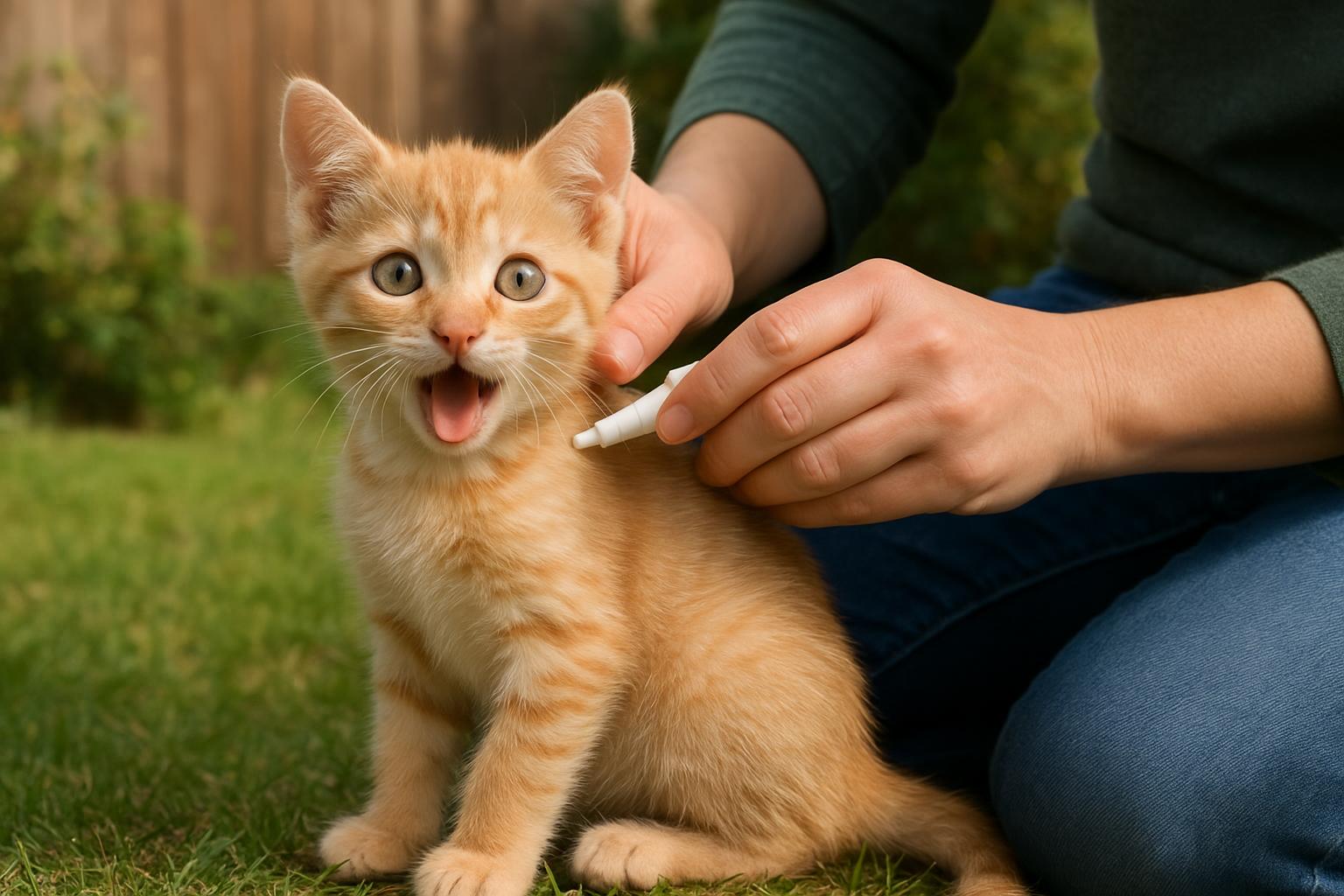
4. Part the fur at the base of the skull until the skin is visible. Avoid applying to areas the cat can lick.
5. Apply the entire dose directly to the skin. Do not massage excessively; a gentle press is sufficient to distribute the product to the skin surface.
6. Keep the cat indoors and prevent grooming or bathing for the time recommended on the product label (usually 24–48 hours).
7. Observe for any adverse reactions (excessive drooling, vomiting, tremors, or marked lethargy). Contact your veterinarian immediately if these occur.
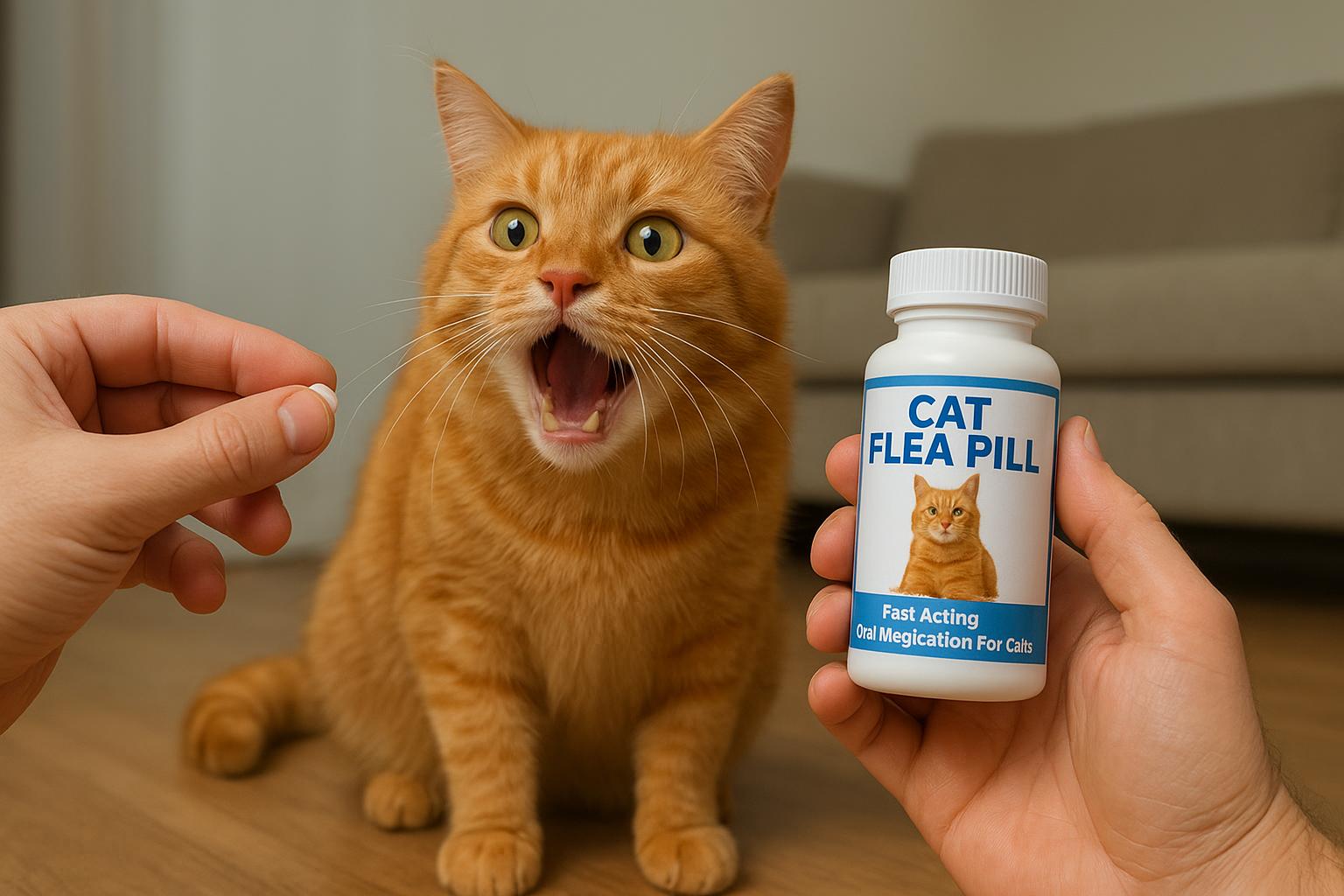
#### Step-By-Step Application (Oral Chewable)
1. Confirm the correct product and dose with your veterinarian.
2. Offer the chewable per label instructions. If the cat refuses, pills can sometimes be hidden in a small amount of soft food or placed directly in the mouth per veterinary guidance.
3. Monitor the cat for appetite, vomiting, or behavioral changes for 24 hours after administration.
4. Follow up with scheduled doses as directed to maintain protection.
Note: For multi-pet households, treat all animals as recommended by your veterinarian to prevent cross-contamination.
## 2. Environmental Control Using Food-Grade Diatomaceous Earth (Remedy 2)
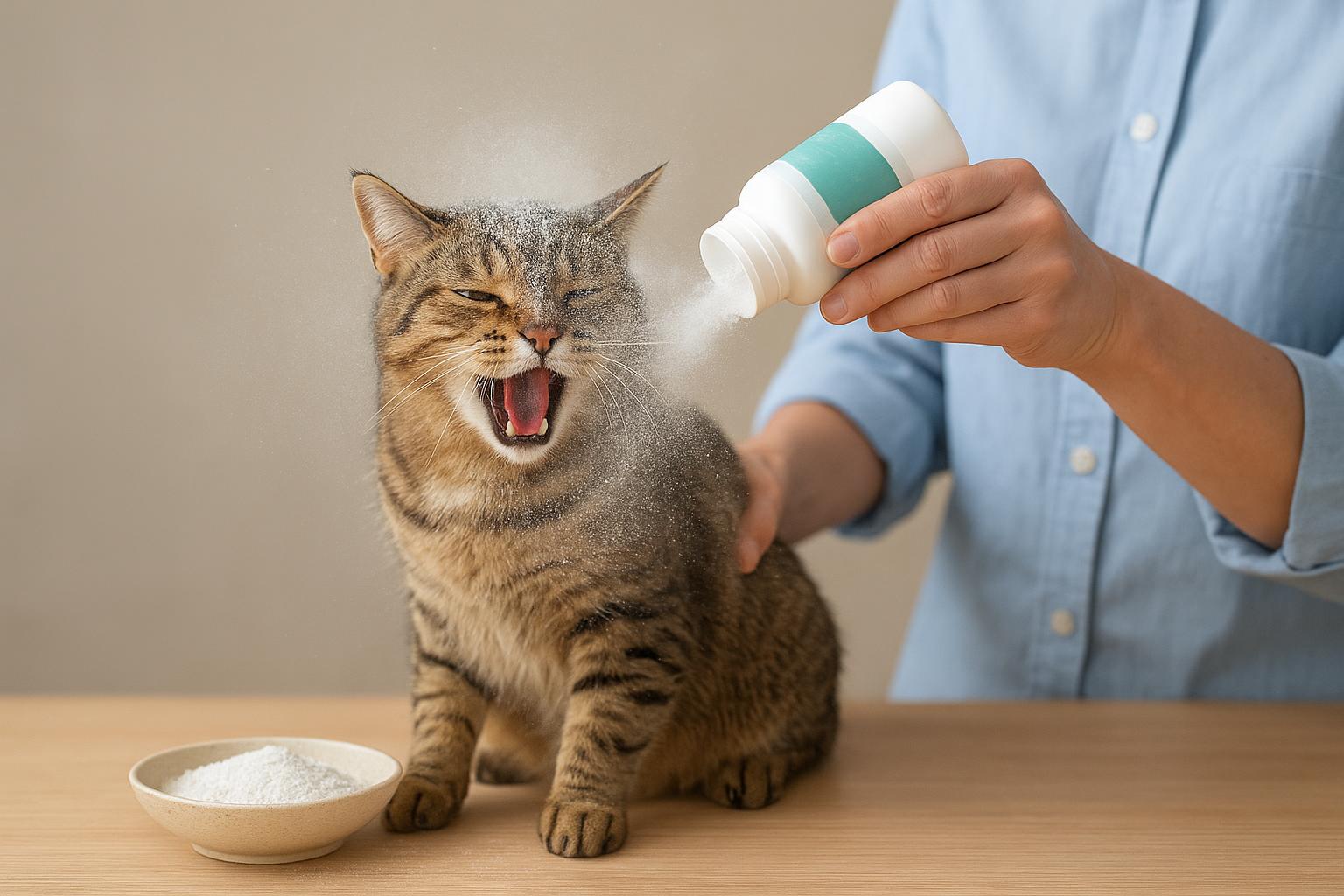
This remedy is focused on the environment and should be approached with care. Diatomaceous earth (DE) is a desiccant that can help reduce eggs and larvae in carpets and crevices. Use only food-grade DE and follow safety precautions—keep it away from pet and human eyes and lungs.
#### Required Materials
– Food-grade diatomaceous earth (DE)
– A mask or respirator to avoid inhaling dust
– Gloves
– A broom or brush and dustpan
– A powerful vacuum with a HEPA filter
– Old towels or rags
– Baking sheets or trays (optional, for treating bedding)
#### Step-By-Step Application
1. Vacuum the home thoroughly, focusing on pet bedding areas, carpets, rugs, and baseboards. Dispose of vacuum bag or empty canister contents outdoors in a sealed bag.
2. Put on a mask and gloves. Lightly dust DE over carpets, rugs, pet bedding (if washable and in areas where the pet does not lie immediately), and along baseboards. Use a fine sprinkling; DE works best when spread thinly.
3. Gently work DE into carpet fibers with a broom or brush; avoid creating dust clouds.
4. Leave DE in place for 48 hours to allow contact with eggs and larvae. Keep pets and children away from treated areas during this time.
5. After 48 hours, vacuum thoroughly. Repeat vacuuming over the following weeks to remove the killed debris and any remaining eggs or larvae.
6. Wash pet bedding in hot water and dry on high heat. For non-washable items, consider replacing or isolating them until the infestation is controlled.
7. Reapply monthly during peak flea season or as directed if you notice ongoing activity.
Safety Note: Avoid using fossil-based or non-food-grade DE products. If your household includes birds, note that DE dust can harm their respiratory systems; take extra precautions.
### Combining Remedies For Best Results
A combined approach—vet-approved medication for the animal plus targeted environmental control—gives the best chance of breaking the flea life cycle. Always coordinate with your veterinarian to choose the most appropriate treatment regimen and schedule for your cat and household.
## Practical Household Tips And Common Misconceptions
Not every home needs panic-level cleaning. For instance, washing bedding and vacuuming regularly are powerful habits. Contrary to some myths, rubbing alcohol or essential oils alone are not reliable flea killers and can be dangerous to cats; many oils are toxic to feline systems. If anyone in the household smokes, consider that nicotine-based treatments are toxic—stick with vet-prescribed options.
### How To Prevent Reinfestation
Keep up monthly preventatives, inspect new pets before introducing them to the home, and maintain a tidy outdoor space. Understanding fleas includes acknowledging that they love warm, shaded, humid spots—so altering habitat can make your yard less appealing to them.
## Resources And When To Escalate
If infestations persist despite careful treatment, consult a veterinarian about environmental insect growth regulators (IGRs) or professional pest control services experienced with pet-safe methods. Persistent problems may require a coordinated approach across pets, home cleaning, and yard management.
(Article intentionally ends here per requested format — no conclusion provided.)






Leave a Reply