
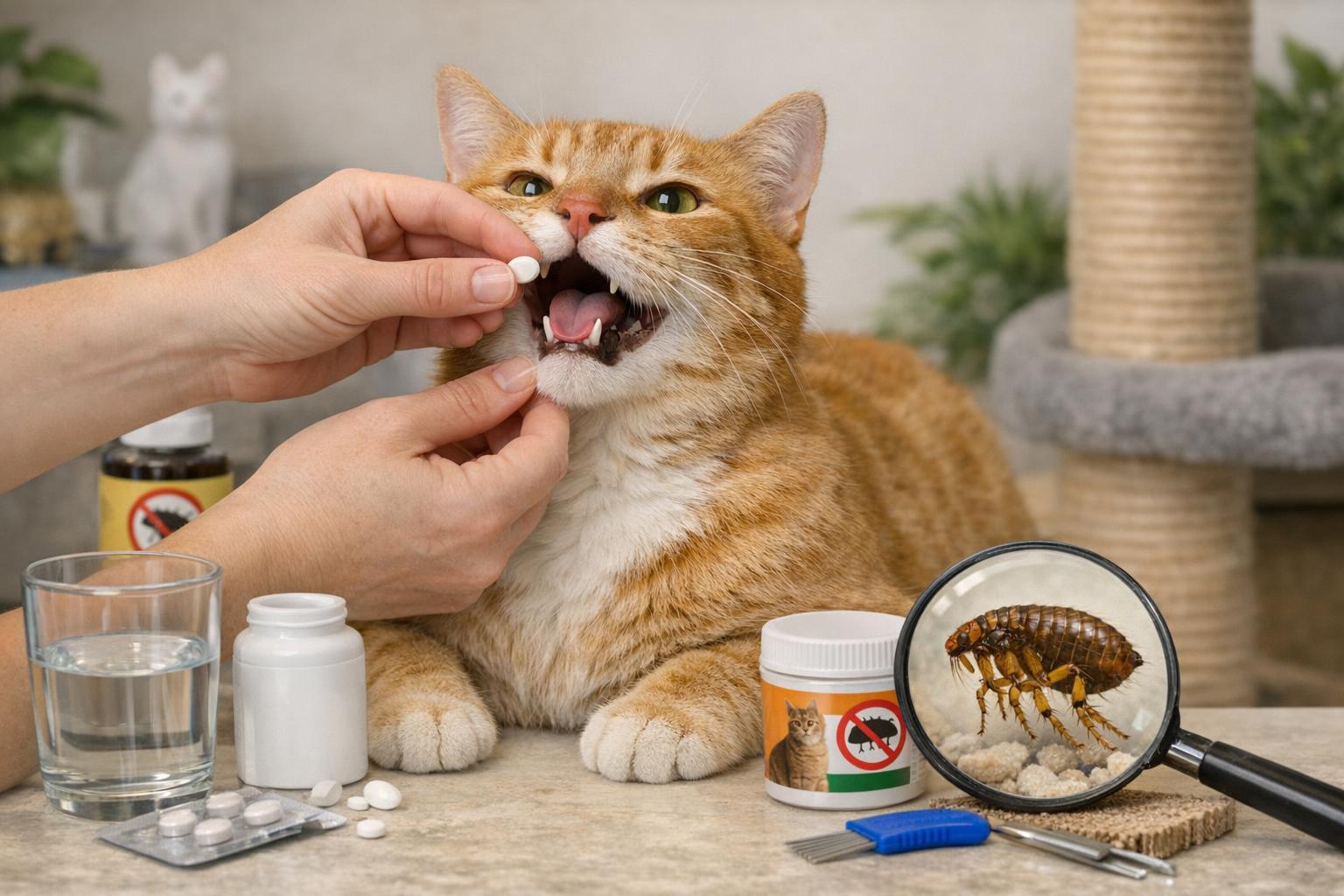
A sunbeam on the rug, a dog’s slow twitch as it scratches behind an ear — fleas choreograph in the margins of home life. Some treatments spray and soak, others coat the fur, and a distinctly modern path to peace is simple and steady: oral treatment. This guide leans into the question of how fleas are treated by mouth, unspooling practical, vet-safe options and gentle home-support measures so you can choose the route that fits your pet and your household.
## How Fleas Are Treated By Mouth: When Oral Treatment Makes Sense
Oral flea products have become a preferred option for many owners because they circulate active ingredients through the pet’s bloodstream. When a flea bites, it ingests a dose that disrupts its life cycle. Understanding how fleas are treated by mouth helps you weigh convenience, speed, and safety against the realities of your pet’s health history.
### How Oral Flea Products Work
Oral flea medications reach fleas systemically. There are two common mechanisms:
– Neurotoxic disruption: Some active compounds affect a flea’s nervous system, causing rapid death after ingestion.
– Growth inhibition: Other compounds prevent eggs from developing or emerging, breaking the infestation cycle over weeks.
These systemic actions mean the medication protects all of the pet’s skin surface at once — a major advantage compared with topical treatments that rely on even spread through fur oils.
### Who Benefits Most From Oral Treatments
Pets that swim frequently, are bathed regularly, have topical sensitivities, or live in multi-pet households often benefit from oral options. Oral therapy is also attractive when quick relief is needed: certain oral agents can kill adult fleas within hours.
## 1. Oral Veterinary Flea Tablets (Prescription And Over-The-Counter)
This section describes formal, veterinary-approved oral medications — the most reliable way to control fleas by mouth.
#### Materials And Ingredients
– Vet-prescribed flea tablets (active ingredients may include nitenpyram, spinosad, afoxolaner, fluralaner, lotilaner, or sarolaner). Always confirm the exact product and active ingredient with your veterinarian.
– Pill pouch or small treats to mask taste (optional; use vet-approved pouches).
– A dosing chart based on the pet’s weight (provided by your veterinarian or the product label).
#### Step-By-Step Administration
1. Confirm the correct product and dosage for your pet’s species, breed, age, and weight with your veterinarian.
2. Read the product insert for contraindications (e.g., pregnancy, seizures, drug interactions).
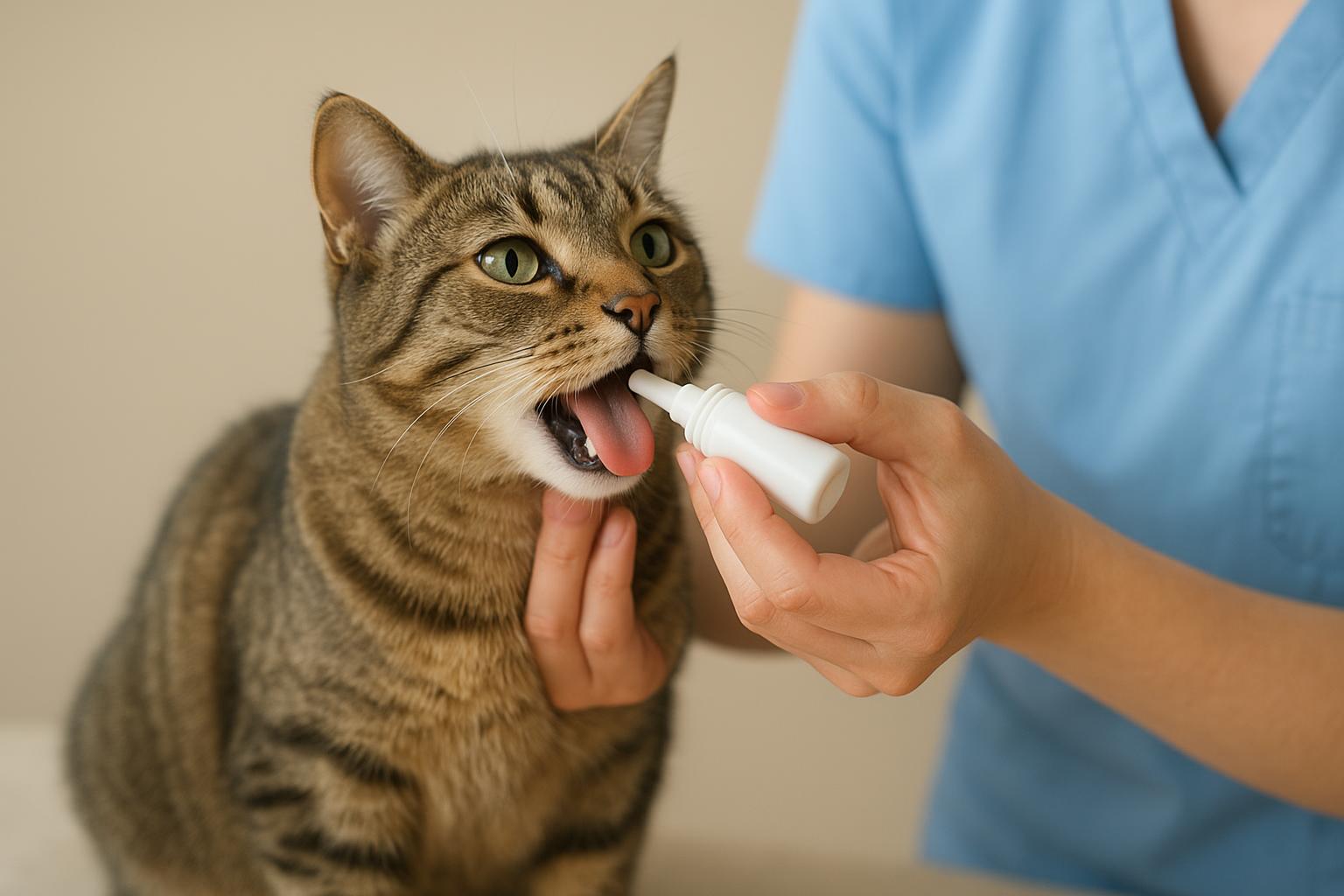
3. If your pet is anxious about pills, place the tablet in a pill pouch or hide it in a small amount of food; follow the product’s guidance about administering with or without food.
4. Give the tablet at the recommended interval. Some flea tablets are monthly, others last three months or more.
5. Monitor for adverse reactions for 24–72 hours (vomiting, lethargy, tremors, or skin reactions). Contact your veterinarian immediately if you notice concerning signs.
6. Maintain records of dosing dates to ensure consistent protection.
#### Formal Considerations And Safety Notes
– Never give human medications or other pets’ prescriptions to your animal.
– Certain breeds and species have sensitivities; for example, ivermectin-containing products can be dangerous to some dog breeds and are generally not substitutes for approved flea tablets.
– The phrase “flea tablets” is used widely, but the active compound and dosing schedule determine both effectiveness and safety.
## 2. A Safe Home Oral Support Regimen (Gentle, Non-Prescription Support)
This numbered remedy is a complementary, cautious regimen intended to support overall skin health and may make your pet less hospitable to fleas. It is not a substitute for veterinary flea tablets when an active infestation exists, but it can be part of an integrated plan.
#### Ingredients / Required Materials
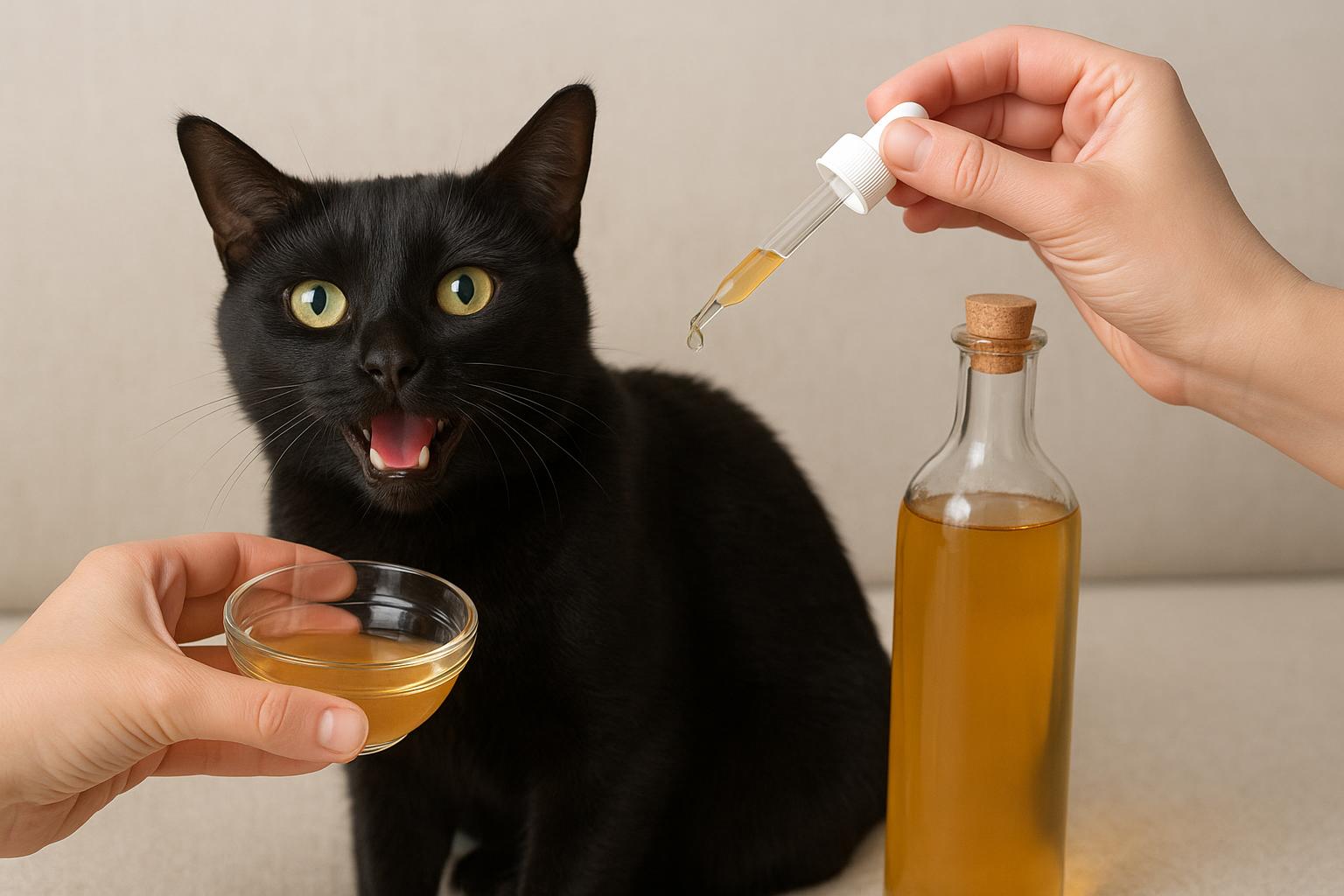
– High-quality omega-3 fish oil supplement formulated for pets (EPA/DHA content labeled).
– Pet-appropriate B-complex vitamin or brewer’s yeast supplement (veterinary-approved).
– A nutritional chew or capsule delivery method recommended by your veterinarian.
– Measuring spoons and a dosing log.
#### Step-By-Step Creation And Application
1. Consult your veterinarian to confirm that supplements are safe for your pet (especially crucial for cats, pets with liver disease, or animals on other medications).
2. Select pet-specific supplements with transparent ingredient lists. Avoid human-grade herbal blends not tested in animals.
3. Calculate the correct dose by weight following the veterinarian’s guidance or product labeling.
4. Administer supplements daily with food to improve absorption; use a treat or pill pouch to ensure full intake.
5. Maintain the regimen for at least 6–8 weeks while simultaneously using approved flea tablets or other flea control measures. Track any changes in skin condition, coat sheen, or itching.
6. If you observe improvement and no adverse effects, continue as part of a holistic pest-preventive plan; otherwise, discontinue and consult your veterinarian.
### Notes On “Mouth Fleas” And Safety
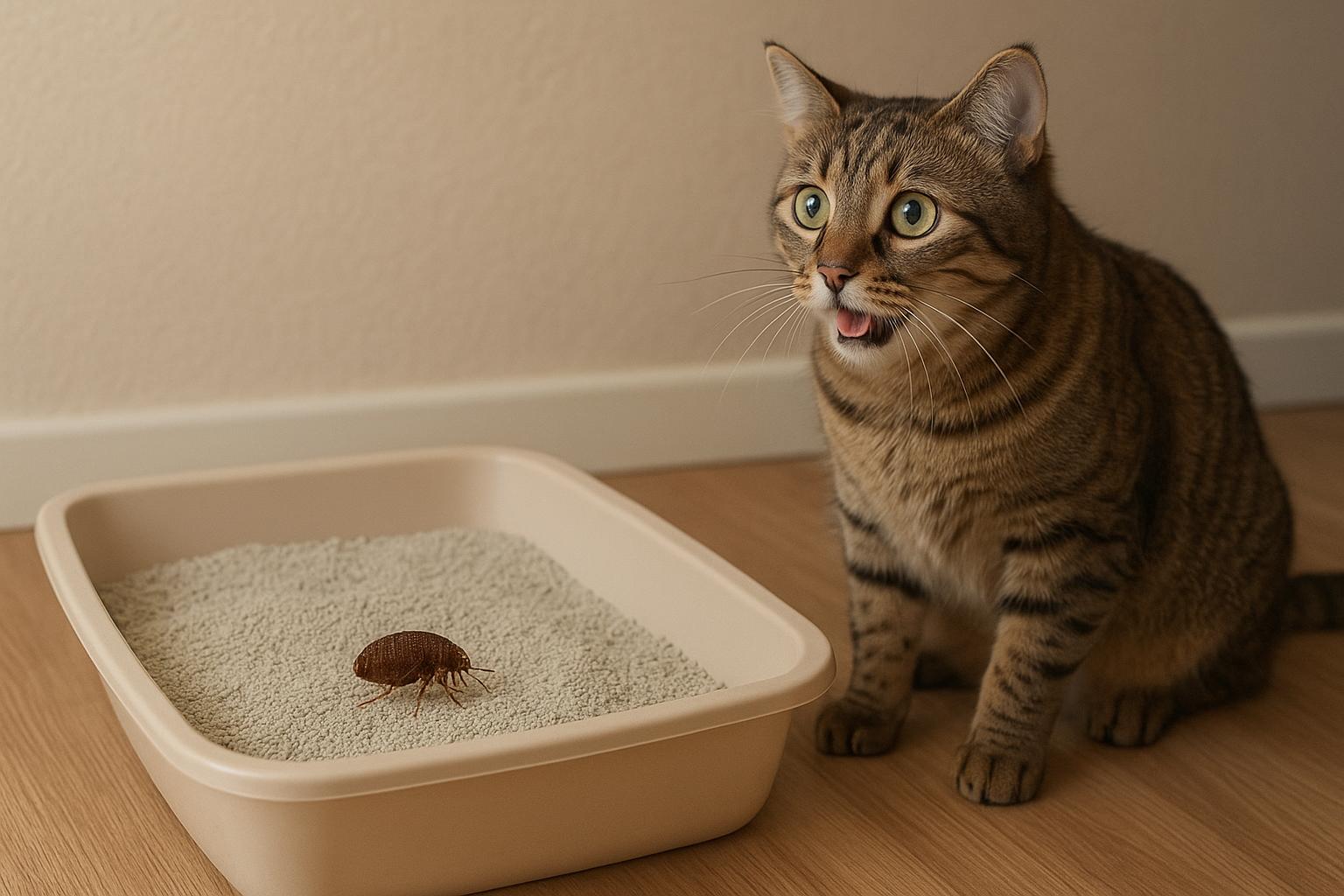
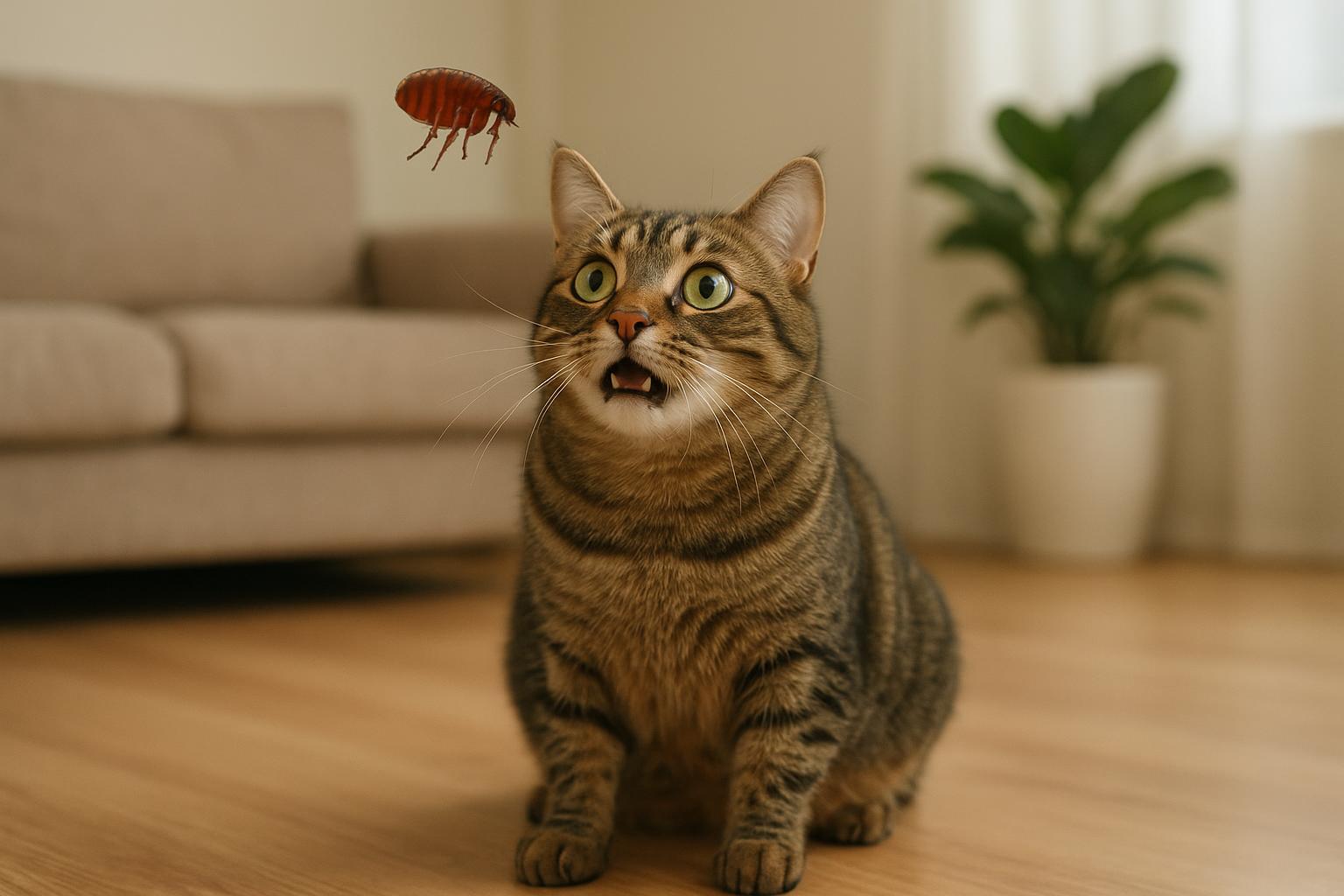
Pets sometimes ingest fleas during grooming; these so-called “mouth fleas” are normally killed by stomach acid and rarely cause persistent disease, but they can indicate a heavy infestation. An oral treatment strategy addresses both adult fleas and, depending on the product, immature life stages — so it directly reduces the pool of mouth fleas your pet might pick up repeatedly.
## Environmental And Household Measures To Support Oral Treatment
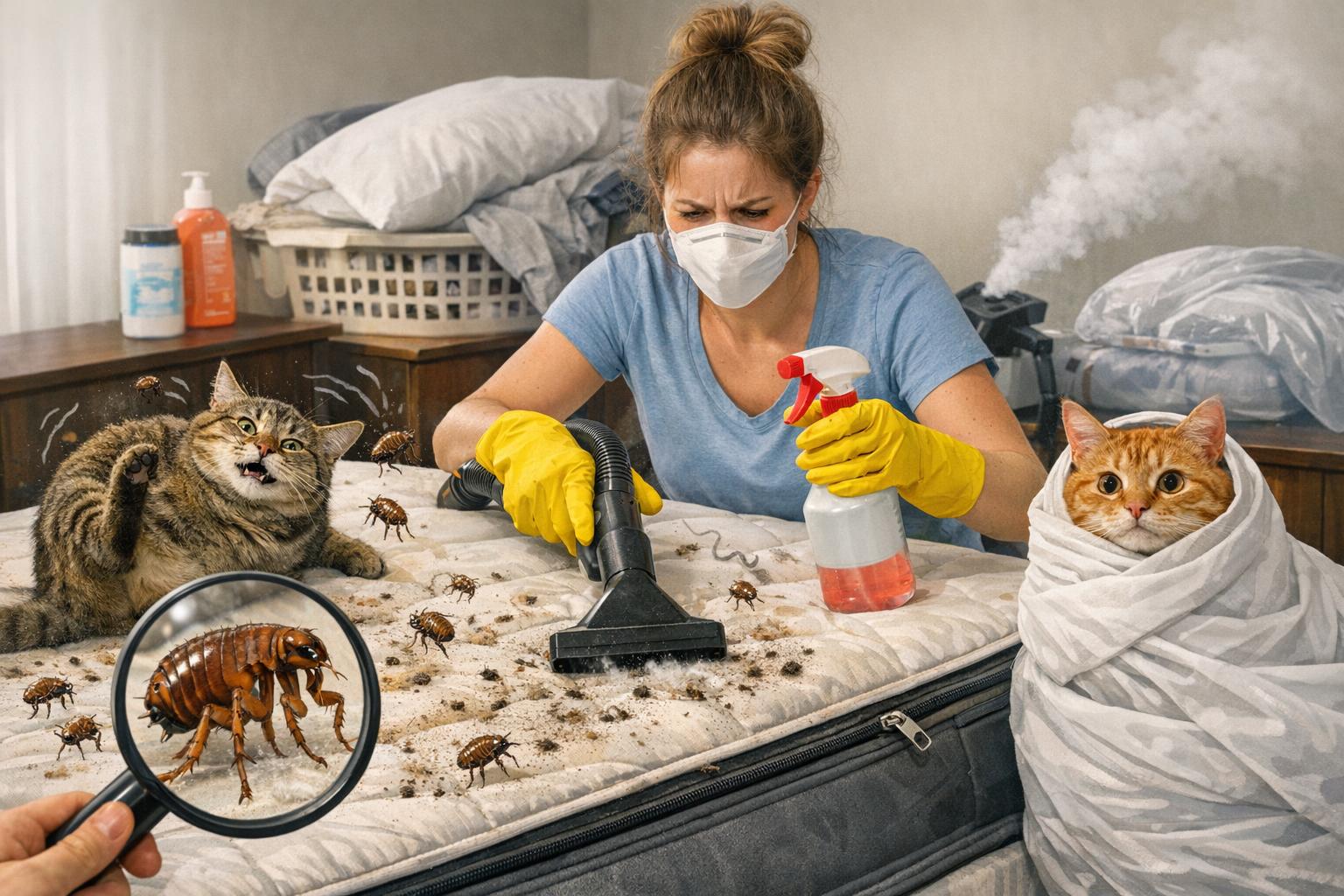
Treating your pet by mouth is highly effective when paired with measures that remove eggs, larvae, and pupae from the home.
### Key Materials
– Vacuum cleaner with attachments
– Washing machine (hot cycle)
– Food-grade diatomaceous earth (optional, for carpets/outdoor shaded areas)
– Enzyme cleaner for pet bedding and frequent spots
### Application Steps
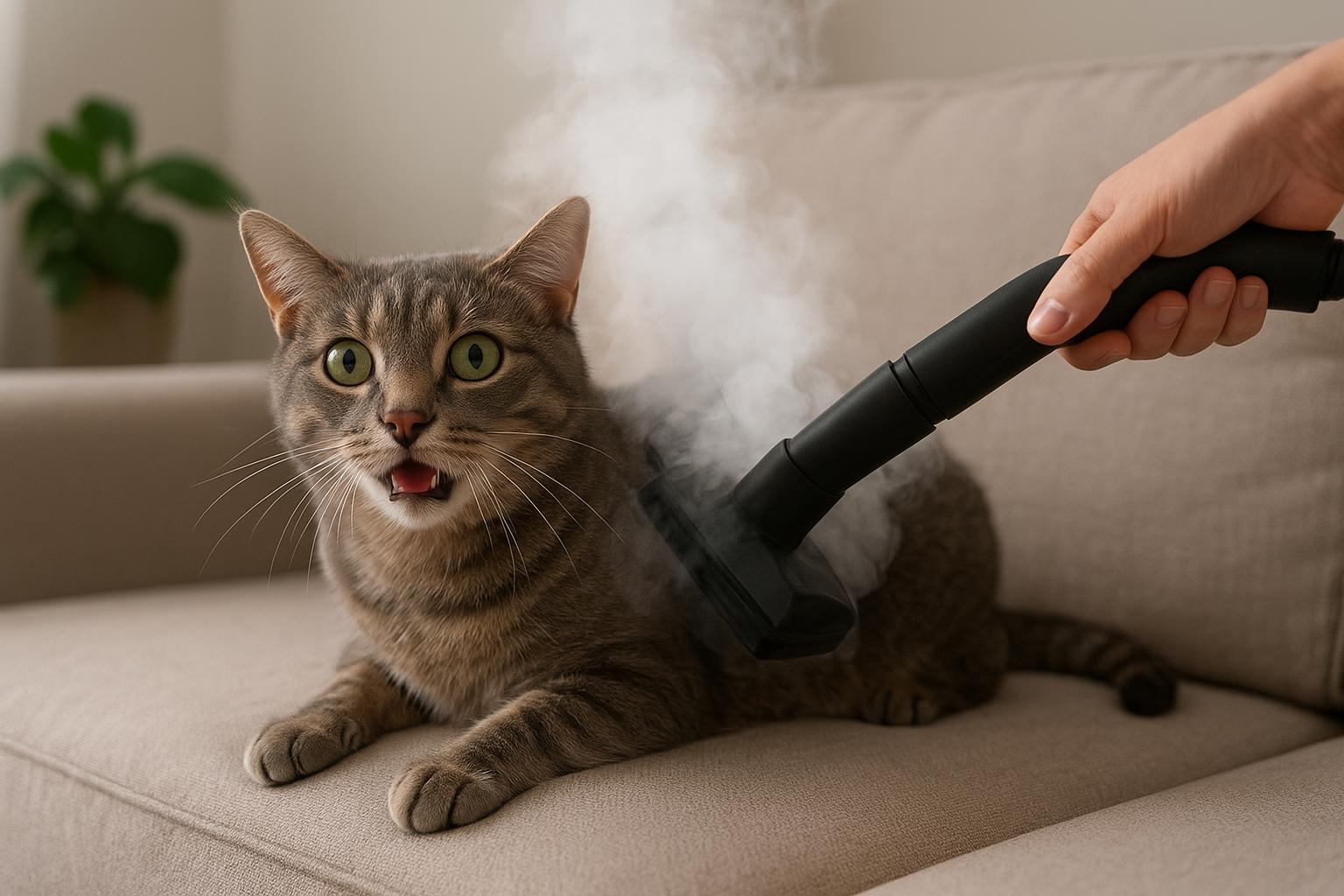
1. Vacuum floors, upholstery, and pet bedding daily for two weeks, then several times weekly for a month. Empty the vacuum canister or change bags outside.
2. Wash all pet bedding, toys, and removable coverings in hot water and dry on high heat weekly.
3. Treat outdoor areas where pets rest with pet-safe environmental products or diatomaceous earth, following label directions.
4. Consider insect growth regulators (IGRs) for severe household infestations; consult your veterinarian or pest professional for safe selection.
## Understanding Risks And Choosing Between Options
When considering how fleas are treated by mouth, weigh these factors:
– Speed: Some oral flea tablets kill adult fleas within hours, offering fast relief.
– Coverage: Oral treatments protect the entire animal, unaffected by bathing or swimming.
– Life-Cycle Control: Certain oral compounds include egg and larval control, reducing reinfestation.
– Safety: Prescription flea tablets have been extensively tested; however, individual sensitivity exists and veterinary guidance is essential.
### When To Avoid Oral Home Remedies
Avoid unverified home “oral cures” that suggest feeding household herbs, human medications, or essential oils internally to pets. These can be toxic, especially to cats. If a label or recipe is not explicitly formulated for the target species and lacks veterinary endorsement, do not administer it.
## Frequently Asked Practical Points About Oral Flea Care
### How Quickly Will Oral Treatments Work?
Speed depends on the active ingredient. Some products kill adult fleas within 30 minutes to a few hours; others act more slowly but provide extended protection.
### Can I Use Flea Tablets With Topical Products?
Combination use should be directed by a veterinarian. Some product interactions increase the risk of side effects. Use the phrase “flea tablets” as a prompt to discuss the specific brand and active ingredient when consulting your vet.
### Are Oral Treatments Safe For All Pets?
Most oral flea tablets are safe for healthy adult dogs and some cats, but exceptions exist. Puppies, kittens, pregnant animals, and pets with certain medical histories may require alternative approaches. Always verify species-specific approval and dosing.
### What About Pets That Lick Each Other And Create “Mouth Fleas”?
If grooming leads to ingestion of adult fleas, staple oral treatment actually reduces the number of fleas available to be eaten. Concurrent environmental clean-up prevents continual re-exposure.
## Monitoring And Follow-Up After Starting Oral Therapy
Track dosing dates, observe for any changes in appetite, behavior, or skin, and recheck with your veterinarian according to the product schedule. If the infestation persists despite correct use of veterinary flea tablets and environmental control, consider veterinary re-evaluation for resistant flea populations or alternative treatments.
Remain attentive to your pet’s response to any oral regimen — formal flea tablets and carefully chosen supportive supplements are both tools in the same toolbox. Together with environmental action, they answer the core question of how fleas are treated by mouth in a way that is effective, safe, and designed around your animal’s well-being.




Leave a Reply