
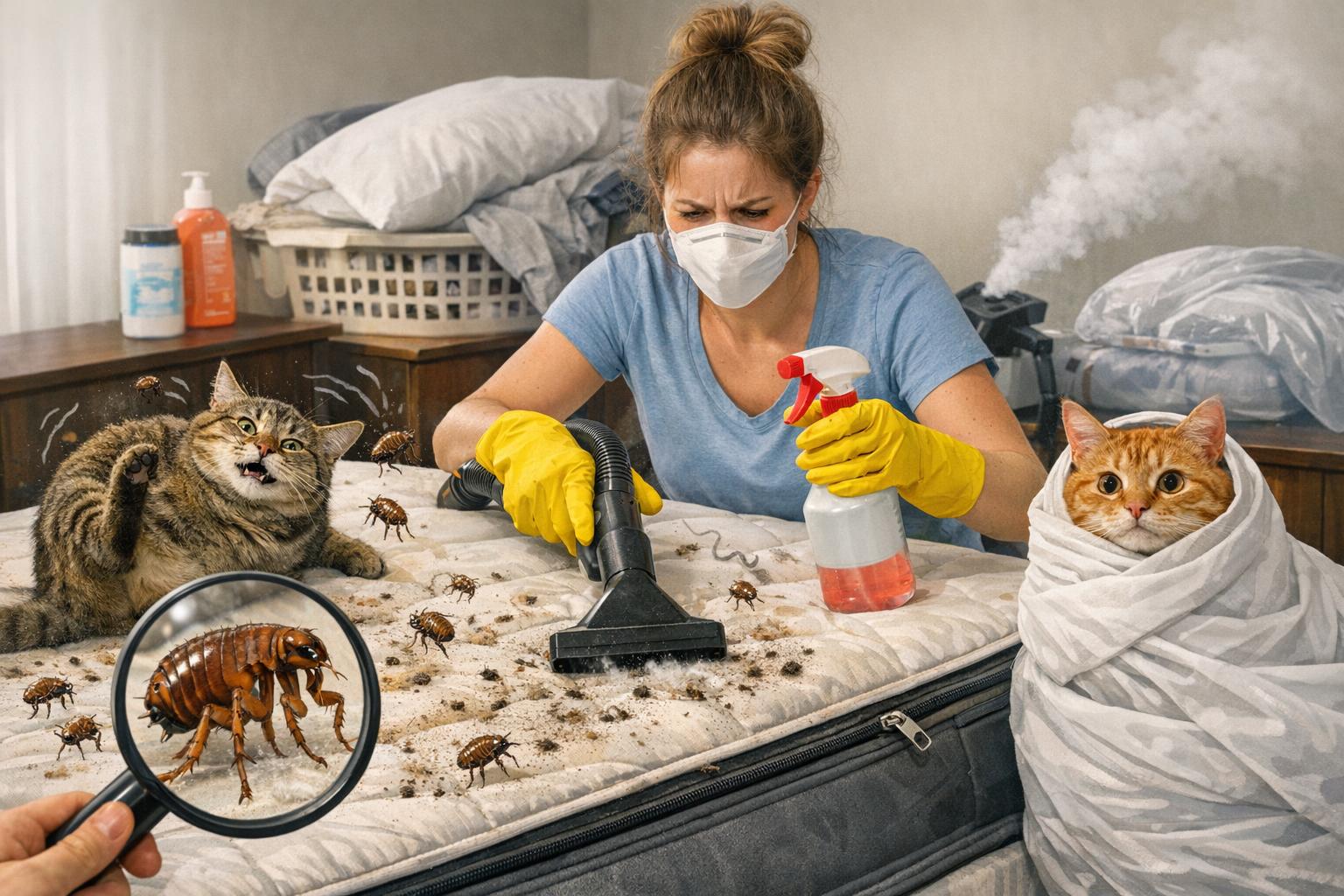
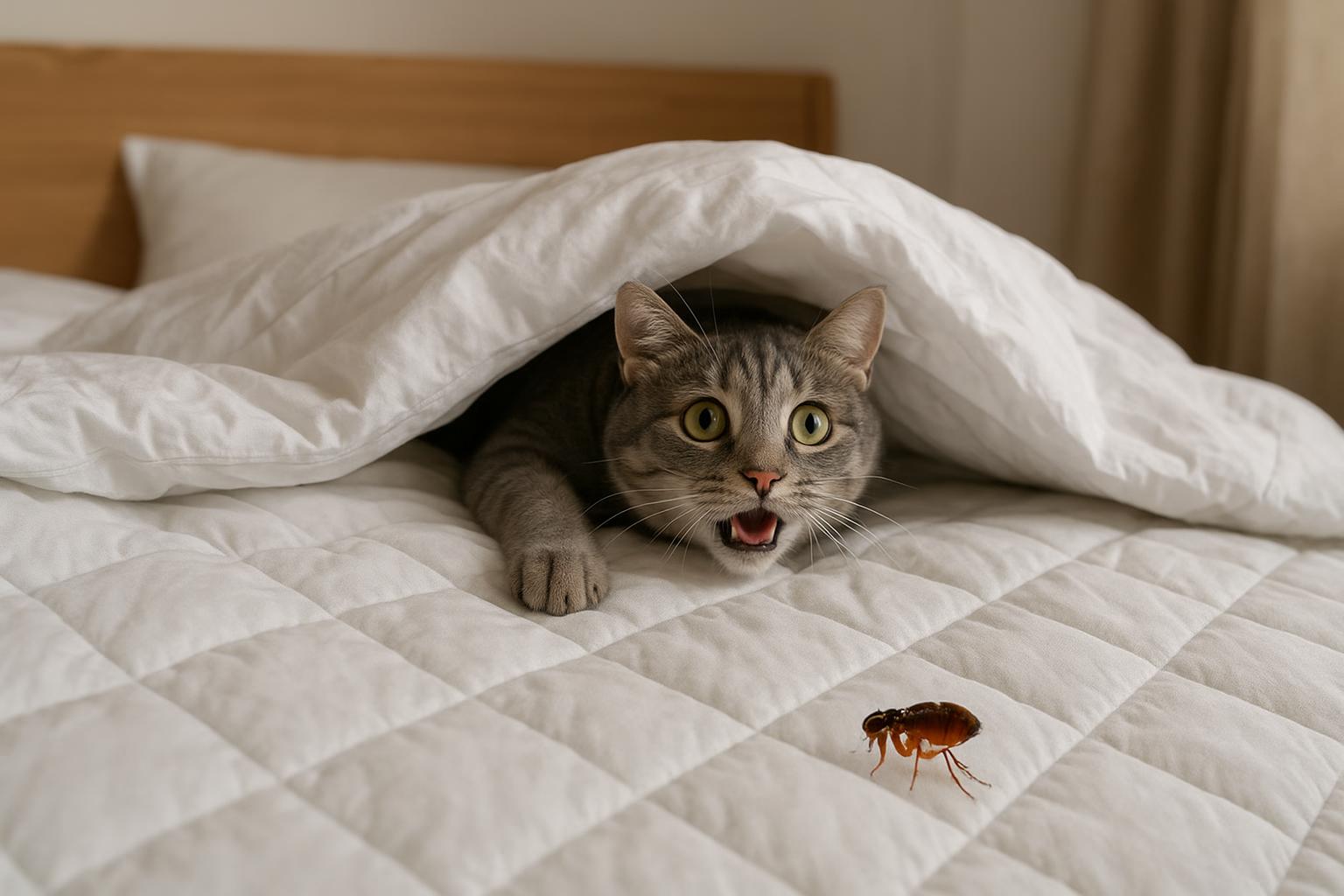
Flea infestations in bedding and mattresses create an urgent hygiene concern for both pets and people. Effective action requires careful removal of adult fleas, eggs and larvae, followed by steps that prevent reinfestation. This article outlines safe, pet-friendly methods and detailed procedures for how to clean flea-infested bedding while protecting animals, fabric integrity and household members.
## How To Clean Flea-Infested Bedding
Assessing the extent of infestation is the first step when determining how to clean flea-infested bedding. Small, isolated infestations can often be resolved with rigorous bedding cleaning and environmental controls; heavier infestations may require professional pest control and veterinary attention for the host animal. The following sections present numbered, practical remedies that prioritize non-toxic approaches suitable for homes with dogs, cats and other companion animals. These methods are part of comprehensive flea bedding care and should be combined with on-animal treatment and home hygiene.
### 1. Hot-Wash And Heat-Dry Method
#### Materials Required
– Washing machine capable of high-temperature cycles
– Clothes dryer with high heat setting
– Laundry detergent (pet-safe if possible)
– Stiff brush or lint brush
– Plastic bags or containers for transport
#### Steps
1. Remove all removable bedding, pillow covers and mattress protectors. Seal items in plastic bags if fleas are visible to avoid spreading.
2. Pre-brush heavily soiled areas outside if possible to dislodge adult fleas and debris.
3. Wash bedding in the hottest water safe for the fabric. Most flea stages are killed at water temperatures above 60°C (140°F). If the care label forbids such heat, select the hottest allowable cycle.
4. Use a full cycle with detergent; do not shorten cycles.
5. Immediately transfer items to a dryer and tumble on the highest heat setting safe for the fabric for at least 30–60 minutes. High heat is critical: it destroys eggs and larvae that survive washing.
6. Remove and store clean bedding in sealed containers until pets have been treated and the bedroom is cleaned.
This method is the cornerstone of flea bedding care for washable textiles and is frequently the most reliable single remedy for how to clean flea-infested bedding.
### 2. Vacuuming, Steam Cleaning And Mattress Care
#### Materials Required
– High-suction vacuum with crevice tool and HEPA filtration if available
– Steam cleaner rated for upholstery and mattress use
– Stiff brush (for seams)
– Disposable vacuum bags or sealed containers for post-vacuum disposal
#### Steps
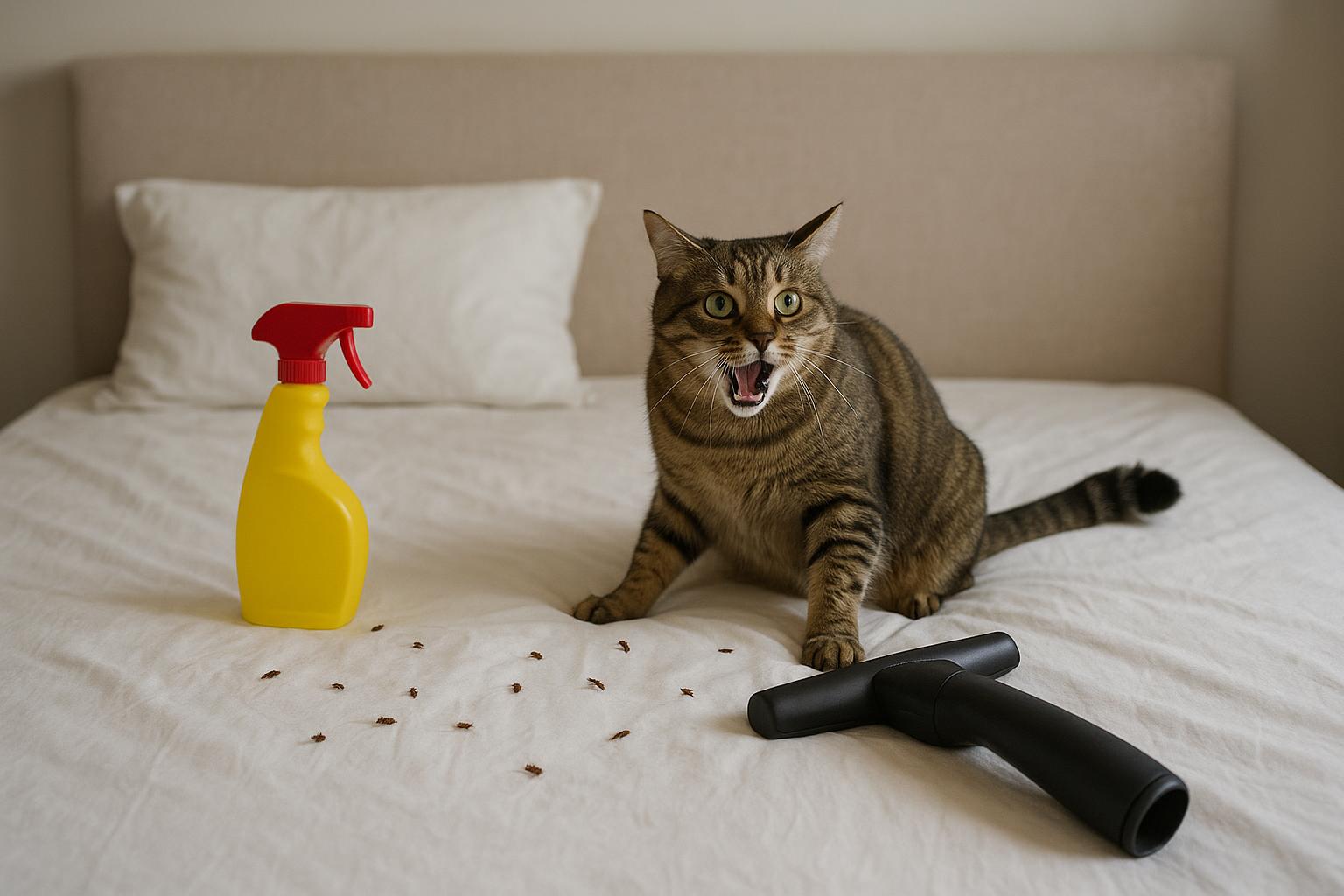
1. Strip the bed and vacuum the mattress surface thoroughly, paying special attention to seams, tufts and edges where eggs and larvae gather.
2. After vacuuming, seal and dispose of vacuum debris promptly in an outdoor trash can or place it in a sealed container to prevent adult fleas from escaping.
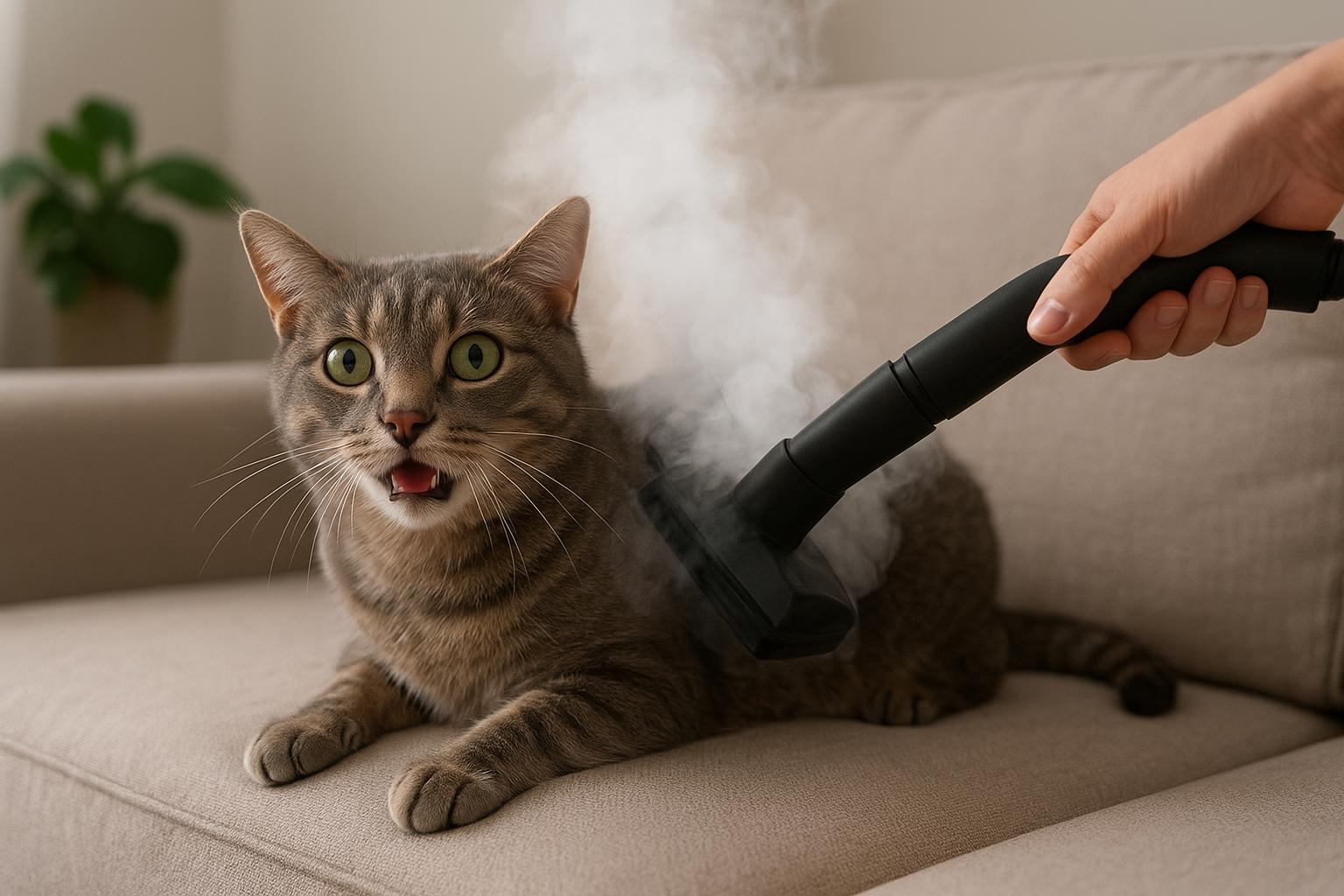
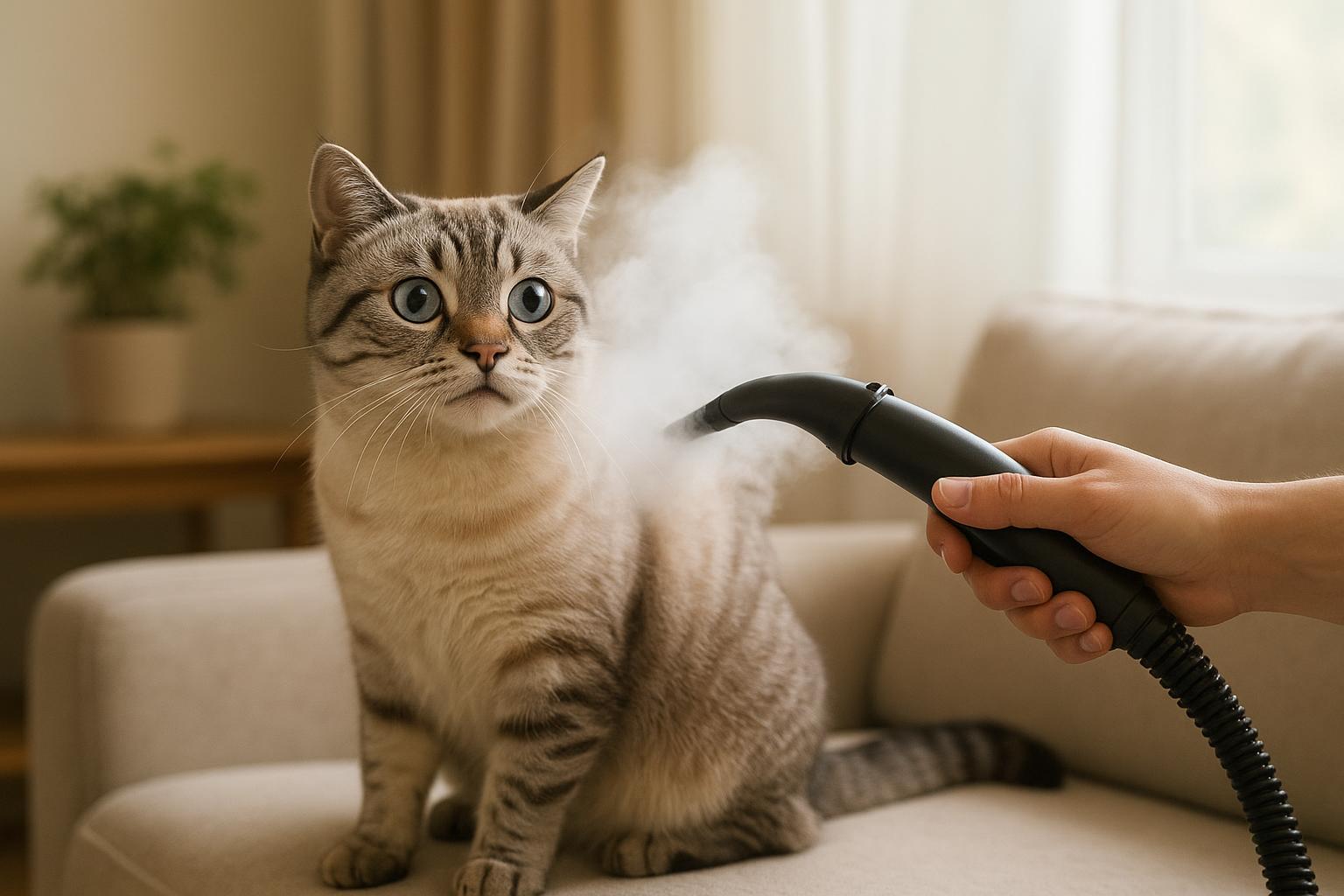
3. Use a steam cleaner on the mattress following manufacturer instructions. Steam at temperatures above 120°F (49°C) and pass slowly to allow heat penetration; this kills adults, eggs and larvae on contact.
4. For non-washable protectors and pillows, apply steam to seams and fabric folds. Allow the mattress and bedding to dry completely in a well-ventilated area or under a fan.
5. Repeat vacuuming and steaming every few days for two weeks to intercept newly hatched fleas and reduce reinfestation.
This bedding cleaning and deep environmental approach addresses life stages that laundering alone may miss and is an important component of integrated flea control.
### 3. Diatomaceous Earth And Natural Dust Treatments
#### Materials Required
– Food-grade diatomaceous earth (DE)
– Dust mask and gloves
– Soft brush or duster
– Handheld applicator or shaker
– Vacuum cleaner
#### Steps
1. Use only food-grade DE; industrial grades contain additives harmful to pets.
2. In a well-ventilated area, lightly dust mattress seams and floor around the bed with DE. Avoid over-application; a thin coating is effective.
3. Leave DE in place for 48–72 hours to dehydrate and kill larvae and emerging adults.
4. Vacuum thoroughly after the waiting period. Seal and dispose of vacuum contents as previously described.
5. Keep pets away from treated areas until vacuuming is complete and dust has settled.
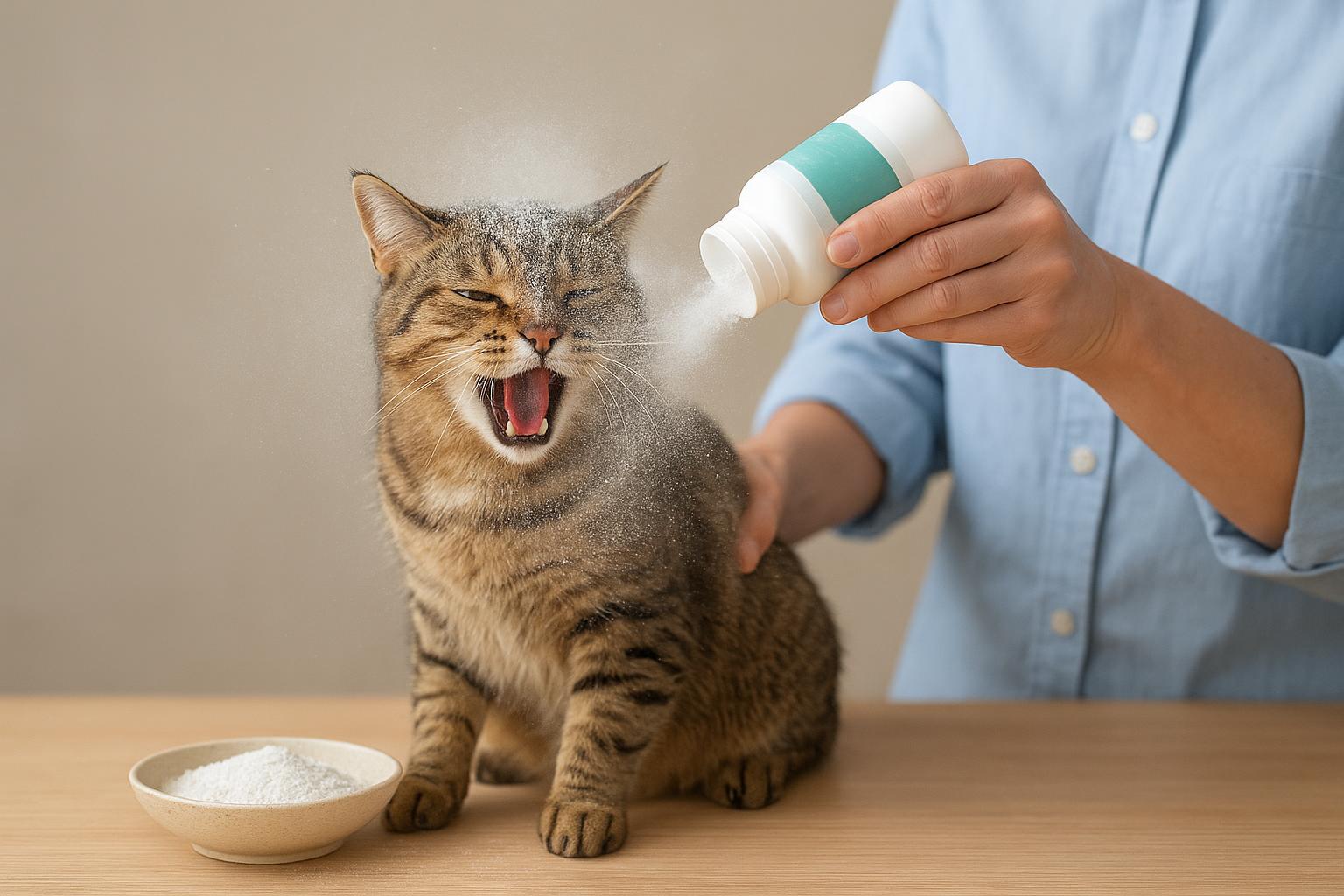
Diatomaceous earth can be a low-toxicity option within a broader flea bedding care regimen, but it must be used carefully to avoid respiratory irritation in pets and humans.
### 4. Freezing, Sunlight And Non-Washable Items
#### Materials Required
– Large plastic bags or airtight containers
– Freezer with sufficient space (for small items)
– Outdoor space with direct sunlight or a drying line
– Sealing tape or clips
#### Steps
1. For small, non-washable items (stuffed toys, certain pillows), place them in airtight bags and freeze at 0°F (-18°C) for 48–72 hours. Extreme cold kills eggs and larvae.
2. For larger items that tolerate sunlight, place bedding in direct sun on a dry day. Prolonged heat and UV exposure help reduce flea viability. Rotate and expose seams and undersides.
3. After freezing or sun treatment, immediately vacuum and brush fabrics to remove dead fleas and debris.
4. Store treated non-washable items in sealed containers until the entire environment and pets have been treated.
Freezing is a reliable option when washing is not possible; similarly, direct sunlight can assist as part of a multifaceted bedding cleaning approach.
## Preventive Measures And Ongoing Bedding Cleaning
Maintaining a clean environment is essential to avoid recurrence after initial treatment. Regular bedding cleaning at least weekly, routine vacuuming of sleeping areas and use of mattress protectors that are laundered frequently form the backbone of preventive flea bedding care. For households with pets, coordinate on-animal flea control—topical, oral or collar-based treatments prescribed by a veterinarian—with household cleaning efforts to break the flea lifecycle.
Include these practices:
– Wash pet bedding separately and more frequently than human bedding.
– Seal and clean floors and carpets in adjacent rooms.
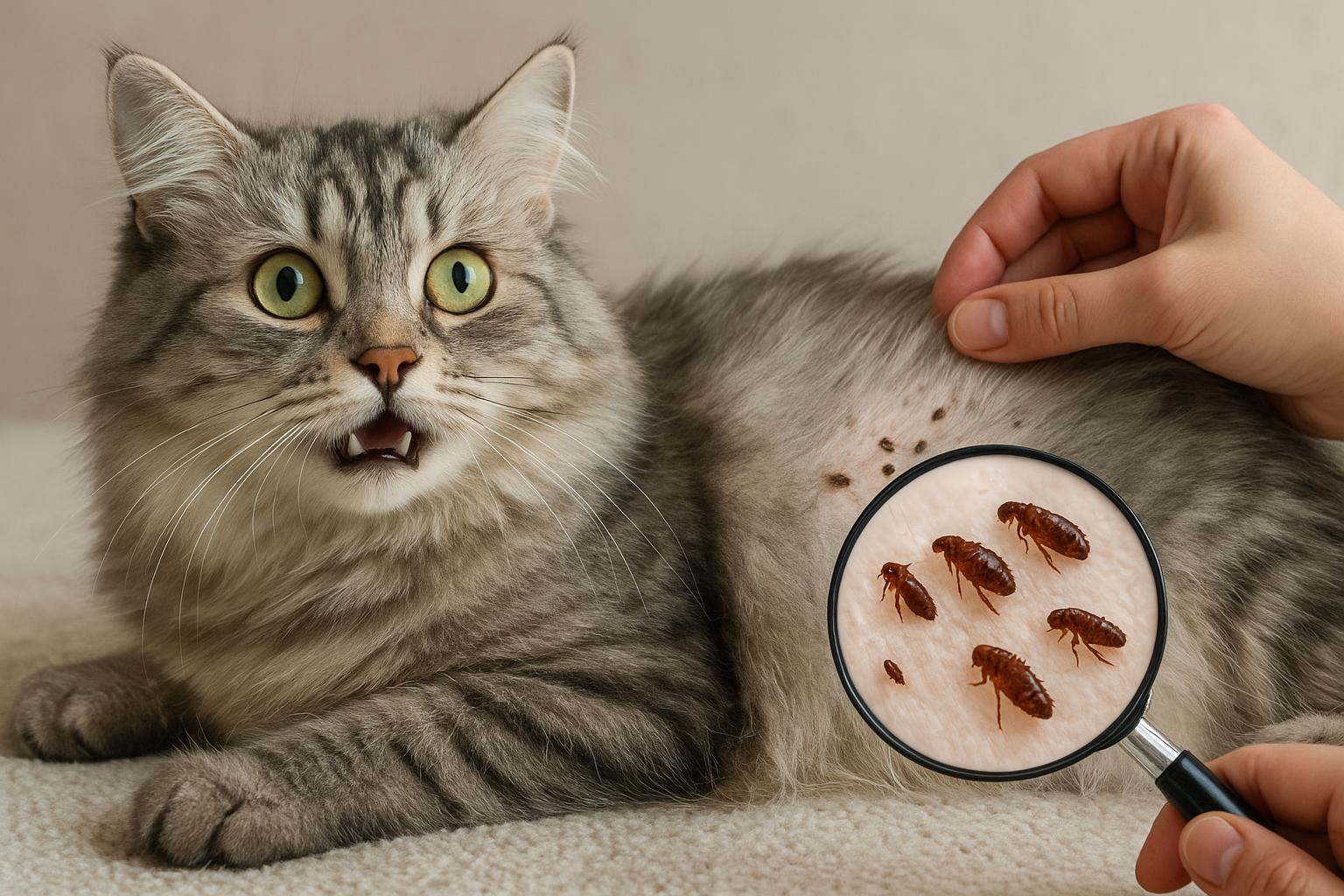
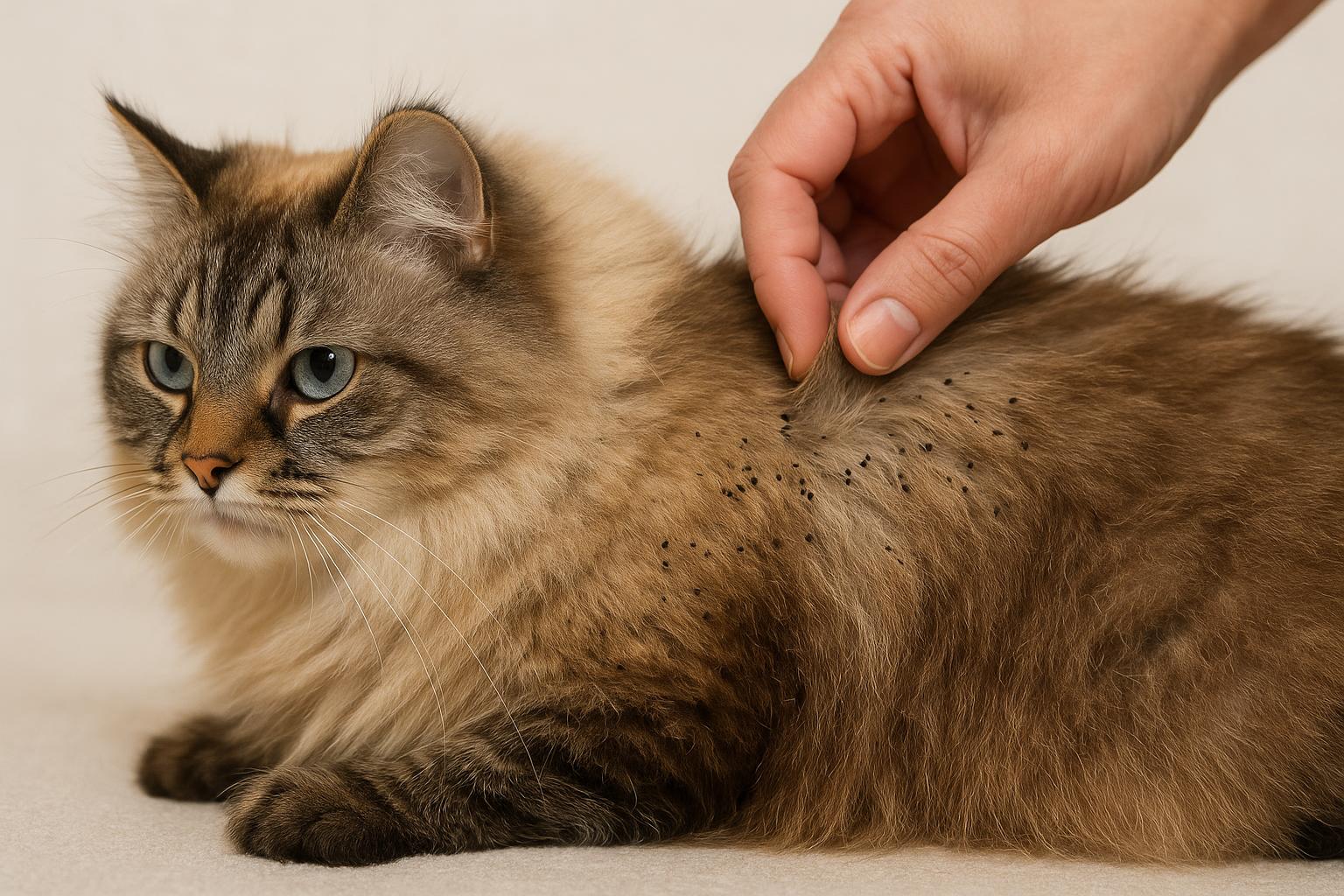
– Inspect pets weekly and consult your veterinarian at the first sign of infestation.
When selecting any chemical or professional pesticide for mattresses or indoor areas, follow label instructions strictly and consult a pest-control professional experienced with homes containing animals.
## When To Seek Professional Help And Veterinary Advice
If standard measures for how to clean flea-infested bedding fail to reduce flea numbers within two to three weeks, or if pets show signs of heavy infestation (anemia, severe itching, skin infections), consult a veterinarian immediately. Professional extermination specialists may be necessary for heavy or persistent infestations; choose firms that use pet-safe protocols and ask for specifics regarding indoor application and reentry times.
For households managing flea issues, integrated approaches combining bedding cleaning, living-space treatments and veterinary care are most effective. Maintaining labeled records of all products used and dates of treatment will aid professionals and veterinarians in selecting subsequent interventions.
### Additional Safety Considerations For Bedding Cleaning
#### Materials Required
– Gloves and protective eyewear
– Pet-safe cleaners and detergents
– Sealed plastic storage containers or bags
#### Steps
1. Read fabric care labels before applying heat, steam or chemicals.
2. Use protective gear when handling insecticidal dusts or sprays.
3. Keep pets and children away from treated areas until they are dry and safe.
4. Store all flea treatment products out of reach of pets, and dispose of contaminated vacuum bags promptly.
Consistent, careful application of these steps will improve outcomes and reduce health risks associated with flea control products.
Throughout the process, document actions taken and monitor both the bedding and pets for signs of persistent infestation. Properly executed bedding cleaning coupled with responsible on-animal treatment and environmental controls comprises best-practice flea bedding care and ensures that efforts to determine how to clean flea-infested bedding are effective and safe.








Leave a Reply