
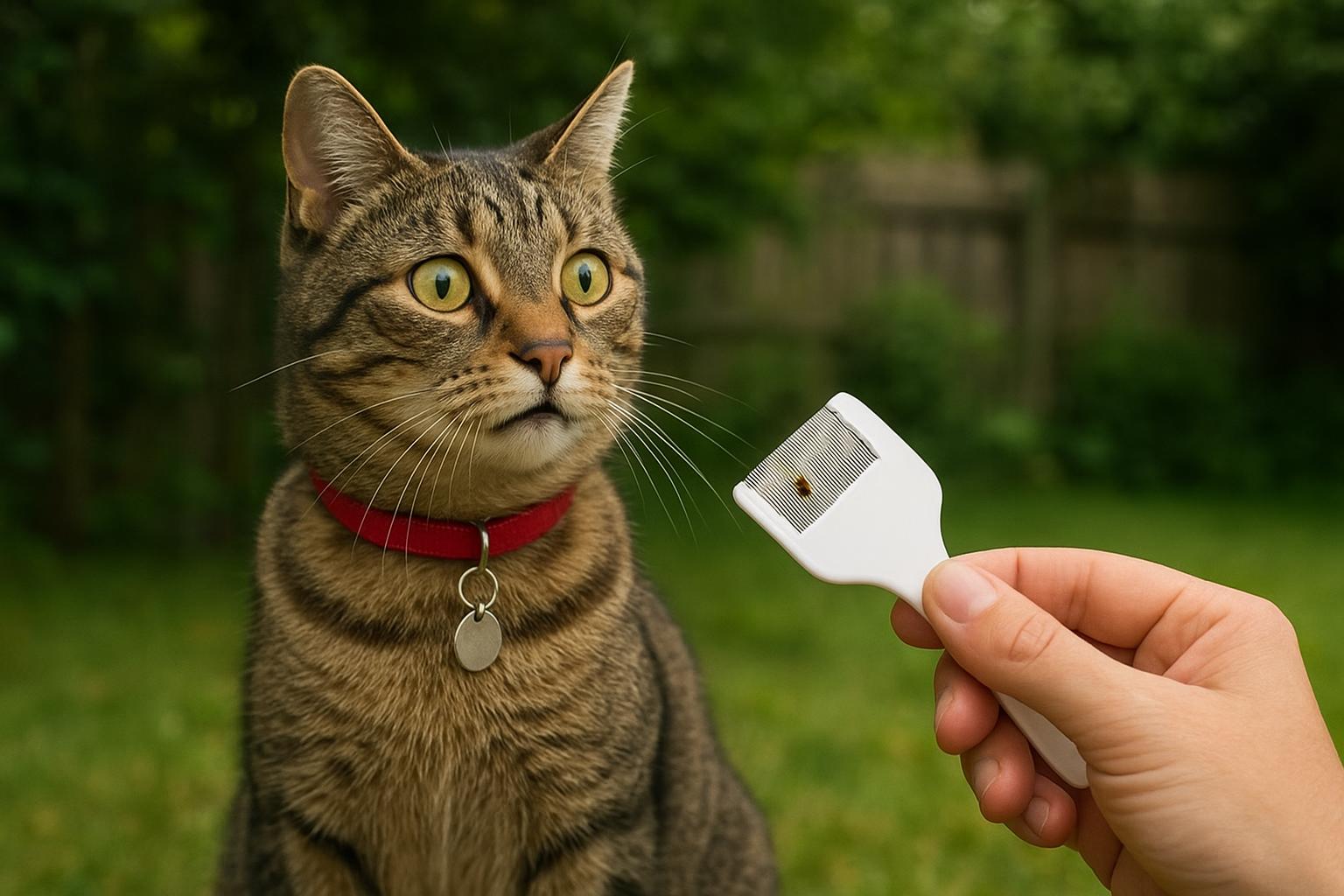
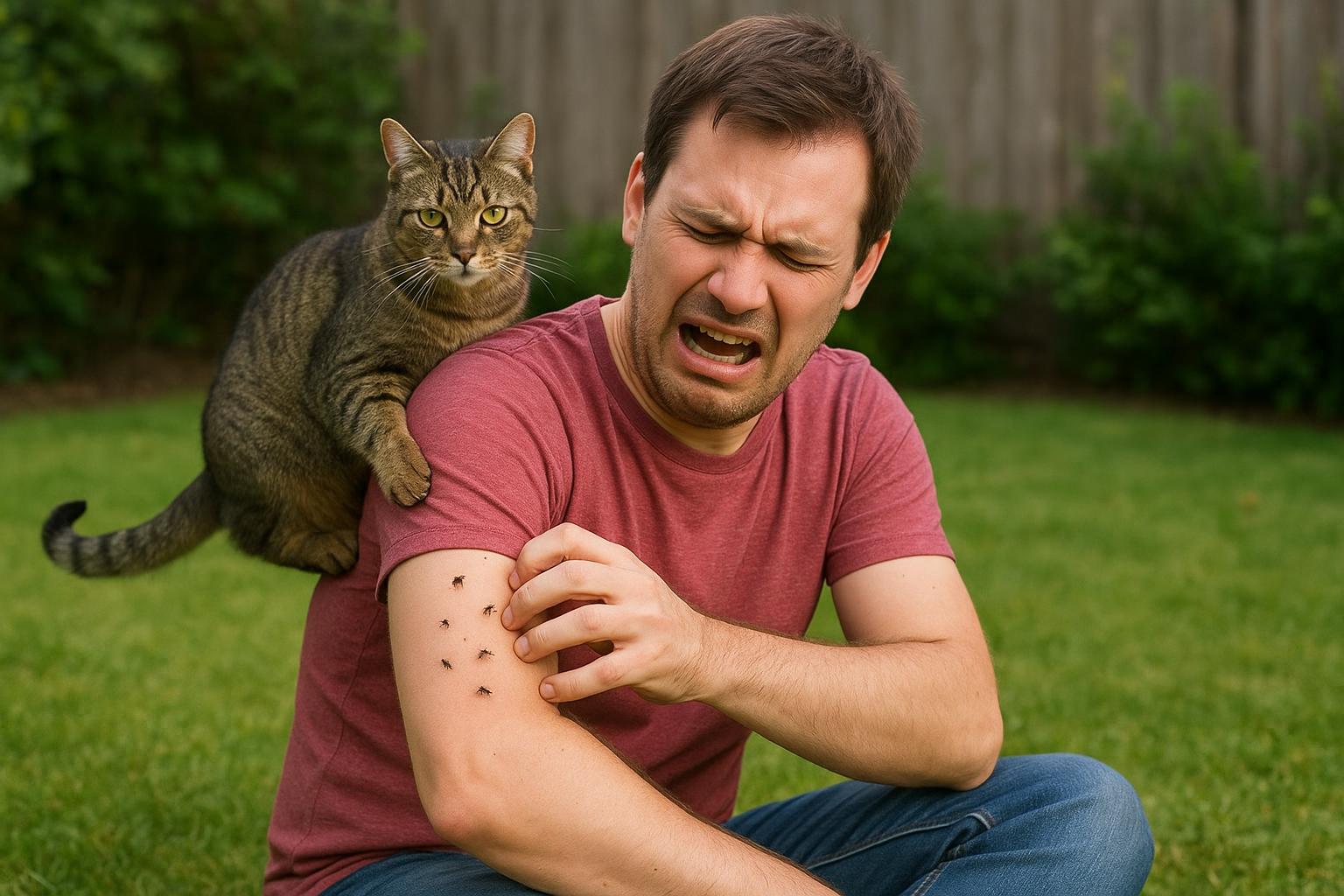
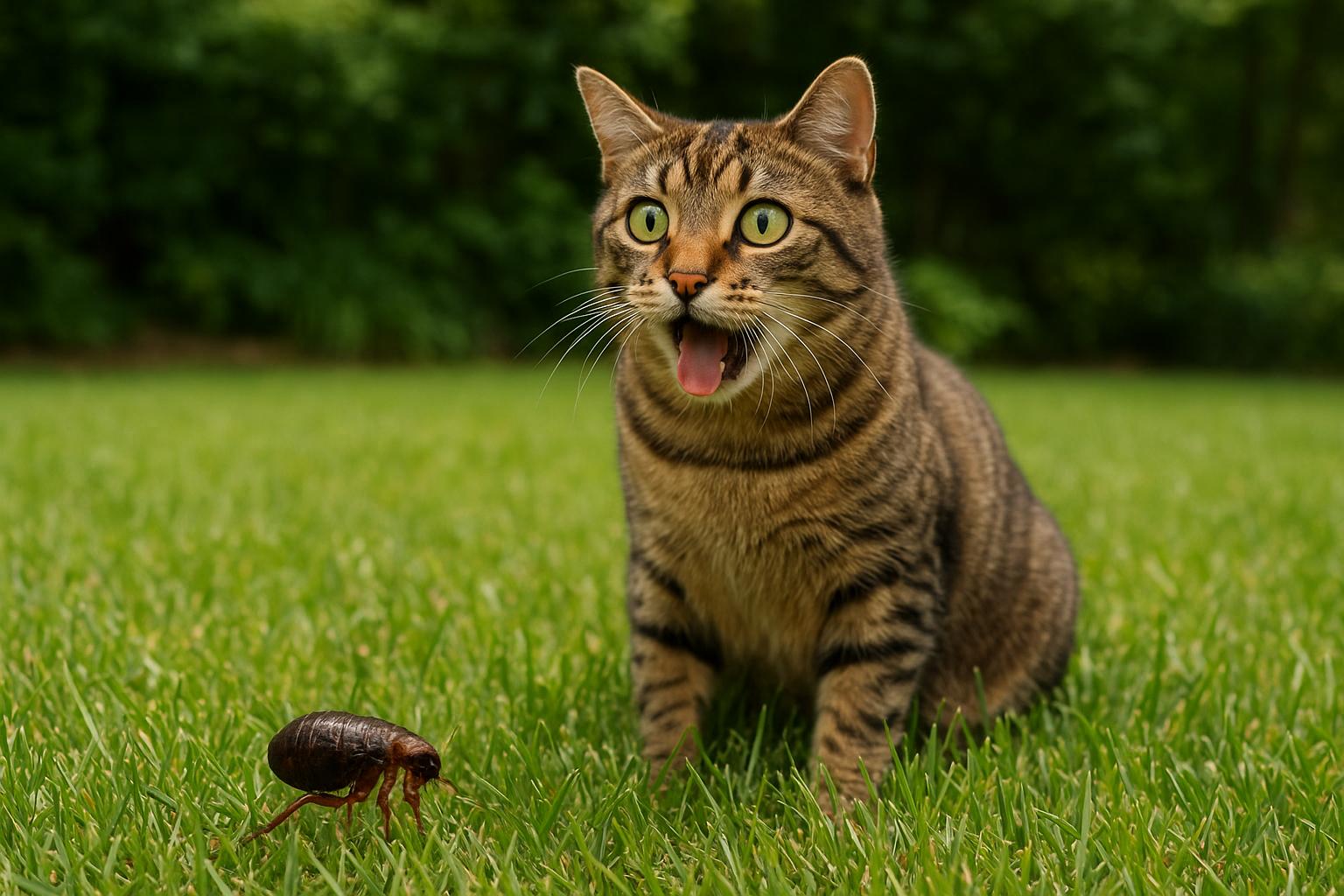
Keeping fleas out of your backyard is less about a one-time blitz and more about consistent attention with a relaxed, sensible approach. Think of it as a friendly monthly checkup for your yard: a little time each month can prevent a lot of itch later. Below are practical ways to do reliable flea monitoring and prevention without giving up your weekend hammock time.
## Why Monthly Flea Monitoring Matters
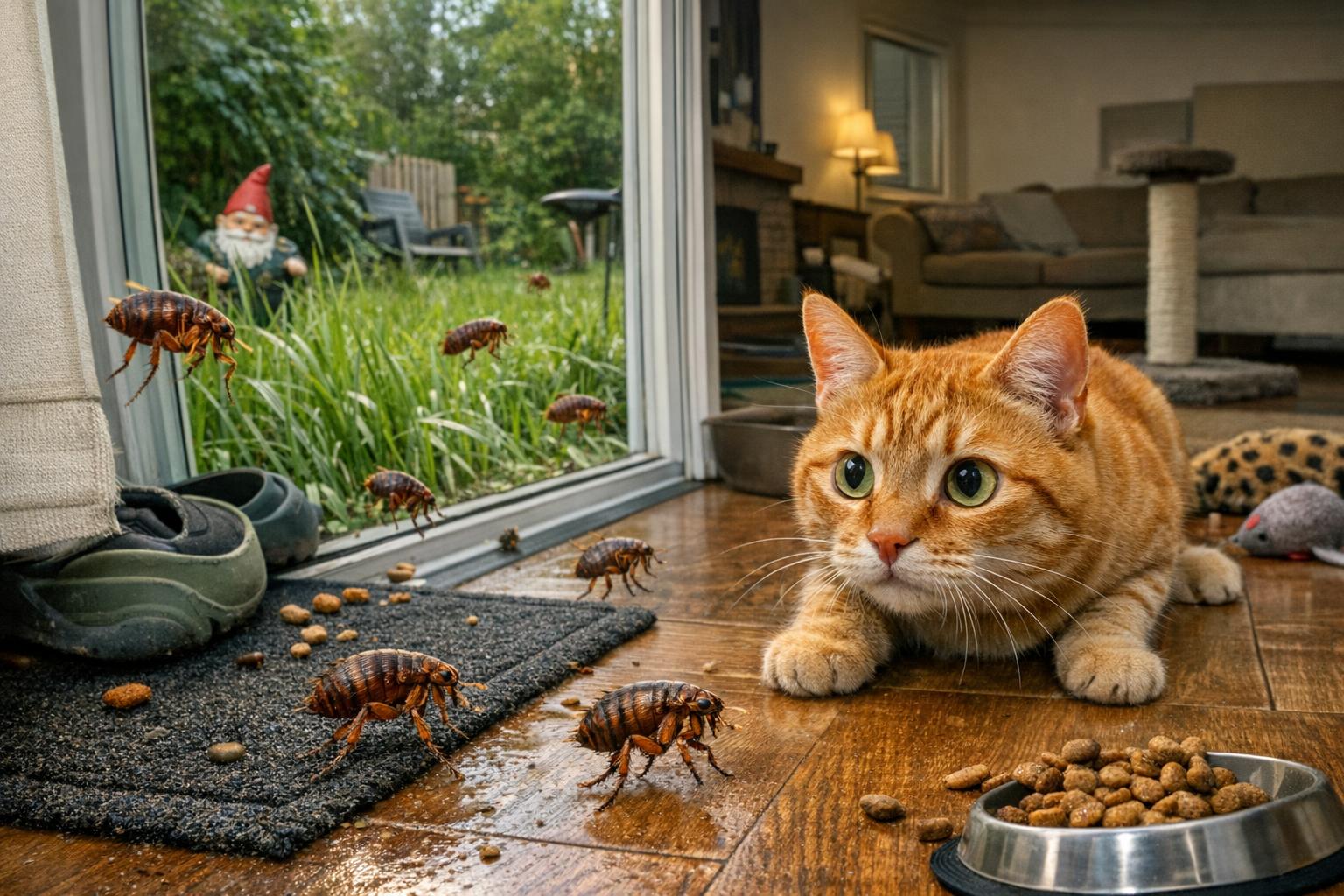
Fleas reproduce quickly, and their life cycle stages hide in soil, leaf litter, tall grass, and even shady mulch. Monthly flea monitoring gives you a recurring snapshot of what’s happening in your outdoor living spaces. It helps you catch small problems before they balloon into an infestation, and it’s a smart way to coordinate treatments around seasonal shifts and wildlife activity.
### Backyard Flea Life Cycle
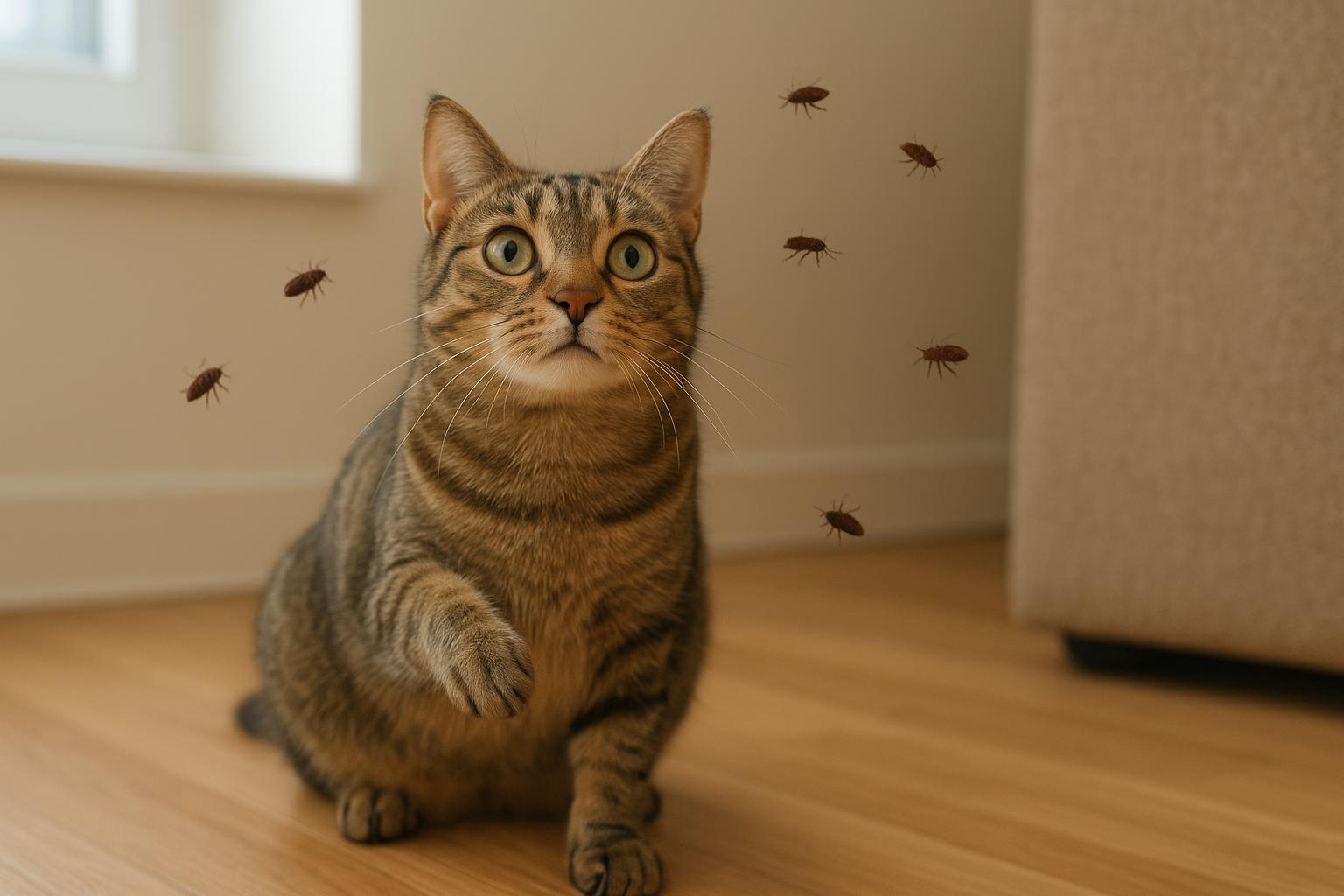
Understanding the flea life cycle makes monitoring make more sense. Adult fleas live on hosts (pets, wildlife); females lay eggs that fall into the environment; eggs hatch into larvae, pupae form in protected spots, and adults emerge when conditions are right. Eggs and pupae can be dormant for months, so an area that looks fine one month can develop problems later if you skip checks.
#### How Weather And Wildlife Affect Flea Numbers
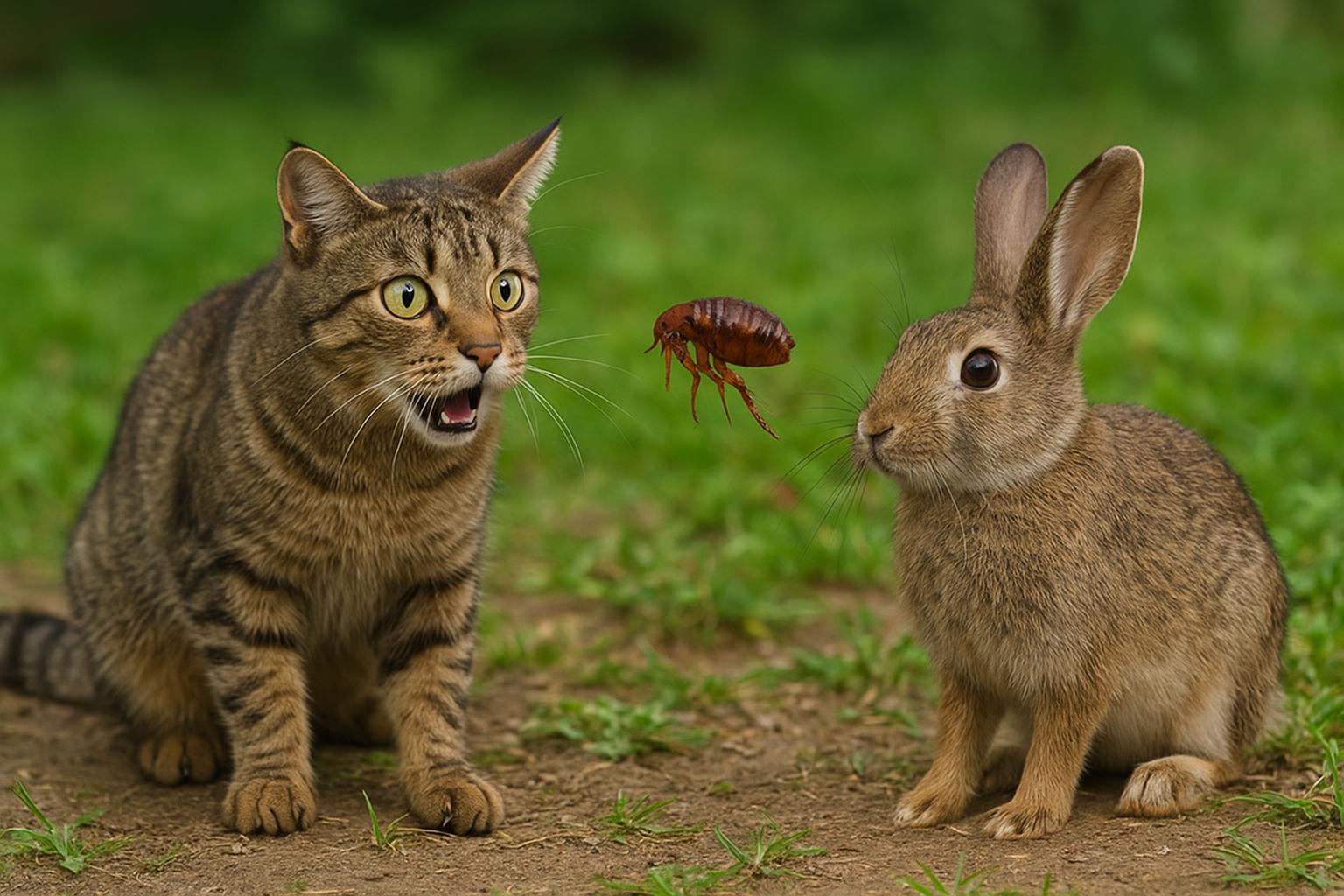
Rain, humidity, and warm temperatures speed development from egg to adult. Wildlife such as raccoons, feral cats, and opossums are frequent carriers and can seed your yard. Monthly flea monitoring helps you correlate spikes with weather patterns or increased wildlife activity.
## Simple Monthly Flea Monitoring Checklist
Make this your monthly ritual. A checklist keeps it quick and practical.
– Walk the perimeter and key zones of the yard (pet run, under decks, woodpiles, shaded borders). Look for pet bedding, animal dens, and damp pockets where pupae might shelter.
– Perform the white sock test: wear light-colored socks, walk through grassy and shrub areas for five to ten minutes, then check for small dark specks that jump. This is a simple, low-tech flea monitoring tool.
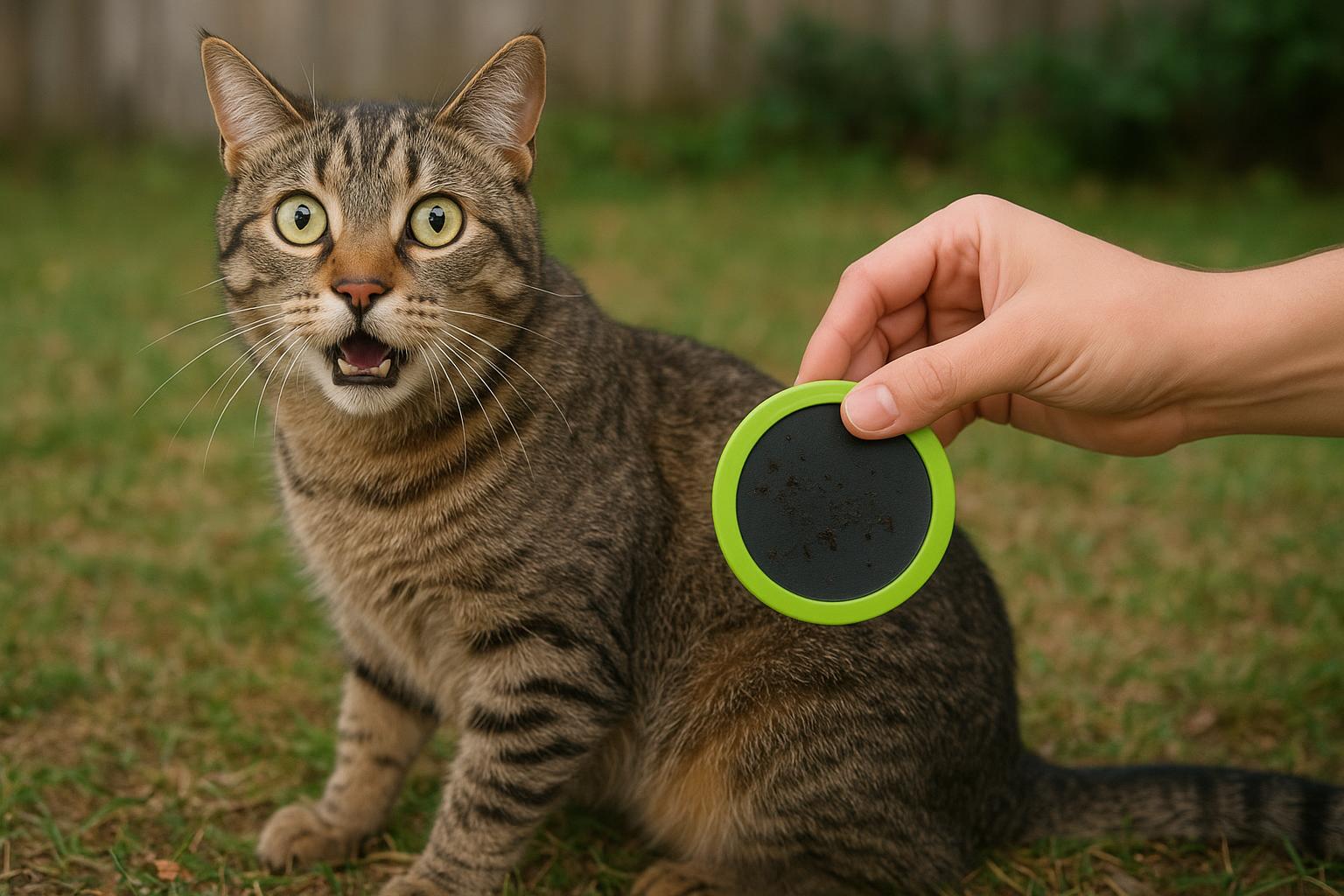
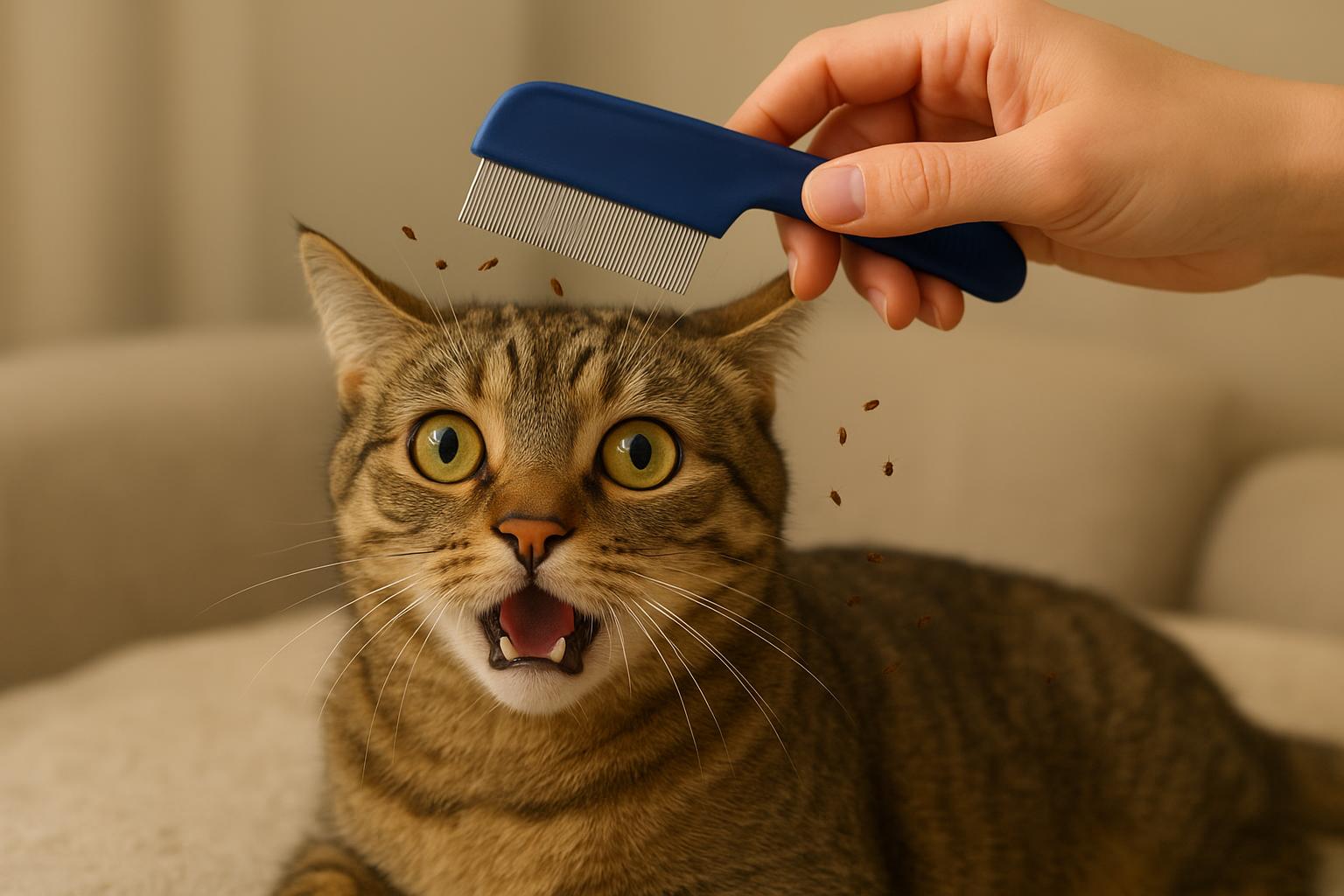
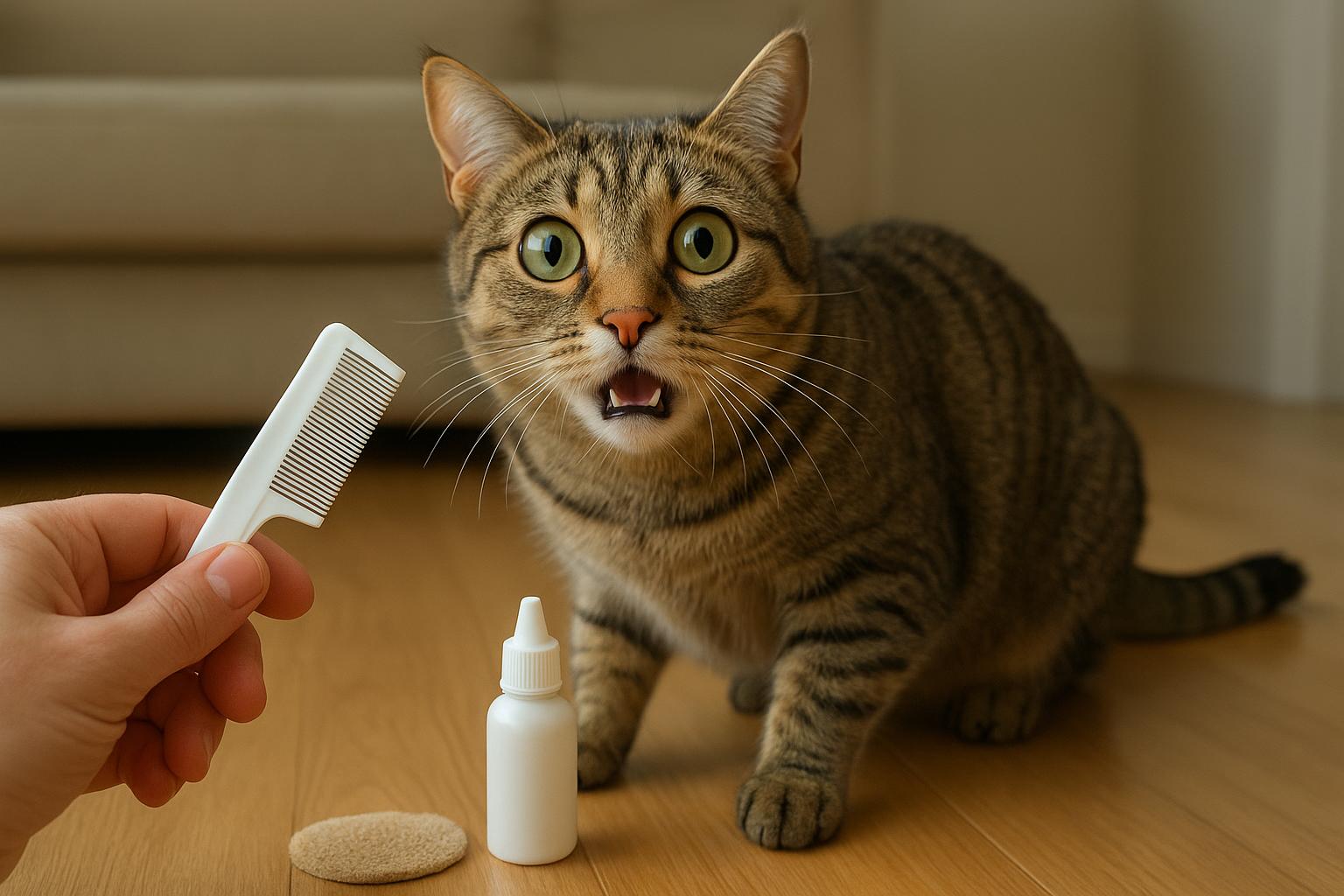
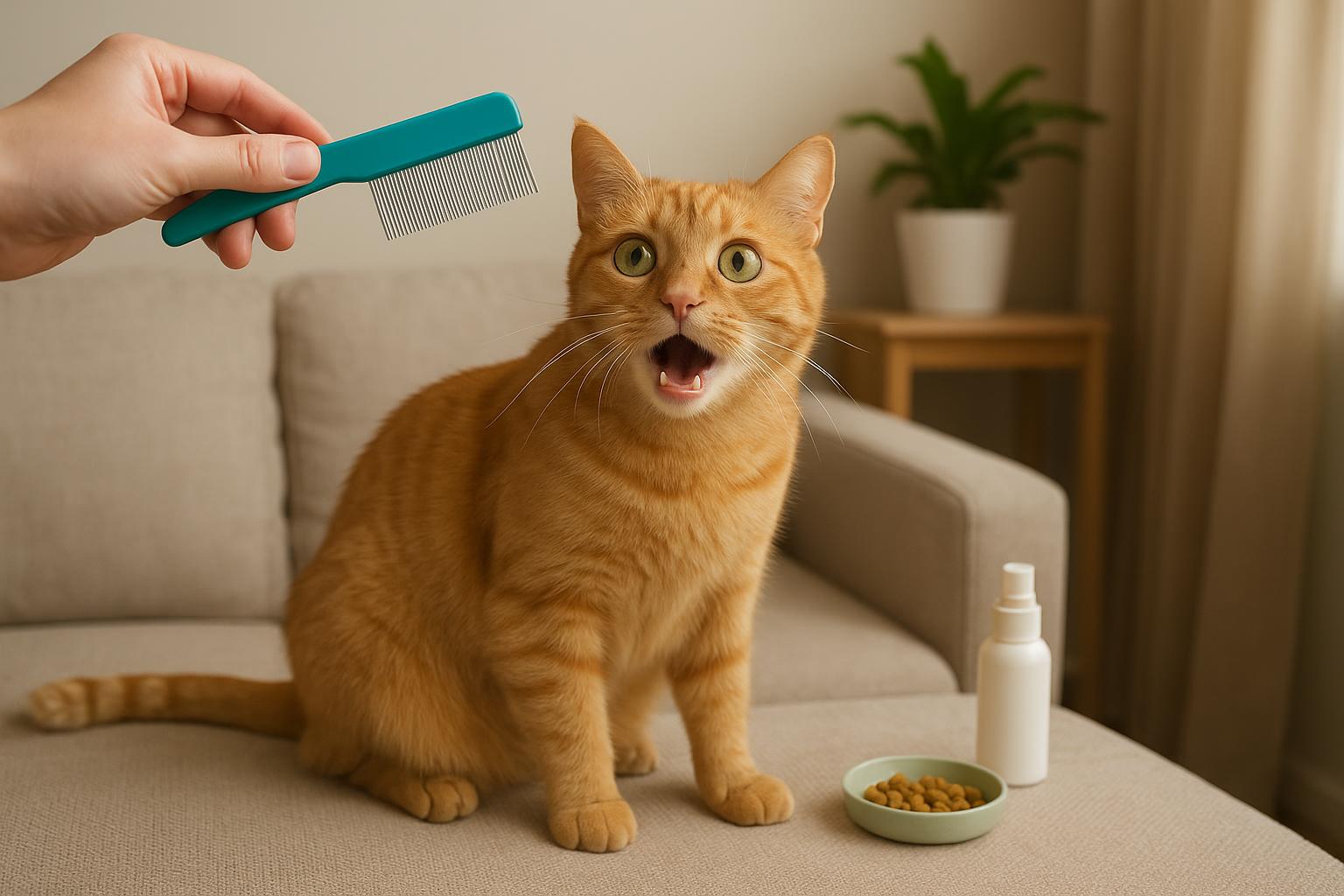
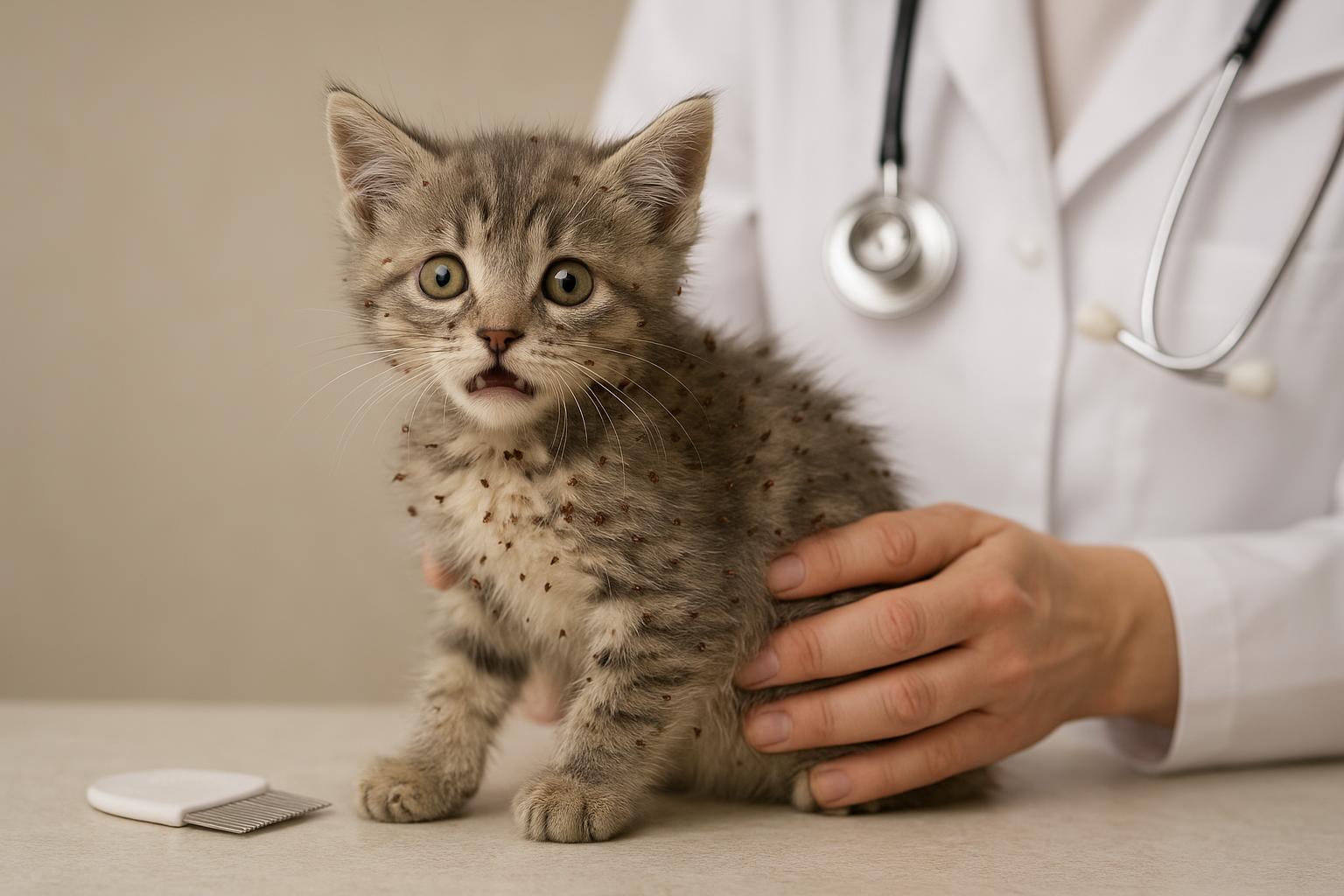
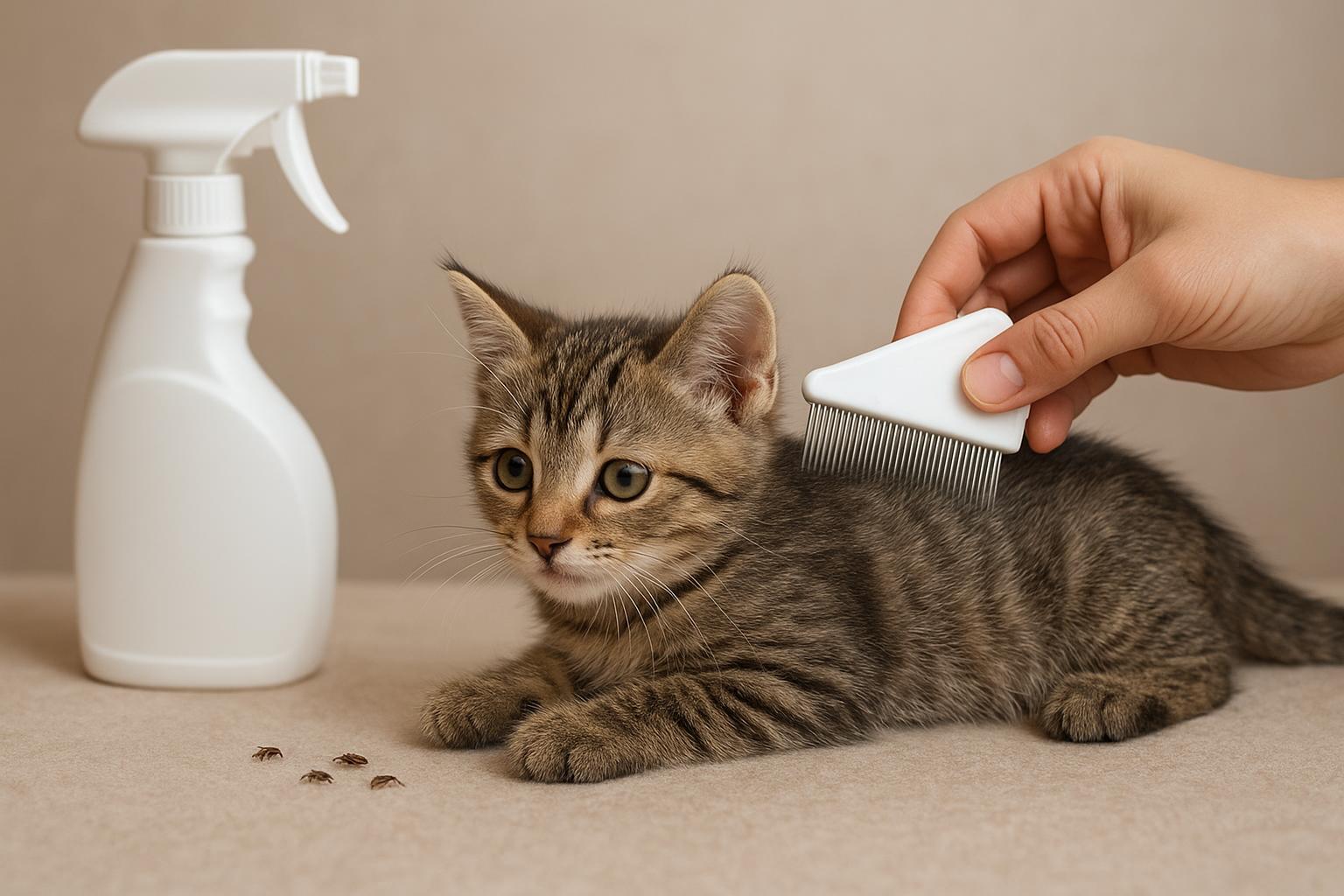
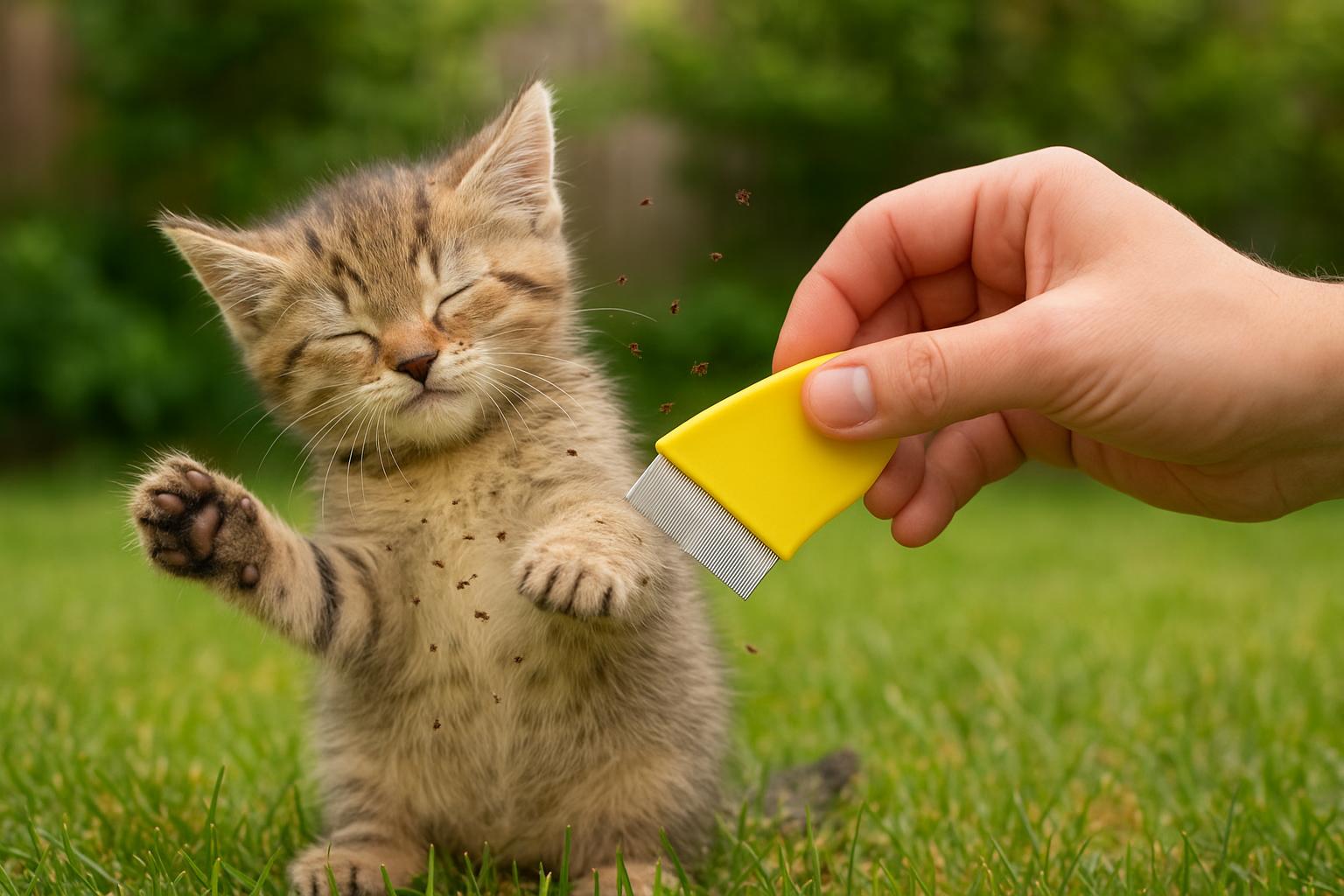
– Inspect your pets: part their fur, look for adults and flea dirt, and record any scratching behavior or hot spots.
– Use a visual trap: a shallow dish of soapy water placed under a lamp for a few hours at night can capture emerging adults. Check monthly and record counts.
Keep a small yard logbook or digital note with date, locations checked, trap counts, weather that week, and any pet findings. Over time this creates a trendline that tells you when to act.
### Tools And Traps For Household Flea Monitoring
You don’t need flashy gear. A few basic items will elevate your monthly inspections:
– White socks or light fabric for sock test
– A 12–15 watt blacklight or lamp and a shallow dish for night traps
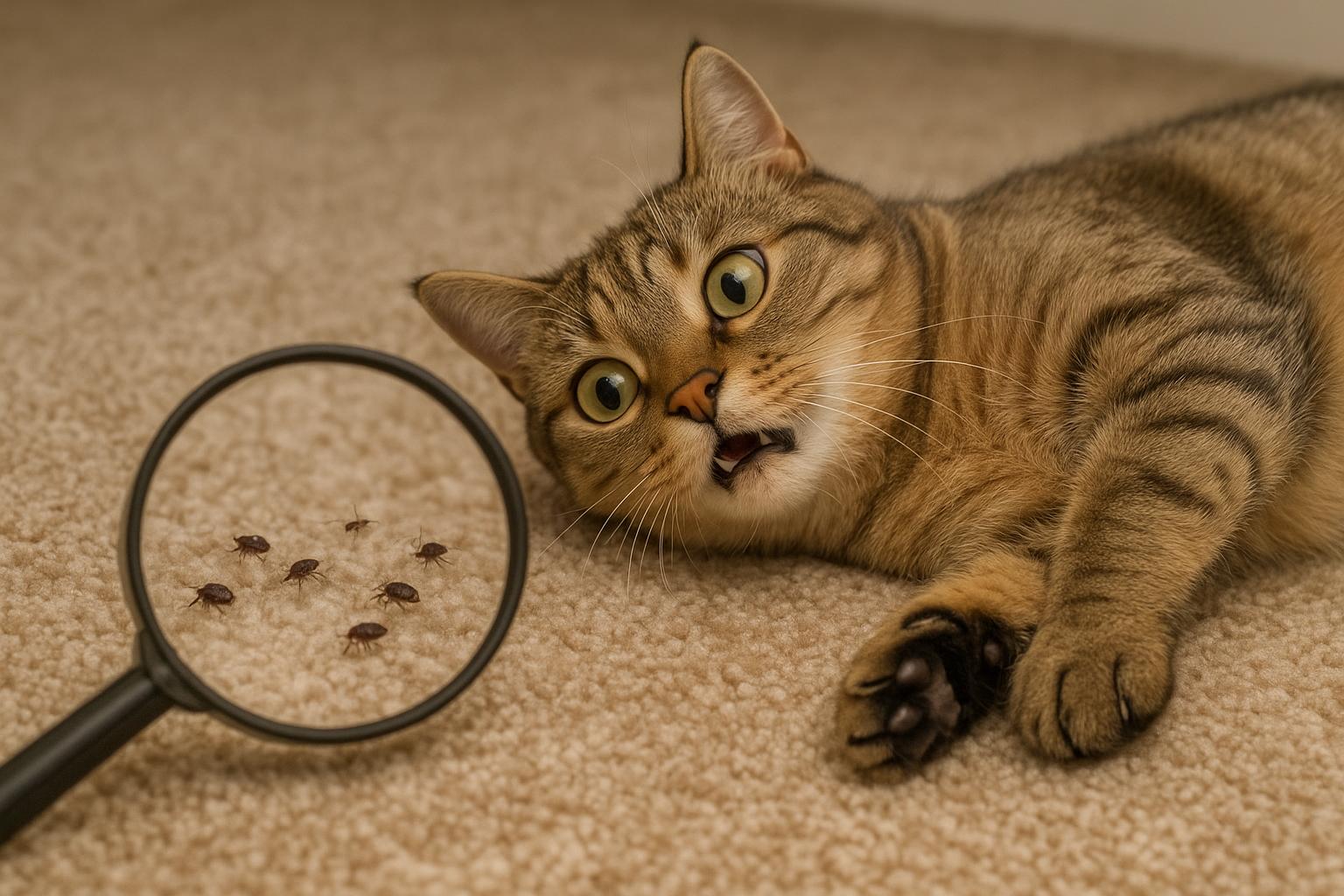
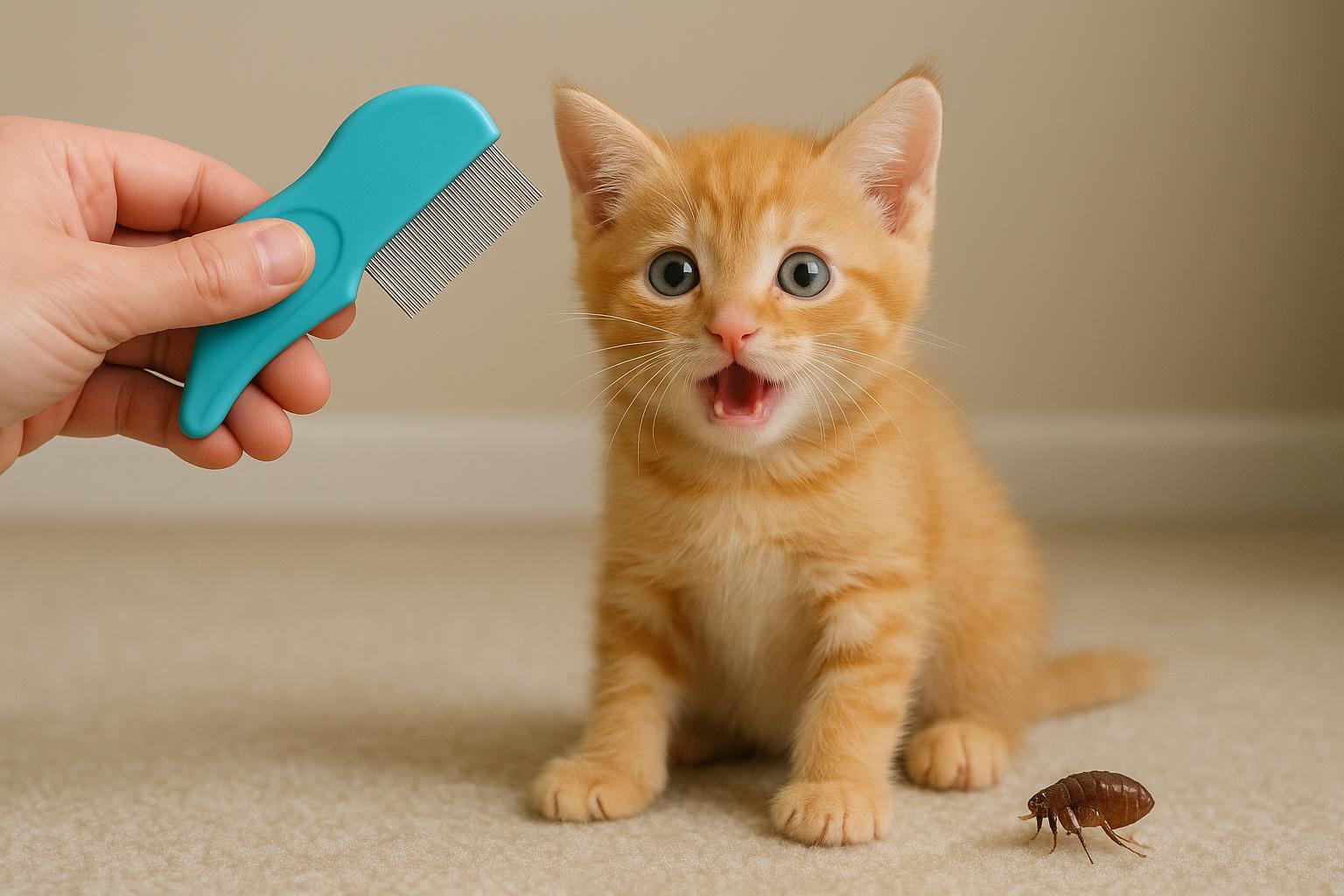
– A magnifying glass and a flea comb for pet exams
– Waterproof notebook or simple app for logging
#### Conducting The White Sock Test Properly
Walk slowly through suspected areas, gently disturbing leaf litter. After 5–10 minutes, remove the socks and tap them over a white surface. Fleas will appear as small fast-moving specks. Record presence/absence and estimated numbers in your log.
## 1. Natural Yard Treatment (Remedy)
When monitoring indicates low to moderate flea activity in your yard, a natural approach can reduce populations safely and sustainably. Below is a formal list of required materials and step-by-step instructions for preparation and application.
Materials Required:
– Diatomaceous earth (food-grade)
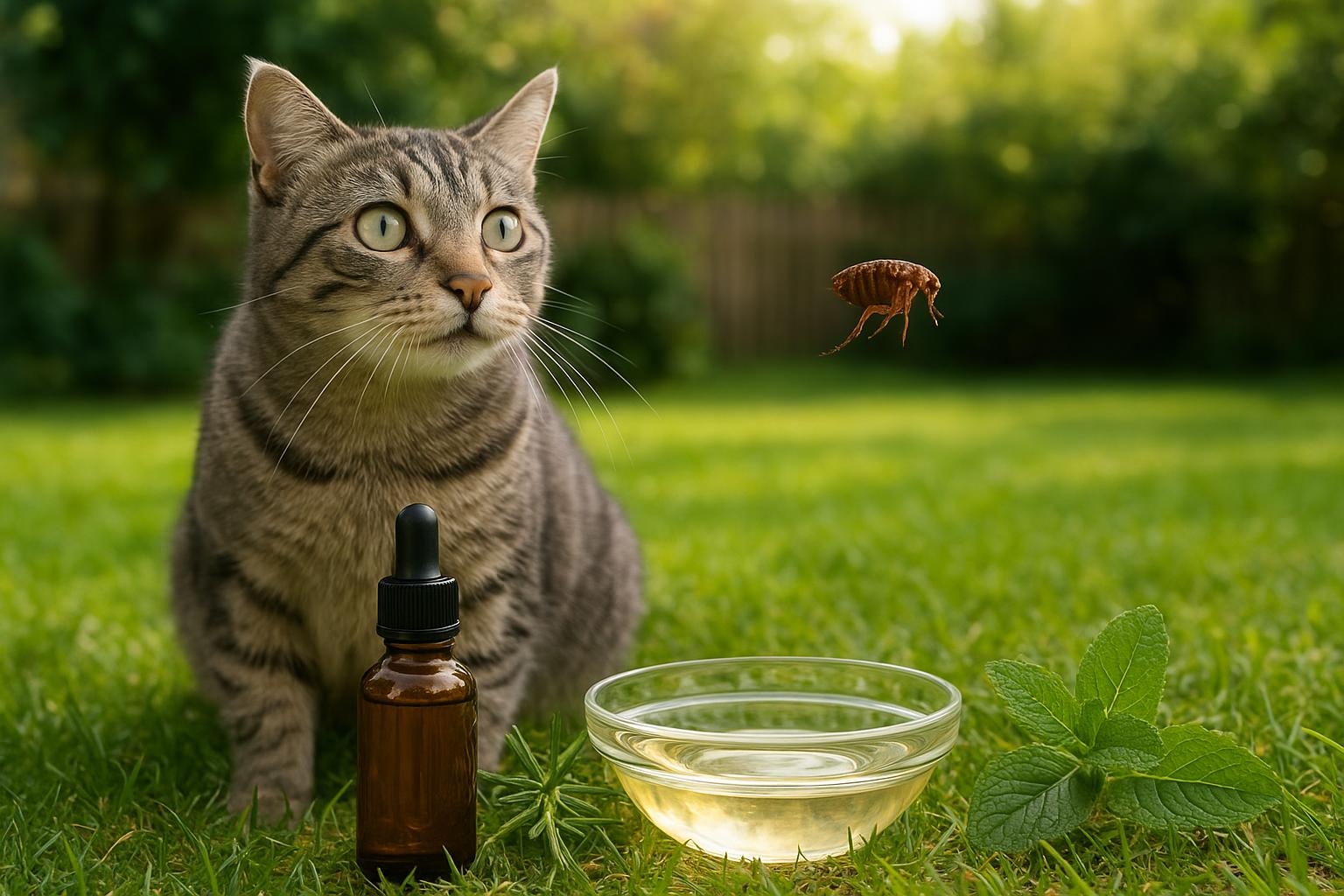
– Neem oil (concentrated)
– Mild biodegradable dish soap
– Garden sprayer (pump or battery)
– Stiff broom or rake
– Protective gloves and dust mask
– Measuring cup and funnel
Step-by-Step Preparation and Application:
1. Preparation: Put on gloves and a dust mask. Shake or stir the diatomaceous earth to loosen compacted powder.
2. Spot Raking: Lightly rake leaf litter and mulch to expose shaded pockets where larvae and pupae hide. Do this before treatment to improve contact.
3. Diatomaceous Earth Application: Dust a thin, even layer of food-grade diatomaceous earth in shaded, dry areas where fleas were detected during flea monitoring — under decks, along fence lines, and around pet sleeping areas. Avoid windy conditions; keep people and pets away until dust settles (about 30 minutes).
4. Neem Spray Mix: In a garden sprayer, mix 1 teaspoon of neem oil with 1–2 drops of dish soap per quart of water. The soap helps emulsify the oil. Shake well.
5. Spray Application: Lightly mist the same areas treated with diatomaceous earth with the neem spray in late afternoon when pollinators are less active. Neem acts as a growth regulator and repellant. Do not oversaturate diatomaceous earth — a light mist is enough.
6. Follow-Up: Repeat monthly for three months during peak season, and after heavy rain events. Record each application in your flea monitoring log.
Notes: Food-grade diatomaceous earth physically desiccates insects but is ineffective when wet. Neem oil is safer for beneficial insects than broad-spectrum insecticides when used correctly and sparingly. Keep applications targeted to problem zones identified during flea monitoring.
## 2. Targeted Chemical Treatment For Heavy Infestations (Remedy)
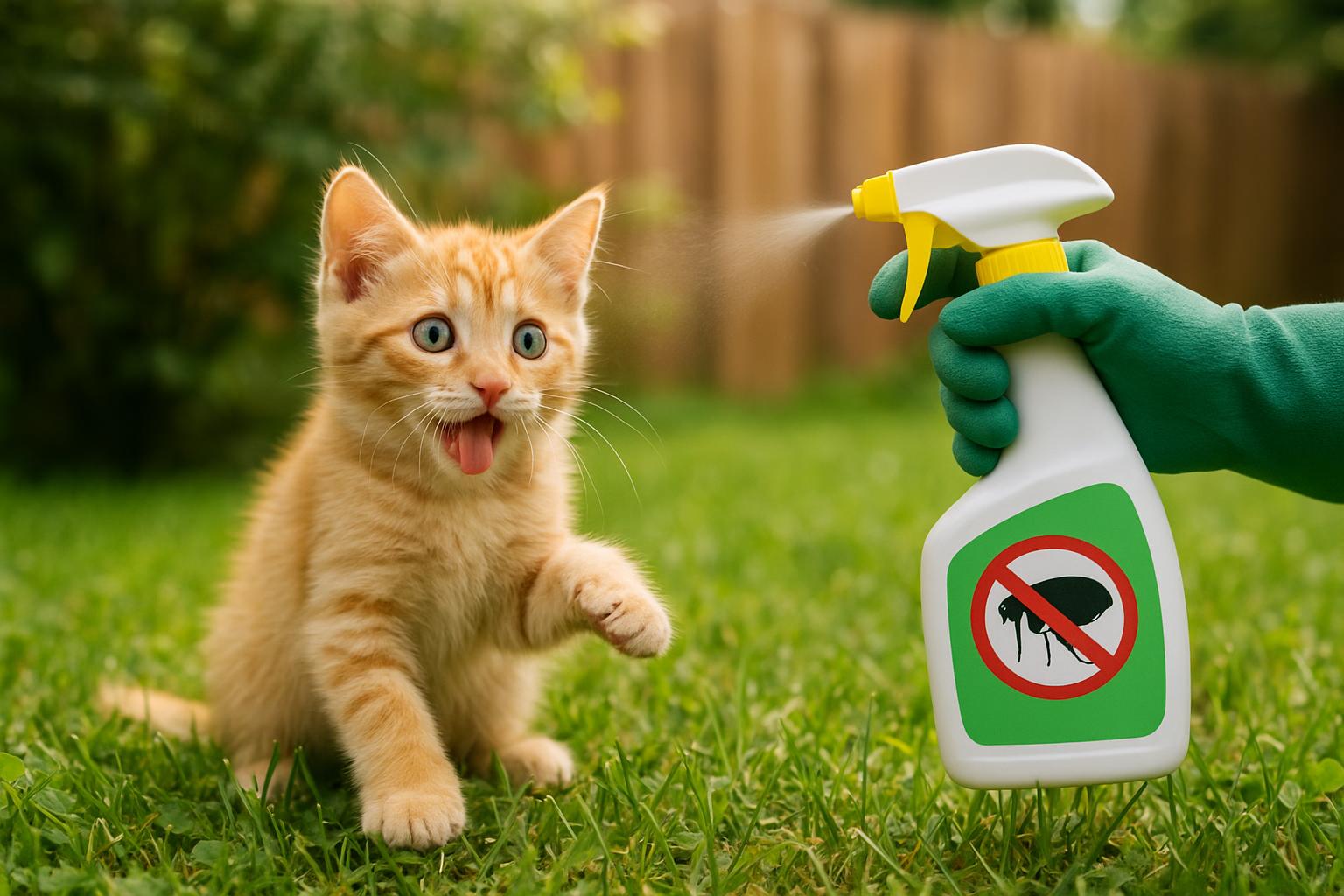
If flea monitoring shows persistent or high-level flea activity, targeted, approved insecticides may be necessary. This section presents a formal, safety-focused protocol using professional-grade yard treatments that reduce populations and interrupt life cycles.
Materials Required:
– EPA-registered adulticide and an insect growth regulator (IGR) labeled for outdoor use (e.g., products with pyriproxyfen or methoprene as IGR)
– Personal protective equipment (gloves, goggles, long sleeves)
– Hose-end or pump sprayer suitable for the product
– Measuring tools and the product’s label instructions
Step-by-Step Preparation and Application:
1. Read Labels: Carefully read the product labels for both the adulticide and the IGR for rates, target sites, safety precautions, and re-entry intervals. Label instructions supersede general guidance.
2. Calculate Area: Measure the yard area to determine the correct dilution and quantity needed. Do not guess — under-treating is ineffective; over-treating is unsafe.
3. Mix Solutions: Wearing PPE, mix the adulticide and the IGR separately or as directed. Some products are formulated for tank-mixing; only mix products explicitly allowed by labels.
4. Application Timing: Apply in early morning or late evening when pollinator activity is low and temperatures are moderate. Avoid application before rain unless the label specifies rainfastness.
5. Targeted Spraying: Apply to areas identified during flea monitoring: shaded edges, tall grass, under decks, kennels, and around pet resting spots. Ensure thorough coverage of leaf litter and mulch where pupae reside.
6. Re-entry and Repeat: Observe label re-entry intervals for people and pets. Reapply according to label schedules, typically every 4–8 weeks or as needed based on ongoing flea monitoring results.
Safety Considerations: Use EPA-registered products only, follow label instructions strictly, keep children and non-target animals away until safe, and consider hiring a licensed professional for large properties or heavy problems. Keep records of products used and dates aligned with your flea monitoring log.
### Integrating Pet Care With Yard Plans
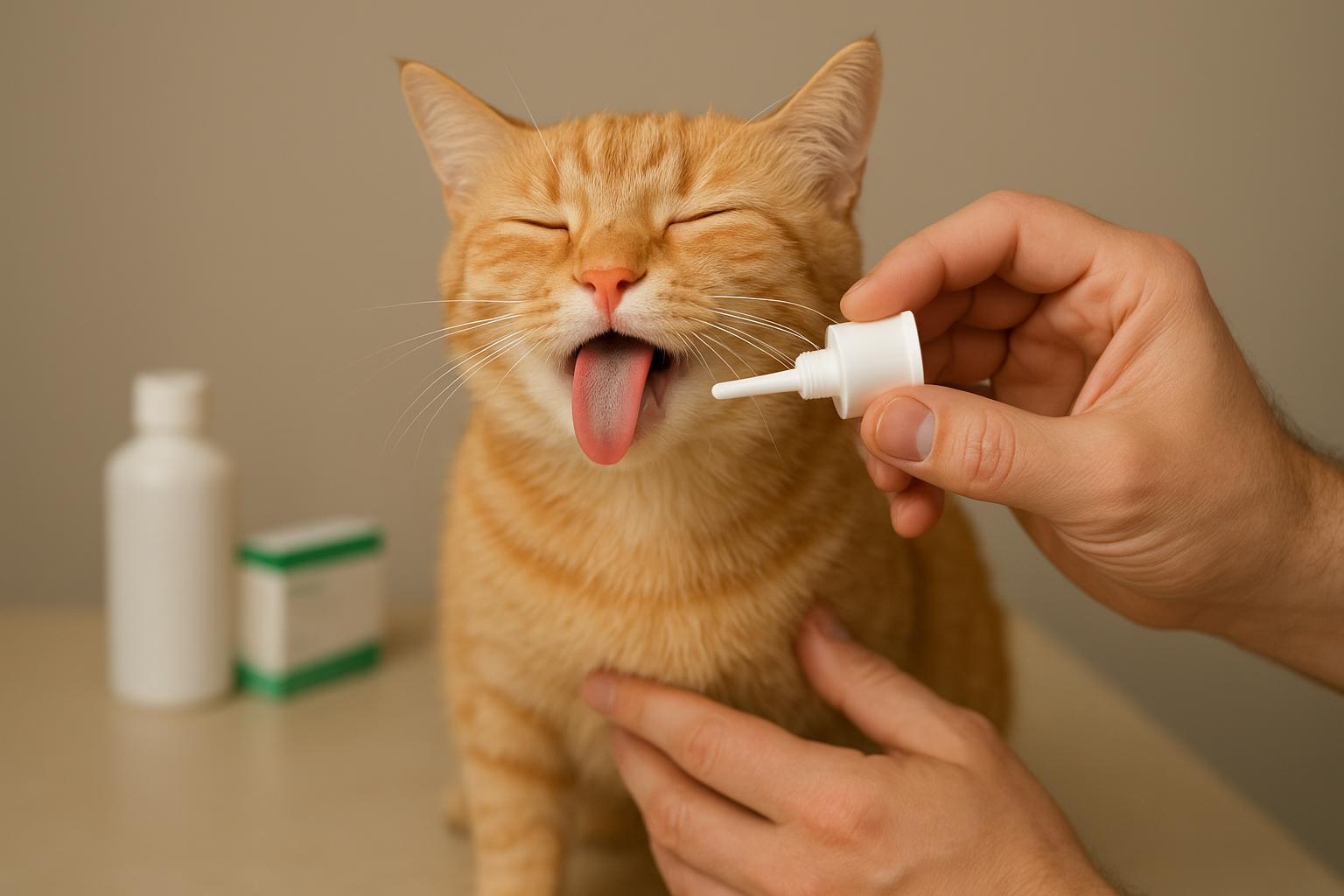
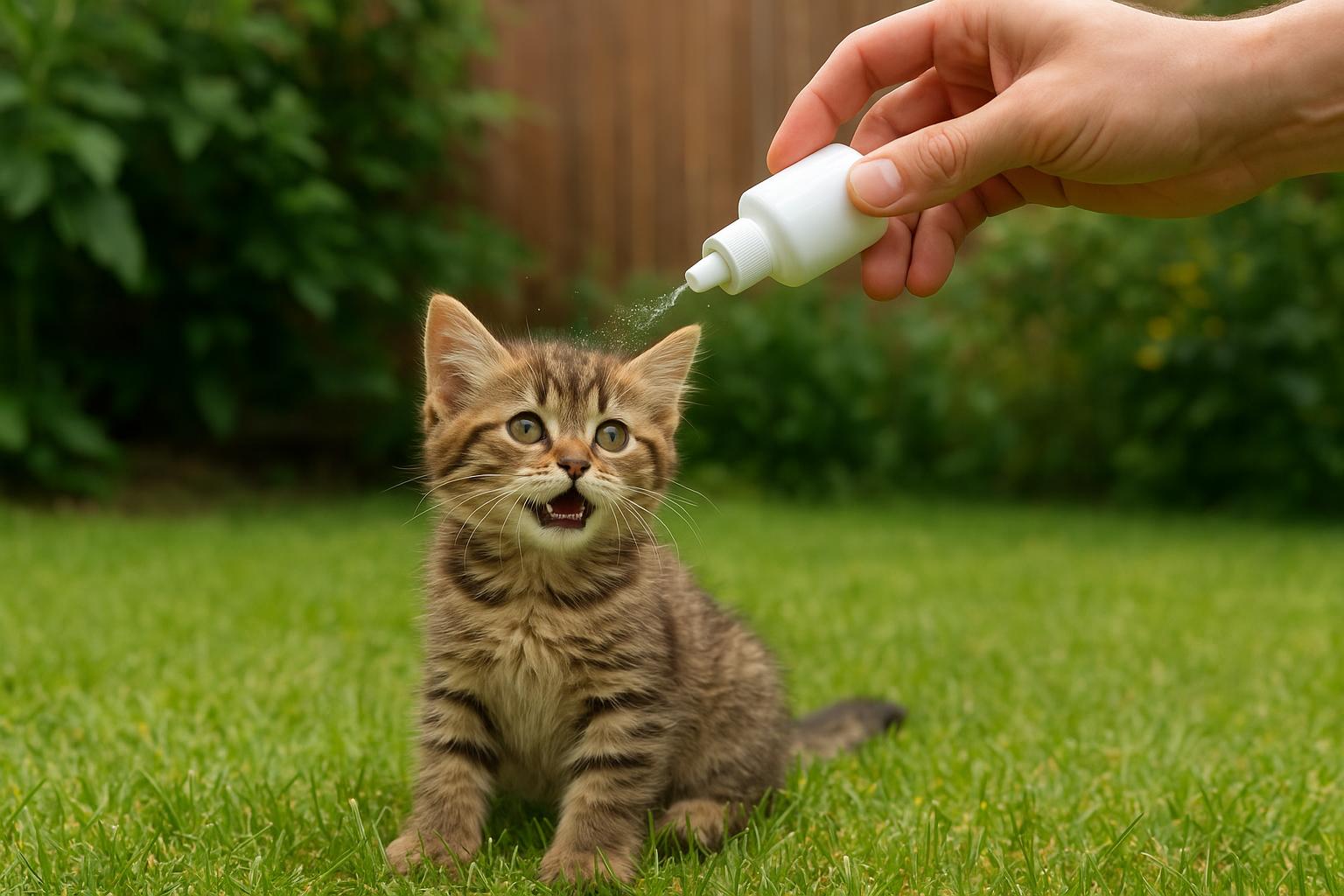
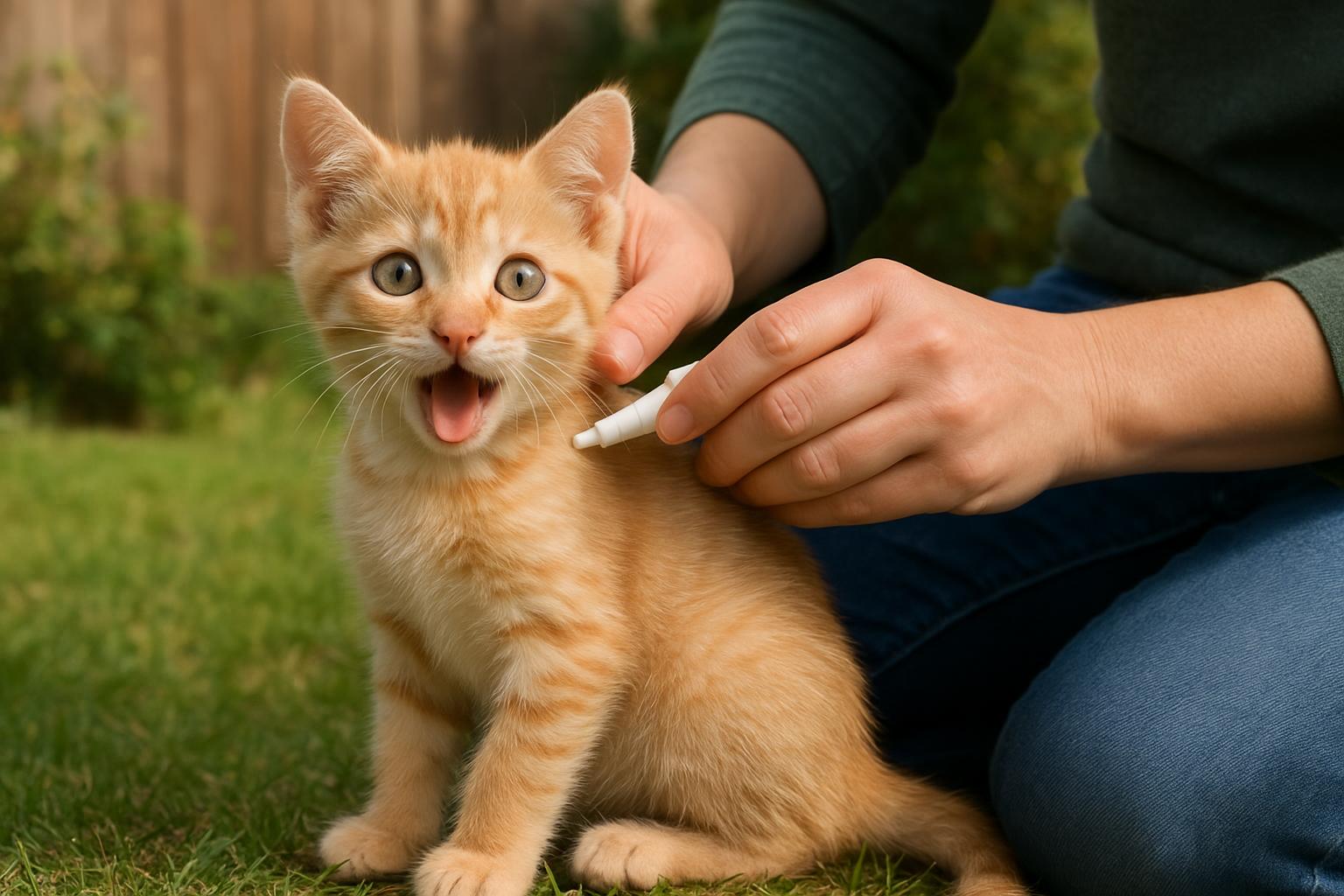
Monthly flea monitoring is only half the battle; pets must be consistently treated. Use veterinarian-approved topical or oral preventives year-round. Check pets monthly during your yard inspection, and if fleas are found on an animal, treat the pet and intensify yard measures for the next 30–60 days.
#### Scheduling Your Monthly Routine
Pick a convenient, repeatable date each month — the first weekend, for example — and stick to it. Align your calendar with peak flea seasons in your region: more frequent checks in warm, humid months and continued vigilance during mild winters. Each monthly session should take 20–40 minutes for an average yard.
## Recordkeeping And When To Call A Pro
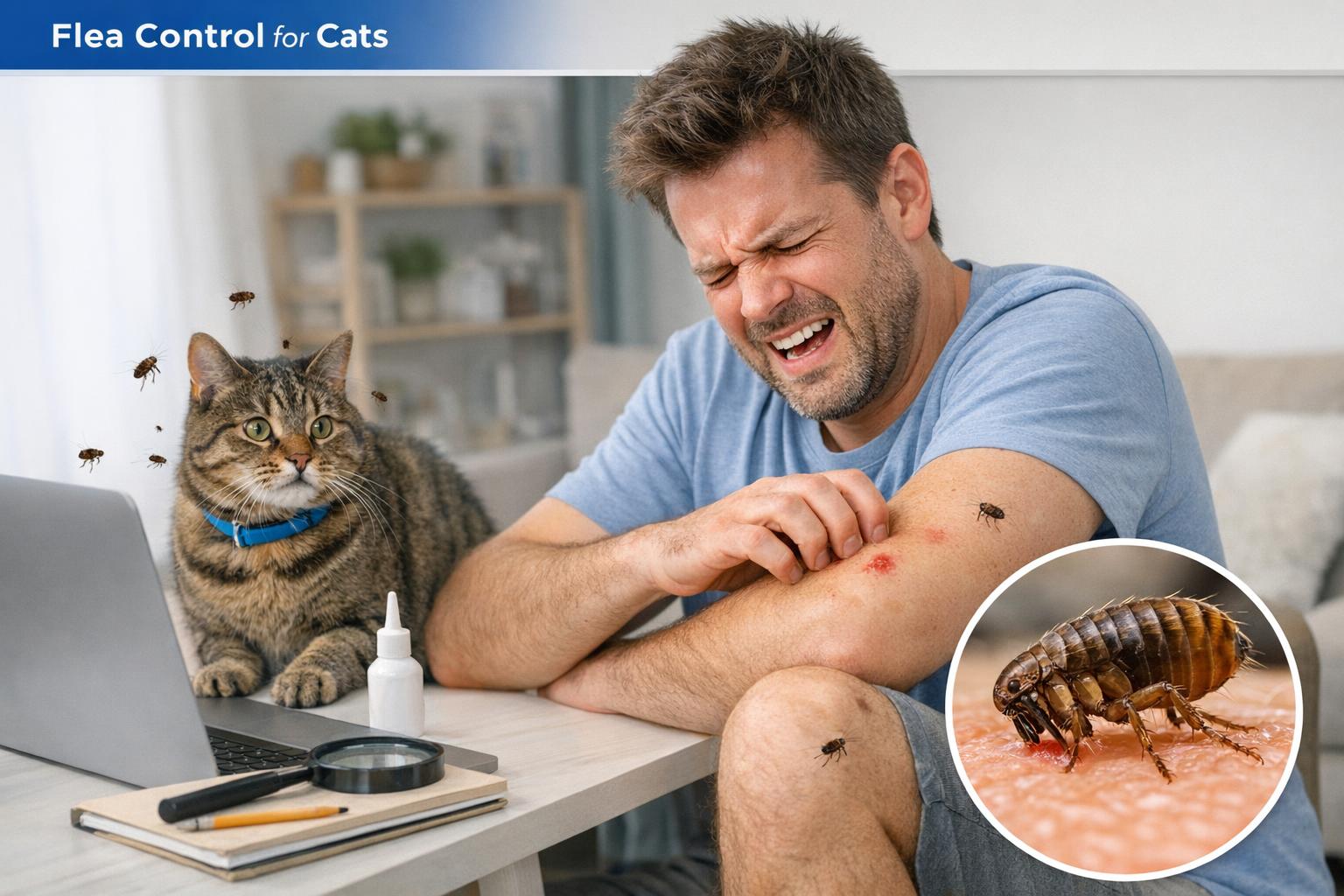
Good records make flea monitoring actionable. Track date, locations checked, trap counts, pet findings, weather, and any treatments applied. If three consecutive monthly checks show increasing activity despite consistent treatment, or if pets or family members experience persistent bites, consult a licensed pest management professional. They can provide targeted, effective interventions and help refine your flea monitoring strategy.








Leave a Reply