

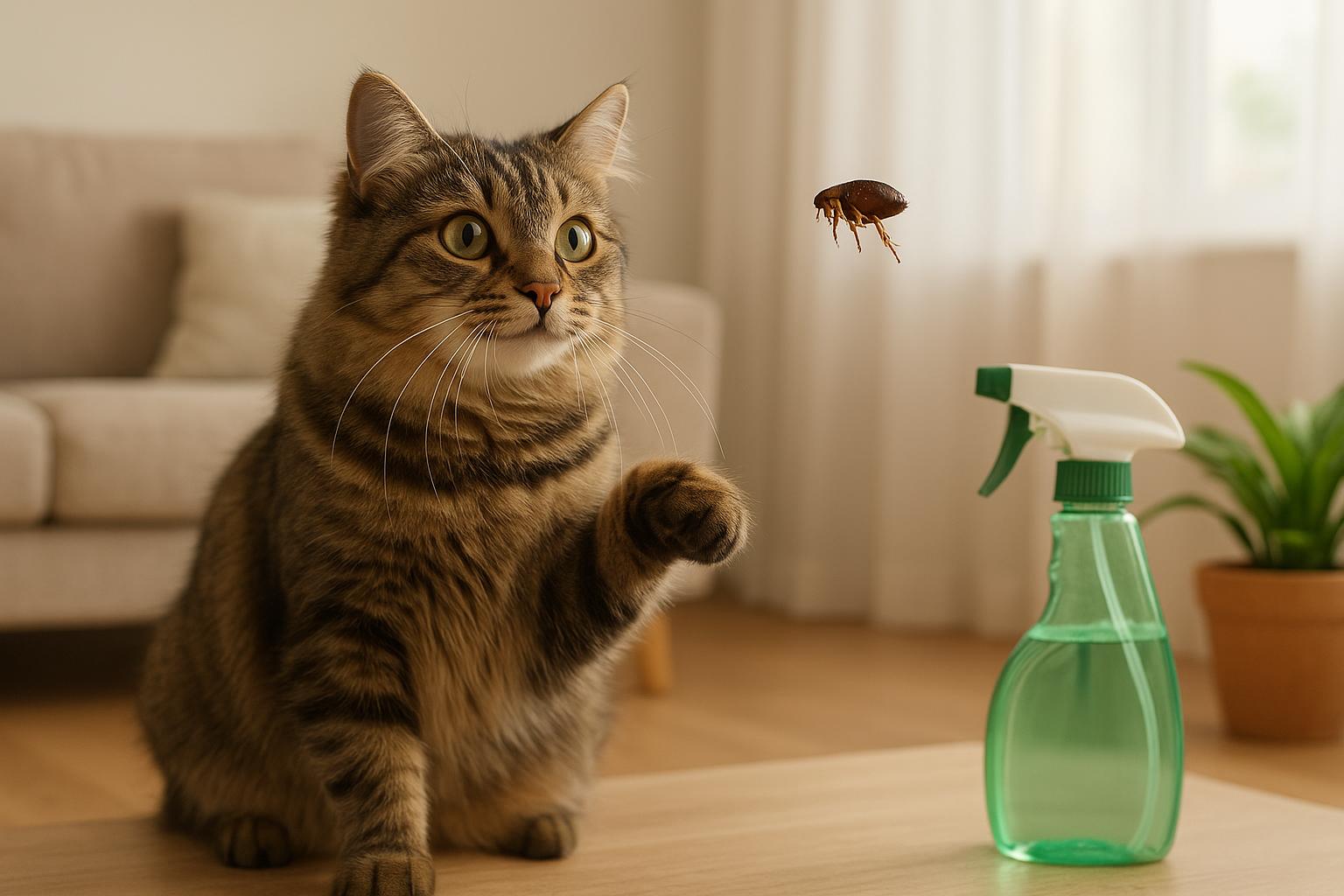
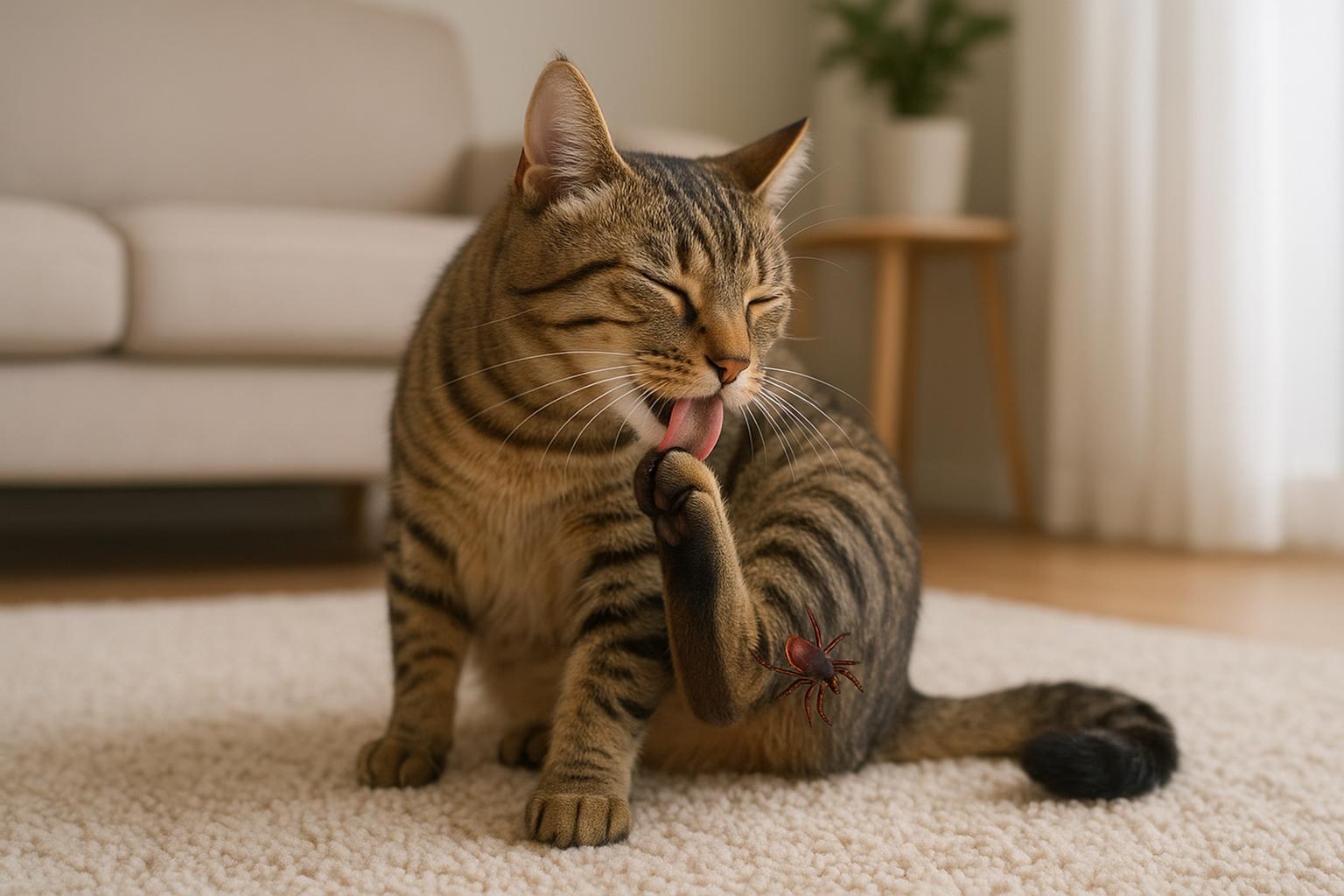
Welcome! If you’ve been wondering why your dog suddenly looks like it’s rehearsing for a tiny vampire movie, you’re not alone. Fleas are sneaky little pests, and more often than not they’re hitching a ride from places you’d least expect. Let’s stroll through the yard, peek under the bushes, and unmask the common culprits—those outdoor sources that let fleas slide into your home.
## Outdoor Sources Revealed How Fleas Sneak Into Homes
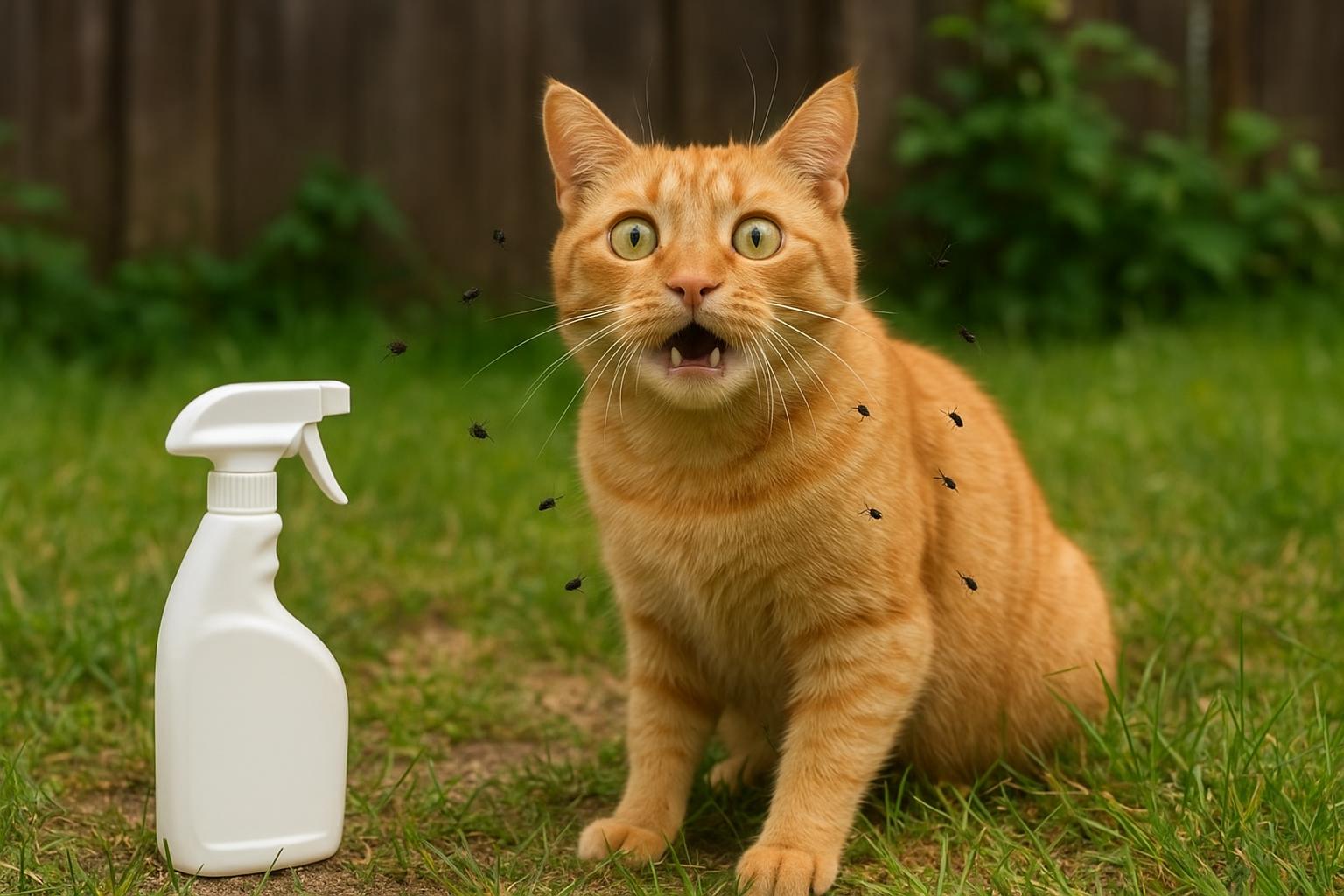
Fleas don’t teleport. They rely on pathways, hosts, and the right microhabitats to move from the world outside into your cozy living room. Some of the most important outdoor sources are obvious—stray animals, rodents, and your neighbor’s long-haired hound—but others are painfully mundane: leaf piles, shaded mulch, bird nests, and even your compost bin. Once fleas find a good outdoor source, they can produce eggs and pupae that survive until a warm body (like your cat or you) brings them indoors.
### Where Fleas Hang Out In The Yard
Fleas prefer warm, humid, shaded spots with organic material. Common outdoor sources include:
– Tall grass and overgrown lawns where pets and wildlife rest.
– Leaf litter and wood piles that hold moisture and shelter.
– Bird and rodent nests tucked in trees, eaves, or under decks.
– Areas frequented by feral cats, raccoons, opossums, and other wildlife.
– Compost piles, which attract small animals and provide warm damp conditions.
A sunny, dry patch of lawn is less attractive to fleas; they thrive in the cooler, damper bits of your yard where eggs and larvae are protected. Even small patches of shade under shrubs can be flea nurseries if animals are visiting regularly.
#### Microclimates And Flea Hotspots
Think of your yard as a patchwork of microclimates. North-facing foundations, dense ivy beds, and mulched landscaping create little pockets of humidity and shade that are perfect for flea development. Soil temperature, leaf cover, and moisture all affect the survival of eggs and larvae. Keep these factors in mind when scouting outdoor sources—areas that look neglected or are frequented by wildlife are the likely trouble spots.
### How Fleas Travel From Outdoor Sources To You
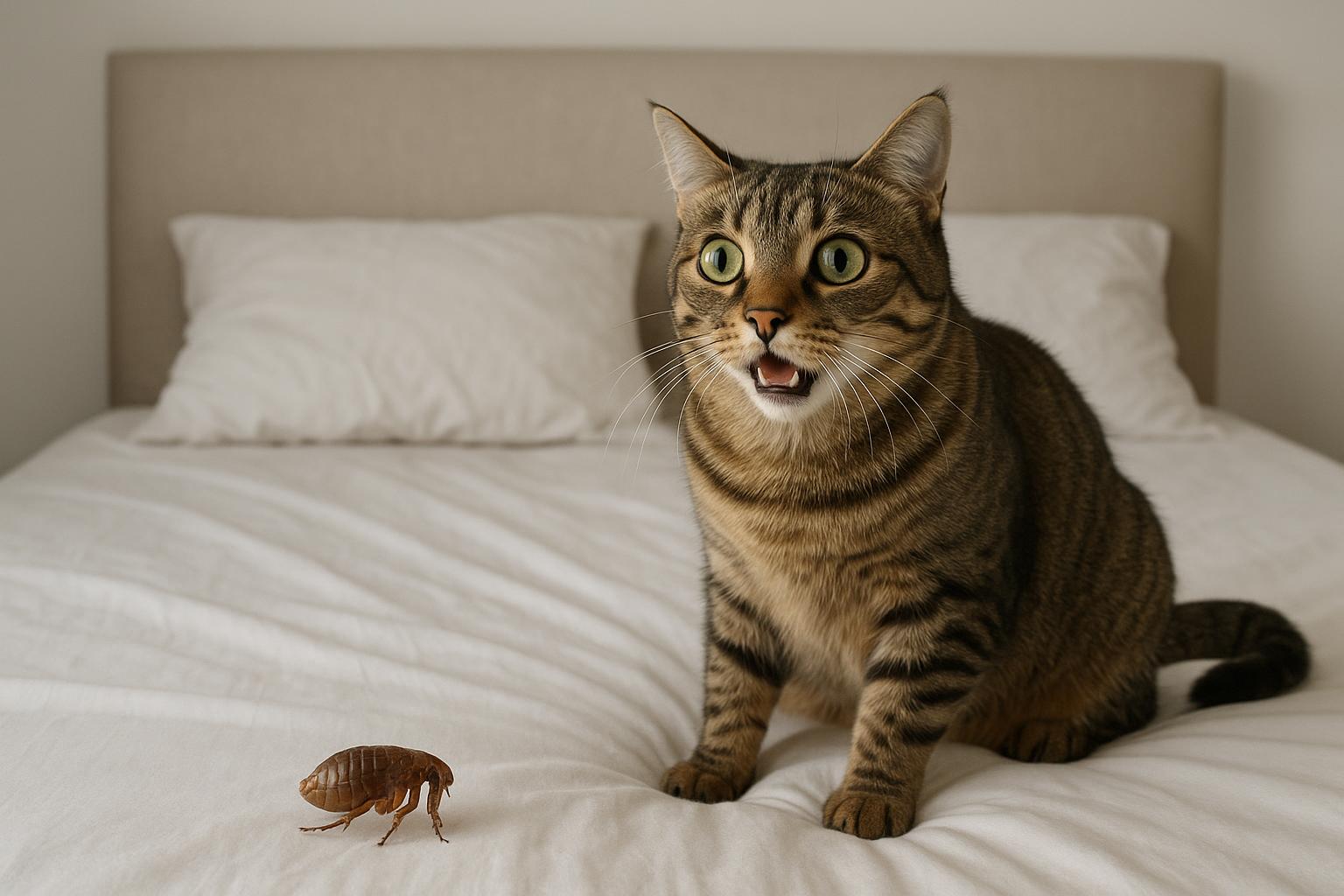
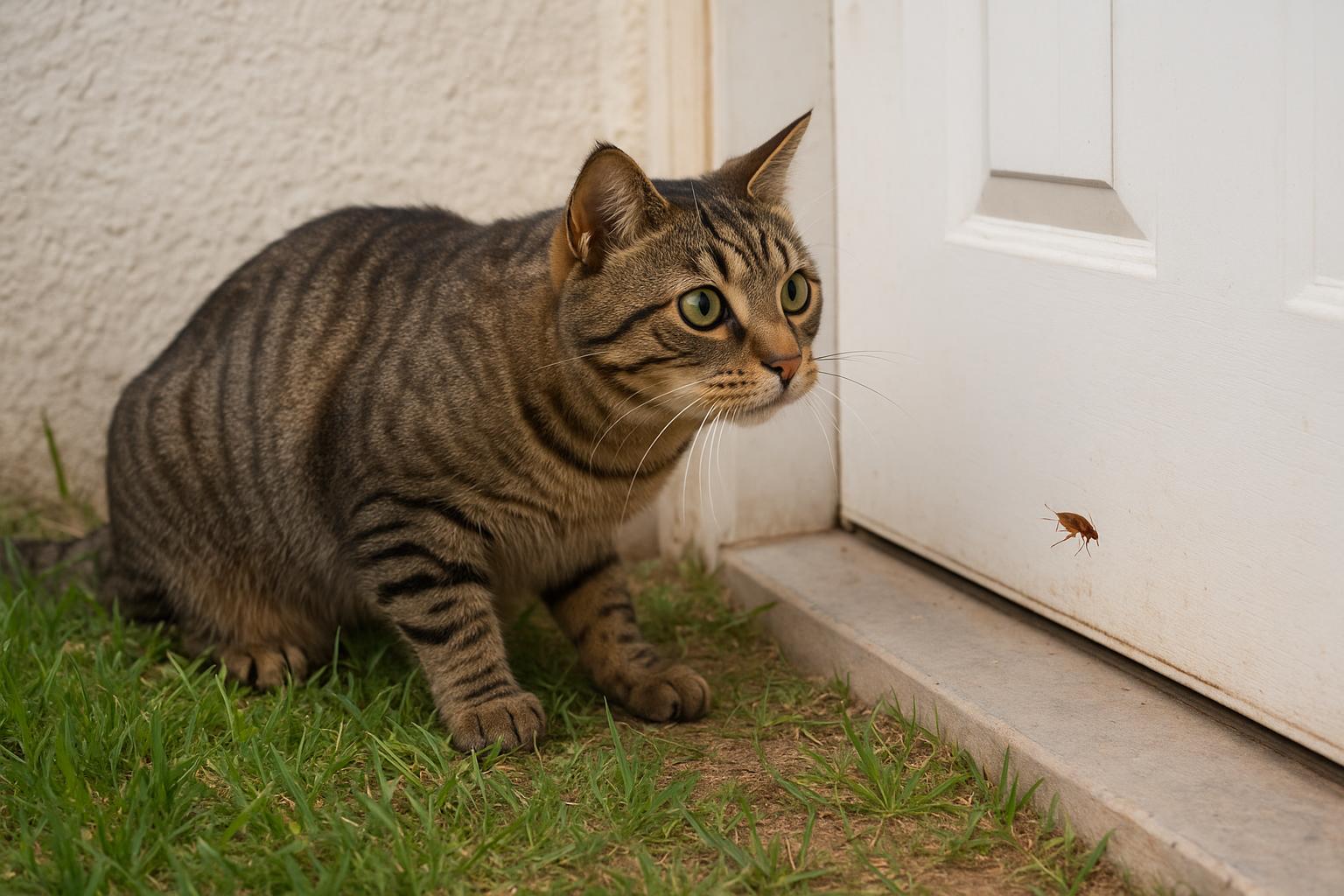
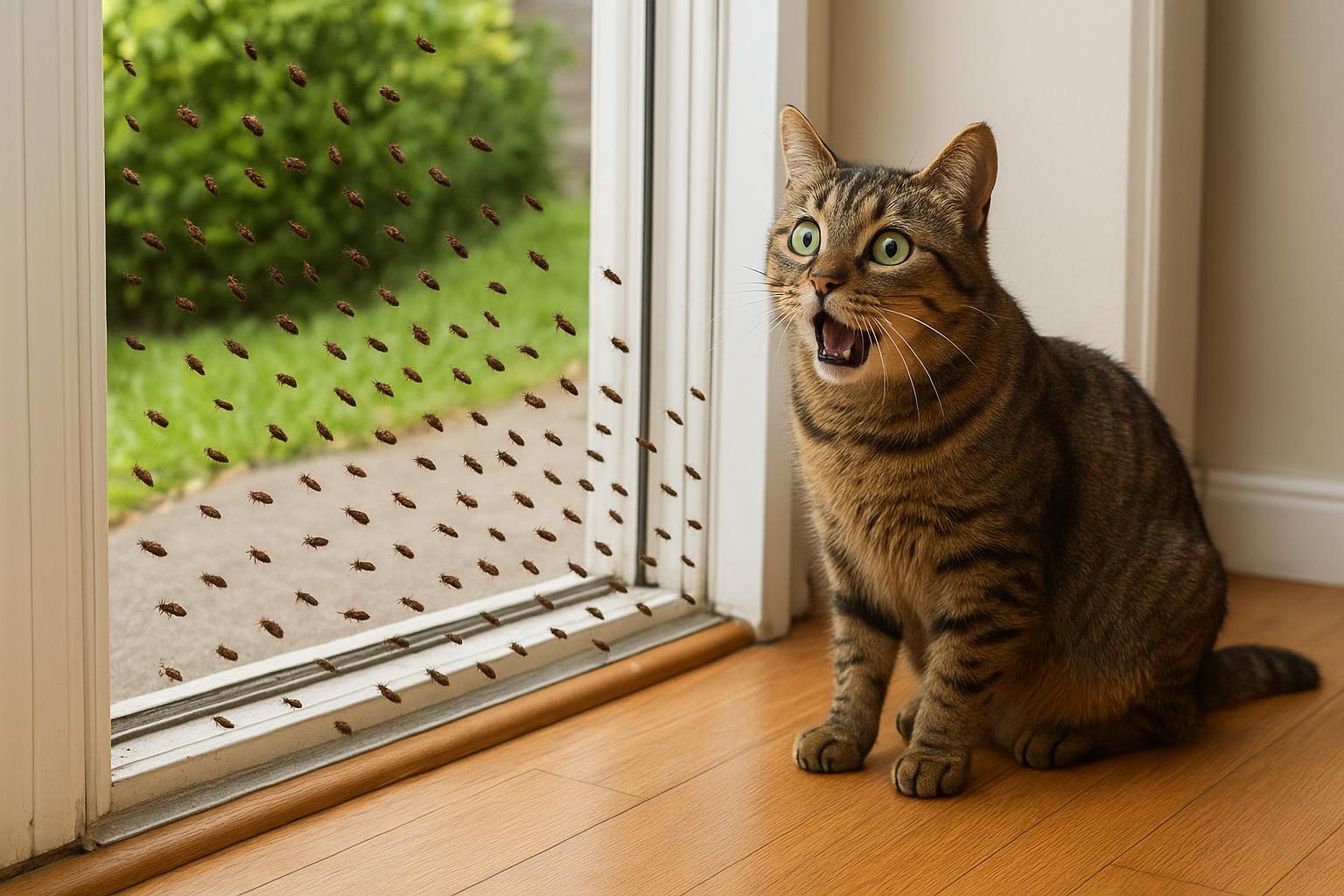
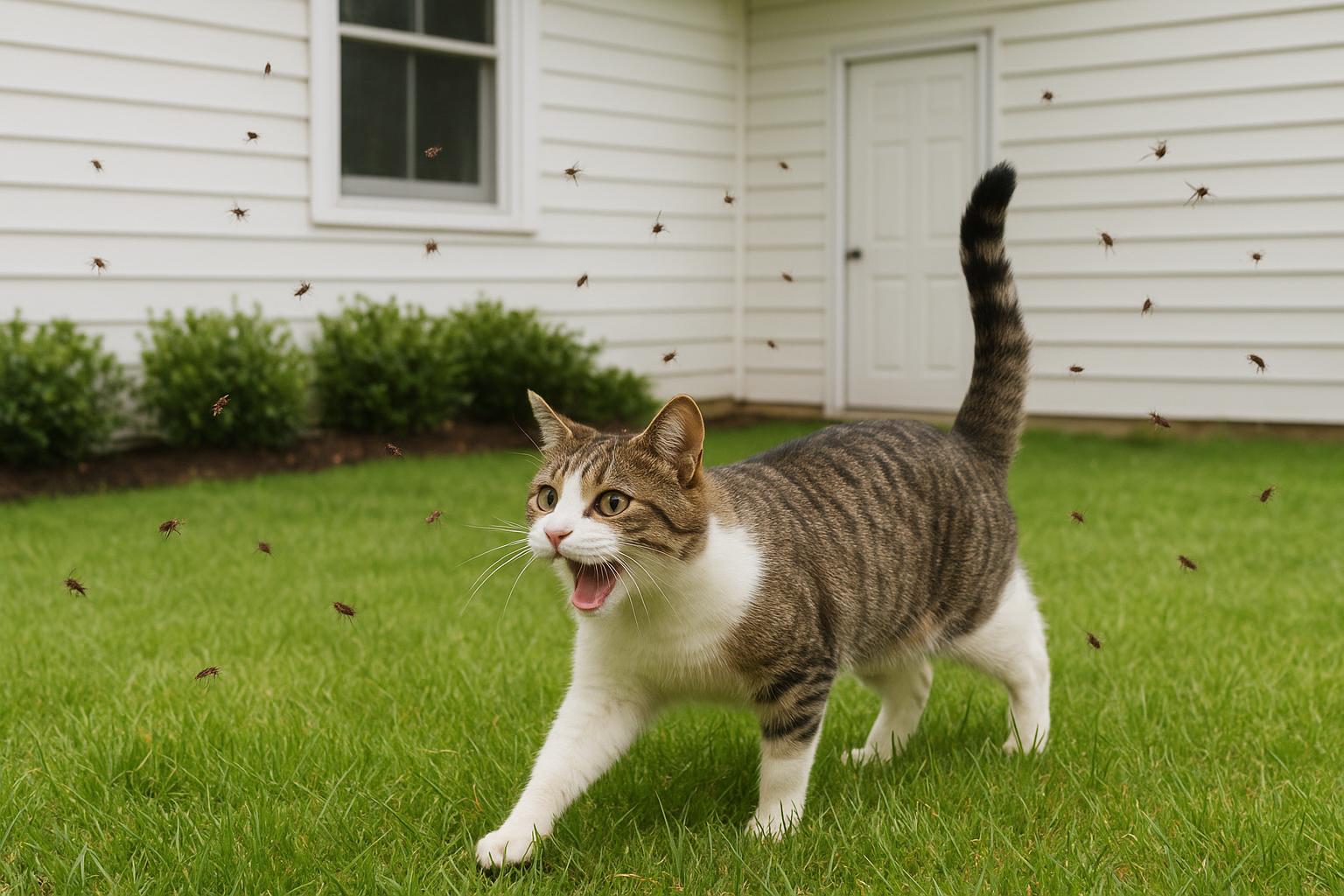
Fleas are opportunistic jumpers and hitchhikers. Adult fleas wait on blades of grass or animal fur for a passing host. When your pet or a wild animal brushes by, fleas leap aboard. From there they move through bedding, carpets, and furniture and lay eggs that fall into cracks and fibers. People can also carry fleas inside on clothing or shoes after gardening or playing with neighborhood pets.
The life cycle matters: eggs and larvae in outdoor sources can remain dormant until conditions are favorable. Pupae are especially resilient; they can wait weeks or even months, then emerge when a host is nearby. That’s why a single encounter with an infested outdoor source can lead to a sudden indoor problem.
#### Timing And Weather Patterns
Flea activity ramps up in spring and summer, but warm winters and humid conditions can extend their season. Heavy rains followed by warm days can create ideal conditions in shaded soil and leaf litter, accelerating development. If you notice increased flea problems after a period of warm, damp weather, check the likely outdoor sources listed above.
### Signs You Have Fleas From Outdoor Sources
If fleas originated from outdoor sources, there are a few telltale signs:
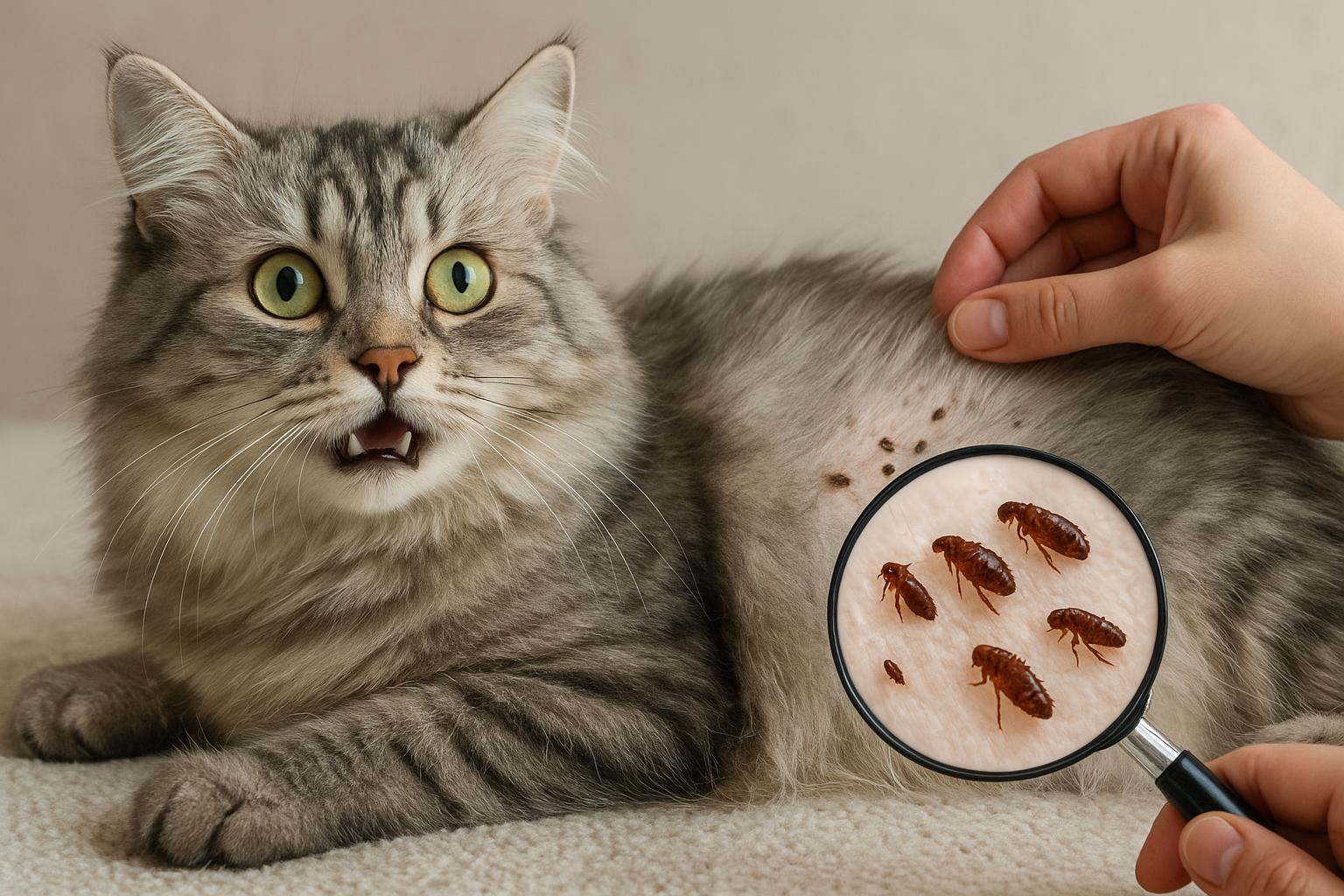
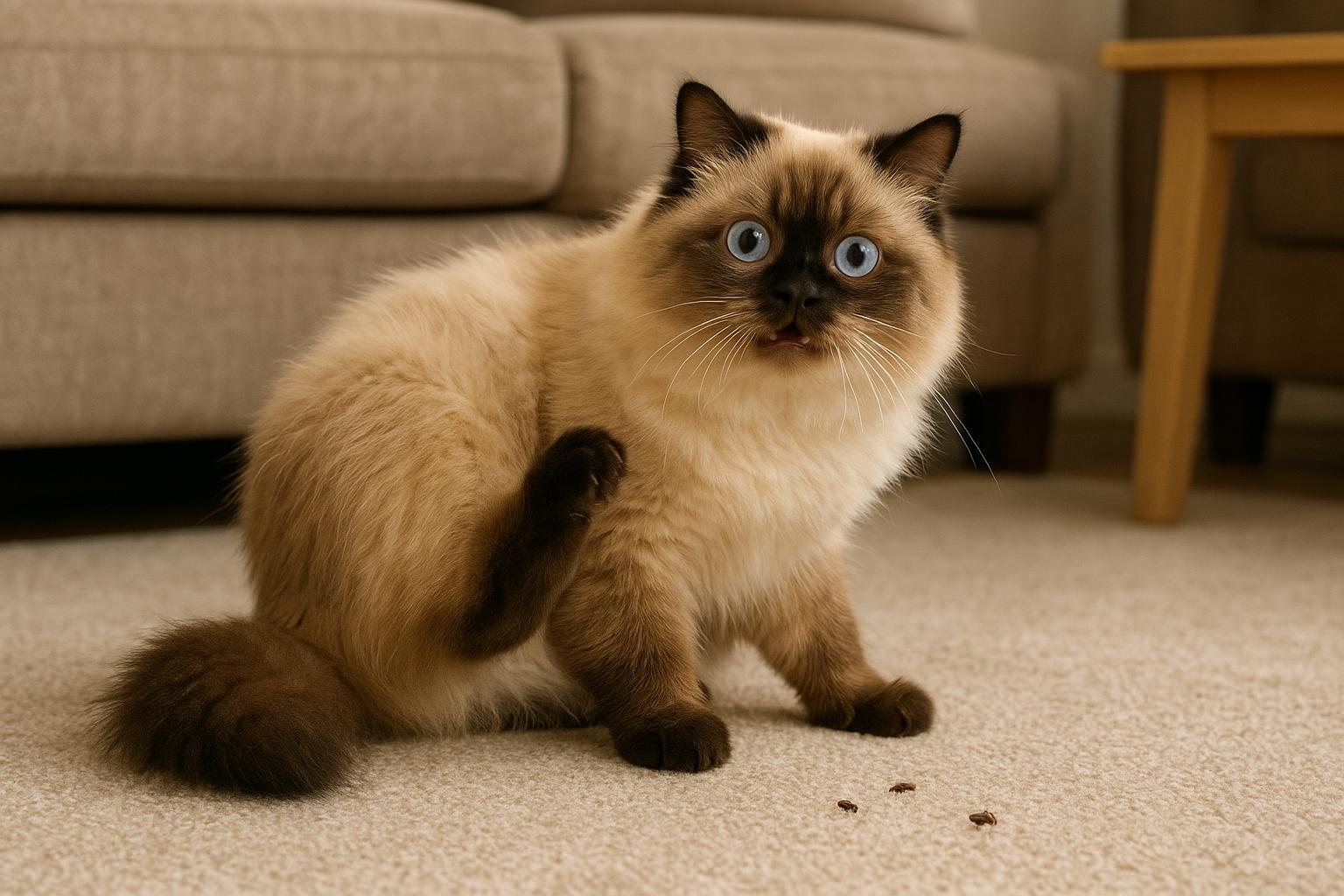
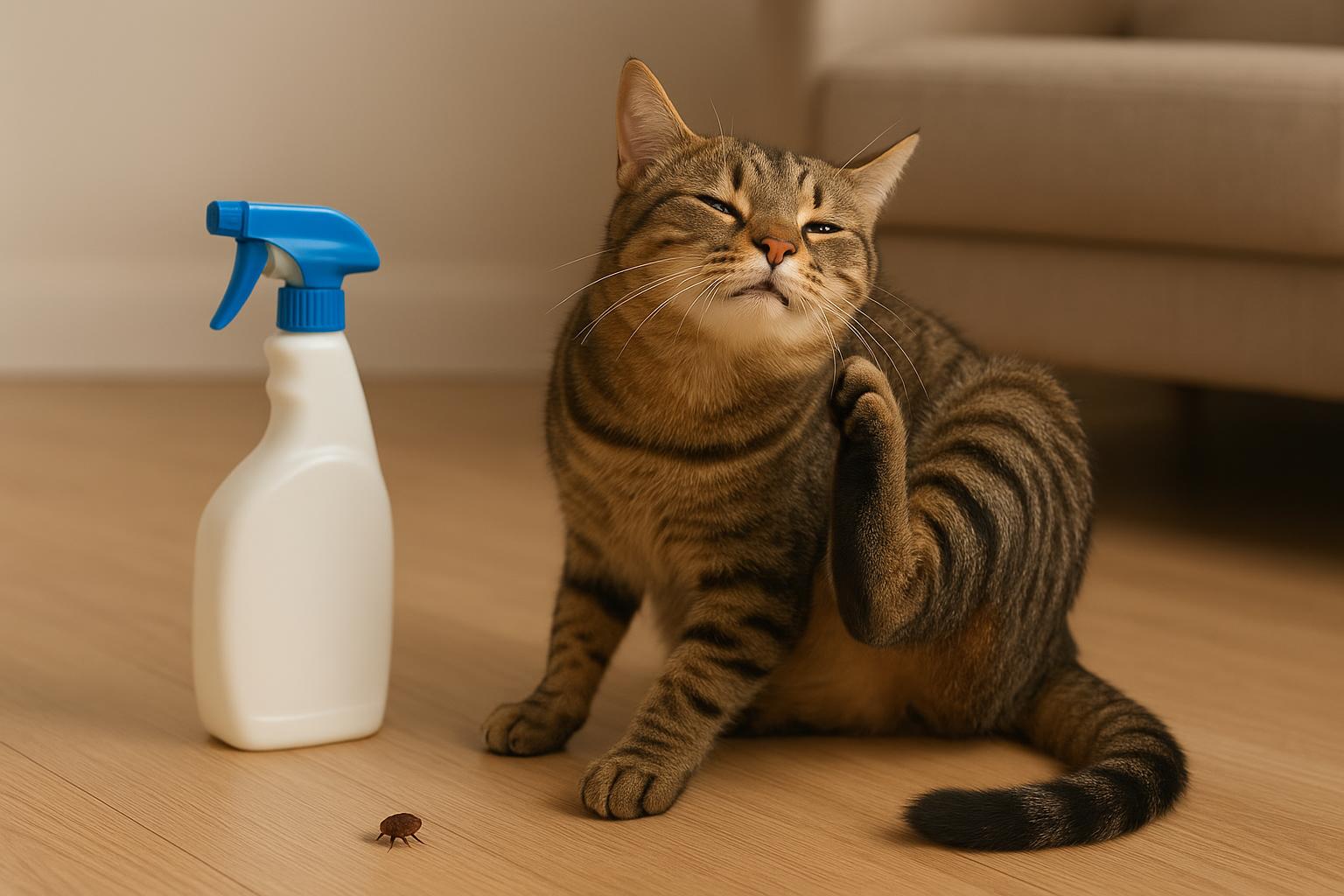
– Pets scratching persistently, sudden hair loss, or small red bumps.
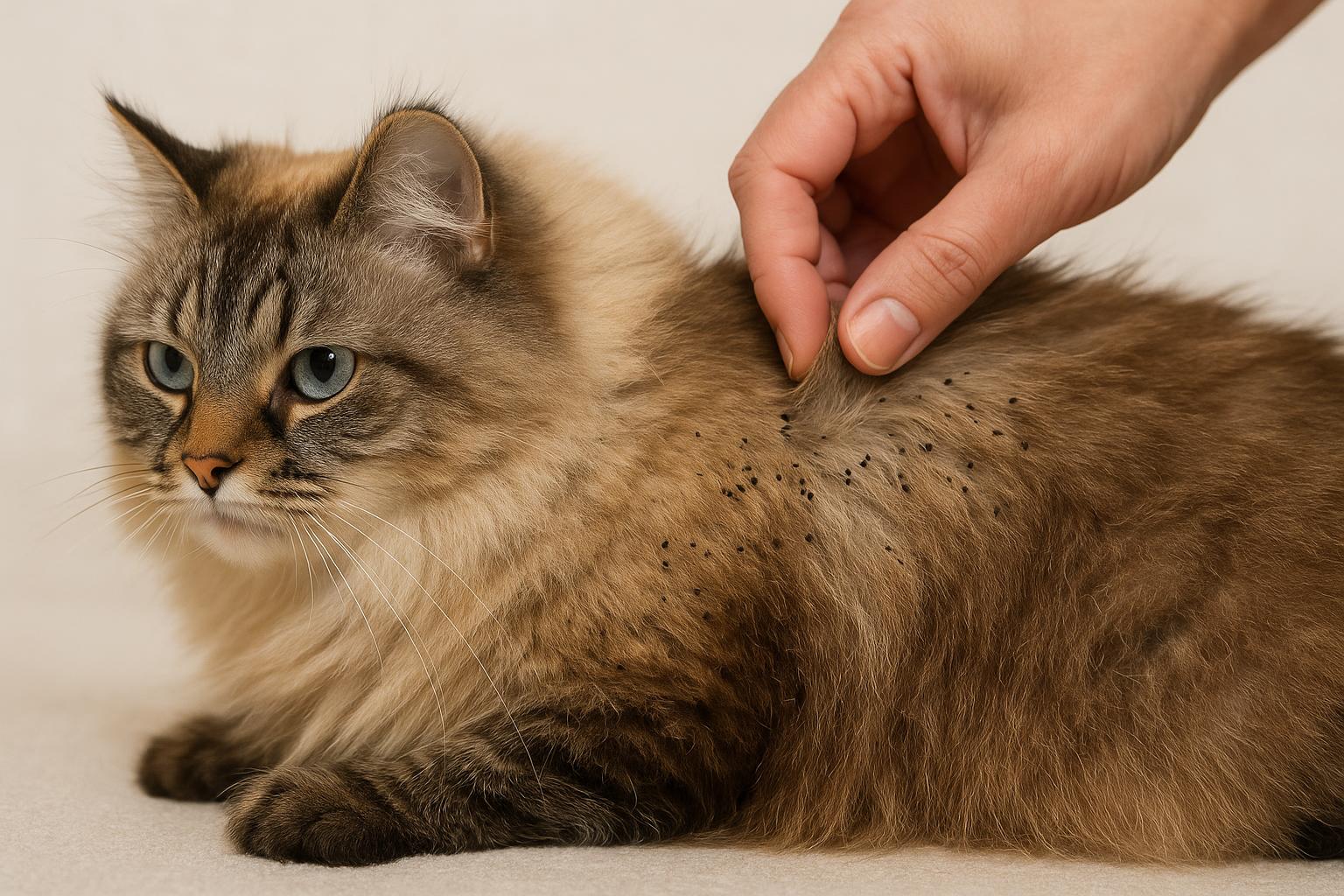
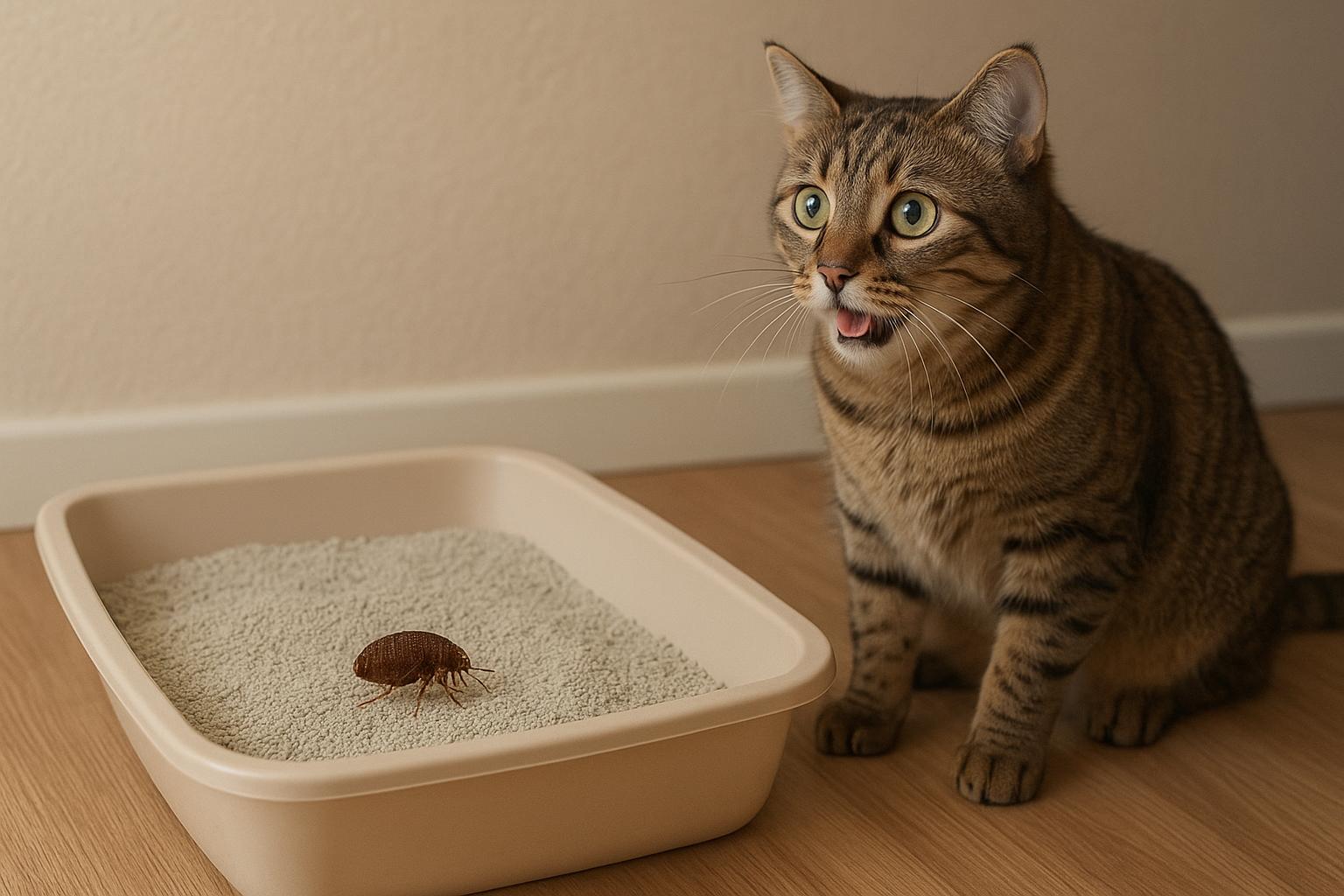
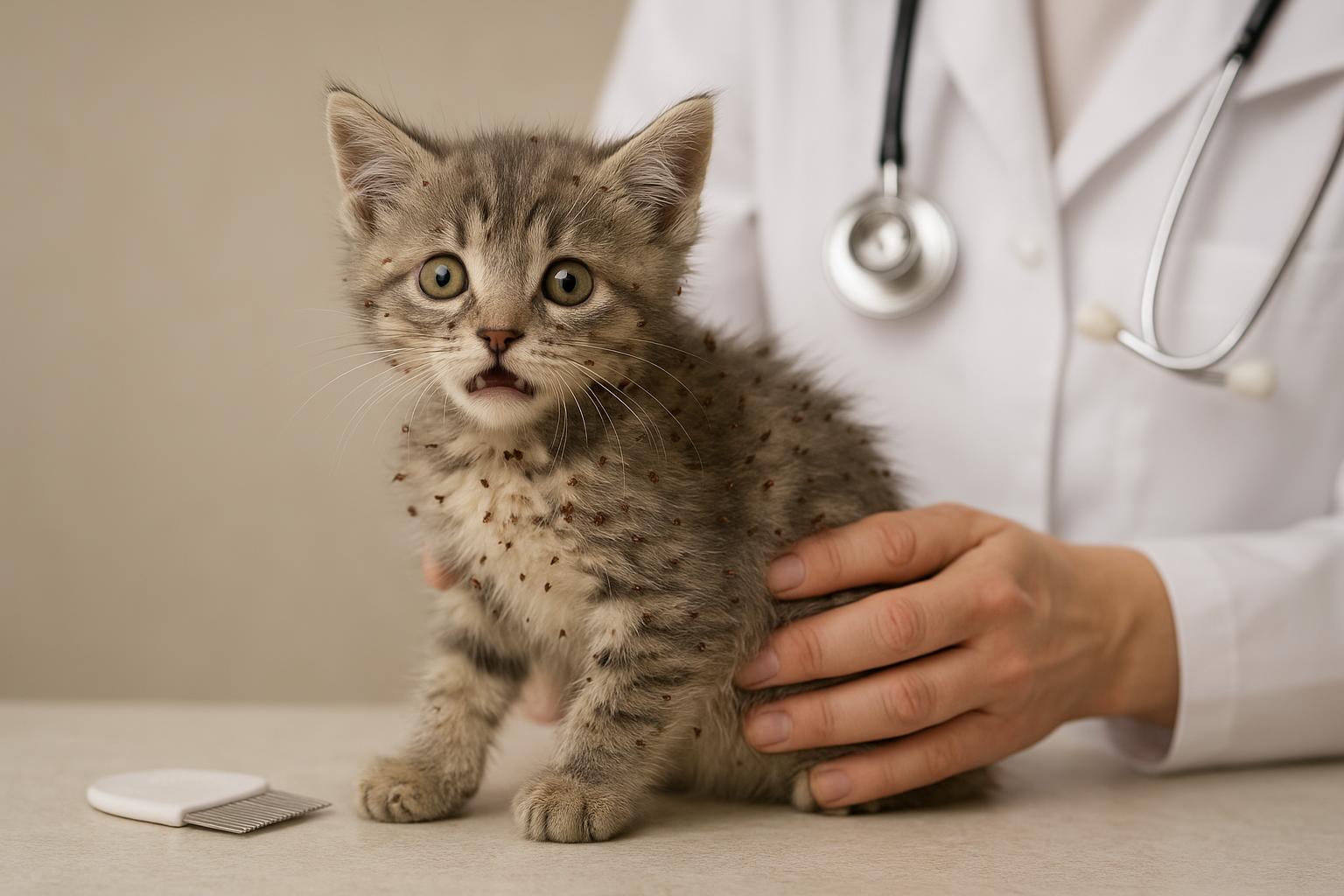
– Dark “flea dirt” (dried blood) on pet fur or bedding.
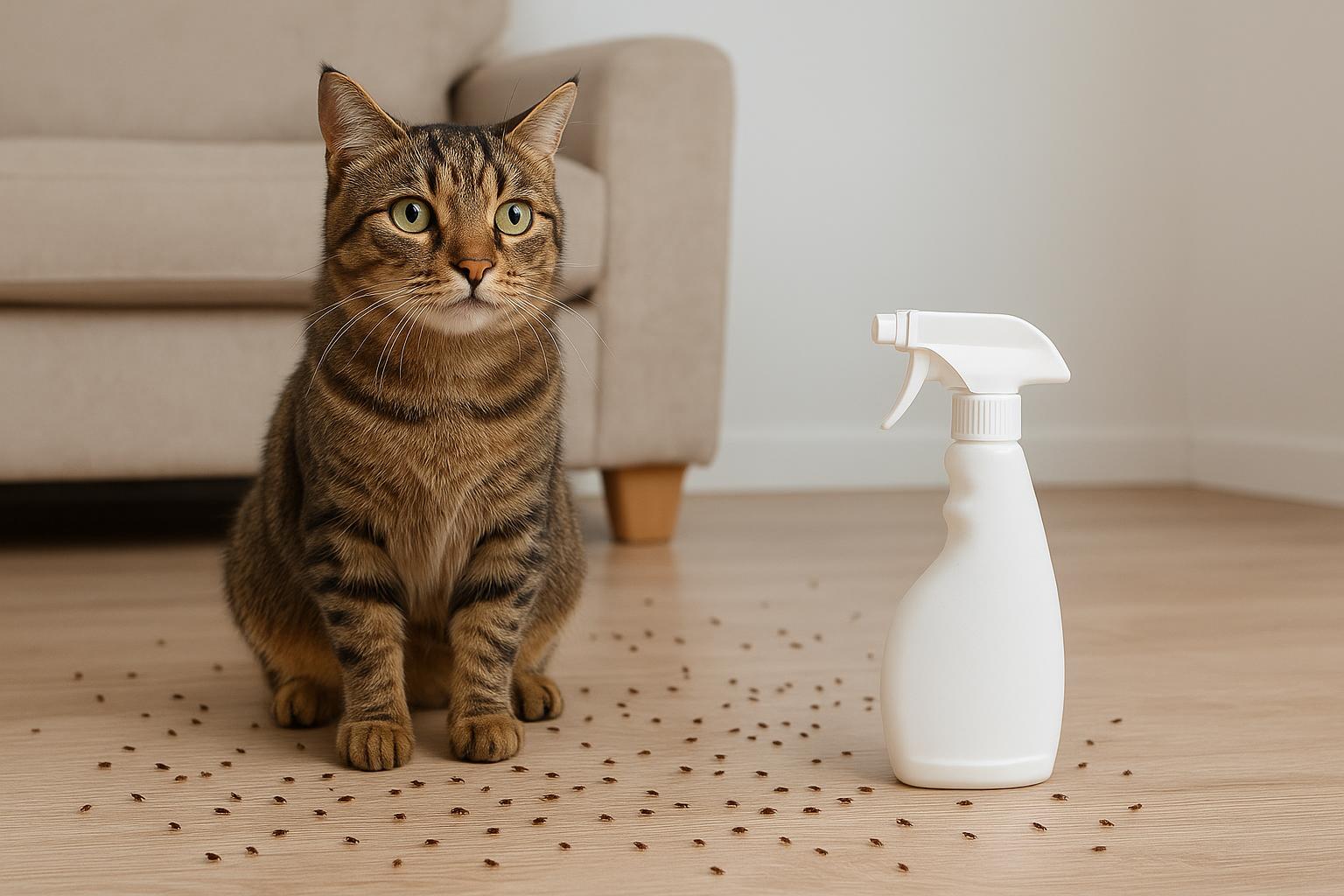
– Tiny black specks and pepper-like debris in carpet fibers near doors and pet areas.
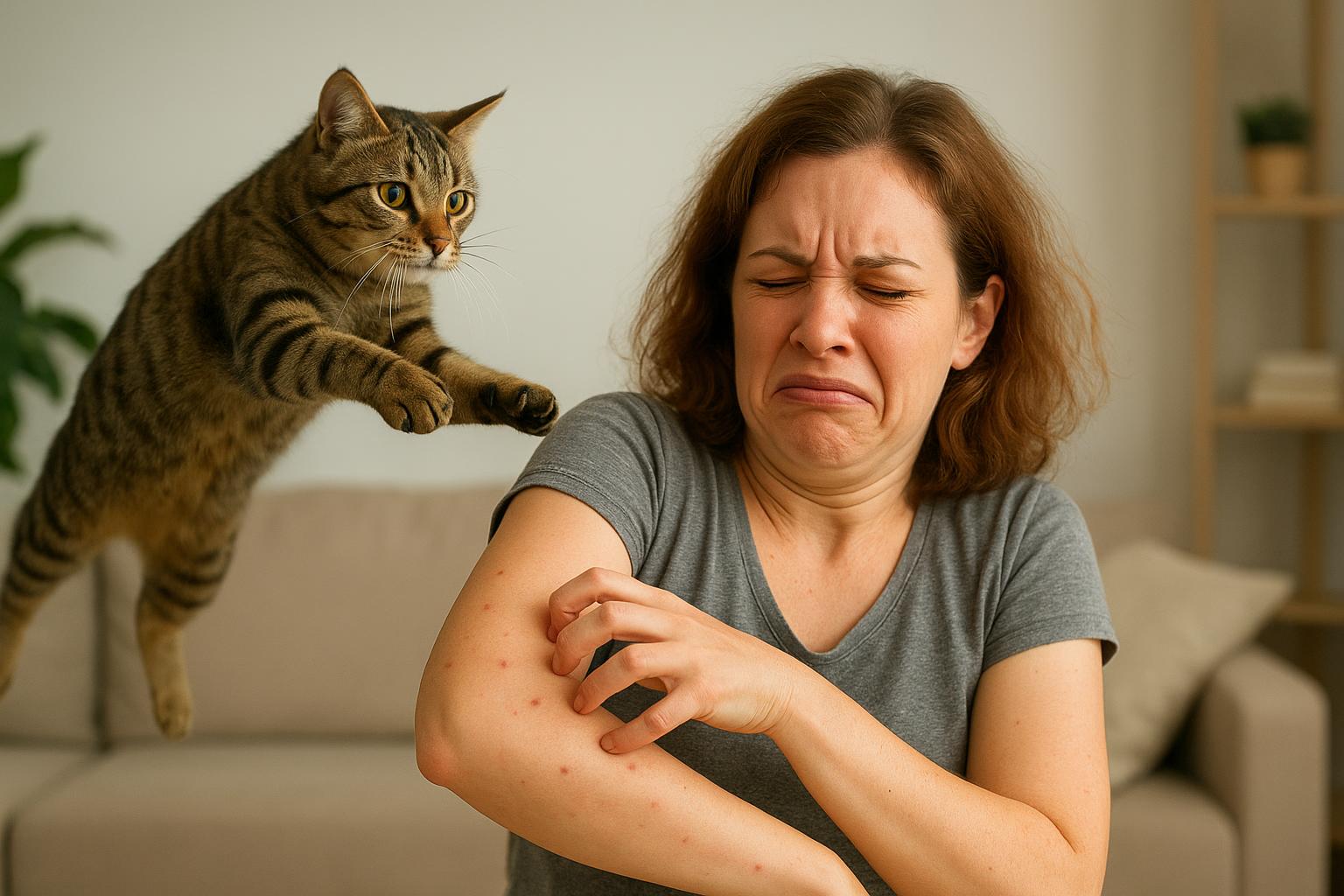
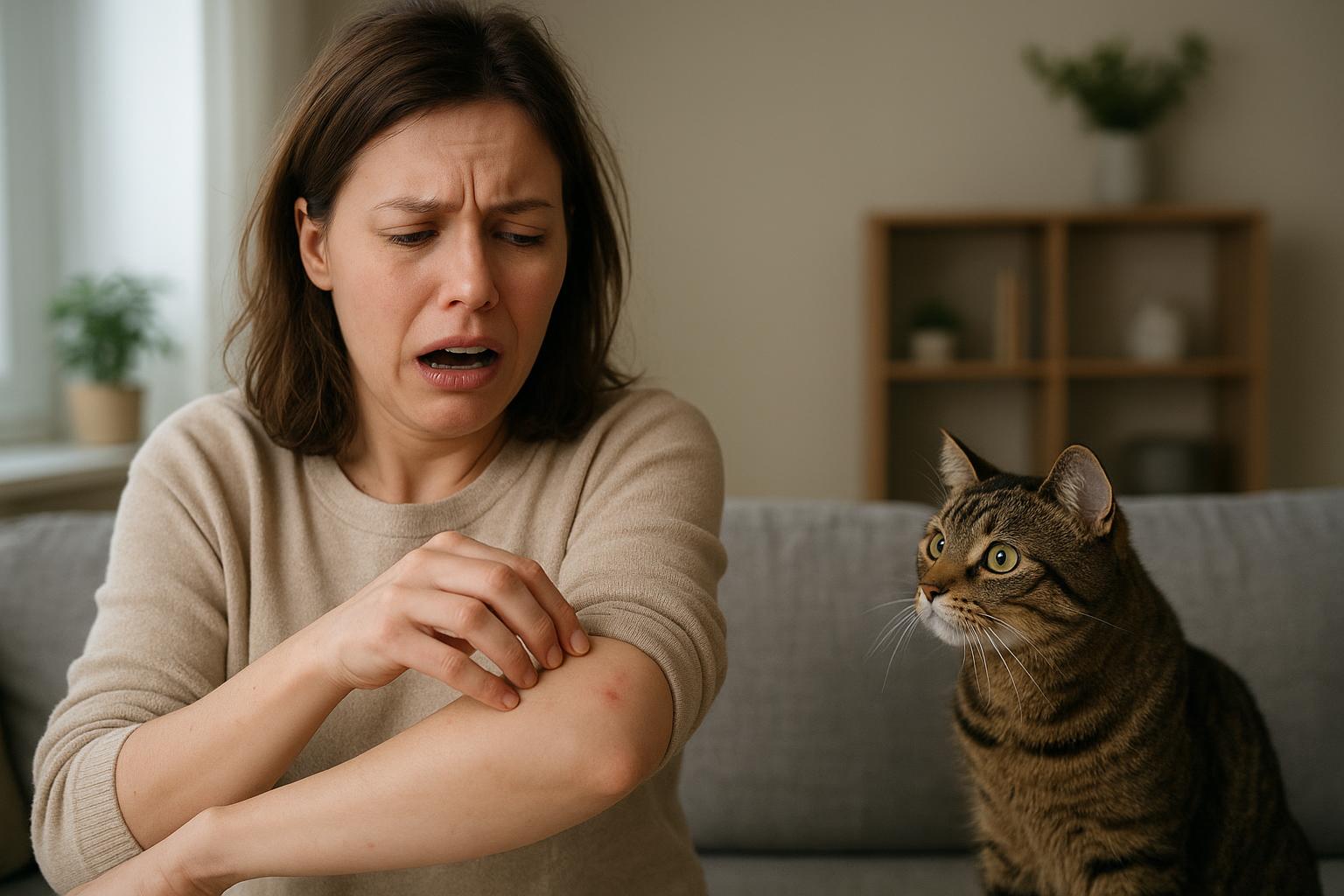
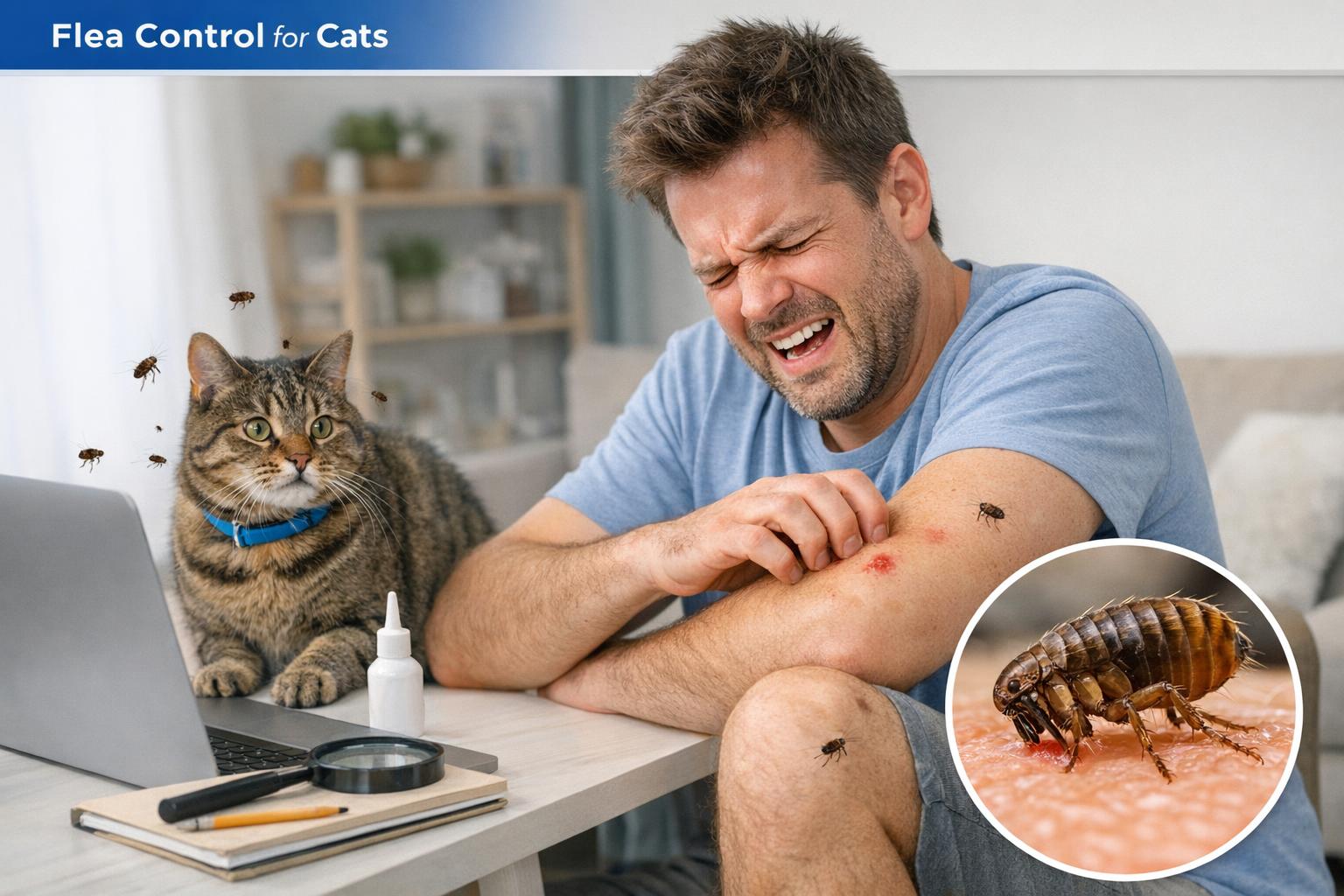
– Bites on humans concentrated around ankles, lower legs, and areas that contact the floor.
– Increased flea sightings immediately after pets spend time outside.
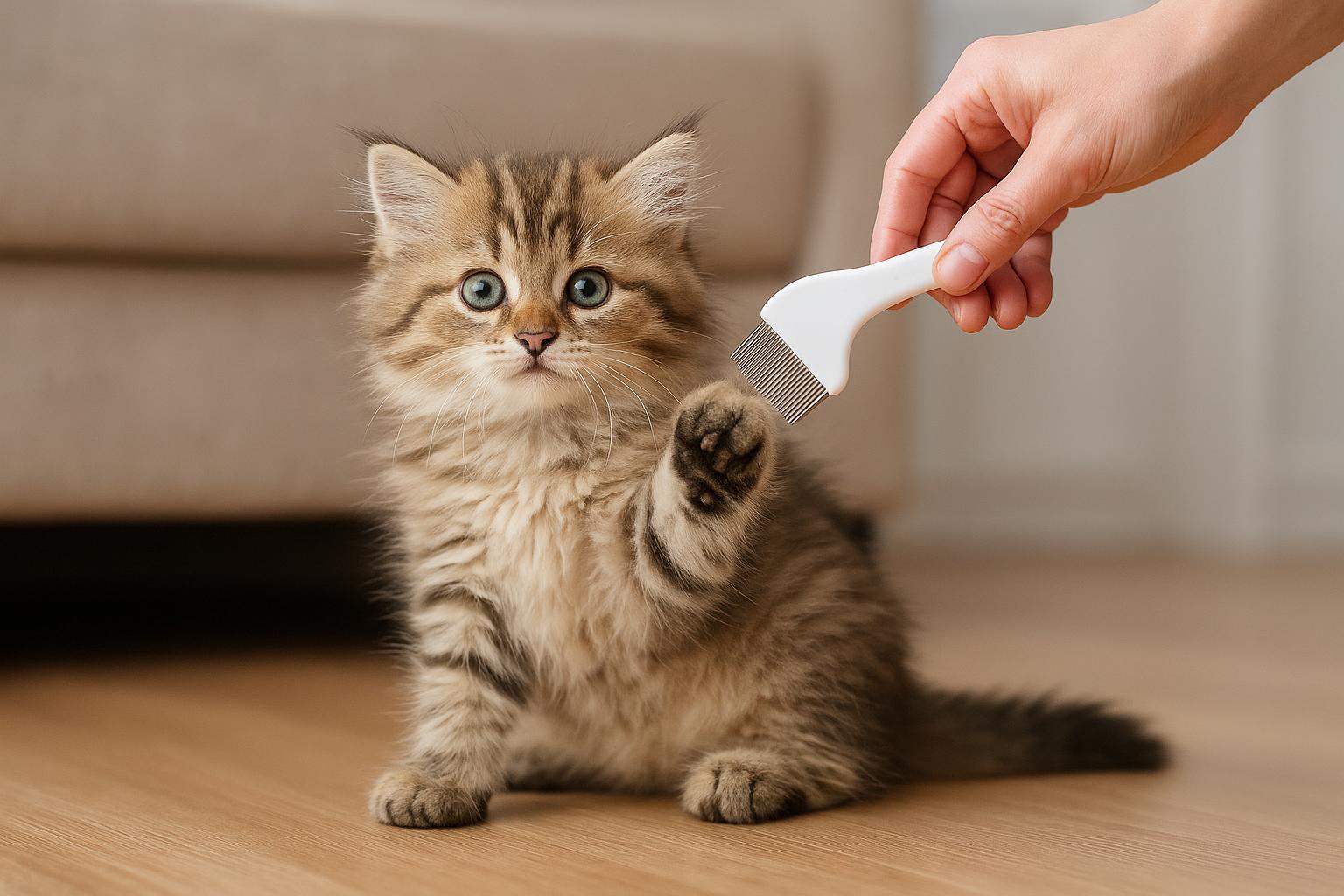
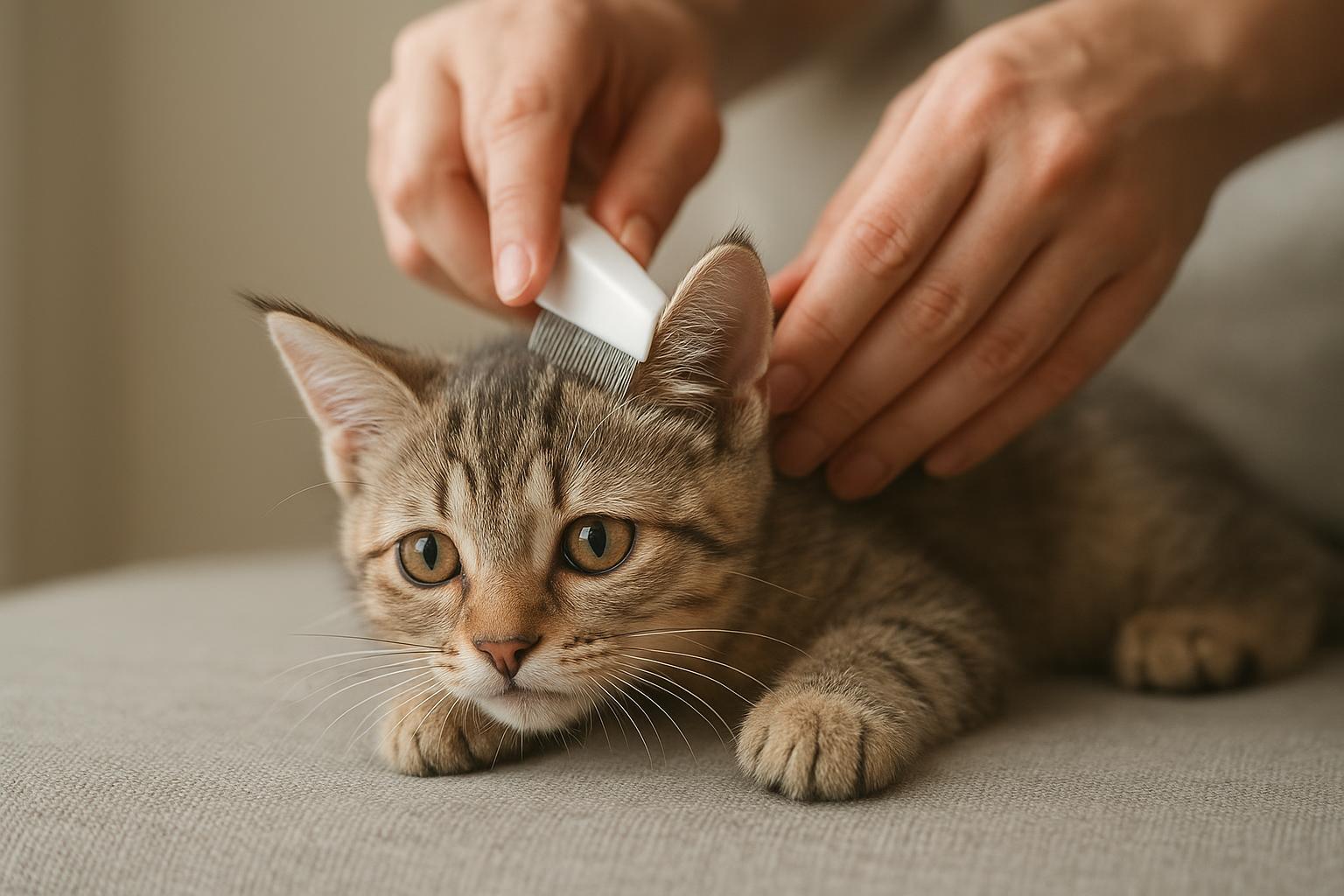
Early detection helps; a quick flea comb check after outdoor time can save a lot of indoor trouble.
## 1 Natural Yard Remedy: Treating Outdoor Sources Safely
When addressing outdoor sources, it’s important to be effective without harming beneficial wildlife or your garden. The following remedy focuses on safe, commonly used materials that target flea habitats and interruption of the flea life cycle. The instructions below are formal and practical—follow them carefully.
Required Materials
– Diatomaceous earth (food-grade) or silica-based insecticidal dust
– Beneficial nematodes (Steinernema feltiae or Heterorhabditis bacteriophora)
– Garden sprayer or watering can
– Stiff rake and leaf blower or mulching mower
– Protective gloves, dust mask, and eye protection
– Optional: cedar mulch (as a long-term deterrent)
Step-by-Step Creation and Application
1. Inspect and Identify: Walk the yard and note shaded areas, leaf piles, under decks, and spots where pets or wildlife rest. Mark these outdoor sources with flags or chalk.
2. Clean and Reduce Habitat: Rake leaf litter, turn compost piles, and trim dense groundcover. Removing excess organic material reduces places fleas can breed. Use a mulching mower on tall grass to keep it short.
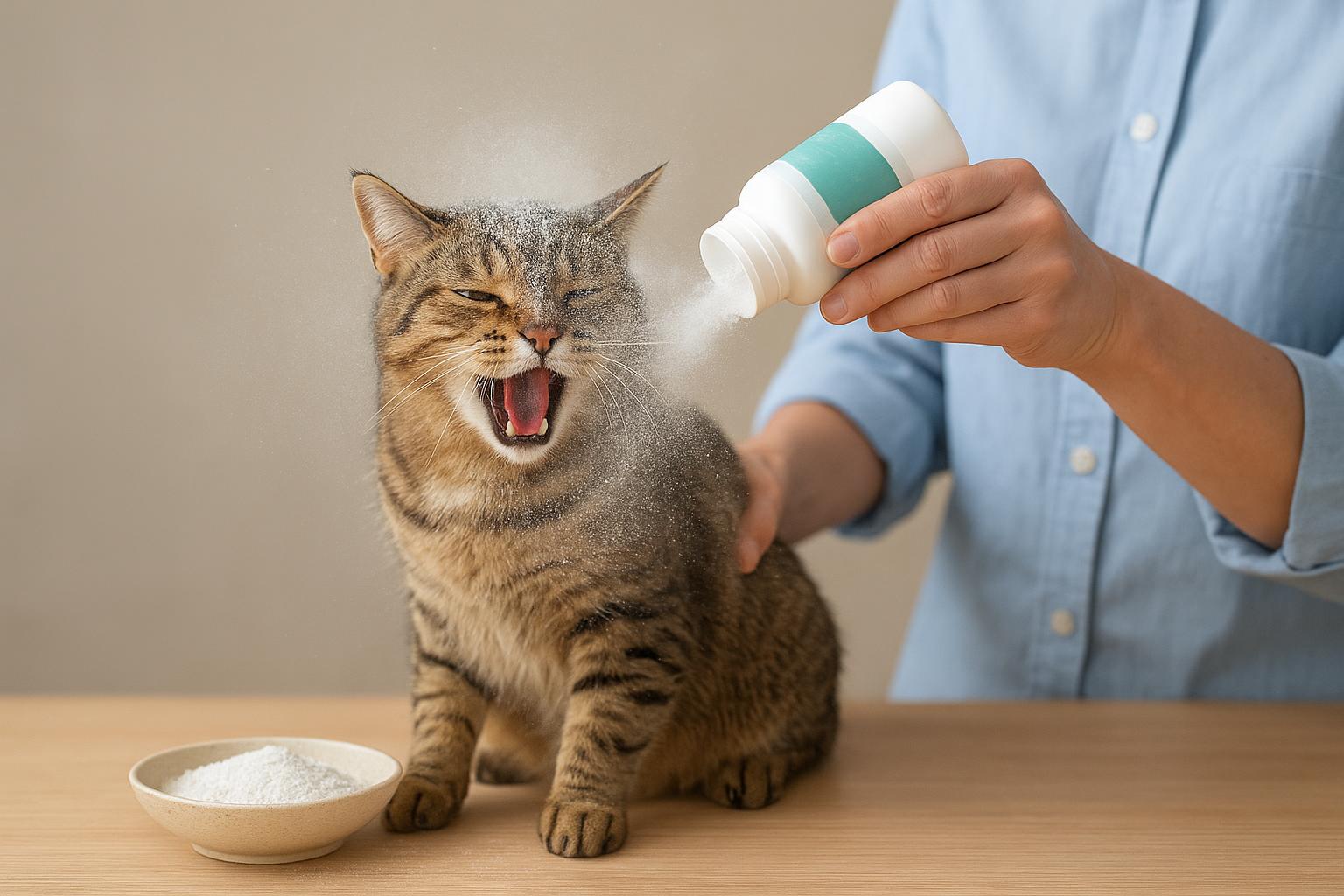
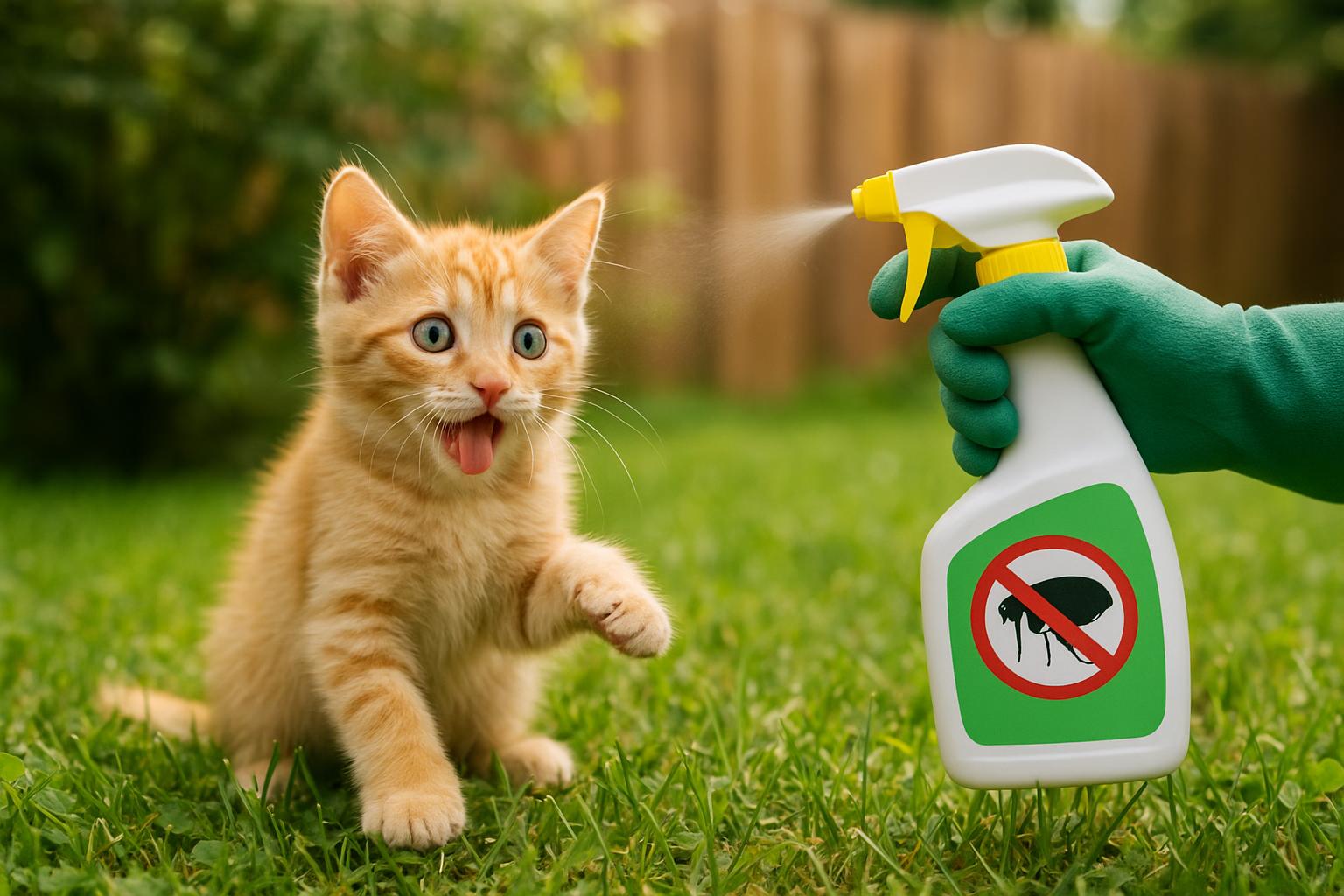
3. Apply Diatomaceous Earth: On dry days, lightly dust diatomaceous earth in targeted areas (not during rain). Wear gloves, mask, and eye protection. Apply a fine, even layer in shaded patches, along foundations, and under shrubs where fleas are likely. Diatomaceous earth dehydrates insect bodies but is most effective when dry.
4. Introduce Beneficial Nematodes: Mix nematodes per product instructions and apply with a garden sprayer to moist areas (after watering). They parasitize flea larvae and pupae in the soil and are safe for pets and plants.
5. Reapply as Needed: Repeat diatomaceous earth application after heavy rain once areas dry. Nematodes generally remain active for a few weeks; reapply according to product guidance, especially during warm months.
6. Long-Term Landscaping Changes: Replace dense groundcover with low-maintenance plants, create sunny edges, and use cedar or rock mulch in problem areas—these changes reduce suitability of outdoor sources for fleas.
Safety Notes: Keep powders away from bird feeders and do not over-apply diatomaceous earth in windy conditions. Beneficial nematodes require refrigeration before use—follow manufacturer storage and application guidelines. Do not rely on a single treatment; integrated management across several weeks is necessary to break the flea life cycle.
## 2 Indoor-Proofing And Pet-Centered Remedy
Stopping reintroduction from outdoor sources requires addressing pets and indoor reservoirs at the same time. This remedy is more clinical—follow product labels and veterinarian advice.
Required Materials
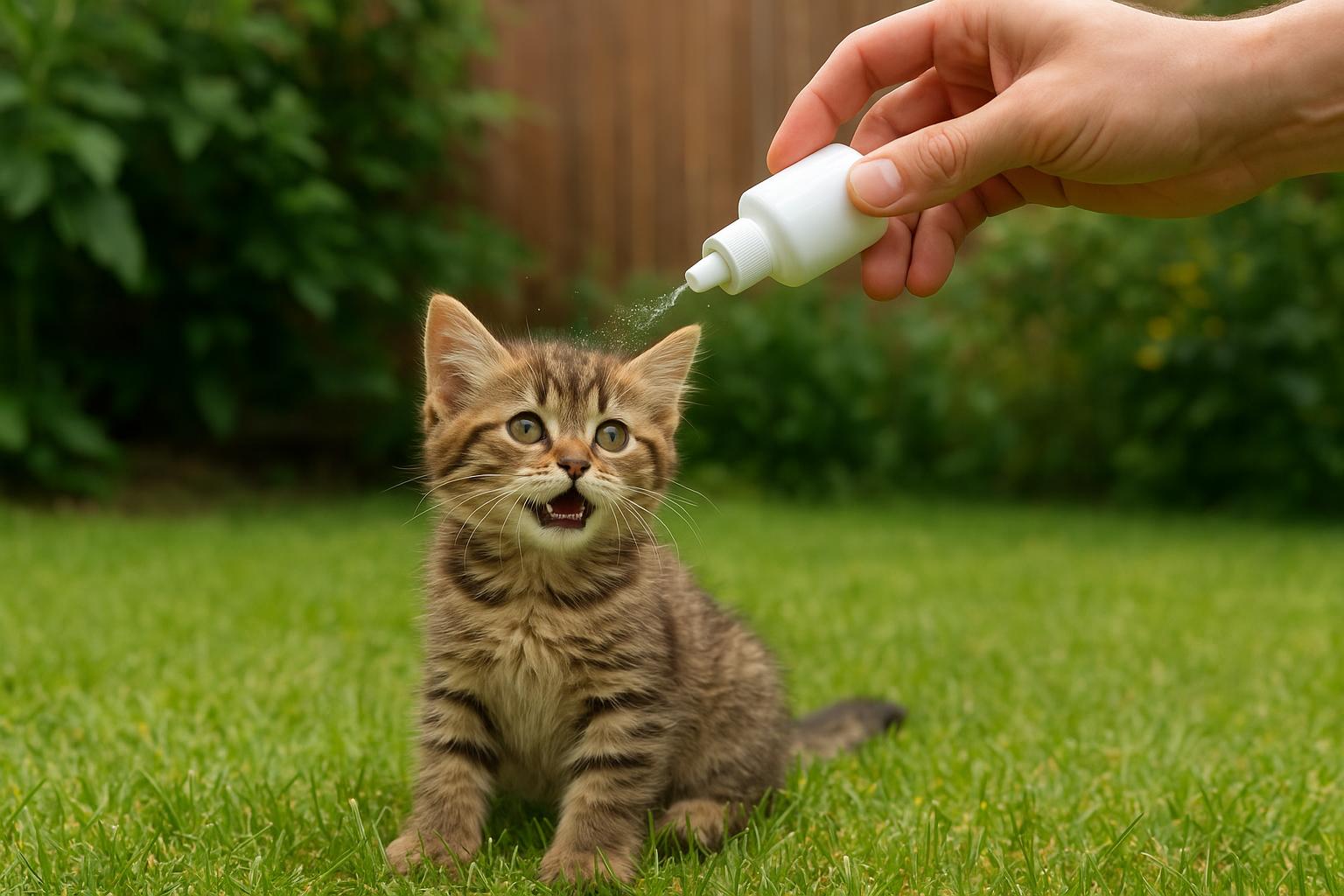
– Veterinarian-recommended oral or topical flea treatments for pets (e.g., prescription systemic medications or vet-approved spot-ons)
– Flea comb and two buckets (one with soapy water, one with clean water)
– High-efficiency vacuum cleaner with disposable bag or easy-empty canister
– Laundry detergent and hot water for bedding
– Insect Growth Regulator (IGR) spray labeled for indoor use (methoprene or pyriproxyfen)
– Carpet cleaner or steam cleaner (optional)
– Gloves and user manual for any pesticide product
Step-by-Step Creation and Application
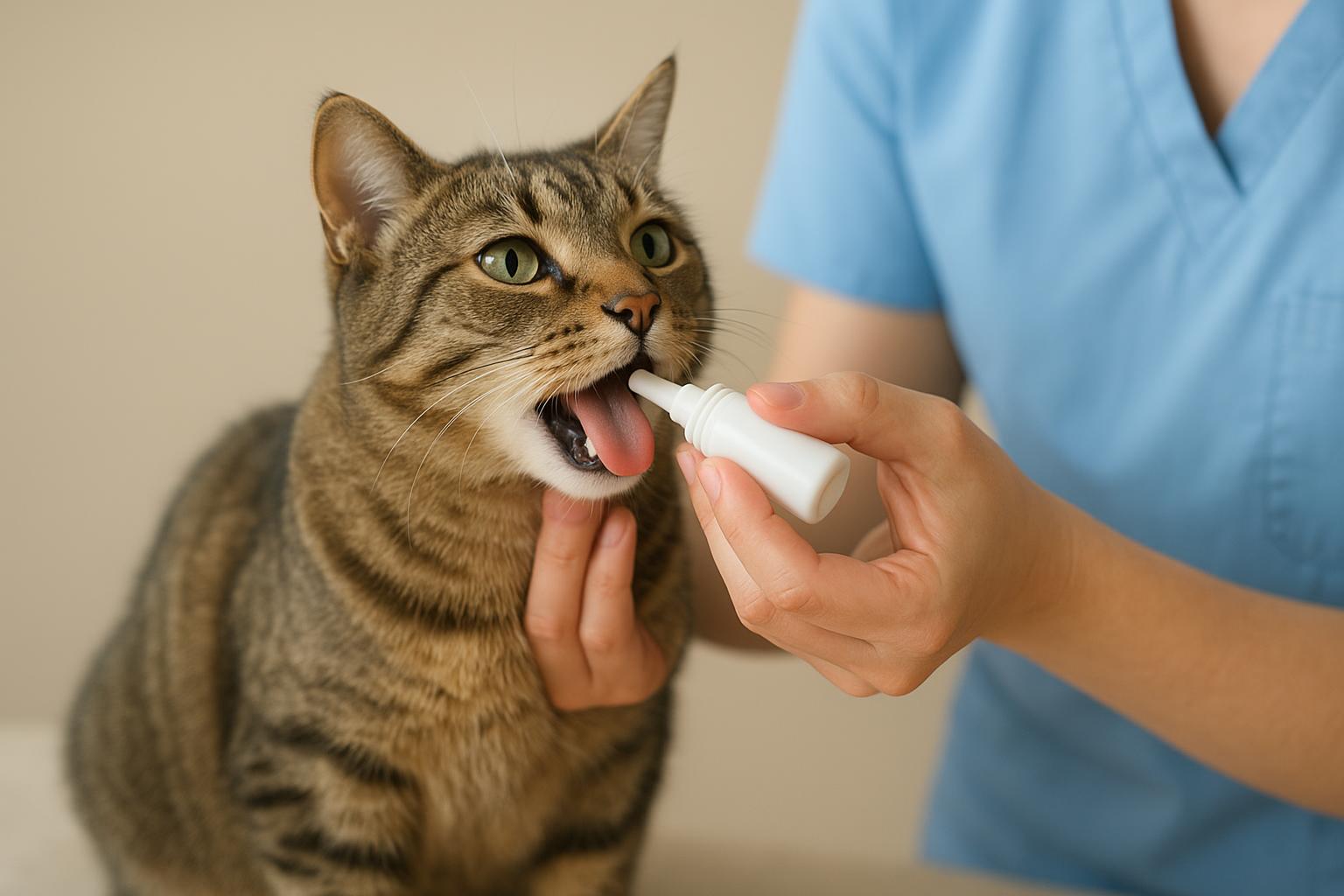
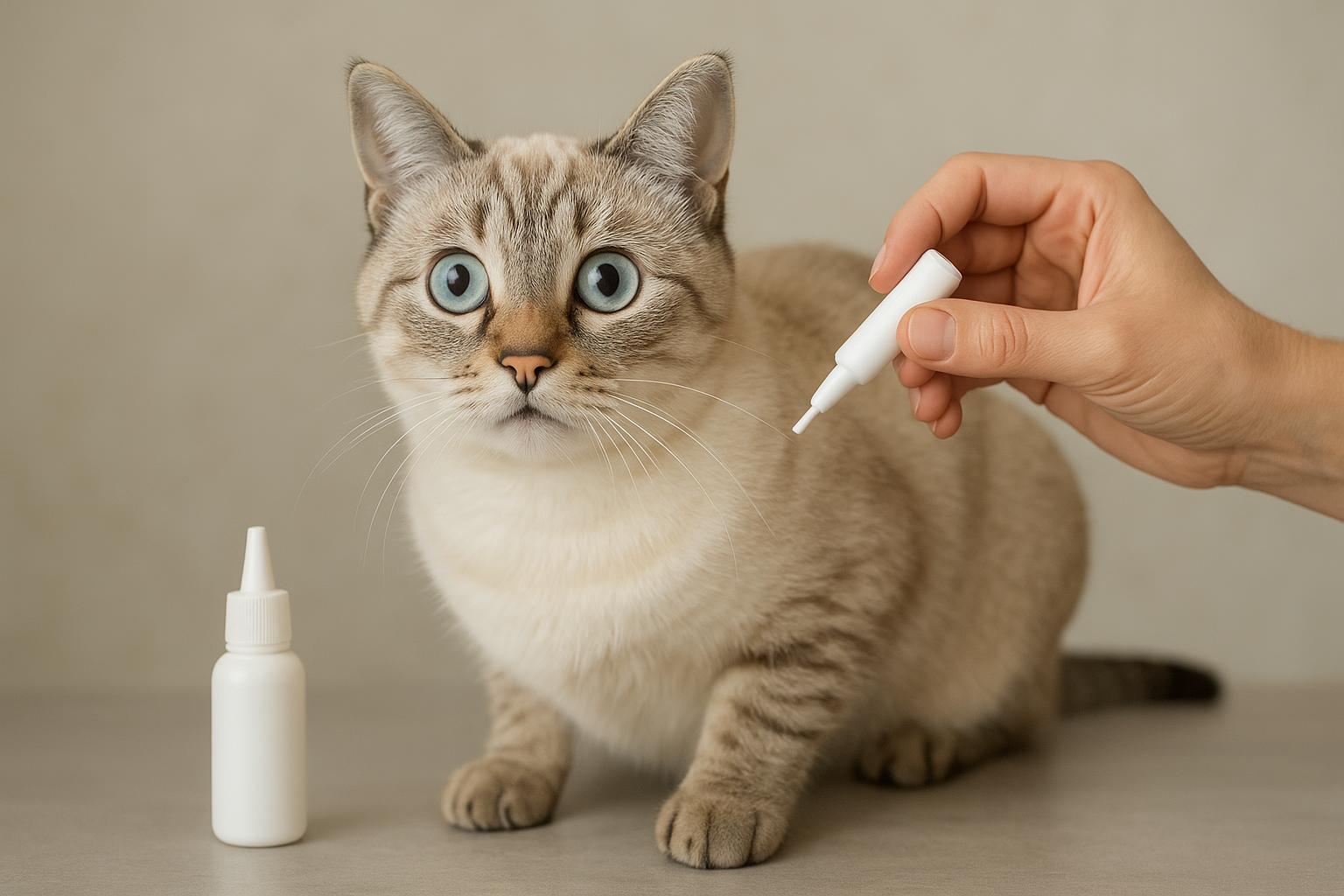
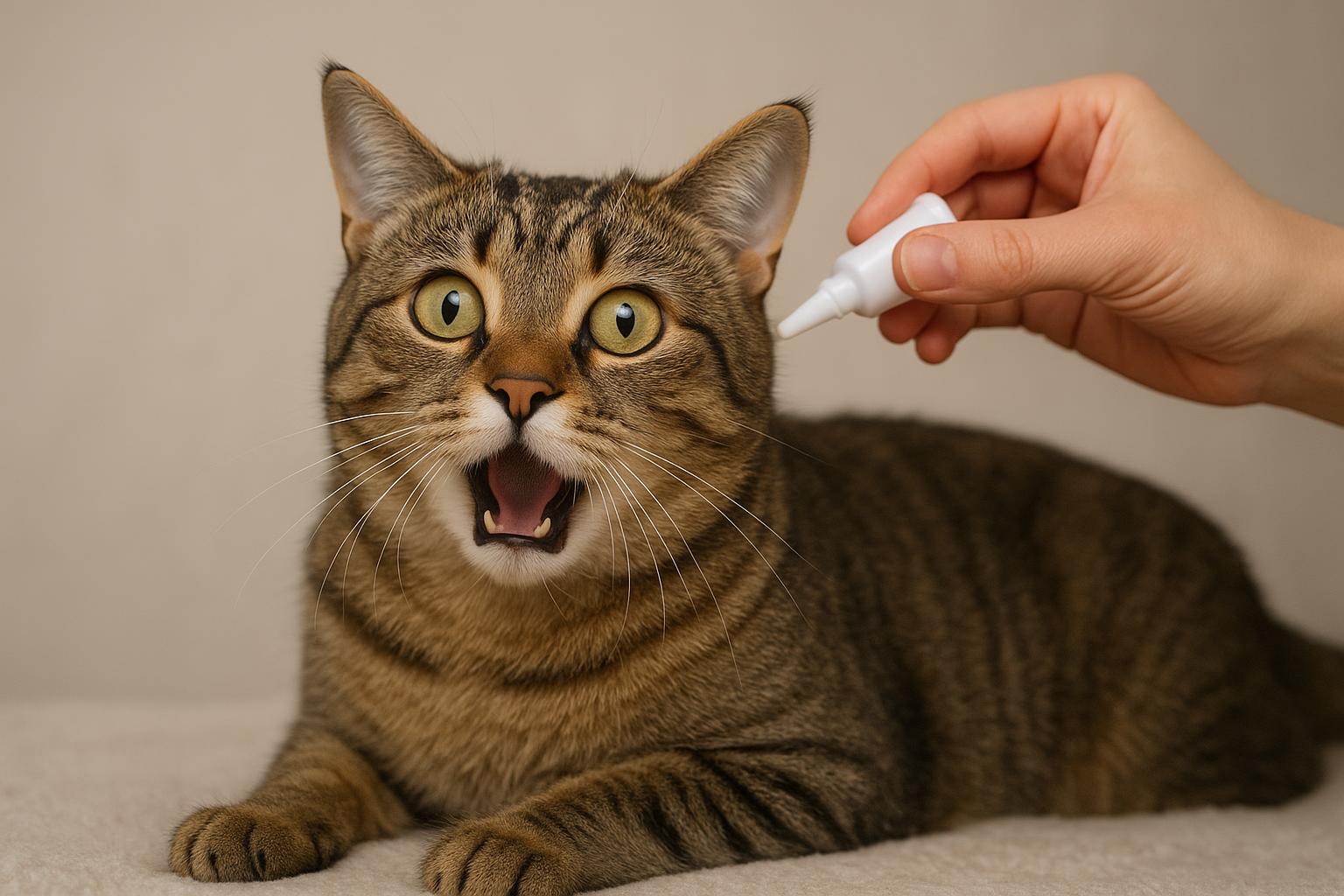
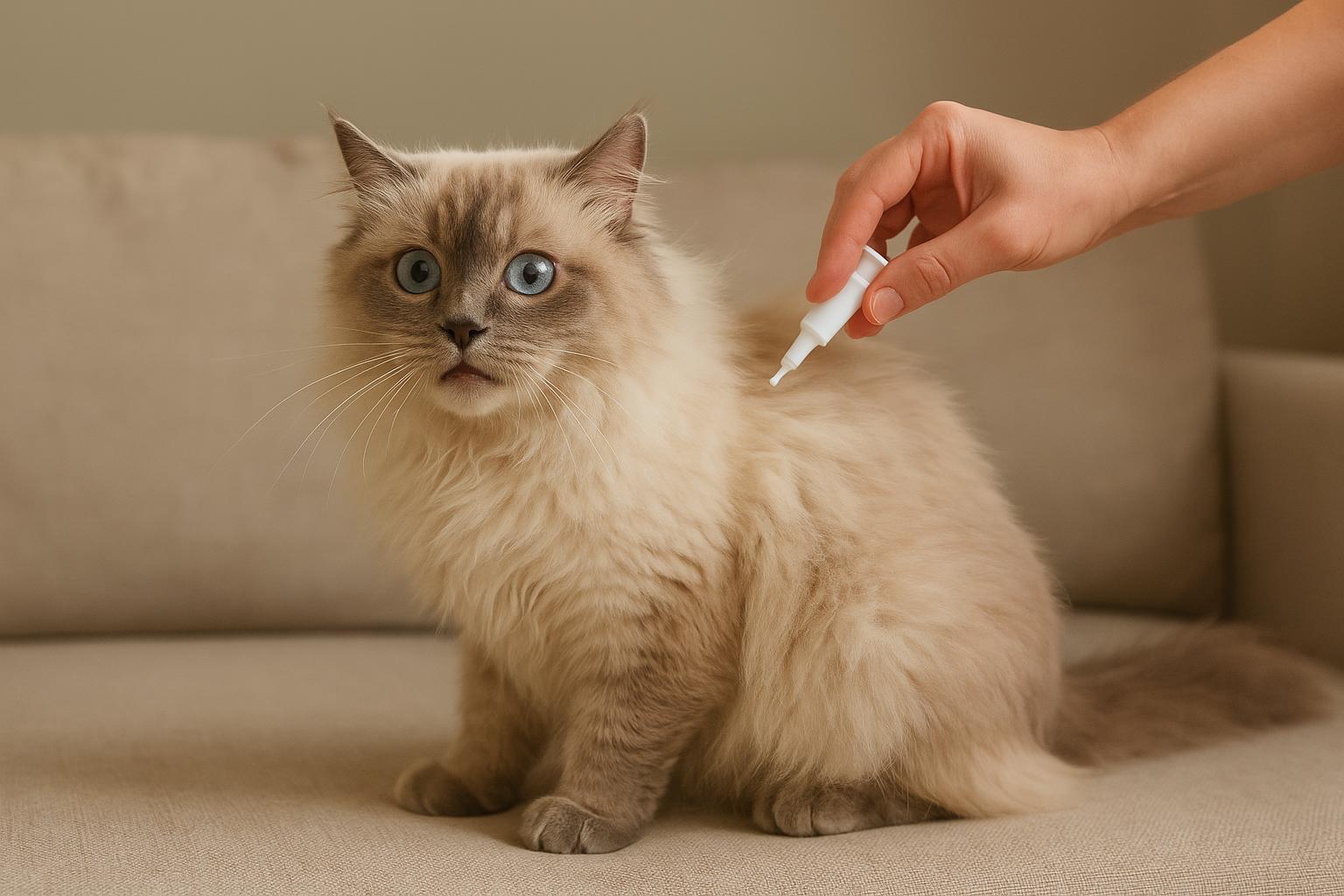
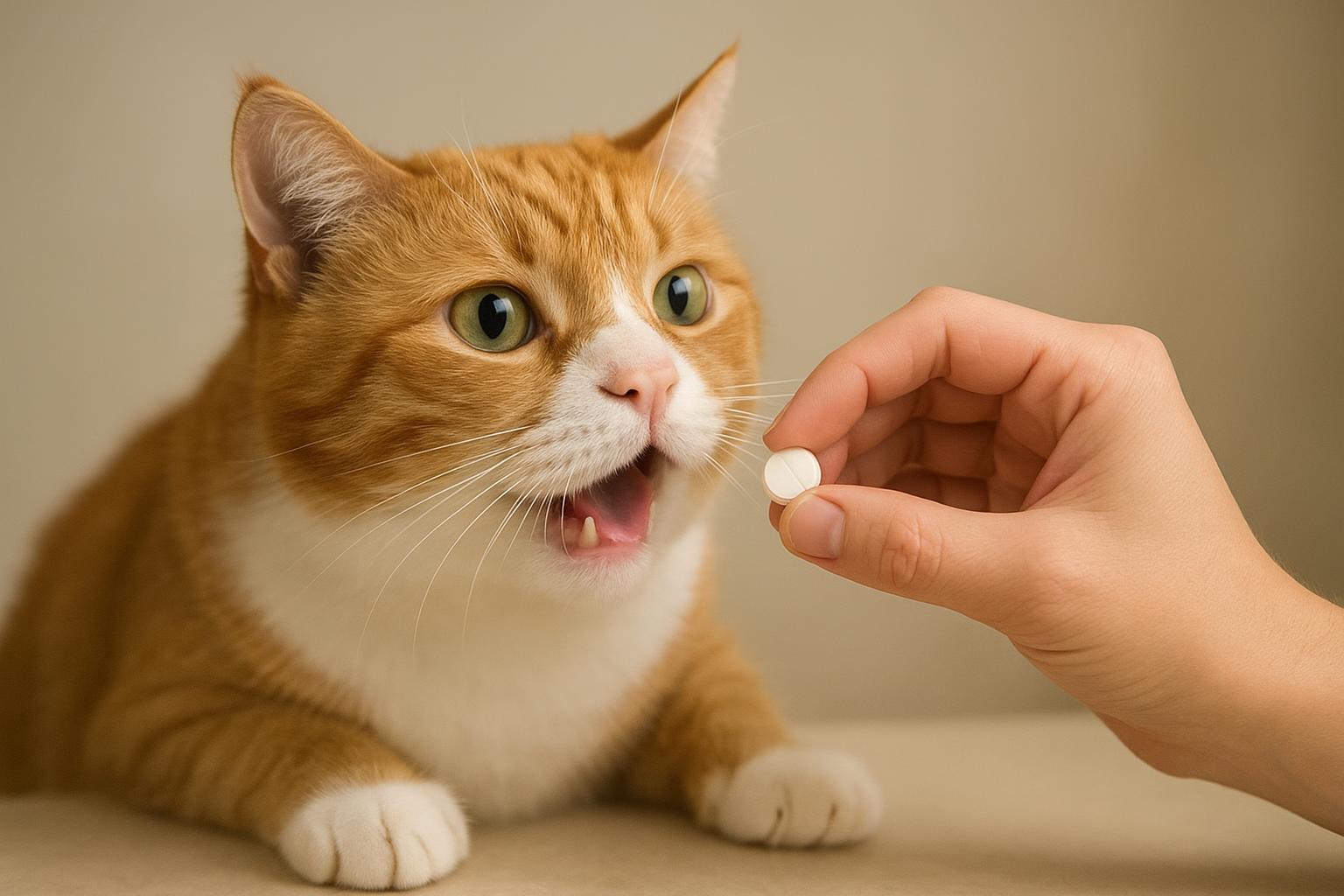
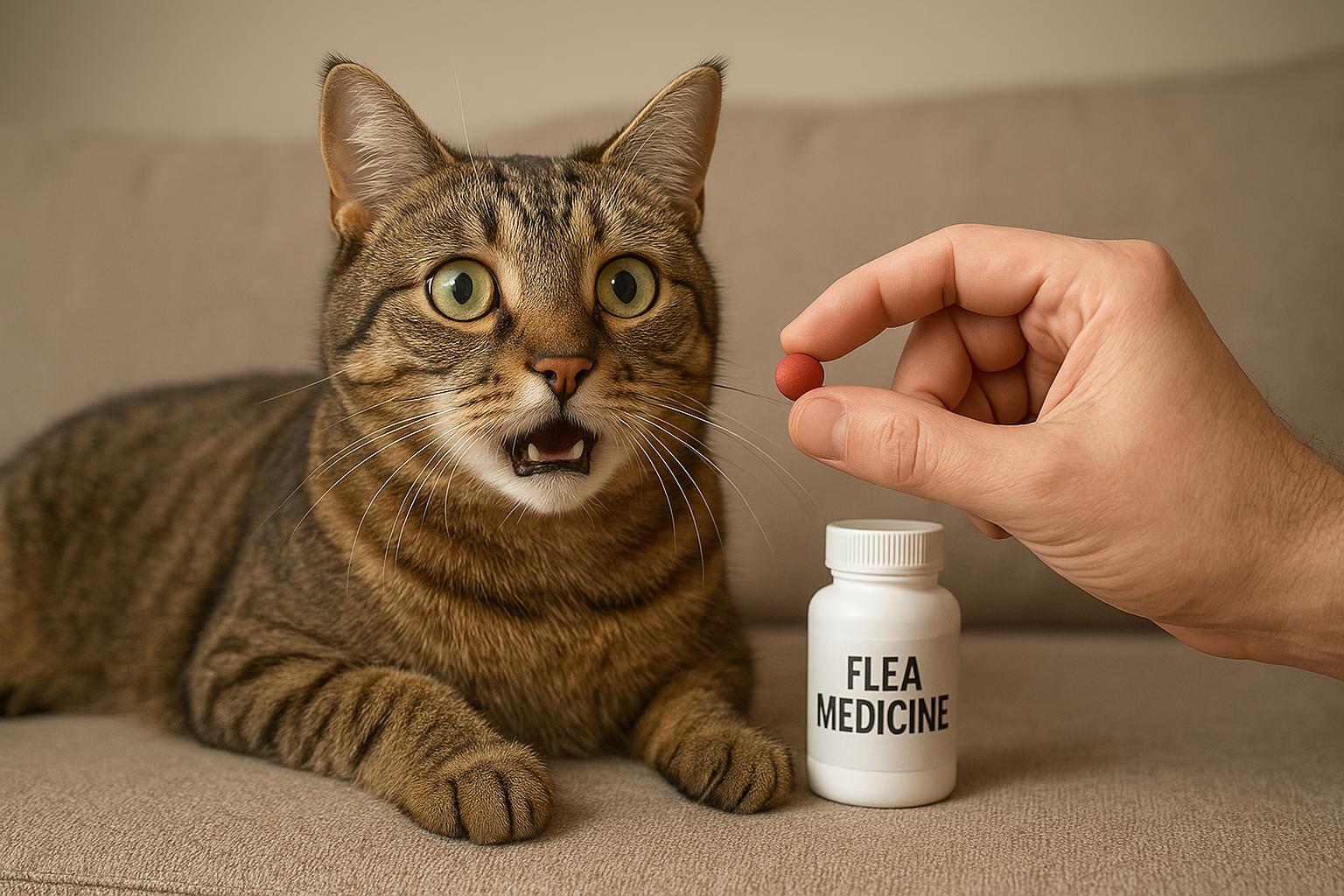
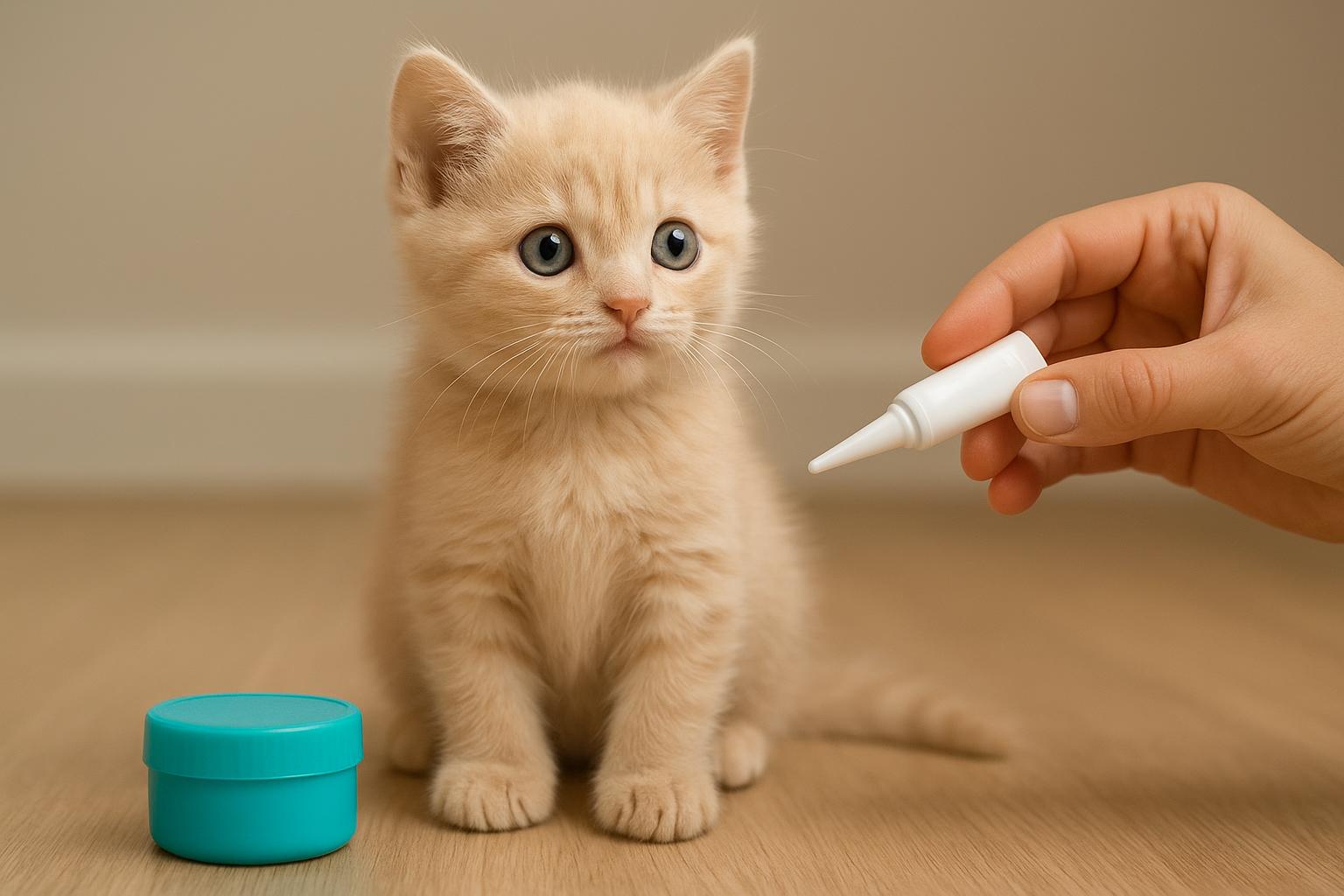
1. Treat Pets First: Consult your veterinarian for the most appropriate flea control agent for each pet. Administer oral or topical systemic treatments as directed. These products reduce the number of adult fleas and interrupt the reproductive cycle.
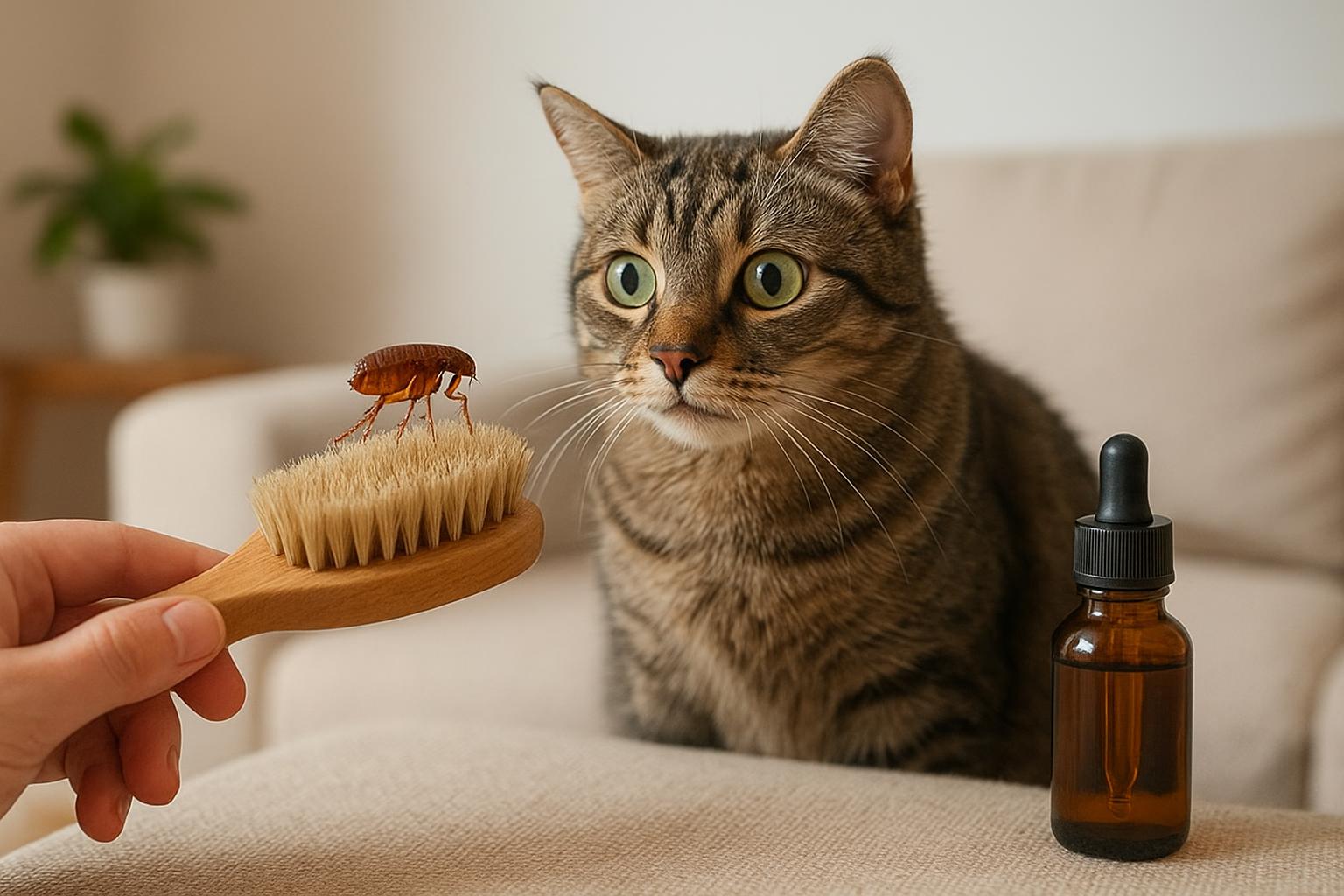
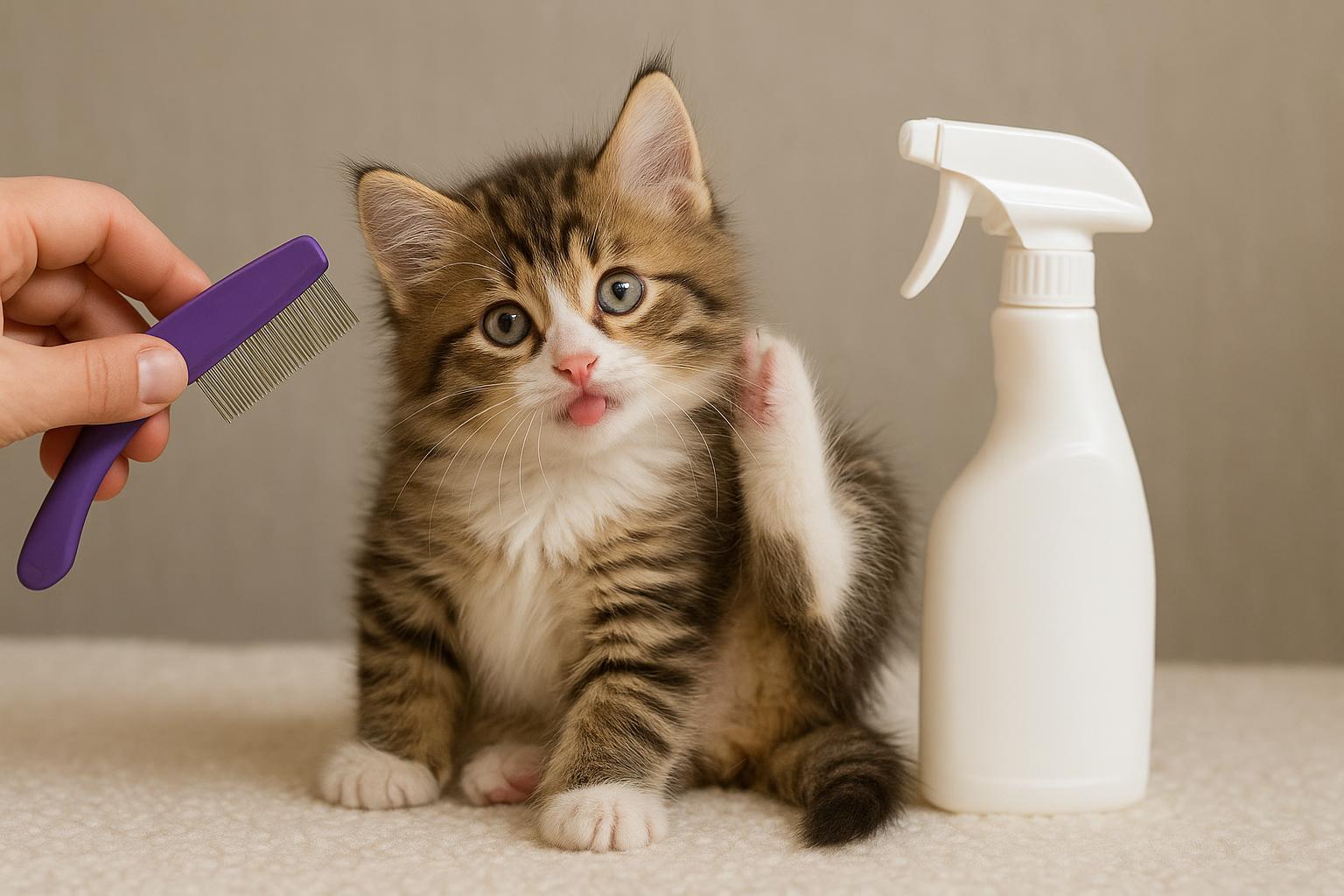
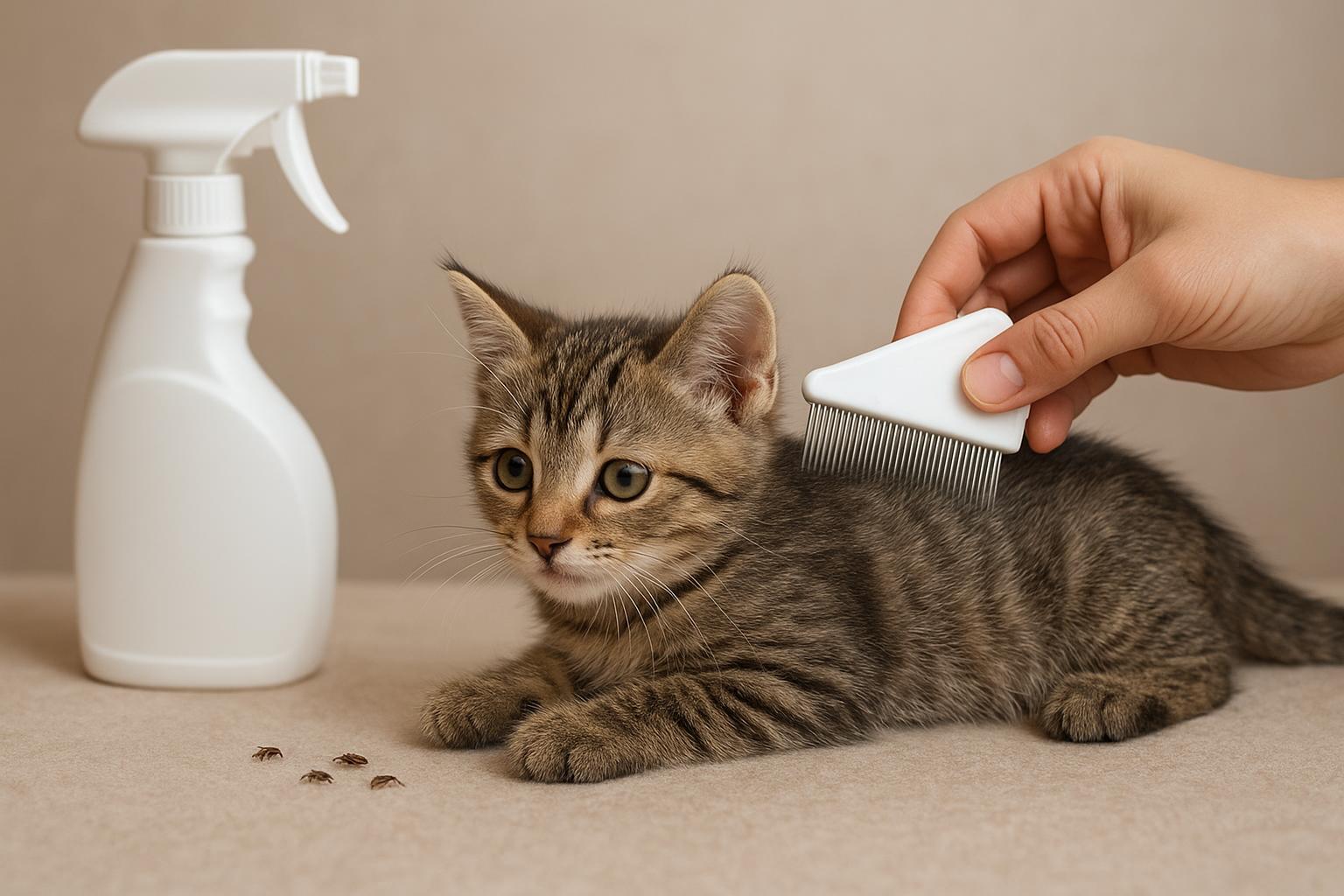
2. Flea Comb Check: Comb pets daily for a week after treatment. Dip the comb into soapy water to drown fleas and prevent reinfestation. Replace soapy water frequently.
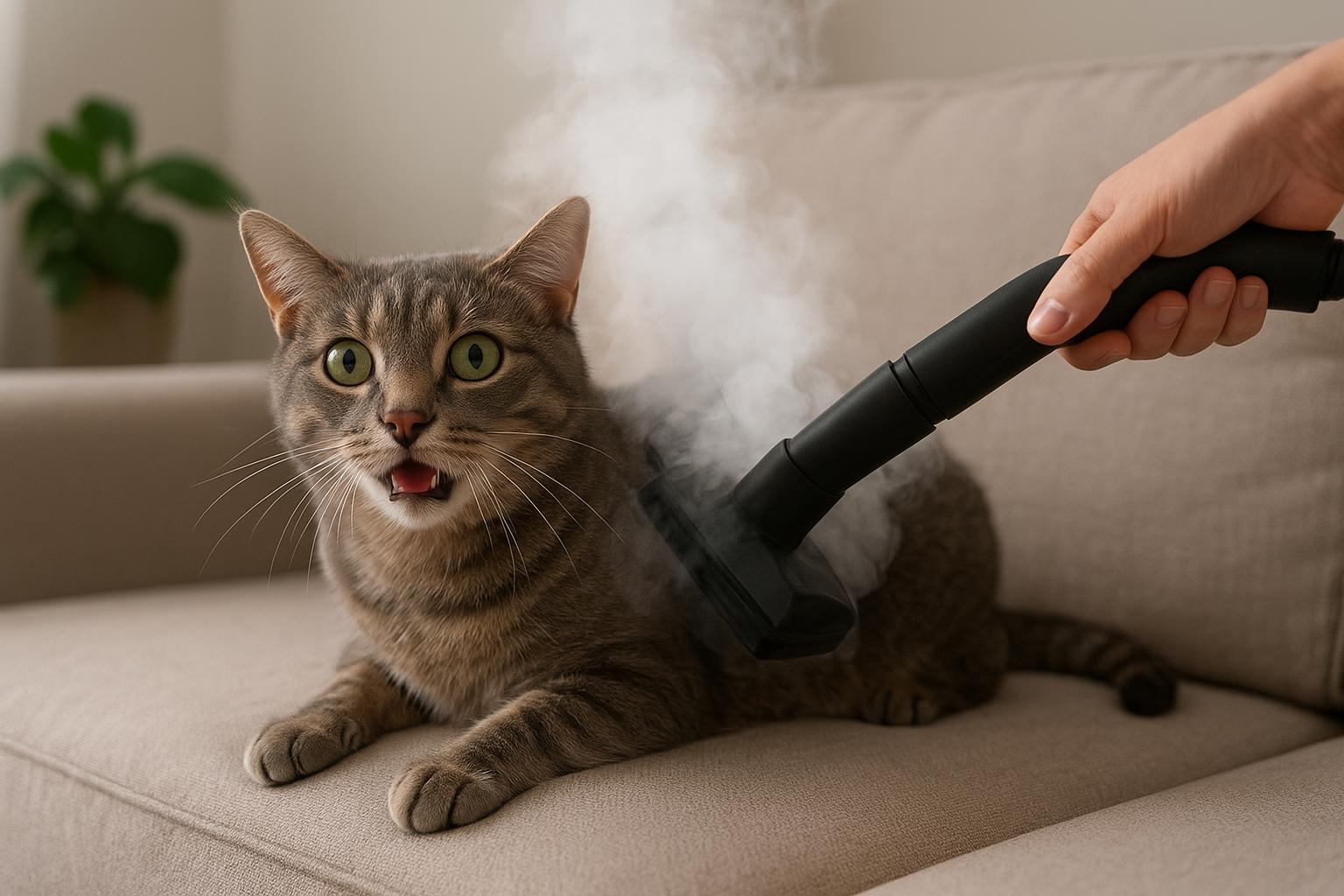
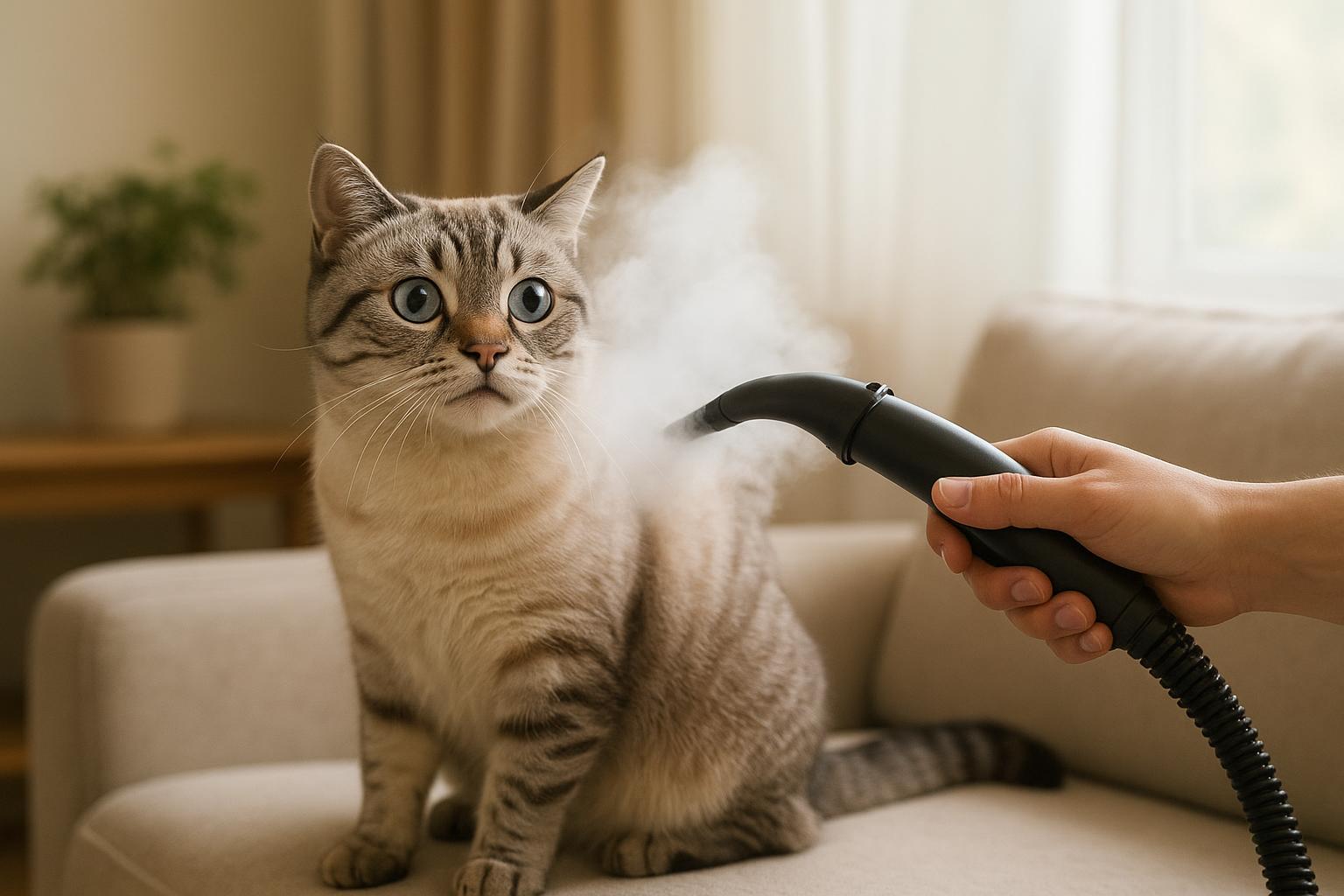
3. Deep Clean Pet Areas: Wash pet bedding and blankets in hot water and detergent; dry on high heat. For non-washables, heat-treat with steam or place in a hot dryer for 30 minutes.
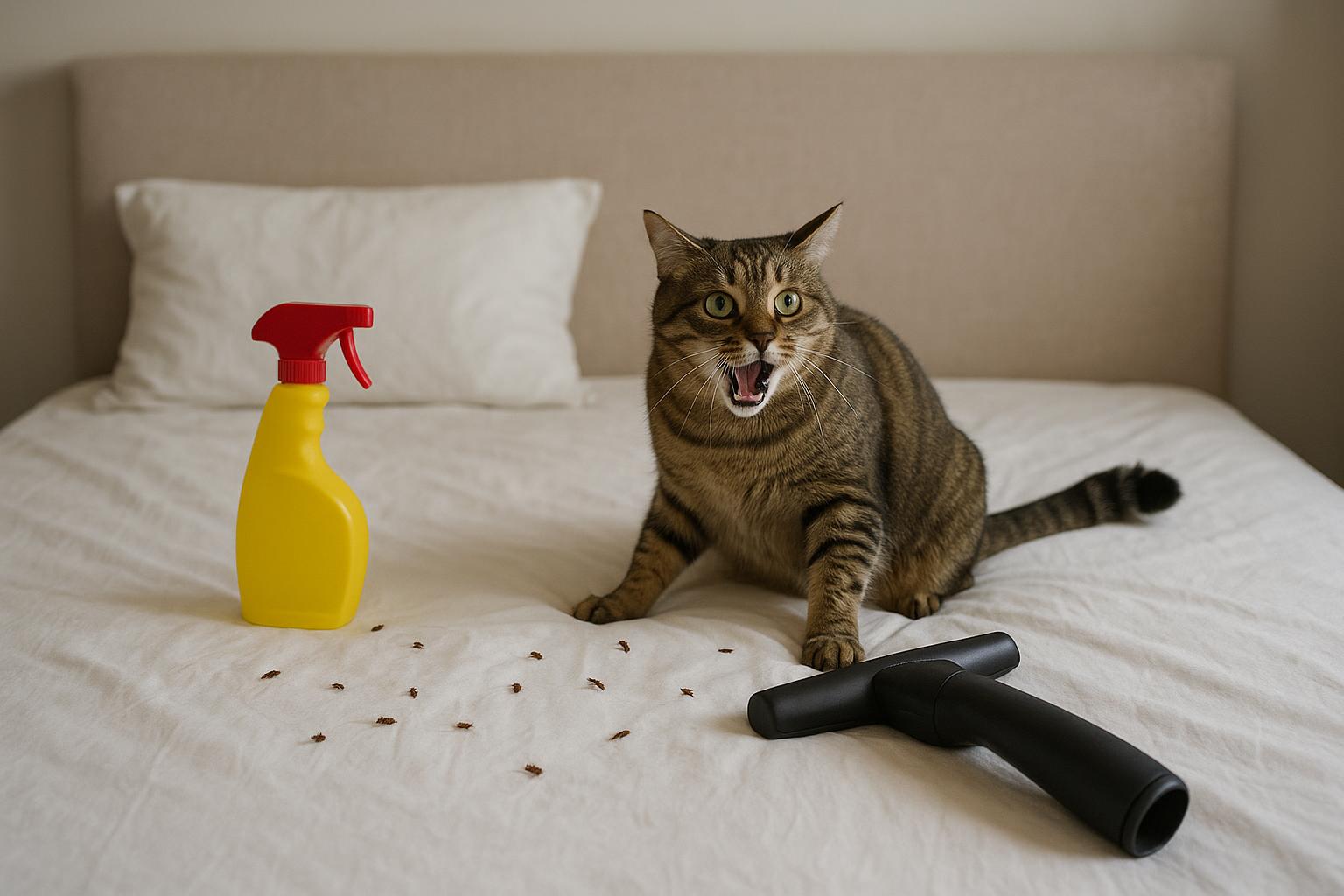
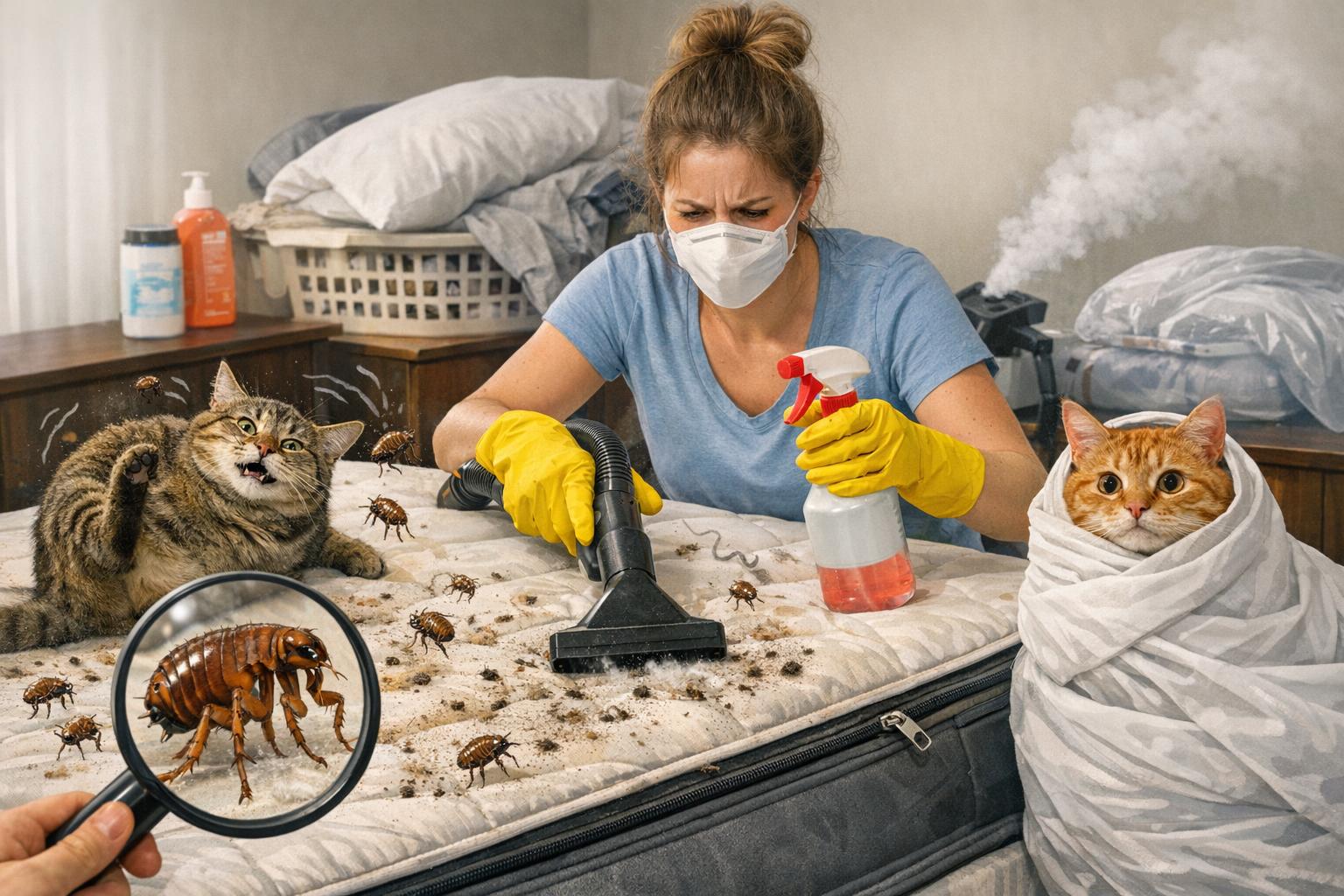
4. Vacuum Thoroughly: Vacuum carpets, rugs, upholstery, and baseboards—focus on areas where pets rest and near entryways. Use a disposable bag or empty and seal canister contents outdoors immediately. Vacuuming removes eggs, larvae, and some adults.
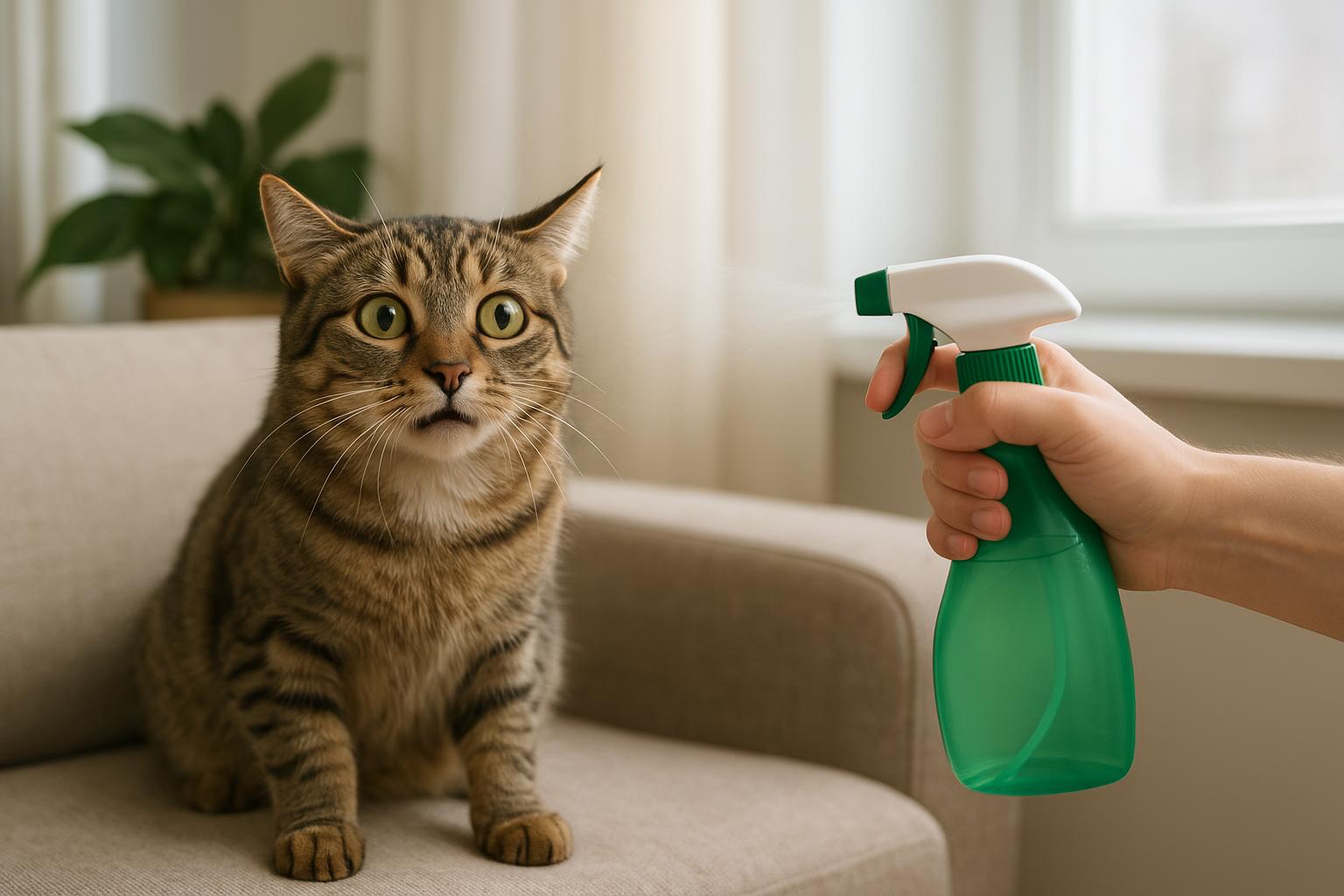
5. Apply Indoor IGR: Use an IGR spray labeled for indoor use in conjunction with a household insecticide if necessary. Apply according to label instructions to carpets, pet bedding areas, and baseboards. IGRs prevent eggs from developing into adults.
6. Monitor And Repeat: Continue pet treatments on schedule. Repeat vacuuming and washing weekly for several weeks. If flea counts remain high, consult a pest management professional for targeted treatments.
Note on Medications: Always follow veterinary advice. Over-the-counter products vary widely in effectiveness and safety; pets with health issues or young animals may need specific formulations. Human flea treatments should never be used on pets.
### When To Call A Professional
If flea numbers remain elevated after diligent yard and indoor treatment, or if household members (including pets) exhibit severe allergic reactions or secondary infections from bites, contact a licensed pest management professional. Professionals can provide targeted outdoor perimeter treatments, indoor residual sprays, and advice on addressing persistent outdoor sources such as rodent infestations or heavily trafficked wildlife corridors. Ask for integrated pest management (IPM) approaches that focus on habitat modification, exclusion, and targeted insecticides rather than repeated broad spraying.
Keep an eye on your yard’s usual outdoor sources and maintain the routine checks—this is the best way to keep fleas from renewing their lease on your home.




Leave a Reply