
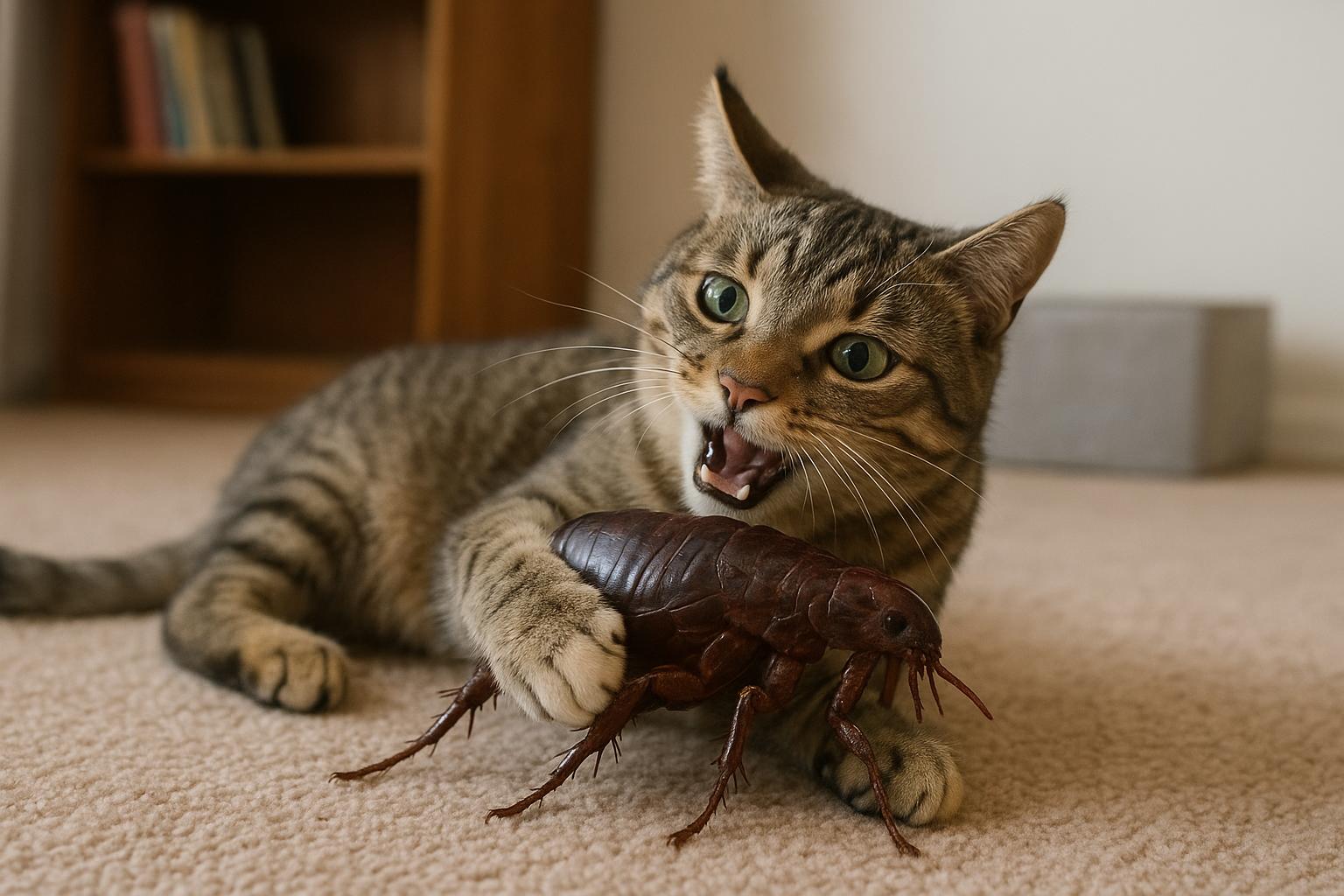
Welcome! If you’ve ever felt a tiny leap under your socks and stared down your carpet with suspicious eyes, you’re in the right place. This relaxed, slightly cheeky guide covers how long fleas live indoors, why that matters for wildlife that take up residence around or in your home, and — most importantly — what to do about it.
## Fleas In House: Lifespan And Stages
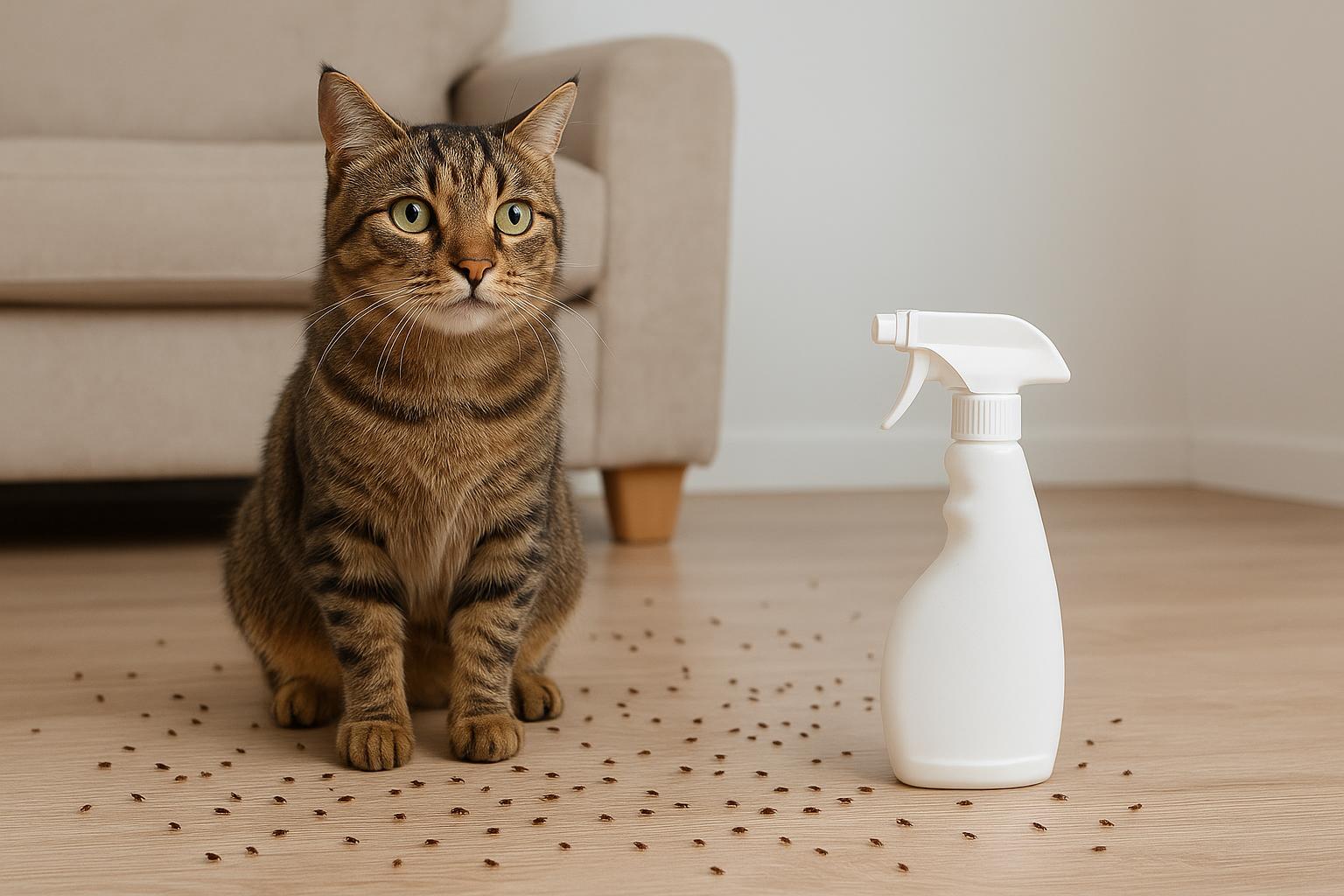
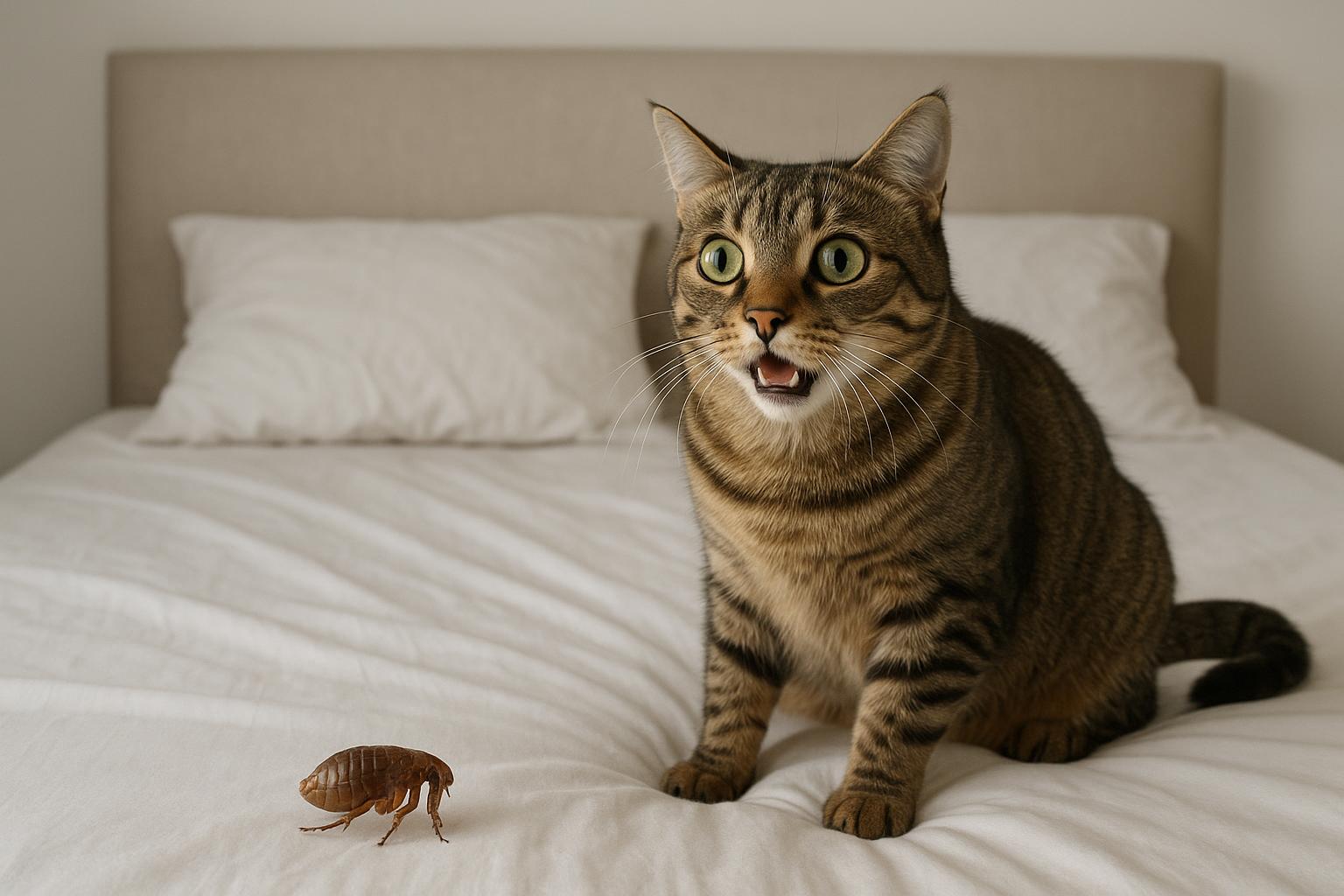
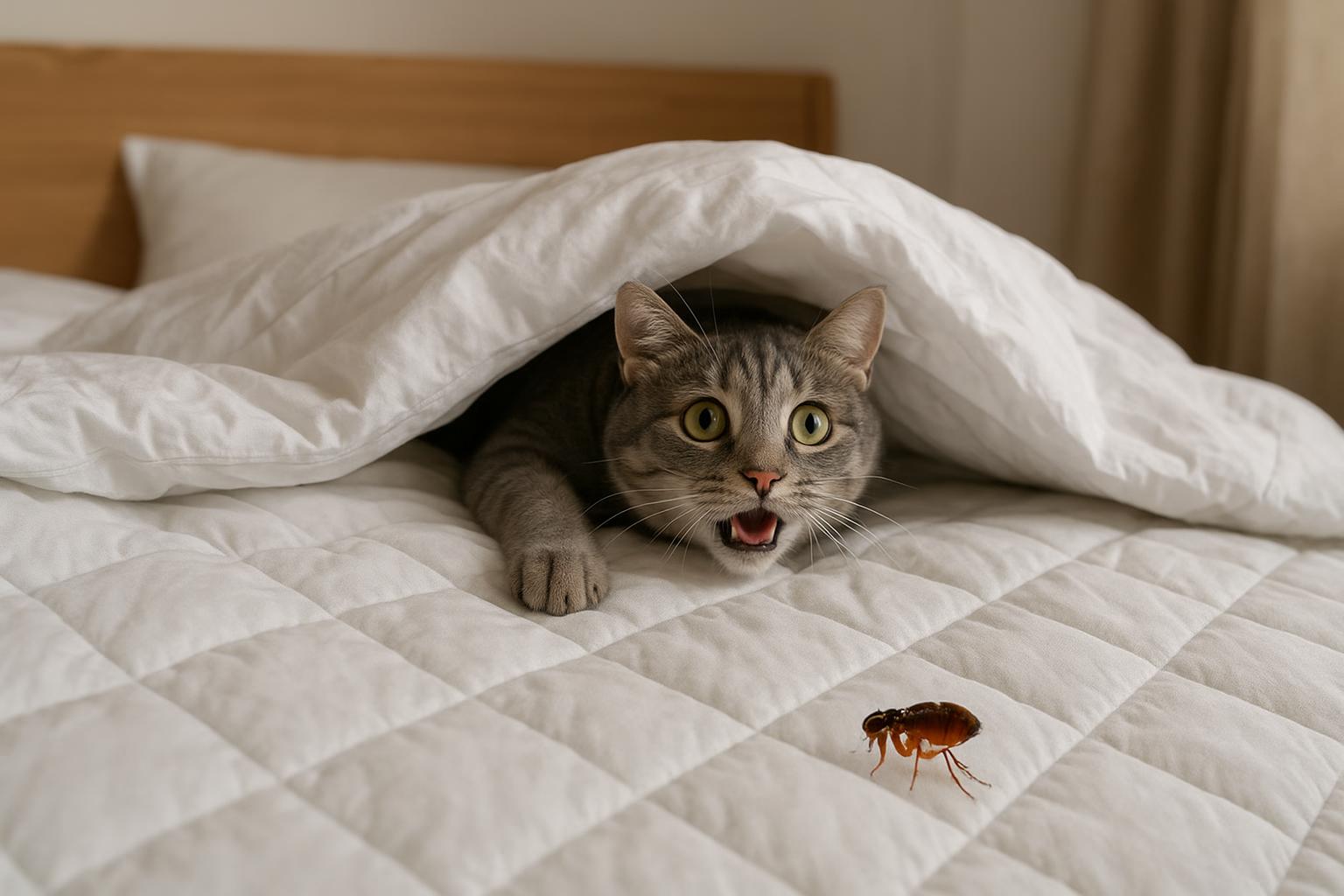
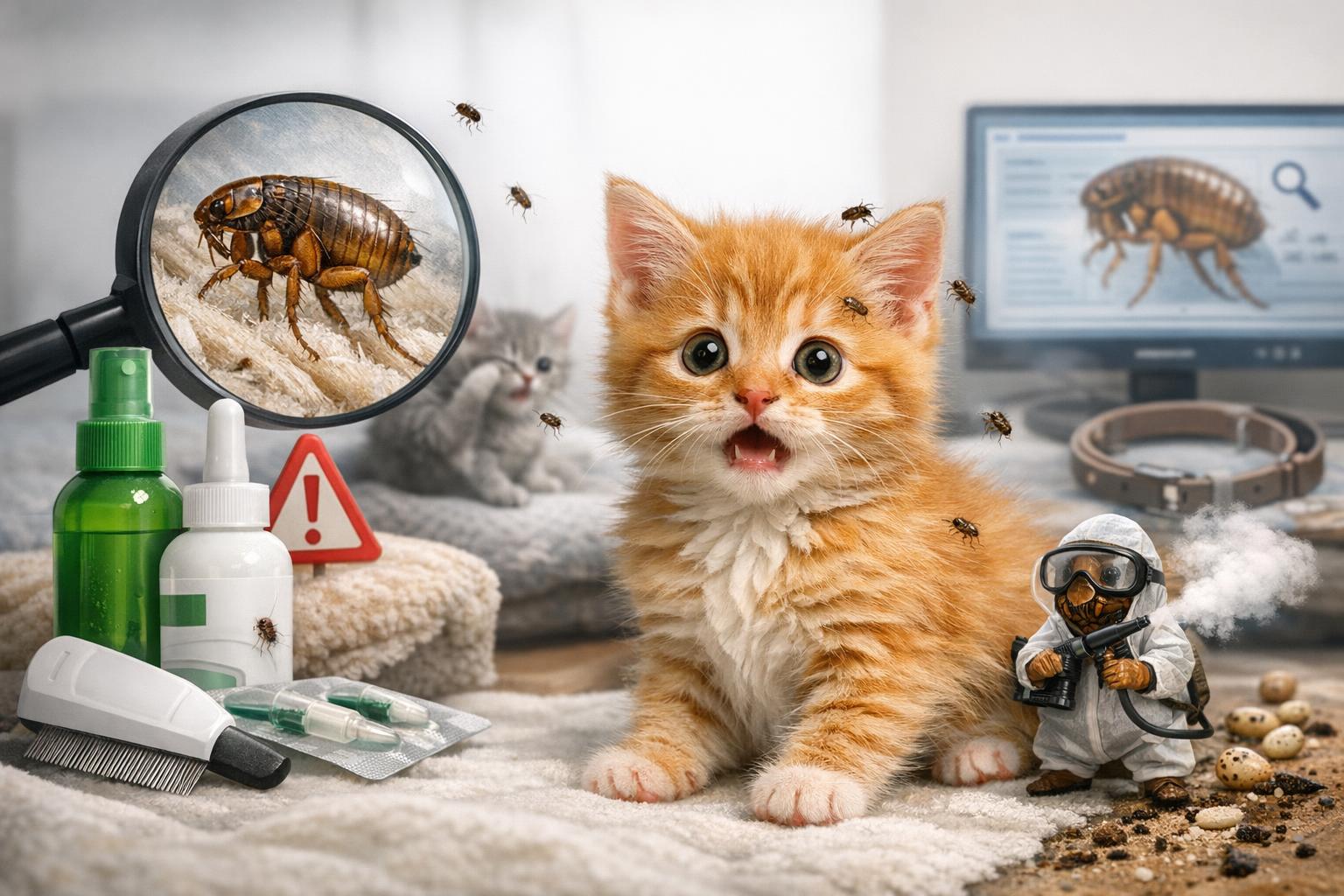
Fleas are small but surprisingly persistent. Understanding their life cycle explains why a single flea sighting can sometimes lead to a weeks-long headache. The flea lifecycle has four stages: egg, larva, pupa, and adult. Under ideal indoor conditions — warm temperatures, humidity, and ready hosts — the whole cycle can be as short as two weeks. In less favorable conditions, development slows and pupae can wait months before emerging, which is why you might find yourself battling fleas long after the host animal has moved on.
### Egg To Larva: The Quiet Multipliers
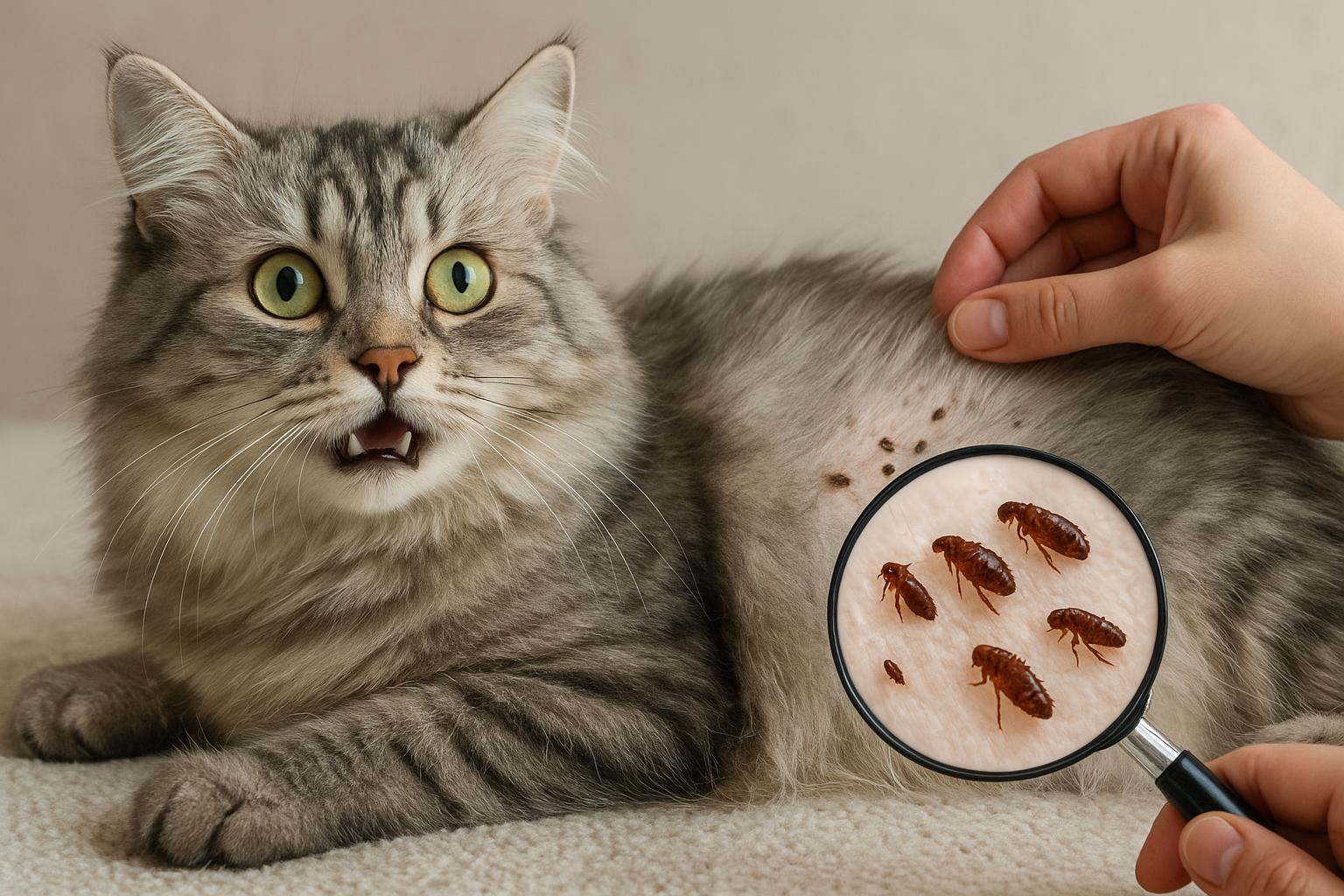
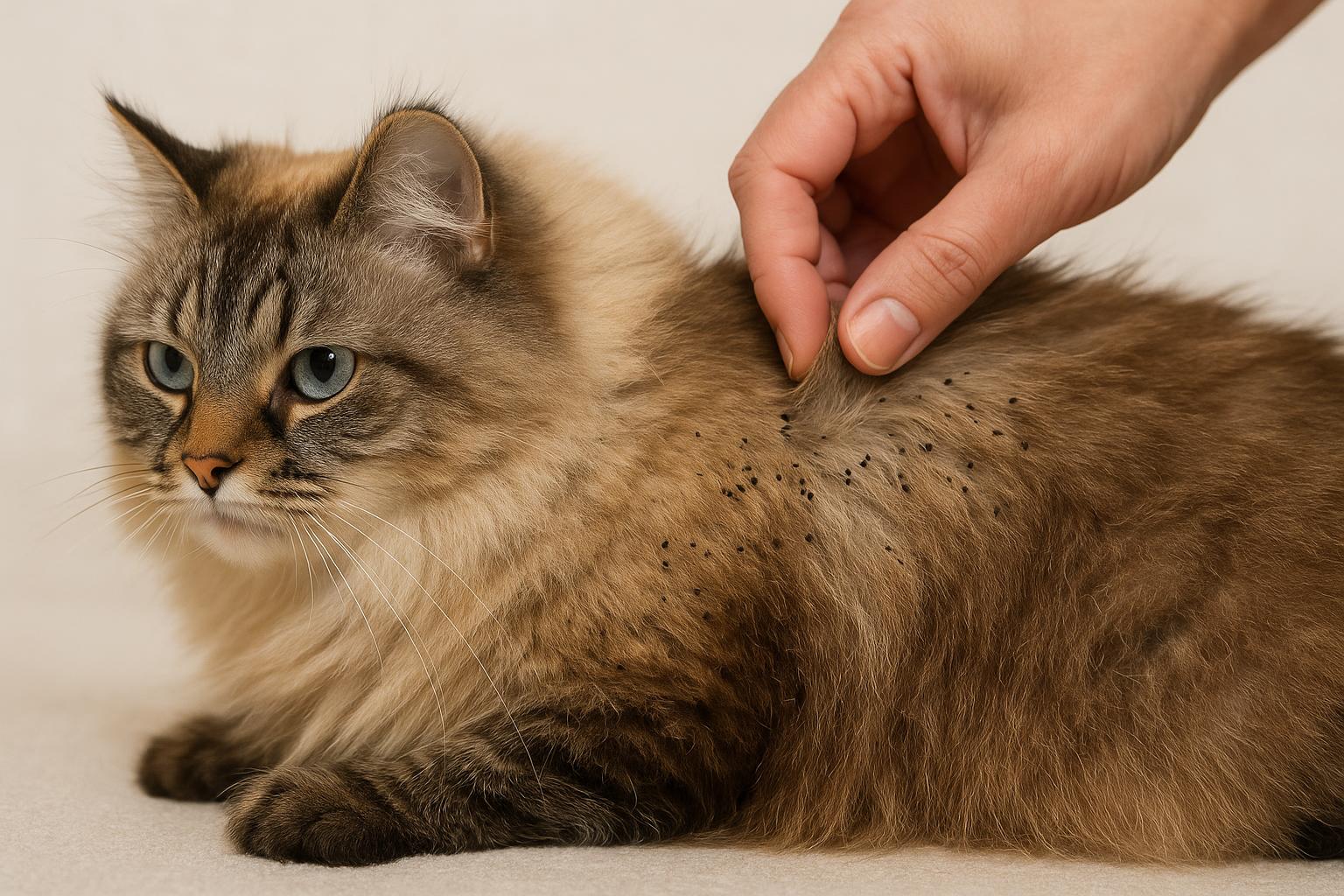
Female fleas can lay dozens of eggs each day, often dropping them where their host sleeps. Eggs are tiny, whitish, and gritty, and they don’t stick to fur, which means they scatter into carpets, pet beds, and crevices. Once hatched, larvae feed on organic debris — including dried blood-rich flea feces — and they avoid light, burrowing into fibers and cracks. This stage can last from several days to a few weeks, depending on temperature and food availability.
### Pupa To Adult: The Patient Ambush
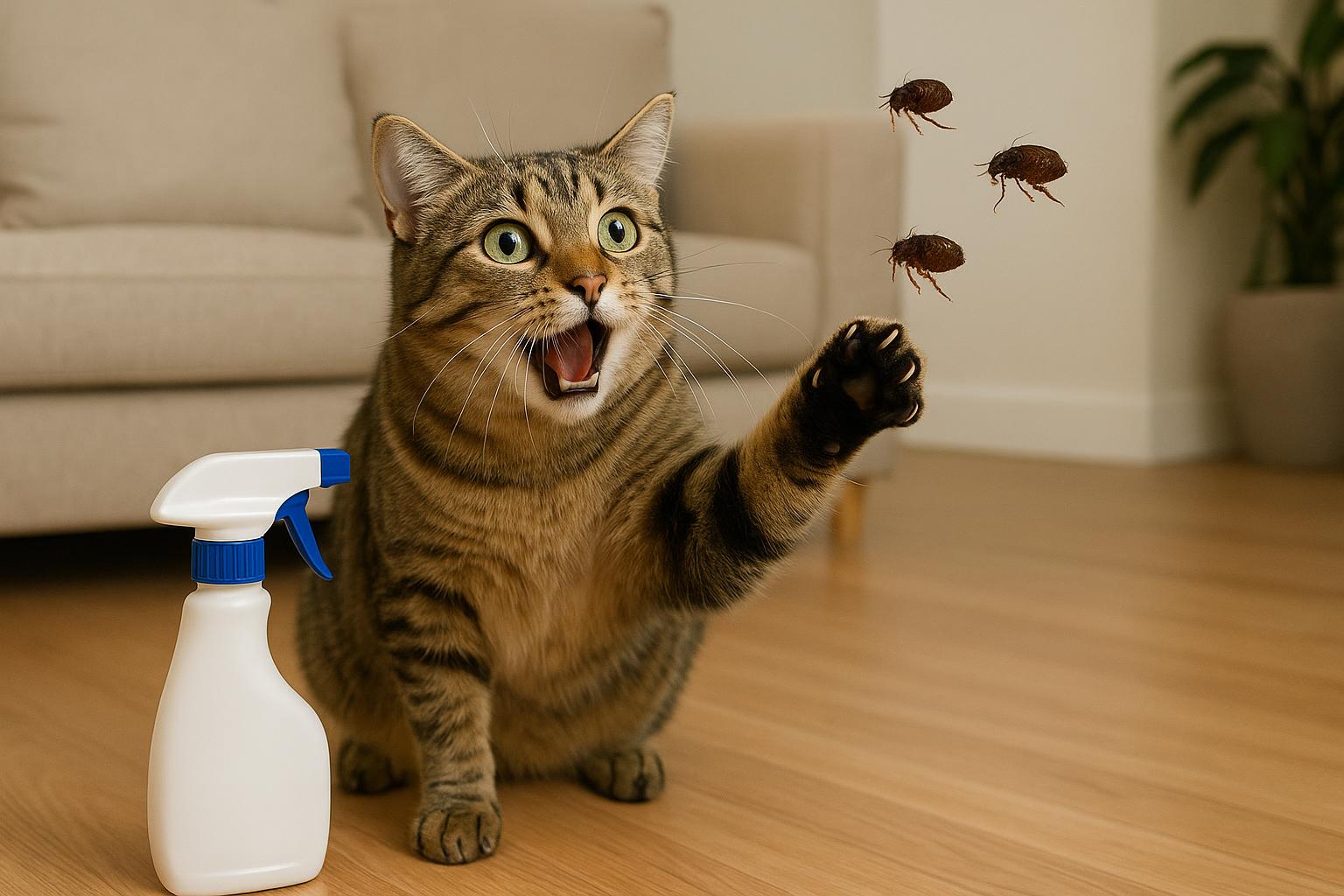
The pupal stage is arguably the fleas’ secret weapon. Pupae spin a sticky cocoon and can remain dormant for months, waiting for vibrations, carbon dioxide, or warmth to signal a nearby host. This is why a seemingly flea-free home can suddenly become a mini flea circus when a pet returns. Adult fleas emerge ready to feed and reproduce immediately.
## How Long Do Fleas Actually Live In A House?
Lifespan varies by stage and conditions. Individual adults typically live two weeks to a few months if they have regular access to a host. In the absence of a host, adult fleas may only survive a few days, but pupae are the long game — with dormancy that can stretch to six months or more in cool, dry conditions. So when you’re dealing with fleas in house situations, you’re not just chasing the jumpers you see — you’re also fighting invisible eggs and patient pupae.
### Environmental Factors That Change Flea Timetables
Temperature and humidity are the chief determinants. Warm (70–85°F) and moderately humid environments speed development. Carpeted rooms, upholstered furniture, and clutter provide excellent refuges for immature stages. Conversely, very dry or cold spaces slow development, often extending pupal dormancy and prolonging infestations.
## What Fleas In House Mean For Backyard And Home Wildlife
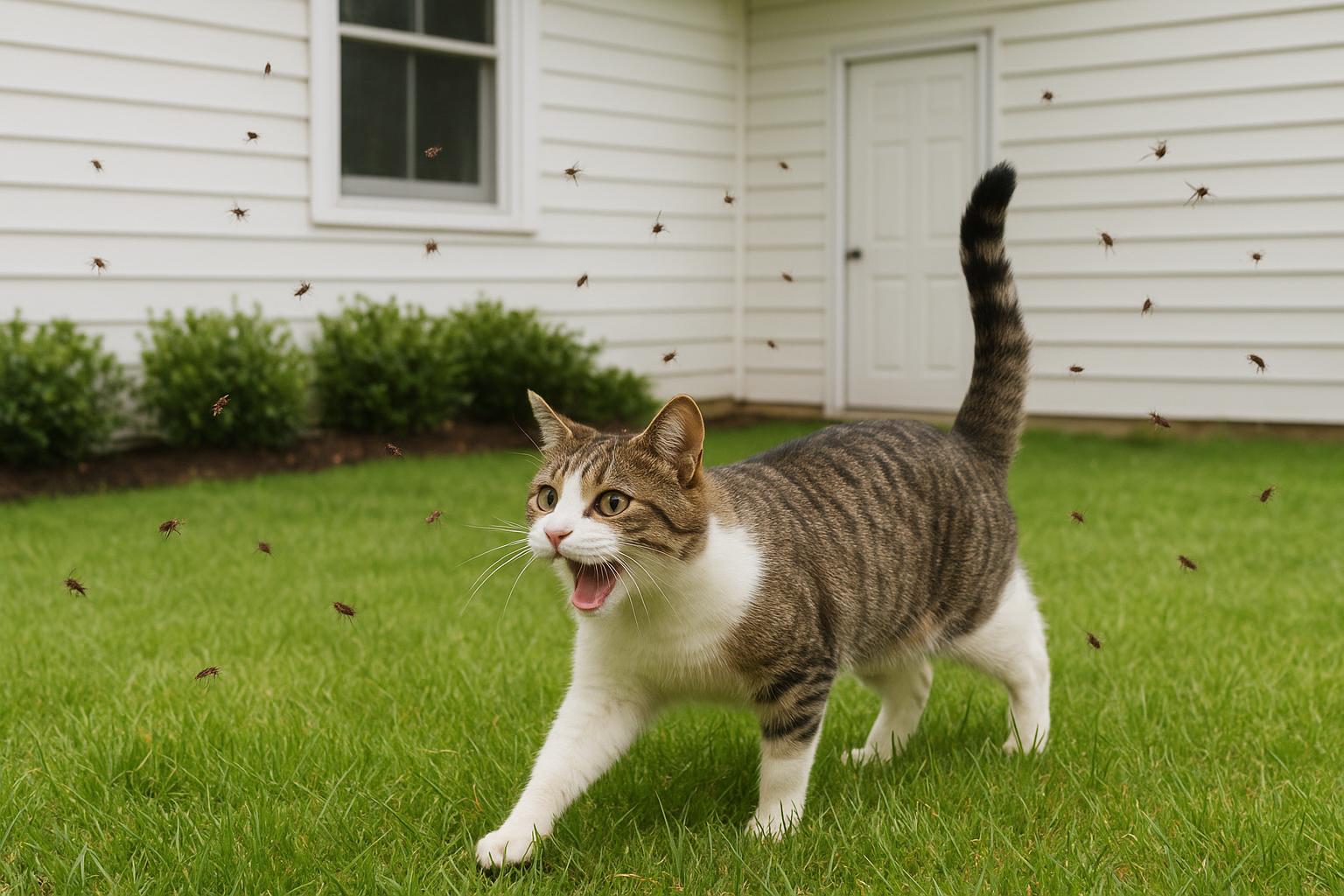
Wildlife — raccoons, opossums, feral cats, squirrels, and bats — bring stories and, sometimes, hitchhikers. Fleas are opportunistic and will parasitize many mammal species. When wildlife nests in attics, under porches, or in crawlspaces, they create hubs for fleas to breed. Here’s what that means practically:
– Increased Transmission Risk: Fleas transfer among wildlife, pets, and humans, sometimes carrying pathogens like Rickettsia or Bartonella. While human disease from common cat or dog fleas is uncommon, it’s not impossible.
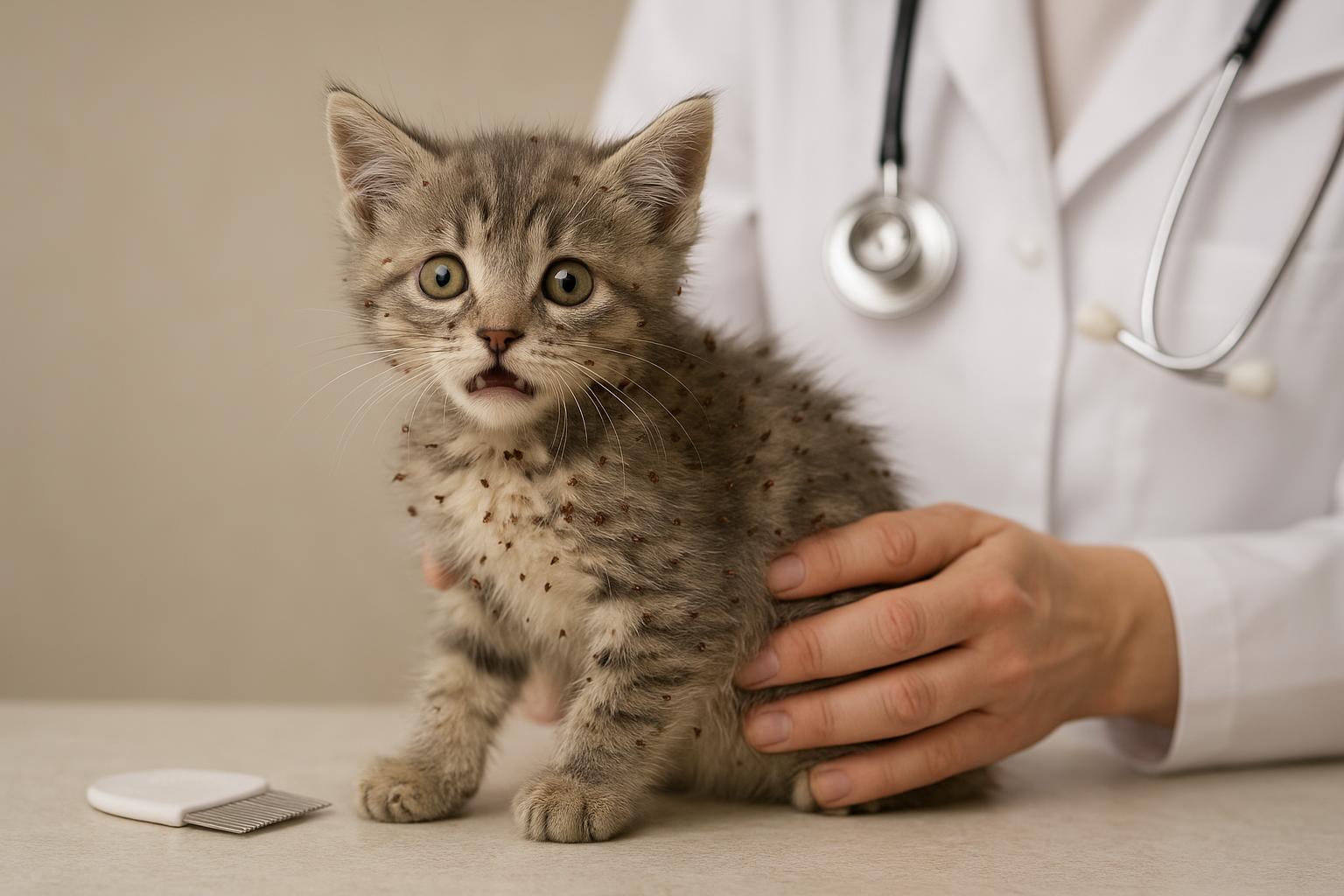
– Wildlife Health: Heavy flea loads can weaken young or stressed animals, leading to anemia or secondary infections.
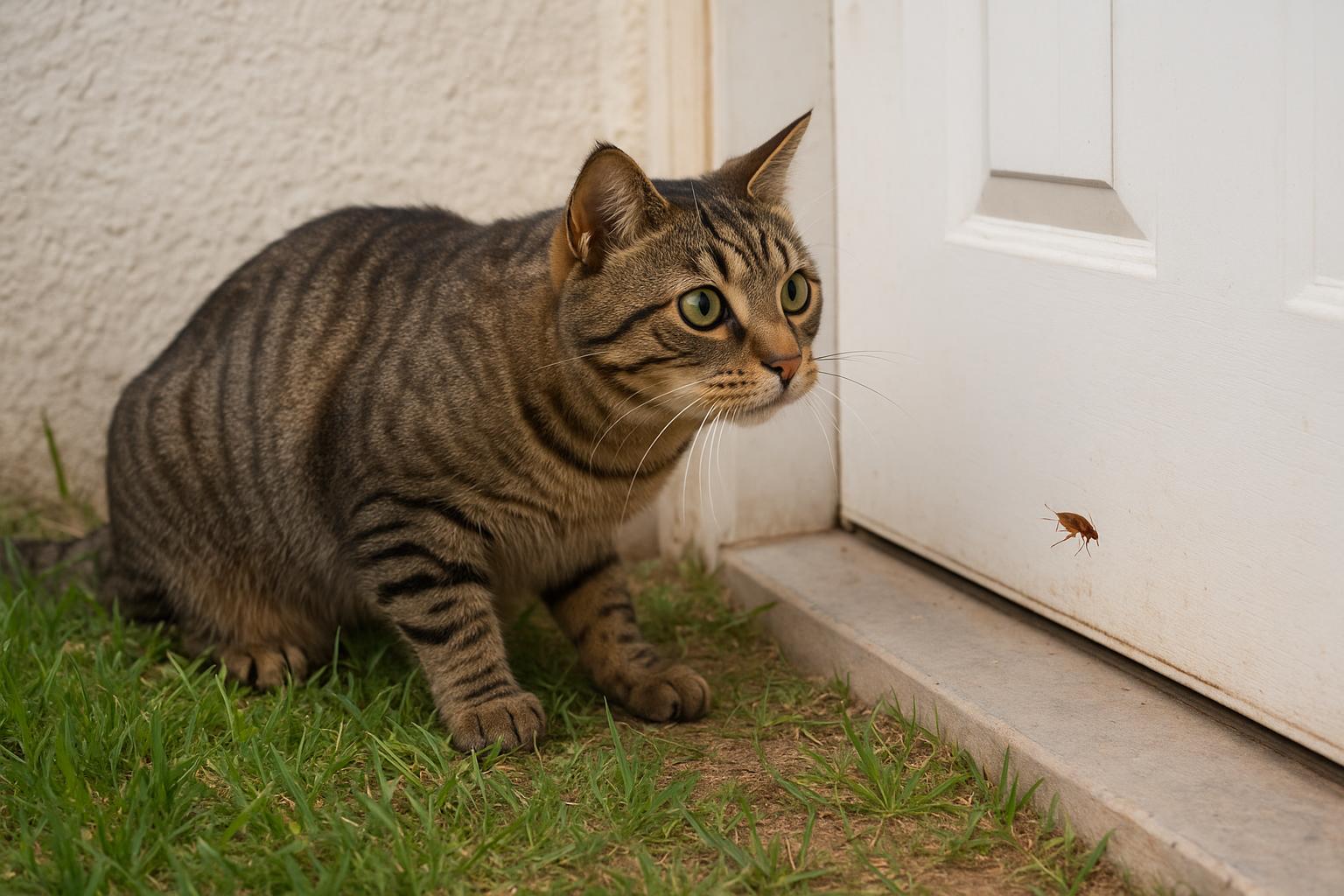
– Indoor Reinfestation: Even if wildlife visits the exterior, fleas can move into basements, garages, or through gaps into living spaces, especially when pets or humans provide a more convenient host.
– Seasonal Patterns: Wildlife nesting behavior can create seasonal spikes in fleas in house situations, commonly in spring and summer, but pupal dormancy means surprises can happen year-round.
### Signs That Wildlife May Be the Source
Odd noises in walls, droppings, nests near eaves, or seeing animals in daylight where they usually aren’t can indicate occupancy. If fleas show up and you don’t have outdoor pets, consider checking for wildlife access points and nesting areas.
### Practical Steps to Reduce Wildlife-Related Flea Problems
Inspect and seal potential entry points, remove attractants like unsecured pet food, and discourage nesting by trimming vegetation away from the house. Professional wildlife removal and humane exclusion methods can stop repeat introductions.
### Remedy 1: Professional-Grade Treatment (When To Call Experts)
If you’re facing a heavy infestation or wildlife is present inside living spaces, a professional pest control service is the safest and most effective route. Licensed professionals can assess the scope, treat inside and out, and advise on exclusion and follow-up.
#### Materials Professionals Use
– EPA-registered adulticides and insect growth regulators (IGRs)
– Dusts for voids and crawlspaces
– Professional vacuums and steam cleaners
– Protective equipment (gloves, respirators)
#### Procedure Professionals Follow
1. Inspection: Identify infestation hotspots, wildlife access, and potential breeding areas.
2. Targeted Treatment: Apply adulticides to carpets, baseboards, and furniture as needed, and IGRs to inhibit egg and larval development.
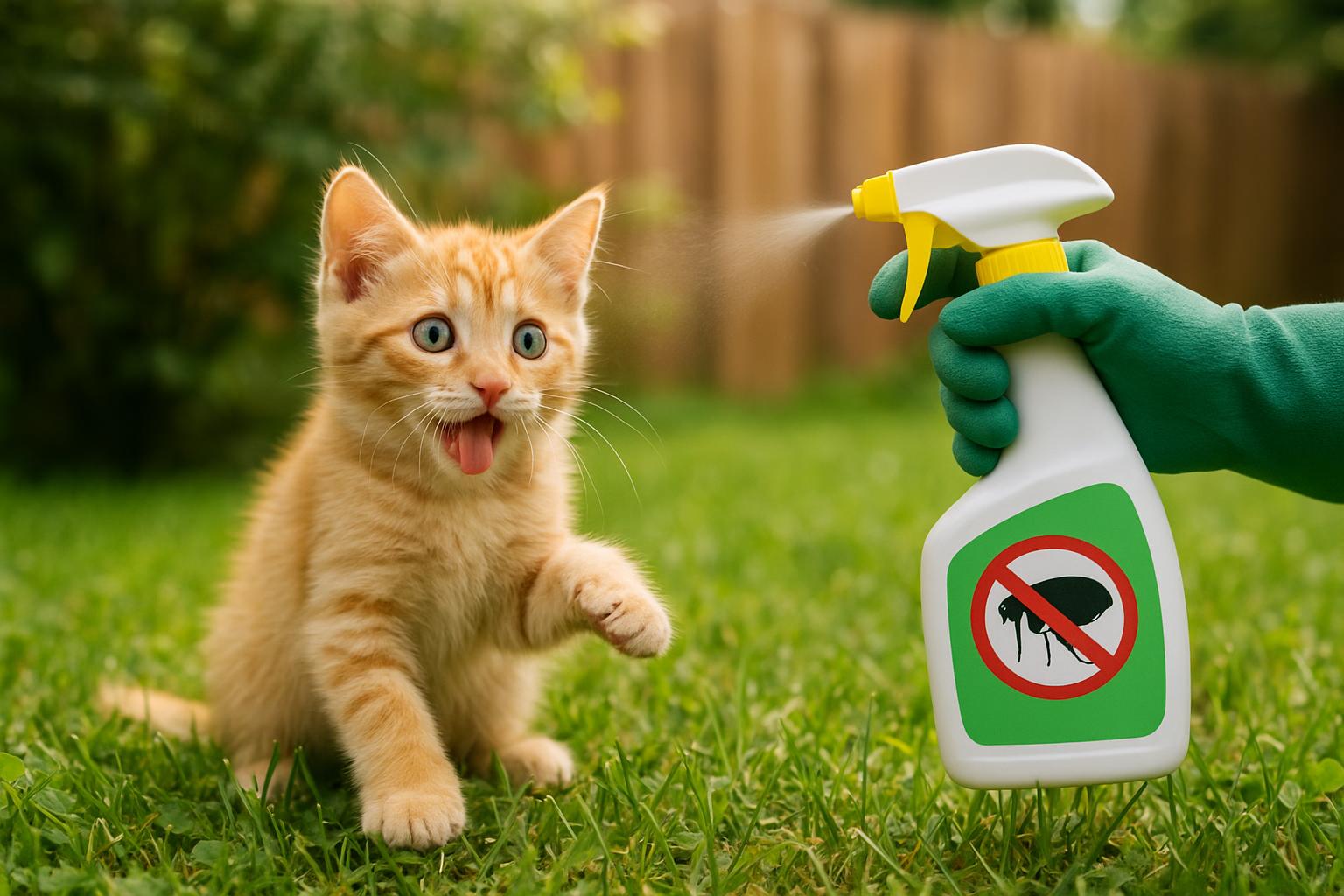
3. Exterior Control: Treat perimeter areas where wildlife rests or passes.
4. Follow-Up: Schedule follow-up visits to address emerging adults from pupae and ensure wildlife exclusion is effective.
Remedy sections like this should be carried out by licensed technicians to ensure safe, effective use of chemicals and to comply with local regulations.
### Remedy 2: Natural Home Treatment (For Light Infestations)
If you prefer a gentler approach and the infestation is limited, a structured natural treatment can reduce numbers and delay re-infestation. This is best for light cases or as a complement to professional work.
#### Materials Required
– High-powered vacuum with attachments
– Steam cleaner (for upholstery and mattresses)
– Diatomaceous earth (food-grade)
– Washing machine and dryer (hot wash/hot dry)
– Stiff brush
– Enclosed trash bags
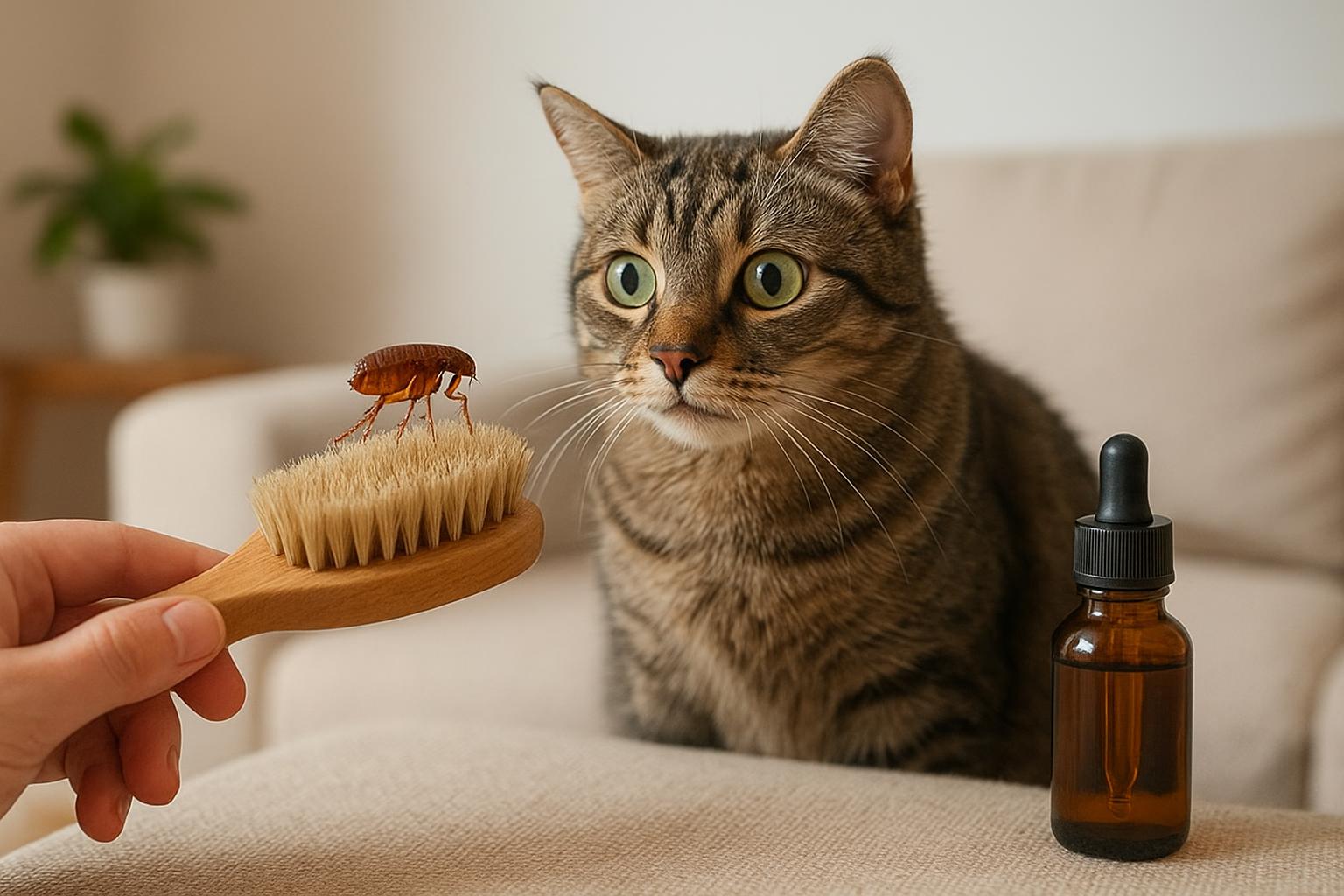
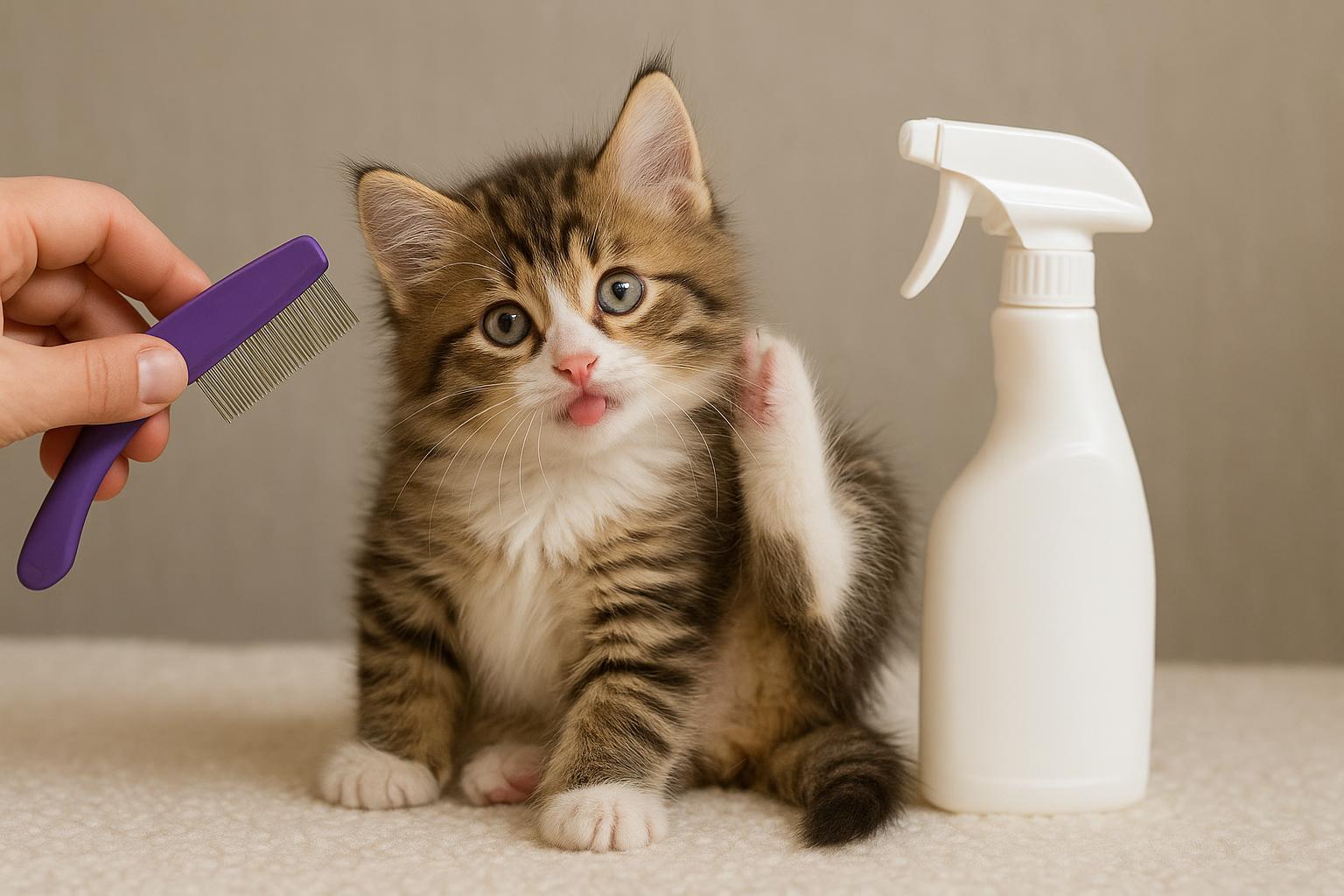
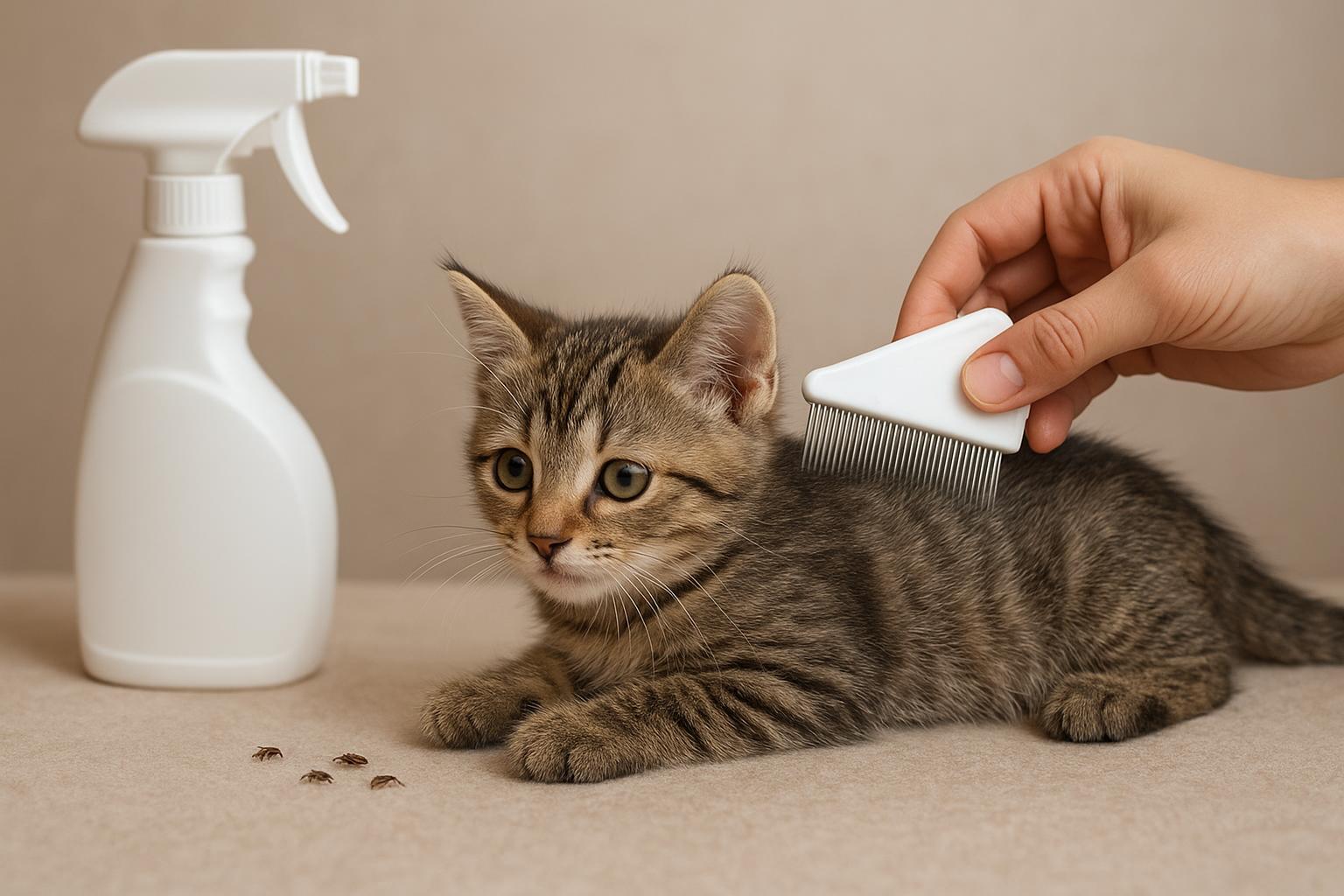
– Flea comb for pets
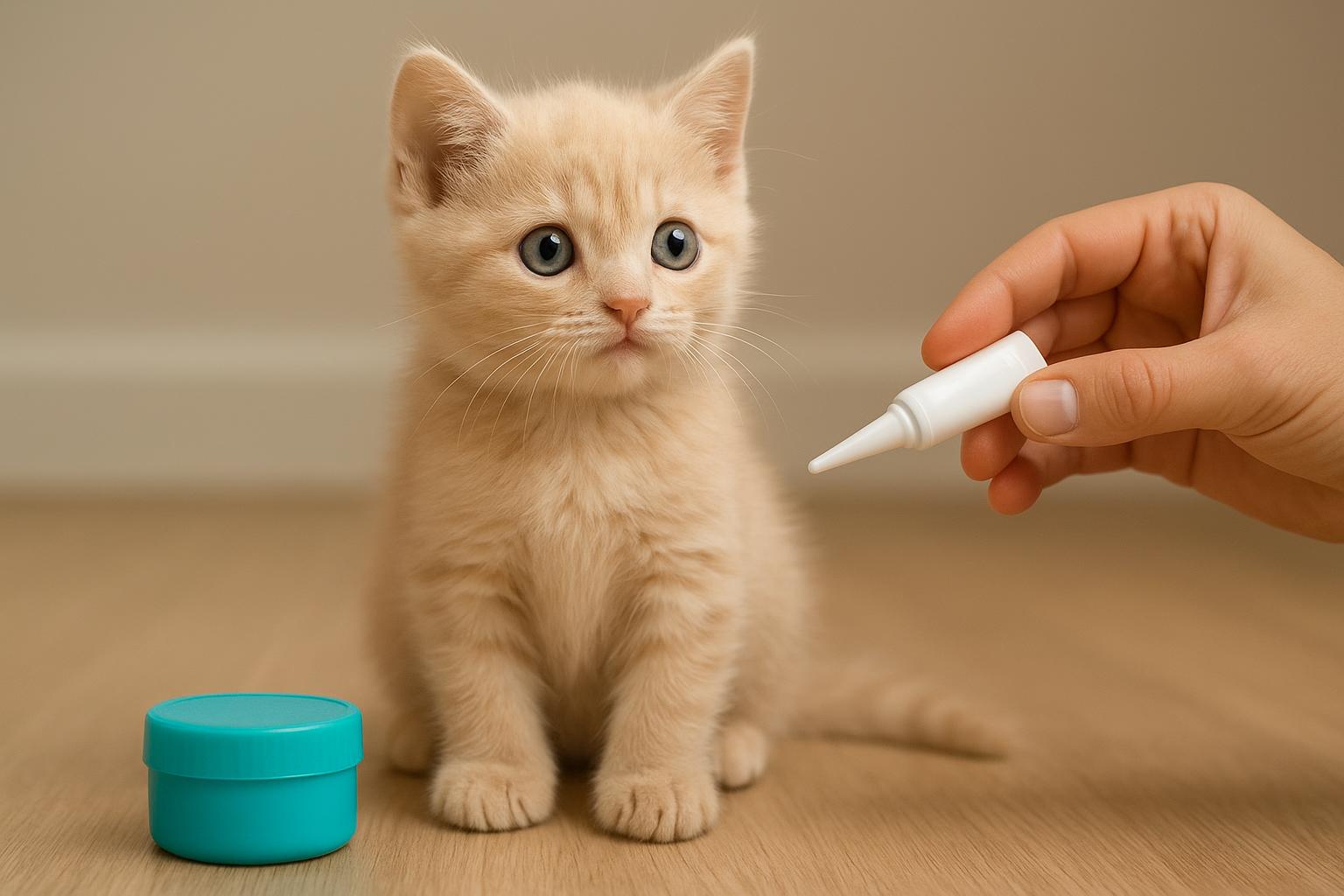
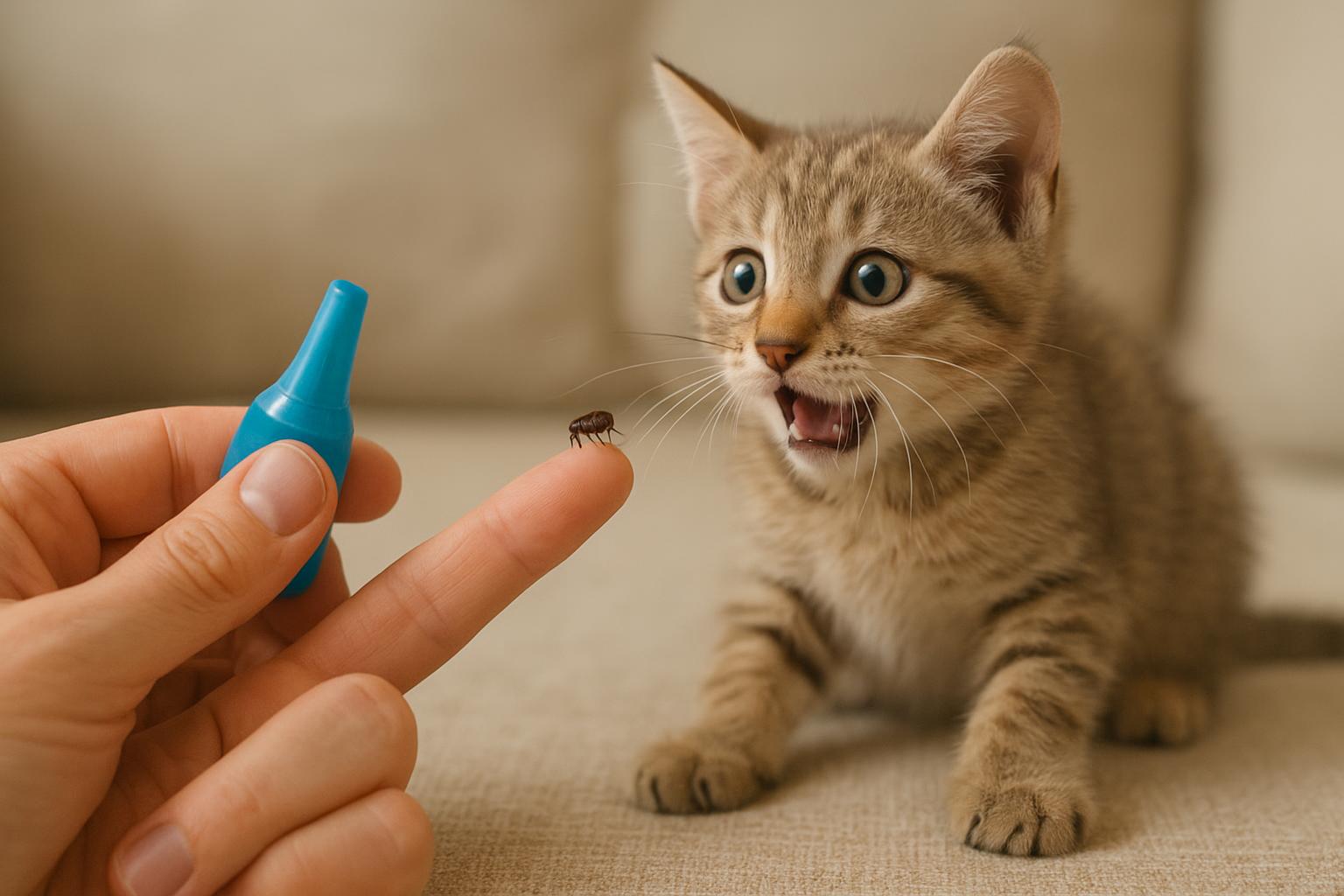
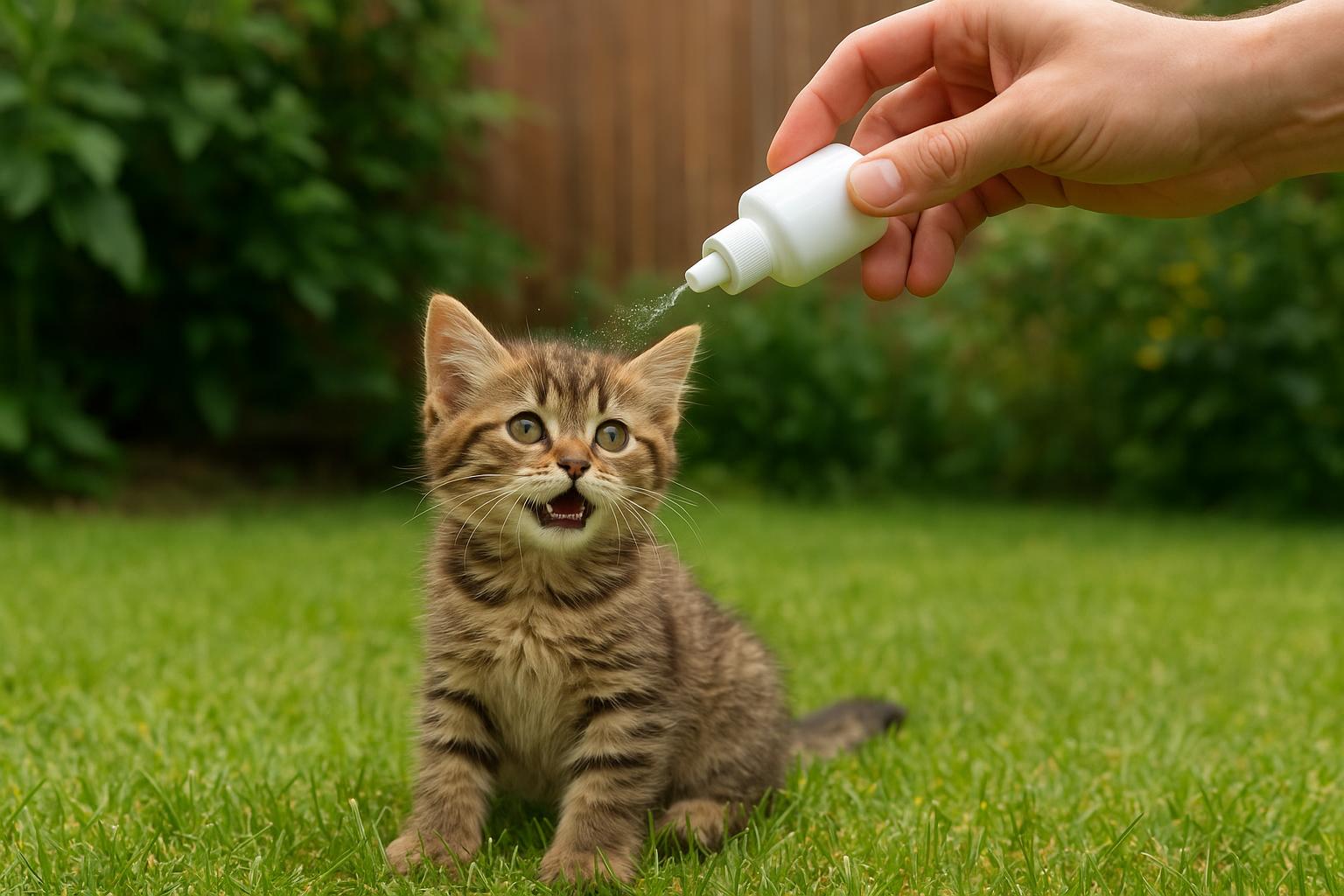
– Veterinary-approved topical or oral flea preventives for any pets
#### Step-By-Step Creation And Application
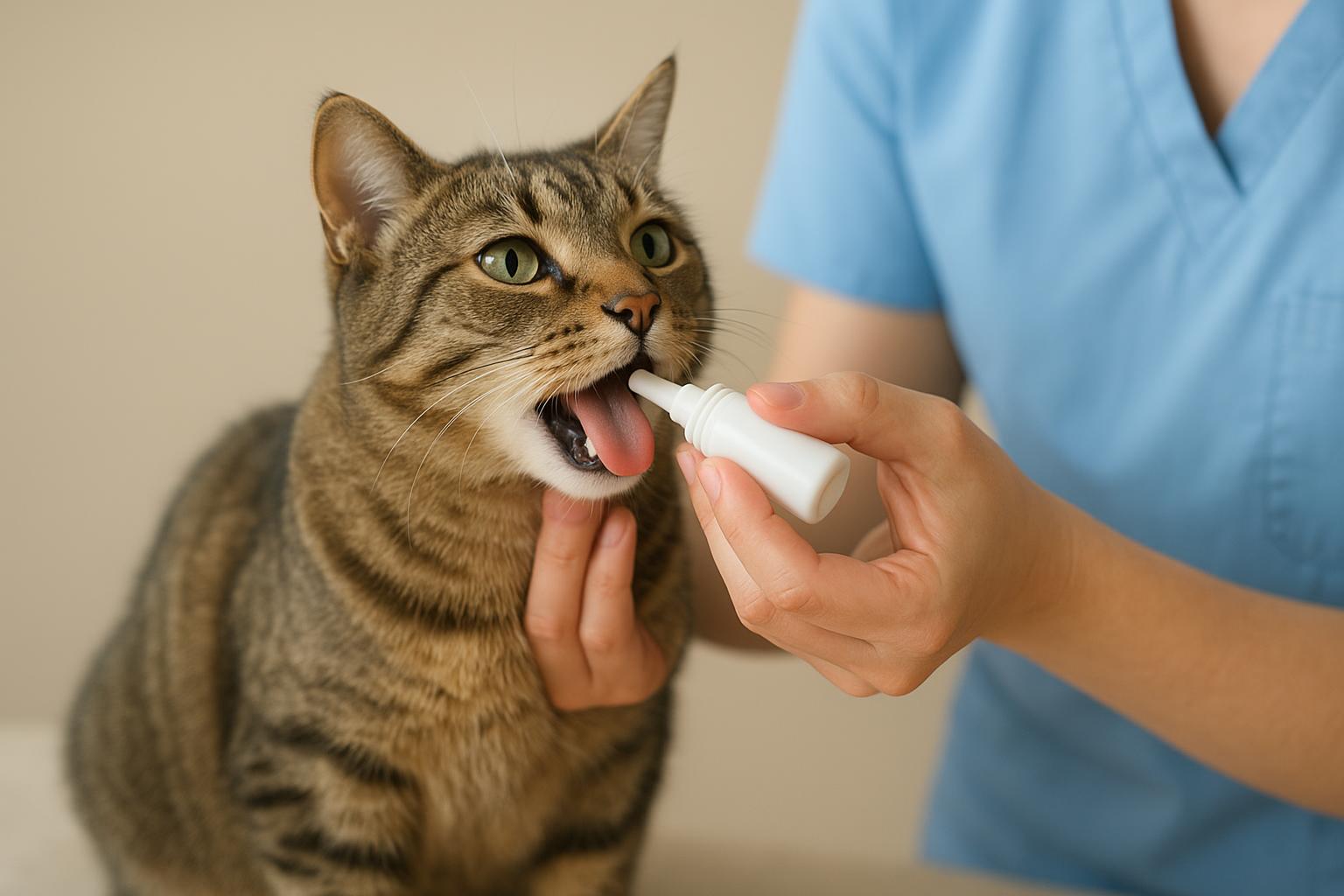
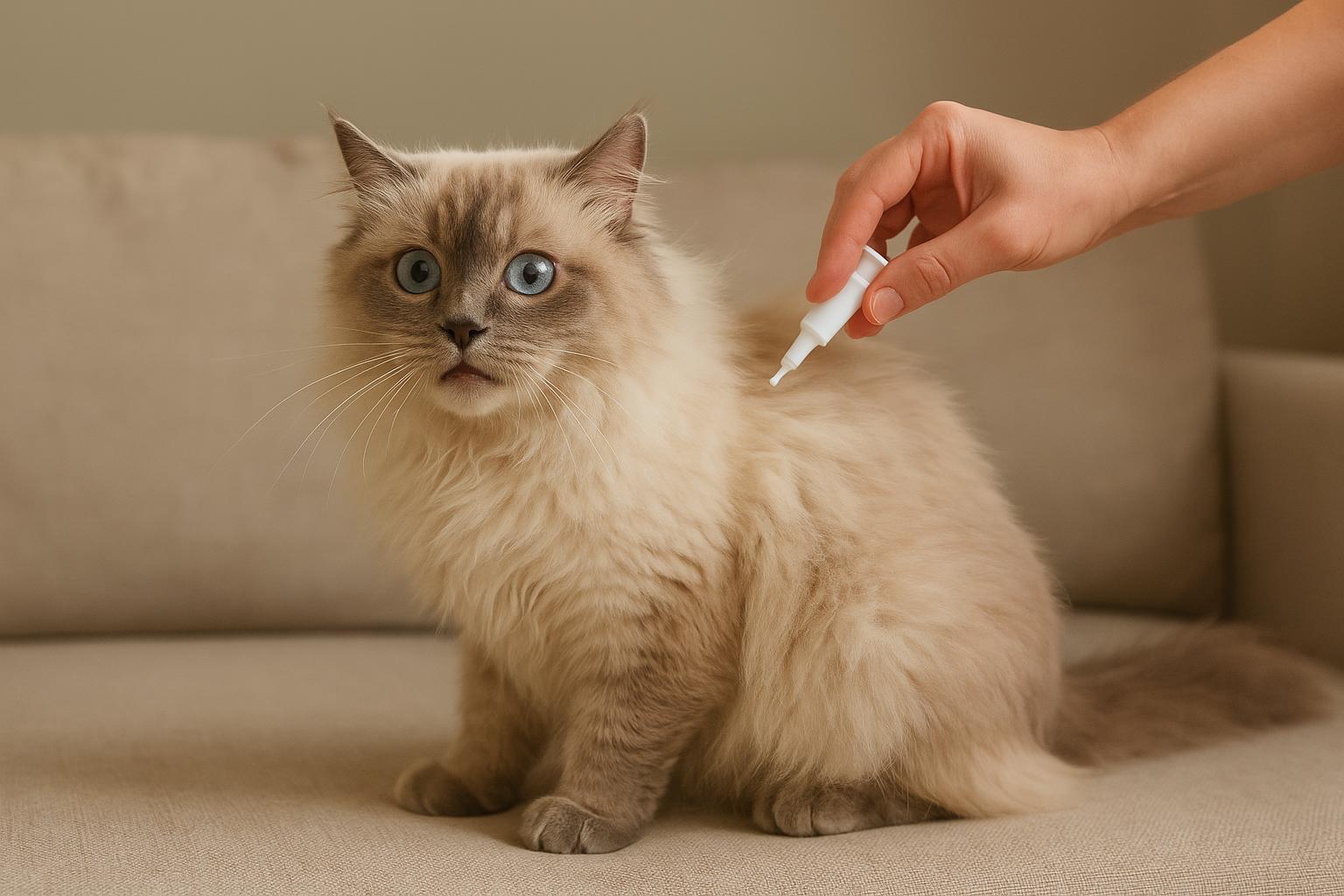
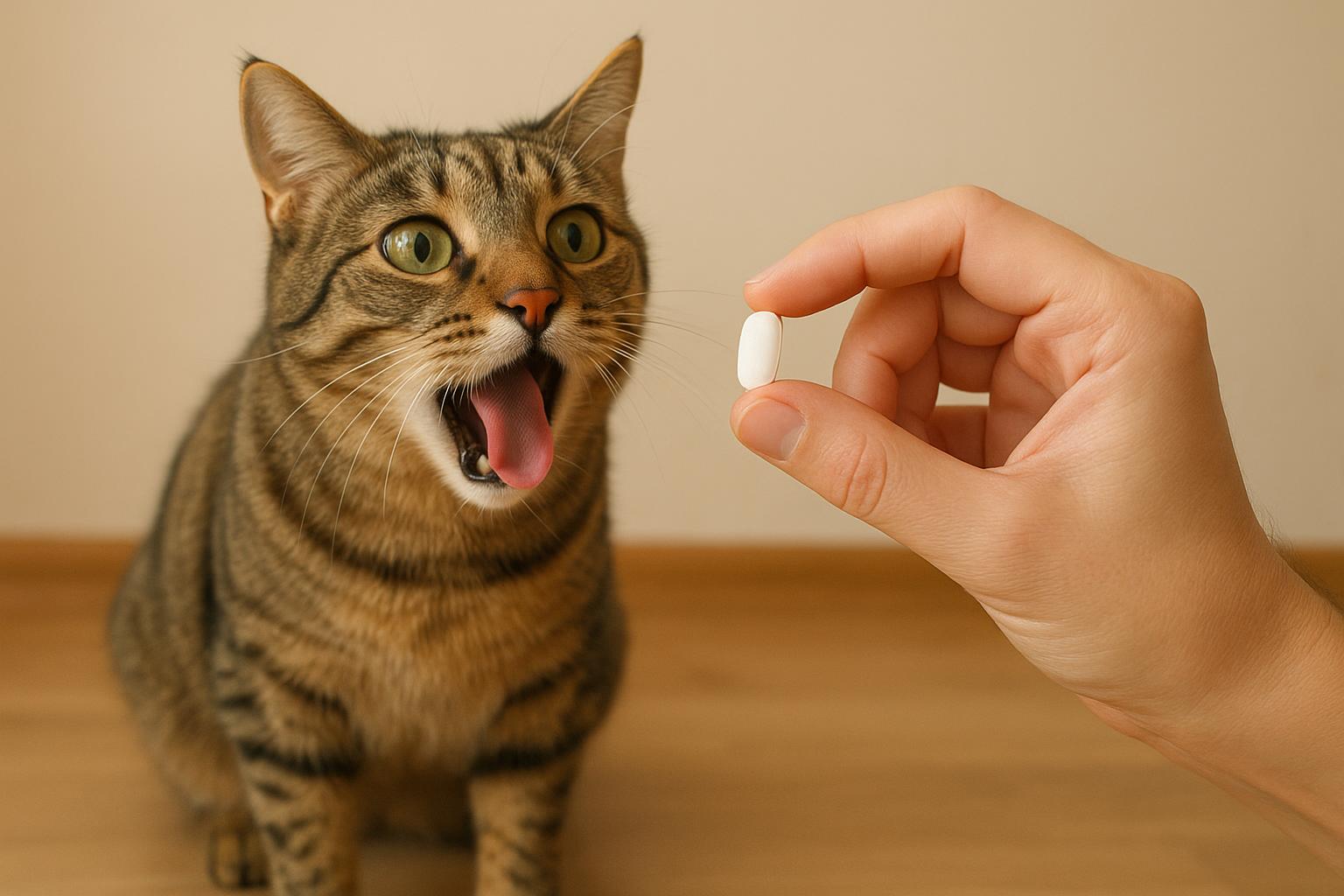
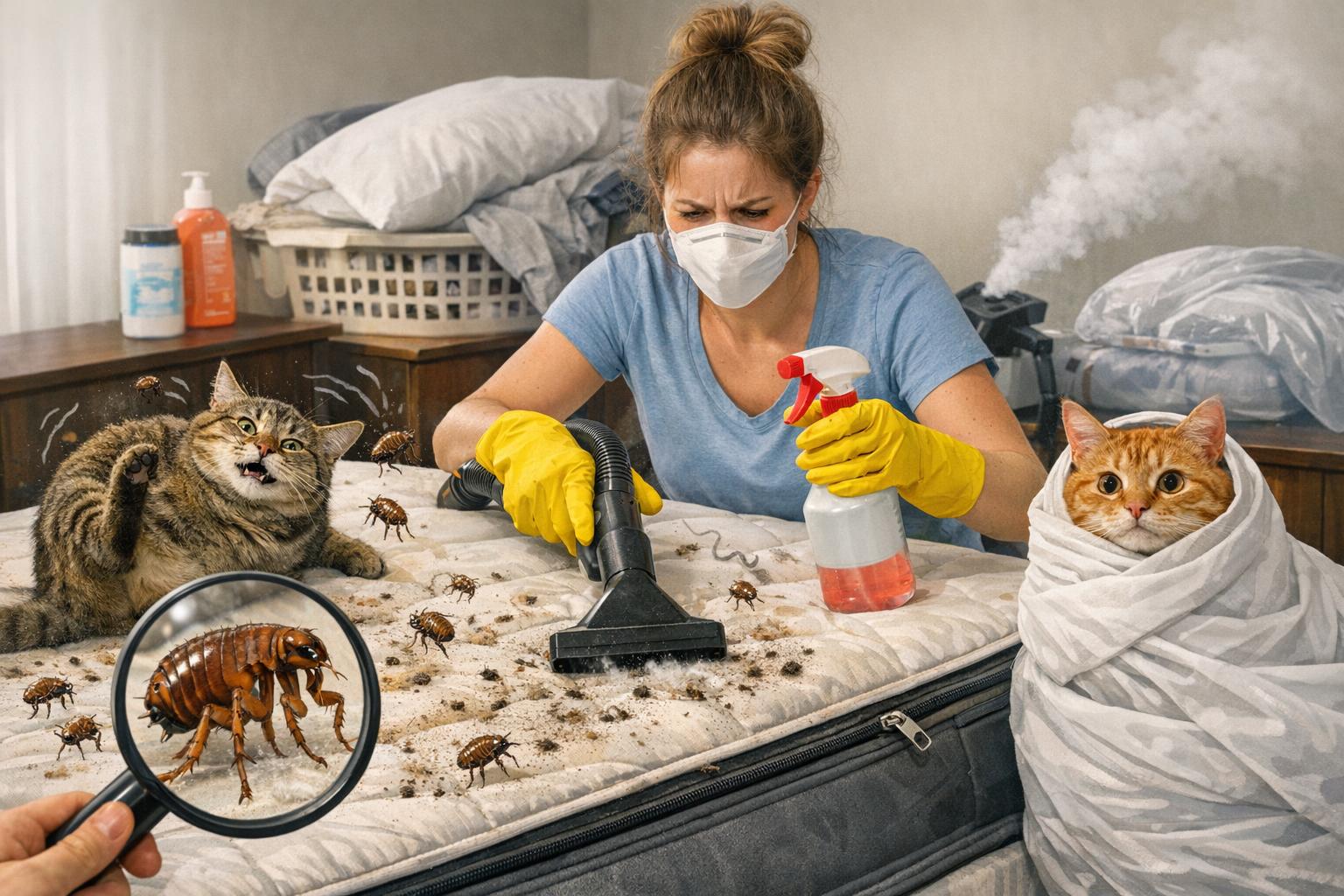
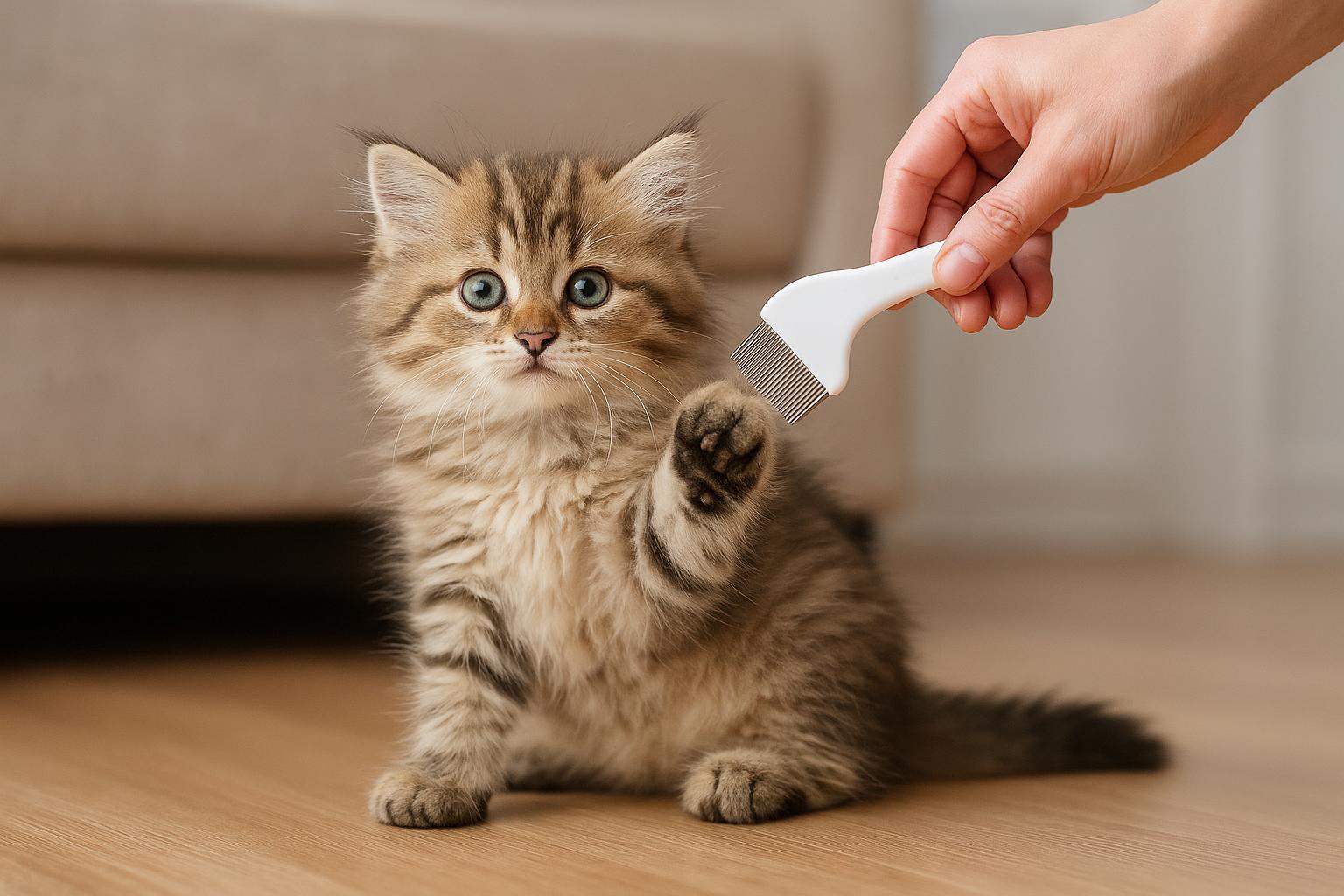
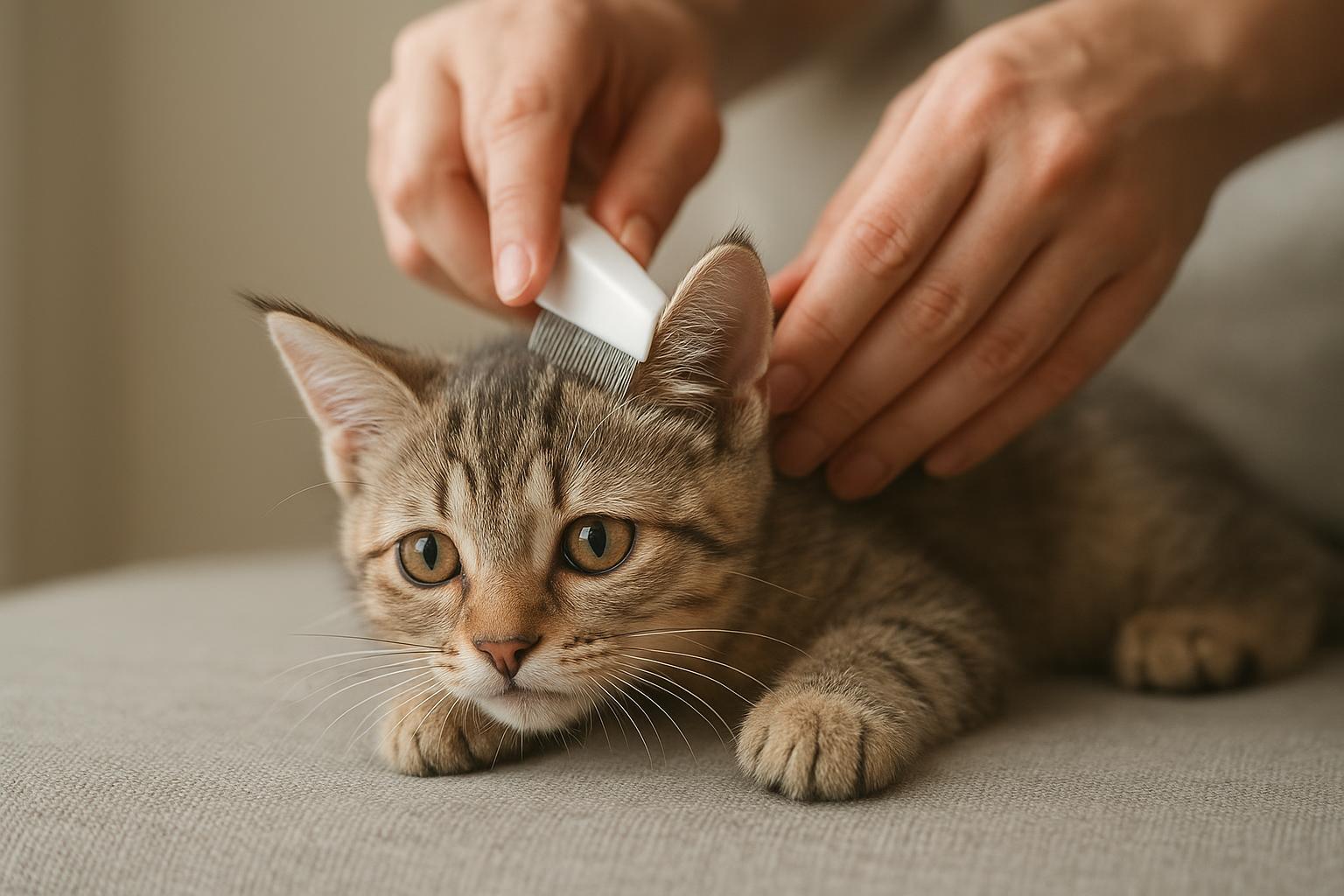
1. Prepare Pets: Treat all pets with veterinarian-recommended flea preventives before beginning house treatments to prevent ongoing feeding. Comb animals with a flea comb and remove any visible fleas.
2. Declutter: Remove toys, bedding, and loose items from floors and furniture. Seal these items in trash bags to prevent spreading.
3. Wash Fabrics: Launder pet bedding, human bedding, and washable rugs in the hottest water safe for the fabric, then dry on high heat for at least 30 minutes.
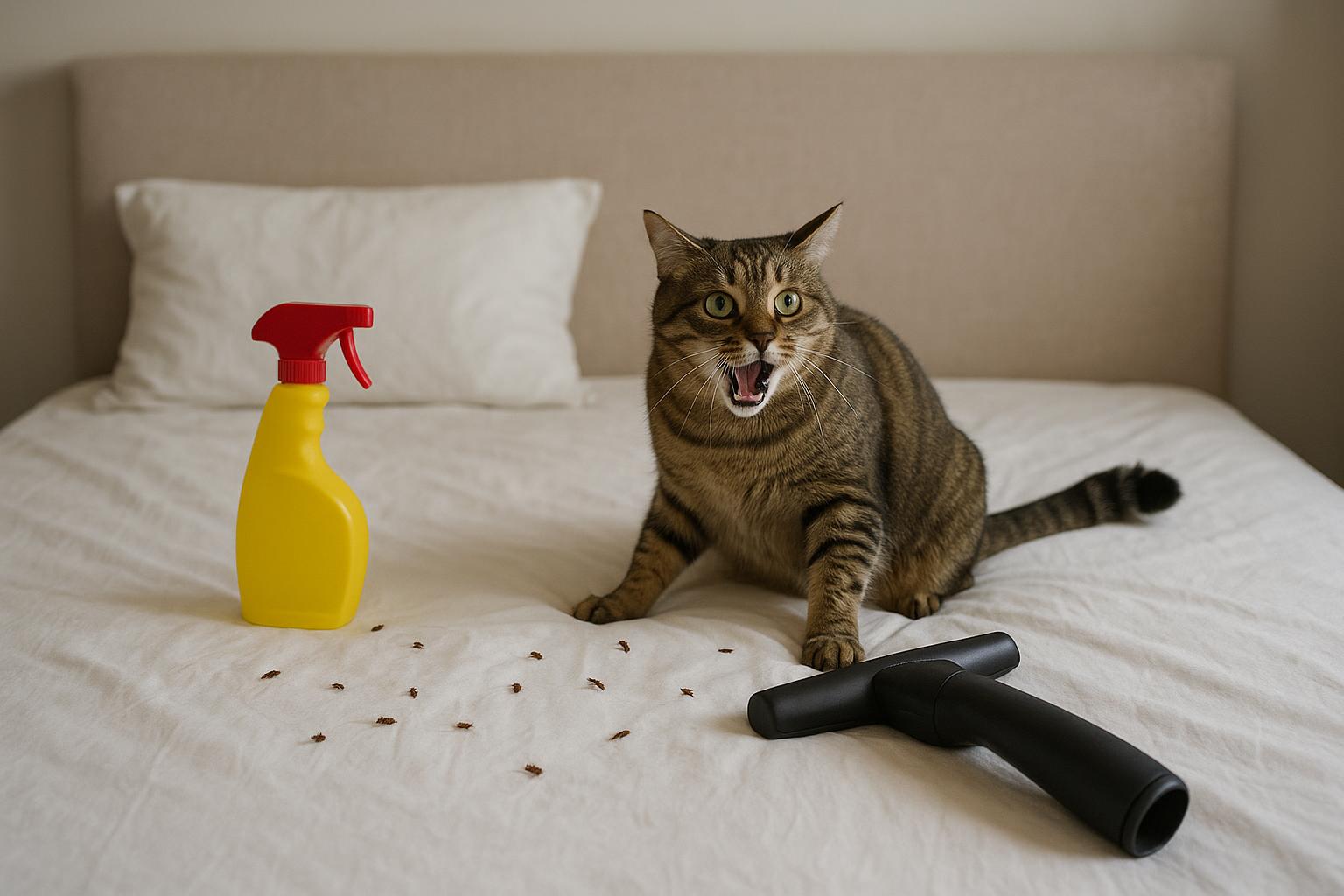
4. Vacuum Thoroughly: Vacuum carpets, rugs, upholstered furniture, baseboards, crevices, and under furniture. Use attachments to reach edges and corners. Immediately empty or seal the vacuum bag/canister contents into a plastic bag and dispose of it outside.
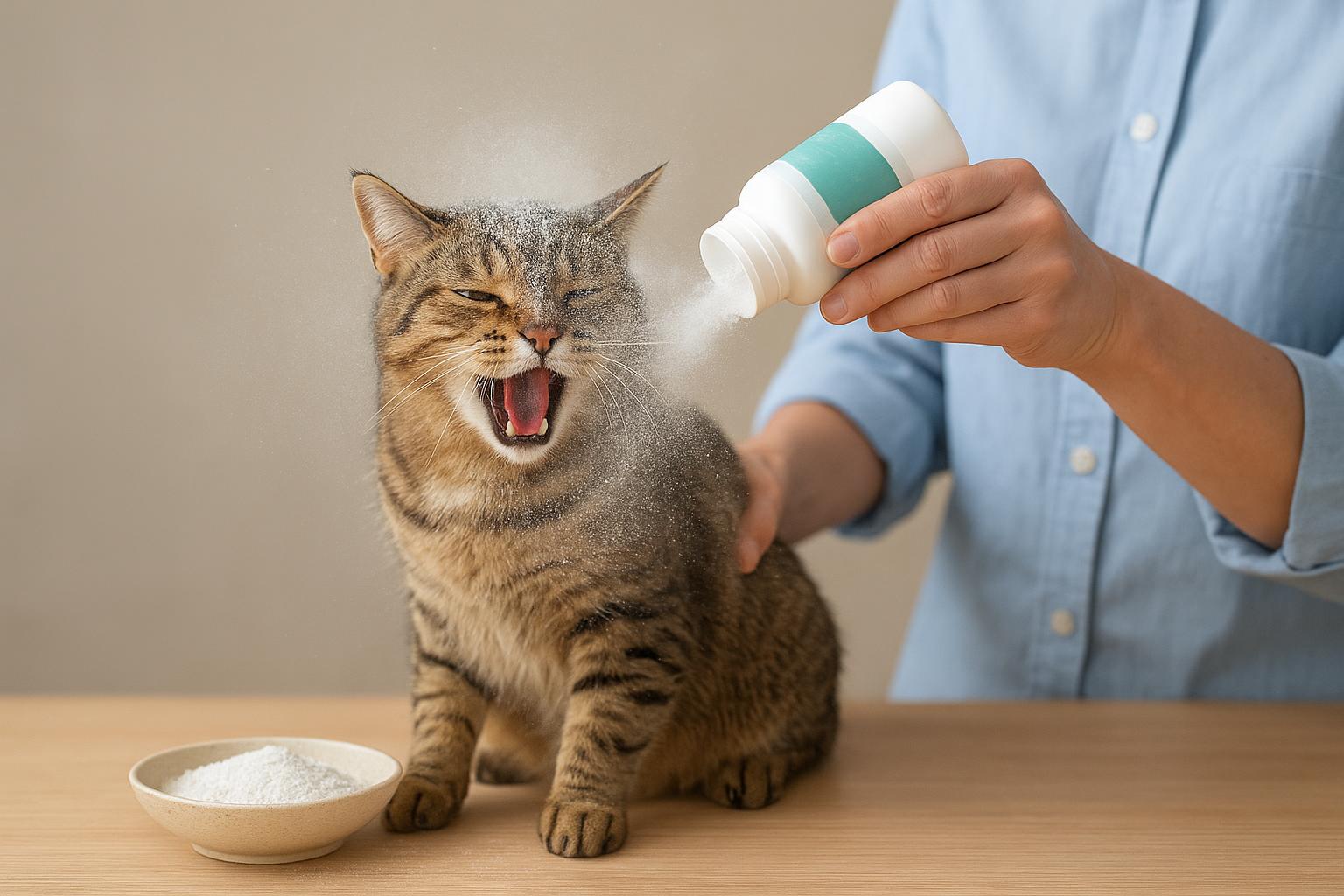
5. Apply Diatomaceous Earth: Lightly dust carpets, under furniture, and along baseboards with food-grade diatomaceous earth. It works mechanically on insect exoskeletons; leave for several days, then vacuum it up. Use sparingly and avoid inhalation; keep away from pets and children during application.
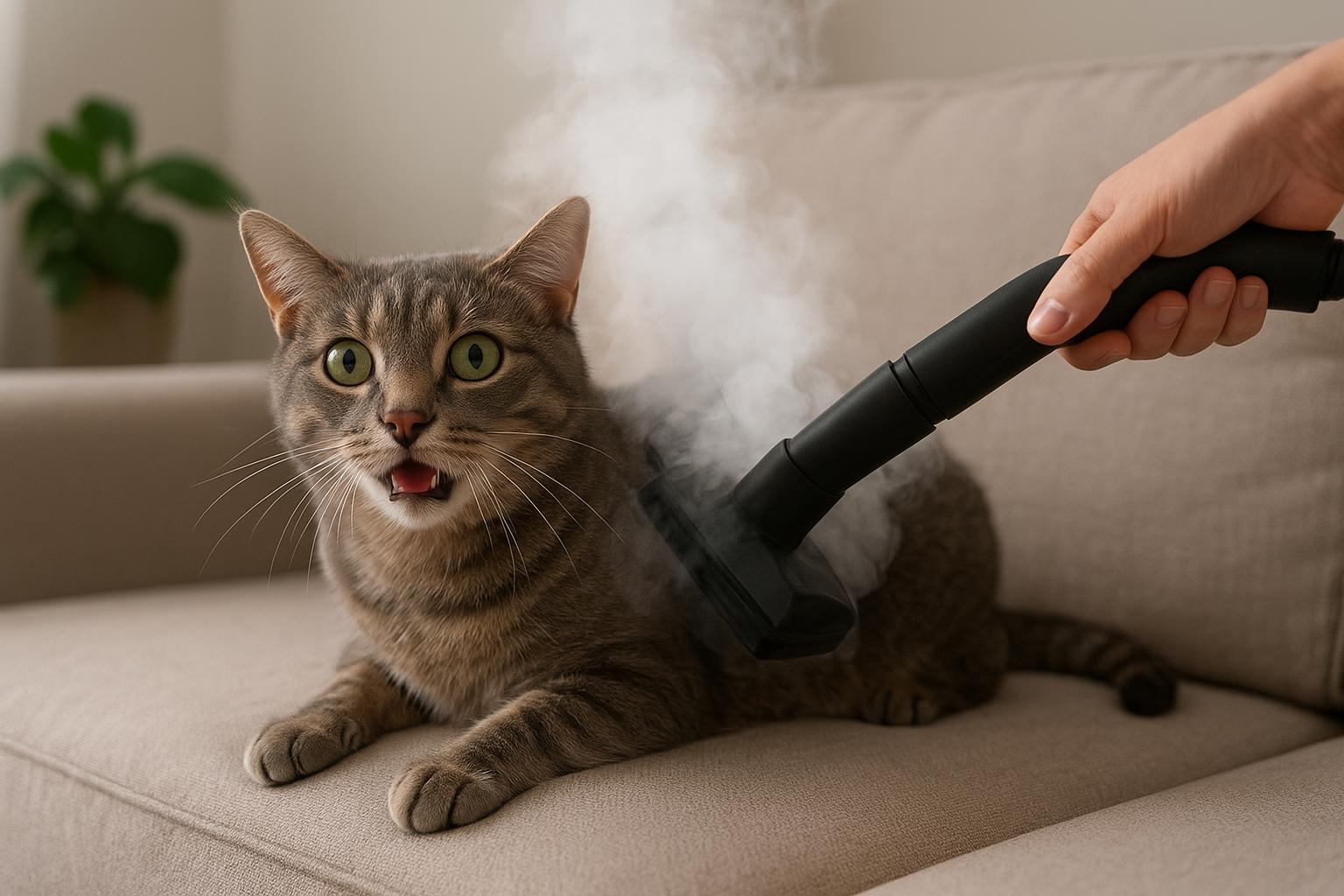
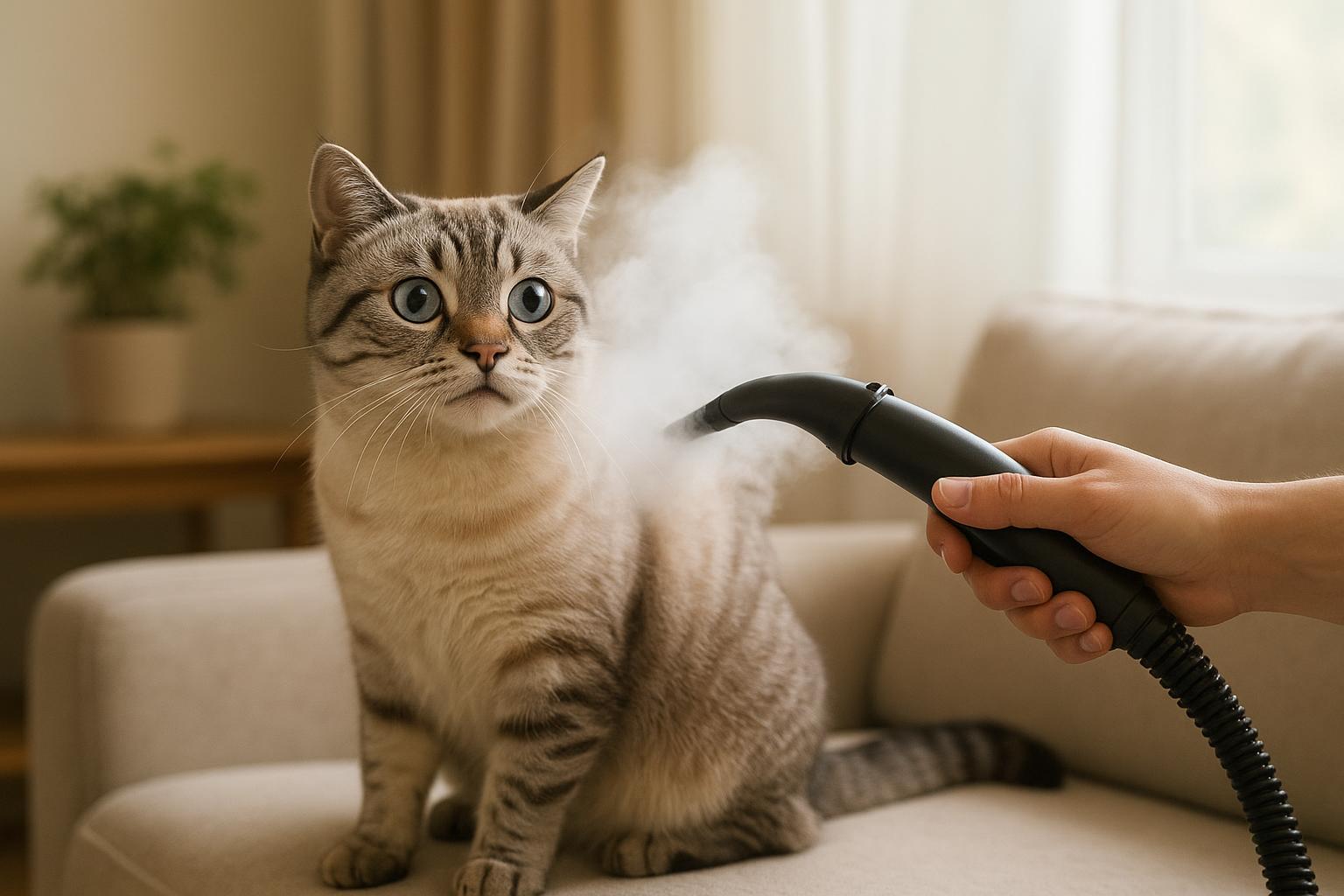
6. Steam Clean: Steam clean carpets and upholstery after vacuuming to kill eggs and larvae with high heat. Ensure materials are rated for steam.
7. Treat Cracks and Voids: Use a stiff brush to agitate carpet fibers and furniture, then vacuum again. Inspect and treat cracks, crevices, and under baseboards where larvae hide.
8. Monitor and Repeat: Repeating vacuuming and targeted diatomaceous earth applications weekly for 6–8 weeks helps break the lifecycle as pupae emerge and adults are unable to reproduce.
Note: Natural remedies can reduce populations but may not fully eradicate heavy infestations; combine with pet treatment and exclusion measures for best results.
## Preventing Future Flea Problems
Prevention is the most welcoming state your home can be in. Maintain regular flea control for pets year-round, keep lawns trimmed, and seal gaps where wildlife might nest. Wash pet bedding weekly and vacuum regularly. If you allow wildlife near your property, create barriers (trimmed vegetation, secured trash) to make your home less inviting.
If you see fleas indoors, act promptly — the combination of fast reproduction and long-lived pupae makes flea problems easier to stop early rather than later. Meanwhile, consider addressing any wildlife attractants before you end up negotiating with an opportunistic raccoon tenant over rental terms.










Leave a Reply