
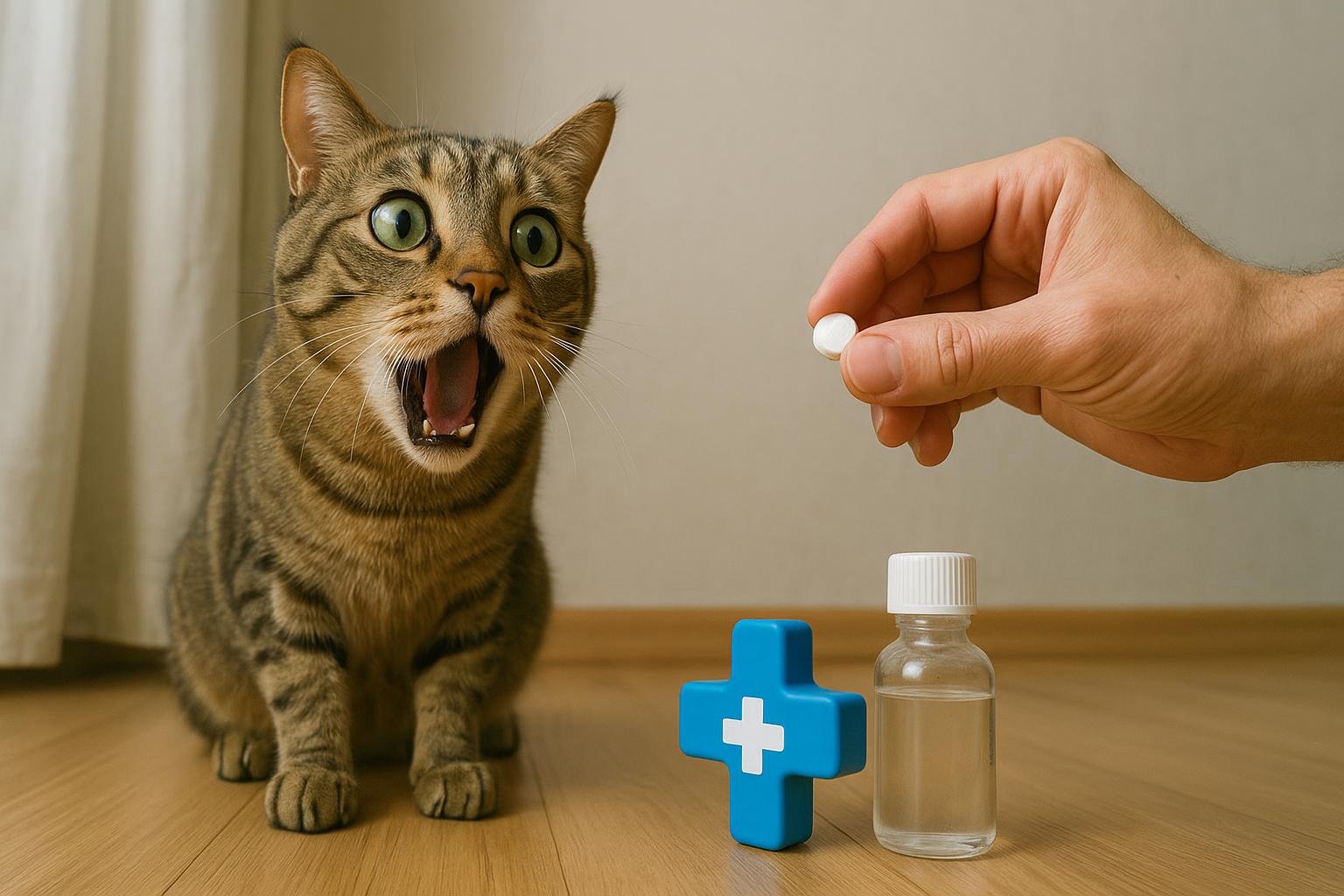
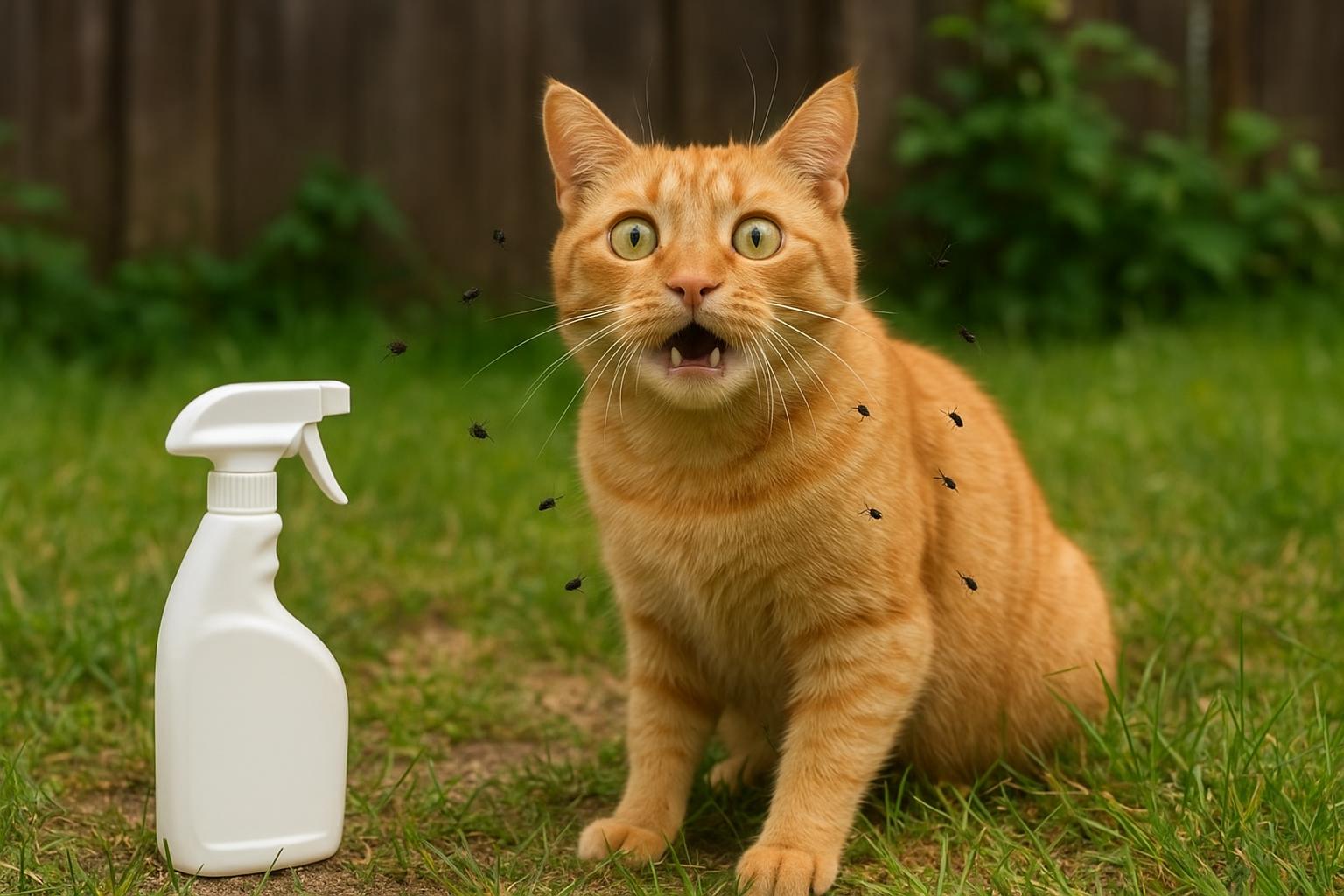
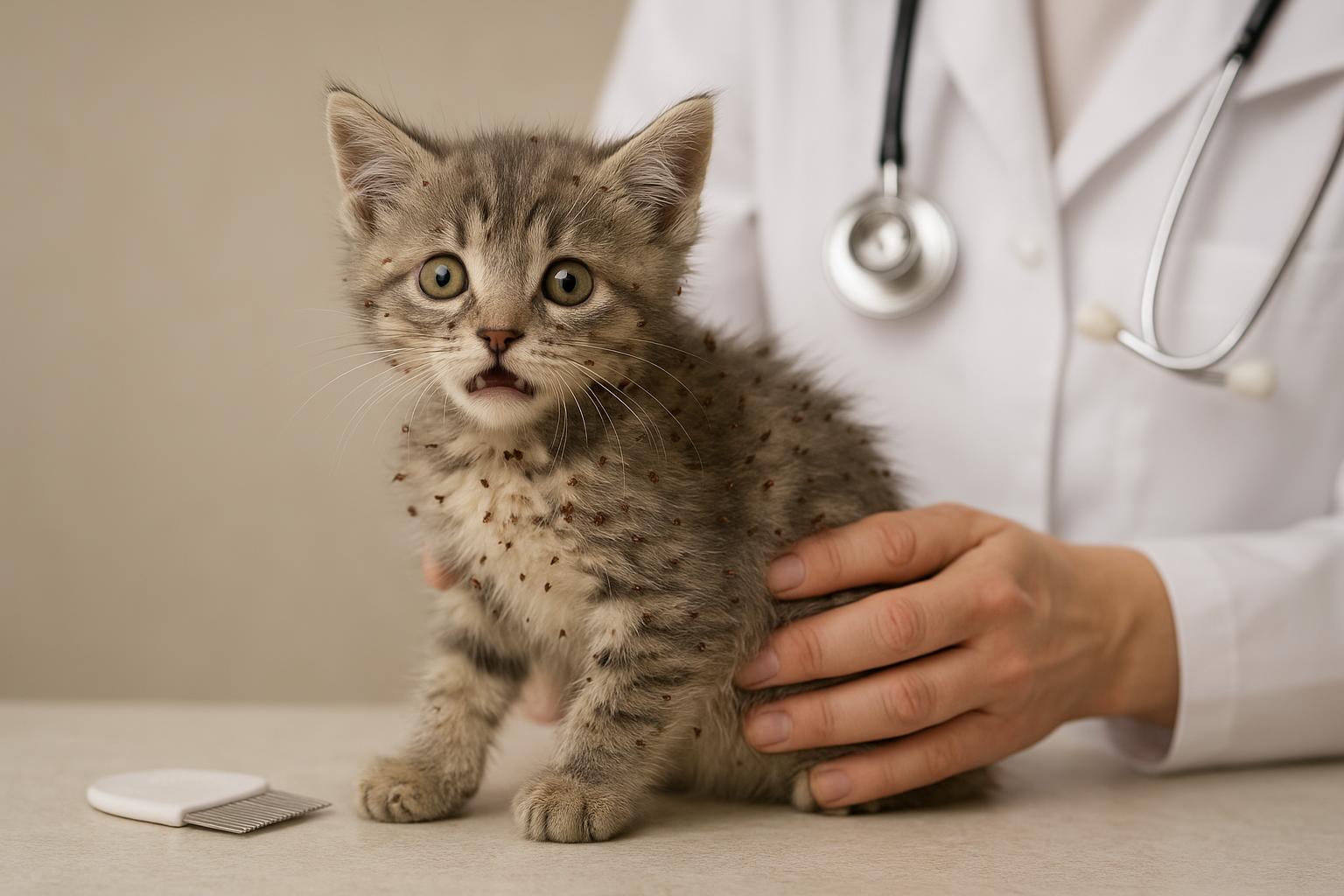
I’m glad you clicked — you and your cat deserve a break from the flea circus. Relax, grab a cup of tea (or a cat toy), and let’s talk about a real game-changer that’s been quietly flipping the script on flea season.
## Shocking Oral Flea Med Breakthrough For Cats Today
### Why This News Is Actually Good For Your Cat
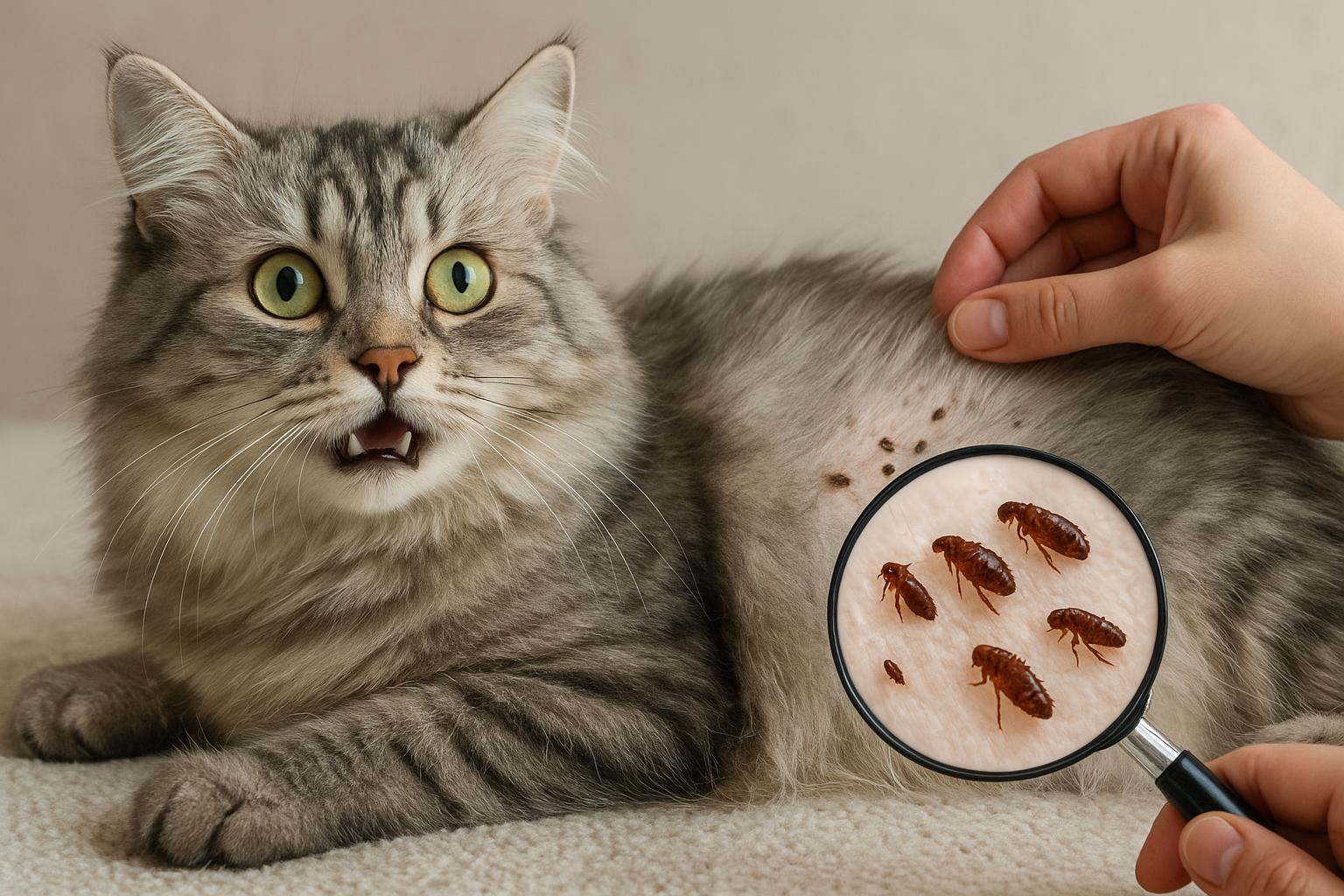
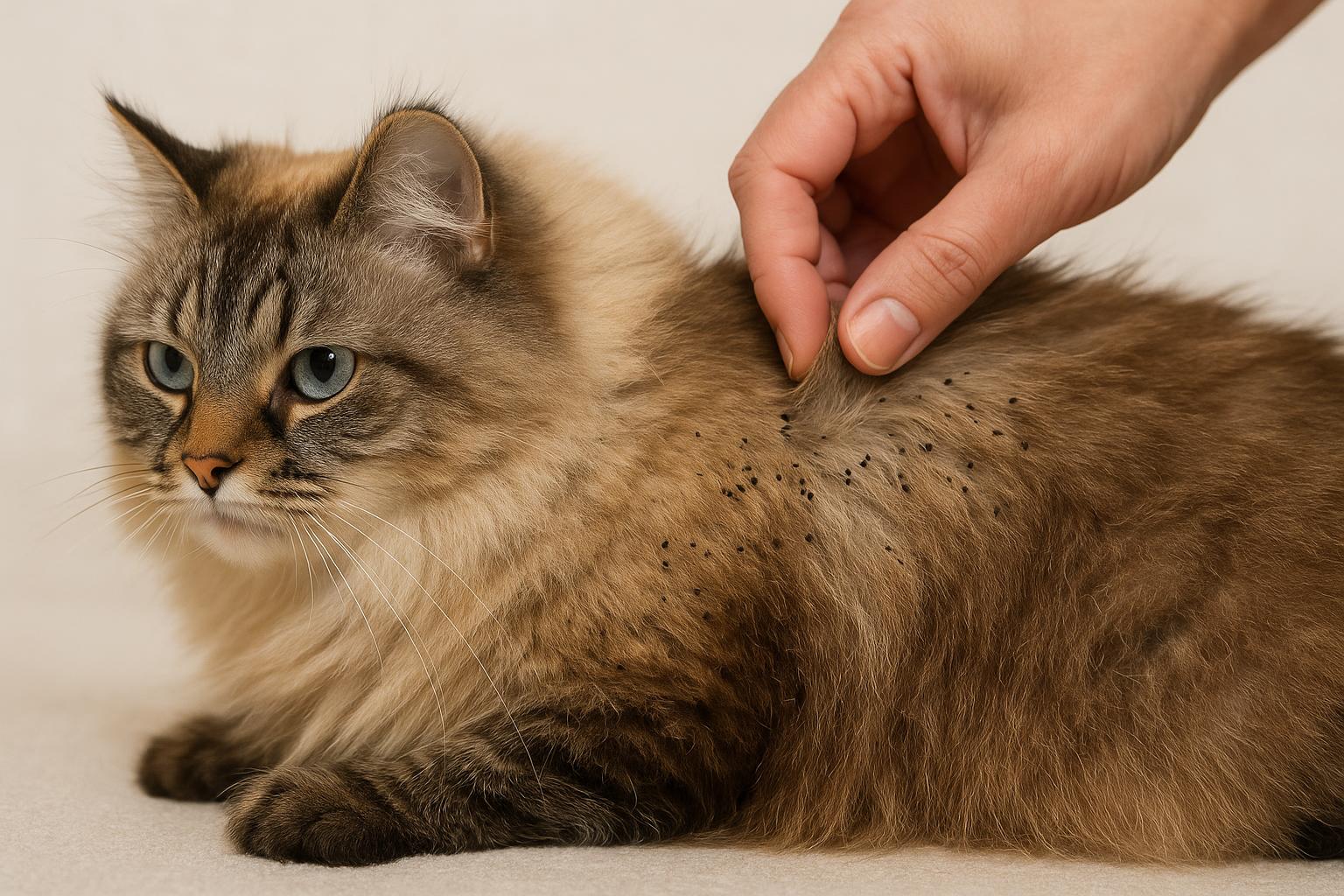
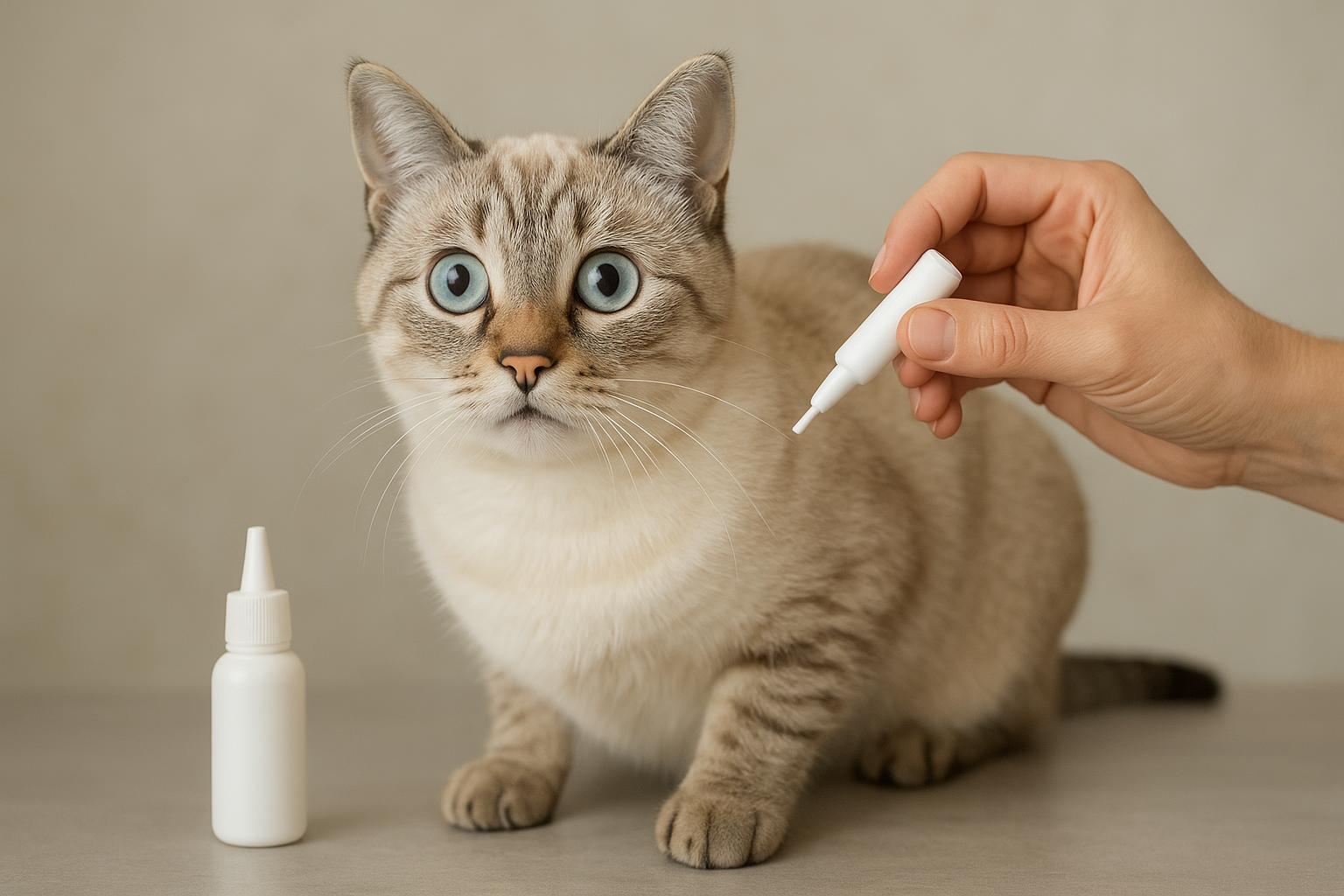
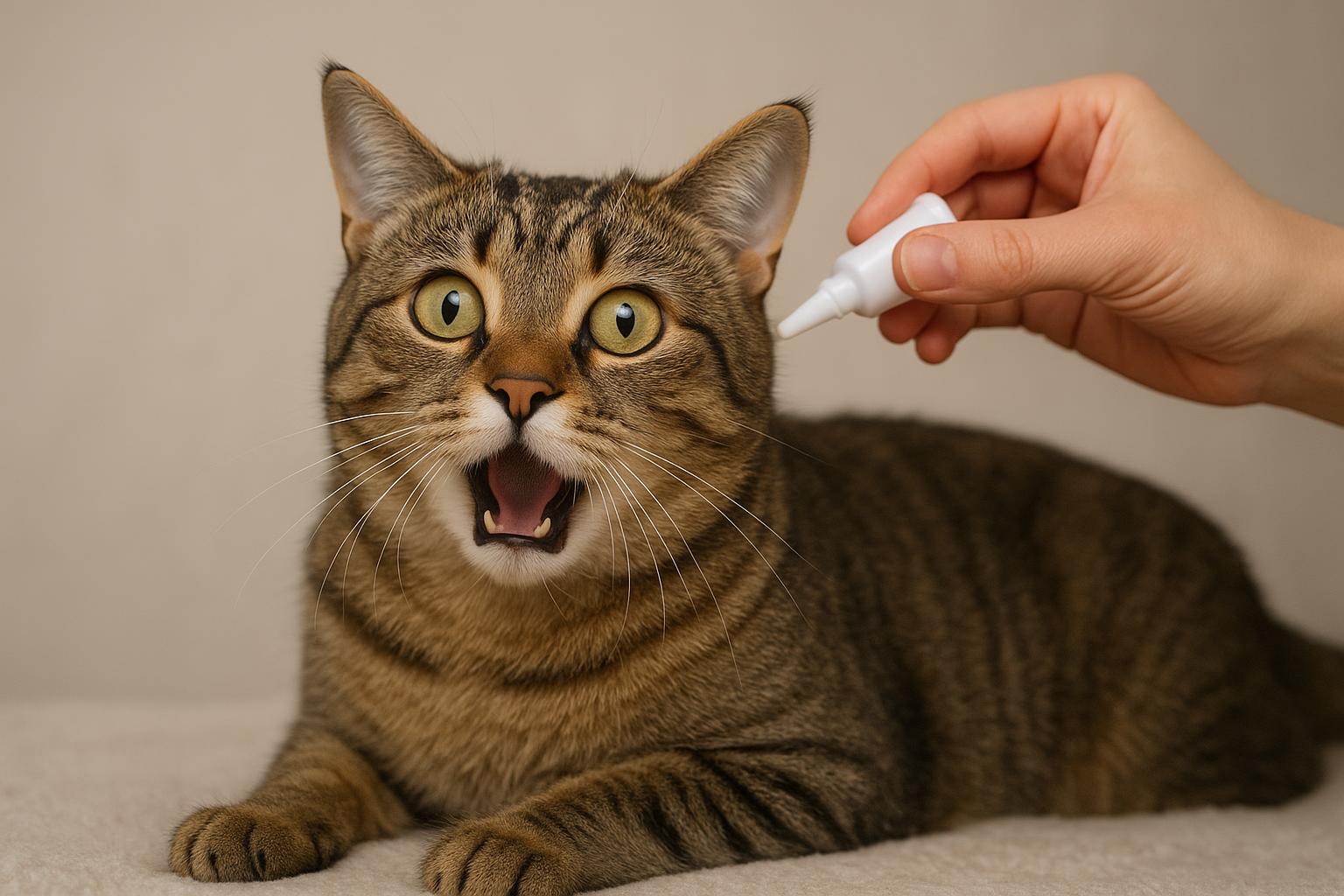
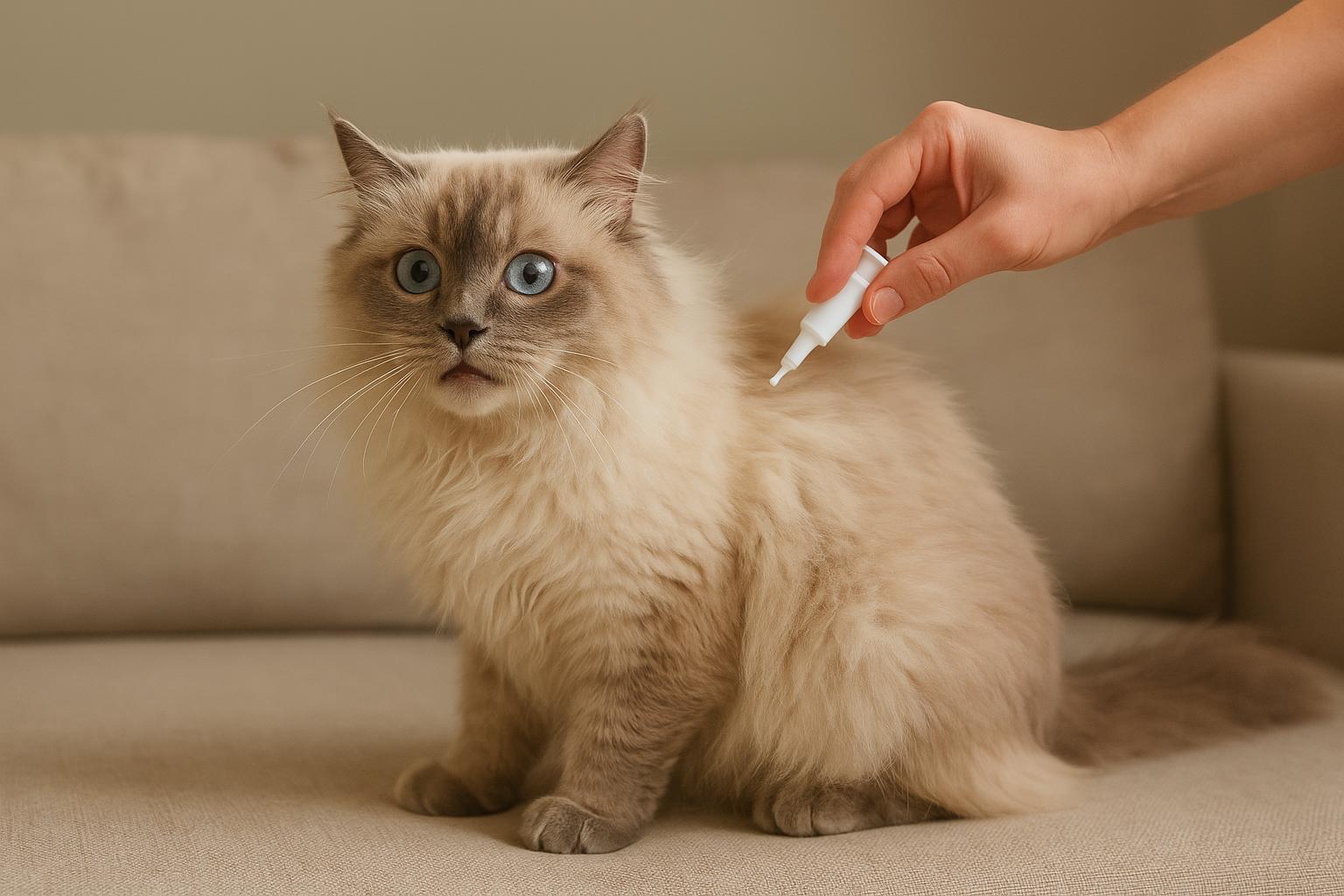
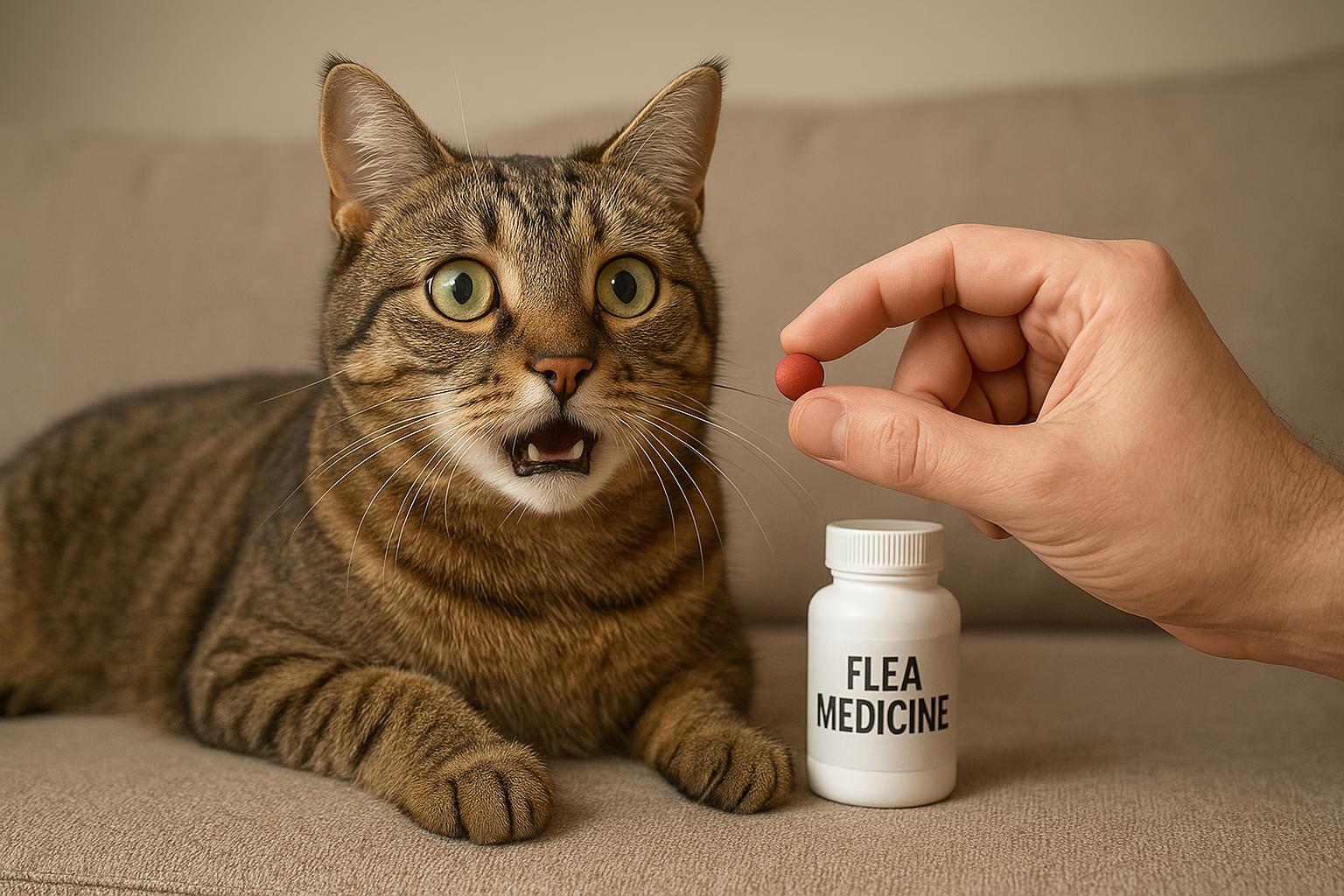
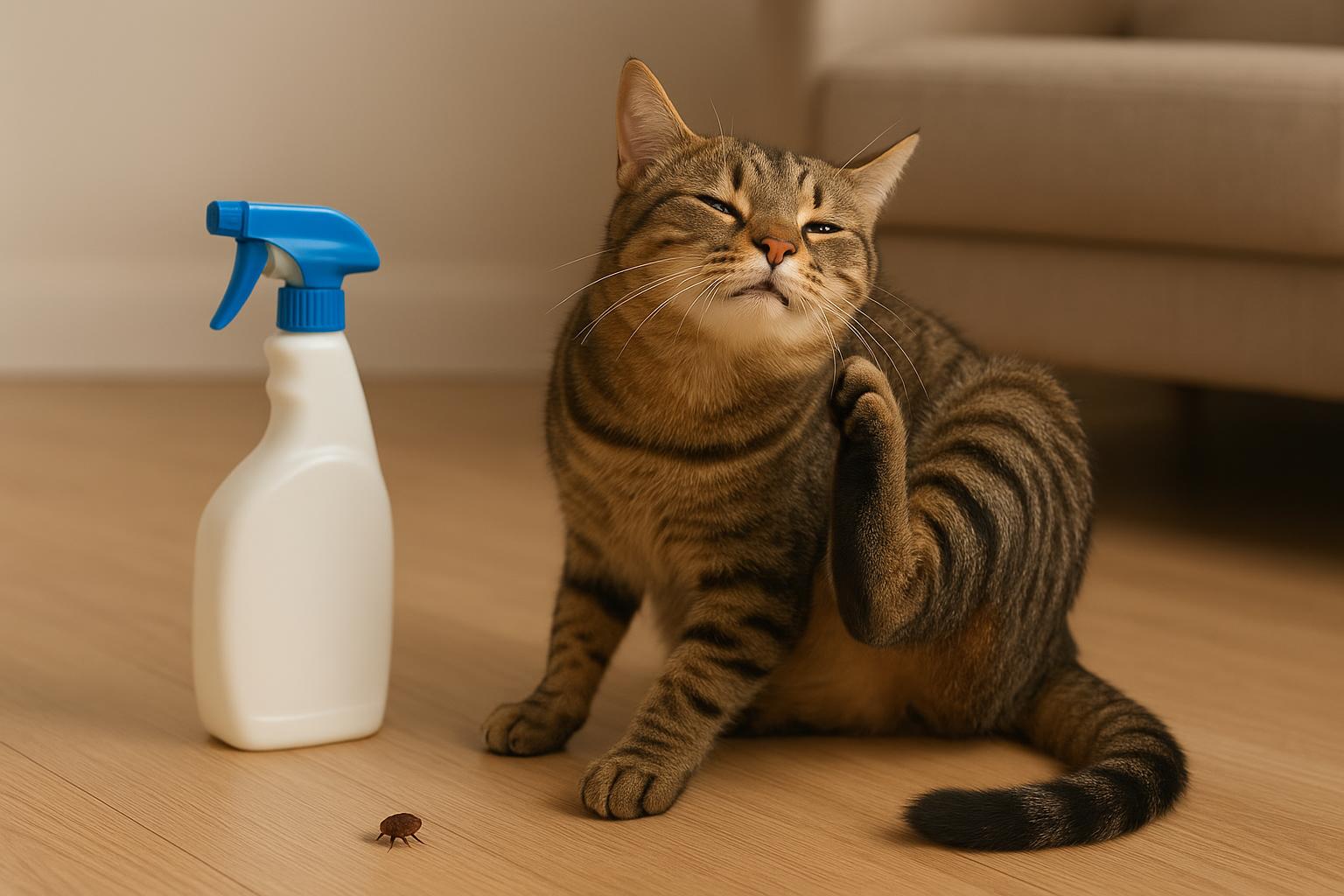
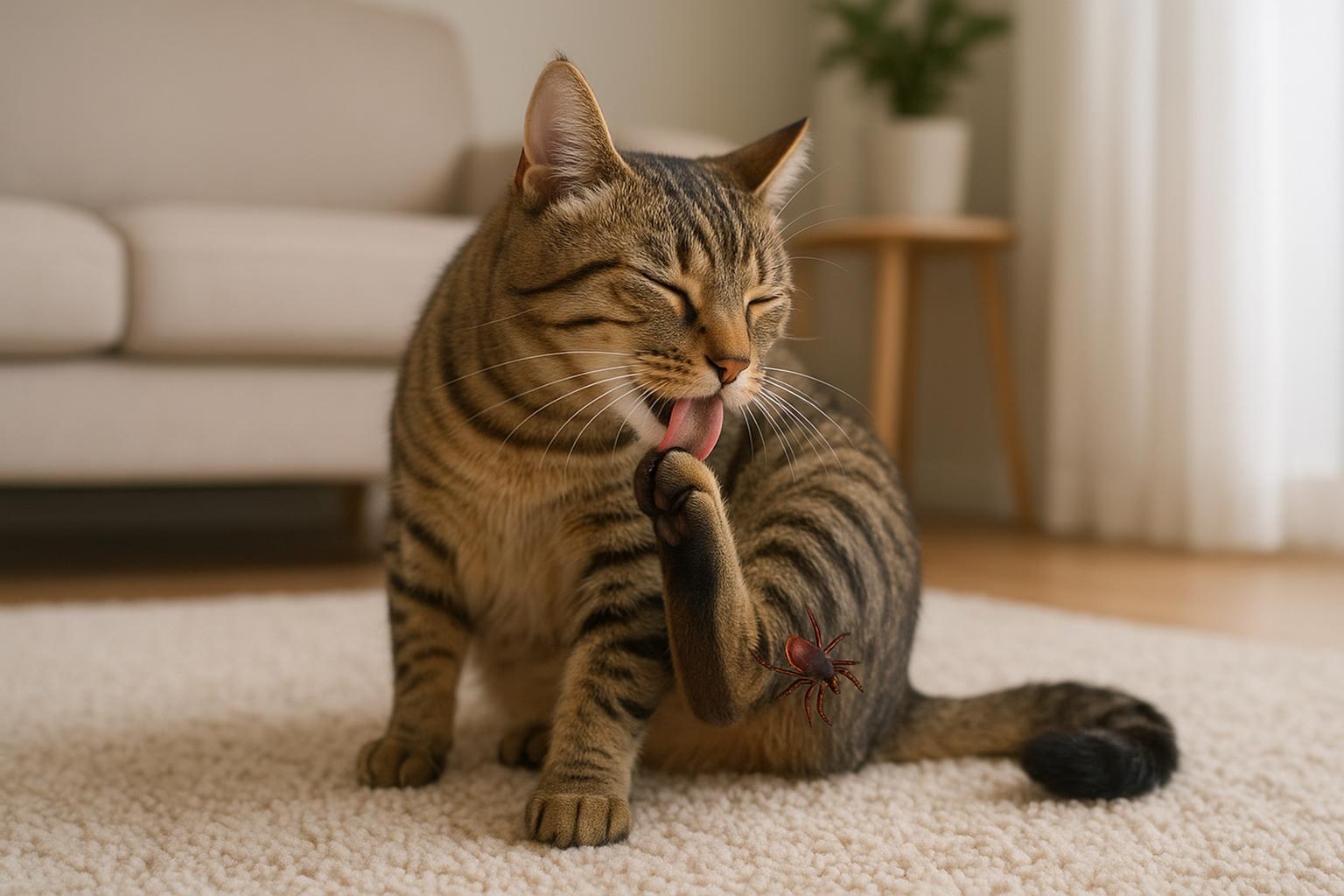
If you’ve ever watched your cat perform that frantic, embarrassed back-scrape routine, you know fleas are no laughing matter. The new wave of oral flea meds has been making headlines because they address fleas in a different, often more reliable way than older topical treatments. Instead of sitting on the skin and hoping fleas get close enough to be affected, these systemic options work from inside your cat’s bloodstream — targeted, fast, and oddly satisfying for anyone who likes efficiency.
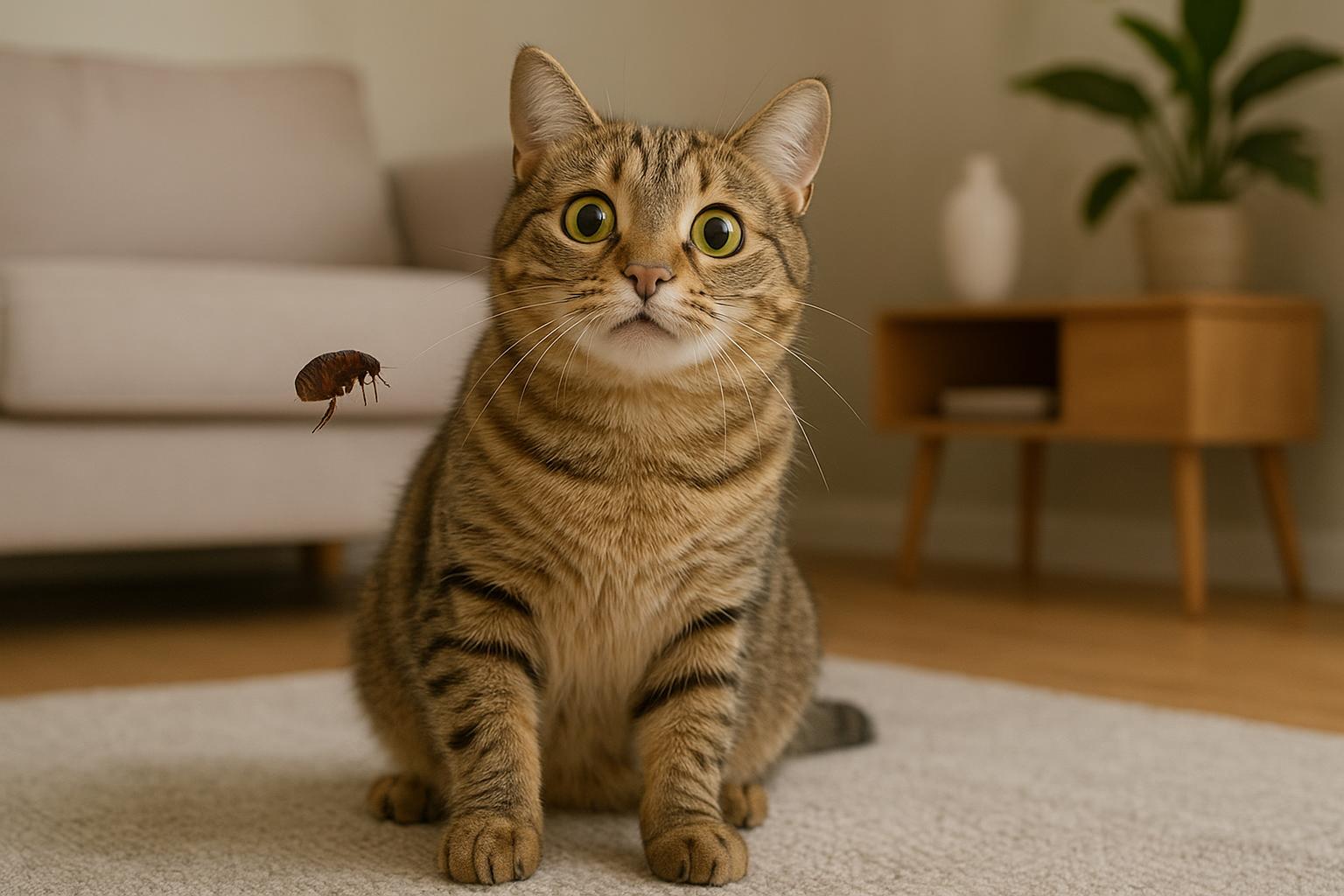
This matters because fleas reproduce fast. Kill the adults before they lay eggs, and you significantly reduce the population pressure in your home. The latest oral flea med options offer extended protection and quicker knockdown times, which translates to fewer nights of itch-scratch drama for your feline roommate.
### How An Oral Flea Med Works
At a high level, an oral flea med is absorbed after ingestion and circulates systemically. When a flea bites your cat, it ingests the active ingredient and is exposed to a lethal dose. These medications typically target the flea’s nervous system, incapacitating it quickly while having a wide margin of safety for mammals when used according to label and vet guidance.
Key benefits:
– Rapid flea-kill after initial administration.
– Often month-long (or longer) protection per dose.
– Less chance of topical wash-off (bath day friendly).
– Reduced transfer risk to other pets or children from topical residue.
That said, “works differently” does not mean “works without care.” Proper dosing, species specificity, and veterinary oversight are essential. You’ll want to verify your cat’s weight, health status, and any concurrent medications before committing to an oral flea med regimen.
### Safety, Contraindications, And What Your Vet Will Ask
Formal note: use only products labeled for cats and follow veterinary instructions precisely. An oral flea med that’s safe and effective for cats will have been studied for feline physiology and dosing. Your vet will ask about:
– Age and weight of the cat (puppies/kittens often have different approvals).
– Pregnancy or nursing status.
– Existing medical conditions (liver disease, neurologic conditions).
– Concurrent medications or prior adverse drug reactions.
Adverse reactions are uncommon but can include transient gastrointestinal upset (vomiting or soft stool), lethargy, or, rarely, neurologic signs. If you observe anything concerning after administration, contact your veterinarian immediately.
### Administering The Oral Flea Med: Ingredients And Step-By-Step
Now, a formal, practical walkthrough. This section is procedural: follow each step and consult your vet if you’re unsure. The following list covers what you’ll need to give an oral flea med safely and effectively at home.
Ingredients / Required Materials:
– Prescribed oral flea med tablets or chewables labeled for cats (the exact product prescribed by your veterinarian)
– A calibrated kitchen scale or vet-provided dosing info (to confirm weight-based dose)
– Pill pockets or a small amount of palatable wet food (if needed)
– Fresh water
– A clean towel (optional; useful for wriggly patients)
– A logbook or calendar to record dosing dates
– Veterinary contact information for adverse reactions
Step-by-Step Administration:
1. Confirm Dose: Verify your cat’s current weight and match it to the prescribed dose on the medication label. Dosing is weight-based; never guess.
2. Inspect Med: Ensure the packet is intact and the tablet or chewable looks normal. Check expiration date.
3. Prep the Environment: Choose a calm, quiet room. If your cat is skittish, wrap them in a towel gently to limit rapid wriggling.
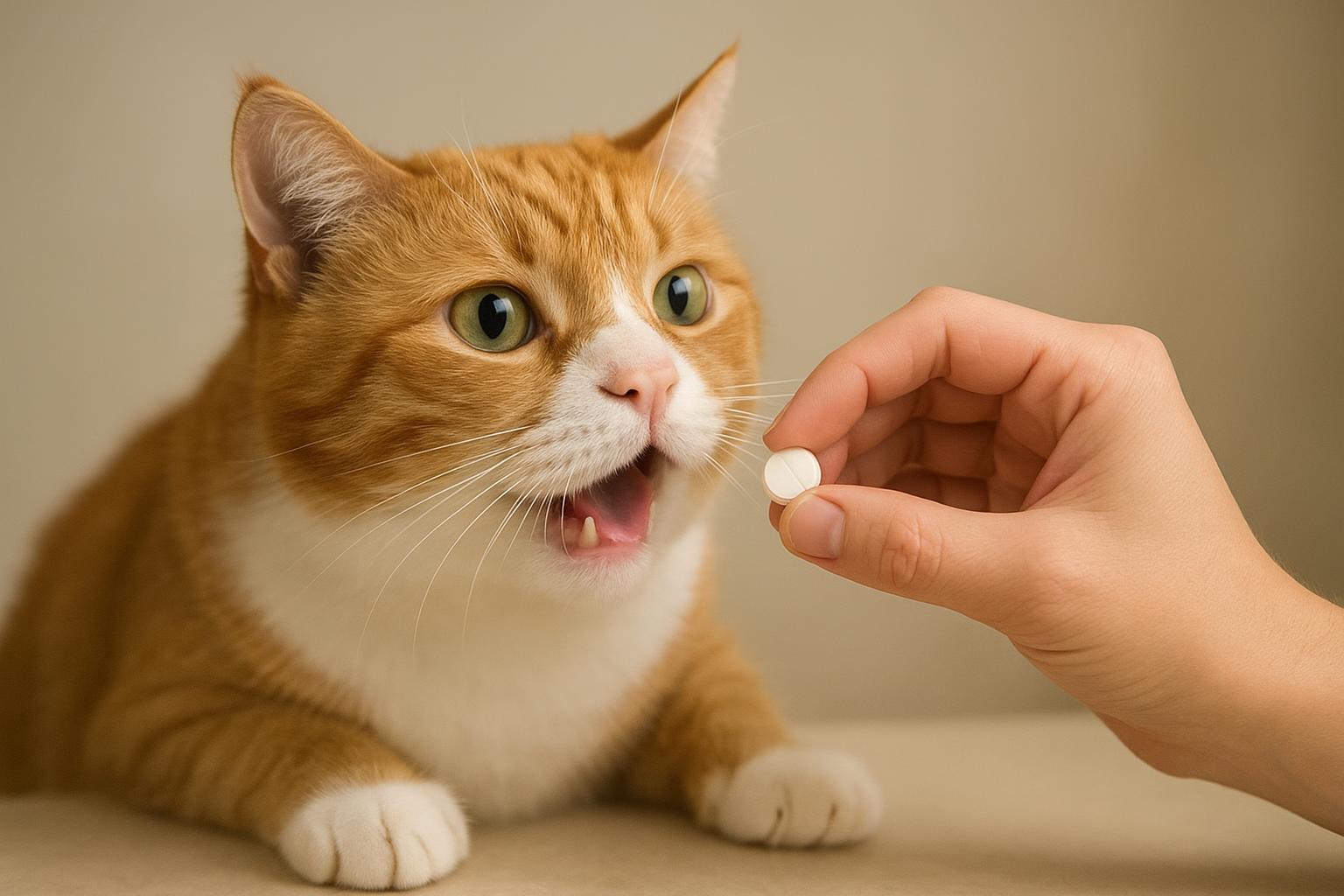
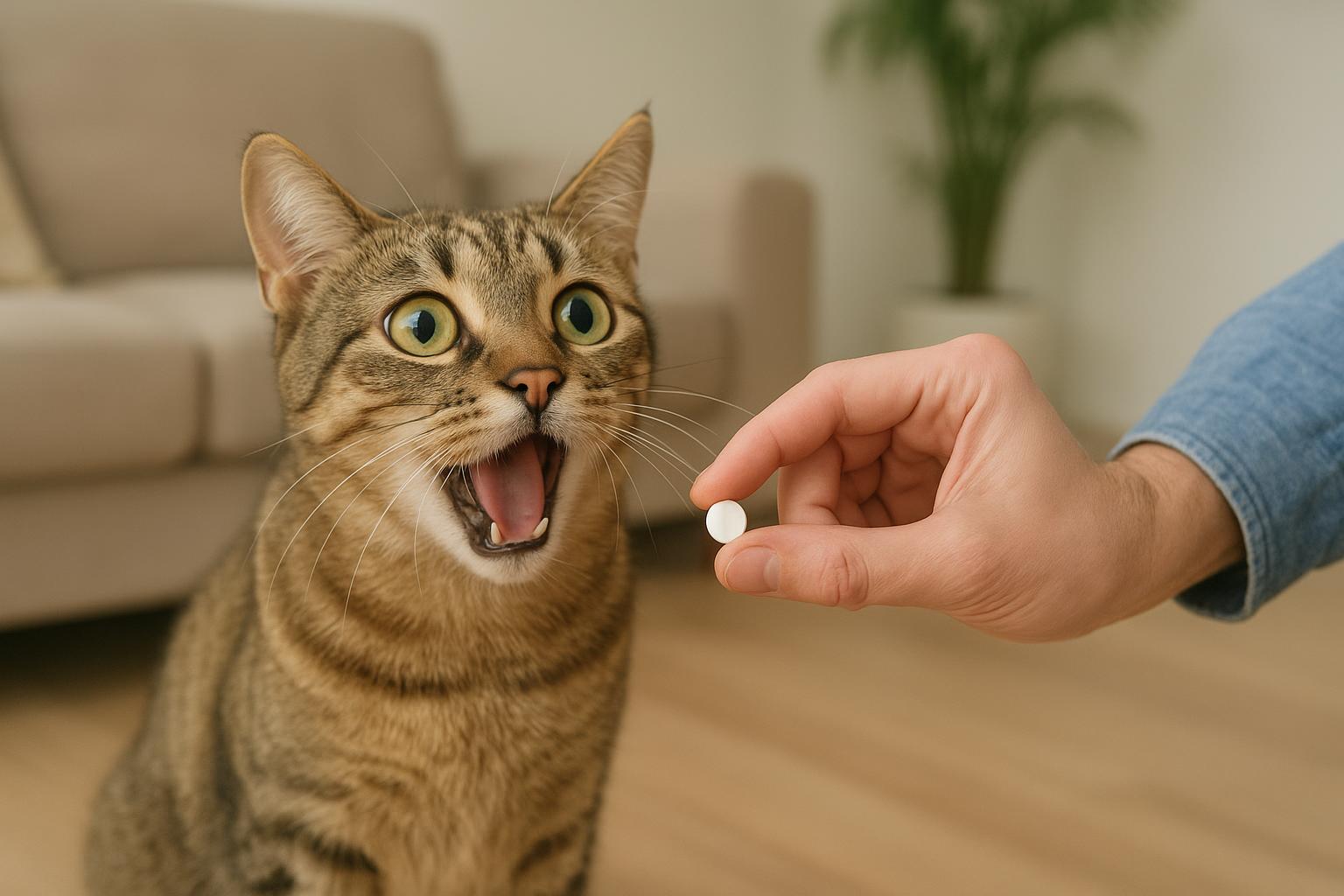
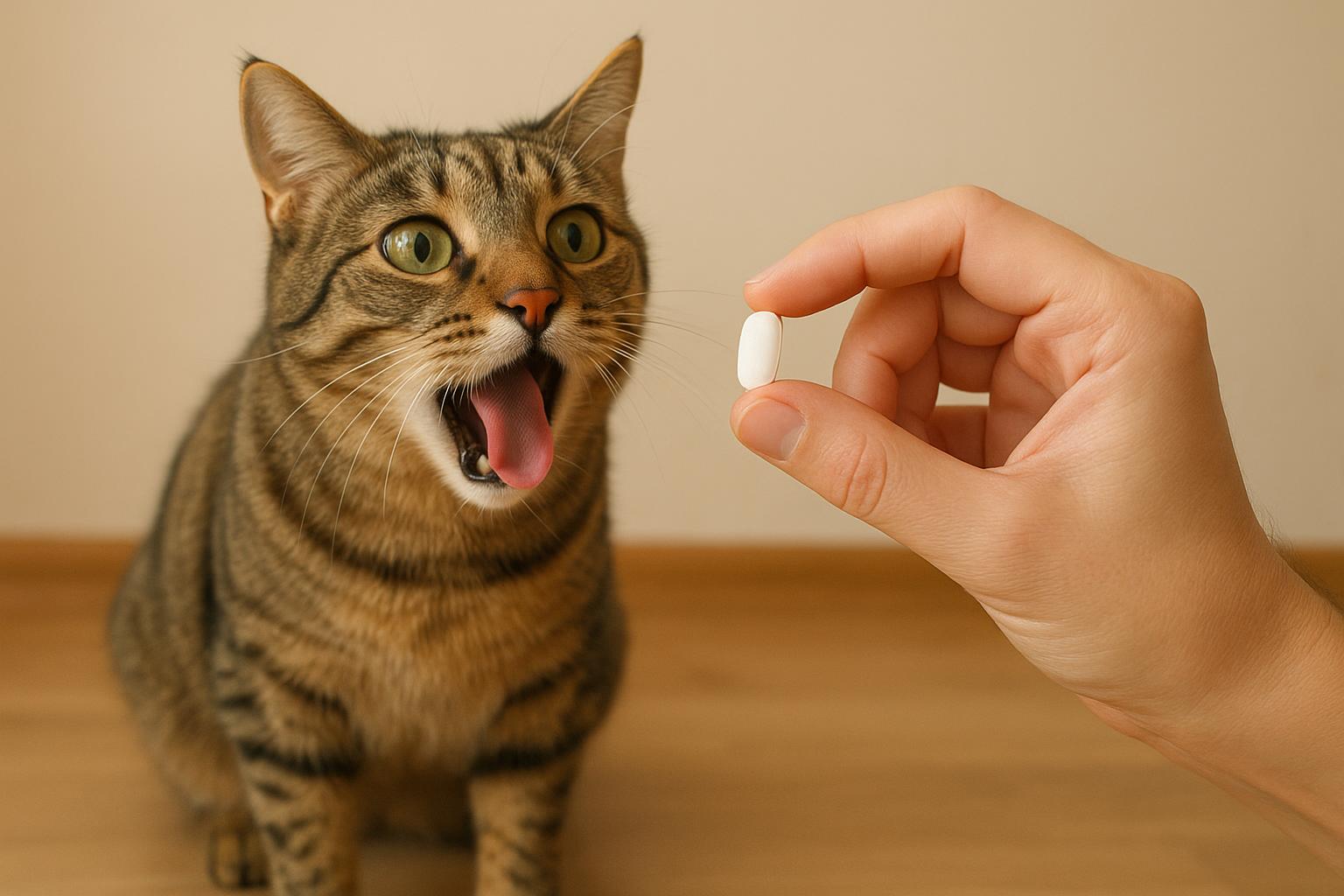
4. Offer Voluntary Acceptance: If the drug is a flavored chewable, try offering it by hand first. If it’s a tablet, hide it in a small amount of wet food or a commercially available pill pocket.
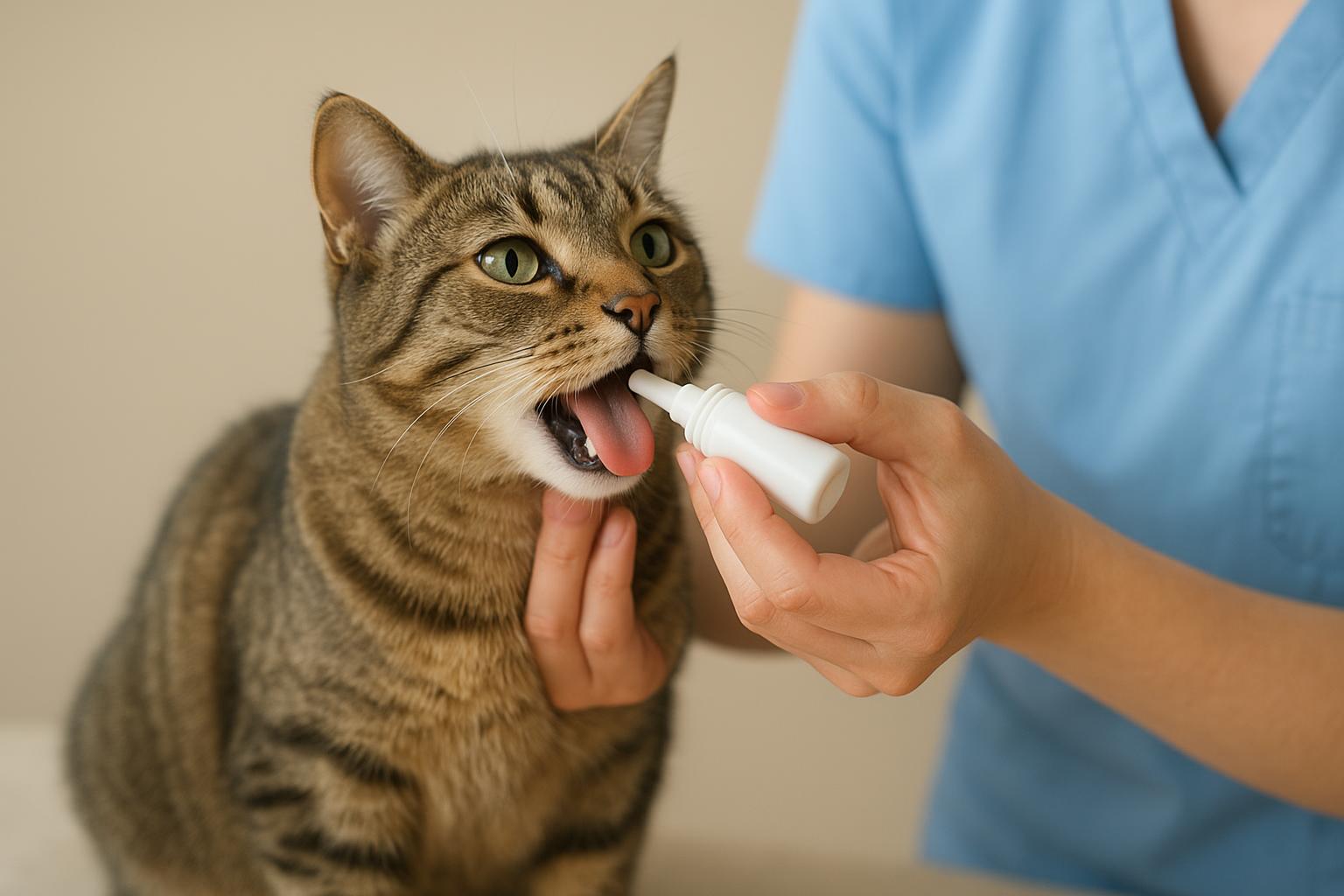
5. Administer Correctly: If your cat eats the treat with the medication, great. If not, gently place the tablet as far back on the tongue as possible, close the mouth, and stroke the throat or blow on the nose to encourage swallowing. Follow with a small amount of water via syringe if needed (not forced).
6. Observe: Watch your cat for at least 15–30 minutes post-dose for immediate vomiting or distress. If vomiting occurs within 30 minutes and you suspect the dose was expelled, call your vet for guidance on whether to re-dose.
7. Record the Date: Mark the administration date in your logbook or calendar so you maintain proper re-dosing intervals (monthly or per product instructions).
8. Schedule Follow-Up: If this is your cat’s first dose of this product, plan a follow-up call or visit per your veterinarian’s recommendation and report any unusual signs.
### Dosage Tips And Practical Tricks
– Never split tablets unless the manufacturer indicates the pill is scored and your vet confirms it’s safe. Splitting can cause inaccurate dosing.
– If your cat is finicky, practice with empty pill pockets a few times before the first medicated dose so they’re less suspicious.
– Keep medication out of reach of children and other pets. Many flea meds for dogs differ from cat products and can be harmful if accidentally ingested by the wrong species.
– If you miss a scheduled dose, check the product label and call your vet for guidance rather than improvising.
#### Monitoring And Early Warning Signs
After giving an oral flea med, check for:
– Immediate vomiting or refusal to swallow (first 30 minutes).
– Soft stool or reduced appetite (first 48 hours).
– Lethargy, tremors, or any neurologic changes (rare; contact vet immediately).
Keep a one-week observation window as a cautious practice, especially after the initial dose.
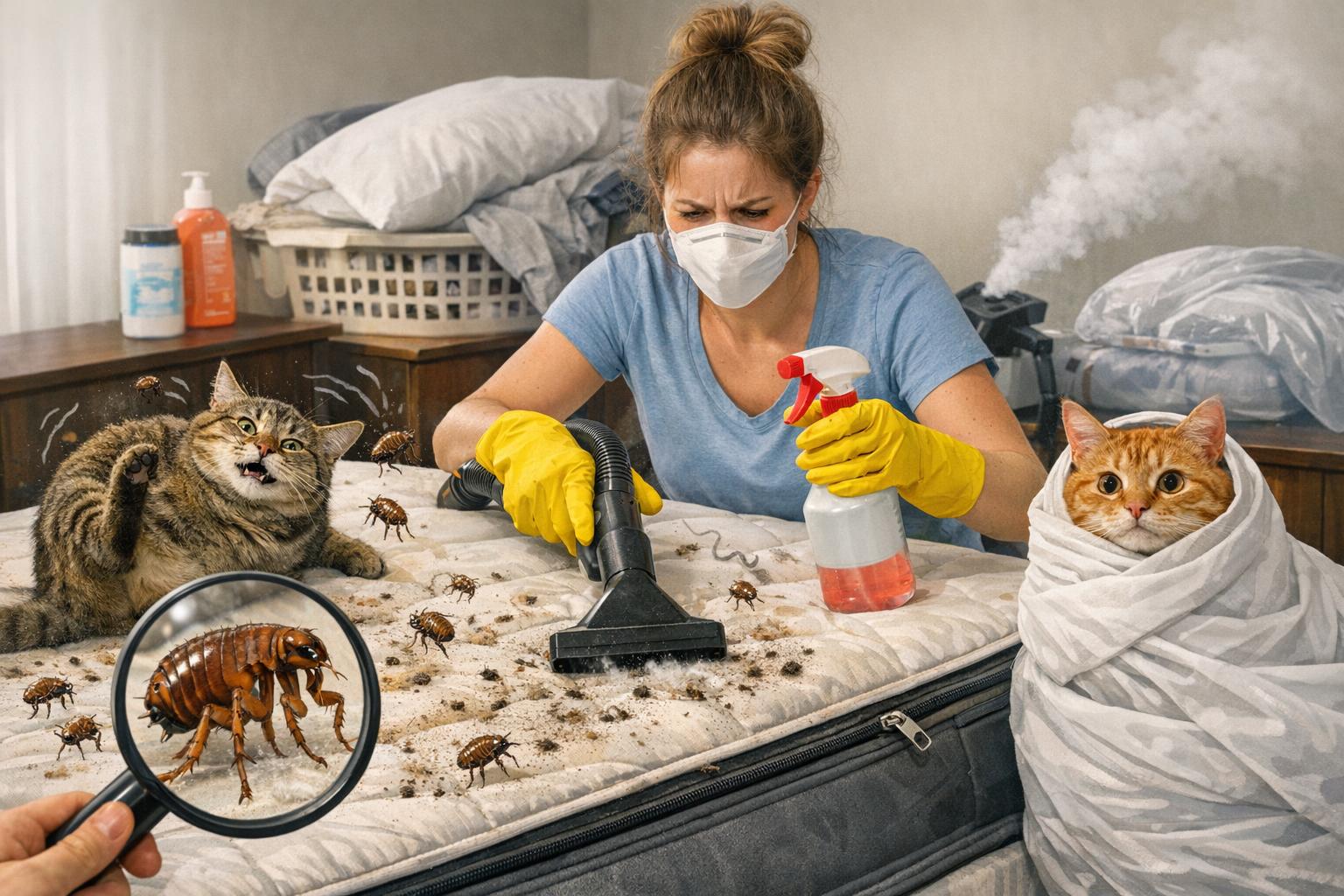
#### Environmental Steps To Complement The Oral Flea Med
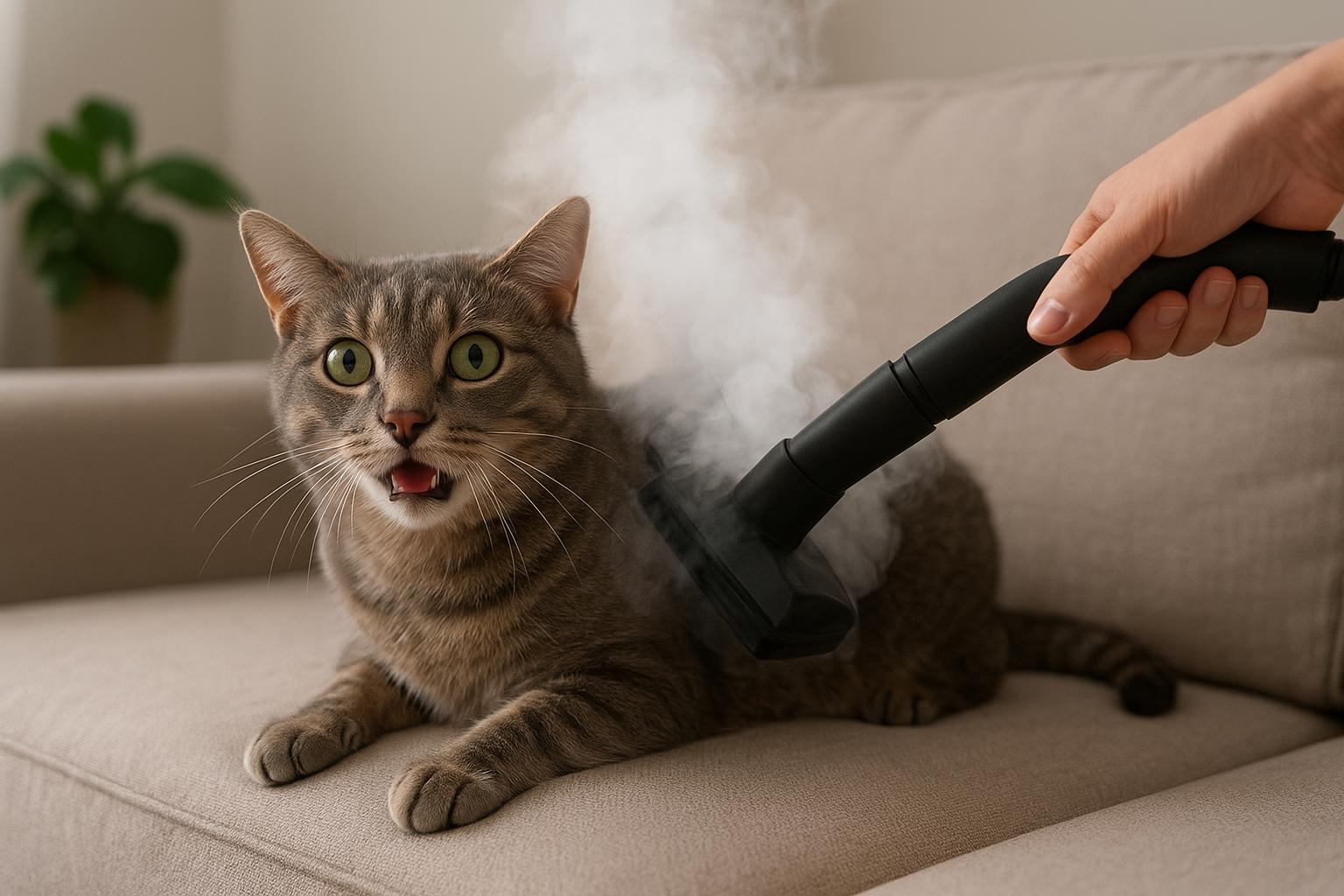
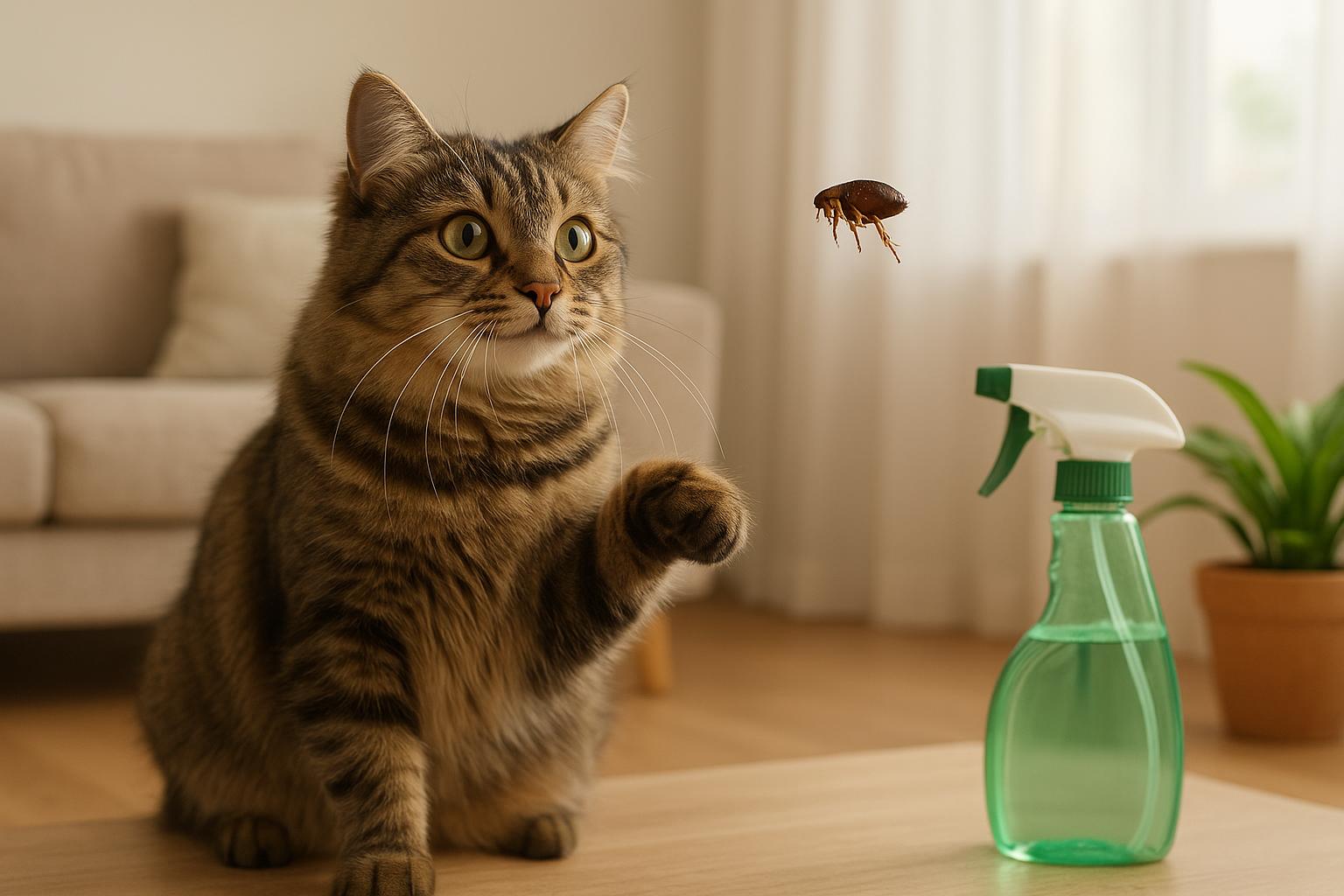
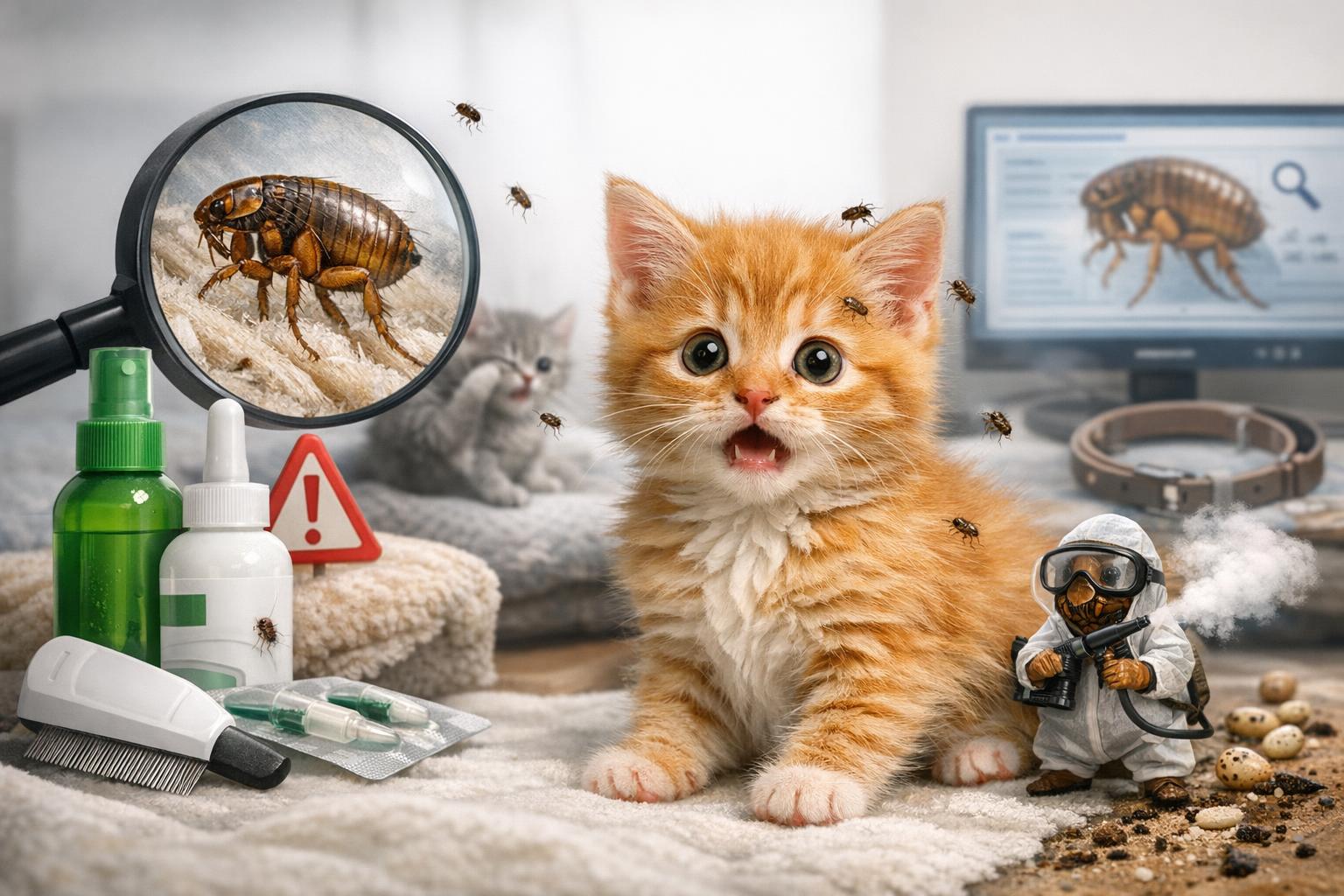
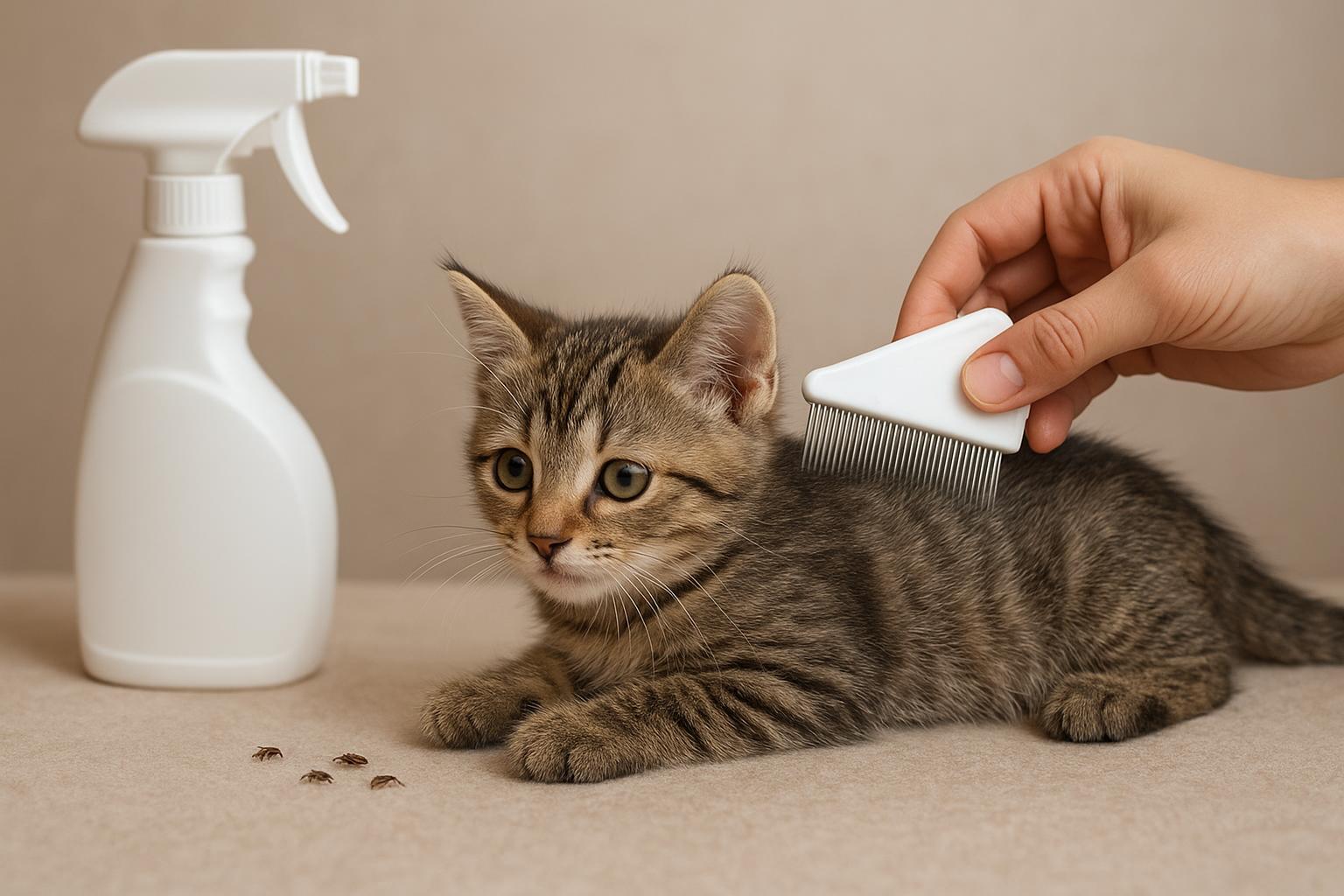
An oral flea med kills fleas after they bite, so breaking the life cycle requires addressing eggs and larvae in the environment. Complement the oral flea med with:
– Regular vacuuming of carpets and upholstery (empty vacuum canister outdoors).
– Washing bedding and any fabric your cat uses in hot water.
– Consider a home-safe insect growth regulator (IGR) spray or fogger if flea burdens are high — follow label precautions for pets and children.
### When An Oral Flea Med Is The Best Choice
If your cat swims often, is groomed frequently, or lives in a multi-pet home where topical transfer is a concern, an oral flea med often provides predictable, consistent coverage. It’s also a strong option when households have small children or sensitive individuals who prefer minimal topical residue in shared spaces.
Remember: the newest oral options are breakthrough not because they’re magical, but because they combine robust efficacy with simplicity. That equals less time chasing fleas and more time for naps, play, and those slow blinks your cat uses to say “I trust you.”
Keep track of dosing, partner with your vet, and you’ll be giving fleas their eviction notice in much less time than it takes to say “catnip.”







Leave a Reply