
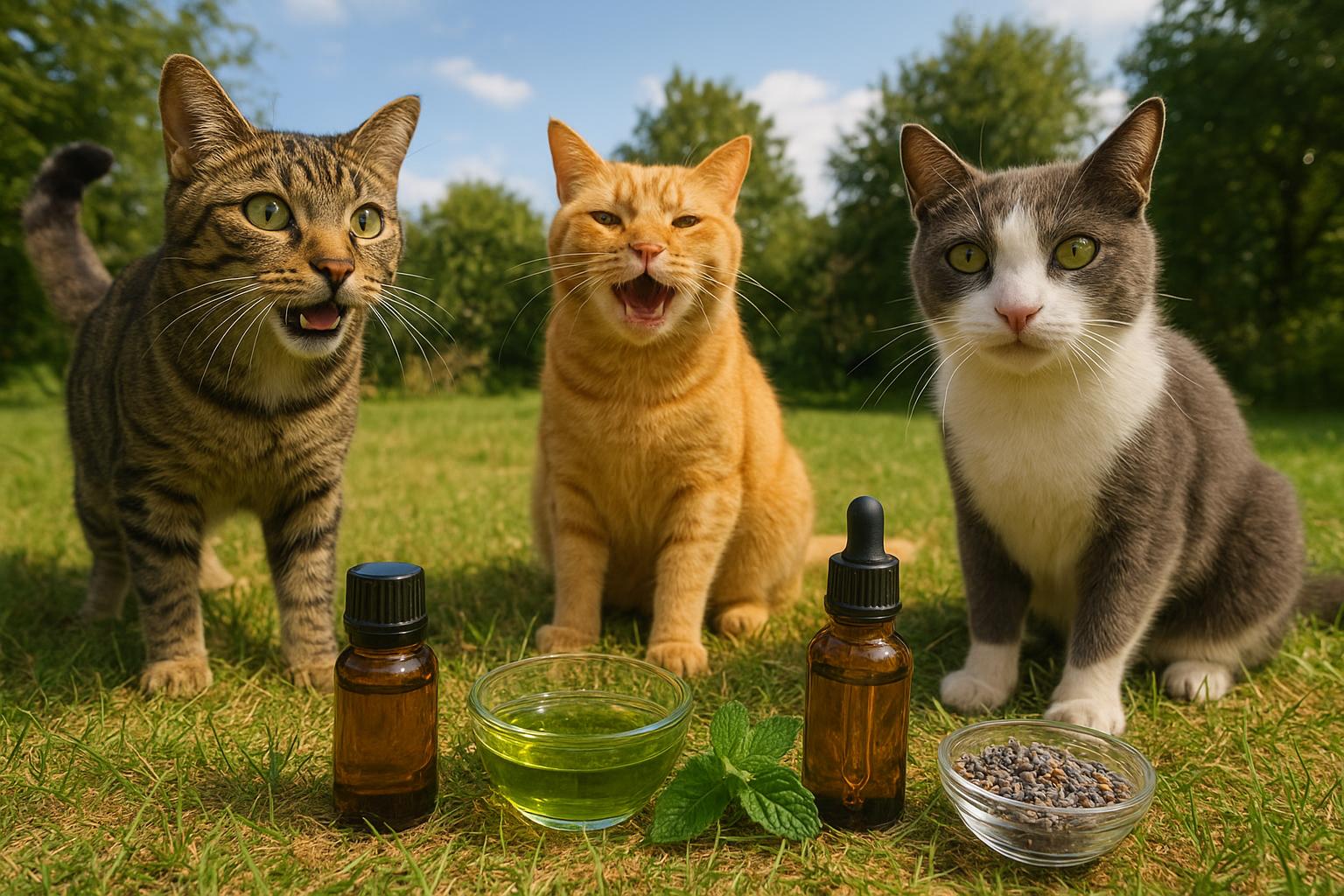
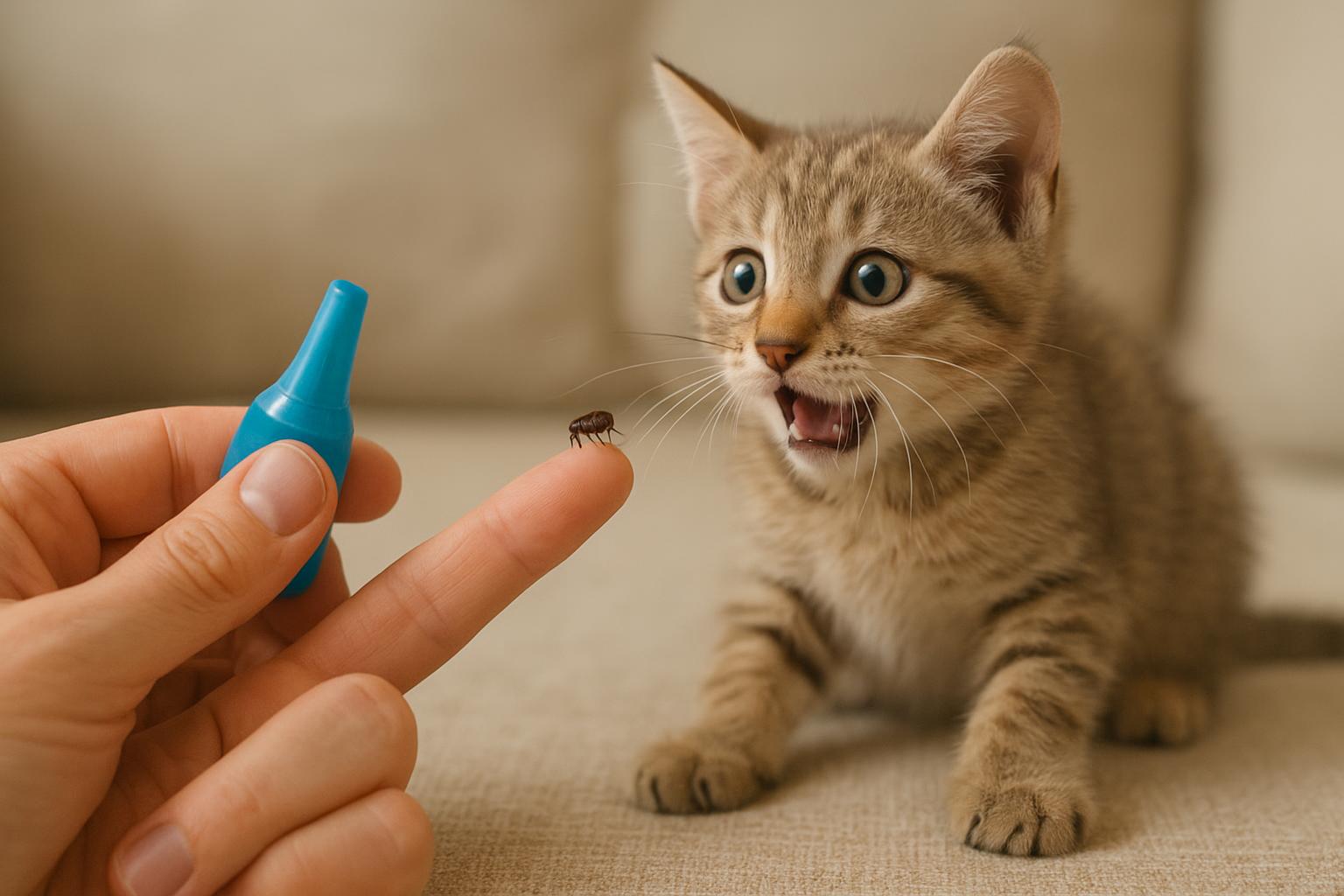
If you’ve ever had a summer of constant scratching contests between your dog and the furniture, you know fleas are the uninvited guests that don’t know when to leave. Good news: before you call in the chemical cavalry, there are natural strategies that can help reduce flea populations around your yard and in your home. We’ll talk about effective, pet-safe practices and practical recipes using plants’ aromatic power — and yes, some of those plants’ concentrated helpers: essential oils. Read on for sensible, science-aligned methods (with a pinch of backyard-friendly charm).
## Essential Oils Fleas: How They Fit Into Natural Control
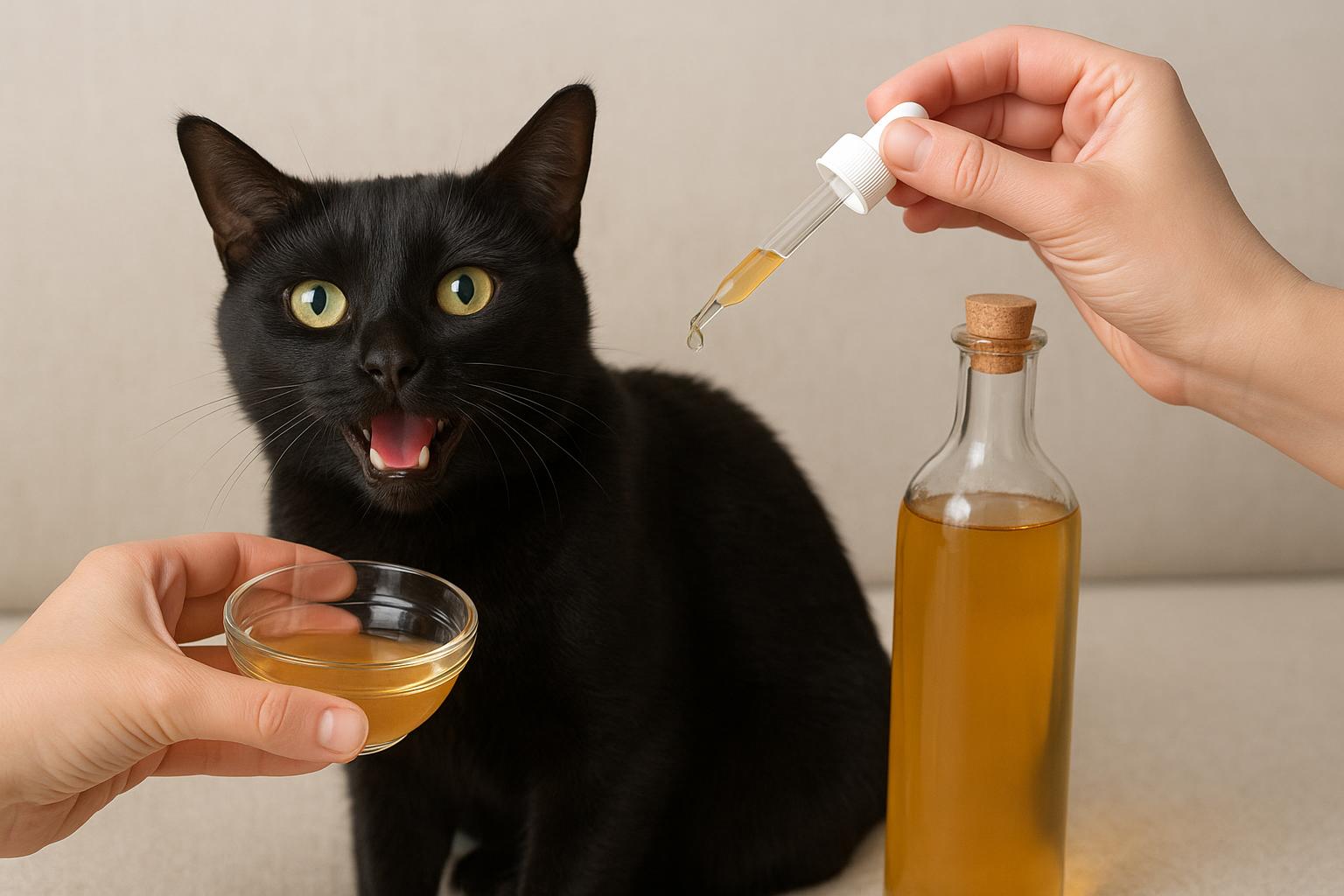
Essential oils can play a role in flea control, but they’re not magic potions. Think of them as one tool in an integrated approach: sanitation, physical removal, pet grooming, and environmental treatments combined. Studies and anecdotal reports suggest certain oils have repellent or insecticidal properties. However, potency, dilution, and application method matter a lot — and so does the species of your pet. Cats, in particular, metabolize many essential oil compounds poorly and are at risk from improper use.
### How Essential Oils Act On Fleas
Essential oils contain concentrated volatile compounds (terpenes, phenols, aldehydes) that can repel or kill small arthropods at sufficient doses. For flea control they may:
– Repel adult fleas, reducing biting and infestation spread.
– Disrupt behavior patterns that encourage egg-laying in treated areas.
– In higher concentrations, be directly insecticidal to adults and perhaps immature stages.
Be realistic: oils rarely penetrate deep into carpet fibers or soils to kill eggs and pupae on their own. Combine treatments with vacuuming, washing bedding, and yard maintenance for best results.
### Safety First: Pets, People, And Proper Dilution
This is the serious part, so I’ll be formal and clear. Always:
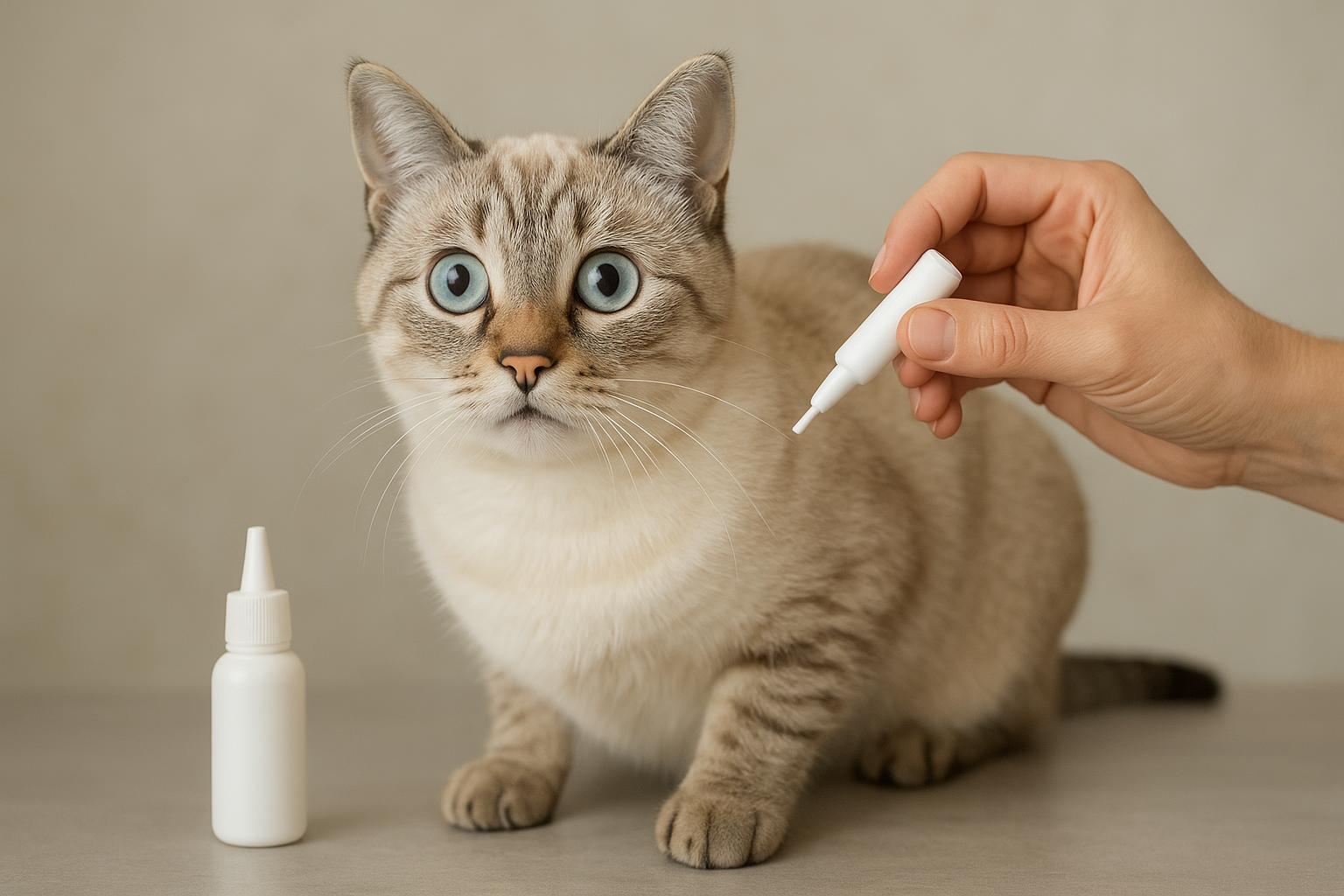
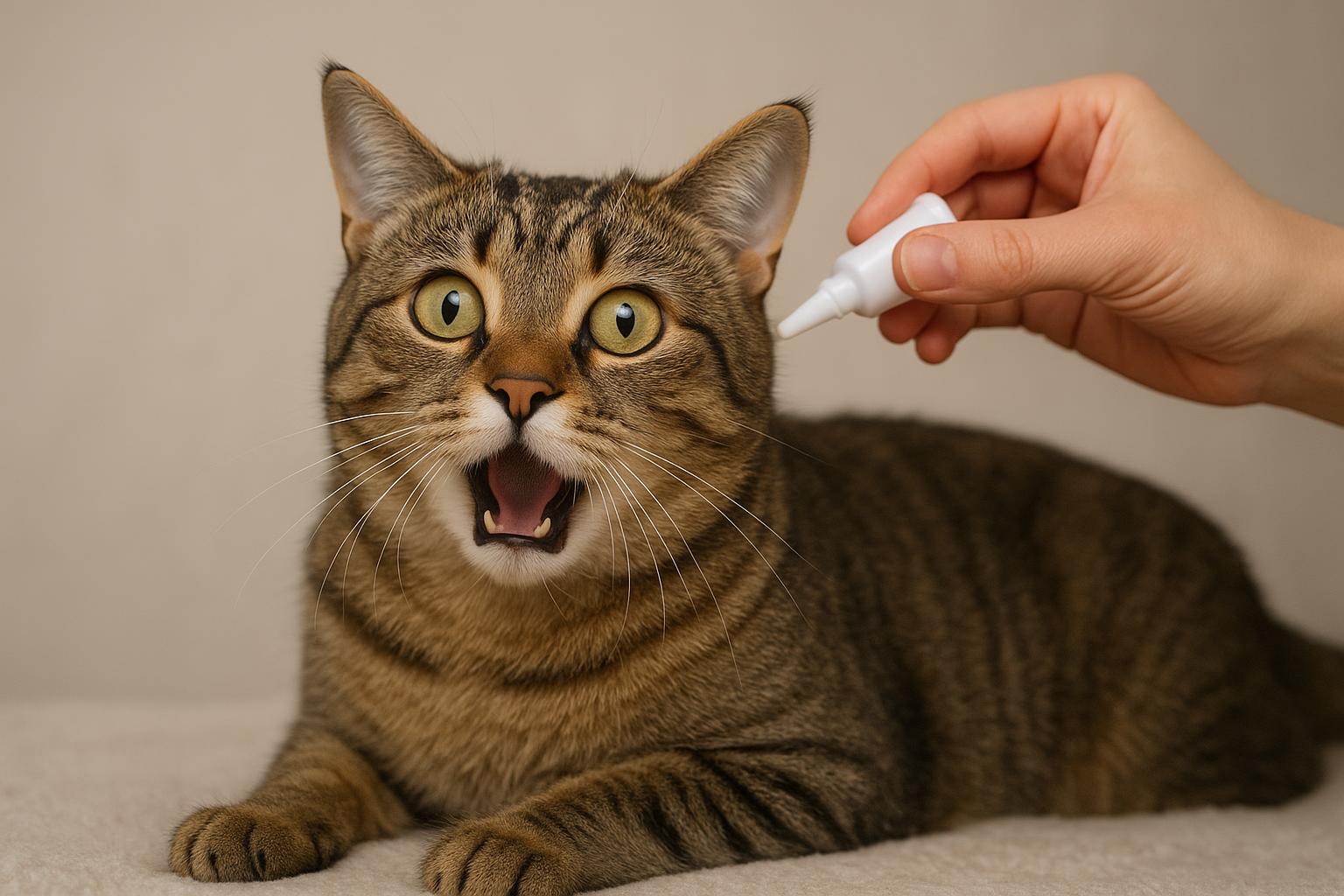
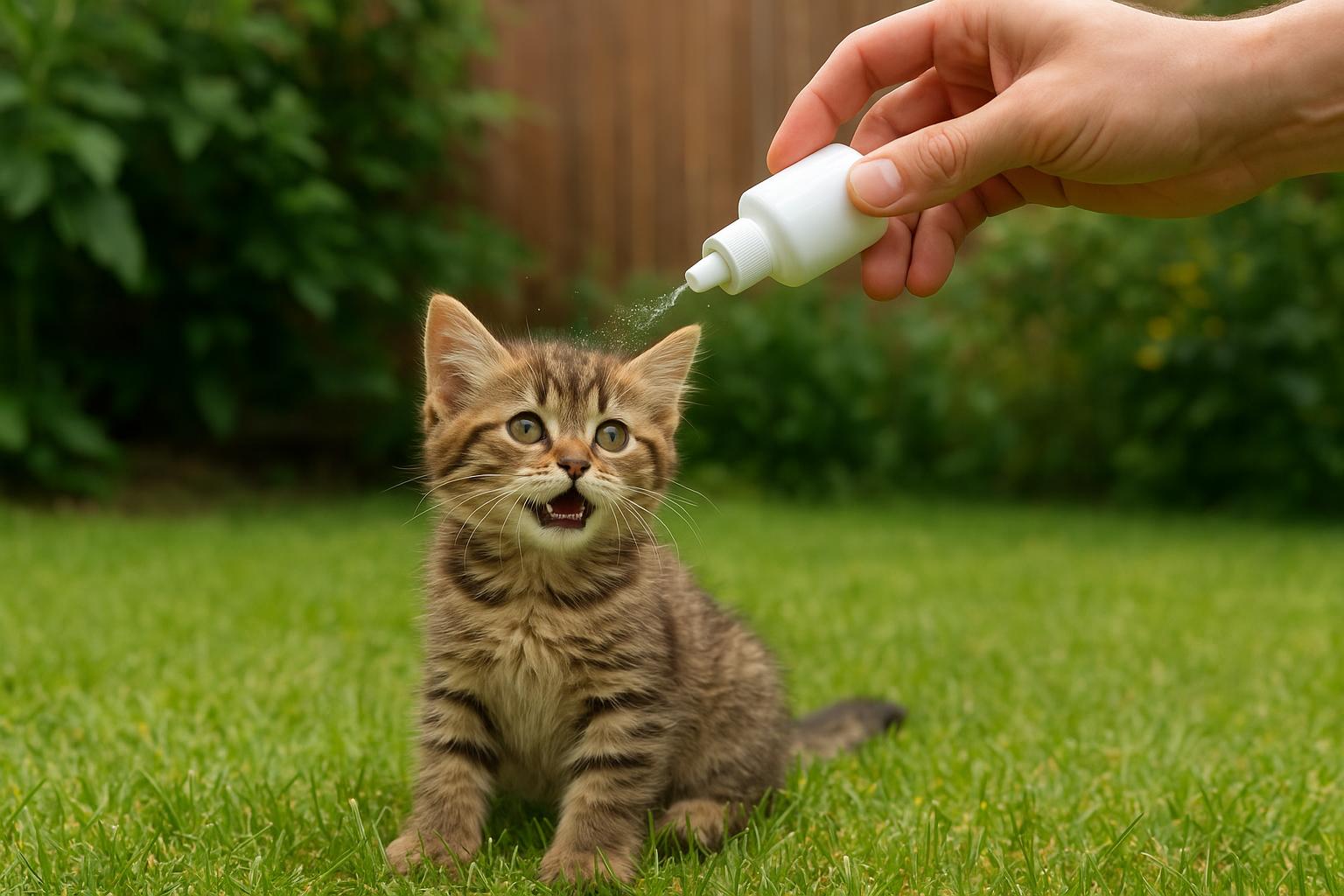
– Avoid direct use of concentrated essential oils on pets unless directed by a veterinarian experienced with essential oil therapeutics.
– Use conservative dilutions for spot treatments in living areas (commonly 0.5–2% dilution depending on the oil and animal presence).
– Never use certain oils around cats (e.g., tea tree, eucalyptus, cinnamon, citrus oils) as they can be toxic.
– Test a small area of fabric or a small patch of skin (if using on dogs) to check for irritation before broader application.
– Keep oils out of reach of children and pets; store in dark, cool places.
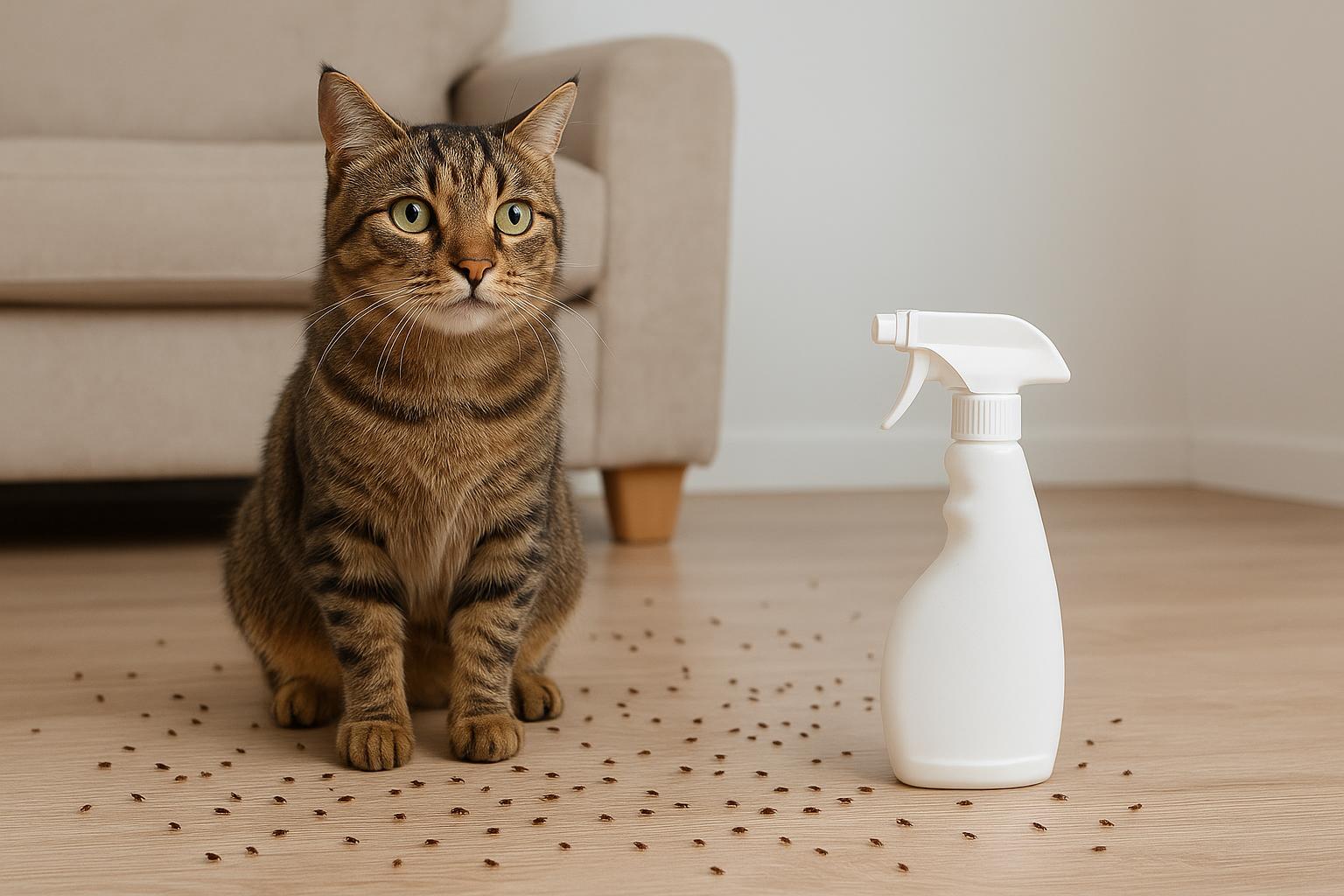
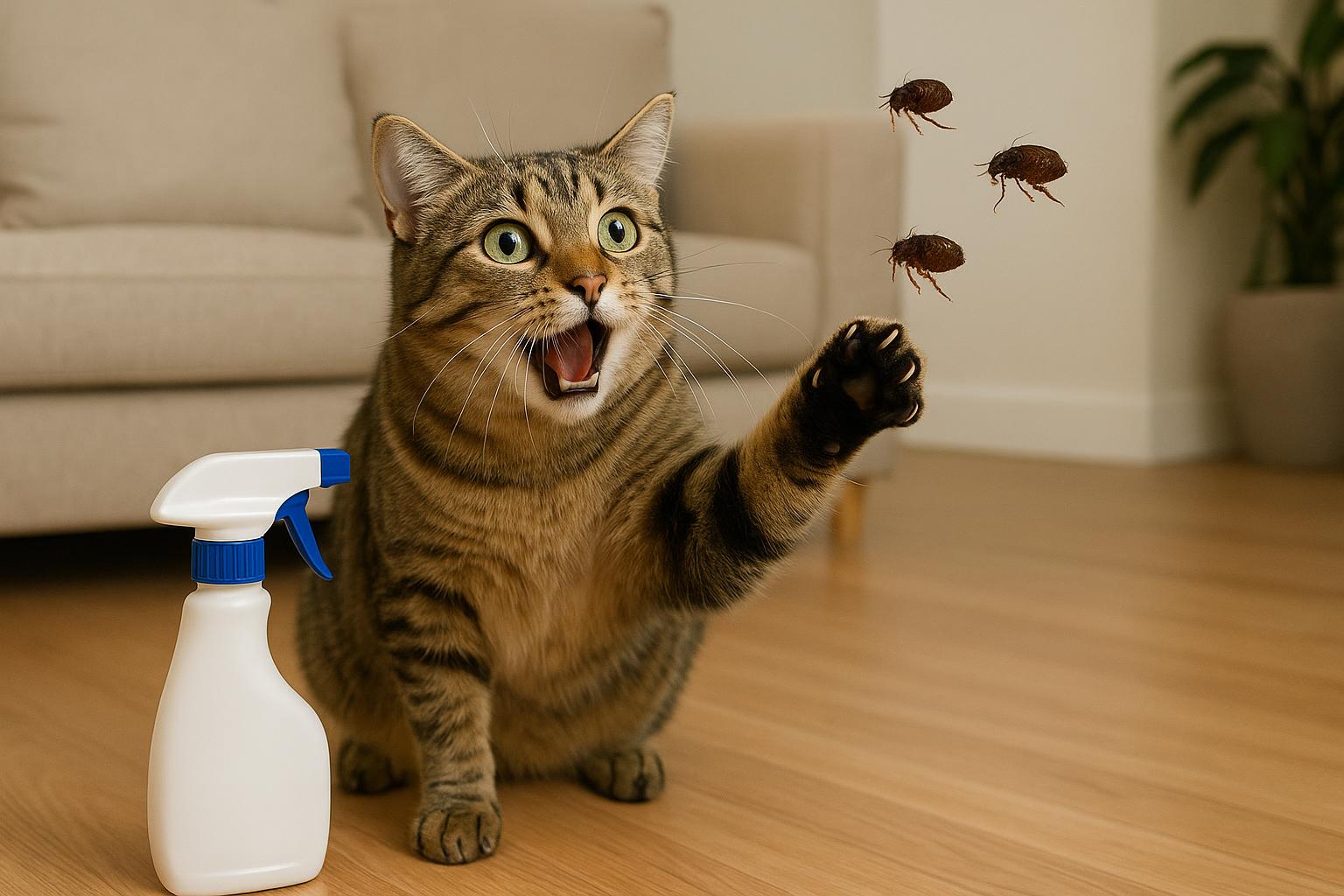
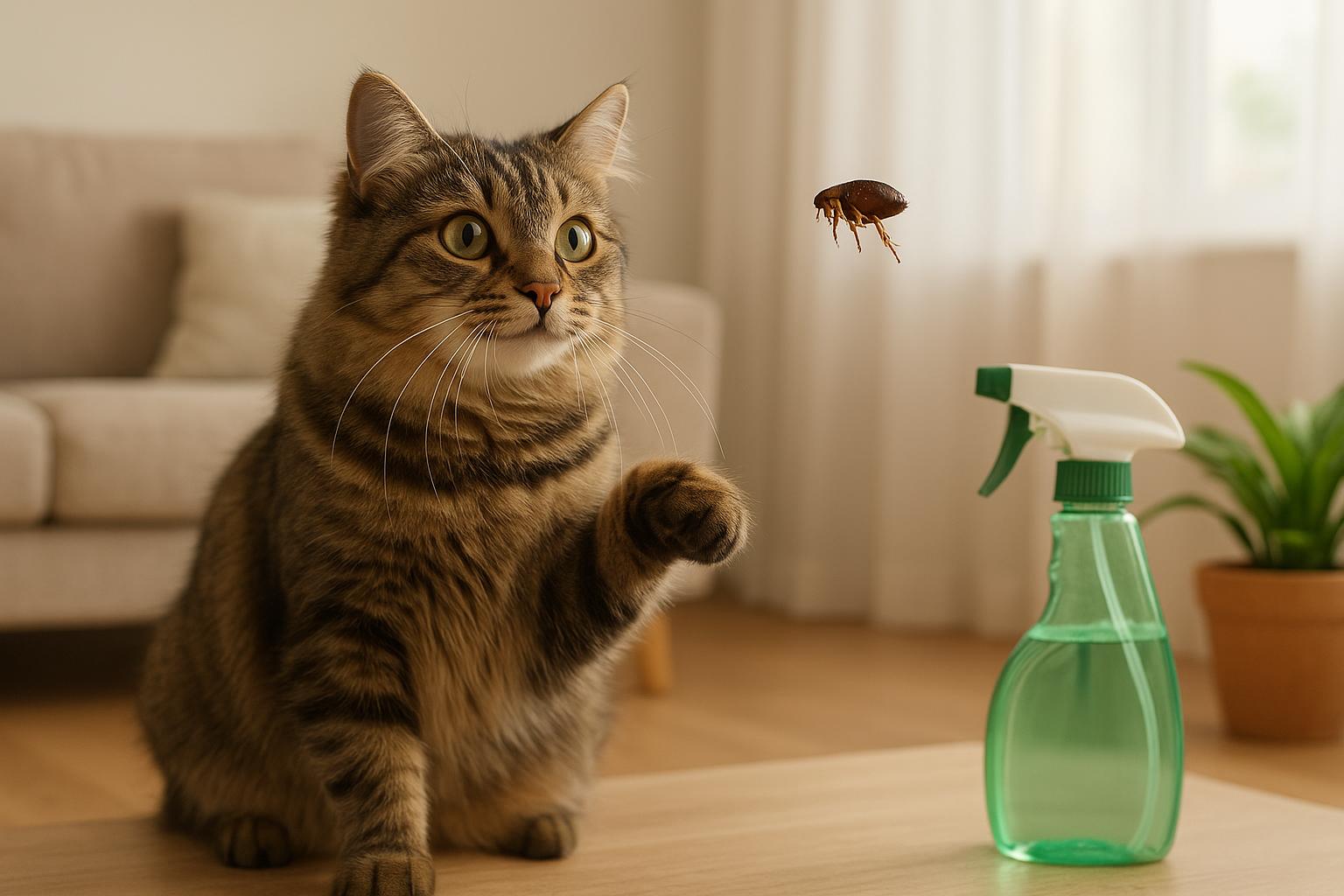
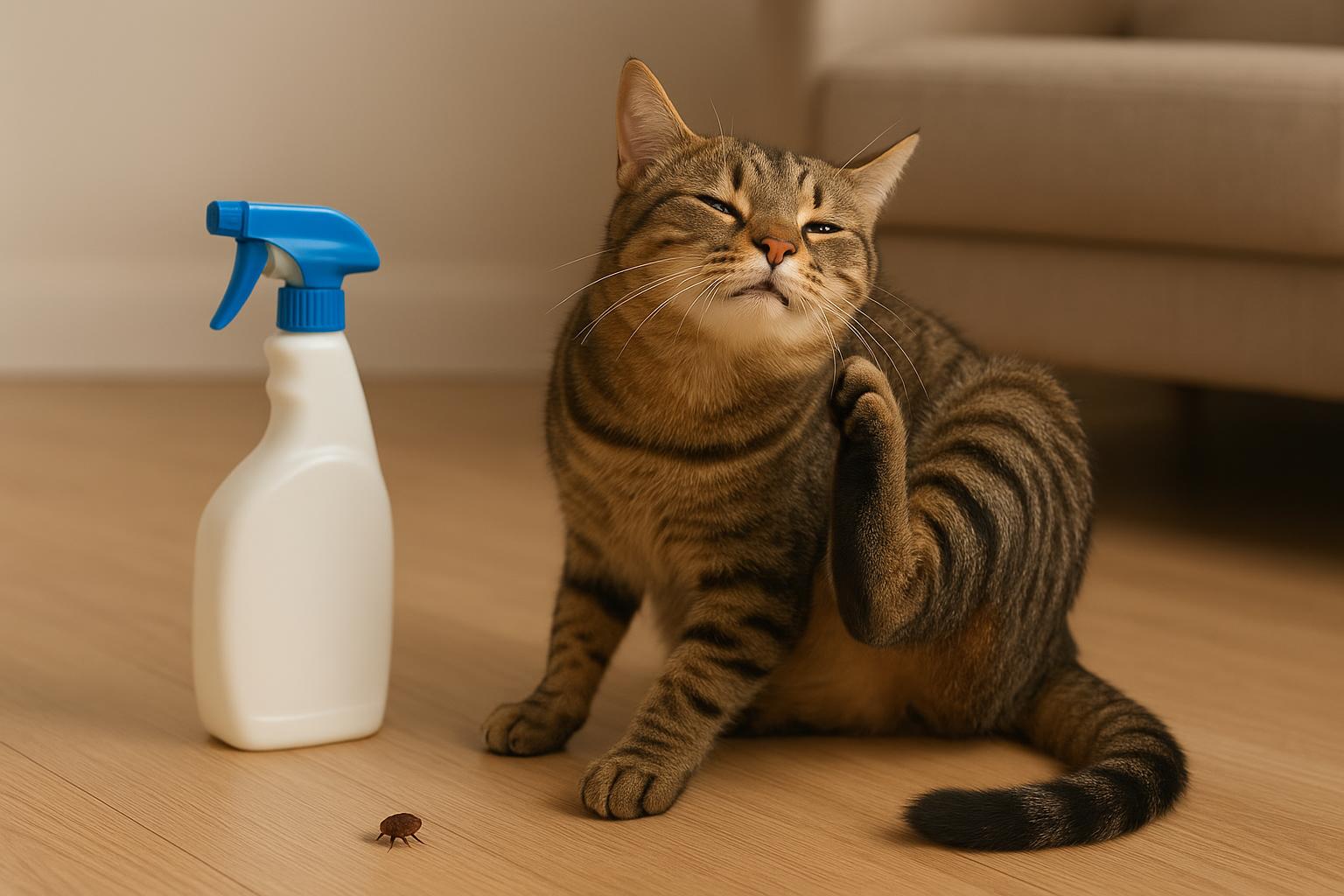
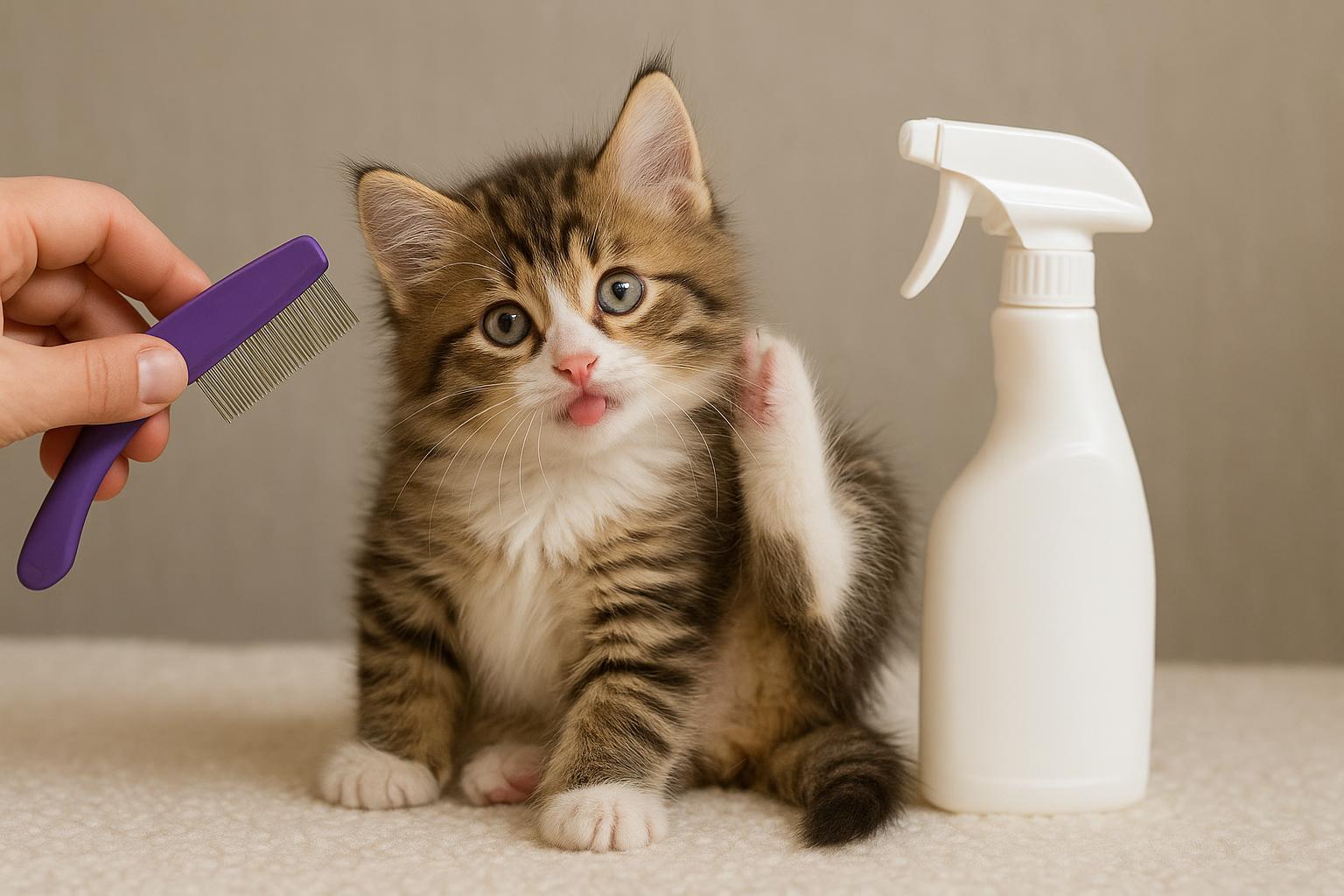
## 1. Homemade Flea Spray For Home And Yard (Remedy 1)
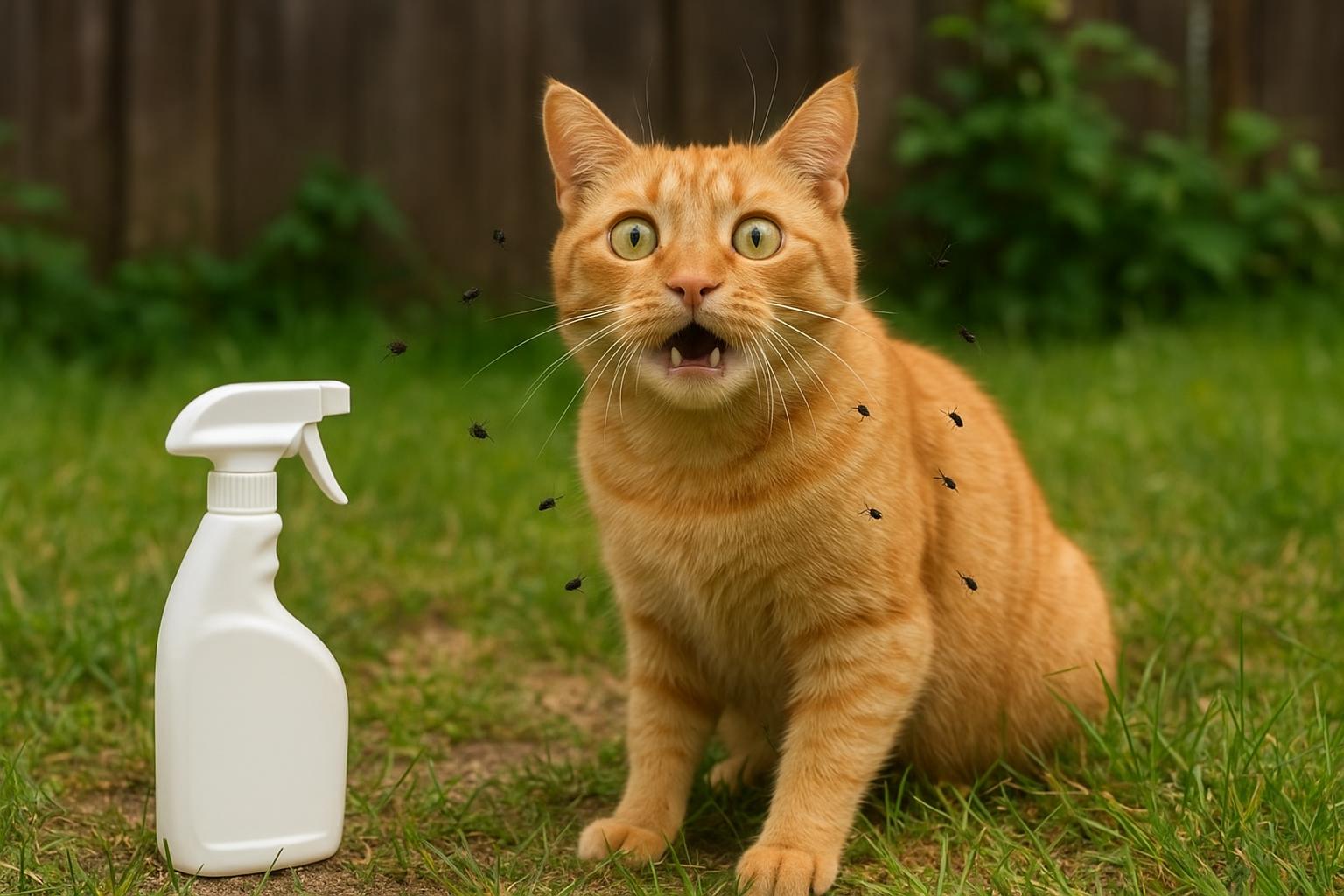
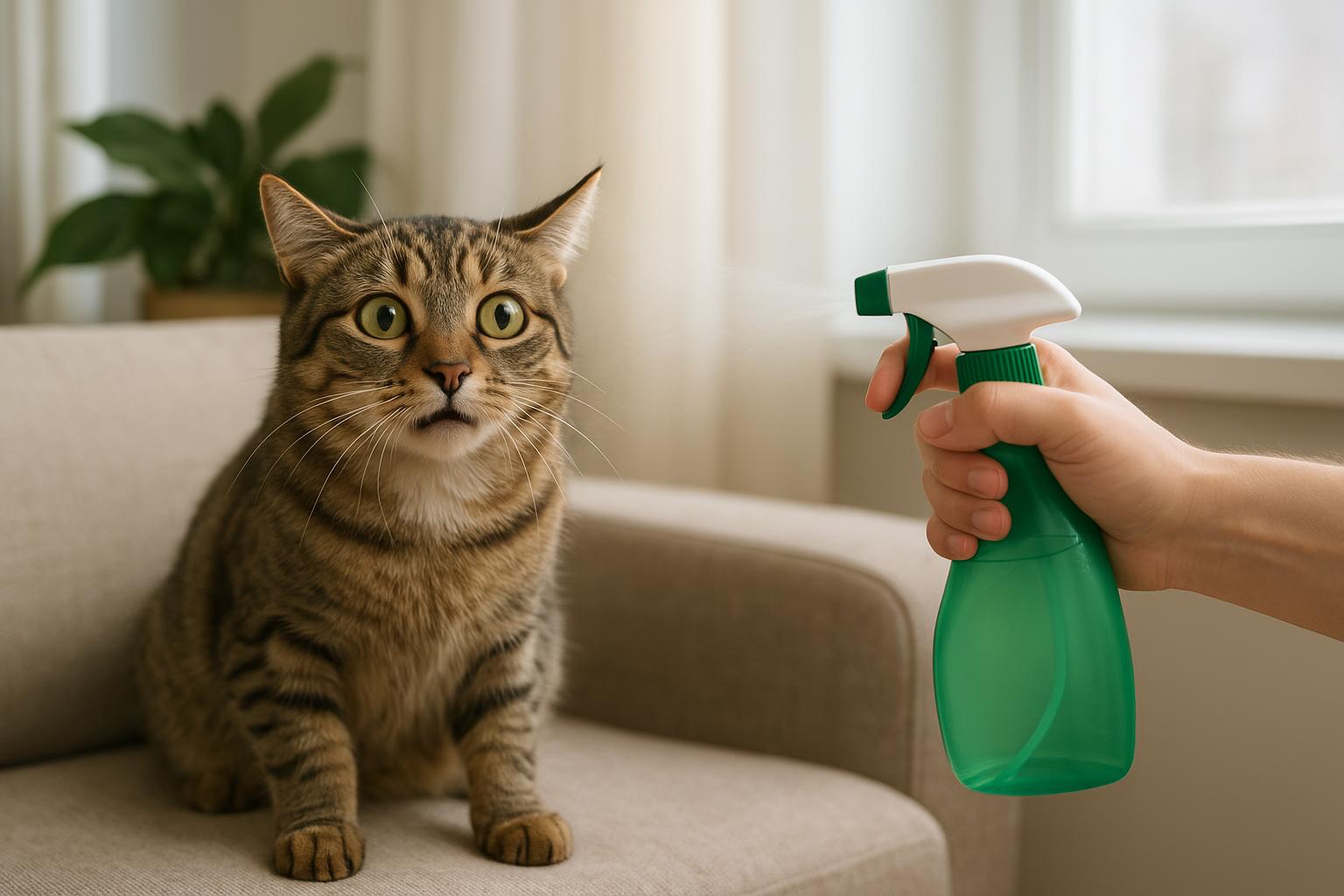
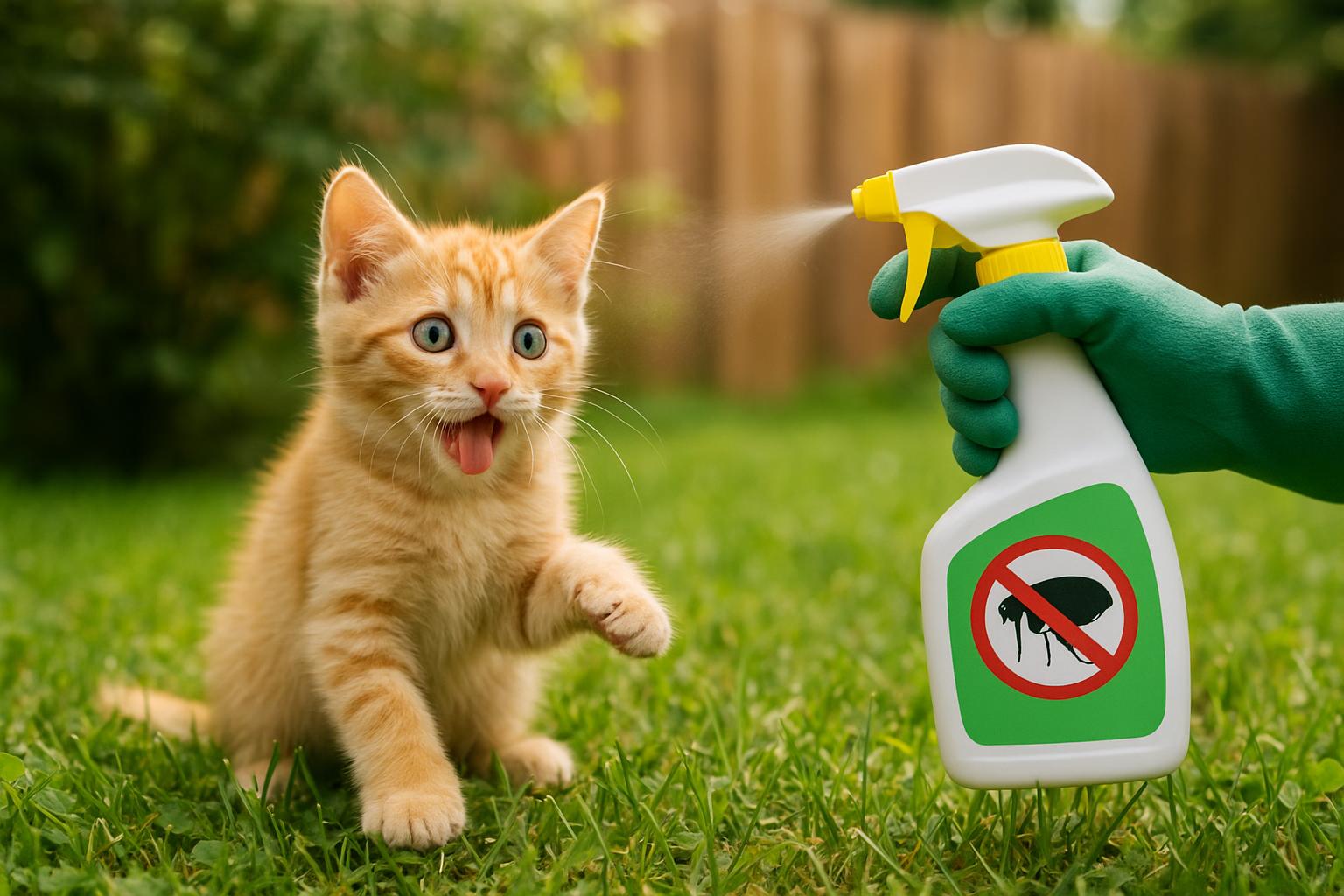
Practical, low-toxicity, and helpful as part of a multi-step plan. This remedy is intended for use on floors, pet bedding (only if the pet will not contact the treated fabric until fully dry and vet-approved), and outdoor shaded areas where fleas hide. Do not spray directly on pets.
Ingredients / Materials:
1. Distilled water — 2 cups
2. Rubbing alcohol (isopropyl 70%) — 2 tablespoons (helps emulsify)
3. Liquid castile soap — 1 teaspoon (gentle surfactant)
4. Lavender essential oil — 10 drops
5. Cedarwood essential oil — 10 drops
6. Lemon eucalyptus essential oil — 5 drops (avoid if pets are cats; substitute rosemary for cats)
7. Empty spray bottle (glass recommended, 16 oz)
Step-by-Step Creation And Application:
1. Sanitize and dry your spray bottle before use.
2. Pour 2 cups distilled water into the bottle.
3. Add 2 tablespoons rubbing alcohol and 1 teaspoon liquid castile soap; cap and swirl gently to mix.
4. Add essential oils: lavender 10 drops, cedarwood 10 drops, lemon eucalyptus 5 drops (or rosemary 5 drops if you have cats). Close and gently invert to combine.
5. Label the bottle with contents, dilution, and date. Shake before each use; oils will separate slightly.
6. Application: Lightly mist carpets, rugs, floor edges, and outdoor shaded lawn perimeters — do not saturate. Keep people and pets out of the treated area until fully dry (about 30–60 minutes).
7. Repeat every 4–7 days for three weeks while vacuuming daily and washing bedding weekly.
Notes: This spray is repellent-focused. It reduces adult flea activity and encourages fleas to vacate treated zones; follow up with vacuuming to remove eggs and larvae.
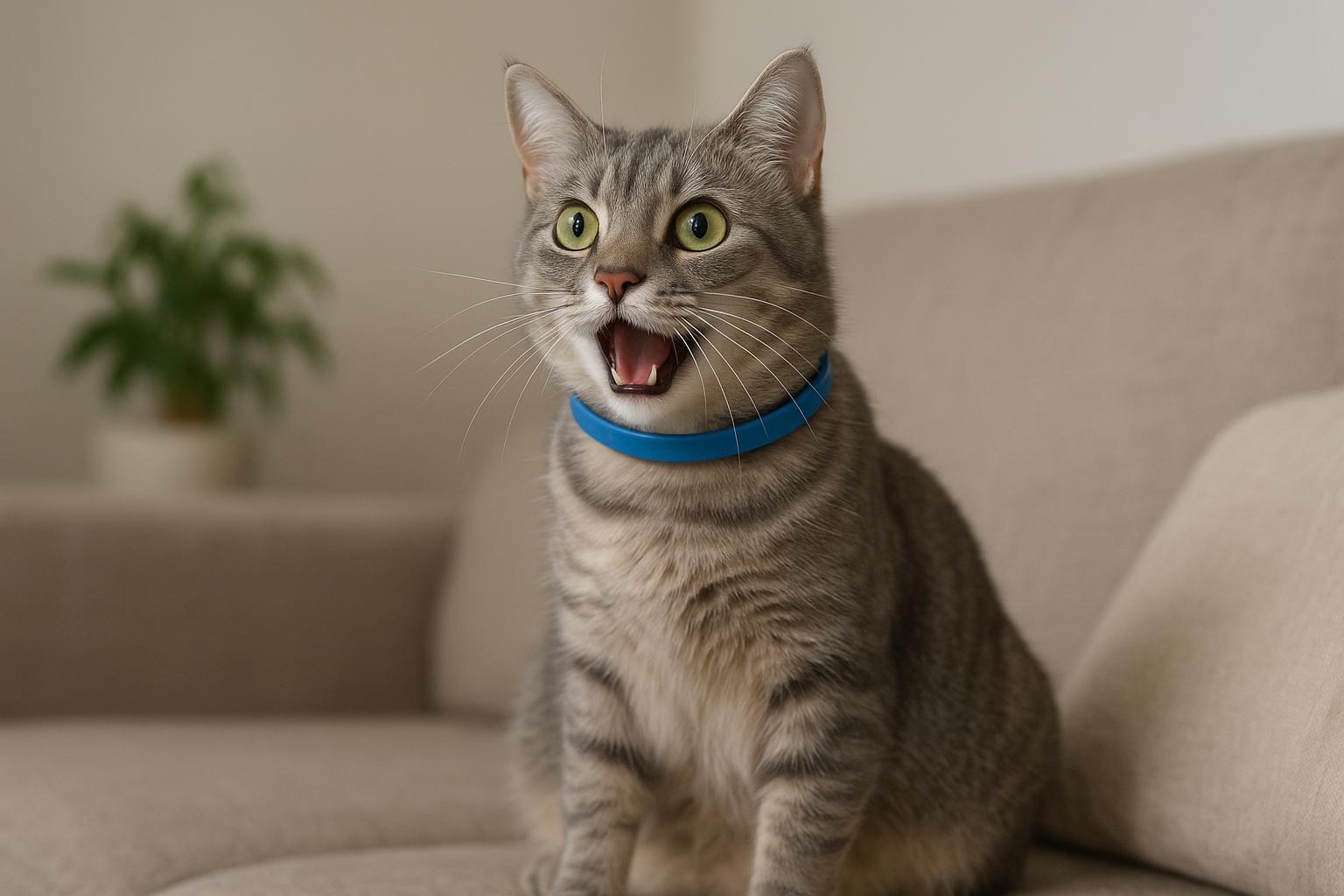
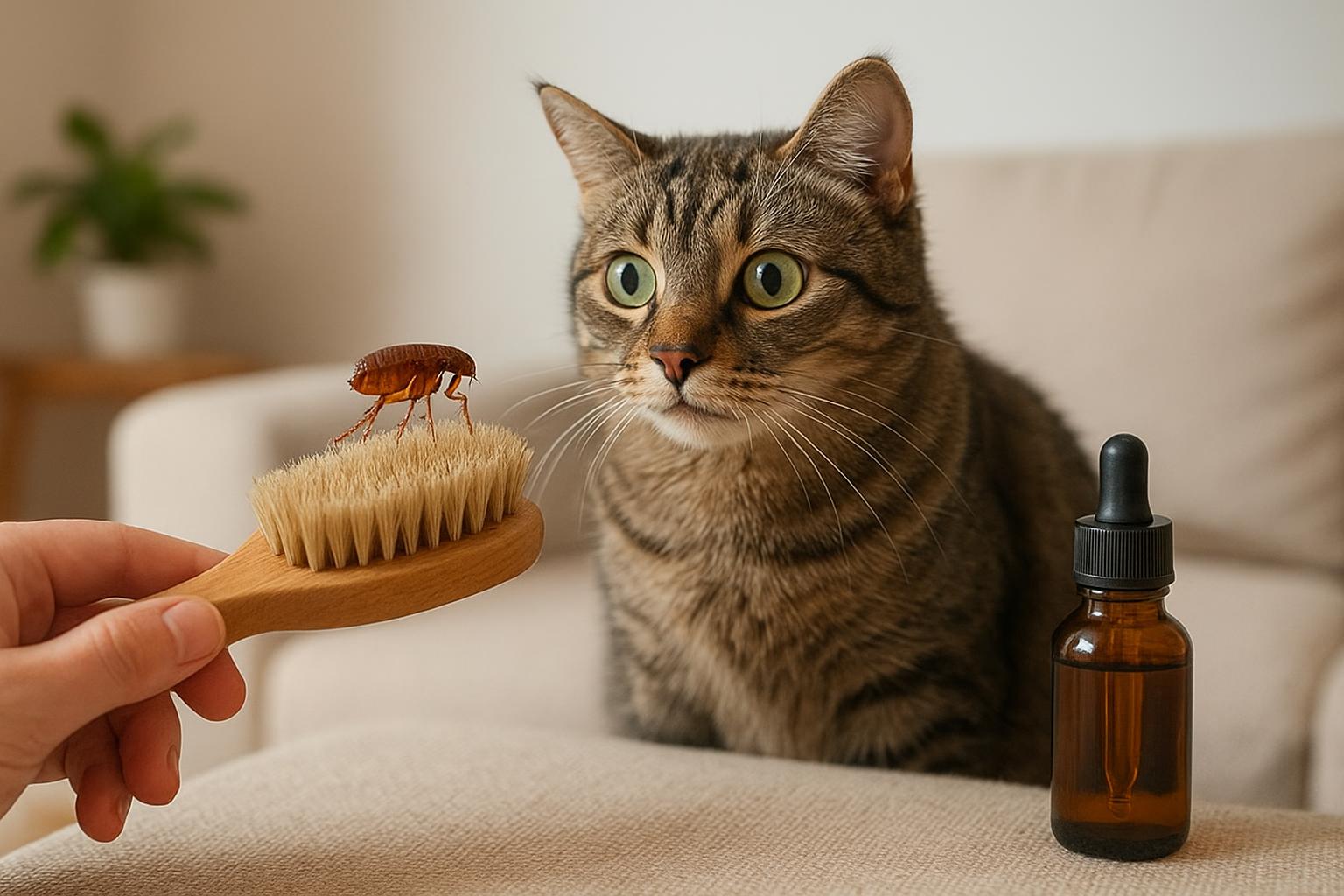
## 2. Flea-Deterrent Pet Collar Pouch (Remedy 2)
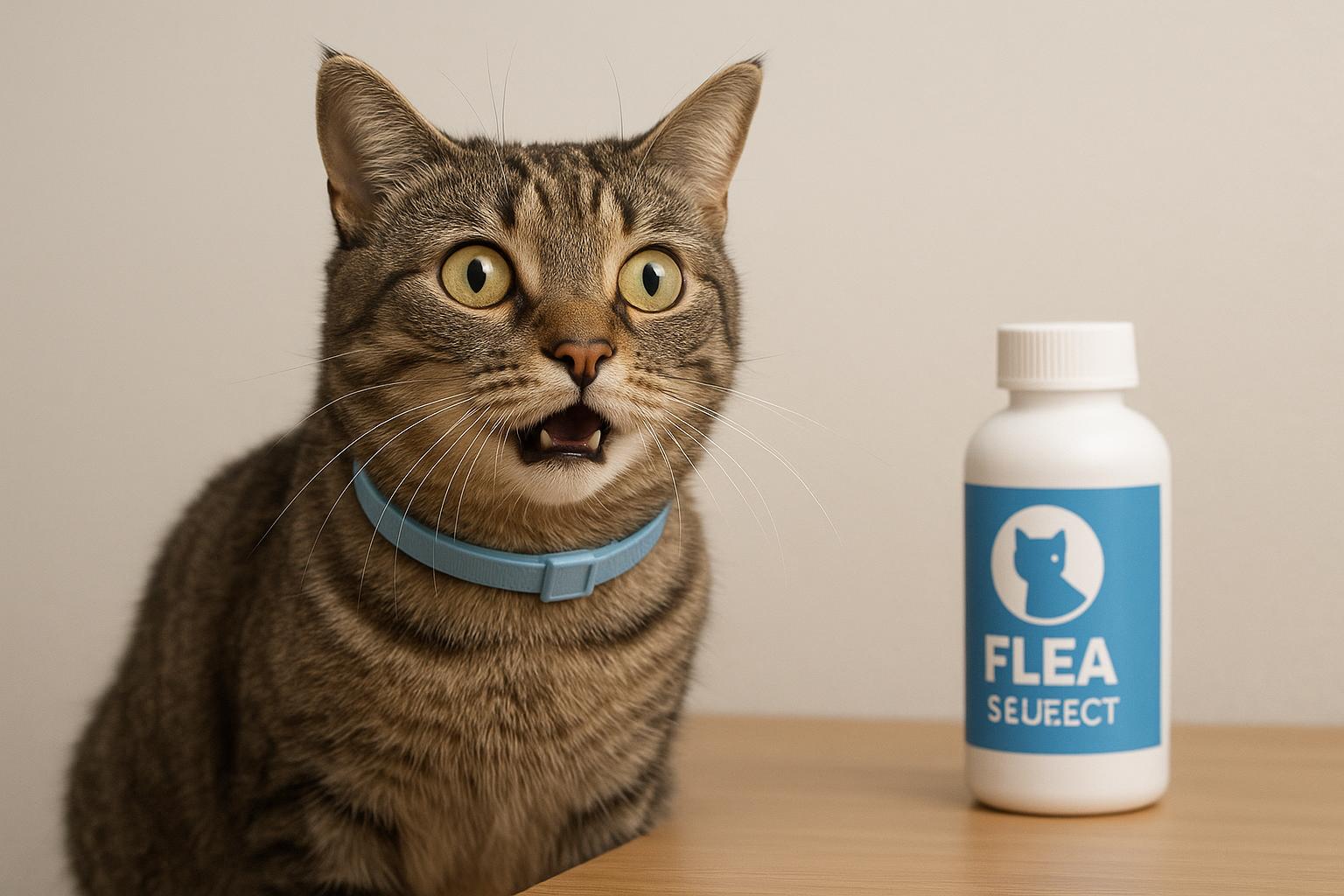
A gentler option that treats collars or bedding rather than skin. This method is an adjunct — not a replacement for veterinary flea control for heavy infestations.
Ingredients / Materials:
1. Small breathable muslin sachets or cotton pellets
2. Lavender essential oil — 6 drops per sachet
3. Cedarwood essential oil — 4 drops per sachet
4. Carrier: a small piece of felt or cotton (if making your own sachet)
5. Scissors, string, optional clip to attach to collar
Step-by-Step Creation And Application:
1. Place a small piece of felt or a few cotton pellets into the muslin sachet.
2. Add 6 drops lavender oil and 4 drops cedarwood oil to the interior. Gently press to distribute.
3. Tie the sachet closed and attach to the pet’s collar as a decorative pouch. Ensure the pouch cannot be chewed off and that the pet cannot access the oils directly.
4. Replace or refresh the sachet every 7–10 days. If the pet shows any sign of irritation, discontinue use immediately.
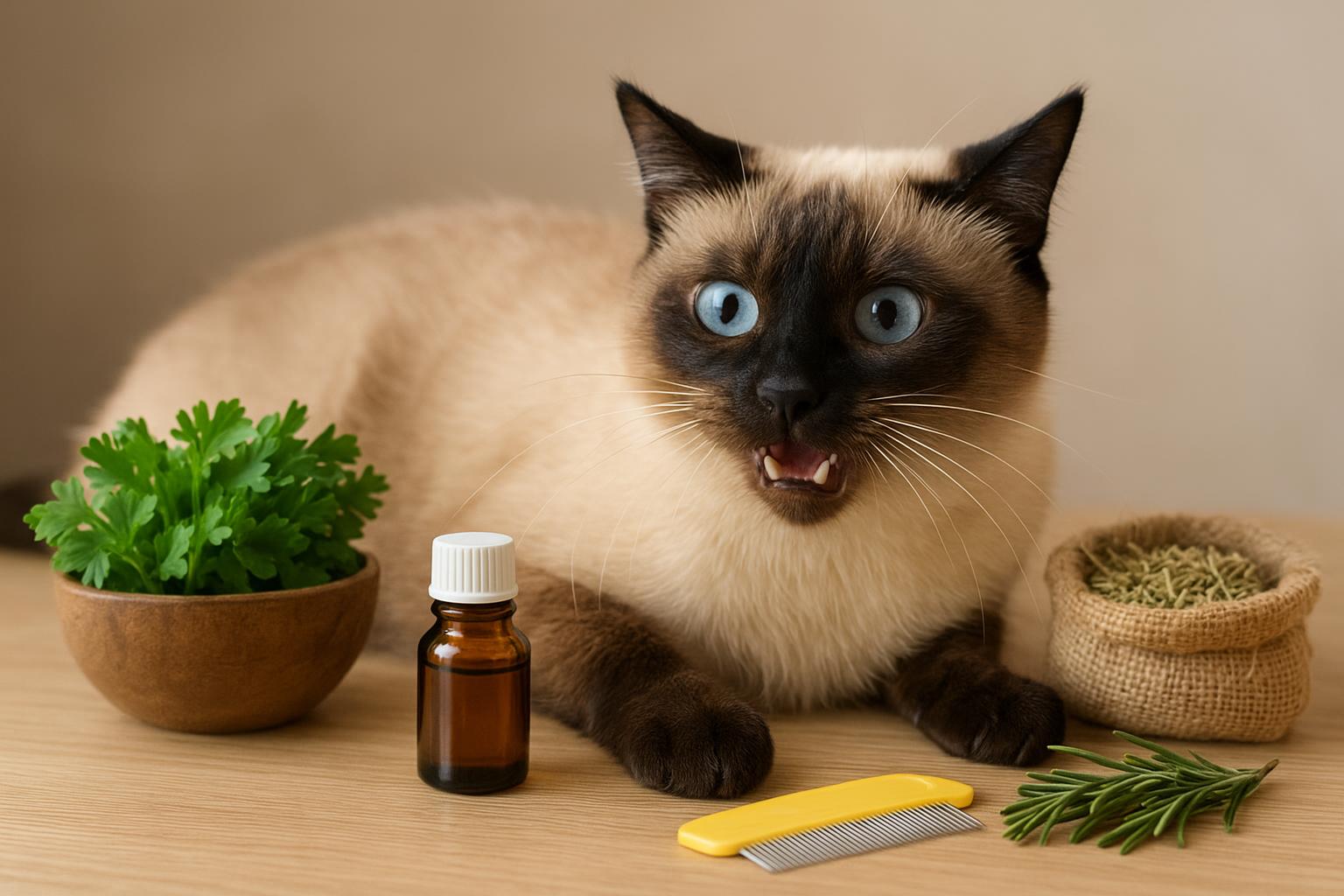
5. For multi-pet households, use caution with cats — prefer rosemary or vet-approved mild options and never use tea tree oil, citrus, or cinnamon on or near cats.
### When To Use Which Remedy
If infestation is light and you’re preventing recurrence: the spray (Remedy 1) plus diligent cleaning is appropriate. For ongoing, low-level prevention on outdoor excursions: the collar pouch (Remedy 2) can be helpful. Heavier infestations demand veterinary-grade prevention (oral or topical) and professional advice; essential oil measures are supportive, not curative.
## Supporting Steps That Make Oils Work Better
Treating with essential oils without addressing the environment is like putting a hat on a leaking roof. Add these practices to amplify your efforts:
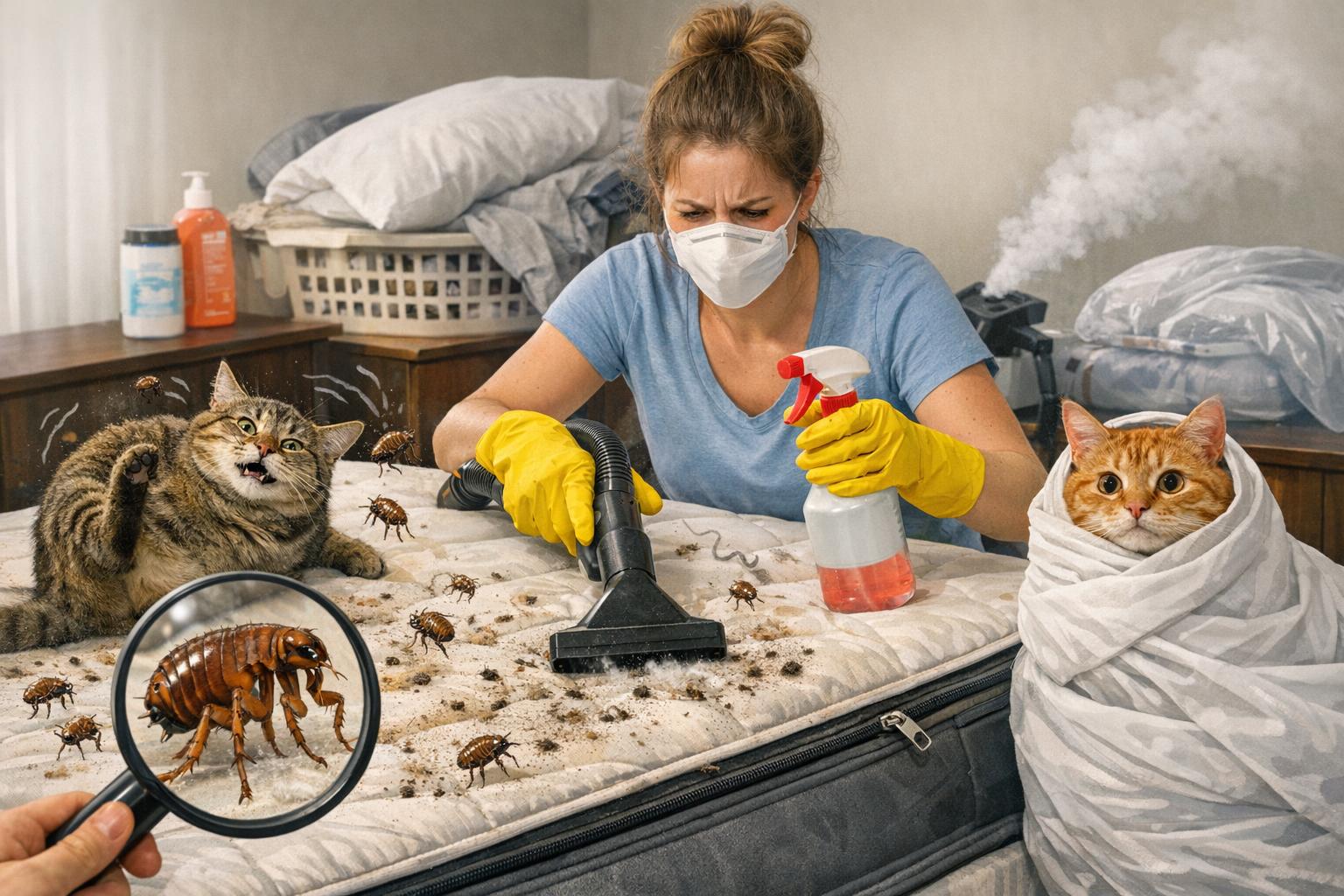
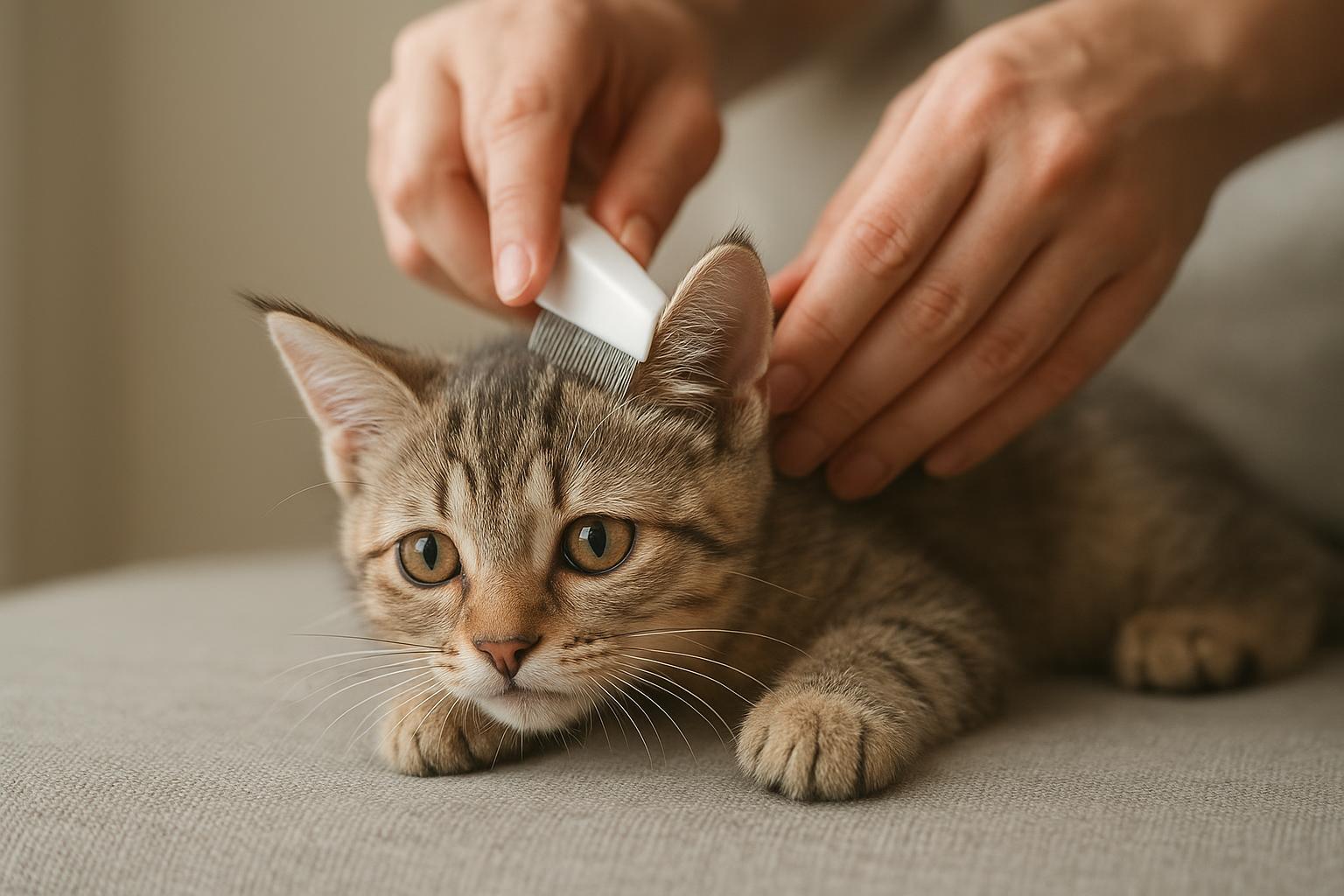
– Vacuum frequently and discard the vacuum bag or empty canister outdoors to remove eggs and larvae.
– Wash pet bedding weekly in hot water and dry on high heat when safe for the fabric.
– Keep lawns mowed and shaded debris removed; fleas thrive in cool, humid micro-habitats.
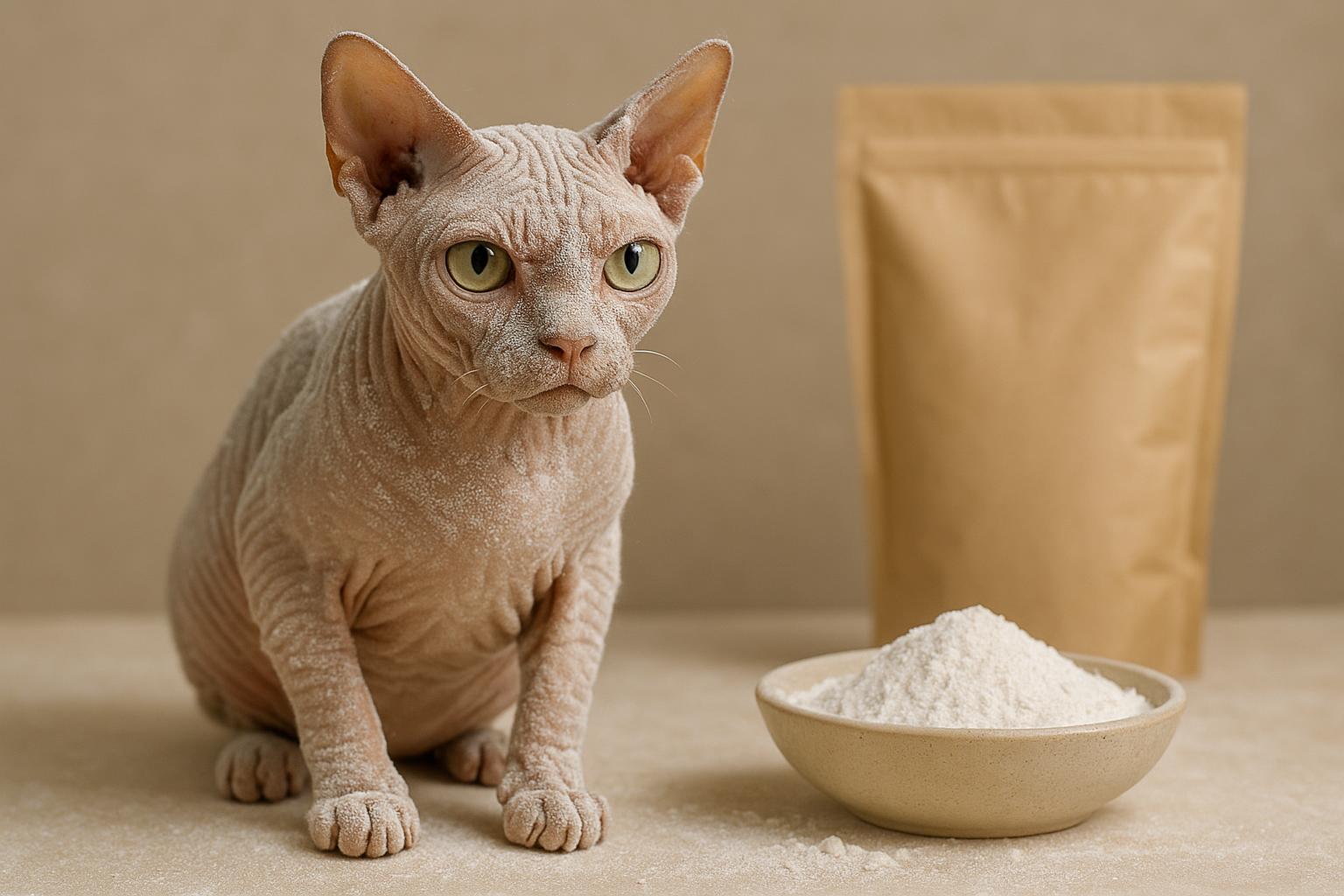
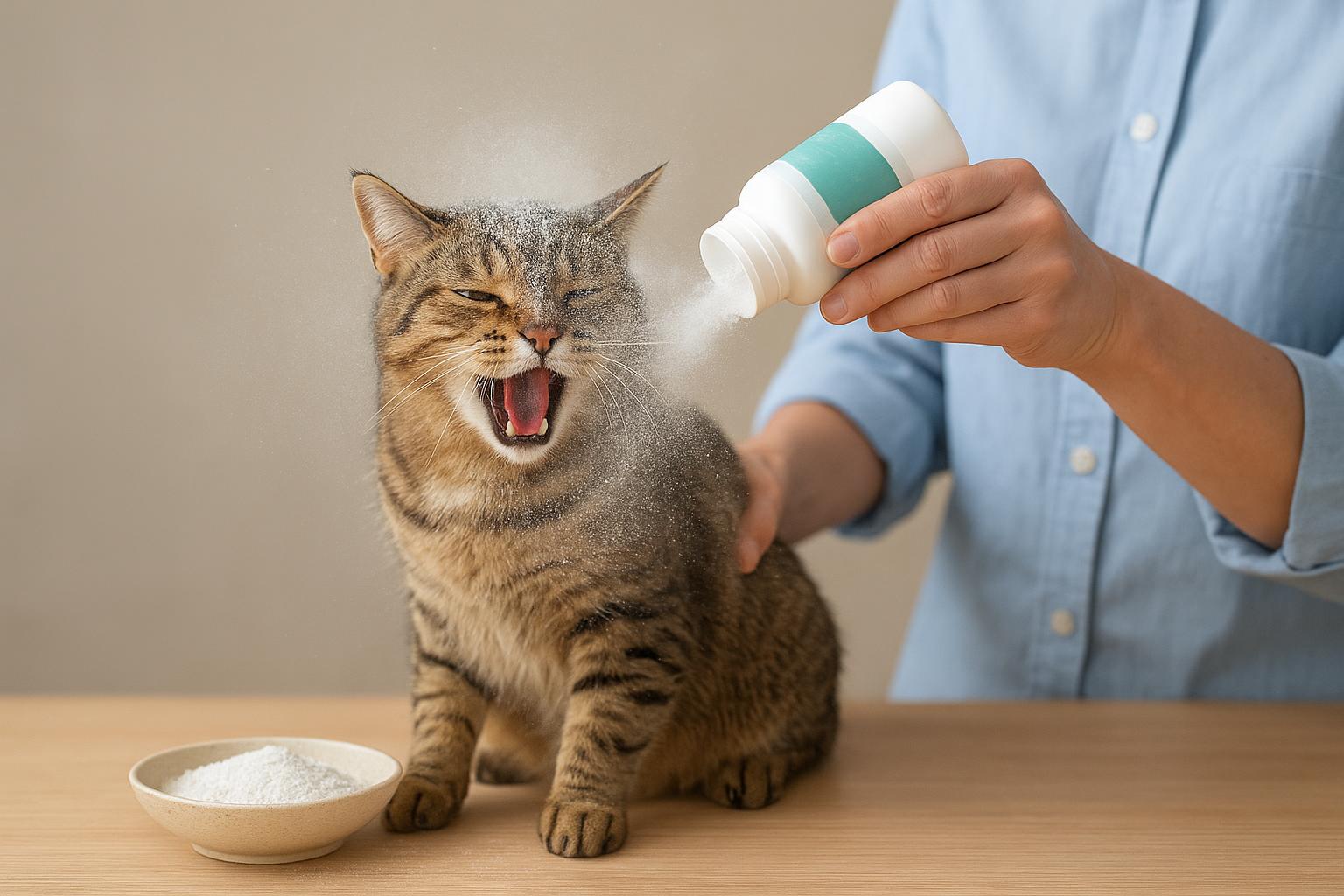
– Use diatomaceous earth (food-grade) lightly in yards and along foundation lines if appropriate; it mechanically desiccates many insects including fleas when applied correctly.
### Understanding Limitations And Realistic Expectations
A frank, formal note: essential oils are variable. Batch quality, oil chemotype, application method, and environmental factors will influence results. Essential oils may reduce flea bites and pressure but rarely eliminate an established infestation alone. Integrate them with mechanical cleaning, lawn care, and, when needed, veterinary treatments.
## Choosing Safe Essential Oils For Flea Work
Not all oils are equal. The following are commonly cited as safer or more effective in flea deterrence for dog households:
– Lavender (Lavandula angustifolia) — calming scent, mild repellent
– Cedarwood (Cedrus atlantica) — repellent properties, often well tolerated
– Rosemary (Rosmarinus officinalis) — deterrent, good cat-safe alternative in low dilutions
– Peppermint (Mentha piperita) — repellent but potent; use low doses and avoid around cats
– Lemongrass/geraniol sources (Cymbopogon/geranium extracts) — repellent in some formulations; use caution around sensitive animals
Do not use tea tree (Melaleuca) or high-potency citrus oils on or near cats. When in doubt, ask your veterinarian.
### Monitoring And Adjusting Your Protocol
After starting a regimen:
1. Keep a log of treatments, dates, and observed flea activity.
2. If you see reduced flea bites and fewer fleas within two weeks, continue consistent treatment and cleaning.
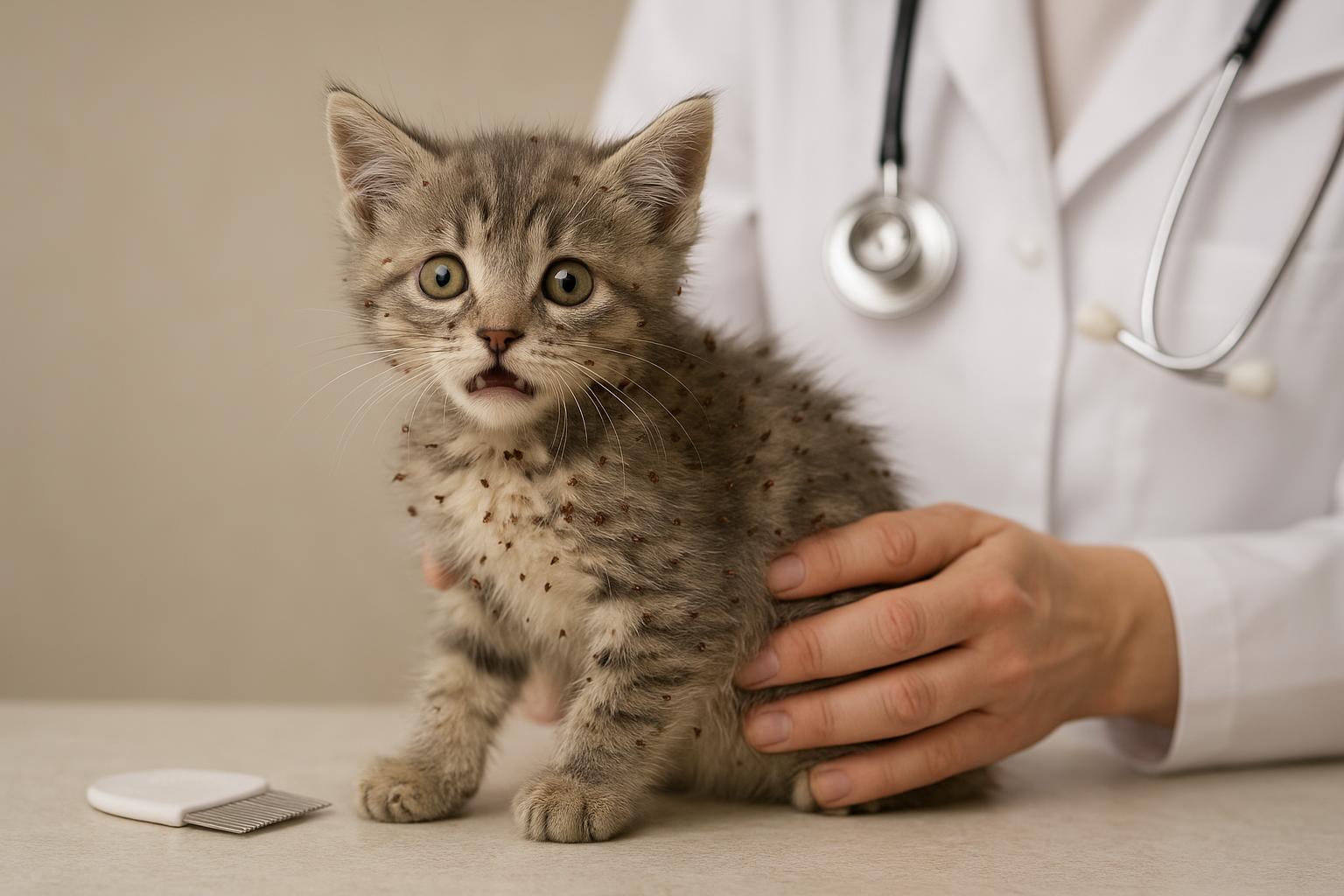
3. If activity persists or worsens, consult your veterinarian for integrated pest management advice and possibly prescribe vet-approved flea control products.
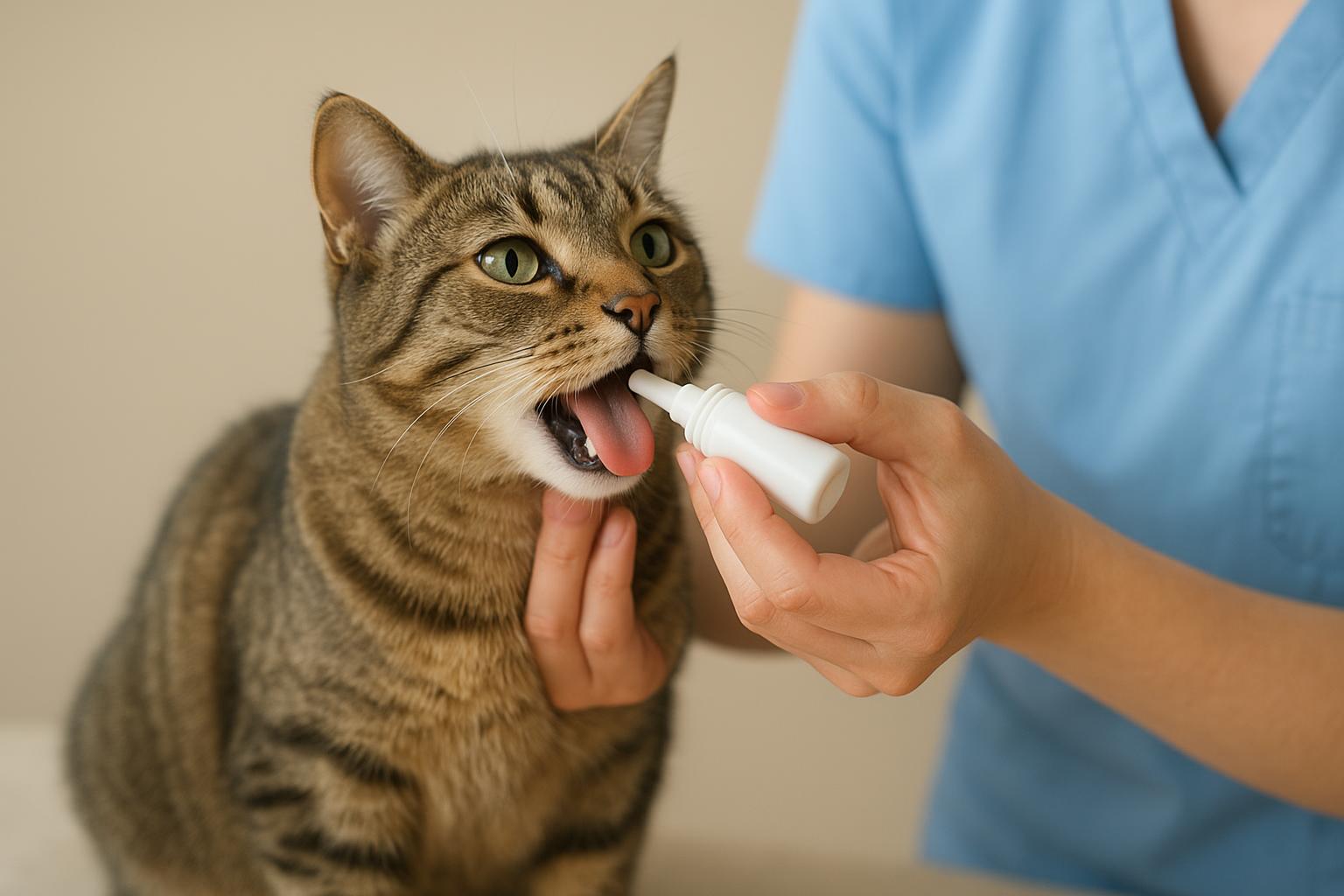
There you go — a practical, safety-forward approach to using essential oils fleas as part of a broader pest-management plan. Use the recipes responsibly, mind your pets’ sensitivities, and pair aromatic tactics with the heavy hitters: cleaning, vacuuming, and professional guidance when needed. If your pet suddenly shows lethargy, drooling, vomiting, or skin irritation after any oil exposure, seek veterinary attention promptly — fleas are pesky, but pet safety is the real priority.
Leave a Reply