
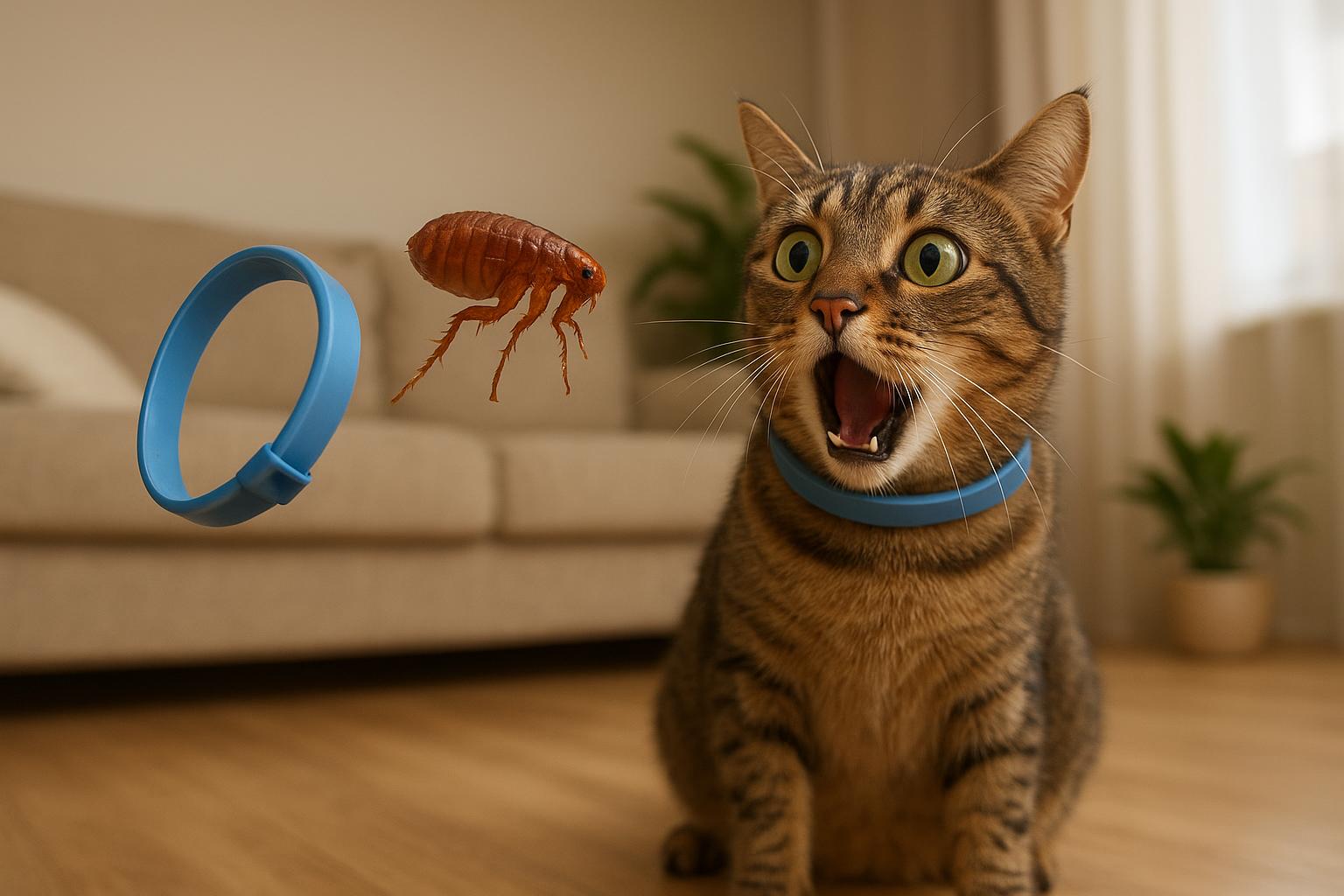
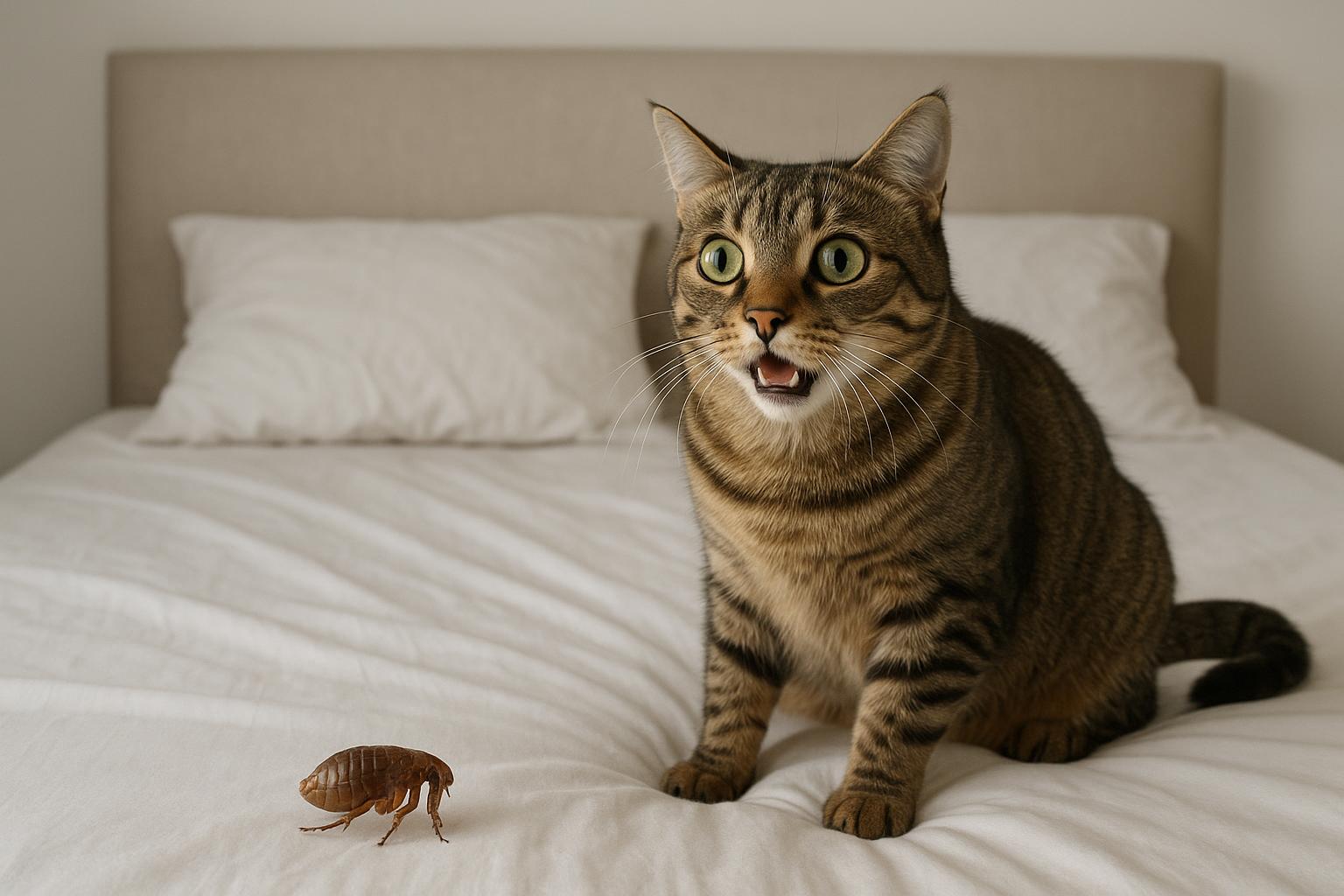
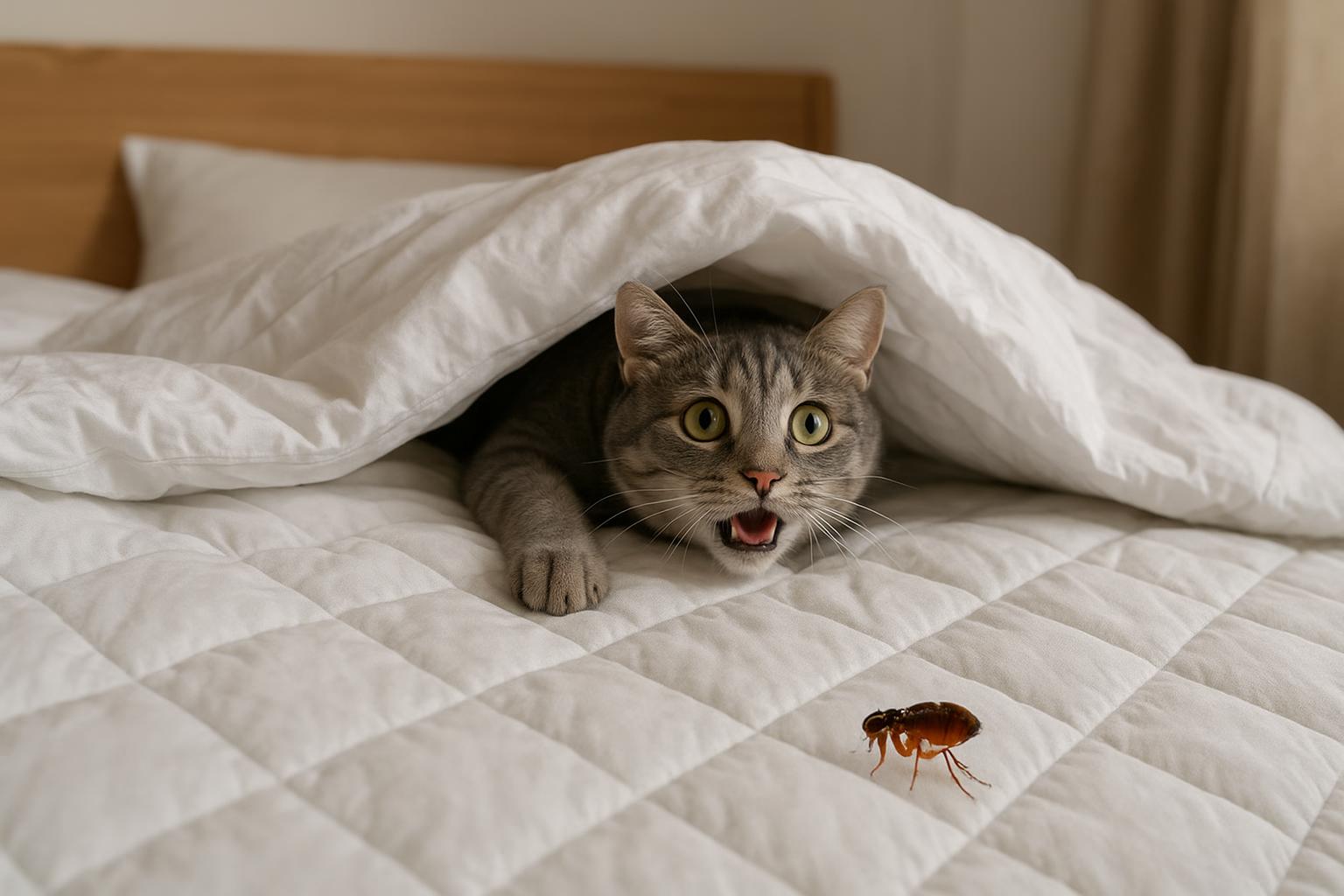
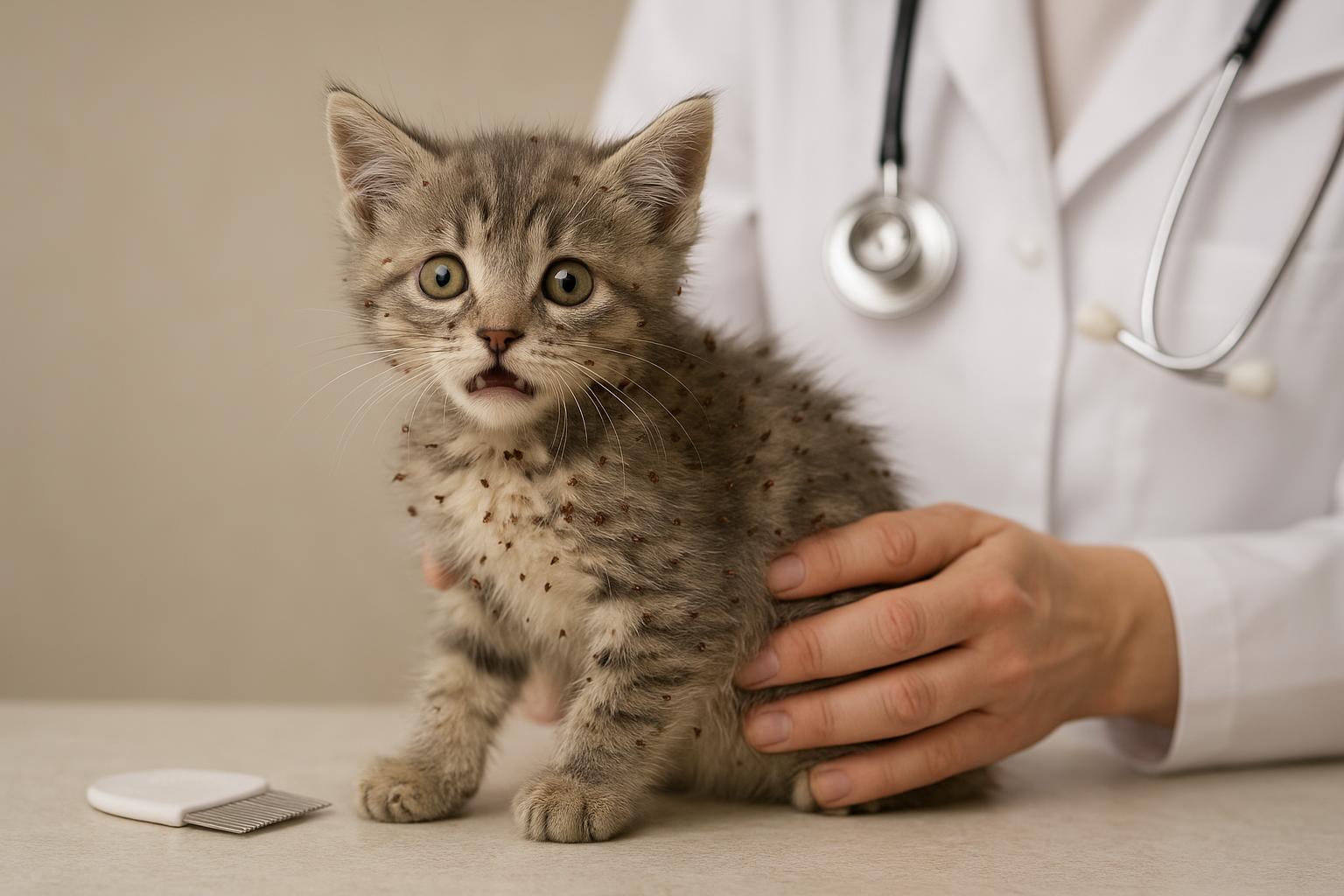
So you brought home a cute purring tornado and now you’re staring at a tiny insect apocalypse on the carpet. Fleas are the worst uninvited houseguests, and the idea of a single product solving it all—especially a discreet little collar—sounds like magic. Spoiler: some collars are closer to wizardry than others, and a few are straight-up snake oil. Let’s walk through what actually works, what to avoid, and how to use a collar safely for your cat.
## Shocking Truth About The Best Flea Collar For Cats
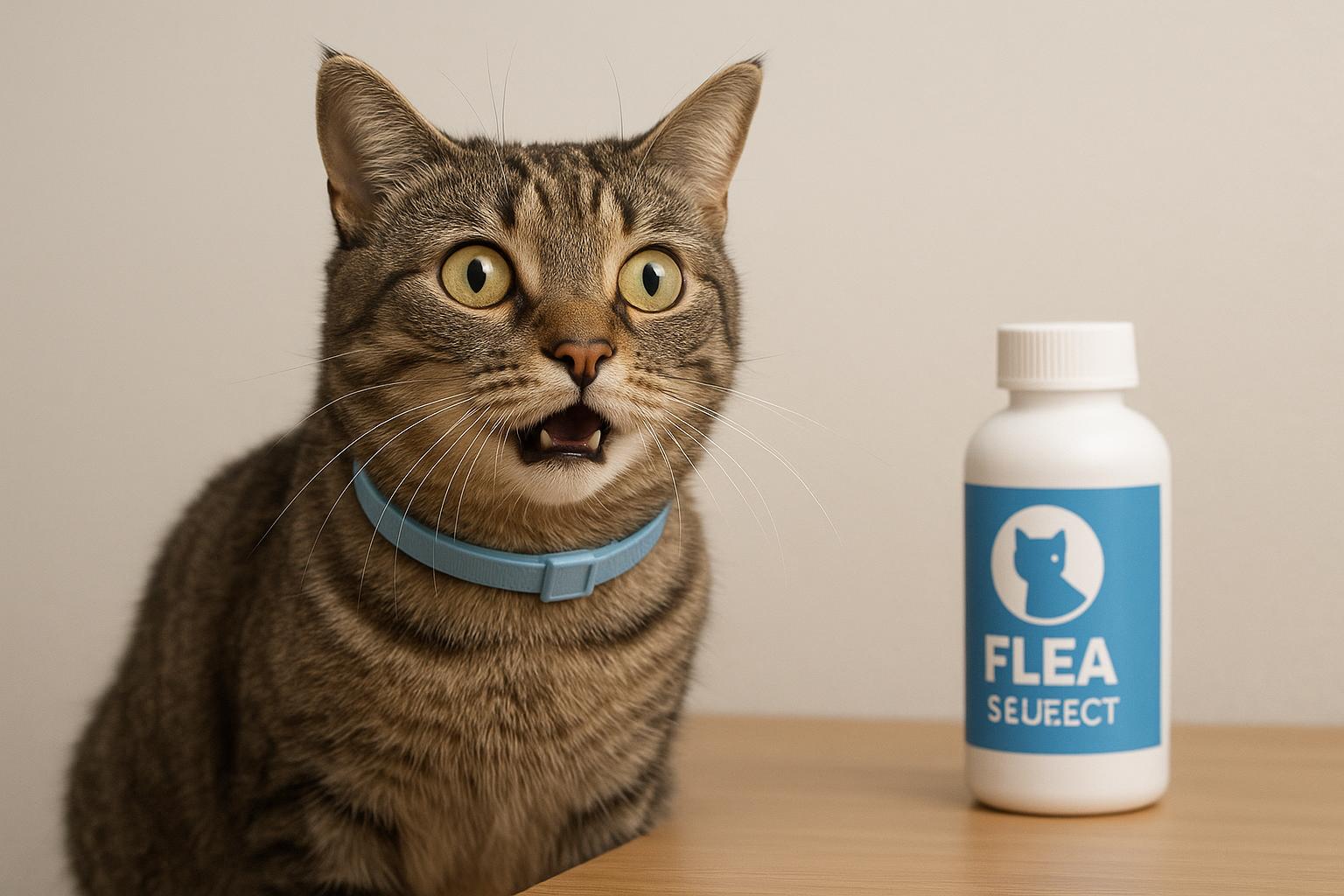
You probably typed best flea collar into a search bar at 2 a.m. while scrolling for a miracle. That’s fine—most of us have been there. The truth is, the best flea collar isn’t always the flashiest, cheapest, or trendiest one. Efficacy depends on the active ingredients, the collar’s delivery system, your cat’s health, and how you use it. A good collar can reduce infestations and protect between treatments; a bad one can do nothing or cause irritation.
### Why Flea Collars Still Matter
Flea collars remain popular for several reasons: they’re low-maintenance, often long-lasting, and can provide area protection (collars spread treatment through skin oils and contact). For outdoor cats or multi-pet households, a collar can add a layer of defense that complements other treatments. But remember: collars are rarely a complete one-stop solution when fleas have already established in the home.
### How Flea Collars Work
Many effective collars release an insecticide slowly over weeks or months. The chemicals can kill fleas on contact, repel them, or interfere with their life cycle so eggs don’t hatch. Different collars use different active ingredients and technologies—some release vapors, others transfer chemicals to the skin and coat. Labels will list the active agents and expected duration. Match that to your cat’s size, age, and health status before buying.
### Common Myths About Flea Collars
Myth: All collars are natural and safe because they’re “herbal.” Reality: Several essential oils and plant extracts can be toxic to cats. Myth: One collar protects the whole house. Reality: Environmental control is essential; collars help the cat, not the carpets. Myth: Dog flea collars are fine for cats. Reality: Dog-specific products may contain permethrins and other compounds toxic to cats. Always use products specifically labeled for cats.
## Choosing The Best Flea Collar For Your Cat
Finding the best flea collar requires matching product science to your situation. Look for these real-world qualifiers:
– Active Ingredients: Vet-recommended collars contain ingredients proven effective against fleas (and often ticks). Popular, evidence-backed actives include imidacloprid combined with flumethrin in some long-duration collars. Avoid collars listing only essential oils or undefined “plant extracts” without studies.
– Duration: Some collars last 8 months, others 1–3 months. Longer duration can mean fewer replacements but check potency claims.
– Safety Labeling: The label should clearly state suitability for cats, dosing, and warnings (e.g., keep away from kittens under a certain age or pregnant queens).
– User Reviews + Vet Opinion: Personal experiences help, but prioritize veterinary guidance—especially if your cat has health issues.
– Fit and Design: A collar with a safety breakaway feature reduces the risk of snagging. Proper fit prevents rubbing and irritation.
### How To Read Product Labels
Look for the EPA registration number or equivalent regulatory approval in your country—this signals the product has been evaluated. Check the list of active ingredients and their concentrations. A product with vague “fragrance” or no listed actives? Skip it.
### Practical Tips For Shopping
If your top pick causes any unease, consult your vet. If your cat is a known allergy case, start new products under observation and check for localized irritation or behavioral changes.
## How To Safely Use A Flea Collar
Using a collar safely requires care and attention. Follow the manufacturer’s instructions to the letter, but here are practical steps:
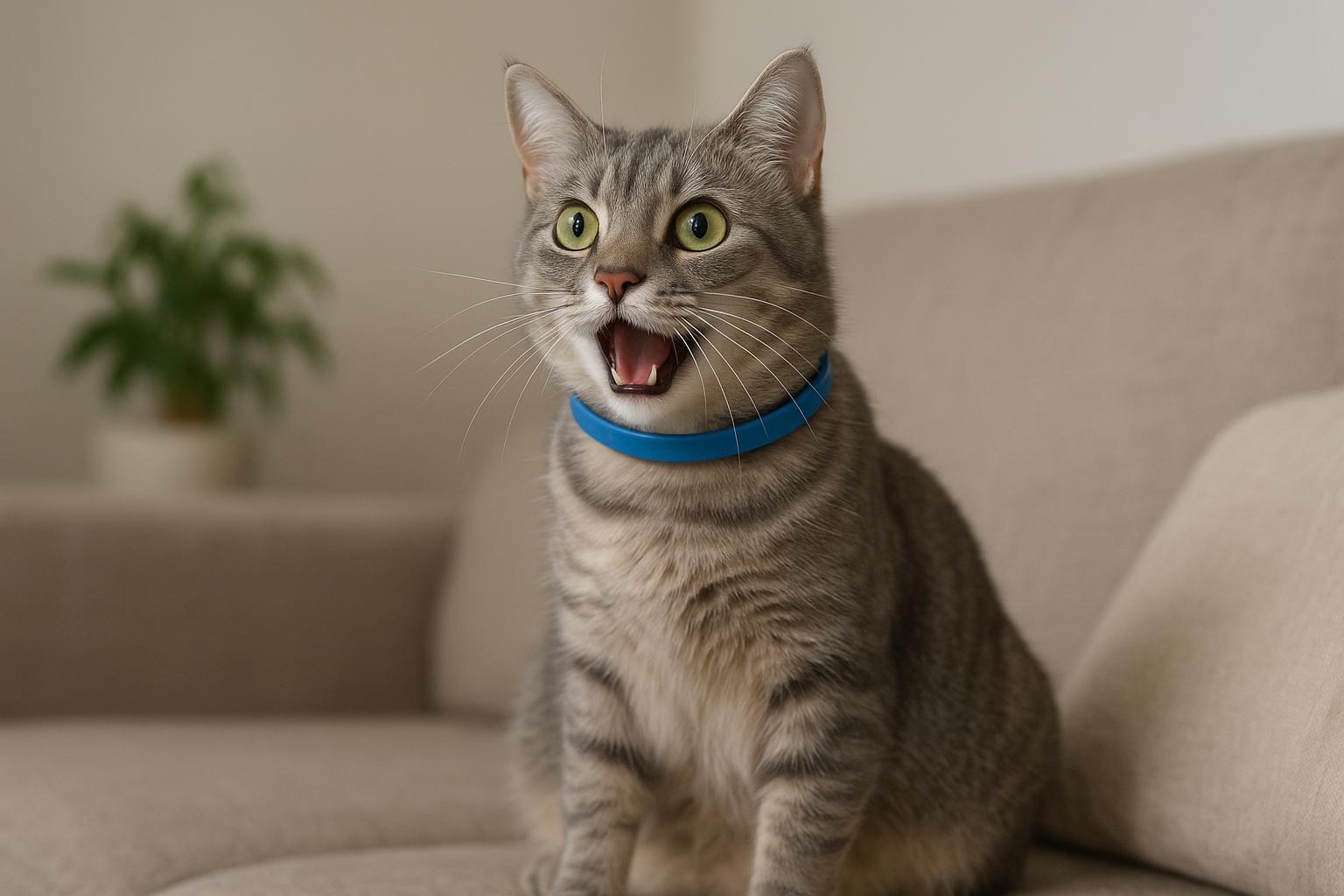
– Fit It Right: You should be able to slide two fingers between the collar and your cat’s neck. Too tight causes chafing; too loose and it can slip off or snag.
– Check For Reactions: Inspect the neck daily for redness, hair loss, or bumps for the first two weeks. Stop use and call your vet if you see signs.
– Avoid Mixing Without Advice: Don’t combine insecticidal collars with similar active-topical spot-on products without veterinary approval—some combinations increase toxicity risk.
– Watch Young Or Sensitive Cats: Kittens, pregnant or nursing queens, and cats with liver disease may need alternative treatments.
### Signs Of Trouble To Monitor
Look for drooling, vomiting, lethargy, tremors, excessive salivation, or unsteady gait—these symptoms require immediate veterinary attention. Mild local irritation may resolve after removing the collar, but persistent or spreading reactions need a vet visit.
## Real-World Remedy: Integrated Flea Eradication Plan (Includes Collar)
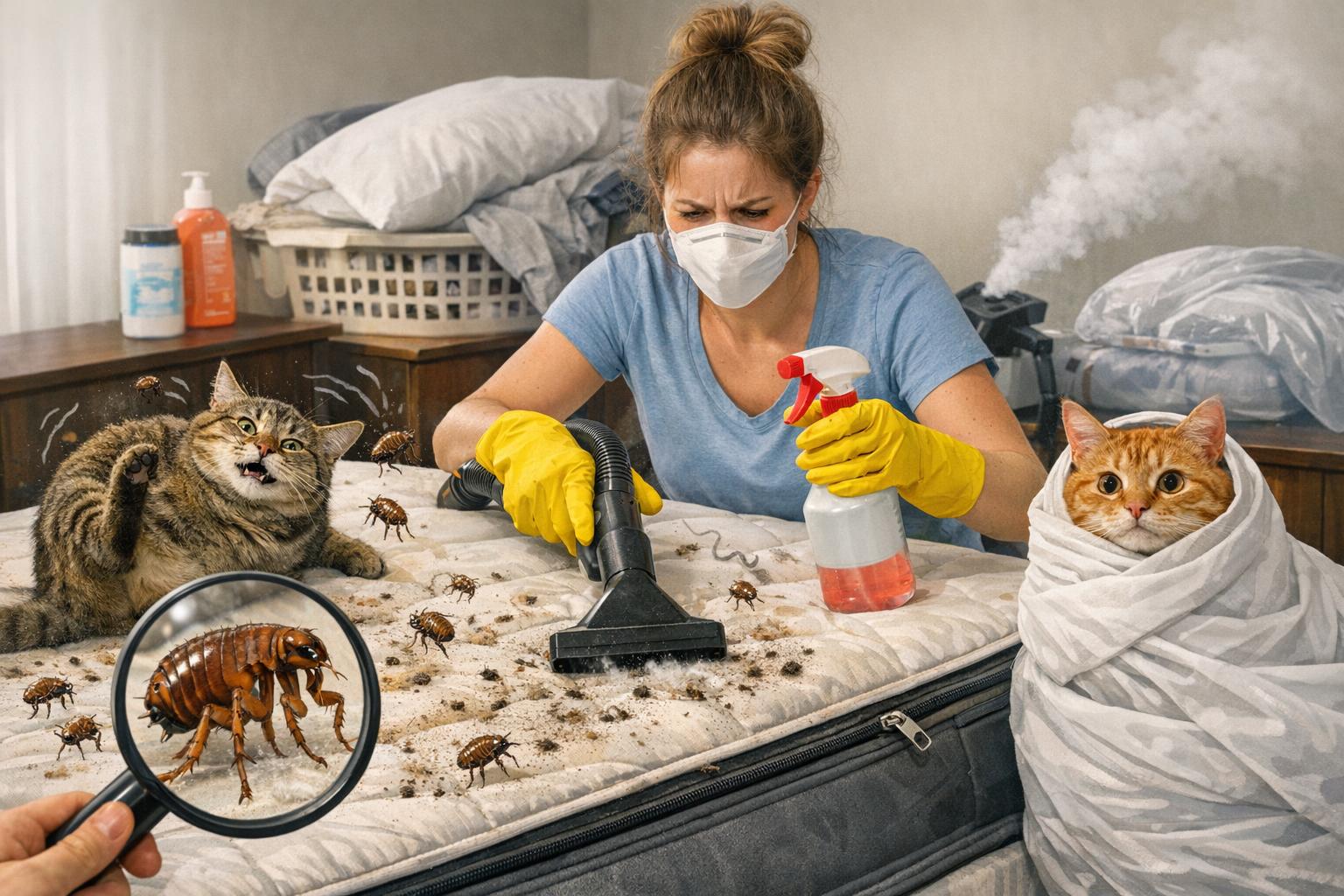
If you’re dealing with an active infestation, the most effective approach is integrated: treat the cat, treat the environment, and prevent reintroduction. Below is a formal, step-by-step remedy plan that includes use of a vet-approved flea collar as part of comprehensive control.
#### Required Materials
1. Vet-prescribed oral or topical flea medication suited for cats (as recommended).
2. A vet-approved flea collar labeled for cats (choose one after vet consultation).
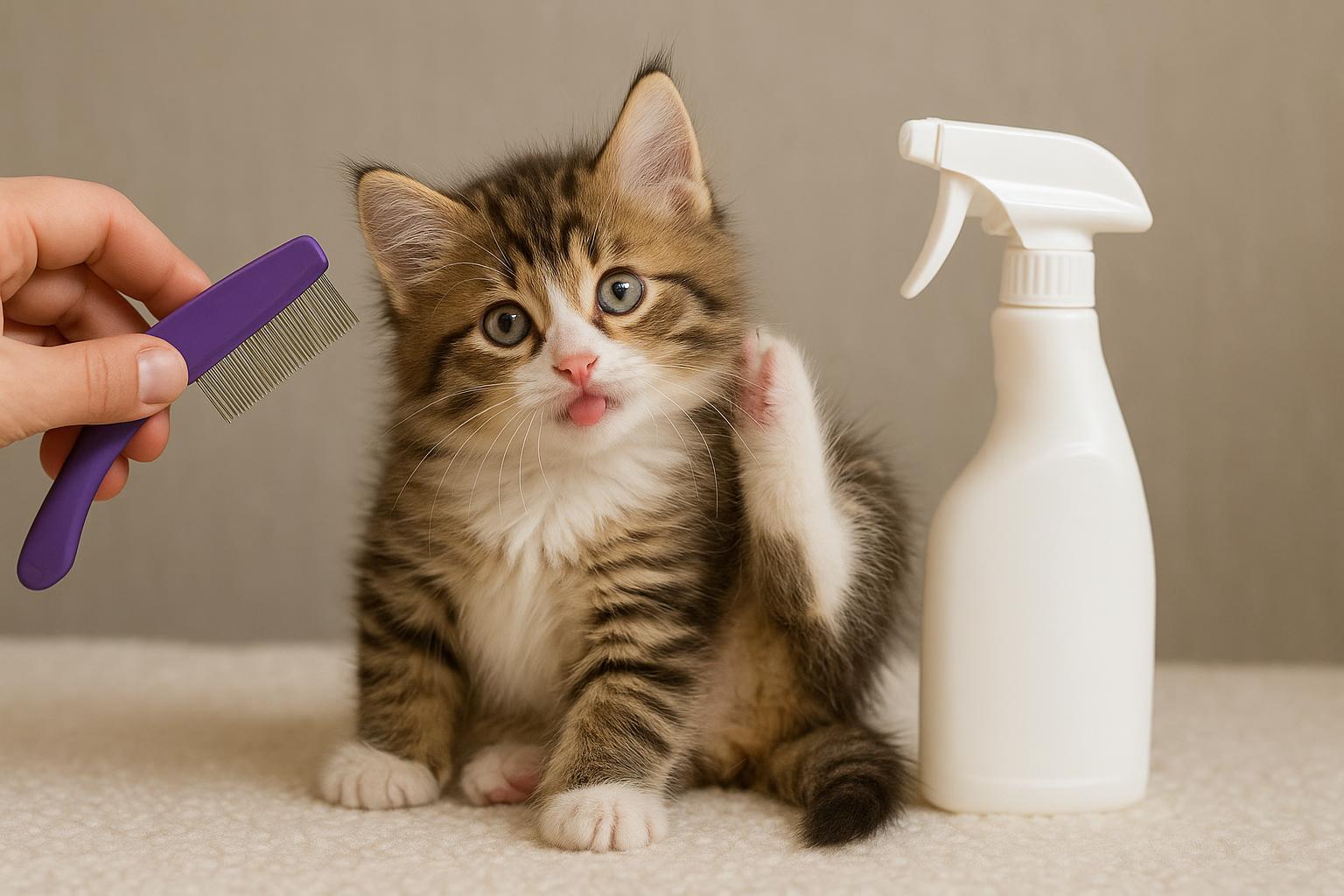
3. Flea comb and fine-toothed grooming tools.
4. Cat-safe flea shampoo (optional for heavy infestation).
5. Vacuum cleaner with disposable bag or filter.
6. Hot-water washing capability for bedding and soft furnishings.
7. Environmental insect growth regulator (IGR) spray labeled safe for indoor use and pet environments (optional; follow label).
8. Nitrile gloves and a timer or calendar for follow-ups.
#### Step-By-Step Treatment And Application
1. Schedule A Veterinary Consultation: Before starting any treatment, consult your veterinarian to get appropriate medications and confirm the collar choice. Provide history (age, health, indoor/outdoor, other pets).
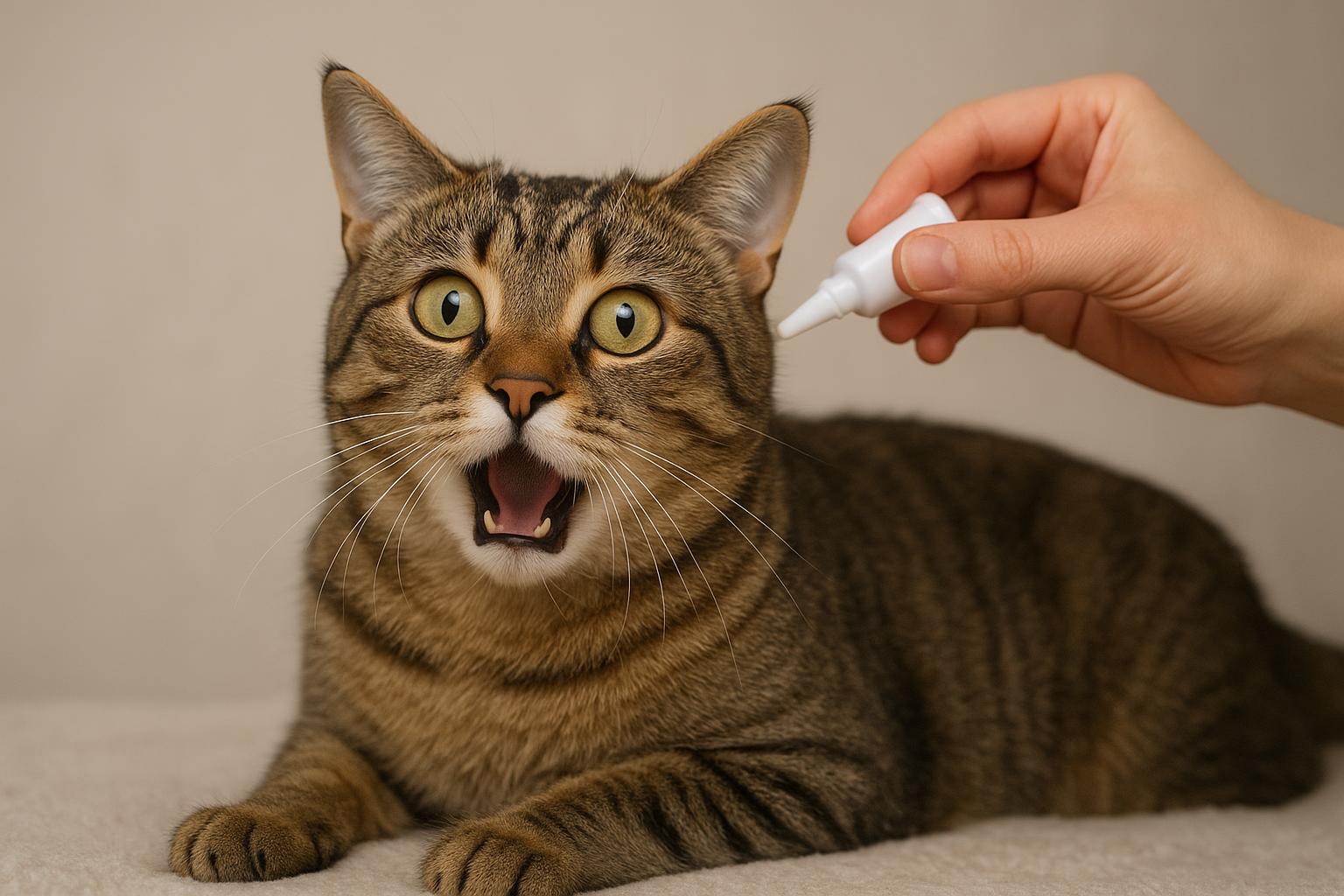
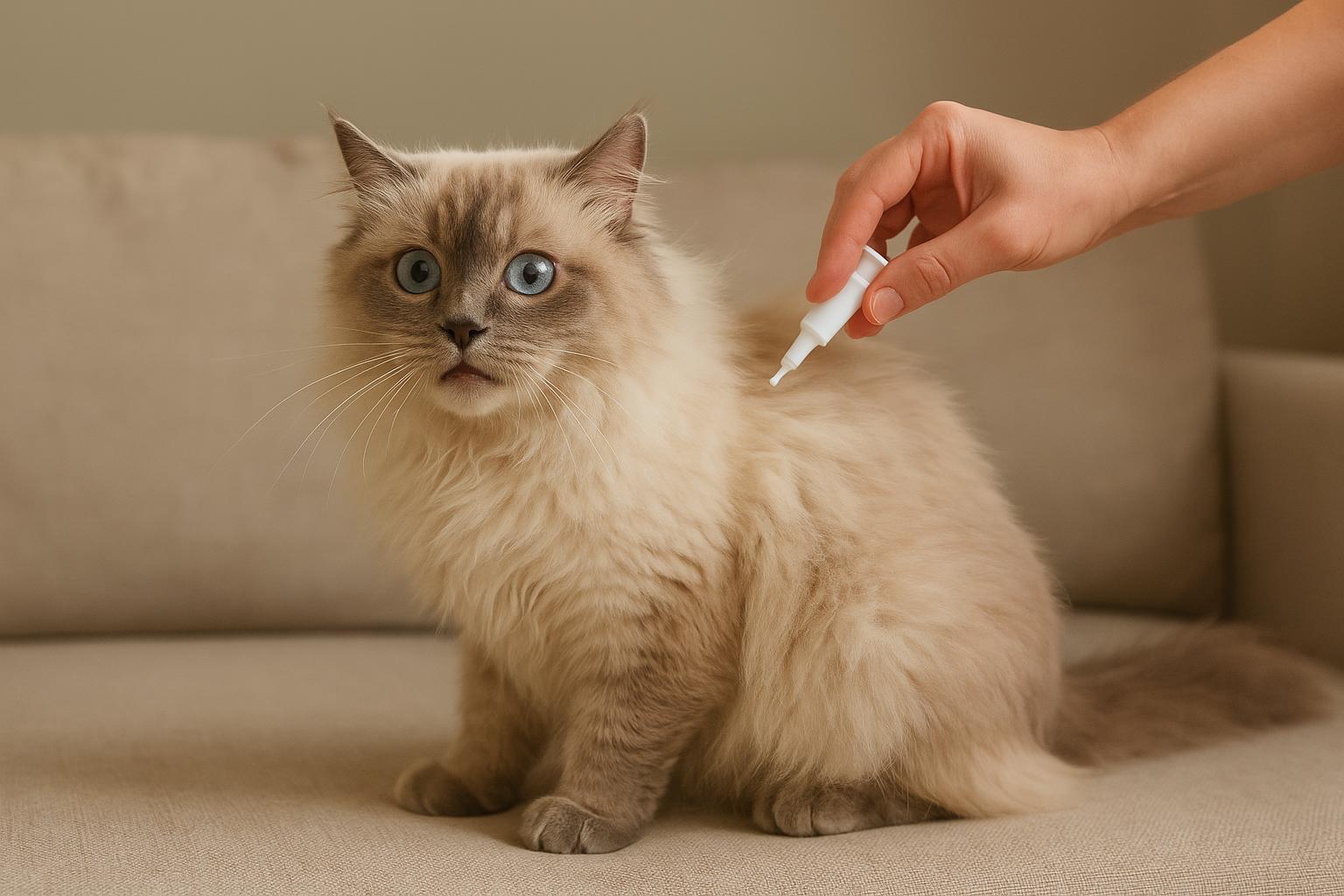
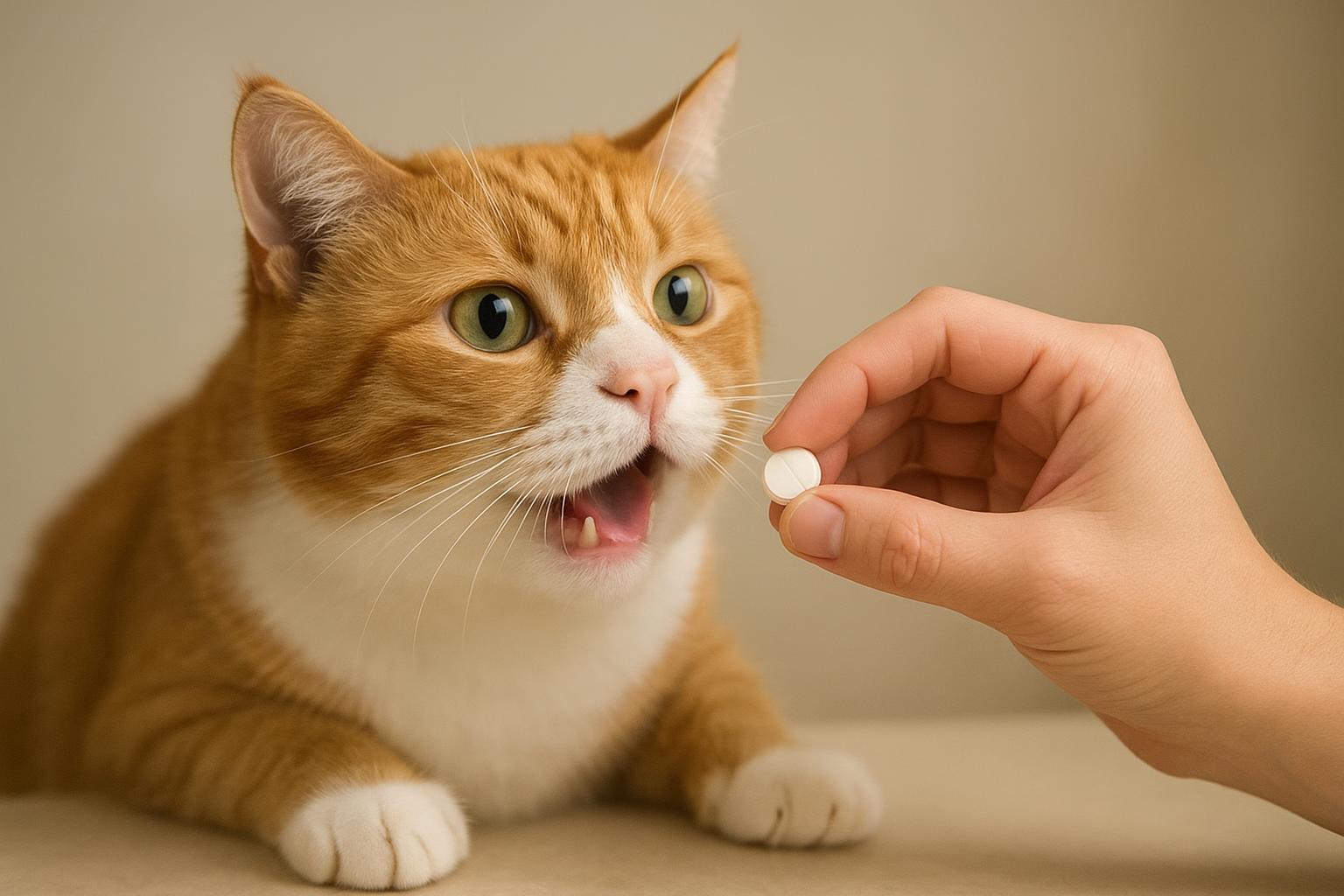
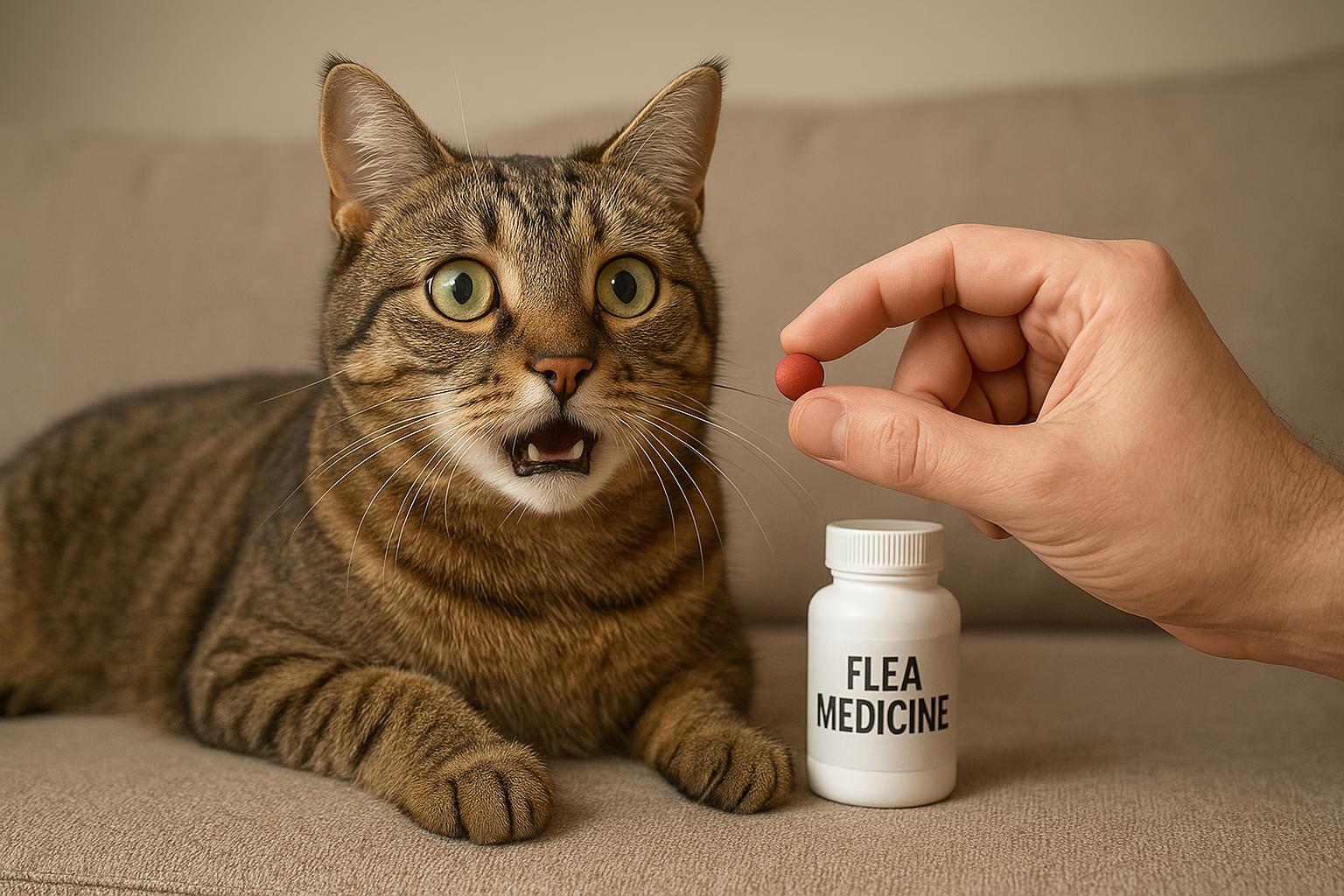
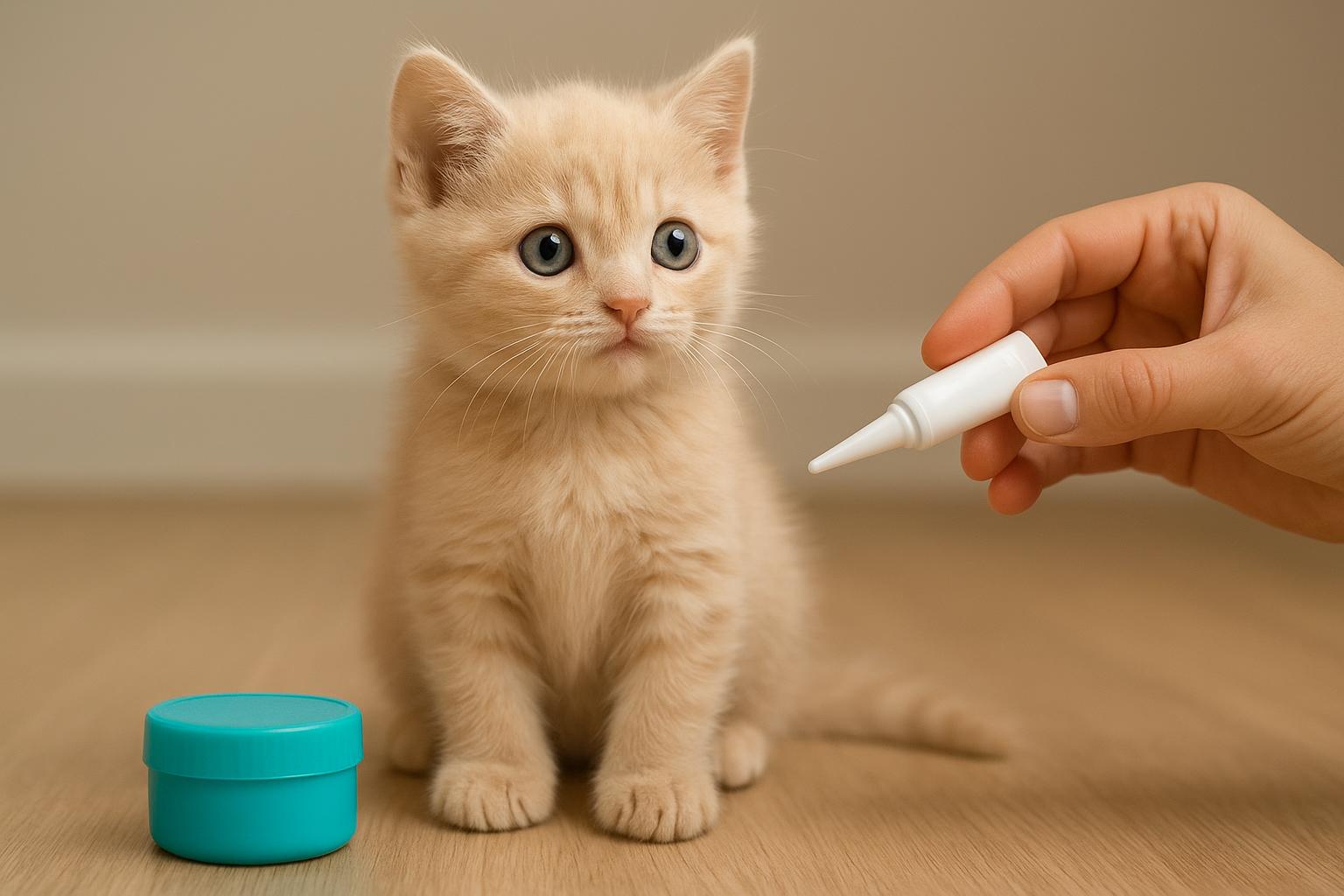
2. Apply Primary Treatment: Administer the vet-prescribed oral or topical flea medication as directed. These systemic or topical agents often kill adult fleas quickly and can reduce reproduction.
3. Put On The Collar Properly: Unwrap the collar and, following product instructions, fit it so two fingers fit between collar and neck. Trim excess if instructions allow. Ensure the collar’s safety breakaway or snap functions properly.
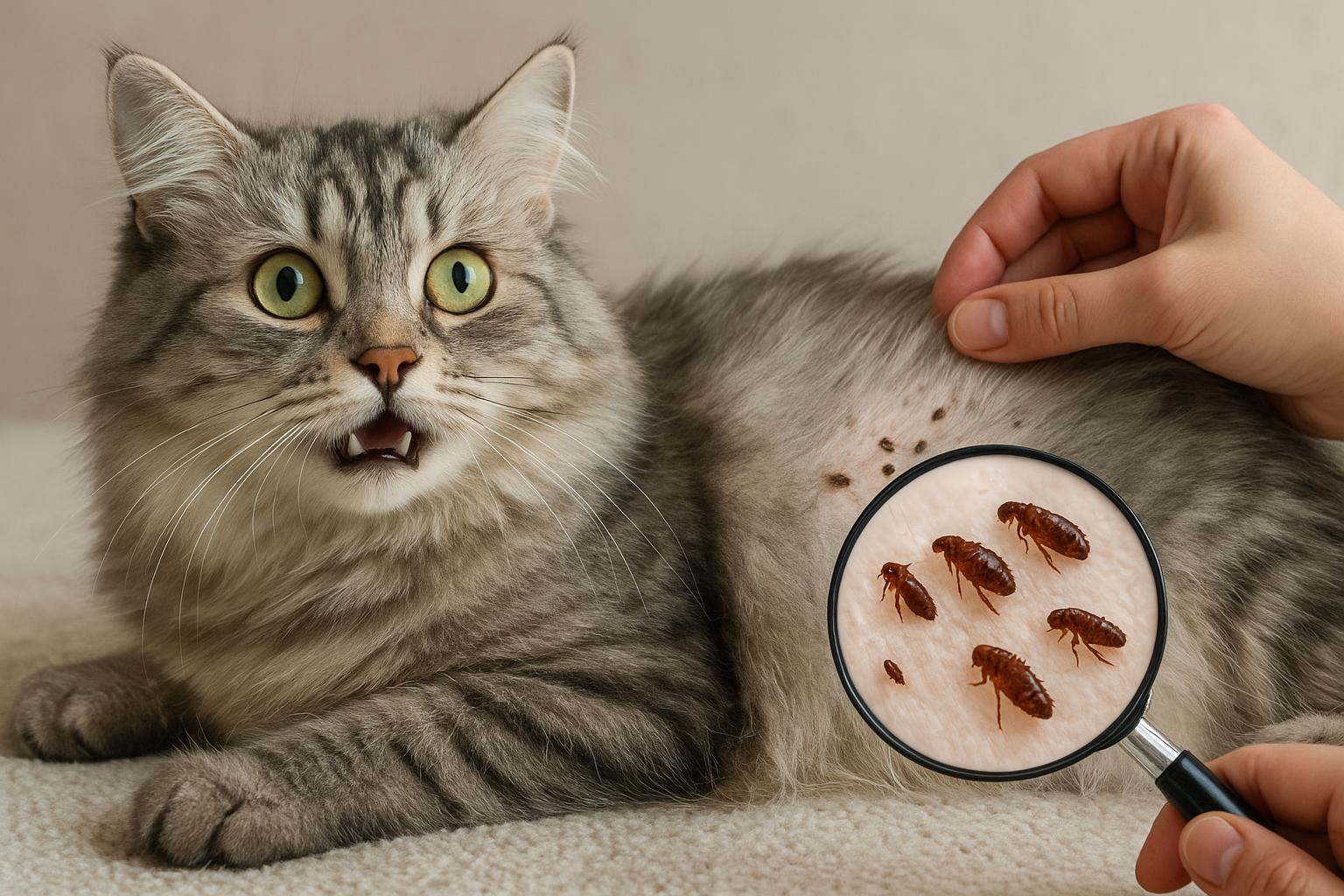
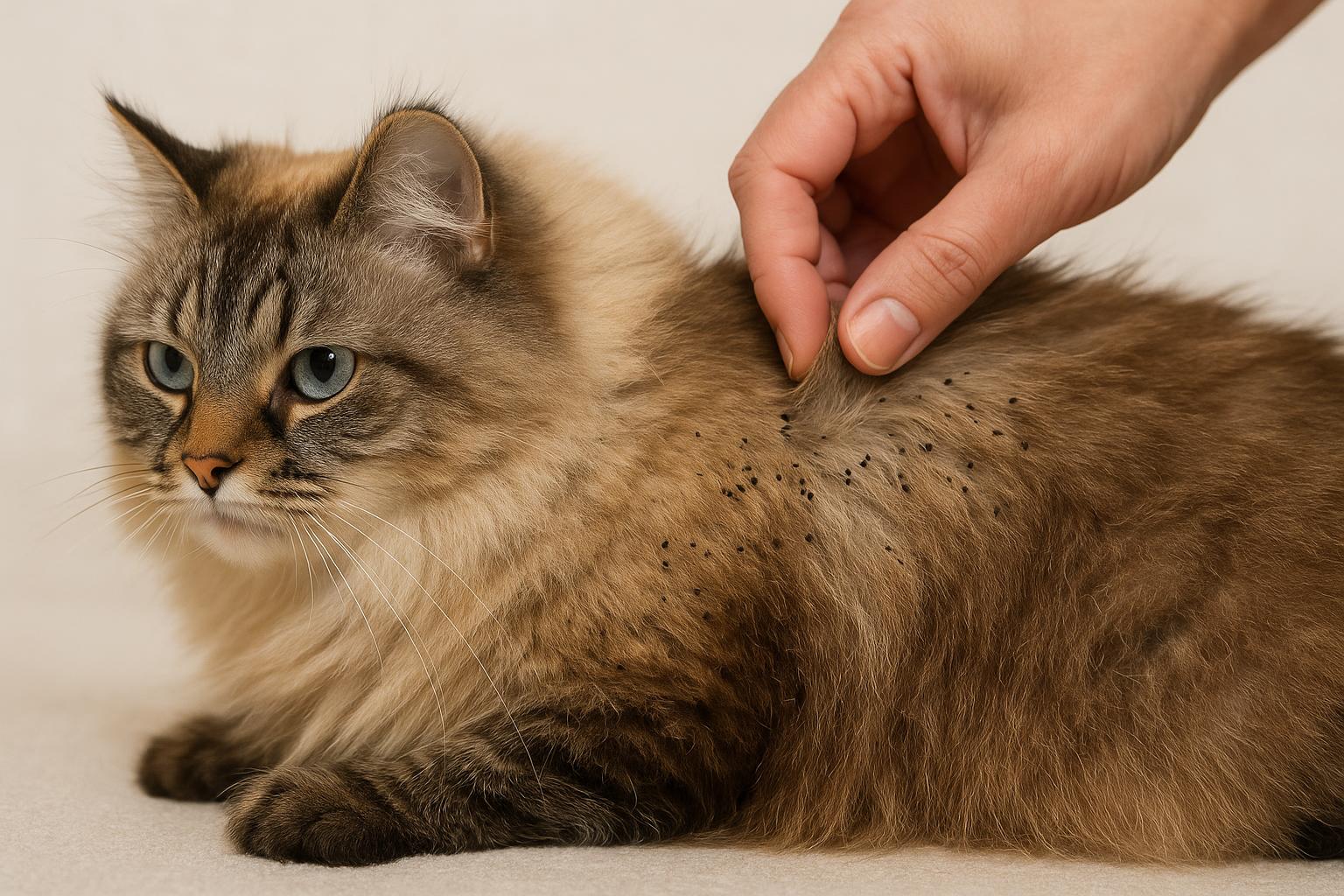
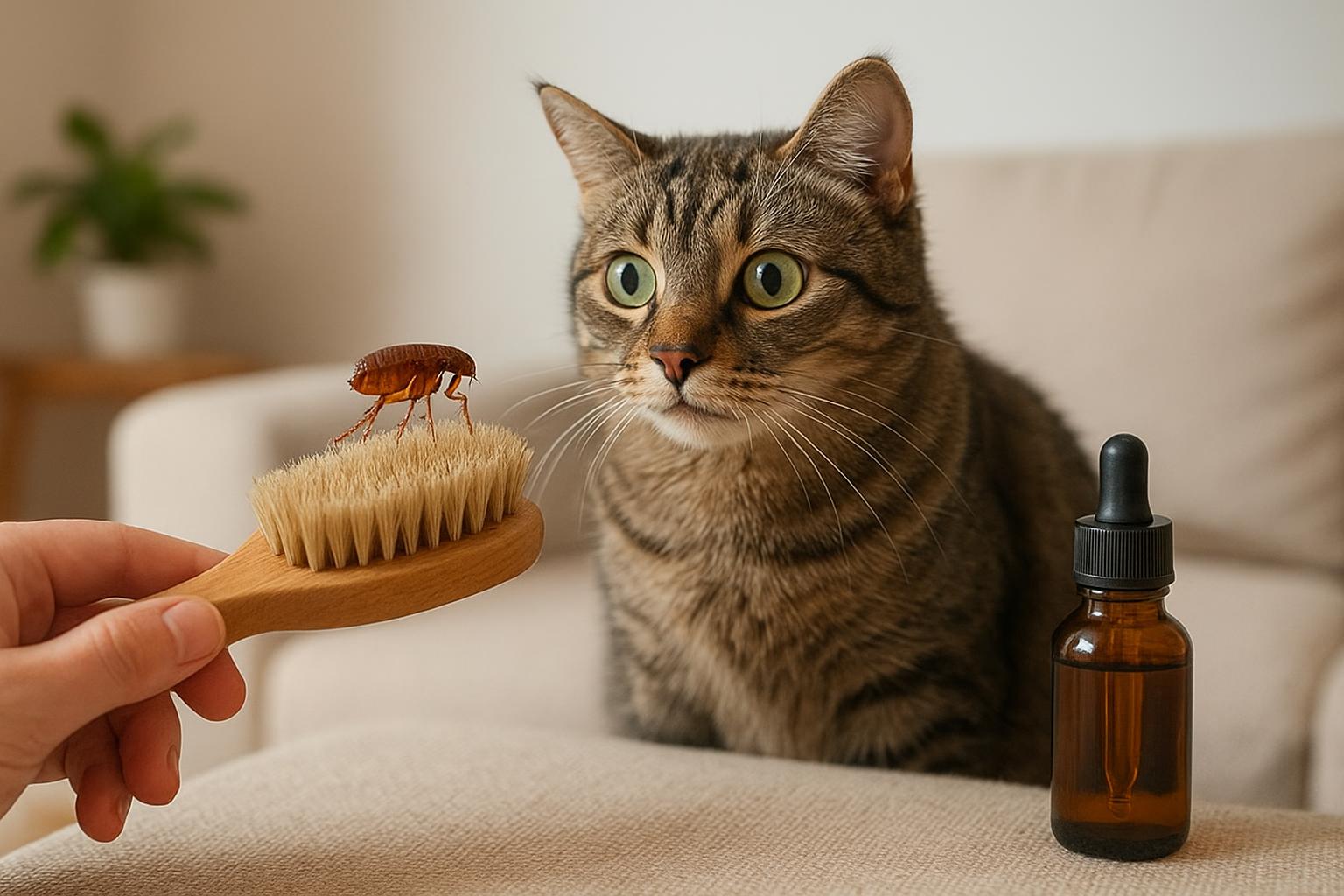
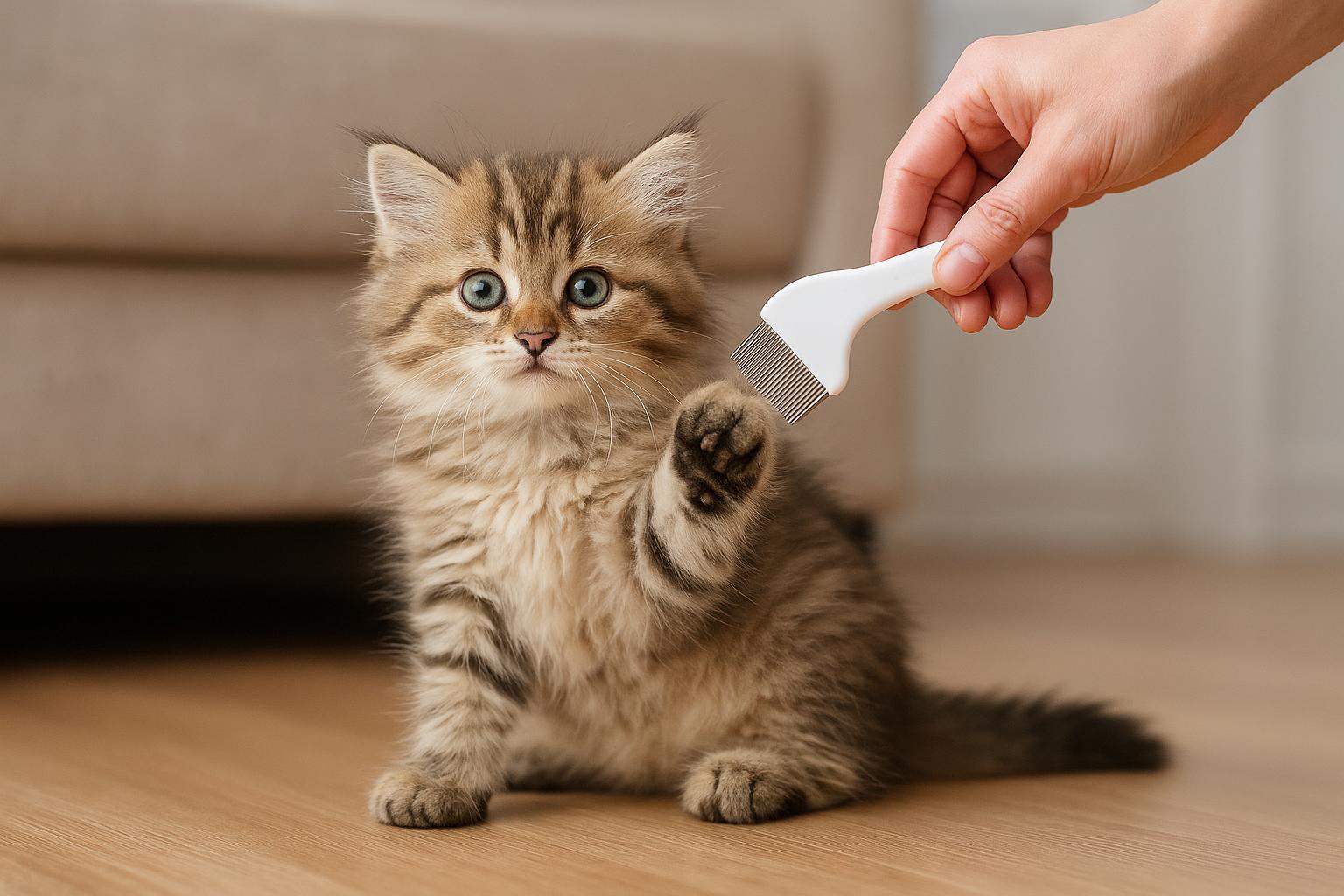
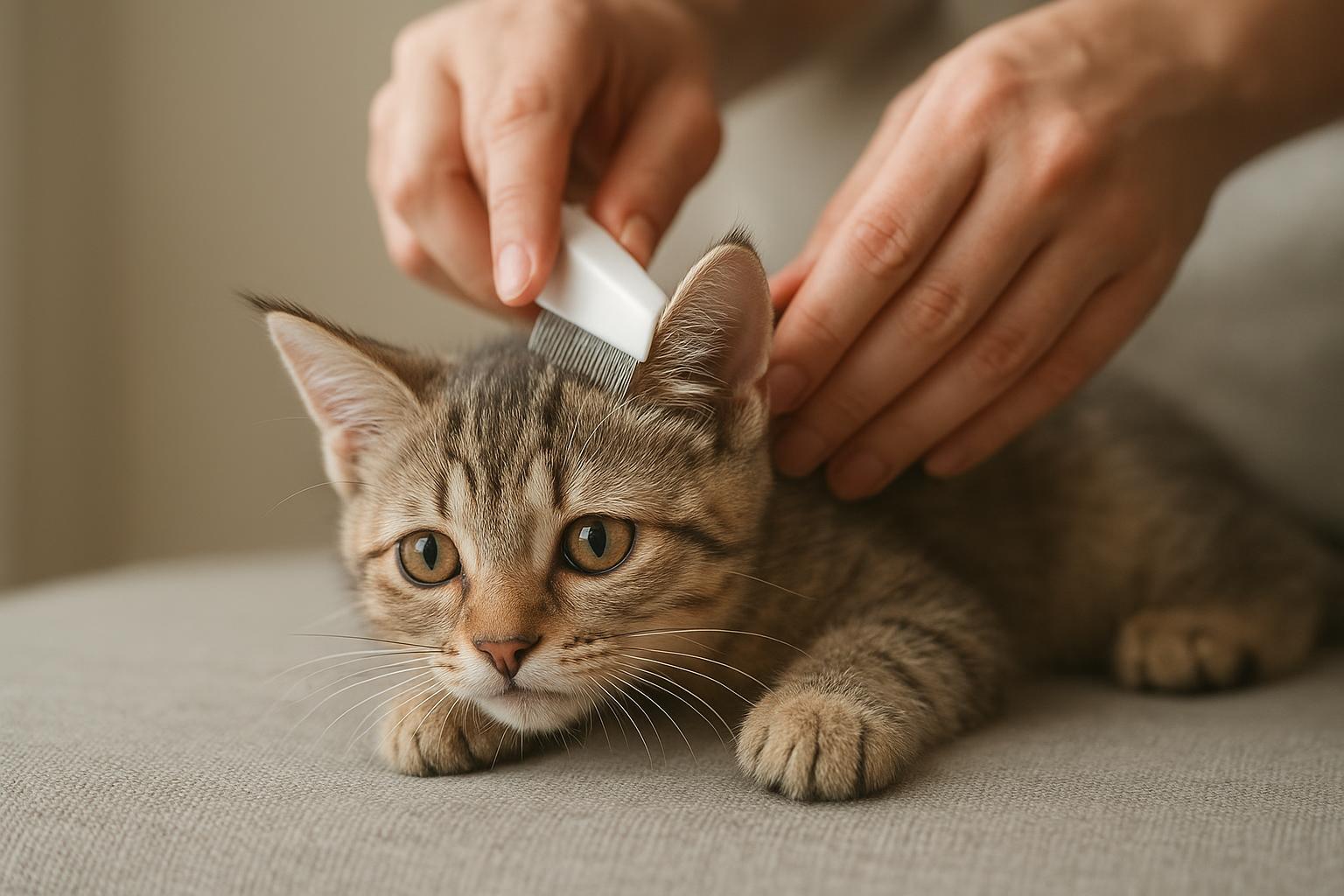
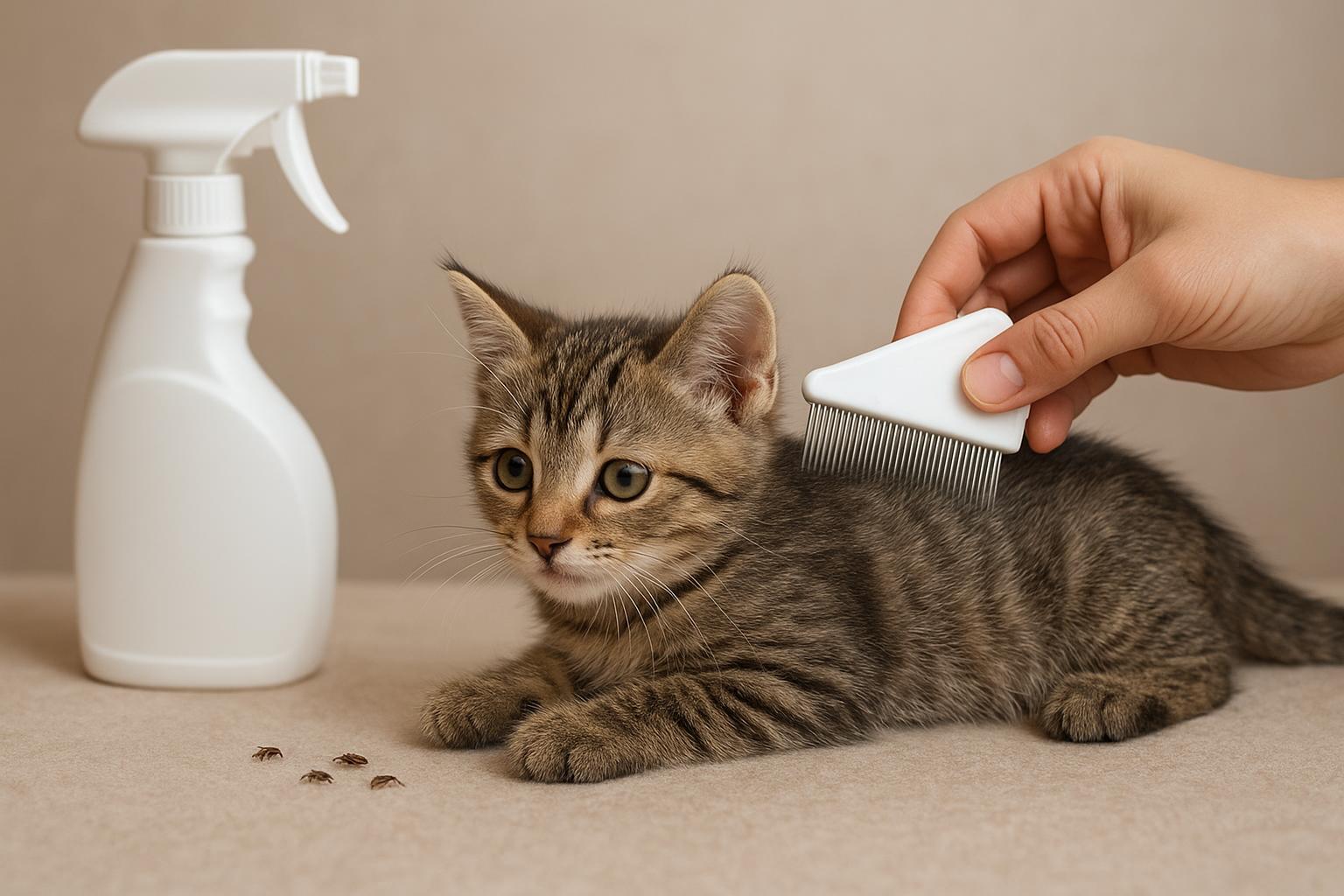
4. Groom And Remove Live Fleas: Use the flea comb daily to remove live fleas and flea dirt. Dispose of combed fleas into a sealed bag and discard.
5. Clean The Environment:
a. Wash all pet bedding, blankets, and frequently-used fabrics in hot water and dry on high heat.
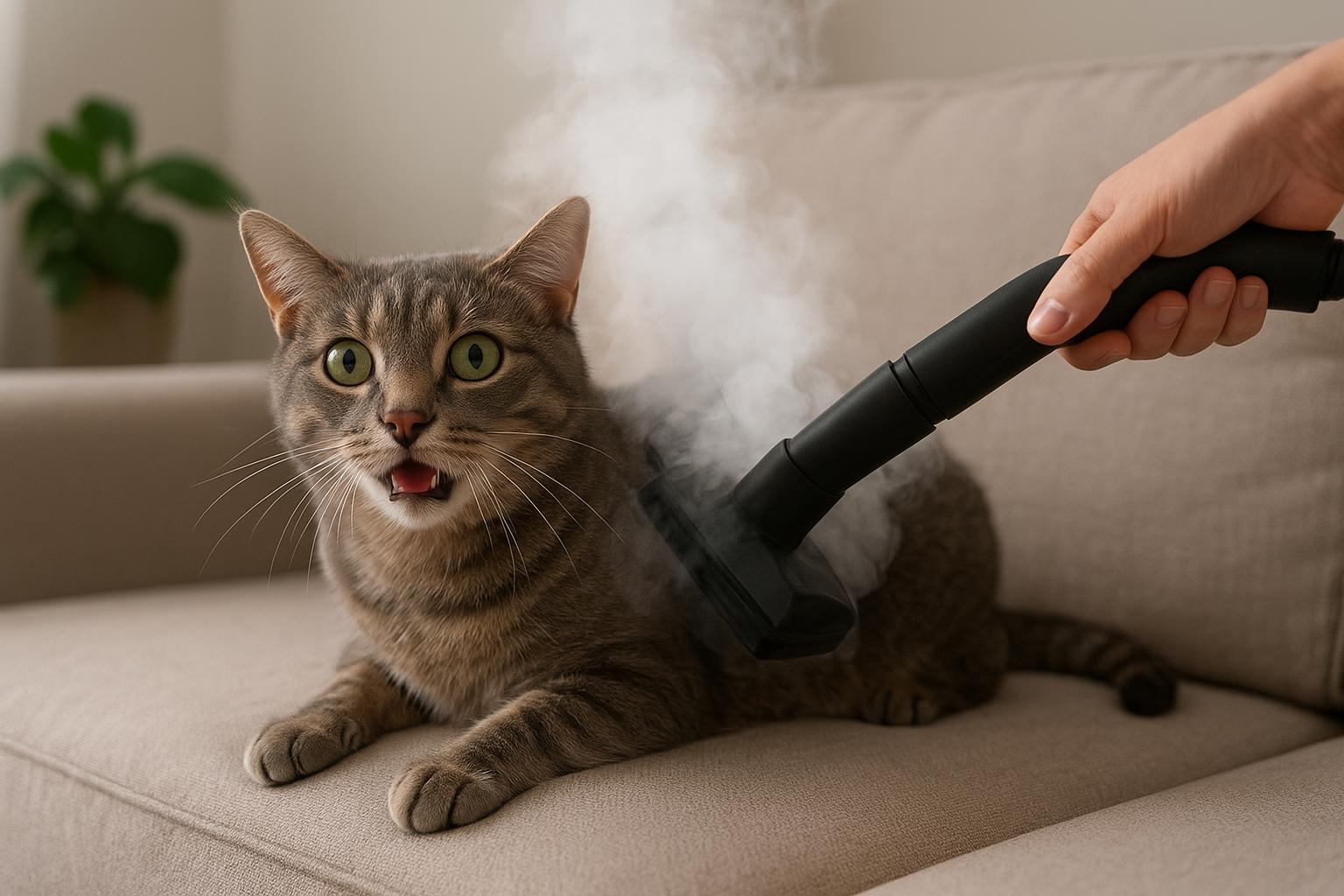
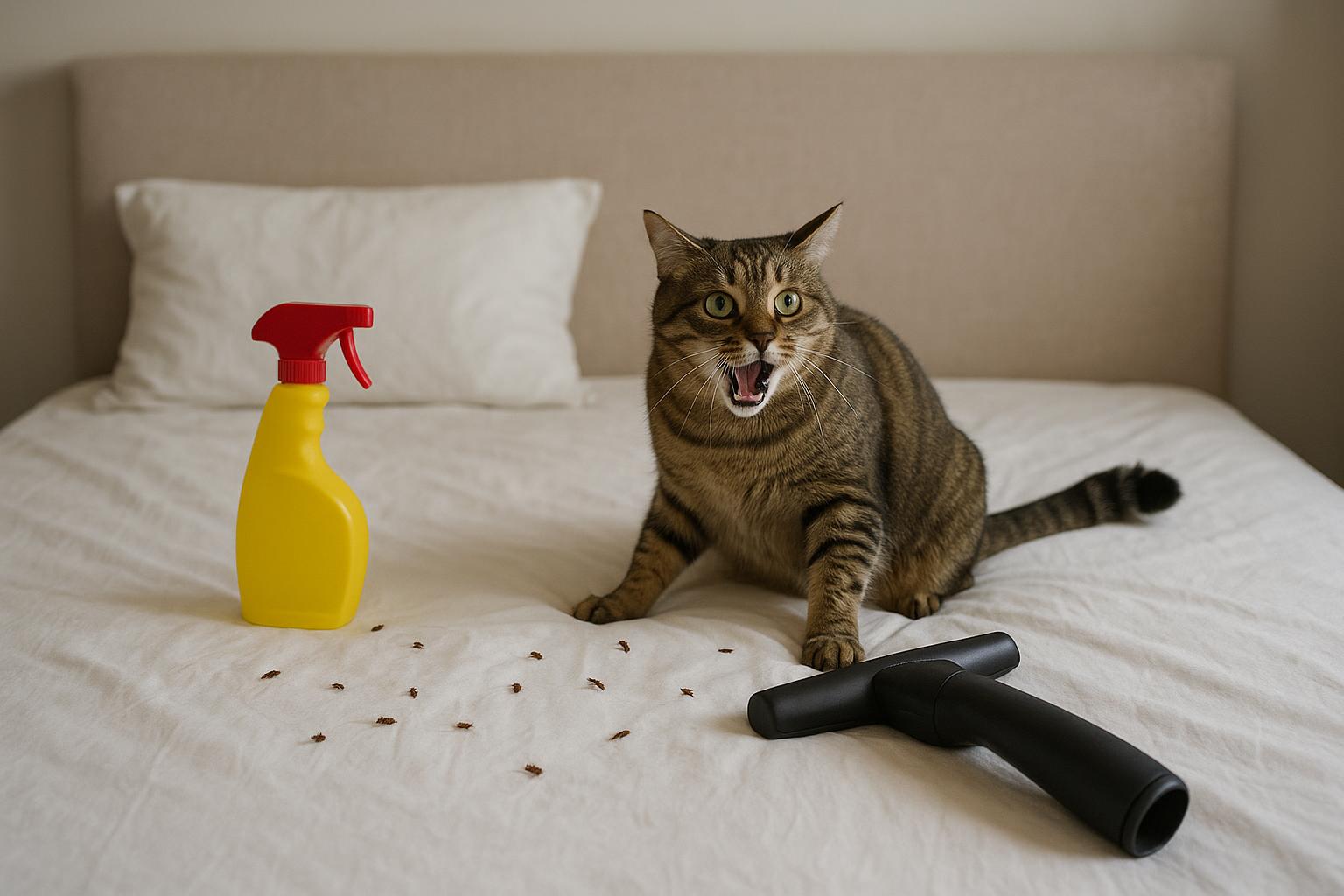
b. Vacuum carpets, crevices, and furniture daily for at least two weeks; immediately dispose of the vacuum bag or empty canister into an outdoor trash.
c. For heavy infestations, apply an IGR product to carpets and furniture per label instructions to inhibit egg and larval development. Keep pets out of treated areas until safe per product guidance.
6. Monitor And Reassess: Check your cat daily for skin reactions or behavioral changes. Re-comb weekly and continue environmental cleaning for at least two months to catch late-emerging fleas.
7. Maintain Prevention: Replace or renew the collar per product duration. Continue regular vet-recommended preventive medication as appropriate for your area and lifestyle.
Use this integrated plan exactly as directed by product labels and your veterinarian. The collar is part of the strategy—very useful for ongoing prevention and as a complement to systemic treatments—but not the only necessary step in an active infestation.
### When A Collar Alone Won’t Cut It
If fleas persist after following the integrated plan, return to your vet. Possible reasons include flea resistance, incorrect product use, or environmental reservoirs you missed. More aggressive options—professional pest control focused on pet-safe methods, or a change in veterinary-prescribed medication—may be needed.
#### What About Natural Or Homemade Collars?
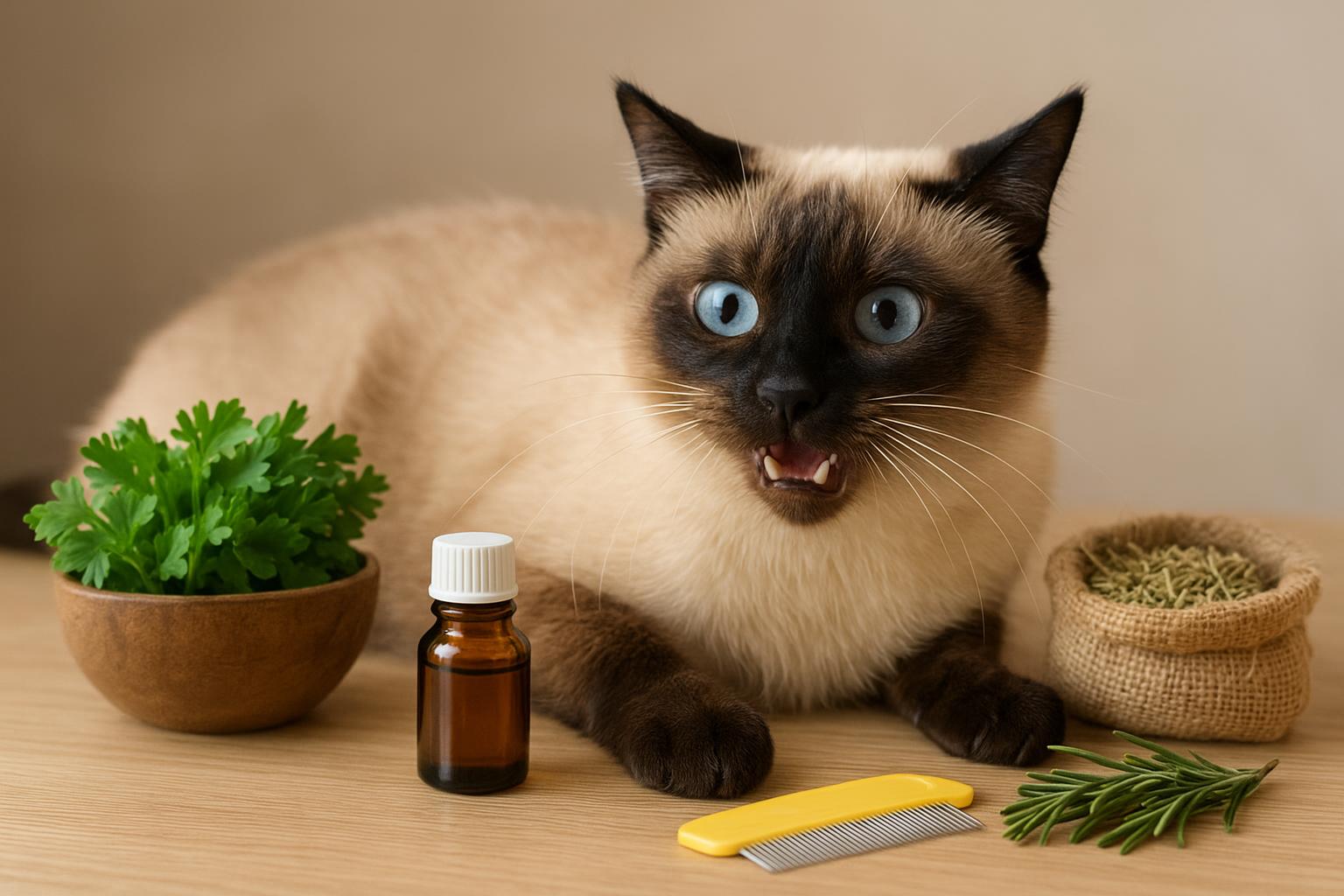
Be cautious. Many “natural” recipes use essential oils like tea tree, eucalyptus, or citrus, which can be toxic to cats. Never apply essential oils directly to cats or their collars unless a veterinarian explicitly approves the concentration and method. Homemade collars that simply hold herbs or sachets provide minimal protection and can give a false sense of security.
### Long-Term Prevention And Practical Habits
– Keep up with regular flea prevention year-round if you live in a warm area or have outdoor exposure.
– Check new or visiting animals for fleas before they interact with your pets.
– Regularly clean bedding and vacuum high-traffic areas to reduce eggs and larvae.
– Discuss neighborhood flea pressures with your vet—sometimes yard treatments for outdoor spaces make sense.
## When To Call The Vet Immediately
If your cat shows symptoms like difficulty breathing, severe lethargy, seizures, repeated vomiting, or widespread hair loss after starting a collar or other treatment, seek emergency veterinary care. Rapid response matters.
You should now have a clearer sense of what makes a product the best flea collar for your situation, how to use one safely, and why a collar is part of a broader plan—not a solo miracle. If you want, tell me your cat’s age, weight, indoor/outdoor habits, and any meds or sensitivities, and I’ll help narrow down collar features to look for.



Leave a Reply