
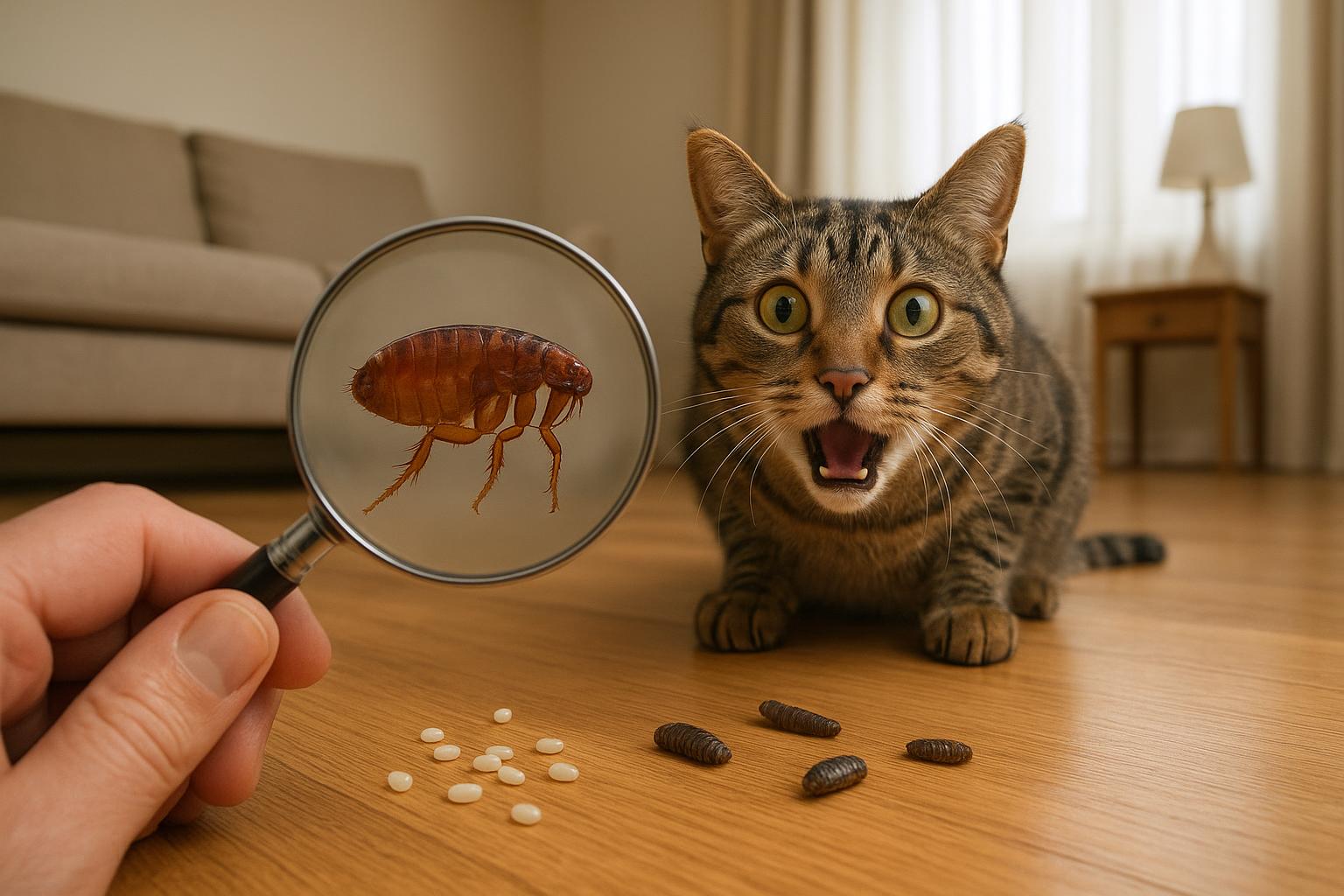
If you’ve ever watched your cat perform an acrobatic sneeze-scratch routine at 3 a.m., you might suspect uninvited tiny passengers. Those tiny passengers—fleas—are more than itchy nuisances. Understanding the cat flea lifecycle will give you the upper hand in protecting your home, your pet, and your sanity. Read on; I’ll keep it friendly, occasionally witty, and definitely useful.
## Cat Flea Lifecycle: Four Stages You Need To Know
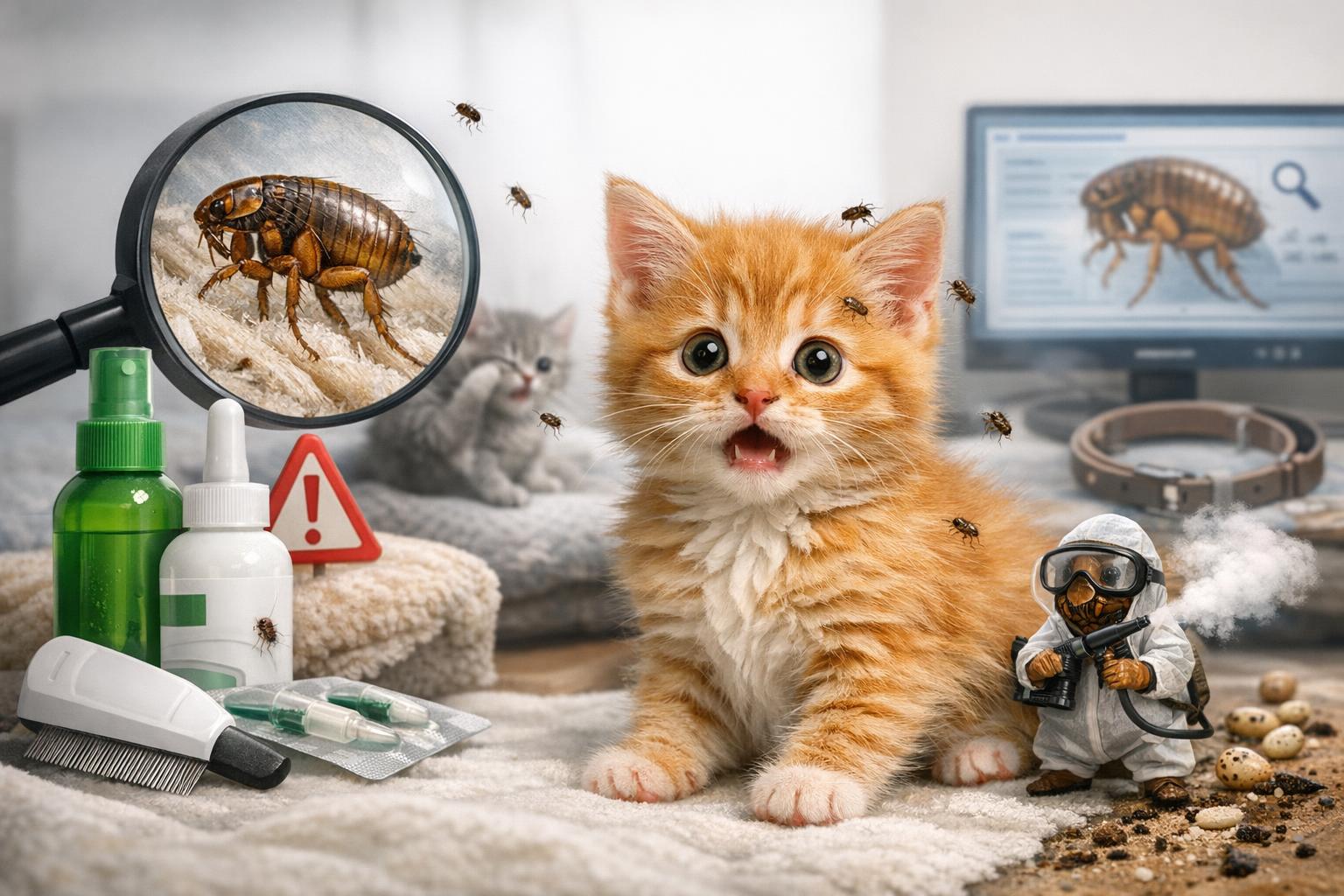
Knowing the cat flea lifecycle is like having the cheat codes to a video game you didn’t know you were playing. There are four stages: egg, larva, pupa, and adult. Each stage behaves differently, responds differently to treatments, and has a different timeline. Miss one stage and you’ll be stuck cleaning the same battlefield for weeks.
### Egg Stage
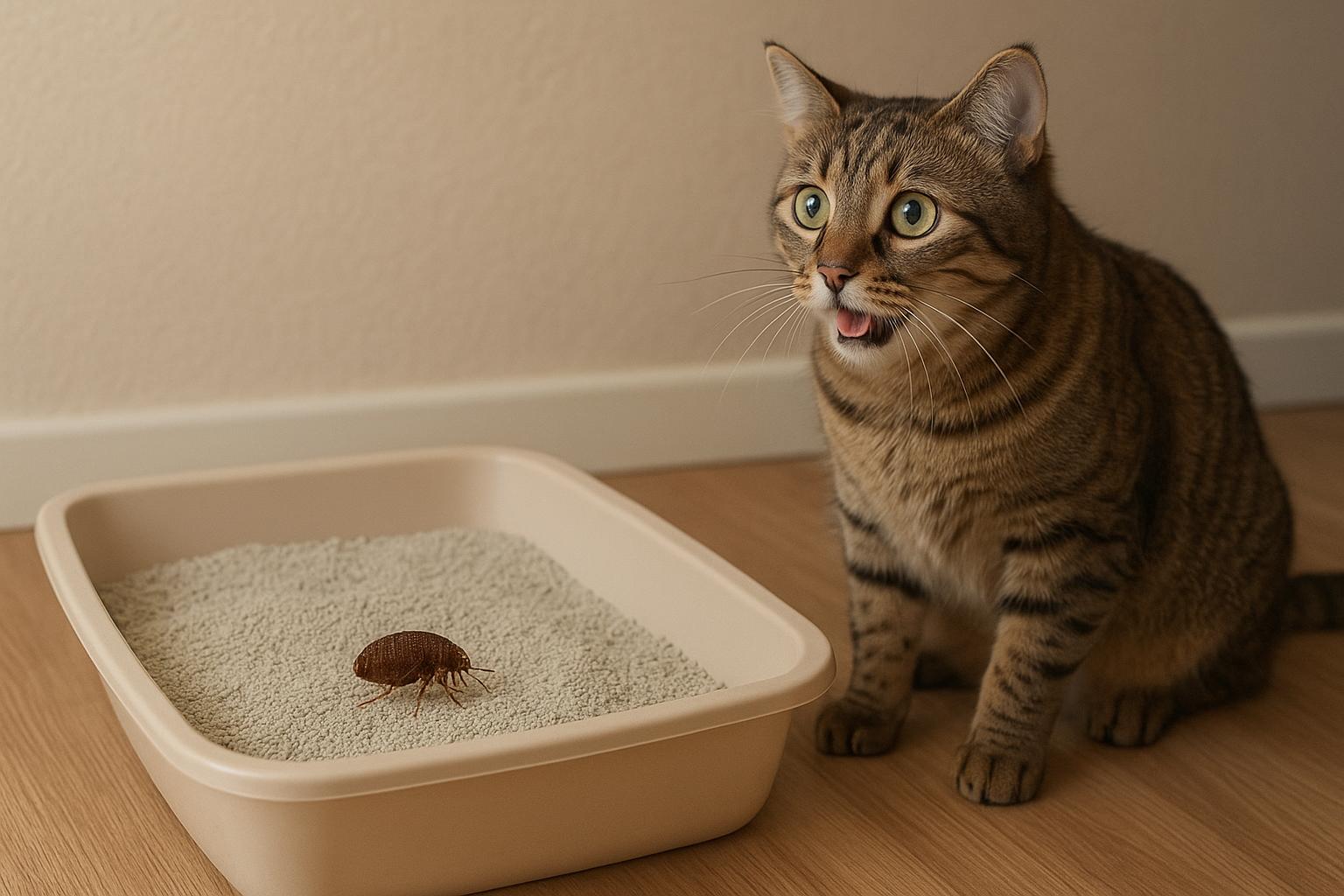
Flea eggs are tiny, white, and look like grains of salt. The adult female lays up to 50 eggs a day on the host. Those eggs are not glued to fur—they fall off into carpets, bedding, and upholstered furniture. That’s why treating only the cat is often insufficient.
#### Where Eggs Hide
Eggs gather in warm, shaded spots: carpet fibers, between couch cushions, under baseboards, and in cat beds. Humidity and temperature influence hatching; ideal conditions speed the process.
### Larva Stage
Larvae hatch from eggs and are small, worm-like creatures that avoid light and feed on organic debris—including adult flea feces (yep, that’s dried blood). This stage is where the flea population can explode unnoticed because larvae are tiny and reclusive.
#### Larval Vulnerabilities
Larvae are vulnerable to desiccation (drying out) and to targeted vacuuming and washing. Interrupting this stage drastically reduces the number of pupae and future adults.
### Pupa Stage
Pupae are encased in a sticky, protective cocoon. This is the tough stage—pupae can remain dormant for months, waiting for the right cue: warmth, vibration, carbon dioxide (your breathing), or light. When conditions are right, adults emerge, looking for a host immediately.
#### Why Pupae Are The Sneakiest
Even after a thorough cleaning, pupae can hatch and re-infest your home. That’s why ongoing measures for several weeks are necessary to break the cat flea lifecycle completely.
### Adult Stage
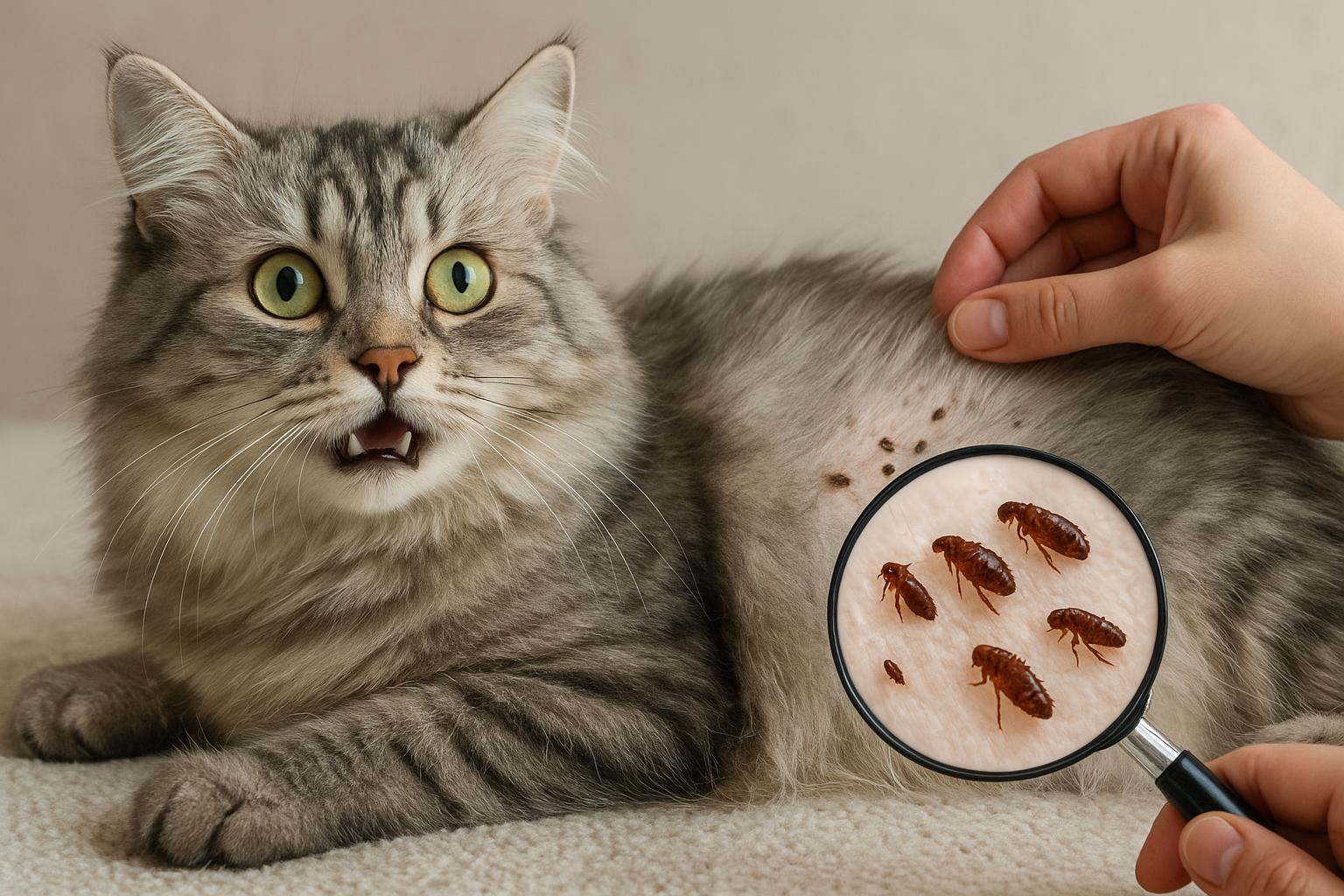
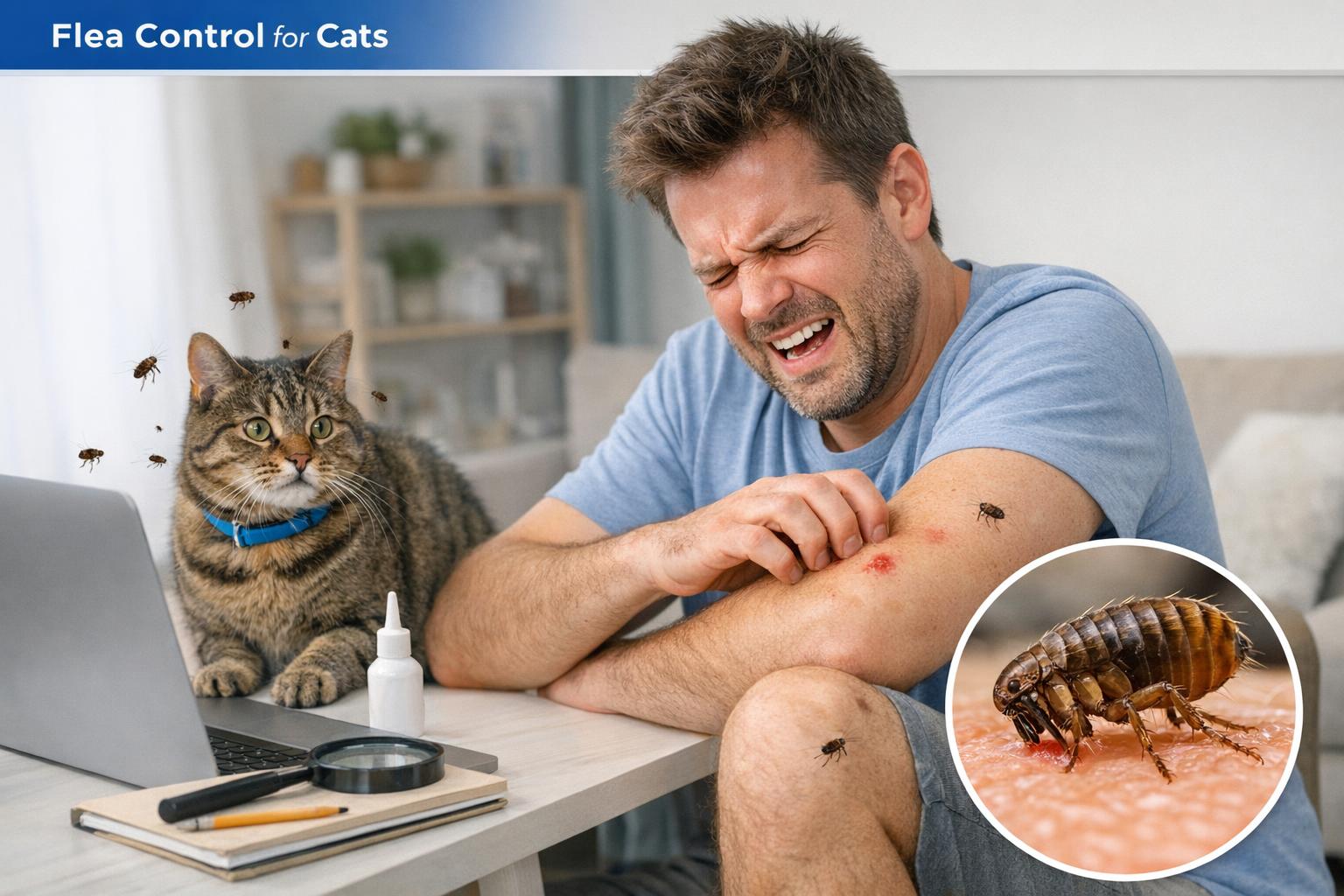
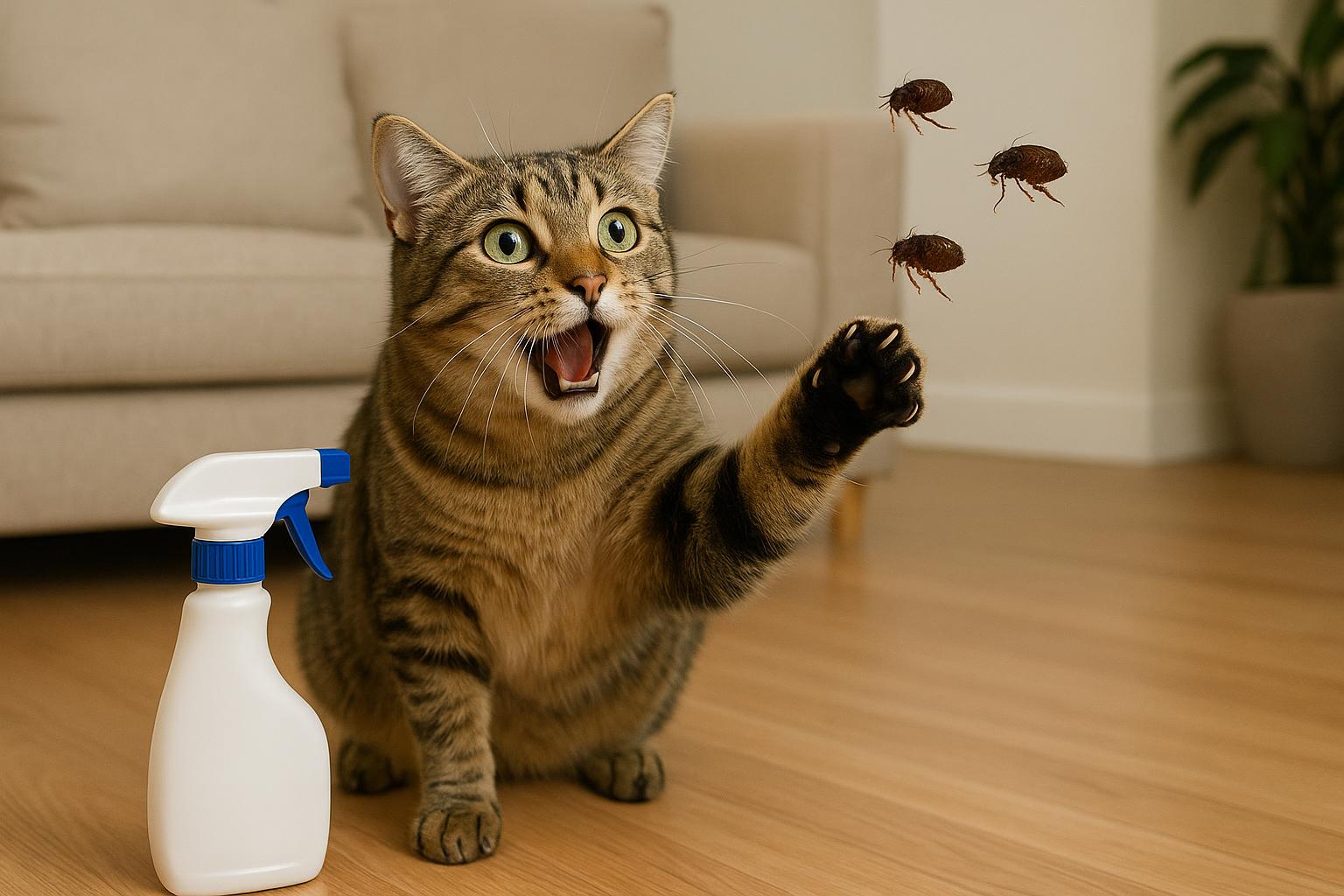
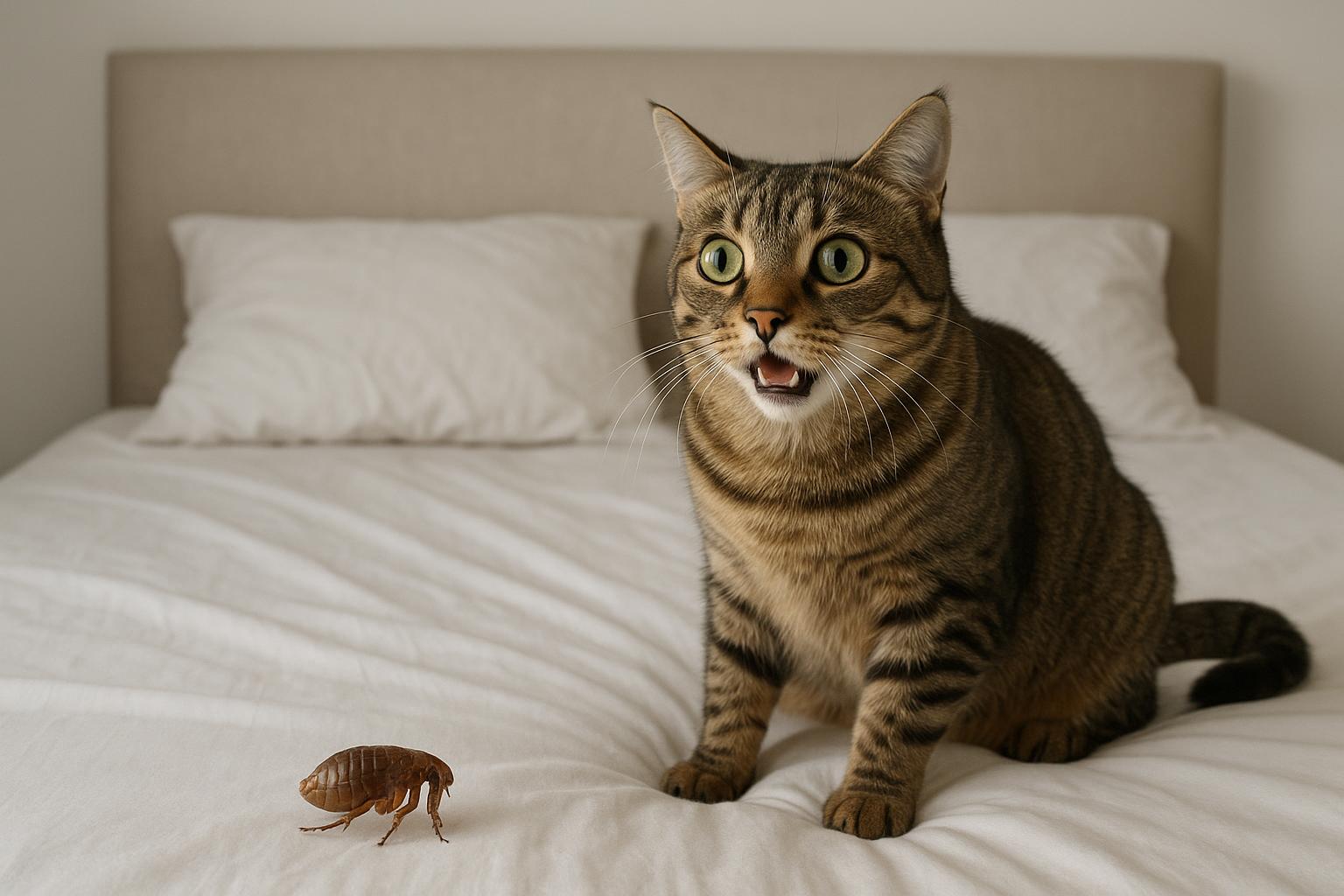
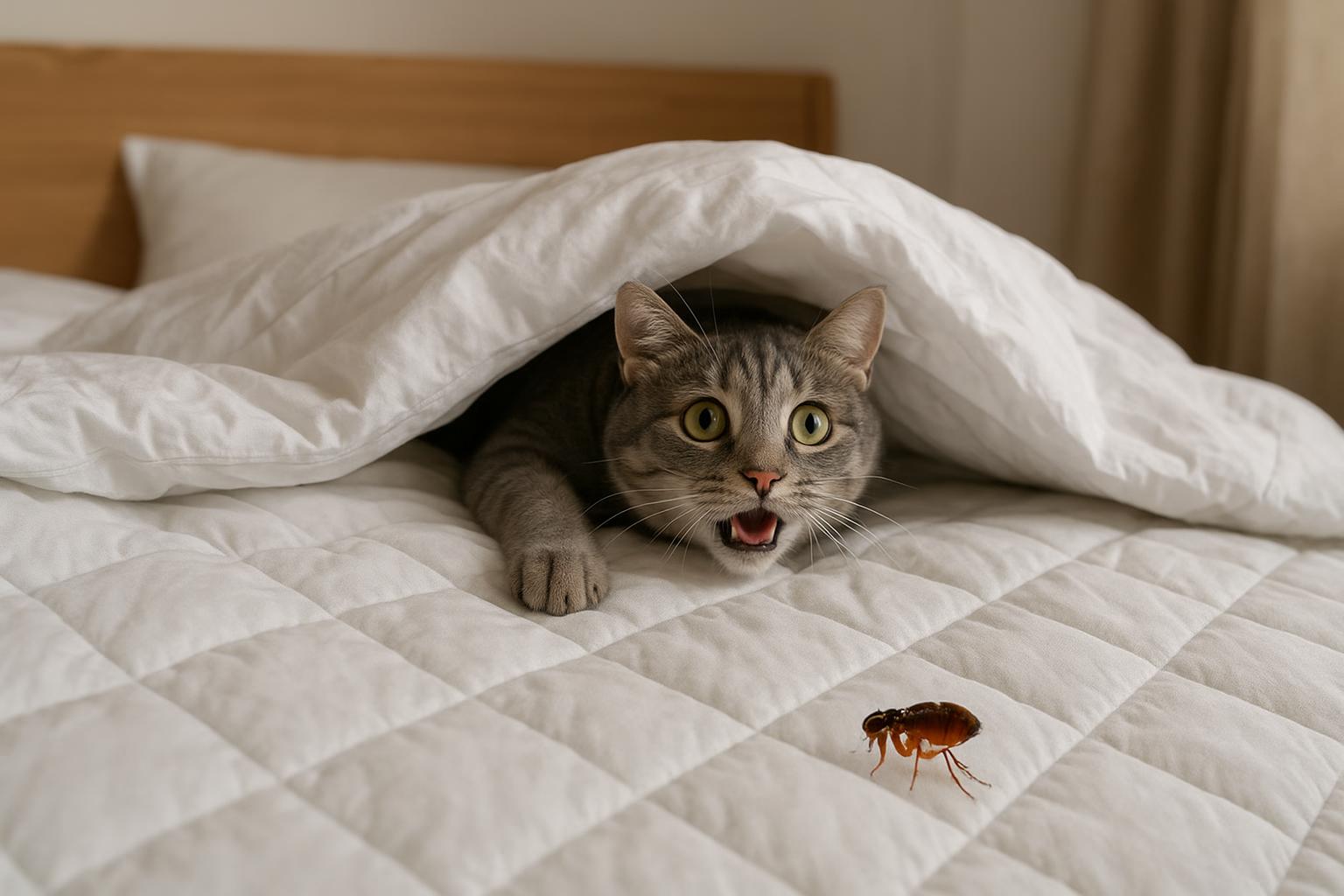
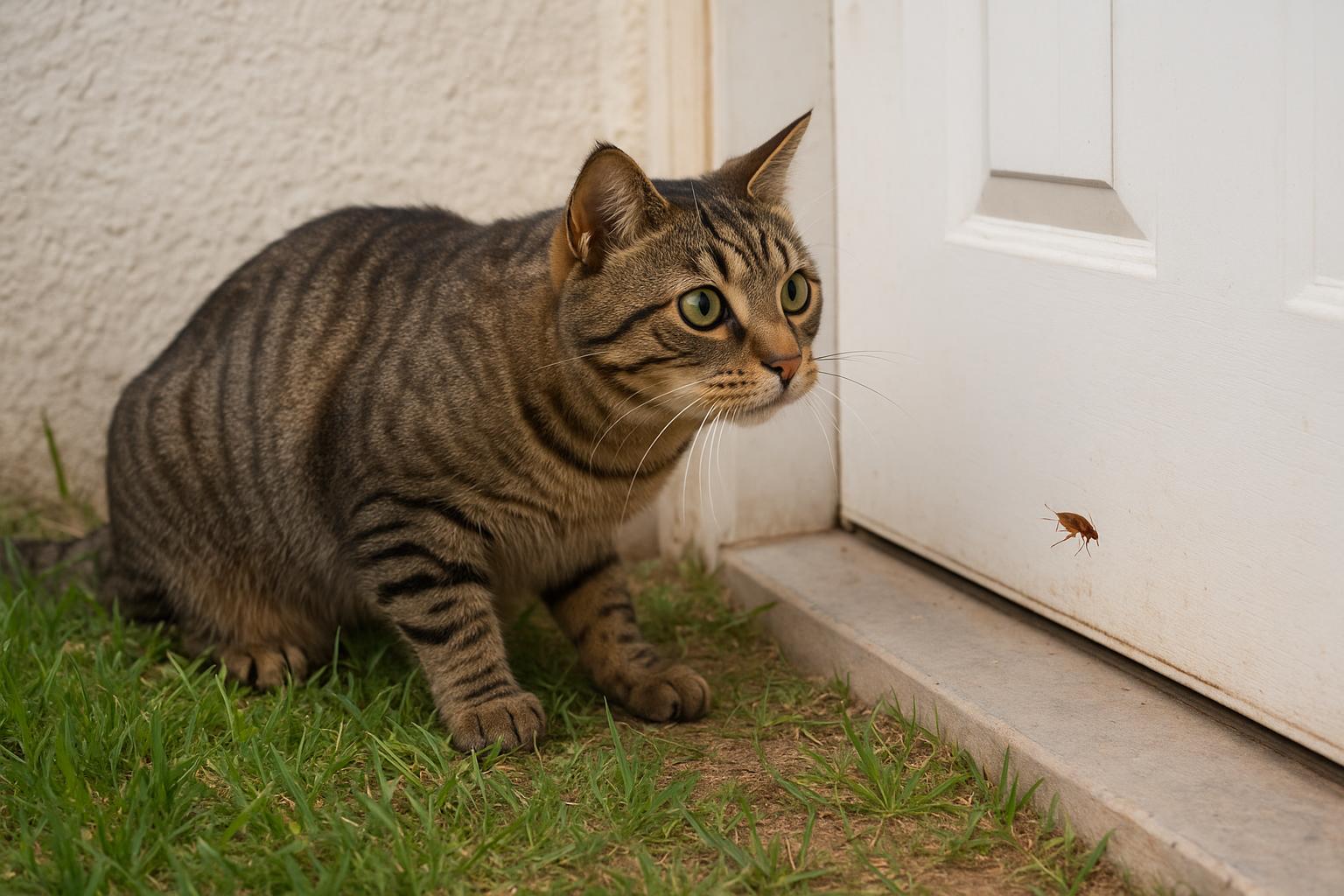
Adults are the jumpers and the biters—what you see on your cat (or in the carpet). Once on a host, adult fleas feed within minutes and begin laying eggs within 24–48 hours. Their reproductive pace and mobility make adult fleas the visible tip of a larger problem.
#### How Fast It All Happens
Under optimal conditions, the cat flea lifecycle can complete in as little as two weeks. Under poor conditions, the cycle stretches and pupae can wait months. This variability is precisely why many people underestimate how entrenched fleas can become.
## How The Cat Flea Lifecycle Endangers Your Home Today
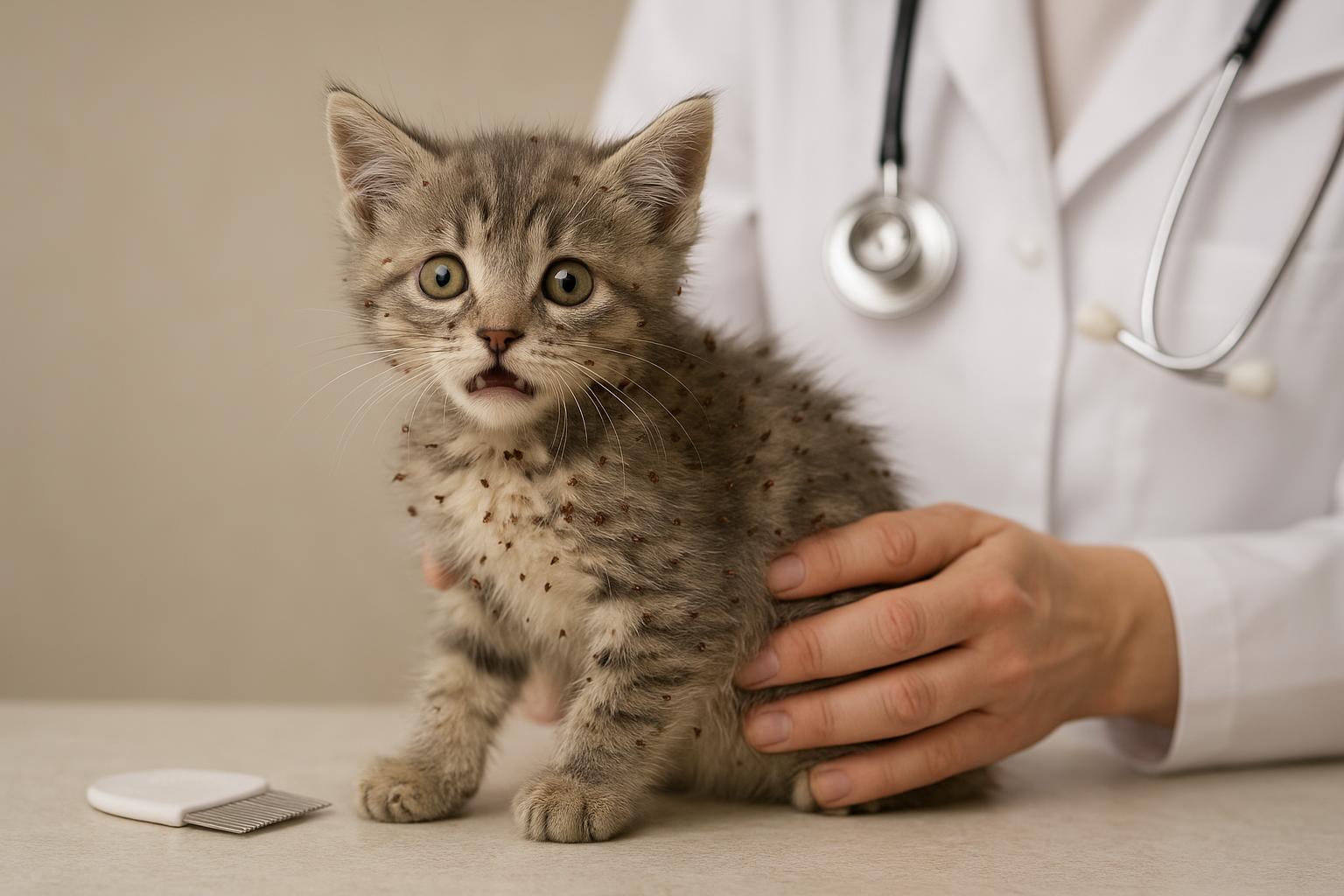
A single flea on your cat is the visible sign of an invisible reservoir. Because eggs tumble into your environment and pupae can sit dormant, an untreated home becomes a continuous flea nursery. Fleas also transmit tapeworms and can cause anemia in kittens or frail pets. The real danger isn’t just the itch; it’s the persistent reproduction cycle that silently rebuilds populations after every surface clean.
### Warning Signs Around The House
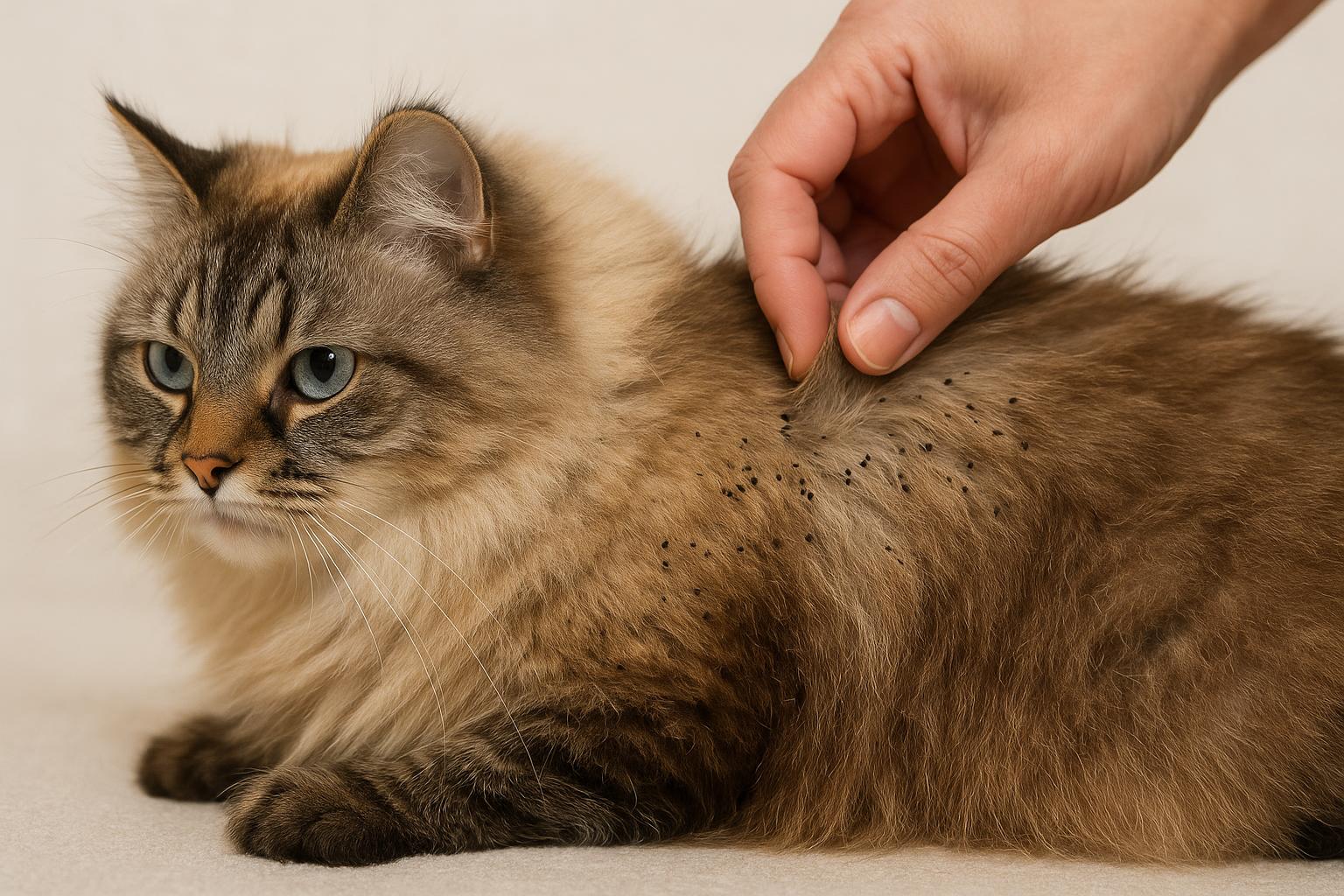
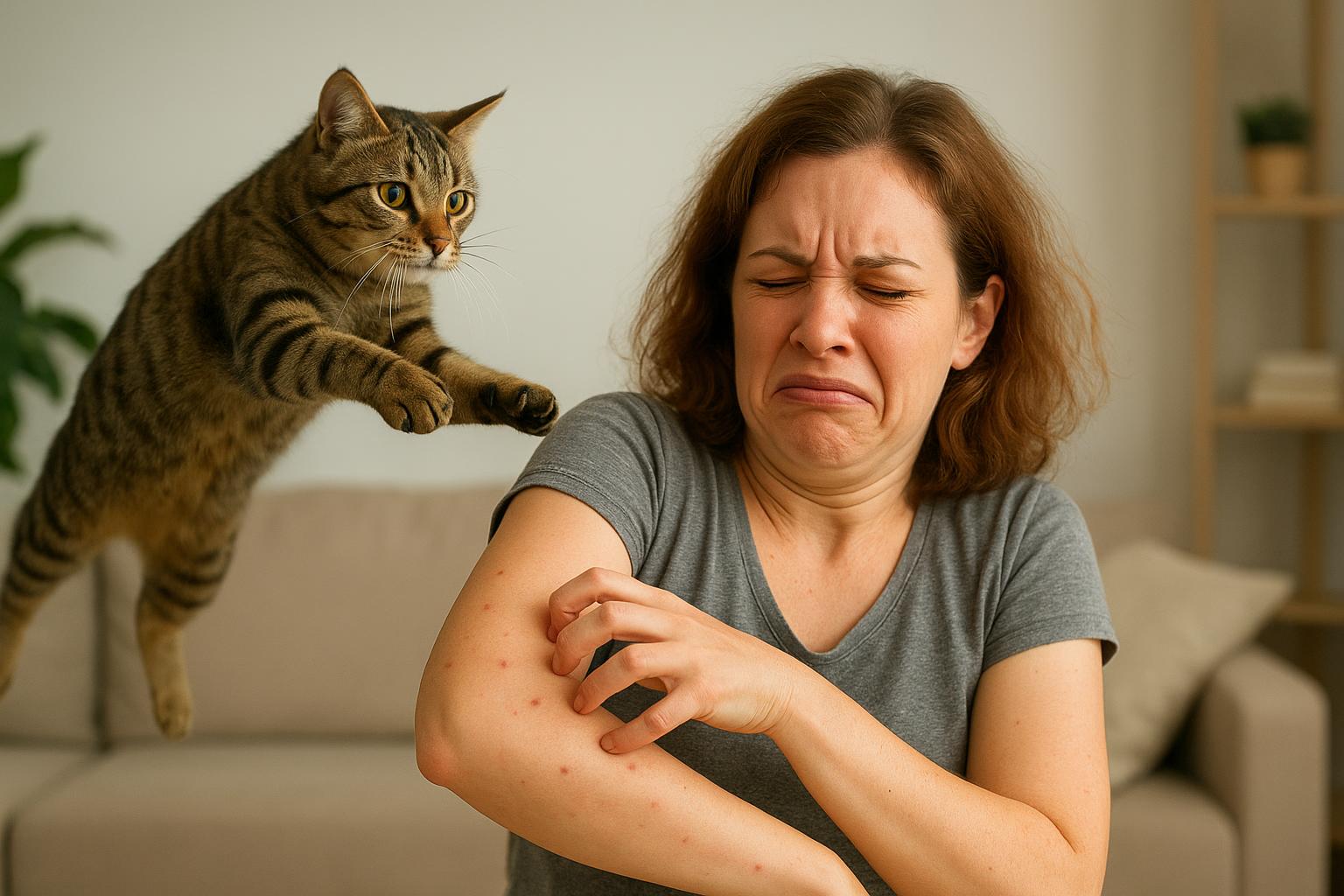
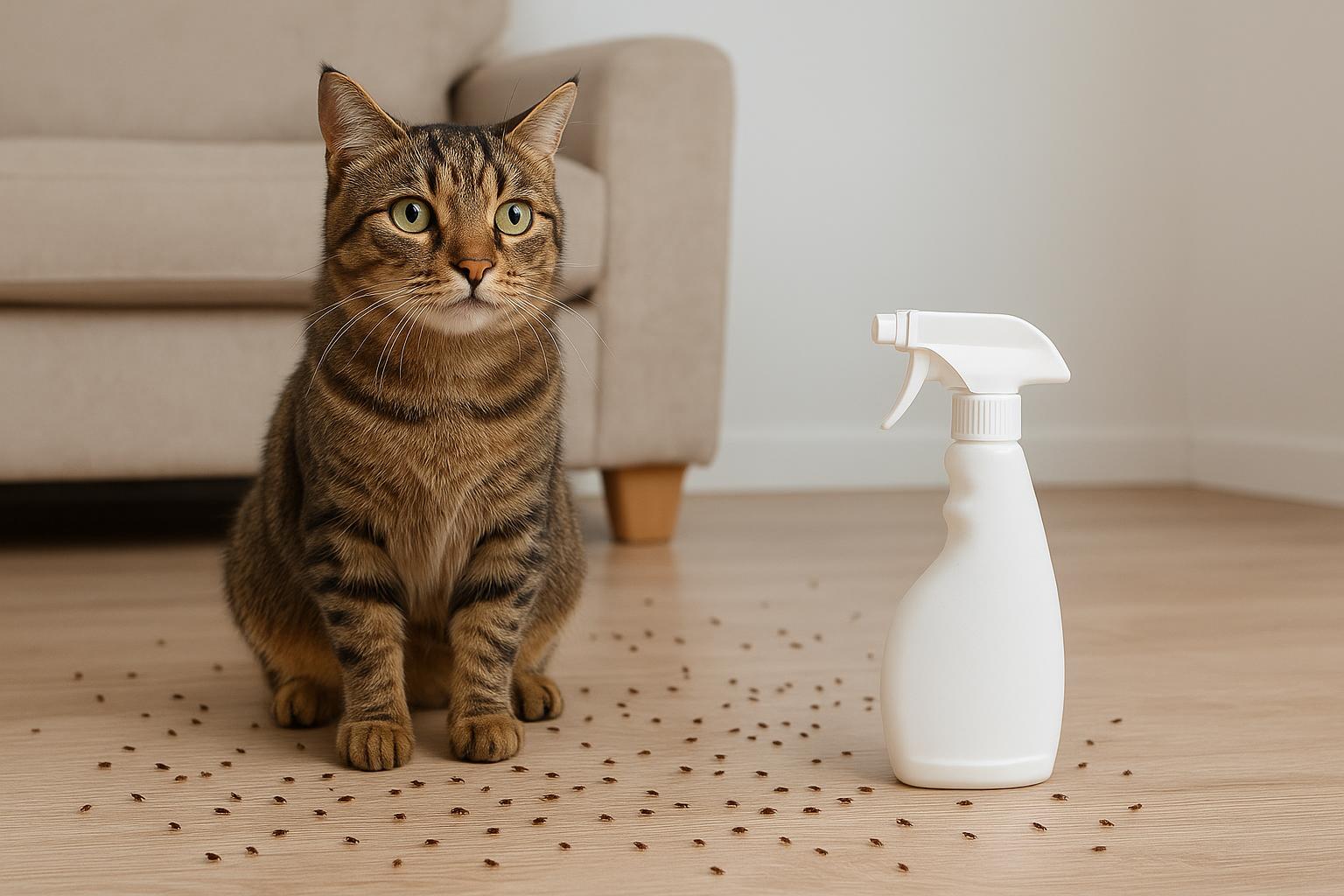
Look for increased scratching, tiny black “flea dirt” flecks on bedding, or small red bites on people. Vacuum tracks of neat fur-laden trails, or the sudden surge of nocturnal scratching sessions—these are clues the lifecycle is active in your space.
## Remedy 1: Professional Vet-Grade Protocol
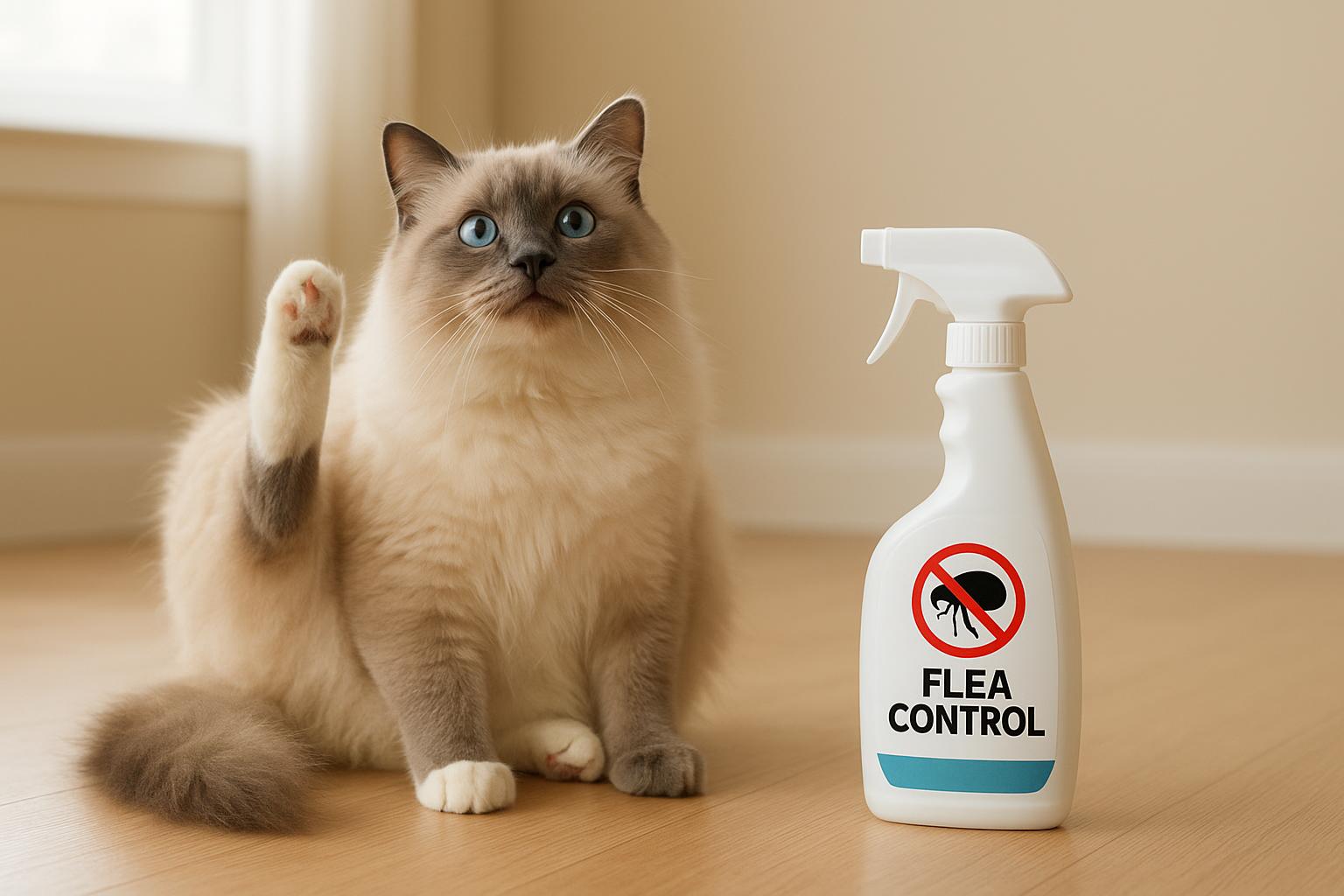
When fighting a full-blown infestation tied to the cat flea lifecycle, a professional, evidence-based approach is recommended. This protocol should be coordinated with a veterinarian and, if necessary, a licensed pest control operator.
Materials Required
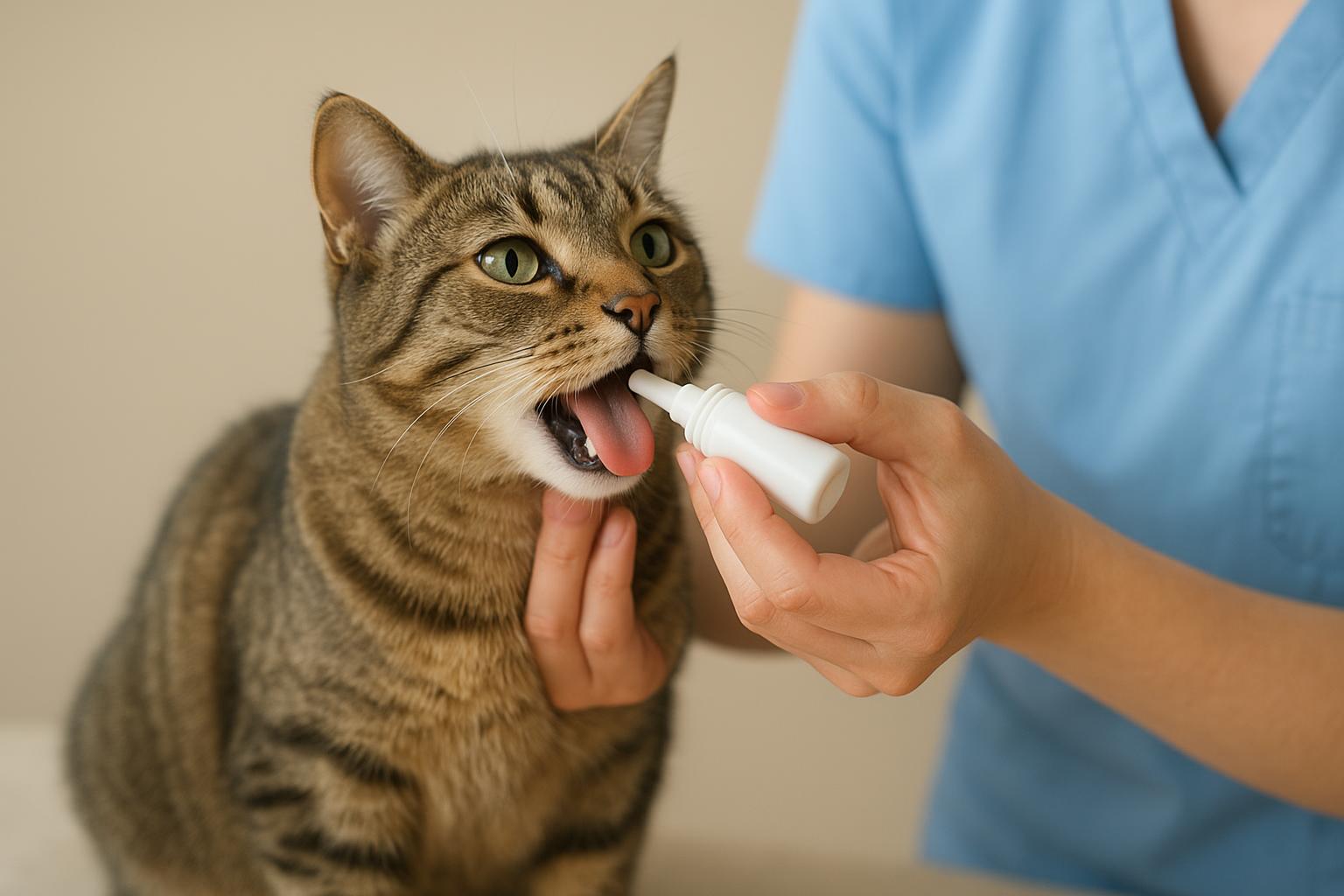
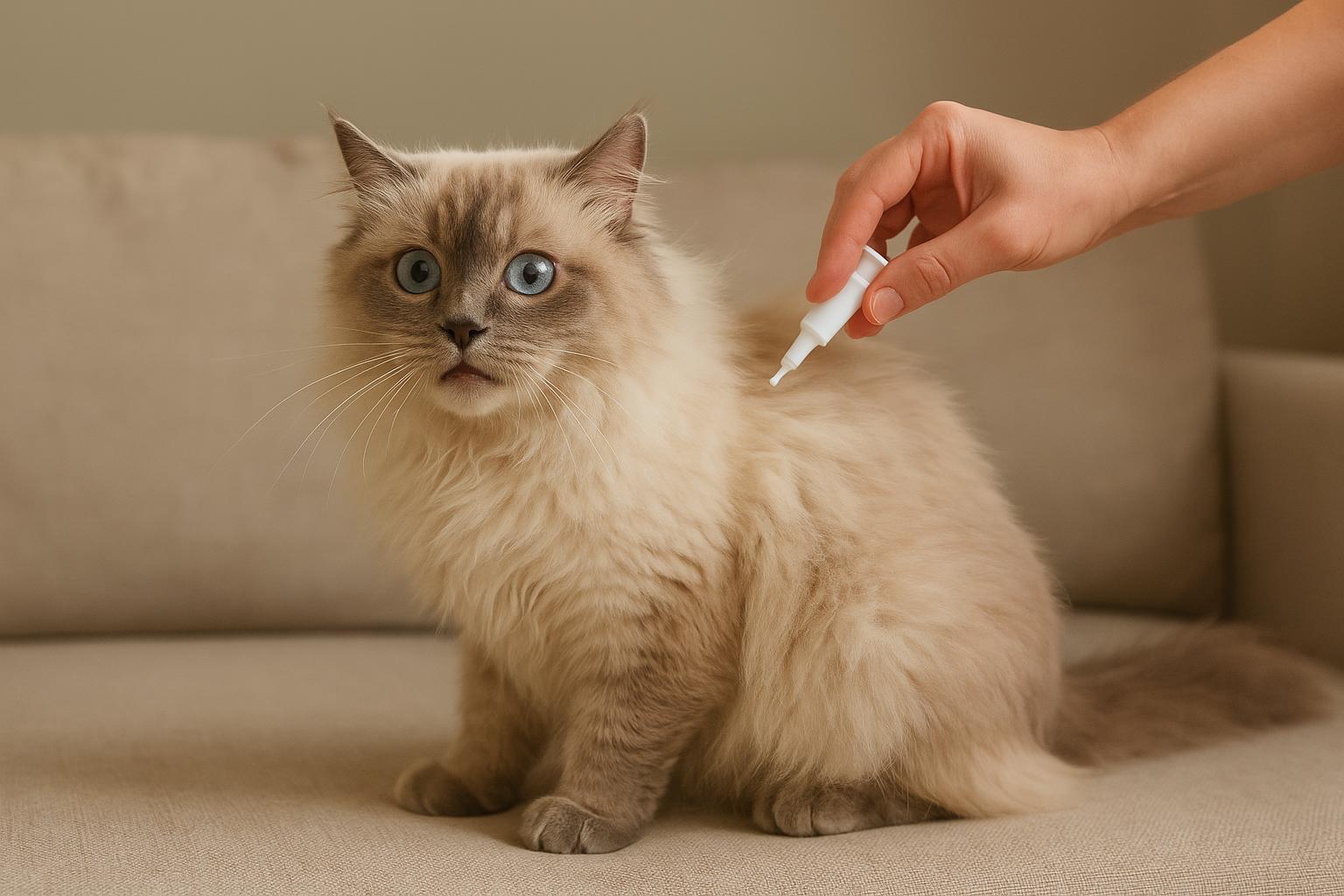
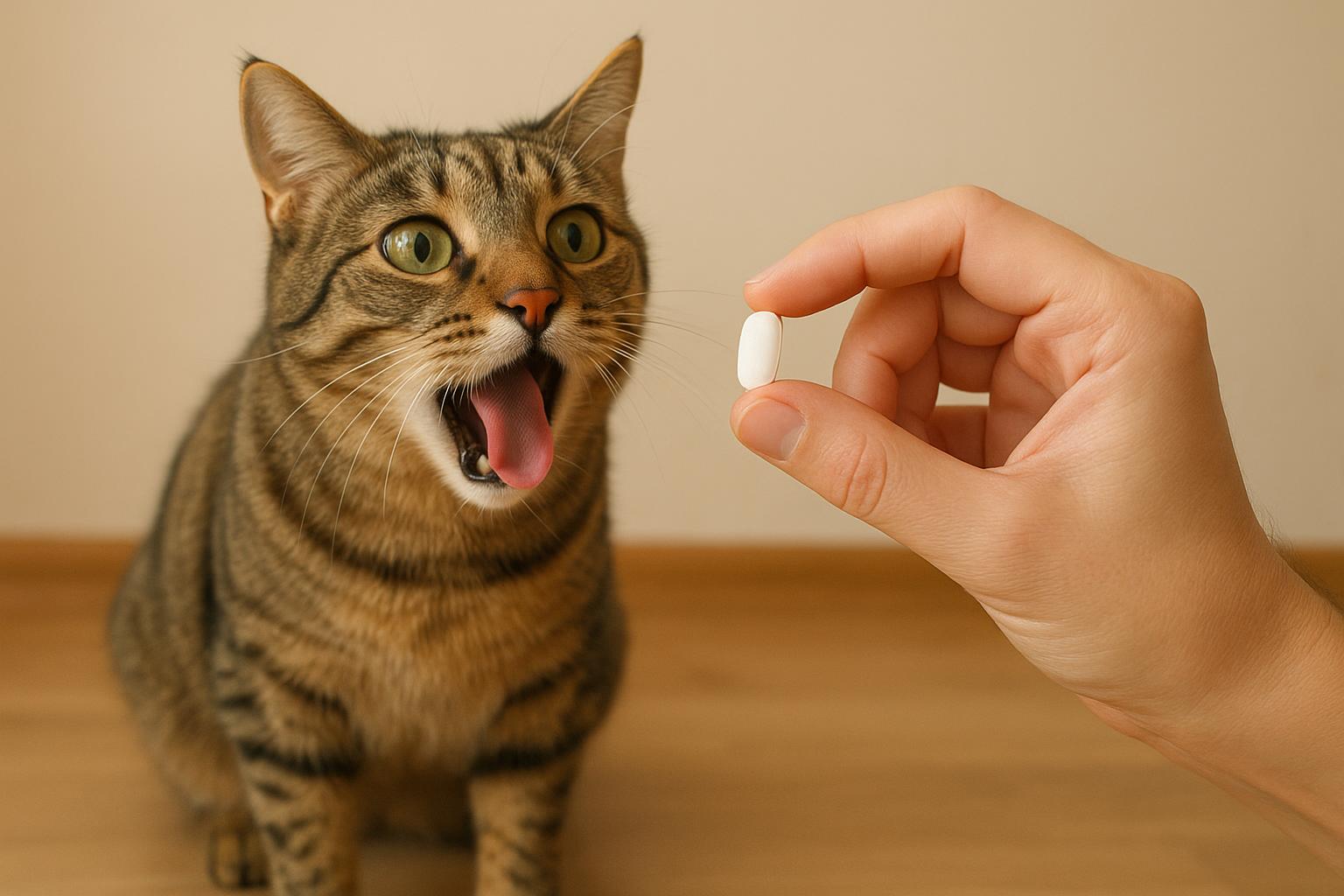
– Prescription or veterinarian-recommended flea adulticide (e.g., topical spot-on containing fipronil, imidacloprid, selamectin, or oral isoxazoline such as fluralaner or afoxolaner) — as prescribed.
– Environmental insect growth regulator (IGR) containing methoprene or pyriproxyfen.
– Household insecticidal spray or professional-grade fogger labeled for flea pupae and larvae.
– Vacuum with disposable bag.
– Washing machine and hot water detergent.
– Protective gloves and eye protection for handling chemicals.
Step-By-Step Application
1. Consult your veterinarian to select the appropriate systemic or topical adulticide for each pet in the household. Follow dosing exactly as prescribed. Do not substitute human products or non-approved treatments.
2. Begin treatment on all pets simultaneously to halt egg-laying. Continue according to the product schedule—many modern treatments last 1–3 months per application.
3. While pets are being treated, apply an EPA-registered environmental product that contains an IGR to carpets, baseboards, and upholstery per label directions. This interrupts egg and larval development.
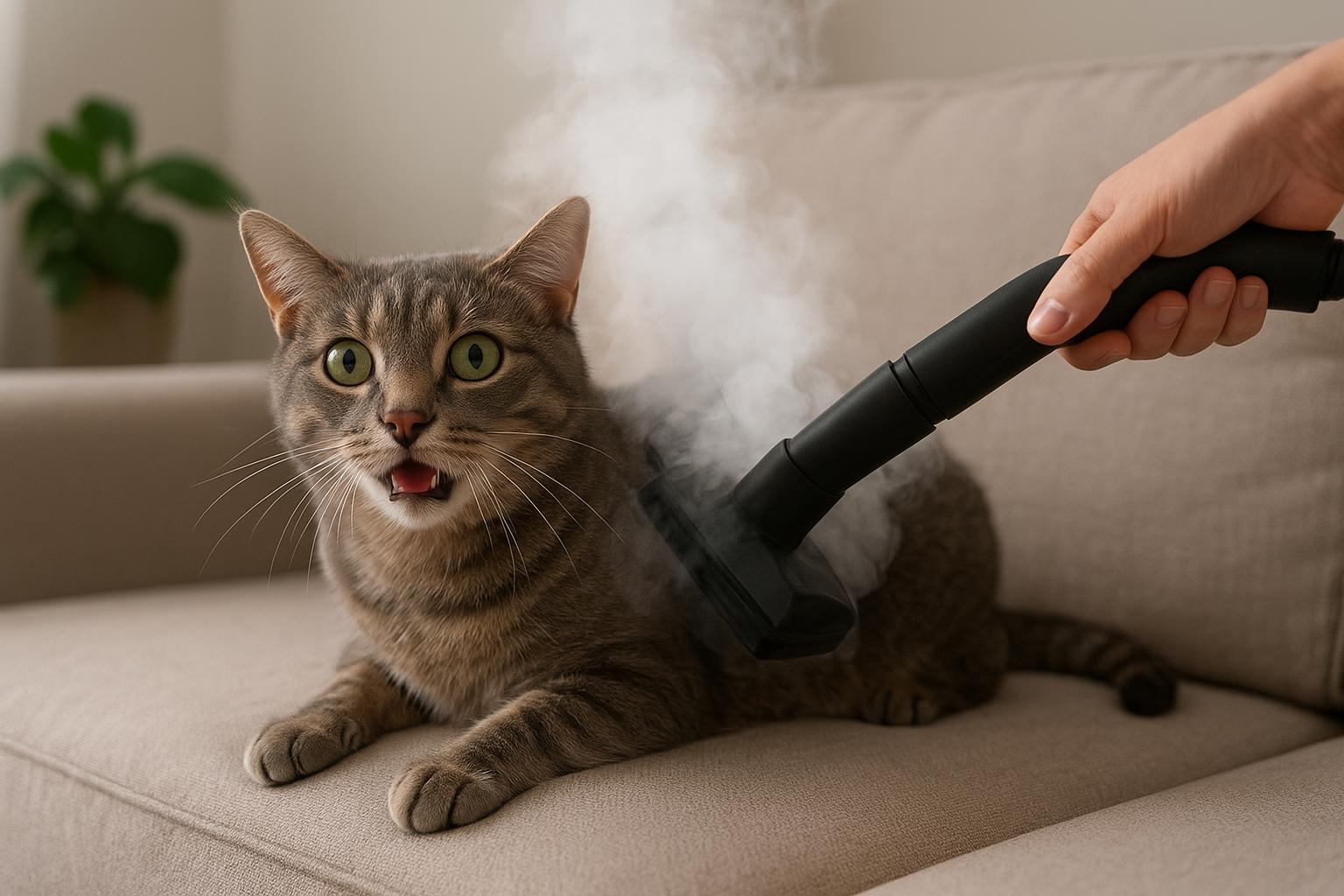
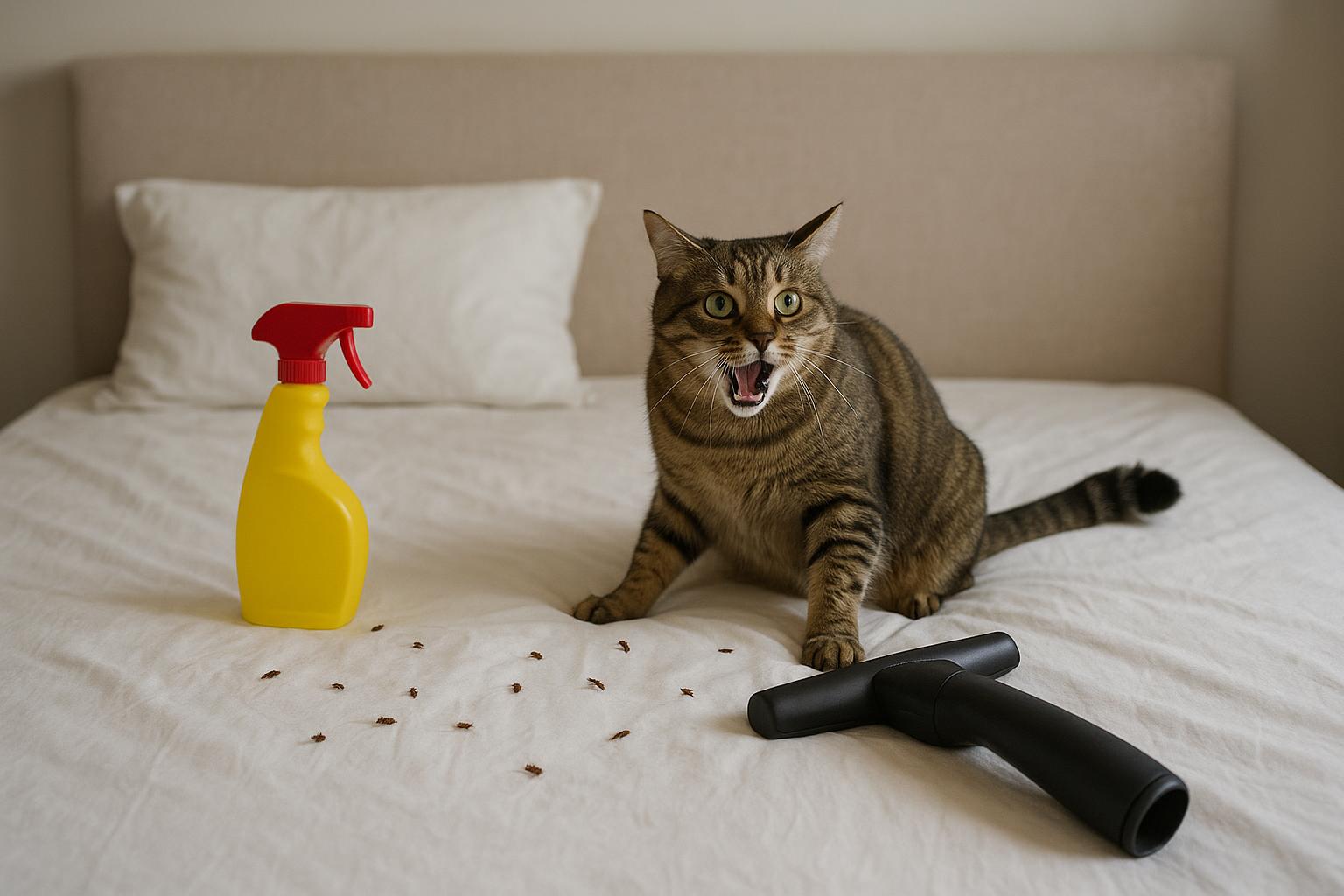
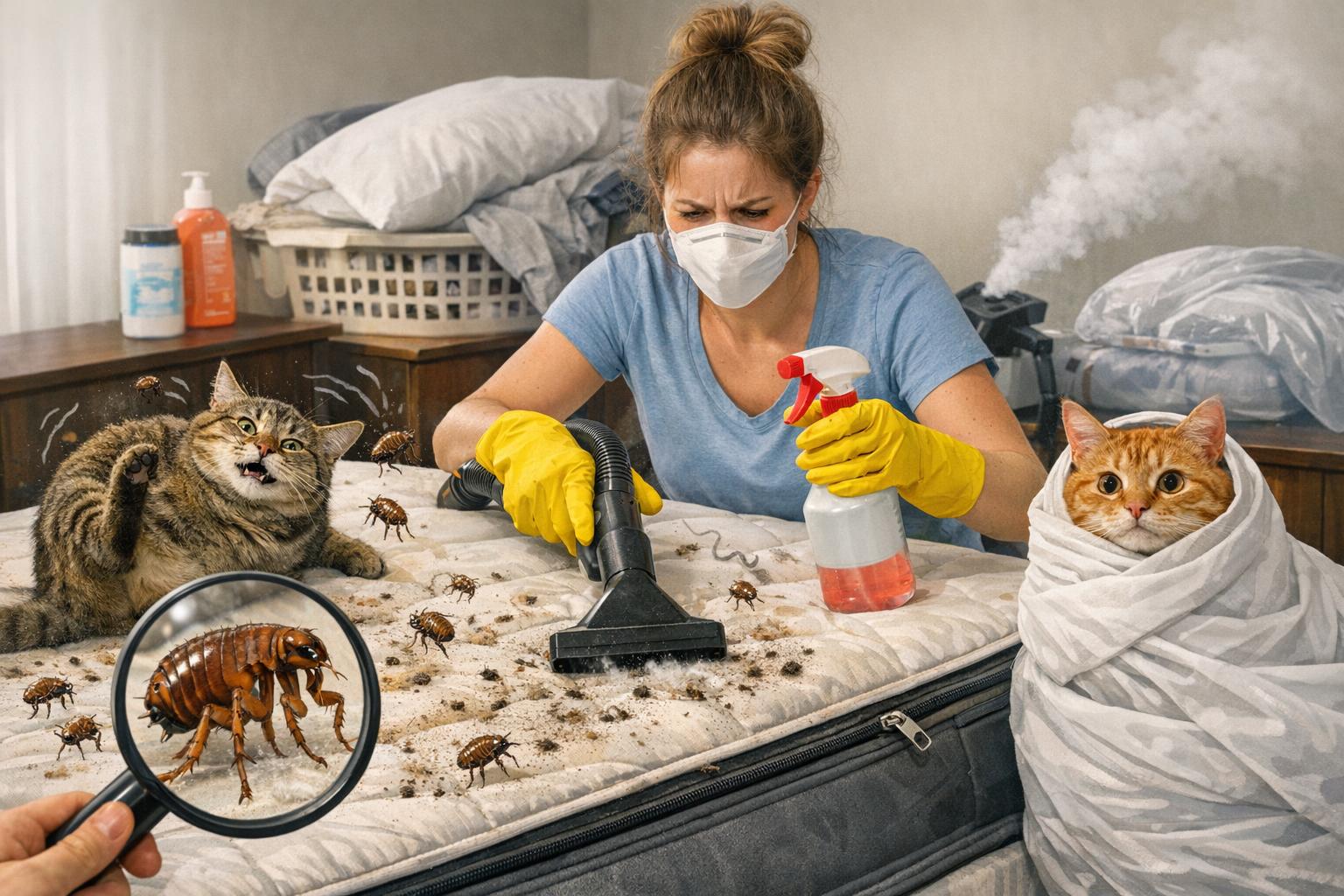
4. Vacuum every day for two weeks, then at least twice weekly for an additional four weeks. Dispose of vacuum bags or empty the canister outdoors after each use to prevent re-infestation.
5. Wash all pet bedding, human bedding, and removable upholstery covers in hot water (minimum 130°F/54°C) weekly for at least one month.
6. If infestation persists after 4–6 weeks, consult a licensed pest control professional to evaluate for targeted perimeter or indoor treatments. Ensure any pesticides used are approved for indoor use and follow all safety protocols.
Note: Always read and adhere to label directions for both veterinary medications and environmental insecticides. Use caution around children, pregnant individuals, and immunocompromised household members.
## Remedy 2: Home Treatment And Prevention For Low-Level Infestations
If you’ve caught fleas early or prefer an integrated approach, a disciplined home regimen can control the cat flea lifecycle when paired with pet treatment. This method is less invasive but demands consistency.
Materials Required
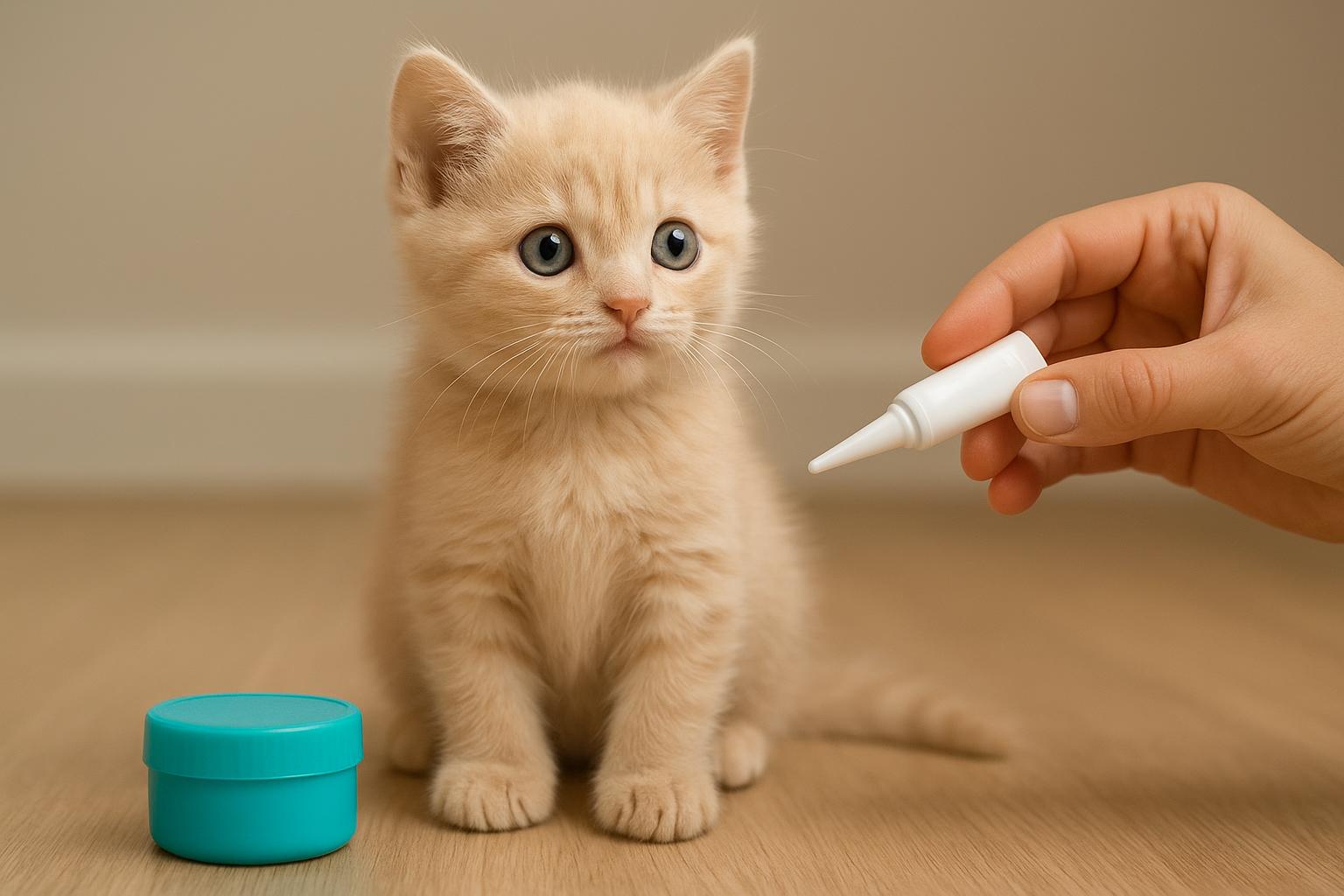
– Vet-approved flea treatment for pets (topical spot-on or oral) — as recommended by your veterinarian.
– Food-grade diatomaceous earth (DE), pet-safe variety. (Use cautiously and avoid inhalation.)
– Stiff-bristled broom or brush.
– Vacuum with disposable bag.
– Laundry detergent and hot water.
– Enzyme cleaner for spot-cleaning.
– Flea comb for pets.
Step-By-Step Creation And Application
1. Begin with pet treatment: obtain and administer veterinarian-recommended flea control on all animals in the home. This is essential before focusing on the environment.
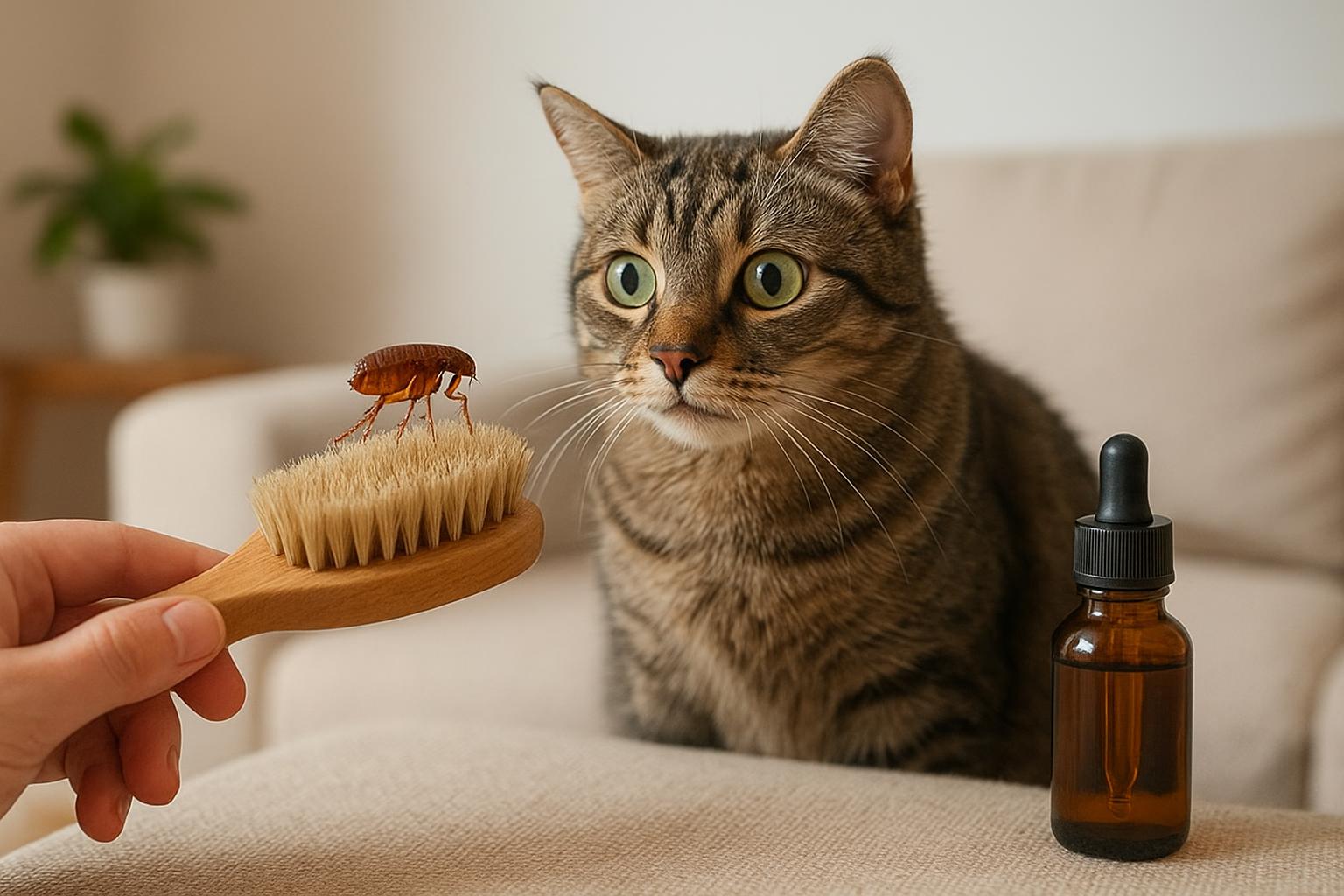
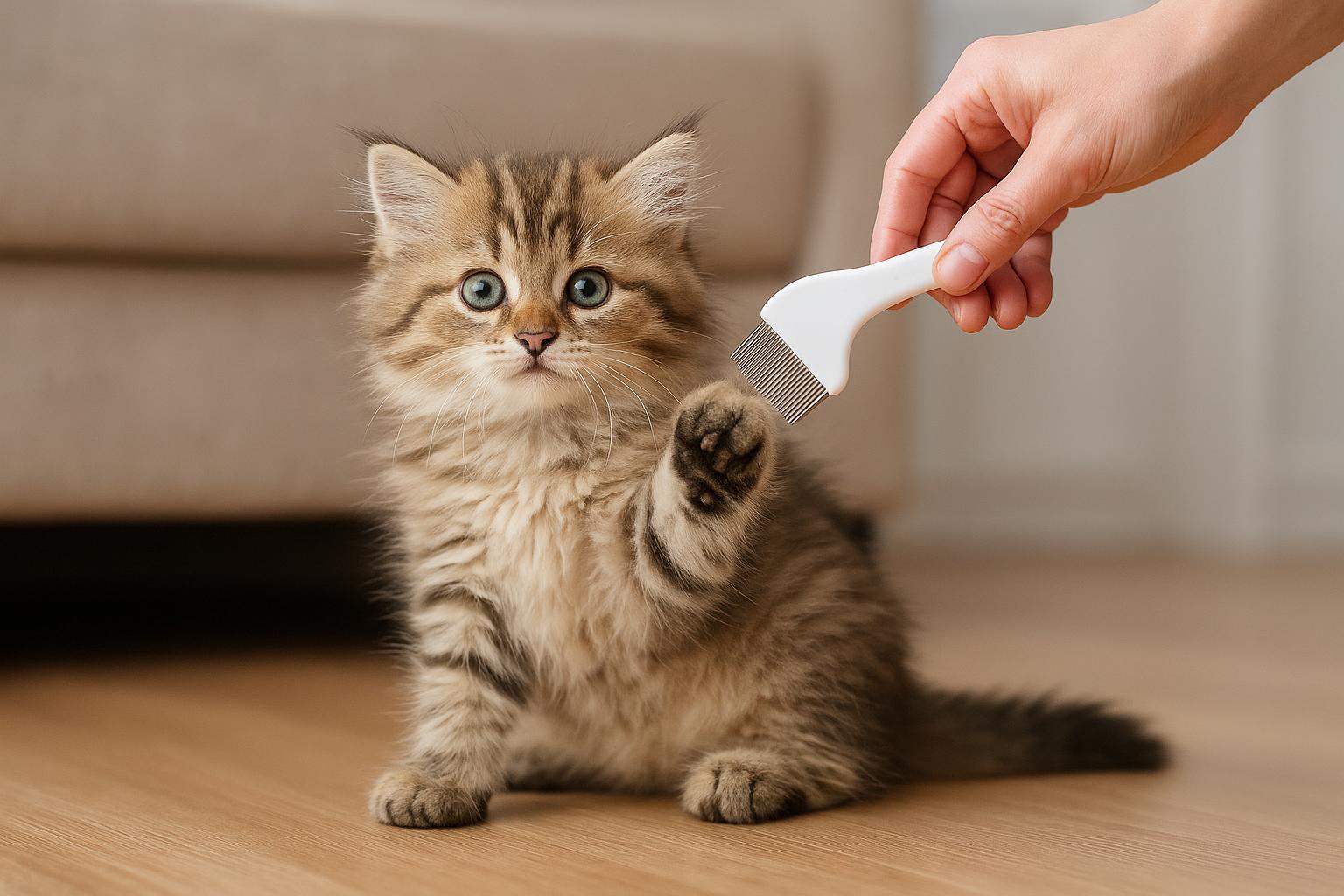
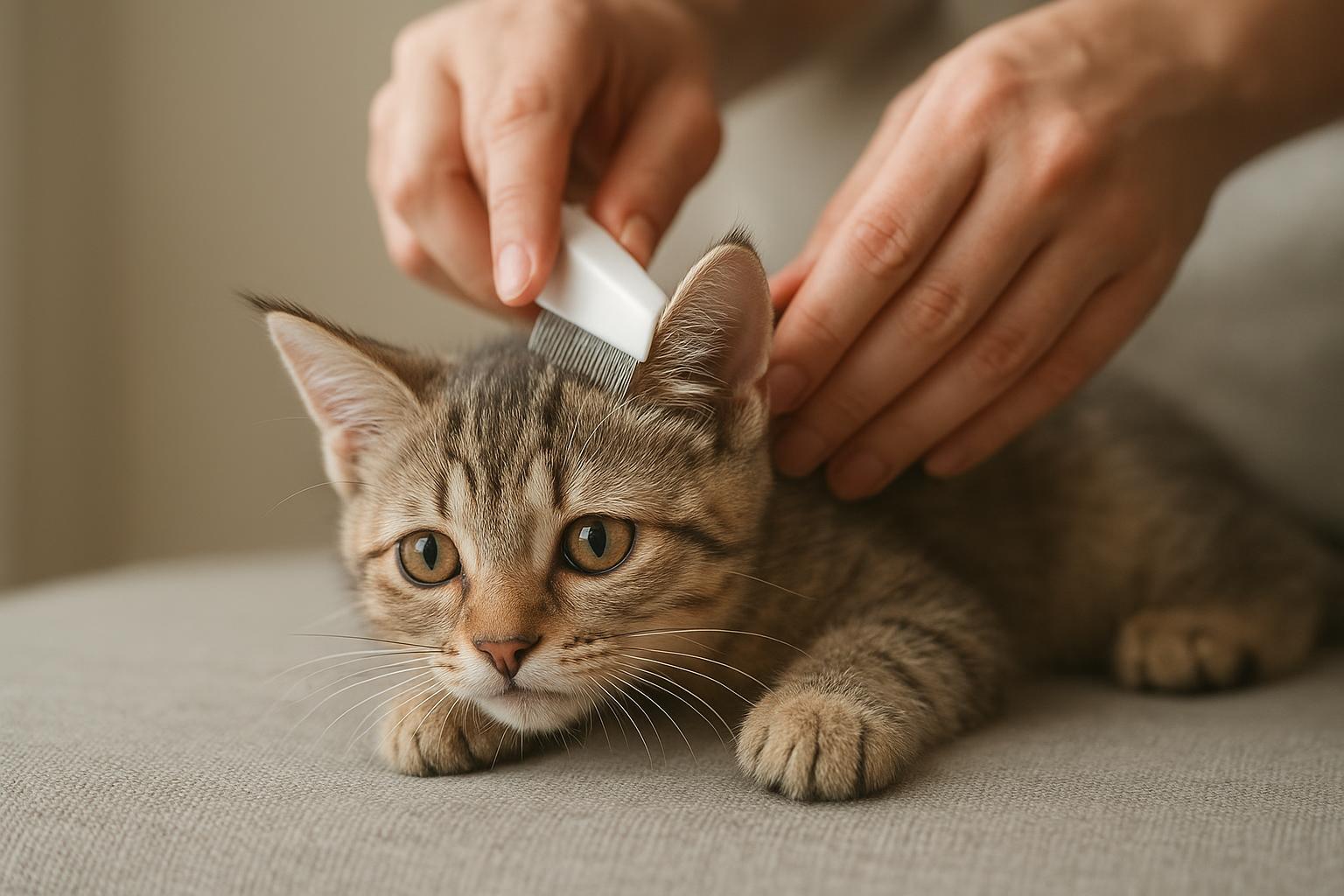
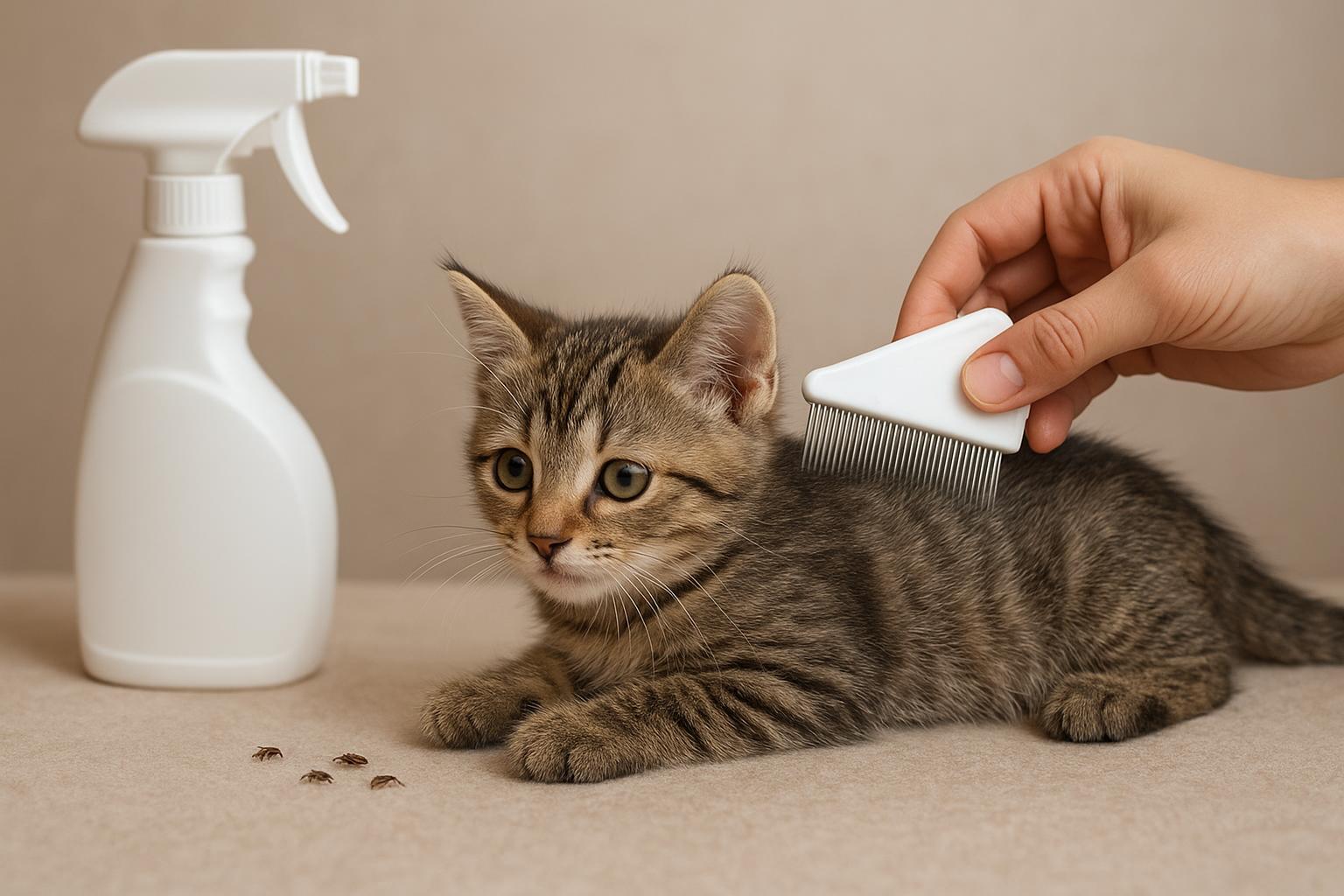
2. Groom pets daily with a fine-toothed flea comb; remove and drown fleas in soapy water. This reduces adult flea numbers and improves detection.
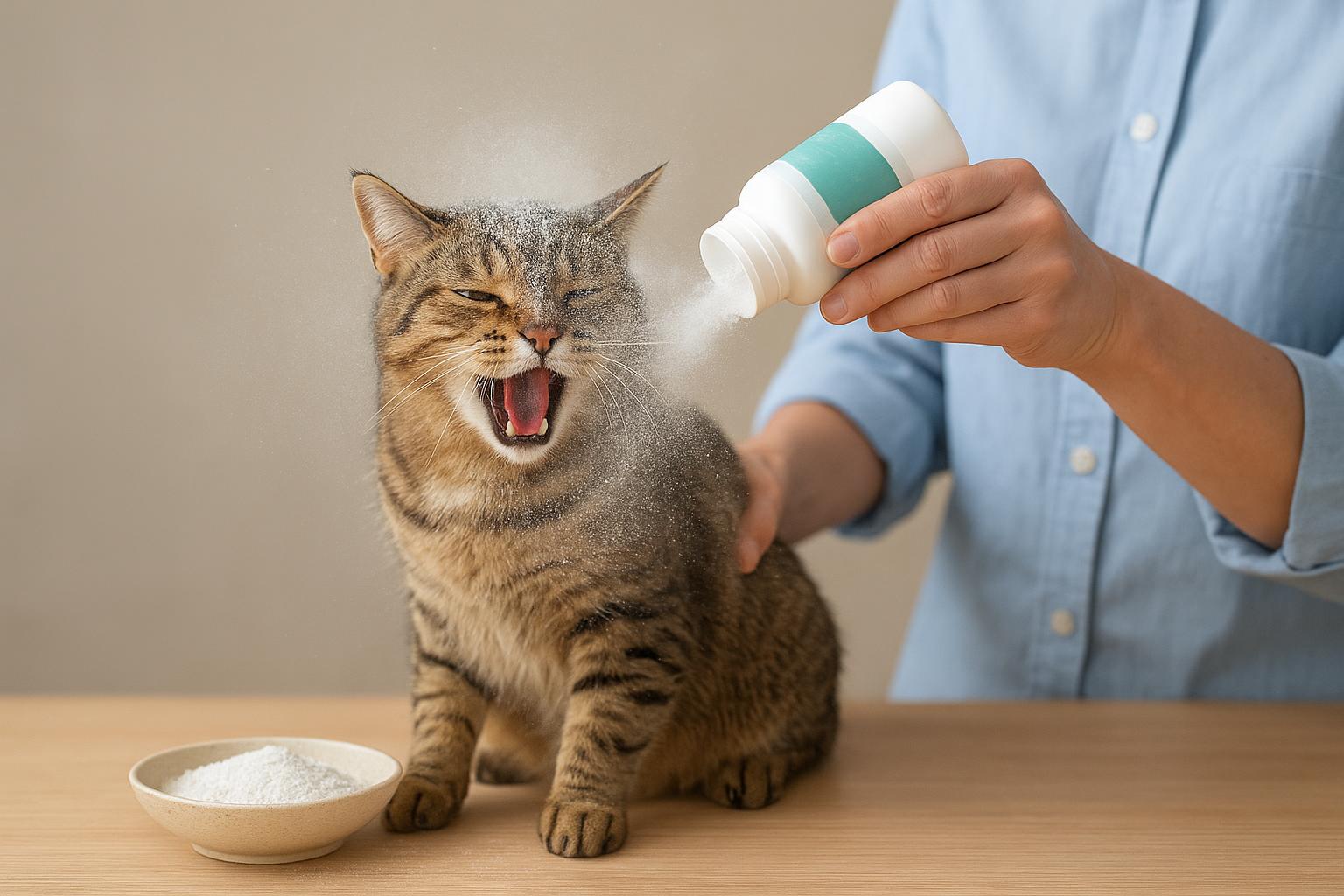
3. Apply diatomaceous earth lightly to carpets, baseboards, and under furniture crevices. Leave in place 48–72 hours, then vacuum thoroughly. Repeat weekly for three weeks. Note: DE works by mechanical desiccation; do not use pool-grade DE and avoid creating dust clouds.
4. Vacuum high-traffic and pet-sleeping areas daily for two weeks, then at least twice weekly for another four weeks. Empty canister outdoors immediately.
5. Wash all bedding and fabric in hot water weekly for one month. For non-washable items, place in sealed bags and leave in direct sunlight for several days or use heat (e.g., tumble dry) where appropriate.
6. Reduce humidity where possible—use a dehumidifier in basements and poorly ventilated rooms. Larvae thrive in humidity; lowering moisture slows development.
7. Continue preventive flea medication for pets year-round if you live in an area with year-round flea pressure.
### Safety And Efficacy Notes
Home measures can be effective in early infestations, but they require rigorous follow-through. If you notice recurring fleas after a month of diligent application, escalate to Remedy 1 and consult your veterinarian.
## How To Avoid Future Relapses
Understanding the cat flea lifecycle means accepting that intermittent vigilance beats sporadic panic. Keep pets on year-round prevention if fleas are common in your area, maintain regular cleaning habits, and check new pets or outdoor animals before they make themselves at home. Fleas hitch rides in many ways—boots, secondhand furniture, and wildlife—so a little prevention goes a long way.
## Quick Checklist For Action This Weekend
– Inspect pets with a flea comb and check for “flea dirt.”
– Start pet treatment as recommended by your vet.
– Wash pet bedding and vacuum thoroughly; empty the vacuum outdoors.
– Apply environmental measures (IGR or DE) appropriate to the severity of the infestation.
– Schedule follow-up cleaning over the next 4–8 weeks to disrupt the cat flea lifecycle at every stage.
No one wants to cohabitate with tiny vampires, but with a clear understanding of the cat flea lifecycle and a structured treatment plan, you can turn your home from flea prime real estate into a secure, bite-free zone.











Leave a Reply