
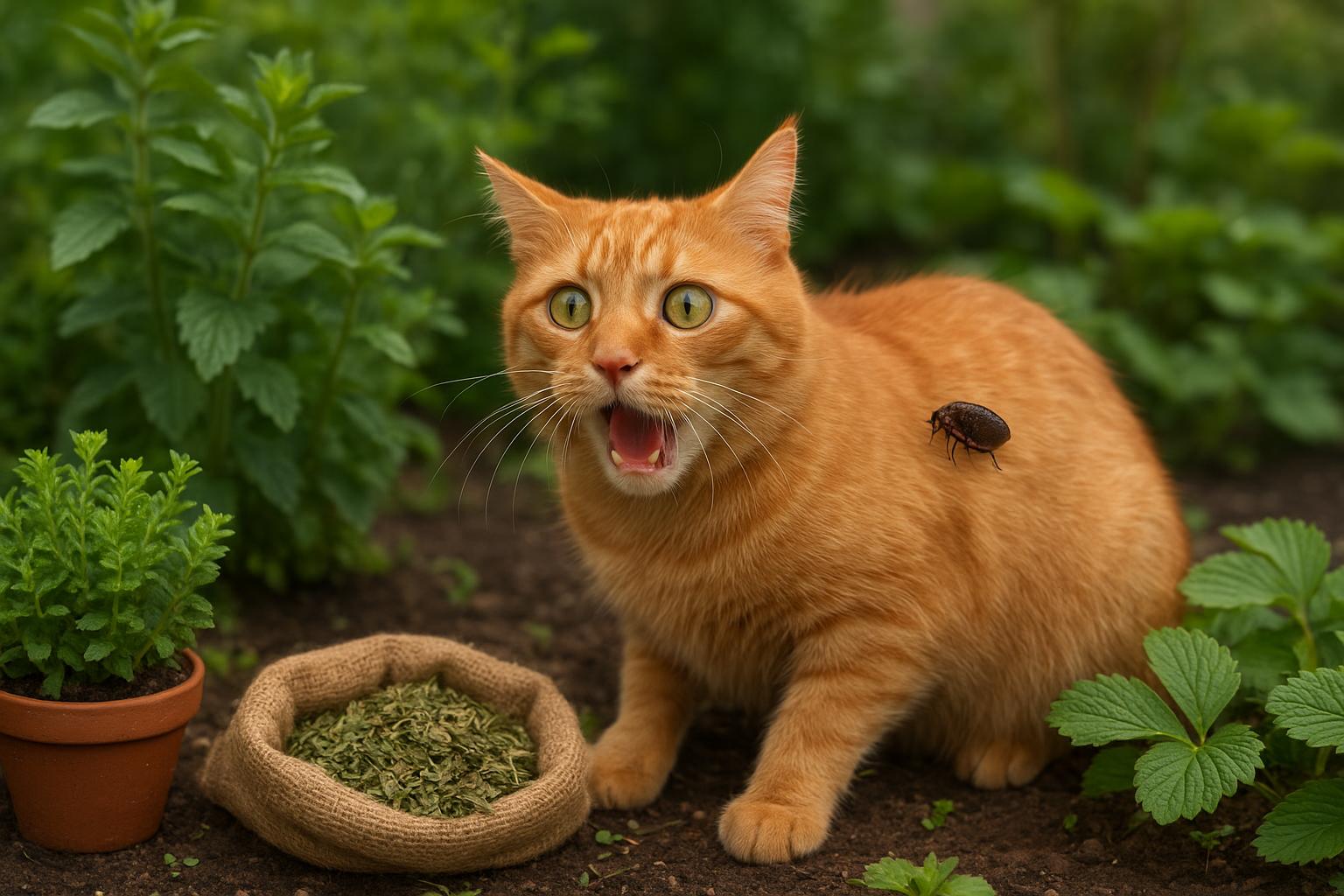
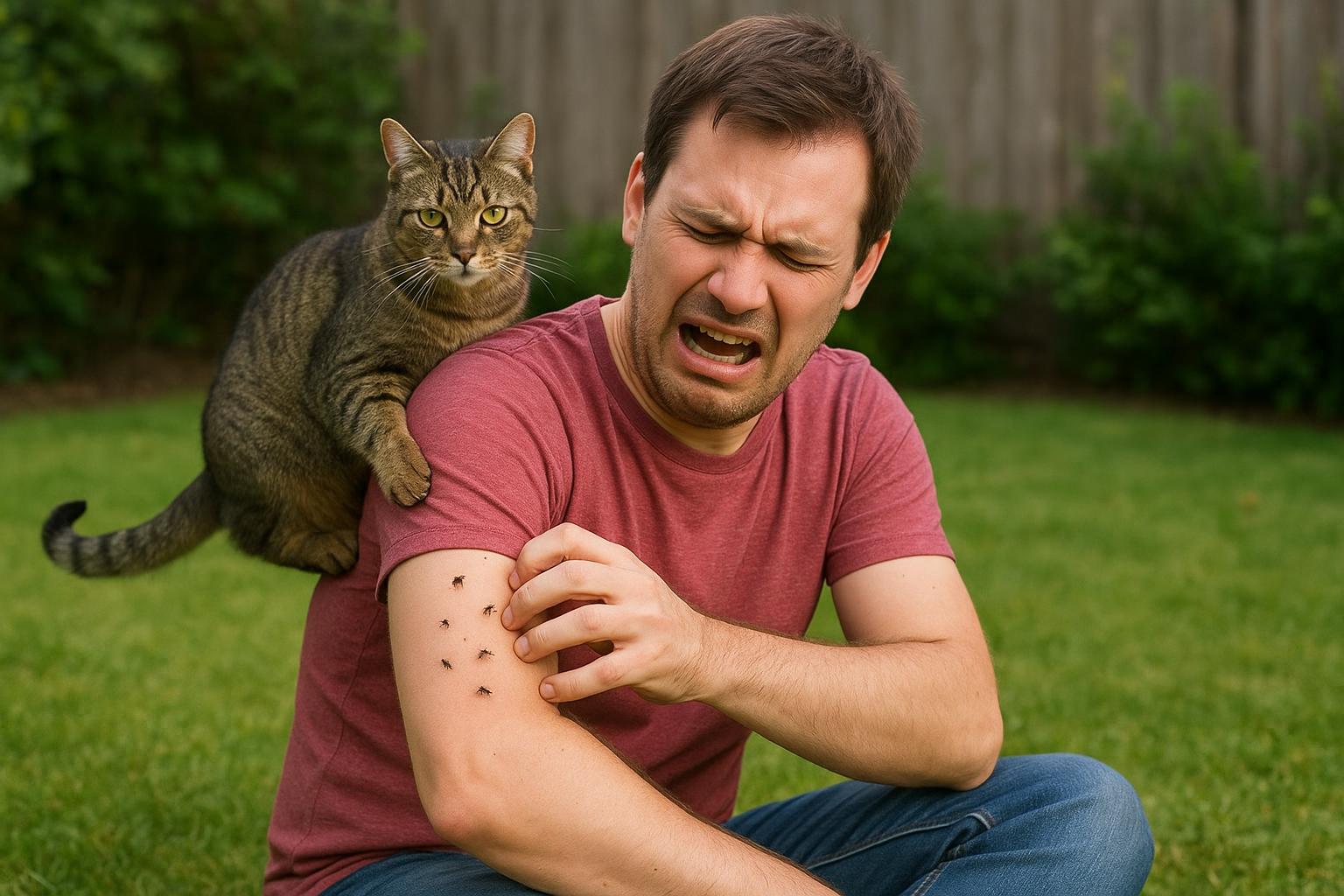
You love your backyard — and you love your pets — but fleas seem to think your lawn is an all-you-can-eat buffet. Before you reach for harsh chemicals, consider a gentler, surprisingly effective strategy: herbs. These modest plants can knock fleas off your radar when used smartly. Expect practical steps, a little botany cheerleading, and safe, evidence-informed remedies.
## Herbs For Fleas: Why Plants Outshine Chemicals
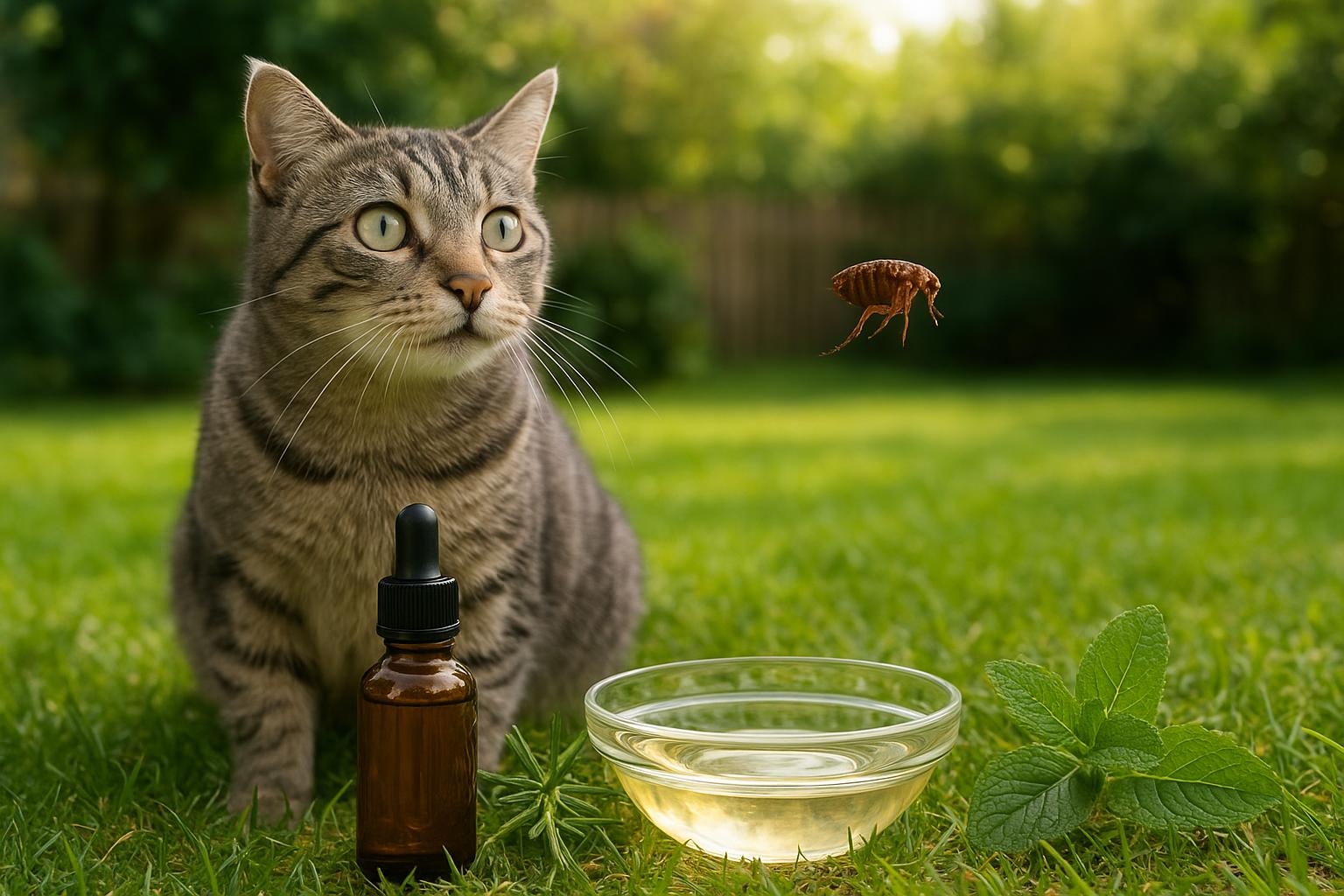
Plants produce powerful compounds to survive insects, and a handful of them are particularly disagreeable to fleas. Using herbs for fleas taps into aromatic oils and bitter compounds that interfere with flea behavior — scent masking, repellency, and in some cases, mild toxicity to the flea or its larvae. The approach is not a single silver bullet, but when layered with sanitation, pet care, and targeted treatments it meaningfully reduces populations.
### How Aromatics Interrupt Flea Behavior
Fleas find hosts by scent and heat. Strong-smelling herbs confuse and repel them. Essential oils like those from rosemary, peppermint, and lavender contain terpenes and phenols that fleas dislike. Some herbs also dry microhabitats where flea larvae thrive, making your yard a less cozy nursery. Think of herbs as natural border patrol — they won’t do all the work, but they make your yard a lot less inviting.
### Safety And Realistic Expectations
A quick reality check: herbs for fleas are preventive and supplementary tools. They work best as part of an integrated plan: clean bedding, vacuuming, regular pet flea control, and yard maintenance. Also, essential oils can be dangerous to cats and un-diluted oils can irritate pet skin. When treating animals or areas they frequent, use gentle dilutions and consult a veterinarian for any pet-specific concerns.
## 1. DIY Herbal Flea Spray
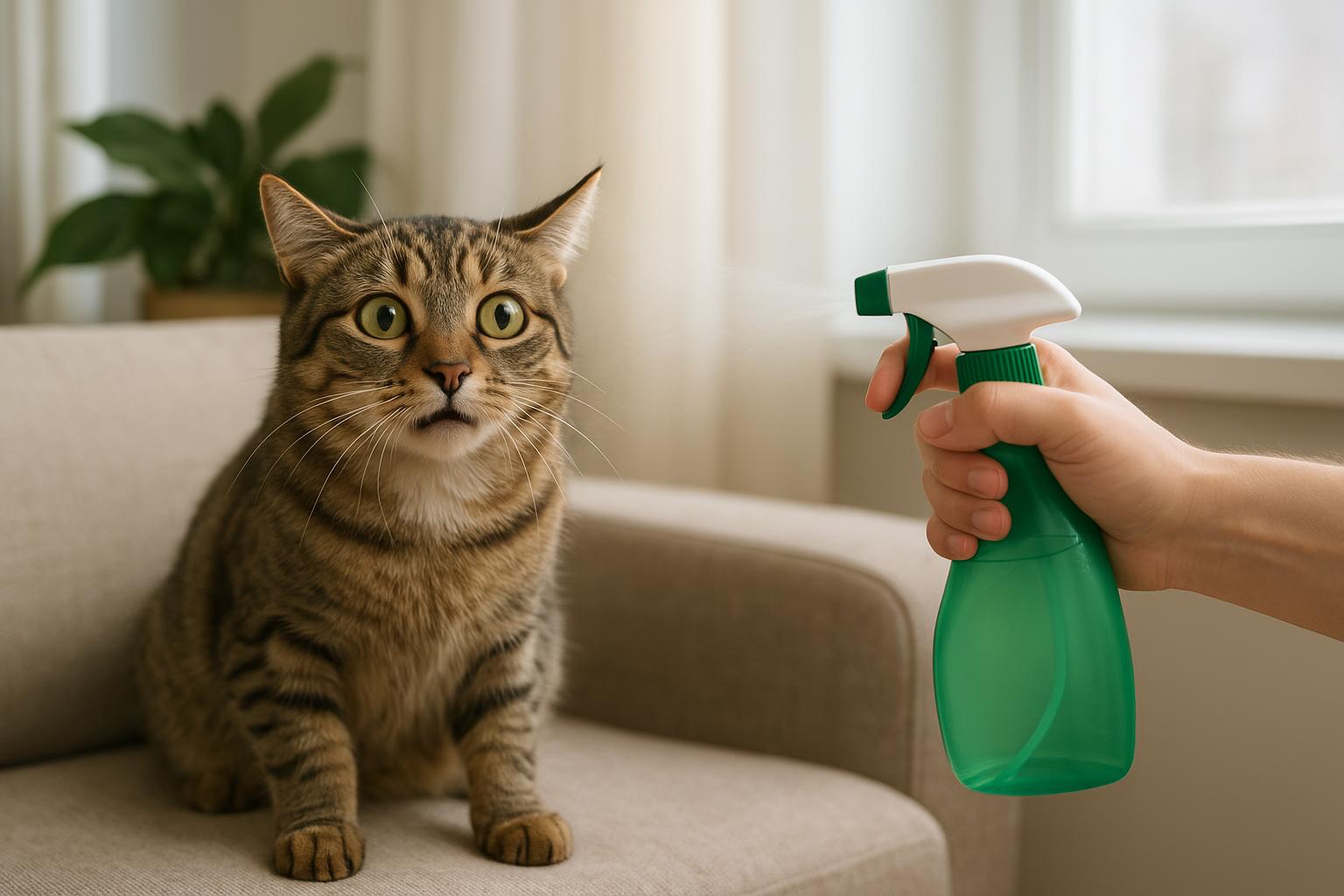
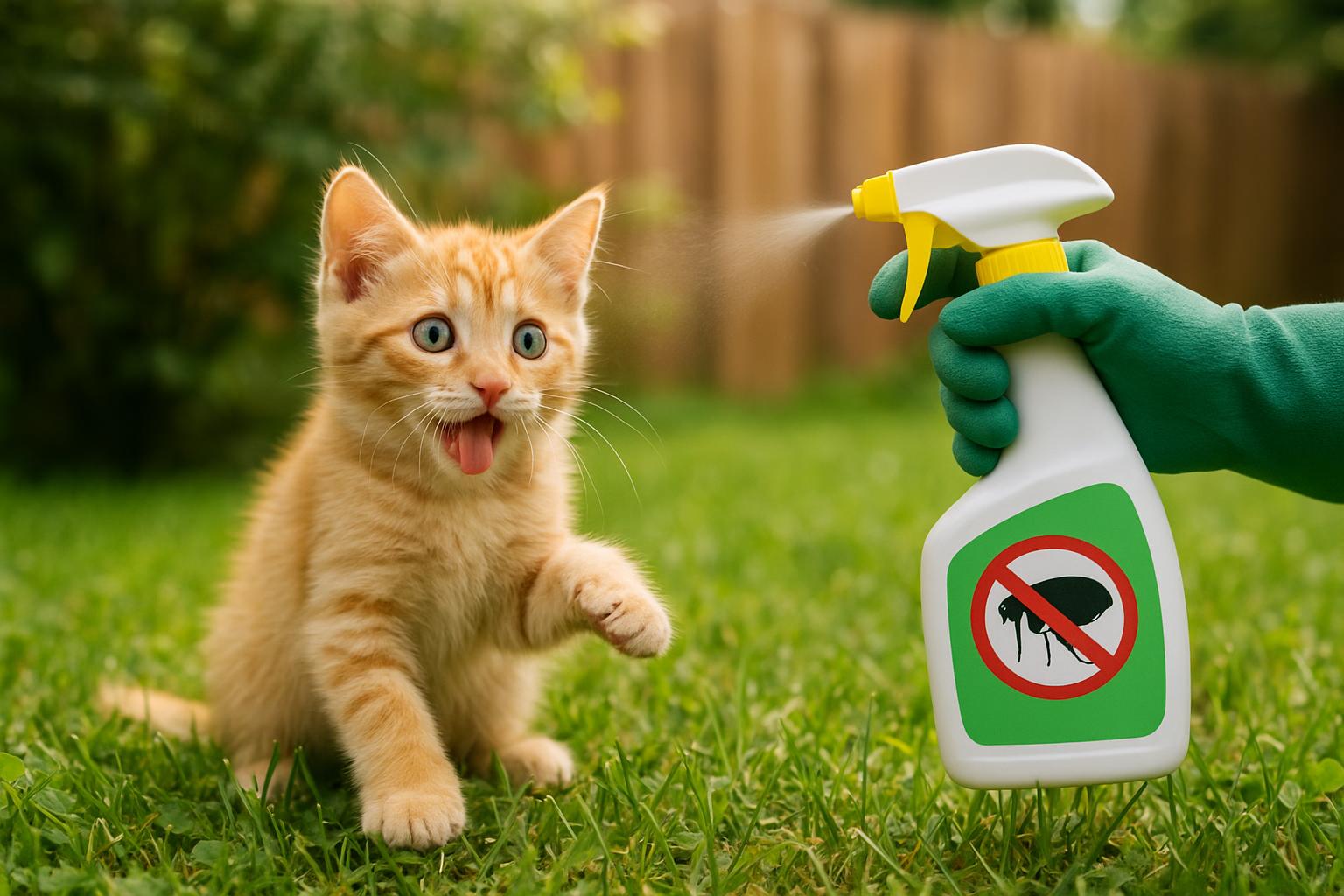
A versatile, all-purpose spray that helps reduce adult fleas on fabrics, outdoor seating, and in shaded lawn nooks. Formal instructions follow to ensure consistent results and safety.
### Ingredients And Materials
– 3 cups distilled or filtered water
– 1 cup white vinegar (acetic acid helps extract plant oils and acts as a mild deterrent)
– 2 tablespoons witch hazel (optional, helps emulsify)
– 1/3 cup fresh rosemary leaves (or 2 tablespoons dried)
– 1/3 cup fresh lavender flowers (or 2 tablespoons dried)
– 1/3 cup fresh peppermint leaves (or 2 tablespoons dried)
– A clean spray bottle (32 oz recommended)
– Fine strainer or cheesecloth
– Funnel and measuring tools
### Step-By-Step Preparation
1. Chop fresh herbs coarsely to increase surface area. If using dried herbs, measure as directed.
2. In a medium pot, bring water to a near-boil and pour over the herbs in a heatproof jar. Cover and steep 30–45 minutes to extract oils.
3. Strain the infusion through a fine strainer or cheesecloth into a bowl; press the herbs gently to get the most liquid.
4. Add the white vinegar and witch hazel to the infusion and stir. Allow to cool to room temperature.
5. Using a funnel, pour the mixture into the spray bottle. Label with date; keep refrigerated and use within 7–10 days for freshness.
### Application And Safety Notes
– Shake gently before each use. Test a small fabric patch first to check for staining or color transfer.
– Spray lightly on outdoor cushions, pet bedding (only when dry and after consulting vet), shaded lawn areas, and along fence lines. Do not spray directly on pets.
– Reapply every 3–5 days during peak flea activity, and after rain.
– For spot treating inside the house, vacuum thoroughly beforehand and use the spray on baseboards and pet resting spots, avoiding areas where pets groom themselves immediately after.
## 2. Herbal Yard Sachets And Plant Borders
Aimed at making microhabitats unappealing to fleas, this remedy uses strategic planting and sachets in shady, humid nooks where larvae love to hide. Consider this your landscape-level deterrent.
### Ingredients And Materials
– Small breathable fabric sachets or mesh bags
– Dried rosemary, lavender, mint, lemon balm (lemon balm is a gentle repellent)
– Optional: cedar shavings (avoid on floors where pets might ingest large amounts)
– Garden trowel and gloves
– Plants for borders: rosemary, lavender, catmint (Nepeta), and marigold
### Step-By-Step Creation And Placement
1. Fill each sachet loosely with a mix of dried rosemary, lavender, and mint. Cedar shavings may be added sparingly.
2. Place sachets under benches, beneath outdoor pet houses, and tucked into planter soil where moisture accumulates. Replace sachets every 4–6 weeks or when aroma fades.
3. For garden borders, plant rosemary and lavender along sunny, dry edges. These plants prefer sun and well-drained soil; their aromatic oils are strongest under stress-free growth.
4. Use catmint and marigolds in mixed beds. Note: cats may be attracted to catmint, but the plant’s volatile oils are disliked by fleas.
5. Maintain plants by pruning to encourage airflow and reduce humid microclimates favored by flea larvae.
## 3. Dry Herb Flea Dust (For Lawns And Cracks)
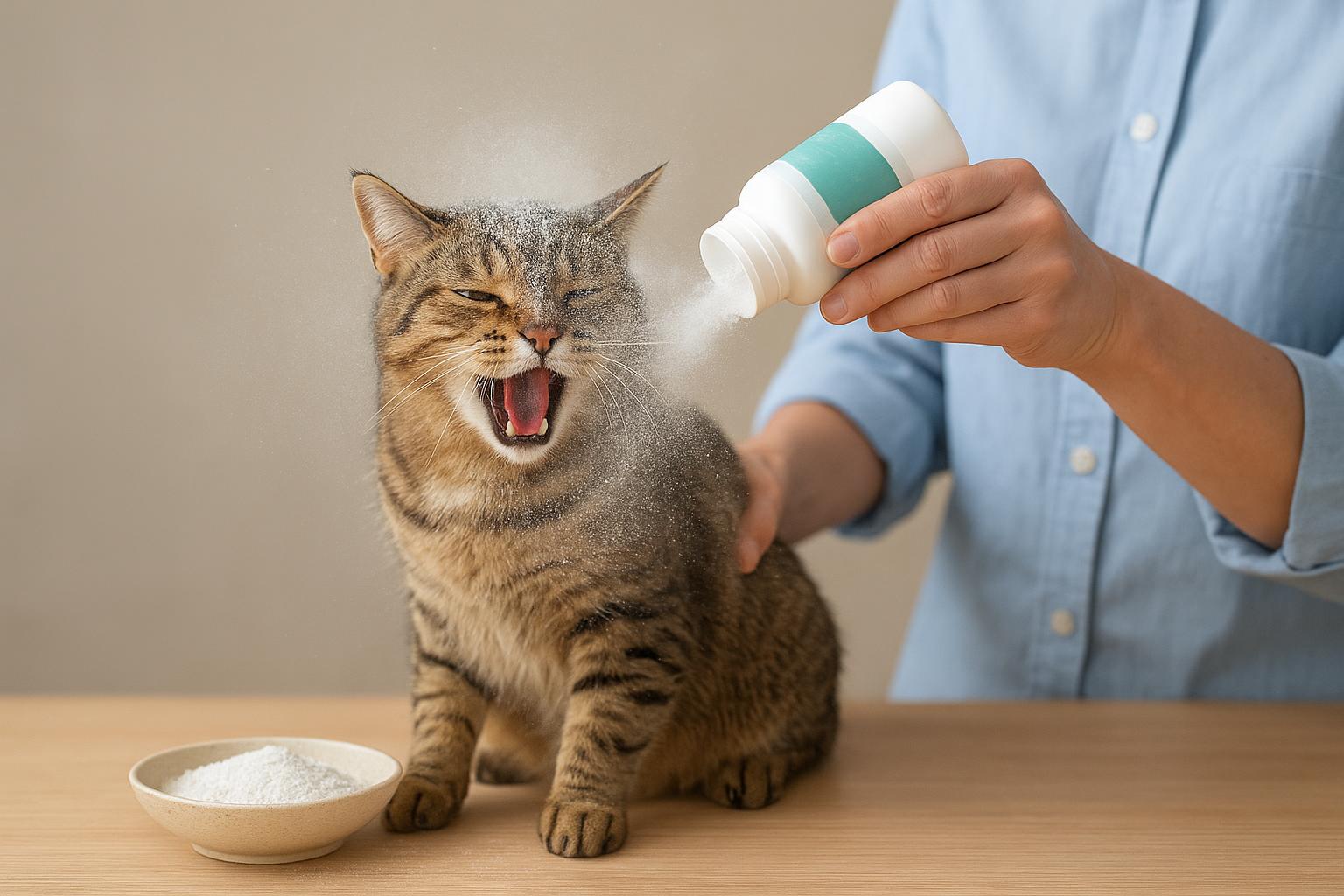
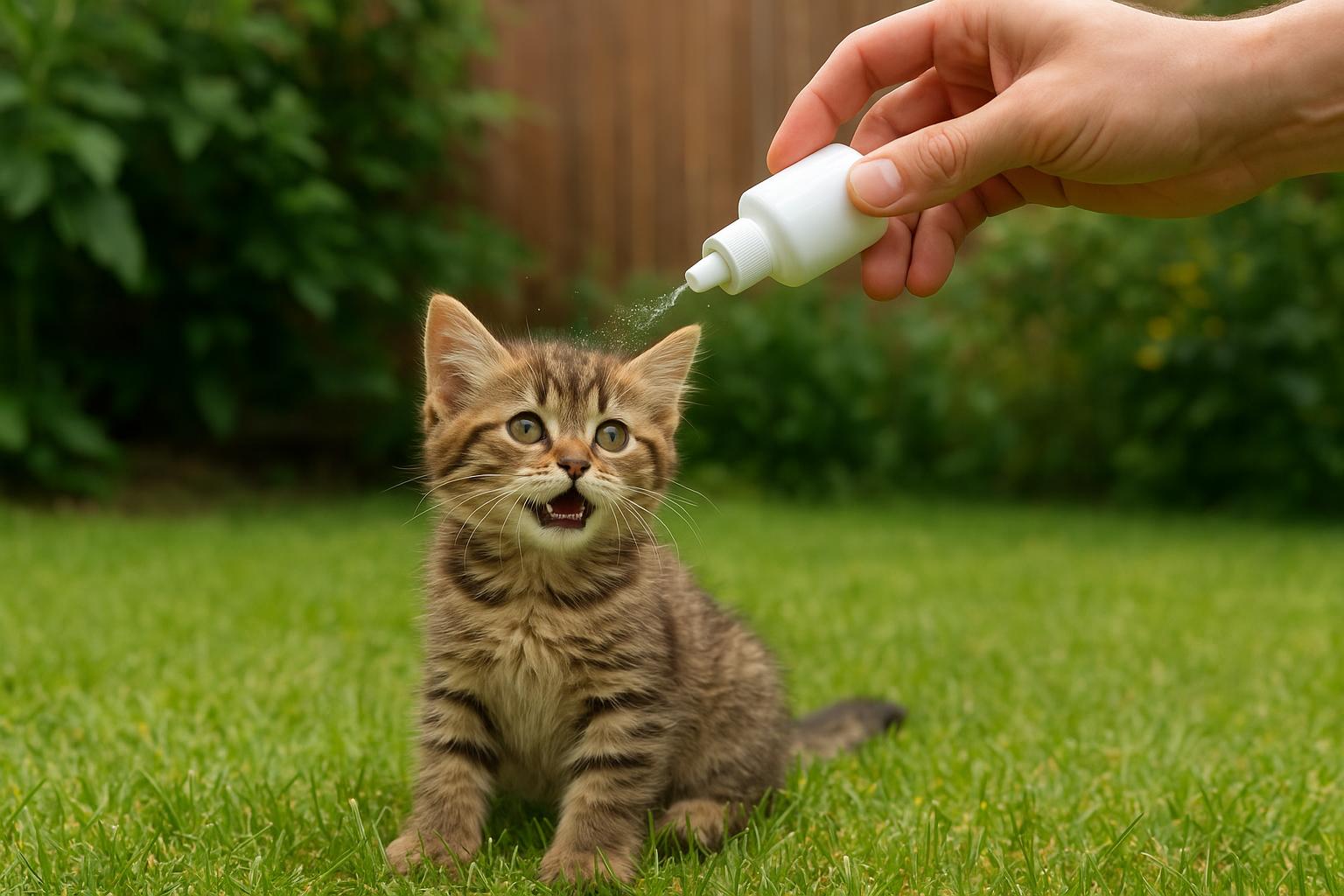
A lightweight dust you can rake into lawn thatch or sweep into gaps in patios. This approach dries and mildly repels larvae. Follow the instructions precisely to avoid excess residue and to keep pets safe.
### Ingredients And Materials
– 1 cup diatomaceous earth (food grade)
– 1/2 cup powdered rosemary or finely ground dry lavender
– 2 tablespoons dried peppermint powder
– Fine sieve or shaker container (for even application)
– Gloves, dust mask, and eye protection
### Step-By-Step Preparation And Application
1. Wear a dust mask and gloves. Mix the diatomaceous earth and powdered herbs thoroughly in a bowl.
2. Using a sieve or shaker, lightly dust the mixture over lawn thatch, under shrubs, and in soil cracks where pets don’t shovel their noses.
3. Don’t over-apply; a light, even coating is enough. Allow to sit for 24–48 hours, then lightly rake to distribute and renew the surface.
4. Reapply after heavy rain or every 2–3 weeks during high flea season.
5. Keep pets away from treated areas until the dust settles. Avoid indoor use where pets may inhale the powder repeatedly. Food-grade diatomaceous earth is safer than other formulations, but inhalation can still irritate lungs.
### Important Safety Considerations (Formal)
– Essential oils and concentrated extracts are toxic to cats at much lower doses than to dogs and humans. Do not use concentrated oils directly on pets, and avoid treating areas where cats groom heavily.
– Always test any herb mixture on a small area of fabric or plant bed to avoid unexpected damage.
– For heavily infested homes or severe pet infestations, consult a licensed pest control professional and a veterinarian. Herbs can decrease pressure and complement treatment, but do not replace veterinarian-prescribed flea medicals in severe cases.
## Backyard Habits That Amplify Herb Action
Routine care amplifies everything you plant or spray. Keep grass mowed and remove leaf litter where flea larvae feed on organic debris. Regular vacuuming of patios and decks removes eggs and dislodged adults before herbs have to handle a full invasion. Finally, maintain your herb plants well: happy, robust herbs produce stronger scents and more effective repellency.
Sprinkling a few of these tactics across your yard — spray in problem spots, sachets in shady corners, and a cautious dusting in dry thatch — creates a multi-layered defense. Think of herbs for fleas as friendly sentries: they don’t storm the fortress alone, but they make the fortress a lot less inviting.






Leave a Reply