
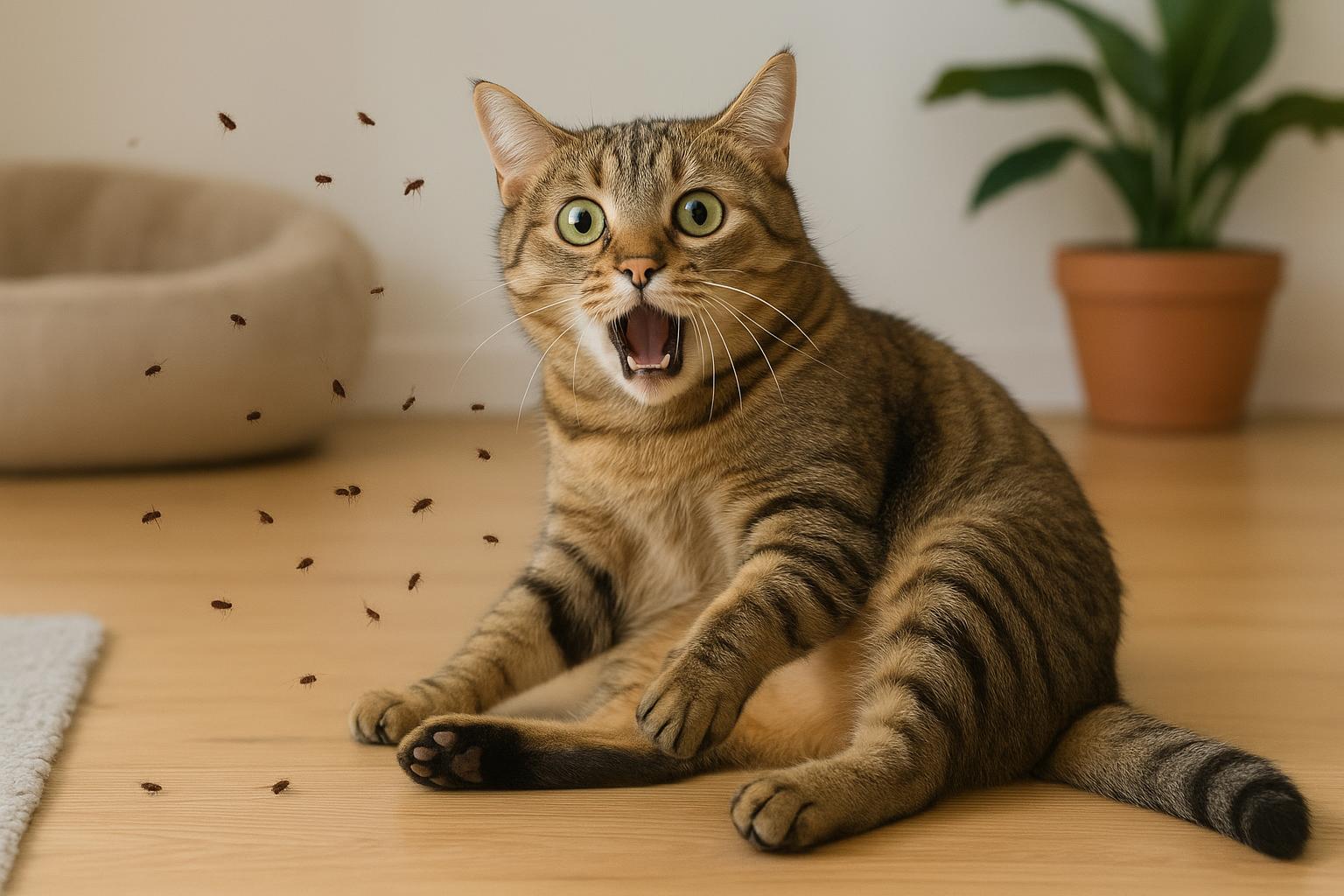
Hello and welcome — glad you wandered in. If fleas have turned your home into an unwelcome tiny circus, you’re in the right place for a no-nonsense, natural approach that won’t make you feel like you need a hazmat suit. Keep your coffee close, your cat skeptical, and your sense of humor intact.
## No Nonsense Flea Powder For Natural Diatomaceous Earth Fleas
Let’s cut to it: a properly used diatomaceous earth mixture can be an effective flea powder for breaking the life cycle of these little pests. This isn’t magic fairy dust, but a dry, physical method that dehydrates and abrades insects rather than poisoning them. It’s also inexpensive, long-lasting when applied correctly, and compatible with integrated pest management strategies.
### Why Diatomaceous Earth Works
Diatomaceous earth (DE) is fossilized microscopic algae made mostly of silica. Its particles are extremely sharp at the scale of small arthropods. When fleas come into contact with DE, the particles damage the waxy outer layer of their exoskeleton and absorb lipids and oils, causing dehydration. This is why DE is used as a mechanical insecticide rather than a chemical one.
This method targets adult fleas, and crucially, it helps reduce emerging larvae and pupae when dusted into carpets, pet bedding, and other sheltered areas where spores of flea life stages hide. It does not instantly sterilize an active infestation on a single application, but when used as part of a routine, it significantly reduces flea populations.
### Is Food Grade Diatomaceous Earth Safe?
When selecting diatomaceous earth for household use, always choose food grade DE — not the kind used for pool filtration, which is processed differently and can be hazardous to inhale. Food grade DE is generally recognized as safe for humans and pets when used as directed, but inhalation of fine silica dust should be minimized. Use a mask during application, and keep pets and children out of treatment areas until dust settles.
Avoid applying DE to damp surfaces (it won’t work when wet) and avoid overdusting bedding your pet sleeps on without subsequent brushing or vacuuming, as prolonged inhalation or ingestion of anything fine and powdery isn’t ideal — even for the hardiest of dogs.
#### Supplies You Will Need
– 100% Food Grade Diatomaceous Earth (1–5 lb bag, depending on area)
– A sealable shaker or applicator (duster or a flour sifter works)
– Protective mask (N95 or similar)
– Rubber gloves
– Spray bottle with water (optional, for targeted spot treatment of carpets if needed)
– Vacuum cleaner with a good filter (for follow-up cleaning)
– Stiff brush or broom for working DE into carpets or bedding
– Measuring scoop (tablespoon or similar)
### How To Make And Apply This Flea Powder
This section is formal and prescriptive. Follow these steps carefully to create and apply an effective flea powder treatment using diatomaceous earth.
1. Preparation
– Choose a dry day and plan for at least a few hours of treatment plus ventilation time.
– Wear protective equipment: a mask to reduce inhalation and gloves if you have sensitive skin.
– Remove clutter from floors and pet resting areas to give DE access to likely harborages.
2. Filling The Applicator
– Transfer the food grade diatomaceous earth into a shaker or applicator. A clean flour sifter, talcum-style shaker, or purpose-made duster ensures even distribution.
– Label the container clearly to avoid accidental ingestion.
3. Applying The Flea Powder To Carpets And Rugs
– Lightly dust carpets and rugs with the DE. The goal is a thin, even coating — think “dusting a cake” rather than “snowstorm.”
– Work the powder into high-traffic and pet-frequented areas with a stiff brush, but do so gently to avoid kicking up dust.
– Leave the powder undisturbed for 48–72 hours. Fleas that contact the powder in this period will be affected.
4. Treating Pet Bedding And Furniture
– Shake DE lightly into pet bedding and any fabric furniture where pets rest. For bedding that can be washed, launder in hot water after dusting and allow bedding to dry thoroughly before reuse.
– For upholstered furniture, apply lightly and let sit. Use a vacuum to remove dust after 48–72 hours.
5. Cracks, Crevices, And Baseboards
– Use a narrow applicator to place a small amount of DE into cracks, under baseboards, and along floor joints where fleas can hide. These sheltered spaces often harbor eggs, larvae, and pupae.
6. Yard And Outdoor Zones (Optional And Selective)
– Dust shaded, dry outdoor areas where pets rest (under porches, dog houses). Do not apply DE in wet soil, and avoid treating large open lawns where wind will disperse the powder.
– Apply in the evening when dew has dried and there’s less wind to limit drift.
7. Follow-Up Cleaning
– Vacuum treated areas after 48–72 hours. Empty the vacuum or discard the bag outdoors to prevent reinfestation inside the house.
– Repeat treatments weekly for three to four weeks to interrupt the flea life cycle. Flea pupae may remain dormant and can emerge well after adults are reduced, so persistence matters.
8. When Applying Directly To Pets
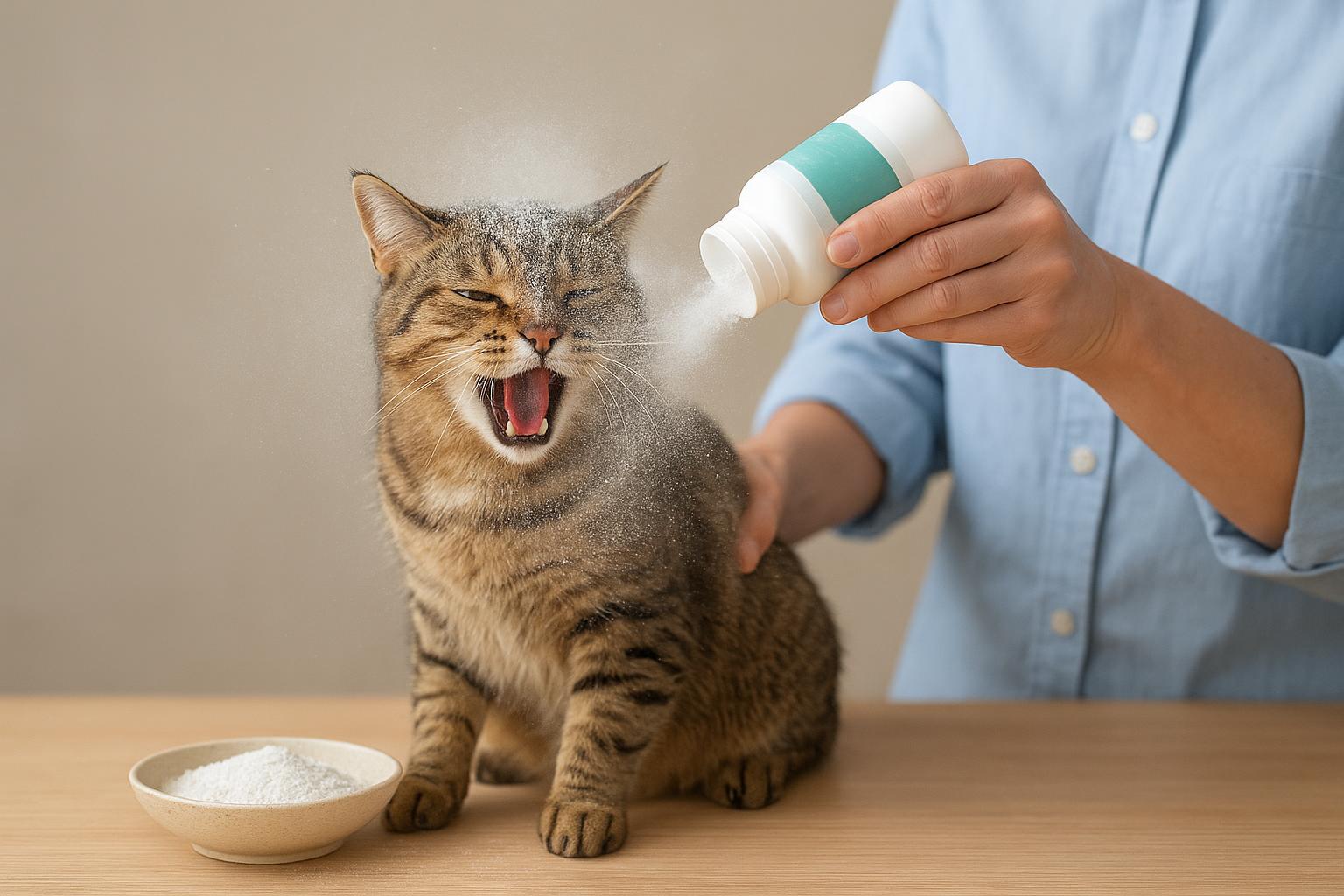
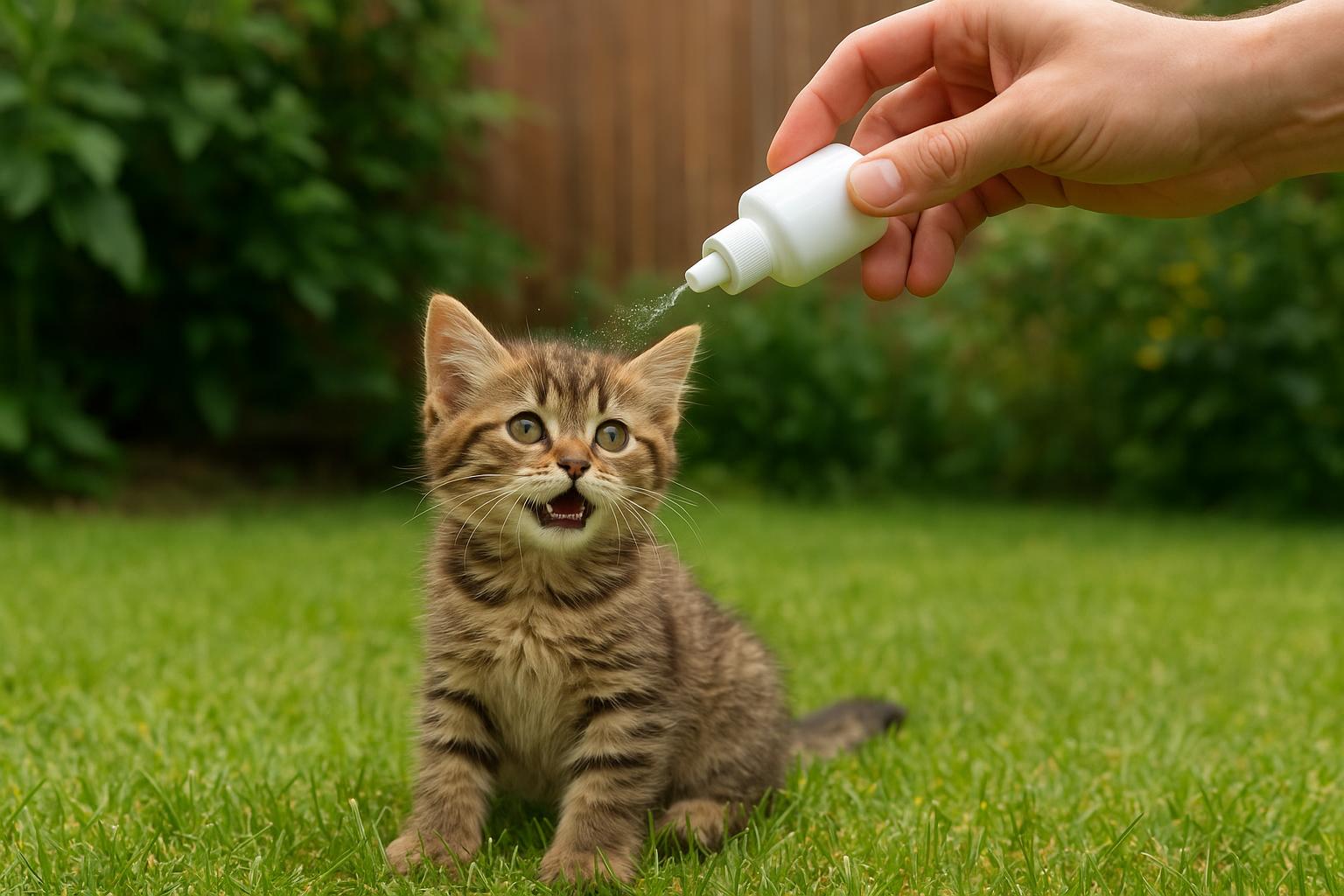
– Use DE on pets only if your veterinarian agrees and the animal tolerates it. Lightly brush a small amount into the fur, avoiding the face and particularly the eyes, nose, and mouth. Do not apply powdered DE into nostrils or directly on wet fur.
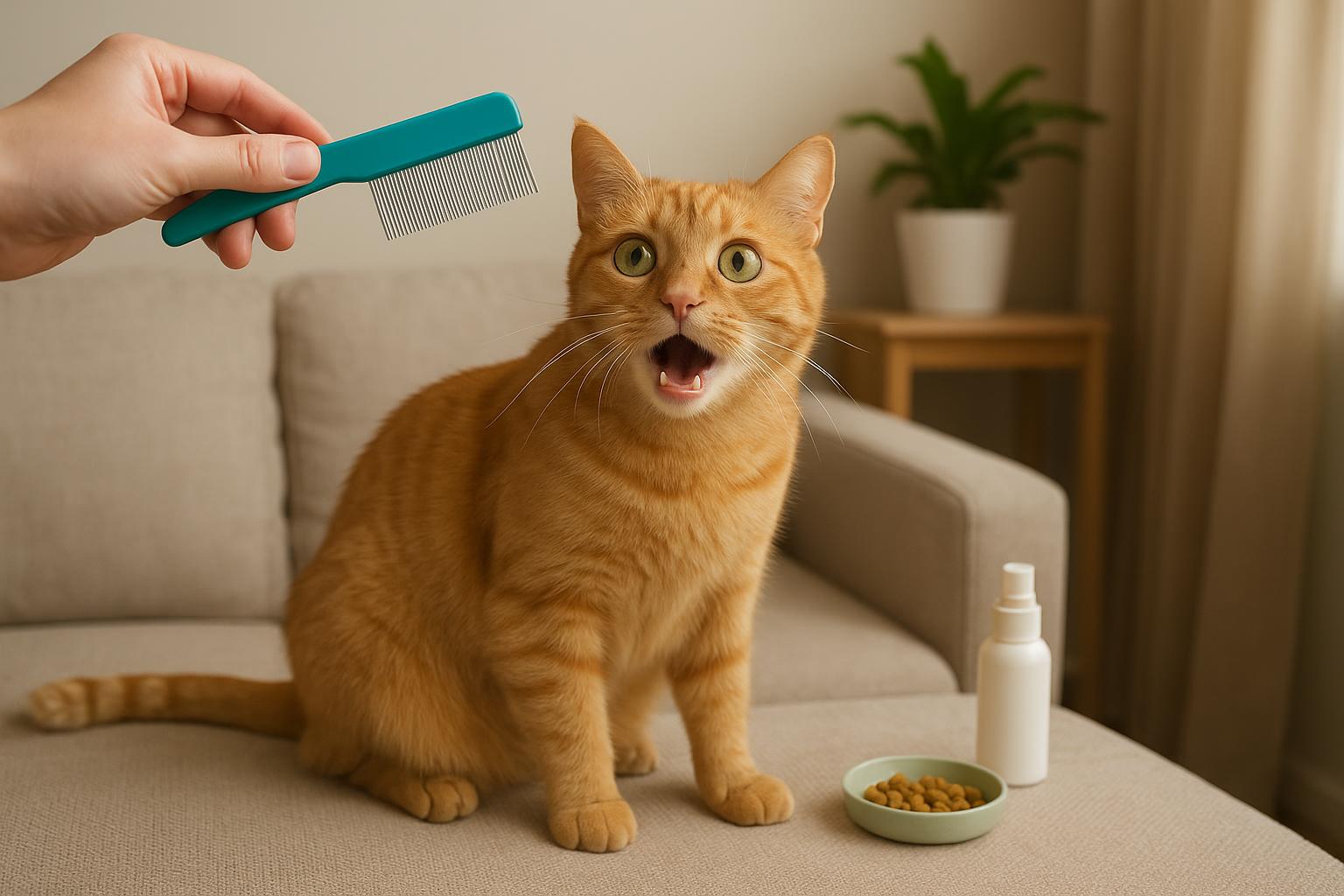
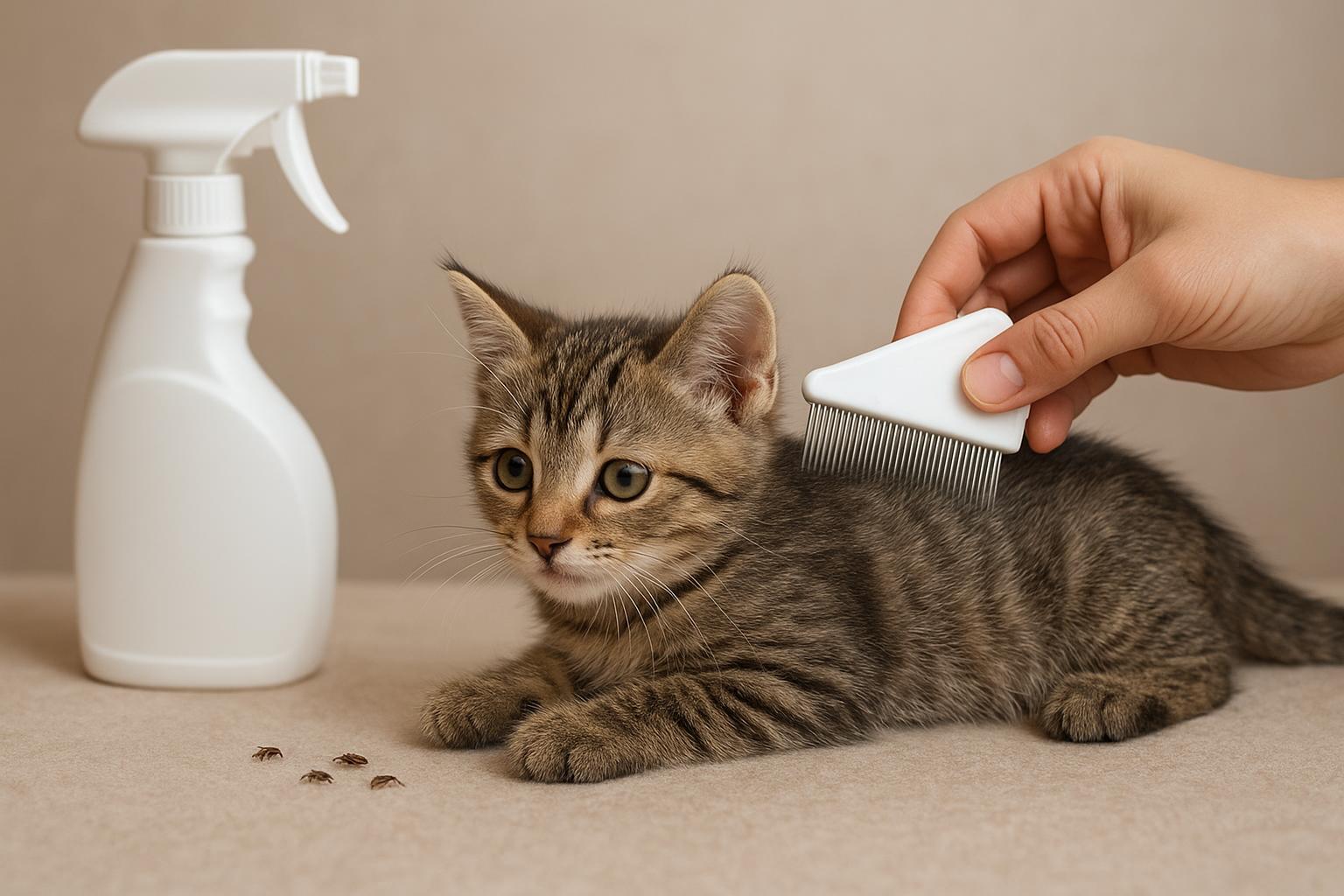
– For indoor pets, combine topical grooming with environmental DE treatments. For heavy infestations or sensitive animals, prioritize vet-approved topical or oral medications instead of DIY only.
#### Application Tips And Timing
– Moderate consistency beats overdoing it. Over-application doesn’t speed up results and increases dust hazards.
– Time applications around vacuuming and washing: dust, wait 48–72 hours, vacuum, launder bedding, then repeat weekly.
– For severe infestations, coordinate with a veterinarian to integrate medical flea control for pets while you treat the environment with DE.
– If you have asthma or other respiratory conditions, do not handle powders; enlist help or hire a professional.
### When To Seek Veterinary Or Professional Help
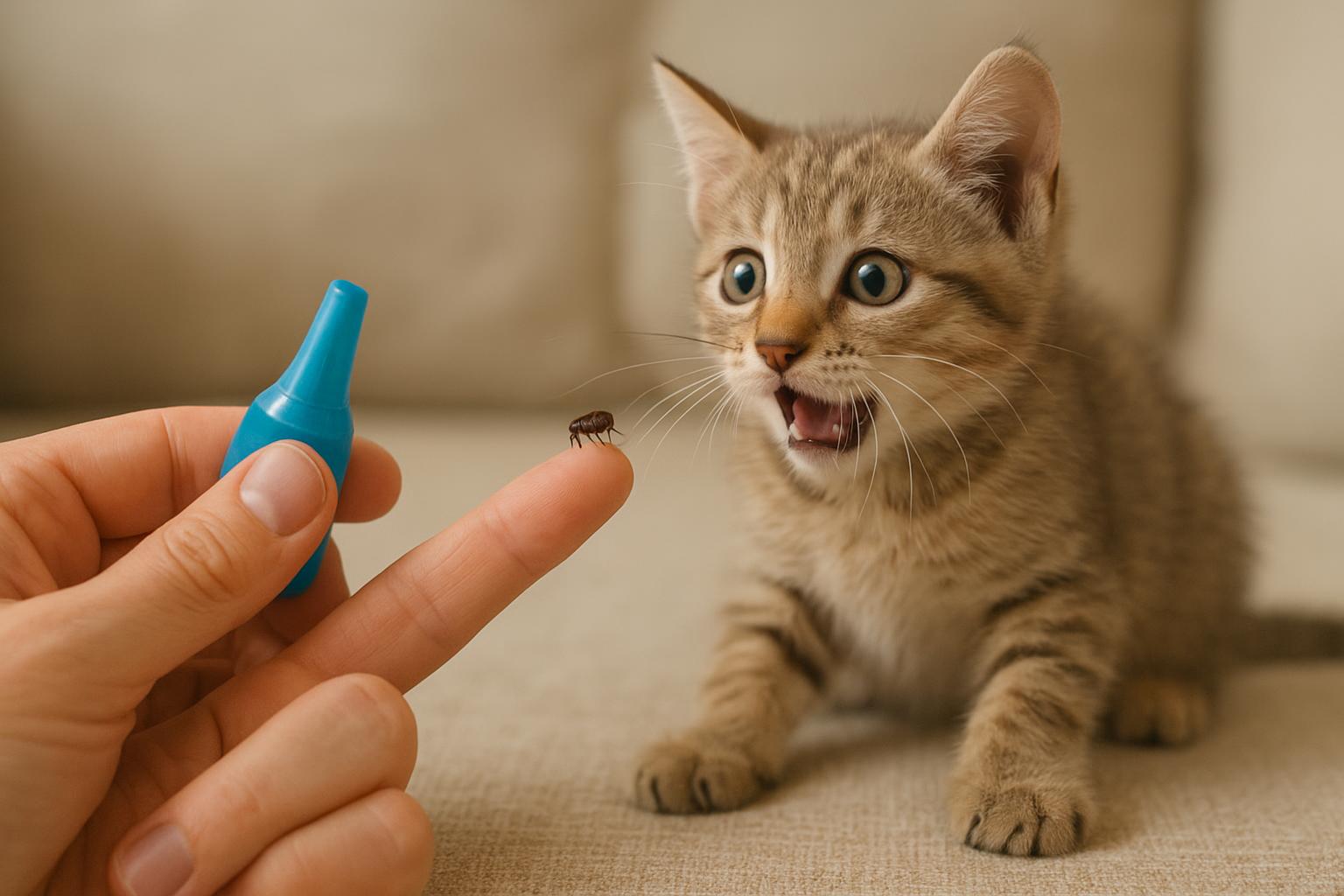
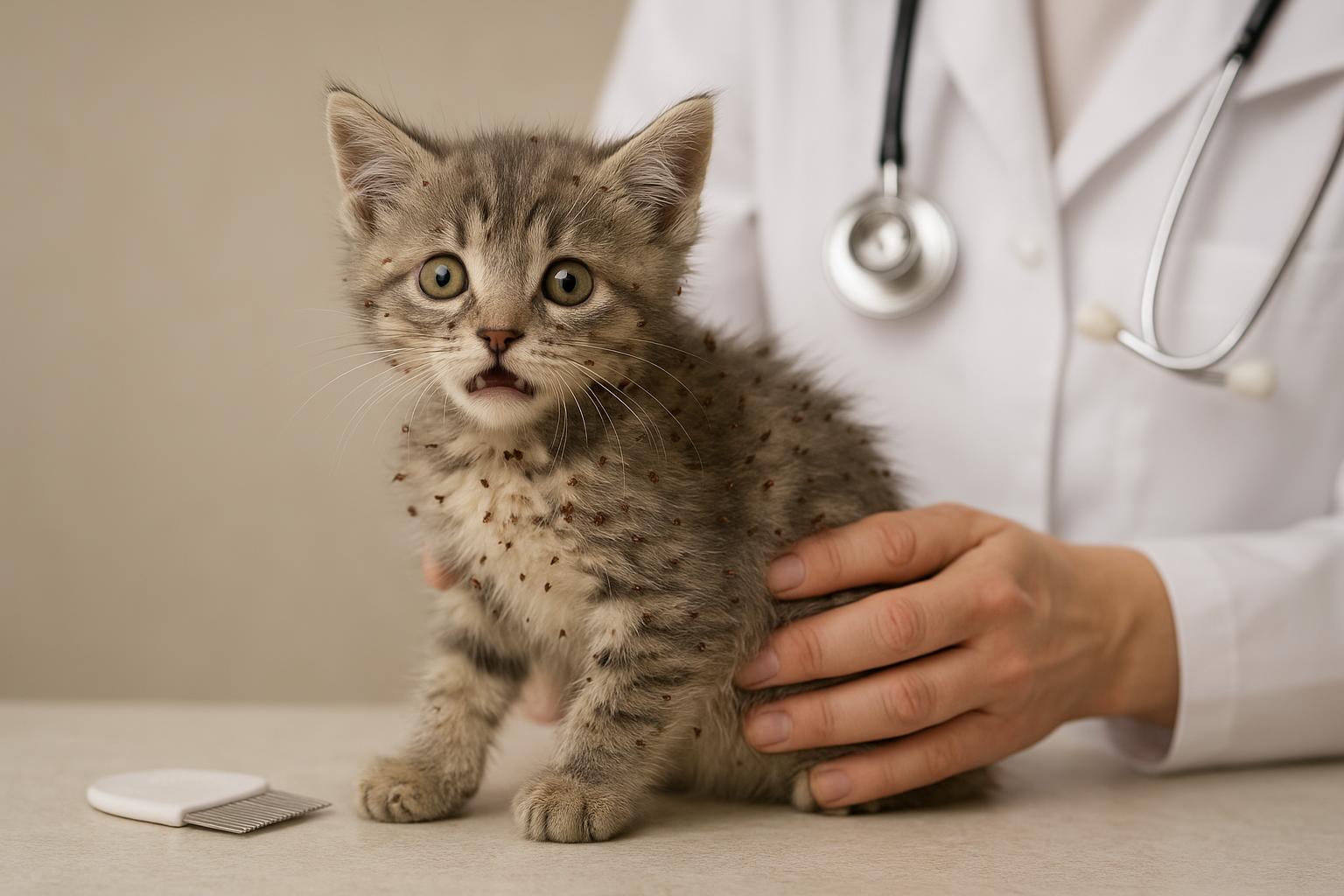
If pets show heavy flea burdens (visible thousands of fleas, anemia, lethargy, or skin infections), immediate veterinary care is required. Puppies, kittens, and small or debilitated animals can become anemic quickly from infestations. DE is a tool for environmental control but is not a substitute for veterinary flea control products when pets are symptomatic or at high risk.
Professional pest control may be necessary for severe household infestations, particularly if fleas are in wall voids, attics, or carpeting beyond home-treatment scope. A licensed technician can offer targeted treatments and advise on integrated measures.
### FAQs About Flea Powder And Diatomaceous Earth
– How long until I see results?
Expect to see reductions in adult flea activity within a few days. Complete control requires repeated treatments over several weeks because of life stages that can remain sheltered.
– Is this safe for children and pets?
Food grade diatomaceous earth is low-toxicity, but airborne dust should be minimized. Keep children and pets away during application and until dust settles.
– Can I mix DE with other substances?
Mixing DE with essential oils or other additives can reduce its mechanical effectiveness; many oils make DE clump or become less abrasive. If you must combine products, consult product labels and a pest professional.
– How does this differ from chemical flea powders?
Chemical powders typically rely on insecticides that target the flea nervous system; DE is a physical desiccant. For integrated pest management, DE can be used alongside targeted chemical treatments where necessary, but always follow safety and compatibility guidance.
Remember, a sensible approach, patience, and correct application are your best allies. If the fleas are staging a comeback despite your efforts, consider pairing environmental DE treatments with veterinary-recommended products or a professional evaluation.




Leave a Reply