
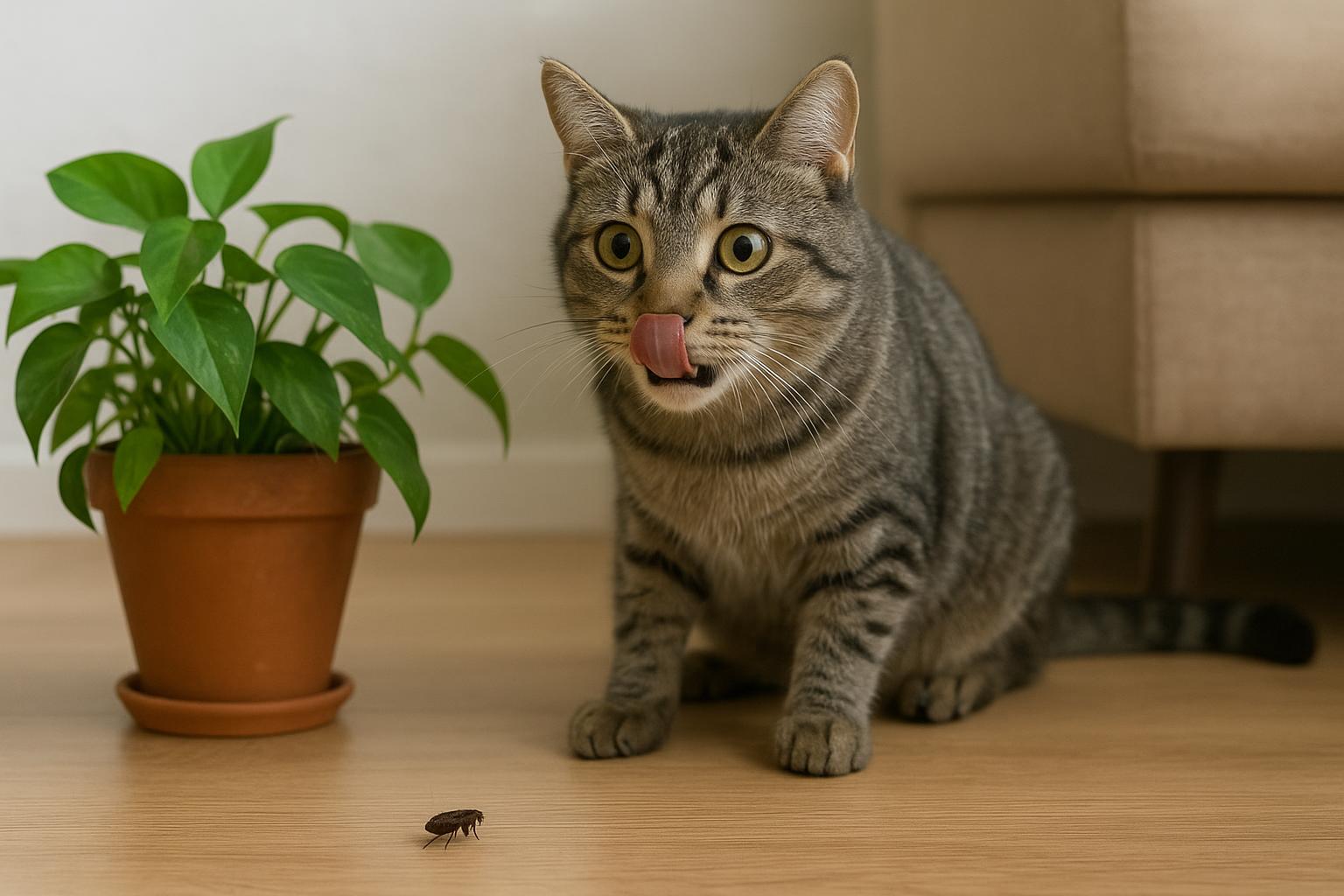
A friendly hello from your backyard wildlife specialist—let’s talk about a small but mighty pest: fleas. If you want a safe, nature-friendly approach to managing them, you’re in the right place. This guide blends practical housekeeping, yard management, and two carefully described natural remedies so you can keep people and pets comfortable without over-reliance on harsh chemicals.
## Nature Friendly Home Flea Prevention For Safe Homes
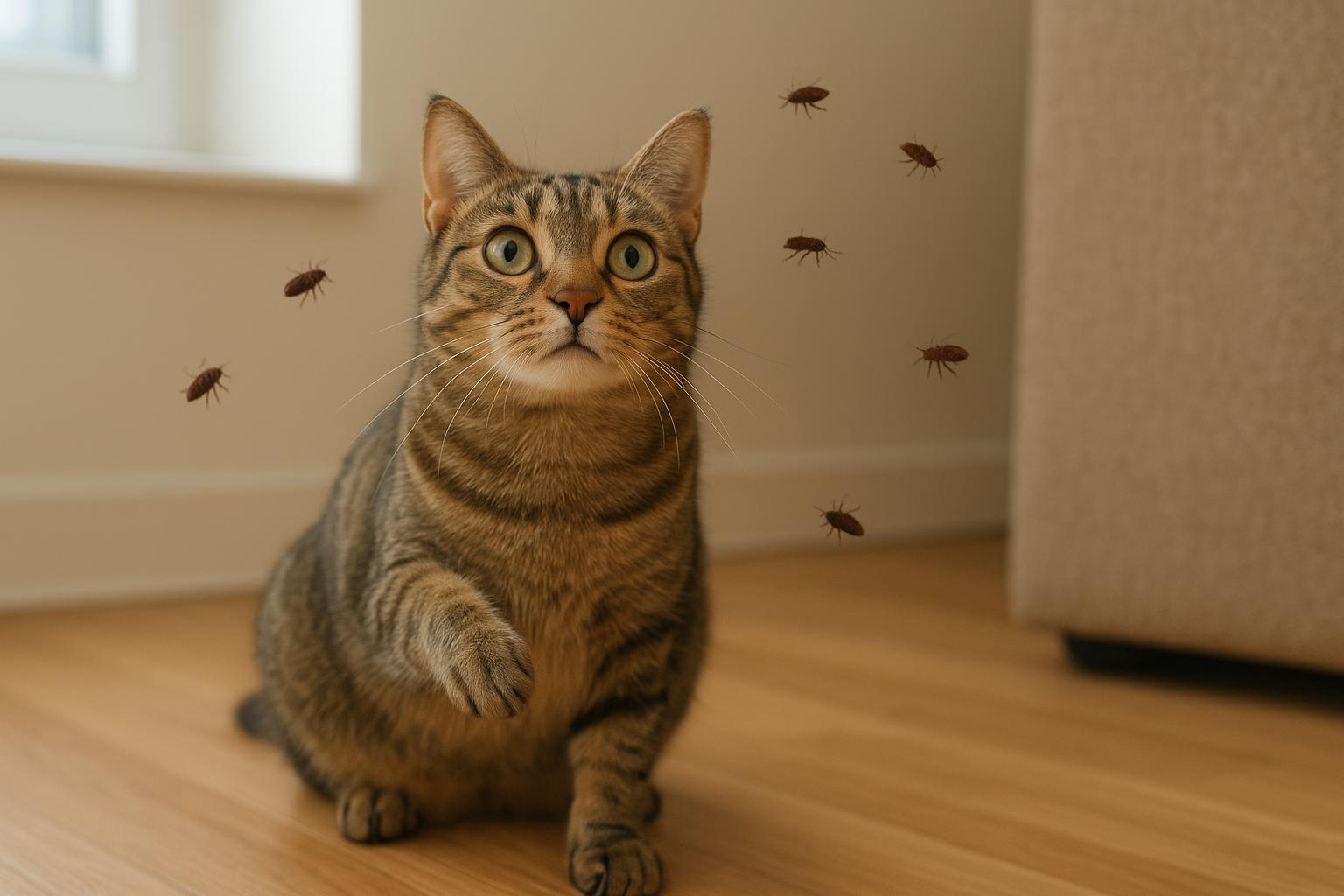
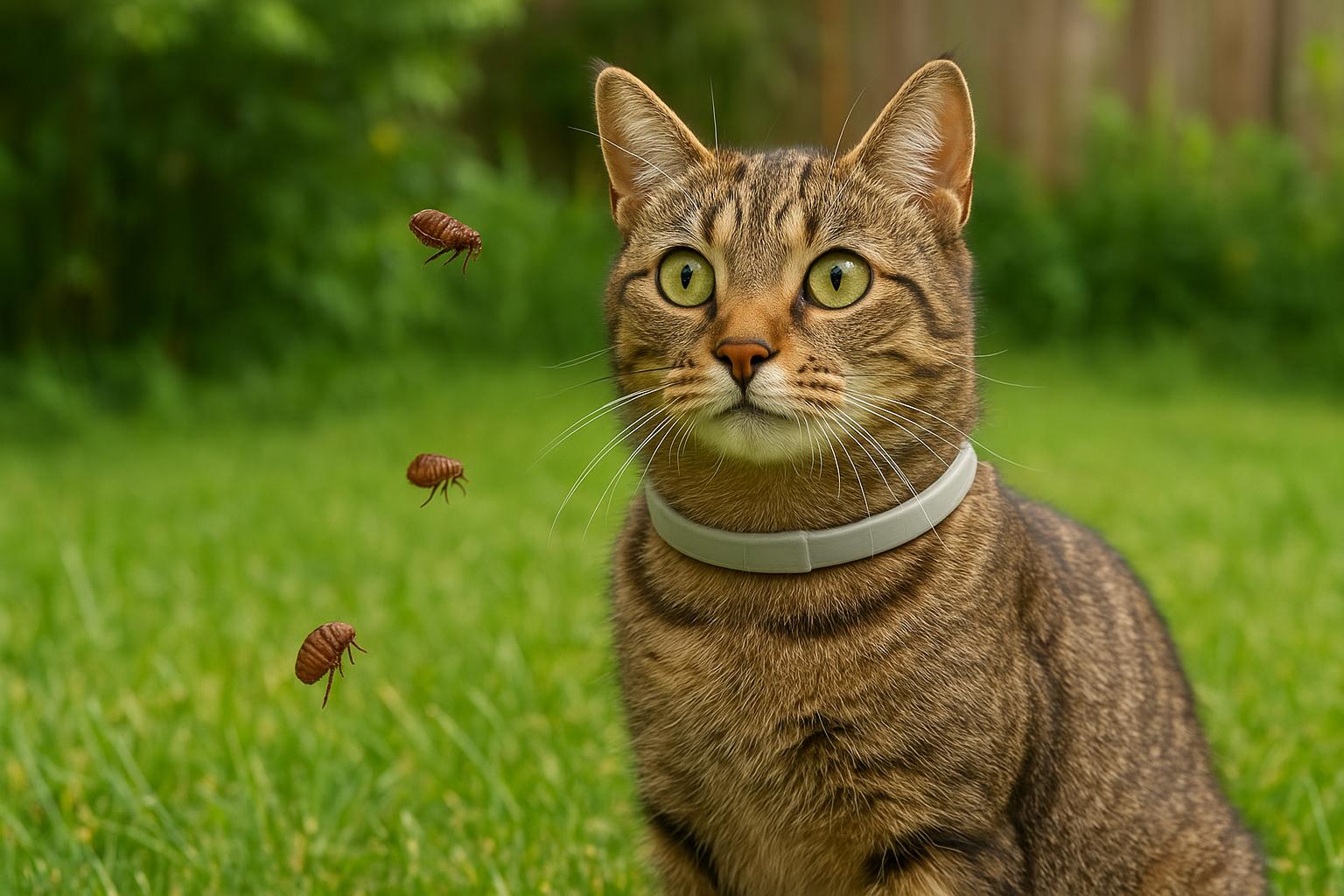
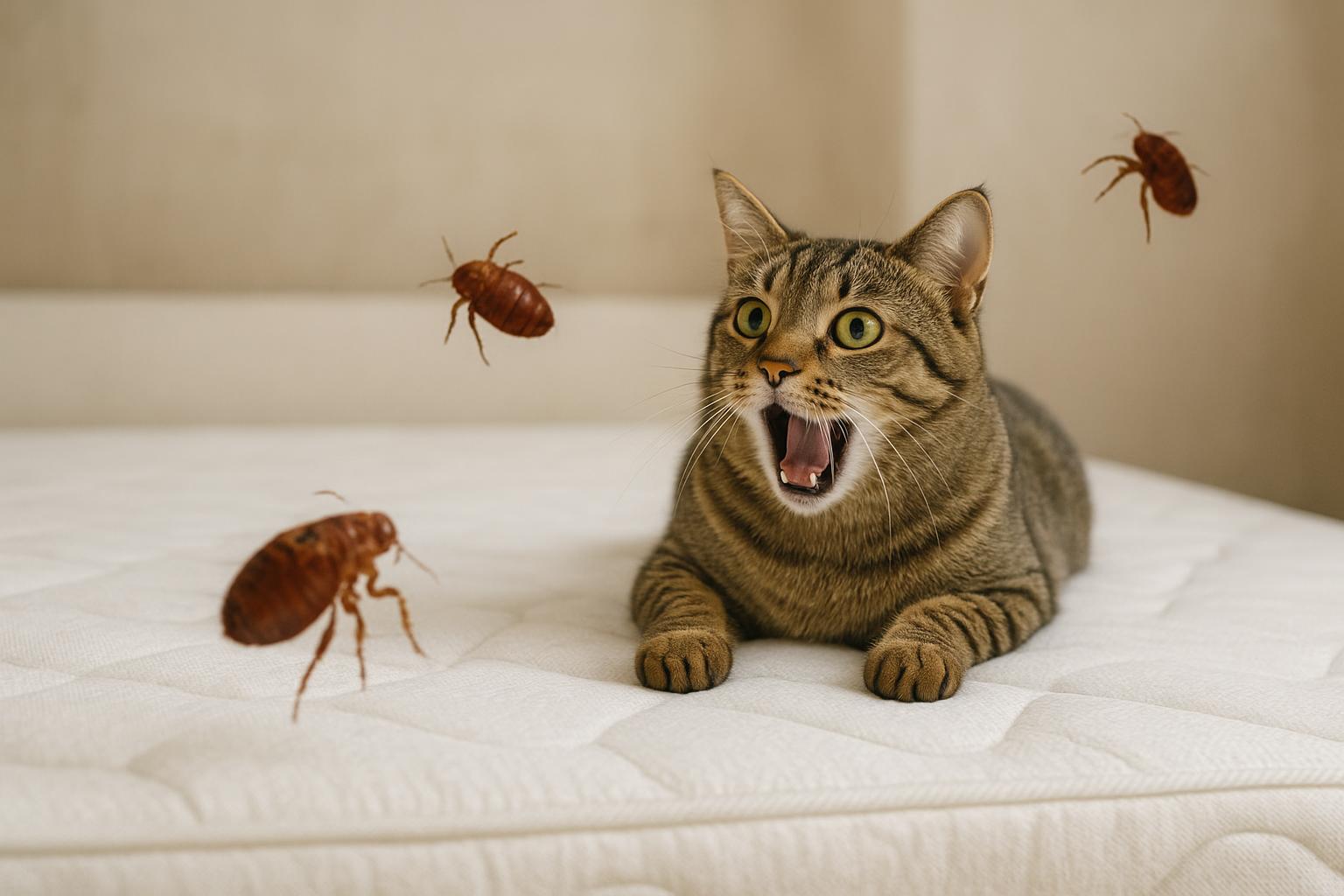
Why focus on home flea prevention? Because fleas live partly on pets and partly in your environment. Tackle only the animal and you’ll likely be re-infested. Tackle only the environment and the pets will bring fleas back. A balanced plan — gentle, consistent, and informed — wins.
### How Flea Life Cycles Affect Your Strategy
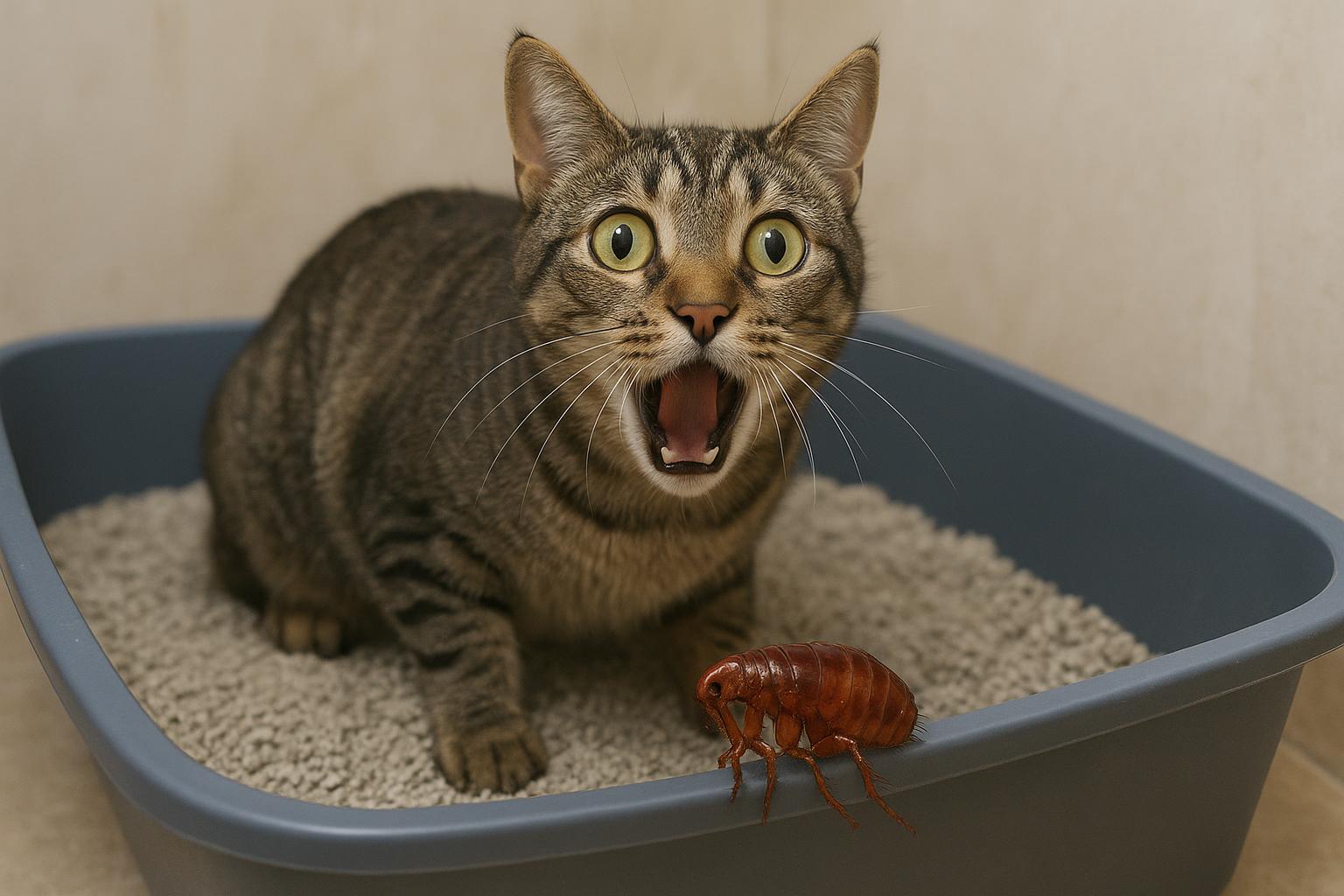
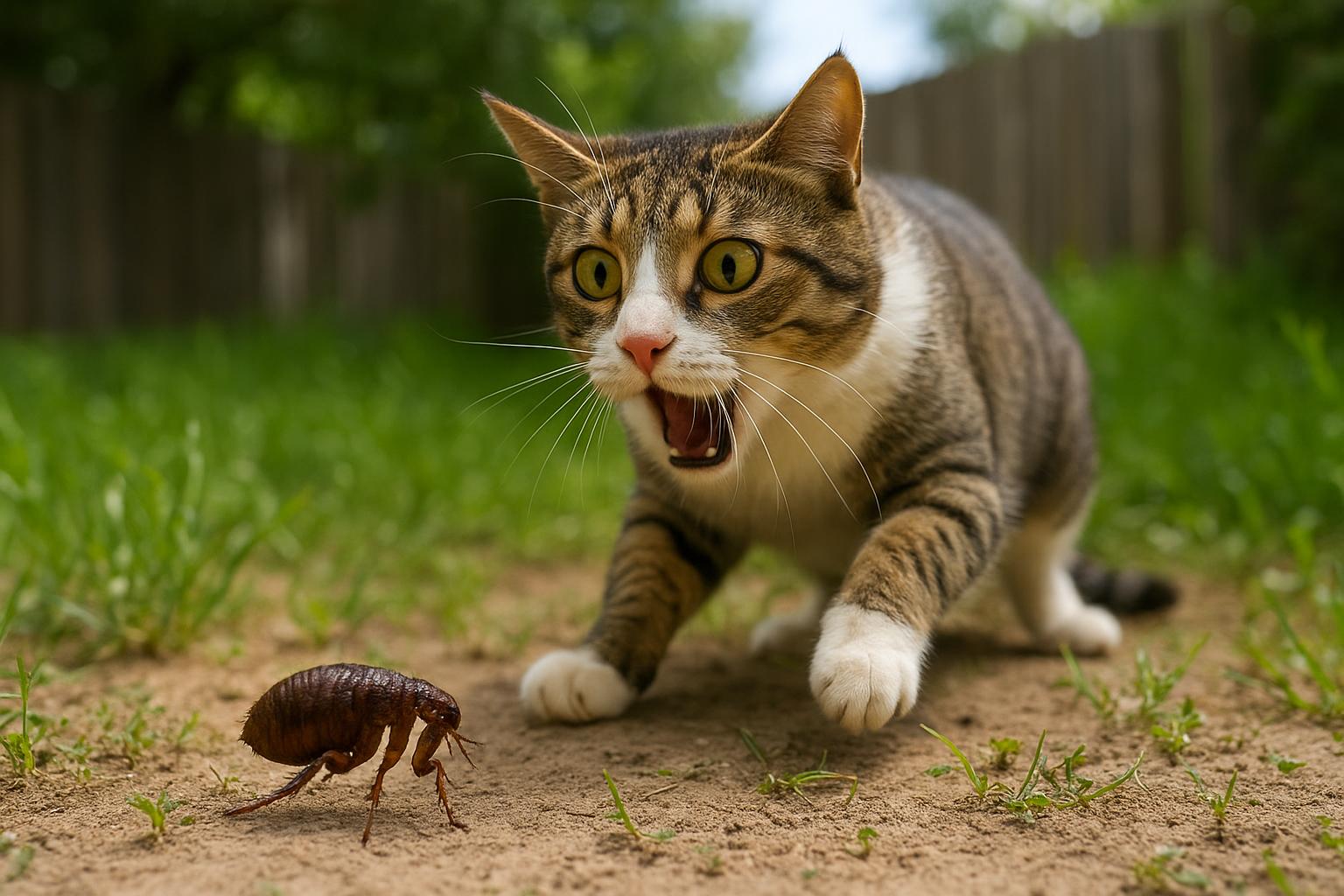
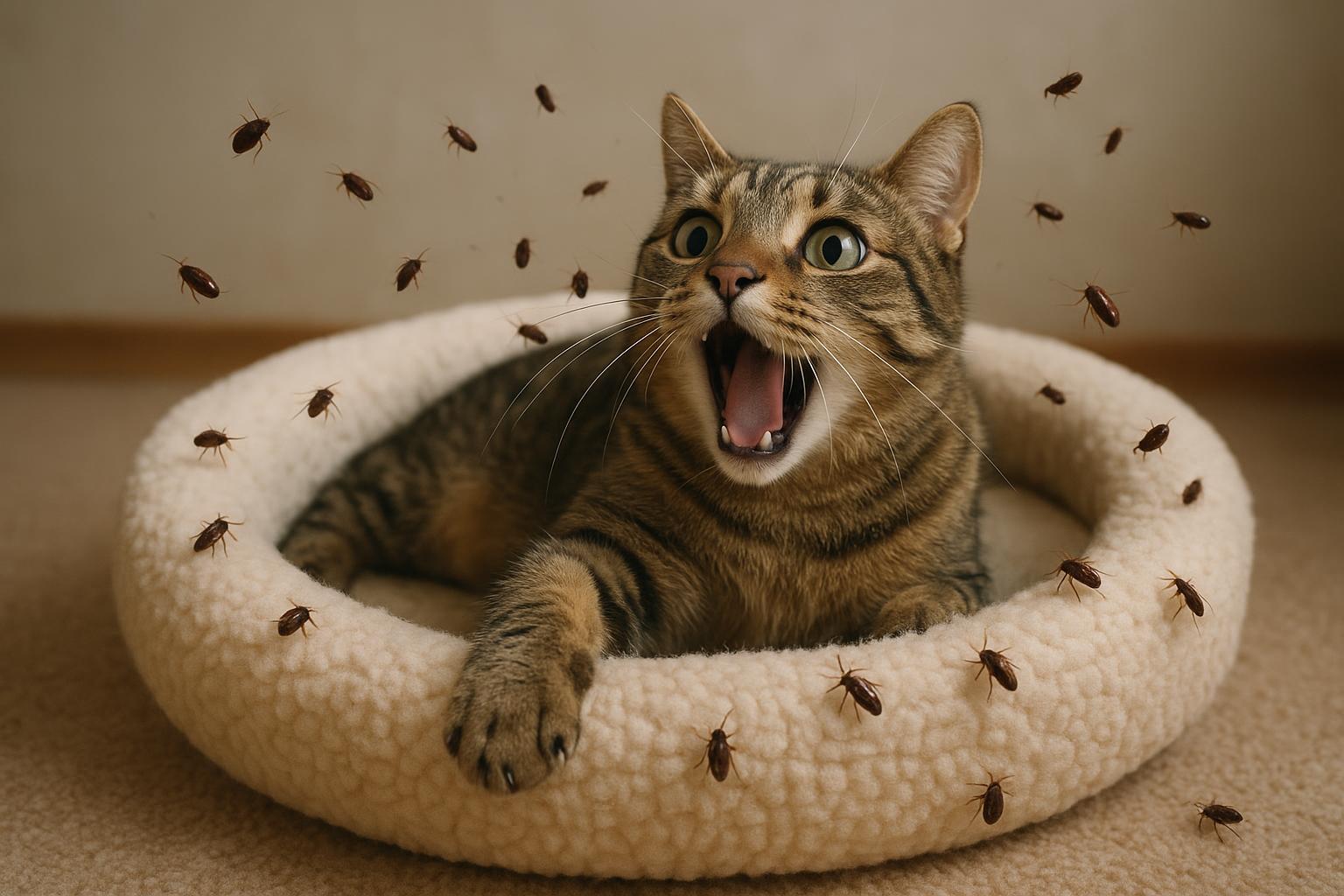
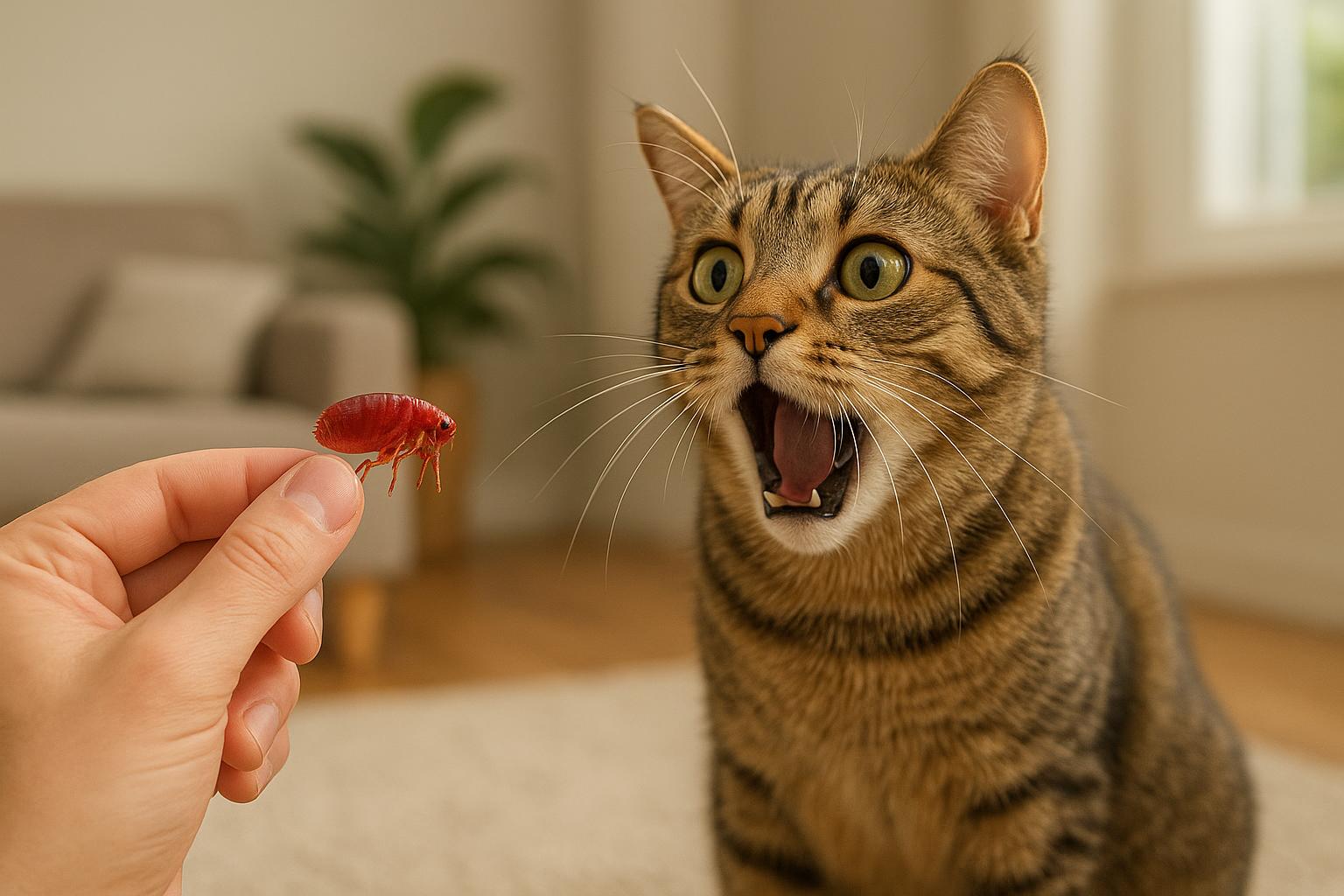
Fleas go through eggs, larvae, pupae, and adults. Eggs and pupae hide in carpets, pet bedding, and soil; pupae are resistant to many treatments and can remain dormant for months. That’s why home flea prevention requires repeated actions and habitat disruption, not one-off sprays.
### Where Fleas Hide In And Around The Home
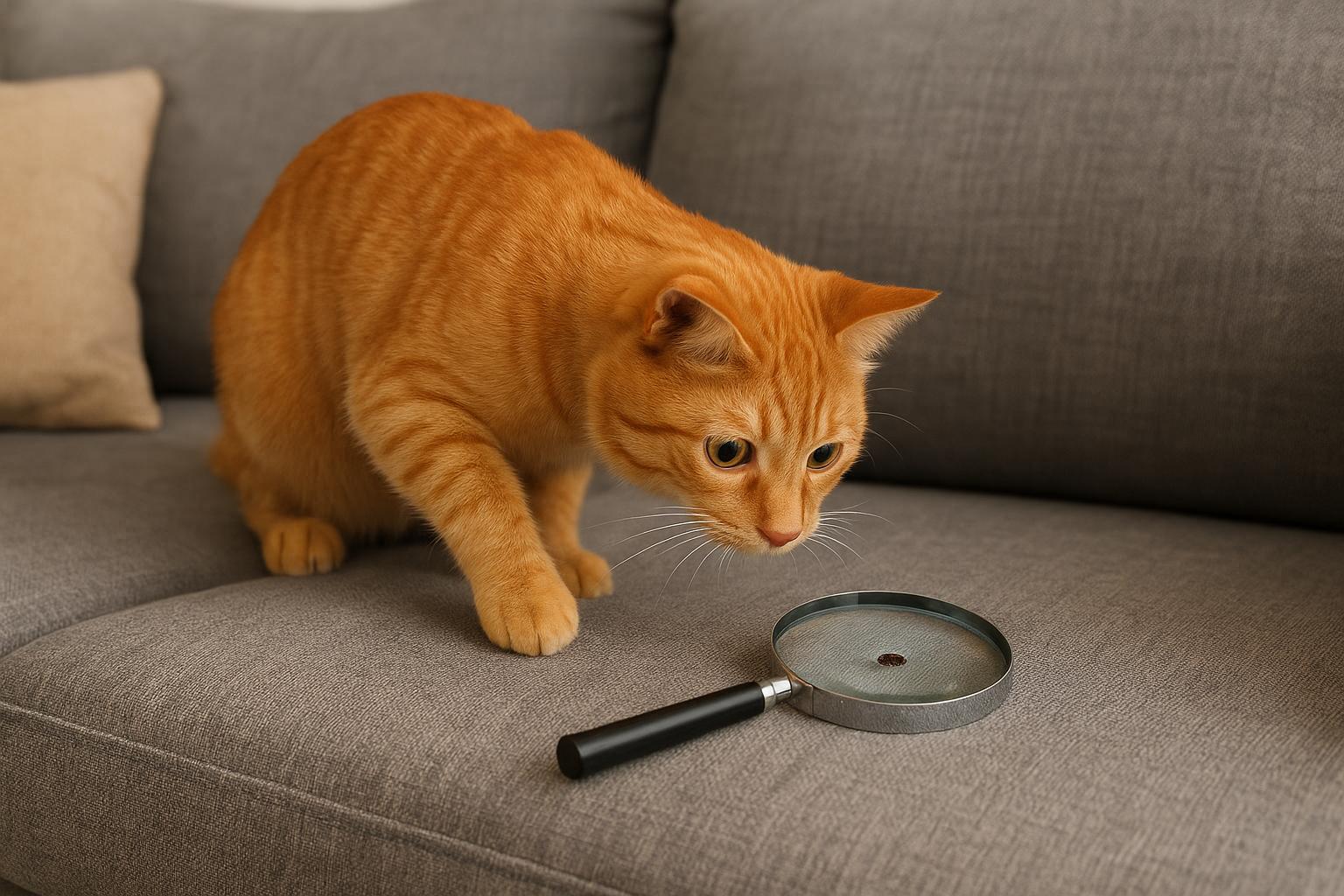
Fleas prefer shaded, humid spots: under furniture, between carpet fibers, in soft bedding, in cracks in hardwood floors, and in cool, grassy areas outdoors. Knowing where they hide helps you focus effort where it pays off.
### Prevention Practices That Make A Real Difference
A proactive routine reduces the odds of a full-blown infestation. Some key actions:
– Vacuum high-traffic indoor areas and pet bedding frequently; empty vacuum contents outdoors.
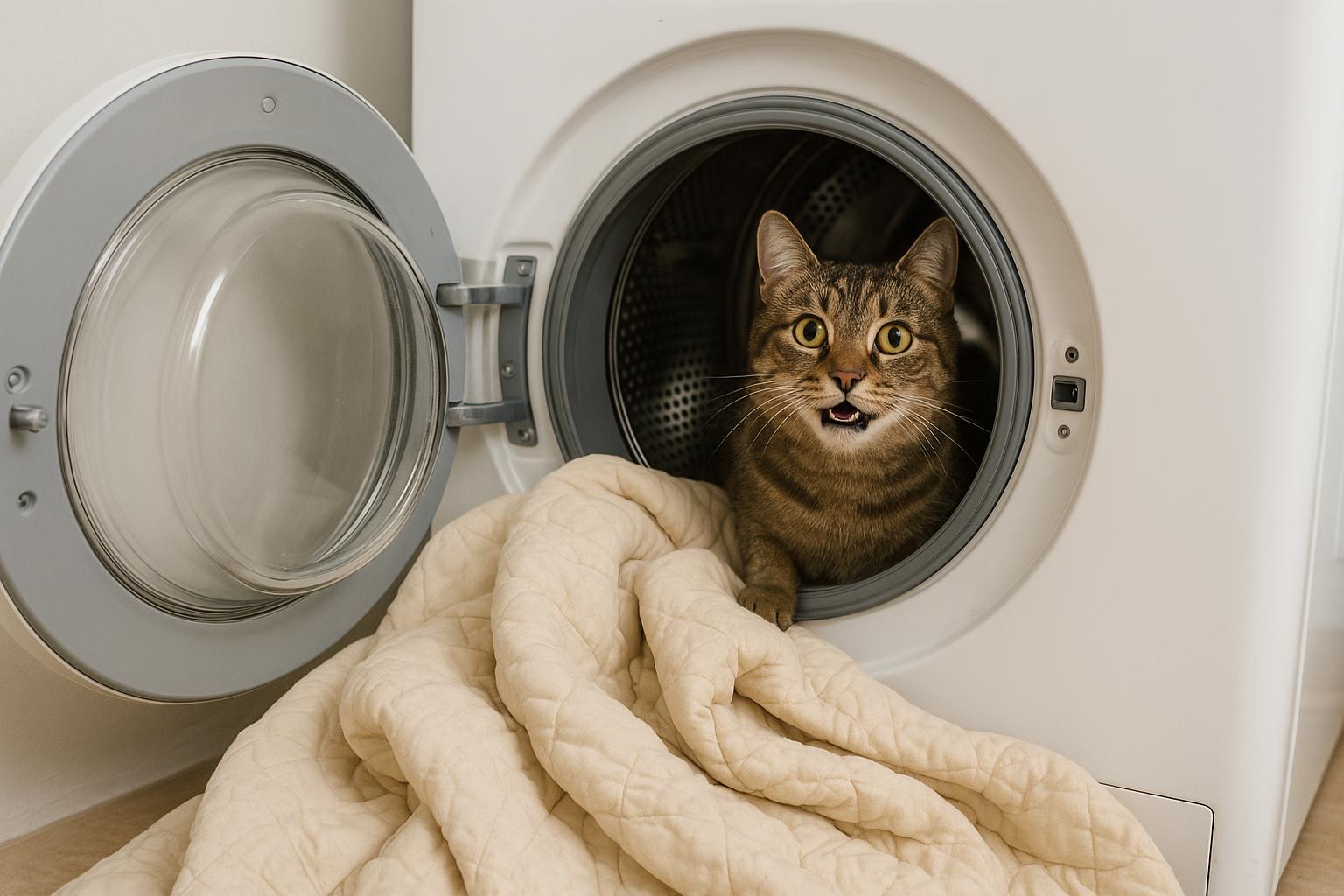
– Wash pet bedding and frequently used blankets in hot water weekly.
– Keep lawn trimmed and remove leaf litter where adult fleas and wildlife hosts hang out.
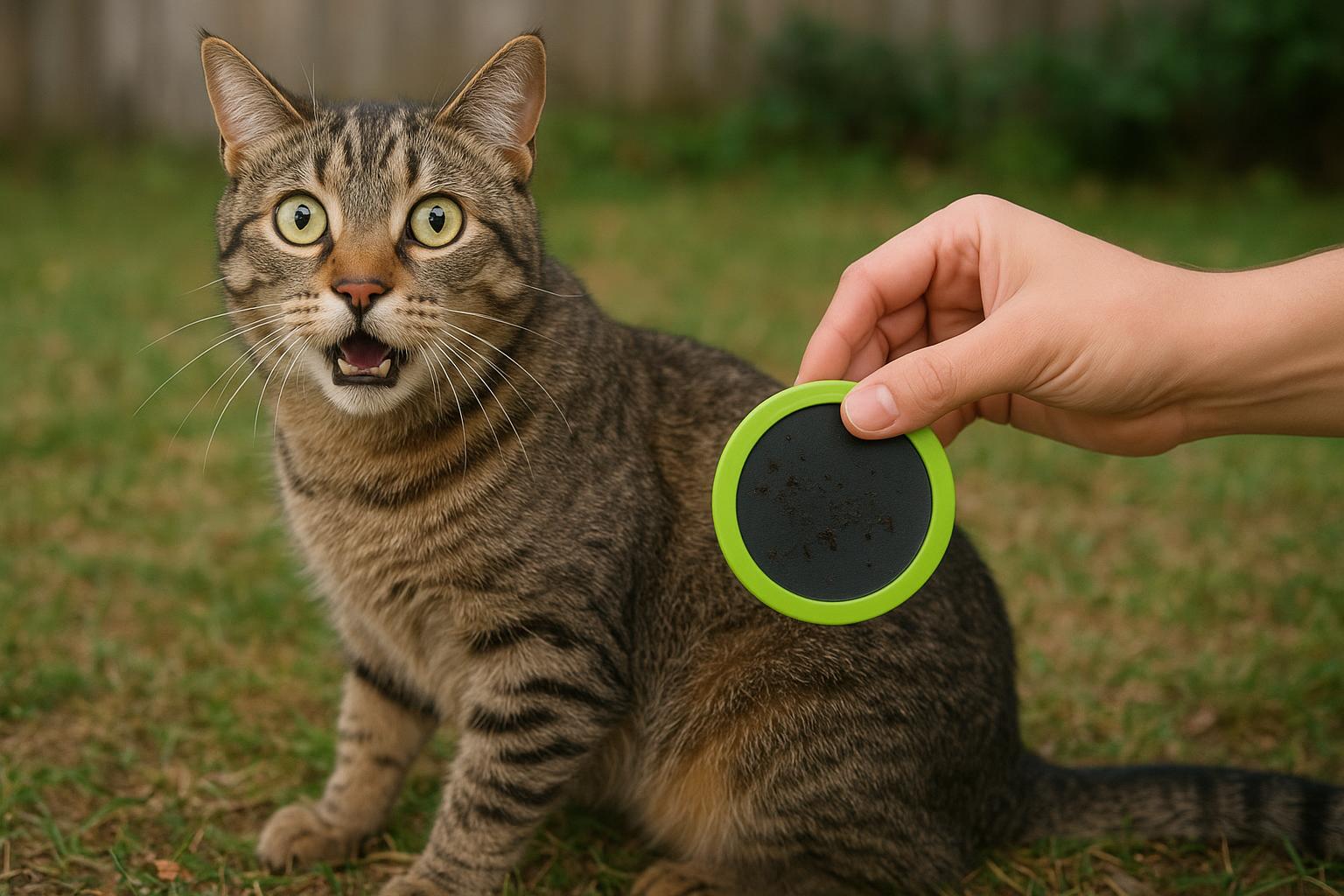
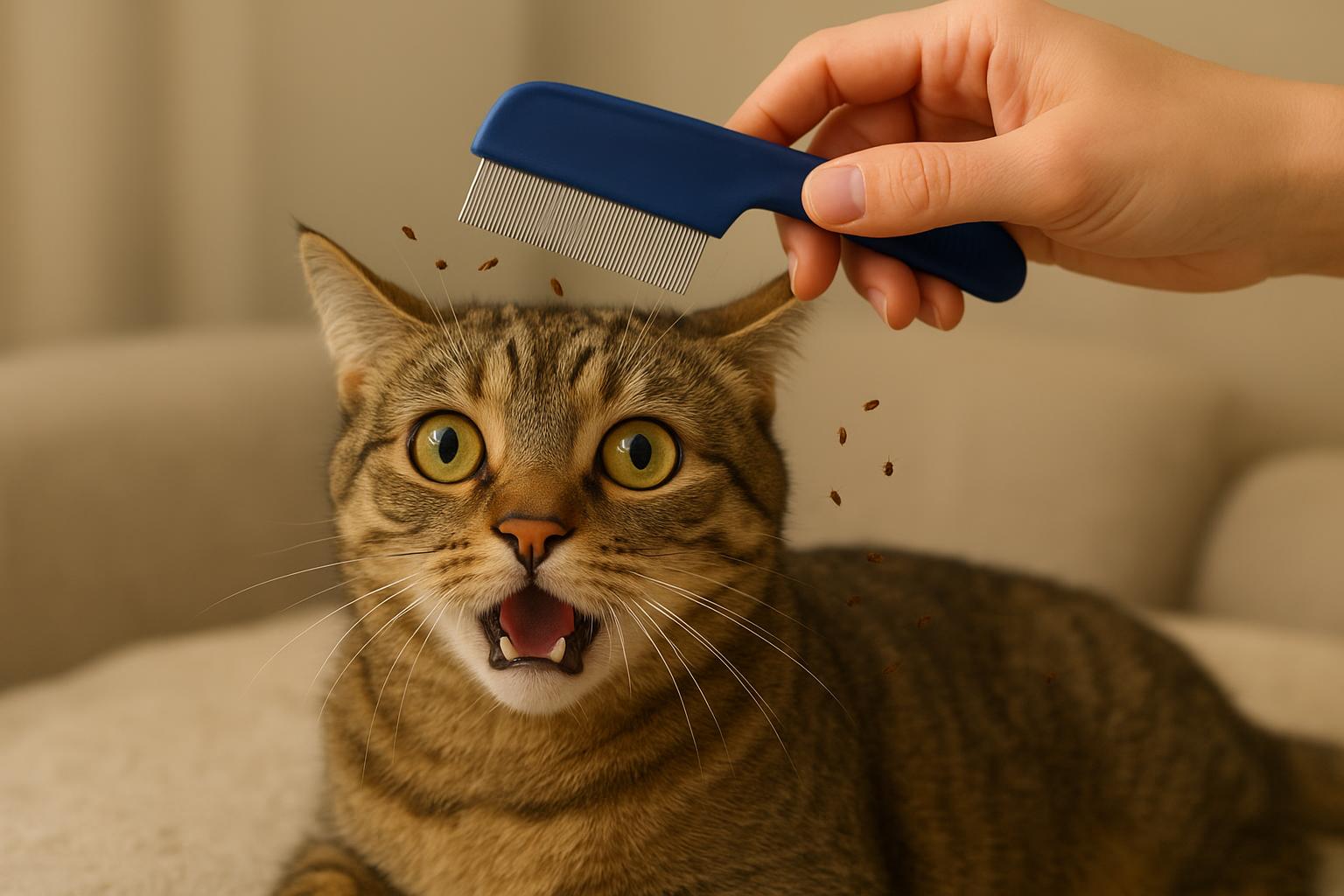
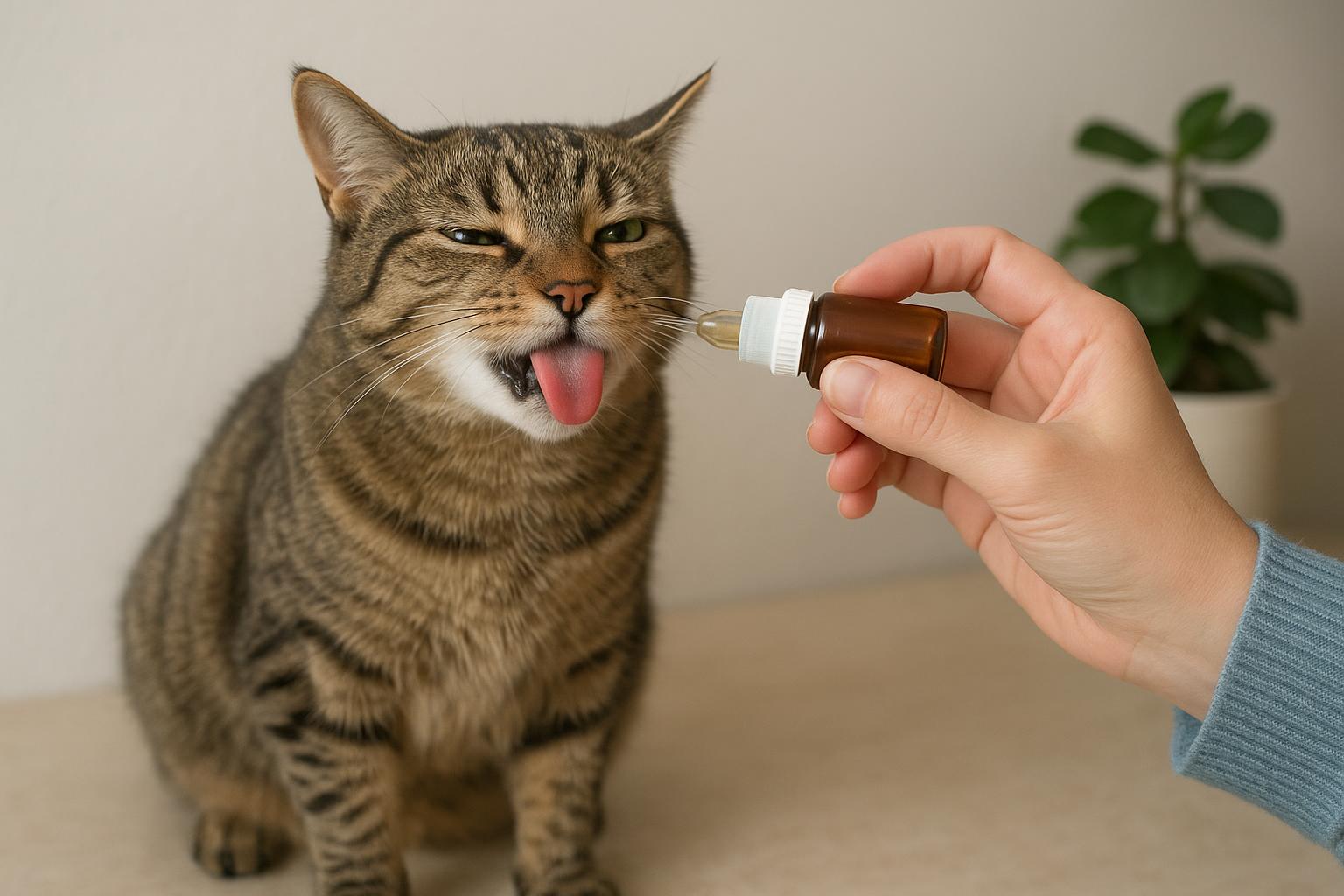
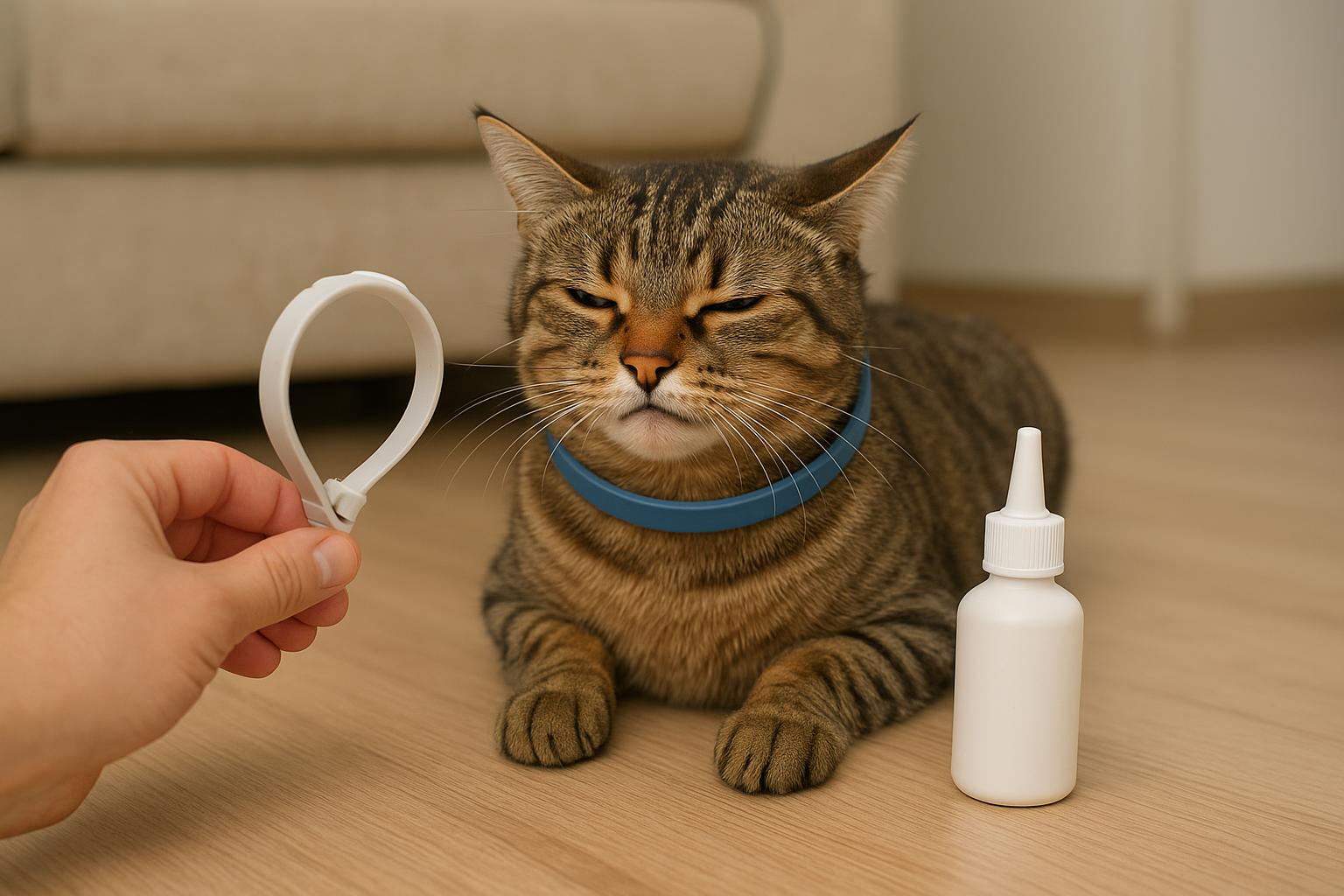
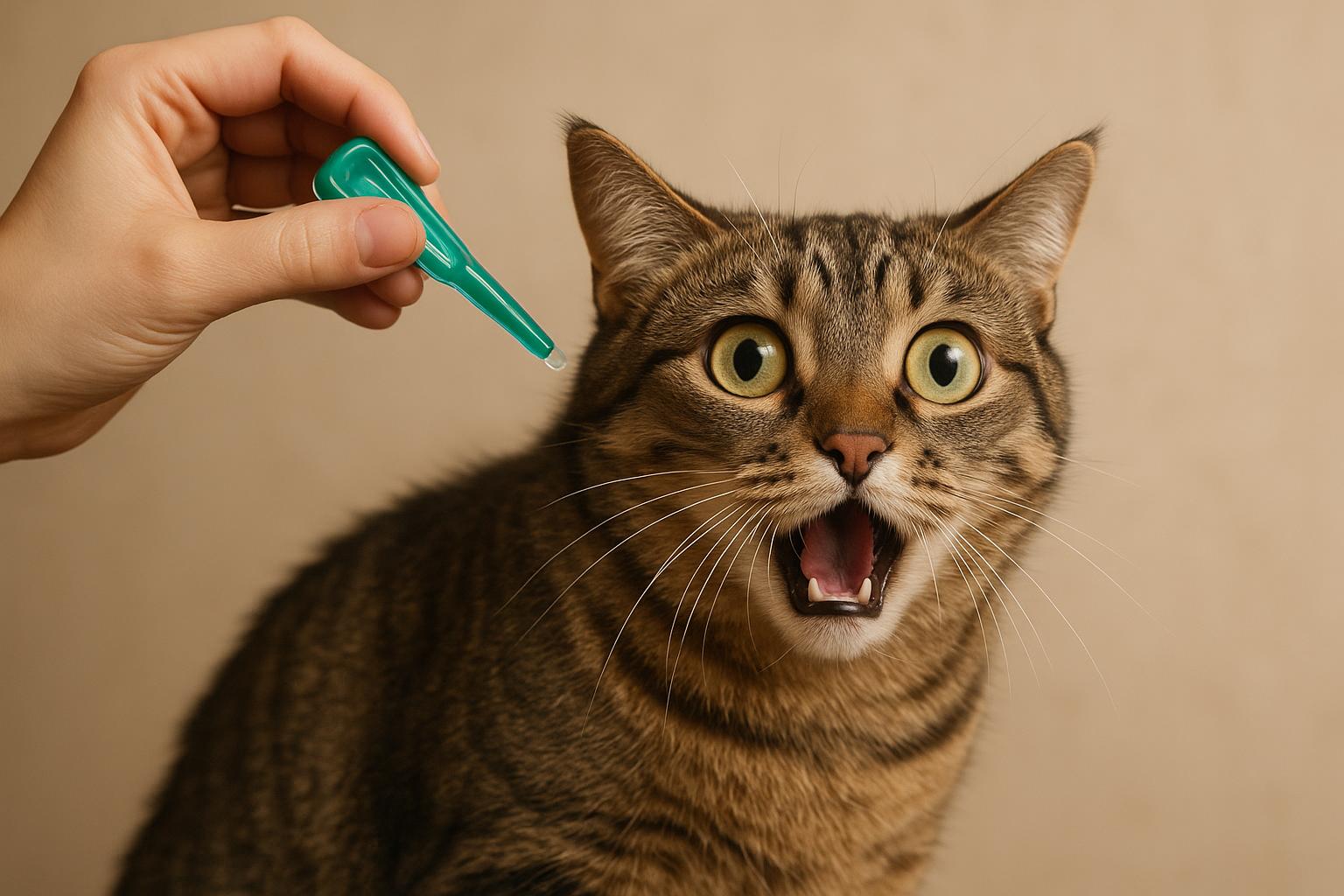
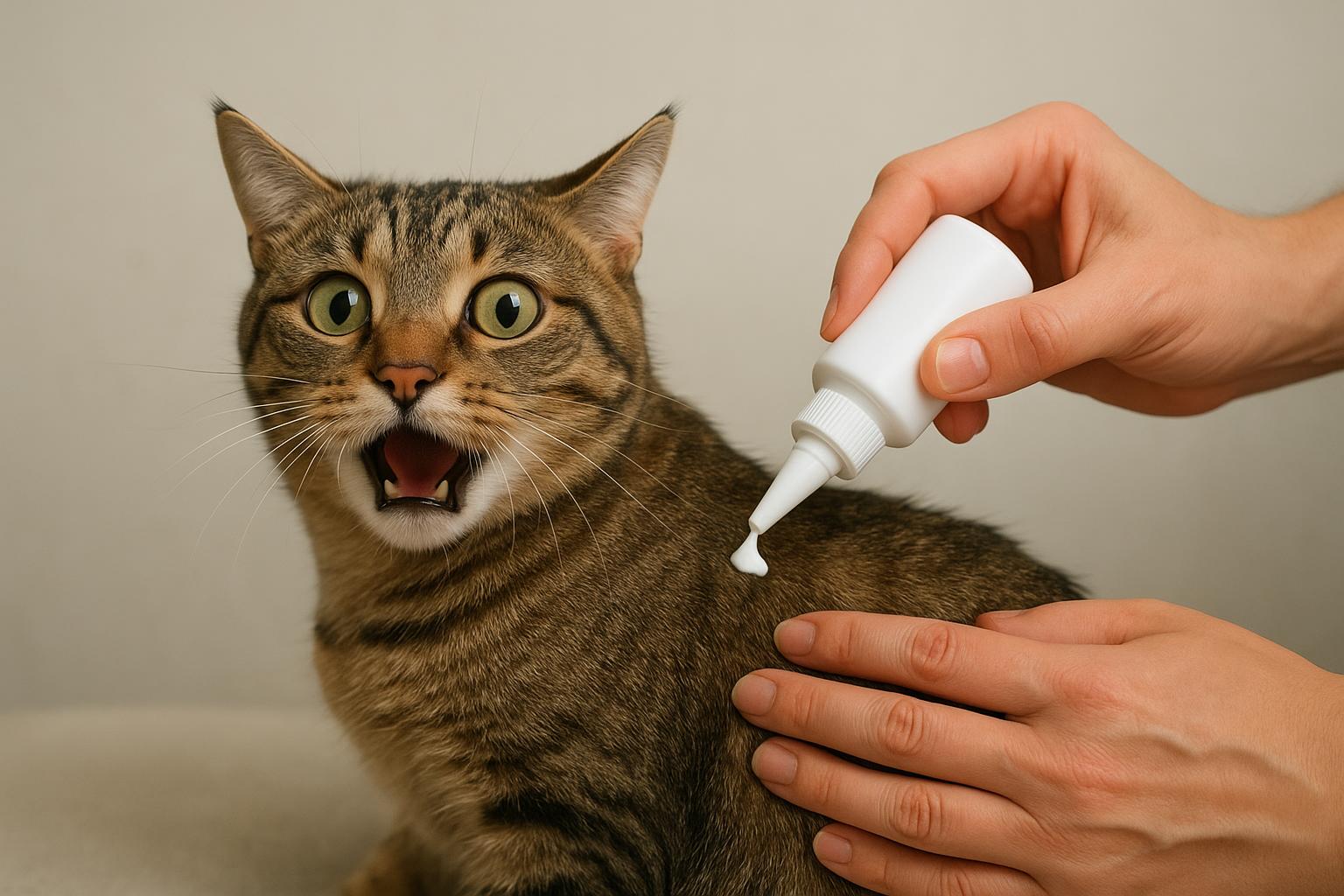
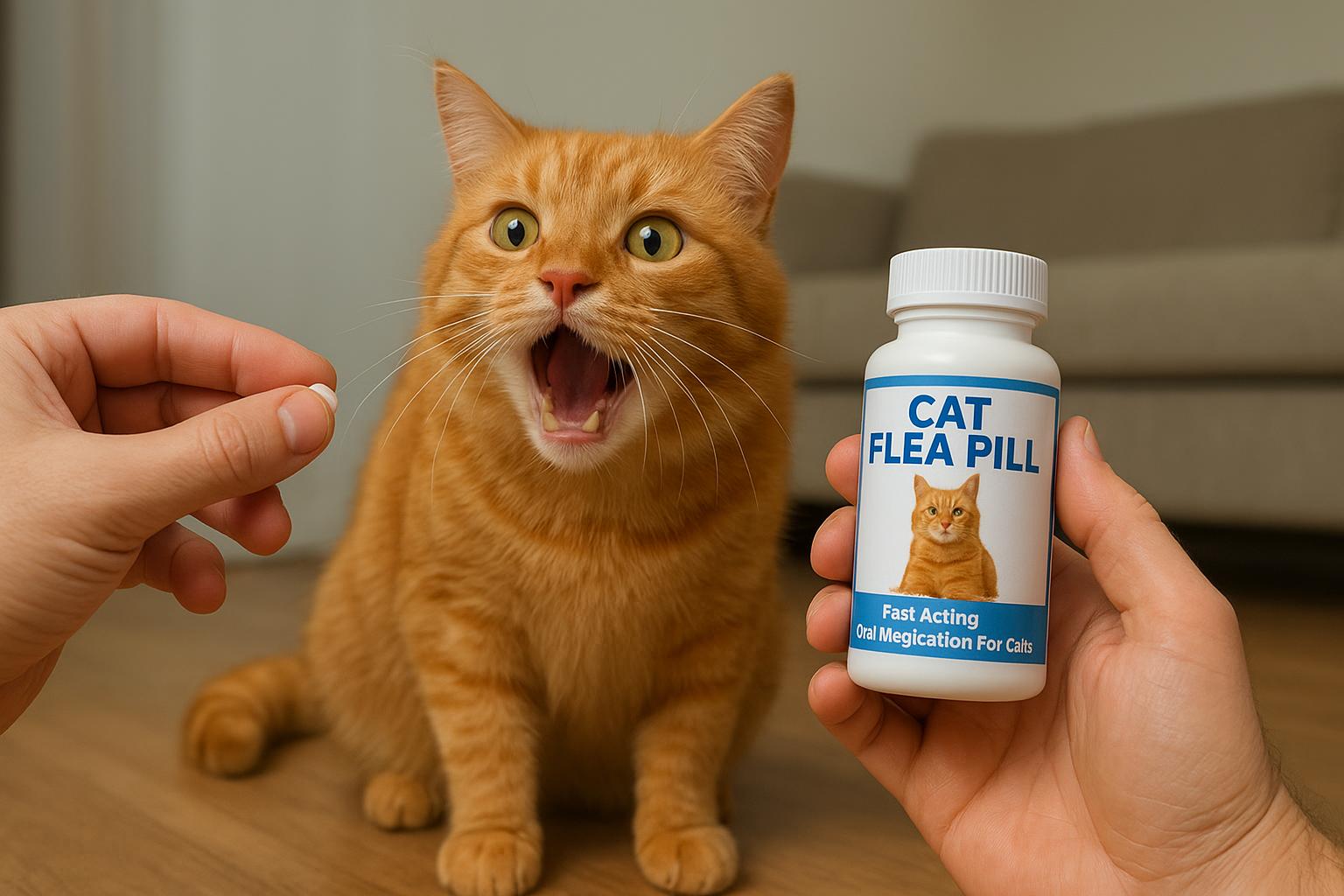
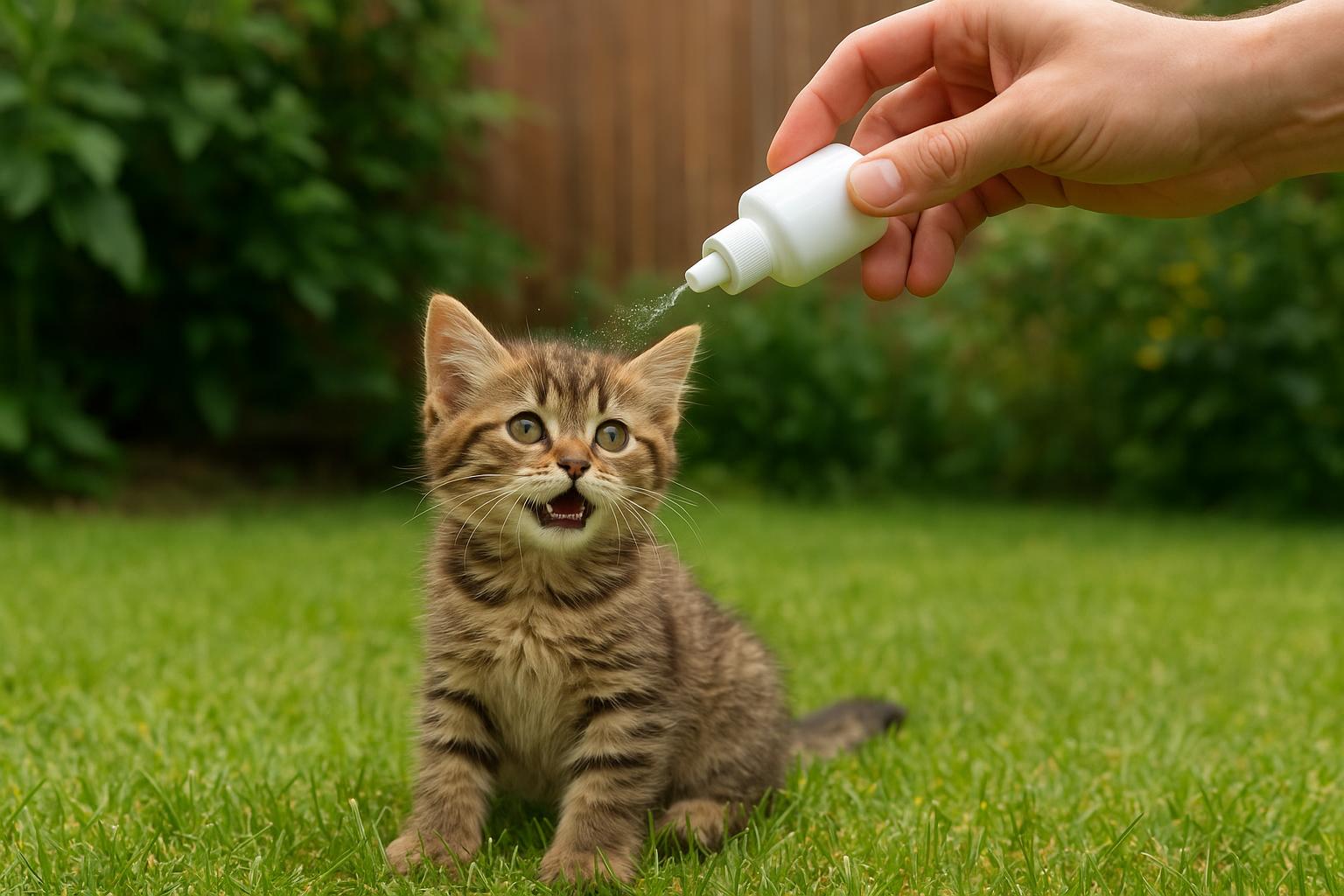
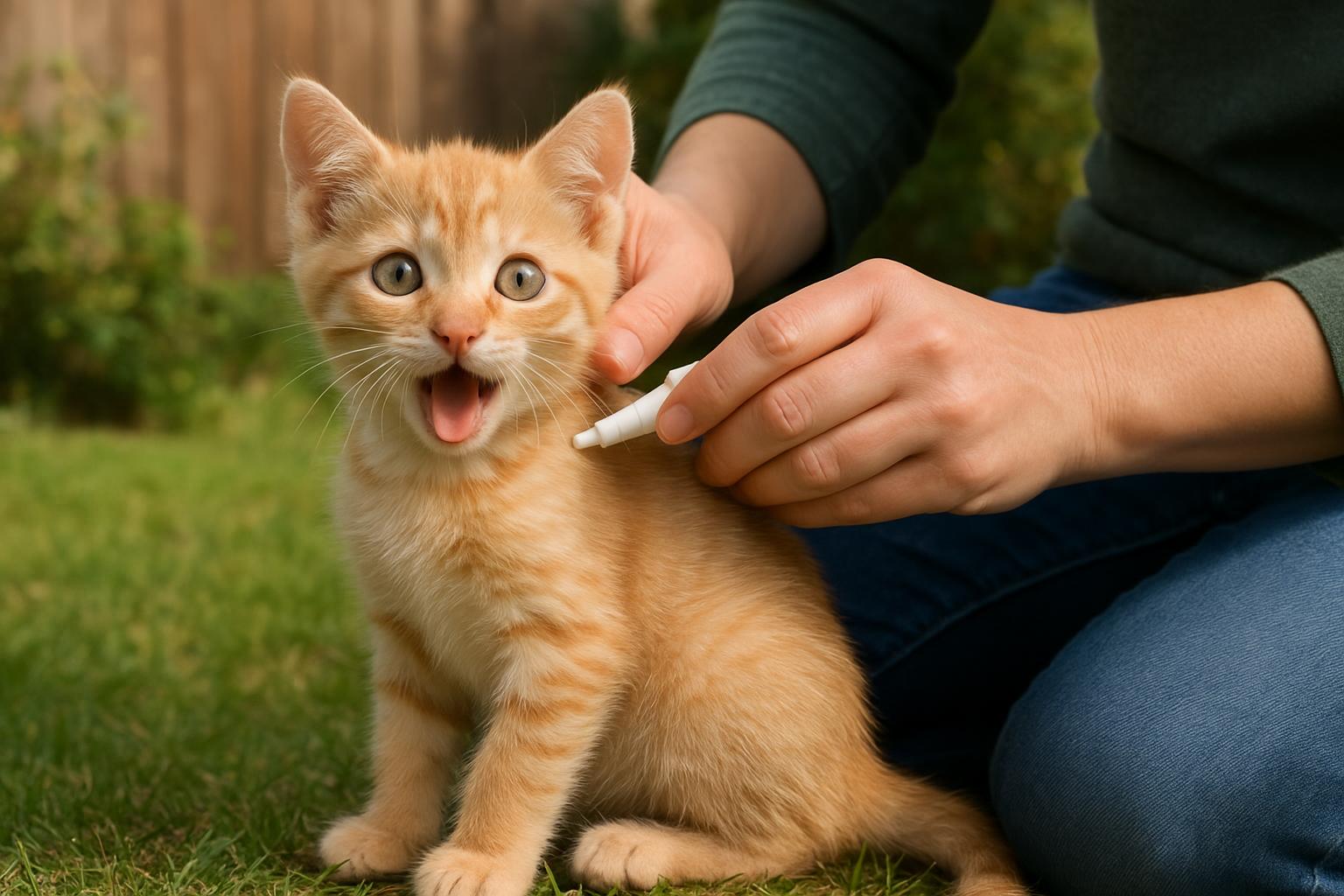
– Treat pets with veterinarian-recommended flea preventatives appropriate for their species (dogs vs. cats) and life stage.
These habits form the backbone of effective home flea prevention. Now for two nature-friendly remedies you can use in tandem with those practices.
## Two Natural Remedies For Home Flea Prevention
When discussing remedies we’ll be formal and specific: ingredients, proportions, and step-by-step application. Both remedies below are chosen for efficacy and low toxicity when used correctly. Read precautions (especially for households with cats) and follow each step.
### Remedy 1: Food-Grade Diatomaceous Earth (DE) For Indoor Zones
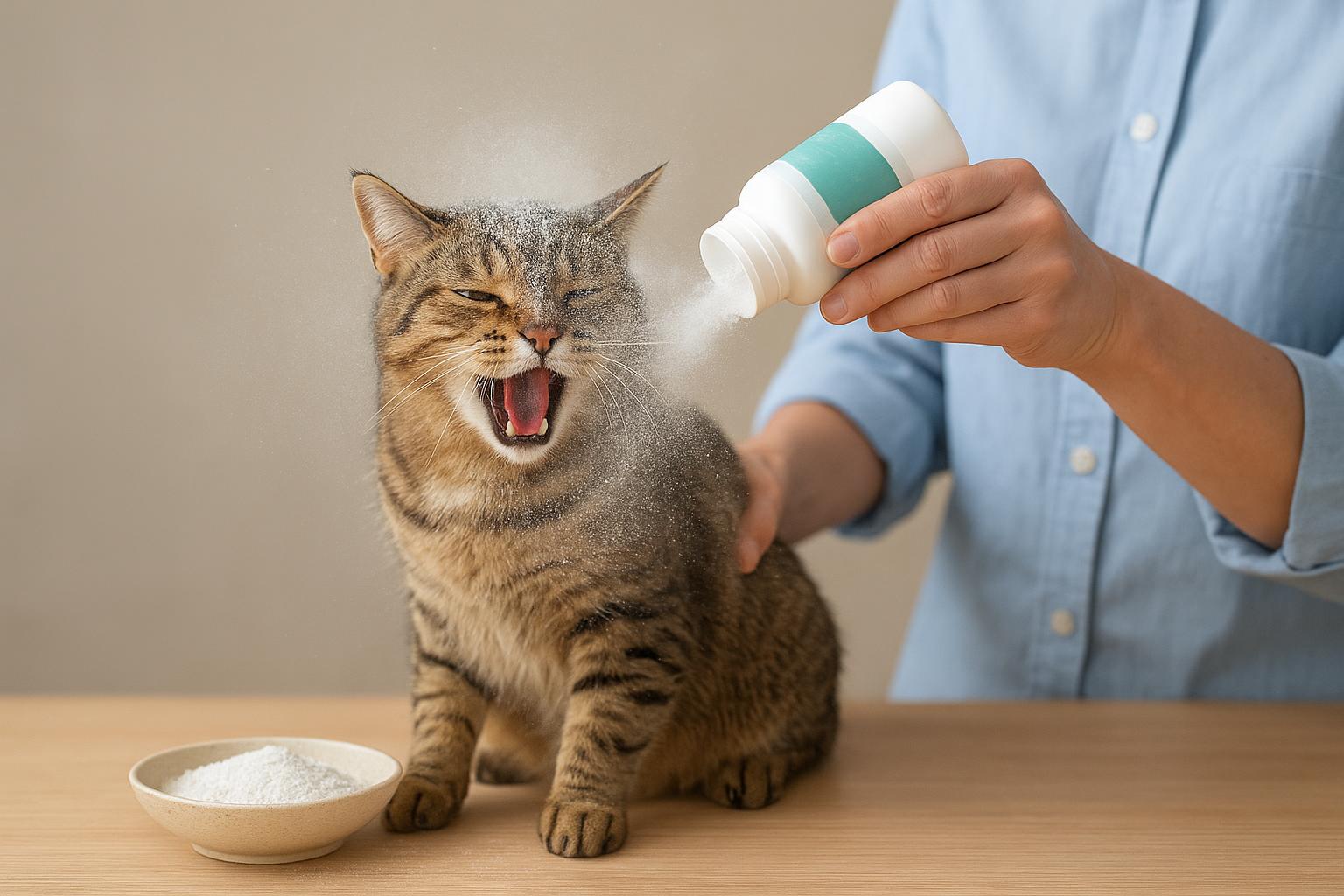
Overview: Food-grade diatomaceous earth is a fine powder composed of fossilized diatoms. It dehydrates and abrades insect exoskeletons, making it effective against fleas in carpets, pet beds, and crevices when applied properly and left undisturbed for a few days.
Ingredients / Materials:
– Food-grade diatomaceous earth (not pool-grade)
– Handheld duster or shaker container
– Vacuum with a bag or sealable canister
– Protective mask (N95 or equivalent), gloves, and goggles
– Broom or stiff brush
Preparation And Application (Formal Steps):
1. Safety First: Put on a mask, gloves, and eye protection. Avoid inhaling dust; DE is abrasive to lungs.
2. Prepare Areas: Remove children and pets from the room during application. Pull furniture slightly away from walls to reach edges.
3. Apply DE: Using the duster or shaker, lightly dust carpets, rugs, upholstery seams, baseboards, and pet bedding seams with a thin, even layer. Focus on pet sleeping areas and under furniture. Do not saturate—aim for a barely visible dusting.
4. Work It In: Use a broom or stiff brush to gently push DE into carpet fibers and along edges. This increases contact with eggs and larvae.
5. Leave Time: Allow DE to remain undisturbed for 48–72 hours; longer exposure improves efficacy.
6. Vacuum Thoroughly: After the waiting period, vacuum every treated surface, using crevice tools for edges. Remove vacuum bag or empty canister contents into a sealed trash bag and discard outdoors.
7. Repeat: Reapply in 7–10 days to catch newly hatched fleas. Follow up for 3–4 weeks total to interrupt the life cycle.
Precautions: Use only food-grade DE. Keep treatments away from direct pet ingestion; briefly remove animals from treated surfaces until vacuumed. Avoid dusting near open food or breathing airways. DE can dry skin; wash hands after use.
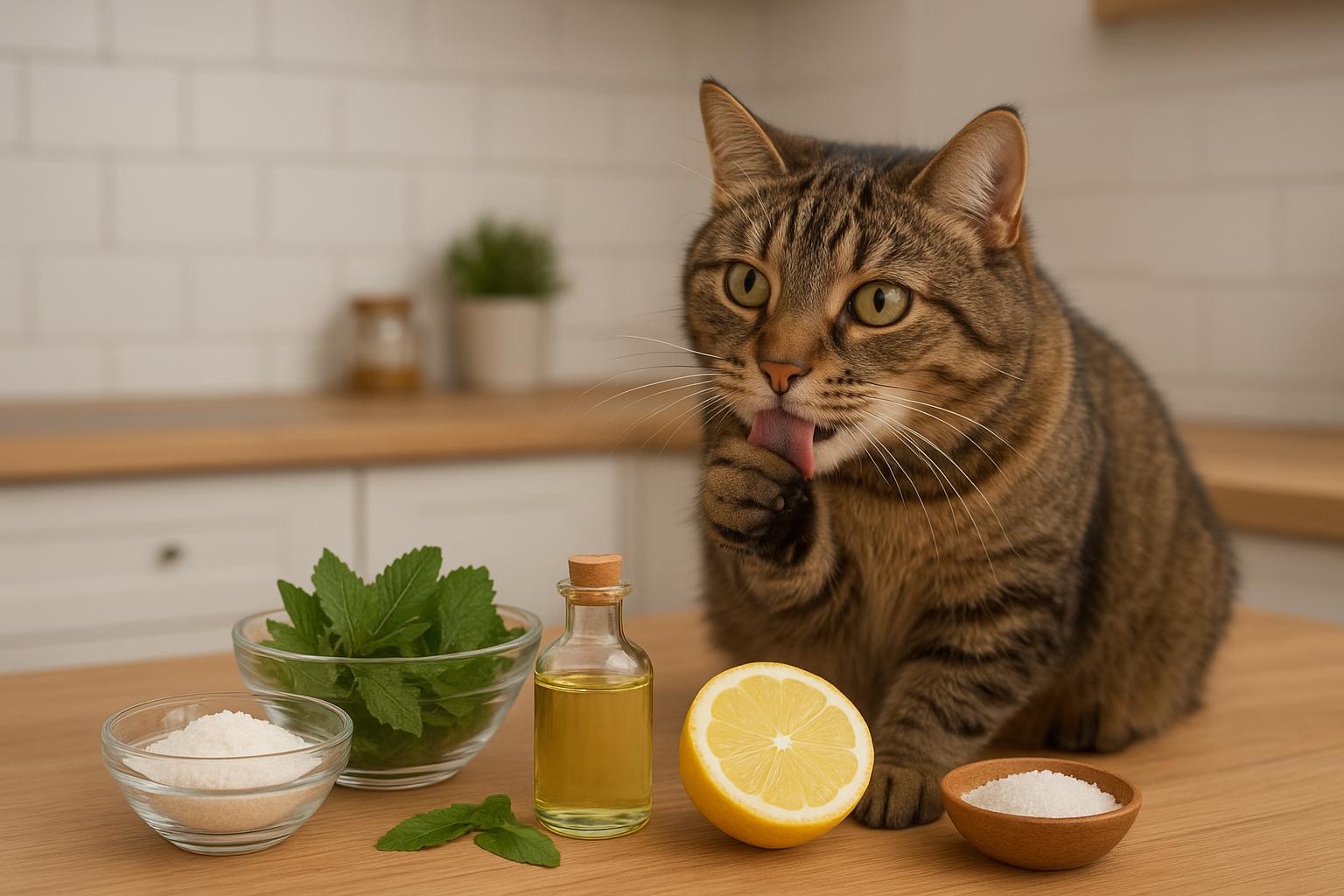
### Remedy 2: Botanical Repellent Spray For Indoor And Outdoor Use
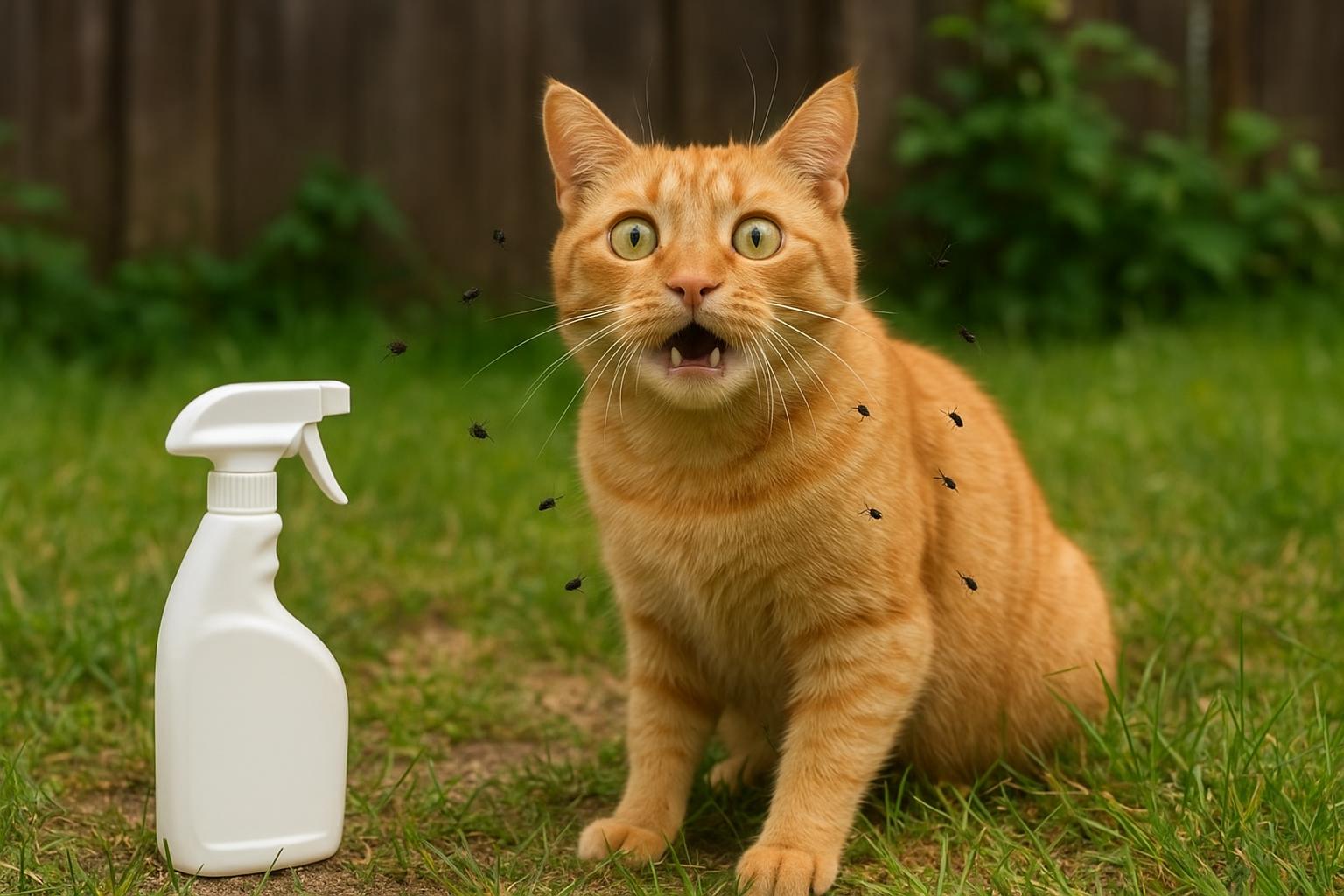
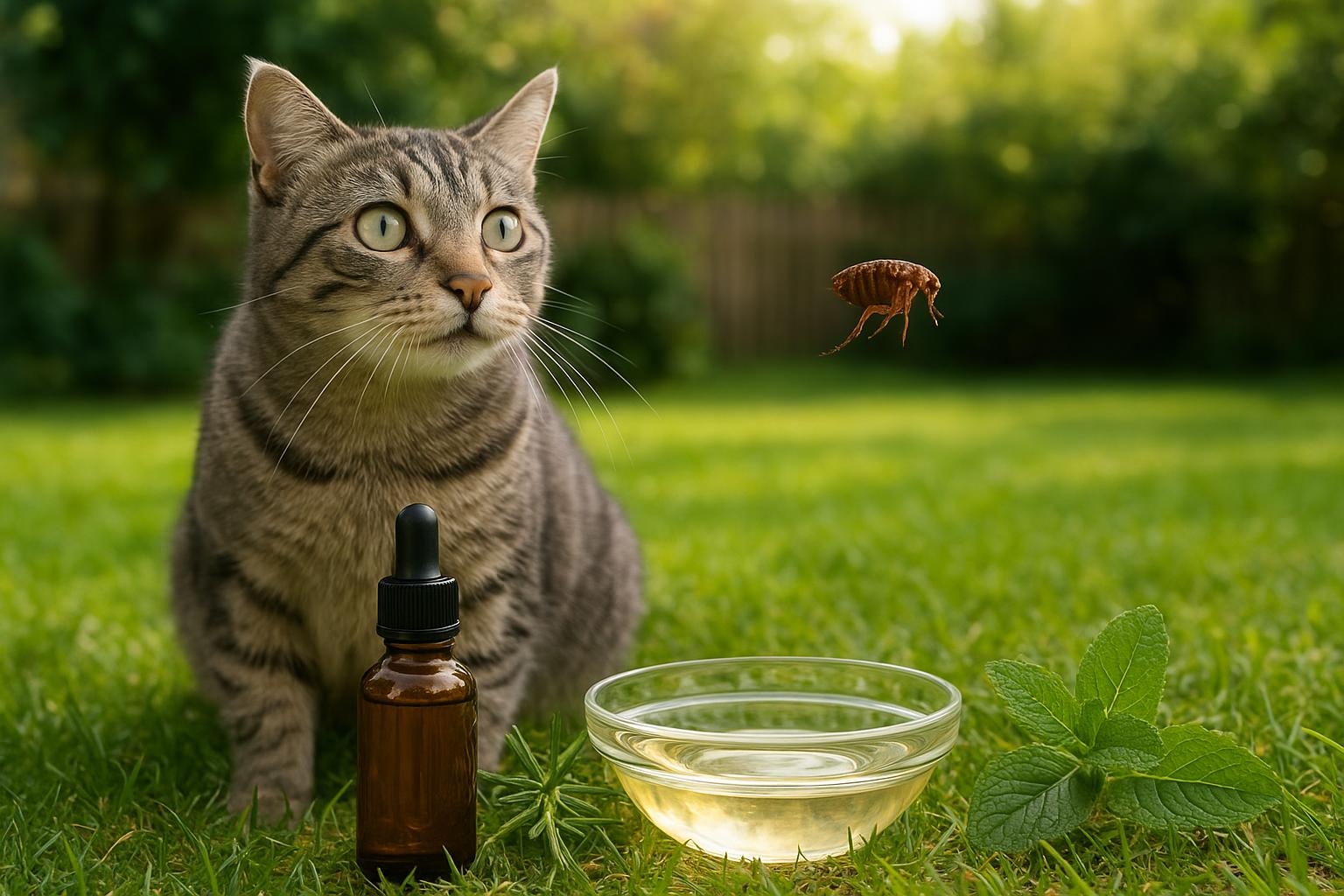
Overview: A diluted botanical spray combining cedar hydrosol or cedarwood essential oil and mild, pet-safe surfactant can reduce flea presence on fabrics and in perimeter zones. Essential oil care is formal: certain oils are toxic to cats (e.g., tea tree, eucalyptus) and must be avoided where cats live. This formula uses cedar and lavender with caution and dilution.
Ingredients / Materials:
– Distilled water: 1 liter
– Witch hazel (2 tablespoons) or mild unscented castile soap as an emulsifier
– Cedarwood essential oil: 10 drops (or 1 oz cedar hydrosol)
– Lavender essential oil: 10 drops (optional; avoid if you have cats that are sensitive)
– Spray bottle (1 liter or 32 oz)
– Funnel and measuring spoons
Creation And Application (Formal Steps):
1. Safety Note: If you have cats, consult your veterinarian before using any essential oils. If in doubt, omit lavender and use only cedar hydrosol diluted in water.
2. Mix Emulsifier: Pour 2 tablespoons of witch hazel into the spray bottle using the funnel.
3. Add Oils: Add 10 drops cedarwood essential oil (or 1 oz cedar hydrosol). If using lavender and it’s safe, add up to 10 drops.
4. Add Water: Fill the bottle with distilled water, leaving a little headspace for shaking.
5. Shake To Combine: Secure the cap and shake vigorously to disperse oils.
6. Test Spot: Always test a small hidden area of fabric for colorfastness before wide application.
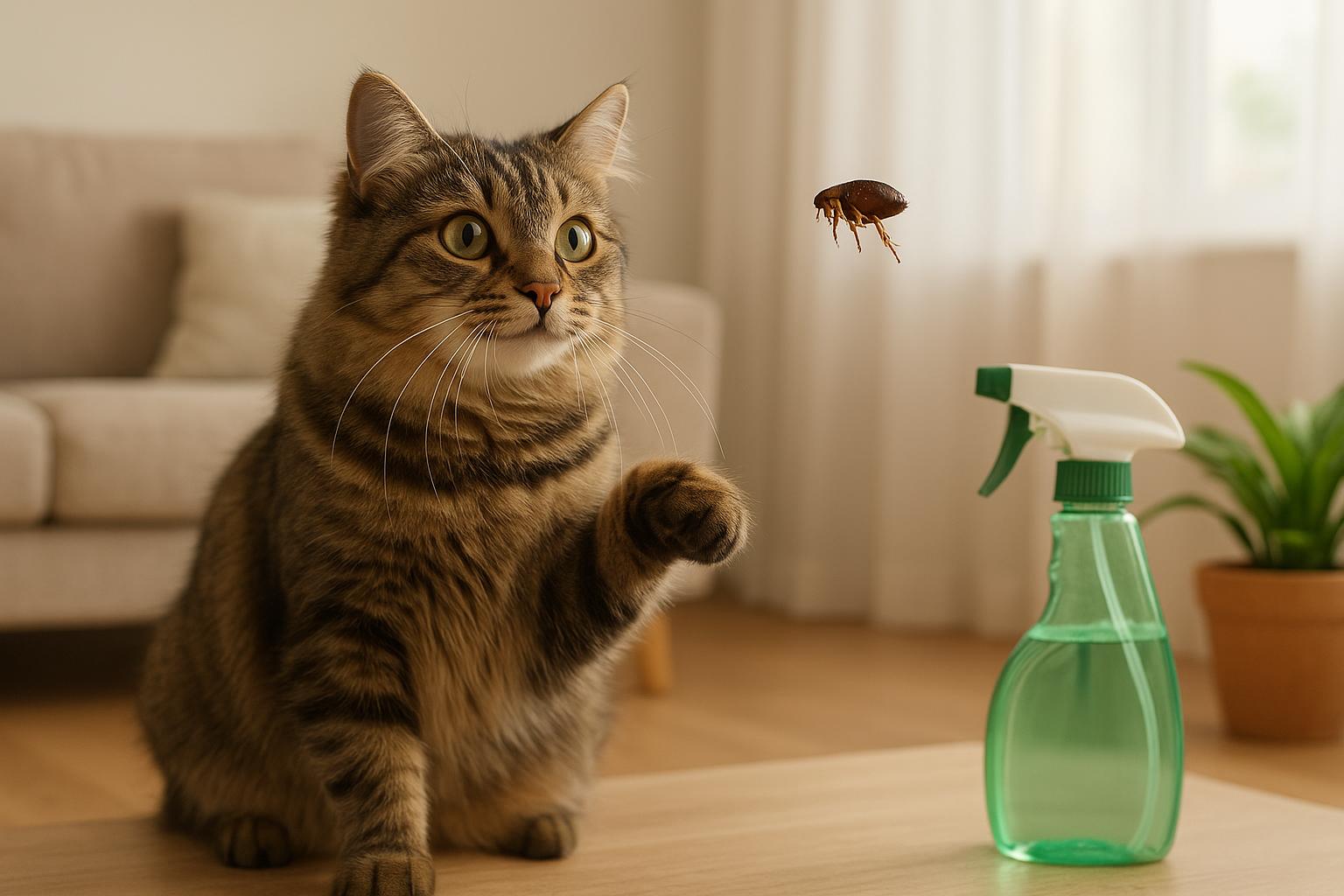
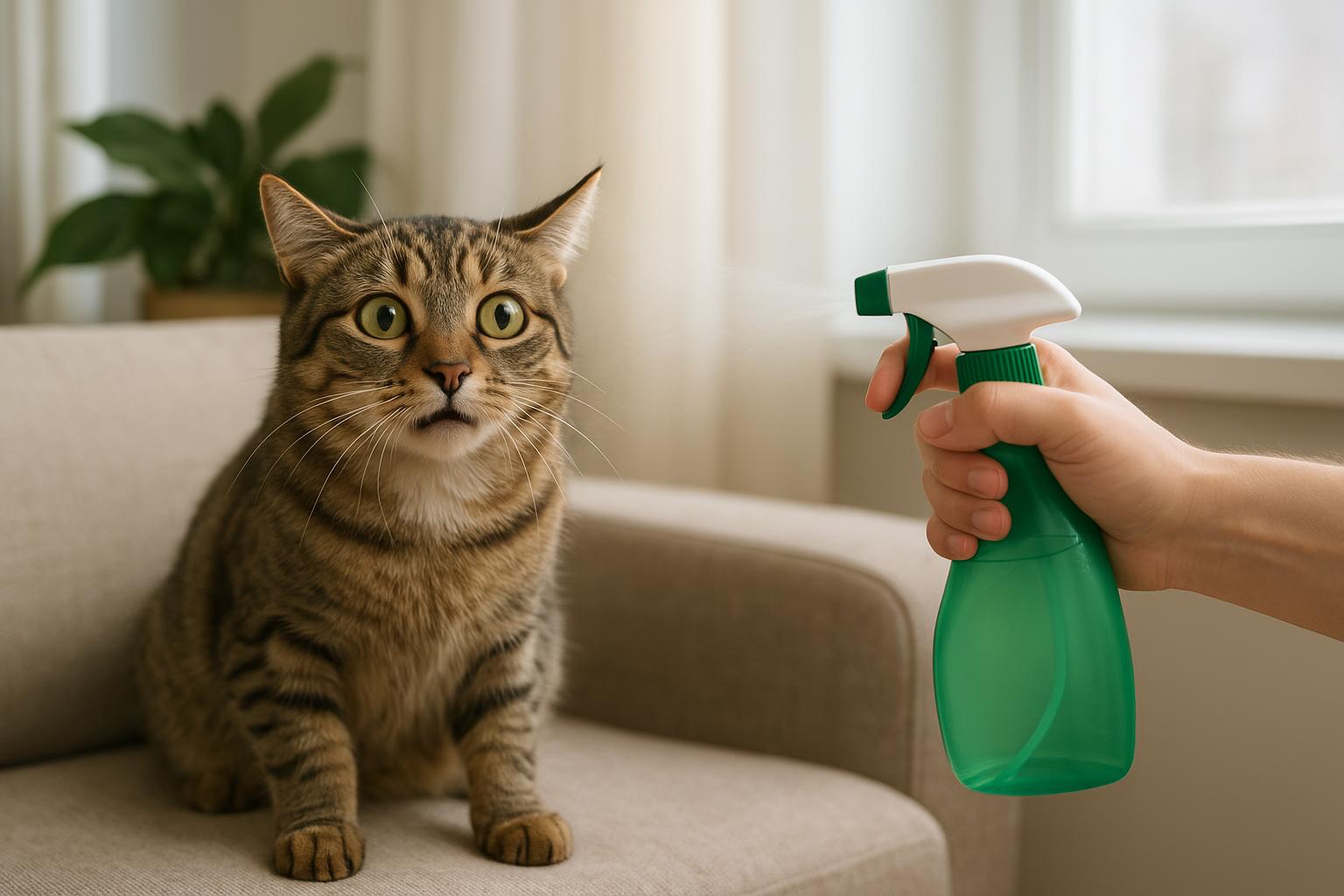
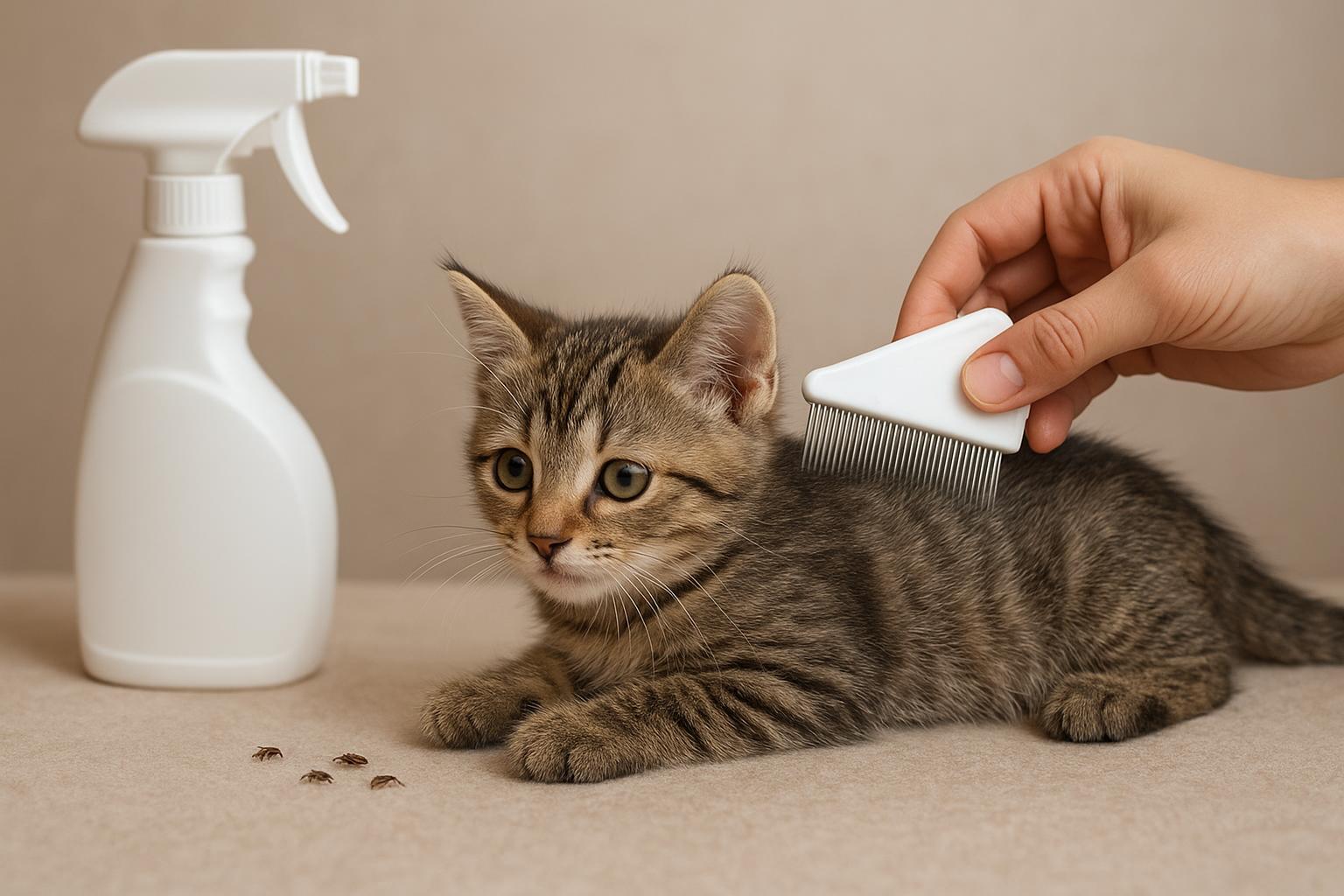
7. Application Indoors: Lightly mist pet bedding, rugs, curtains, and upholstered furniture. Do not saturate. Allow surfaces to dry fully before pets return.
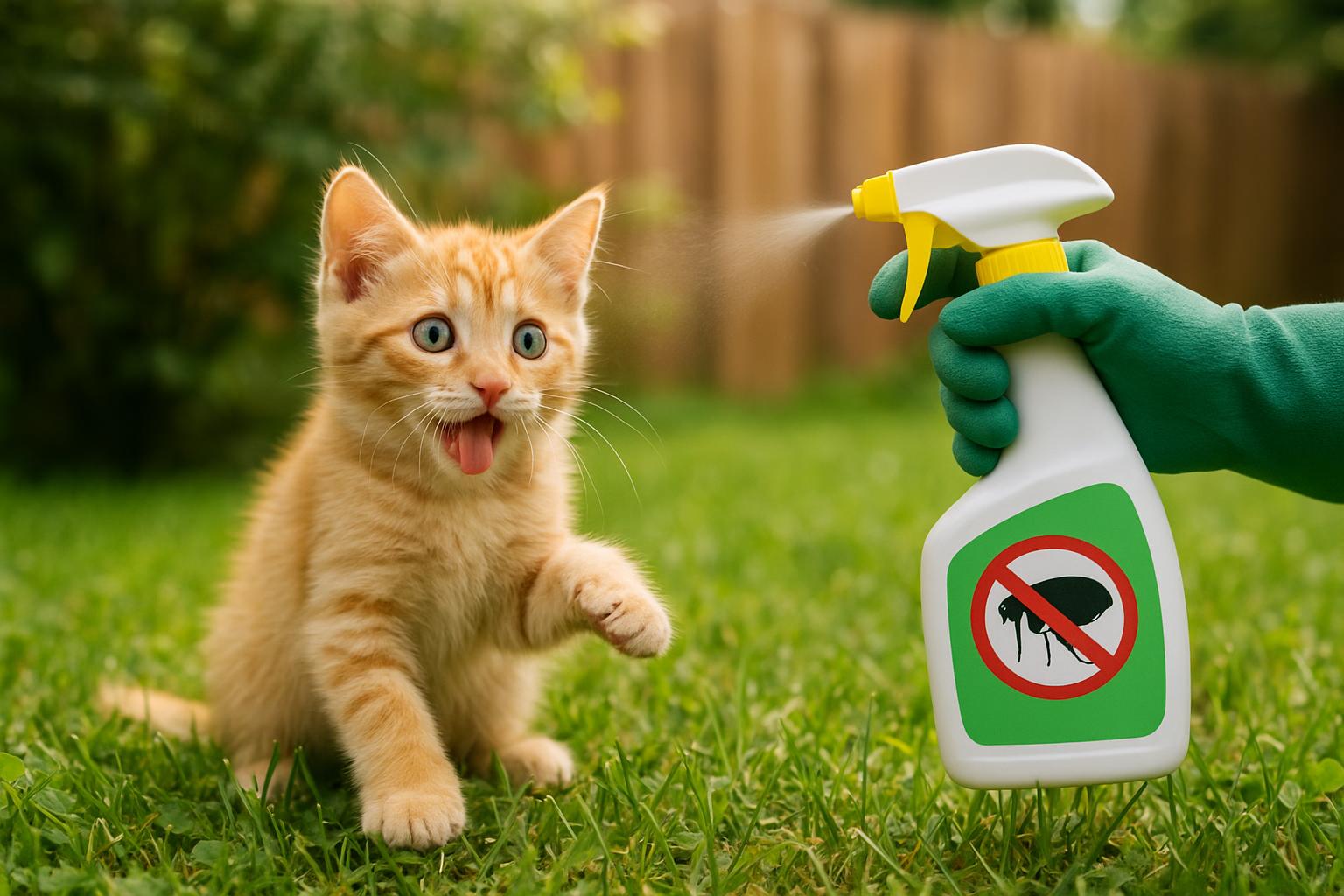
8. Application Outdoors: Lightly mist perimeter shrubs, shaded lawn edges, and outdoor pet bedding. Avoid spraying flowering plants to protect pollinators.
9. Frequency: Repeat application weekly during peak flea season and after heavy rain if applied outdoors.
Precautions: Do not apply essential oil directly to animal fur unless diluted per veterinary guidance. Store spray bottle away from children and pets.
### Integrating Remedies Into A Routine
Use DE and botanical spray together for complementary effects: DE physically affects juveniles and adults in fabrics and carpets, while the botanical spray deters adults from host-seeking near treated surfaces. Combine these remedies with vacuuming, laundering, and pet veterinary prevention for a multi-pronged approach.
### Yard And Wildlife Considerations
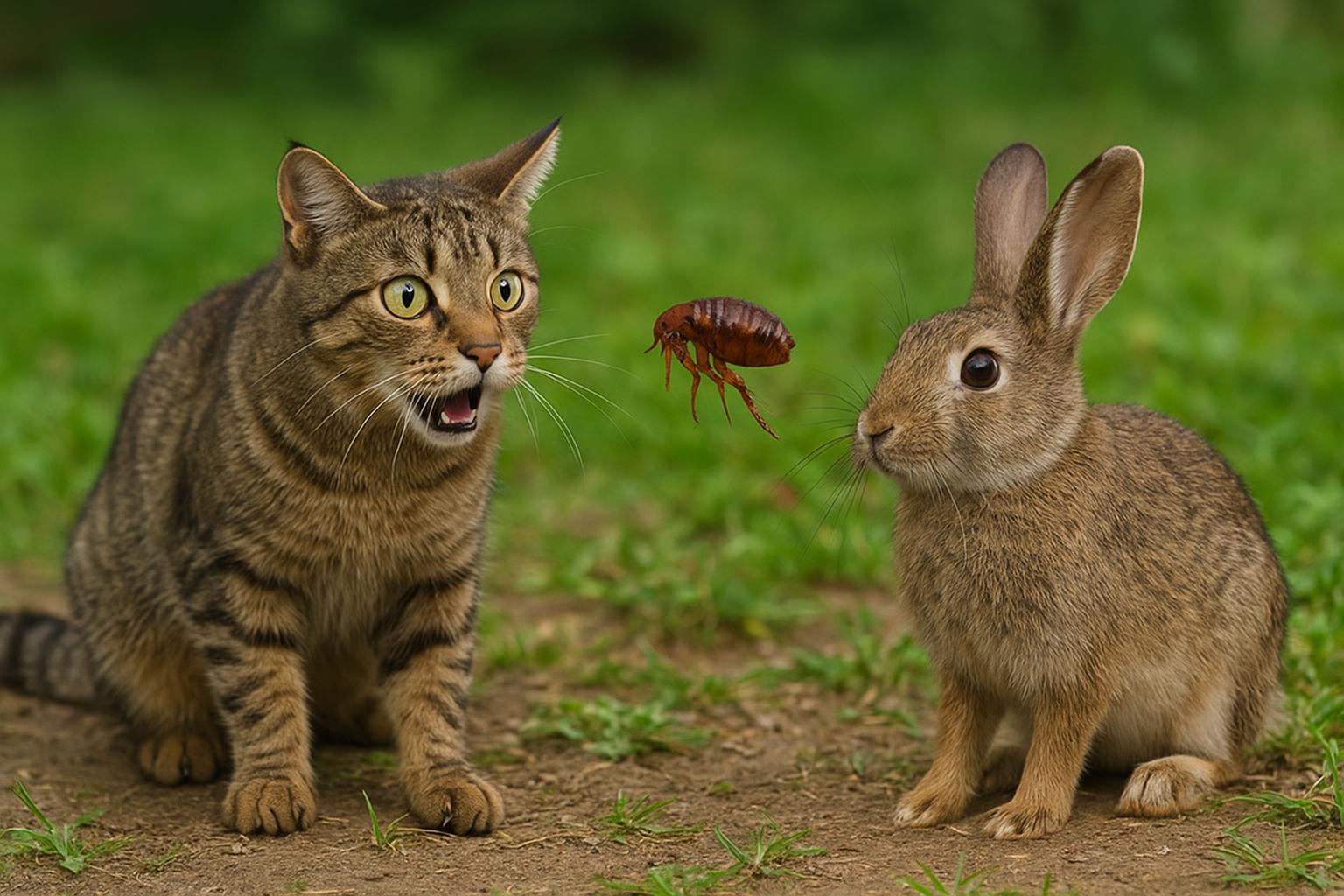
Fleas often come from wildlife hosts—raccoons, opossums, skunks, and feral animals. To reduce risk:
– Limit wildlife access: secure trash, close crawl spaces, and install fencing where practical.
– Create a buffer zone: keep a tidy, sun-exposed strip near the house without dense leaf litter or mulch; fleas prefer moist shade.
– Consider beneficial nematodes (Steinernema spp.) for infested soil: they parasitize flea larvae and are nature-friendly. Apply per product directions in late spring or early fall when soil is moist.
### When To Call A Professional
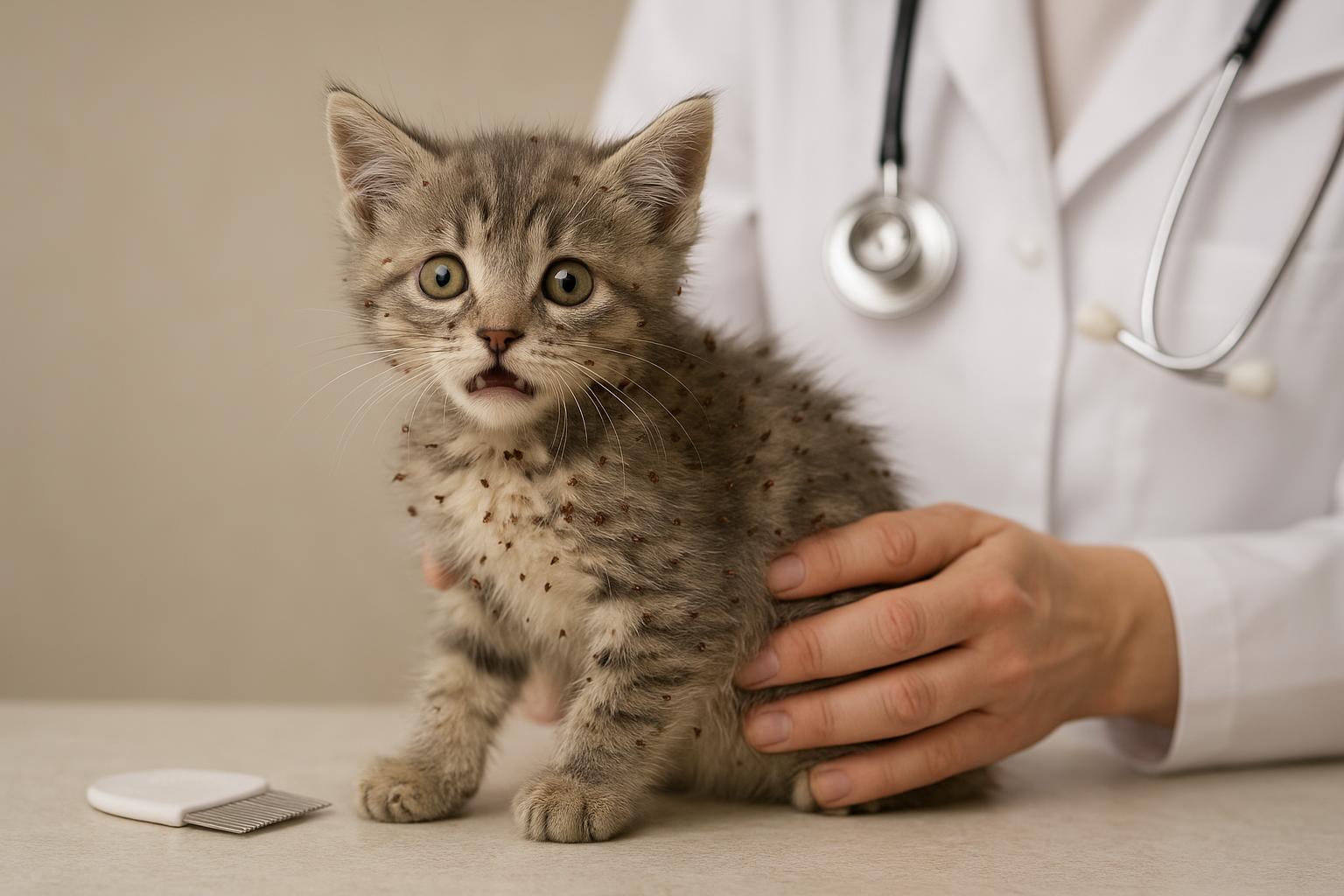
If your efforts don’t reduce flea counts after 4–6 weeks, or if pupae are continuously hatching, consult a licensed pest control professional who uses integrated pest management (IPM) practices. Professionals can target tough harborage and offer treatments that are effective yet mindful of pets, children, and the environment.
#### Safety Tips For Households With Cats And Small Pets
Cats metabolize some essential oils poorly. Always vet-test any topical or environmental product before use. Avoid tea tree, eucalyptus, pennyroyal, and citrus oils around cats. For birds and small mammals, even common household cleaners can be hazardous; check product safety thoroughly.
#### A Few Final Practical Notes
– Consistency matters: brief lapses let populations rebound.
– Keep records: note dates of vacuuming, washing, and treatments to track what works.
– Patience: fleas have resilient life stages. Persistent, nature-friendly effort gradually restores a safe, comfortable home.
Now you’ve got a friendly, practical toolkit for home flea prevention that respects pets, people, and the wider backyard ecosystem—no hazmat suit required, just a bit of elbow grease and good timing.





Leave a Reply