
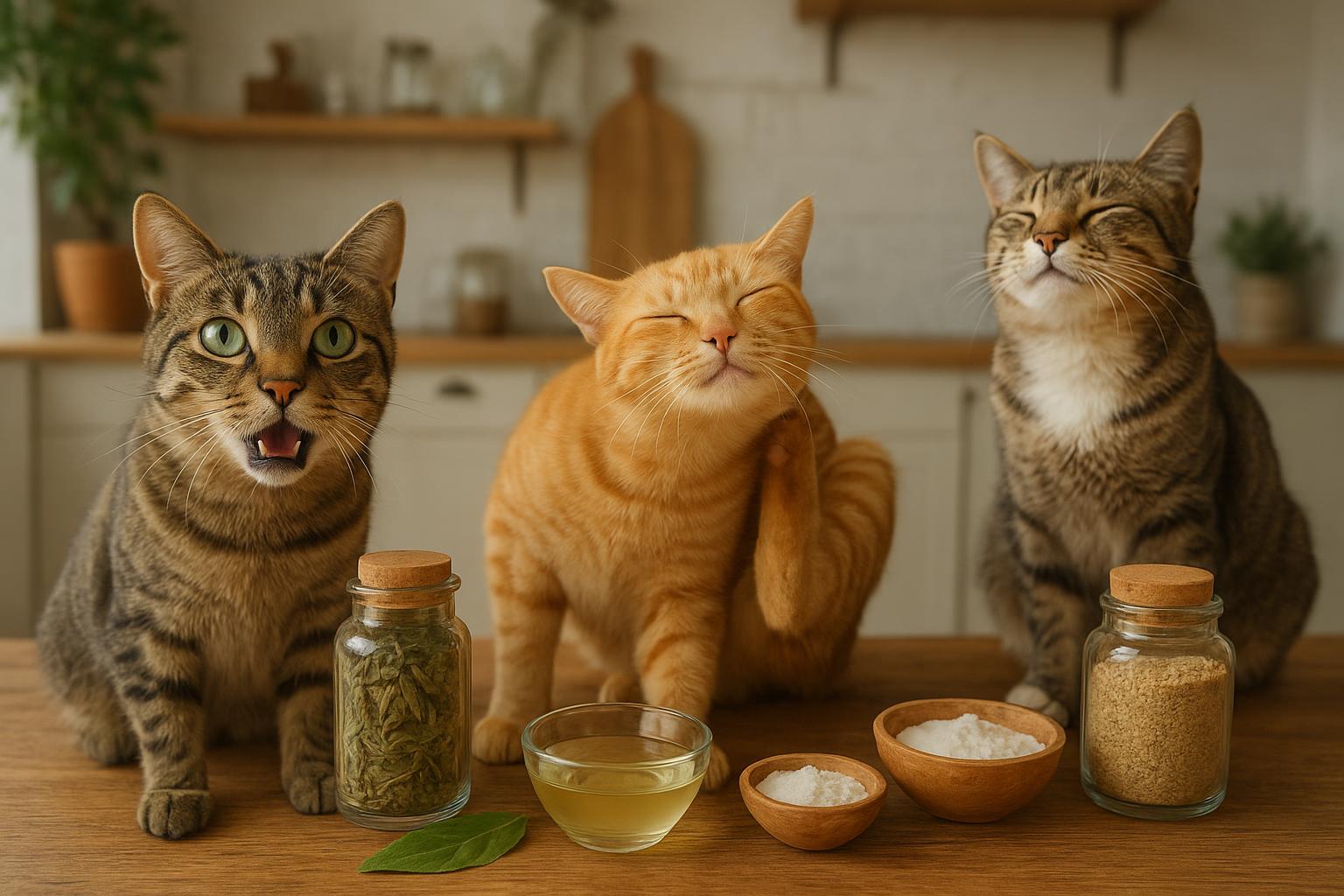
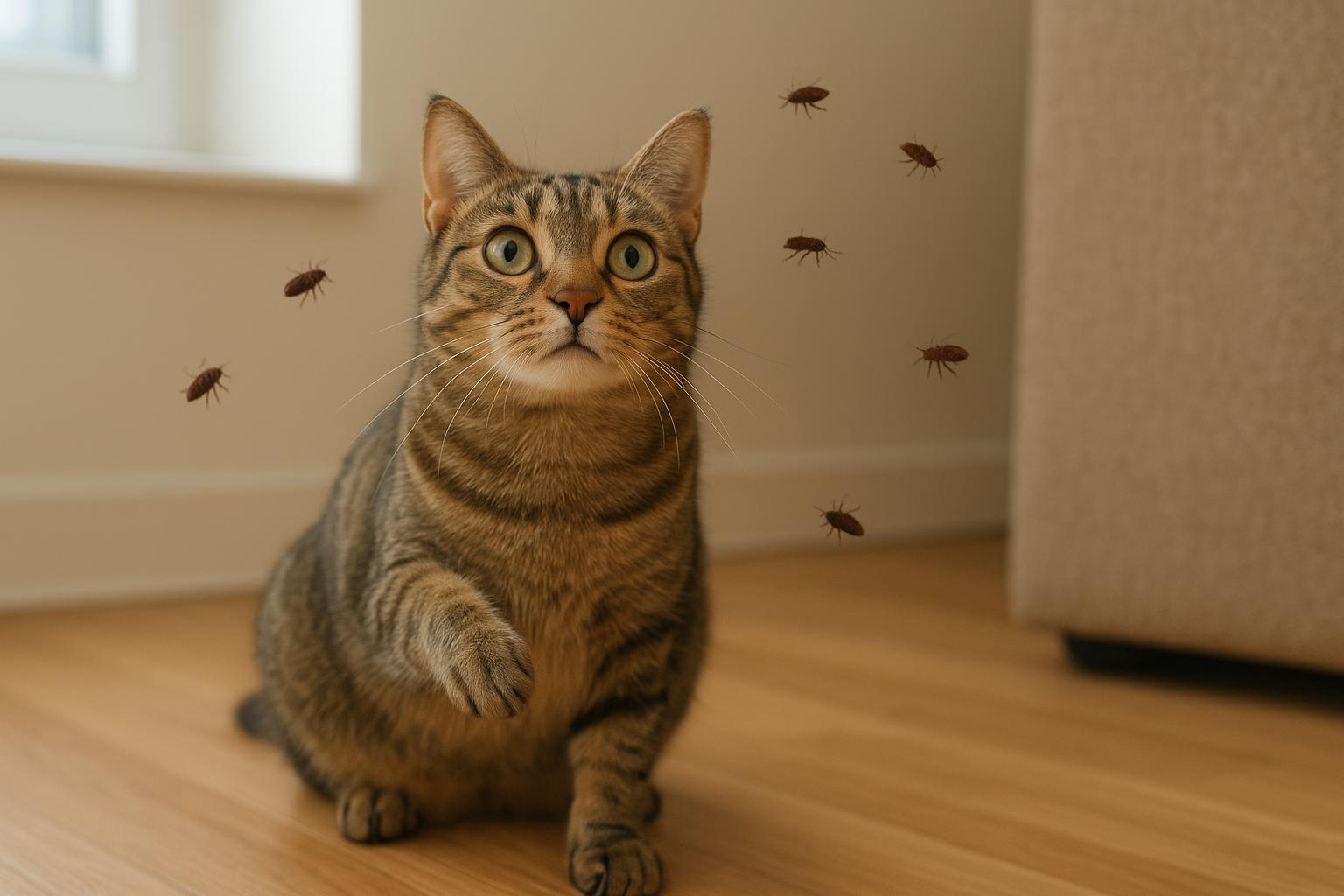
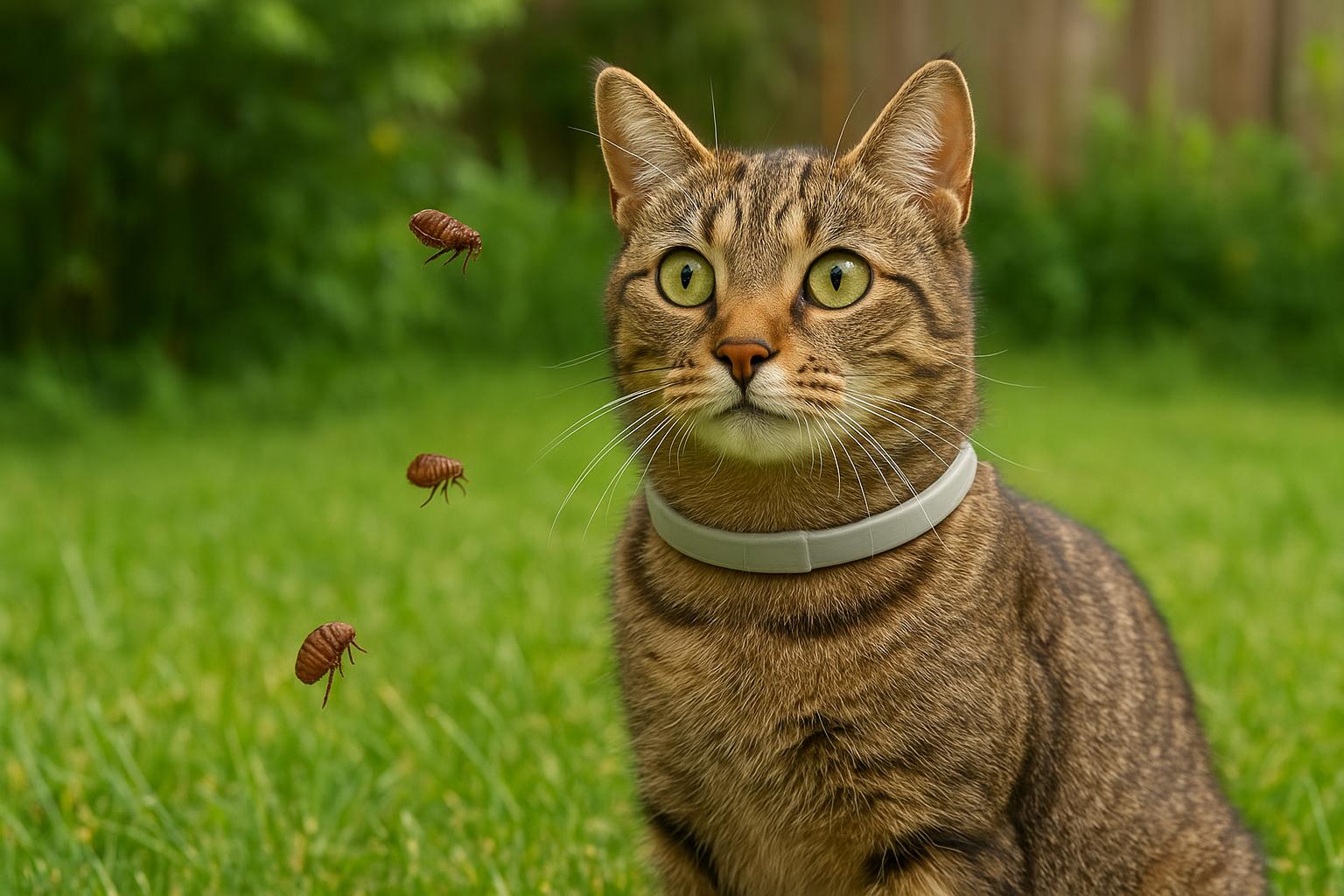
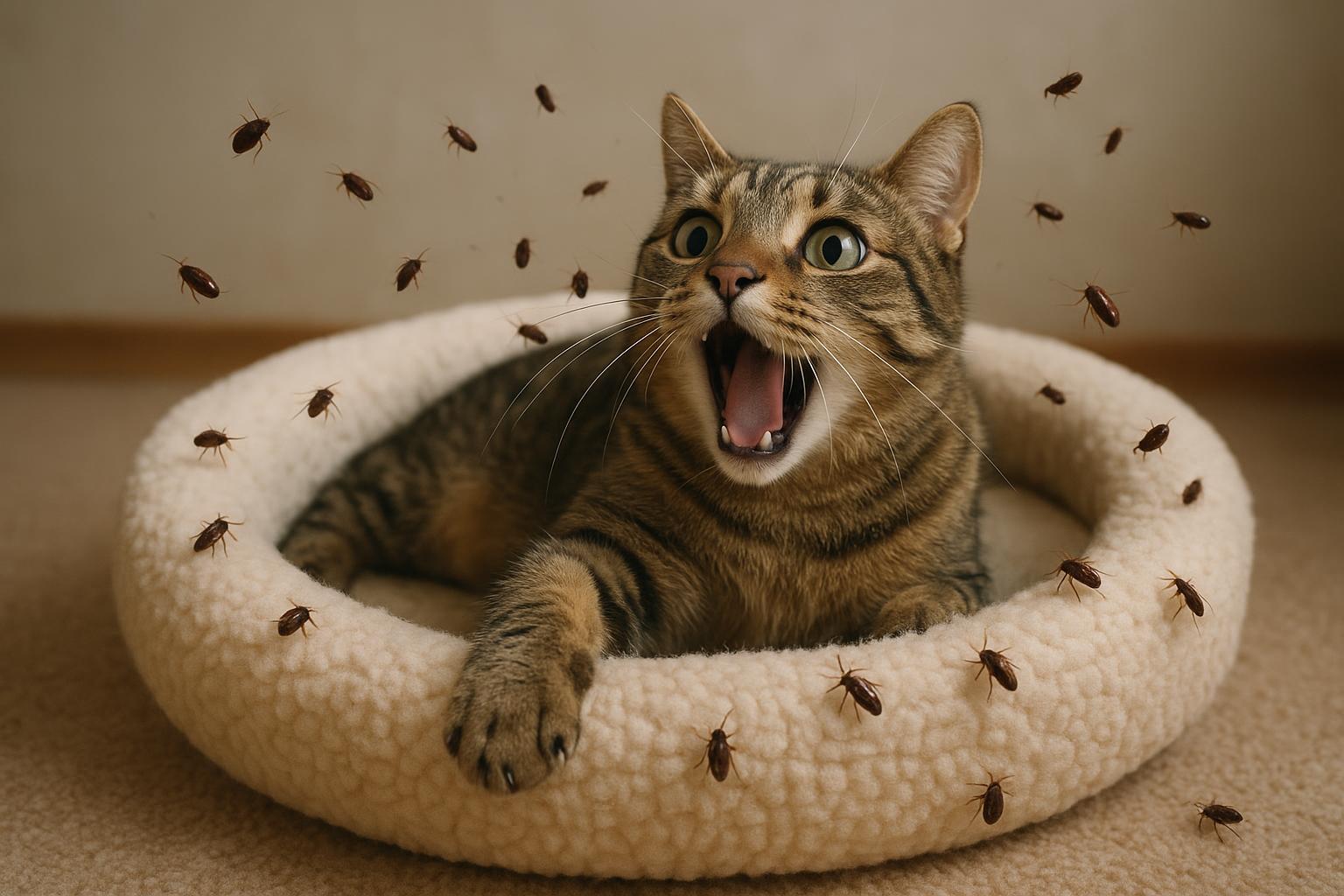
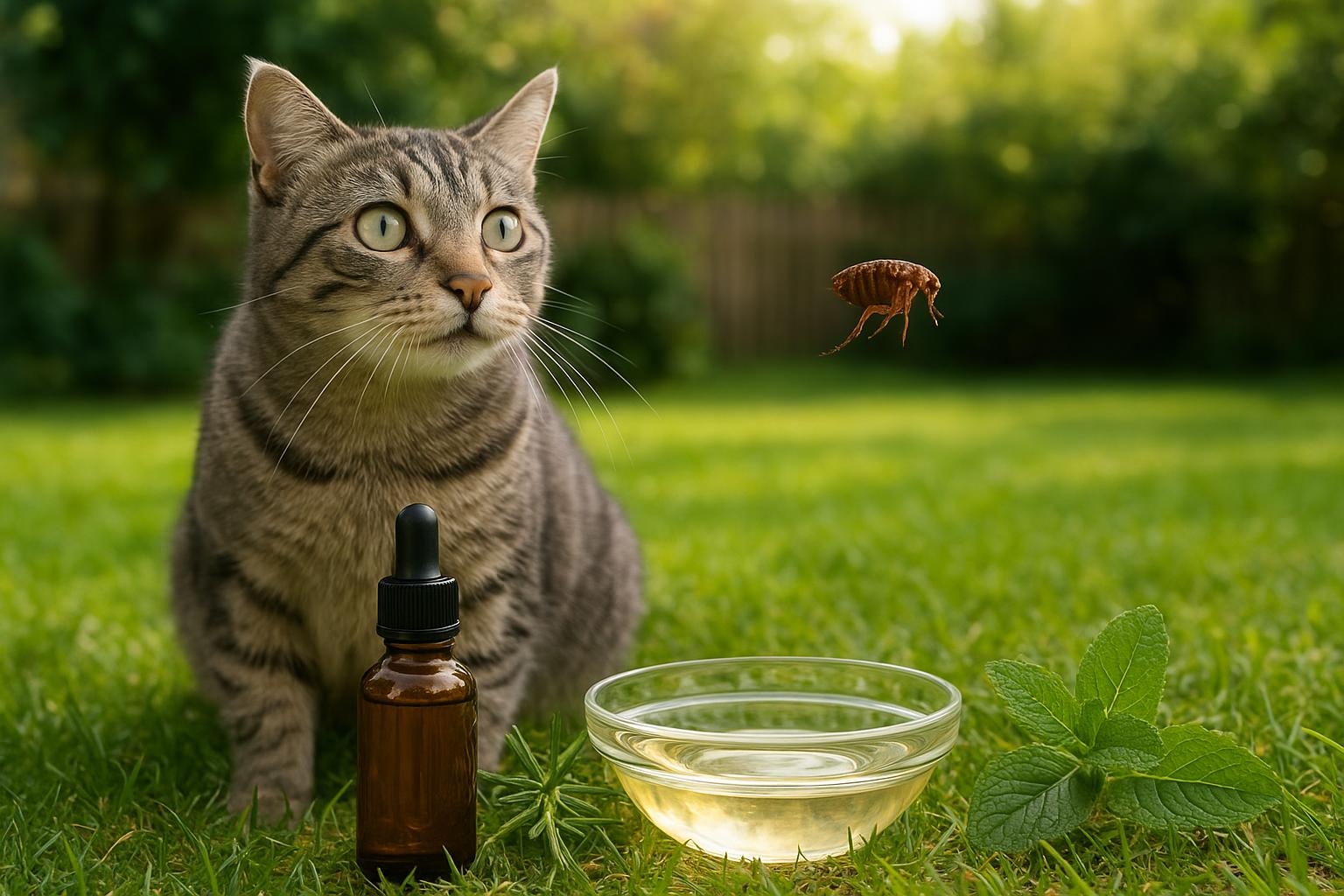
If your cat is scratching in a way that suggests tiny uninvited guests, you’re not alone. Fleas are a common nuisance, and many pet owners prefer gentle approaches before reaching for chemical treatments. This article walks you through safe, effective natural options, with clear steps and what to watch out for. We’ll keep things casual but informative — and yes, a little humor is allowed: your cat may still judge you for the fashion choice, but it will appreciate the itch relief.
## Natural Flea Treatment For Cats Using Home Remedies
Home remedies can be a useful first step for mild flea problems, but they aren’t a guarantee. Use them thoughtfully, monitor your cat closely, and combine with proper cleaning of your home and yard. The following remedies are intended for occasional, light infestations or as preventive measures. For heavy infestations, young kittens, or cats with skin conditions, consult your veterinarian.
### When To Use Home Remedies
Home remedies are best for:
– Single-cat households with a light few fleas.
– Cats that tolerate handling and gentle grooming.
– Owners who want to reduce chemical exposure when appropriate.
Avoid relying solely on home remedies if fleas are numerous, if there’s flea anemia in kittens, or if skin infections are present. These scenarios require veterinary care.
### Safety Considerations For Cats
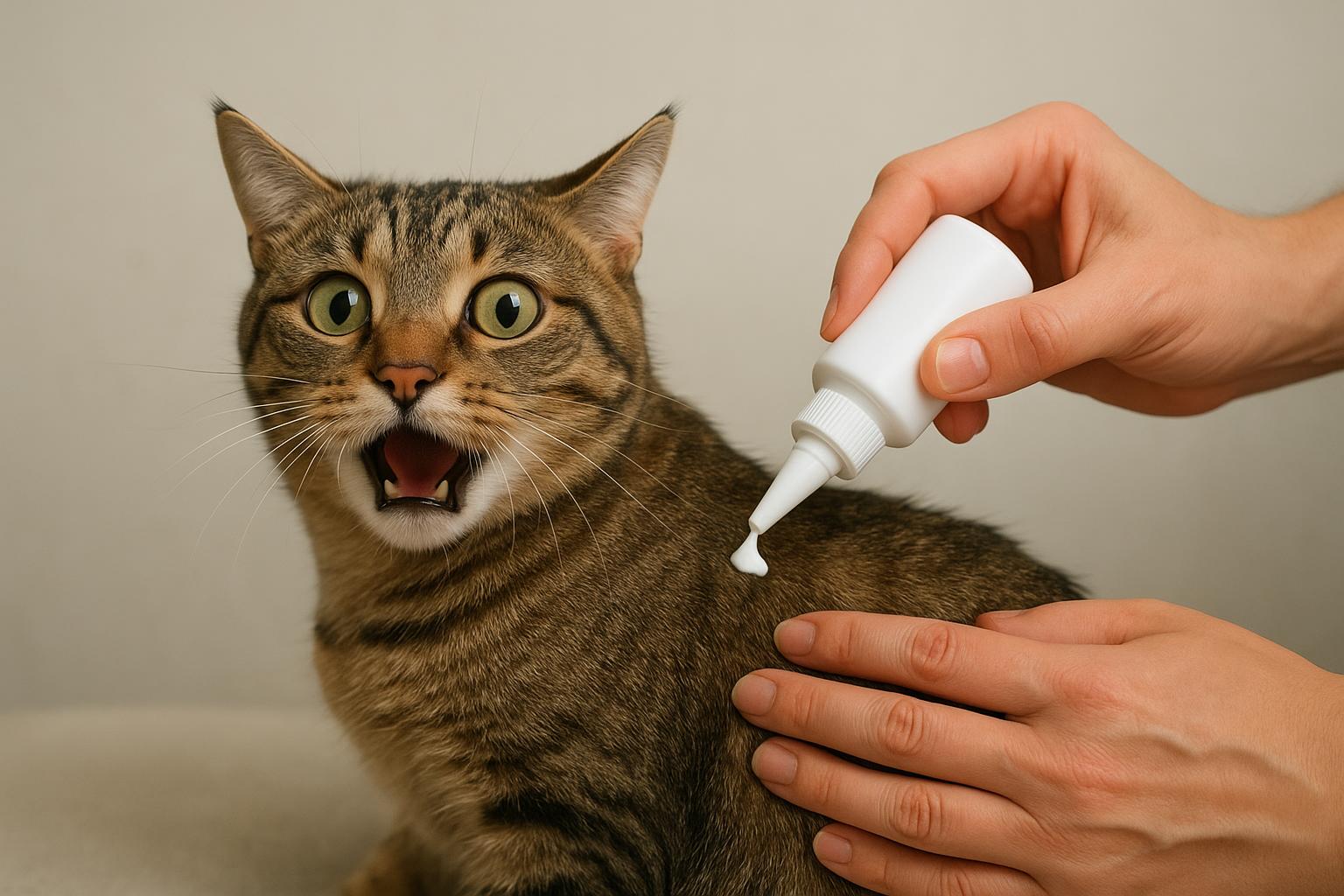
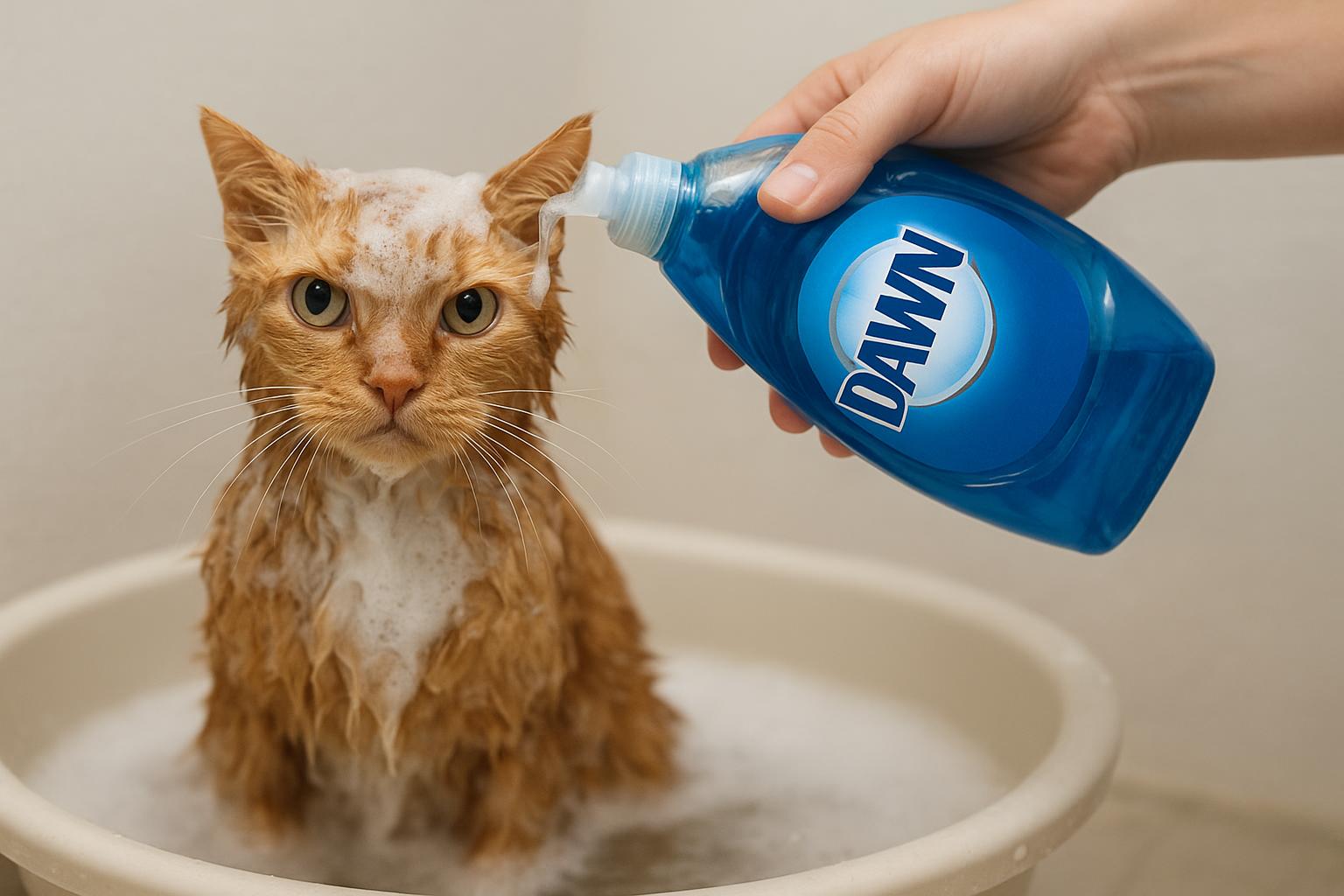
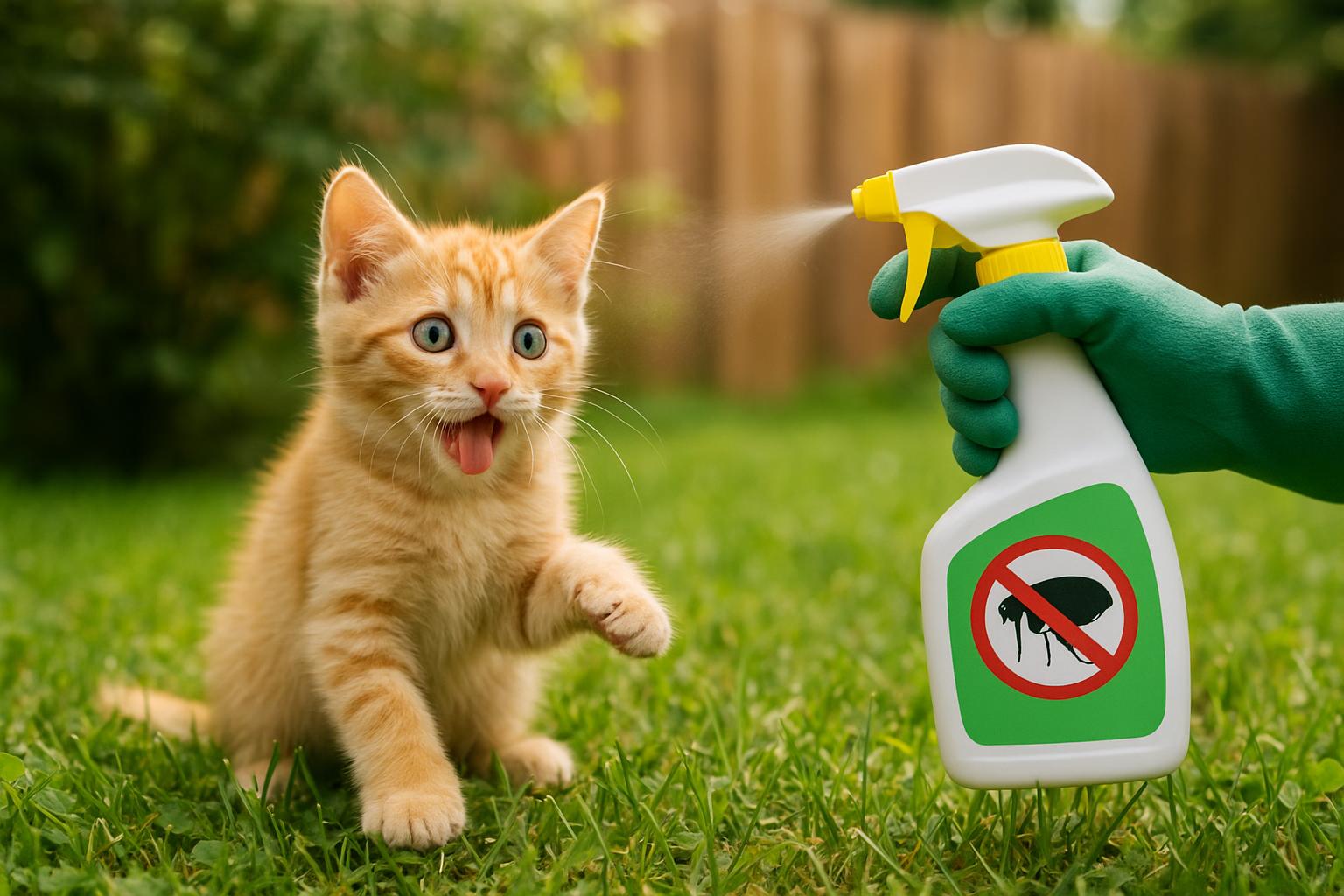
Not all natural ingredients are safe for cats. Essential oils like tea tree, eucalyptus, and citrus oils can be toxic. Even seemingly harmless products can irritate a sensitive cat’s skin. Test any topical solution on a small patch and wait 24 hours for signs of irritation. Never use dog-only products or human flea sprays on cats. If your cat grooms vigorously after application, rinse the area to avoid ingestion.
## 1. Apple Cider Vinegar Spray
Apple cider vinegar (ACV) is a common home remedy for minor flea issues because the acidity can make the environment less hospitable to fleas and may discourage them from staying on the coat. This remedy is gentle when diluted properly and works best as a preventive or mild-control measure.
#### Ingredients And Materials
– 1 cup filtered or distilled water
– 1 cup apple cider vinegar (unfiltered is fine; dilute to 50/50)
– Spray bottle (plastic or glass)
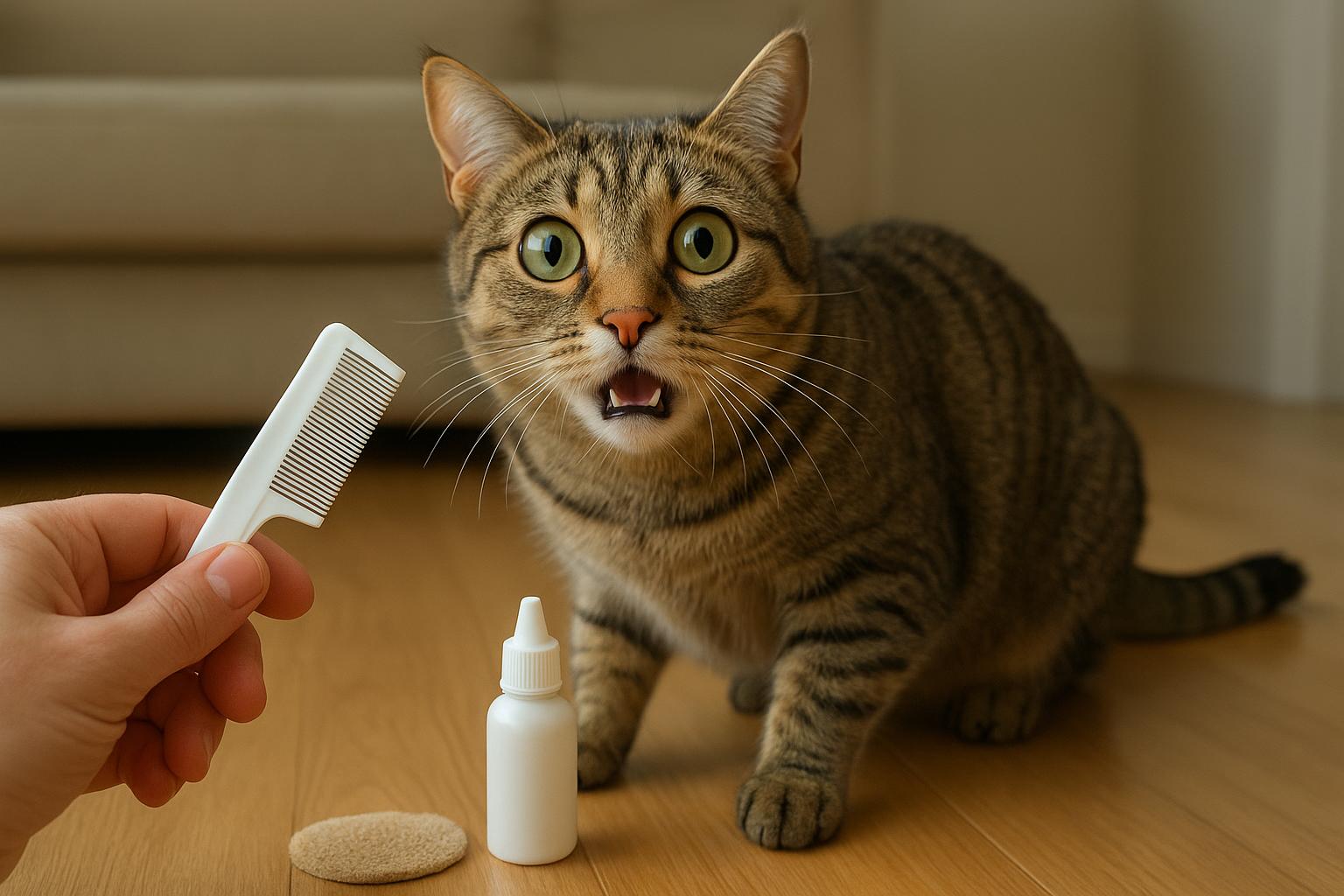
– Comb (slicker or fine-toothed flea comb)
– Towel
#### Preparation And Application Steps
1. Combine 1 cup water and 1 cup apple cider vinegar in the spray bottle and invert gently to mix. Label the bottle.
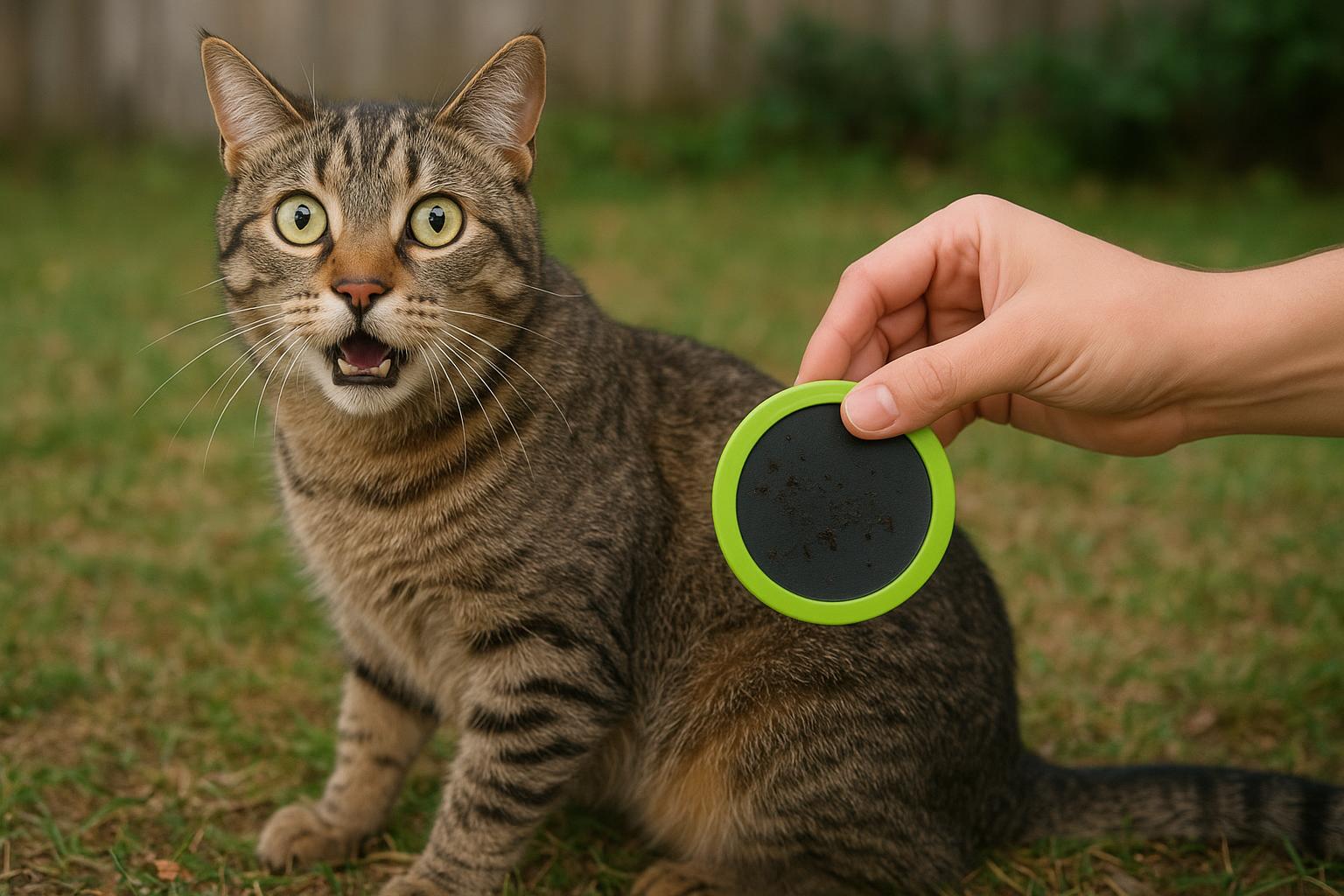
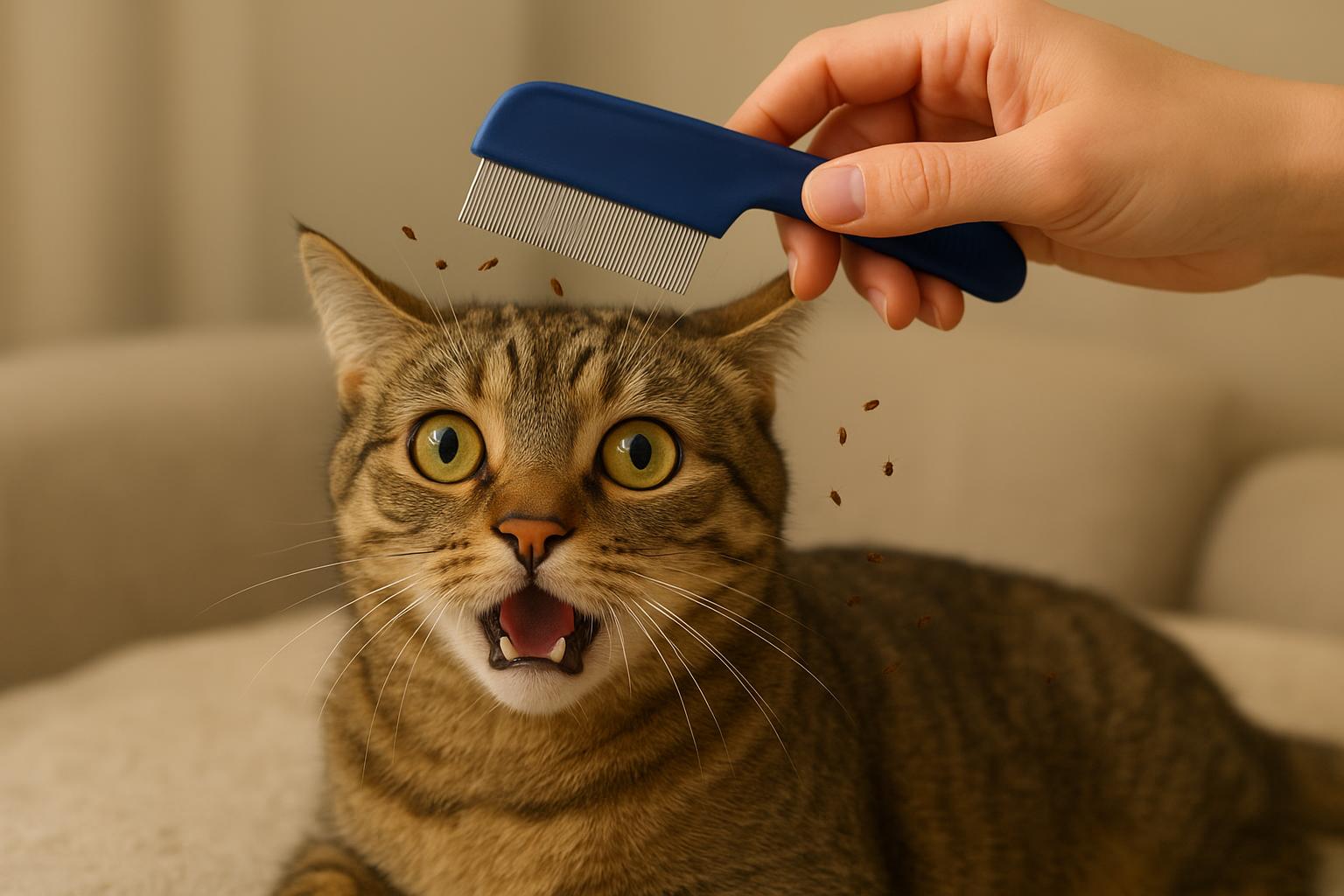
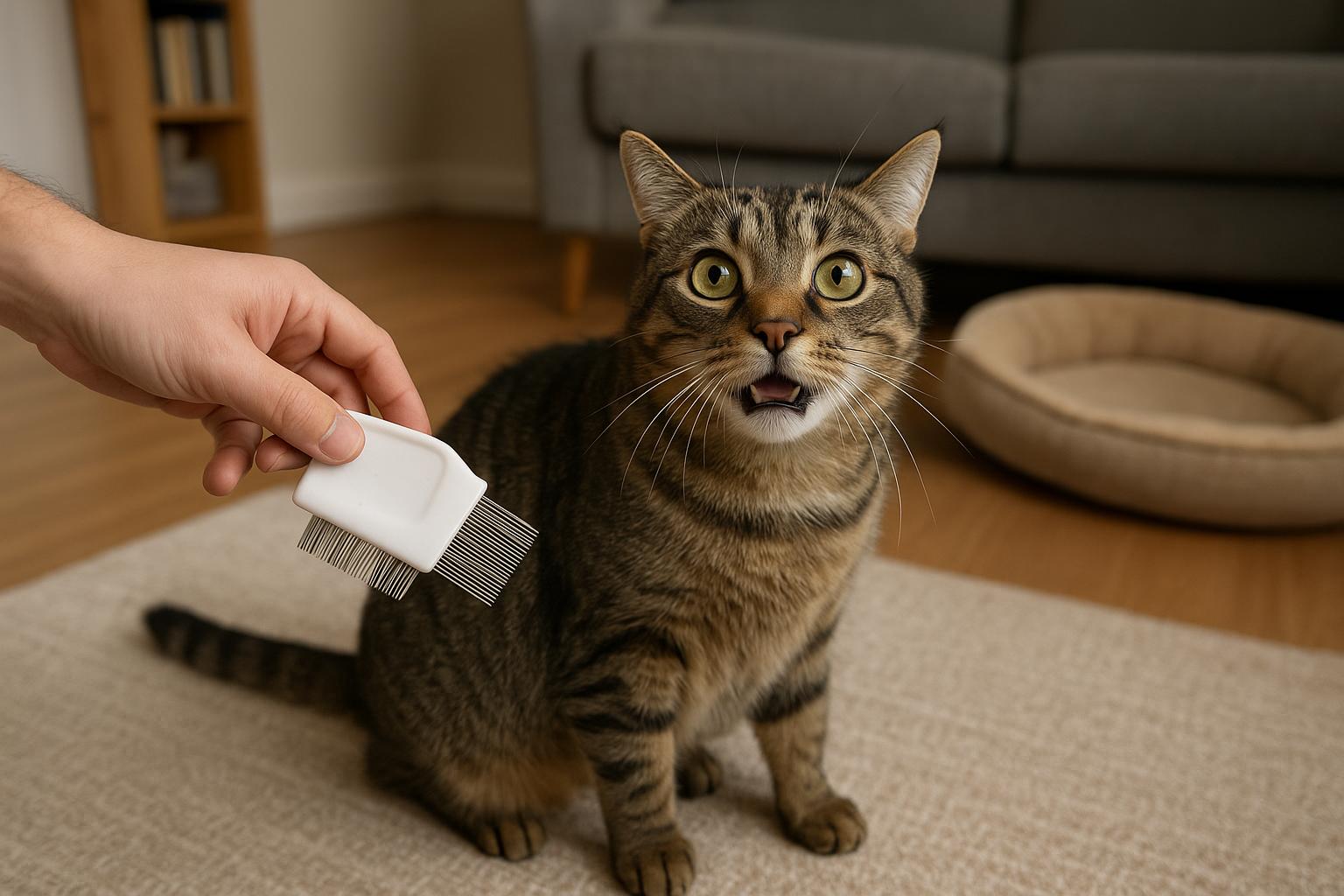
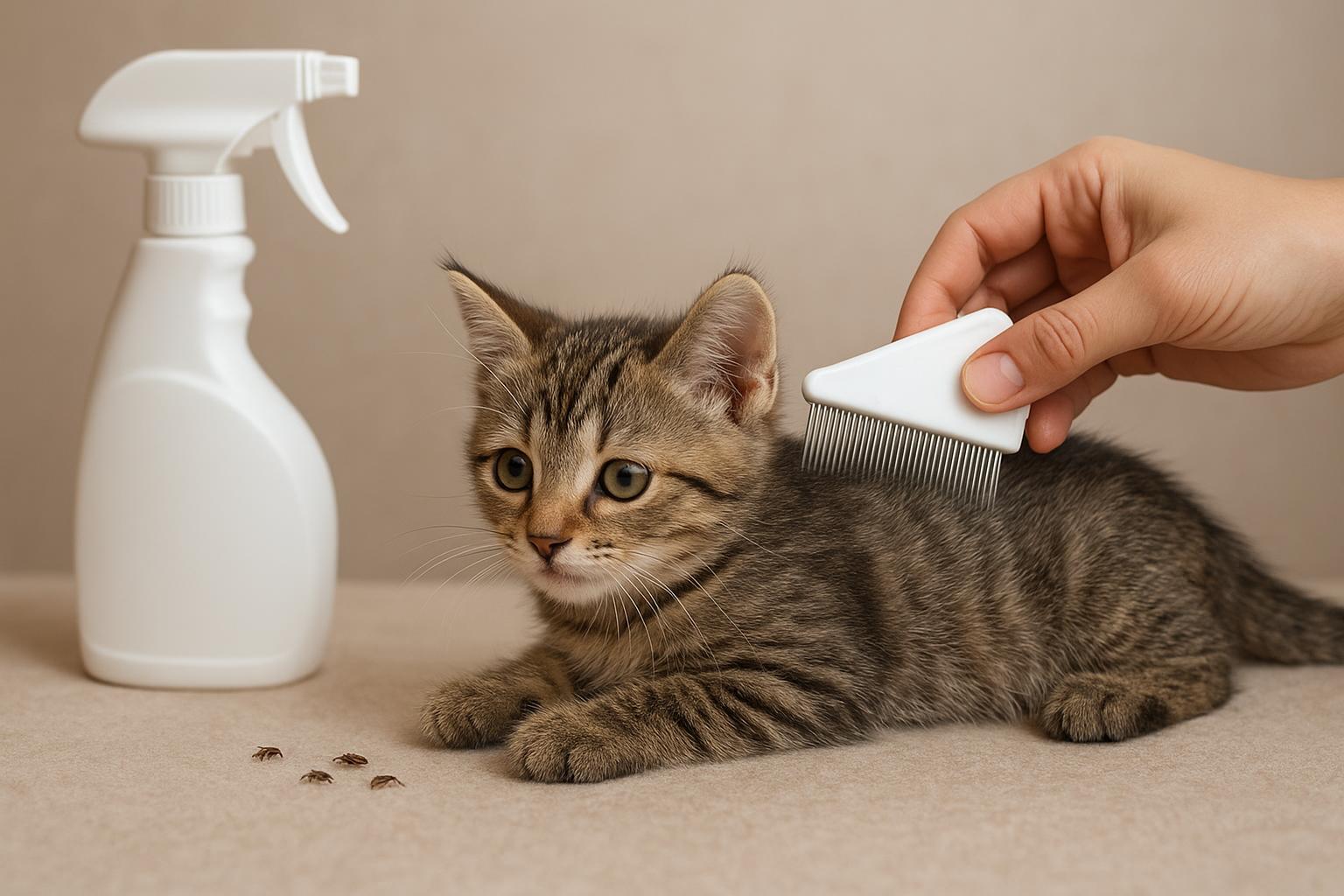
2. Brush your cat with a flea comb to remove adult fleas and flea dirt; dip the comb in soapy water between passes to drown removed fleas.
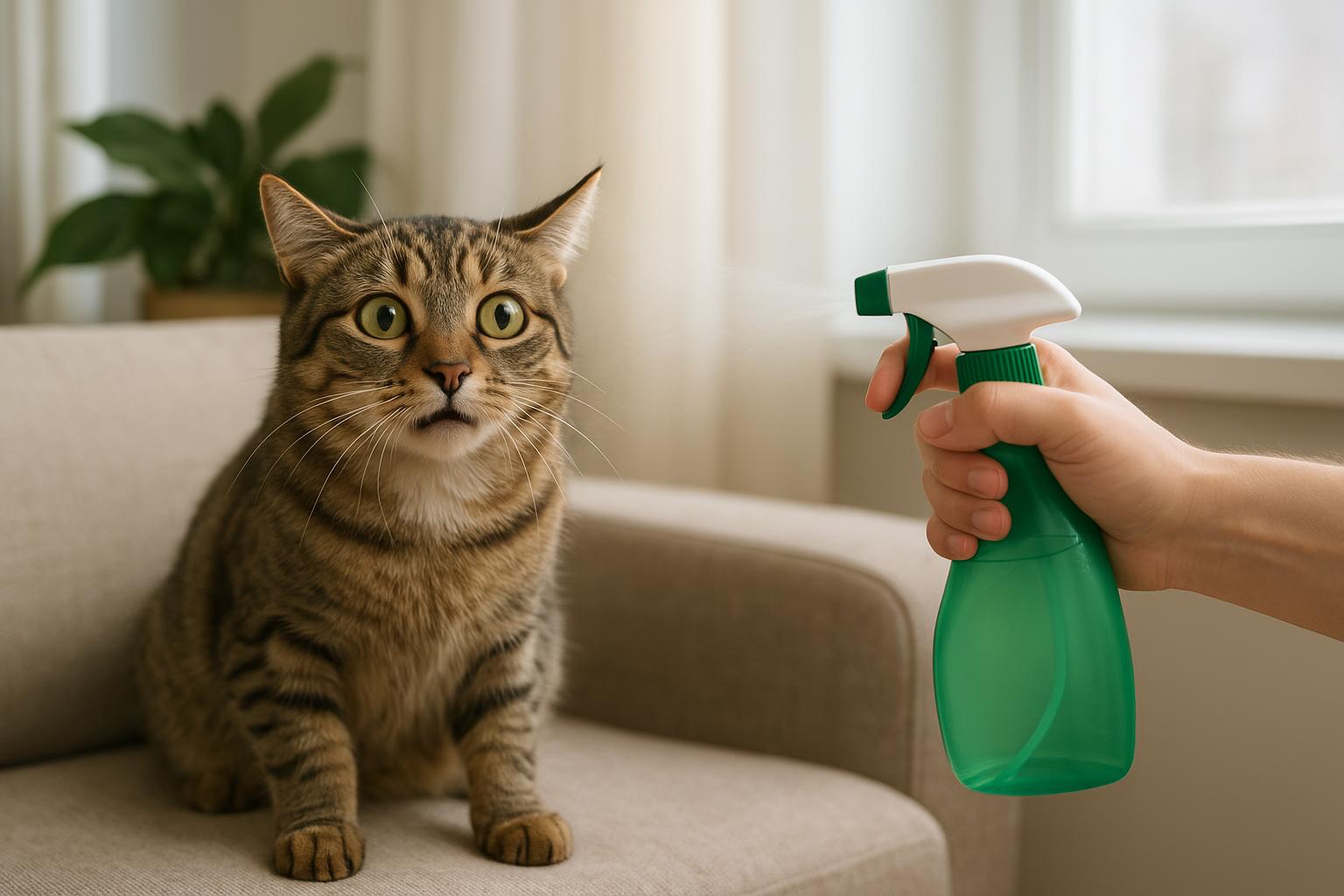
3. Lightly mist the cat’s fur, avoiding the face, ears, and open wounds. You want a light coating — not a soak. Focus on the neck, back, and base of the tail.
4. Allow the coat to air-dry. Monitor your cat for 15–30 minutes for any signs of redness or irritation. If observed, rinse immediately with cool water and discontinue use.
5. Repeat once daily for up to a week while also vacuuming and washing bedding. For prevention, use 2–3 times weekly.
Notes: This spray is not an insecticide. It discourages fleas and can assist with grooming-based removal. Do not use on kittens under 12 weeks without veterinary advice.
## 2. Lemon Rinse
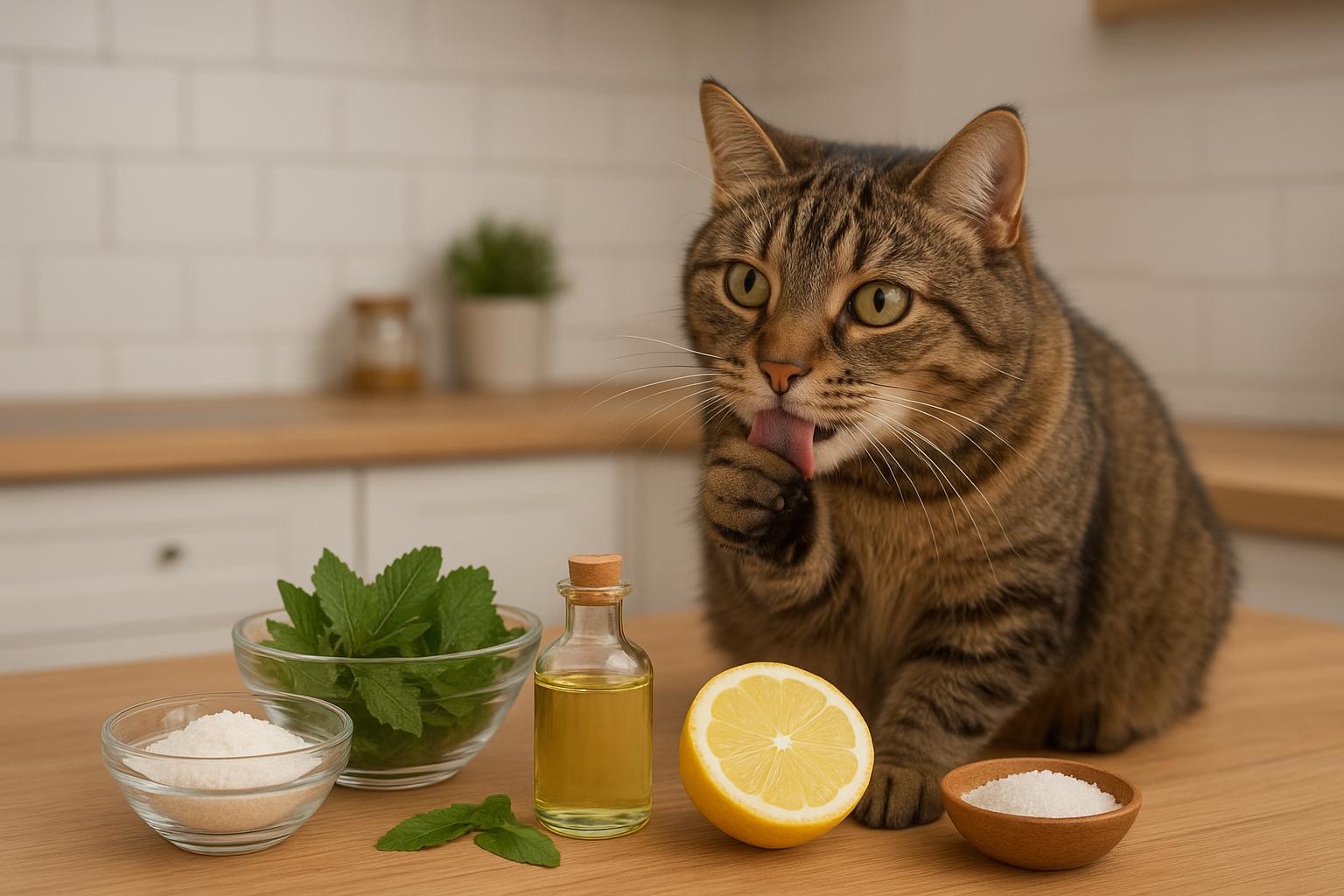
A lemon rinse releases low levels of limonene and linalool, compounds that can repel fleas. This method is popular but must be used carefully to avoid irritation.
#### Ingredients And Materials
– 1 whole lemon
– 2 cups boiling water
– Fine mesh strainer
– Spray bottle or basin for rinse
– Towel and comb
#### Preparation And Application Steps
1. Slice the lemon thinly and place in a heatproof container. Pour 2 cups of boiling water over the slices.
2. Let steep for at least 6–8 hours or overnight to extract oils from the peel.
3. Strain the liquid into a spray bottle. Dilute 1:1 with cold water before use (one part lemon infusion to one part water).
4. After brushing and removing loose fleas with a comb, lightly spray or pour the diluted rinse over the cat’s coat, avoiding eyes and face. Massage gently into fur.
5. Let air-dry; do not rinse off. Repeat every 3–4 days as needed for mild infestations.
6. If your cat has sensitive skin or shows signs of irritation, discontinue use immediately.
Notes: Citrus-based preparations can be irritating to some cats—always perform a small patch test on the inner thigh before full use. Because this remedy relies on compounds that repel rather than kill fleas, combine with home cleaning.
## 3. Food-Grade Diatomaceous Earth (Diatomite) Dusting
Food-grade diatomaceous earth (DE) is a powder made of fossilized diatoms that mechanically damages insect exoskeletons, causing dehydration. Only use food-grade DE, never pool-grade (which is chemically treated). This is more suited to environmental treatment than direct application on a cat, but safe, careful use on the coat is possible.
#### Ingredients And Materials
– Food-grade diatomaceous earth (small shaker or applicator)
– Mask and gloves for the applicator (avoid inhalation)
– Flea comb
– Vacuum cleaner
– Brush and towels
#### Preparation And Application Steps
1. For environmental control, sprinkle a light dusting of DE on carpets, rugs, and pet bedding. Let sit 24–48 hours, then vacuum thoroughly. Repeat weekly as needed.
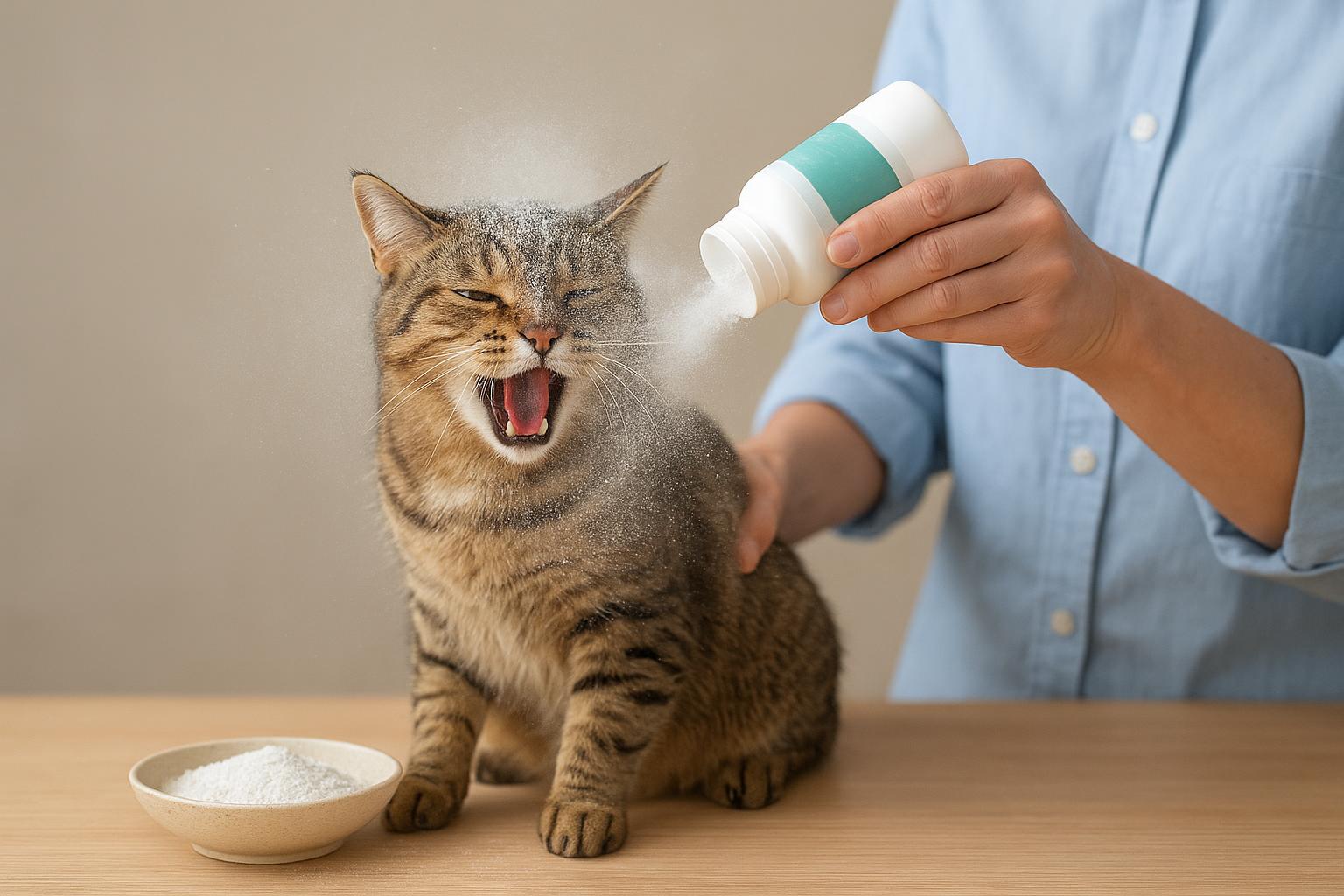
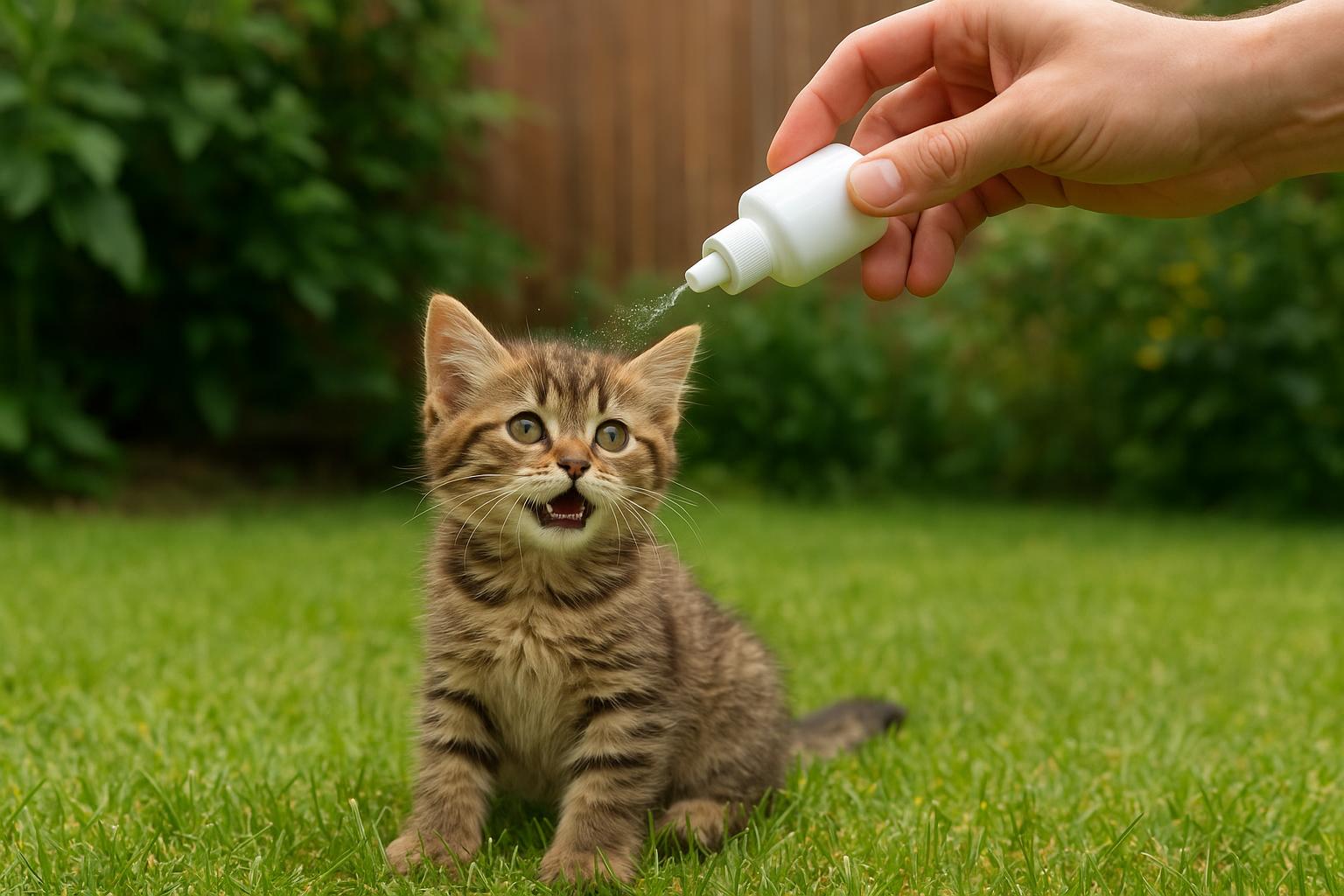
2. For careful use on a cat, put DE in a shaker. While your cat is calm, dust a very light amount into the coat, focusing on the base of the tail and along the back. Avoid the face, ears, and genitals.
3. After dusting, gently comb through the fur to remove dead fleas and excess powder. Wipe with a damp cloth if necessary to remove remaining powder.
4. Use this method sparingly — once every 1–2 weeks — and never on kittens or cats with respiratory issues.
5. Always wear a mask when applying DE to avoid inhalation; it can be an irritant to humans if airborne.
Notes: DE works mechanically and slowly; it’s not an instant solution. Combine with other measures for best results.
### Additional Practical Steps For Home Remedies To Work
Home remedies will be more effective when combined with diligent environmental control:
– Wash all pet bedding, blankets, and removable furniture covers in hot water weekly.
– Vacuum carpets, floors, furniture seams, and baseboards daily during active treatment; empty the vacuum bag/canister outdoors.
– Treat outdoor resting spots and shaded yard areas where fleas thrive — keep grass trimmed and remove debris.
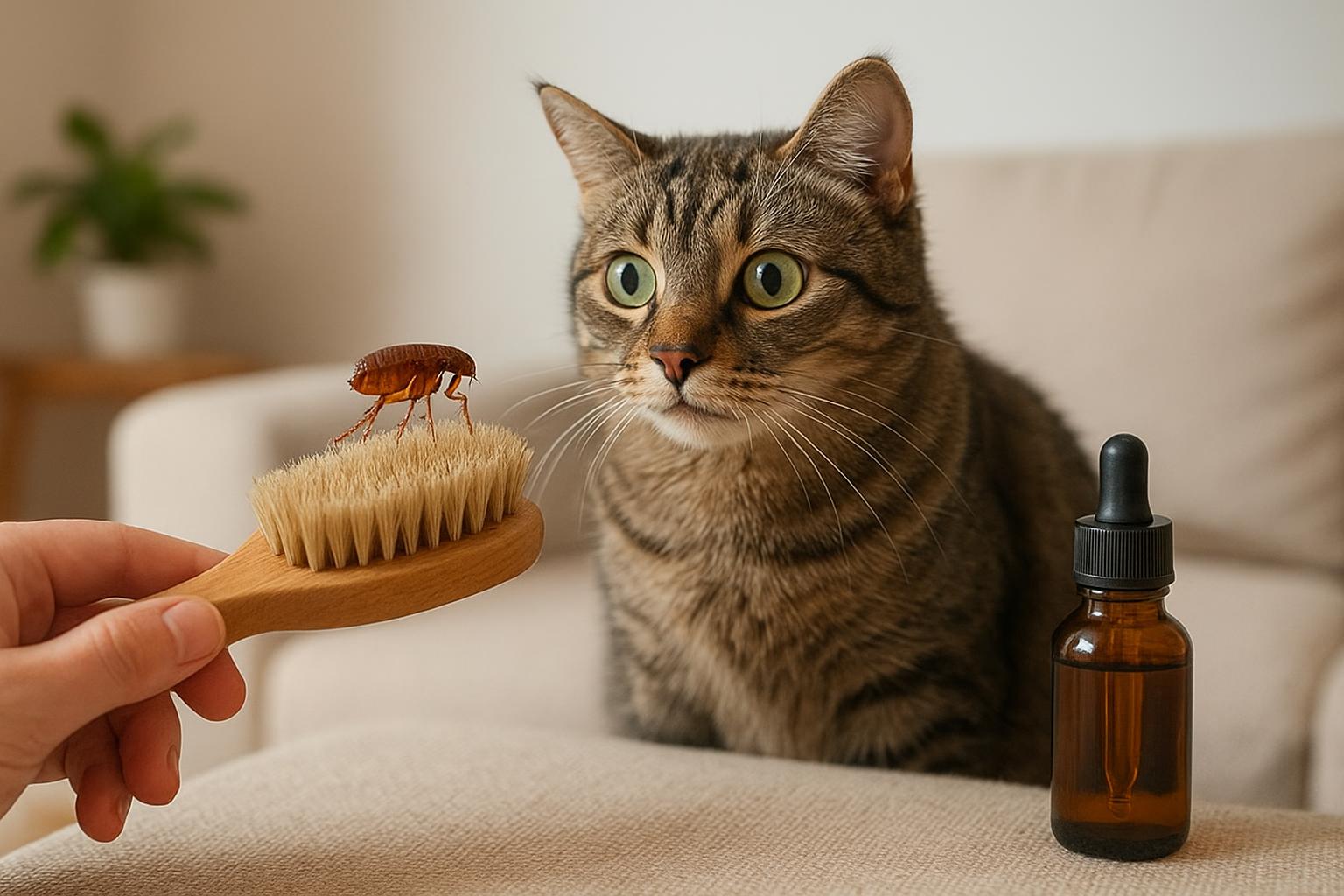
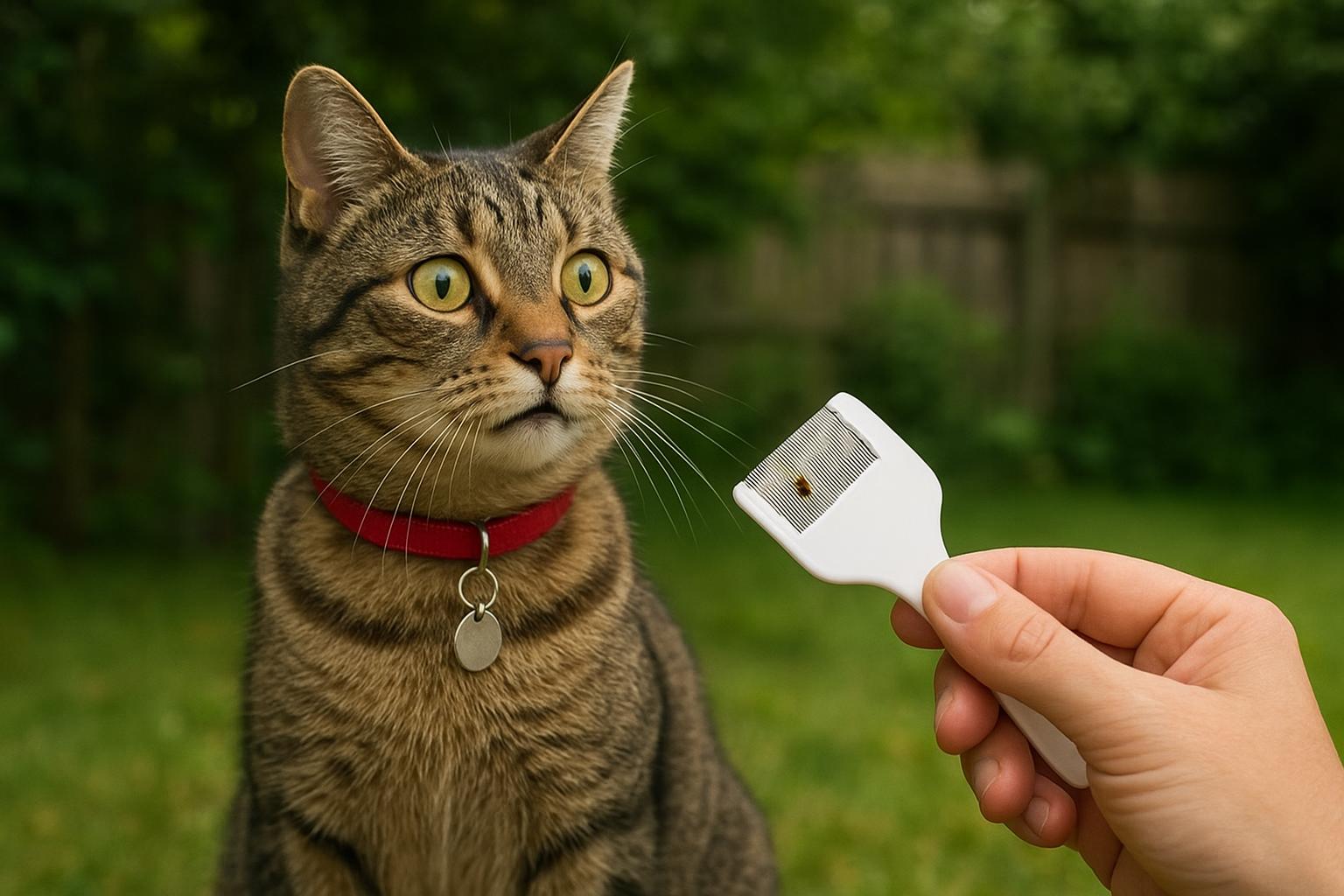
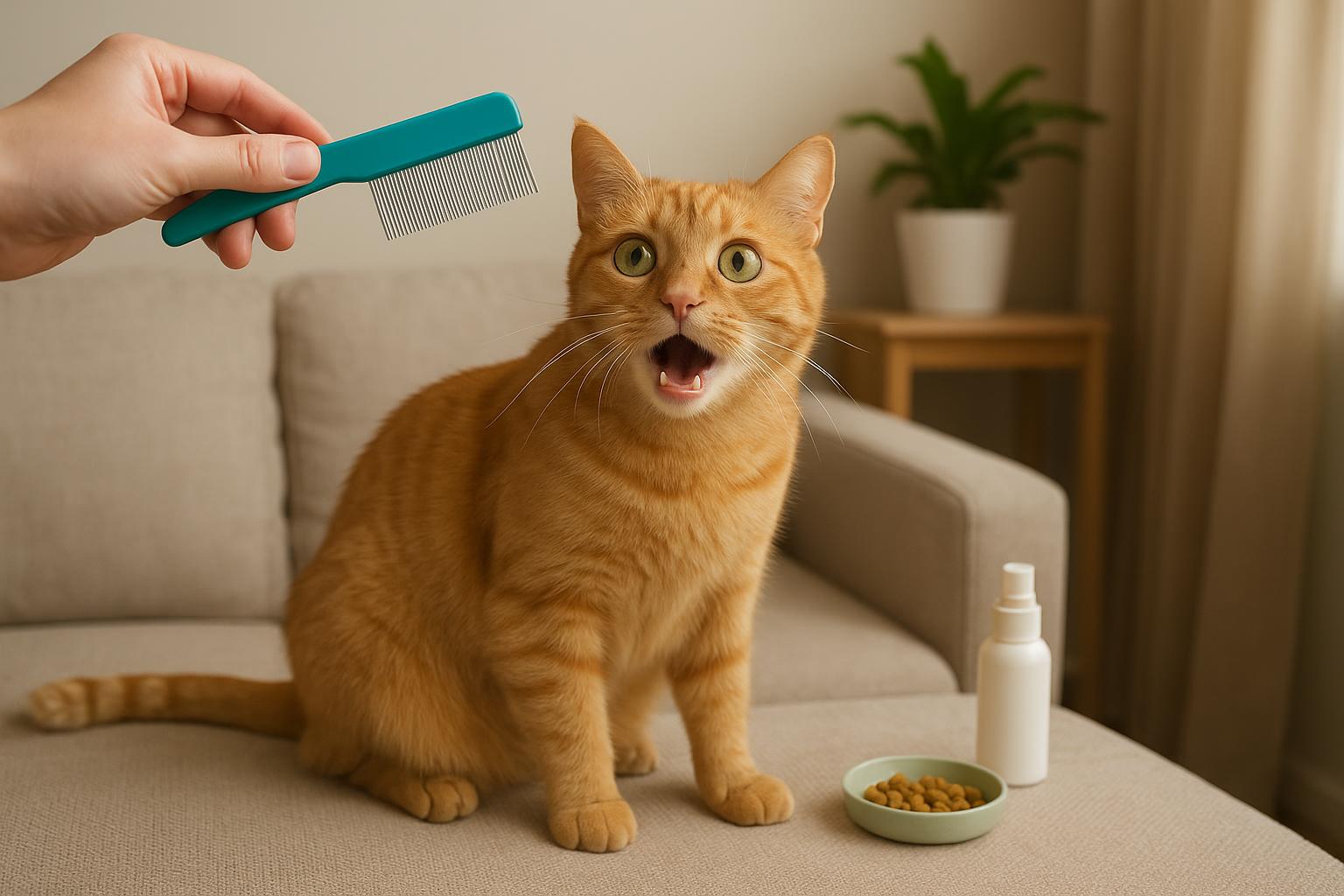
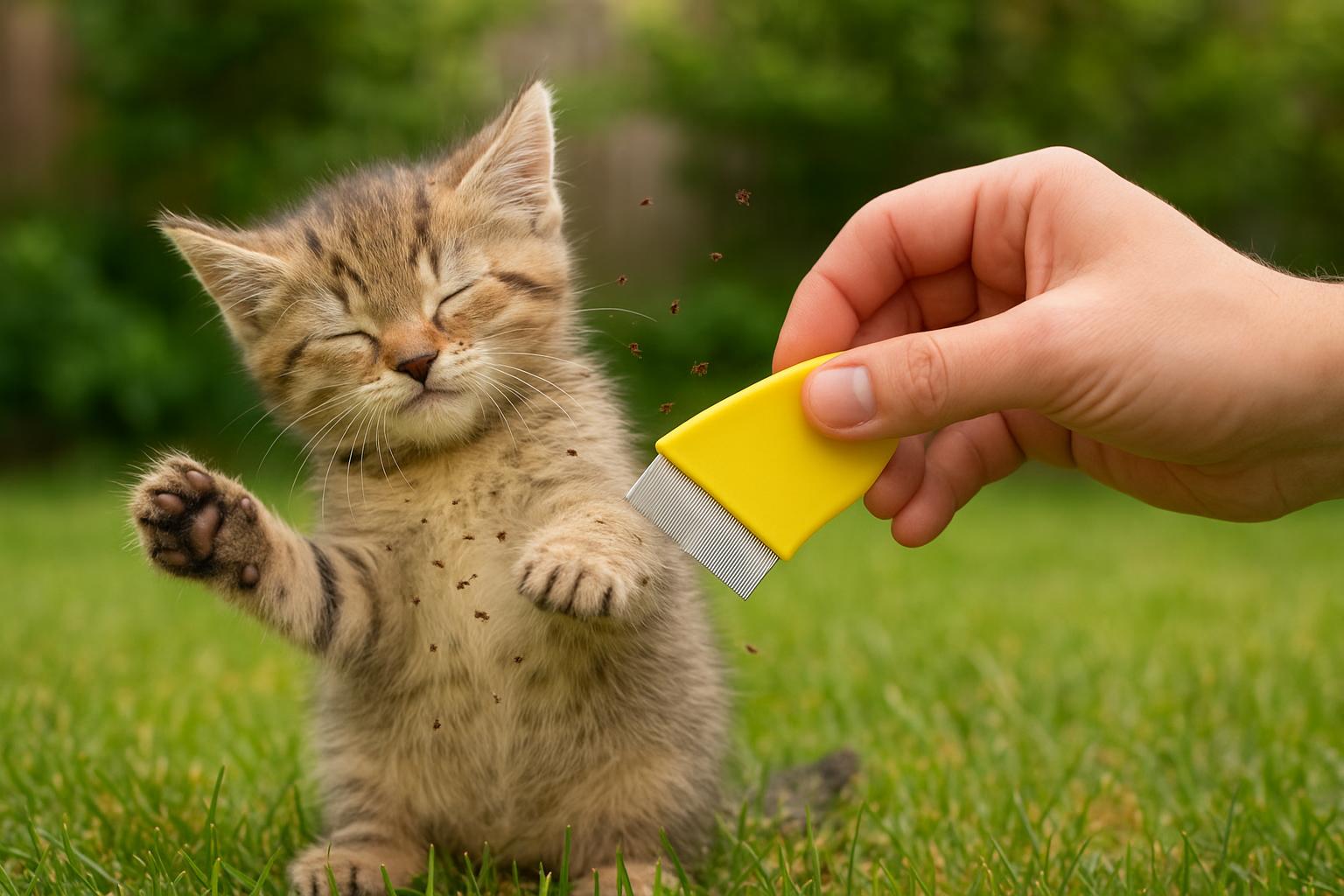
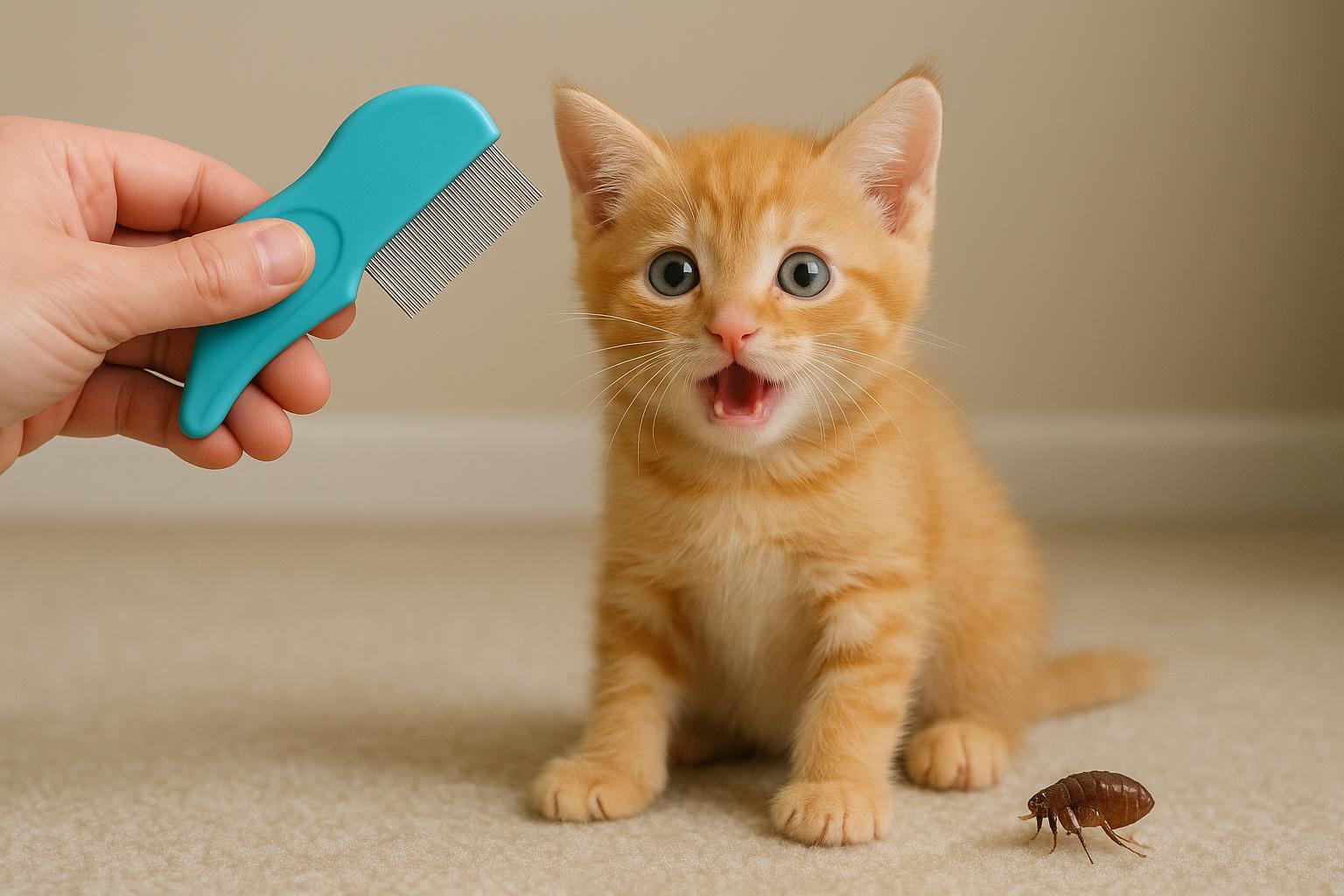
– Regularly comb your cat with a flea comb to physically remove adults and eggs; have a shallow dish of soapy water nearby to dip the comb and kill captured fleas.
### When To Call A Veterinarian
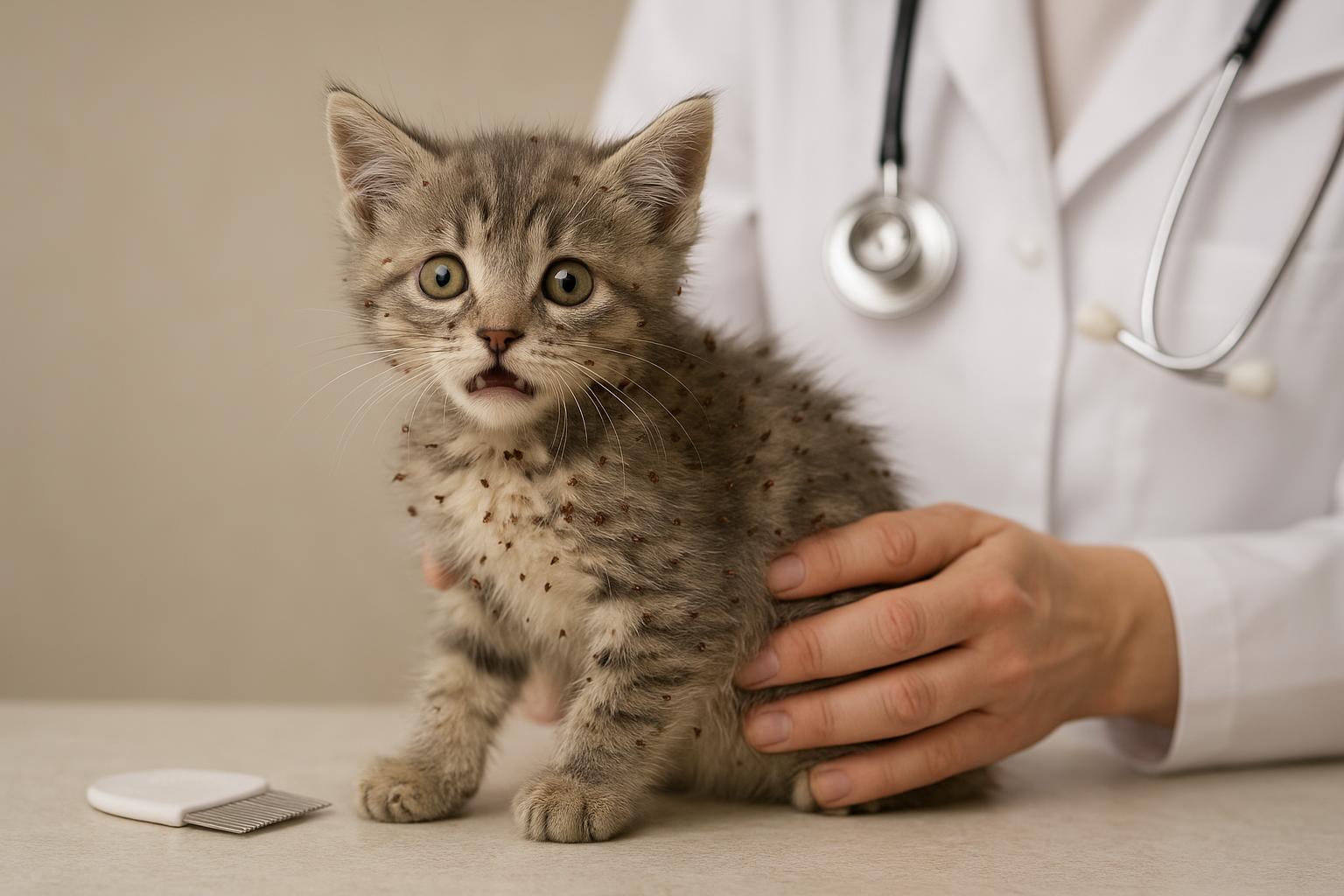
If you notice any of the following, stop home remedies and seek veterinary attention:
– Heavy infestations (visible fleas in large numbers).
– Pale gums or lethargy in kittens or senior cats (possible flea anemia).
– Persistent skin infections, hair loss, open sores, or severe irritation.
– Failure to improve after a week of consistent home and environmental measures.
### Preventing Future Flea Problems
Use ongoing prevention to reduce the need for reactive treatments. Year-round topical or oral preventives prescribed by your veterinarian are the most reliable option for many households. For those preferring natural approaches, maintain a routine of grooming with flea combs, regular washing of bedding, yard maintenance, and occasional use of gentle home remedies described here. Remember: prevention is less work than a full flea battle.
Use these home remedies responsibly, watch your cat closely, and combine with environmental cleanup. If in doubt, your veterinarian is the best resource to tailor a safe, effective flea-control plan for your specific cat.





Leave a Reply