
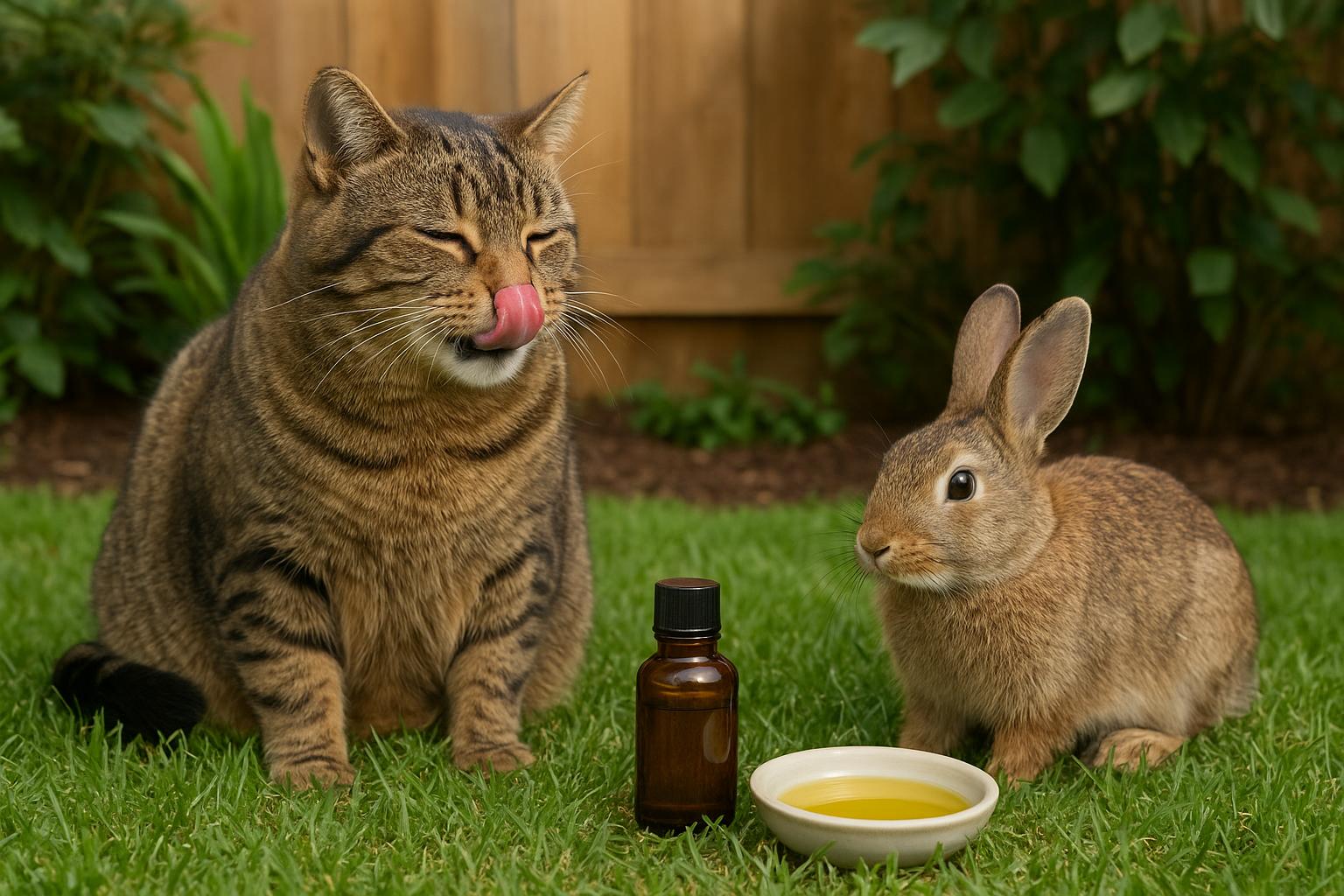
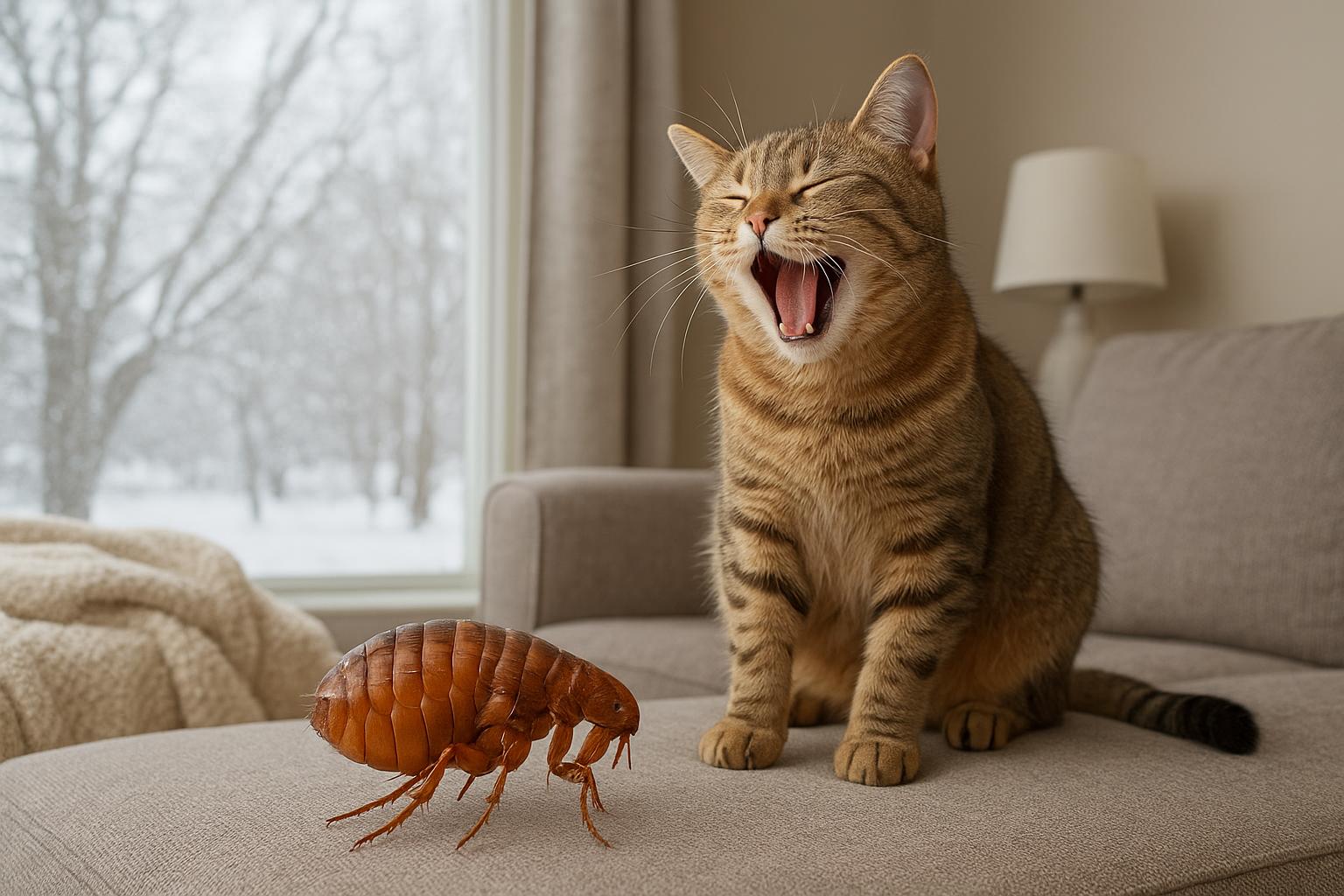
Backyard wildlife are a joy — the chipmunks doing their tiny acrobatics, the hedgehogs (or in North America, the skunks and raccoons) rummaging politely, and that one adventurous rabbit who thinks your hostas are a buffet. Along for the ride sometimes come unwanted passengers: fleas. Before you panic, reach for something harsher than a shovel, or call a chemical fogger, consider gentle botanical options that help discourage fleas without harming the critters you’re trying to help. This article focuses on practical, safe approaches using flea deterrent oils tailored for backyard wildlife and their habitats.
## Natural Flea Deterrent Oils For Backyard Wildlife
Using essential oils around wildlife is not about dousing every animal in perfume; it’s about creating micro-environments that fleas find less hospitable. Flea deterrent oils can be applied around shelters, nesting boxes, and underbrush to reduce flea pressure. When used wisely and diluted properly, these oils are a targeted, low-toxicity way to reduce flea populations and improve the comfort of wild guests.
## 1. Lavender And Cedar Blend For Small Mammals
This is a gentle, broadly effective blend suited to areas frequented by small mammals like mice, shrews, and ground-nesting birds. Lavender is calming and recognized for its insect-repellent properties; cedar oil repels many ectoparasites and has a pleasant, woodsy scent.
Ingredients/Materials:
– 2 cups distilled water
– 1/2 cup witch hazel or vodka (emulsifier)
– 10 drops lavender essential oil
– 8 drops cedarwood essential oil
– Clean spray bottle (16 oz)
– Funnel and measuring cup
– Gloves and goggles (for handling oils)
Creation And Application (formal, step-by-step):
1. Sanitize your workspace and wash hands. Put on gloves.
2. Pour 2 cups of distilled water into a clean container. Add the witch hazel or vodka; this helps the essential oils disperse.
3. Using a funnel, add 10 drops of lavender essential oil and 8 drops of cedarwood essential oil into the solvent mix.
4. Gently swirl the mixture to emulsify. Do not vigorously shake for long periods; essential oils can degrade with excessive agitation.
5. Transfer the blend into the spray bottle. Label with contents and date.
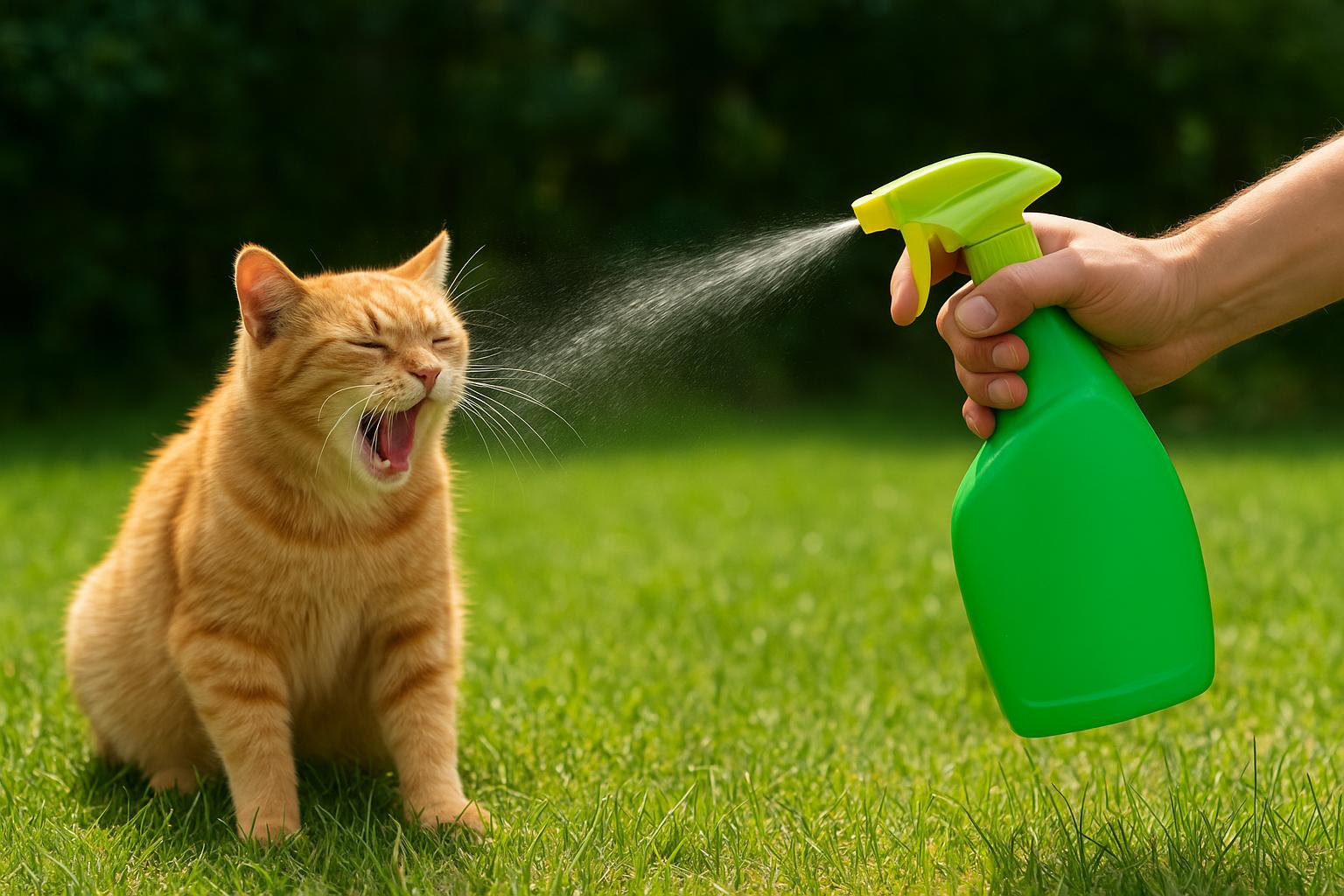
6. Application: Lightly mist the interior walls and roof of wildlife shelters, under eaves where creatures rest, and around the perimeter of brush piles. Avoid direct spraying on animals. Reapply every 7–10 days or after heavy rain.
7. Storage: Keep in a cool, dark place and discard after 4–6 weeks to ensure efficacy.
## 2. Lemongrass And Eucalyptus Fog For Larger Shelters
For larger communal areas — like under porches, compost pile edges, or larger nest boxes used by raccoons or opossums — a slightly stronger aromatic fog helps reduce flea load in the immediate microhabitat.
Ingredients/Materials:
– 3 cups warm distilled water
– 1/2 cup castile soap (mild emulsifier)
– 15 drops lemongrass essential oil
– 10 drops eucalyptus essential oil
– Large pump sprayer (1 gallon capacity recommended)
– Protective eyewear and gloves
Creation And Application (formal, step-by-step):
1. In a bucket, combine warm distilled water with castile soap and stir gently to create a uniform base.
2. Add 15 drops lemongrass oil and 10 drops eucalyptus oil; stir slowly to mix.
3. Pour the solution into the pump sprayer using a funnel. Prime the sprayer before use.
4. Application: Apply to the underside of porches, around foundations, and into crevices in wood piles — areas where wildlife rest but are not directly occupied at the moment. Avoid spraying freshly built nests and active dens.
5. Frequency: Apply every two weeks during peak flea season, and after heavy rains. Monitor wildlife behavior; if animals show signs of distress, discontinue use.
6. Disposal: Clean sprayer thoroughly after use and keep any remaining solution for up to two weeks. Label and refrigerate if using beyond short-term storage.
### Safety For Pets And Wildlife
Essential oils are concentrated substances. Many wildlife species are tolerant of low-concentration environmental uses, but direct contact or ingestion can be harmful. Never apply undiluted essential oils to animals or inside active nests. Keep domestic pets away during application, and give treated areas time to air out before re-entry by pets or people.
#### Sensitive Species And Plants
Some birds, amphibians, and small mammals have thinner skin or more sensitive respiratory systems. Avoid applying oils near wetlands, amphibian breeding sites, and finely vegetated microhabitats. Test a small area of plant foliage before large-scale application, since some oils can cause leaf burn.
## 3. Peppermint Barrier Strips For Pathways And Feeding Stations
Peppermint has a strong scent fleas dislike. This method creates a semi-permanent barrier that’s best used around the edges of feeding stations (not on food) and along established animal pathways.
Ingredients/Materials:
– Peppermint essential oil, 20–25 drops
– Carrier oil (sweet almond or fractionated coconut), 1/4 cup
– Cotton pellets or natural cloth strips
– Small shallow dishes or zip bags
– Gloves for handling
Creation And Application (formal, step-by-step):
1. In a small bowl, combine 1/4 cup carrier oil with 20–25 drops of peppermint essential oil. Mix thoroughly.
2. Soak cotton pellets or cloth strips in the mixture until saturated but not dripping.
3. Place soaked strips at the periphery of feeding stations, along entry points to sheds, and near den entrances — in locations accessible to wildlife passage but not in direct contact with animals.
4. Replace strips every 5–7 days or when scent diminishes. Keep used strips sealed in a bag until disposal.
5. Note: Do not place strips in direct contact with nesting material or inside boxes used by roosting animals. Maintain safe distances from bird feeders to avoid deterring desired species.
### How Often To Reapply And Weather Considerations
Oils dissipate with sunlight and rain. Expect most surface treatments to last 5–14 days outdoors. Sheltered areas will hold scent longer. Reapply after storms, heavy dew, or following intensive wildlife activity. Track flea presence using visual checks on animals (if you are a licensed rehabilitator) or by examining bedding and sheltered spaces for flea dirt or adult fleas.
## Practical Field Tips For Using Flea Deterrent Oils
– Start small: Treat a single shelter or brush pile and observe wildlife for a week before expanding treatments.
– Keep records: Note dates, weather, and any observed changes in wildlife behavior or flea signs.
– Combine tactics: Oils work best as part of integrated control — habitat sanitation, removing excess bedding, regularly cleaning nesting boxes, and encouraging natural predators like certain birds and beetles.
– Respect the seasons: Flea pressure often spikes in warm, humid months. Concentrate efforts during late spring to early fall depending on your climate.
### What To Avoid
– Do not apply essential oils directly to animals unless you are a trained wildlife rehabilitator following established protocols.
– Avoid oil concentrations above recommended levels — more is not better and may harm animals.
– Do not use oils in enclosed spaces where fumes can accumulate, especially around nesting birds or in dens.
## Reading Labels And Choosing Quality Oils
Not all essential oils are created equal. Choose reputable brands that provide GC/MS testing results and are labeled 100% pure essential oil. Avoid blends that contain synthetic fragrances or additives. For the carrier oils and solvents, use food-grade or cosmetic-grade products to minimize contaminants.
### Troubleshooting Common Problems
If wildlife avoids a treated area entirely, reduce concentration or move application sites further from core activity. If plant foliage shows distress, immediately stop treatment and wash leaves with clean water. If you see signs of irritation in animals (excessive scratching, disorientation), cease use and contact a local wildlife rehabilitator or veterinarian for guidance.
Flea deterrent oils can be a useful tool in your backyard wildlife care toolkit when used thoughtfully. They’re not magic — they won’t eliminate fleas outright — but when combined with habitat management and respectful observation, they reduce nuisance levels and help keep your wild neighbors healthier and less itchy.





Leave a Reply