
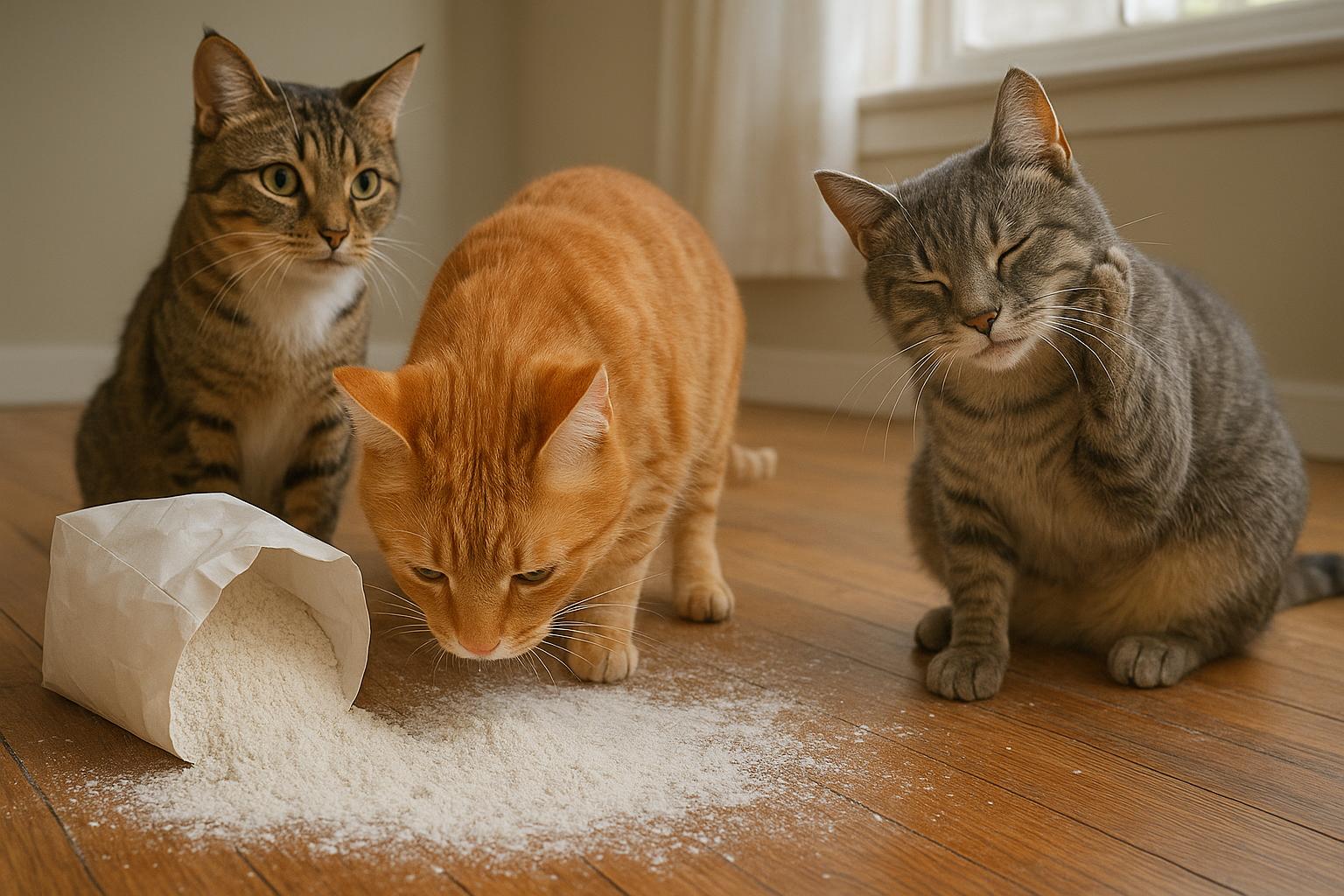
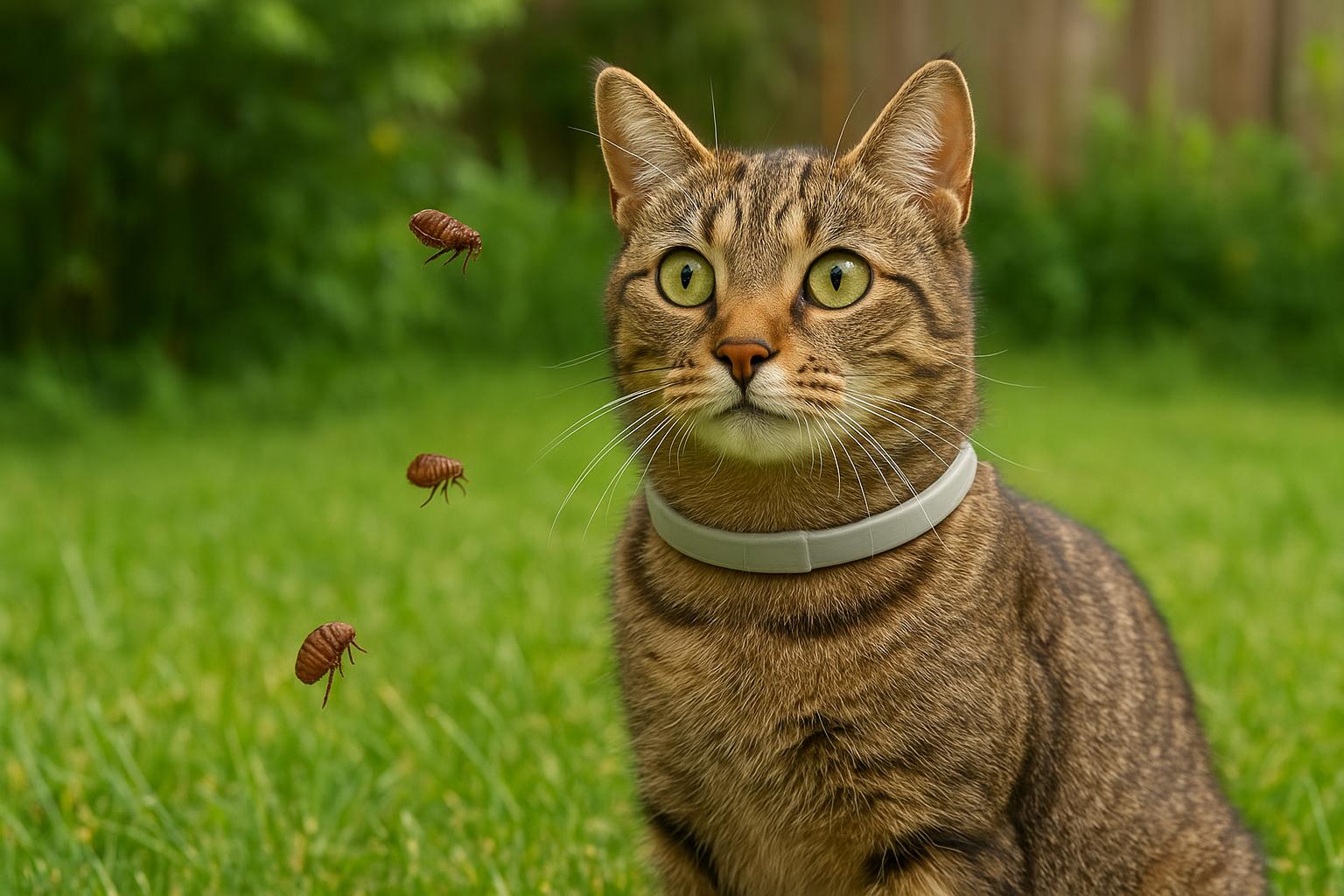
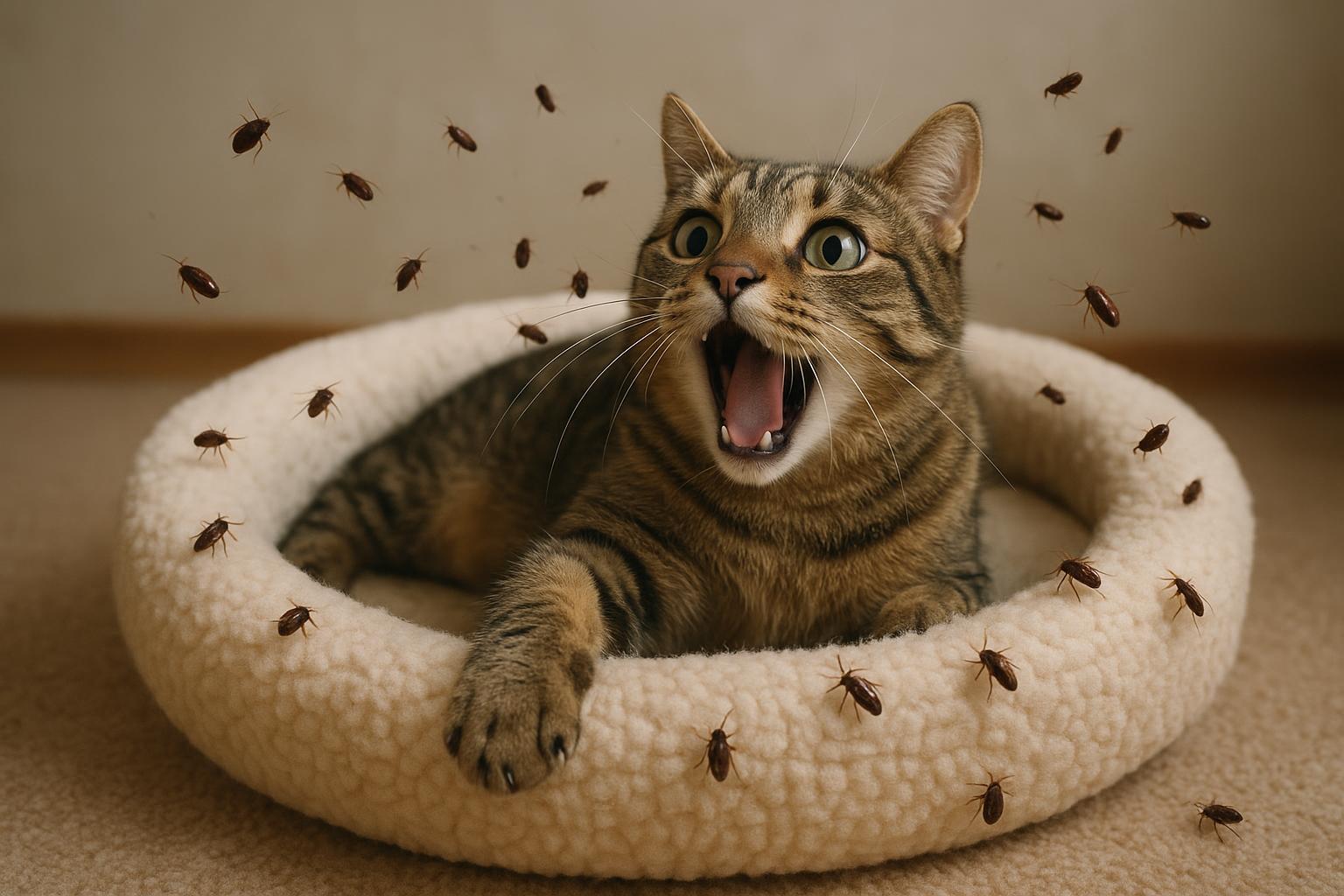
Fleas are tiny, scrappy, and somehow always invited to the party without being on the guest list. If you’re looking for a natural, low-tox option to keep your pets and backyard happy, diatomaceous earth (DE) is a serious contender. This guide is friendly, a little chatty, and when it matters—like in the remedy sections—strictly professional.
Fleas thrive in warm, sheltered places: under couches, in pet beds, in shaded patches of lawn. If you want to stop the cycle before it starts, using DE carefully can be an effective step in your toolkit to de fleas your home and yard without harsh chemical pesticides.
## De Fleas: How Diatomaceous Earth Helps
Diatomaceous earth is a powder made from fossilized microscopic algae called diatoms. Its abrasive, porous particles damage the waxy outer layer of insects, causing them to dehydrate. That’s the physical mechanism—no poisons, no systemic insecticides. It’s a mechanical action that helps de fleas populations when used as part of an integrated approach (cleaning, vacuuming, washing bedding, etc.).
### What Diatomaceous Earth Is And Isn’t
DE used for pest control is food-grade diatomaceous earth. Don’t confuse it with pool-grade DE, which is chemically treated and unsafe for home use. Food-grade DE is predominantly silica and is considered safe for occasional use around pets and people when used properly. It’s not a fast-acting blast; it works over days as fleas and other small arthropods encounter it.
### How It Fits Into An Integrated Plan To De Fleas
Think of DE as one tool among several:
– Break the life cycle: wash bedding, vacuum carpets, and treat outdoor hotspots.
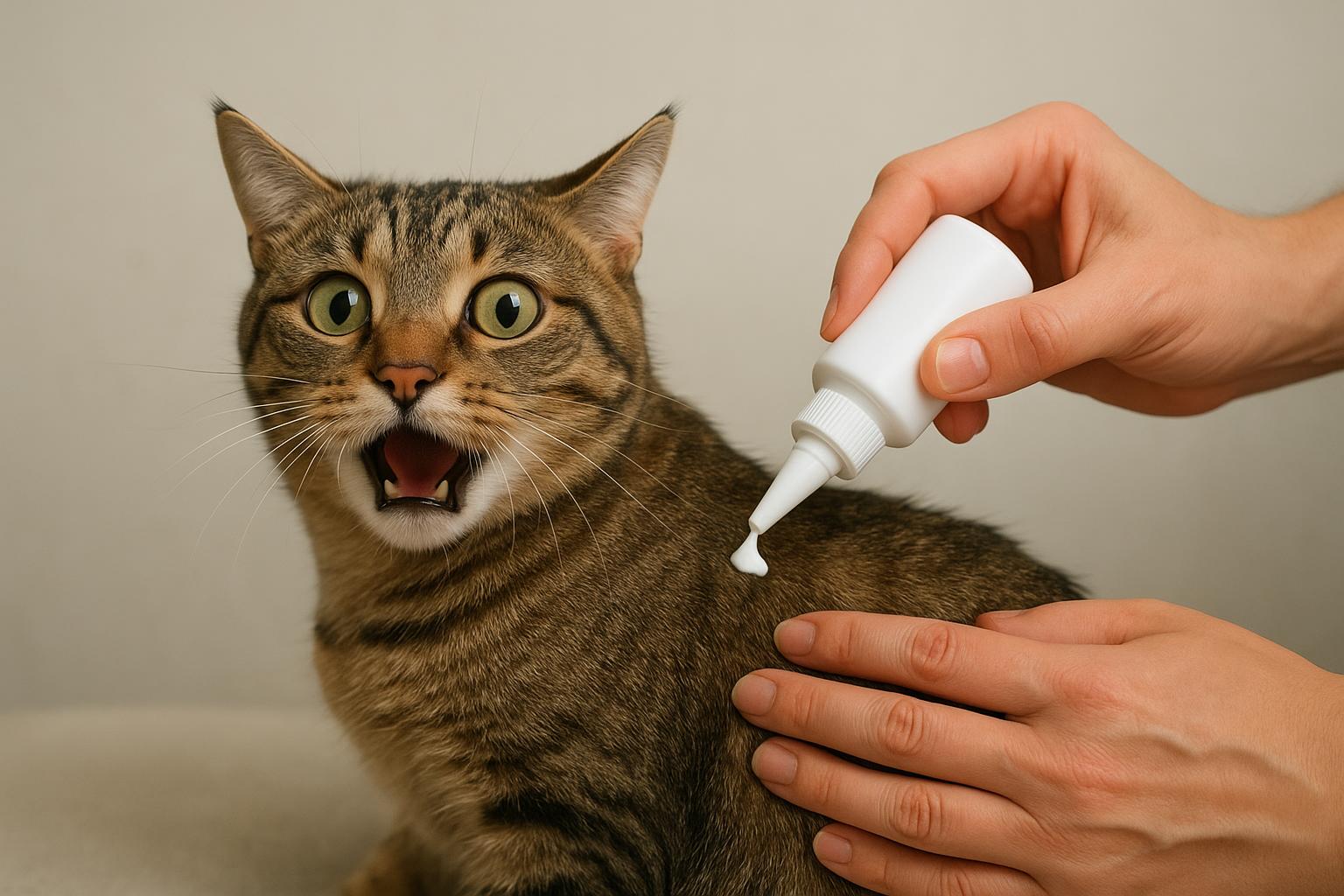
– Treat pets as recommended by your vet (topical or oral preventatives are often necessary for moderate to heavy infestations).
– Use DE to treat areas where fleas hide, not as a blanket substitute for hygiene and veterinary care when infestations are serious.
#### Safety Notes Before You Start
Food-grade DE is generally safe, but it’s fine particulate silica. Avoid breathing dust. Keep pets and people from heavy exposure, and never apply in enclosed spaces without ventilation. If you or family members have respiratory conditions, discuss alternatives with a professional.
## Remedy 1: Indoor Application (Numbered Remedy)
When handled responsibly, diatomaceous earth can de fleas your indoor spaces. Below are the materials and a step-by-step application method. The remedy instructions are presented in a formal, clear manner to ensure safe and effective use.
Ingredients / Required Materials:
1. Food-grade diatomaceous earth (purchase from a reputable supplier).
2. A duster or powder applicator (a clean sock tied over a jar spout can work).
3. A vacuum cleaner with a sealed bag or canister.
4. Laundry detergent and hot water for pet bedding and linens.
5. A face mask and gloves for applicator safety.
Step-by-Step Indoor Creation And Application:
1. Prepare the Area: Remove toys, dishes, and easily moved items. Wash pet beds, blankets, and removable fabric covers in hot water and dry on high heat to kill eggs and larvae.
2. Vacuum Thoroughly: Vacuum carpets, rugs, furniture crevices, baseboards, and under cushions. Immediately dispose of the vacuum bag or empty and seal the canister outdoors to avoid reintroducing fleas into the home.
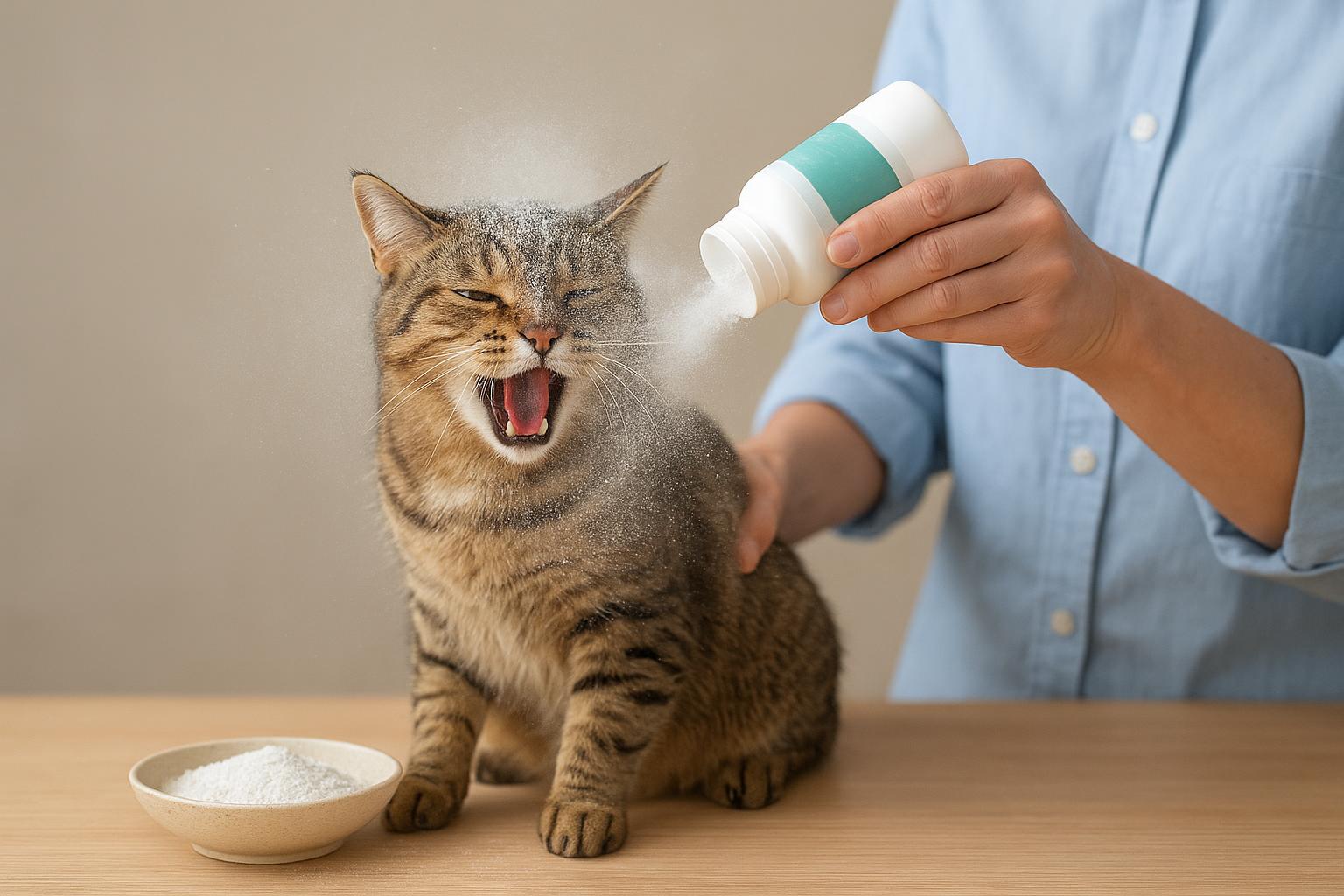
3. Apply DE Sparingly: Put on a mask and gloves. Using the duster or applicator, lightly dust diatomaceous earth into carpets, along baseboards, under furniture, and in pet resting areas. You want a thin, even layer—not a deep snowdrift. The target is that fleas moving through the area contact the powder.
4. Leave For 48–72 Hours: Allow the DE to work. During this period, limit access by pets and people to treated rooms, or ensure pets are kept out of direct contact with treated surfaces.
5. Revacuum: After 48–72 hours, vacuum again to remove DE and the dead fleas or carcasses. Repeat the application once more if flea activity continues.
6. Monitor And Combine With Veterinary Care: For persistent infestations, pair this approach with vet-recommended flea control products for your pets. DE helps reduce environmental pressure but may not be sufficient alone for heavy infestations.
### When To Use Indoor DE And When To Avoid It
Use DE indoors in targeted areas—no need for whole-house drifts. Avoid bedding where pets sleep if they will be in direct contact with powder; instead, apply around the perimeter of sleeping areas or treat bedding by washing and heat drying.
## Remedy 2: Outdoor Application (Numbered Remedy)
Yards and shaded outdoor spots are major flea reservoirs. Here is a second remedy specifically for outdoor use.
Ingredients / Required Materials:
1. Food-grade diatomaceous earth.
2. A hand spreader or a garden duster.
3. Protective gear: mask, gloves, eye protection.
4. Rake (for humid, leaf-litter areas).
5. Water source for irrigation to maintain lawn health.
Step-by-Step Outdoor Creation And Application:
1. Identify Hotspots: Locate shaded areas, dog houses, under decks, tall grass, leaf litter, and places where pets nap. Fleas avoid direct sun and prefer cool, humid microclimates.
2. Clean Debris: Rake leaf litter and clear dense plant debris. Reduce shaded clutter where feasible; improving sunlight and airflow naturally reduces flea habitat.
3. Apply DE Selectively: Wearing protection, sprinkle a light layer of diatomaceous earth over hotspots. Use a spreader or duster to distribute evenly; avoid heavy applications. Focus on the perimeter of yards, pet paths, and under porches rather than across the entire lawn.
4. Reapply After Rain Or Heavy Dew: DE loses effectiveness when wet. After rainfall or heavy morning dew, reapply once areas have dried.
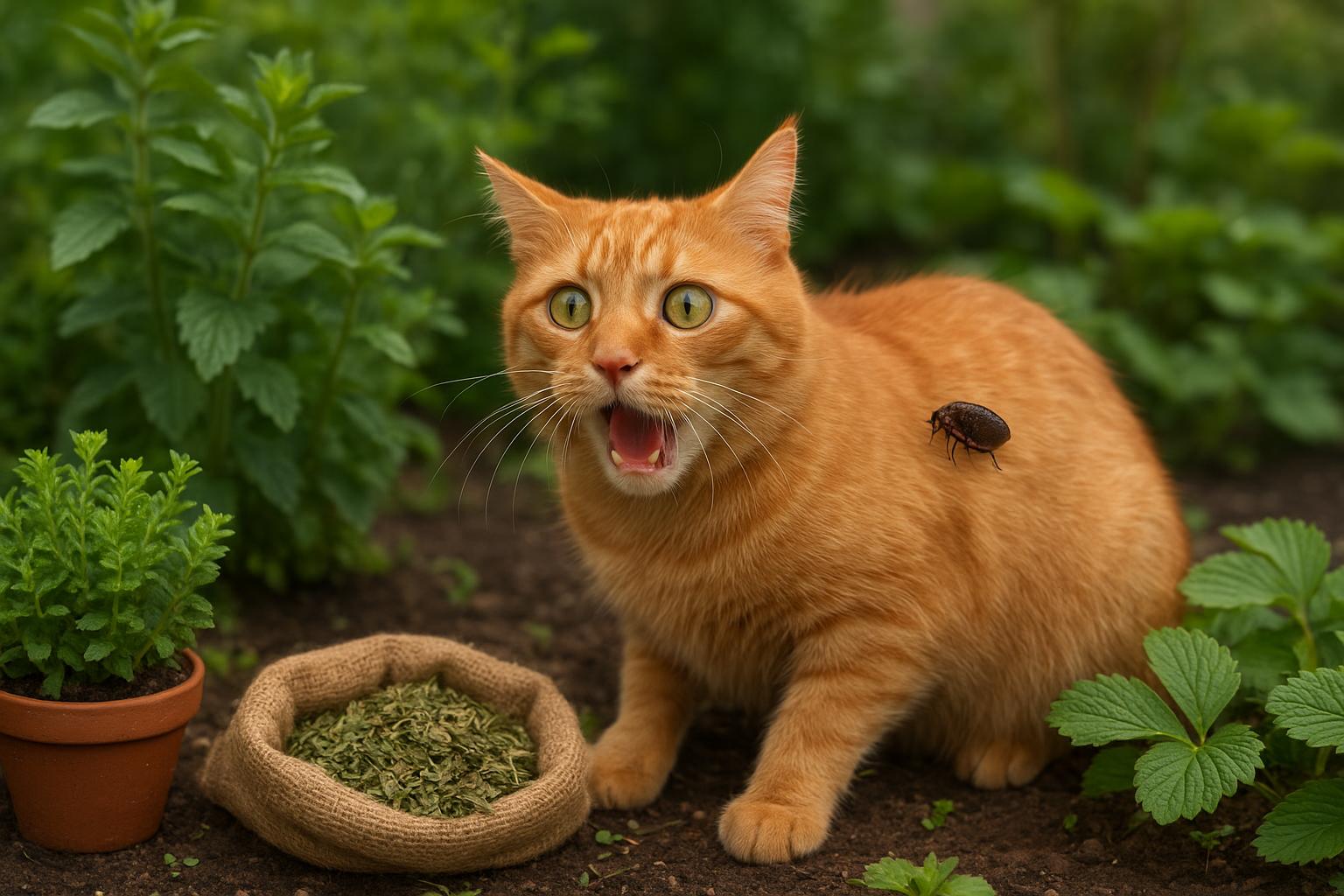
5. Combine With Landscape Management: Maintain shorter grass where pets frequent, trim vegetation to increase sunlight, and encourage natural predators like birds. DE is one part of a broader outdoor strategy to de fleas conditions.
### Timing And Weather Considerations
Apply during dry weather and ideally when pets are indoors. Reapply after rain. In very humid climates, DE effectiveness can be reduced; frequent reapplications and combining with other seasonal management strategies will be necessary.
### Safety And Pet Considerations For Outdoors
Food-grade DE is generally safe for outdoor use, but take precautions: don’t apply near pools where dust could wash in; avoid windy days when dust could blow into neighbors’ spaces. Keep direct applications away from fishpond filtration intakes.
## Troubleshooting Common Questions
Q: Will DE harm my pets if they walk through it?
A: Light contact is unlikely to harm adult animals; however, avoid heavy dusting on areas where pets will roll or lie down. If pets ingest a small amount while grooming, it’s typically not toxic, but check with your vet if you have concerns. Avoid inhalation exposure for both people and animals.
Q: How long before I see results?
A: DE is not an instant kill. You should expect a reduction over several days as fleas encounter treated areas. Combine with cleaning and veterinary products to speed control.
Q: Can DE be used with chemical flea treatments?
A: Yes, generally DE can be used alongside vet-prescribed topical or oral treatments. Coordinate with your veterinarian for the safest combined plan for your pet’s health.
#### Quick Safety Checklist
– Use food-grade DE only.
– Wear a mask when applying.
– Keep treatments localized, not heavy blanket applications.
– Reapply after wet conditions.
– Consult your vet for pet-specific concerns.
If you want a lighter approach with reduced dust, diatomaceous earth can be mixed with water into a slurry for targeted crevice treatments or applied with a damp brush to hard-to-reach spots—though this reduces its long-term persistence and requires more targeted repeat applications.
Keep a watchful eye on your pets and environment, and remember: de fleas strategies work best when combined—cleaning, treating pets appropriately, and habitat modification alongside sensible use of diatomaceous earth.



Leave a Reply