
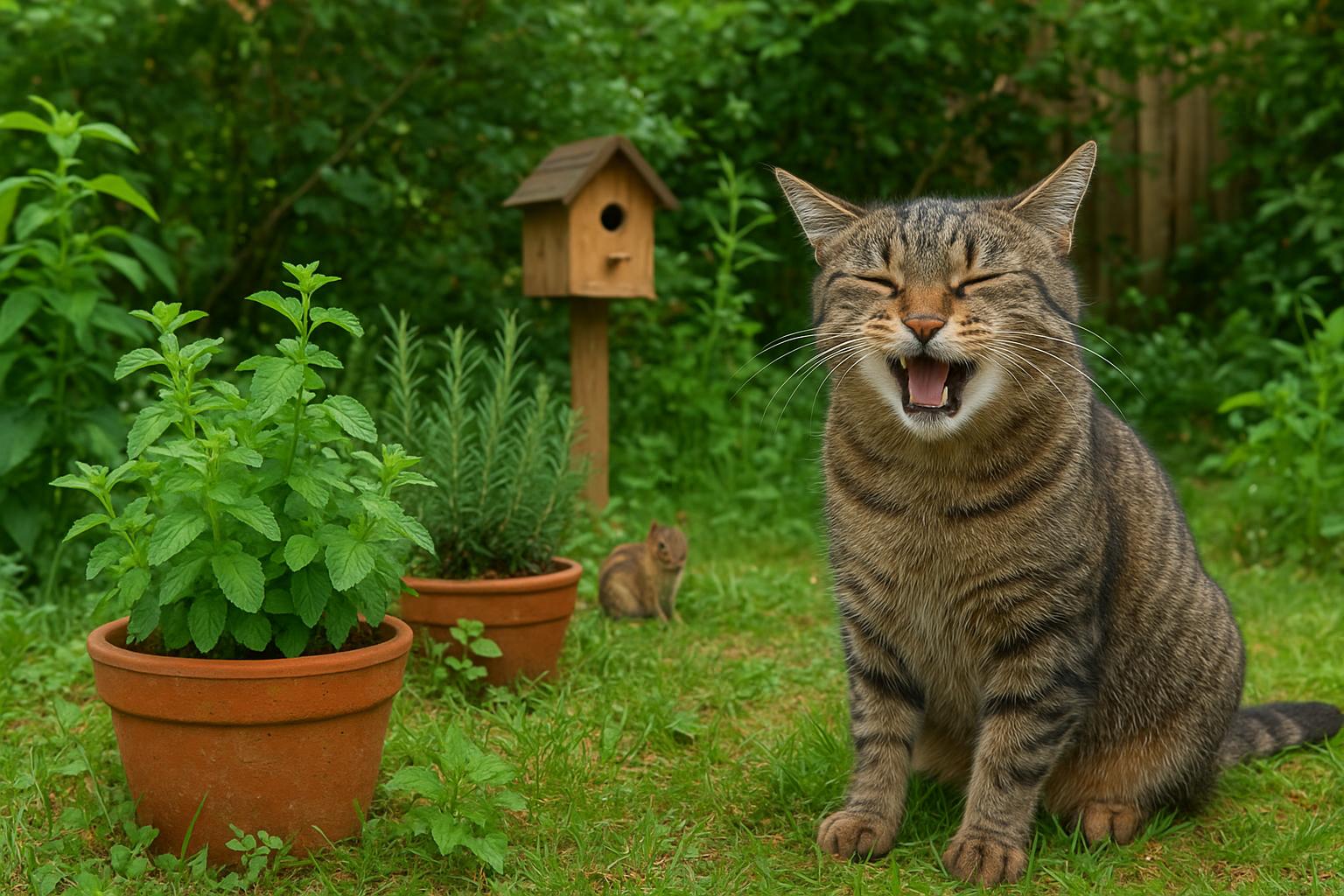
Welcome to a backyard where birds sing, butterflies flit, and your picnic blanket doesn’t come home covered in tiny leaping nuisances. If you’re aiming for a safer, more natural wildlife haven, planting and using flea repelling herbs is one of the gentlest ways to nudge the balance in your favor. Below you’ll find practical plant picks, how they work, and two clearly spelled-out remedies you can try—written with a relaxed tone, a pinch of garden humor, and a formal, stepwise approach to solutions.
## Flea Repelling Herbs To Plant In Your Yard
Fleas dislike certain plant scents, and you can use that to create a buffer around resting areas, trails, and spots frequented by neighborhood wildlife (and your own pets). Here are top choices and why they work.
### Lavender
Lavender is beloved for its scent and for deterring fleas. It’s drought-tolerant, attracts pollinators when in bloom (yes, bees like it), and provides a pleasant aroma near seating areas.
### Rosemary
A hardy shrub that tolerates poor soil, rosemary contains compounds that repel many insects. Plant it as a low hedge near borders to create a fragrant perimeter.
### Mint And Lemon Balm
Mint and lemon balm are vigorous spreaders—consider containing them in pots. Their strong aroma interferes with flea host-seeking behavior. Note: mint can be invasive, so plan accordingly.
### Thyme
Thyme, especially blooming varieties, produces volatile oils that impair flea comfort. It’s low-growing and makes a great groundcover in sunny patches.
### Basil
Basil emits scents that many small pests dislike. It’s useful near seating areas and can be harvested for the kitchen.
### Catnip (Use Strategically)
Catnip contains nepetalactone, which has documented flea-repelling activity. However, catnip is attractive to domestic cats—if you want to deter fleas without encouraging feline visitors to loiter, plant it where cats won’t hang out.
### Cautions And Notes
Not every aromatic plant is safe for all animals. Pennyroyal, for example, can be toxic and should be avoided. Avoid overplanting anything that will disturb nesting birds or small mammals; instead, create targeted patches and corridors.
## How Flea Repelling Herbs Work
Flea repelling herbs work primarily through volatile organic compounds—essential oils produced by the plants. Compounds like linalool (found in lavender and basil), thymol (in thyme), and various terpenes can disrupt flea host-seeking and make an area less attractive for them to wait for hosts. These natural compounds are not a guaranteed eradication method but are effective as part of an integrated approach: good sanitation, habitat management, and targeted, non-toxic treatments.
### Wildlife-Safe Considerations And Warnings
Be mindful that “natural” doesn’t automatically mean harmless at any concentration. Concentrated essential oils can be toxic to birds, reptiles, and some mammals (cats are notably sensitive). When treating spaces used by wildlife, use dilute, water-based infusions rather than pure oils, avoid direct application to animals, and never disturb nests. If you encounter a wild animal with heavy flea loads, contact a licensed wildlife rehabilitator.
#### Avoid These Plants
– Pennyroyal (toxic to mammals and humans)
– Tansy (can be toxic if ingested)
– Large quantities of cedar oil (can be irritating when concentrated)
## Remedy 1: Herbal Yard Spray (Non-Toxic)
Formal Instruction: This remedy uses an herbal infusion rather than concentrated essential oils, making it safer for areas frequented by wildlife and pets. Use as a perimeter and resting-area spray to reduce flea presence on foliage and groundcover.
Ingredients / Required Materials:
– 4 cups fresh or 2 cups dried mixed herbs (rosemary, lavender, thyme, mint)
– 1 gallon boiling water
– Fine mesh strainer or cheesecloth
– 1 tablespoon biodegradable liquid soap (castile soap recommended)
– 1/2 cup white vinegar (optional; increases shelf life)
– Clean spray bottles (32 oz/1 quart bottes work well)
– Measuring cup and funnel
Step-By-Step Creation:
1. Prepare Herbs: Chop fresh herbs to release surface oils; if using dried herbs, measure and place in a heatproof container.
2. Steep: Pour 1 gallon of boiling water over the herbs in a large container. Cover and let steep for 12–24 hours for a strong infusion.
3. Strain: After steeping, strain the liquid through a fine mesh strainer or cheesecloth into a clean container. Press to extract as much liquid as possible.
4. Add Soap: For each quart of strained infusion, add 1 teaspoon of biodegradable liquid soap and mix gently. Soap helps the solution cling to foliage and disrupts flea life stages on contact.
5. Optional Vinegar: Add 2 tablespoons (per quart) of white vinegar if desired to slightly acidify and help preserve the spray for a few days.
6. Bottle: Using a funnel, fill spray bottles. Store in a cool, shaded place and use within 7–10 days.
Application Protocol:
– Test Spot: Spray a small area of foliage and wait 24 hours to ensure plants show no sensitivity.
– Where To Spray: Apply to groundcover, shaded grass edges, under low shrubs, and along pathways where wildlife or pets rest. Avoid open flowers to reduce impact on pollinators.
– Timing: Spray in the early morning or late evening when pollinators are least active.
– Frequency: Apply once per week during peak flea season or after heavy rain. Repeat as needed, but avoid daily applications to minimize disturbance to beneficial insects.
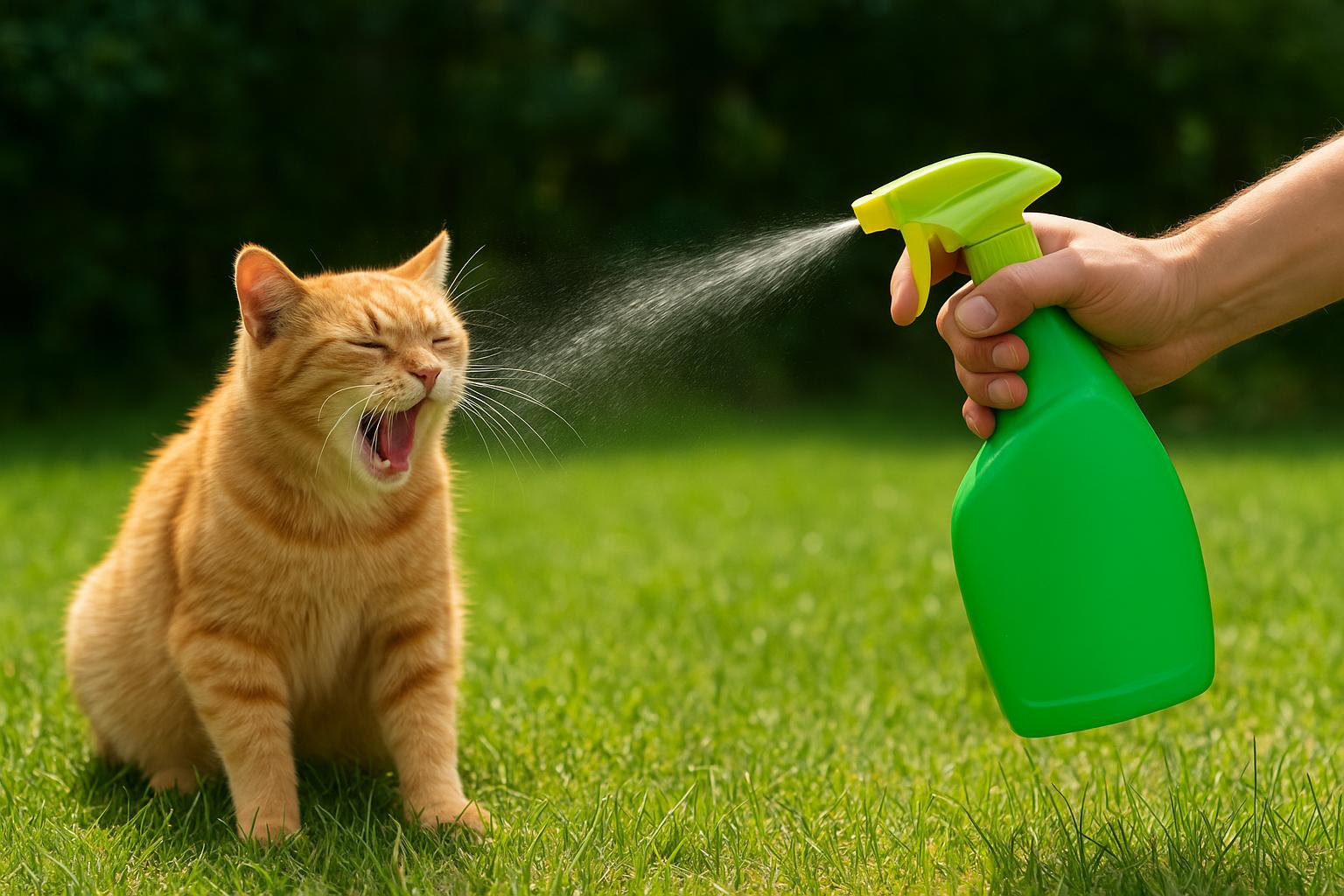
– Safety: Do not spray directly on wildlife or on bird nests. Keep pets indoors during application and allow treated areas to dry before allowing pets out.
## Remedy 2: Pet-Safe Herbal Sachets And Habitat Placement
Formal Instruction: Sachets provide a passive, long-lasting way to release flea-deterring scents without saturating the environment with oils. They’re ideal for placing in protective microhabitats—under benches, near den entrances, and around compost bins—where fleas may congregate.
Ingredients / Required Materials:
– Dried lavender flowers
– Dried rosemary leaves
– Dried thyme or basil leaves
– Cedar chips (optional; use sparingly and not directly accessible to small animals)
– Muslin or cotton sachet bags (4×6 inches)
– Labels and twine (optional)
– Drying rack (if drying fresh herbs)
Step-By-Step Creation:
1. Prepare Herbs: If starting with fresh herbs, dry them fully on a drying rack to avoid mold. Use a mix weighted toward lavender and rosemary for scent balance.
2. Blend: Combine roughly 2 parts lavender to 1 part rosemary to 1 part thyme/basil. If using cedar chips, add a small proportion—no more than 5–10% of the total mix.
3. Fill Sachets: Spoon the blended herb mix into each muslin bag, leaving room so air can circulate. Do not overpack.
4. Seal: Tie closed with twine or use the drawstring. Label the sachets with the date.
5. Placement: Position sachets in dry, shaded microhabitats—under benches, inside hollow logs used for shelters, near compost edges, and in planters that aren’t heavily used by nesting birds. Place sachets out of reach to avoid ingestion by curious animals.
6. Maintenance: Replace sachets every 6–8 weeks or when scent weakens. You can refresh them by adding a few drops of diluted herbal infusion (from Remedy 1) rather than concentrated oils.
Application Notes:
– Do not place sachets in direct contact with bird nests, mammal dens, or areas where animals might chew on them.
– Use sachets primarily as a complement to landscape planting and yard hygiene; they are not a standalone eradication tool.
### Integrating With Other Wildlife-Friendly Practices
Combining flea repelling herbs and these remedies with good habitat management improves results:
– Keep leaf litter and tall grass trimmed near play and patio areas.
– Regularly wash pet bedding and maintain pet vet-recommended flea prevention.
– Encourage natural predators: birds (without interfering with nests) and beneficial insects help keep small pest populations in check.
– For heavy infestations on wildlife (ground squirrels, opossums, raccoons), consult local wildlife rehabilitators or animal control—do not attempt to medicate wild animals yourself.
### When To Seek Professional Help
If you notice a severe flea problem that persists after habitat and herbal measures—or if domestic pets show signs of allergic reactions—contact a veterinarian or pest professional who specializes in low-toxicity, wildlife-safe options. Professional advice is essential before using any products labeled for use on animals or that contain concentrated synthetic chemicals.
Enjoy building a backyard that’s both welcoming and less hospitable to fleas. With the right planting, careful application of remedies, and a little patience, you can encourage wildlife to visit without inviting the microscopic hitchhikers.







Leave a Reply