
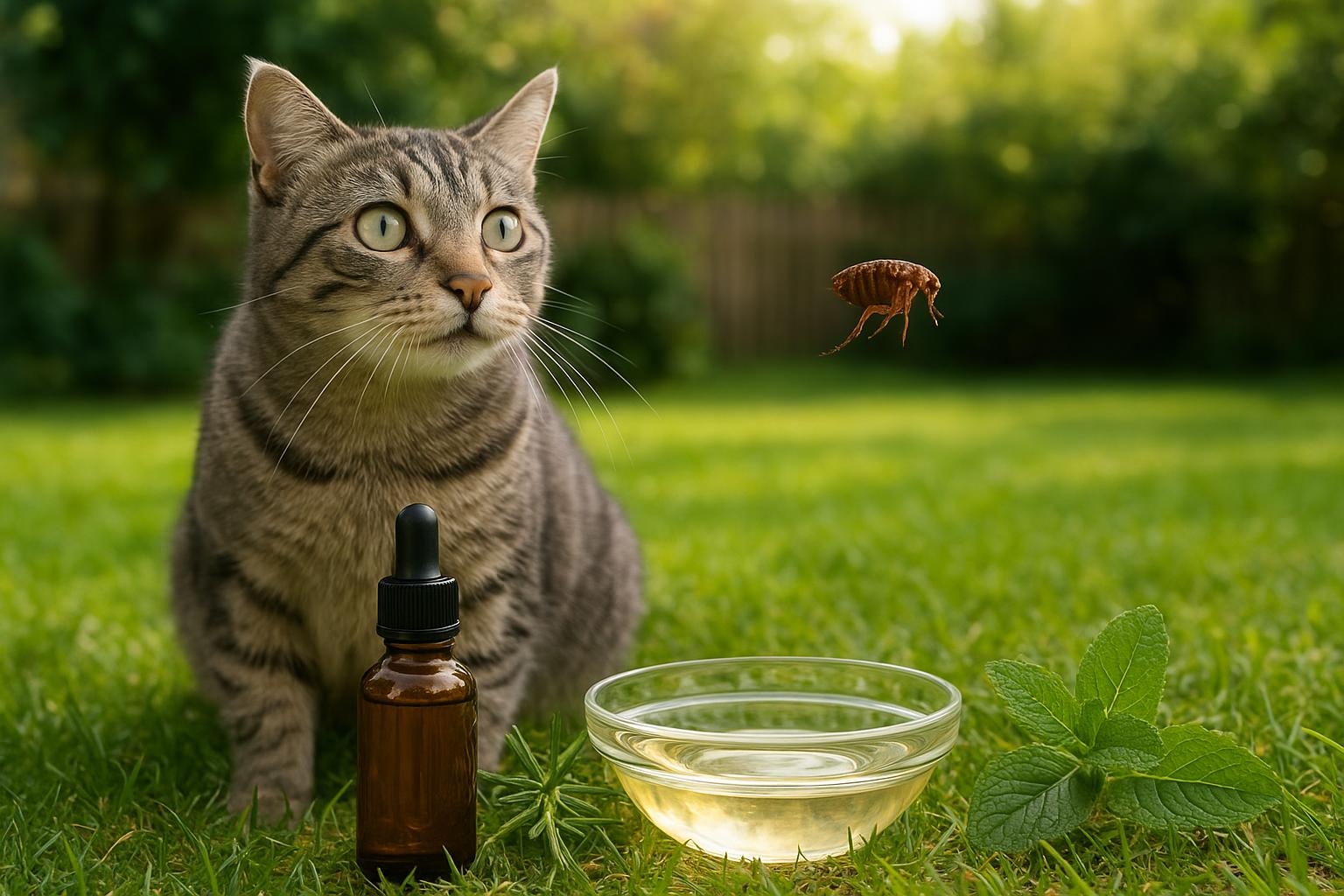
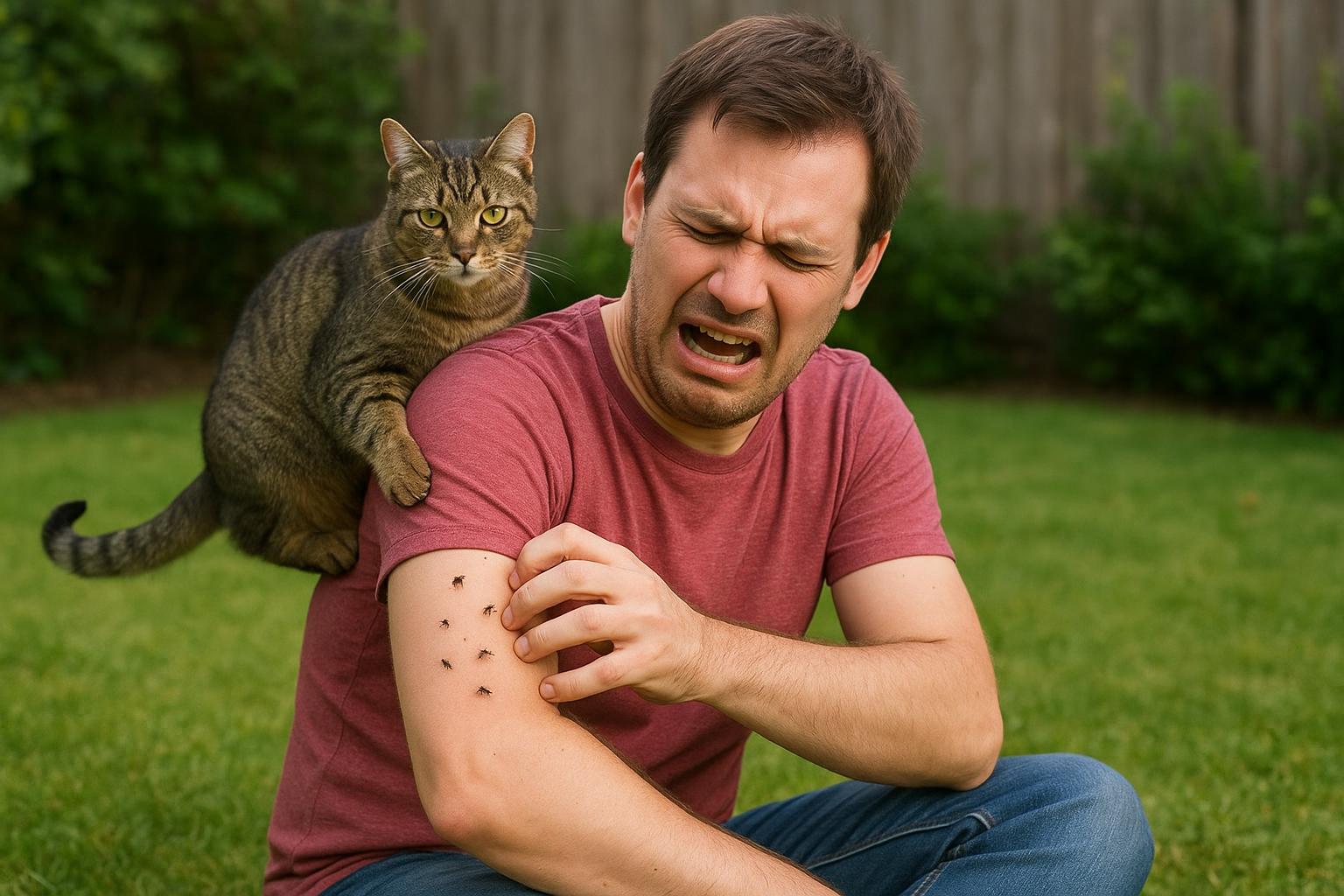
If your yard has started hosting more hopping nuisances than backyard barbecues, you’re not alone. Fleas thrive in shady, moist spots where pets nap, wildlife passes through, and turf gets a little lazy. The good news: you can reduce flea populations without relying solely on harsh chemicals. Here I’ll walk you through two practical remedies—one centered on a homemade flea oil spray and another using essential oils as a perimeter barrier—plus sensible yard-care habits that make your property less inviting to fleas.
## Flea Oil And Essential Oils For Backyard Flea Control
### Why A Targeted Approach Works
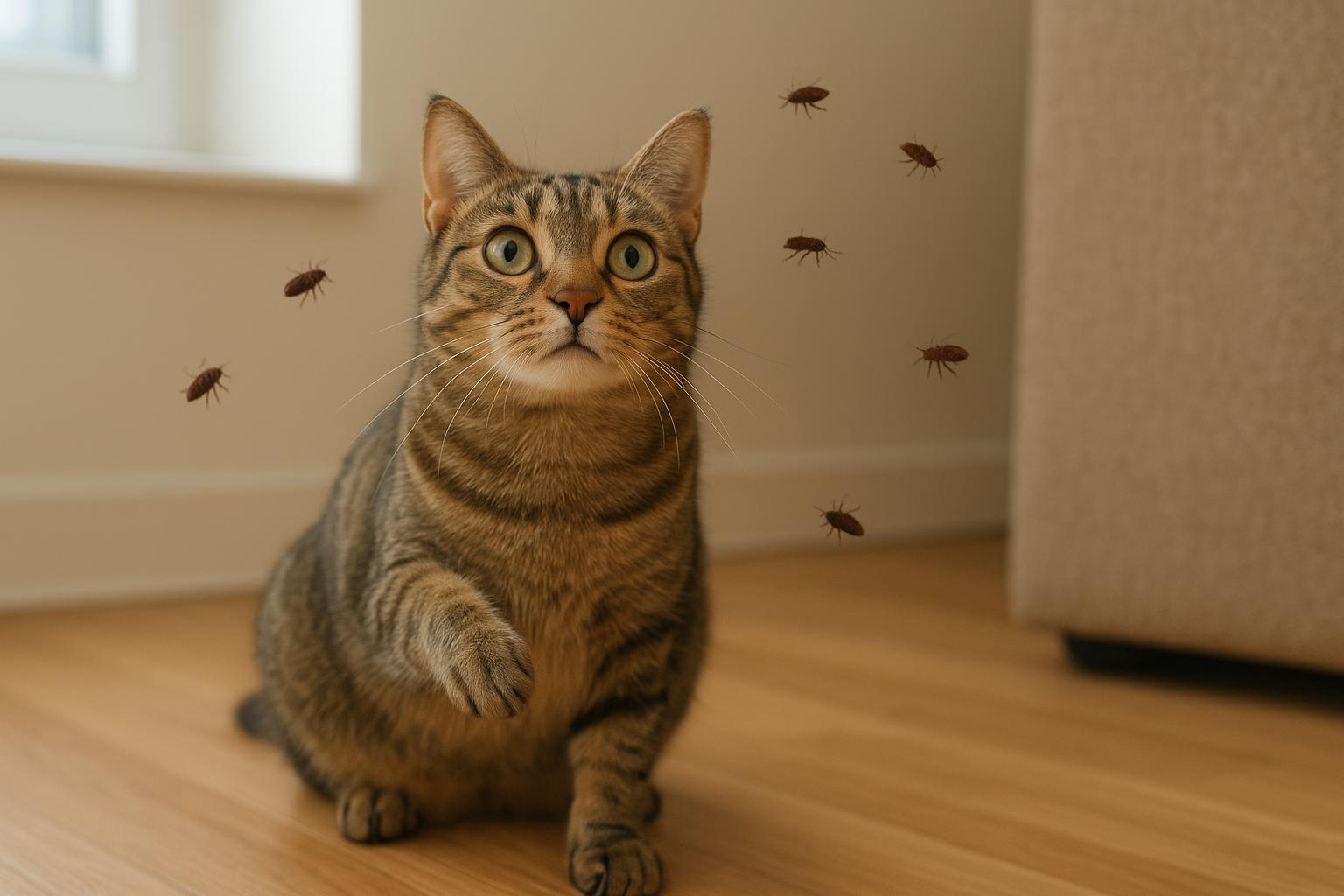
Fleas spend most of their lives off the host: tiny eggs, larvae, and pupae hide in grass, leaf litter, and soil before jumping onto a passing pet. A targeted approach combines habitat modification with topical treatments in the environment. Homemade flea oil sprays and essential-oil barriers can interrupt the flea life cycle when used correctly and safely.
## 1. Flea Oil Spray For Lawns And Pet Areas
### Ingredients And Materials
– 1 quart (1 L) distilled or filtered water
– 2 tablespoons mild dish soap (acts as a surfactant)
– 2 tablespoons food-grade diatomaceous earth (optional; mechanical desiccant)
– 2 tablespoons vegetable glycerin or light carrier oil (helps essential oils blend)
– 15 drops cedarwood essential oil
– 15 drops lemongrass essential oil
– 10 drops lavender essential oil
– Spray bottle (1 quart capacity), labeled
– Funnel and measuring spoons
– Gloves and eye protection for mixing
### Step-By-Step Creation And Application
1. Sanitize Workspace: Work on a stable surface outdoors or in a well-ventilated area. Put on gloves and eye protection.
2. Mix Carrier Base: Pour the distilled water into the spray bottle. Add the vegetable glycerin (or light carrier oil) and the dish soap. The soap helps the solution cling to grass blades and pet bedding.
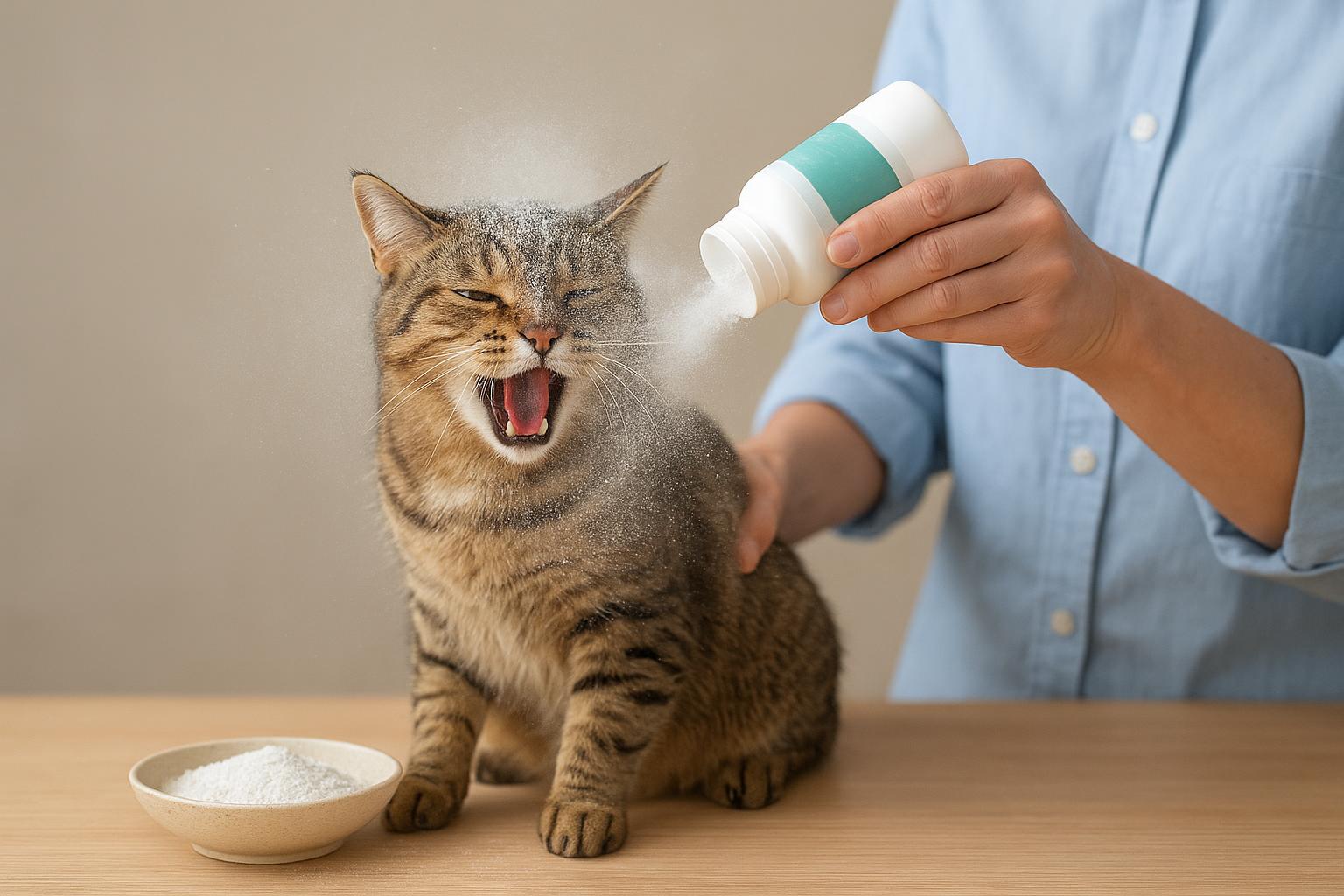
3. Add Diatomaceous Earth (Optional): If using diatomaceous earth (DE), add it slowly with a funnel. Shake gently; DE will remain suspended briefly and provide mechanical control against flea larvae by dehydrating them. Note: Use food-grade DE only and avoid creating dust clouds.
4. Blend Essential Oils: Add cedarwood, lemongrass, and lavender essential oils to the bottle. These oils have documented repellent properties against some pests; cedarwood and lemongrass are commonly used against fleas. Seal and shake vigorously to emulsify.
5. Test Patch: Before widespread application, test a small lawn patch and an out-of-the-way area of pet bedding. Wait 24 hours to check for plant sensitivity and any adverse reactions.
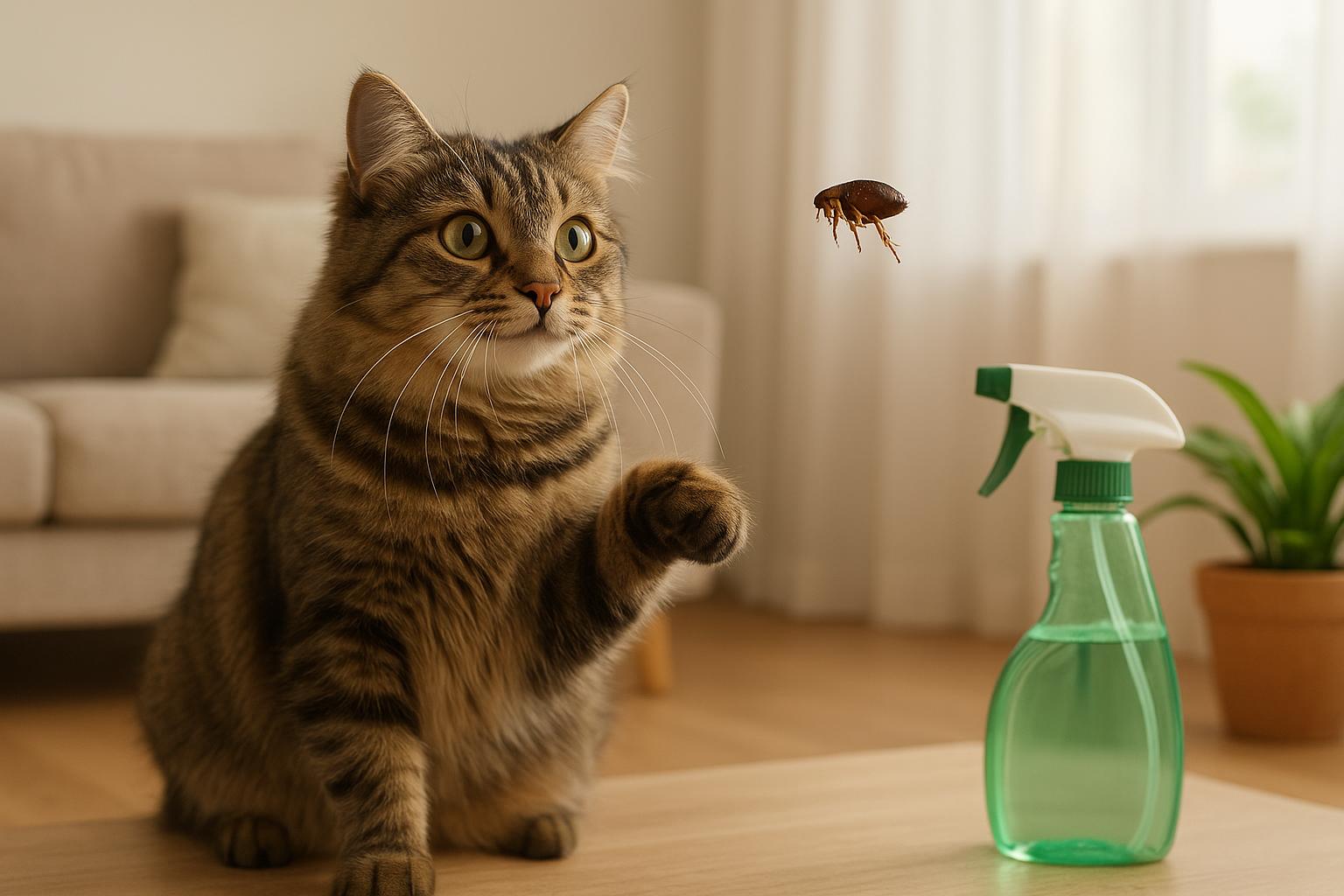
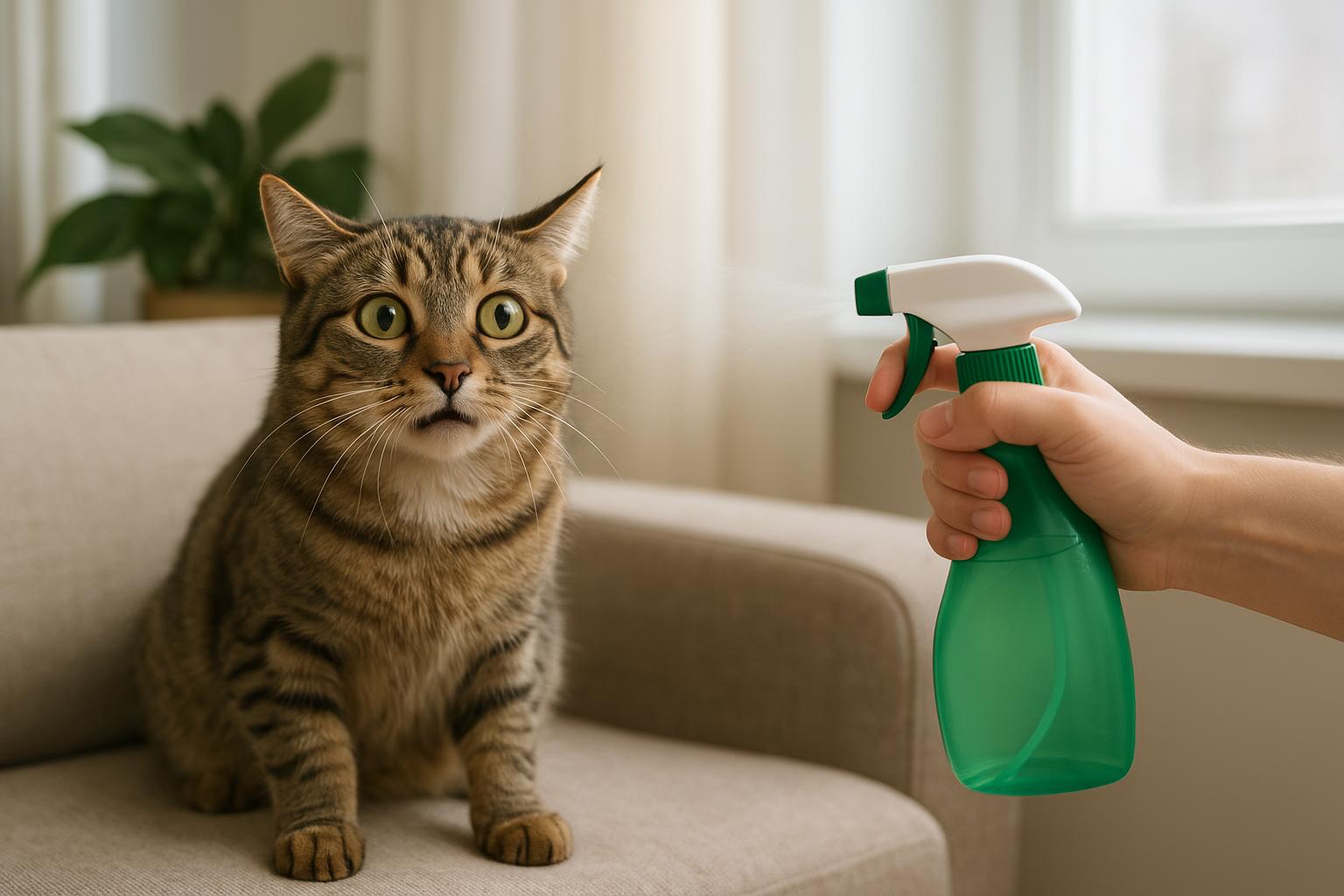
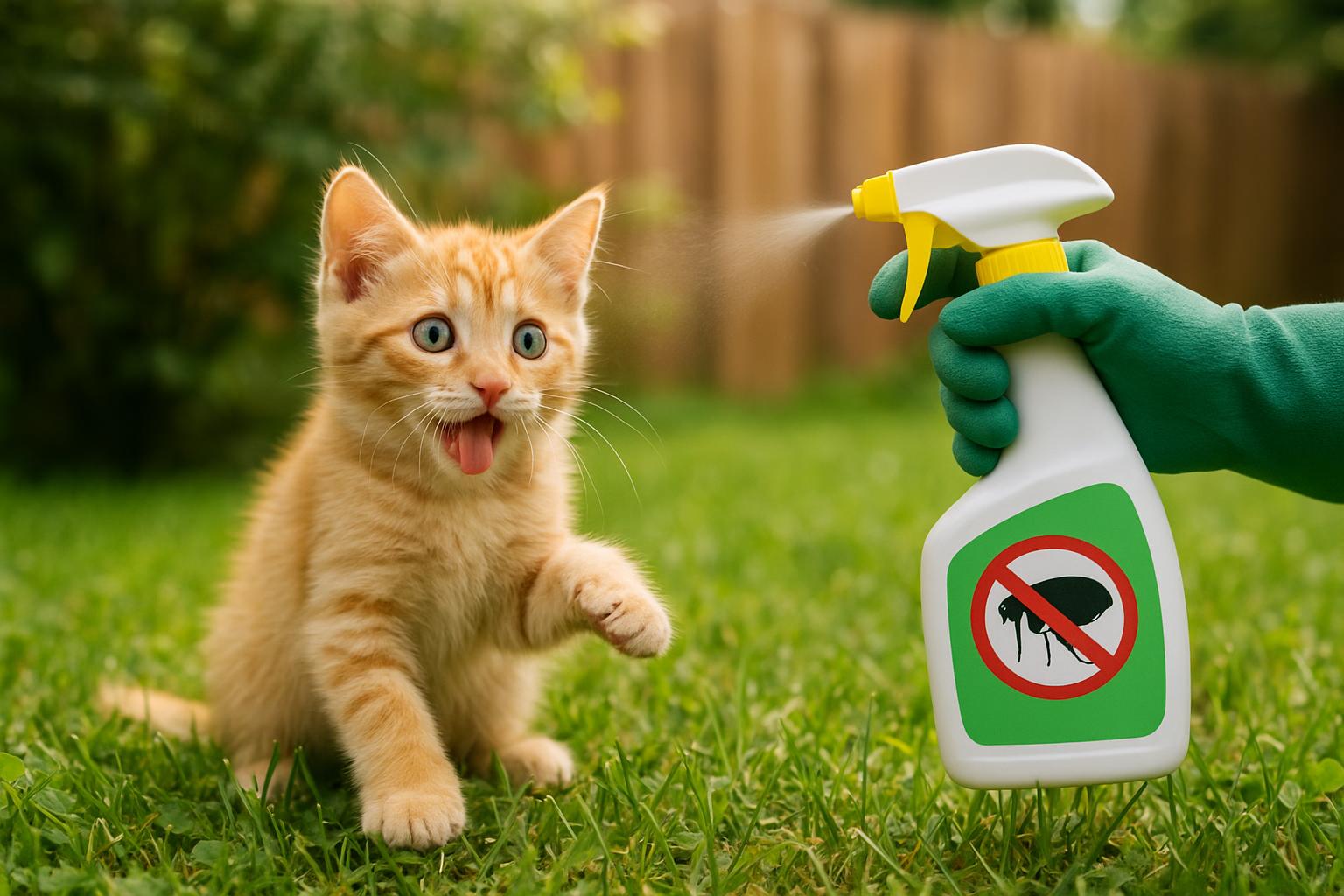
6. Apply Strategically: Lightly mist areas where pets rest, the perimeter of yards, shady corners, and under decks. Do not saturate soil—aim for light coverage. For pet bedding, remove bedding, spray outside or in a well-ventilated space, let dry completely, and then return bedding indoors.
7. Frequency: Apply once a week for four weeks to disrupt multiple flea life stages, then reapply monthly during peak flea season or after heavy rain.
8. Storage: Store the spray in a cool, dark place and label clearly. Discard after three months if not used.
#### Safety And Efficacy Notes
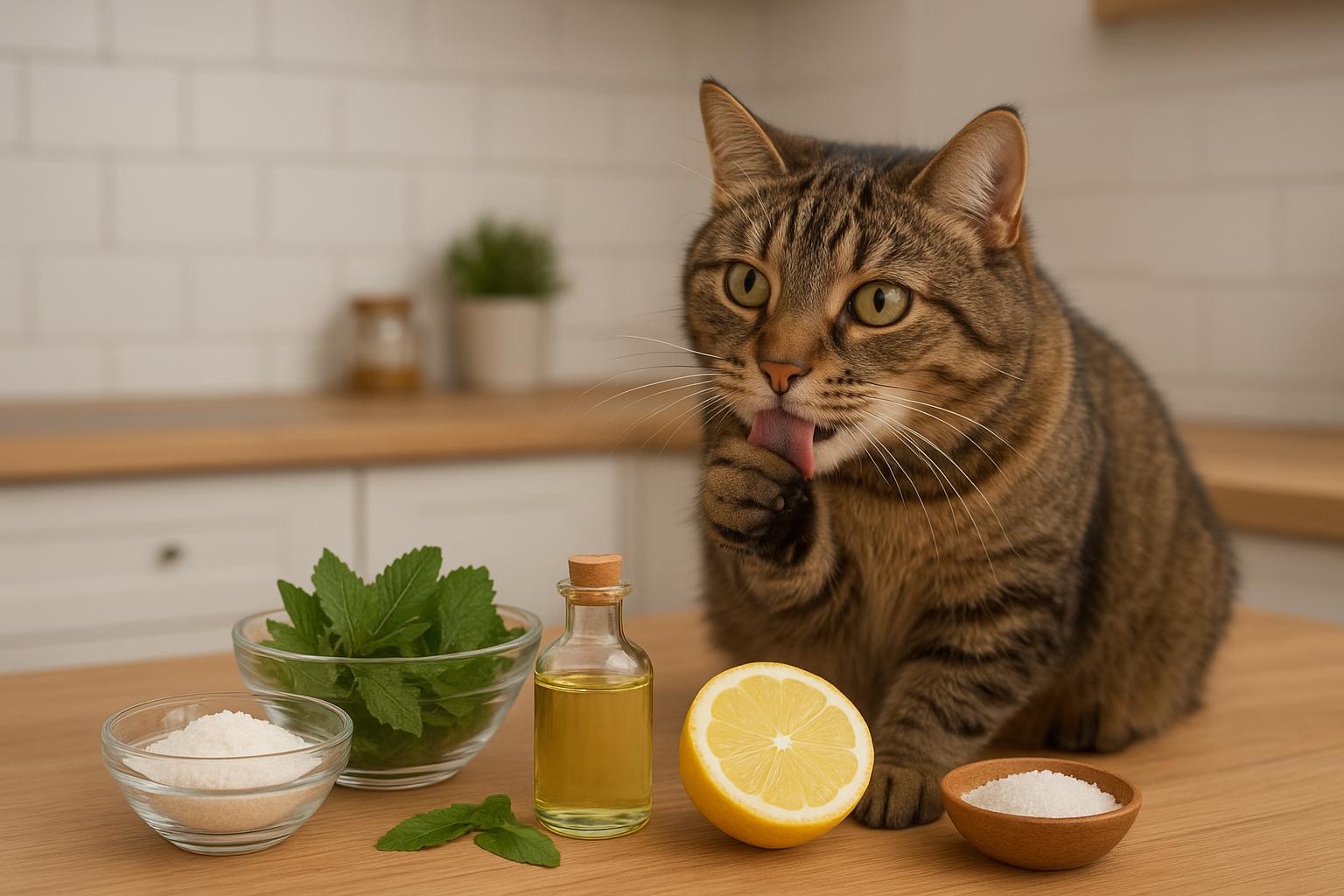
– Use essential oils at low concentrations. The formulation above keeps concentrations modest; however, essential oils can be toxic to cats and sensitive animals. Avoid direct application of essential-oil sprays to cats or any animal with a known sensitivity.
– This homemade flea oil spray is intended as part of an integrated approach. For heavy infestations on pets, seek veterinary treatment for appropriate topical or oral flea control.
– Diatomaceous earth works mechanically and has weather limitations—rain reduces its effectiveness.
## 2. Essential Oil Perimeter Barrier
### Ingredients And Materials
– 2 cups apple cider vinegar
– 2 cups distilled water
– 20 drops peppermint essential oil
– 20 drops eucalyptus essential oil
– 15 drops cedarwood essential oil
– 1 tablespoon unscented liquid castile soap
– Large pump sprayer or garden sprayer (1 gallon capacity)
– Gloves, eye protection, measuring cup
### Step-By-Step Creation And Application
1. Safety First: Assemble materials outdoors. Wear gloves and eye protection.
2. Combine Liquids: In the pump sprayer, combine apple cider vinegar and distilled water. Vinegar is mildly acidic and can help repel fleas while being safe for many plants in diluted form.
3. Add Soap: Add the liquid castile soap to help emulsify.
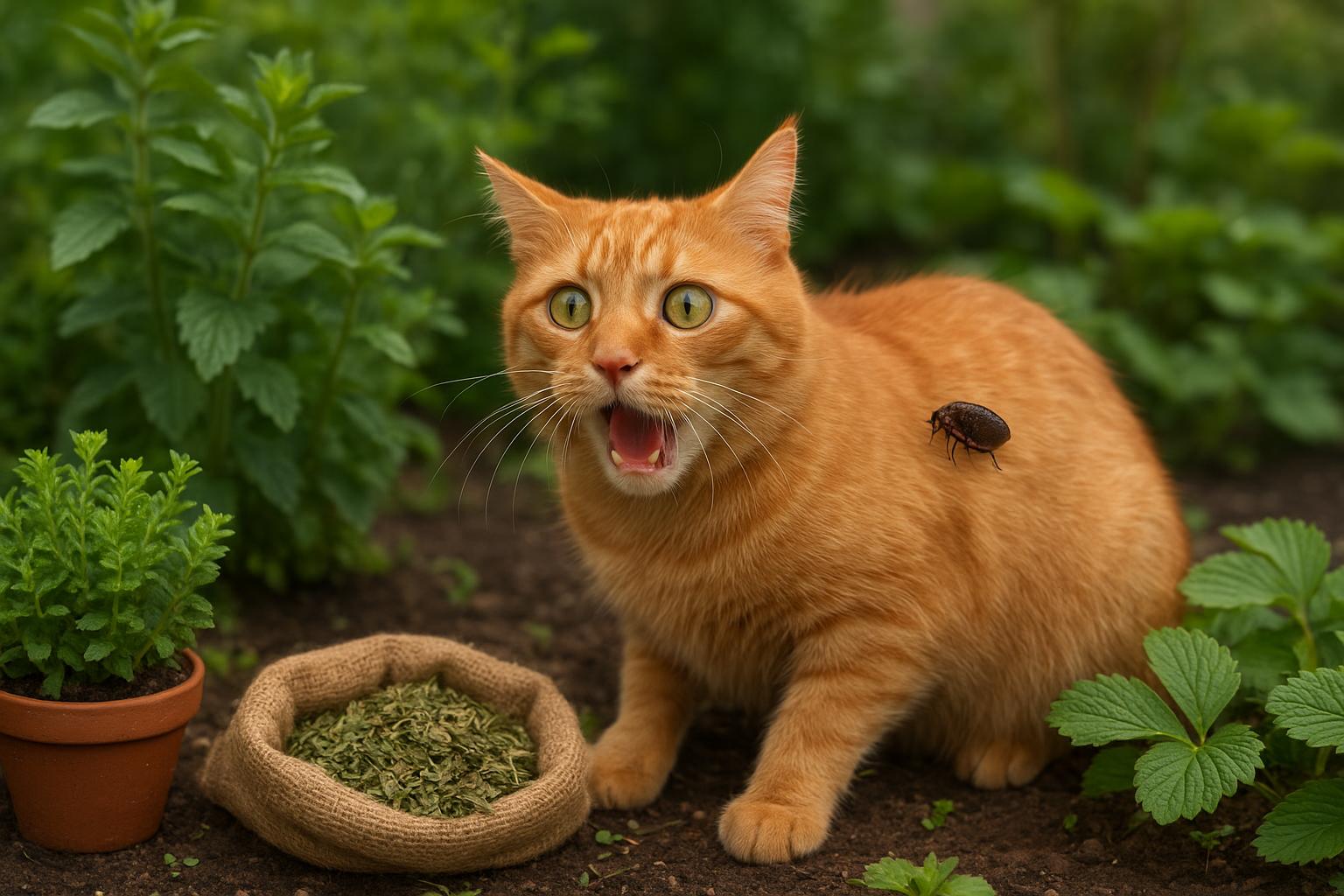
4. Add Essential Oils: Add peppermint, eucalyptus, and cedarwood essential oils. These three create a complementary repellent profile; peppermint and eucalyptus are pungent to insects, while cedarwood has historic use as an arthropod deterrent.
5. Mix Thoroughly: Close and shake the sprayer well to distribute the oils. Test the sprayer to ensure it doesn’t clog.
6. Apply As A Perimeter: Spray the perimeter of your property, focusing on entry points (fences, gateways), foundation plantings, shady borders, and under sheds. Avoid direct application to flowers that attract pollinators; concentrate on grass edges and ornamental shrubs.
7. Repeat Schedule: Reapply every two weeks during flea season and after heavy rainfall. Do not over-apply; the goal is a maintained perimeter, not saturation.
#### Notes On Pets, Children, And Plants
– Keep pets and children away from treated areas until spray has dried completely.
– Avoid treating flowering nectar plants; essential oils can affect pollinators.
– Some plants are sensitive to vinegar. Do a small test spray on delicate plants and wait 48 hours for any signs of leaf burn.
### Combining The Two Remedies
For many yards, using the flea oil spray focused on pet resting areas and the essential-oil perimeter around property boundaries provides layered protection. The flea oil spray works where fleas are most likely to complete their life cycle; the essential-oil barrier reduces new introductions from adjacent areas or wildlife corridors.
## Yard Management Practices That Complement Flea Control
### Create An Unfriendly Habitat For Fleas
Fleas prefer shaded, moist microclimates. Simple changes make a big difference: prune low-hanging branches to let sunlight in, clear leaf litter and tall grass, and relocate pet beds away from dense shrub borders. In places where ground cover is dense, consider replacing with mulch that dries quickly and is less hospitable to flea larvae.
### Host Management And Monitoring
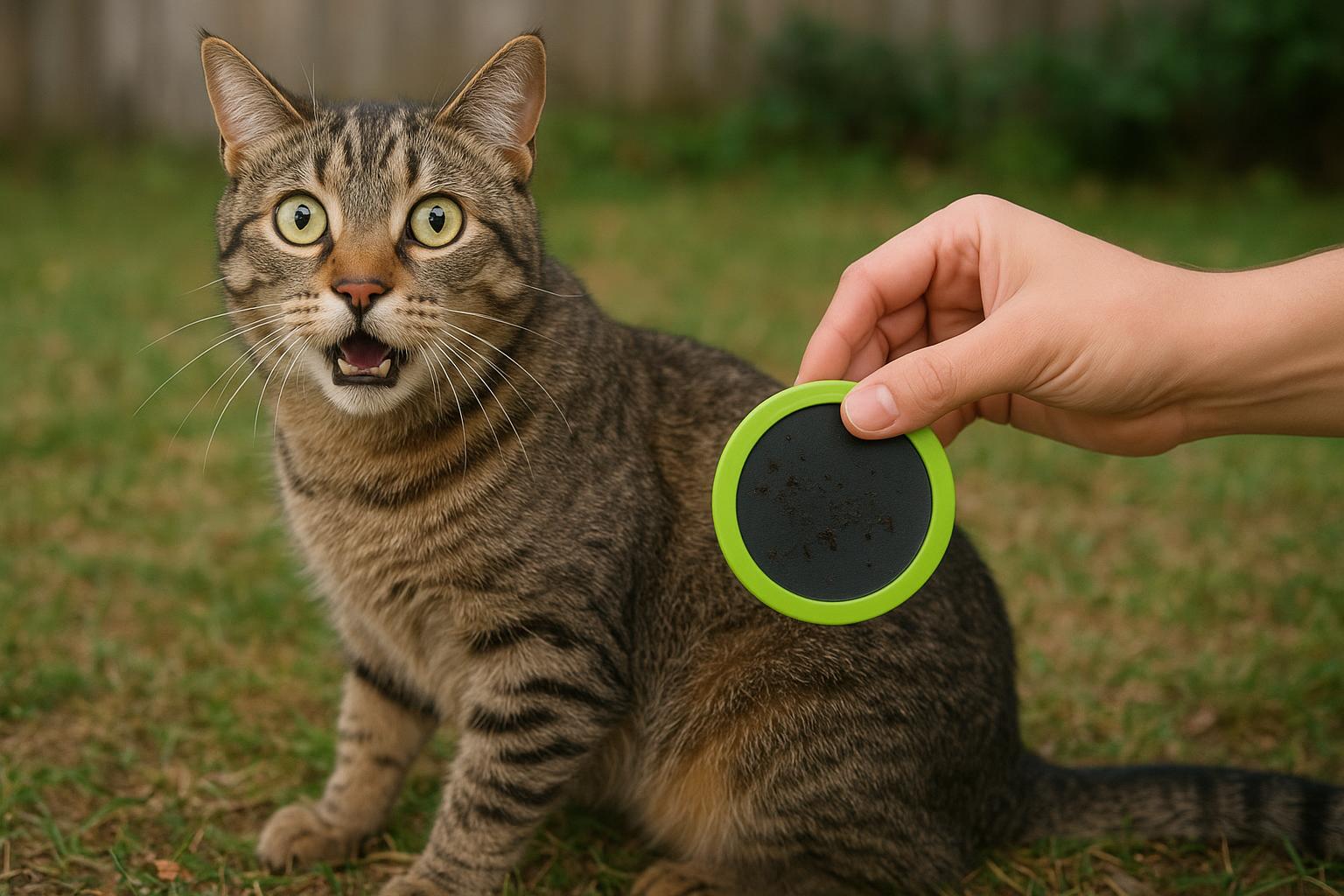
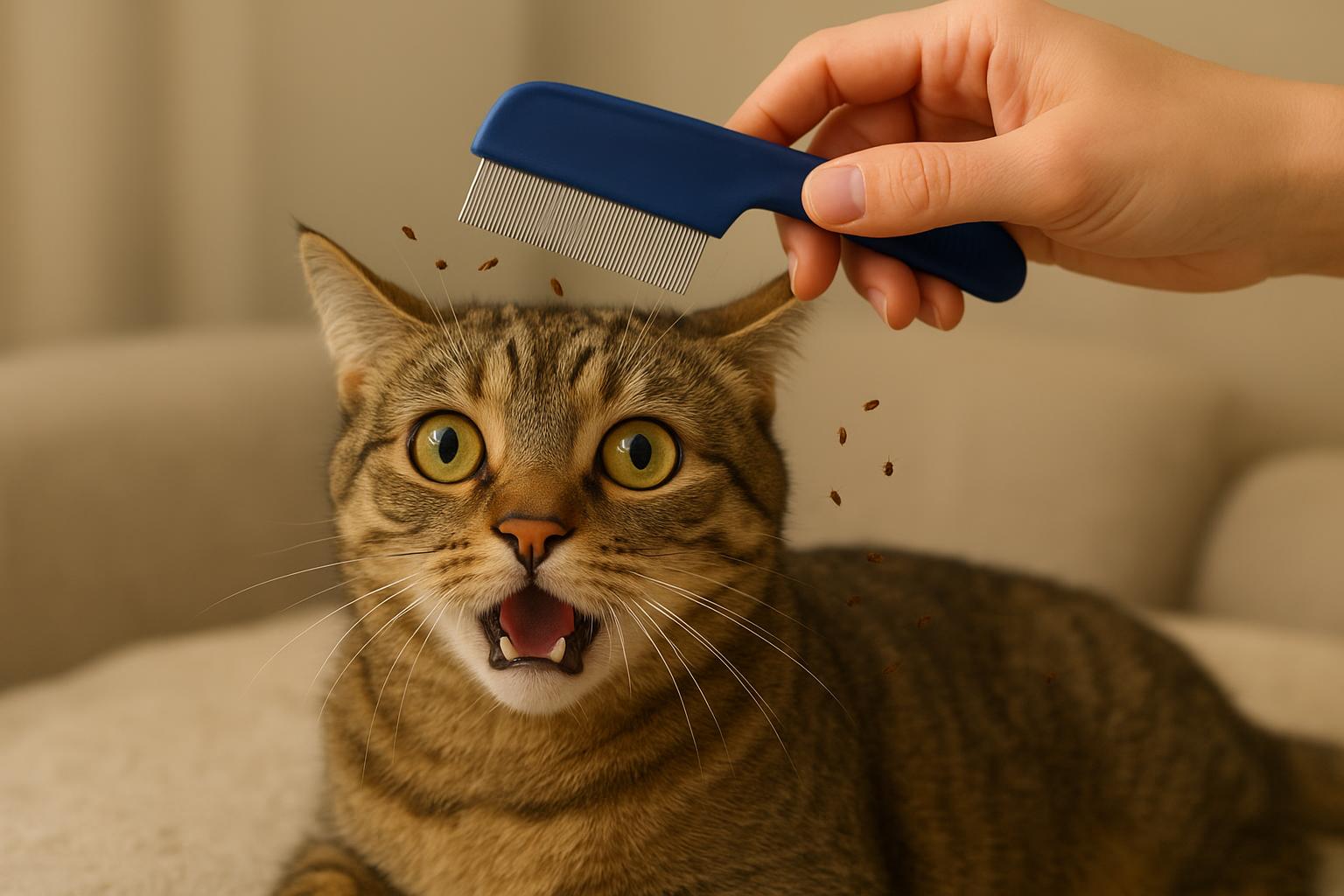
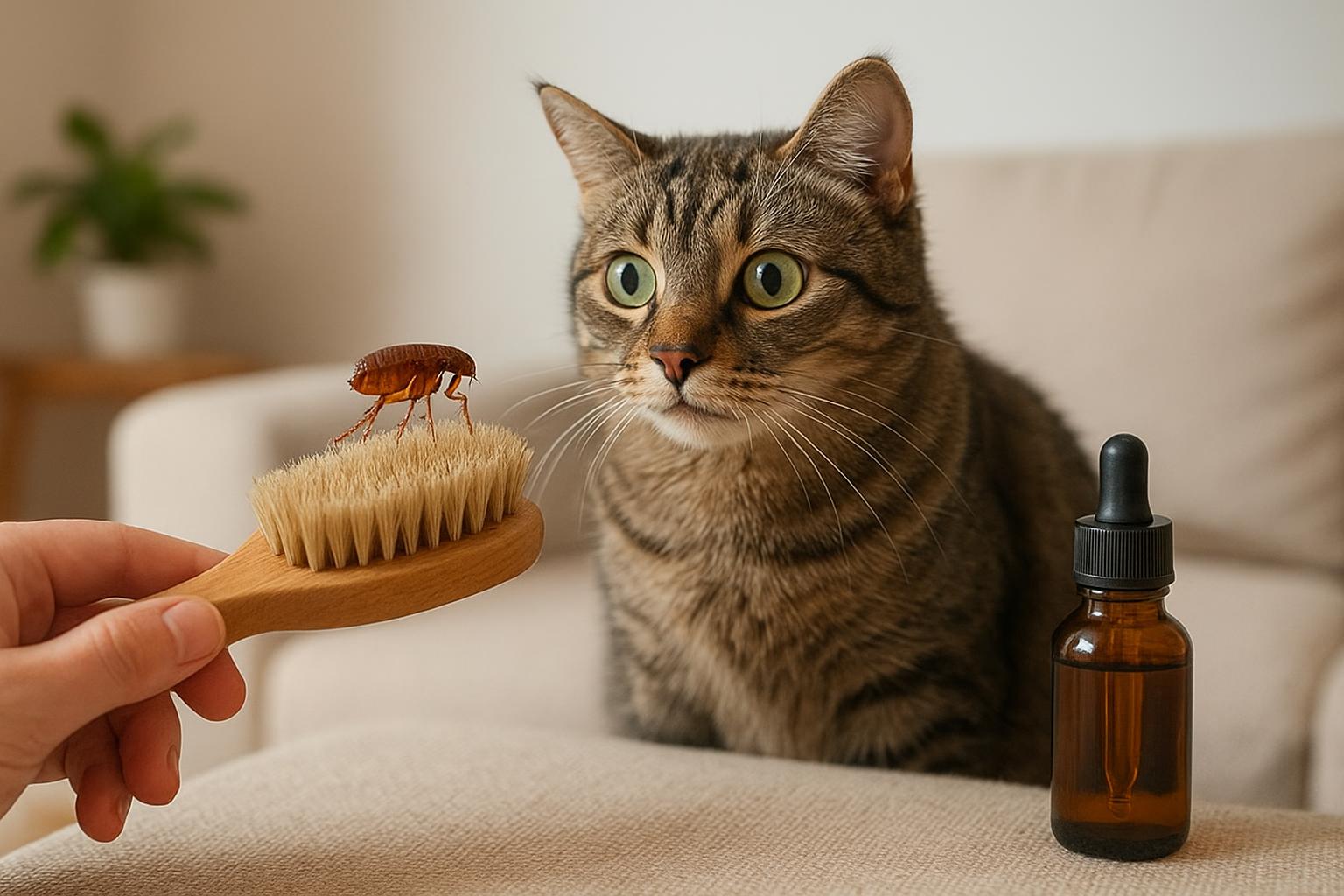
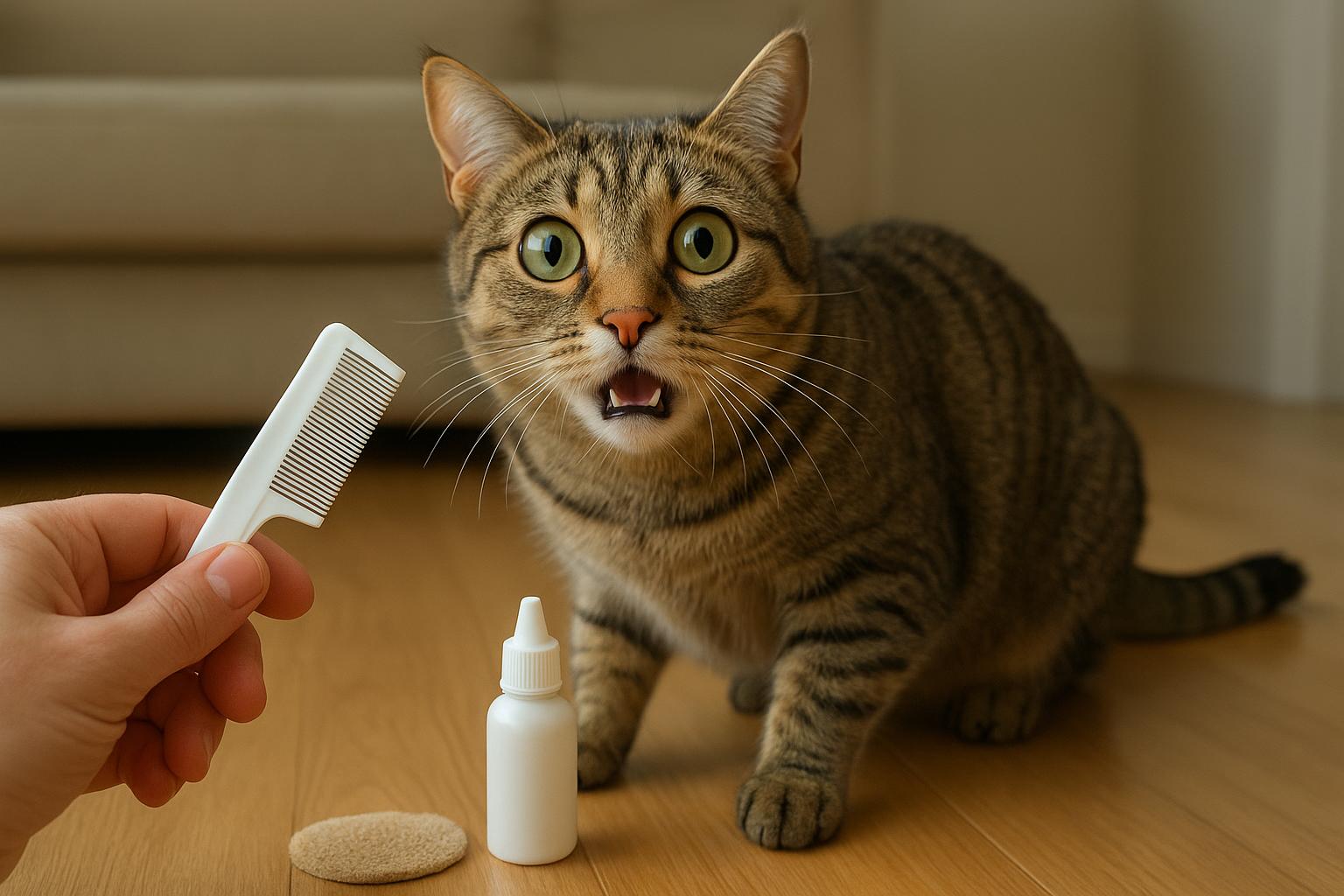
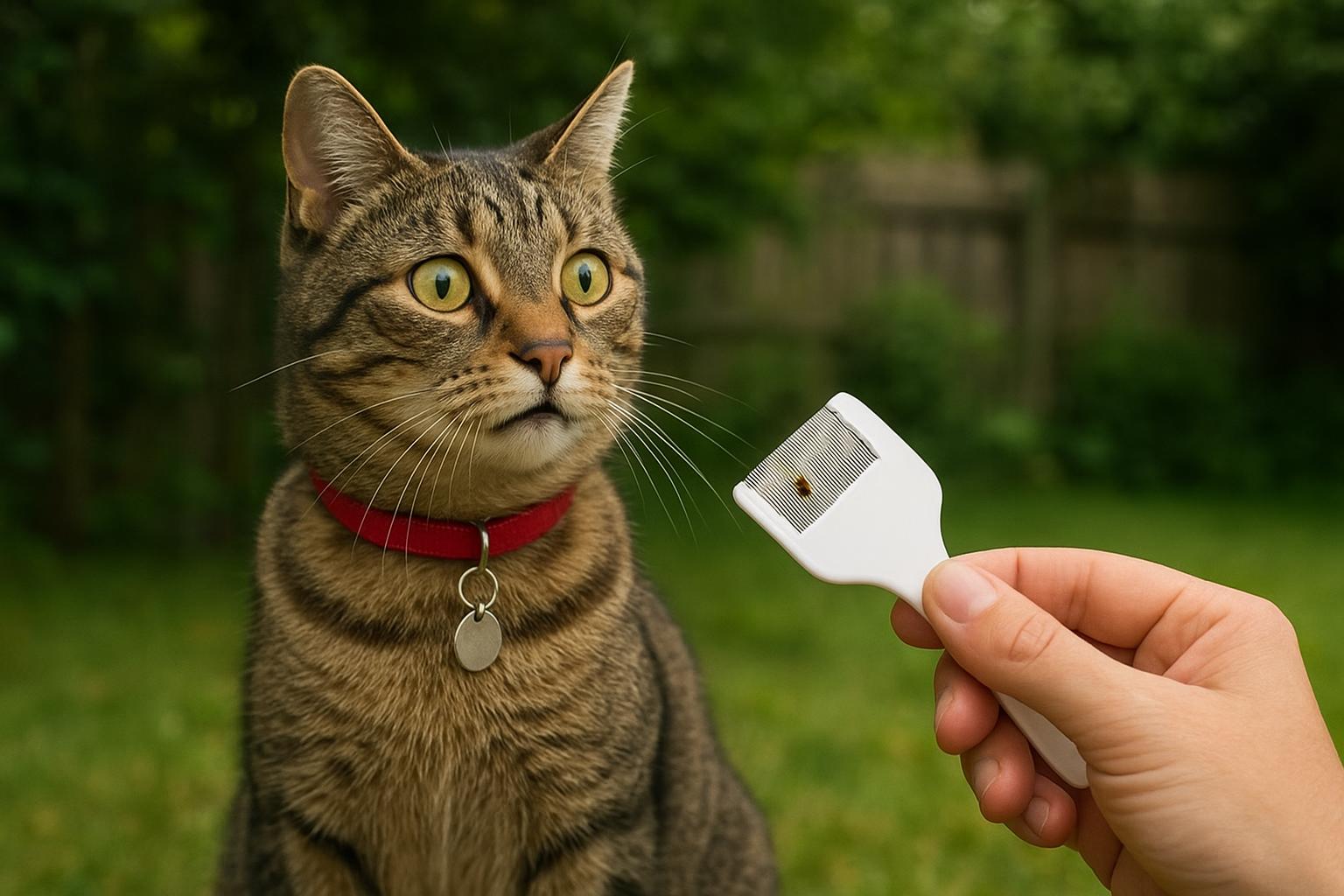
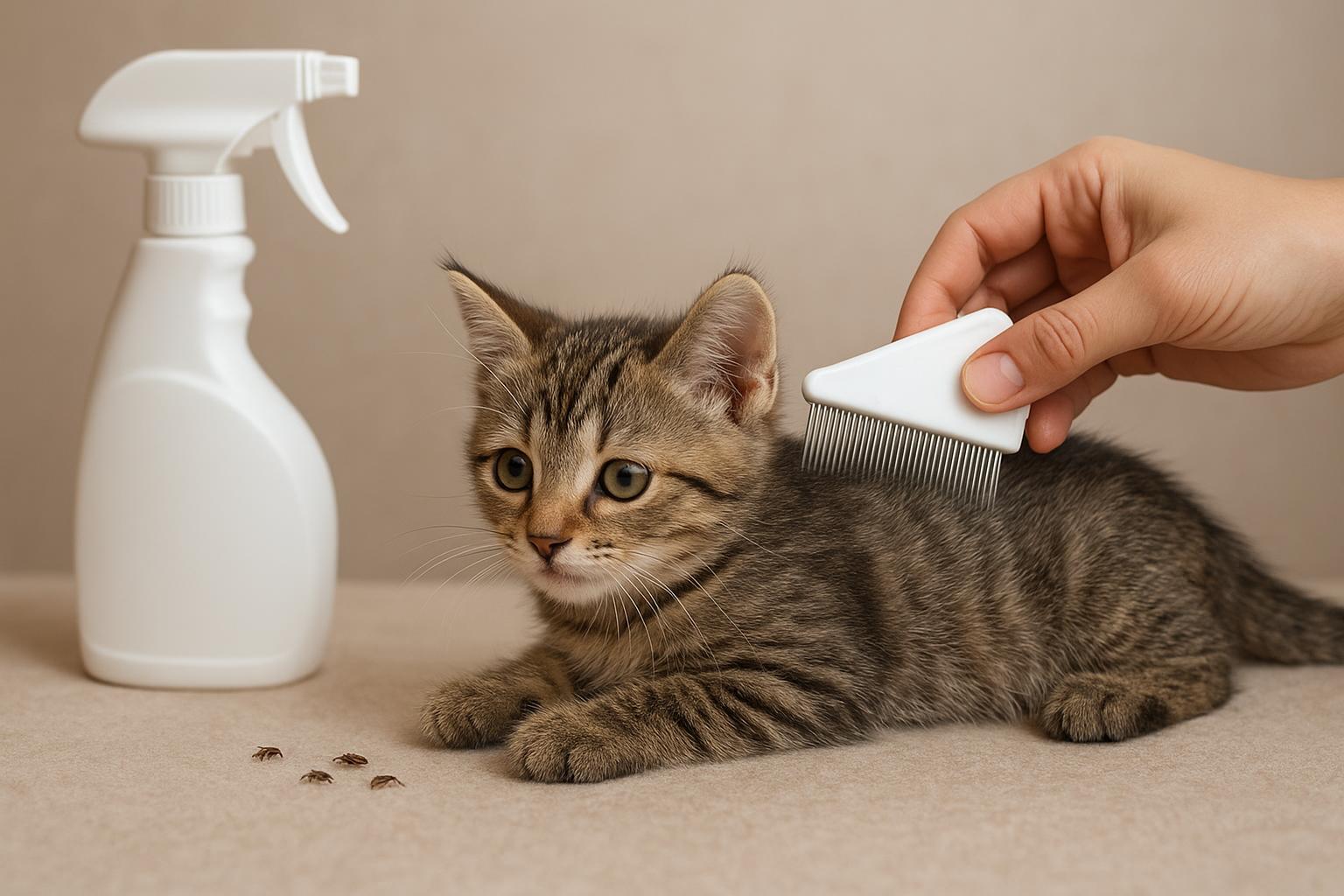
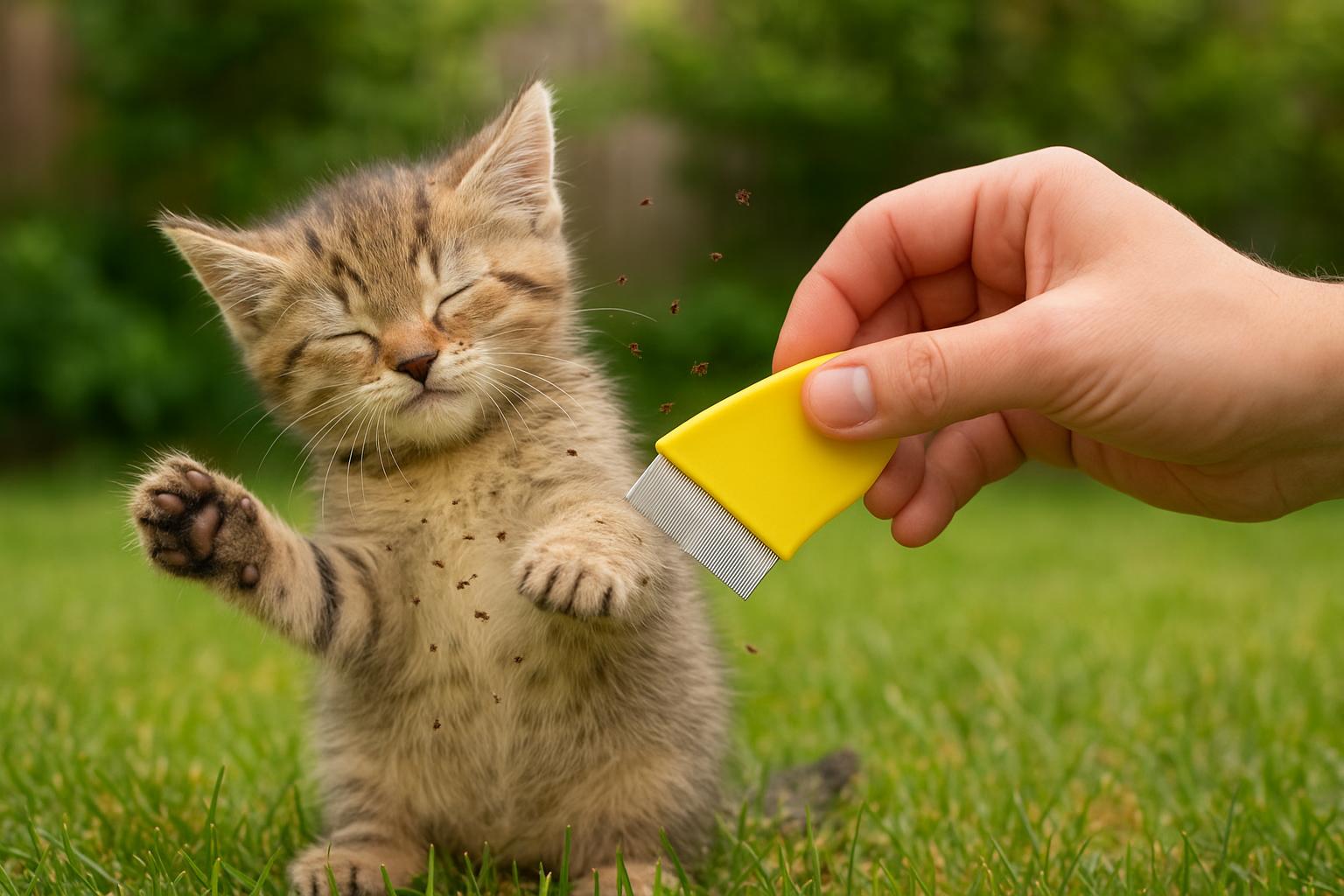
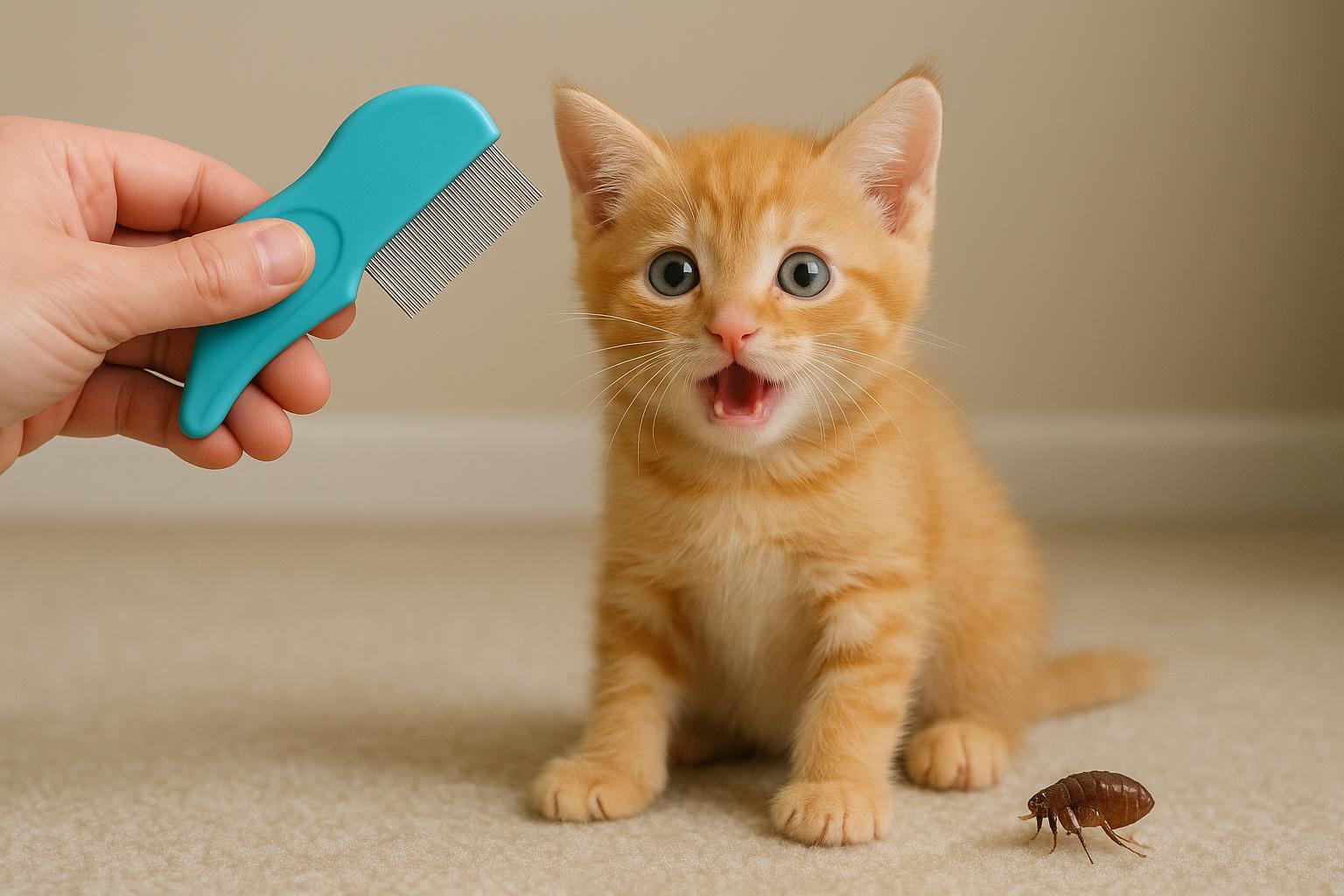
Check pets weekly with a flea comb, especially after walks or wildlife encounters. Early detection stops a few fleas from becoming an infestation. If you’re seeing adult fleas on pets despite environmental efforts, coordinate with your veterinarian for appropriate in-animal treatments and discuss timing to match environmental sprays.
### Wildlife And Domestic Animal Traffic
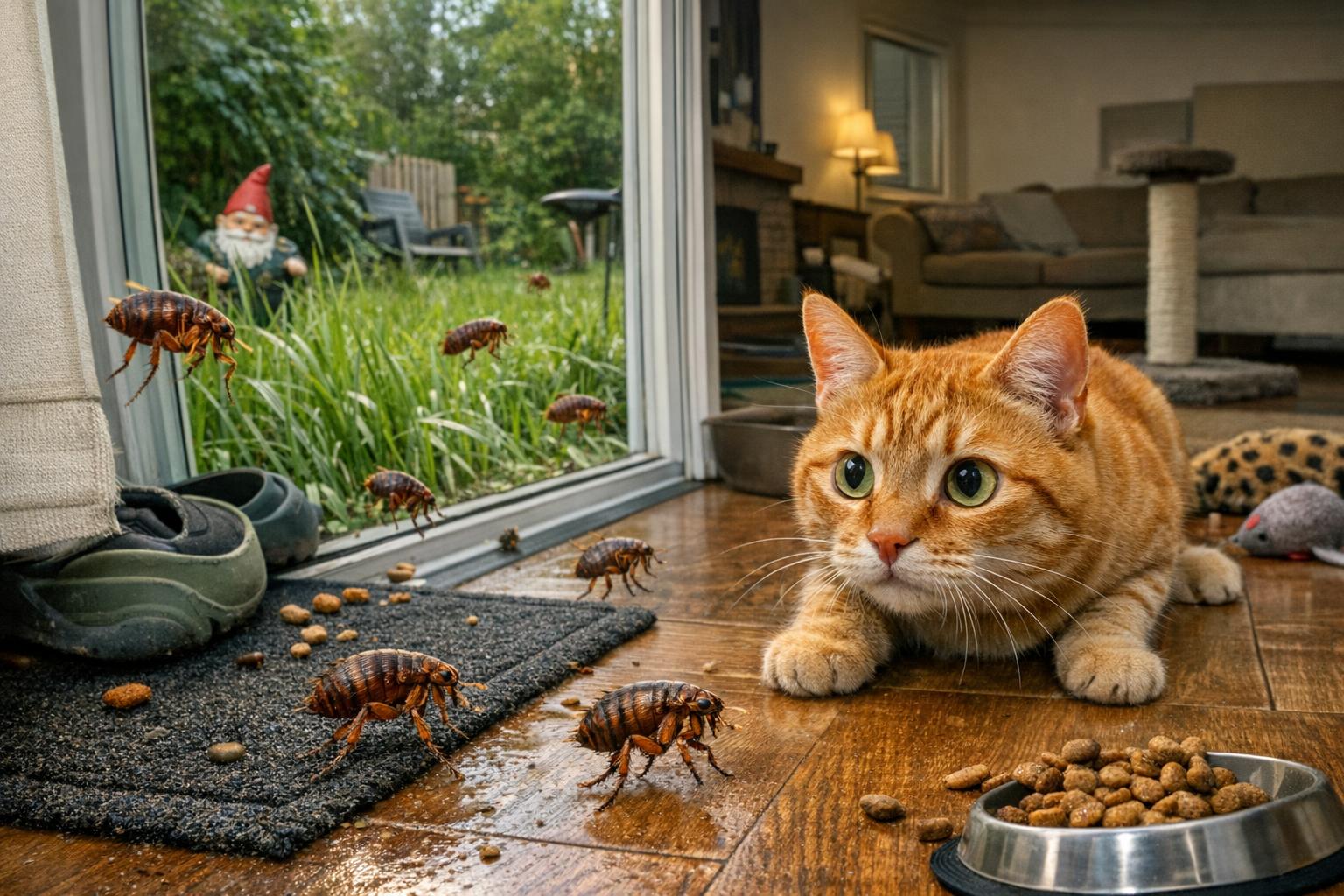
Wildlife can act as flea reservoirs. Reduce attractions by securing trash, removing fallen fruit, and avoiding bird seed on the ground if it draws rodents. If neighbor properties are heavily infested, discuss coordinated efforts; fleas don’t respect property lines.
### When To Call Professionals
If fleas persist despite diligent home remedies and yard maintenance, professional pest control specializing in integrated pest management (IPM) can evaluate heavy infestations. Professionals can target pupae and hidden reservoirs more aggressively while advising on safe chemical options and timing.
### Practical Tips For Success
– Timing Matters: Treat when temperatures are consistently above 50–55°F (10–13°C) and during peak flea season in your region.
– Be Consistent: Flea life cycles include pupae that can remain dormant. Repeat treatments according to the schedule above.
– Label Everything: Keep homemade solutions labeled with contents and date. Store safely away from children and pets.
– Keep Expectations Realistic: Homemade flea oil and essential-oil barriers reduce pressure and can substantially lower flea numbers, but they are most effective as part of a multi-pronged strategy including pet treatment and habitat modification.
If you decide to use these methods, you’ll likely find your yard less hospitable to fleas without turning it into a chemical battleground. The mix of a targeted flea oil spray for resting areas, an essential-oil perimeter, and sensible yard care gives you a realistic, pet-conscious toolbox for keeping those tiny jumpers from crashing the summer party.








Leave a Reply